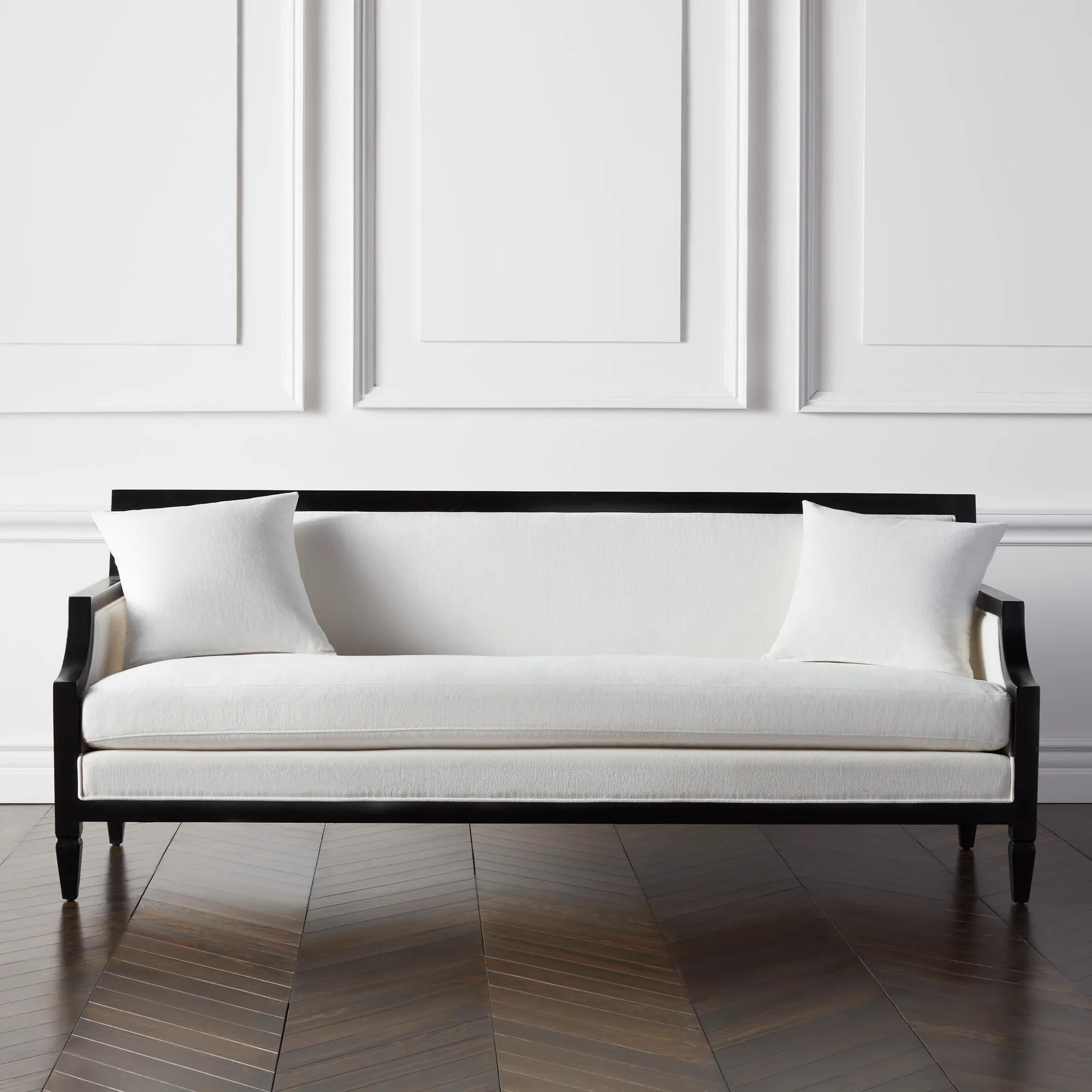
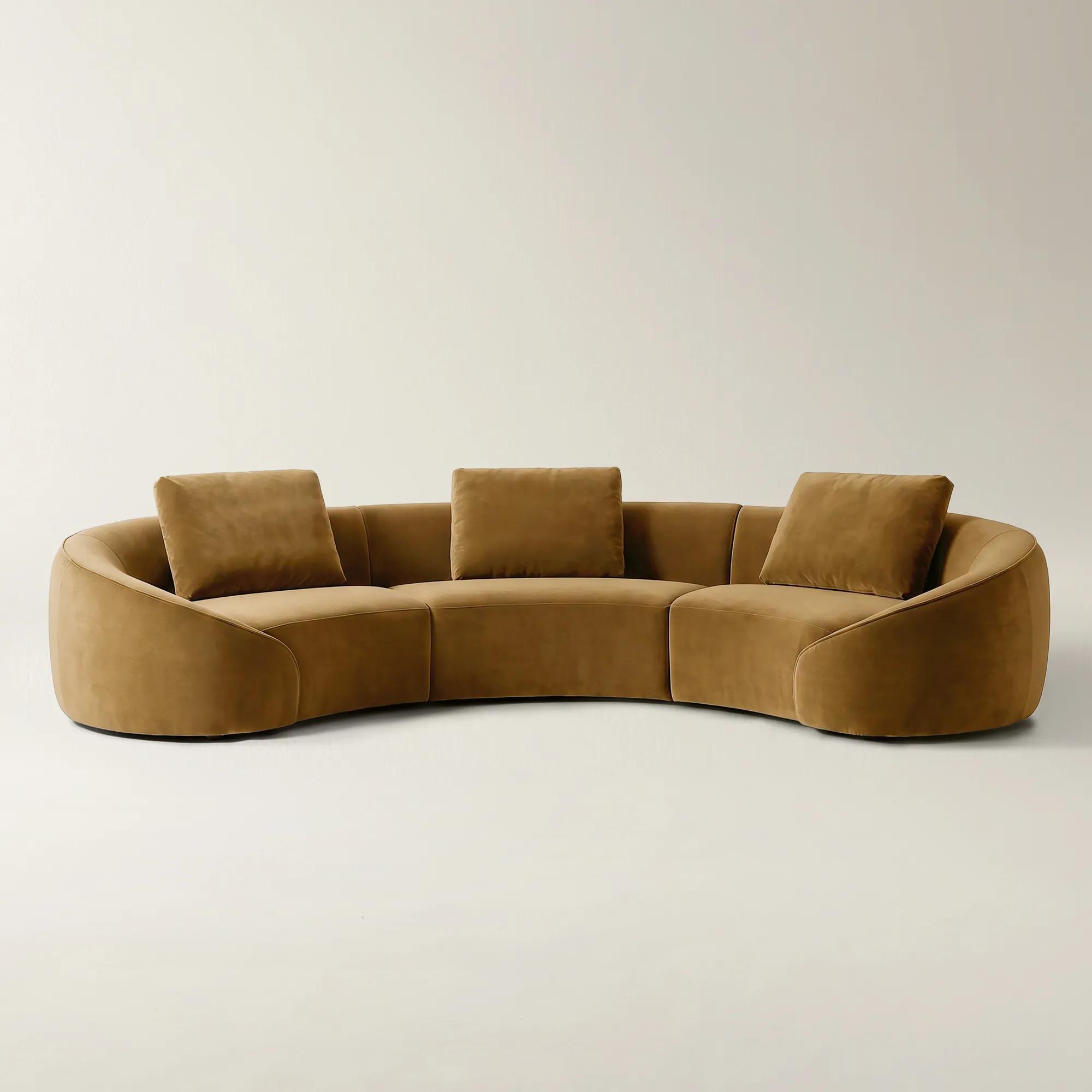
Soft Fabric Sectional Sofas
Soft Fabric Sectional Sofas
-
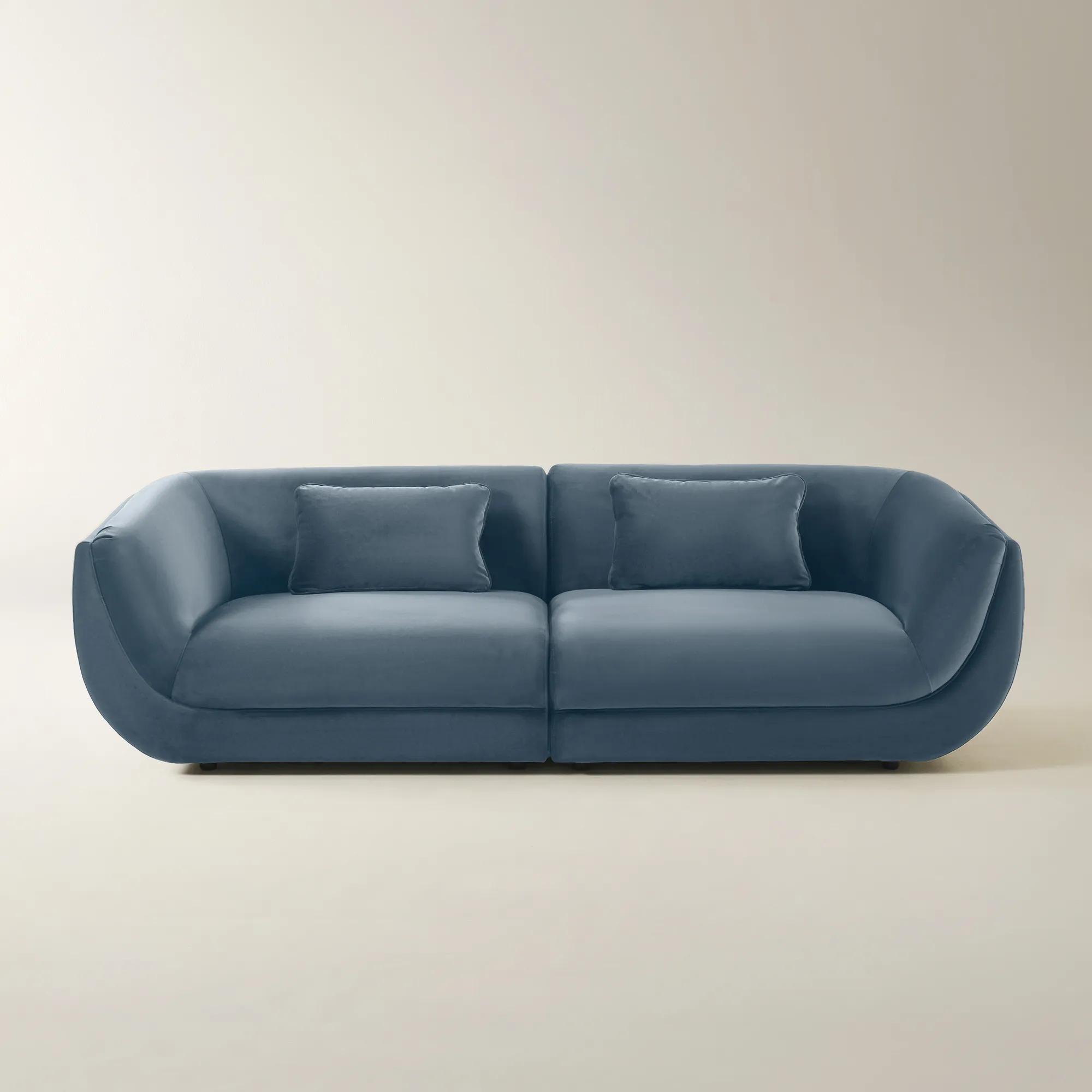 Curvia 2-Piece Dusty Blue Velvet Sectional Sofa$2699
A modular sectional wrapped in plush dusty blue velvet with sculptural curves and deep, lounge-worthy comfort.
Add To Cart -
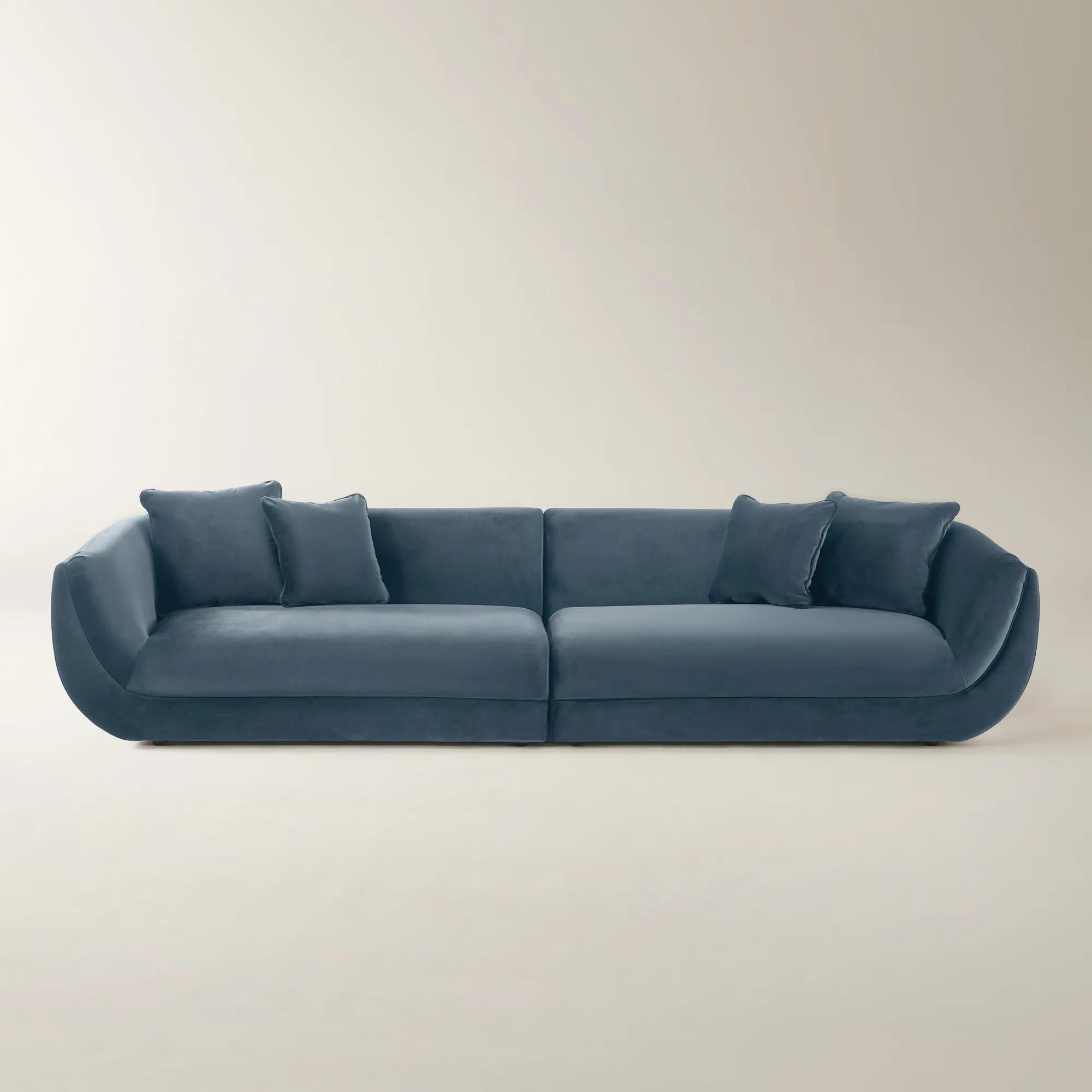
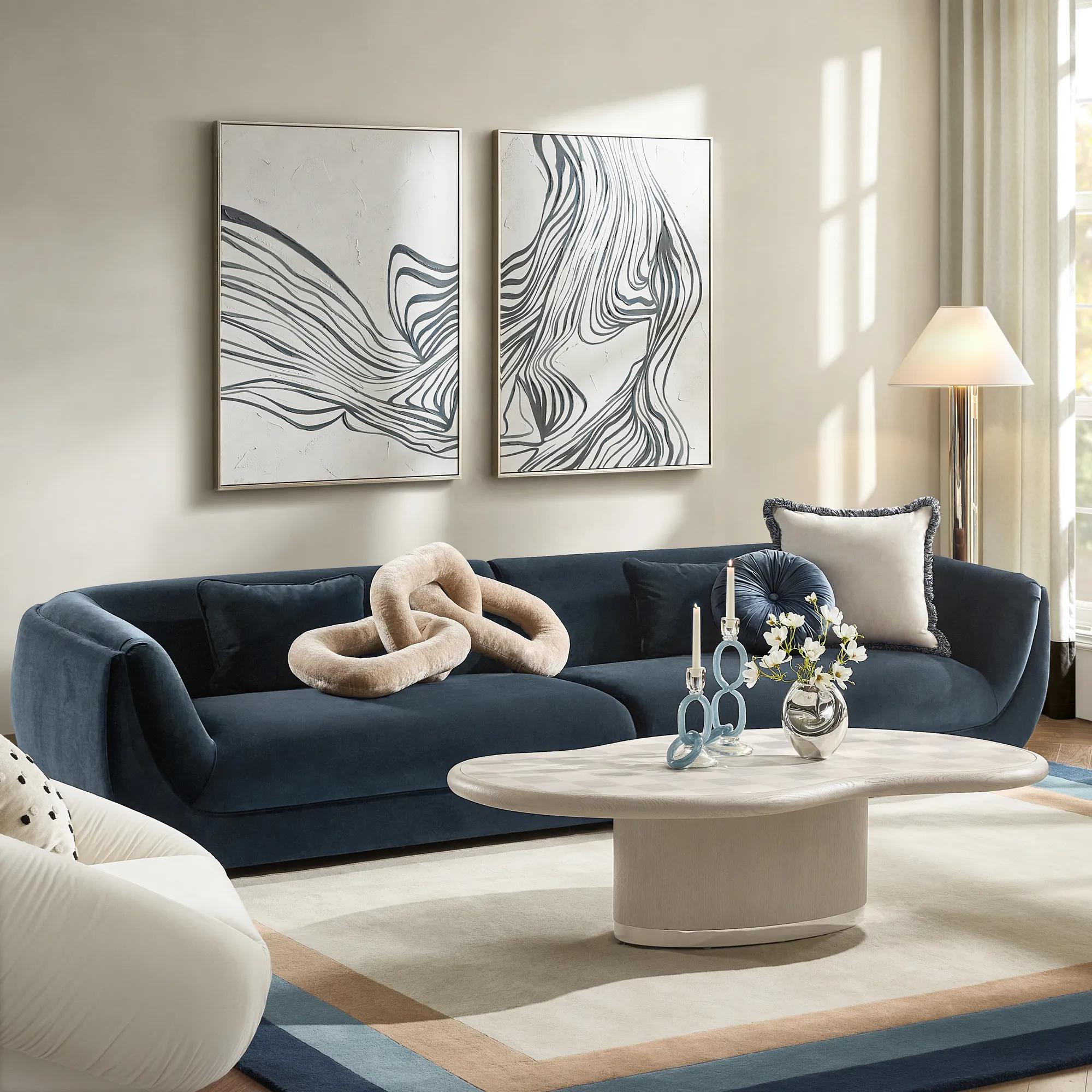 Curvia 2-Piece Dusty Blue Velvet Grand Sectional Sofa$2899
A plush, modular sectional wrapped in dusty blue velvet with sculptural curves and deep, lounge-worthy comfort.
Add To Cart -
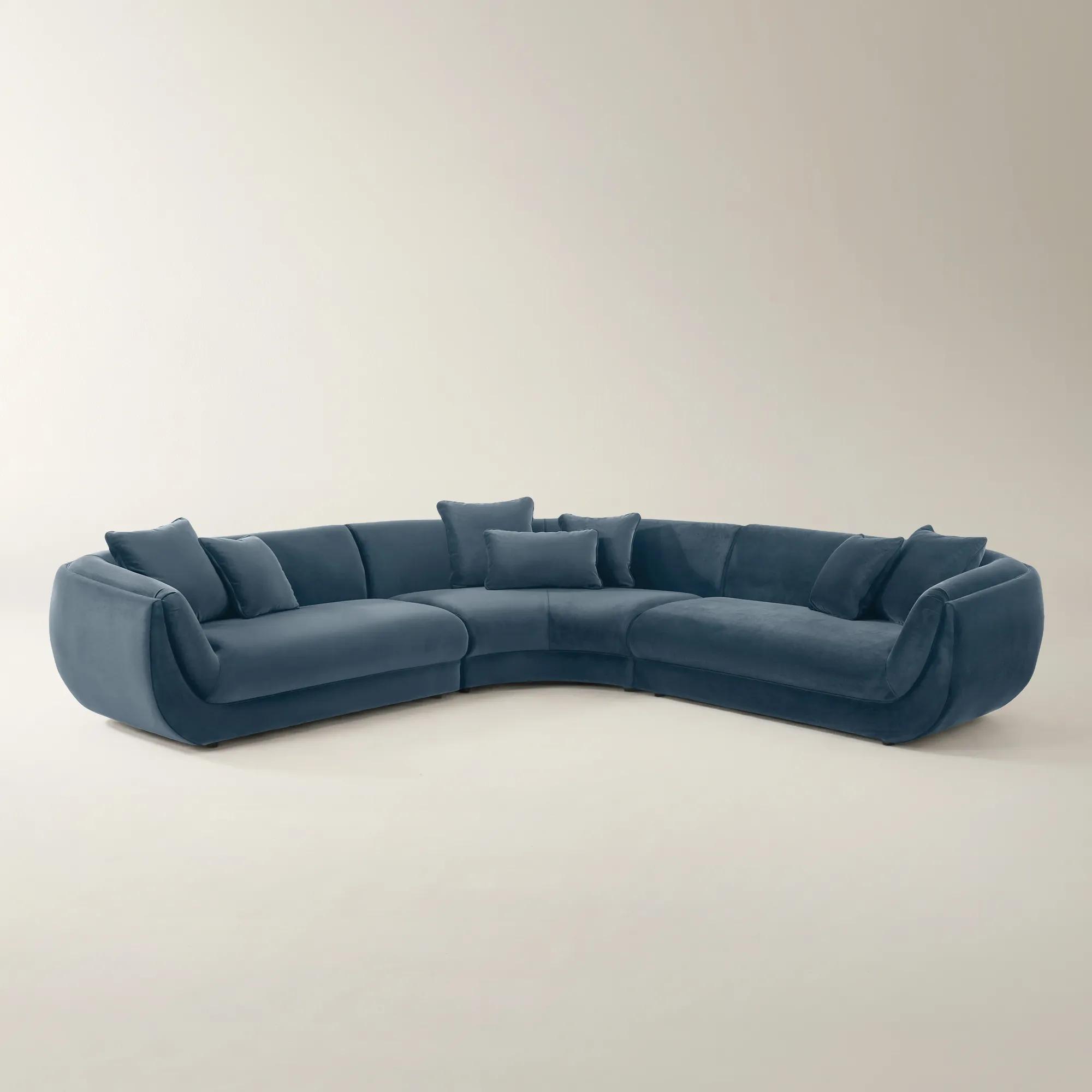
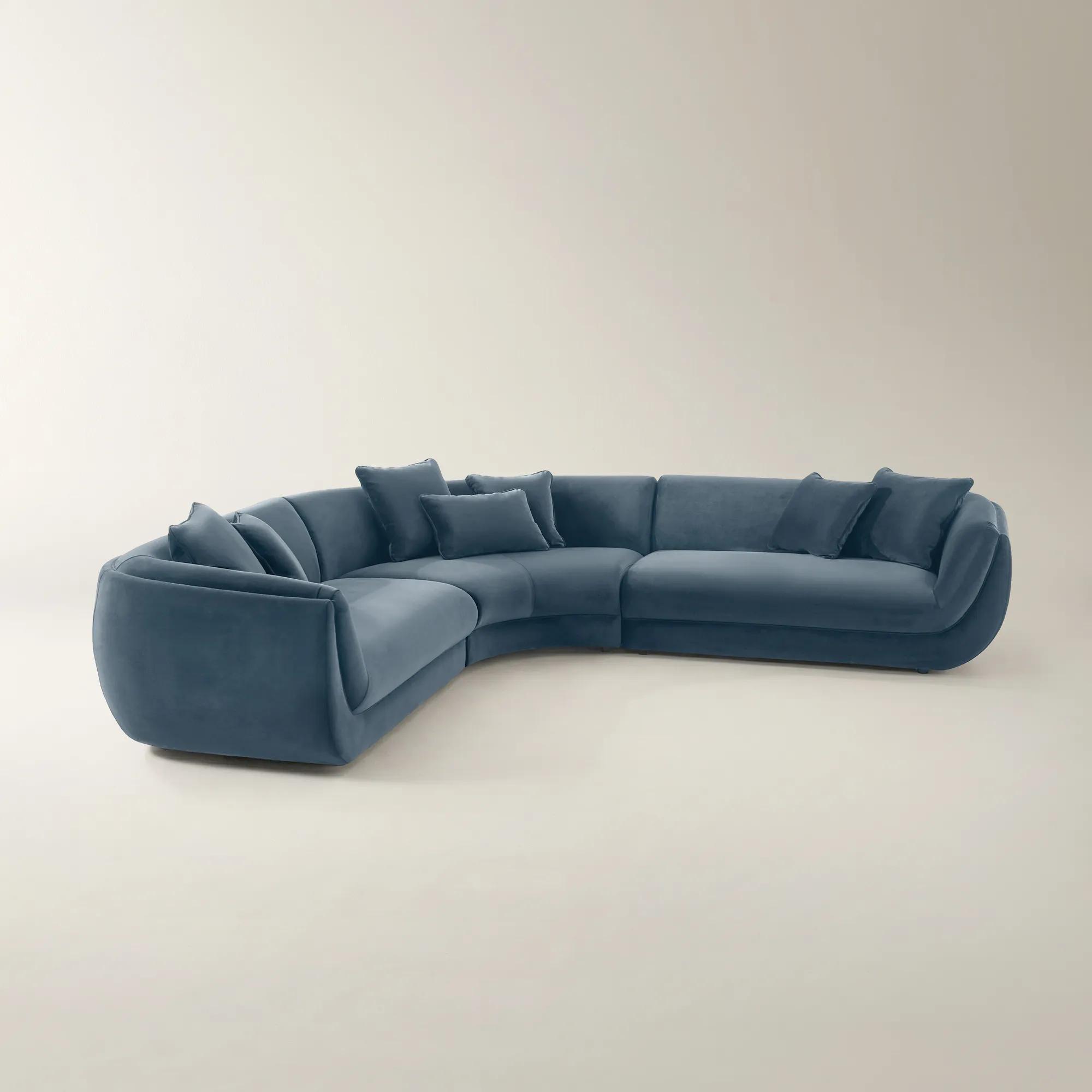 Curvia 3-Piece Dusty Blue Velvet Sectional Sofa$4599
A modular sectional wrapped in plush dusty blue velvet with deep lounge seating and sculptural curves.
Add To Cart -

 Curvia 2-Piece Dark Chocolate Velvet Sectional Sofa$2699
A sculptural sectional wrapped in dark chocolate velvet with plush cushioning and modular, lounge-ready design.
Add To Cart -

 Curvia 2-Piece Dark Chocolate Velvet Grand Sectional Sofa$2899
A modular sectional wrapped in dark chocolate velvet, featuring sculptural curves and deep, plush lounge seating.
Add To Cart -
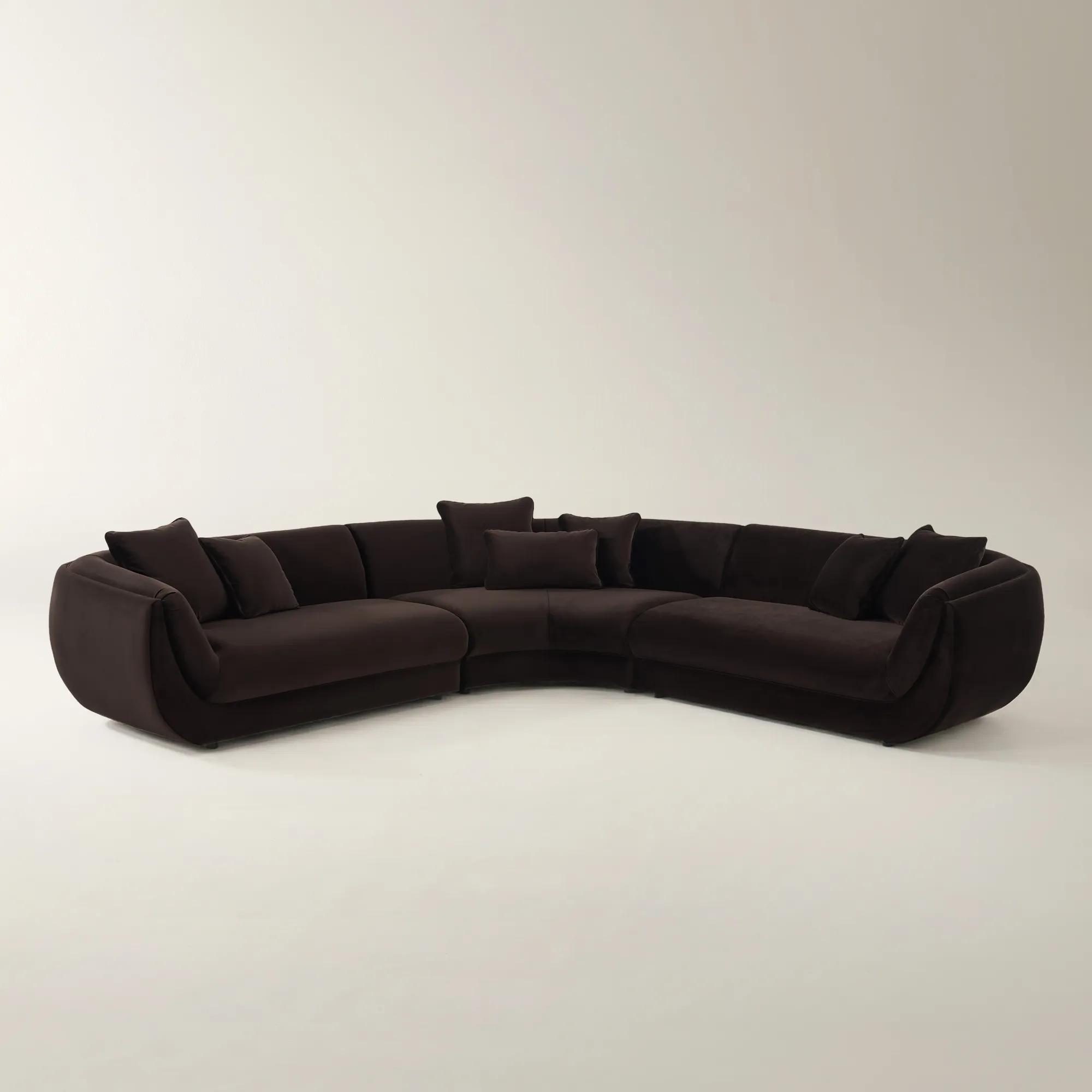
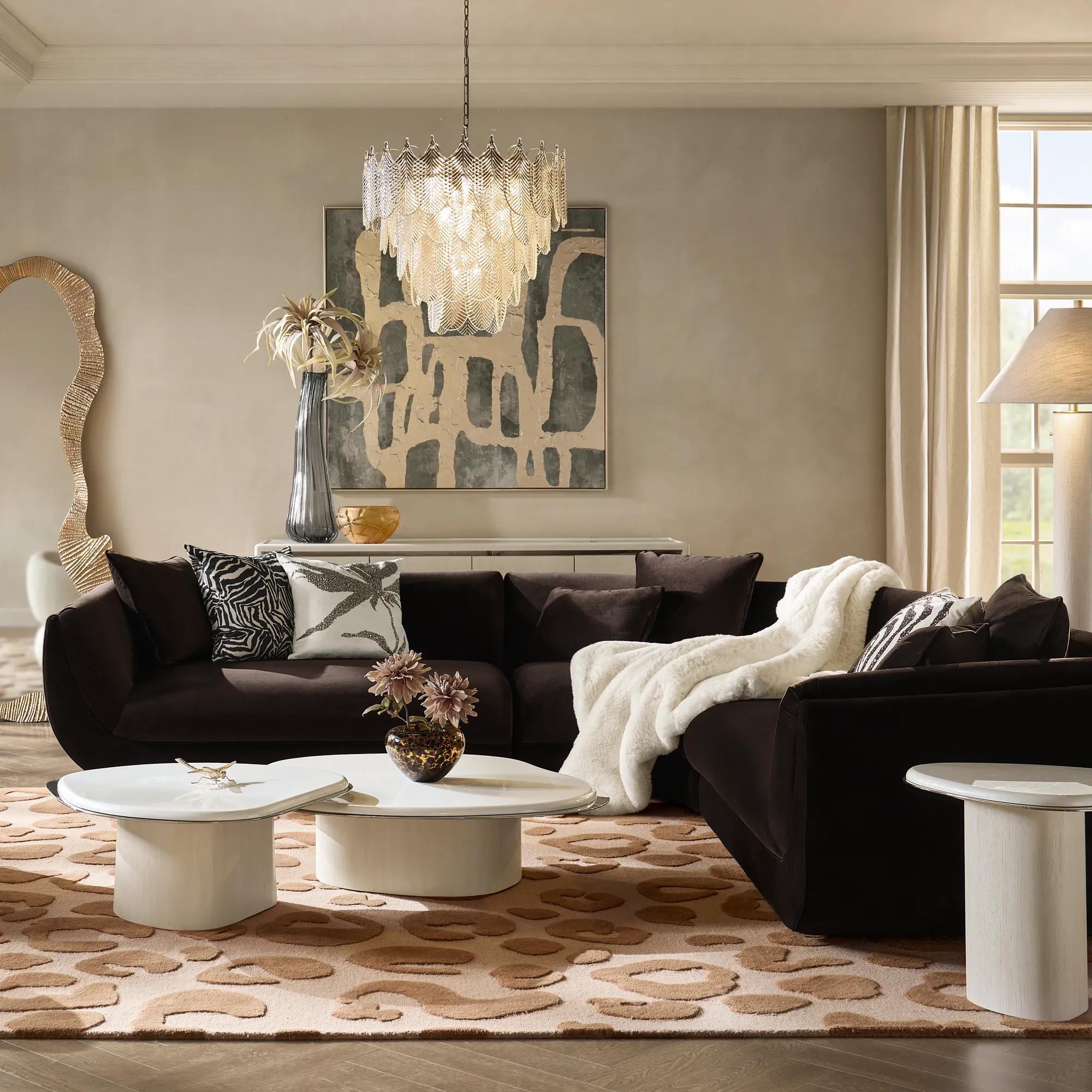 Curvia 3-Piece Dark Chocolate Velvet Sectional Sofa$4599
A modular sectional wrapped in dark chocolate velvet, featuring sculptural curves and deep, plush lounge seating.
Add To Cart -
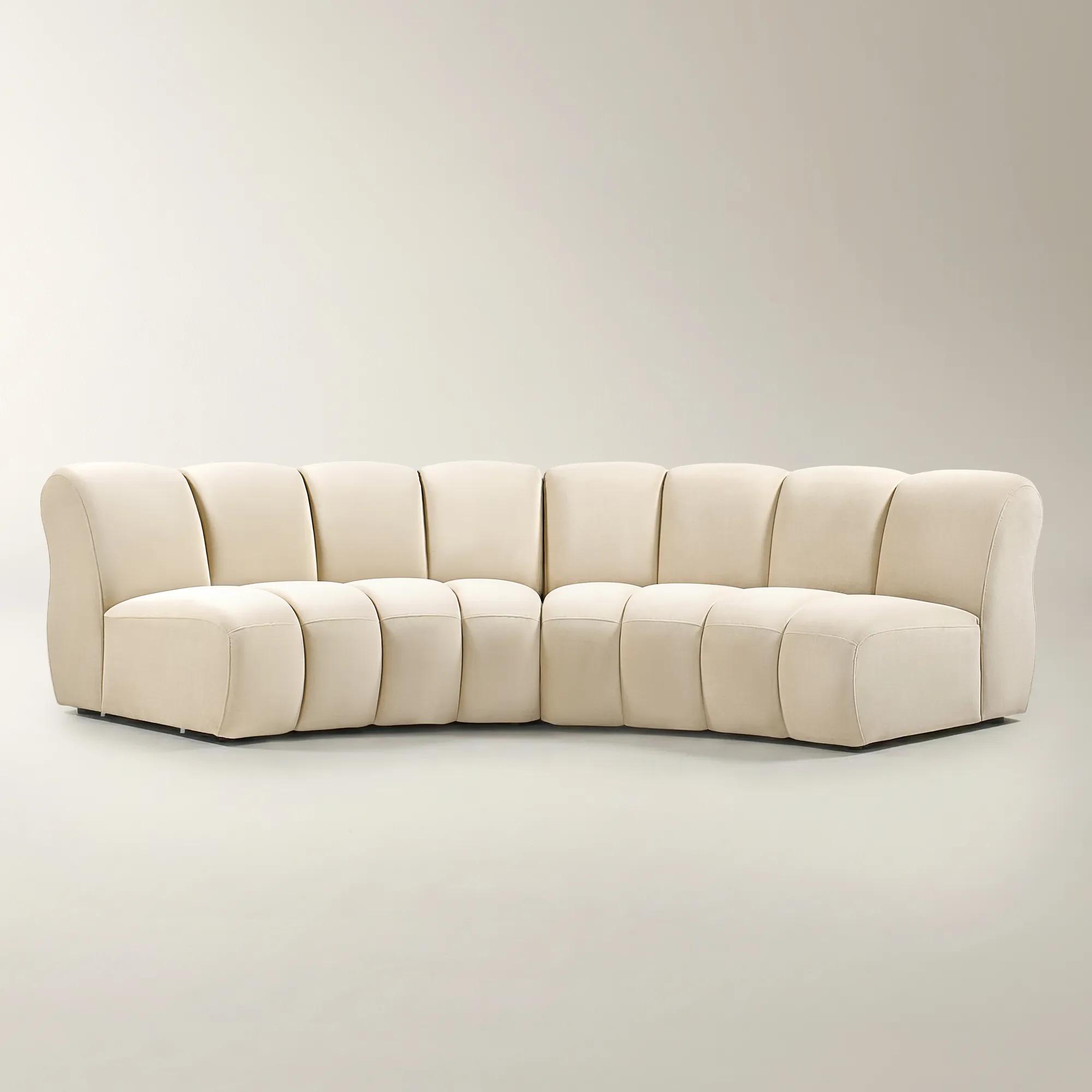
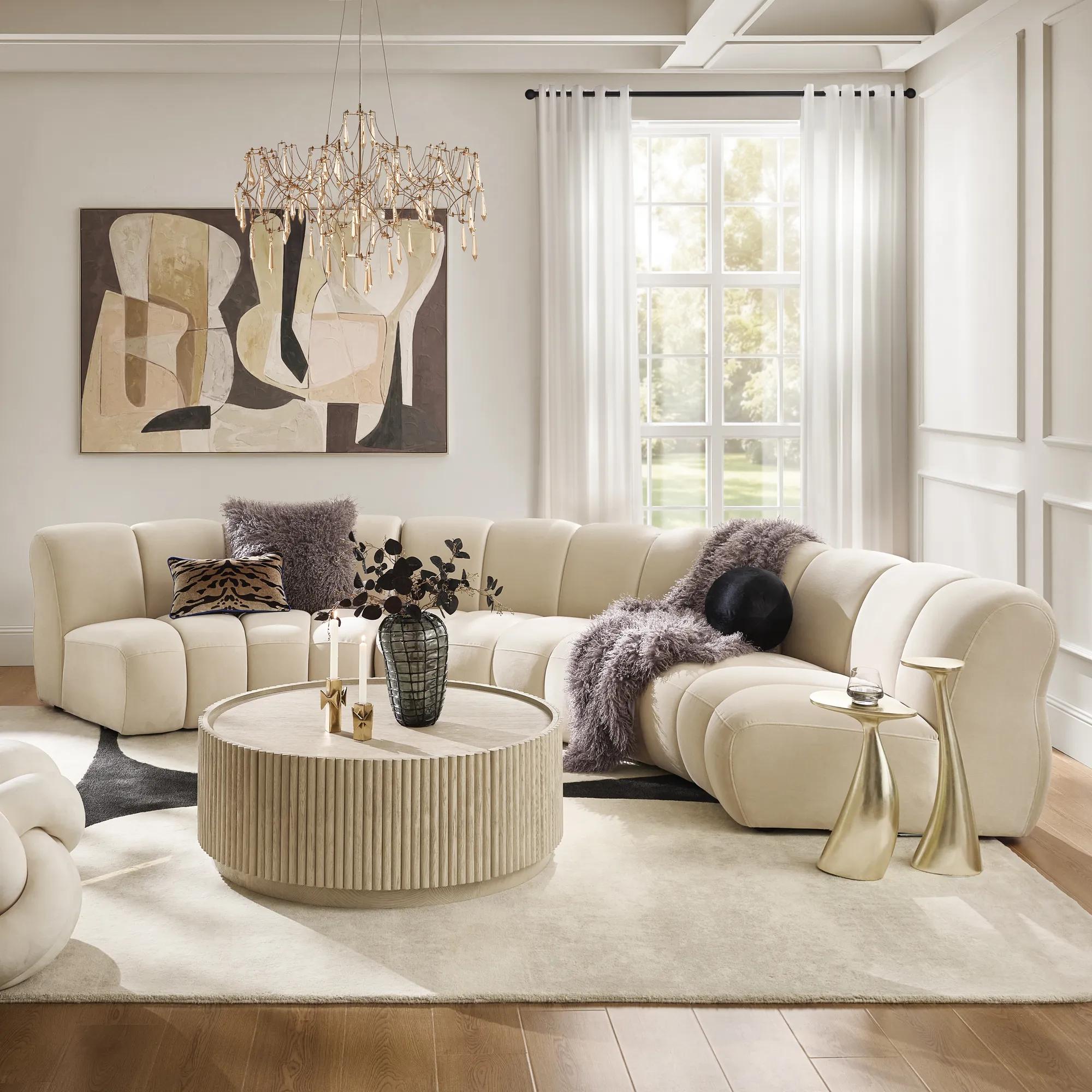 Jocelyn 2-Piece Channel-Tufted Oatmeal Velvet Sectional Sofa$2699
A sculptural oatmeal velvet sectional with deep channel tufting, curved silhouette, and modular, conversation-friendly design.
Add To Cart -
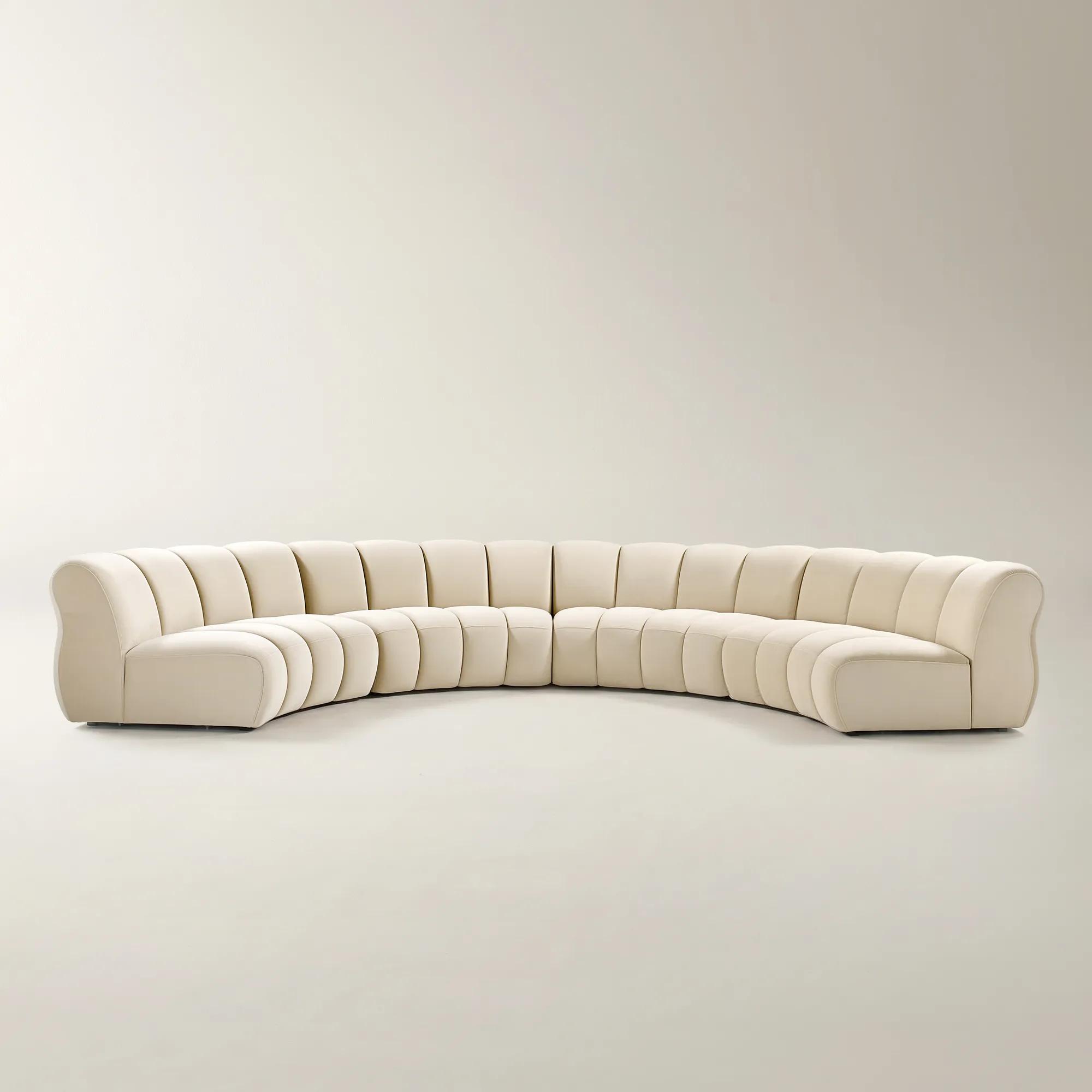
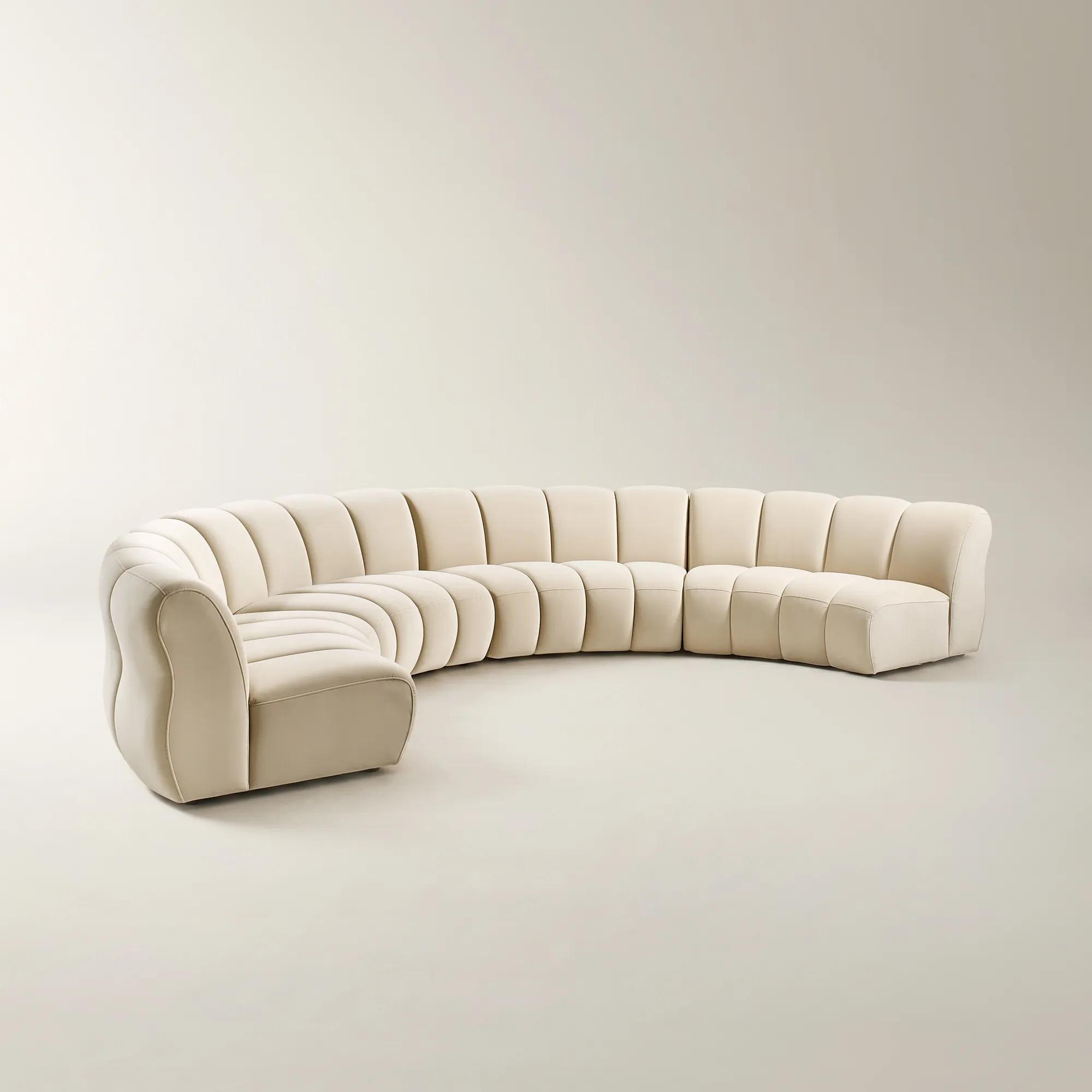 Jocelyn 4-Piece Channel-Tufted Oatmeal Velvet Sectional Sofa$4999
An oatmeal velvet sectional with deep channel tufting, curved silhouette, and modular design for versatile lounging.
Add To Cart -
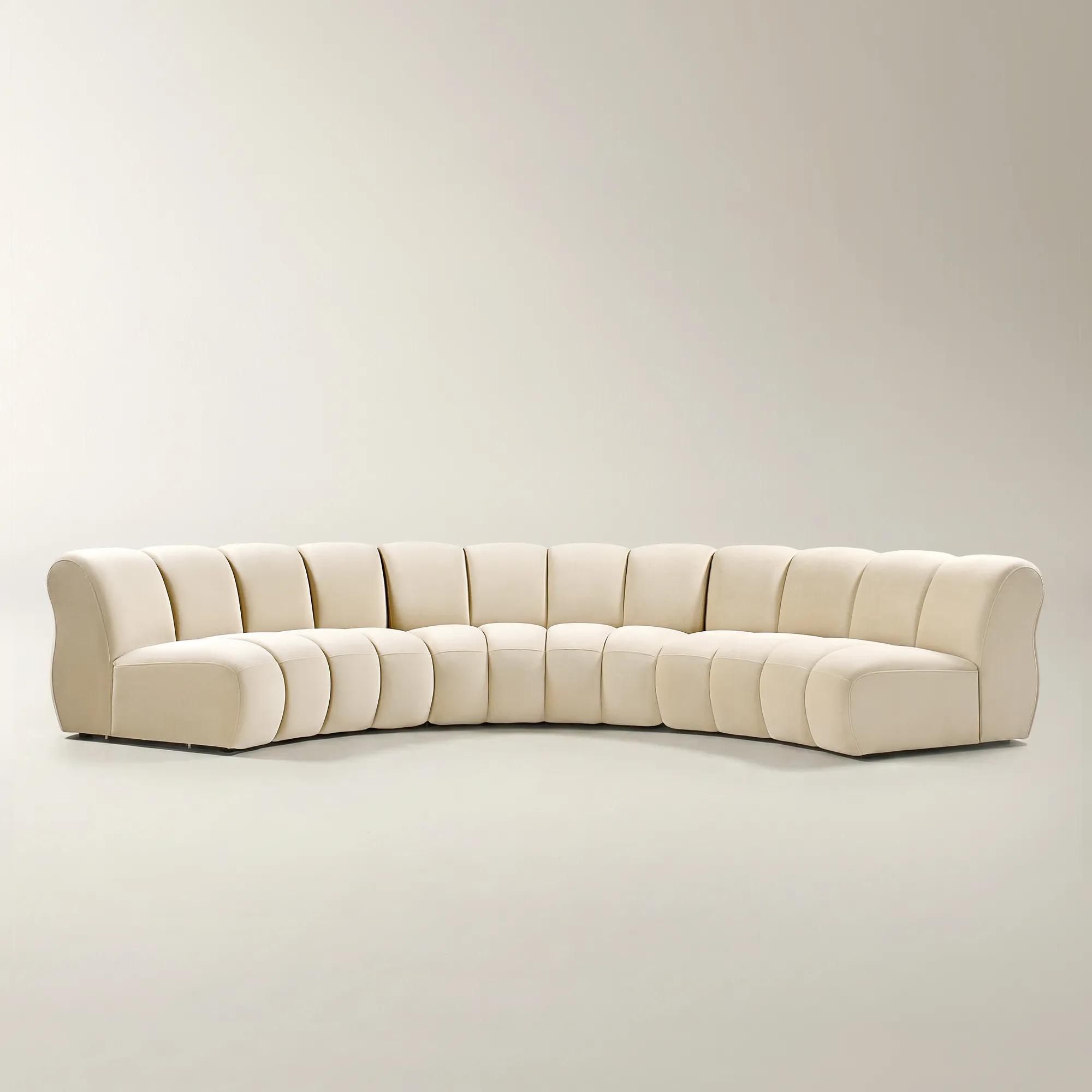
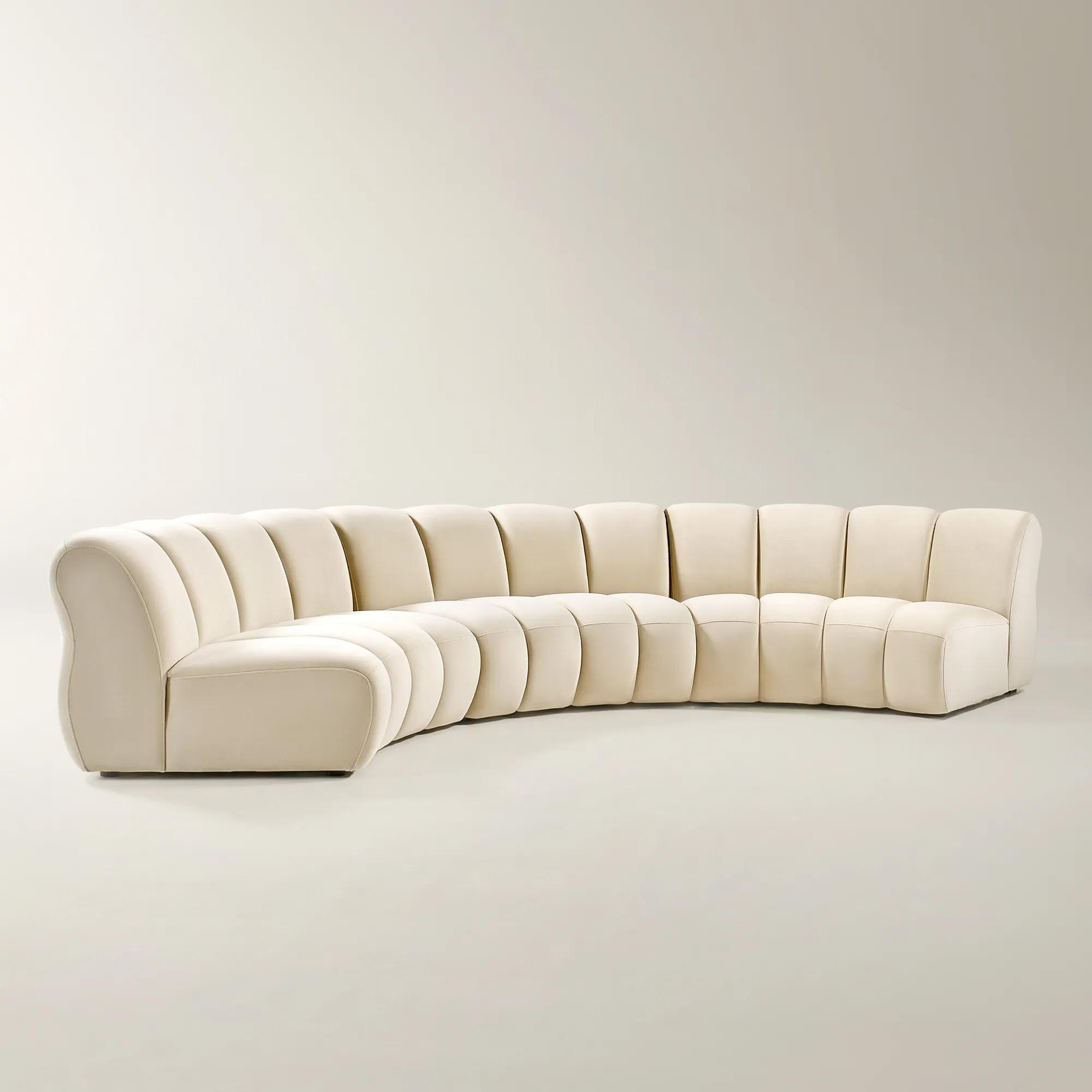 Jocelyn 3-Piece Channel-Tufted Oatmeal Velvet Sectional Sofa$4099
An oatmeal velvet sectional featuring deep channel tufting, sculptural curves, and modular, kiln-dried wood construction.
Add To Cart -

 Reina 3-Piece Tufted Oatmeal Velvet Sectional Sofa$2499
A plush oatmeal velvet sectional featuring channel tufting, deep seating, and an architectural winged silhouette.
Add To Cart -
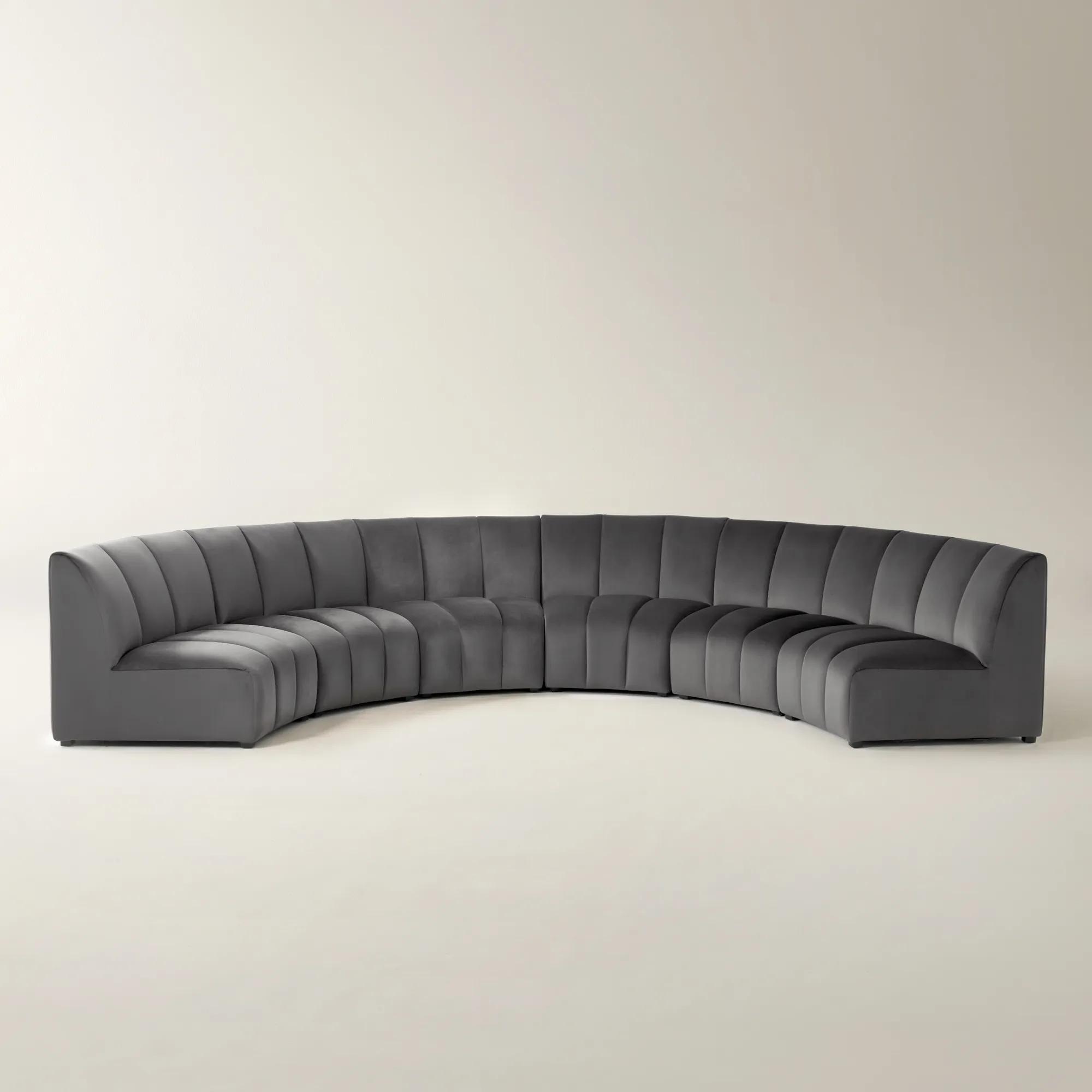 Jayce 6-Piece Channel-Tufted Smoked Pearl Velvet Sectional Sofa$5499
A modern curved sectional in silver grey velvet with deep channel tufting and plush, high-density cushions.
Add To Cart -
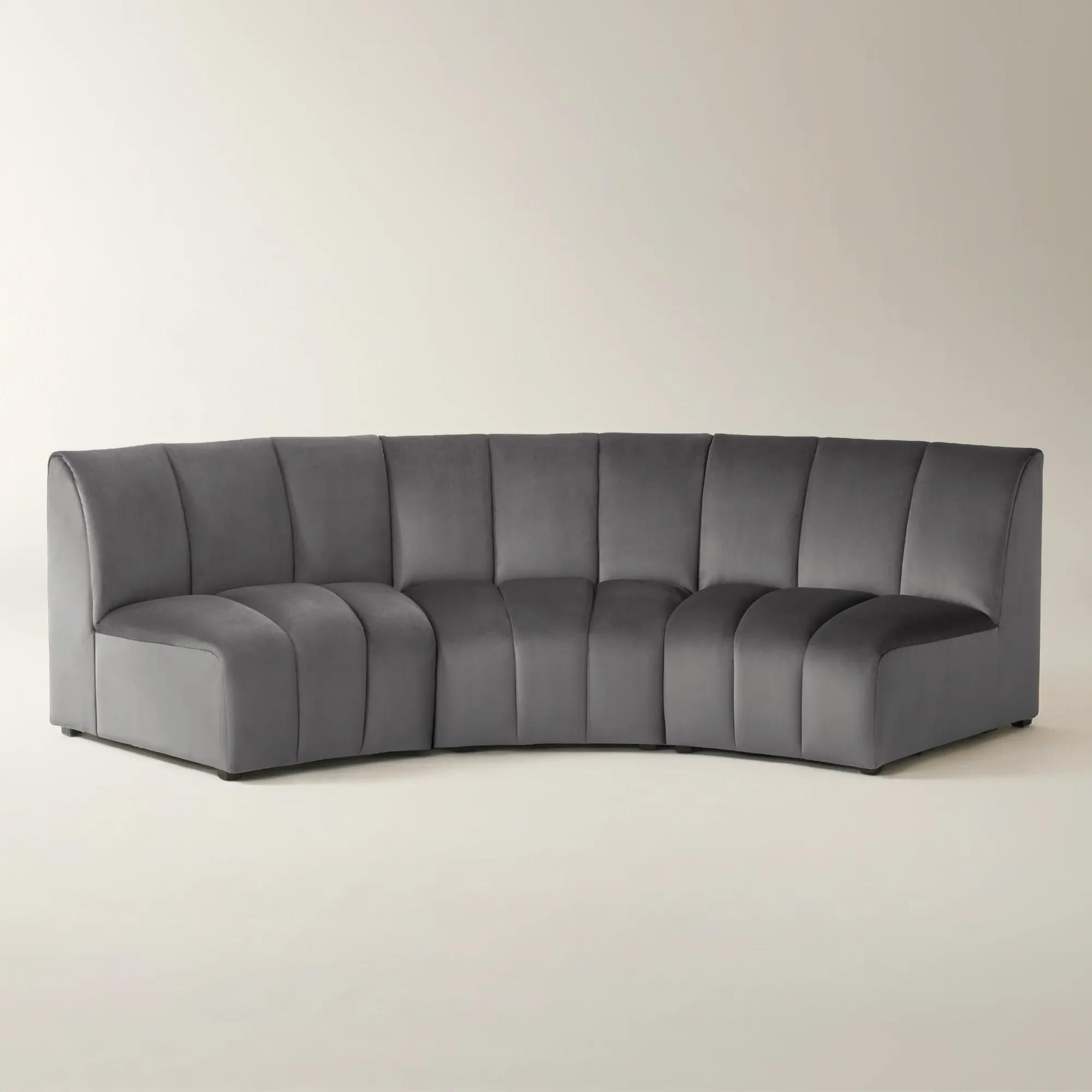 Jayce 3-Piece Channel-Tufted Smoked Pearl Velvet Sectional Sofa$2799
A modern curved sectional in silver grey velvet with deep channel tufting and plush, high-density foam cushions.
Add To Cart -
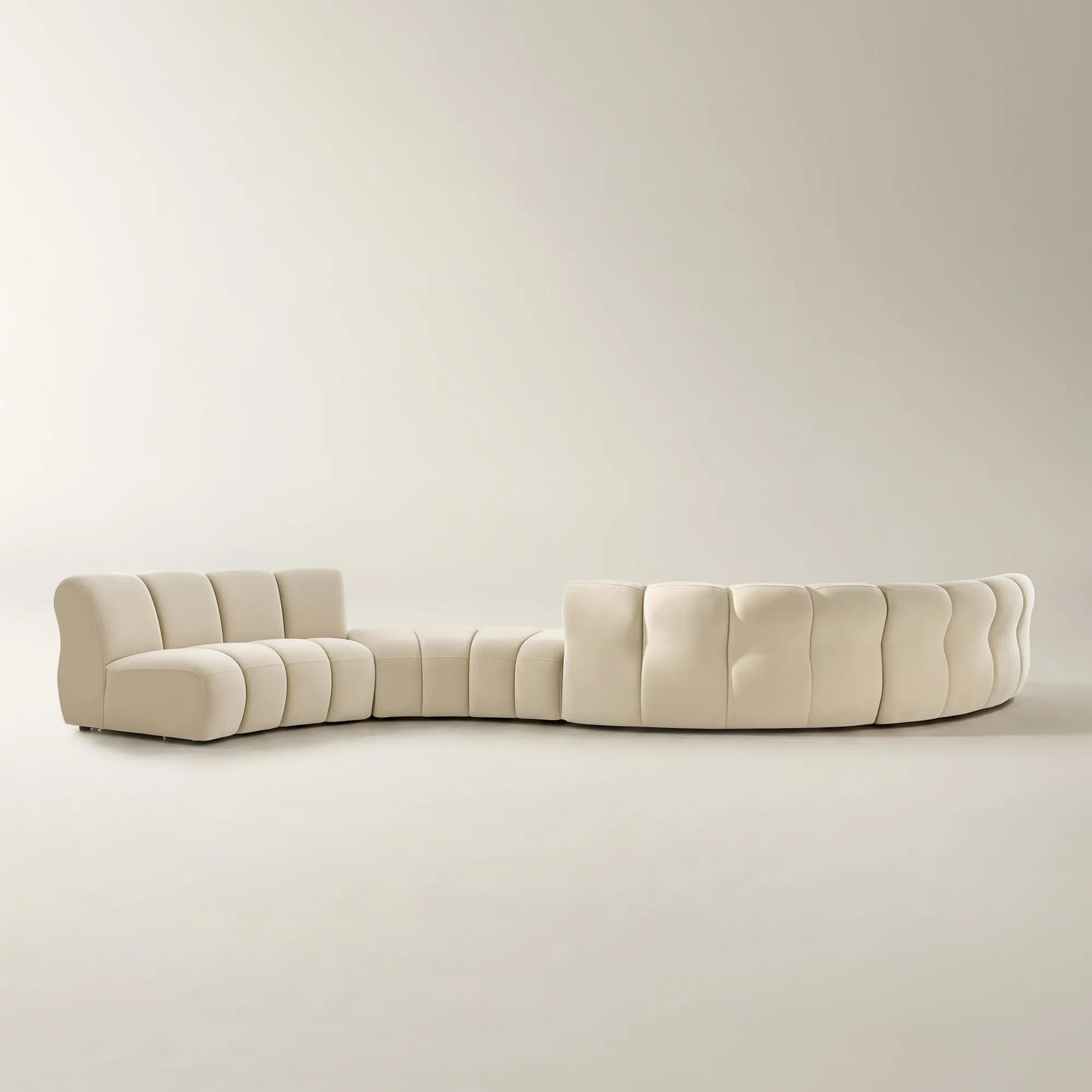 Jocelyn 4-Piece Channel-Tufted Oatmeal Velvet Sectional Sofa With Ottoman$4999
An oatmeal velvet sectional with deep channel tufting, curved silhouette, and modular design for flexible arrangements.
Add To Cart -
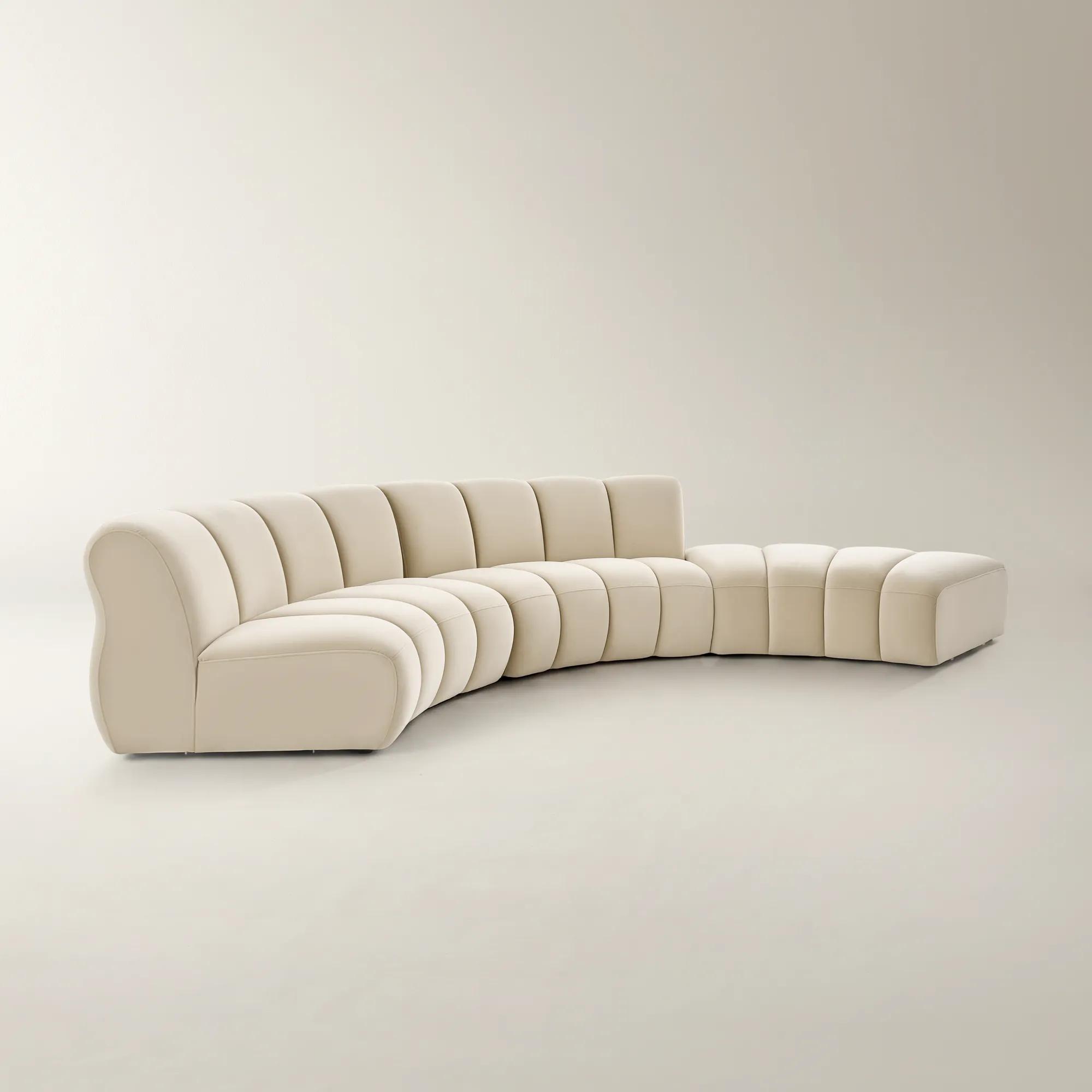 Jocelyn 3-Piece Channel-Tufted Oatmeal Velvet Sectional Sofa With Ottoman$3699
An oatmeal velvet sectional with deep channel tufting, curved silhouette, and modular design for versatile lounging.
Add To Cart -
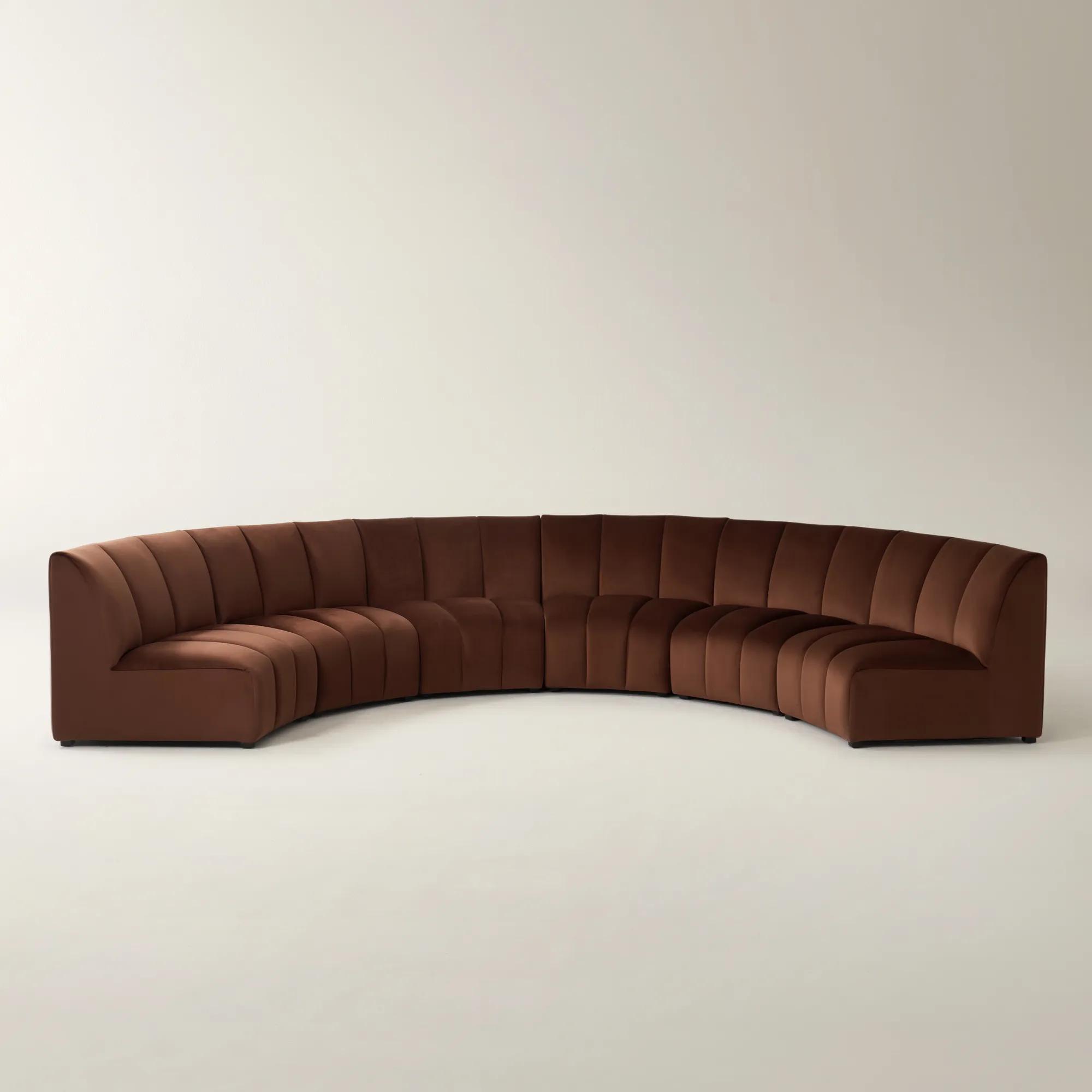
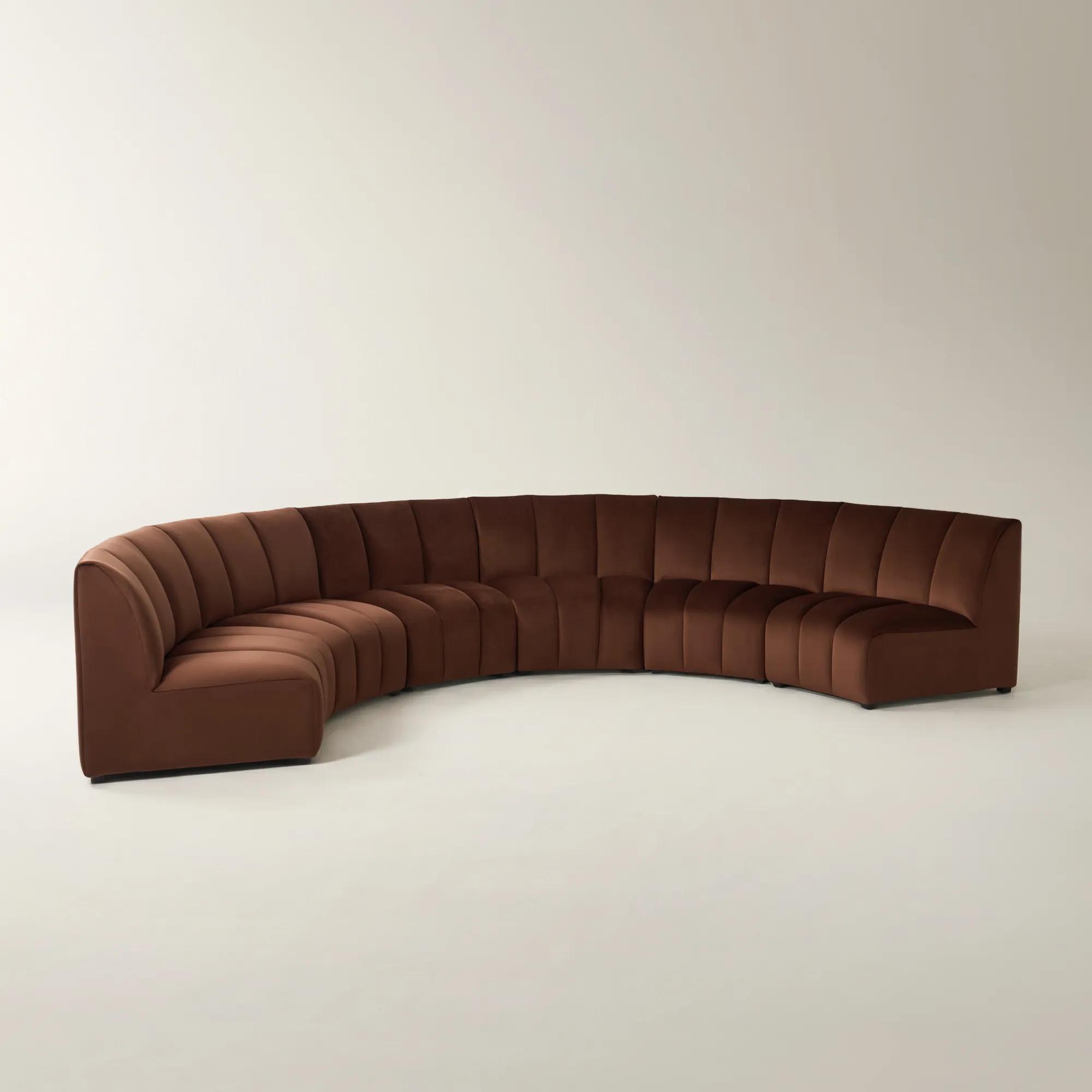 Jayce 6-Piece Channel-Tufted Burnt Umber Velvet Sectional Sofa$5499
A modern curved sectional in silver grey velvet with deep channel tufting and plush, high-density foam cushions.
Add To Cart -
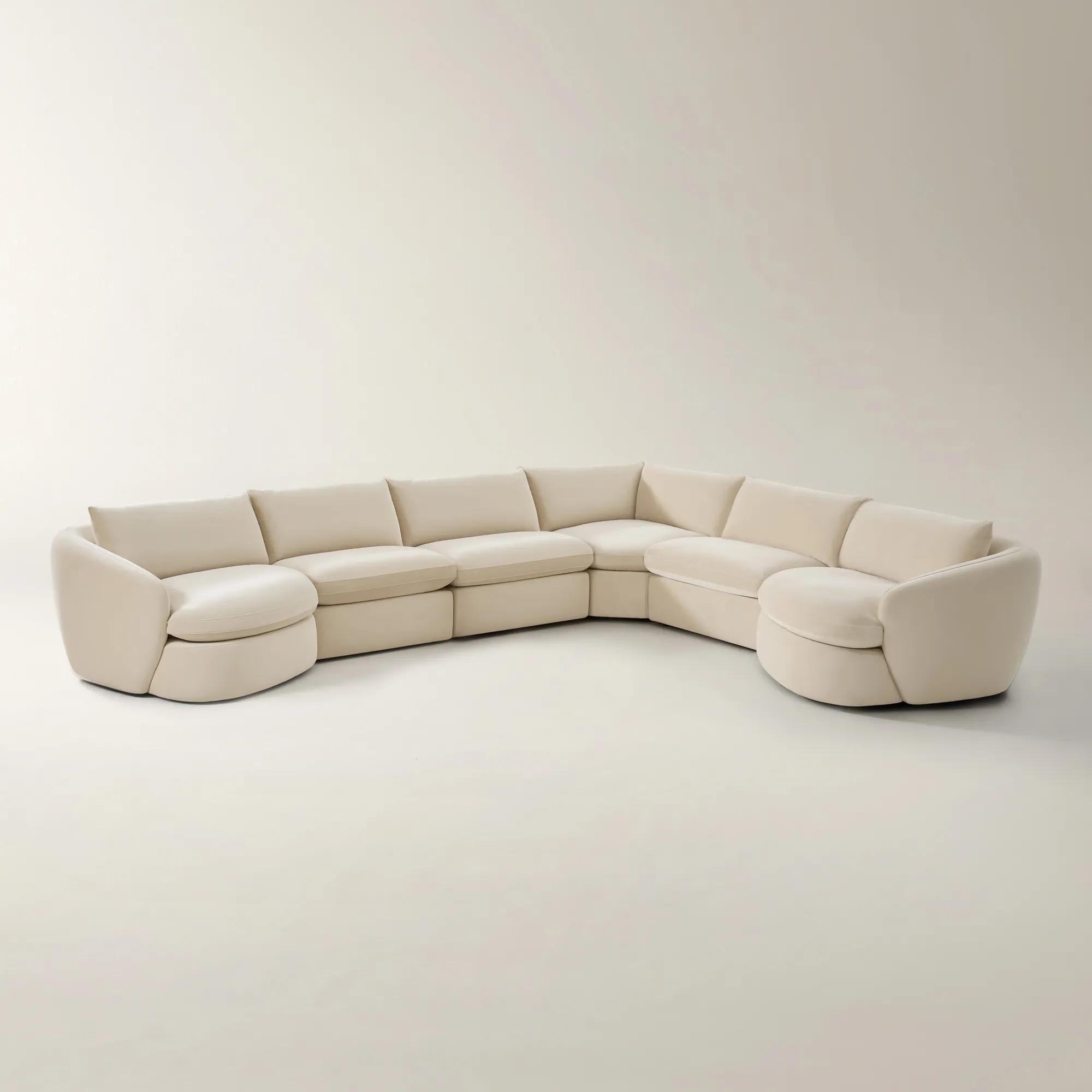
 Sabrina 6-Piece Oatmeal Velvet Sectional$6999
An inviting L-shaped sectional in soft oatmeal velvet with plush feather-blend cushions and modular design.
Add To Cart -
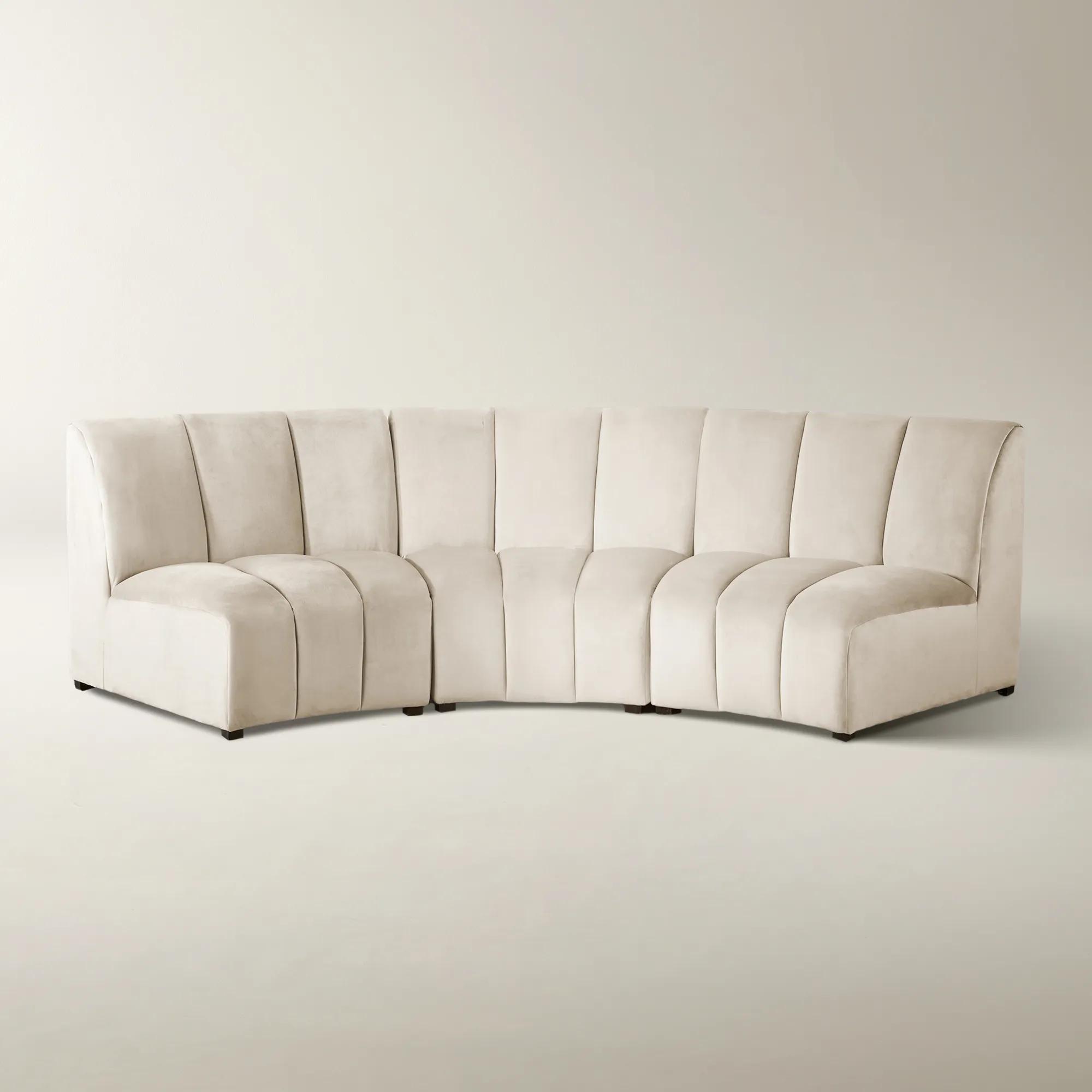
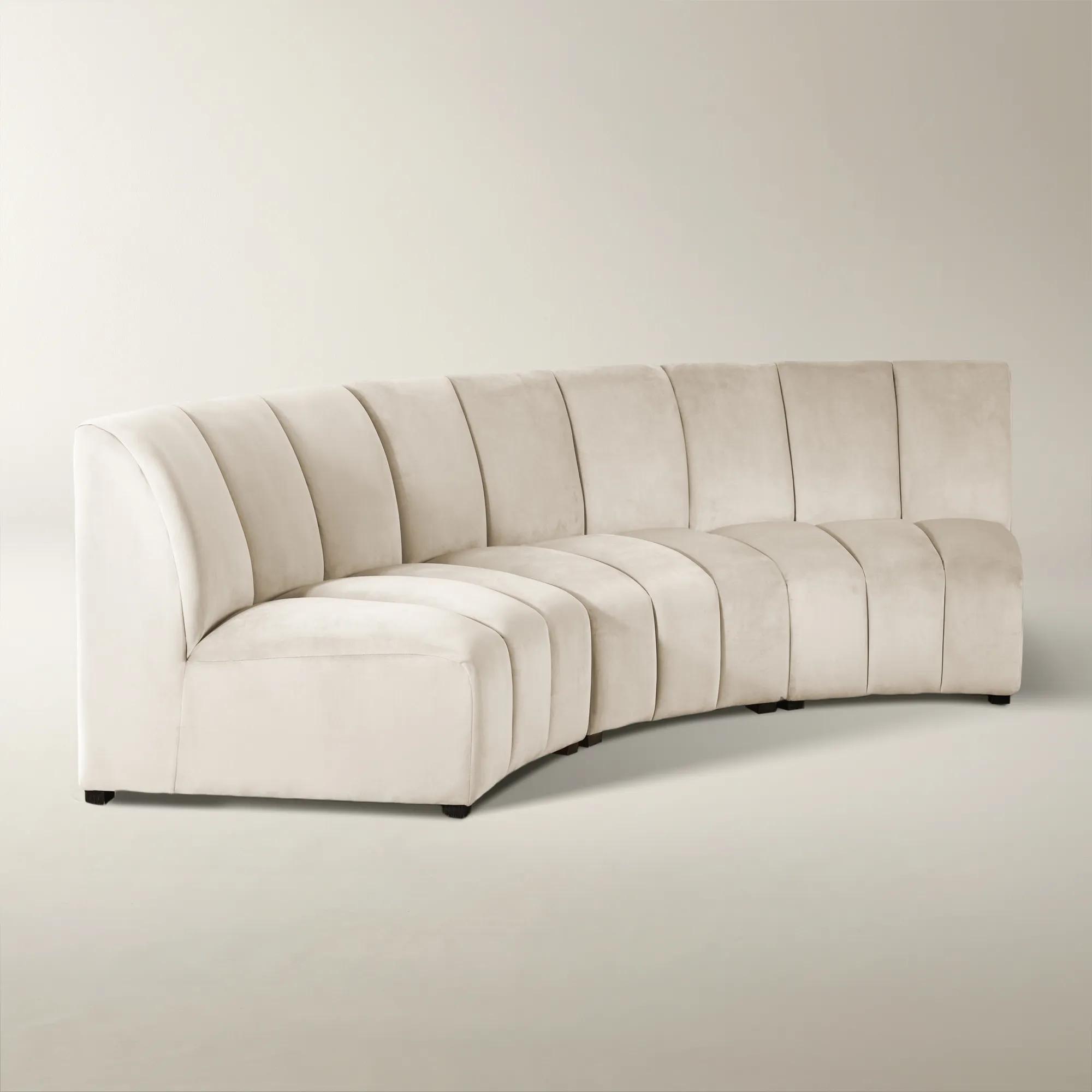 Jayce 3-Piece Channel-Tufted Ivory Velvet Sectional Sofa$2799
A modern curved sectional in stain-resistant Velvet Ivory with deep channel tufting and plush, structured cushions.
Add To Cart -
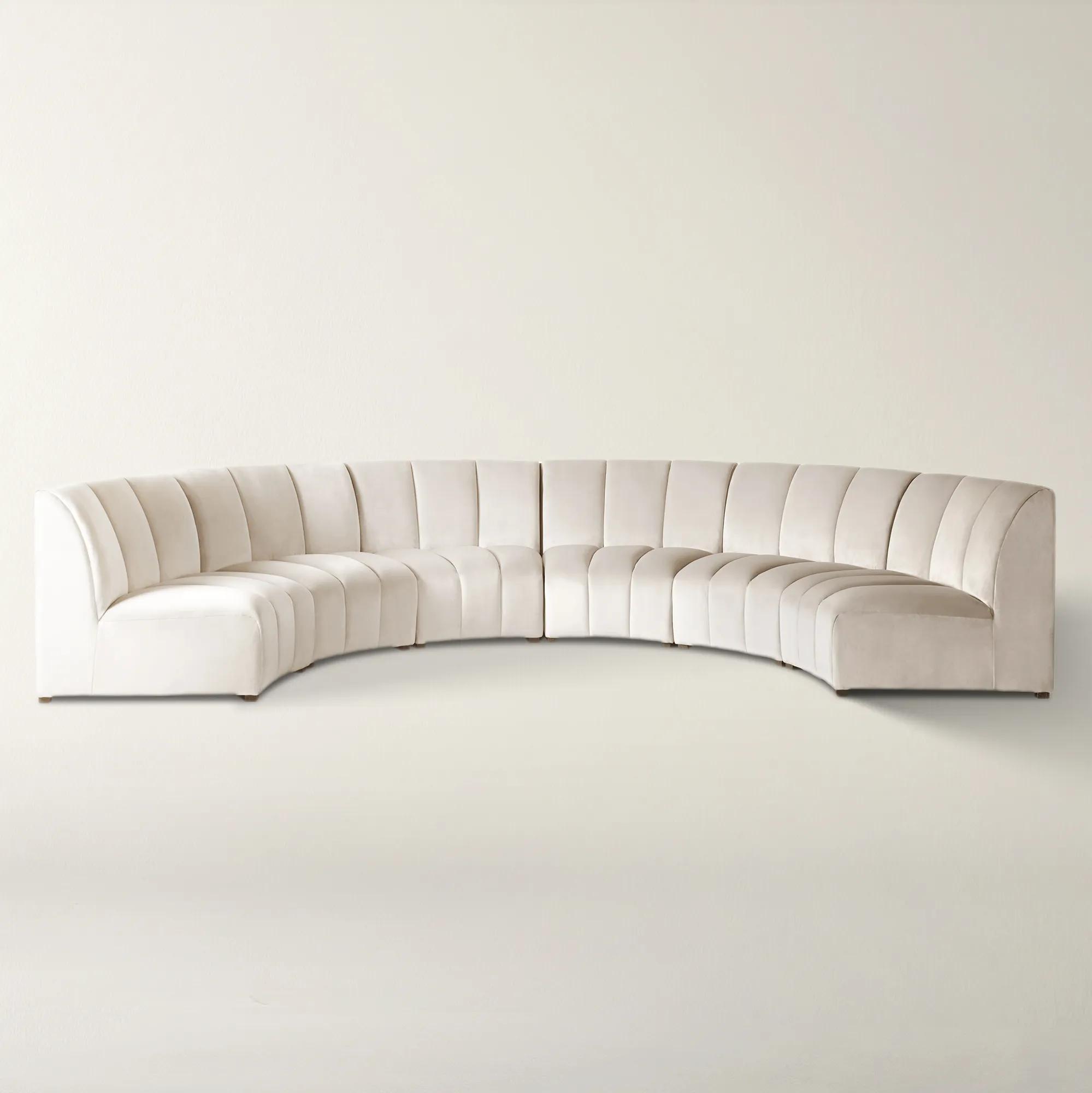 Jayce 6-Piece Channel-Tufted Ivory Velvet Sectional Sofa$5499
A modern curved sectional in stain-resistant Velvet Ivory with deep channel tufting and plush, structured cushions.
Add To Cart -
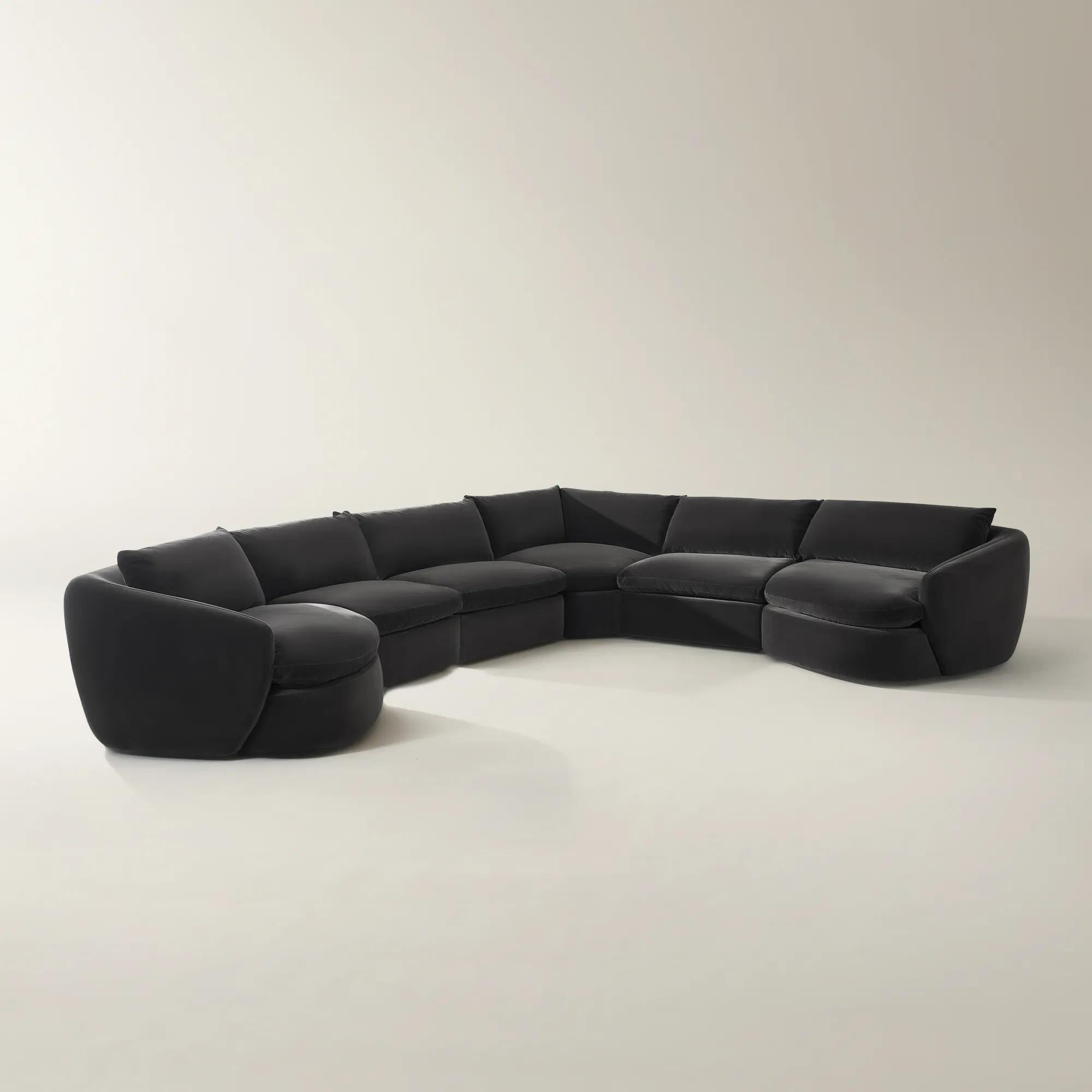
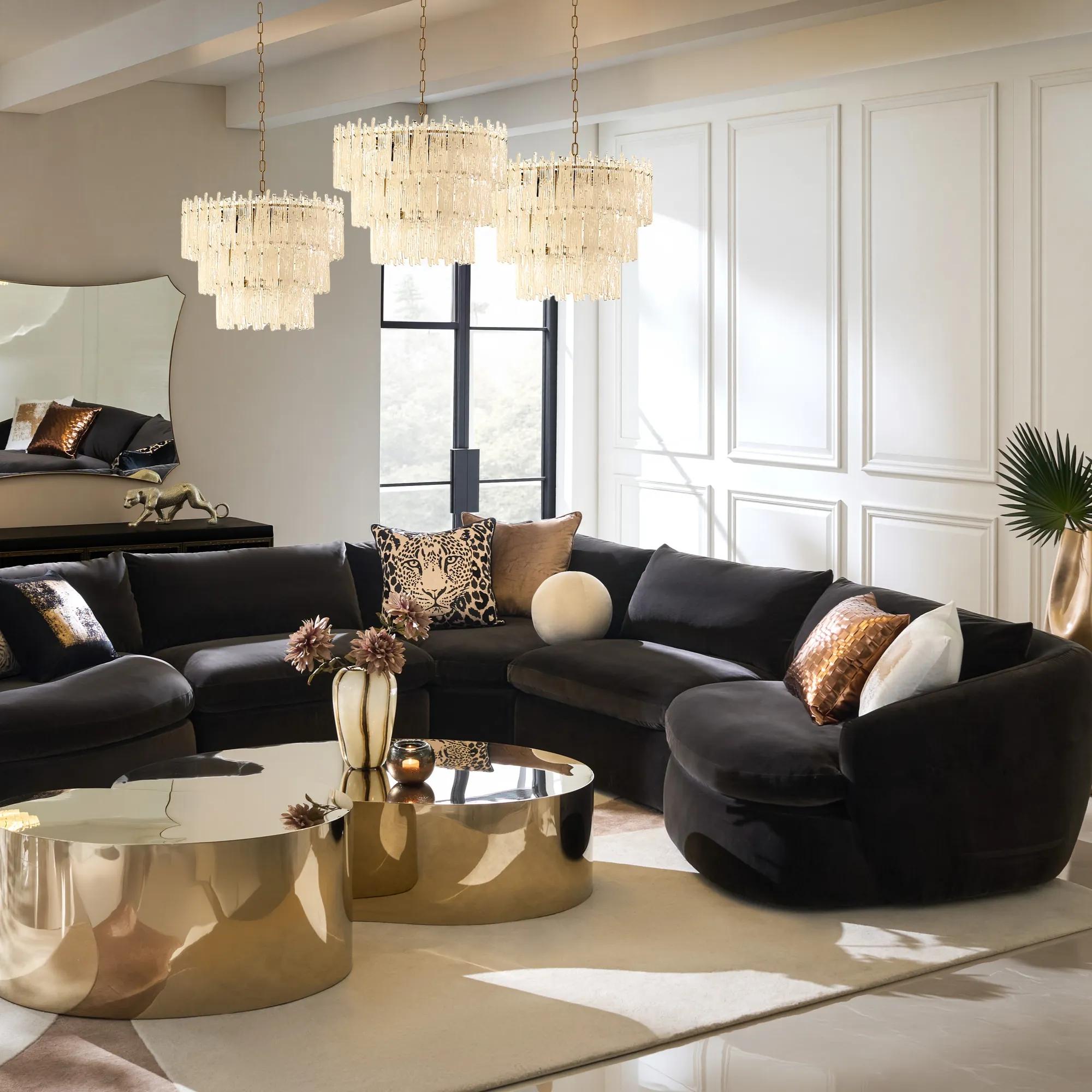 Sabrina 6-Piece Charcoal Velvet Sectional$6999
A modular L-shaped sectional in charcoal velvet with plush feather-blend cushions and a softly curved silhouette.
Add To Cart -
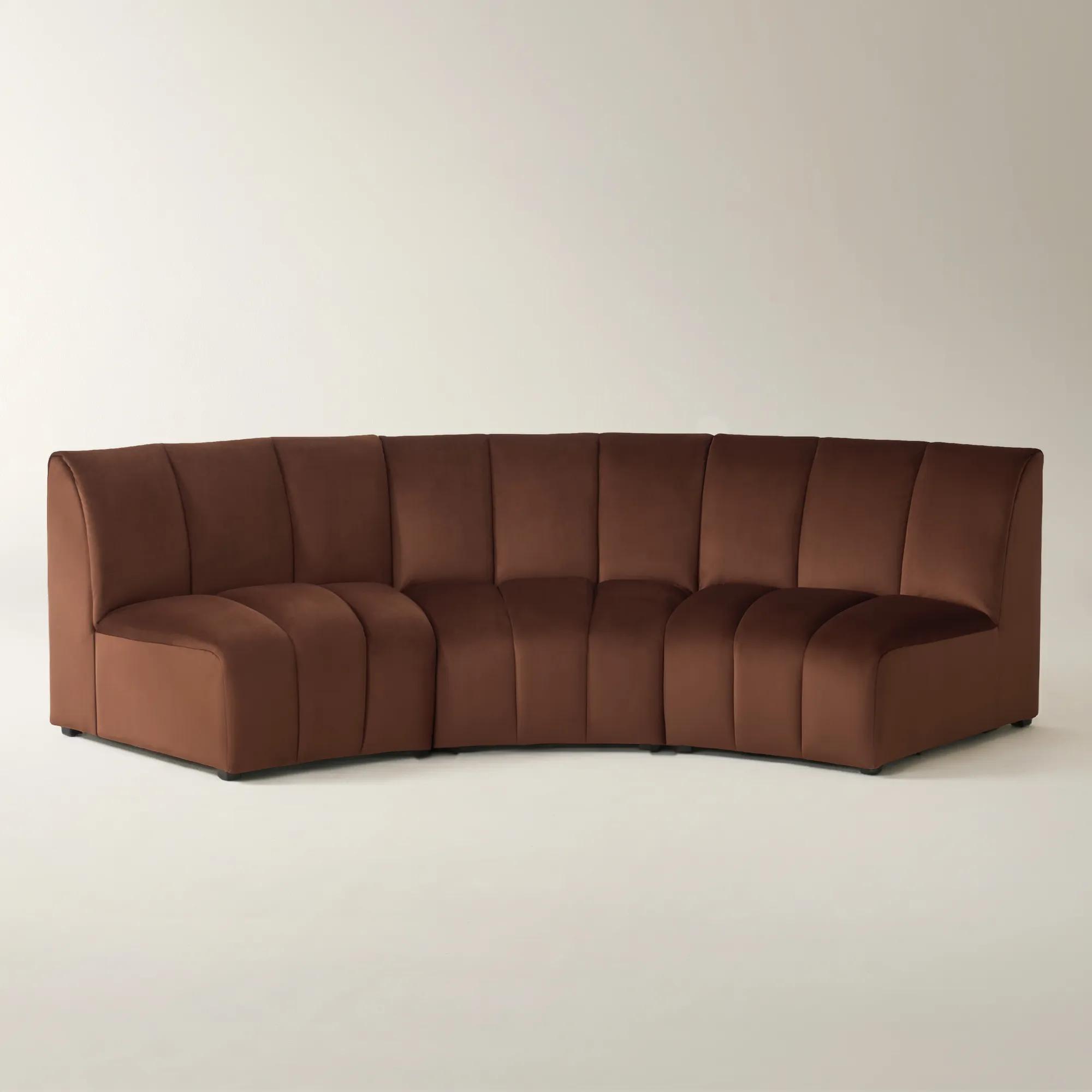 Jayce 3-Piece Channel-Tufted Burnt Umber Velvet Sectional Sofa$2799
A modern curved sectional in silver grey velvet with deep channel tufting and plush, water-repellent upholstery.
Add To Cart -
 Sabrina 5-Piece Oatmeal Velvet Sectional$5999
An inviting L-shaped sectional in soft oatmeal velvet with plush feather-blend cushions and modular design.
Add To Cart -
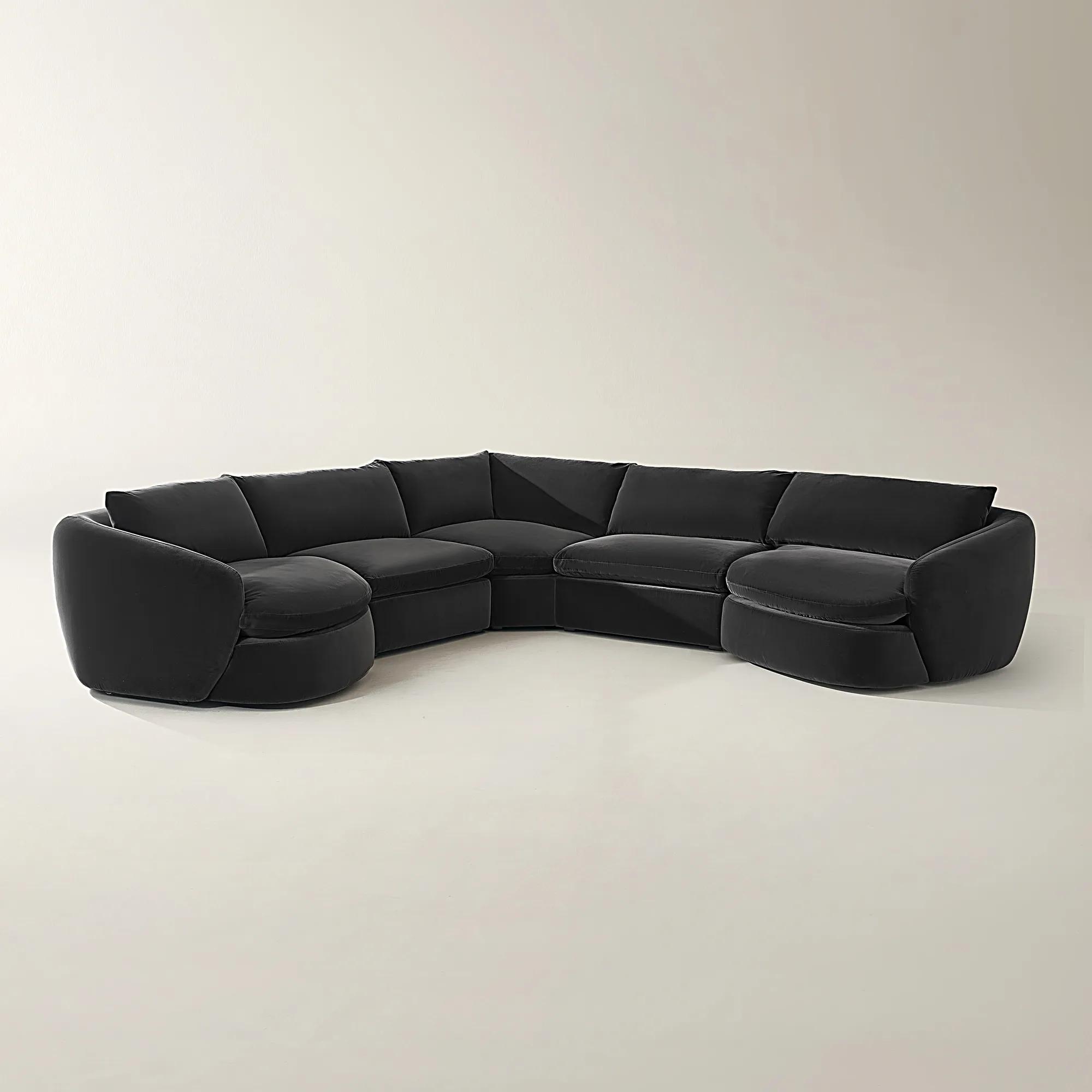 Sabrina 5-Piece Charcoal Velvet Sectional$5999
A modular charcoal velvet sectional with plush feather-blend cushions and a softly curved, modern silhouette.
Add To Cart -
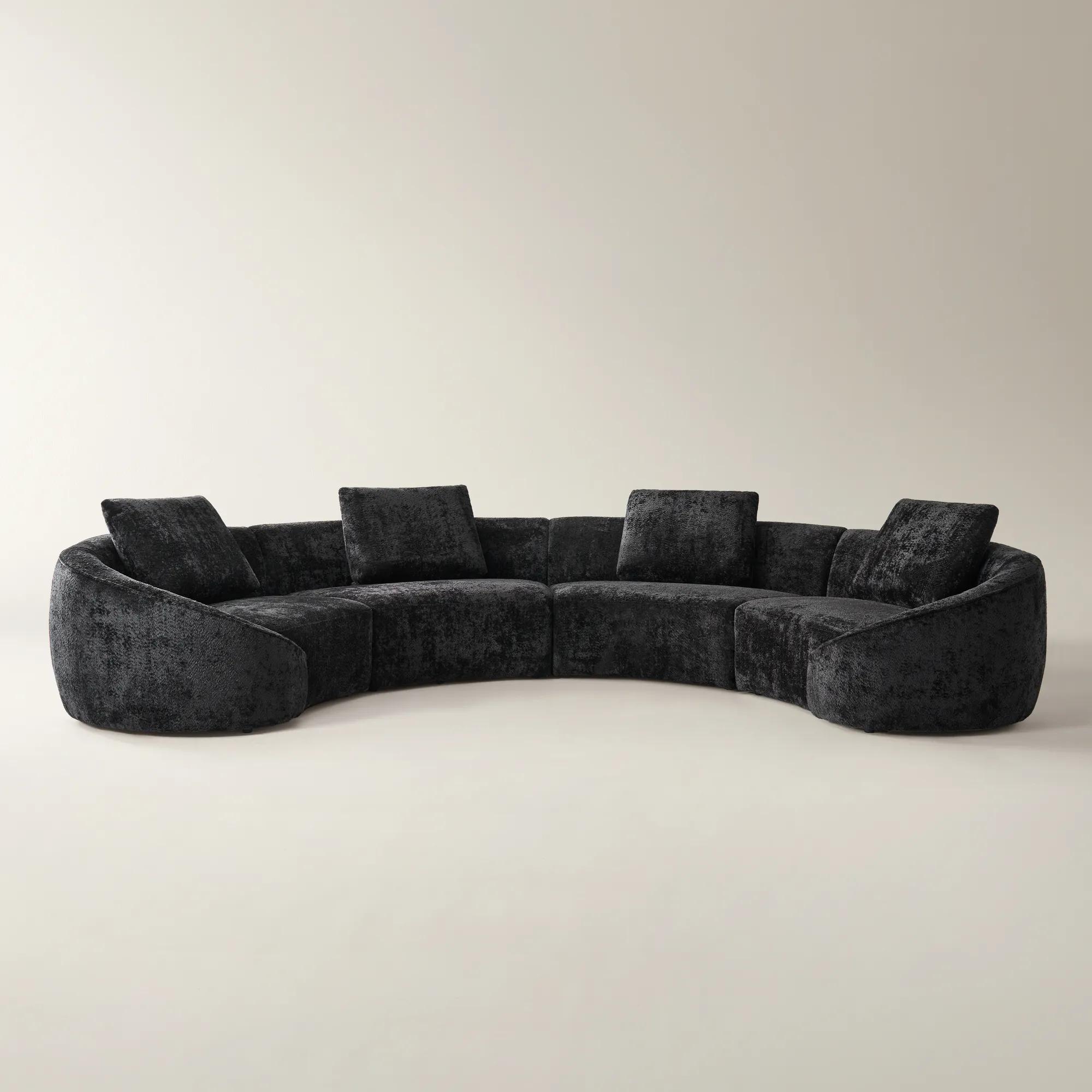 Irene 4-Piece Black Chenille Sectional$4999
A modern curved sectional upholstered in plush utopia sand chenille with high-density foam cushioning for comfort.
Add To Cart -
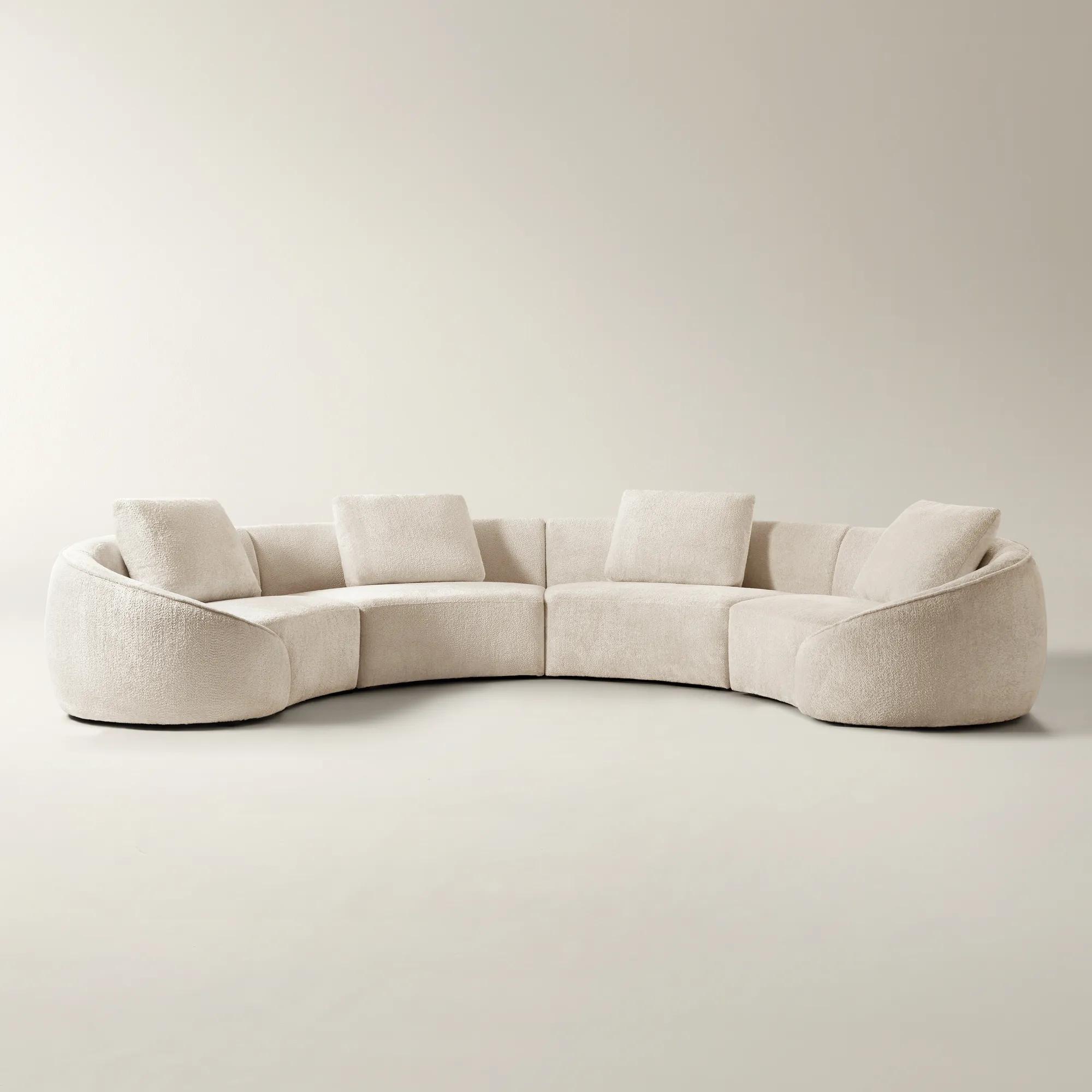
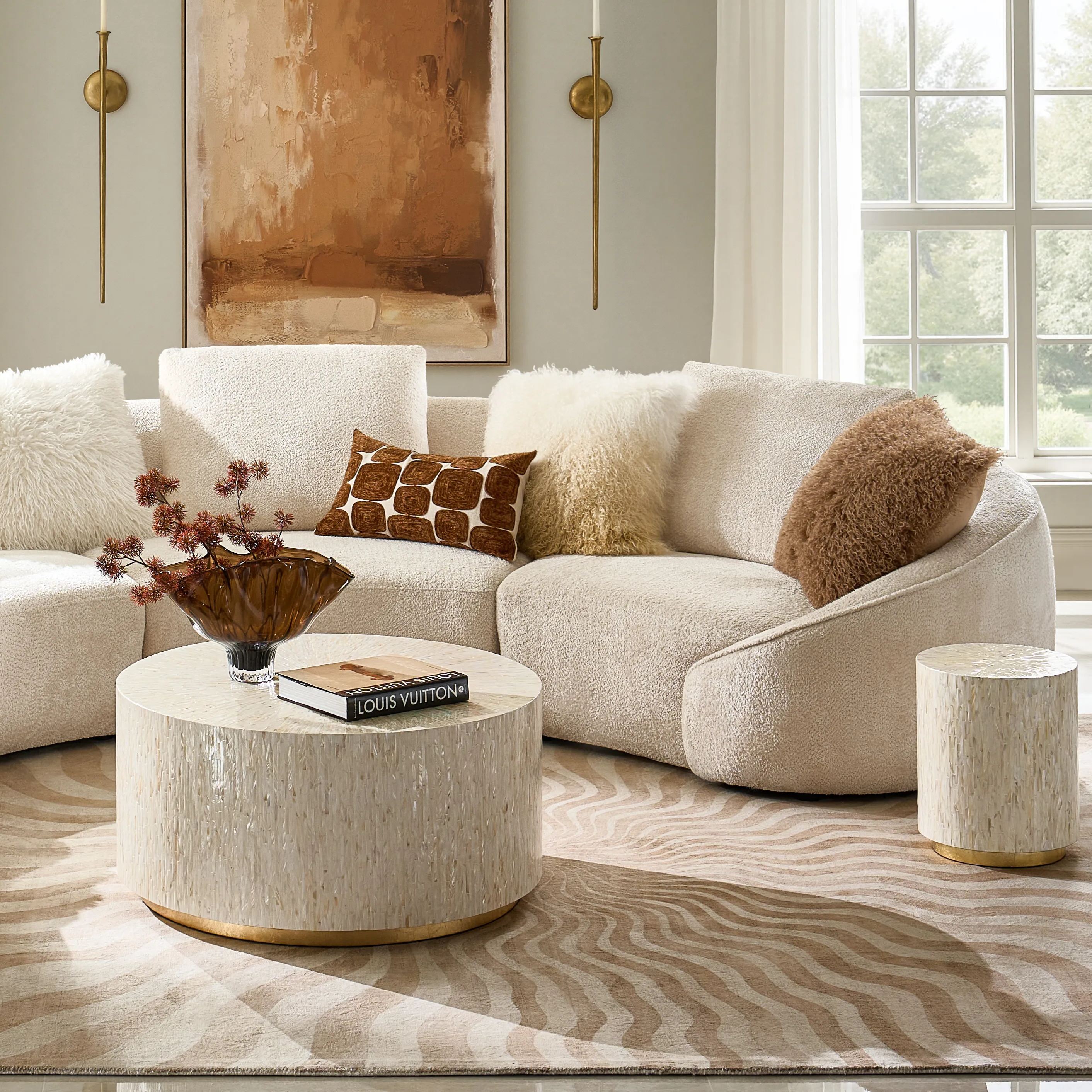 Irene 4-Piece Utopia Sand Chenille Sectional$4999
A modern curved sectional upholstered in plush Utopia Sand chenille with high-density foam cushioning for comfort.
Add To Cart

Soft Fabric Sectional Sofas
Soft fabric sectional sofas invite you to surrender to sumptuous comfort while making a striking statement in any living space. These alluring silhouettes transform the ordinary into the extraordinary, enveloping your room in a tactile embrace that is equal parts inviting and indulgent. Designed for those who crave both artistry and relaxation, soft fabric sectional sofas become the heart of your home—effortlessly anchoring gatherings, sparking conversation, and elevating every moment with their plush presence. Discover how these sculptural masterpieces can redefine luxury lounging and paint your living room with bold, expressive style.
Soft fabric sectional sofas combine upholstered seating with an extended or connected configuration, creating generous space for conversation, lounging, and everyday relaxation. Their defining appeal is tactile: a gentle surface beneath the hand, cushioned support along the back, and room to stretch out without sacrificing a beautifully composed living space. An L-shaped sectional can frame a seating area with a tailored silhouette, while a U-shaped arrangement brings a more expansive, enveloping presence to a room. A chaise adds a place to recline; modular designs may allow individual sections to be rearranged, depending on their construction and connectors. Across these forms, upholstery gives each sectional its distinct character. Velvet brings a rich pile and a light-responsive sheen that makes even a restrained color feel expressive. Chenille offers a plush, textured surface with visual depth, while brushed microfiber can deliver a smooth hand in a more understated finish. Woven fabrics and blends vary considerably in softness, breathability, and texture, so fiber content and weave matter as much as a fabric’s name. Polyester, cotton, and blended upholstery each bring different qualities, and softness alone does not establish how a material will perform under frequent use. Color adds another layer of atmosphere: ivory and pale taupe emphasize sculptural curves, charcoal sharpens an architectural profile, and saturated jewel tones make the seating itself a focal point. Fabric texture also changes how color appears, especially when a pile shifts direction or catches light from nearby windows. A sample viewed beside flooring, rugs, and existing furnishings can reveal nuances that a screen cannot. For households that gather for movies, hosts who favor relaxed conversation, or anyone drawn to a generous reading corner, a soft upholstered sectional offers a compelling balance of comfort and presence. The most inviting effect comes from pairing that softness with deliberate proportions and surrounding details: a gleaming table, an expressive rug, or a sculptural lamp that gives the room a sense of contrast.
The right sectional configuration belongs to the room as naturally as it belongs to the people using it. Overall width and depth determine its footprint, but chaise length, seat depth, arm width, and back height shape the daily experience just as strongly. Deep seats invite reclining and tucked-under legs, while a shallower seat may feel more supportive for upright conversation or for someone whose feet need to rest comfortably on the floor. A lower profile can preserve sightlines across an open living area; a taller back may offer a more enveloping place to settle. In a compact room, a carefully scaled L-shaped layout can define the seating zone without introducing several separate chairs. In a larger space, a U-shaped sectional can create a generous gathering area, provided there is comfortable passage around its outer edges. Chaise orientation deserves particular attention because “left-facing” and “right-facing” terminology can vary by seller; checking the configuration diagram is more reliable than relying on the name alone. Consider the route from the entry to the seating area, access to nearby doors, and clearance around tables before settling on a footprint. Delivery access matters, too: hallways, stair turns, elevators, and doorway dimensions can limit what reaches the room, even when the final layout fits beautifully. Modular construction may make access and future rearrangement easier, but the dimensions of each component still need to be checked. For a room that calls for a smaller seating footprint or a composition built around separate chairs, Soft Fabric Sofas offer a related upholstered silhouette without the extended sectional layout. Either format can anchor an expressive interior; the distinction is how much connected seating the space and household need. A sectional placed near a conversation area benefits from a reachable surface for a book or drink, while one intended for long evenings of viewing should suit the sightline to the screen. These practical relationships allow generous upholstery to feel considered rather than crowded.
Lasting comfort depends on what sits beneath the fabric as well as what meets the eye. A supportive frame, sound joinery, and an appropriate suspension system help a sectional maintain its structure through repeated use. Cushion construction affects both the initial feel and the amount of attention the seating requires. Foam often provides a more defined shape, while fiber wraps can soften its surface; feather or down blends may create a more yielding feel but typically need regular fluffing and redistribution. No single fill guarantees comfort for every sitter, and a plush appearance does not necessarily indicate a deeply cushioned or supportive seat. For frequently used family rooms, upholstery durability, seam quality, and cushion recovery deserve consideration alongside softness. Performance fabrics may be designed for stain resistance or easier cleaning, but the term does not mean every fabric is waterproof, scratch-resistant, or suitable for every cleaning method. Households with pets may prefer tighter weaves that are less prone to catching claws, while recognizing that no upholstery is immune to damage. Removable cushion covers are not automatically machine-washable; the care label and manufacturer’s instructions remain the deciding factors. Routine maintenance usually begins with gentle vacuuming using an upholstery attachment and prompt attention to spills. Blotting rather than rubbing helps avoid driving liquid farther into the fibers, and cleaning products should be chosen according to the upholstery’s designated cleaning code. Velvet and other pile fabrics may develop pressure marks or shading with use, making their texture appear different from one viewing angle to another. Where permitted, rotating or reversing cushions helps distribute wear, and limiting prolonged direct sunlight can help reduce fading. Throws and accent pillows add another tactile layer without needing to conceal the upholstery beneath them. With thoughtful placement and appropriate care, a soft fabric sectional can remain the room’s most inviting gesture: substantial enough to gather people together, expressive enough to hold its own, and comfortable enough to make an ordinary evening feel beautifully settled.
FAQs
Soft sectional sofas are often crafted in luxurious fabrics such as velvet, chenille, linen blends, and high-performance microfiber. Each material offers a distinct tactile experience—velvet lends a rich, glamorous sheen, chenille provides cozy texture, linen blends evoke breezy sophistication, and microfiber delivers both softness and durability. The choice of fabric can dramatically influence the mood and style of your living space.
To create a dramatic focal point, layer your sectional with bold, contrasting throw pillows in various textures and metallic accents. Drape a sumptuous throw across one arm for an inviting touch. Complement the sofa’s silhouette with a sculptural coffee table or a statement rug beneath, and anchor the scene with striking wall art or a gleaming chandelier overhead. These elements together elevate the sectional to a centerpiece worthy of admiration.
Absolutely—many soft fabric sectionals are designed with performance fabrics that resist stains and are easy to clean, making them ideal for active households. Look for options with removable cushion covers or tightly woven fabrics that stand up to daily use while maintaining their plush feel. This blend of durability and comfort ensures your sectional remains both beautiful and practical, even in energetic family settings.
Regularly vacuum your sectional using a soft brush attachment to remove dust and debris. For spills, gently blot with a clean, damp cloth—avoid rubbing, which can damage fibers. Periodically rotate cushions to ensure even wear, and consult the manufacturer’s care instructions for deeper cleaning. With mindful care, your sectional will retain its inviting appearance and sumptuous texture for years to come.
Yes, a sectional is a masterful tool for delineating zones within open-concept homes. Position the sectional to subtly separate the living area from dining or kitchen spaces, using its shape to guide the room’s flow. The soft fabric adds visual warmth and comfort, creating an intimate enclave for relaxation and conversation within a larger, multifunctional environment.