Modern Fabric Sectional Sofas
Modern Fabric Sectional Sofas
-
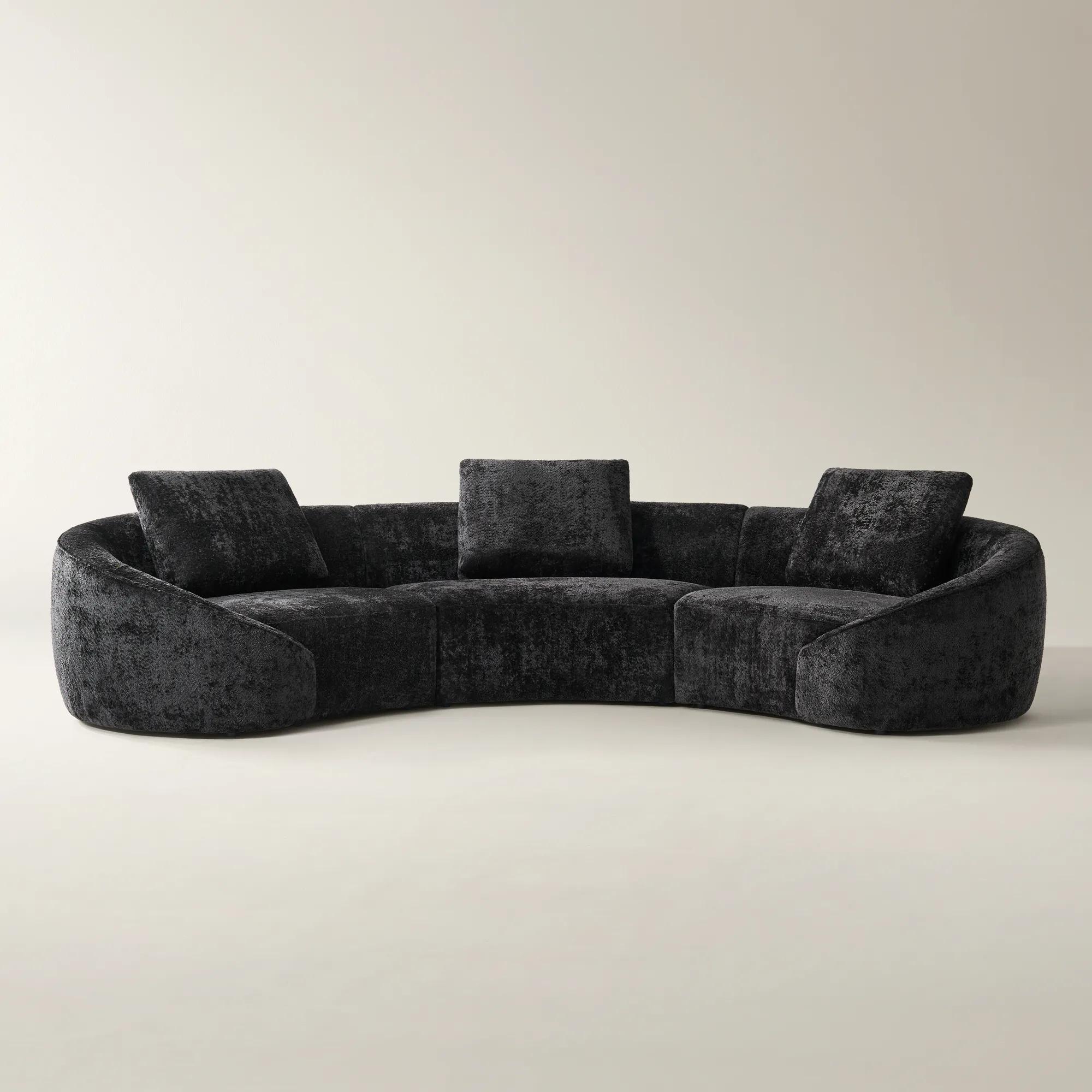 Irene 3-Piece Black Chenille Sectional$3899
A modern curved sectional upholstered in plush utopia sand chenille with high-density foam cushioning for comfort.
Add To Cart -
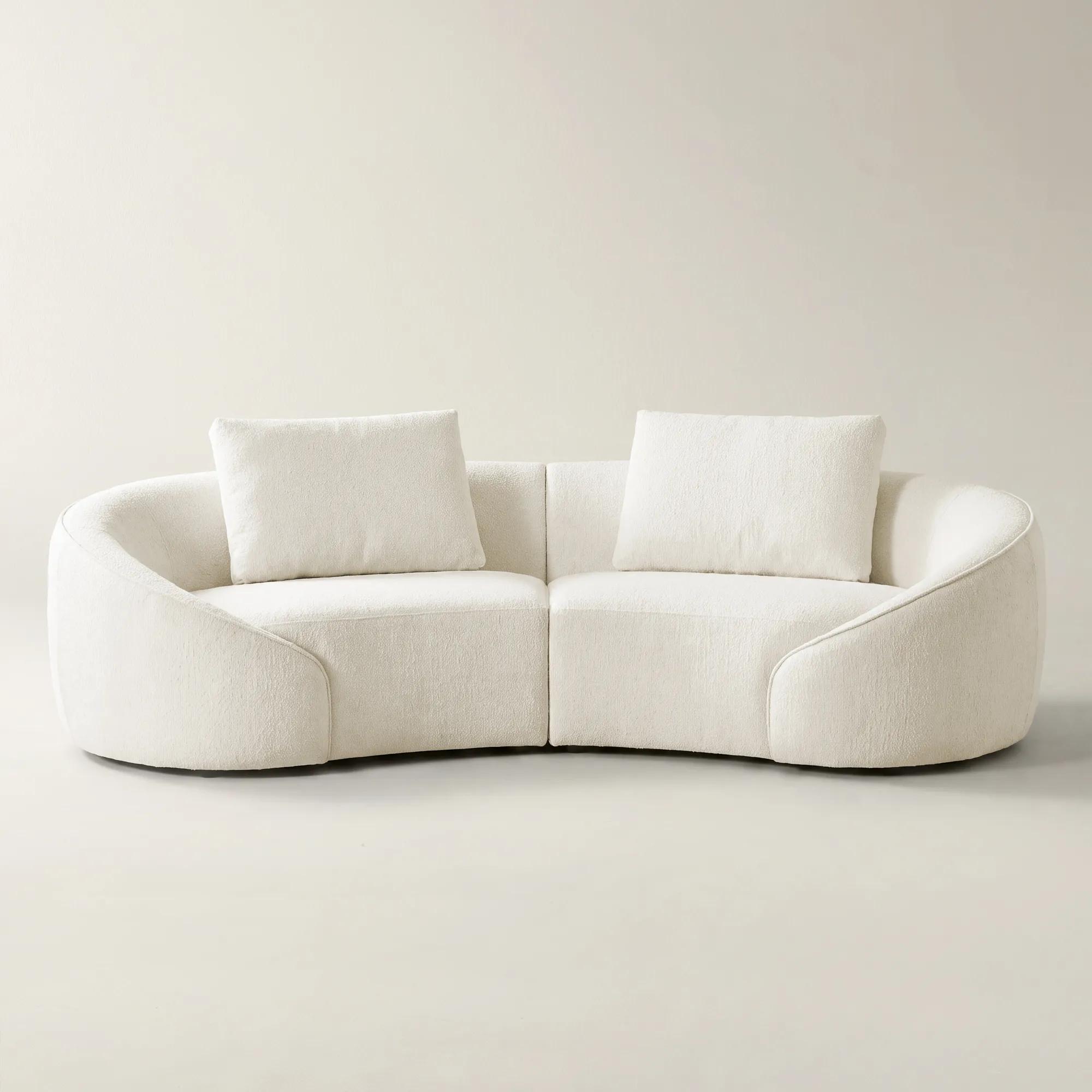
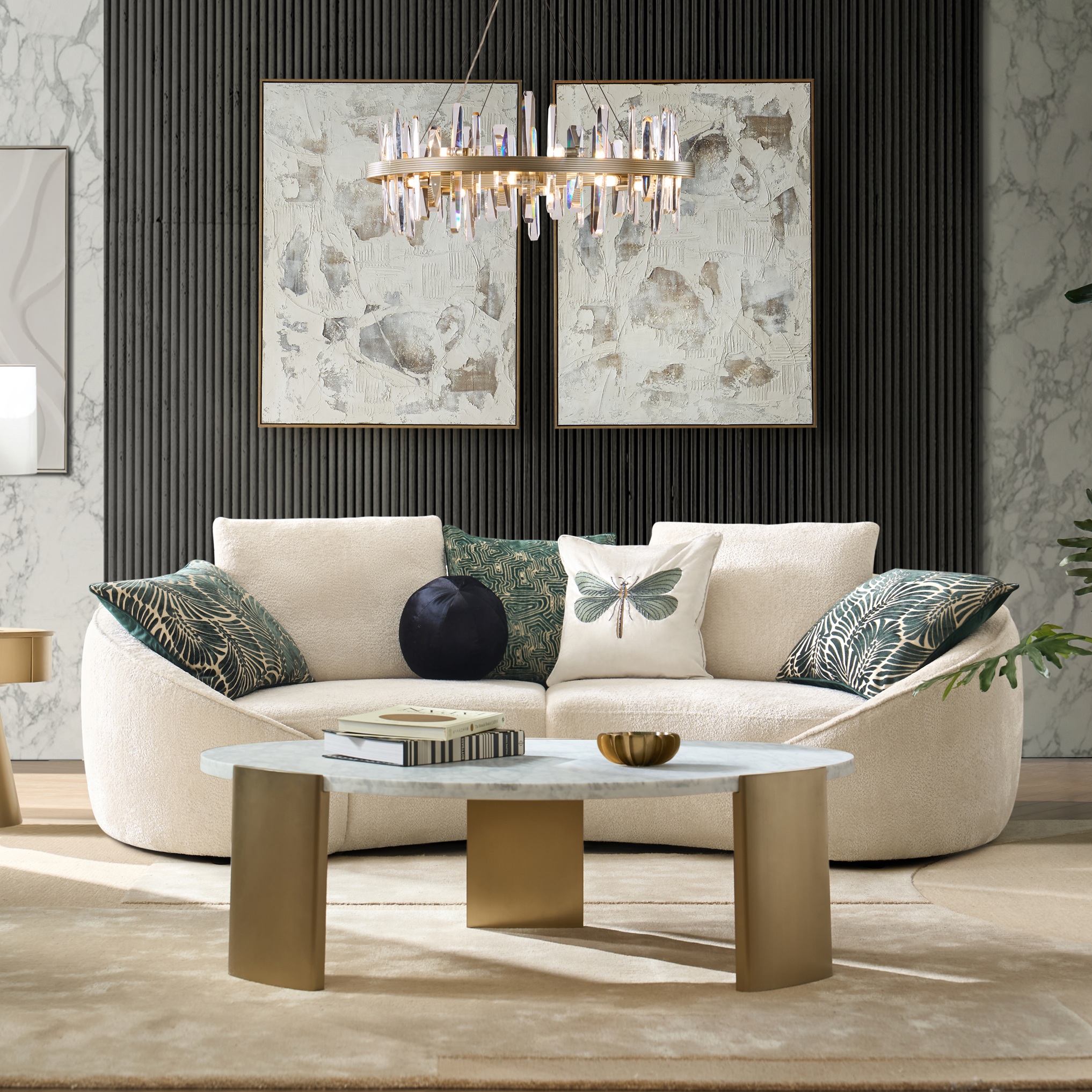 Irene 2-Piece Ivory Performance Chenille Sectional Sofa$2899
A sculptural ivory chenille sectional featuring performance upholstery, high-resiliency foam cushions, and artisan detailing.
Add To Cart -
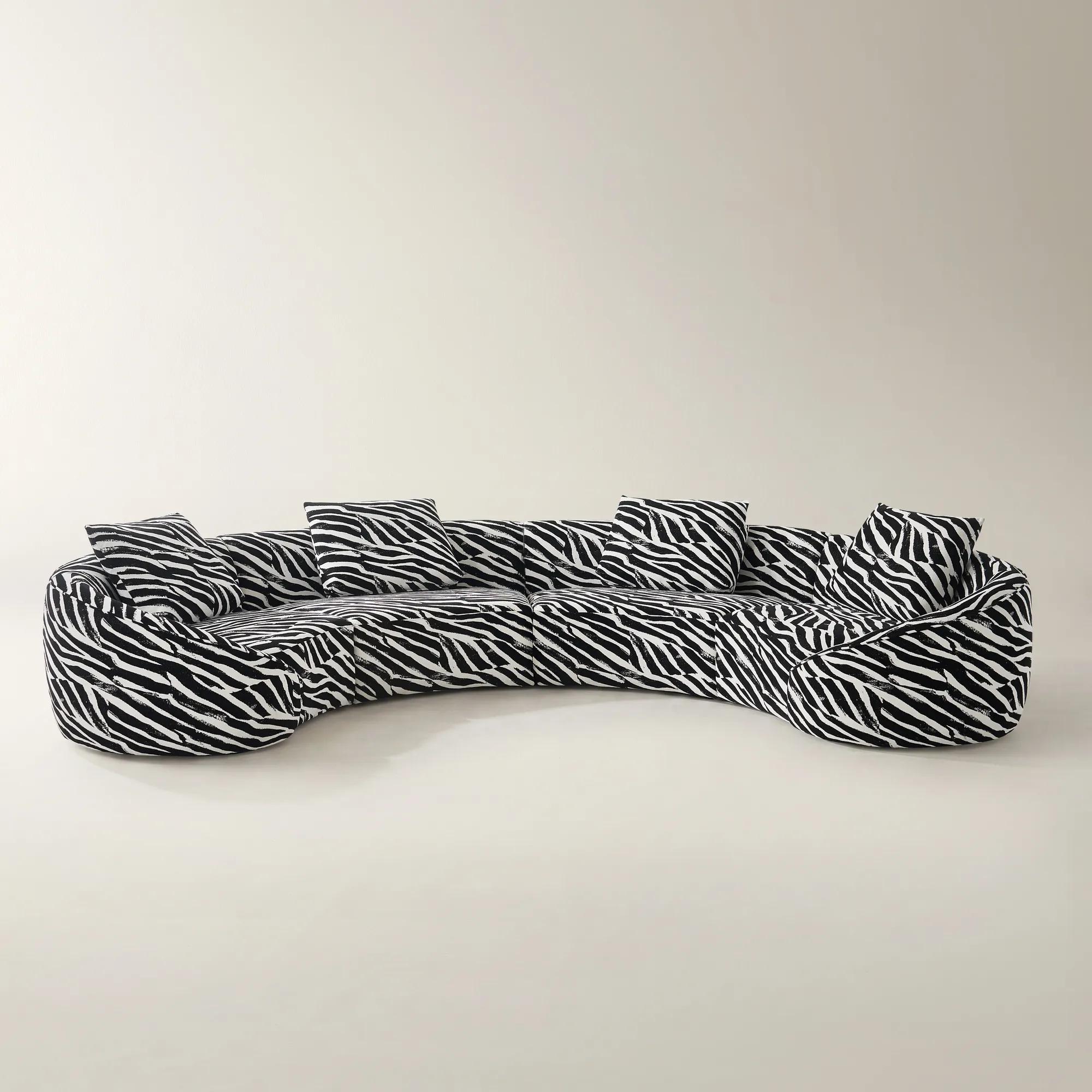 Irene 4-Piece White/Black Performance Chenille Sectional Sofa$4999
A sculptural sectional wrapped in white and black performance chenille with high-resiliency foam cushions.
Add To Cart -
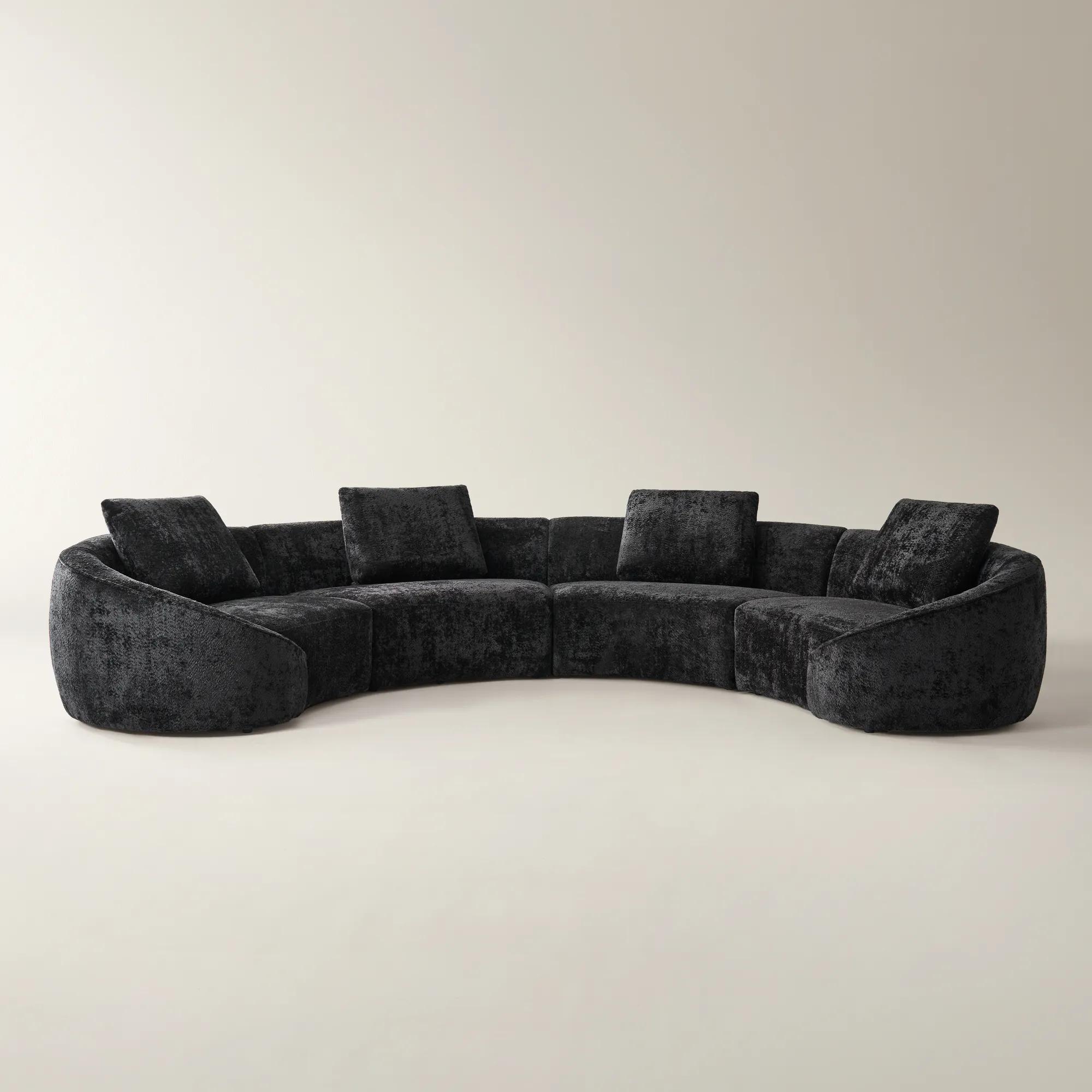 Irene 4-Piece Black Chenille Sectional$4999
A modern curved sectional upholstered in plush utopia sand chenille with high-density foam cushioning for comfort.
Add To Cart -
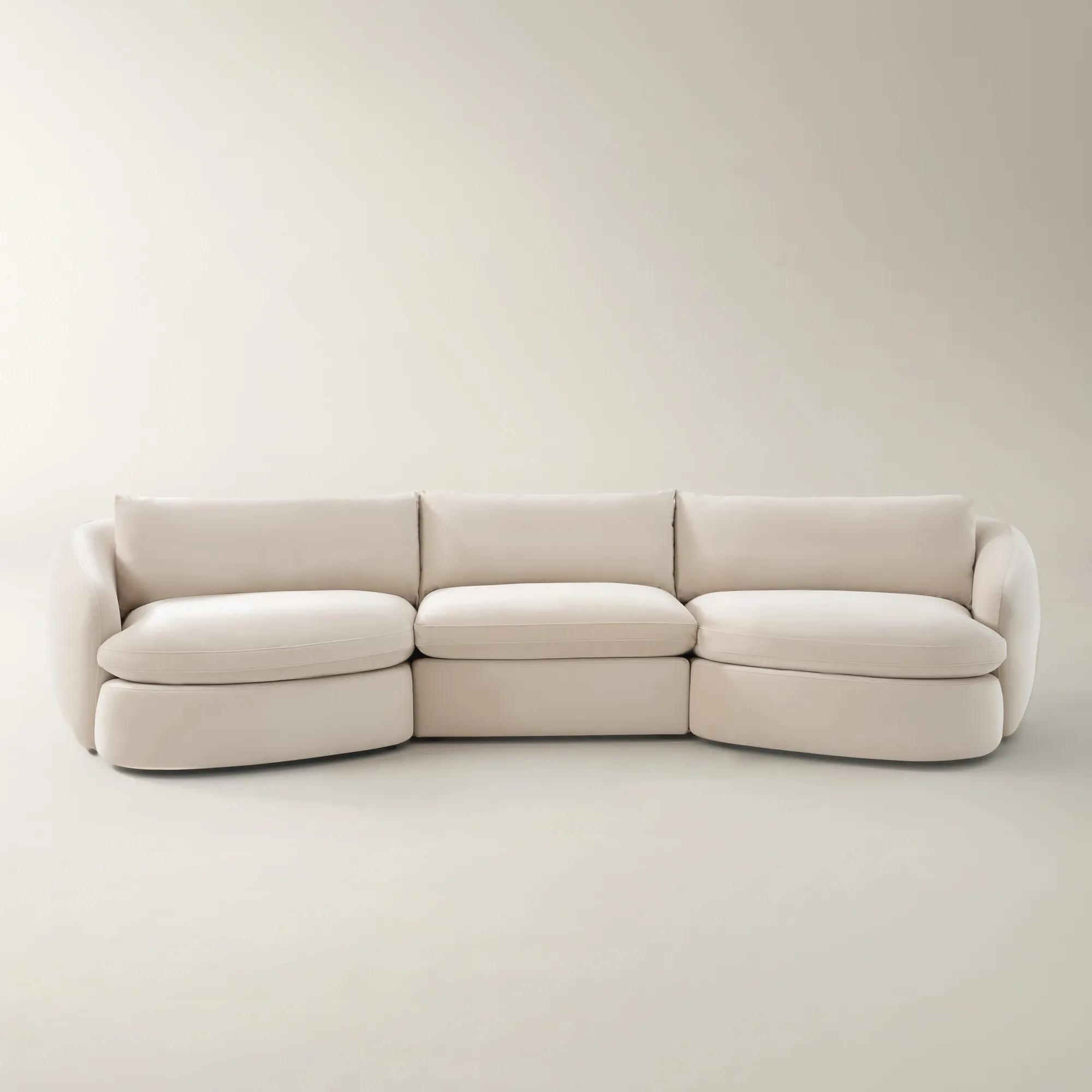 Sabrina 3-Piece Oatmeal Velvet Sectional$3699
A curved oatmeal velvet sofa featuring plush feather-blend cushions and modular design for customizable comfort.
Add To Cart -
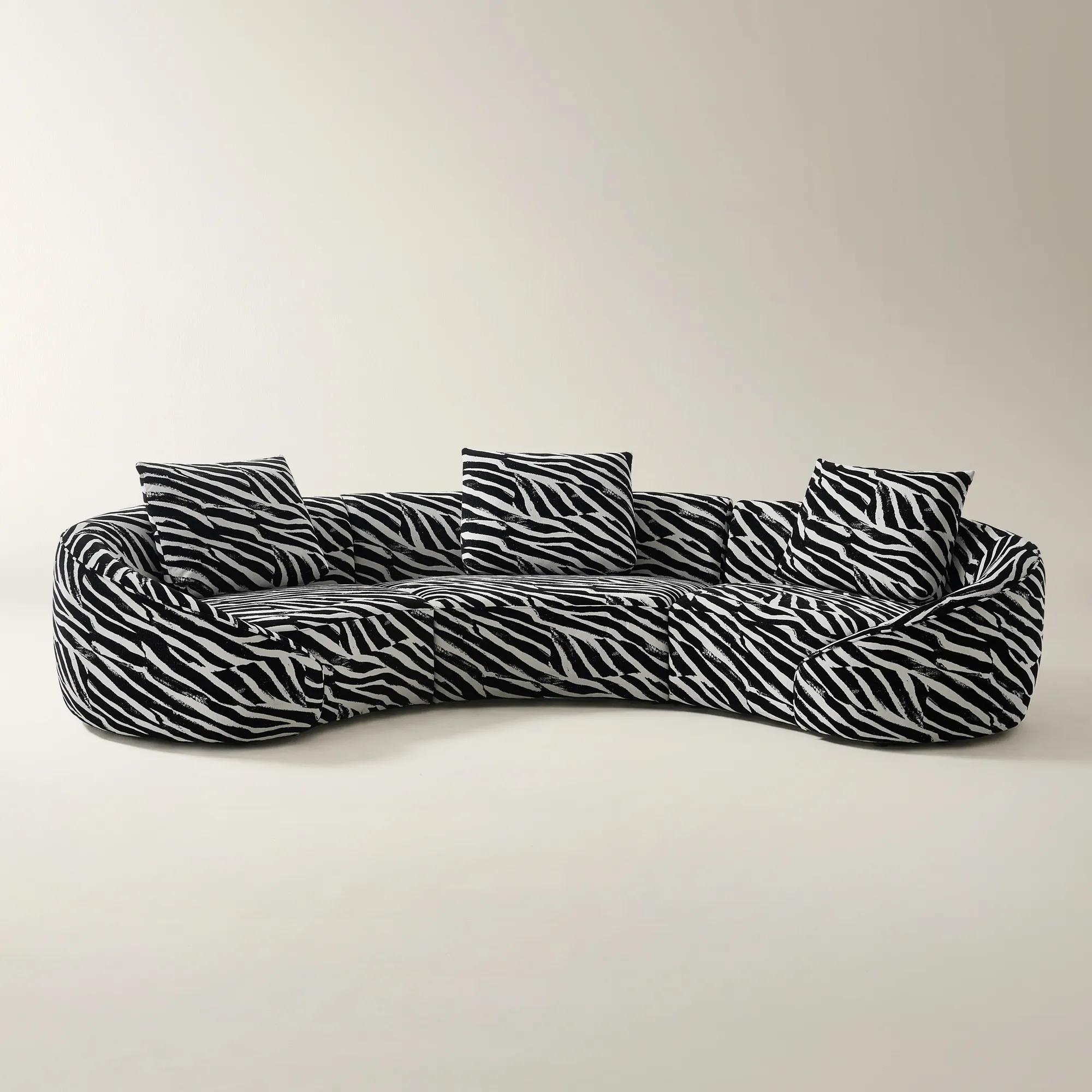
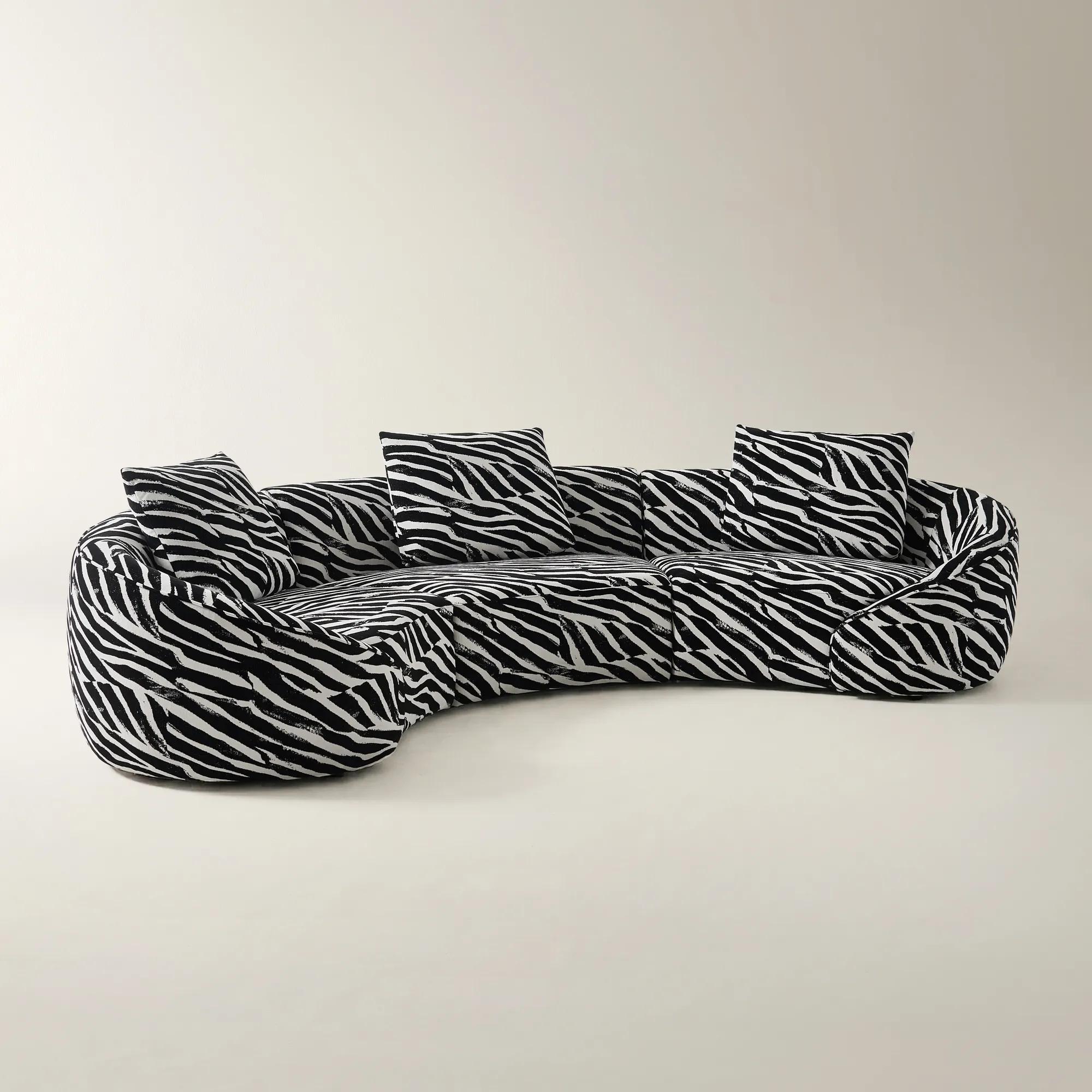 Irene 3-Piece White/Black Performance Chenille Sectional Sofa$3899
A sculptural sectional in black and white performance chenille, featuring hand-finished upholstery and enduring comfort.
Add To Cart -
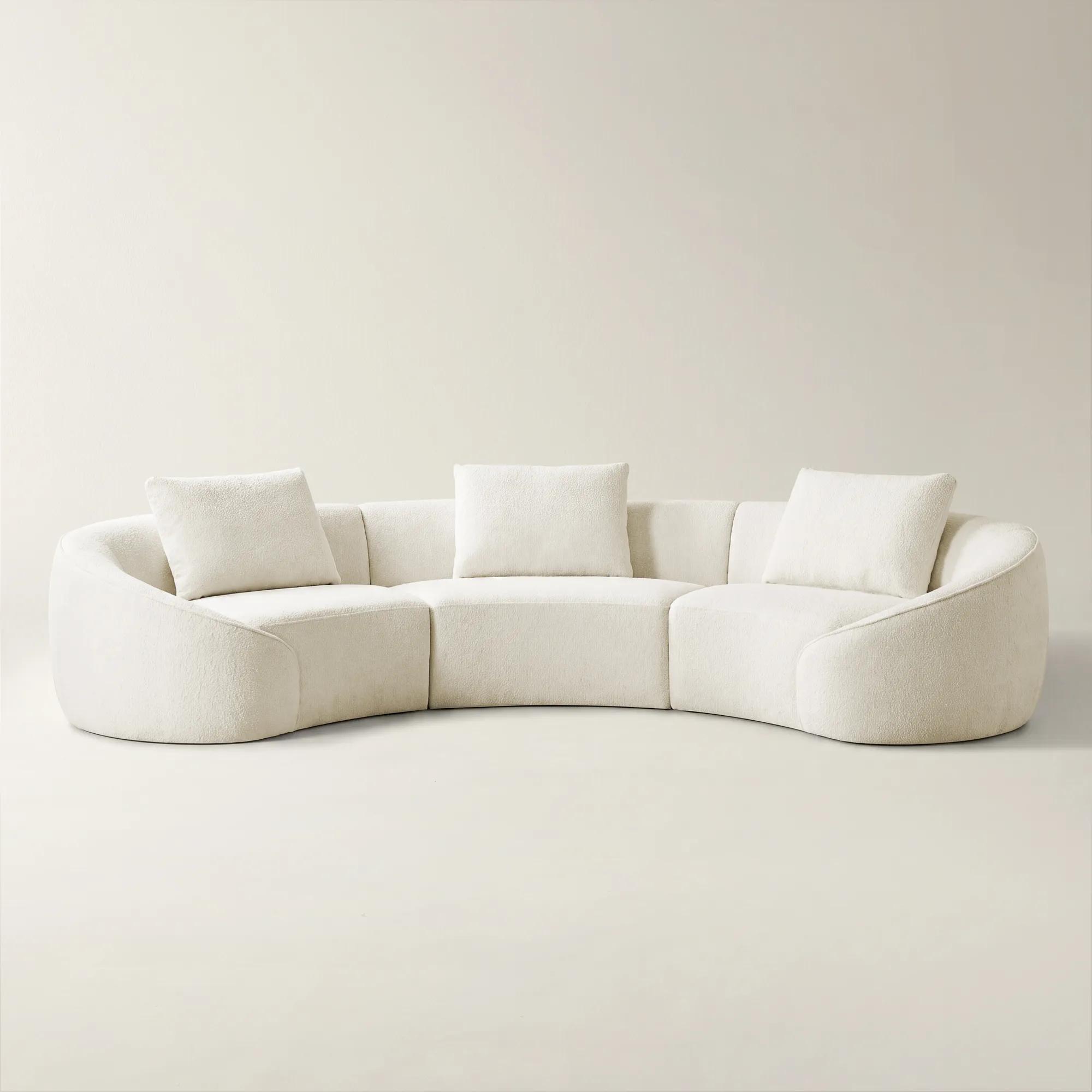
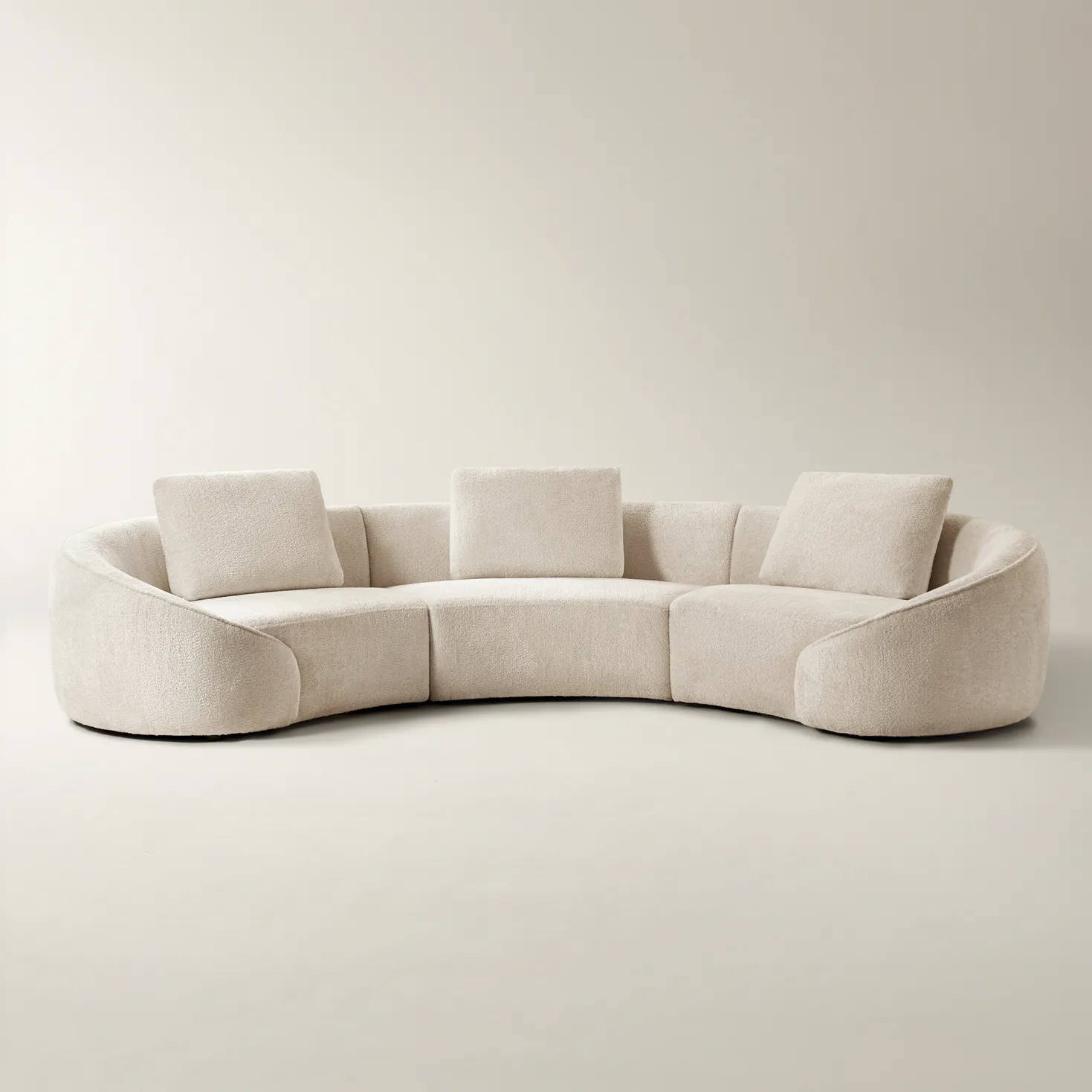 Irene 3-Piece Ivory Performance Chenille Sectional Sofa$4099
An inviting ivory chenille sectional featuring sculptural curves, performance upholstery, and high-resiliency foam cushions.
Add To Cart -
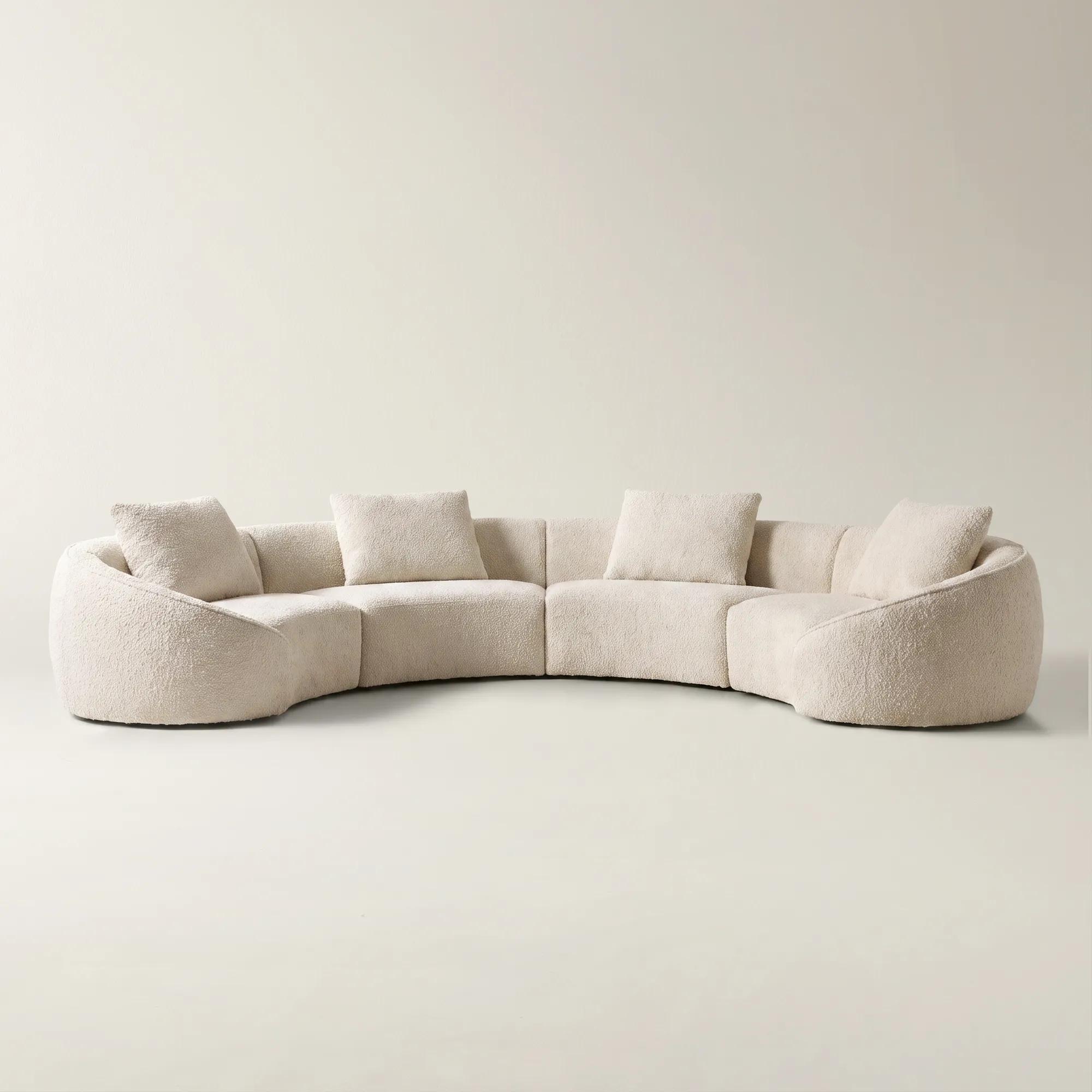
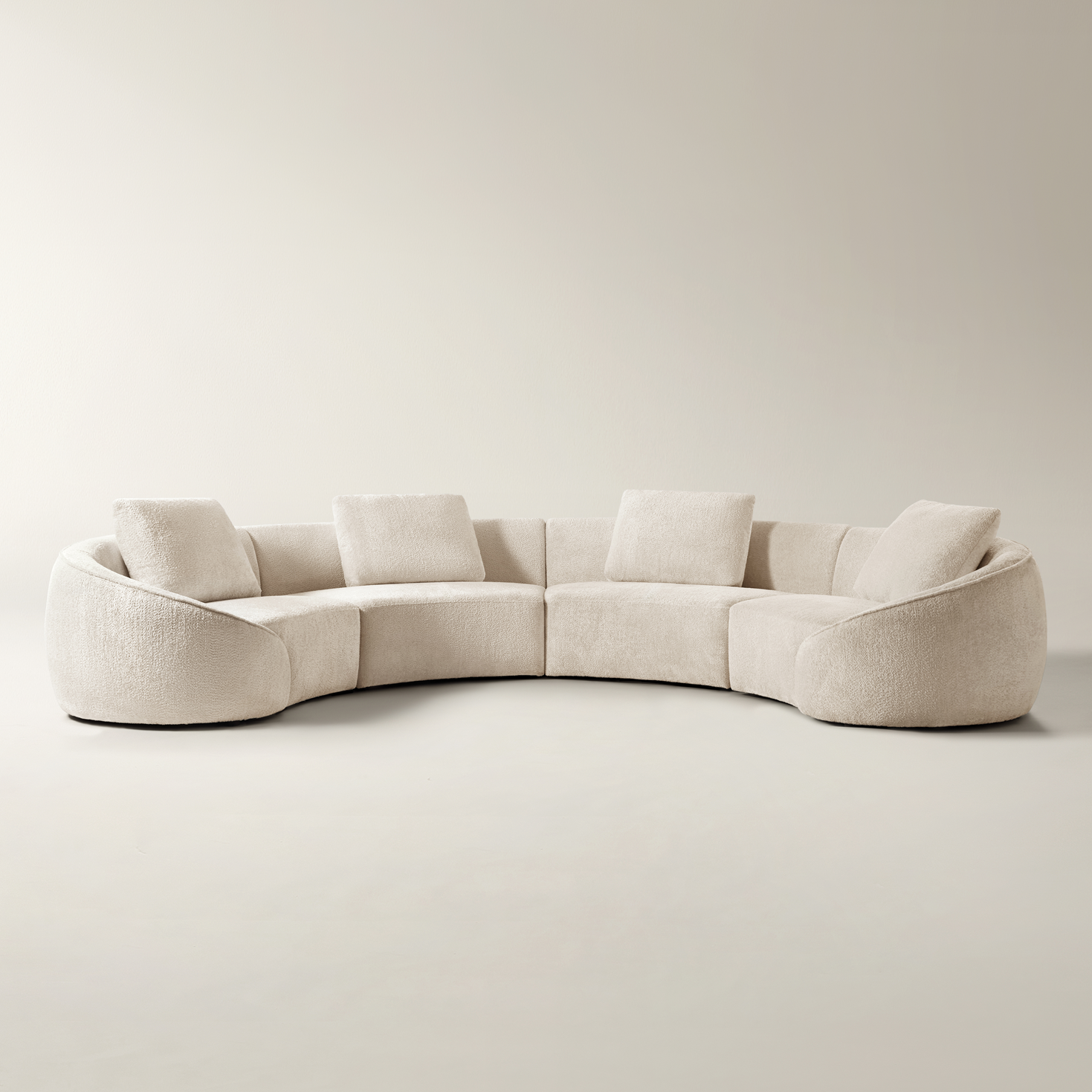 Irene 4-Piece Ivory Performance Boucle Sectional Sofa$5199
A sculptural ivory performance boucle sectional featuring hand-finished upholstery and high-resiliency foam cushions.
Add To Cart -

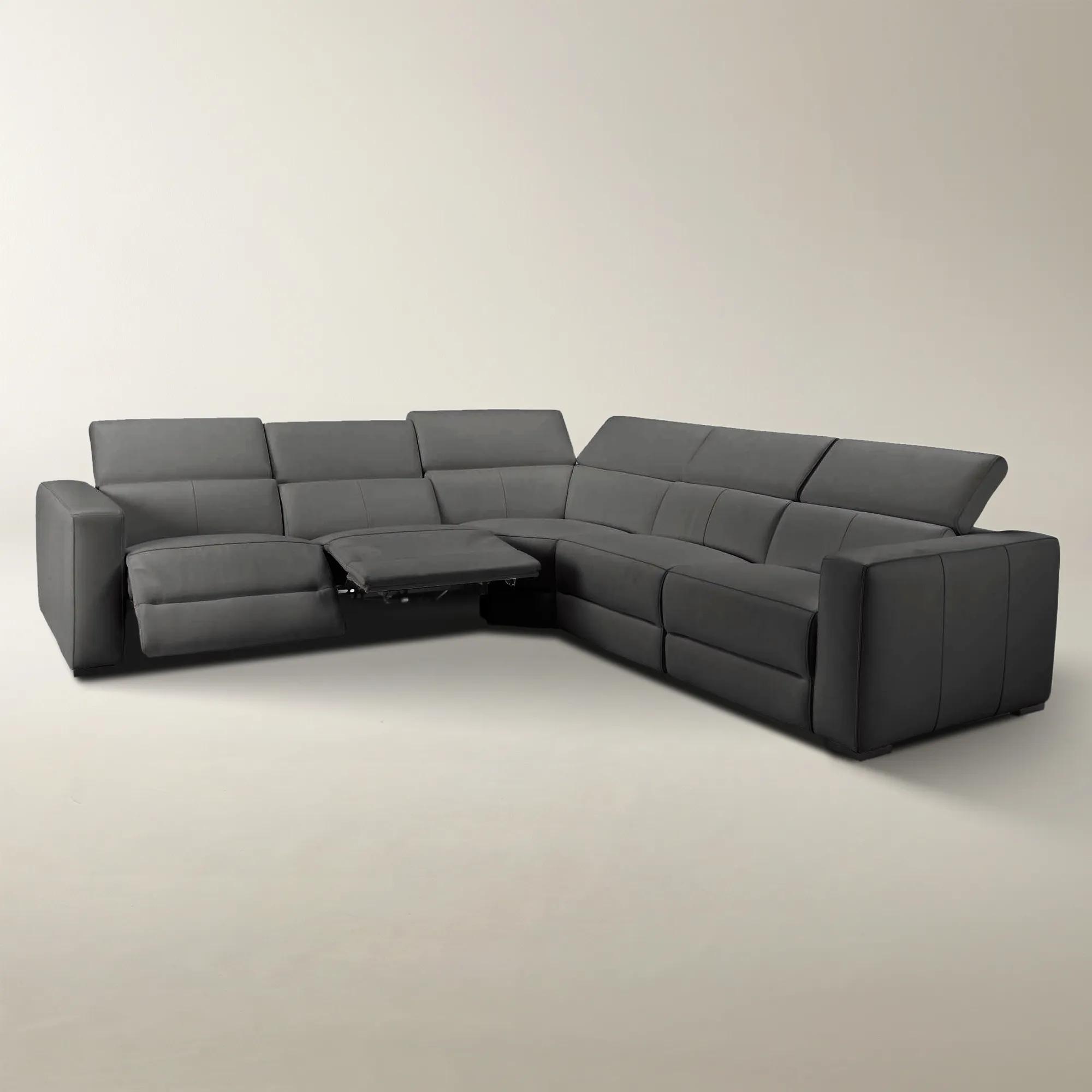
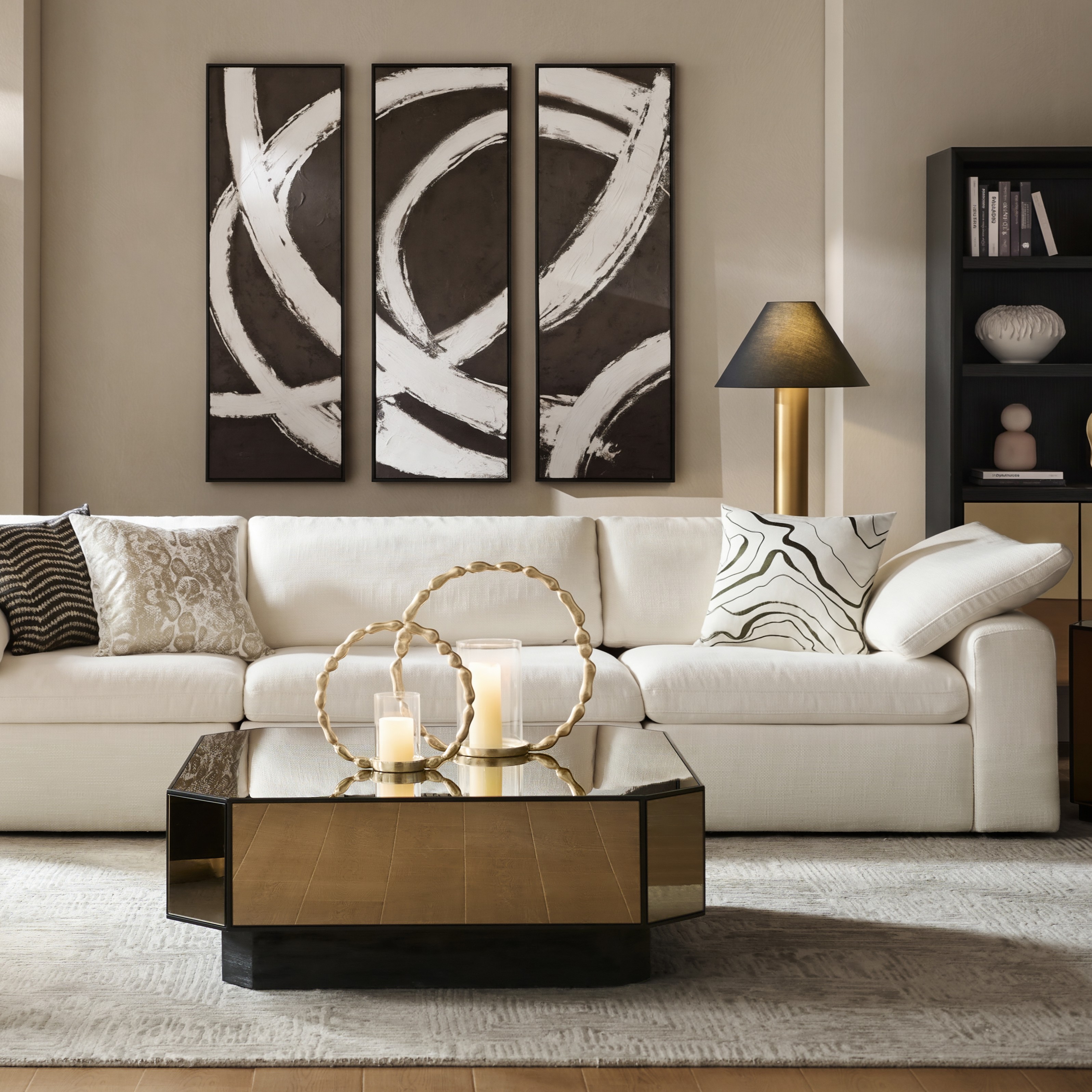 Milo 3-Piece Reclining Ivory Performance Fabric Sectional Sofa$3399
A reclining sectional sofa in ivory performance fabric with plush feather-blend cushions and independently powered footrests.
Add To Cart -
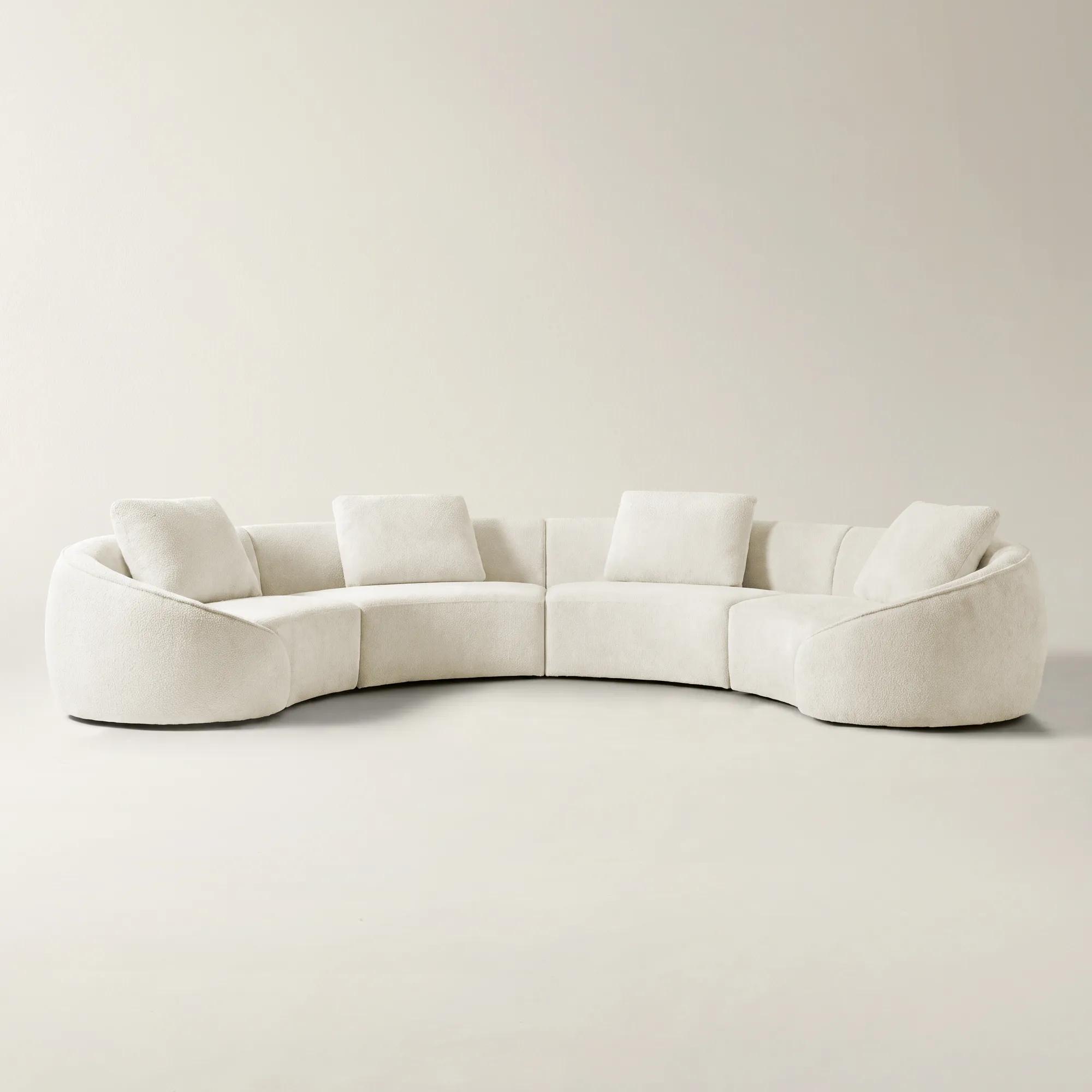 Irene 4-Piece Ivory Performance Chenille Sectional Sofa$5199
An inviting ivory chenille sectional featuring sculptural curves, performance upholstery, and artisan-crafted detailing.
Add To Cart -
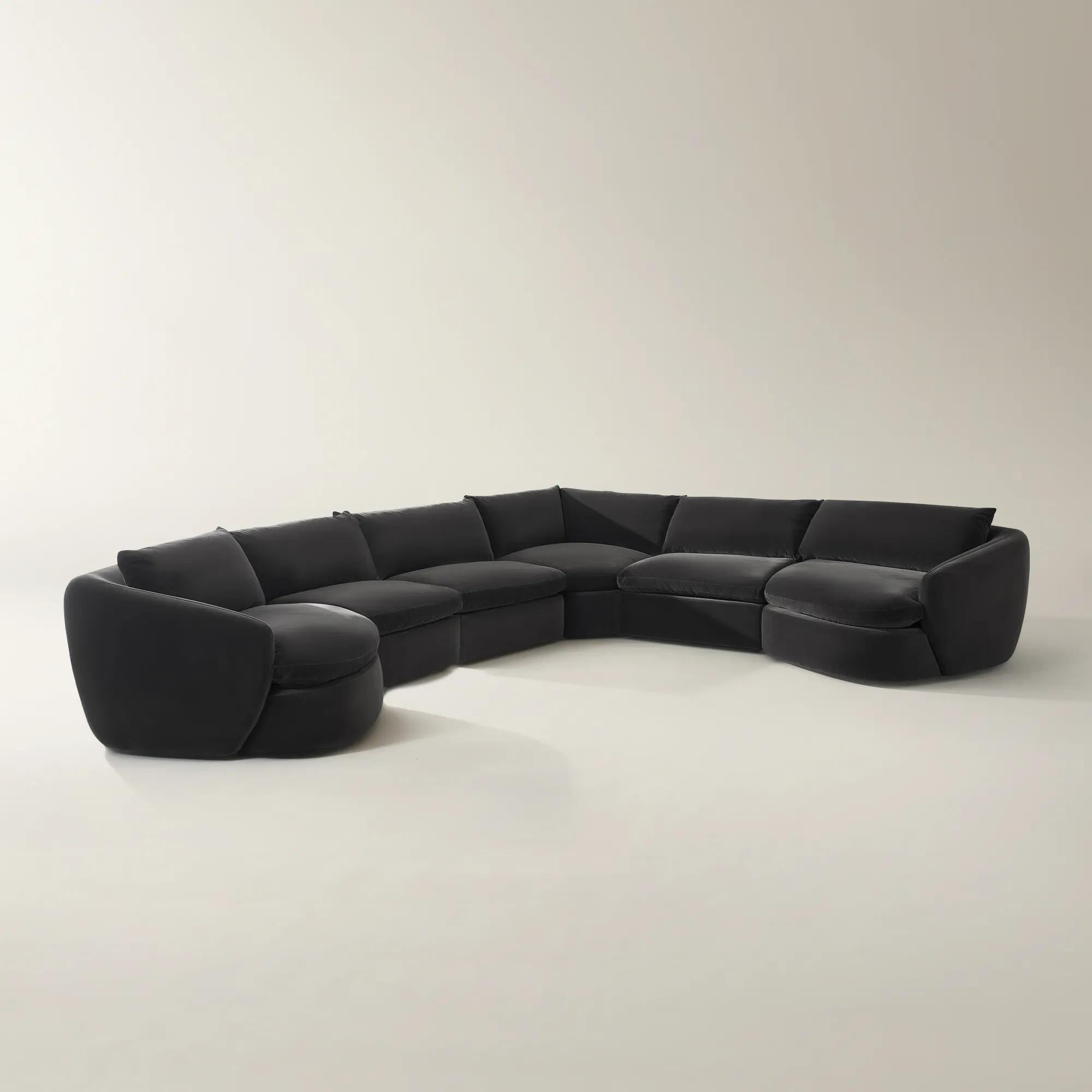
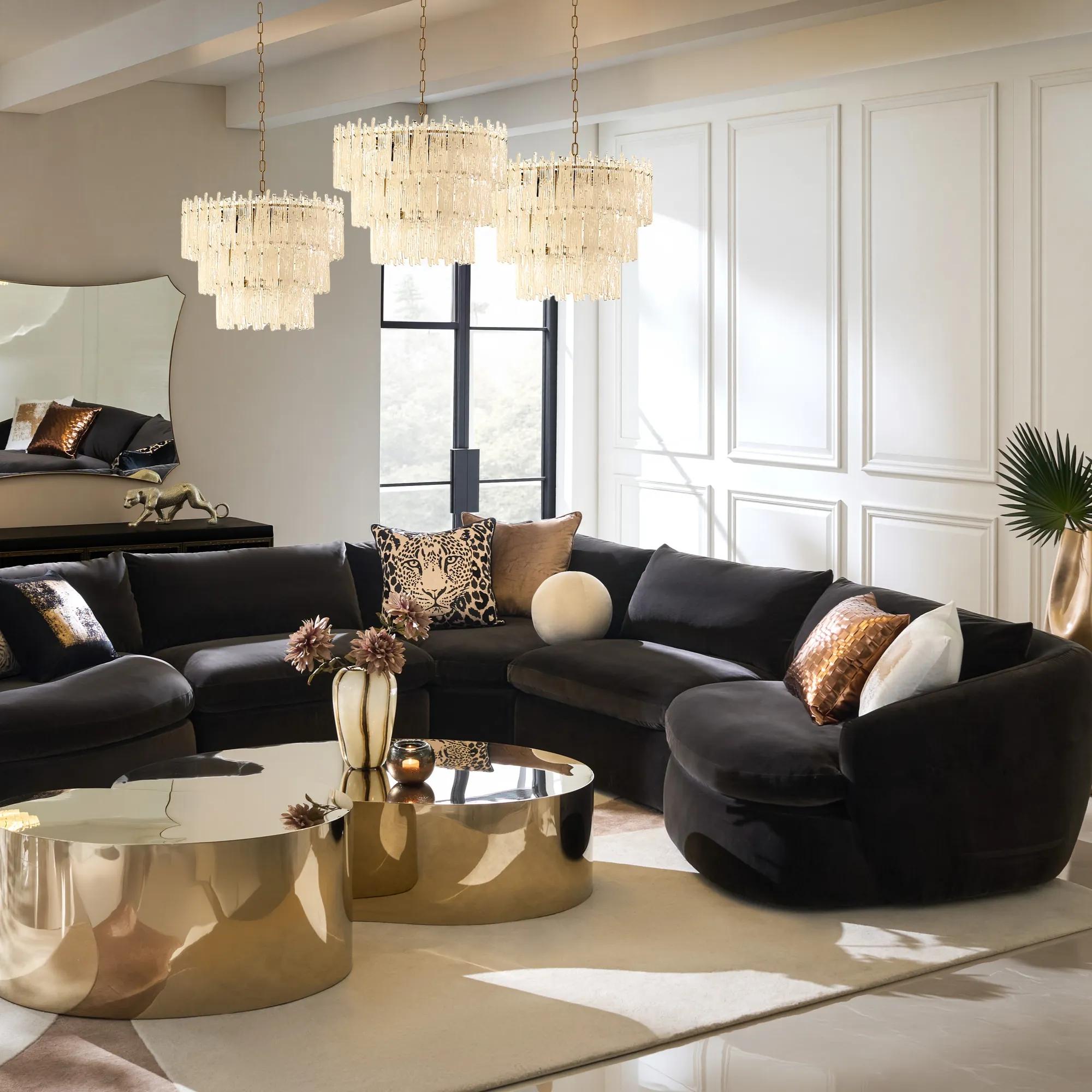 Sabrina 6-Piece Charcoal Velvet Sectional$6999
A modular L-shaped sectional in charcoal velvet with plush feather-blend cushions and a softly curved silhouette.
Add To Cart -
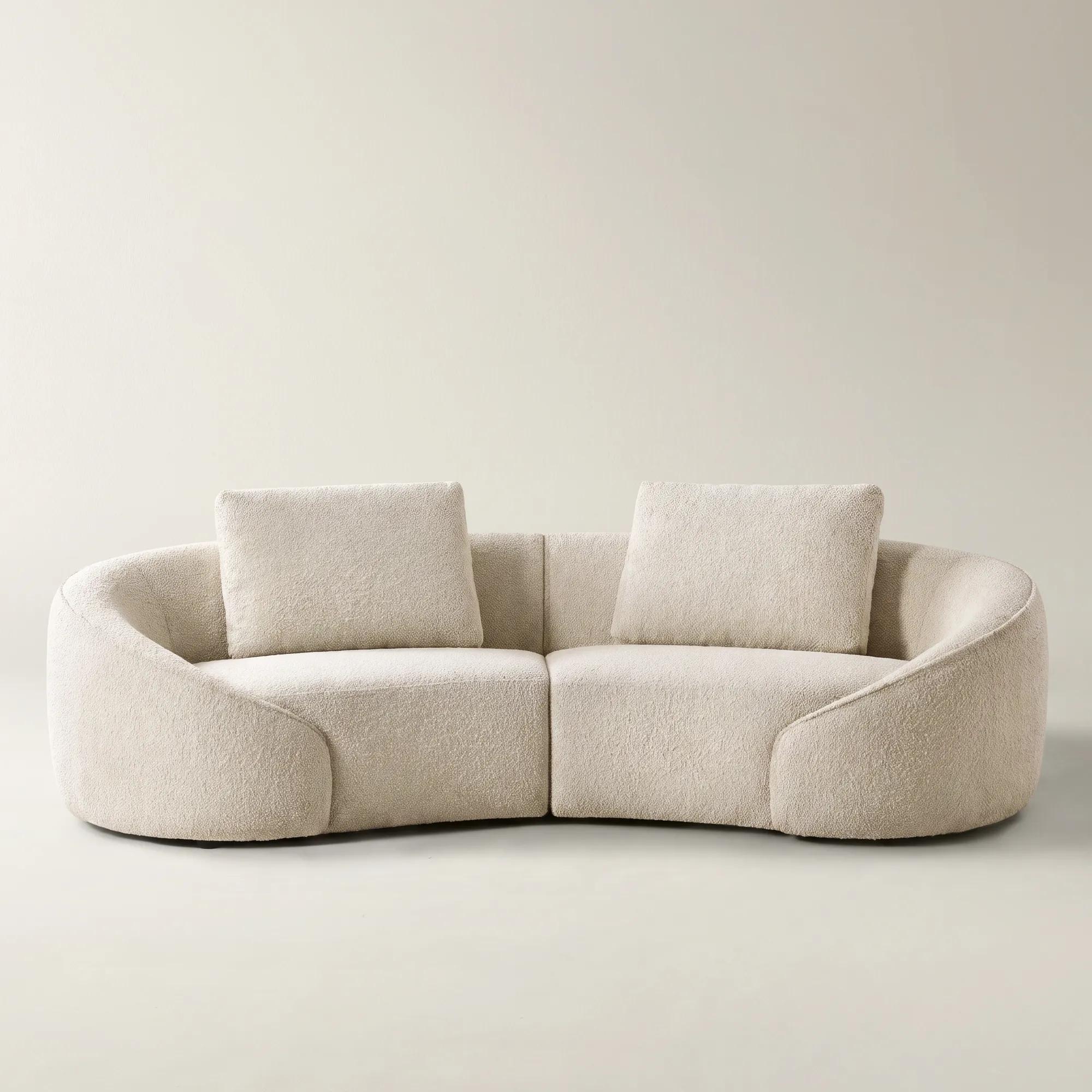
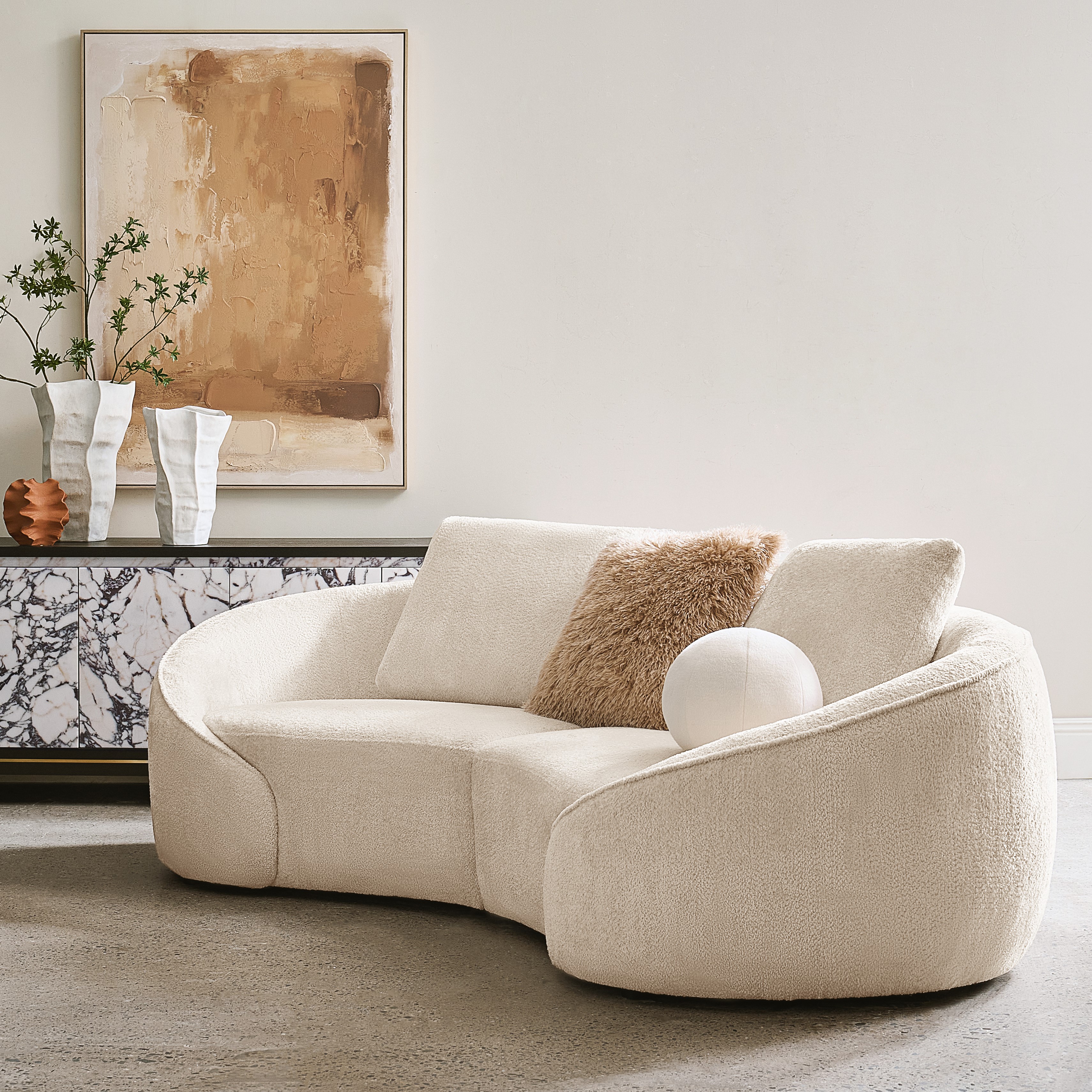 Irene 2-Piece Ivory Performance Boucle Sectional Sofa$2899
An inviting ivory performance boucle sectional featuring sculptural curves, high-resiliency foam, and artisan-tailored upholstery.
Add To Cart -
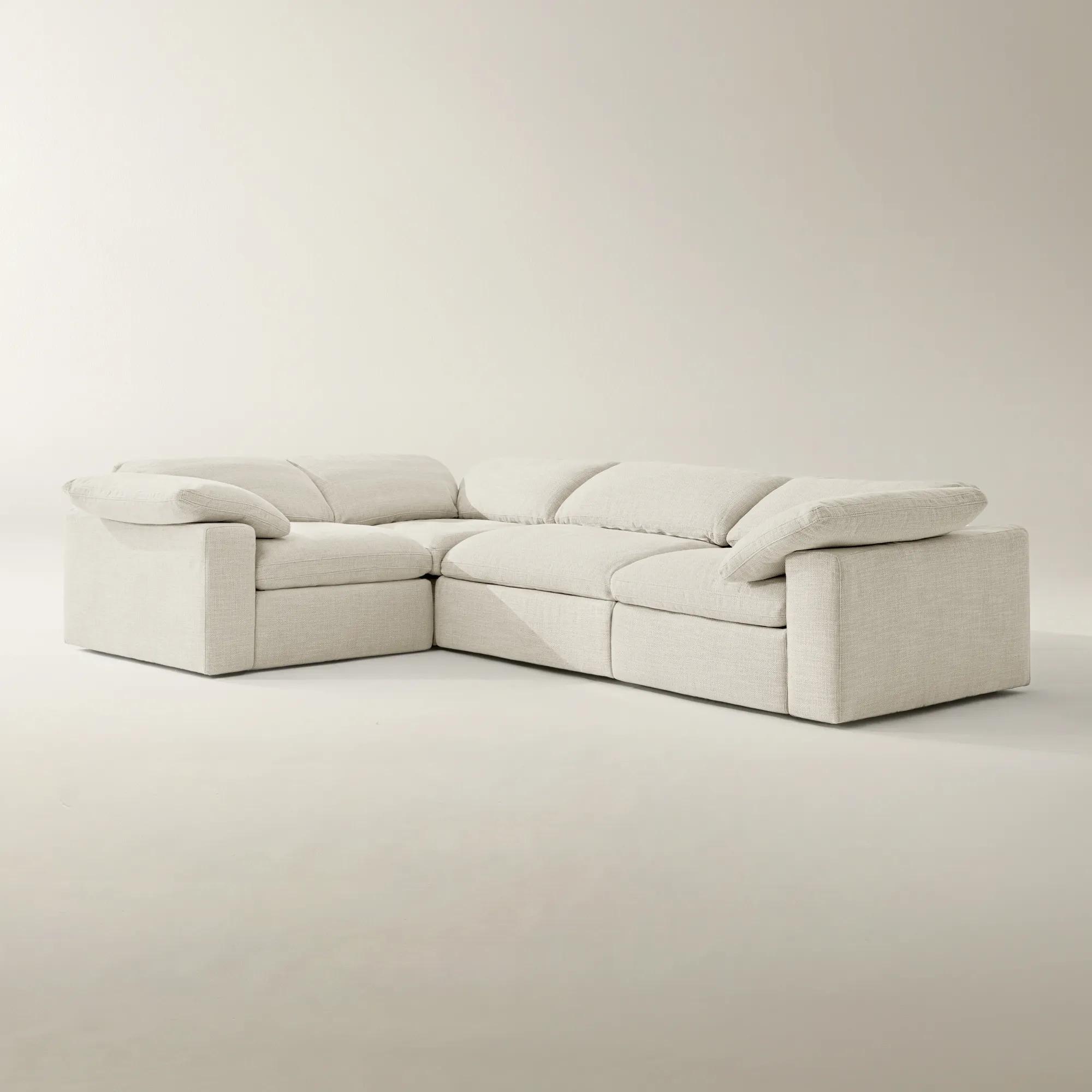
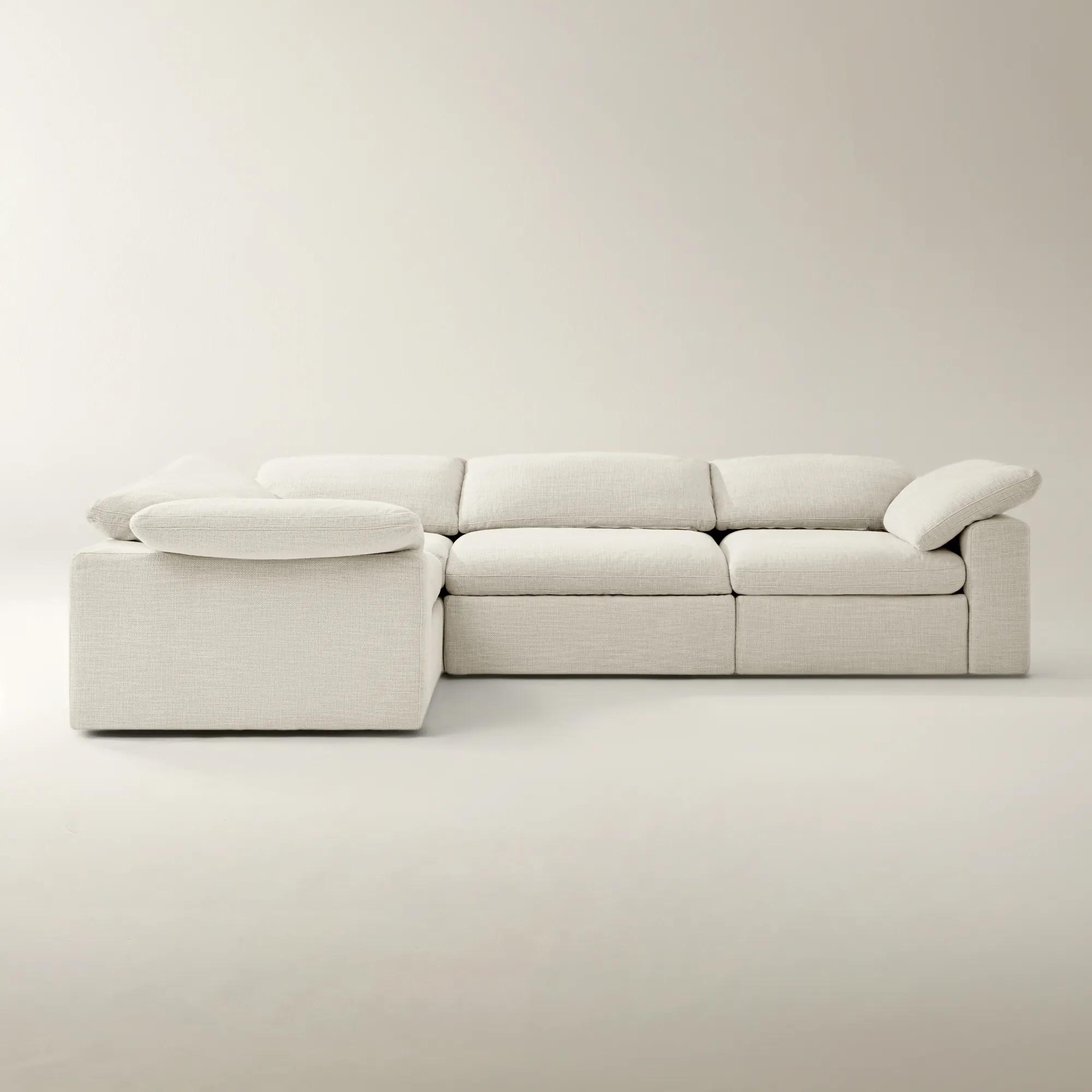 Milo 4-Piece L-Shaped Reclining Ivory Performance Fabric Sectional Sofa With Left-Arm Chair$4399
A modular L-shaped sectional sofa in ivory performance fabric with plush cushioning and independent power reclining.
Add To Cart -

 Sabrina 5-Piece Oatmeal Velvet Sectional$5999
An inviting L-shaped sectional in soft oatmeal velvet with plush feather-blend cushions and modular design.
Add To Cart -
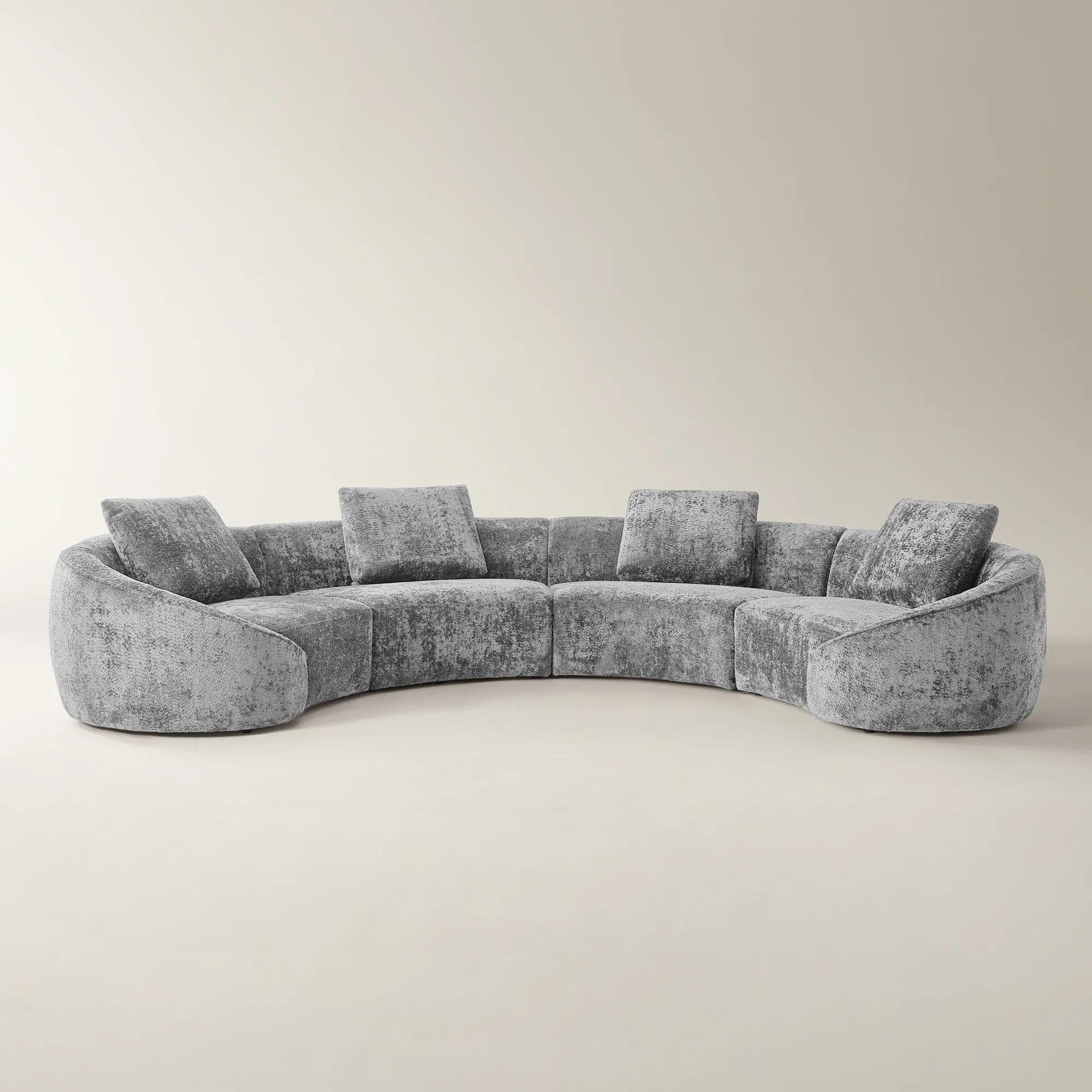
 Irene 4-Piece Grey Chenille Sectional$4999
A modern sectional featuring plush upholstery, perfect for elevating contemporary living room spaces.
Add To Cart -
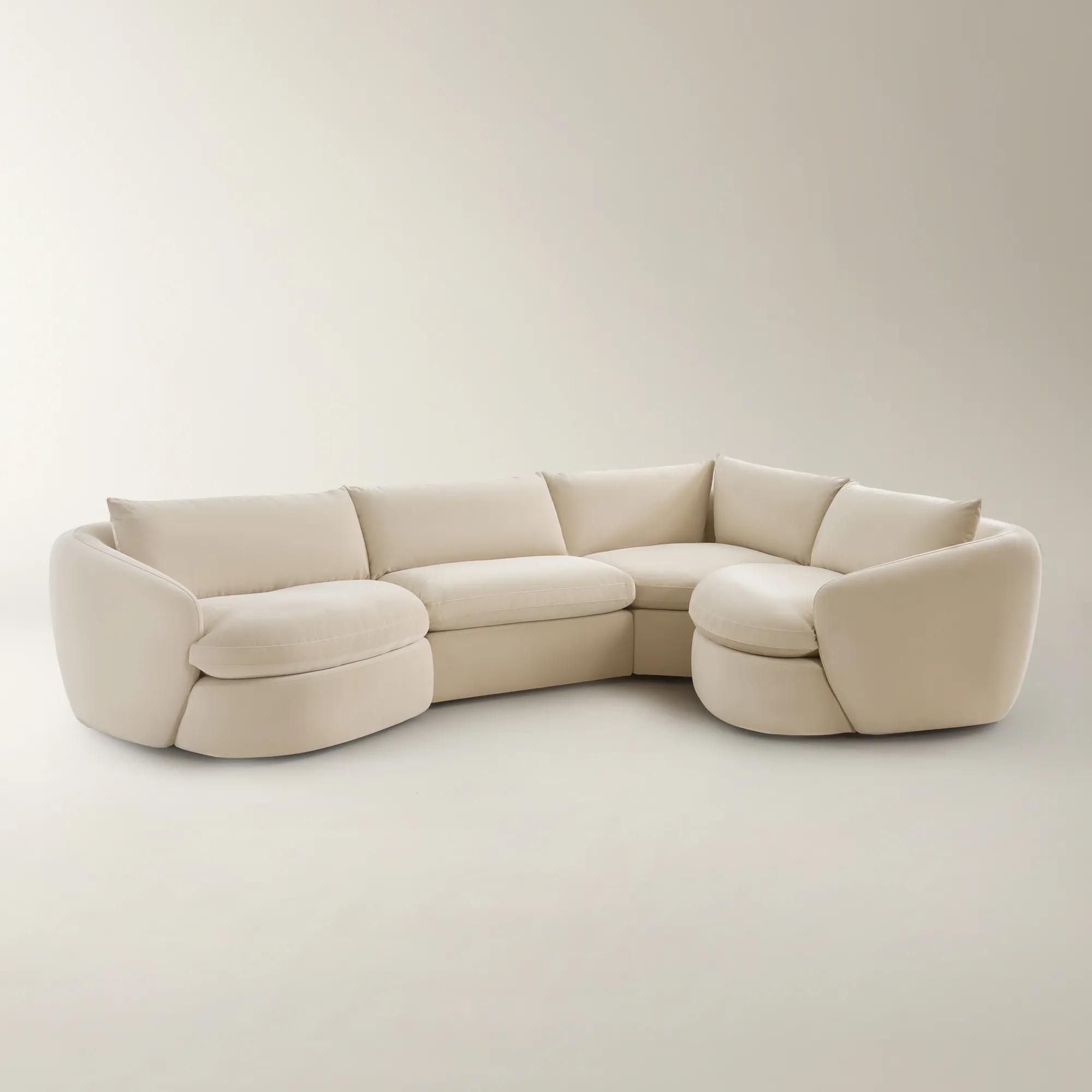 Sabrina 4-Piece Oatmeal Velvet Sectional With Right-Arm Chair$4999
An inviting L-shaped sectional in soft oatmeal velvet with plush feather-blend cushions and modular design.
Add To Cart -
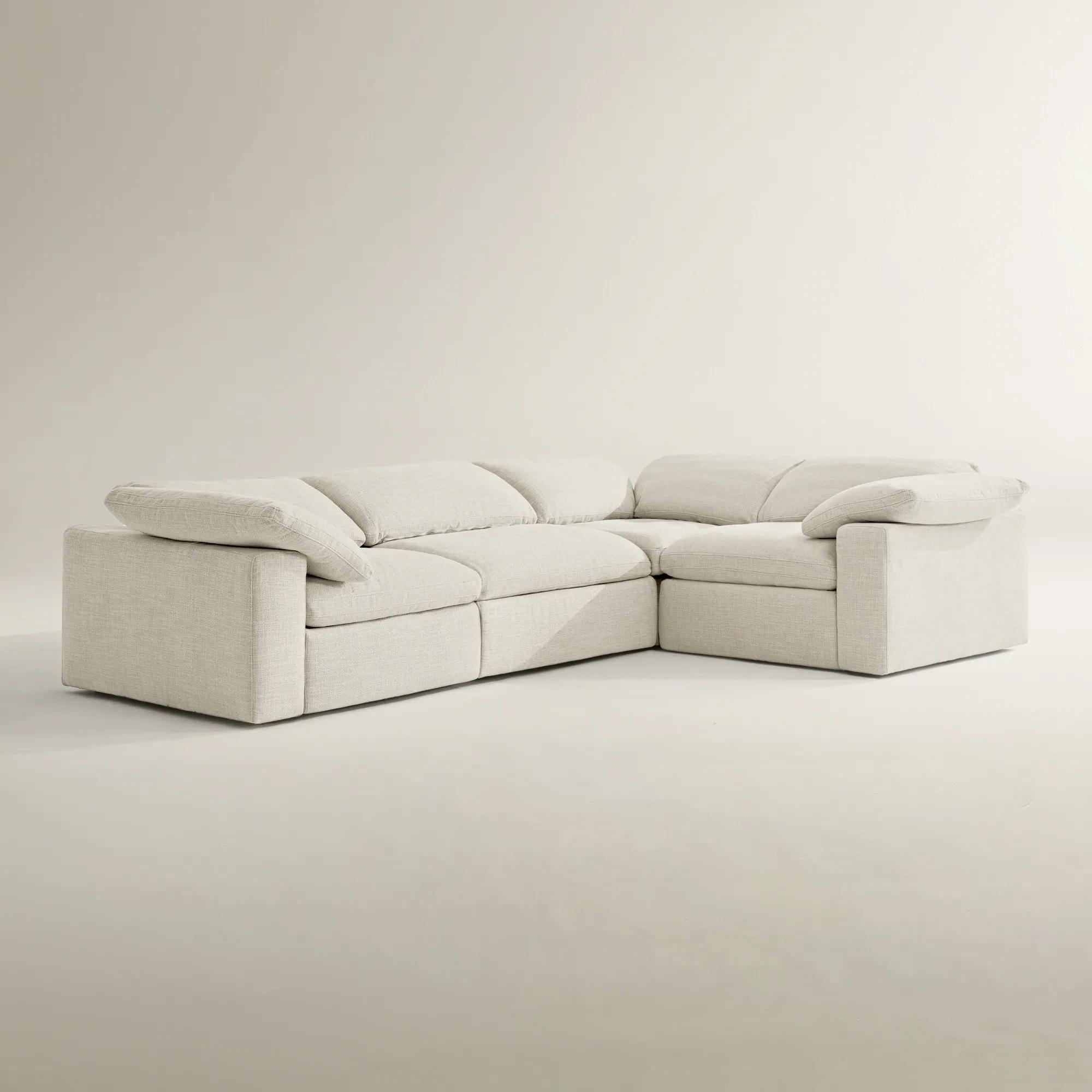
 Milo 4-Piece L-Shaped Reclining Ivory Performance Fabric Sectional Sofa With Right-Arm Chair$4399
A four-piece L-shaped sectional sofa in ivory performance fabric with power reclining and plush feather-blend cushions.
Add To Cart -
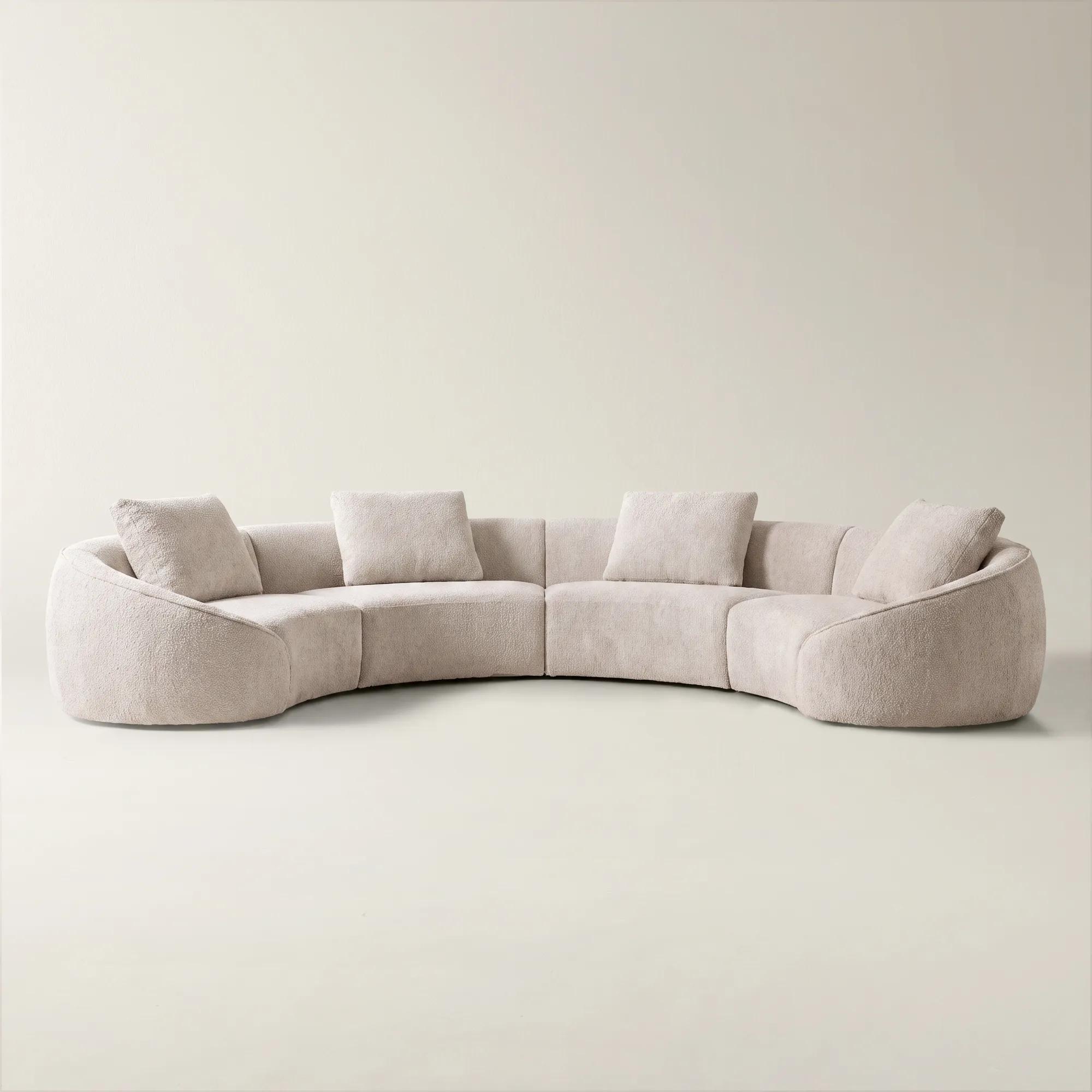 Irene 4-Piece Ivory Performance Boucle Sectional Sofa$5199
An inviting ivory performance boucle sectional featuring sculptural curves, high-resiliency foam, and artisan hand-finished upholstery.
Add To Cart -
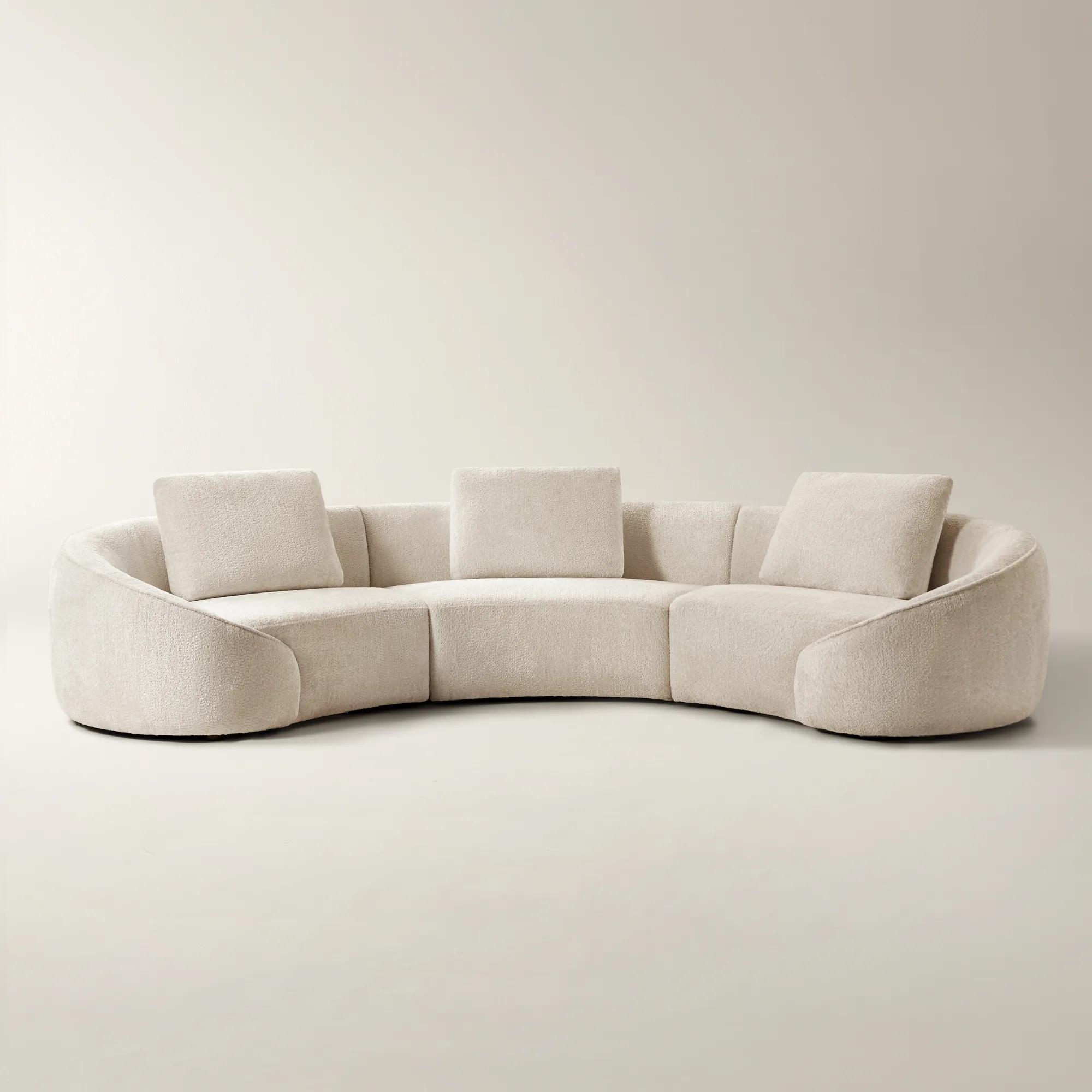 Irene 3-Piece Utopia Sand Chenille Sectional$3899
A modern curved sectional upholstered in plush Utopia Sand chenille with high-density foam cushioning for comfort.
Add To Cart -
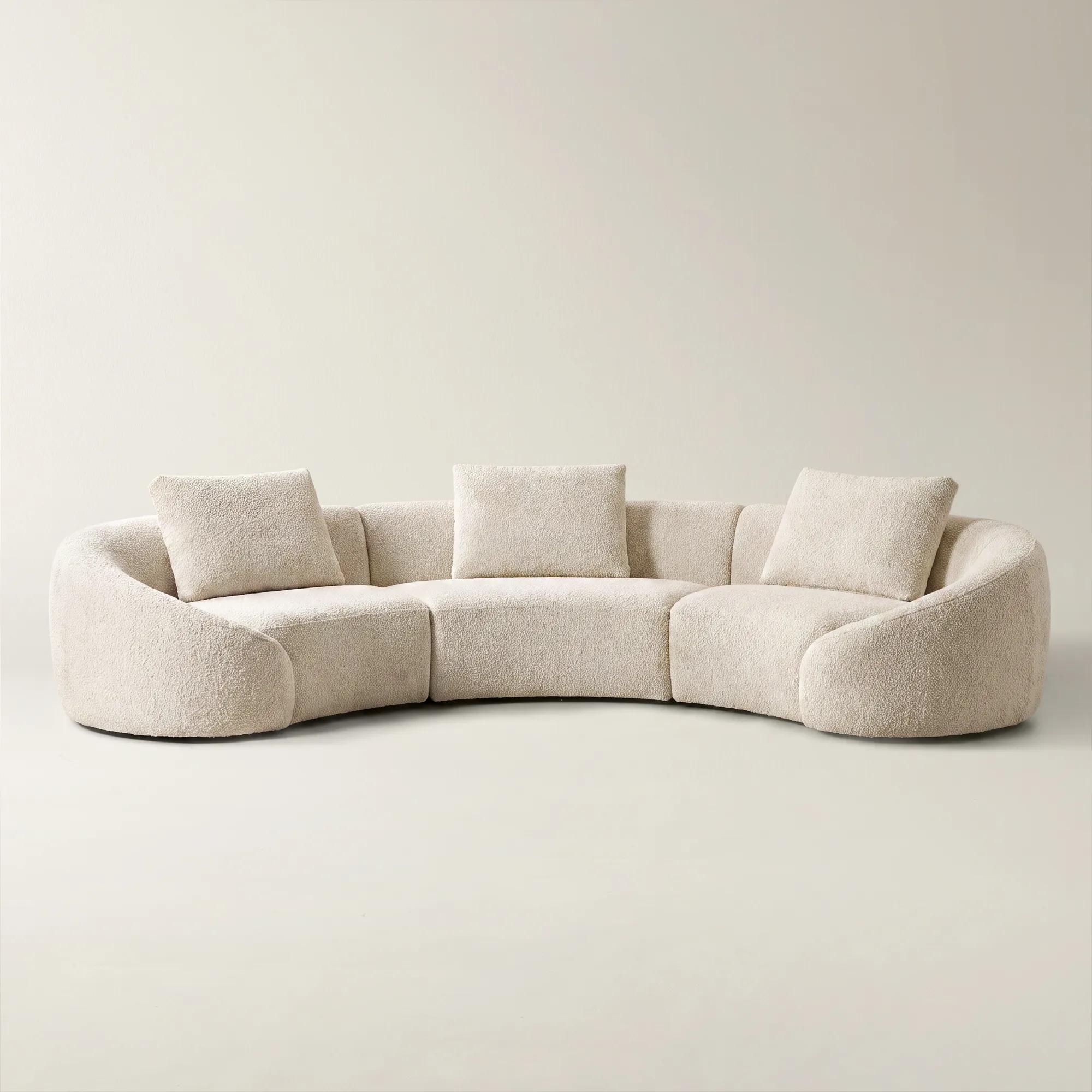 Irene 3-Piece Ivory Performance Boucle Sectional Sofa$4099
An inviting ivory performance boucle sectional featuring sculptural curves, high-resiliency foam, and artisan hand-finished upholstery.
Add To Cart -
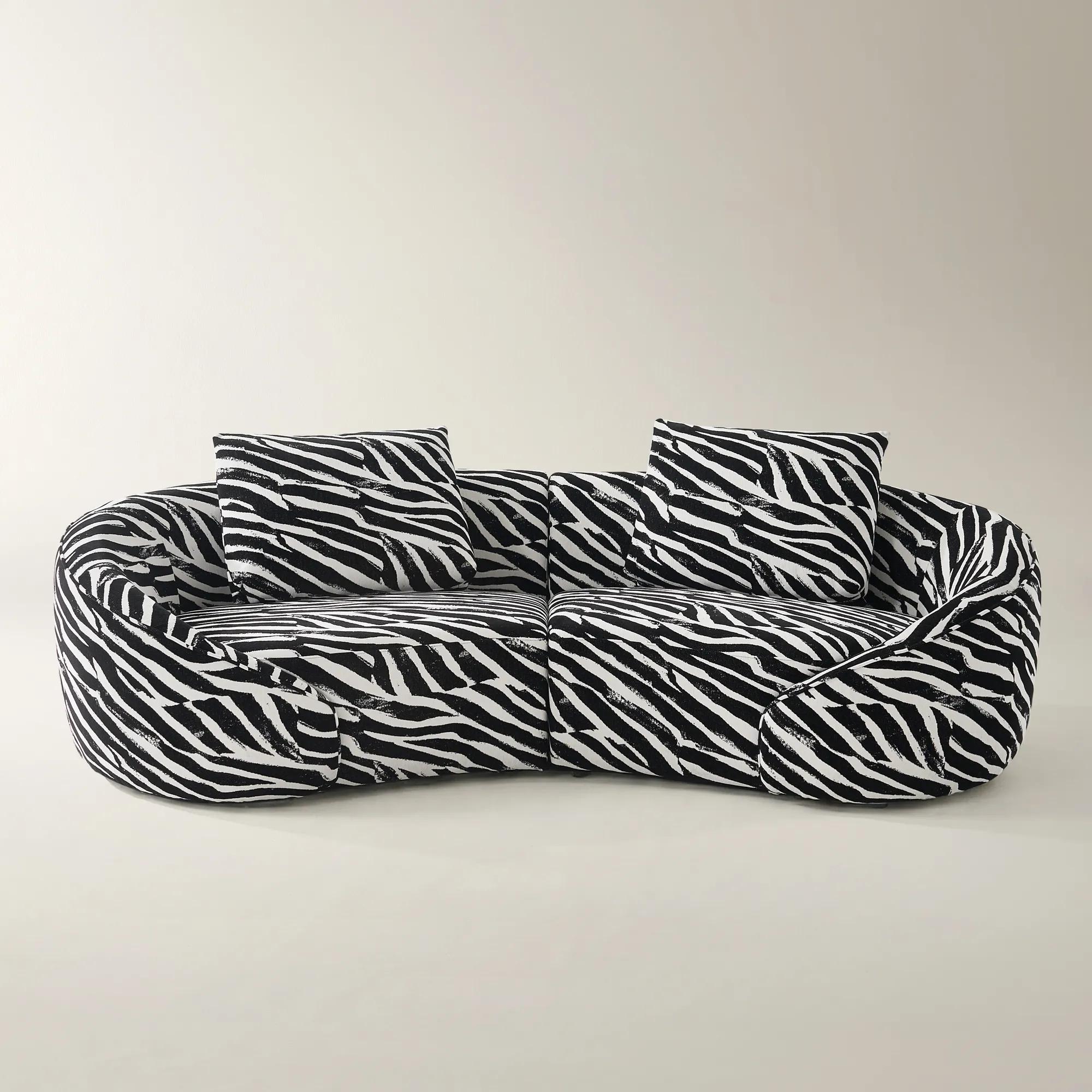 Irene 2-Piece White/Black Performance Chenille Sectional Sofa$2699
A sculptural white and black sectional wrapped in performance chenille with high-resiliency foam cushions and artisan detailing.
Add To Cart -
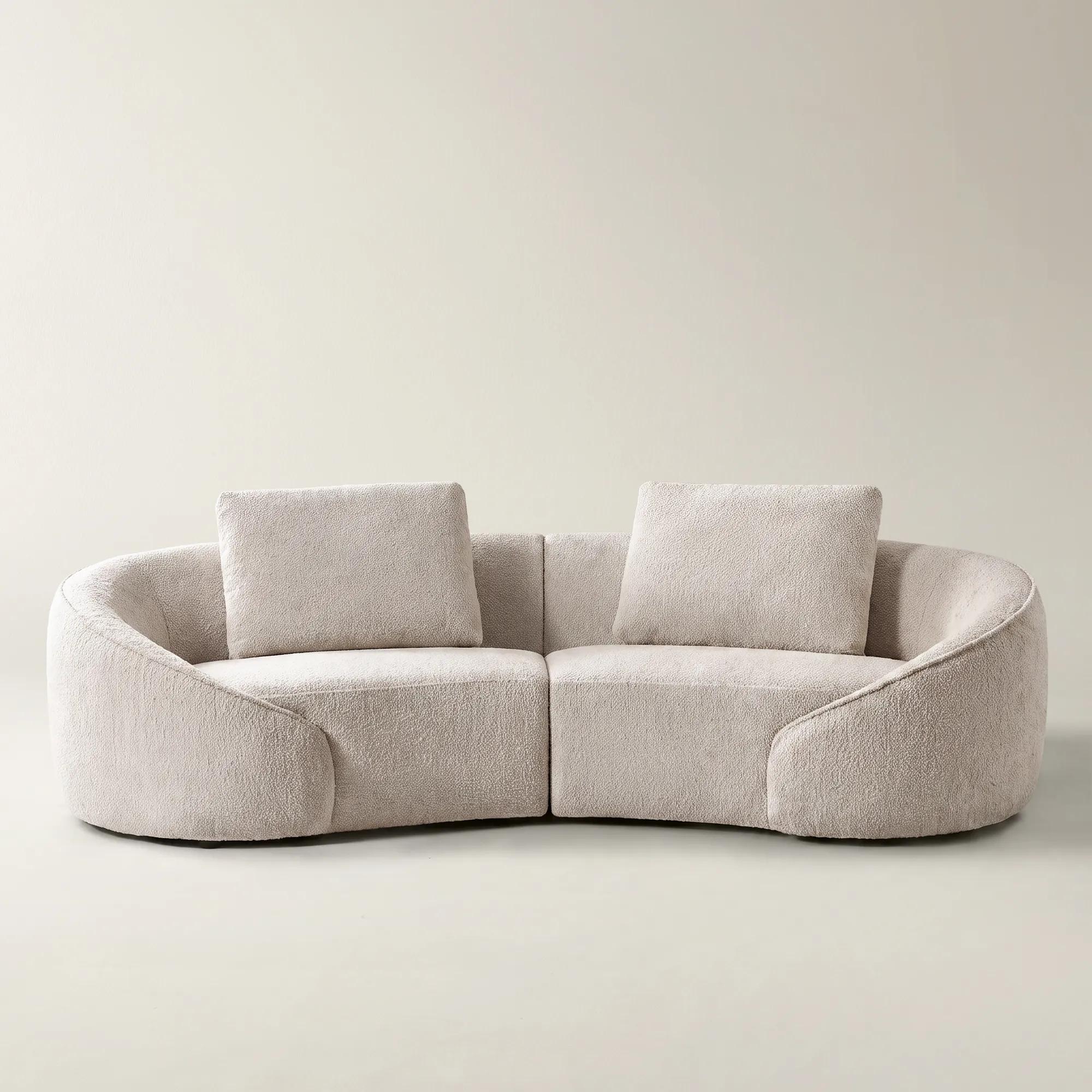 Irene 2-Piece Ivory Performance Boucle Sectional Sofa$2899
An inviting ivory performance boucle sectional featuring sculptural curves, high-resiliency foam, and artisan-tailored upholstery.
Add To Cart -
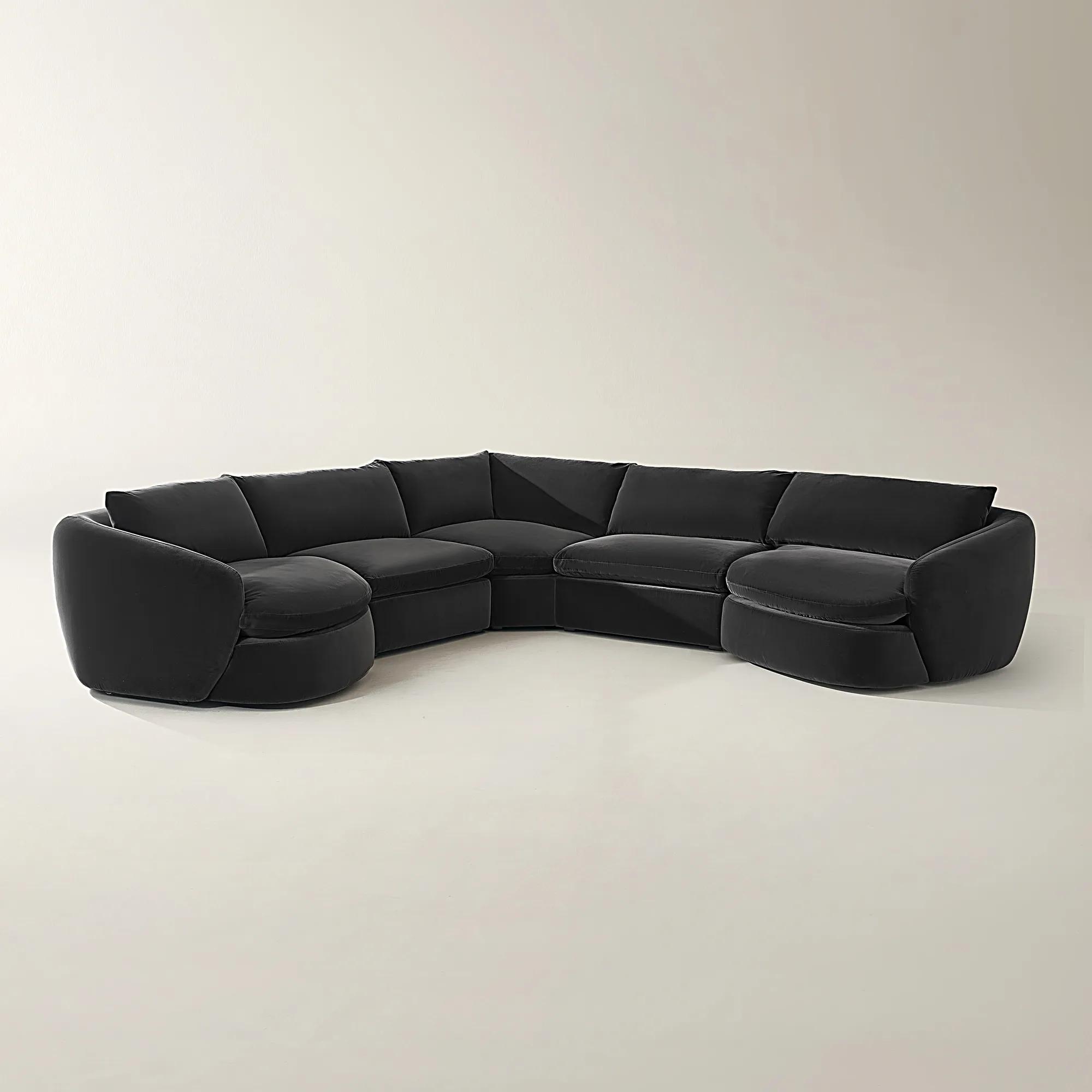 Sabrina 5-Piece Charcoal Velvet Sectional$5999
A modular charcoal velvet sectional with plush feather-blend cushions and a softly curved, modern silhouette.
Add To Cart -
 Irene 2-Piece Utopia Sand Chenille Sectional$2699
A modern curved sectional upholstered in plush Utopia Sand chenille with high-density foam cushioning for comfort.
Add To Cart

Modern Fabric Sectional Sofas
Explore modern fabric sectional sofas that bring generous seating and a tailored presence to your living room. Fabric upholstery softens the look of a contemporary space, while a sectional creates a natural gathering place. Consider overall dimensions, seating needs, and room layout to find a sofa that anchors your space without overwhelming it.
Modern fabric sectional sofas give a living room its center of gravity: a generous sweep of seating, a tactile surface, and a silhouette that makes the entire space feel considered. Their appeal lies in the balance between architectural presence and inviting softness. A low, tailored profile can frame an expansive room without interrupting its sightlines, while broad arms and deep cushions create a more enveloping composition. Curved forms soften the geometry of angular tables and cabinetry; crisp, linear shapes bring definition to rooms layered with art, sculptural lighting, and expressive accessories. Fabric adds another dimension to that visual language. Velvet can carry color with remarkable depth, its shifting pile catching light across a cushion or rounded arm. Textured weaves introduce subtle pattern without requiring a printed motif, while bouclé lends a sculptural surface that feels especially striking against polished stone or gleaming metal. Linen blends offer a more relaxed texture, though their tendency to wrinkle and their care requirements depend on the particular fiber mix. Upholstery containing synthetic fibers may offer useful resistance to everyday wear, but performance varies by construction and finish rather than fiber name alone. Color shapes the atmosphere just as decisively. Ivory, taupe, and soft gray allow texture and form to take the lead, giving dramatic artwork room to command attention. Charcoal brings visual weight, while saturated jewel tones can make the sectional the room’s defining gesture. The strongest compositions do not require every furnishing to match: a plush fabric surface beside a glass table or metallic accent creates contrast that feels deliberate rather than decorative for its own sake. For people who enjoy entertaining, gathering for a film, or stretching out with a book, a sectional combines a substantial design statement with seating that accommodates different ways of living. Its scale becomes part of the room’s character, offering an expansive place to settle without sacrificing a polished impression. Even a restrained palette can feel opulent when the fabric has depth, the proportions are confident, and the surrounding details give the upholstery space to be appreciated.
The right proportions allow that presence to feel generous rather than overpowering. A sectional’s overall width and depth matter, but so do the length of its chaise, the height of its back, and the amount of usable seating inside its arms. Two designs with similar exterior dimensions can feel quite different once seated: substantial arms occupy more floor space, while narrower arms can preserve more room for guests. Seat depth also changes the experience. A deeper seat invites reclining and may benefit from supportive accent pillows for someone who prefers to sit upright; a shallower seat can make conversation and getting up feel more comfortable. Lower backs maintain an open visual field, particularly in a living area connected to a dining room, while taller backs may offer a more supported seated position. L-shaped configurations can define a lounge area along two walls or establish a boundary within an open floor plan. A chaise creates a dedicated place to extend the legs, whereas a larger, enveloping arrangement can encourage conversation across multiple seats. Where a design is modular, its components may offer flexibility, although approved configurations, connecting hardware, and finished upholstery on exposed sides should be confirmed before planning a different arrangement. Left-facing and right-facing descriptions also deserve attention, since orientation terminology can vary. In a room with a fireplace, a sectional can frame the focal point while leaving a comfortable route to adjoining spaces. In a smaller apartment, an extended chaise needs enough breathing room to avoid narrowing the passage between seating and a coffee table. Doors, walkways, nearby drawers, and reclining components, if present, all need space to function. Delivery access is equally important: entryways, stair turns, elevators, and interior doors must accommodate the largest individual piece, not simply the assembled footprint. These practical details preserve the elegance of the finished room. A sectional that fits comfortably allows a sculptural table, an ample rug, and well-placed lighting to form a cohesive composition instead of competing for every inch of floor space.
Comfort and lasting appeal depend on what sits beneath the upholstery as much as on its surface. Frame construction, joinery, suspension, and cushion materials all influence how a fabric sectional supports daily use. Hardwood and engineered wood can both appear in well-constructed frames; the quality of the materials and assembly matters more than a single label. Foam cushions can provide a defined shape and a more structured feel, while fiber or feather blends may create a softer impression and require more frequent fluffing. Foam density is not the same as firmness, so construction details are more informative than an assumption that a firmer seat will necessarily last longer. For a household that gathers on the sofa every evening, resilience and ease of upkeep may carry as much weight as the initial feel. Homes with children or pets may benefit from upholstery with documented performance characteristics, but stain resistance does not make a fabric impervious to spills, and a textured surface is not automatically resistant to snagging. Tightly woven fabrics can be a practical consideration where claws, jewelry, or clothing hardware might catch on raised loops. Care should always follow the upholstery label: some fabrics permit water-based cleaning, others require solvent-based methods, and some call for professional attention. Removable cushion covers are not necessarily machine washable. Gentle vacuuming with an appropriate upholstery attachment helps remove dust and crumbs, while prompt blotting rather than rubbing can limit the spread of a spill. Cushions that are designed to be rotated can wear more evenly, and protecting upholstery from prolonged direct sunlight helps reduce fading. Velvet may develop changes in pile direction or pressure marks that alter its sheen; appropriate care depends on the specific fabric. This attention to construction and maintenance supports the expressive side of the room, keeping rich color, distinctive texture, and tailored lines looking considered over time. Fabric brings a particularly inviting dimension to Modern Luxury Sectional Sofas, pairing substantial scale with surfaces that reward a closer look. The result is seating suited to both a beautifully composed interior and the ordinary pleasures that give it meaning: lingering conversation, a shared film, or a quiet moment surrounded by art and texture.
FAQs
A modern fabric sectional sofa combines connected seating sections with a contemporary silhouette and upholstered finish. Clean lines, sculptural curves, or tailored detailing give this furniture category its distinctive presence. Fabric introduces visual softness, creating an inviting focal point that balances architectural drama with a relaxed mood.
Texture gives upholstery depth and dimension. A smooth surface emphasizes the sectional’s silhouette, while a pronounced weave brings tactile richness to the room. Consider how the fabric looks alongside surrounding finishes: textured upholstery can create a striking counterpoint to gleaming metal, polished stone, or glass.
Ivory, taupe, and charcoal create a sophisticated foundation for expressive accents, while saturated jewel tones bring a more theatrical mood. Choose a color that connects with your artwork, rug, or drapery without matching every element. Contrast gives a room energy; layered shades of one color create a more enveloping atmosphere.
Yes. A tailored fabric sectional can anchor a glamorous room with reflective accents, bring softness to an industrial-inspired interior, or lend contemporary contrast to traditional furnishings. Let its silhouette establish the mood, then use surrounding pieces to shape the story—from sculptural tables to expressive artwork.
Layer pillows with contrasting textures and a deliberate color palette to give the sectional a richly composed look. Pair a bold pattern with quieter solids, then drape a throw to introduce softness and movement. Leave portions of the upholstery visible so the sofa’s lines remain part of the composition.