Sofas With Supportive Cushions
Sofas With Supportive Cushions
-
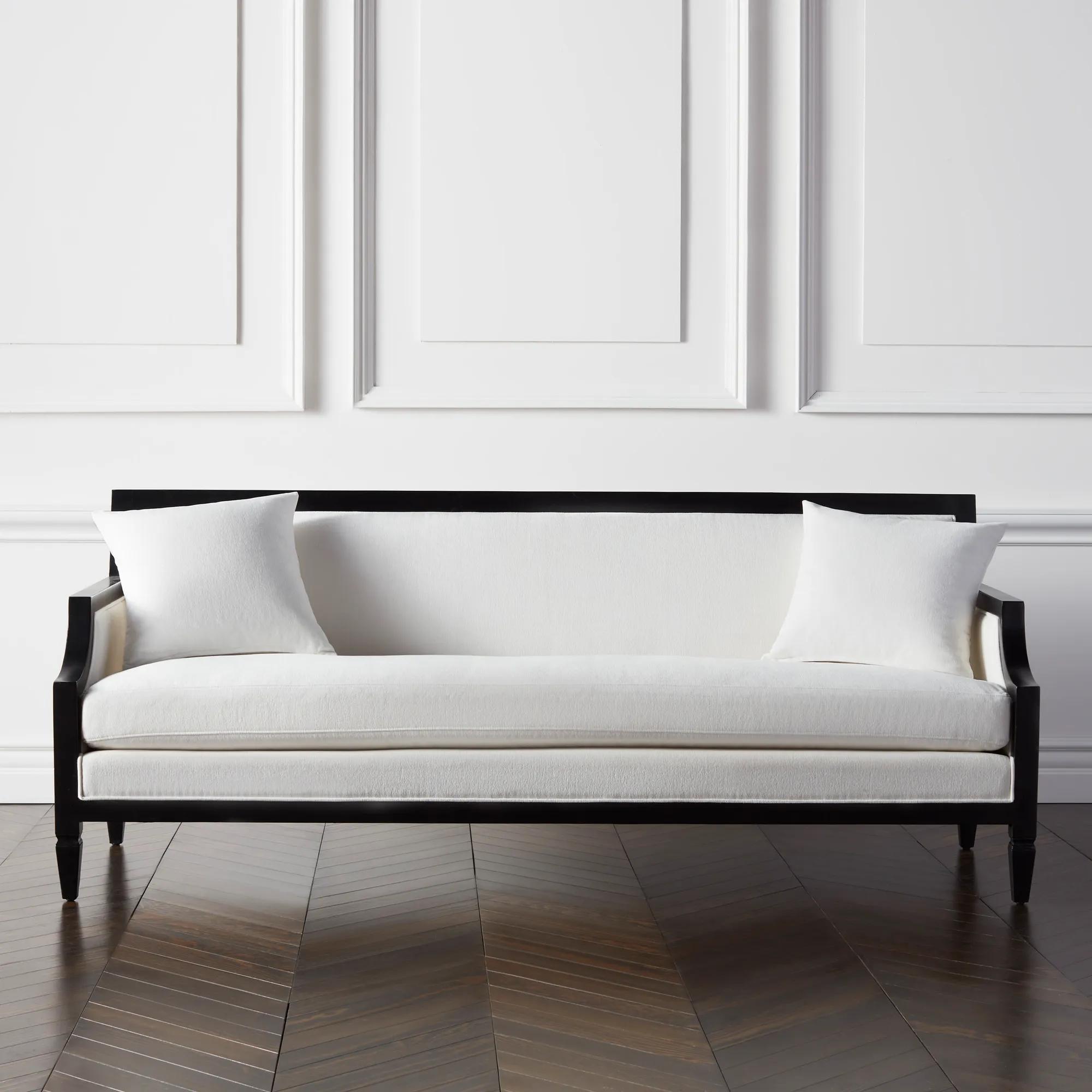
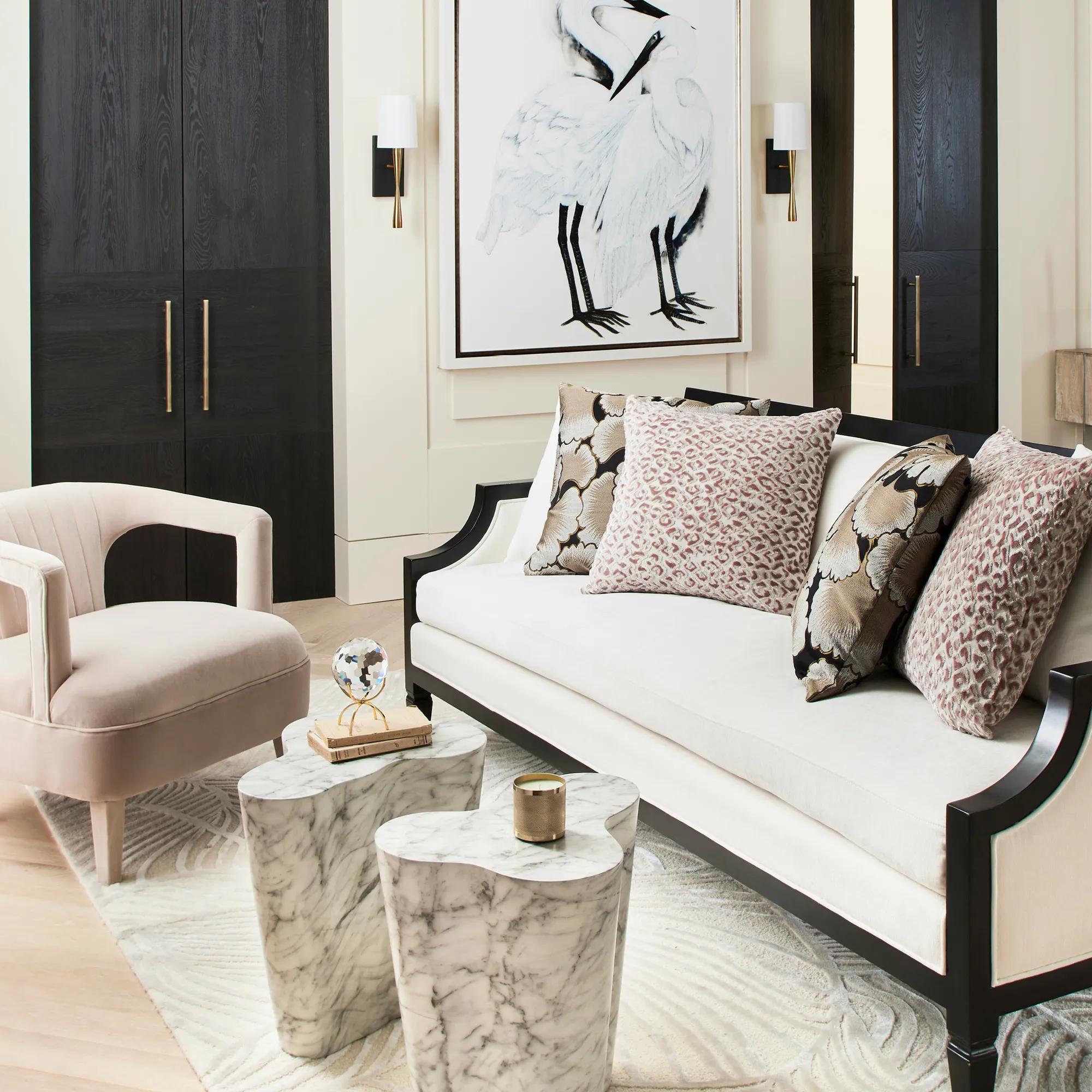 Kayla Sofa$2249
A plush, modern sofa featuring notched arms, matte black wood frame, and soft Kenley Chenille Snow upholstery.
Add To Cart -
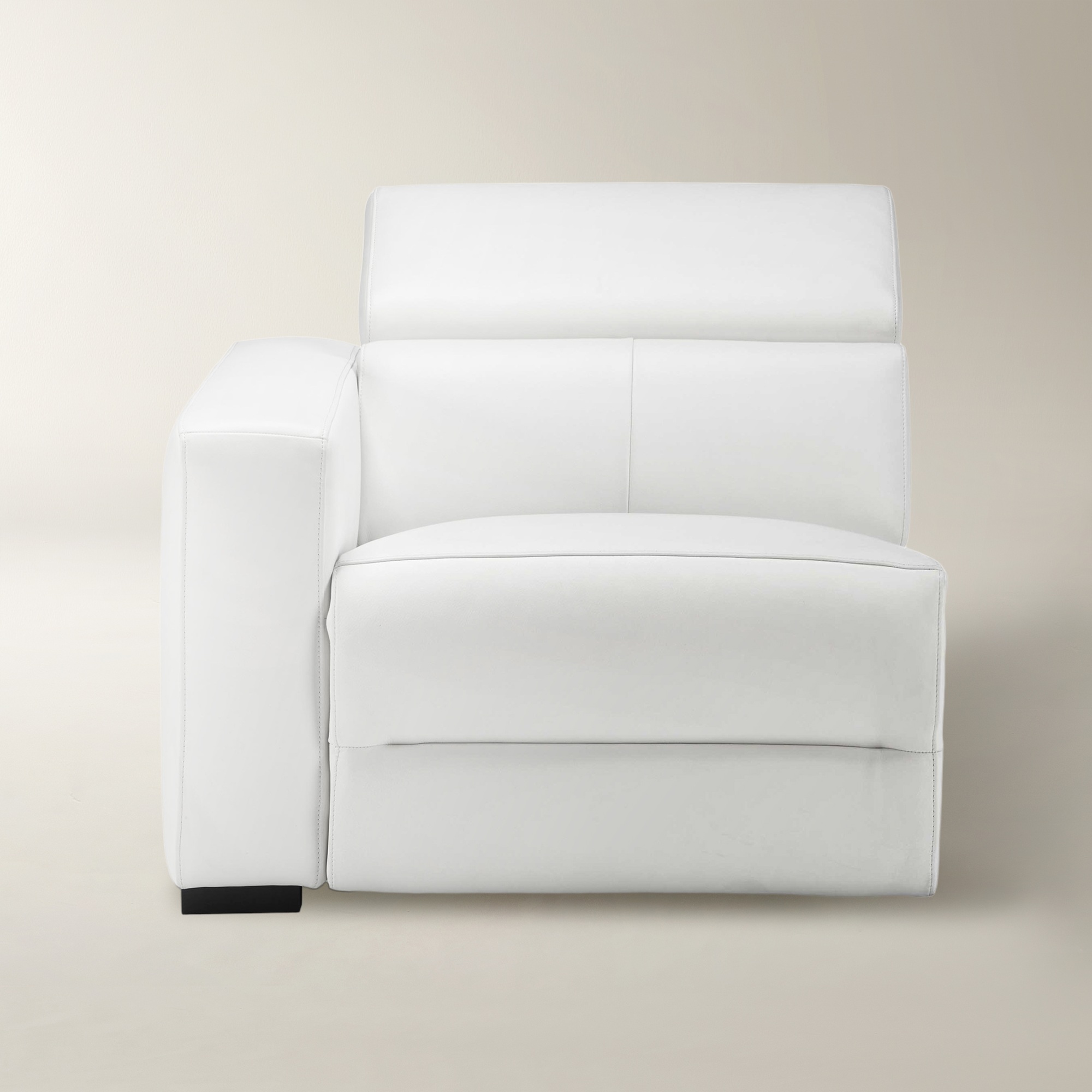
(1).jpg?w=1200&h=1200) Verona Reclining Leather Components - Bulid Your Own$1249
Verona Reclining Leather Components - Bulid Your Own$1249A modern white sectional upholstered in supple semi-aniline leather with adjustable headrests and power-reclining options.
Add To Cart -
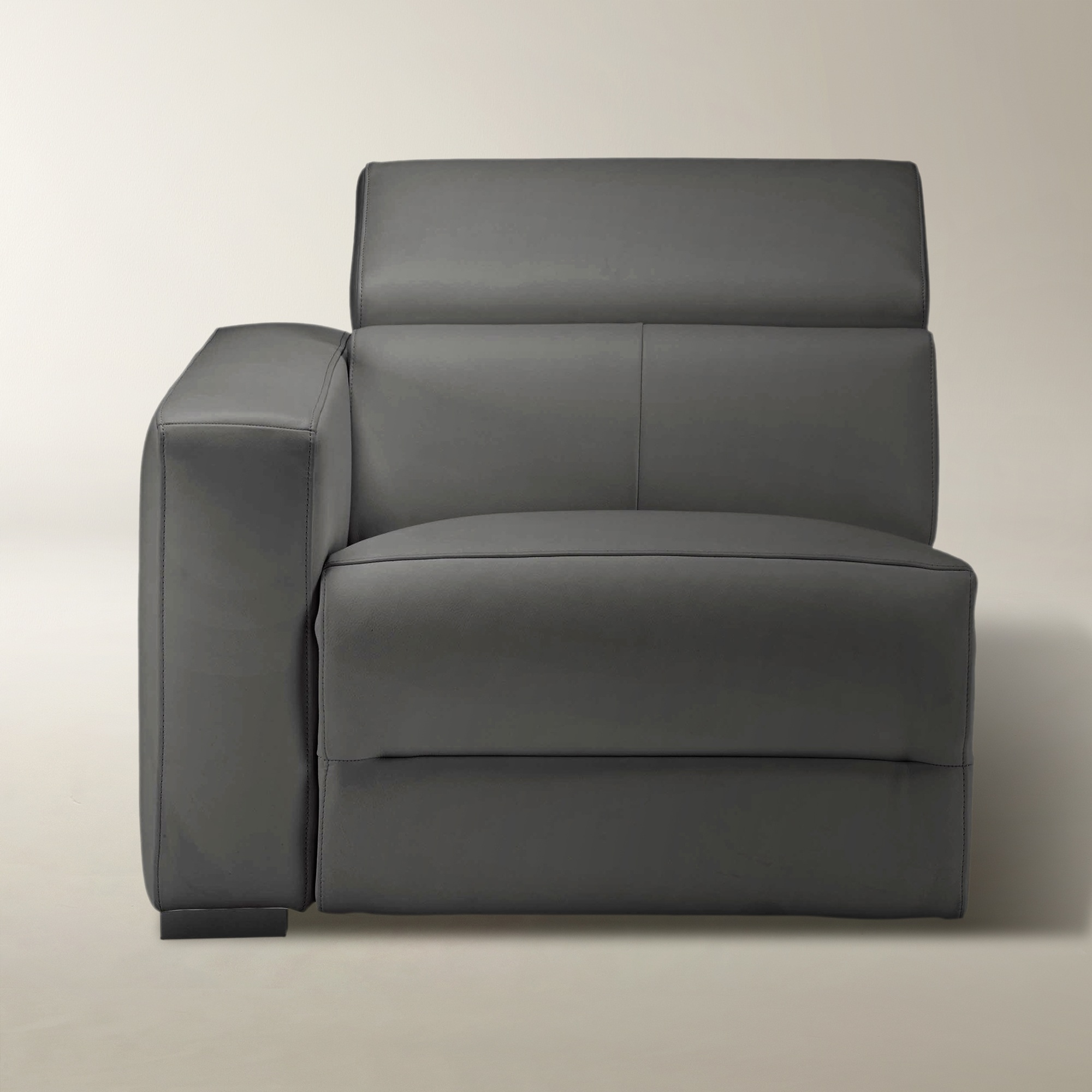
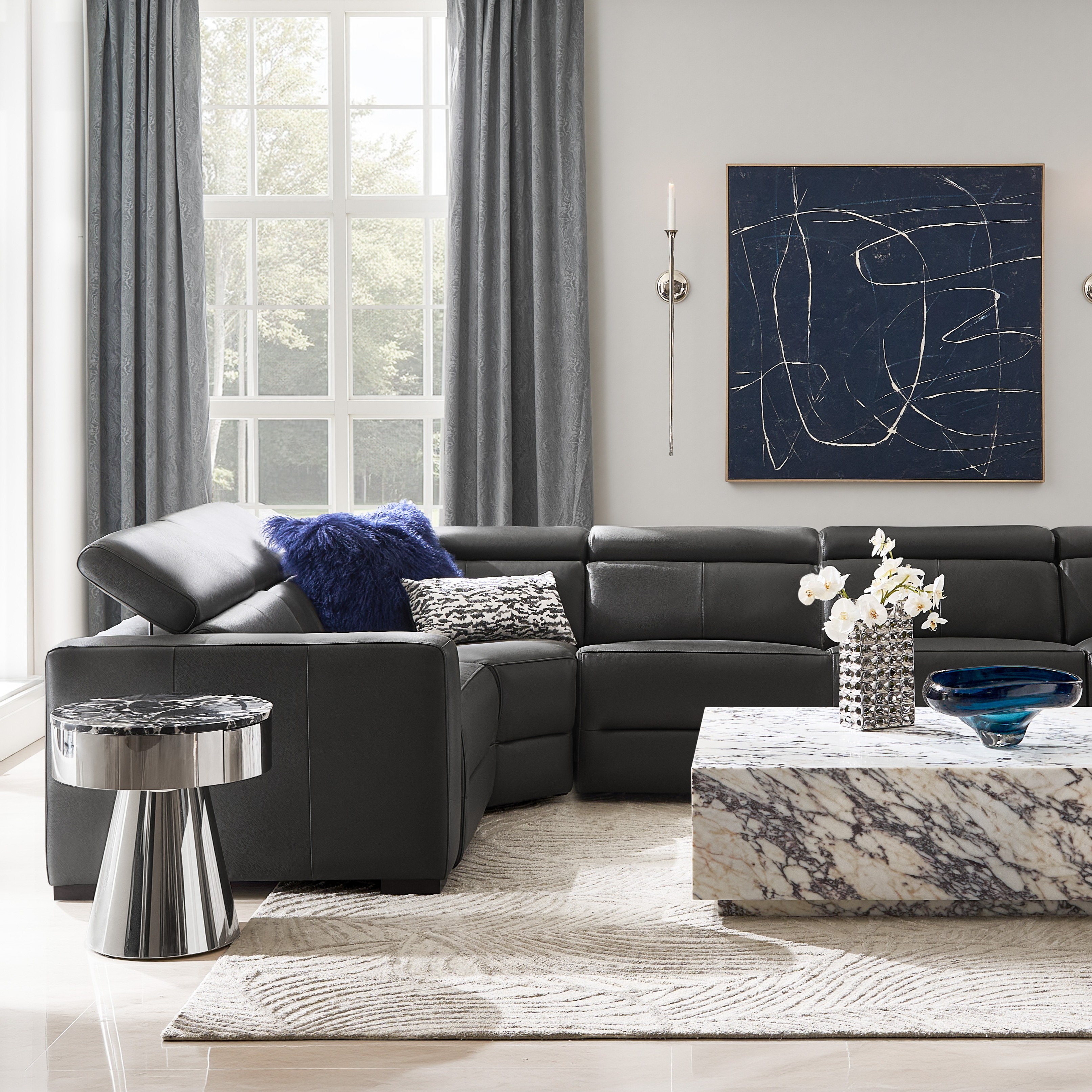 Verona Reclining Leather Components - Bulid Your Own$1499
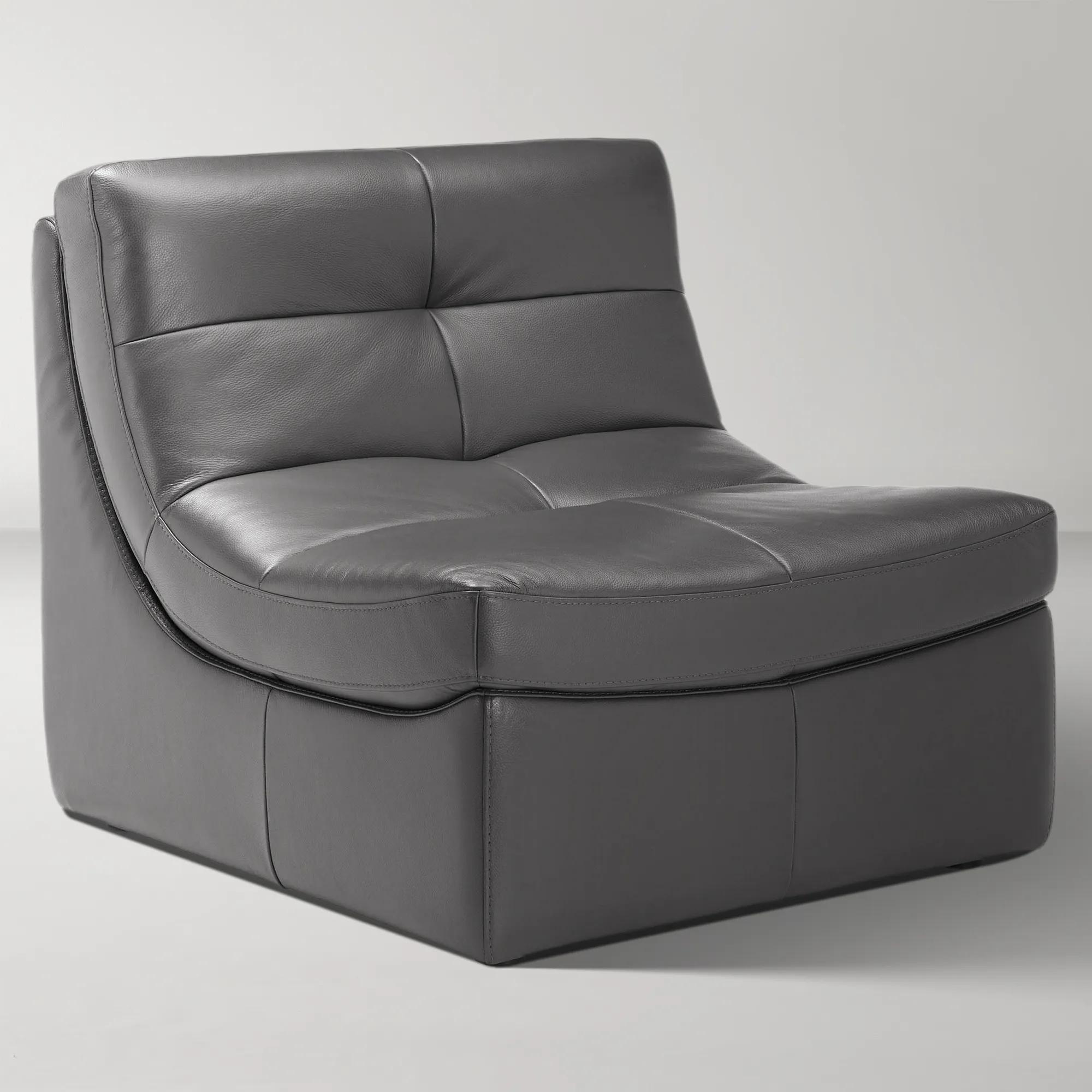
A charcoal semi-aniline leather sectional with adjustable headrests, power-reclining seats, and kiln-dried hardwood frame.
Add To Cart -
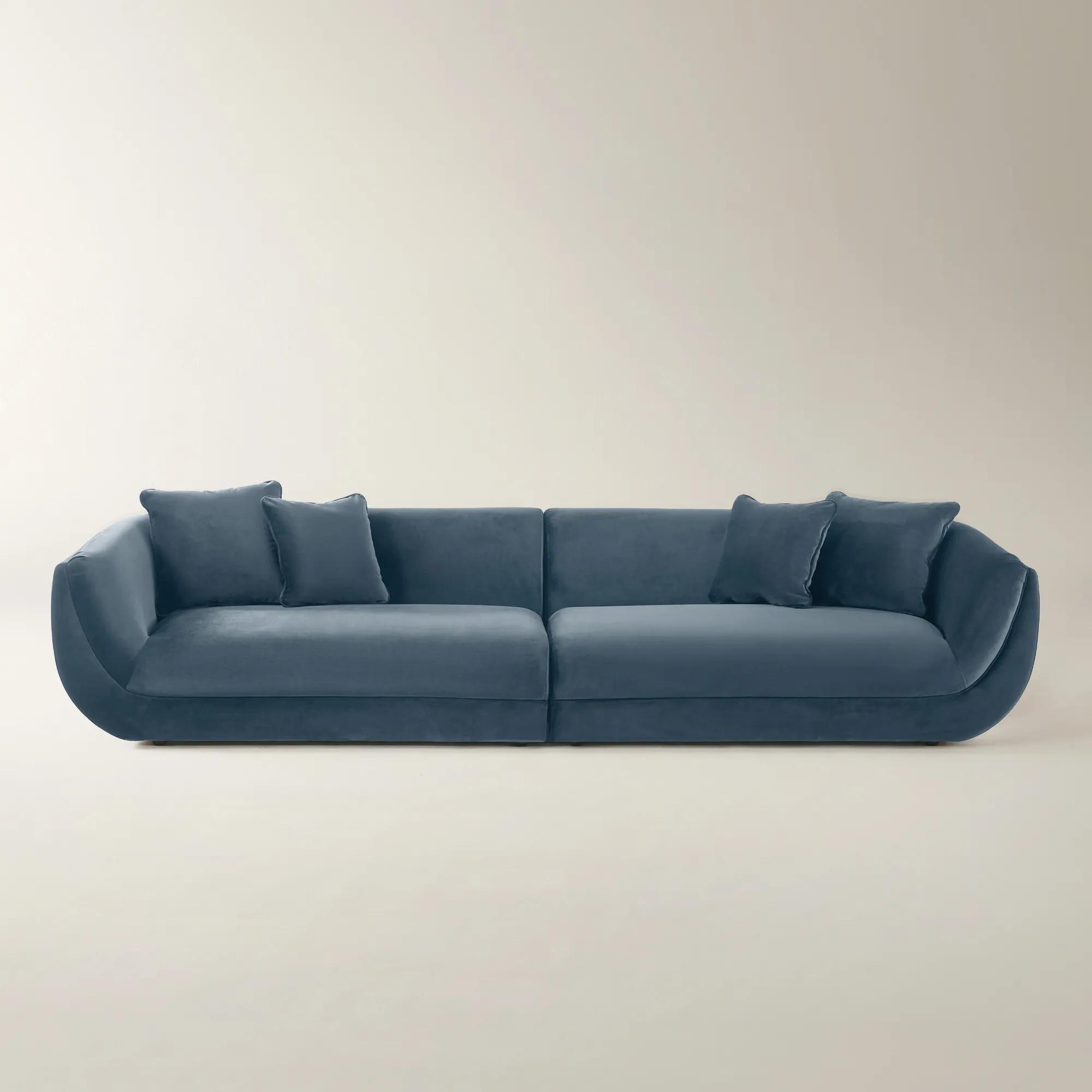
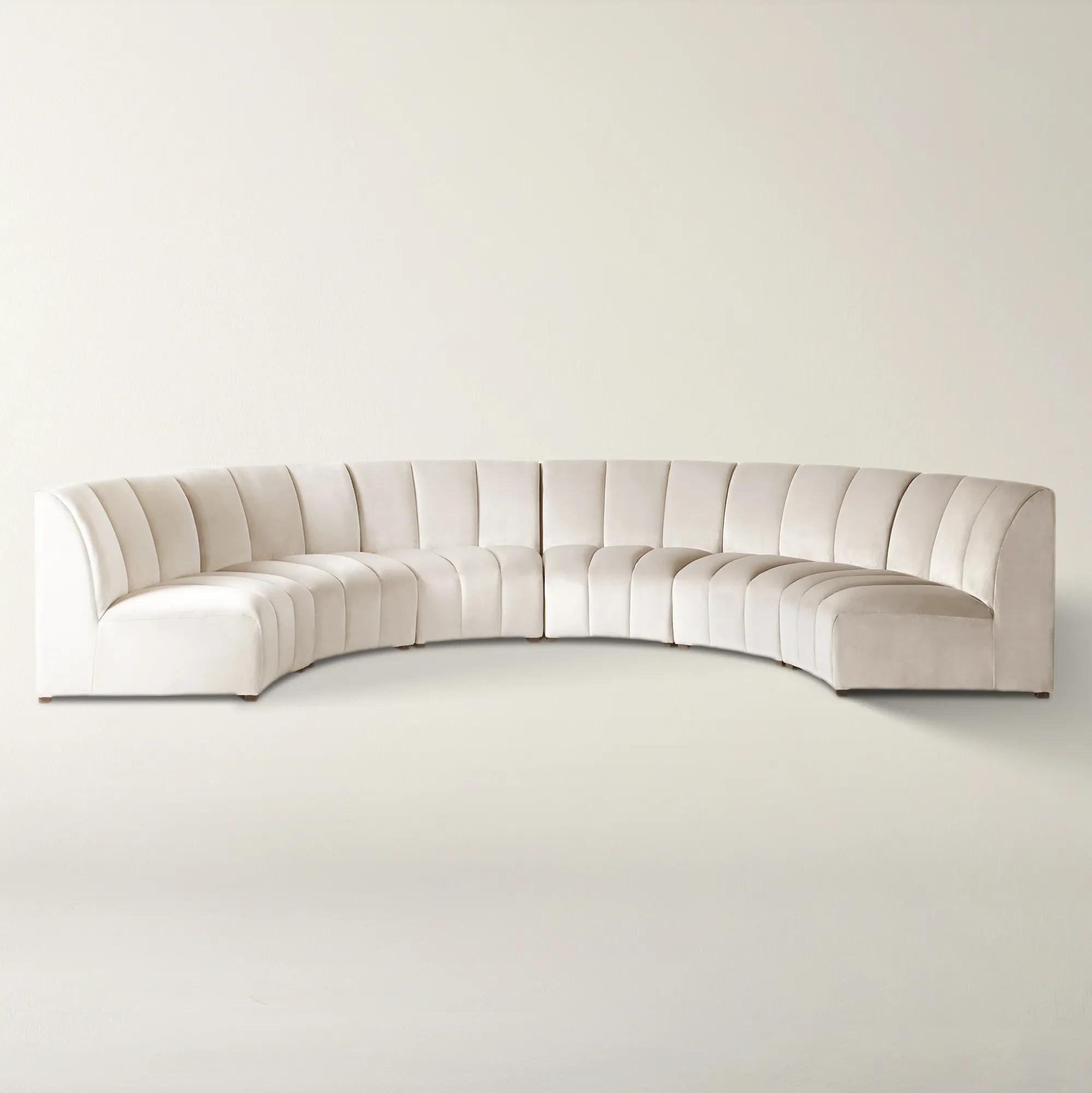 Jayce 6-Piece Channel-Tufted Ivory Velvet Sectional Sofa$5499
A modern curved sectional in stain-resistant Velvet Ivory with deep channel tufting and plush, structured cushions.
Add To Cart -
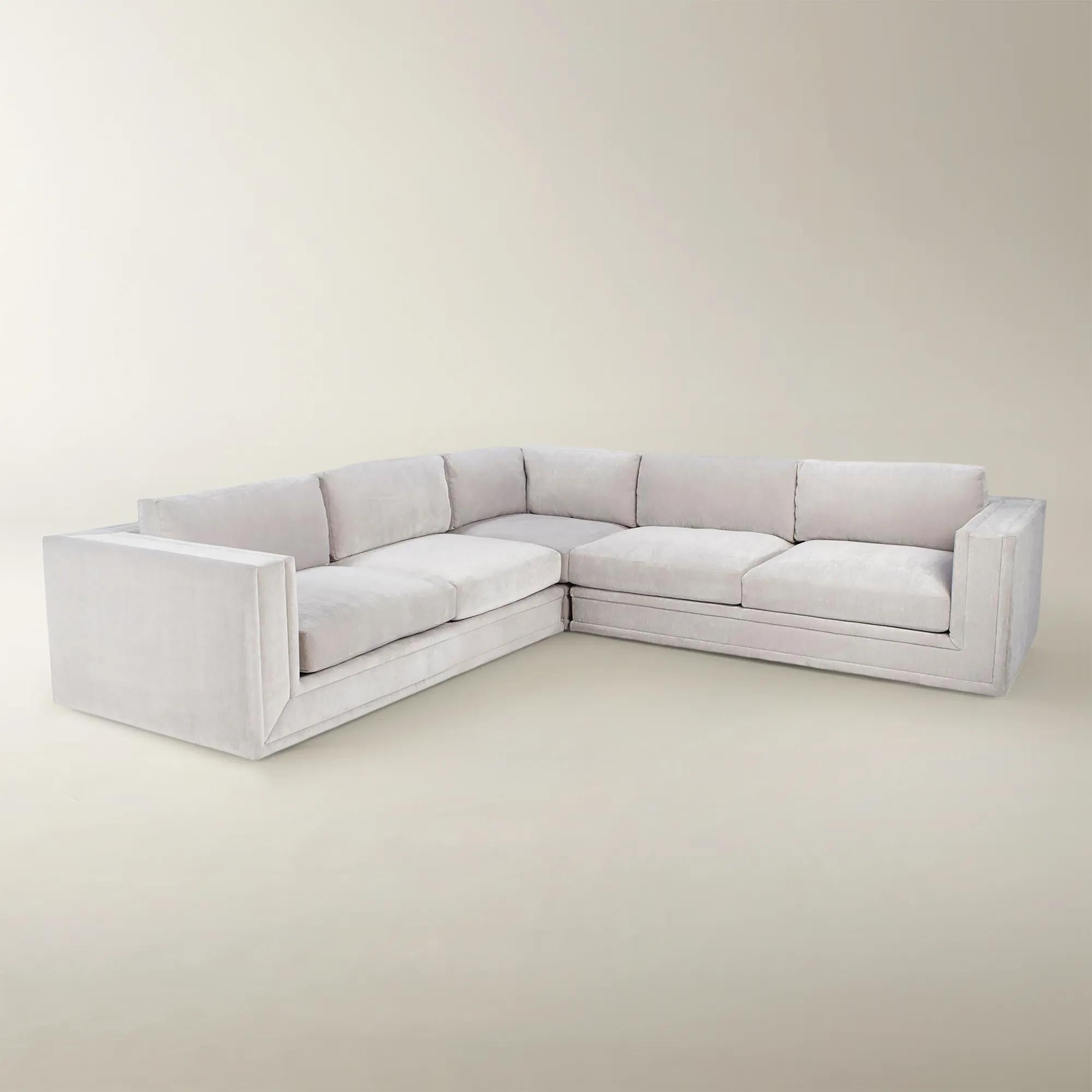 Luka Corner Sectional - 3 PC$4999
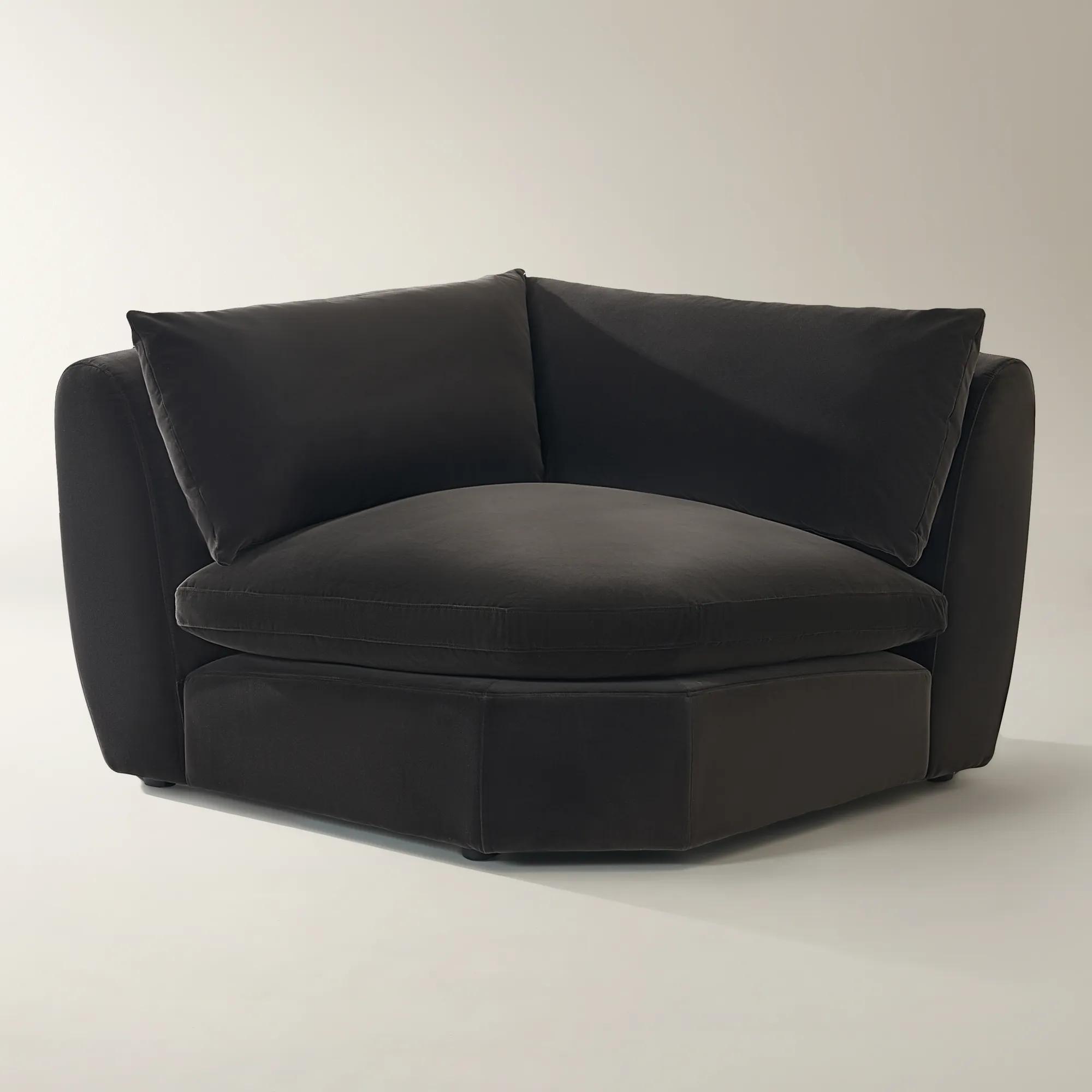
A modern corner sectional featuring deep seating, high-density foam cushions, and hand-upholstered opulent chenille fabric.
Add To Cart -
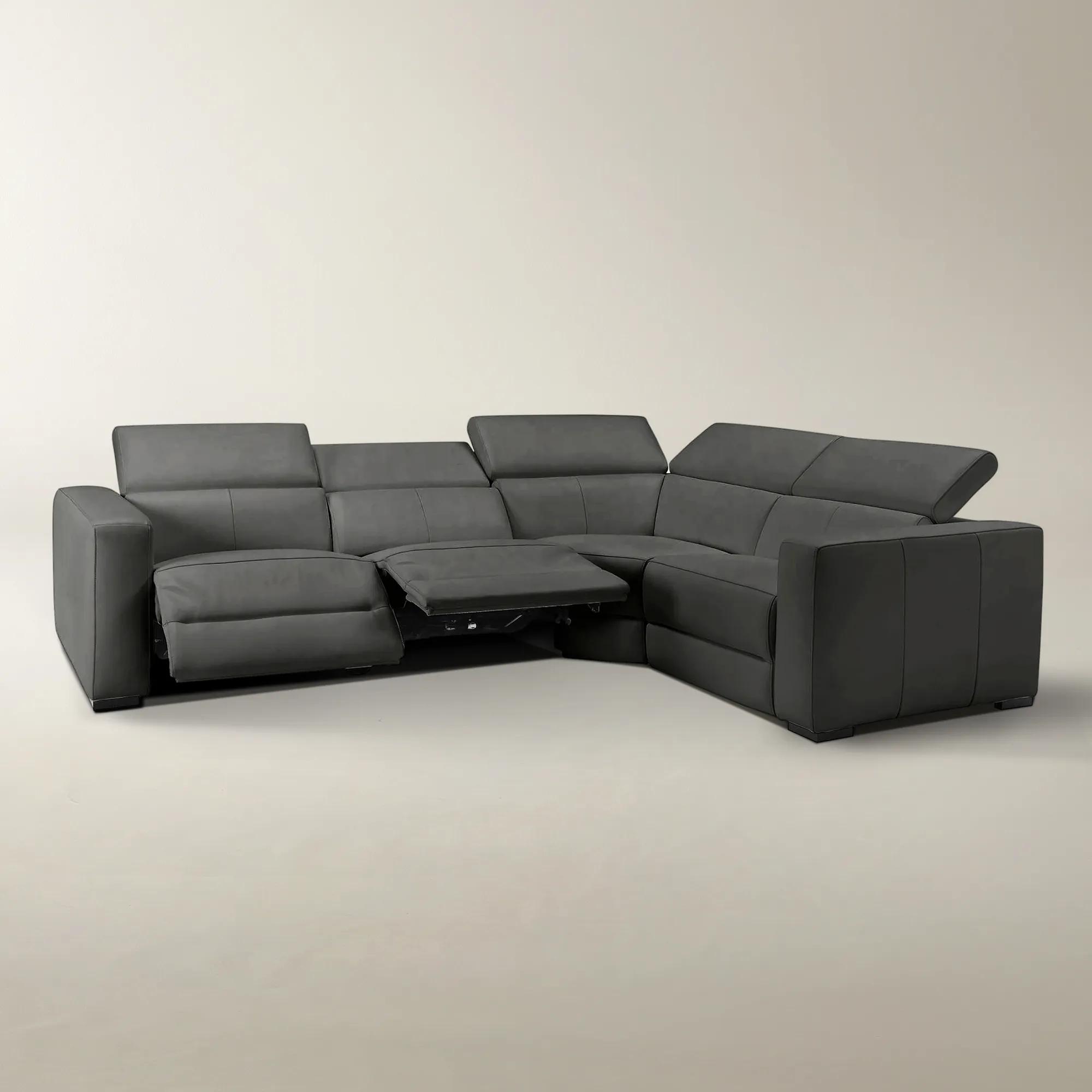
.jpg?w=1200&h=1200) Verona Reclining Leather Sectional$4199
Verona Reclining Leather Sectional$4199A charcoal semi-aniline leather sectional featuring adjustable headrests, kiln-dried hardwood frame, and optional power recline.
Add To Cart -
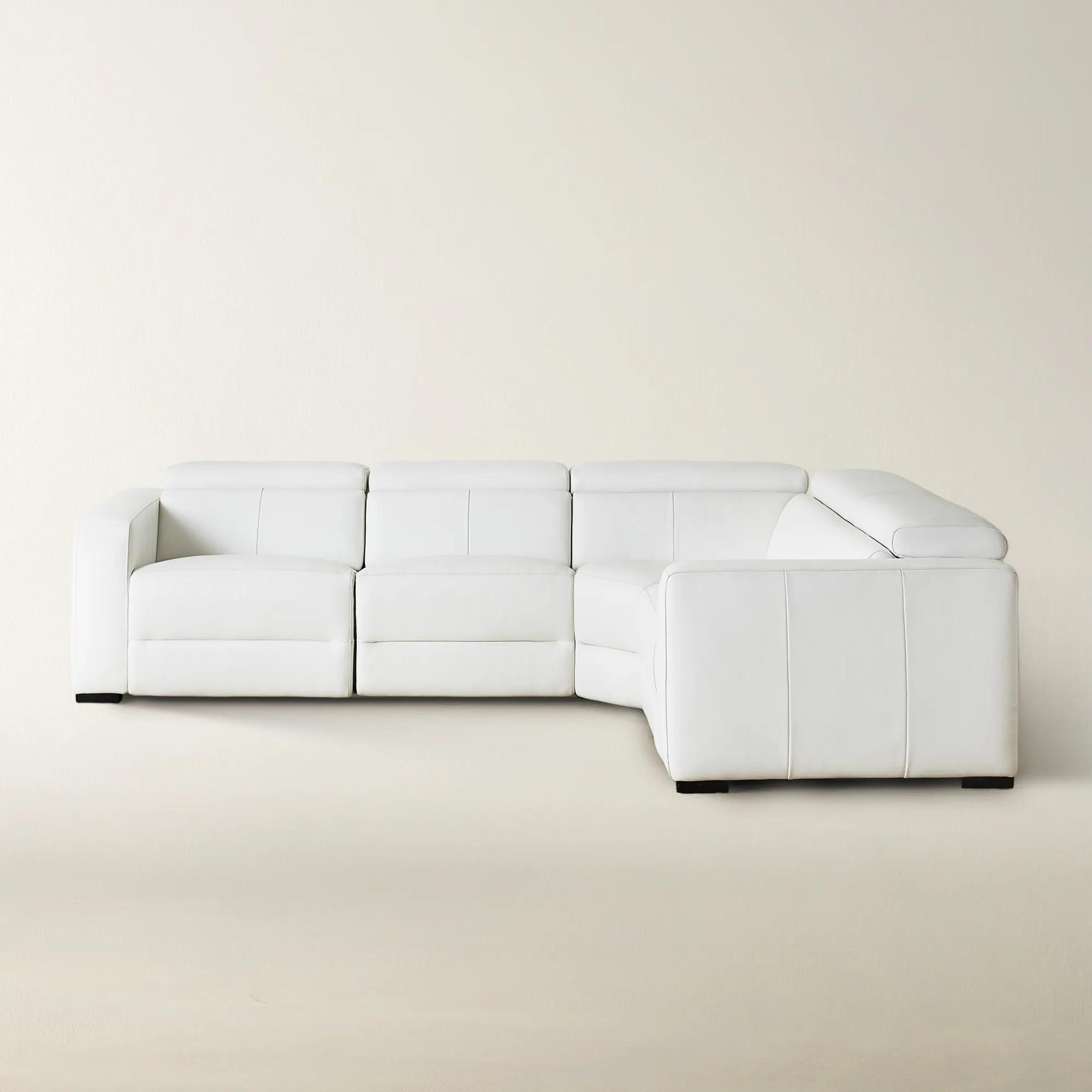
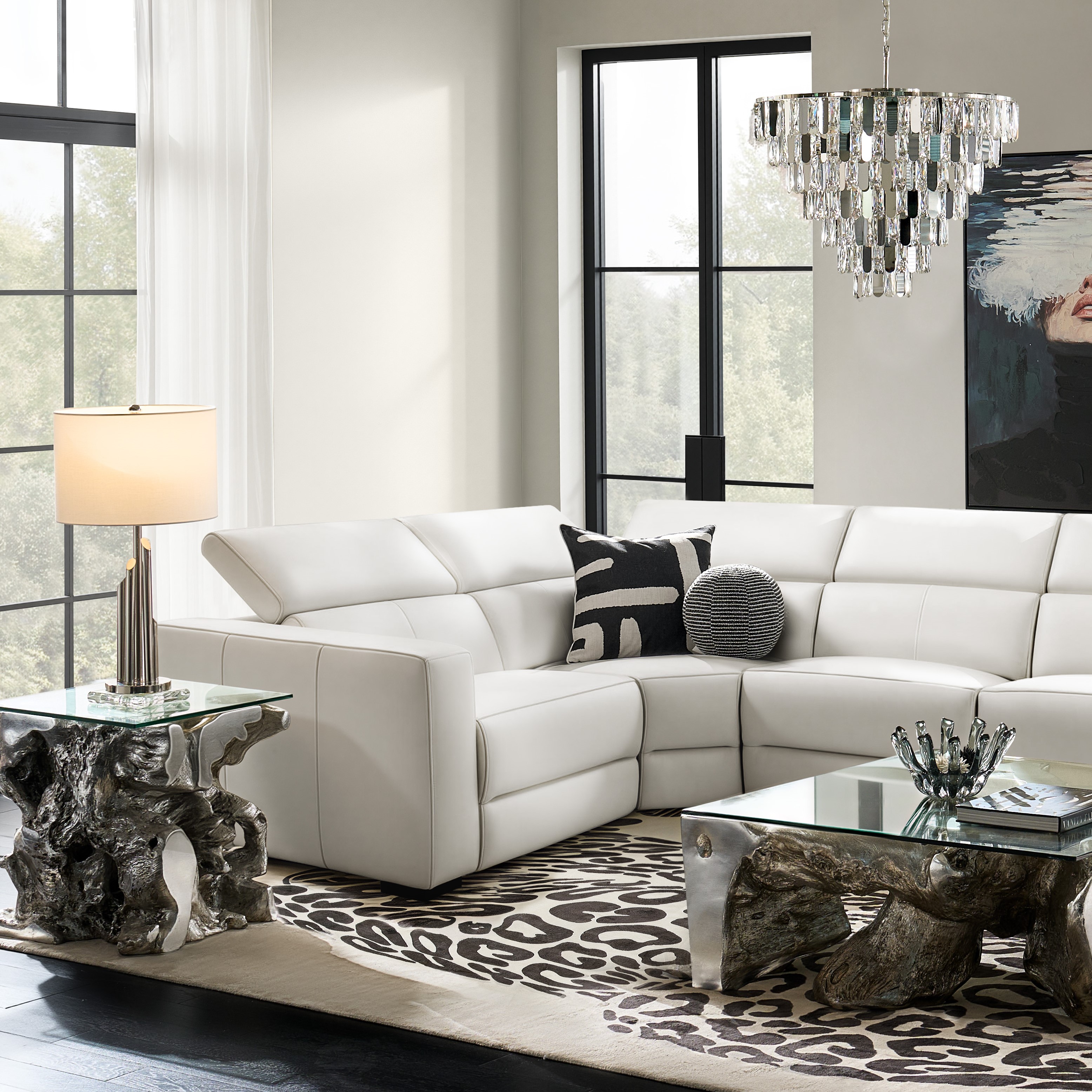 Verona Reclining Leather Sectional$4199
A modern white sectional upholstered in supple semi-aniline leather with adjustable headrests and power-reclining seats.
Add To Cart -
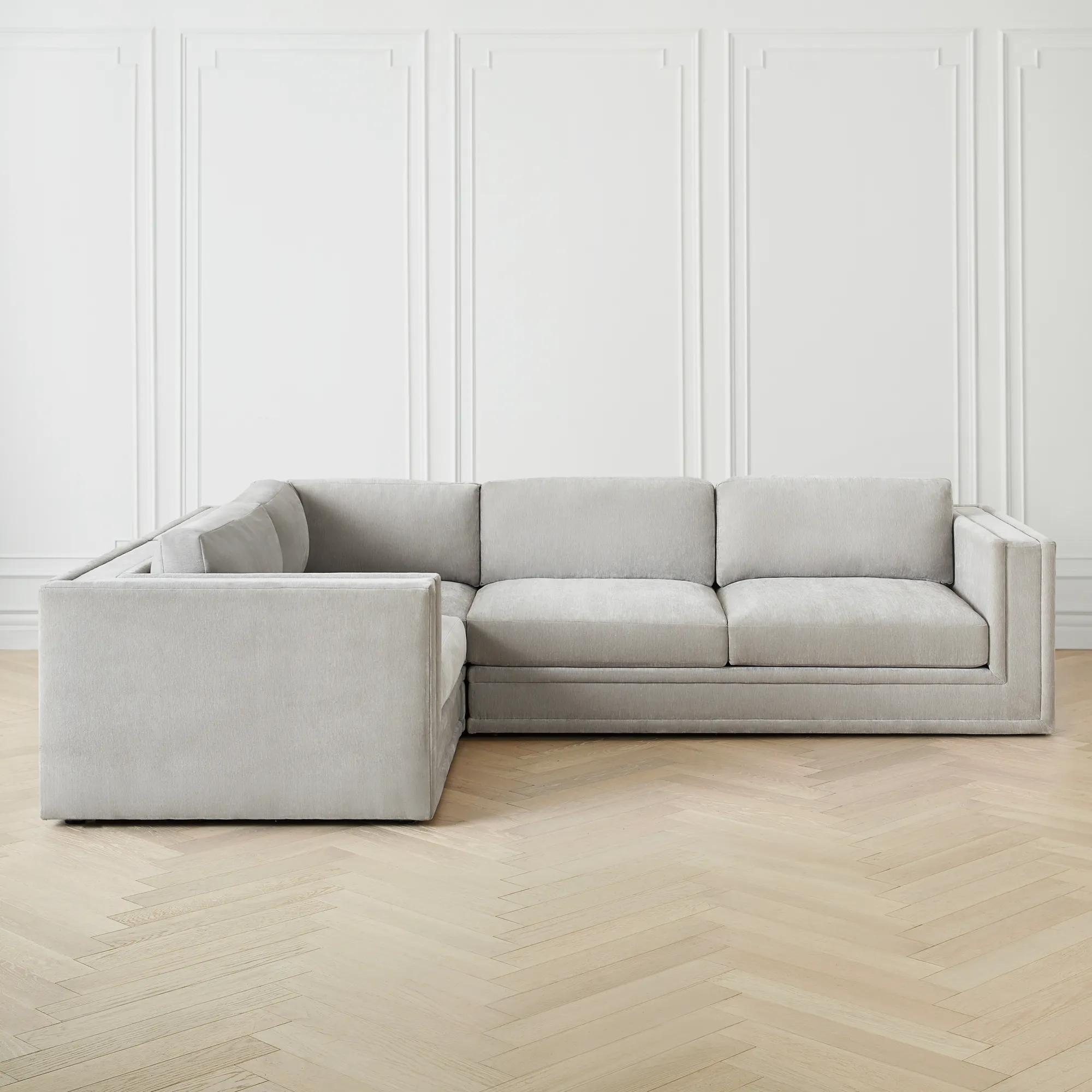 Luka Sectional - 3 PC$4599
A modern sectional featuring deep seating, high-density foam cushions, and hand-upholstered velvet in pearl.
Add To Cart -
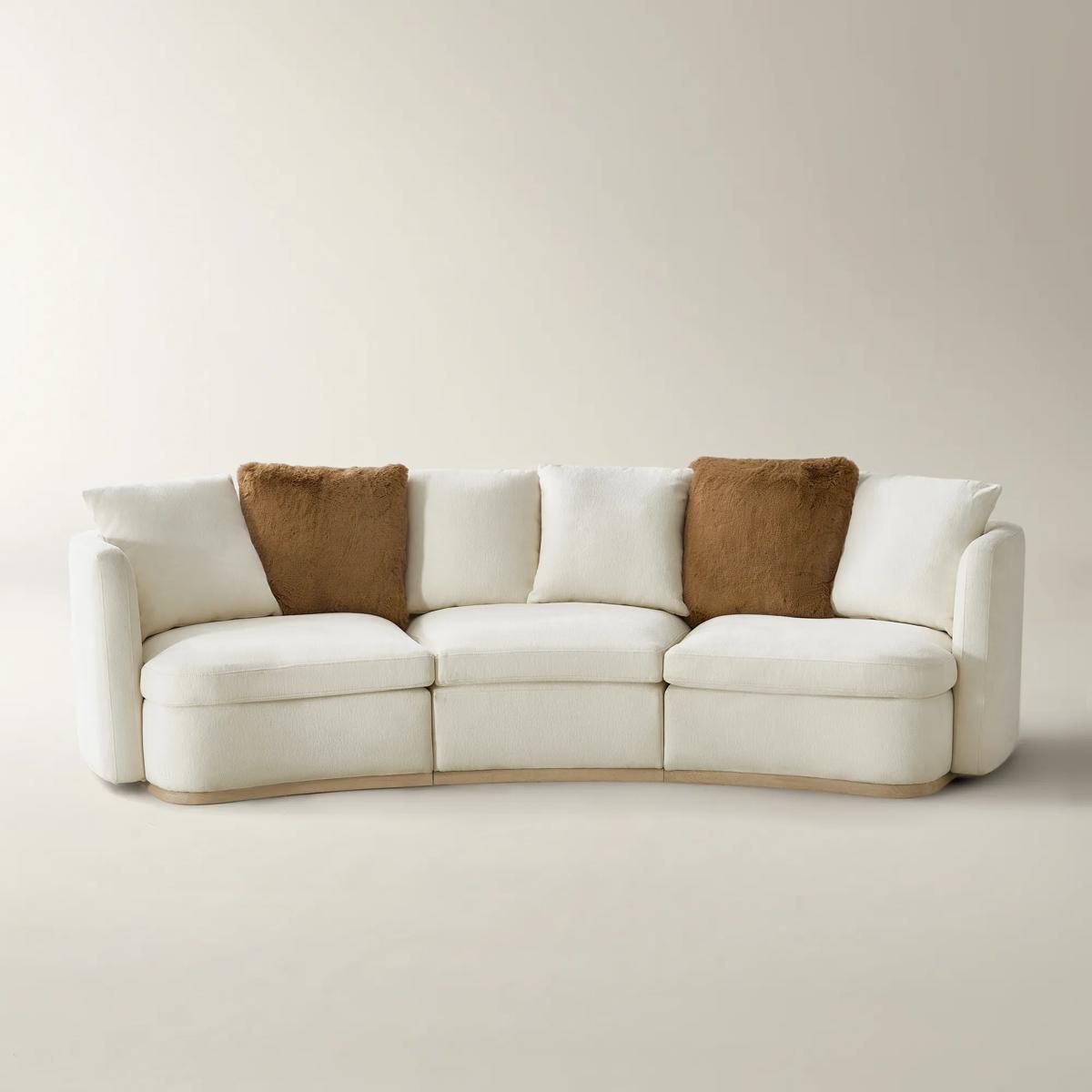
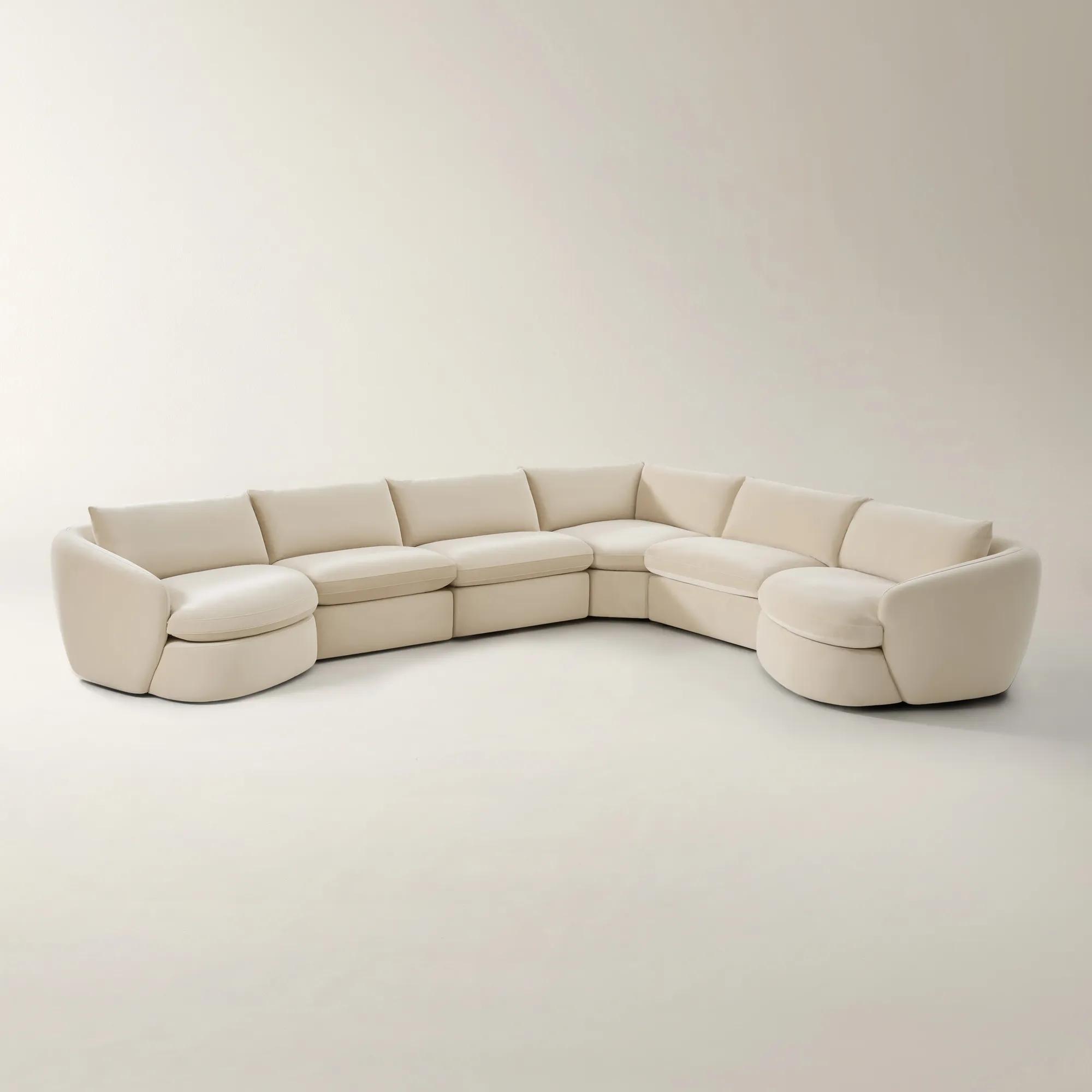
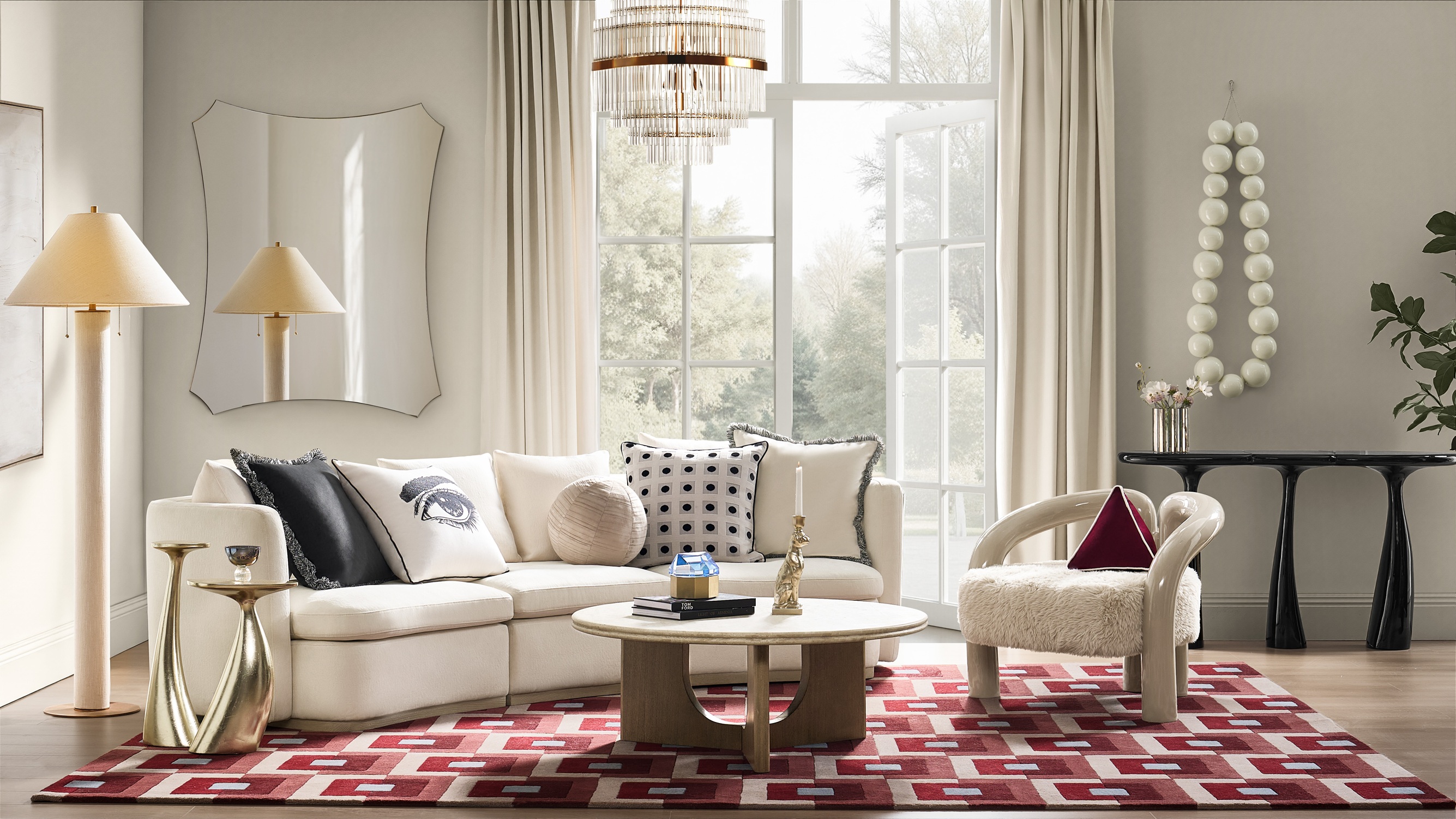 Stria 3-Piece Ivory Chenille Sectional Sofa$3099
An ivory chenille sofa featuring a sculptural curved design, triple-layer cushioning, and a kiln-dried oak frame.
Add To Cart -
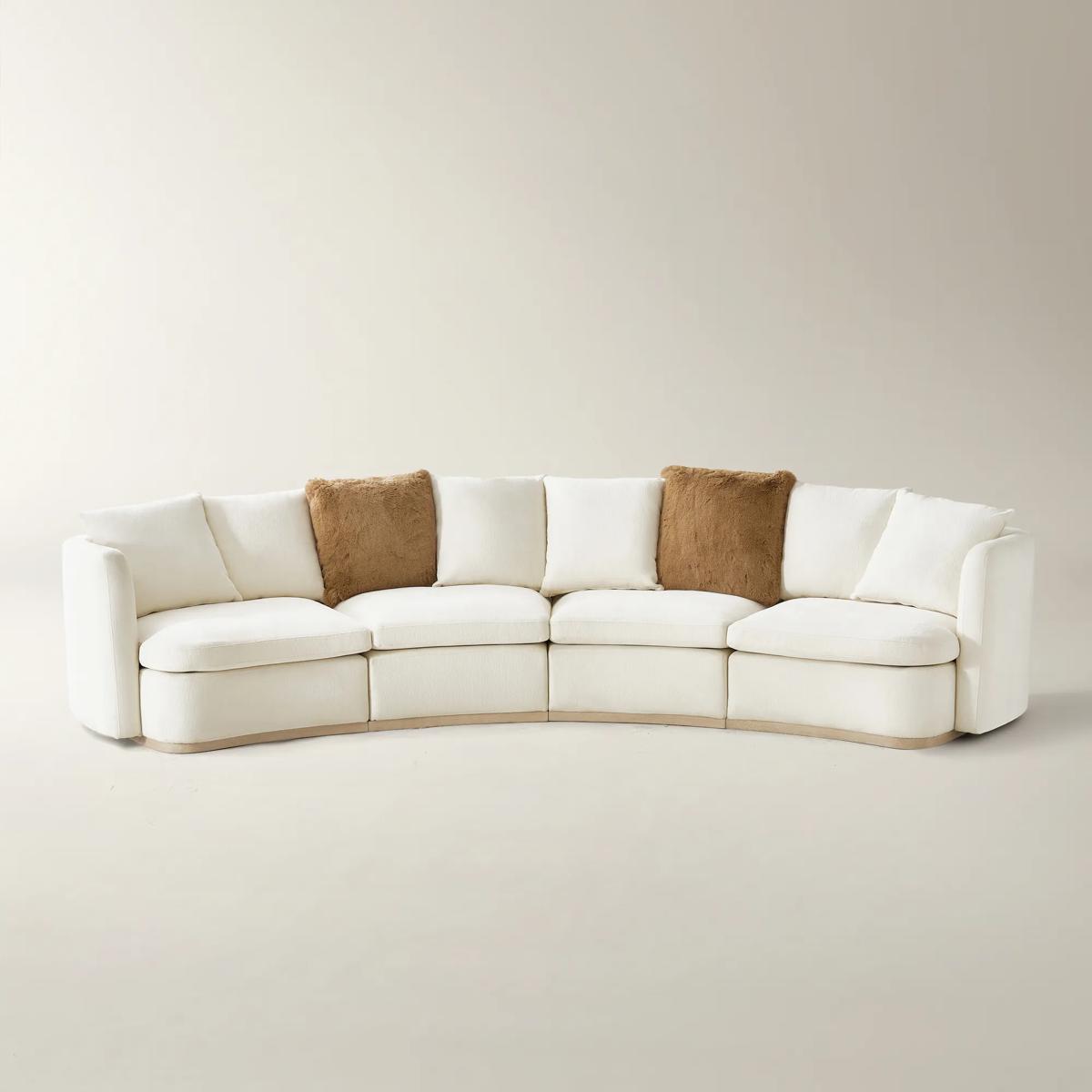
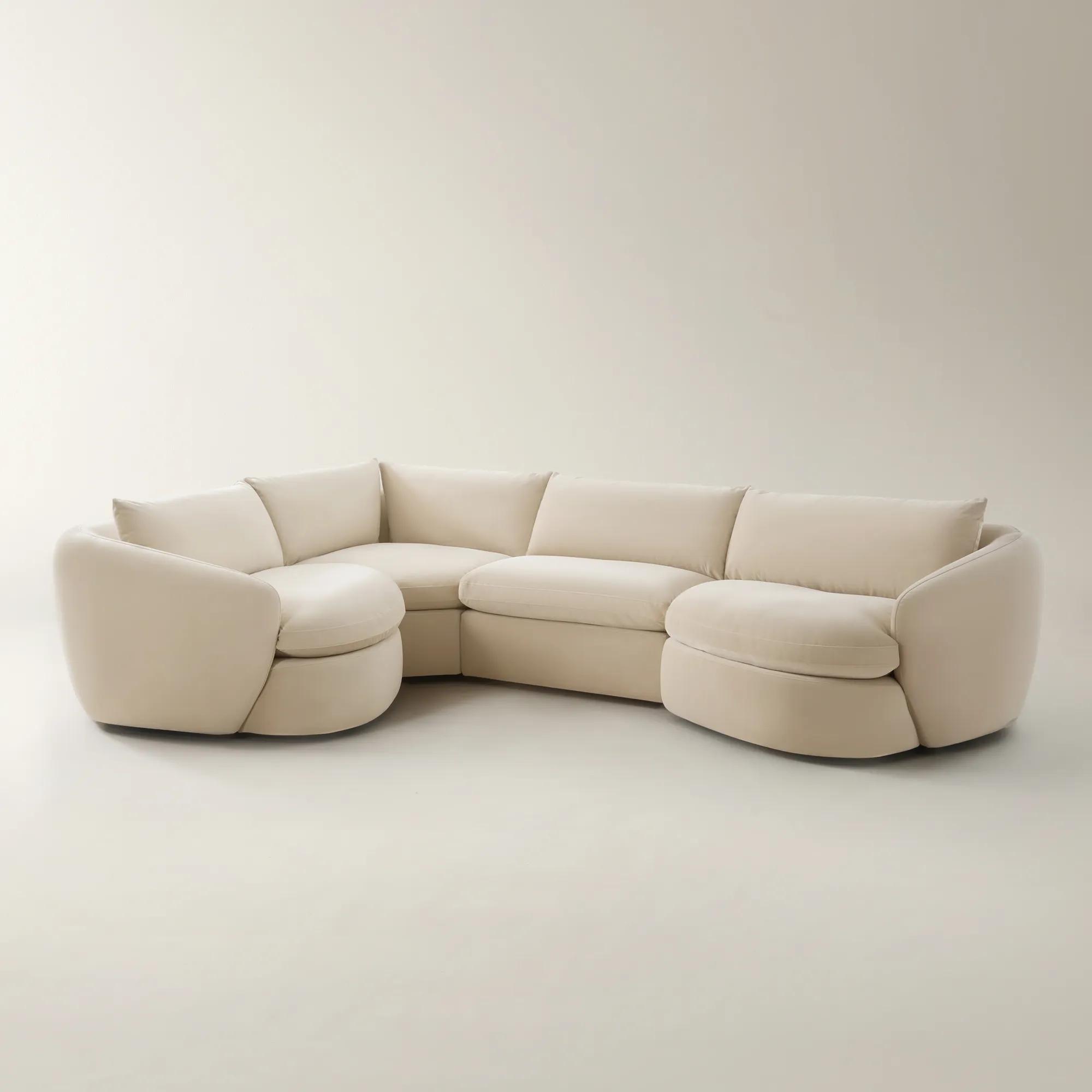
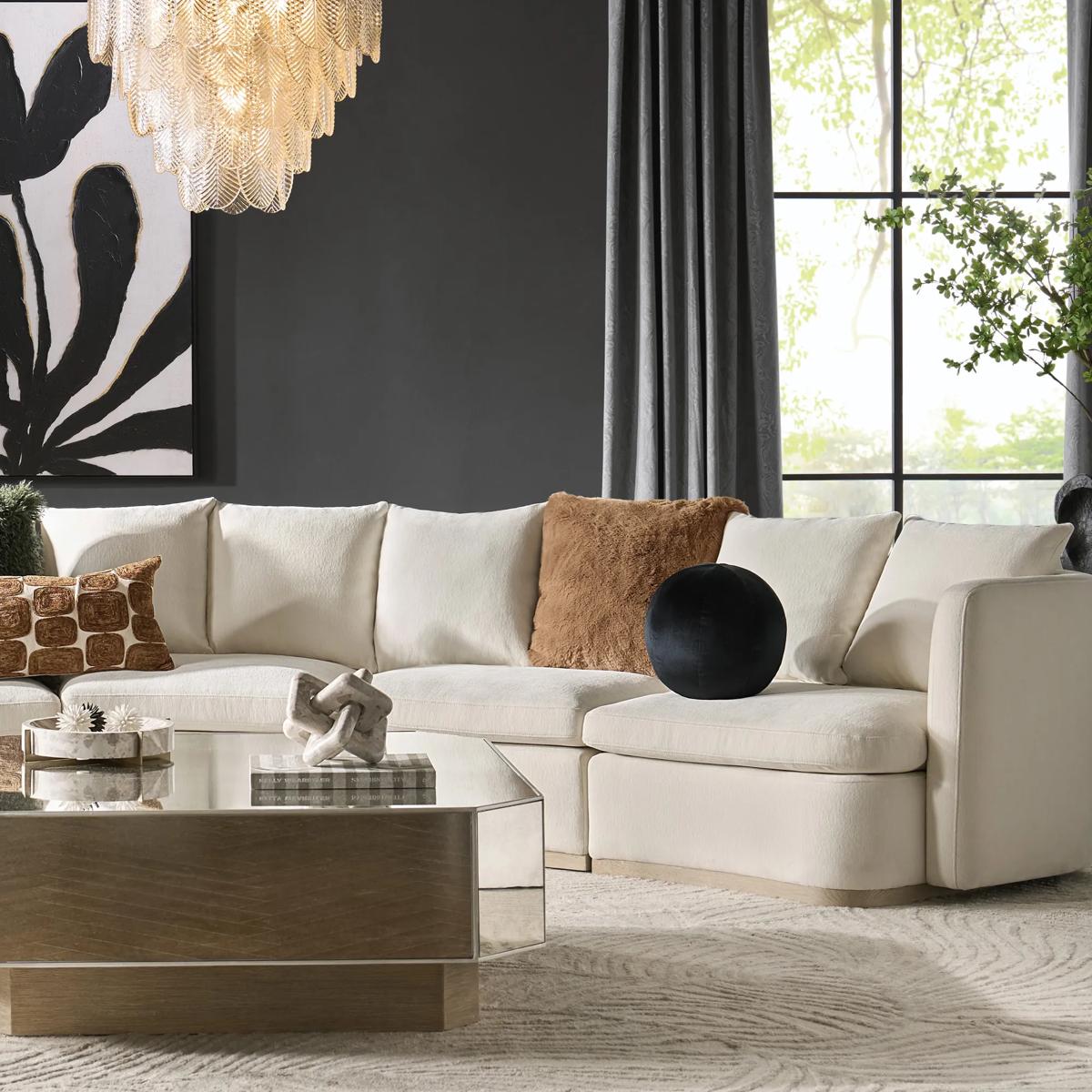 Stria 4-Piece Ivory Chenille Sectional Sofa$4099
An elegantly curved ivory chenille sectional with triple-layer cushioning and a kiln-dried solid oak frame.
Add To Cart -
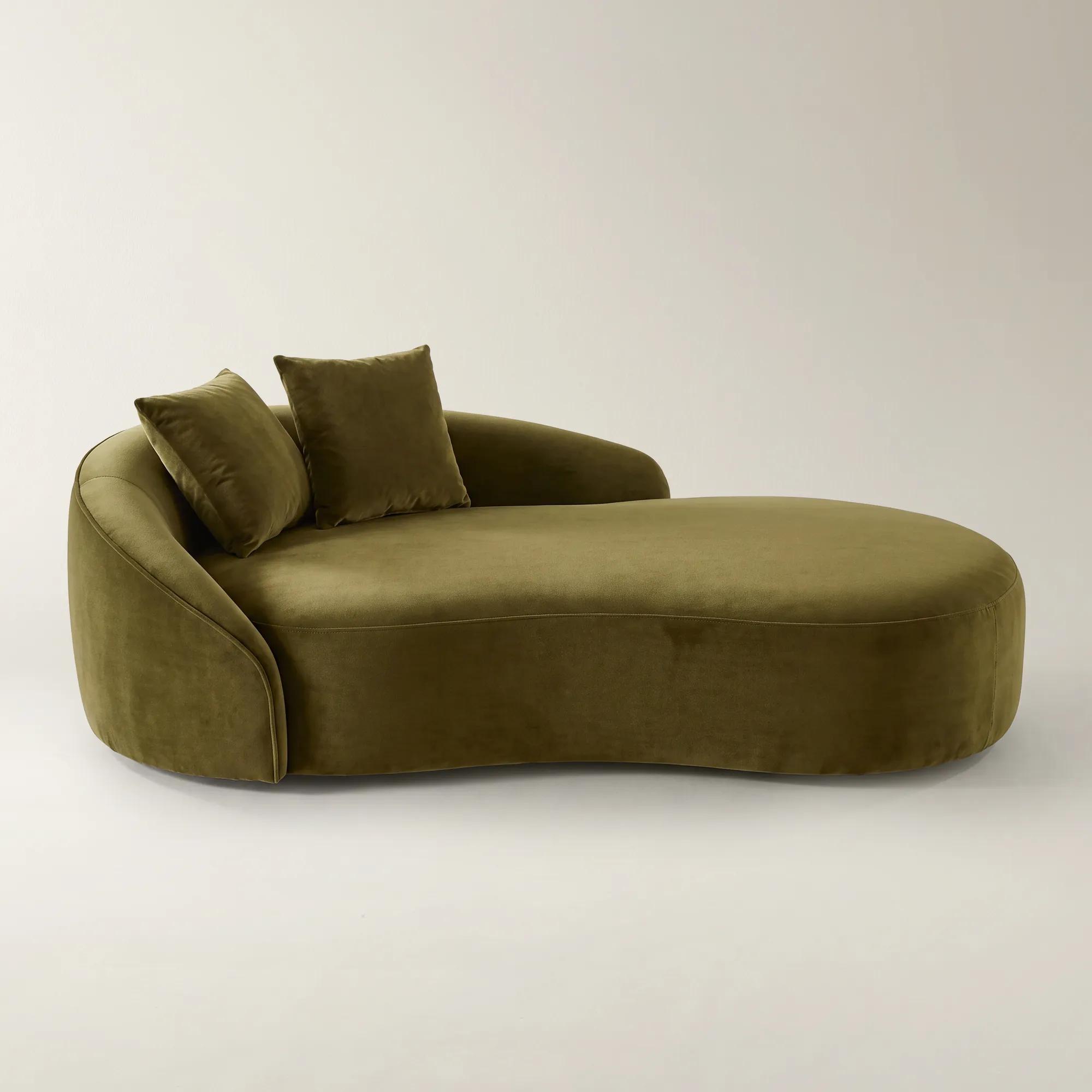
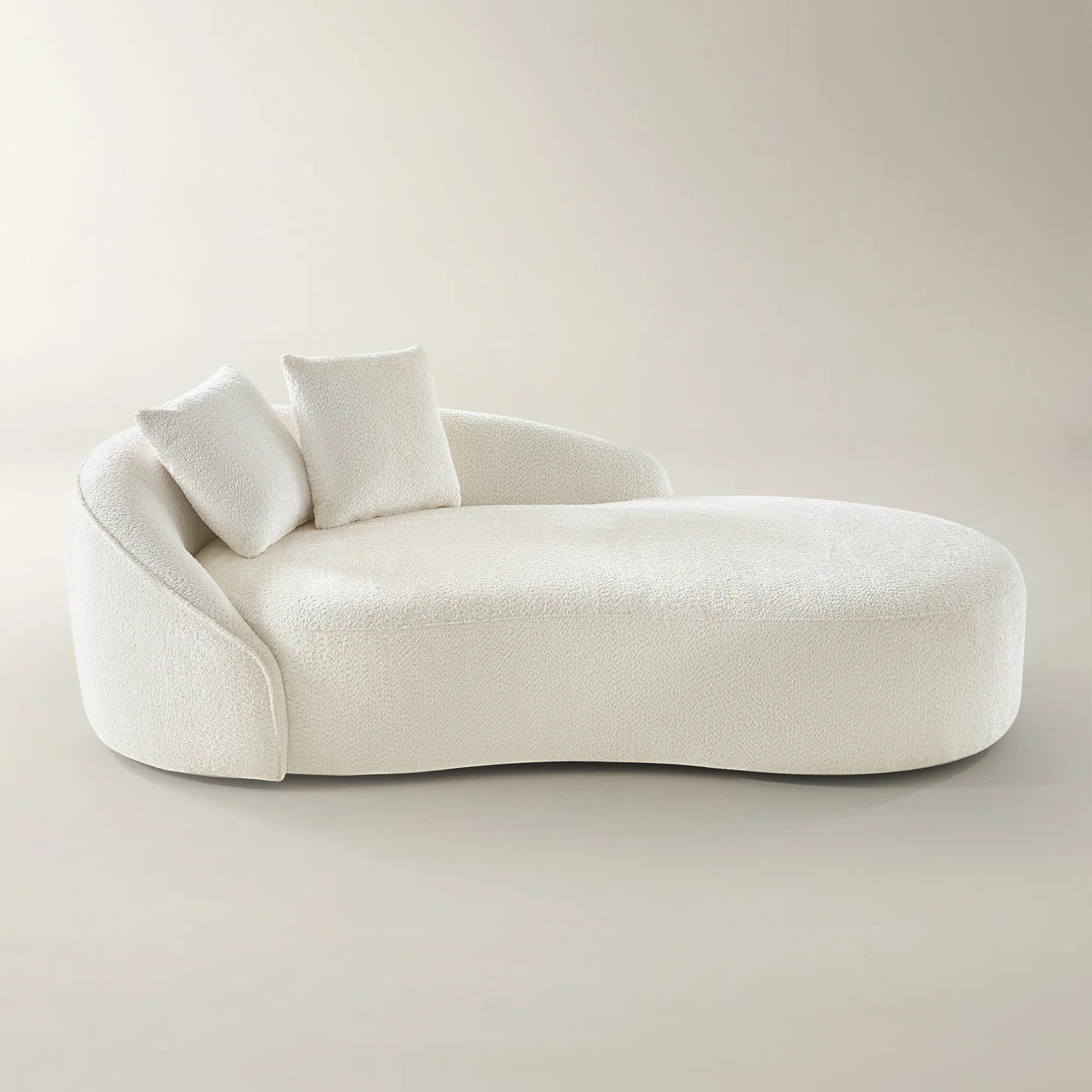 Irene Deep Olive Velvet Chaise$1699
A sculptural deep olive velvet chaise featuring high-resiliency foam cushions and artisan hand-finished upholstery.
Add To Cart -
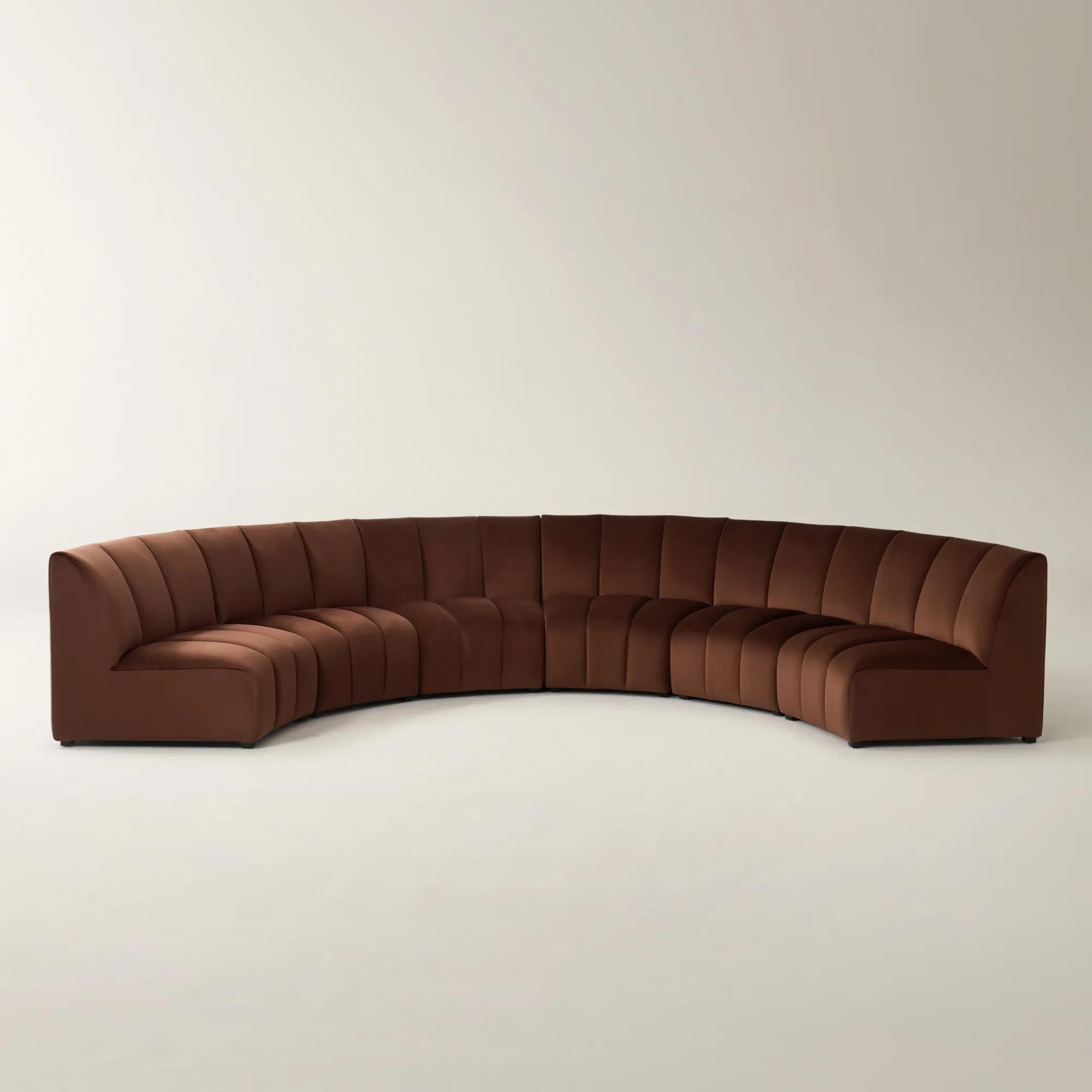
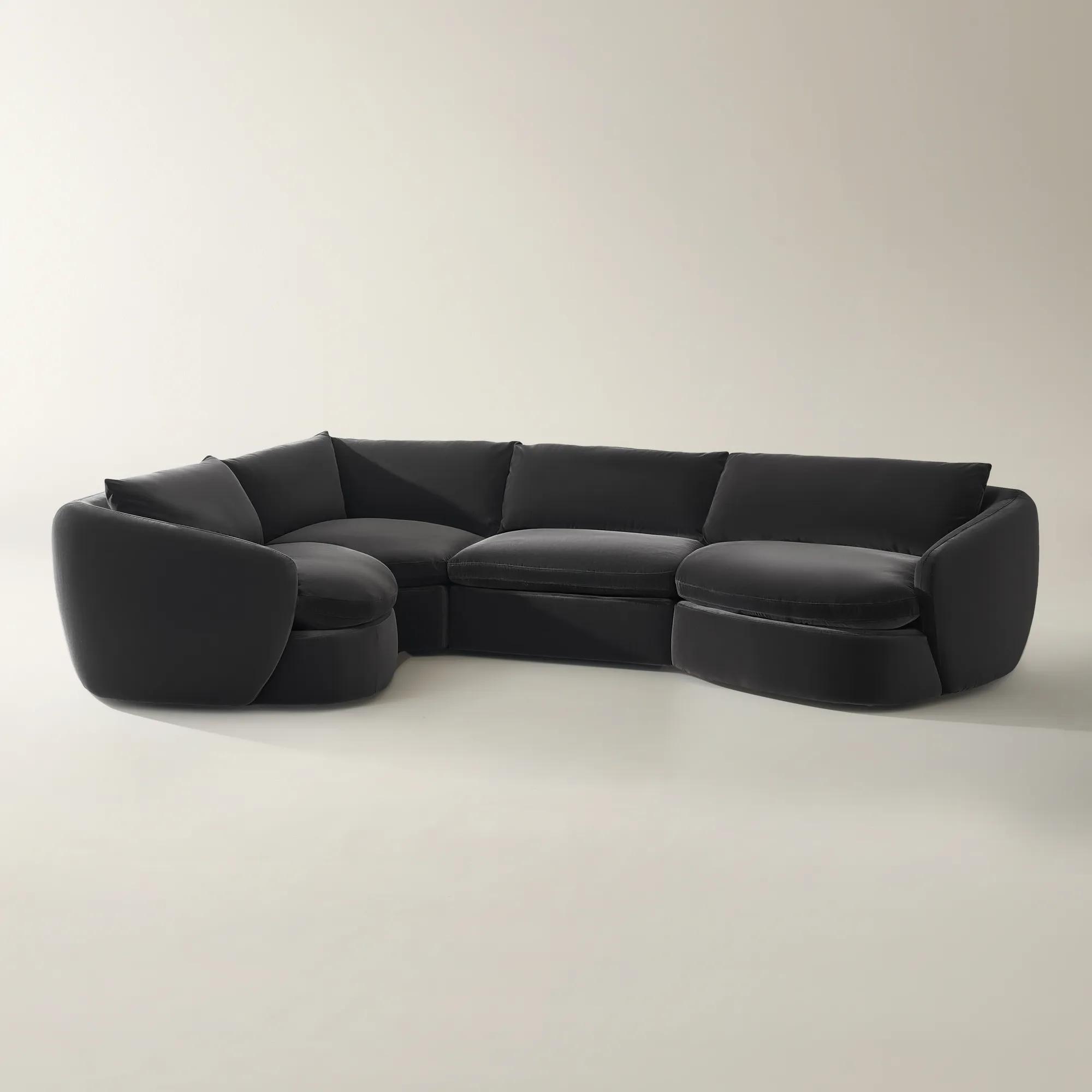
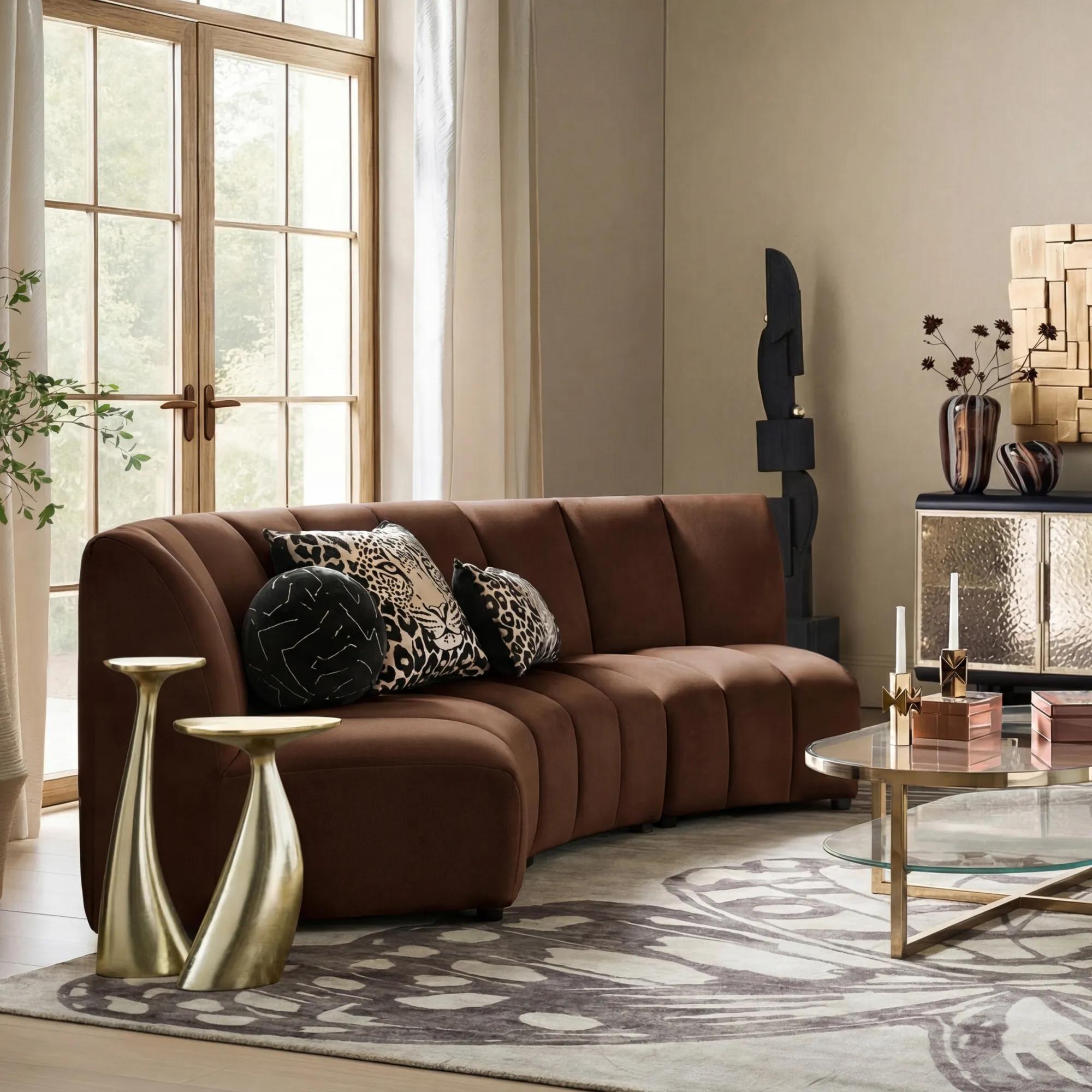 Jayce 6-Piece Channel-Tufted Burnt Umber Velvet Sectional Sofa$5499
A modern curved sectional in silver grey velvet with deep channel tufting and plush, high-density foam cushions.
Add To Cart -
.jpg?w=1200&h=1200)
 Milo Reclining Cloud Sofa$2999
Milo Reclining Cloud Sofa$2999A modular, power-reclining sofa in beige textured polyester with plush feather-blend cushions for ultimate comfort.
Add To Cart -
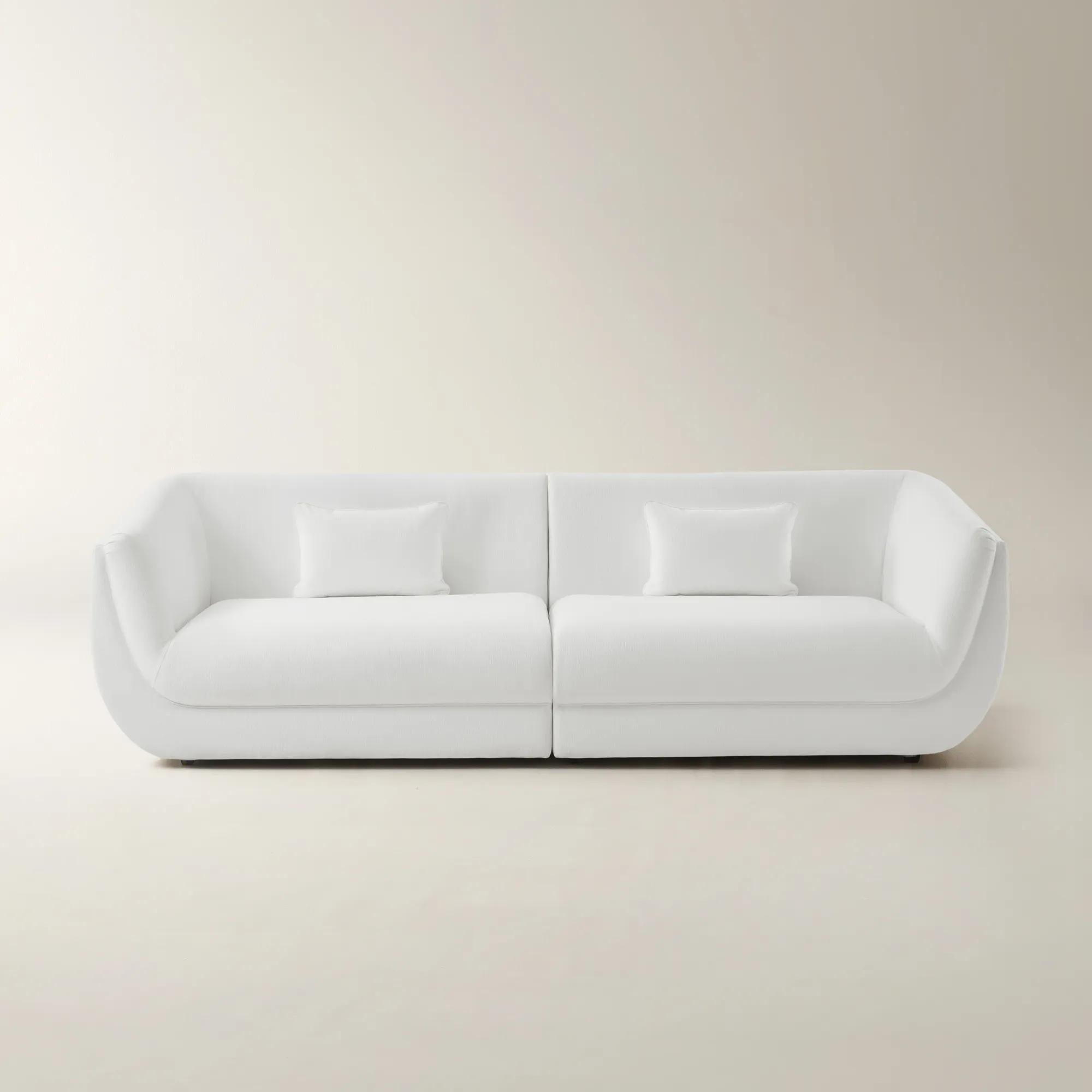
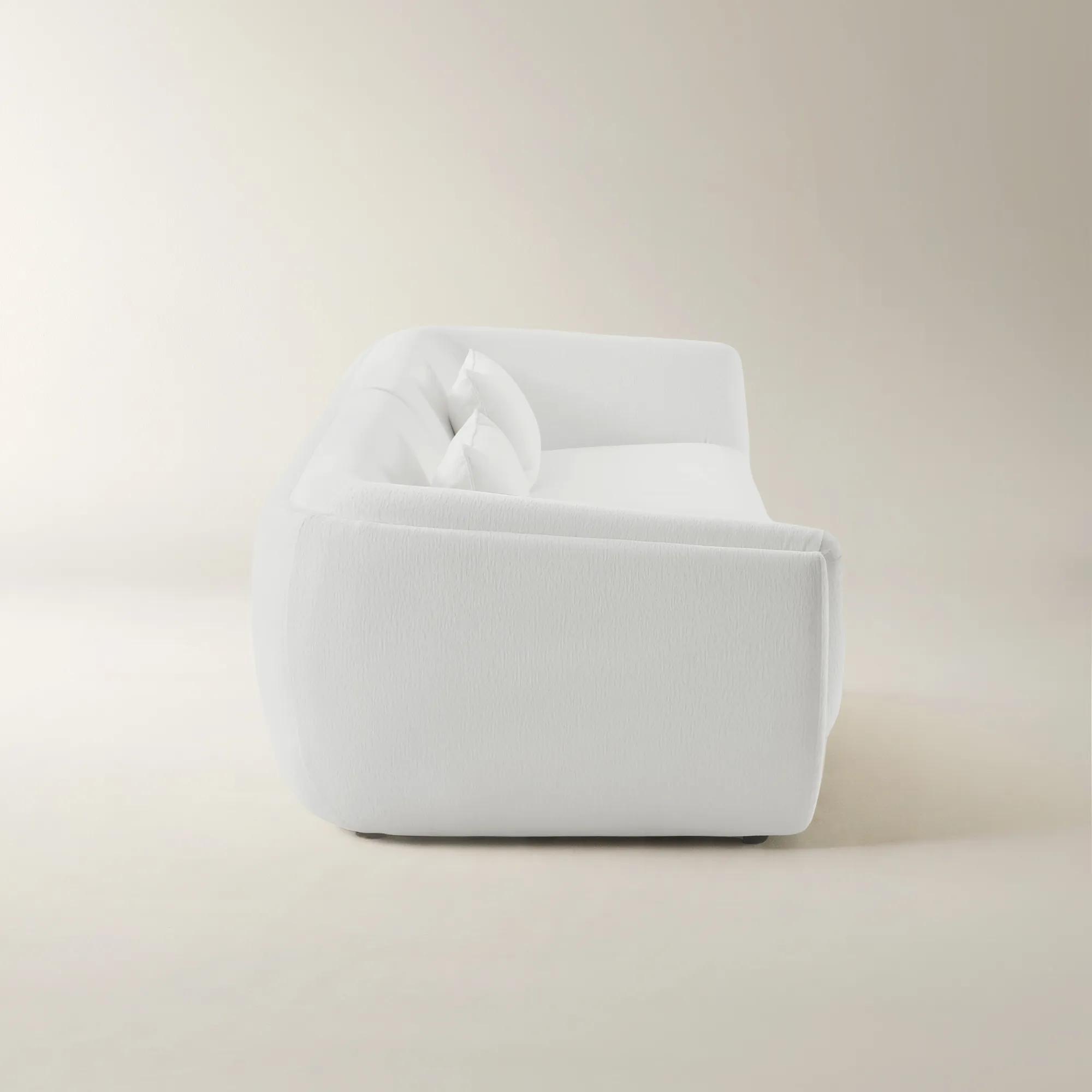 Curvia 2-Piece White Performance Chenille Indoor/Outdoor Sectional Sofa$2599
A sculptural white sectional sofa upholstered in performance chenille for luxurious indoor or outdoor lounging.
Add To Cart -
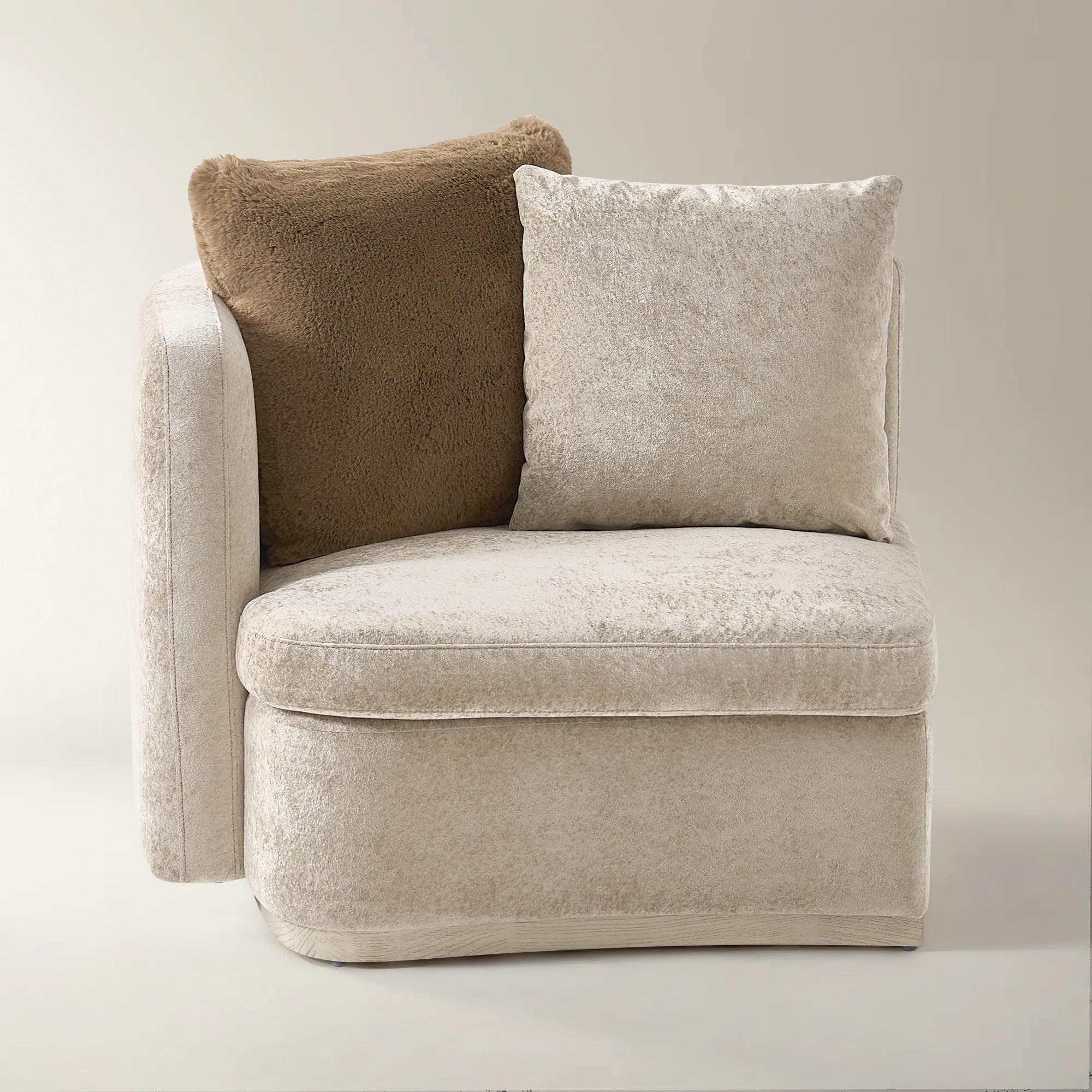 Stria Sectional Components - Bulid Your Own$1099
A light brown chenille sectional features triple-layer cushioning and a kiln-dried oak frame for lasting comfort.
Add To Cart -
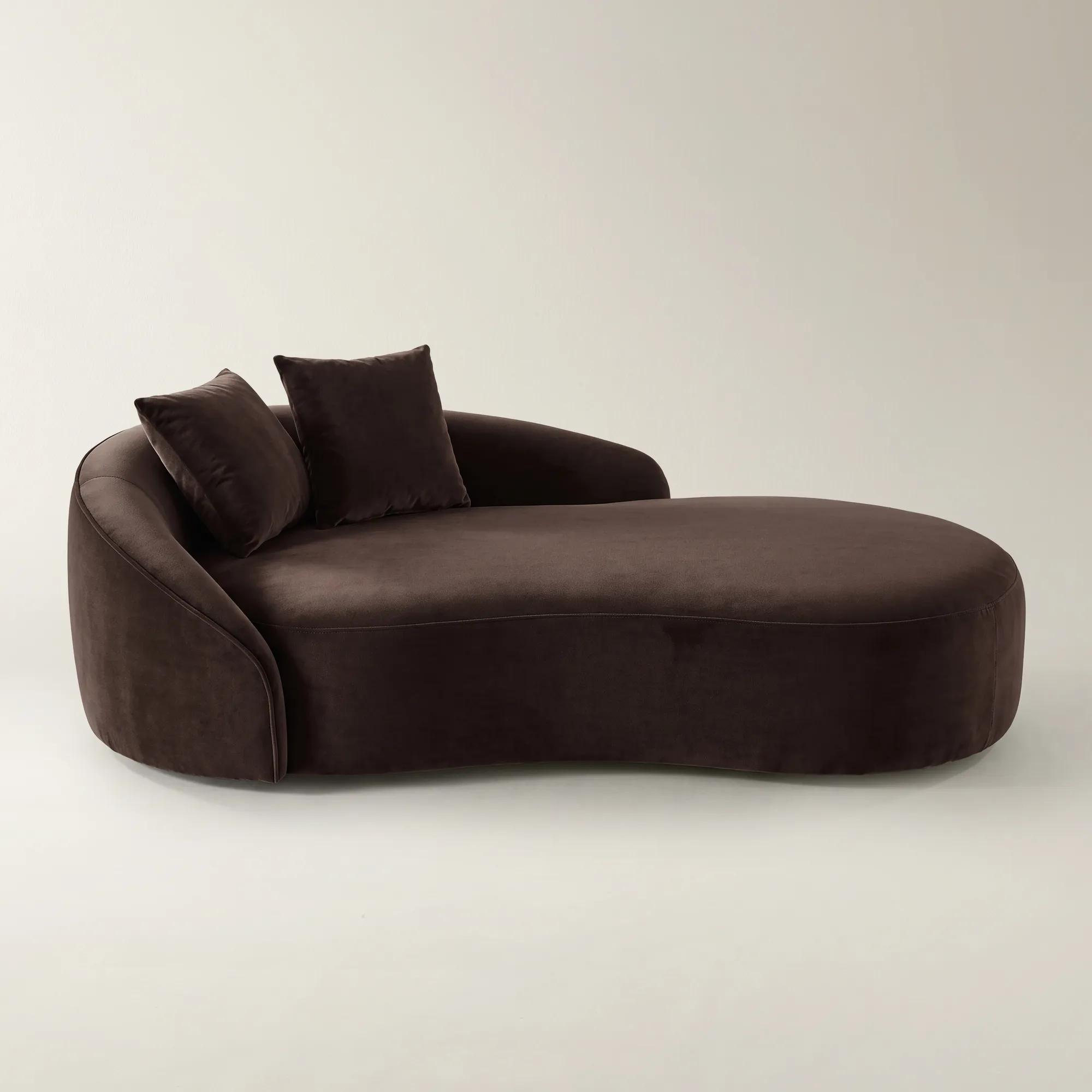 Irene Dark Chocolate Velvet Chaise$1699
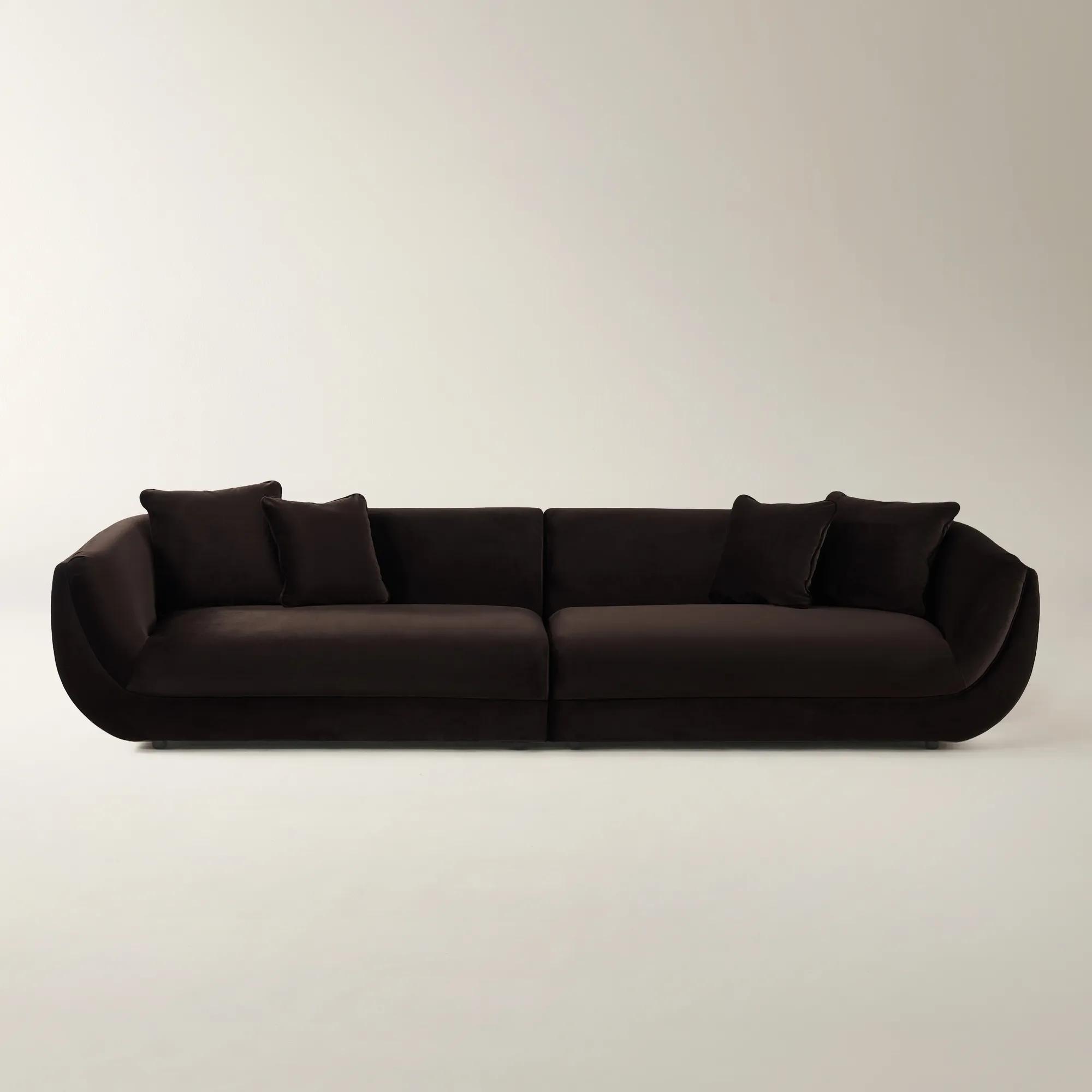
A sculptural chaise in dark chocolate velvet with high-resiliency foam cushions and artisan hand-finished upholstery.
Add To Cart -
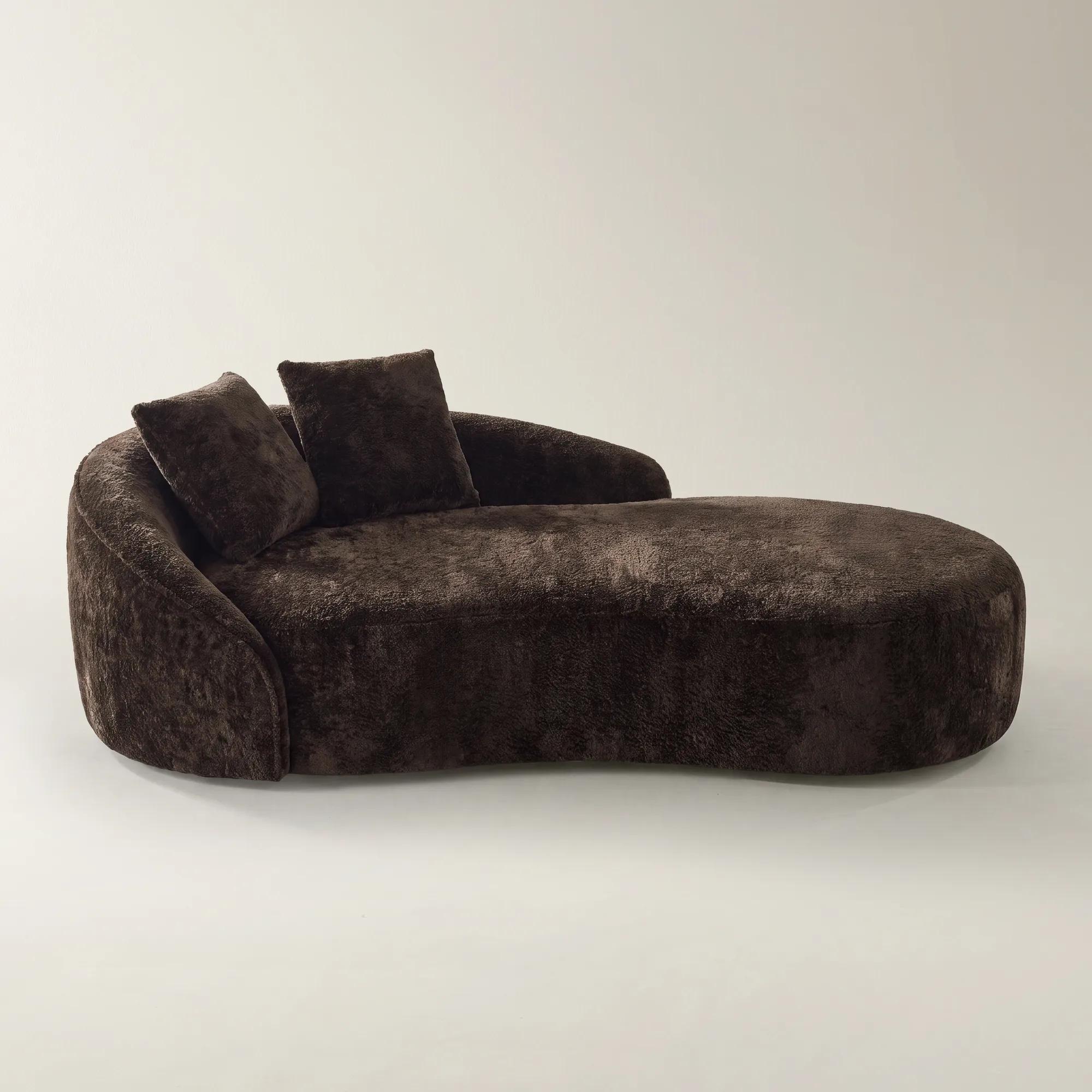 Irene Dark Chocolate Chenille Chaise$1699
A sculptural chaise in dark chocolate chenille with high-resiliency foam cushions and artisan hand-finished upholstery.
Add To Cart -
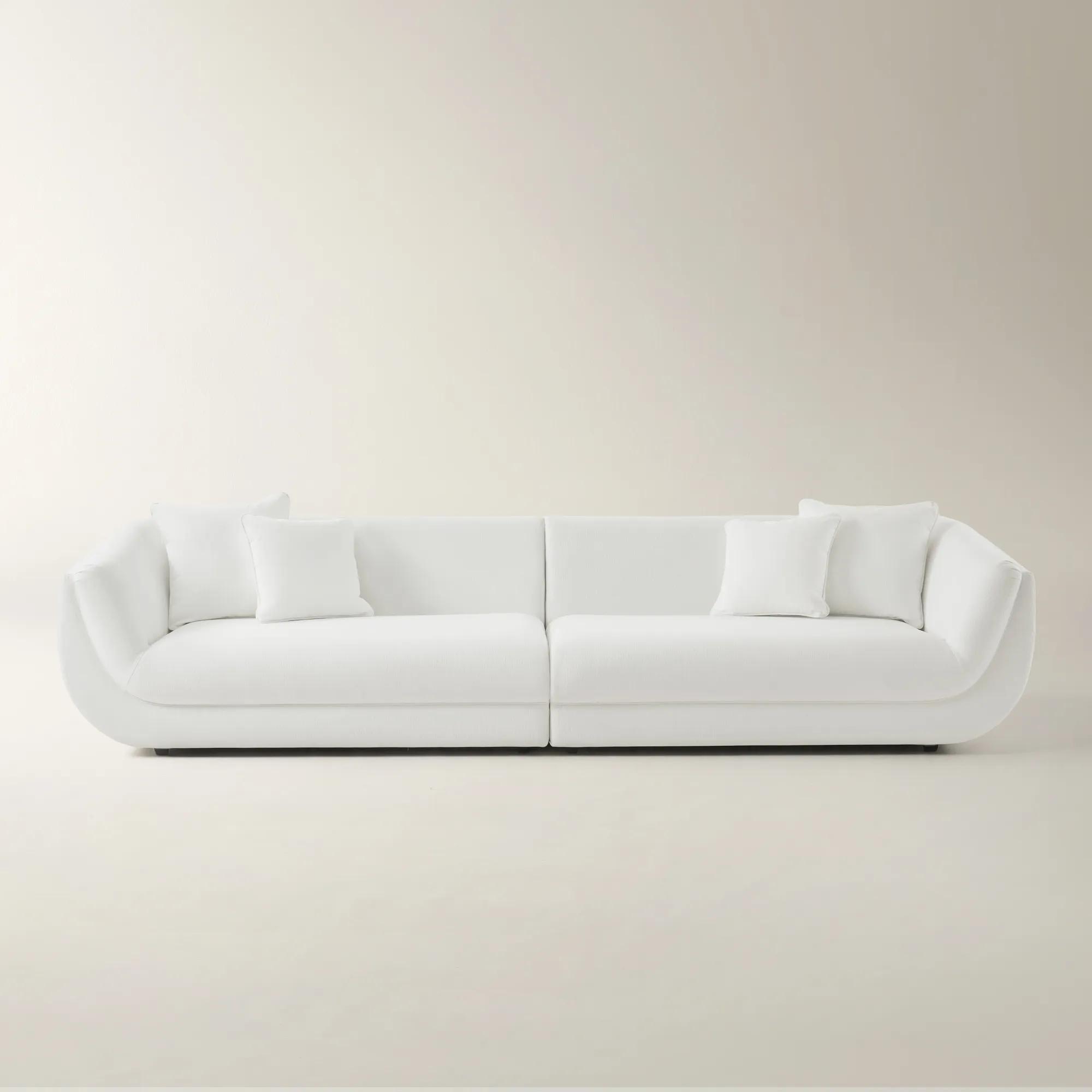
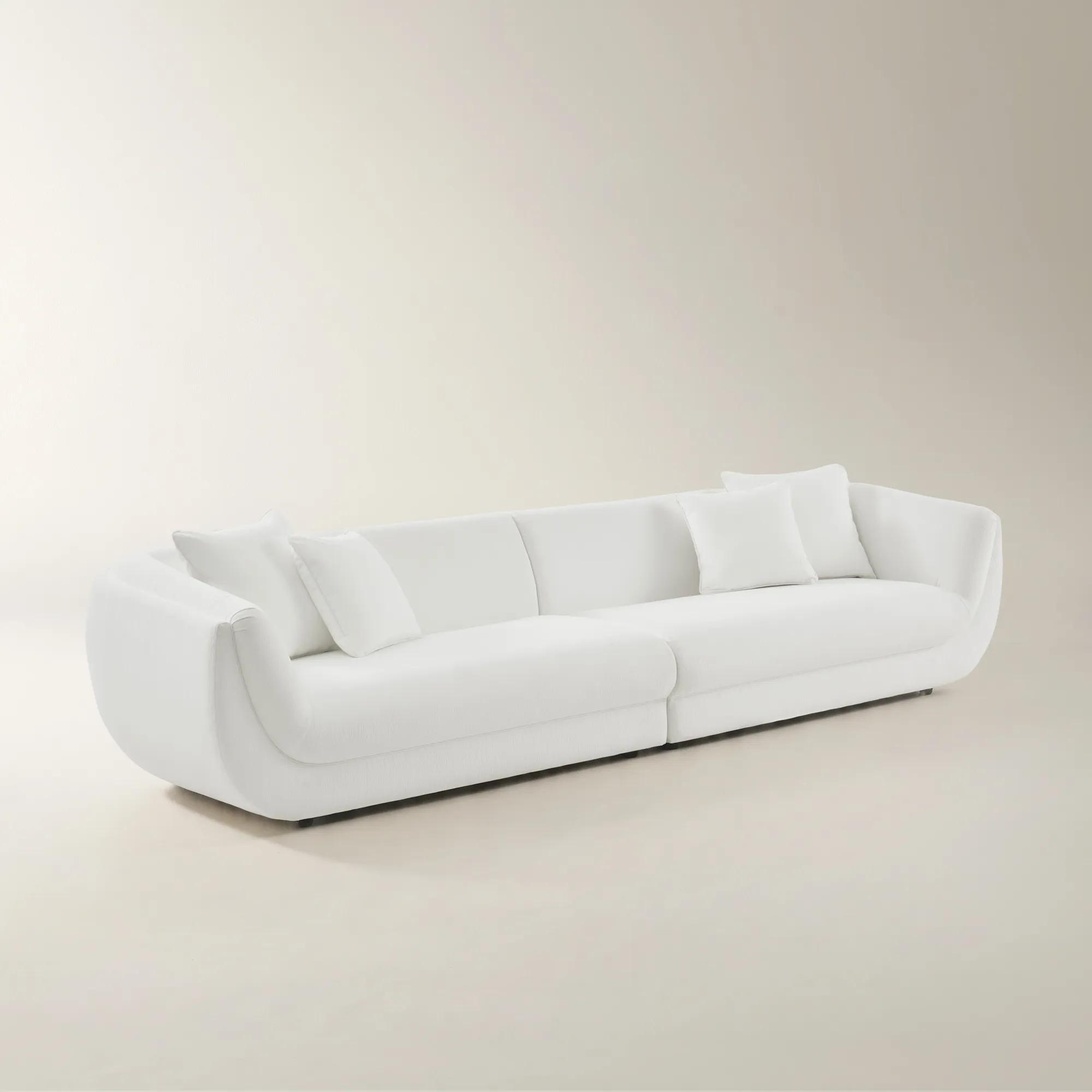 Curvia 2-Piece White Performance Chenille Indoor/Outdoor Grand Sectional Sofa$2799
A sculptural white sectional wrapped in performance chenille, designed for luxurious indoor or outdoor lounging.
Add To Cart -
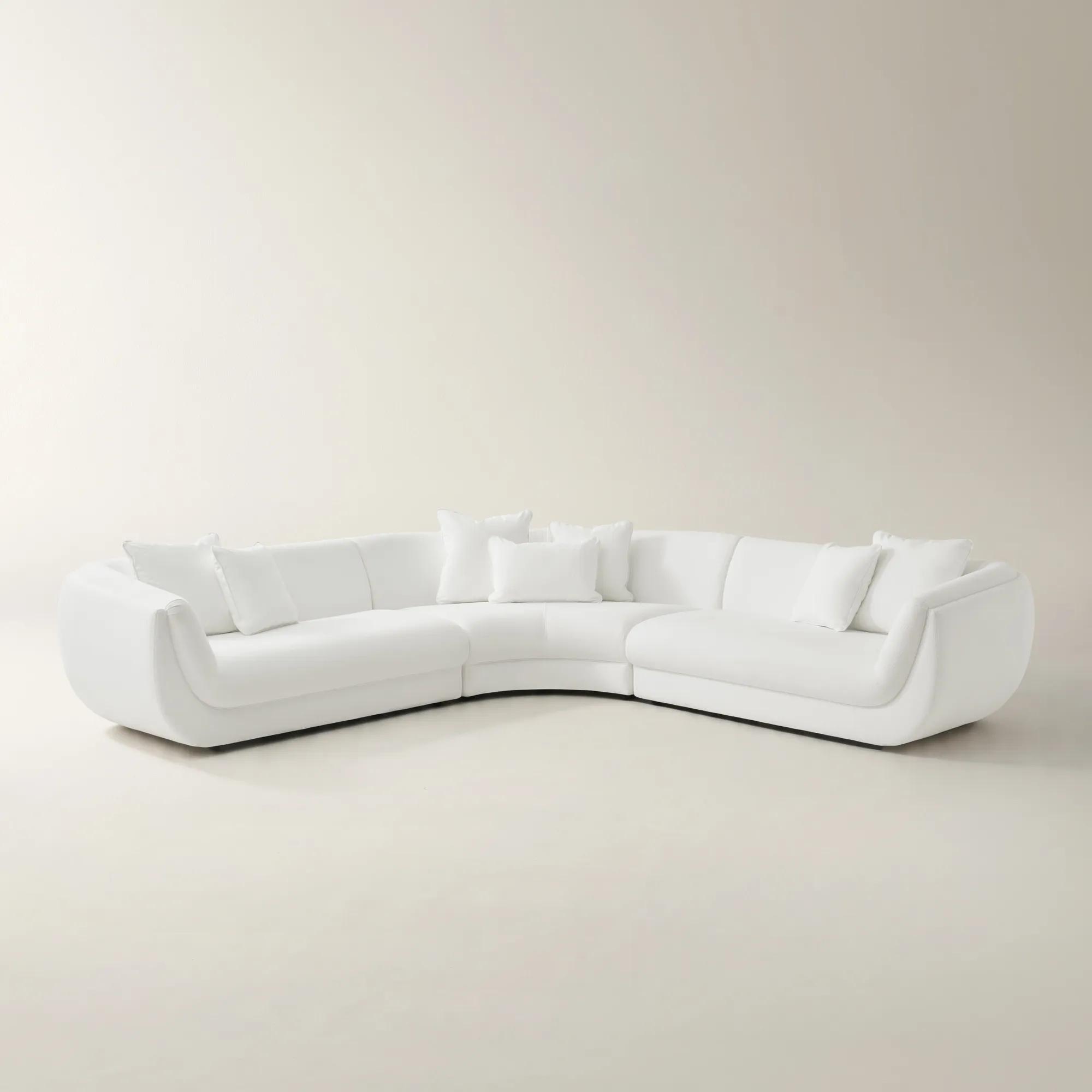 Curvia 3-Piece White Performance Chenille Indoor/Outdoor Sectional Sofa$4299
A sculptural white sectional sofa wrapped in performance chenille for luxurious indoor and outdoor lounging.
Add To Cart -
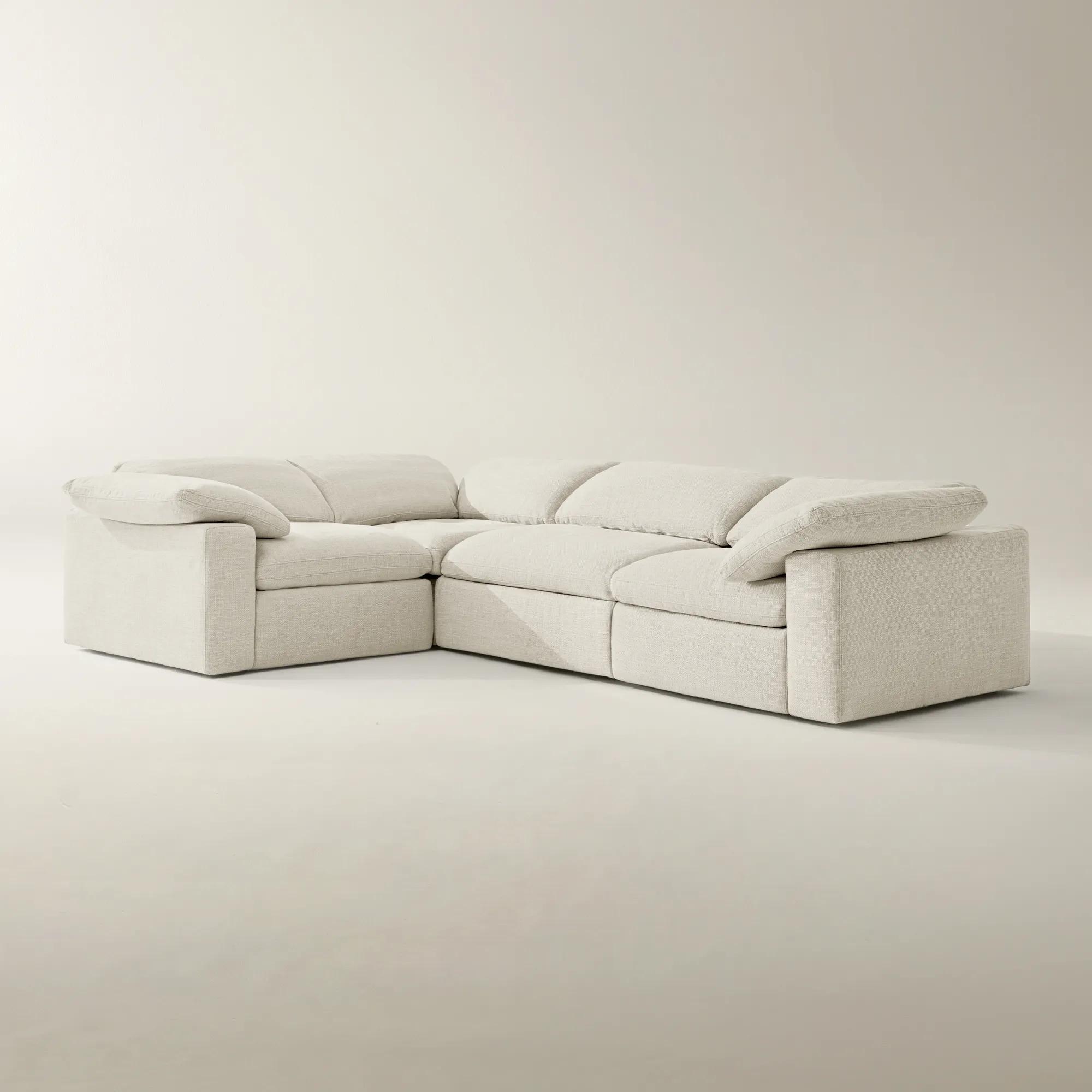
-(1).jpg?w=1200&h=1200) Milo Reclining Cloud Sectional$3999
Milo Reclining Cloud Sectional$3999A modular sectional in beige or dove grey with plush feather cushions and power reclining footrests.
Add To Cart -
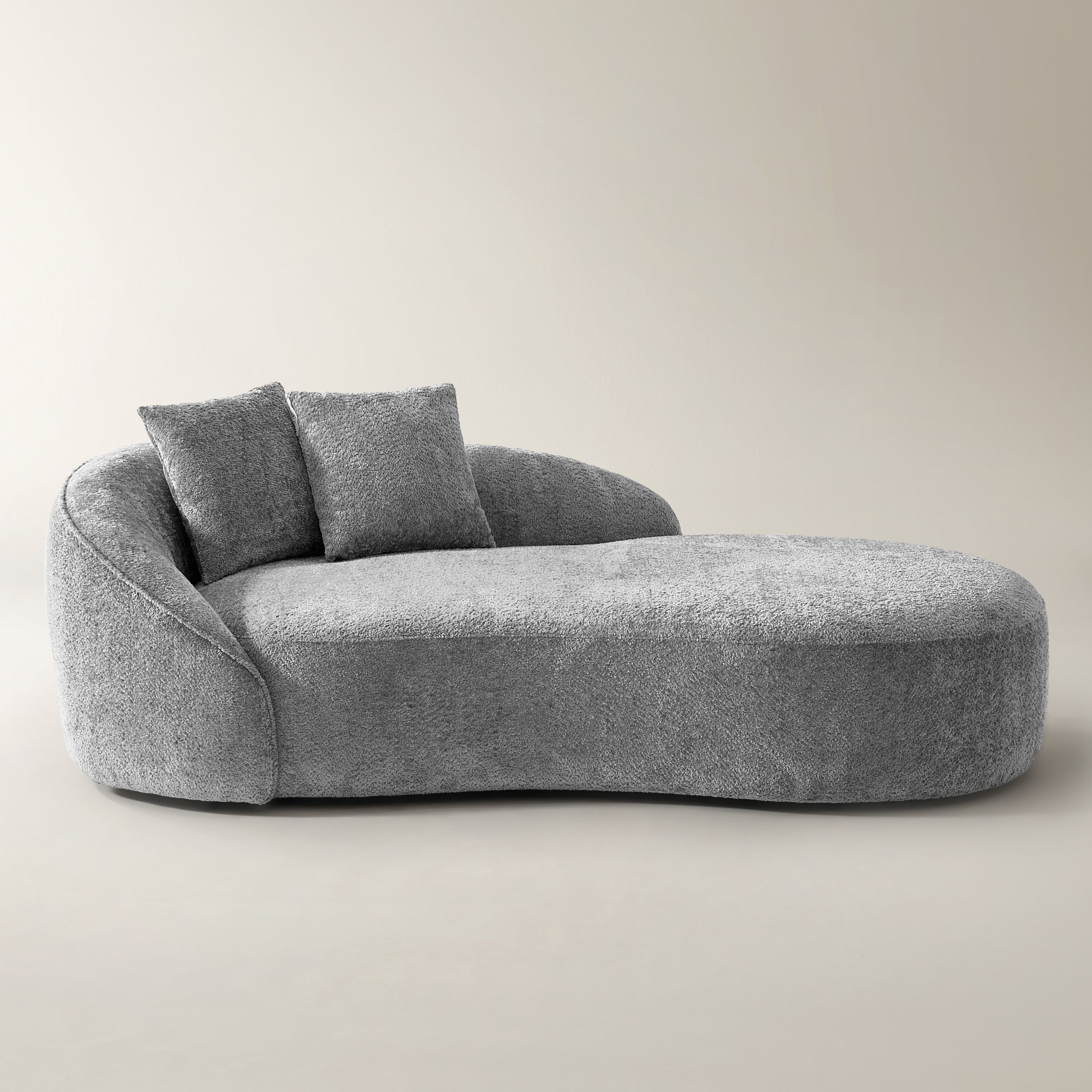 Irene Grey Chenille Chaise$1699
A sculptural chaise in light gray chenille with high-resiliency foam cushions and artisan hand-finished details.
Add To Cart -
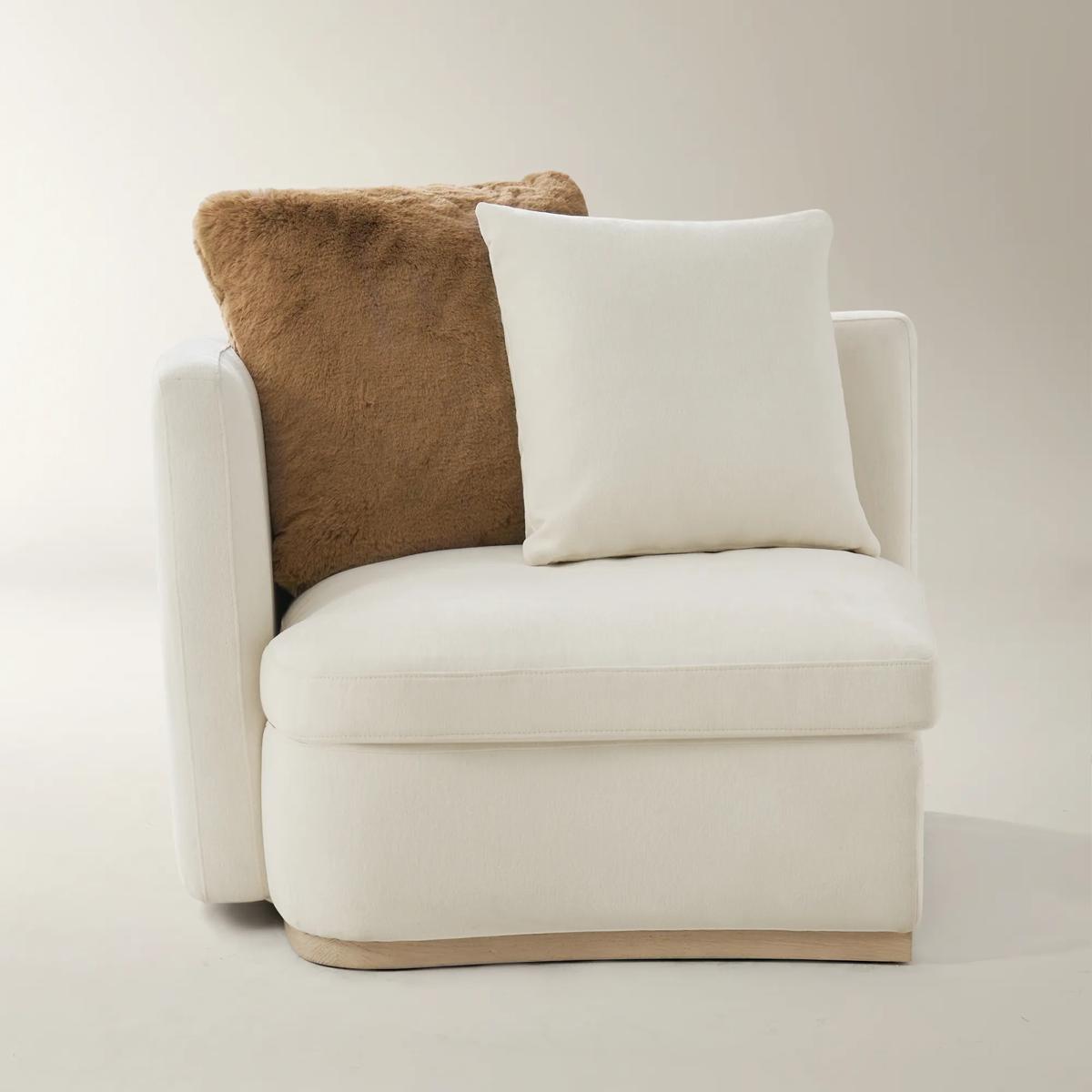 Stria Sectional Components - Bulid Your Own$1099
An ivory chenille sectional with sculptural curves, triple-layer cushioning, and a kiln-dried oak frame.
Add To Cart -
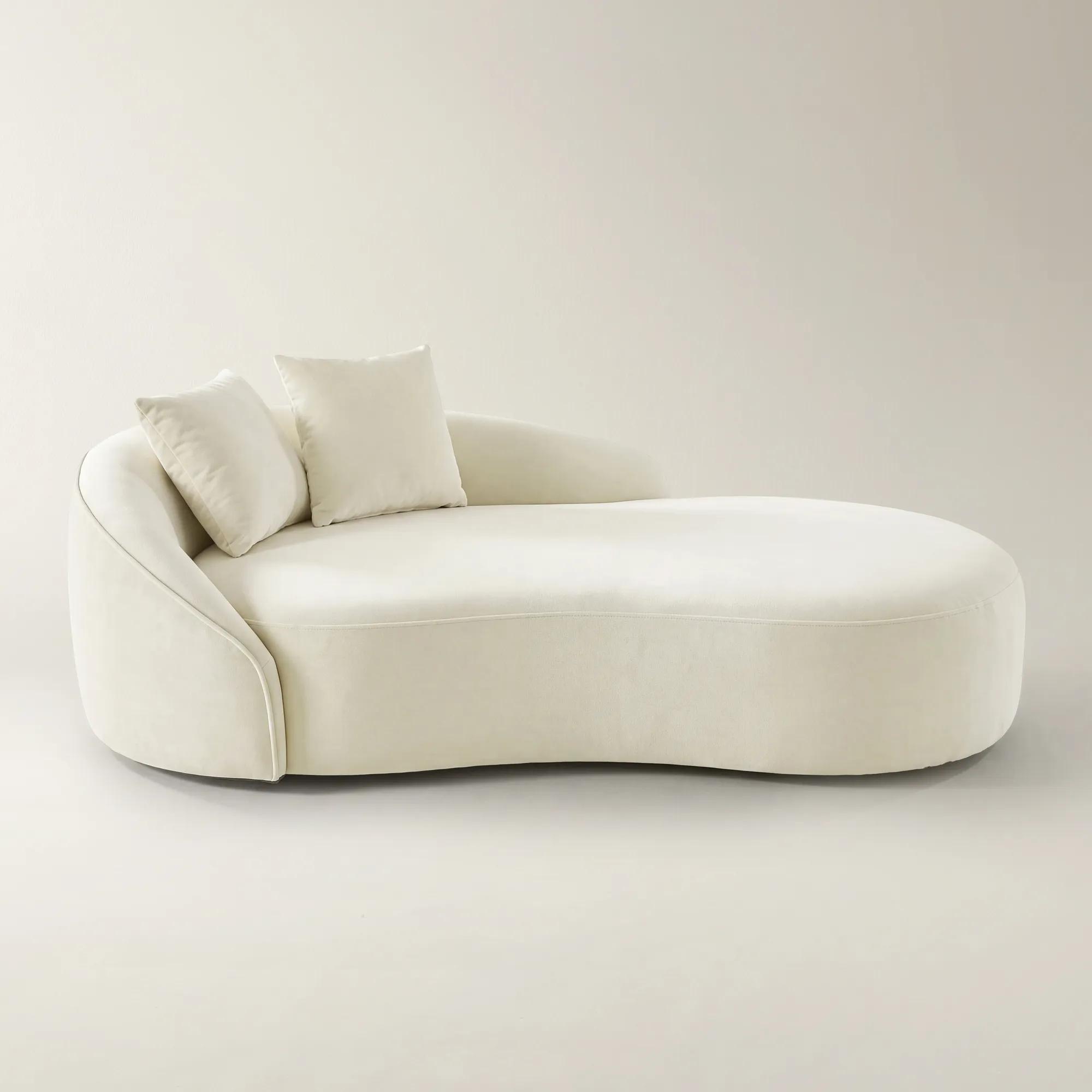 Irene Cloud Velvet Chaise$1699
A sculptural chaise in cloud velvet with high-resiliency foam cushions and hand-finished artisan upholstery.
Add To Cart -
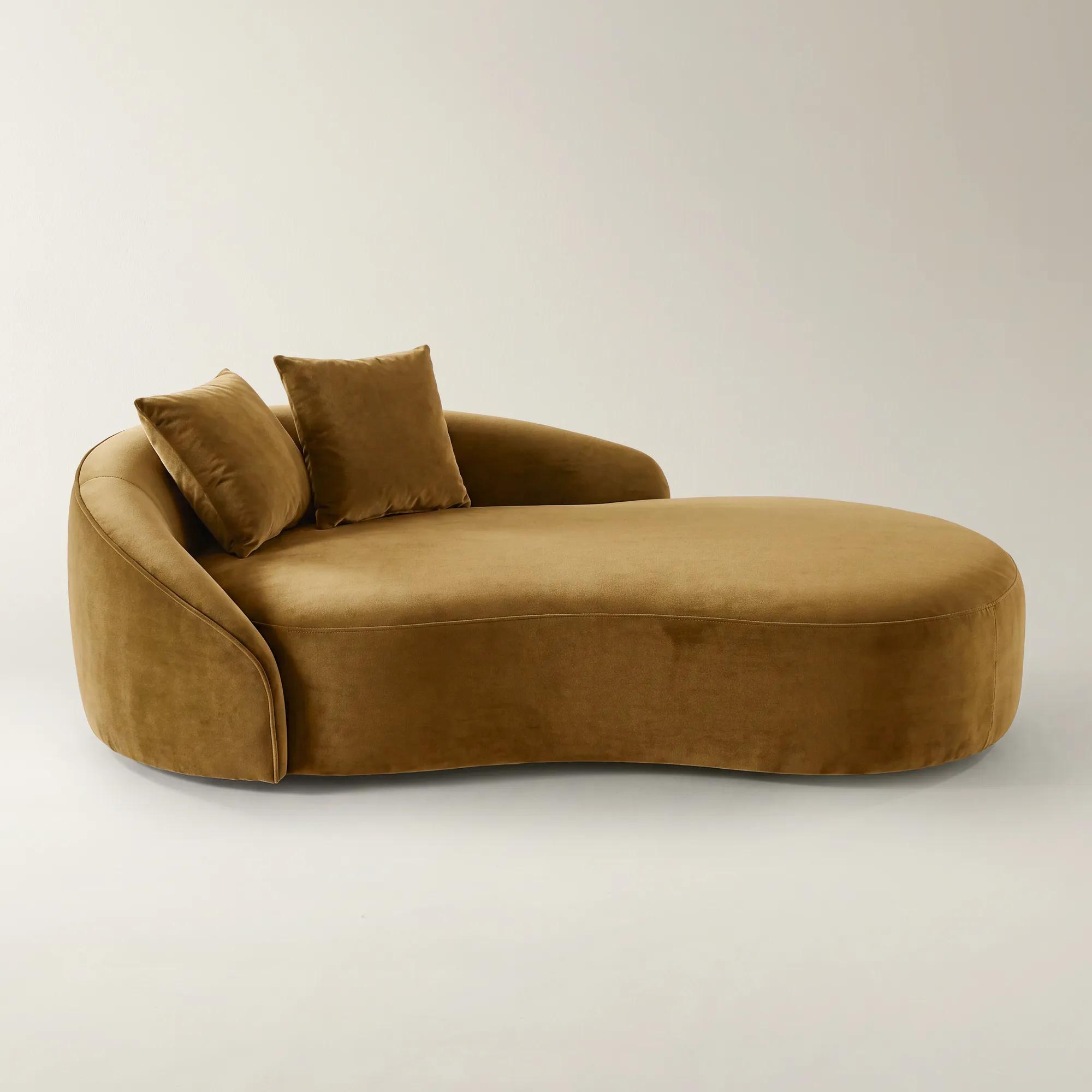 Irene Roasted Pecan Velvet Chaise$1699
A sculptural chaise in roasted pecan velvet, featuring hand-finished upholstery and high-resiliency foam cushions.
Add To Cart

Sofas With Supportive Cushions
Sofas with supportive cushions transform ordinary lounging into an artful experience, where comfort meets captivating design. Each silhouette is an invitation to unwind in style—crafted for those who crave both indulgence and impeccable posture. Dramatic lines, sumptuous textures, and sculptural forms create a foundation for living boldly, while plush yet resilient seating elevates every moment. Discover how sofas with supportive cushions become the heart of a room: grounding your space in luxury, beckoning you to relax, and ensuring every gathering feels as exquisite as it looks.
A sofa with supportive cushions brings a sense of composed comfort to the room: welcoming enough for lingering, structured enough to help you sit with ease. It is the foundation of a living area where morning coffee, evening conversation, reading, streaming, and relaxed gatherings all unfold in style. Supportive does not have to mean rigid or overly firm. The most inviting designs balance a resilient core with a softer comfort layer, creating a seat that cushions the body while helping it maintain a naturally aligned posture. As you compare sofas, consider how the seat feels after more than a few minutes of sitting. A well-designed cushion should distribute weight evenly rather than allowing you to sink deeply into one spot, and it should recover its shape after standing. High-density foam is often chosen for its ability to provide a dependable foundation, while layered foam, fiber, or spring construction can add responsive comfort and help reduce the feeling of bottoming out. Cushion density is only one part of the experience, however; upholstery, suspension, frame construction, and proportions matter just as much. Coil springs and sinuous springs can offer lively resilience and balanced weight distribution, while a well-built frame gives the seating surface a stable platform. If a sofa will anchor a frequently used family room, look for durable upholstery and removable cushions that can be rotated or refreshed. For a more formal sitting room, a tailored silhouette with neatly finished cushions can deliver structure without sacrificing luxury. The most successful choice feels beautiful from across the room and reassuringly comfortable once you settle in.
Scale and seat proportions deserve particular attention when choosing supportive seating. A seat depth in the moderate range—often approximately 18 to 22 inches from the front edge of the cushion to the back cushion—can make it easier for many people to sit upright without feeling perched or forced to reach for lumbar support. Deeper seating may be ideal for stretching out, layering in a throw, or curling up during the cooler months, but it can encourage shorter guests to slouch if the back cushion does not meet the lower back comfortably. A taller back, gently contoured cushions, or an integrated lumbar profile may provide added support for extended sitting, especially in a home office lounge, media room, or conversation area where the sofa sees hours of use. Before purchasing, measure the room, the intended wall, and every doorway, hallway, stairwell, and elevator the sofa must pass through. Leave enough space for tables, floor lamps, and an easy walking path so the arrangement feels generous rather than crowded. Consider the people who will use it most: a household with children and pets may appreciate performance-minded fabric and firm, resilient cushions, while someone furnishing a refined apartment may prefer a slimmer profile that preserves an open sense of proportion. A supportive sofa can also be a thoughtful housewarming gift for someone settling into a new home, a practical addition to a guest suite, or an elegant upgrade for a parent or loved one who enjoys hosting. To create a layered seating experience, pair it with an upholstered ottoman that lets you change position without placing feet on the cushions, or add a lumbar pillow in a contrasting texture for a precise touch of softness. Those drawn to a cloudlike, more relaxed feel may also enjoy exploring Sofas With Down Cushions, which can bring sumptuous loft and a distinctively plush finish to a seating arrangement.
The right supportive sofa should suit both your body and your rituals. Imagine returning home as the weather cools, placing a book on the side table, and settling into a seat that supports your back without making the room feel overly formal. Imagine friends gathered around, each with enough room to sit comfortably, or a quiet afternoon spent watching the changing light move across the upholstery. These everyday moments reveal more about a sofa than a quick showroom test. Sit in the position you naturally use at home, whether that means upright with your feet on the floor, angled toward a companion, or reclining slightly with a cushion behind your back. Notice whether the seat edge presses into your legs, whether the back cushion supports the lumbar area, and whether the cushions feel responsive when you shift. If several people will share the sofa, a balanced firmness and generous seating width can help everyone feel accommodated. For households that welcome frequent guests, a durable cushion interior and a sturdy suspension system can help the sofa retain its shape through years of conversation and celebration. Regularly rotating loose cushions, fluffing back pillows when recommended, and addressing spills promptly can preserve both appearance and comfort. Upholstery color also shapes the room’s atmosphere: ivory and pale neutrals lend an airy, gallery-like glow, while charcoal, espresso, jewel tones, and rich earth hues create a more enveloping backdrop for metallic accents and sculptural décor. Finish the composition with a patterned rug beneath the front legs, gleaming lighting overhead, and tactile throws that invite touch without obscuring the sofa’s silhouette. Whether it becomes the elegant center of a formal living room or the beloved gathering place of a busy household, a sofa with supportive cushions offers more than a place to sit. It gives the room a confident point of view and makes comfort feel beautifully considered.
FAQ List
A sofa with supportive cushions is meticulously engineered to provide enhanced comfort and resilience. These sofas often feature high-density foam cores, advanced spring systems, or layered construction that maintains both plushness and structure. The result is a seating experience that cradles the body while offering lasting support, ensuring the sofa retains its inviting shape and tailored appearance over time.
Supportive sofas are ideal for anyone seeking both comfort and longevity in their seating. They are especially beloved by families, frequent entertainers, and those who spend extended periods relaxing or working from their sofa. Their enduring structure also makes them a thoughtful gift for new homeowners or couples starting a new chapter.
Supportive sofas are available in a range of silhouettes, fabrics, and finishes, making them versatile enough to enhance any décor—from bold, glamorous spaces to serene, minimalist retreats. Their sculptural forms and luxe upholstery can serve as a statement centerpiece or harmonize seamlessly with existing furnishings, adding both comfort and visual intrigue.
Yes, materials such as high-resilience foam, memory foam, and advanced spring systems are commonly used to enhance cushion support. Upholstery fabrics like velvet, linen, and performance textiles further elevate the seating experience, balancing tactile luxury with everyday durability.
Absolutely. Today’s supportive sofas are masterpieces of both design and engineering. With thoughtful tailoring, dramatic silhouettes, and a palette of sophisticated fabrics, these sofas deliver uncompromising style while providing the comfort and support needed for daily life. They are proof that you never have to choose between beauty and function.
.jpg?w=1194&h=1194)