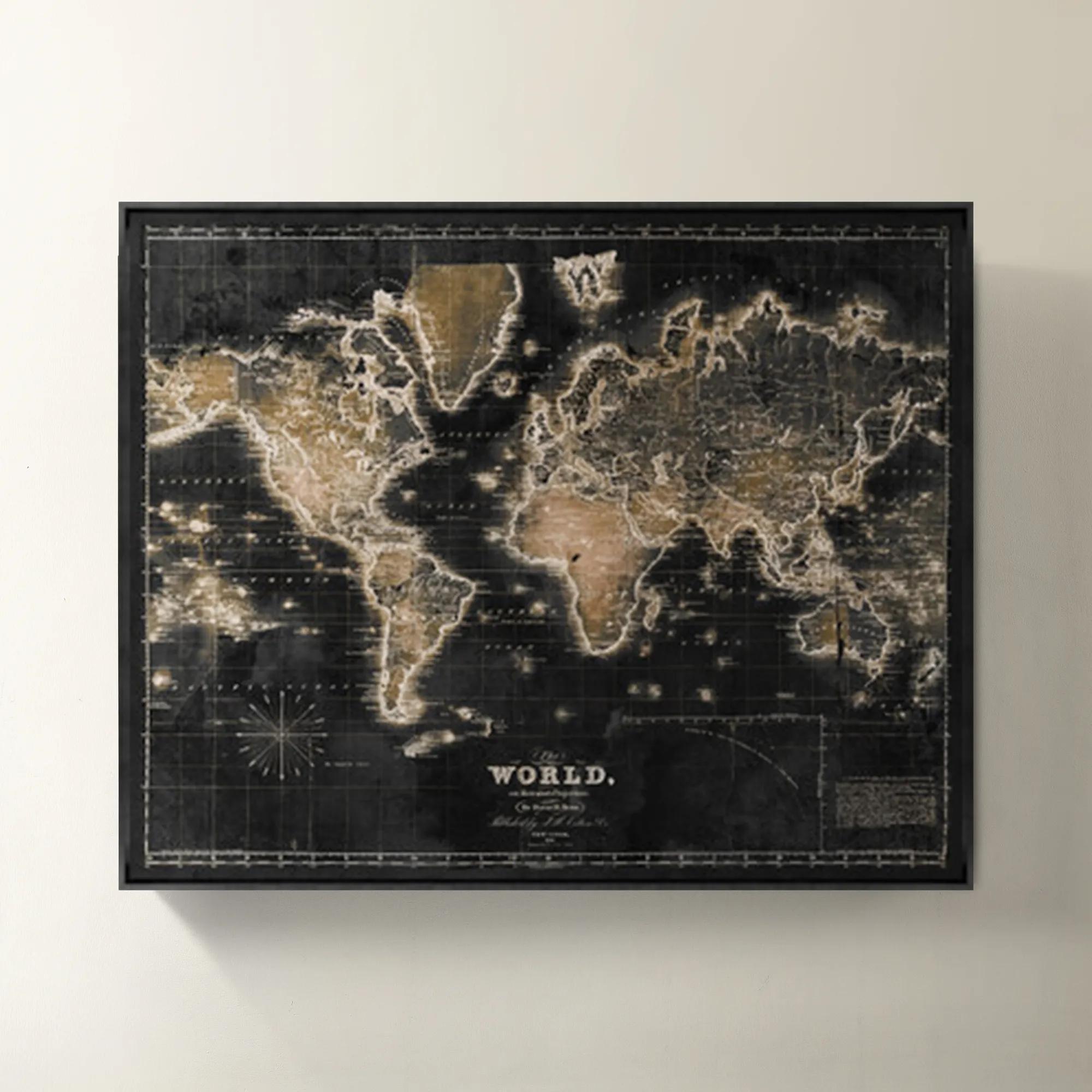
Silver Wall Art For Dining Rooms
Silver Wall Art For Dining Rooms
-
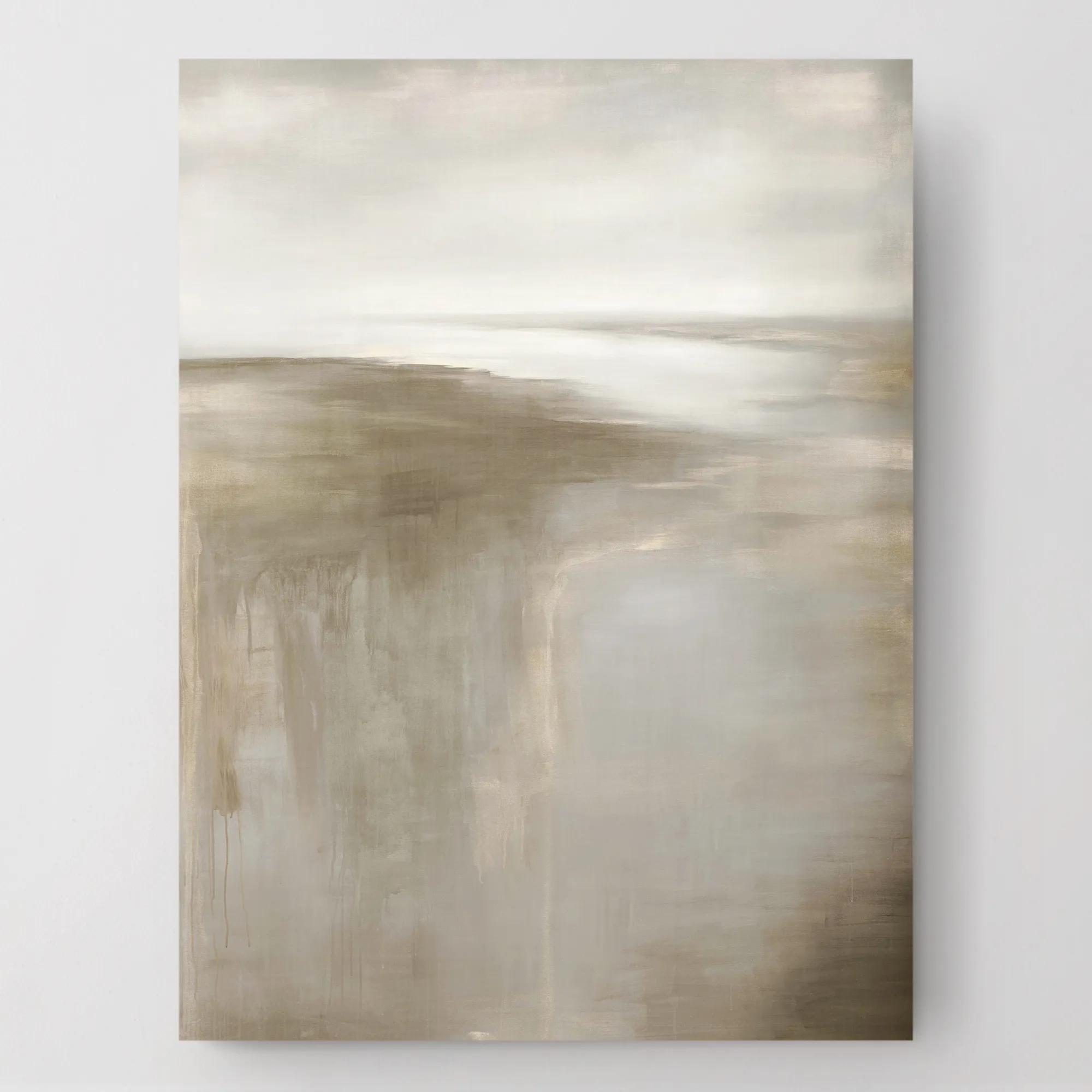
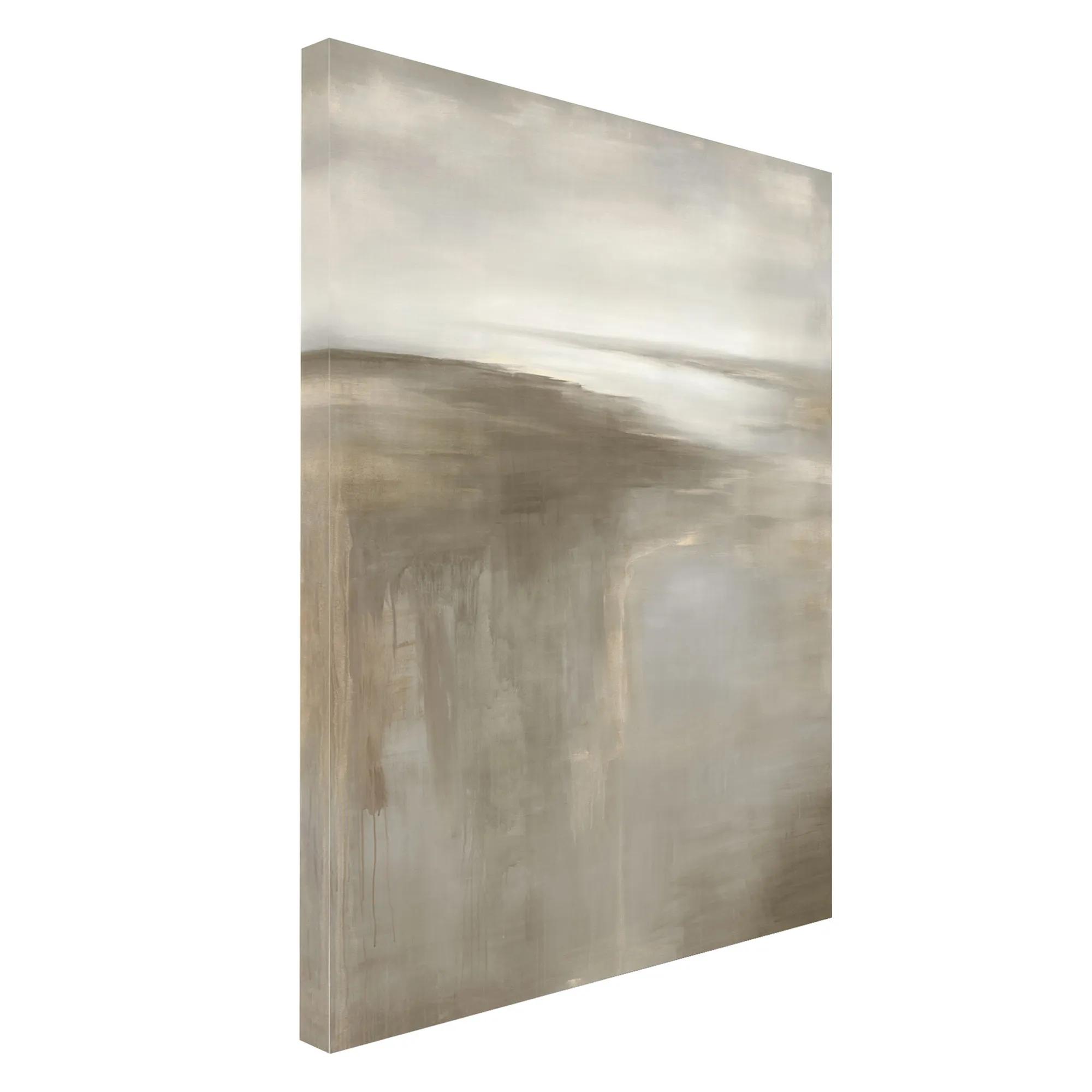 Silver Morning Wall Art 30" x 40"$449
A gallery-wrapped silver canvas artwork featuring a hand-applied image brush gel finish.
Add To Cart -
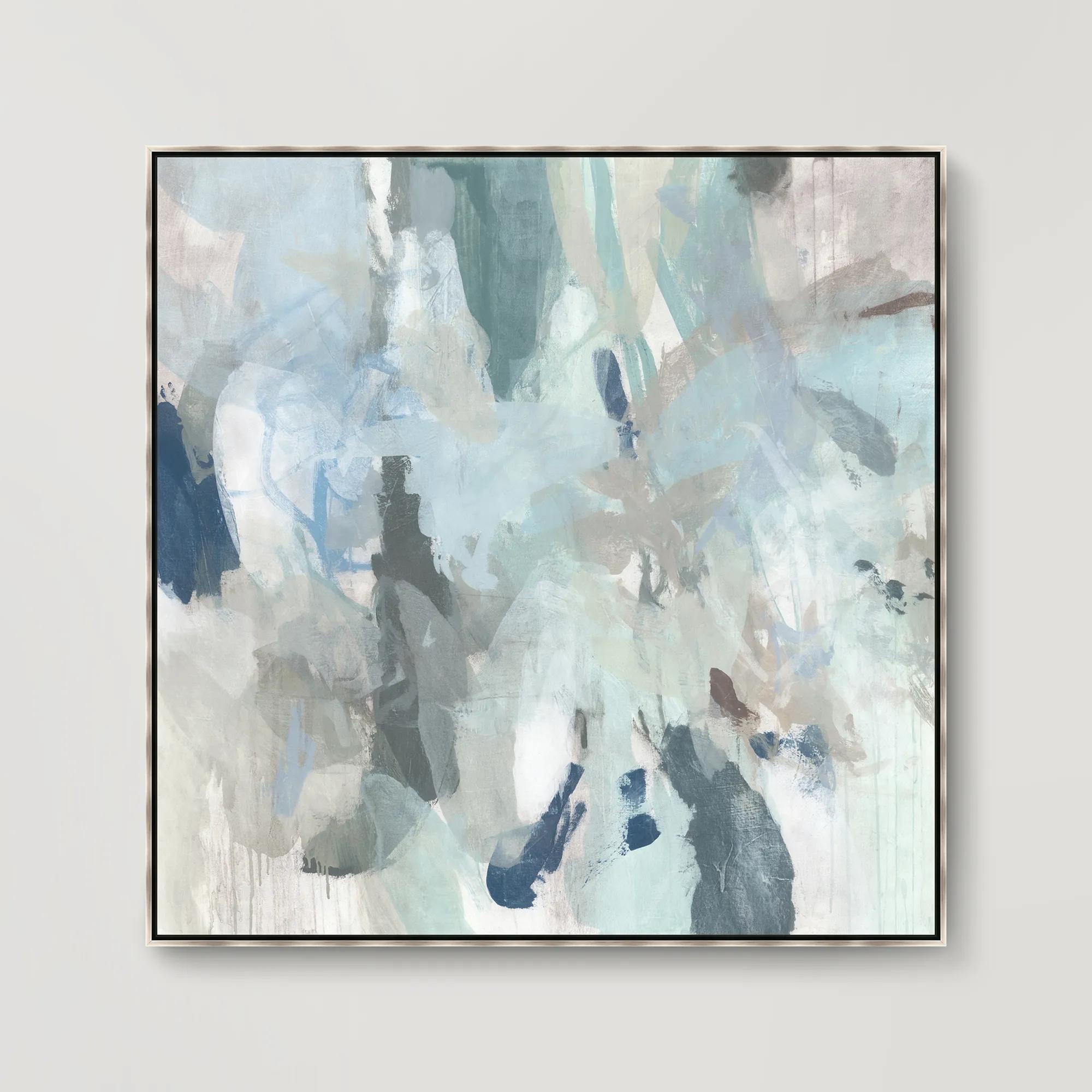
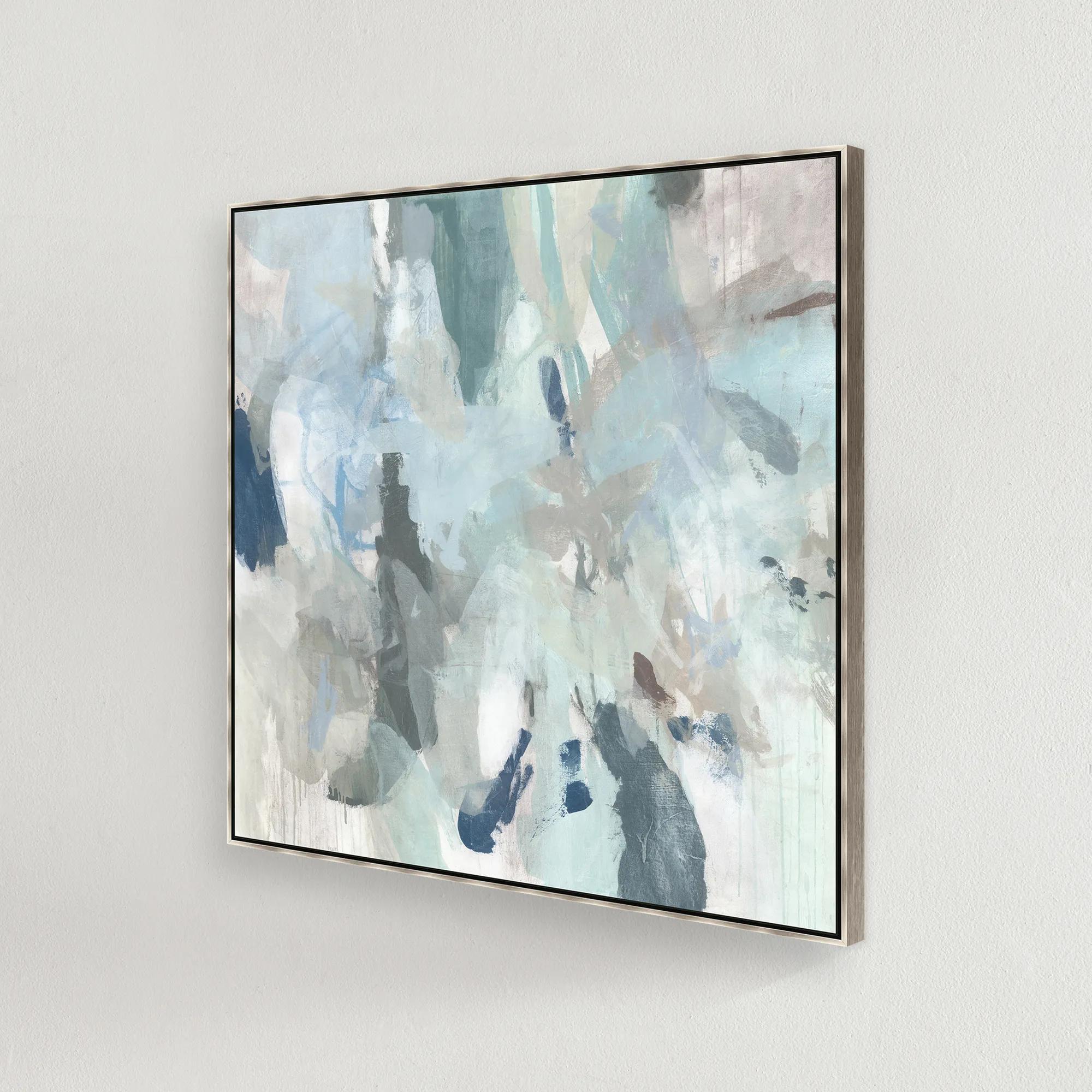 Sage Honey Dew I Framed Wall Art 41.5" x 41.5"$749
A gallery-wrapped abstract canvas featuring hand-applied gel finish in a silver floater frame.
Add To Cart -
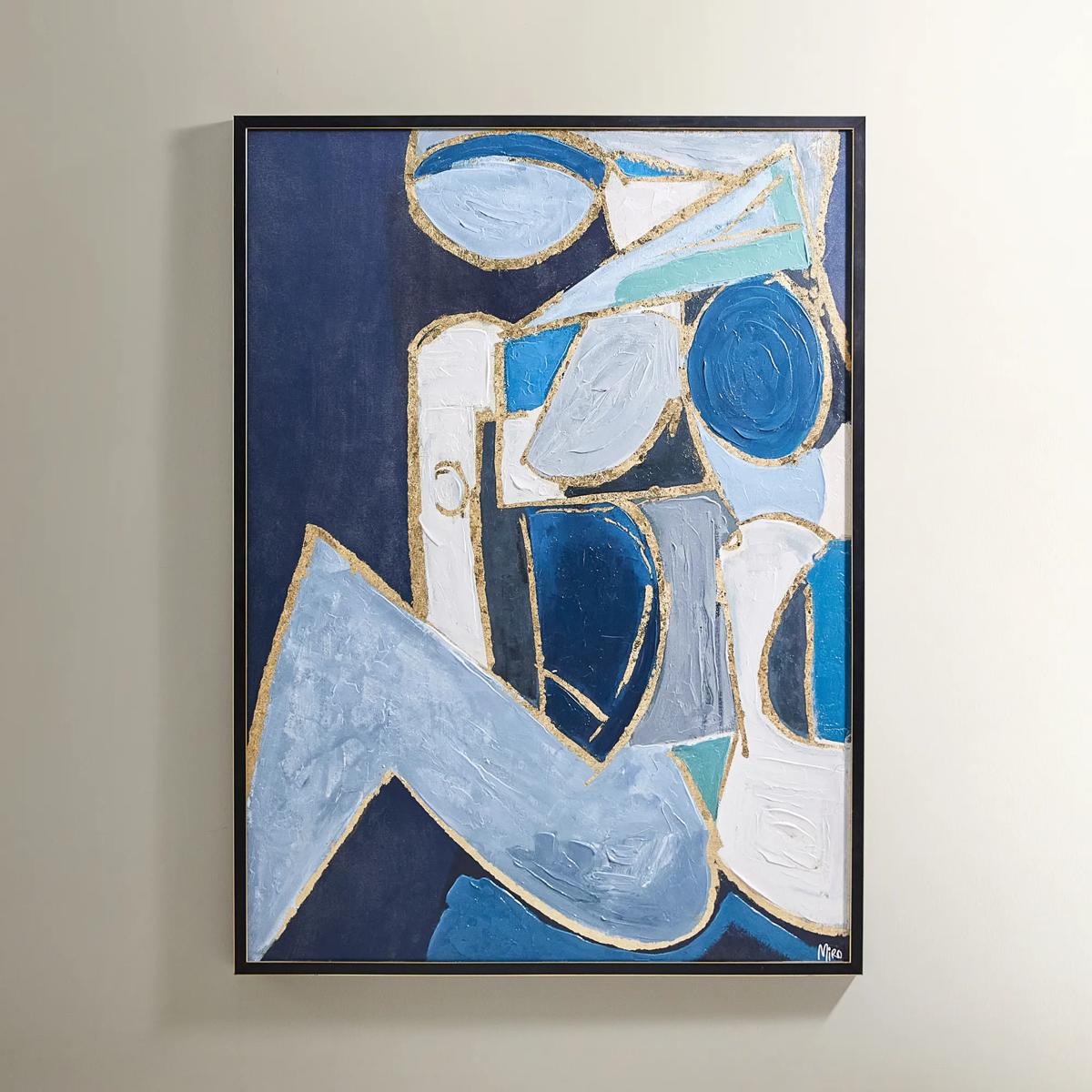
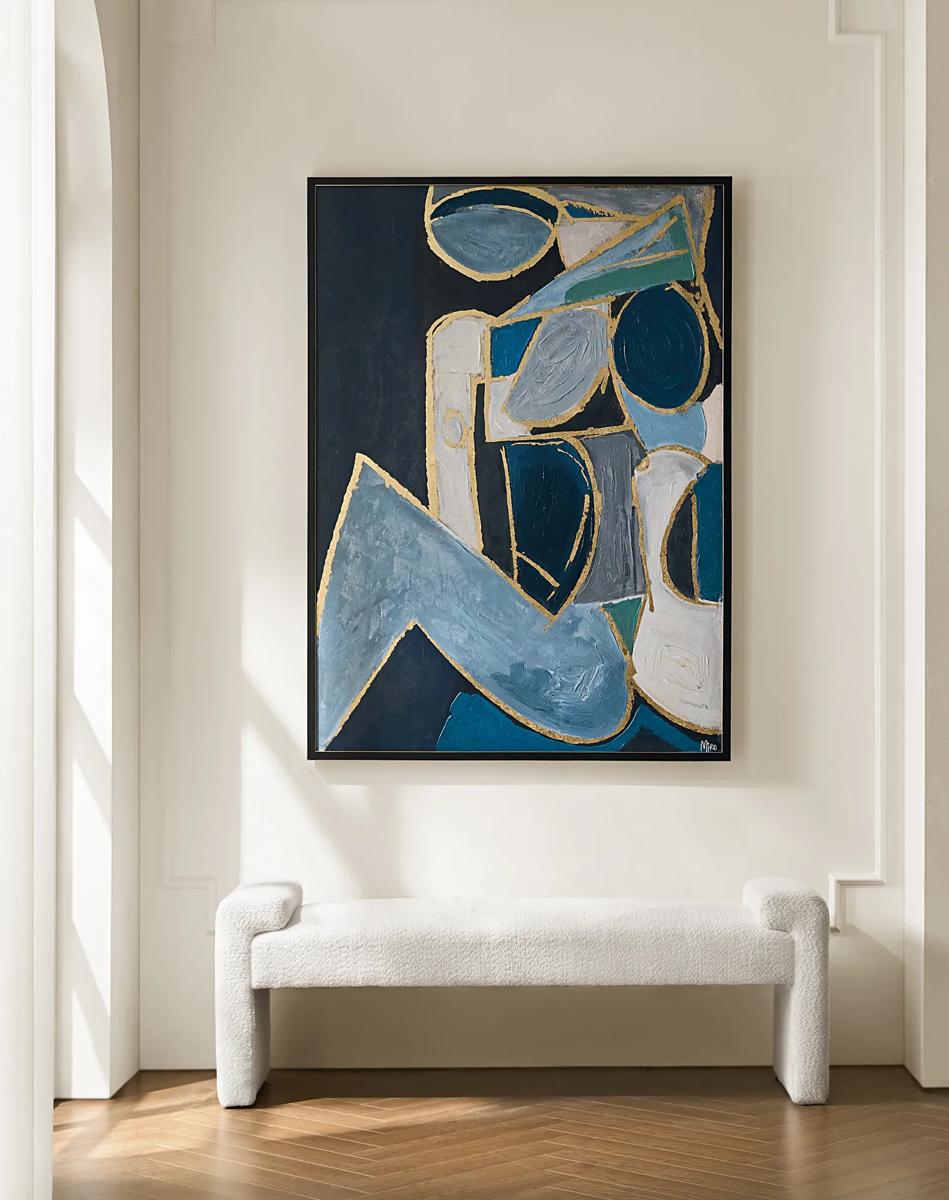 Figure in Cubism Painting$599
A hand-embellished canvas artwork featuring blue, gold, and white hues with elegant silver foil accents.
Add To Cart -
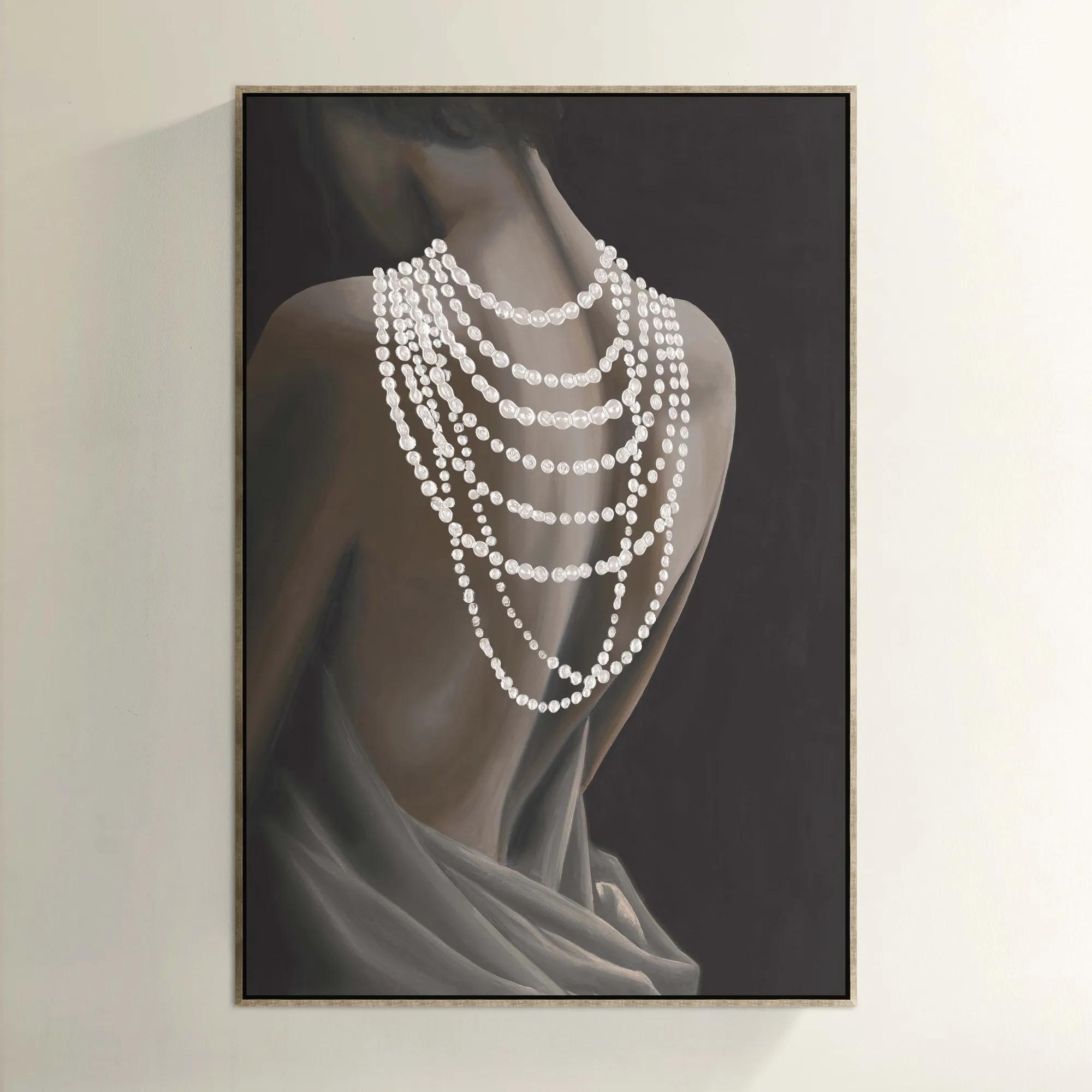 Luminescent Pearls Framed Wall Art 40" x 60"$1119
A hand-embellished canvas artwork featuring textured brush gel, set in a sleek silver floater frame.
Add To Cart -
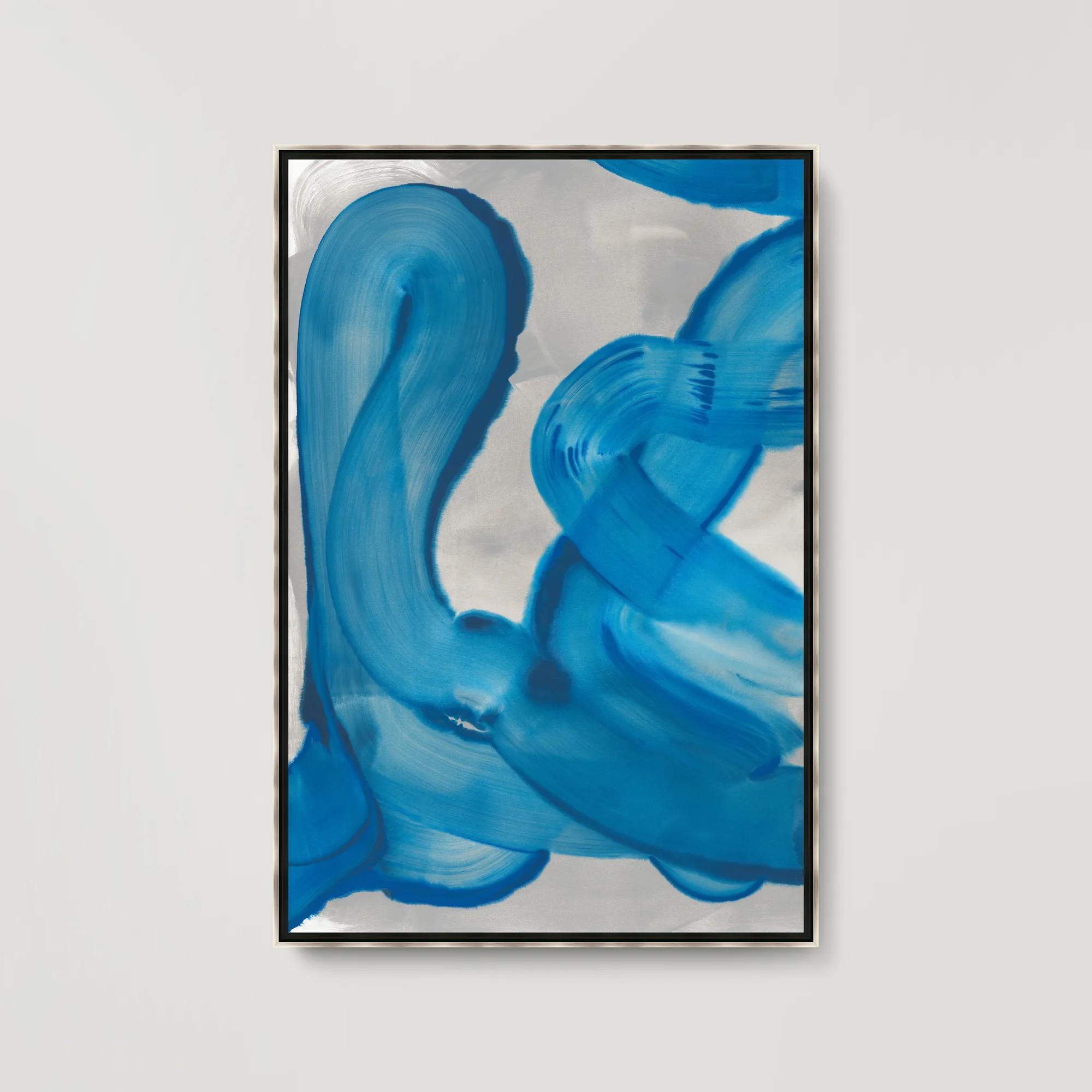 Royal Waves I Framed Wall Art 31.5" x 46.5"$699
A gallery-wrapped abstract canvas featuring hand-applied brush gel and set in a sleek silver floater frame.
Add To Cart -
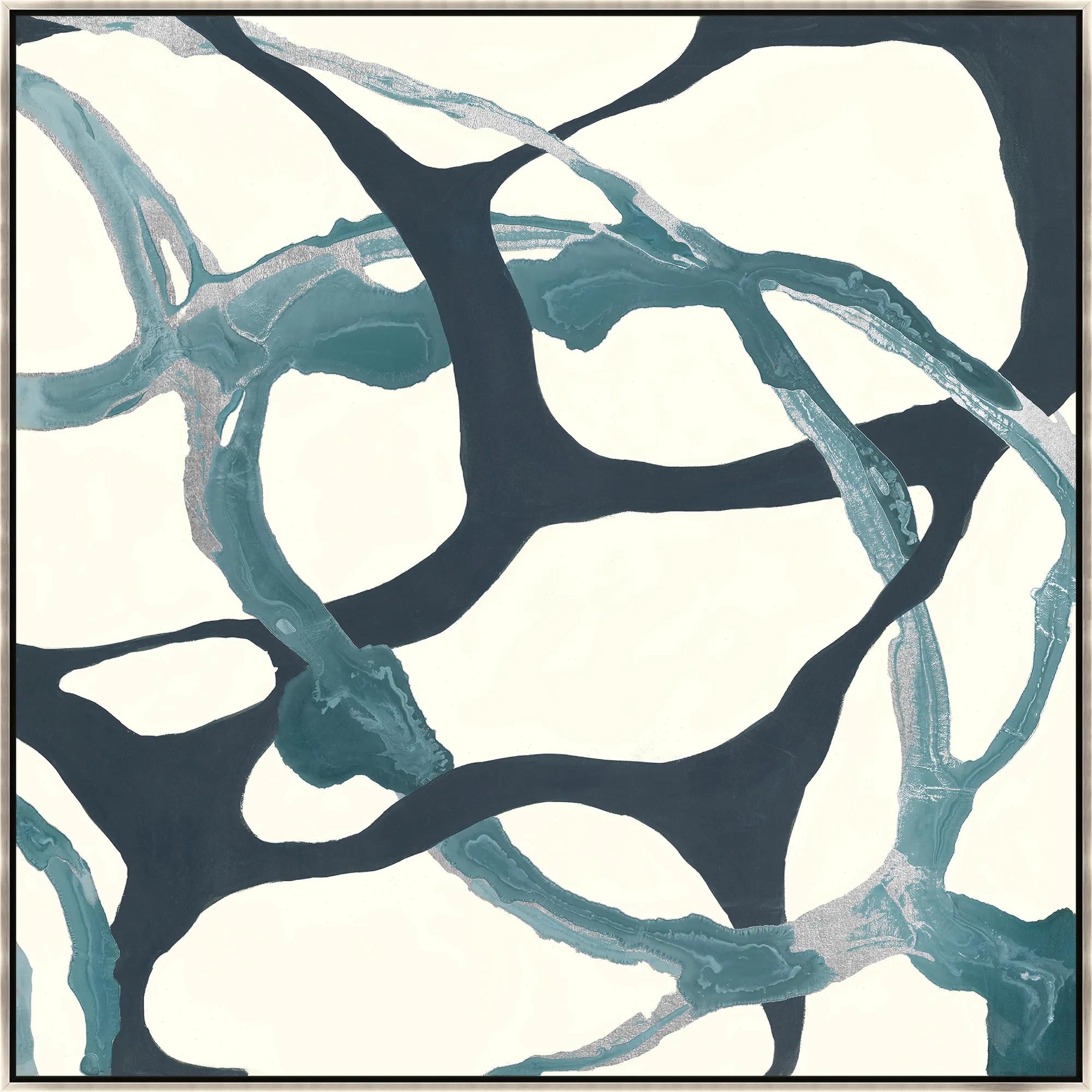
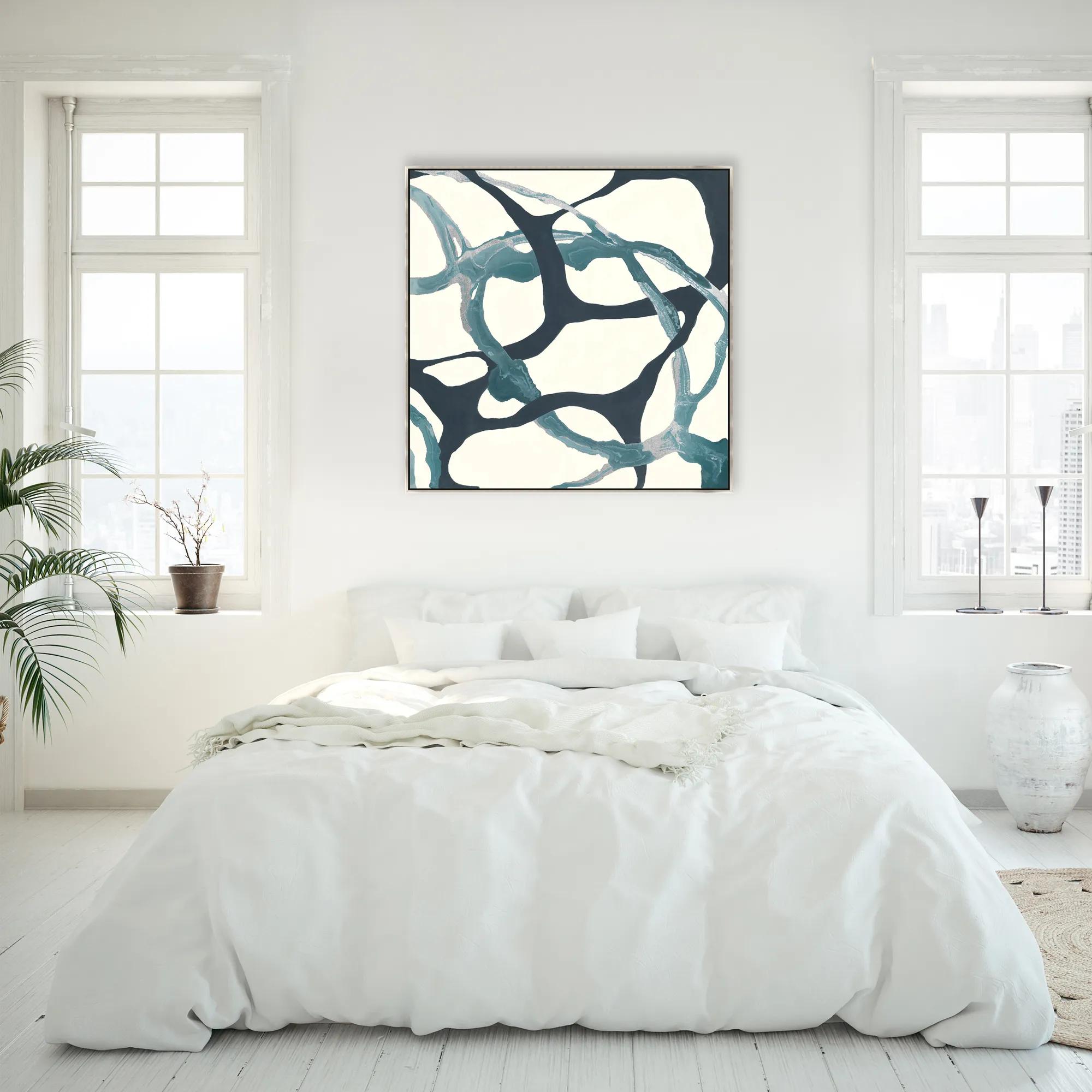 Alignments II Framed Wall Art 40" x 40"$899
A gallery-wrapped canvas featuring gilded silver accents and hand-applied brush gel in a silver floater frame.
Add To Cart -
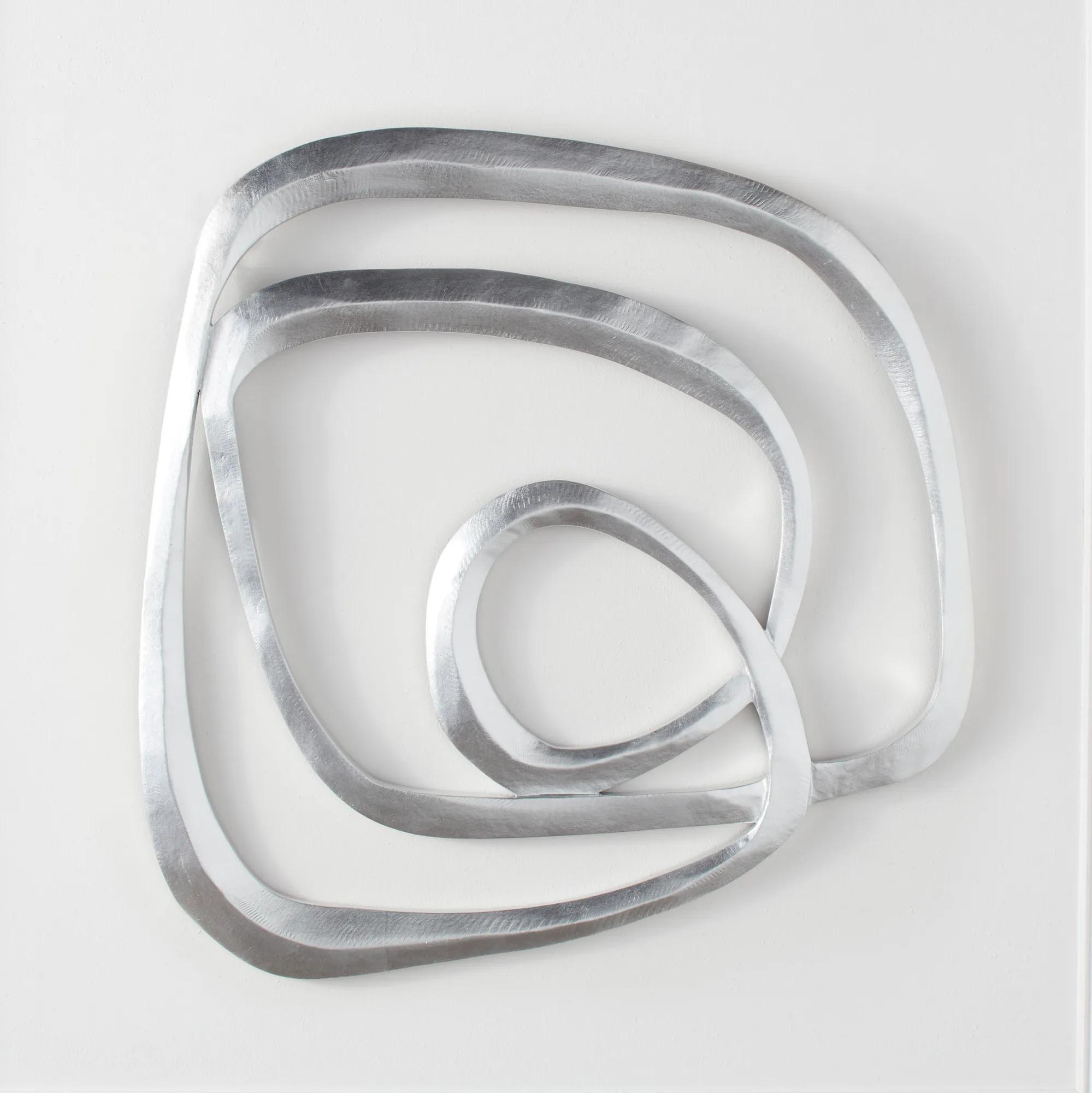 Infinity Silver Leaf Wood Wall Decor I 31.5" x 31.5"$299
A swirling wooden wall sculpture featuring a striking metallic silver finish for modern visual impact.
Add To Cart -
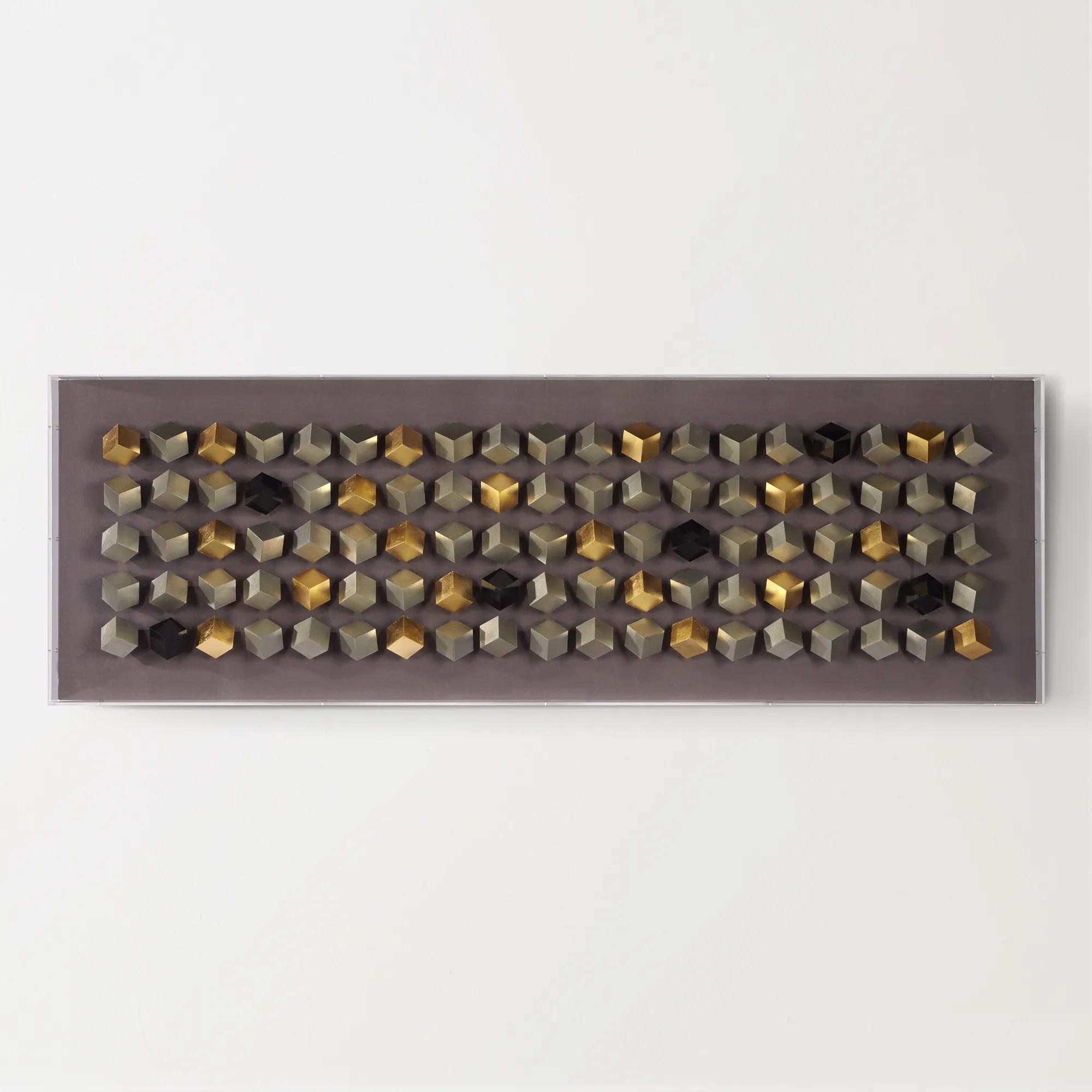
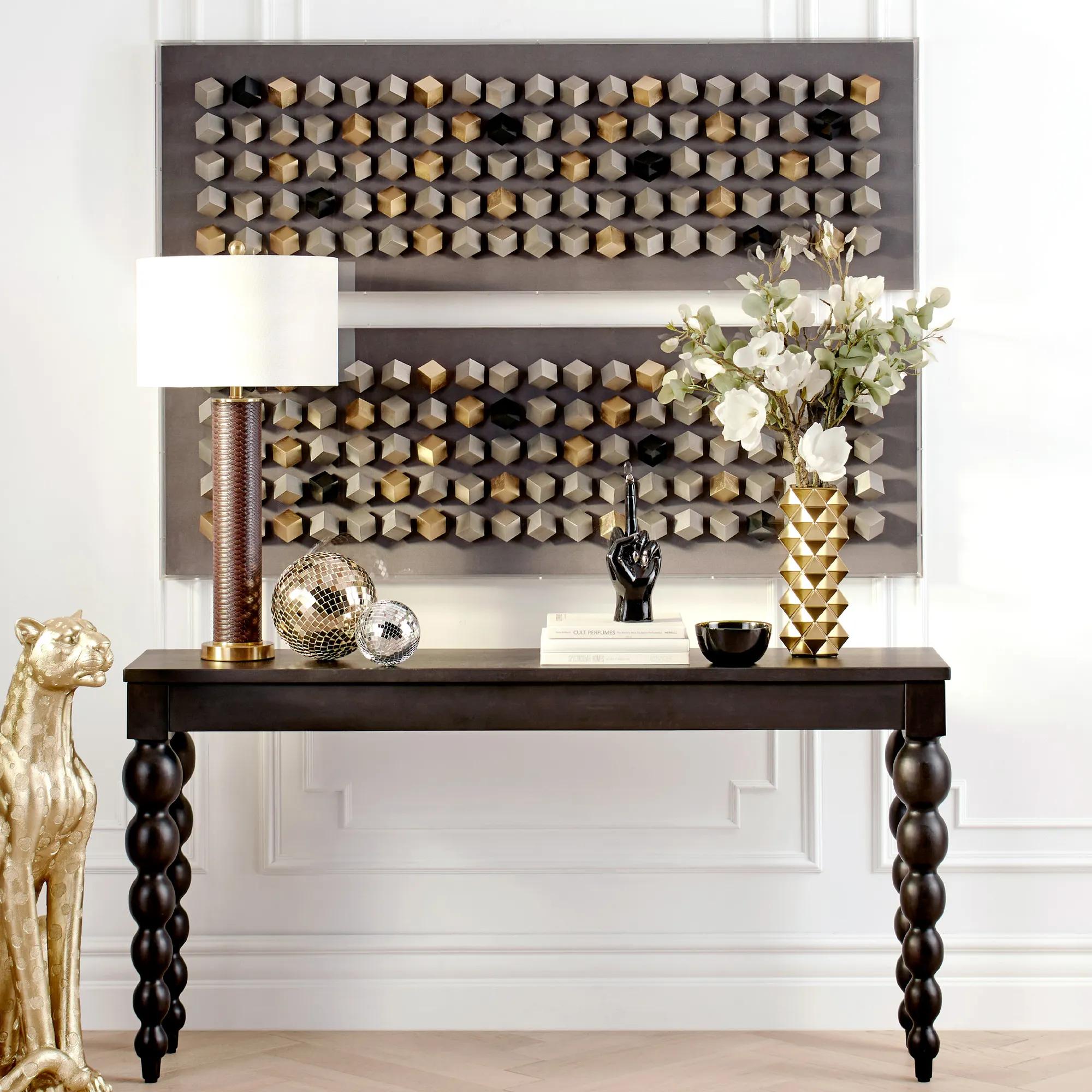 Cubic Array Dimensional Wall Decor in Acrylic 59" x 19.75"$599
A striking shadowbox wall art featuring a cubic, dimensional design with a tri-tone metallic finish.
Add To Cart -
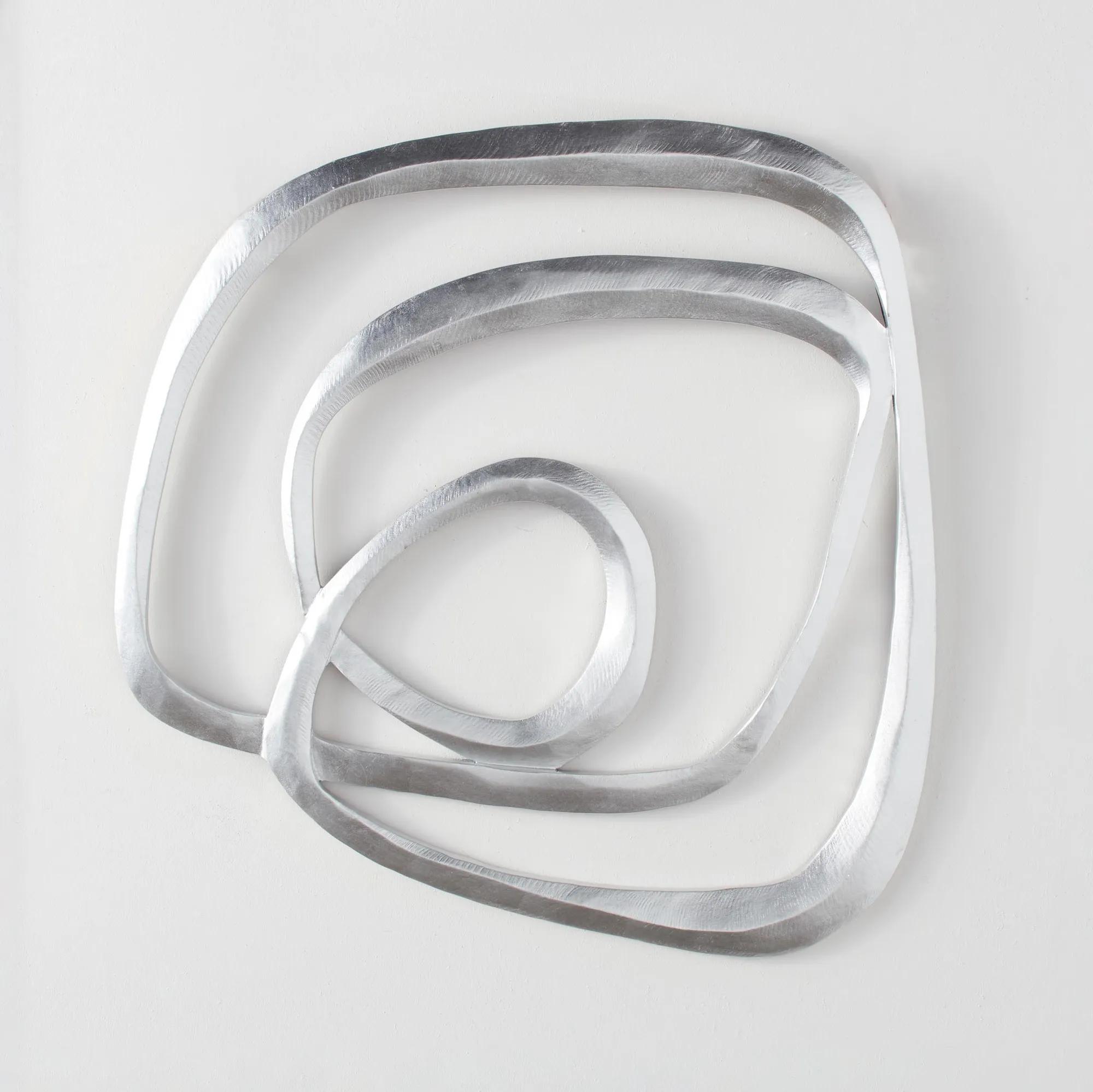 Infinity Silver Leaf Wood Wall Decor II 31.5" x 31.5"$299
A swirling wooden wall sculpture featuring a striking metallic silver finish for modern visual impact.
Add To Cart -
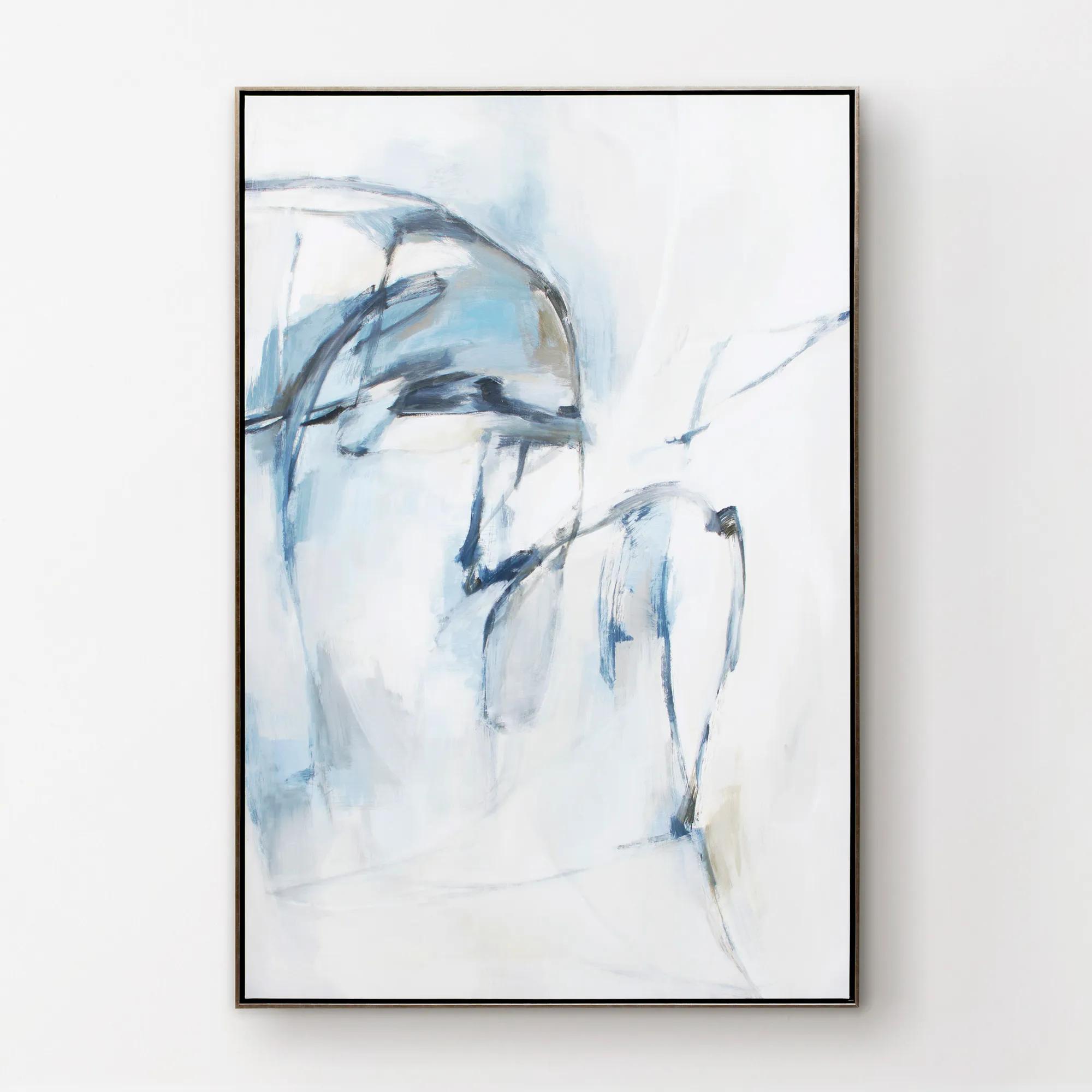 Profound Silence 1$899
A striking abstract canvas in cool blue tones with textured brush gel finish and a silver floater frame.
Add To Cart -
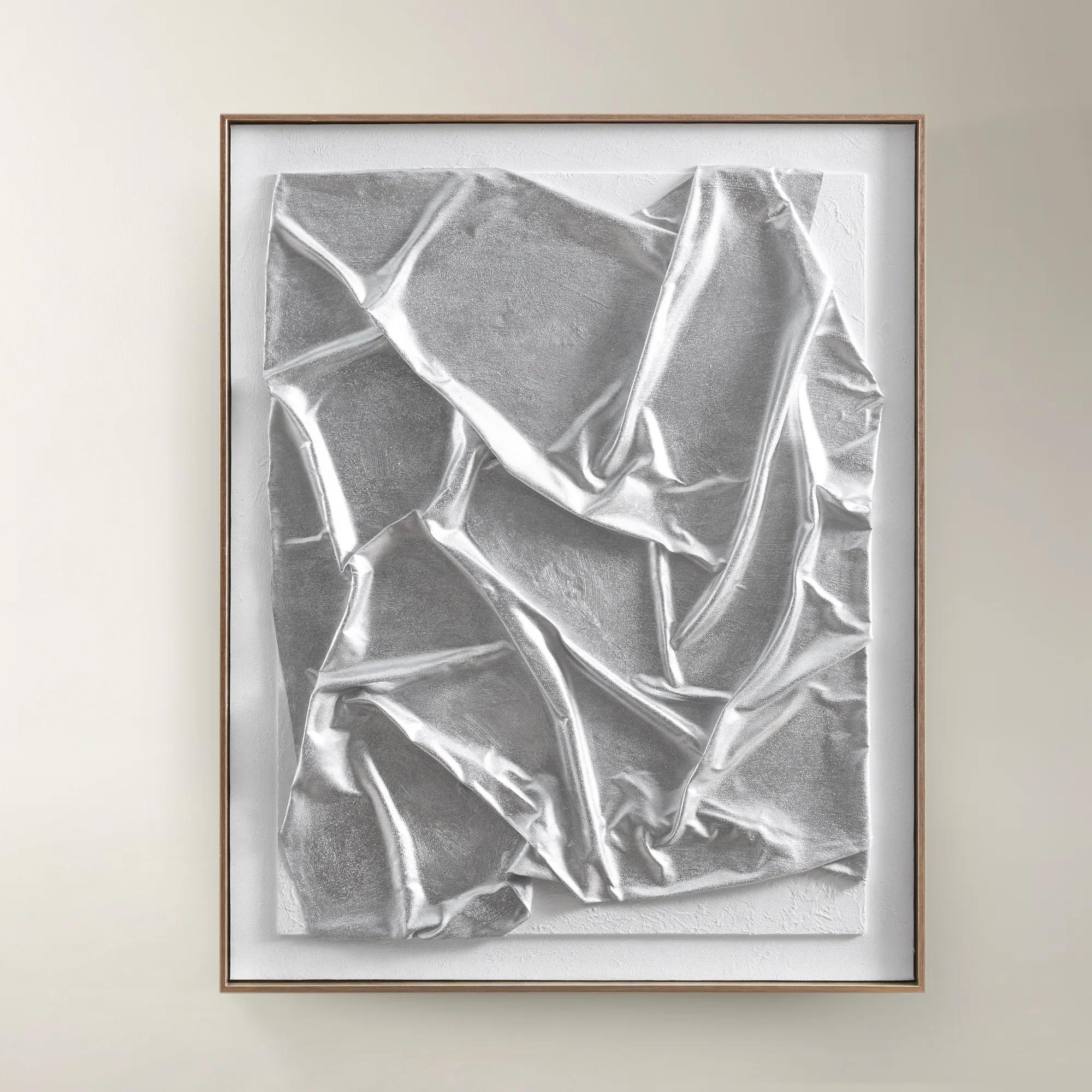 In the Mood Framed Painted Wall Art 31.5" x 39.5"$199
A hand-painted abstract canvas in shimmering silver tones, set in a warm champagne floater frame.
Add To Cart -
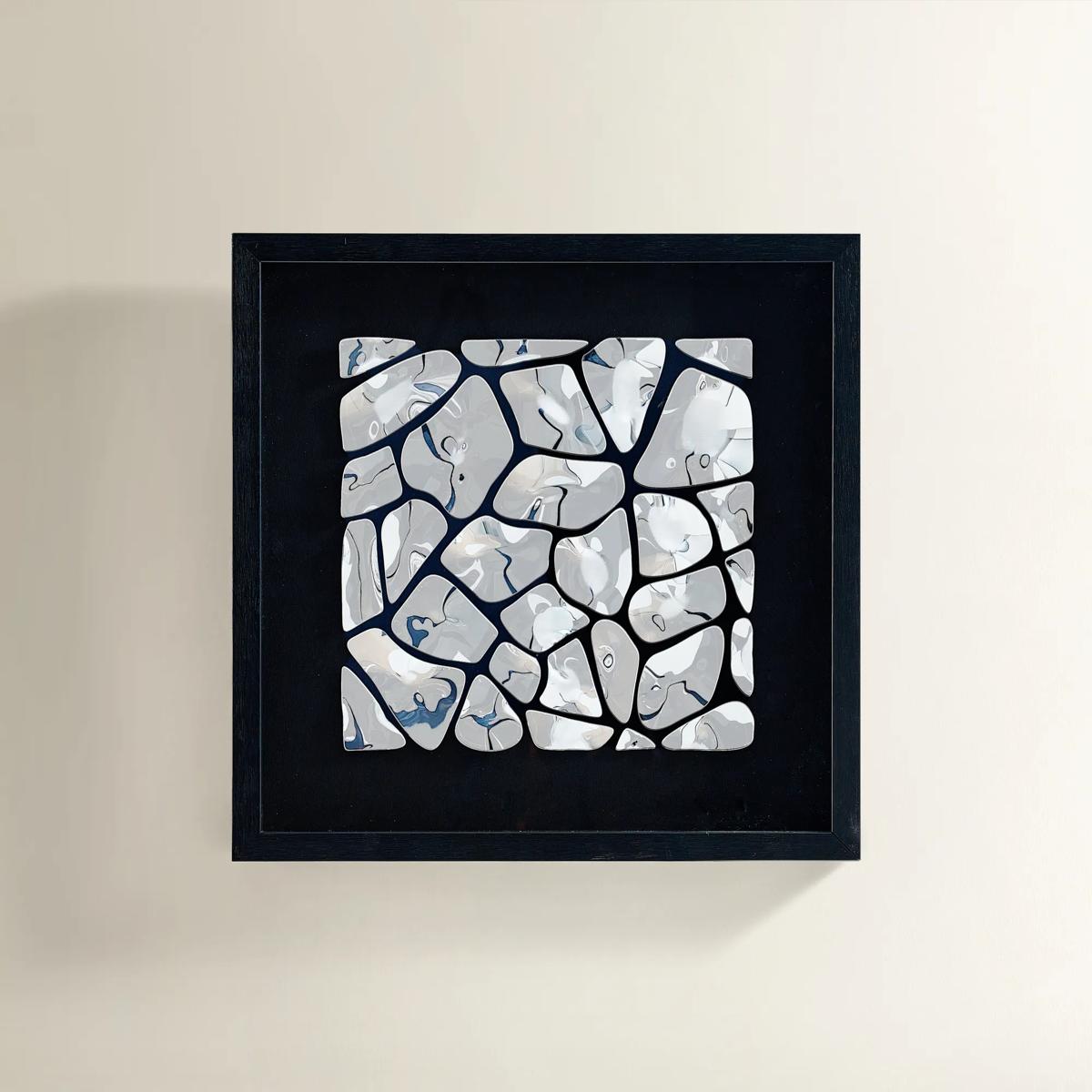 Reflect Silver And Black Shadowbox Art I$189
A dimensional metal wall art piece featuring polished silver and black forms in a sleek black frame.
Add To Cart -
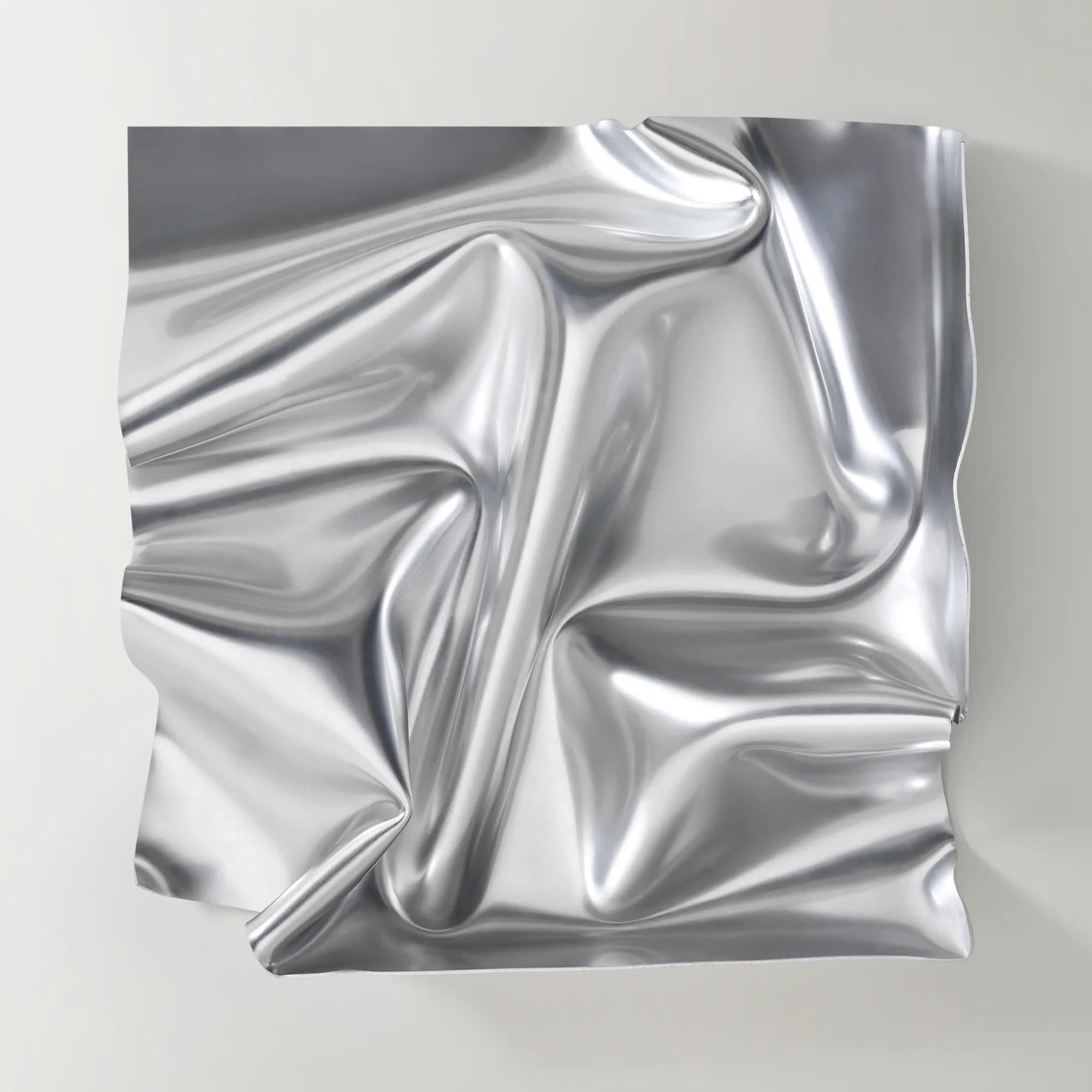
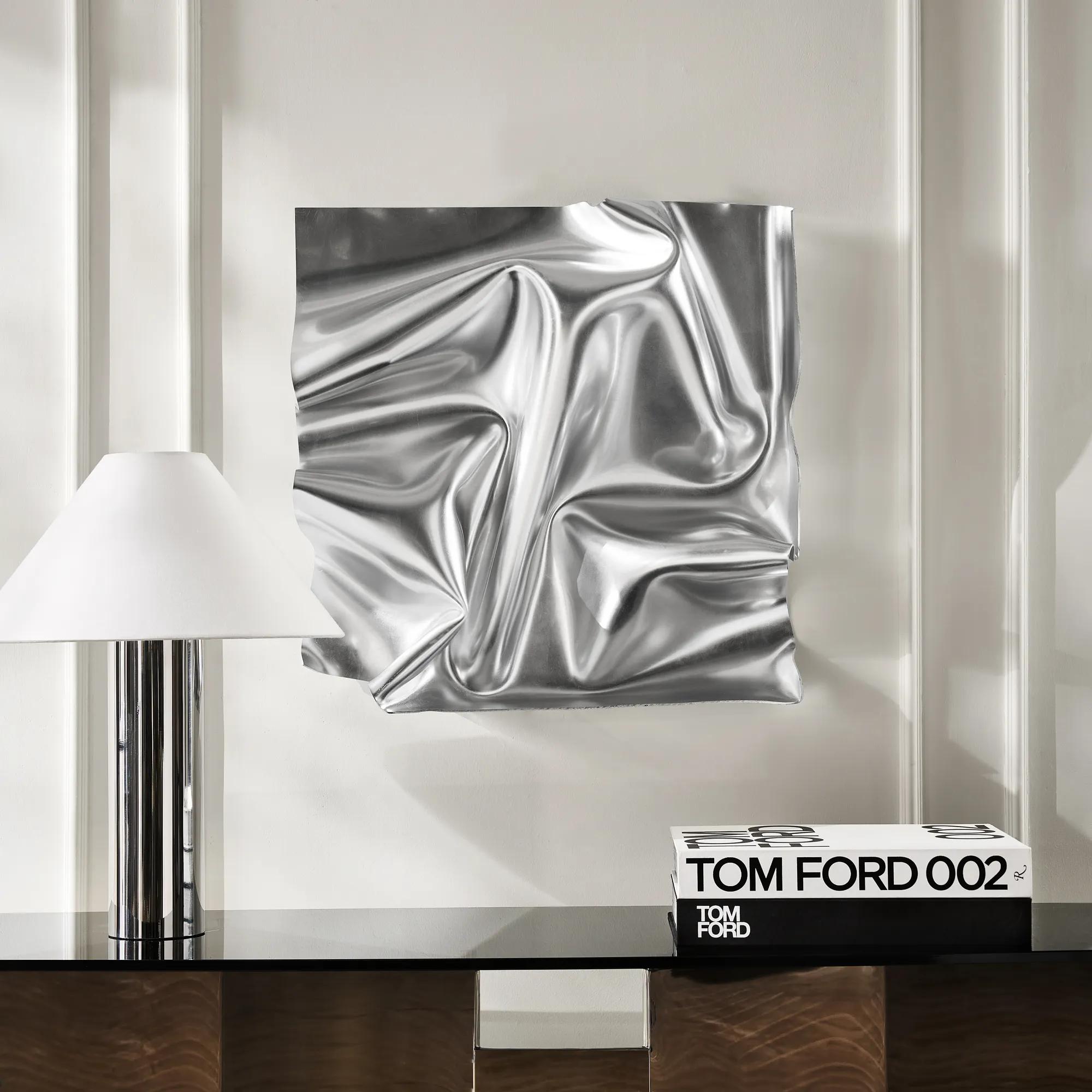 Surface Sculpted Silver Leaf Acrylic Wall Decor 23.6" x 23.6"$189
A striking acrylic wall piece featuring fluid, reflective silver shapes for dramatic, modern visual impact.
Add To Cart -
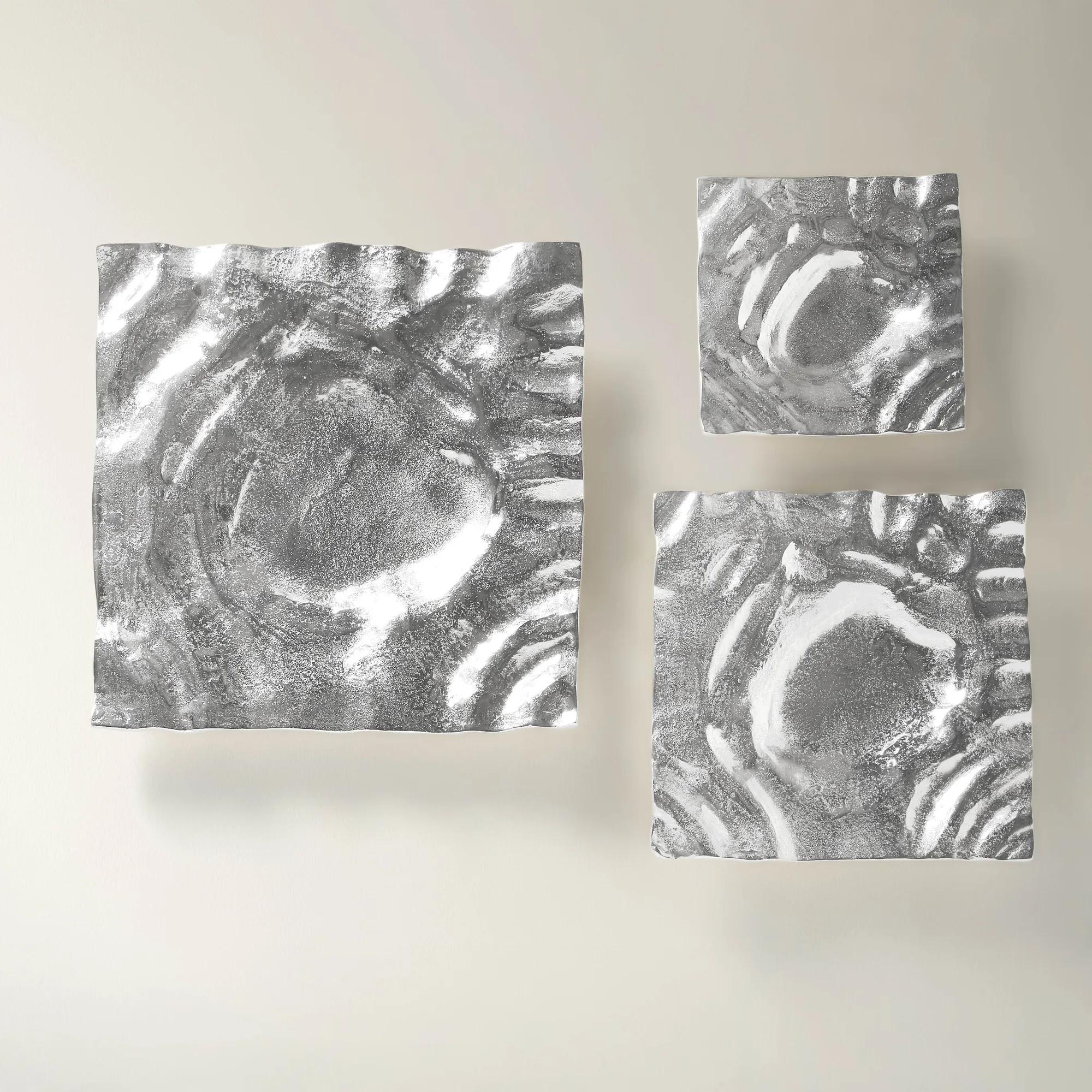
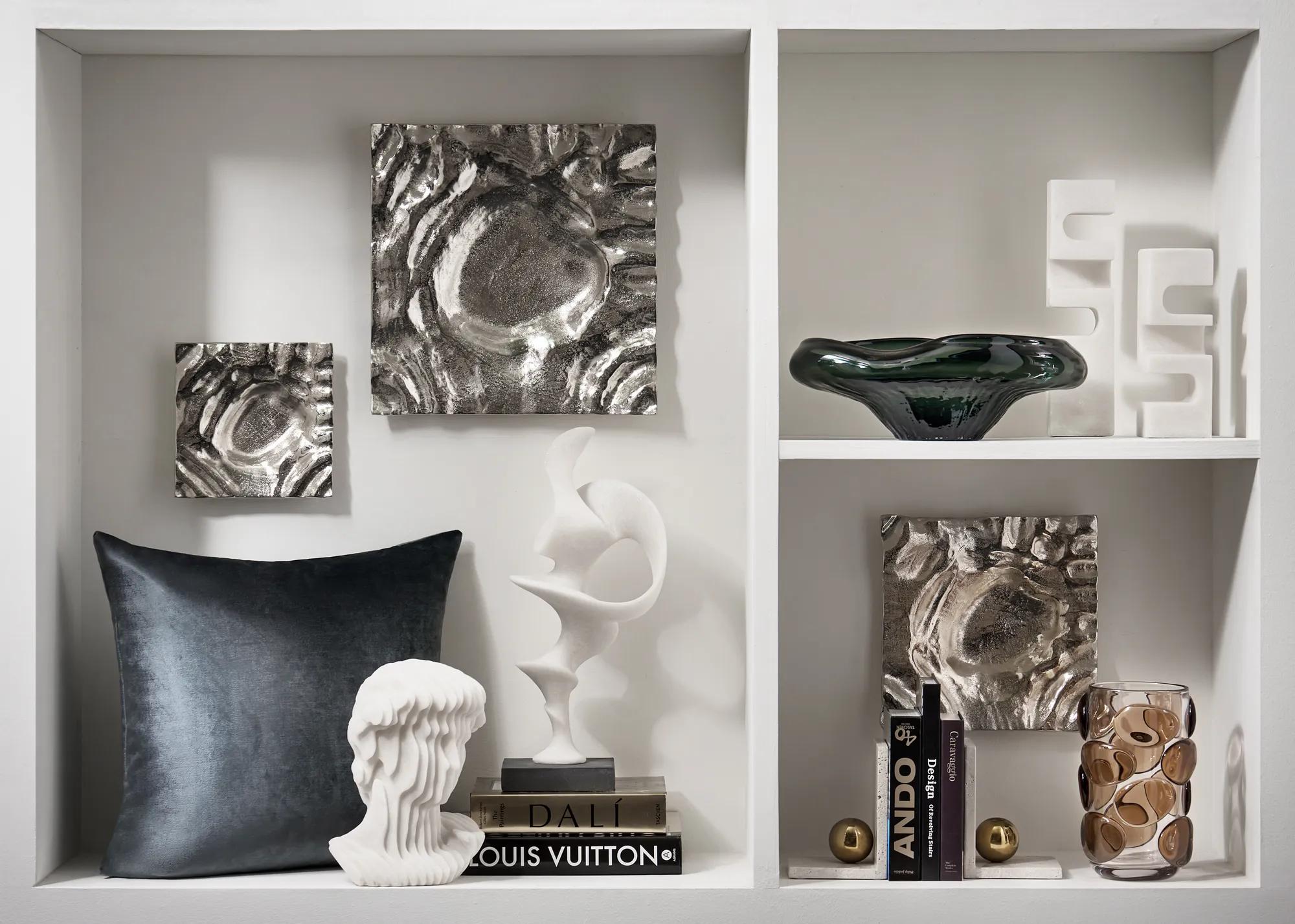 Cascade Wall Art - Set of 3$119
A set of three silver aluminum wall art pieces featuring textured surfaces that reflect and play with light.
Add To Cart -
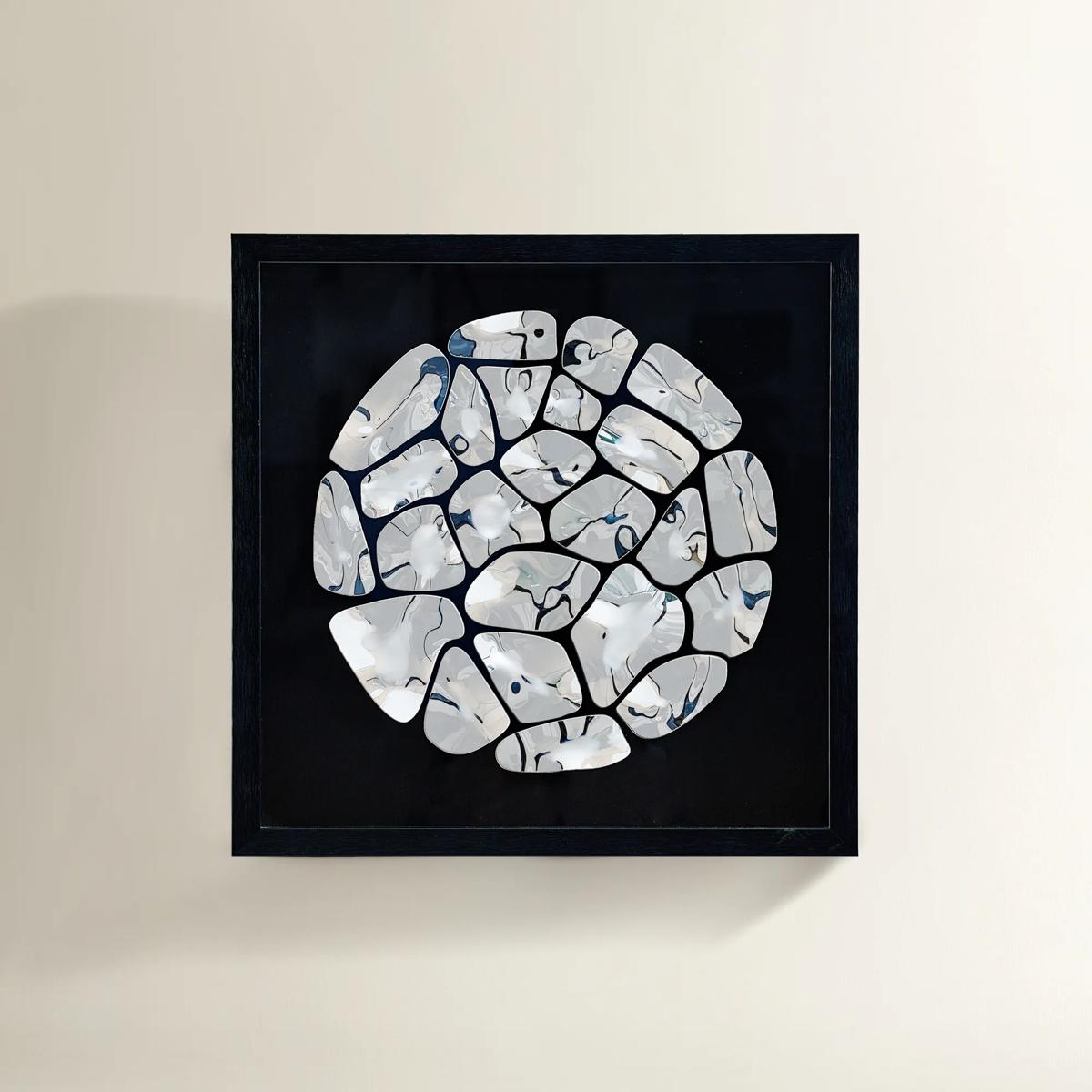
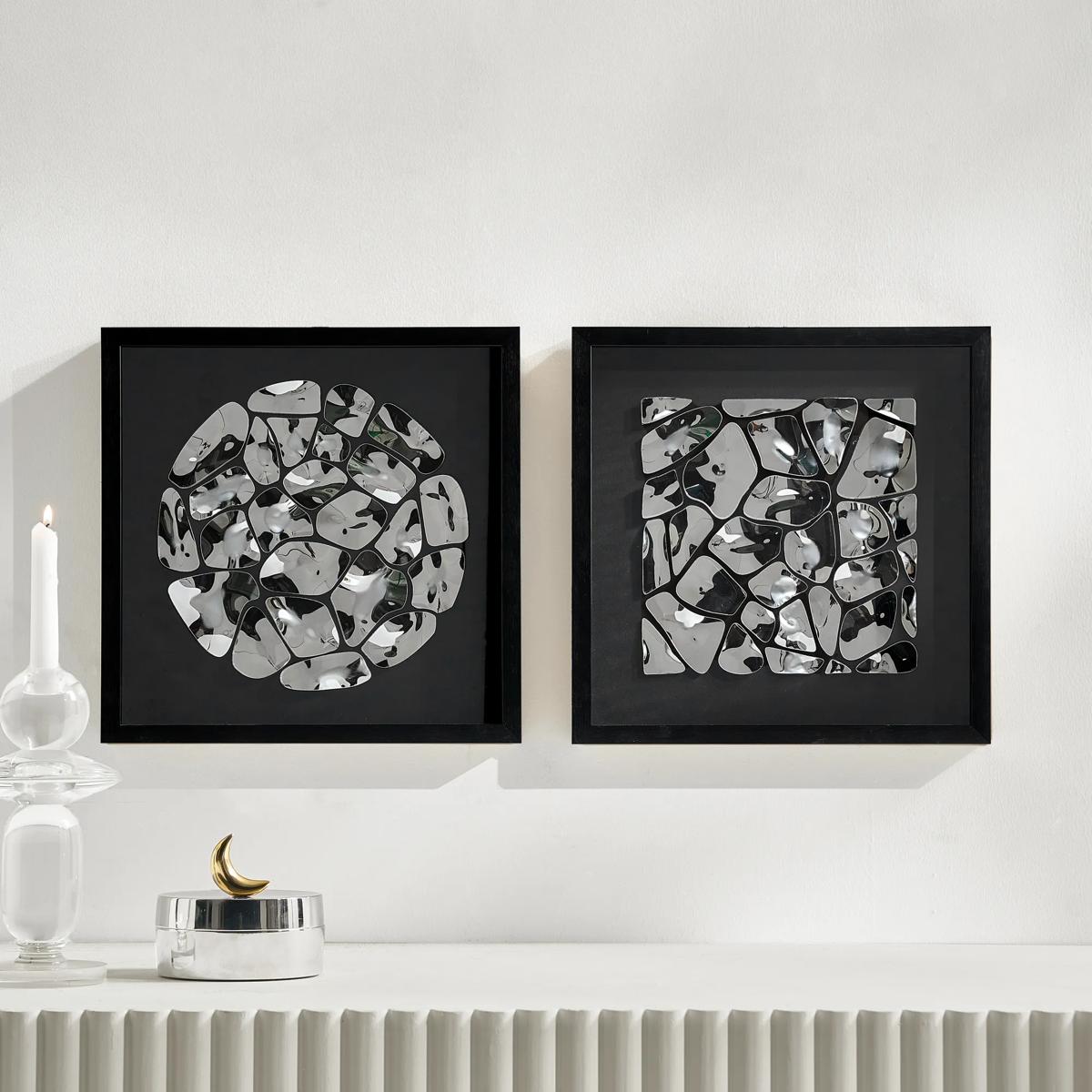 Reflect Silver And Black Shadowbox Art II$189
A dimensional metal wall art piece featuring polished silver and black forms in a sleek black frame.
Add To Cart -
-compressed.jpg?w=1200&h=1200) Etched in Silver$229
Etched in Silver$229An abstract hand-carved aluminum wall art featuring shimmering silver tones in a modern black alloy frame.
Add To Cart -
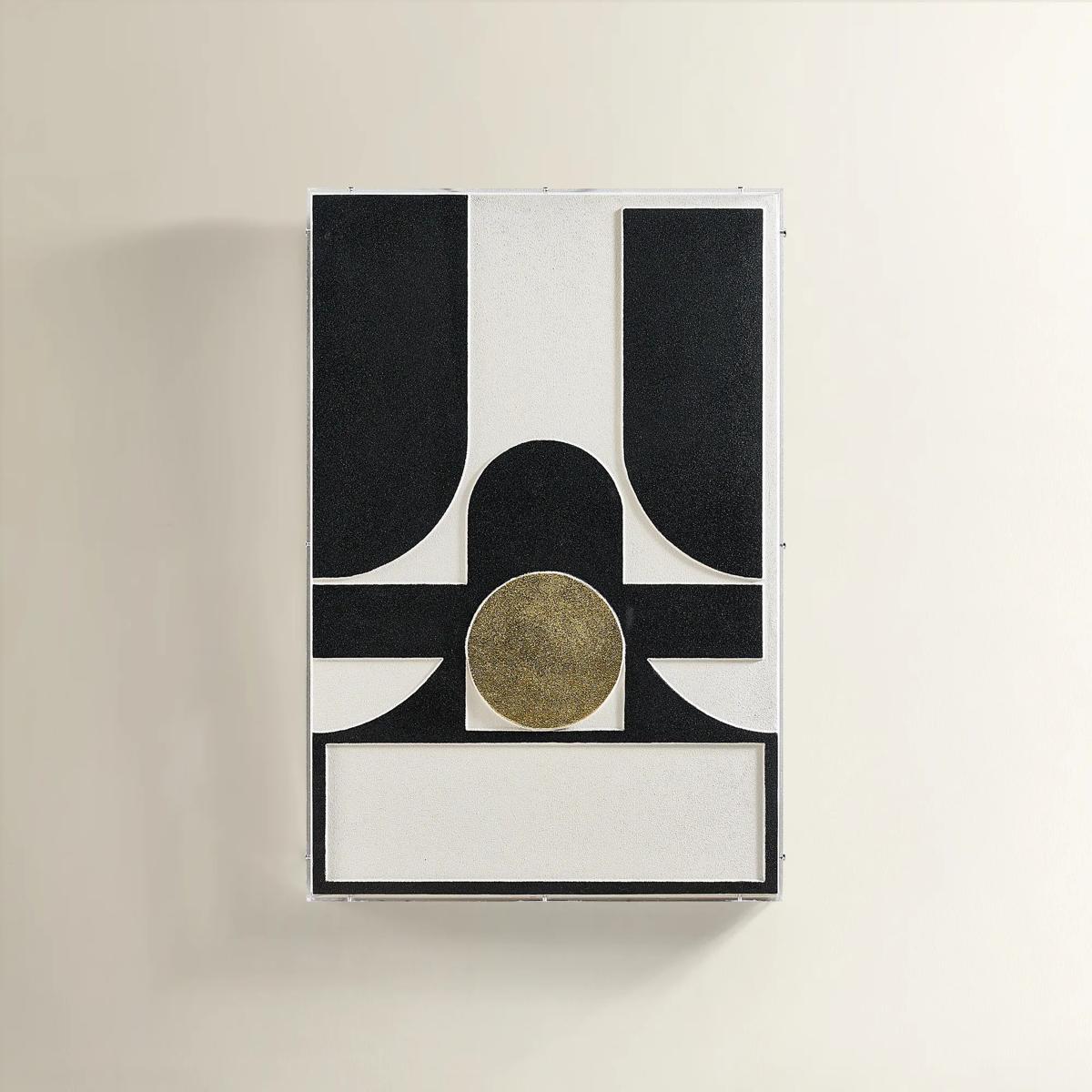
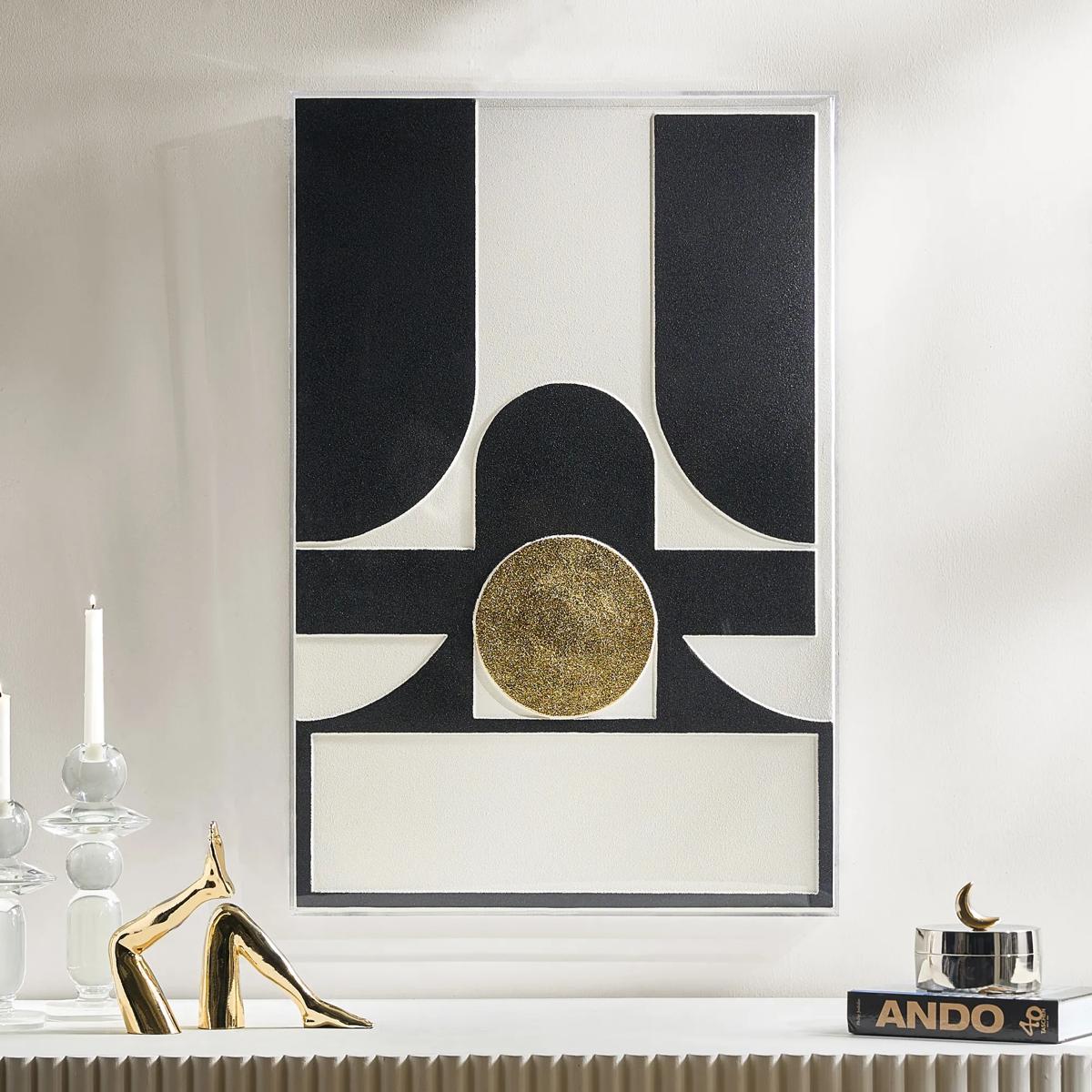 Siren Black And Gold Wall Decor in Acrylic 23.5" x 35.5"$299
A layered composition of black, ivory, and gold geometric forms set in a sleek acrylic shadow box.
Add To Cart -
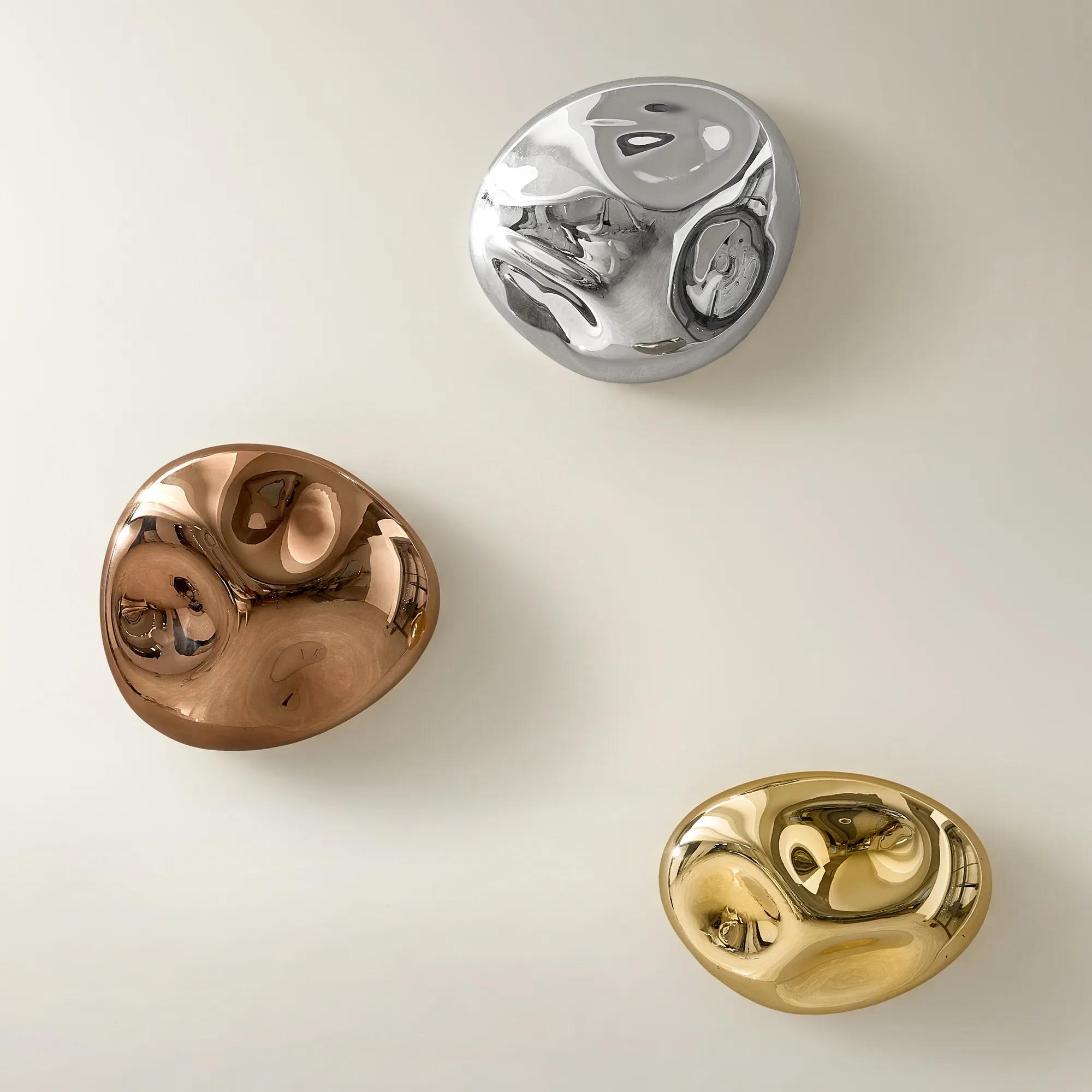
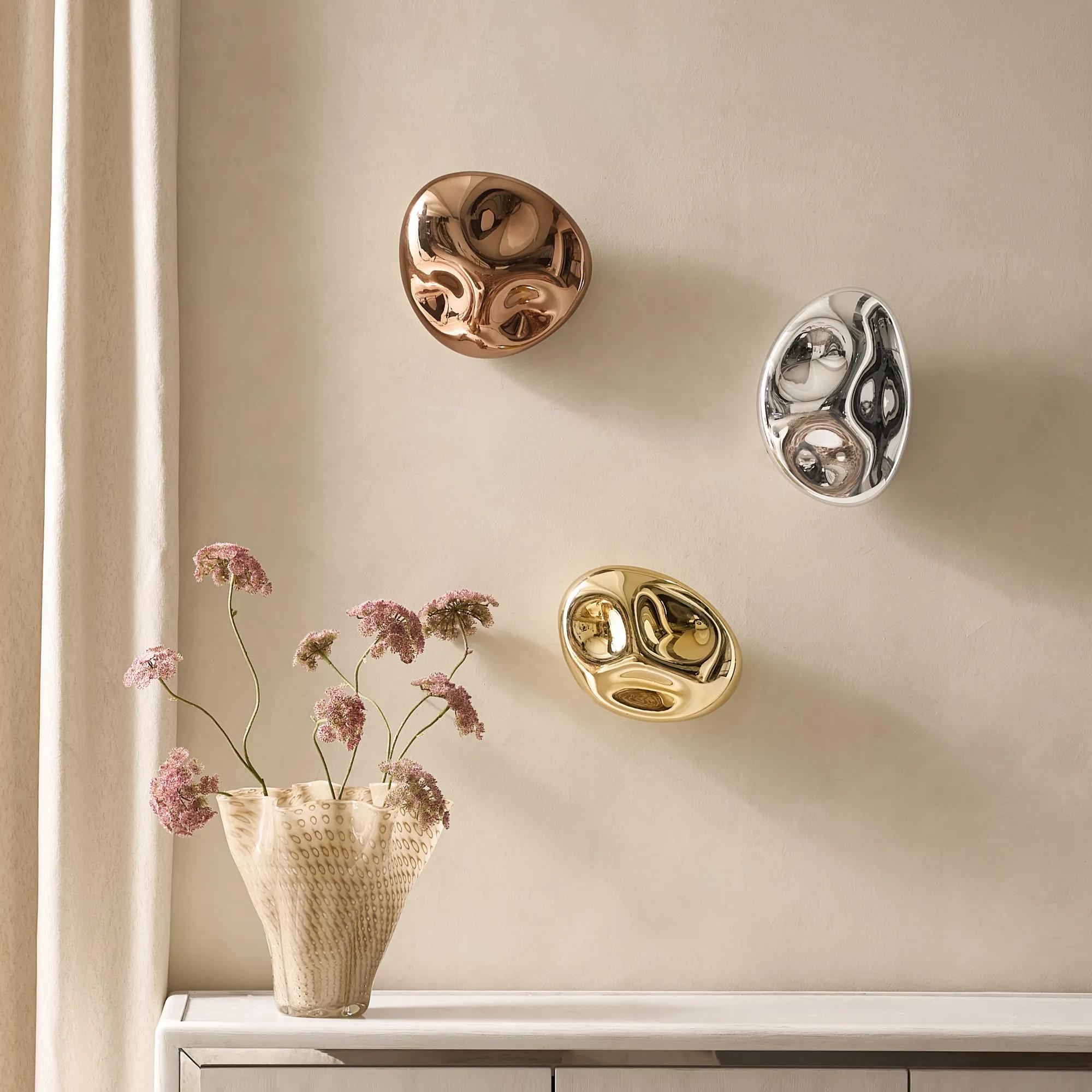 Nebula Electroplated Metallic Glass Wall Decor Set of 3$279
A set of three electroplated glass wall sculptures in polished silver, soft gold, and bronze tones.
Add To Cart -

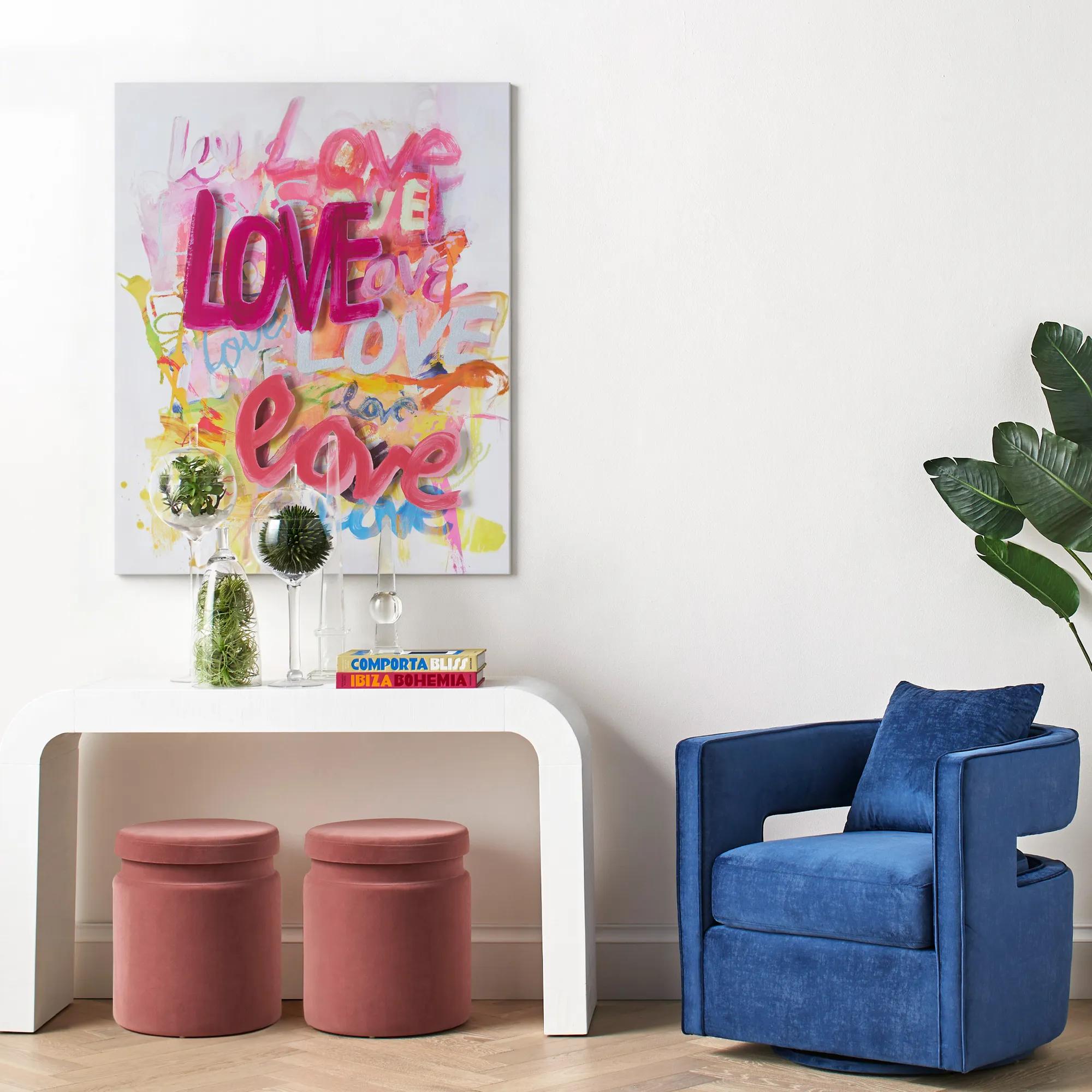 Love Is In The Air Wall Art 40" x 50"$1399
A vibrant giclee canvas print featuring hand-applied silver gilding and dimensional acrylic "Love" lettering.
Add To Cart -
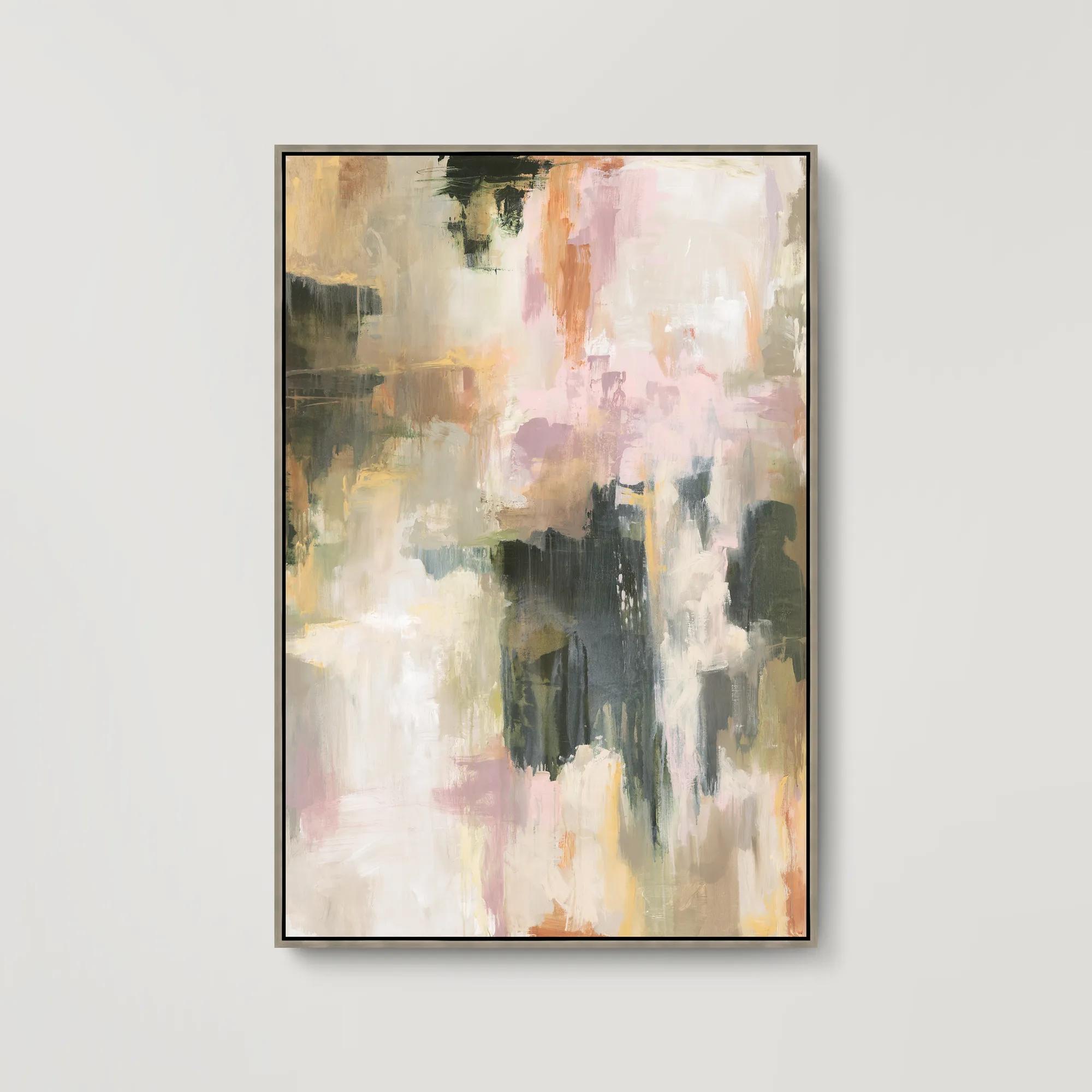
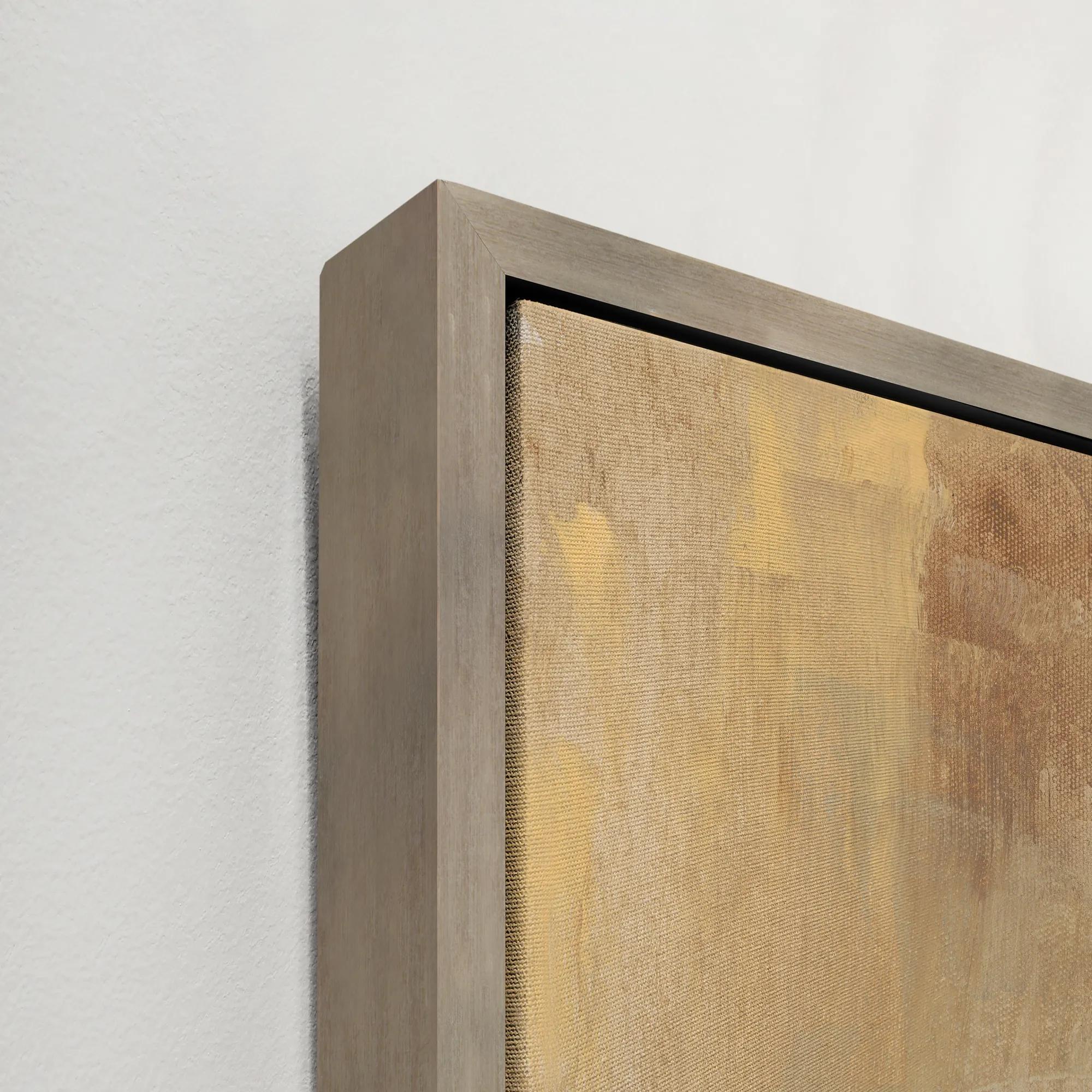 Sculpted Dreamscape Framed Wall Art 41.5" x 61.5"$999
A gallery-wrapped canvas artwork featuring a hand-applied gel finish and a sleek silver floater frame.
Add To Cart -
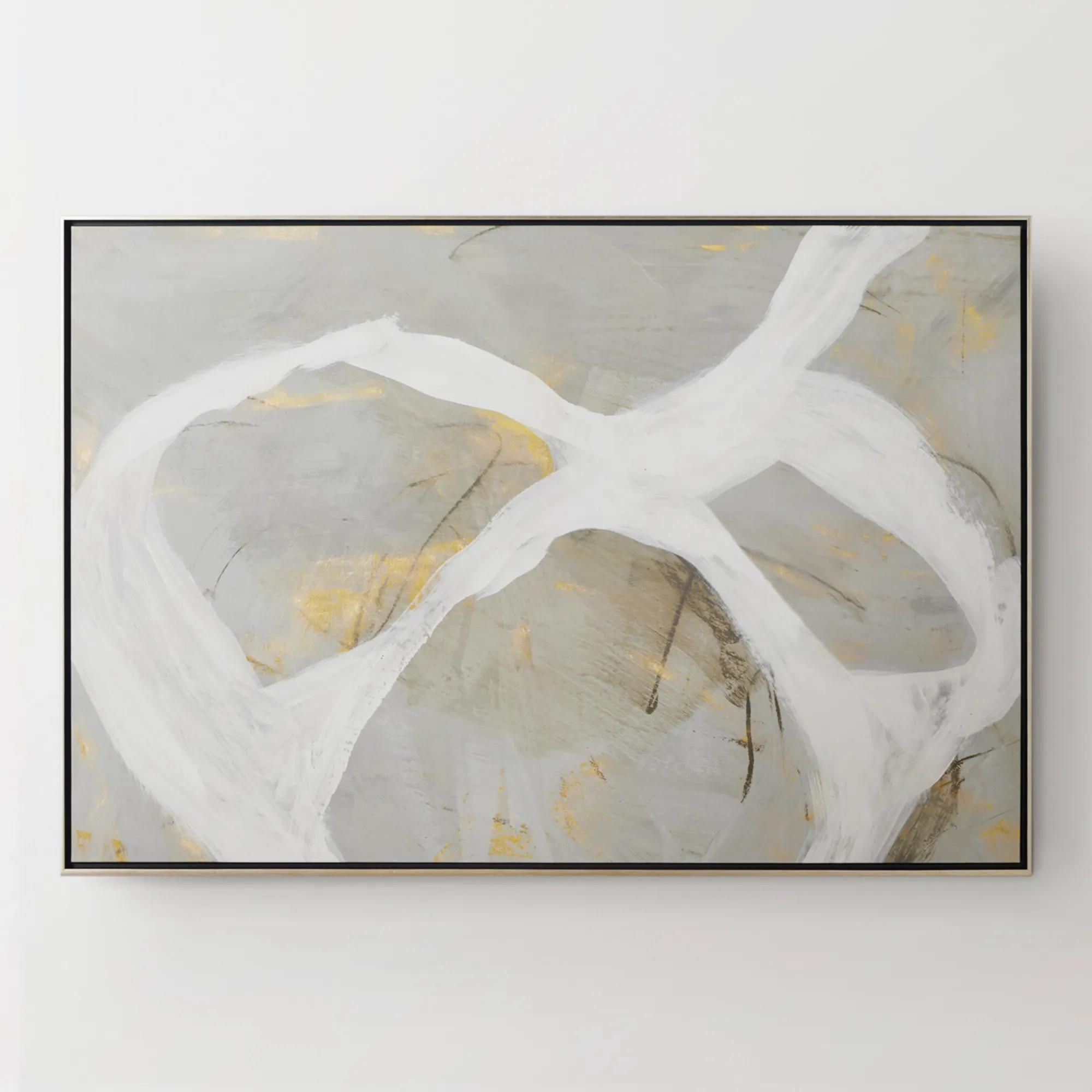
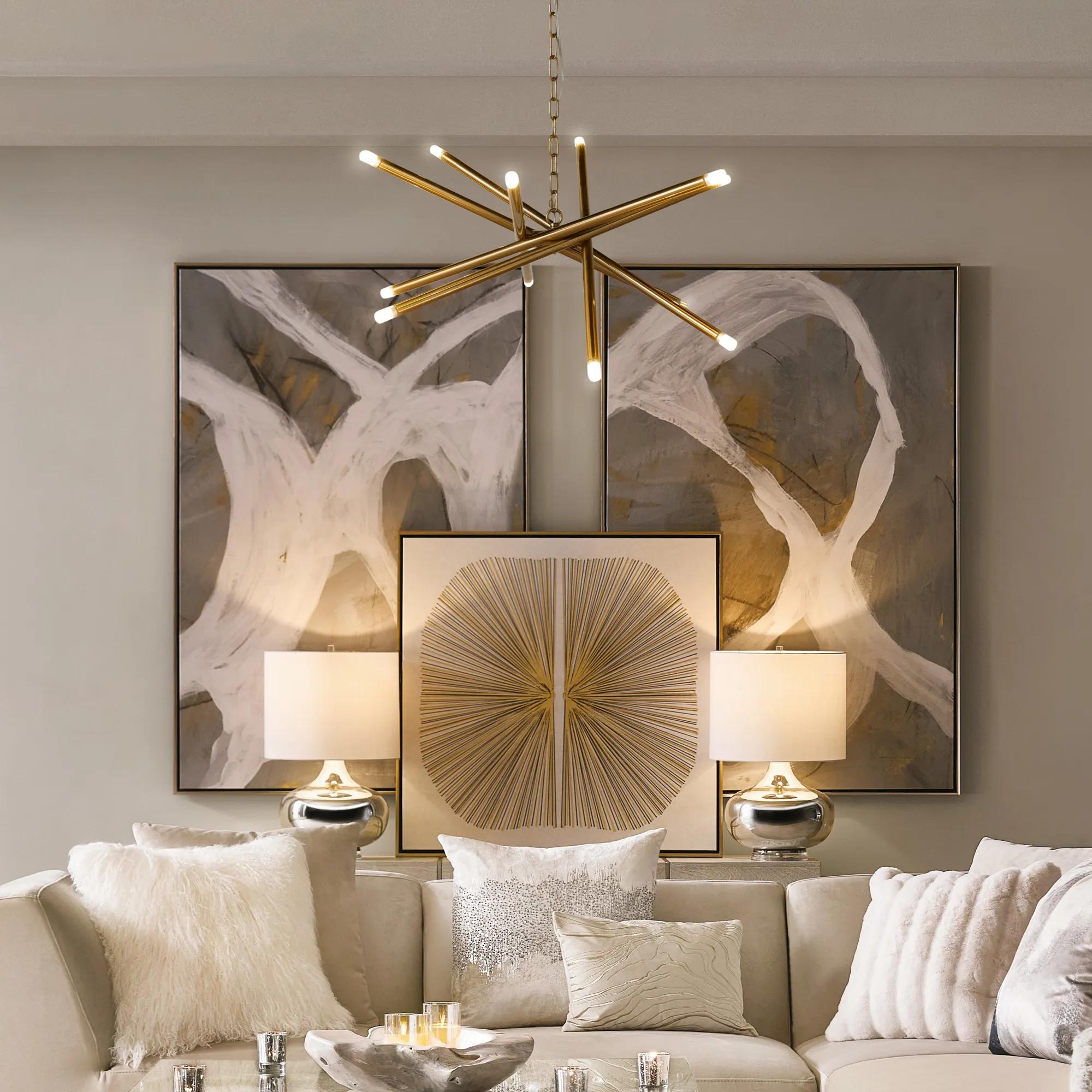 Les Series Framed Painted Wall Art I 61" x 41"$1099
An abstract canvas artwork featuring bold brushstrokes, hand-applied gold accents, and a silver floater frame.
Add To Cart -
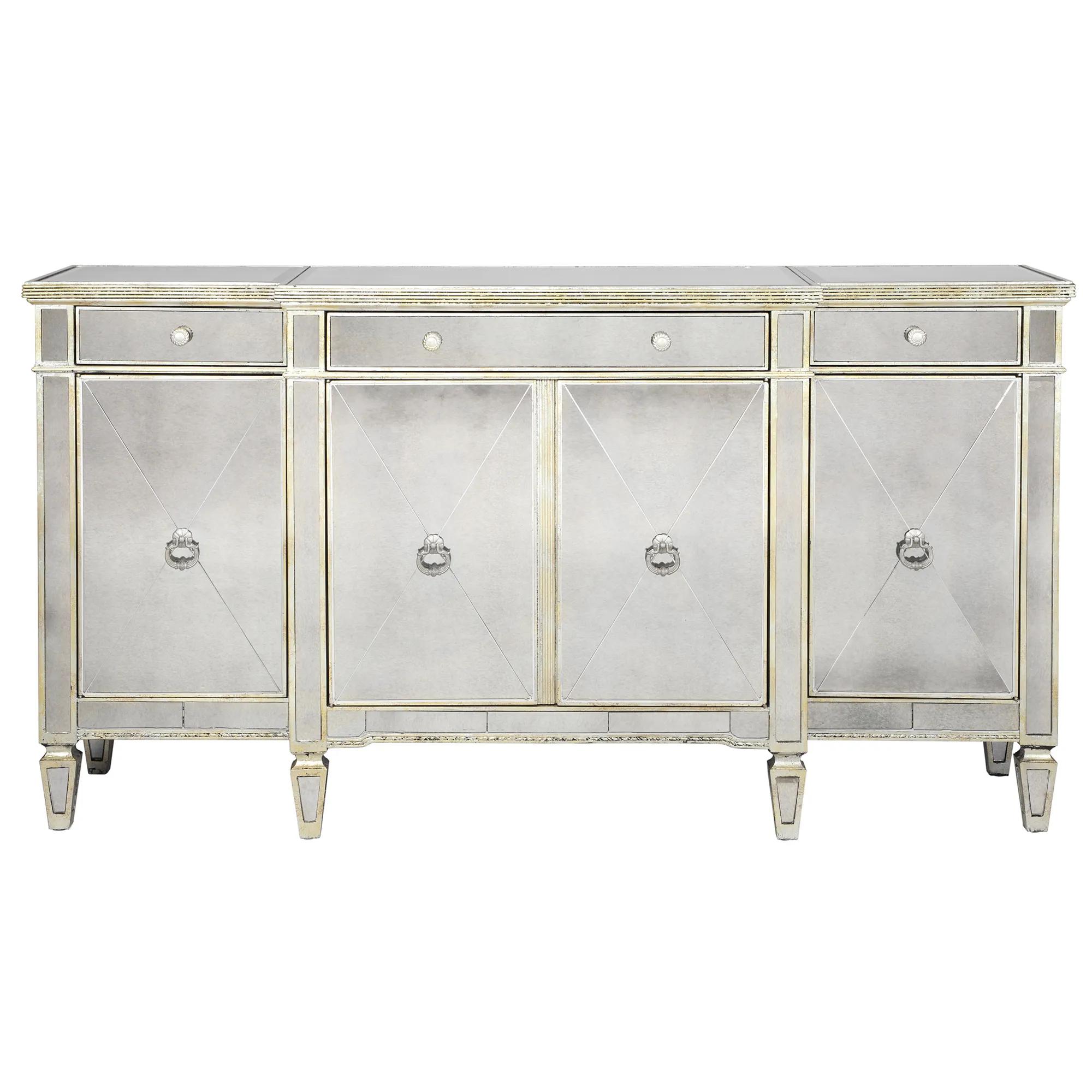 Borghese Mirrored Silver 3-Drawer Buffet (70")$2199
A sophisticated mirrored buffet featuring antique beveled glass, champagne gilt wood trim, and hand-applied silver leaf.
Add To Cart -
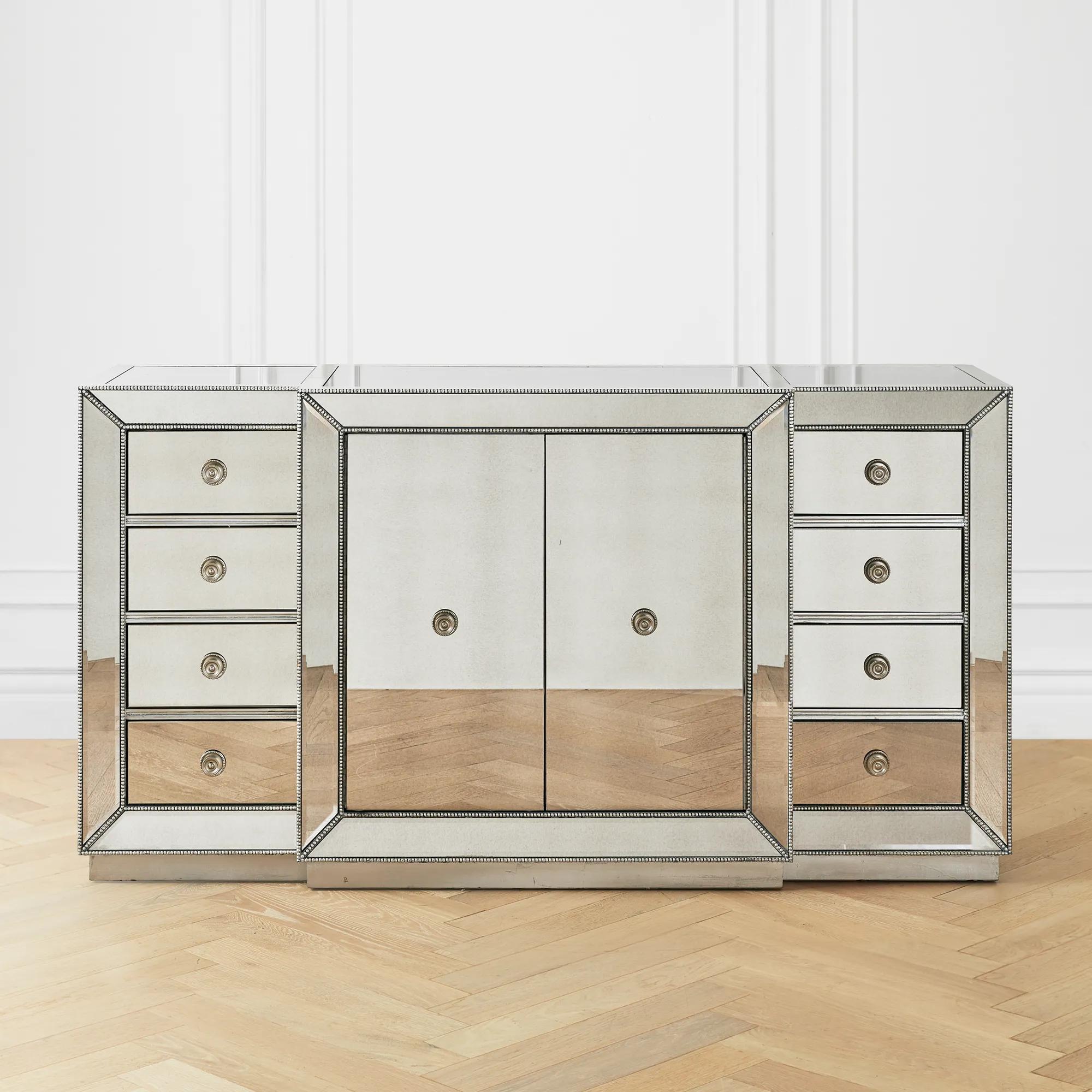 Omni Mirrored Silver 8-Drawer Buffet (72")$2499
A glamorous buffet featuring antique beveled mirrored panels, hand-applied silver leaf, and silver beaded trim.
Add To Cart -
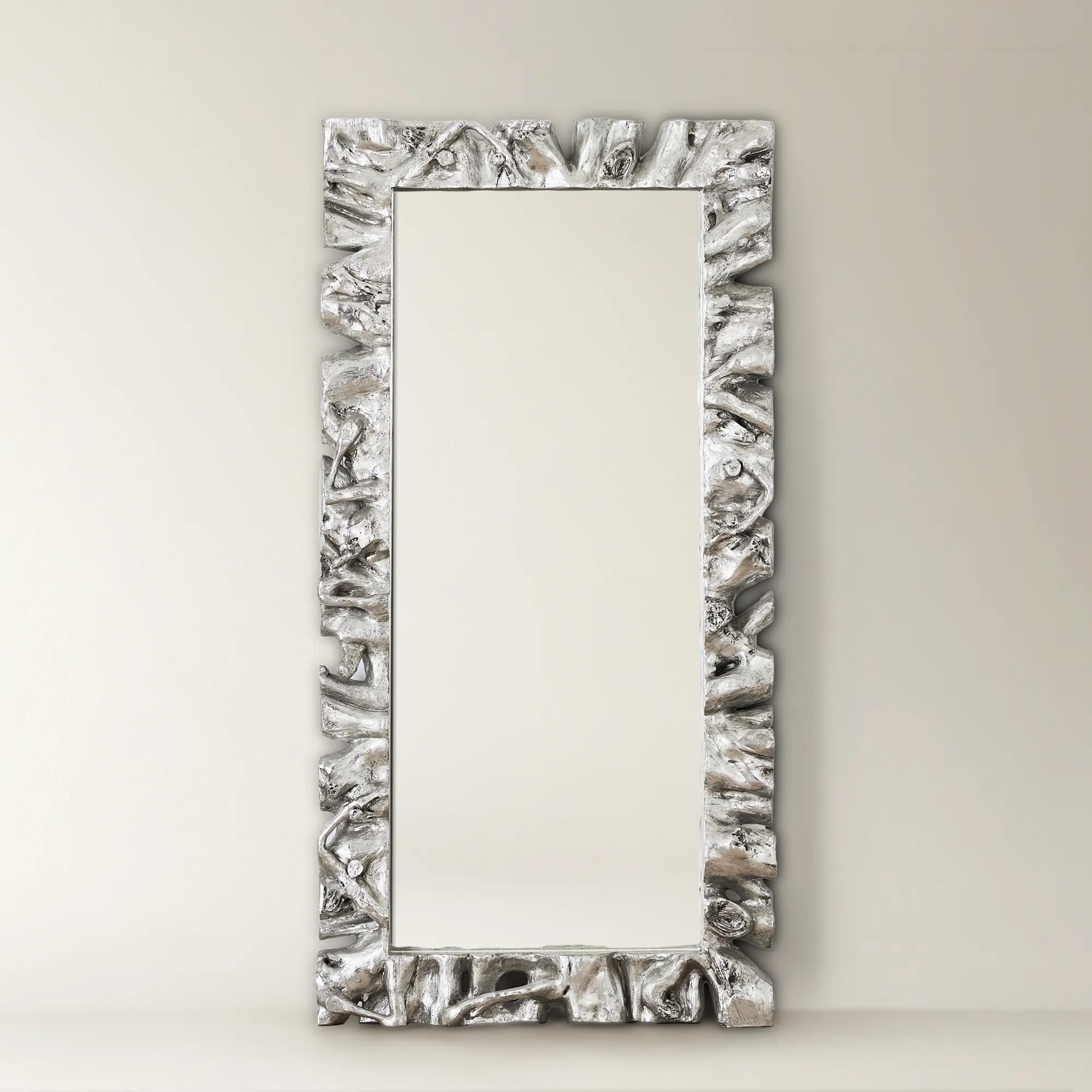 Sequoia Silver Resin Rectangular Floor Mirror 39'' x 78''$1399
A sculptural leaner mirror featuring acacia root-inspired fiber resin and a shimmering metallic leaf finish.
Add To Cart

Silver Wall Art For Dining Rooms
Silver wall art for dining rooms transforms gatherings into grand experiences, casting an irresistible shimmer that elevates every meal to a celebration. Imagine sculptural forms and gleaming metallics catching the light—each piece a conversation starter, each detail a stroke of artistry. In spaces where stories unfold and flavors mingle, silver wall art becomes the jewelry of the room, reflecting sophistication and infusing your dining area with an undeniable sense of occasion. Let your walls dazzle with luminous allure, setting the stage for unforgettable moments and expressive living.
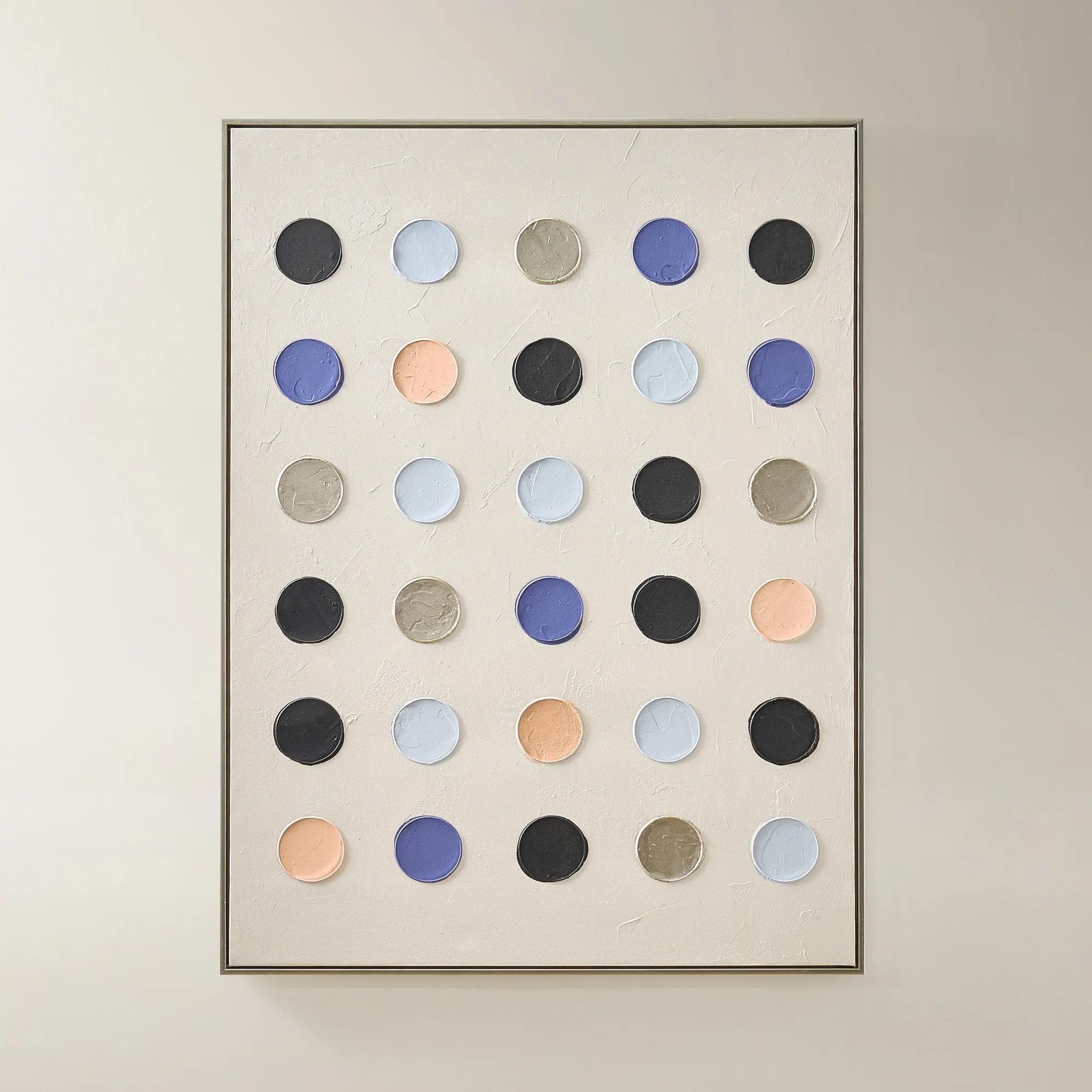
Silver wall art brings a luminous, sophisticated presence to the dining room, transforming an often-overlooked wall into part of the evening’s atmosphere. With its ability to reflect natural daylight and catch the glow of chandeliers, sconces, and candlelight, silver artwork can make a dining space feel brighter, more layered, and beautifully composed. The effect may be sleek and architectural, richly textured, or unapologetically dramatic, depending on the finish and form. Look for abstract compositions with hand-applied metallic details, dimensional metal sculptures with open space and sculptural movement, layered discs that create a sense of rhythm, or mixed-media designs that combine silver tones with charcoal, ivory, champagne, glass, stone, or mirrored accents. Brushed and antiqued finishes tend to offer a softer, more collected impression, while polished metal and high-shine surfaces deliver a sharper, more glamorous statement. For dining rooms filled with wood, linen, or woven textures, reflective wall art introduces contrast without overwhelming the warmth of the setting. In a room already rich with lacquer, glass, or mirror, a piece with hammered texture, organic contours, or tonal variation can add depth and keep the look from feeling too uniform. Silver artwork is especially striking above a buffet, sideboard, bar cabinet, or console, where it can anchor the room and create a finished backdrop for gatherings, intimate dinners, and leisurely celebrations. It also makes a memorable gift for hosts, newlyweds, new homeowners, or anyone beginning to shape a dining room with a more expressive point of view. Unlike tabletop accents that may be rearranged from season to season, wall art becomes part of the room’s identity, offering a lasting gesture of style with every meal shared beneath it.
Scale and placement are essential when selecting silver wall art for dining rooms. As a reliable visual guideline, choose a single piece or coordinated grouping that spans approximately 60% to 75% of the width of the dining table, buffet, or sideboard beneath it. This proportion allows the artwork to feel intentional and substantial without appearing crowded or undersized. A petite dining area may benefit from one concentrated composition, while a larger room can accommodate a multi-panel arrangement, a generously scaled abstract canvas, or a dimensional metal installation that spreads across the wall with sculptural drama. When hanging art above furniture, leave roughly 6 to 8 inches between the top of the furniture and the bottom edge of the artwork, adjusting slightly for especially tall or visually delicate pieces. In open wall areas without a console or buffet, position the center of the artwork approximately 57 to 60 inches from the floor, taking the average eye level of the room into account. Dining rooms often include seated sightlines, so artwork should feel present without becoming a visual obstruction or competing with conversation across the table. Before installation, use paper templates or painter’s tape to map the outer edges of a grouping; this simple step makes it easier to judge proportion from the entryway, from the dining chairs, and from adjoining rooms. For heavier metal or framed pieces, use hanging hardware rated for the artwork’s weight and the wall type, securing multiple connection points when recommended. Silver finishes are naturally responsive to their surroundings, which makes lighting part of the design. Place reflective art where it can catch the warm glow of a chandelier, the focused illumination of wall sconces, or the changing light from a nearby window. A softly brushed surface may shimmer throughout dinner, while a polished finish can create bold flashes of light and amplify the drama of a glamorous tablescape. Avoid positioning highly reflective pieces directly opposite intense lighting if glare may distract from the room; angled placement can preserve the radiance while creating a more comfortable visual experience.
The beauty of silver wall art lies in its versatility across dining room styles and occasions. In a contemporary setting, a sculptural metal composition can echo clean-lined furniture, dark woods, smoked glass, and tailored upholstery, giving the room a gallery-like finish. In a more transitional or collected space, antiqued silver, layered texture, and irregular forms introduce quiet character beside traditional molding, upholstered dining chairs, and a substantial wood table. For a glamorous dining room, pair luminous wall art with velvet, crystal, lacquer, or mirrored details so the entire setting glows with a sense of occasion. Silver can also temper stronger color stories: against deep blue, emerald, plum, or black, it feels rich and cinematic; beside cream, taupe, warm gray, or natural wood, it creates a brighter, more tranquil contrast. Consider the surrounding palette when comparing undertones, since some metallic finishes lean cool and pewter-like while others carry warmer champagne or antique notes. The most successful arrangement usually repeats a finish or shape elsewhere in the room without matching every detail exactly. A silver frame may relate to cabinet hardware, a metallic sculpture may echo the curve of a chandelier, or a textured finish may complement a rug beneath the table. For additional dimension underfoot, coordinate the wall with Silver Rugs For Dining Rooms, choosing complementary tones and patterns that ground the dining area without competing with the art above. During the warmer seasons, silver surfaces can reflect abundant daylight and bring an airy brilliance to relaxed lunches and open-window gatherings. As the weather cools, the same artwork takes on a richer mood beneath layered lighting, glowing beside candlelit dinners and beautifully set tables. Whether chosen as a singular focal point or arranged as an artful collection, silver wall art gives the dining room a distinct point of view—one that welcomes guests, elevates everyday rituals, and turns every shared meal into a more memorable moment.
FAQs
Silver wall art brings a luminous, sophisticated energy to dining spaces, reflecting light and adding a sense of depth and drama. Its gleaming finish can amplify both natural and artificial lighting, creating a dynamic backdrop for gatherings and elevating everyday meals into memorable occasions.
Silver wall art is remarkably versatile, complementing a wide range of styles—from the rich ornamentation of classic, formal dining rooms with antique fireplace mantels to sleek, contemporary spaces with minimalist lines. It pairs beautifully with bold color palettes, monochromatic schemes, or even the interplay of black, white, and silver for a striking, modern look.
Absolutely. Silver wall art makes an exceptional gift for housewarmings, weddings, anniversaries, or milestone celebrations. Its timeless elegance and ability to transform a space ensure that it will be cherished and admired for years to come.
To create a harmonious look, consider layering silver wall art with complementary textures and finishes—such as velvet dining chairs, mirrored furniture, or luxurious 108 inch curtains. For added depth, pair your art with a plush silver rug or metallic accessories to create a cohesive, gallery-inspired atmosphere.
Silver wall art sets a mood of refined glamour and understated opulence. It invites a sense of celebration, encouraging guests to linger and enjoy the artistry of their surroundings. Whether you’re hosting a grand dinner party or an intimate gathering, silver wall art ensures every meal feels like a special occasion.