Silver Wall Decor For Open Spaces
Silver Wall Decor For Open Spaces
-
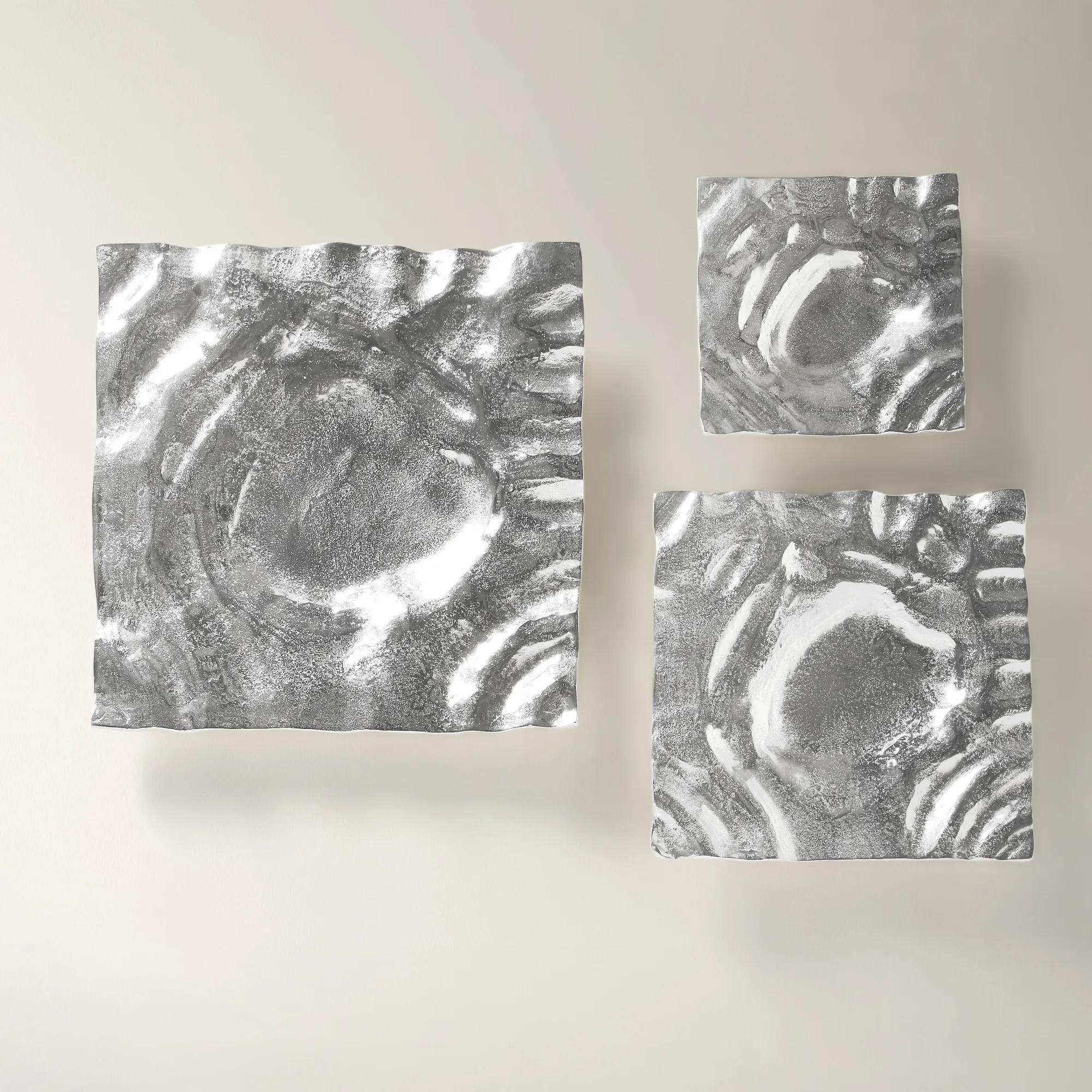
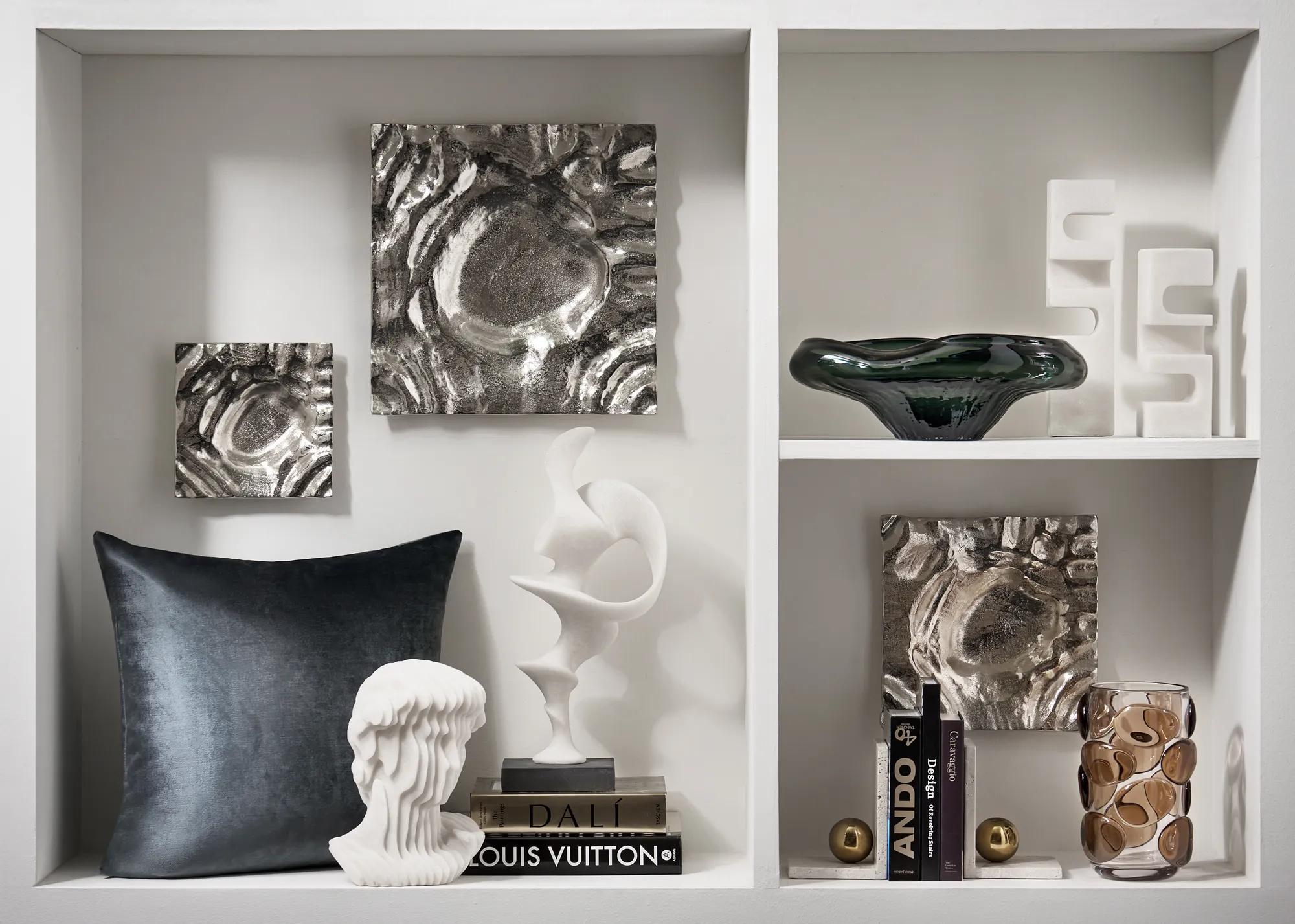 Cascade Wall Art - Set of 3$119
A set of three silver aluminum wall art pieces featuring textured surfaces that reflect and play with light.
Add To Cart -
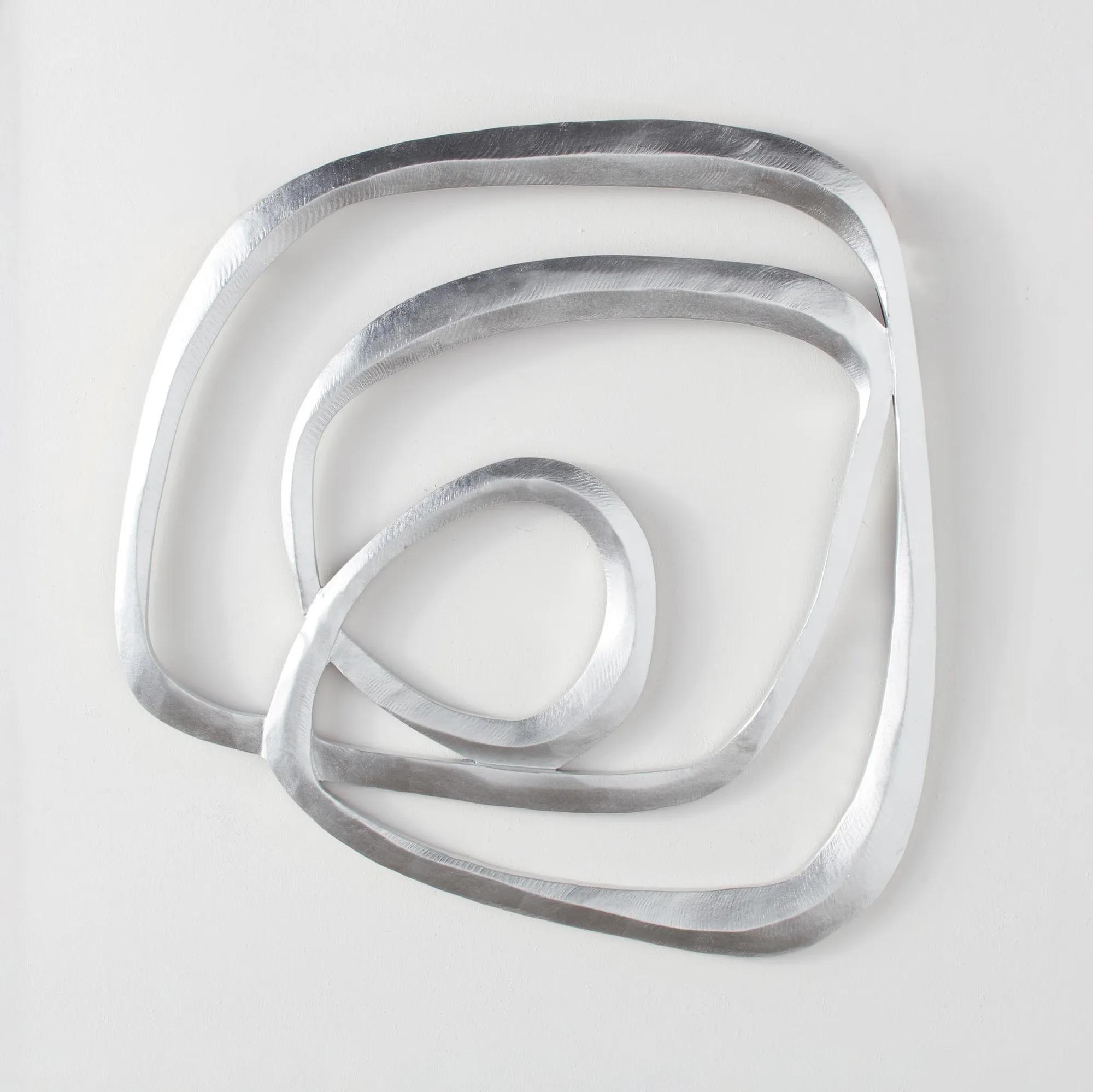 Infinity Silver Leaf Wood Wall Decor II 31.5" x 31.5"$299
A swirling wooden wall sculpture featuring a striking metallic silver finish for modern visual impact.
Add To Cart -
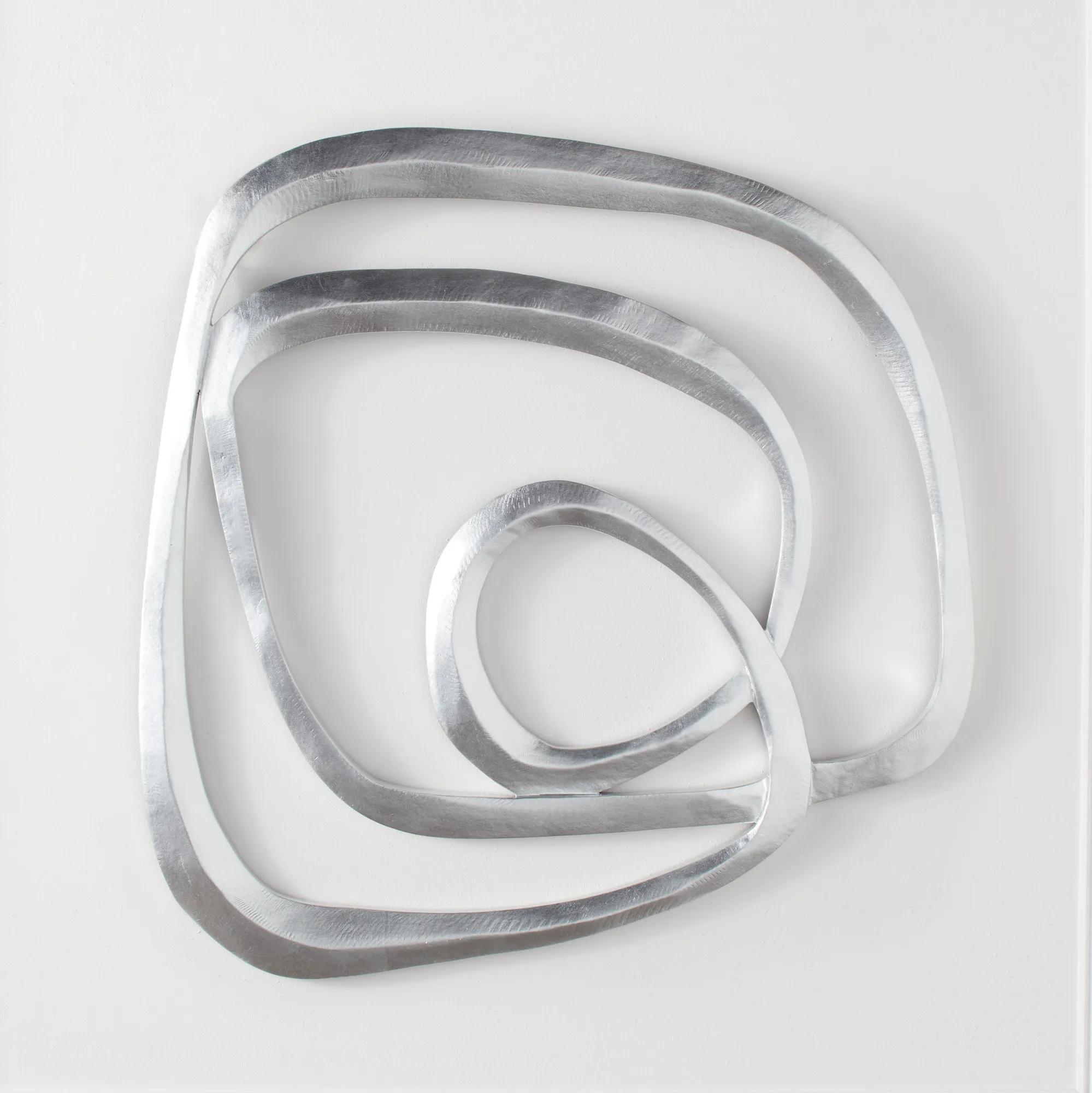 Infinity Silver Leaf Wood Wall Decor I 31.5" x 31.5"$299
A swirling wooden wall sculpture featuring a striking metallic silver finish for modern visual impact.
Add To Cart -
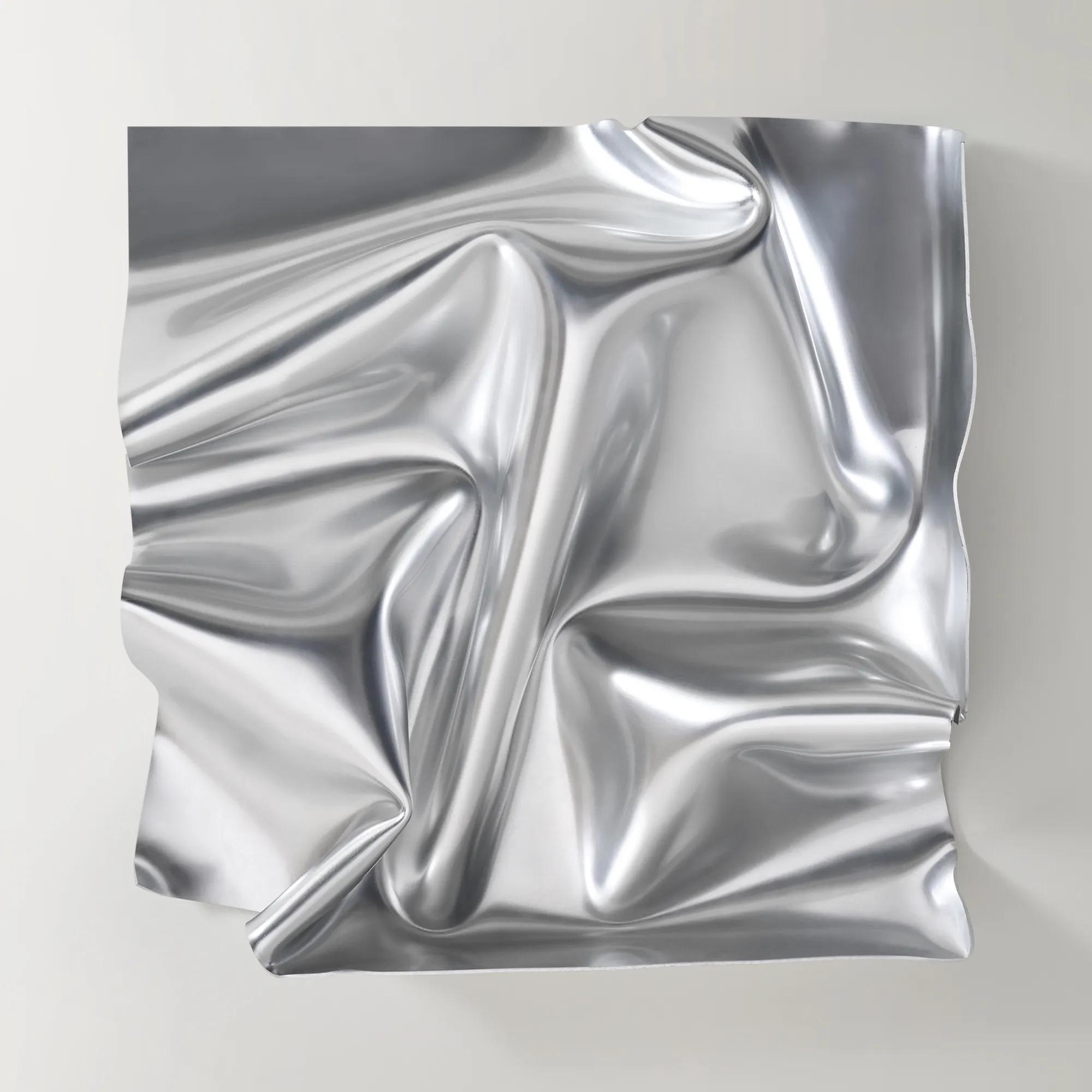
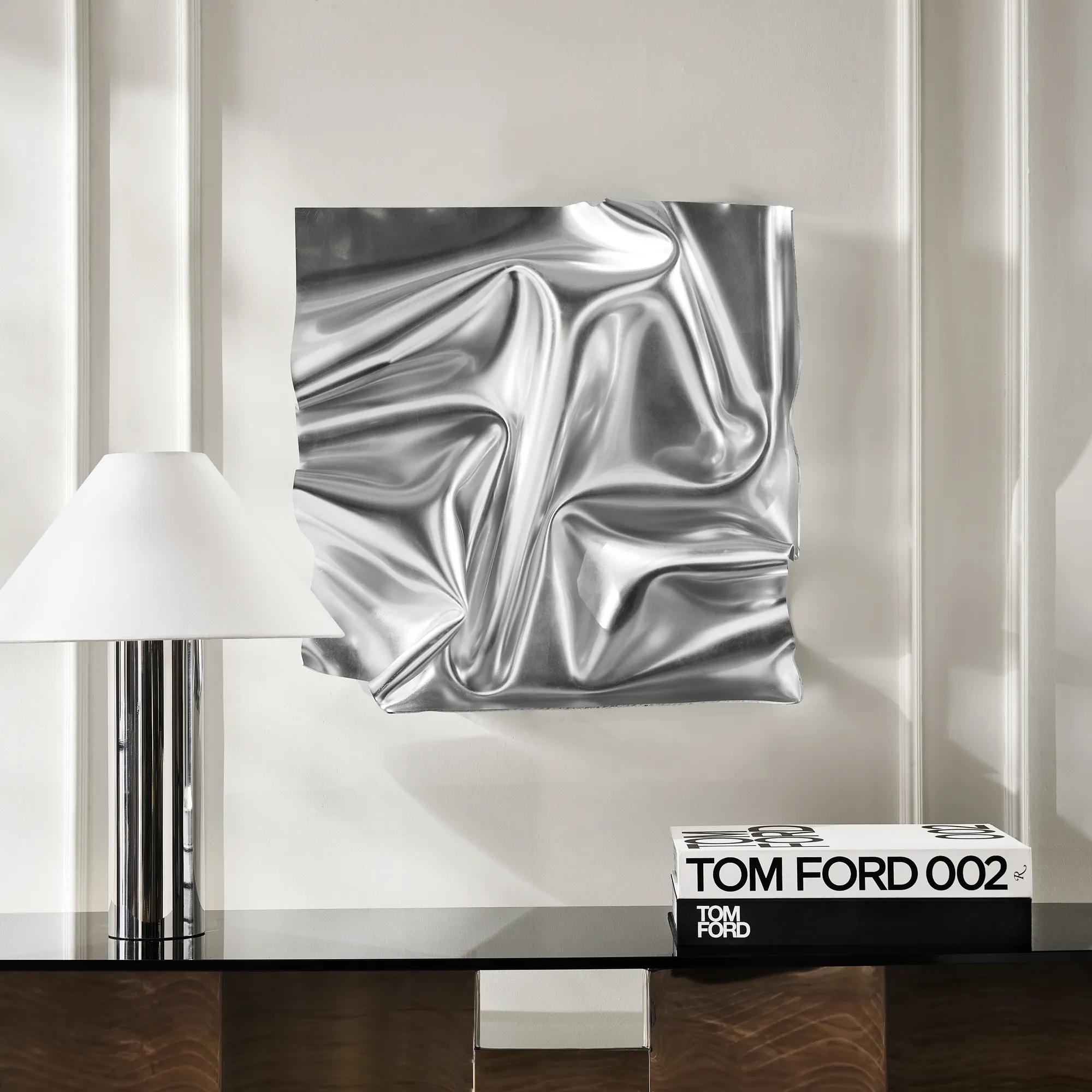 Surface Sculpted Silver Leaf Acrylic Wall Decor 23.6" x 23.6"$189
A striking acrylic wall piece featuring fluid, reflective silver shapes for dramatic, modern visual impact.
Add To Cart -
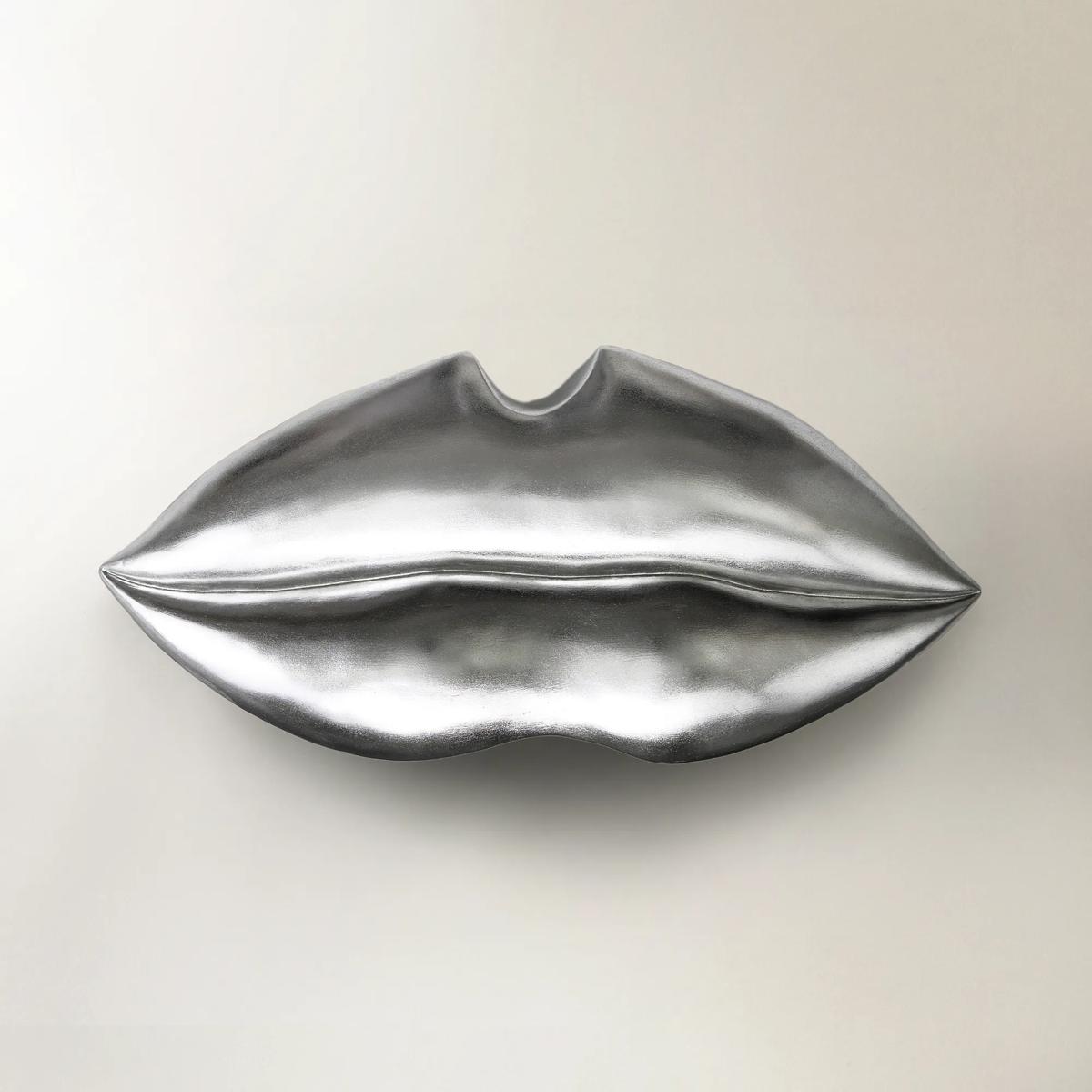 Grand Lips Silver Poly Resin Wall Decor 27.5" x 12.5"$99
A playful resin sculpture in sleek silver, perfect for adding modern flair to any space.
Add To Cart -
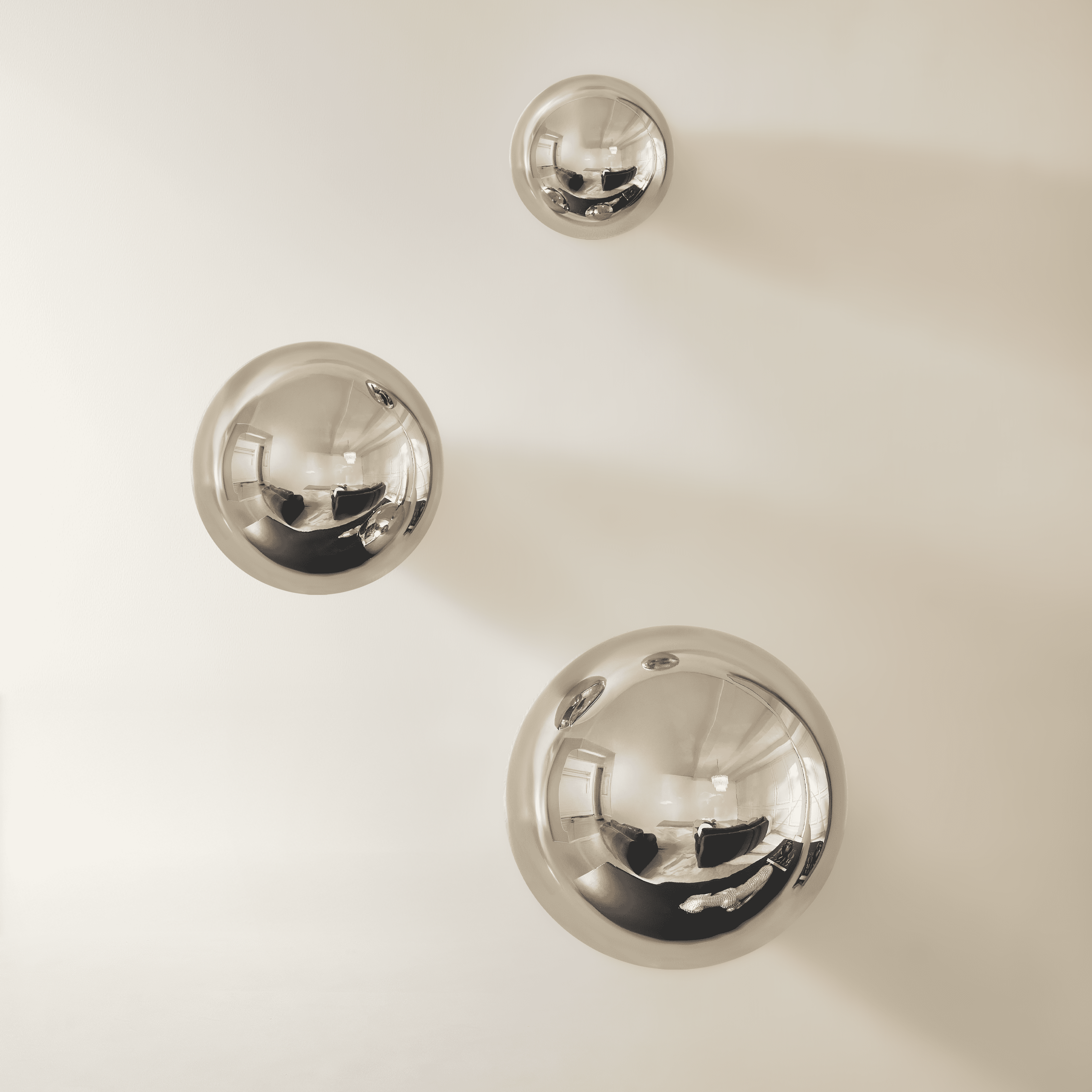
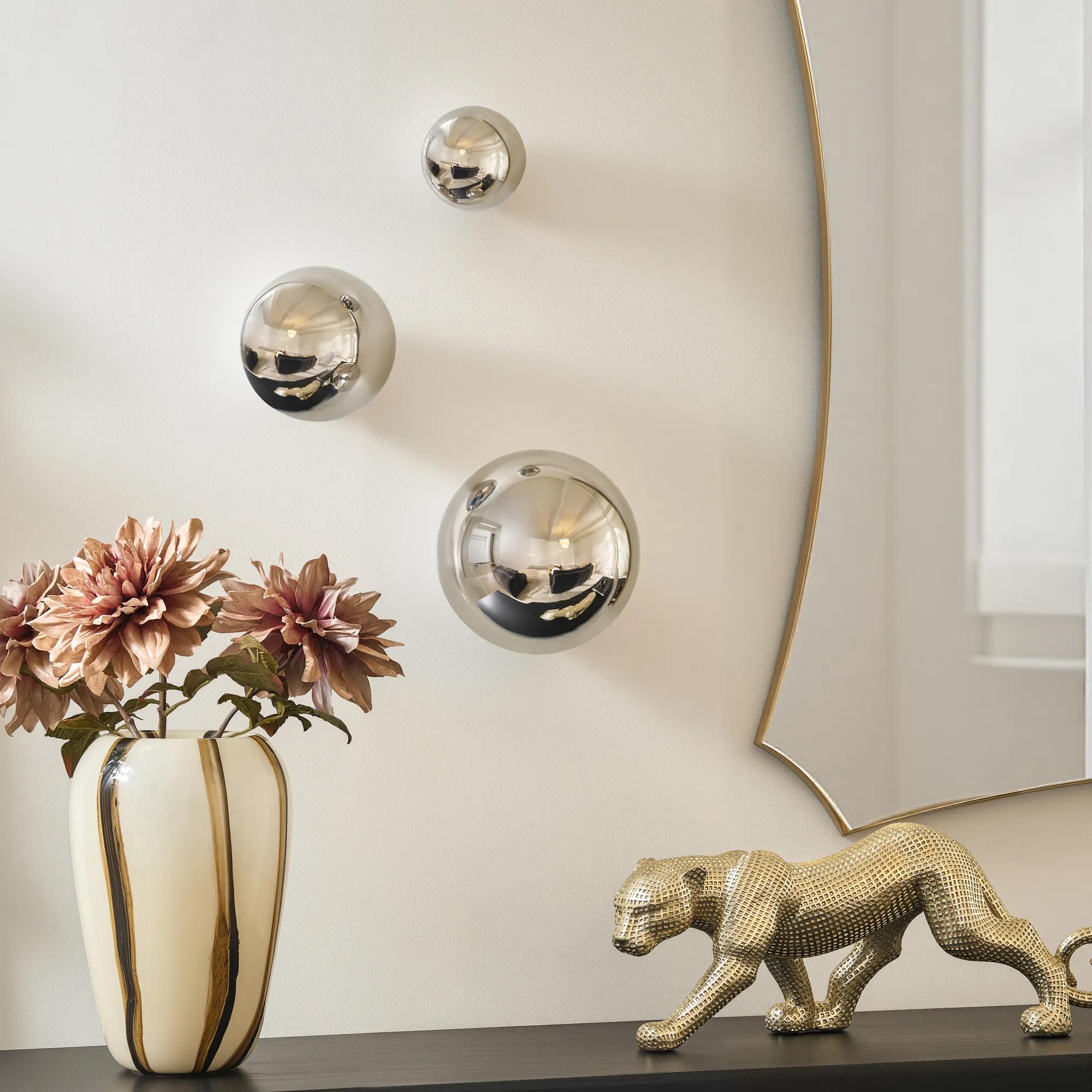 Chrome Spheres Stainless Steel Wall Decor Set of 3$129
A set of three polished chrome stainless steel spheres adds modern sculptural shine to any wall display.
Add To Cart -
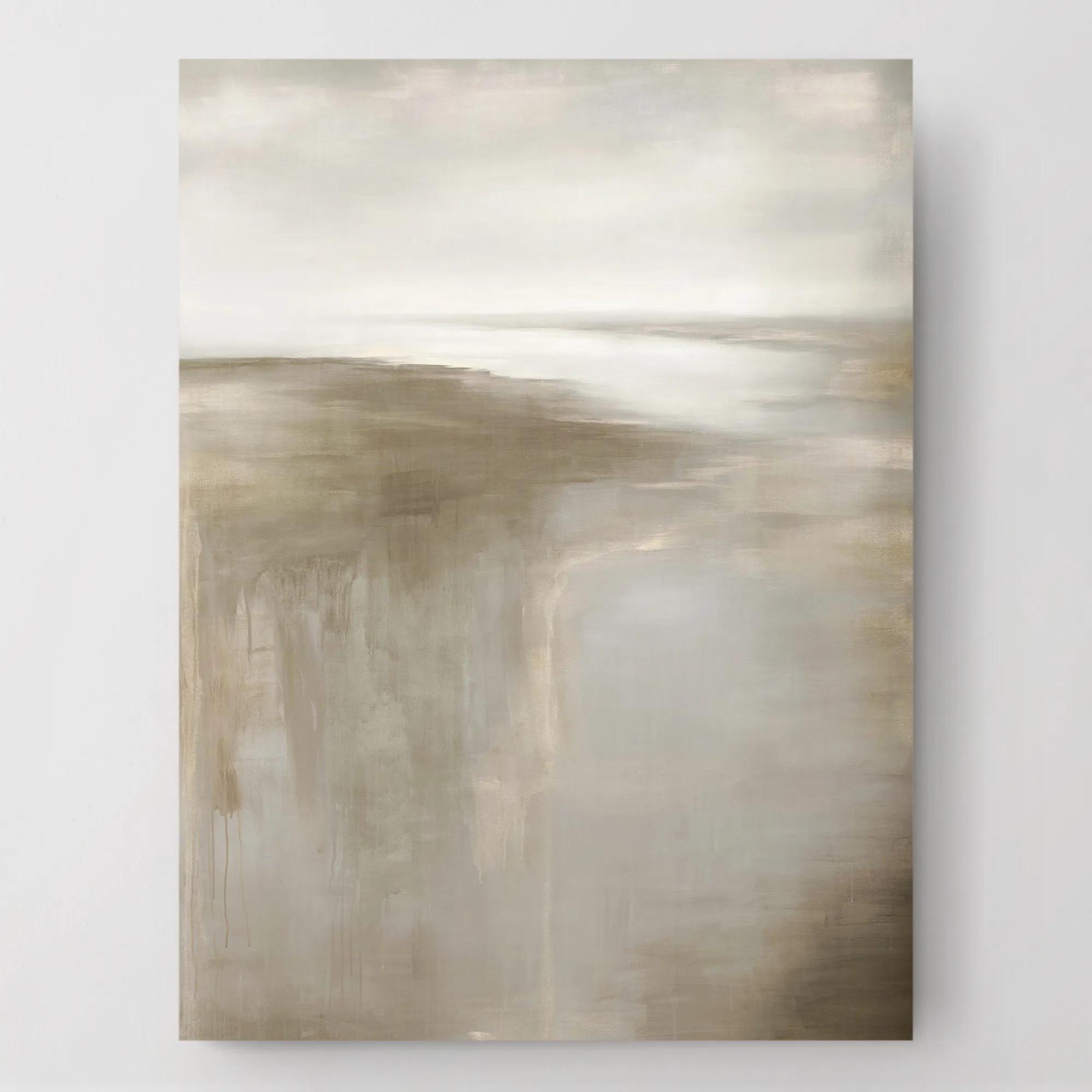
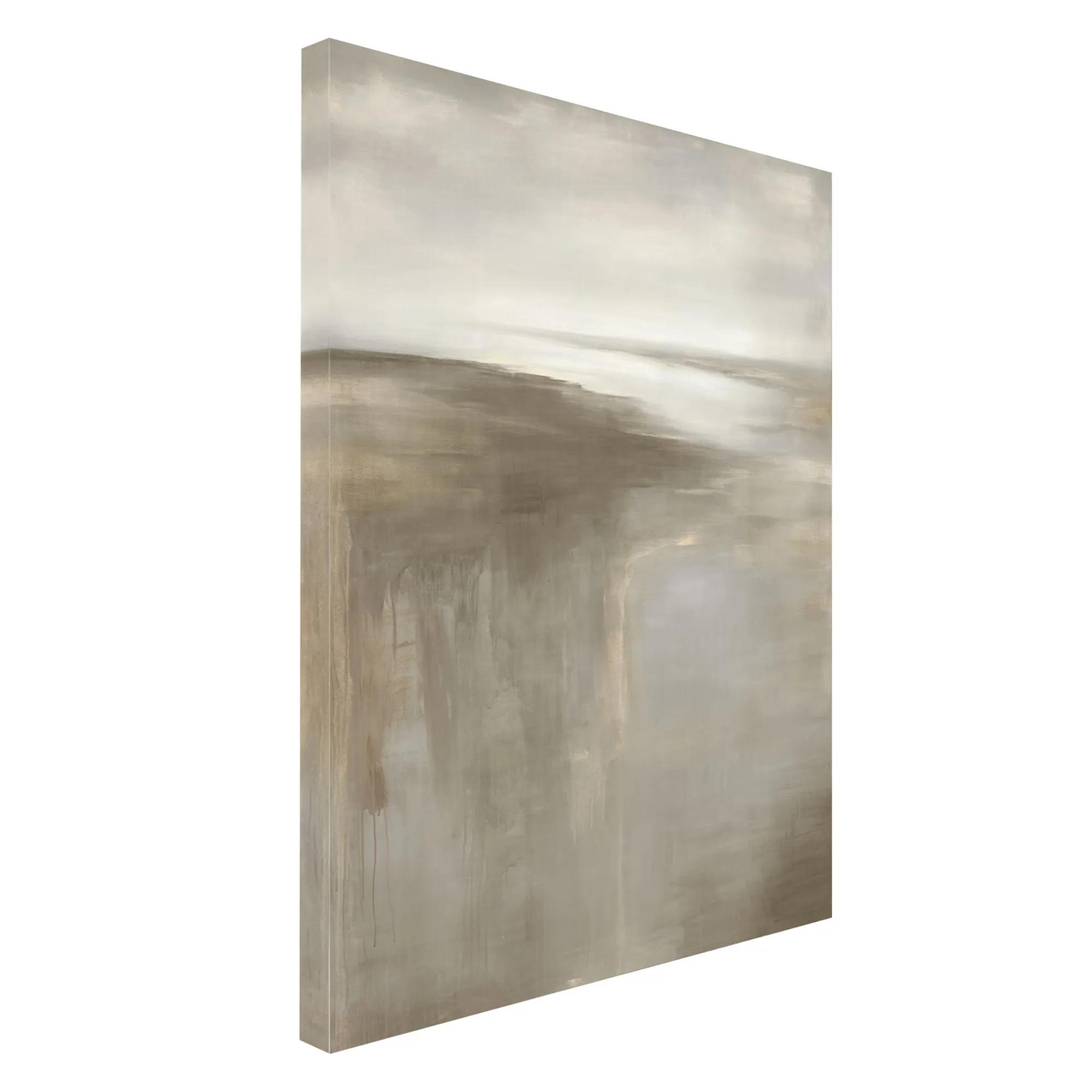 Silver Morning Wall Art 30" x 40"$449
A gallery-wrapped silver canvas artwork featuring a hand-applied image brush gel finish.
Add To Cart -
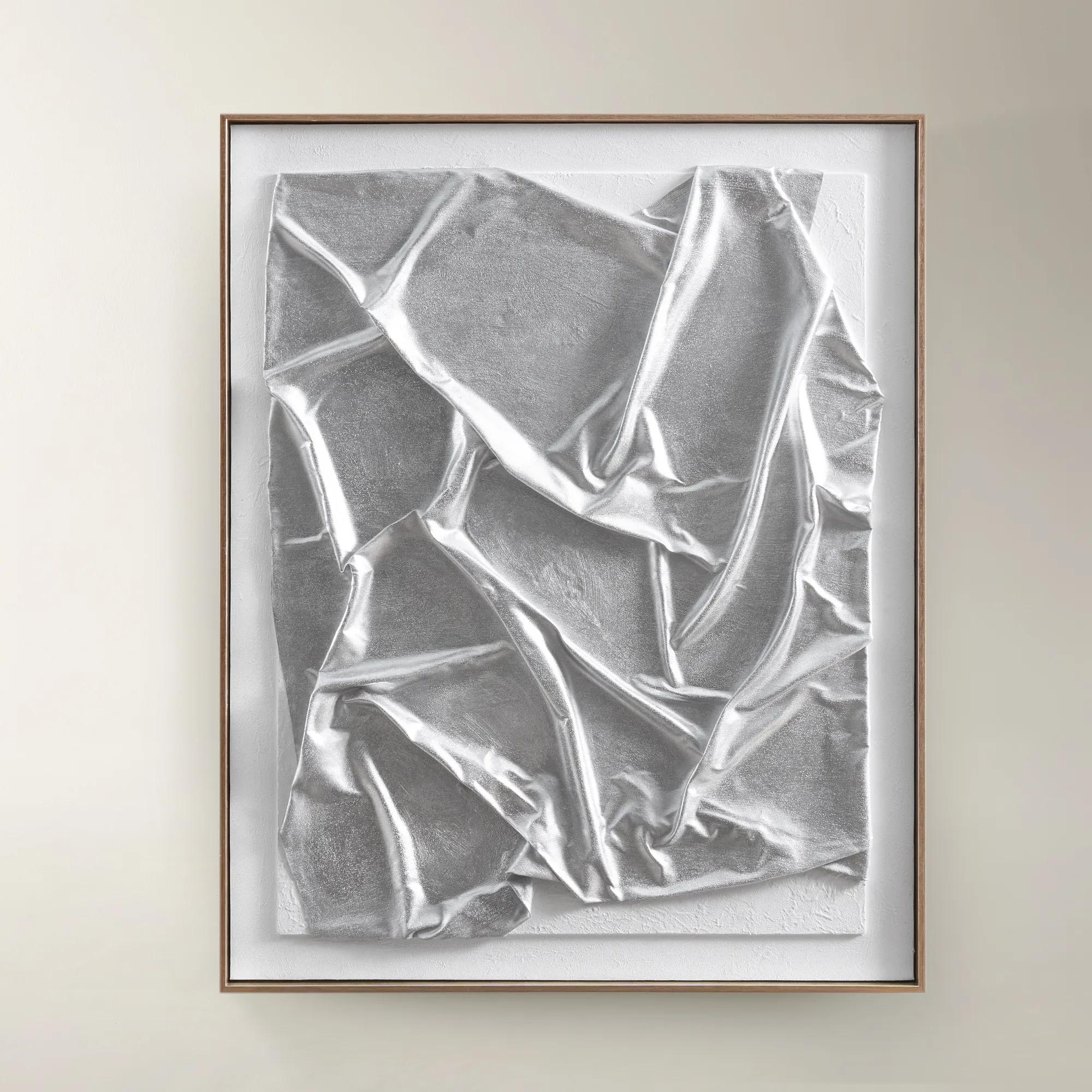
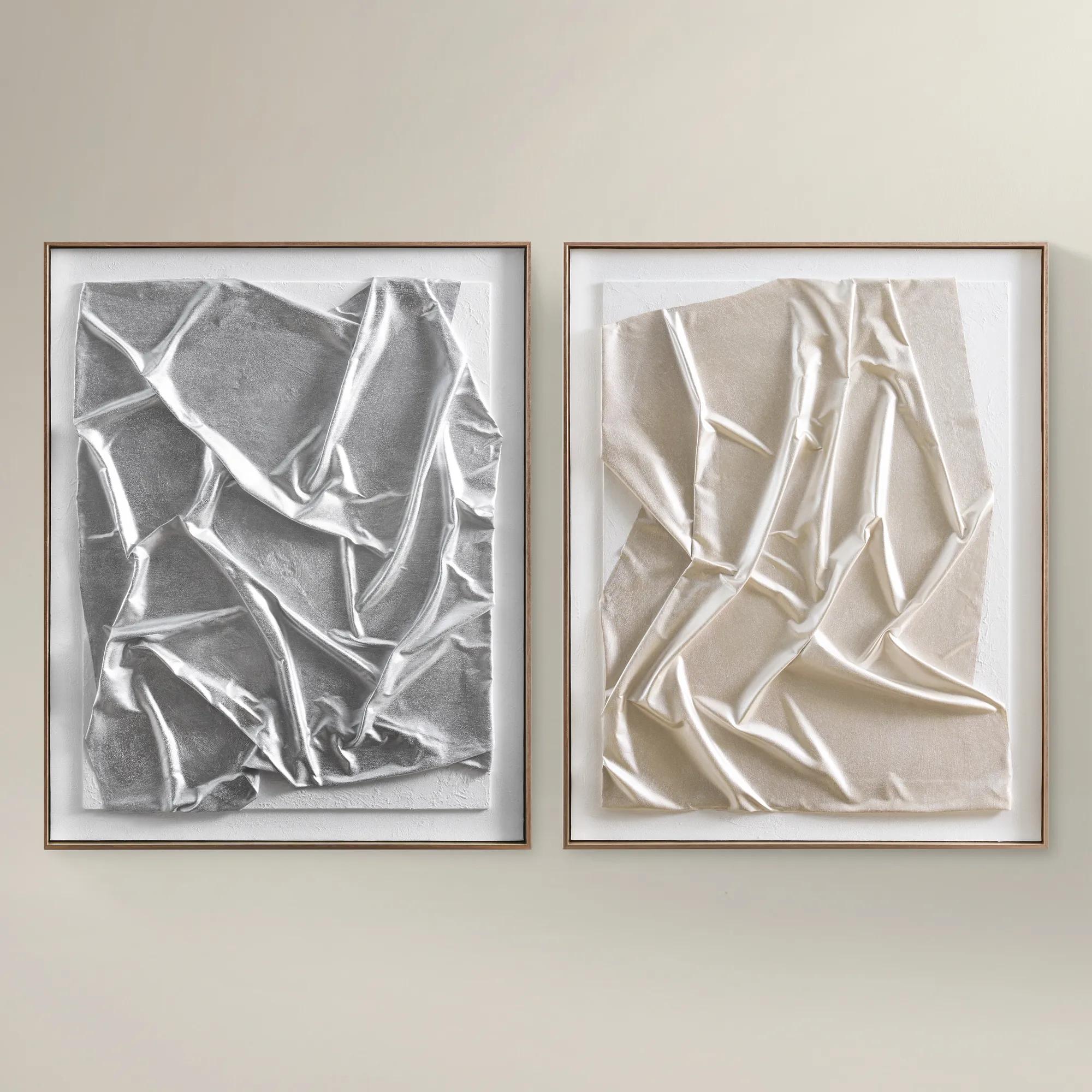 In the Mood Framed Painted Wall Art 31.5" x 39.5"$199
A hand-painted abstract canvas in shimmering silver tones, set in a warm champagne floater frame.
Add To Cart -
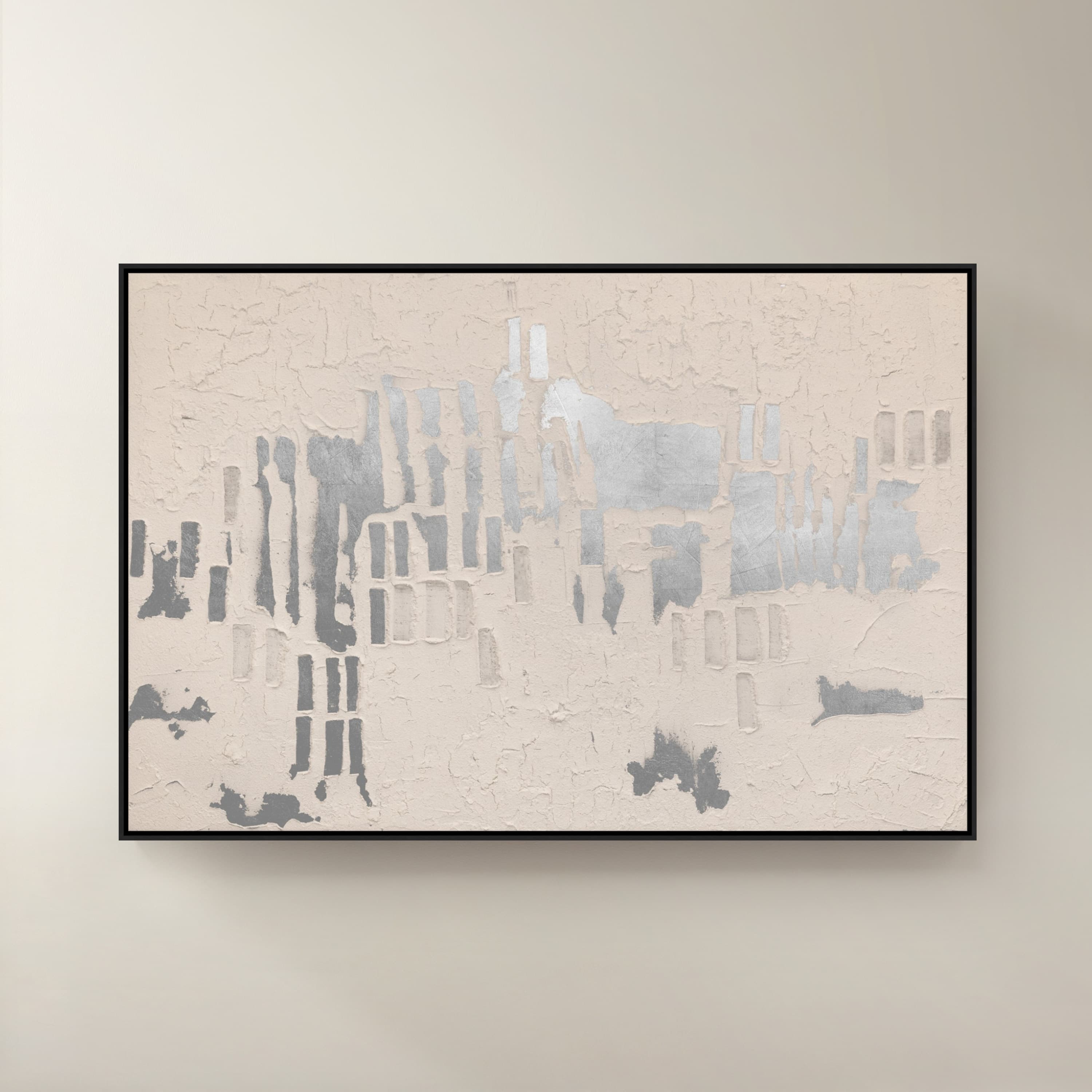
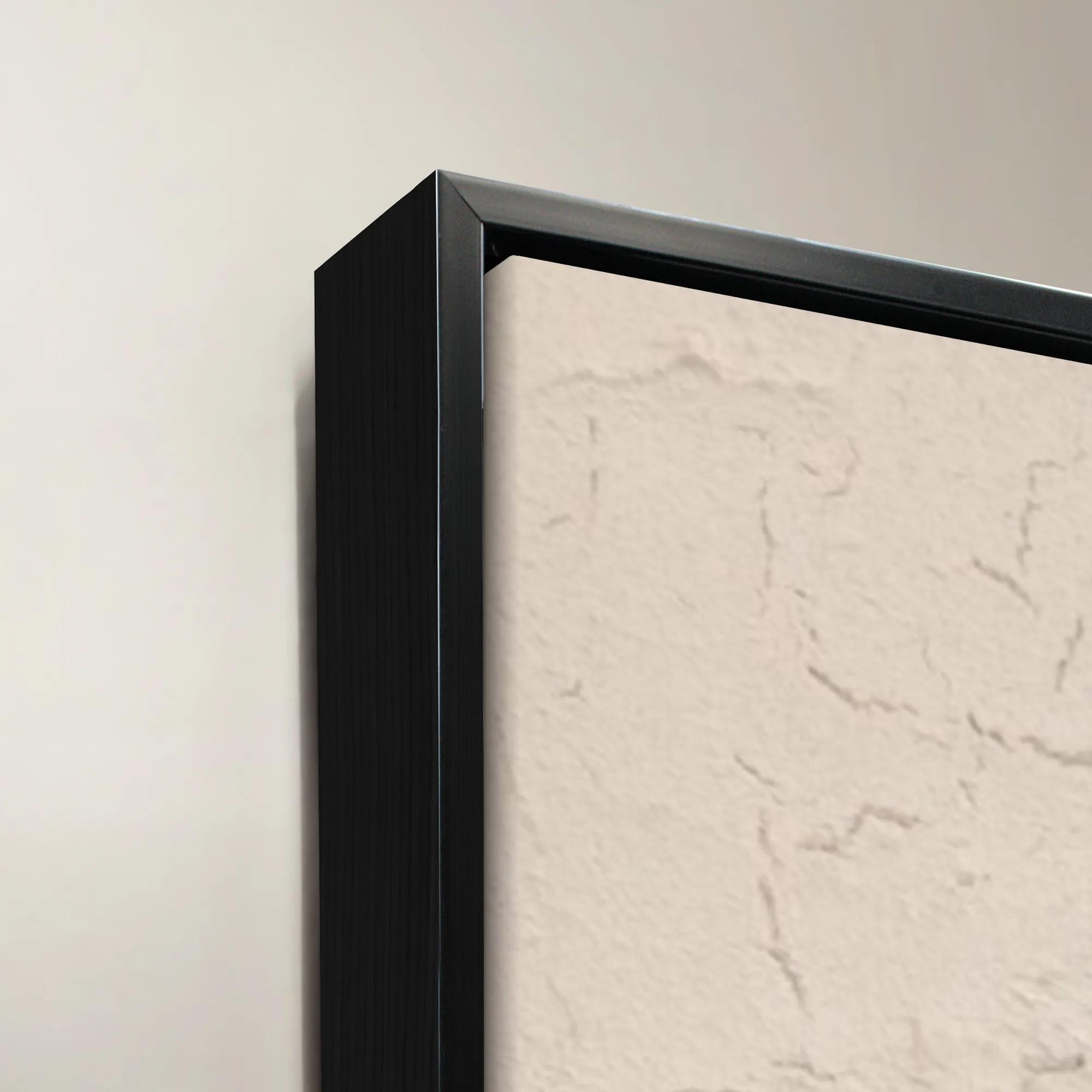 Silver Reverie Framed Painted Wall Art 60" x 40"$1699
A silver-toned painted canvas artwork framed for a sophisticated, contemporary wall display.
Add To Cart -
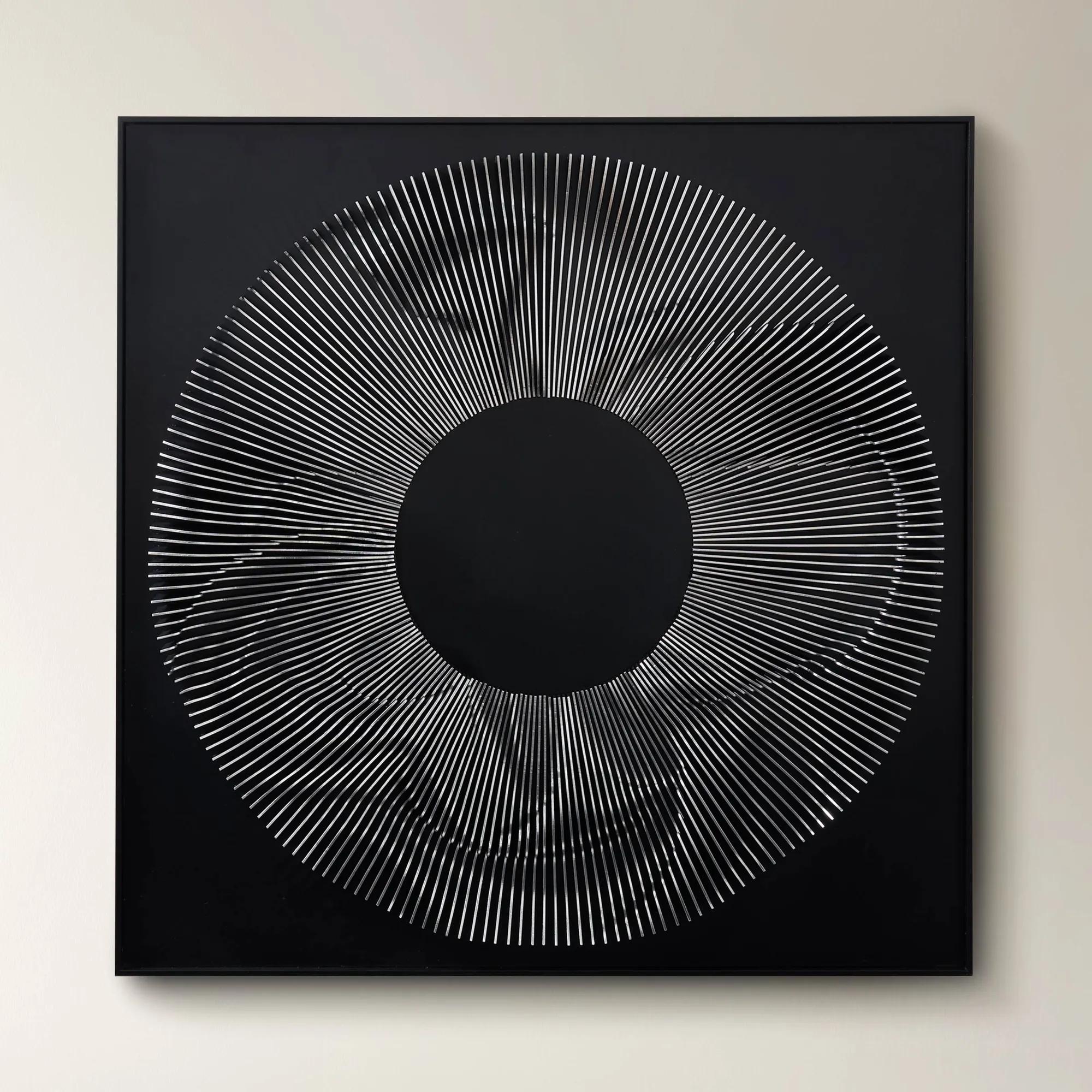 Efflorescence Wood Carving$799
A three-dimensional pine wood panel features a flowing carved motif in a striking silver finish.
Add To Cart -
 Etched in Silver$229
An abstract hand-carved aluminum wall art featuring shimmering silver tones in a modern black alloy frame.
Add To Cart -
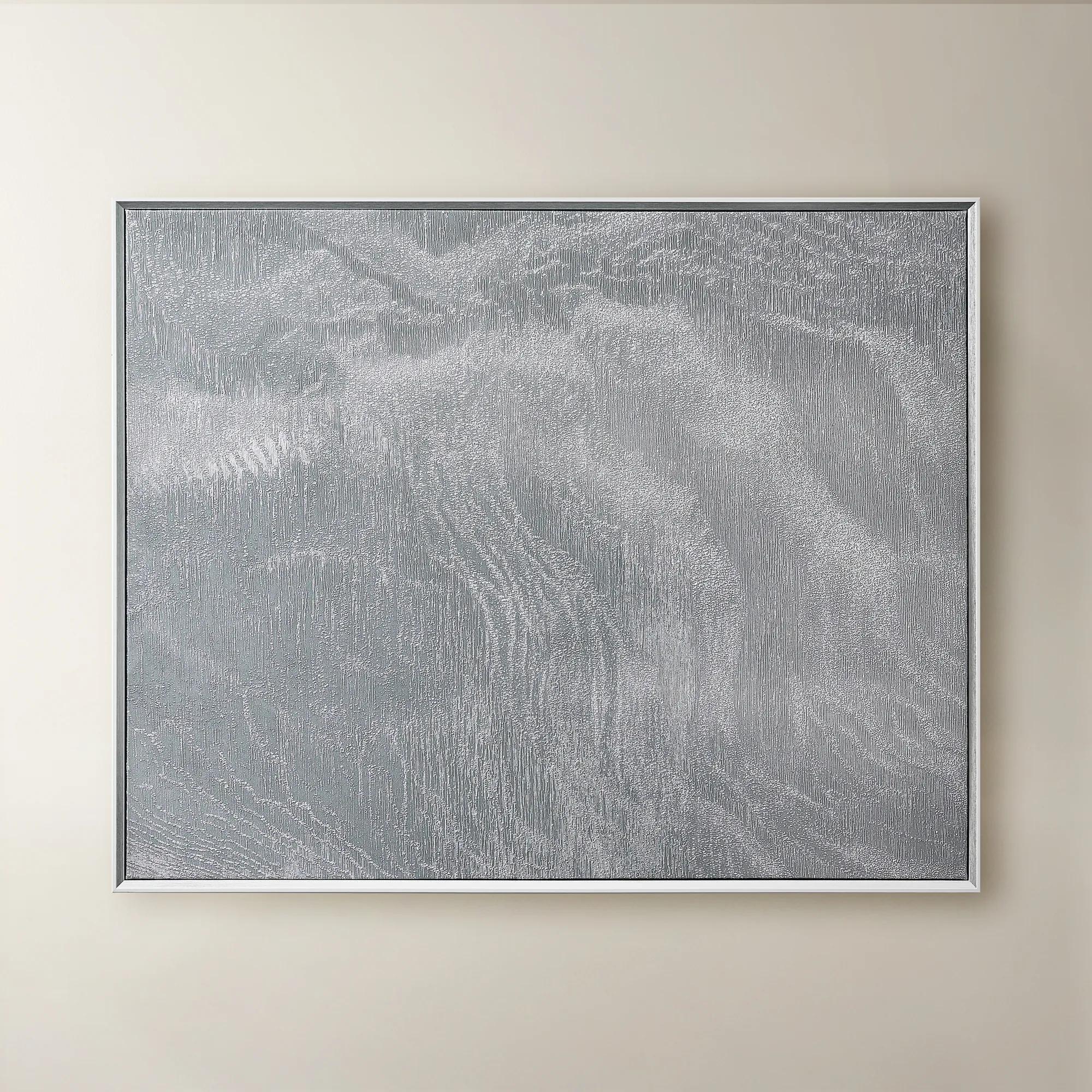 Slow Blue Morning Framed Silver Foil Wall Art 48" x 60"$599
A serene powder blue abstract canvas with silver foil accents, framed in silver and white for modern elegance.
Add To Cart -
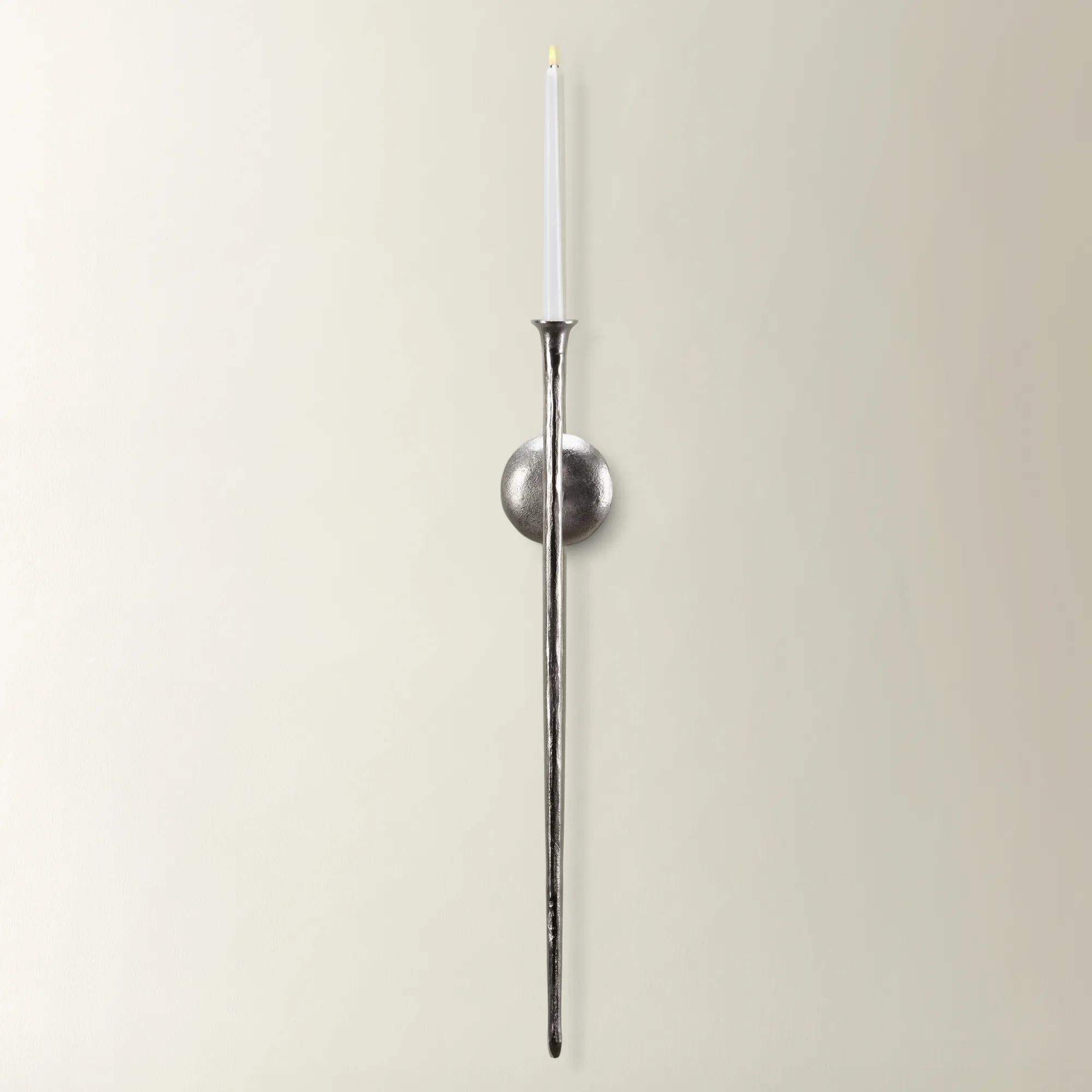
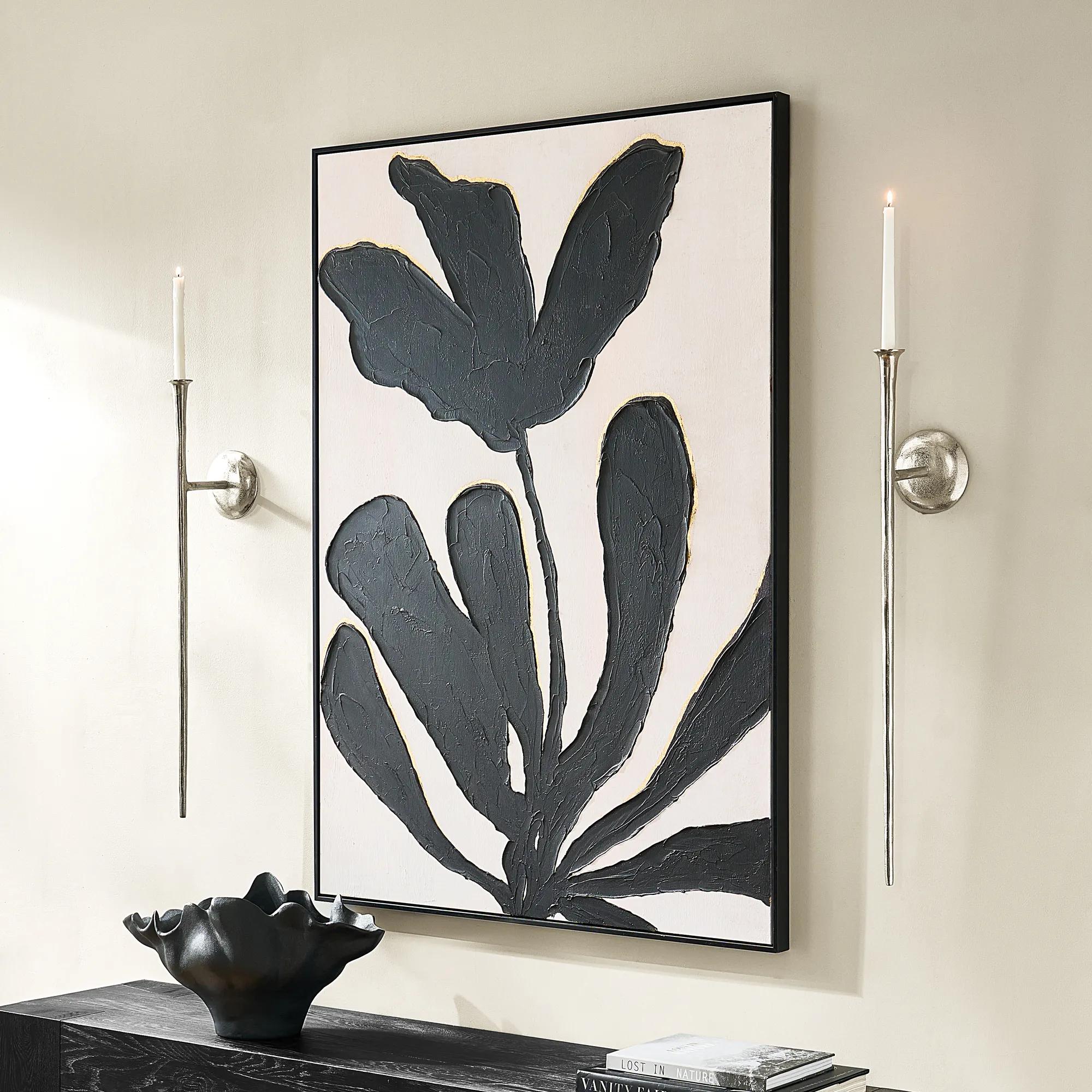 Aspar Silver Aluminum Candle Wall Sconce Large 33"$59
A slender metal wall sconce available in silver, gold, or black for elegant candlelit ambiance.
Add To Cart -
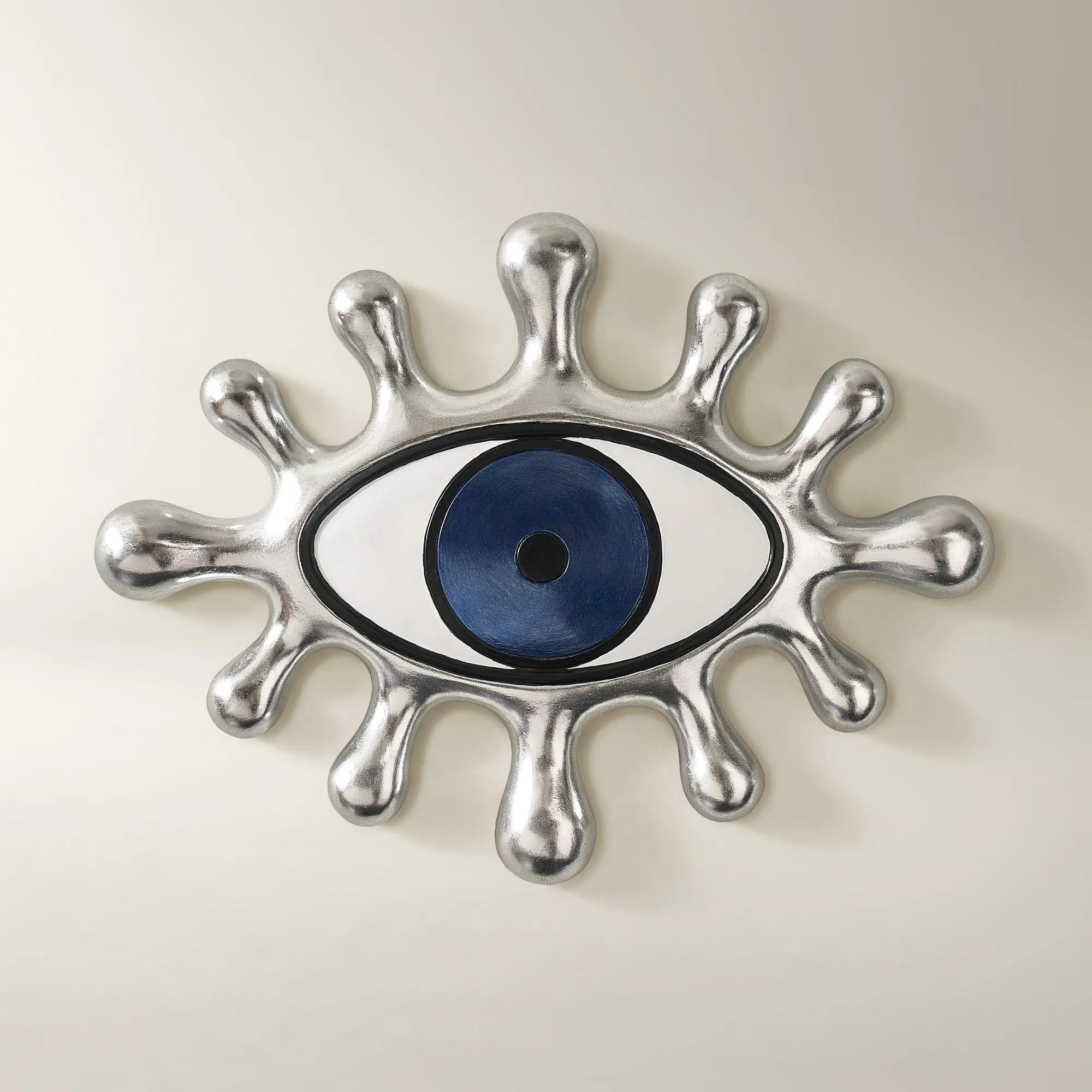 Grand Eye Ink Blue And Silver Resin Wall Decor 18" x 13.5"$79
An exaggerated eye motif in ink blue and silver brings playful, sculptural texture to any wall.
Add To Cart -
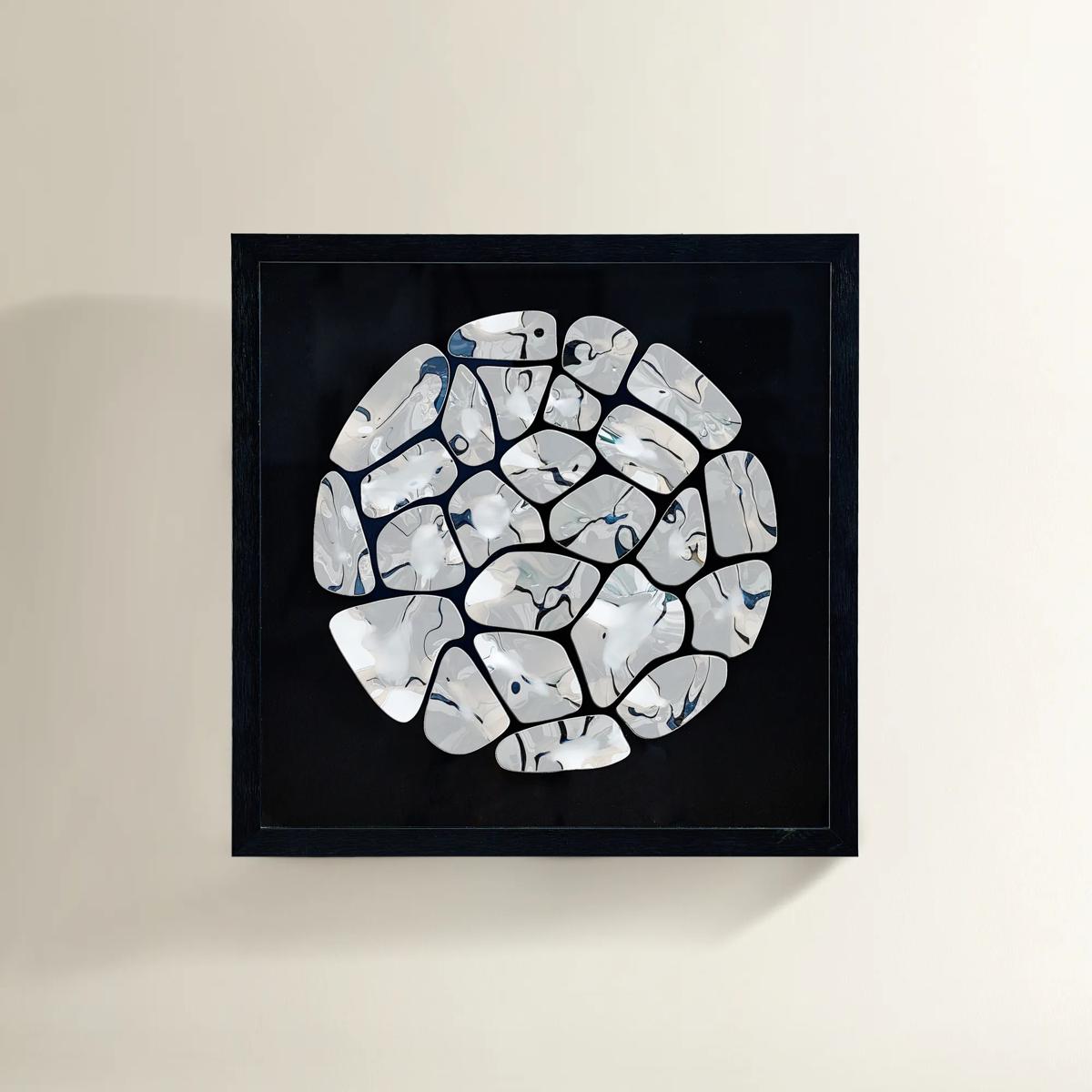
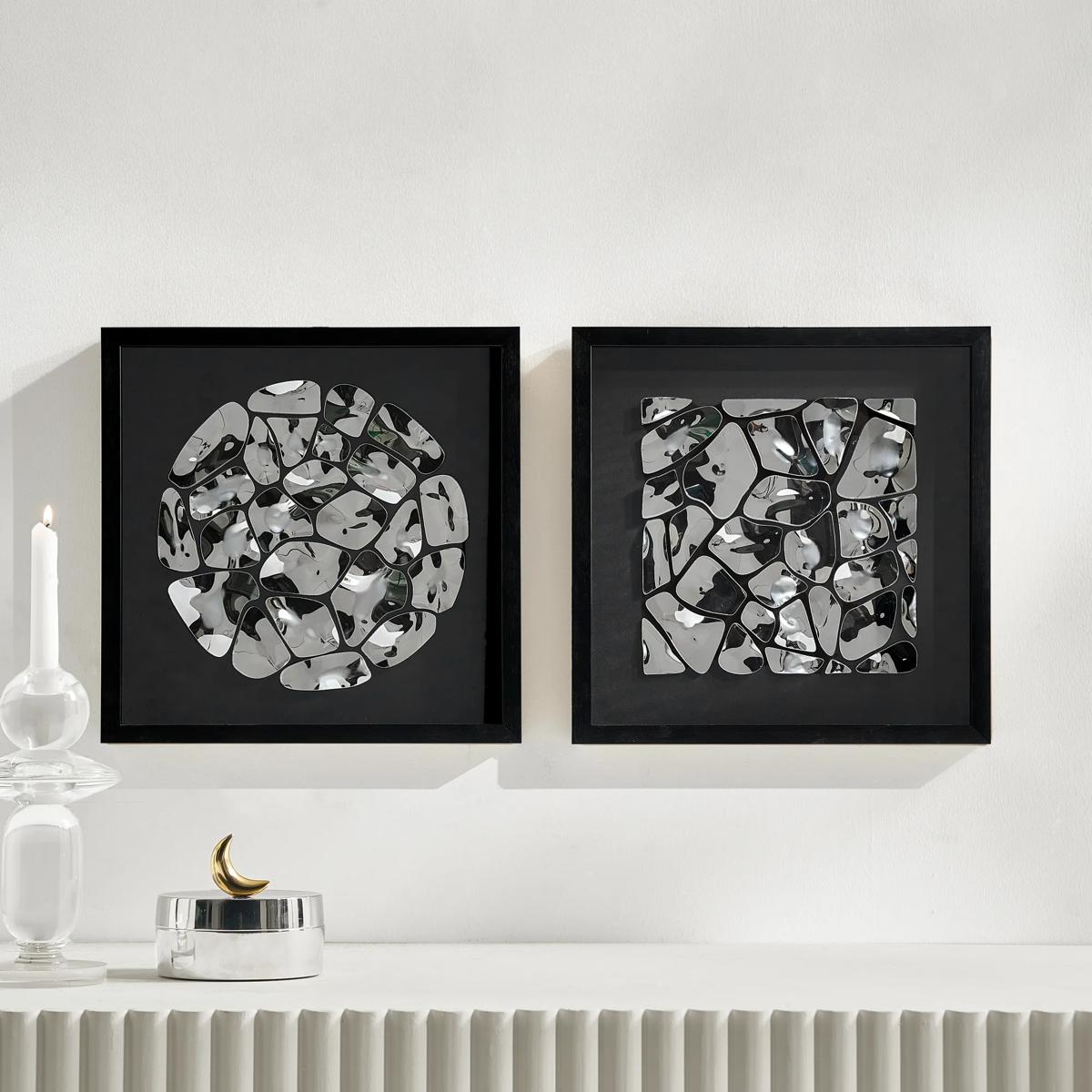 Reflect Silver And Black Shadowbox Art II$189
A dimensional metal wall art piece featuring polished silver and black forms in a sleek black frame.
Add To Cart -
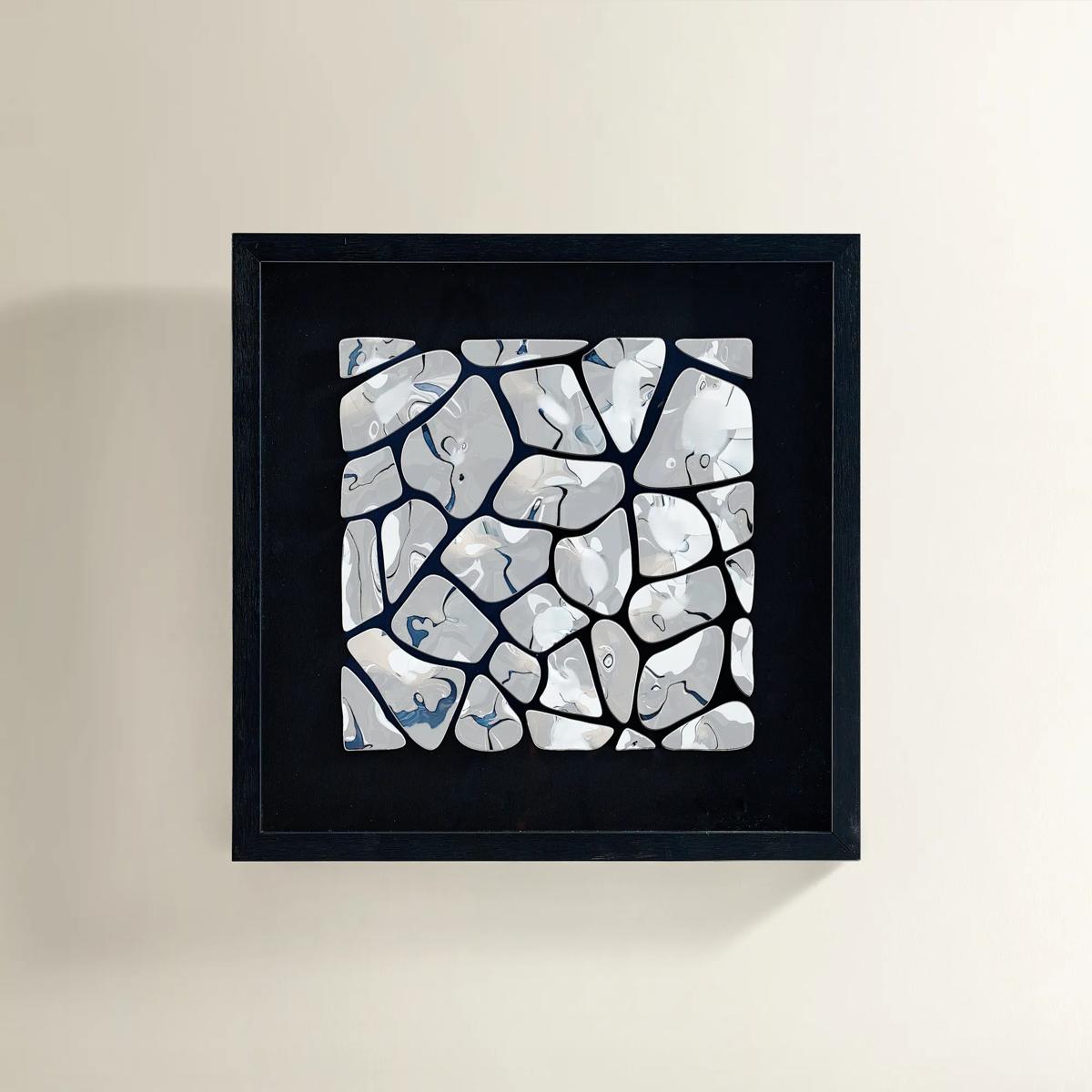 Reflect Silver And Black Shadowbox Art I$189
A dimensional metal wall art piece featuring polished silver and black forms in a sleek black frame.
Add To Cart -
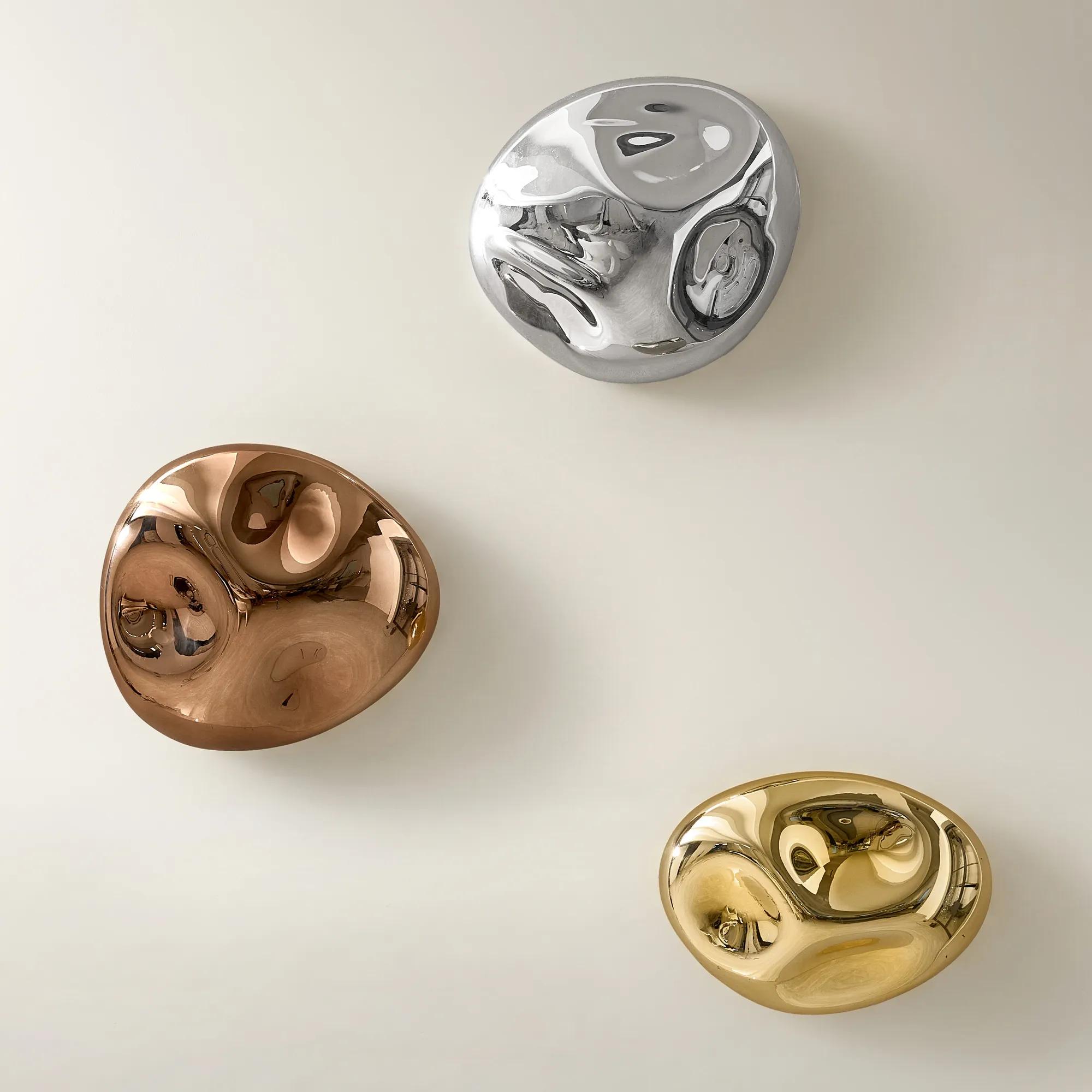
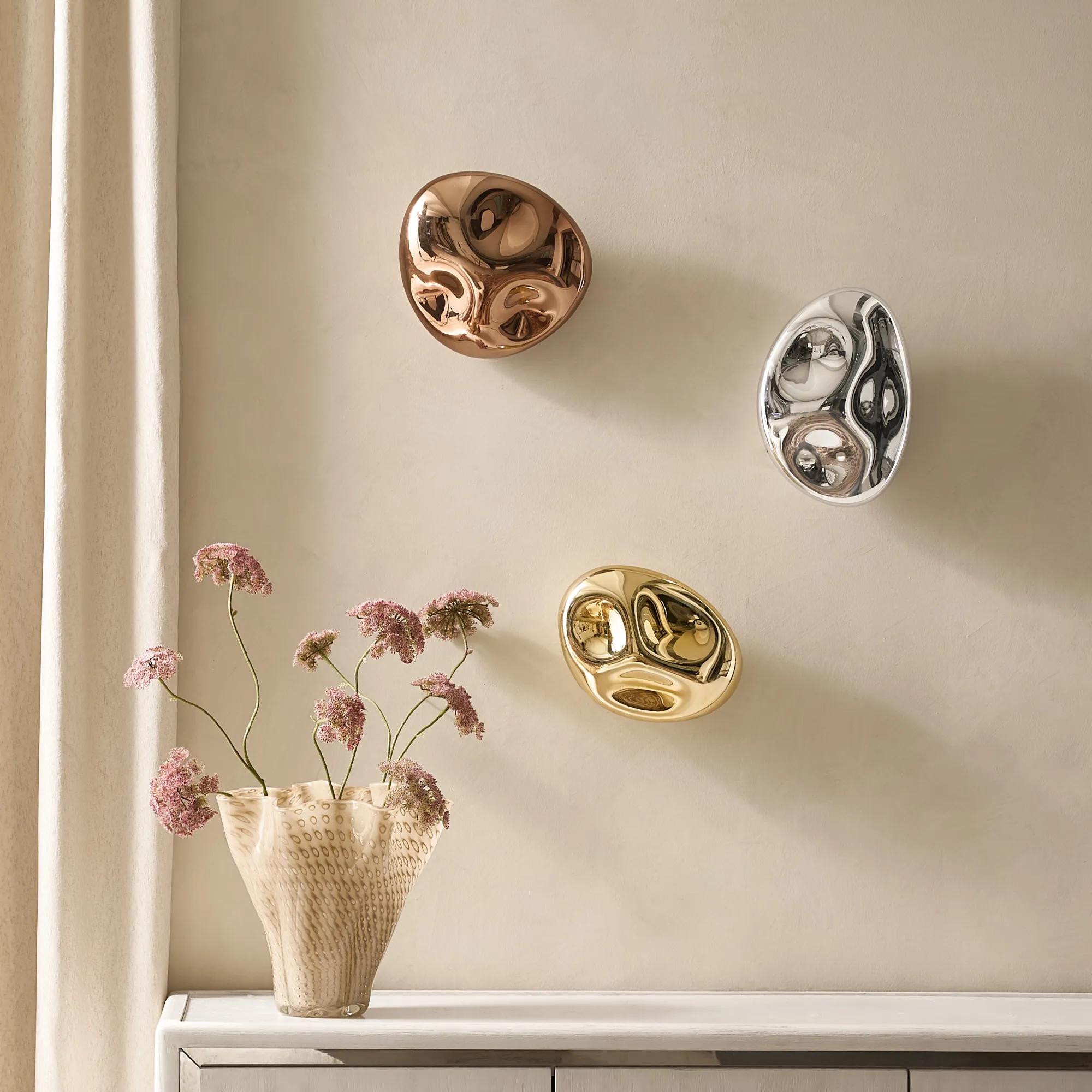 Nebula Electroplated Metallic Glass Wall Decor Set of 3$279
A set of three electroplated glass wall sculptures in polished silver, soft gold, and bronze tones.
Add To Cart -
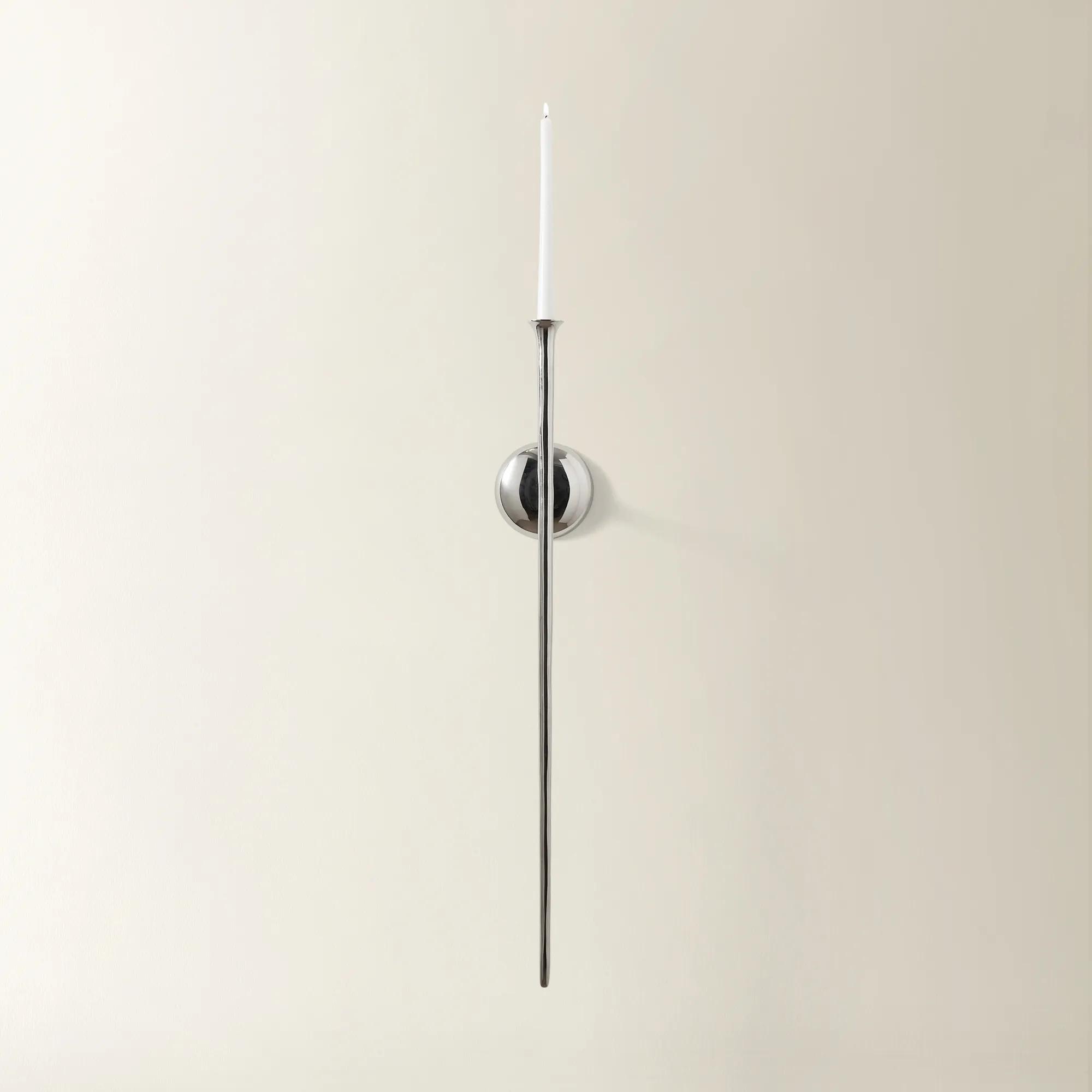 Aspar Wall Sconce$59
A slender, shiny silver aluminum sconce designed to hold a standard taper candle for elegant wall decor.
Add To Cart -
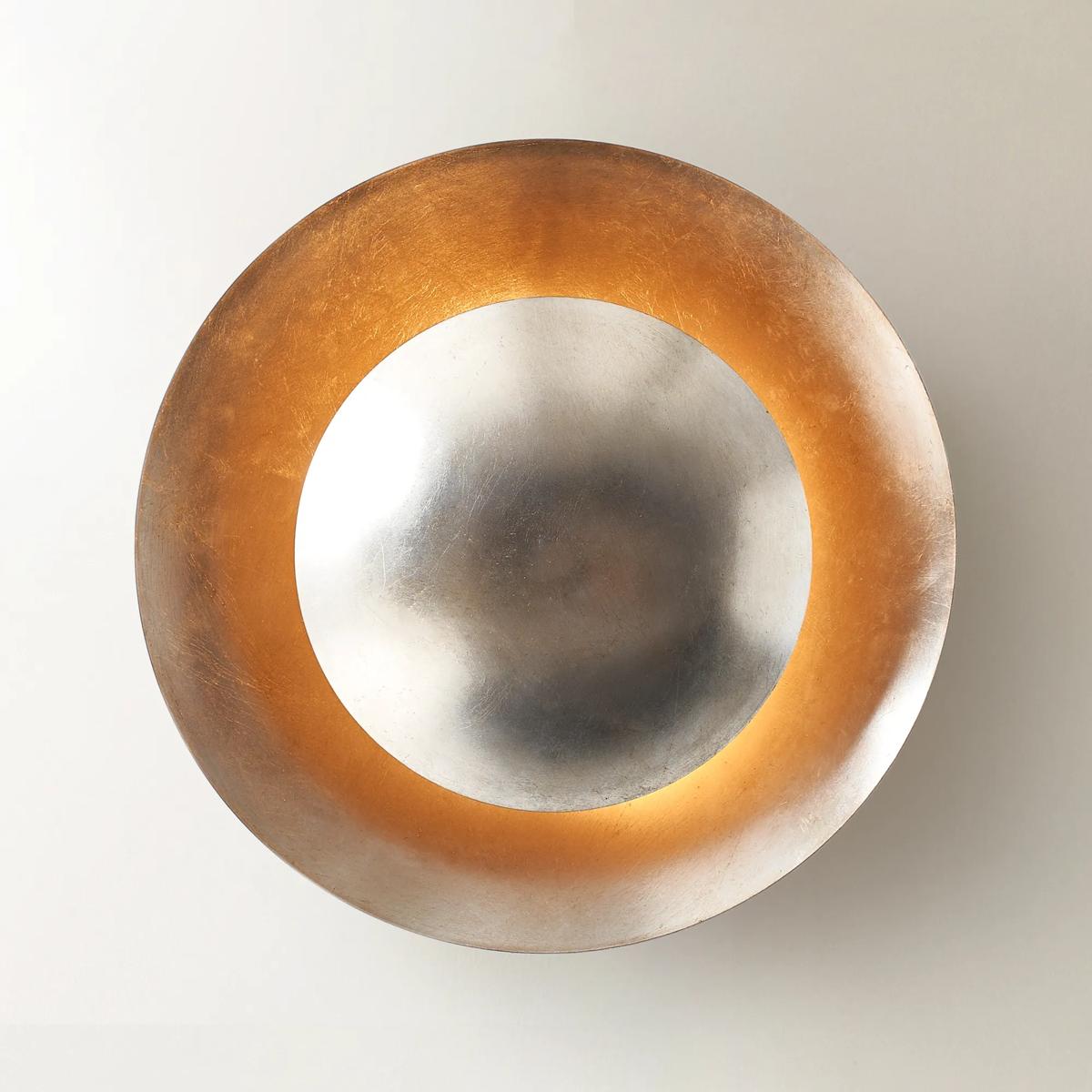
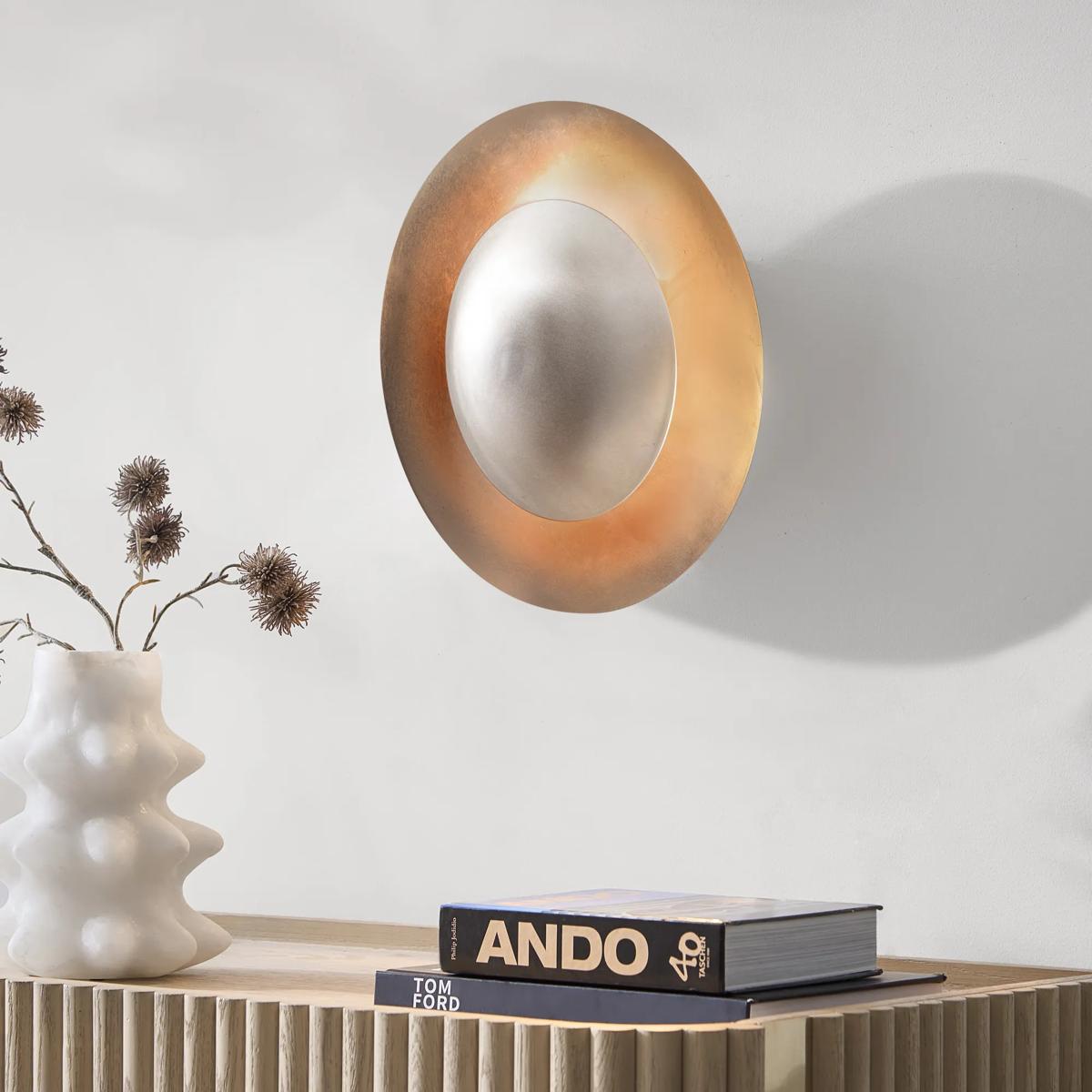 Ovid Wall Sconce 14" - Silver$199
A sculptural iron wall sconce in warm silver with a champagne gold backplate for modern ambiance.
Add To Cart -
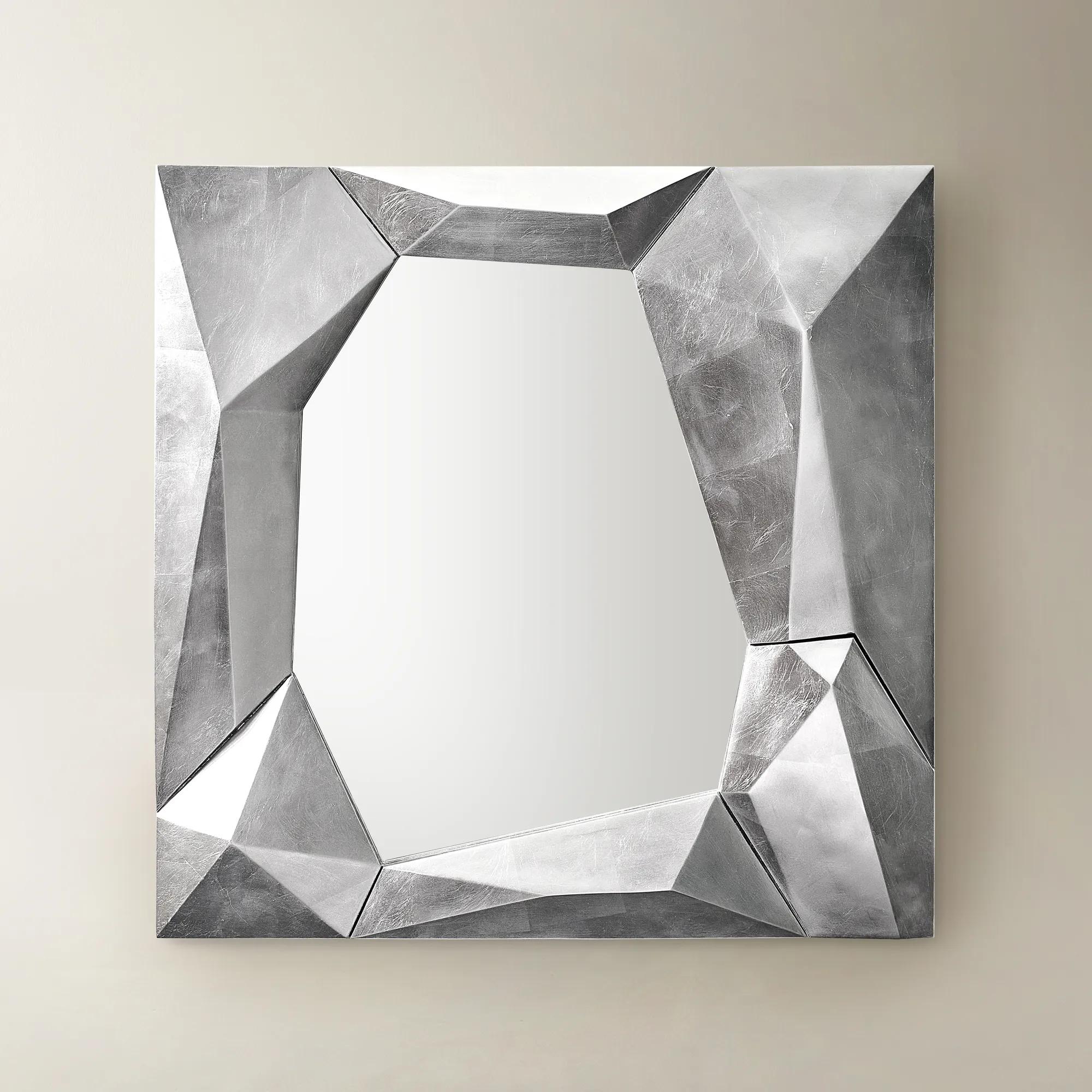 Aeris Satin Silver Faceted Resin Square Wall Mirror 35" x 35"$499
A satin silver fiberglass resin frame and faceted silhouette create a modern, sculptural wall mirror.
Add To Cart -
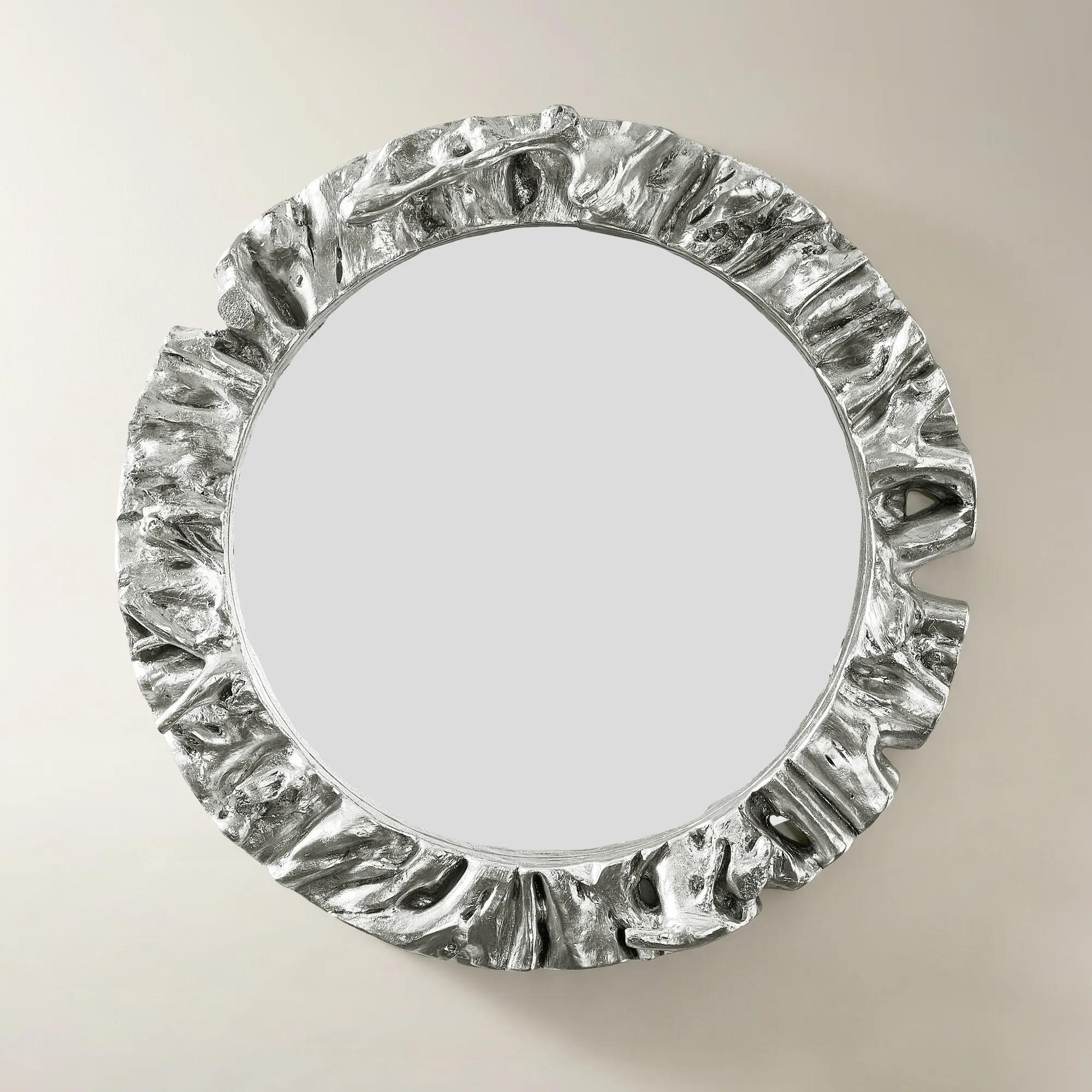
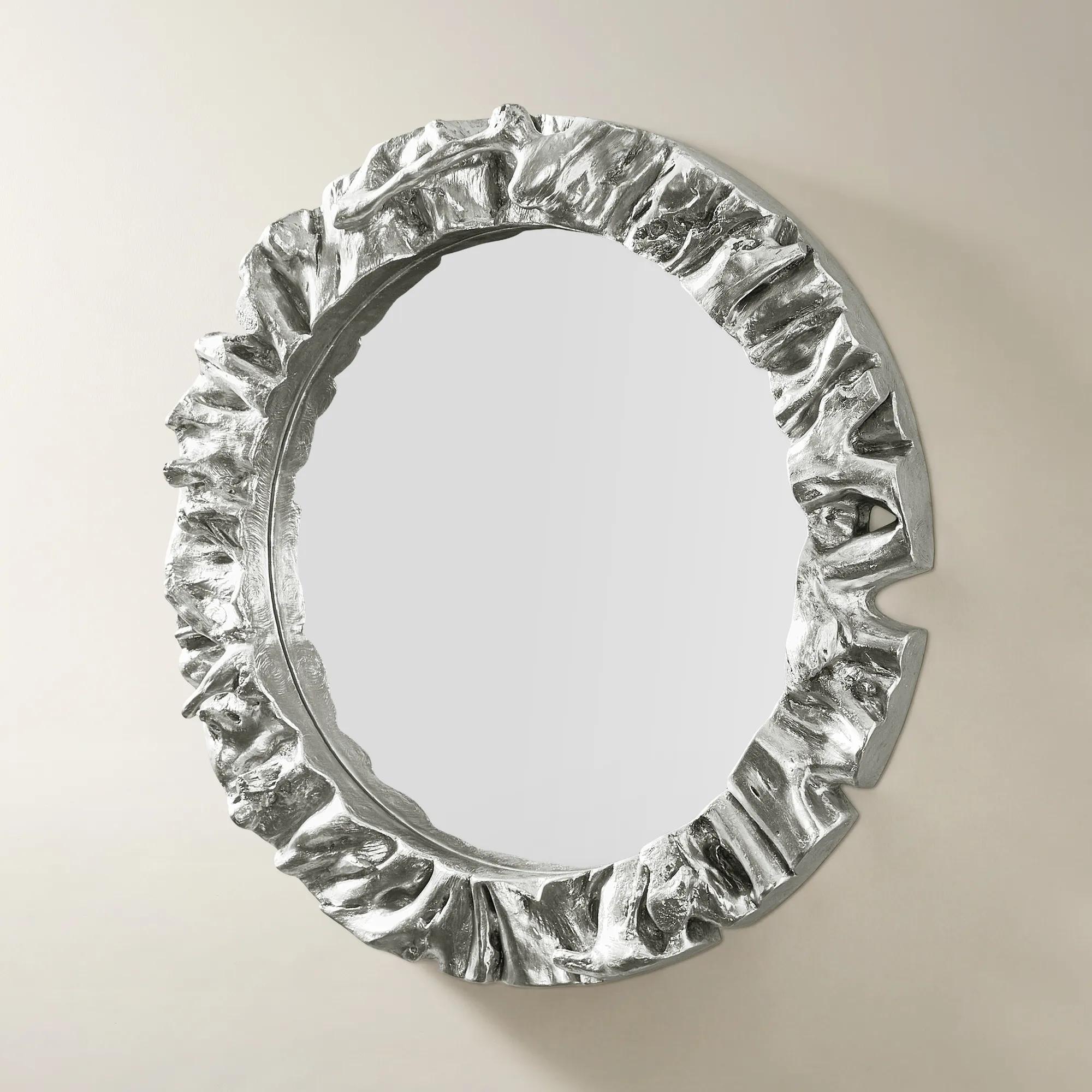 Sequoia Silver Resin Round Wall Mirror 48.25"$1199
A sculptural silver fiberglass resin frame mirror that adds modern polish and reflective brightness to any room.
Add To Cart -

 Carved Silver Handcrafted Aluminum Candle Wall Sconce 19.75"$99
A handcrafted silver aluminum wall sconce featuring carved detailing for elegant candlelit ambiance.
Add To Cart -
 Duran Black And Silver Stainless Steel Spheres Wall Mirror 20" x 44"$399
A sculptural wall mirror featuring a black and silver steel frame adorned with polished spheres.
Add To Cart -

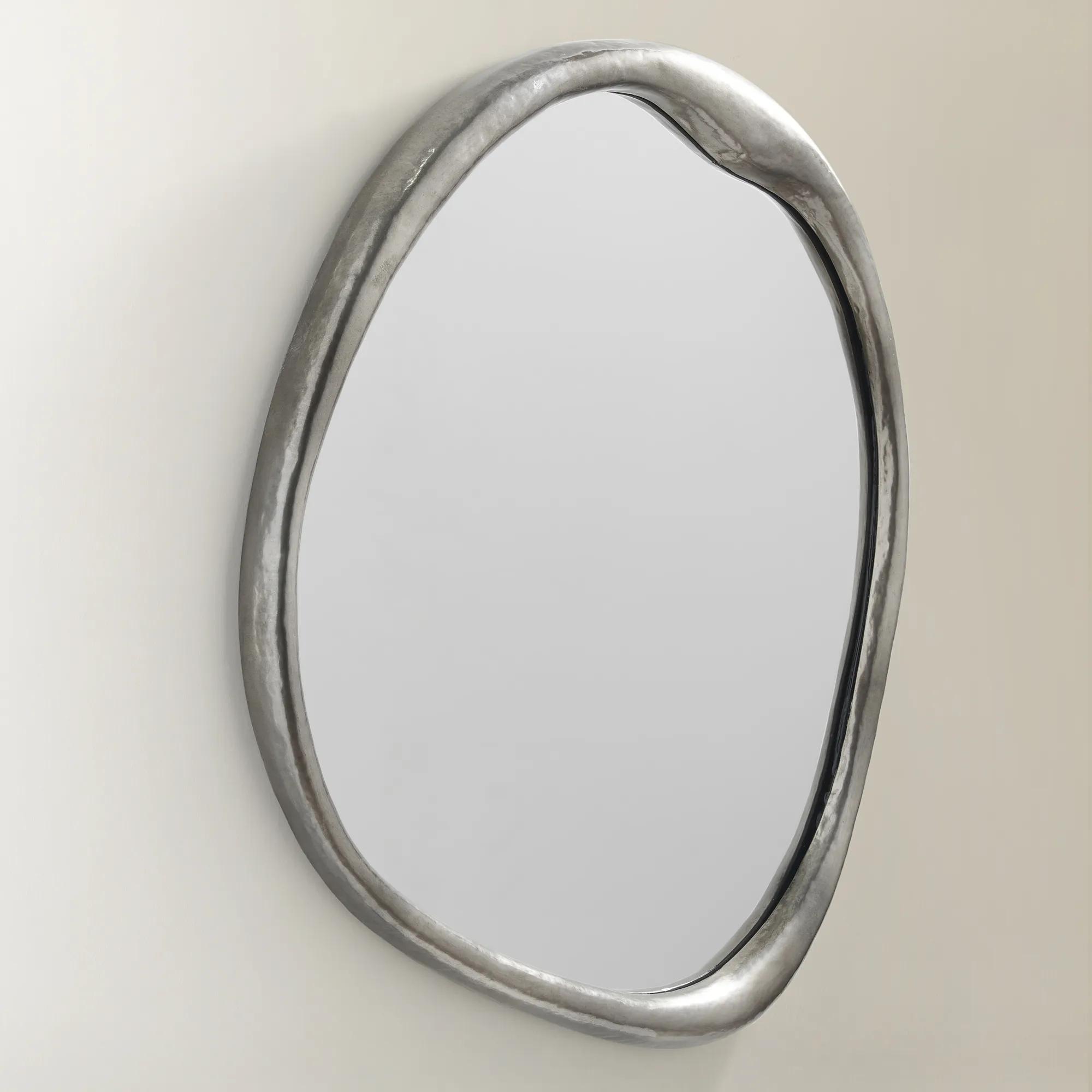 Organa Wall Mirror$599
An irregular silver iron-framed mirror that brings modern organic style and reflective depth to any room.
Add To Cart

Silver Wall Decor For Open Spaces
Silver Wall Decor For Open Spaces transforms blank walls into dazzling canvases, infusing your interiors with luminous artistry and modern allure. Each piece is a masterstroke—reflecting light, amplifying scale, and weaving a sense of airiness throughout your home. Whether you crave sculptural drama or subtle shimmer, silver wall decor elevates open spaces with an effortless blend of sophistication and intrigue. Let every glance reveal new facets of glamour, as your walls become the backdrop for bold self-expression and radiant design.
Silver wall decor for open spaces brings reflective detail, sculptural depth, and a distinct focal point to rooms with generous proportions. Across an open living and dining area, a silver composition can give a long wall definition while allowing the surrounding architecture to remain visible. The effect depends as much on silhouette as on shine: sweeping abstract forms introduce movement, geometric arrangements establish rhythm, and botanical shapes soften the straight lines of broad windows and substantial furniture. An oversized composition creates a confident visual anchor above a sofa or console, while a coordinated grouping can stretch across a wider expanse with a more layered, collected character. Openwork designs leave portions of the wall exposed, creating an interplay of metal, shadow, and background color rather than a solid block of decoration. This makes them especially compelling where the artwork is visible from several rooms or across a long sightline. Scale deserves particular attention in these settings. A composition spanning roughly two-thirds to three-quarters of the furniture beneath it often feels connected to the arrangement, although architectural features and the artwork’s shape may call for different proportions. On a freestanding wall, generous breathing room around the edges can be more important than filling every available inch. Closely spaced elements tend to read as one statement from a distance; widely scattered accents can lose their relationship across an expansive surface. Horizontal arrangements echo the length of a sectional or dining table, while vertical forms draw attention upward in rooms with tall ceilings. Silver also offers remarkable versatility within a larger palette. Against charcoal, it appears crisp and luminous; against ivory, it becomes a quieter study in texture and light. Paired with saturated blue, aubergine, or emerald upholstery, it adds a polished counterpoint that feels expressive rather than restrained. The result is decoration that helps distinguish individual gathering areas without interrupting the visual continuity that makes an open floor plan so appealing.
The character of silver wall art comes from its underlying material, surface treatment, and dimensional construction—not simply its color. Aluminum can support broad, lightweight forms, while steel offers strength and a more substantial presence; actual weight depends on thickness, construction, and overall size. Sculpted resin or composite materials can carry metallic finishes with deeply modeled contours, and mirrored glass introduces sharper reflections than most brushed metal surfaces. Silver leaf and silver-toned leaf finishes create another effect, with delicate variations that can lend an abstract surface an almost painterly quality. A silver appearance does not necessarily indicate solid silver, so material descriptions and finish details matter when evaluating texture, weight, and care requirements. Polished surfaces deliver bright highlights and pronounced contrast, while brushed, hammered, or softly antiqued treatments scatter light more gently. Raised edges, folded planes, and layered shapes add shadows that shift with the viewing angle, giving a large wall dimension even when the color palette remains restrained. These differences become especially noticeable in open spaces, where the same composition may be seen from a nearby chair, a kitchen island, and an adjoining entry. Lighting shapes that experience. Warm-white illumination can soften the cool impression of silver, while a carefully positioned accent light can reveal relief and texture without casting a harsh reflection toward seating. Direct sunlight or an exposed bulb reflected in a mirror-finish surface may create unwanted glare, making placement as important as brightness. Tactile materials bring balance to the metallic sheen: richly grained wood, honed stone, velvet upholstery, and woven textiles give the eye contrasting surfaces to explore. Repeating a silver tone in a nearby lamp or furniture detail can establish continuity, but matching every finish precisely is unnecessary. A selective mix of polished and softly textured surfaces often gives the room greater depth, allowing the wall decor to feel integrated without losing its individual presence.
Thoughtful placement and appropriate care help silver wall decor retain its impact in rooms used for entertaining, conversation, and everyday living. A broad composition above a dining sideboard can establish an elegant backdrop for gatherings, while an airy sculptural arrangement in a loft can define the lounge area without adding another physical divider. In either setting, depth matters alongside height and width. Projecting elements need clearance from passing shoulders, opening doors, and nearby furniture, particularly where an open room narrows into a circulation path. Substantial or multi-part artwork also calls for mounting hardware suited to its weight, attachment points, and wall construction; the included instructions should determine installation, with professional assistance appropriate for especially heavy or complex arrangements. Wall anchors are not interchangeable, and a secure installation depends on the surface behind the finish as well as the artwork itself. Everyday care is usually most successful when it is gentle and consistent. A soft, dry microfiber cloth can lift loose dust from many metallic surfaces, while intricate recesses may benefit from a clean, soft brush if the care instructions permit it. Abrasive pads, unapproved metal polish, and household sprays can scratch coatings or alter decorative patinas. Mirrored sections require their own care, with cleaner applied to a cloth rather than sprayed across adjoining metal, leaf, or seams. Humidity tolerance varies by material and finish, so decor intended for dry indoor rooms should not be assumed suitable for damp spaces or sheltered outdoor walls. For a connected passage beyond the main living area, Silver Abstract Wall Arts For Hallways offers a related direction for carrying metallic abstraction through the home without repeating the same scale in every room. Silver wall decor can also make a meaningful housewarming or wedding gift when the recipient’s aesthetic, wall dimensions, and installation preferences are known. Its appeal lies in that balance of personal expression and architectural presence: luminous enough to command attention, yet versatile enough to become part of a richly layered interior.
FAQs
Silver wall decor is remarkably versatile, making it an inspired choice for a range of interiors. Its luminous finish complements contemporary and modern spaces, while its reflective qualities add a touch of glamor to transitional or even industrial settings. For those who favor maximalism, silver pieces can layer beautifully with bold colors and rich textures, while in more minimalist spaces, a sculptural silver accent becomes a striking focal point.
Strategic lighting can elevate silver wall art from beautiful to breathtaking. Position your decor where natural light can dance across its surface, or use accent lighting such as wall washers or spotlights to highlight its gleaming finish. The interplay of light and shadow will accentuate textures and create a dynamic visual experience, especially in the evening when artificial lighting can cast dramatic highlights.
Absolutely. Silver wall decor makes an unforgettable gift for housewarmings, weddings, anniversaries, or milestone celebrations. Its timeless elegance appeals to a wide range of tastes, and its ability to transform a space ensures it will be cherished for years to come. Choose a piece that reflects the recipient’s personal style, whether they gravitate toward bold statements or understated sophistication.
Yes, silver wall art can serve as a unifying element in open-concept spaces. Its reflective surface and distinctive design can visually link dining, living, and entry areas, creating a cohesive flow. By echoing metallic accents throughout the decor—such as in lighting, furniture, or accessories—you can achieve a harmonious, thoughtfully curated environment.
To keep your silver wall decor looking pristine, dust it regularly with a soft, dry cloth to prevent buildup. For deeper cleaning, use a gentle, non-abrasive cleaner suitable for metal surfaces, and avoid harsh chemicals that could damage the finish. With proper care, your silver accents will continue to dazzle and delight for years to come.