Silver Abstract Wall Arts For Dining Rooms
Silver Abstract Wall Arts For Dining Rooms
-
 Slow Blue Morning Framed Silver Foil Wall Art 48" x 60"$599
A serene powder blue abstract canvas with silver foil accents, framed in silver and white for modern elegance.
Add To Cart -
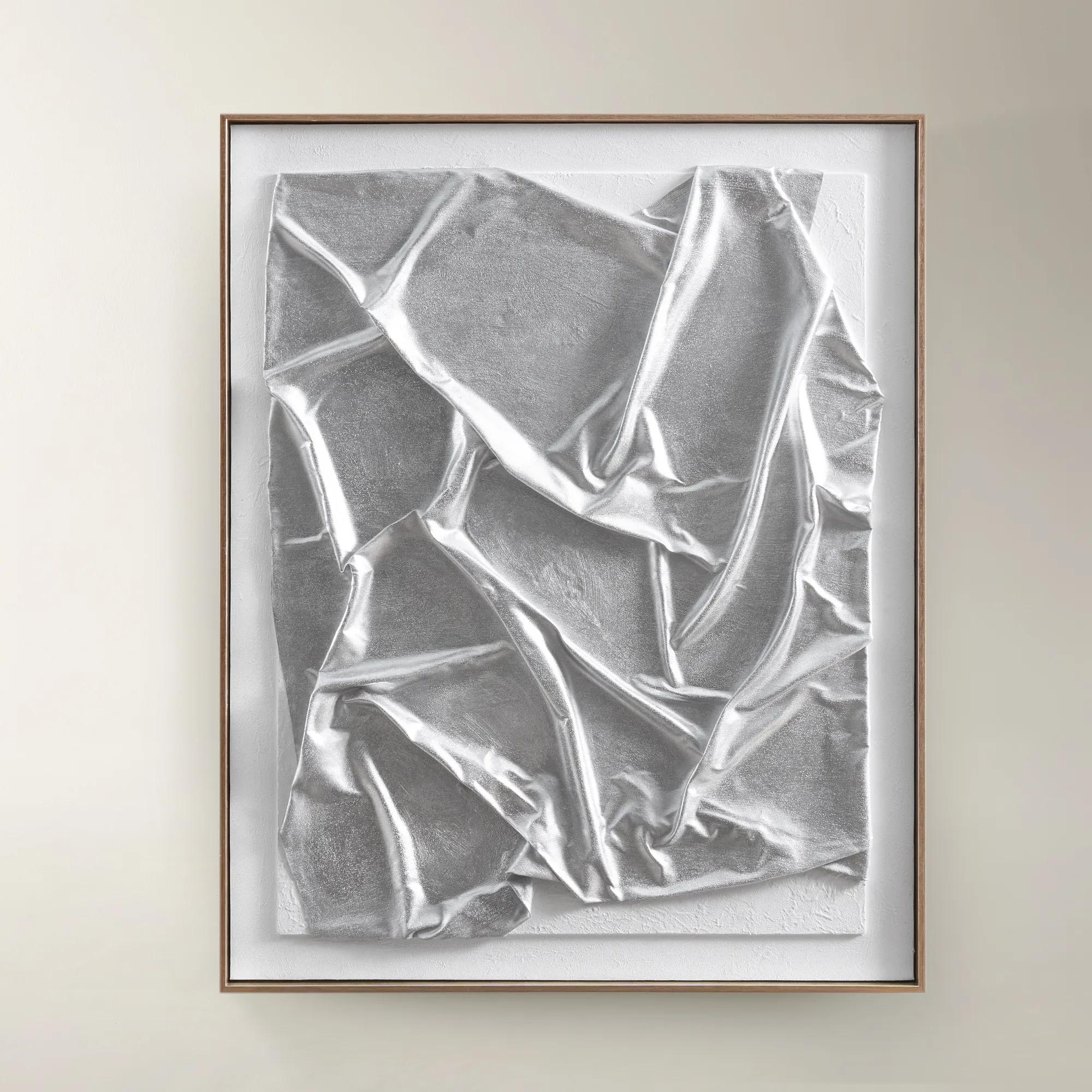
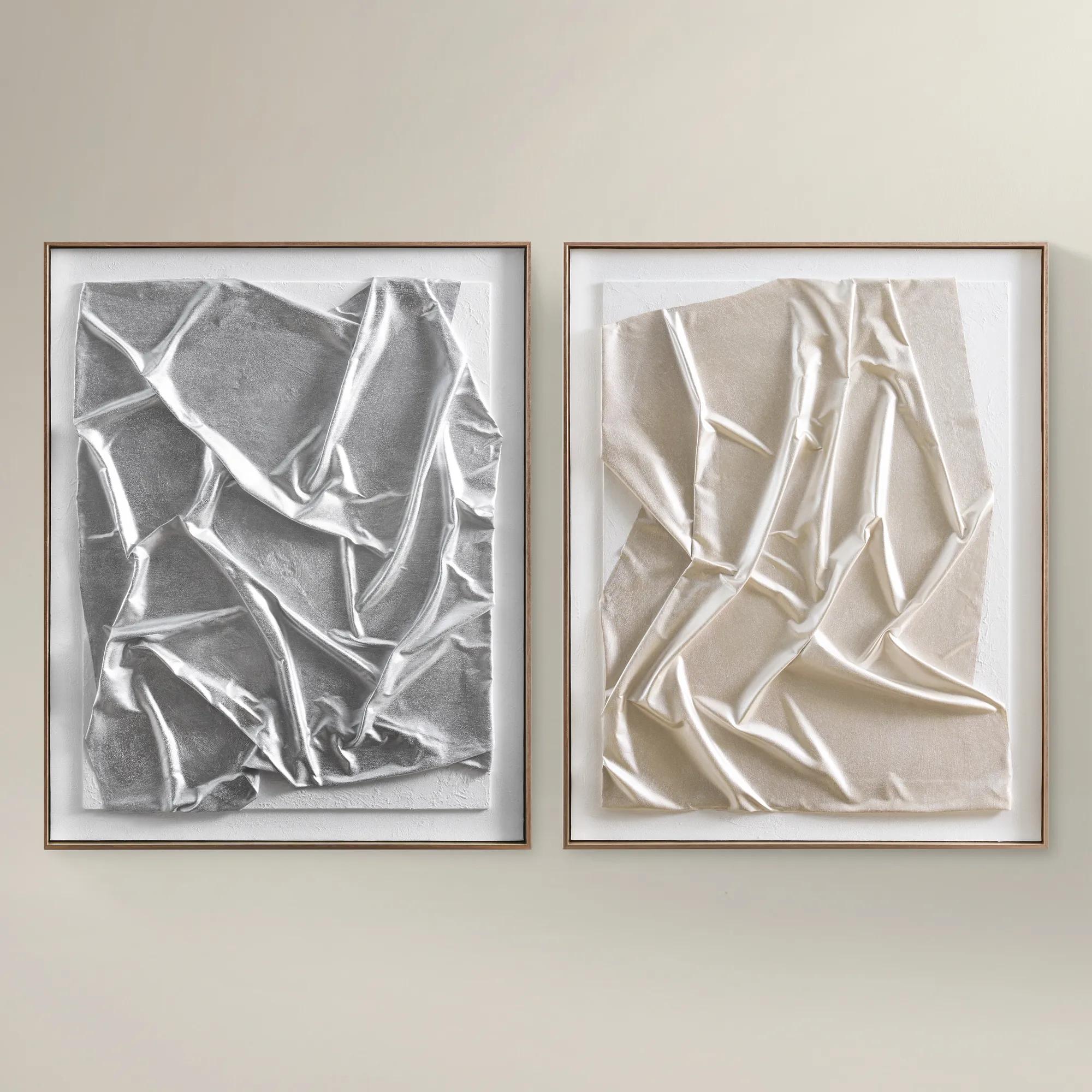 In the Mood Framed Painted Wall Art 31.5" x 39.5"$199
A hand-painted abstract canvas in shimmering silver tones, set in a warm champagne floater frame.
Add To Cart -
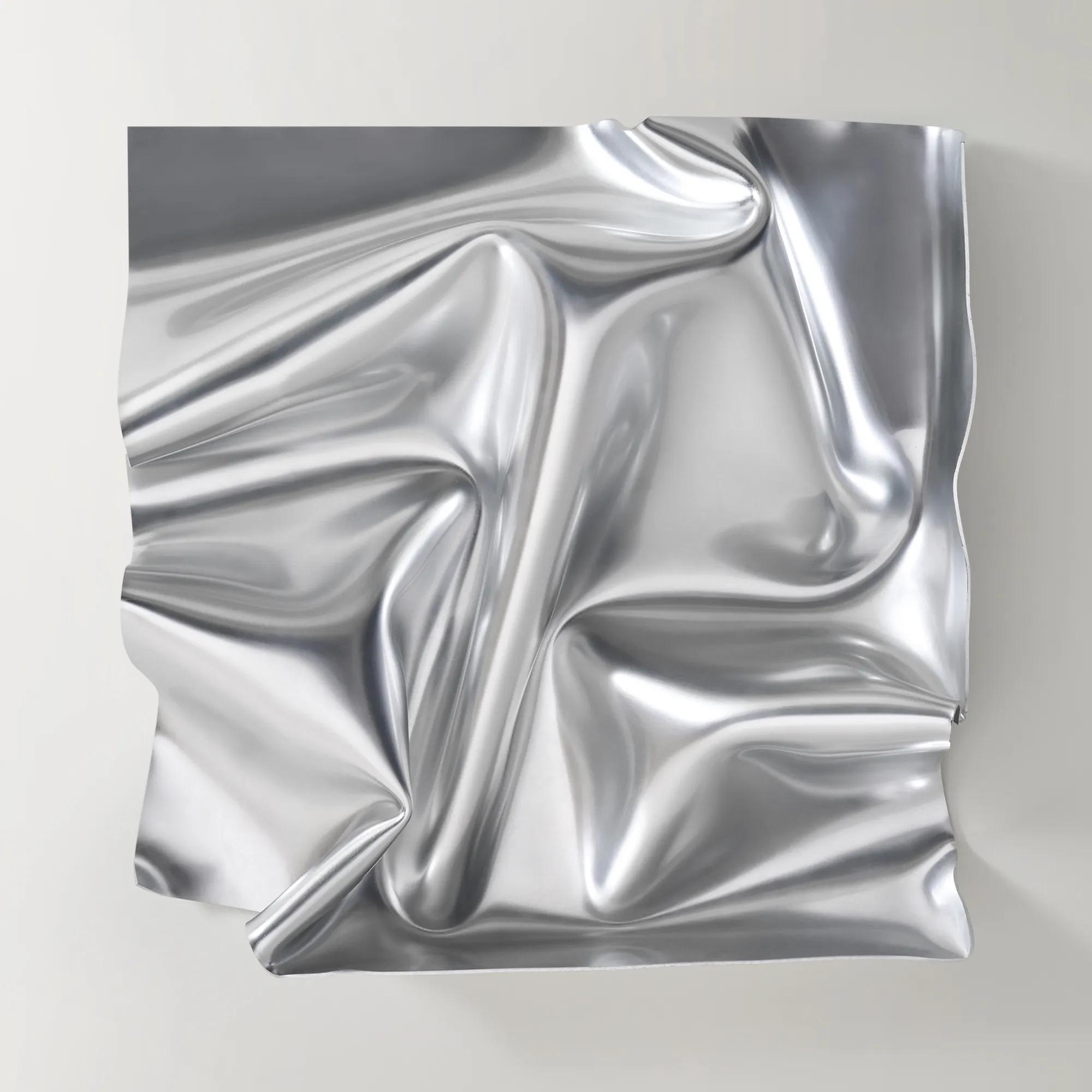
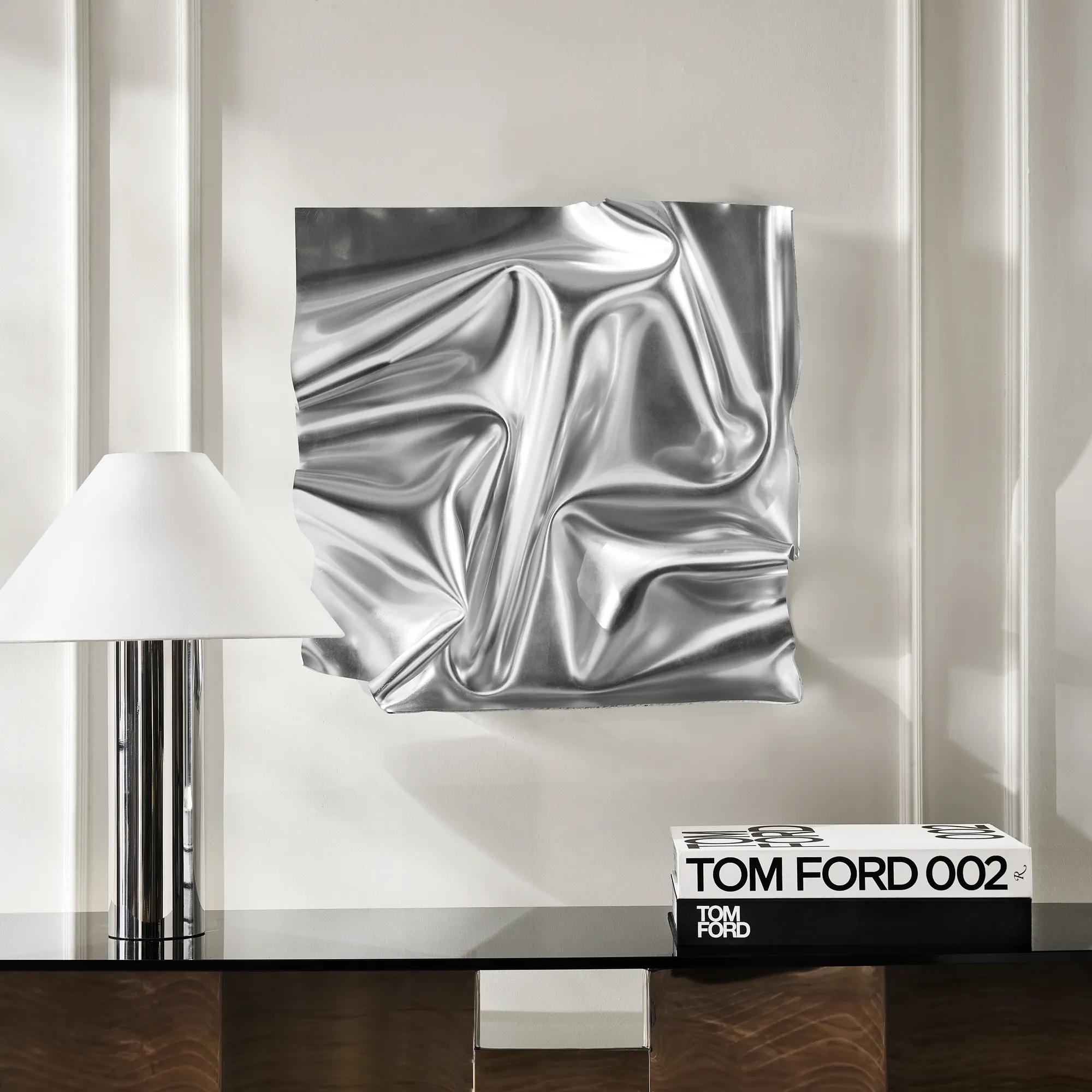 Surface Sculpted Silver Leaf Acrylic Wall Decor 23.6" x 23.6"$189
A striking acrylic wall piece featuring fluid, reflective silver shapes for dramatic, modern visual impact.
Add To Cart -
 Etched in Silver$229
An abstract hand-carved aluminum wall art featuring shimmering silver tones in a modern black alloy frame.
Add To Cart -
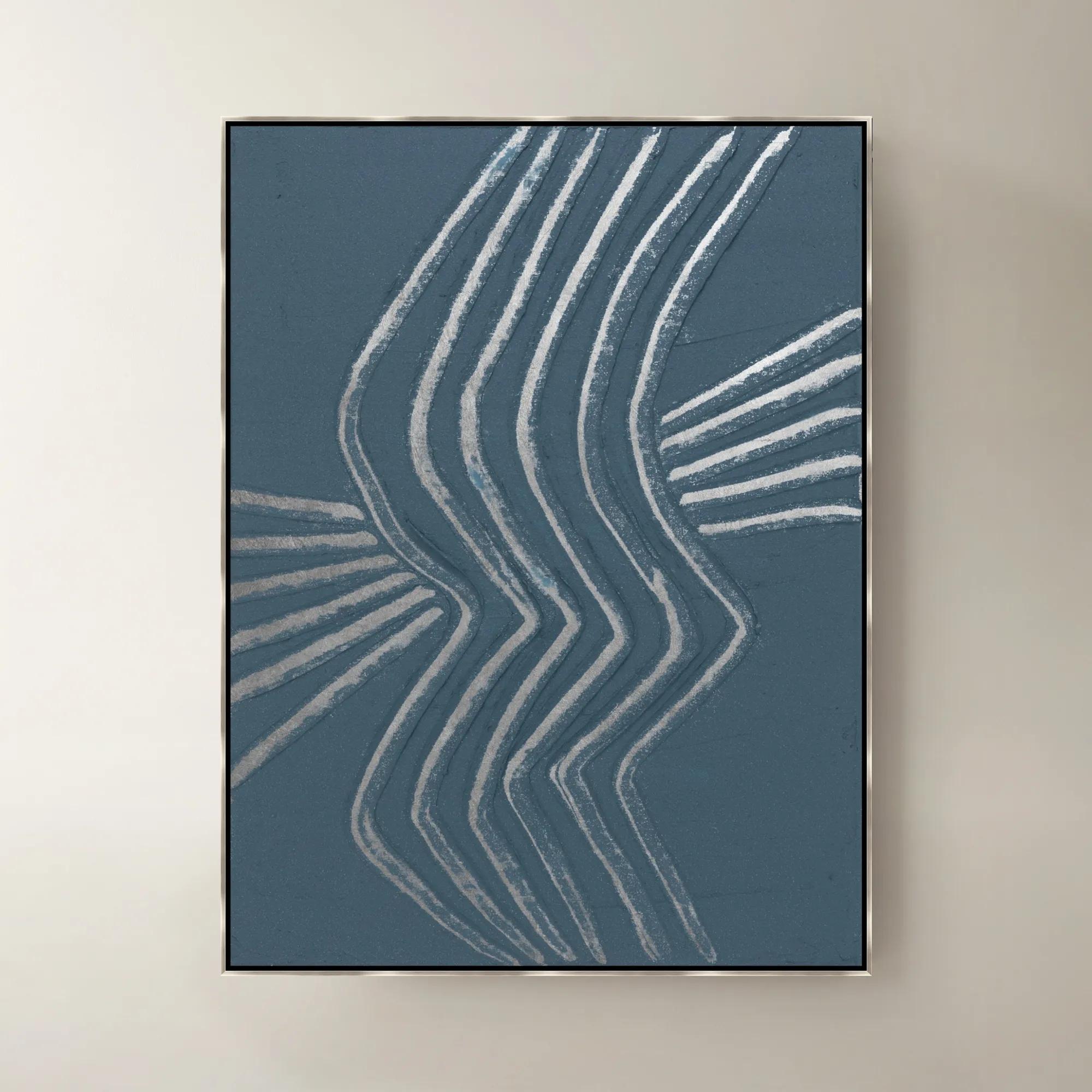
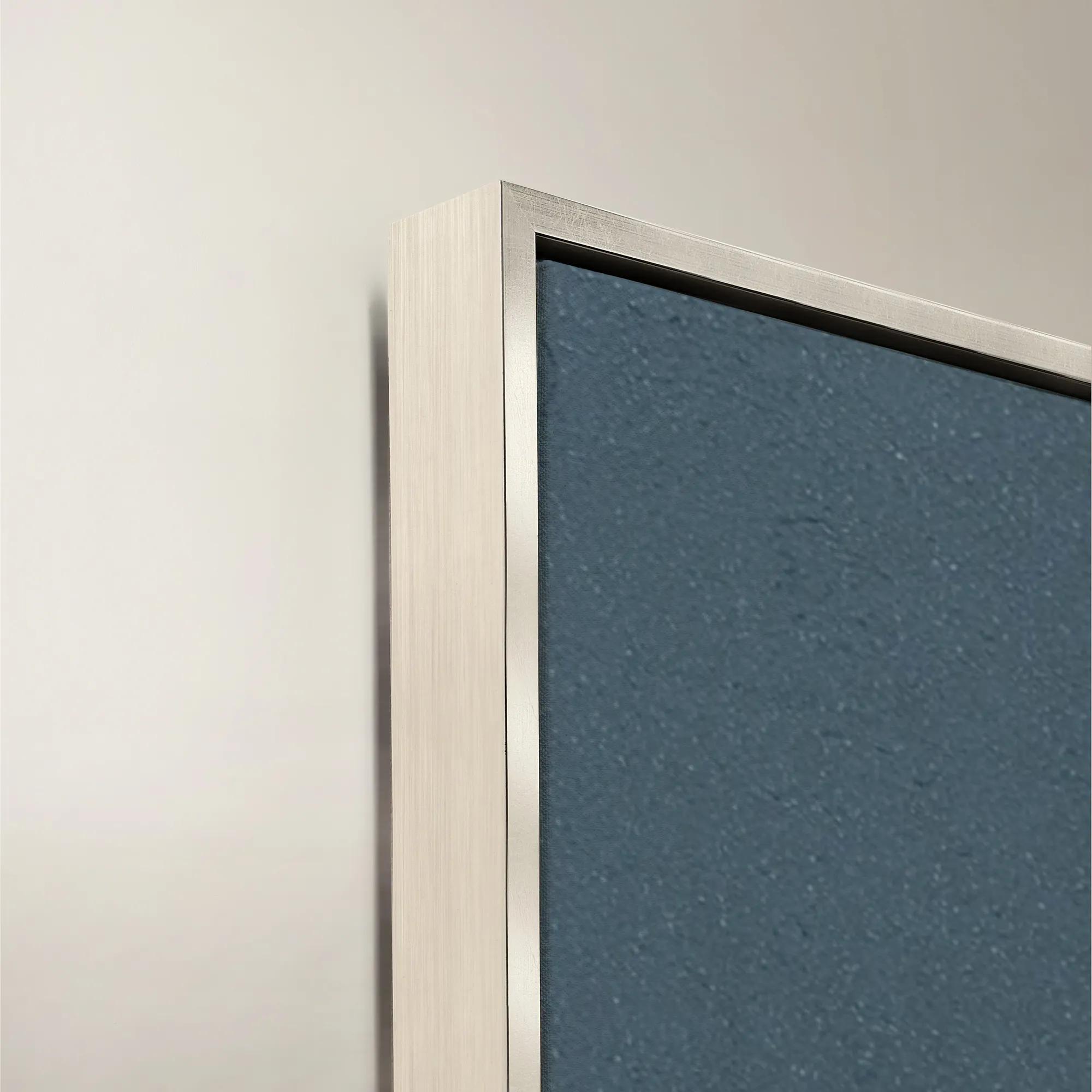 Gilded Waves IV Framed Painted Wall Art 40" x 53"$1399
A framed painted canvas artwork featuring flowing gilded waves in soothing blue and purple tones.
Add To Cart -
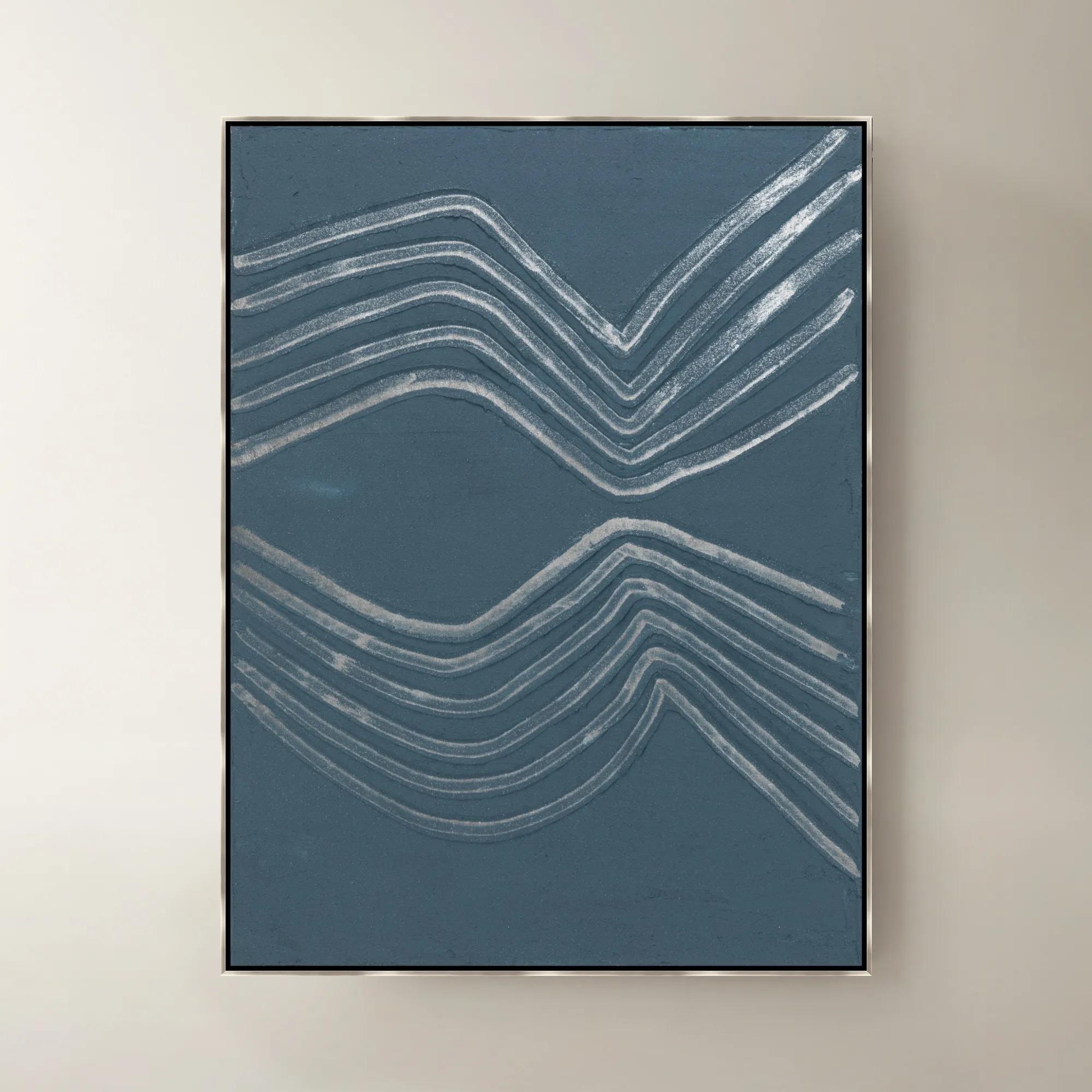
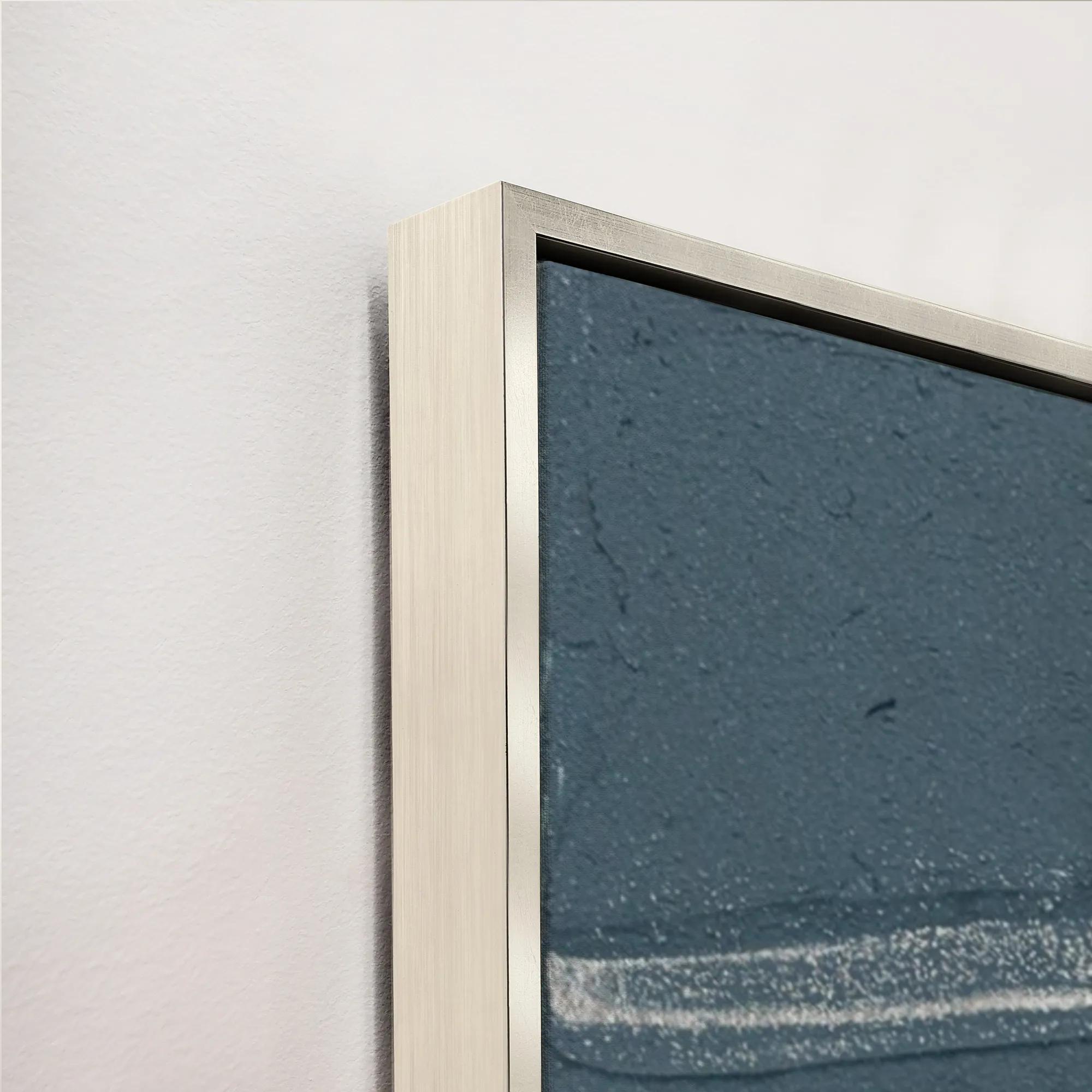 Gilded Waves VI Framed Painted Wall Art 40" x 53"$1399
A framed painted canvas artwork featuring sweeping gilded waves in rich blue and purple tones.
Add To Cart -
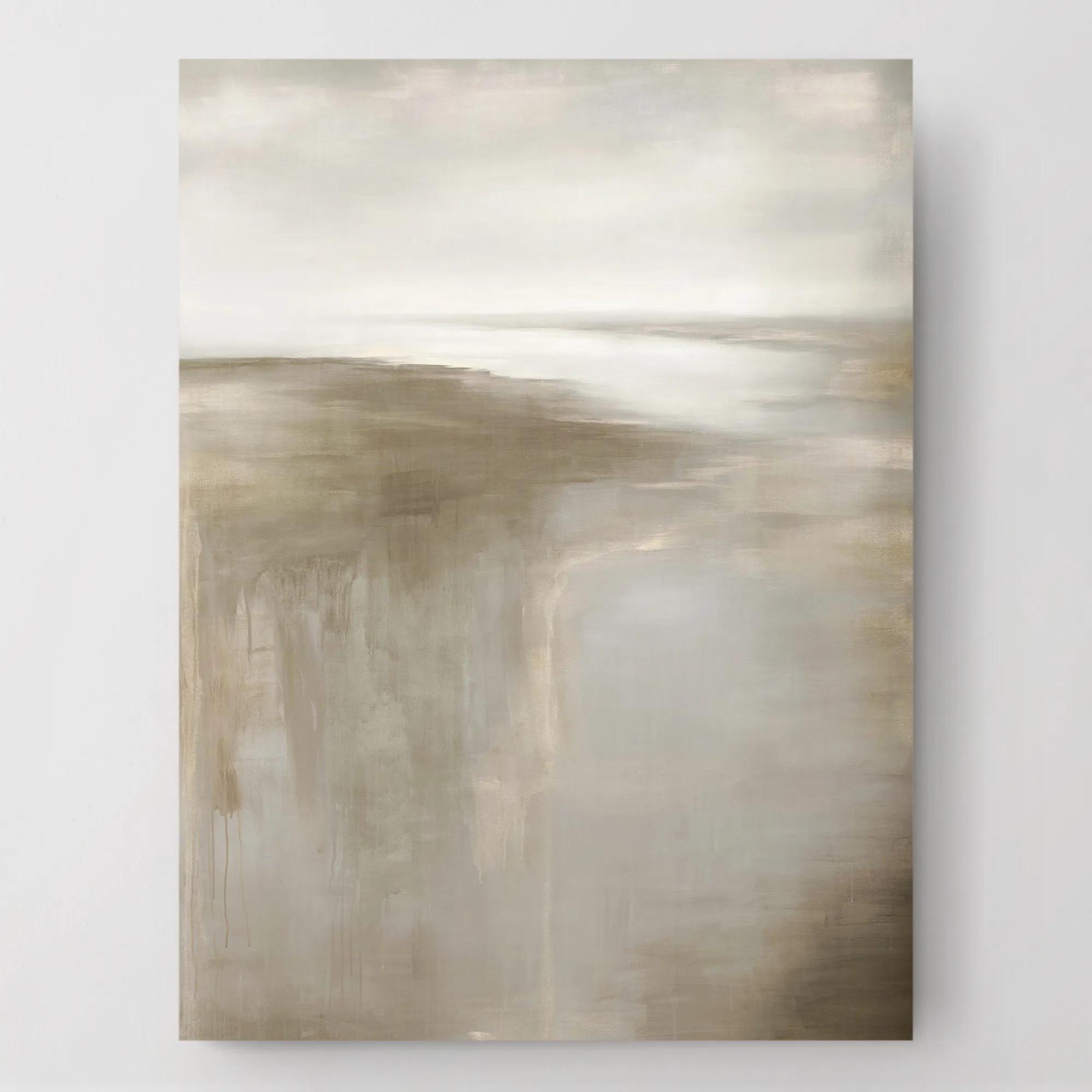
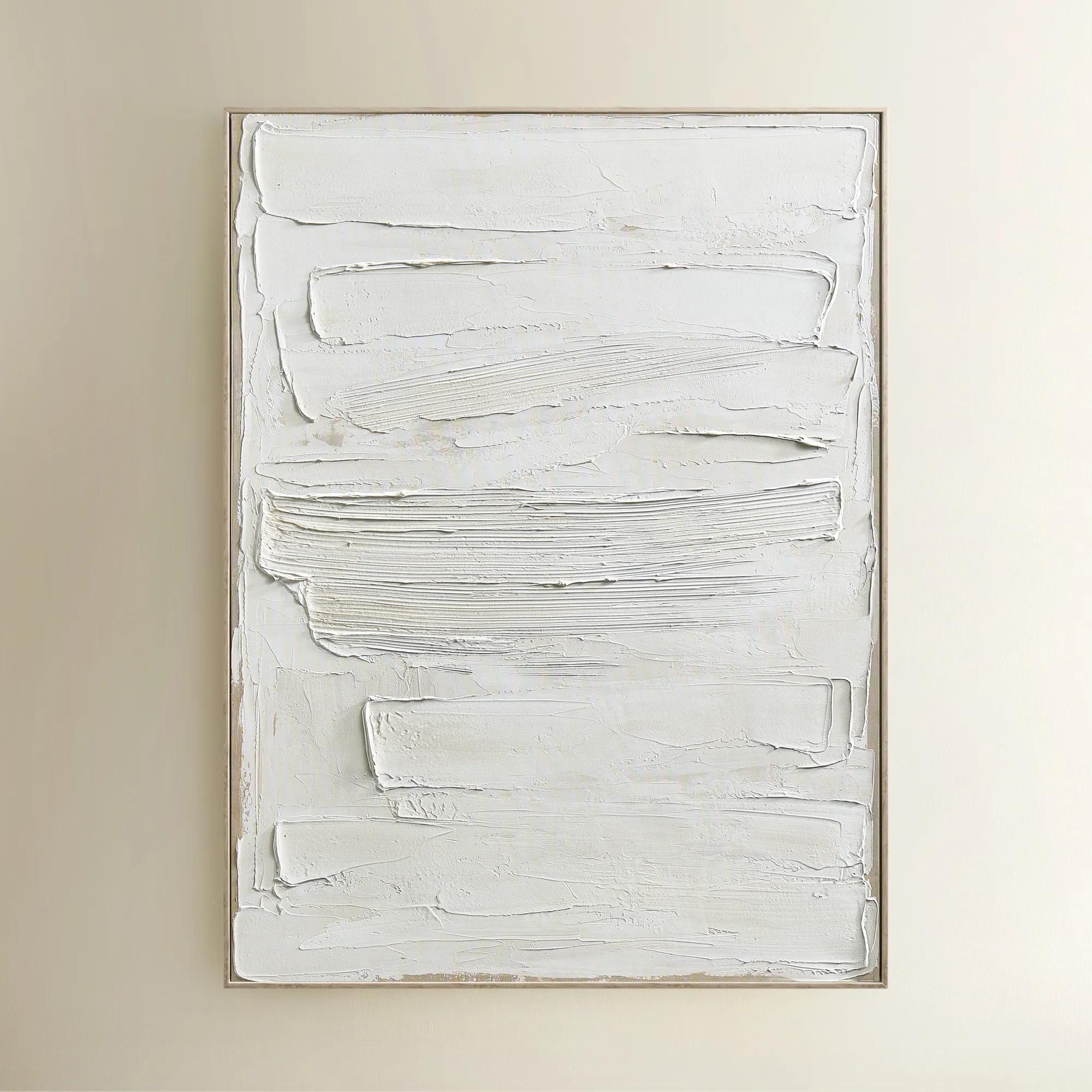
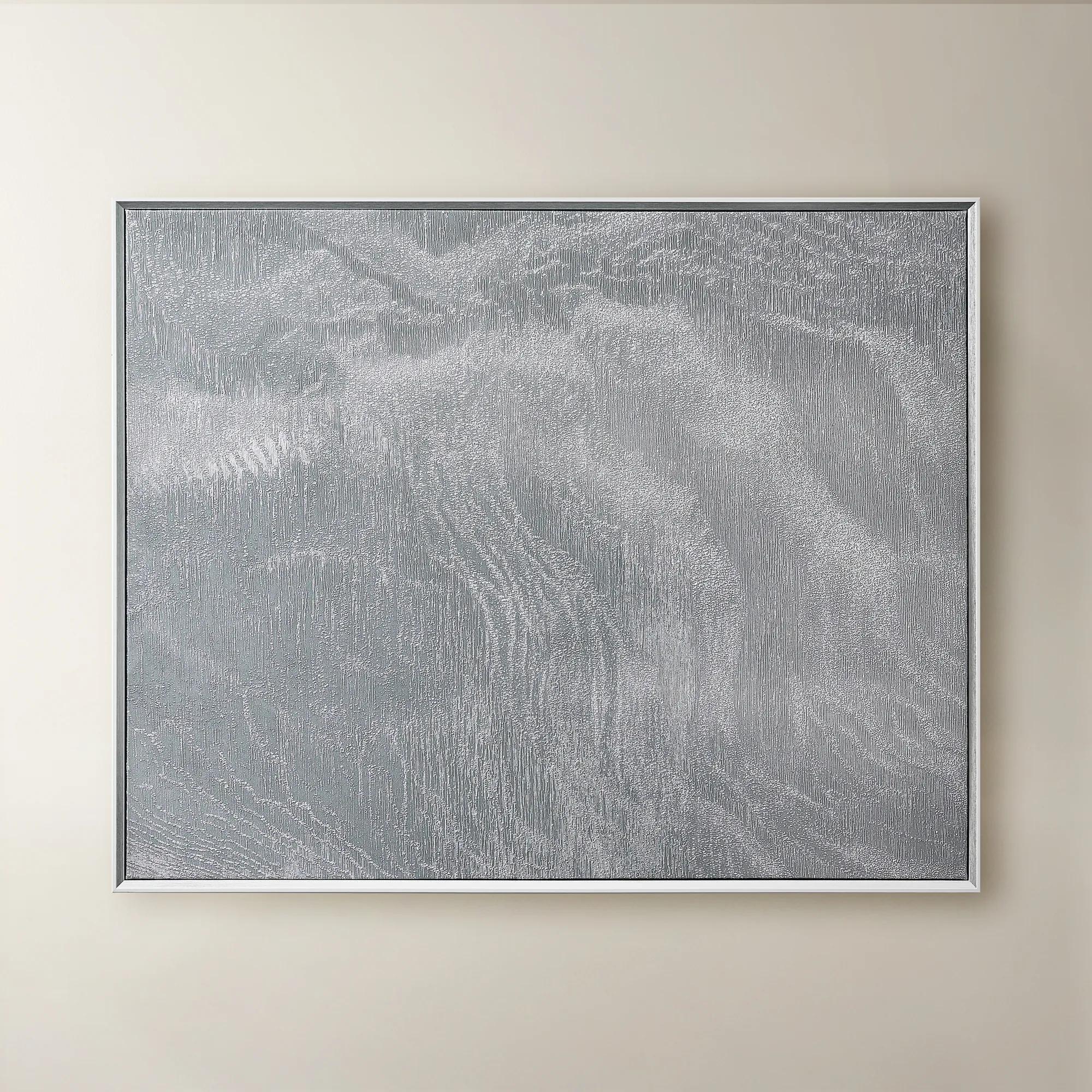
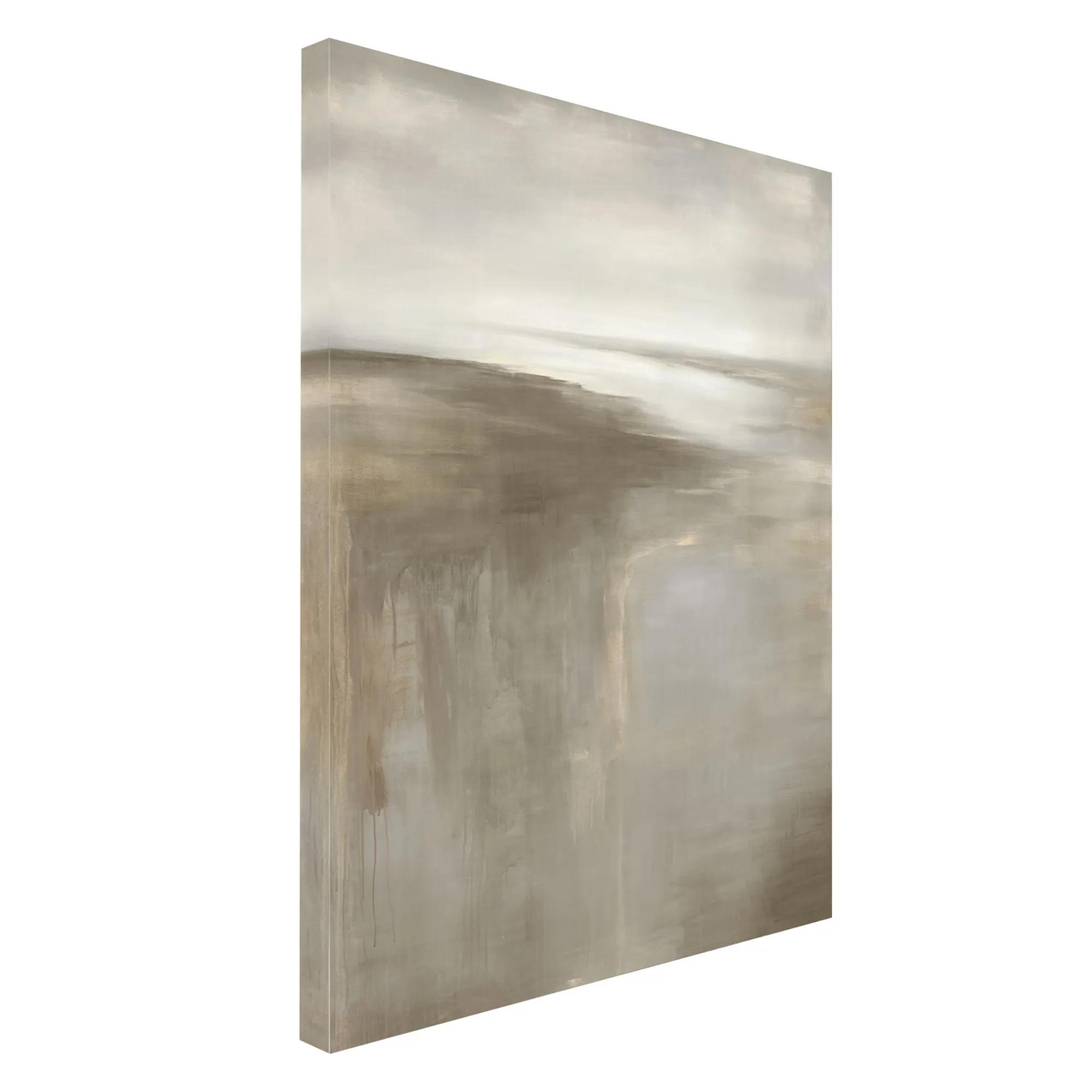 Silver Morning Wall Art 30" x 40"$449
A gallery-wrapped silver canvas artwork featuring a hand-applied image brush gel finish.
Add To Cart -
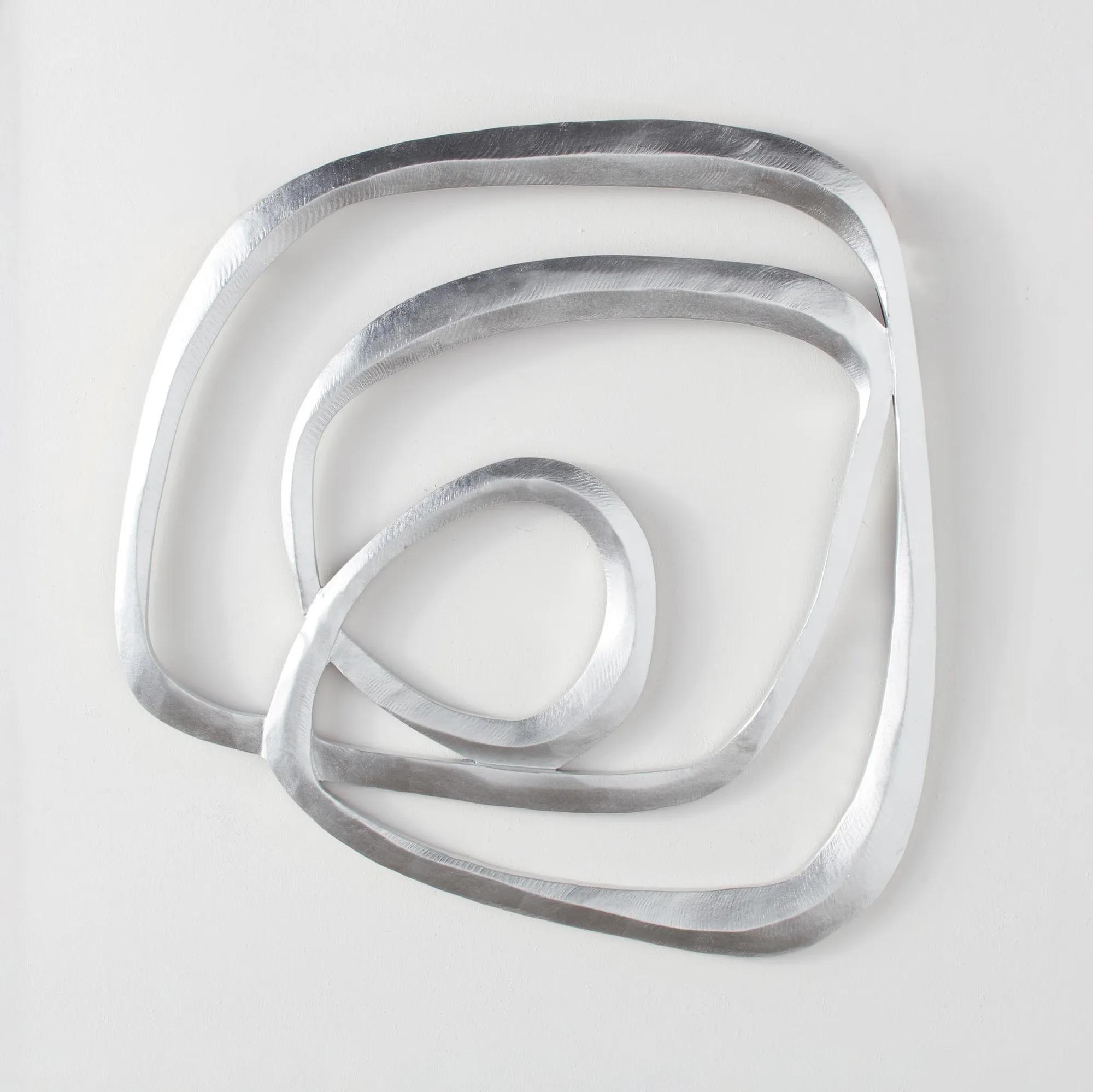 Infinity Silver Leaf Wood Wall Decor II 31.5" x 31.5"$299
A swirling wooden wall sculpture featuring a striking metallic silver finish for modern visual impact.
Add To Cart -
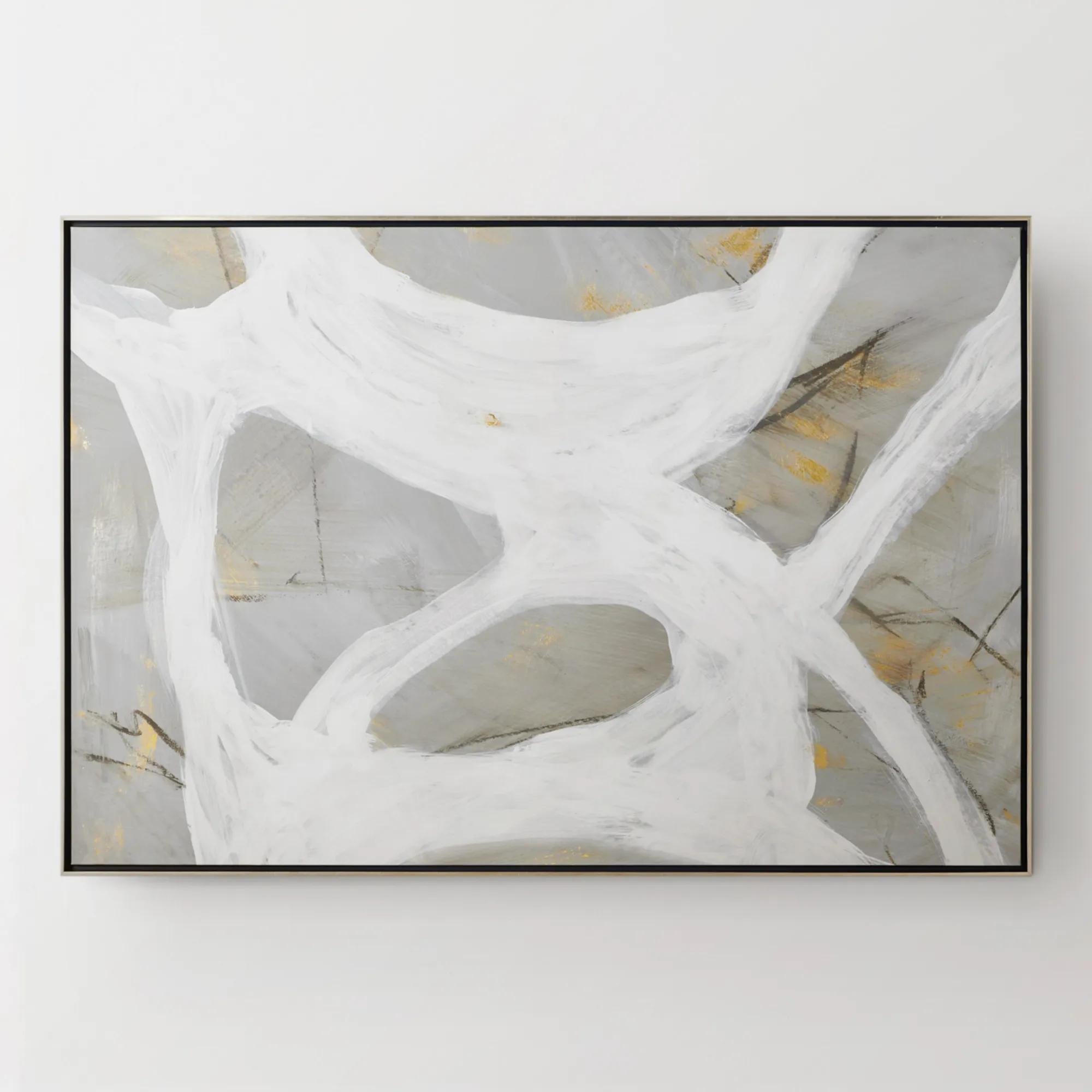
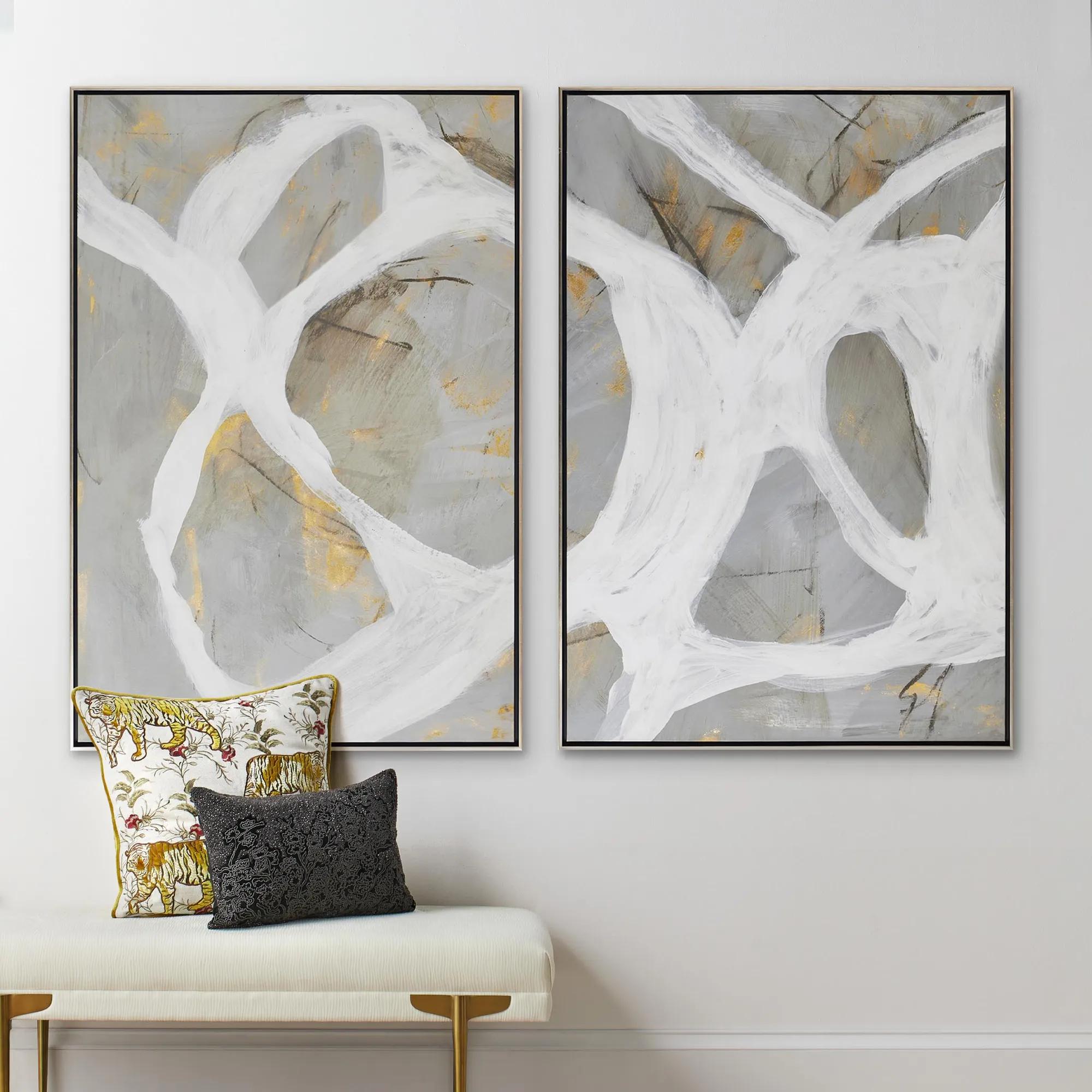 Les Series Framed Painted Wall Art II 61" x 41"$1099
An abstract canvas artwork featuring bold brushstrokes, hand-applied gold accents, and a silver floater frame.
Add To Cart -
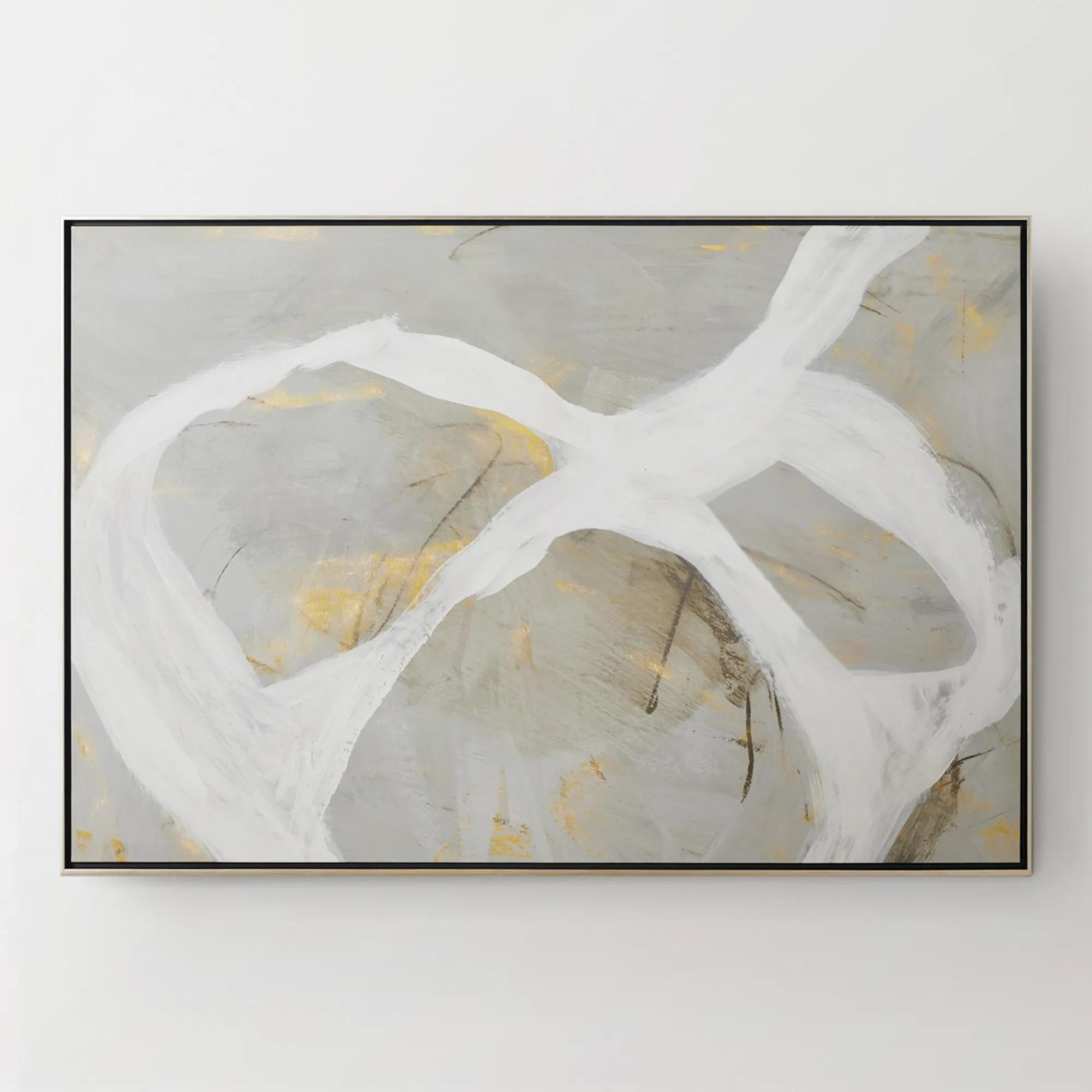
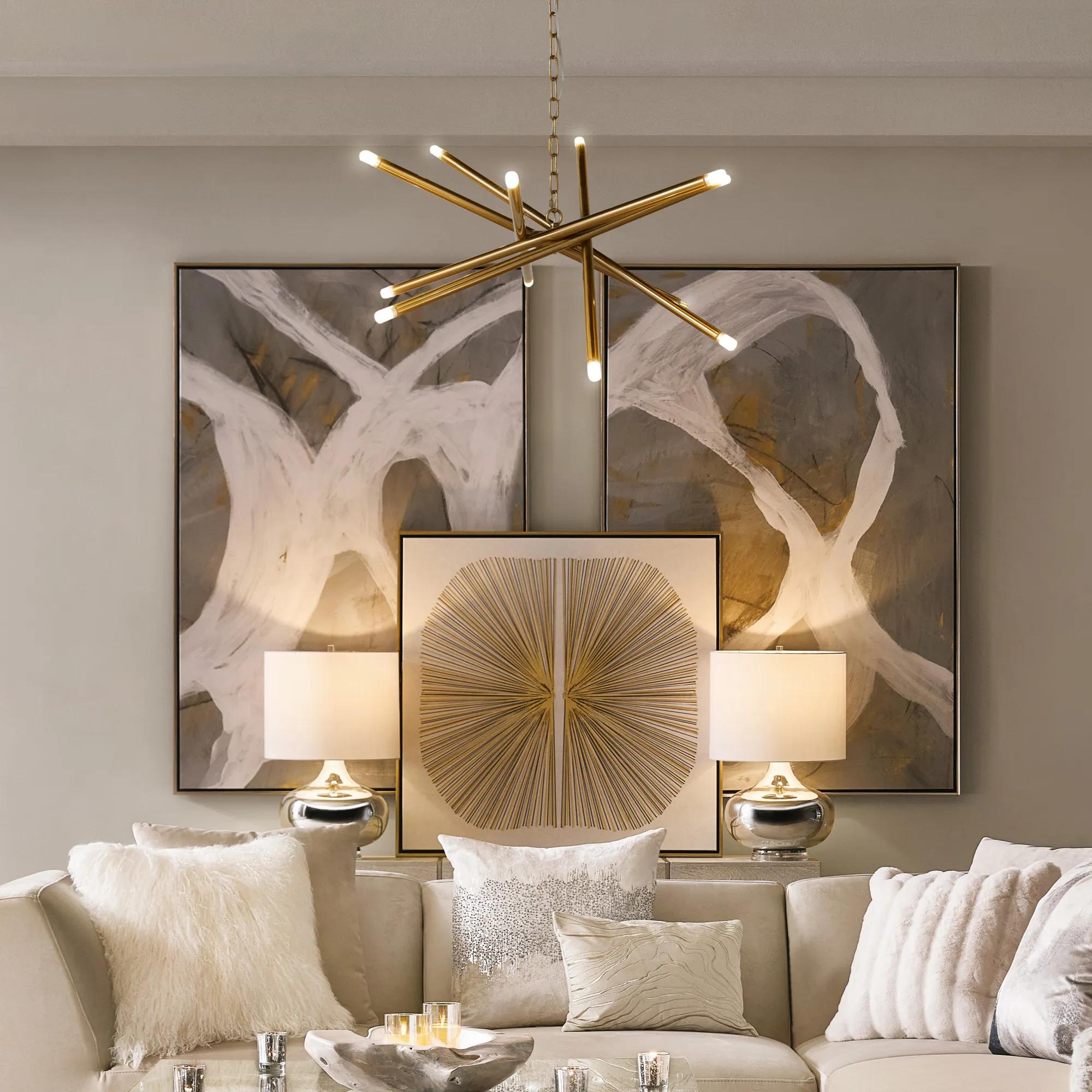 Les Series Framed Painted Wall Art I 61" x 41"$1099
An abstract canvas artwork featuring bold brushstrokes, hand-applied gold accents, and a silver floater frame.
Add To Cart -
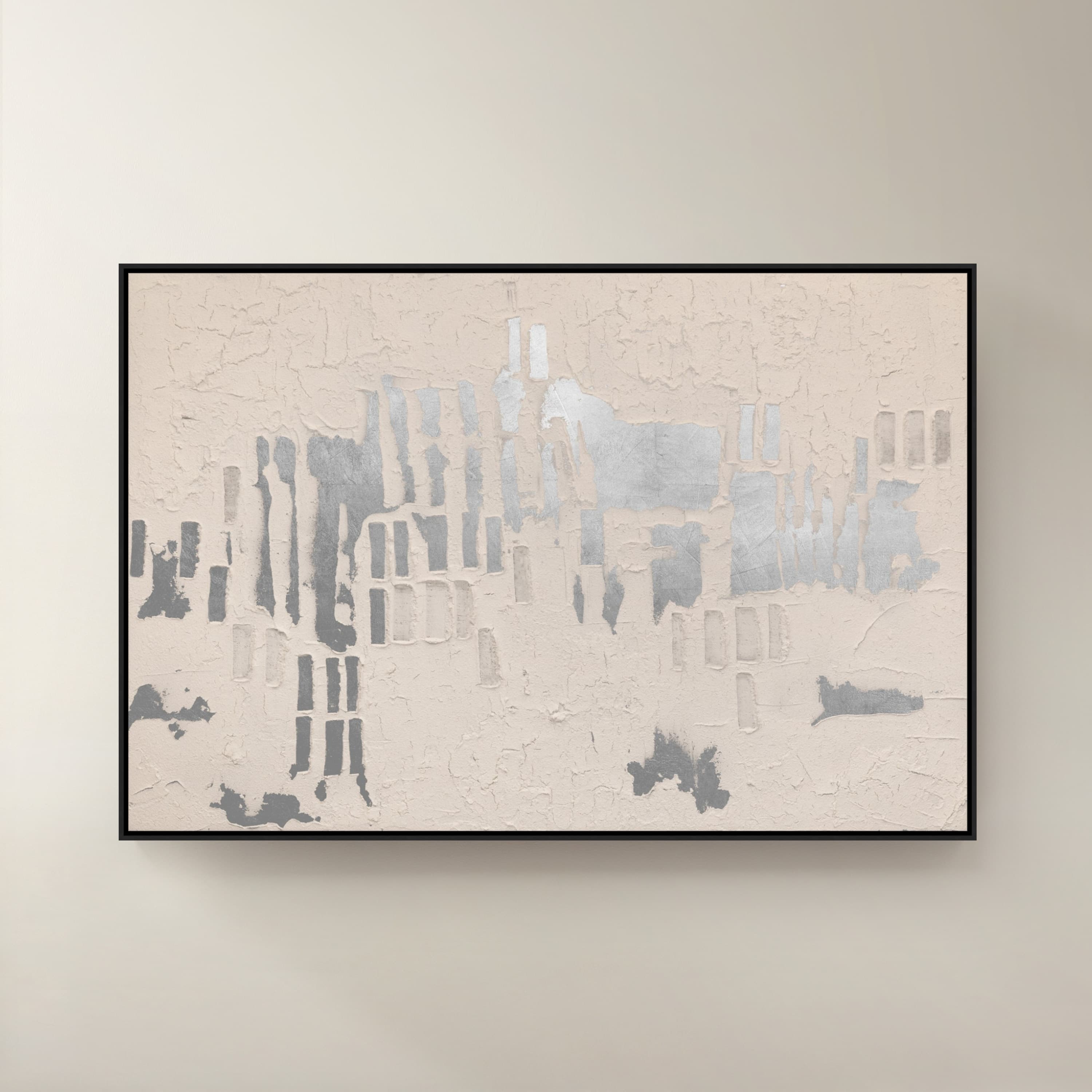
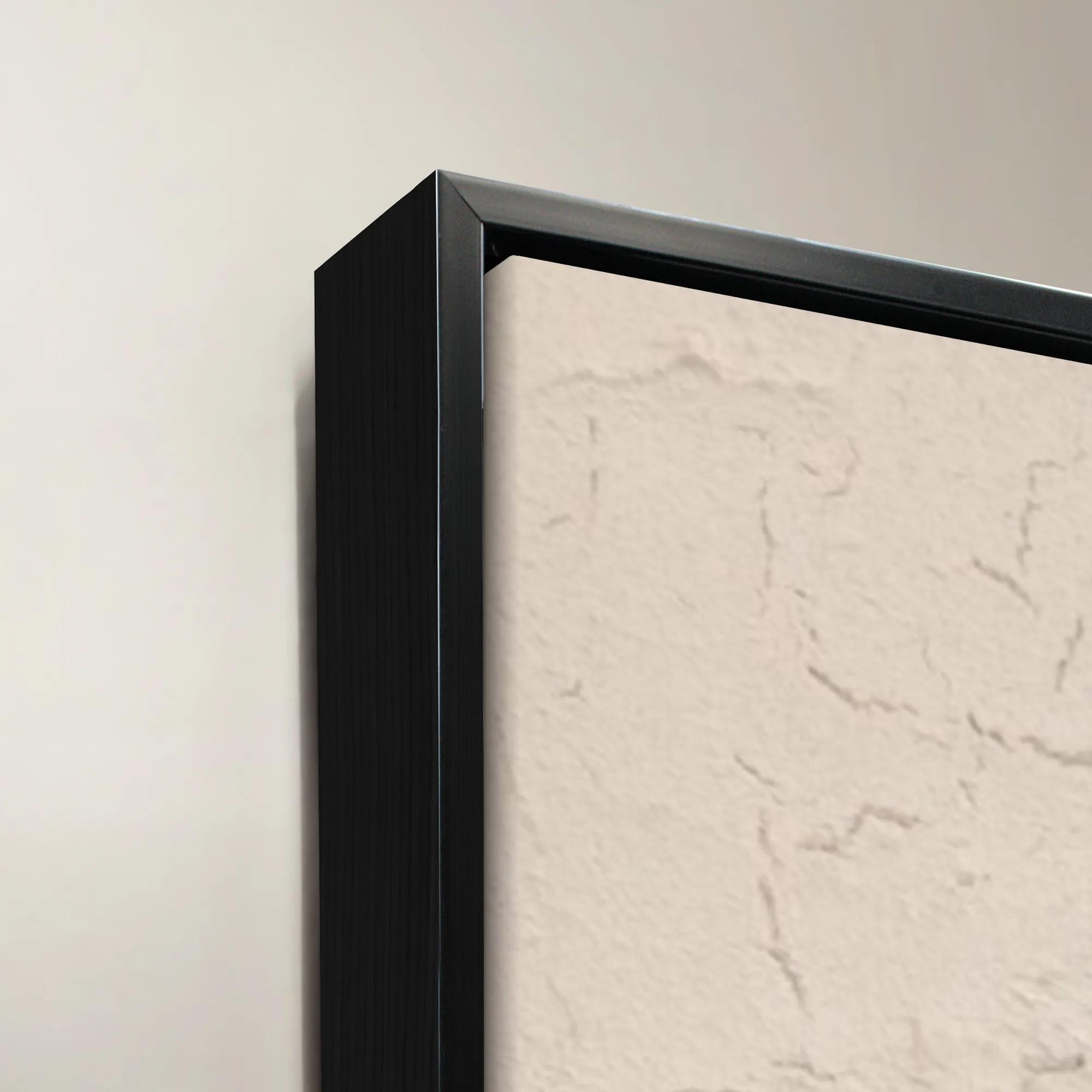 Silver Reverie Framed Painted Wall Art 60" x 40"$1699
A silver-toned painted canvas artwork framed for a sophisticated, contemporary wall display.
Add To Cart -
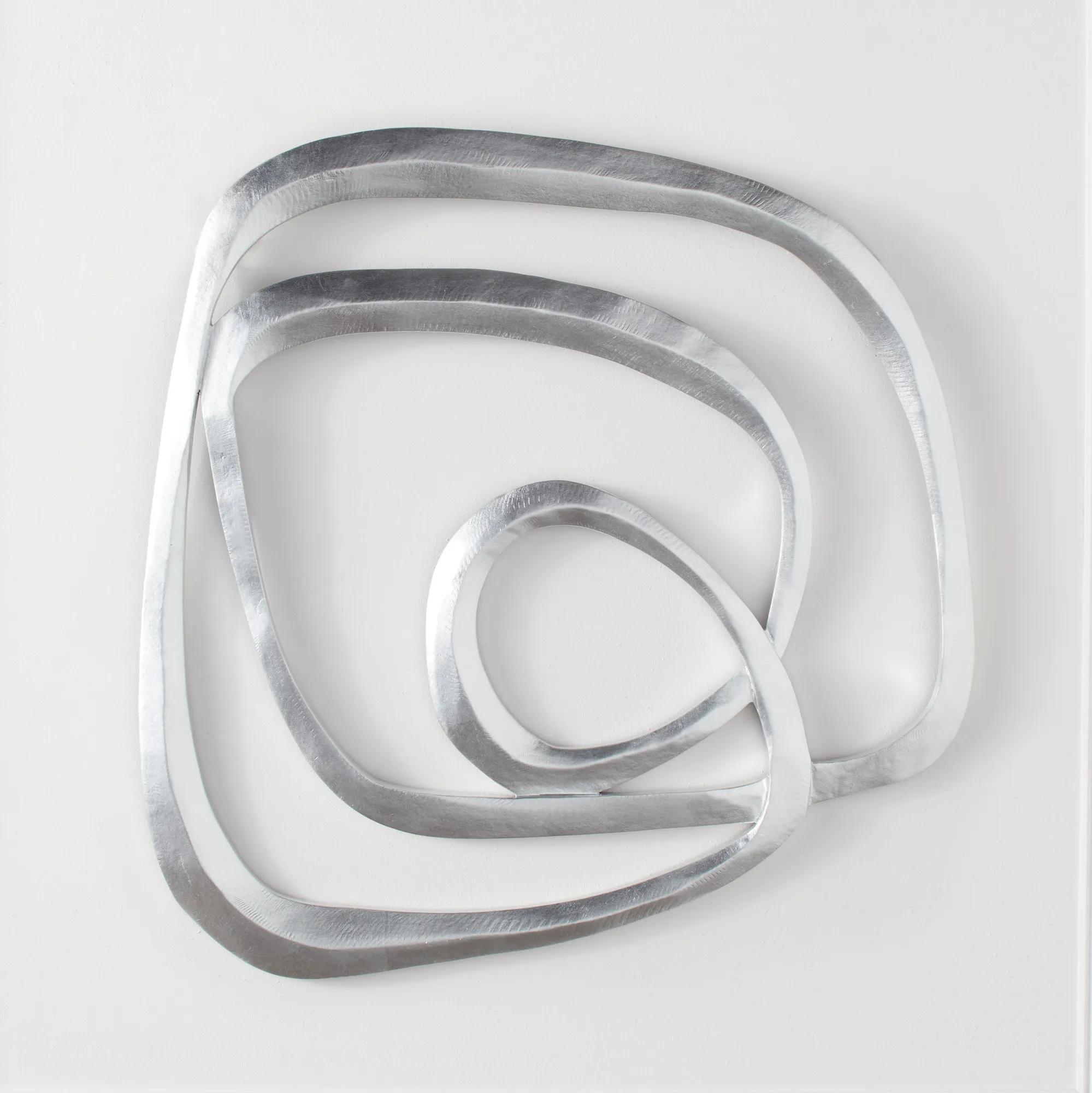 Infinity Silver Leaf Wood Wall Decor I 31.5" x 31.5"$299
A swirling wooden wall sculpture featuring a striking metallic silver finish for modern visual impact.
Add To Cart -
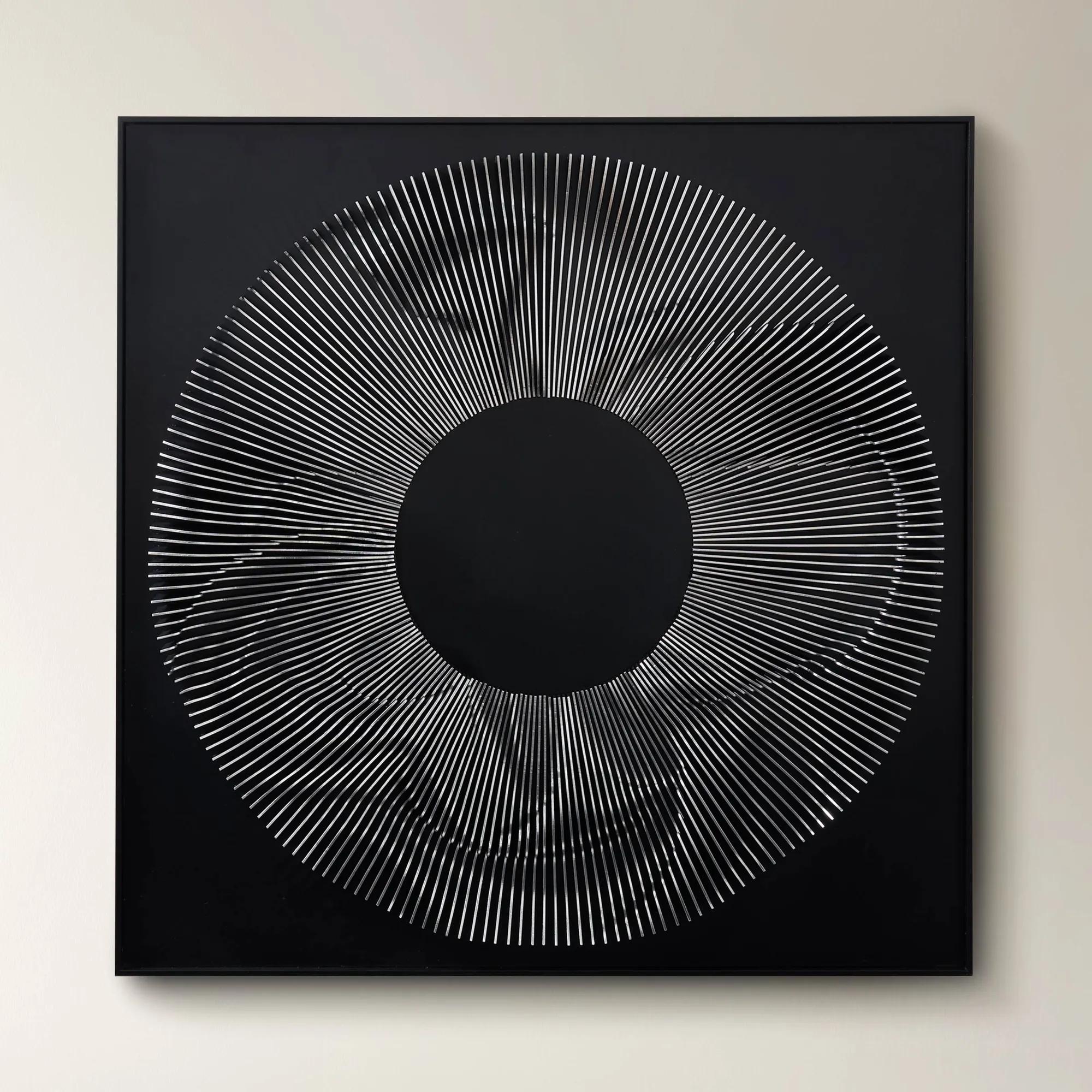 Efflorescence Wood Carving$799
A three-dimensional pine wood panel features a flowing carved motif in a striking silver finish.
Add To Cart -
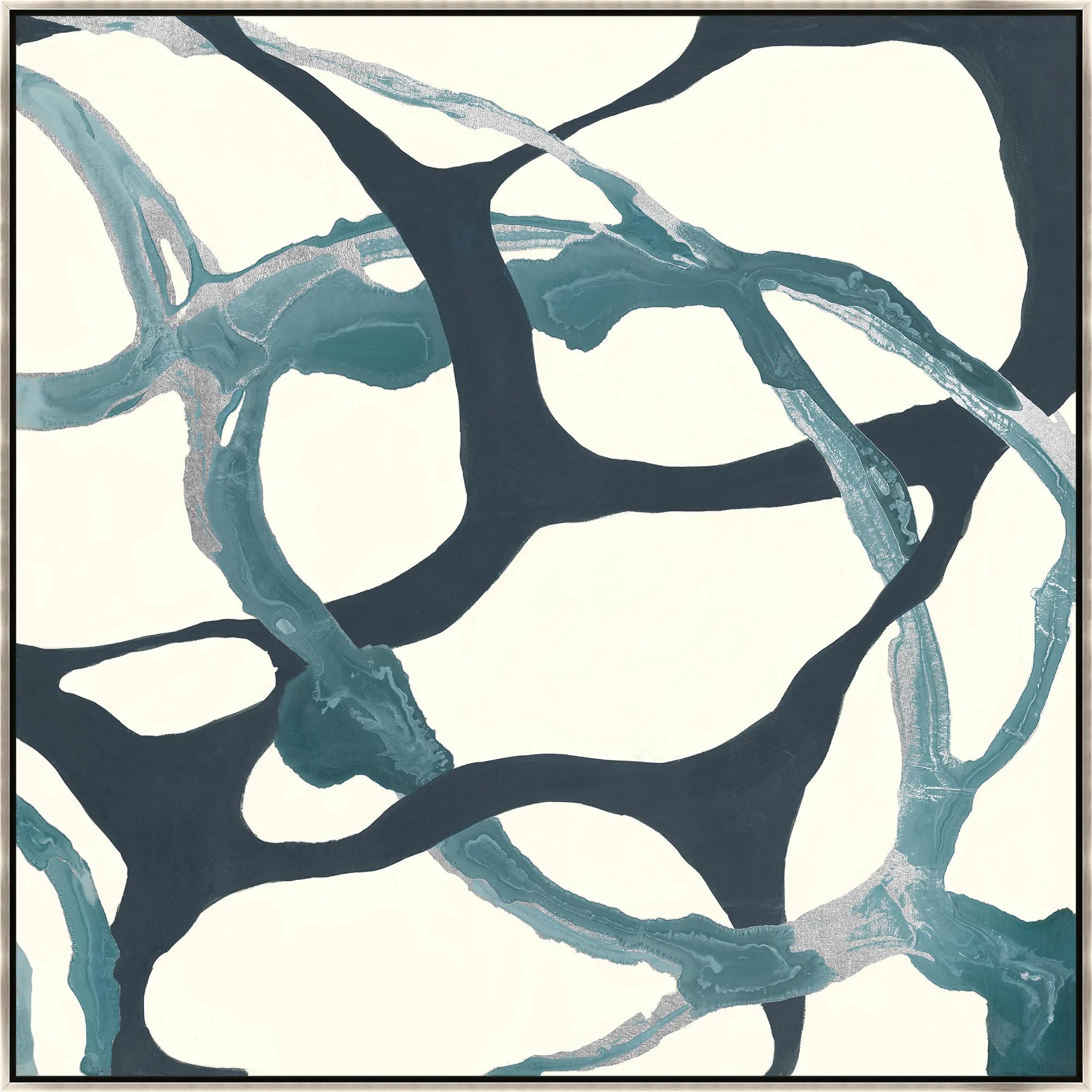
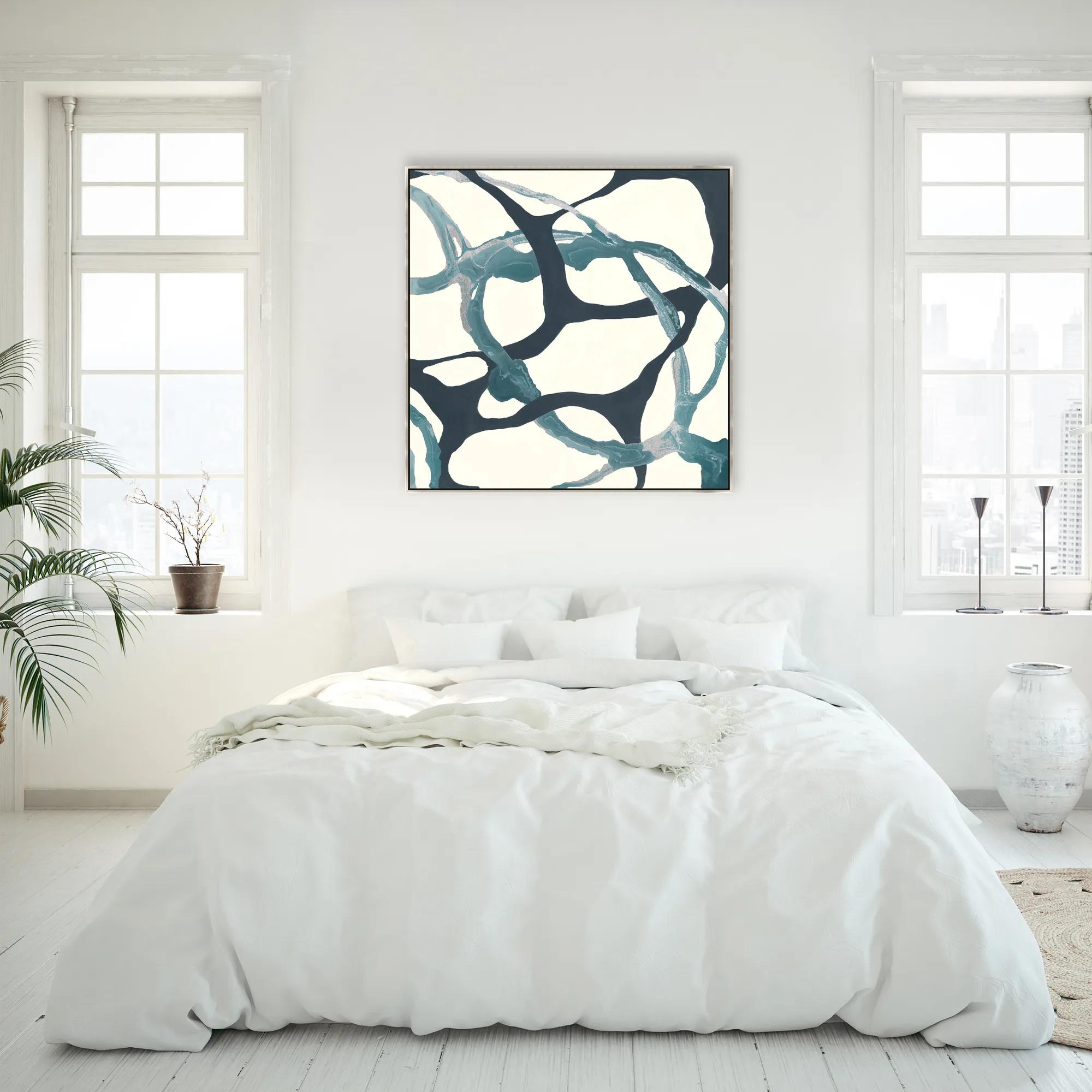 Alignments II Framed Wall Art 40" x 40"$899
A gallery-wrapped canvas featuring gilded silver accents and hand-applied brush gel in a silver floater frame.
Add To Cart -
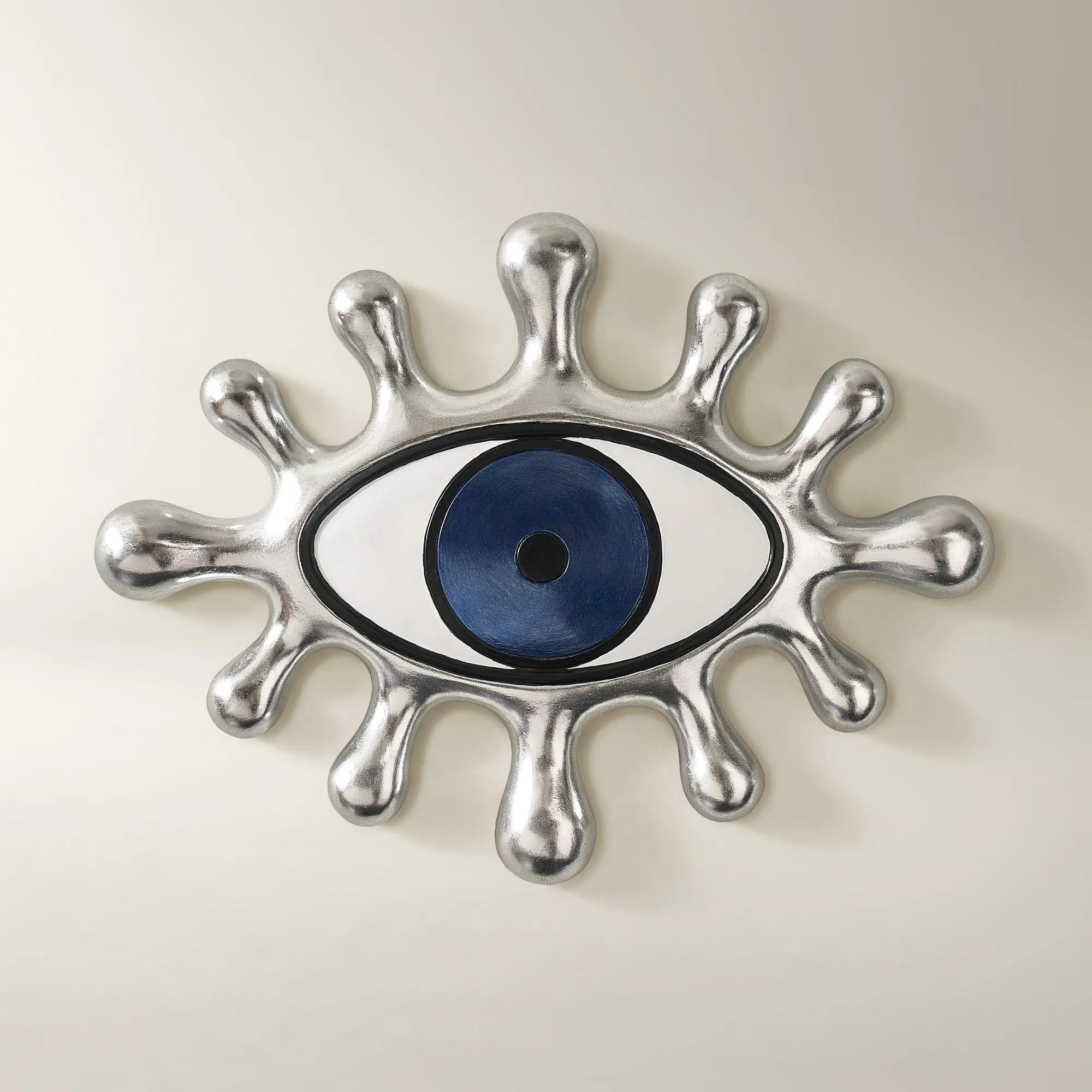 Grand Eye Ink Blue And Silver Resin Wall Decor 18" x 13.5"$79
An exaggerated eye motif in ink blue and silver brings playful, sculptural texture to any wall.
Add To Cart -

 Rosebud Framed Painted Wall Art 40" x 60"$1599
A framed painted canvas artwork featuring elegant gold tones for sophisticated modern interiors.
Add To Cart -
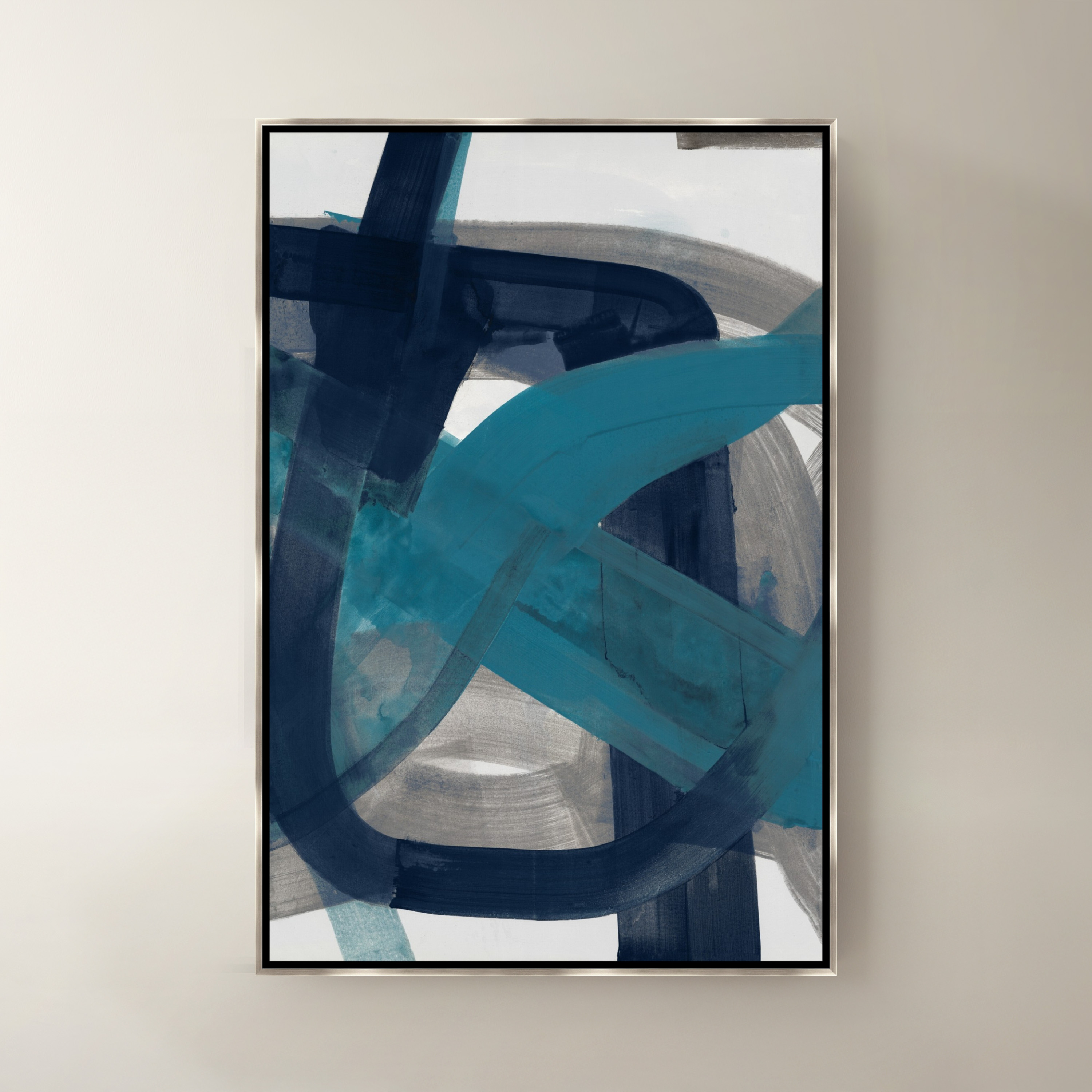
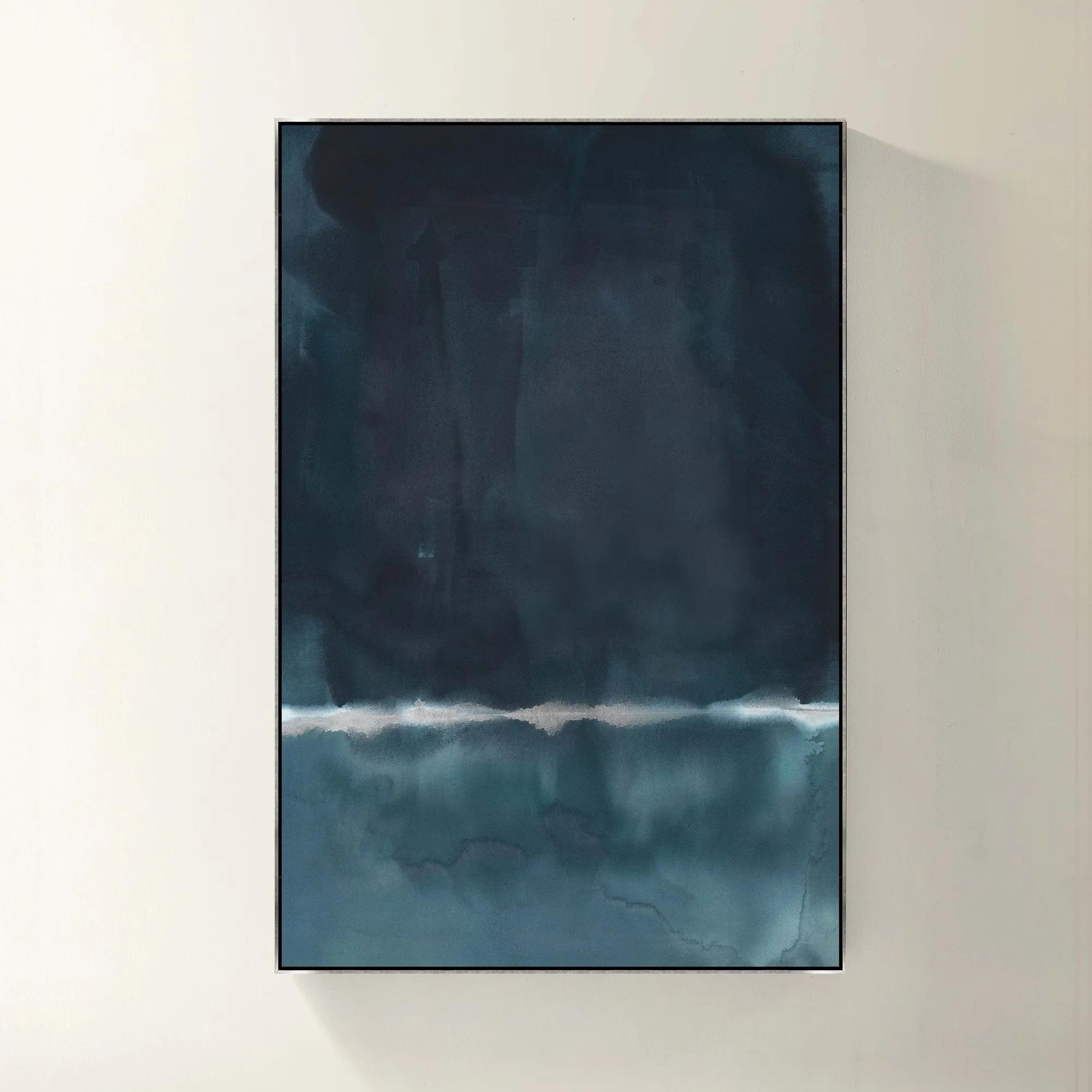 Blue Monday Framed Wall Art 40" x 60"$1119
A gallery-wrapped blue canvas with hand-embellished silver accents in a sleek silver floater frame.
Add To Cart -
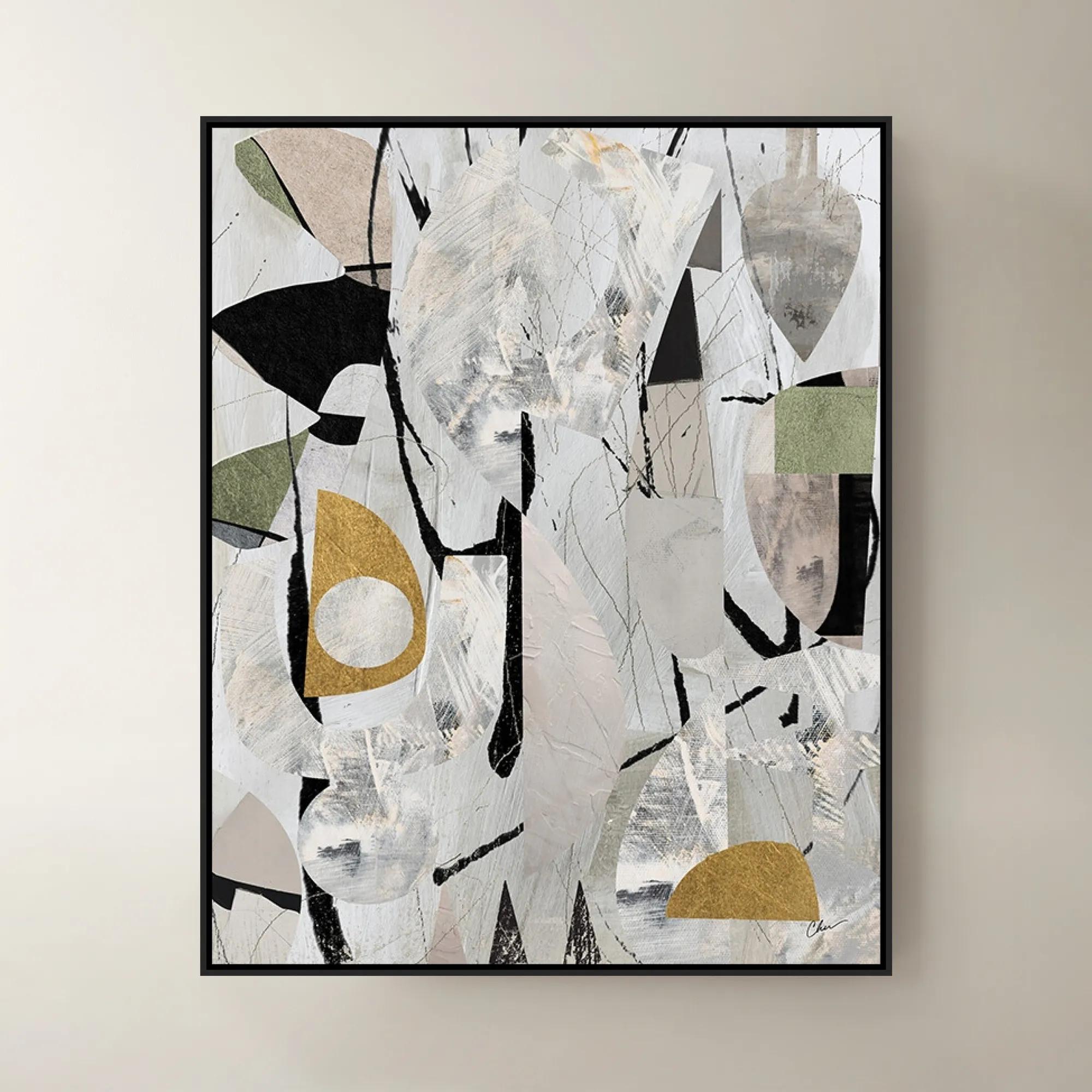
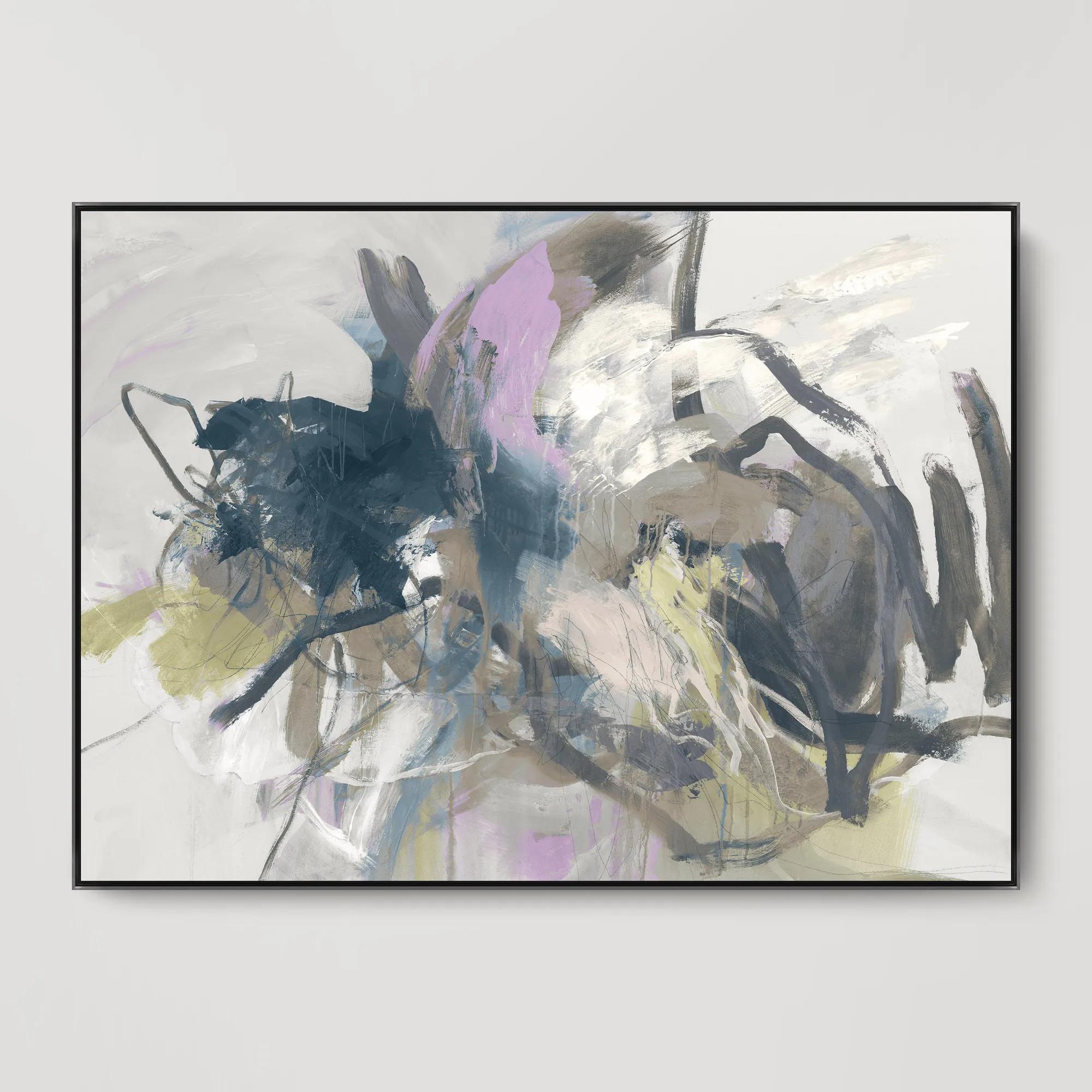
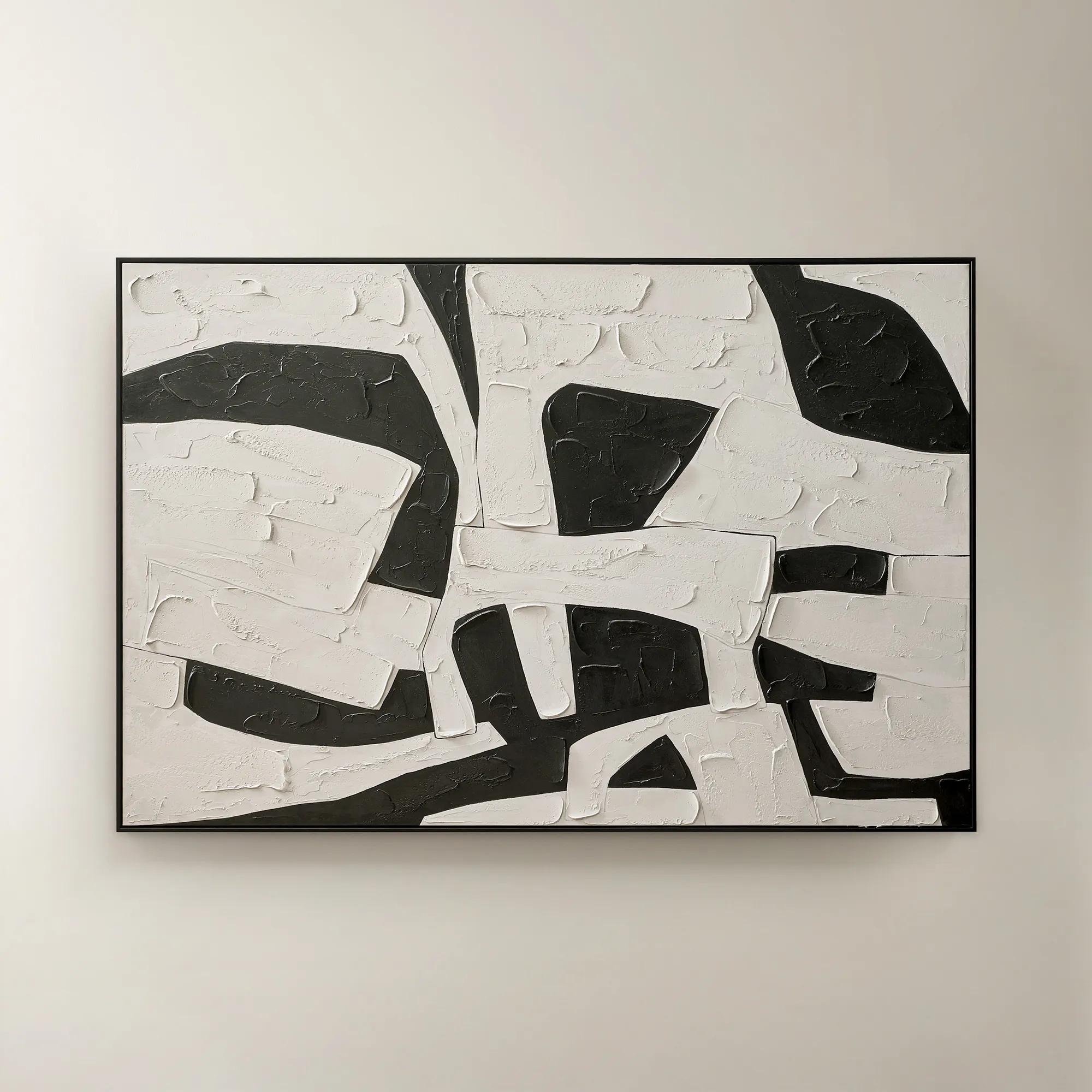 Space Between Shadows Framed Painted Wall Art 72" x 48"$799
A hand-painted abstract canvas featuring bold alabaster and black geometric forms in a sleek black frame.
Add To Cart -
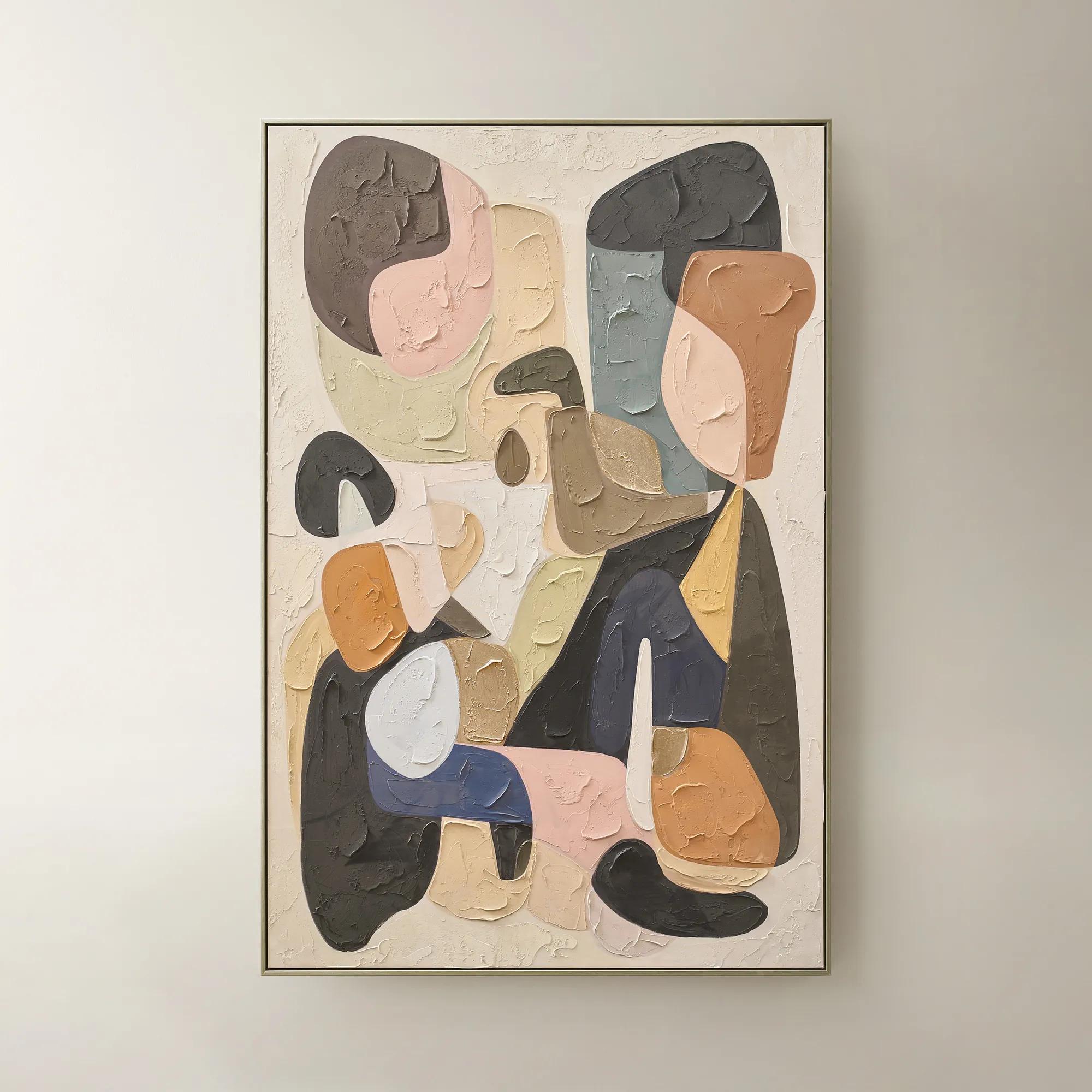 Chromatic Bloom Framed Painted Wall Art 40" x 60"$519
A hand-painted abstract canvas featuring a vibrant multi-color palette and shimmering champagne detailing.
Add To Cart -
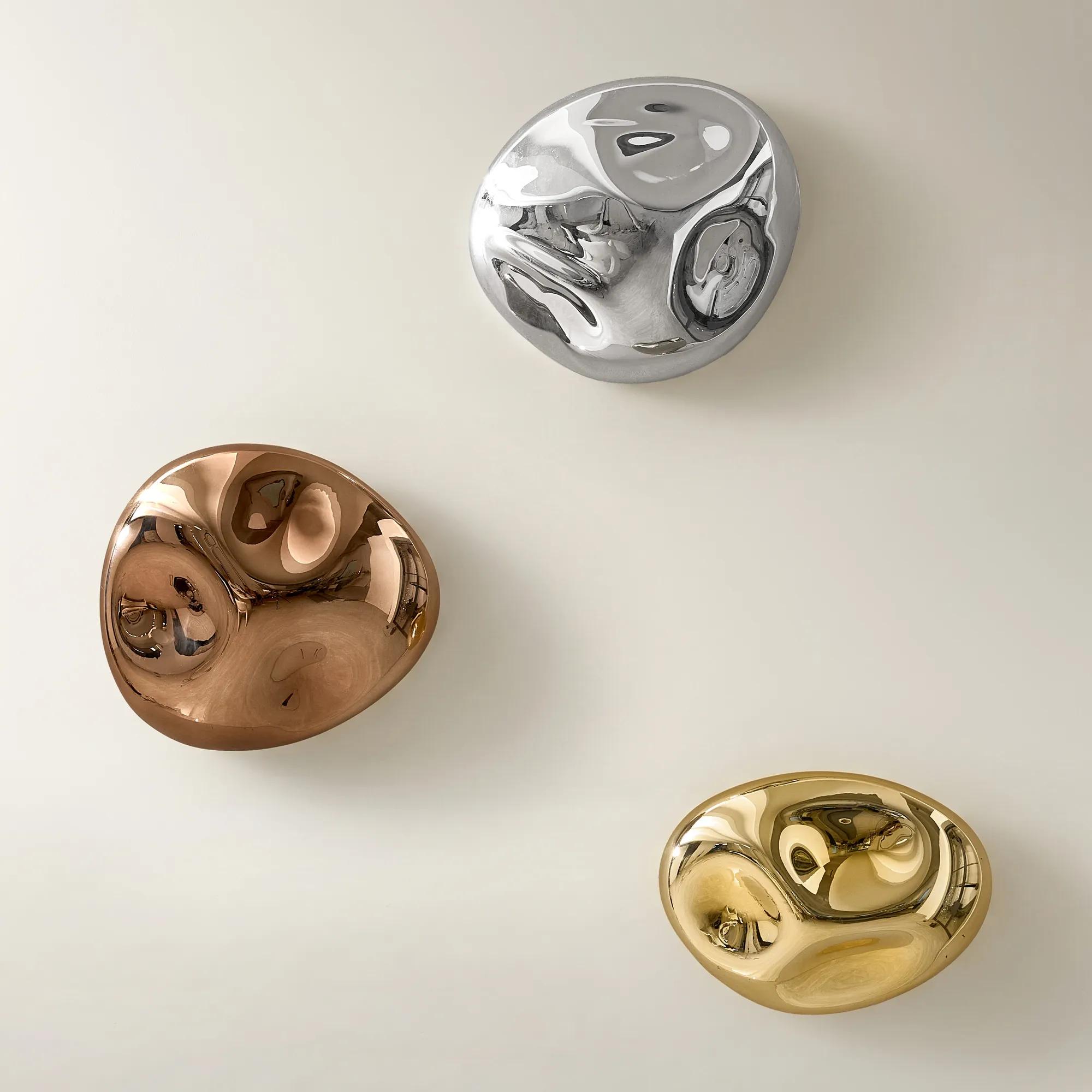
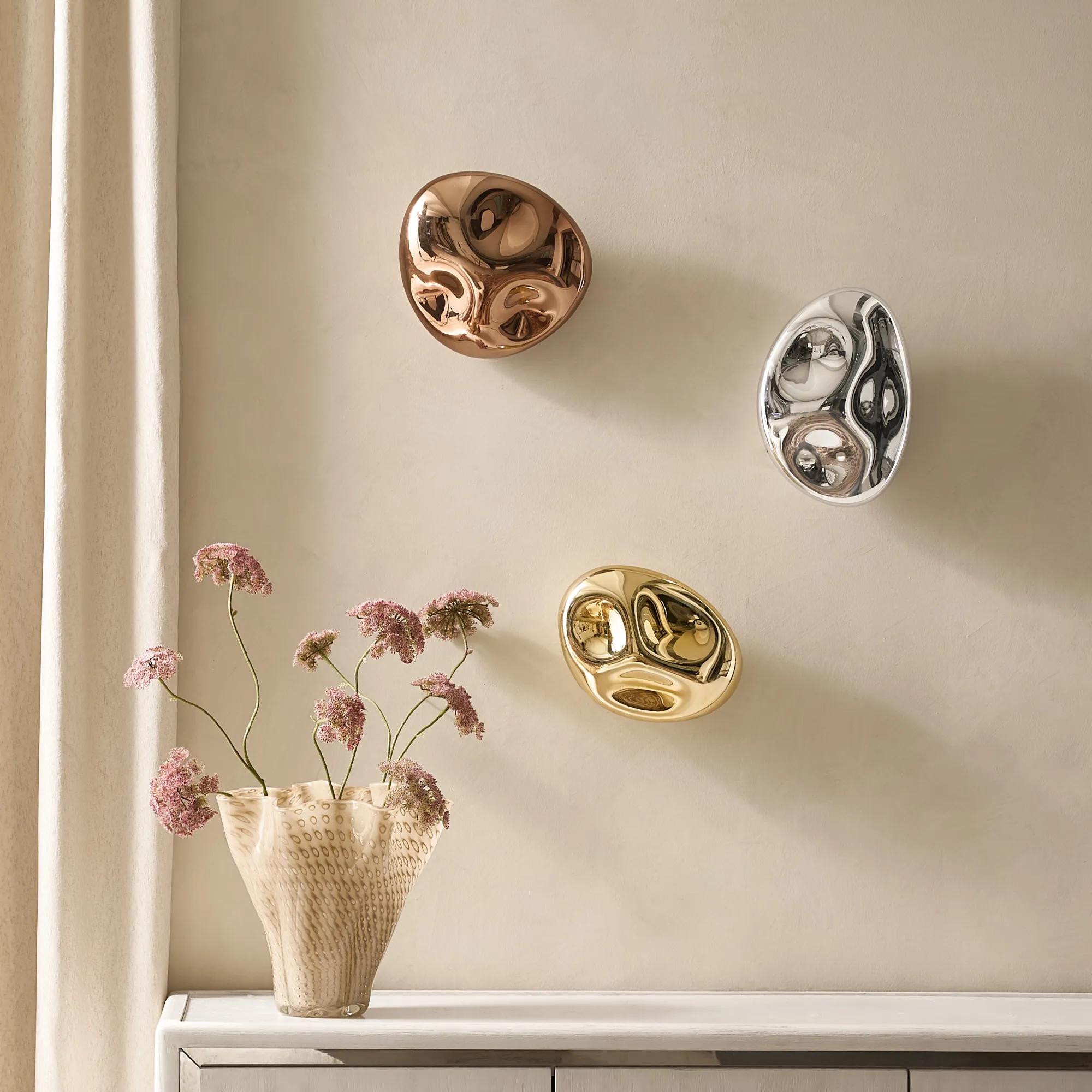 Nebula Electroplated Metallic Glass Wall Decor Set of 3$279
A set of three electroplated glass wall sculptures in polished silver, soft gold, and bronze tones.
Add To Cart -
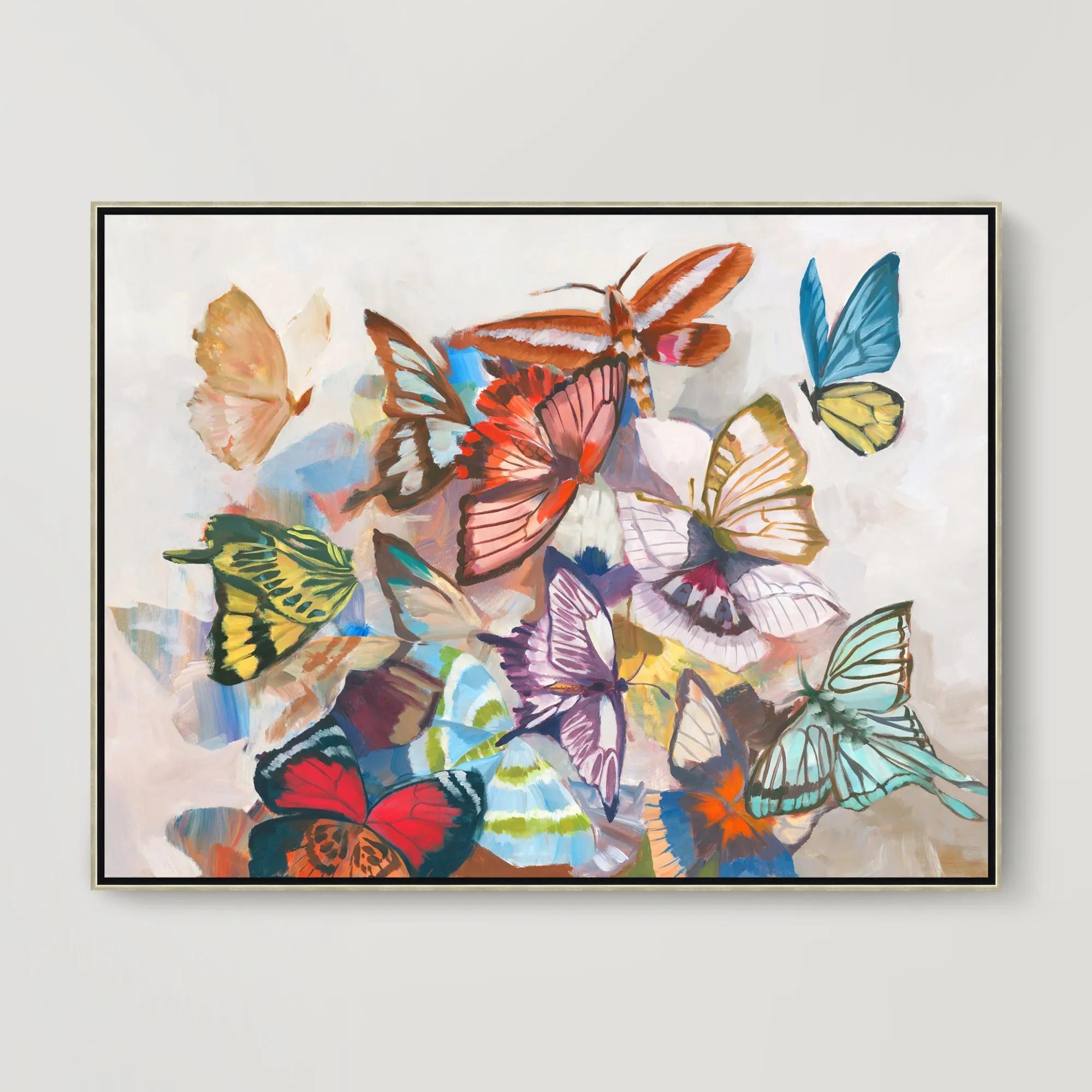 Sugar Wings Framed Wall Art 49.5" x 37.5"$799
A vibrant gallery-wrapped canvas artwork with hand-applied brush gel finish in a sleek silver floater frame.
Add To Cart -
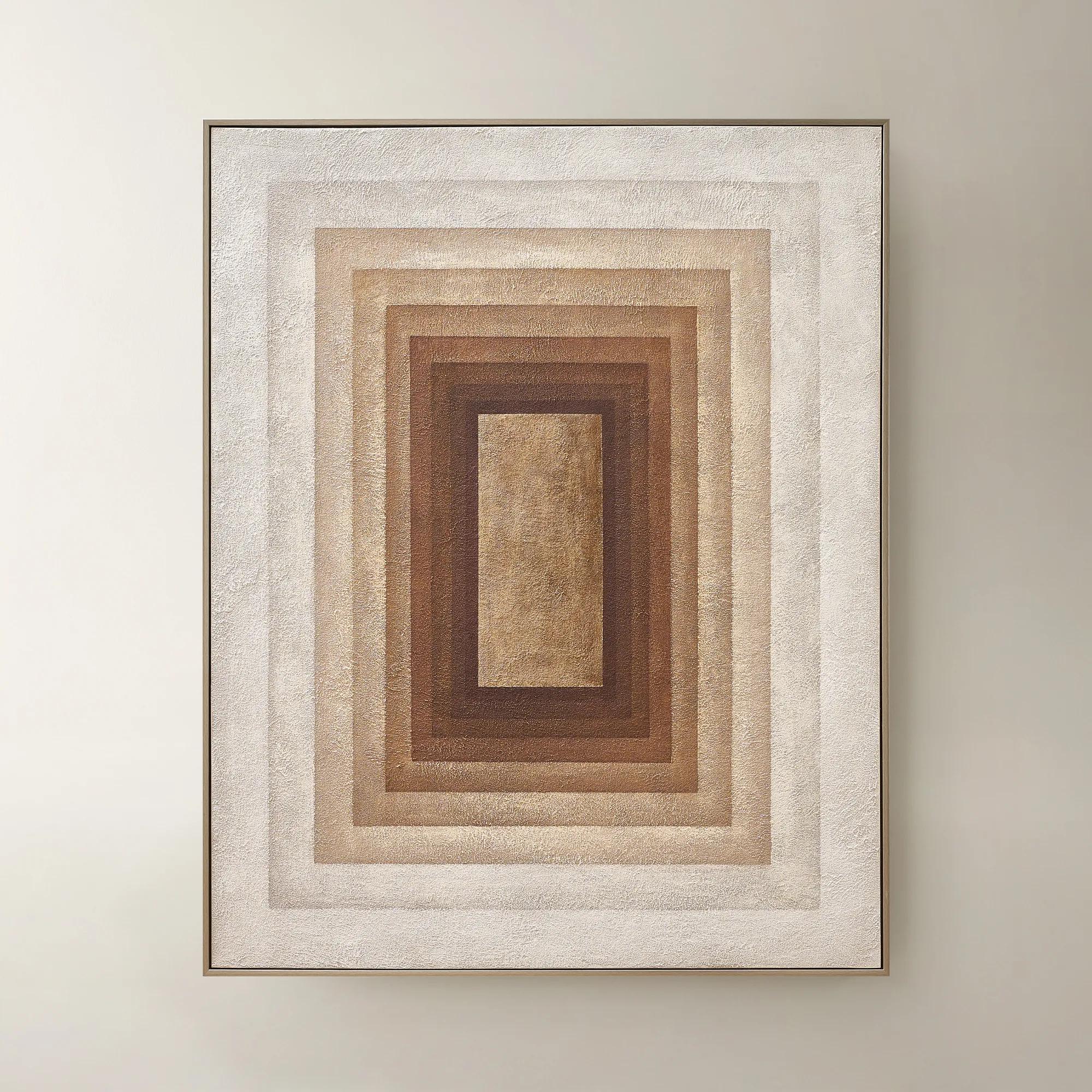 Monochrome Drift Framed Painted Wall Art 60" x 48"$699
A hand-painted abstract canvas with champagne leafing, featuring cocoa and gold tones in modern geometric design.
Add To Cart -
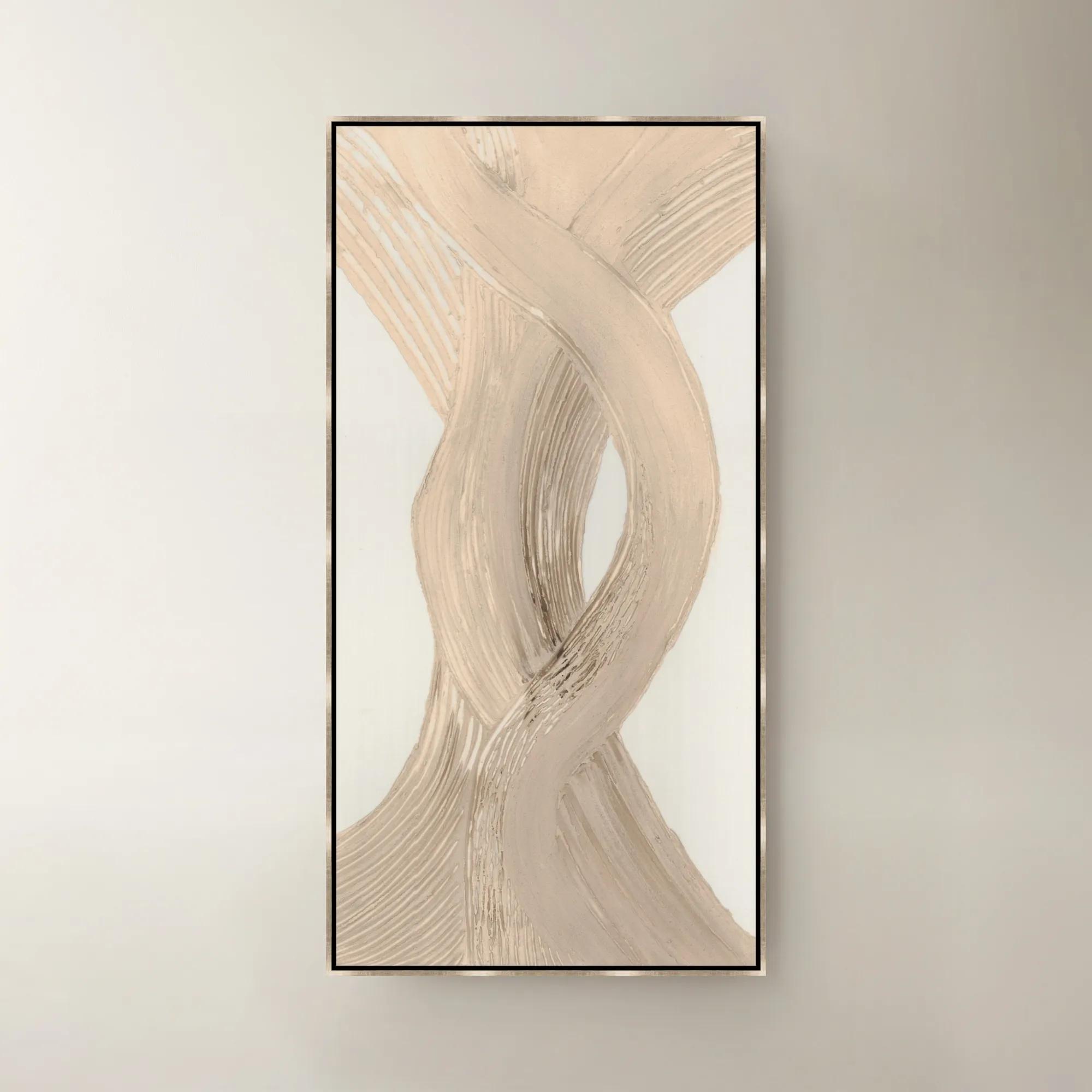
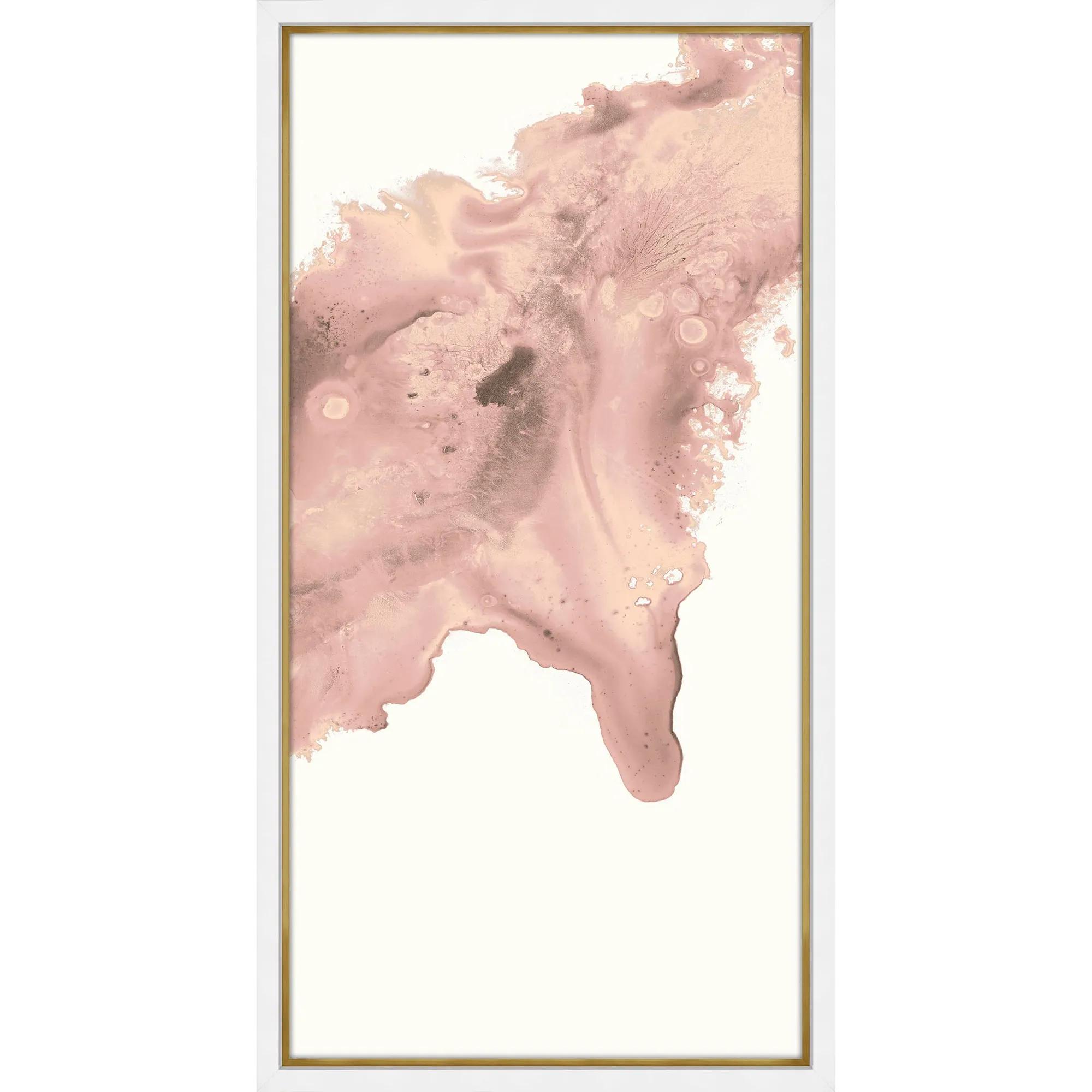
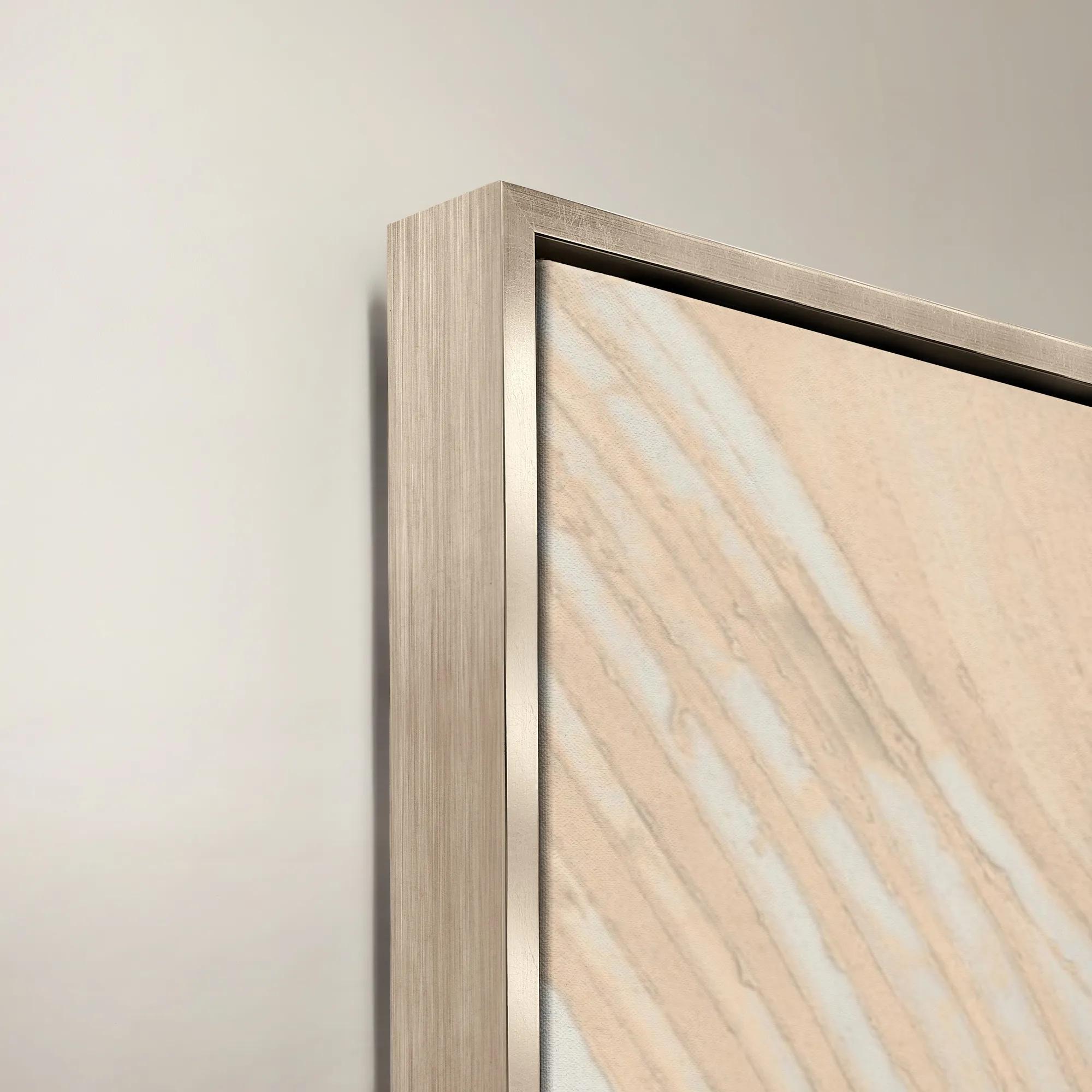 Rosy Sentiments Framed Painted Wall Art 30" x 60"$1199
A romantic painted canvas artwork in rosy hues, presented in an elegant gold frame.
Add To Cart -

 Patina Horizon III Framed Painted Wall Art 40" x 40"$1199
A framed, multicolored painted canvas artwork featuring a captivating horizon-inspired composition.
Add To Cart

Silver Abstract Wall Arts For Dining Rooms
Silver abstract wall arts for dining rooms invite a sense of modern enchantment, transforming every meal into an elevated experience. These luminous masterpieces command attention with their interplay of light and form, casting reflections that dance across the walls and set a mood of sophisticated intrigue. Each piece is more than décor—it’s a statement, infusing your dining space with bold artistry and shimmering allure. For those who believe that dining should be as visually captivating as it is delicious, silver abstract wall arts for dining rooms offer the perfect touch of drama and elegance, turning every gathering into a celebration of style.
Silver abstract wall art brings a luminous, modern presence to dining rooms, pairing expressive shapes with a metallic palette that feels both polished and artistic. Sweeping gestures, fractured geometry, layered washes, and sculptural relief offer different ways to give a dining space its defining focal point. Unlike representational artwork, abstract compositions leave room for interpretation, creating visual interest without prescribing a particular scene or story. Silver tones can range from misty gray and softly brushed pewter to brilliant, mirrorlike highlights; that variation gives a largely neutral composition surprising depth. Reflective details catch natural and artificial light, while matte passages provide contrast and keep the surface from feeling uniformly bright. Depending on the medium, the effect may be atmospheric and understated or richly dimensional, with raised textures that cast delicate shadows across the wall. Canvas offers a woven foundation for printed imagery, painted marks, and metallic embellishments, while metal wall art can introduce crisp edges, brushed surfaces, or sculptural movement. Silver leaf and metallic foil create distinct flashes of light, whereas silver-toned pigments can produce a more diffuse shimmer. A silver appearance describes the palette or finish, not necessarily the underlying material, making construction details an important part of understanding any work. Framing also changes the mood: a slender metallic frame creates a tailored outline, black adds graphic definition, and a floating frame emphasizes the separation between the artwork and its border. These differences matter in a room where upholstered chairs, glassware, lighting, and table settings already contribute their own textures. Against charcoal walls, silver can appear especially radiant; against ivory, it creates a gentler tonal composition. For those drawn to expressive interiors, silver abstract wall art for dining rooms offers drama without requiring a vivid color palette. It gives everyday meals a more considered backdrop and lends celebratory gatherings an artistic point of conversation, whether the surrounding furniture is sleek and contemporary or layered with more traditional silhouettes.
Scale determines whether that presence feels intimate, architectural, or deliberately commanding. A broad horizontal composition can echo the length of a dining table or sideboard, creating a visual relationship between the furniture and the wall above it. A tall, narrow work brings emphasis to vertical space, while a square composition can feel beautifully balanced above a compact buffet. Diptychs and triptychs introduce rhythm across a wider wall, with the spaces between panels becoming part of the overall arrangement. Their total footprint includes those gaps, just as framed artwork includes the width of its frame, so the complete dimensions matter more than the image measurements alone. Above a sideboard, artwork generally feels grounded when it remains narrower than the furniture and leaves enough breathing room for lamps, vessels, or serving pieces below. In a dining room without a buffet, the artwork can relate instead to the table’s centerline or to the uninterrupted wall space visible from the entrance. Seated sightlines deserve attention alongside the view from the doorway; a composition placed too high may lose its connection to the gathering beneath it. Surface depth matters, too, especially along the route between the table and an adjoining room, where deeply projecting metalwork needs clearance. Within that framework, silver makes room for distinctive material pairings. Its gleam creates tension against dark wood, picks up the luminosity of a glass tabletop, and adds definition beside sumptuous velvet upholstery. Warm wood and brass accents can temper its cool character, while black details sharpen the composition. Lighting adds another layer: directional illumination reveals raised brushwork and sculptural contours, but a highly polished surface directly opposite a window or chandelier may reflect more glare than desired. Softer, angled light often makes texture easier to appreciate. A restrained arrangement around the artwork allows intricate marks and metallic details to register, while a bolder dining room can carry a more expansive composition that holds its own beside a statement chandelier and richly patterned textiles.
The lasting appeal of silver abstract dining room wall art depends as much on its construction and care as on its first impression. Canvas, paper, glass, acrylic glazing, and metal each respond differently to handling and cleaning, and metallic embellishments may require particular restraint. Printed surfaces can offer crisp detail and tonal consistency; hand-applied finishes may show variations in texture and reflectivity that contribute to their individual character. Neither appearance alone establishes durability, so the stated materials, hanging requirements, and care instructions remain important. For framed works, glazing can provide a barrier against dust and accidental contact, although its protective properties vary by material and specification. Metal artwork may feel substantial, but thin edges, applied finishes, and projecting elements can still be vulnerable to dents or scratches. Secure installation requires hardware suited to both the artwork’s weight and the wall construction, particularly above furniture where guests gather. In dining rooms connected to a kitchen, placement away from cooking residue, steam, and splashes helps protect delicate surfaces. Prolonged direct sunlight can affect some pigments and finishes, making indirect light a more forgiving setting. Routine care is best kept gentle and consistent with the maker’s directions: a soft, dry cloth may suit a smooth frame, while textured artwork may need a different approach to avoid snagging or disturbing raised details. Cleaning liquid should never be sprayed directly onto artwork or glazing, and household metal polish is not appropriate simply because a finish looks silver. Thoughtful placement and careful handling help preserve the contrast between luminous highlights and quieter passages that gives abstract work its dimension. For a design-minded recipient, silver abstract art can also make a meaningful housewarming or wedding gift when the available wall space and personal taste are well understood. In connected interiors, a related palette can extend beyond the dining room through Silver Abstract Wall Arts For Hallways, creating continuity without repeating the same composition. The result is a home connected by light, texture, and individual expression, with the dining room given a distinctive artistic presence.
FAQs
Silver abstract wall art is remarkably versatile, complementing a range of design aesthetics. It shines in modern and contemporary spaces, where its metallic sheen and fluid forms add a sophisticated edge. In glam or transitional interiors, silver accents echo mirrored surfaces and crystal lighting, creating a cohesive, luxurious atmosphere. Even in eclectic or minimalist settings, a bold silver piece can serve as a striking focal point, bridging diverse elements and infusing the room with a sense of artistry.
Silver abstract wall art reflects both natural and artificial light, amplifying the sense of space and bringing dynamic energy to the dining room. Its luminous qualities add depth and intrigue, while abstract forms spark conversation and invite interpretation. Whether hosting a lively dinner party or enjoying a quiet meal, these pieces set an elevated mood—transforming everyday dining into a visually rich, memorable experience.
Absolutely. Silver abstract wall art makes a memorable gift for weddings, anniversaries, housewarmings, or milestone celebrations. Its timeless palette and expressive style appeal to a wide range of tastes, and the abstract nature ensures it feels personal yet universally sophisticated. For someone who loves to entertain or appreciates artistic décor, this type of art is a gesture that will be cherished and displayed with pride.
Silver abstract wall art pairs beautifully with a variety of décor accents, from mirrored furniture and metallic vases to plush textiles and bold lighting. Layering these elements creates a multidimensional look, amplifying the sense of luxury and artistry in the space. Mixing textures and finishes—such as pairing a high-gloss piece with matte ceramics or velvet upholstery—adds depth and keeps the overall atmosphere visually engaging.
Silver abstract wall art is uniquely responsive to light, shifting in appearance as the day progresses. Morning sunlight brings out subtle highlights and cool undertones, while evening lighting can create dramatic shadows and a warm, inviting glow. This ever-changing interplay ensures your dining room always feels fresh and dynamic, with the artwork offering new facets to discover in every moment.