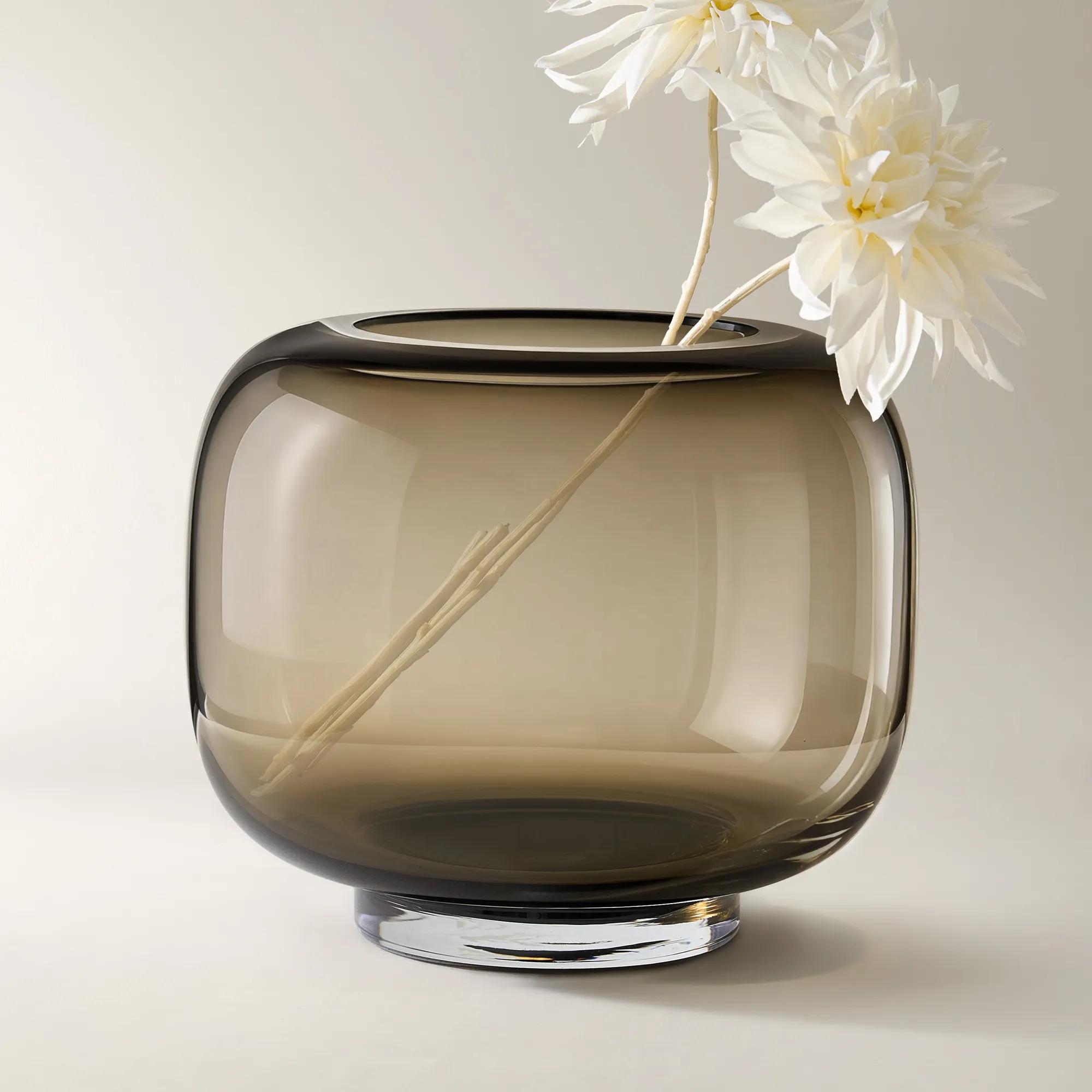
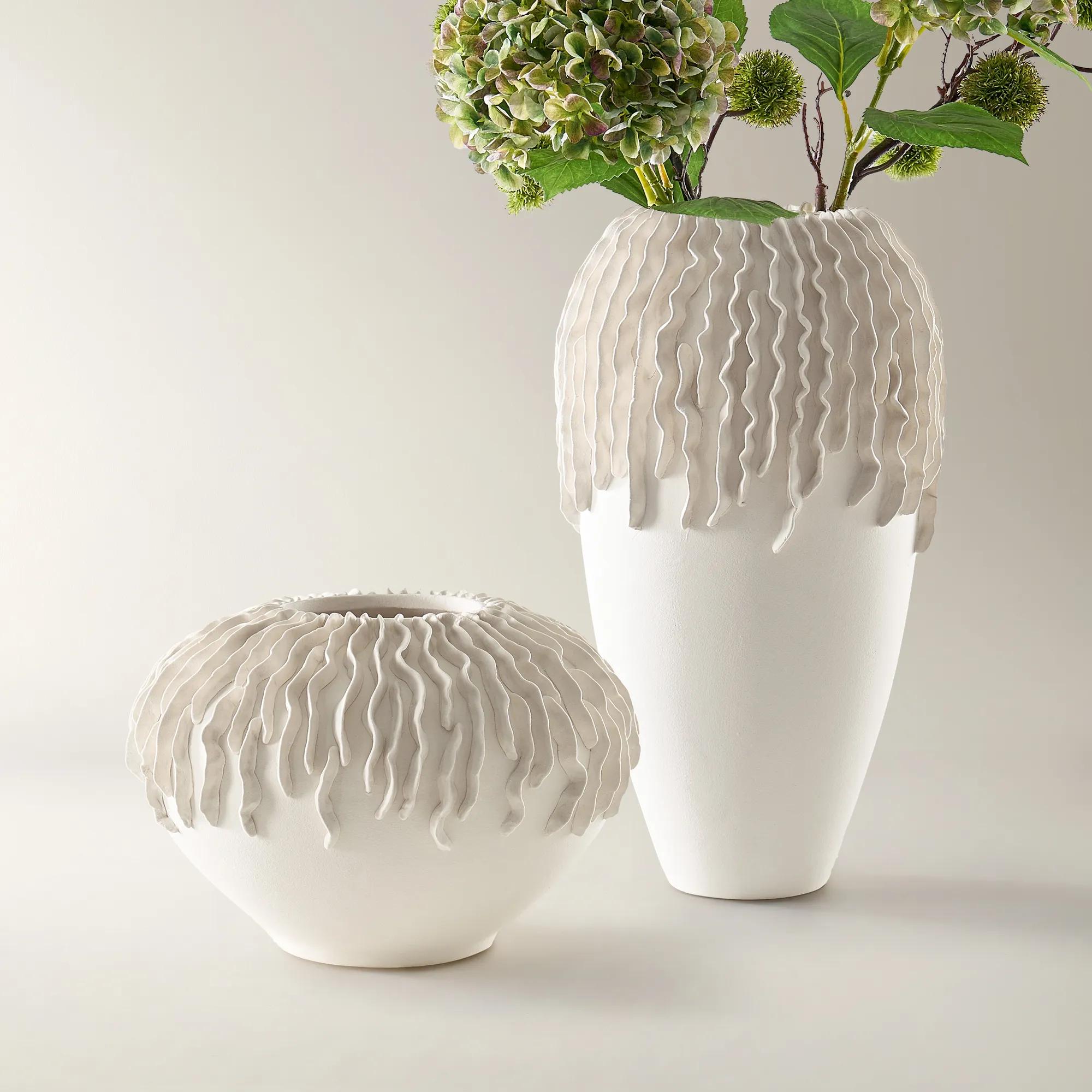
Sculptural Living Room Accents
Sculptural Living Room Accents
-
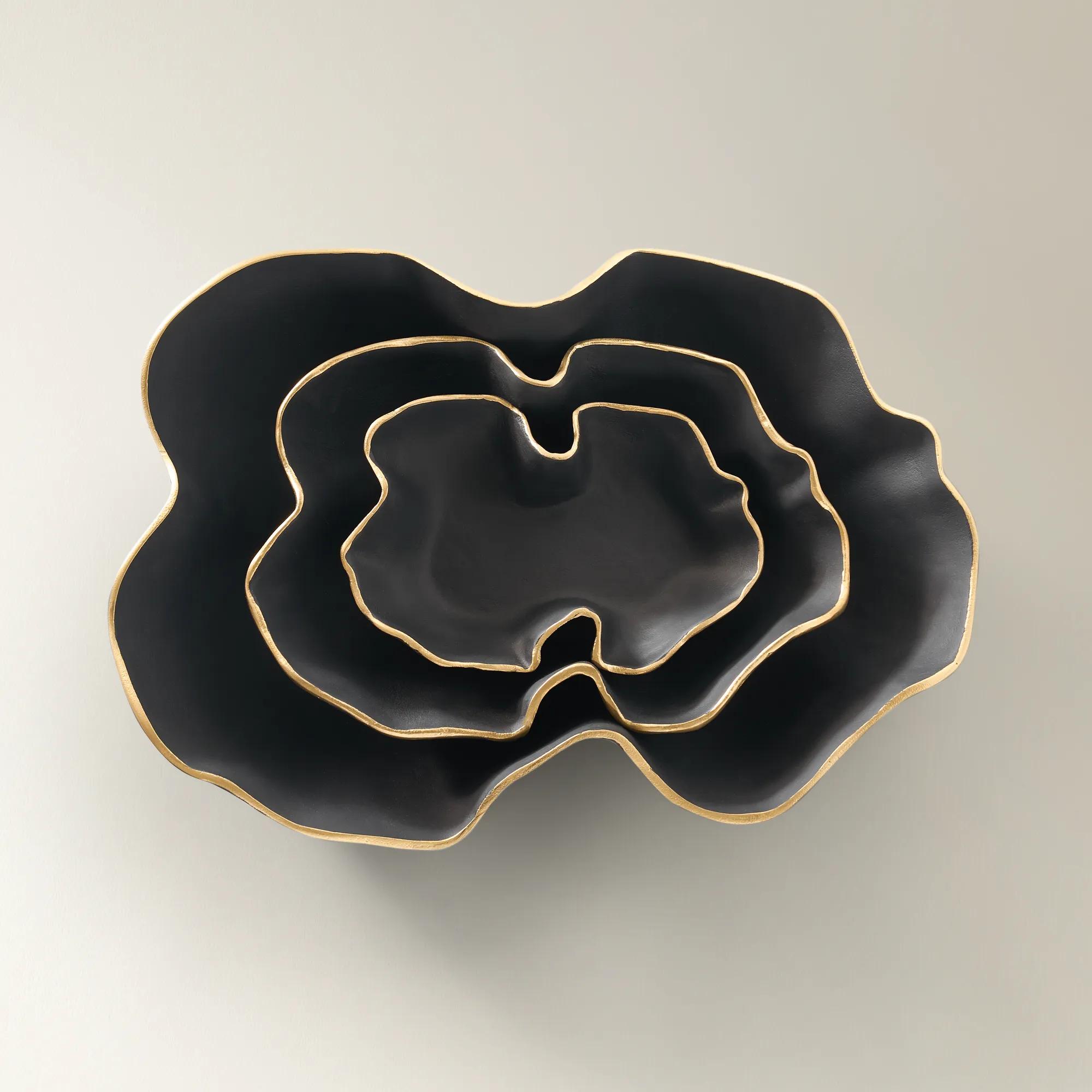 Lava Black Gold Aluminum Decorative Nesting Bowls$99
A deep black aluminum bowl with golden edges, featuring an organic shape inspired by volcanic rock.
Add To Cart -
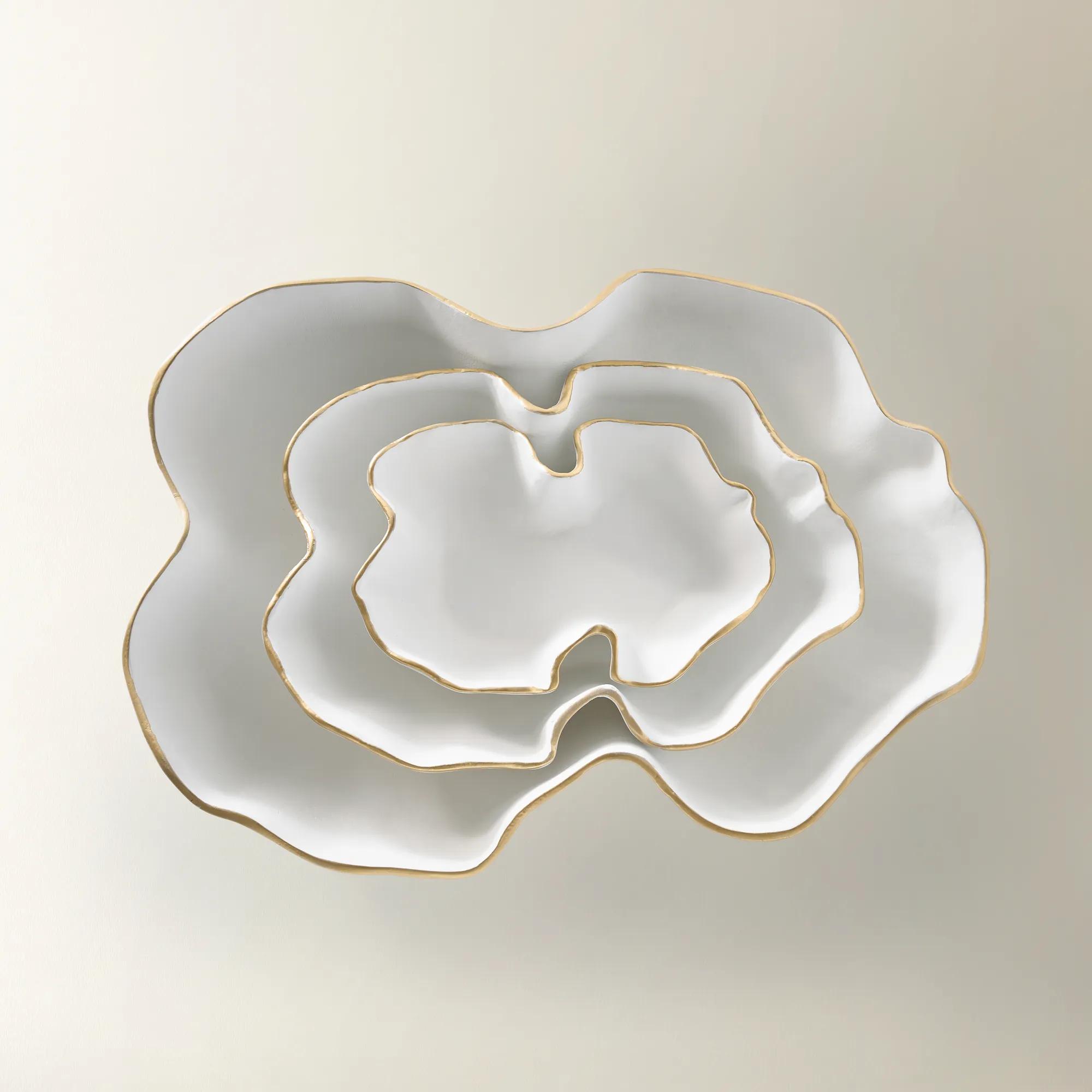 Lava White Gold Aluminum Decorative Nesting Bowls$39
A glossy white aluminum bowl with a golden rim, offering modern elegance for decorative display.
Add To Cart -

 Collins Hand-Cast Gold Aluminum Decorative Pedestal Bowl 23.5" x 5"$79
A gold nickel-plated aluminum bowl with a rectangular pedestal base for striking decorative display.
Add To Cart -

 Miami Gold Ceramic High Gloss Vase 11.75"$69
A contemporary gold ceramic vase designed for decorative use as a sculptural accent or with foliage.
Add To Cart -
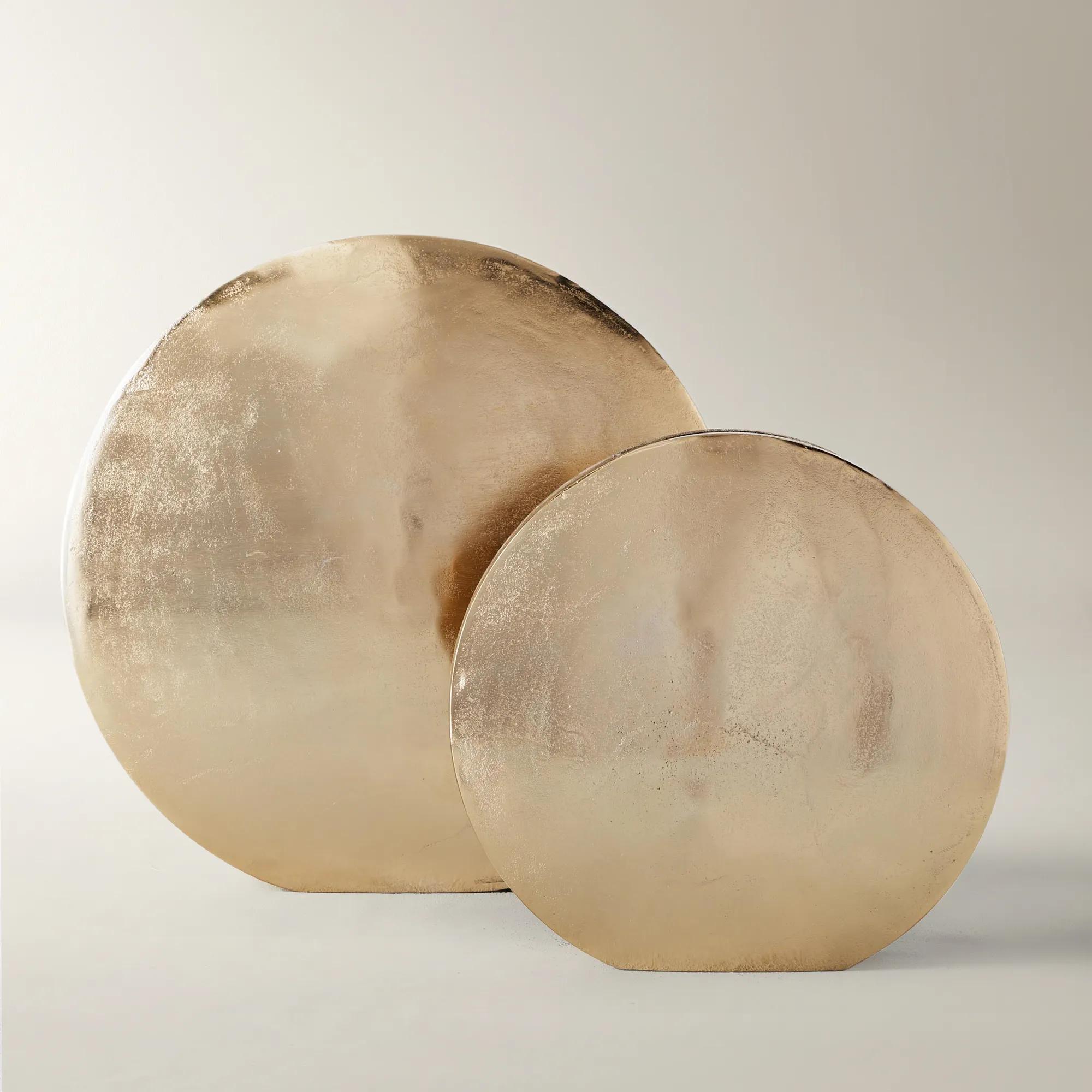
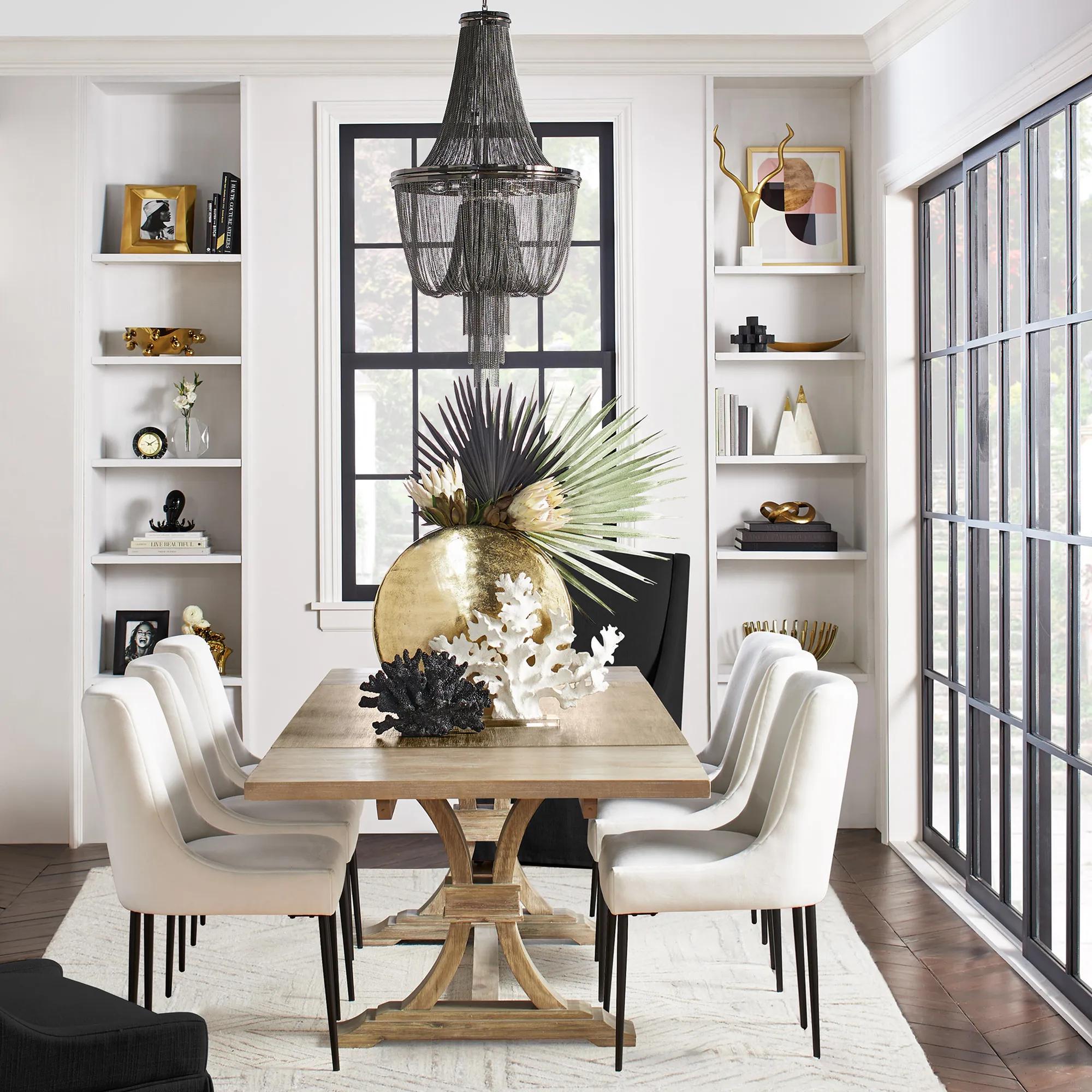 Greer Gold Aluminum Vases$149
A striking gold aluminum disc vase perfect for showcasing dried florals or as a decorative accent.
Add To Cart -
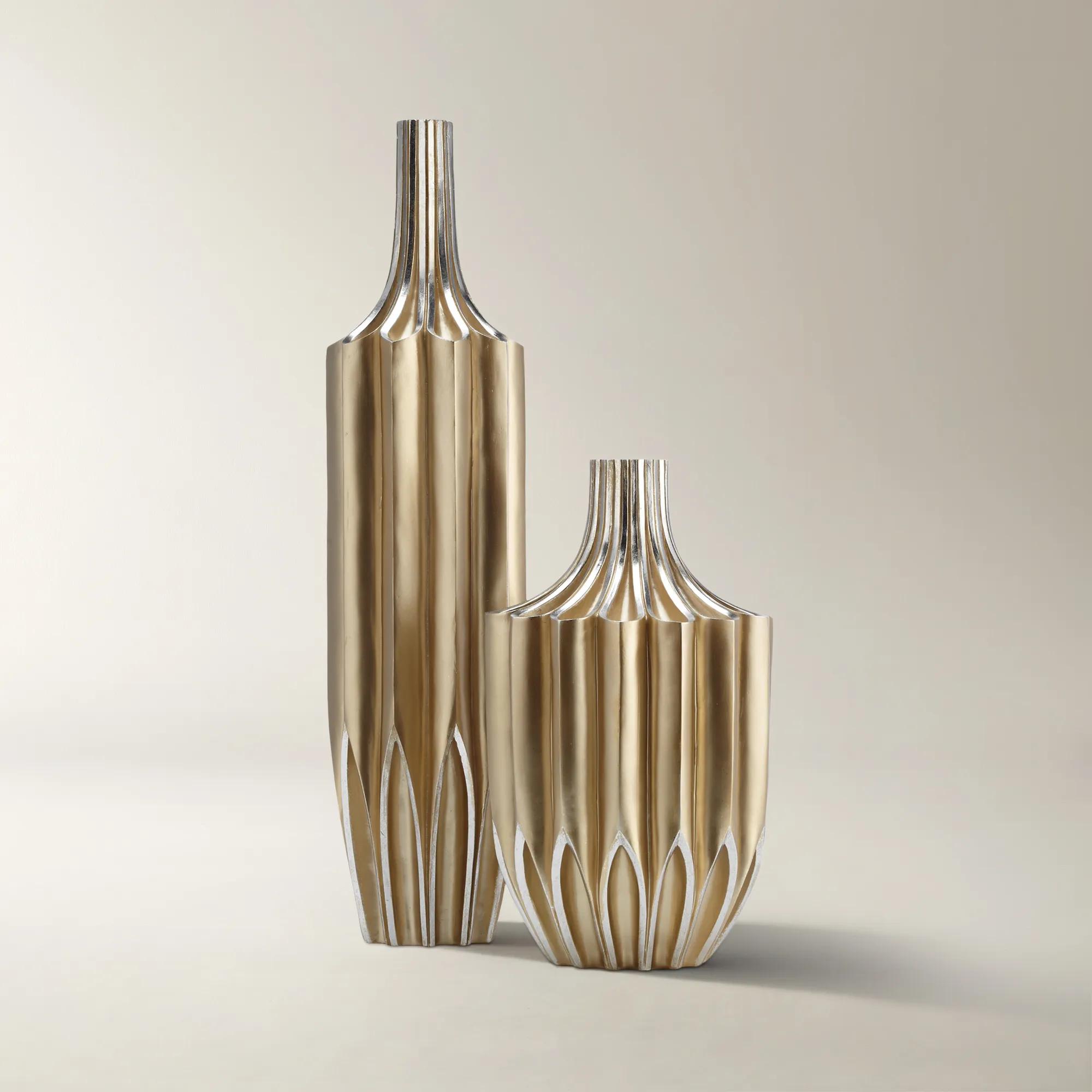
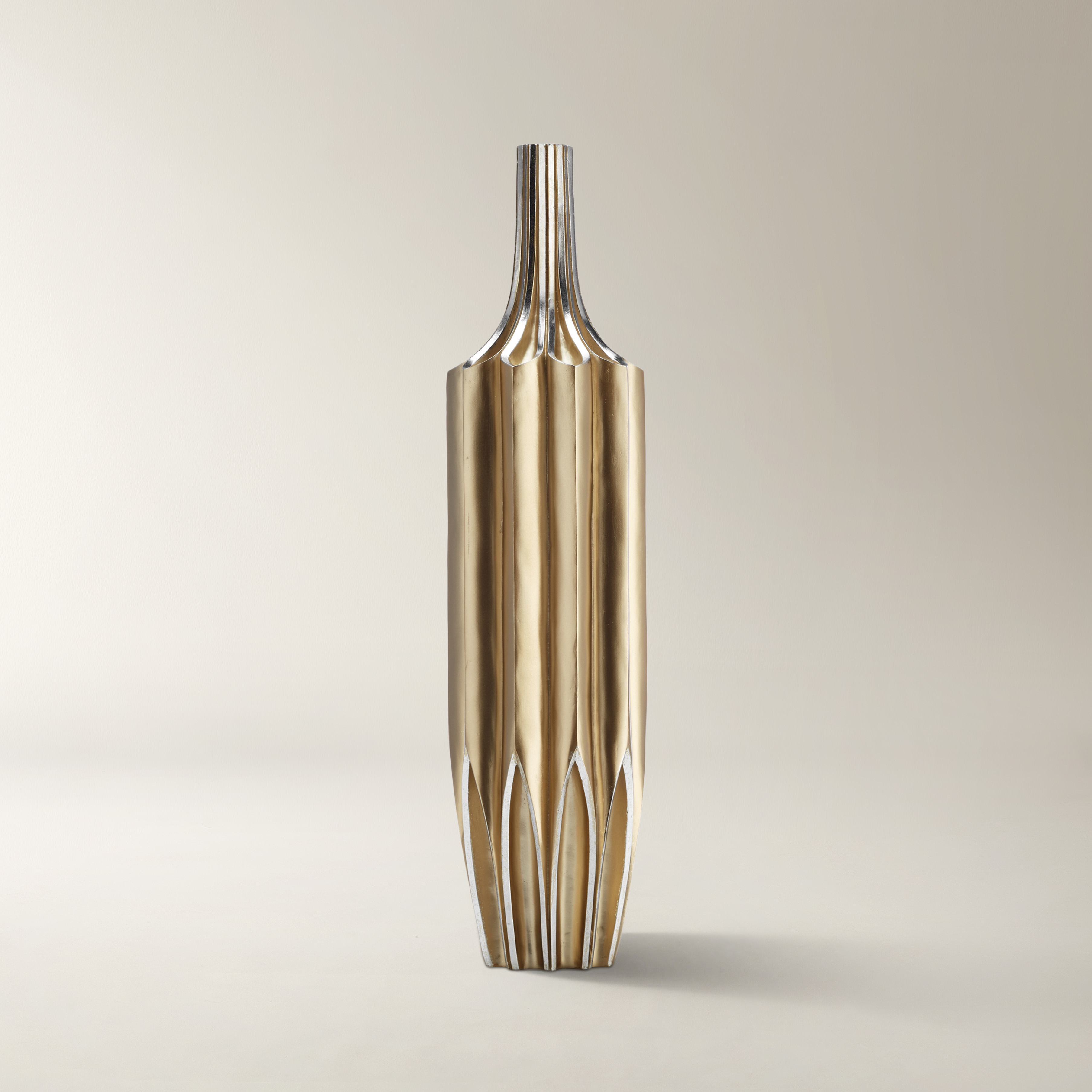 Savannah Gold Resin Vases$79
A sophisticated polyresin vase featuring sleek vertical curves and a modern, inward-flaring design.
Add To Cart -
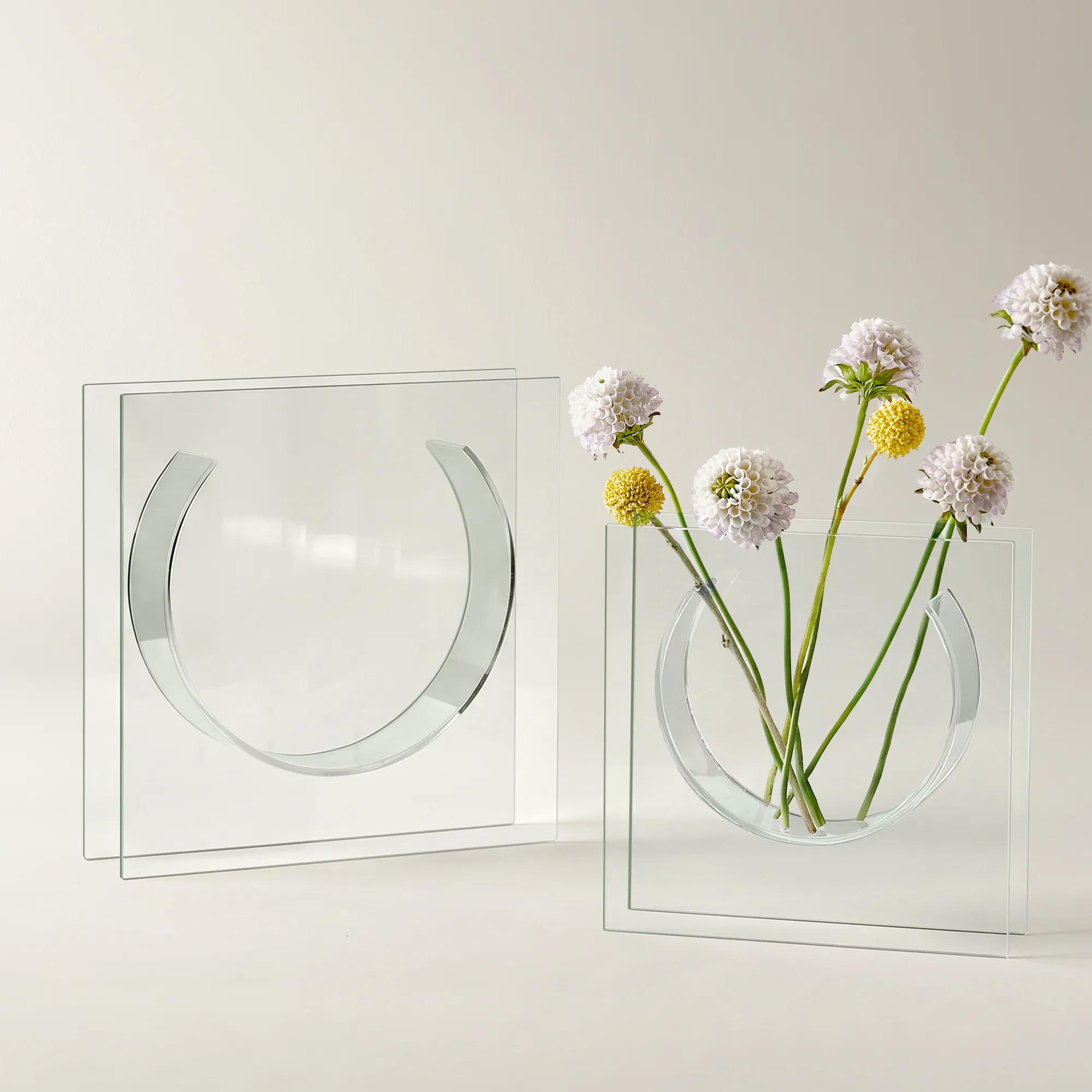
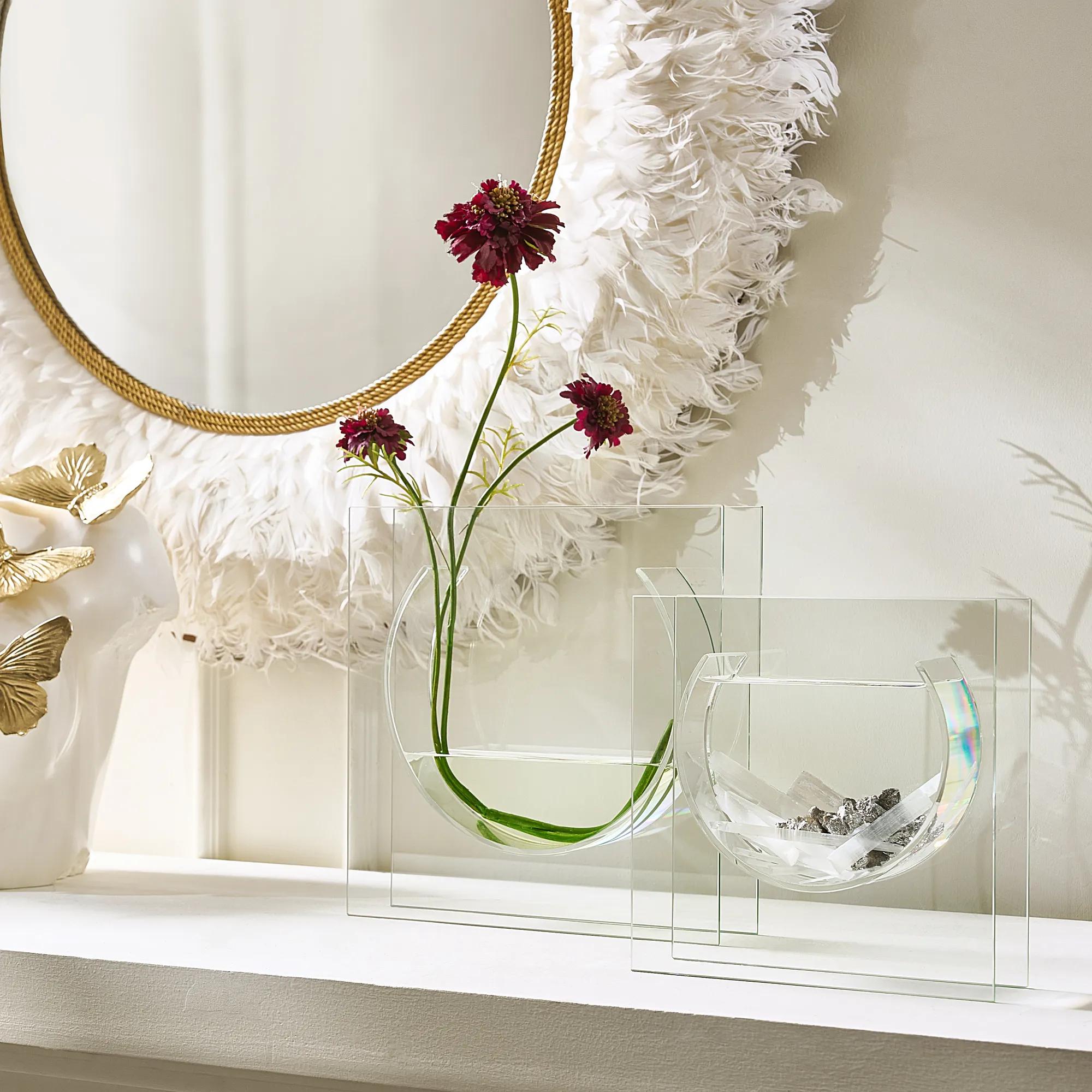 Solaris Clear Glass Vases$39
A bold modern vase crafted from clear glass with an elliptical bowl between two sleek glass panels.
Add To Cart -
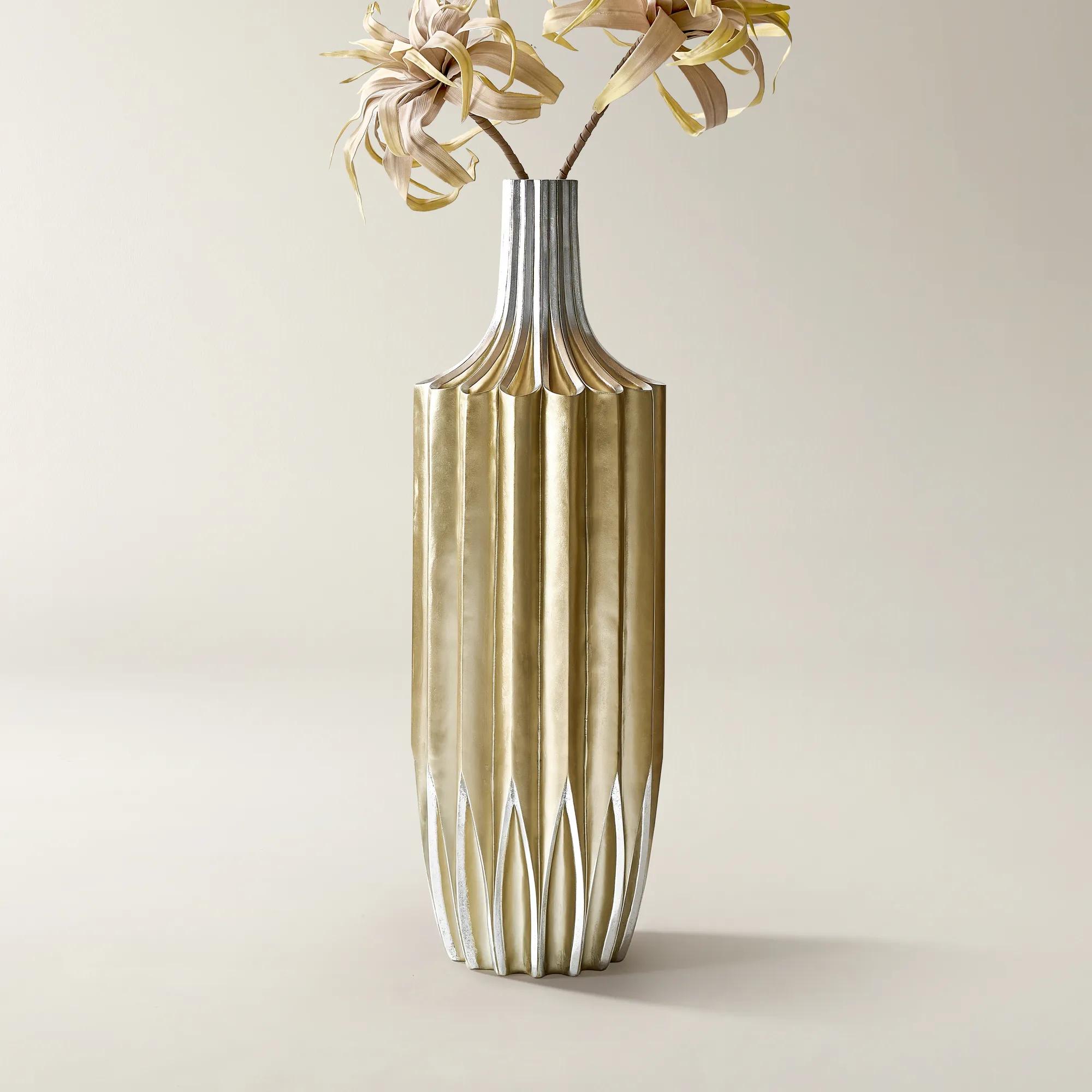
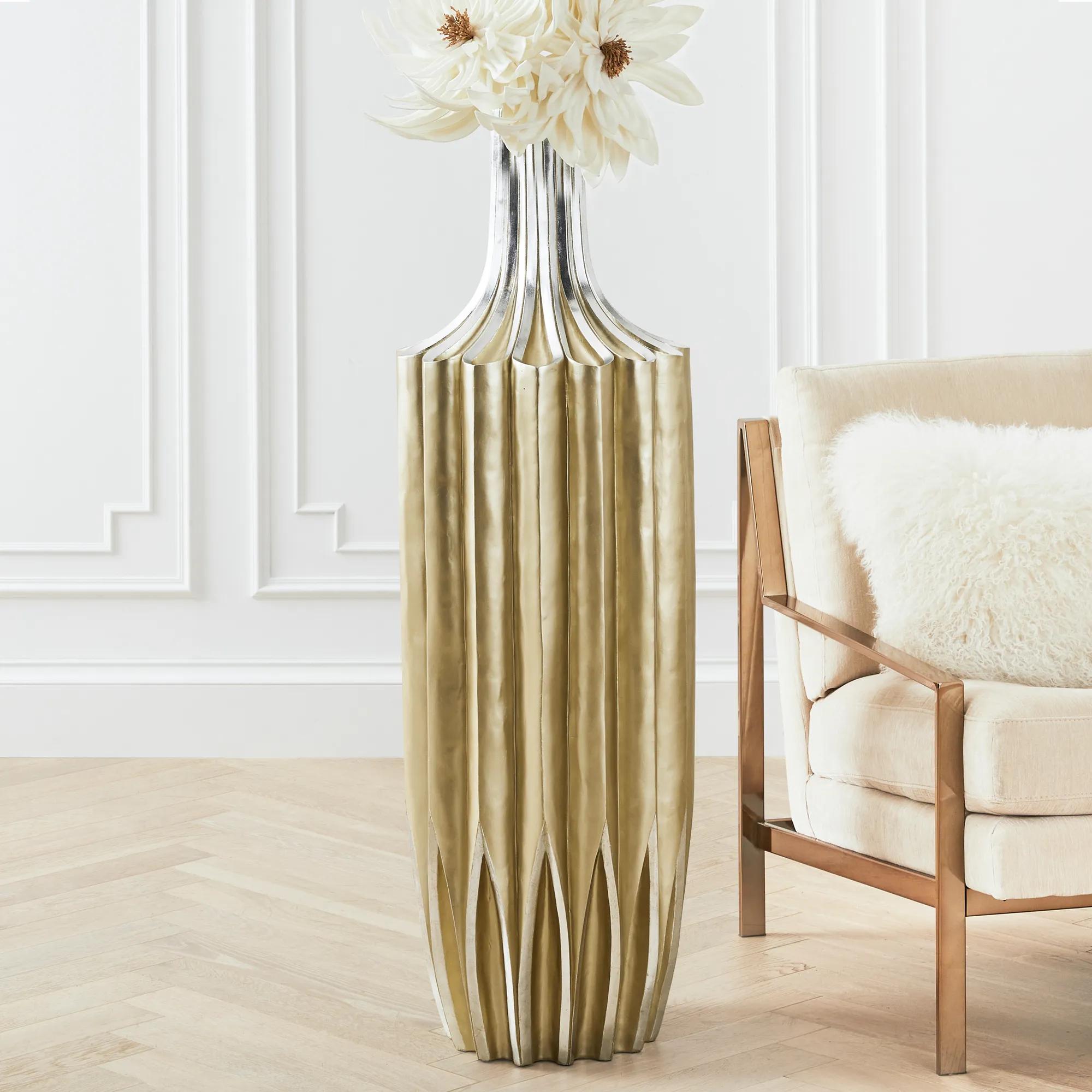 Savannah Gold Resin Floor Vase 48.75"$509
A sophisticated polyresin vase featuring sleek vertical curves for a modern decorative accent.
Add To Cart -
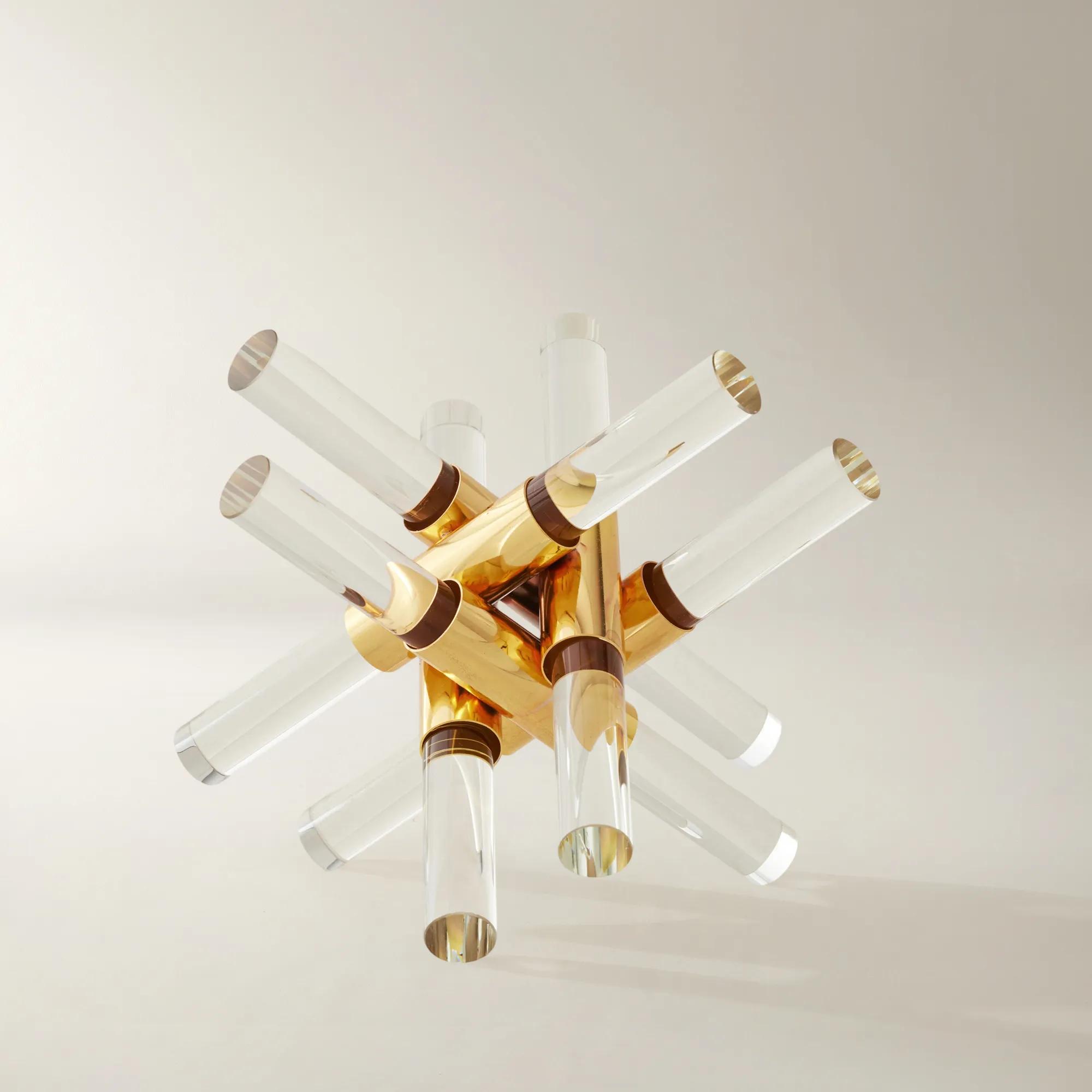
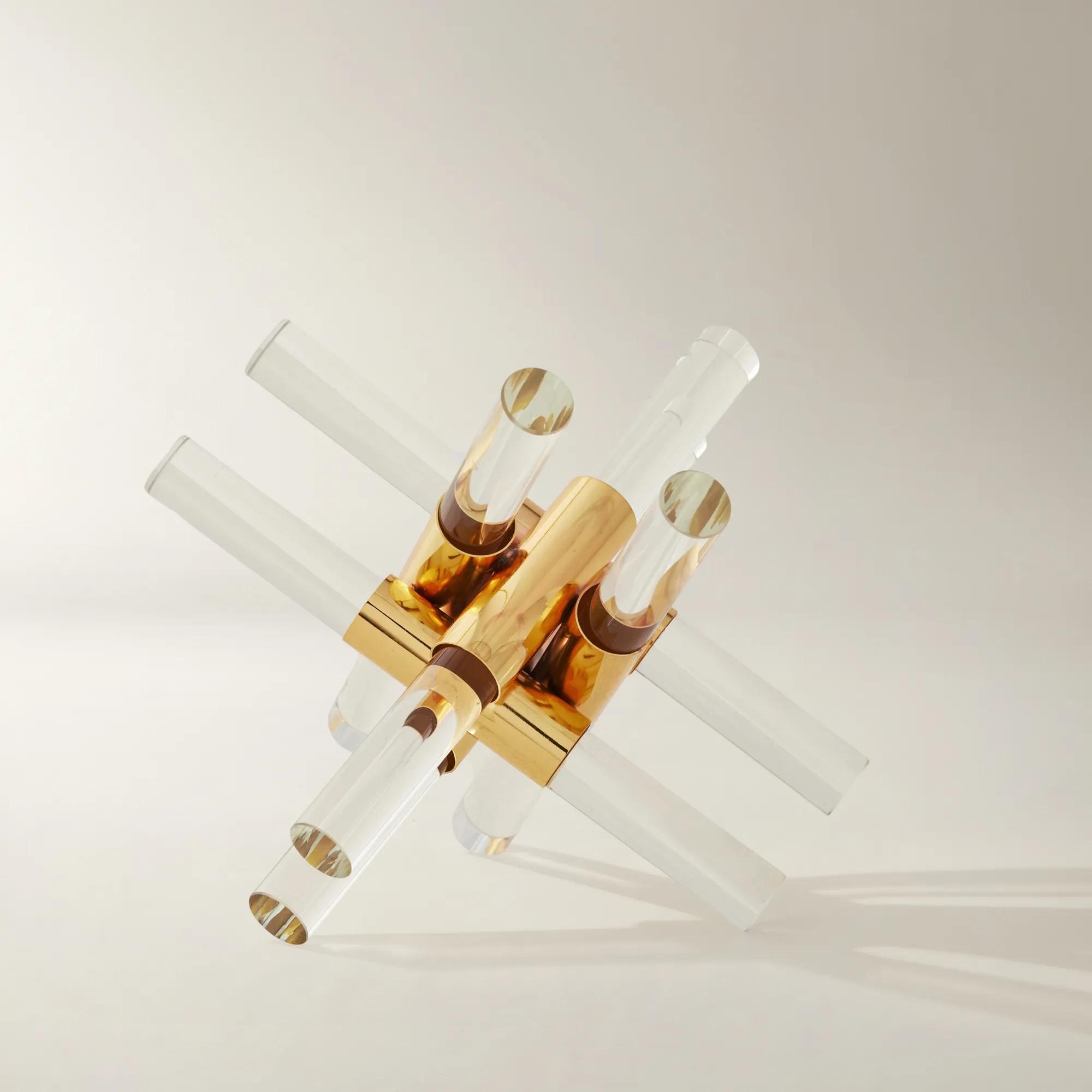 Crystal Glass And Gold Metal Decorative Object 8"$59
A striking decorative accent featuring clear glass rods and gold metal detailing for modern elegance.
Add To Cart -
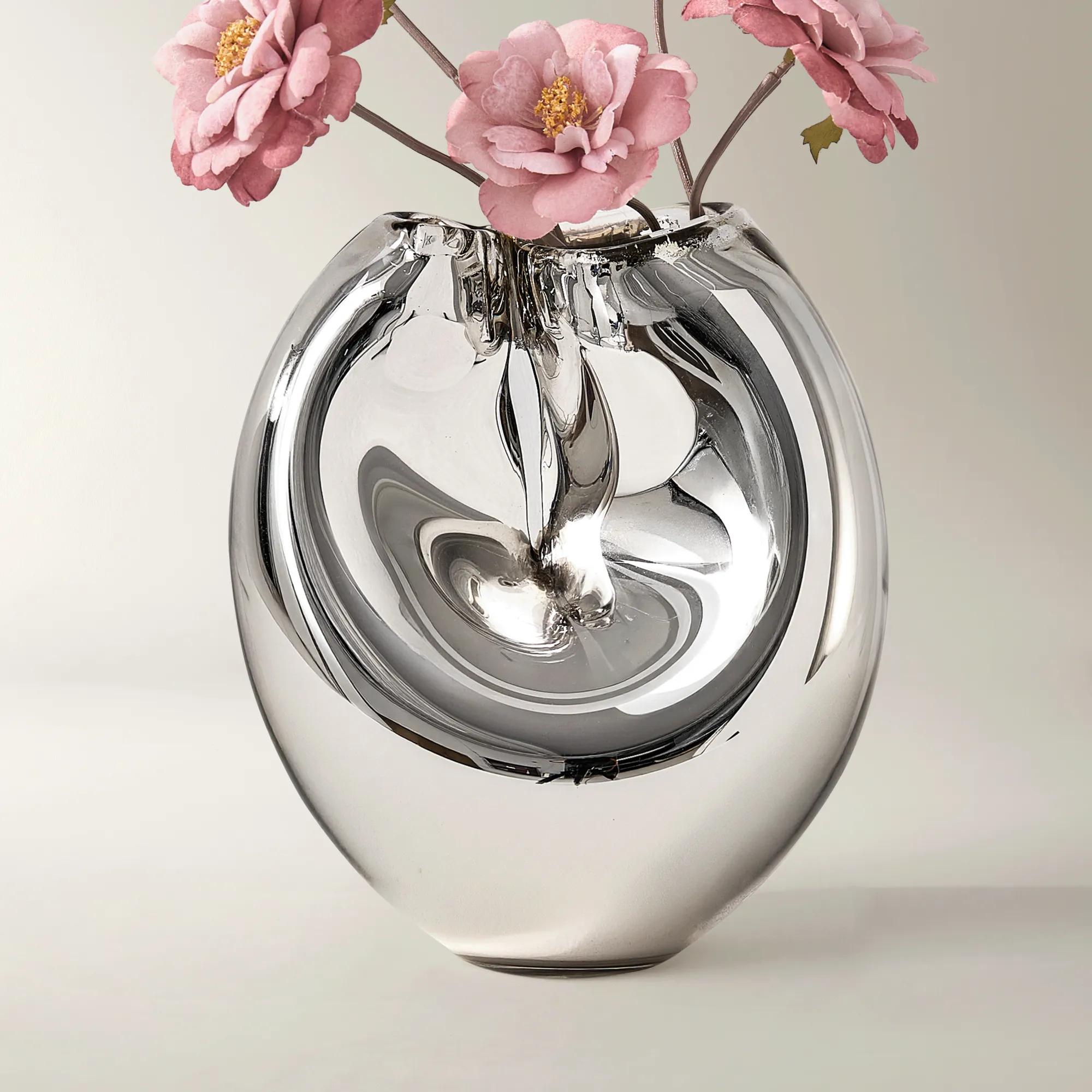 Ono Mouth Blown Mirrored Silver Glass Vase 7.75"$79
A handblown glass vase with a mirrored finish and organic silhouette for modern, artful display.
Add To Cart -
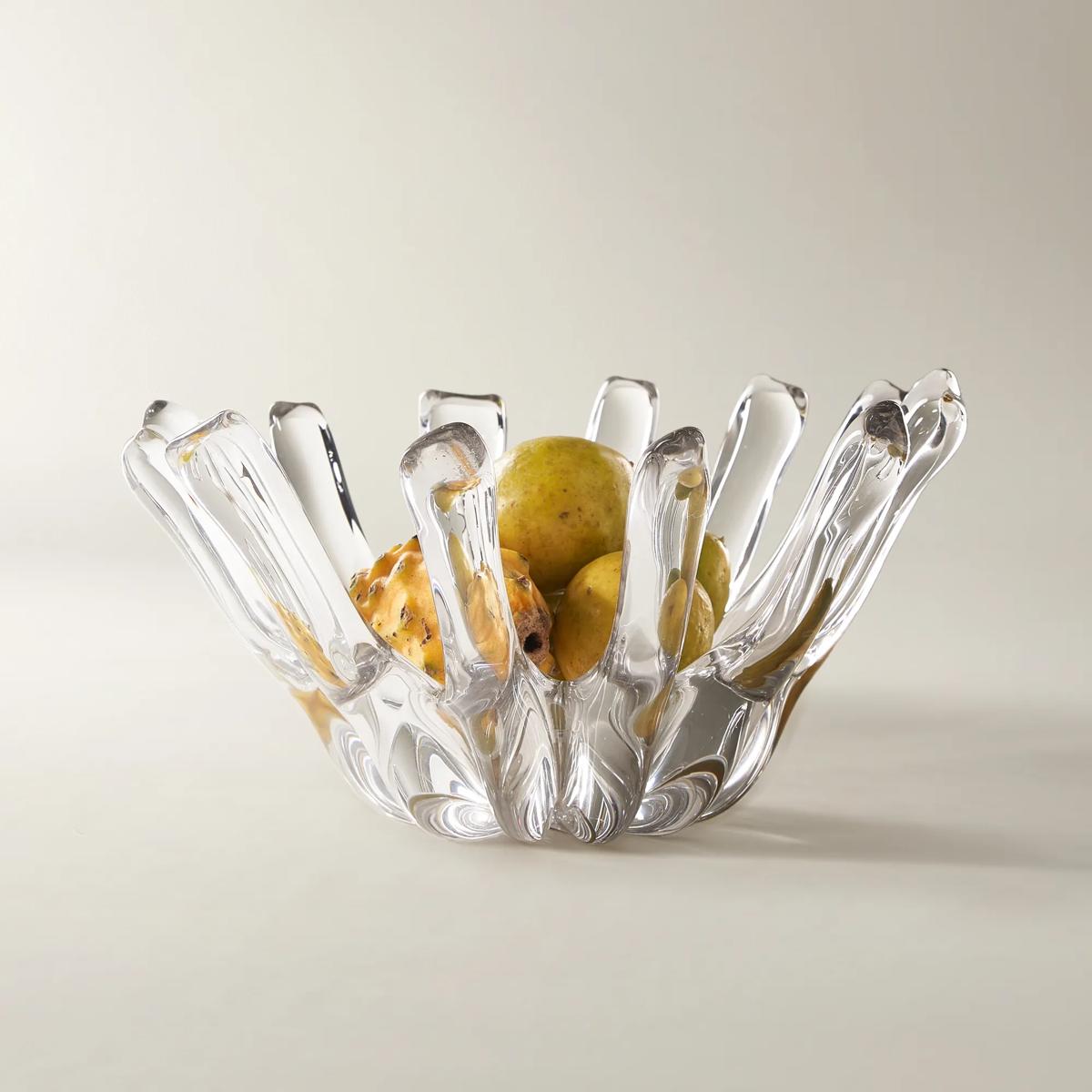
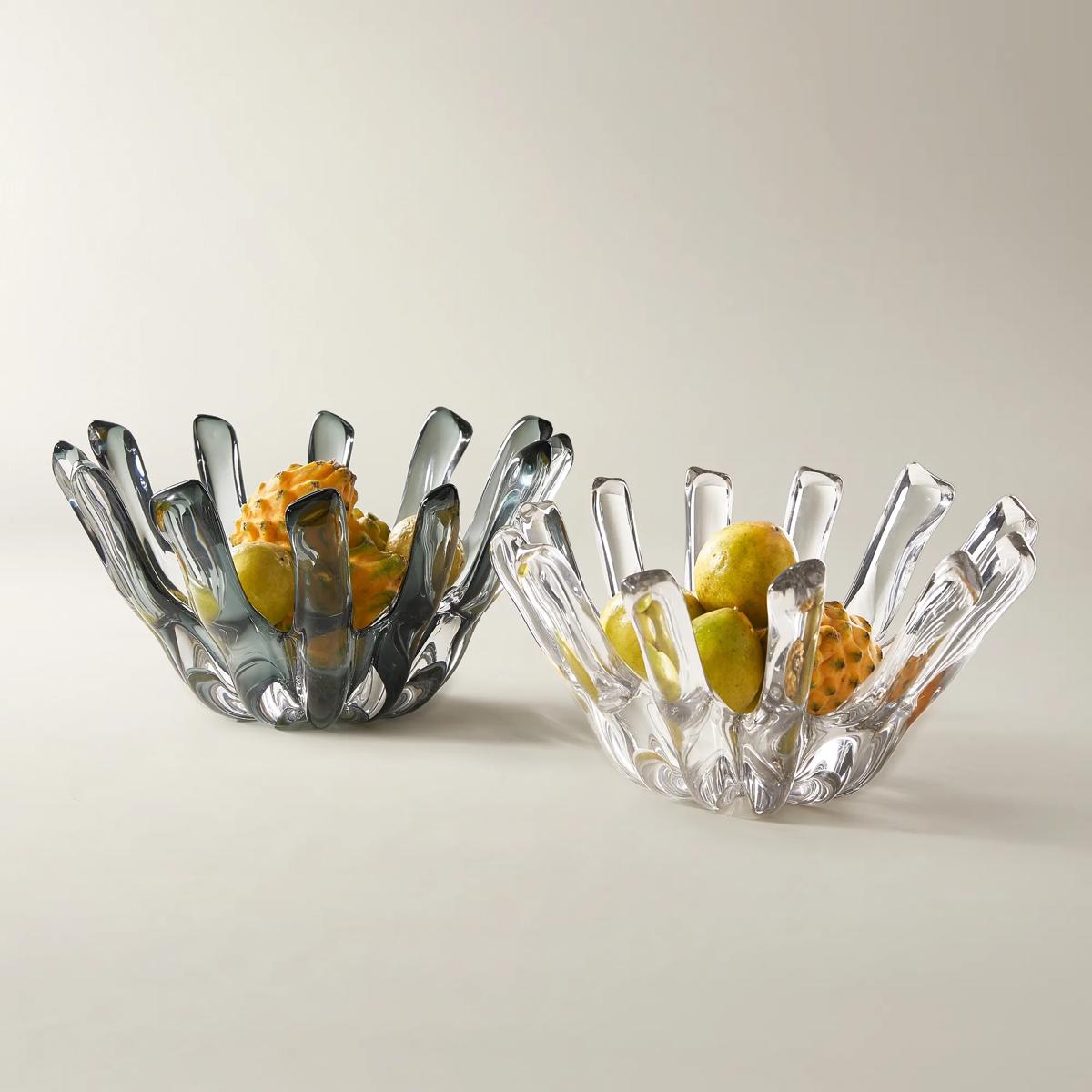 Bossa Clear Handblown Glass Decorative Bowl 13" x 7"$129
A hand-blown clear glass bowl featuring an expressive, sculptural form for modern decorative displays.
Add To Cart -
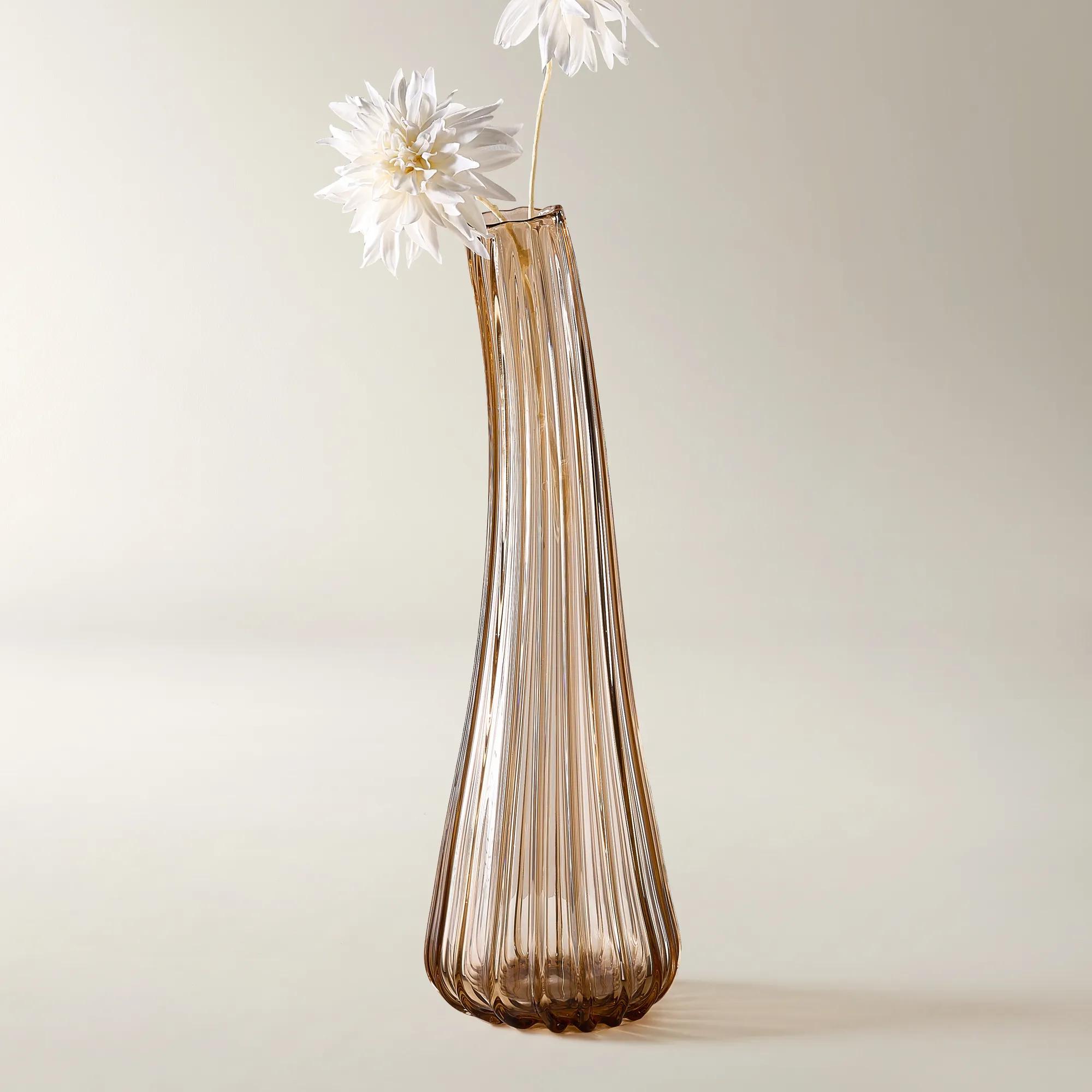
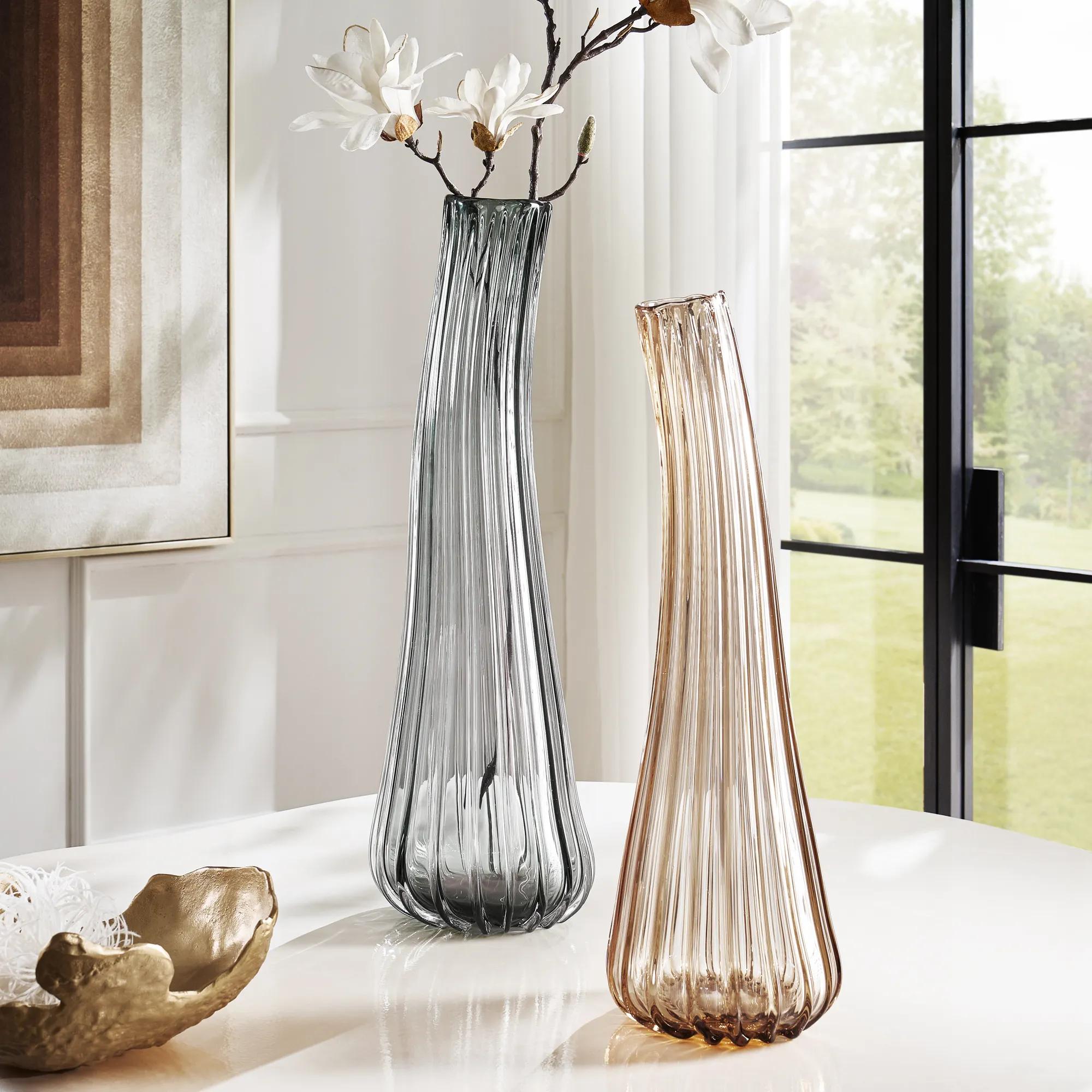 Tango Mouth Blown Soft Amber Vase 24.75"$179
A handblown glass vase in a soft amber finish with a textured, sculptural centerpiece design.
Add To Cart -
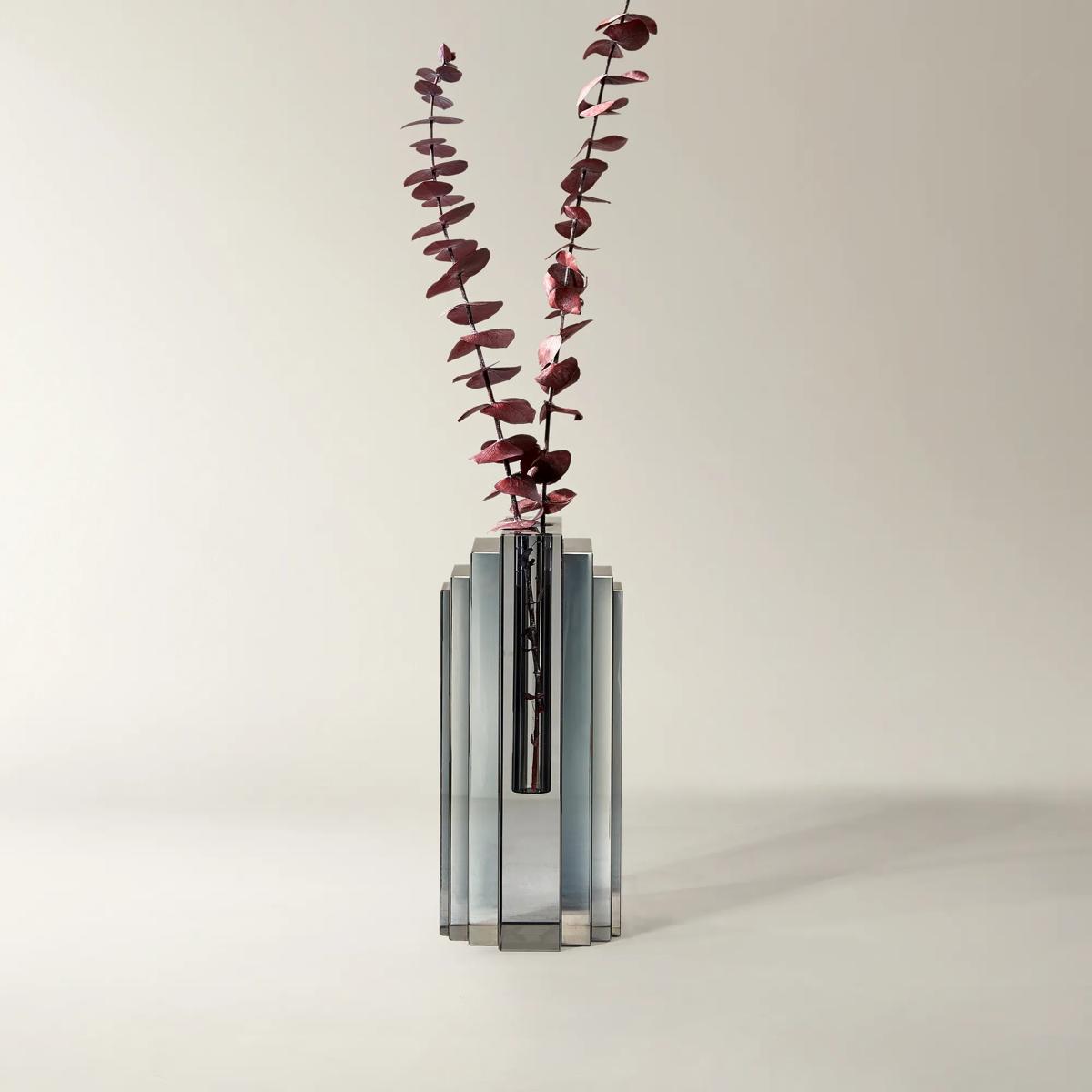 Lucca Crystal Vase - Mirrored Graphite$109
A mirrored graphite crystal vase with a multifaceted geometric design that reflects light for sculptural brilliance.
Add To Cart -
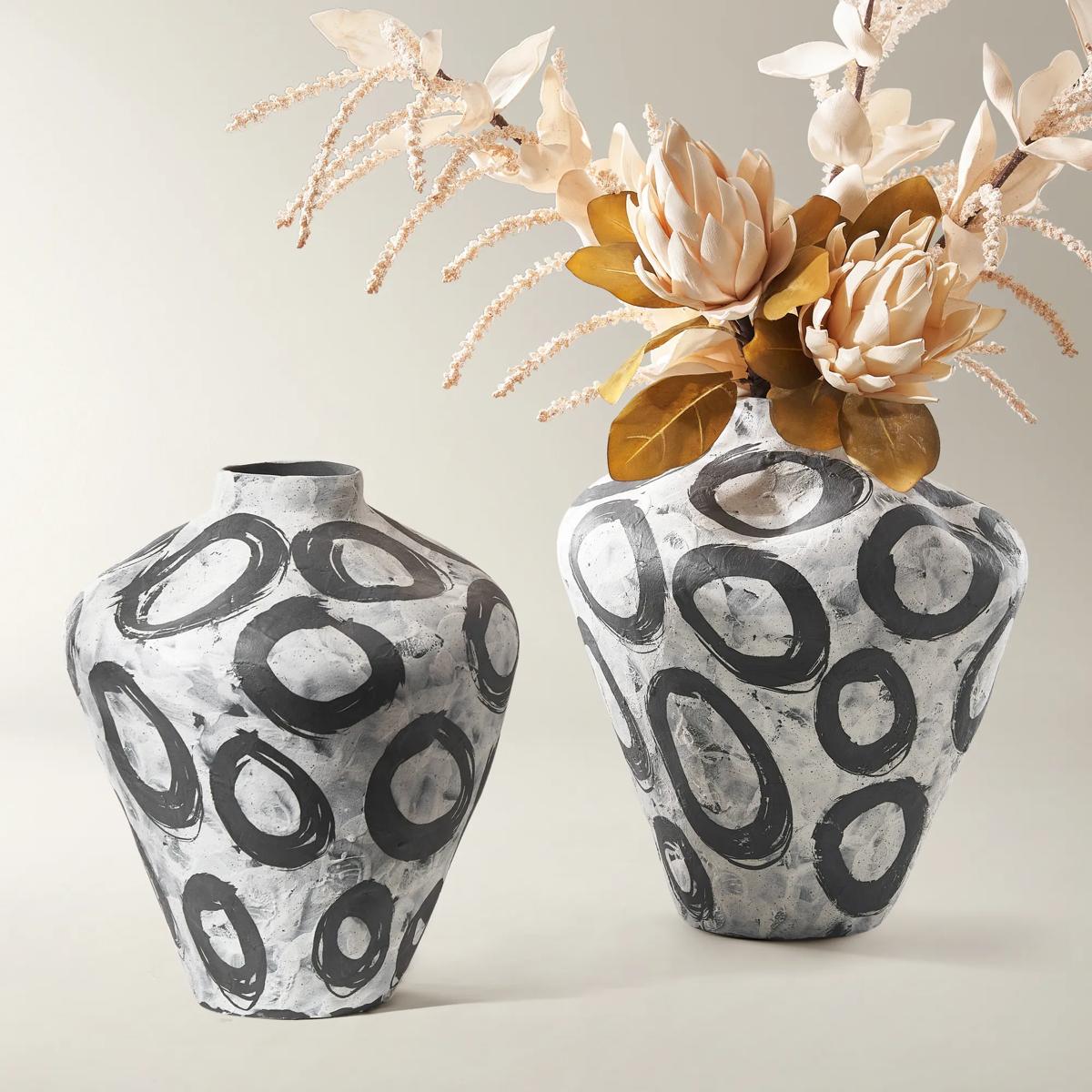
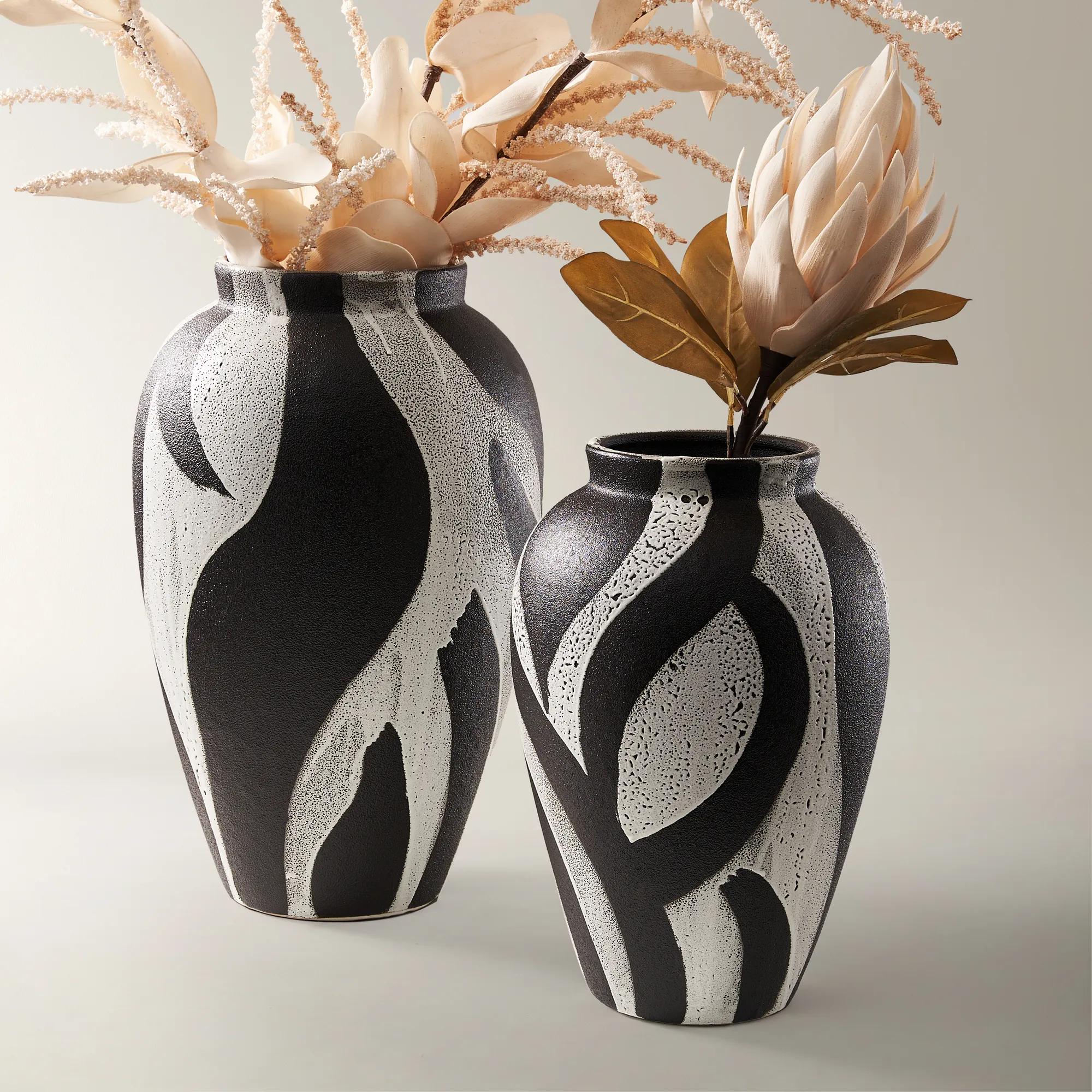
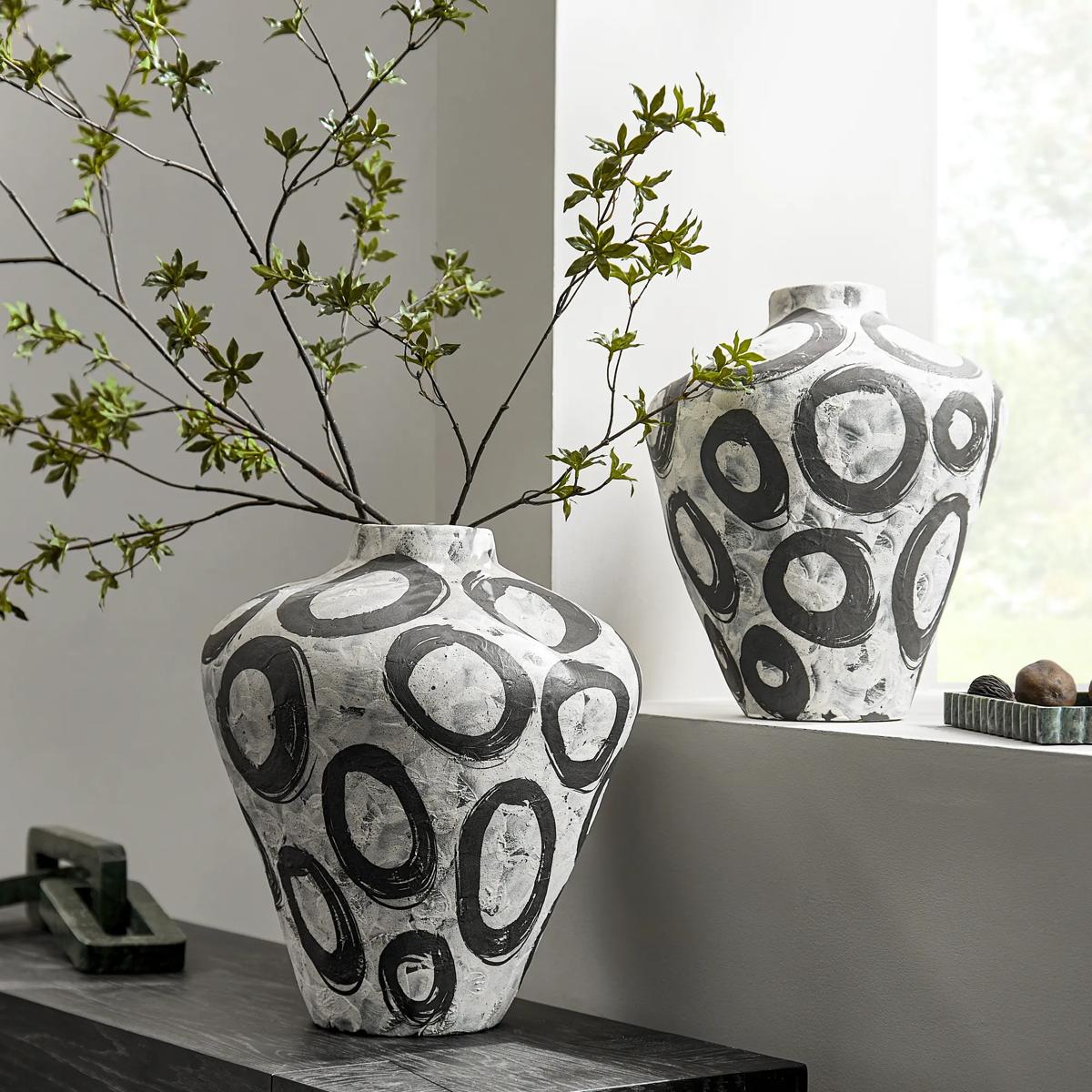 Stone Porcelain Vase$239
A sculptural porcelain vase featuring hand-painted black and white circular brushwork with a matte stone-like texture.
Add To Cart -
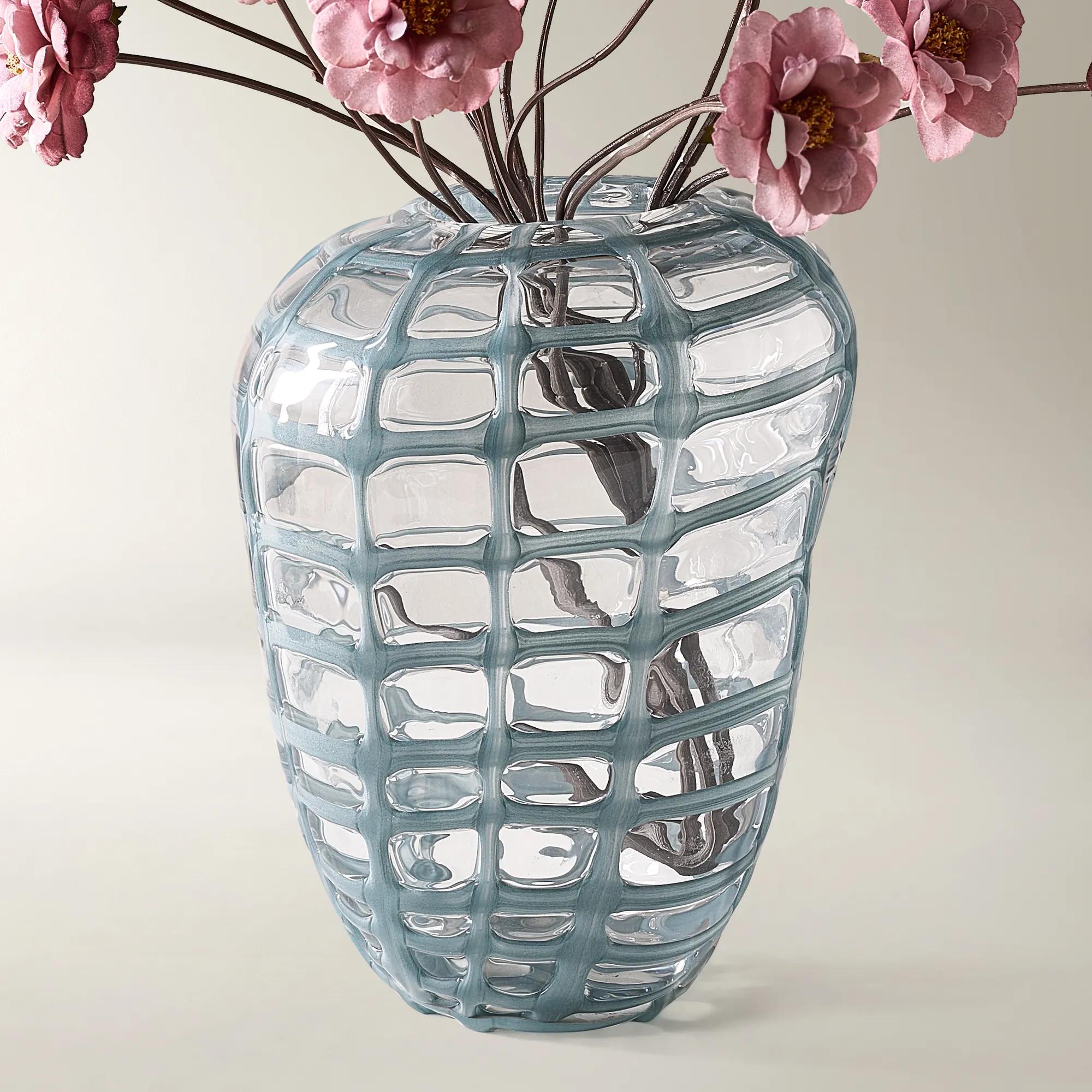 Contra Mouth Blown Dusty Blue Grid Glass Vase 10.25"$79
A handblown dusty blue glass vase featuring a graphic grid pattern and softly organic silhouette.
Add To Cart -

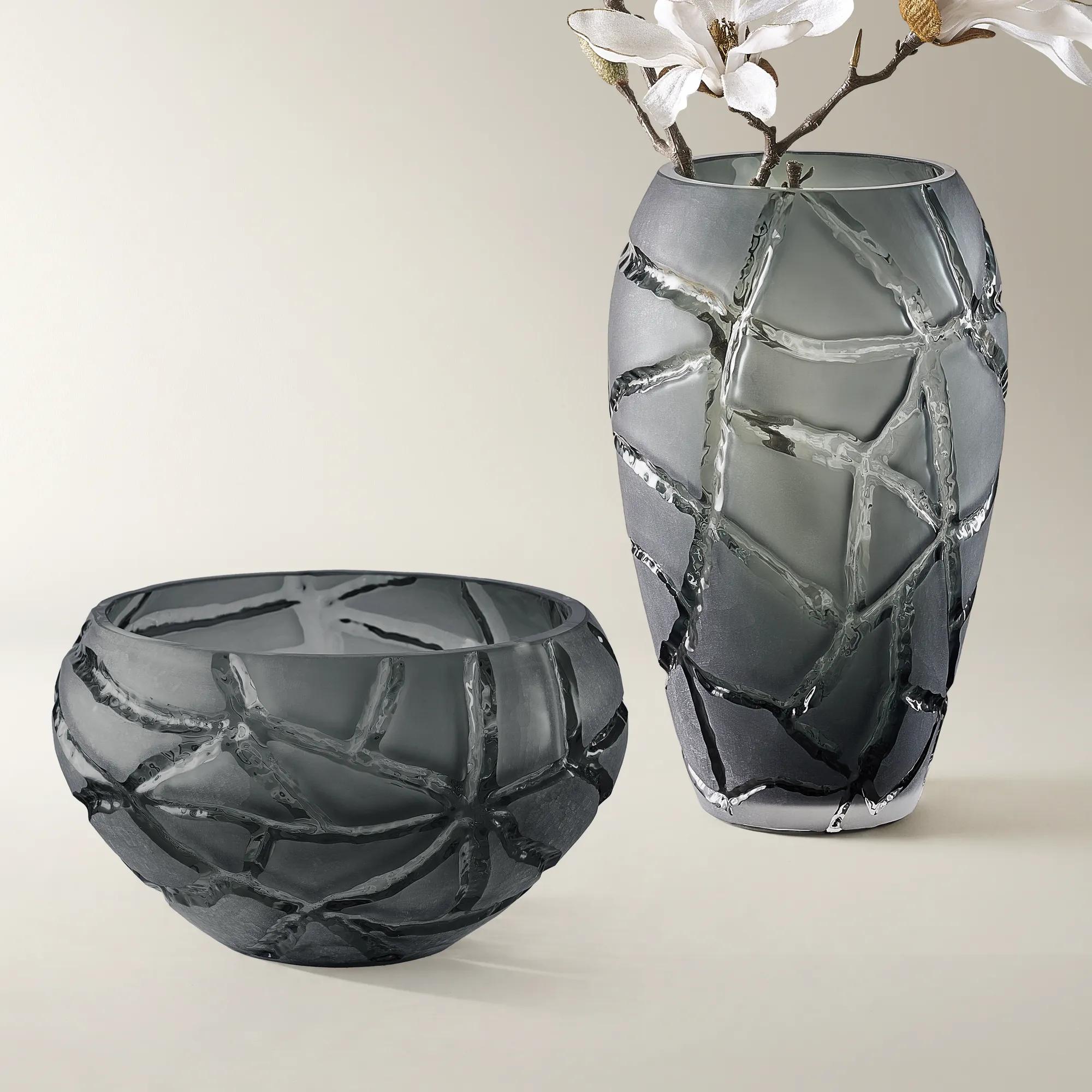
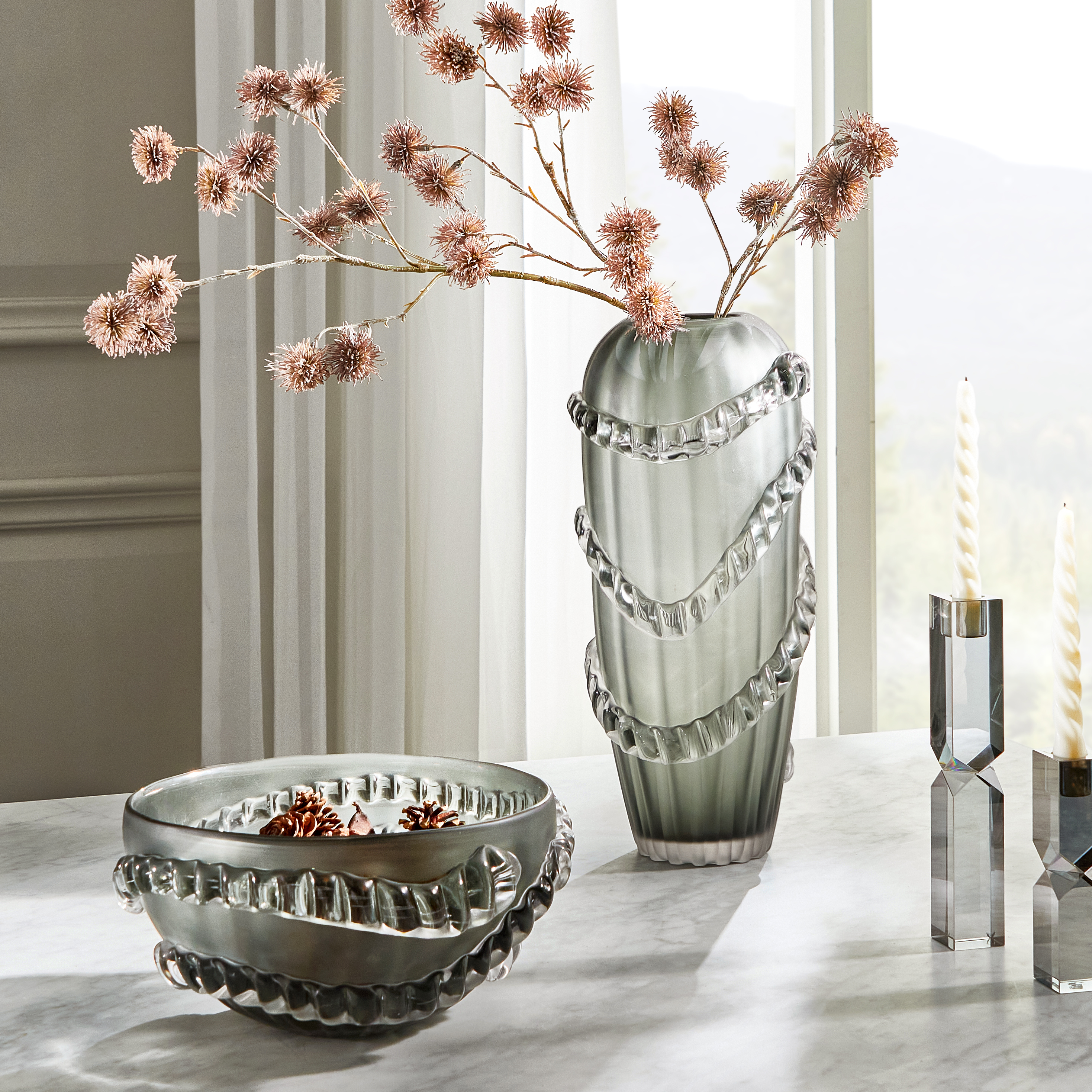 Helix Glass Collection$129
A hand-blown dark gray glass piece featuring fluted bodies and rippling sculptural ribbons for modern elegance.
Add To Cart -
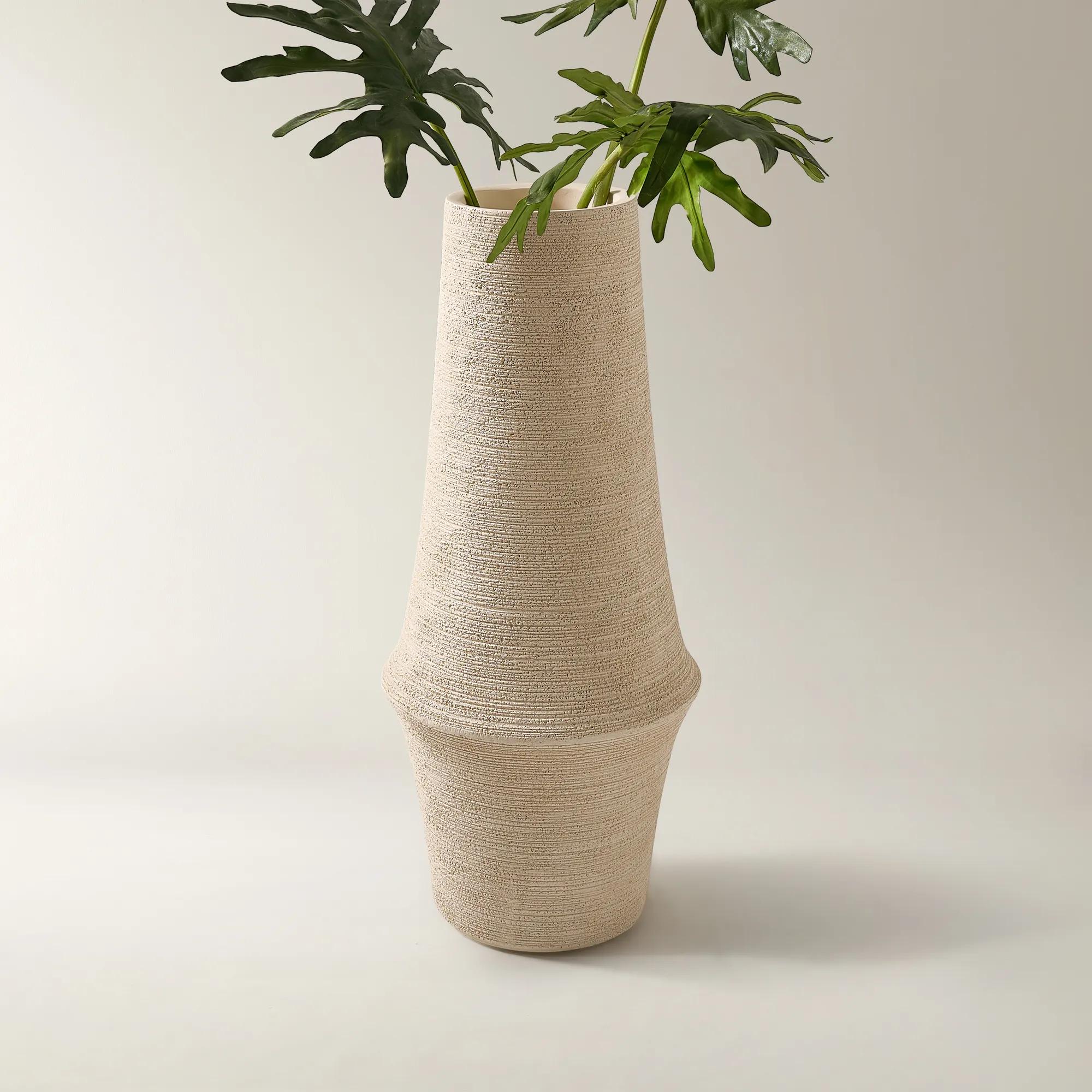 Tulum Sand Resin Floor Vase 33.75"$249
A sand-toned resin floor vase adding modern sculptural appeal to contemporary interiors.
Add To Cart -
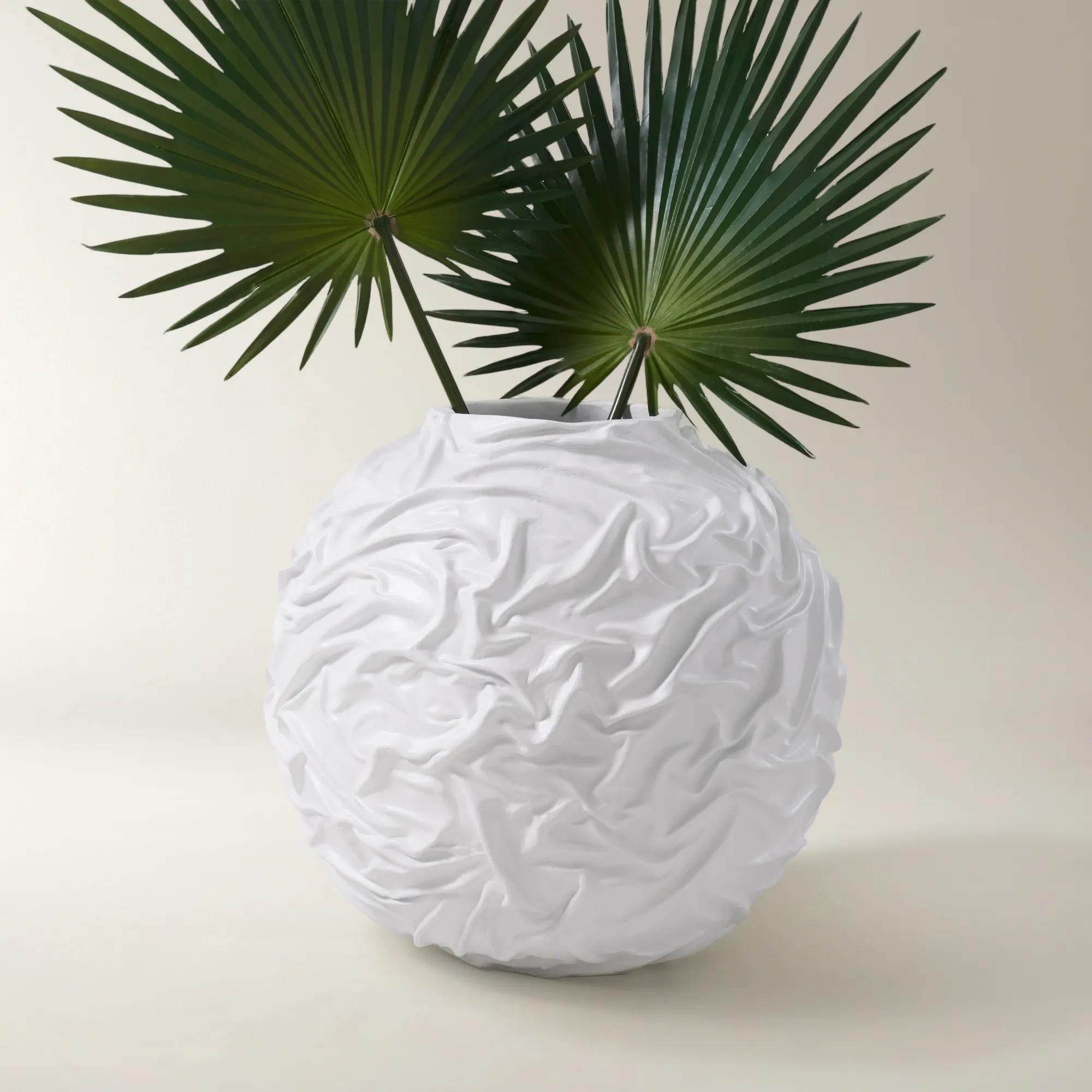 Crumple White Resin Floor Vase 18.3"$259
A sculptural resin vase with a crumpled-paper design and a sleek white finish for modern spaces.
Add To Cart -
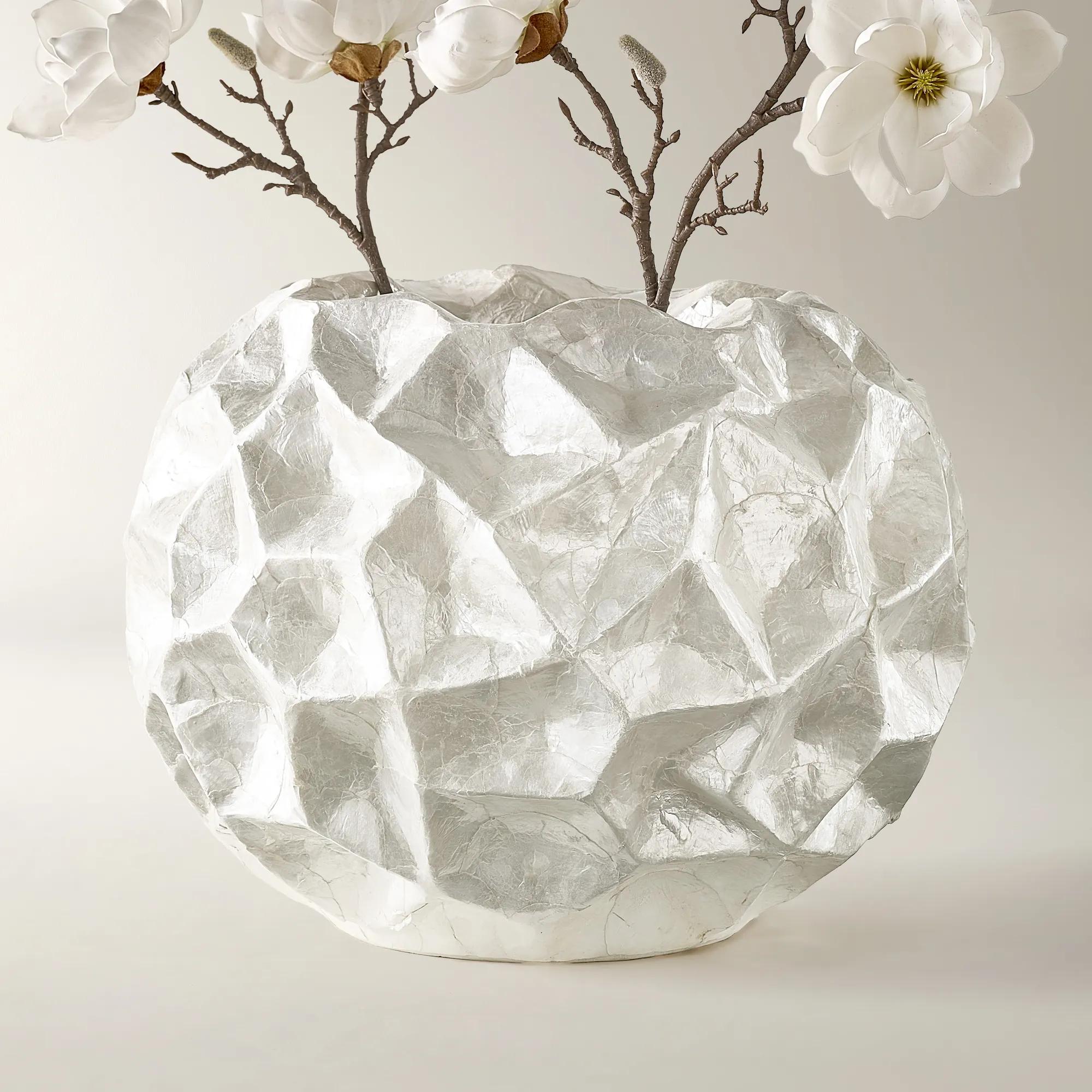
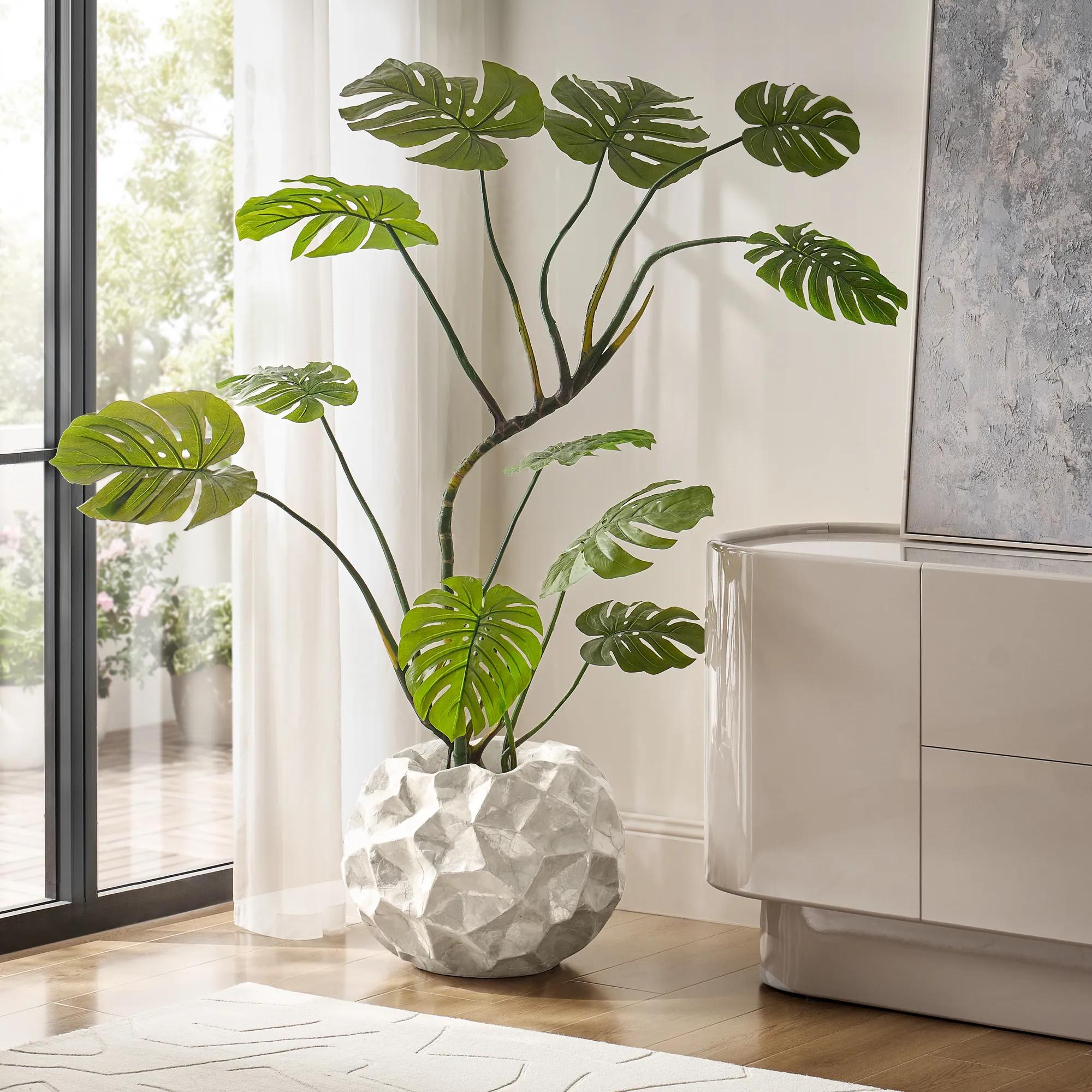 Aspen Capiz Shell Floor Planter 20.25" x 15.25"$299
An opaline pearl floor vase featuring luminous capiz shell texture and a sculptural resin form.
Add To Cart -
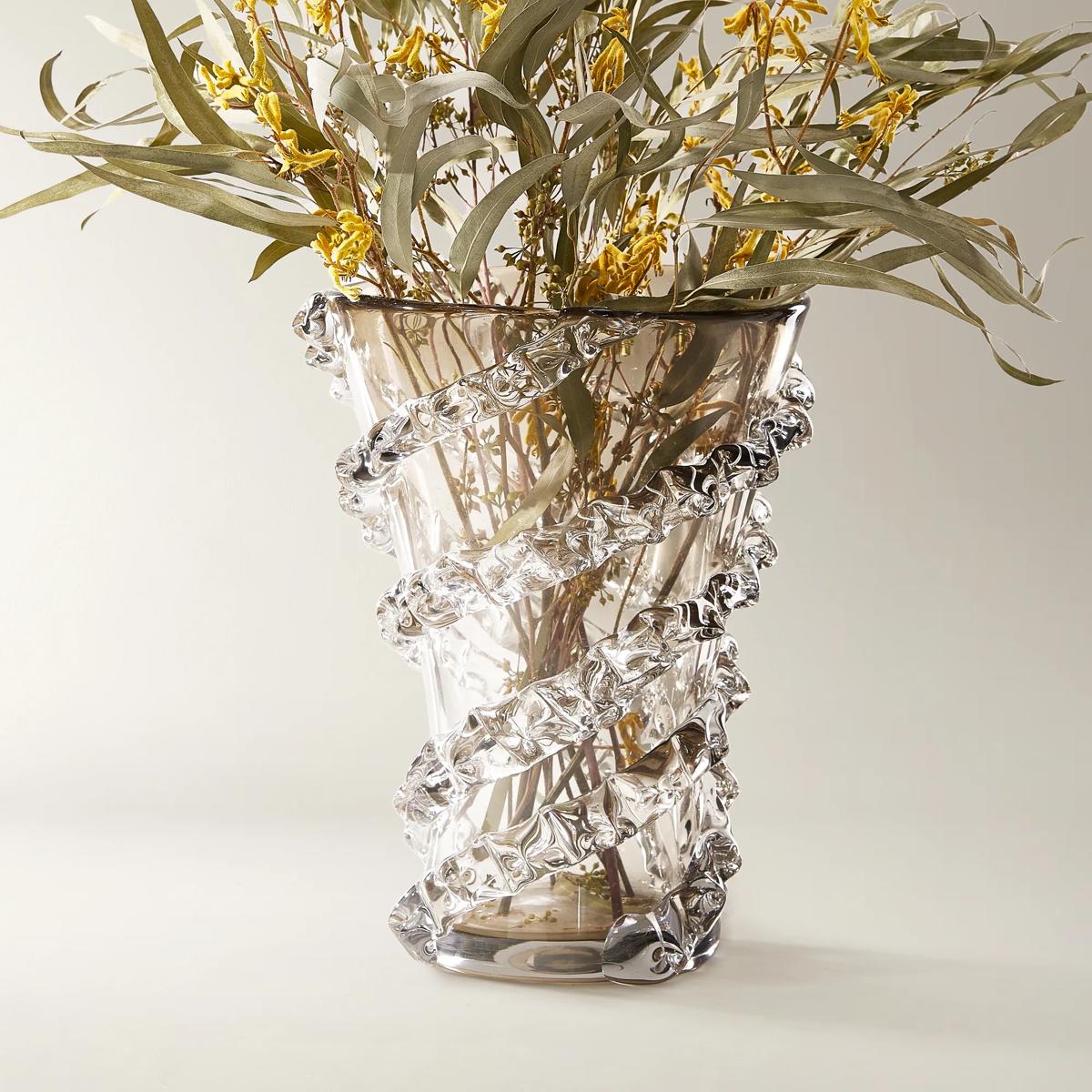
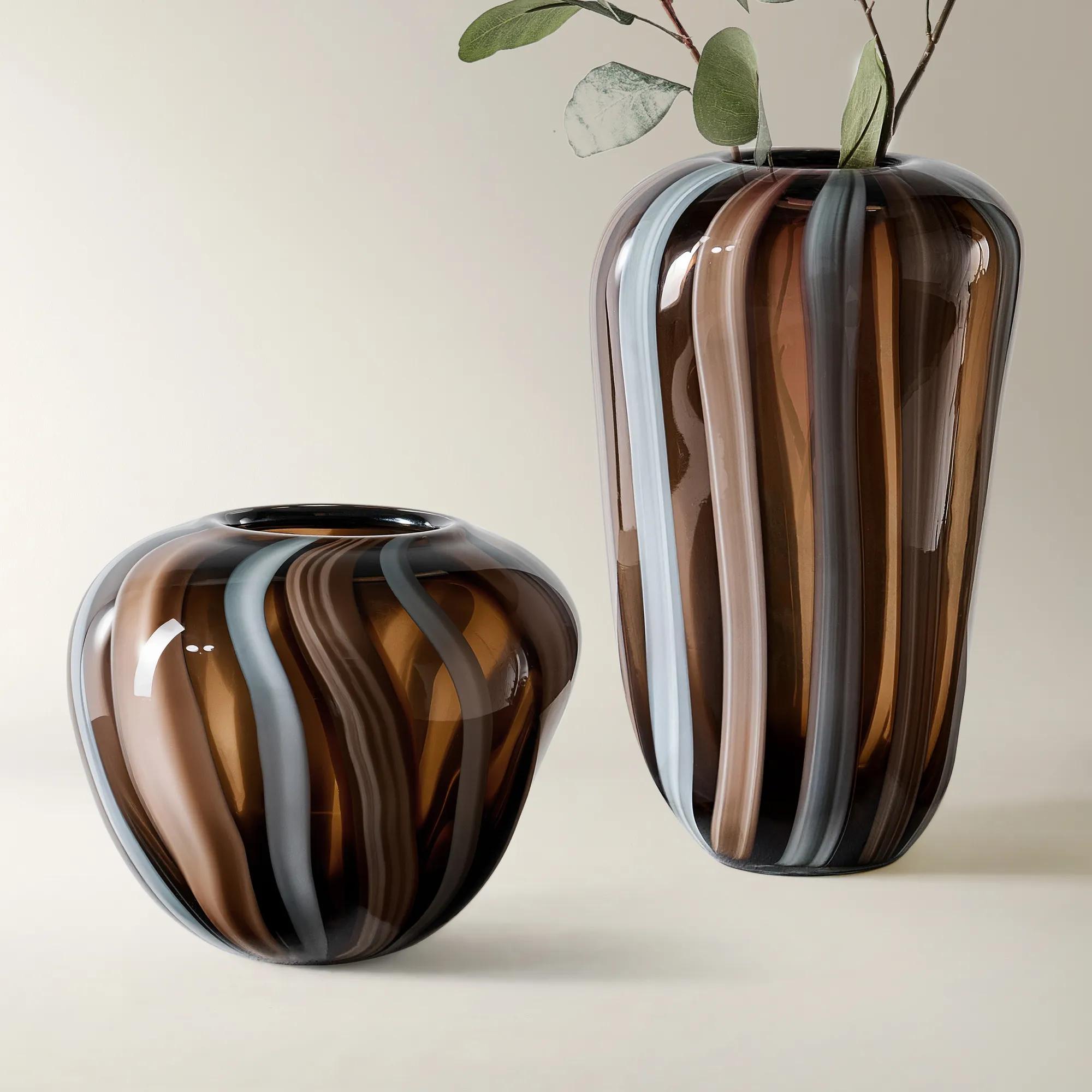
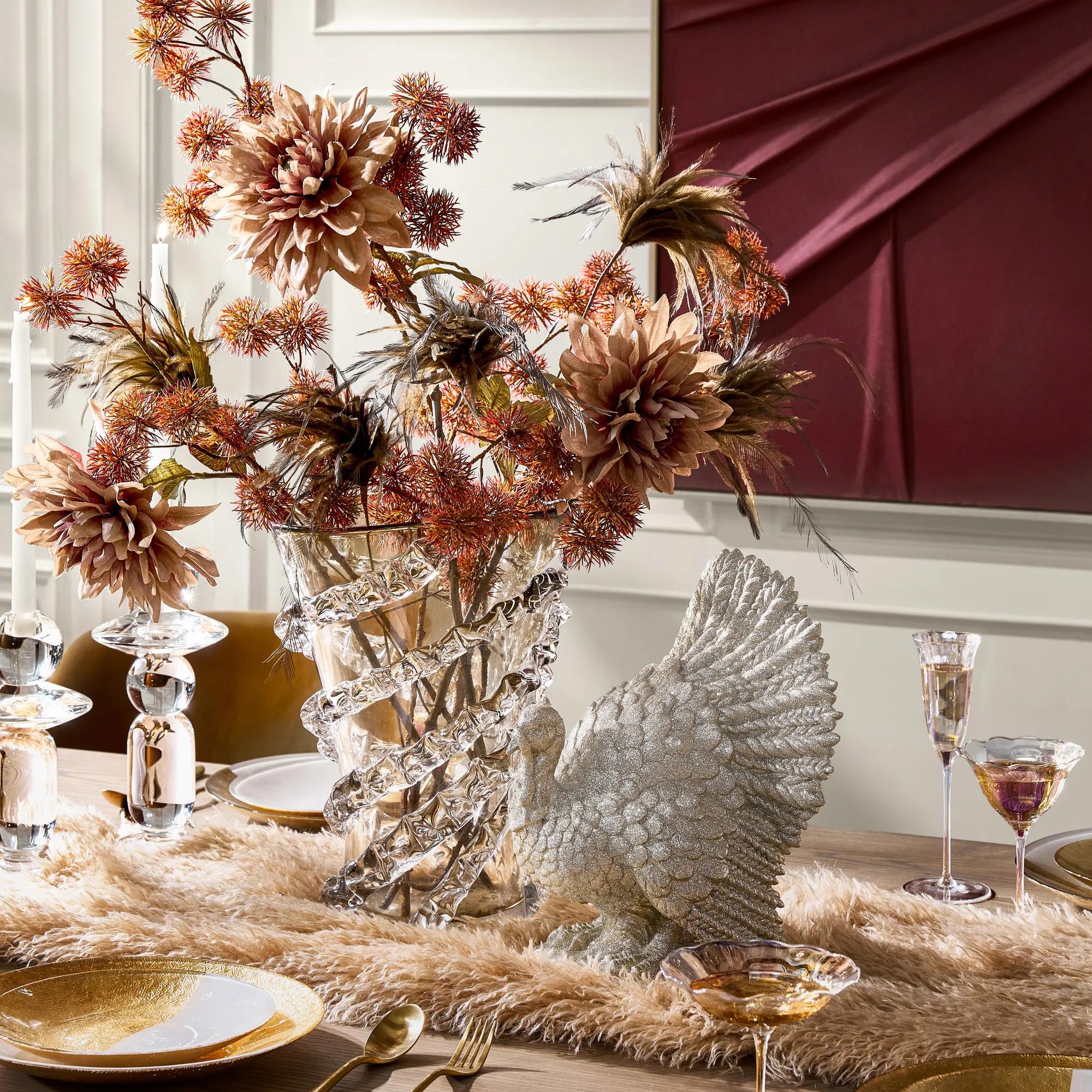 Reyna Glass Vase$299
A hand-blown glass vase featuring a sculptural swirl design and a smoky grey-brown finish.
Add To Cart -
 Calla Mouth Blown Blue Glass Decorative Bowl 15.35" x 5.7"$79
A handblown blue glass bowl featuring unique curves and translucent artistry for striking decorative appeal.
Add To Cart -
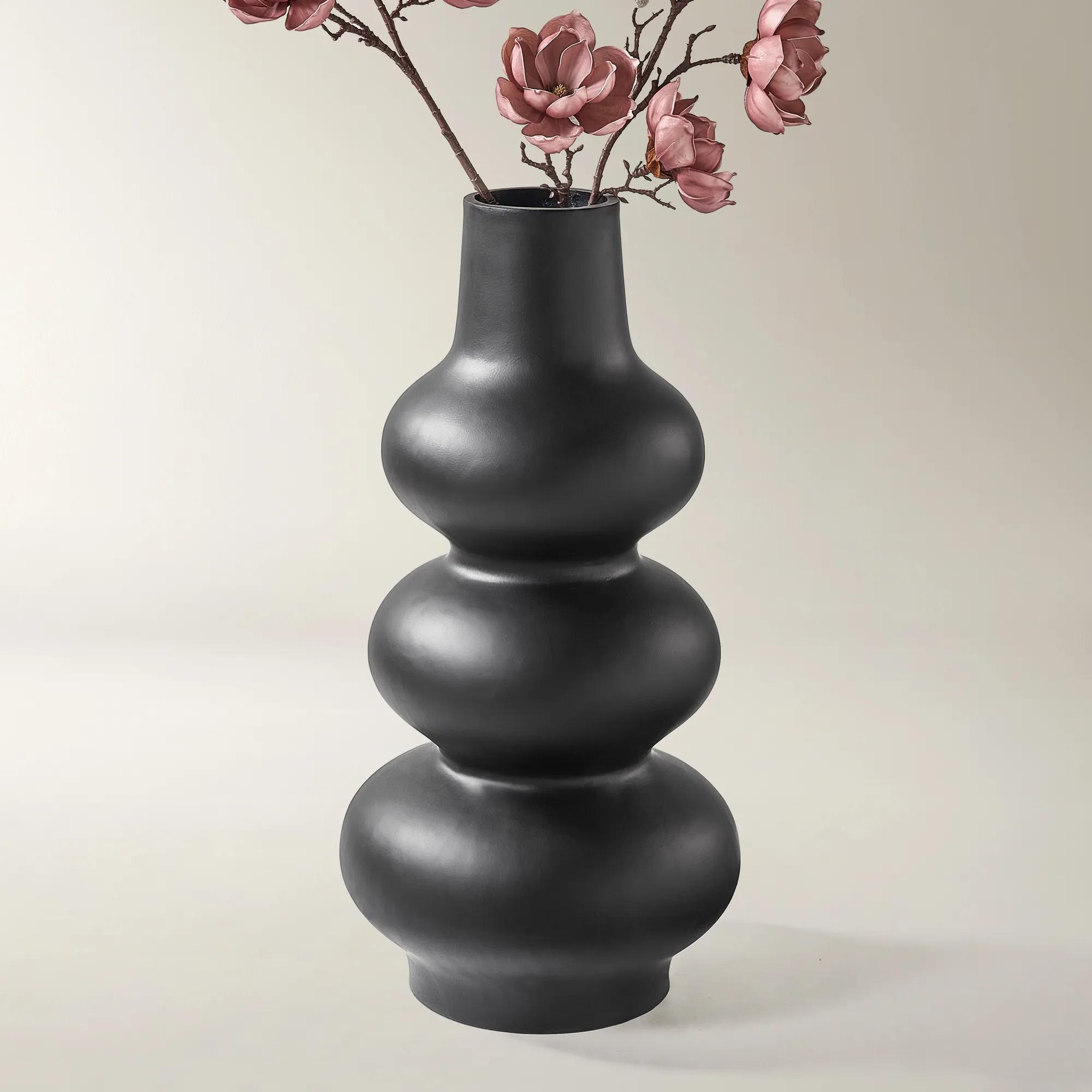 Naali Black Resin Floor Vase 31"$279
A bold black resin vase featuring a chunky, sculptural silhouette for striking modern decor.
Add To Cart -
 Daria Metallic Champagne Resin Vase 20"$199
A sculpted black resin vase featuring layered brushed champagne and silver metallic panels for modern impact.
Add To Cart -
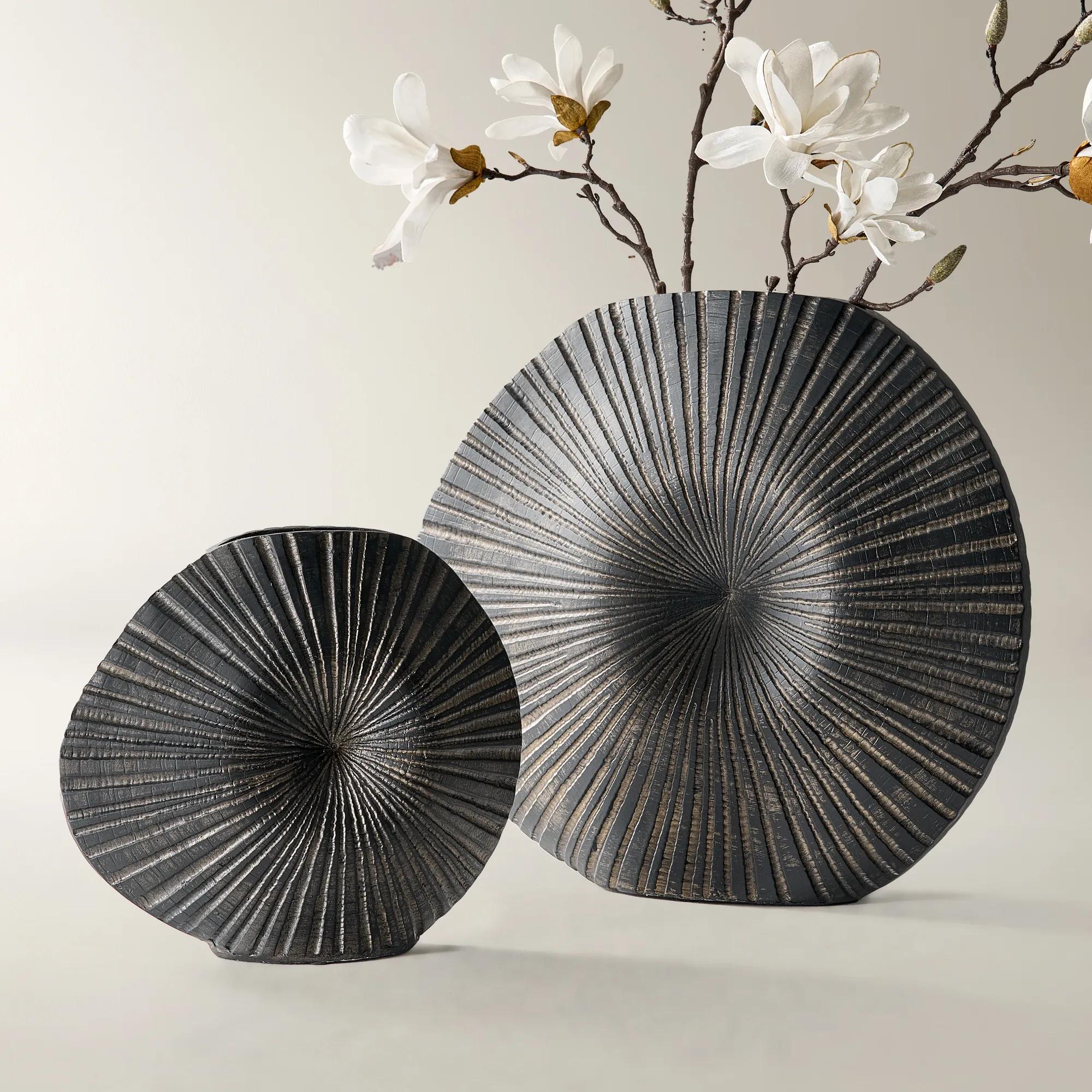
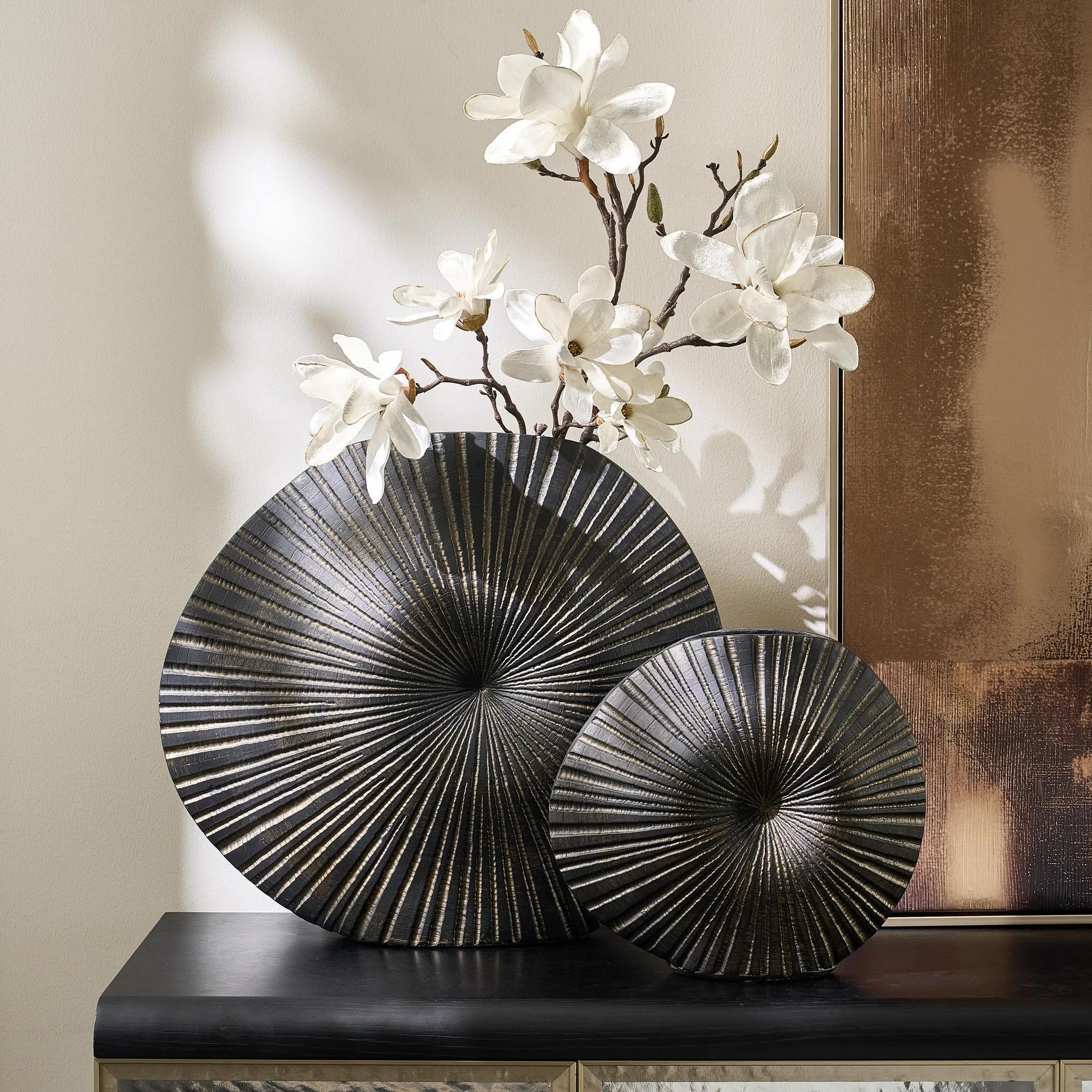 Stellar Black Champagne Resin Vases$169
A sculptural resin vase in black and champagne tones, offering modern glamour and artful visual depth.
Add To Cart

Sculptural Living Room Accents
Refresh your sofa space with living room accents that bring expressive shape and tactile contrast into focus. Explore rounded throw pillows, sumptuous throws, sculptural vases, and artful decorative objects that carry the composition from sofa to coffee table. Follow a favorite color or finish to create a room that feels collected, personal, and rich in dimension.
Sculptural living room accents bring an artistic dimension to the spaces where life unfolds, giving a coffee table, console, or bookshelf a presence that feels considered rather than simply filled. Their appeal begins with form: a sweeping curve, an unexpected opening, a folded edge, or a silhouette that looks different from every seat in the room. Unlike flat artwork, these dimensional pieces interact with their surroundings, casting shadows across a tabletop and revealing subtle changes in surface as light moves through the space. A matte ceramic shape can lend quiet depth to a room rich in velvet and polished metal, while a gleaming accent introduces a brilliant counterpoint to textured upholstery and dark wood. The effect depends as much on contrast as on color. Rounded forms soften the strong lines of a tailored sofa; angular objects give definition to a setting filled with generous cushions and curved seating. Sculptural decor can feel equally expressive in a restrained interior or a richly layered living room, provided each shape has enough space to register. In a neutral setting, carved details and dimensional surfaces create visual richness without requiring a dramatic shift in palette. Against saturated walls or patterned textiles, a clear outline can provide a place for the eye to rest. Open forms offer another kind of presence, allowing glimpses of the wall or furniture behind them and keeping a substantial arrangement from feeling visually dense. For those drawn to expressive interiors, these accents offer an intimate way to live with art, bringing its tactile qualities within everyday view. They can introduce a new material, repeat an architectural curve, or establish a focal point where a room needs definition. A distinctive object beside a reading chair can make that corner feel intentional, while a broader composition on a console gives the living area a sense of arrival. The strongest choices feel connected to the room without disappearing into it, carrying enough character to hold attention long after the first impression.
Materials give sculptural accents much of their personality, influencing their weight, texture, and relationship to surrounding furnishings. Ceramic can range from softly irregular and earthy to crisply modeled and luminous beneath a glaze. Glass brings transparency or richly layered color, with thick edges and curved surfaces catching highlights in ways that opaque materials cannot. Metal offers definition through slender profiles, sculpted volumes, and finishes that range from softly brushed to mirror-bright. Natural stone contributes visual weight and individual variation, with veining and tonal shifts that make each surface distinctive. Carved wood introduces grain and warmth, while molded resin can support intricate shapes without the weight associated with solid stone; the feel and durability still depend on the construction and finish. Scale matters just as much as material. A broad coffee table can accommodate a generous, low-profile form, while a narrow side table benefits from an accent that leaves room for a drink and comfortable movement nearby. On a mantel or console, a taller silhouette can draw the eye upward, but its depth and base should suit the surface beneath it. An open center helps some substantial shapes feel lighter, particularly on glass tables or shelving where visual breathing room is important. For arrangements that combine artistic presence with a useful landing place, sculptural accent bowls for living rooms bring expressive contours to the tabletop without necessarily adding much height. Their intended use depends on the individual design: a shallow form may stand alone as an object, while a deeper vessel may accommodate decorative contents when the material and finish allow. A bowl’s rim, interior curve, and footprint all affect how it reads from above and across the room. Nearby accents need not match precisely. A shared undertone or repeated curve can connect different materials, while a mix of heights prevents the arrangement from appearing rigid. Leaving part of the surface visible gives these relationships clarity and preserves the furniture’s own lines.
Living beautifully with sculptural decor also means choosing pieces that suit the household, not just the composition. In a frequently used living room, a stable base and thoughtful placement matter, especially near children, pets, or busy walkways. A delicate projection may be better suited to a protected shelf than the edge of a coffee table, and a substantial stone or metal accent needs furniture capable of supporting its weight. Tall forms should sit where they are unlikely to be brushed by a sleeve or block the view between people seated across from one another. On shelving, depth and overhead clearance deserve attention alongside height, so an expressive silhouette does not feel compressed within its compartment. Surface protection is equally important: rough undersides or heavy bases may call for suitable protective pads to help prevent scratches, following the care guidance for both the accent and the furniture. Maintenance should reflect the material and finish rather than a single cleaning routine. Gentle dusting with a soft cloth is often appropriate, but abrasive cleaners can damage polished surfaces, painted details, and metallic coatings. Porous stone, unsealed ceramic, and wood may be vulnerable to moisture or staining, while glass and glazed surfaces can still require careful handling around thin edges. Decorative vessels should not be assumed watertight or food-safe; fresh flowers, edible contents, and cleaning methods should follow the maker’s stated recommendations. These considerations help preserve the finish and make the piece easier to enjoy over time. For a recipient who loves interiors, a sculptural accent can be a personal gift when its proportions, material, and color reflect the way they live. A compact form suits someone with carefully edited shelves, while a more expansive silhouette may appeal to a collector with generous display space. Whether chosen to mark a new home or deepen an established room’s character, the most compelling accent earns its place through both presence and suitability. It brings a distinctive line, an intriguing surface, or a bold gesture into daily life—artful enough to invite attention, and thoughtfully chosen enough to belong.
FAQs
A sculptural accent draws attention through its form: rounded volume, exaggerated curves, open spaces, or an unexpected outline. Its shape contributes to the room’s composition even without additional decoration. Dimensional surfaces can add another layer of interest as light reveals their contours.
Set a rounded silhouette against square or rectangular cushions so the difference in form remains visible. Connect the arrangement through a shared color, then vary the textures for depth. Explore <a href="https://zgallerie.com/o/sculptural-ball-pillows">sculptural ball pillows</a> for a distinctive curved accent within your sofa composition.
Begin with a hue already present in your upholstery, artwork, or rug. Related tones create continuity while allowing texture to take the spotlight. For stronger contrast, introduce a rich accent color and repeat it selectively across the room rather than matching every decorative detail.
Yes. An expressive vase can stand alone, allowing its silhouette, surface, and finish to become the focal point. Give distinctive handles or curves room to be seen, or contrast the form with a lower accent. Discover <a href="https://zgallerie.com/o/sculptural-ceramic-vases-for-accent-tables">sculptural ceramic vases for accent tables</a> for this approach.
Look to the recipient’s home for clues: favored colors, recurring finishes, and a preference for restrained detail or expressive forms. Choose something that complements that visual language while adding a fresh point of interest. Explore <a href="https://zgallerie.com/o/decorative-gifts-for-housewarming">decorative housewarming gifts</a> with their personal style in mind.