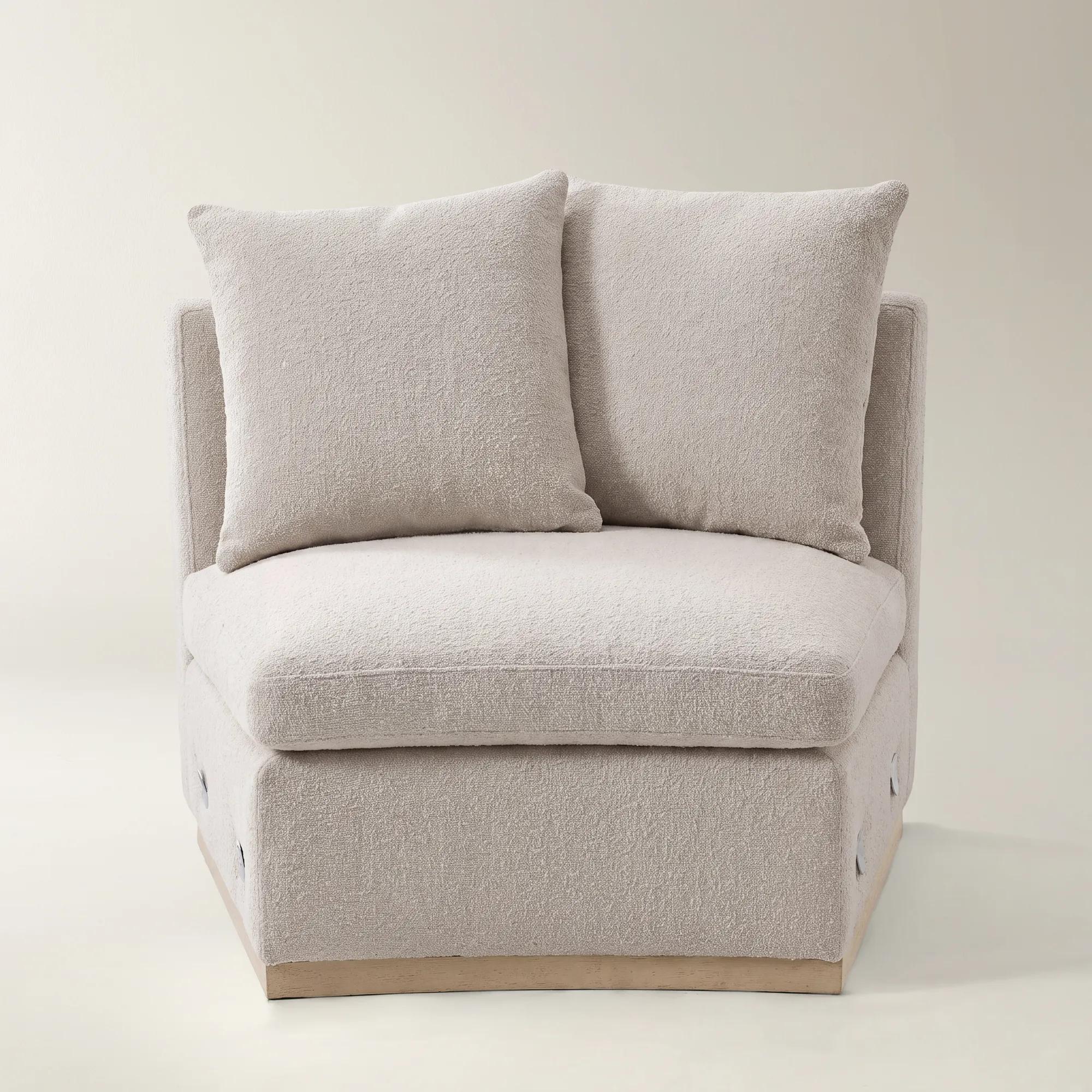
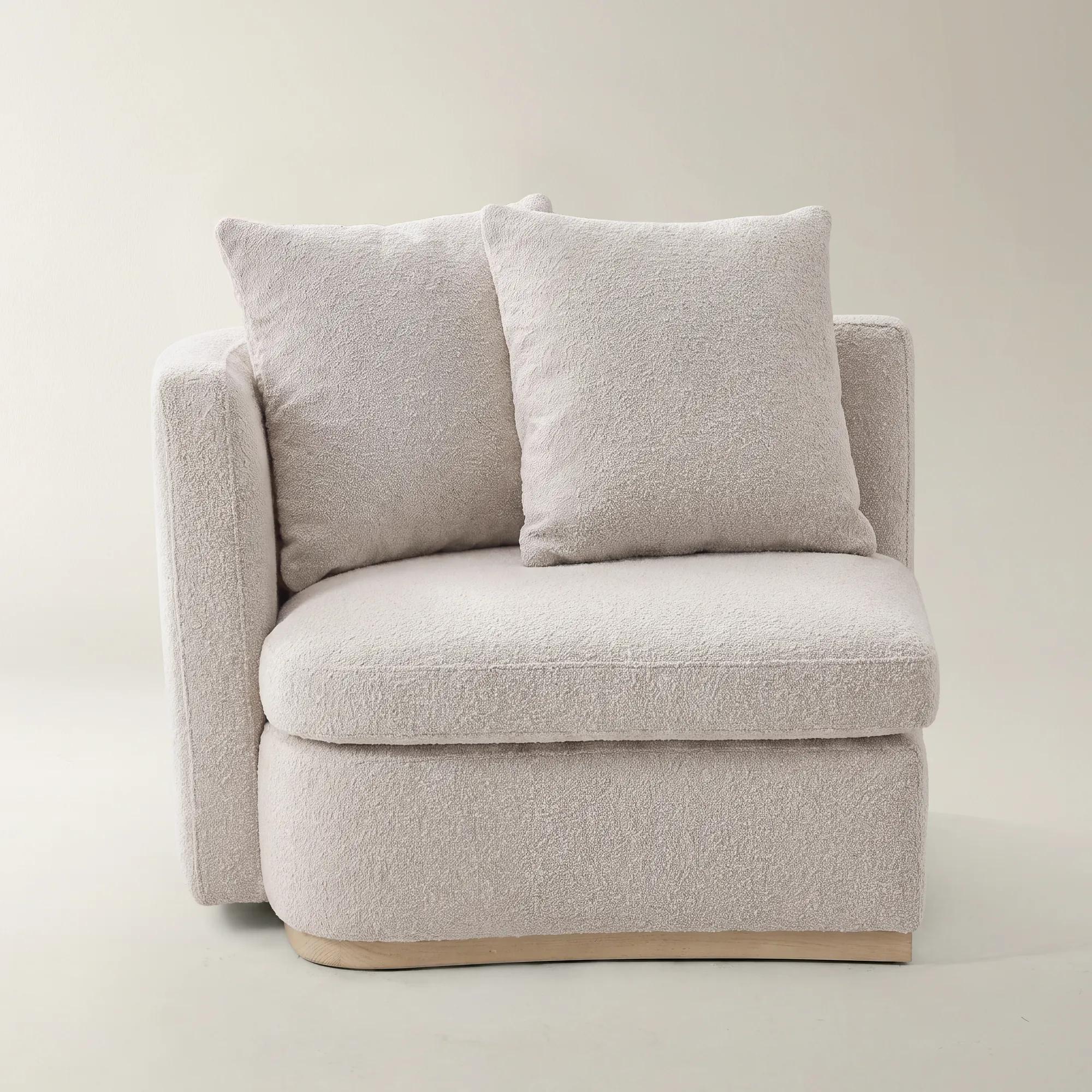
Right Arm Facing Sectionals
Right Arm Facing Sectionals
-
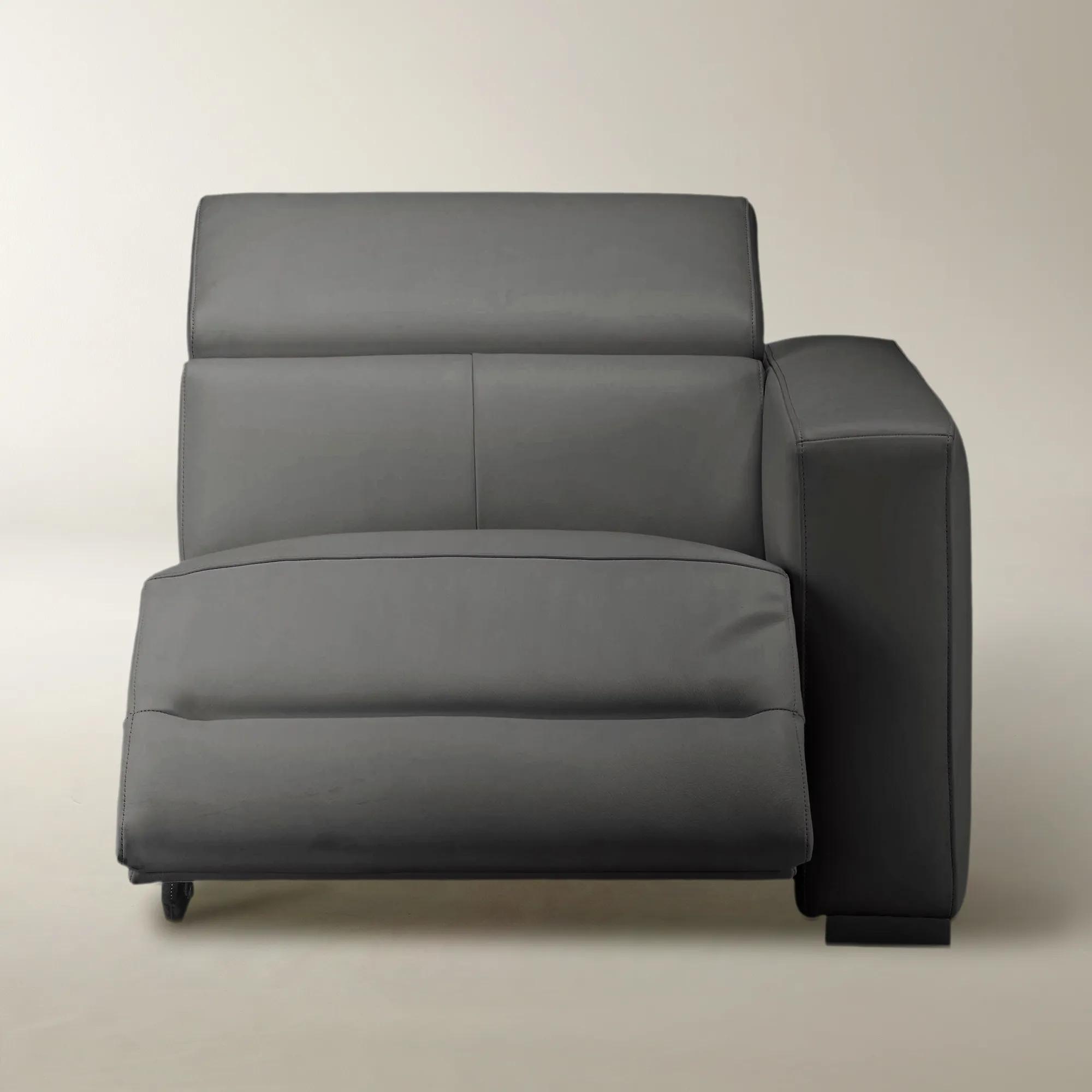
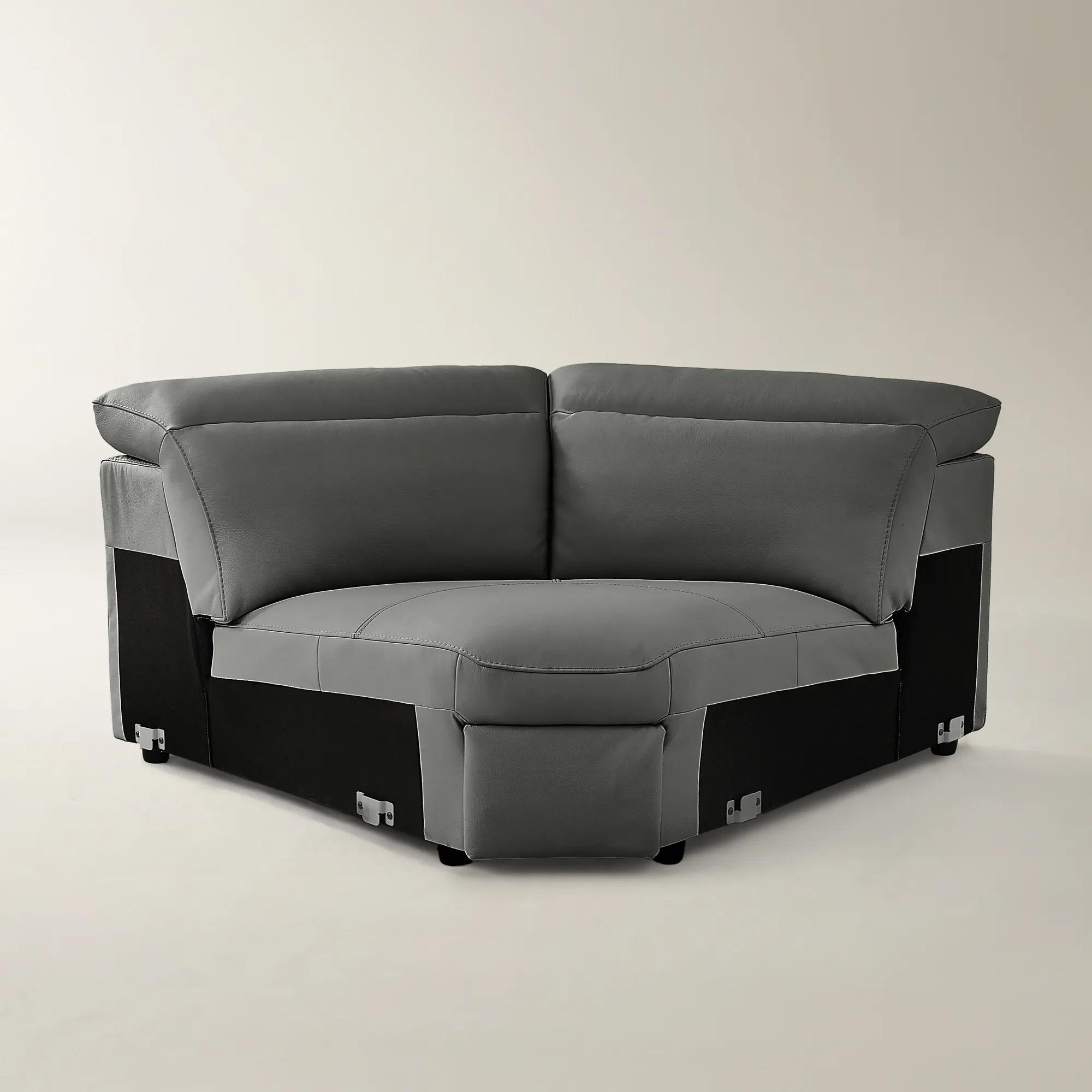
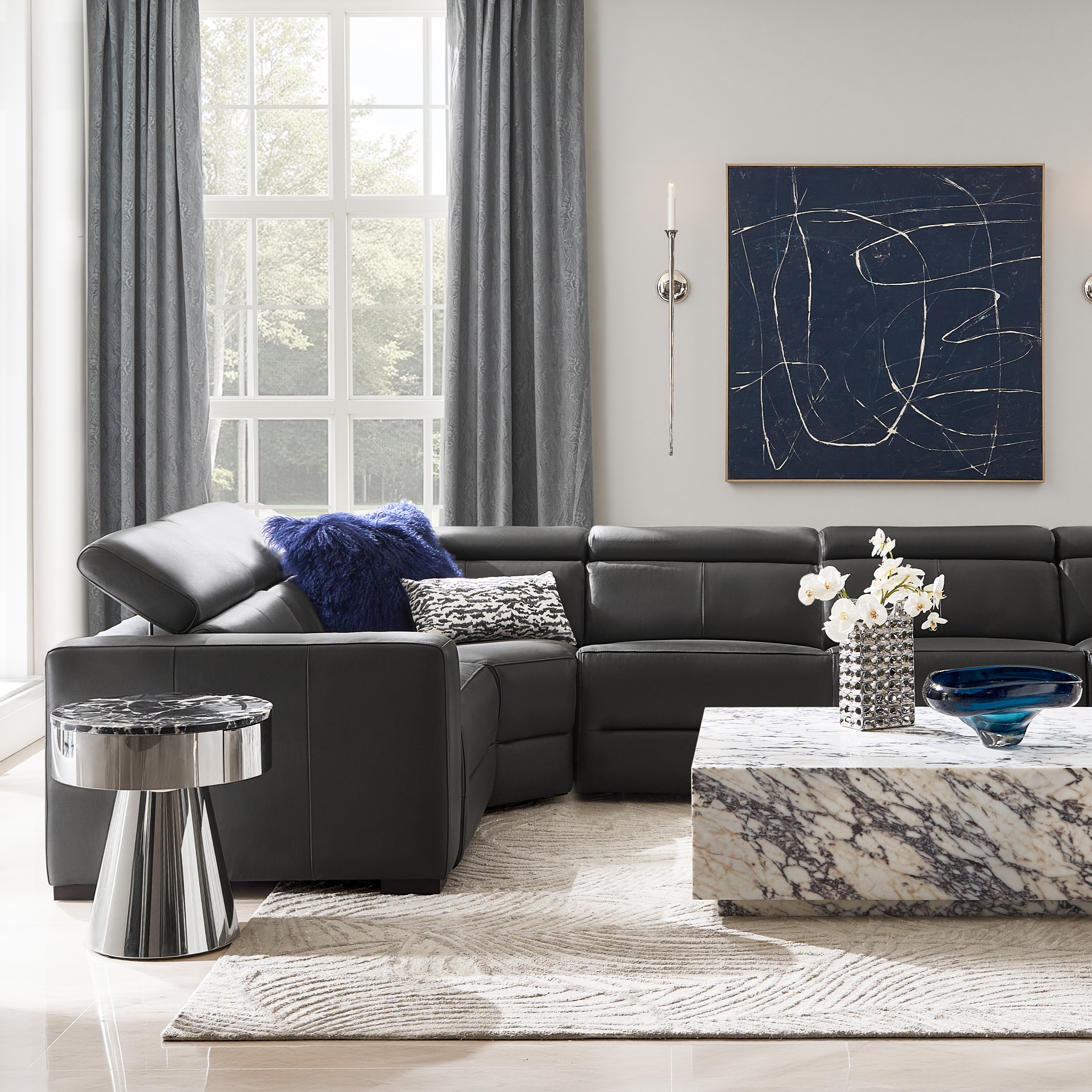 Verona Reclining Charcoal Leather Right Arm Chair With Power$1599
A charcoal semi-aniline leather sectional with adjustable headrests and optional power-reclining seats for comfort.
Add To Cart -
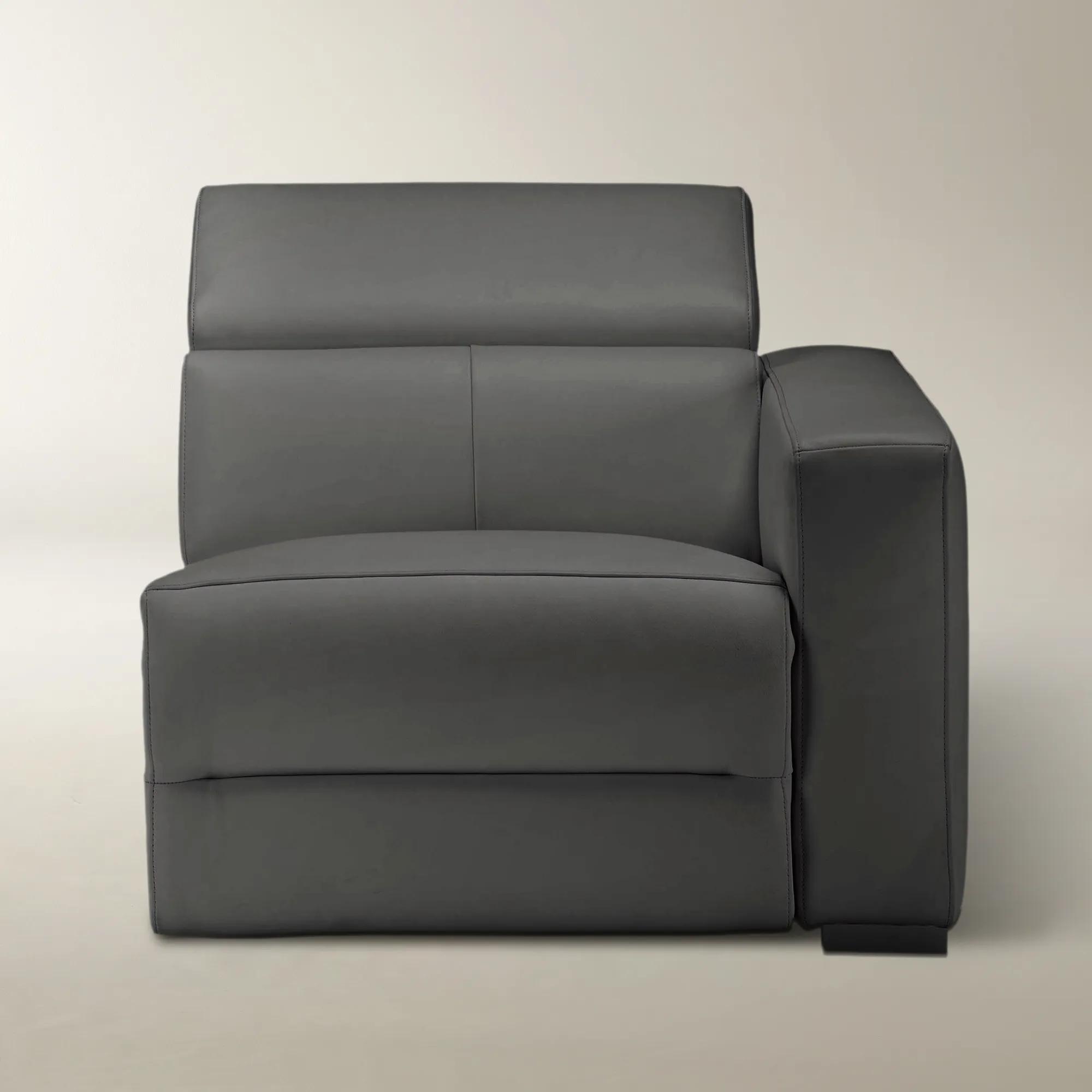 Verona Charcoal Leather Right Arm Chair$1399
A modern charcoal sectional upholstered in supple semi-aniline leather with adjustable headrests and optional power recline.
Add To Cart -
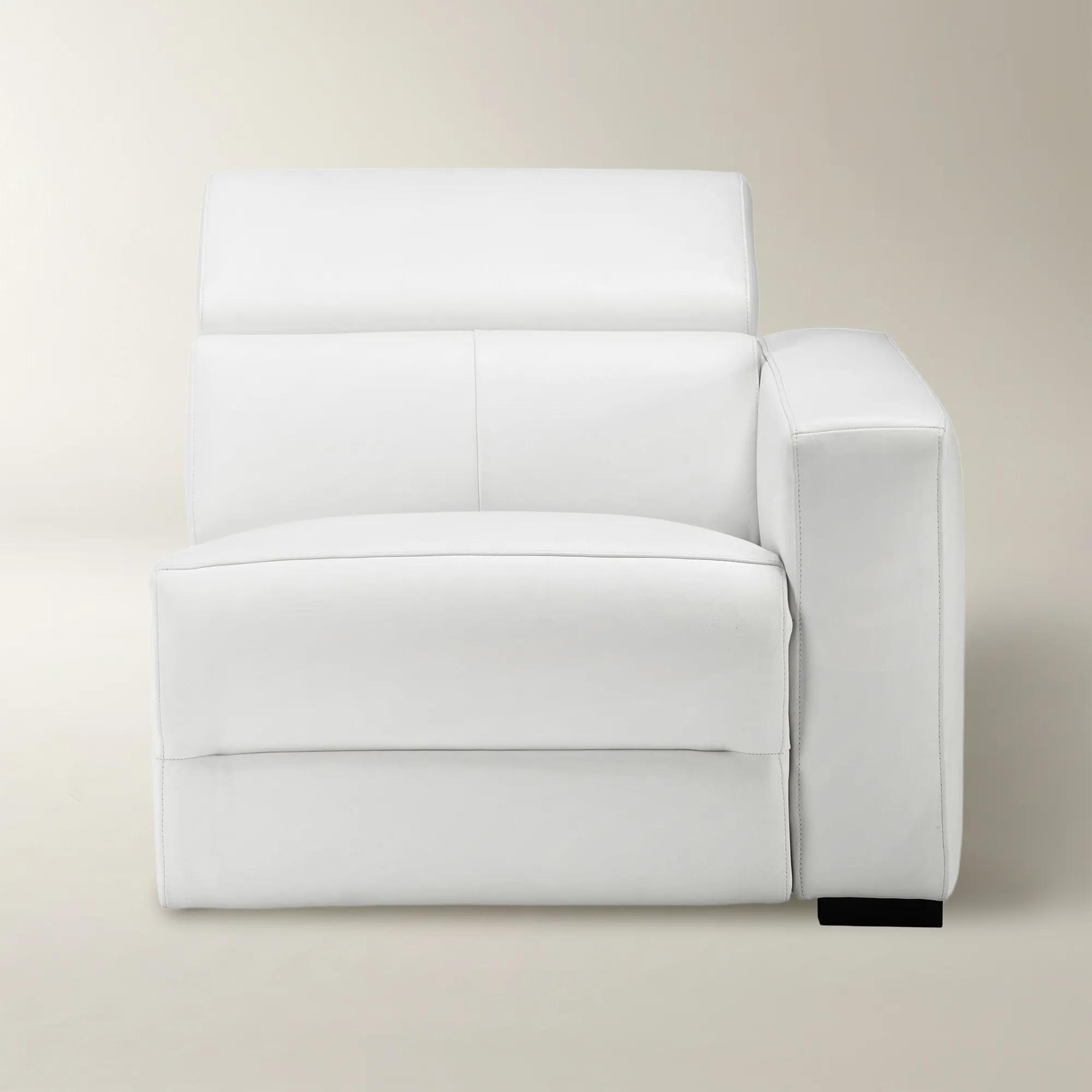
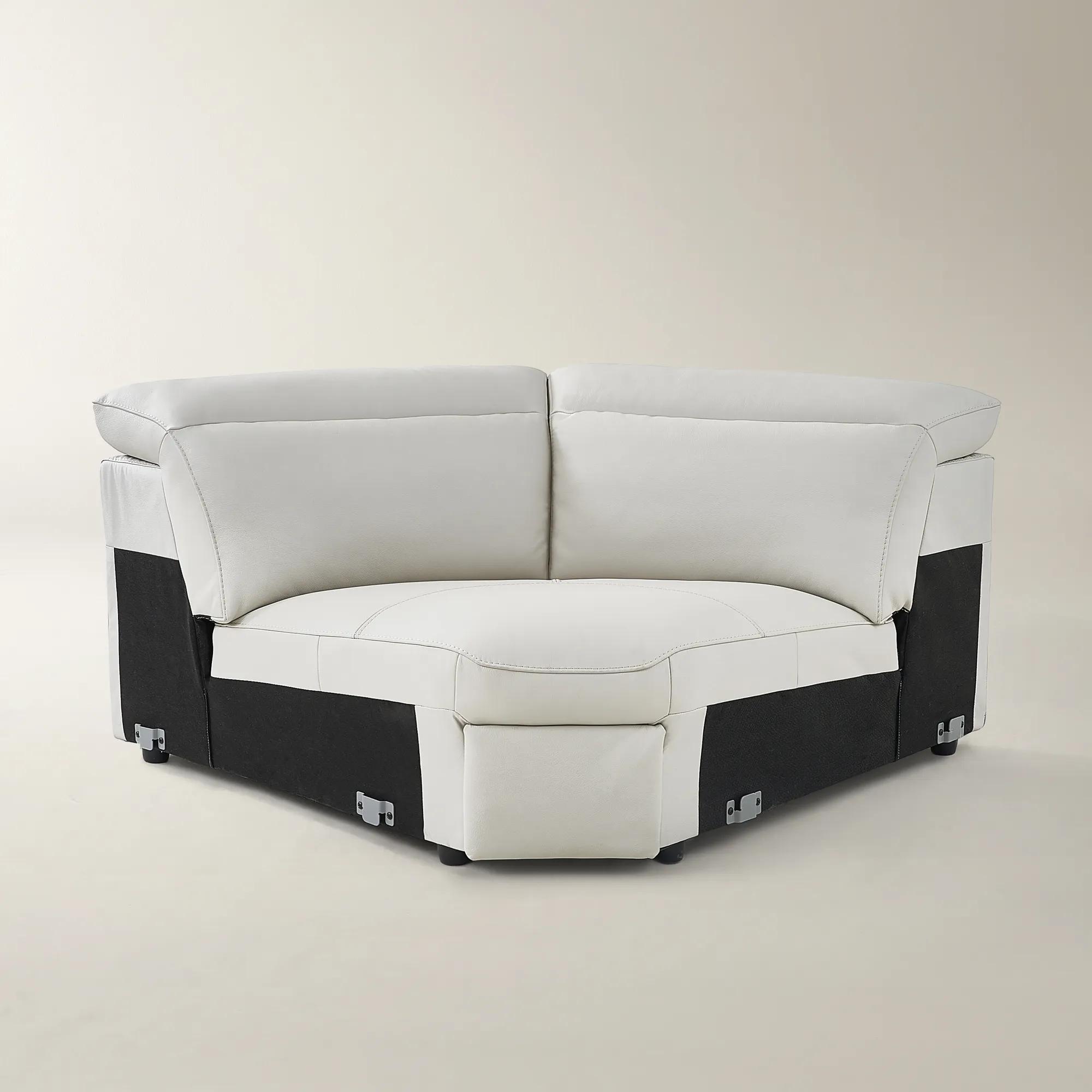
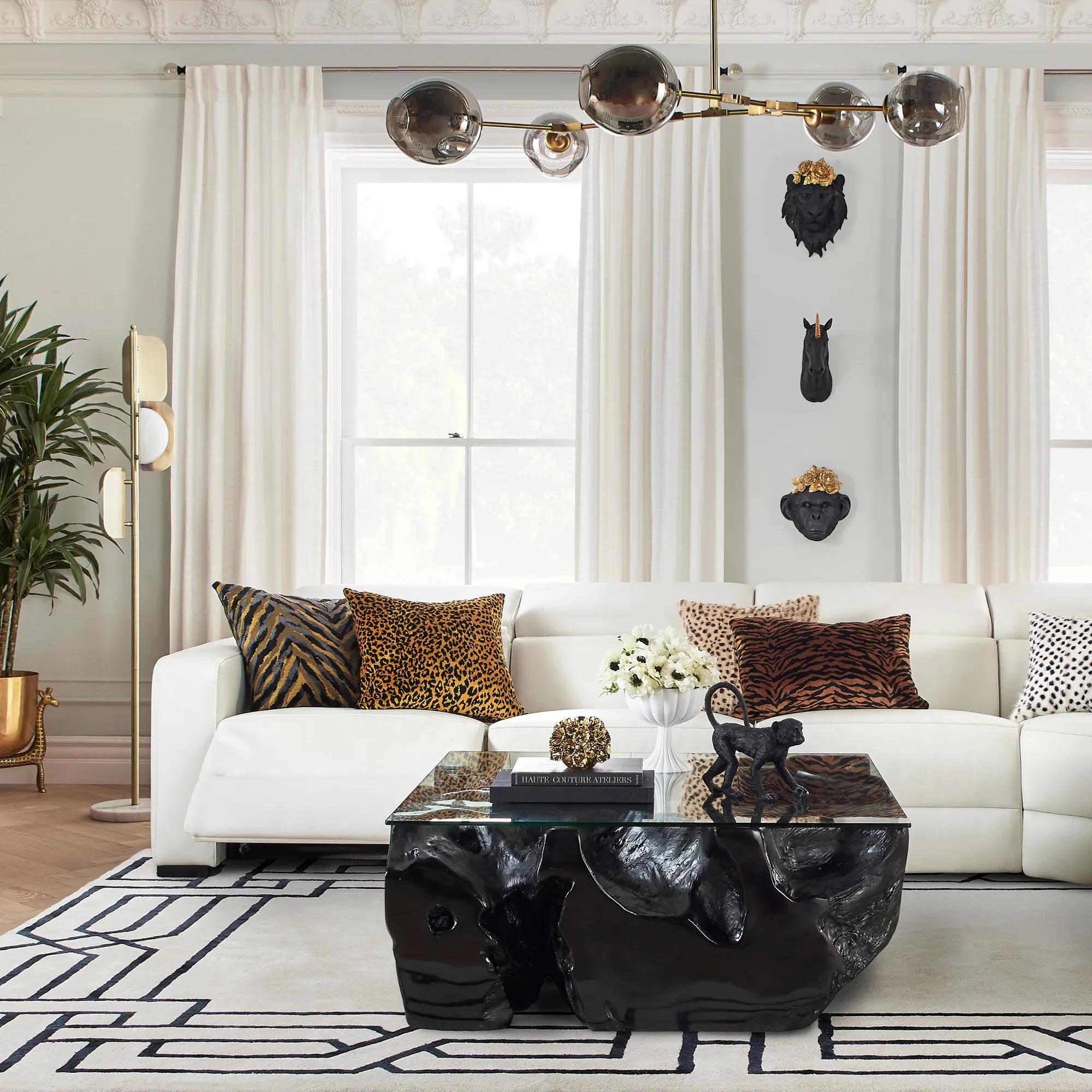 Verona White Leather Right Arm Chair$1399
A modern white sectional upholstered in supple semi-aniline leather with adjustable headrests and power-reclining options.
Add To Cart -
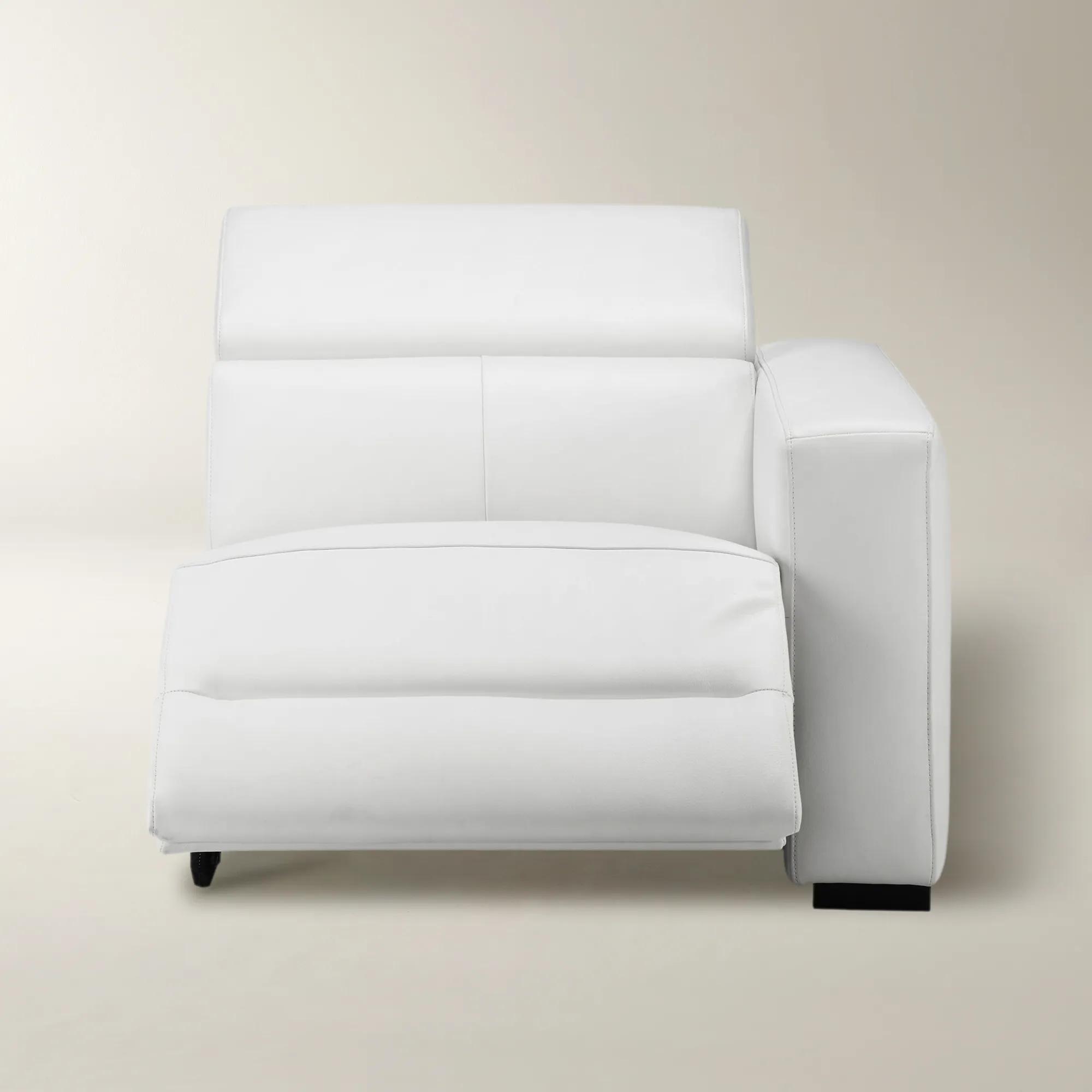 Verona Reclining White Leather Right Arm Chair With Power$1599
A modern white sectional upholstered in supple semi-aniline leather with adjustable headrests and power-reclining options.
Add To Cart -
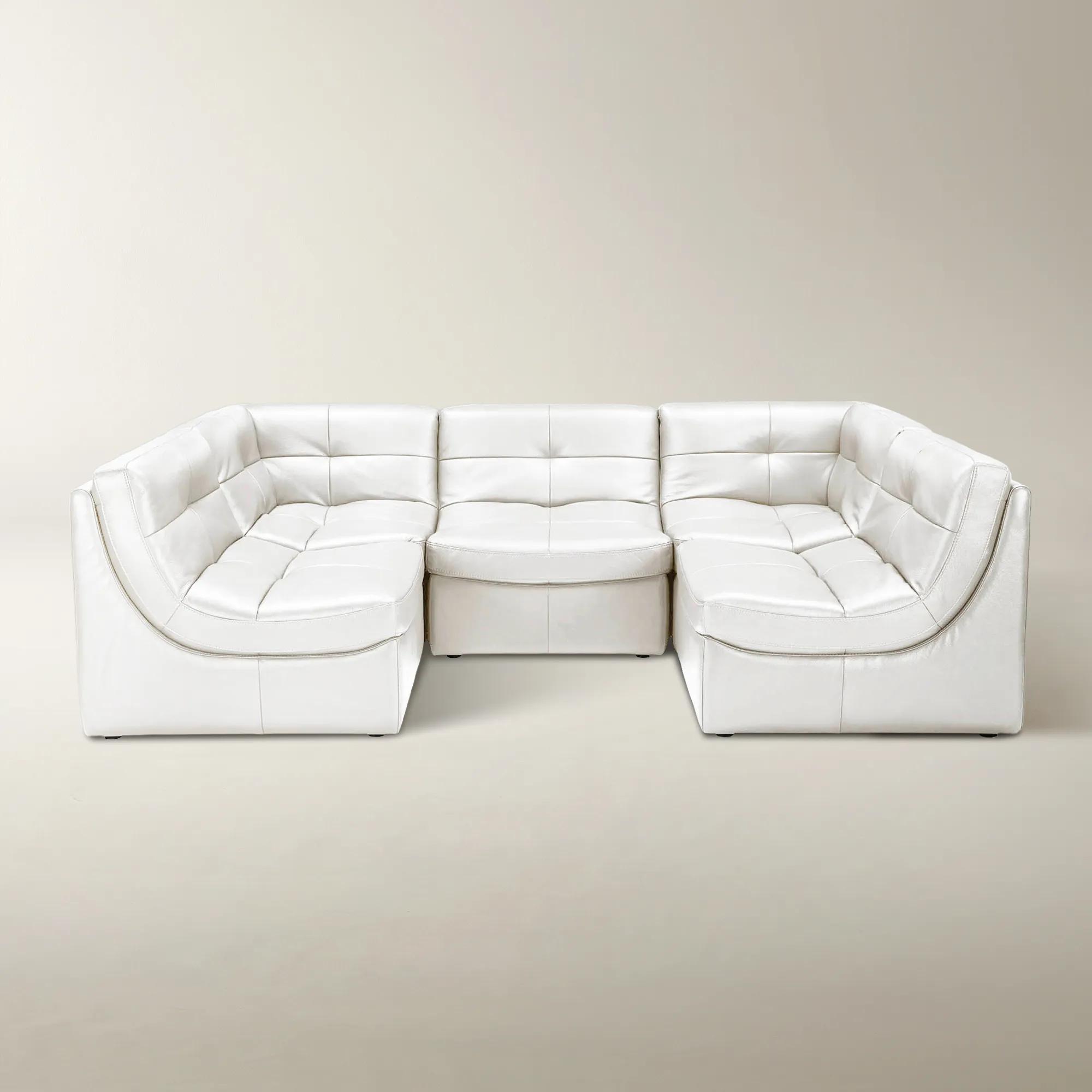 Convo 5-Piece U- Shaped White Leather Sectional Sofa$6399
A modular sectional featuring gently curved seats and charcoal semi-aniline leather upholstery for modern versatility.
Add To Cart -
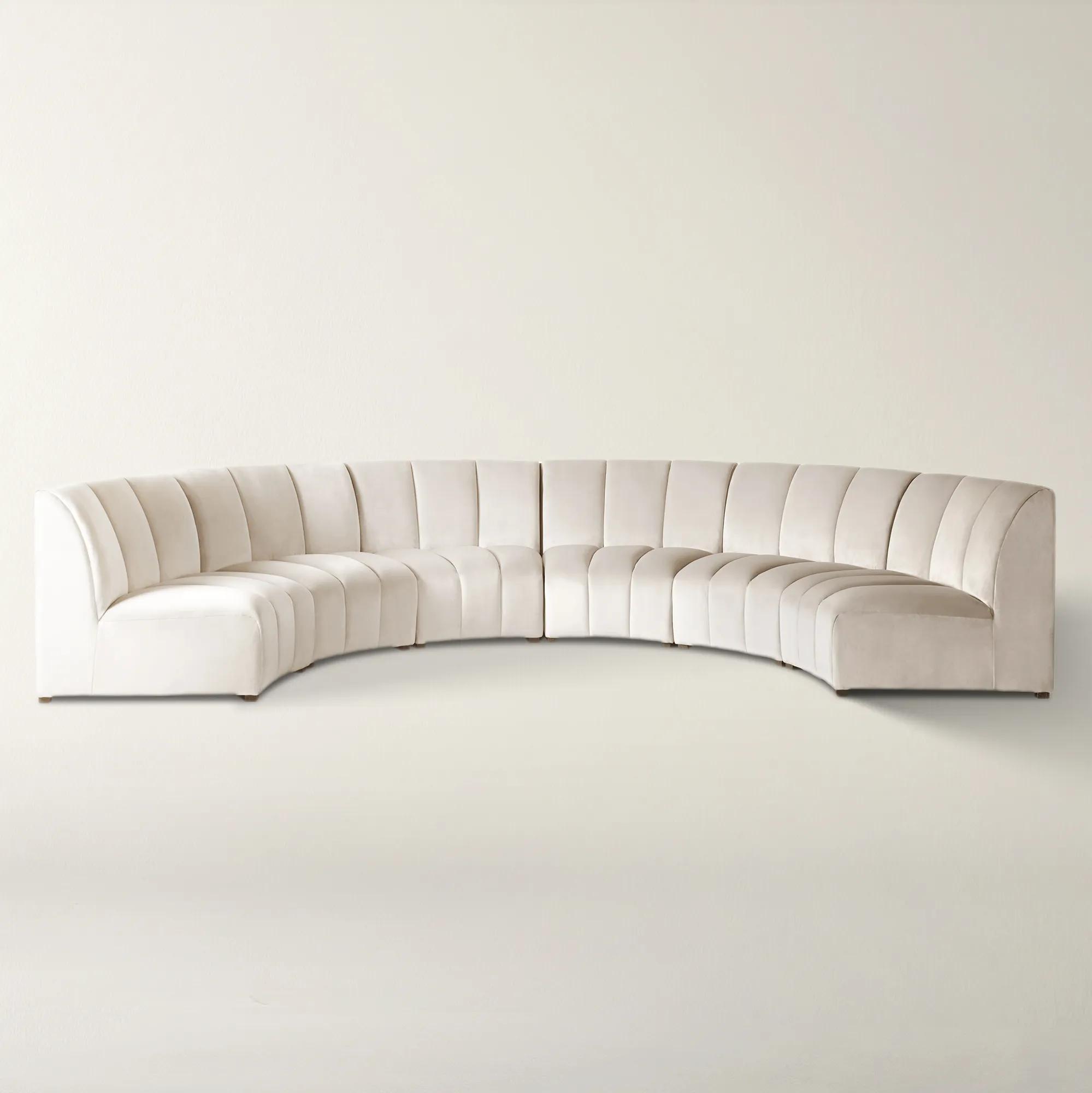 Jayce 6-Piece Channel-Tufted Ivory Velvet Sectional Sofa$5499
A modern curved sectional in stain-resistant Velvet Ivory with deep channel tufting and plush, structured cushions.
Add To Cart -
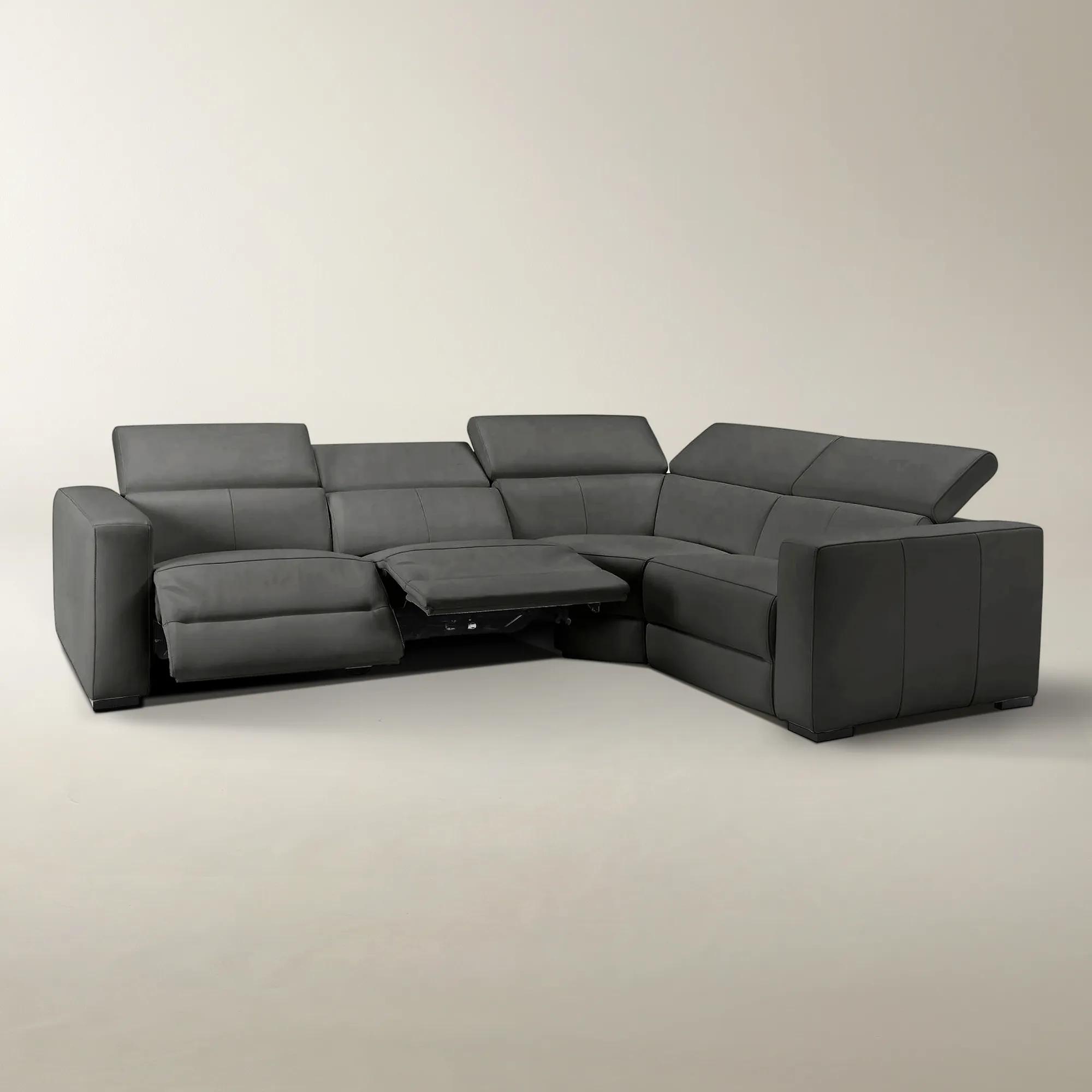
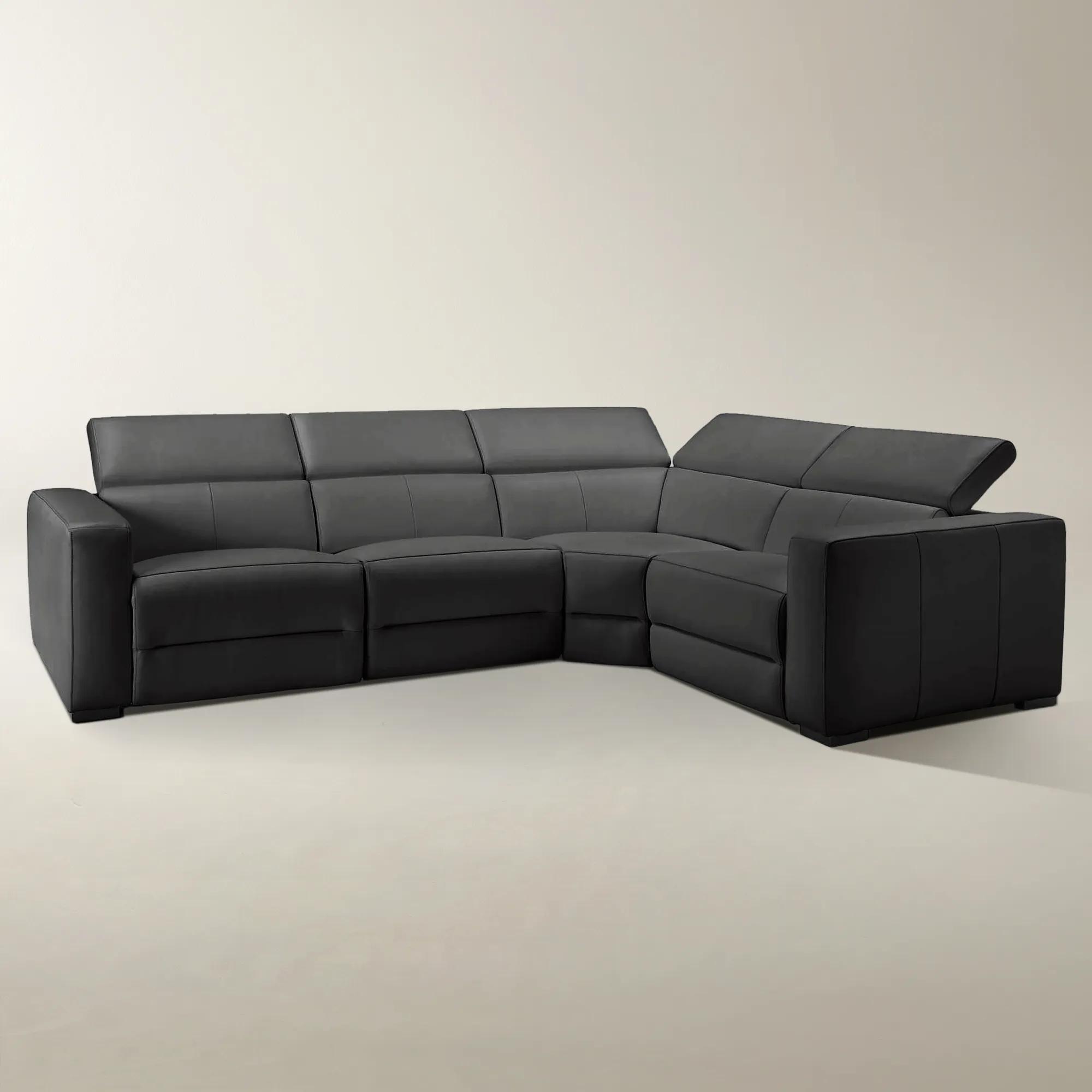 Verona 4-Piece L-Shaped Reclining Charcoal Leather Sectional Sofa With Right-Arm$5899
A charcoal semi-aniline leather sectional featuring adjustable headrests, power-reclining seats, and kiln-dried hardwood frame.
Add To Cart -
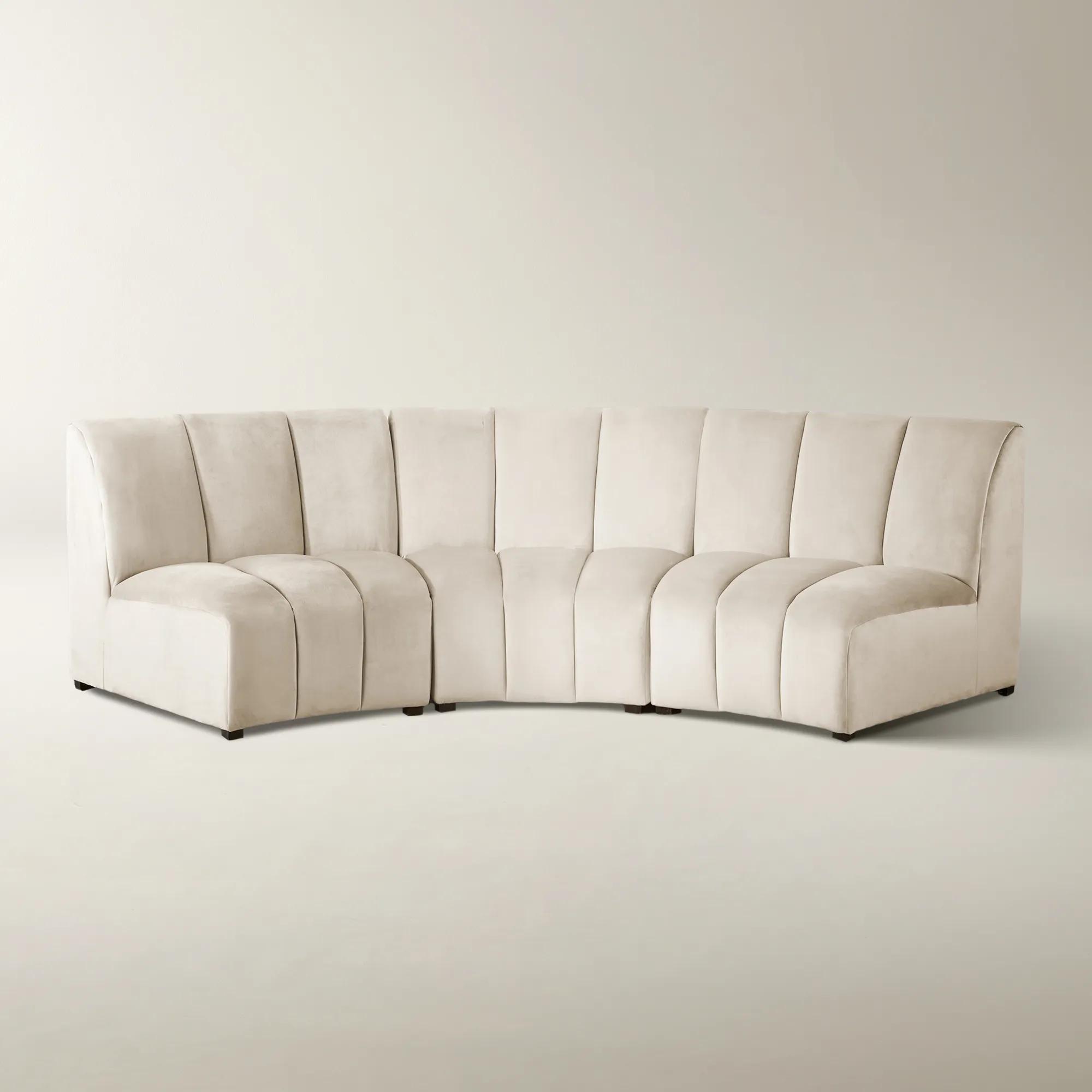
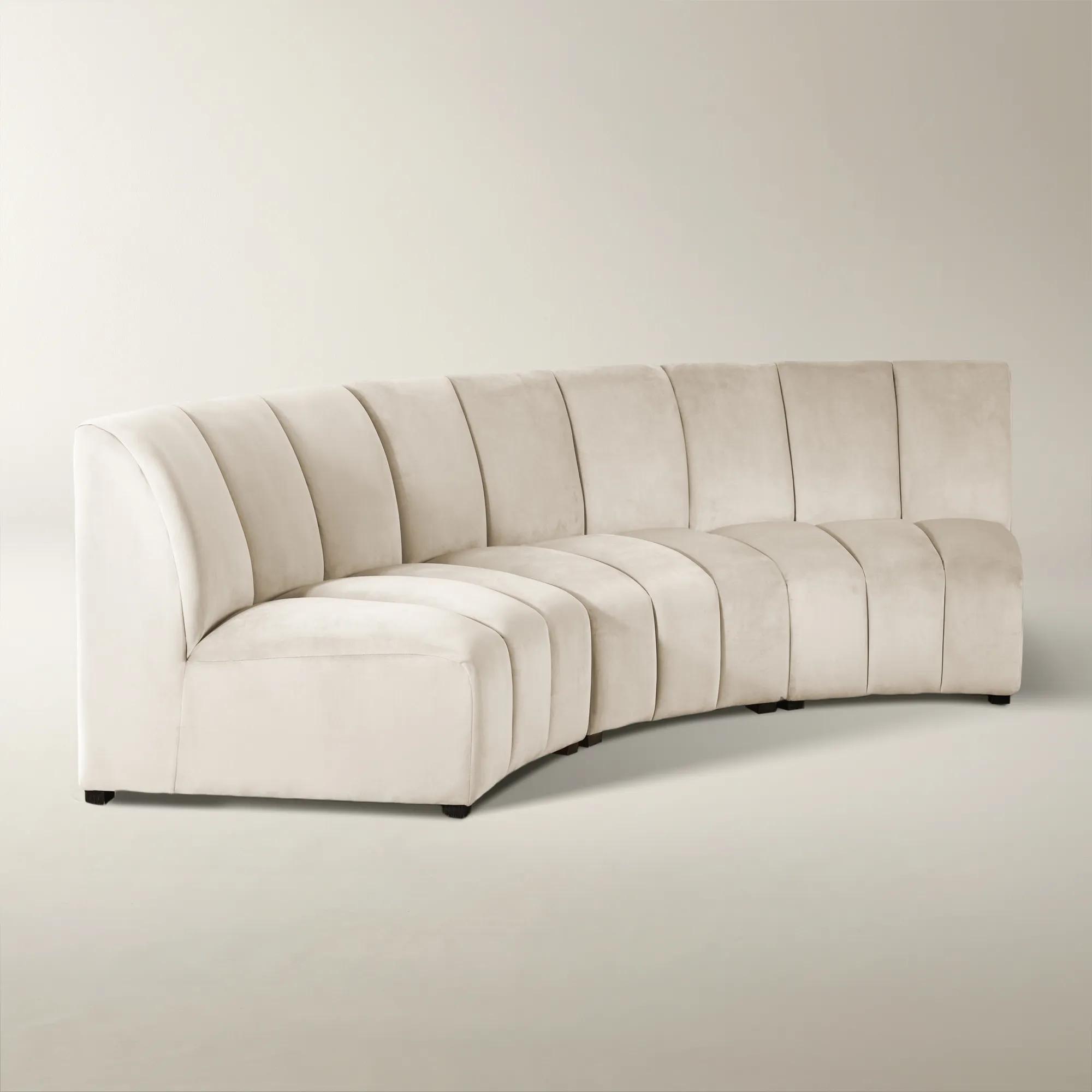 Jayce 3-Piece Channel-Tufted Ivory Velvet Sectional Sofa$2799
A modern curved sectional in stain-resistant Velvet Ivory with deep channel tufting and plush, structured cushions.
Add To Cart -
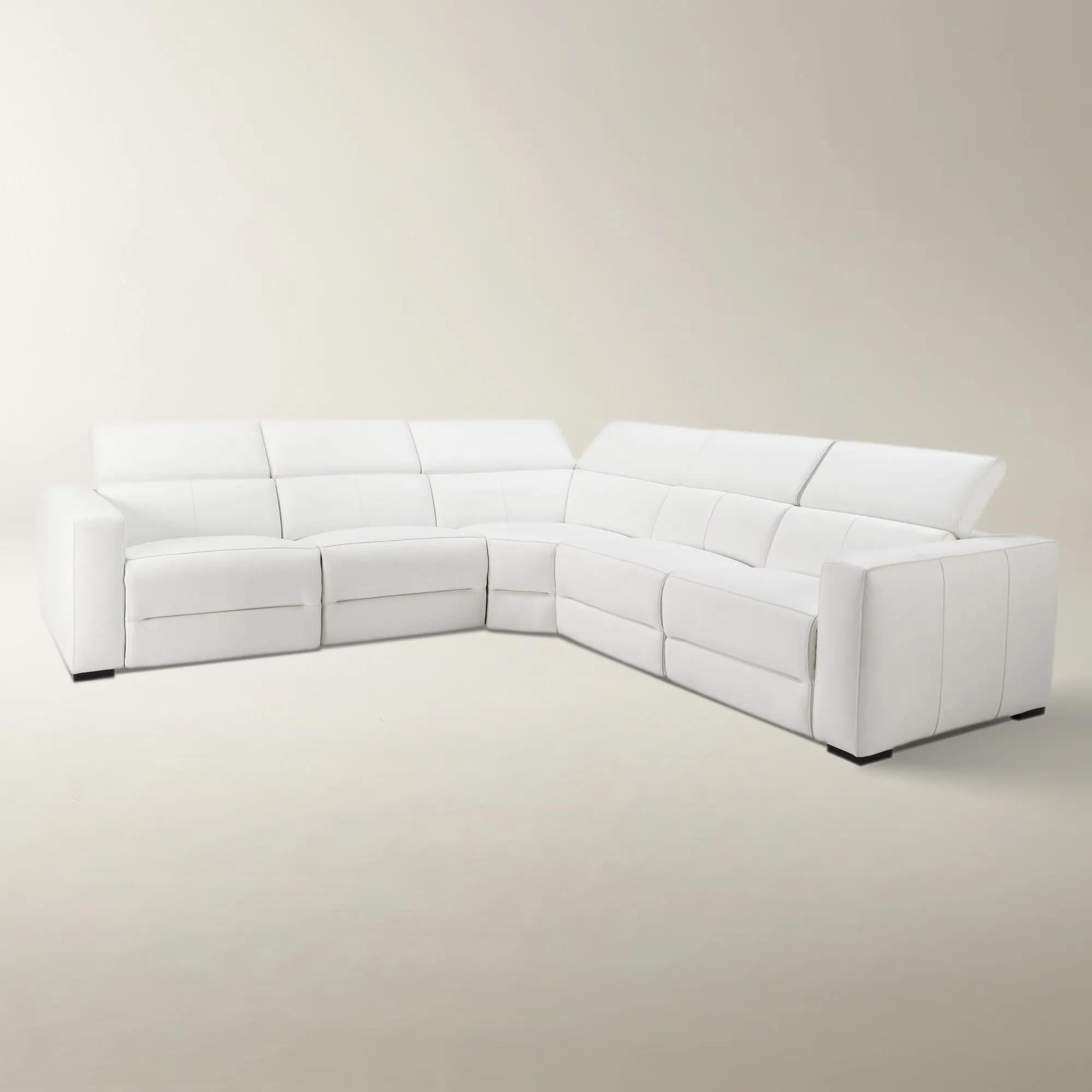
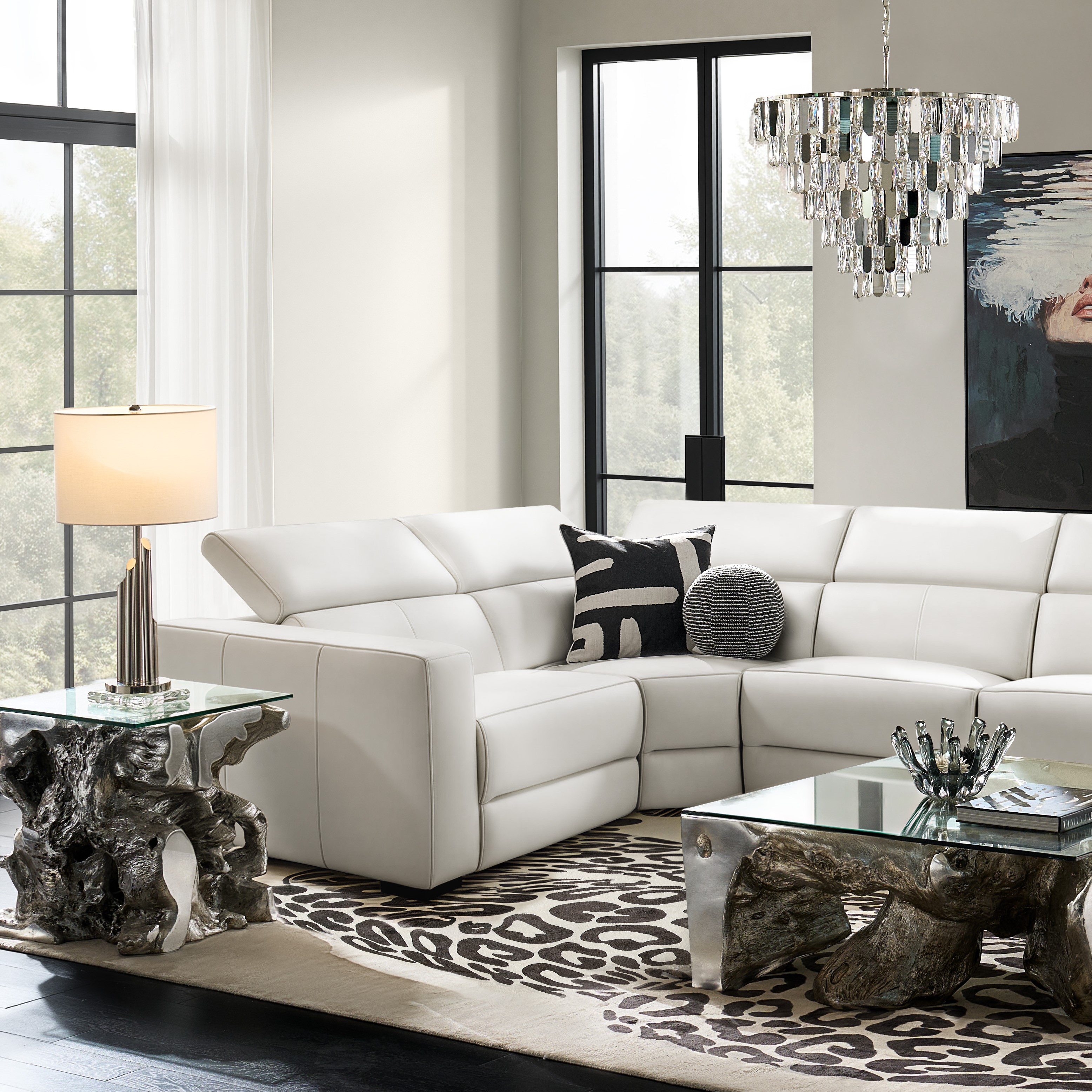 Verona 5-Piece Reclining White Leather Sectional Sofa$7199
A modern sectional upholstered in supple white semi-aniline leather with adjustable headrests and power-reclining seats.
Add To Cart -
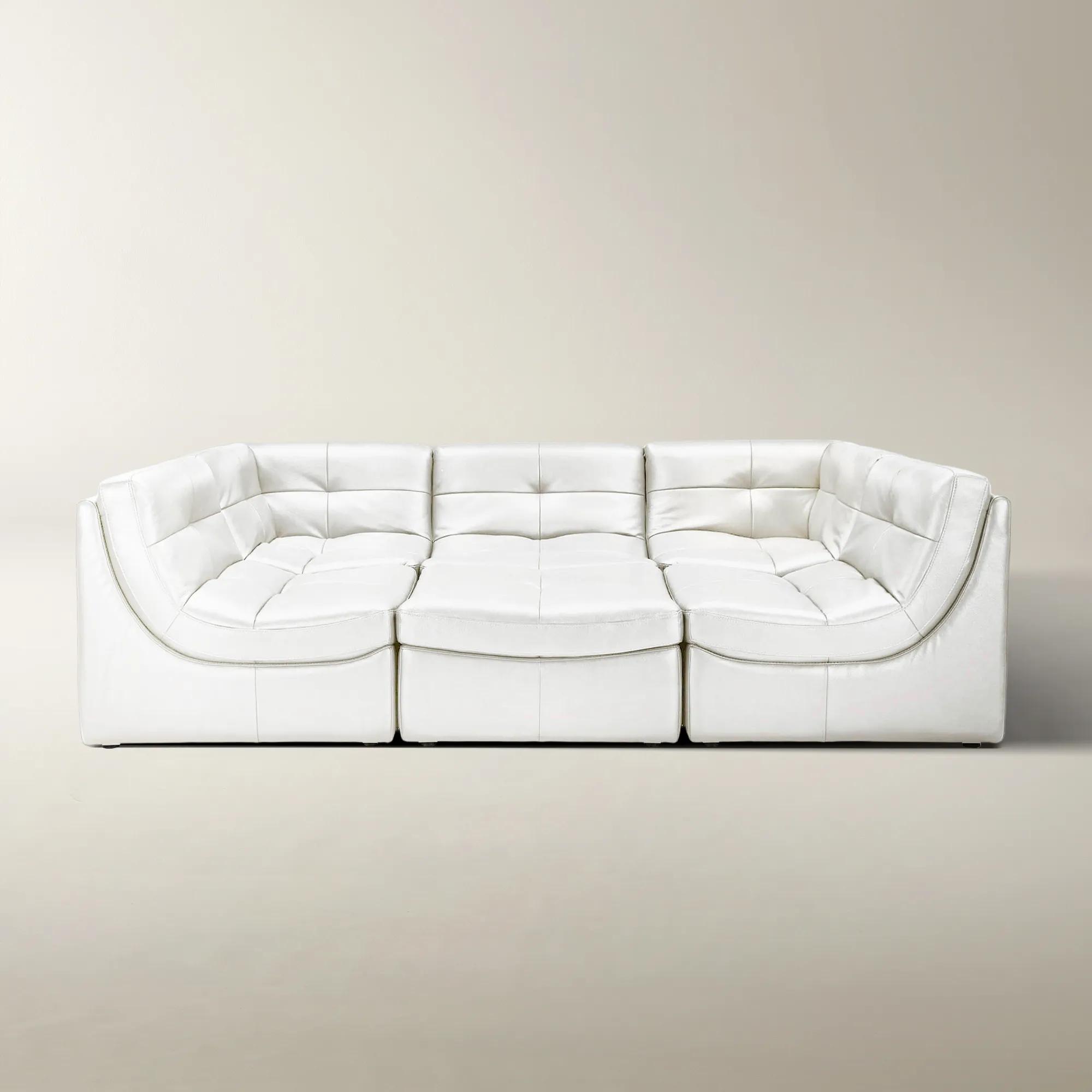 Convo 6-Piece White Leather Sectional Sofa$7249
A modular charcoal leather sectional with kiln-dried hardwood frame and gently curved, blind-tufted seats.
Add To Cart -
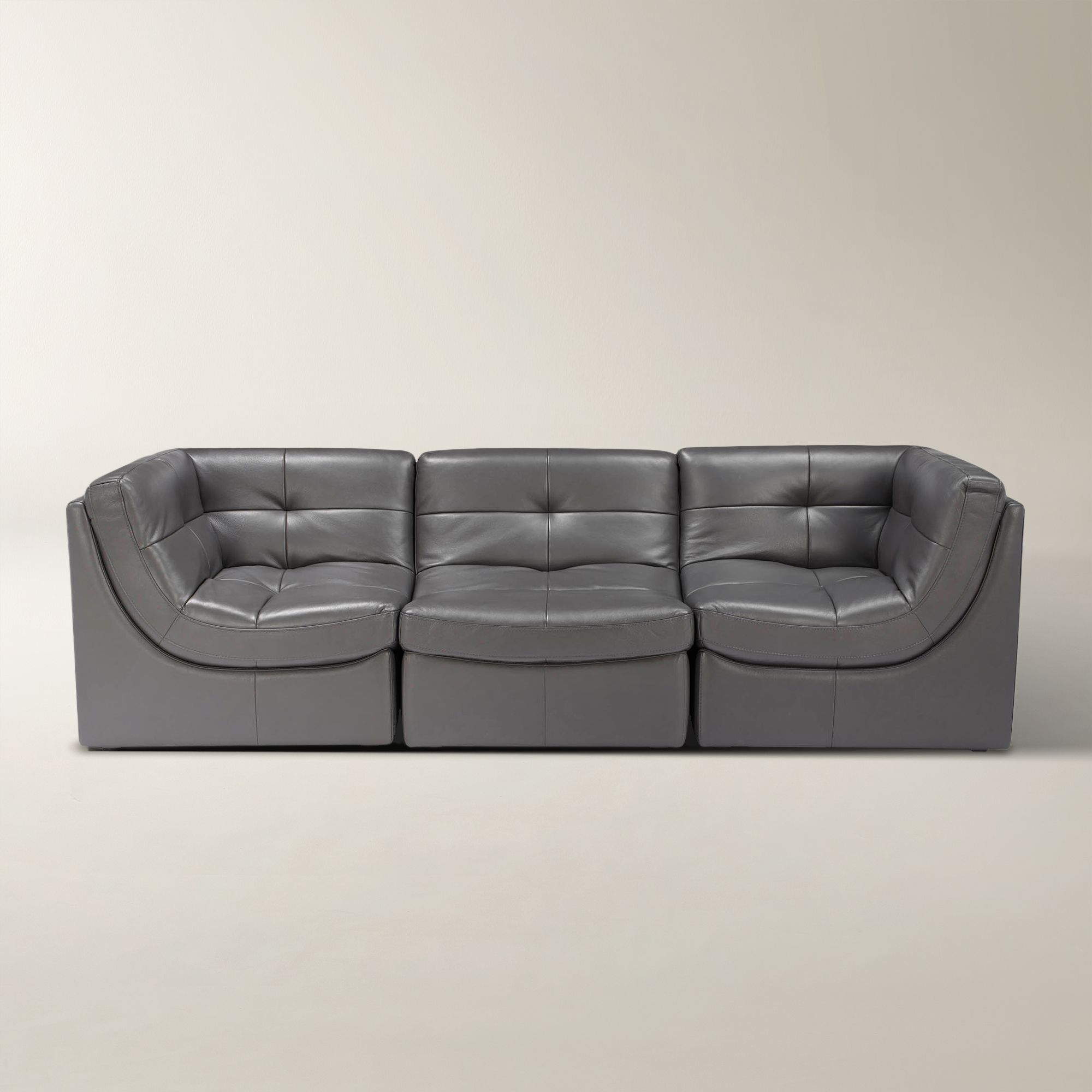 Convo 3-Piece Charcoal Leather Sectional Sofa$3999
A modular charcoal leather sofa with kiln-dried hardwood frame and gently curved, blind-tufted seats.
Add To Cart -
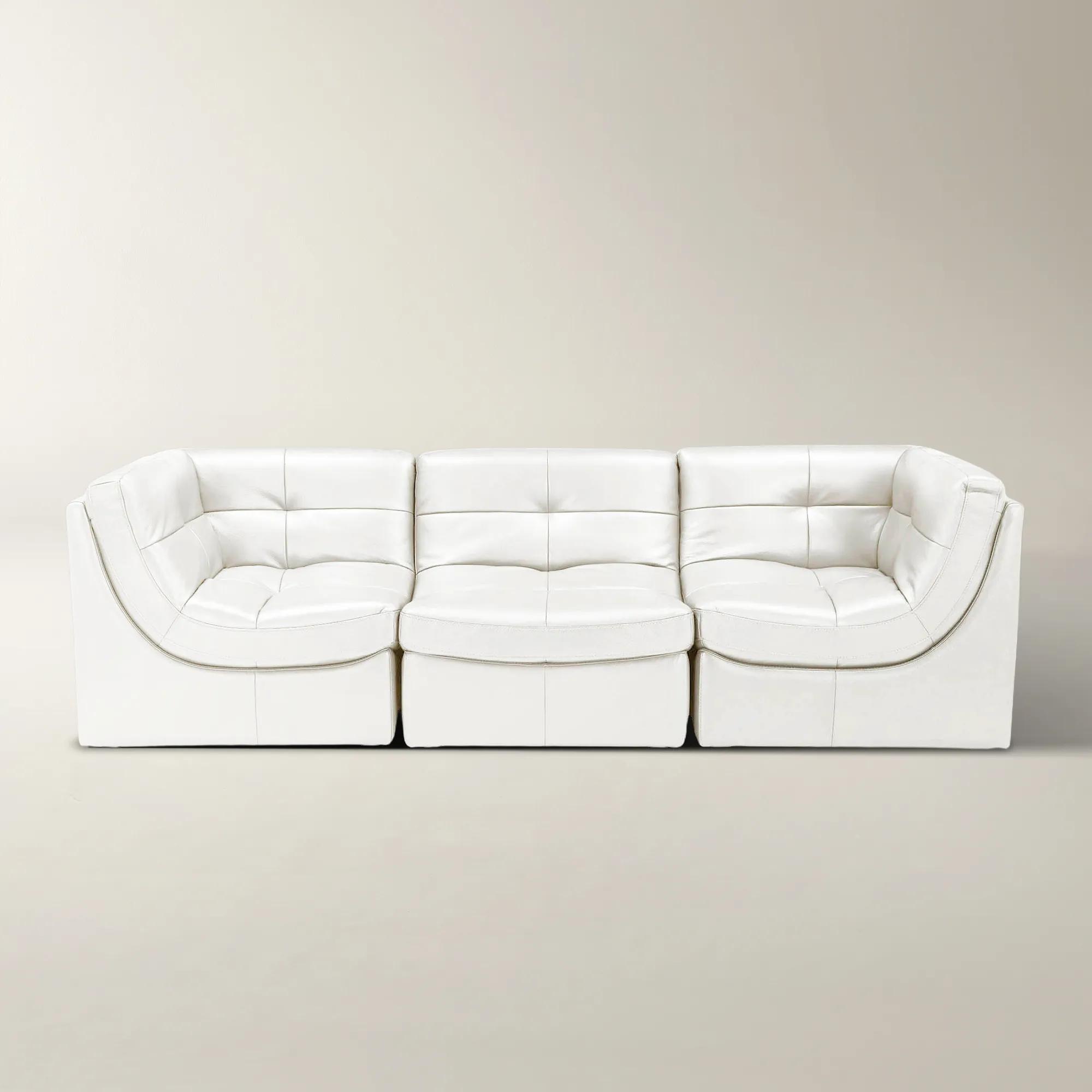 Convo 3-Piece White Leather Sectional Sofa$3999
A modular charcoal leather sofa with kiln-dried hardwood frame and blind-tufted, semi-aniline upholstery.
Add To Cart -
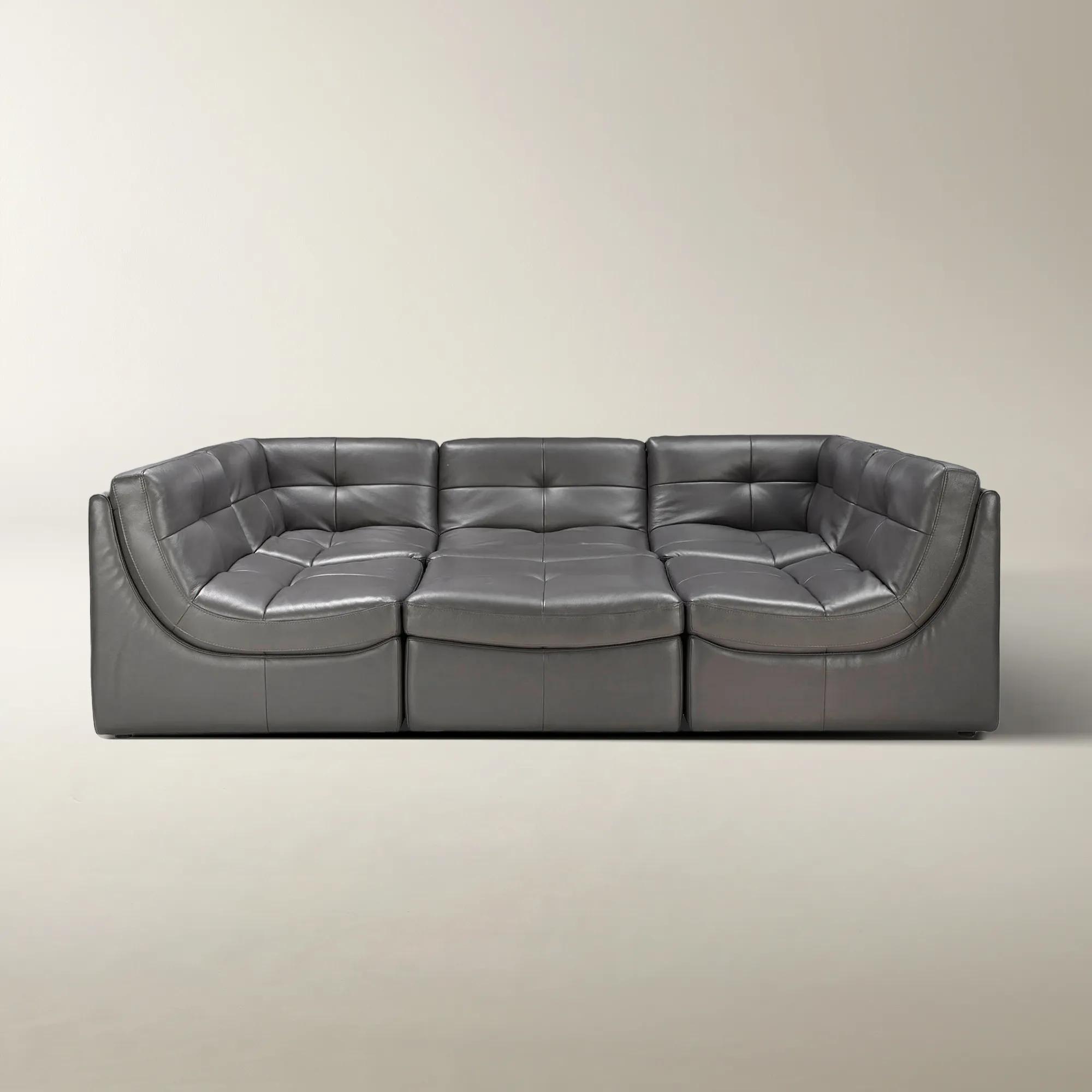
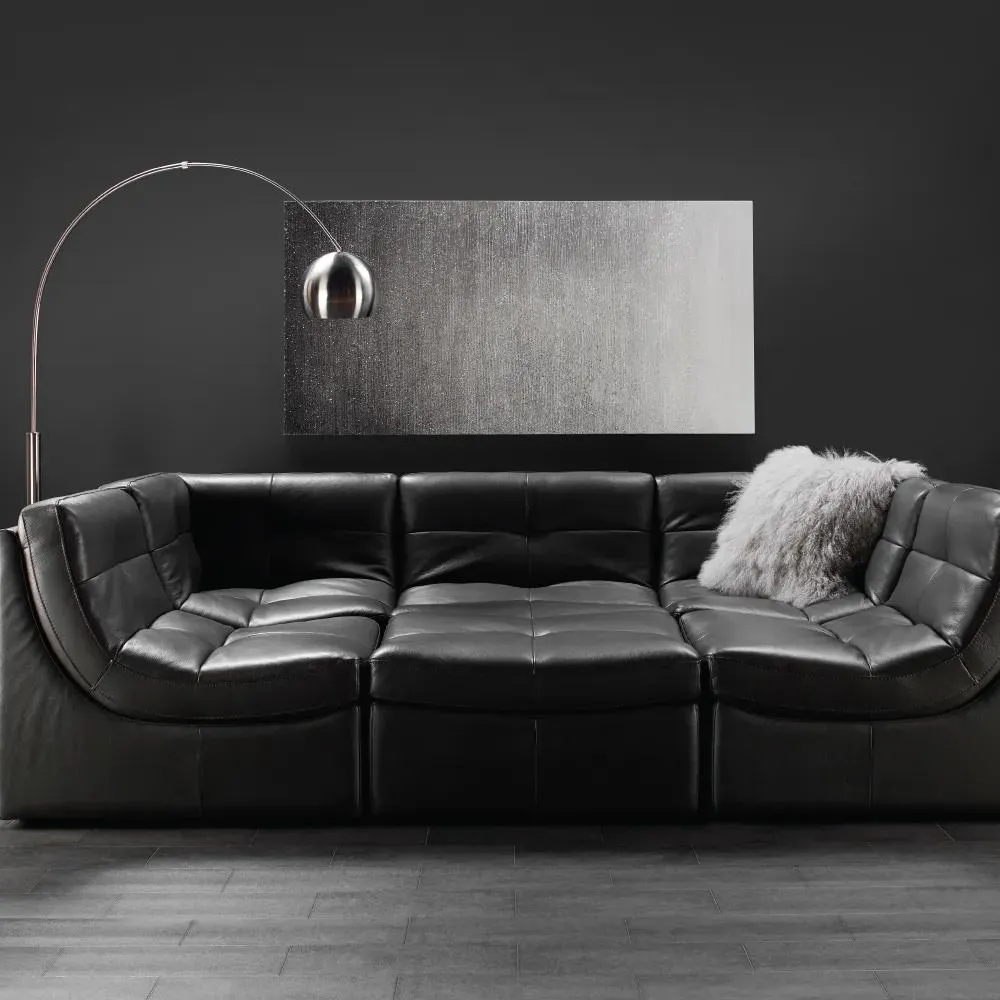 Convo 6-Piece Charcoal Leather Sectional Sofa$7249
A modular charcoal leather sectional with kiln-dried hardwood frame and blind-tufted, semi-aniline upholstery.
Add To Cart -
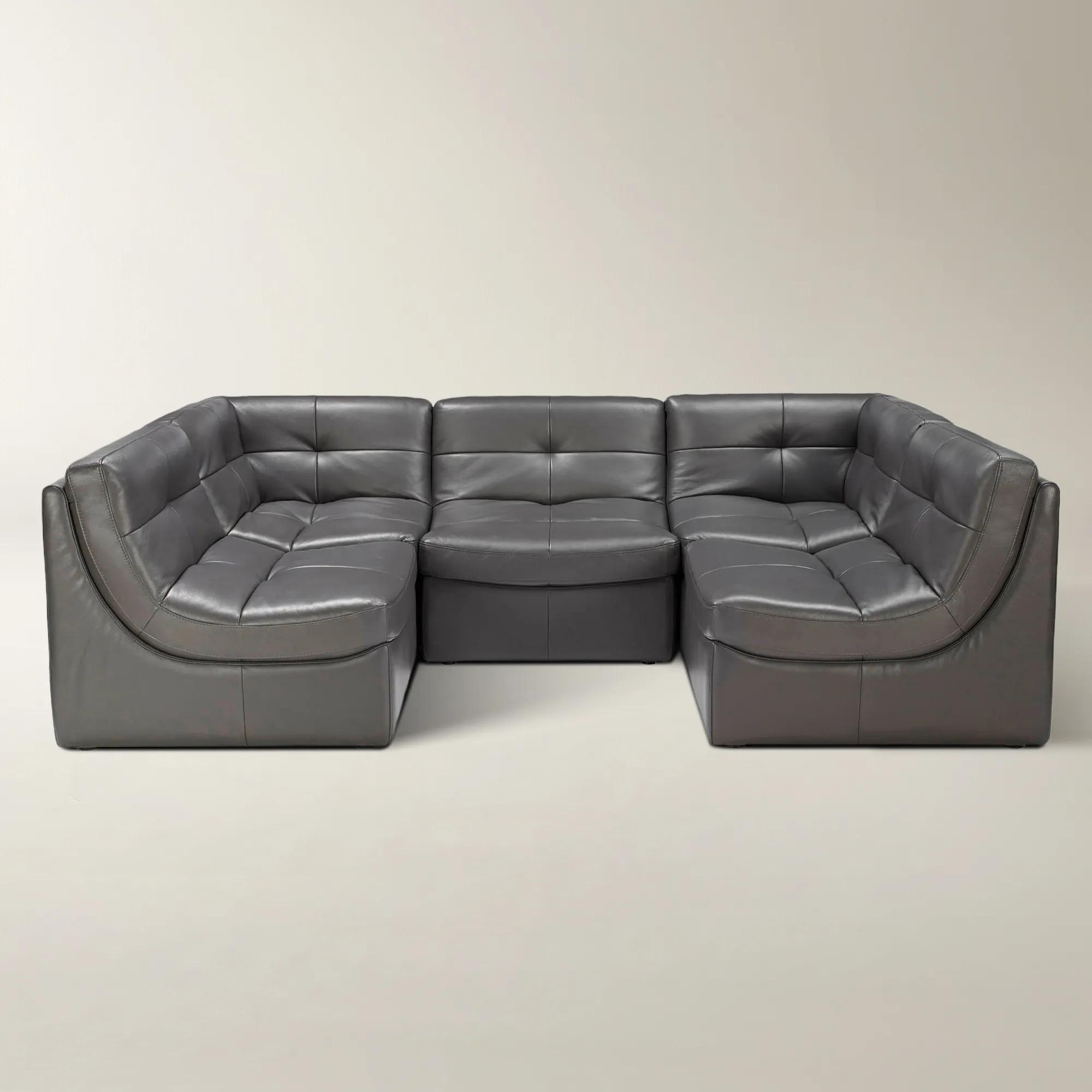 Convo 5-Piece U- Shaped Charcoal Leather Sectional Sofa$6399
A modular charcoal leather sectional with kiln-dried hardwood frame and blind-tufted, semi-aniline upholstery.
Add To Cart -
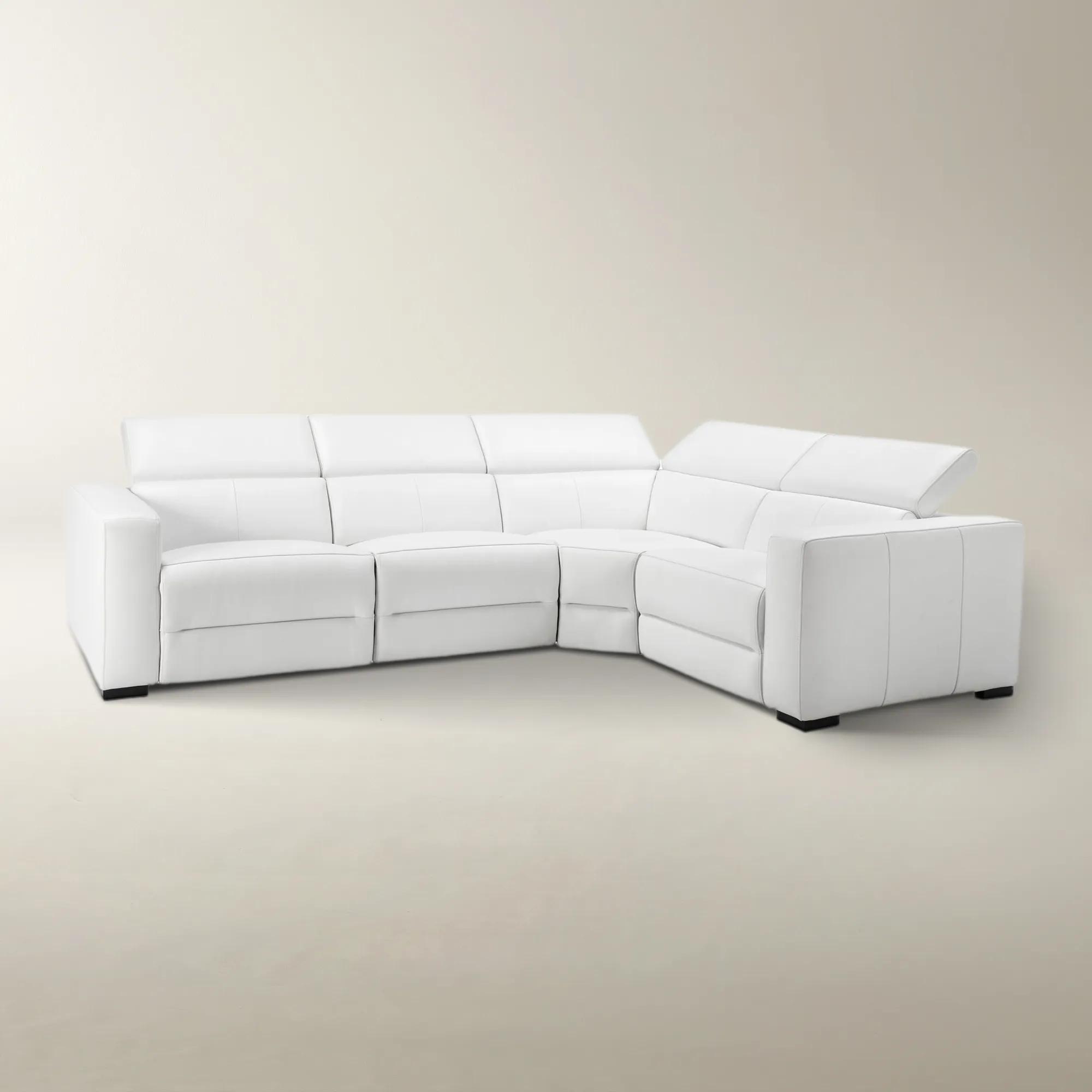 Verona 4-Piece L-Shaped Reclining White Leather Sectional Sofa With Right-Arm$5899
A modern sectional upholstered in supple white semi-aniline leather with adjustable headrests and power-reclining seats.
Add To Cart -
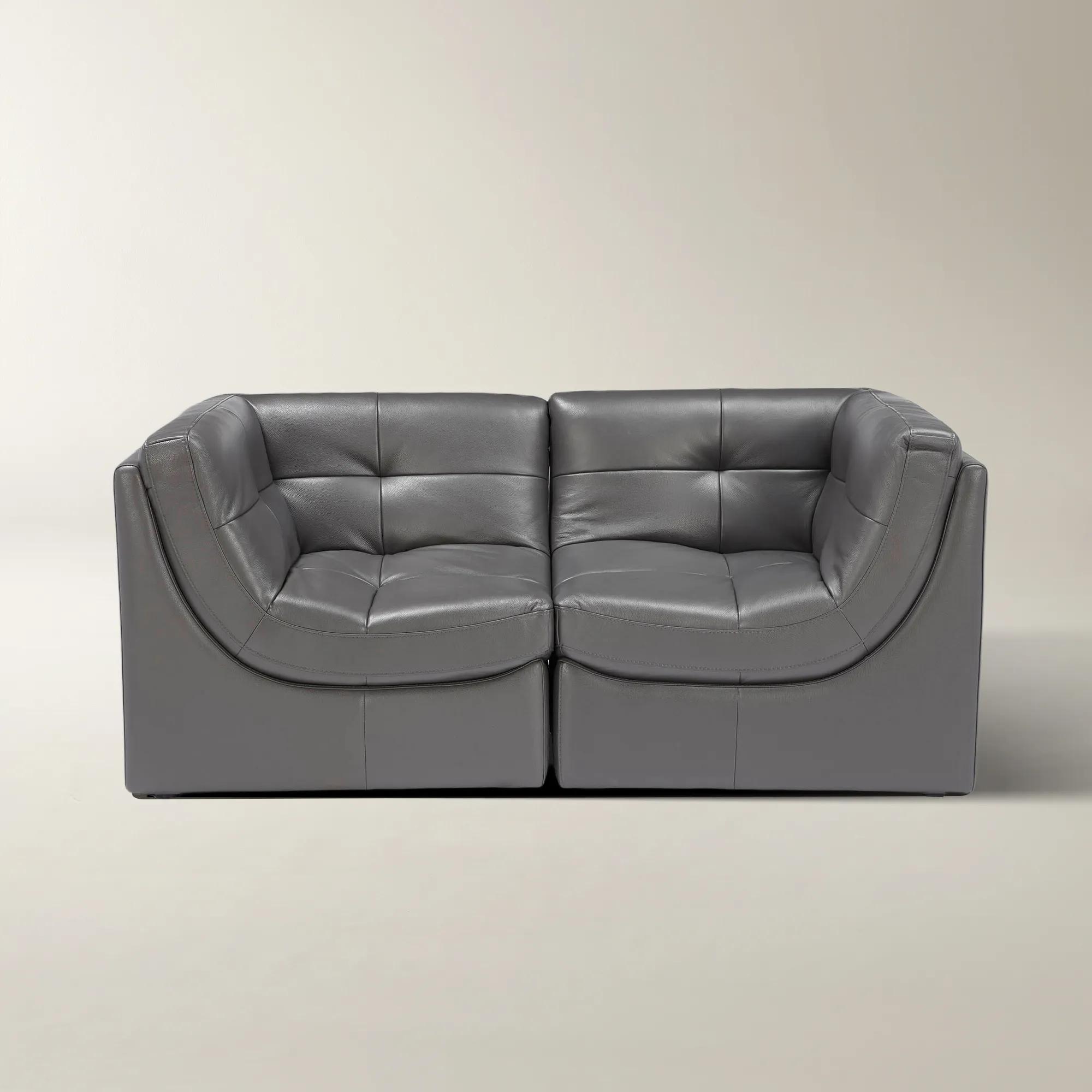 Convo 2-Piece Charcoal Leather Sectional Sofa$2799
A modular charcoal leather sofa with kiln-dried hardwood frame and blind-tufted, semi-aniline upholstery.
Add To Cart -
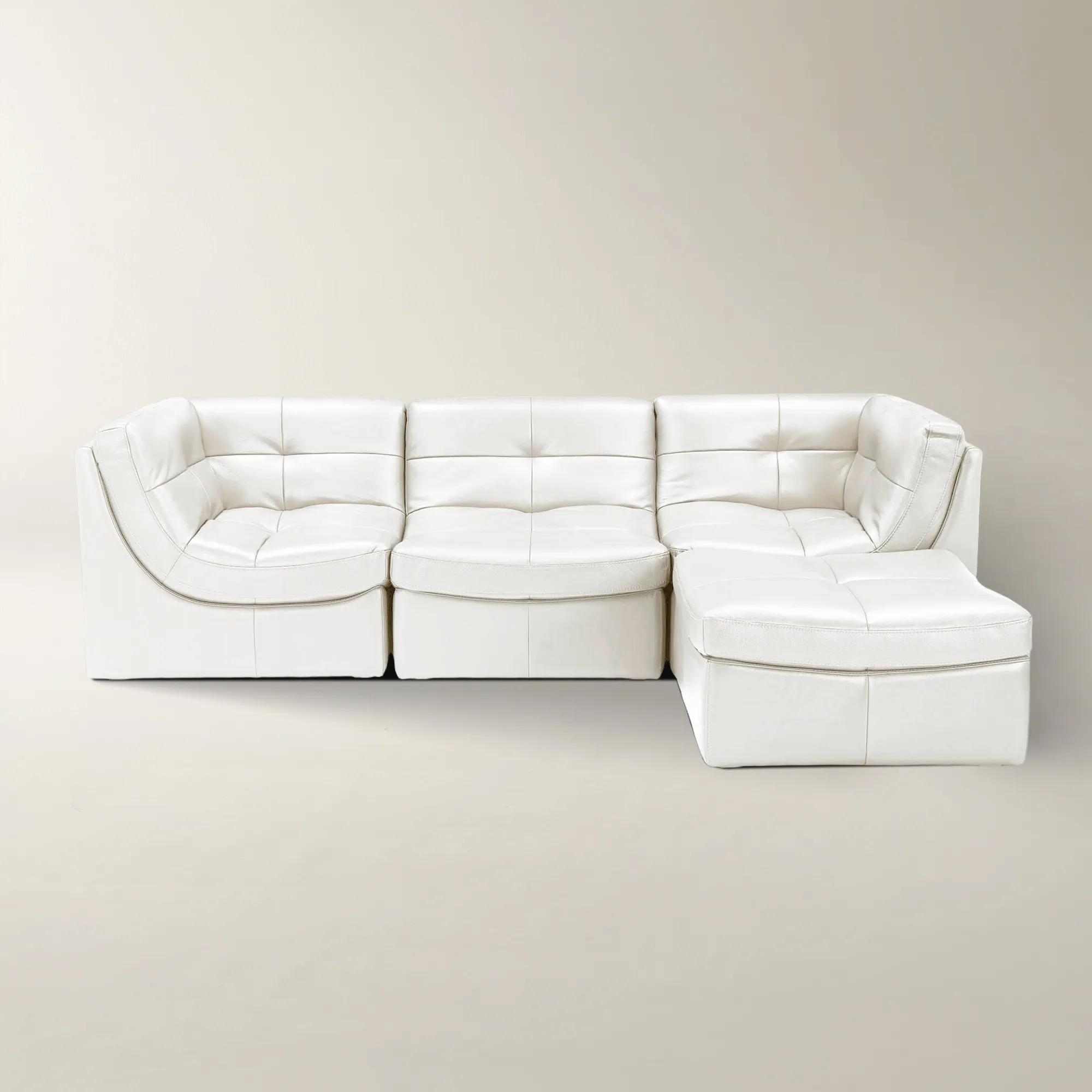
 Convo 4-Piece L-Shaped White Leather Sectional Sofa With Ottoman$4849
A modular sectional featuring gently curved seats and charcoal semi-aniline leather upholstery for modern versatility.
Add To Cart -
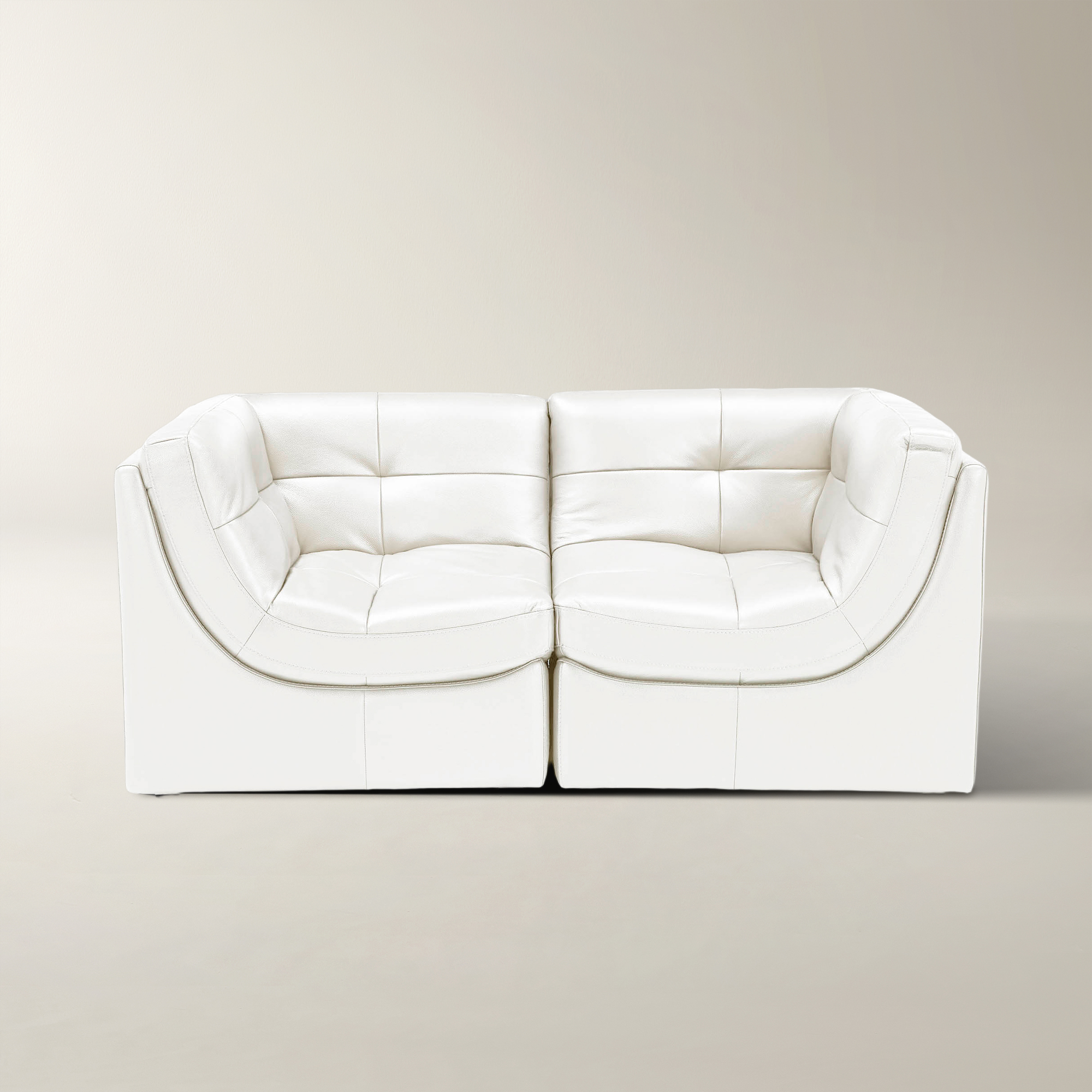 Convo 2-Piece White Leather Sectional Sofa$2799
A modular charcoal leather sofa with kiln-dried hardwood frame and blind-tufted, semi-aniline upholstery.
Add To Cart -
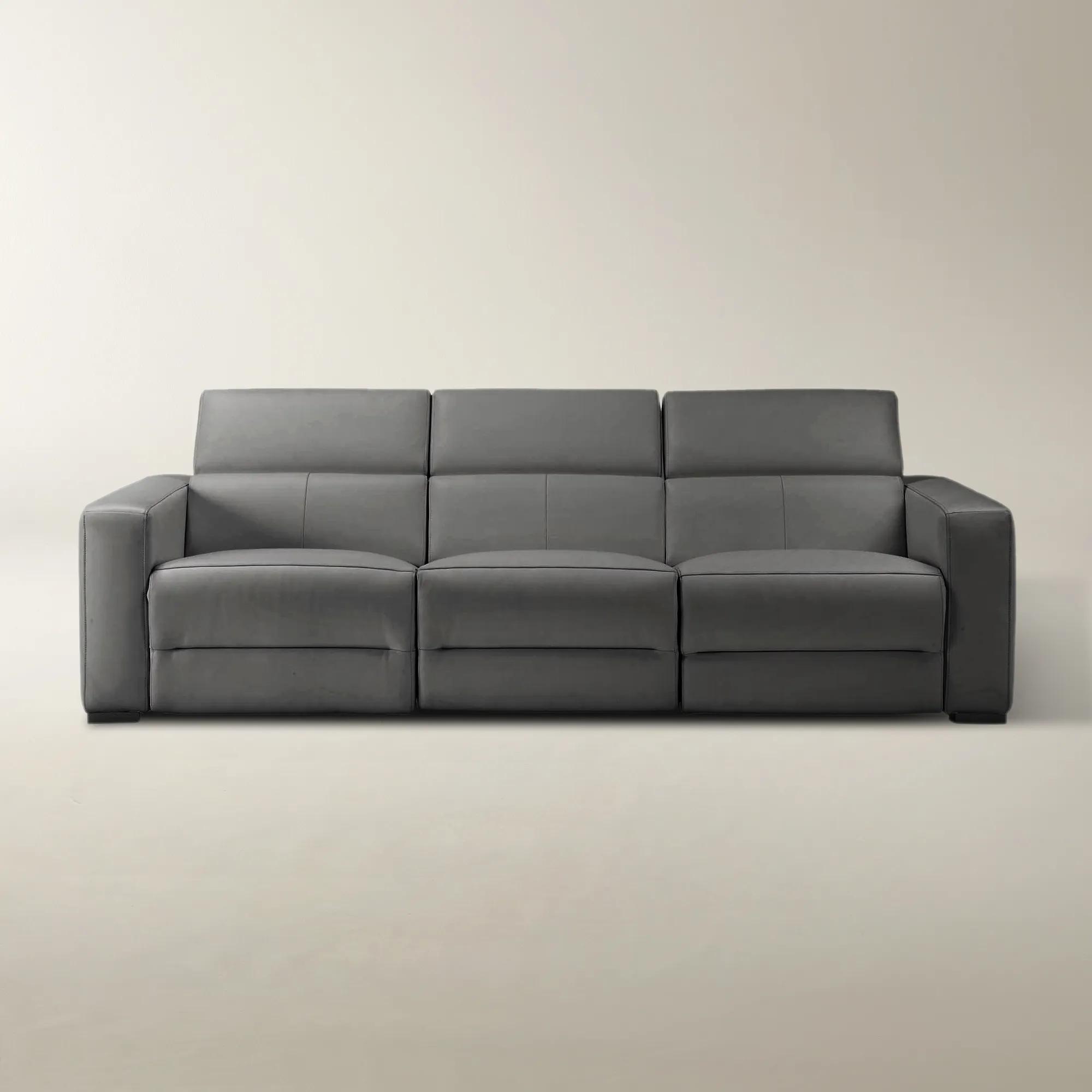 Verona 3-Piece Charcoal Leather Sectional Sofa$4399
A charcoal semi-aniline leather sectional featuring adjustable headrests, kiln-dried hardwood frame, and optional power recline.
Add To Cart -
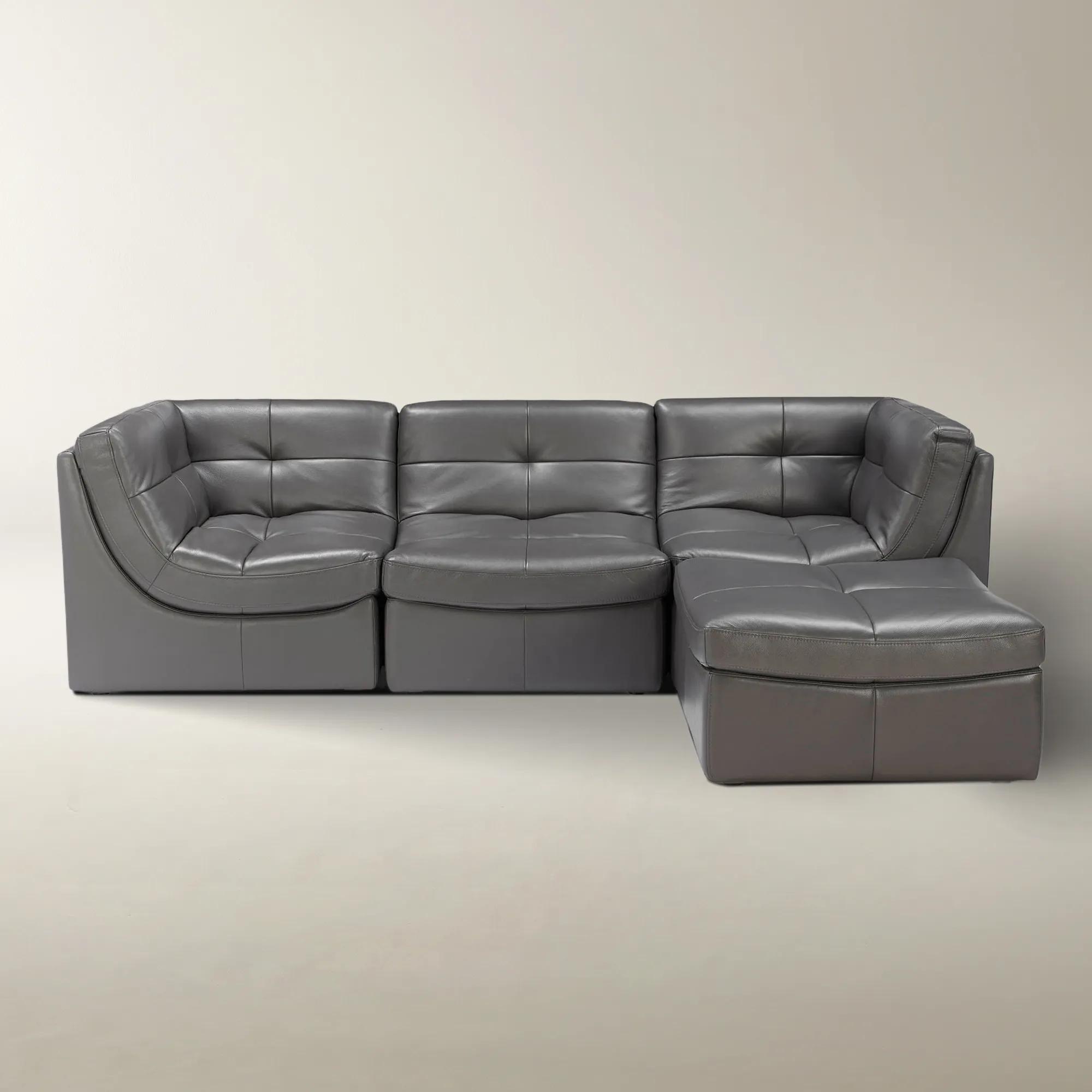
 Convo 4-Piece L-Shaped Charcoal Leather Sectional Sofa With Ottoman$4849
A modular charcoal leather sectional with kiln-dried hardwood frame and gently curved, blind-tufted seats.
Add To Cart -
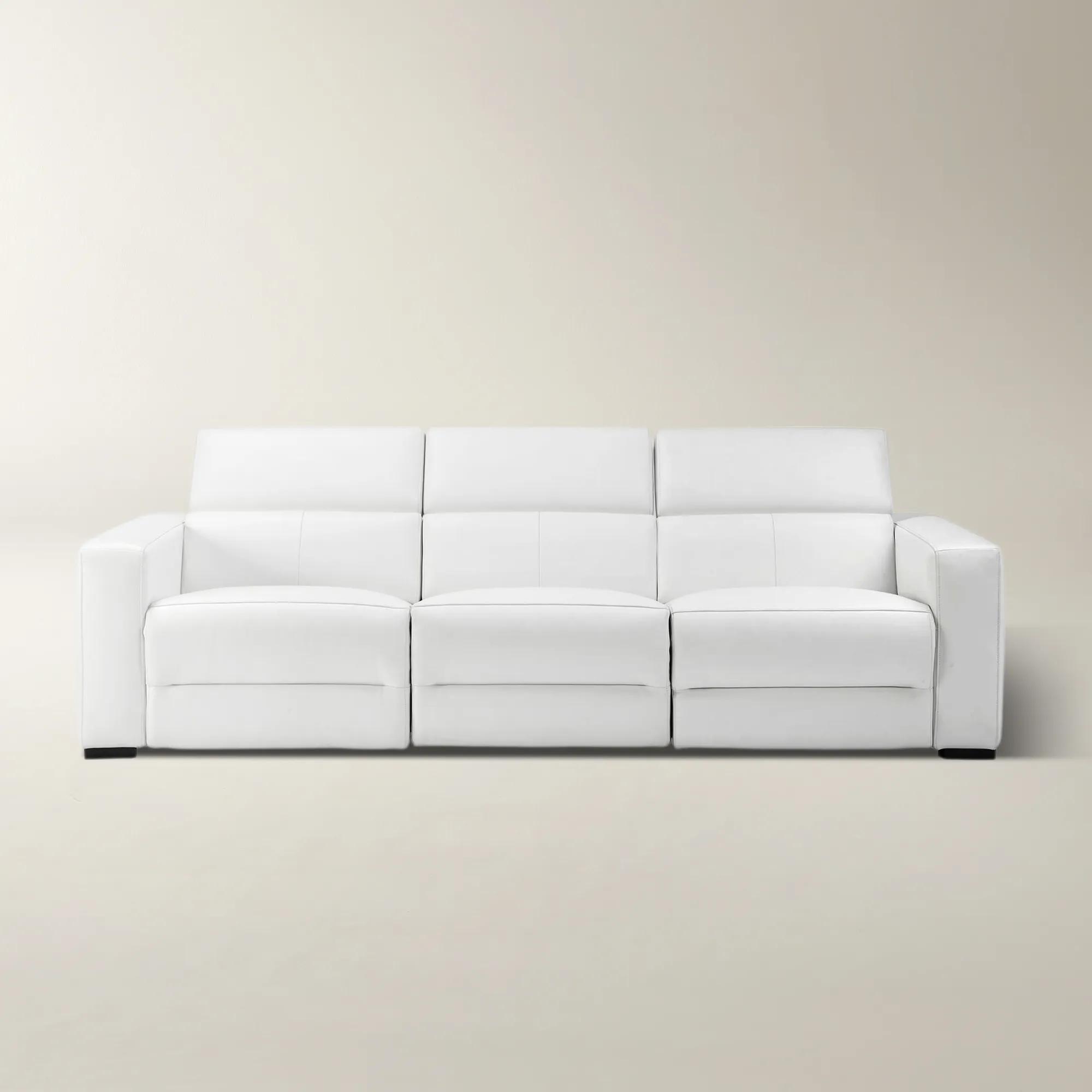 Verona 3-Piece White Leather Sectional Sofa$4399
A modern white sectional upholstered in supple semi-aniline leather with adjustable headrests and power-reclining seats.
Add To Cart -
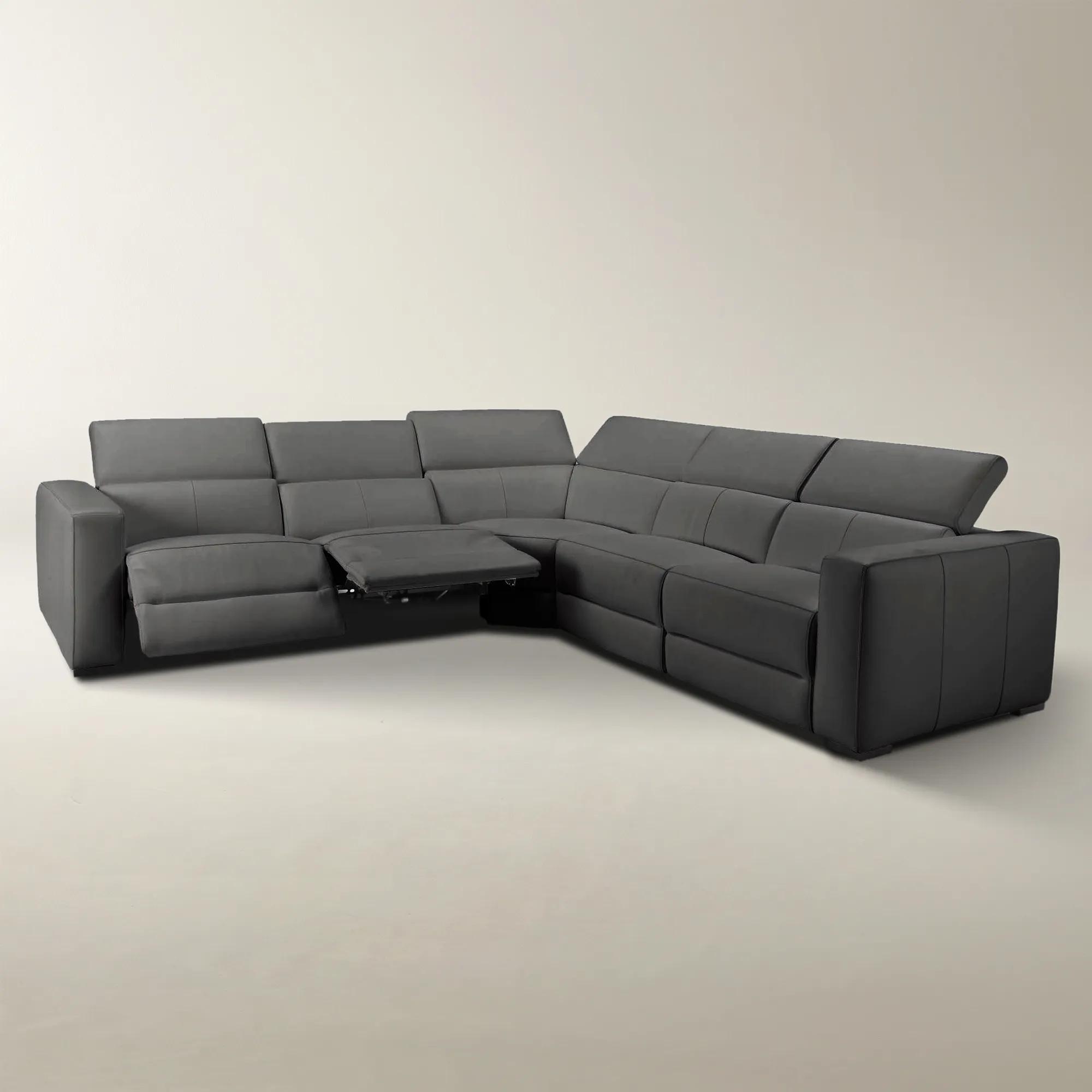 Verona 5-Piece Reclining Charcoal Leather Sectional Sofa$7199
A charcoal semi-aniline leather sectional featuring adjustable headrests, kiln-dried hardwood frame, and optional power recline.
Add To Cart -
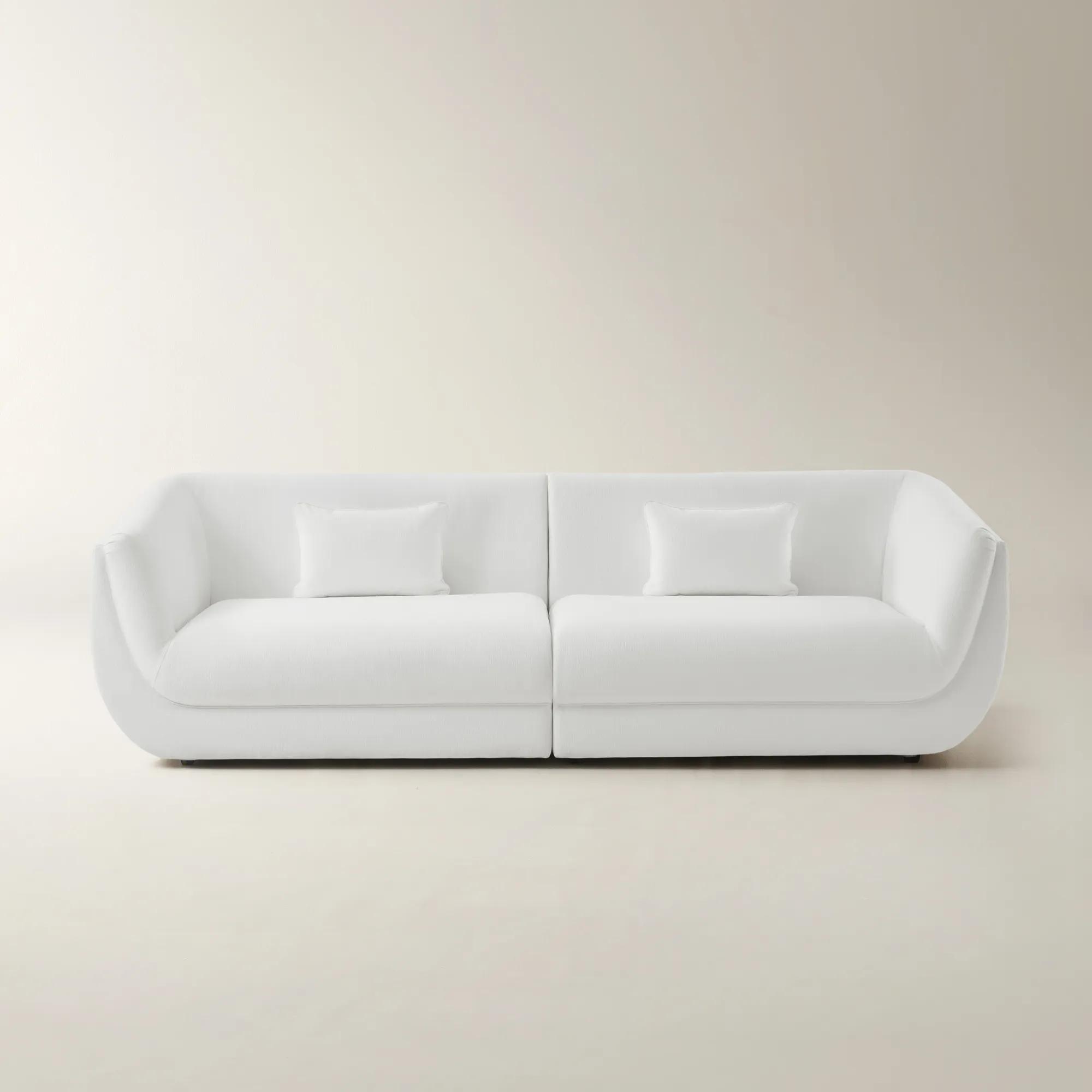
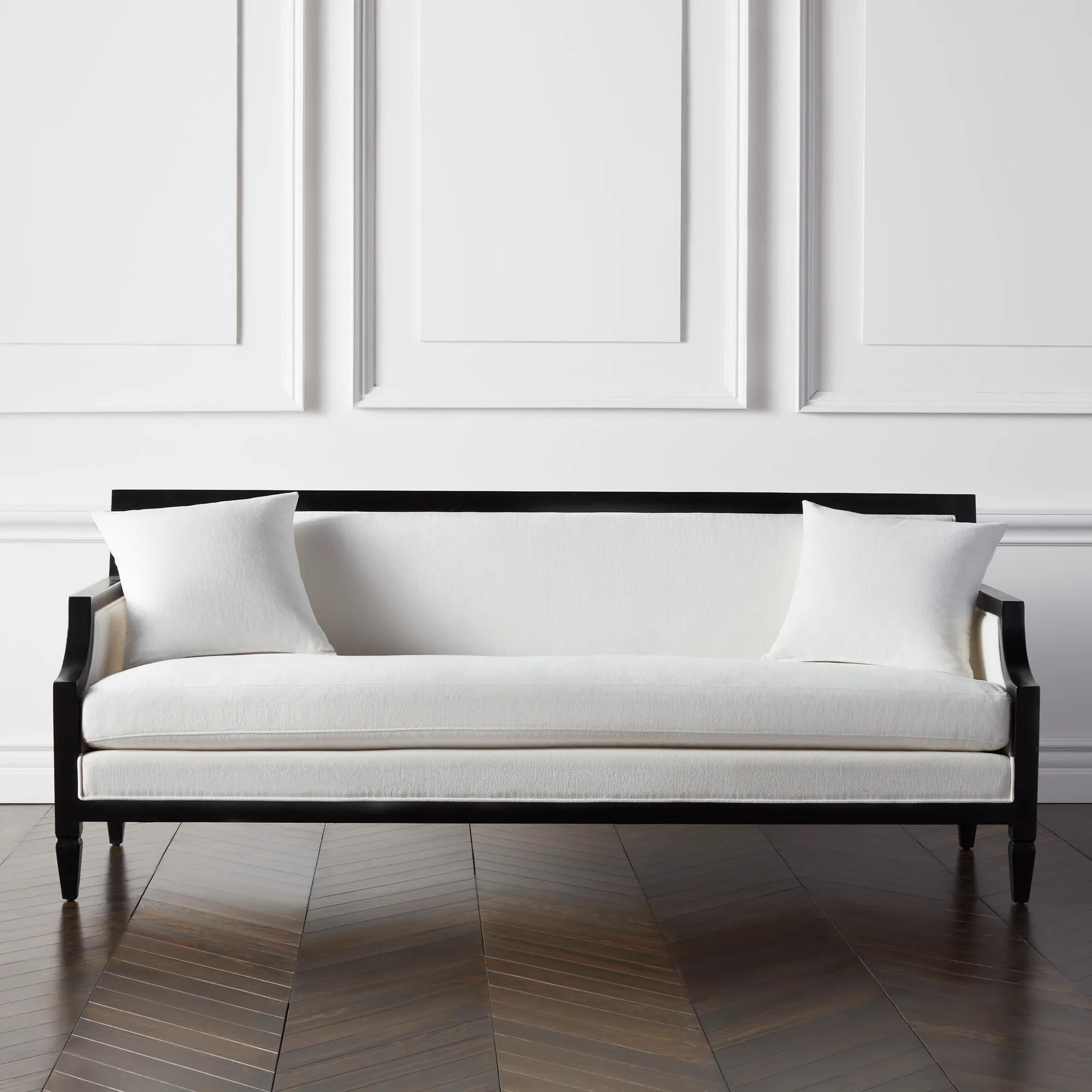
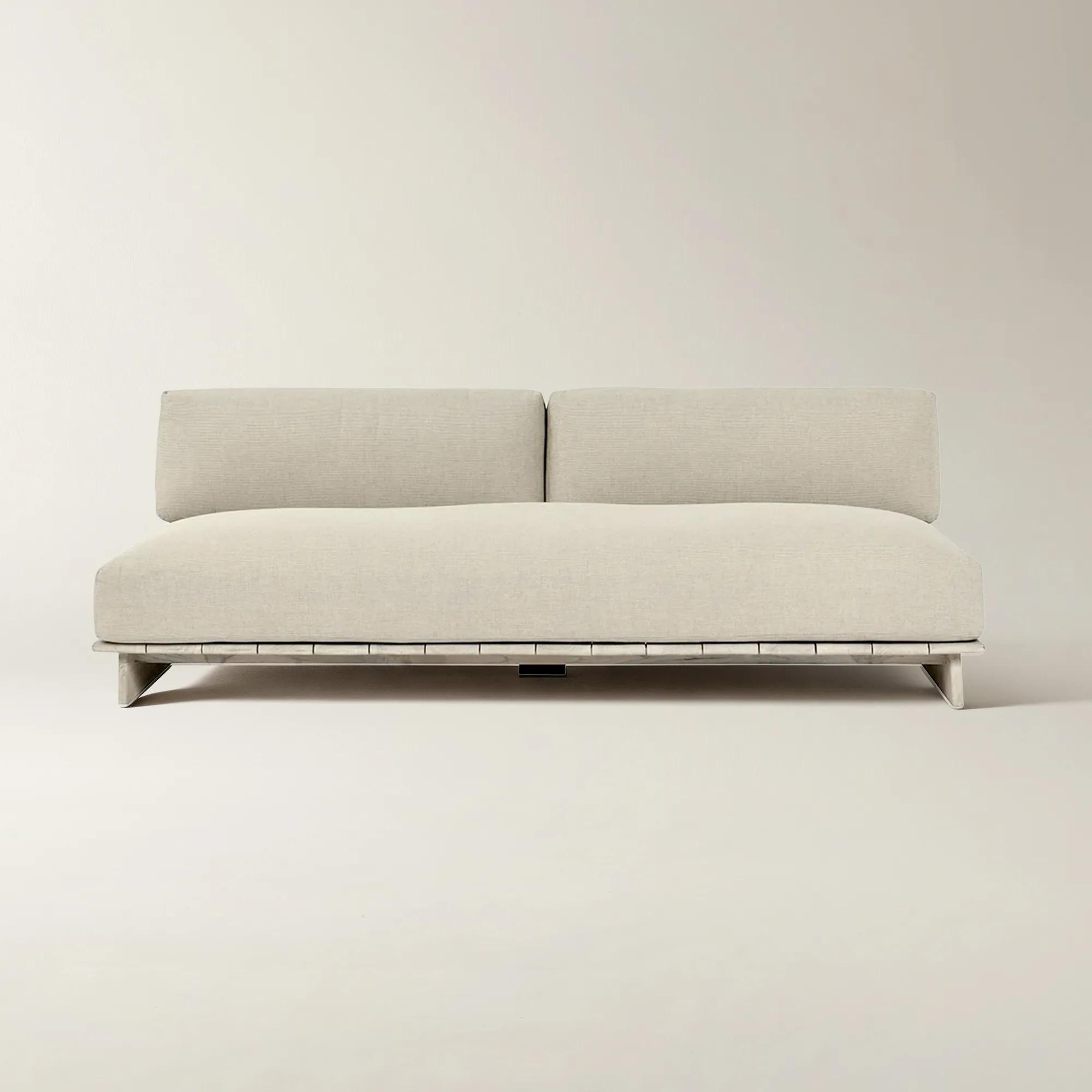
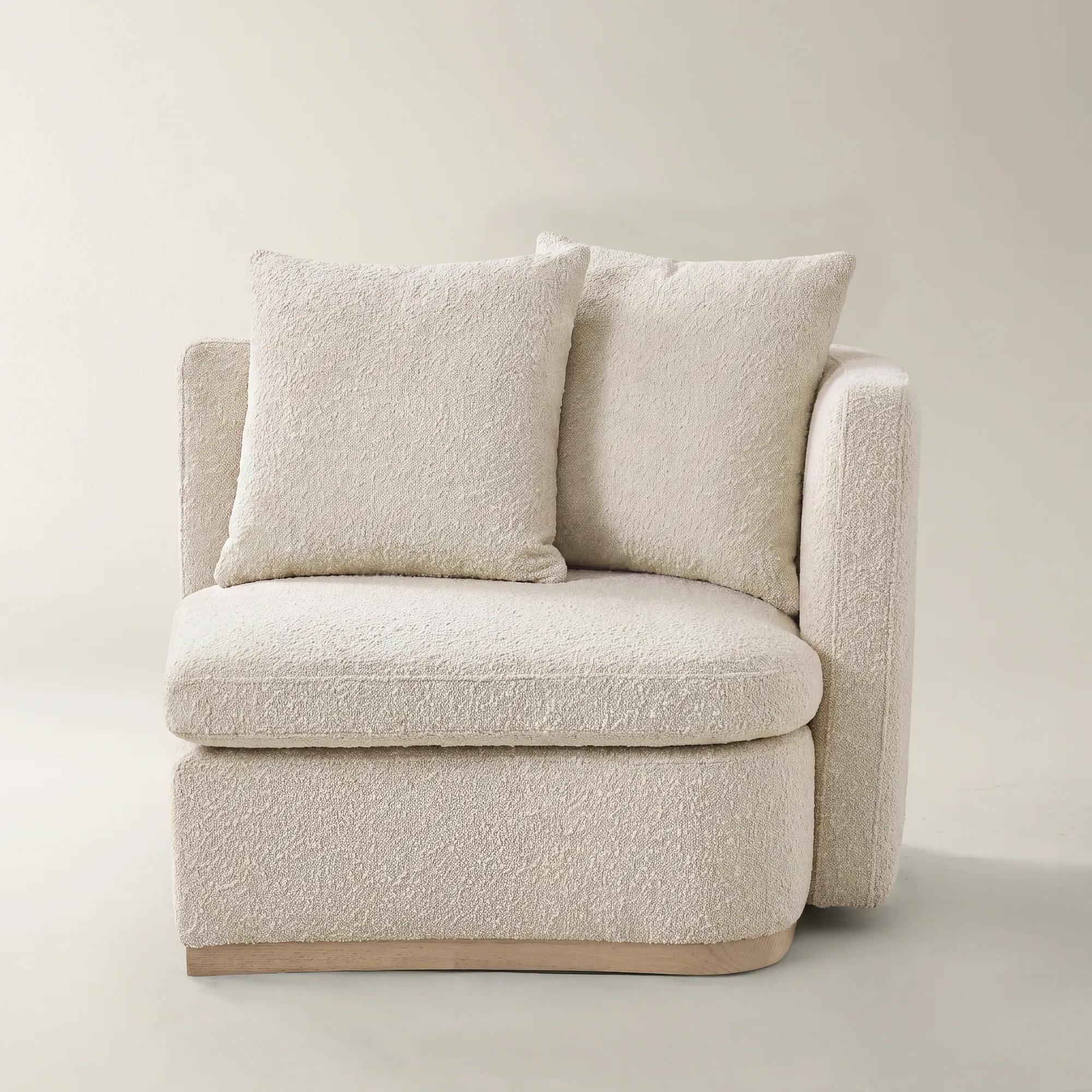
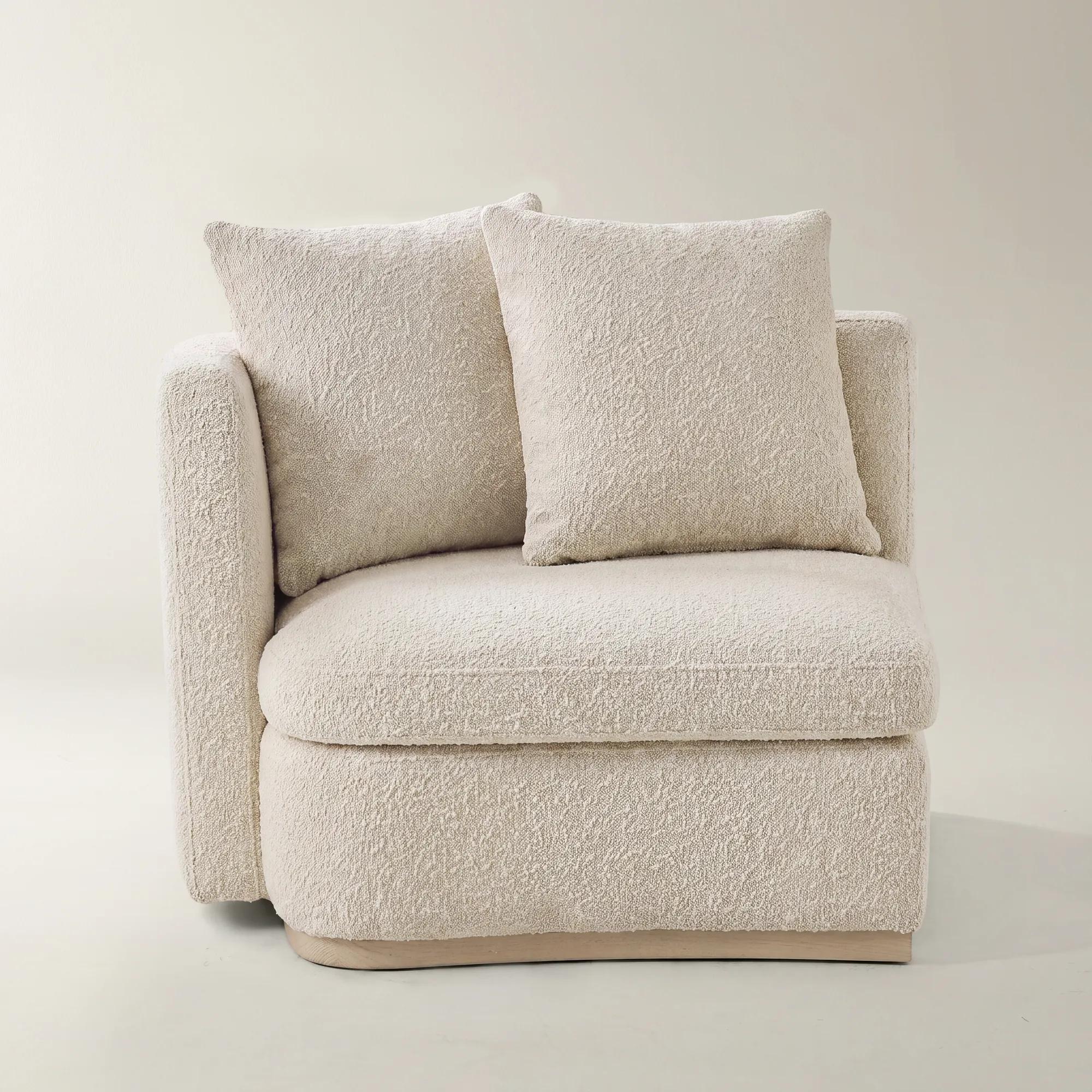
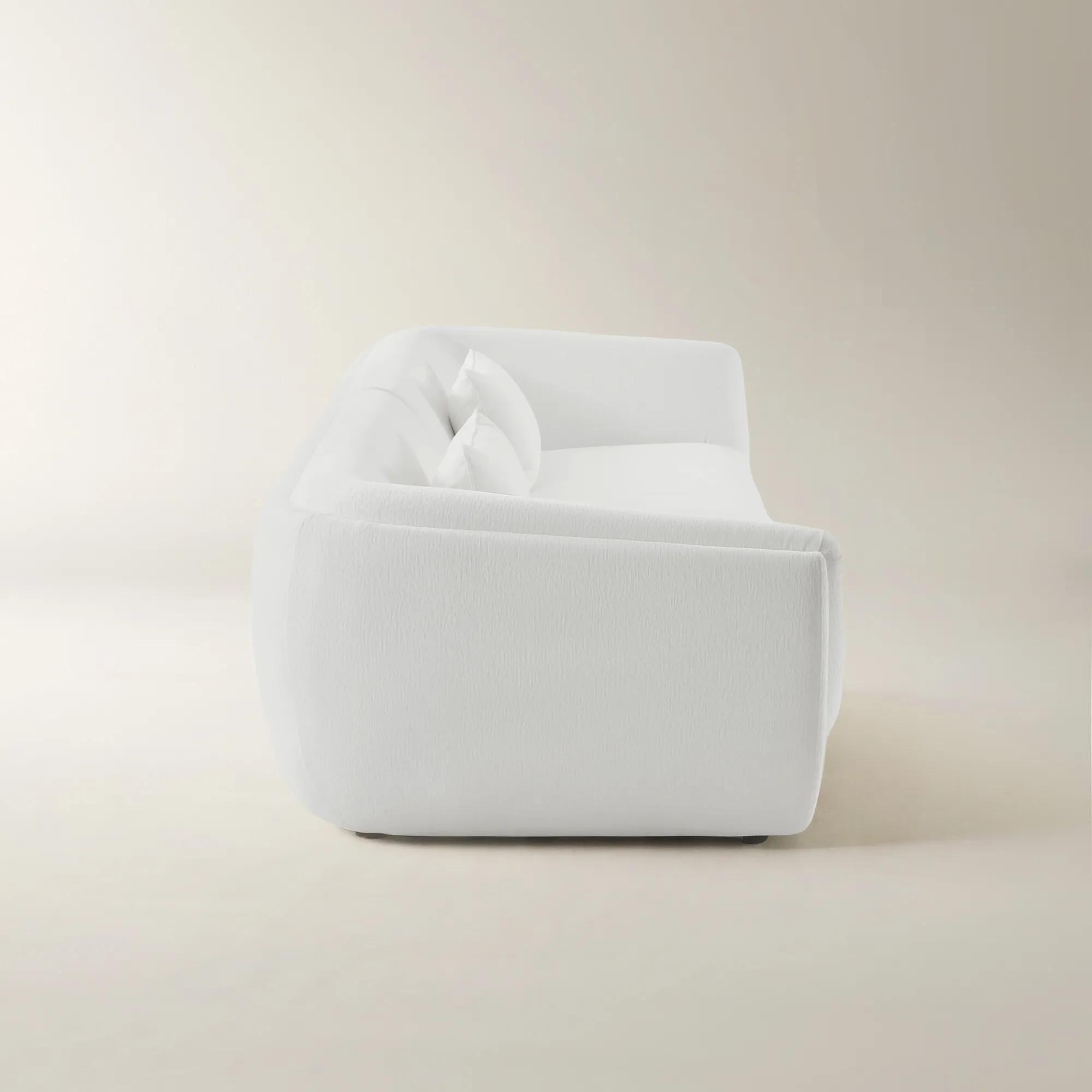 Curvia 2-Piece White Performance Chenille Indoor/Outdoor Sectional Sofa$2799
A sculptural white sectional sofa upholstered in performance chenille for luxurious indoor or outdoor lounging.
Add To Cart -
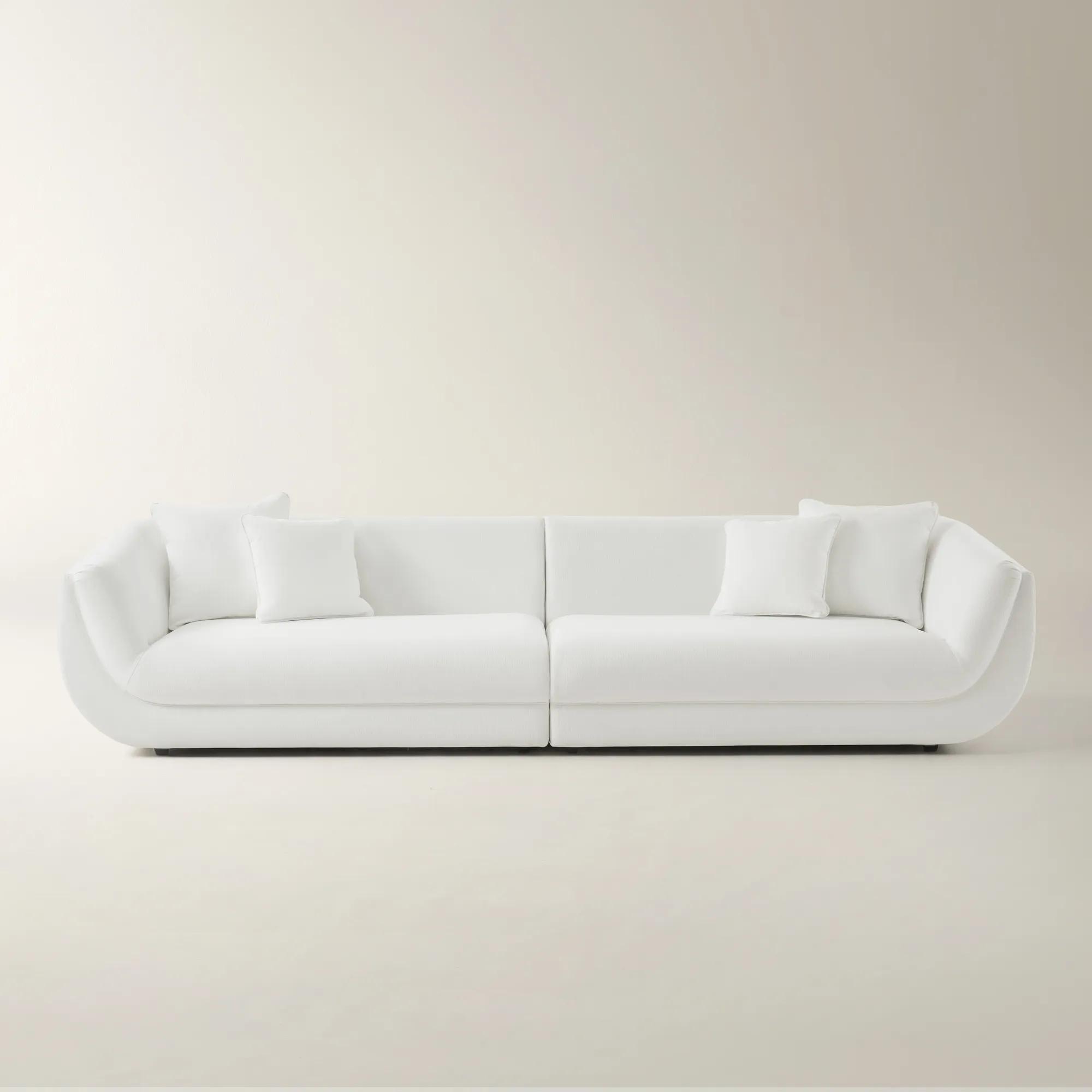
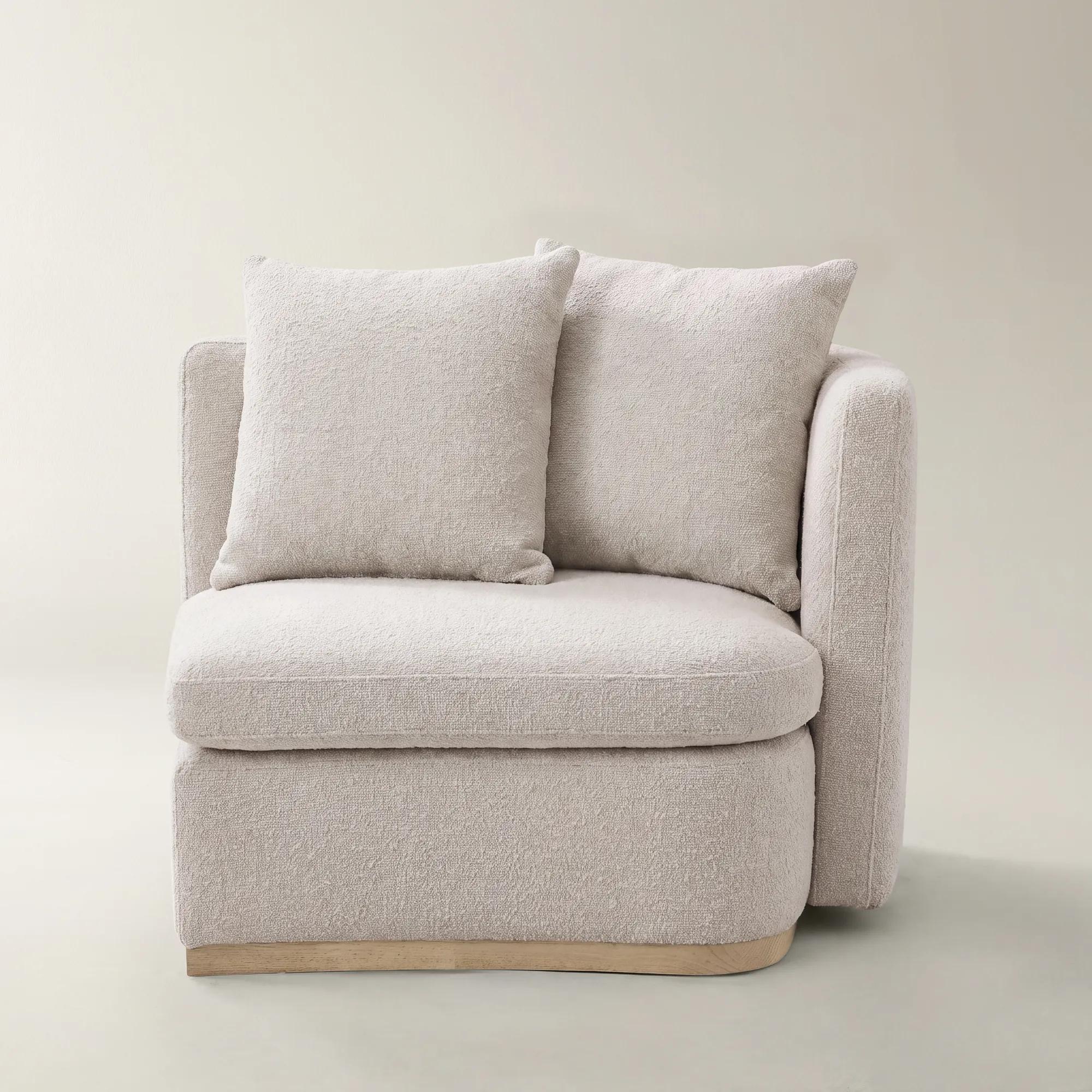
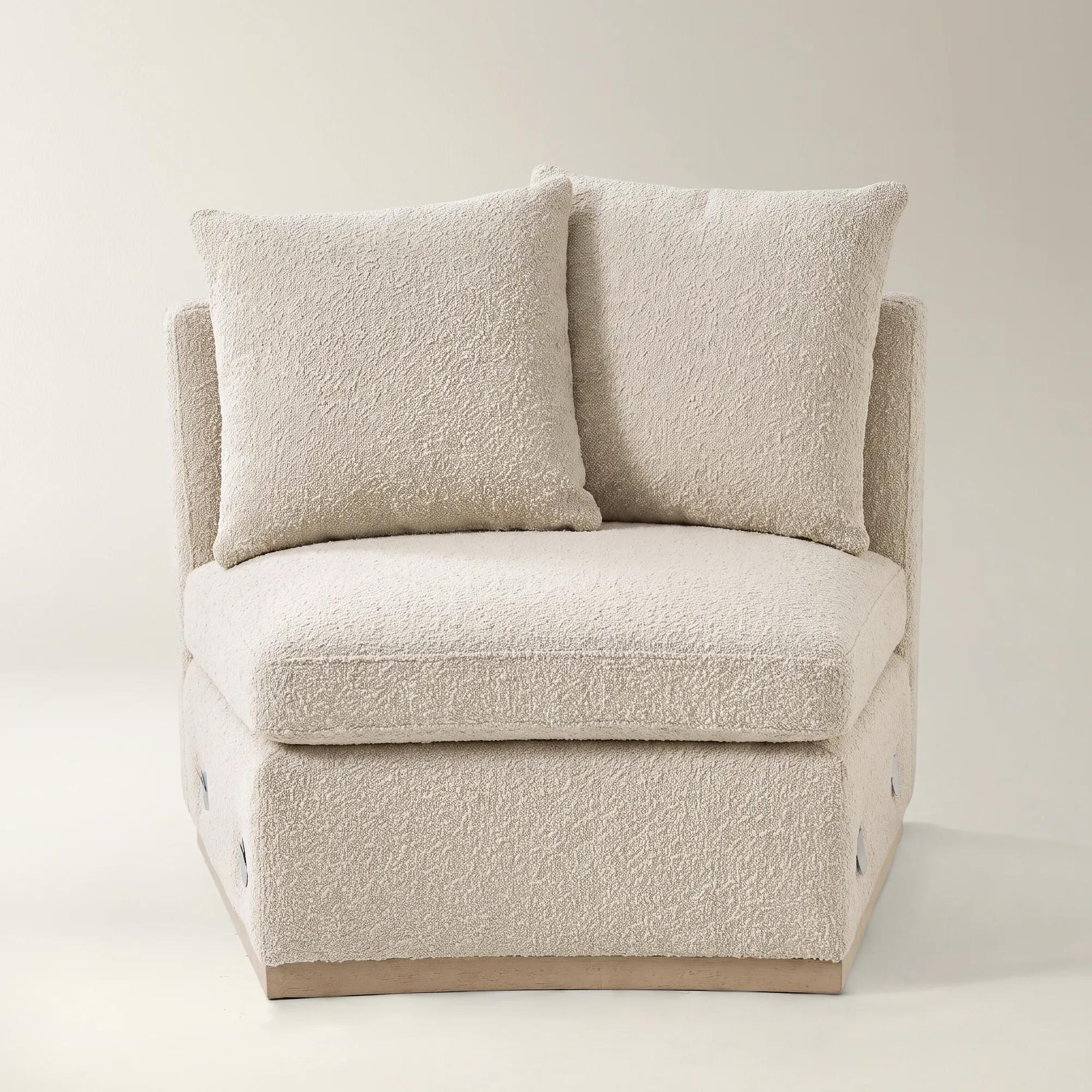
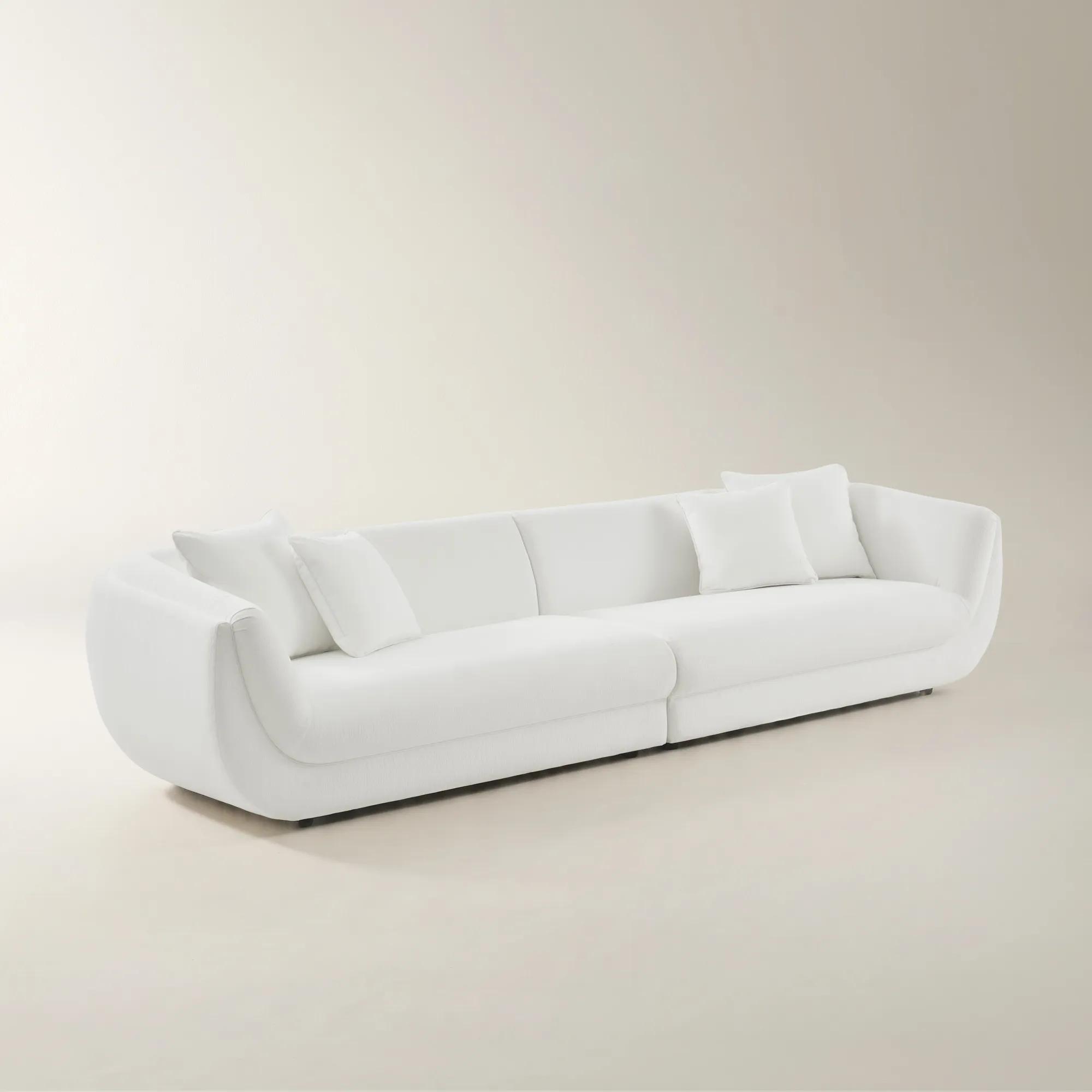 Curvia 2-Piece White Performance Chenille Indoor/Outdoor Grand Sectional Sofa$2999
A sculptural white sectional wrapped in performance chenille, designed for luxurious indoor or outdoor lounging.
Add To Cart

Right Arm Facing Sectionals
Explore right arm facing sectionals for a living room layout with a striking focal point. “Right arm facing” means the arm is on your right when you stand facing that seating section; it does not necessarily indicate chaise placement. Compare each sectional sofa’s full configuration and dimensions to choose seating that complements your room’s proportions while keeping walkways clear.
Right arm facing sectionals create an inviting foundation for a living room that feels as expressive as it is comfortable, bringing generous seating and a sculptural presence to your furniture arrangement. Understanding the orientation is essential to choosing a sectional sofa that complements your space: right arm facing refers to a sectional component with its arm on your right as you stand in front of it, looking toward the seat—not on your right while seated. This distinction helps you interpret furniture layouts and select an arrangement that works with your room’s architecture. It does not, by itself, establish where a chaise sits, so review the complete sectional configuration rather than relying on the arm designation alone. For an open-concept living room, consider how the sofa will define the seating area without interrupting movement between adjoining spaces. In a more enclosed room, position your right arm facing sectional in relation to windows, doorways, and the main focal point, allowing its silhouette to frame the room with intention. Choosing among right arm facing sectionals is also an opportunity to shape the atmosphere of your home, from an intimate conversation setting to a dramatic lounge designed for entertaining. Begin with measurements of the available floor space, then compare the sectional’s overall width, depth, and configuration with the proportions of the room. Account for door swings, access routes, and enough clearance around a coffee table to move comfortably; a commanding sectional should anchor the space, not overwhelm it. Seat depth, back height, upholstery care requirements, and cushion construction are useful details to evaluate as you refine your preferences for everyday comfort. To create a cohesive composition, balance the sectional sofa with an appropriately scaled area rug, accent tables, and lighting that draws attention to the seating arrangement. Layering contrasting textures and carefully chosen decorative accents adds dimension without competing with the furniture’s form. The result is a living room with a confident point of view, where thoughtful placement gives every gathering a beautifully composed backdrop.
FAQs
Right arm facing means the arm is on your right when you stand in front of the sectional component and look toward its seat—not when you sit on it. This designation describes the piece’s orientation within the overall arrangement, helping you understand how its silhouette comes together.
Not necessarily. Right arm facing identifies the arm’s position on a sectional component, while a right-side chaise describes where the extended lounging section sits. These terms can appear together, but they are not interchangeable. Review the pictured configuration to understand the complete layout.
Let the sectional establish the room’s visual direction, with seating oriented toward a fireplace, artwork, or another expressive focal point. Position the right-hand arm along the outer edge of the seating vignette for a clearly defined composition. An accent chair angled toward the sectional adds a conversational note without competing with its presence.
Build a layered composition with sculptural accent tables, luminous decorative objects, and pillows that contrast in texture and tone. A richly patterned rug can anchor the seating vignette, while statement artwork carries the drama upward. Repeat a metallic finish or accent color throughout the room to give the arrangement a polished, intentional rhythm.
Upholstery sets the mood as much as the sectional’s shape. A smooth surface emphasizes tailored lines, while pronounced texture adds depth and visual richness. Light tones create a luminous backdrop for bold accents; deeper hues bring a more enveloping, dramatic presence. Choose a look that complements your room’s palette and your personal expression.