Left Arm Facing Sectionals
Left Arm Facing Sectionals
-
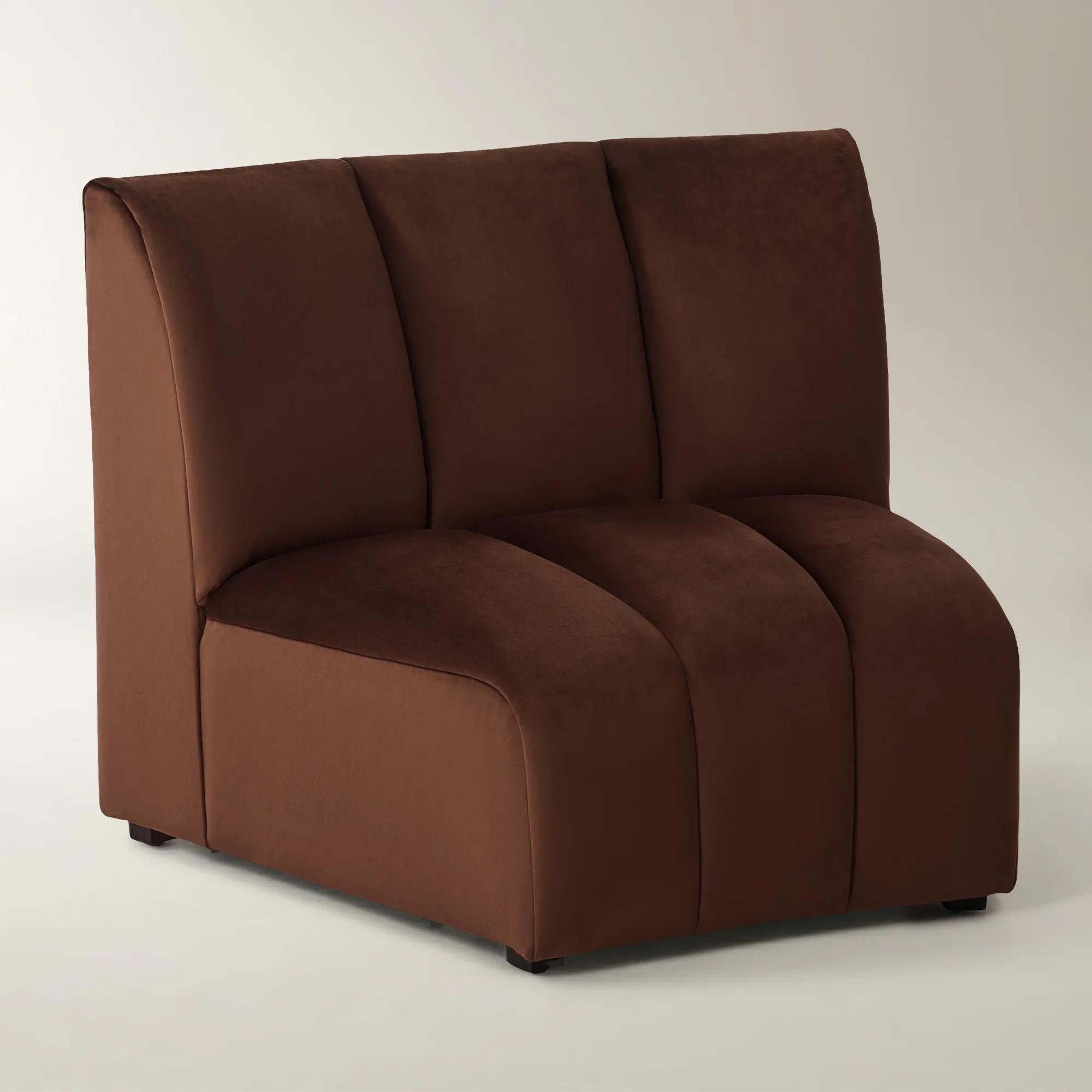
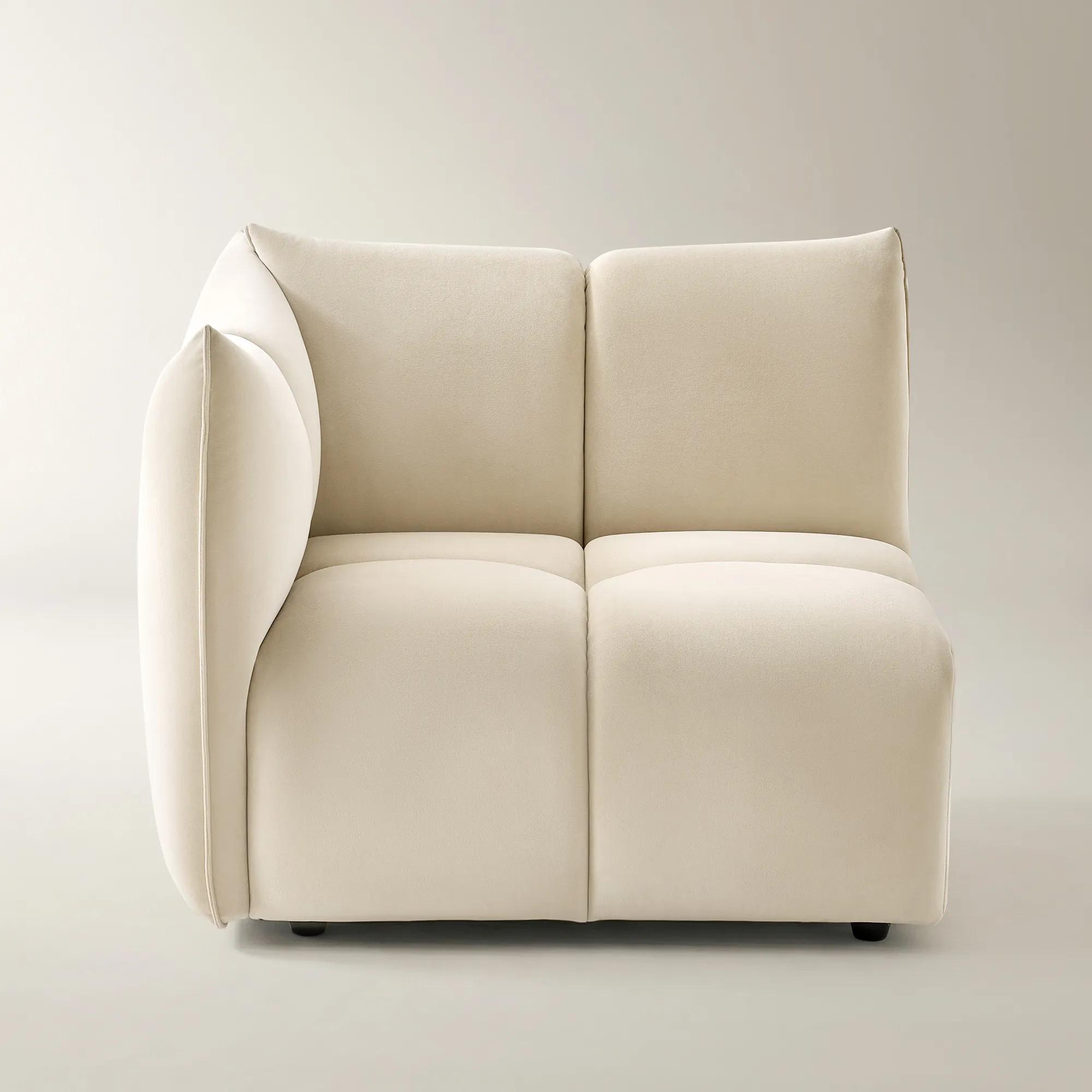 Reina Tufted Oatmeal Velvet Left-Arm Chair$899
A left-arm chair in oatmeal velvet featuring channel tufting, deep seating, and an architectural winged profile.
Add To Cart -

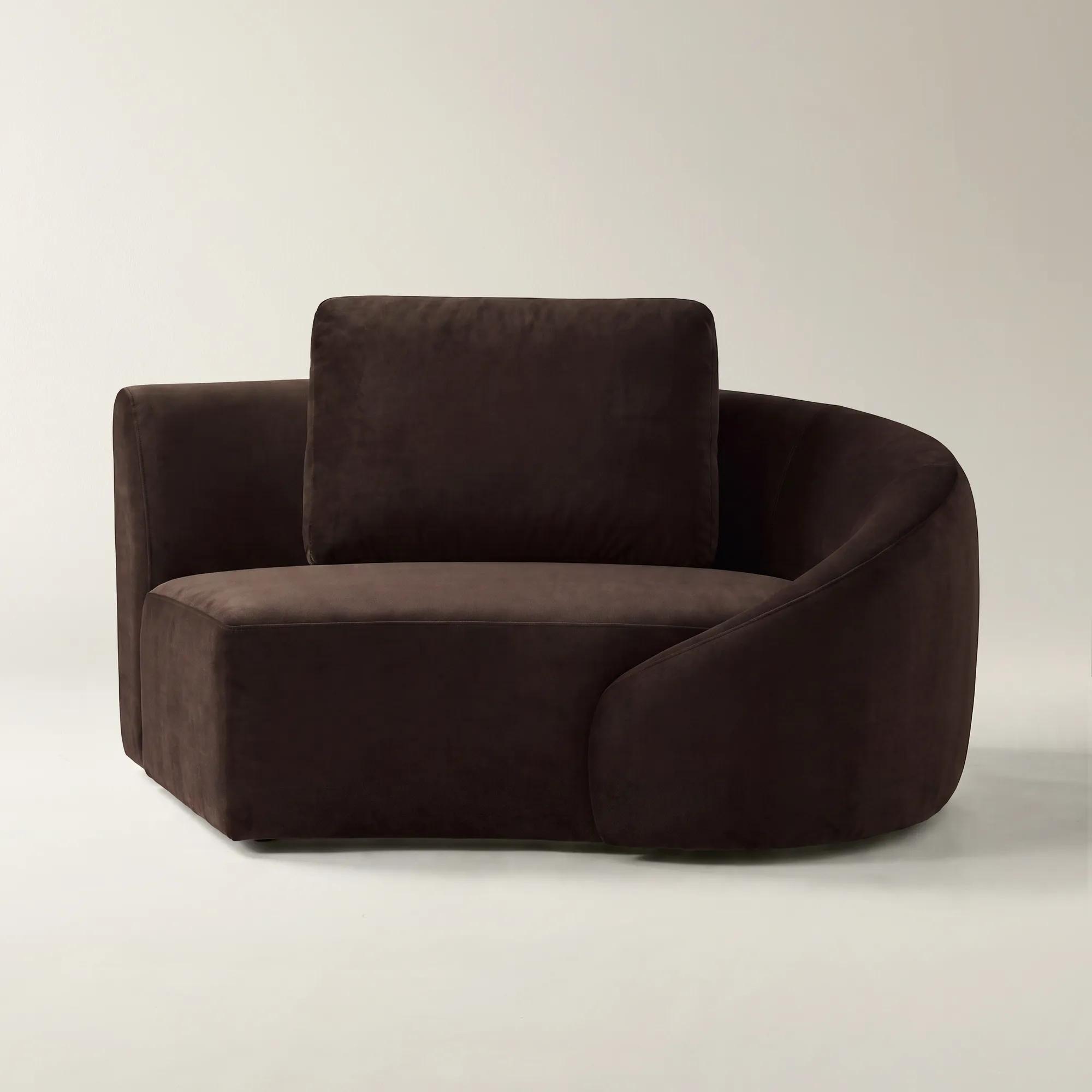
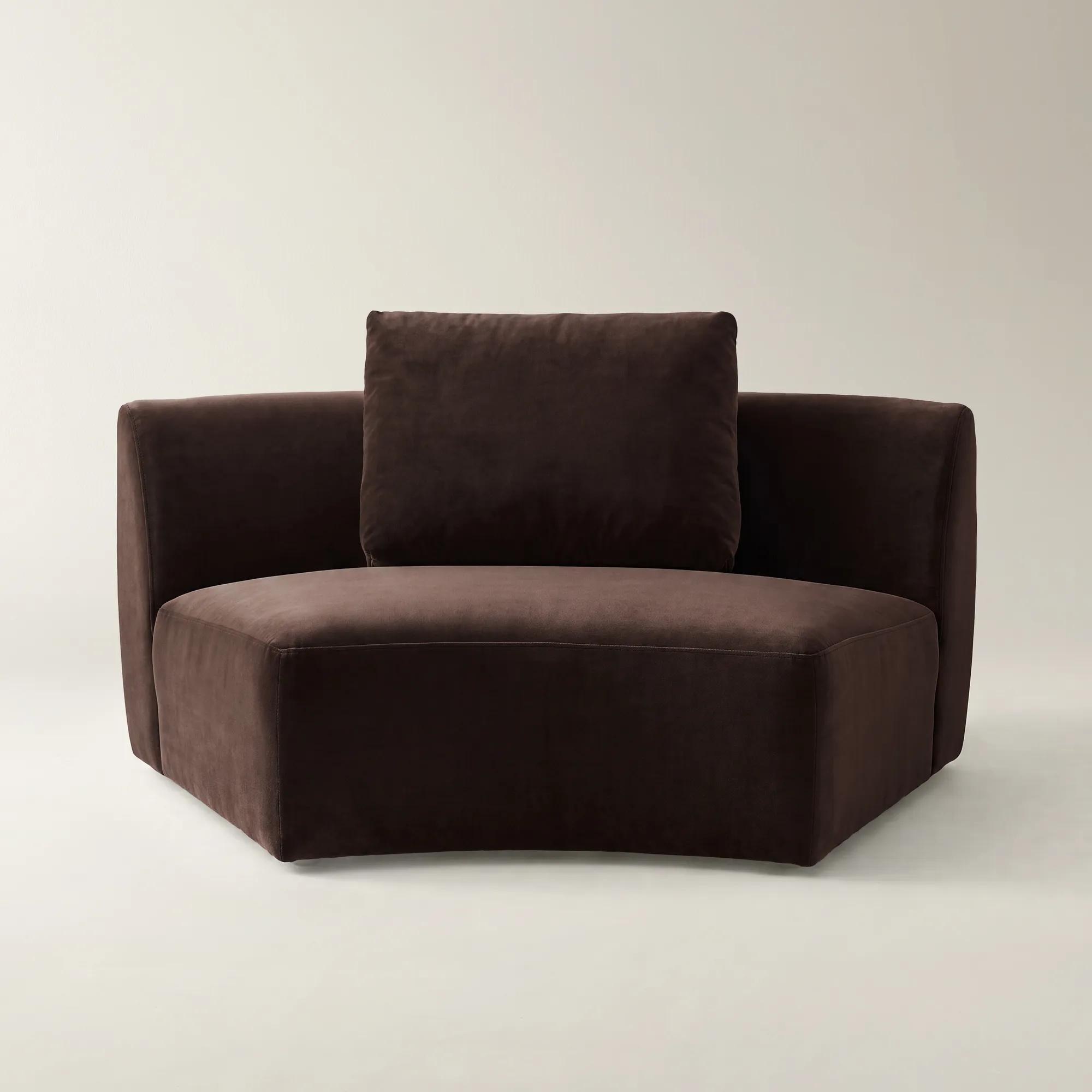
 Curvia Dark Chocolate Velvet Left-Arm Chair$1399
A sculptural left-arm chair wrapped in dark chocolate velvet with plush cushioning and modular design.
Add To Cart -
 Curvia Dusty Blue Velvet Left-Arm Chair$1399
A sculptural left-arm chair wrapped in plush dusty blue velvet with deep, lounge-worthy comfort and modular design.
Add To Cart -

 Curvia Dark Chocolate Velvet Grand Left-Arm Chair$1499
A sculptural left-arm chair wrapped in dark chocolate velvet with plush cushioning and modular design.
Add To Cart -

 Curvia Dusty Blue Velvet Grand Left-Arm Chair$1499
A sculptural left-arm chair in plush dusty blue velvet with deep cushioning and modular versatility.
Add To Cart -
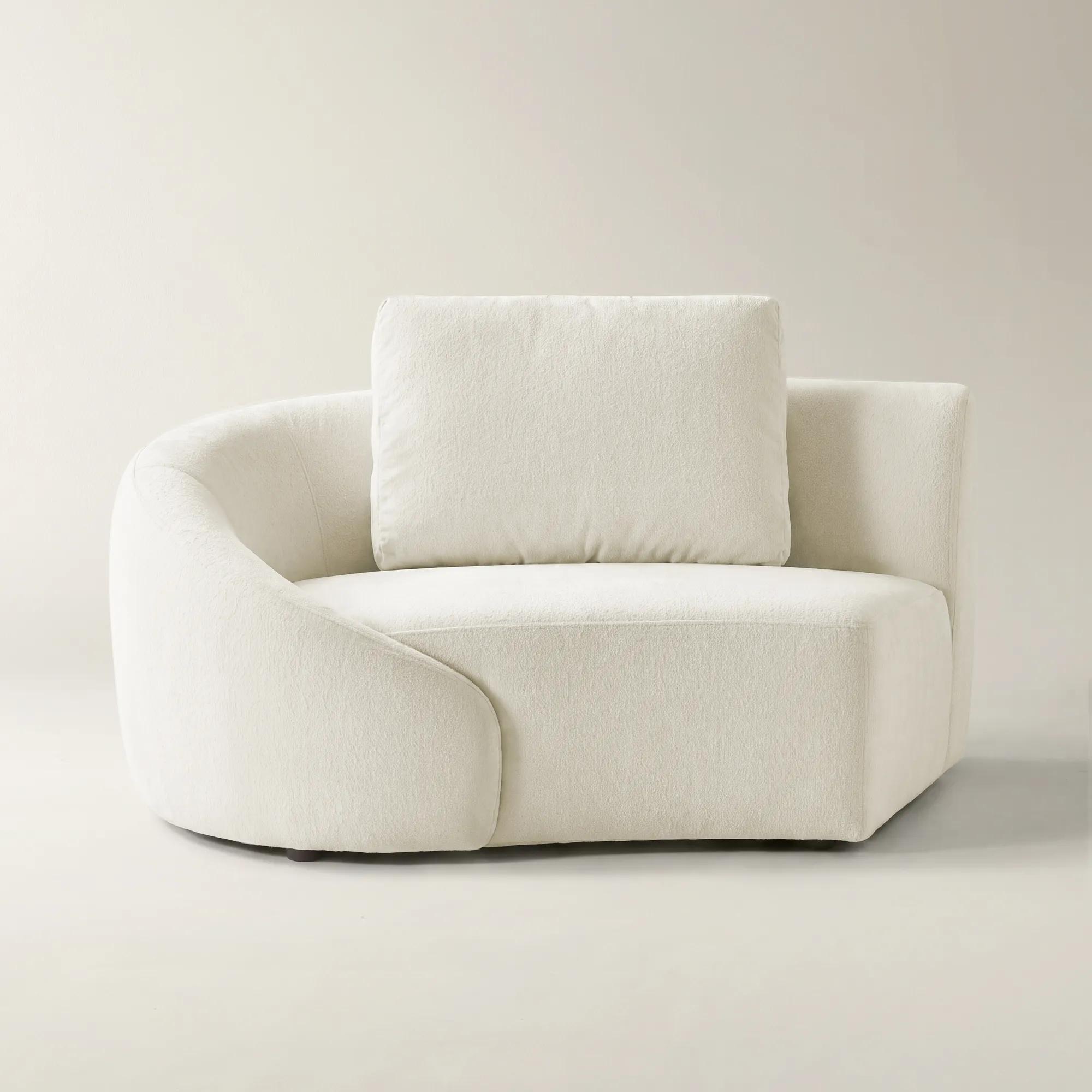
 Irene Ivory Performance Chenille Left-Arm Chair$1399
An inviting ivory chenille chair featuring sculptural curves, high-resiliency foam, and artisan hand-finished upholstery.
Add To Cart -
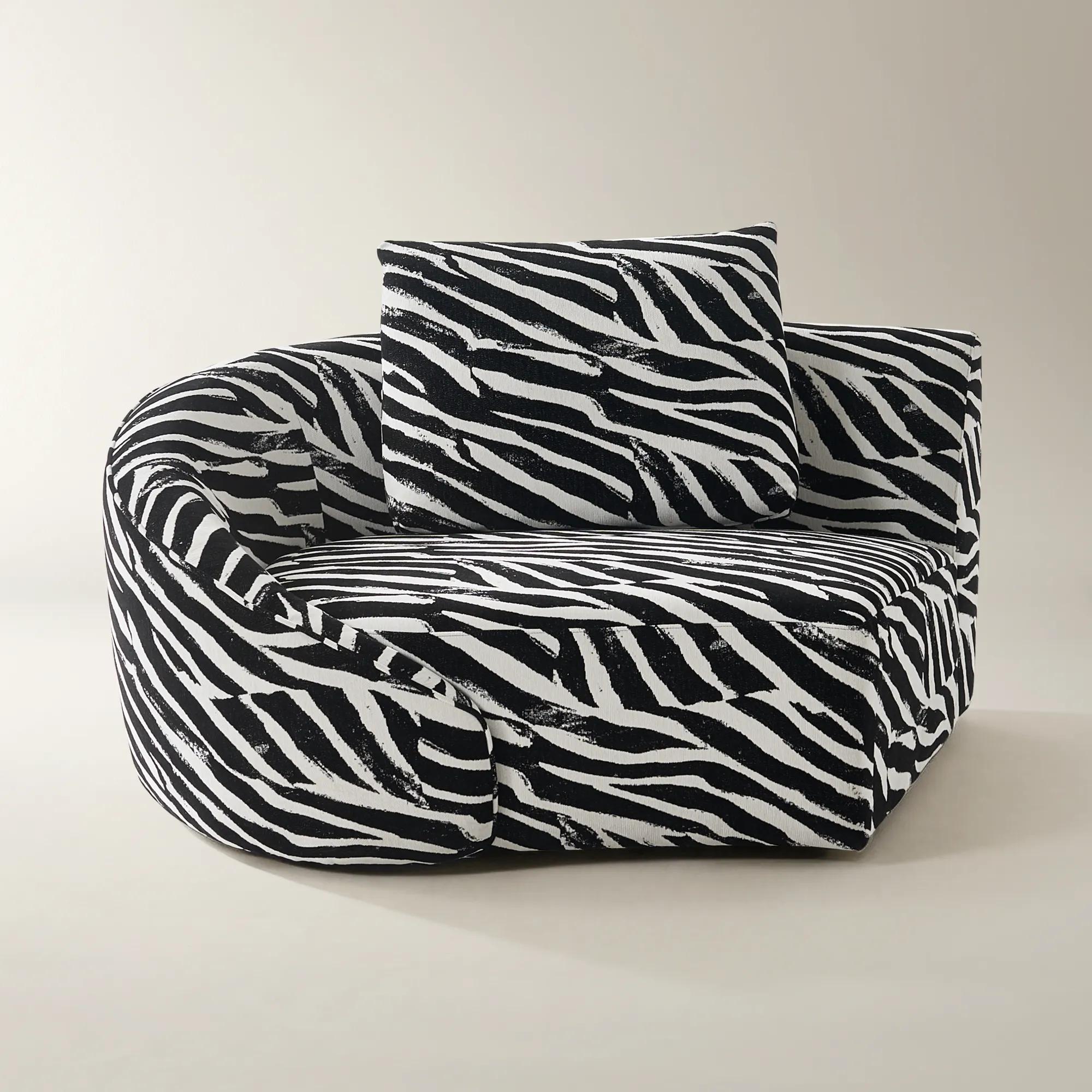
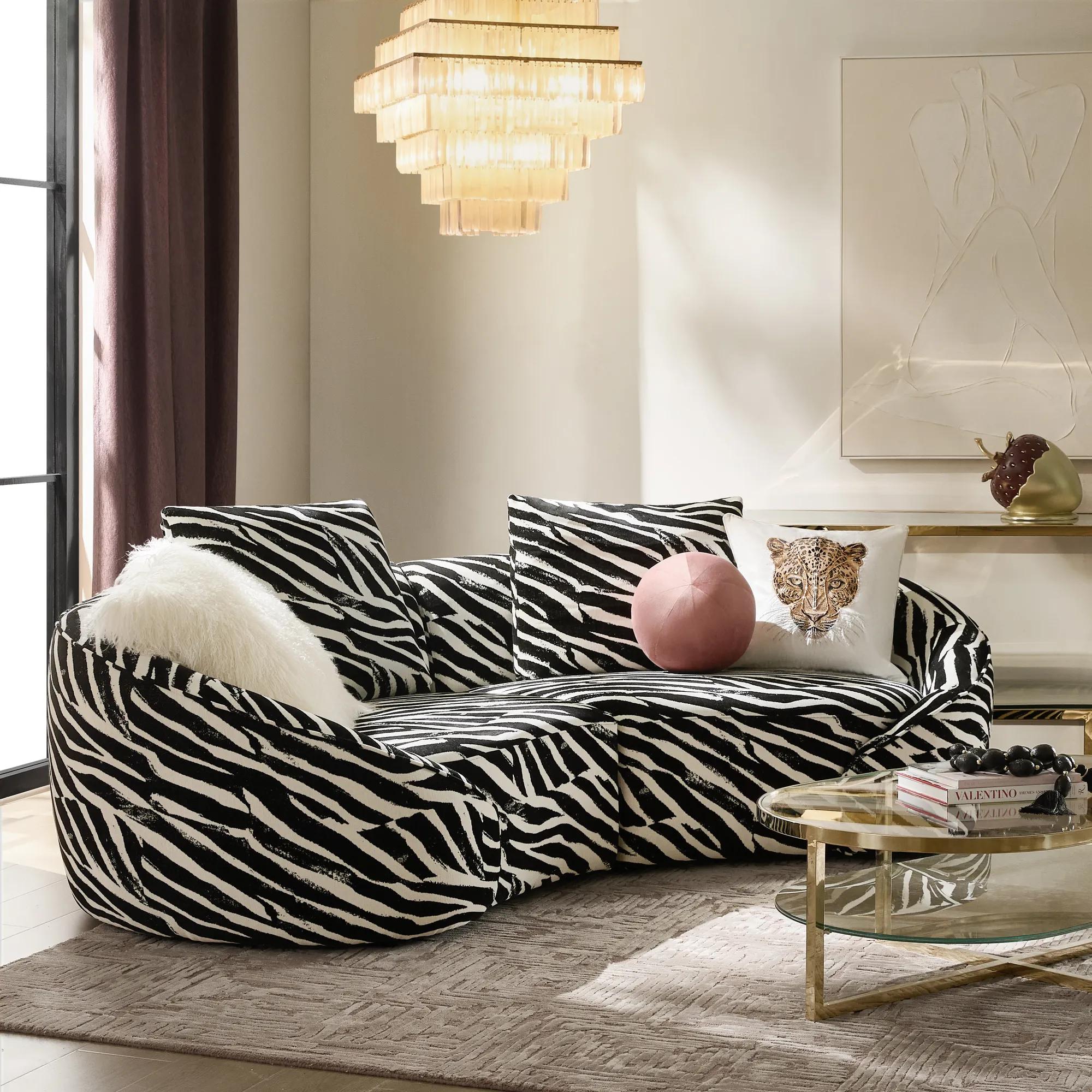 Irene White/Black Performance Chenille Left-Arm Chair$1399
A sculptural left-arm chair in black and white performance chenille with artisan hand-finished upholstery.
Add To Cart -
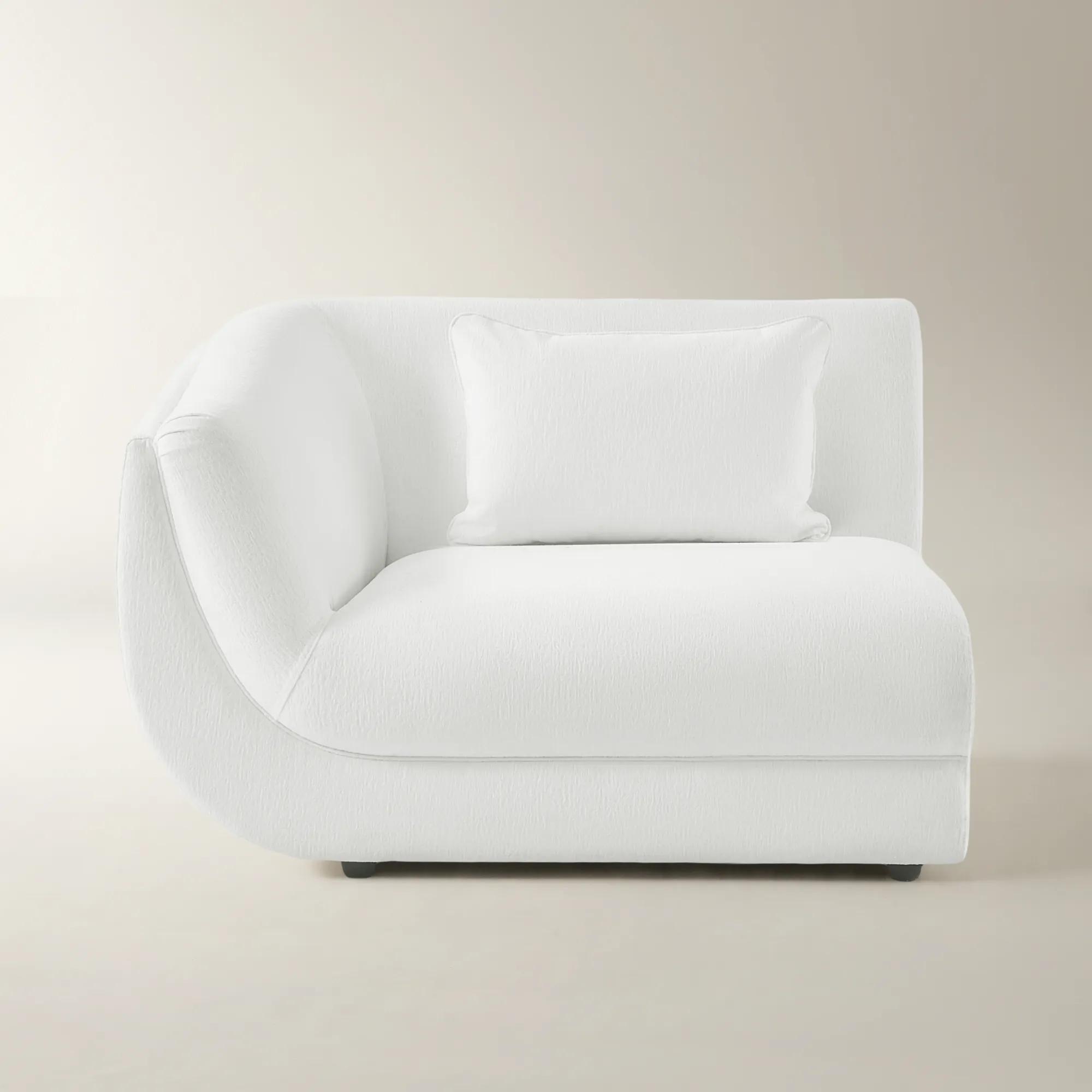
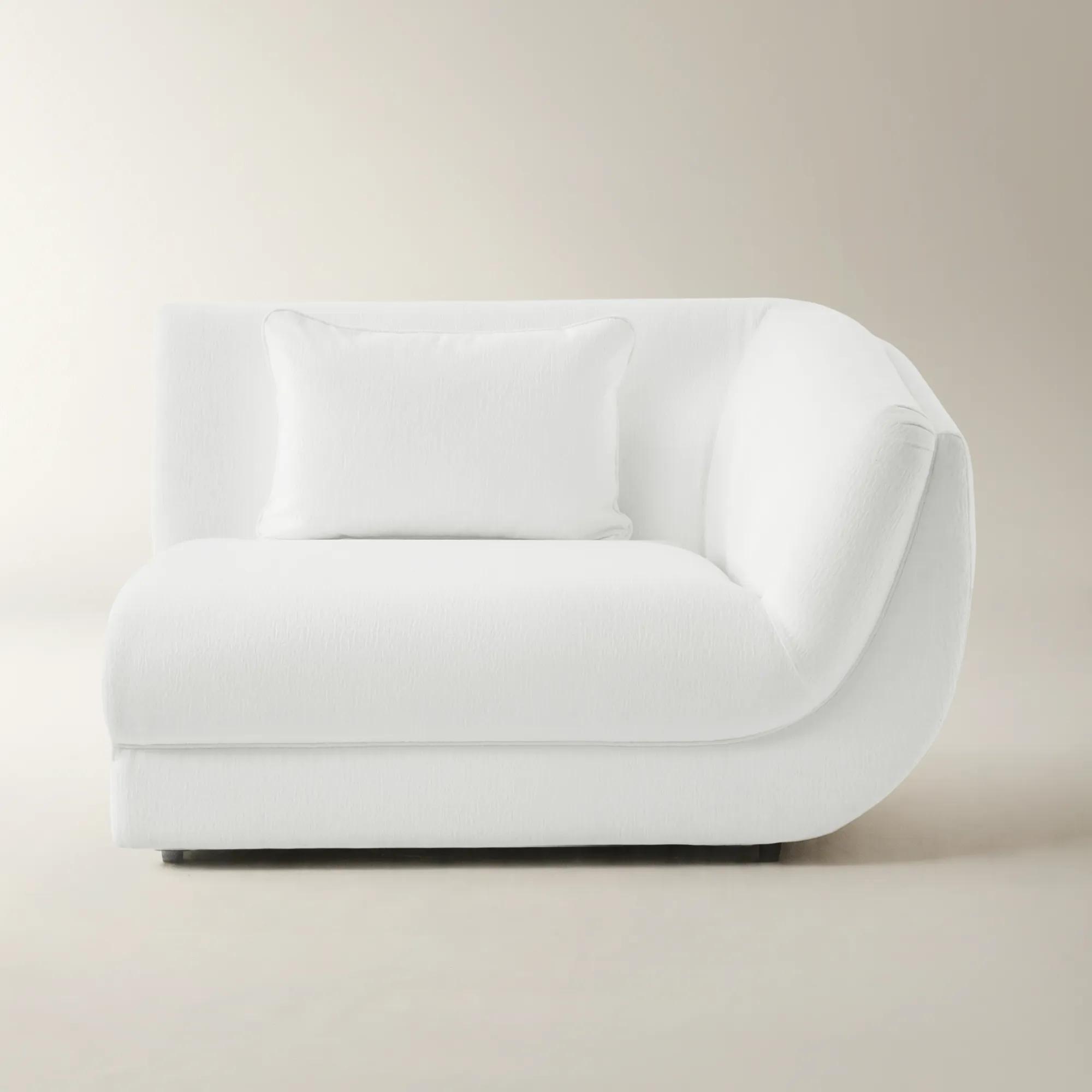
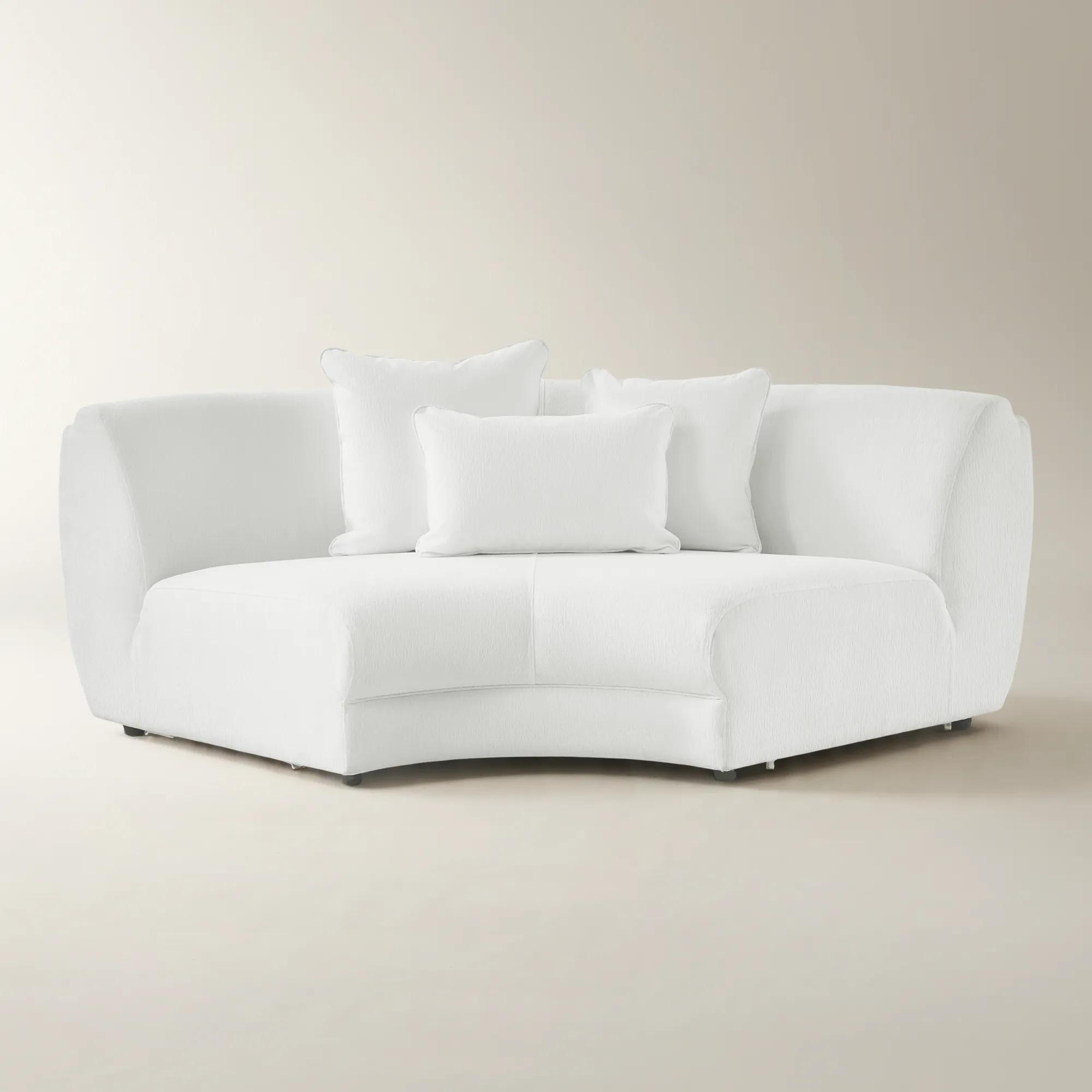
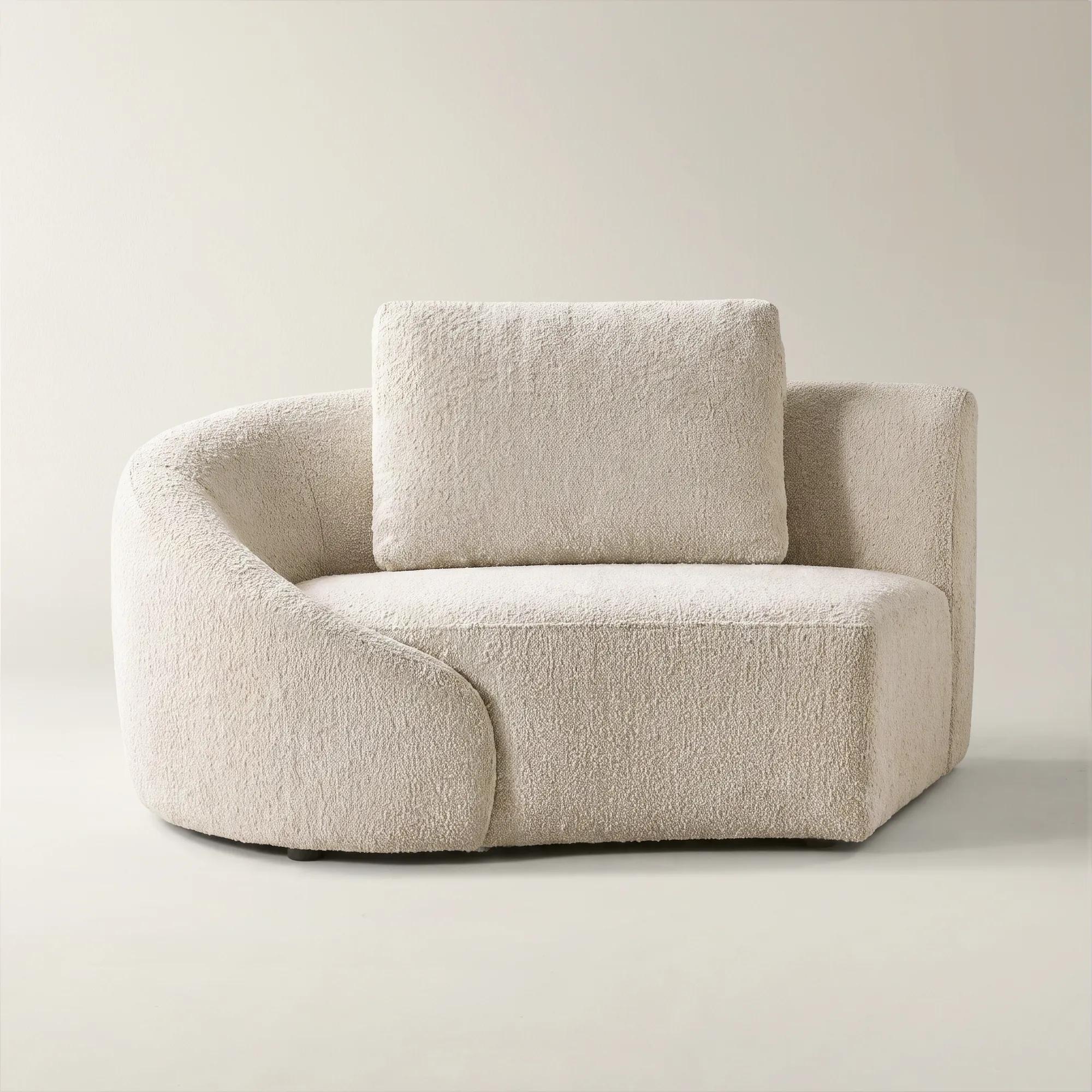 Irene Ivory Performance Boucle Left-Arm Chair$1399
An inviting left-arm chair in ivory performance boucle with sculptural curves and hand-finished artisan details.
Add To Cart -
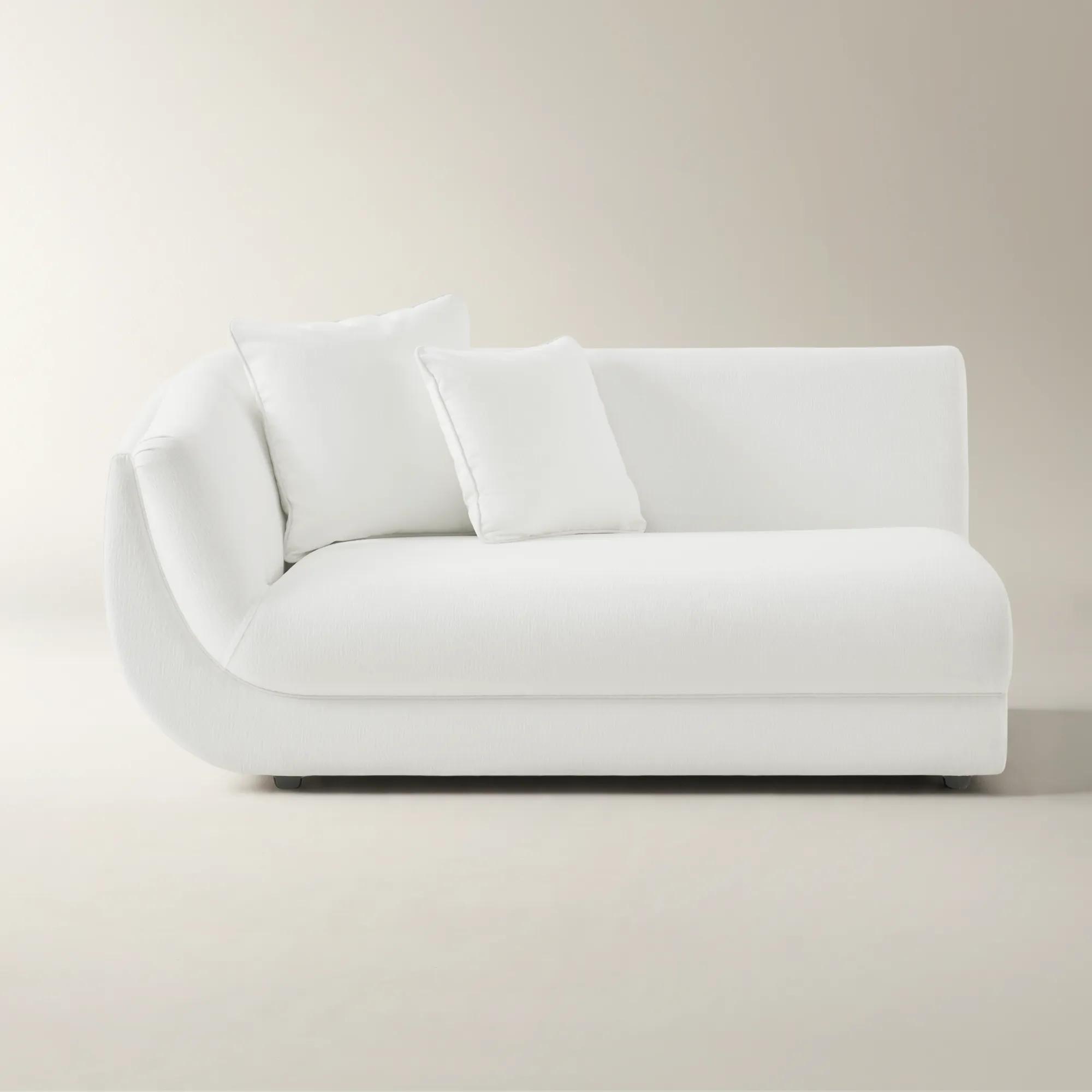
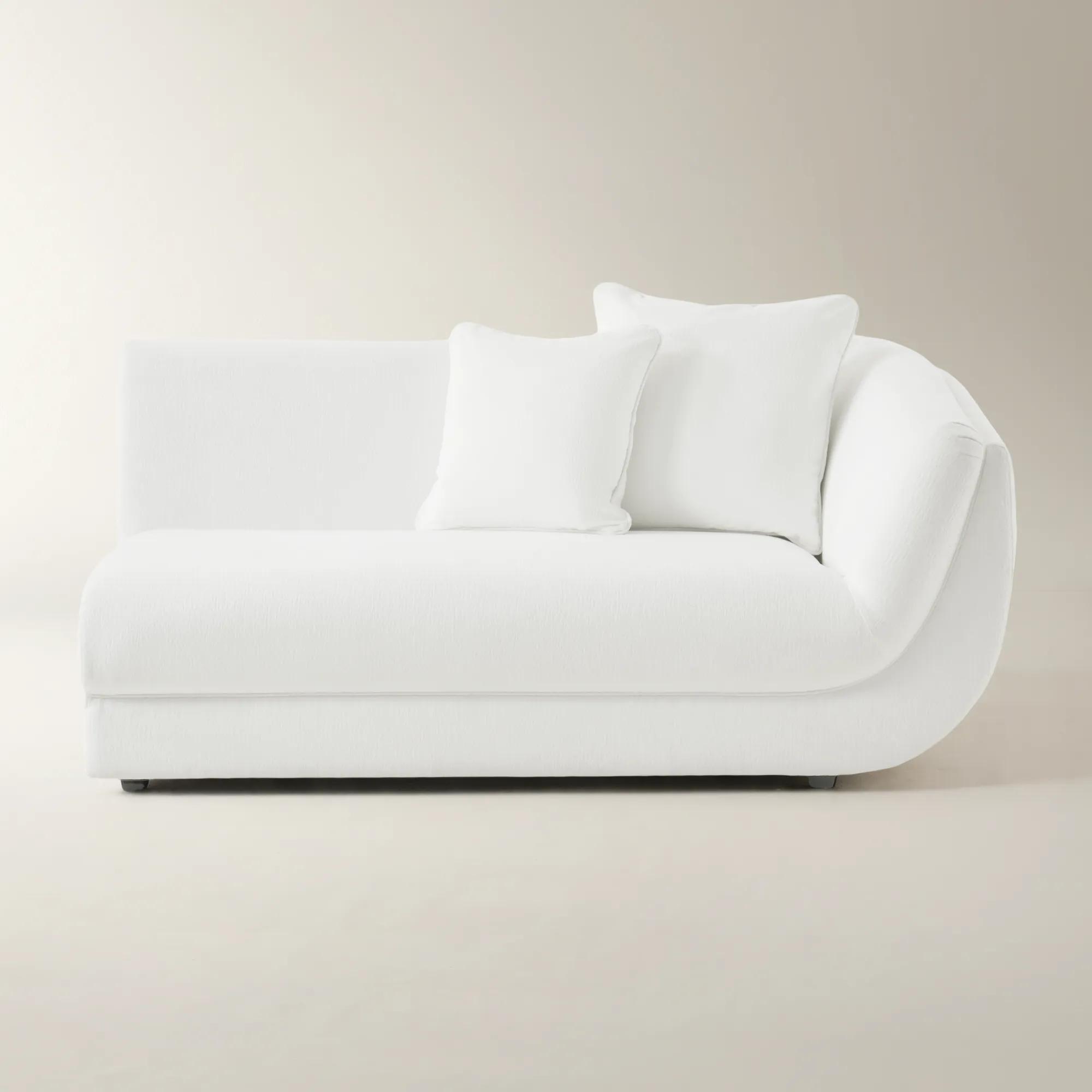
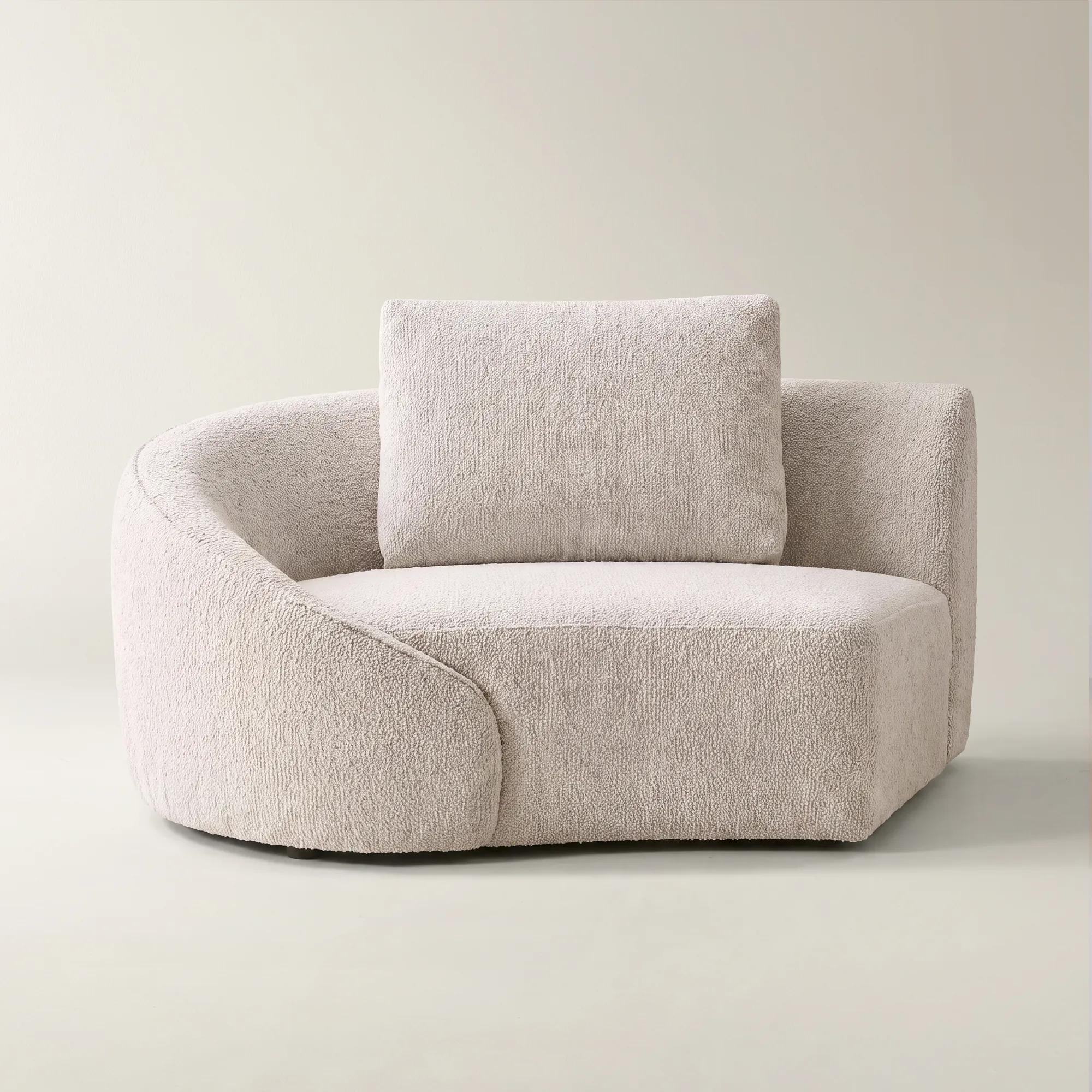 Irene Ivory Performance Boucle Left-Arm Chair$1399
An inviting left-arm chair in ivory performance boucle with sculptural curves and hand-finished artisan details.
Add To Cart -
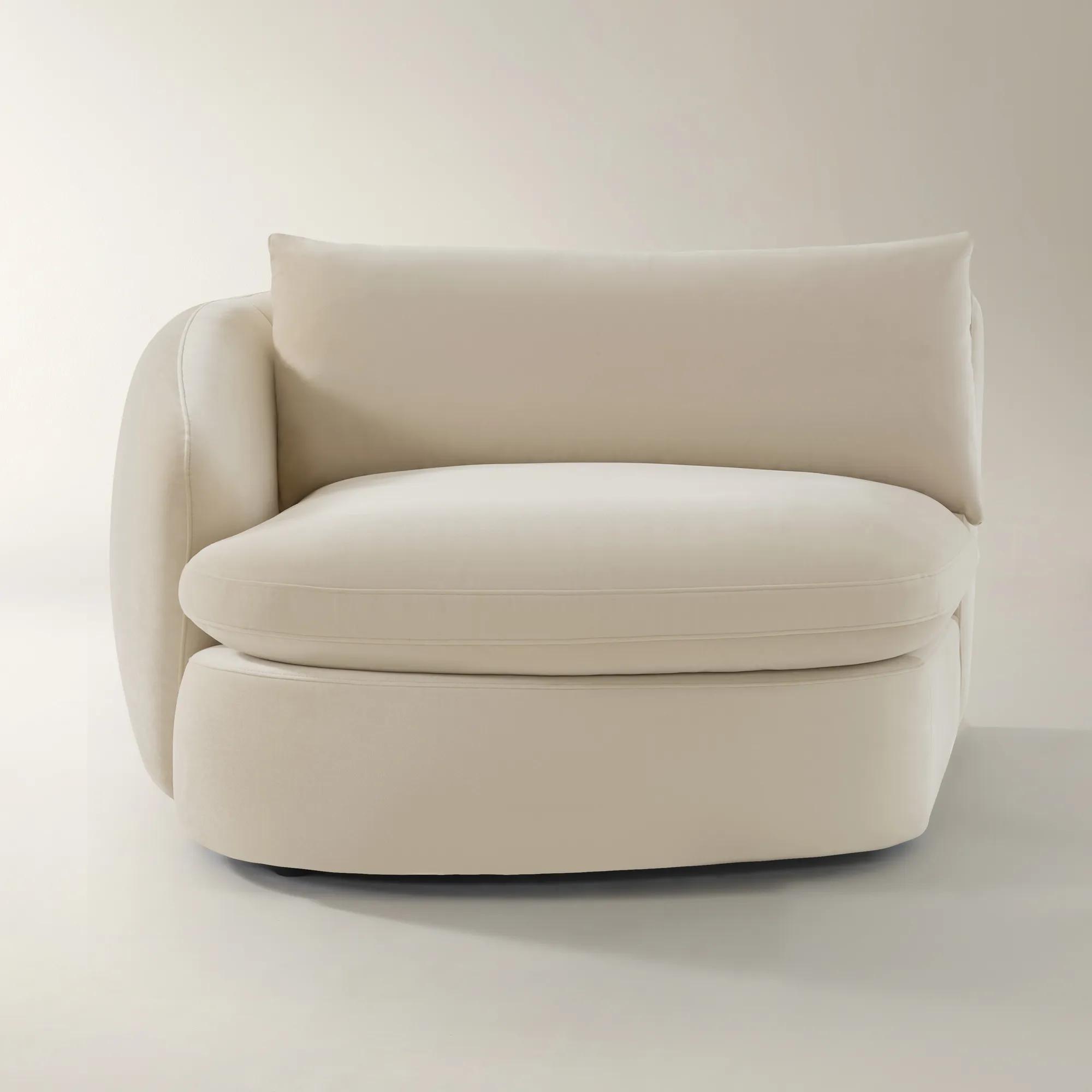
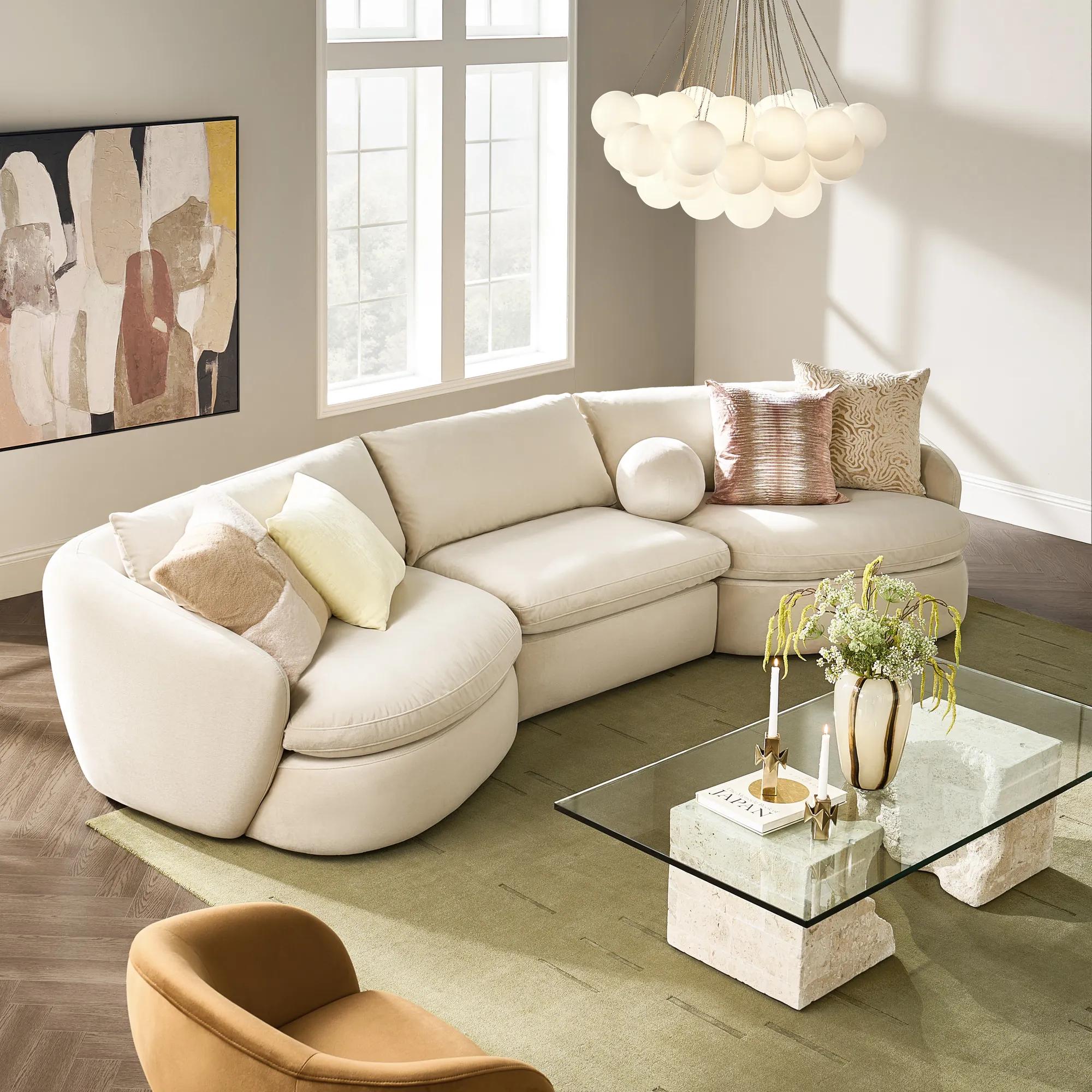 Sabrina Oatmeal Velvet Left-Arm Chair$1399
A modular, curved seating piece in soft oatmeal velvet with plush feather-blend cushions and hand-built craftsmanship.
Add To Cart -
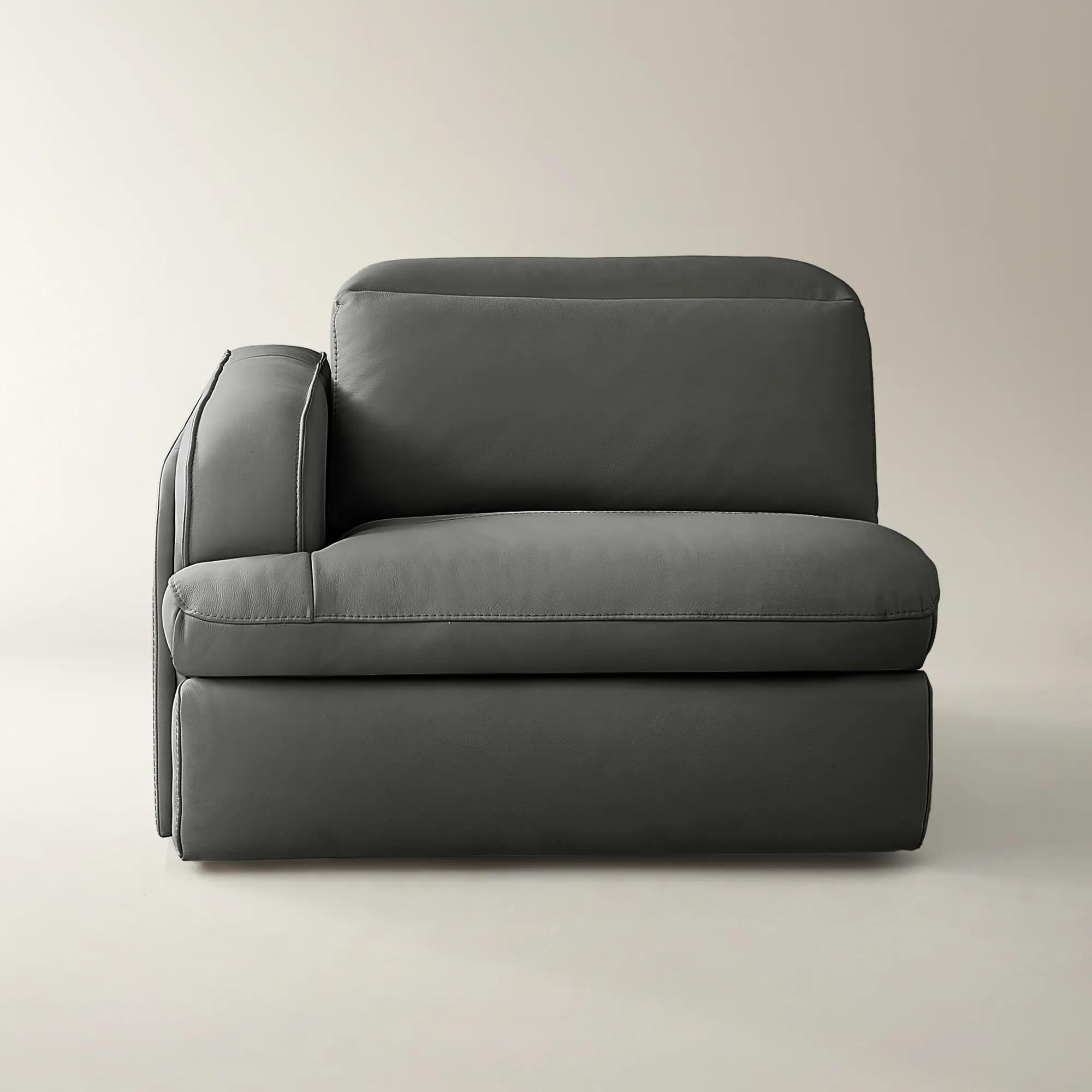
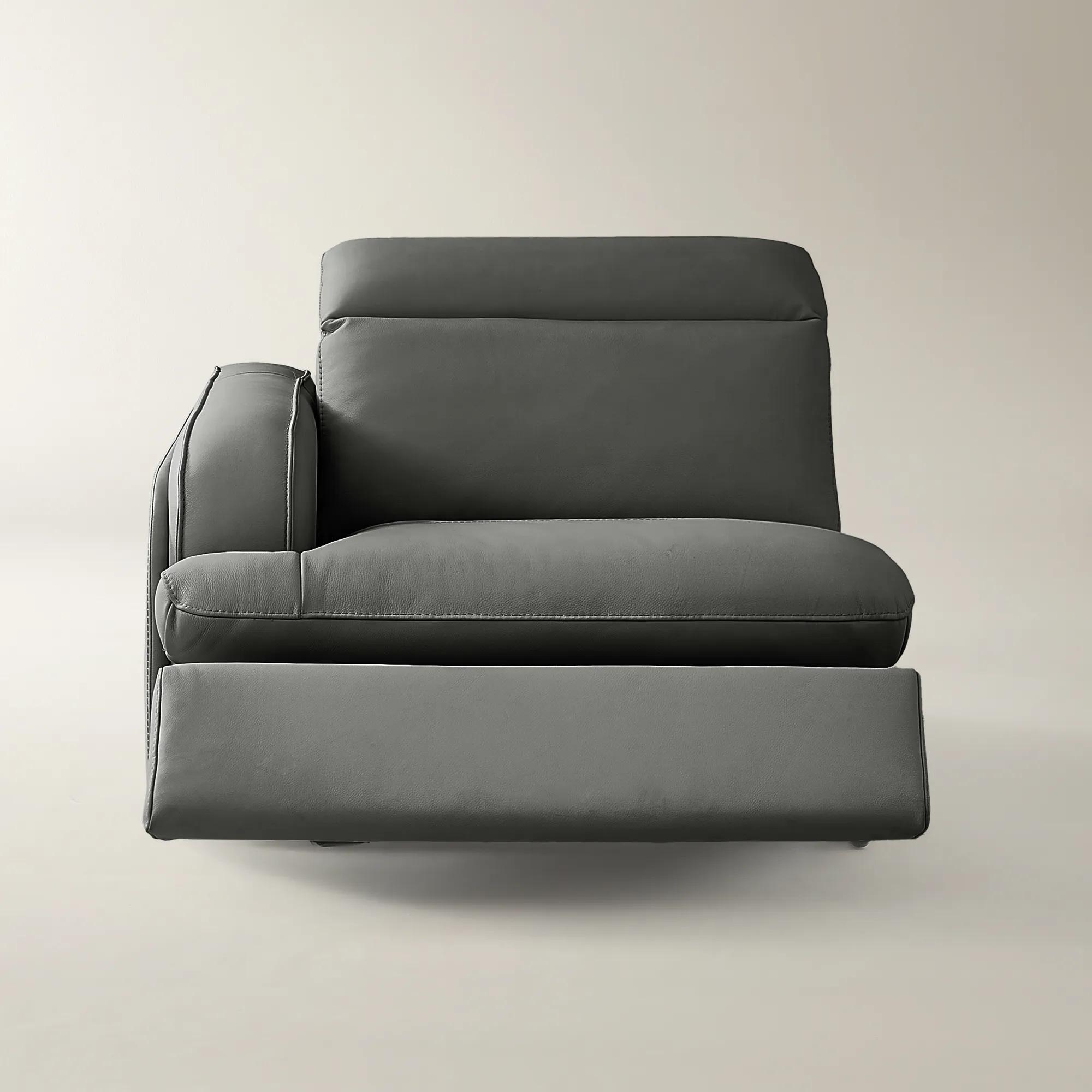 Terra Charcoal Leather Left-Arm Chair With Power Headrest$1699
A charcoal genuine leather left-arm chair featuring modular design and powered headrest and footrest reclining.
Add To Cart -
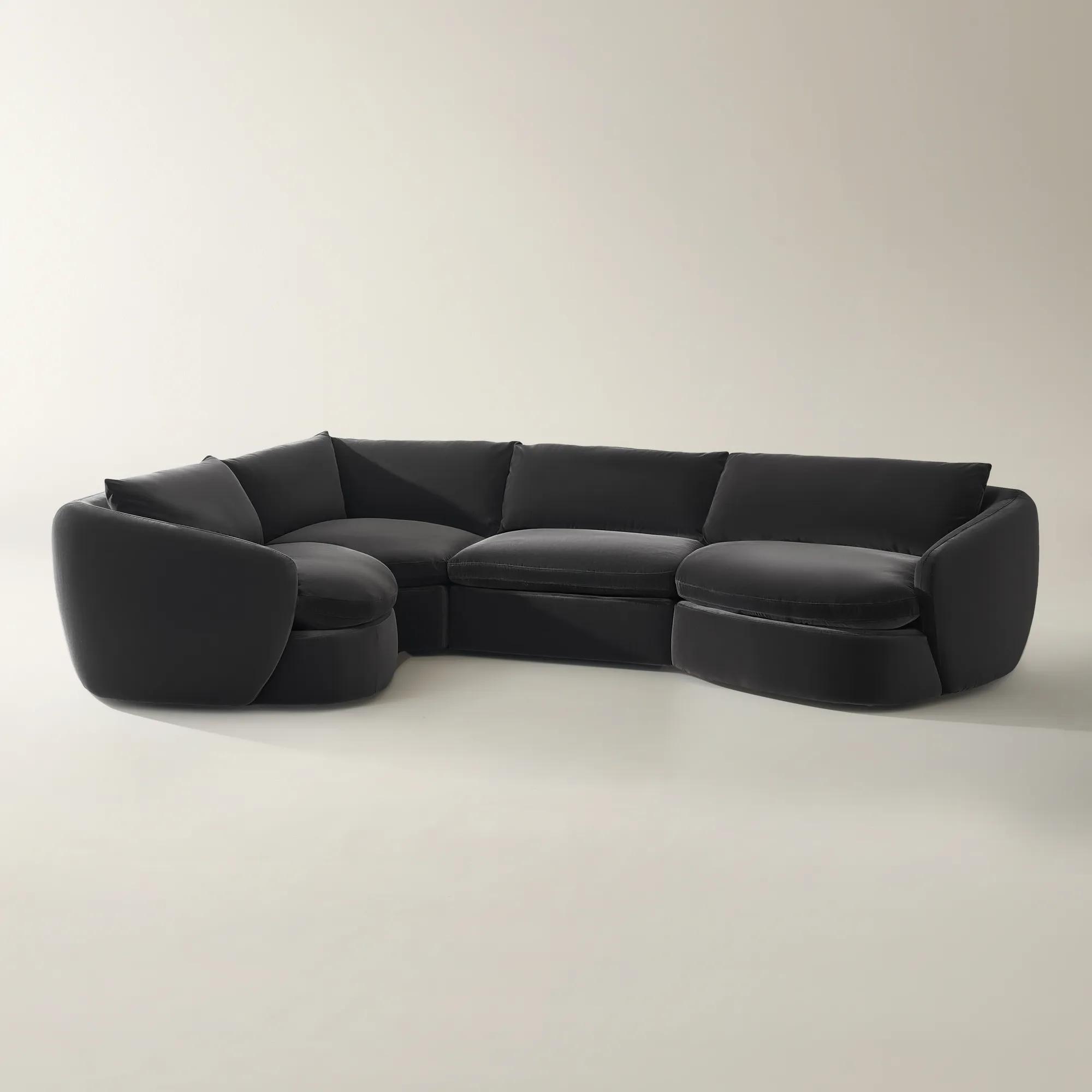
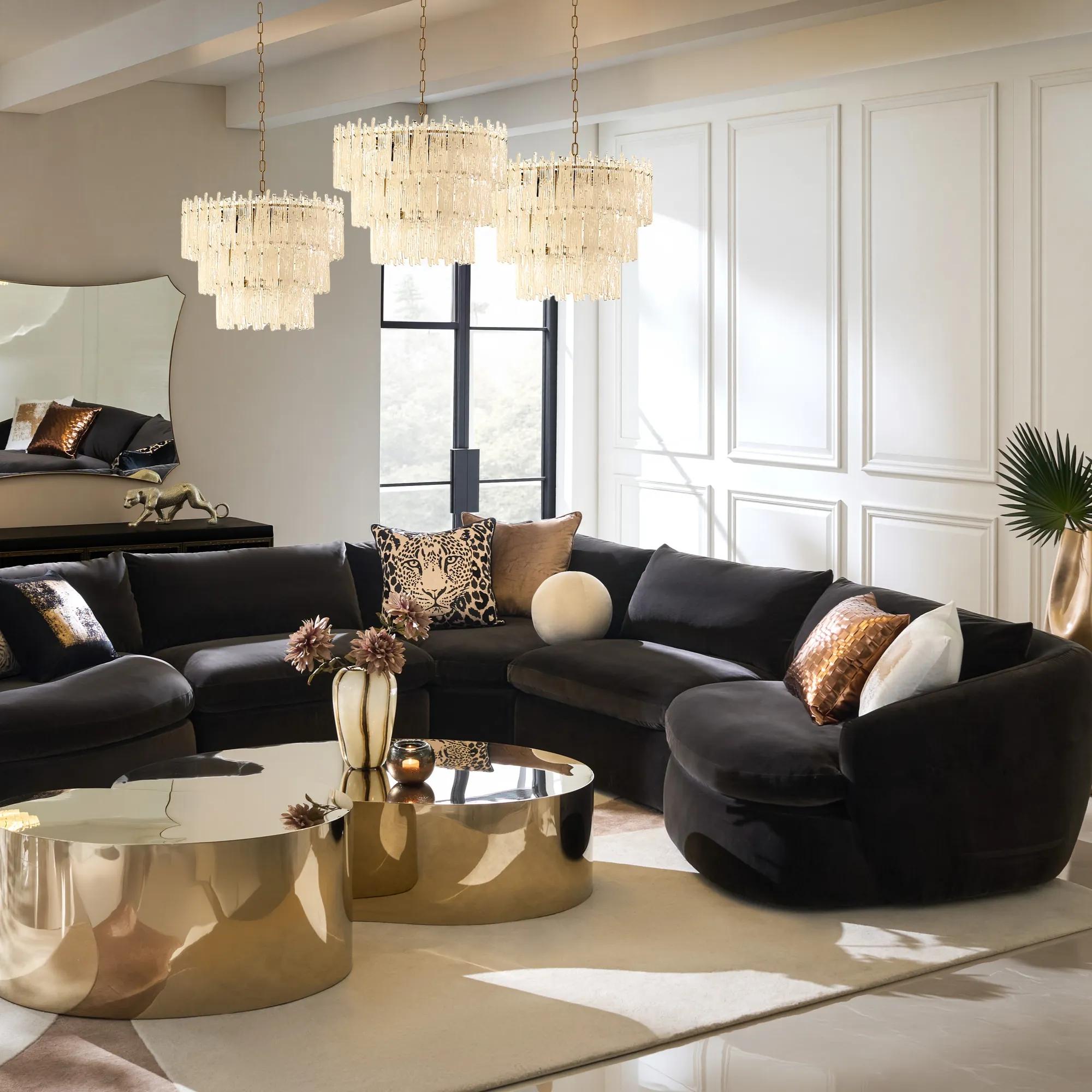 Sabrina 4-Piece Charcoal Velvet Sectional With Left-Arm Chair$4999
A modular charcoal velvet sectional with plush feather-blend cushions and a softly curved, modern silhouette.
Add To Cart -
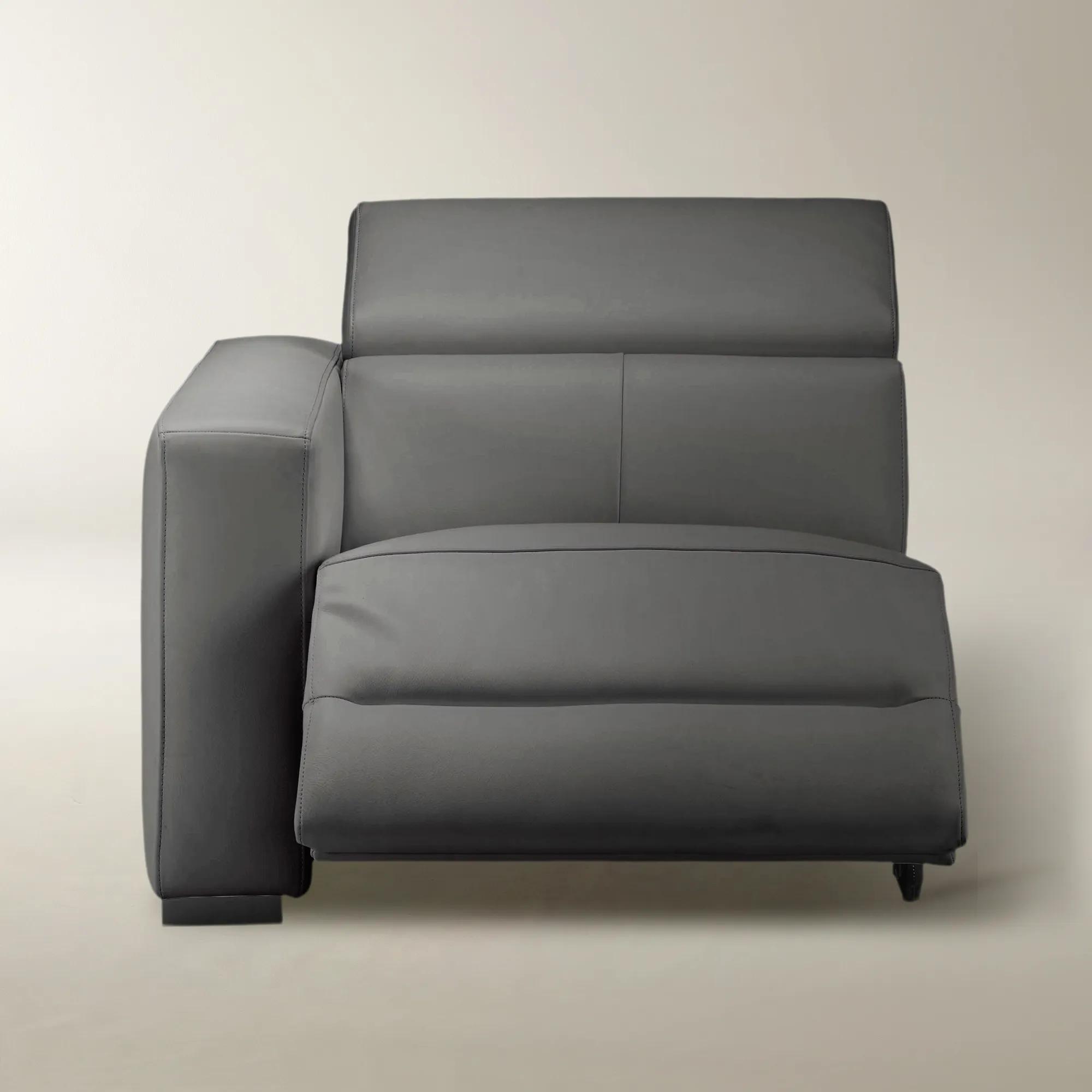
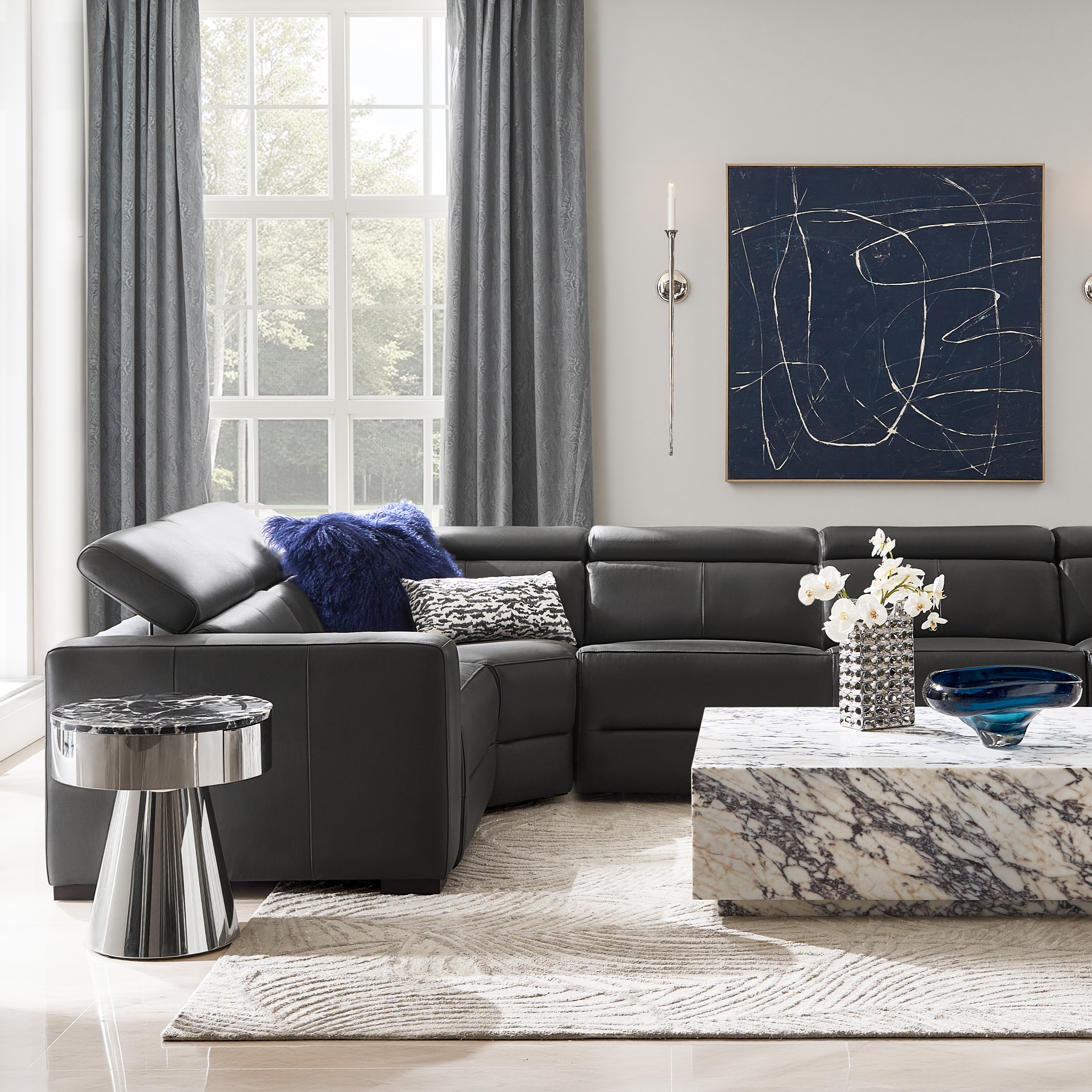 Verona Reclining Charcoal Leather Left Arm Chair With Power$1599
A charcoal semi-aniline leather sectional with adjustable headrests, power-reclining seats, and kiln-dried hardwood frame.
Add To Cart -
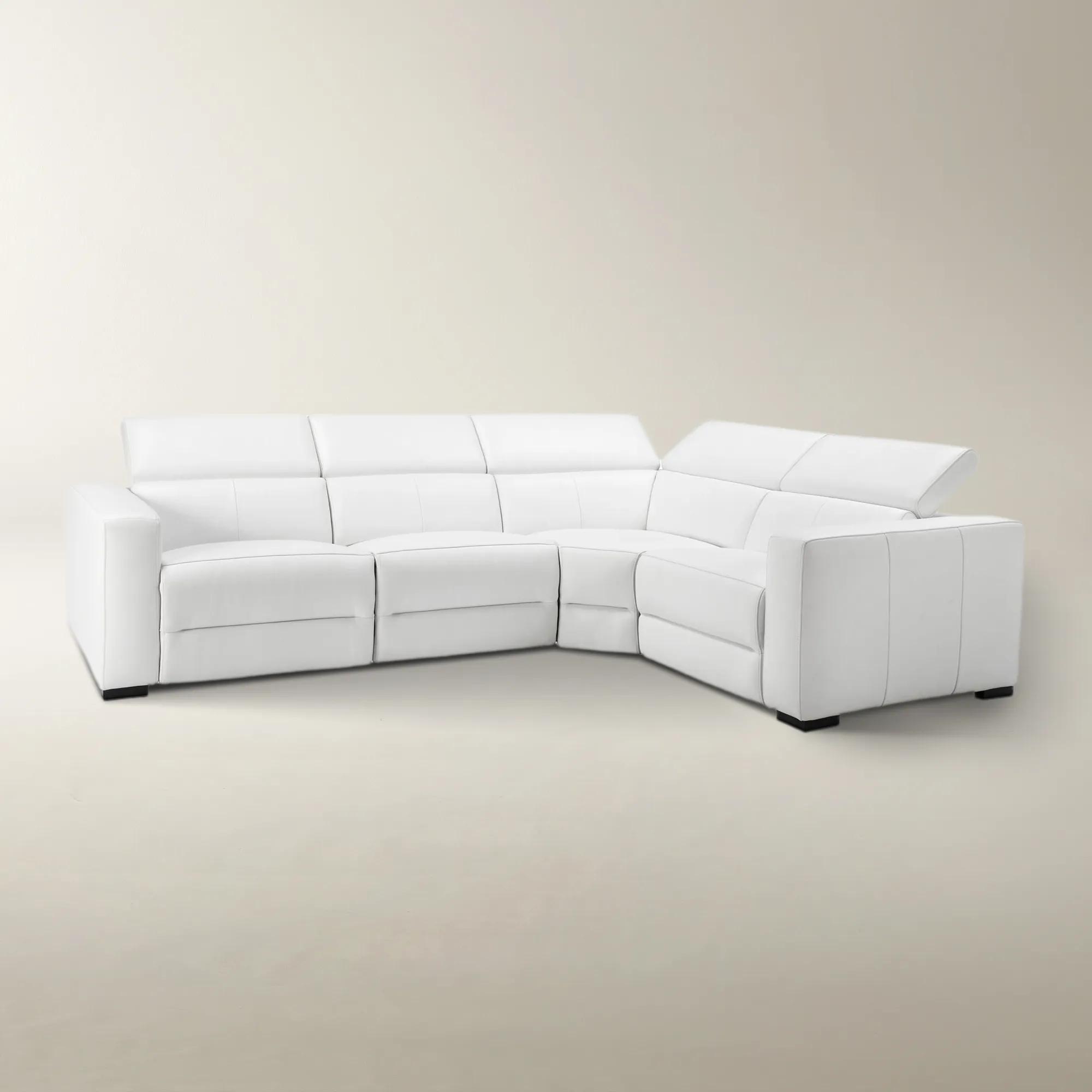
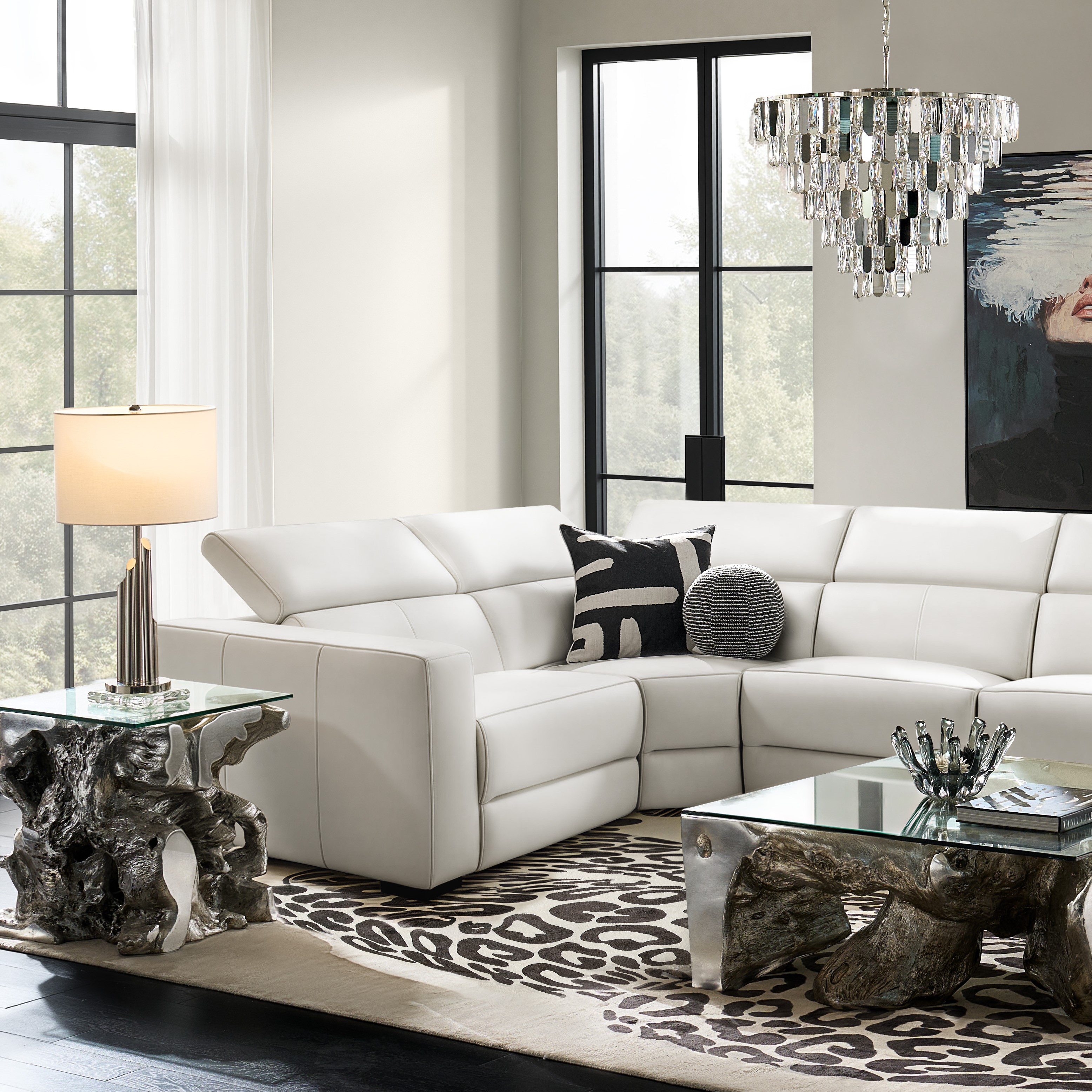 Verona 4-Piece L-Shaped Reclining White Leather Sectional Sofa With Right-Arm$5899
A modern sectional upholstered in supple white semi-aniline leather with adjustable headrests and power-reclining seats.
Add To Cart -
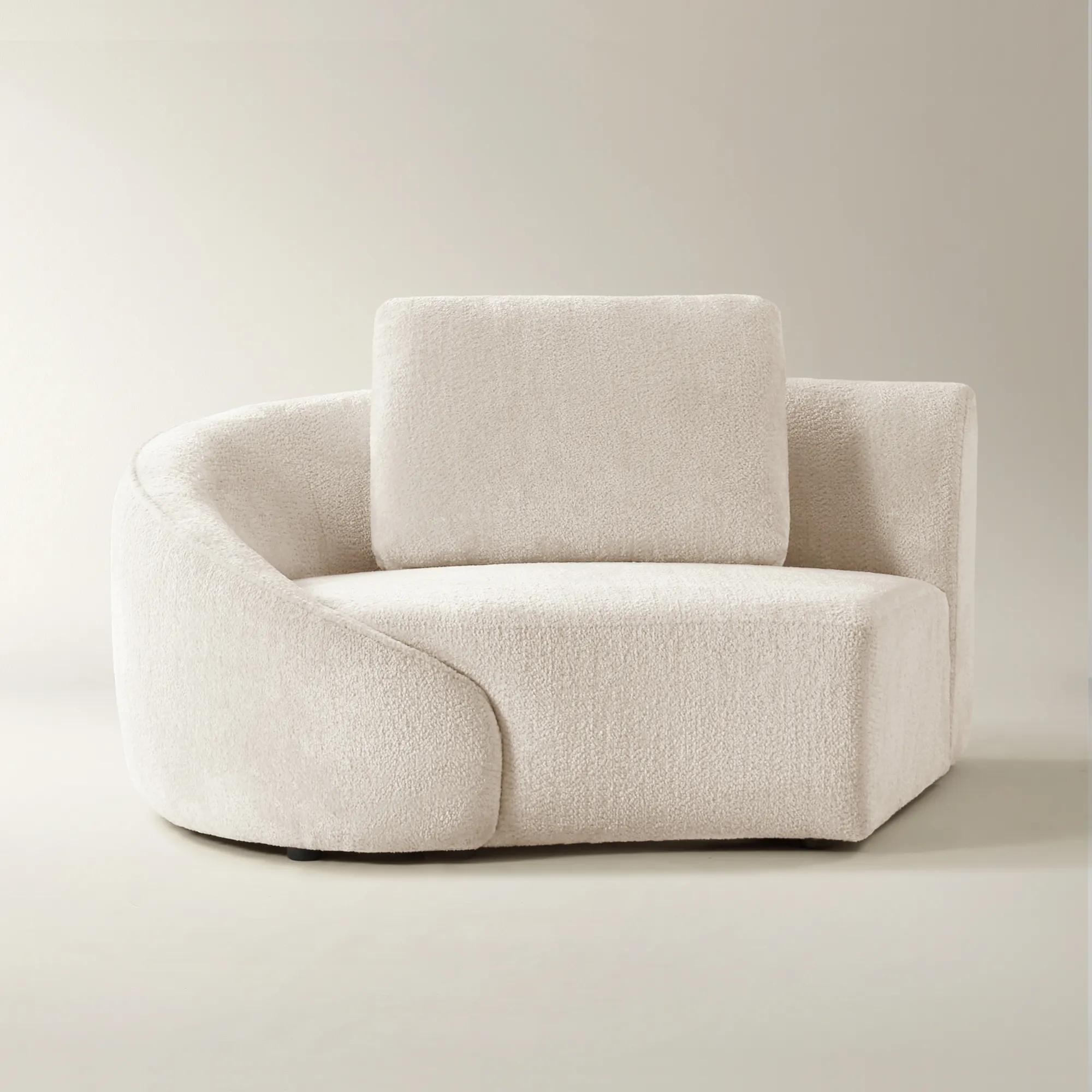 Irene Utopia Sand Chenille Left-Arm Chair$1399
A modern curved sectional upholstered in plush Utopia Sand chenille with high-density foam cushioning for comfort.
Add To Cart -
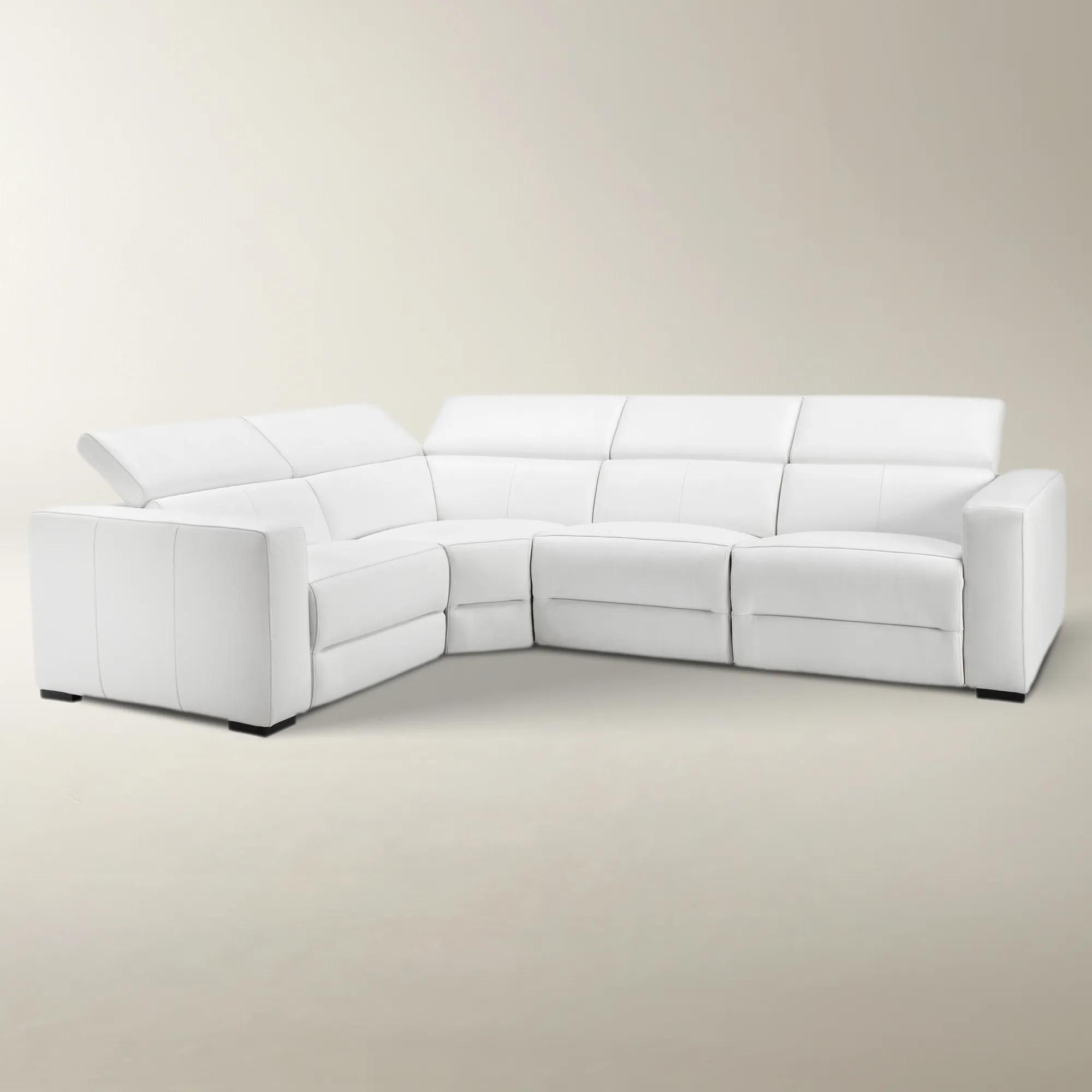 Verona 4-Piece L-Shaped Reclining White Leather Sectional Sofa With Left-Arm$5899
A modern sectional upholstered in supple white semi-aniline leather with adjustable headrests and power-reclining seats.
Add To Cart -
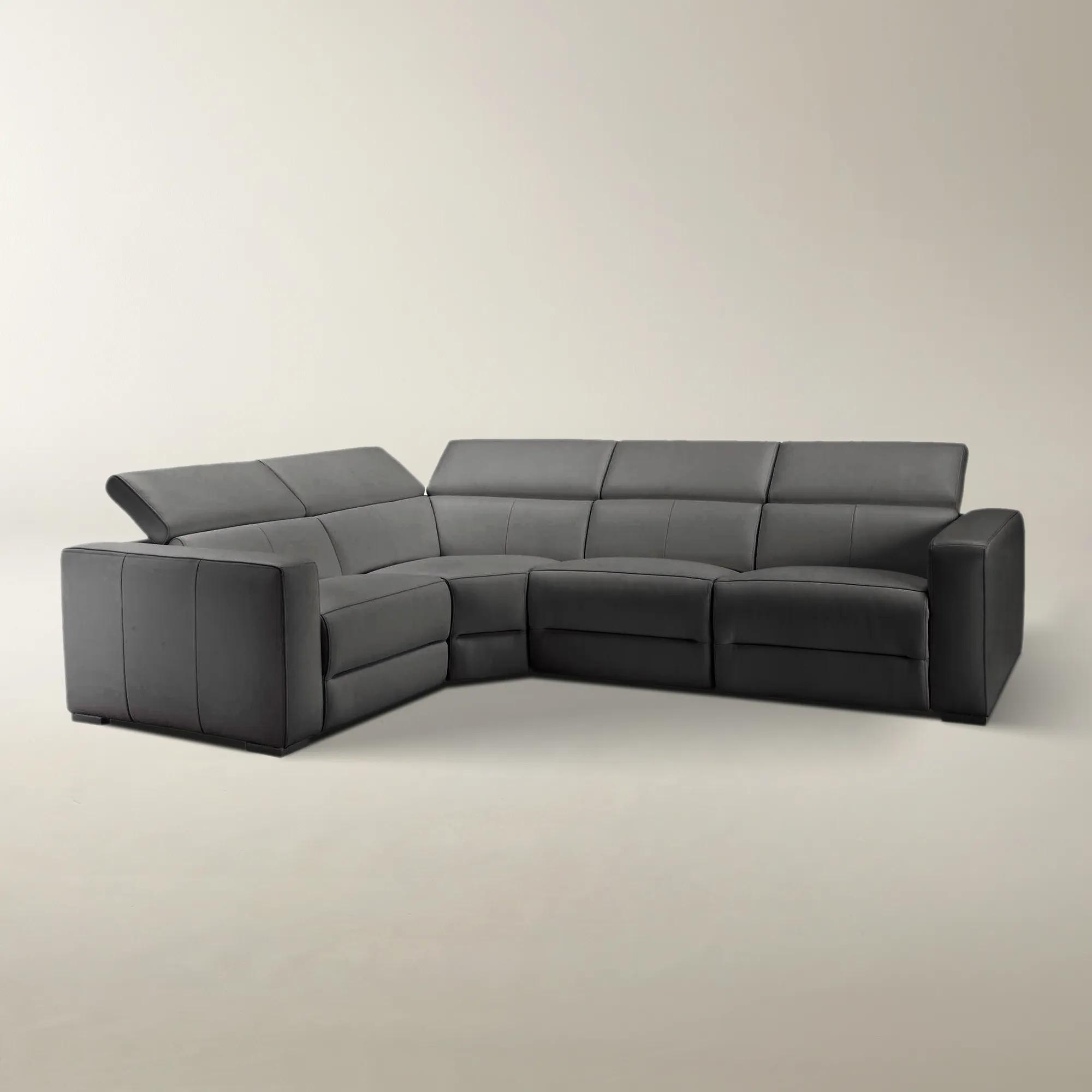 Verona 4-Piece L-Shaped Reclining Charcoal Leather Sectional Sofa With Left-Arm$5899
A charcoal semi-aniline leather sectional featuring adjustable headrests and optional power-reclining seats for comfort.
Add To Cart -
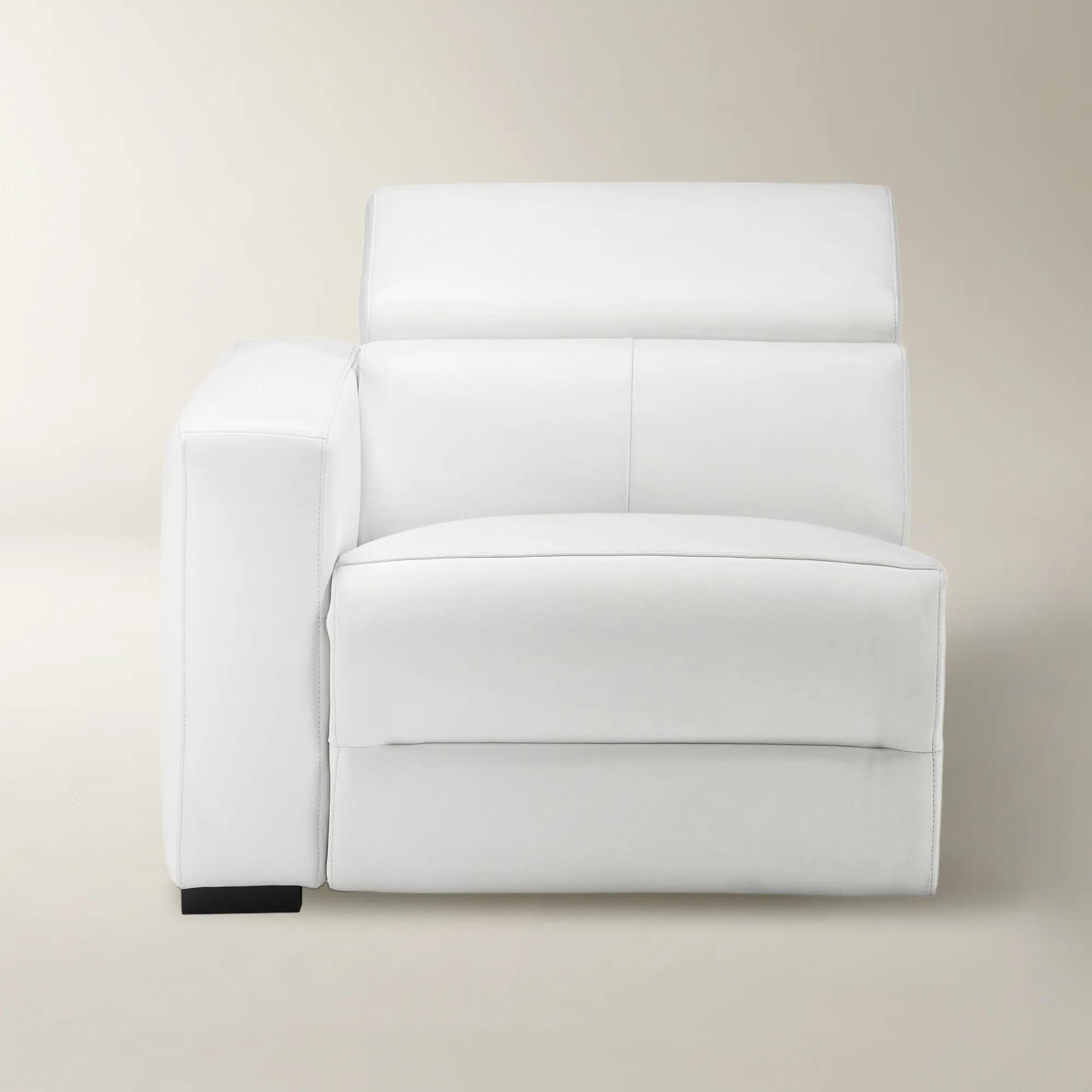
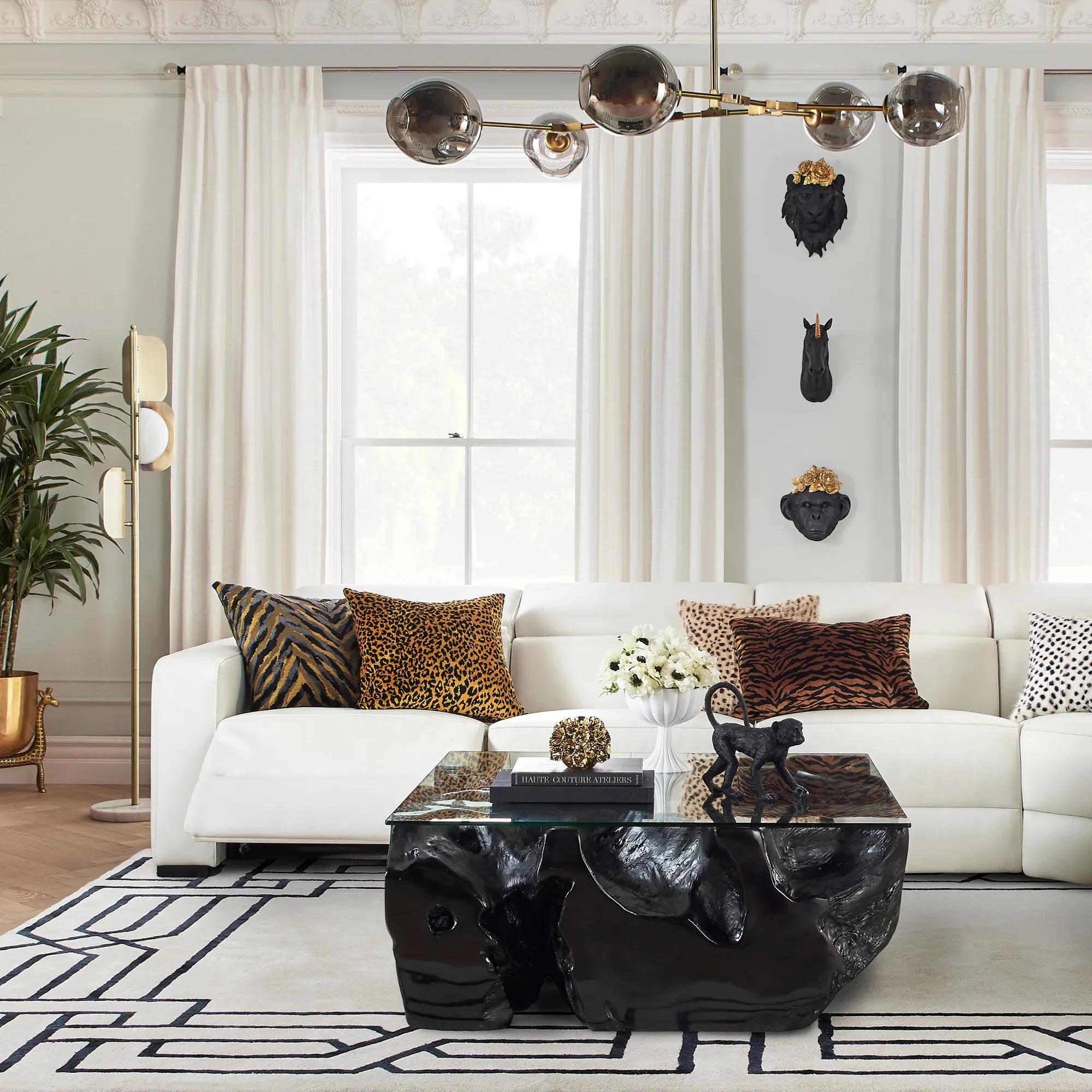 Verona White Leather Left Arm Chair$1399
A modern white sectional upholstered in supple semi-aniline leather with adjustable headrests and power-reclining seats.
Add To Cart -
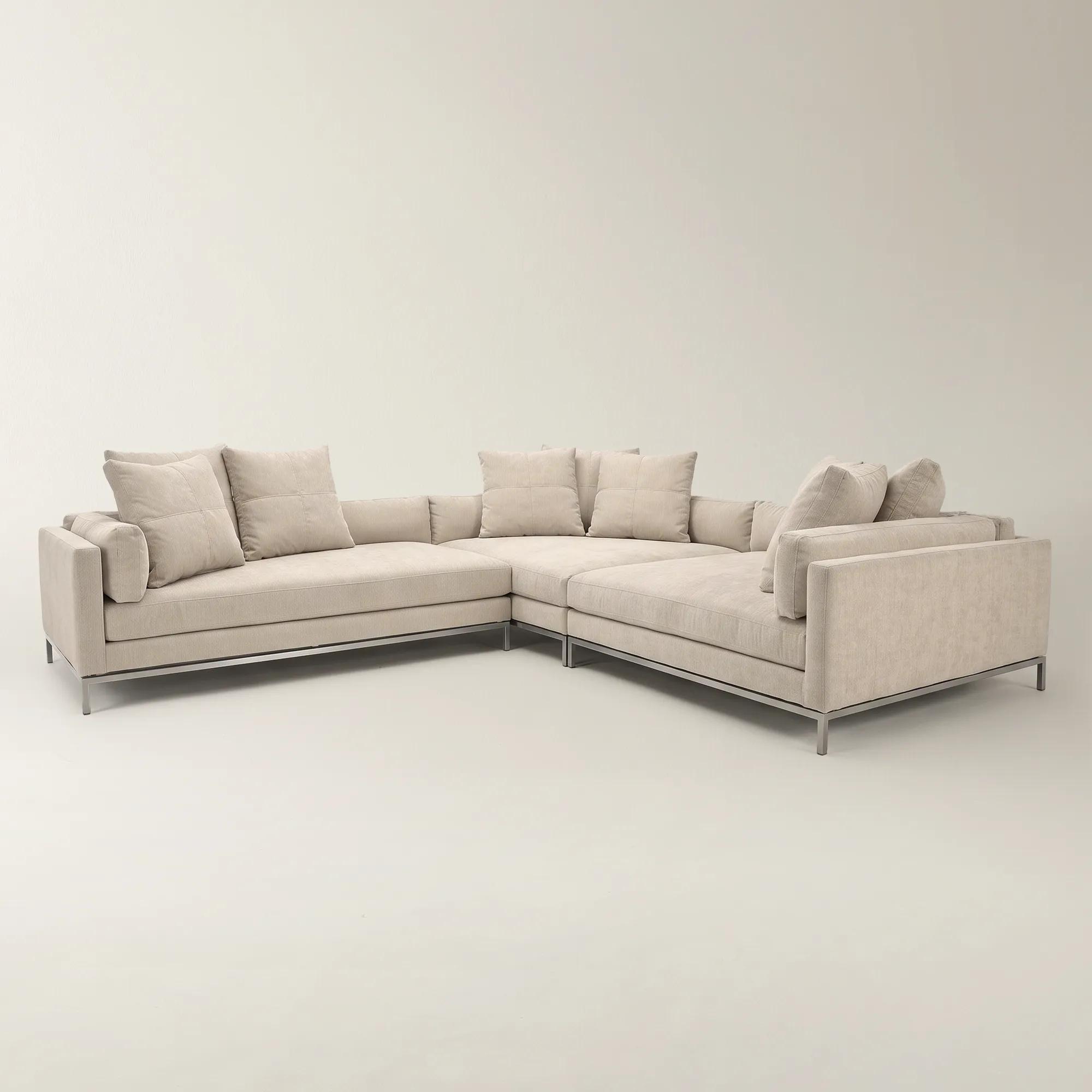
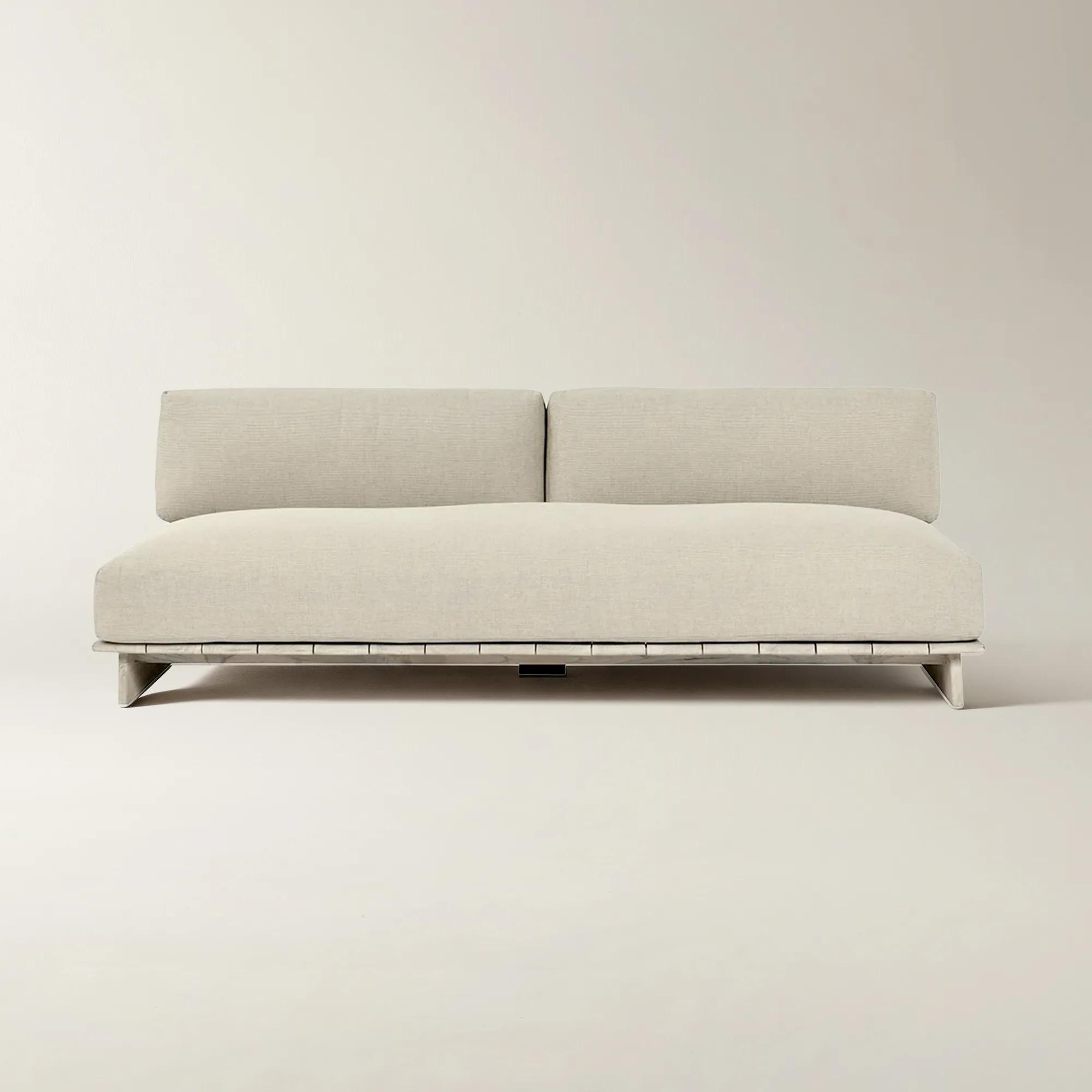
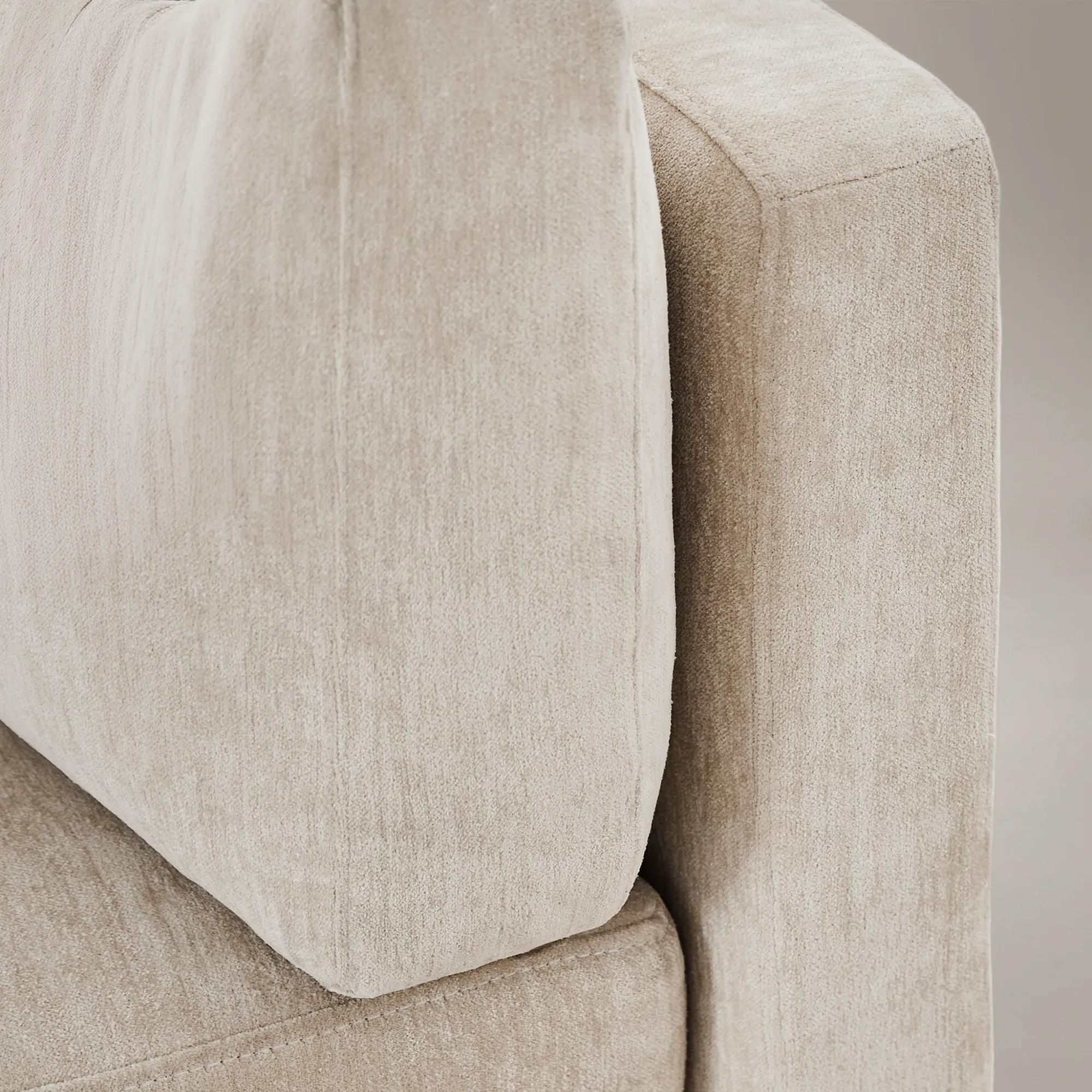 Ventura 3-Piece L-Shaped Snow Chenille Sectional Sofa With Left-Arm Chair$5999
A modern Snow chenille sectional with a stainless-steel base, plush feather pillows, and deep-seated comfort.
Add To Cart -
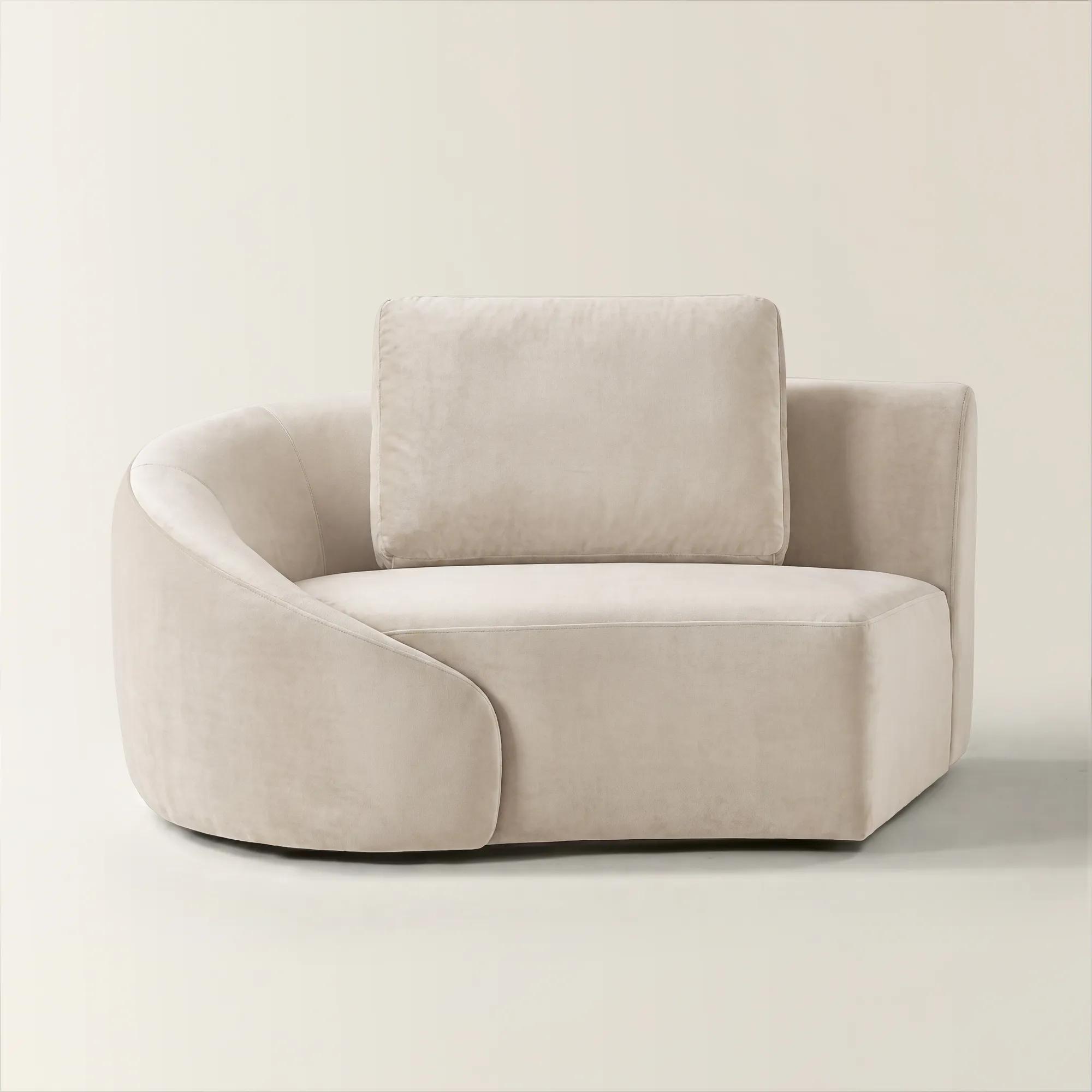 Irene Oatmeal Velvet Left-Arm Chair$1299
An oatmeal velvet left-arm chair featuring sculptural curves, high-resiliency foam, and artisan hand-finished upholstery.
Add To Cart -
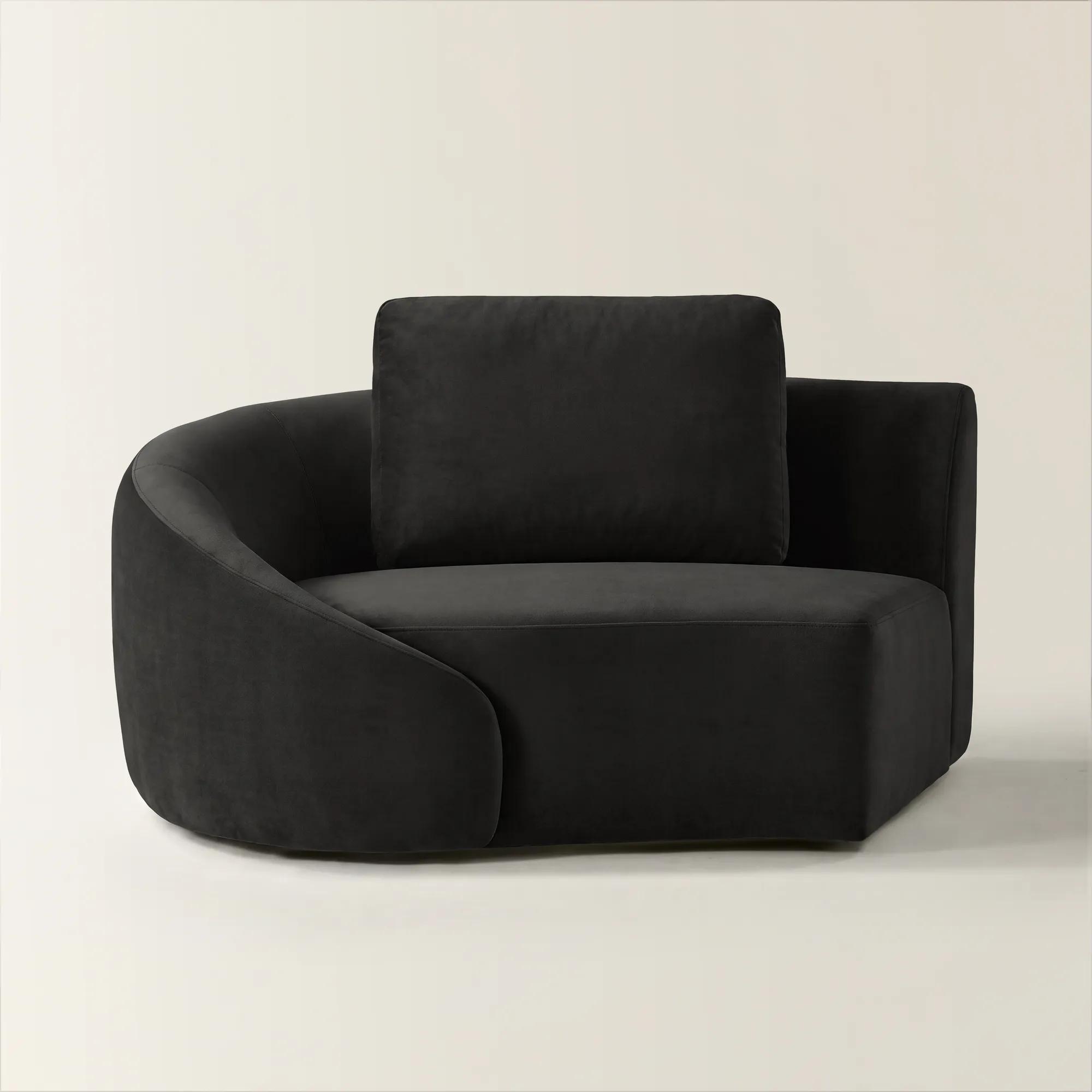 Irene Charcoal Velvet Left-Arm Chair$1299
A sculptural left-arm chair in charcoal velvet with high-resiliency foam cushions and artisan hand-finished details.
Add To Cart -
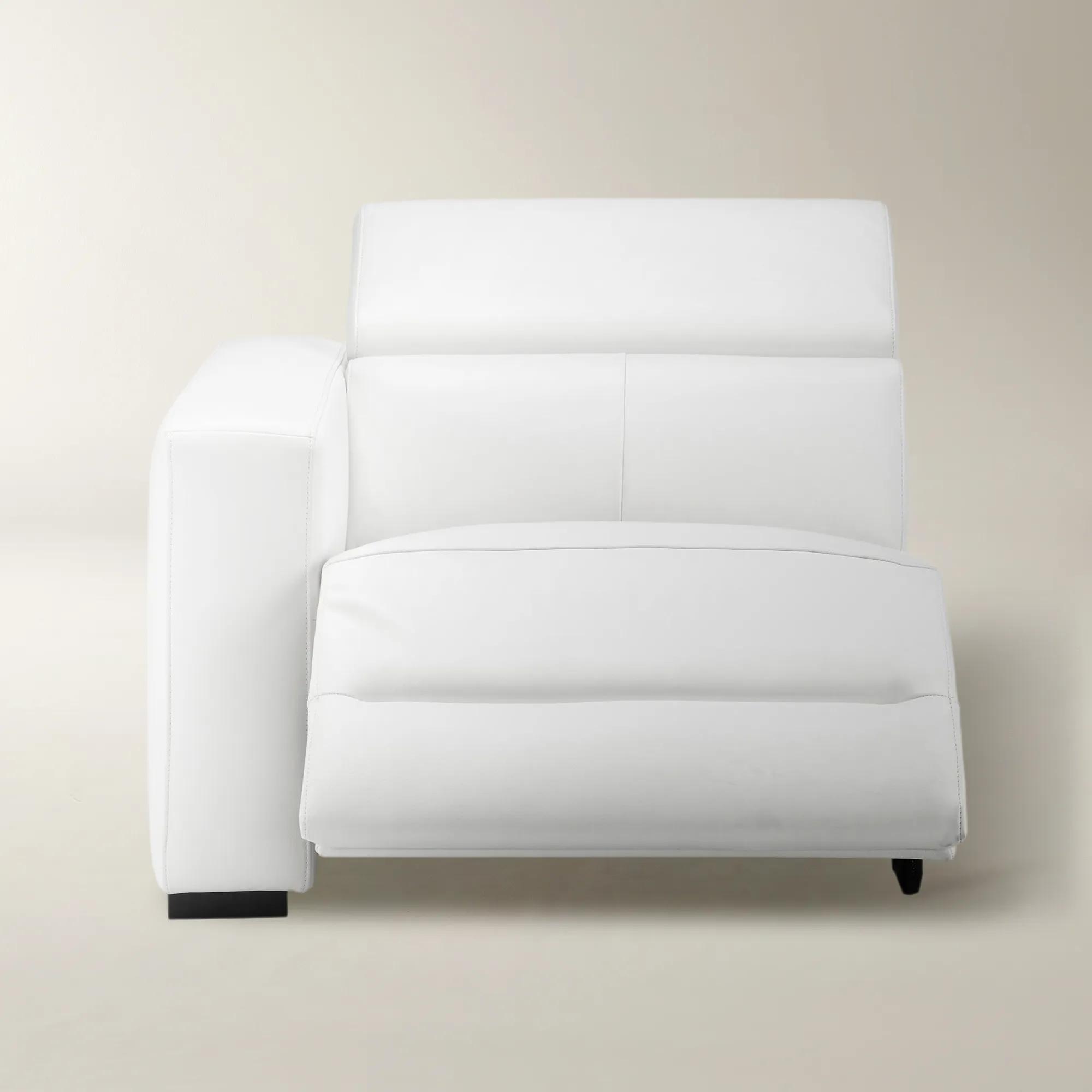 Verona Reclining White Leather Left Arm Chair With Power$1599
A modern white sectional upholstered in supple semi-aniline leather with adjustable headrests and power-reclining seats.
Add To Cart -
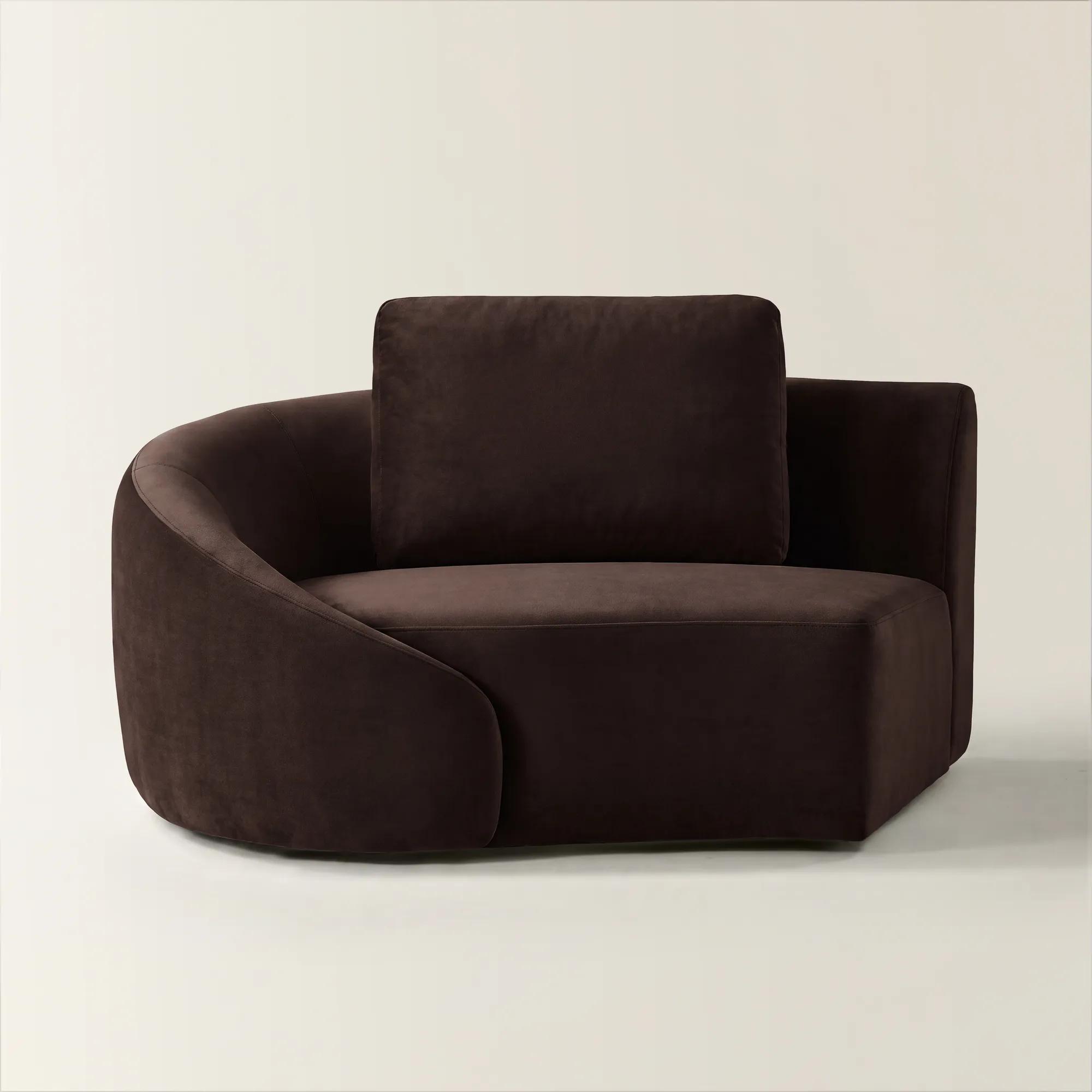 Irene Dark Chocolate Velvet Left-Arm Chair$1299
A sculptural left-arm chair in dark chocolate velvet with high-resiliency foam cushions and artisan detailing.
Add To Cart -
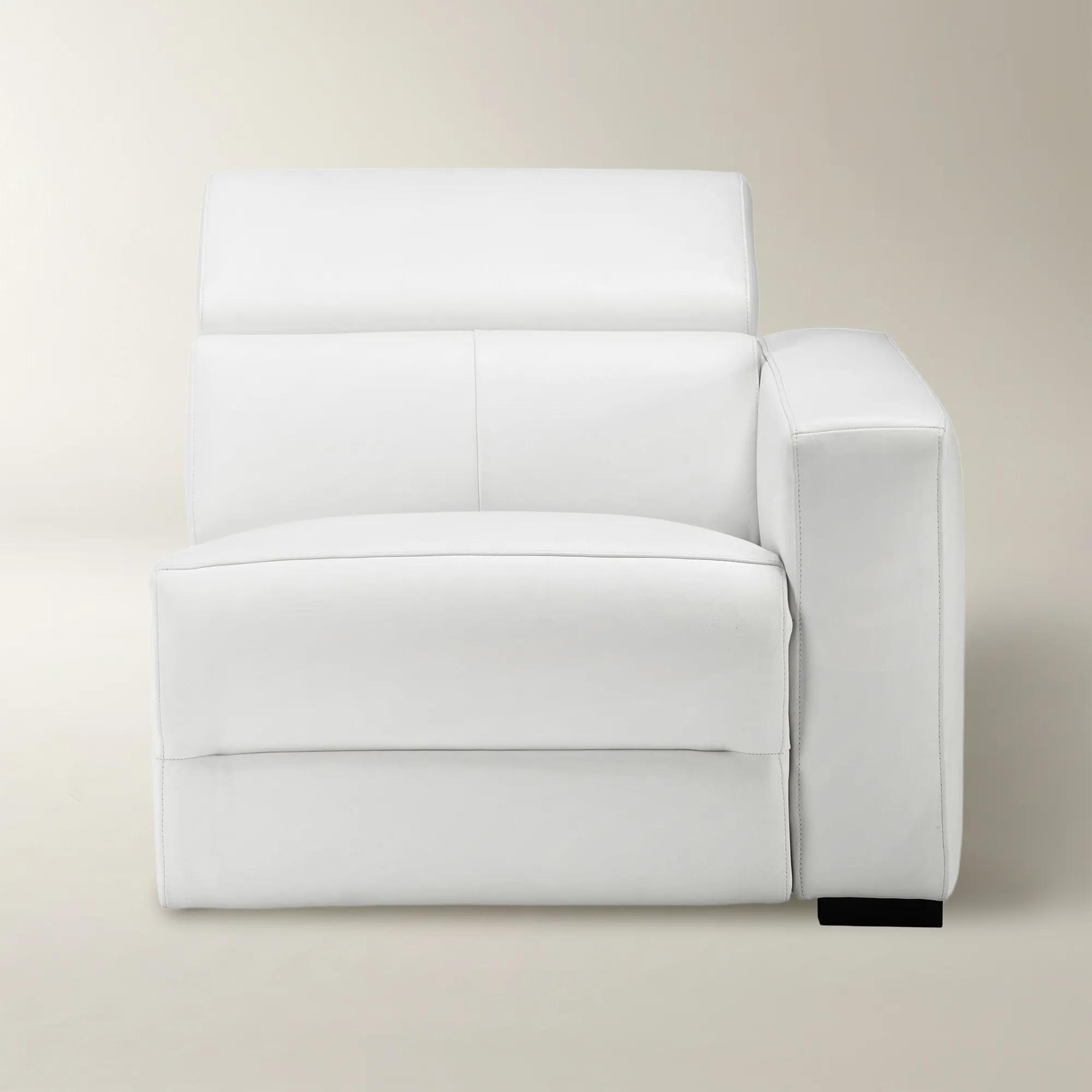 Verona White Leather Right Arm Chair$1399
A modern white sectional upholstered in supple semi-aniline leather with adjustable headrests and power-reclining options.
Add To Cart

Left Arm Facing Sectionals
Explore left arm facing sectionals to anchor your living room with a confident silhouette and a layout that suits your space. “Left arm facing” identifies a sectional component whose arm is on your left when you stand facing it. Compare overall dimensions and configurations, checking each layout against your room’s walkways and focal point to create a seating arrangement with presence and flow.
A left arm facing (LAF) sectional piece has its armrest on the left when viewed from directly in front of the furniture, not from the seated position. That distinction matters when choosing a sectional that feels composed within the room rather than simply fitting its dimensions. In a sectional configuration, “left arm facing” may describe a chaise, sofa section, or another end component; it does not automatically mean every sectional labeled LAF has a chaise extending on the left. The configuration diagram and component descriptions establish where the chaise or return sits. With that orientation understood, left arm facing sectionals offer a foundation for interiors with presence: a generous sweep of upholstery, an inviting arrangement of seats, and a silhouette that can define an entire living area. A left-side extension can settle elegantly beside a window or anchor an open corner, provided it leaves doorways and walking paths unobstructed. In an open-plan home, the sectional’s back may create a visual boundary between conversation and dining without requiring another wall. Against a wall, the same arrangement can give a seating area depth while keeping the center of the room open. Overall width and depth deserve attention alongside the dimensions of the chaise or return, since a piece that fits along one wall can still project farther into the room than expected. Arm width, back height, and seat depth also change how substantial the furniture feels. Broad arms and deep cushions suggest a lounge-like retreat; narrower arms and a more upright seat can lend definition to a smaller space. Measuring the intended footprint, including room for nearby tables and comfortable passage, helps preserve that balance. Delivery access matters just as much: door openings, hallway turns, stairways, and elevator interiors all influence whether individual sections can reach their destination. The most convincing arrangement leaves enough breathing room for the sectional’s shape to register, with clear sightlines to a fireplace, television, or another focal point.
Upholstery gives that architectural shape its personality. Velvet brings a rich play of light and shadow, revealing subtle shifts in tone across a long seat or curved arm. A textured woven fabric creates a different kind of depth, with visible yarns that soften crisp lines and add dimension to a tonal room. Leather, where offered, can lend a tailored finish and develop character with use, though its appearance and care needs depend on the leather type and finish. Color carries equal expressive weight. An ivory sectional can become a luminous canvas for sculptural accents, while charcoal, chocolate, or a saturated jewel tone establishes a more enveloping mood. Fabric choice should also reflect the way the room is lived in. A household with children, pets, or frequent guests may prioritize upholstery with documented abrasion resistance and clear cleaning instructions; a performance designation alone does not make every fabric stainproof or suitable for every cleaning method. Closely examining fabric specifications and samples helps reveal texture, color variation, and the feel against bare arms. Beneath the upholstery, frame construction, suspension, cushion fill, and the strength of component connections contribute to long-term support. A firmer seat may suit conversation and easier rising, while a deeper, softer cushion invites extended lounging. Foam, fiber, and feather-blend fills feel different and may require different levels of reshaping, so comfort is best judged by both initial feel and expected upkeep. Removable cushions, when included, can simplify routine maintenance, but removable covers should not be assumed to be machine washable. Care begins with the manufacturer’s upholstery instructions: regular vacuuming with an appropriate attachment, prompt blotting rather than rubbing spills, and approved cleaning methods help protect the finish. Direct sunlight can affect fabric and leather color over time, making placement near large windows worth considering. Cushions that permit rotation or fluffing benefit from that attention, especially when one chaise becomes the favored place to read. Durable seating combines suitable materials with a level of maintenance that fits everyday habits.
The appeal of a left arm facing sectional is as much about how people gather as how the room looks. A chaise creates a generous place to stretch out without moving a separate ottoman into the walkway, while a sofa return can provide additional upright seating for conversation. Those layouts serve different needs, even when their overall footprints appear similar. For a household that gathers for movies, seat depth and unobstructed viewing angles may take priority; for frequent hosts, supportive seats and a layout that lets guests face one another can matter more. Modular configurations offer another possibility, allowing compatible components to build a seating arrangement around the room’s proportions. Armless Sectional Sofa Pieces can extend a compatible arrangement between end sections, adding seating without introducing another arm into the silhouette. Compatibility is essential: dimensions, connector systems, upholstery, and cushion profiles need to align, and pieces from different collections should not be assumed to join. Some configurations are fixed rather than reversible, so a left-facing arrangement should be selected for the intended room instead of relying on a future change of direction. Once the footprint is established, surrounding furnishings give the sectional its finishing gestures. A coffee table with rounded edges can ease circulation beside a projecting chaise, while a slender side table places a drink or reading light within reach of an end seat. A generously scaled rug can visually gather the sections and nearby chairs into one composition; checking its relationship to the furniture footprint avoids a disconnected appearance. Pillows in contrasting textures introduce depth without concealing the upholstery, and a carefully placed throw adds softness to a clean-lined arm. The result should feel expressive but livable, with space to settle in, host comfortably, and move naturally through the room. Chosen with attention to orientation, proportion, and material, a left arm facing sectional becomes more than an expansive seat: it establishes the room’s rhythm and gives its most memorable details a confident setting.
FAQs
Left arm facing describes a sectional component with its arm on your left when you stand in front of it and face the seat. When seated in that component, the arm is on your right. This perspective is essential when choosing an arrangement that brings your living room vision to life.
Not necessarily. Left arm facing identifies the arm position of a sectional component, rather than guaranteeing the location of a chaise. A sectional can combine several components, so review its configuration diagram and description to understand where the chaise, corner, and arms sit.
Begin with the room’s focal point, whether it is a fireplace, a striking artwork, or a captivating view. Position the sectional to embrace that feature while keeping natural pathways open. Let a sculptural coffee table anchor the seating arrangement, then introduce an accent chair to create a polished setting for conversation.
The sectional’s silhouette, upholstery, and detailing shape its style more than its orientation. Tailored lines lend themselves to modern interiors, while curved profiles and expressive details can create a more glamorous mood. Build on that character with luminous accents, richly layered textures, and art that gives the room a distinct point of view.
Create a deliberate palette, then layer pillows with contrasting textures and patterns for depth. Concentrate the arrangement at the corners and ends, leaving stretches of upholstery visible so the sectional’s silhouette remains part of the composition. Drape a throw over one end for a sumptuous finishing note without making both sides perfectly symmetrical.