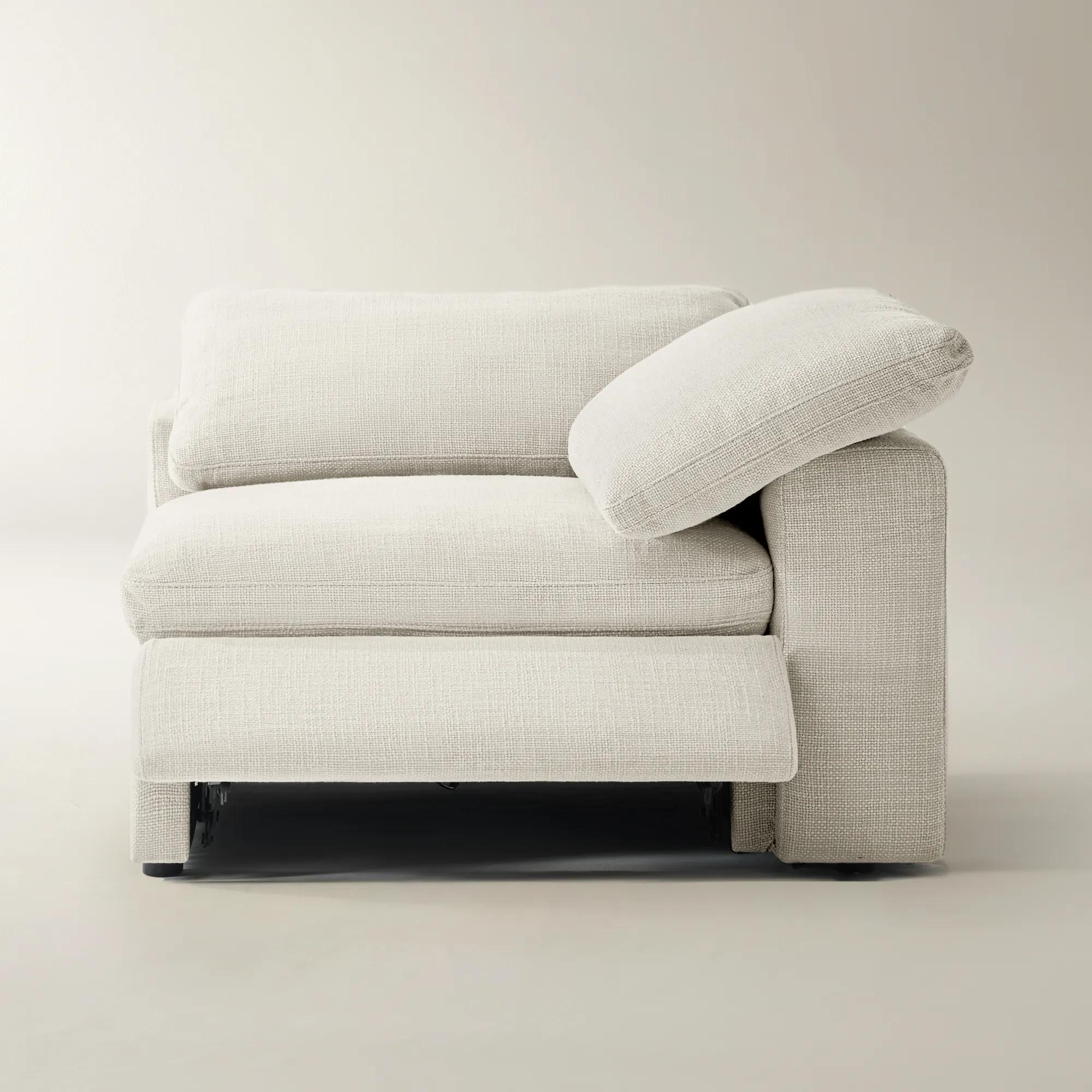
Right Arm Facing Sectionals
Right Arm Facing Sectionals
-
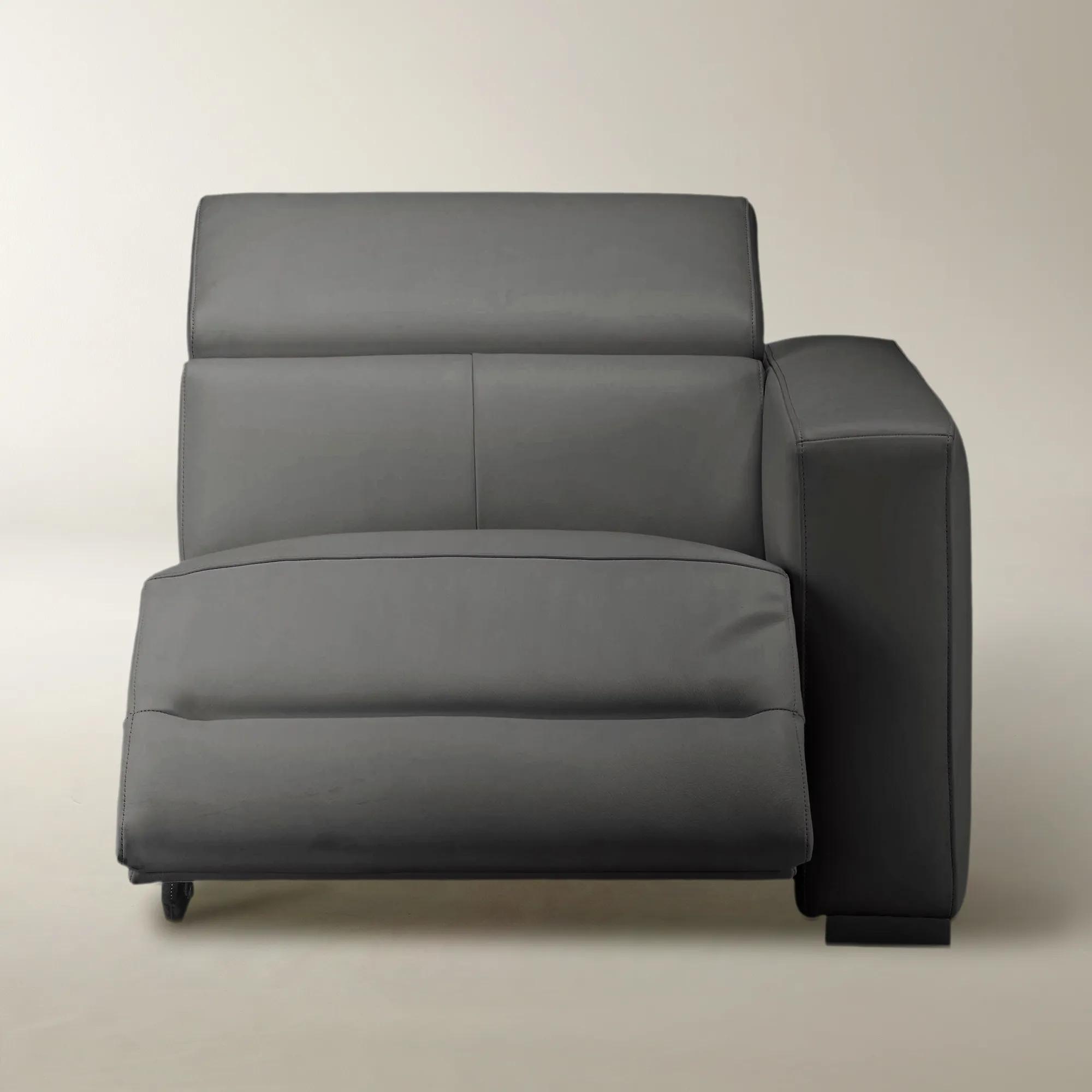
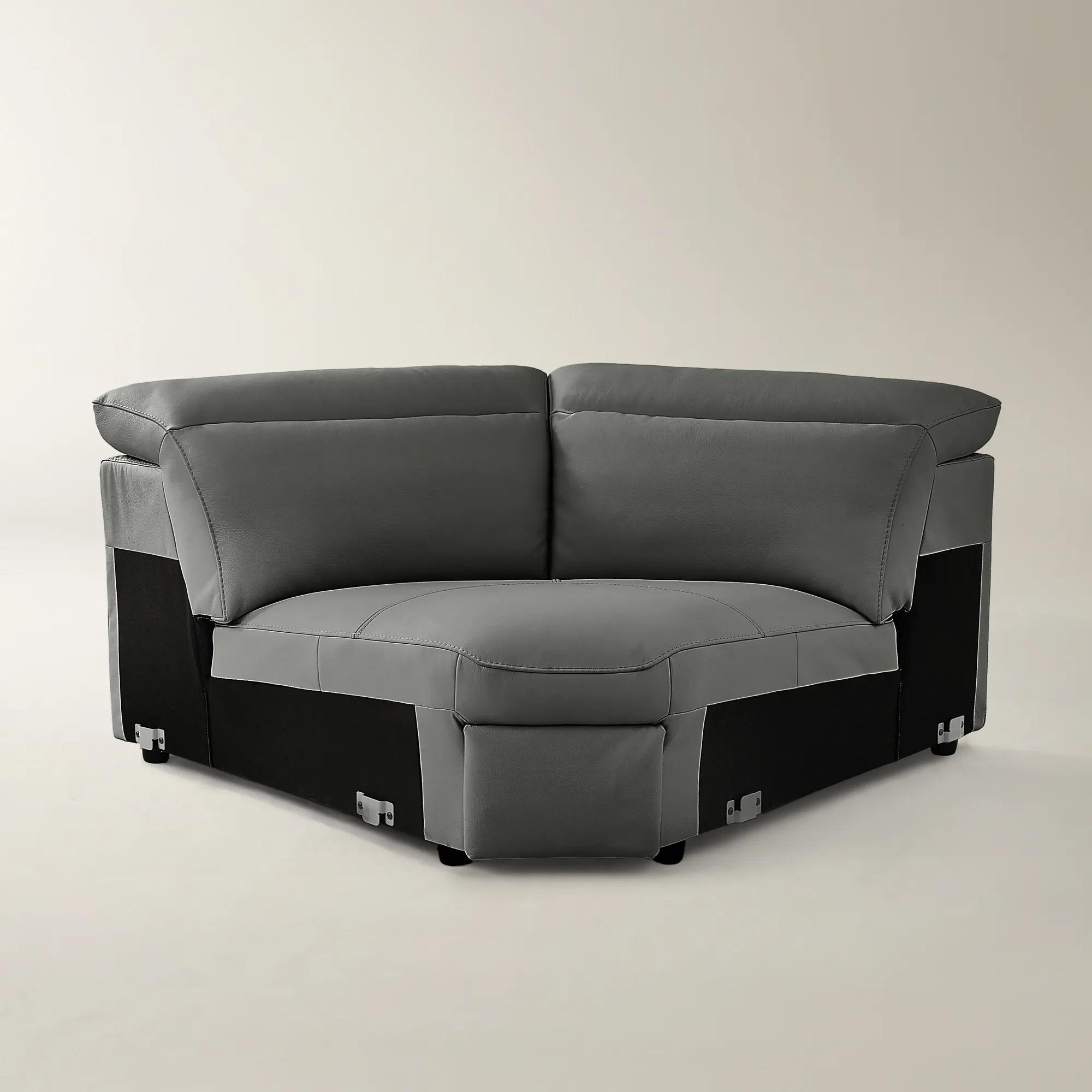
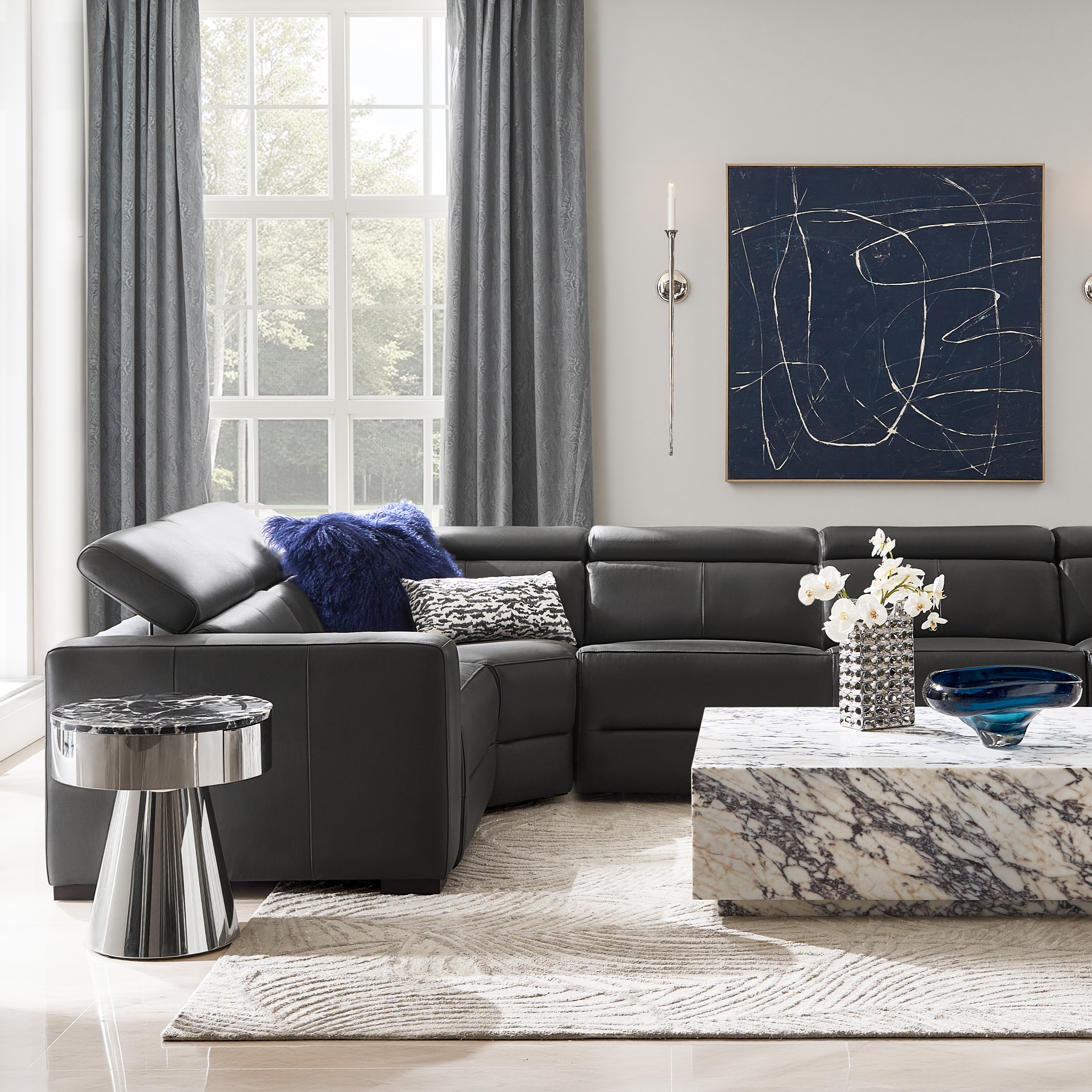 Verona Reclining Charcoal Leather Right Arm Chair With Power$1599
A charcoal semi-aniline leather sectional with adjustable headrests and optional power-reclining seats for comfort.
Add To Cart -
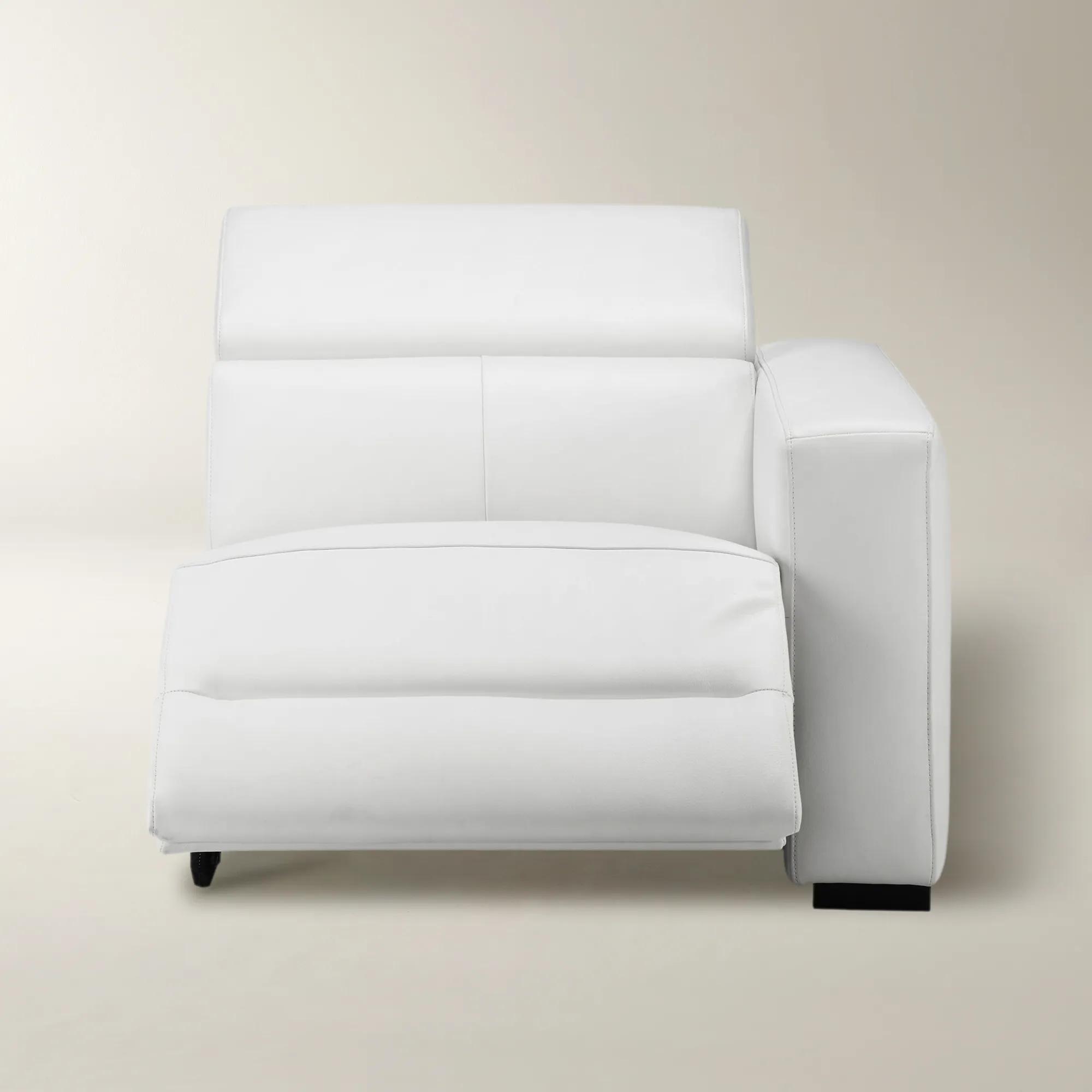
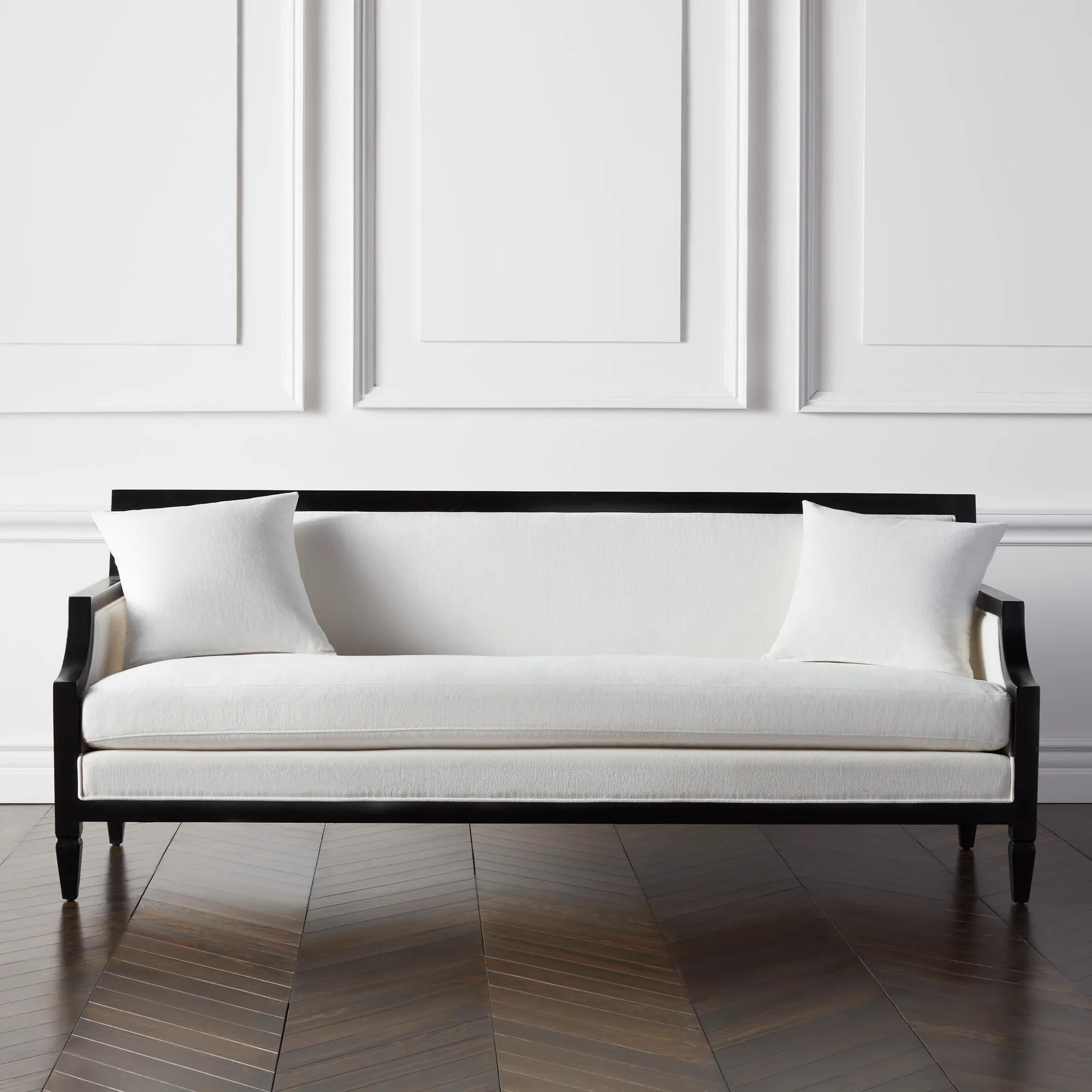
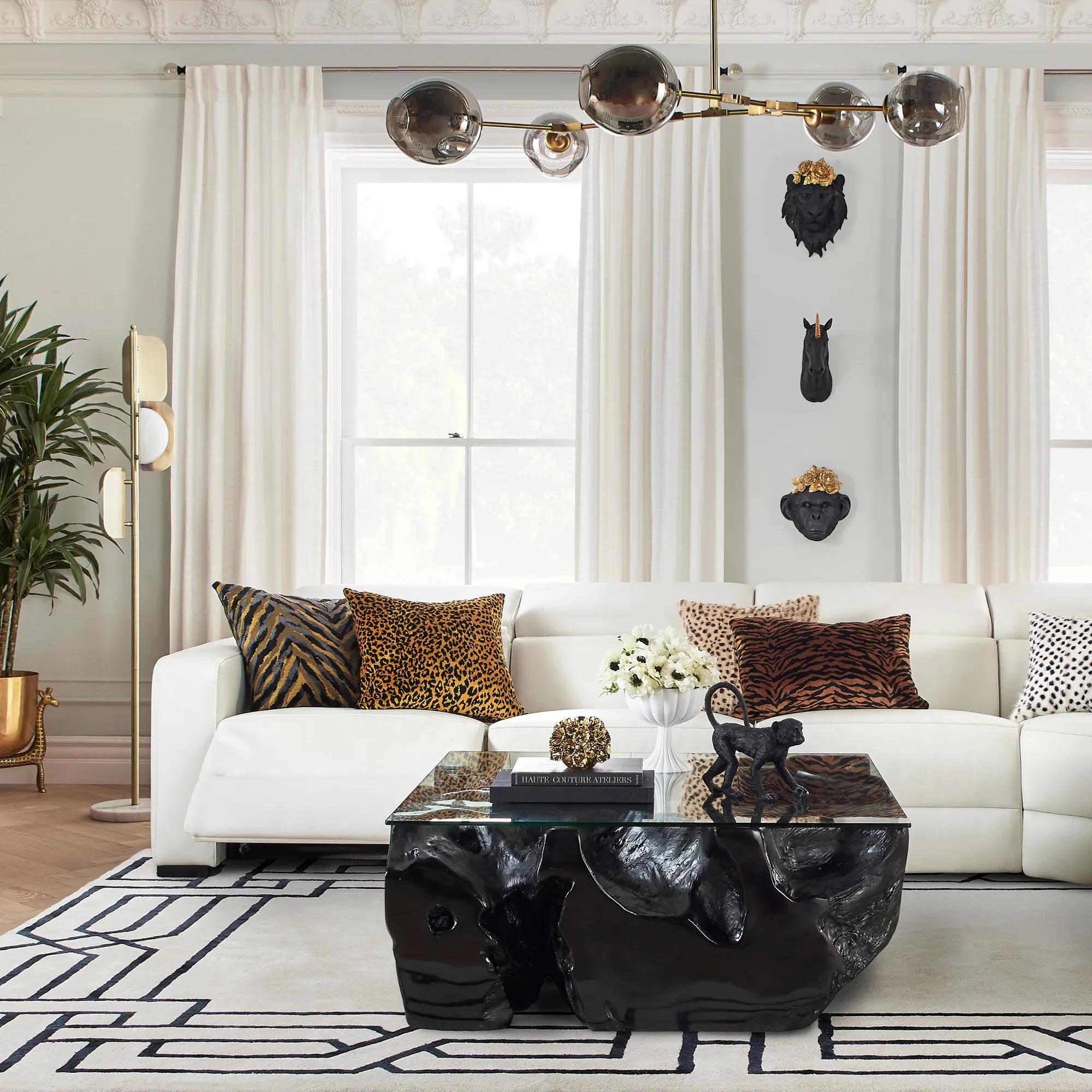 Verona Reclining White Leather Right Arm Chair With Power$1599
A modern white sectional upholstered in supple semi-aniline leather with adjustable headrests and power-reclining options.
Add To Cart -
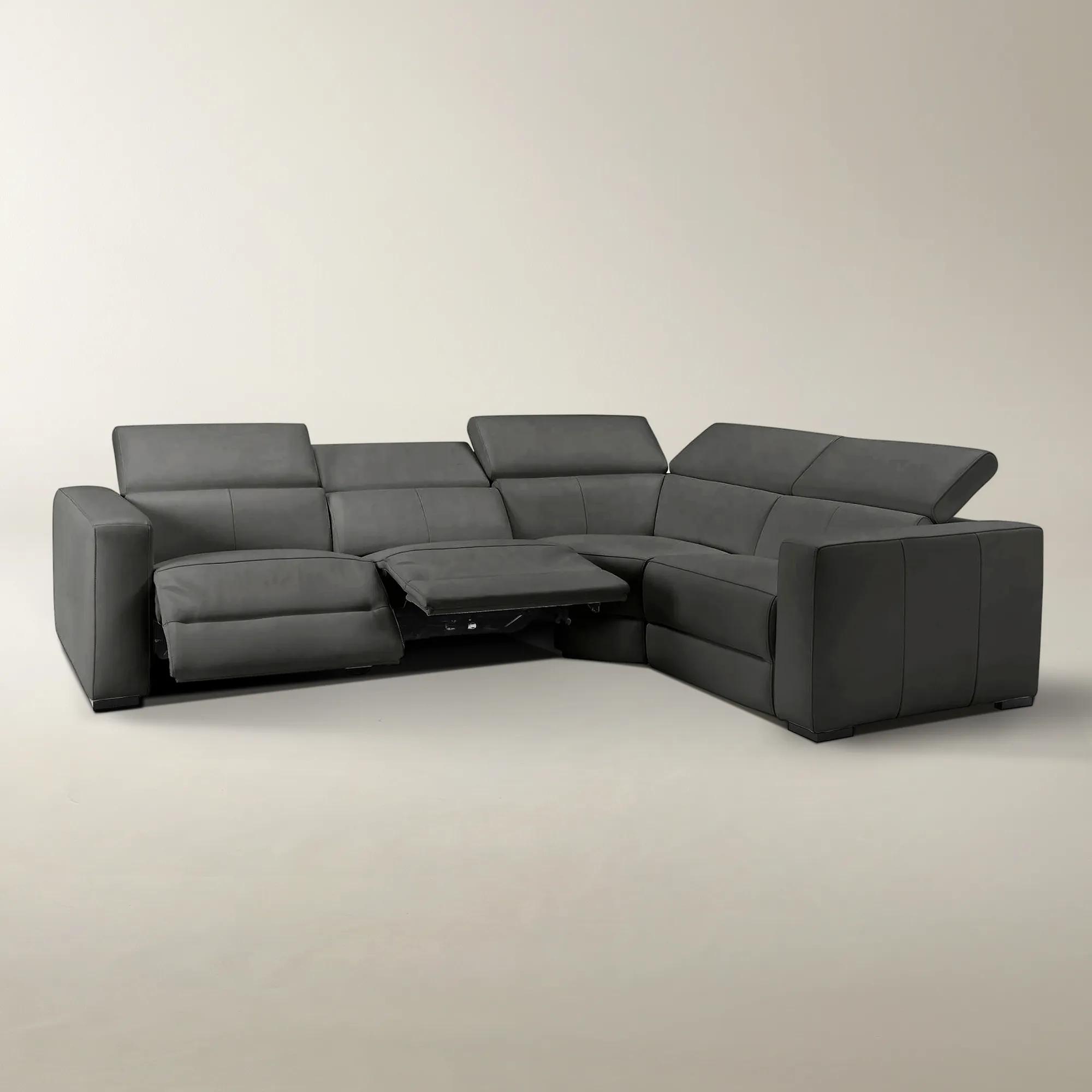
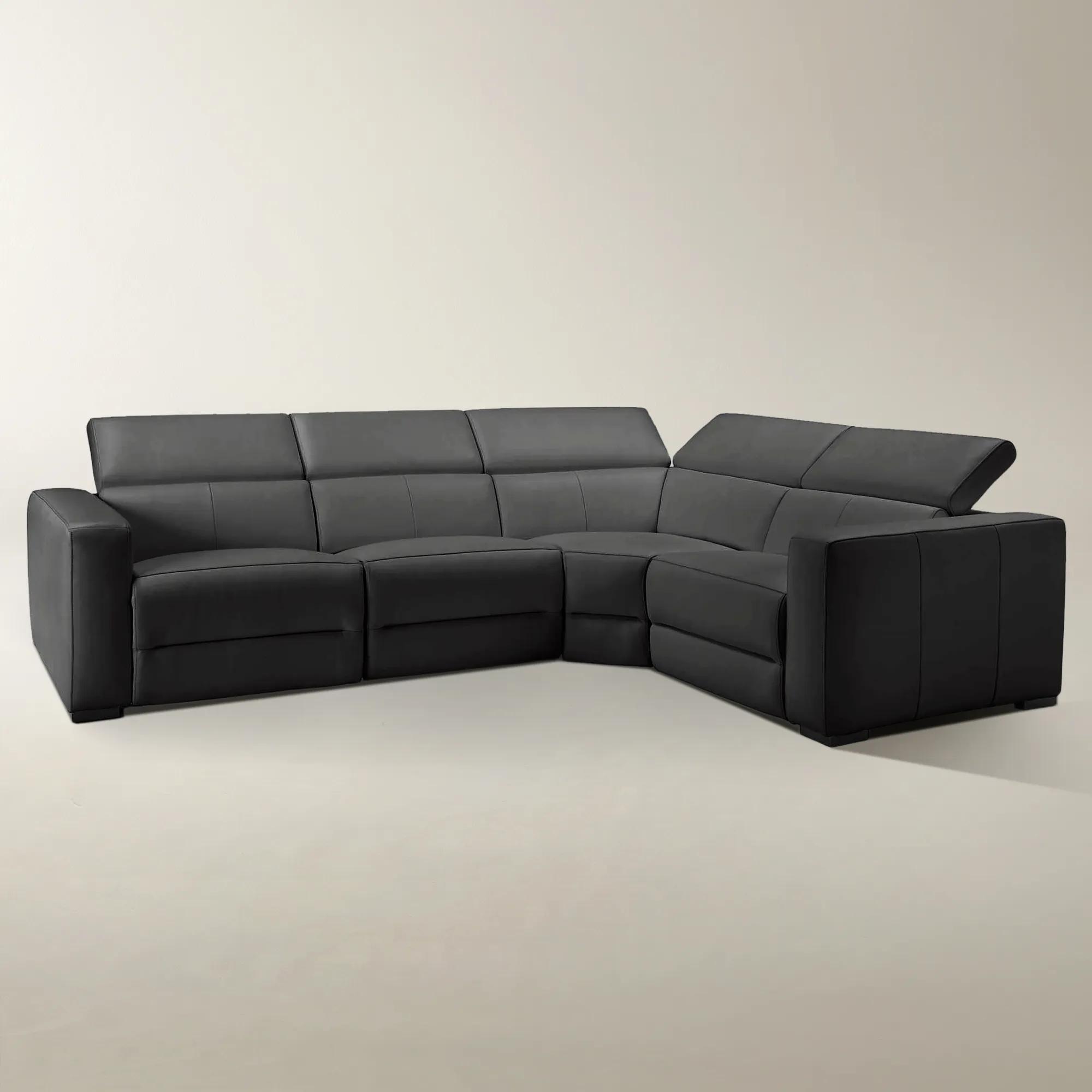 Verona 4-Piece L-Shaped Reclining Charcoal Leather Sectional Sofa With Right-Arm$5899
A charcoal semi-aniline leather sectional featuring adjustable headrests, power-reclining seats, and kiln-dried hardwood frame.
Add To Cart -
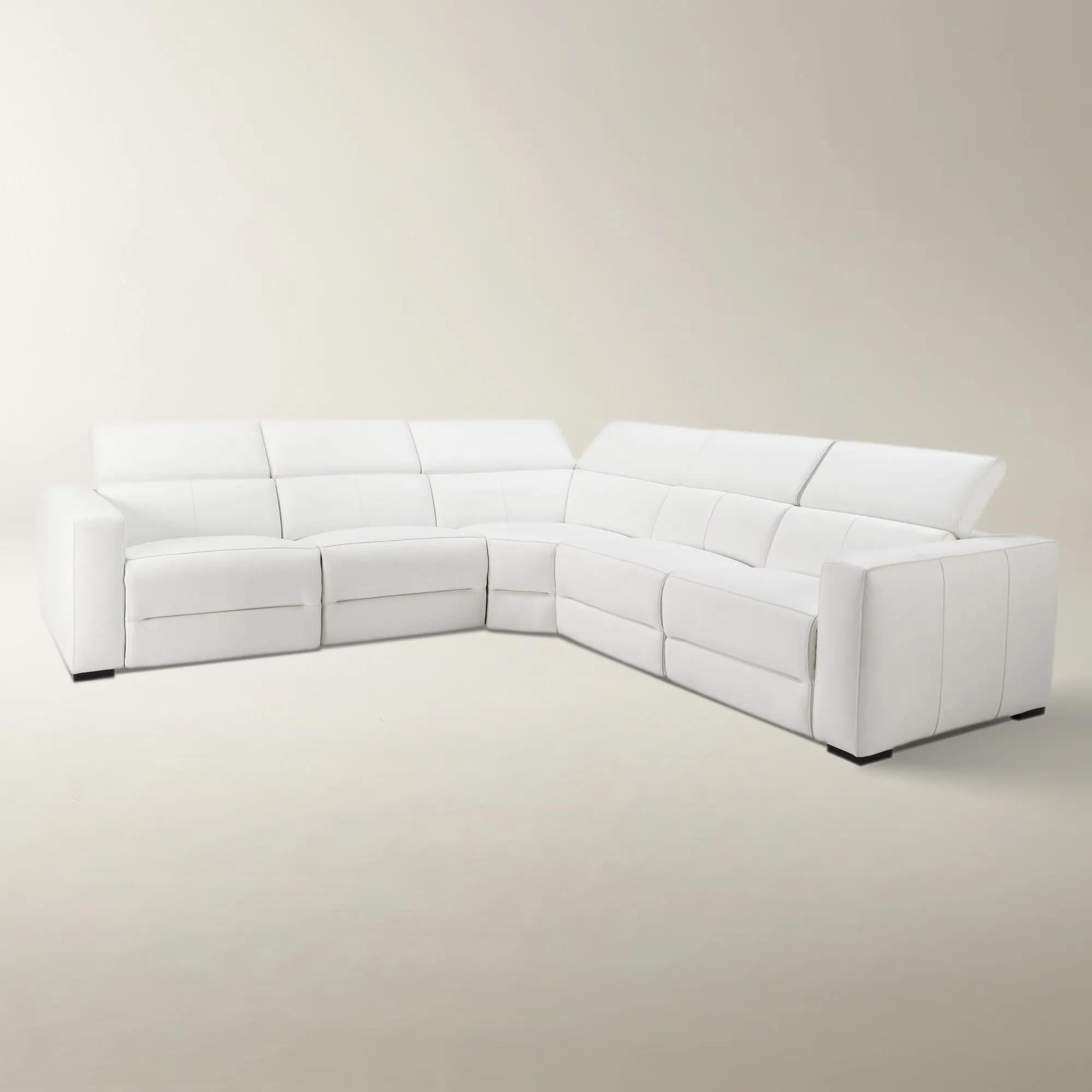
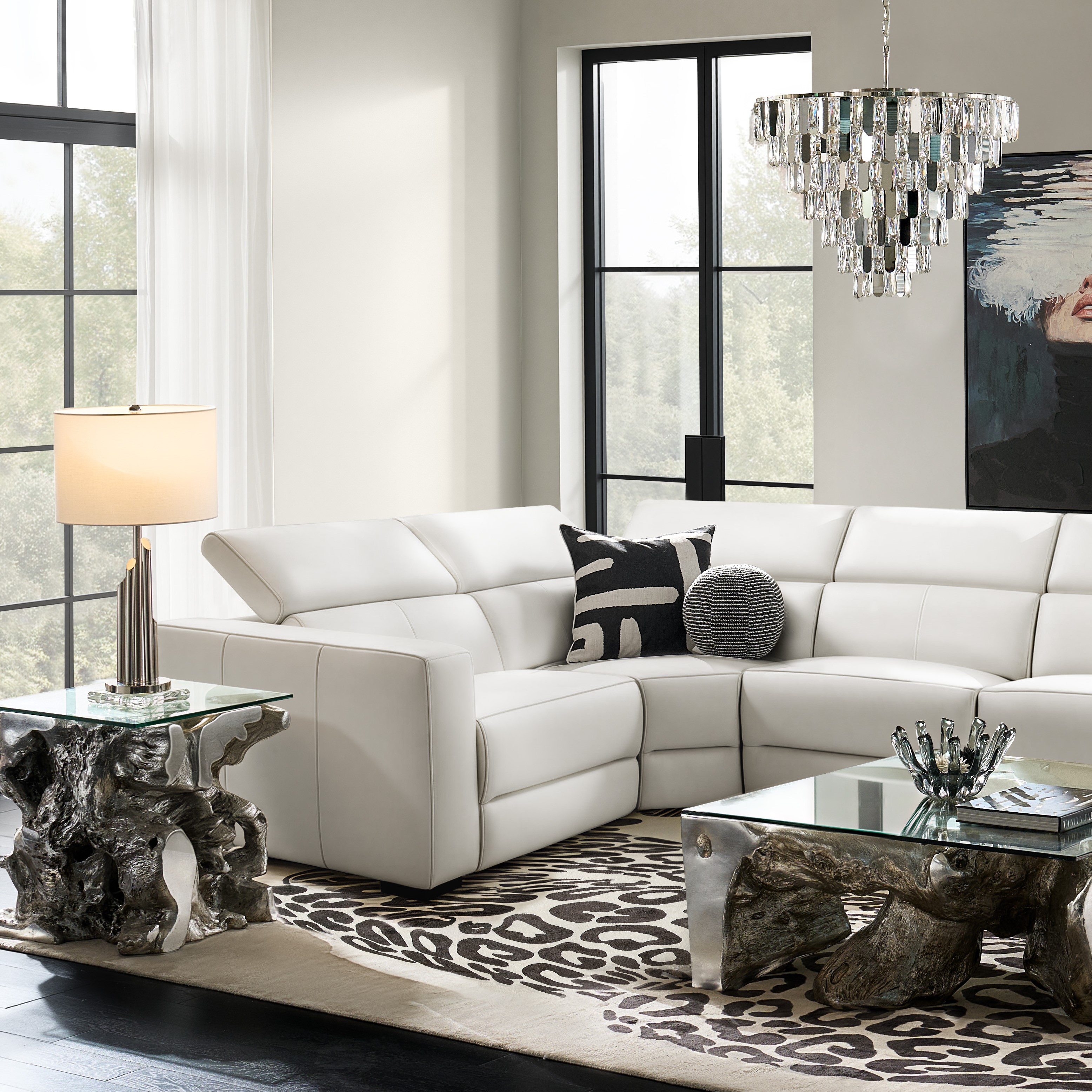 Verona 5-Piece Reclining White Leather Sectional Sofa$7199
A modern sectional upholstered in supple white semi-aniline leather with adjustable headrests and power-reclining seats.
Add To Cart -
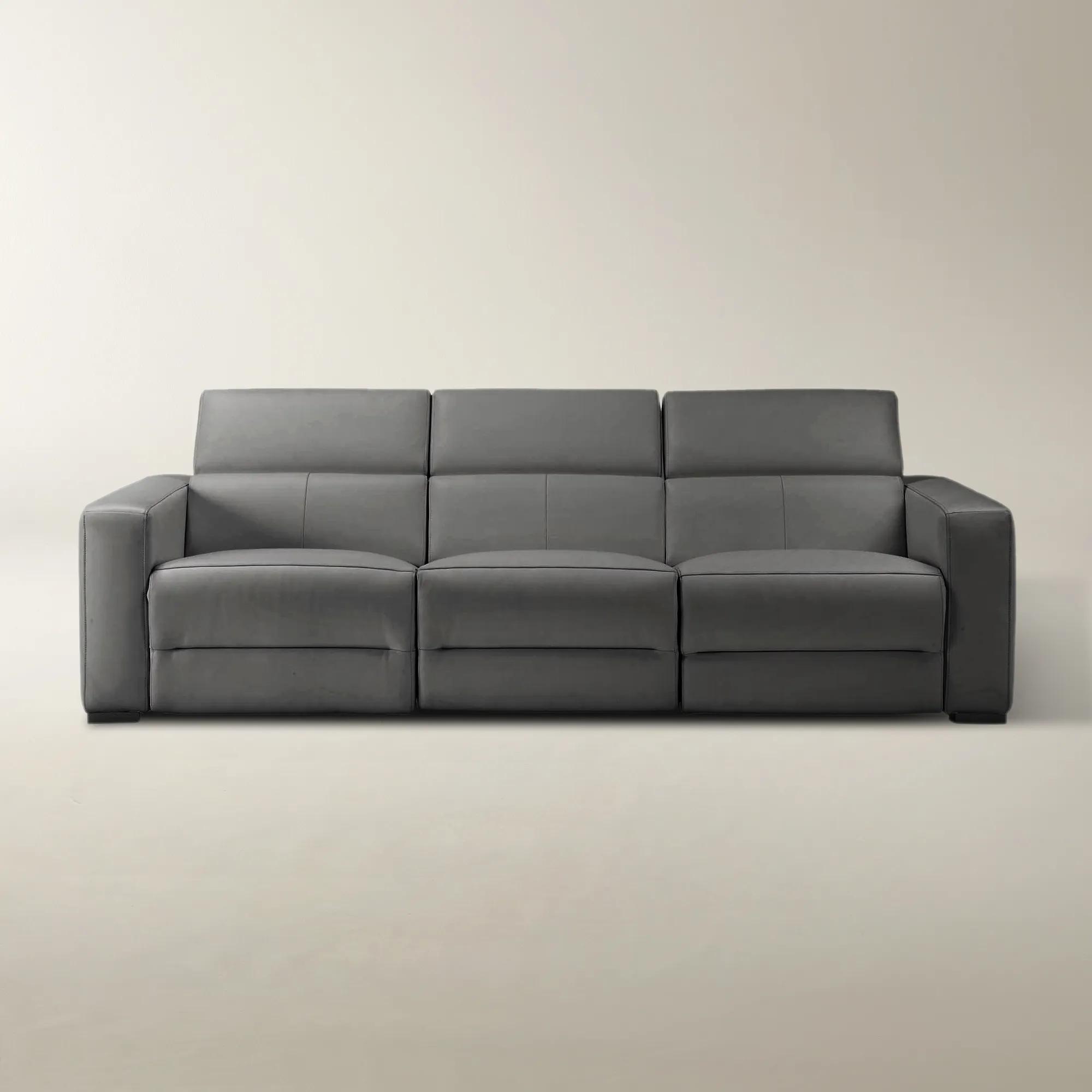 Verona 3-Piece Charcoal Leather Sectional Sofa$4399
A charcoal semi-aniline leather sectional featuring adjustable headrests, kiln-dried hardwood frame, and optional power recline.
Add To Cart -
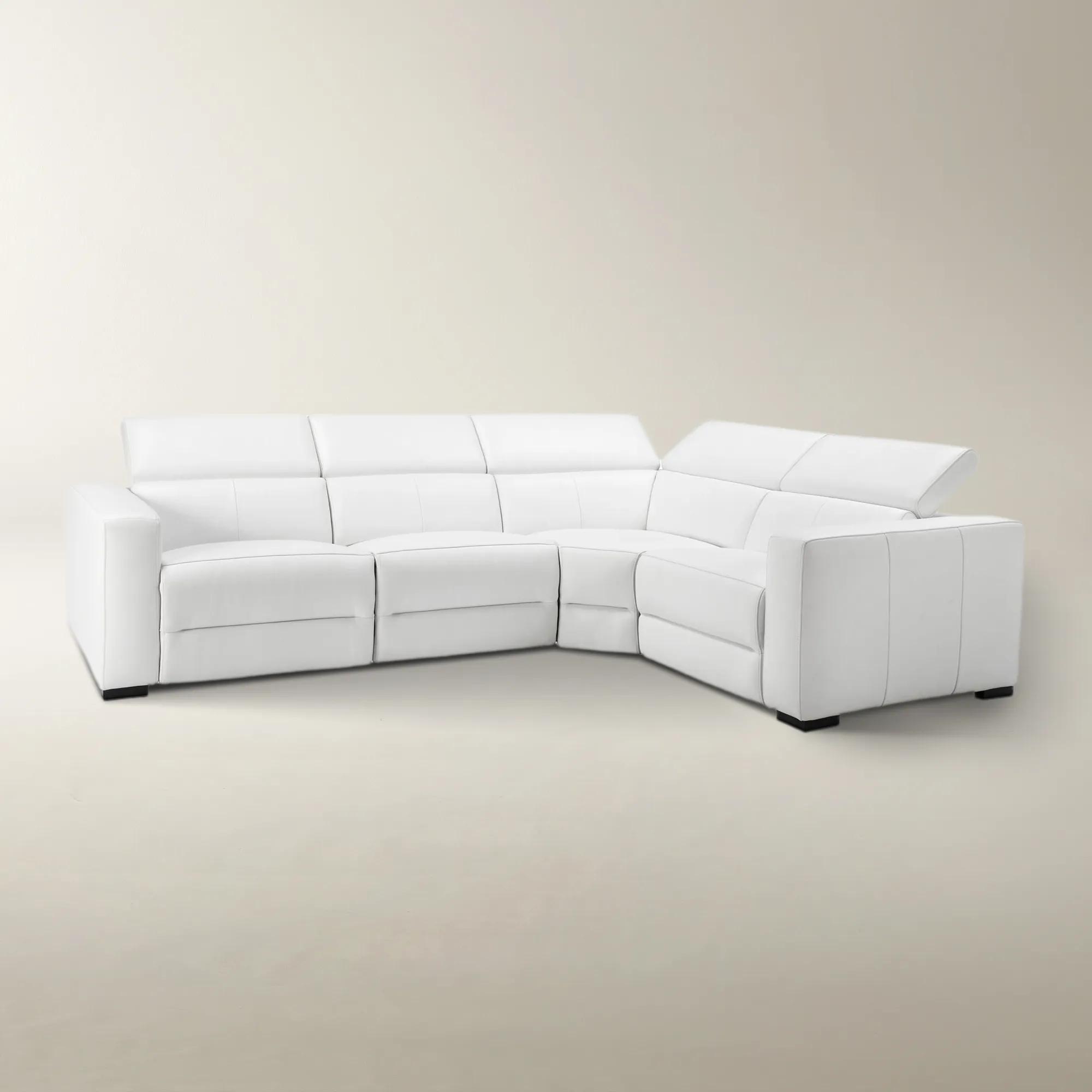 Verona 4-Piece L-Shaped Reclining White Leather Sectional Sofa With Right-Arm$5899
A modern sectional upholstered in supple white semi-aniline leather with adjustable headrests and power-reclining seats.
Add To Cart -
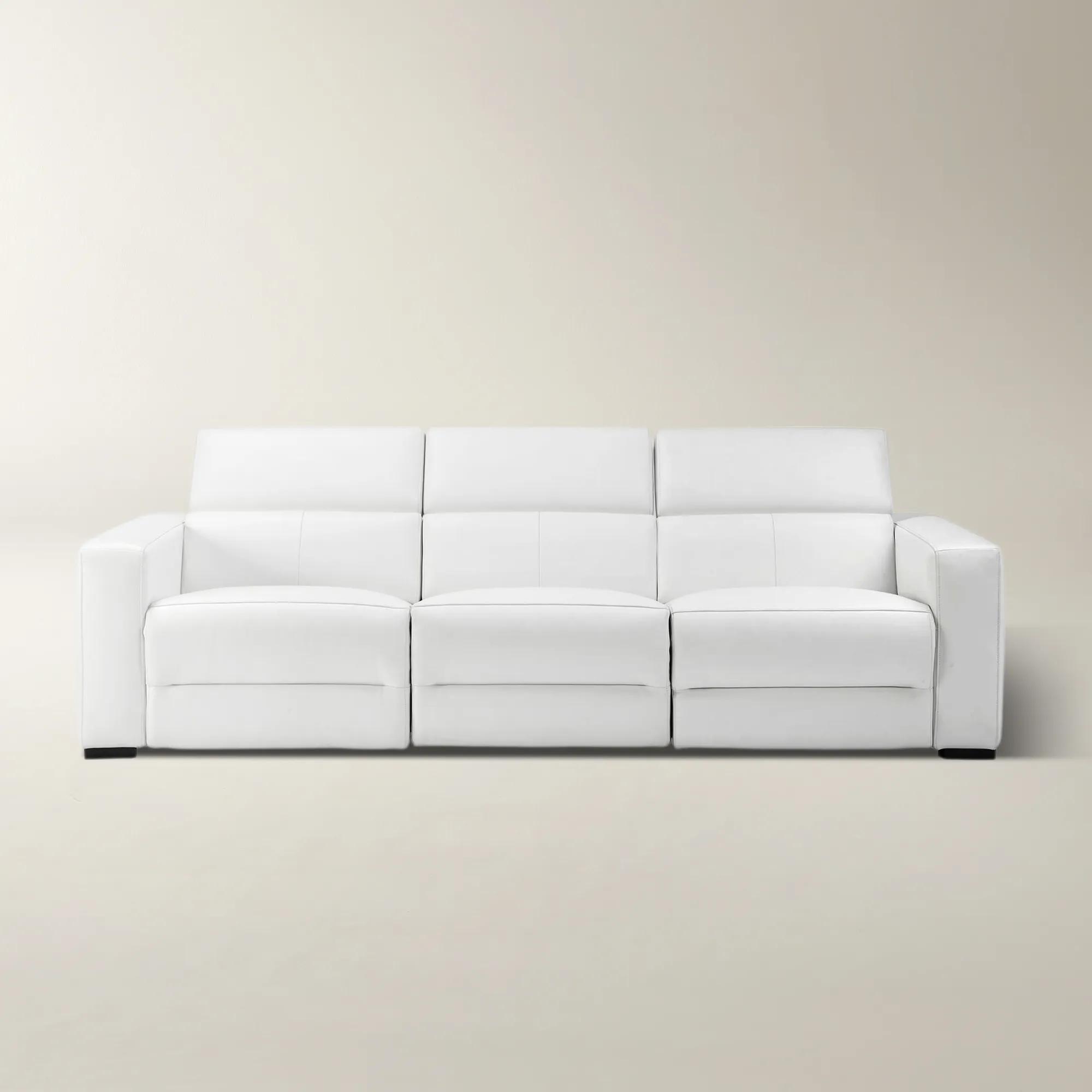 Verona 3-Piece White Leather Sectional Sofa$4399
A modern white sectional upholstered in supple semi-aniline leather with adjustable headrests and power-reclining seats.
Add To Cart -
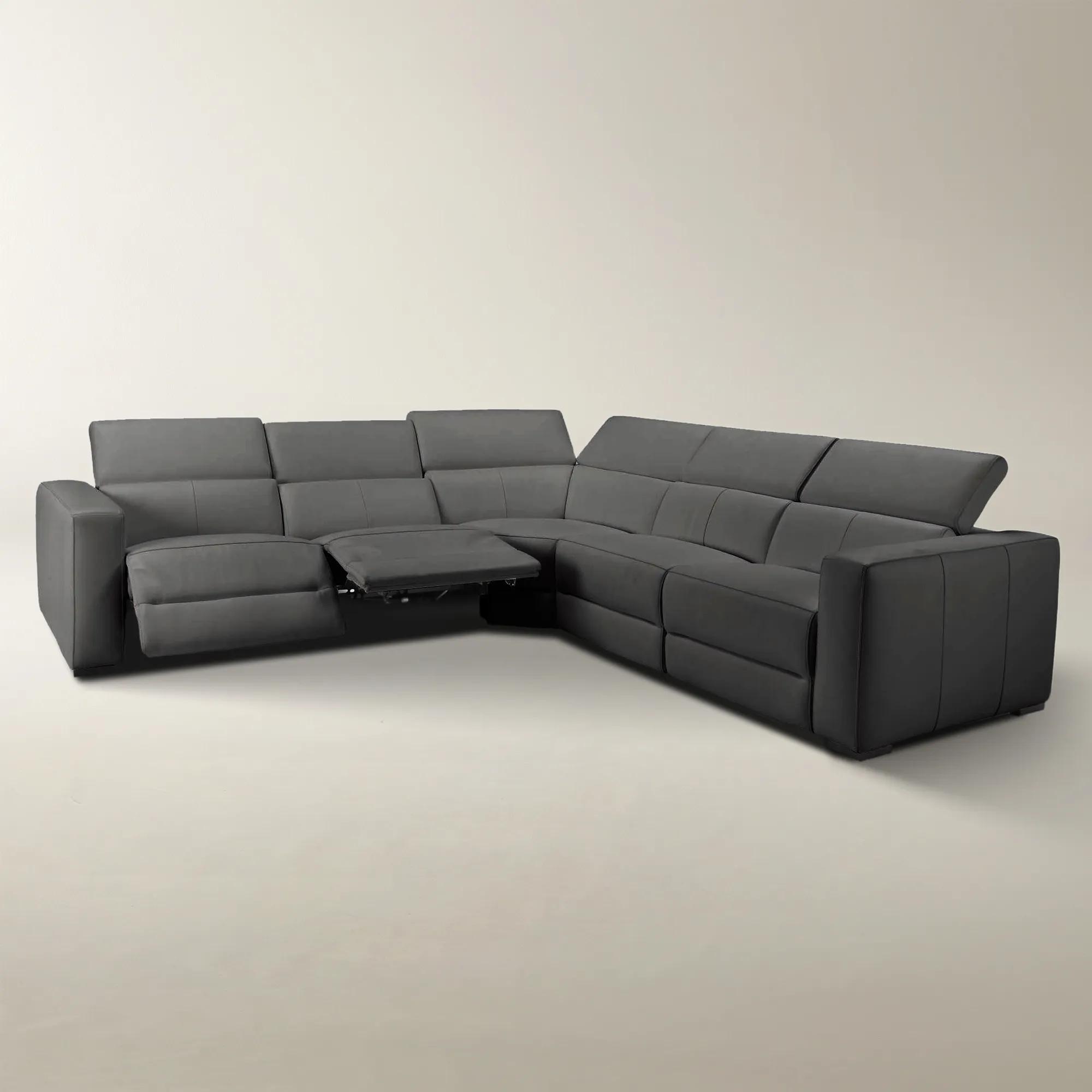 Verona 5-Piece Reclining Charcoal Leather Sectional Sofa$7199
A charcoal semi-aniline leather sectional featuring adjustable headrests, kiln-dried hardwood frame, and optional power recline.
Add To Cart -
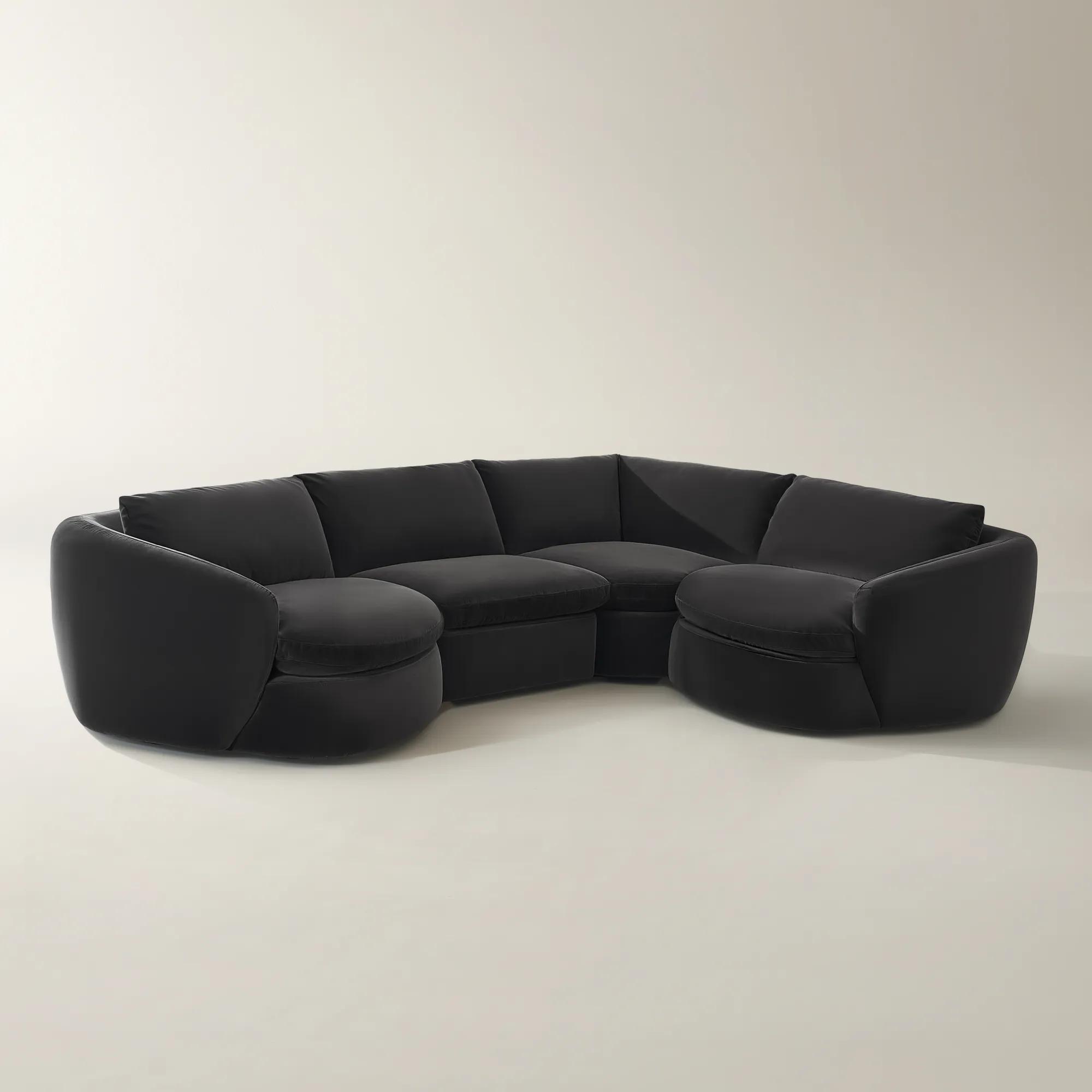
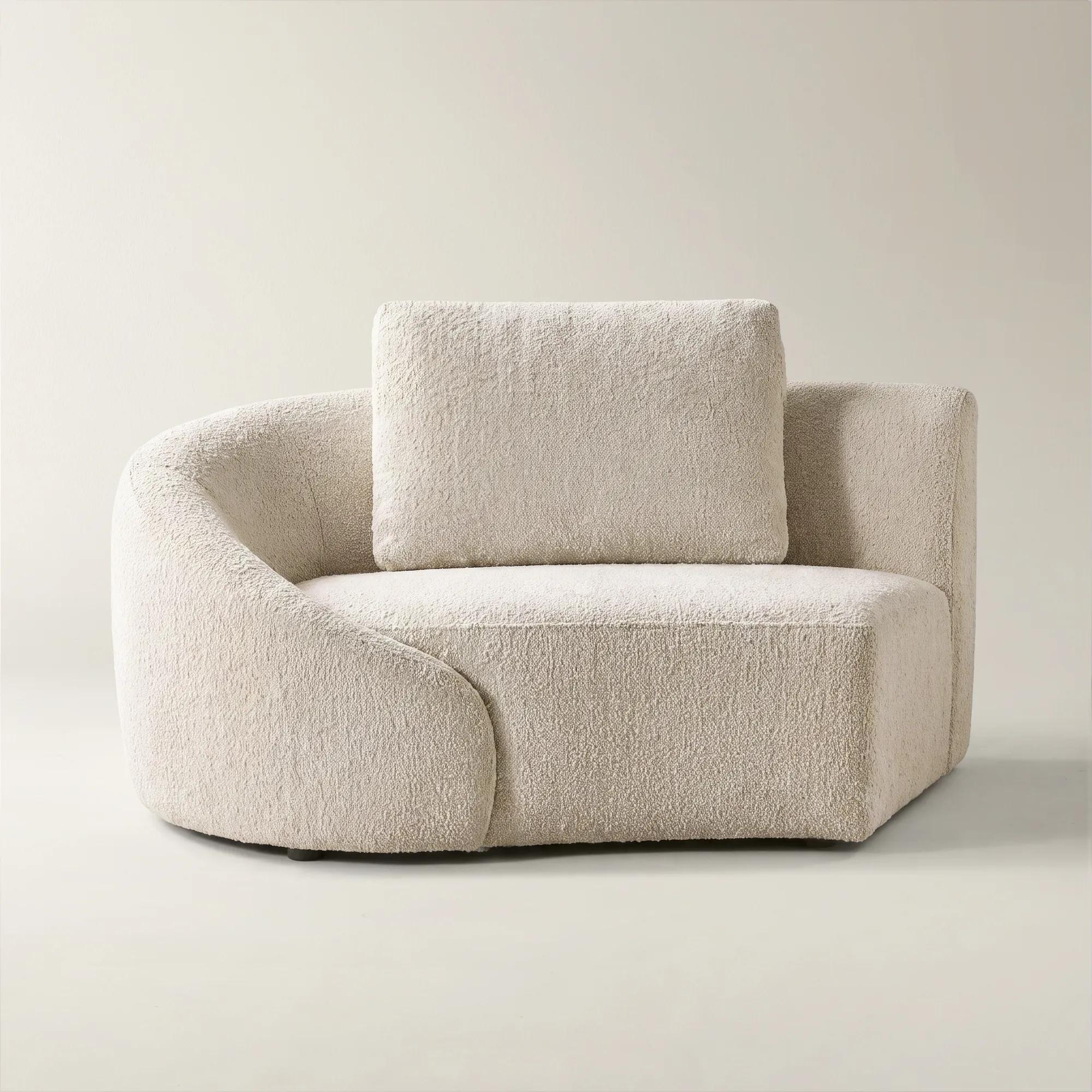
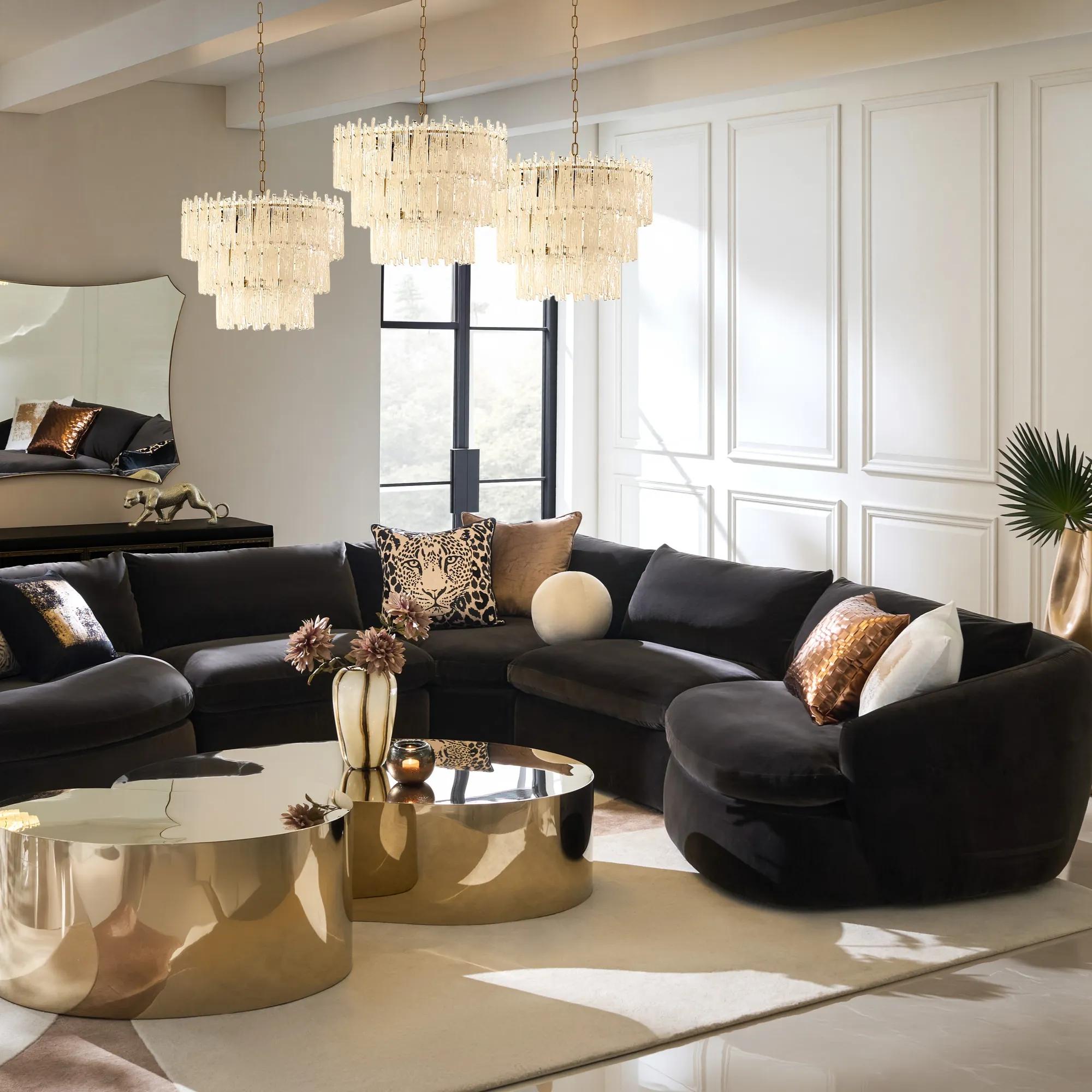 Sabrina 4-Piece Charcoal Velvet Sectional With Right-Arm Chair$4999
A modular charcoal velvet sectional with plush feather-blend cushions and a softly curved, modern silhouette.
Add To Cart -
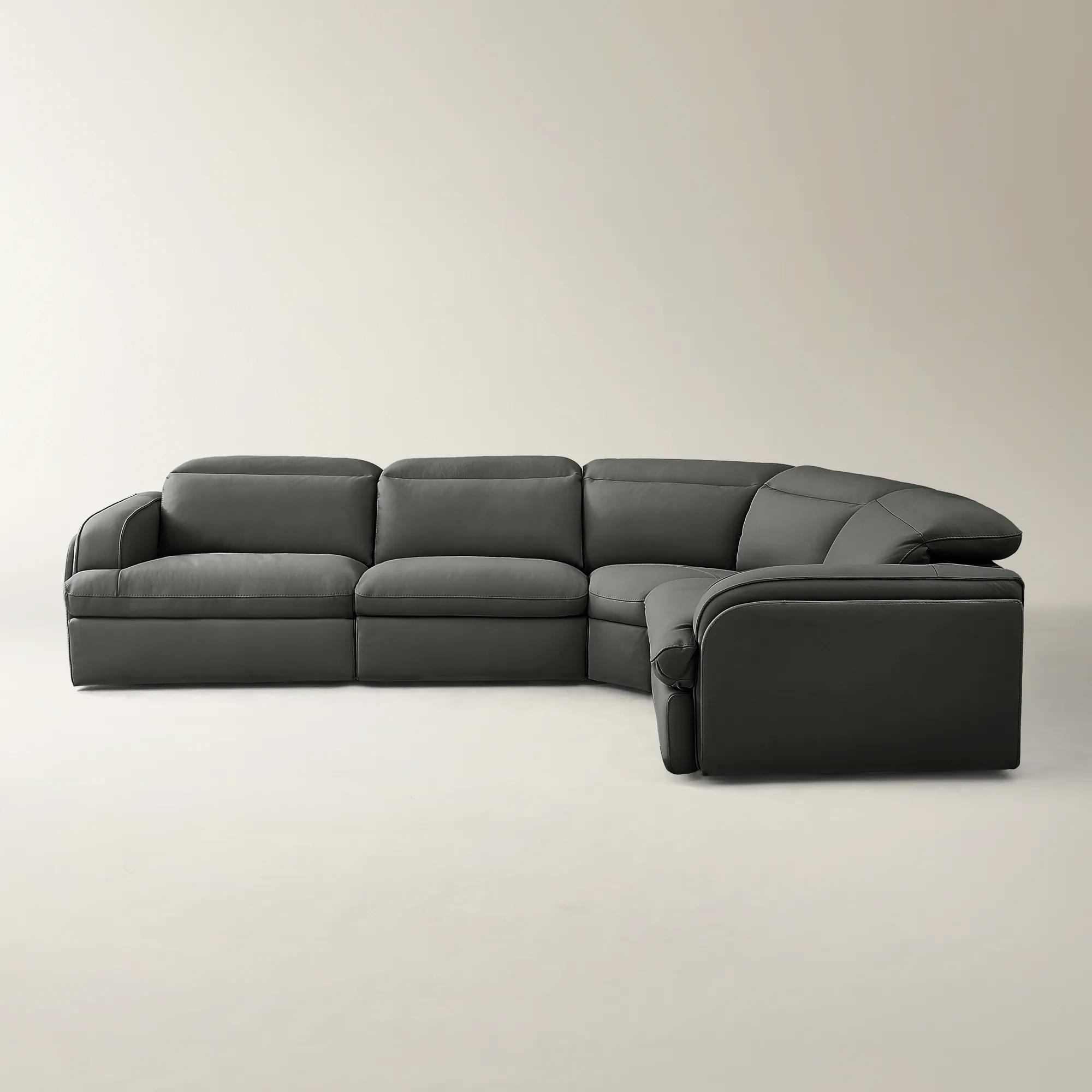
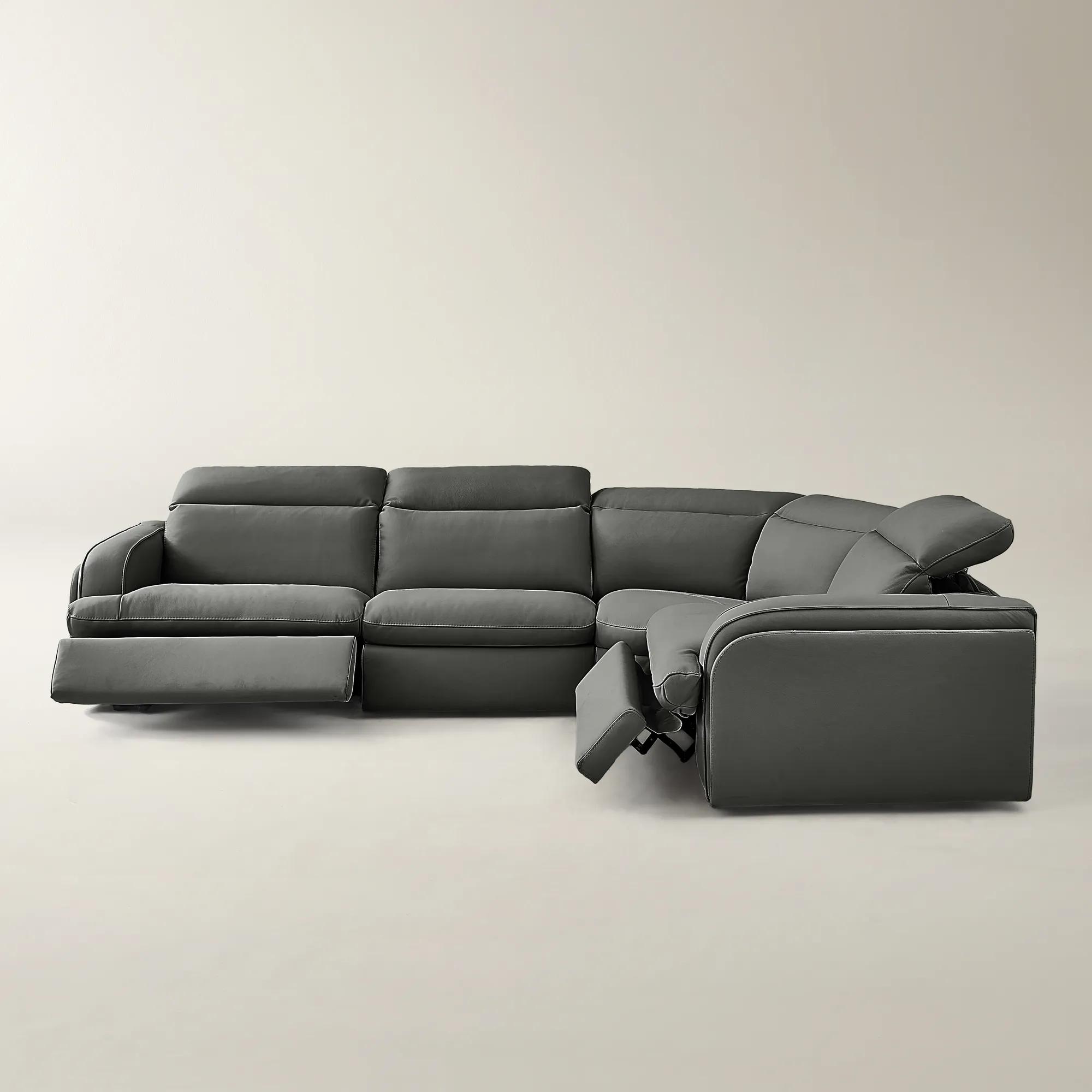 Terra 4-Piece Reclining Charcoal Leather Sectional With Right-Arm Chair$5999
A modular charcoal leather sectional with powered reclining headrests and footrests, tailored seams, and foam-down cushioning.
Add To Cart -
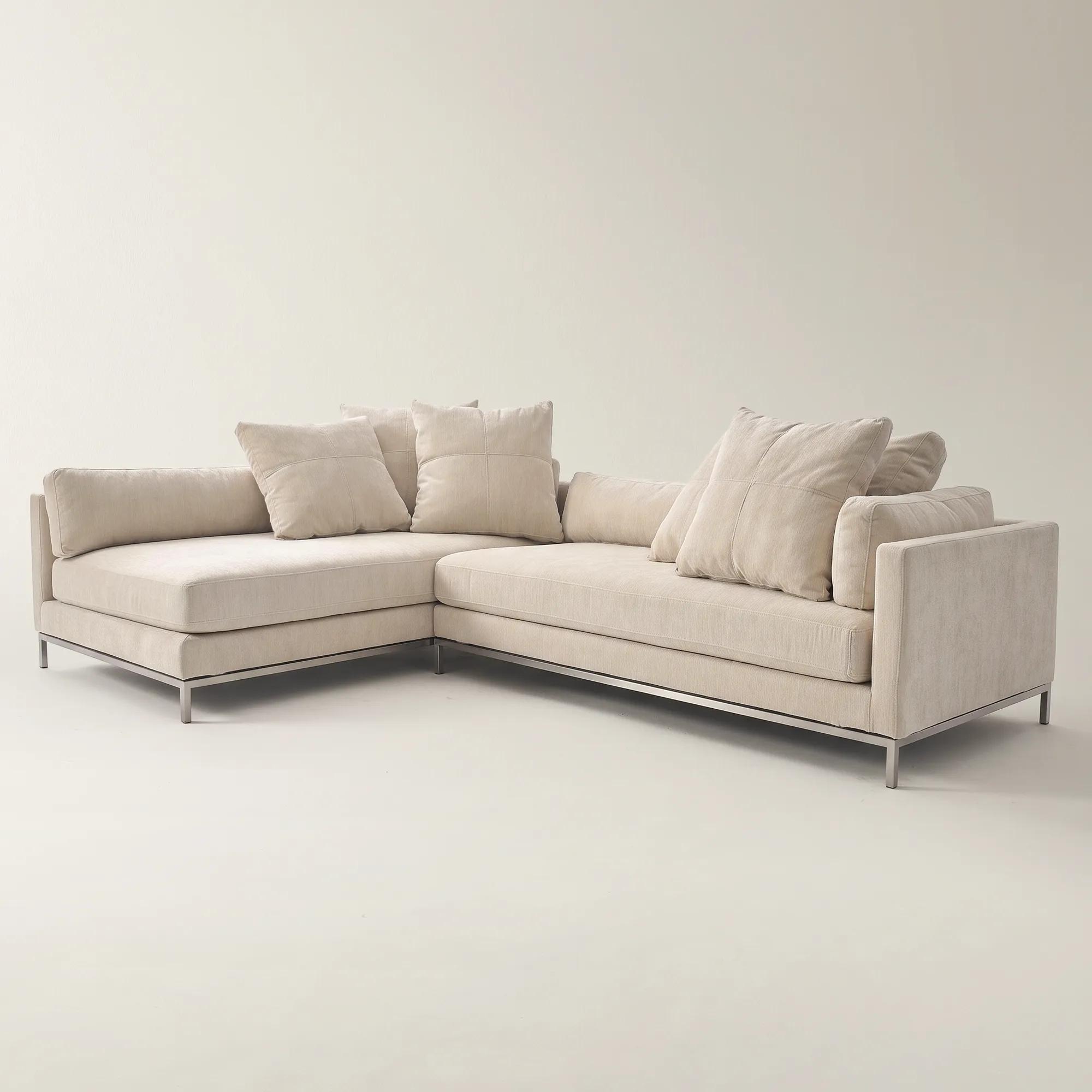
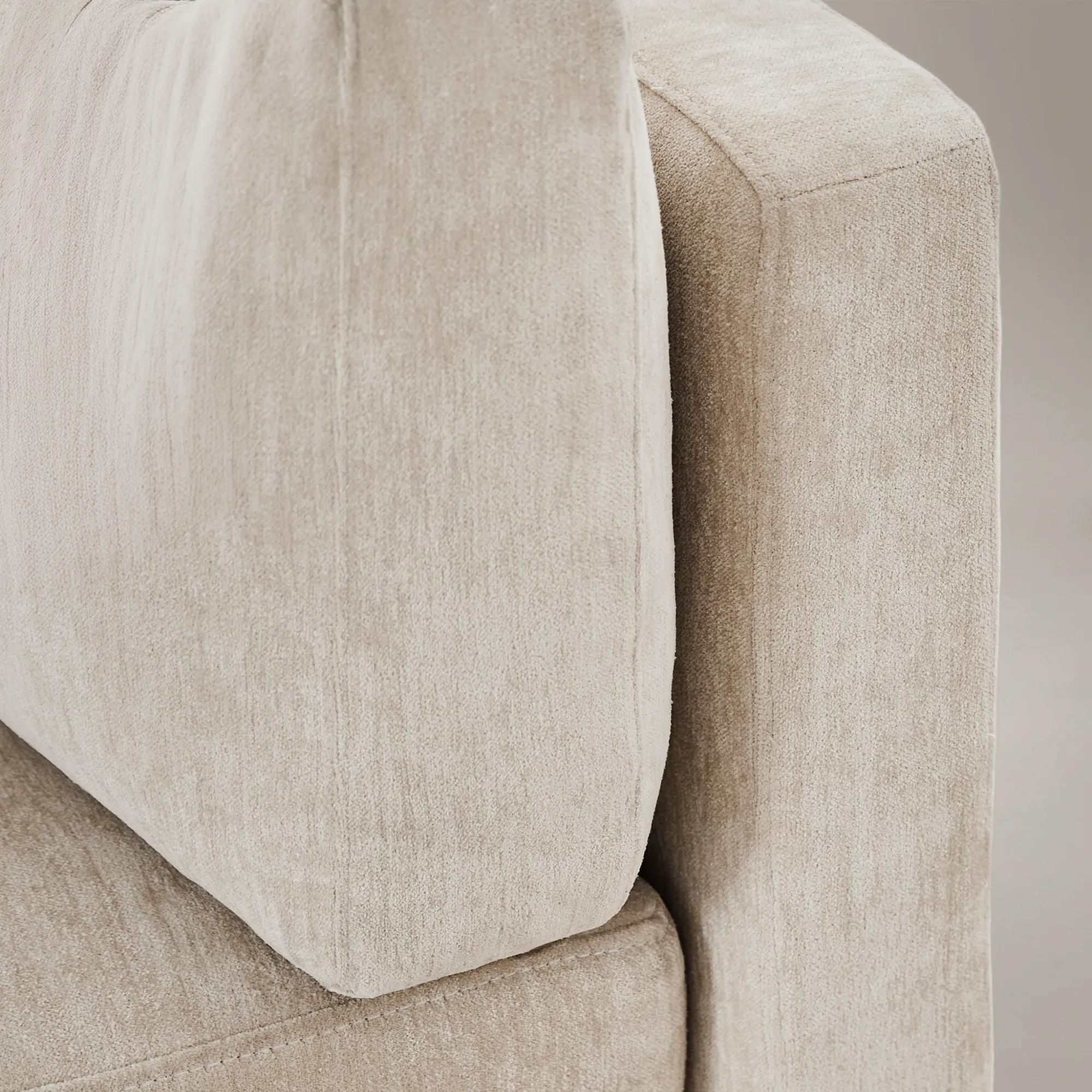 Ventura 2-Piece L-Shaped Snow Chenille Sectional Sofa With Right-Arm Chair$4099
A modern Snow chenille sectional with plush feather-filled cushions, streamlined metal base, and versatile L-shaped comfort.
Add To Cart -
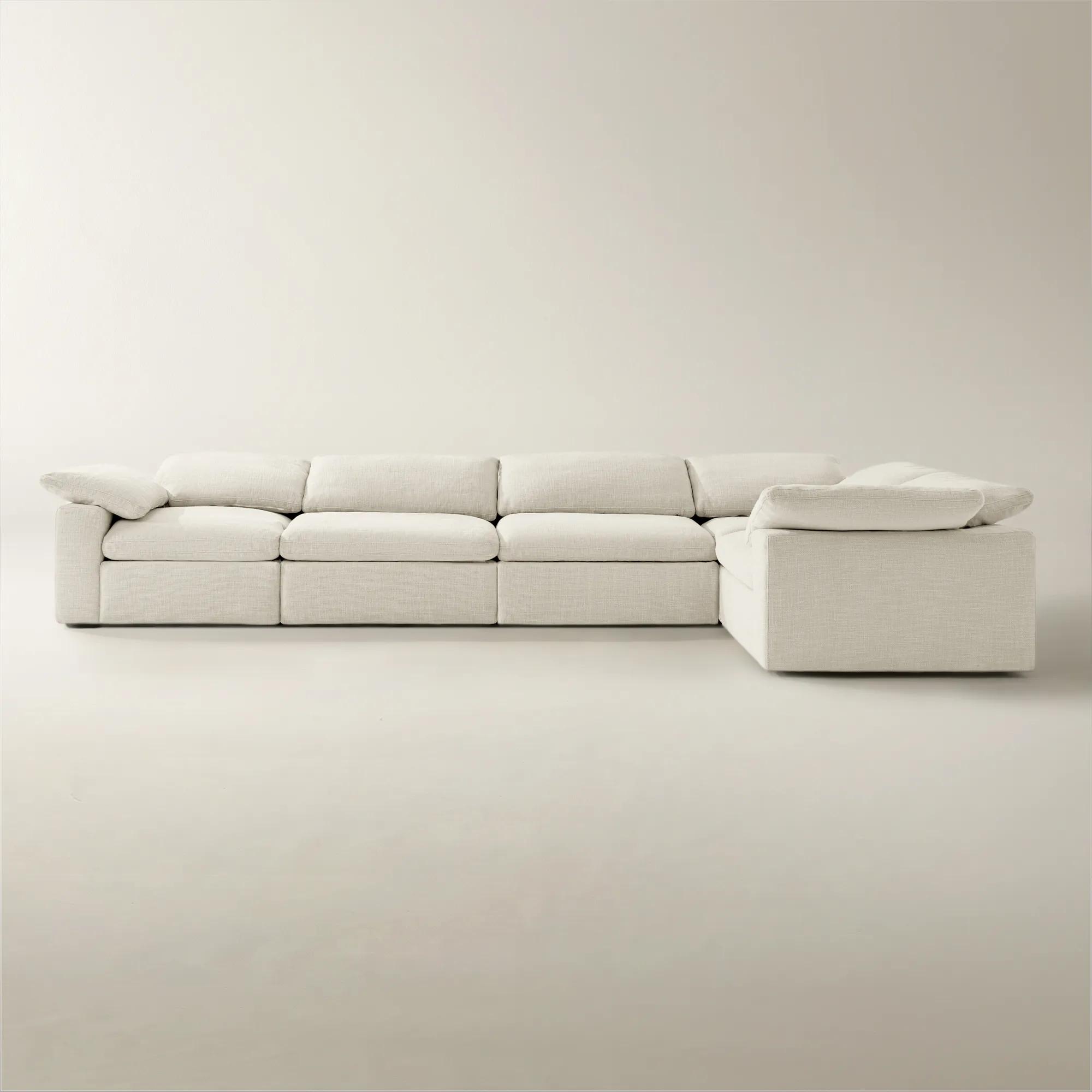
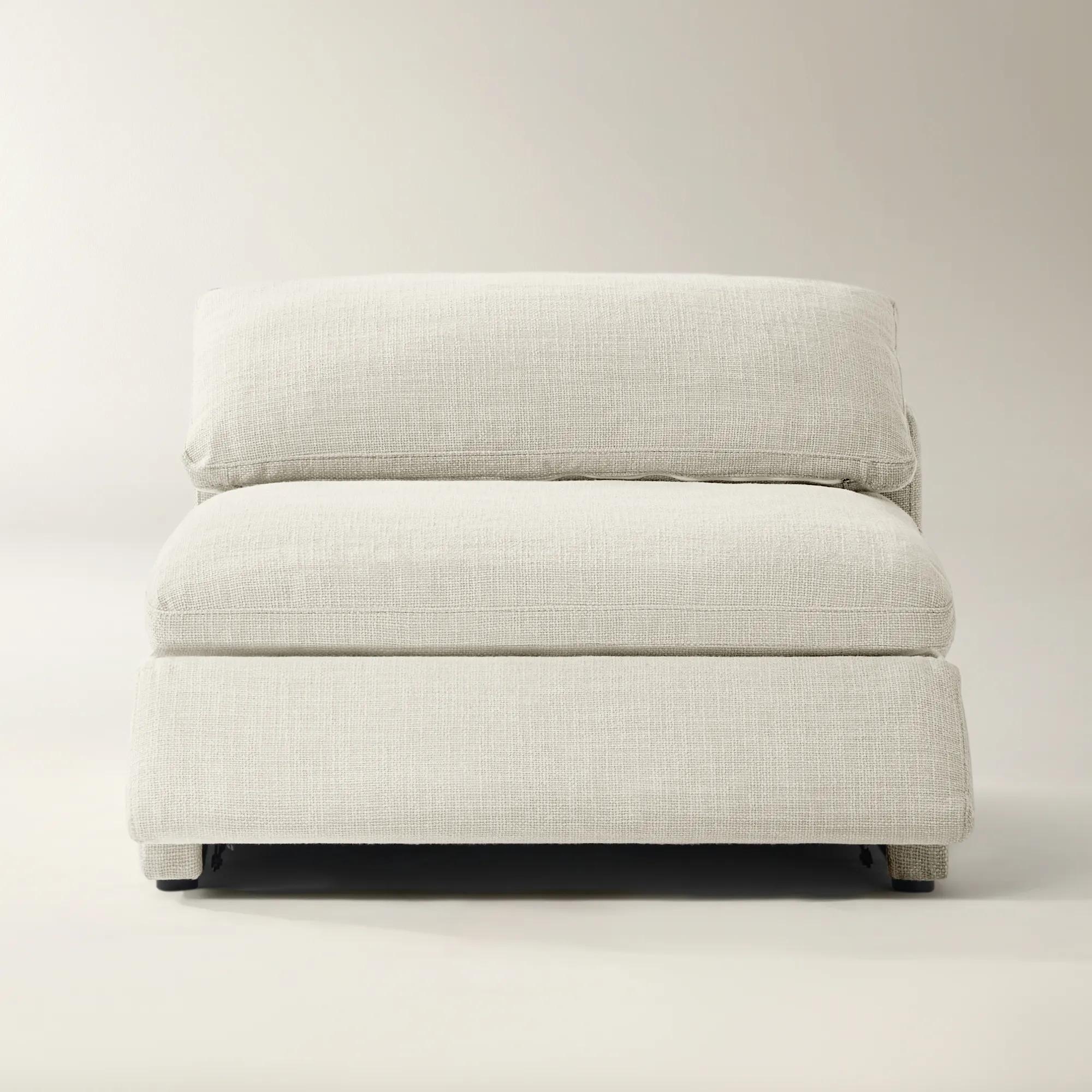
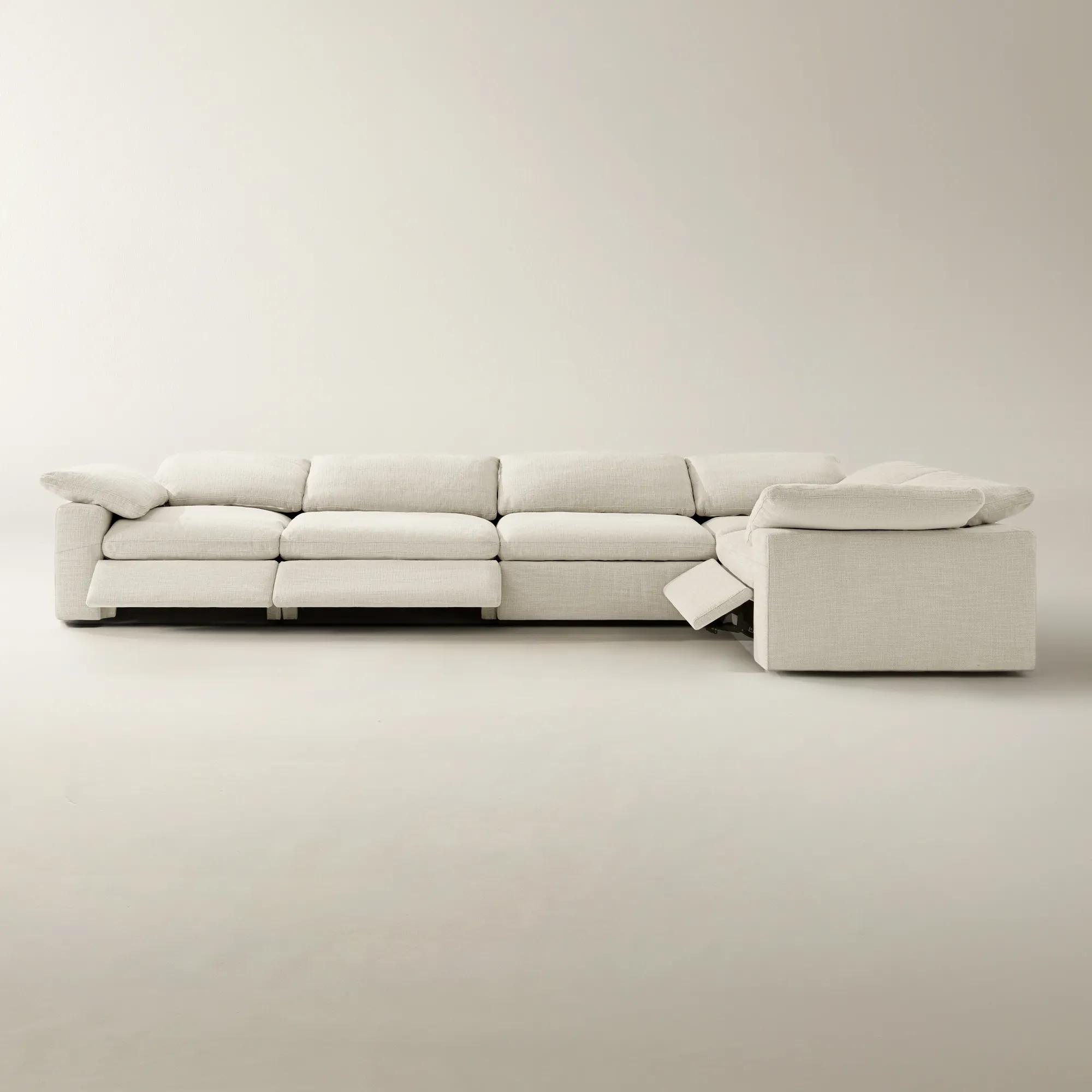 Milo 5-Piece Reclining Ivory Performance Fabric Sectional$5499
A modular sectional sofa in ivory performance fabric with plush cushioning and independent power-reclining footrests.
Add To Cart -
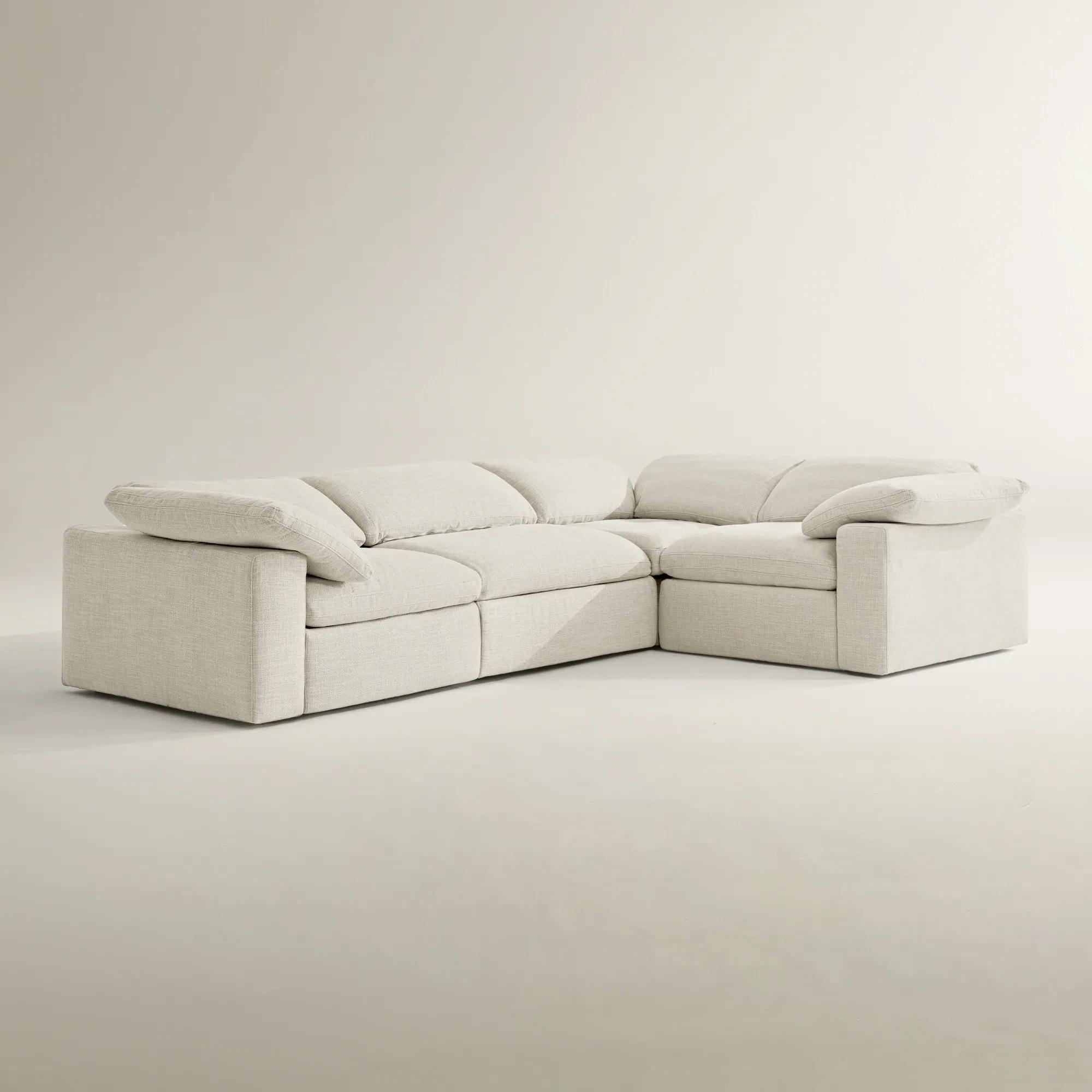
 Milo 4-Piece L-Shaped Reclining Ivory Performance Fabric Sectional Sofa With Right-Arm Chair$4399
A four-piece L-shaped sectional sofa in ivory performance fabric with power reclining and plush feather-blend cushions.
Add To Cart -
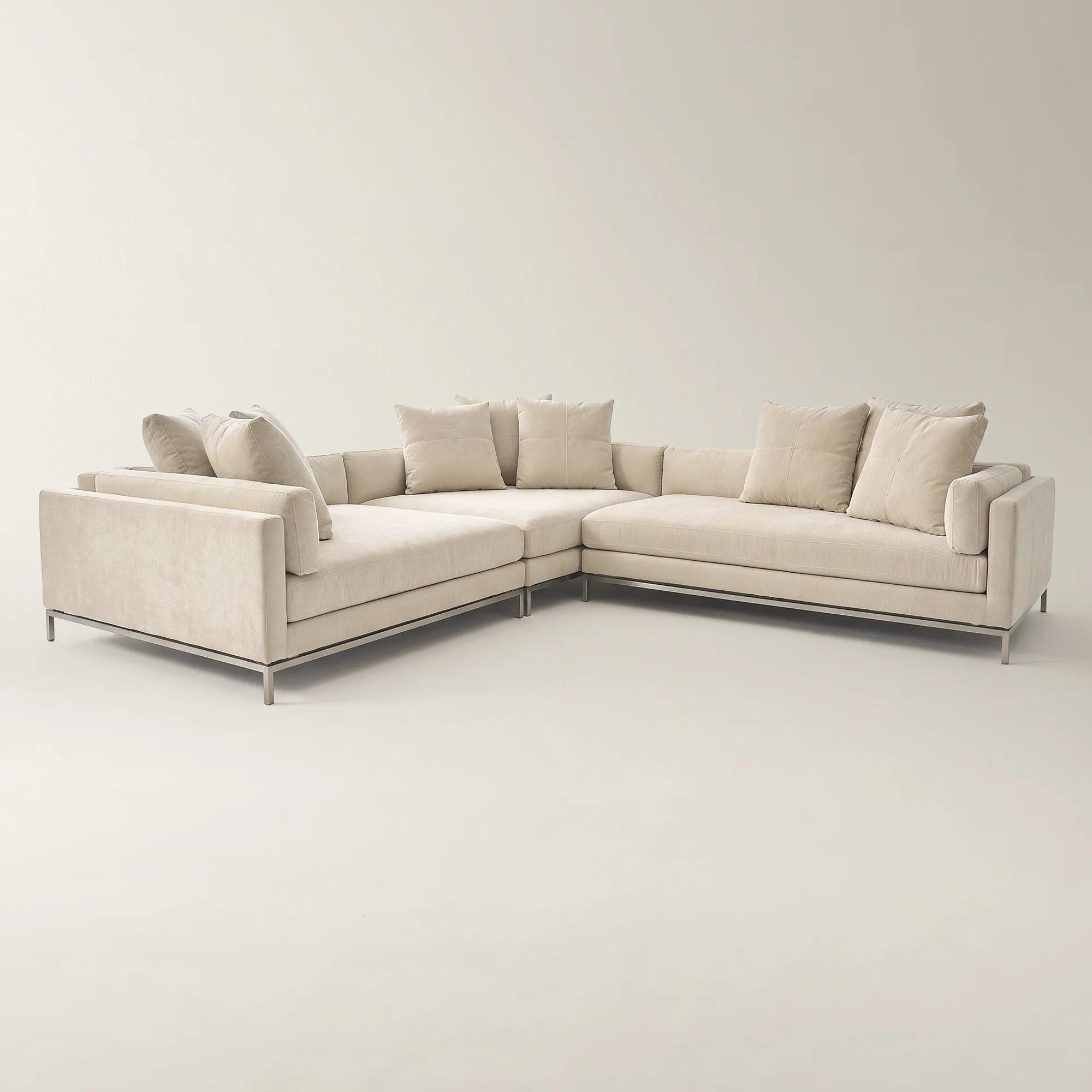 Ventura 3-Piece L-Shaped Snow Chenille Sectional Sofa With Right-Arm Chair$5999
A snow chenille sectional with a streamlined floating silhouette, plush feather-filled cushions, and versatile L-shaped seating.
Add To Cart -
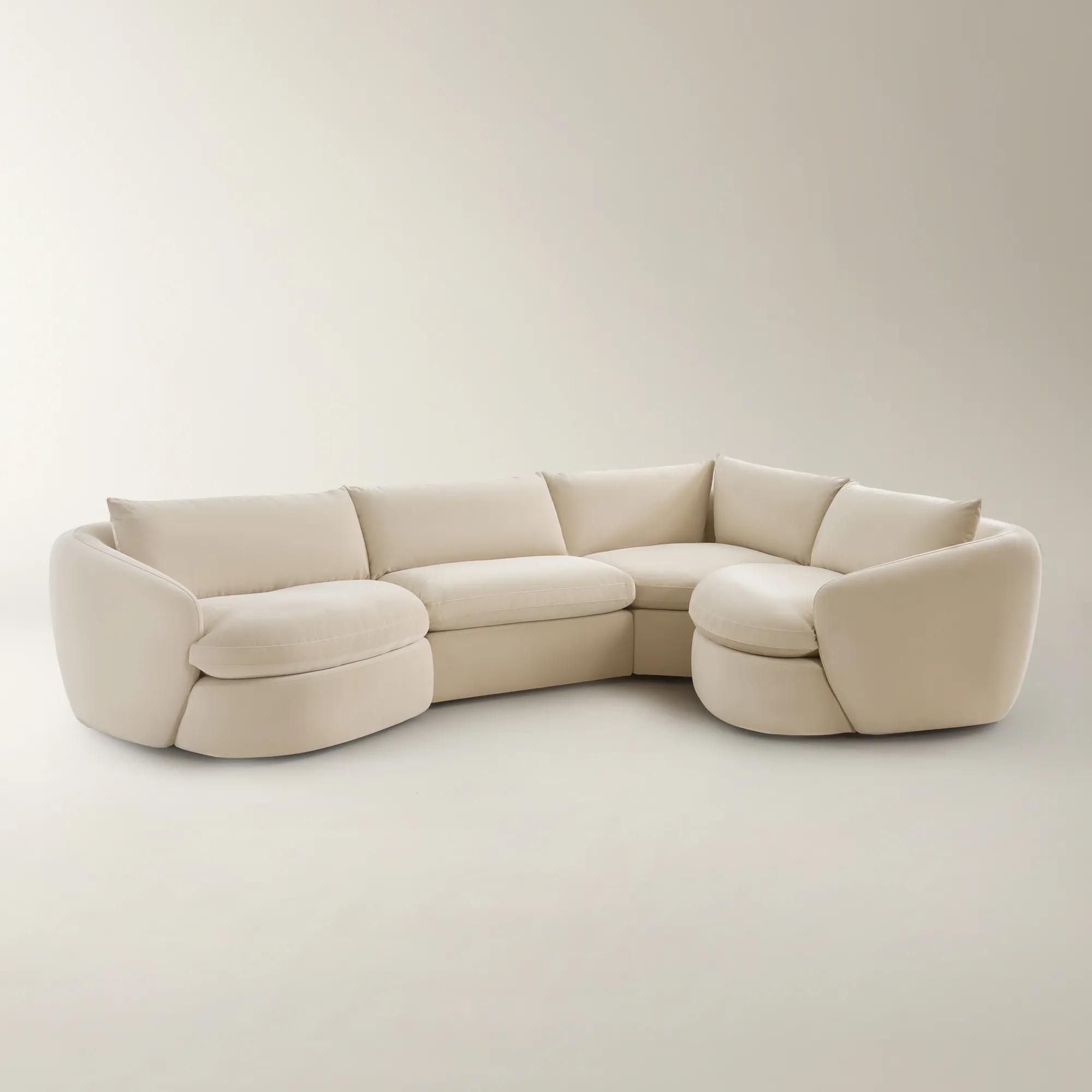 Sabrina 4-Piece Oatmeal Velvet Sectional With Right-Arm Chair$4999
An inviting L-shaped sectional in soft oatmeal velvet with plush feather-blend cushions and modular design.
Add To Cart -

 Terra 4-Piece Reclining Frost Leather Sectional With Right-Arm Chair$5999
A contemporary frost genuine-leather sectional with powered reclining, modular configuration, and plush down-blend cushioning.
Add To Cart -
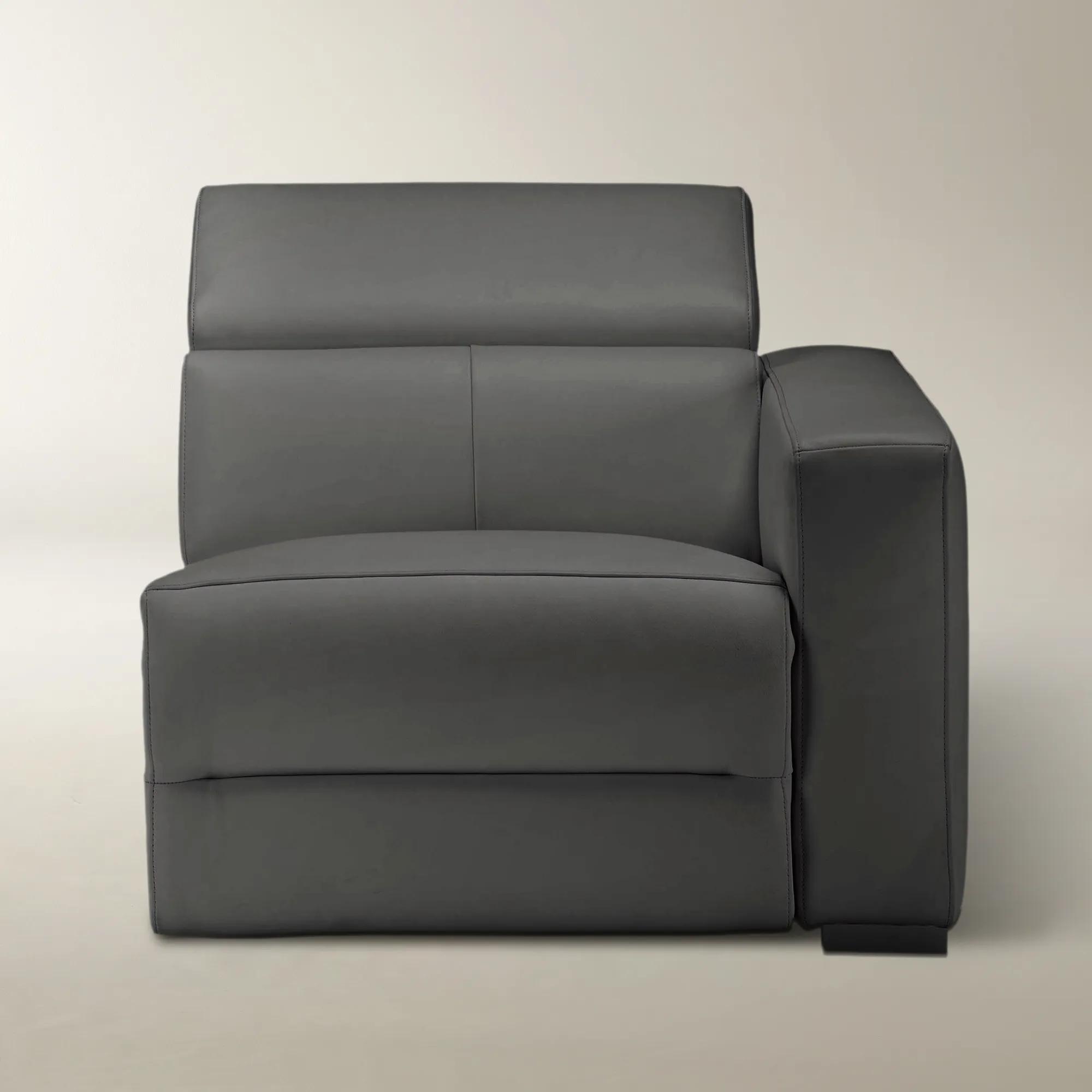 Verona Charcoal Leather Right Arm Chair$1399
A modern charcoal sectional upholstered in supple semi-aniline leather with adjustable headrests and optional power recline.
Add To Cart -
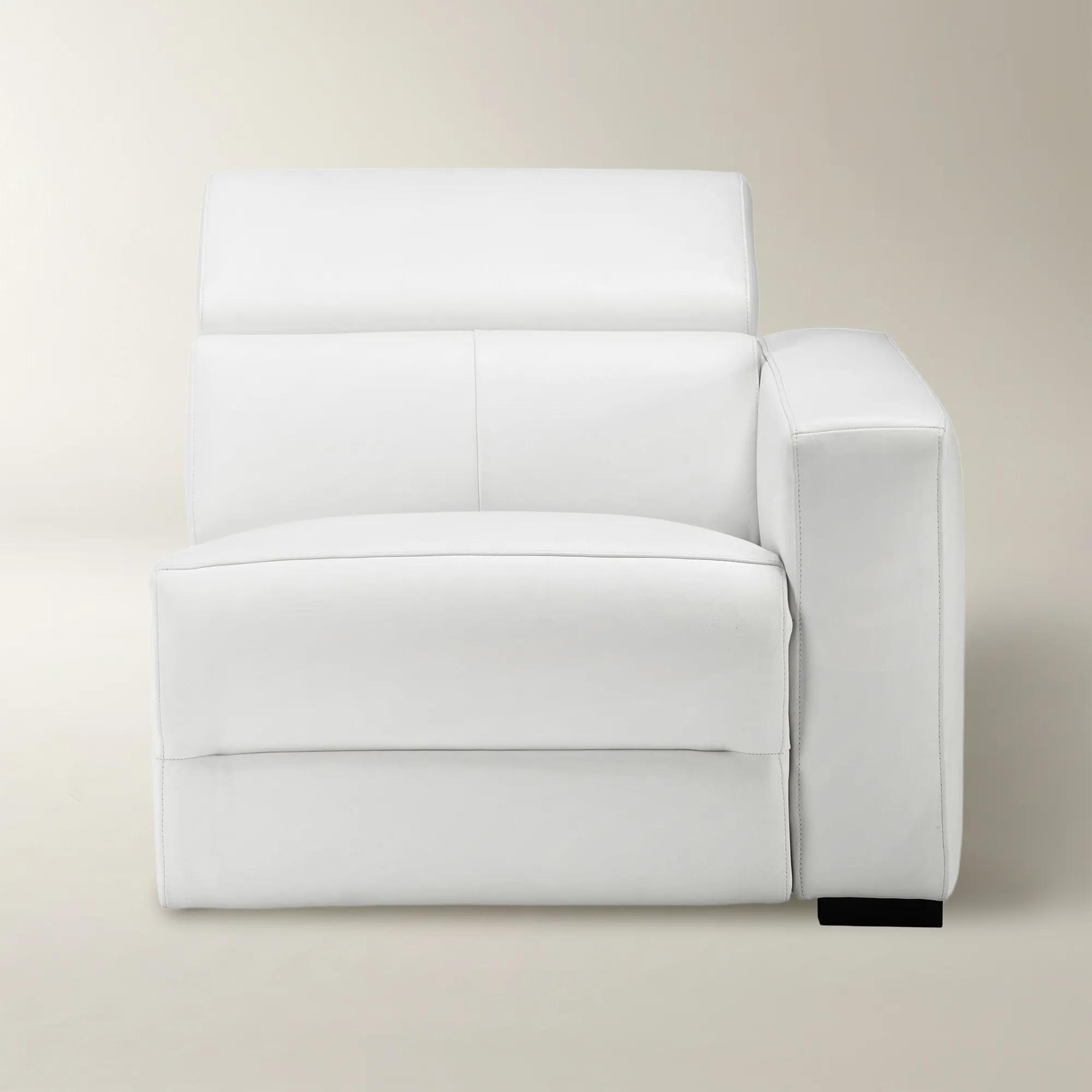 Verona White Leather Right Arm Chair$1399
A modern white sectional upholstered in supple semi-aniline leather with adjustable headrests and power-reclining options.
Add To Cart -
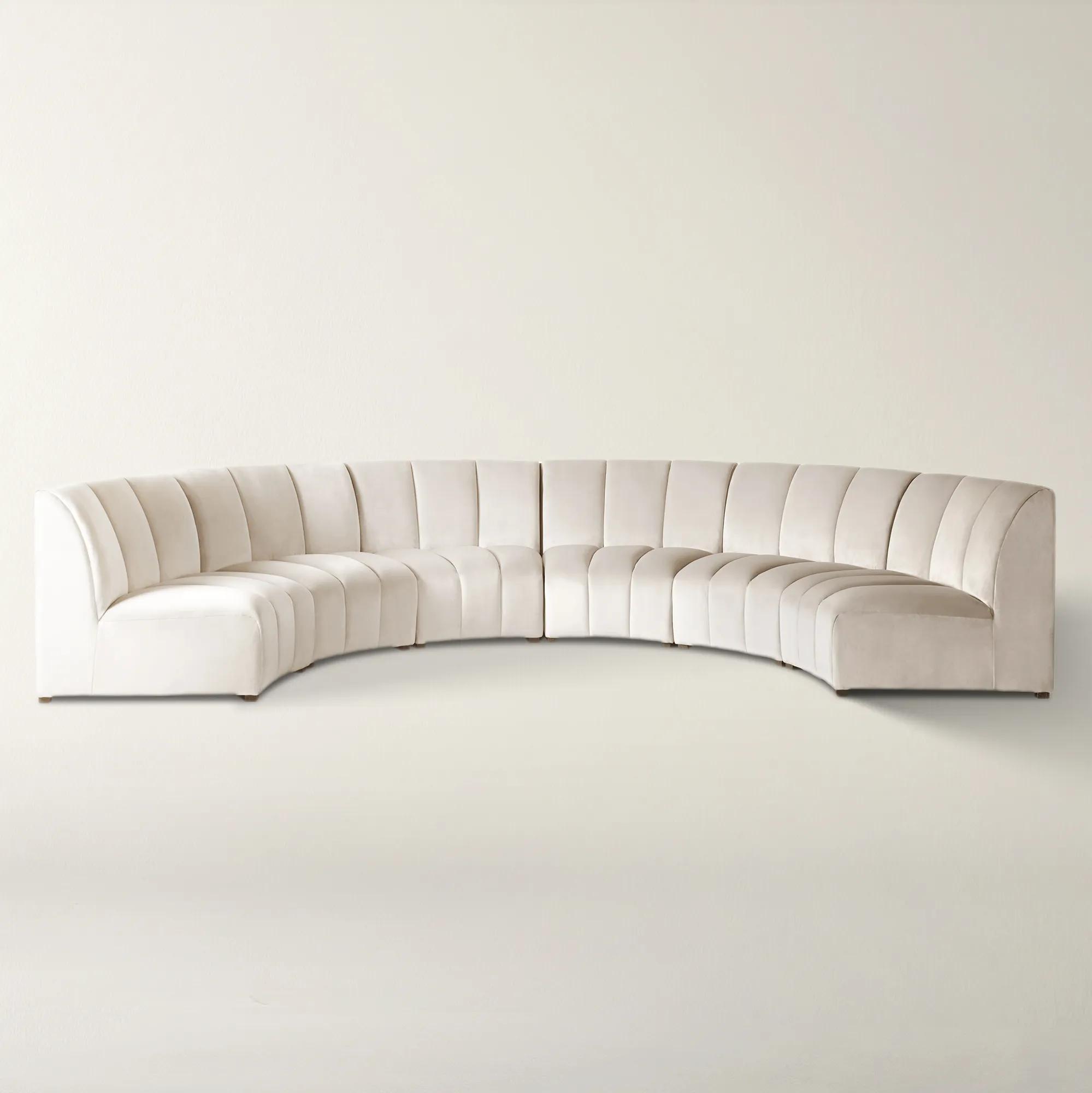 Jayce 6-Piece Channel-Tufted Ivory Velvet Sectional Sofa$5499
A modern curved sectional in stain-resistant Velvet Ivory with deep channel tufting and plush, structured cushions.
Add To Cart -
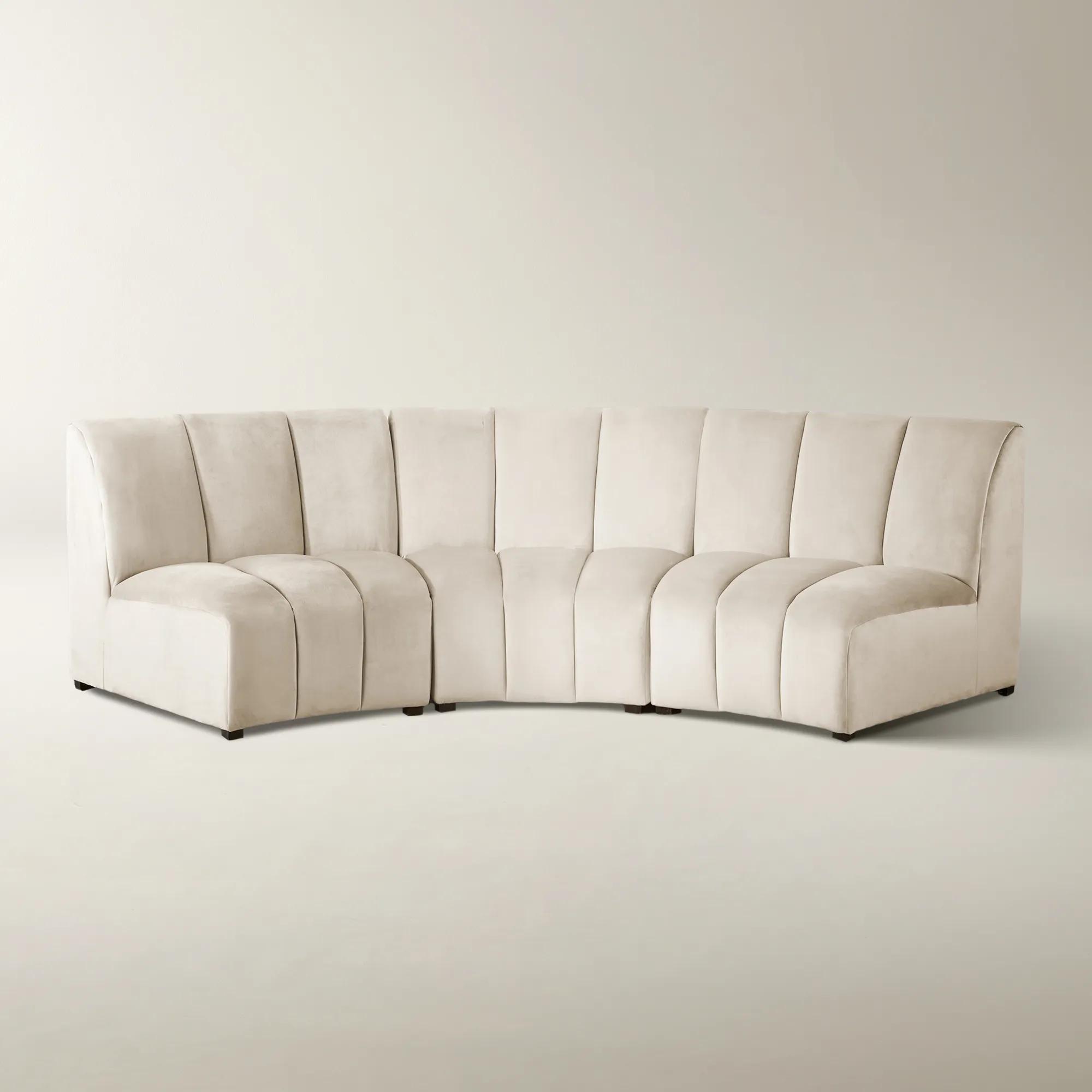
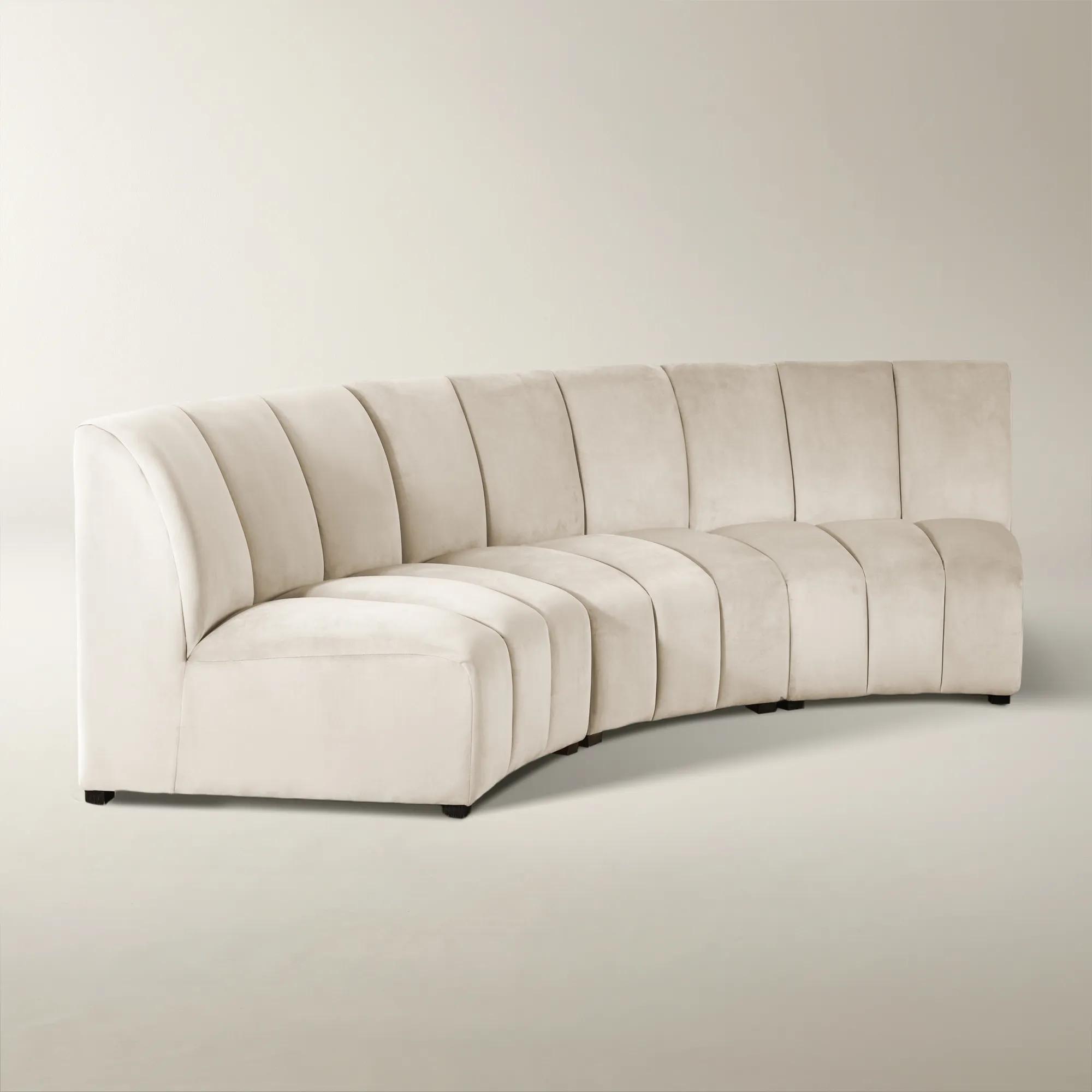 Jayce 3-Piece Channel-Tufted Ivory Velvet Sectional Sofa$2799
A modern curved sectional in stain-resistant Velvet Ivory with deep channel tufting and plush, structured cushions.
Add To Cart -
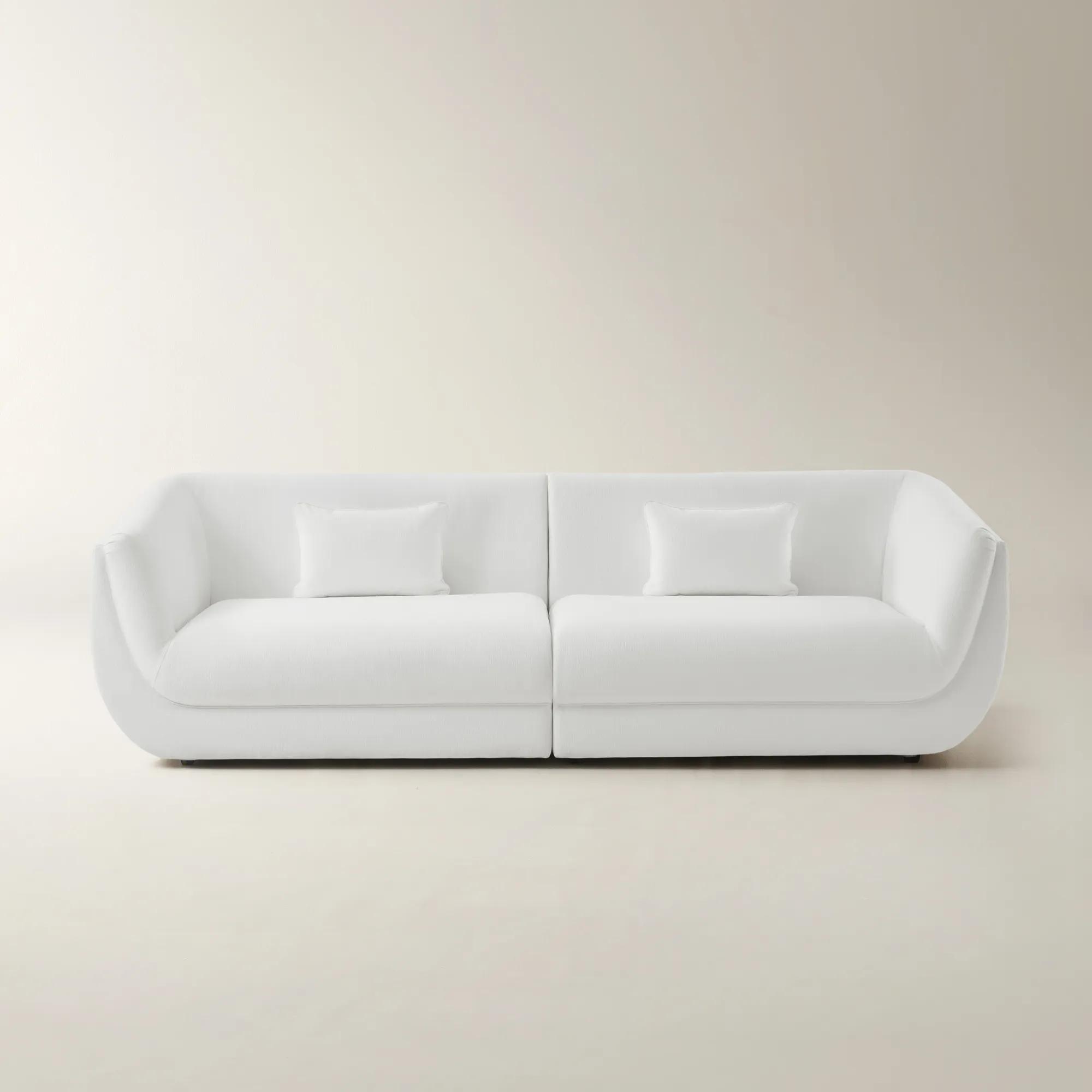
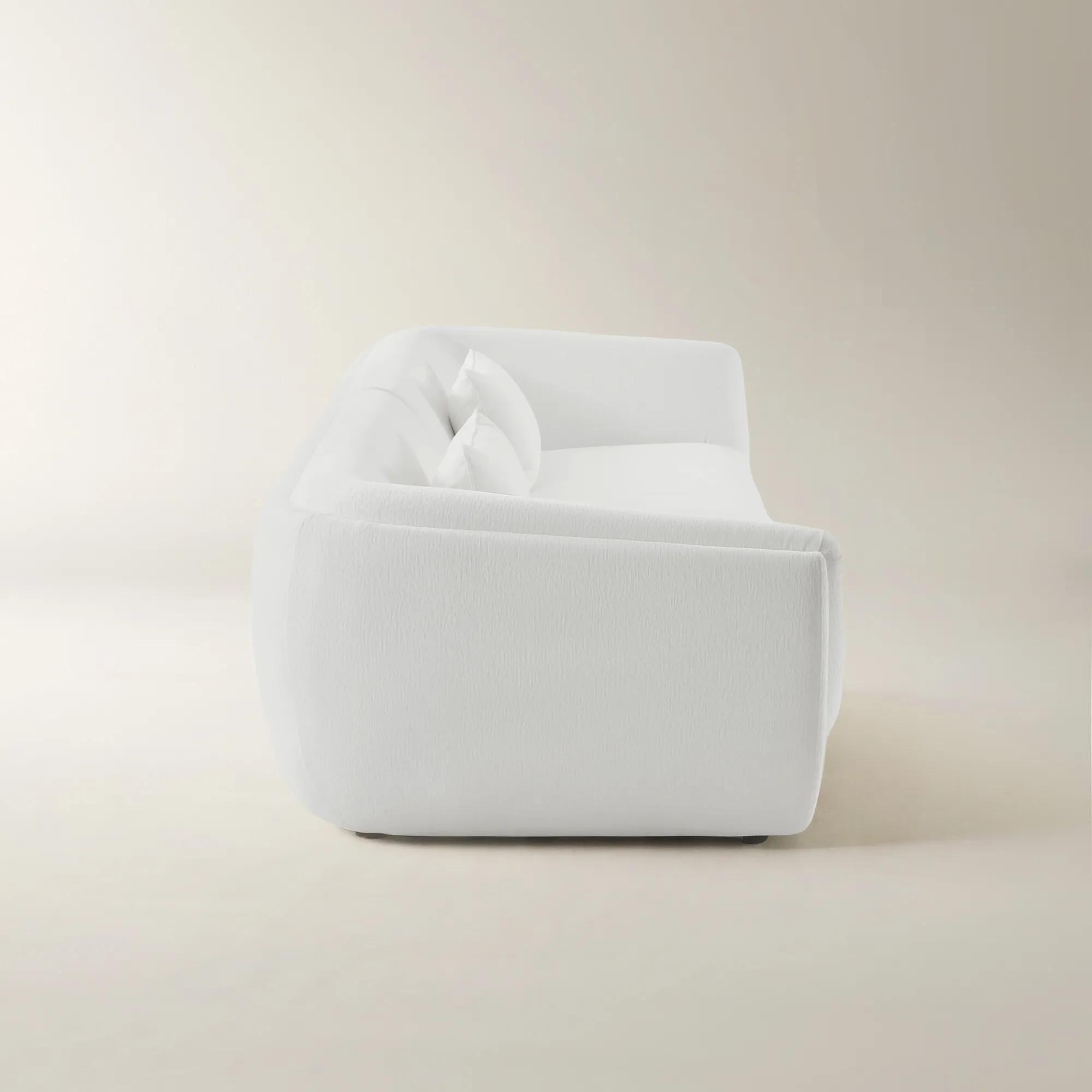 Curvia 2-Piece White Performance Chenille Indoor/Outdoor Sectional Sofa$2799
A sculptural white sectional sofa upholstered in performance chenille for luxurious indoor or outdoor lounging.
Add To Cart -
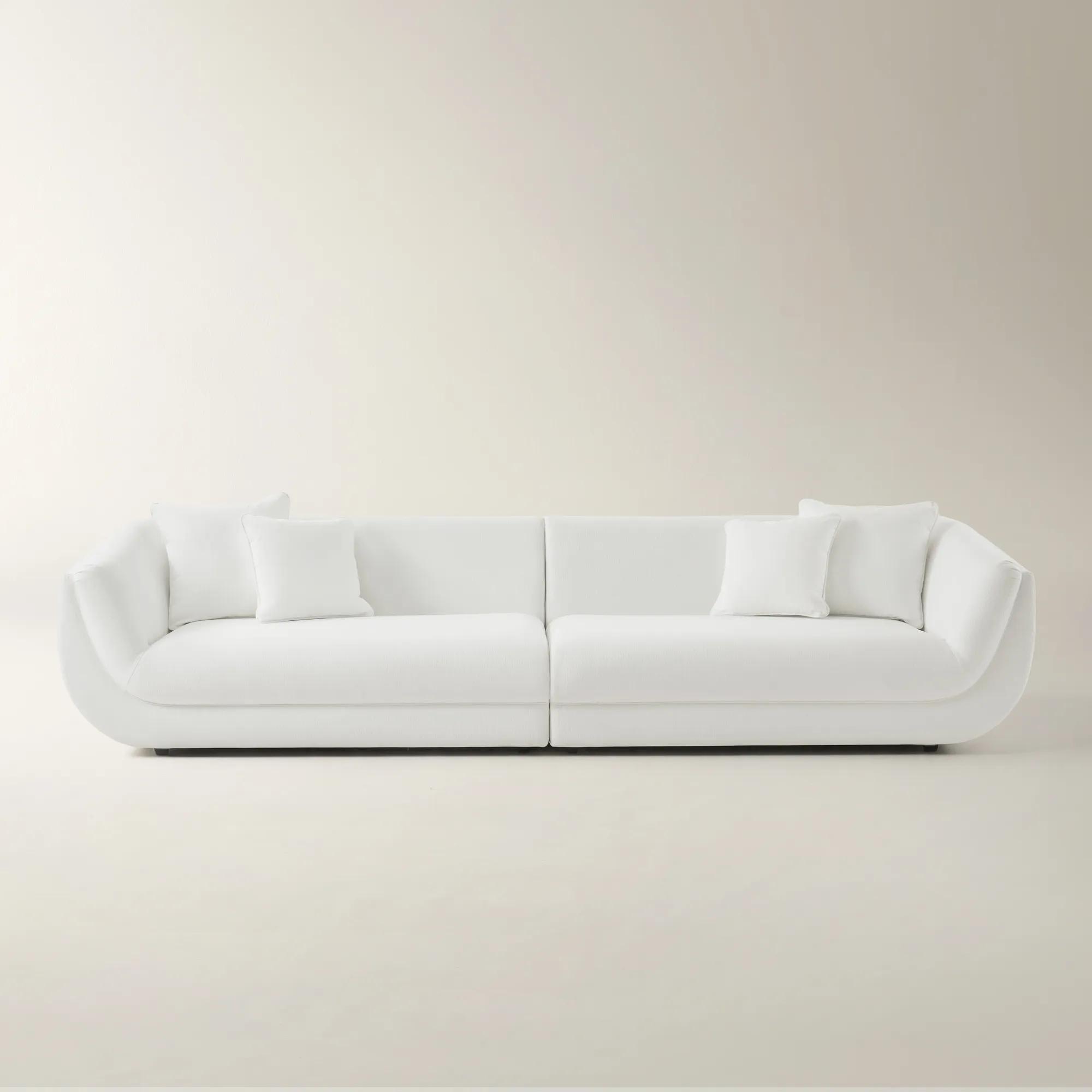
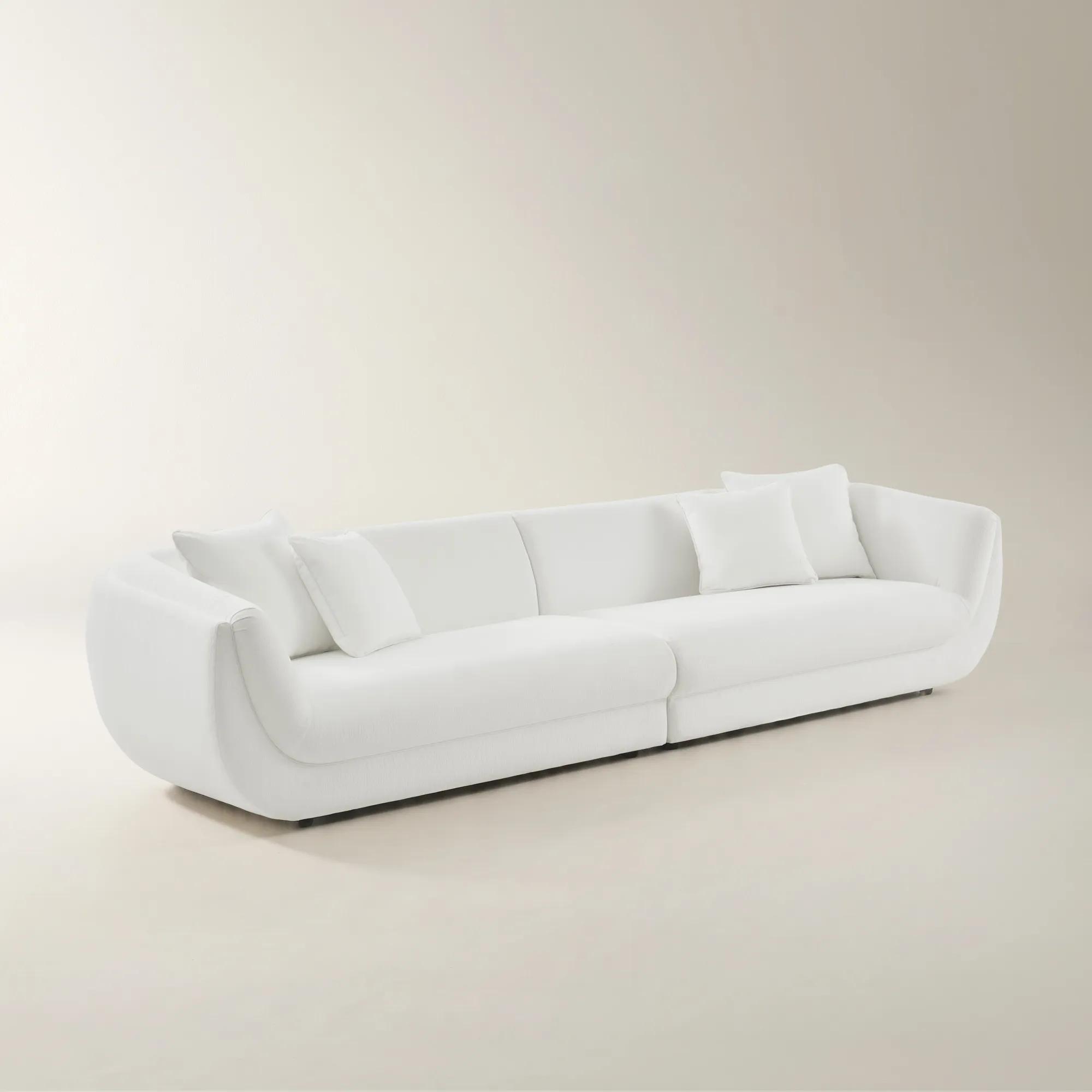 Curvia 2-Piece White Performance Chenille Indoor/Outdoor Grand Sectional Sofa$2999
A sculptural white sectional wrapped in performance chenille, designed for luxurious indoor or outdoor lounging.
Add To Cart -
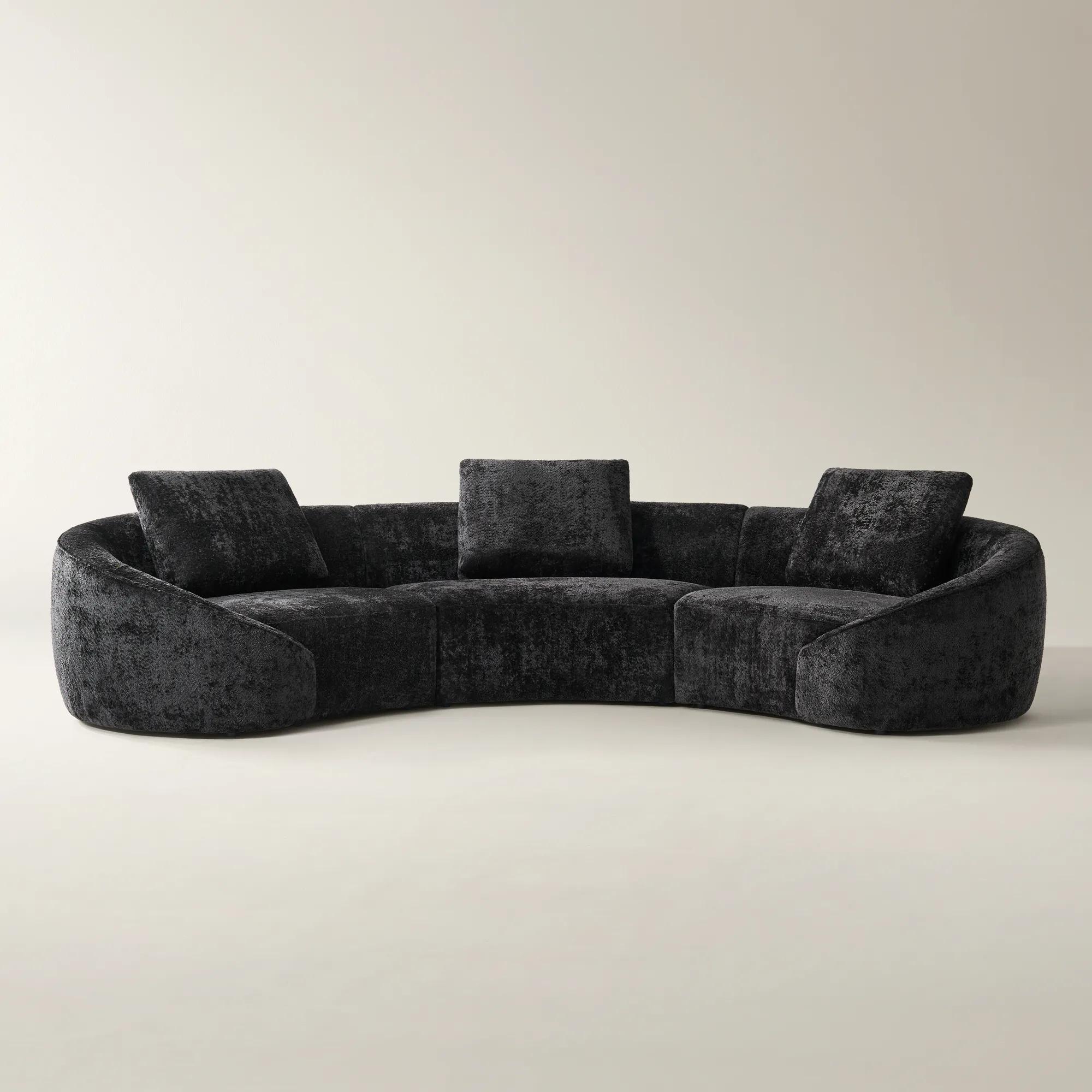 Irene 3-Piece Black Chenille Sectional$3899
A modern curved sectional upholstered in plush utopia sand chenille with high-density foam cushioning for comfort.
Add To Cart -
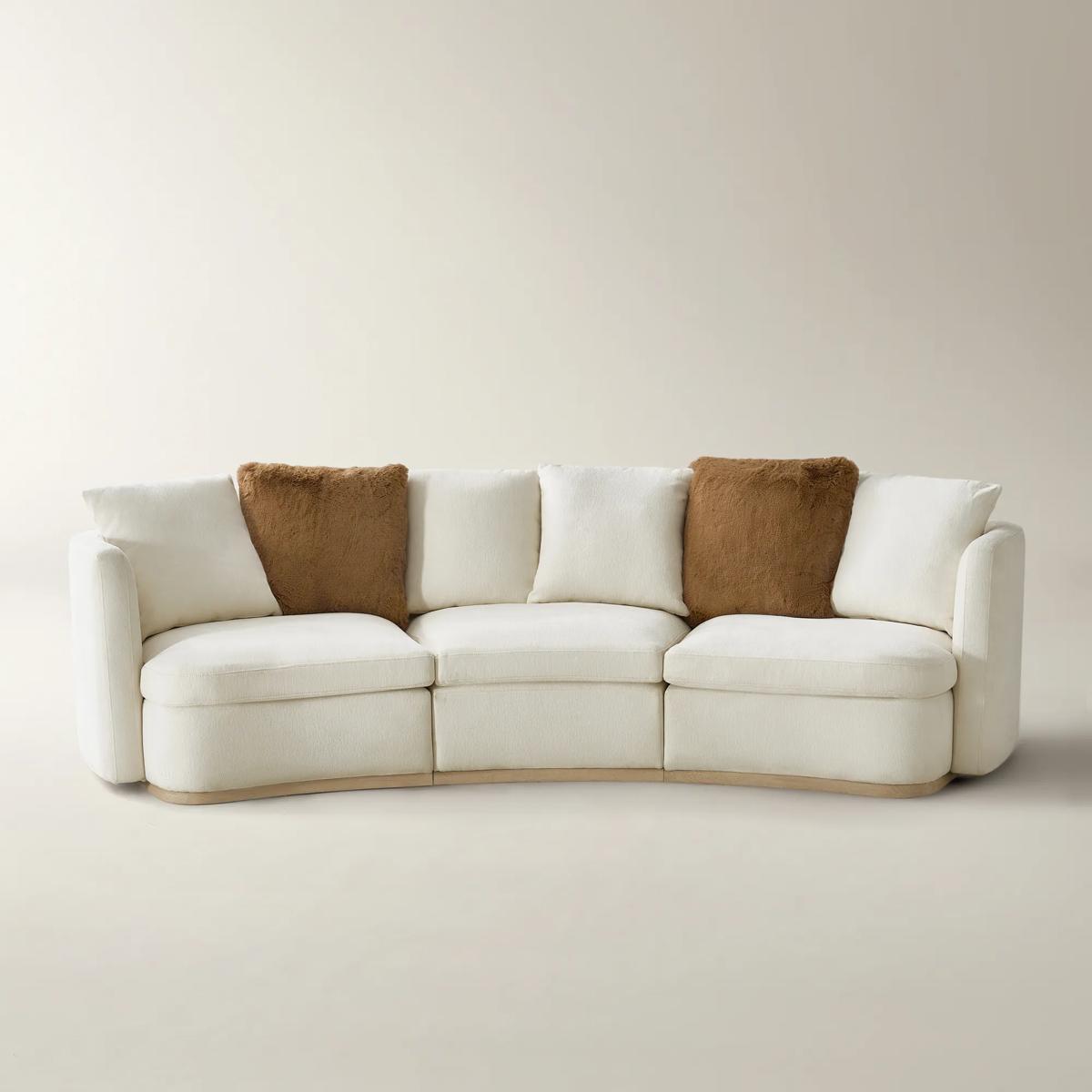 Stria 3-Piece Ivory Chenille Sectional Sofa$3399
An ivory chenille sofa featuring a sculptural curved design, triple-layer cushioning, and a kiln-dried oak frame.
Add To Cart

Right Arm Facing Sectionals
Explore right arm facing sectionals for a living room layout with a striking focal point. “Right arm facing” means the arm is on your right when you stand facing that seating section; it does not necessarily indicate chaise placement. Compare each sectional sofa’s full configuration and dimensions to choose seating that complements your room’s proportions while keeping walkways clear.
Right arm facing sectionals give a living room a distinctive sense of direction, pairing generous seating with a silhouette that helps define the space around it. The result can feel intimate and expansive at once: a place for an animated conversation, a quiet evening with a novel, or a gathering that moves effortlessly from cocktails to comfortable conversation. In furniture terminology, right arm facing generally describes a seating component with its arm on the right when viewed from the front, rather than from a seated position. That distinction matters because the designation identifies the arm placement, not necessarily the position of a chaise or the shape of the entire sectional. Configuration drawings and individual component descriptions clarify how the pieces come together, especially in arrangements that include a corner, chaise, or additional armless seats. Within a room, this orientation can create a beautifully composed endpoint beside a window, frame a seating area that opens toward a fireplace, or preserve a natural passage between the living and dining spaces. Scale brings the composition into focus. A deep, broad sectional encourages lingering, while a more tailored profile can deliver a similarly generous atmosphere without overwhelming a smaller room. Overall width and depth tell only part of the story; seat depth, seat height, back height, and arm width influence both comfort and visual presence. Taller occupants may appreciate room to stretch, while those who prefer an upright posture often feel more supported by a shallower seat. A substantial arm offers a sculptural finish, but it also occupies space that might otherwise become usable seating. Thoughtful proportions allow the sectional to make a dramatic impression while leaving room to walk, reach a side table, and settle in without navigating a crowded arrangement. Doorways, stair turns, elevator interiors, and delivery paths deserve the same attention as the final footprint, particularly when a sectional’s individual components are large or its legs cannot be removed.
Upholstery gives a right arm facing sectional much of its personality, translating a strong architectural outline into something sumptuous, tactile, and inviting. Velvet can deepen the appearance of color as its pile catches the light, giving charcoal, ivory, or a saturated jewel tone a richly dimensional finish. Closely woven fabrics offer a more tailored surface, while textured upholstery brings movement to a broad expanse of seating. Leather, when used, contributes its own character through grain, finish, and the way it develops with use; its care requirements differ from those of woven or pile fabrics. Material choice is also a daily-life decision. A living room shared with children, pets, and frequent guests places different demands on upholstery than a formal sitting area reserved for occasional entertaining. Tighter weaves may be less inviting to snagging than open textures, although no fabric is immune to claws, abrasion, or spills. Performance designations are most useful when considered alongside the specific fabric’s testing and care information, rather than treated as a promise that every mark will disappear. Light upholstery creates a luminous visual field but may reveal transferred dye or everyday marks more readily; deeper shades can disguise some discoloration while making pale lint or pet hair more noticeable. Beneath the surface, frame construction, joinery, suspension, and cushion composition contribute to how a sectional supports the body and holds its shape. Foam, fiber, and feather or down blends each offer different combinations of resilience, softness, and maintenance, depending on their construction. A plush cushion may invite a relaxed, sink-in posture and require regular reshaping, while a firmer cushion can create a more structured seat. Neither feeling is universally preferable. The most satisfying choice reflects how the room is lived in, whether that means upright conversation with guests, shared reading time, or sprawling across a chaise at the end of a demanding day. Durability comes from the relationship between construction, upholstery, use, and consistent care, not from appearance alone.
The styling possibilities are equally expressive. A right arm facing sectional can anchor an expansive rug, its defined edge giving a collection of tables, lighting, and artwork a clear visual center. In an open-plan interior, the back of the sectional can establish a boundary without introducing a wall, allowing the seating area to feel distinct while remaining connected to the larger room. An exposed back becomes part of the composition, making its upholstery, seams, and proportions especially important. A low profile leaves more of the room’s architecture visible; a taller back creates a stronger sense of enclosure. Arm shape changes the mood as well. Clean, squared lines bring crisp definition, while sectional sofas with rounded arms offer a softer contour that can echo curved tables, sweeping lamp silhouettes, or fluid abstract artwork. Around either shape, a restrained mix of textures lets the upholstery take focus: a lustrous pillow against a matte weave, a richly textured throw over a smooth arm, or a reflective table beside a deeply colored seat. Practical spacing keeps that drama livable, with enough clearance for knees, an easy route around the chaise, and a convenient surface for a glass or book. Ongoing care helps preserve the composition. Routine vacuuming with an appropriate upholstery attachment removes debris before it settles into seams, while cushion rotation and reshaping, when the design permits, encourage more even wear. Spills call for prompt attention according to the upholstery’s care code and manufacturer’s directions; rubbing or applying an unsuitable cleaner can alter texture or leave a visible mark. Direct sunlight may affect some fabrics and leathers over time, so placement and window treatments deserve consideration. With an orientation that suits the floor plan, a seat that suits the body, and upholstery that suits daily life, the sectional becomes more than the largest piece in the room. It gives the space a confident center, bringing generous comfort and expressive design into the same beautifully considered setting.
FAQs
Right arm facing means the arm is on your right when you stand in front of the sectional component and look toward its seat—not when you sit on it. This designation describes the piece’s orientation within the overall arrangement, helping you understand how its silhouette comes together.
Not necessarily. Right arm facing identifies the arm’s position on a sectional component, while a right-side chaise describes where the extended lounging section sits. These terms can appear together, but they are not interchangeable. Review the pictured configuration to understand the complete layout.
Let the sectional establish the room’s visual direction, with seating oriented toward a fireplace, artwork, or another expressive focal point. Position the right-hand arm along the outer edge of the seating vignette for a clearly defined composition. An accent chair angled toward the sectional adds a conversational note without competing with its presence.
Build a layered composition with sculptural accent tables, luminous decorative objects, and pillows that contrast in texture and tone. A richly patterned rug can anchor the seating vignette, while statement artwork carries the drama upward. Repeat a metallic finish or accent color throughout the room to give the arrangement a polished, intentional rhythm.
Upholstery sets the mood as much as the sectional’s shape. A smooth surface emphasizes tailored lines, while pronounced texture adds depth and visual richness. Light tones create a luminous backdrop for bold accents; deeper hues bring a more enveloping, dramatic presence. Choose a look that complements your room’s palette and your personal expression.