Realistic Artificial Flower Arrangements
Realistic Artificial Flower Arrangements
-
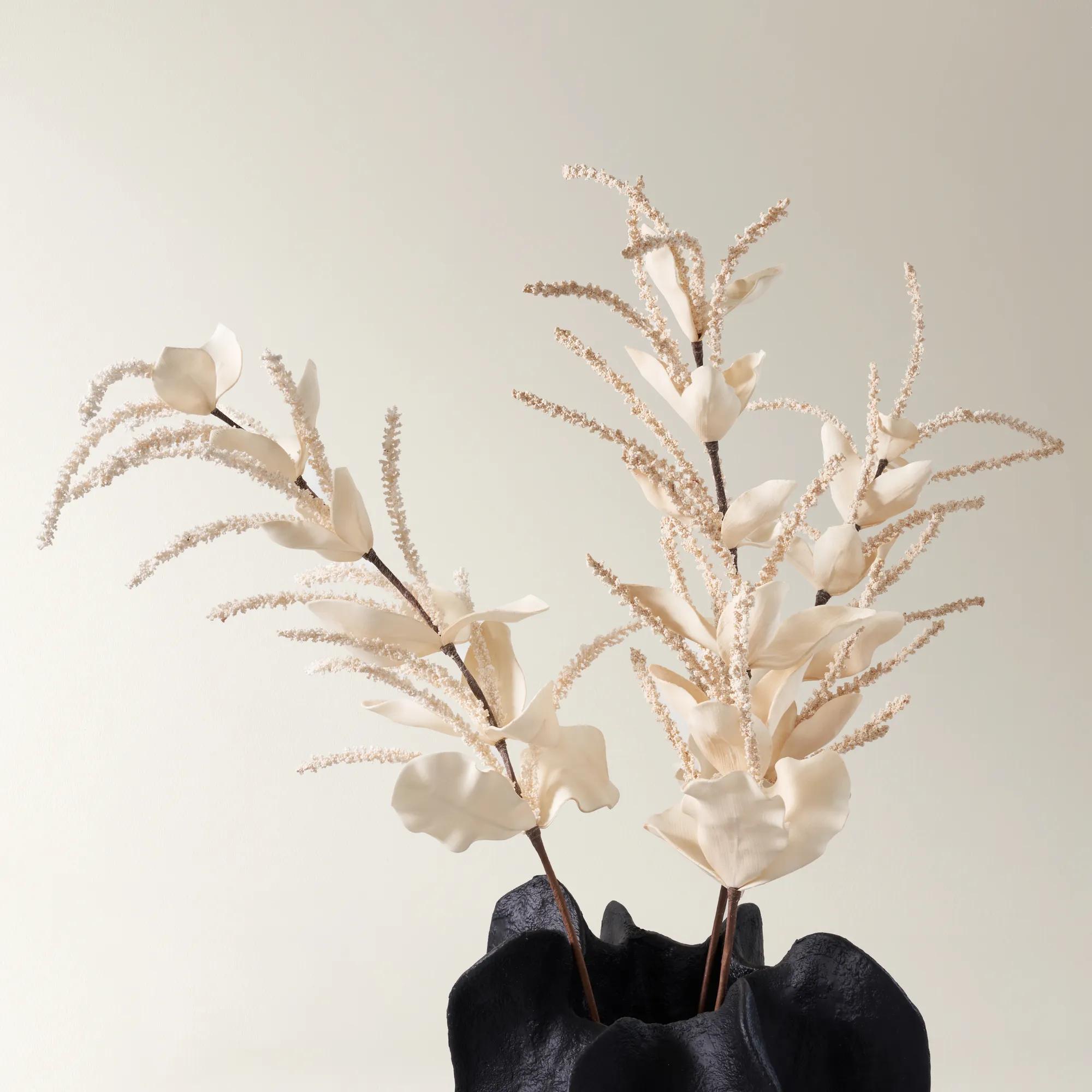 Faux Cream Weeping Spray 50" Set of 3$59
A set of three lifelike sprays in earthy beige and brown tones for a natural, elegant accent.
Add To Cart -
 Faux Protea Cream Stem 33" Set of 3$49
A set of three lifelike cream faux protea stems crafted from foam, plastic, and iron wire.
Add To Cart -
 Faux Berry Anemone Stem 21" Set of 3$29
A set of three berry red faux anemone stems crafted from polyester for a romantic accent.
Add To Cart -
 Faux White Magnolia Stem 40" Set of 3$79
A set of three lifelike faux magnolia stems in creamy white polyester for timeless floral elegance.
Add To Cart -
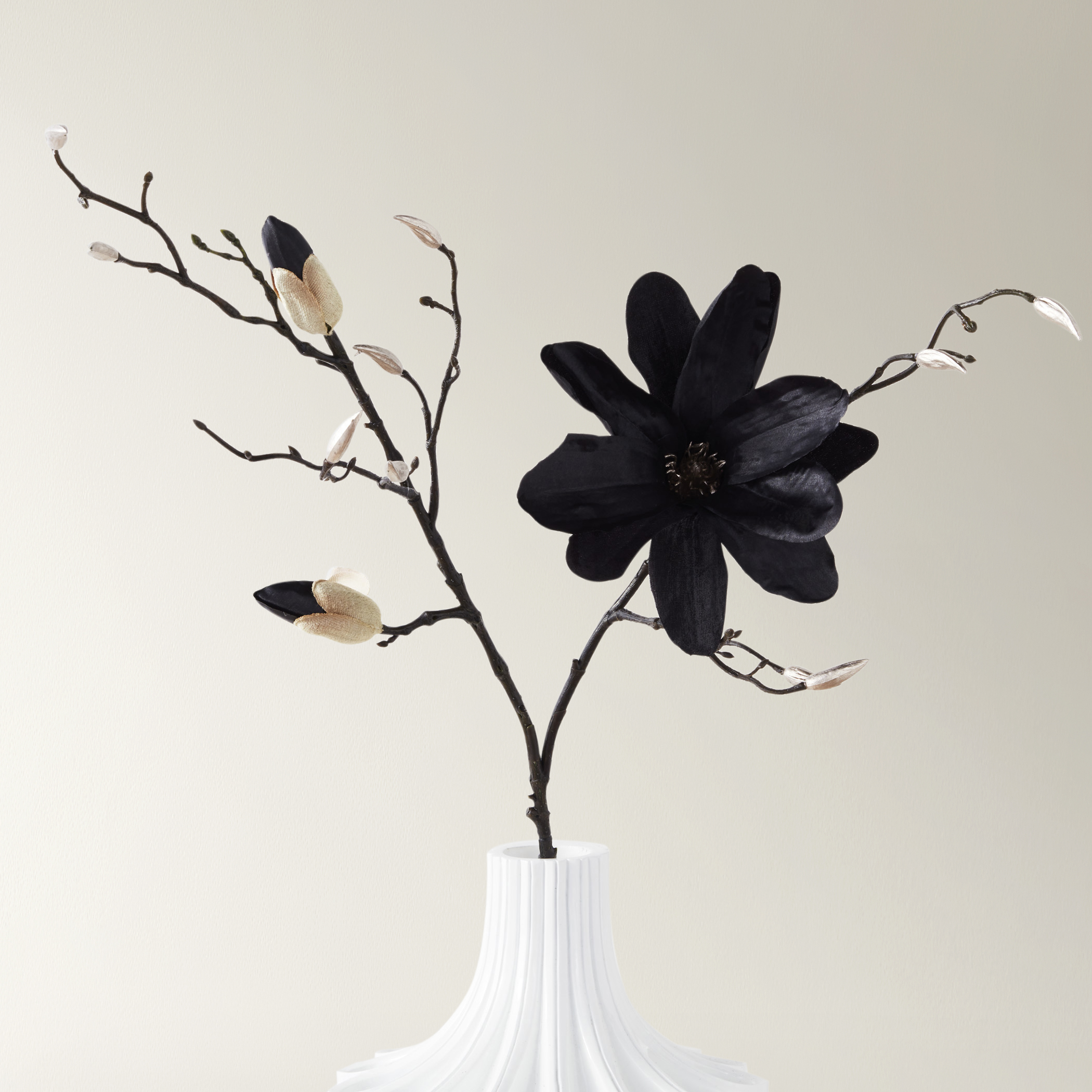 Faux Black & Gold Magnolia Stem 33" Set of 3$59
A set of three lifelike black polyester magnolia sprays that add dramatic height to any decor.
Add To Cart -
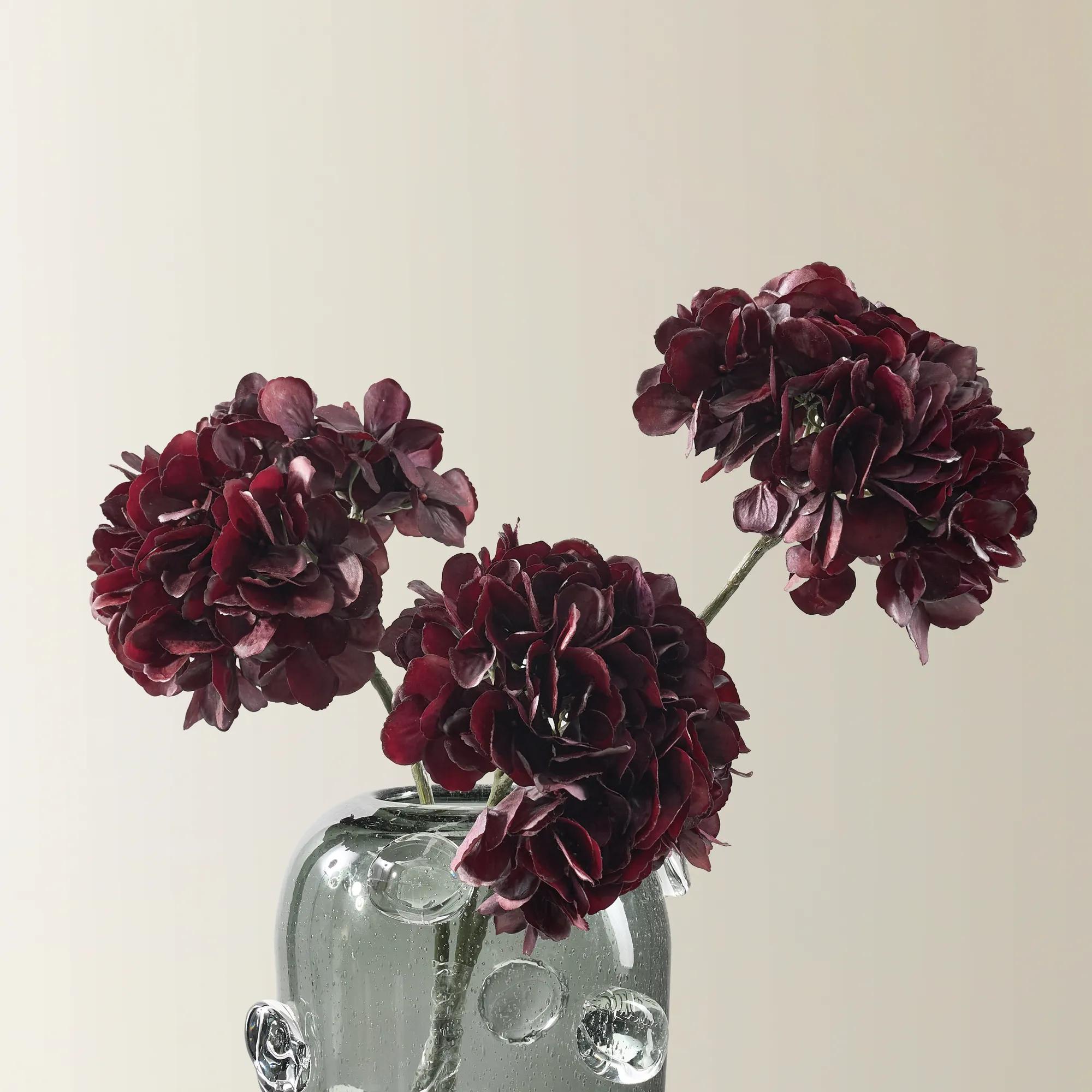 Faux Fig Hydrangea Real Touch Stem 18.5" Set of 3$79
A set of three faux fig-colored hydrangea stems crafted from plastic for lush, seasonal arrangements.
Add To Cart -
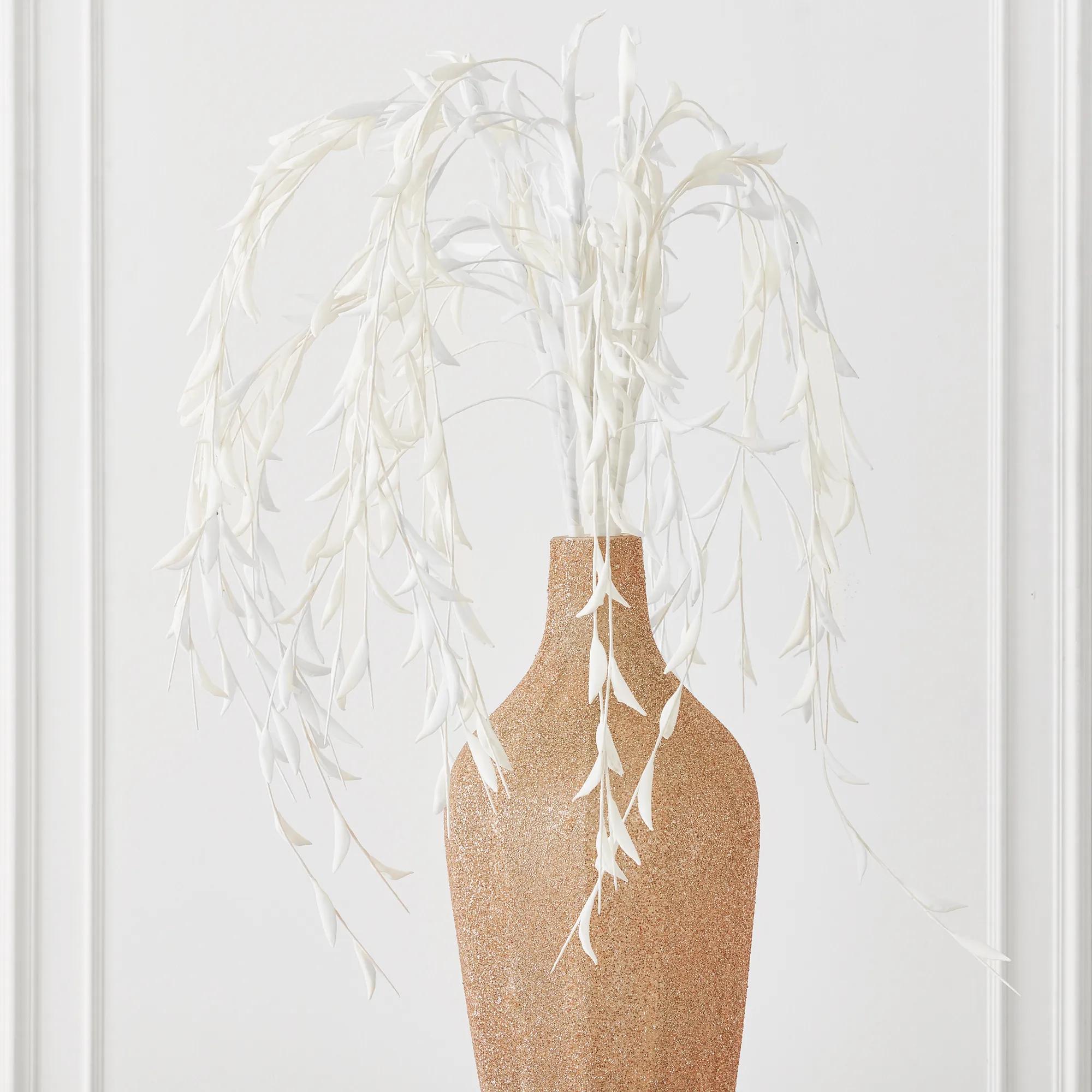 Faux Weeping Willow Spray Set of 3$59
A set of three faux weeping willows with delicate white foam branches for enchanting decor.
Add To Cart -
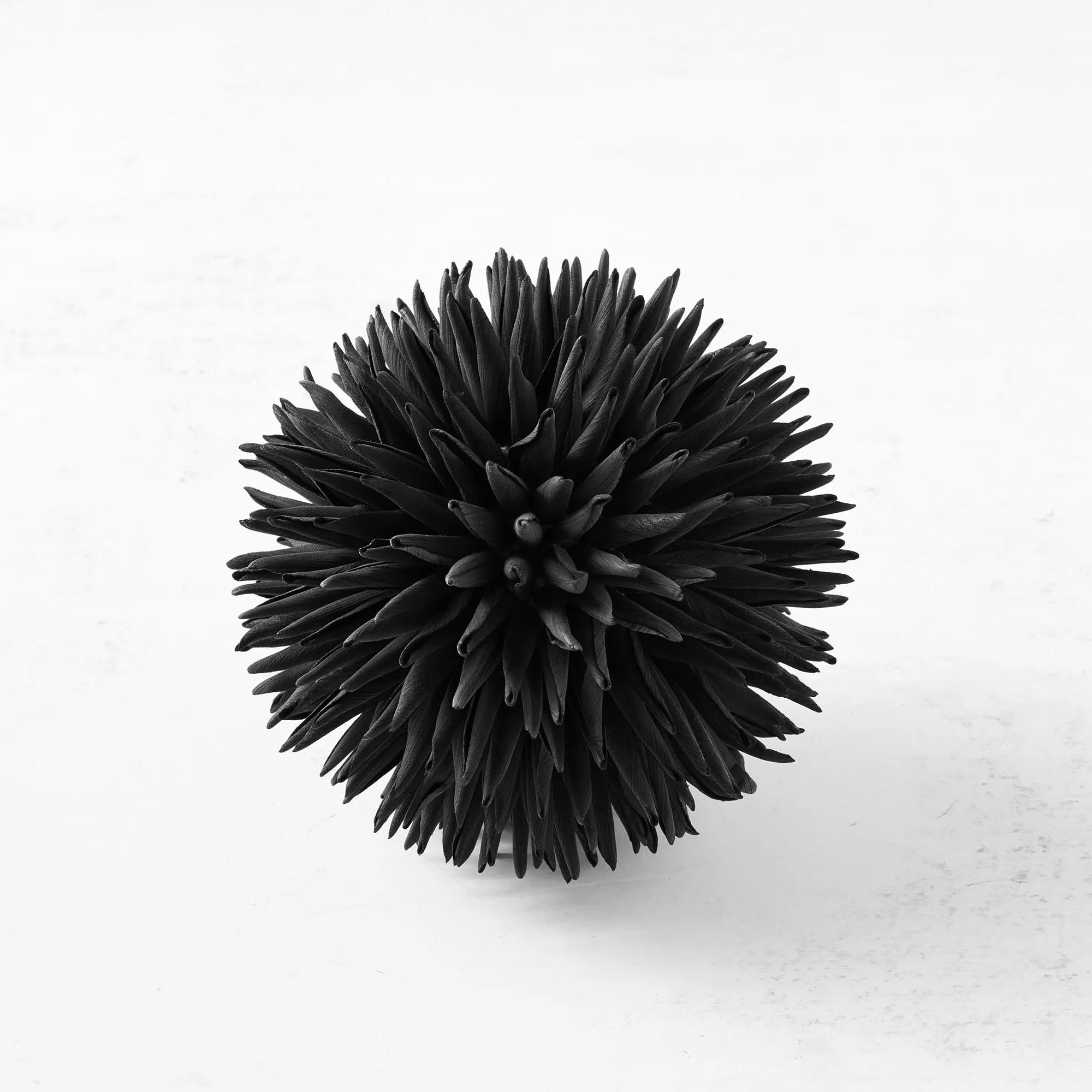 Faux Black Allium Sphere 7" Set of 3$59
A set of three lifelike black faux allium spheres crafted from foam for effortless, year-round decor.
Add To Cart -
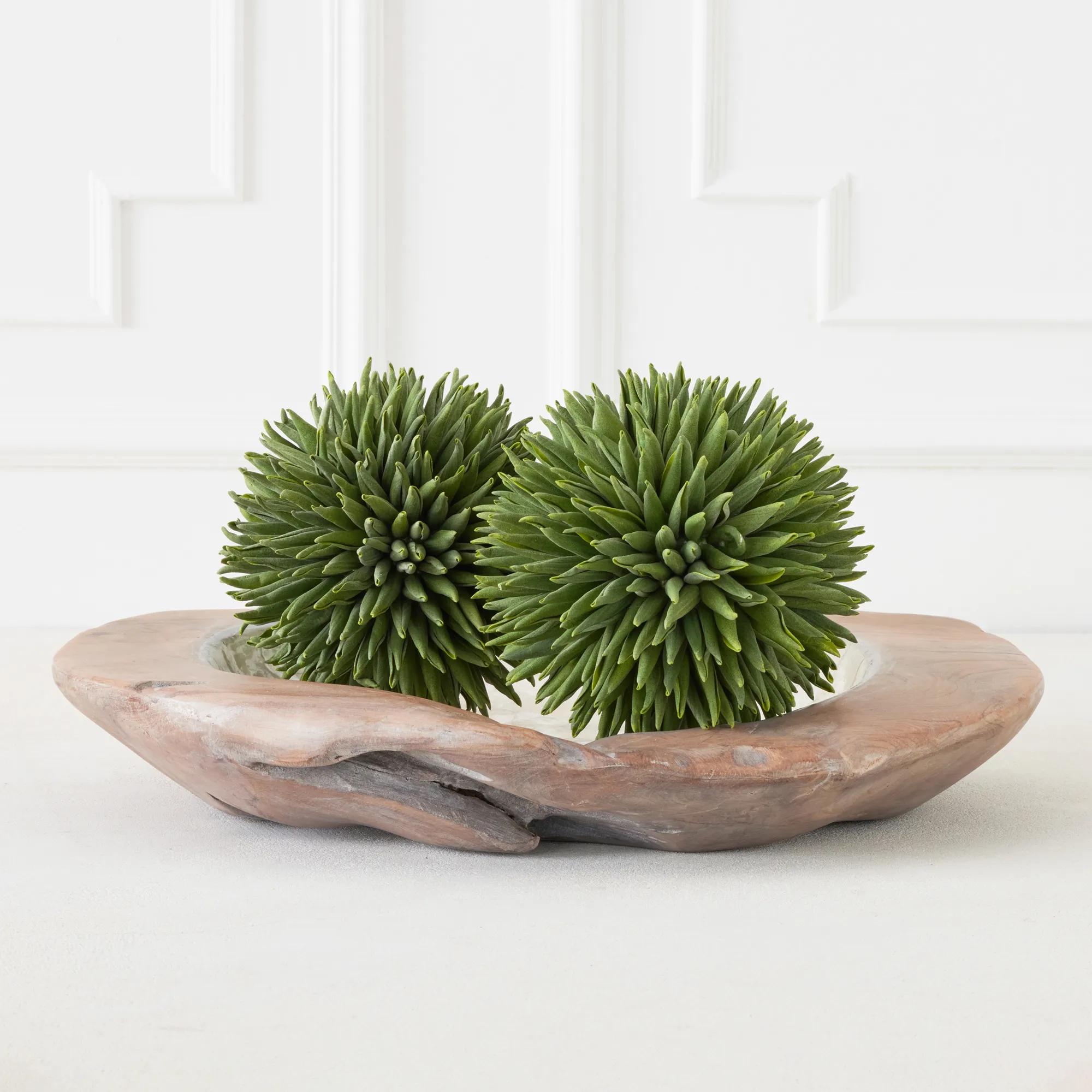 Faux Green Allium Sphere 7" Set of 3$59
A set of three lifelike foam green faux floral spheres that stay vibrant without water or sunlight.
Add To Cart -
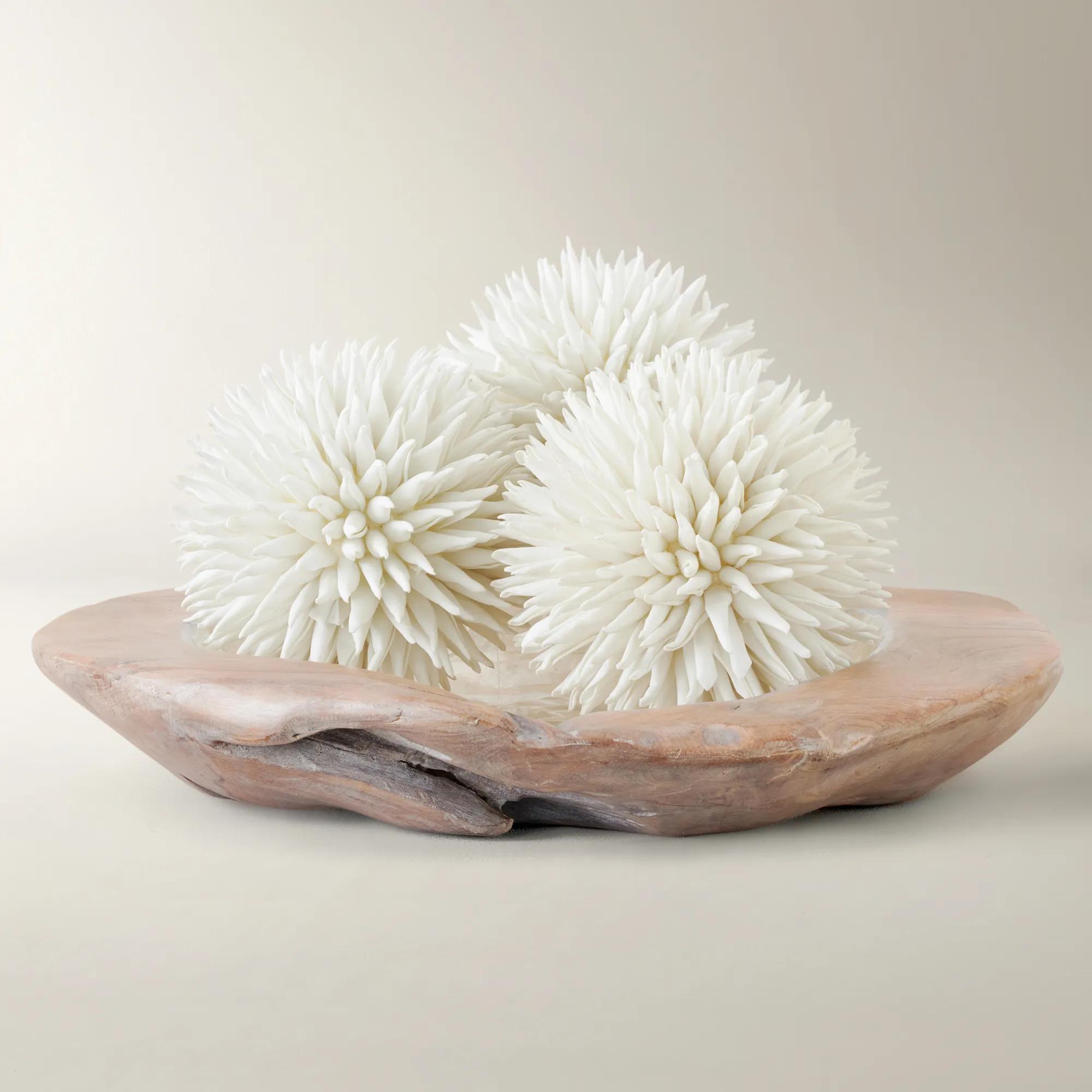
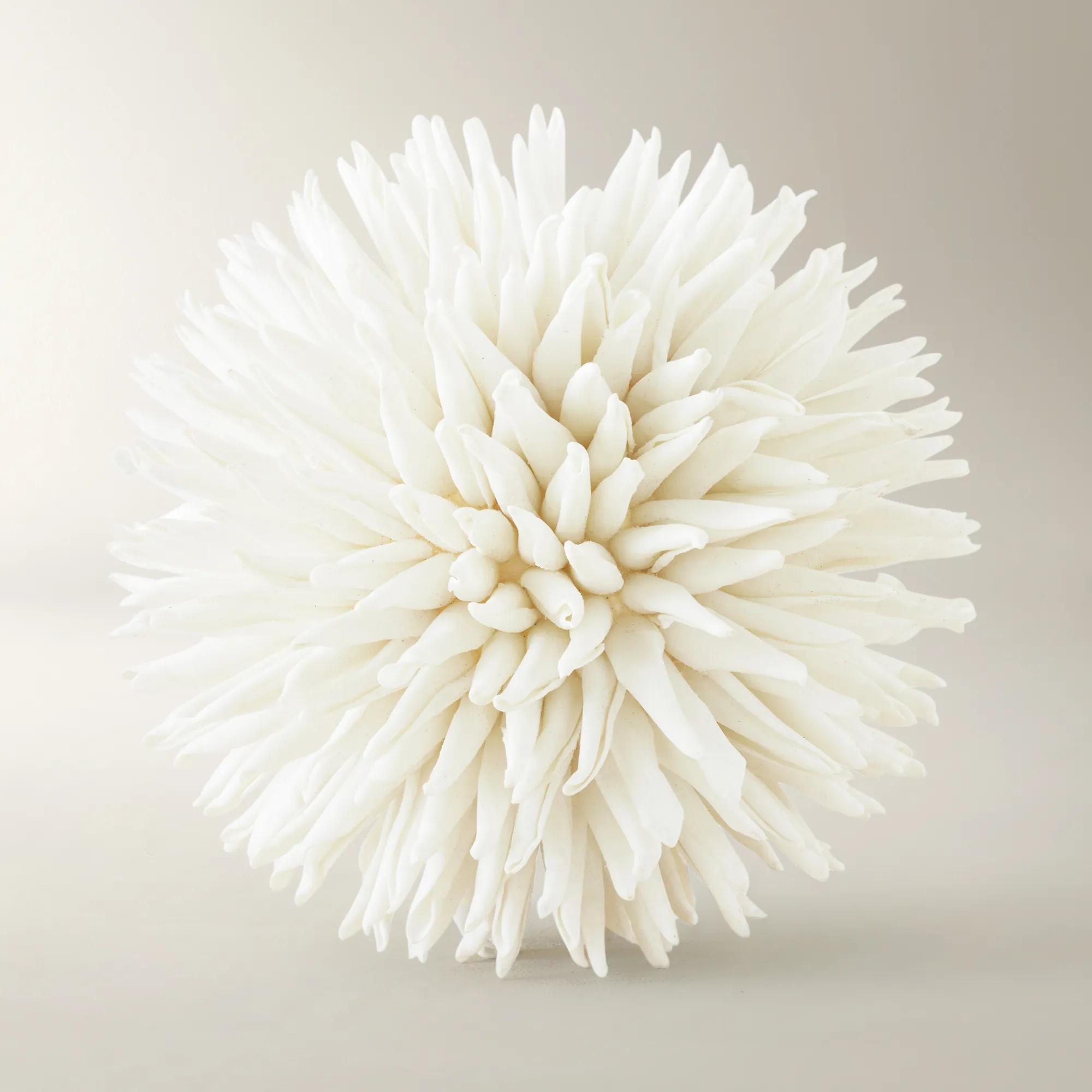 Faux White Allium Sphere 7" Set of 3$59
A set of three foam white faux floral spheres that stay vibrant year-round without water or sunlight.
Add To Cart -
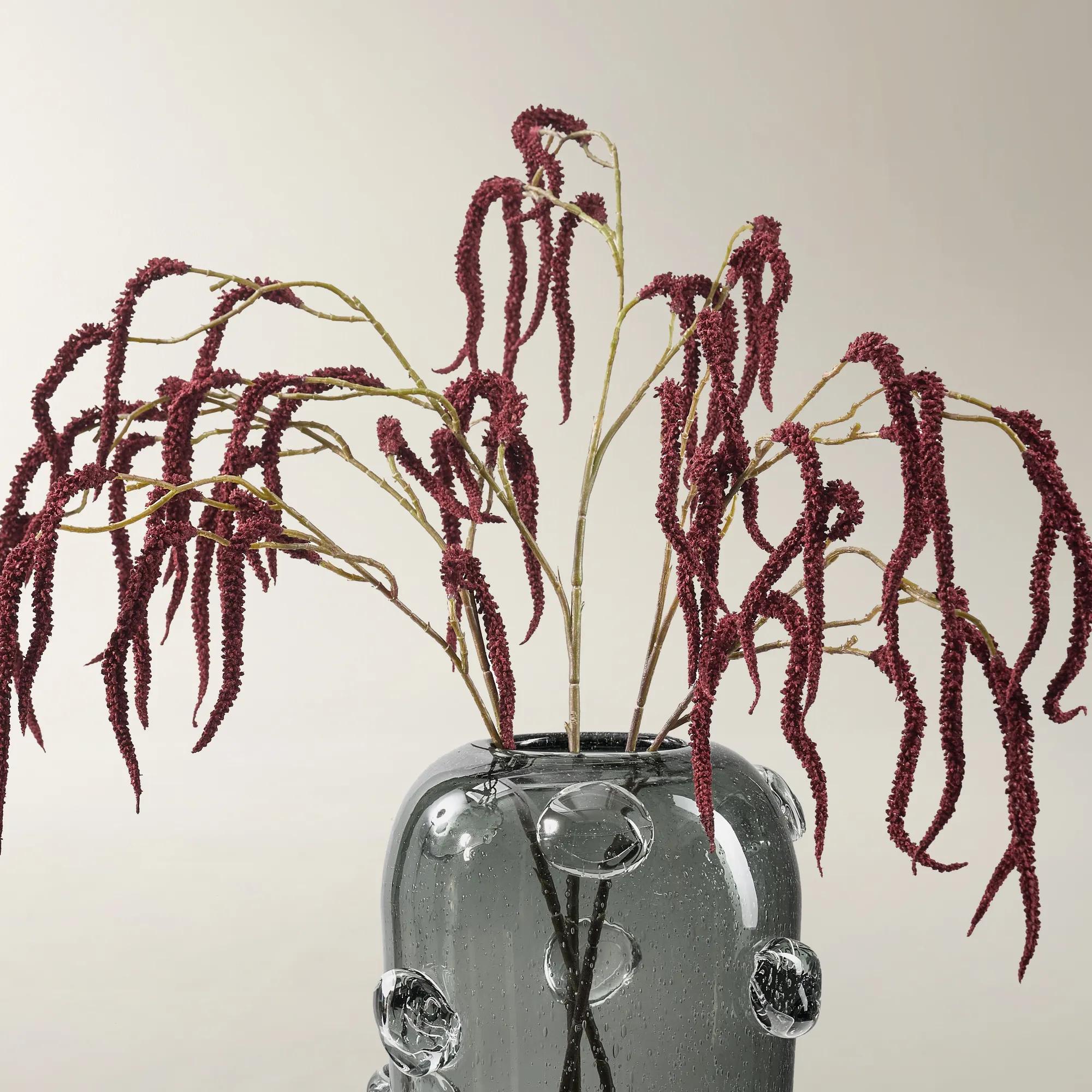
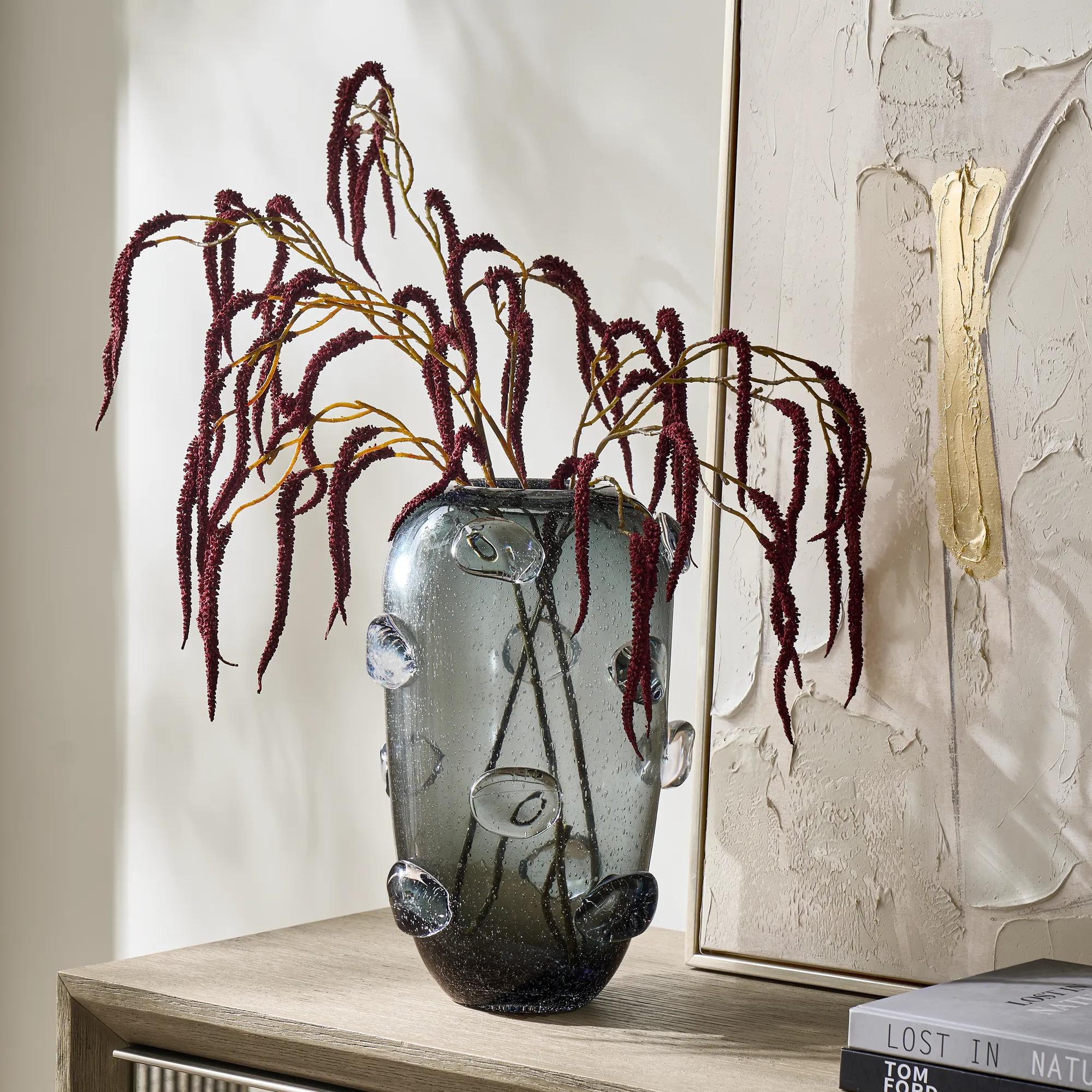 Faux Burgundy Amaranthus Stem 30" Set of 3$39
A set of three cascading faux stems in rich burgundy plastic adds dramatic texture to arrangements.
Add To Cart -
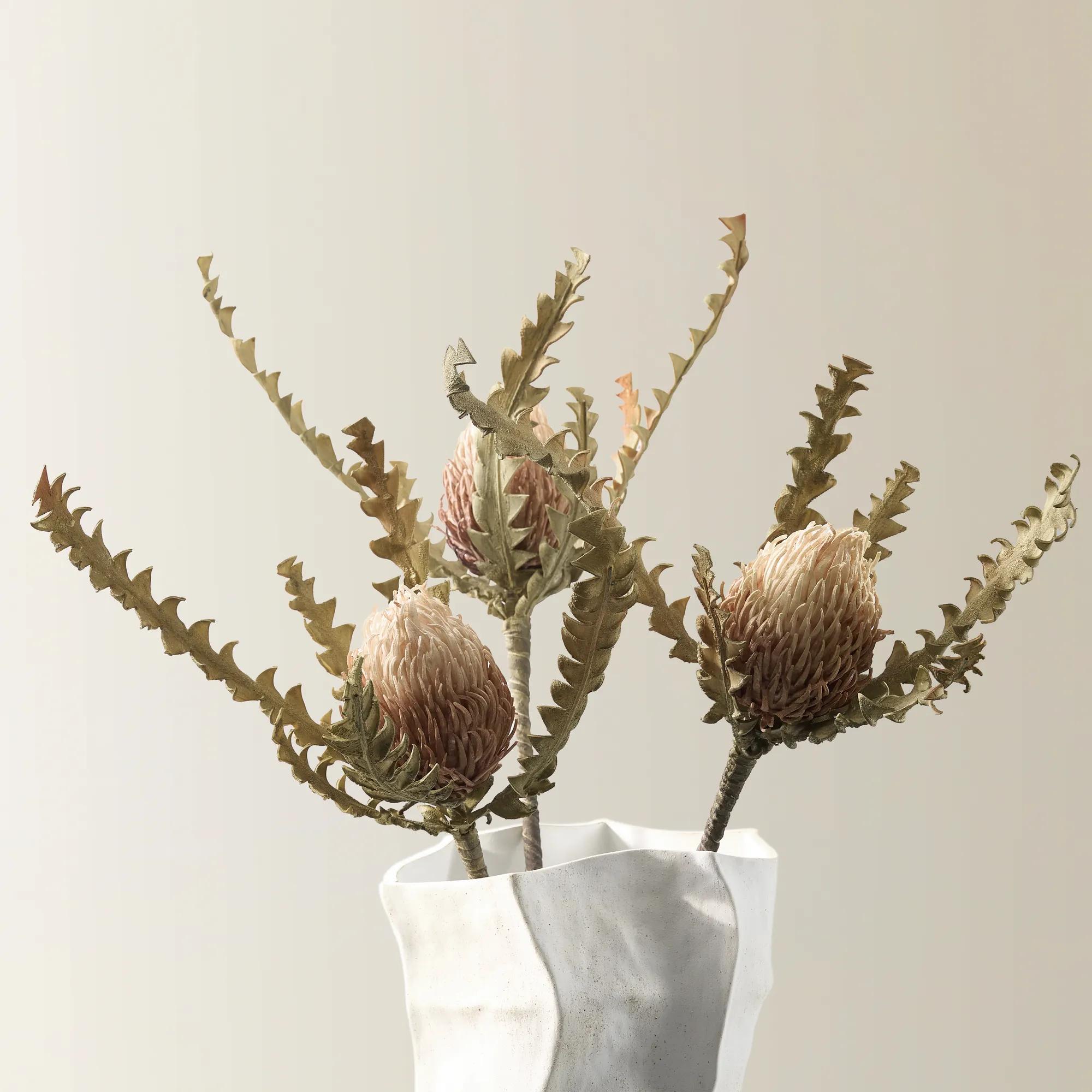 Faux Yellow Banksia Stem 32.75" Set of 3$49
A set of three sculptural faux banksia stems in yellow and green plastic for bold, artful arrangements.
Add To Cart -
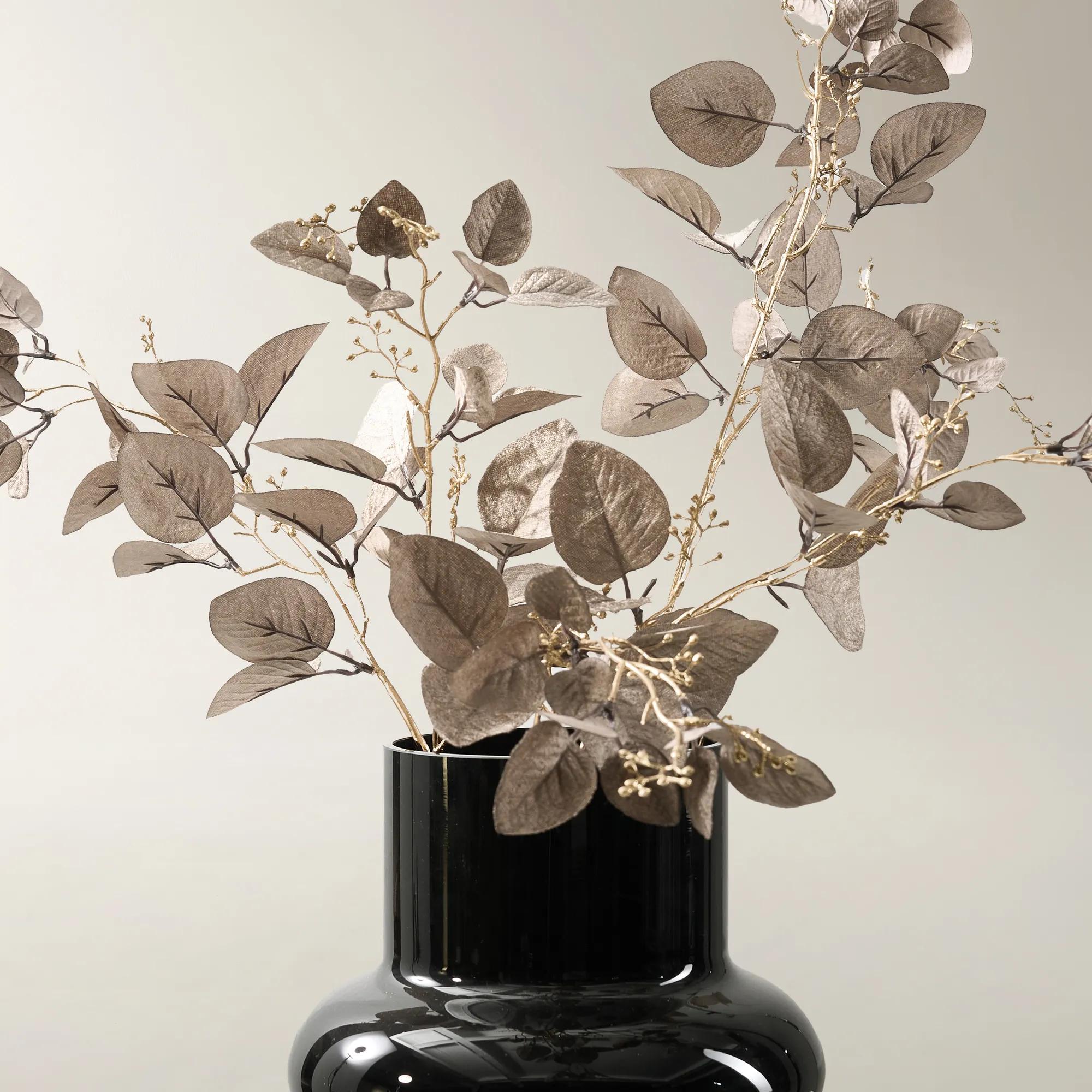 Faux Champagne Shimmer Eucalyptus Spray 32" Set of 3$49
A set of three antique champagne faux eucalyptus sprays adds metallic warmth and airy texture to arrangements.
Add To Cart -
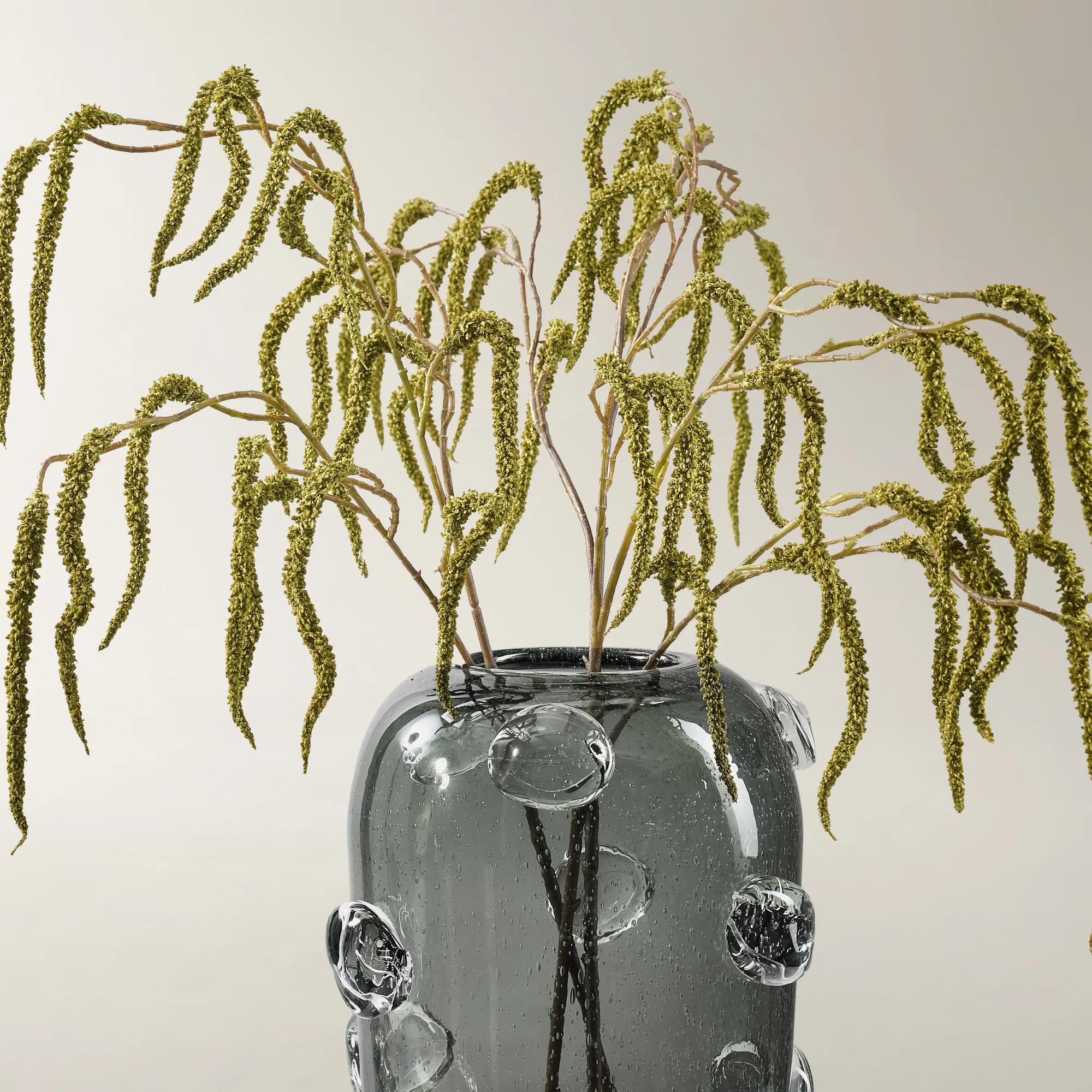 Faux Citron Green Amaranthus Stem 30" Set of 3$39
A set of three cascading faux amaranthus stems in vibrant citron green plastic for lush arrangements.
Add To Cart -
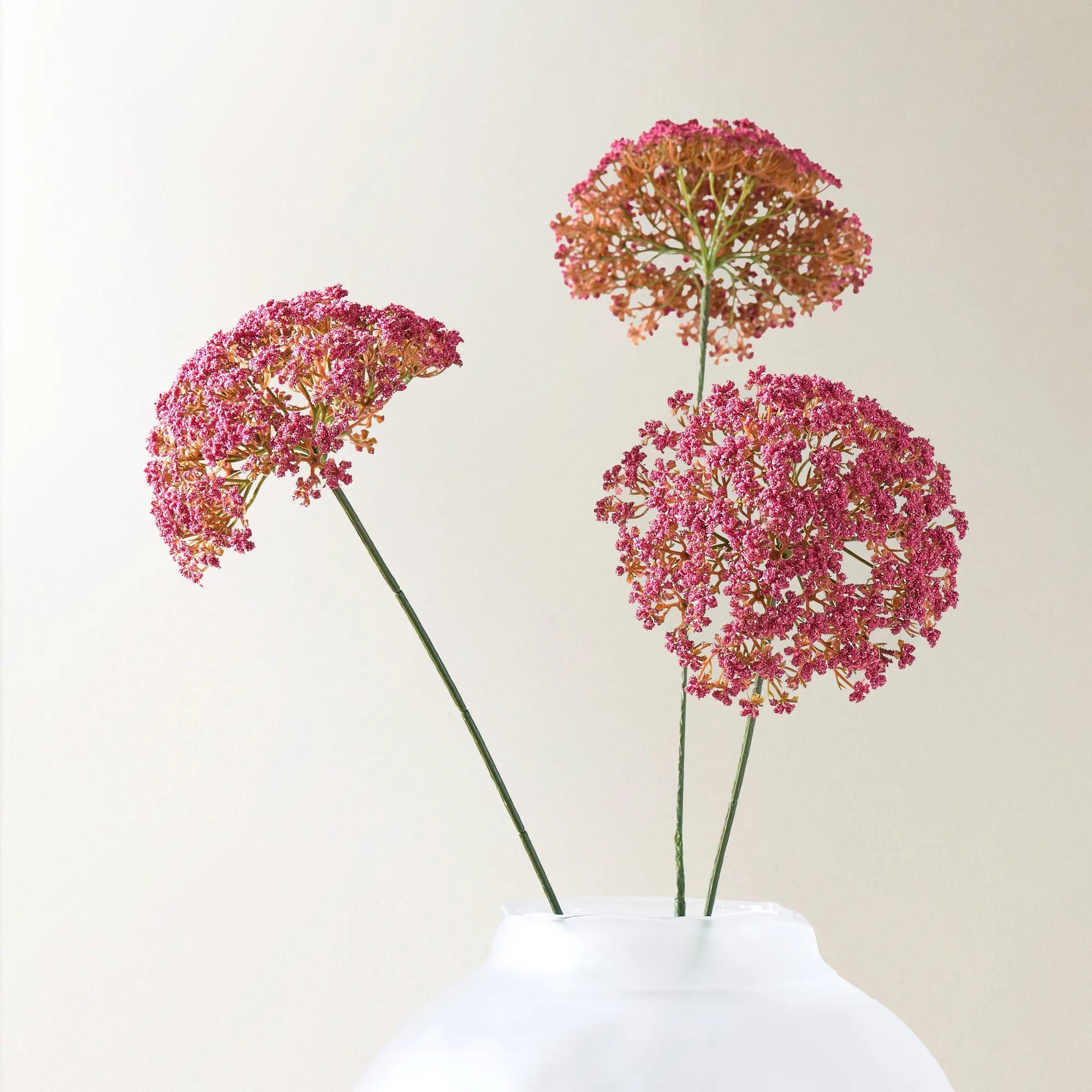
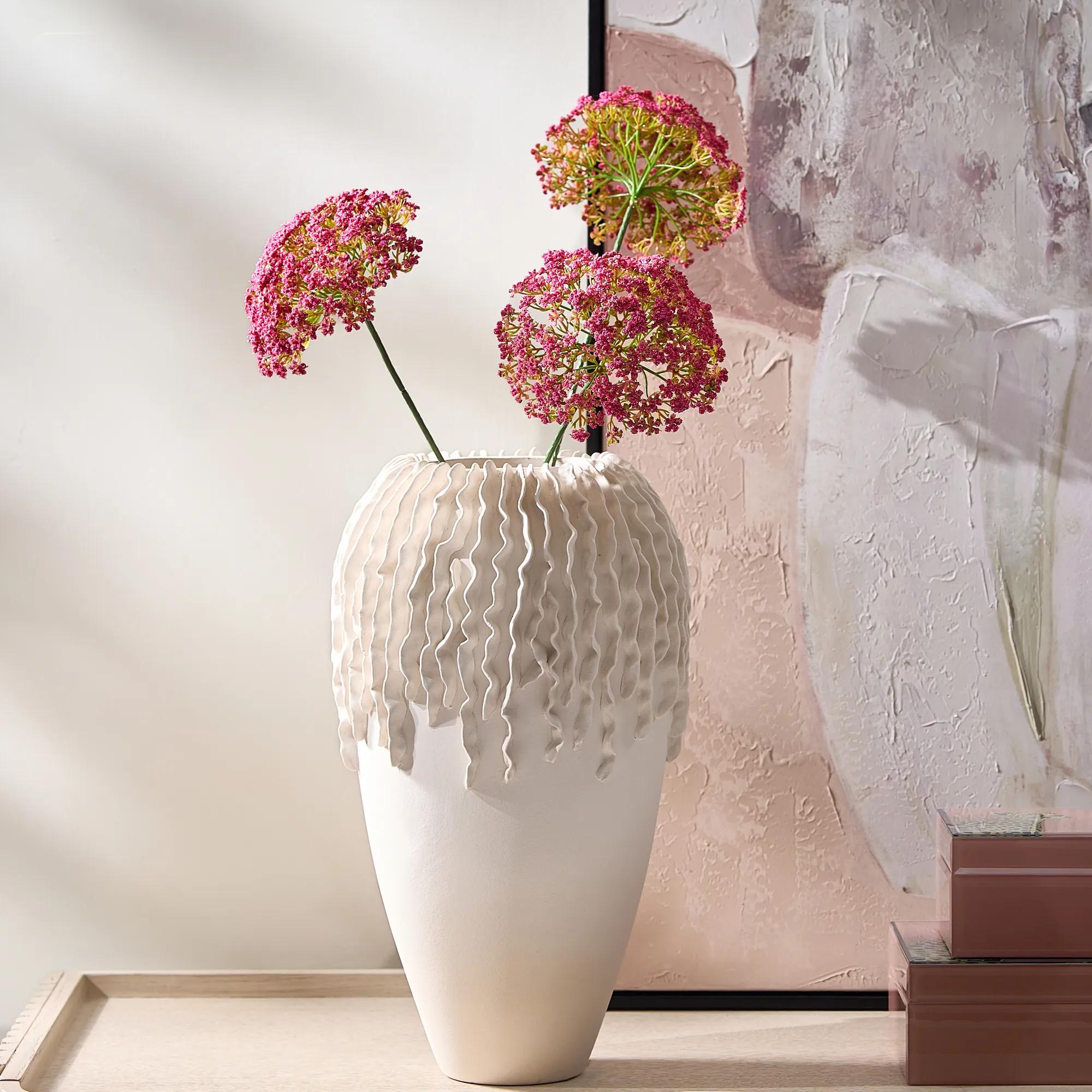 Faux Berry Pink Heracleum Stem 29" Set of 3$49
A trio of pink faux Heracleum stems adds sculptural texture and lasting botanical style to interiors.
Add To Cart -
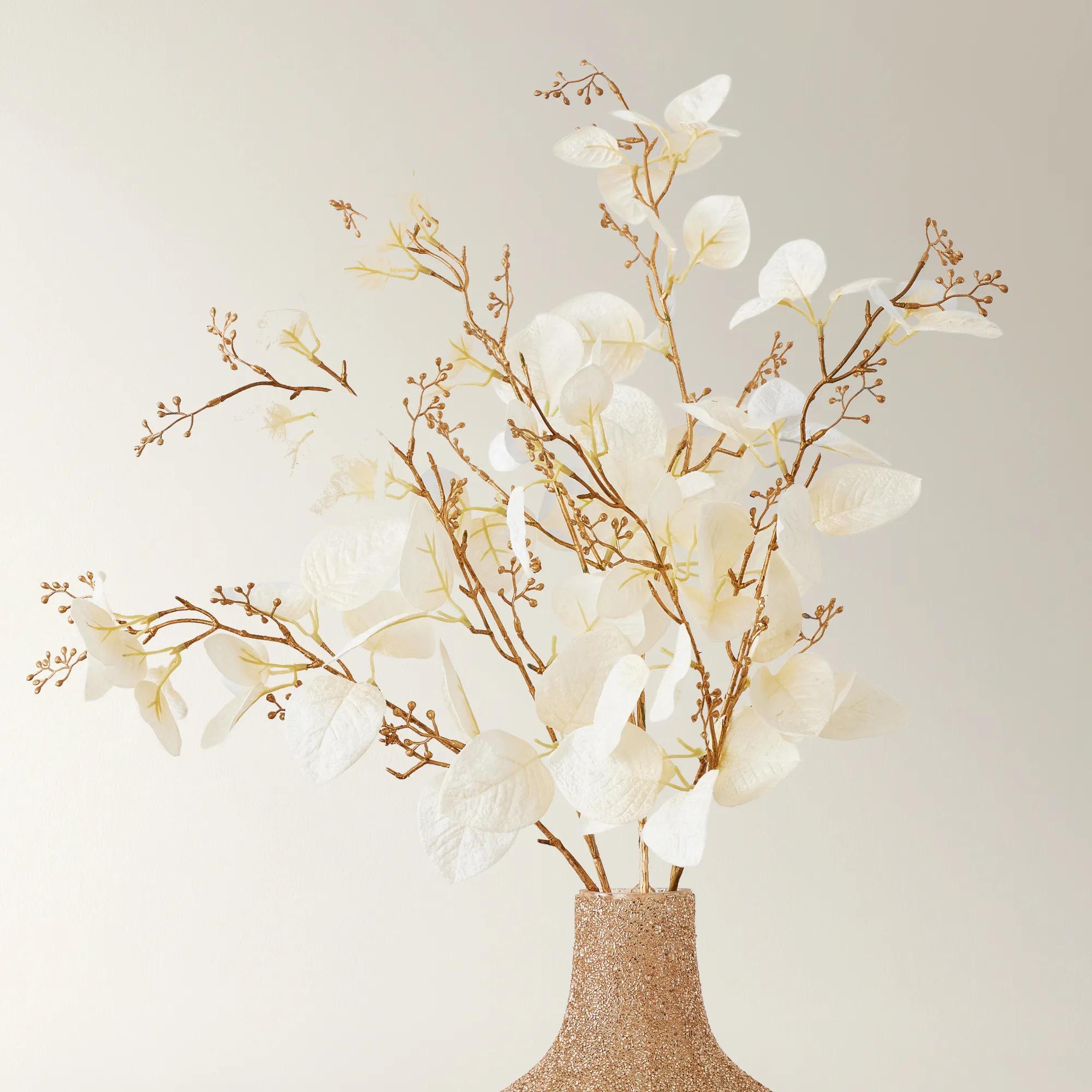 Faux Ivory/Gold Eucalyptus Spray 32" Set of 3$49
A trio of ivory-and-gold polyester eucalyptus sprays adds luminous, dimensional texture to botanical arrangements.
Add To Cart -
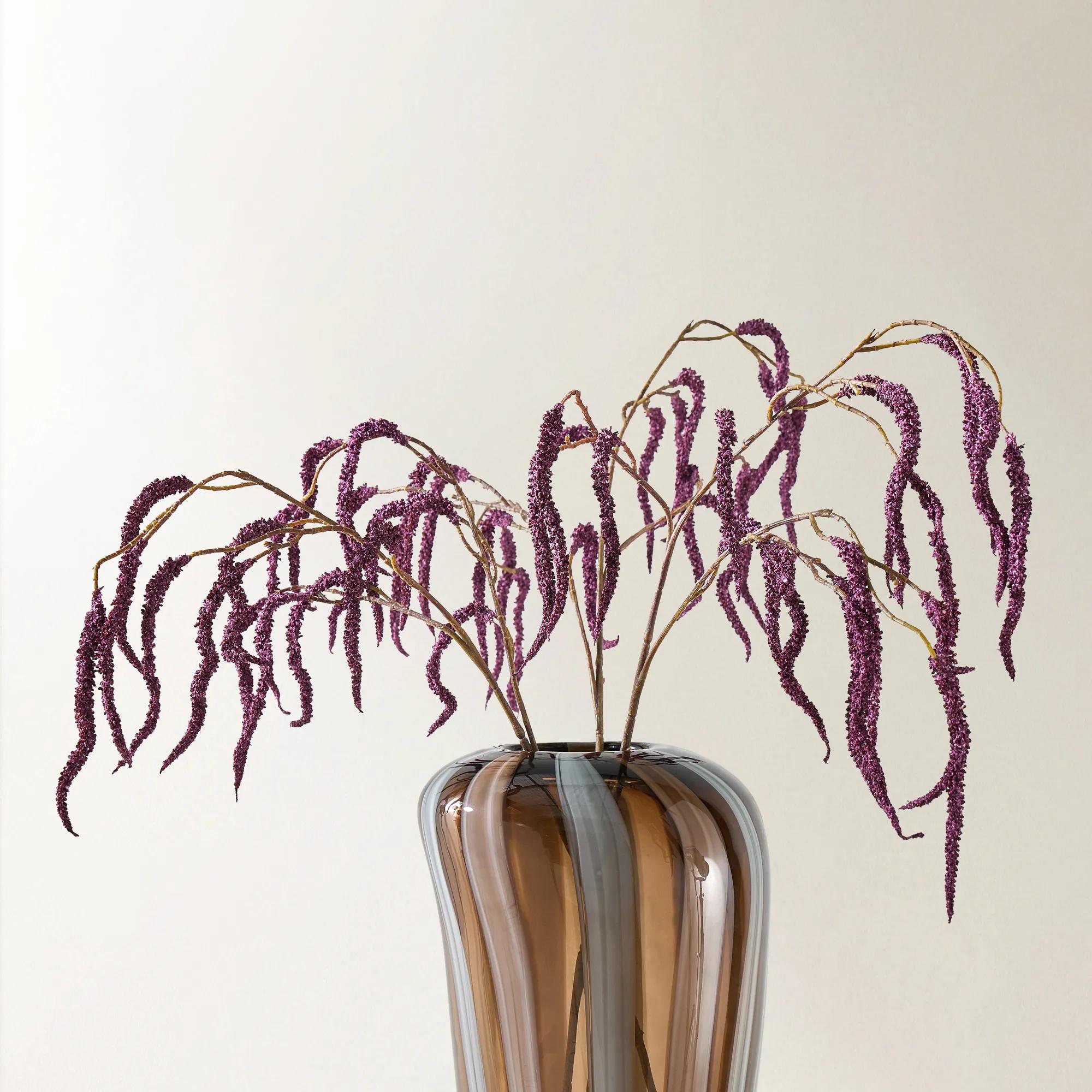
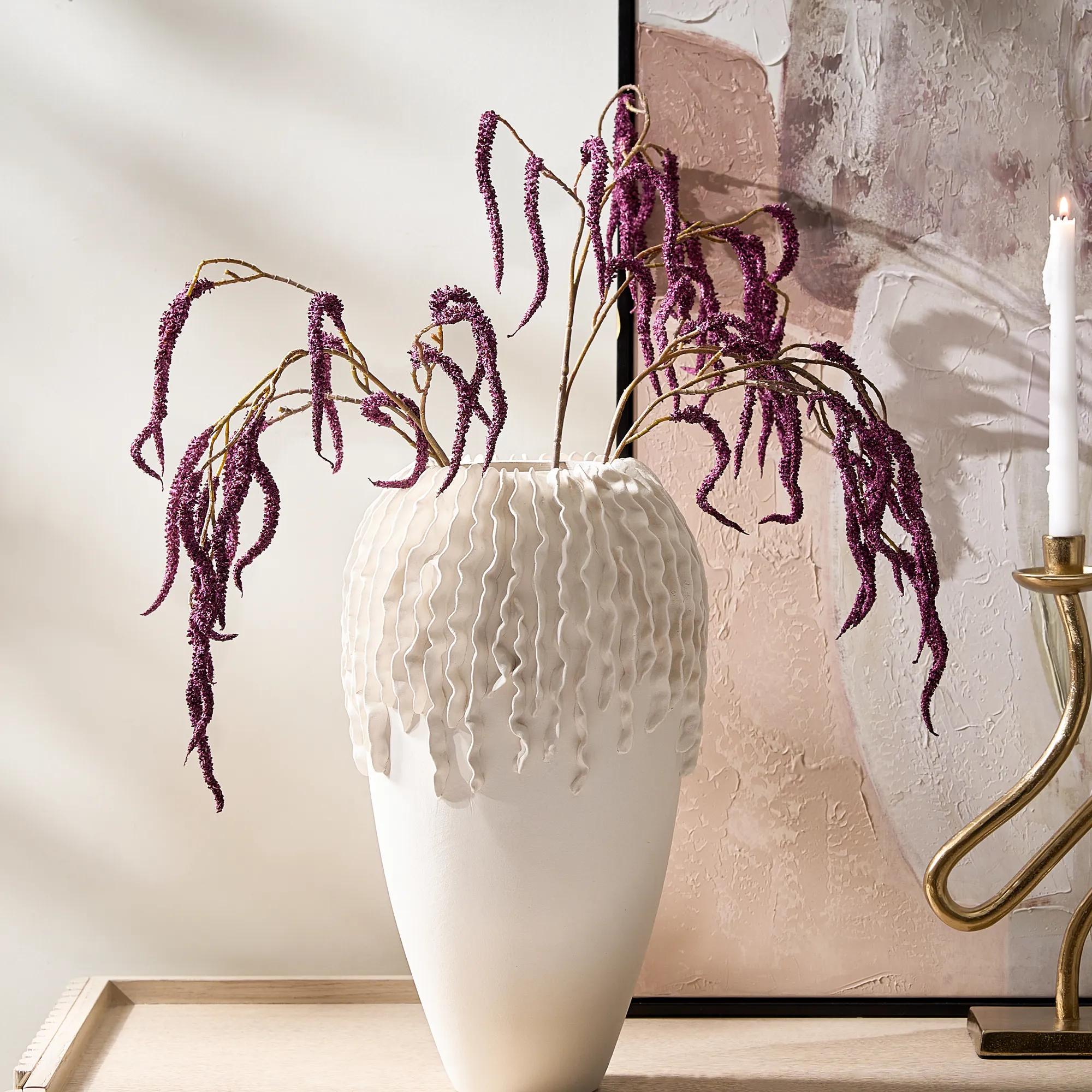 Faux Dark Amethyst Amaranthus Stem 30" Set of 3$39
A set of three faux dark amethyst plastic stems adds rich color and cascading texture to arrangements.
Add To Cart -
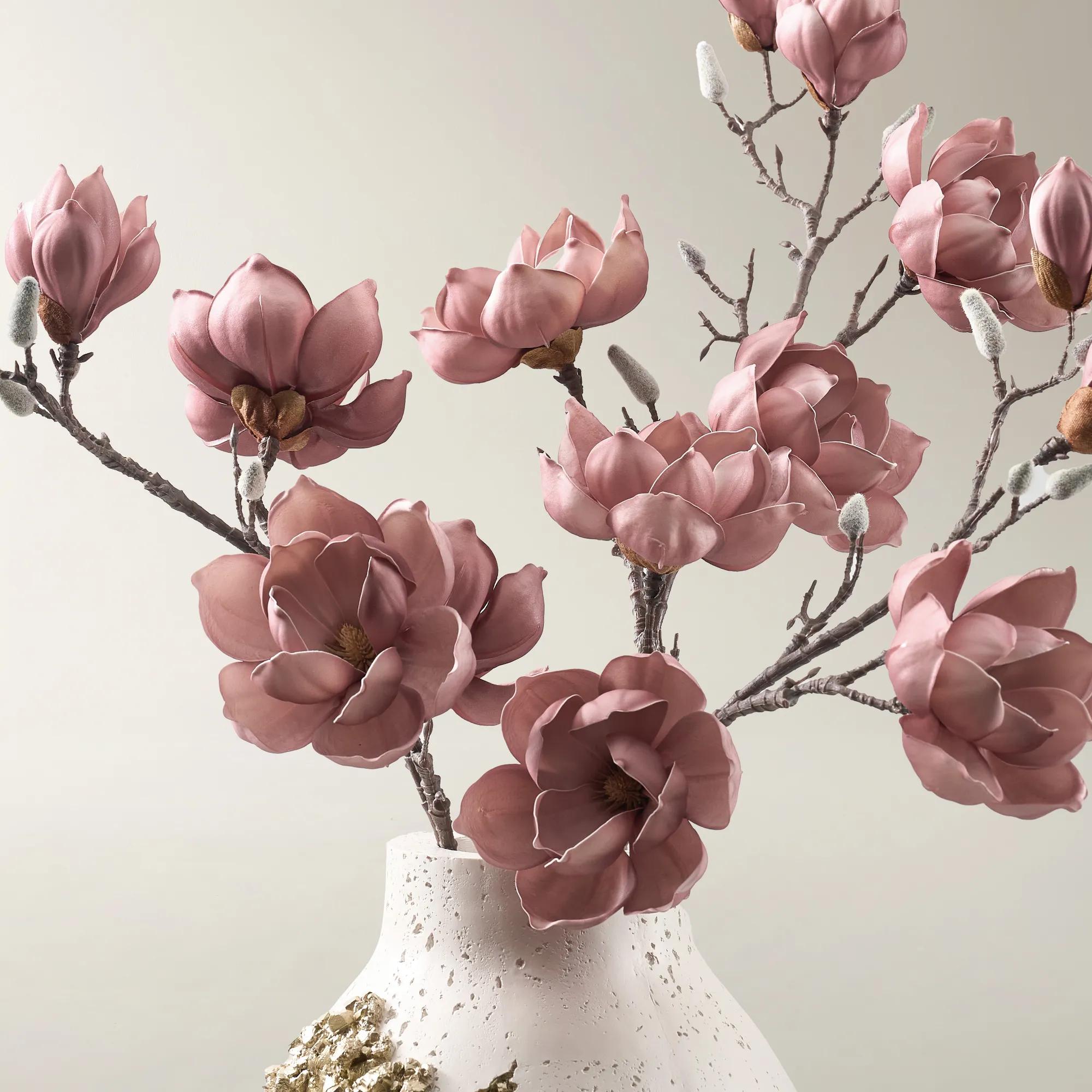 Faux Pearlized Antique Mauve Magnolia Stem 40" Set of 3$79
A set of three pearlized antique mauve magnolia stems crafted from polyester for elegant seasonal arrangements.
Add To Cart -

 Faux Amethyst Allium Bulb Stem 40" Set of 3$69
A trio of faux amethyst allium stems adding sculptural botanical elegance to modern arrangements.
Add To Cart -
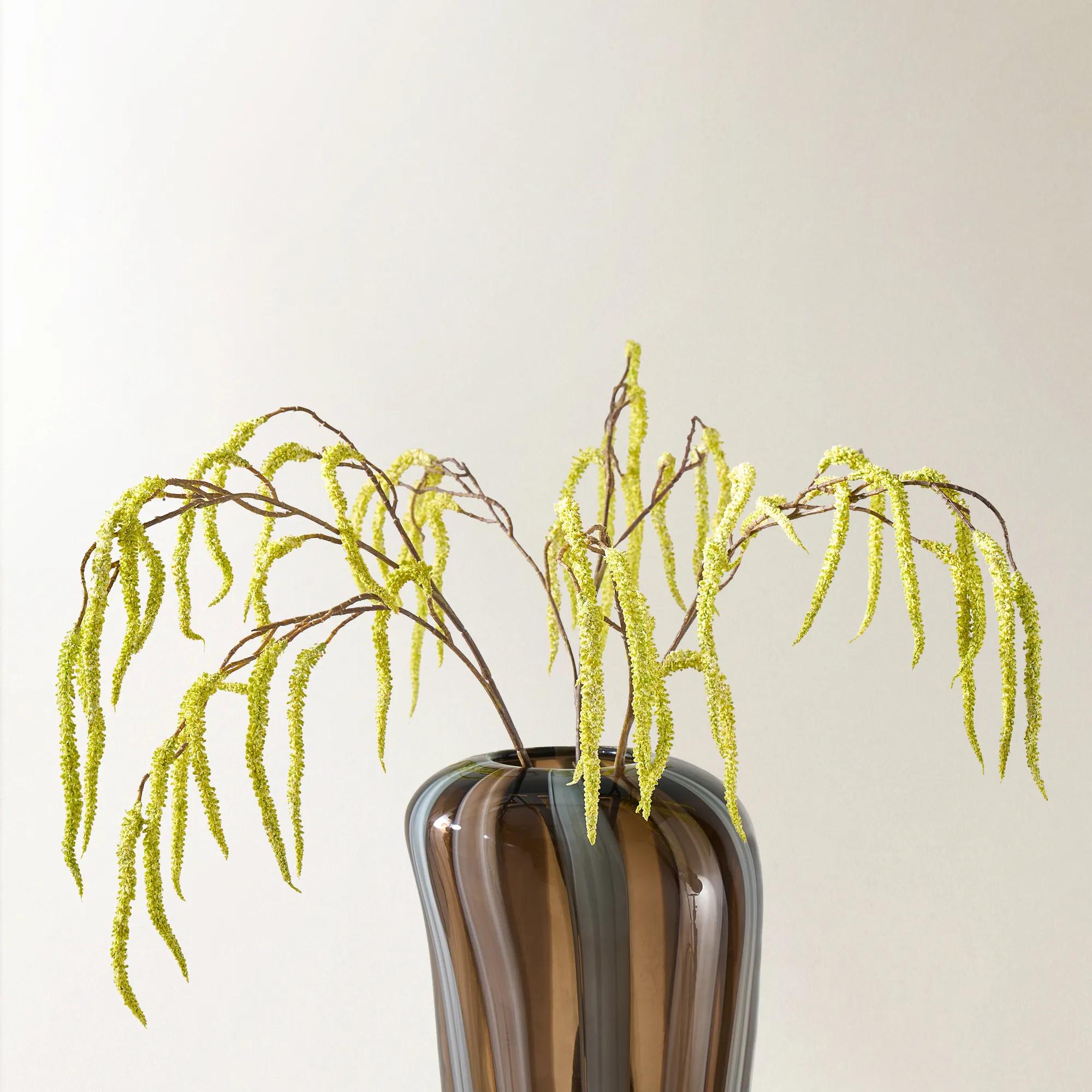
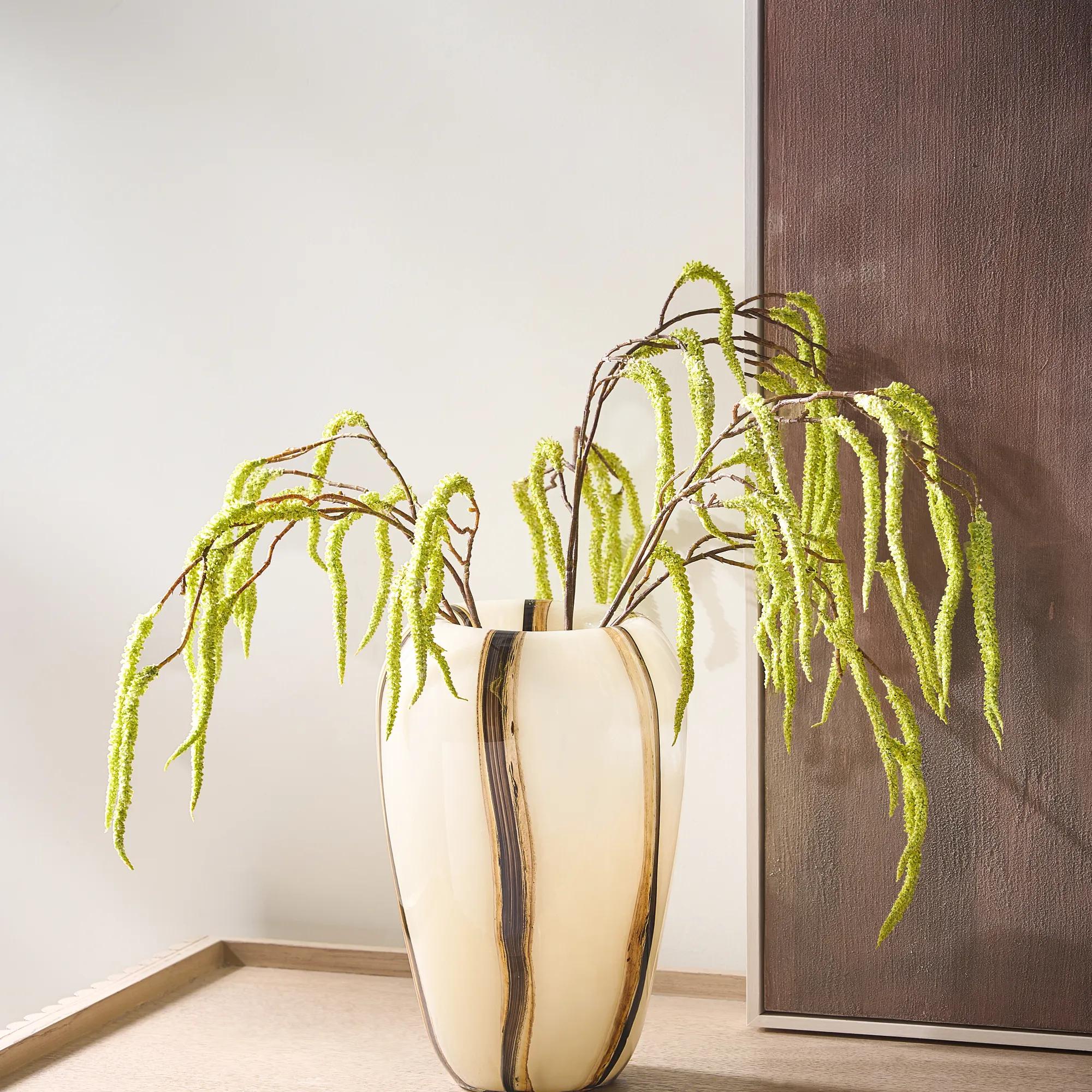 Faux Citron Yellow Amaranthus Stem 30" Set of 3$39
A set of three cascading faux stems in vibrant citron yellow plastic adds lush texture to arrangements.
Add To Cart -
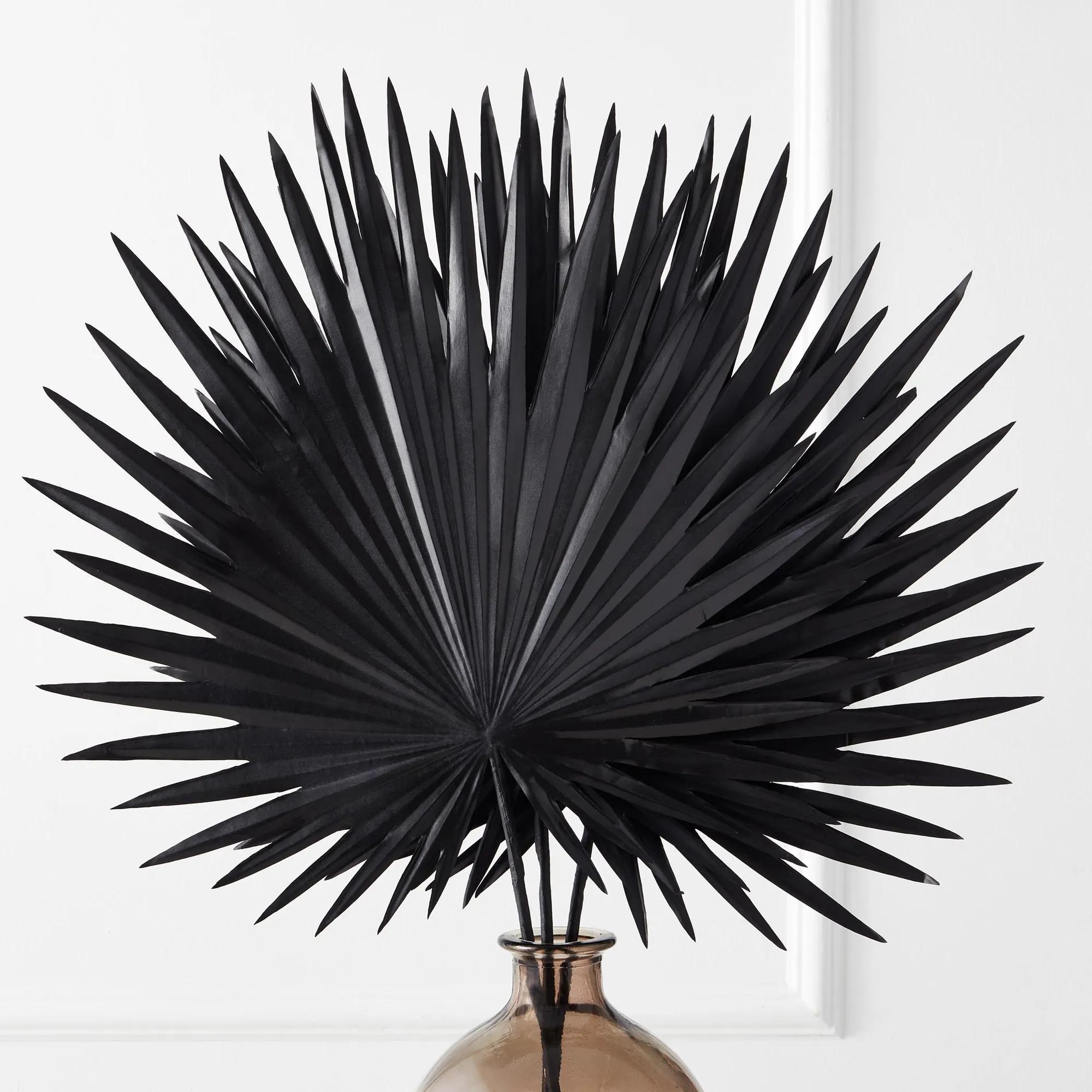
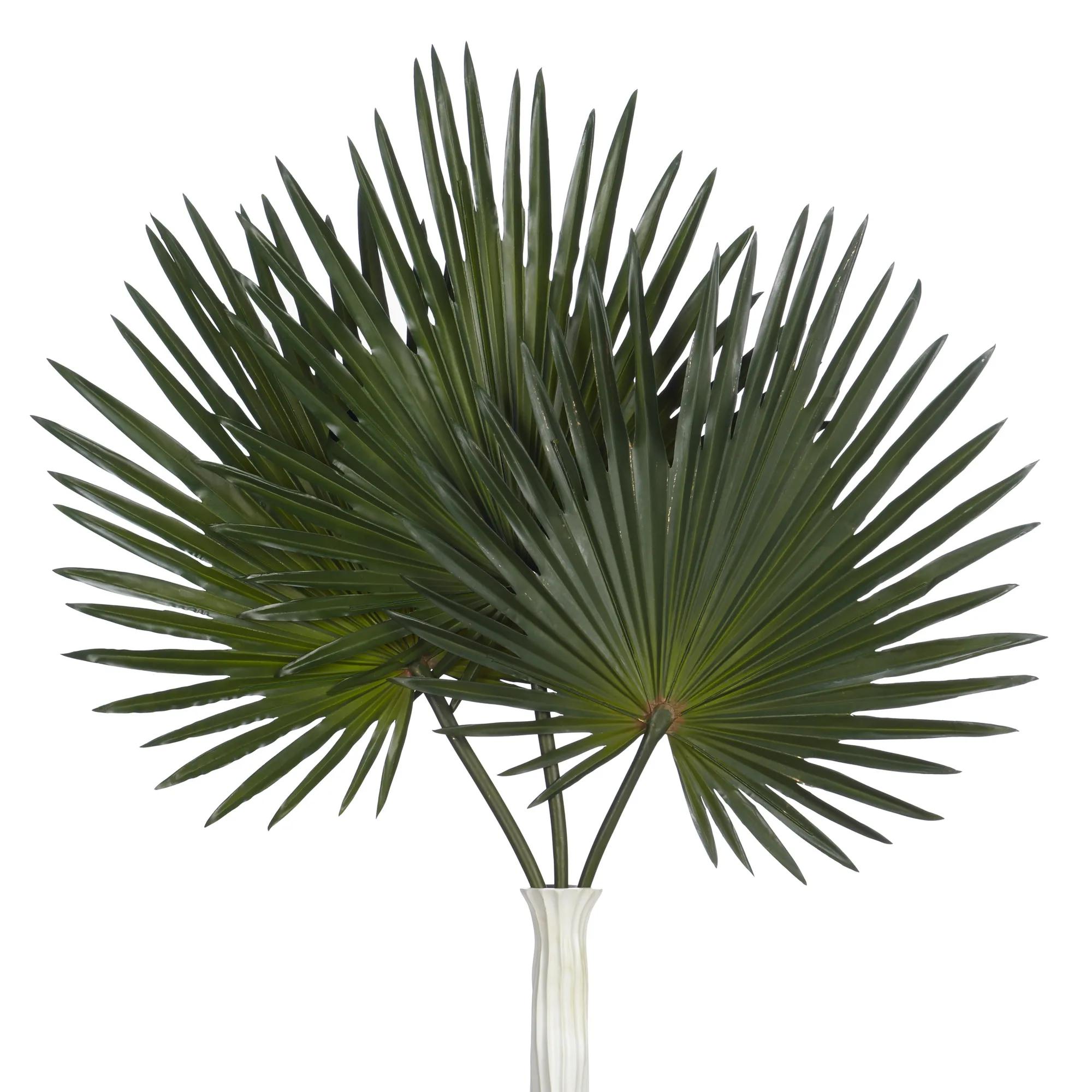
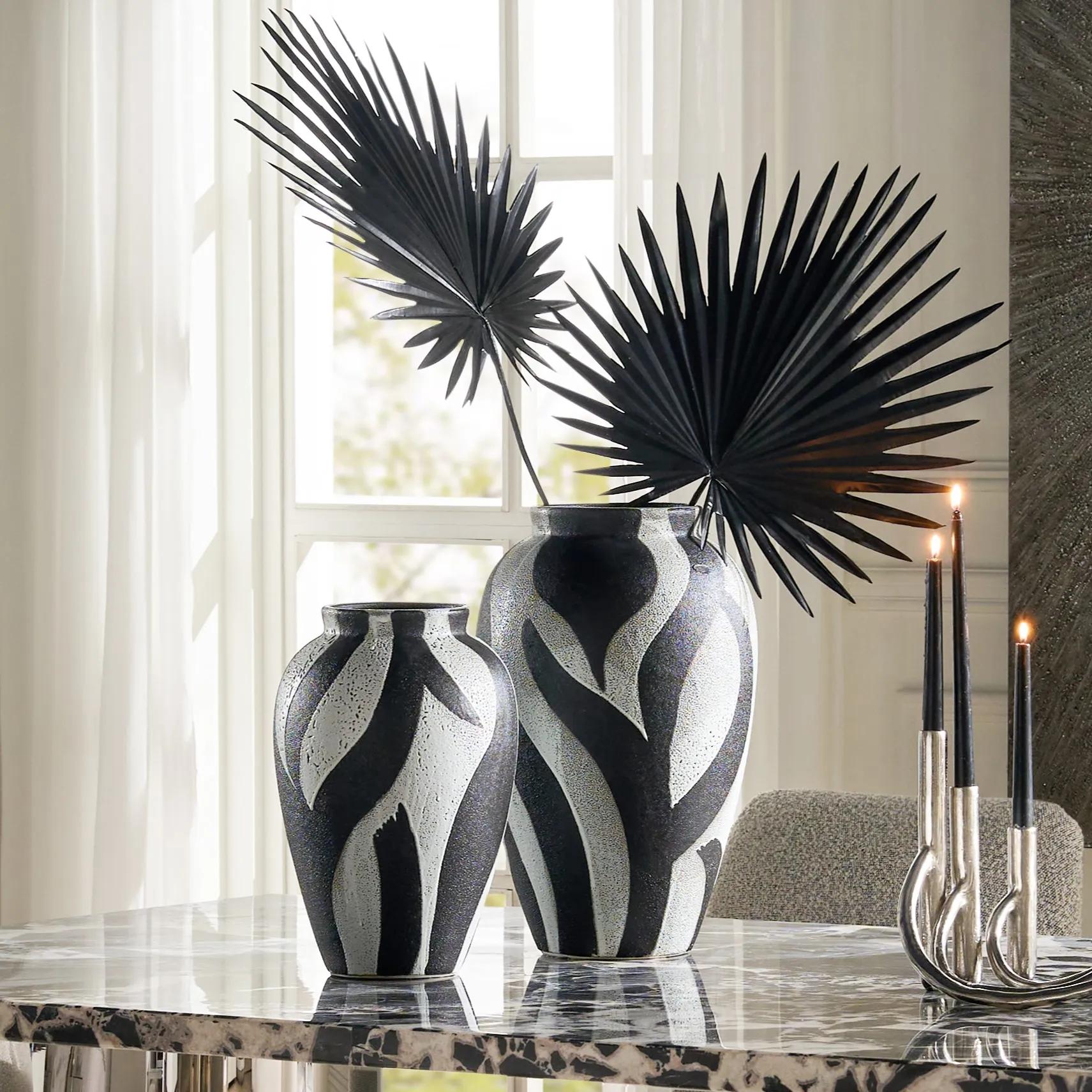 Faux Black Palm Stem 40" Set of 3$69
A set of three black faux palm stems with flexible wire for easy, artistic arranging.
Add To Cart -
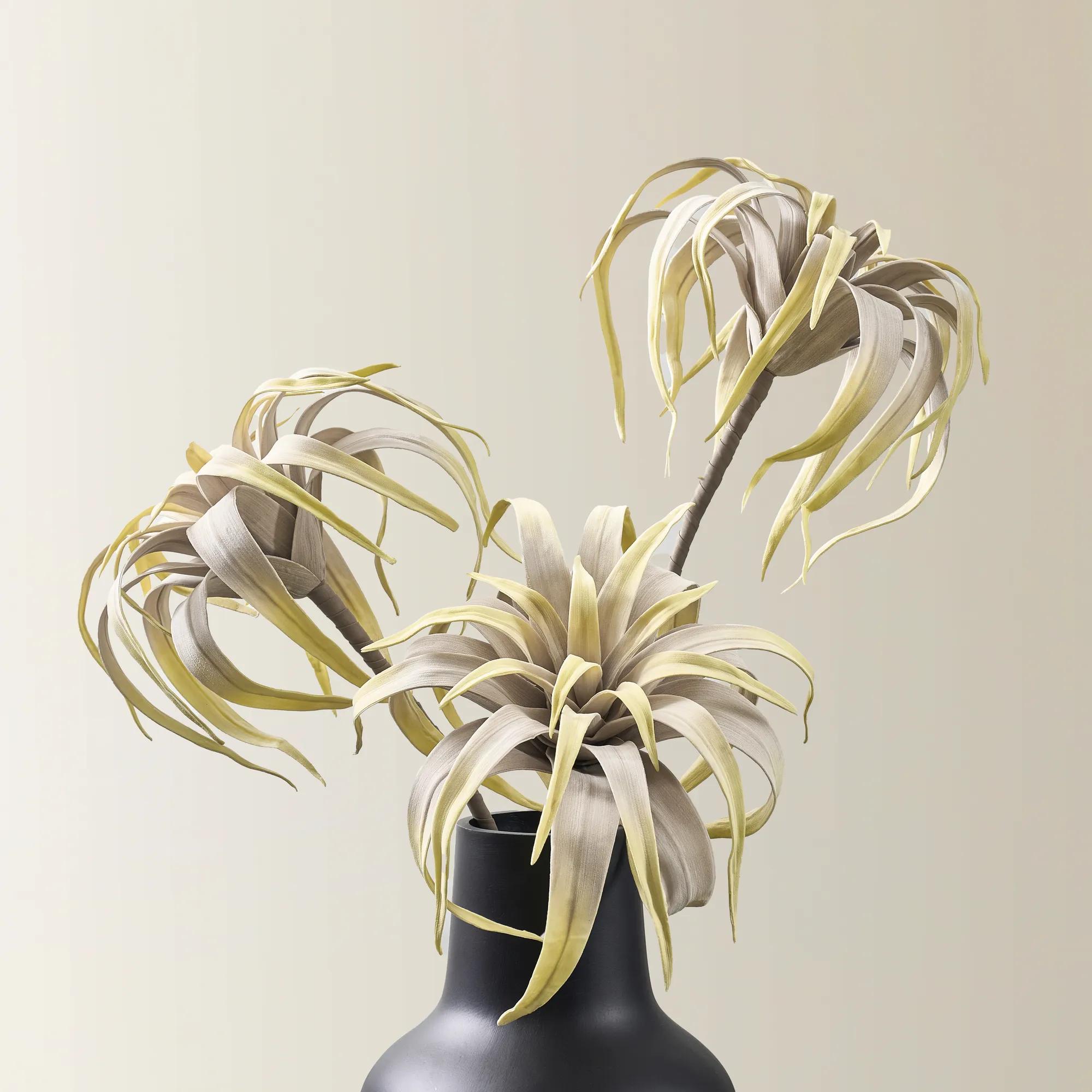 Faux Dusty Blush Large Airplant Stem 35.5" Set of 3$49
A set of three sculptural faux airplant stems in soft dusty blush foam for modern decorative arrangements.
Add To Cart -
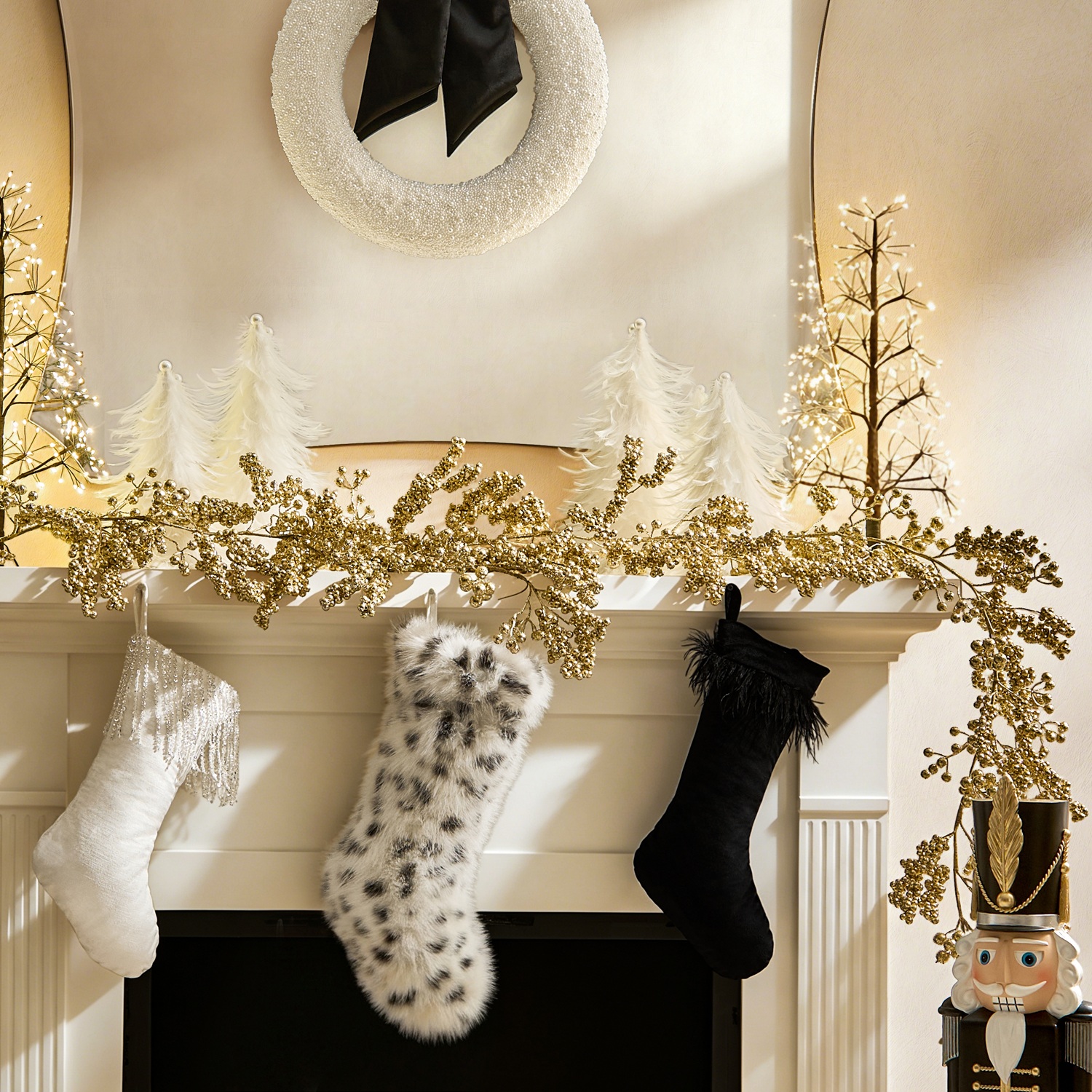
 Metallic Gold Berry Garland 72"$109
A metallic gold garland featuring sculptural berry clusters for a festive, modern accent to holiday décor.
Add To Cart -
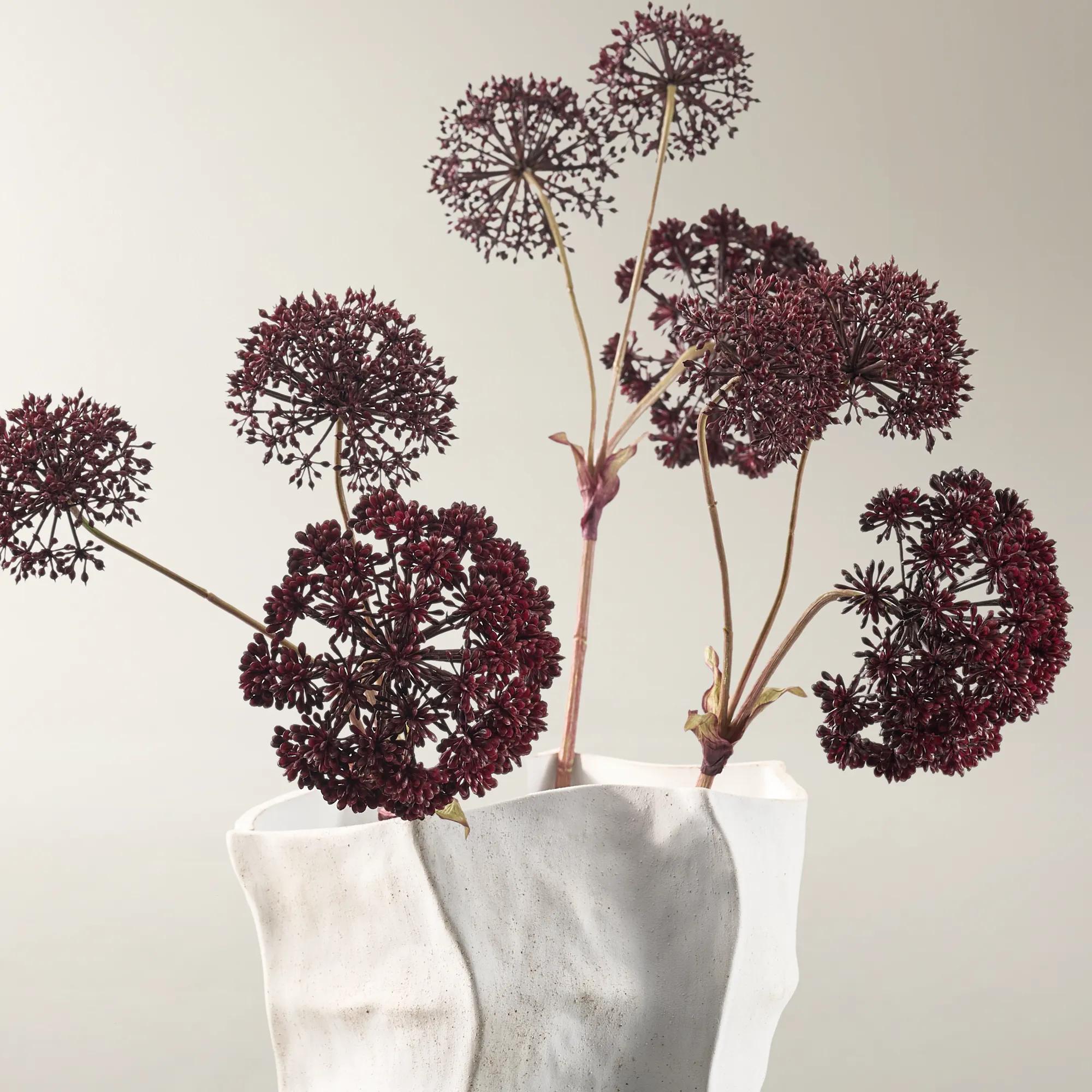 Faux Fig Angelica Stem 28" Set of 3$89
A set of three faux fig angelica stems in rich fig color adds sculptural depth to seasonal arrangements.
Add To Cart

Realistic Artificial Flower Arrangements
Explore realistic artificial flower arrangements that bring the look of fresh blooms to your space without watering or replacing stems. Discover lifelike floral designs for a dining table centerpiece, a sculptural console accent, or a finishing touch on a mantel. Consider scale, color, and silhouette to choose an arrangement that complements your room’s palette and adds a flourish of drama.
Realistic artificial flower arrangements bring the expressive beauty of fresh-cut blooms into a room through carefully shaped petals, nuanced color, and compositions that feel naturally gathered. Unlike living flowers, faux florals require no watering or trimming, making them a lasting decorative accent for spaces where fresh bouquets would demand regular attention. Their appeal begins with the details: a rose petal that deepens toward its center, a hydrangea head with subtly varied florets, or an orchid stem that arches rather than standing rigidly upright. These small irregularities create the impression of living growth and give an arrangement its sense of artistry. Materials vary by design and may include woven polyester fabrics, molded plastics, coated petals, and wire-supported stems. The term “silk flowers” often describes fabric flowers rather than guaranteeing actual silk, while “real-touch” generally refers to treatments or materials intended to resemble the feel of natural petals. Neither label alone determines realism; believable proportions, restrained surface shine, and thoughtful construction matter just as much. Foliage contributes to the effect, especially when leaves show varied sizes, dimensional veining, and natural-looking placement along the stems. In glass vessels, clear resin or acrylic designed to resemble water can complete the illusion of a freshly arranged bouquet, though this decorative material is not actual water and requires no refilling. The result can be lush and theatrical or airy and sculptural, depending on the relationship between blooms, branches, greenery, and open space. Full peony forms introduce softness beside crisp architectural lines, while an elongated orchid silhouette lends movement to a polished console. For anyone who loves the presence of flowers but prefers a consistent composition, realistic faux flower arrangements offer a compelling balance of visual richness and ease. They also suit rooms without enough natural light to support flowering plants, allowing a floral focal point to be chosen for its visual impact rather than its growing requirements.
Scale gives artificial floral arrangements their presence, and the most successful choice feels connected to the furniture and sightlines around it. A generous arrangement can bring proportion to a broad entry table, especially when the blooms extend beyond the vessel without interfering with a doorway or neighboring objects. On a narrow console, a more upright silhouette offers drama without consuming the entire surface. A dining table calls for particular attention to height and width: lower flowers preserve conversation across the table, while a wider composition still needs room for place settings, serving pieces, and comfortable movement. Bedside tables and bathroom vanities often benefit from a smaller footprint, leaving practical space around a decorative accent. Consider the full span of the stems, not simply the vase dimensions, along with enough clearance beneath shelving or wall art. Vessel material changes the mood as decisively as the flowers themselves. Clear glass reveals the stem composition and lends visual lightness; glazed ceramic creates a more substantial base; a reflective metallic finish introduces a flash of glamour beside velvet, lacquer, or mirrored furniture. A vessel with an adequately weighted, stable base is especially important for taller or top-heavy designs. Color can either echo the room or become its deliberate point of contrast. Ivory blooms against charcoal upholstery create a luminous focal point, while blush and dusty rose soften a setting of polished stone and gleaming metal. Deep wine tones introduce depth without requiring a room full of saturated color. For compositions centered on tender color, layered petals, and an intimate mood, Artificial Flowers For Romantic Arrangements offers a complementary direction. Texture deserves equal consideration: ruffled blossoms, smooth leaves, and branching stems produce a richer visual rhythm than a uniform surface. A little negative space lets each element register, particularly in arrangements viewed at close range. On a coffee table, that openness can keep the flowers from overwhelming a stack of art books or a sculptural bowl; on an entry console, a fuller silhouette can hold its own beside a large mirror.
The lasting appeal of lifelike artificial flowers depends on both construction and care. Securely attached blooms, well-finished petal edges, and stems that hold their intended position help an arrangement retain its character through everyday use. Some designs include flexible, wired stems that allow gentle shaping after unpacking, while others have fixed stems anchored into foam, resin, or another support. Adjustable stems can be eased outward to create a looser profile, but fixed components should not be pulled, cut, or forced into a new position. Care instructions should always take precedence, since fabric petals, coated surfaces, and decorative vessels may respond differently to moisture or cleaners. Routine dusting with a soft, dry brush or microfiber cloth is often sufficient; delicate flowers benefit from a light touch that does not flatten their edges. Avoid soaking an arrangement or applying cleaning sprays unless the manufacturer specifically permits it. Indoor faux florals should not be assumed suitable for outdoor display, and prolonged direct sunlight can fade some materials. A sheltered interior placement, away from frequently handled surfaces, helps preserve their finish. In a dining setting, decorative blooms belong clear of food and open flames, while households with children or pets should keep small detachable components out of reach. These modest considerations make artificial floral arrangements particularly appealing to frequent travelers, busy households, and anyone who wants a room to feel composed without maintaining fresh stems. They can also be thoughtful housewarming, wedding, or anniversary gifts when chosen with the recipient’s space and taste in mind. A restrained white composition may complement a tailored interior, while abundant petals and a gleaming vessel can speak to someone who favors expressive decoration. Unlike a fleeting bouquet, a well-chosen arrangement becomes part of the room’s visual identity: a soft flourish beside a reading chair, a sculptural welcome in the foyer, or a centerpiece that gives a gathering space its own unmistakable sense of occasion.
FAQs
Realistic artificial flower arrangements capture the nuances of fresh blooms: softly graduated color, delicately shaped petals, and stems with natural-looking curves. Look for varied stages of bloom and thoughtfully placed foliage rather than perfect symmetry. These subtle details give a faux floral arrangement its expressive, lifelike character.
Give your arrangement a distinct role in the room’s composition. Let sculptural blooms soften a sleek console, introduce a romantic note beside abstract artwork, or bring a flourish to a dining table. Pair intricate florals with a restrained backdrop so their petal shapes and layered colors command attention.
Begin with the mood you want to create. Ivory and soft blush lend an air of quiet opulence, while saturated jewel tones bring expressive drama. For a cohesive look, echo a shade from your artwork or accent pillows; for a more daring composition, introduce a contrasting floral hue that becomes the room’s signature.
Choose a vase that gives your florals a compelling visual counterpart. A sculptural silhouette emphasizes modern artistry, while a glossy finish adds a glamorous note. Tonal vessels let intricate blooms take the lead; contrasting vessels turn the flowers and their setting into one bold composition.
Let color and composition mark the seasonal shift. Airy pastels evoke spring, vivid blooms express summer’s abundance, and burnished hues bring depth to fall. For winter, white florals paired with richly colored accents create an elegant tableau. Changing the surrounding decorative objects can refresh the mood without replacing the entire arrangement.