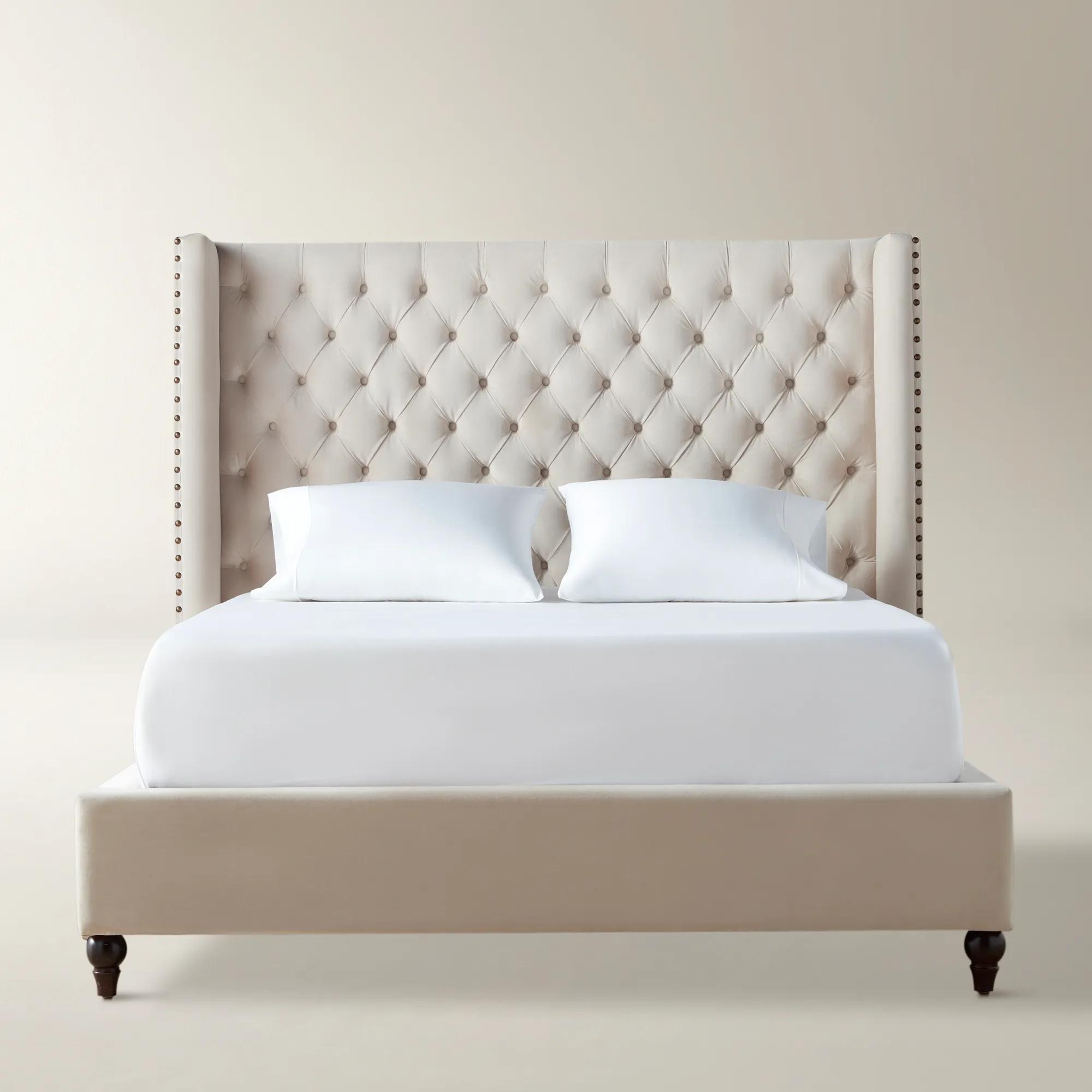
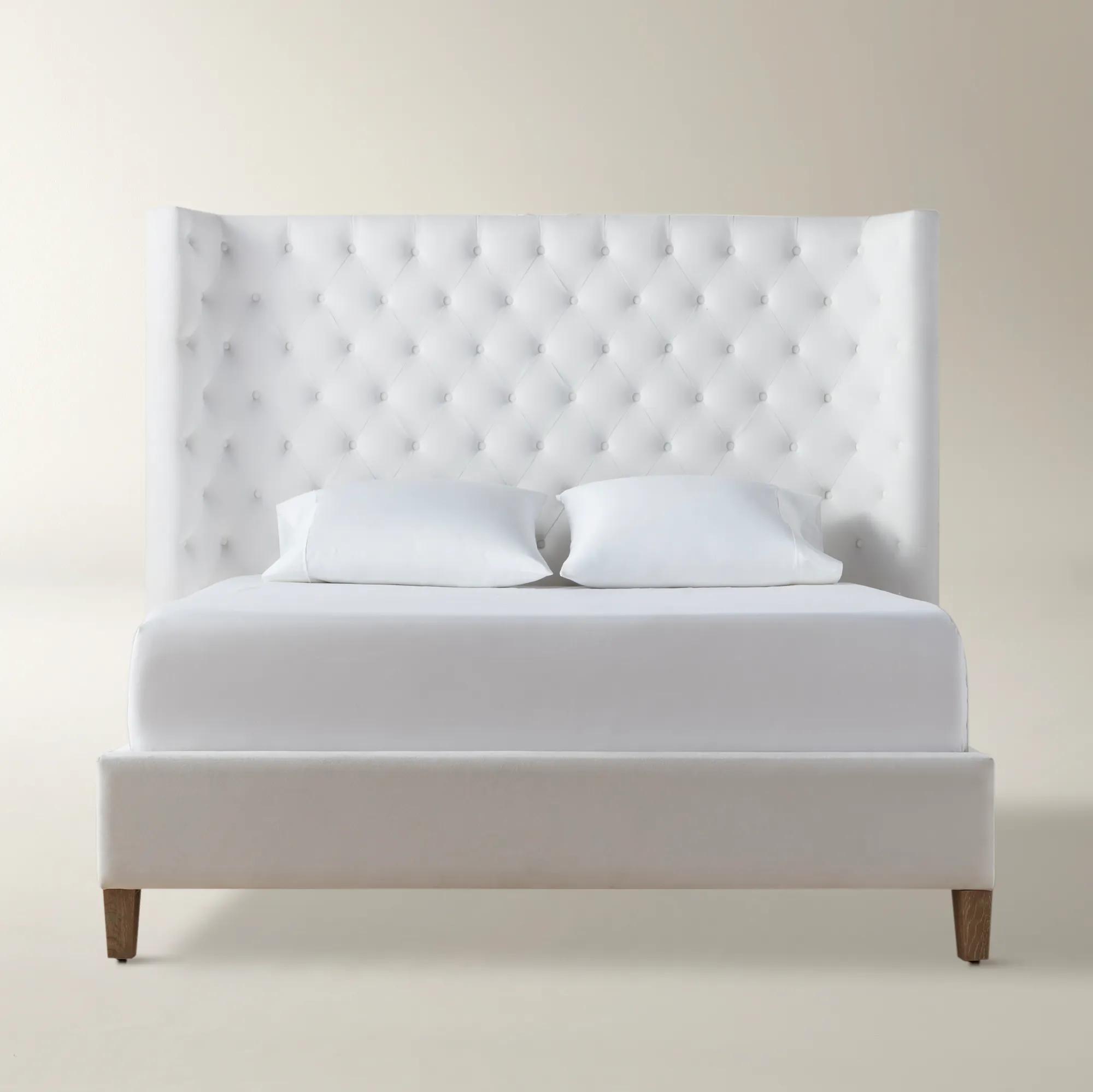
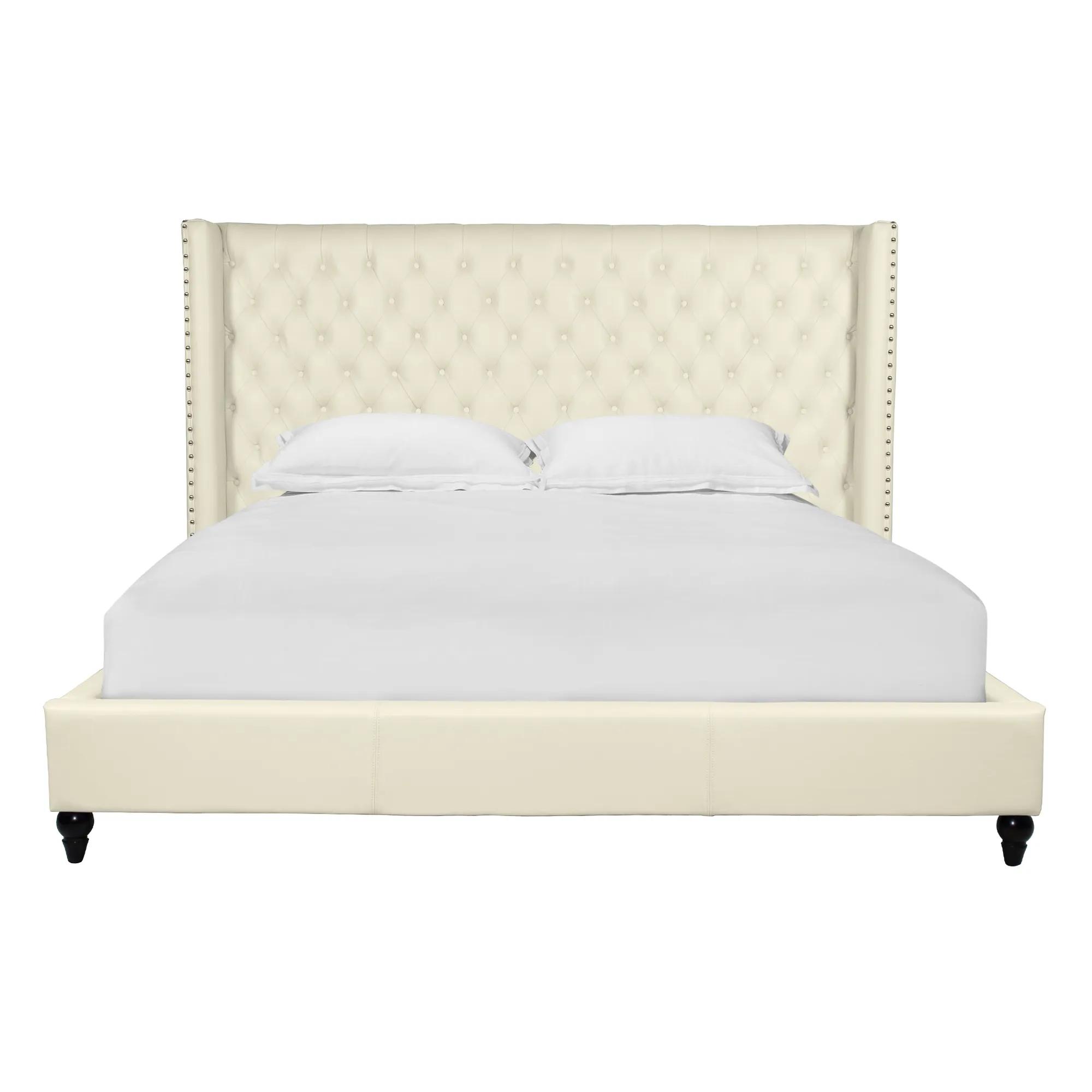
Platform Beds With Multiple Size Options
Platform Beds With Multiple Size Options
-
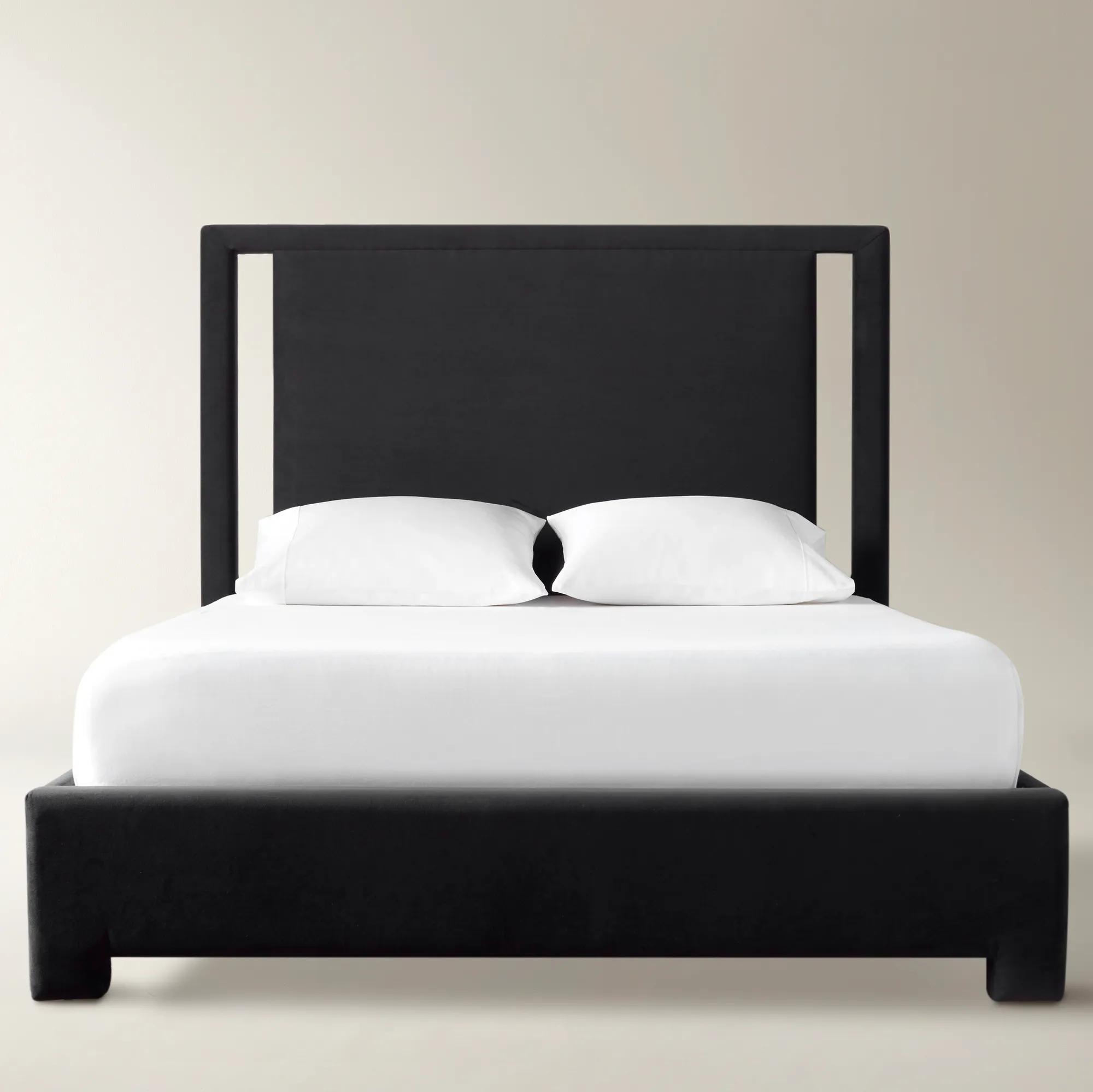
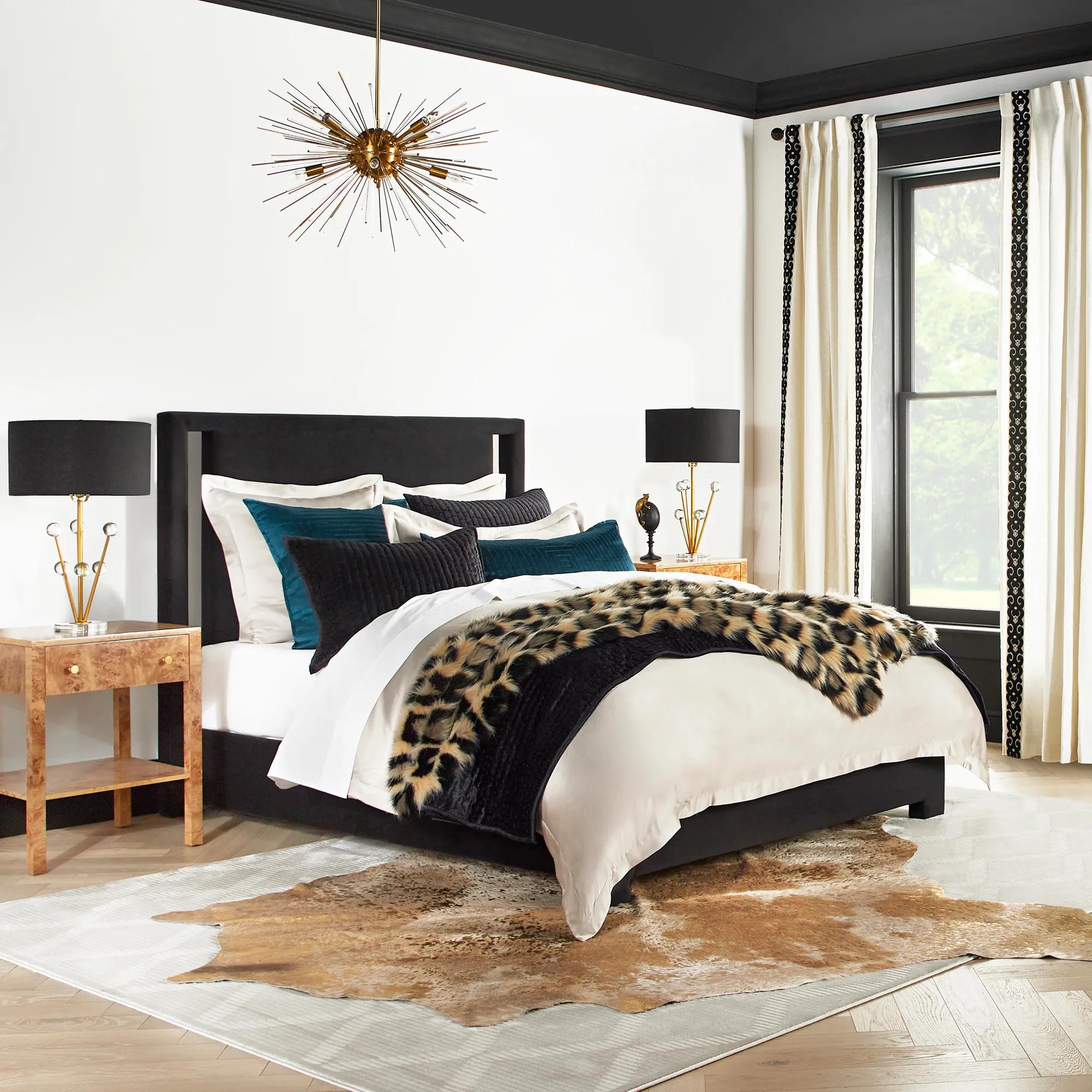 Roya Platform Bed$2299
An elegant platform bed featuring hand-upholstered Bella Velvet Black and kiln-dried hardwood construction with dramatic headboard cutouts.
Add To Cart -
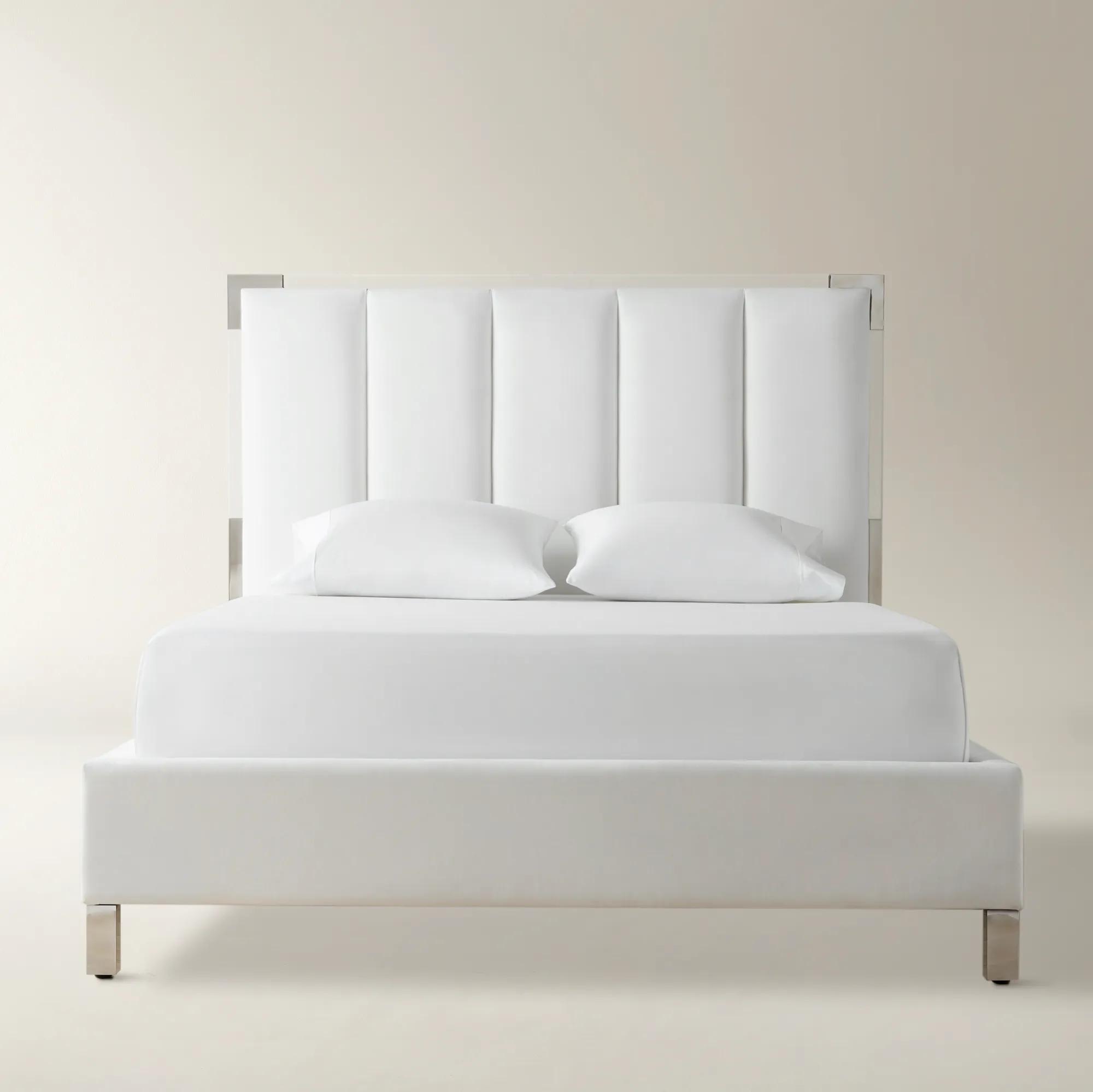 Emory Bed$2799
A modern bed featuring channel tufting, an acrylic frame, and stainless steel accents in plush velvet upholstery.
Add To Cart -
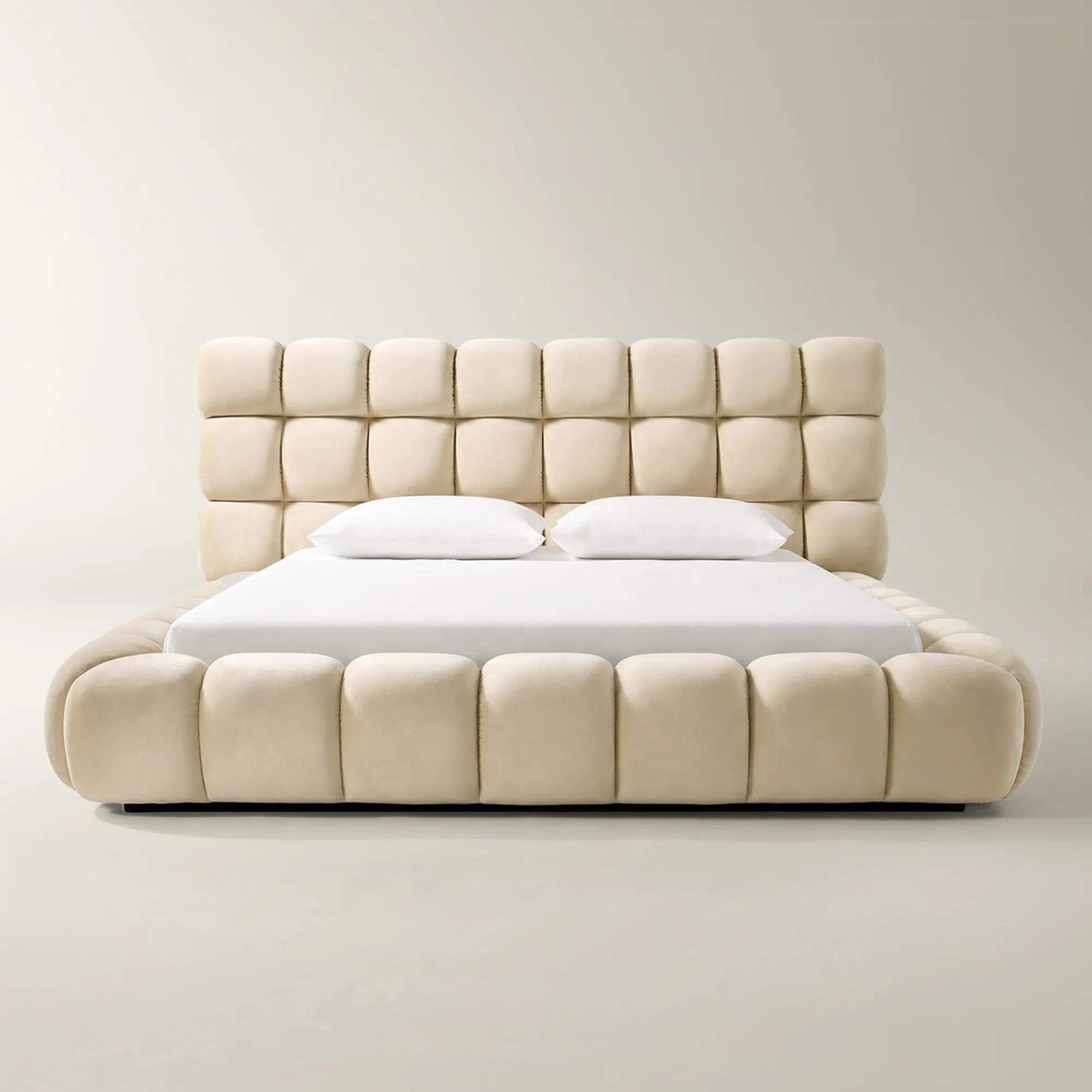 Paloma Tufted Oatmeal Velvet Upholstered Queen Platform Bed$2399
A sculptural platform bed upholstered in plush oatmeal velvet with oversized tufted blocks and solid wood frame.
Add To Cart -
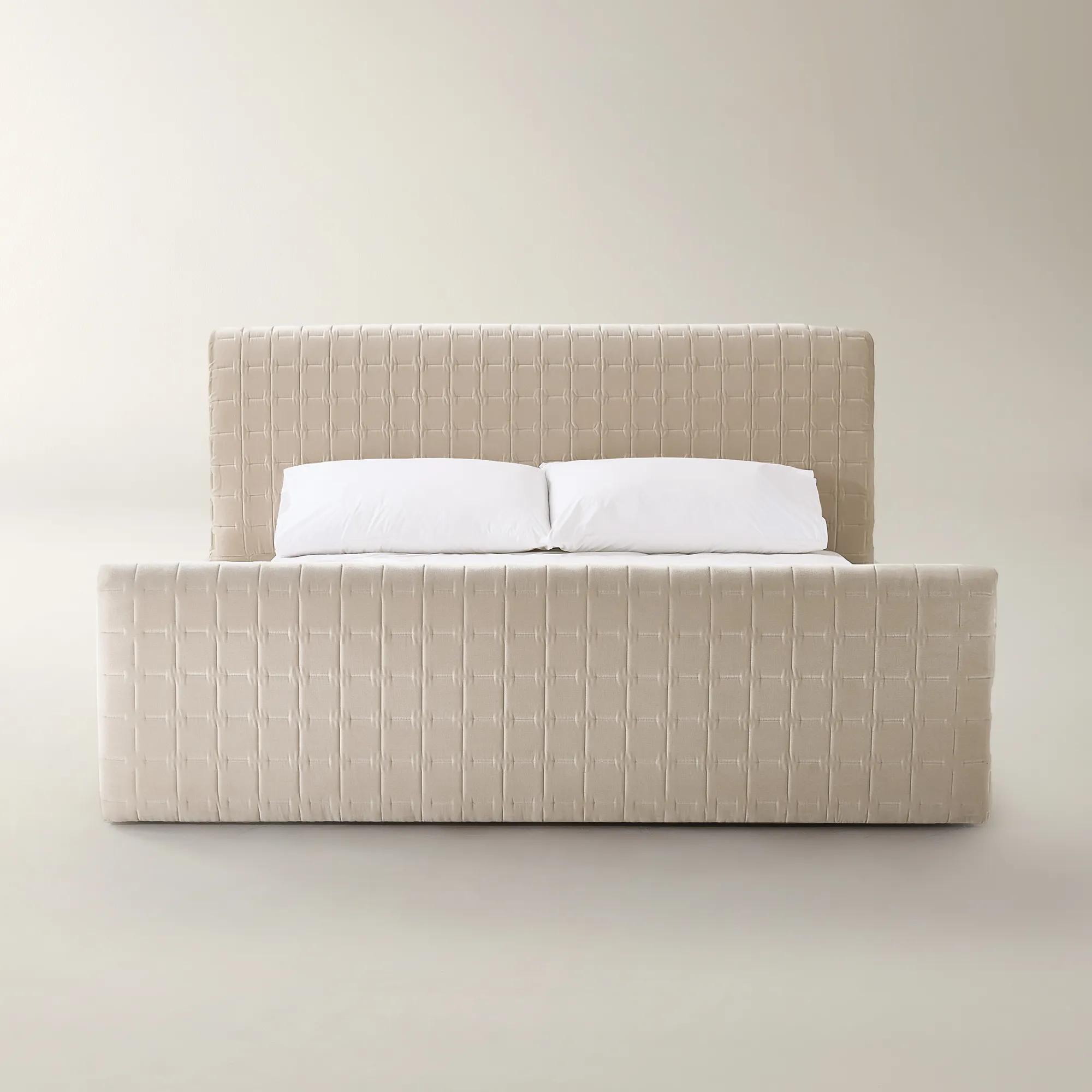
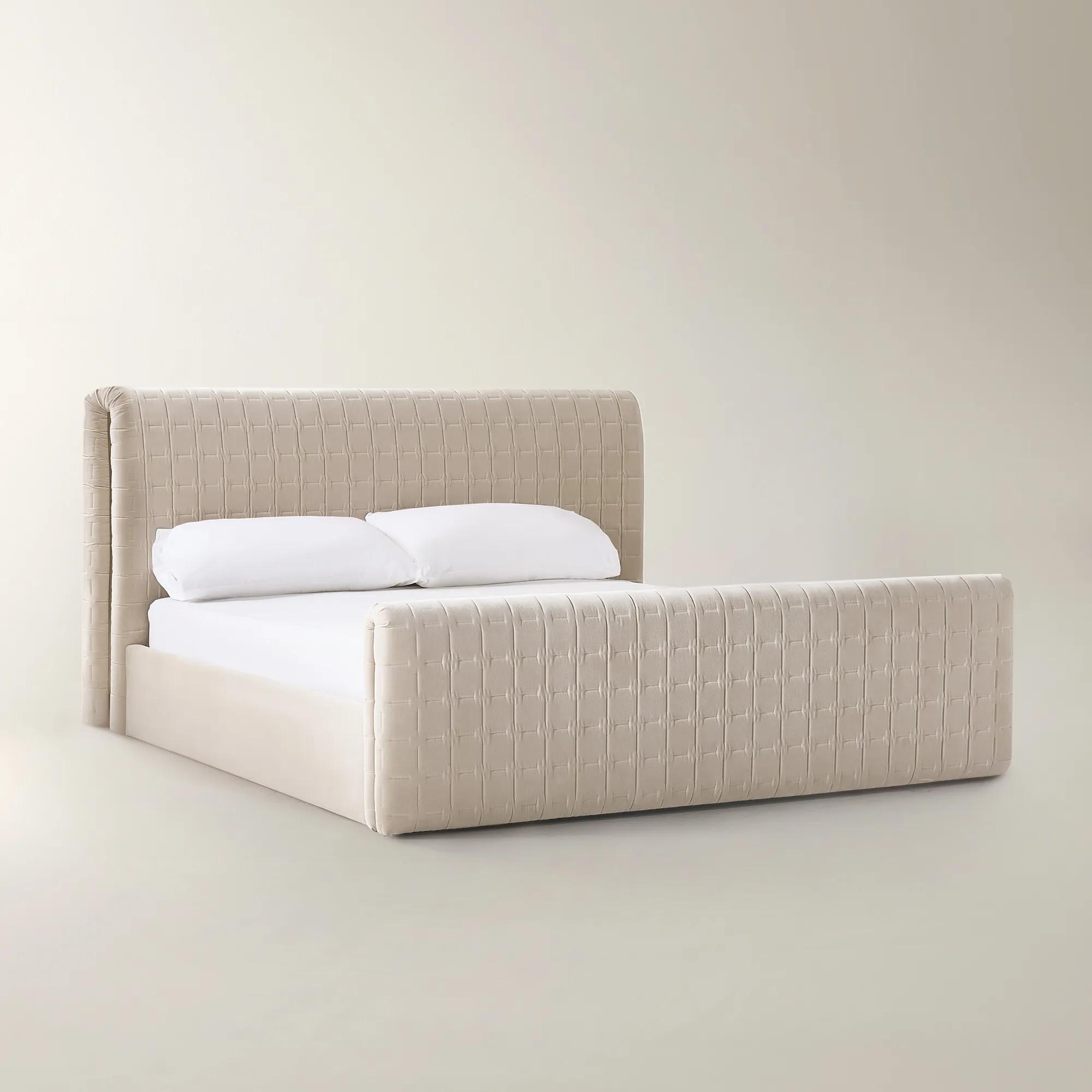 Vanta Oatmeal Velvet Upholstered King Platform Bed$2399
An oatmeal velvet-upholstered bed featuring a checker-quilted headboard and elegant gold-toned metal inlays.
Add To Cart -
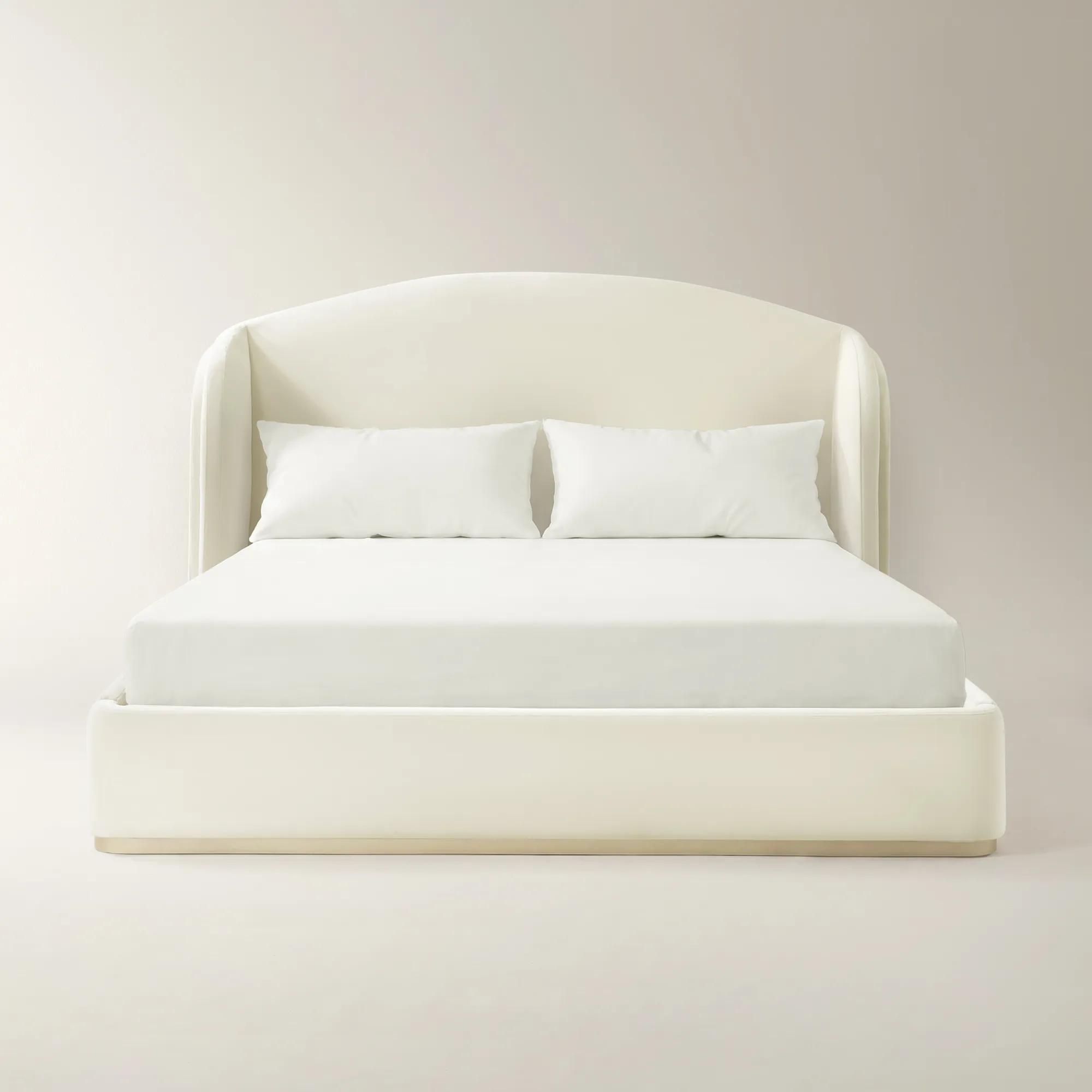 Glimmer Cloud Velvet Upholstered Queen Platform Bed$1999
A sculptural queen platform bed hand-upholstered in soft cloud velvet with a gold-toned metallic base.
Add To Cart -
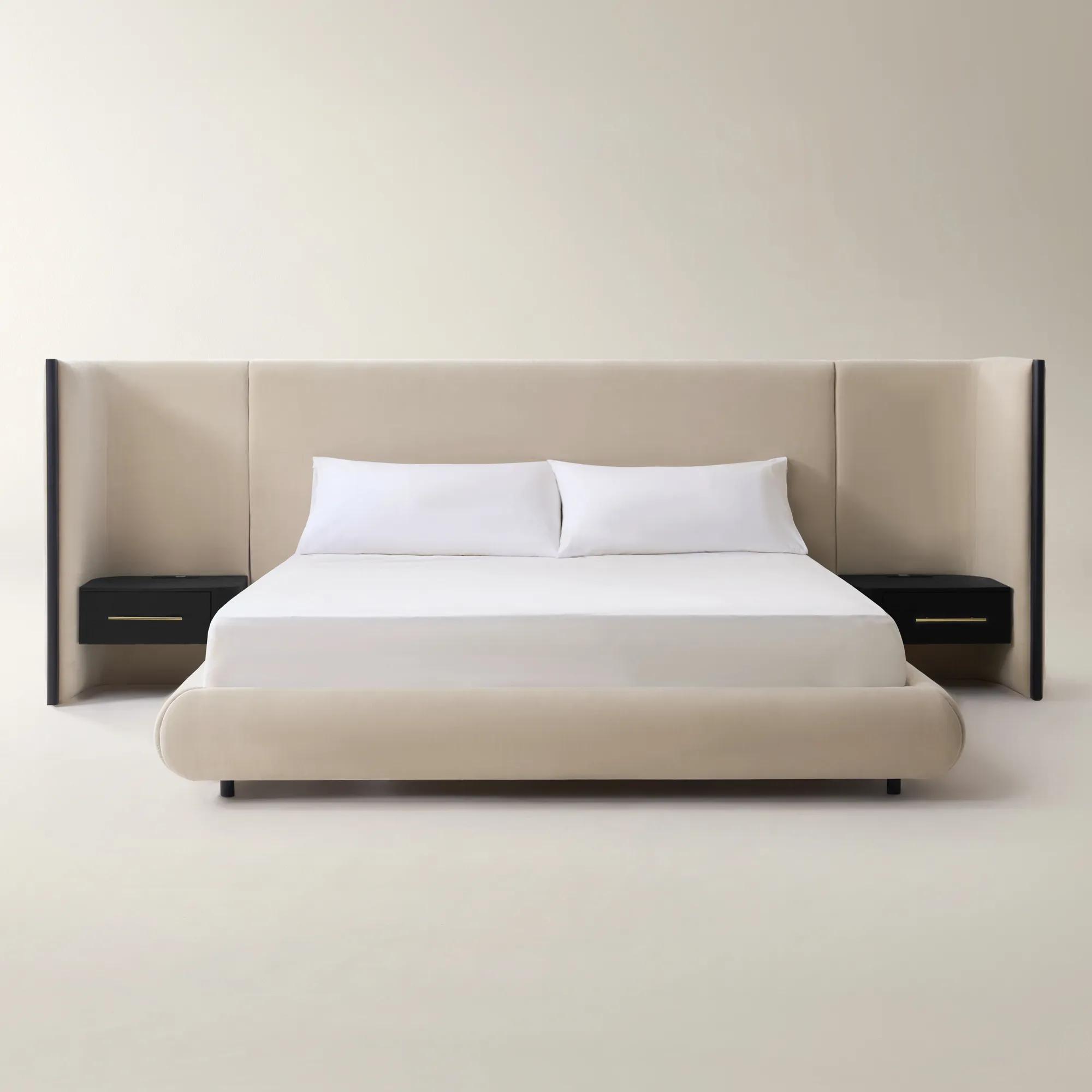 Sierra Oatmeal Velvet Upholstered King Bed With Nightstands$2799
An oatmeal velvet-upholstered platform bed with an extended headboard, floating nightstands, and built-in power access.
Add To Cart -
Vanta Oatmeal Velvet Upholstered Queen Platform Bed$2199
A modern oatmeal velvet bed featuring a checker-quilted headboard and gold-toned metal inlay accents.
Add To Cart -
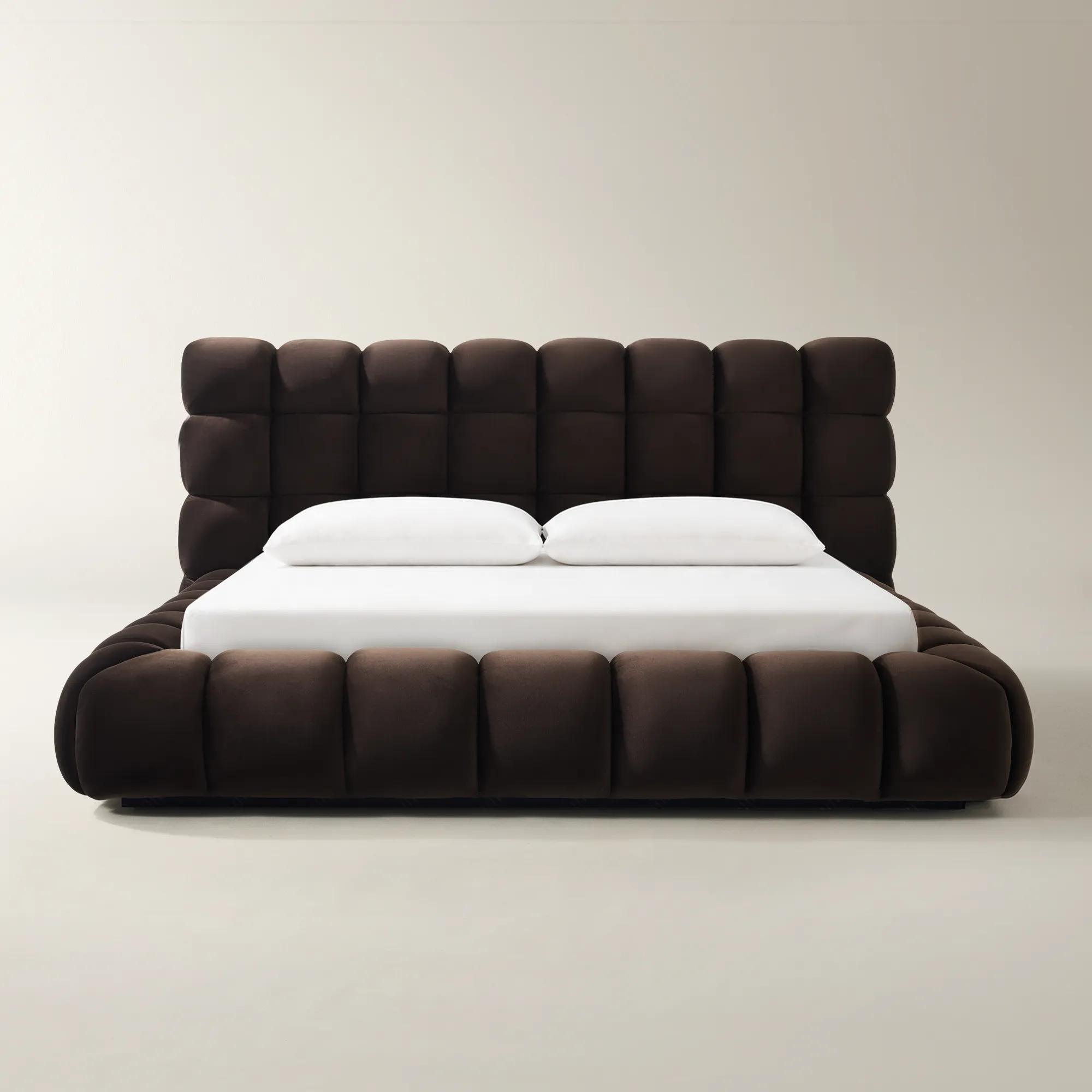 Paloma Tufted Dark Chocolate Velvet Upholstered Queen Platform Bed$2399
A sculptural platform bed upholstered in dark chocolate velvet with plush, oversized tufted blocks for modern elegance.
Add To Cart -
Paloma Tufted Dark Chocolate Velvet Upholstered King Platform Bed$2599
A sculptural platform bed wrapped in dark chocolate velvet with plush tufted blocks and solid wood construction.
Add To Cart -
.jpg?w=1200&h=1200) Stria Ivory Performance Chenille Upholstered Queen Platform Bed$2099
Stria Ivory Performance Chenille Upholstered Queen Platform Bed$2099An ivory chenille wingback bed with plush upholstery and a hand-finished solid oak base for modern comfort.
Add To Cart -
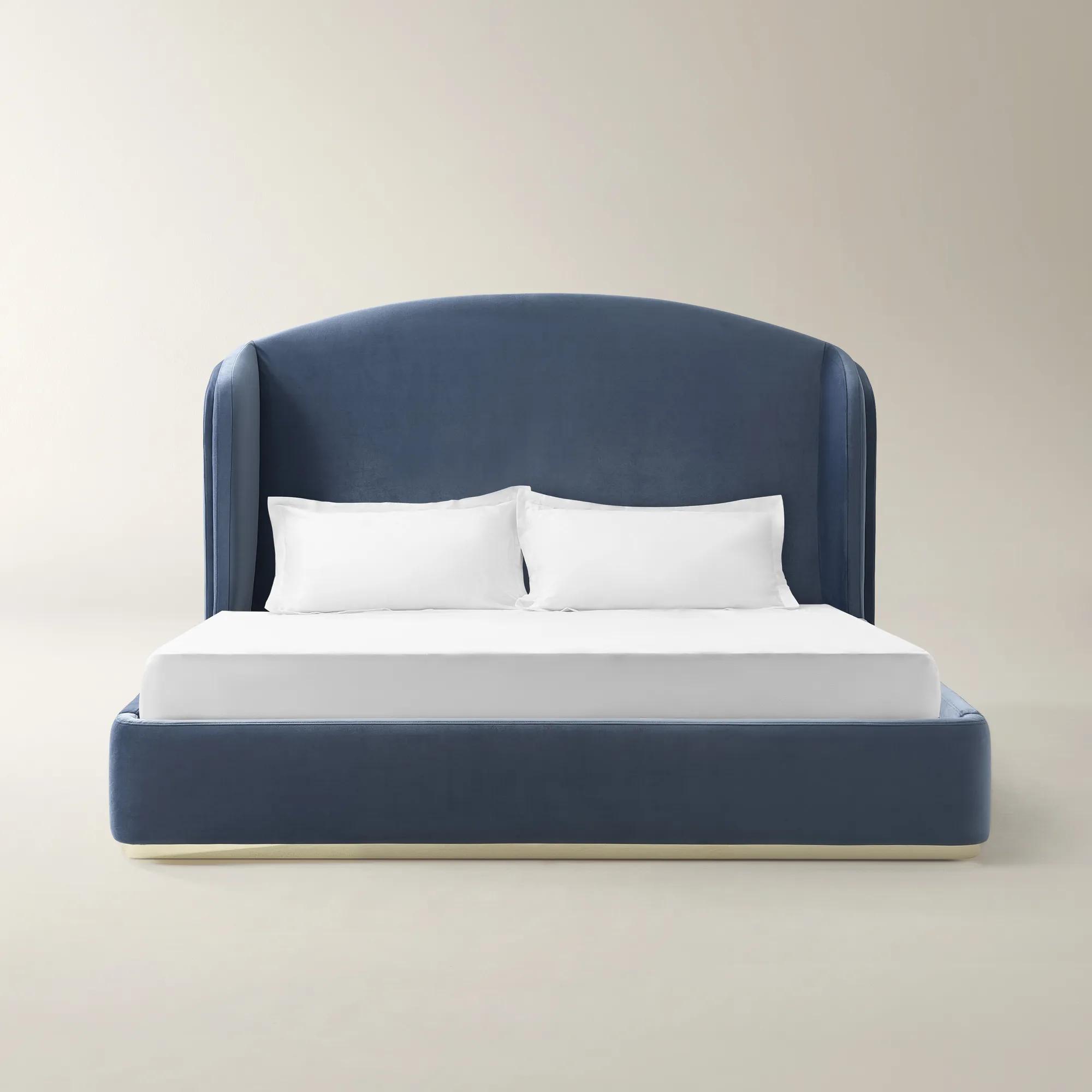
 Glimmer Dusty Blue Velvet Upholstered Queen Platform Bed$1999
A sculpted double-layer headboard and gold-finished base elevate this hand-upholstered dusty blue velvet bed.
Add To Cart -
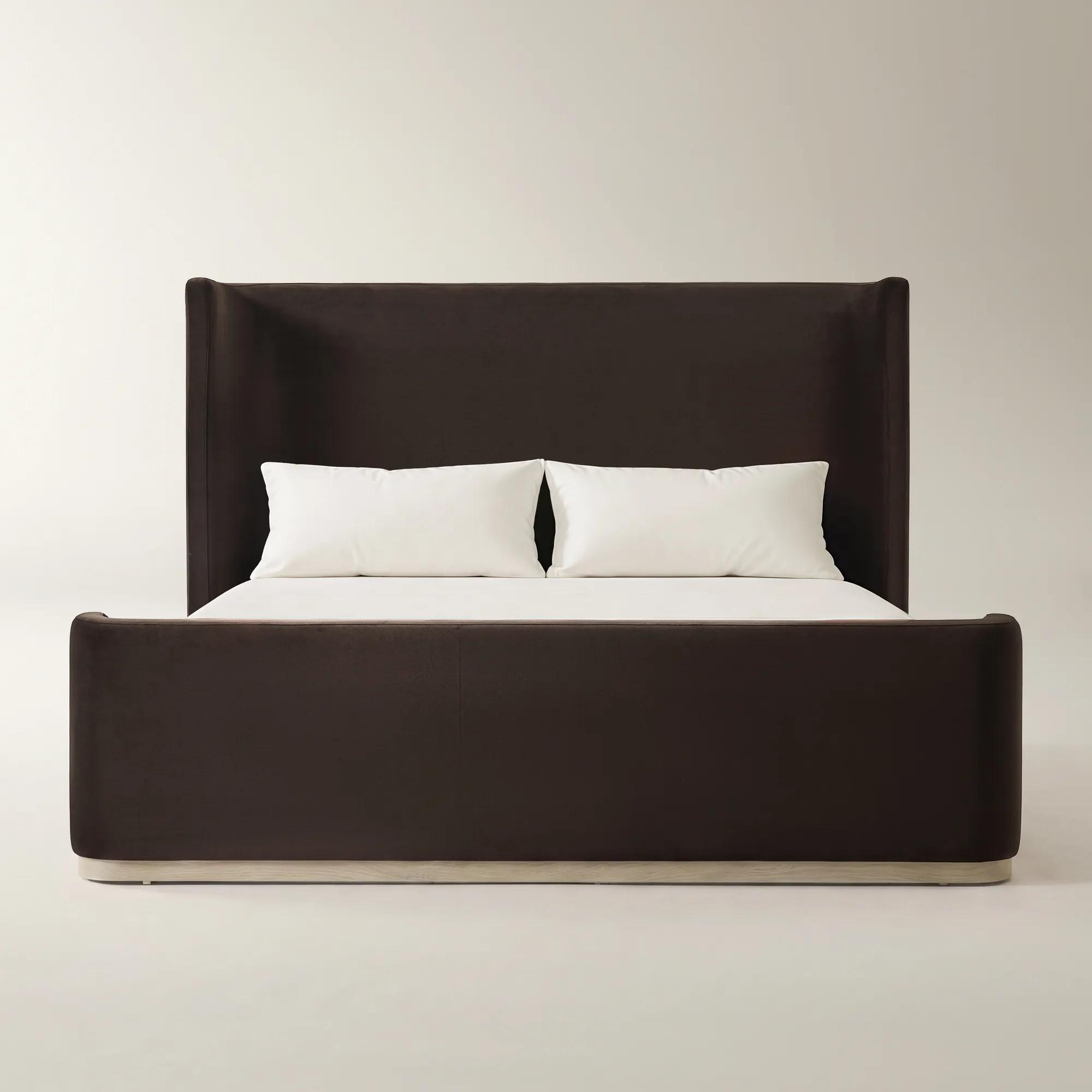 Stria Dark Chocolate Velvet Upholstered King Platform Bed$2299
A sculptural king platform bed featuring dark chocolate velvet upholstery and a hand-finished solid oak base.
Add To Cart -
Stria Dark Chocolate Velvet Upholstered Queen Platform Bed$2099
A sculptural wingback platform bed featuring dark chocolate velvet upholstery and a hand-finished solid oak base.
Add To Cart -
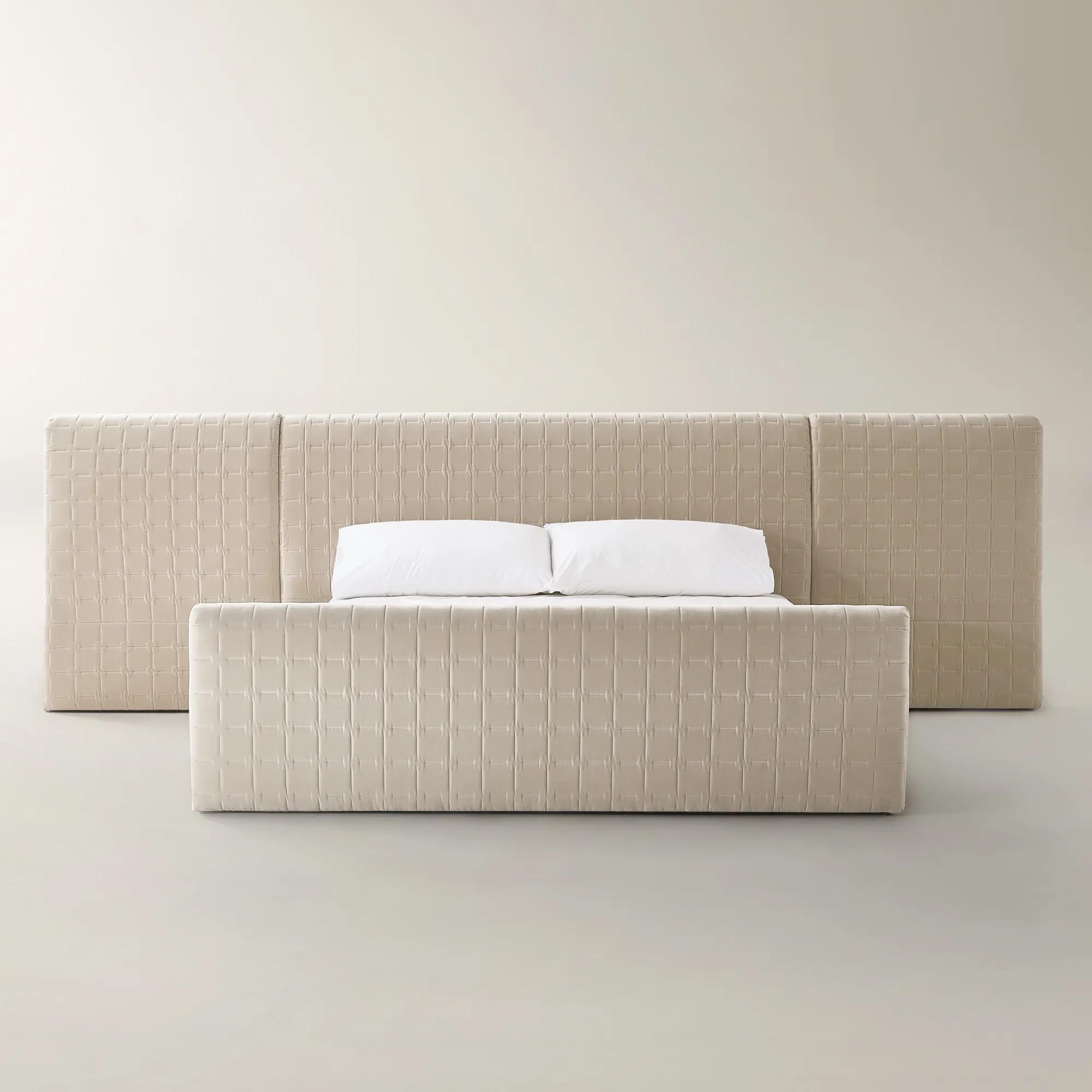
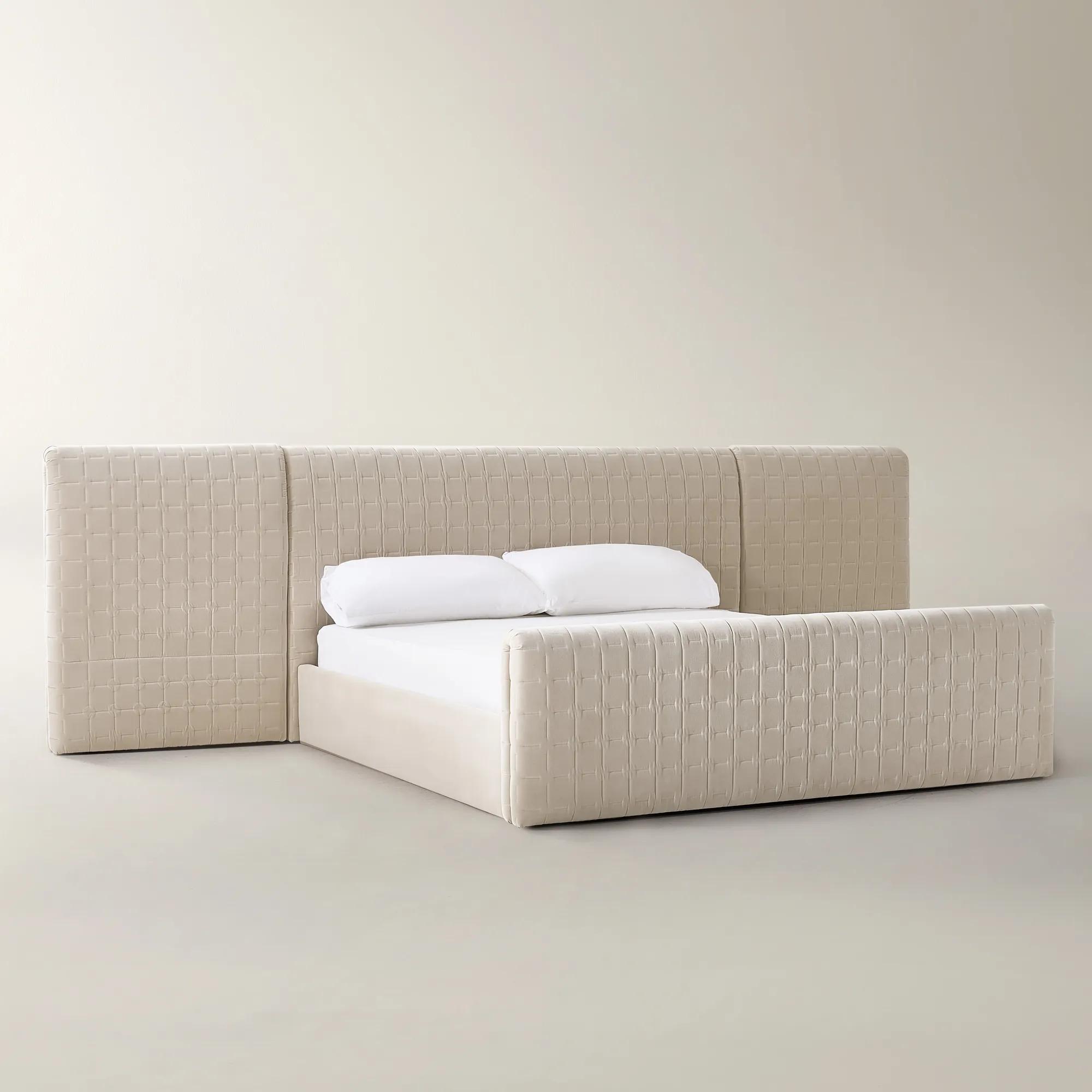 Vanta Oatmeal Velvet Upholstered King Extended Bed$2699
An oatmeal velvet platform bed featuring an extended checker-quilted headboard with elegant gold metal inlays.
Add To Cart -
Glimmer Cloud Velvet Upholstered King Platform Bed$2199
A luxurious king platform bed featuring plush velvet upholstery, a sculpted headboard, and a gold metallic base.
Add To Cart -
Sierra Oatmeal Velvet Upholstered Queen Bed With Nightstands$2599
A modern oatmeal velvet bed with an extended headboard, floating nightstands, and built-in power access.
Add To Cart -
Paloma Tufted Oatmeal Velvet Upholstered King Platform Bed$2599
A sculptural platform bed upholstered in oatmeal velvet with plush tufted blocks and fully wrapped design.
Add To Cart -
Vanta Oatmeal Velvet Upholstered Queen Extended Bed$2499
An oatmeal velvet platform bed with an extended checker-quilted headboard and elegant gold-toned metal inlays.
Add To Cart -
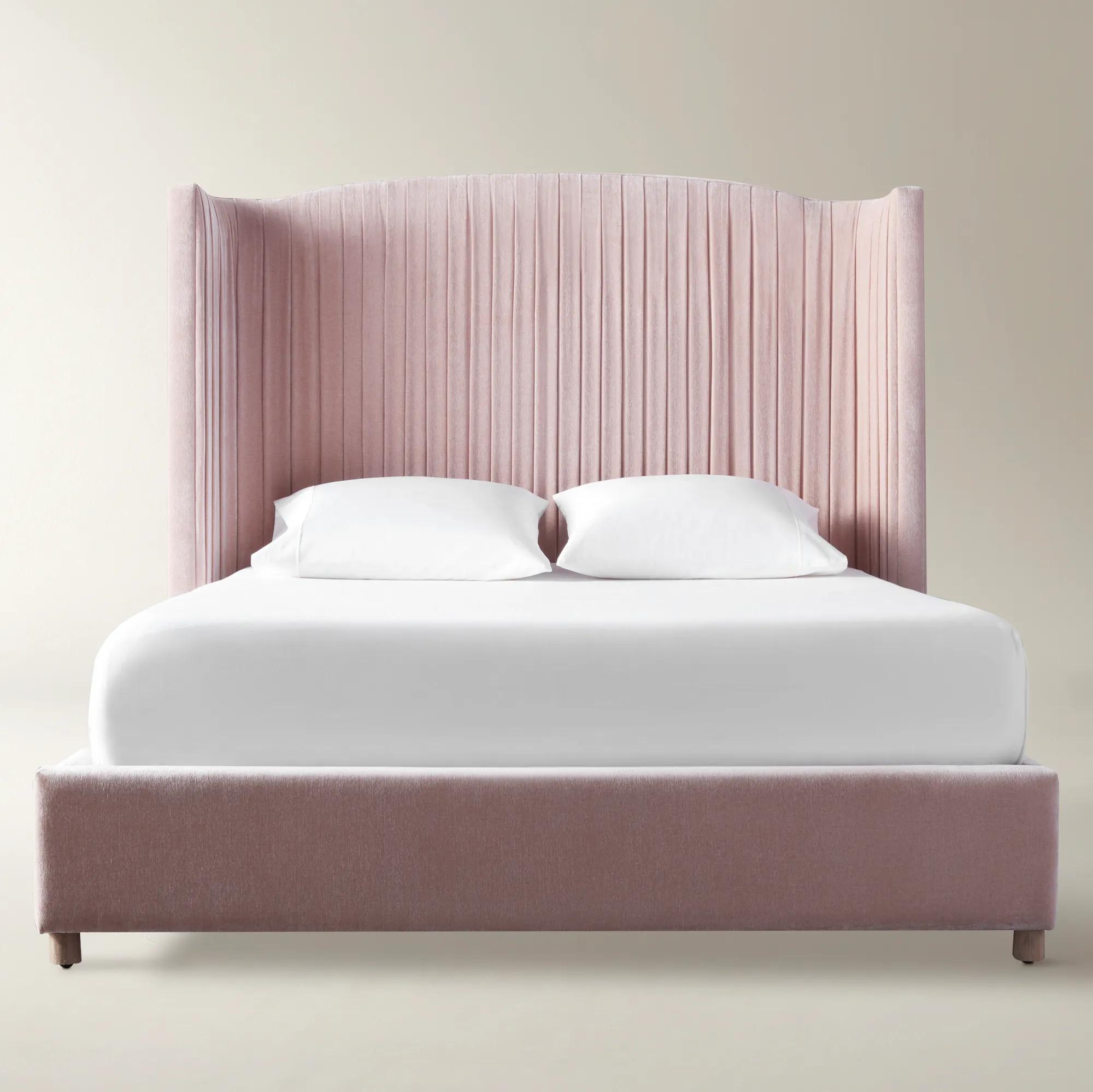
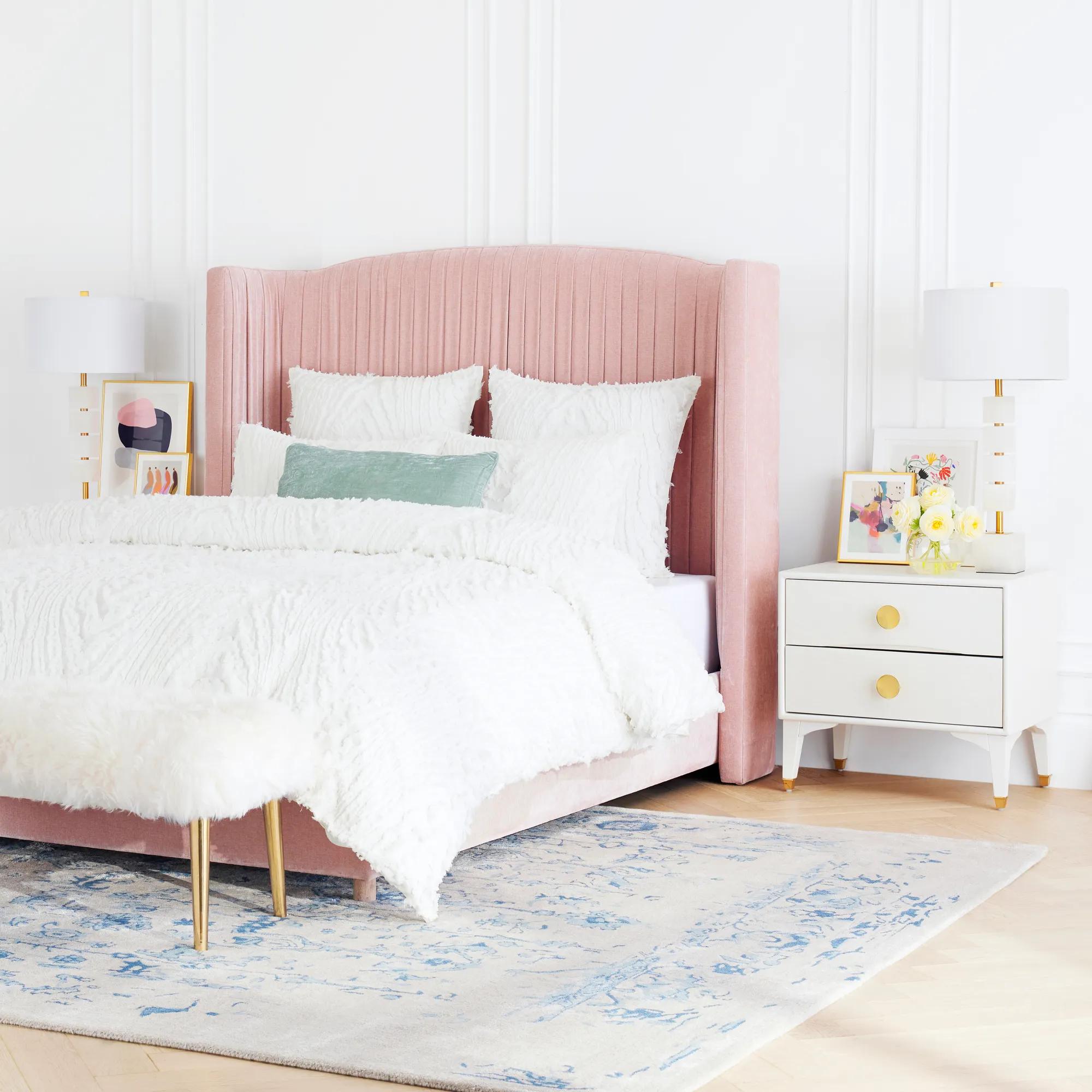 Larissa Platform Bed$2449
An elegantly curved wingback bed with hand-pleated chenille upholstery and a kiln-dried hardwood frame.
Add To Cart -
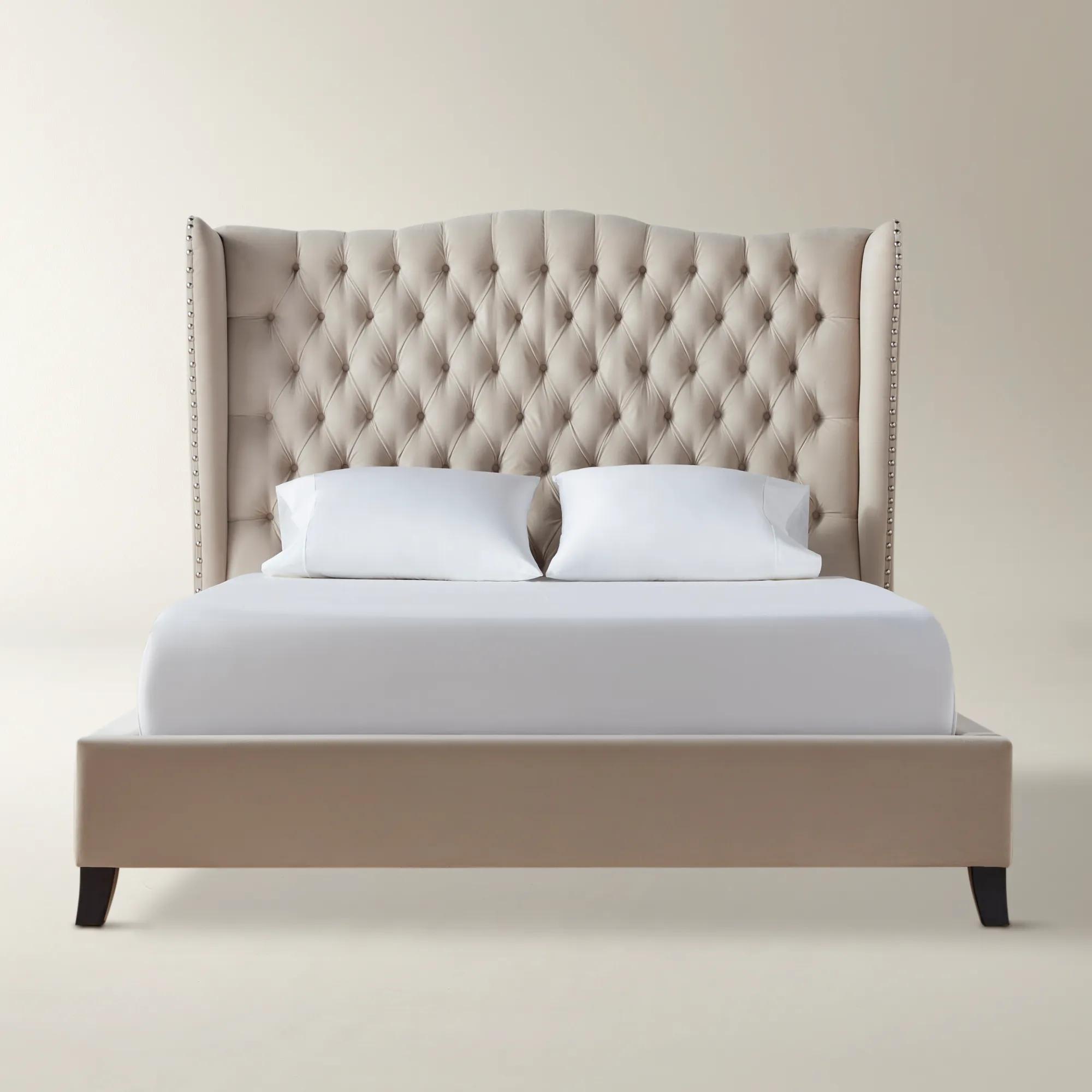
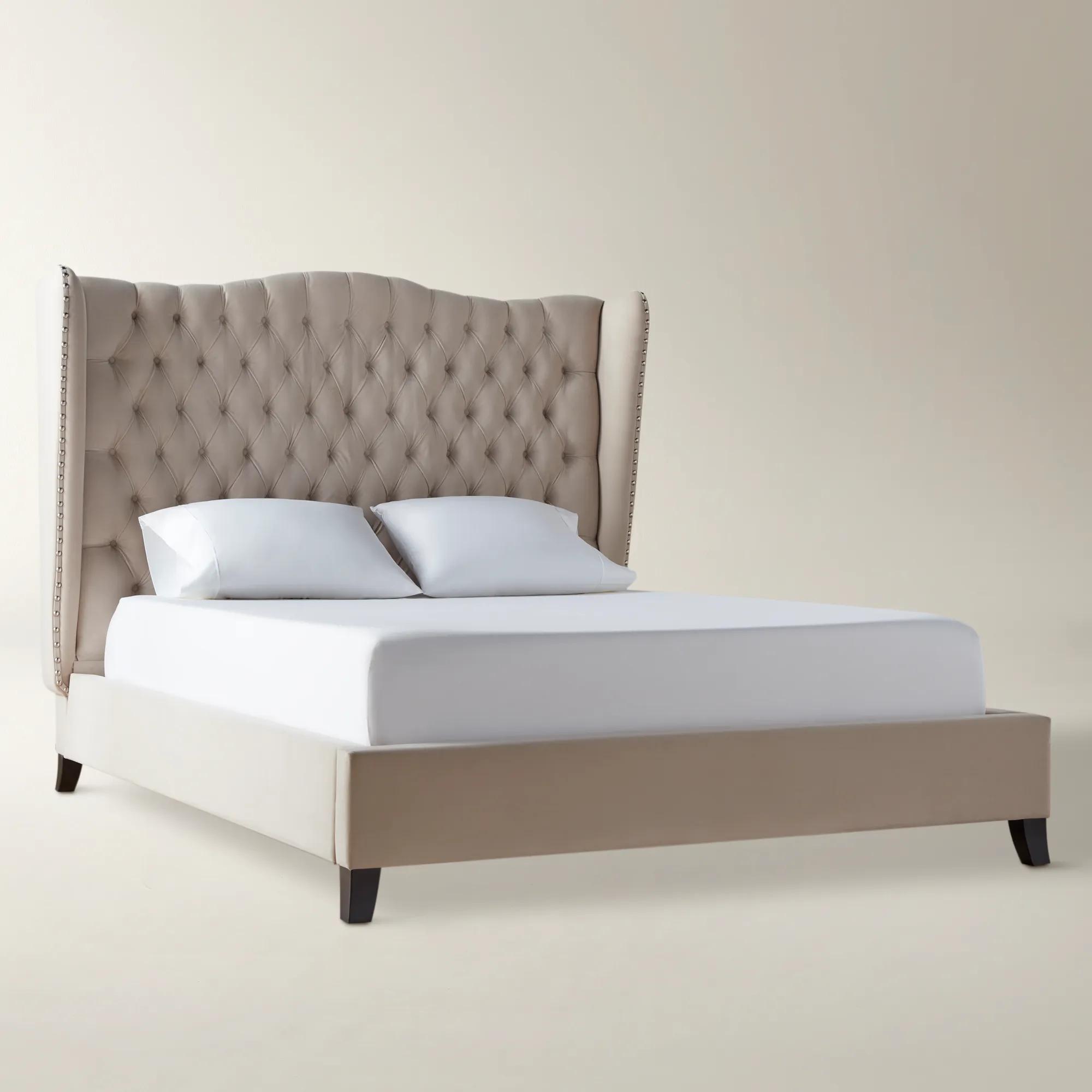 Jameson Bed$2249
A luxurious camelback bed upholstered in plush velvet with hand-applied button tufting and decorative nailheads.
Add To Cart -
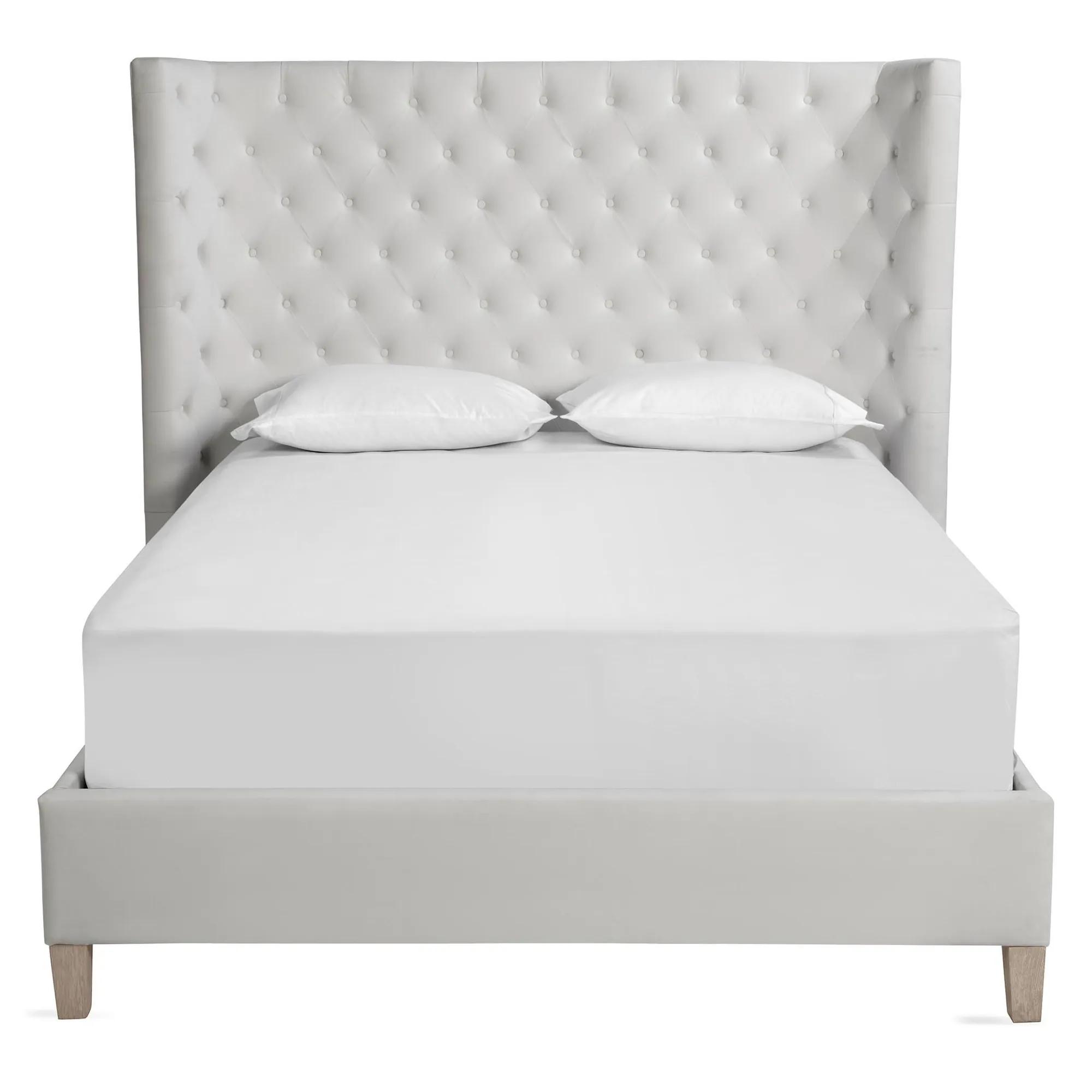
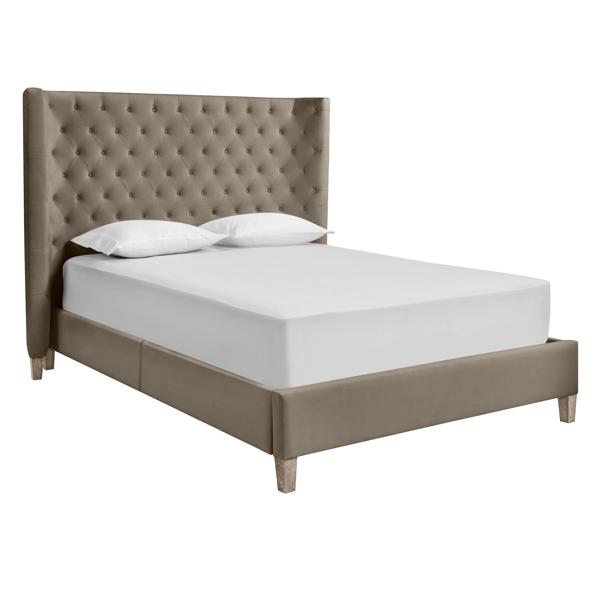 Jen Storage Bed$3399
A glamorous platform bed with a curved wingback headboard, hand-tufted velvet upholstery, and four storage drawers.
Add To Cart -
 Glimmer Set of 4 Bedroom$5296
A sophisticated bedroom set featuring an ivory or grey bed with coordinating nightstands and dresser.
Add To Cart -
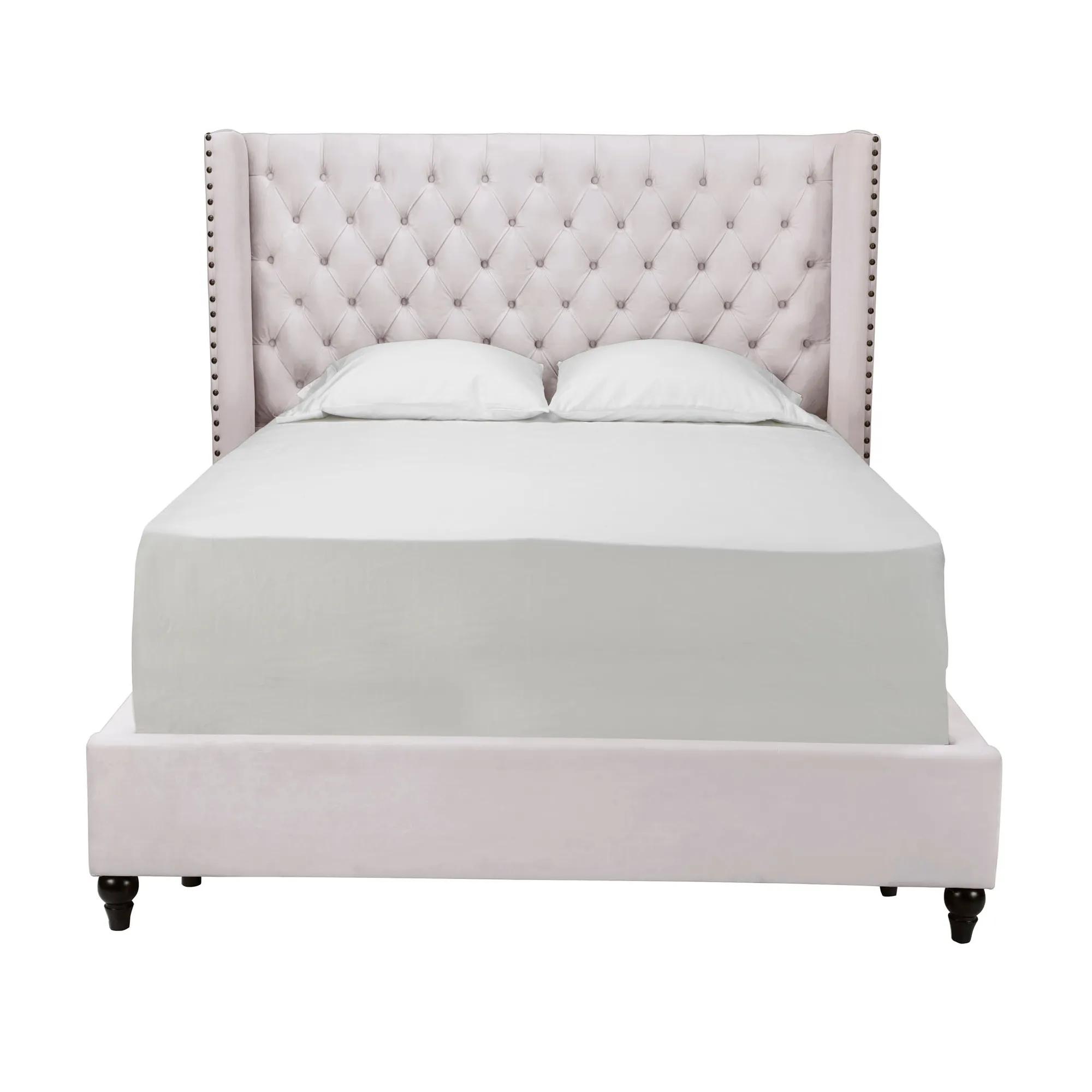
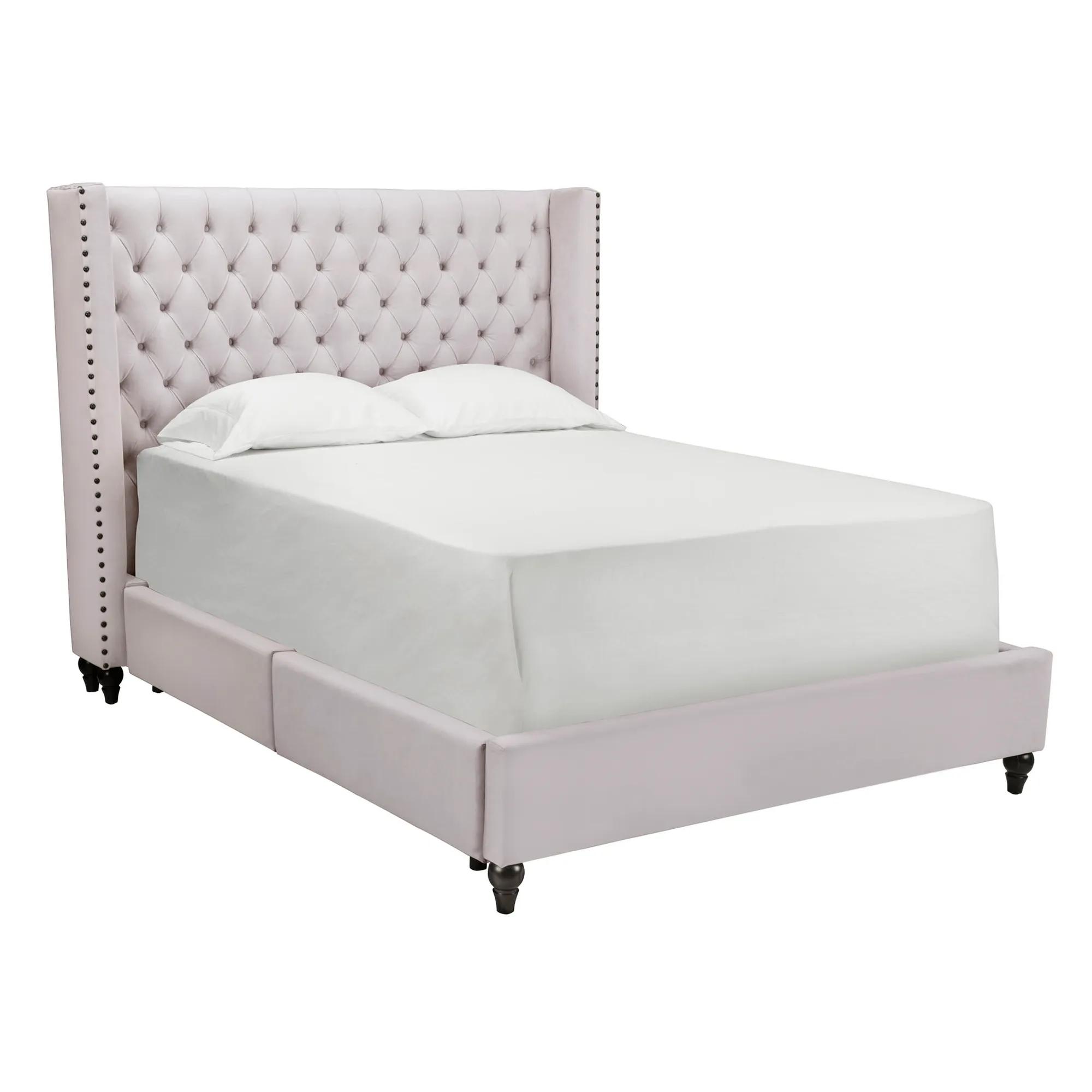 Roberto Storage Bed$3249
A handcrafted velvet-upholstered storage bed featuring diamond tufting, turned legs, and hand-applied antique brass nailheads.
Add To Cart -
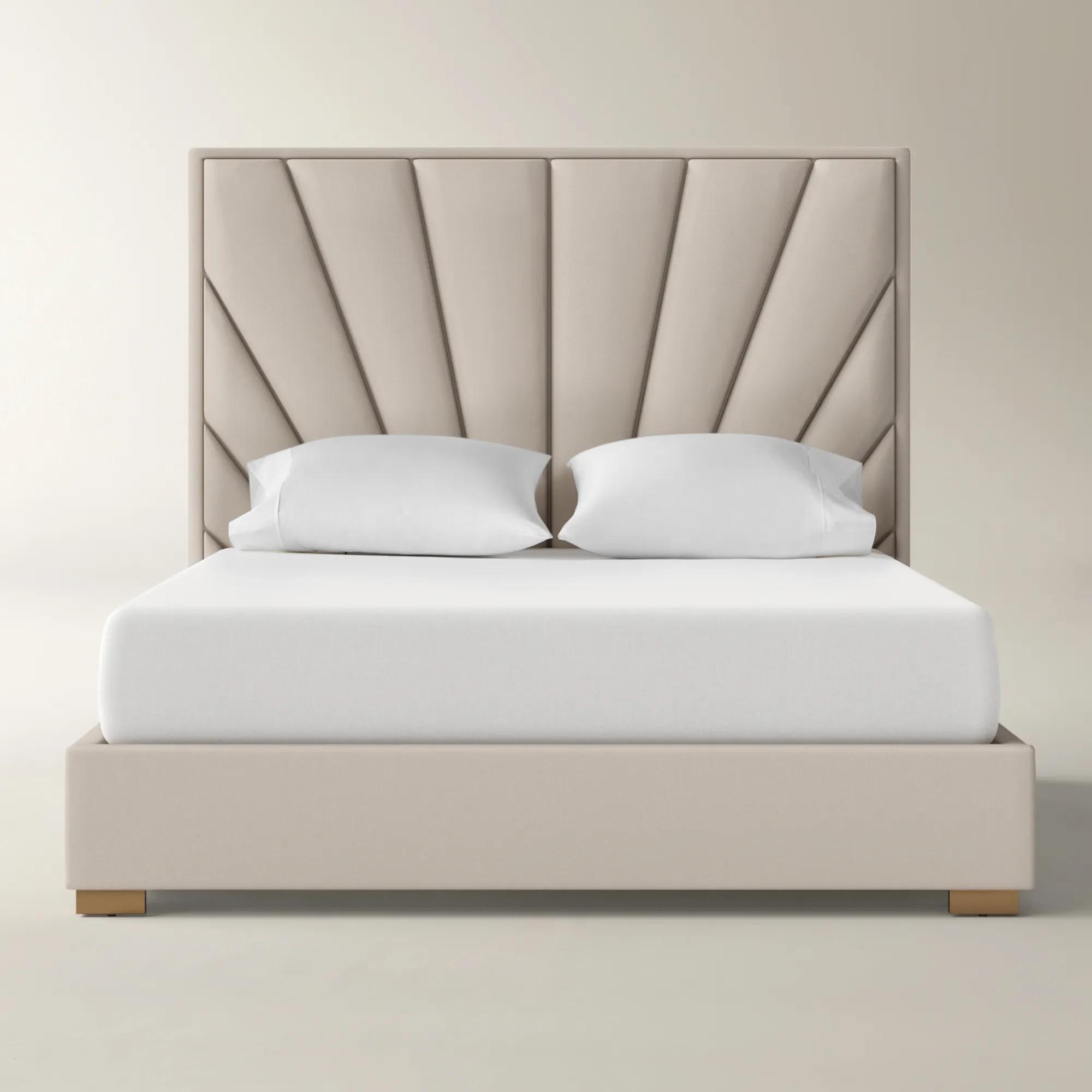 Adriana Platform Bed - 68"H$2649
A hand-crafted platform bed featuring a fan-patterned, upholstered headboard in plush velvet or chenille fabric.
Add To Cart

Platform Beds With Multiple Size Options
Platform beds with multiple size options invite you to reimagine the heart of your bedroom as a stage for self-expression and style. Each silhouette offers a canvas for artistry—sleek lines, dramatic profiles, and striking proportions that command attention while elevating comfort. Whether you’re curating a lavish master retreat or composing a chic guest sanctuary, these platform beds transform the ordinary into the extraordinary, adapting effortlessly to your vision. Discover how the right foundation can set the scene for restful indulgence and bold design statements alike.
Platform beds with multiple size options bring a composed, architectural presence to the bedroom, pairing a supportive mattress foundation with proportions suited to different rooms and sleeping arrangements. A platform bed typically uses slats or a solid deck to support the mattress directly, often without a box spring, although the mattress and frame requirements should always be checked together. Designs may be made in twin, full, queen, king, or California king sizes; multiple size options generally means choosing a frame sized for a particular mattress, not adjusting one frame to fit every mattress. That distinction makes it possible to carry a favorite design sensibility from an intimate guest bedroom to an expansive primary suite without treating scale as an afterthought. An upholstered silhouette can lend softness and depth, a wood frame can introduce rich grain and sculptural definition, and metal can draw a crisp outline against layered textiles. The platform construction establishes a deliberate foundation for the entire composition, whether the mood is enveloping and romantic or tailored with gleaming accents. For a solo sleeper, a smaller footprint can preserve room for a writing desk, an accent chair, or a generous path around the bed. For two sleepers, a queen or king can create a more accommodating retreat, provided the surrounding space remains comfortable to navigate. A full bed may suit a guest room used by one adult, while a queen often gives visiting couples more room to settle in. Standard U.S. mattress dimensions provide a useful starting point: twin measures approximately 38 by 75 inches, full 54 by 75 inches, queen 60 by 80 inches, king 76 by 80 inches, and California king 72 by 84 inches. Actual frame dimensions extend beyond those measurements, sometimes substantially when a design includes deep upholstery or a projecting headboard. The strongest visual statement comes from a bed that feels intentionally proportioned, with enough presence to anchor the room and enough breathing space to let its details register.
Materials give platform beds their distinctive character, but the structure beneath the finish matters just as much as the surface. Wood can bring expressive grain, smooth lacquered planes, or a warm tonal counterpoint to mirrored and metallic furnishings. Solid wood and engineered wood serve different construction purposes, and neither a material label nor a substantial appearance alone establishes durability. Joinery, fastening points, support layout, and the care appropriate to the finish all contribute to long-term performance. Metal frames can feel refined and graphic, with durability influenced by the quality of the connections, protective finish, and mattress-support system. Upholstered platform beds introduce another layer of artistry: velvet can shift in appearance as its pile catches the light, while woven fabric offers a more tactile, softly dimensional surface. A padded headboard also creates a comfortable backdrop for reading or lingering over a quiet morning, especially when supportive pillows complete the arrangement. In a home with pets, consider how fabric texture may interact with claws, shedding, and routine cleaning rather than assuming every upholstery type performs alike. For everyday use, inspect the stated weight capacity, including whether it refers to sleepers alone or the combined load of sleepers and mattress. Slat spacing, center rails, and support legs should meet the mattress manufacturer’s requirements; foam, latex, and hybrid mattresses may have specific foundation standards that affect support and warranty coverage. A platform bed does not automatically suit an adjustable base, either, so compatibility deserves explicit confirmation before combining the two. Care should be equally material-specific. Upholstery benefits from gentle vacuuming with an appropriate attachment, while spills should be addressed promptly according to the fabric’s cleaning instructions, without aggressive rubbing or unapproved solutions. Wood and metal surfaces generally call for a soft cloth and finish-approved care rather than abrasive products. Periodically checking accessible fasteners and support components according to the assembly instructions helps maintain a stable foundation. These quieter details protect the experience the design promises: a bed that feels reassuringly composed beneath sumptuous linens, with its beauty supported by thoughtful construction.
Fit extends beyond mattress width to the way a platform bed functions within the room. A low-profile frame can create a long, elegant horizontal line, but the finished sleeping height depends on both the platform and mattress thickness. Someone who prefers an easier seated transition into bed may find a taller sleeping surface more comfortable, while a thick mattress can conceal part of a beautifully upholstered headboard. Comparing the intended mattress height with the visible headboard area helps preserve the proportions that first drew attention to the design. In a compact bedroom, a closely fitted frame may leave more usable floor space than one with broad side rails, even when both accommodate the same mattress size. Where practical, about 30 inches of clearance along frequently used sides gives movement a more comfortable rhythm; personal mobility needs may call for more. If a platform design incorporates drawers, their fully extended depth belongs in the room plan, alongside closet doors, dresser drawers, and the route to the bedroom entrance. Open space beneath a frame can accommodate cleaning access or discreet storage, whereas a frame that sits close to the floor creates a more grounded visual effect. Delivery and assembly also deserve attention, particularly with wide headboards, narrow stairways, and tight hallway turns. For households furnishing several bedrooms, Beds With Multiple Size Options For Any Room offers a broader starting point for considering how bed proportions can serve different spaces. Within a platform-centered setting, styling can then emphasize the frame rather than obscure it. Let a dramatic headboard stand against a restrained wall treatment, place luminous bedside lighting where it reveals the upholstery’s texture, and choose nightstands whose height relates comfortably to the mattress. A generously scaled rug can soften the first step out of bed and visually connect the surrounding furnishings. With size, construction, and daily routines thoughtfully aligned, the platform bed becomes more than a place to sleep: it gives the bedroom its center of gravity and a distinctly personal sense of grandeur.
FAQs
Platform beds offer a streamlined silhouette and a low-profile design that instantly elevates the aesthetic of any modern bedroom. Their sturdy, supportive base eliminates the need for a box spring, enhancing both comfort and visual appeal. Many platform beds also feature integrated storage or tech-friendly details, blending artistry with everyday practicality for a space that feels curated and effortlessly chic.
To create a dramatic focal point, layer your platform bed with sumptuous textiles—think velvet throws, embroidered pillows, and high-thread-count linens. Pair with a statement headboard or bold bedside lighting to amplify the sense of luxury. Consider coordinating your bed’s finish with accent furniture or artwork to achieve a cohesive, gallery-inspired look that transforms the entire room.
Absolutely. Platform beds are a sophisticated solution for guest rooms, home offices, or multipurpose spaces. Their minimalist profile maximizes floor space, while options with built-in storage or convertible features offer added versatility. A well-chosen platform bed ensures your guests experience both comfort and style, leaving a lasting impression of hospitality and refinement.
Luxury platform beds are often crafted from rich woods, gleaming metals, or plush, upholstered fabrics such as velvet or linen. Each material brings its own ambiance: wood lends warmth and organic texture, metal creates sleek, contemporary lines, and upholstery adds softness and a touch of opulence. Selecting the right material allows you to set the mood—whether you desire serene tranquility or bold, artistic drama.
Integrated features such as underbed storage drawers or USB ports in the headboard elevate the platform bed from a simple furnishing to a multifunctional centerpiece. Storage solutions keep your space organized and clutter-free, while built-in charging ports offer modern convenience, ensuring your bedroom remains both beautiful and intuitively designed for your lifestyle.