Over Thirty Fabric Dining Chairs
Over Thirty Fabric Dining Chairs
-
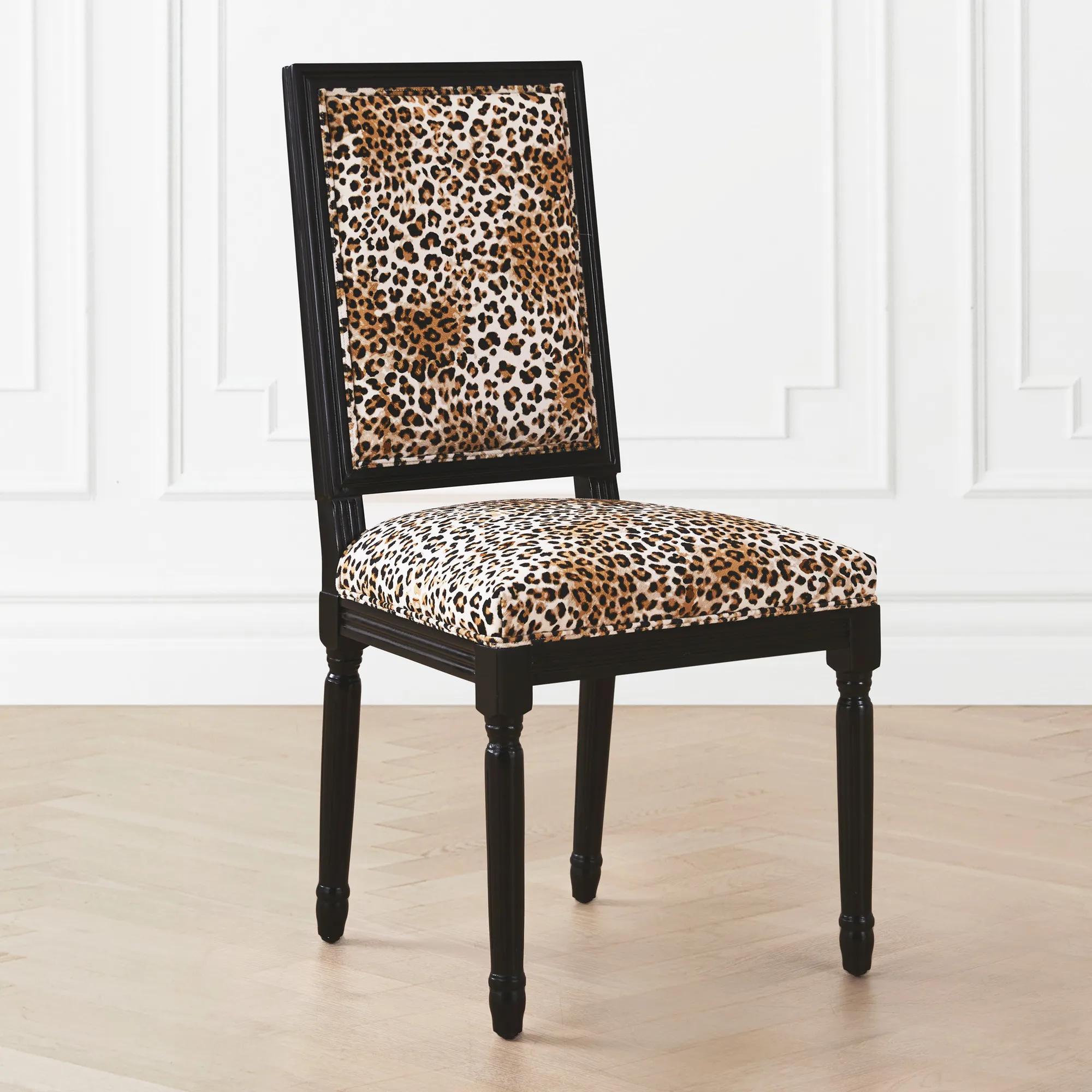
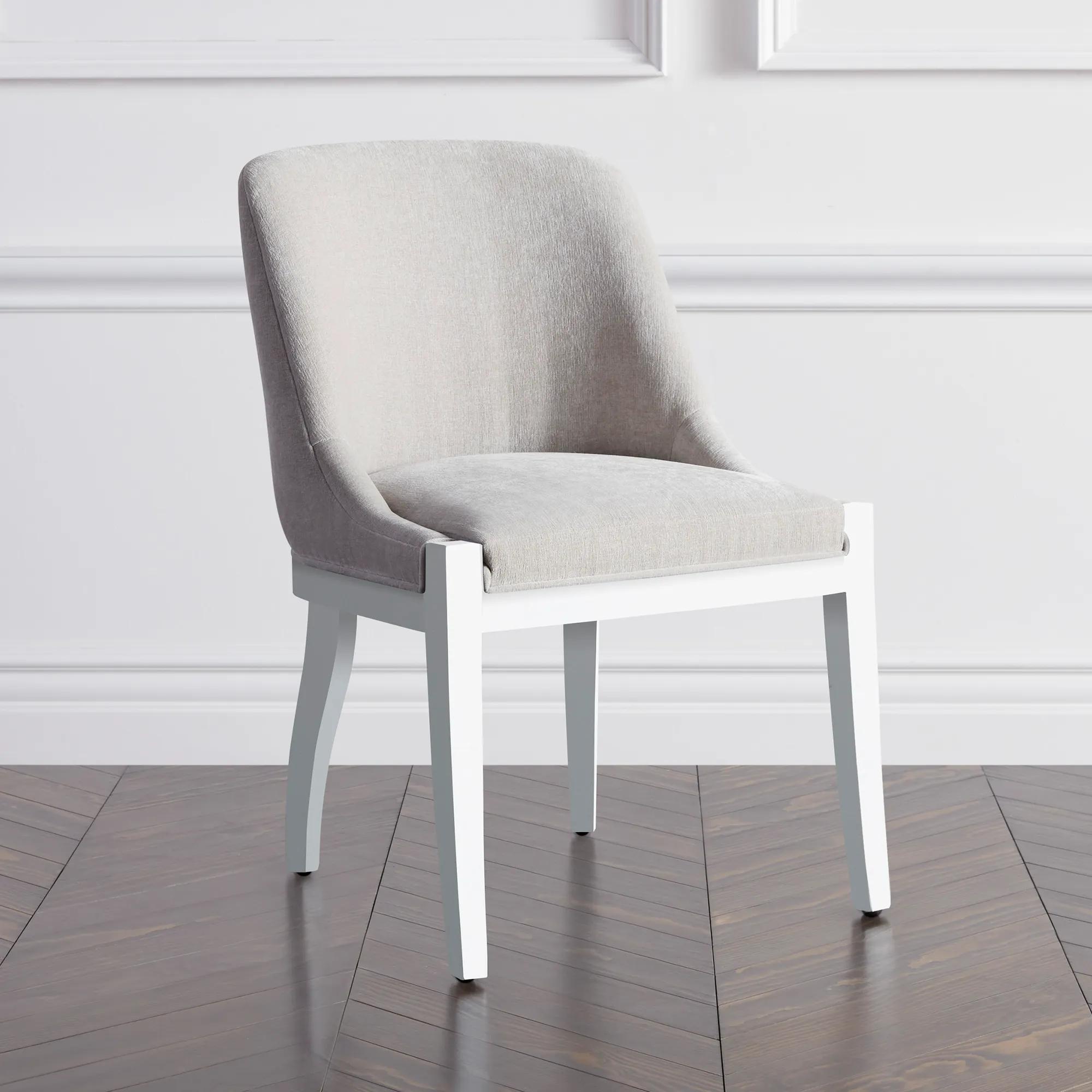
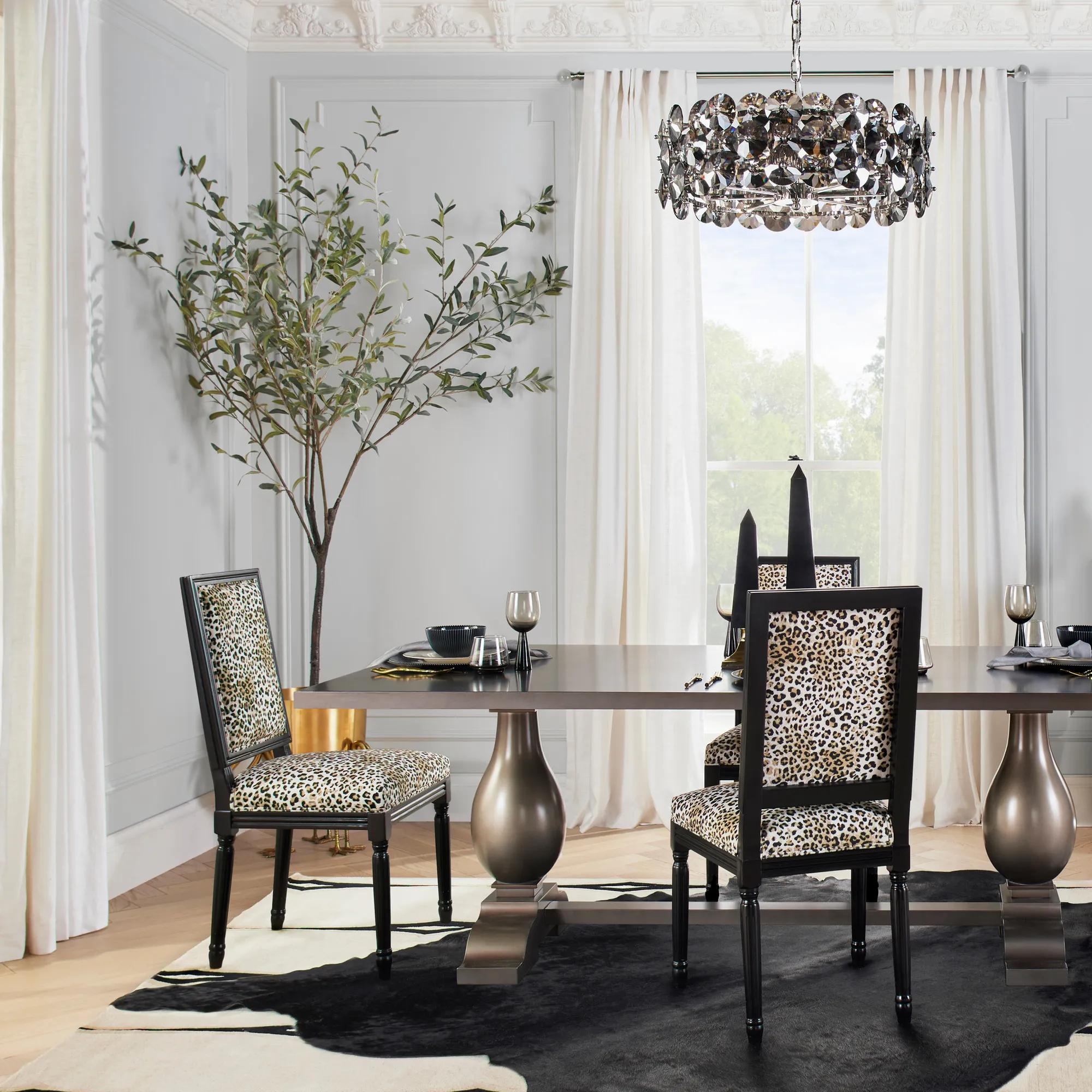 Callan Dining Chair$599
A handcrafted modern chair featuring classic upholstery, squared back, fluted legs, and high-gloss finish.
Add To Cart -
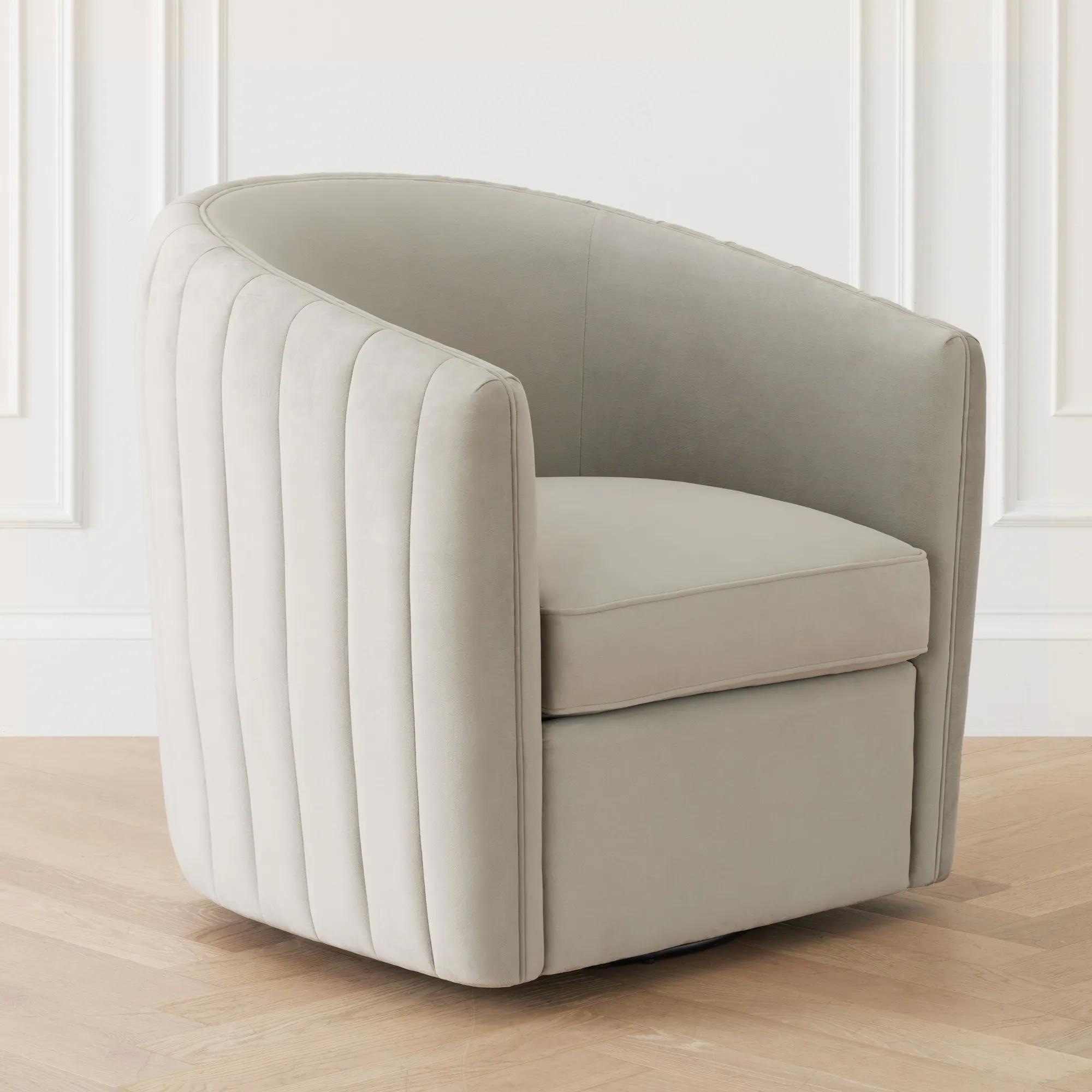
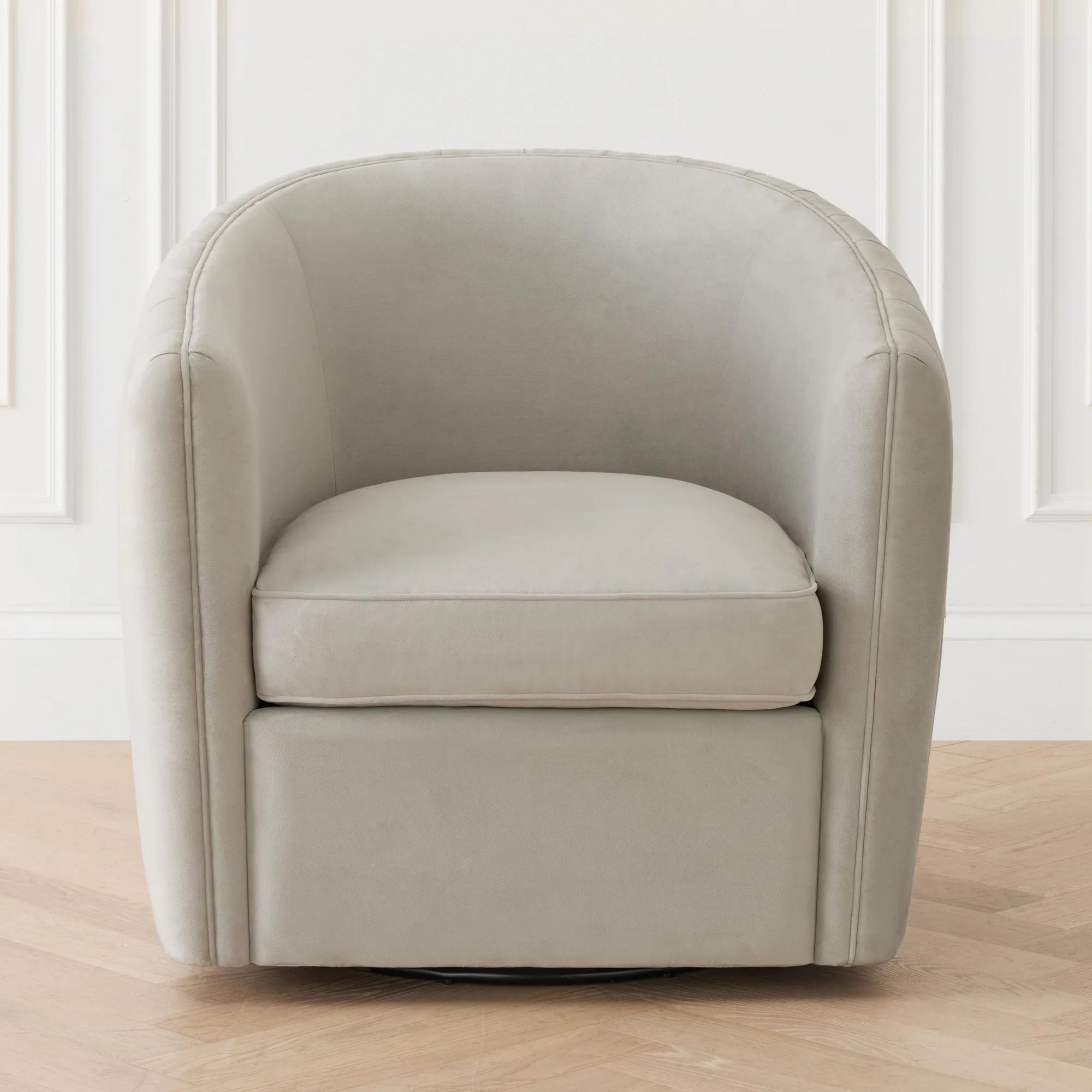 Aria Channeled Swivel Chair$1299
A modern barrel chair in kiln-dried hardwood with channeled velvet upholstery and a smooth swivel base.
Add To Cart -

 Aria Pleated Swivel Chair$1249
A barrel-style swivel chair crafted from kiln-dried hardwood and shown in luxurious Bella Velvet Pearl upholstery.
Add To Cart -
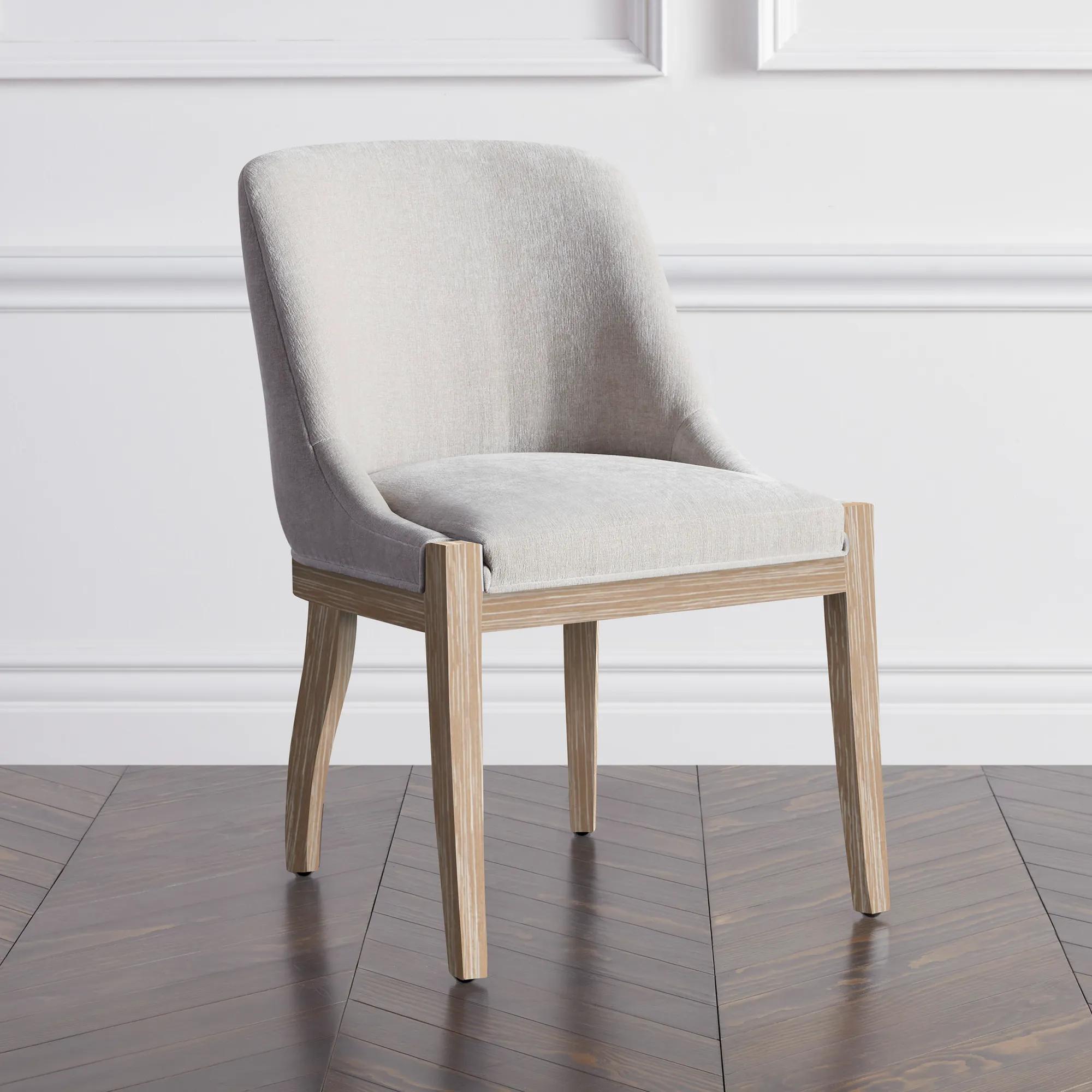
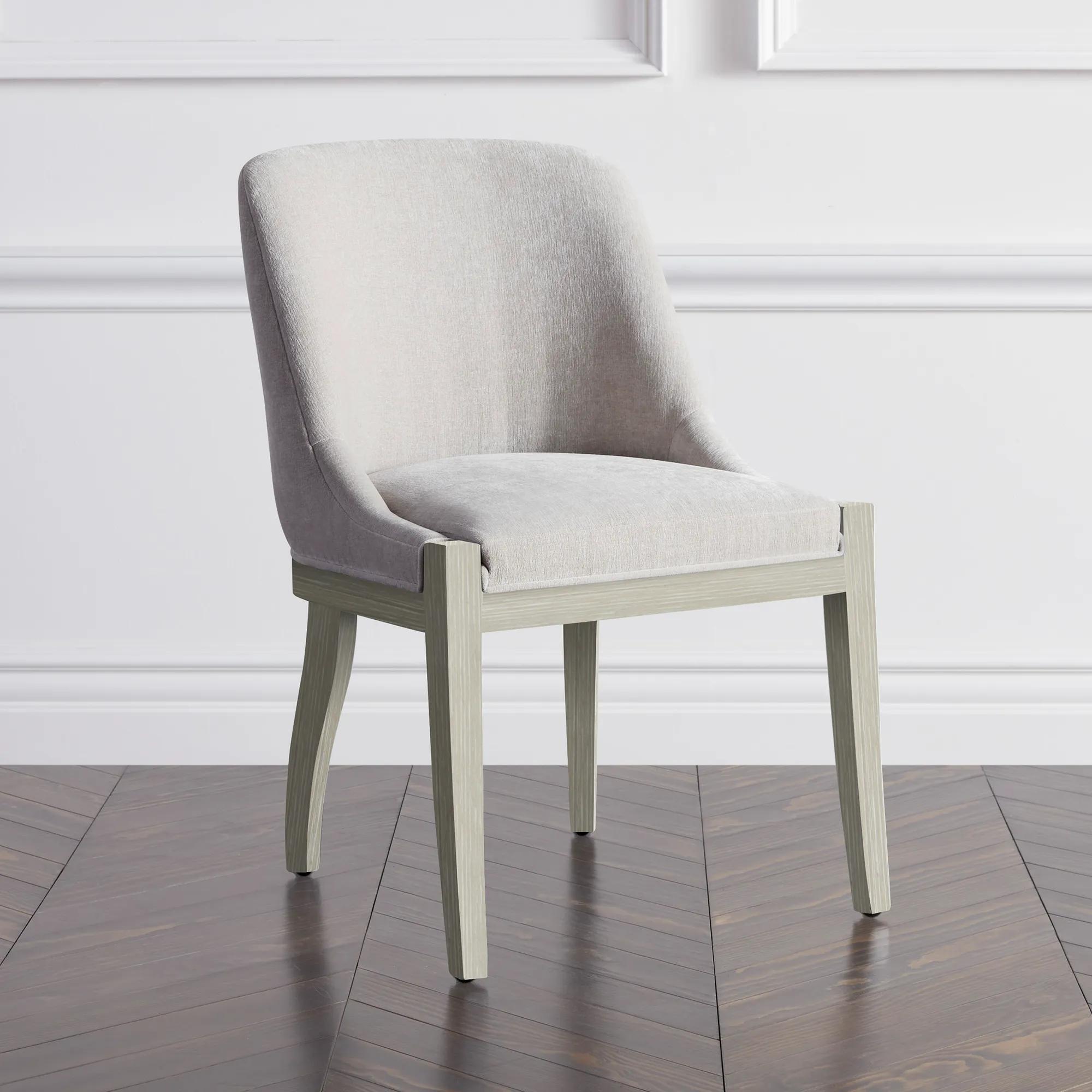
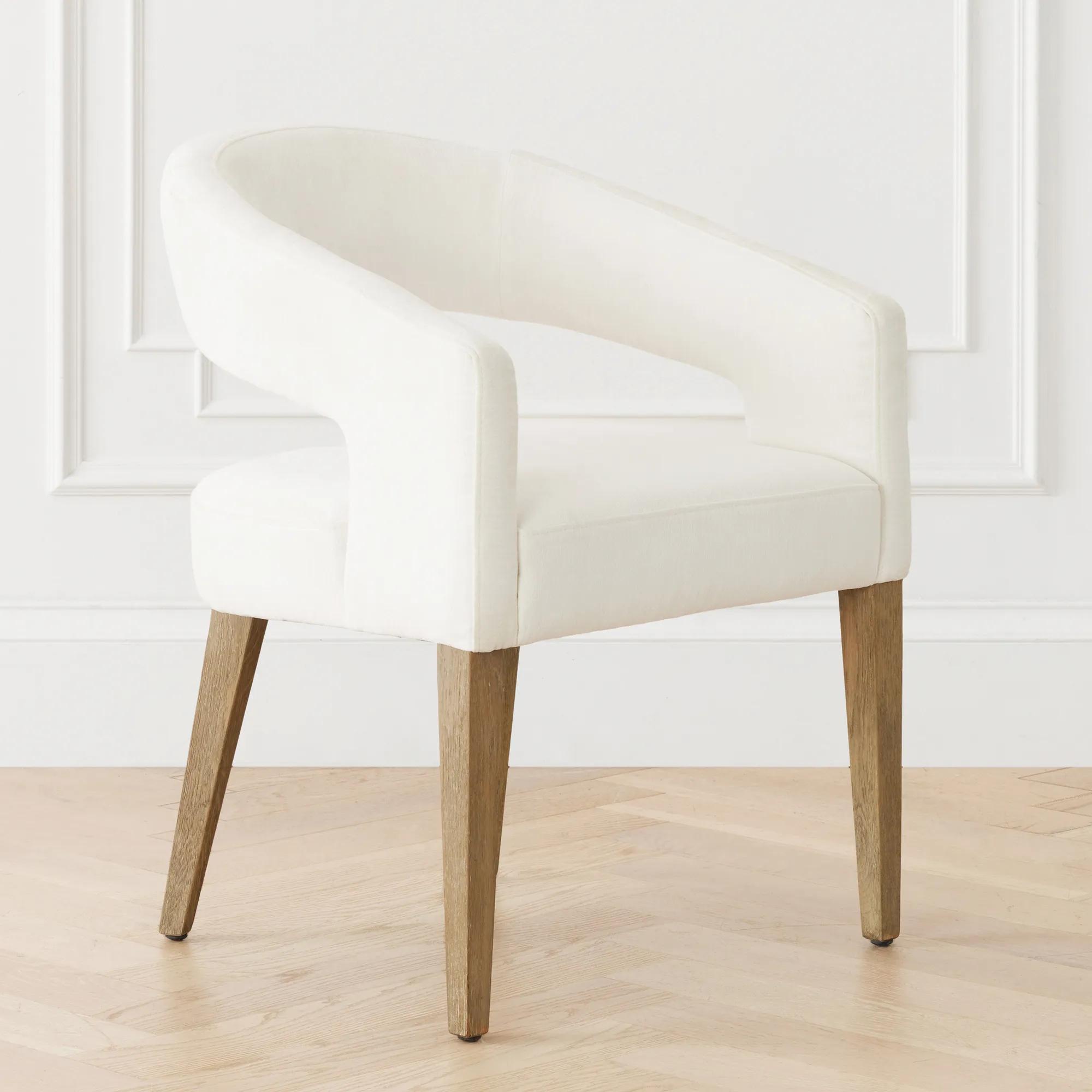 Philippa Dining Chair - Natural Grey$845
A modern dining chair featuring a curved silhouette, grey upholstery, and a kiln-dried hardwood frame.
Add To Cart -
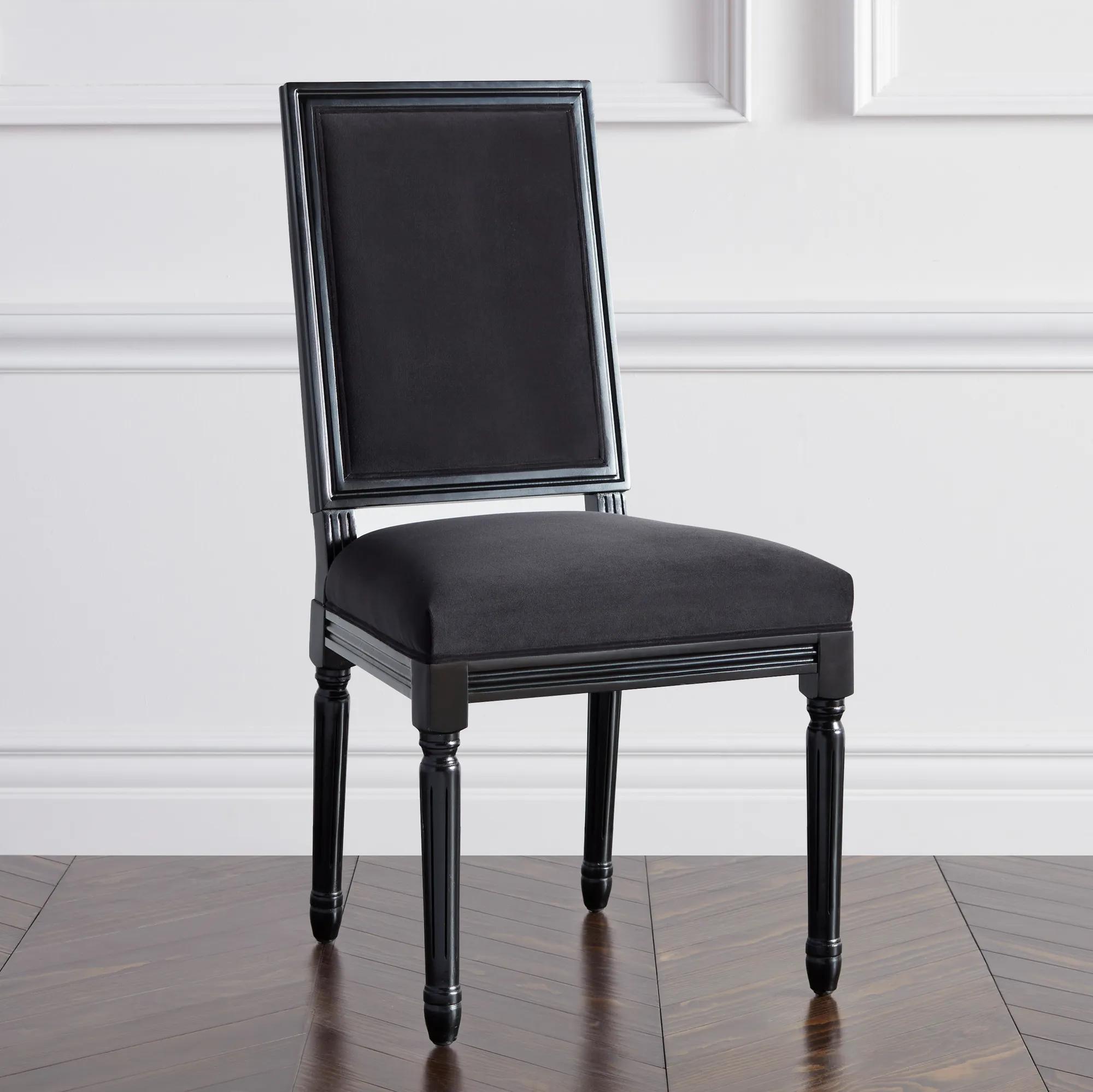
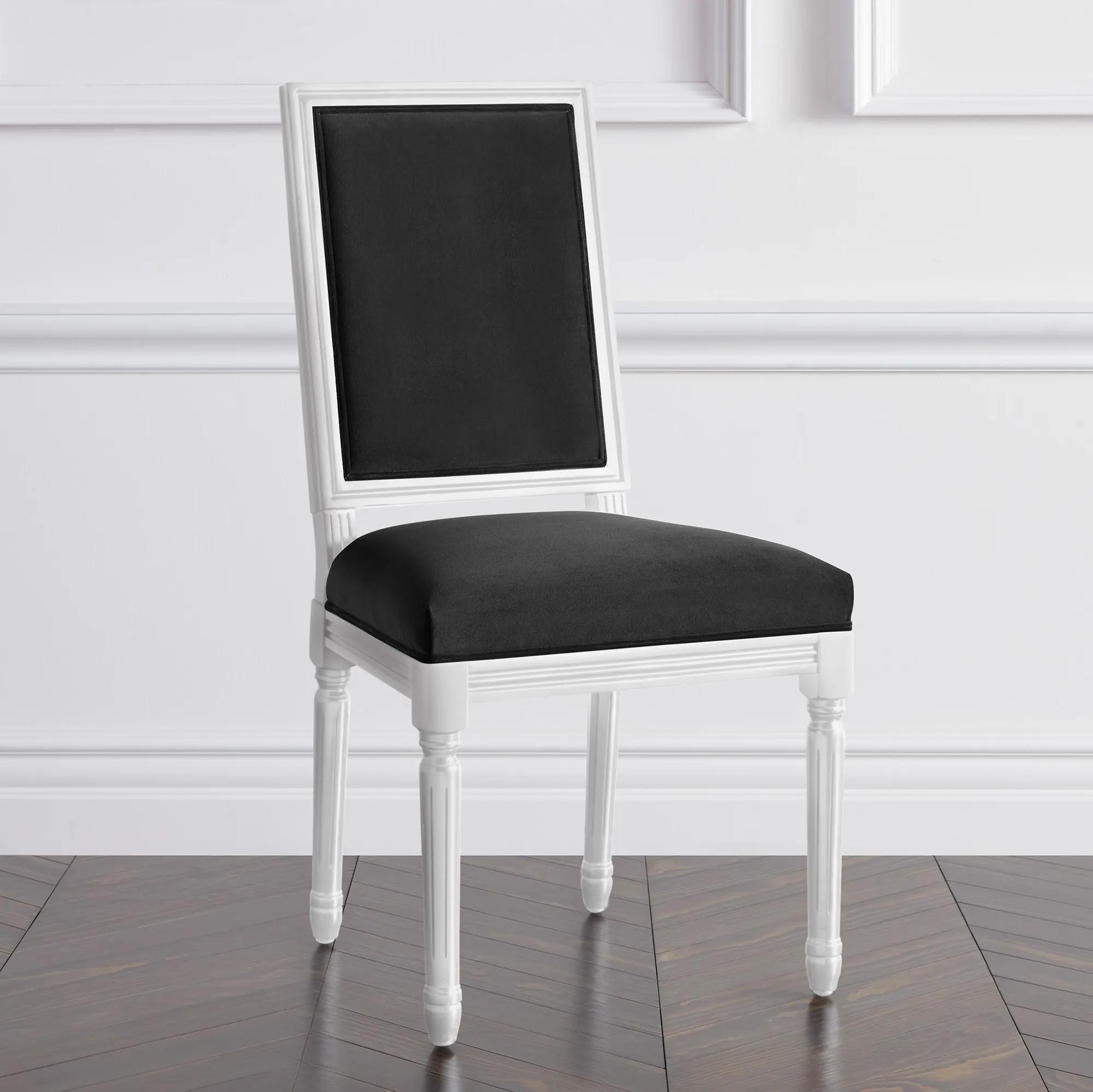
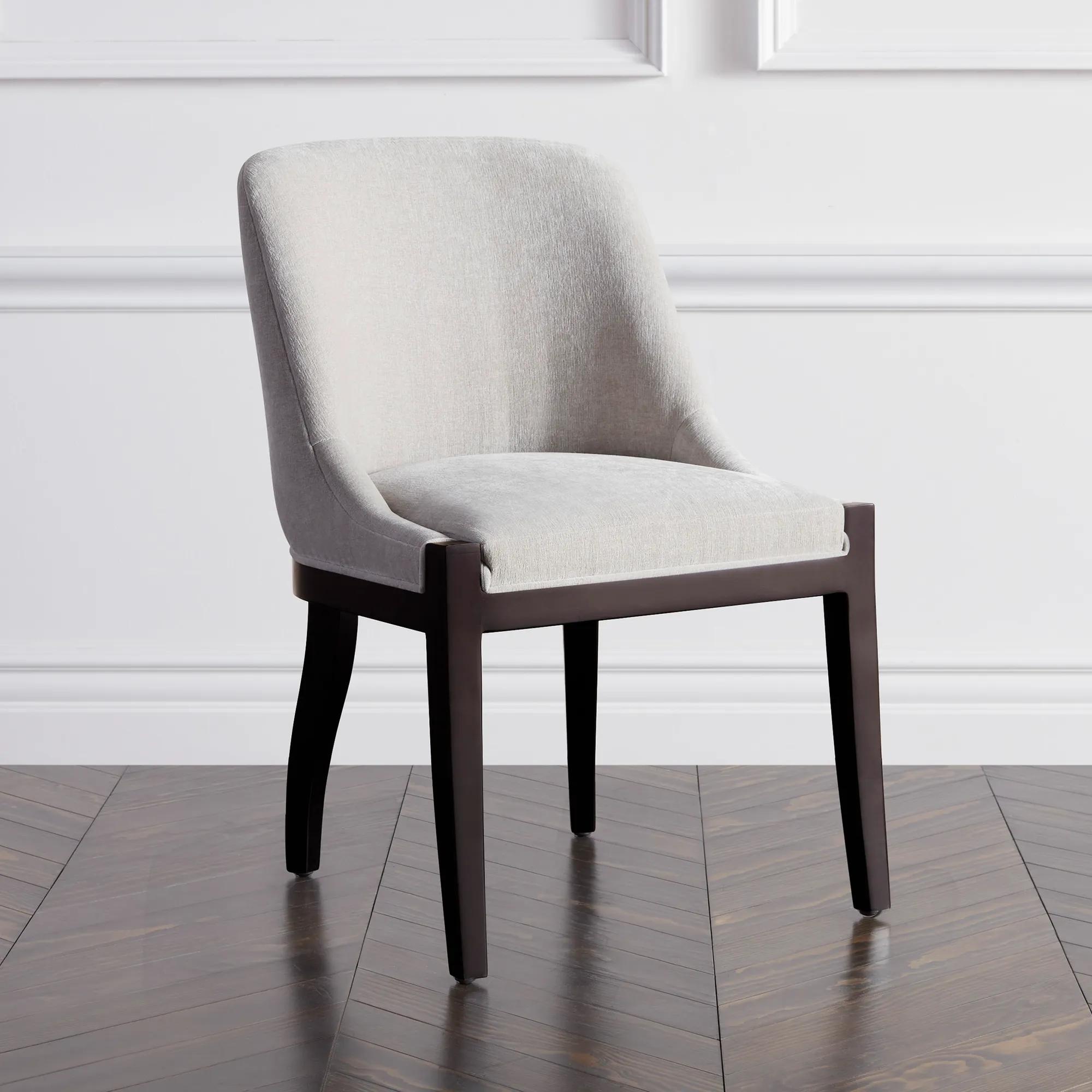
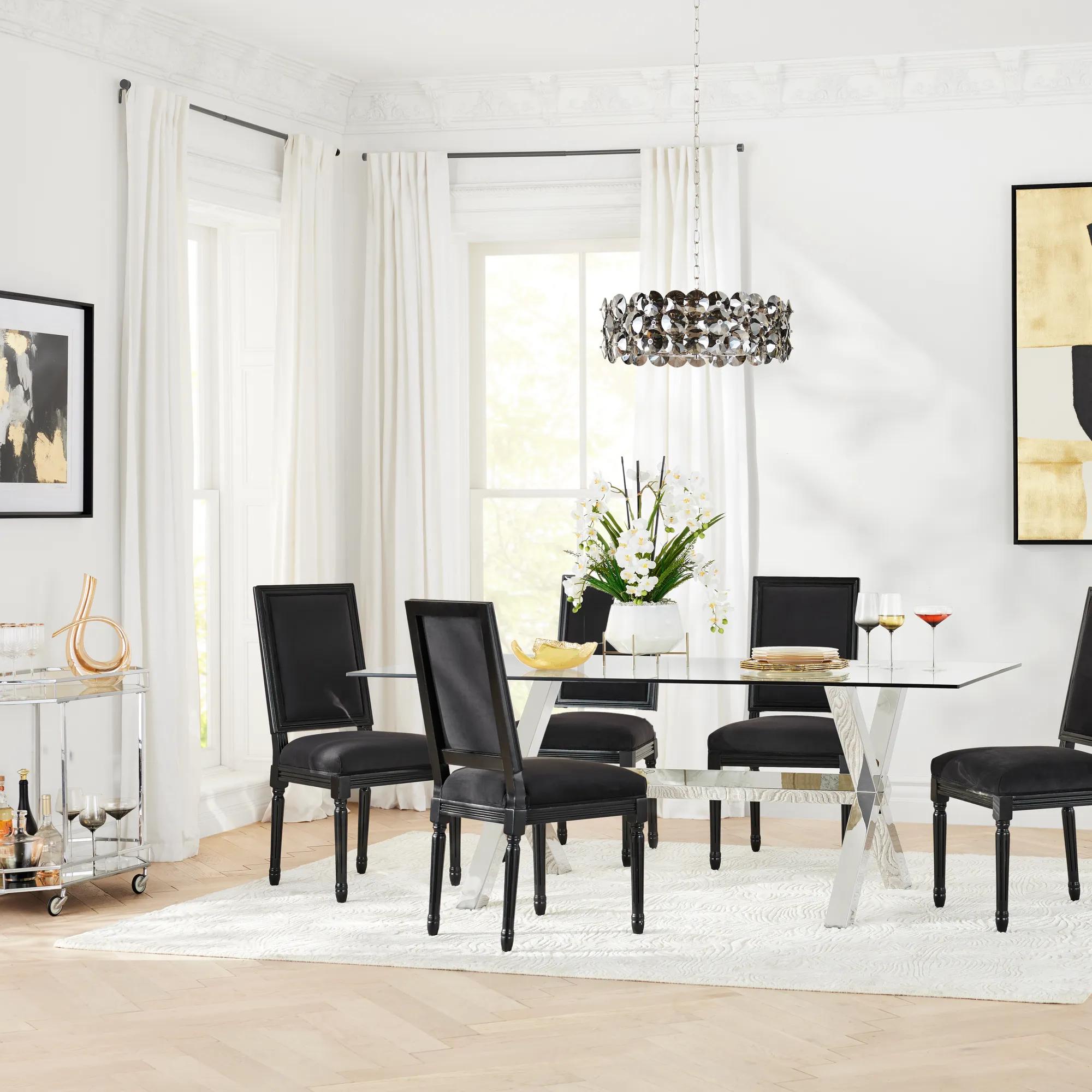 Callan Dining Chair - High Gloss Black$599
A handcrafted dining chair featuring high-gloss black Bella Velvet upholstery, fluted legs, and a squared back.
Add To Cart -
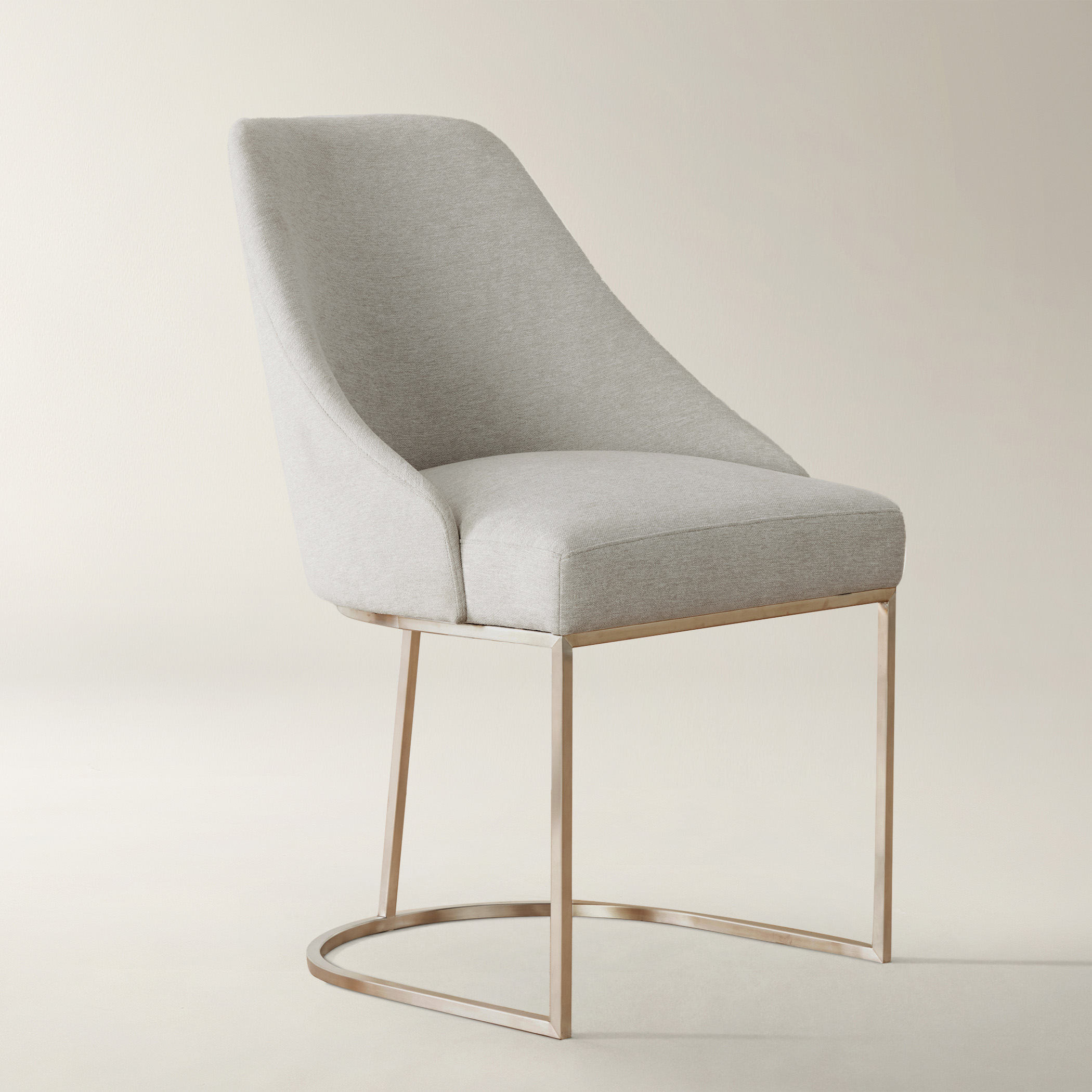
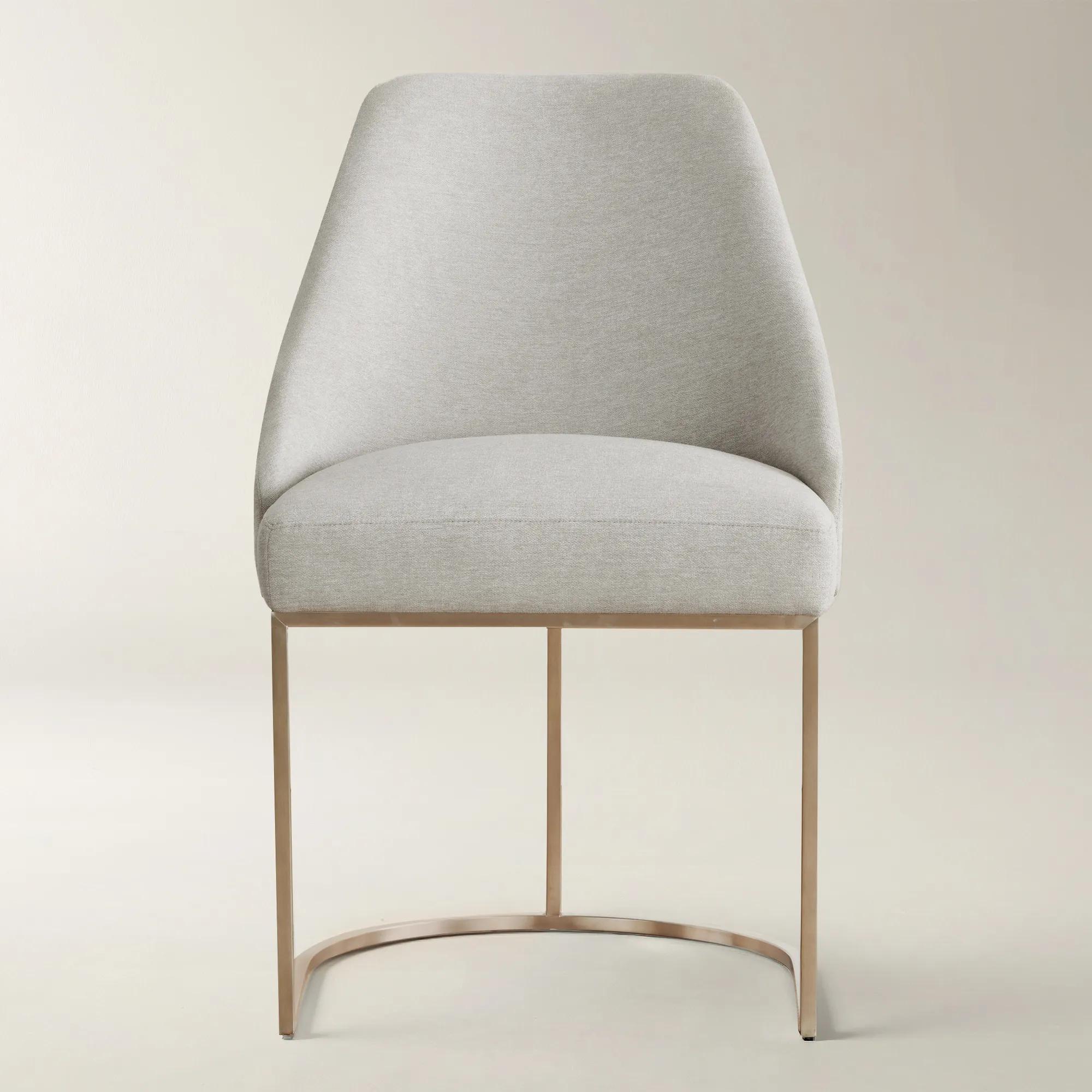 Rowan Ivory Fabric Dining Chair$599
A modern chair featuring brushed stainless steel legs and stain-resistant, water-repellent Roxboro Frost fabric.
Add To Cart -
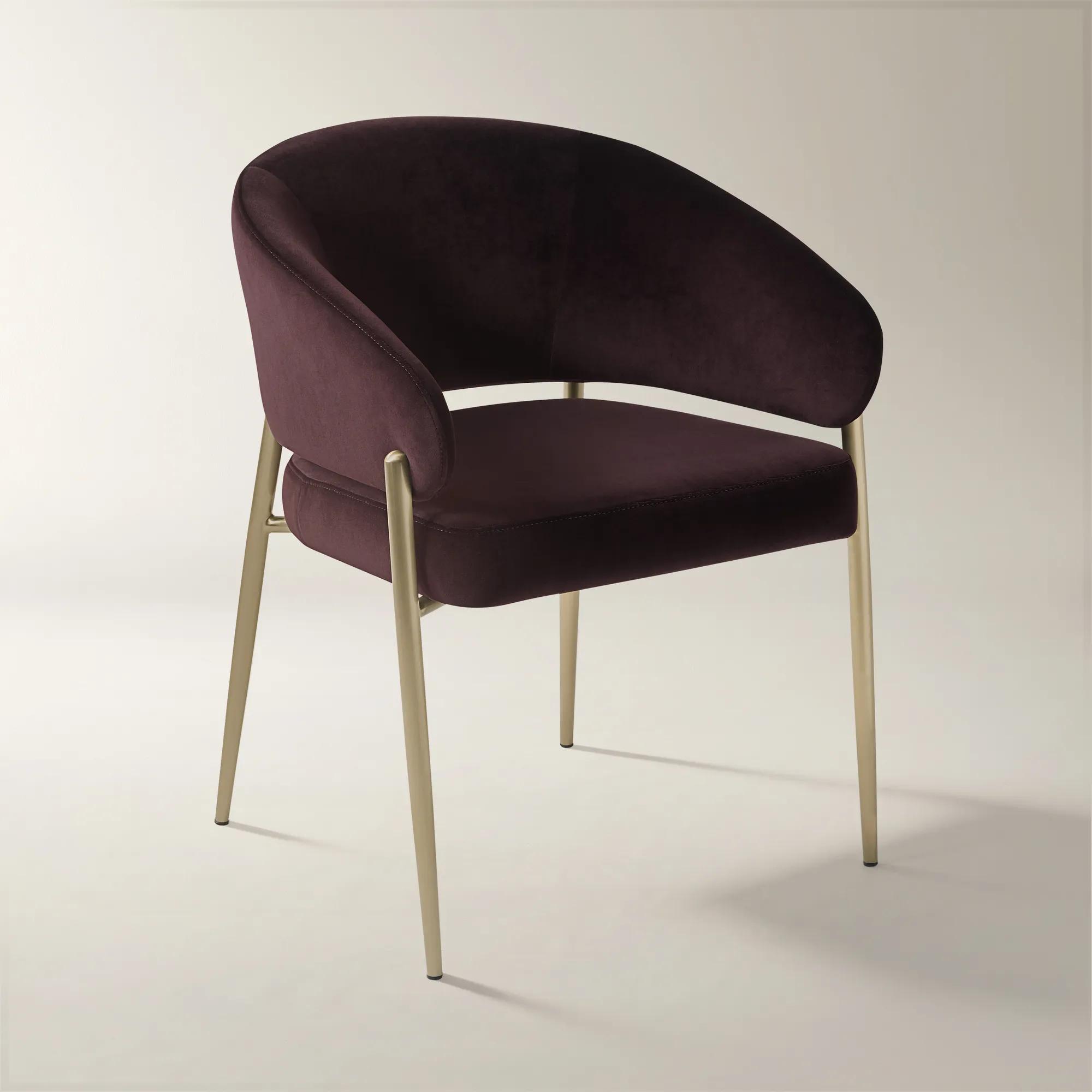 Nara Fig Velvet Dining Chair Set Of 2$599
A set of two dining chairs featuring plush fig velvet upholstery and brushed brass stainless-steel legs.
Add To Cart -
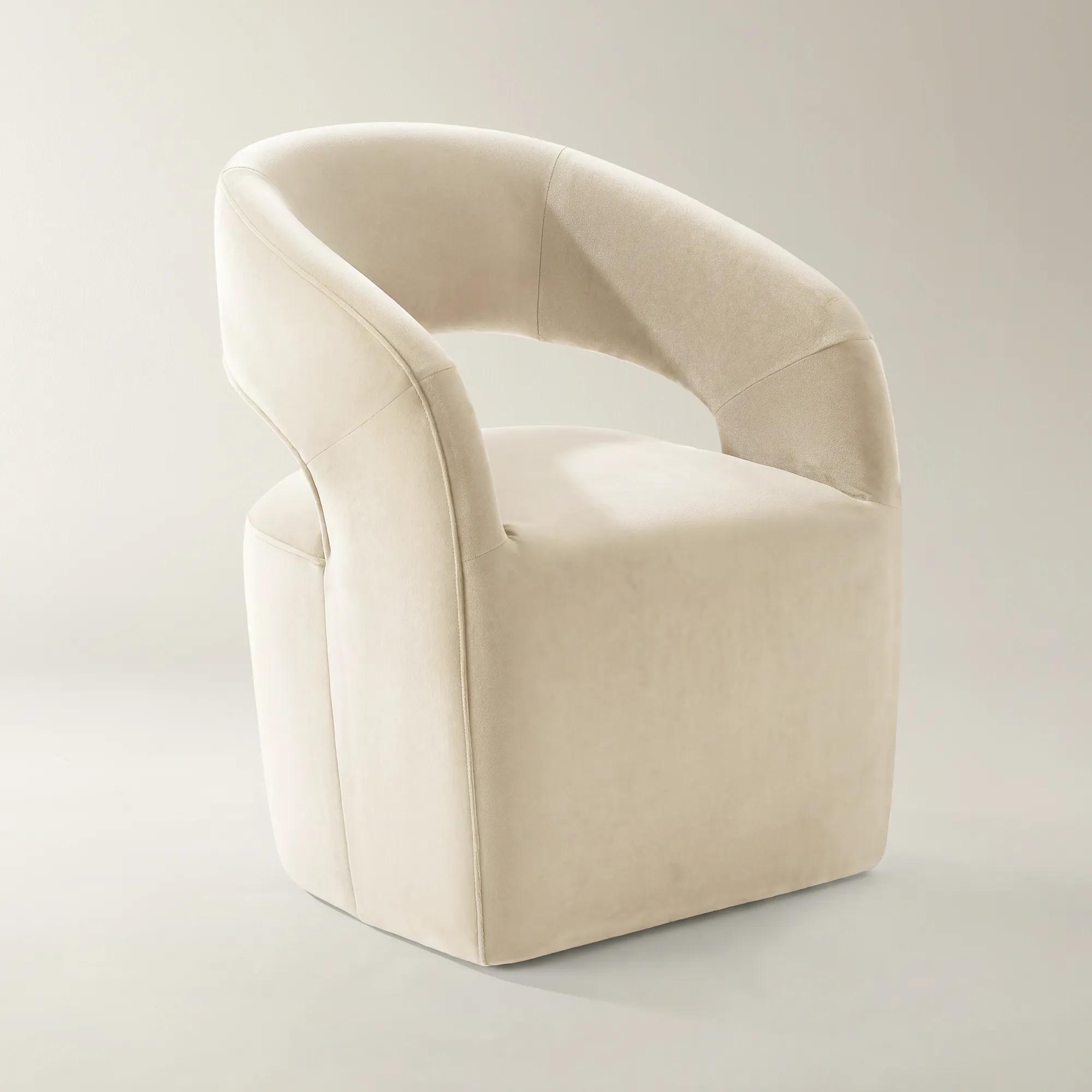
-2.jpg?w=1200&h=1200) Harrison Oatmeal Velvet Dining Chair$449
Harrison Oatmeal Velvet Dining Chair$449A sculptural dining chair upholstered in oatmeal velvet with a curved back, feather-blend seat, and integrated arms.
Add To Cart -
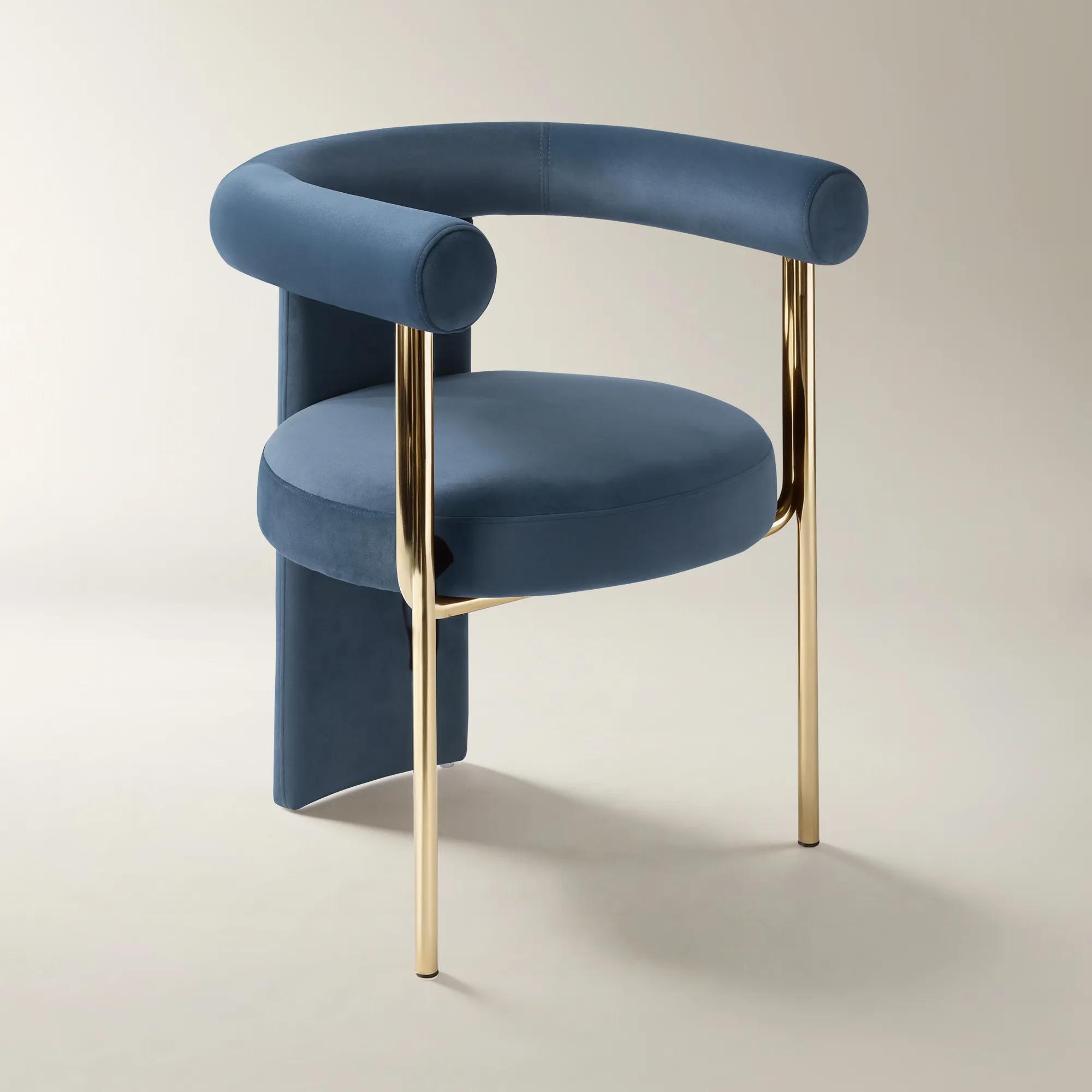 Davina Dusty Blue Velvet Dining Chair Set Of 2$799
A set of two dining chairs featuring dusty blue velvet upholstery and a polished gold metal frame.
Add To Cart -
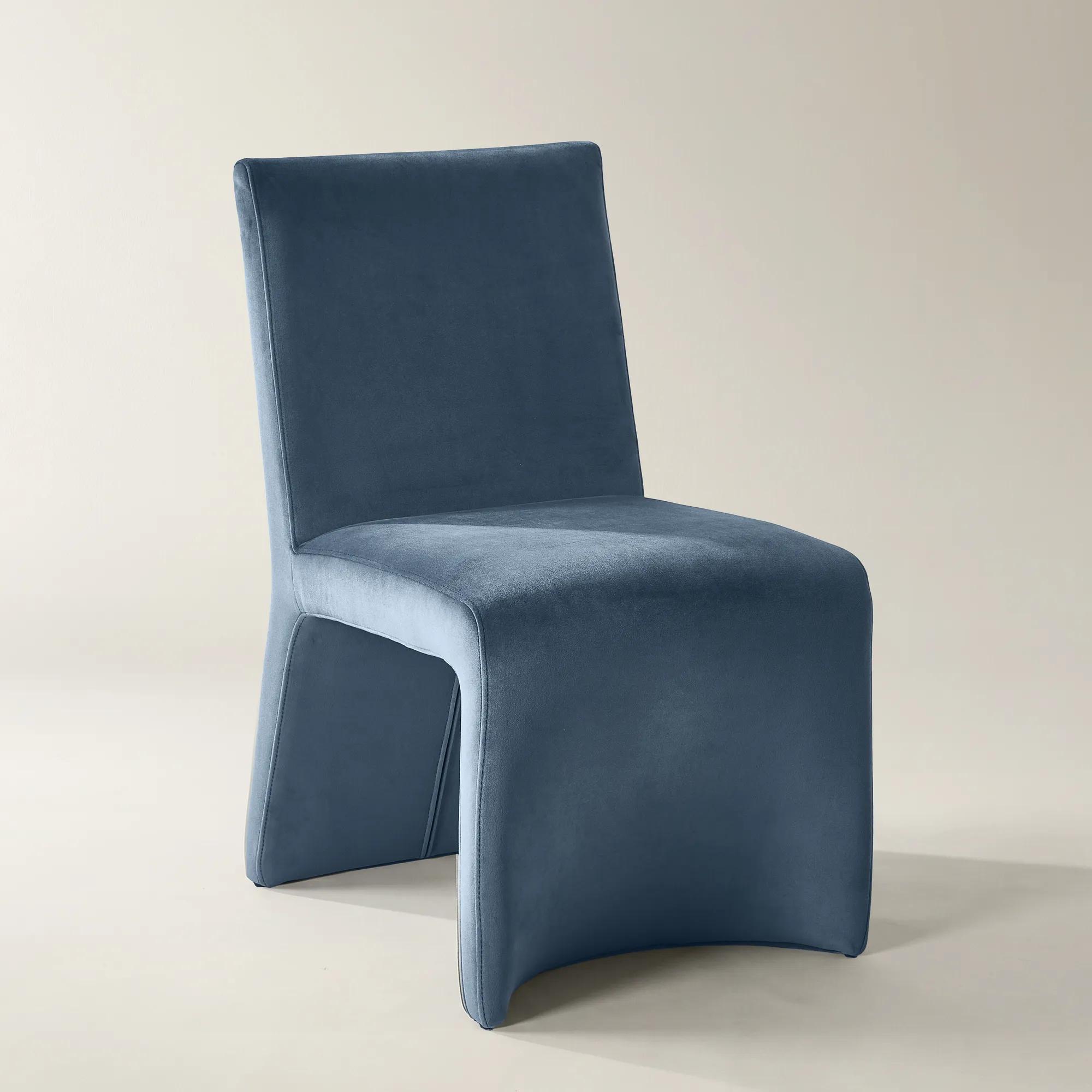 Elara Dusty Blue Velvet Dining Chair Set Of 2$649
A set of two dining chairs featuring plush dusty blue velvet upholstery and a seamless, artful silhouette.
Add To Cart -
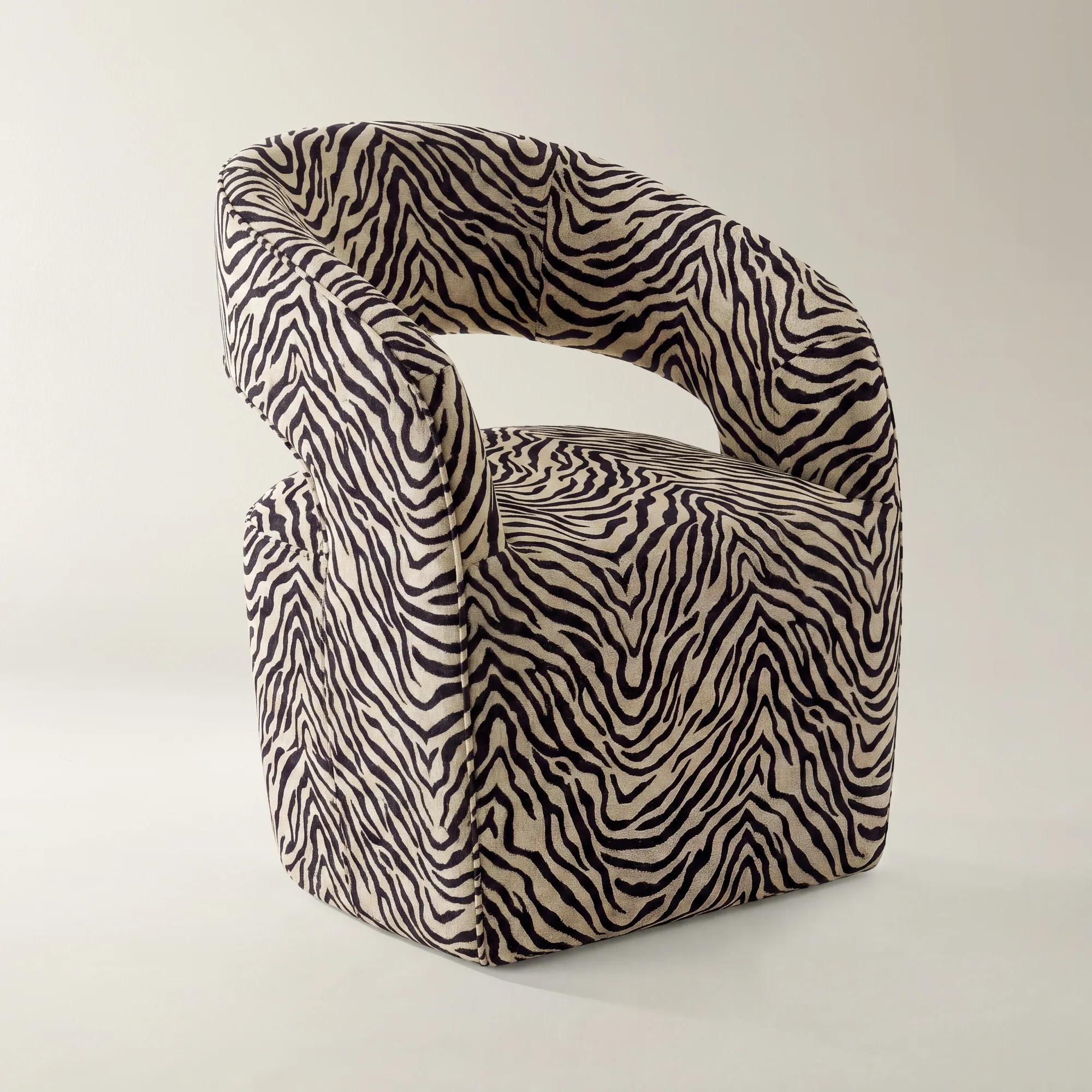 Harrison Zebra Performance Chenille Dining Chair$449
A sculptural dining chair upholstered in zebra performance chenille with a curved back and feather-blend comfort.
Add To Cart -
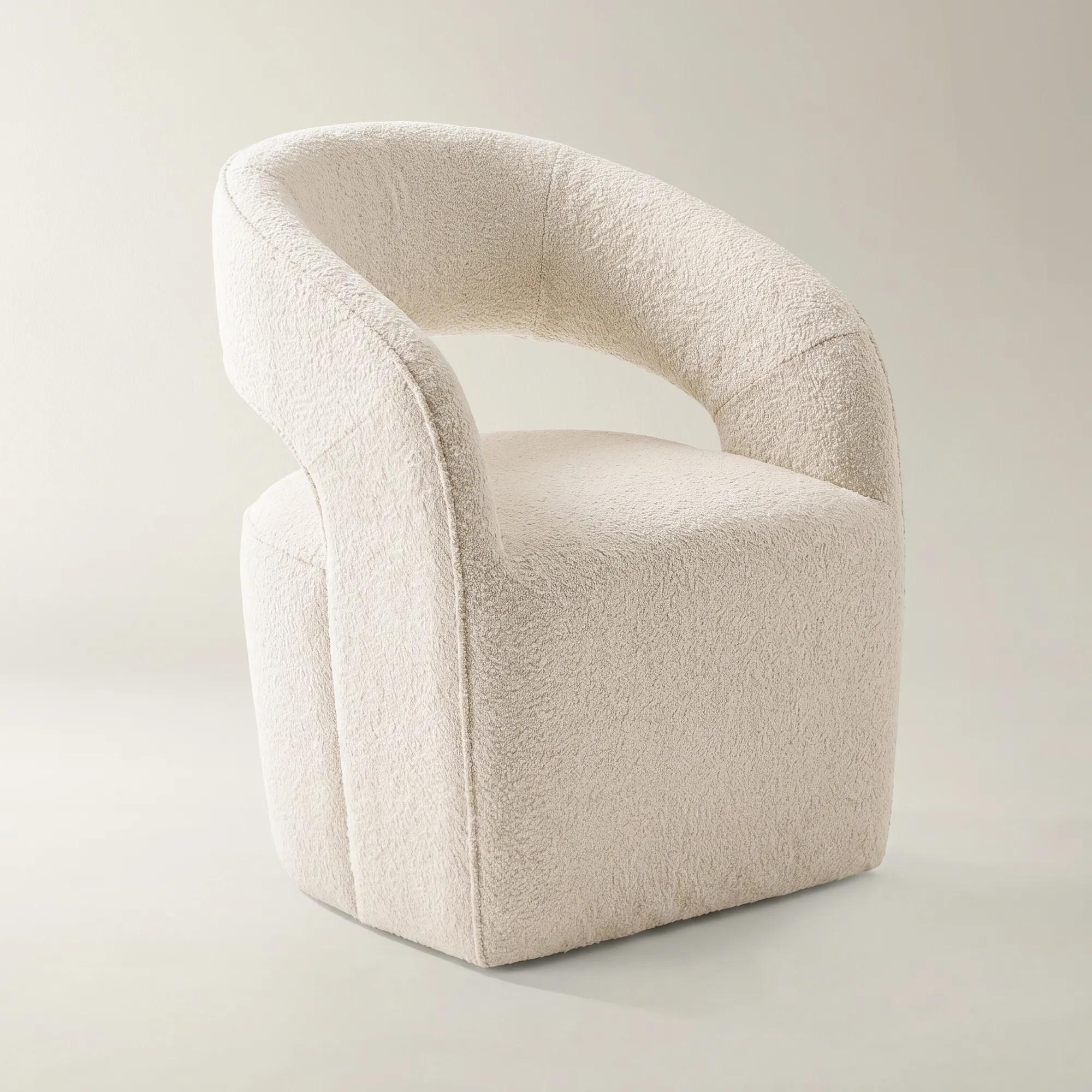 Harrison Utopia Sand Chenille Dining Chair$449
A sculptural dining chair upholstered in sand chenille with a curved back, feather-blend seat, and integrated arms.
Add To Cart -
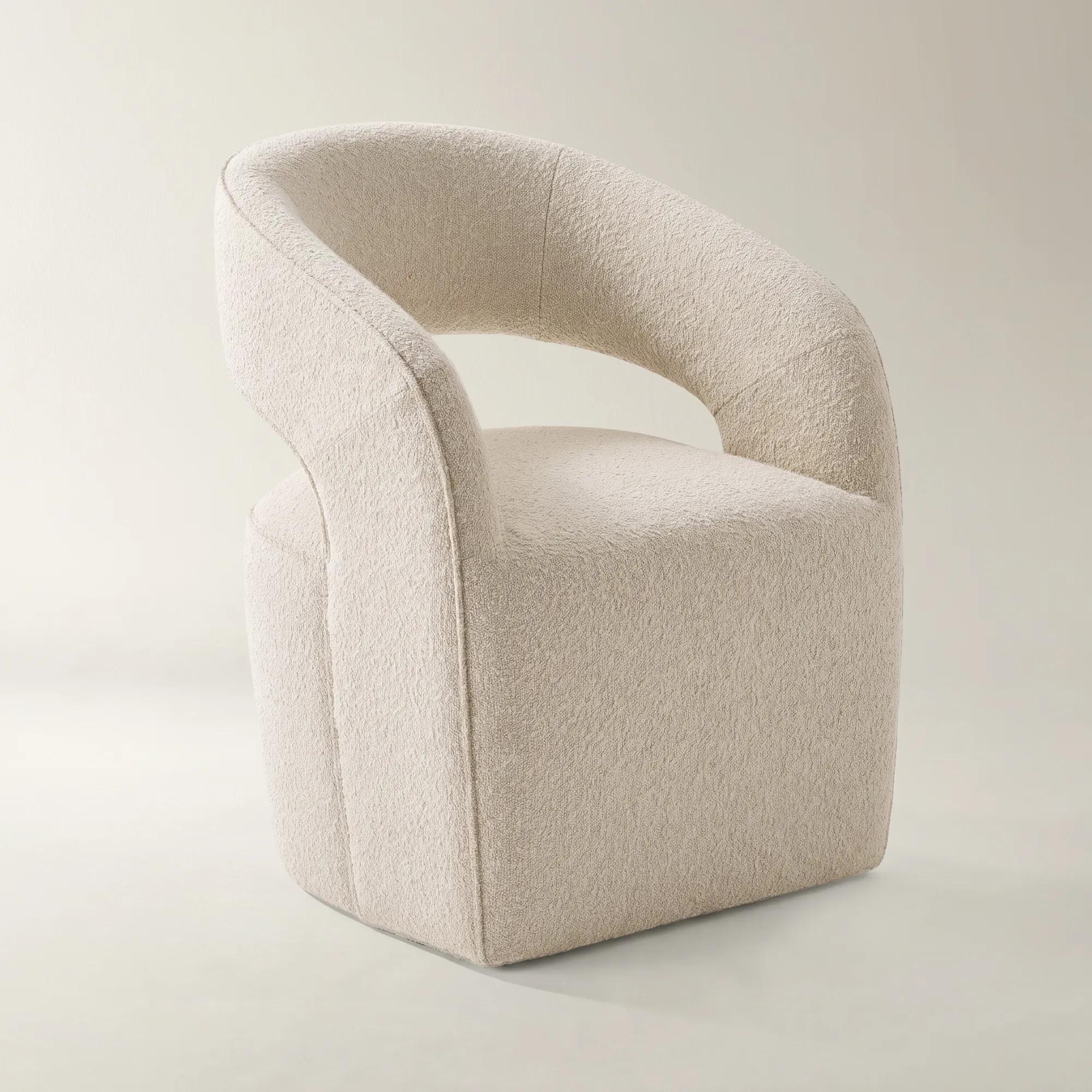 Harrison Ivory Performance Boucle Dining Chair$449
A sculptural dining chair in ivory performance boucle with a curved back, integrated arms, and feather-blend comfort.
Add To Cart -
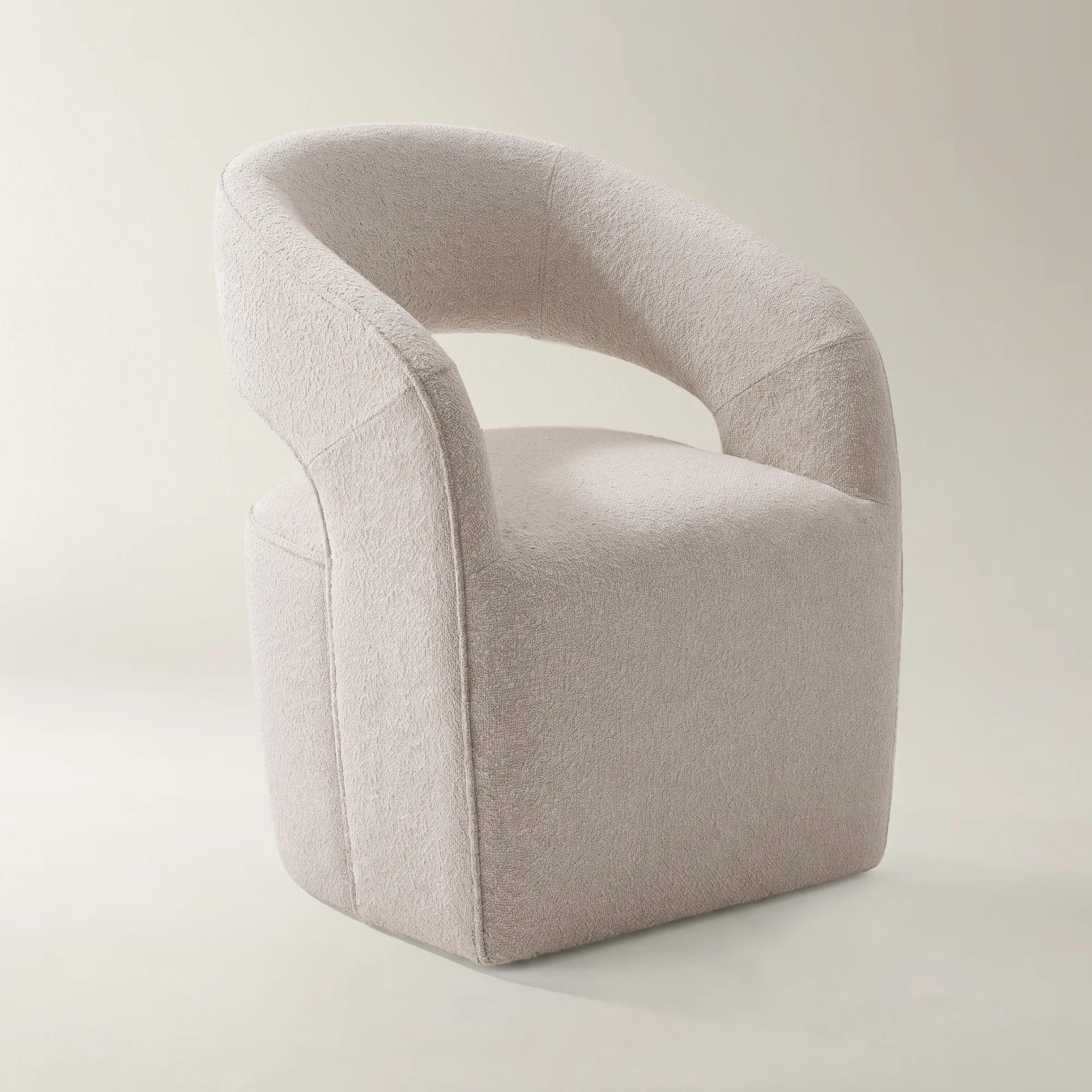 Harrison Ivory Performance Boucle Dining Chair$449
A sculptural dining chair in ivory performance boucle with a curved back, feather-blend seat, and modern elegance.
Add To Cart -
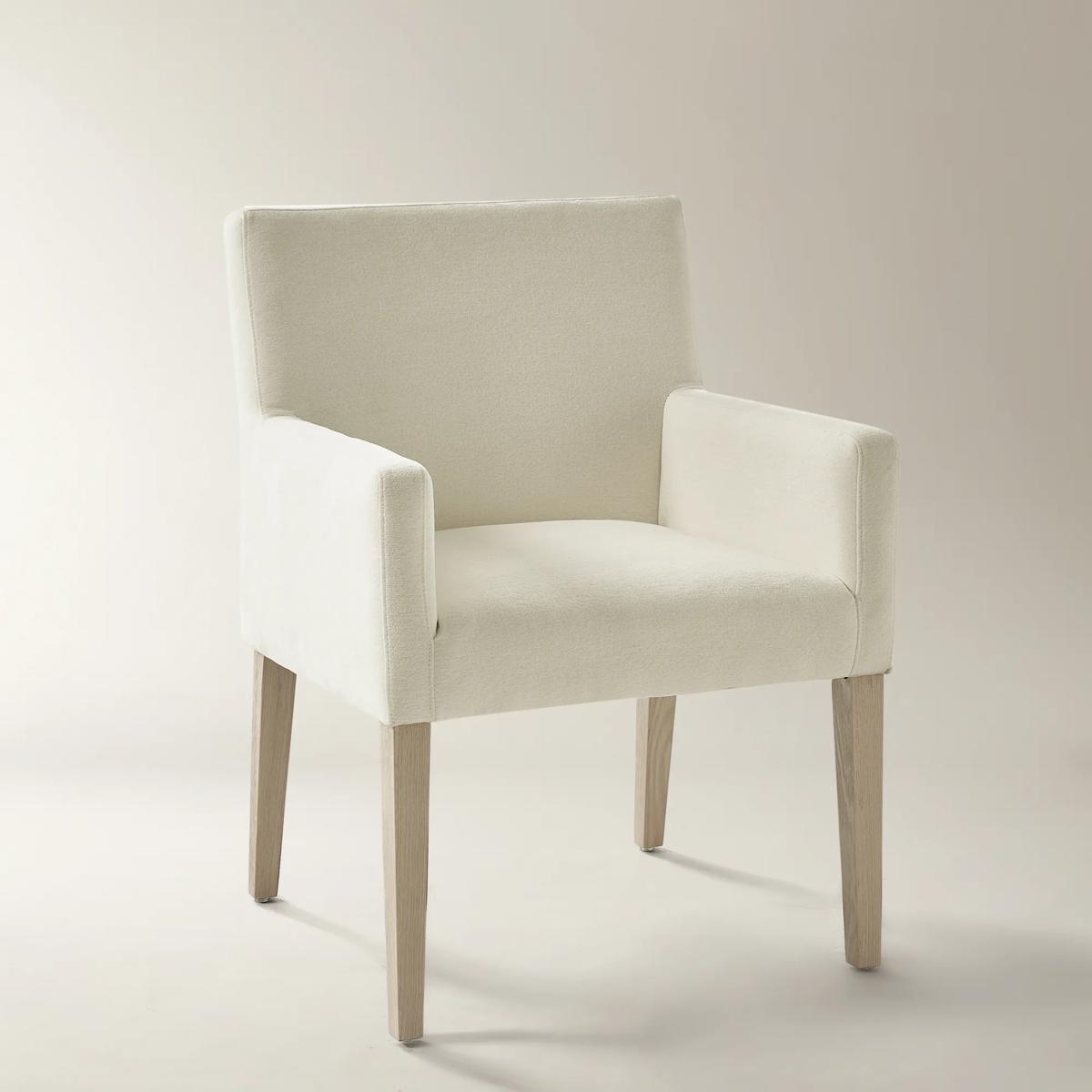
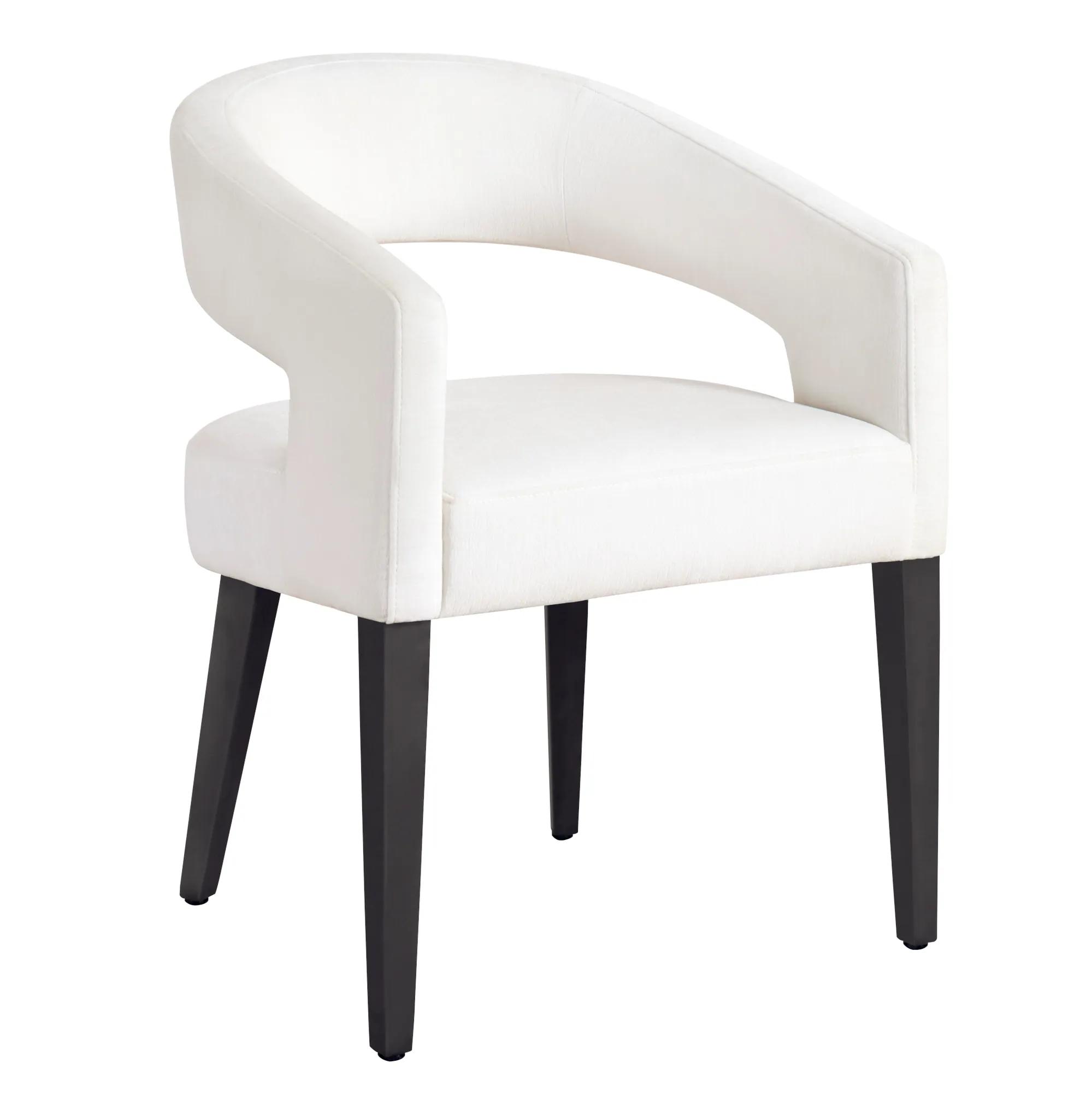
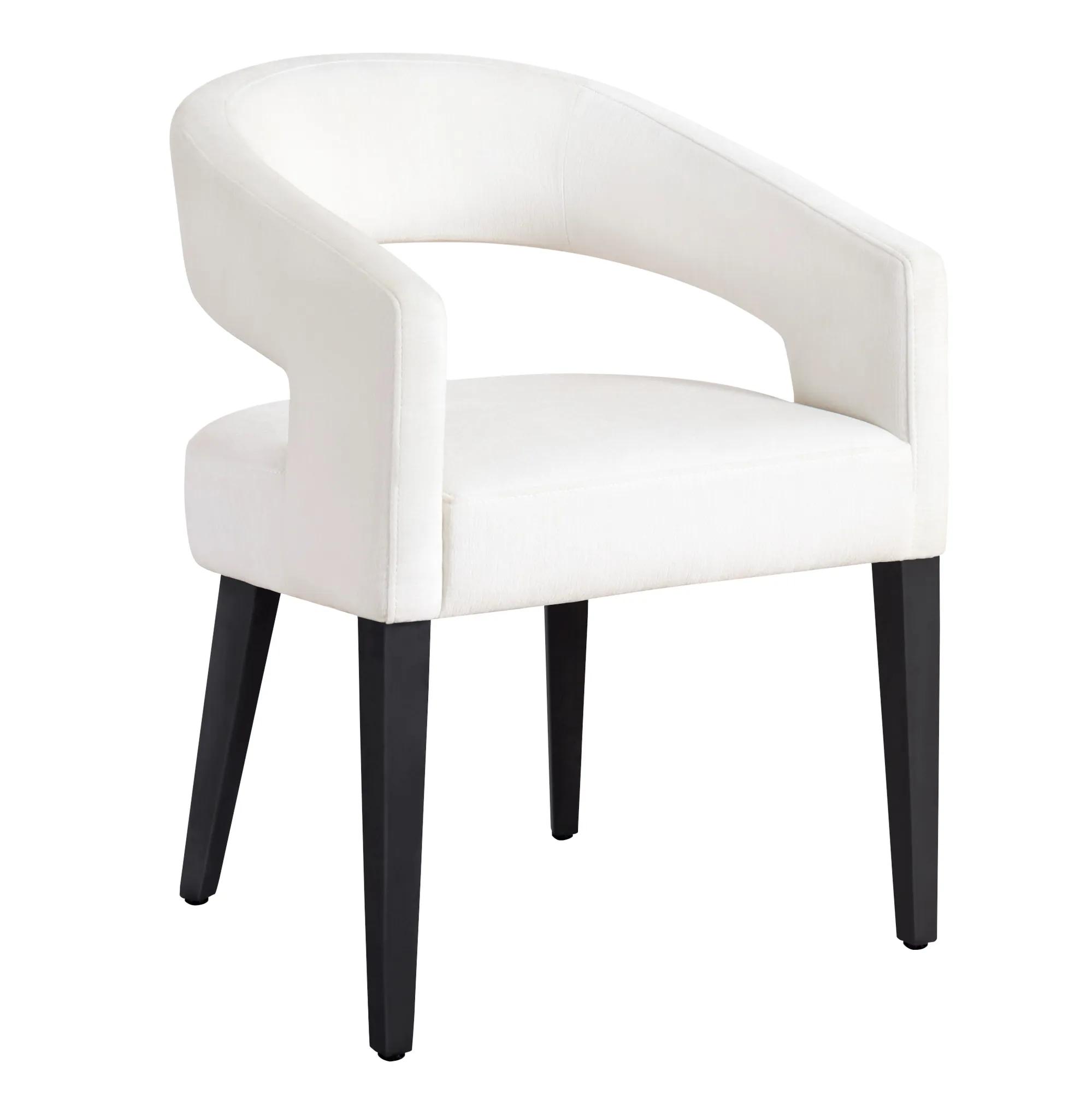
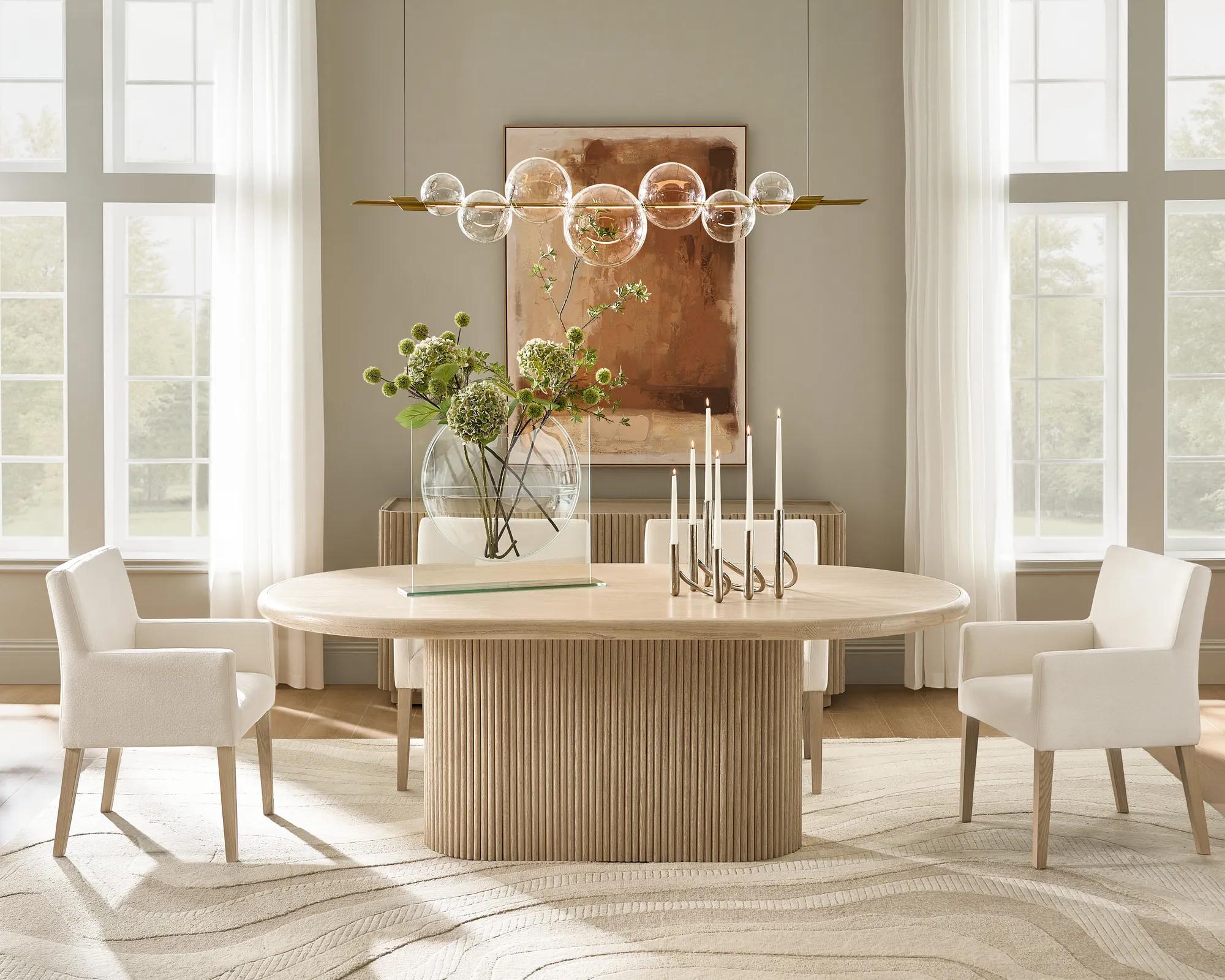 Stria Ivory Chenille Dining Chair Set Of 2$599
A pair of ivory chenille arm chairs with natural oak legs, offering plush comfort and modern elegance.
Add To Cart -
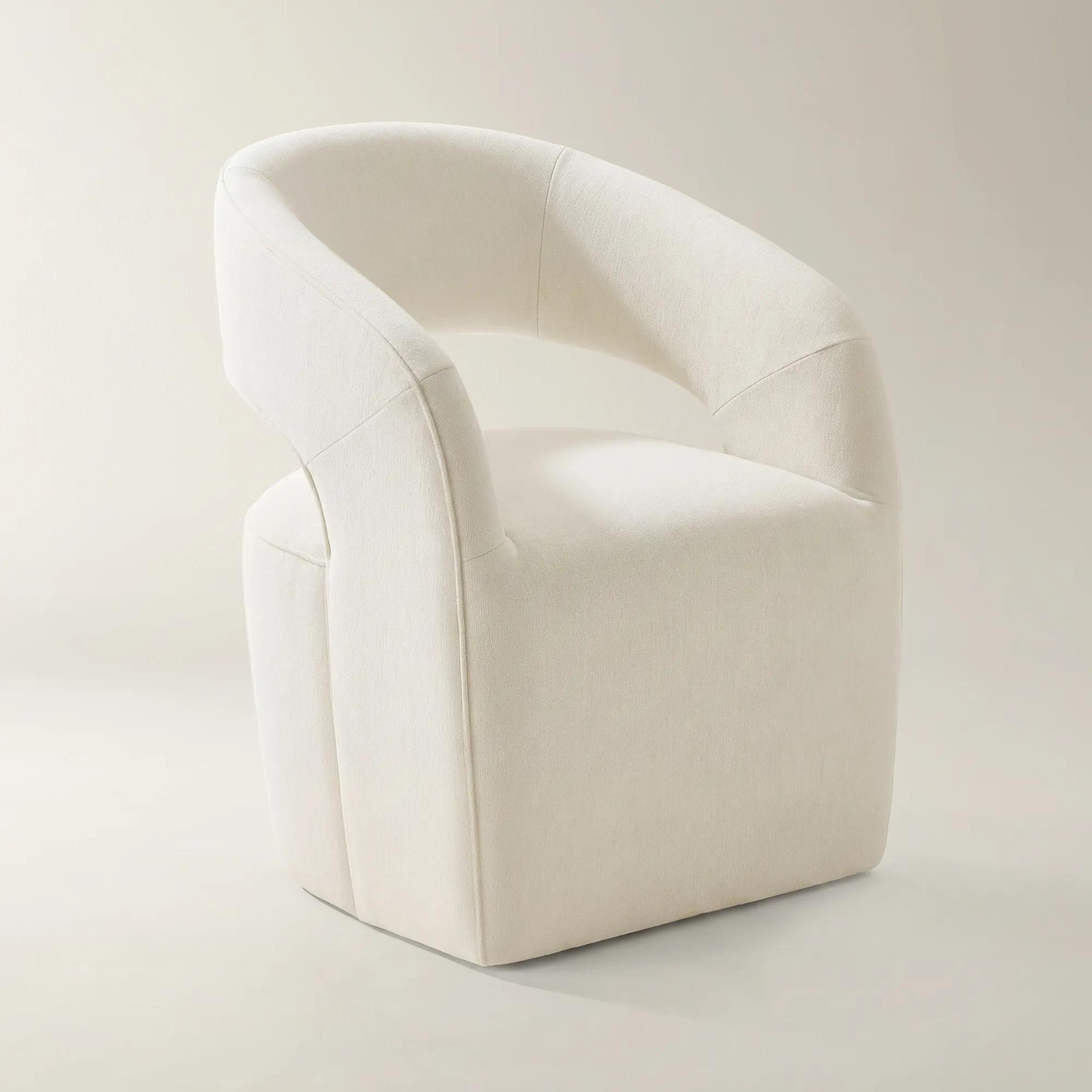 Harrison Ivory Performance Chenille Dining Chair$449
A sculptural ivory chenille chair featuring a continuous curved back, feather-blend comfort, and performance upholstery.
Add To Cart -
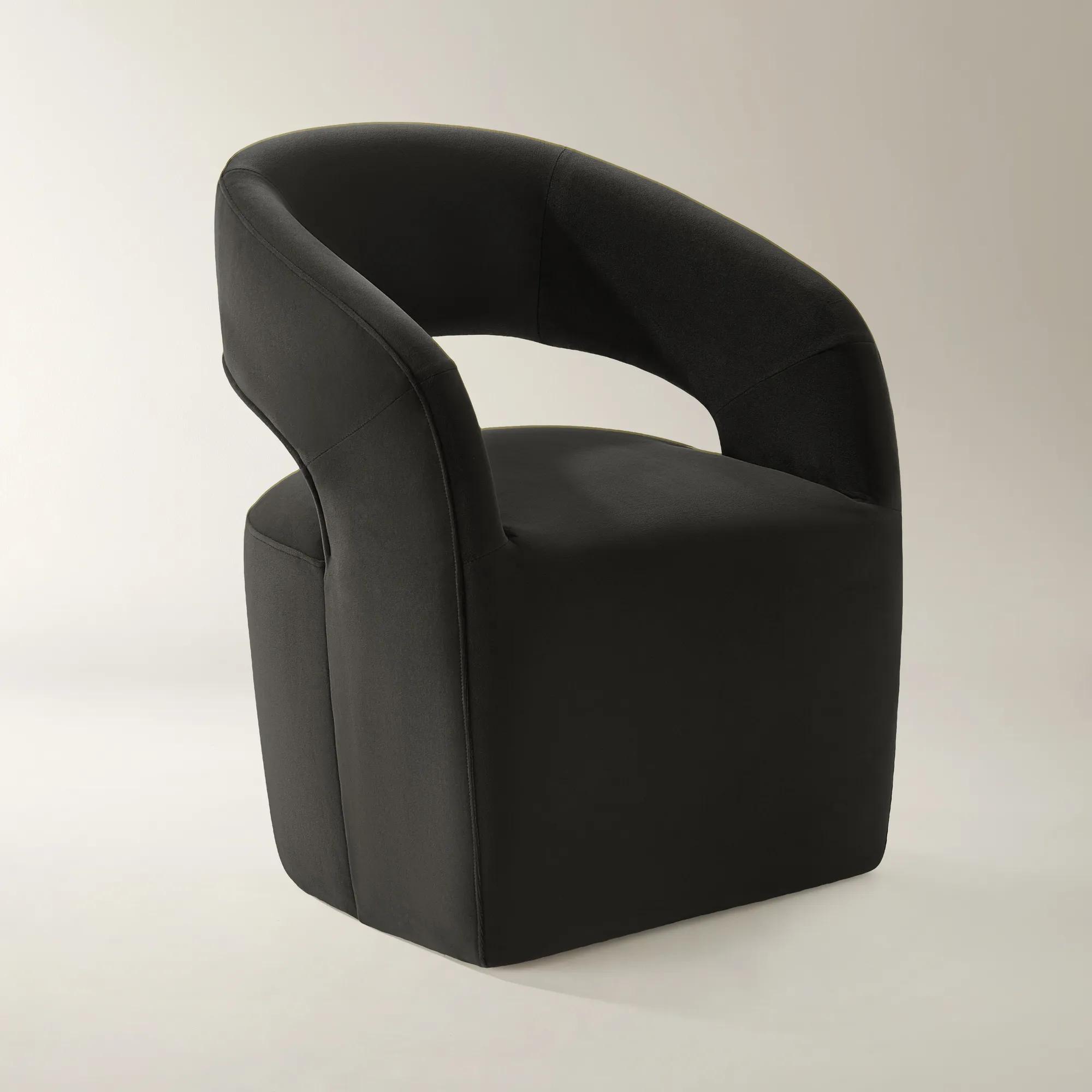 Harrison Charcoal Velvet Dining Chair$449
A sculptural dining chair upholstered in charcoal velvet with a continuous curved back and feather-blend comfort.
Add To Cart -
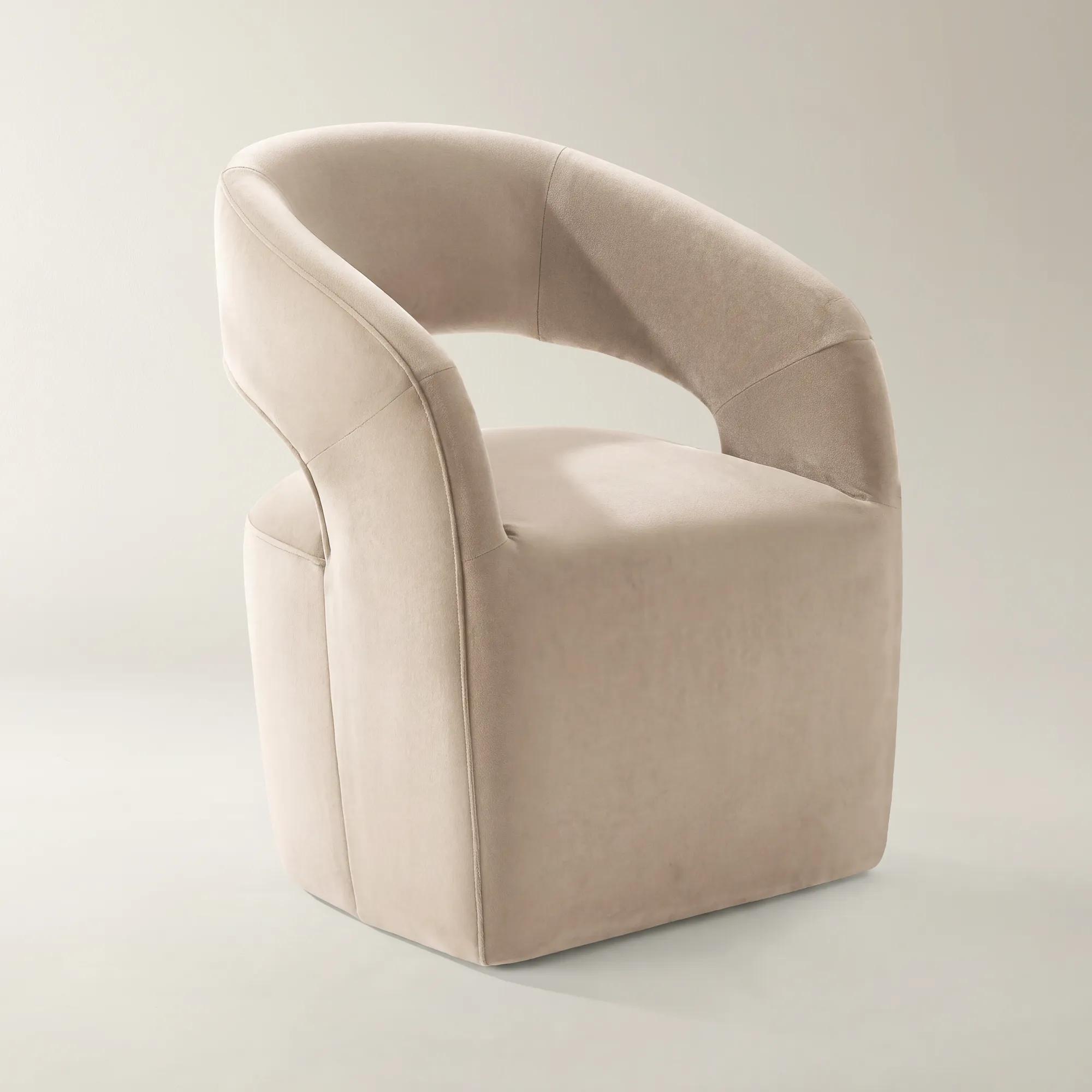 Harrison Simply Taupe Velvet Dining Chair$449
A sculptural dining chair in simply taupe velvet with a curved back, feather-blend seat, and modern elegance.
Add To Cart -
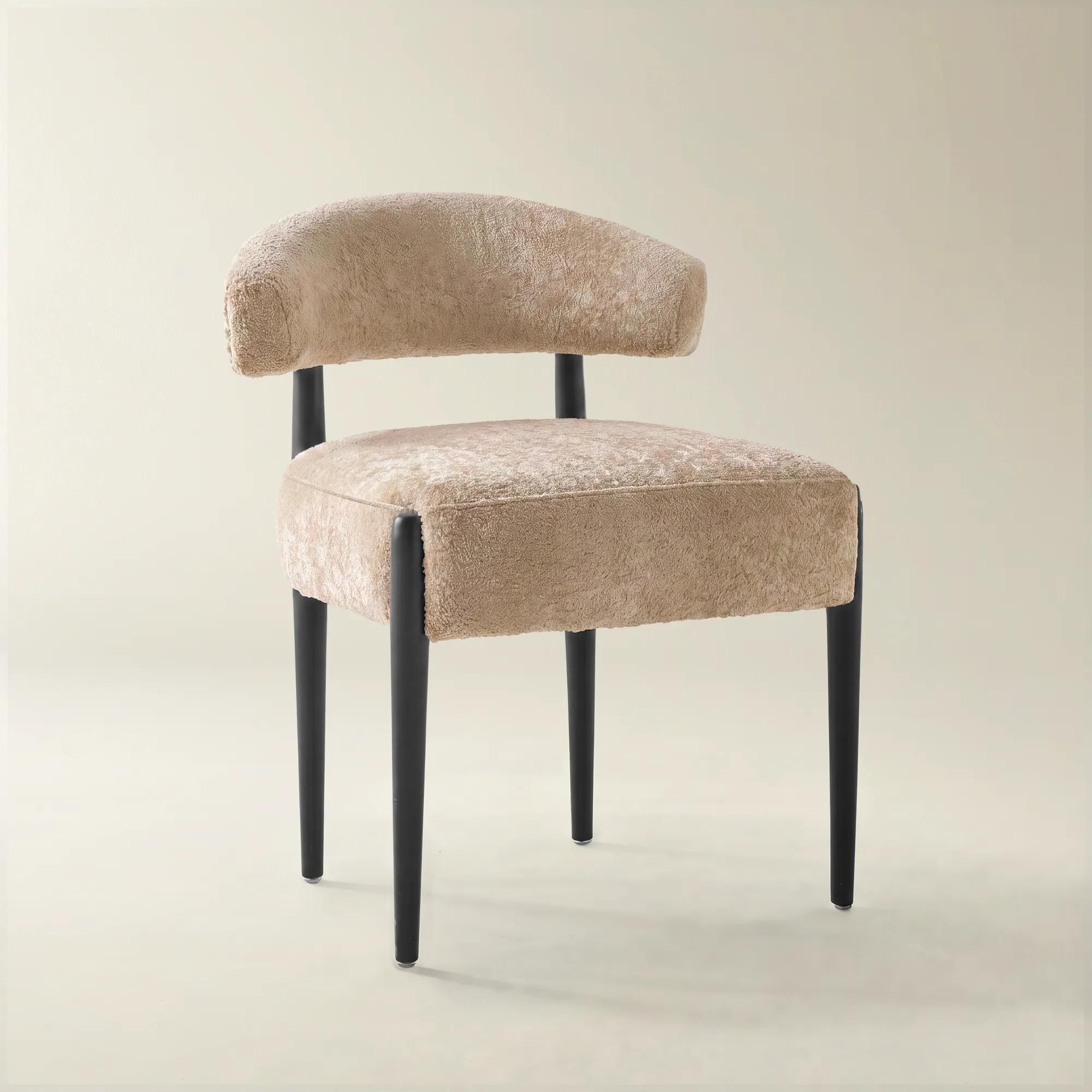
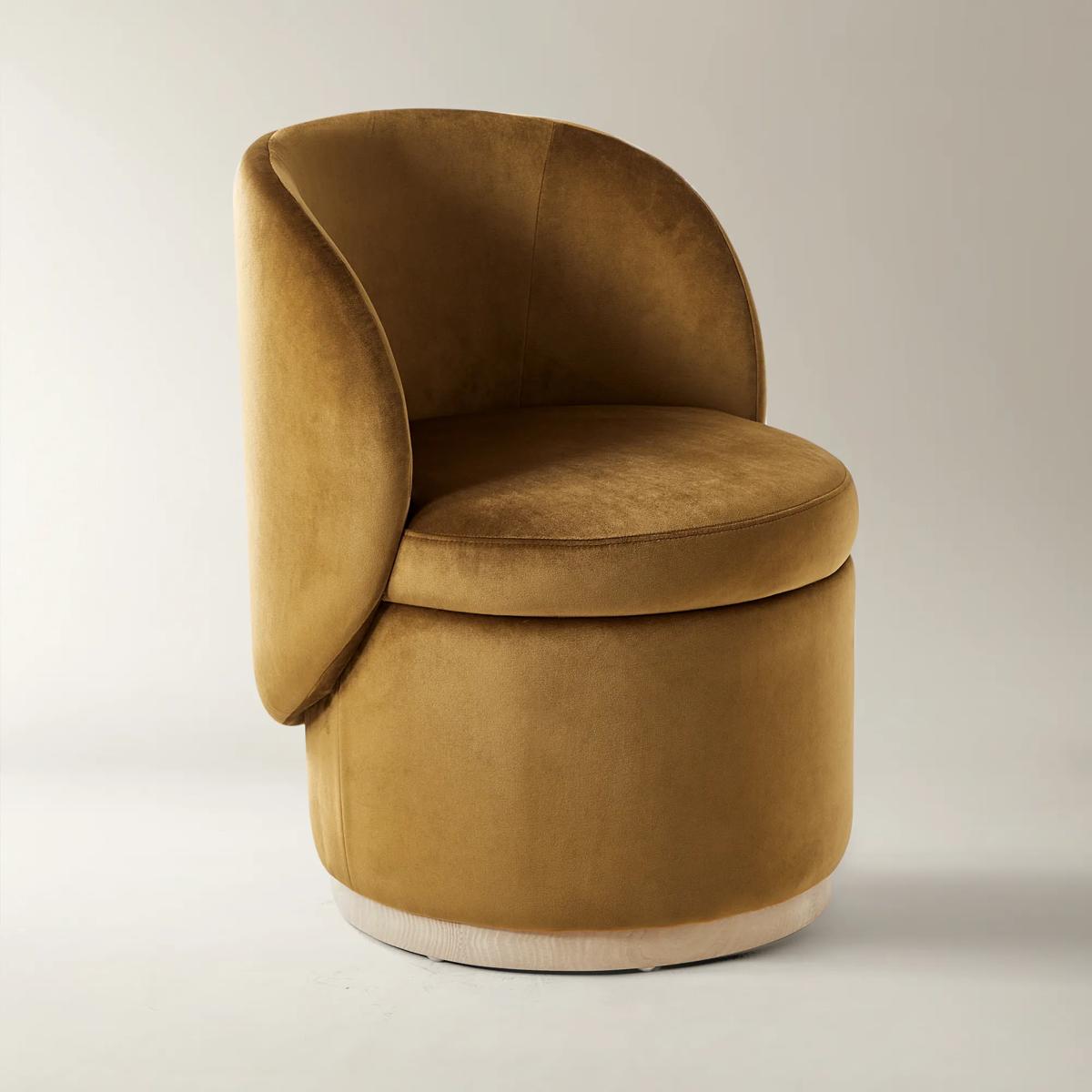 Stria Roasted Pecan Velvet Dining Chair With Oak Base$449
A khaki chenille chair featuring cozy upholstery and a handcrafted solid oak base for organic warmth.
Add To Cart -
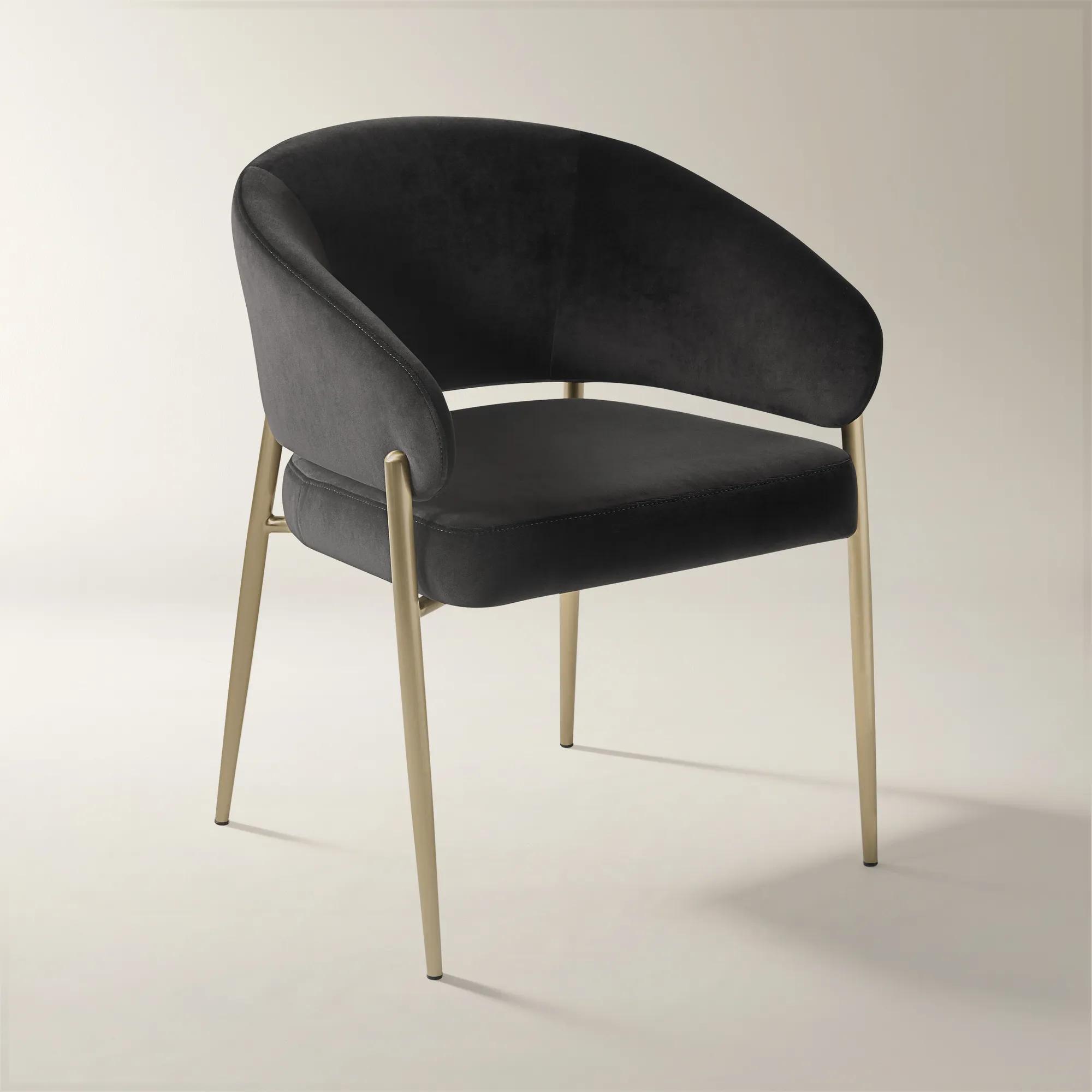 Nara Charcoal Velvet Dining Chair Set Of 2$599
A set of two charcoal velvet chairs featuring curved backs, plush upholstery, and brushed brass metal legs.
Add To Cart -
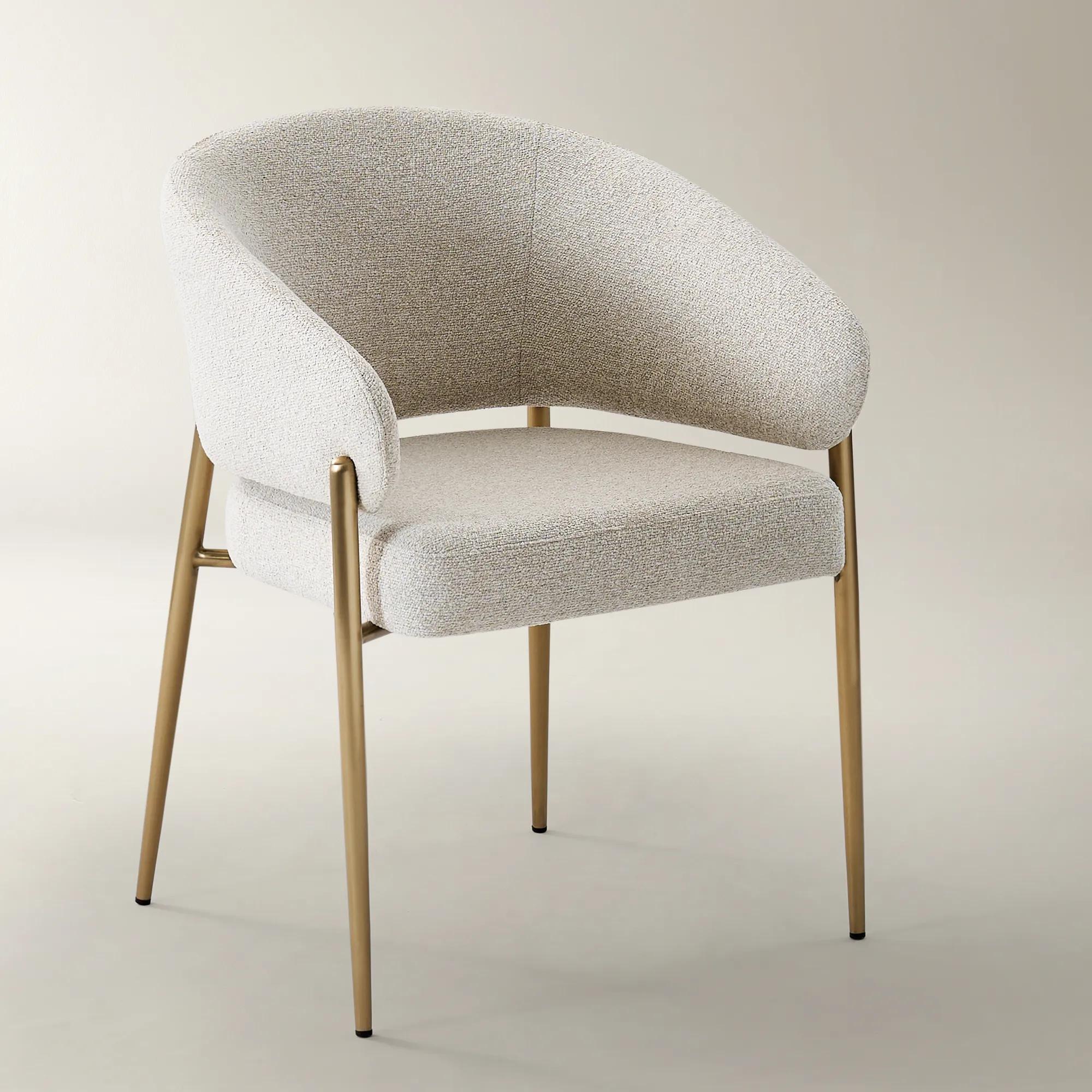
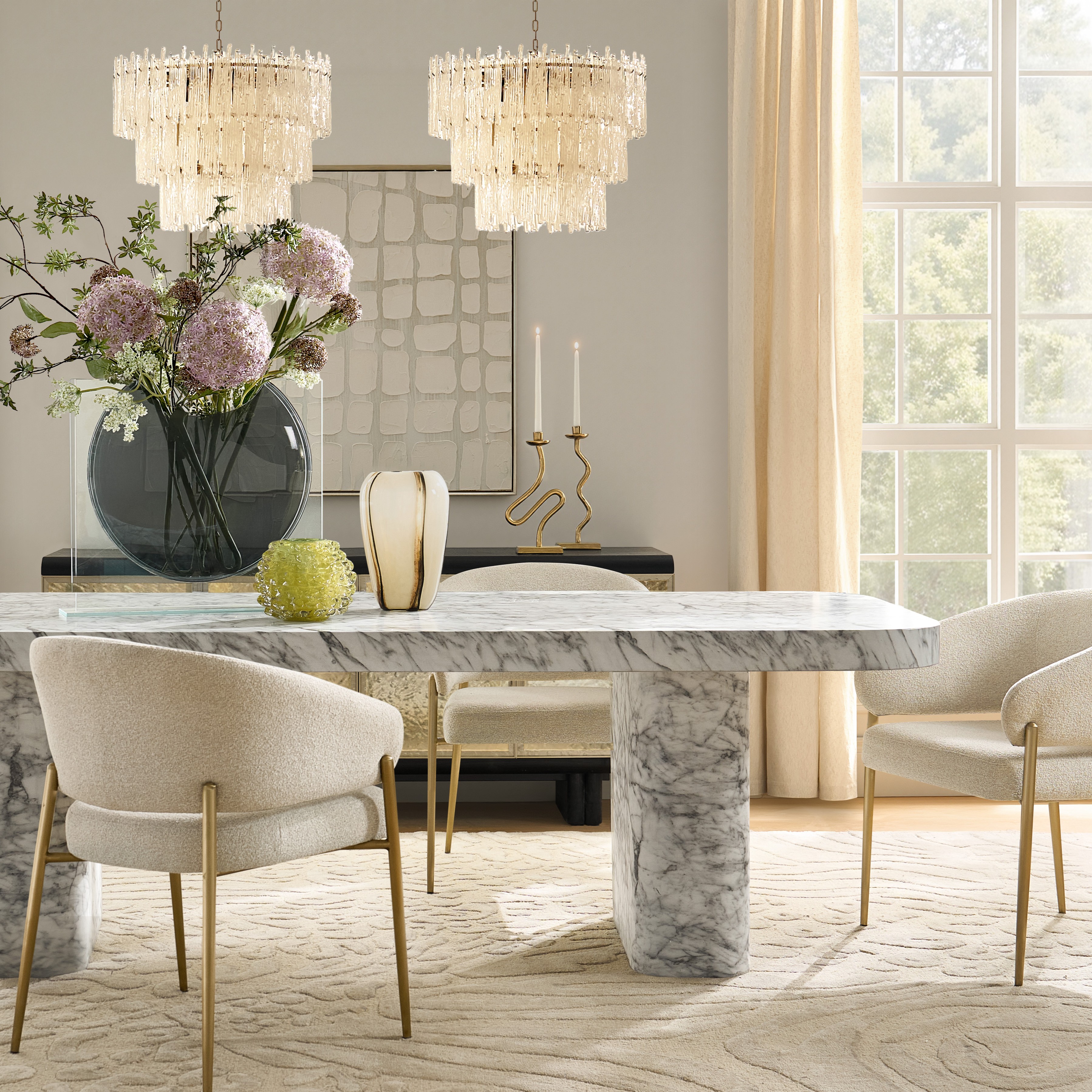 Nara Ivory Boucle Dining Chair Set Of 2$599
An ivory boucle dining chair set with a curved backrest and brushed stainless steel frame for modern elegance.
Add To Cart -
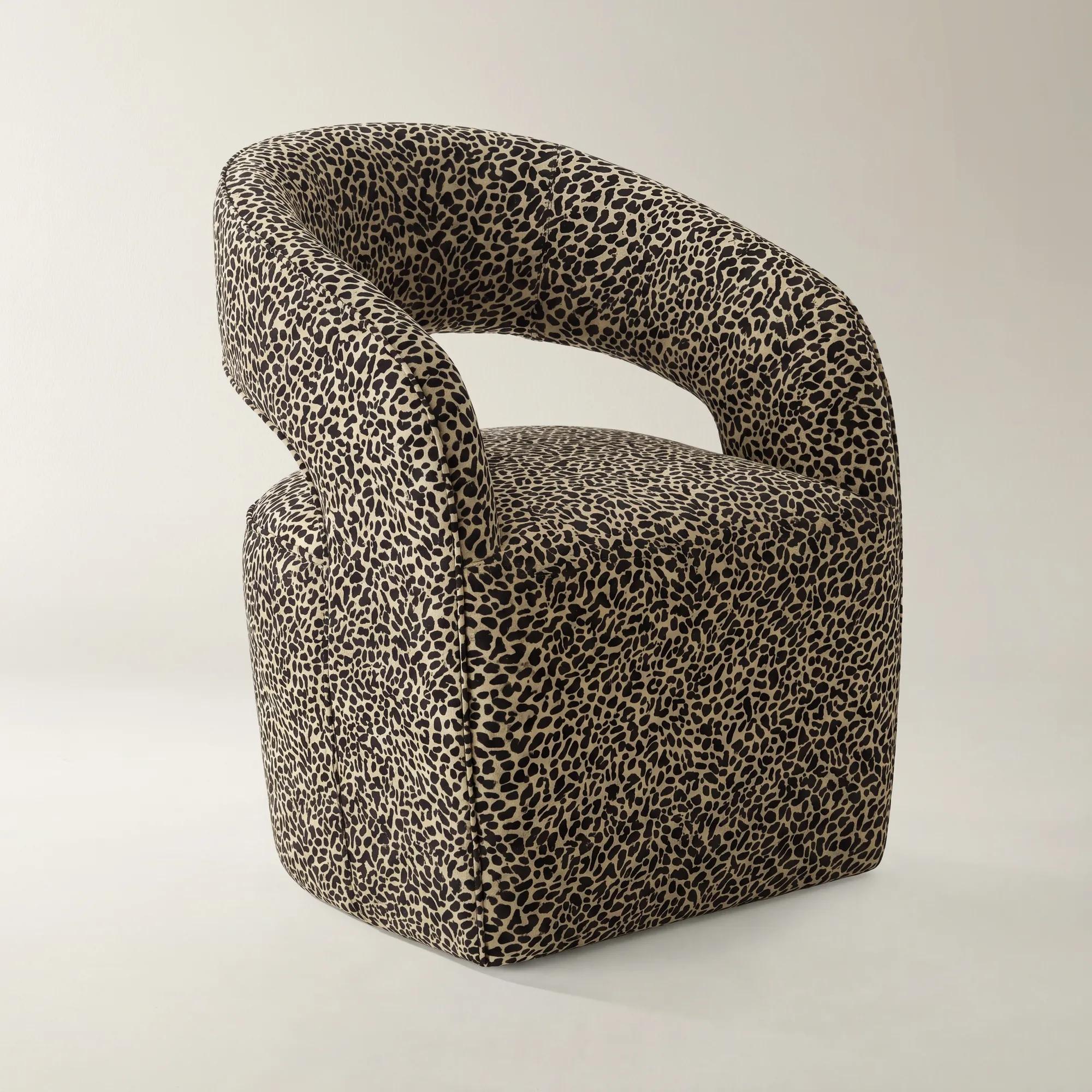 Harrison Leopard Performance Chenille Dining Chair$449
A sculptural dining chair featuring leopard performance chenille upholstery, feather-blend cushioning, and a curved silhouette.
Add To Cart -
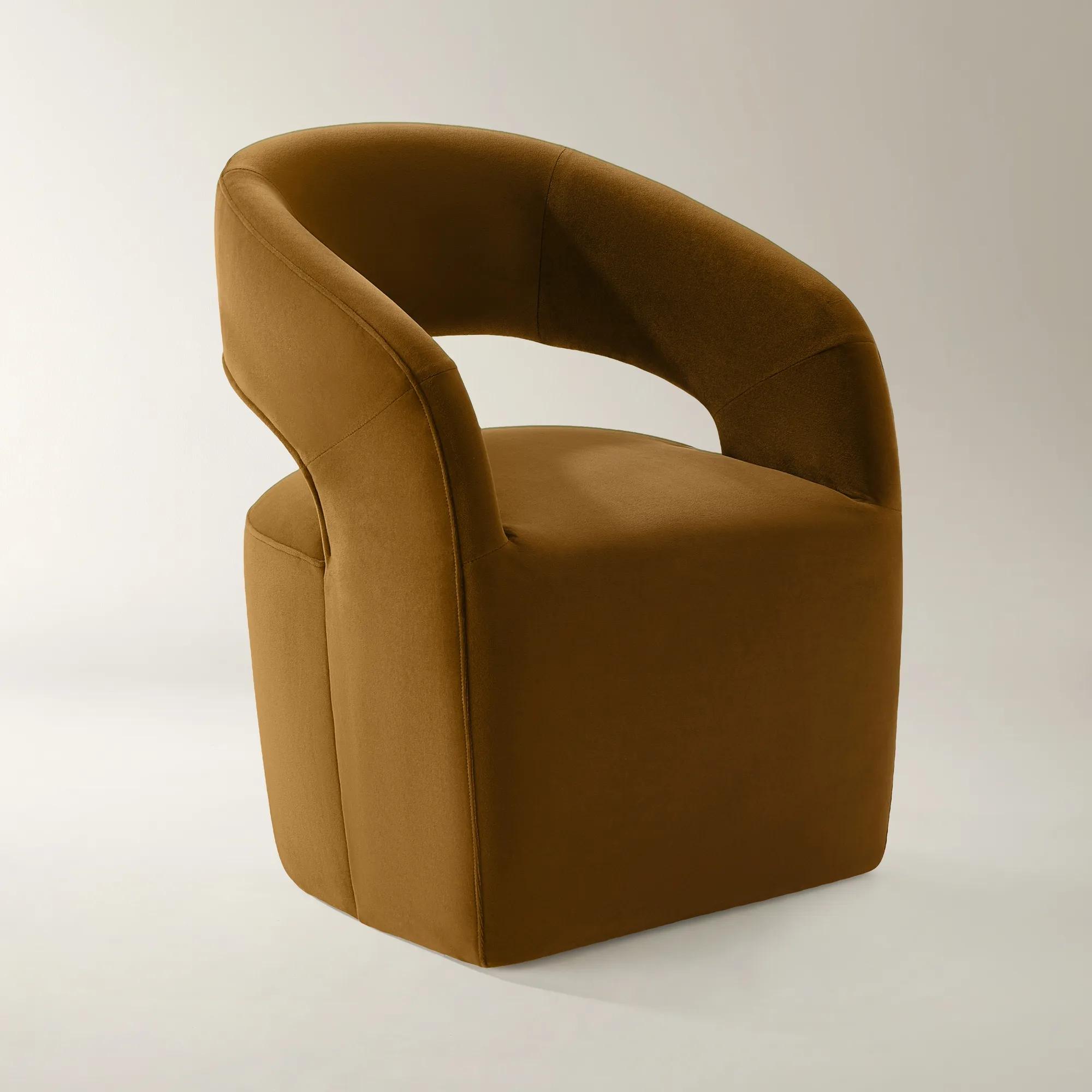 Harrison Roasted Pecan Velvet Dining Chair$449
A sculptural dining chair upholstered in roasted pecan velvet with feather-blend cushioning and integrated arms.
Add To Cart -
.jpg?w=1200&h=1200) Harrison Cream Chenille Dining Chair$449
Harrison Cream Chenille Dining Chair$449A fully upholstered cream chenille chair with high-density foam cushioning for exceptional comfort and contemporary style.
Add To Cart

Over Thirty Fabric Dining Chairs
Over thirty fabric dining chairs await, each one a masterpiece ready to transform your dining room into a gallery of style and sophistication. Imagine sumptuous textures, daring silhouettes, and colors that set the scene for every unforgettable gathering. Whether you crave drama or delight in subtle artistry, these upholstered chairs promise to elevate your table with a flourish of comfort and couture. Curate your own moment of grandeur—because with over thirty fabric dining chairs to choose from, your dining space becomes a true canvas for self-expression.
Fabric dining chairs bring softness, dimension, and a sense of occasion to the dining room, turning functional seating into part of the room’s visual signature. Upholstered seats and backs temper the crisp edges of a table, while fabric introduces color and texture at a scale substantial enough to shape the entire setting. Against dark wood, an ivory woven upholstery can feel luminous; beside glass or polished stone, a deep velvet creates a sumptuous counterpoint. The silhouette matters just as much as the textile. Parsons-style dining chairs typically feature straightforward lines, tall upholstered backs, and an understated profile that gives expressive fabrics room to shine. Mid-century-inspired shapes often pair curved backs with tapered wood or metal legs, balancing sculptural presence with a lighter visual footprint. Upholstered dining armchairs offer a more enveloping seat and can anchor the ends of a rectangular table, while armless side chairs allow greater flexibility along its length. Neither approach needs to be formal: a rounded back in a richly textured neutral can make an everyday breakfast feel considered without overwhelming the room. For those drawn to a more tailored composition, Designer Upholstered Dining Chairs offer another perspective on seating as a defining design element. A coordinated arrangement establishes rhythm around the table, while contrasting head chairs add drama through a different shape, texture, or tone. The strongest combinations share something deliberate, such as a similar back height, related leg finish, or repeated curve. In an open dining area, the backs of the chairs may be visible from the living room or entry, making their proportions and upholstery especially important. A graceful rear profile, precise seams, and an expressive textile give the arrangement presence from every angle. These are seats for households that linger over dinner, hosts who enjoy a beautifully composed table, and anyone who wants the dining space to feel as inviting as the conversation it holds.
Upholstery influences both the atmosphere of fabric dining chairs and how they perform through regular use. Velvet has a directional pile that catches light differently across its surface, lending even a single color remarkable depth. That shifting appearance is part of its appeal, although pressure marks and changes in the nap may be more noticeable in some constructions. Linen and cotton blends can offer a breathable feel and subtle woven character, with performance depending on the fiber mix, weave, backing, and any applied finish. Textured fabrics introduce another layer of interest: a softly mottled weave can soften the appearance of minor everyday marks, while a smooth, pale fabric creates a more uninterrupted, tailored look. Performance upholstery may be engineered or treated to resist certain spills and stains, but the designation does not mean every fabric is waterproof, stainproof, or suitable for every cleaning method. For a dining room used by children, frequent guests, or a household that gathers at the table several times a day, clear care instructions and documented durability are as valuable as a striking color. Tightly constructed upholstery, neatly finished seams, and cushioning suited to regular sitting deserve attention alongside the fabric’s hand. Frame construction and sound joints also contribute to longevity; solid wood, engineered wood, and metal can each serve different structural and design purposes, so the full construction matters more than a material name alone. Cushion firmness is another personal consideration. A plush-looking seat may feel supportive rather than yielding, and a firmer seat can be welcome during a long dinner when paired with a comfortable back angle. In spaces with pets, pronounced loops or loose weaves may be more vulnerable to snagging. For rooms filled with sunlight, attention to light exposure helps preserve the intended color. The result is a more satisfying balance of beauty and practicality: upholstery chosen not simply for a photograph, but for the people, habits, and gatherings that give the room its character.
Fit gives luxurious dining seating its ease. Overall chair height describes the silhouette above the floor, not the height of the sitting surface, so seat height, width, depth, and arm height each need separate consideration. Many standard dining tables are approximately 28 to 30 inches tall and pair with seats around 18 to 20 inches high, but the actual clearance beneath the tabletop or apron is what determines comfort. Roughly 10 to 12 inches between the seat and the underside of the tabletop is a common starting point, adjusted for the table’s construction and the sitter’s needs. Arms should clear the lowest obstruction if chairs are meant to tuck in, and pedestal bases or angled table legs can affect where feet and chair legs comfortably rest. Around 24 inches of table edge per person is a useful starting allowance, with wider upholstered chairs or generous armchairs often needing more. Space behind the seating matters, too: approximately 36 inches from the table edge to a wall or nearby furnishing can allow room to pull out a chair, while an active walkway may call for more clearance. In a compact dining nook, a narrower armless silhouette can preserve movement without sacrificing texture; in a generous dining room, taller backs and fuller proportions can hold their own beneath a dramatic chandelier. Fabric dining chairs are generally intended for indoor use unless expressly rated otherwise, and an occasional chair moved into a bedroom or living area should still suit its new purpose and surroundings. Consistent, gentle care helps maintain the upholstery’s finish. Vacuum with an appropriate upholstery attachment, blot spills promptly rather than rubbing, and follow the manufacturer’s cleaning code before applying water, solvents, or other cleaners. Test permitted treatments in an inconspicuous area and avoid saturating the padding. During the cooler months, when dinners stretch longer and gatherings move indoors, thoughtfully proportioned seating lends warmth without requiring a seasonal redesign. A tactile fabric, supportive shape, and considered fit give the table an enduring sense of welcome, equally suited to an intimate meal and an evening dressed in candlelight.
FAQs
Fabric dining chairs offer a tactile sense of luxury and warmth, making every meal feel like a special occasion. They provide endless options for color, pattern, and texture, allowing you to personalize your space and create a mood that is uniquely yours. Whether you prefer the plushness of velvet or the breezy elegance of linen, fabric chairs can soften a room, absorb sound, and invite guests to linger longer around the table.
Start by considering the color palette and overall style of your dining area. For a harmonious look, choose chairs that echo or complement your wall colors, rug, or artwork. If you crave drama, opt for bold hues or statement patterns that contrast with your table or flooring. Mixing and matching different fabrics or silhouettes can create an eclectic, curated effect, while a uniform set brings a sense of cohesion and calm.
Absolutely. Many modern fabric dining chairs are upholstered in performance textiles designed to resist stains and wear, making them ideal for lively households. Look for chairs with removable or easy-to-clean covers for added peace of mind. The inviting softness of fabric is also perfect for encouraging family and friends to relax and enjoy time together.
Chairs with sculptural lines, tufted backs, or metallic accents are perennial favorites for those who love to entertain. Velvet and chenille fabrics exude glamour, while textured linens and boucle lend a contemporary, artistic touch. Armchairs at the head of the table can create a sense of grandeur, while armless options maximize seating around a festive table.
Yes, fabric dining chairs are versatile enough to elevate any space. Use them as accent chairs in a bedroom or home office, or place a pair in your entryway for a welcoming vignette. Their expressive designs and comfortable upholstery make them perfect for creating stylish moments throughout your home.