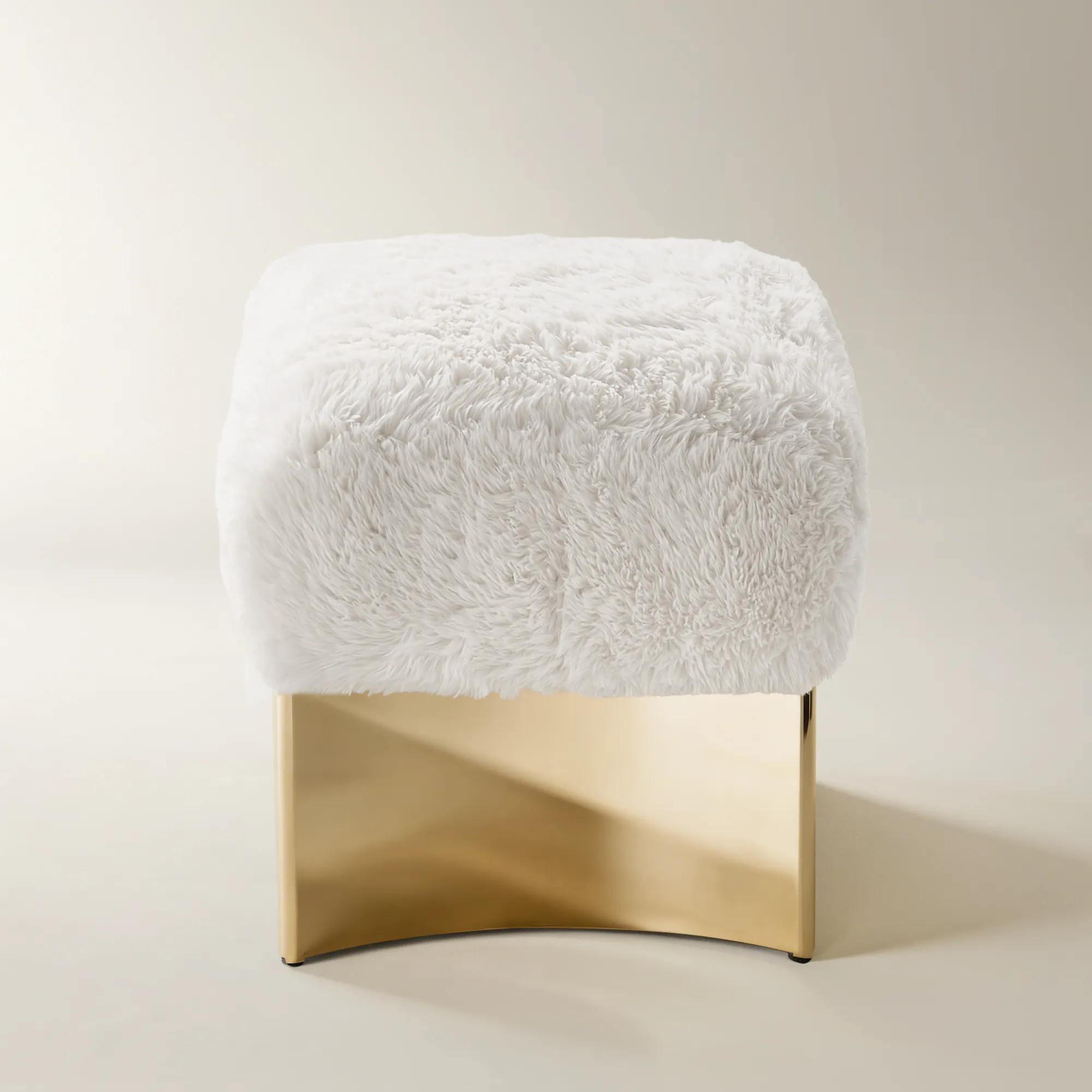
Ottomans With Wood Legs
Ottomans With Wood Legs
-
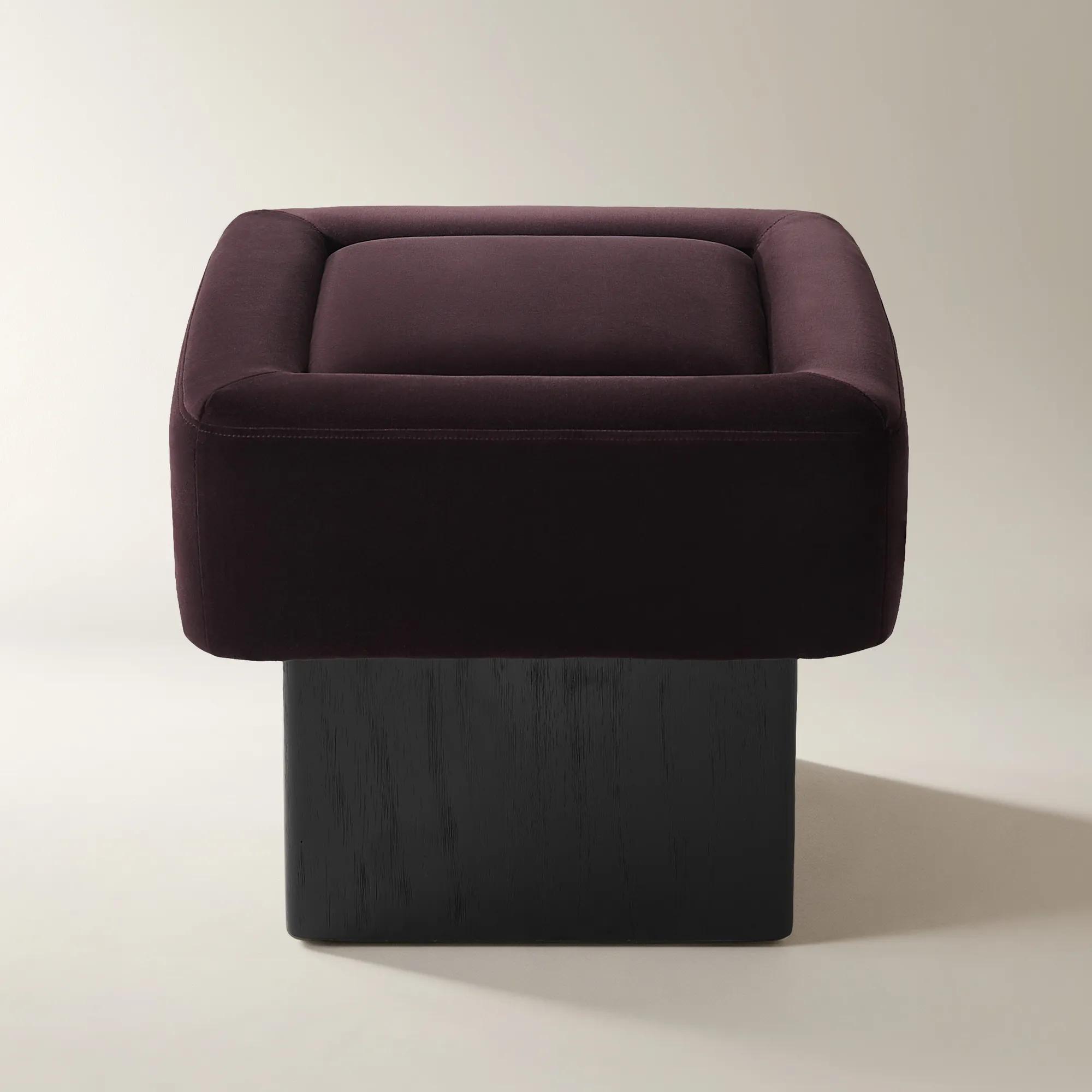 Reims Fig Velvet Stool$349
A plush fig-colored velvet stool featuring a sculpted cushion and a solid rubberwood base for modern contrast.
Add To Cart -
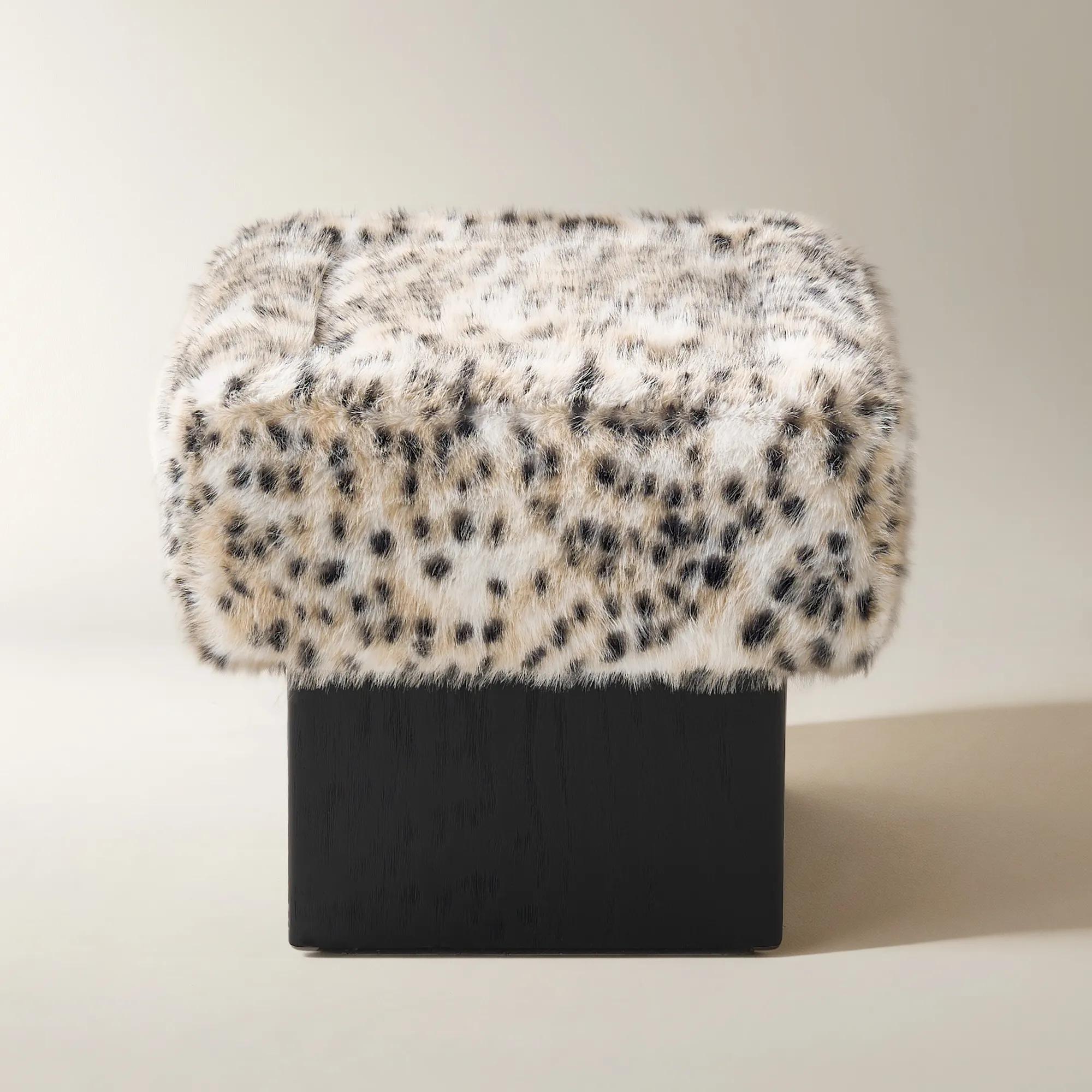 Reims Spotted Faux Fur Stool$349
A plush spotted faux fur stool with a sculpted cushion and solid rubberwood base for modern contrast.
Add To Cart -
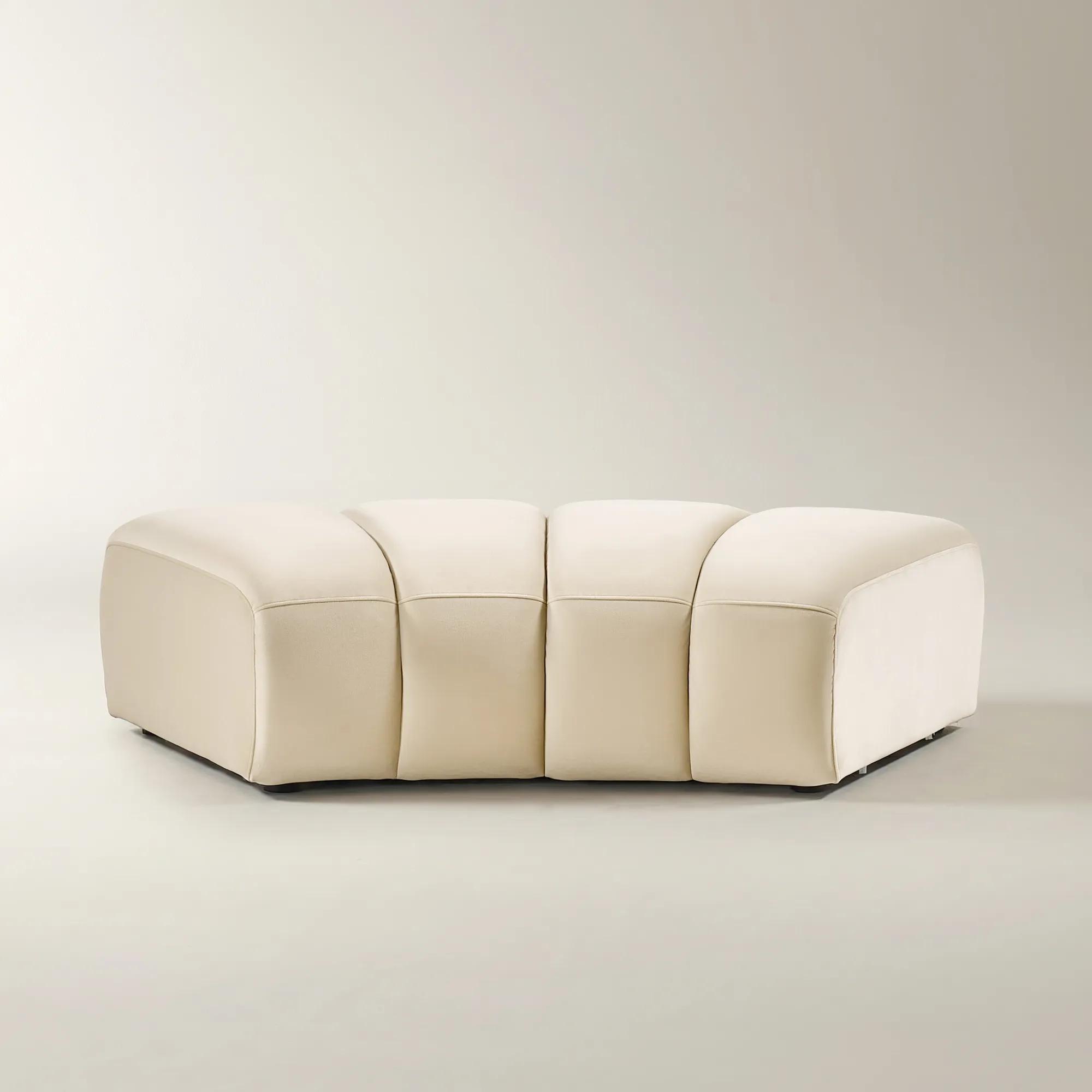 Jocelyn Channel-Tufted Oatmeal Velvet Ottoman$899
An oatmeal velvet ottoman featuring deep channel tufting, curved silhouette, and kiln-dried wood construction.
Add To Cart -
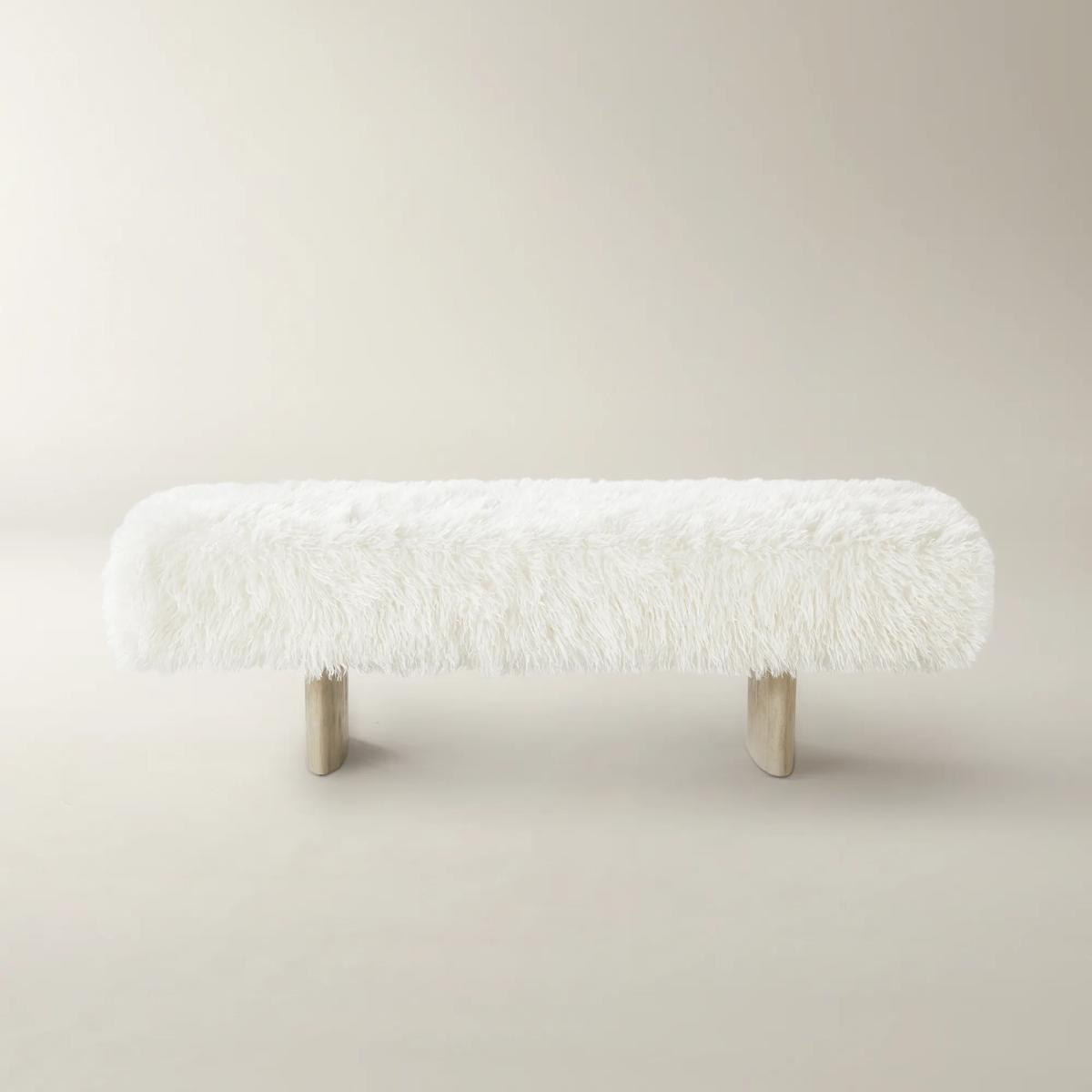 Micah Ivory Mongolian Faux Fur Bench With Rubberwood Legs (62.6")$699
An ivory faux Mongolian fur bench with high-density foam and sculptural solid rubberwood base for modern coziness.
Add To Cart -
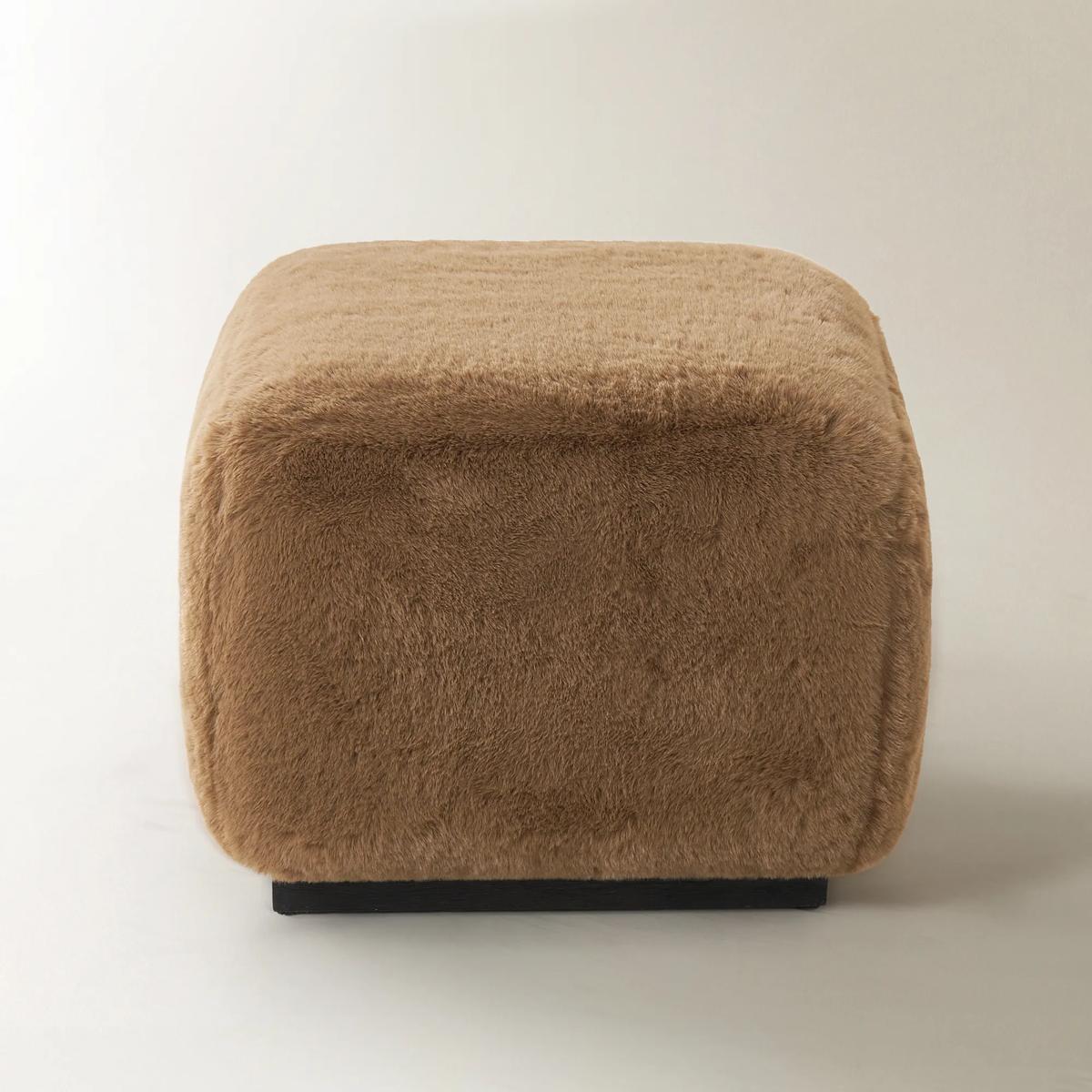
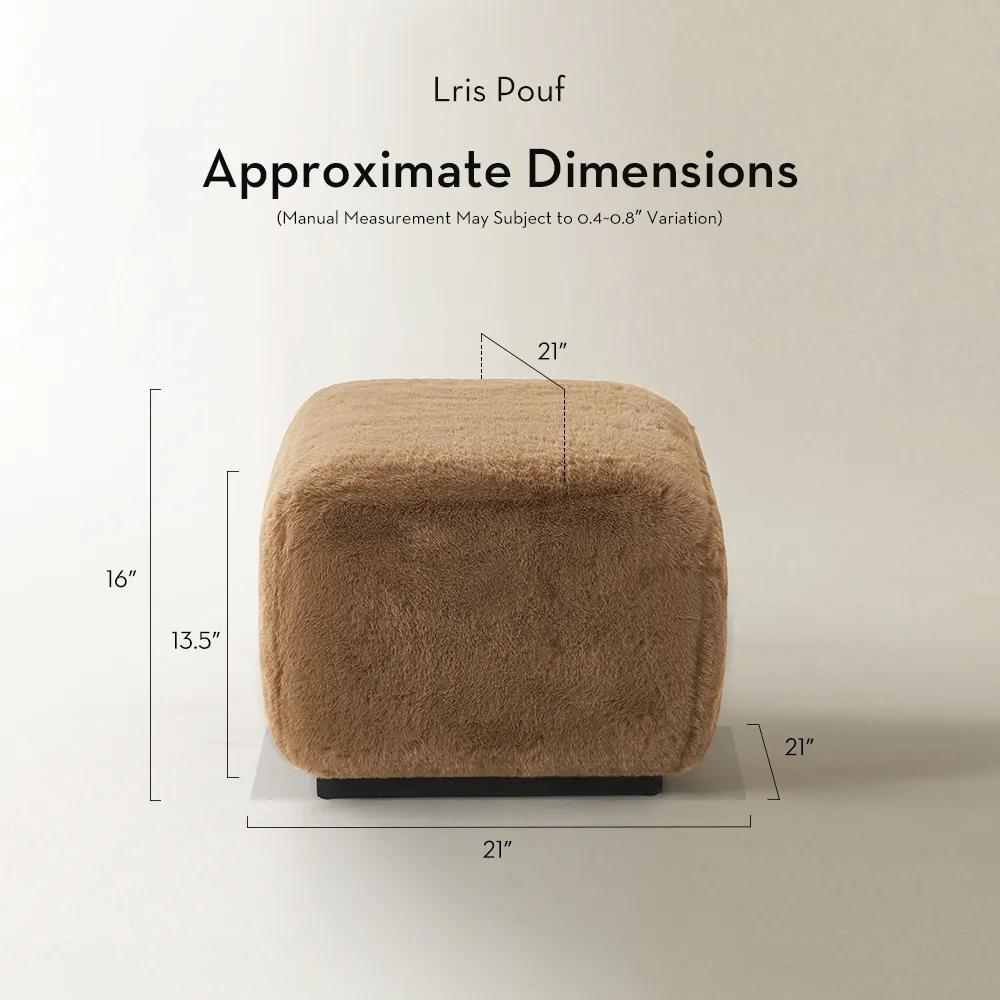 Lris Camel Faux Fur Stool (21")$299
A camel faux fur pouf with a solid rubberwood base, offering cozy warmth and modern sophistication.
Add To Cart -
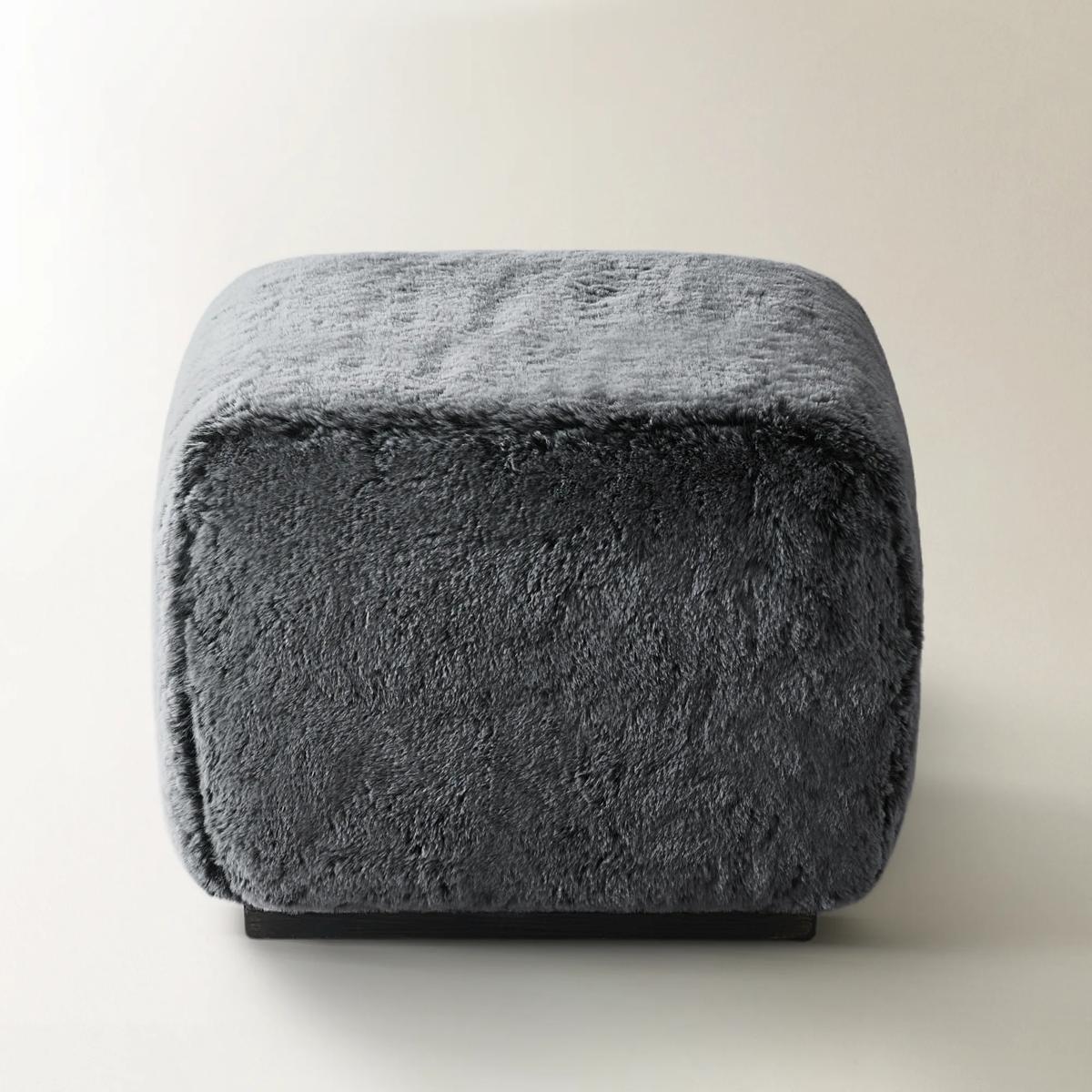
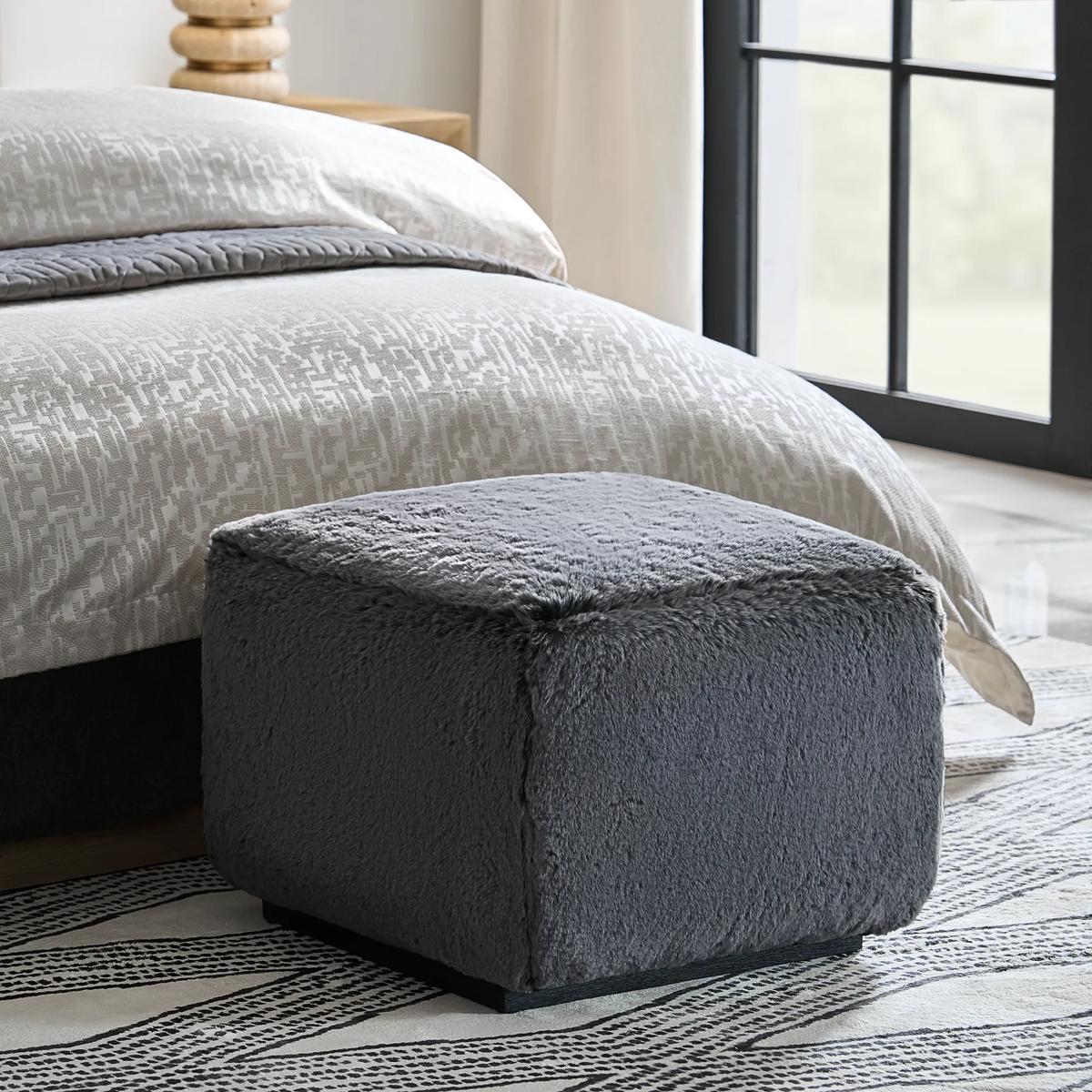 Lris Grey Faux Fur Stool (21")$299
A charcoal grey faux fur pouf with high-density foam and a sturdy rubberwood base for modern comfort.
Add To Cart -
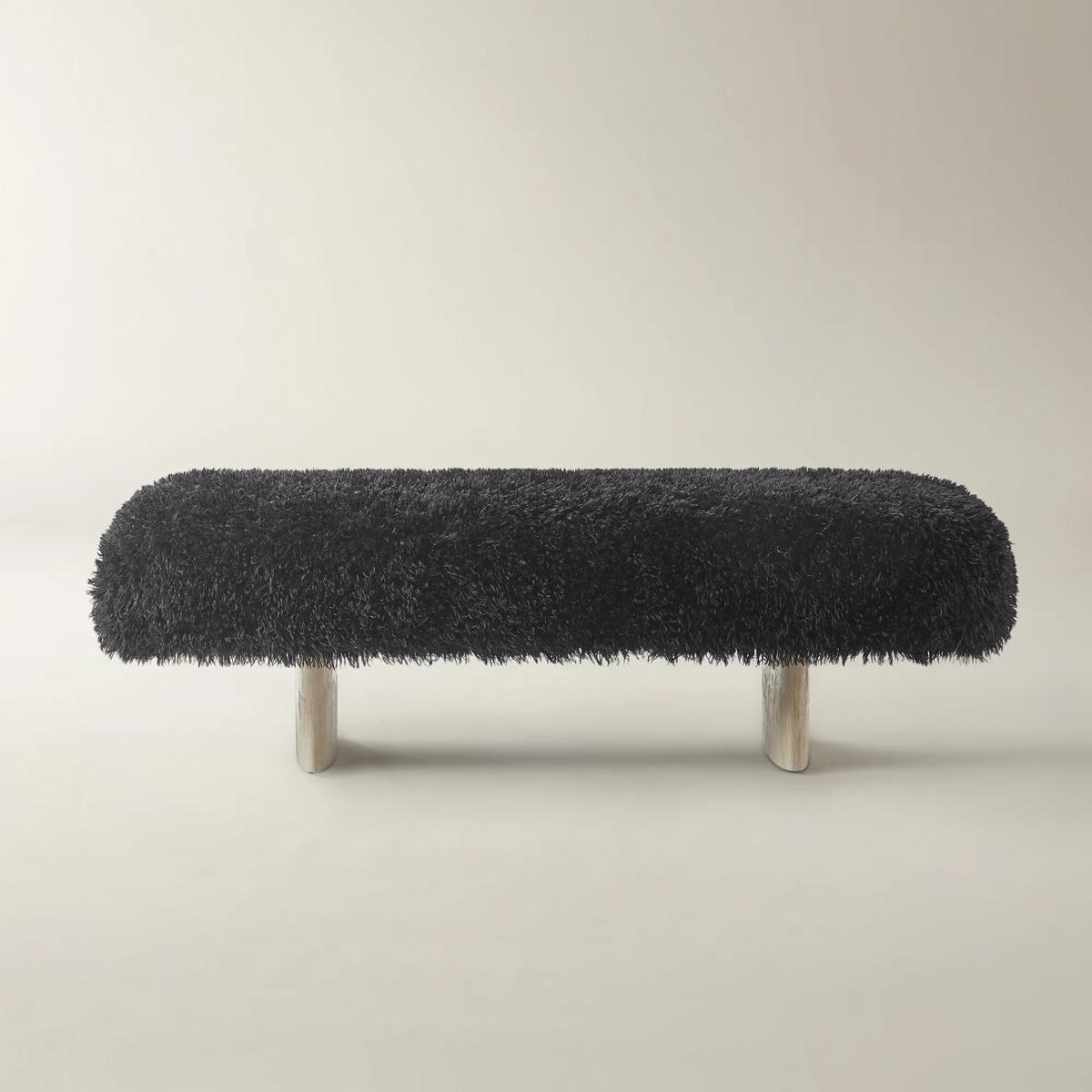 Micah Black Mongolian Fur Bench With Rubberwood Legs (62.6")$699
A striking black faux Mongolian fur bench with solid rubberwood legs for plush comfort and modern edge.
Add To Cart -
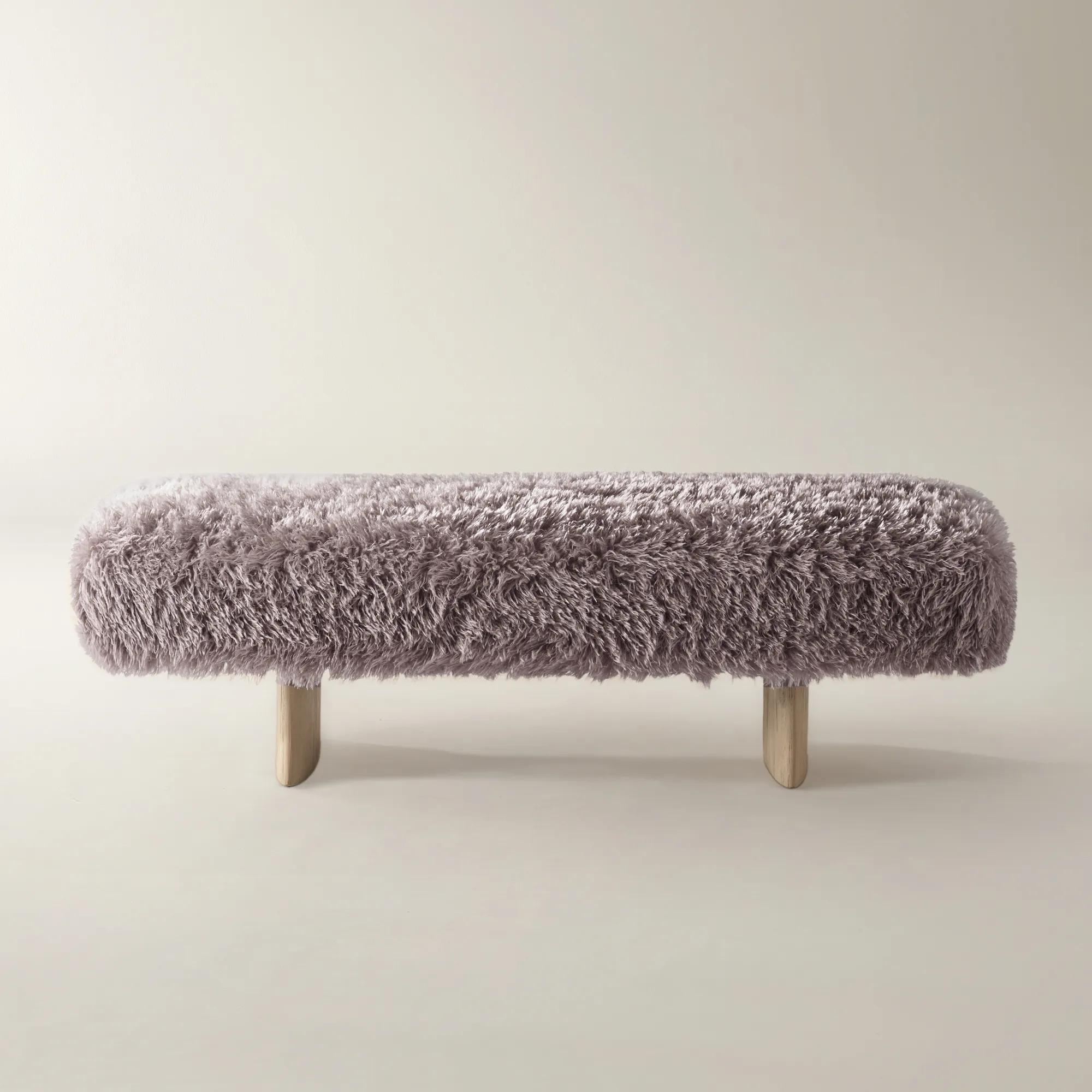
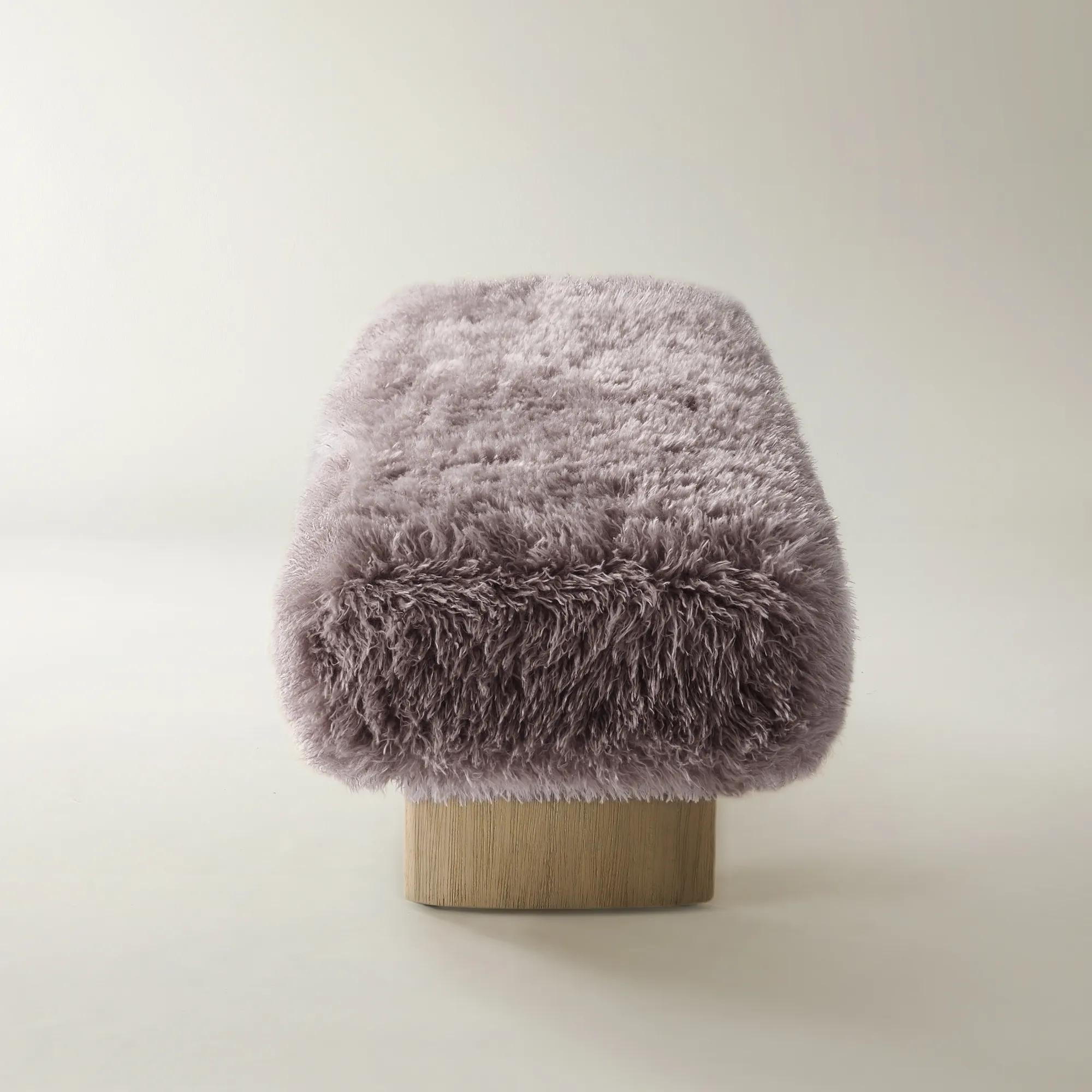 Micah Plum Truffle Mongolian Faux Fur Bench With Rubberwood Legs(62.6")$699
A sculptural bench featuring smoked plum Mongolian faux fur upholstery and warm solid rubberwood legs.
Add To Cart -
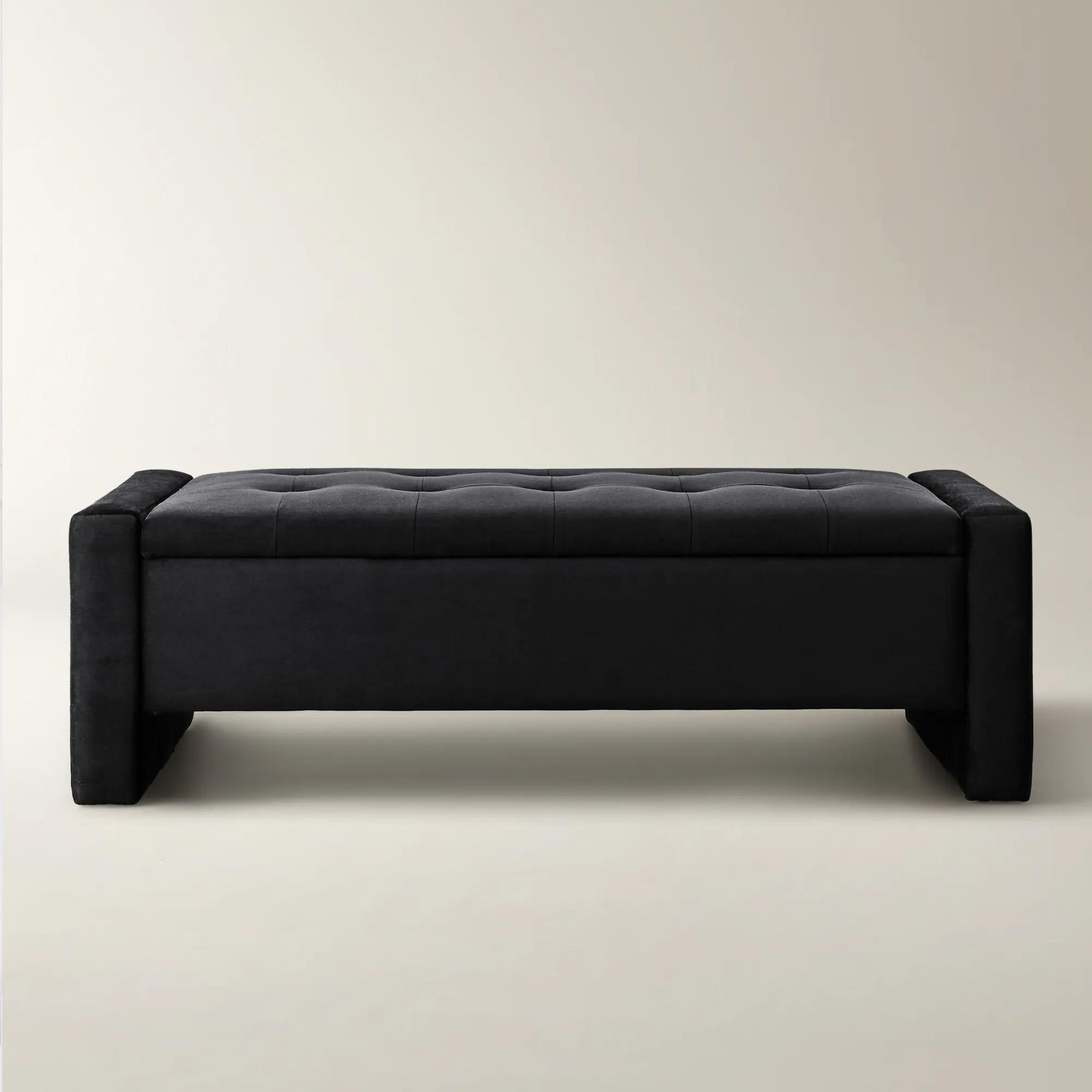
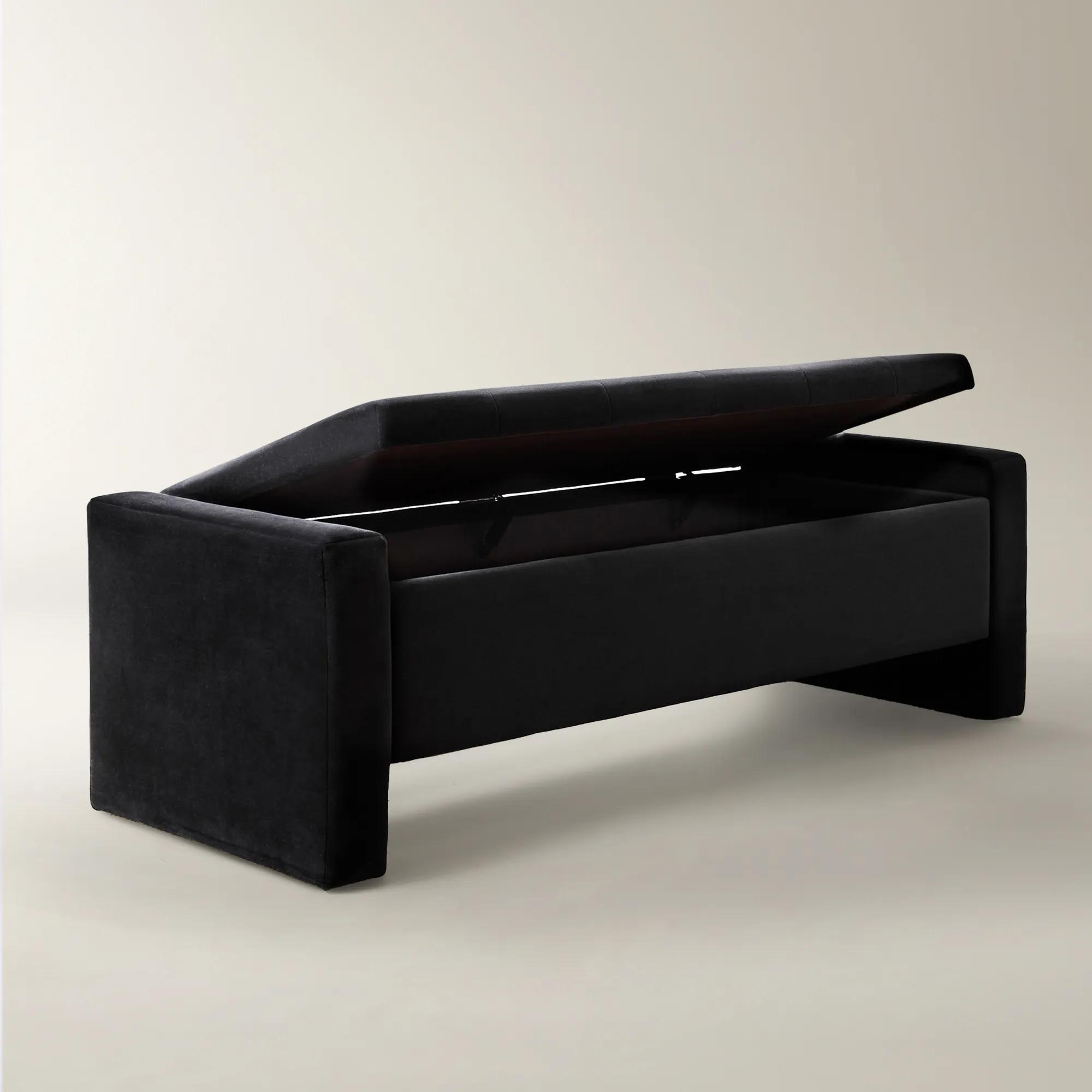 Maeve Storage Bench$849
A modern velvet-upholstered bench with hidden storage, kiln-dried hardwood frame, and soft-closing glides.
Add To Cart

Ottomans With Wood Legs
Ottomans with wood legs invite a sense of curated elegance into any room, transforming everyday living into an artful experience. Each silhouette, poised atop sculpted wooden legs, becomes an instant focal point—grounding your space with rich texture and refined warmth. Whether you’re drawn to the drama of deep velvet or the allure of tailored upholstery, these ottomans offer more than a place to rest—they stage a moment of luxury, balancing comfort with architectural beauty. Paint your home boldly with pieces that celebrate both style and substance; ottomans with wood legs are the finishing touch for interiors that crave expressive detail and timeless sophistication.
Ottomans with wood legs pair an upholstered surface with exposed wooden supports, bringing softness, natural grain, and sculptural definition to a seating arrangement. Their appeal lies in that contrast: sumptuous fabric above, architectural detail below. Unlike a fully upholstered base that carries its visual weight to the floor, visible legs reveal a little breathing room beneath the cushion, allowing even a generously proportioned ottoman to feel less imposing. A velvet ottoman with dark wood legs can introduce a rich, tailored note beside a curved sofa, while a textured weave over pale wooden supports creates a more tonal composition. The leg shape contributes just as much character as the finish. Turned legs lend ornament and a traditional sensibility; tapered legs create a leaner profile; substantial block feet give an upholstered form a grounded presence. Square ottomans establish symmetry in front of a sofa, rectangular silhouettes echo longer seating, and round ottomans soften arrangements with strong angles. A pair of smaller ottomans can bring rhythm to a room without the visual mass of one oversized piece, especially when positioned across from a sofa or beneath an open console with sufficient clearance. Wood finishes need not match every table or chair exactly. Repeating a warm undertone, a dark accent, or a similar grain character creates a considered relationship without making the room feel overly coordinated. Against a patterned rug, solid upholstery gives the eye a place to rest; alongside quiet furnishings, a saturated color or dimensional fabric becomes the expressive detail. For a reading corner, a compact footrest extends the invitation of a favorite chair. In a larger living room, a broad upholstered ottoman can anchor conversation and make the seating area feel more intimate. The most compelling choice balances those visual qualities with a clear purpose, whether that means a comfortable place to stretch out, occasional seating, or a tailored accent that completes the composition.
Proportion determines how naturally an ottoman fits into daily life. For use as a footrest, a top that sits close to the chair’s seat height, or slightly lower, generally creates a comfortable transition for the legs; cushion compression and personal preference also matter. Width should feel related to the accompanying chair or sofa rather than competing with it. A generous rectangular ottoman may suit a deep sectional, while a smaller round form can preserve circulation beside an accent chair. Leaving roughly 14 to 18 inches between a sofa and a central ottoman is a useful starting point, with more space wherever people need to pass through. Measuring the full footprint, including outward-angled legs, helps prevent an elegant silhouette from becoming an obstacle. Upholstery deserves equally close attention because it shapes both the atmosphere and the experience of the piece. Velvet offers depth of color and a light-catching surface, though its pile may show shading or pressure marks as it is touched and used. Woven fabrics bring texture and can range from tightly structured to loose and tactile; households with pets may prefer to avoid prominent loops that claws could catch. Leather introduces a supple, tailored finish, but its response to scratches, spills, and cleaning depends on the type and protective treatment. Performance upholstery may offer specified resistance to stains or wear, yet the designation does not make every fabric suitable for every cleaning method. Cushion construction also changes the feel: a firmer top provides more support, while softer padding emphasizes lounging. For anyone considering an ottoman as an extra seat, the stated intended use and weight capacity are essential; a decorative footstool should not automatically be treated as seating. The broader selection of Ottomans For Stylish Seating offers another perspective on bringing upholstered forms into a conversational layout. Where an ottoman takes the place of a coffee table, a stable tray can provide a defined surface for a book or small decorative arrangement, provided the cushion supports it securely. Drinks, fragile objects, and heavy accessories require particular care on a padded surface. Storage designs add another possibility, concealing throws or other lightweight belongings while keeping the room visually composed, though lift-top clearance and hinge operation should suit the surrounding furniture.
Lasting appeal depends on the relationship between upholstery, internal structure, and the wooden legs themselves. Exposed wood legs do not necessarily indicate a solid wood frame, so construction details are more informative than appearance alone. Secure leg attachments, sound joinery, appropriate cushioning, and neatly finished seams all contribute to an ottoman that feels composed rather than delicate in regular use. Solid wood can provide strength and distinctive grain, but wood species, leg thickness, frame engineering, and assembly quality influence durability together. An ottoman moved frequently between a sofa and a pair of chairs benefits from manageable proportions and a construction intended for that movement. Lifting rather than dragging helps protect leg joints, flooring, and upholstery, while suitable furniture pads can reduce the risk of scratches on hard floors. Pads should be checked periodically for trapped grit, and fasteners should be maintained according to the manufacturer’s directions. Upholstery care begins with the material’s cleaning instructions: gentle vacuuming with an appropriate attachment removes dust from seams and tufting, and prompt blotting can help limit a spill without rubbing it deeper into the surface. Water, solvents, and leather conditioners are not interchangeable treatments, so the designated care method should govern any cleaning approach. Wooden legs typically benefit from gentle dusting and protection from standing moisture; abrasive cleaners can damage their finish. Prolonged direct sunlight may alter fabric color and wood tone, making placement part of preserving the original composition. These practical details matter most in rooms that are genuinely lived in, where a footrest becomes part of an evening reading ritual or a seating-rated ottoman accommodates another guest. In a bedroom, a rectangular silhouette can introduce an upholstered counterpoint to a substantial bed, provided doors, drawers, and walking paths remain clear. For someone furnishing a new home, an ottoman can also be a thoughtful housewarming gift when dimensions, preferred finishes, and intended use are known. Its luxury is not simply decorative: it is the combination of a pleasing touch, balanced proportions, expressive wood detail, and a place within the room that feels entirely deliberate.
FAQs
Ottomans with wood legs are remarkably versatile, complementing a spectrum of interior styles—from the refined glamour of Art Deco and the sculptural lines of mid-century modern to the layered textures of eclectic and transitional spaces. Their exposed wood bases add warmth and architectural interest, making them equally suited to both contemporary lofts and classic living rooms.
To create a striking focal point, place your ottoman in a central spot, such as in front of a sofa or beneath a dramatic chandelier. Layer it with a decorative tray, a stack of art books, or a plush throw to amplify its visual impact. Mix materials—pairing velvet or leather upholstery with rich wood tones—can further enhance the sense of drama and sophistication.
Absolutely. Ottomans with wood legs bring elegance and function to bedrooms, entryways, dressing rooms, and even home offices. Use one at the foot of a bed for a touch of hotel-inspired luxury, in a foyer as a chic spot to sit while slipping on shoes, or in a study as an inviting accent for reading or relaxing.
During gatherings, ottomans with wood legs can serve as impromptu seating, a stylish cocktail table, or even a stage for displaying hors d’oeuvres and floral arrangements. Their mobility allows you to rearrange your space with ease, transforming the mood of a room to suit any celebration or intimate evening in.
The choice of wood and its finish dramatically shapes the ottoman’s personality. Dark, glossy finishes evoke classic glamour, while pale, natural woods lend a fresh, modern sensibility. Carved or turned legs add a touch of tradition, while sleek, straight lines feel contemporary and bold—allowing you to tailor your ottoman to your unique aesthetic vision.