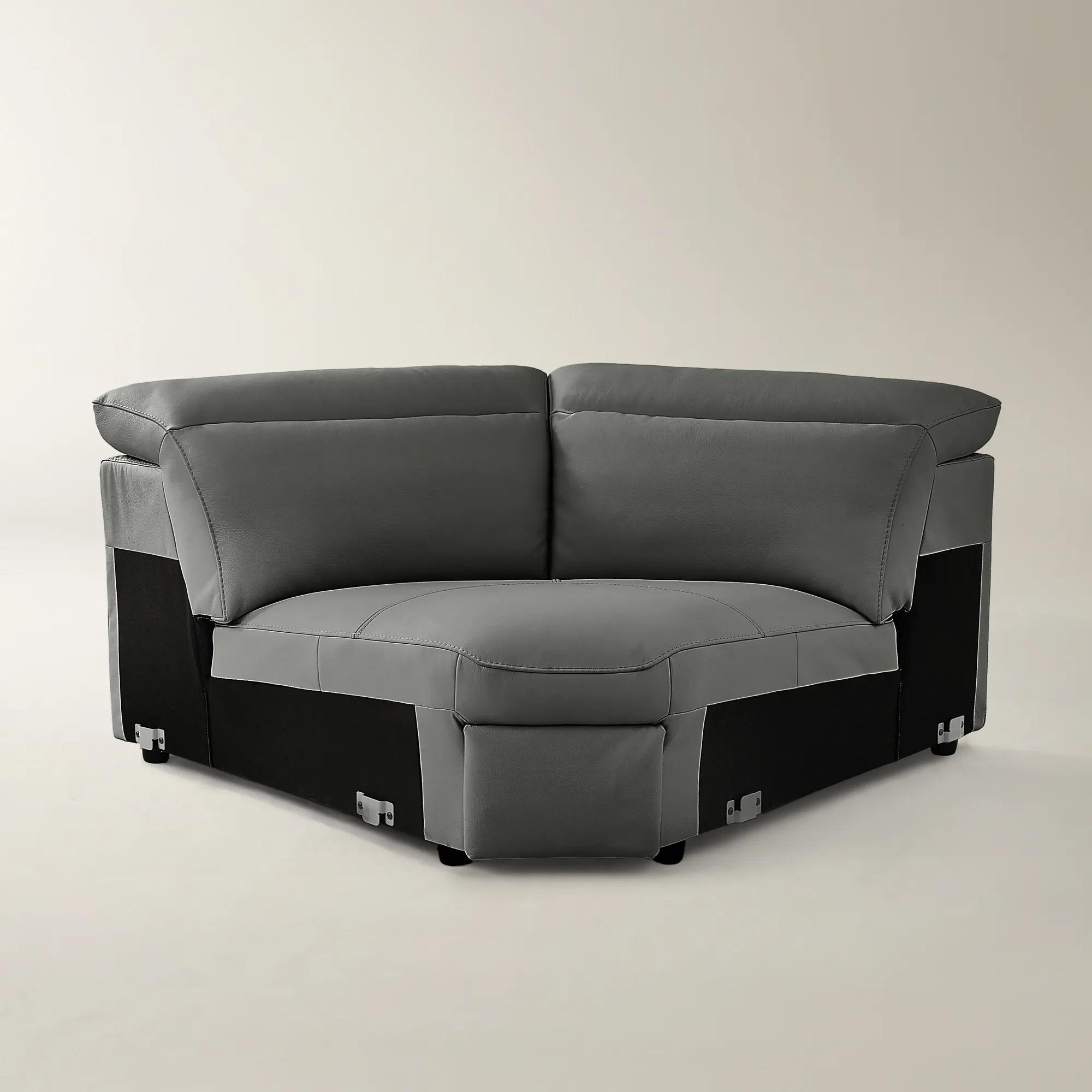
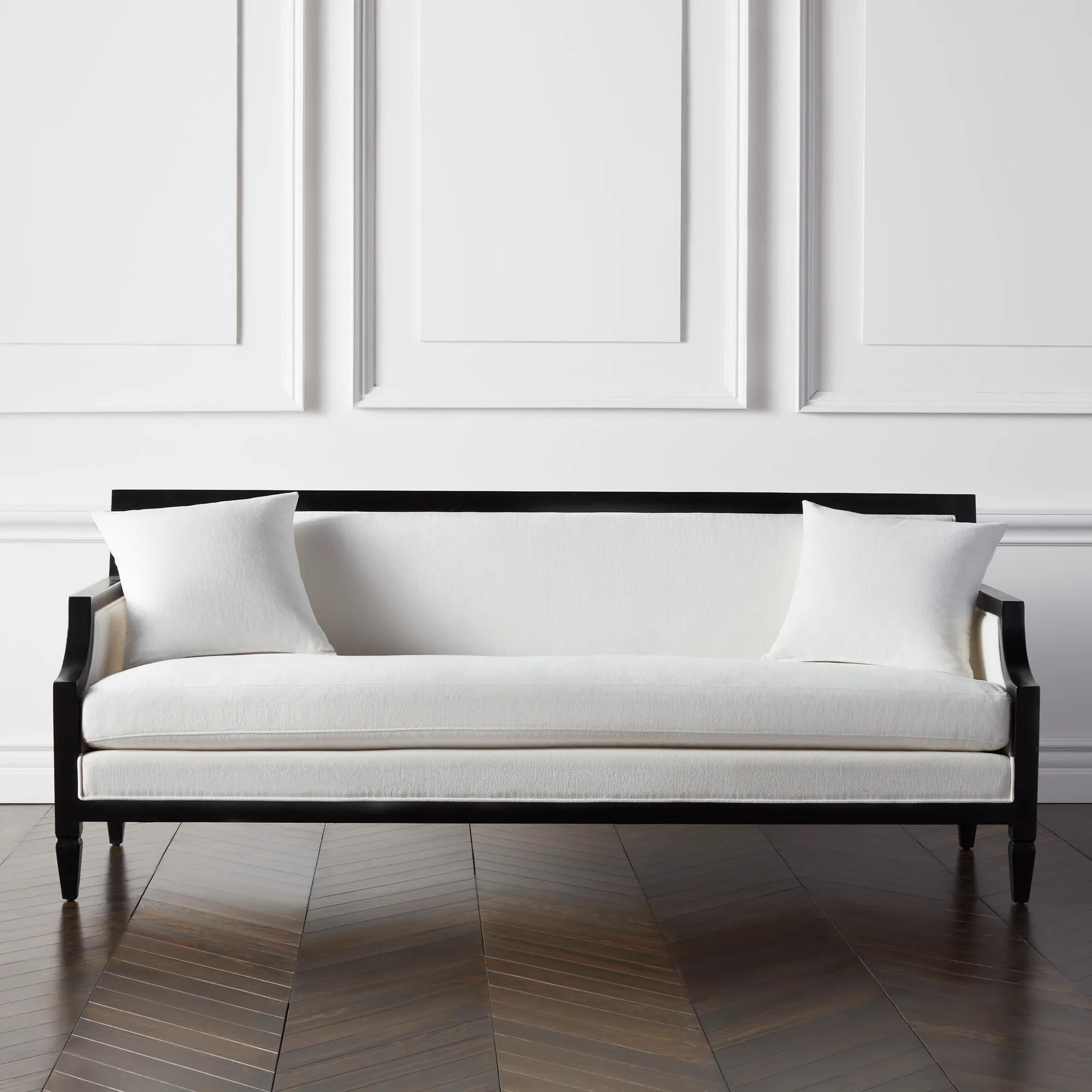
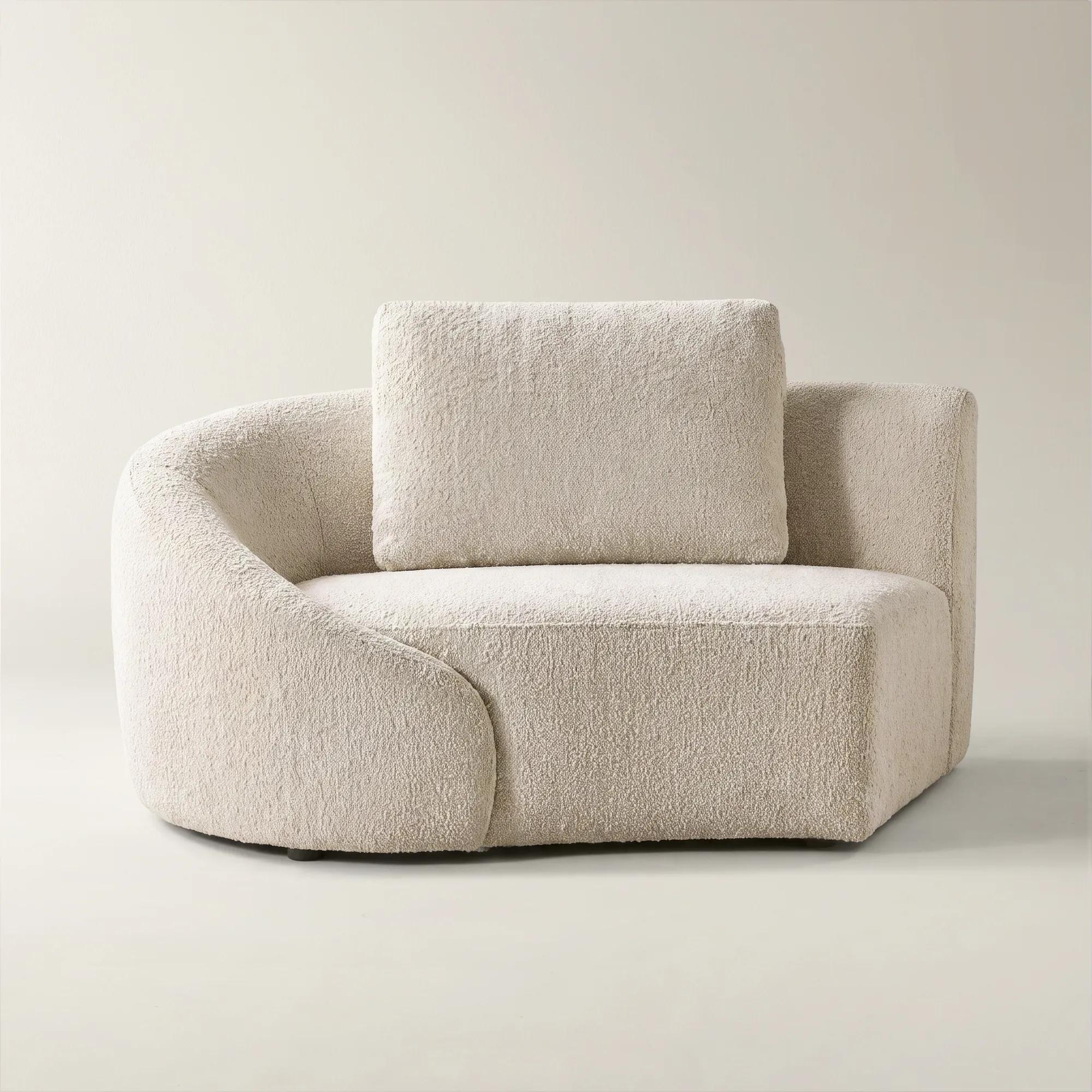
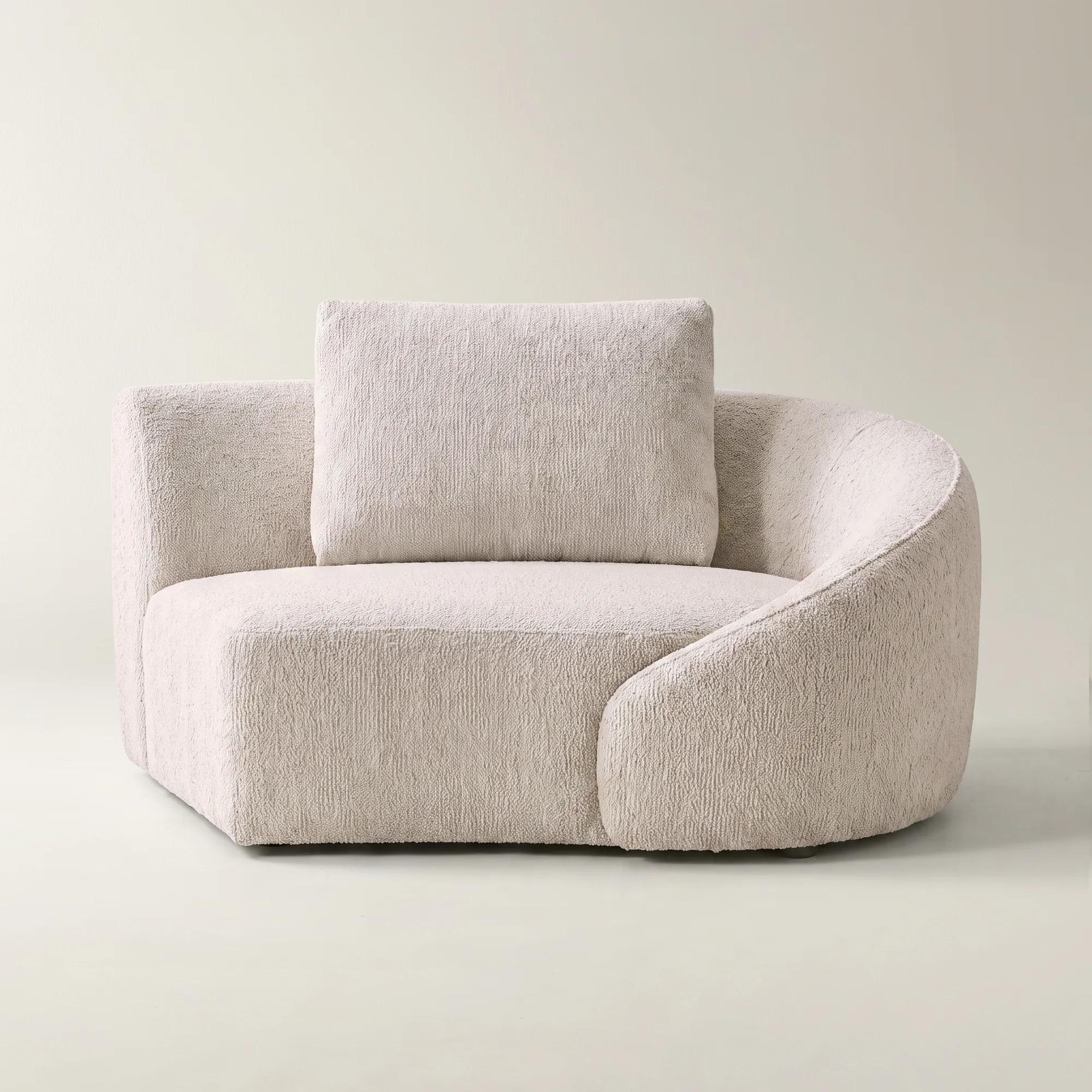
Sectional Sofas With Solid Wood Legs
Sectional Sofas With Solid Wood Legs
-
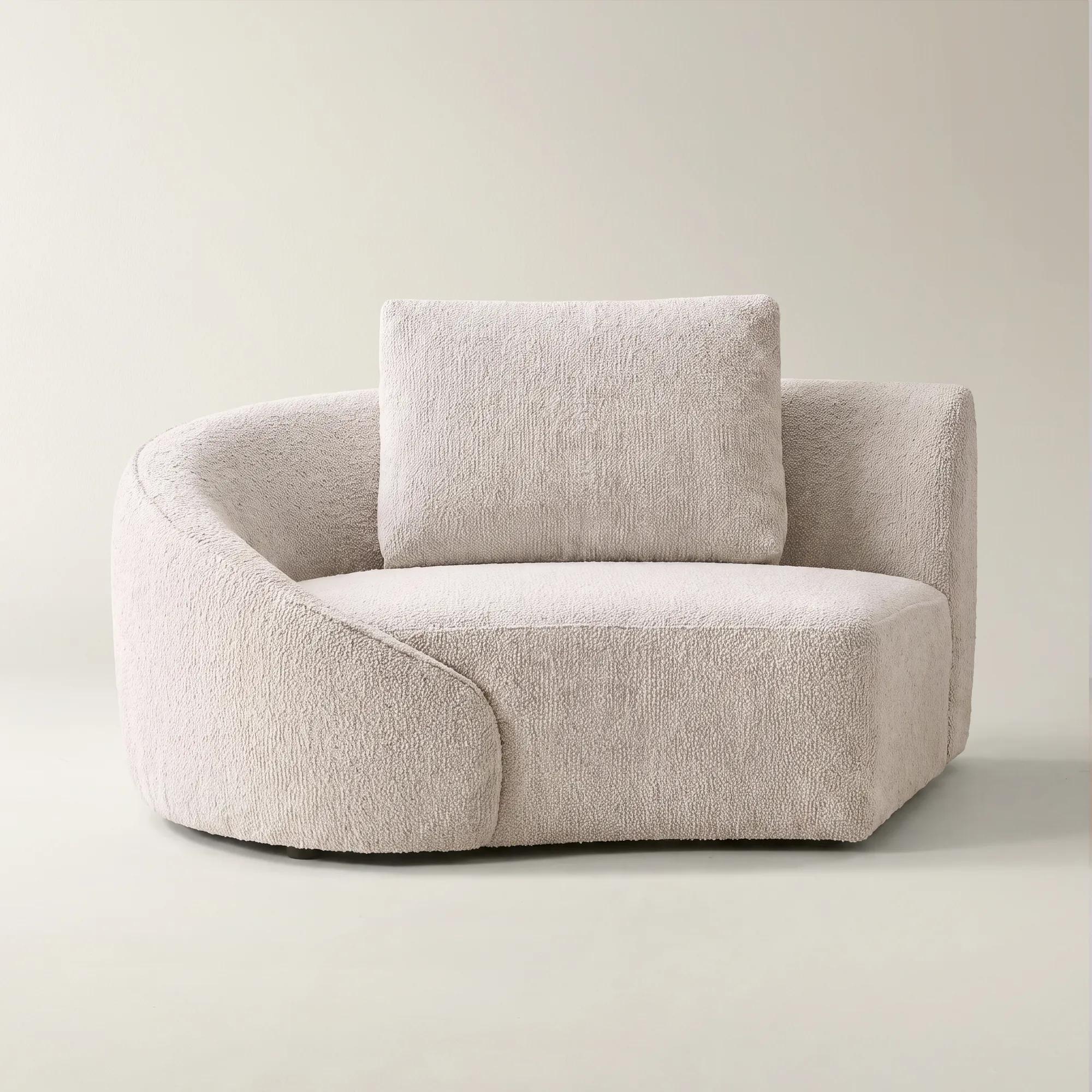
 Stria 3-Piece Light Brown Chenille Sectional Sofa$3399
A light brown chenille sofa with triple-layer cushioning and a kiln-dried oak frame for lasting comfort.
Add To Cart -
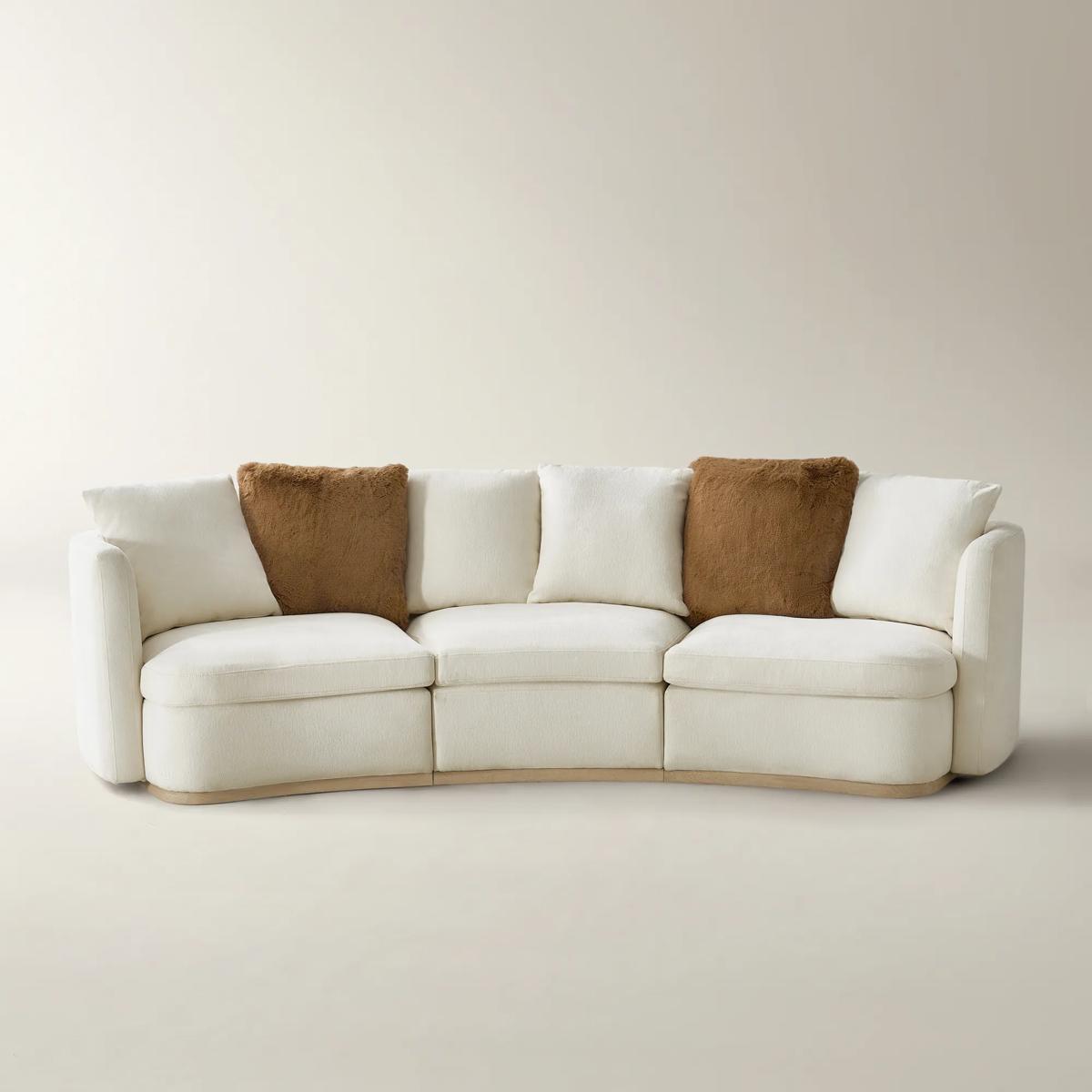 Stria 3-Piece Ivory Chenille Sectional Sofa$3399
An ivory chenille sofa featuring a sculptural curved design, triple-layer cushioning, and a kiln-dried oak frame.
Add To Cart -
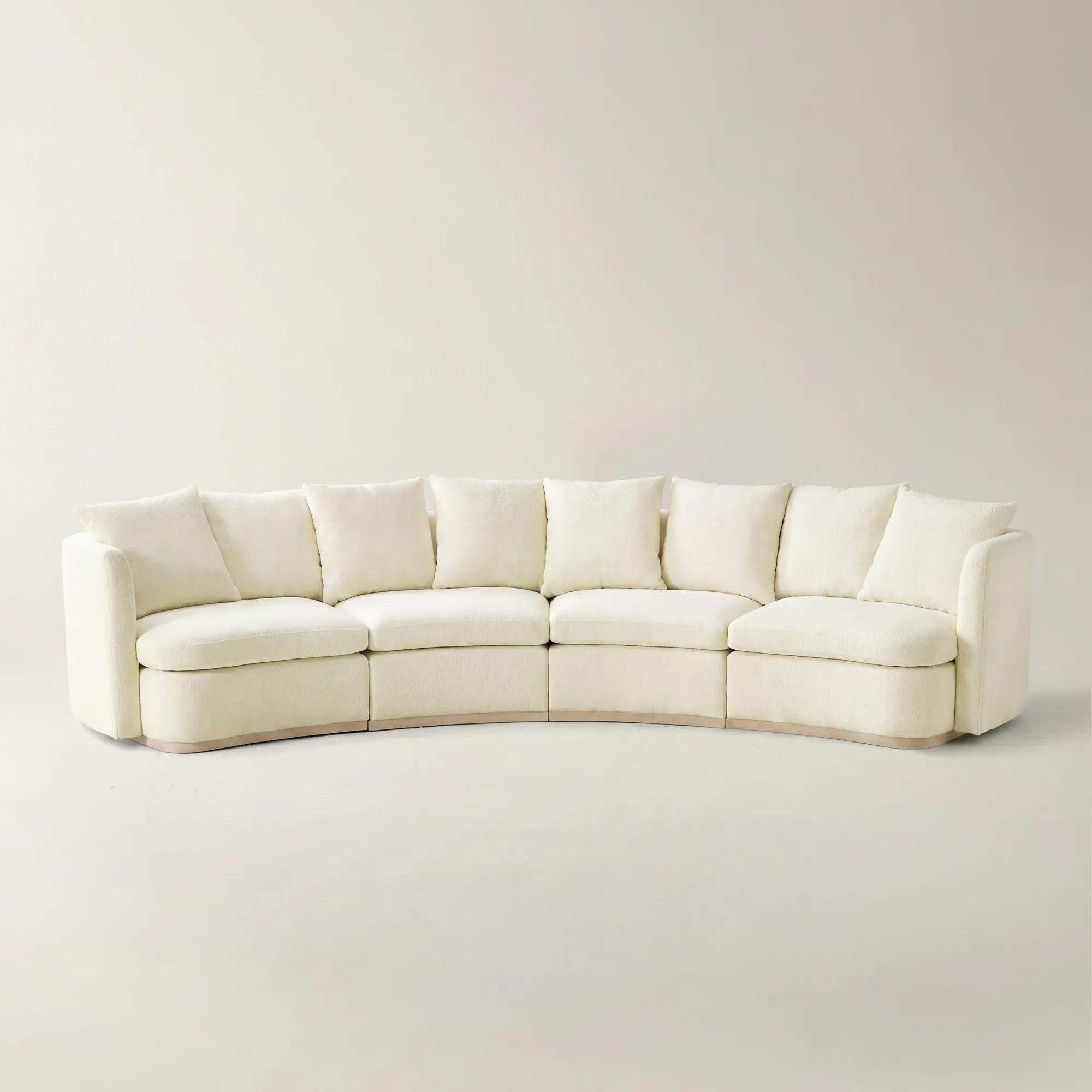
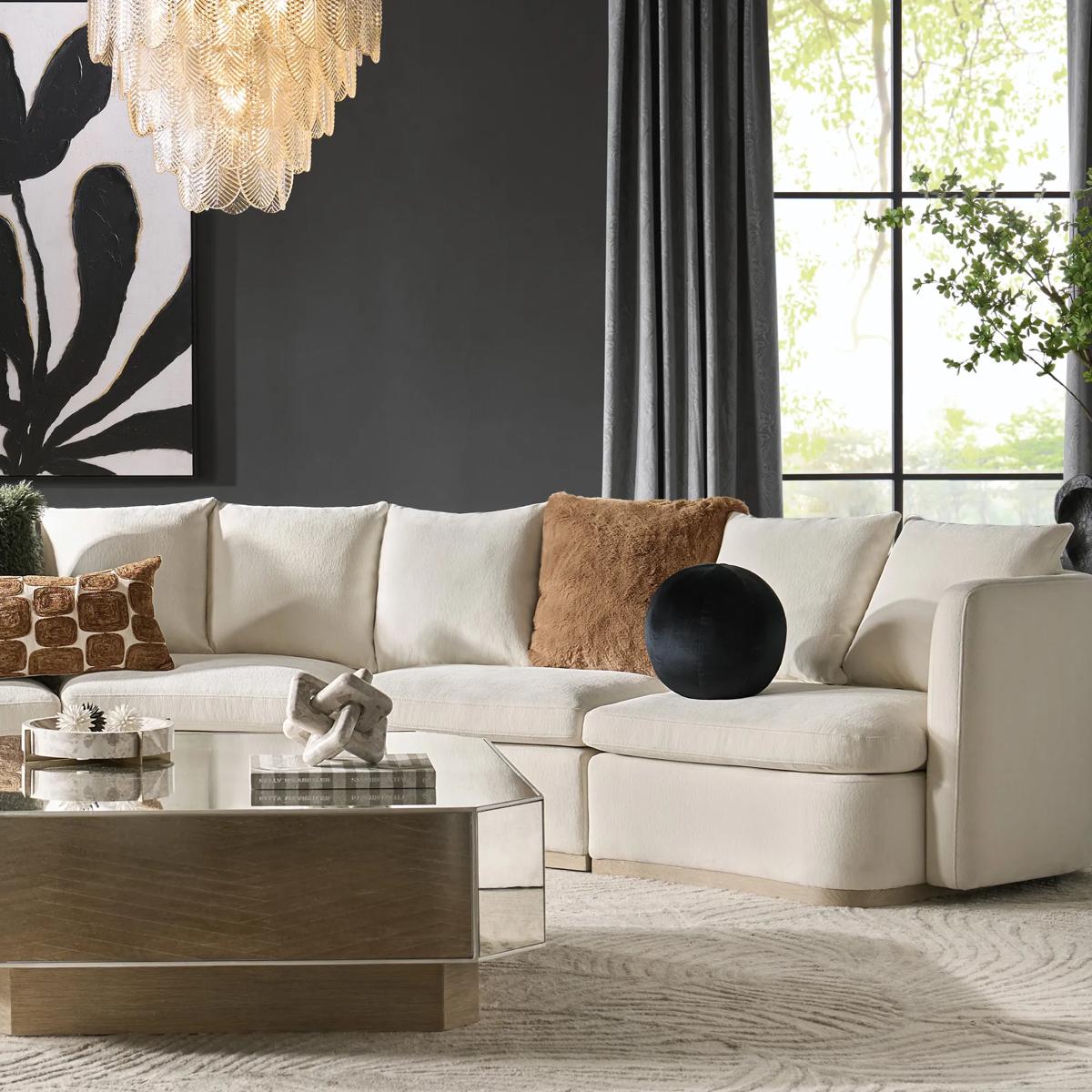 Stria 4-Piece Cloud Velvet Sectional Sofa$4499
A sculptural cloud velvet sectional featuring curved lines, modular connectors, and layered foam-down cushioning.
Add To Cart -
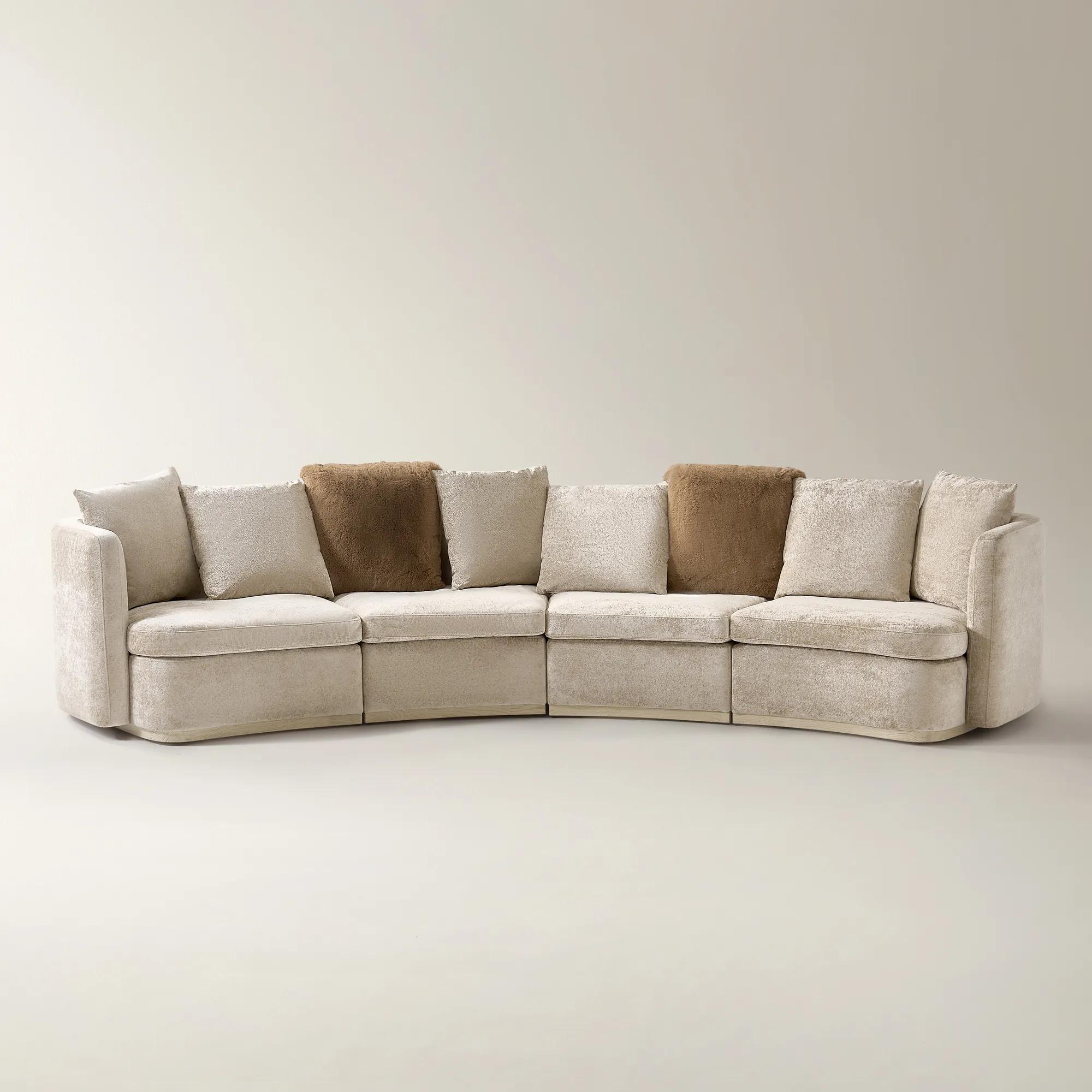 Stria 4-Piece Light Brown Chenille Sectional Sofa$4499
A light brown chenille sectional with a curved silhouette, triple-layer cushioning, and kiln-dried oak frame.
Add To Cart -
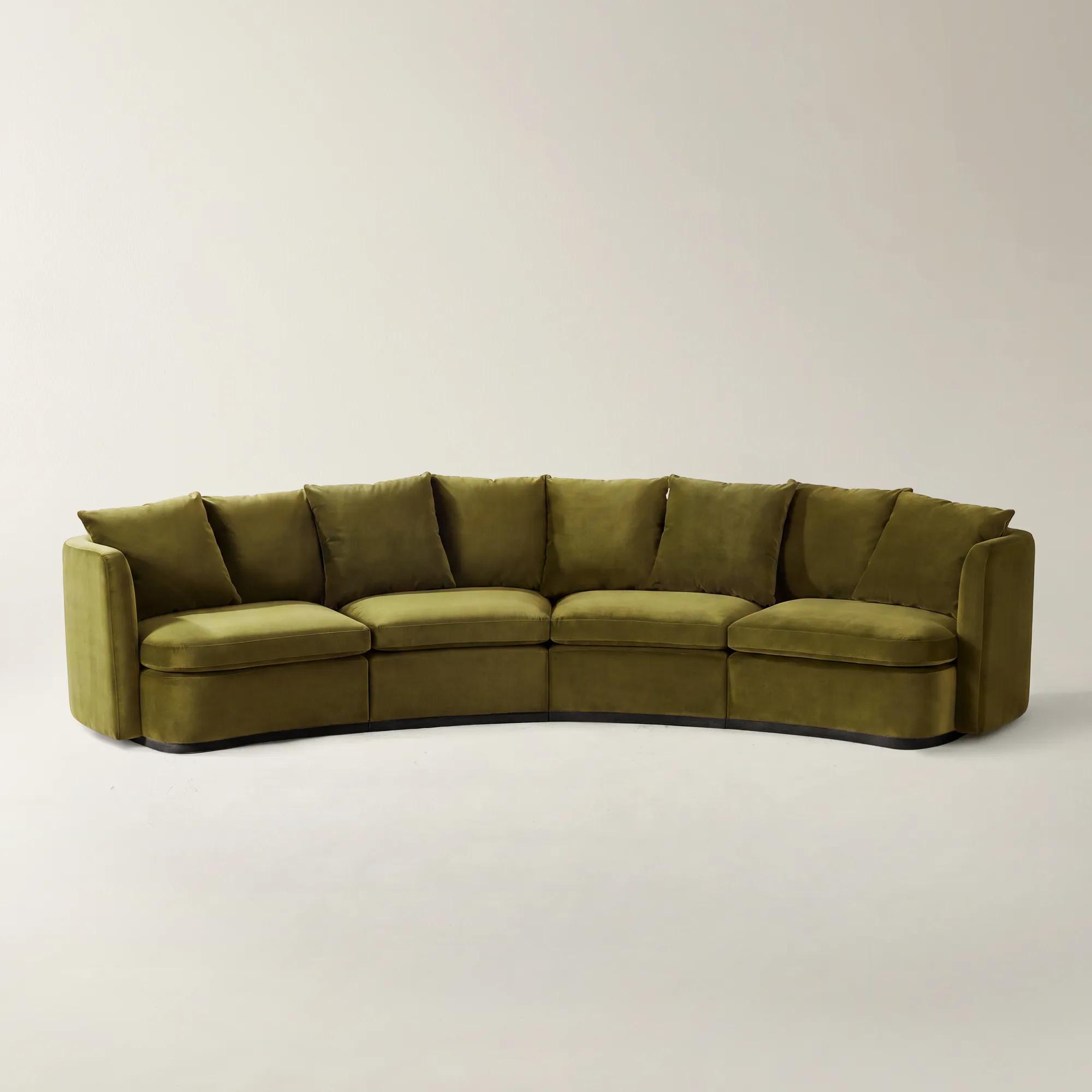 Stria 4-Piece Deep Olive Velvet Sectional Sofa$4499
A sculptural deep olive velvet sectional with modular connectors, kiln-dried wood construction, and layered foam-down cushioning.
Add To Cart -
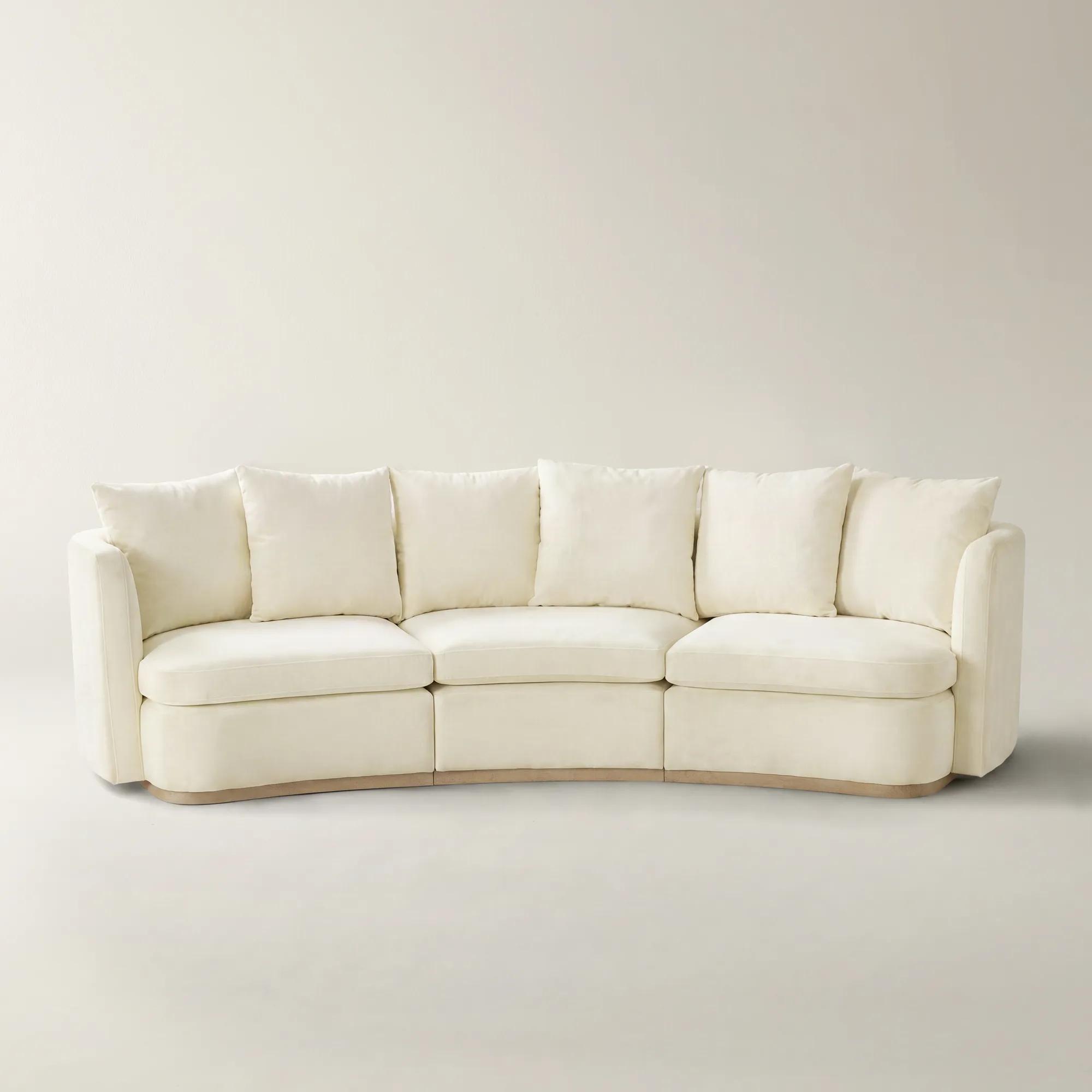 Stria 3-Piece Cloud Velvet Sectional Sofa$3399
A sculptural cloud velvet sectional with a curved silhouette, modular design, layered cushioning, and oak base.
Add To Cart -
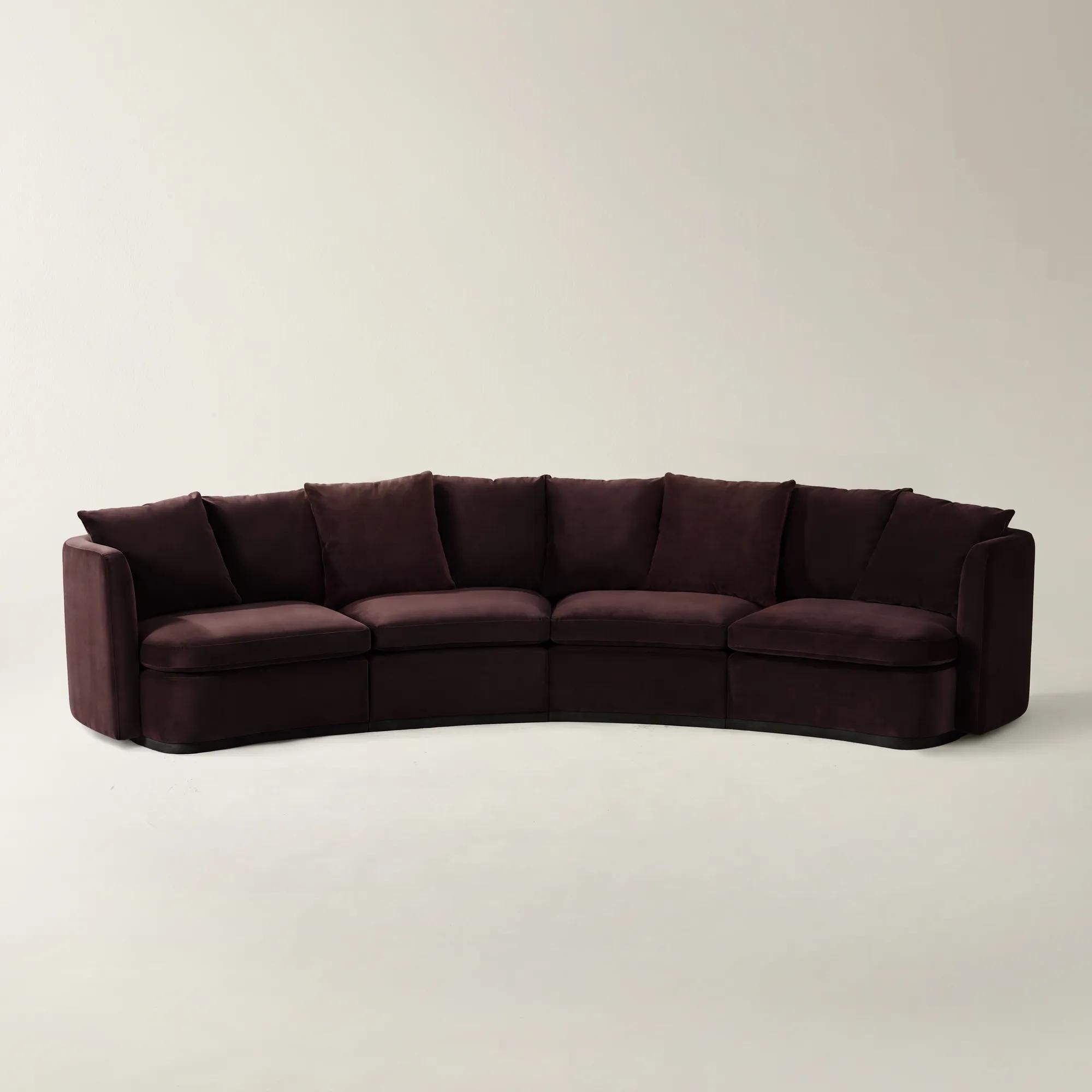 Stria 4-Piece Fig Velvet Sectional Sofa$4499
A sculptural fig velvet sectional with curved lines, layered foam-and-down cushioning, and modular connectors for comfort.
Add To Cart -
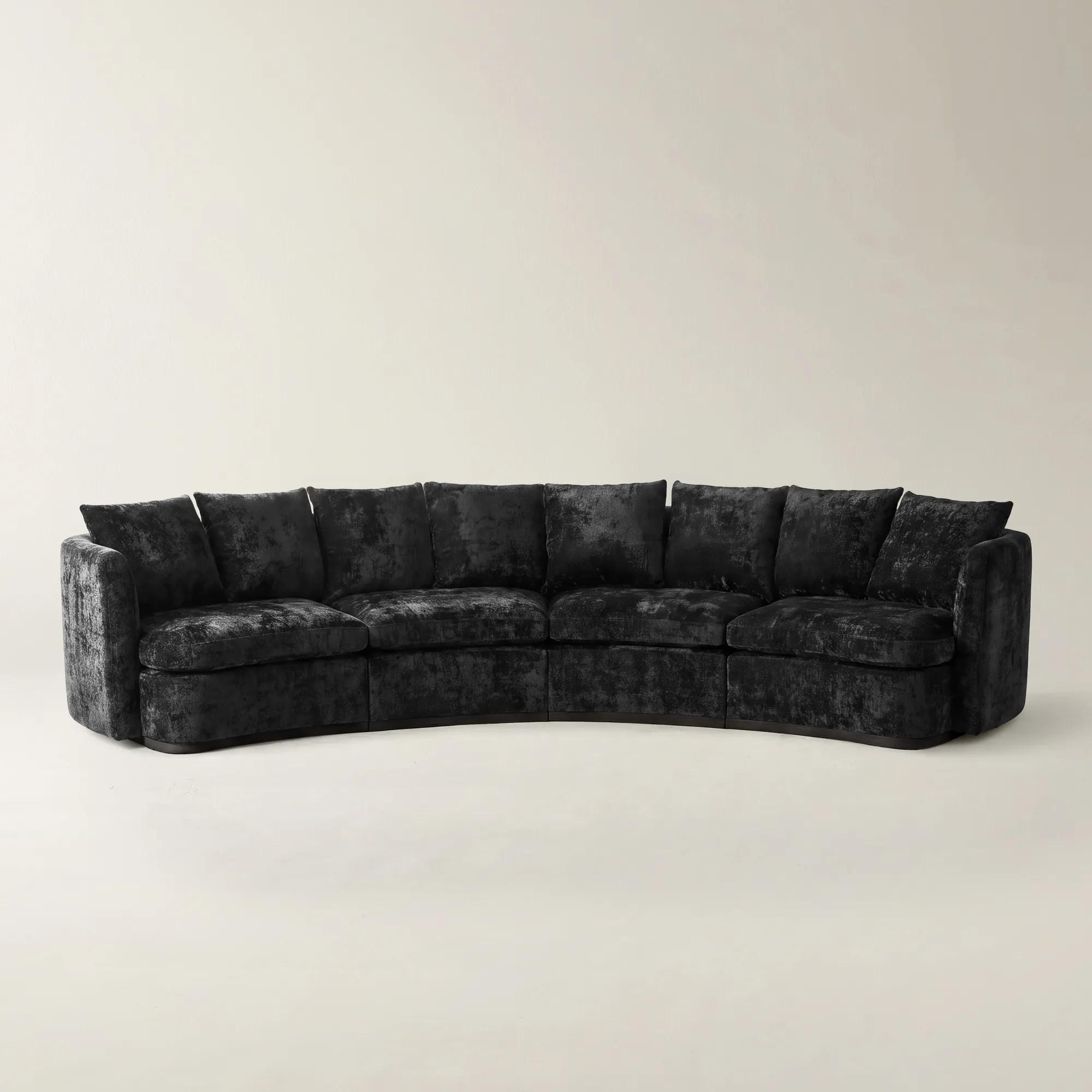 Stria 4-Piece Black Chenille Sectional Sofa$4499
A sculptural black chenille sectional featuring modular construction, curved edges, and layered foam-and-down cushioning.
Add To Cart -
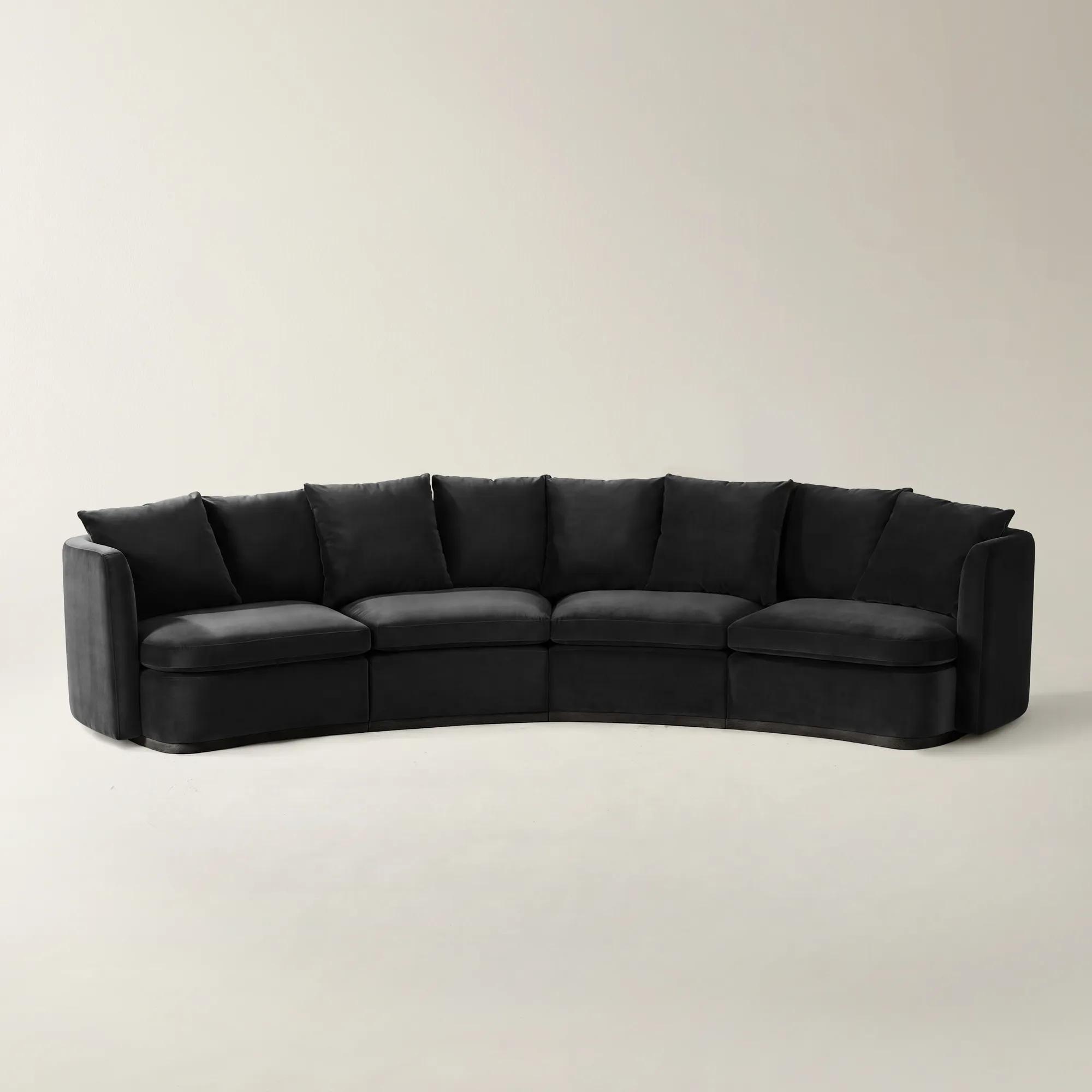 Stria 4-Piece Charcoal Velvet Sectional Sofa$4499
A sculptural charcoal velvet sectional with modular construction, curved edges, and supportive layered cushioning for comfort.
Add To Cart -
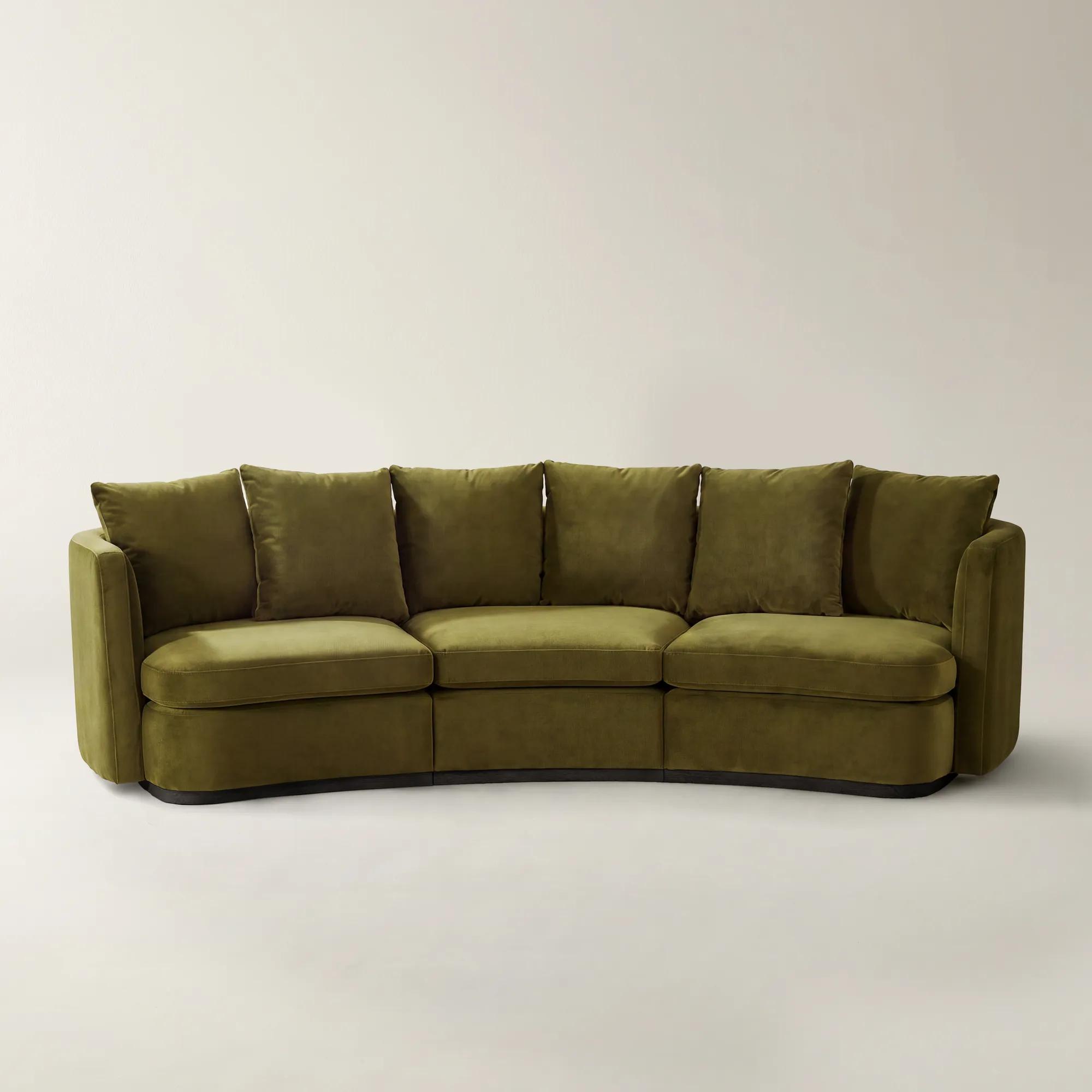 Stria 3-Piece Deep Olive Velvet Sectional Sofa$3399
A sculptural deep olive velvet sectional with modular connectors and layered foam-down cushioning.
Add To Cart -
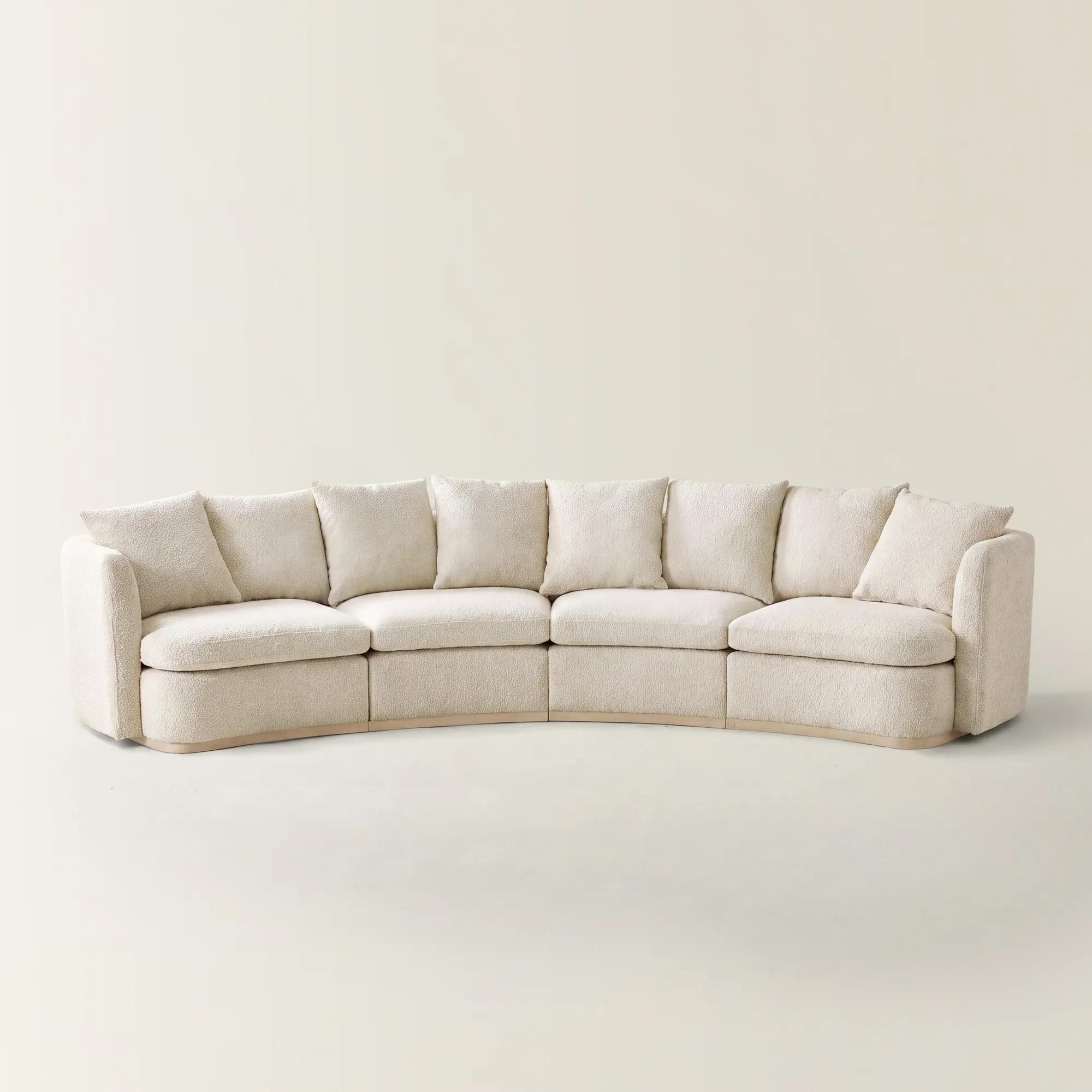 Stria 4-Piece Ivory Performance Boucle Sectional Sofa$4499
A sculptural ivory performance boucle sectional with modular connectors and layered foam-down cushioning for relaxed comfort.
Add To Cart -
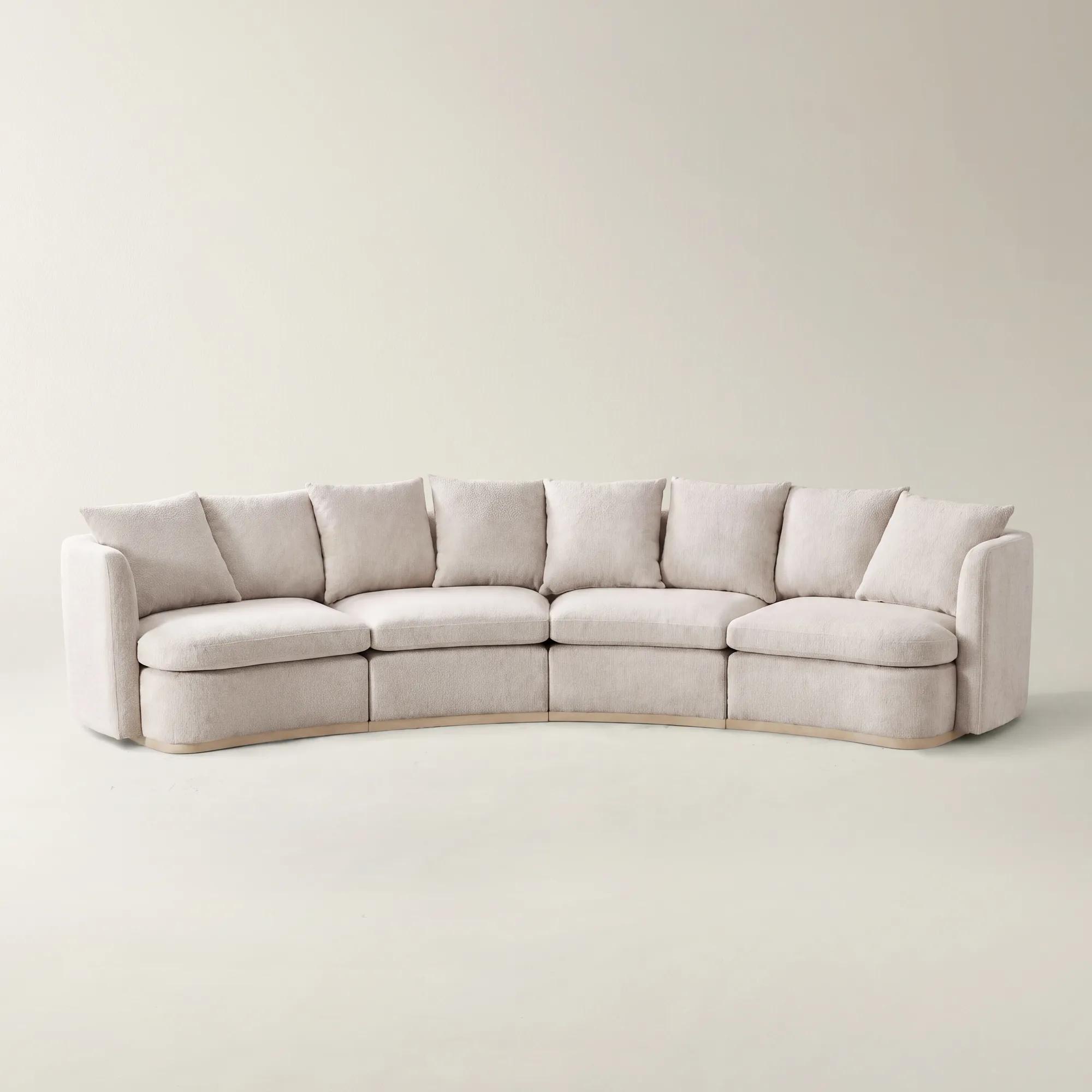 Stria 4-Piece Ivory Performance Boucle Sectional Sofa$4499
A sculptural ivory performance boucle sectional with modular connectors, kiln-dried wood construction, and layered foam-down cushioning.
Add To Cart -
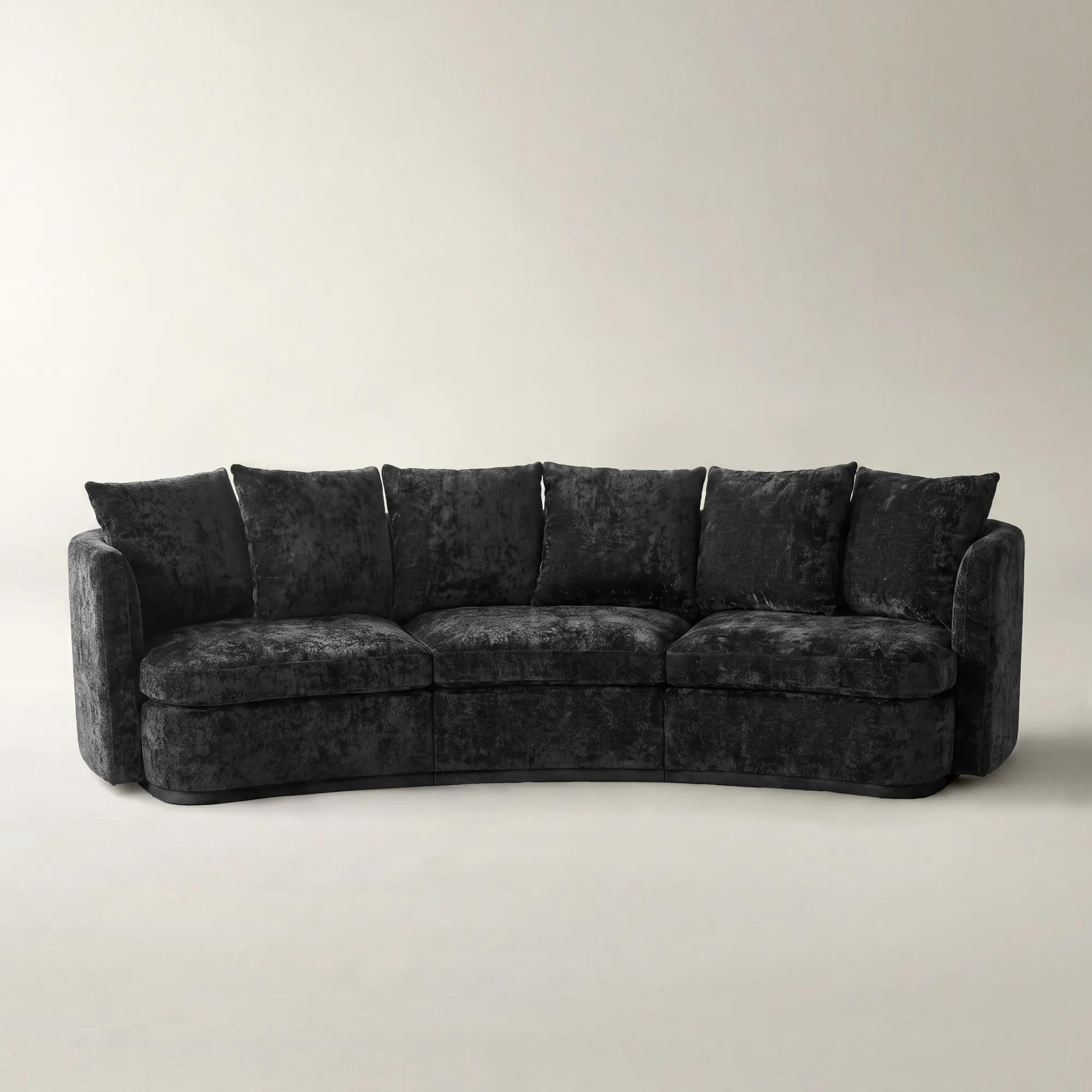 Stria 3-Piece Black Chenille Sectional Sofa$3399
A sculptural black chenille sectional with modular connectors, kiln-dried wood construction, and layered foam-down cushioning.
Add To Cart -
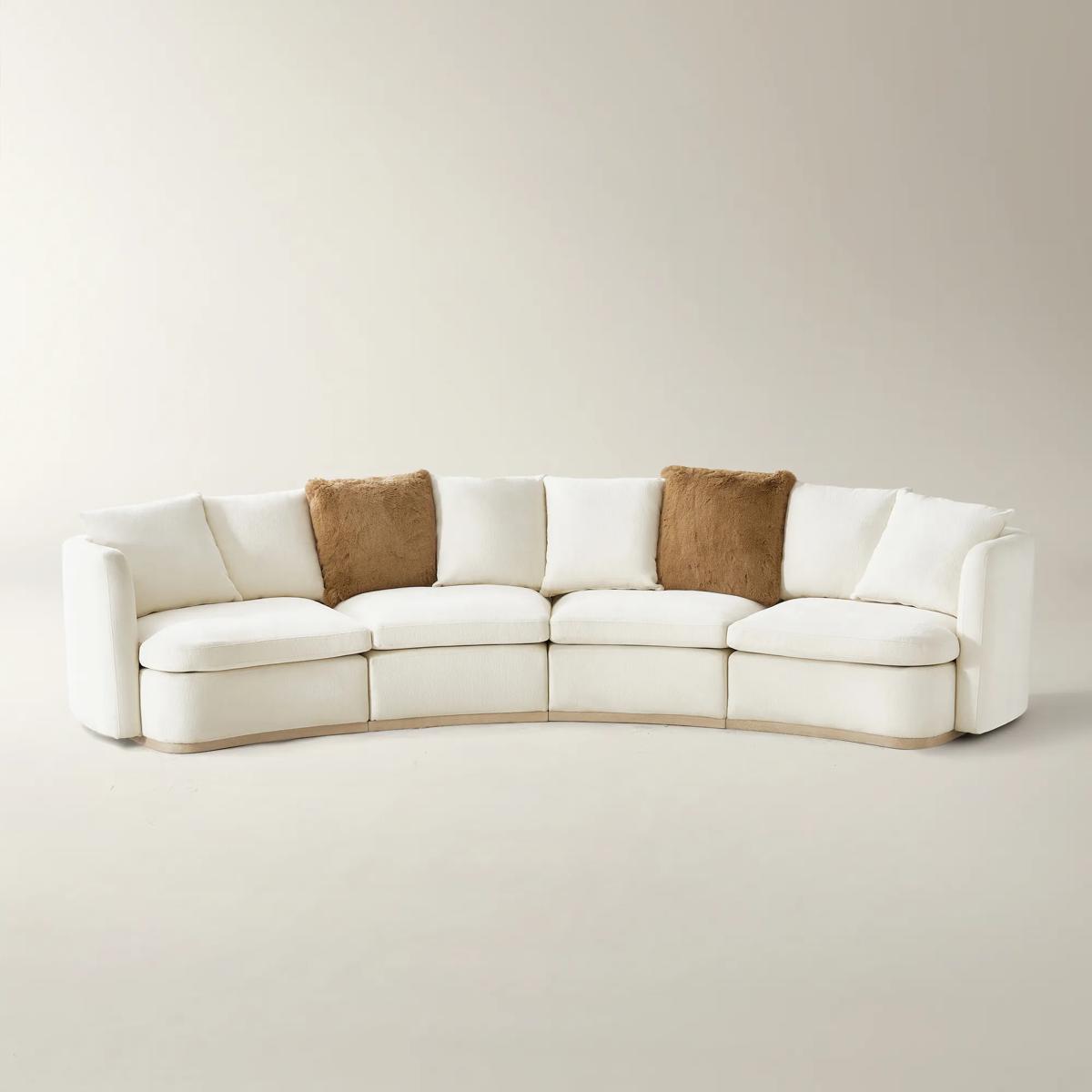
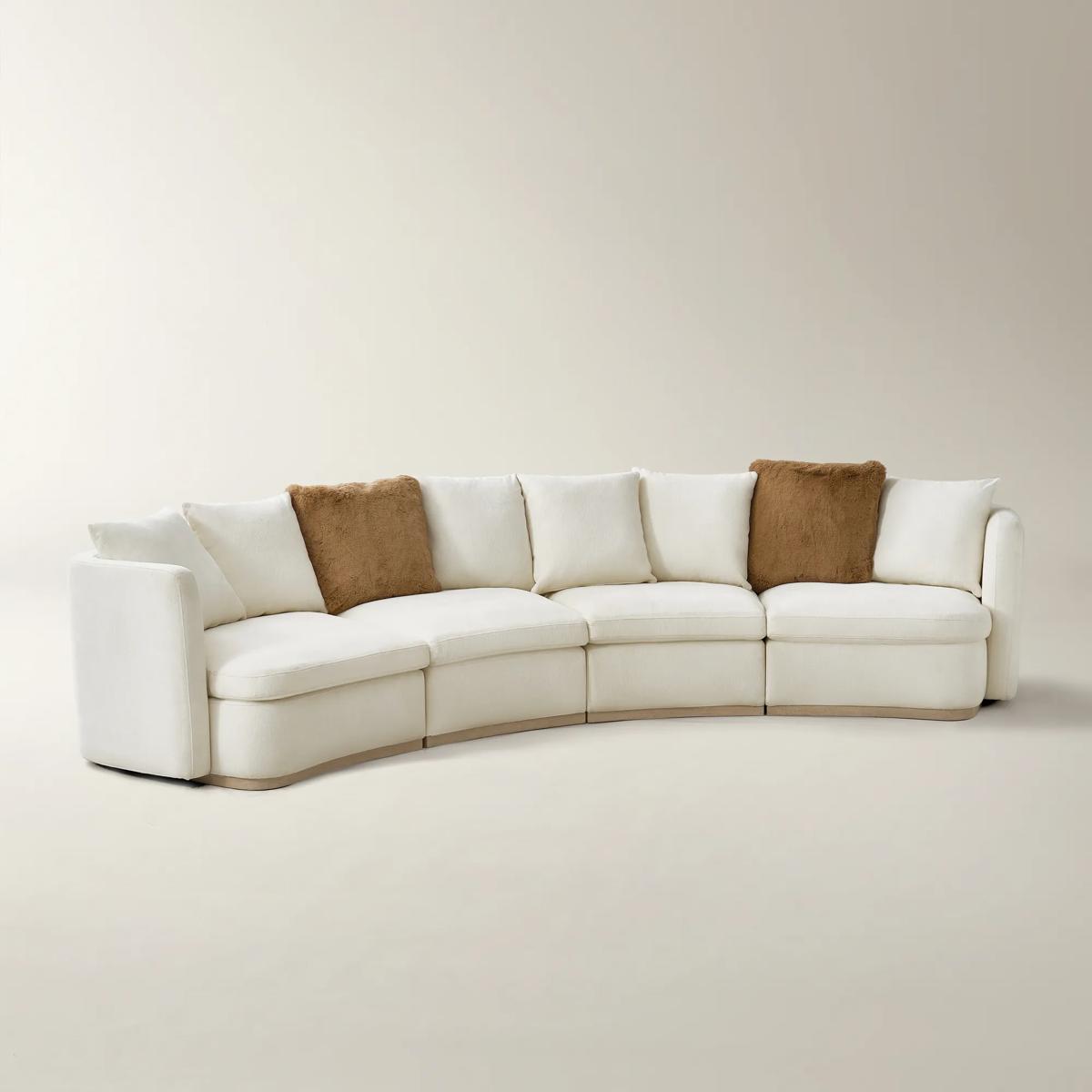 Stria 4-Piece Ivory Chenille Sectional Sofa$4499
An elegantly curved ivory chenille sectional with triple-layer cushioning and a kiln-dried solid oak frame.
Add To Cart -
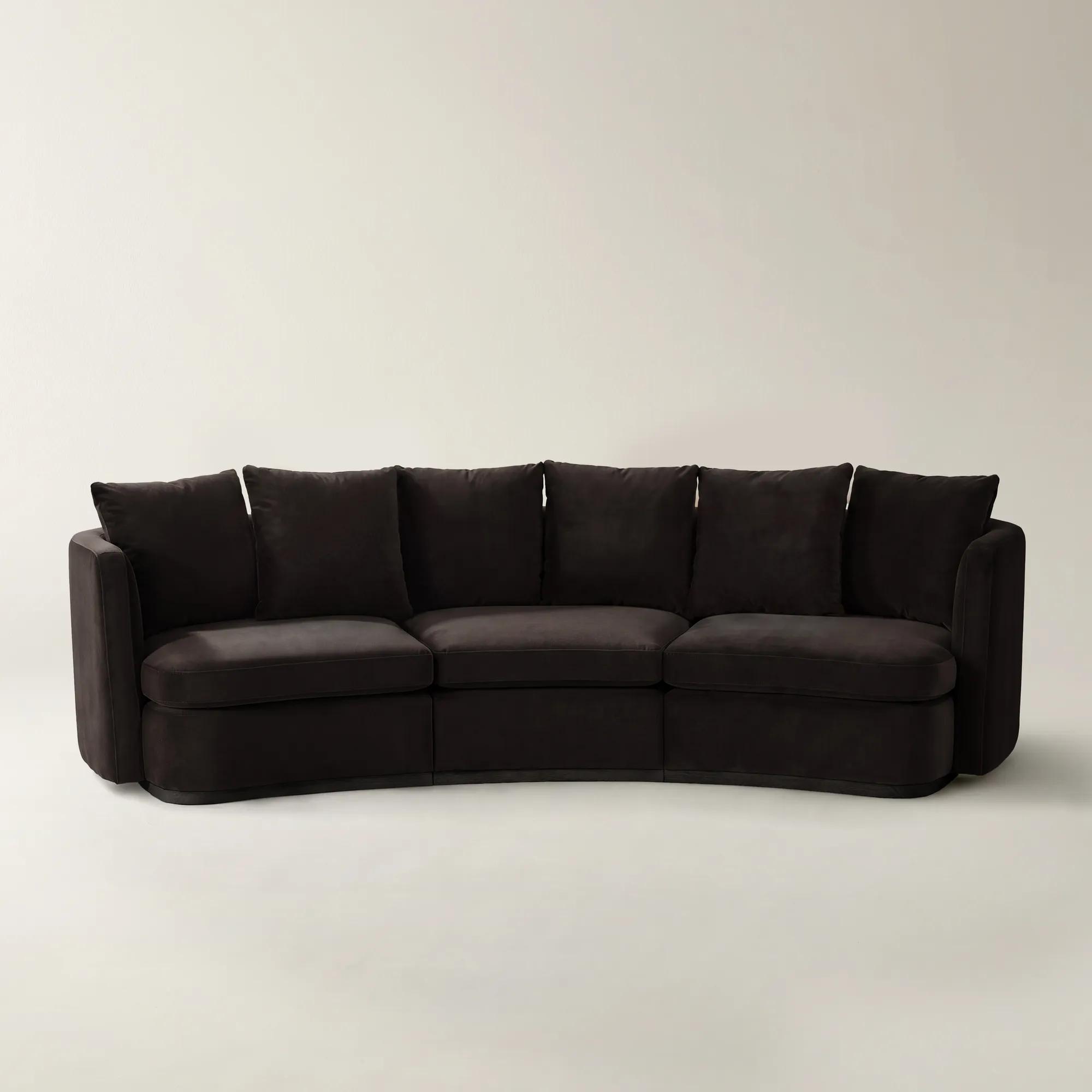 Stria 3-Piece Dark Chocolate Velvet Sectional Sofa$3399
A sculptural dark chocolate velvet sectional with curved styling, layered cushioning, and adaptable modular construction.
Add To Cart -
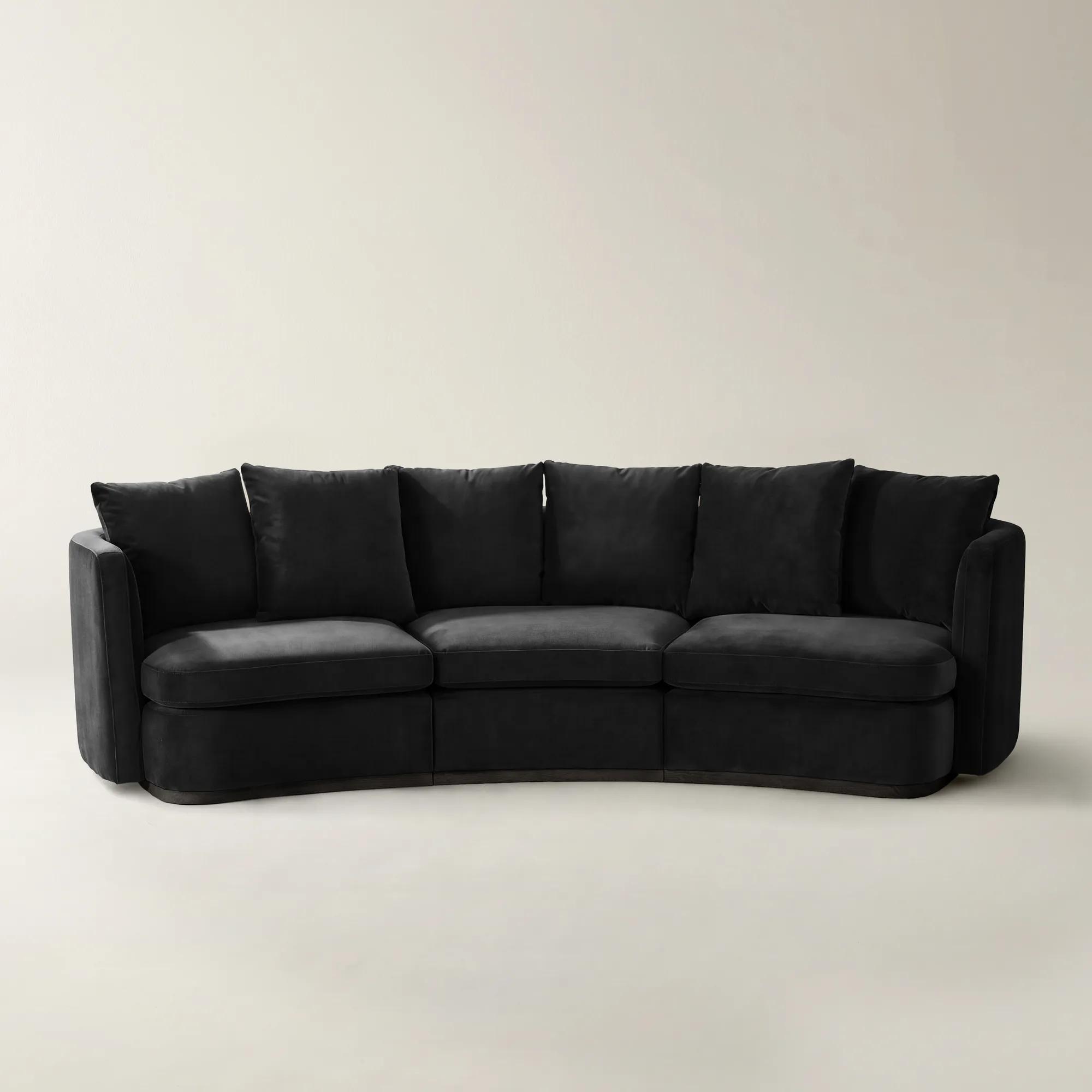 Stria 3-Piece Charcoal Velvet Sectional Sofa$3399
A sculptural charcoal velvet sectional featuring curved styling, layered cushioning, and modular connectors for adaptable comfort.
Add To Cart -
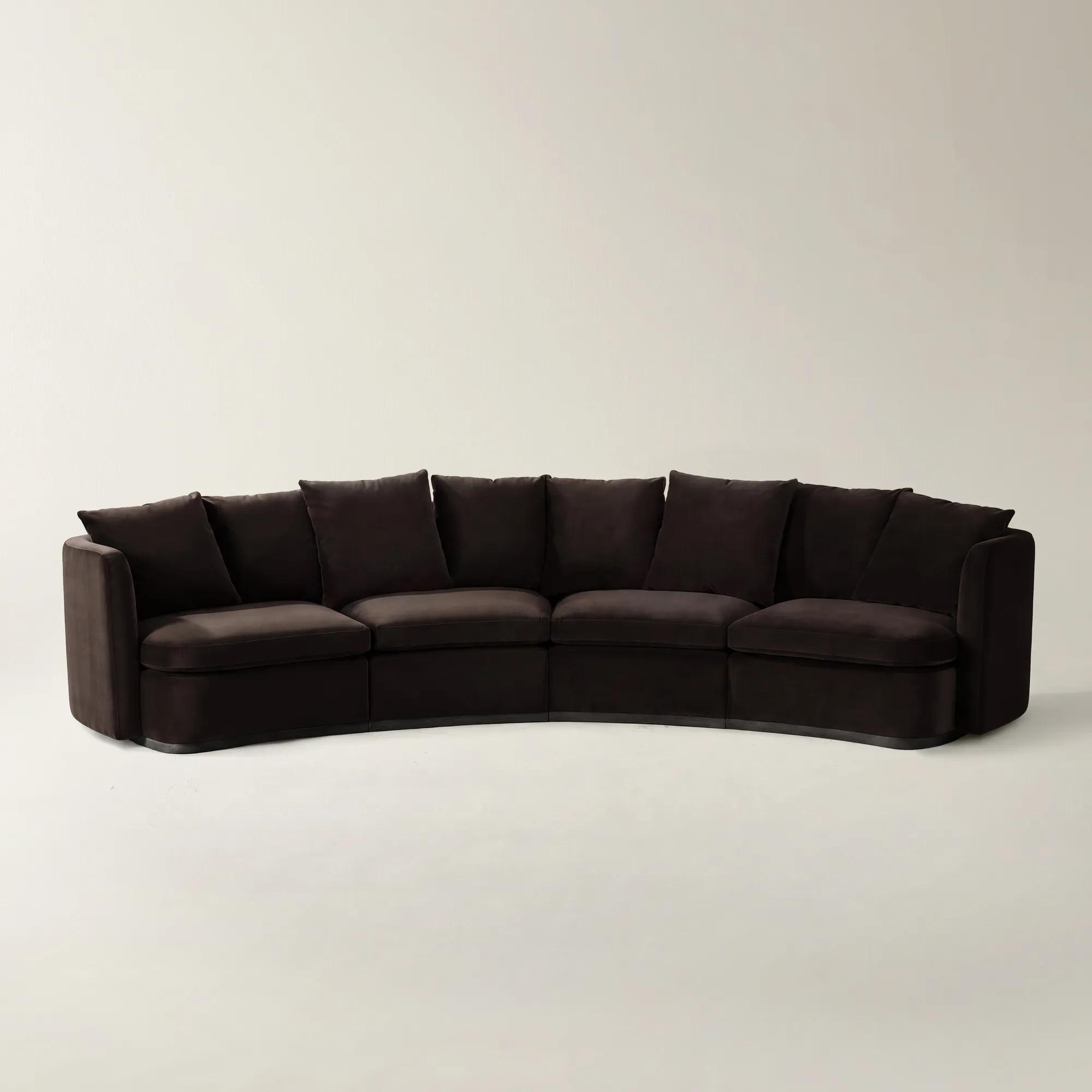 Stria 4-Piece Dark Chocolate Velvet Sectional Sofa$4499
A sculptural dark chocolate velvet sectional with curved edges, layered foam-down cushioning, and adaptable modular connectors.
Add To Cart -
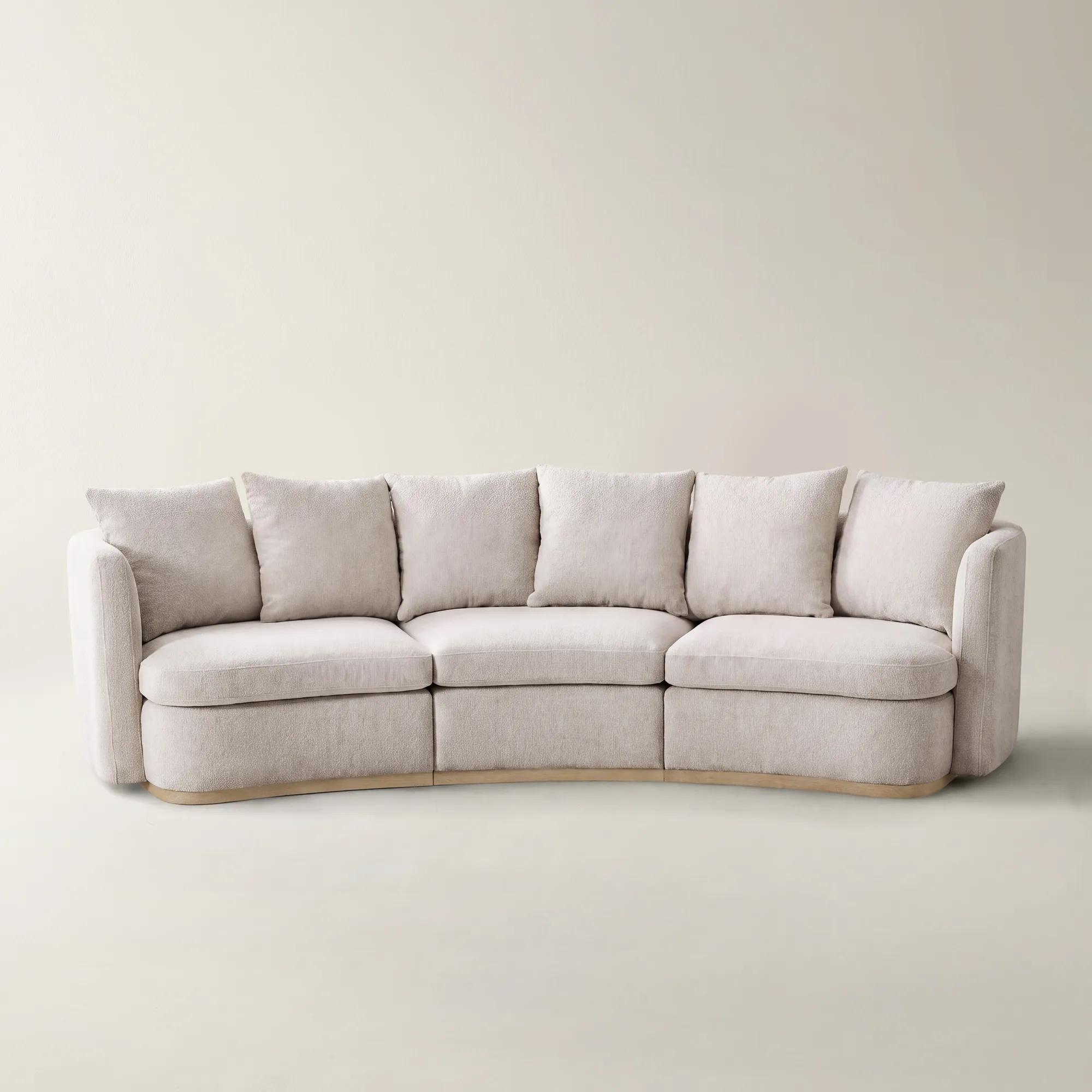 Stria 3-Piece Ivory Performance Boucle Sectional Sofa$3399
An ivory performance boucle sectional with sculptural curves, modular construction, and layered foam-down cushioning for comfort.
Add To Cart -
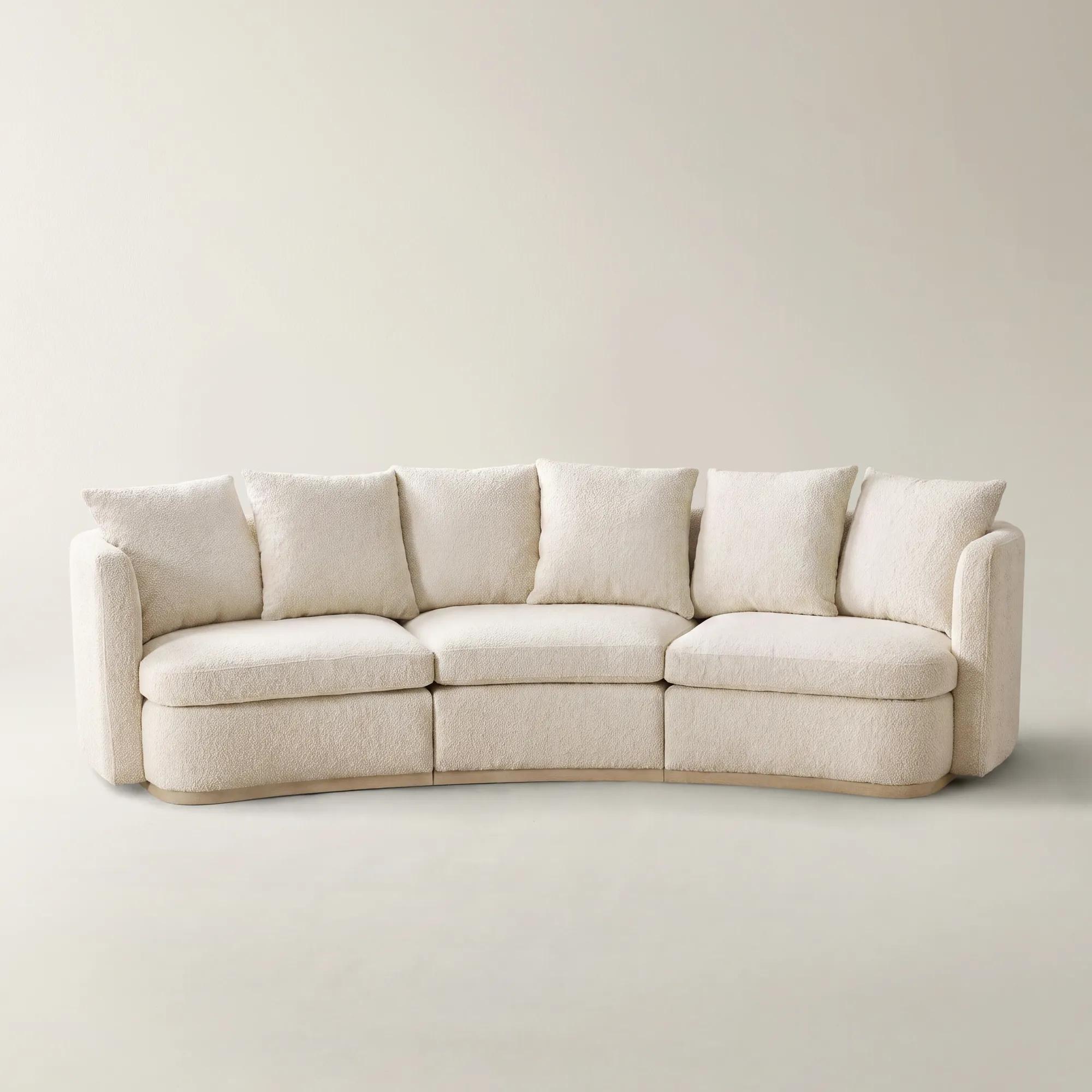 Stria 3-Piece Ivory Performance Boucle Sectional Sofa$3399
A sculptural ivory performance boucle sectional with kiln-dried wood, oak base, modular connectors, and down-blend cushioning.
Add To Cart -
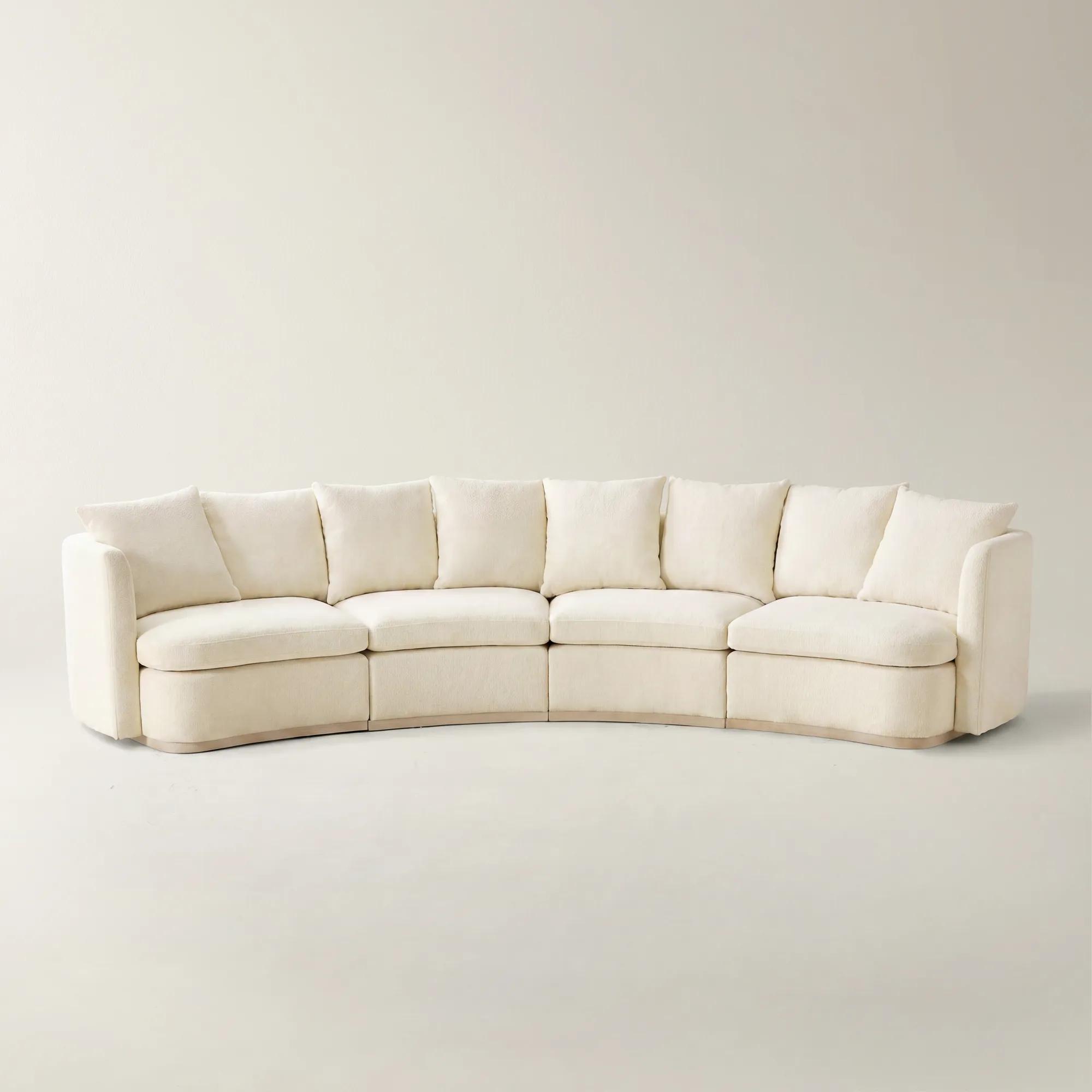 Stria 4-Piece Oatmeal Velvet Sectional Sofa$4499
A sculptural oatmeal velvet sectional with modular connectors, curved styling, and layered foam-down cushioning.
Add To Cart -
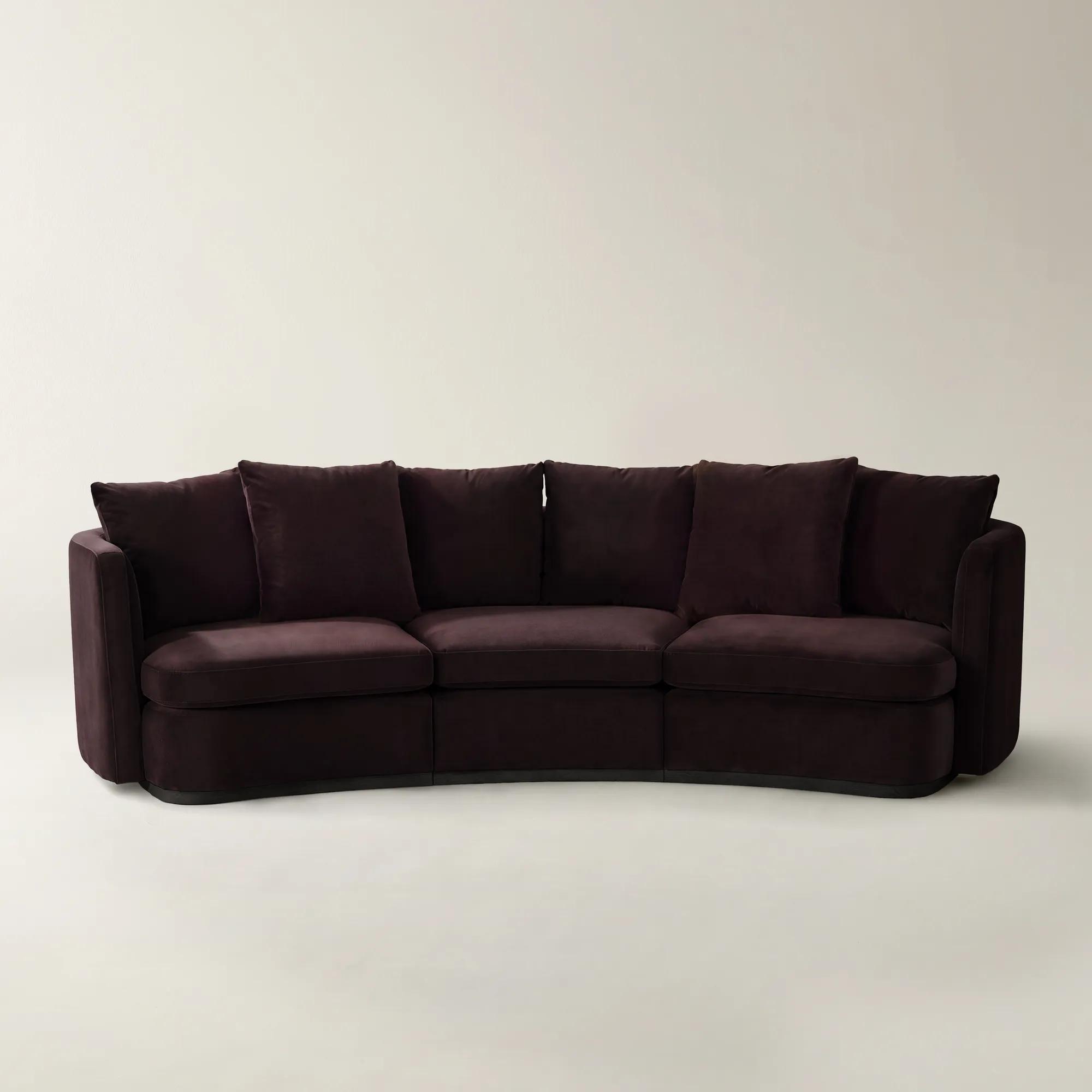 Stria 3-Piece Fig Velvet Sectional Sofa$3399
A sculptural fig velvet sectional with curved silhouette, layered cushioning, and modular connectors for flexible comfort.
Add To Cart -
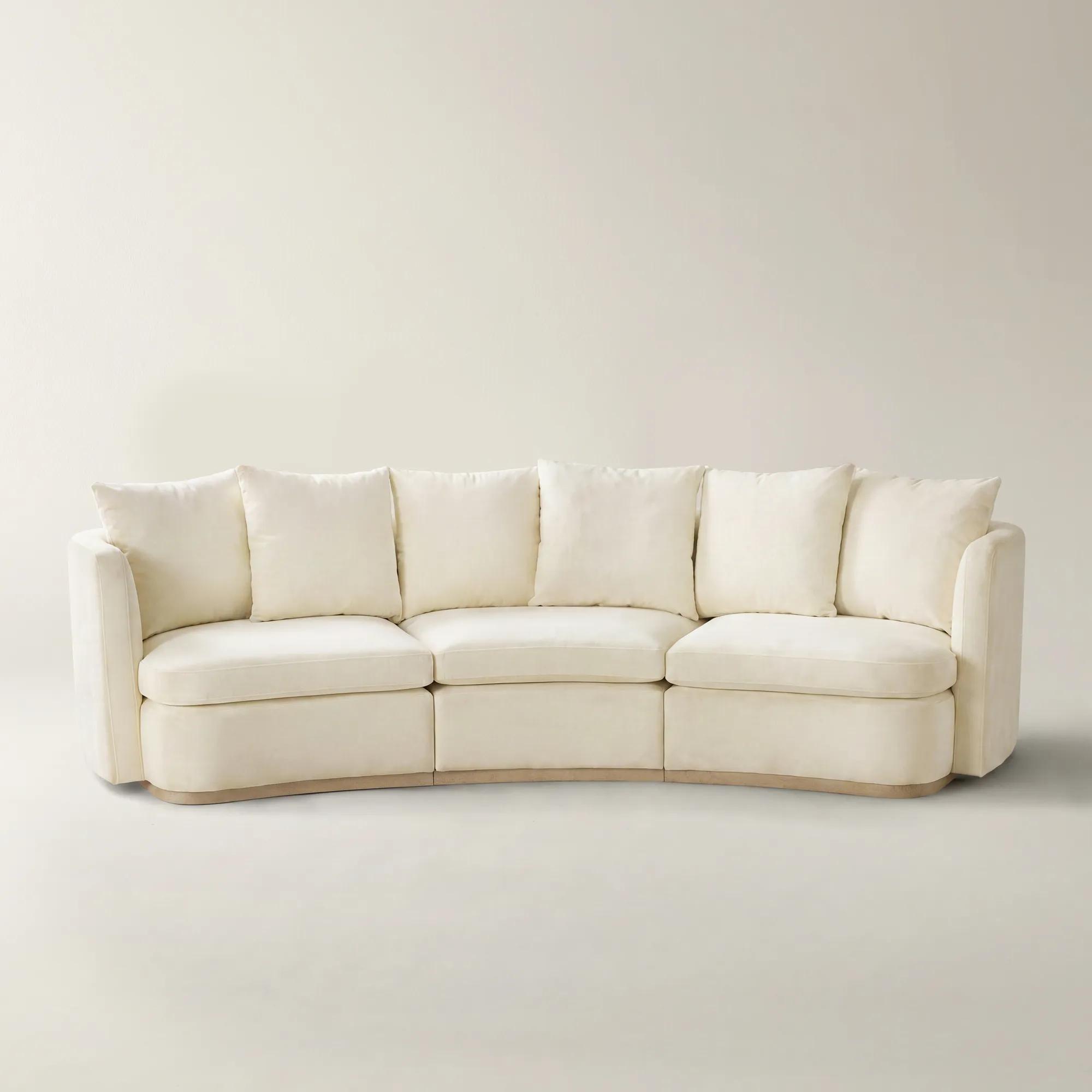 Stria 3-Piece Oatmeal Velvet Sectional Sofa$3399
A sculptural oatmeal velvet sectional with modular connectors, layered foam-and-down cushioning, and a kiln-dried wood frame.
Add To Cart -
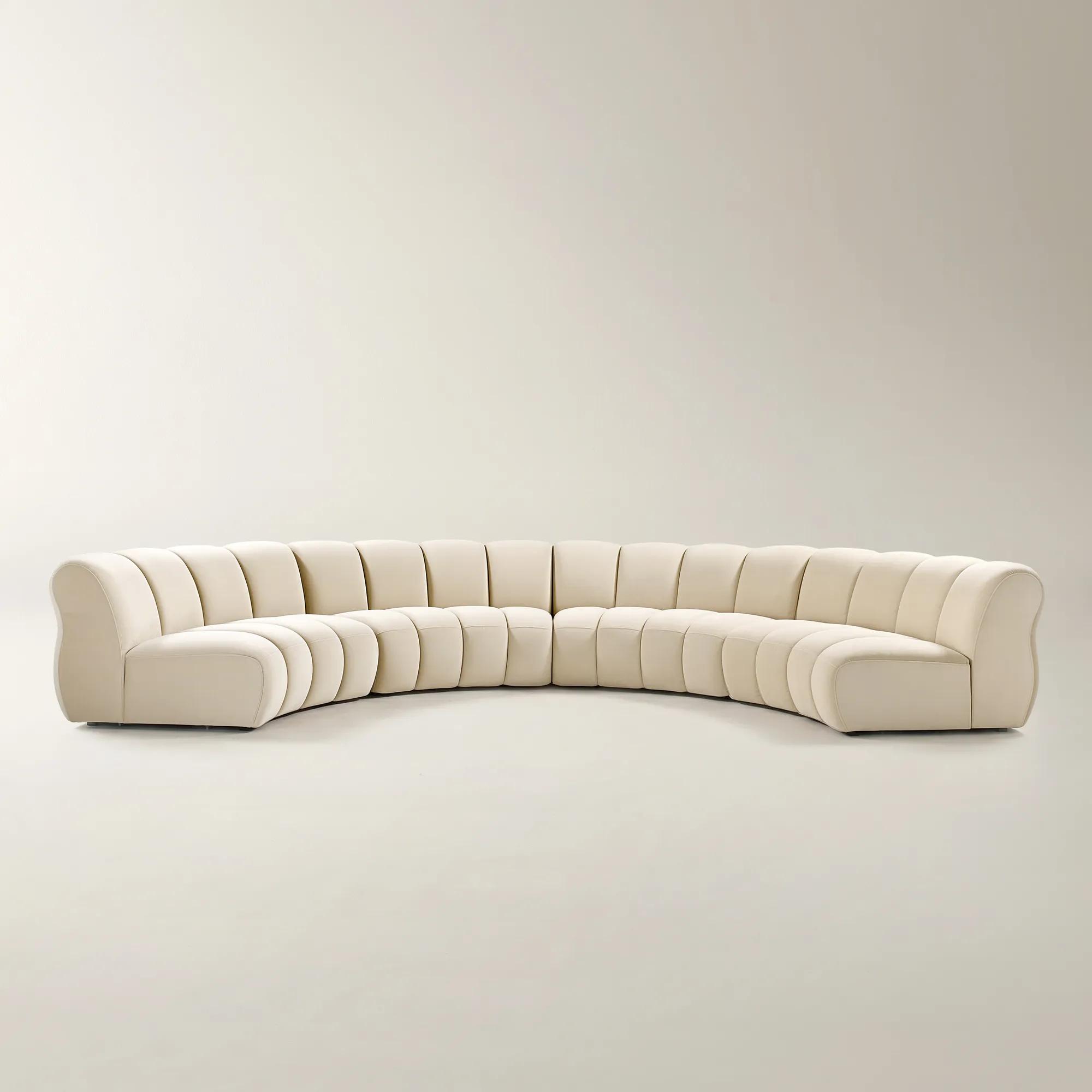
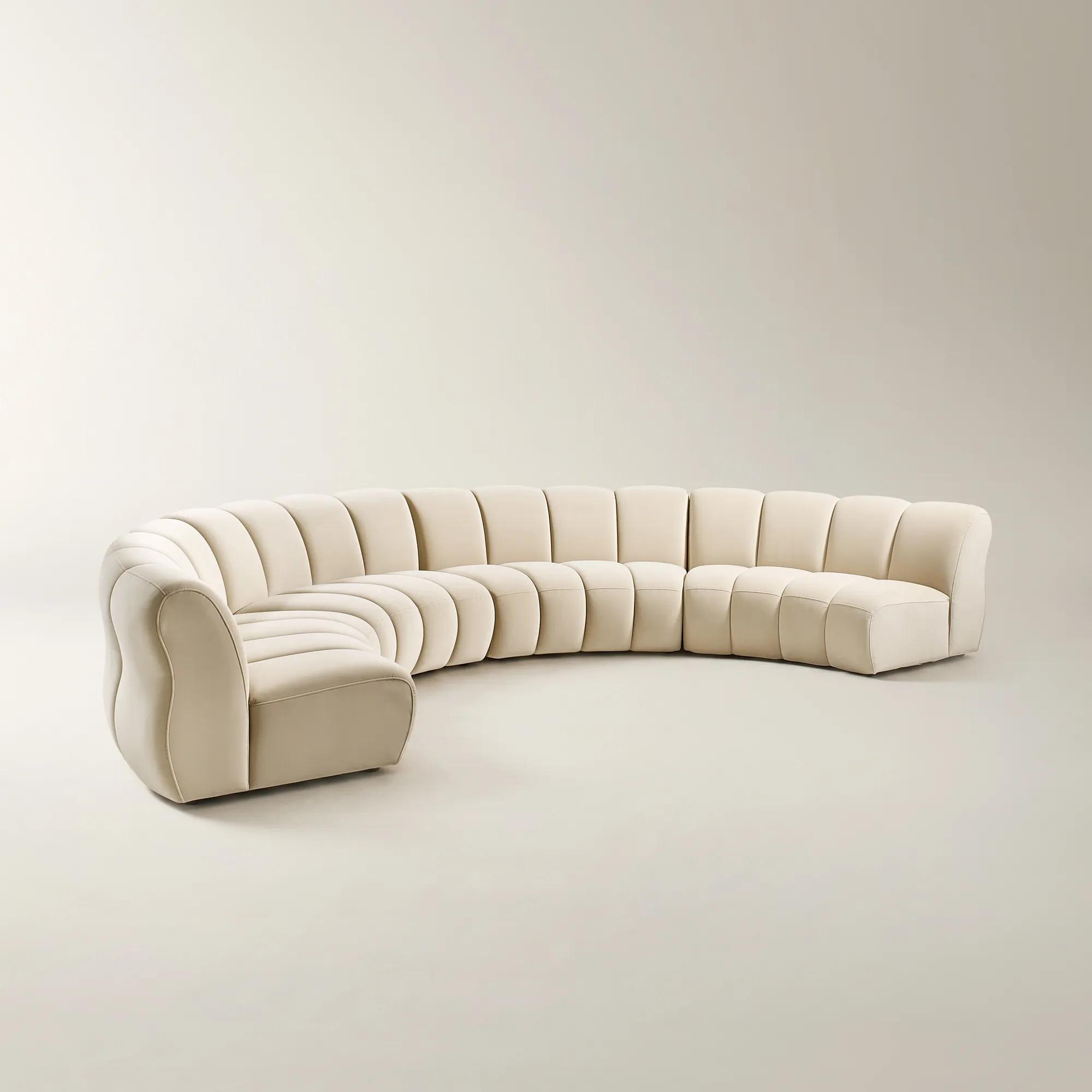 Jocelyn 4-Piece Channel-Tufted Oatmeal Velvet Sectional Sofa$4999
A beige velvet sectional sofa featuring deep channel tufting, curved contours, modular configurations, and plush foam cushioning.
Add To Cart -
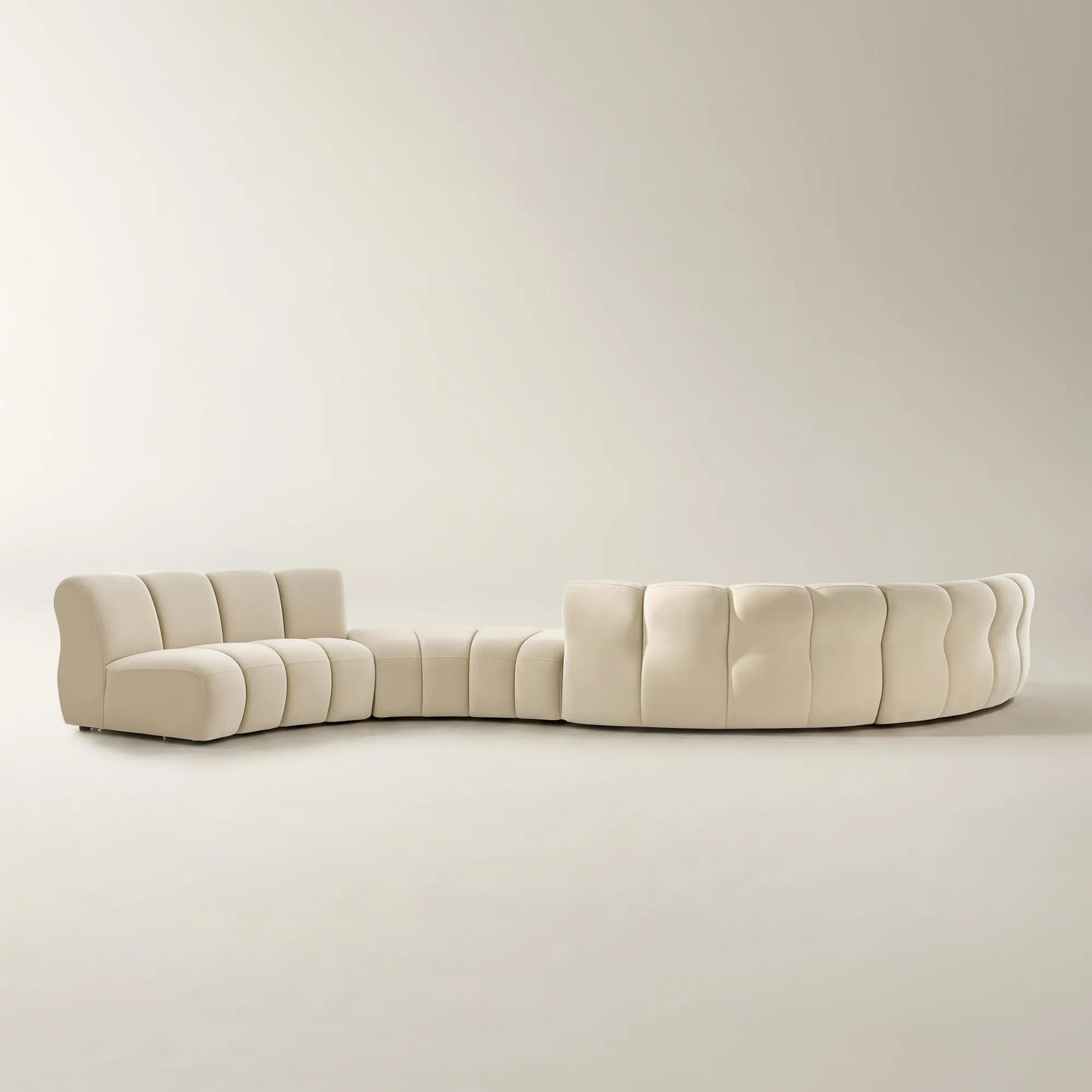 Jocelyn 4-Piece Channel-Tufted Oatmeal Velvet Sectional Sofa With Ottoman$4999
A beige velvet sectional sofa with deep channel tufting, curved modular seating, and a coordinating ottoman.
Add To Cart

Sectional Sofas With Solid Wood Legs
Sectional sofas with solid wood legs invite a new era of living room elegance—where sculptural silhouettes meet enduring sophistication. Each piece is an invitation to linger, its foundation grounded in artistry and strength, while the design sets the stage for gatherings both grand and intimate. With their refined profiles and dramatic presence, these sectionals transform any space into a gallery of comfort and style, offering a luxe canvas for your most expressive moments. Let every detail—down to the gleaming wood beneath—speak to your passion for bold, beautiful living.
Sectional sofas with solid wood legs combine expansive, connected seating with the natural grain and distinctive character of real wood supports. The result balances generous upholstery with a more defined silhouette: a broad chaise appears less imposing above slender tapered legs, while substantial block legs give a deep sectional a grounded, architectural presence. Solid wood legs can complement modern, mid-century-inspired, and richly layered interiors, depending on their shape, finish, and relationship to the upholstery. Pale wood introduces a lighter visual note; deeper brown finishes create contrast against ivory or pearl-toned fabric; black-stained wood lends a crisp outline to a sculptural profile. Visible grain adds subtle variation, making the legs a considered design detail rather than simply a means of support. Their appeal is especially strong in living rooms where the sofa is visible from several directions, with its base contributing to the composition alongside the arms, back, and cushions. Upholstery establishes another layer of expression. Velvet can bring depth and a luminous surface to saturated colors, while textured woven fabric creates dimension through its weave. Leather offers a distinctly tailored effect, with characteristics and care needs that vary by finish. Fiber content and construction matter as much as appearance, particularly in spaces shared with children, pets, or frequent guests. Performance treatments may help with certain spills or stains, but their capabilities depend on the fabric and should be confirmed in the material specifications. Beneath that visual richness, comfort remains personal: deep seats invite reclining, while more upright proportions can feel better suited to conversation and supported sitting. Cushion fill, seat height, and back support all influence the experience. For households that gather for films, host relaxed evenings, or prefer one generous seating arrangement to several separate pieces, a sectional offers room to settle in without sacrificing a cohesive interior. Exposed wood legs give that generous form a deliberate finishing touch, connecting the softness of the seating to the harder surfaces elsewhere in the room.
Scale gives a sectional its sense of ease, and the most compelling arrangement feels generous without overwhelming the architecture around it. Overall width and depth tell only part of the story; chaise length, arm thickness, back height, and usable seat depth determine how the piece occupies a room and how people move around it. A low profile can preserve an open sightline across a loft, while a taller back may establish a more sheltered seating area in an expansive living space. An L-shaped configuration can define the edge of a conversation area, with the chaise positioned away from the main passage through the room. A broader arrangement may accommodate more guests, provided there is comfortable access to nearby doors, shelving, and adjacent seating. In a narrower room, exposed legs and a visible stretch of floor beneath the upholstery can help reduce the sectional’s visual weight, although they do not change its actual footprint. The orientation deserves particular attention: left-facing and right-facing terminology can differ between manufacturers, so a configuration diagram is more dependable than the name alone. Delivery access is equally consequential, especially where an entry turns sharply or a staircase narrows at a landing. Individual section dimensions, packaged measurements, and the route into the room can matter as much as the final assembled size. Some designs have removable legs or separate components, but those details require confirmation rather than assumption. Seat height also affects everyday comfort; a deeply relaxed silhouette may suit lounging, while a higher seat can make sitting down and standing up easier for some users. Leg clearance influences practical details, including whether a vacuum head can reach underneath. Around the sectional, a rug can establish a generous visual foundation, and a coffee table with comfortable reach keeps the seating useful during conversation or an evening with a book. Repeating the wood finish exactly is unnecessary; a thoughtful relationship among warm, cool, dark, and light tones creates a more layered, expressive room.
Durability depends on the sectional as a complete structure, not on the legs alone. Solid wood describes a material made from wood rather than a wood-look surface over another substrate, but it does not automatically mean hardwood, and it does not identify the material inside the sofa frame. That distinction is important when comparing sectional sofas with solid wood legs and durable hardwood frame sectional sofas: the first description concerns the supports, while the second concerns the internal structure. Wood species, leg thickness, attachment hardware, frame joinery, suspension, and cushion construction all contribute to long-term performance. A beautifully finished leg should also be securely attached, and any center supports or connecting hardware specified for the design should be properly installed. Individual weight limits and assembly instructions remain essential, particularly for seating intended for frequent use. Daily care can preserve both the tailored upholstery and the character of the wood. A soft, dry cloth is generally appropriate for routine dusting of finished legs, while spills should be addressed promptly using the manufacturer’s recommended method. Abrasive cleaners and excess moisture can damage finishes; upholstery cleaning requires separate attention to the fabric’s care label or cleaning code. Velvet may need gentle brushing or other pile care specified by its maker, and textured weaves can benefit from careful vacuuming with a suitable upholstery attachment. Direct sunlight can alter the color of both wood and fabric over time, making placement part of preserving the original palette. Floor protectors suited to the flooring can help reduce scratches, and moving a sectional by lifting its sections rather than dragging them helps avoid unnecessary strain on the legs and connectors. Cushions may require occasional rotation or reshaping where their construction allows. These modest routines protect the details that make the piece distinctive: a clean upholstered line, a graceful wood profile, and seating that continues to feel inviting. Together, those qualities give a sectional the presence of a statement piece and the purpose of furniture made for daily life.
FAQs
Sectional sofas with solid wood legs offer a striking blend of classic craftsmanship and contemporary style. The visible wood adds warmth, texture, and a sense of grounded luxury, while the elevated design creates an airy, open feel in any room. These features make them ideal for showcasing bold rugs, enhancing natural light flow, and adding architectural interest to your living space.
Solid wood legs provide robust structural support, ensuring your sectional remains stable and resilient through years of everyday use. Unlike composite or plastic alternatives, solid wood resists warping and wear, making it a long-lasting choice that stands up to the demands of lively households and frequent entertaining.
Absolutely. The natural beauty and versatility of solid wood allow these sectionals to blend seamlessly with a range of aesthetics—from mid-century modern and contemporary glamour to classic elegance and eclectic chic. Choose from various wood finishes and upholstery options to create a look that’s uniquely yours.
For the ultimate in comfort, consider sectionals with plush, foam-filled cushions, extra-deep seating like the ventura extra deep sofa, and modular or reversible chaise options. Features such as integrated storage, USB ports, or adjustable headrests can further elevate your lounging experience while maintaining a polished, sophisticated appearance.
To preserve the beauty of solid wood legs, regularly dust with a soft, dry cloth and occasionally use a gentle wood polish to maintain their luster. Avoid exposing the legs to excess moisture or direct sunlight for prolonged periods, and consider using felt pads to protect floors and prevent scuffs when moving your sectional.