Open Concept Pendant Lighting Fixtures
Open Concept Pendant Lighting Fixtures
-
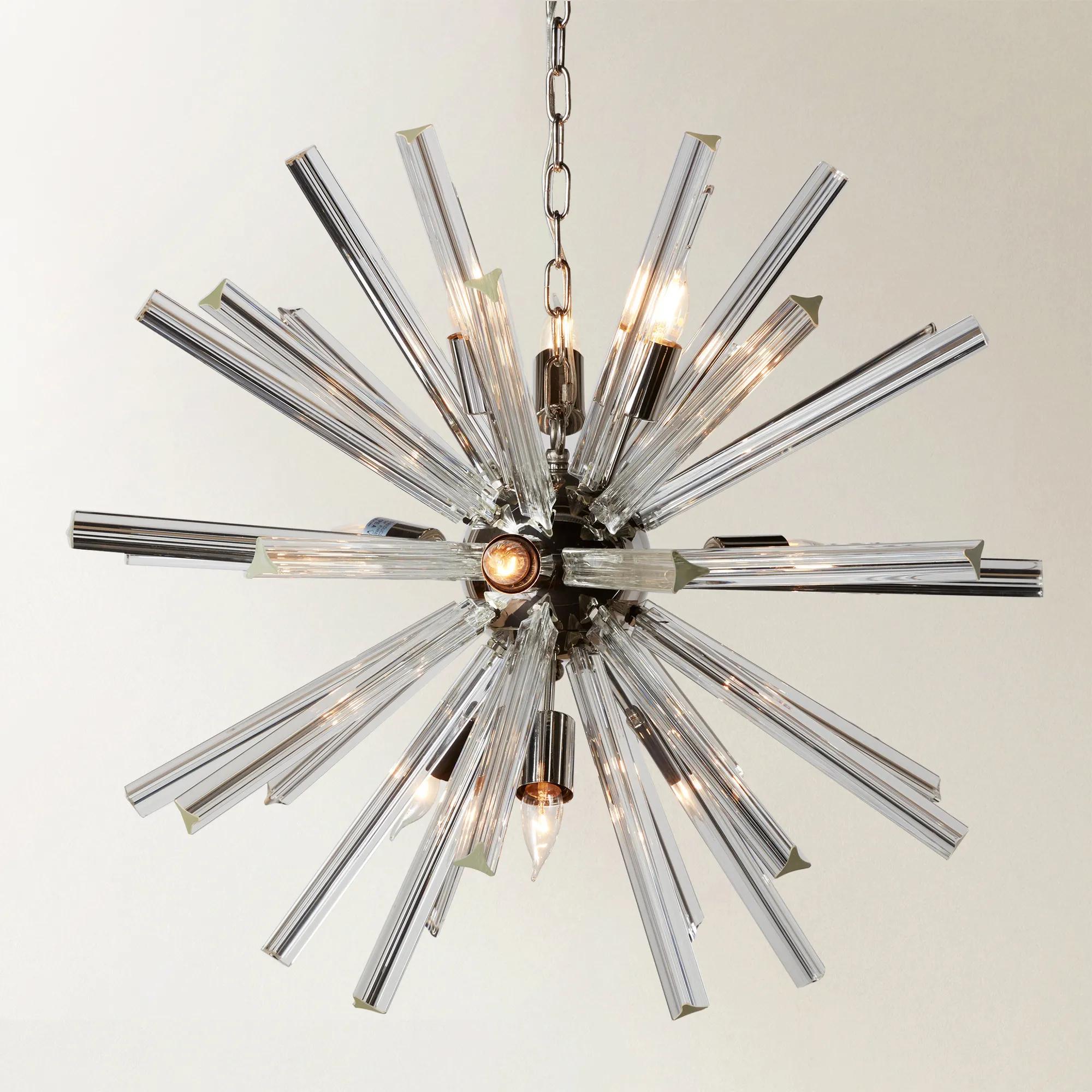
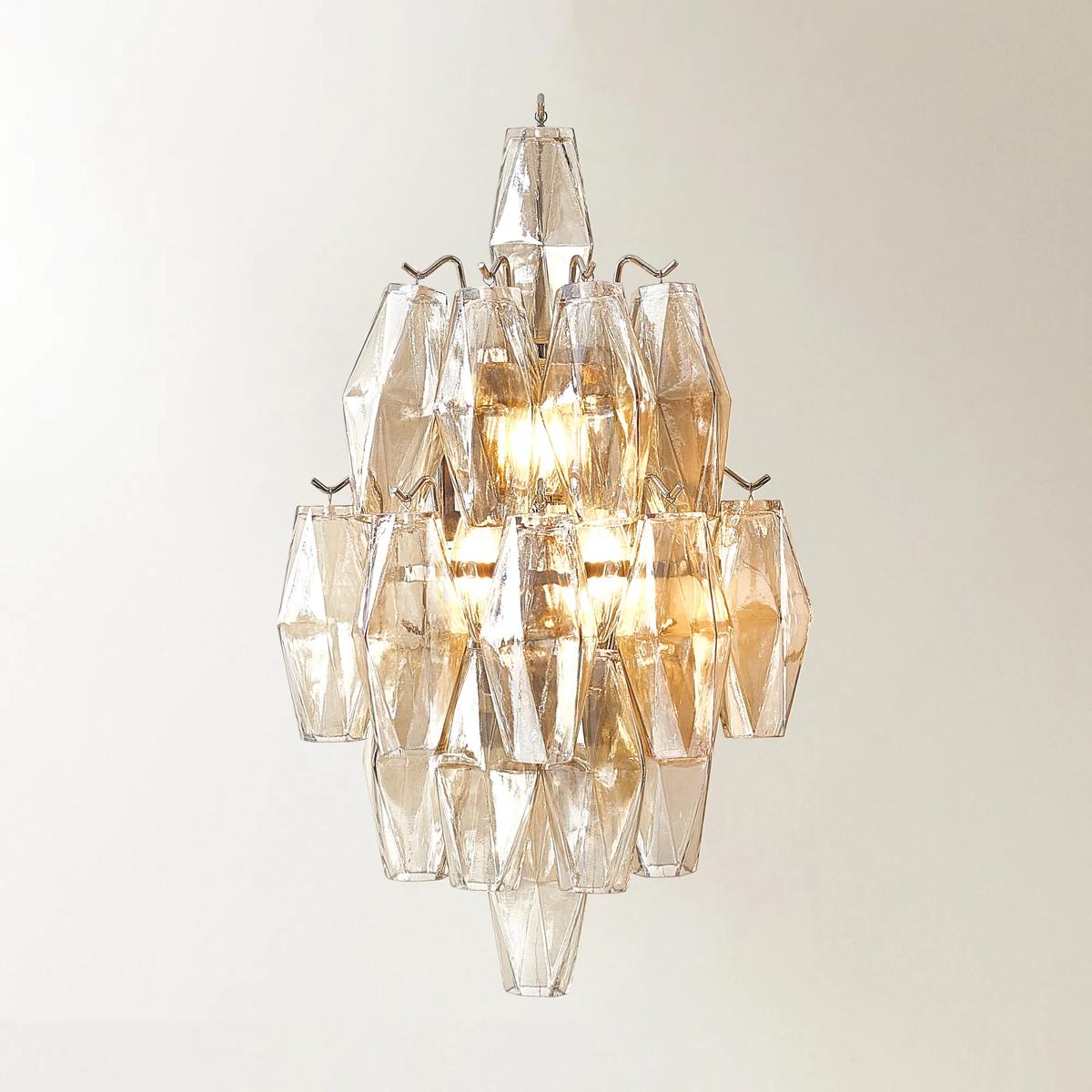
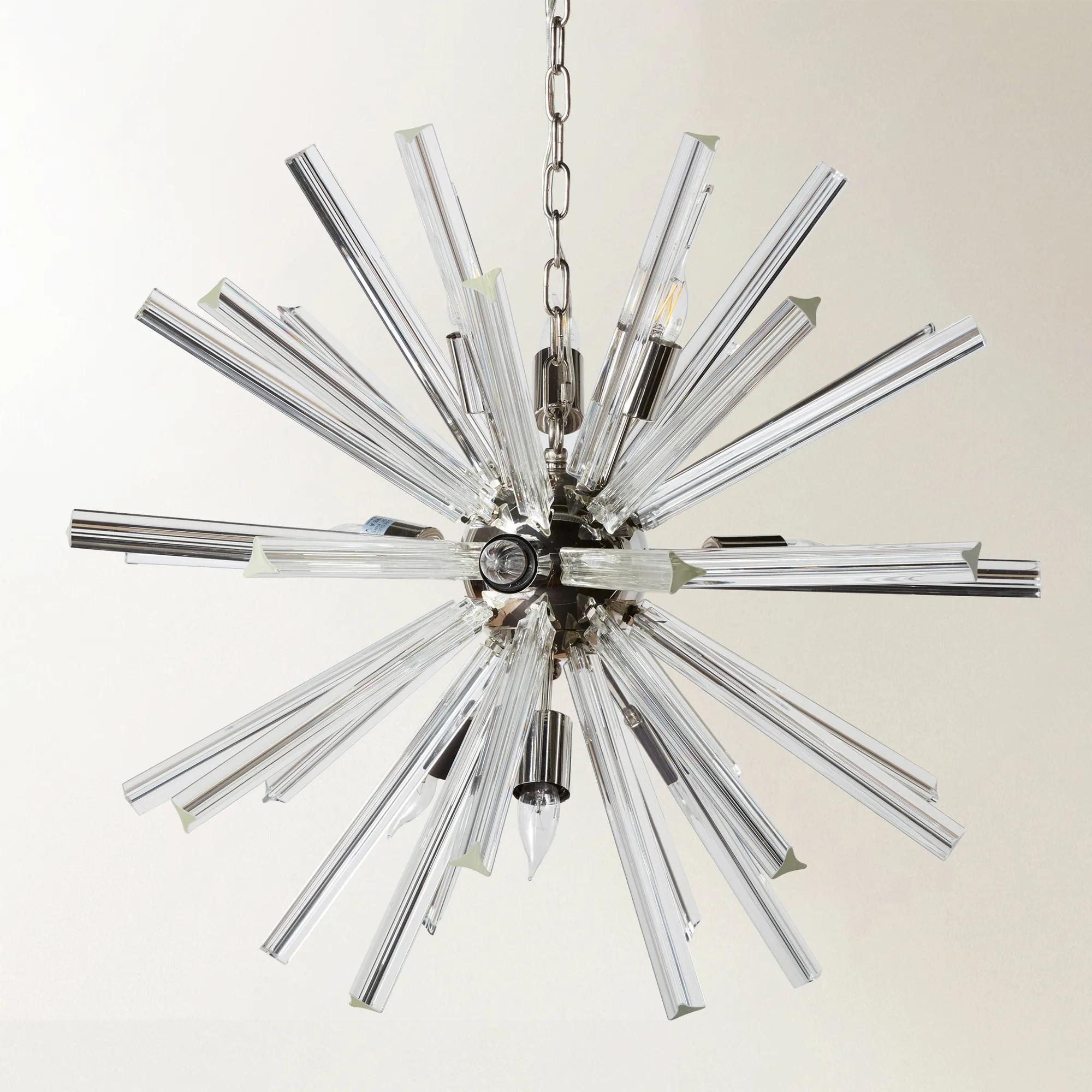 Axis Sputnik Clear Faceted Glass Chandelier 29.5"D$599
A modern chandelier featuring solid triangular glass spokes and iron accents for striking light reflection.
Add To Cart -
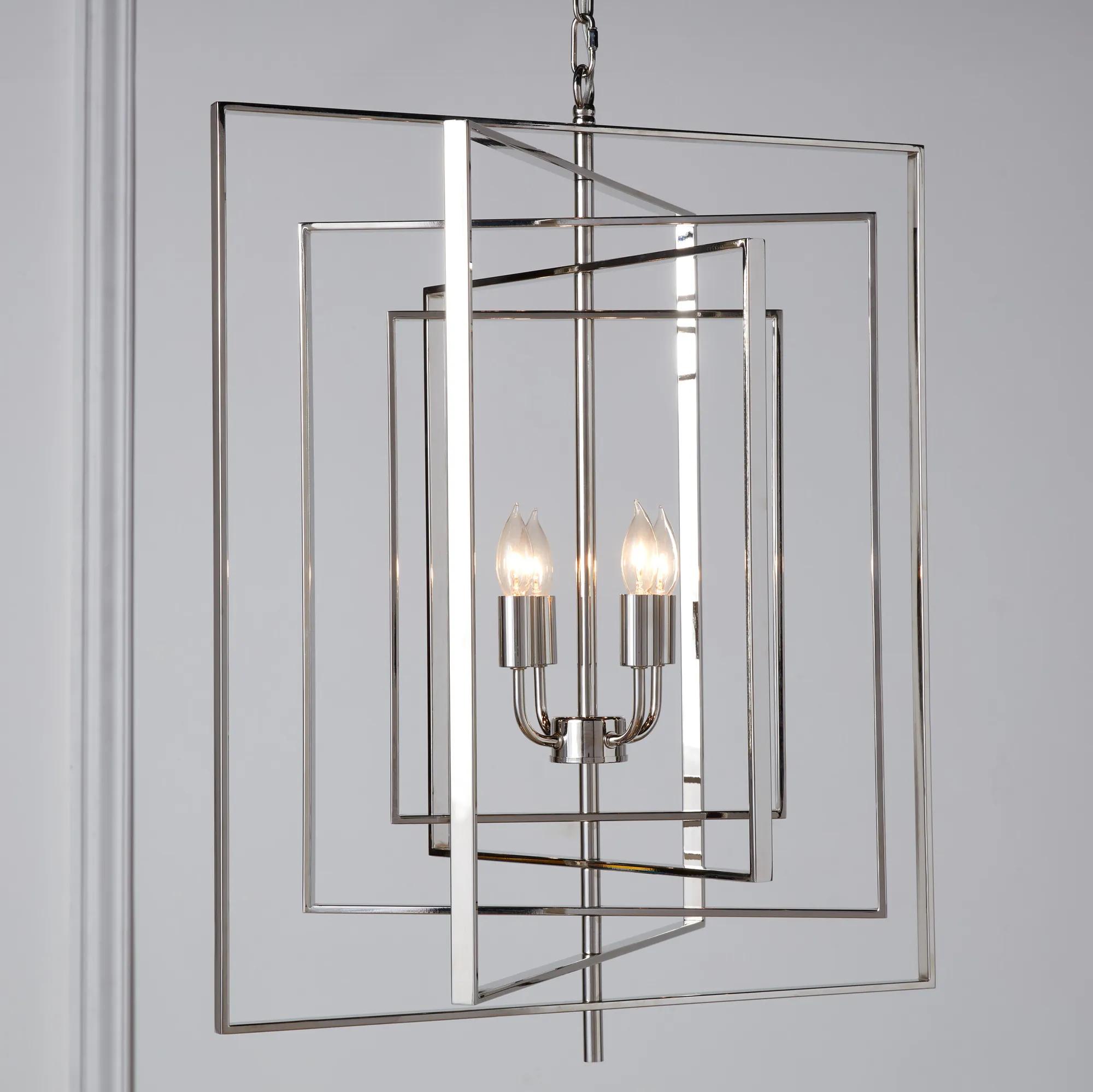
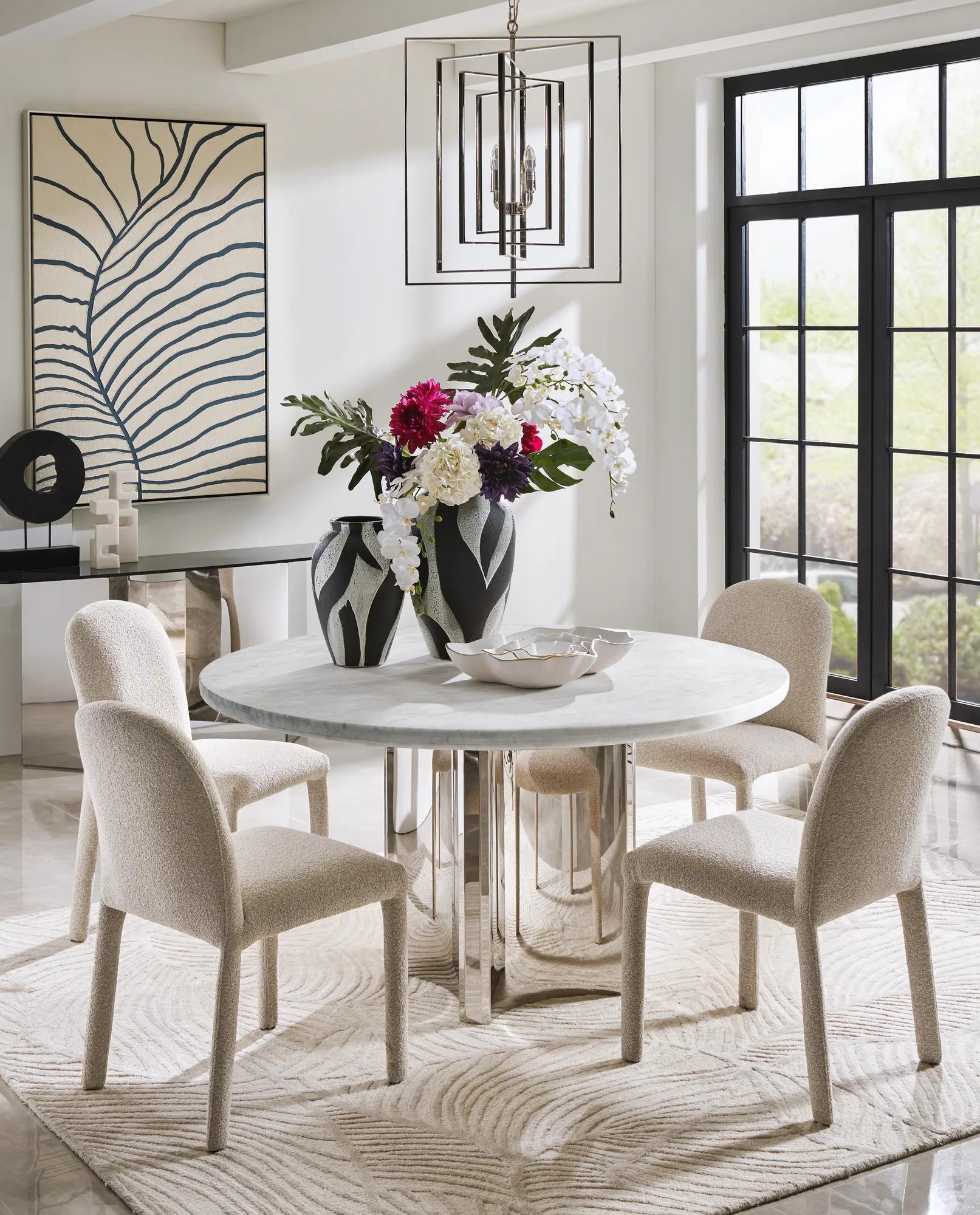 Hollis Chandelier$499
A polished nickel geometric chandelier with four lights, perfect for modern and minimal interiors.
Add To Cart -
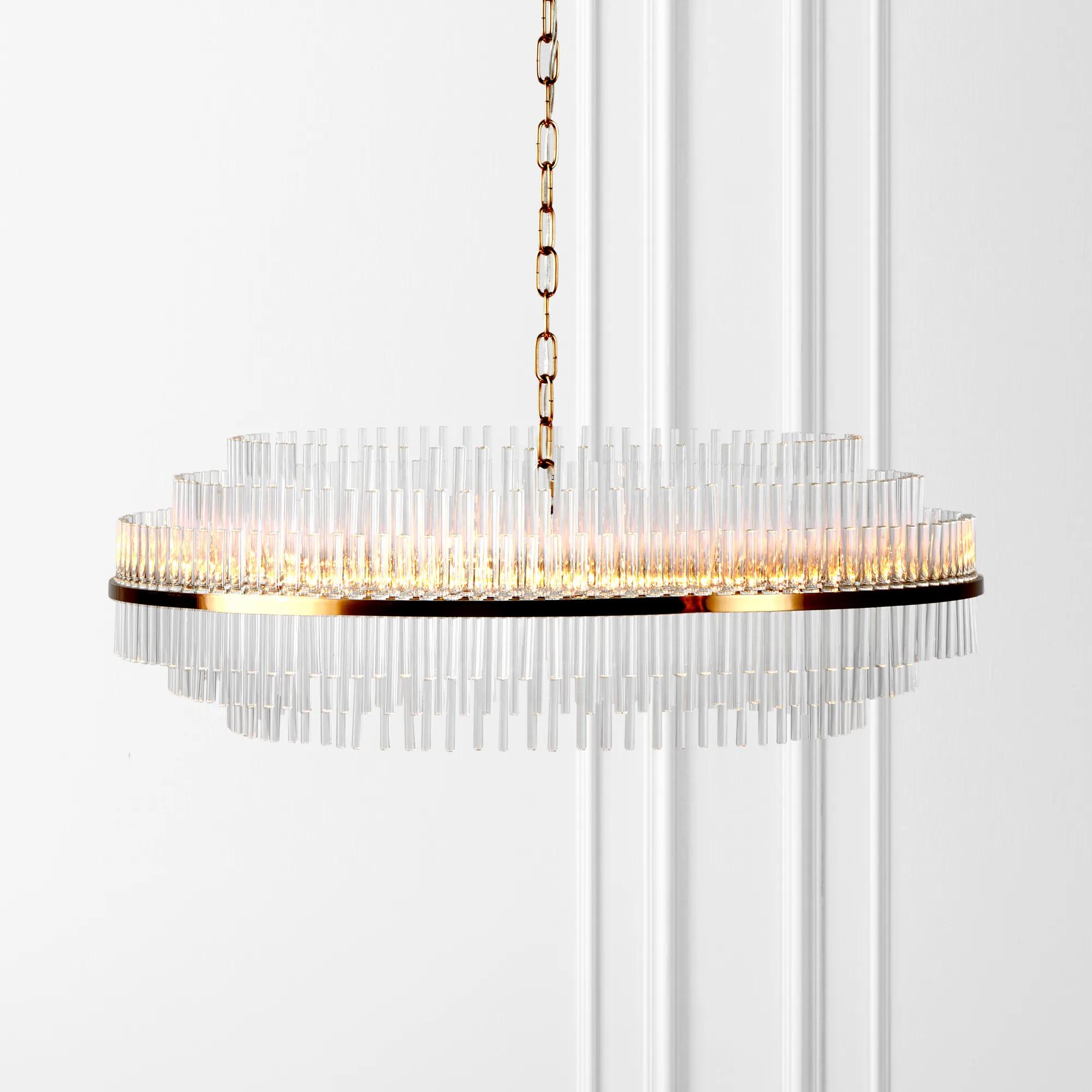
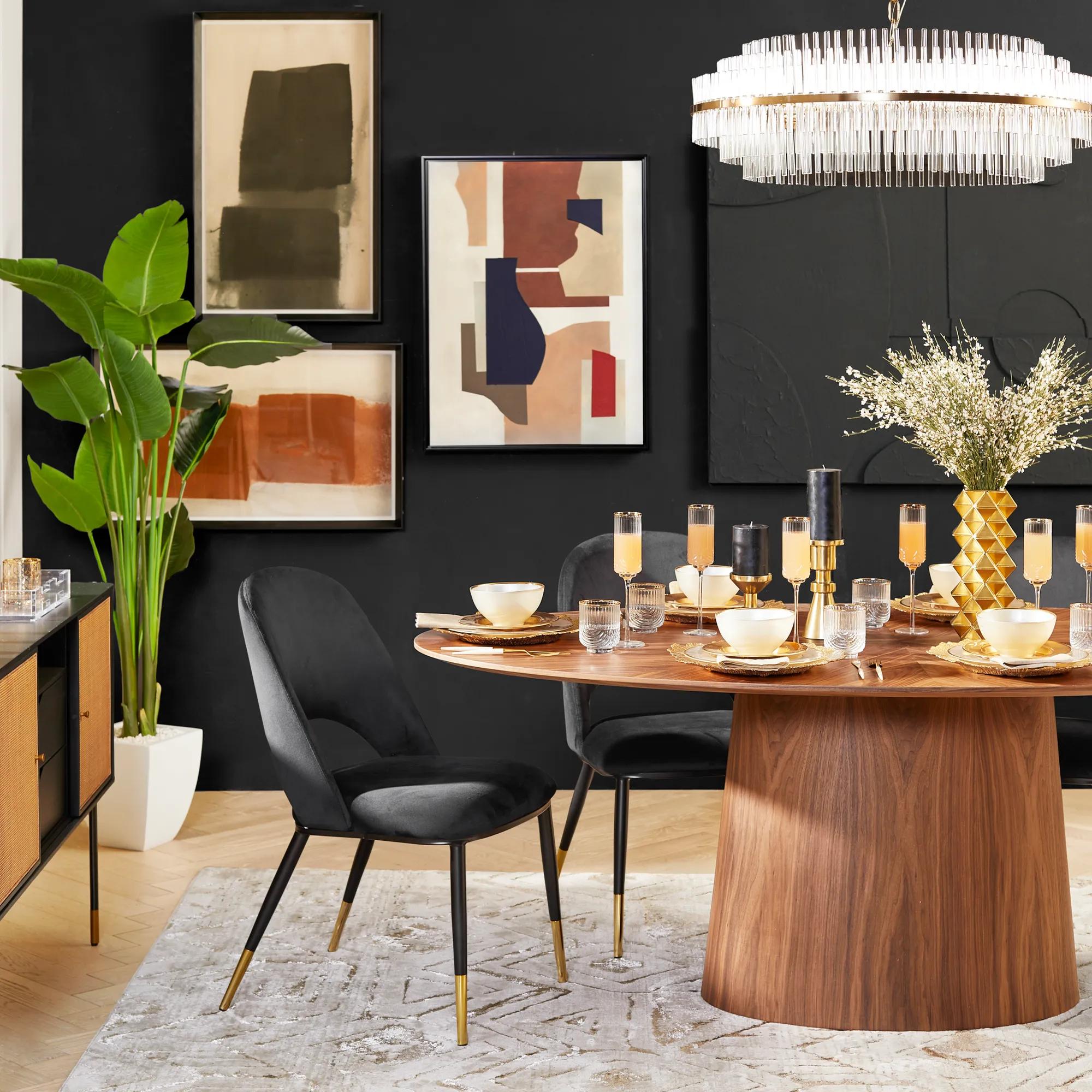 Renata Clear Glass Rod Chandelier 31"W x 10"H$799
A glamorous chandelier featuring glass rods and a brushed brass iron frame for a striking modern look.
Add To Cart -
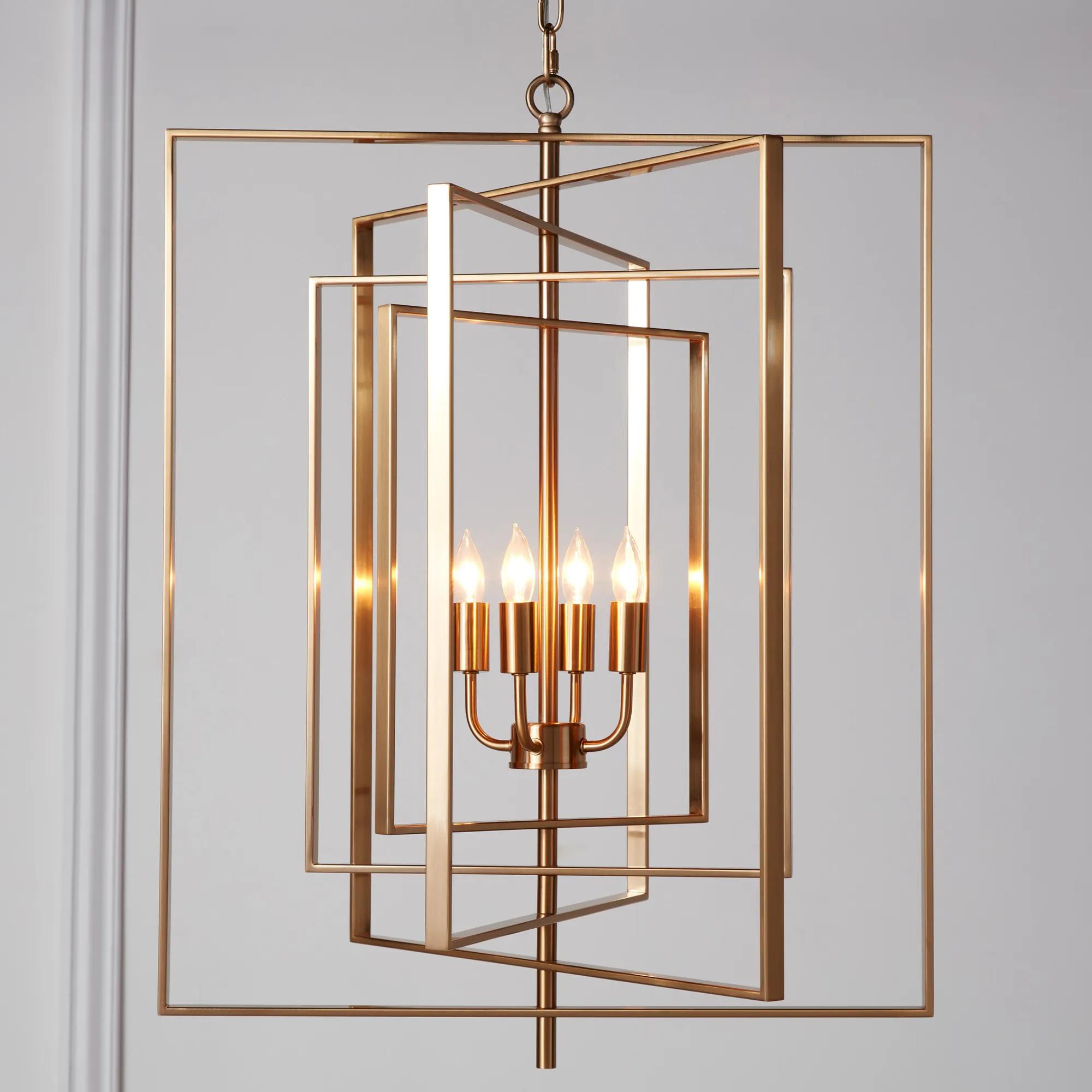 Hollis Chandelier$499
A geometric brass-finished iron chandelier with four lights, perfect for modern and minimal interiors.
Add To Cart -
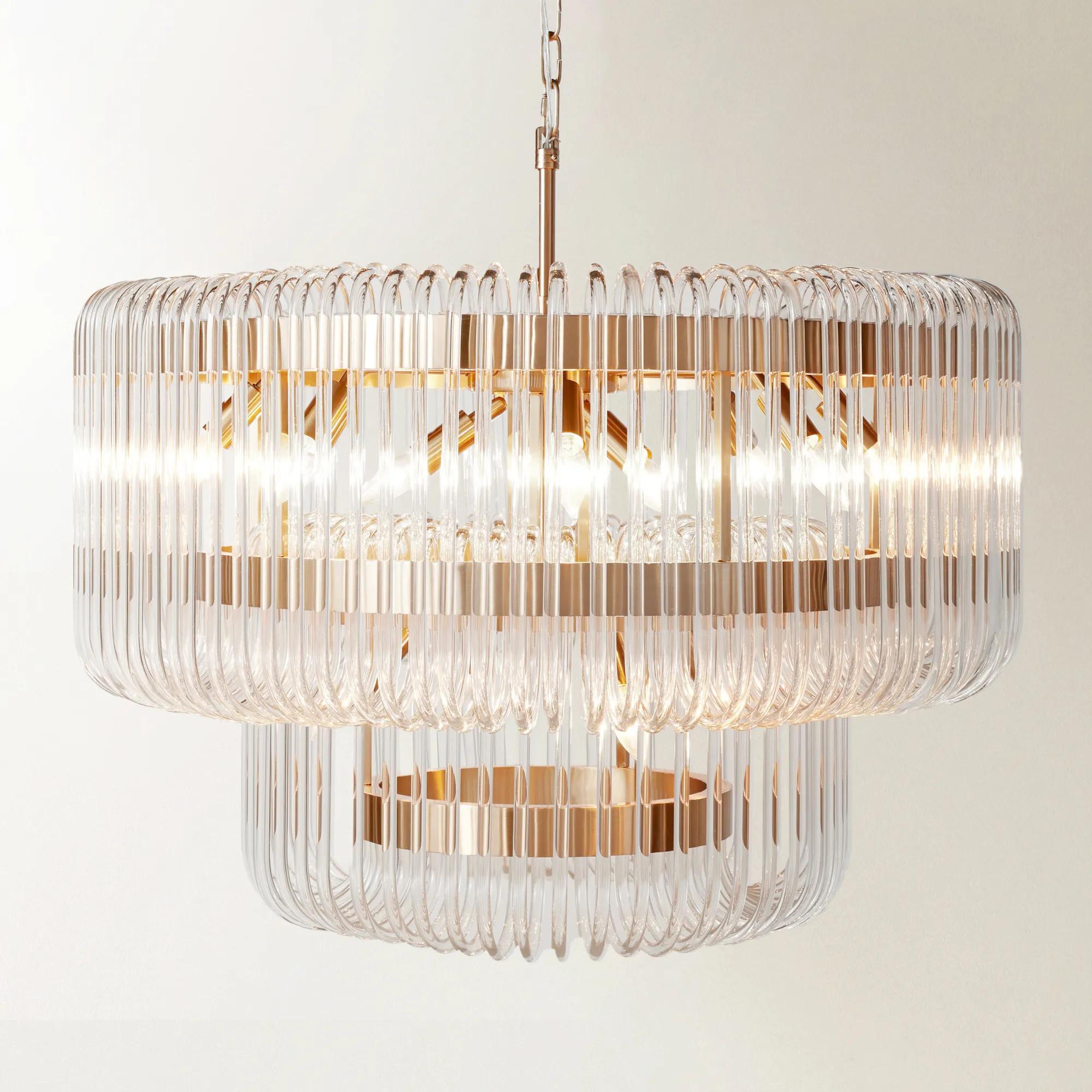 Allure Clear Curved Glass Chandelier 31.5"D x 27.75"H$1499
A dramatic chandelier featuring over 150 clear blown glass rods and brushed brass-finished iron rings.
Add To Cart -
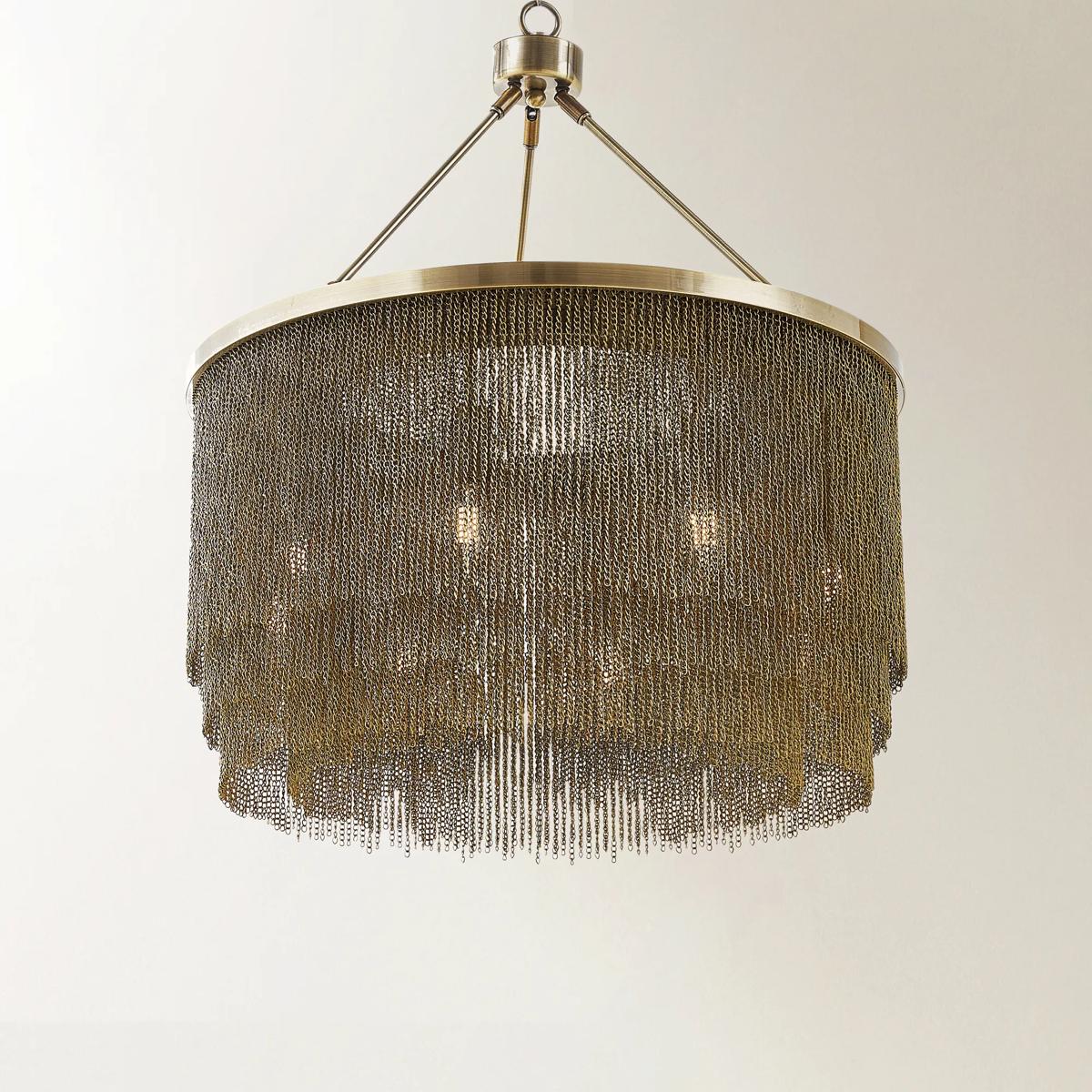
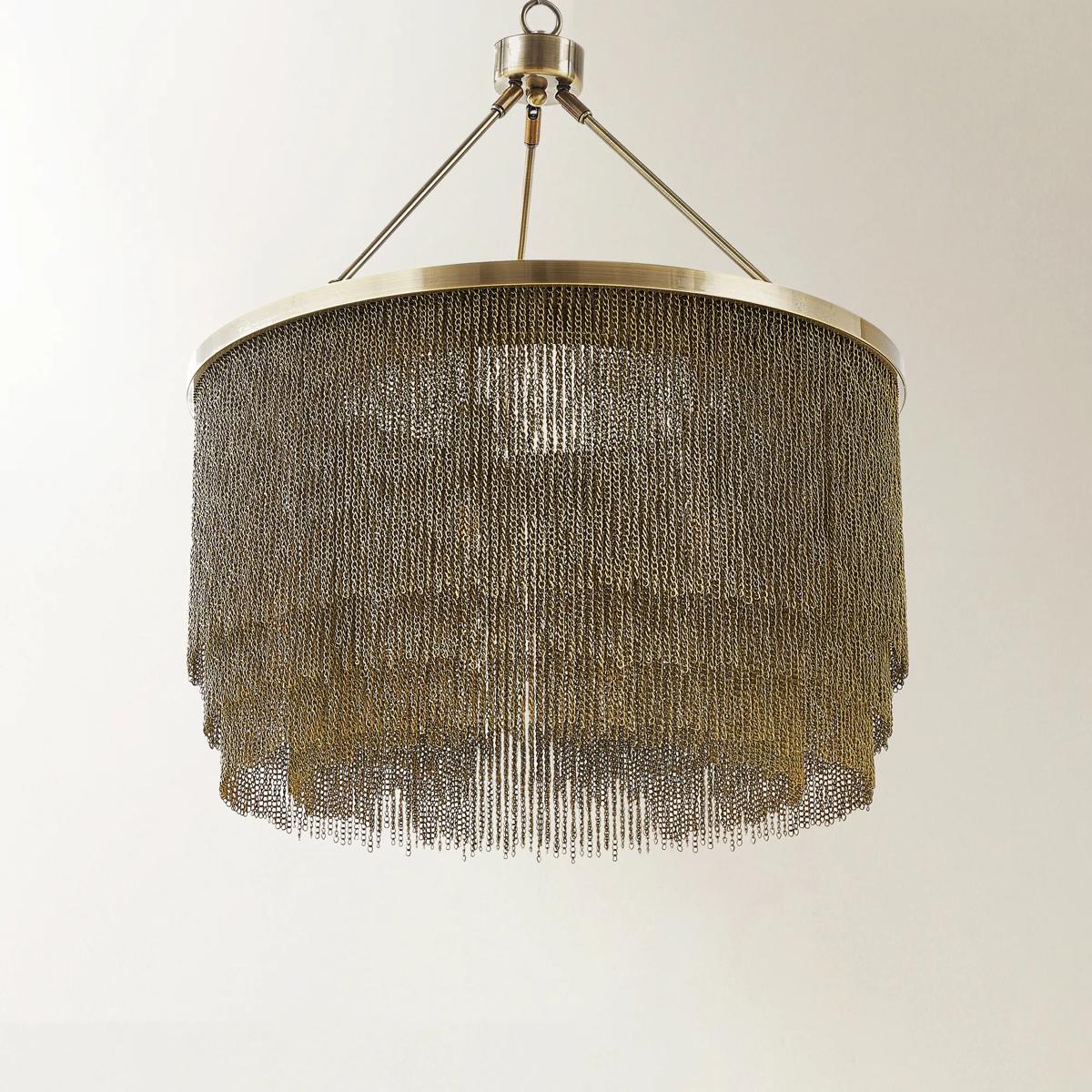 Dagny Brass Link Chain Chandelier 23.5"D x 27.5"H$999
A dramatic chandelier featuring cascading antique brass chains and a polished iron frame with a warm golden finish.
Add To Cart -
 Bolla LED Hand-Blown Glass Bubble Chandelier 60.25"$499
A linear chandelier featuring clear sculptural glass orbs and a matte gold steel frame for modern elegance.
Add To Cart -
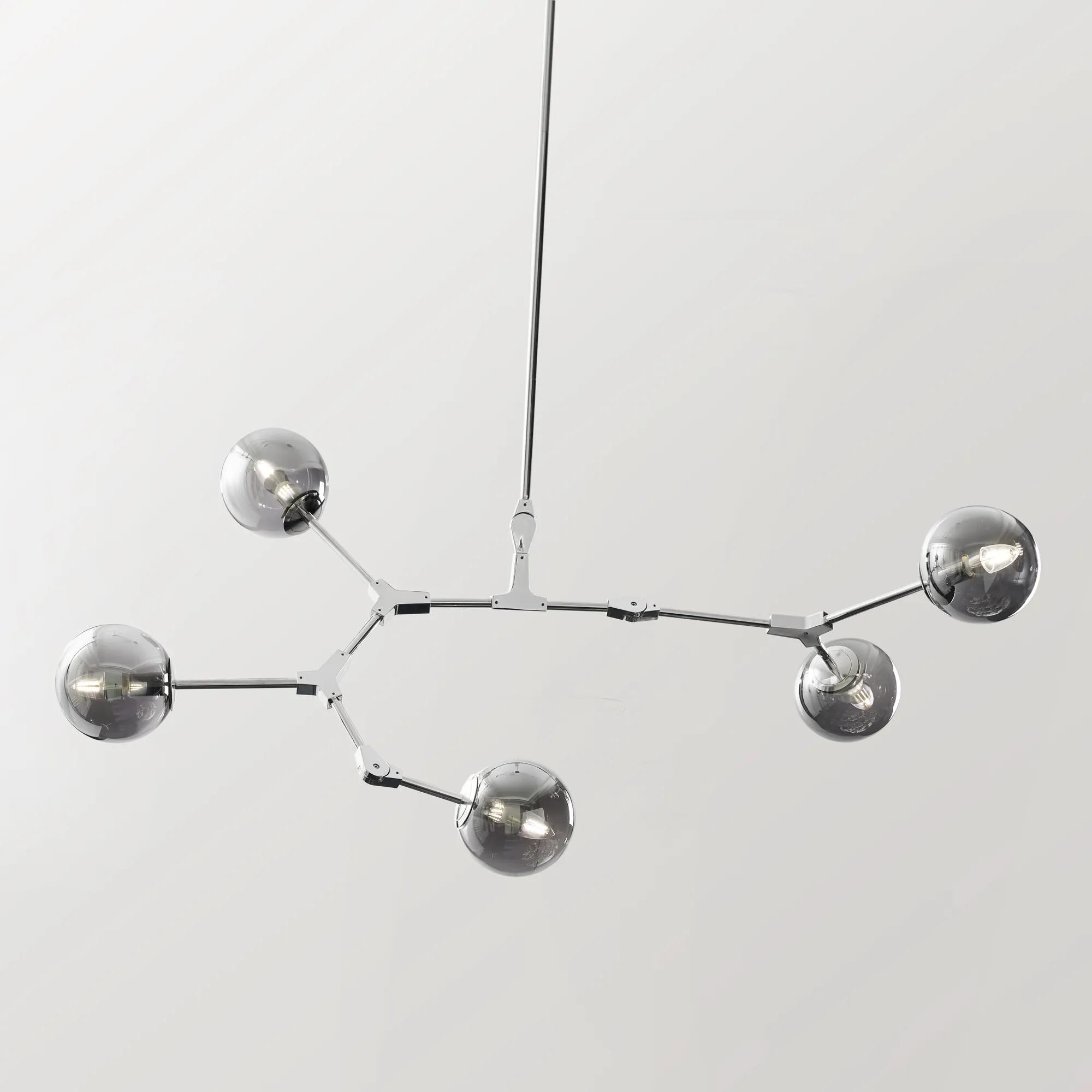
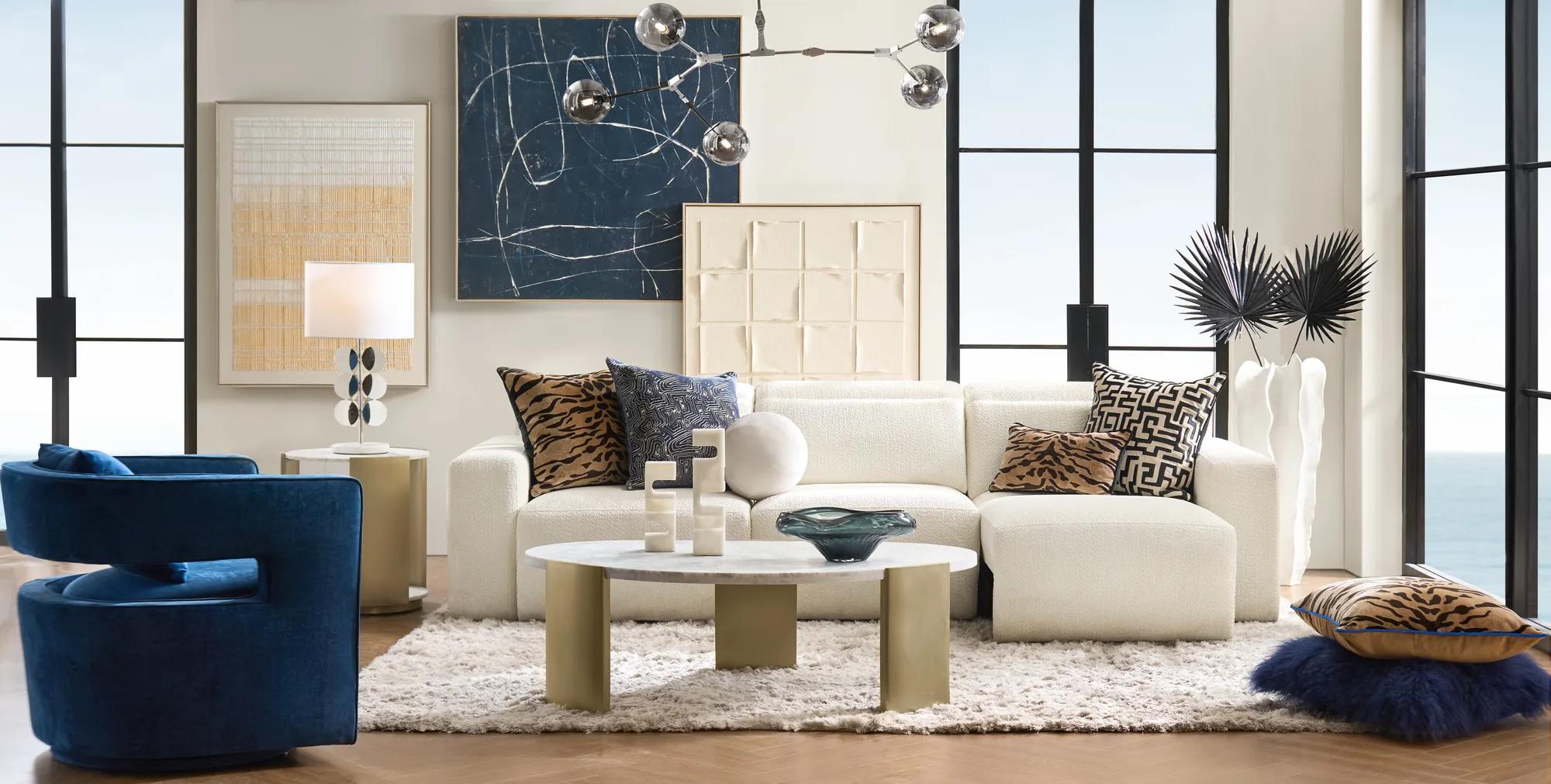 Axel Chandelier$499
A modern chandelier featuring polished nickel arms and smoked glass bulbs for striking, contemporary illumination.
Add To Cart -
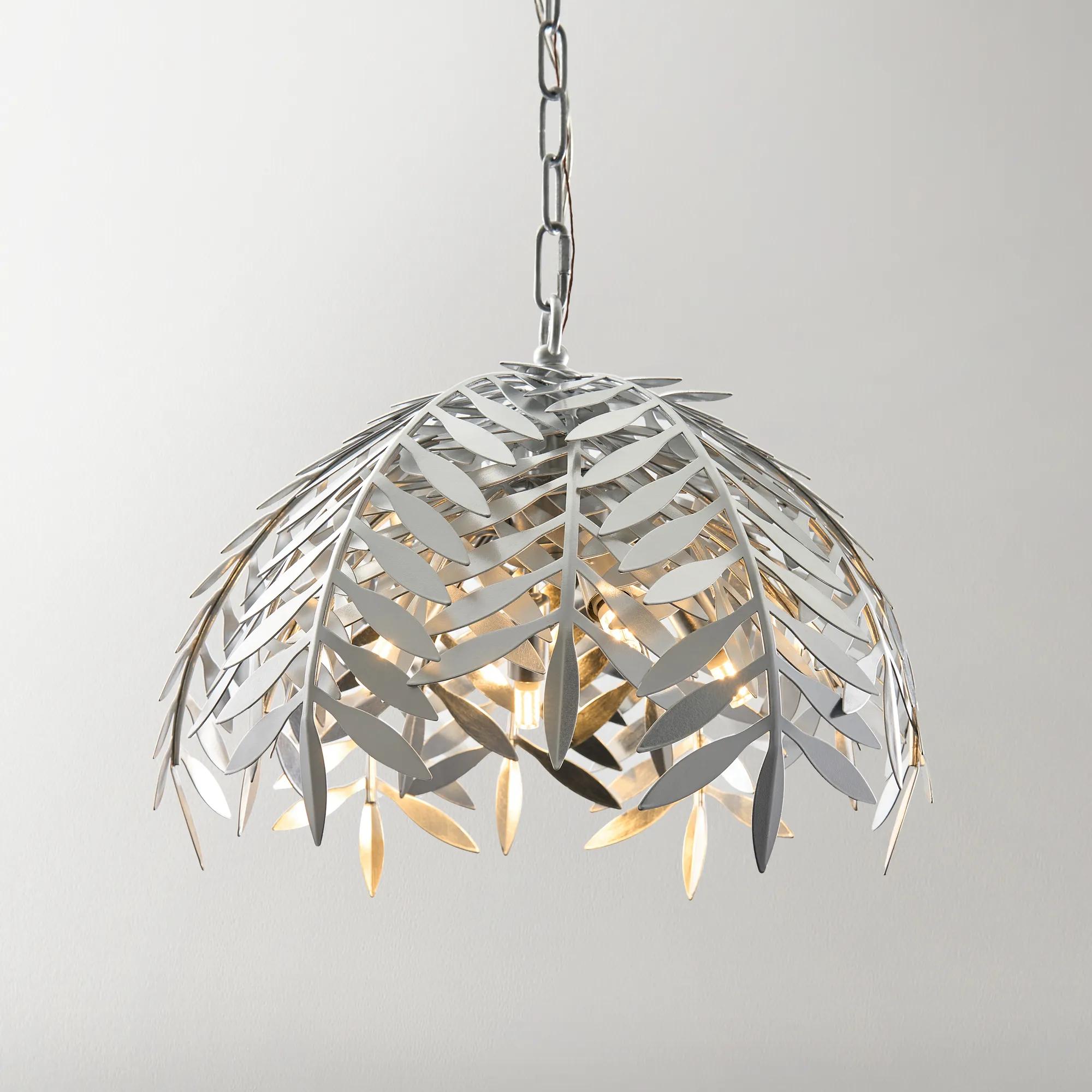
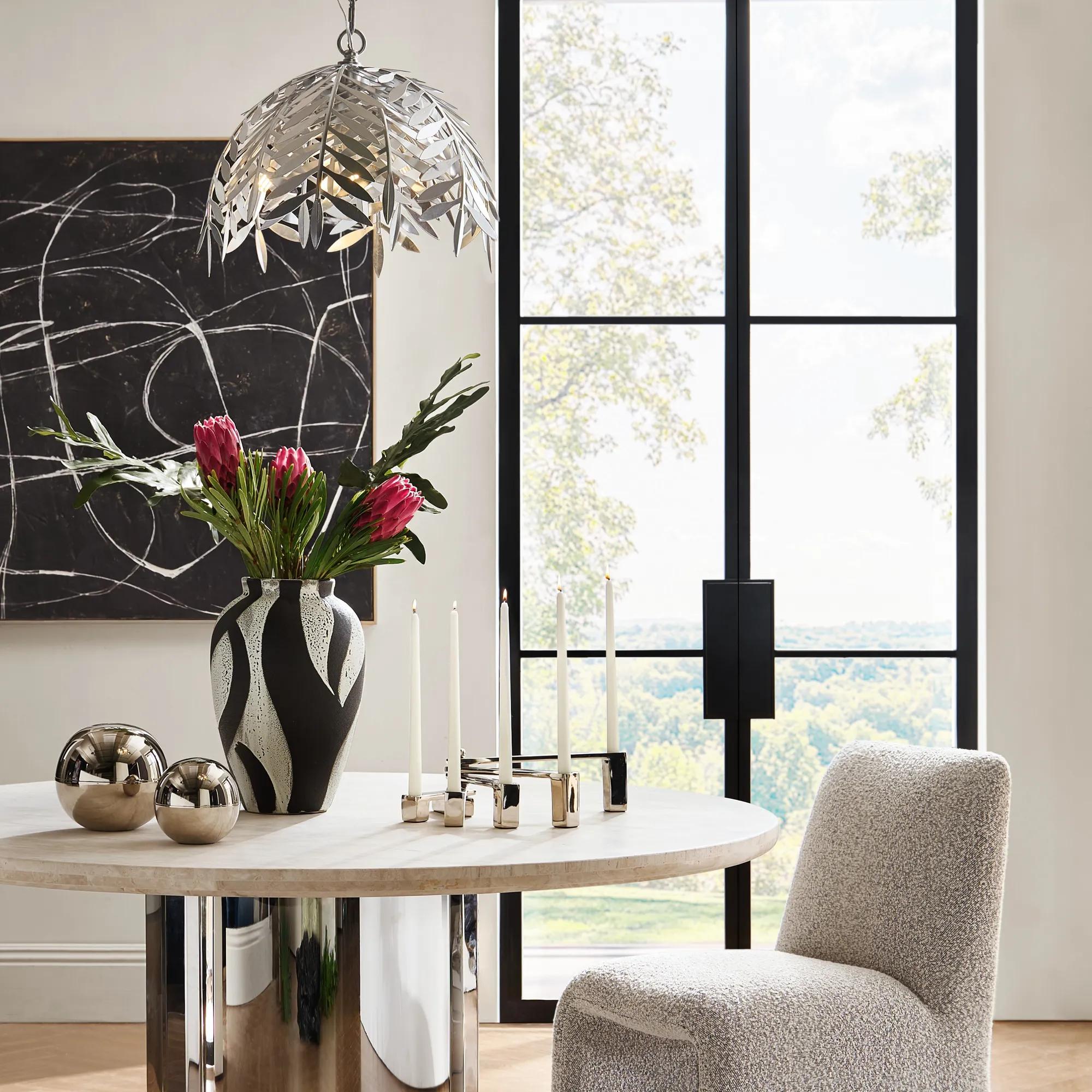 Palm Pendant - Silver$429
A sculpted iron pendant in a lustrous silver finish, casting dramatic shadows with elegant illumination.
Add To Cart -
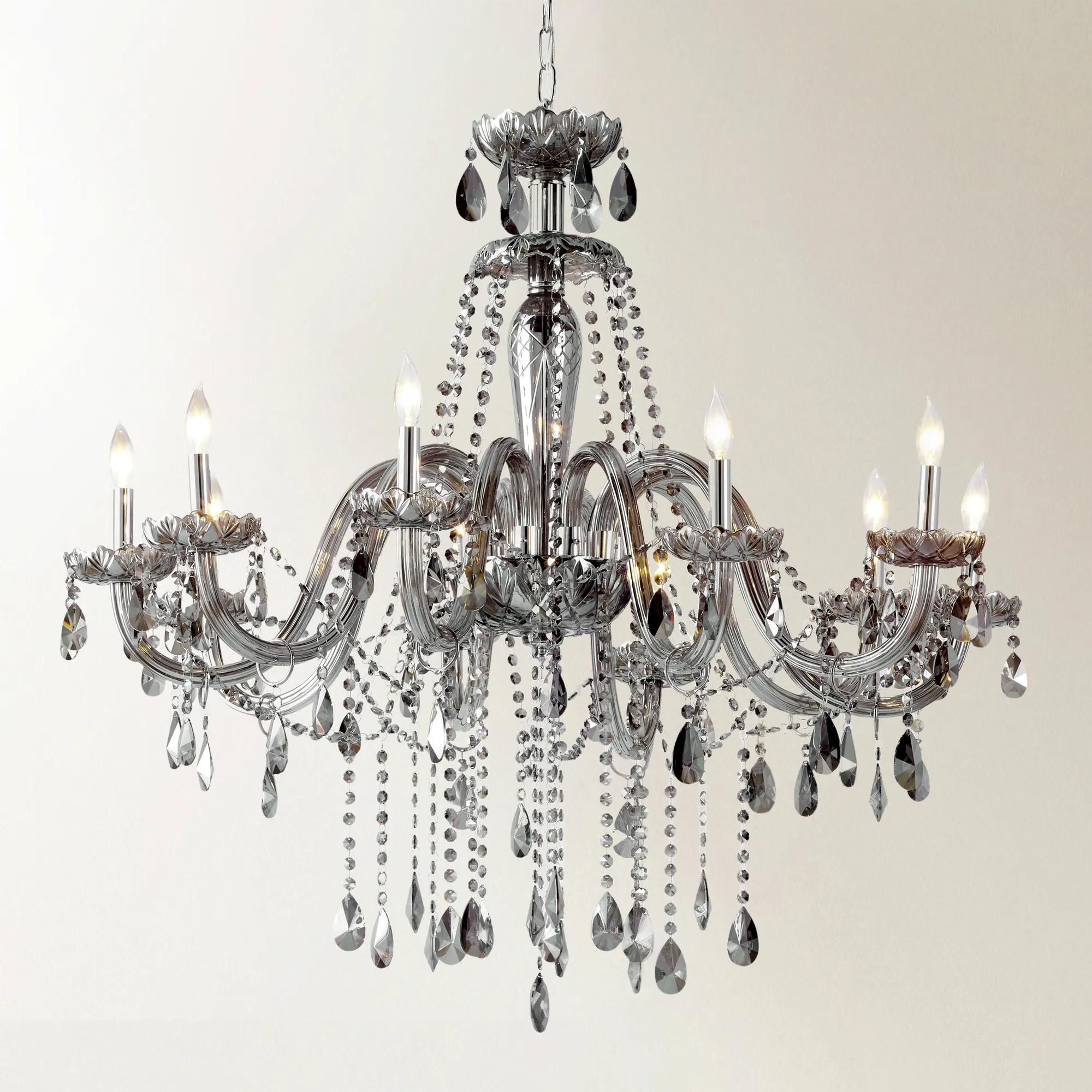
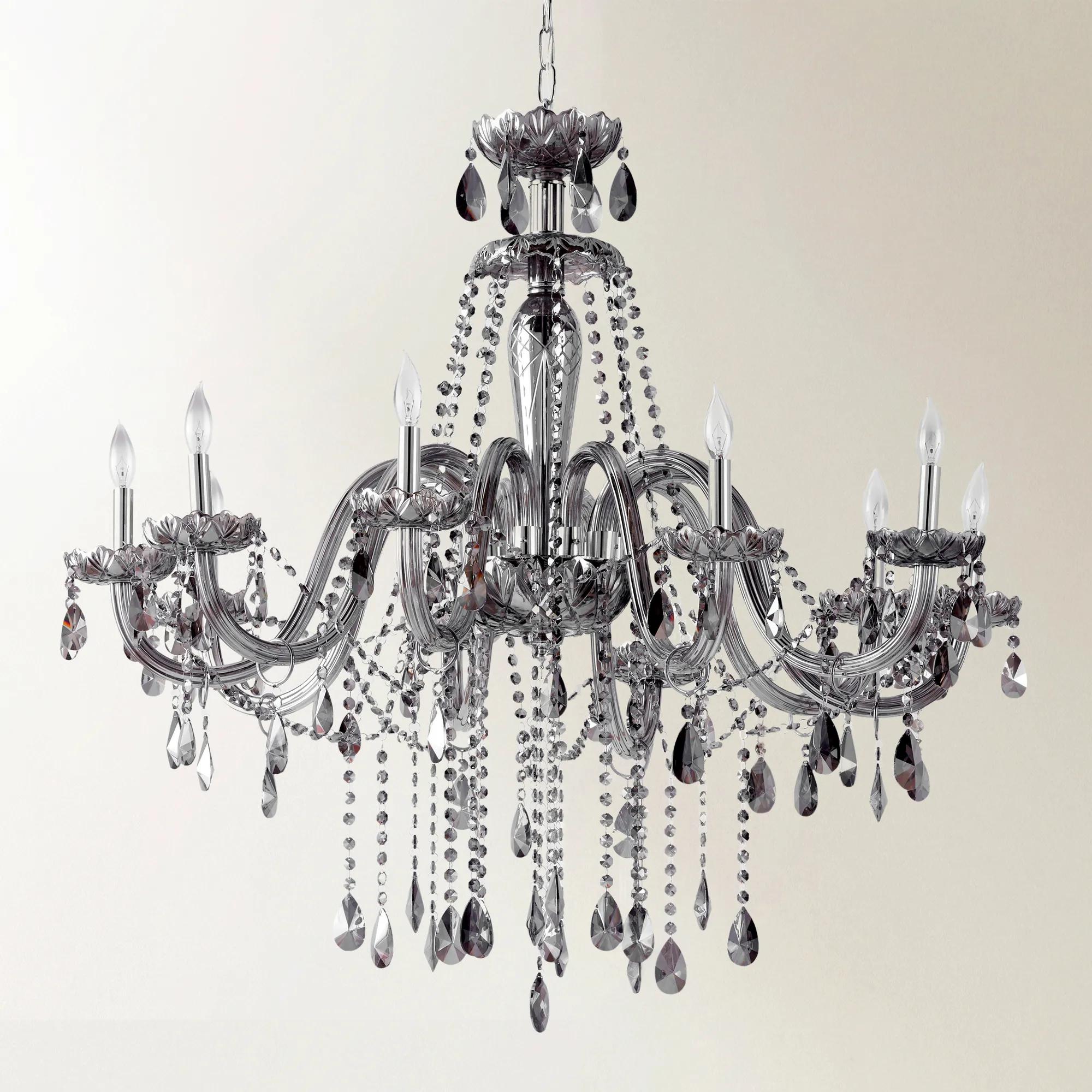 Omni Chandelier 38.5" - Graphite$999
A dazzling chandelier featuring graphite faceted crystals and ten fluted glass arms with nickel hardware.
Add To Cart -
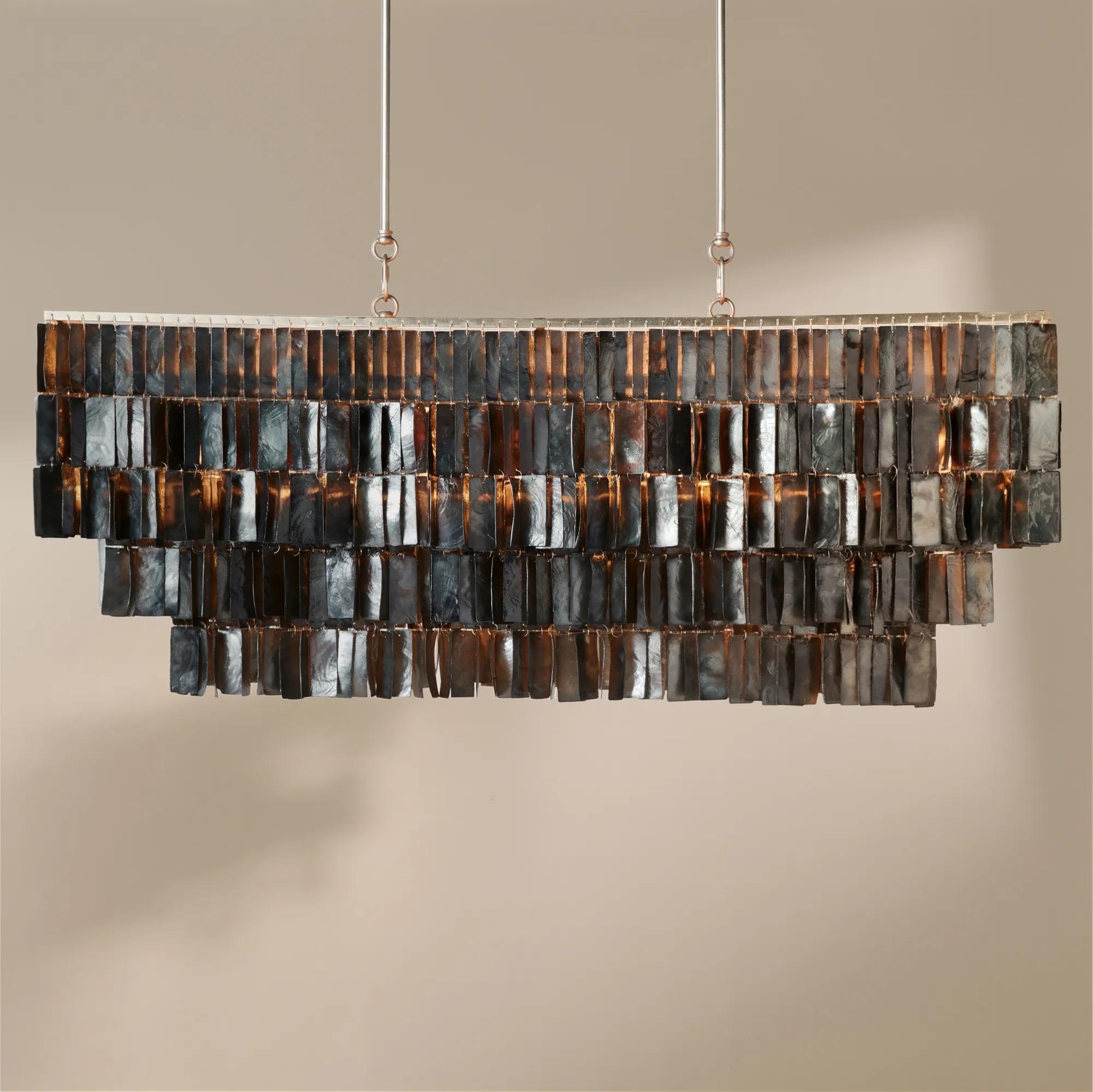
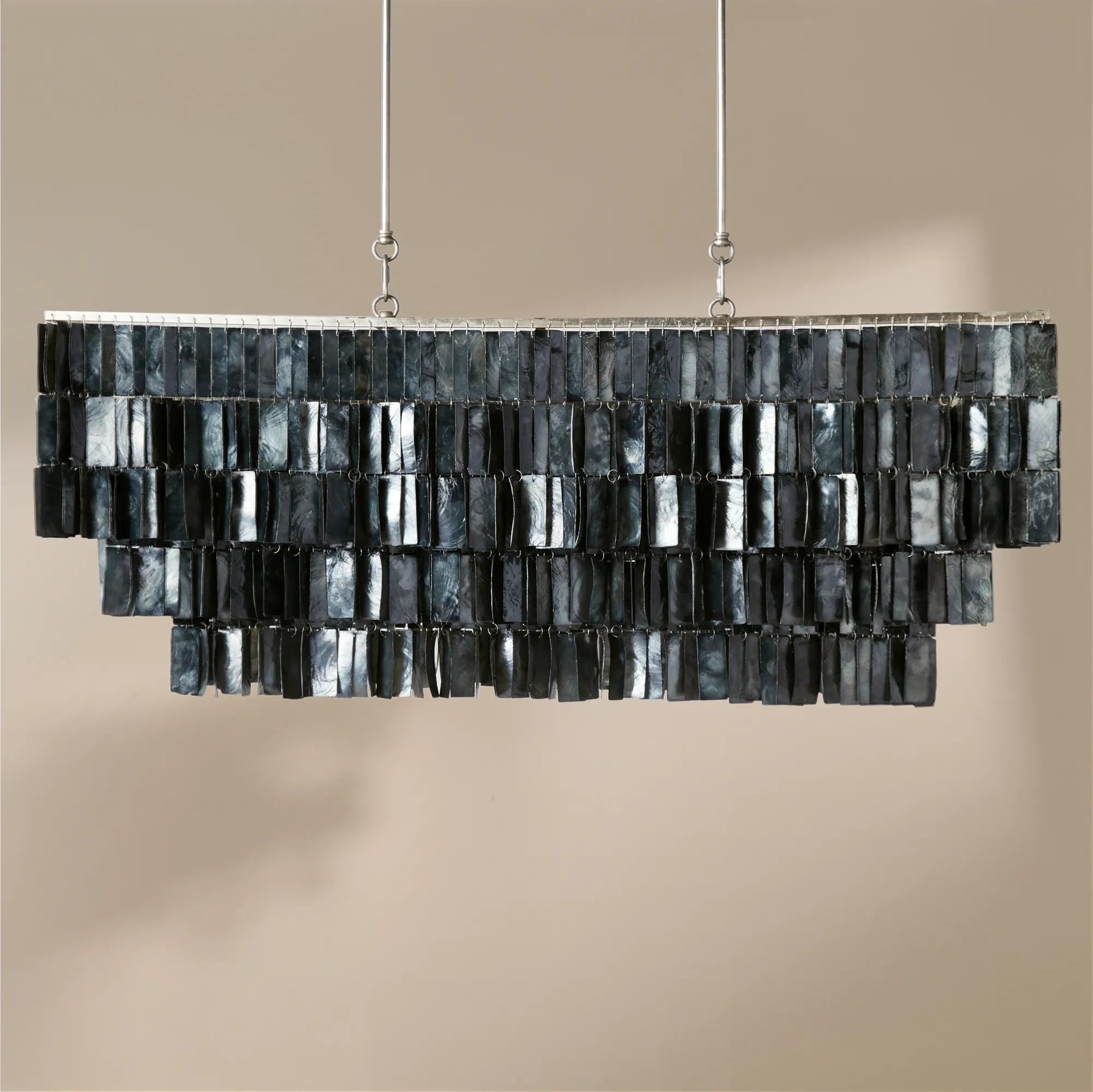 Capiz Shell Graphite Chandelier 39"$849
A sculptural chandelier layering charcoal capiz shells with a champagne-finished iron frame and dimmable candelabra lighting.
Add To Cart -
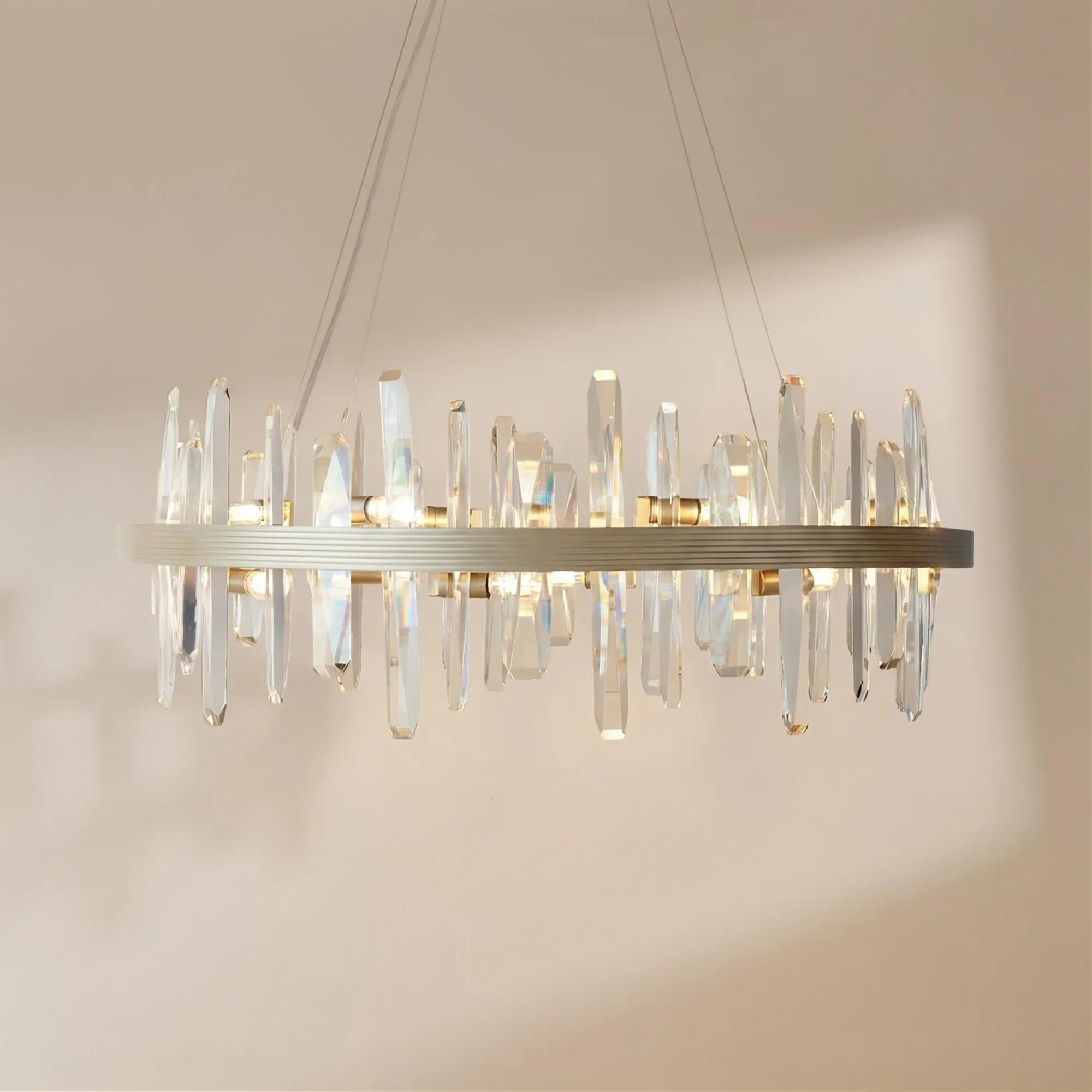
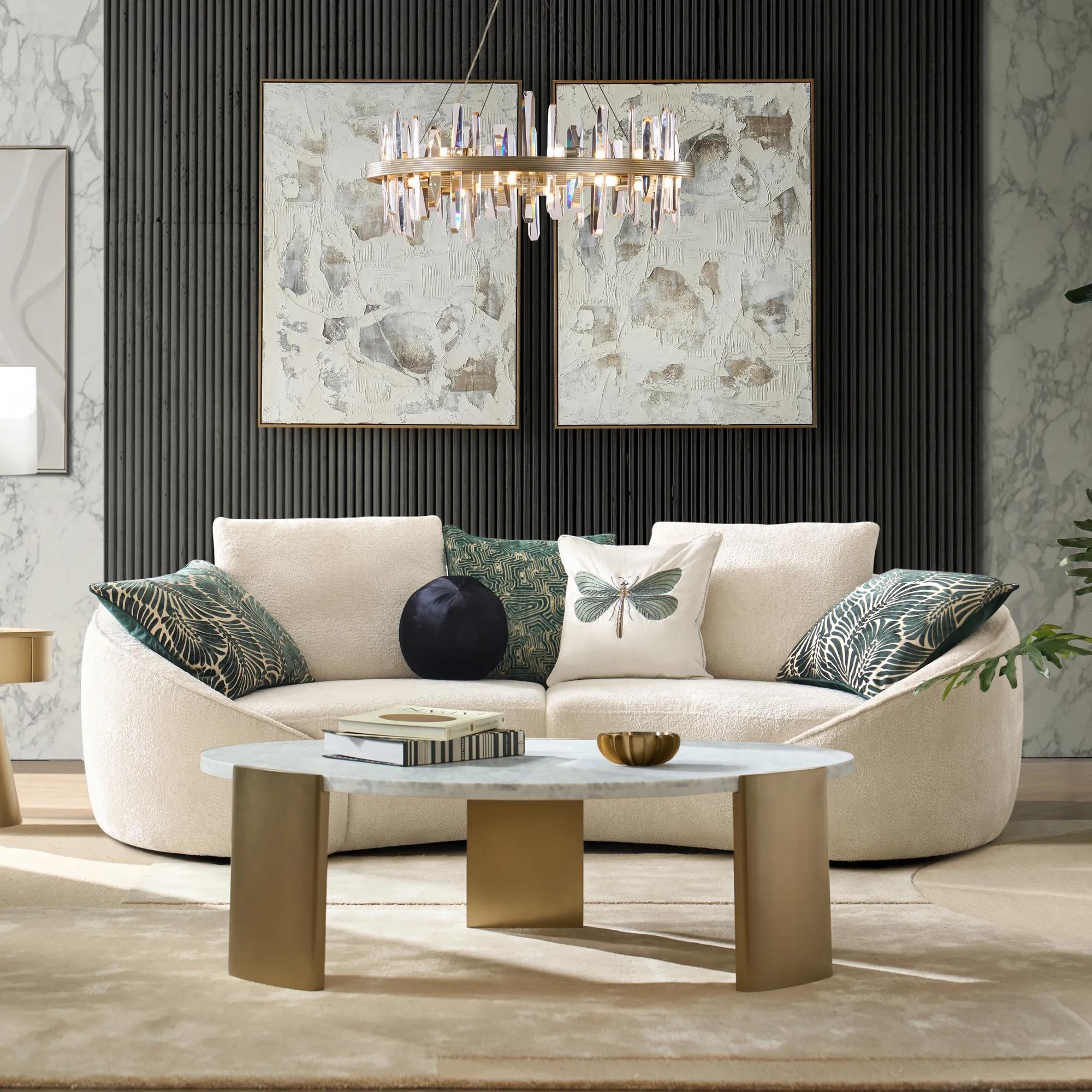 Lumi Clear Beveled Glass Chandelier 31.5"W$929
A deco-inspired chandelier with beveled glass daggers and a champagne-finished iron frame for radiant illumination.
Add To Cart -
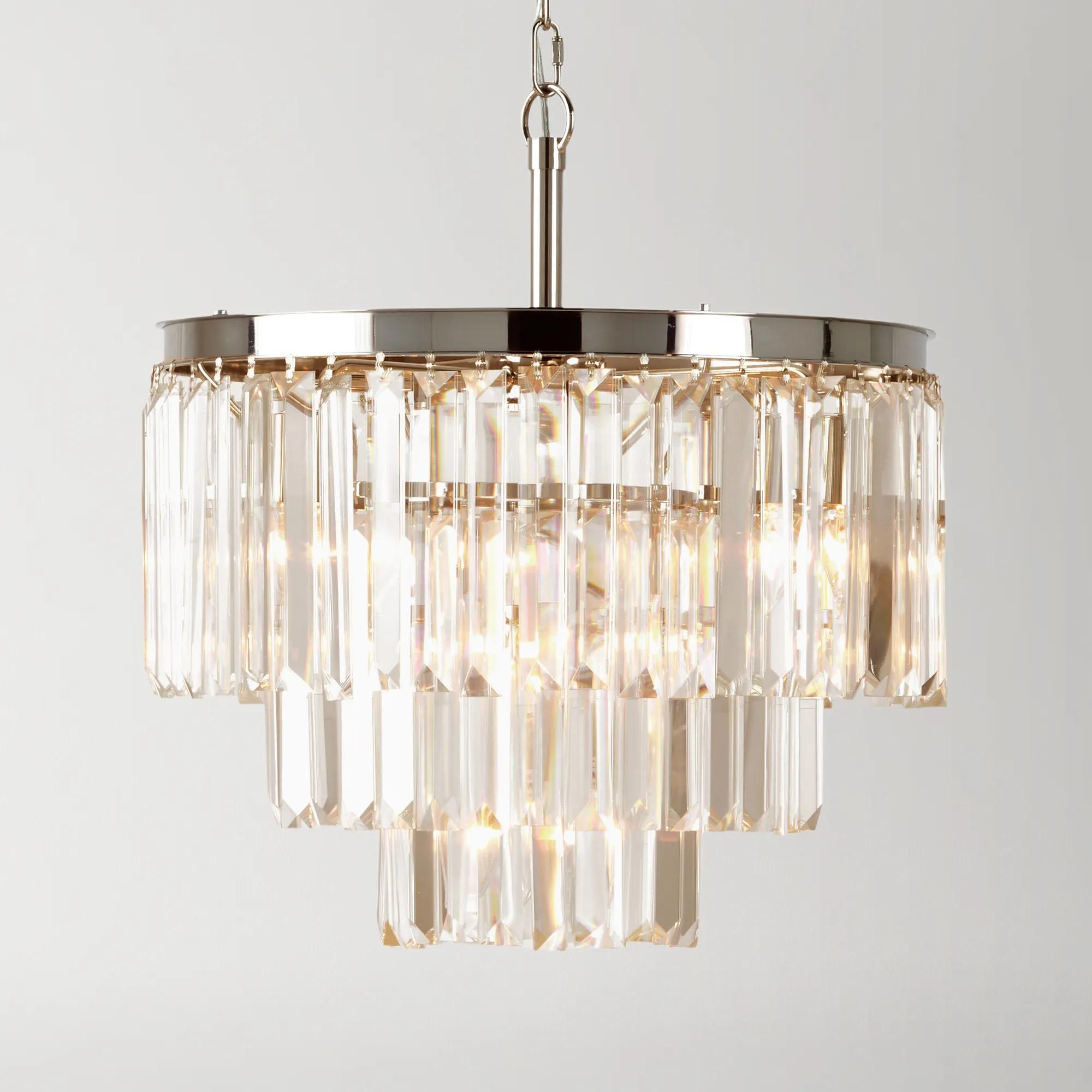 Luxe Chandelier$799
A glamorous chandelier featuring a nickel-plated iron frame and three tiers of faceted crystal accents.
Add To Cart -
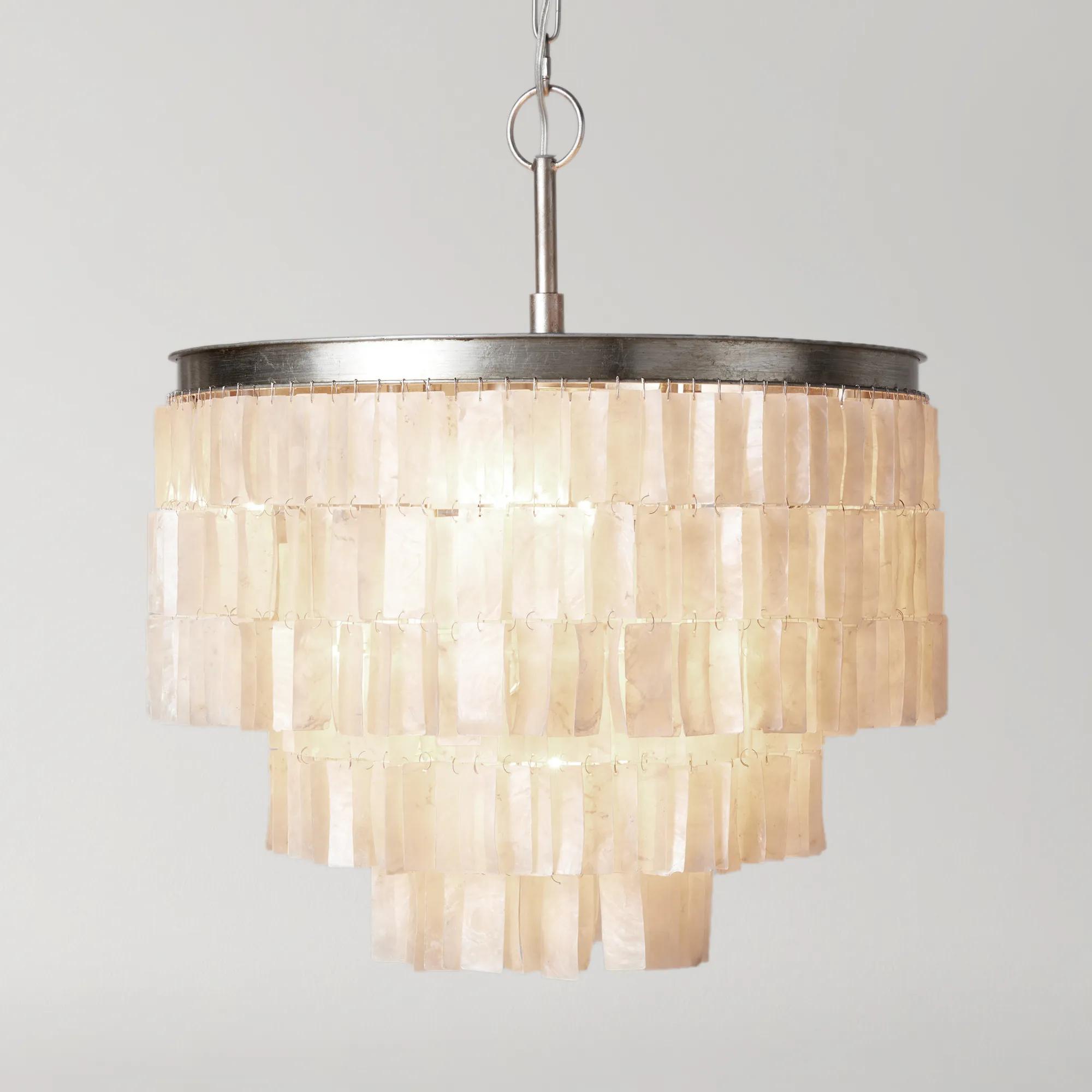
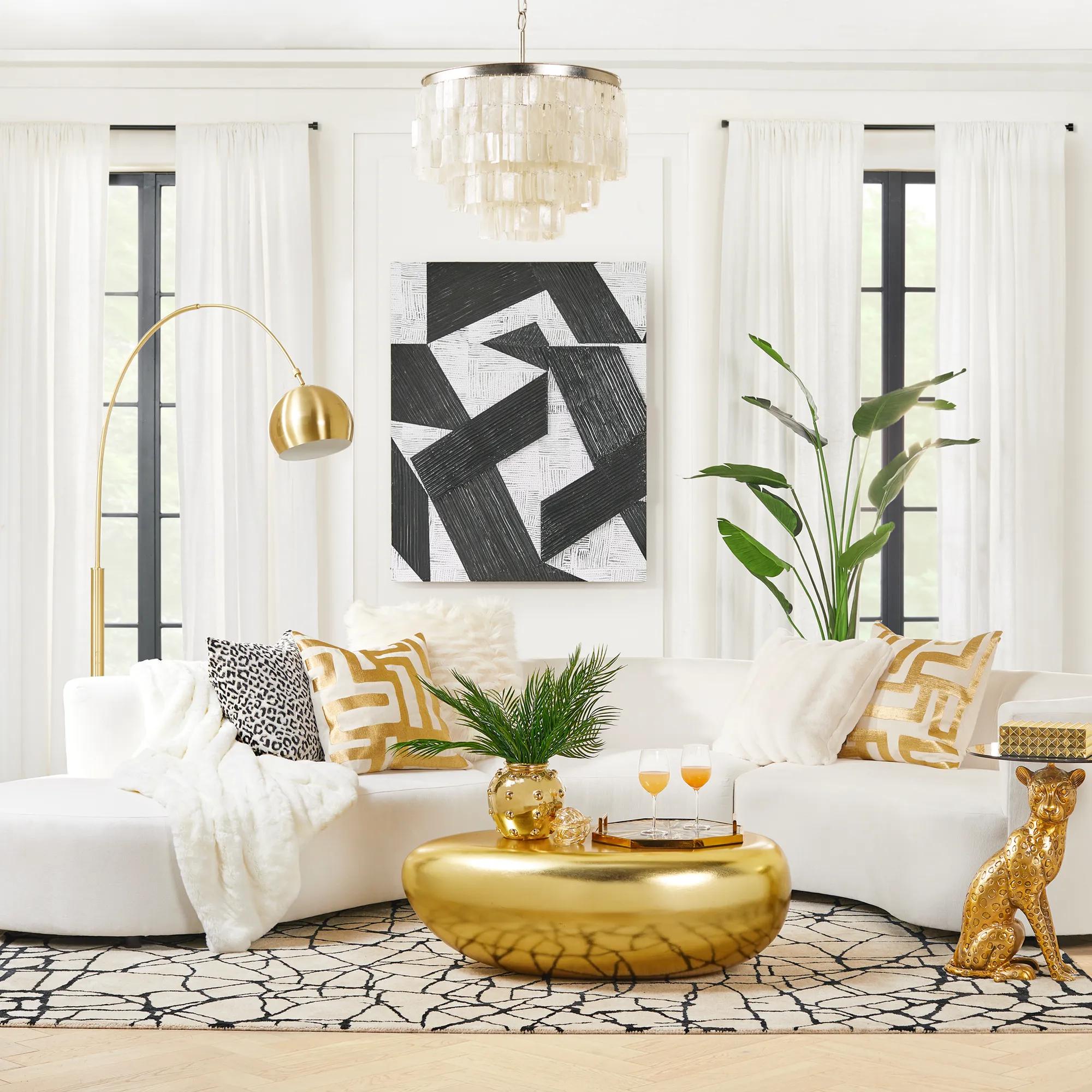 Capiz Chandelier$699
A cascading chandelier featuring over six hundred natural Capiz shells on a nickel-plated iron frame.
Add To Cart -
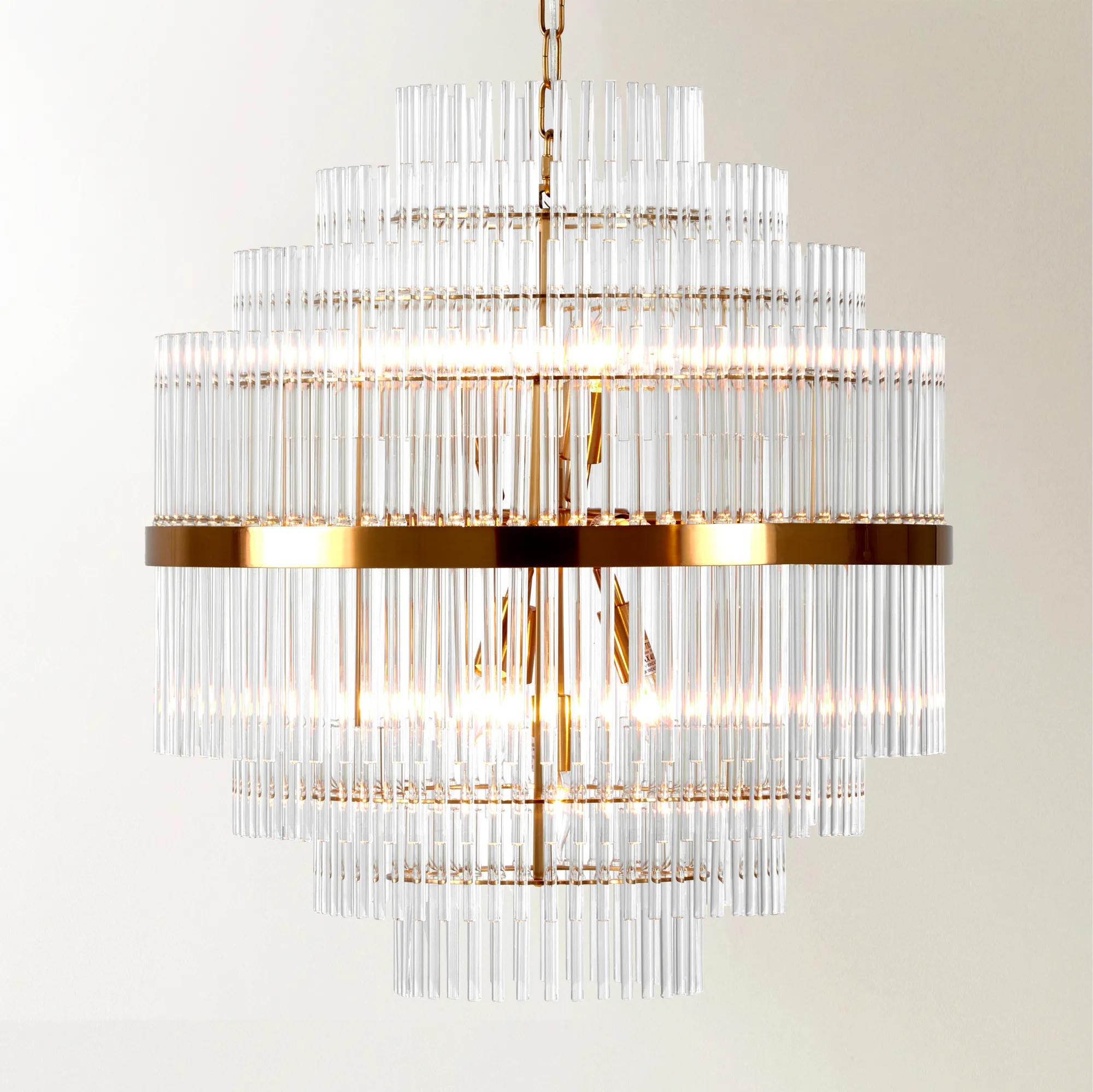
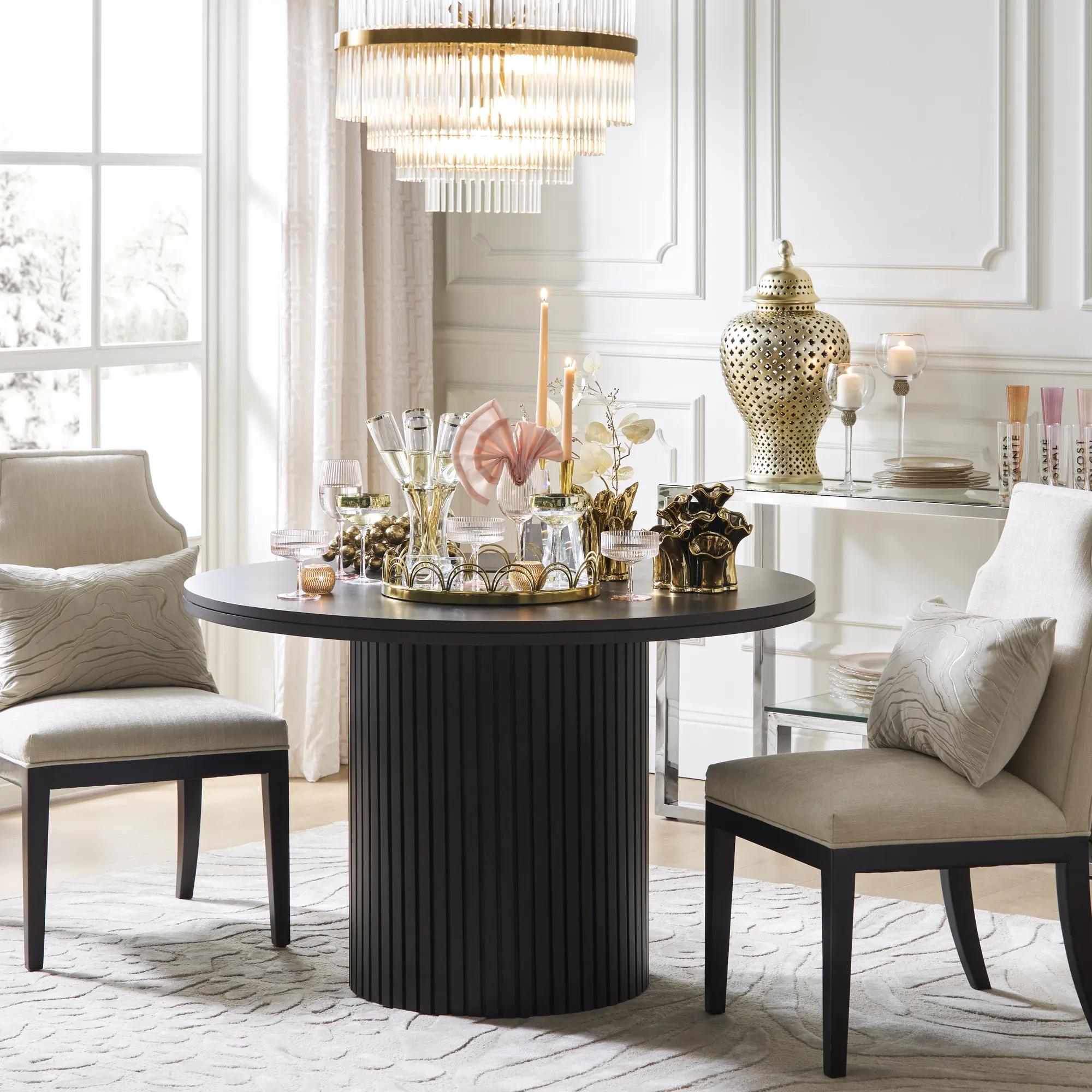 Renata Clear Glass Rod Grand Chandelier 23.6"D x 26.3"H$999
A dramatic chandelier featuring dozens of glass rods and a polished gold iron frame for sophisticated elegance.
Add To Cart -
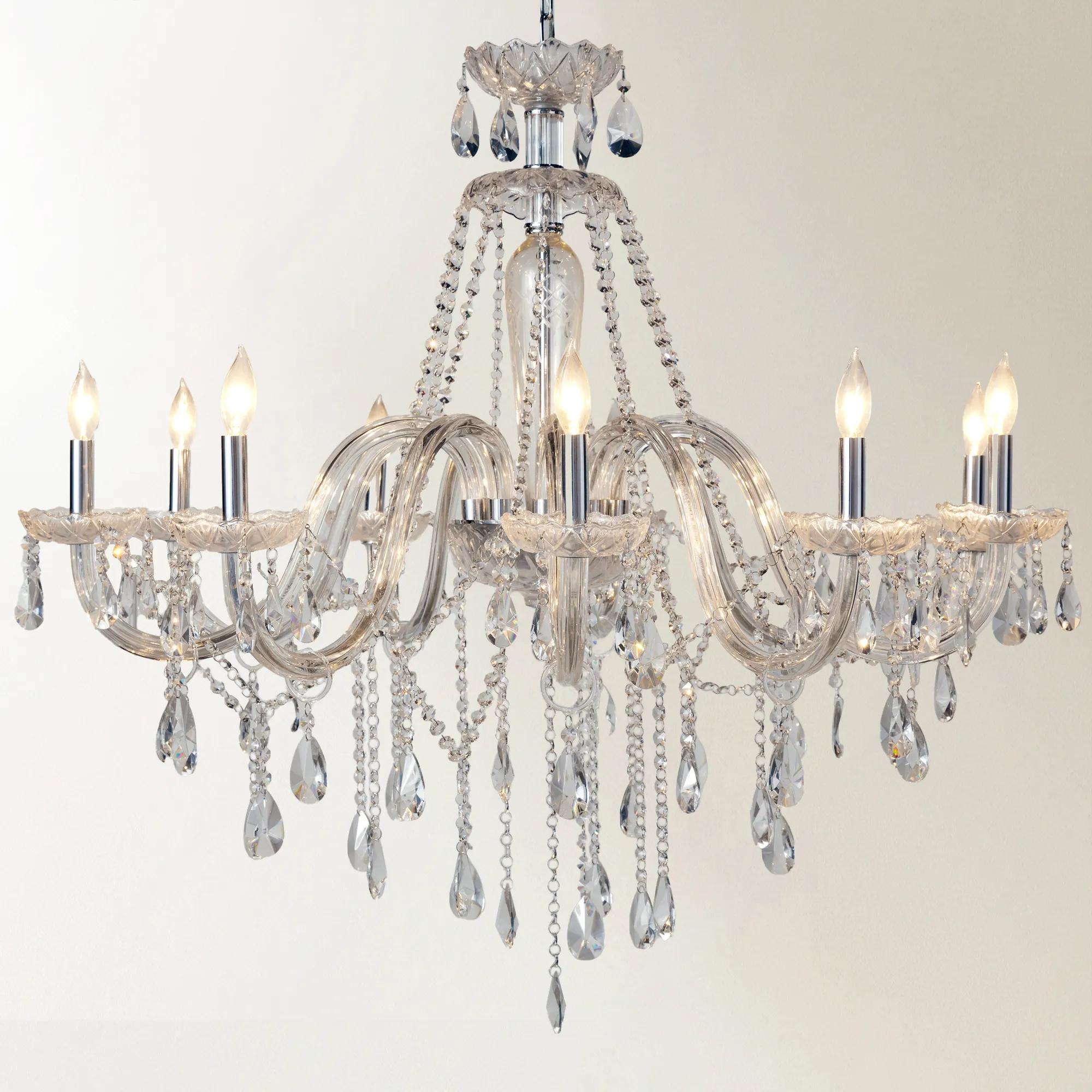
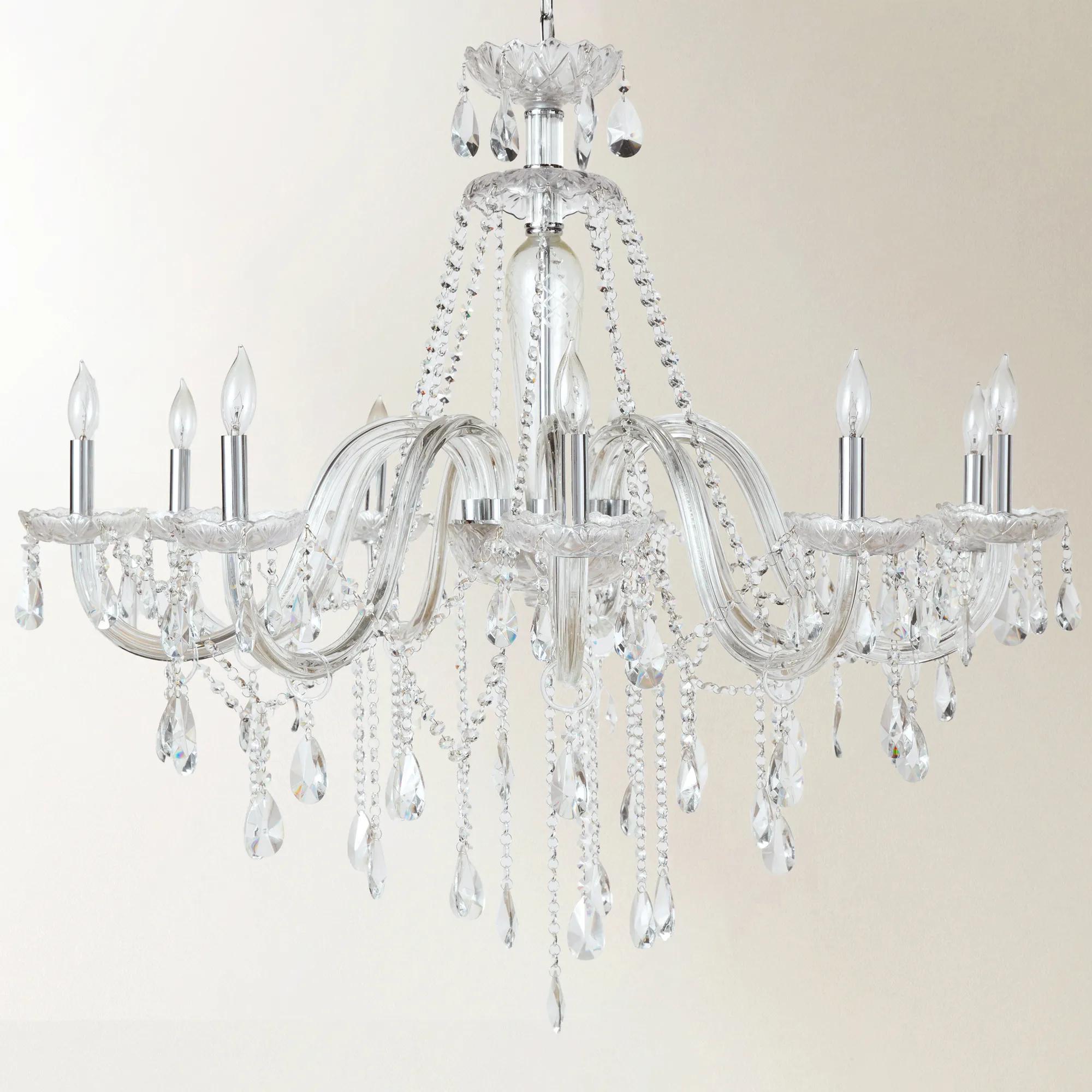 Omni Chandelier 38.5" - Clear$999
A dazzling chandelier featuring hundreds of clear faceted crystals and ten fluted glass arms with nickel hardware.
Add To Cart -
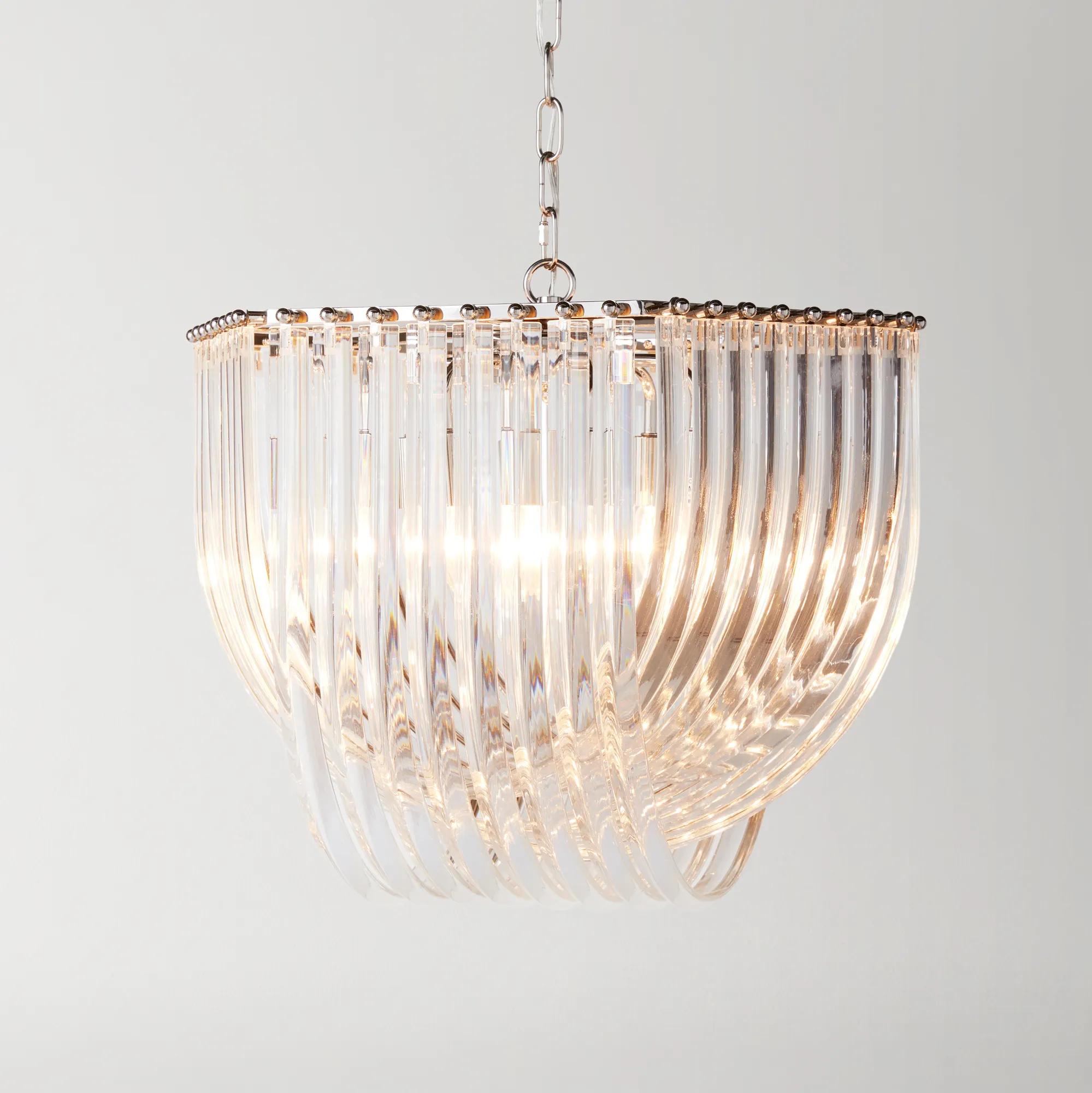 Laval Clear Curved Glass Chandelier 21"D x 18"H$799
A deco-inspired chandelier with crystal-clear curved glass and a polished nickel frame for ambient lighting.
Add To Cart -
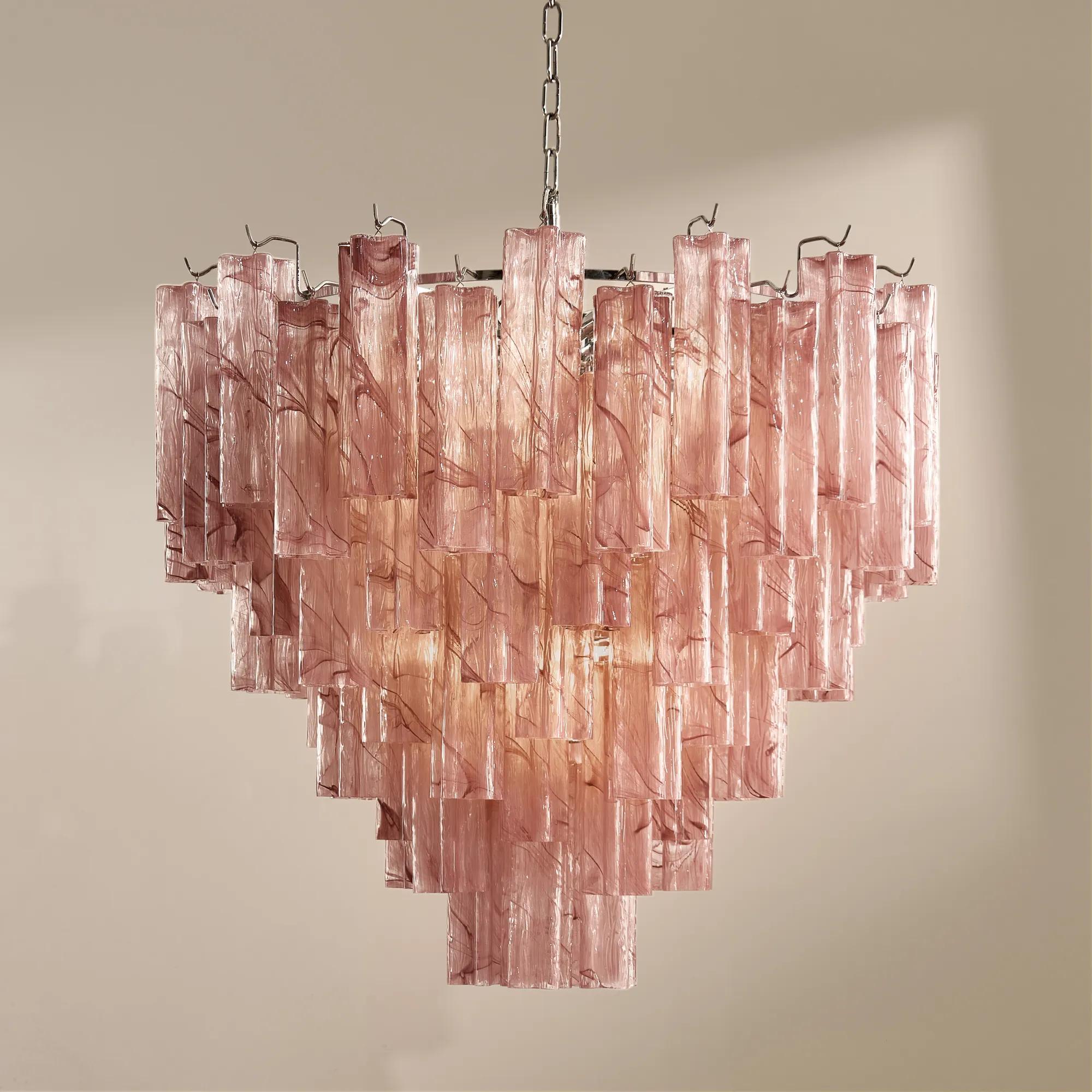 Elodie Rose Glass Chandelier 31.5"$1299
A handcrafted chandelier featuring rose-colored swirled glass and a polished chrome frame for modern elegance.
Add To Cart -
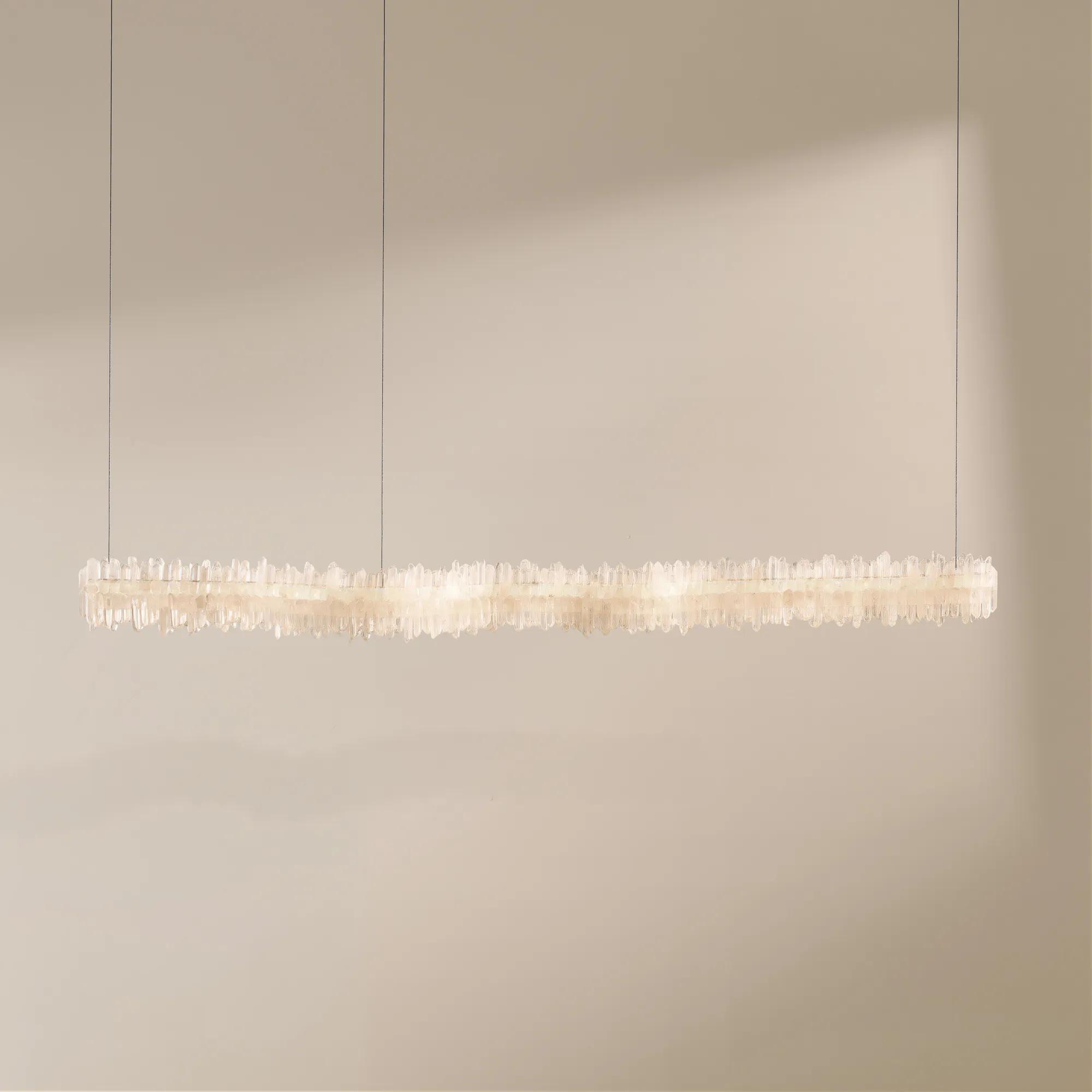 Stella Quartz Crystal LED Chandelier 47.25"$1899
A linear chandelier featuring raw quartz crystals and a rose gold frame with integrated warm LED lighting.
Add To Cart -
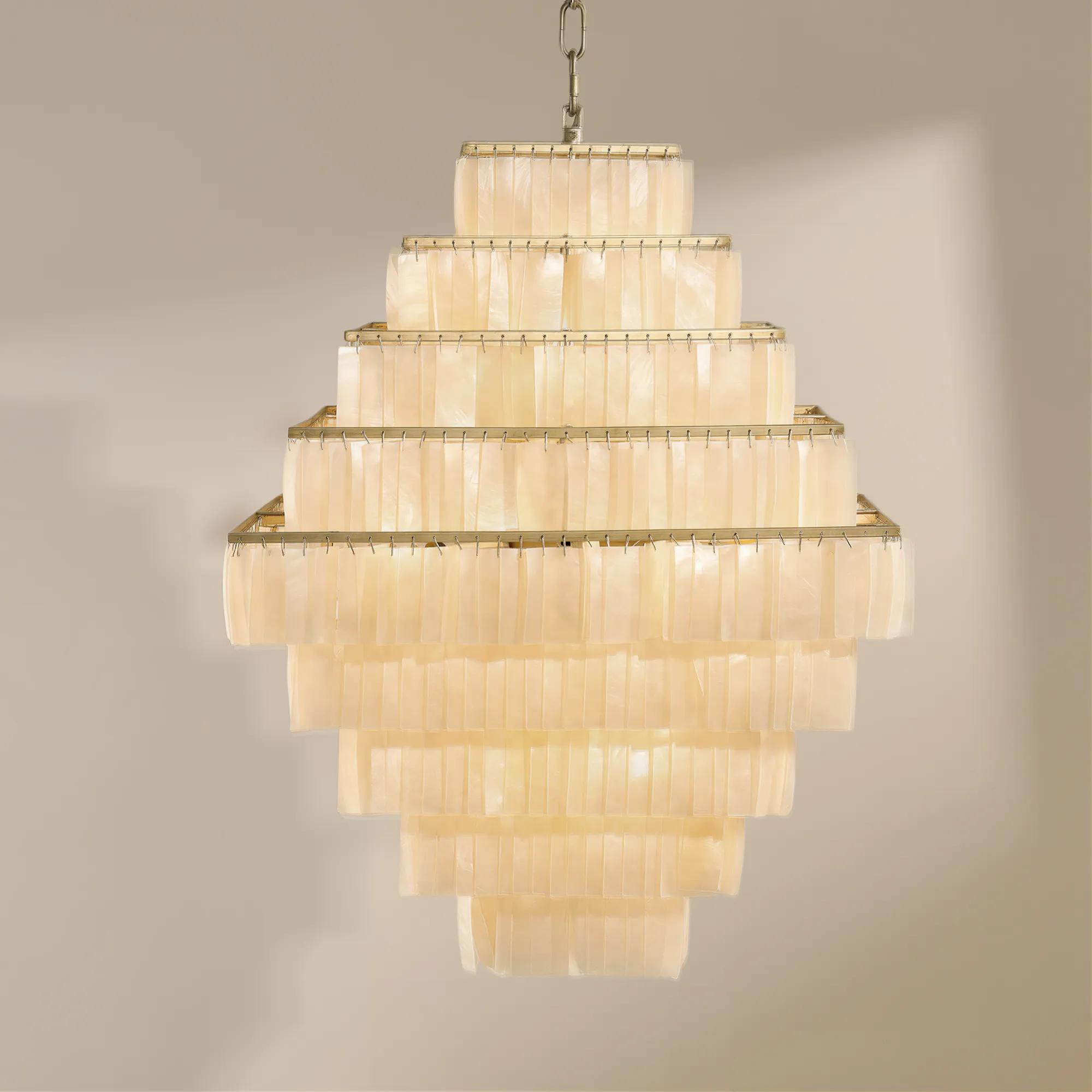 Soleil Capiz Shell Chandelier 25"$999
A luminous chandelier crafted from 700 hand-strung capiz shells and a champagne-finished iron frame.
Add To Cart -
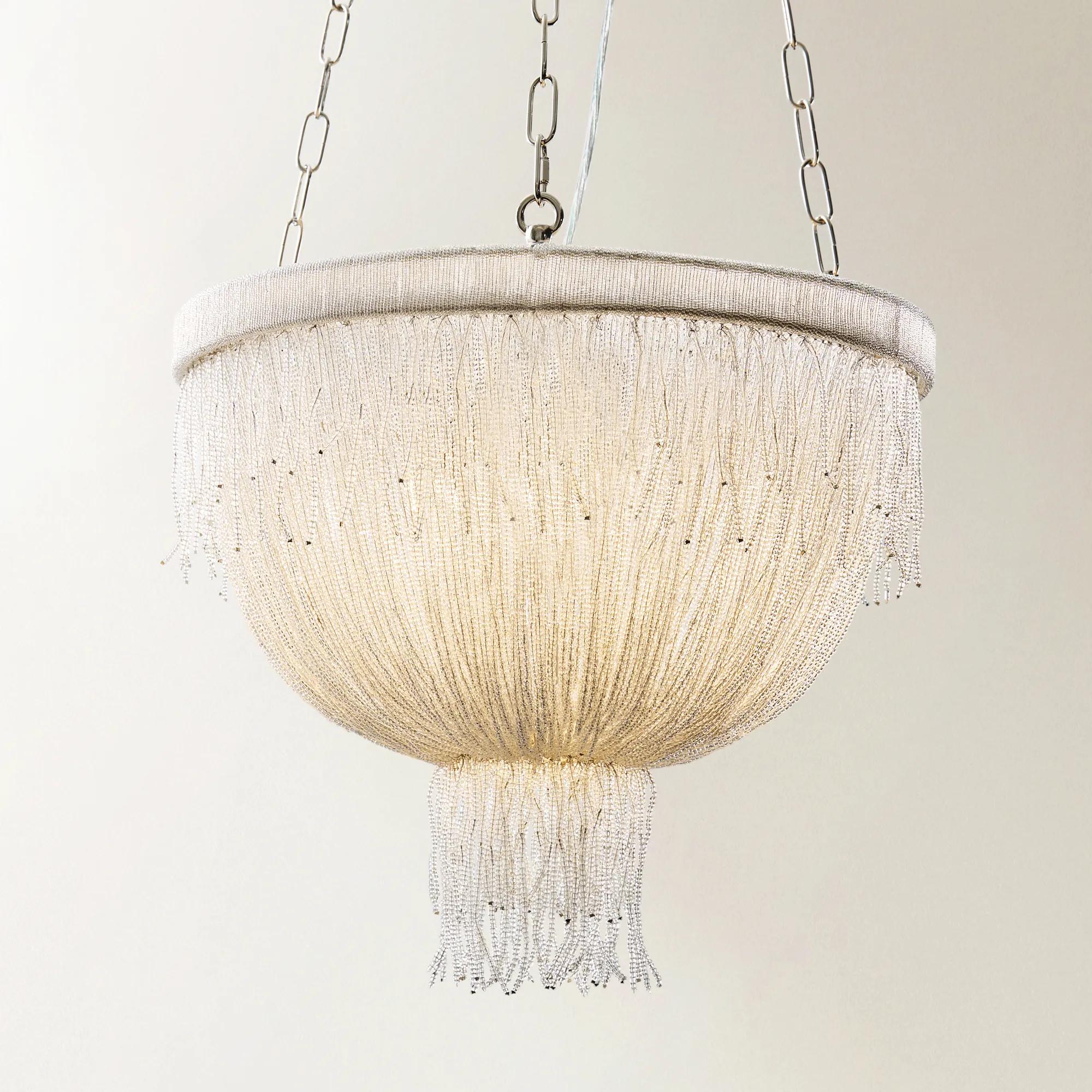 Selene Chandelier$899
A dazzling chandelier featuring cascading clear glass beads and a sleek nickel-finished iron frame.
Add To Cart -
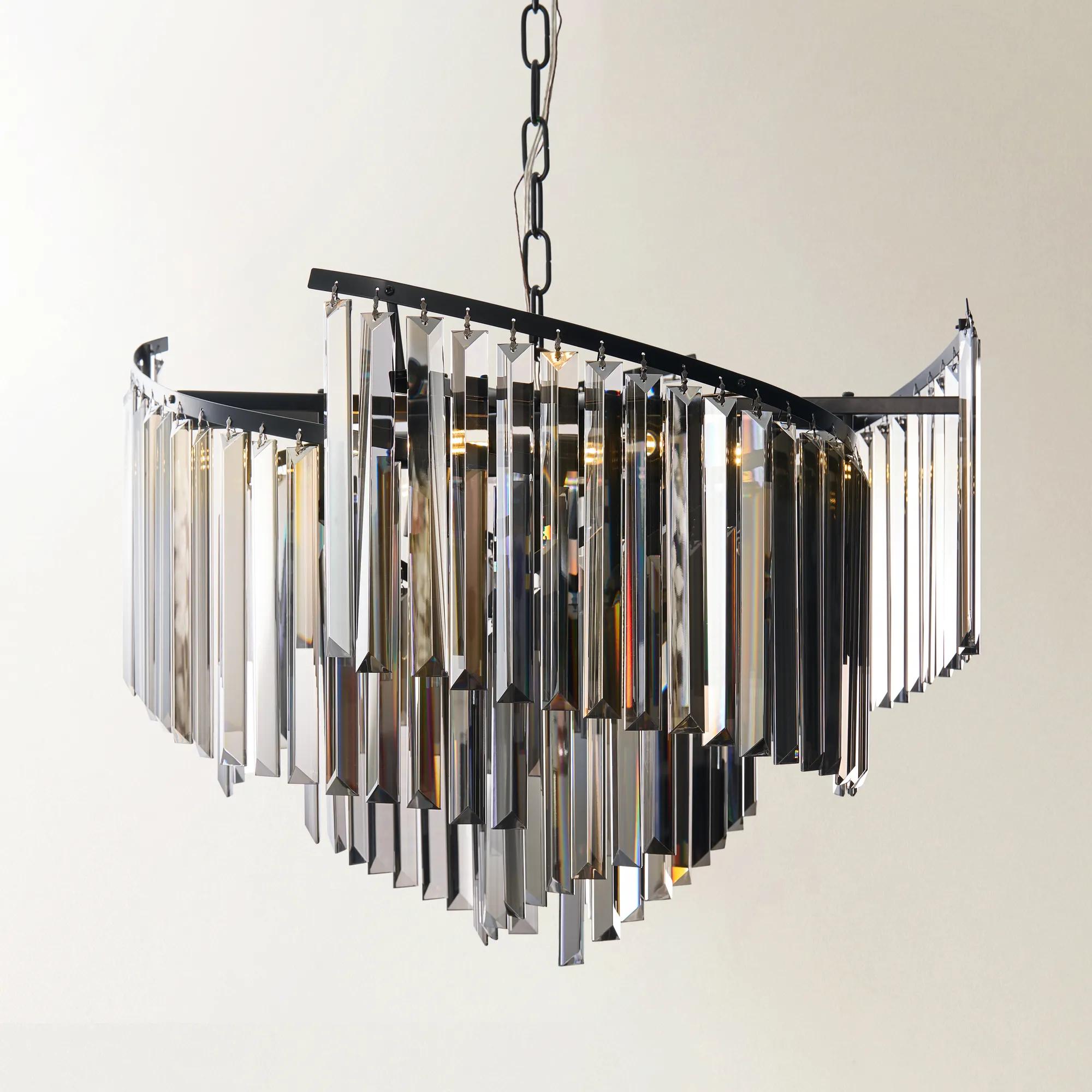 Luxe Spiral Chandelier - Graphite$999
A dramatic chandelier featuring graphite K9 crystals and a matte black iron frame for striking illumination.
Add To Cart -
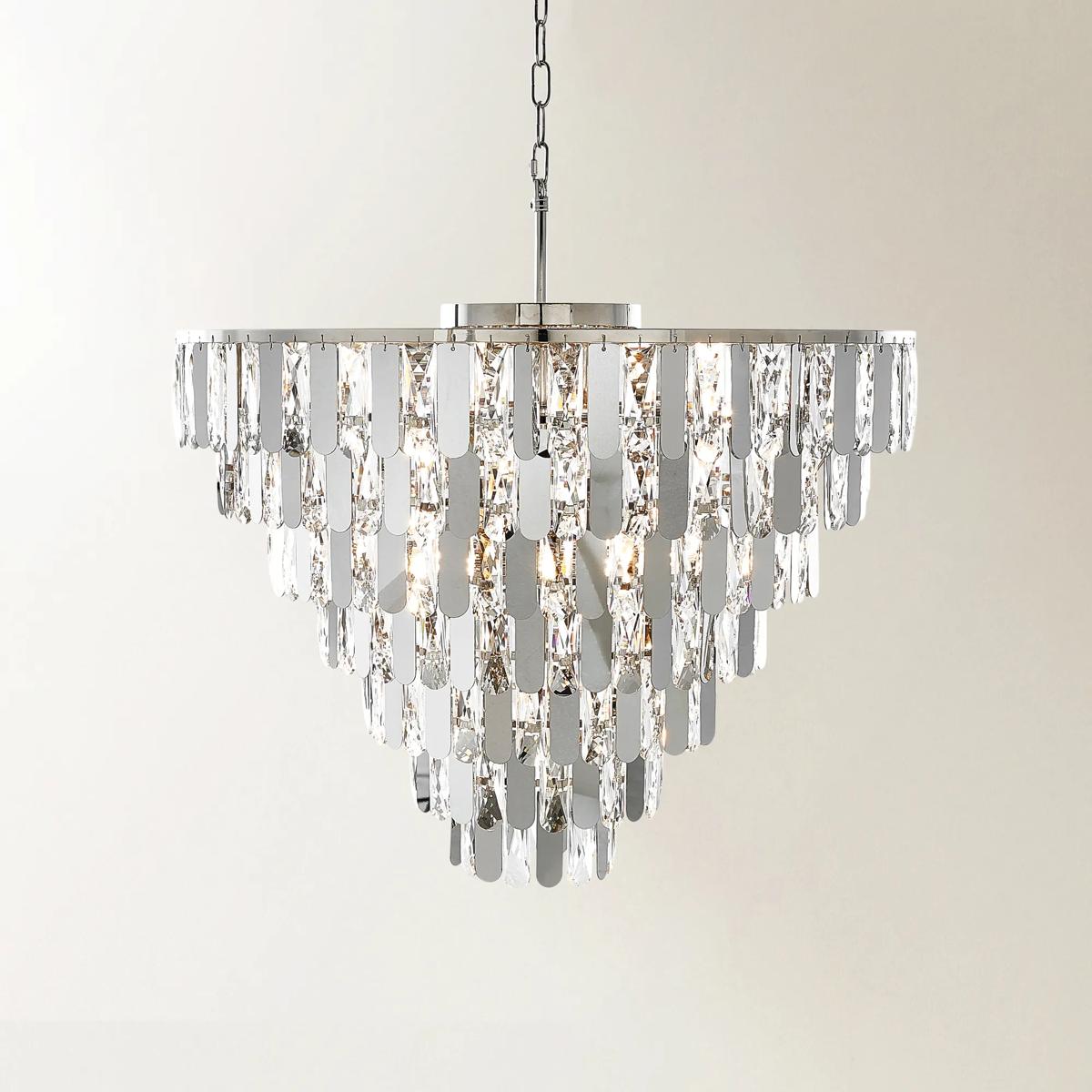
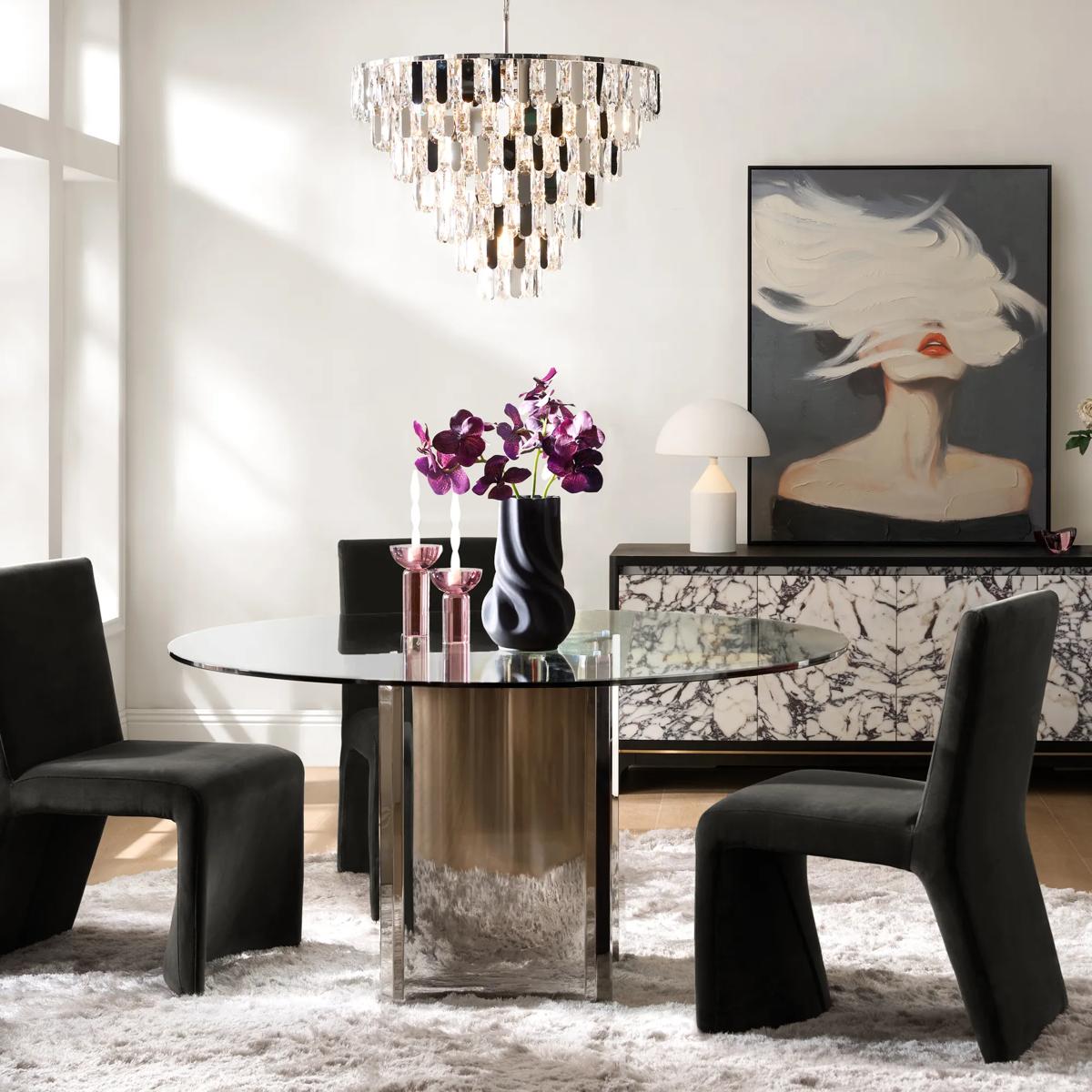 Avenue Crystal Chandelier 28.5"$999
A tiered chandelier crafted from eco-friendly K9 crystal and polished nickel for radiant, modern elegance.
Add To Cart -
 Sawin Chandelier$699
A sculptural brass-plated steel chandelier with frosted acrylic diffusers for a soft, ambient glow.
Add To Cart

Open Concept Pendant Lighting Fixtures
Open concept pendant lighting fixtures are the jewelry of expansive, modern interiors—each piece a sculptural statement suspended in air, designed to captivate from every vantage point. These luminous works of art don’t just illuminate; they orchestrate ambiance, casting dramatic shadows and golden warmth across open floor plans. Whether clustered for maximum impact or elegantly spaced to define zones within your living space, open concept pendant lighting fixtures transform the ordinary into the extraordinary, inviting you to curate a home that glows with personality and unapologetic style.
Open-concept pendant lighting fixtures define distinct areas within a shared floor plan, bringing focused illumination to kitchen islands, dining tables, and gathering spaces without adding walls or interrupting the room’s visual flow. Suspended from the ceiling, these fixtures create a focal point overhead while leaving the space below open for conversation, movement, and entertaining. Their presence can be quietly architectural or unapologetically dramatic: an elongated silhouette draws the eye along a generous dining table, while a grouping of rounded pendants introduces rhythm above an island. Open-frame designs offer especially transparent views between adjoining areas, but glass shades and slender sculptural forms can achieve a similarly airy effect. The appeal lies in that balance of definition and connection. A dining area gains its own atmosphere, yet remains part of the larger composition. Materials give each fixture a distinct expression. Clear glass reveals the light source and preserves sightlines; frosted or opal glass softens brightness into a more diffused glow. Metal frames bring graphic precision, whether finished in warm brass tones, polished nickel, or a deep matte black. Crystal accents catch and redirect light, adding flashes of brilliance that feel particularly expressive against restrained cabinetry or a richly textured rug. Fabric shades introduce softness, although their suitability near cooking areas depends on placement and the manufacturer’s care recommendations. These material differences affect more than appearance. An opaque shade tends to concentrate light beneath the fixture, while a translucent shade allows more illumination to spill outward. An exposed bulb becomes part of the design itself, making its shape and brightness especially noticeable from neighboring seating areas. For a home where the kitchen, dining room, and living room share one uninterrupted view, pendants provide a deliberate visual signature rather than a collection of unrelated ceiling accents. Repeating a finish, curve, or subtle geometric detail across those spaces gives the interior cohesion without requiring every light to match. The result can feel richly layered, with each zone holding its own character within a confident whole.
Scale and placement determine how comfortably pendant lighting belongs in an open-concept space. A fixture that feels commanding above a dining table may seem intrusive over a narrow island, while a small pendant can lose its presence beneath a soaring ceiling. The dimensions of the surface below, the ceiling height, and the views from adjoining rooms all influence the right proportions. Over a long island, several pendants can establish a measured cadence and distribute illumination across prep and serving areas; a linear pendant offers a more continuous silhouette with fewer separate suspension points. Above a round dining table, a circular or softly branching form can echo the furniture’s geometry without competing with it. Spacing matters as much as size: pendants need enough separation to read as individual forms, while their light should reach the work surface without leaving distracting dark gaps. For many installations beneath an 8-foot ceiling, approximately 30 to 36 inches between the countertop or tabletop and the bottom of the fixture provides a starting reference, not a universal rule. Shade depth, seated sightlines, ceiling height, manufacturer instructions, and local requirements may call for a different arrangement. Fixtures above circulation paths require appropriate head clearance rather than table-height placement. Adjustable rods or cords can accommodate different ceiling heights, while a sloped ceiling may require a compatible canopy or mounting adapter. Professional installation is particularly valuable when relocating a junction box, supporting a substantial fixture, or coordinating several pendants along one axis. Light quality deserves equally careful attention. Warm-white illumination around 2700K to 3000K often complements residential living and dining areas, and consistent color temperatures help connected spaces feel intentional. Dimmable lighting can shift an island from focused food preparation to a softly illuminated setting for conversation, provided the bulbs or integrated LEDs, driver, and dimmer are compatible. Pendants contribute a distinct layer of light rather than replacing every other source; recessed, under-cabinet, and accent lighting can address tasks and corners beyond their reach. Shielded bulbs or diffusing shades also help keep an evening at the dining table luminous rather than glaring.
The most satisfying open-concept pendant lighting balances visual drama with the realities of daily life. Over a kitchen island used for chopping vegetables, spreading out homework, and arranging flowers before guests arrive, a smooth glass or metal surface can be more practical to maintain than an intricately textured shade. In a dining area, where the fixture is farther from cooking residue, more elaborate detailing can become the centerpiece of the room. Metal construction can provide lasting structure, though finish quality, environmental conditions, and proper handling influence how well its appearance endures. Glass and crystal retain their clarity with suitable care, but require gentle treatment to avoid chips, scratches, or stress on delicate connections. Regular dusting with a soft, dry cloth helps preserve definition along frames and decorative details. Any deeper cleaning should follow the manufacturer’s directions, with power switched off and bulbs allowed to cool; moisture should stay away from electrical components, and abrasive cleaners can damage decorative finishes. Removable shades may have separate cleaning instructions, while integrated LED designs call for attention to the stated lifespan and serviceability of their light source. For fixtures with replaceable bulbs, the specified base type, bulb dimensions, and maximum wattage remain essential considerations. These practical details support the atmosphere rather than diminish it: a well-proportioned pendant with comfortable light becomes part of how a room is enjoyed every day. In a loft, its sculptural outline can give a broad expanse of ceiling a compelling focal point. In a family home, it can distinguish the dining table from the neighboring lounge while preserving the easy connection between them. Complementary Table Lamps For Open Concept Spaces extend that layered effect at seating level, bringing intimate pools of illumination to consoles and side tables. Together, overhead and tabletop lighting give an expansive interior depth, allowing a lively gathering and a quiet reading corner to coexist with equal elegance.
FAQs
Pendant lighting brings sculptural artistry and ambiance to open concept spaces, helping to define distinct areas while maintaining a sense of flow. Thoughtfully chosen fixtures—whether gleaming metallics, textured glass, or organic materials—create visual drama and warmth, transforming everyday moments into luxurious experiences.
Mixing and matching pendant lighting styles allows for a curated, layered look. Pairing a z gallerie capiz chandelier in the dining area with minimalist metal pendants over the kitchen island can add depth and personality. Balance is key—choose complementary finishes or shapes to ensure harmony while celebrating individual flair.
Open concept pendant lighting makes a memorable gift for design enthusiasts, new homeowners, or couples establishing a shared space. It’s ideal for anyone who values expressive interiors and seeks to infuse their home with artistry, elegance, and a touch of drama.
Z gallerie pendant lights serve as bold focal points that echo the homeowner’s taste and creativity. Their luxurious finishes and unique forms can set the tone for an entire room, anchoring vignettes and inspiring the surrounding decor, while also ensuring the space feels both cohesive and inviting.
Absolutely. Layering pendant lighting with recessed lights, sconces, and table lamps—such as those featured in our <a href="https://zgallerie.com/o/table-lamps-for-open-concept-spaces">Table Lamps For Open Concept Spaces</a> collection—creates a multidimensional lighting scheme. This approach enhances both function and mood, ensuring every corner of your open concept home glows with intention.