Entryway Pendant Lighting Fixtures
Entryway Pendant Lighting Fixtures
-
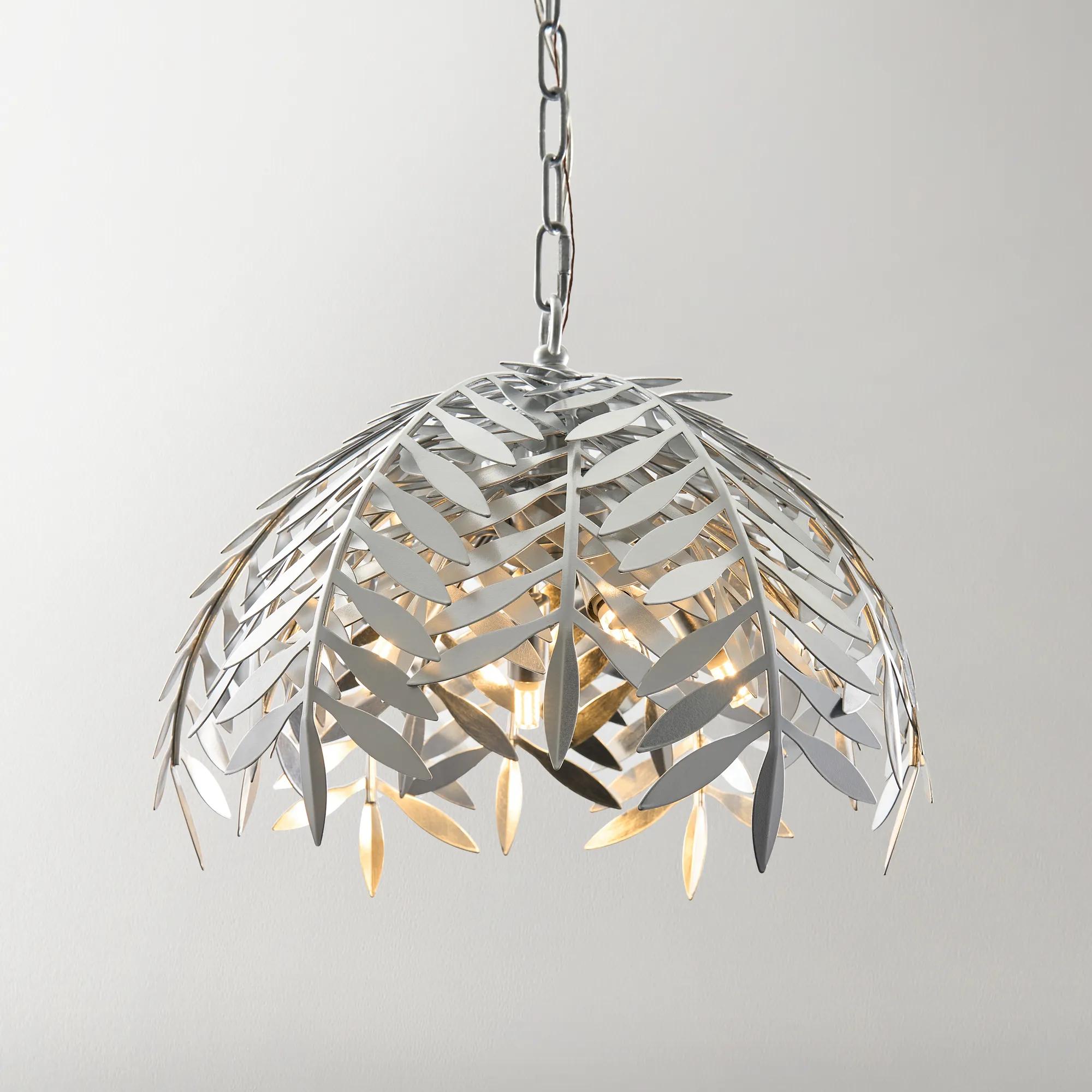
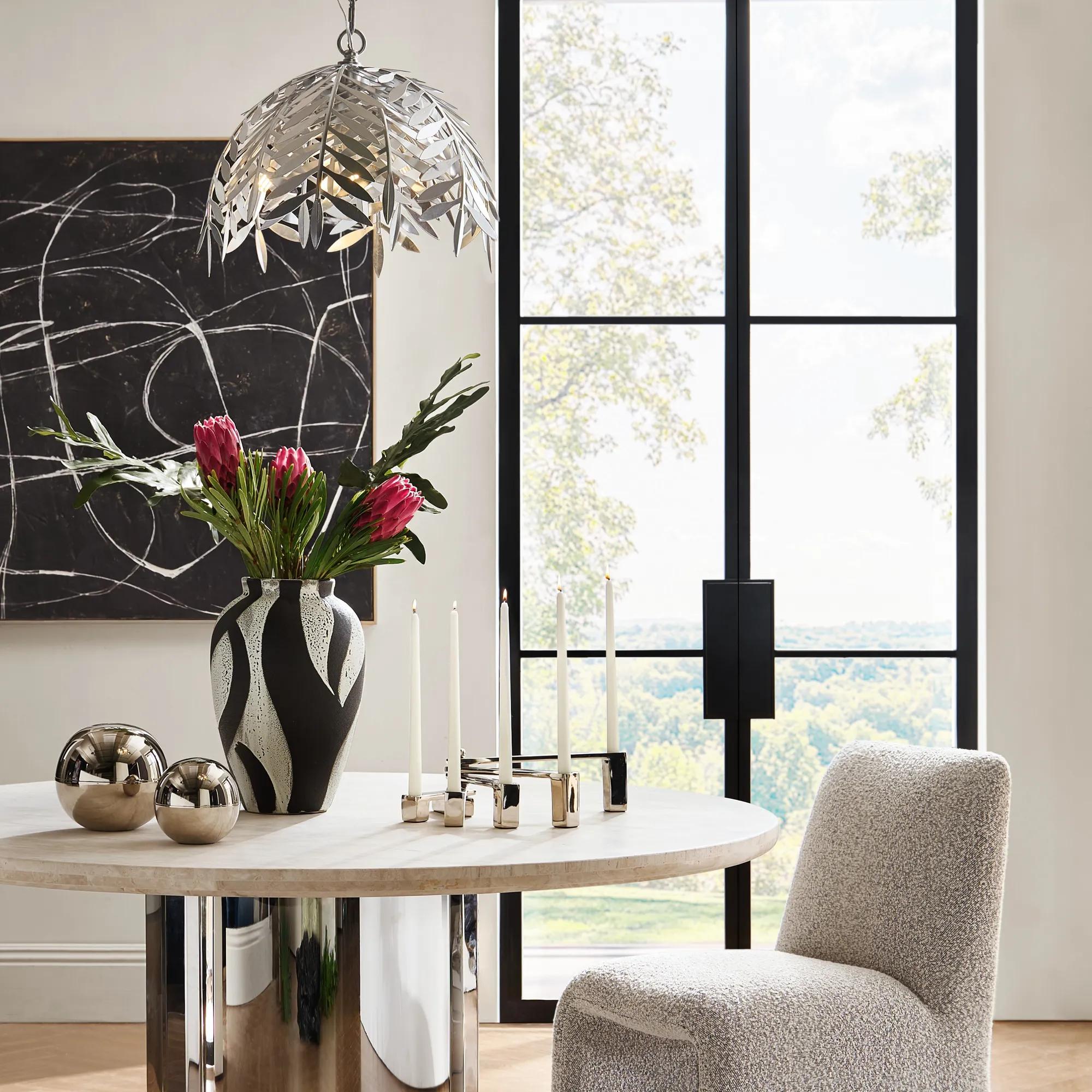 Palm Pendant - Silver$429
A sculpted iron pendant in a lustrous silver finish, casting dramatic shadows with elegant illumination.
Add To Cart -

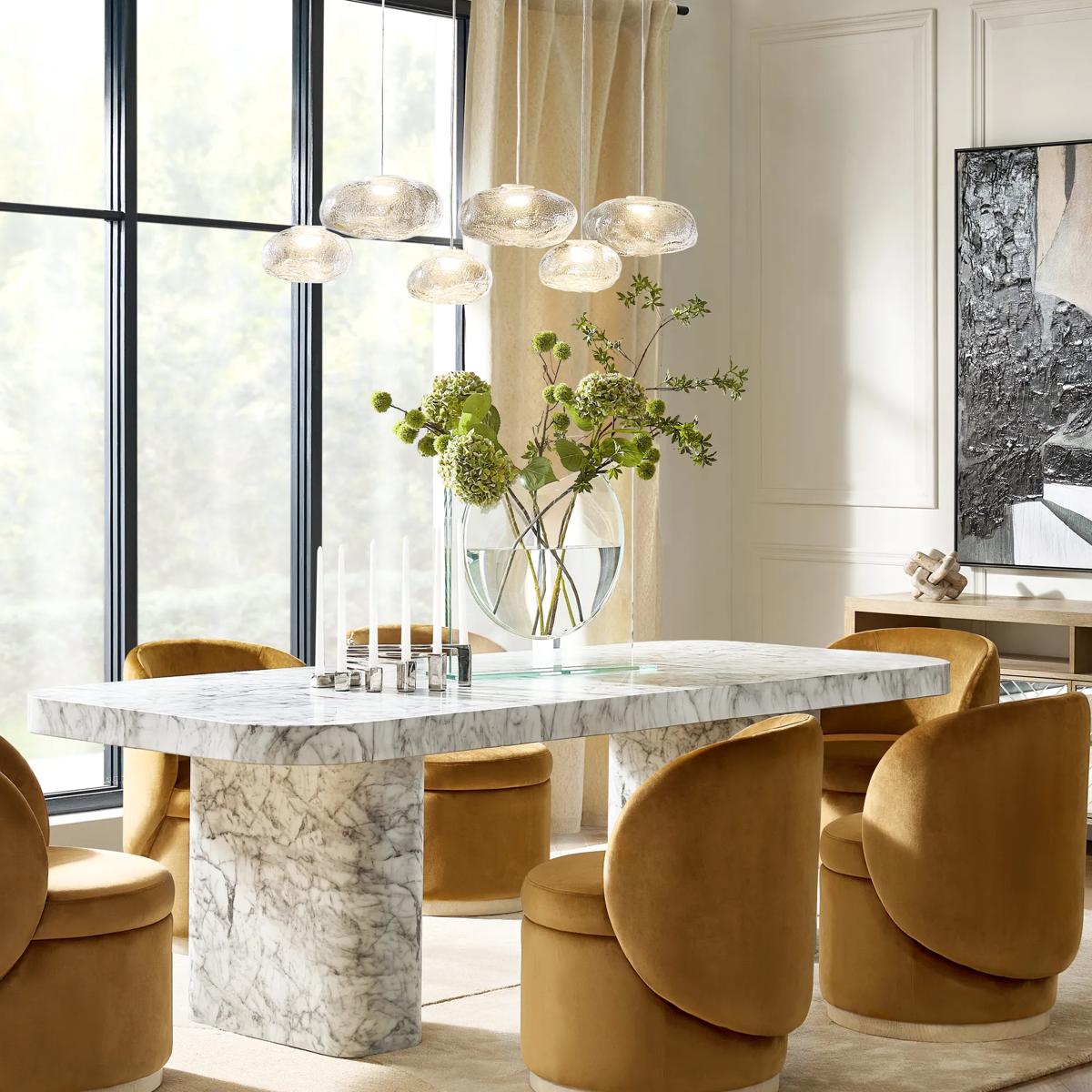 Nuvola Glass Globe Chandelier 47"$999
A sculptural chandelier featuring six textured clear glass globes and energy-efficient integrated LED lighting.
Add To Cart -
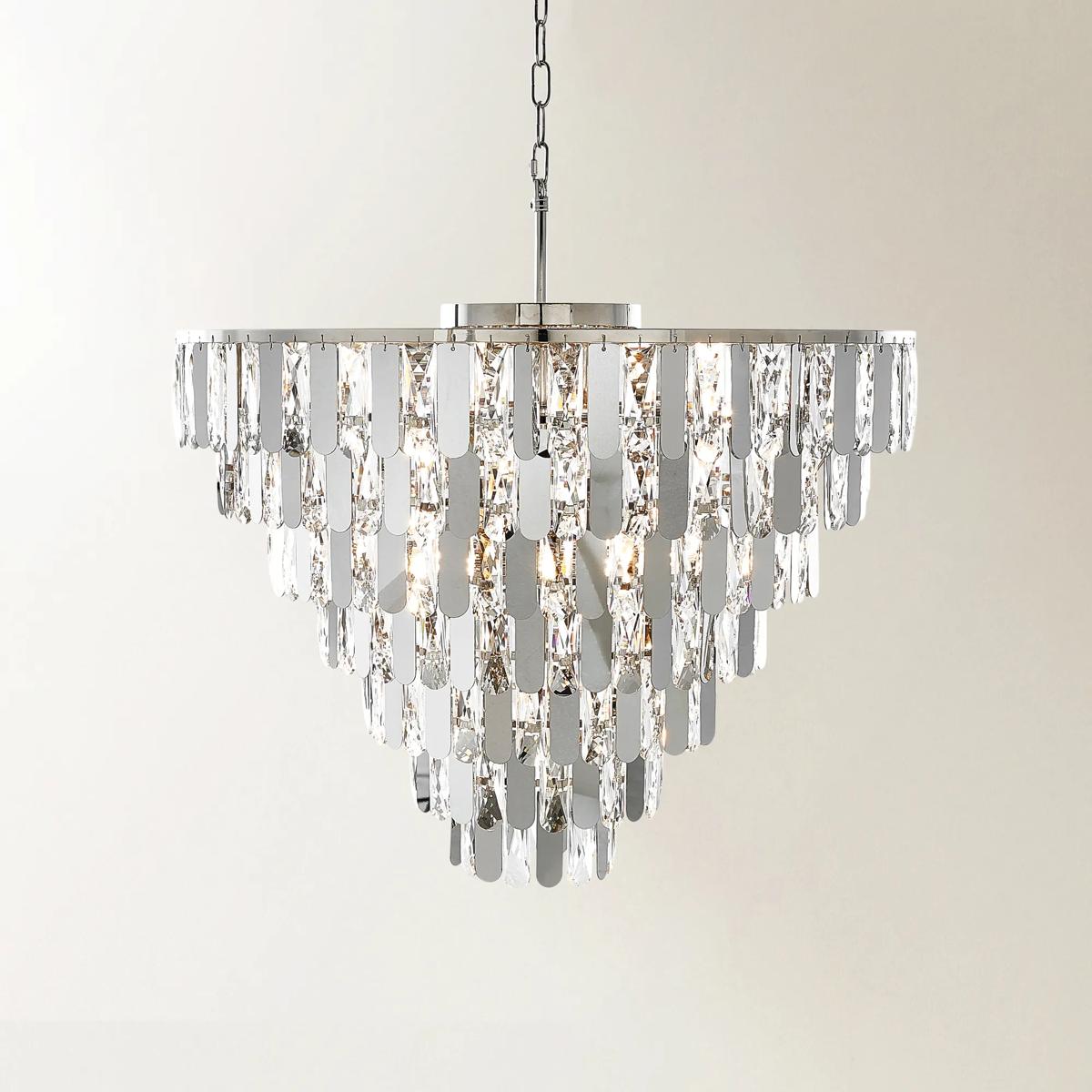
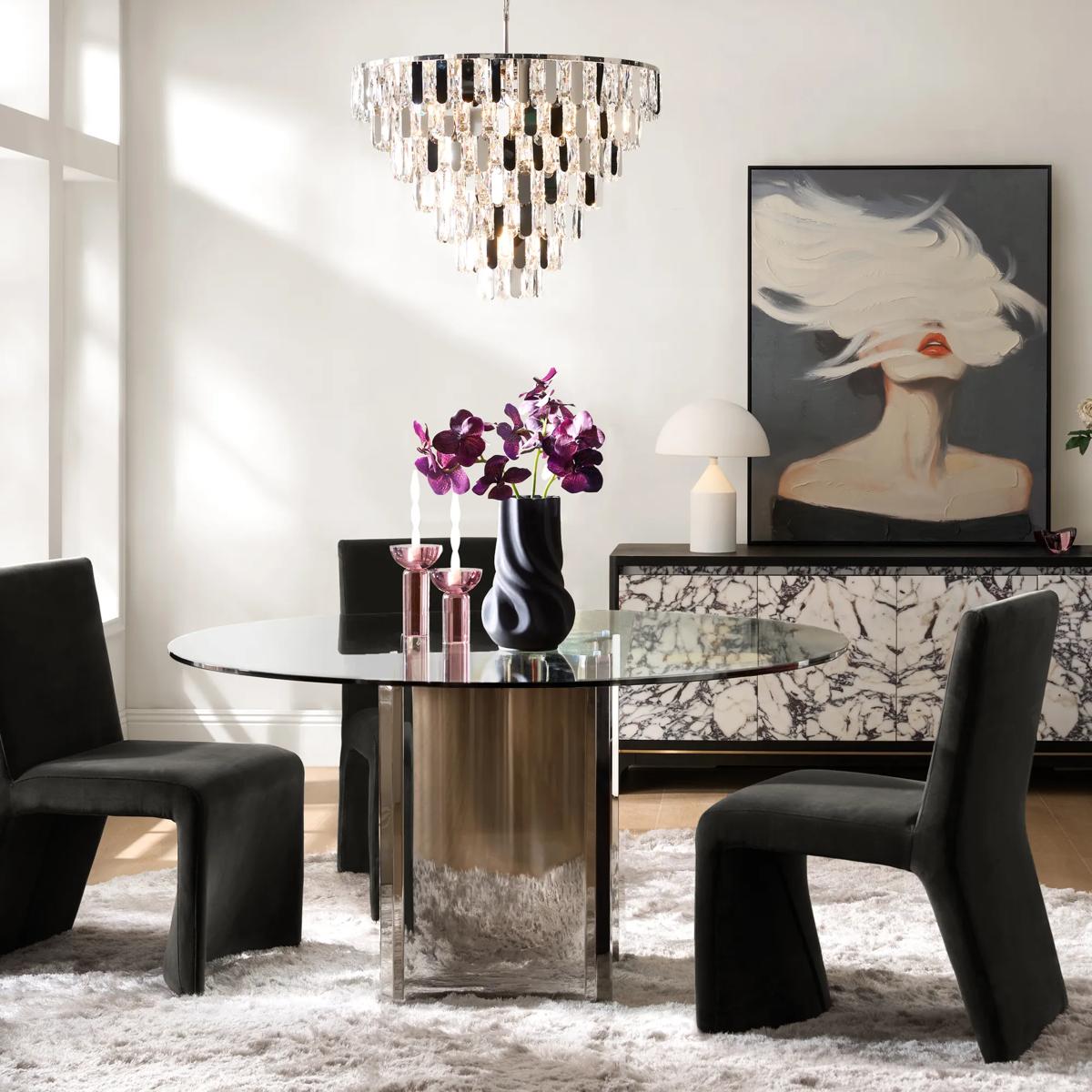 Avenue Crystal Chandelier 28.5"$999
A tiered chandelier crafted from eco-friendly K9 crystal and polished nickel for radiant, modern elegance.
Add To Cart -
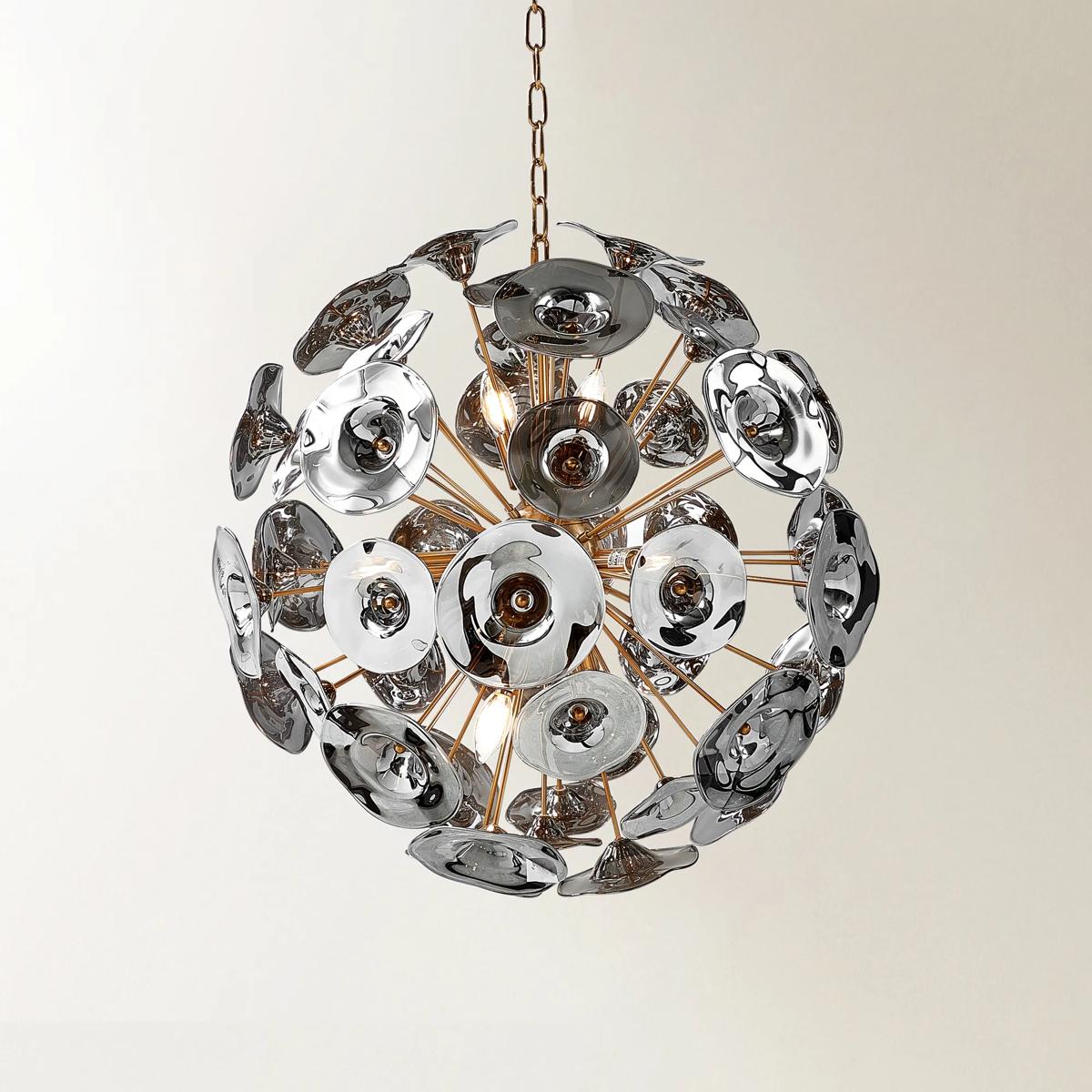 Tinslee Glass Chandelier - Smoke$899
A sculptural chandelier featuring smoked glass petal discs and a brushed brass frame for moody elegance.
Add To Cart -
 Sawin Chandelier$699
A sculptural brass-plated steel chandelier with frosted acrylic diffusers for a soft, ambient glow.
Add To Cart -
 Bolla LED Hand-Blown Glass Bubble Chandelier 60.25"$499
A linear chandelier featuring clear sculptural glass orbs and a matte gold steel frame for modern elegance.
Add To Cart -

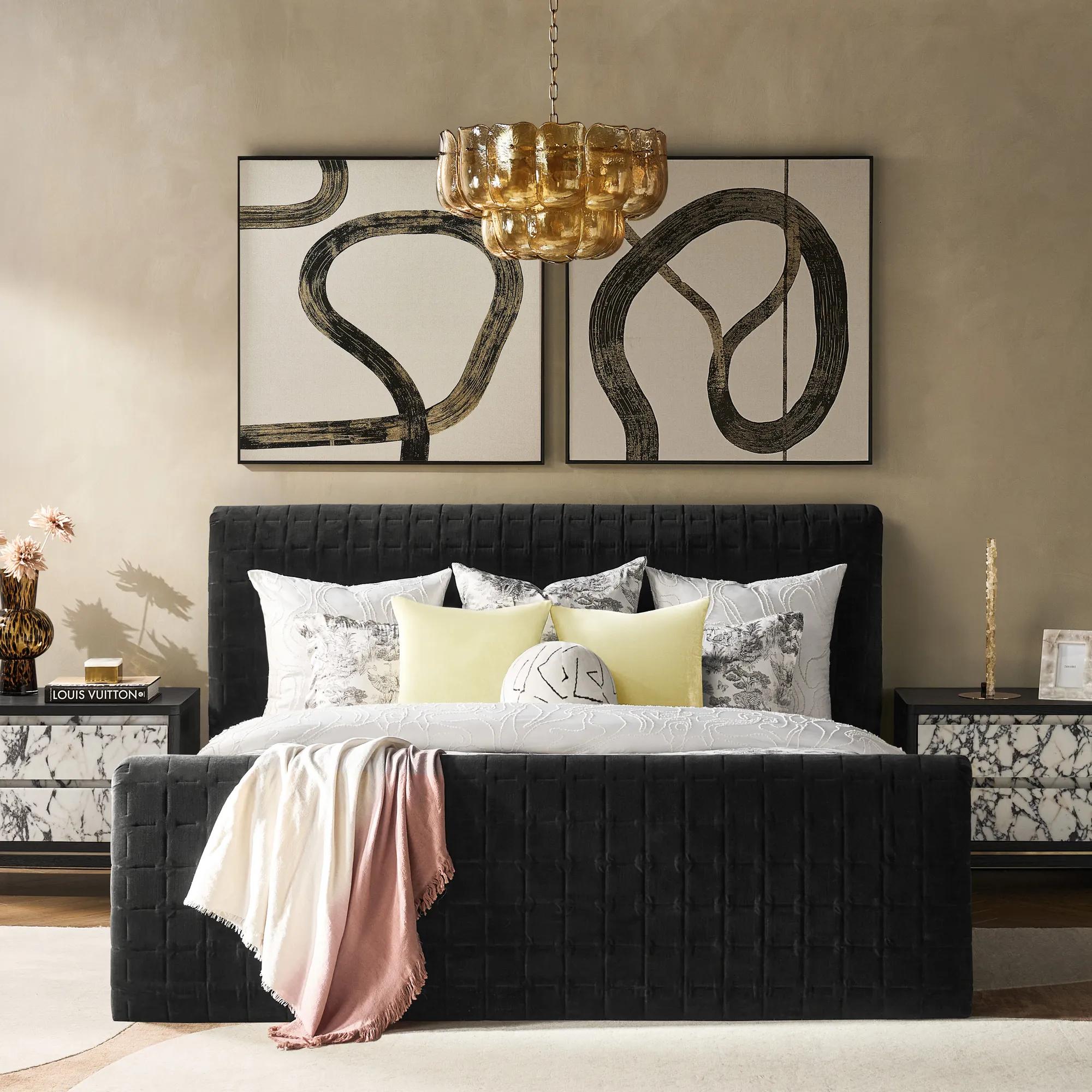 Ember Glow Amber Textured Glass Chandelier 24"$799
A sculptural chandelier with textured amber glass, brushed brass iron, and nine candelabra lights.
Add To Cart -
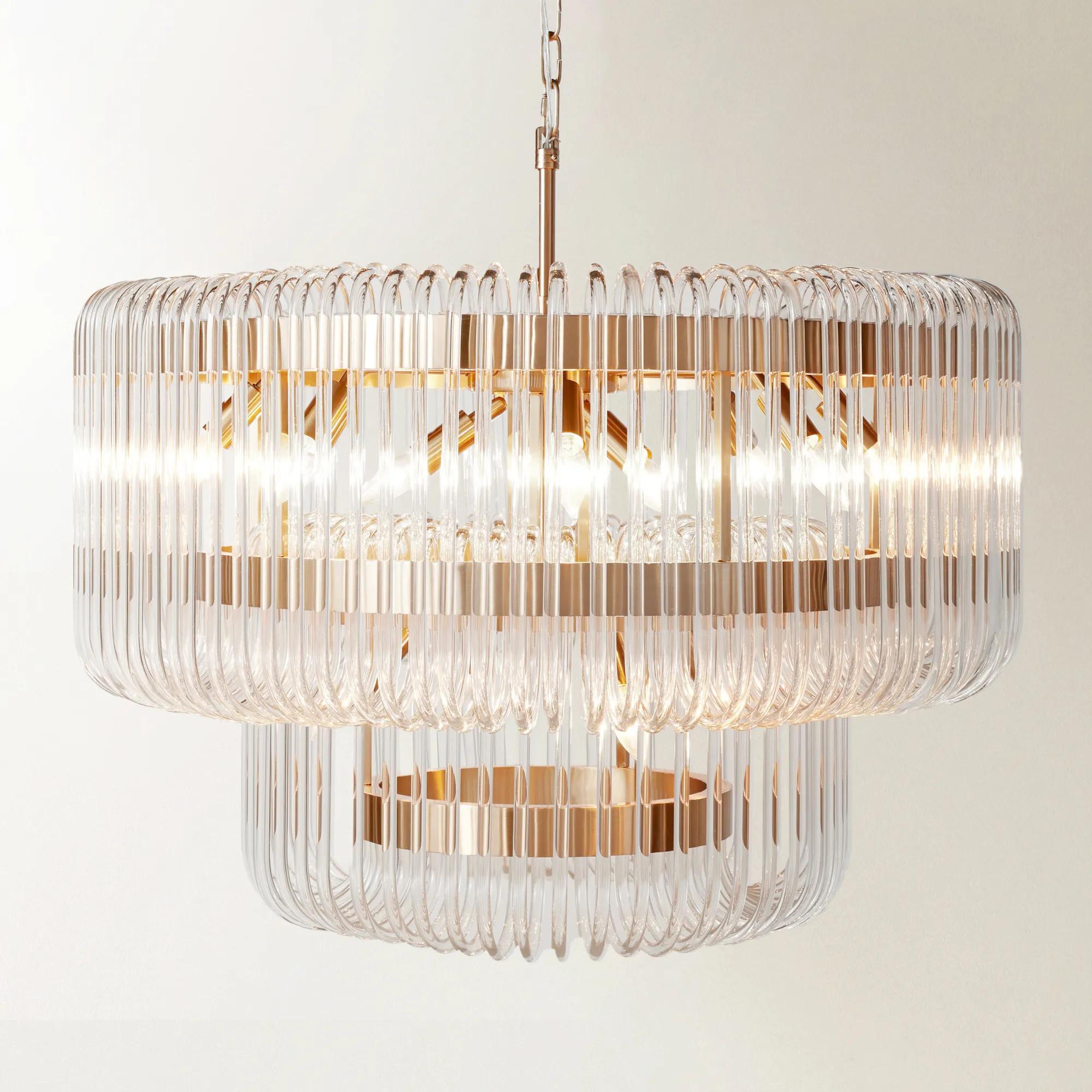 Allure Clear Curved Glass Chandelier 31.5"D x 27.75"H$1499
A dramatic chandelier featuring over 150 clear blown glass rods and brushed brass-finished iron rings.
Add To Cart

Entryway Pendant Lighting Fixtures
Entryway Pendant Lighting Fixtures are the first brushstrokes on your home’s canvas, setting the stage for every arrival with a flourish of artistry and allure. Suspended in midair, these luminous sculptures invite intrigue and anticipation, bathing your foyer in a radiant glow that whispers of grandeur within. Whether casting dramatic shadows or shimmering with metallic brilliance, each pendant transforms the ordinary entrance into an unforgettable moment—proof that even a threshold can be a masterpiece. Elevate your entryway with lighting designed to dazzle, captivate, and welcome you home in style.
Entryway pendant lighting fixtures give a home’s first impression shape, depth, and a distinctly personal point of view. Suspended above a foyer or entrance hall, a pendant draws the eye upward while illuminating the space where guests arrive, keys land, and the rest of the interior comes into view. The most compelling designs feel connected to the architecture without disappearing into it: a sculptural silhouette can animate a restrained entrance, while a luminous glass shade can soften the lines of a dramatic staircase. Single pendants create a focused composition, cluster pendants introduce movement through multiple suspended elements, and lantern-style pendants define space with an open framework. In a double-height foyer, a tiered or elongated form can bring visual presence to an otherwise empty vertical expanse. Materials influence both the fixture’s character and the light it casts. Clear glass reveals the bulb and allows light to travel with little obstruction, making bulb shape and brightness part of the design. Frosted or opal glass diffuses light for a softer appearance, while faceted glass and crystal accents can scatter highlights across nearby surfaces. Metal shades direct more light downward, emphasizing the floor or furnishings beneath them rather than illuminating every corner equally. Polished brass tones lend golden warmth; nickel and chrome finishes offer a cooler, reflective counterpoint; bronze and black finishes create definition against pale walls. Fabric shades can introduce a tailored softness, particularly in an entrance that opens onto a living room. These differences matter beyond appearance. An enclosed shade may require more effort to access for cleaning or bulb replacement, while an open frame leaves its interior surfaces exposed to dust. For homeowners furnishing a new residence or refreshing a familiar entrance, a well-proportioned pendant offers an expressive architectural accent without taking up floor space. It is especially effective where a narrow console, a generous mirror, and a few carefully chosen objects need one overhead gesture to bring the composition together.
Scale determines whether a foyer pendant feels assured or out of place. Fixture width, body height, and overall hanging length are separate measurements, and each affects how the design sits within an entrance. A commonly used starting point for diameter is to add the room’s length and width in feet, then use that total in inches: a 10-by-10-foot foyer suggests a fixture approximately 20 inches wide. This is a proportioning reference, not a fixed requirement. An airy metal frame may comfortably occupy more space than a dense, opaque shade, and a narrow passage may need a smaller diameter even when its length suggests otherwise. Ceiling height governs the vertical composition. In a walking area, allow at least 7 feet between the finished floor and the bottom of the pendant, while accounting for local requirements, taller occupants, and the full swing of nearby doors. Higher ceilings often benefit from greater clearance and a longer fixture body, rather than a small shade suspended on an excessively long cord. For example, an entrance with an 8-foot ceiling generally leaves only about 12 inches for the fixture’s total drop if that 7-foot clearance is maintained. A design with a substantial minimum hanging height may therefore be better suited to a taller foyer. Adjustable chains, cords, or downrods offer different ways to position a pendant, but adjustment ranges and included hardware vary. Sloped ceilings require a fixture or mounting adapter specifically designed for that application. Placement also deserves attention: centering a pendant within the entry’s architectural boundaries often creates a stronger composition than aligning it with furniture positioned along one wall. Where the entrance opens directly into another room, the pendant can establish a distinct arrival space without a physical divider. Sightlines from the front door, adjacent rooms, and staircase landings help determine whether a broad shade, transparent form, or vertical cluster will feel most harmonious. Professional installation is particularly important for heavy fixtures, tall ceilings, and locations where the electrical box or structural support needs evaluation.
The quality of illumination is as important as the silhouette overhead. Entryway pendant lights should support everyday arrivals while preserving the atmosphere of the surrounding interior. Brightness is best compared in lumens rather than watts, since watts describe energy use, and the amount of light needed depends on room size, ceiling height, shade construction, and the reflectivity of walls and floors. A dark-walled foyer with an opaque shade may need supplemental lighting, while a smaller entrance with pale finishes and diffused glass can feel luminous with less output. Warm-white bulbs around 2700 to 3000 kelvin often create a welcoming residential glow; keeping the color temperature consistent with adjoining rooms makes the transition feel deliberate. In clear glass pendants, a visible bulb becomes part of the composition, so its dimensions, finish, and compatibility with the socket deserve consideration. Dimming can shift the entrance from bright, practical illumination to a softer evening setting, provided the fixture, bulbs or integrated LED components, and dimmer are compatible. A pendant paired with a console lamp or wall lighting adds depth and reduces reliance on a single overhead source. For a coordinated expression across these lighting layers, Modern Entryway Lighting Fixtures offers a broader design perspective beyond the suspended focal point. Lasting beauty also depends on construction, appropriate placement, and thoughtful care. Indoor dry-rated fixtures belong in dry interior spaces, not exposed porches or locations subject to damp conditions. Secure connections, suitable mounting hardware, and adherence to manufacturer specifications are essential to dependable use. Dusting with a soft, dry cloth helps preserve the clarity of glass and the definition of metalwork; abrasive cleaners can scratch surfaces or damage decorative finishes. Power should be switched off and bulbs allowed to cool before cleaning, with any washing or disassembly limited to the manufacturer’s directions. In a lofty foyer, access for maintenance is worth considering before installation, including whether LED components are replaceable. Balanced with these practical details, a pendant becomes more than an ornament: it gives the entrance a recognizable mood, framing every arrival with light, proportion, and artistry.
FAQs
Entryway pendant lighting serves as a statement piece, infusing your foyer with artistry and ambiance from the very first step inside. These fixtures go beyond simple illumination, acting as sculptural elements that reflect your unique taste and set the mood for the entire home. Their ability to cast dramatic shadows and highlight architectural features makes them an essential tool for anyone seeking to create a memorable first impression.
Start by considering the overall aesthetic of your home—whether you lean toward modern minimalism, classic glamor, or eclectic vibrance. Materials like glass, crystal, and bronze each bring a different mood, while finishes such as matte, polished, or antiqued can echo the tones of your existing decor. Look for pendant lighting that resonates with your personal style and enhances the textures, colors, and lines already present in your entryway.
Absolutely. While grand, multi-tiered pendants make a striking impact in tall foyers, there are countless designs tailored for lower ceilings. Opt for compact, flush-mount, or semi-flush pendant styles that deliver visual intrigue without overwhelming the space. Thoughtful placement and proportion ensure your entryway feels both inviting and elevated, regardless of ceiling height.
Yes, layering light sources is a hallmark of sophisticated interior design. Pair your entryway pendant with wall sconces, floor lamps, or accent lighting to create depth and dimension. This approach allows you to adjust the mood for any occasion—from a soft, welcoming glow for intimate gatherings to a more radiant effect for festive celebrations.
A bronze entryway chandelier exudes enduring elegance, blending rich warmth with a sense of history. Its lustrous finish complements both traditional and contemporary spaces, offering versatility that never goes out of style. The subtle glow of bronze pairs beautifully with seasonal decor, making it a sophisticated choice for those who appreciate both classic charm and modern artistry.