Nature Themed Duvet Covers
Nature Themed Duvet Covers
-
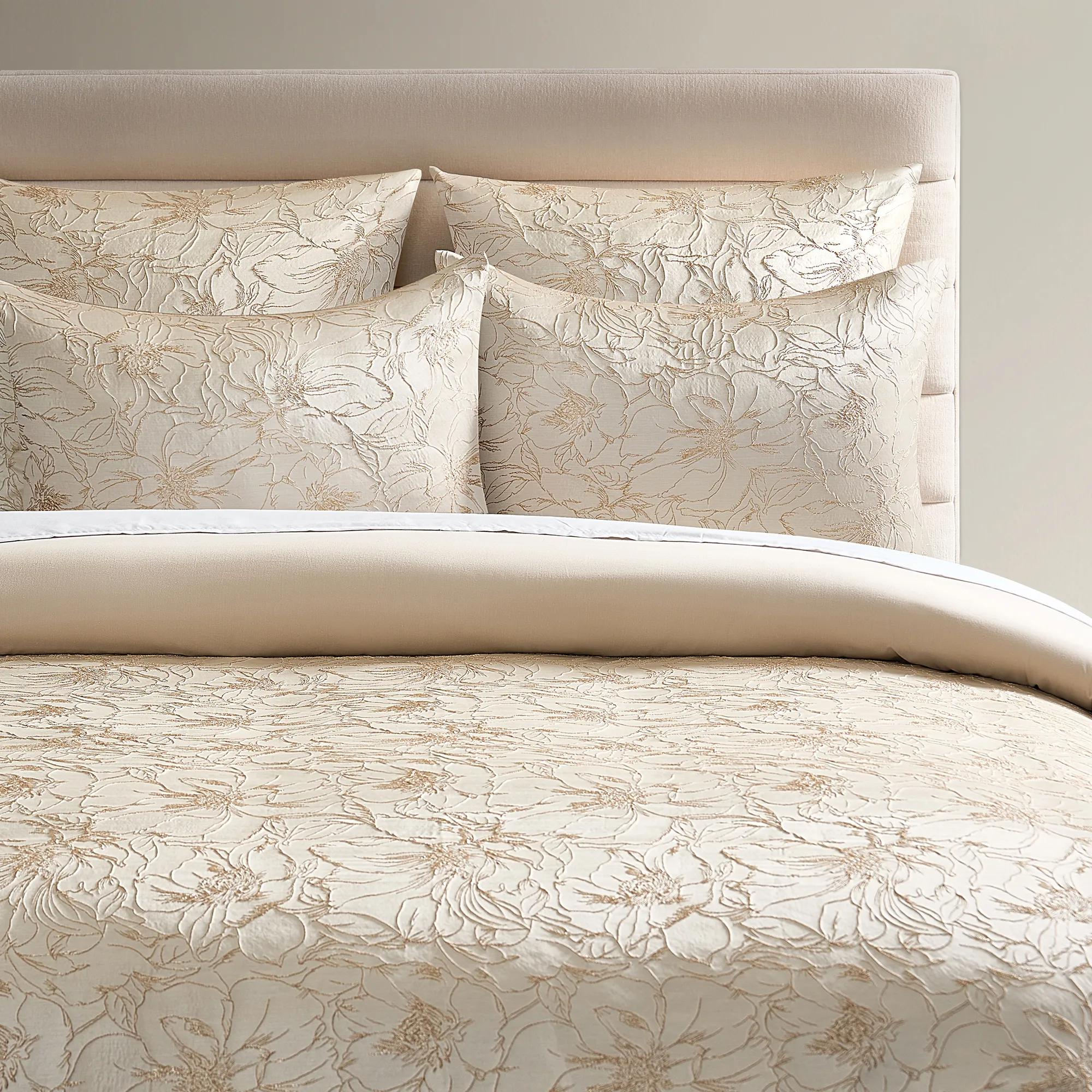 Mimoza Floral Jacquard Champagne Gold Bedding Set$49
A luminous champagne gold jacquard bedding set with delicate floral embroidery and polished knife-edge detailing.
Add To Cart -
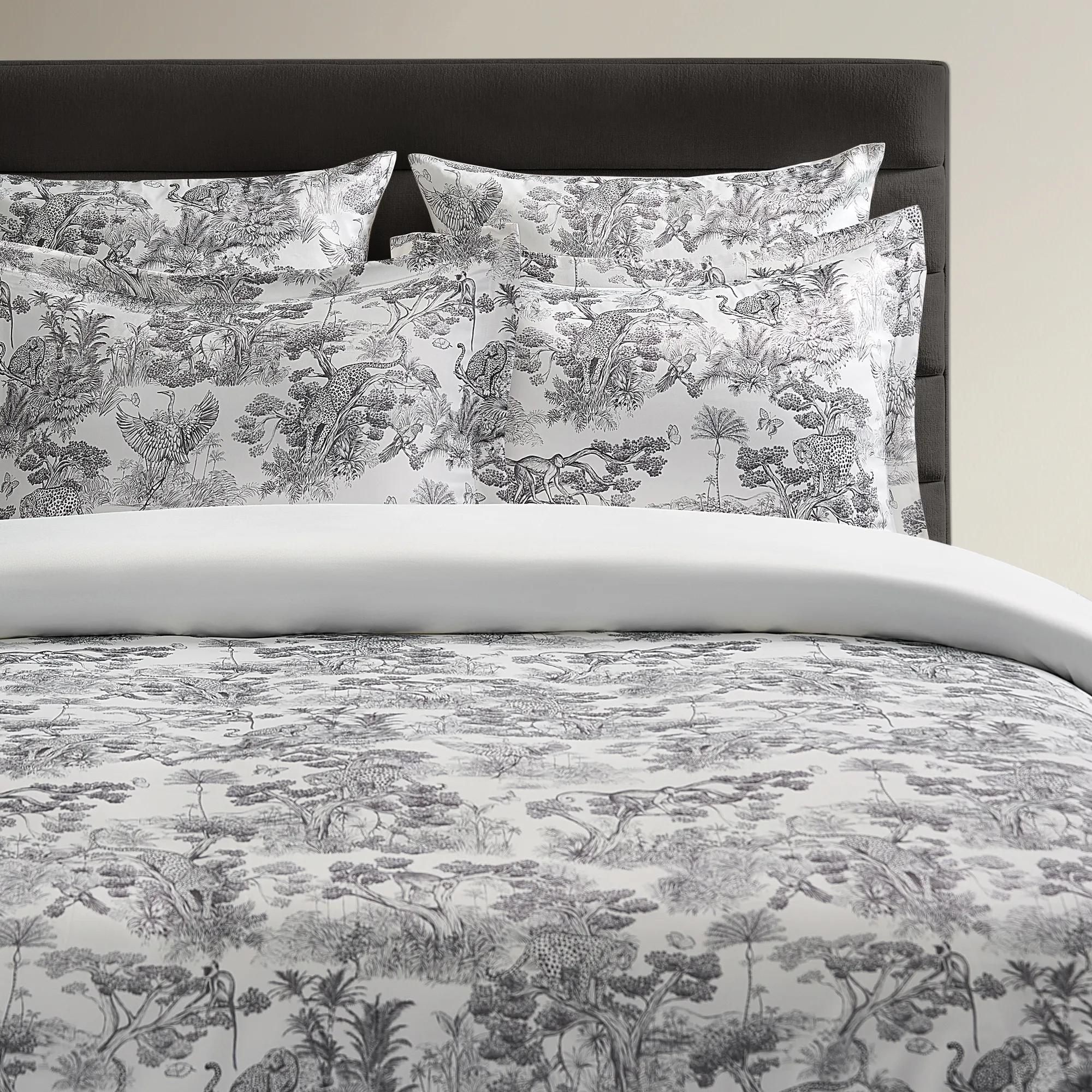
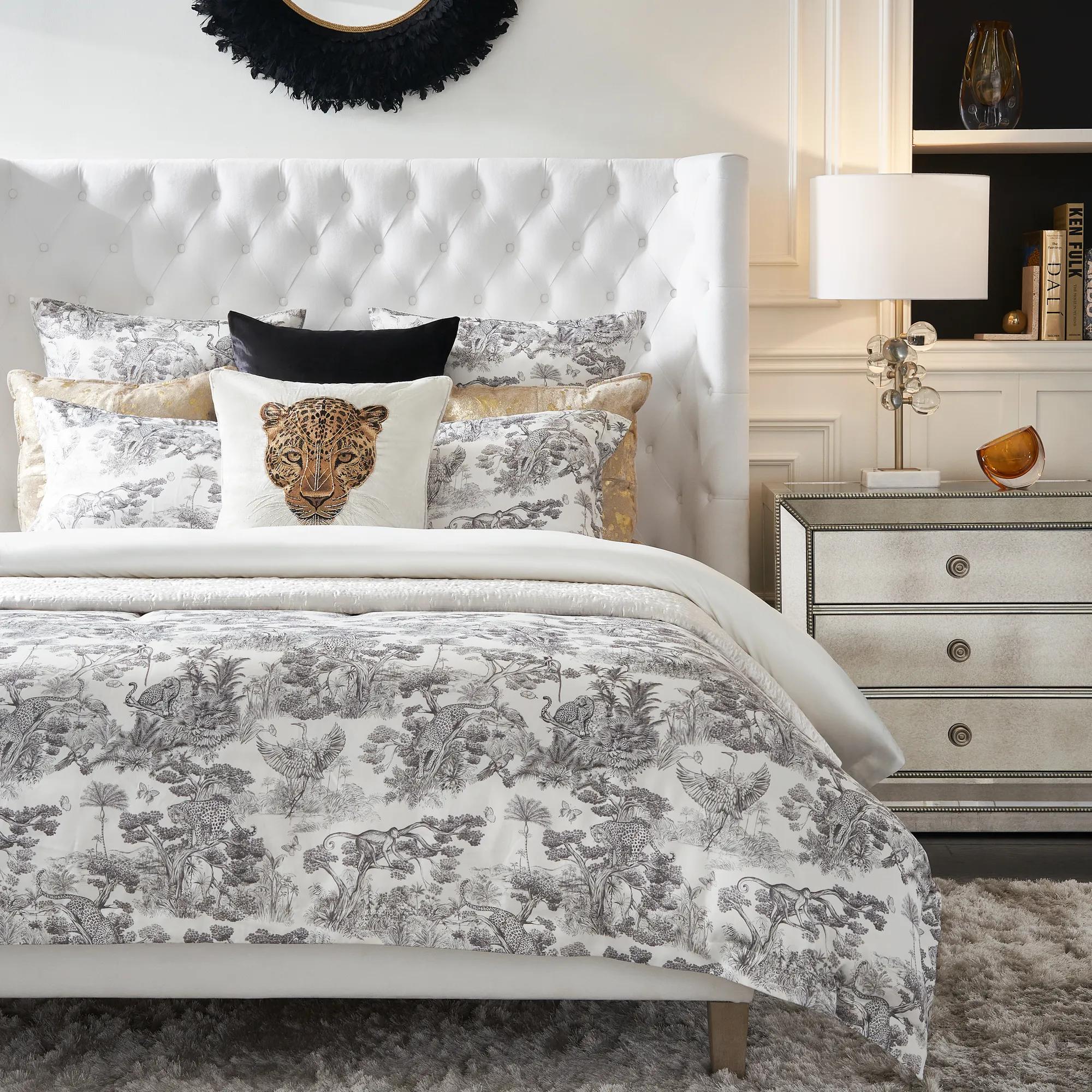 Jungle Toile Bedding Set - Ivory/Black$59
An elegant ivory and black satin bedding set featuring a delicate jungle print and refined flange edging.
Add To Cart -
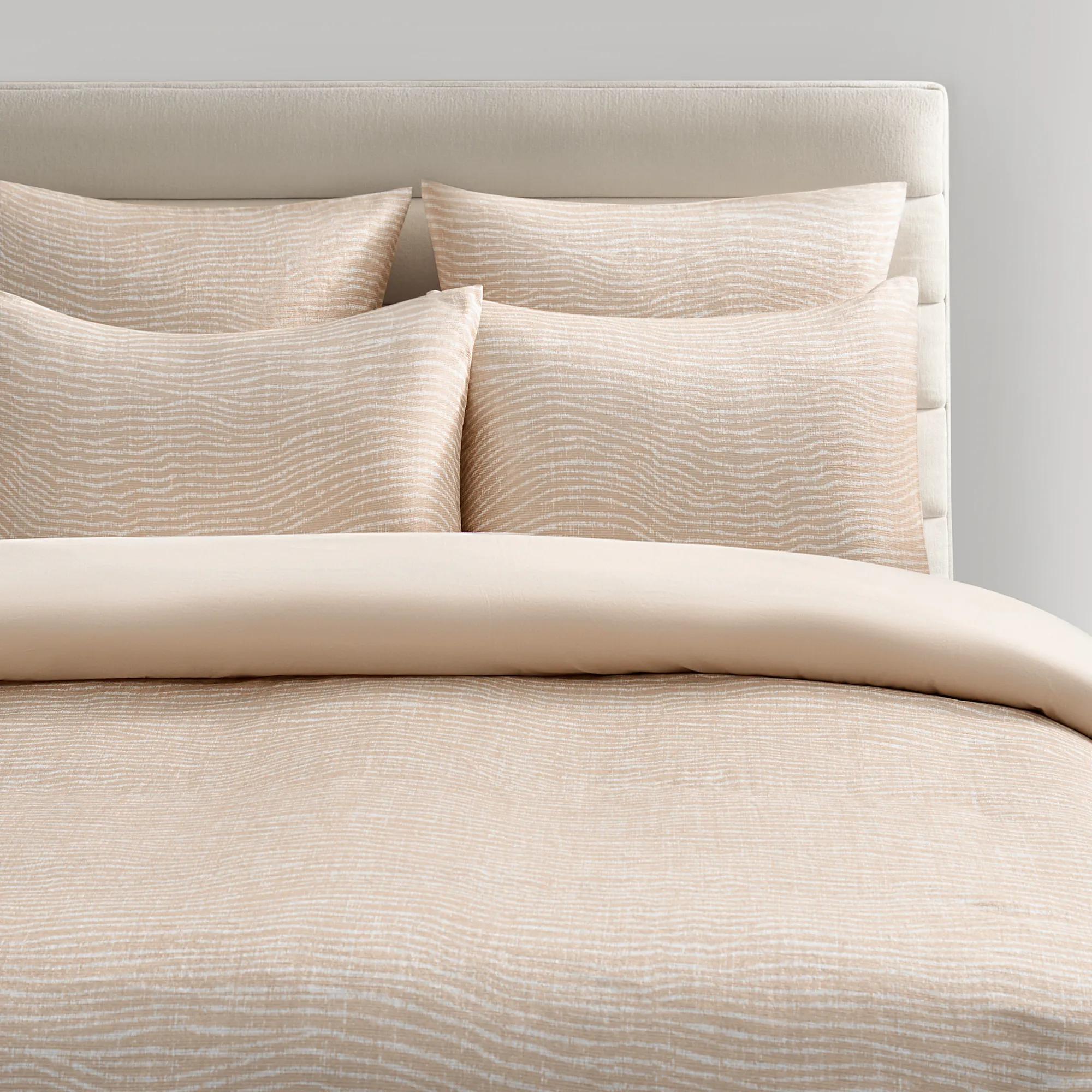 Sahara Bedding Set - Tan/Cream$199
A soft jacquard bedding set in tan and cream with a subtle wave-inspired zebra print and button closure.
Add To Cart -
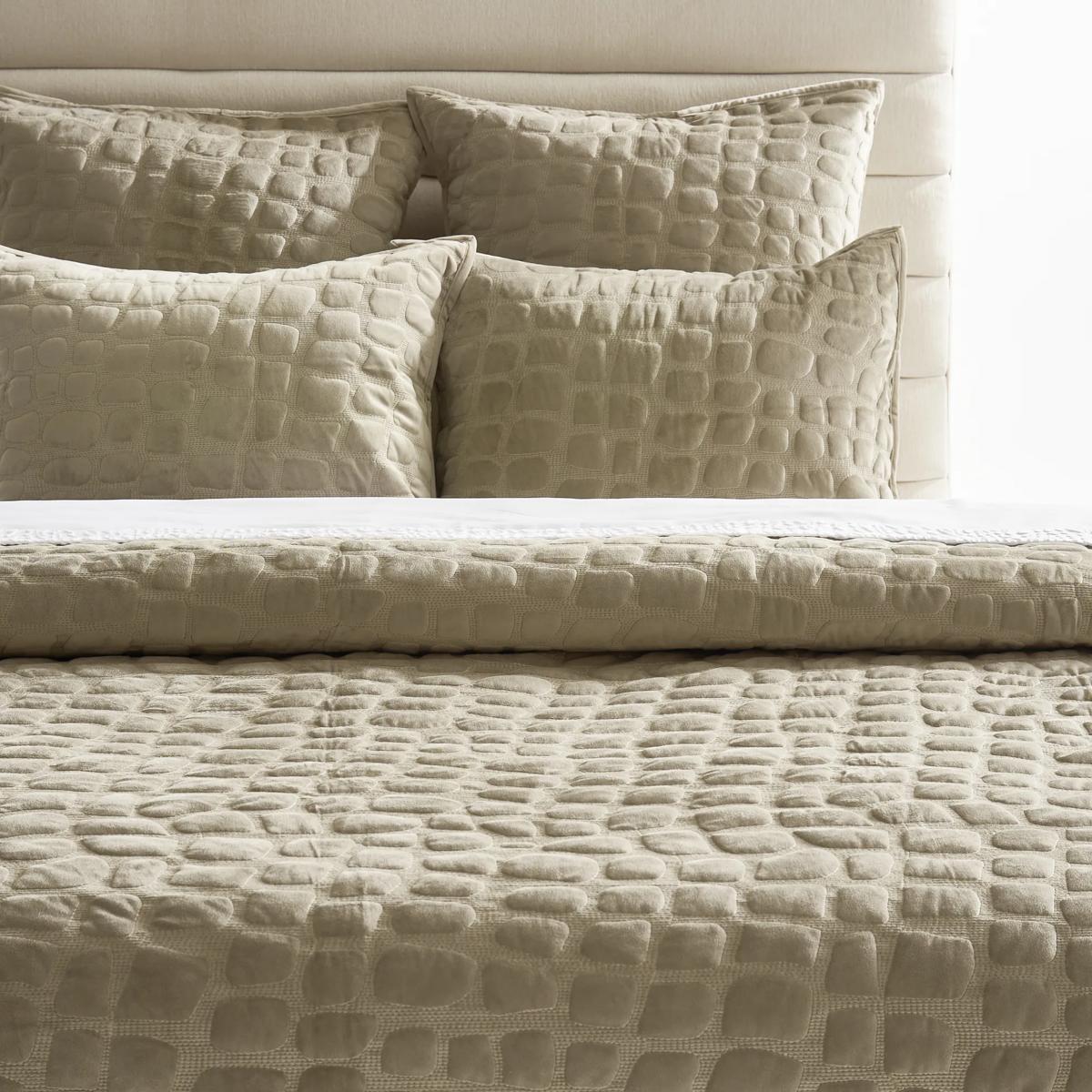
 Eve Pistachio Green Textured Velvet Quilt Set$69
A green textured velvet bedding set with coordinating duvet and sham covers for polished comfort.
Add To Cart -
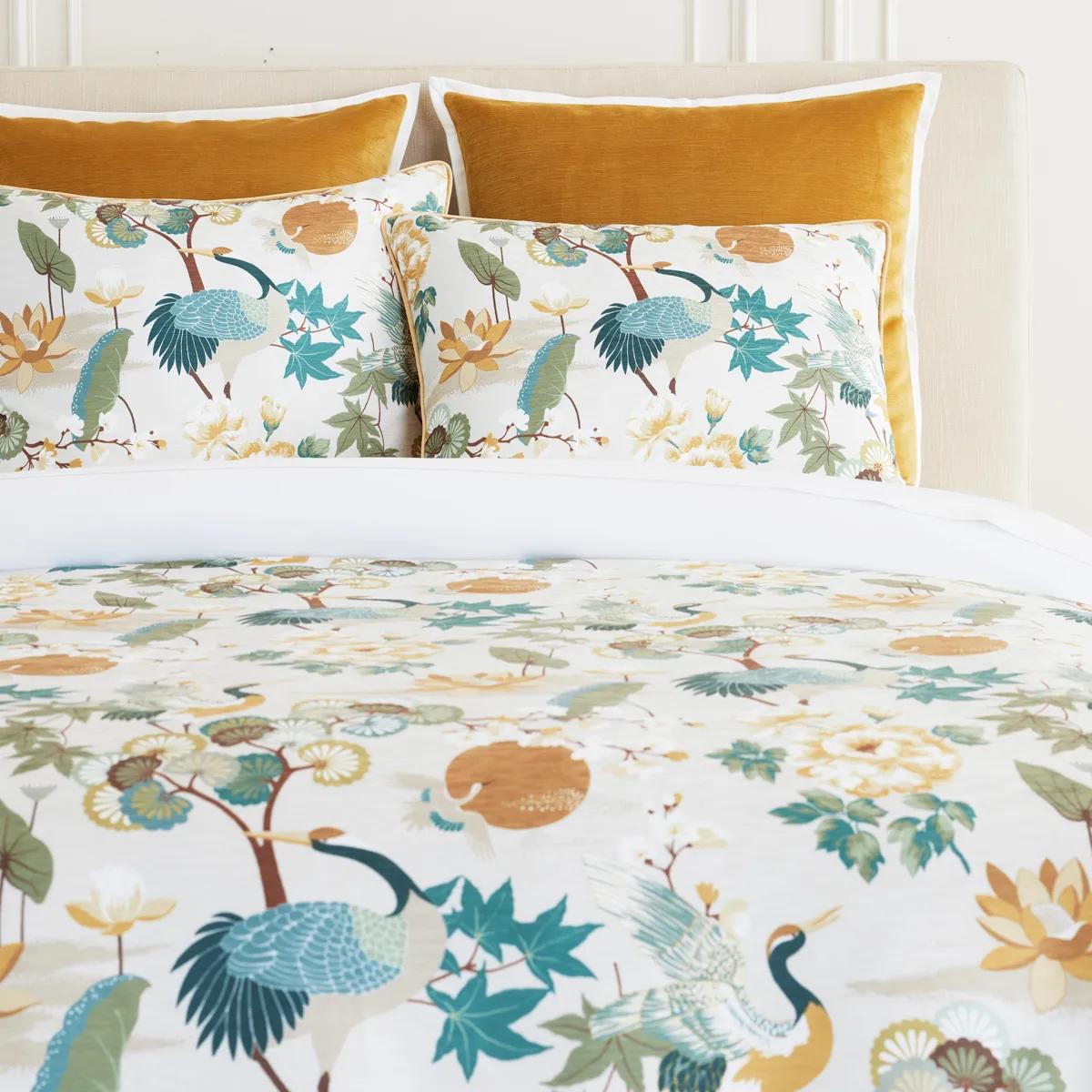
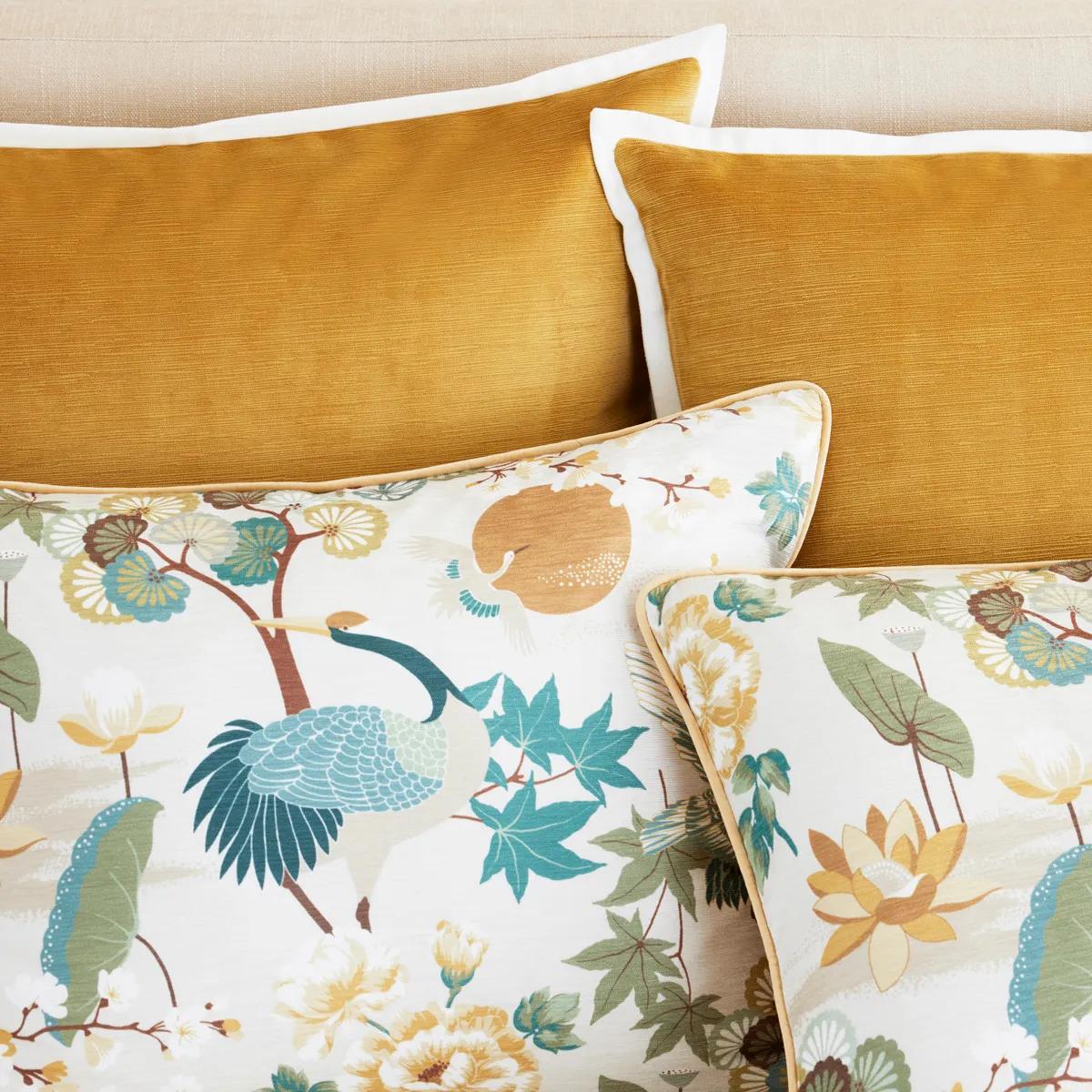 Sandhill Ivory/Multi Color Printed Bedding Set$589
An ivory bedding collection featuring earthy tones, nature-inspired design, and luxurious velvet accents.
Add To Cart -
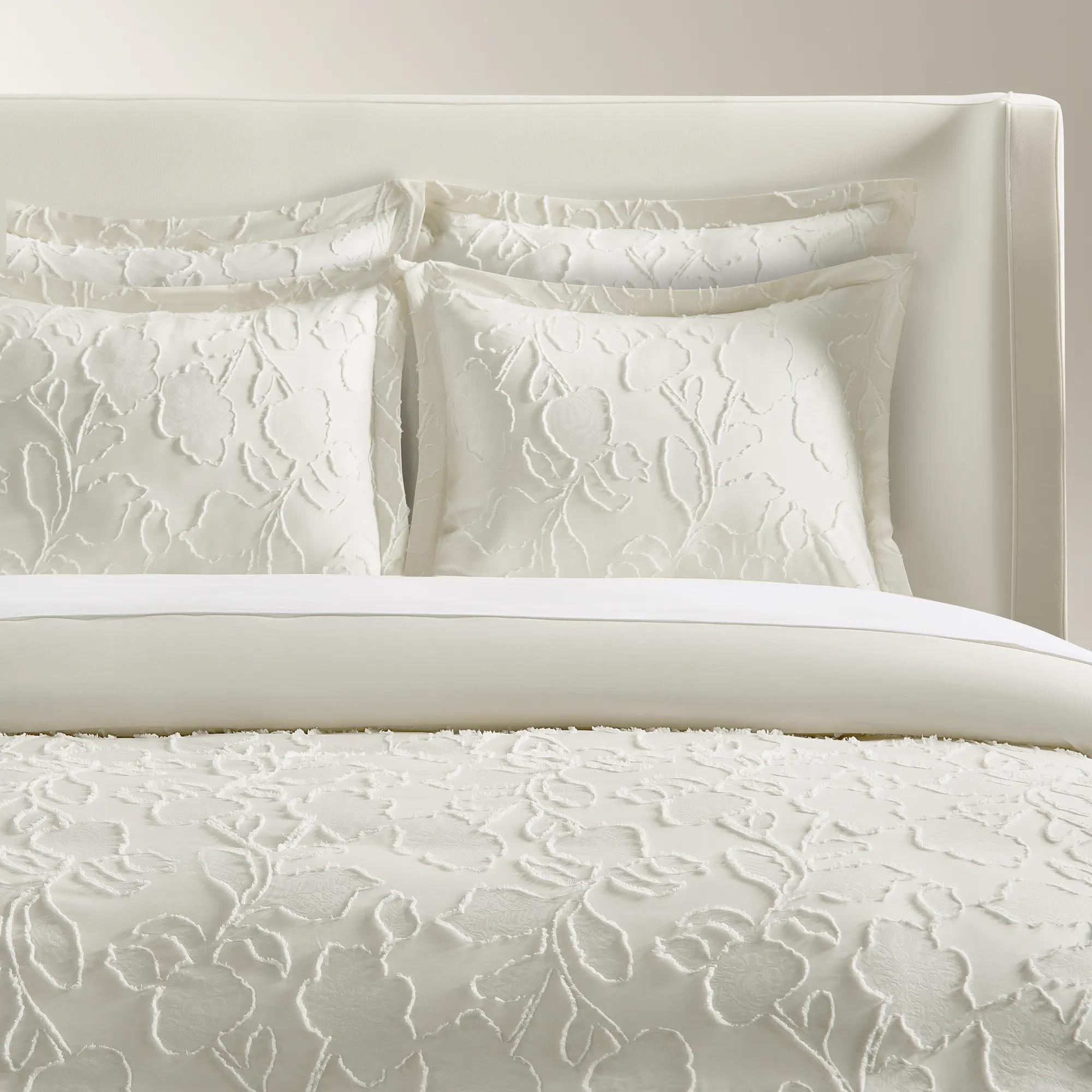
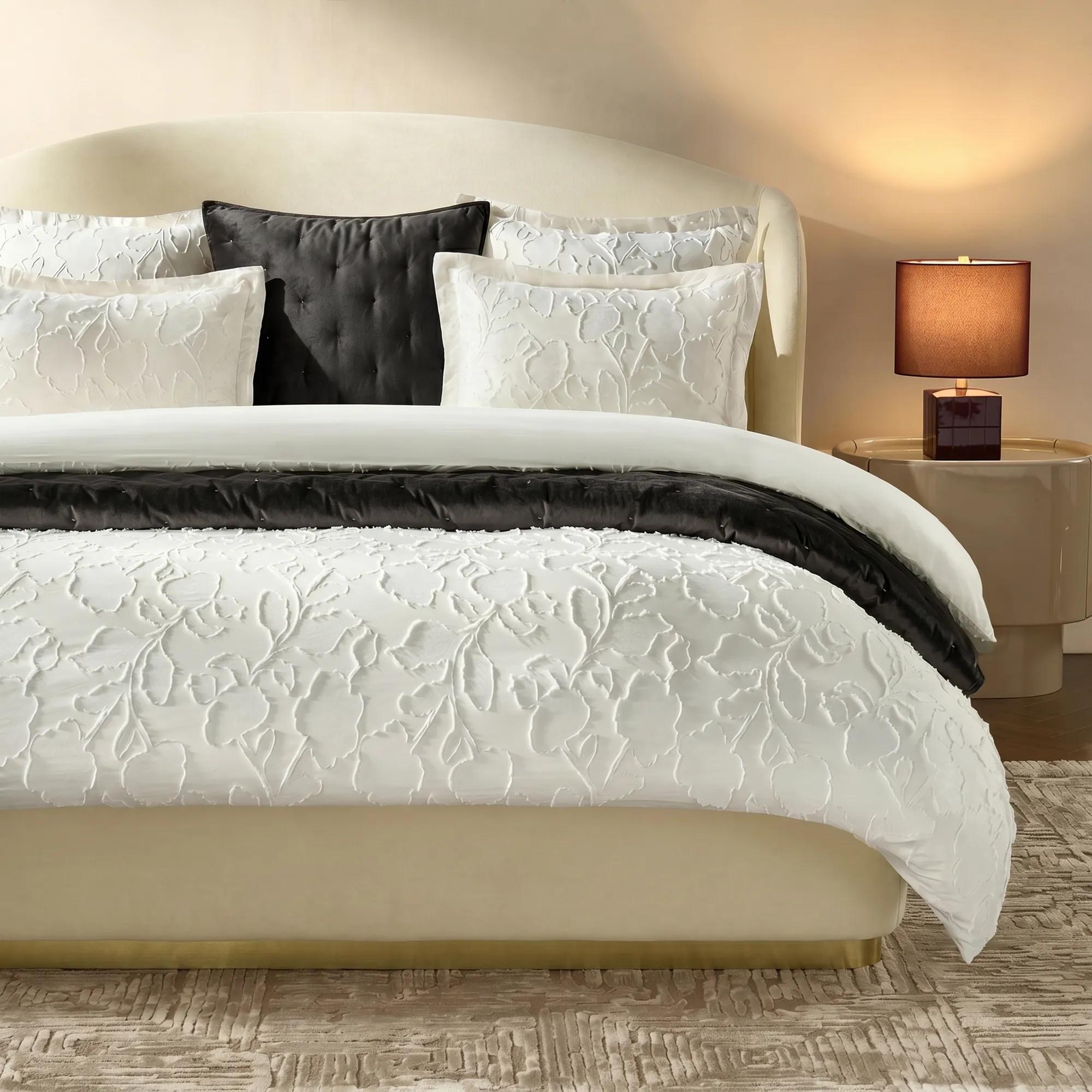 Cosette Ivory Cotton Floral Jacquard Bedding Set$229
A warm ivory bedding set featuring a tonal floral jacquard, eyelash fringe, and soft cotton backing.
Add To Cart -

 Jungle Toile Bedding Set - Pale Pink$169
A luxurious satin bedding set featuring a delicate black jungle print on a pale pink background.
Add To Cart

Nature Themed Duvet Covers
Explore nature-themed duvet covers to give your bedding an artful connection to the outdoors. Compare colors and pattern scale with your existing bedroom decor: subtle contrasts can create a serene backdrop, while a more dramatic design makes the bed the focal point of the room.
Nature-themed duvet covers bring botanical, woodland, floral, and landscape designs to bedding, translating leaves, branches, blossoms, and natural scenery into a striking focal point for the bedroom. Their palettes range from muted earth tones and soft greens to saturated jewel hues, with patterns that feel quietly atmospheric or boldly expressive. A trailing vine creates a different mood from an oversized tropical leaf: one draws the eye along delicate lines, while the other gives the bed the presence of a large-scale artwork. Painterly florals add movement and softness; branching silhouettes introduce a more graphic rhythm. Abstract interpretations of stone, foliage, or rolling terrain offer an organic sensibility without a literal garden scene. This variety makes nature-inspired bedding equally compelling in a polished primary suite, an intimate apartment bedroom, or a guest room with a distinct point of view. The visual impact depends as much on proportion as on subject. Expansive leaves and generous blossoms read clearly across a king-size bed, while smaller repeating motifs create a detailed surface that reveals itself up close. A dark background can give pale petals remarkable definition, especially beside a lacquered nightstand or a gleaming lamp. An ivory background with fine botanical linework feels more open, allowing sculptural furniture and expressive art to share the room. Neither approach requires a rustic setting. Natural imagery can look decidedly glamorous when framed by a tailored upholstered headboard, luminous accents, and a considered arrangement of pillows. Color provides another connection: olive foliage can echo a velvet bench, while a touch of ocher in a floral print can relate to warm metallic finishes. For a room already rich in ornament, a restrained botanical palette creates continuity without disappearing. In a more neutral space, a vivid nature print gives the bed a confident identity, turning an everyday furnishing into the composition that defines the room.
A duvet cover is the removable outer layer that encloses a duvet insert, so its fabric determines much of the texture against the skin while the insert provides loft and influences warmth. Cotton is a familiar choice for its breathable feel and versatility, though the weave makes a meaningful difference. Cotton percale typically has a crisp, matte finish that gives delicate leaf outlines a clean presentation; cotton sateen generally feels smoother and has a subtle luster that can lend depth to richly colored florals. Linen offers a more pronounced texture and a relaxed drape, bringing dimension to muted botanical designs and softening with use. Blended fabrics vary according to their fiber content and construction, with some emphasizing smoothness, wrinkle resistance, or ease of care. The most satisfying choice balances that tactile character with the desired visual effect: a lustrous surface and a deeply colored print create a different experience from textured cloth in chalk, moss, and sand. Thread count alone does not establish quality; fiber, weave, finishing, and sound construction all contribute to feel and durability. Fit deserves the same attention as pattern. Size names are a starting point, but the cover’s listed dimensions should correspond closely to the insert’s measurements, since dimensions can differ between manufacturers. Too much extra fabric can leave the edges looking unfilled, while an overly tight cover may compress the insert or cause bunching. Mattress height and the bed frame also affect how far the dressed duvet appears to fall along the sides. On a taller bed, a generous drop can create a sumptuous silhouette; on a low platform, a more contained drape keeps the artwork of the print clearly defined. Interior ties or loops, when included and compatible with the insert, help hold the corners in place. Secure closures and neatly finished seams support a polished appearance through repeated changes, making construction details especially relevant for bedding used every day.
Nature-inspired duvet covers can anchor a complete bedroom without requiring every textile to carry a matching print. A cohesive arrangement can draw on the visual language of Nature Motif Bedding Collections, repeating one botanical color across pillow shams, sheets, and a neatly folded throw. With an elaborate floral duvet, solid sheets allow the pattern to remain the centerpiece; a narrow stripe or discreet geometric accent can add structure without competing with the imagery. Texture offers another layer of expression. A velvet cushion brings depth beside leafy linework, while a softly quilted coverlet adds relief beneath a sweeping botanical design. In a guest bedroom, a restrained woodland print can establish a welcoming atmosphere that feels considered rather than impersonal. In a primary bedroom, oversized blooms or dramatic foliage can reflect a more individual taste, particularly when the surrounding furniture gives the pattern room to breathe. These covers can also make thoughtful housewarming or wedding gifts when the recipient’s bedding size, preferred fabric, and design sensibility are known. Practical care helps preserve both the gesture and the design. The sewn-in care label should determine washing, drying, and ironing methods, because printed surfaces, decorative details, and fiber blends may require different treatment. Where machine washing is permitted, avoiding an overloaded drum gives the fabric room to move and rinse thoroughly. Harsh bleach and excessive dryer heat can damage some fibers or affect color, so neither should be assumed suitable. Thorough drying before the cover is returned to the insert helps prevent trapped moisture, and fastening closures before laundering may reduce snagging when consistent with the care instructions. Rotating between covers can distribute wear while allowing a different pattern or palette to reshape the room. With an appropriate fit, considered fabric, and attentive care, a nature-themed duvet cover becomes more than a decorative layer: it brings artistry to a space designed for personal comfort.
FAQs
Nature-themed duvet covers draw inspiration from botanical forms, leafy branches, blooming florals, and expressive landscapes. Designs can range from delicate linework to painterly compositions, turning the bed into an artful focal point with an organic point of view.
Pair botanical bedding with gleaming metallic accents, sculptural bedside lamps, and richly textured decorative pillows. Let the duvet cover provide the visual drama, then echo one of its colors in nearby artwork or accessories for a polished, intentional composition.
Sage, ivory, and warm taupe create a softly layered botanical palette, while emerald, charcoal, and gold lend nature-inspired bedding a more dramatic presence. For a cohesive bedroom, choose a dominant color from the duvet's design and repeat it selectively throughout the room.
Yes—botanical motifs can look especially striking alongside tailored stripes or crisp geometric accents. Vary the visual density of the patterns and connect them through a shared color. Solid shams or a textured throw give intricate nature-inspired designs room to command attention.
Keep the duvet cover as your signature layer and change the accents around it. Pale decorative pillows and luminous accessories create a fresh spring composition, while deeper hues and sumptuous textures introduce autumn and winter drama. Draw each seasonal palette from the nature-inspired design.