Nature Inspired Duvet Covers
Nature Inspired Duvet Covers
-
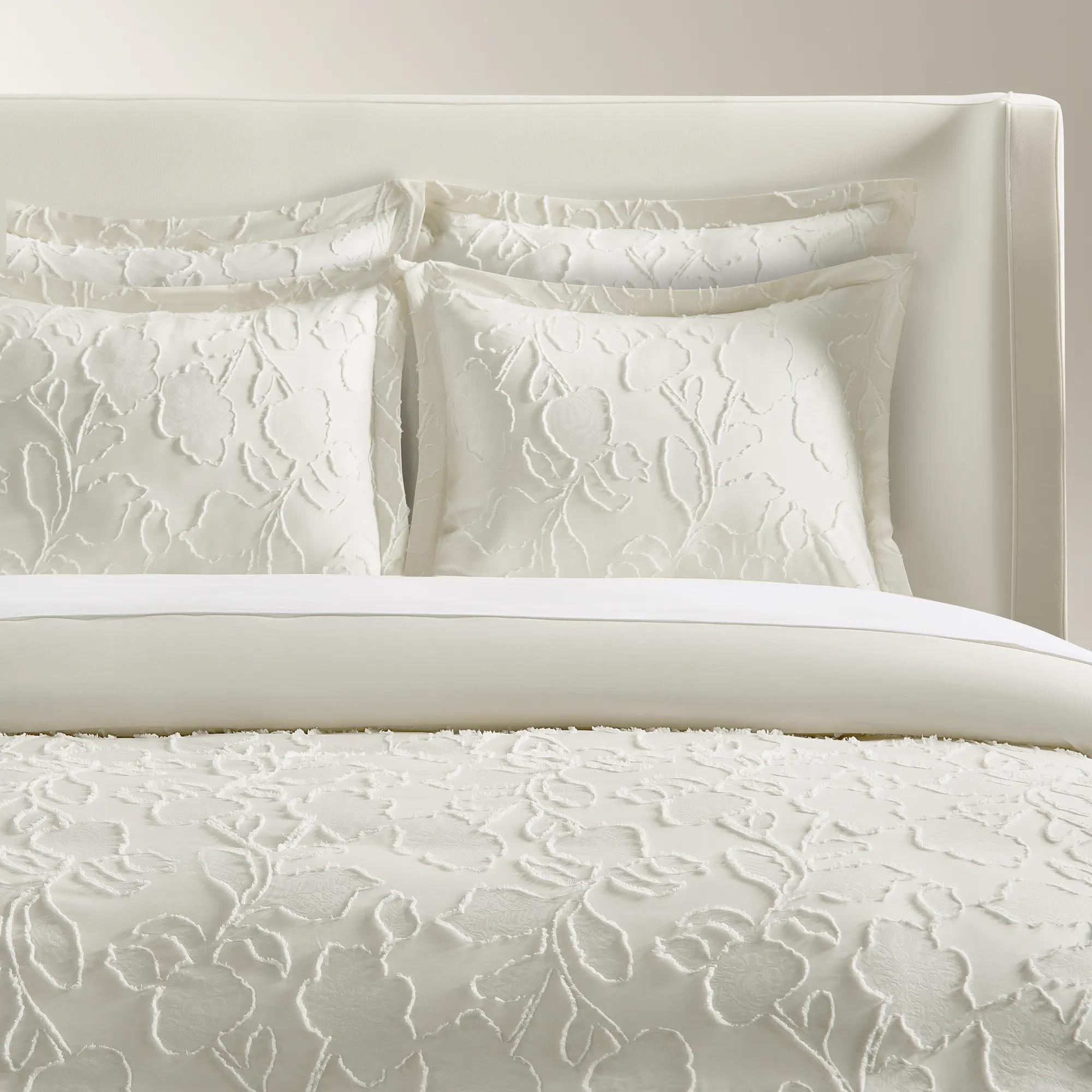
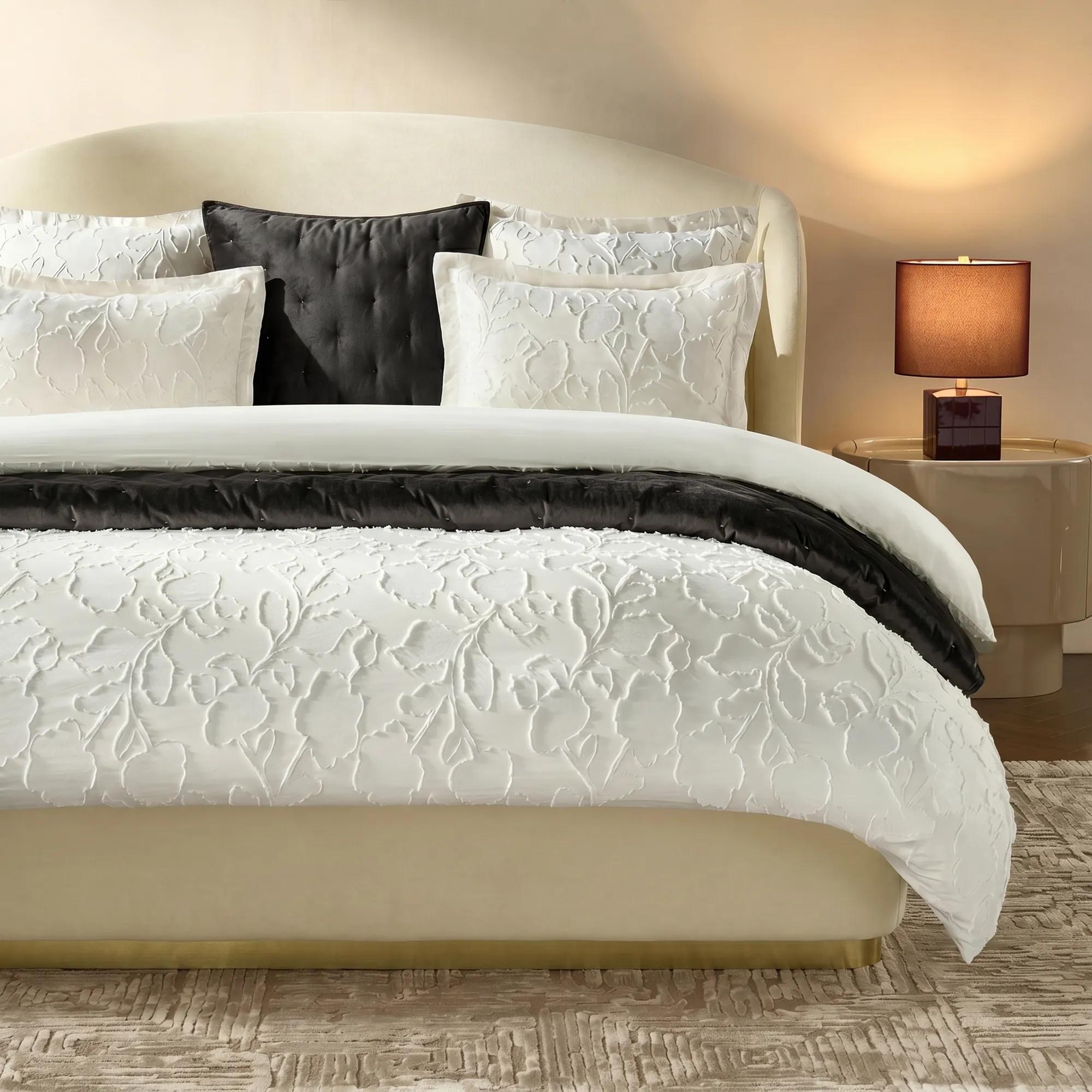 Cosette Ivory Cotton Floral Jacquard Bedding Set$69
A warm ivory bedding set featuring tonal floral jacquard, eyelash fringe, and a soft cotton backing.
Add To Cart -
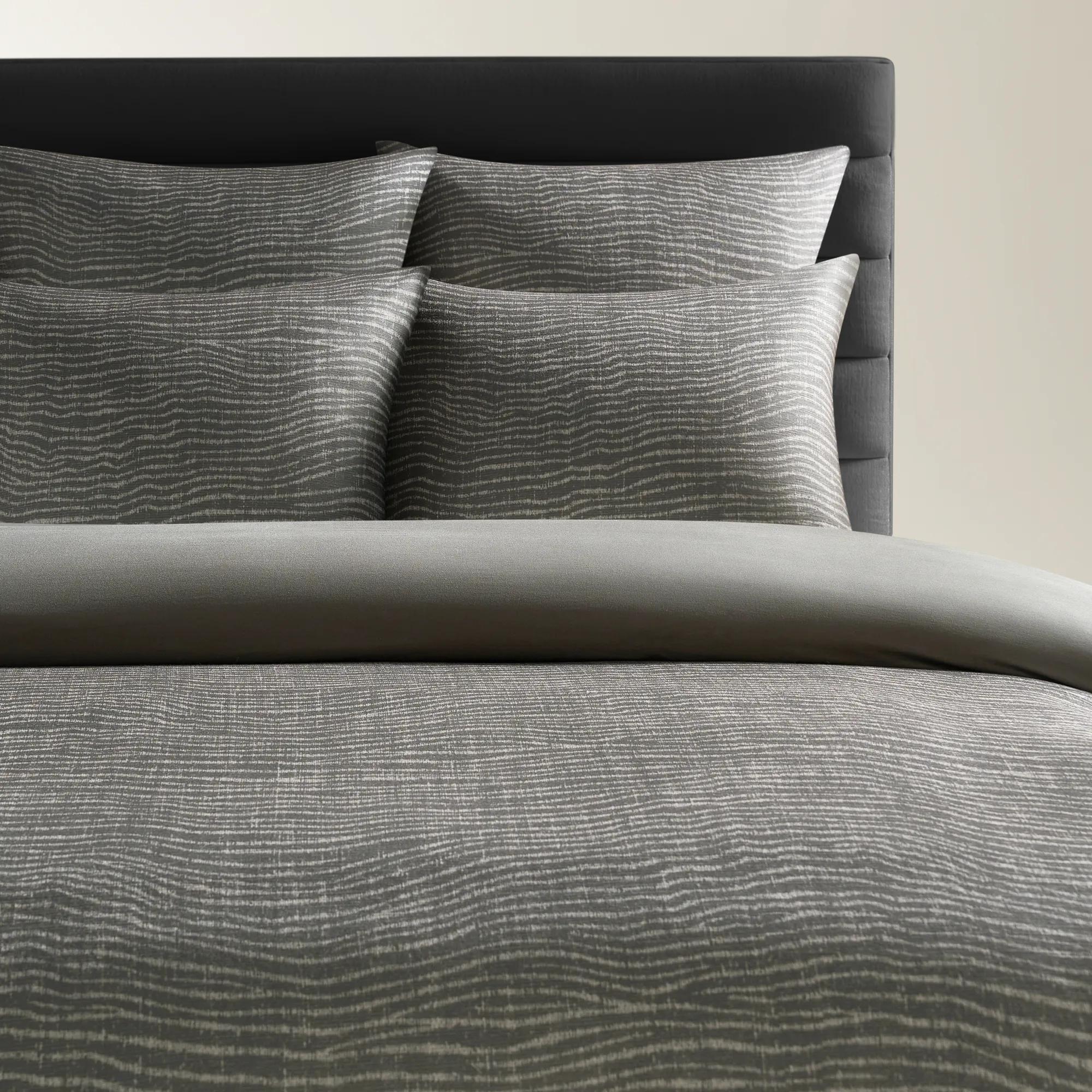 Sahara Bedding Set - Charcoal$59
A soft jacquard bedding set in calming charcoal with a subtle wave-inspired zebra print and refined details.
Add To Cart -

 Jungle Toile Bedding Set - Pale Pink$59
A luxurious satin bedding set featuring a delicate black jungle print on a pale pink background.
Add To Cart -
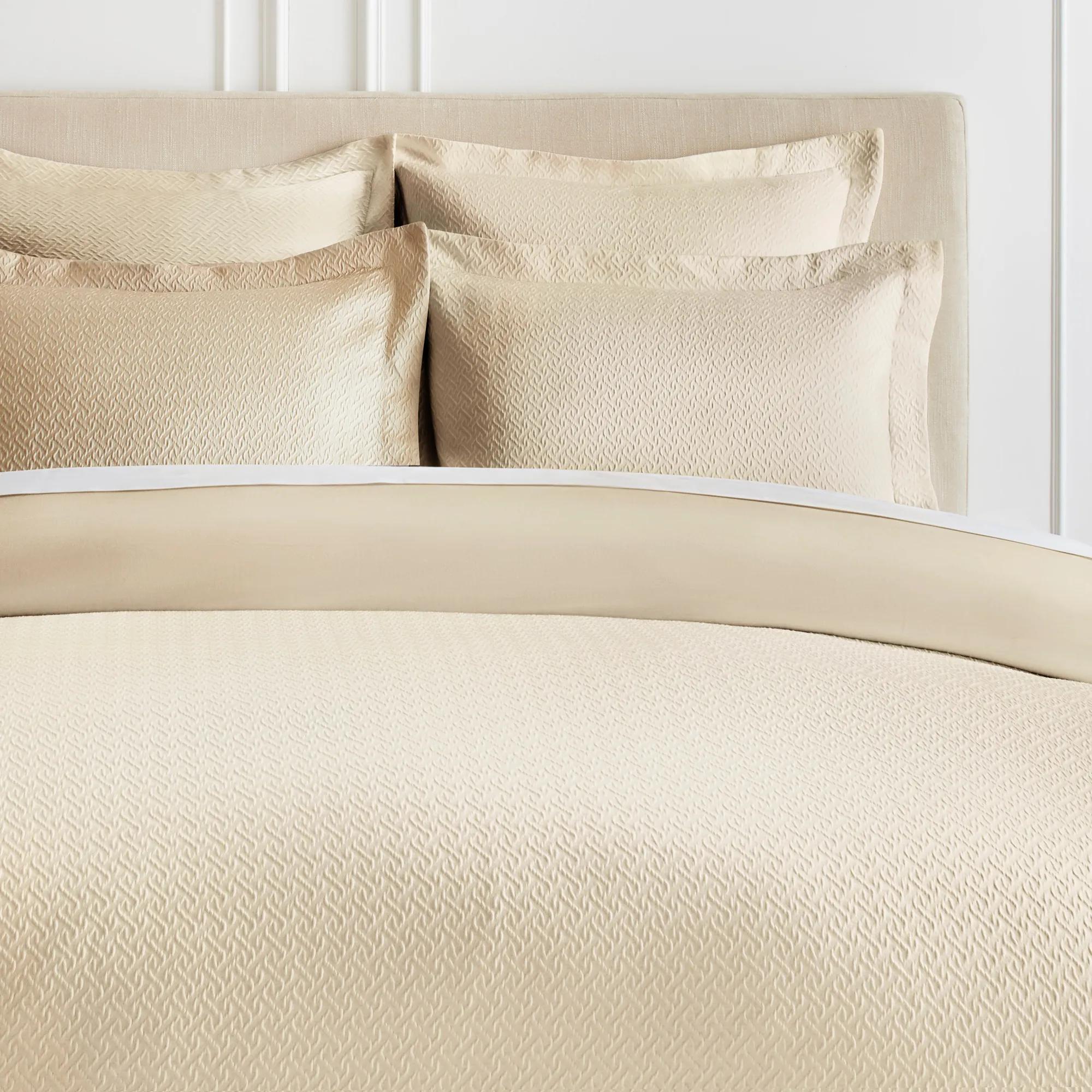
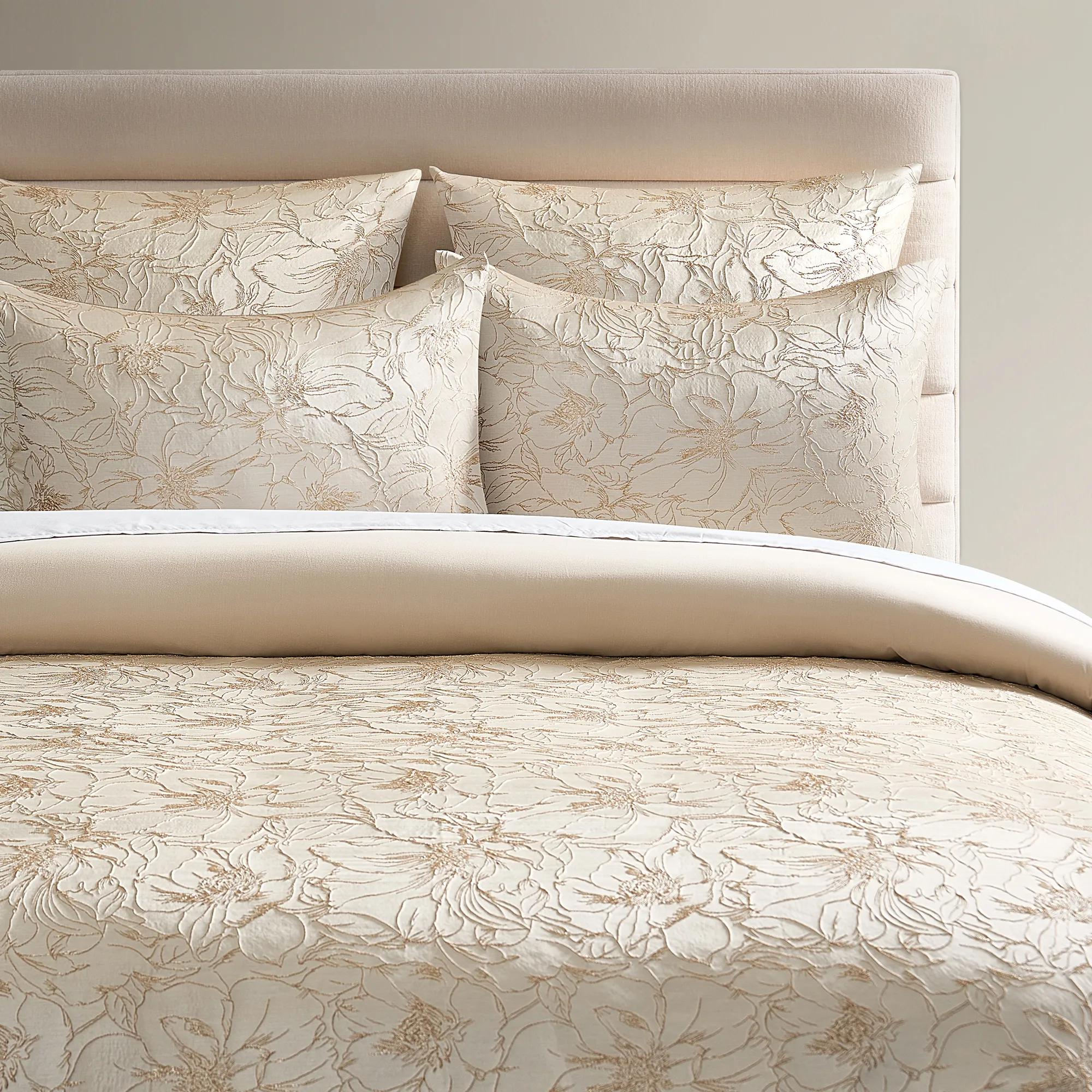 Mimoza Floral Jacquard Champagne Gold Bedding Set$49
A luminous champagne gold jacquard bedding set with delicate floral embroidery and polished knife-edge detailing.
Add To Cart -
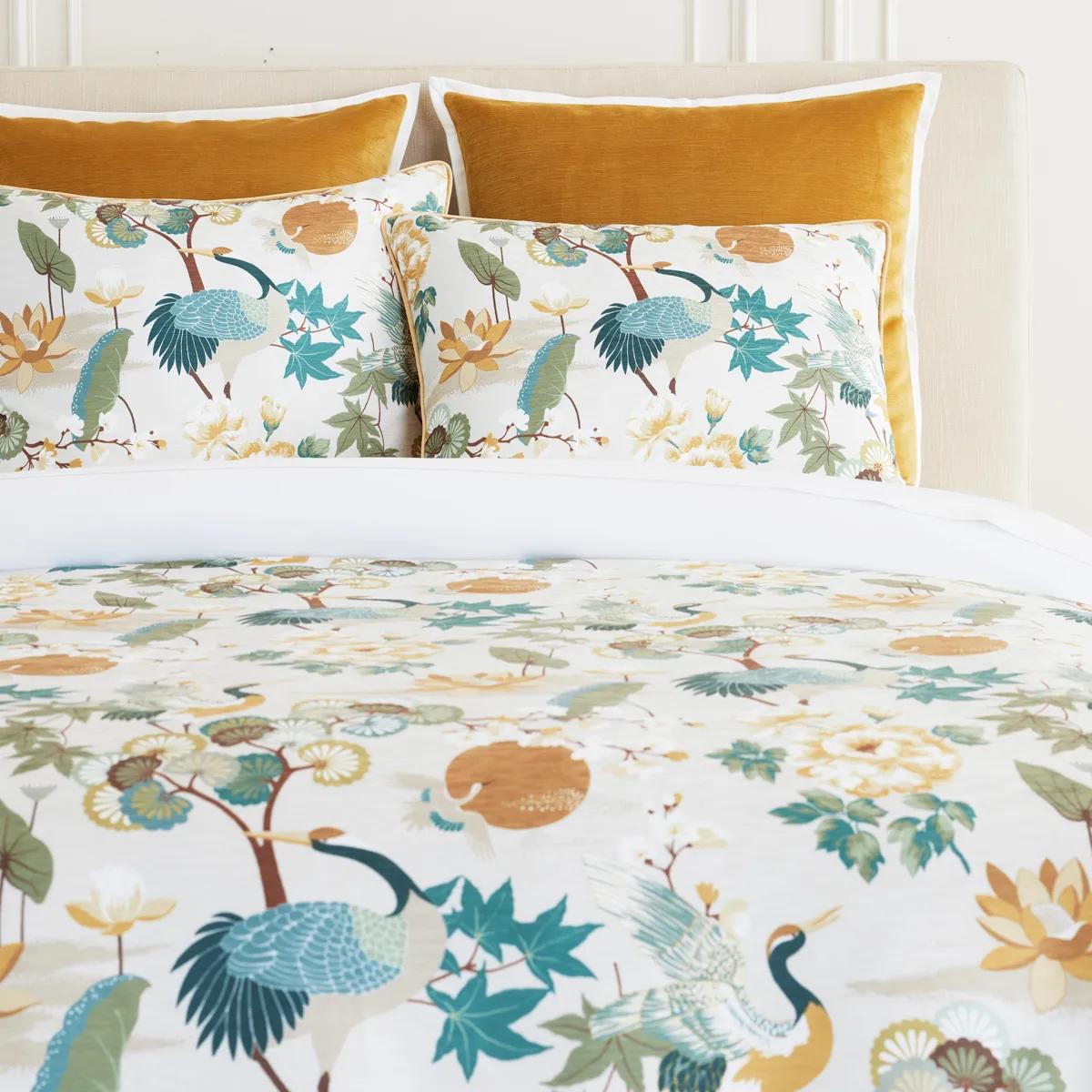
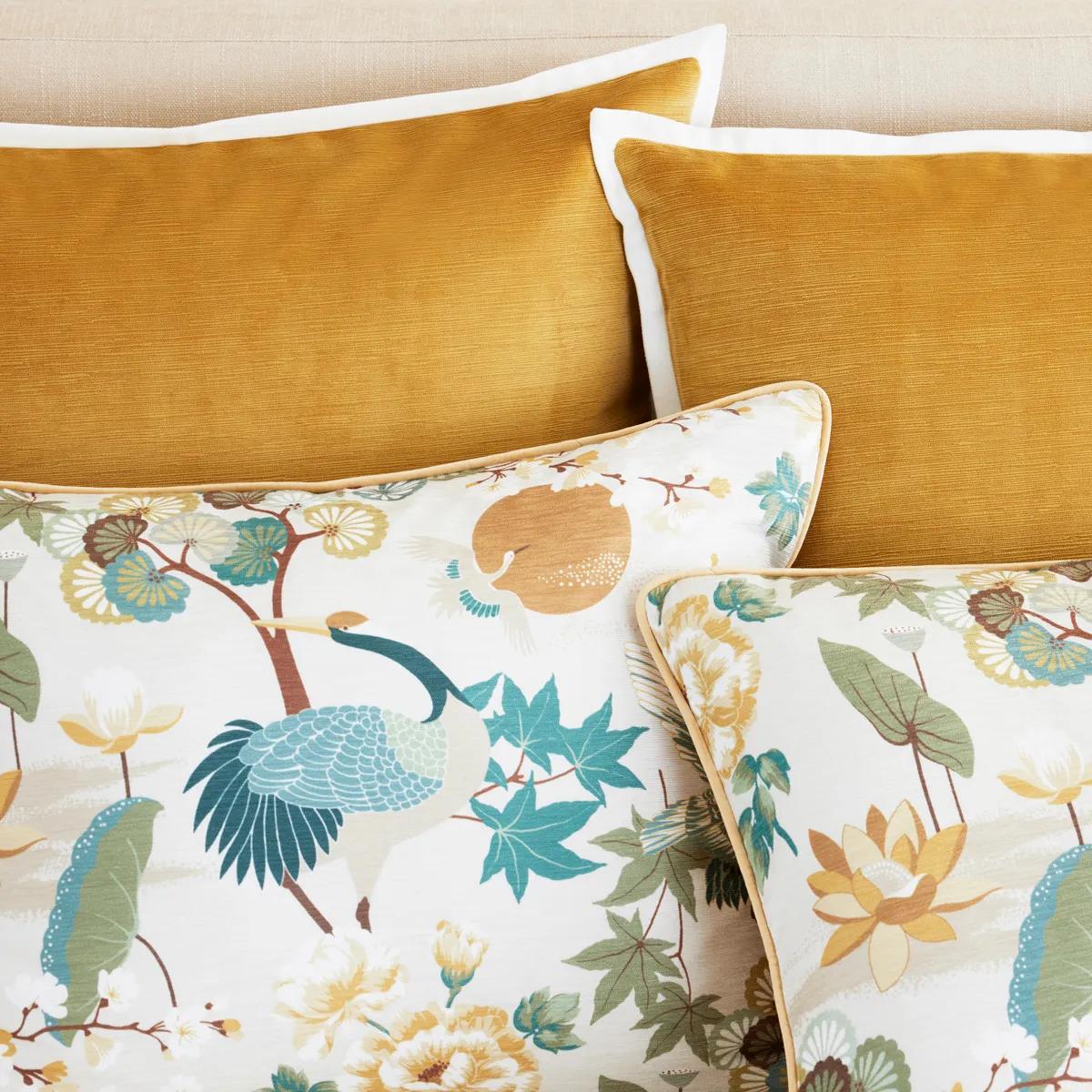 Sandhill Ivory/Multi Color Printed Bedding Set$639
An ivory bedding collection featuring earthy tones, gold velvet accents, and a soft cotton-polyester blend.
Add To Cart -
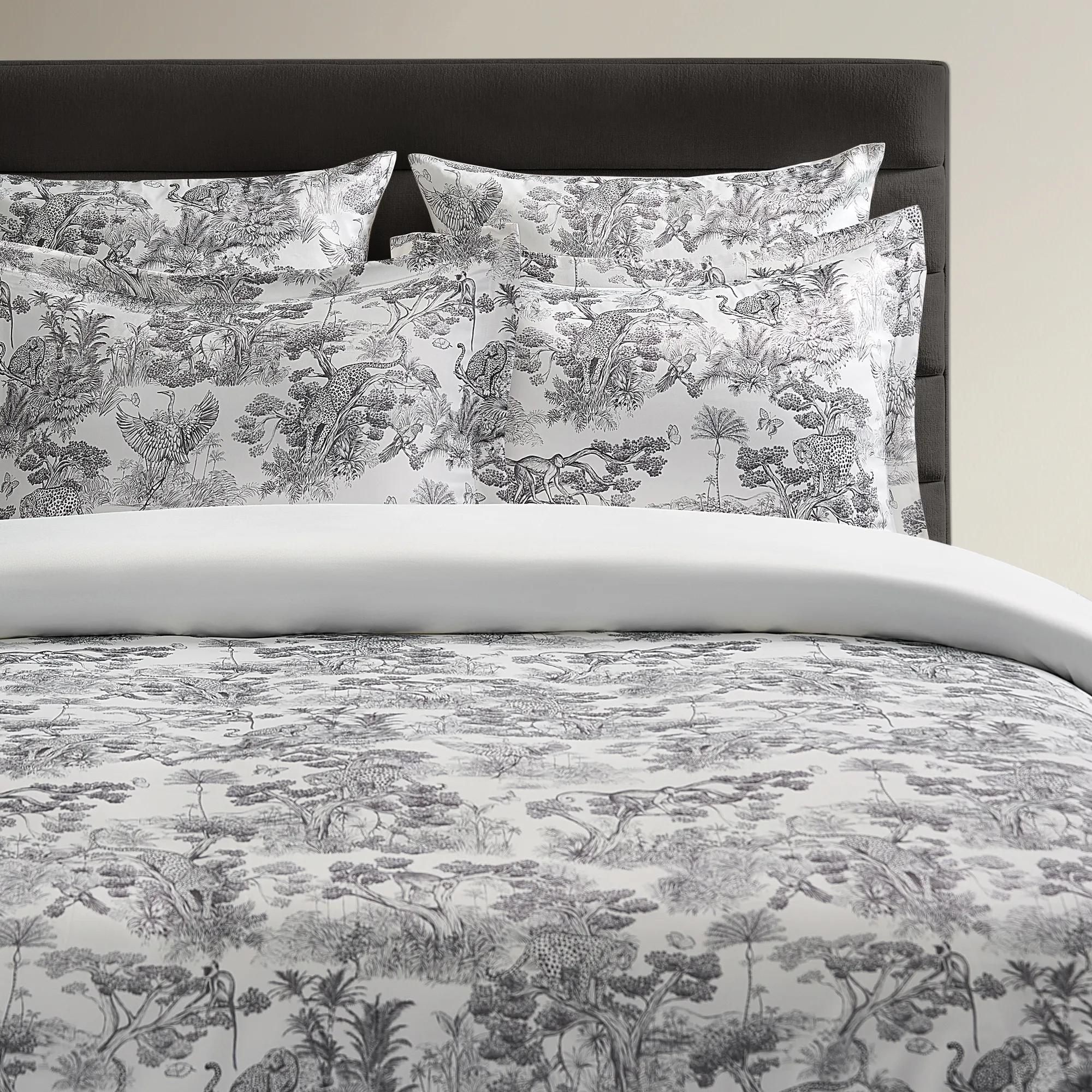
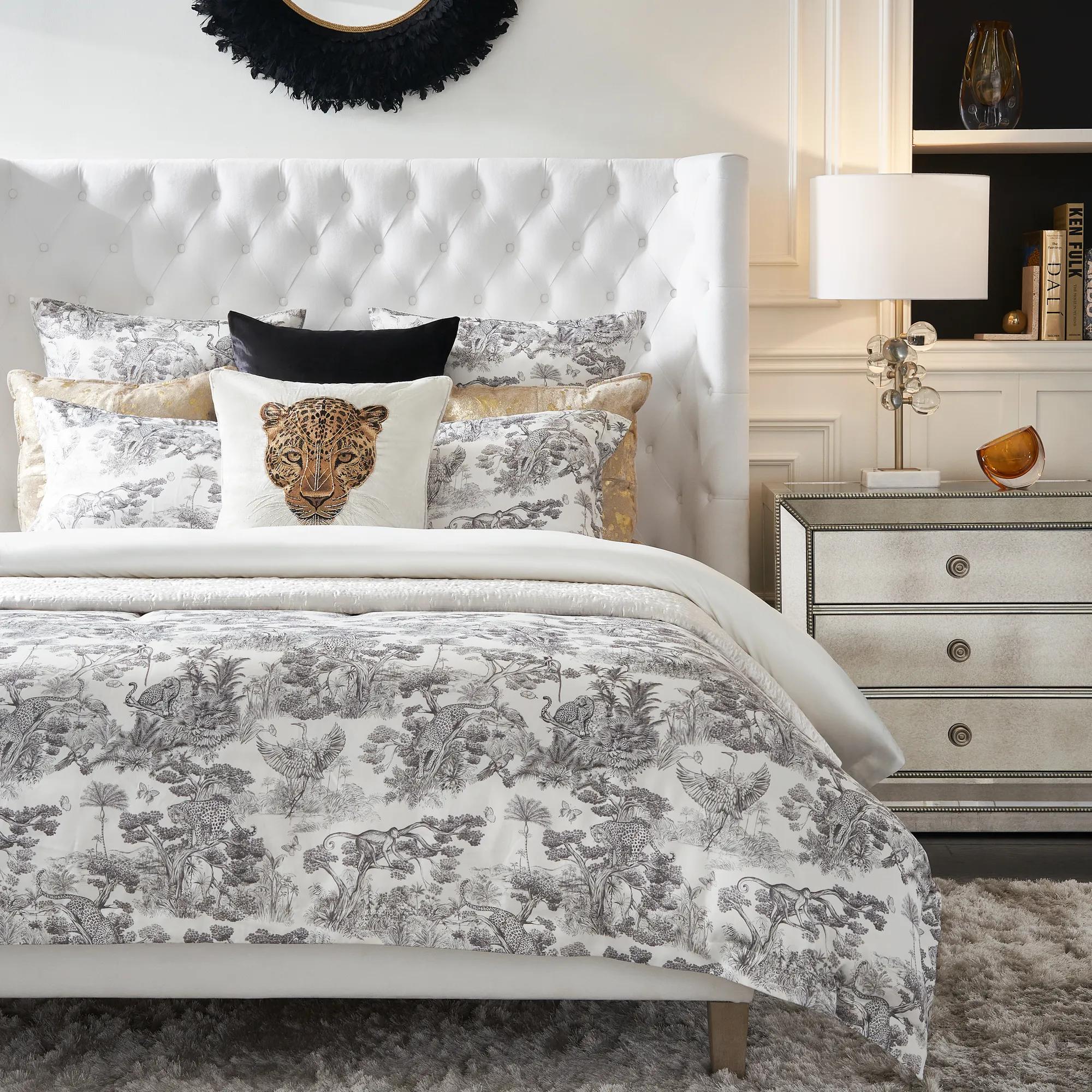 Jungle Toile Bedding Set - Ivory/Black$59
An elegant ivory and black satin bedding set featuring a delicate jungle print and refined flange edging.
Add To Cart -
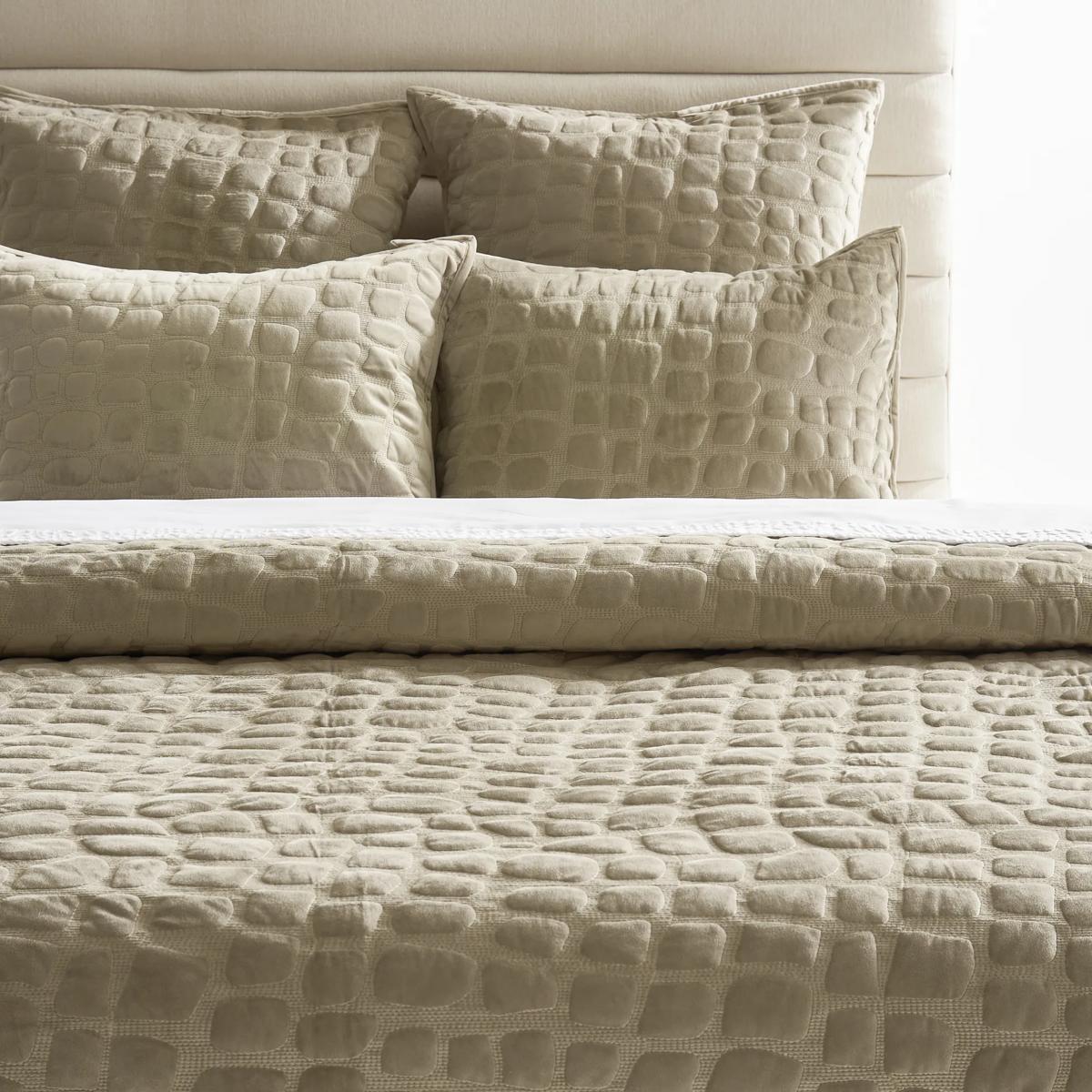
 Eve Pistachio Green Textured Velvet Quilt Set$249
A pistachio green textured velvet quilt set with coordinating duvet and sham covers.
Add To Cart -
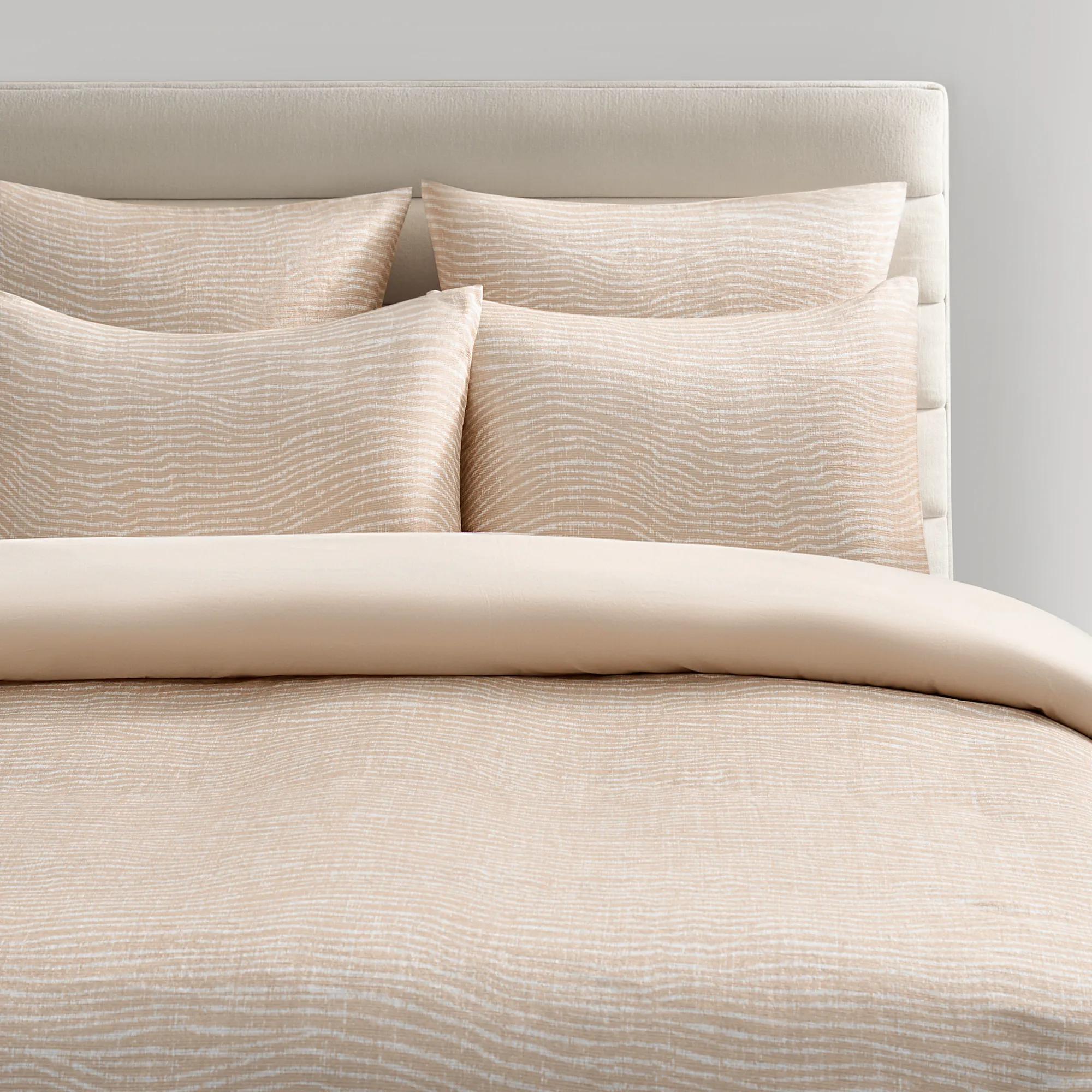 Sahara Bedding Set - Tan/Cream$199
A soft jacquard bedding set in tan and cream with a subtle wave-inspired zebra print and button closure.
Add To Cart

Nature Inspired Duvet Covers
Explore nature-inspired duvet covers that translate the beauty of the outdoors into artful bedding. Consider how each design’s colors and patterns will complement your bedroom’s palette or create an expressive focal point. Check the cover’s dimensions against your duvet, and choose a pattern scale that feels balanced alongside your existing bedding.
Nature-inspired duvet covers bring the expressive beauty of the outdoors to the most personal room in the home, translating leaves, branches, blossoms, and organic textures into bedding with an artistic point of view. A duvet cover is a removable fabric shell for a duvet insert, allowing the bed’s appearance and surface texture to change without replacing the entire bedding arrangement. Within this category, botanical duvet covers may feature recognizable foliage and floral compositions, while more abstract designs suggest rippling water, mineral veining, or the irregular rhythm of a landscape. The effect can be quietly atmospheric or wonderfully dramatic: oversized fronds create sweeping movement across a bed, finely drawn stems lend delicate definition, and layered floral motifs introduce the richness of a painted canvas. Color shapes that impression as much as pattern. Ivory and taupe soften intricate botanical artwork, deep green brings depth to pale upholstery, and charcoal lends a graphic edge to graceful natural forms. Muted blush, clay, and ocher can add dimension without competing with the rest of the room. In a primary bedroom, a generously scaled leaf print can establish a confident focal point against a tailored headboard; in a guest bedroom, a restrained branch motif offers character while leaving space for different tastes. These designs are especially compelling when their natural references feel interpreted rather than literal. A blurred petal, an unexpected crop of foliage, or a softly textured ground gives the bed a collected, considered presence. Pattern density also matters. An open arrangement with visible space between motifs lets the fabric color become part of the composition, while a closely layered botanical print creates a more enveloping effect. Both approaches make nature-inspired bedding a distinctive foundation for bedrooms that balance personal expression with a sense of repose.
Fabric gives that visual story its tactile dimension, and the material description deserves as much attention as the print. Cotton duvet covers are valued for their familiar softness and breathability, with the weave influencing how they feel and fall across the bed. Percale typically has a crisp, matte character that gives botanical linework a clean setting; sateen generally feels smoother and carries a subtle sheen, adding luster to shadowed leaves or richly colored florals. Linen brings visible texture and a relaxed drape, making even an elaborate pattern feel less formal. Blended fabrics may balance softness with easier maintenance, although the fiber percentages and care instructions offer a clearer picture than a broad fabric name alone. Printed motifs place the artwork on the fabric surface, while woven designs, including jacquard, can create dimensional pattern through the construction itself. Neither approach guarantees greater quality; fabric integrity, stitching, color performance, and finishing all contribute to lasting appeal. Fit is equally important to the finished bed. Twin, full, queen, king, and California king labels are useful starting points, but the duvet cover’s listed dimensions should be compared with the actual insert measurements. A cover that is much larger than its insert can look loose and feel uneven, while a cover that is too small may compress the filling and distort the drape. Mattress depth and the desired side coverage also affect the overall silhouette, particularly on a tall upholstered bed. Features such as interior corner ties or loops can help keep a compatible insert aligned, and button or zipper closures influence both the appearance and the ease of changing the cover. For coordinated sets, the listed contents clarify whether pillow shams are included and which sizes they accommodate; the duvet insert is a separate consideration unless expressly included. Thread count alone is not a complete measure of comfort or durability. Fiber quality, weave, and careful construction are more useful together, especially for bedding intended for regular use. A beautifully finished cover should feel inviting in daily life, not simply look striking when the bed is first arranged.
Styling nature-inspired duvet covers is often most successful when the surrounding pieces give the pattern room to express itself. With a large botanical motif, solid sheets and pillowcases drawn from one background color create continuity without turning every surface into a competing statement. A velvet accent pillow can echo the depth of a dark leaf, while a textured throw adds dimension to a delicate floral composition. Where the duvet design is already intricate, a simple upholstered headboard provides a composed backdrop; where the print is sparse, a sculptural lamp or reflective bedside accent can bring a more theatrical counterpoint. For bedrooms that favor a softer visual rhythm, Subtle Pattern Duvet Covers offer another direction to consider alongside expressive botanical designs. Care routines help preserve the distinction between intentional texture and unnecessary wear. The sewn-in label should determine washing, drying, and ironing methods, since fibers, dyes, decorative details, and finishes can require different treatment. When machine washing is permitted, securing the closure and leaving adequate room in the washer can help prevent tangling and support a thorough rinse. Strong bleach and excessive drying heat may affect certain fabrics or colors, so neither should be assumed appropriate. Storing a clean, completely dry cover away from direct light helps protect it between uses, and rotating bedding distributes everyday wear. For a shared bedroom, the most satisfying design often combines one person’s preference for expressive pattern with another’s preference for a restrained palette. For a guest room, washable fabric and straightforward closures make an artful bed easier to maintain. Nature-inspired bedding can also be a thoughtful wedding or housewarming gift when the recipient’s preferred colors, insert size, and care expectations are known. The result is personal without being ornamental alone: a functional textile that brings botanical artistry, tactile pleasure, and a distinct point of view to the bed.
FAQs
Nature-inspired duvet covers draw their visual character from the outdoors, with motifs such as sweeping leaves, expressive florals, branching silhouettes, and organic textures. From delicate botanical sketches to dramatic, oversized blooms, these designs turn the bed into an artful focal point.
Let the duvet cover introduce organic movement against clean-lined furniture. A sculptural lamp, mirrored nightstand, or metallic accent can create a glamorous counterpoint to botanical imagery. Keep surrounding bedding understated so the nature-inspired pattern commands attention without competing with every detail.
Take your cue from the design itself. Ivory, taupe, and warm gray create a composed backdrop, while emerald, midnight blue, or plum can bring depth and drama. Repeat one accent color in pillows or artwork to give the room a deliberate, beautifully connected palette.
Botanical duvet covers pair beautifully with contrasting patterns when the palette feels cohesive. Balance flowing leaves or florals with tailored stripes or crisp geometrics, and vary the visual scale of each print. A solid-colored layer gives the eye a resting place while preserving the room’s expressive character.
Shift the surrounding accents rather than the entire bedroom story. Pale pillows and translucent decorative accents lend botanical bedding an airy spring and summer mood. For fall and winter, introduce richer colors, tactile throws, and burnished metallic details for a more sumptuous composition.