Polyester Jacquard Duvet Covers
Polyester Jacquard Duvet Covers
-
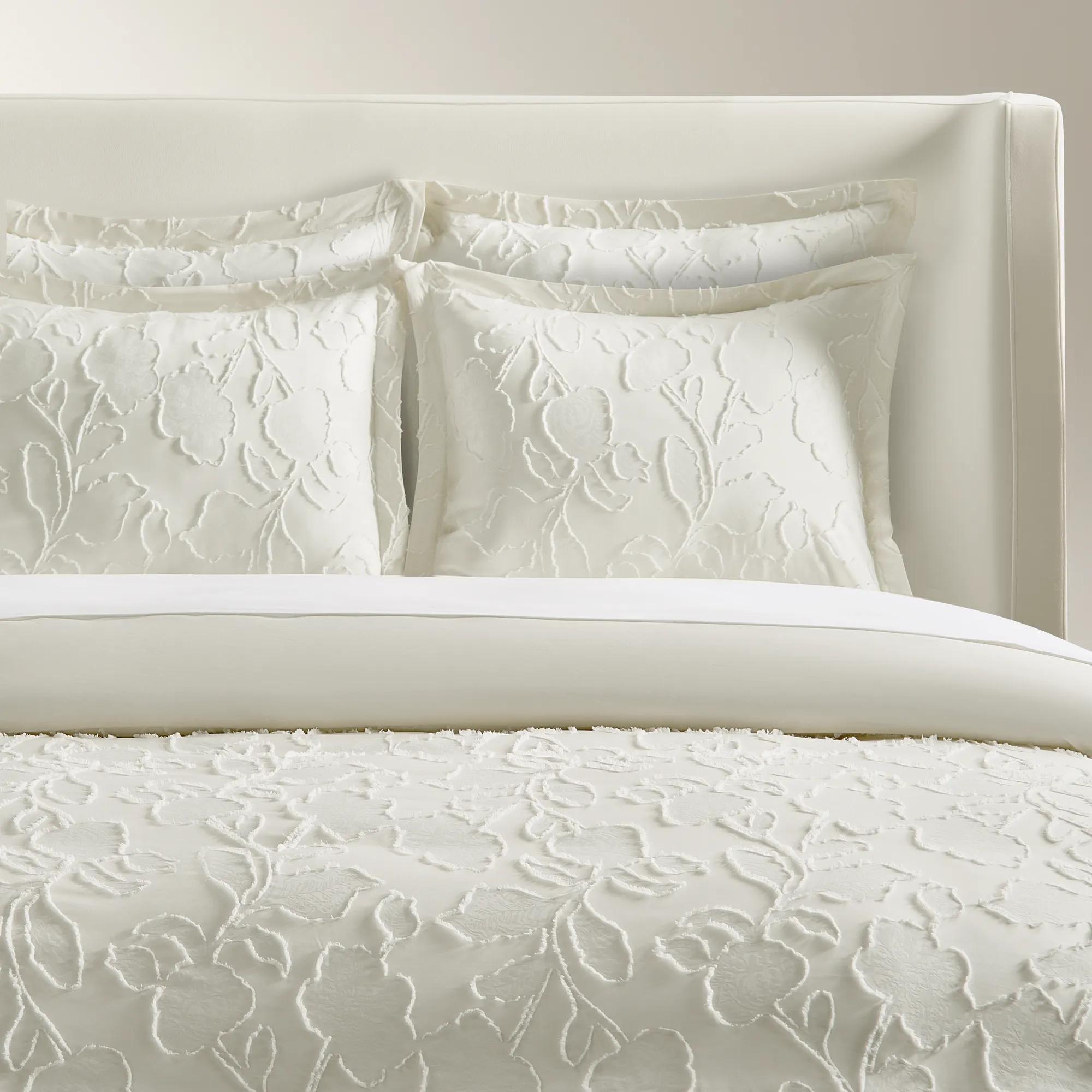
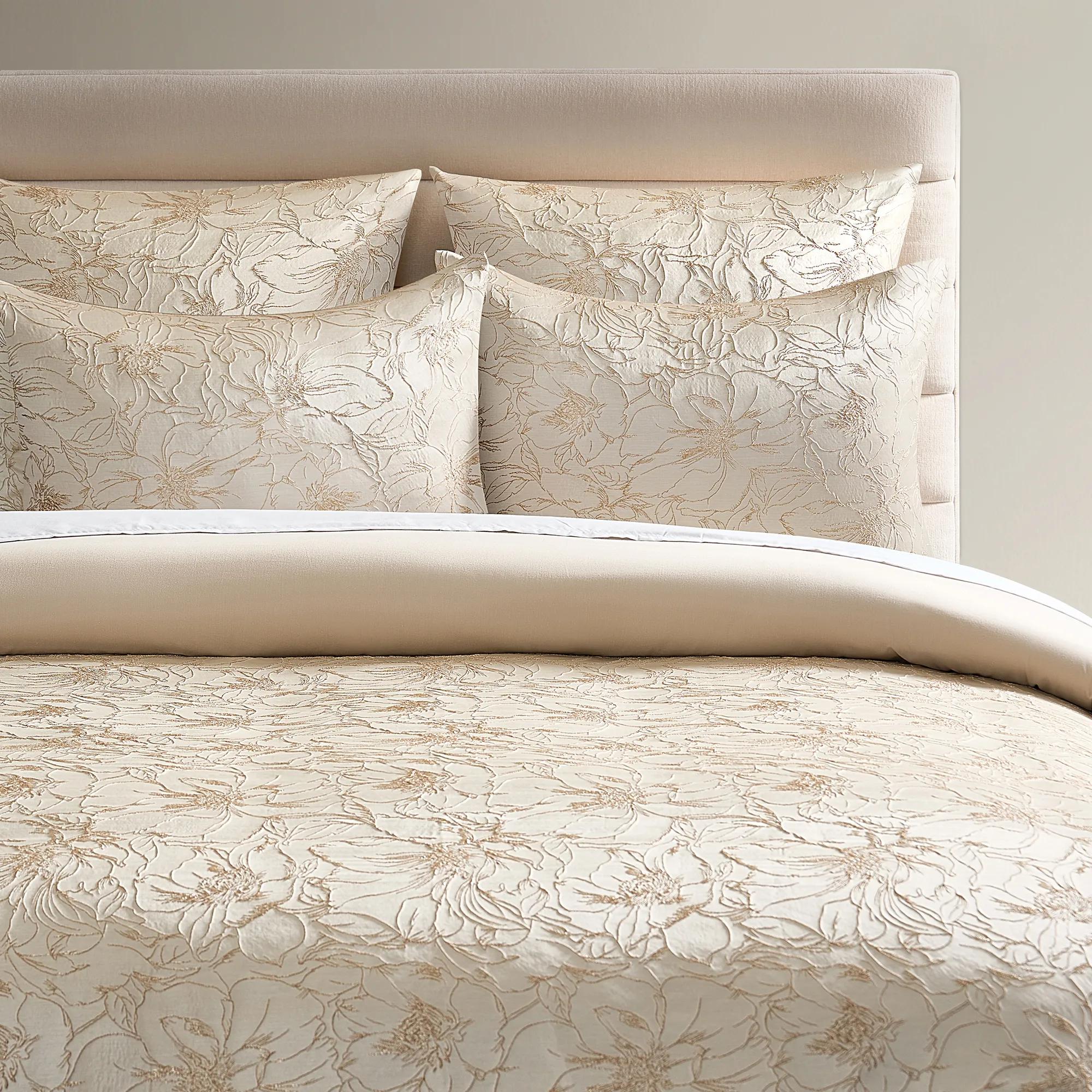 Mimoza Floral Jacquard Champagne Gold Bedding Set$49
A luminous champagne gold jacquard bedding set with delicate floral embroidery and polished knife-edge detailing.
Add To Cart -
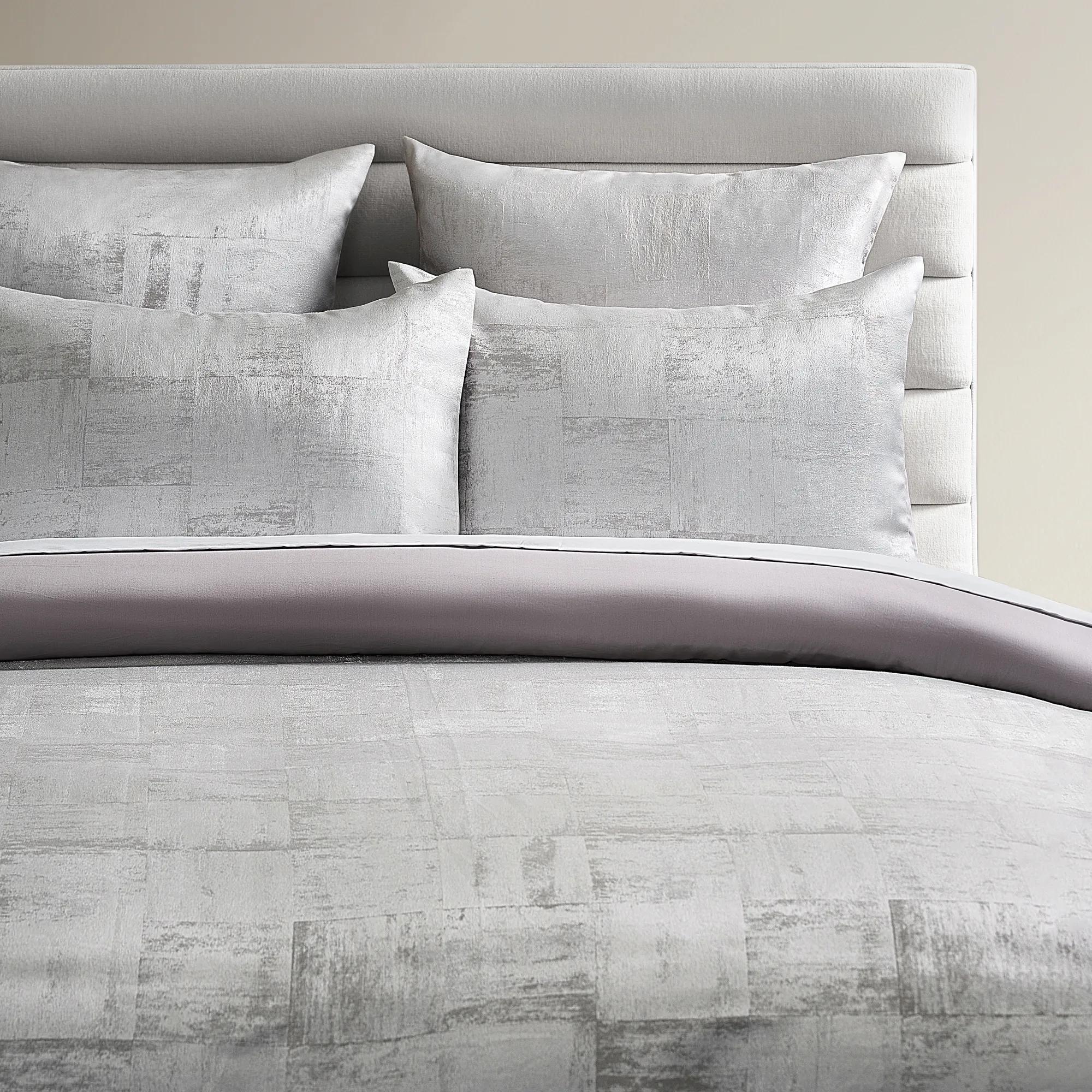 Auden Bedding Set - Platinum$49
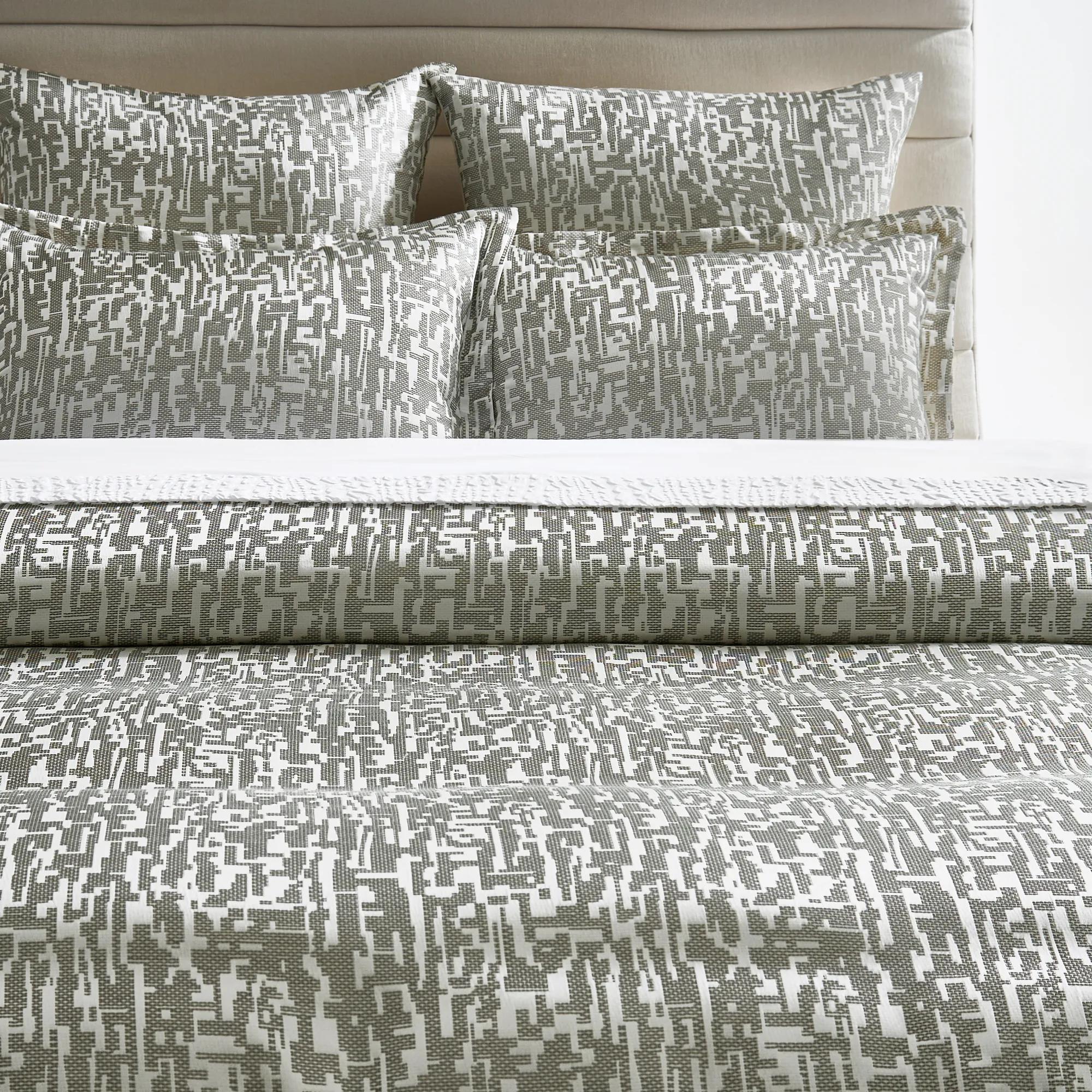
A platinum jacquard bedding set featuring a subtle block pattern and refined, modern detailing.
Add To Cart -
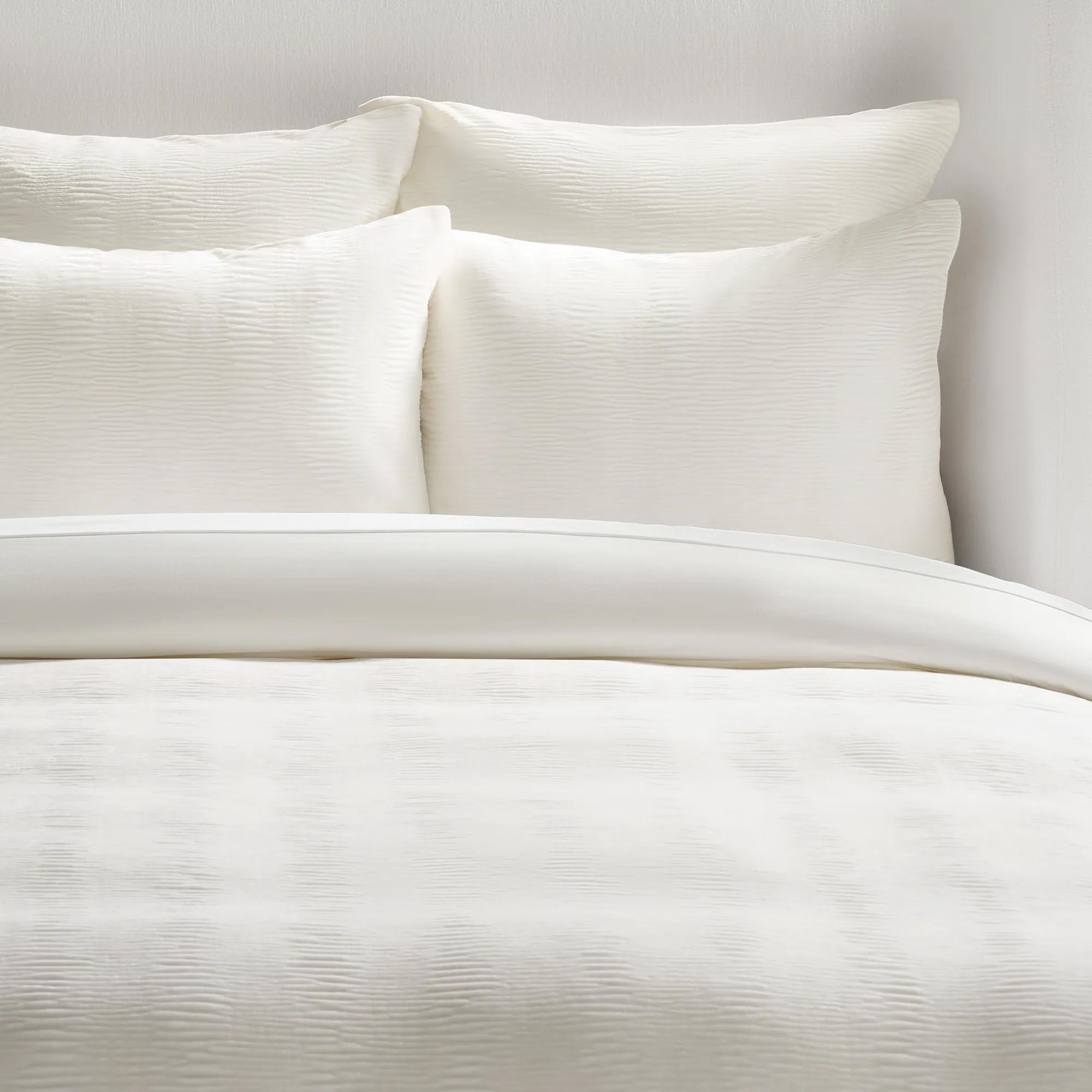
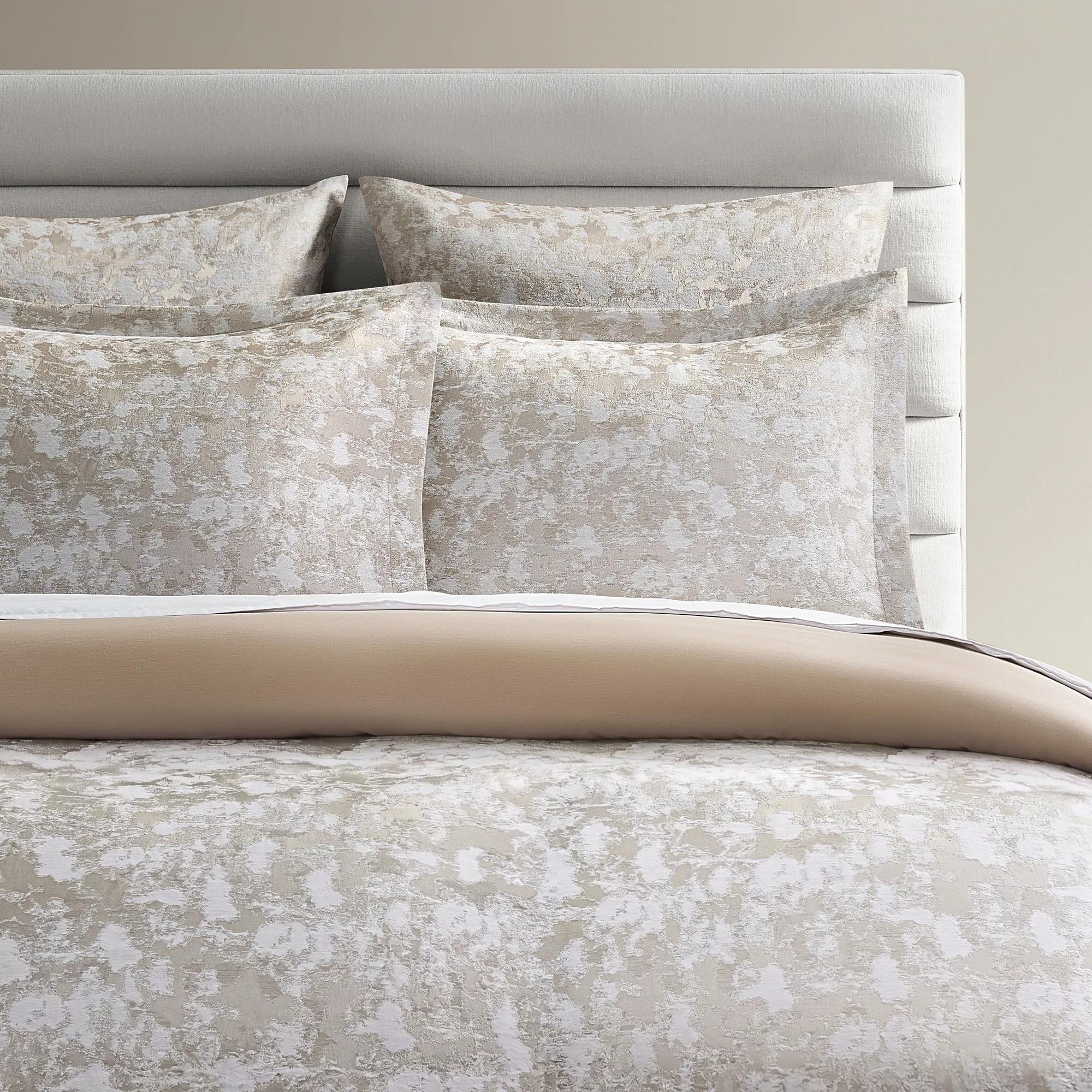 Nimbus Jacquard Metallic Champagne and Silver Bedding Set$49
A cloud-inspired bedding set in champagne and silver metallic jacquard with a soft marbled shimmer.
Add To Cart -
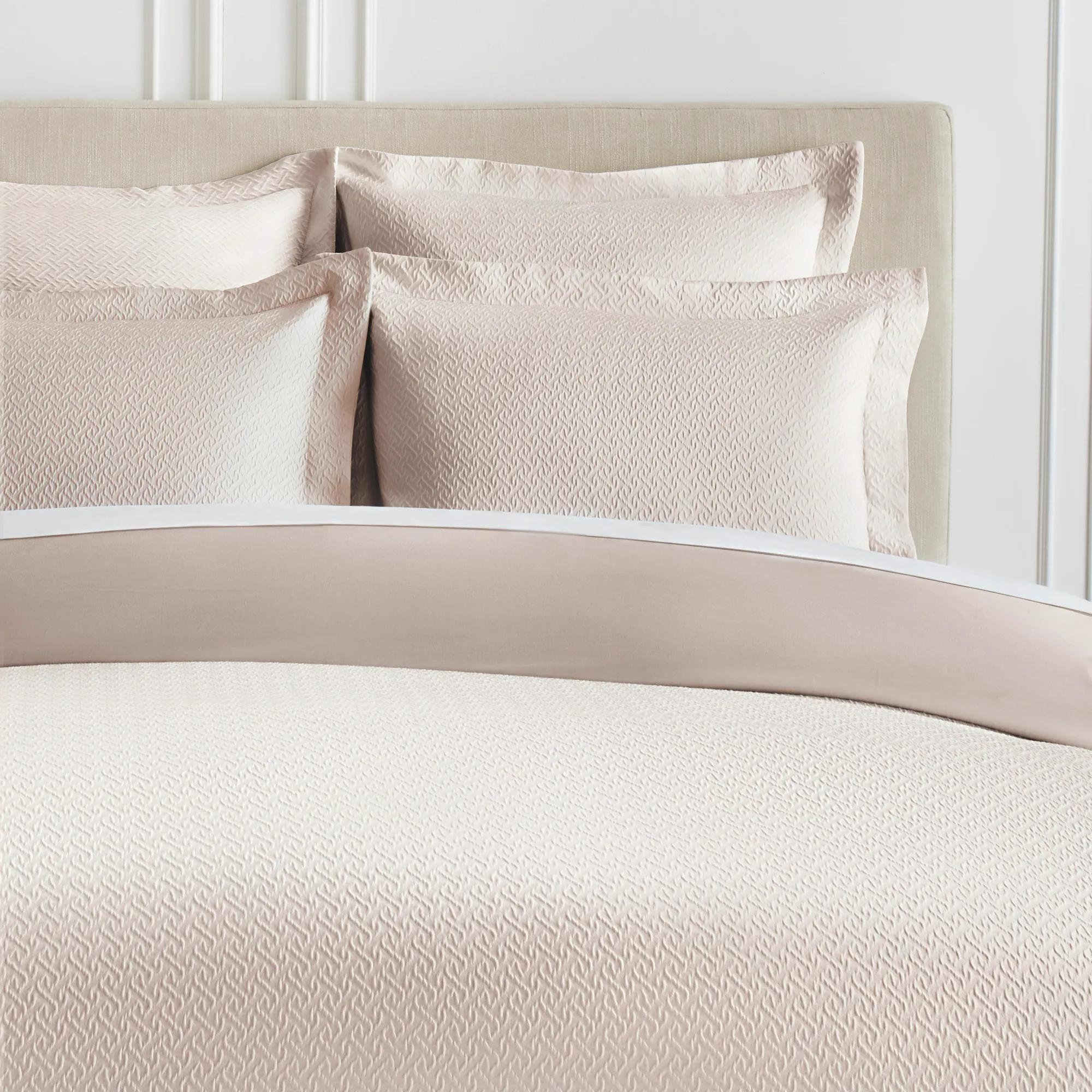
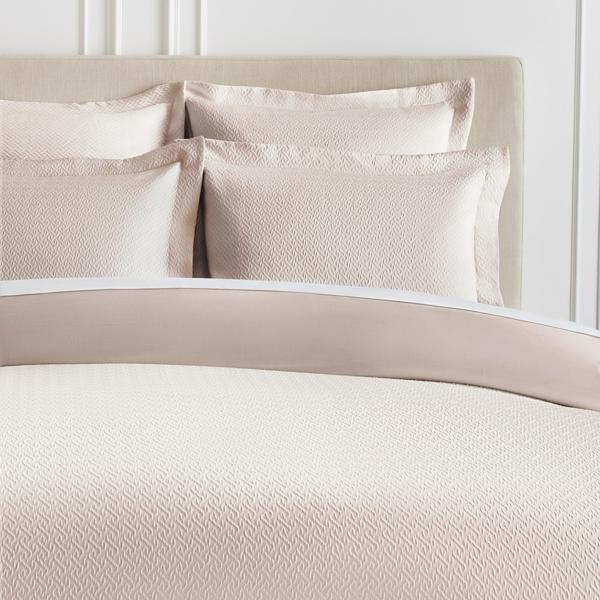 Marlowe Jacquard Blush Bedding Set$199
A blush jacquard bedding collection offering subtle texture and year-round comfort with a soft cotton blend.
Add To Cart -
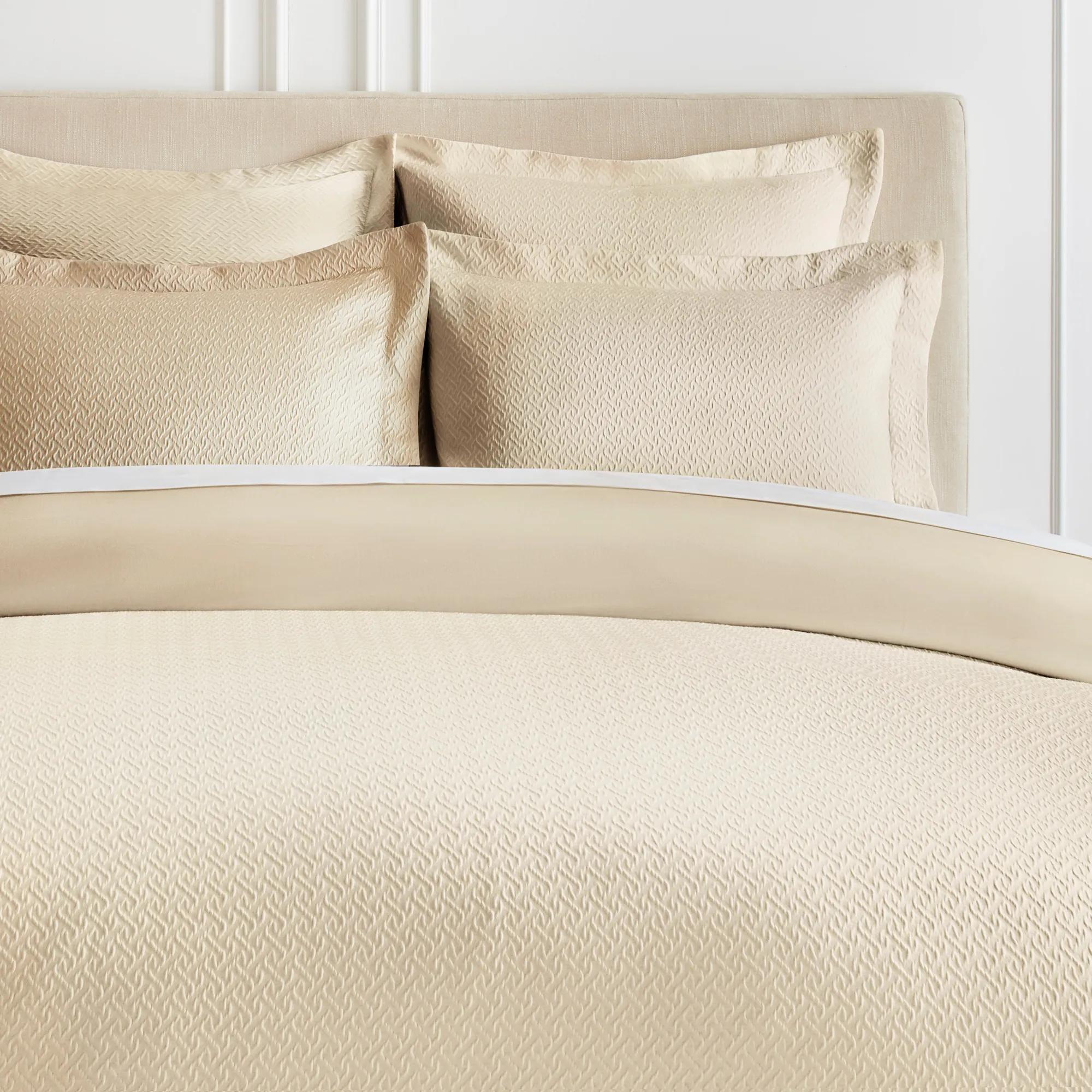
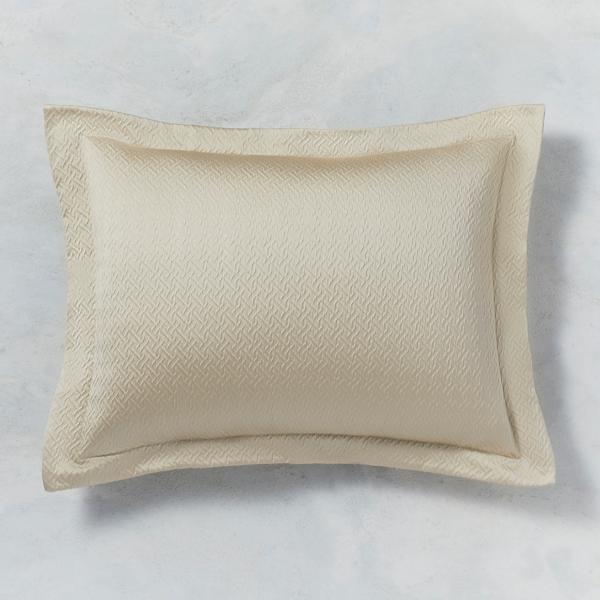 Marlowe Jacquard Gold Bedding Set$169
A jacquard-woven bedding collection in gold, offering subtle texture and year-round comfort.
Add To Cart -
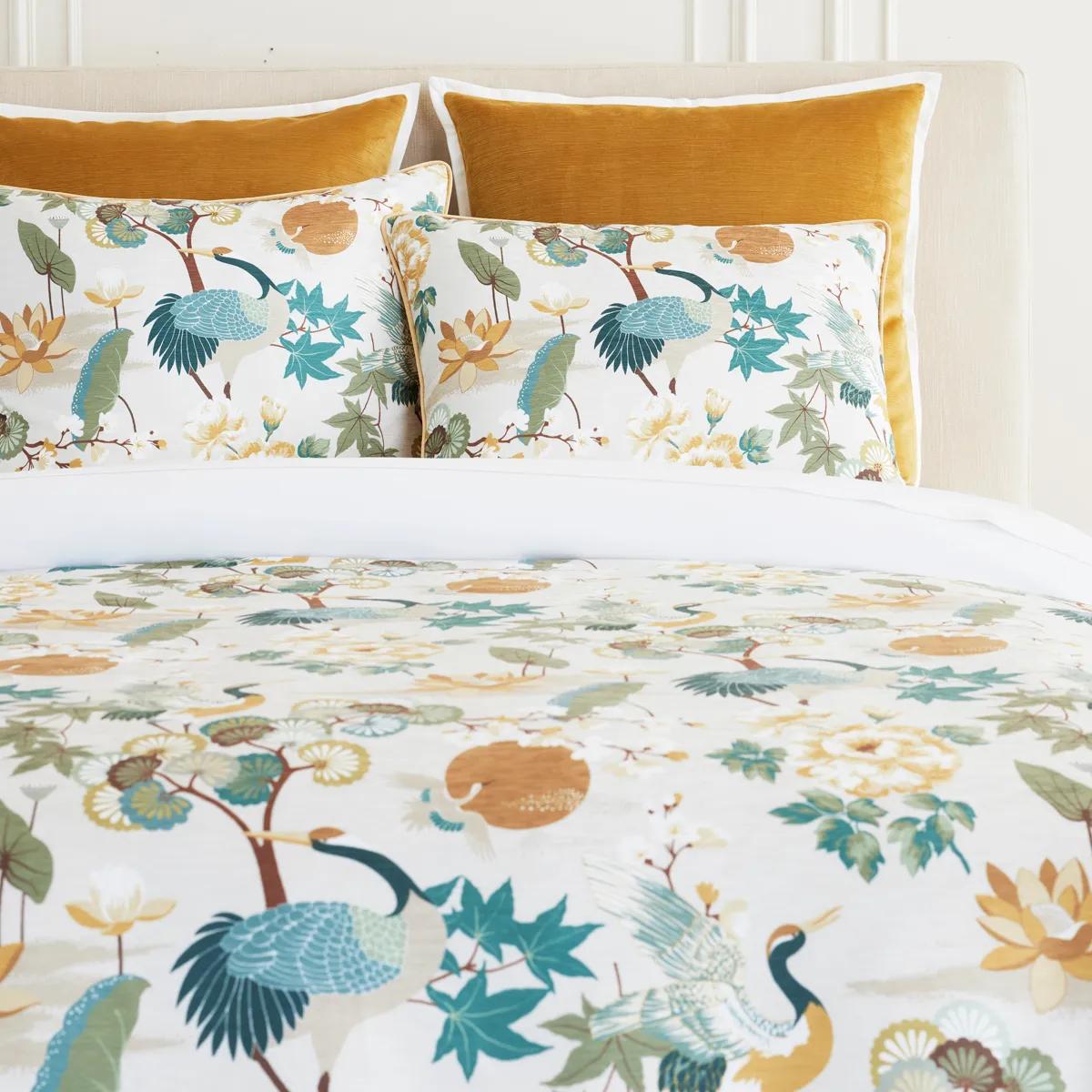
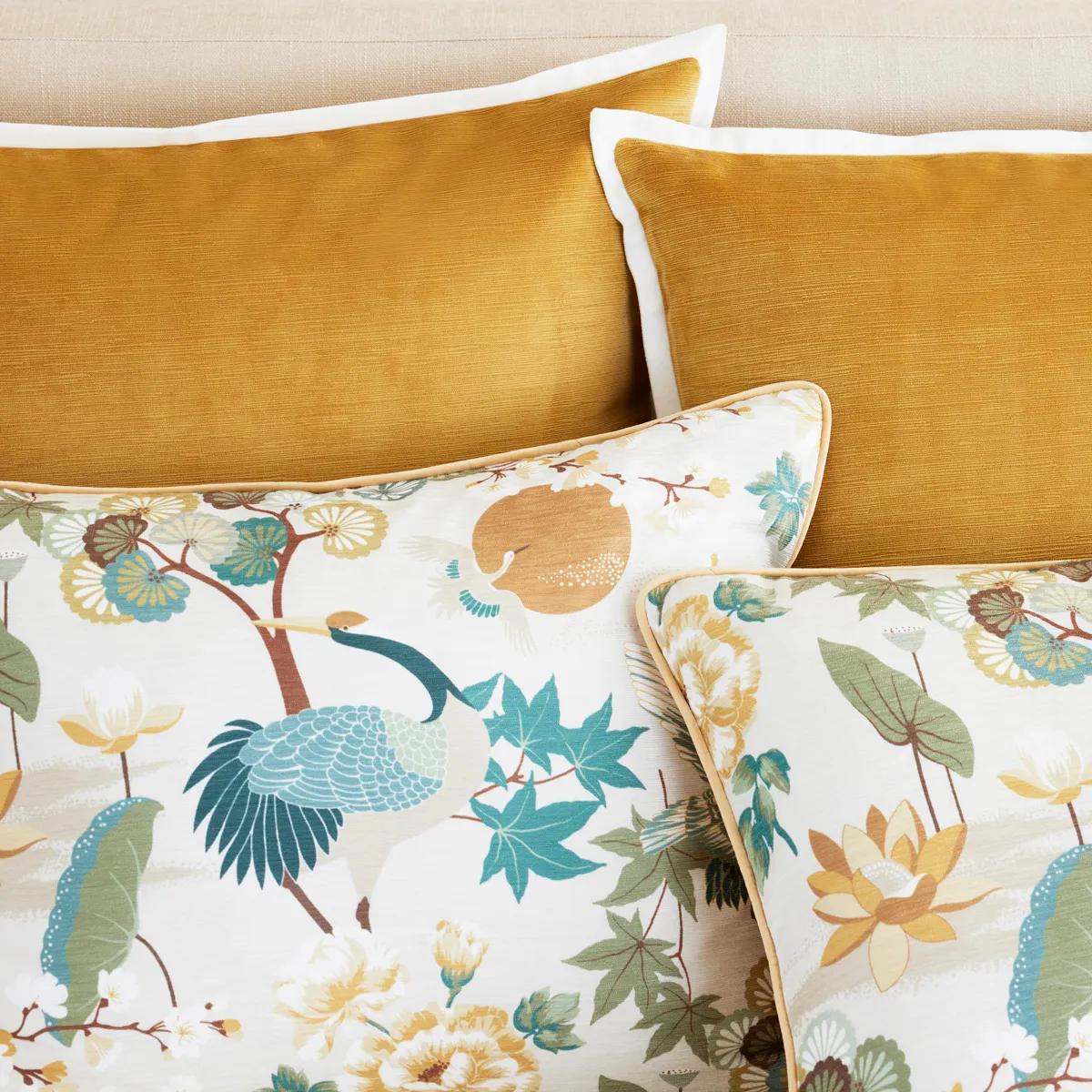 Sandhill Ivory/Multi Color Printed Bedding Set$199
An ivory bedding collection featuring earthy tones, gold velvet accents, and a soft cotton-polyester blend.
Add To Cart -
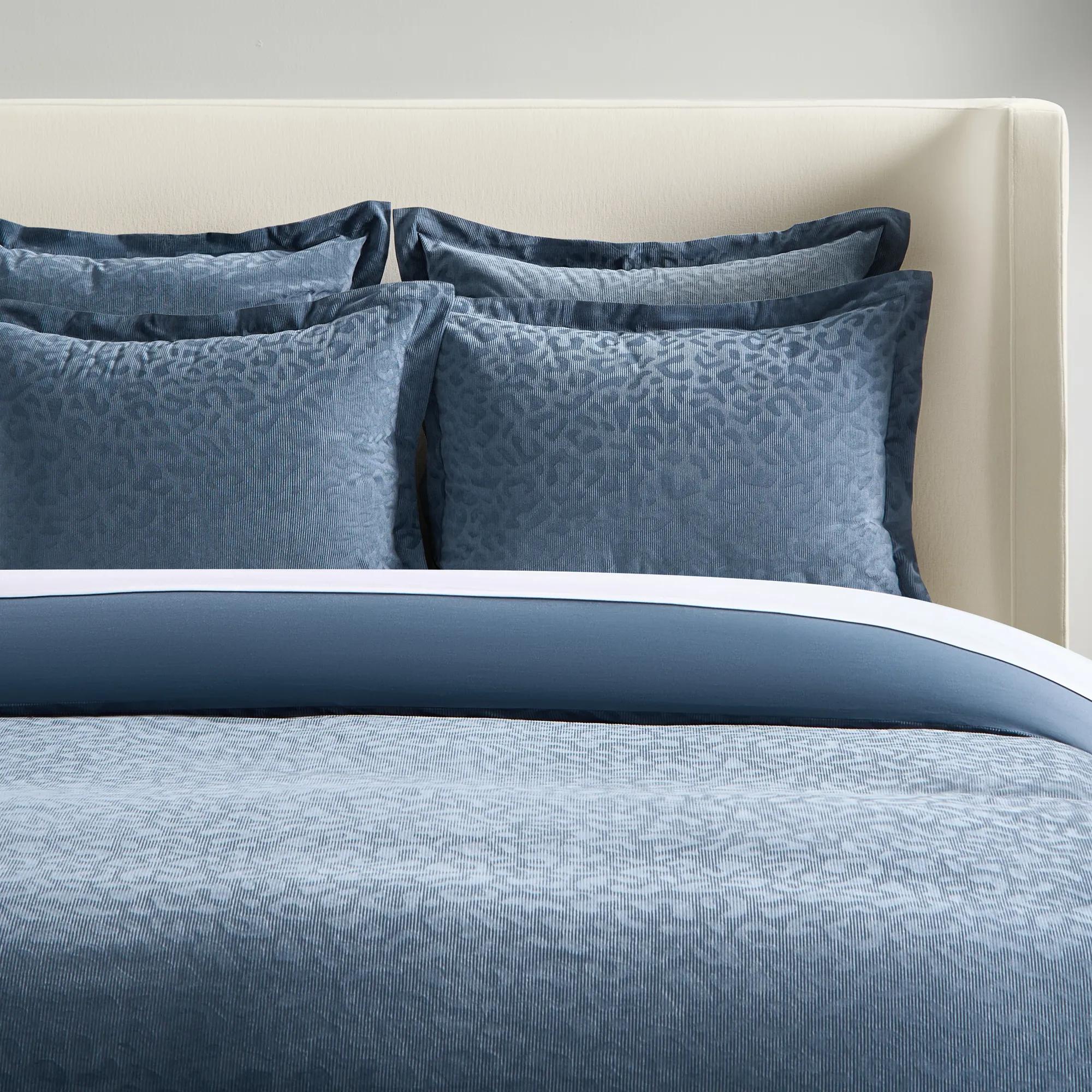
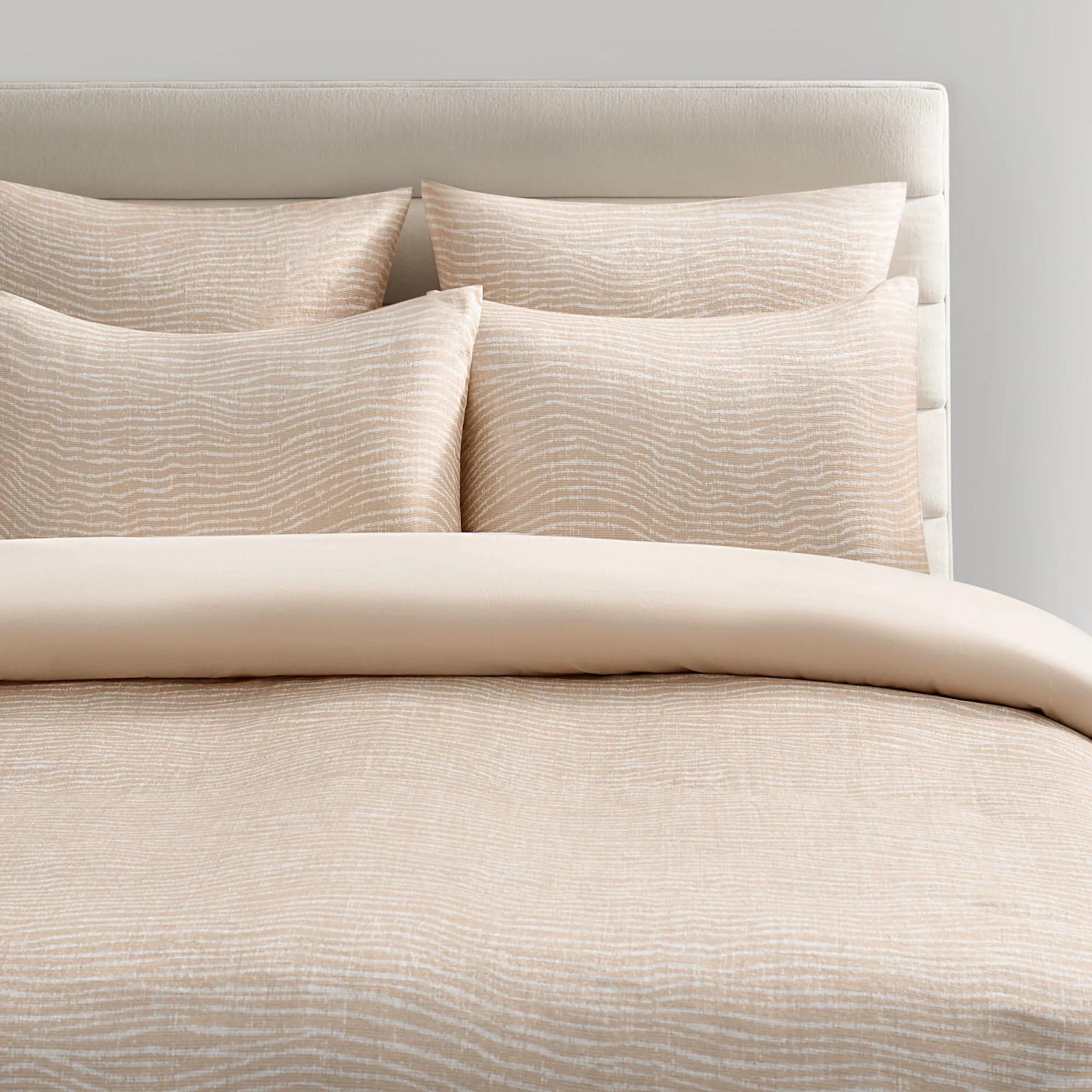 Sahara Bedding Set - Tan/Cream$199
A soft jacquard bedding set in tan and cream with a subtle wave-inspired zebra print and button closure.
Add To Cart -
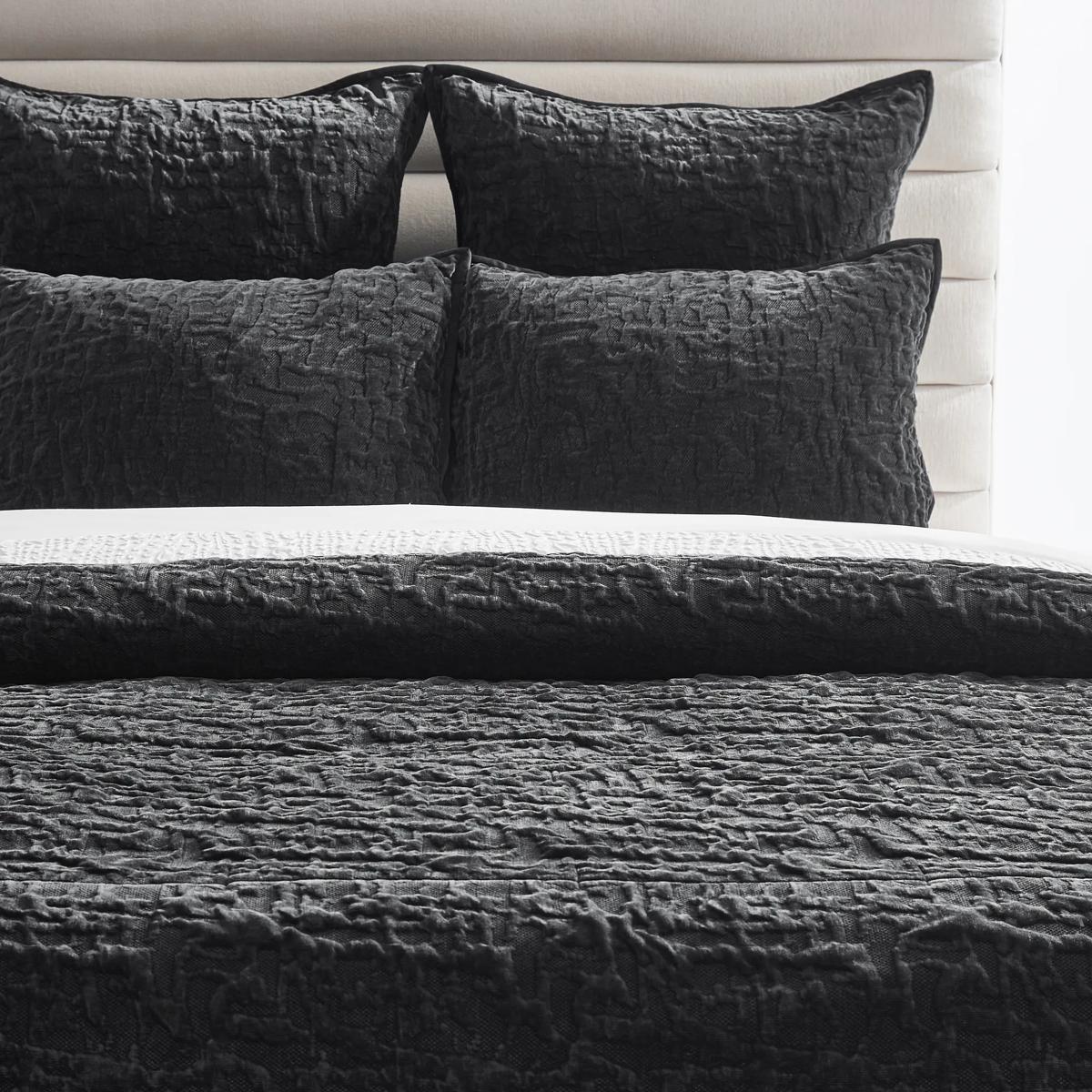
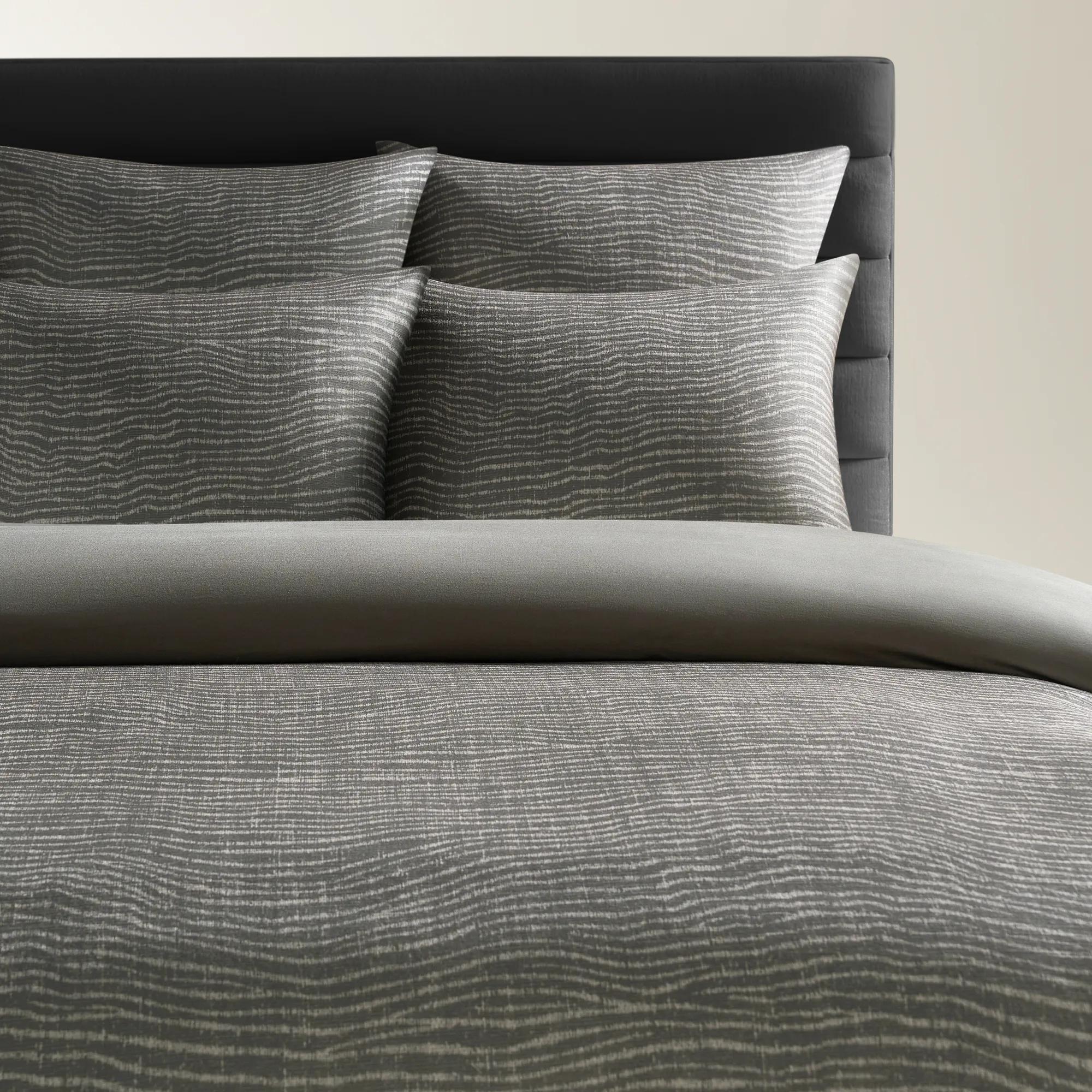 Sahara Bedding Set - Charcoal$229
A soft jacquard bedding set in calming charcoal with a subtle wave-inspired zebra print and refined details.
Add To Cart -
.jpg?w=1200&h=1200)
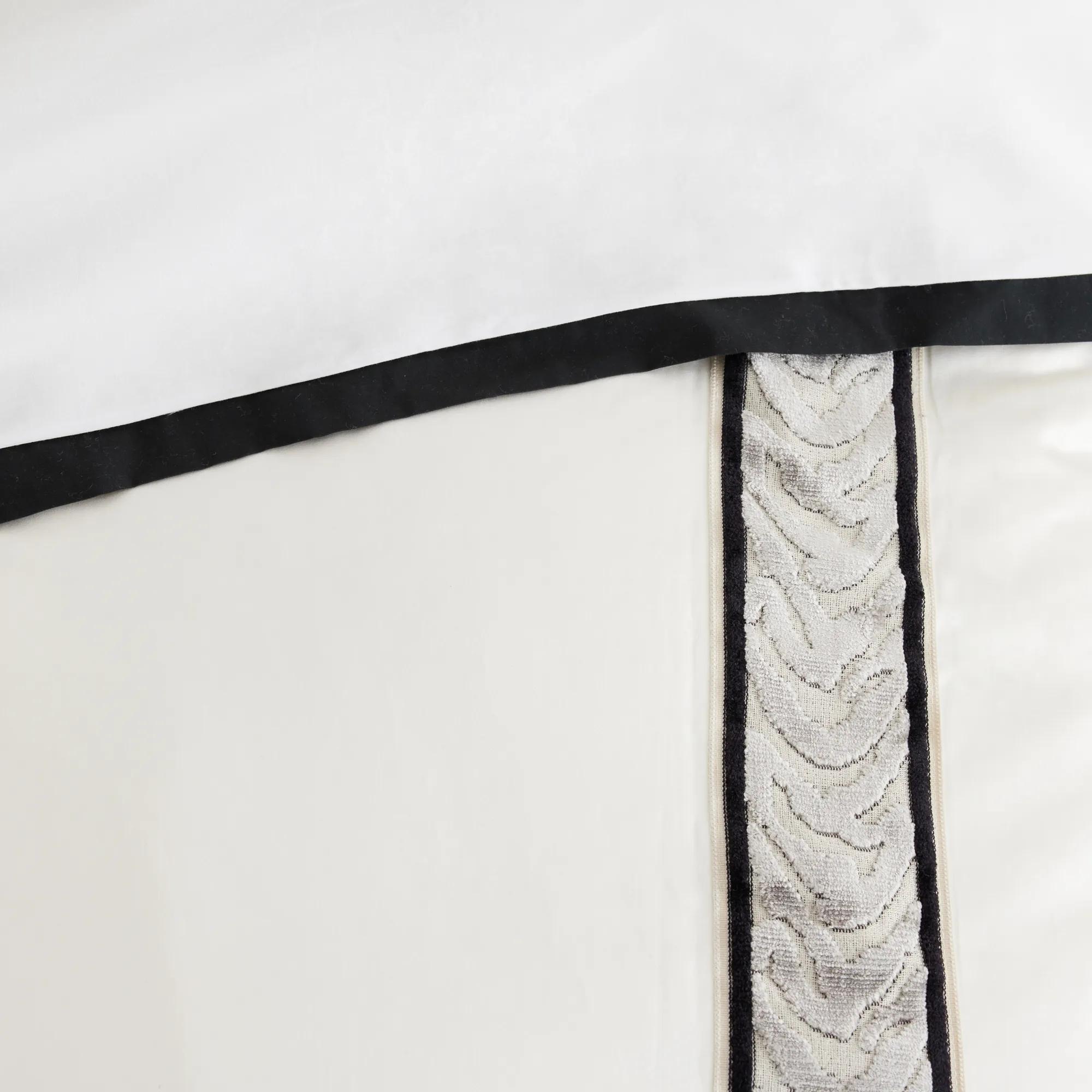 Gianna Grey/Black/White Animal Print Cut Velvet Appliqué Border Bedding Set$249
A luxurious grey and black bedding collection featuring a cut velvet tiger-stripe appliqué border for bold elegance.
Add To Cart

Polyester Jacquard Duvet Covers
Polyester jacquard duvet covers invite you to indulge in a world where artistry meets comfort, transforming your bedroom into a sanctuary of opulence. With their intricate woven patterns and sumptuous texture, these covers add a layer of visual intrigue—turning every bed into a statement piece. The subtle sheen and dimensional detail of jacquard elevate the everyday, making each night feel like an escape into luxury. For those who believe that rest should be as glamorous as it is restorative, polyester jacquard duvet covers promise a dramatic flourish that lingers long after morning light.
Polyester jacquard duvet covers bring woven dimension to the bed, combining the resilience of polyester fibers with patterns created in the fabric rather than simply printed on its surface. Jacquard describes the weaving technique, not the fiber content: its intricate interplay of threads can produce sculptural geometrics, scrolling motifs, or subtle tonal designs. Some jacquards have a pronounced raised texture, while others reveal their pattern through contrasts in weave and sheen. That distinction gives the bedding its expressive character. A pale, tone-on-tone design can look quietly luminous from across the room, then reveal elaborate detail up close; a deeper hue can emphasize the rhythm of the weave and lend the bed a more architectural presence. Polyester contributes practical qualities to that visual richness, generally resisting wrinkles and shrinking while drying relatively quickly after washing. The finished feel still depends on the yarn, weave density, finishing treatments, and any additional fibers, so polyester jacquard should not be assumed to have one uniform texture. A duvet cover acts as a removable outer layer for a separate duvet insert, helping protect it from everyday contact while establishing the bed’s color, pattern, and surface detail. The cover itself does not provide the loft of a filled comforter, and an insert is generally purchased separately unless the product description states otherwise. For a primary bedroom, this combination of function and artistry creates a substantial focal point without requiring every surrounding surface to compete. In a guest room, it offers an equally polished gesture: an inviting bed with enough texture to feel considered, even when styled with a restrained arrangement of pillows. These covers suit anyone drawn to decorative fabrics but reluctant to reserve beautiful bedding only for display. Their appeal lies in that balance—a fabric with a distinct visual point of view, designed to participate in the daily life of a bedroom rather than remain untouched.
The most satisfying fit begins with dimensions, not the size name alone. Queen, king, and other duvet cover labels can encompass different measurements, so compare the cover’s stated width and length with the insert’s dimensions before choosing. A close match helps the insert fill the corners and keeps the patterned face looking composed; an oversized cover can leave empty edges, while an undersized one may compress the filling or create bunching. Mattress depth and the desired drop at the sides also influence the finished silhouette. On a tall upholstered bed, a generous drape can balance the headboard’s scale, while a more contained drop keeps a low-profile frame visible. Interior ties or loops, when included and compatible with the insert, help reduce shifting, and a button or zipper closure keeps the opening neatly contained. Construction deserves attention beyond the decorative face. Some covers pair a jacquard front with a different reverse fabric, which can change the feel against the body, the drape, and the care requirements. Read the full fiber composition for both sides rather than treating “jacquard” as a promise of softness or “polyester” as a guarantee that every component is identical. Fabric weight and breathability vary, and the choice of insert and sheets also shapes the sleeping experience. Someone who prefers a smooth contact layer may enjoy a textured cover over a flat sheet, allowing the woven face to remain the room’s visual centerpiece. Pattern scale matters just as much as physical fit. Broad geometric repeats give a large bed definition, while a fine allover motif introduces detail without dominating nearby artwork. An ivory jacquard beside a mirrored nightstand catches light differently from the same fabric beside dark wood, making surrounding finishes part of the composition. Let the weave carry the drama, then echo one of its tones in pillow shams or an accent cushion. If shams are pictured, confirm whether they are included and check their dimensions separately; a styled photograph does not establish the contents of a bedding set.
Polyester jacquard bedding can offer an appealing balance of decorative depth and manageable care, but the sewn-in care label remains the authority for each cover. Many polyester duvet covers are machine washable, often with a gentle cycle and mild detergent, though textured details, blended fibers, trims, and reverse fabrics may require different handling. Follow the specified washing and drying settings, and allow enough room in the machine for the fabric to move rather than packing a substantial cover into a crowded load. Polyester generally needs less ironing than many natural-fiber fabrics, but high heat can damage synthetic fibers or alter their finish. If ironing is permitted, use the recommended setting and take particular care with raised areas that could flatten under pressure. Bleach and other treatments should be used only when the label allows them. Wash with compatible colors, avoid laundering alongside exposed hooks or rough hardware, and dry completely before folding for storage. These small habits help preserve both the surface pattern and the fabric’s appearance. Durability also depends on construction and use: polyester fibers are resilient, yet loosely woven sections, floats, or clipped decorative textures may catch on jewelry, pet claws, or sharp edges. For a bed shared with pets, a tighter, lower-profile jacquard may be a more practical expression of texture than an elaborate surface with projecting threads. For someone furnishing a first home, refreshing a primary suite, or creating a welcoming guest bedroom, a duvet cover can make a thoughtful housewarming or wedding gift when the recipient’s insert size, preferred palette, and care preferences are known. Those drawn to a smoother surface can also explore polyester satin duvet covers, where the emphasis is typically on a sleek hand and lustrous finish rather than jacquard’s patterned weave. The distinction is tactile as well as visual. With polyester jacquard, the bed becomes an arrangement of shadow, sheen, and dimensional detail—expressive enough to anchor the room, with practical considerations that support everyday use.
FAQs
Polyester jacquard duvet covers feature intricate patterns woven directly into the fabric, rather than being printed on the surface. This results in a dimensional, textured look and feel, with raised motifs that add depth and a sense of artistry to your bedding. The jacquard weaving technique produces lasting patterns that maintain their beauty and detail wash after wash.
The rich texture and elaborate designs of jacquard bedding instantly elevate the ambiance of any bedroom. Whether you choose a cream jacquard duvet cover for subtle elegance or a bold pattern for dramatic flair, these covers serve as a statement piece that anchors the room. Their sculptural patterns catch the light and create visual interest, making your bed the focal point of your space.
Jacquard duvet covers make a thoughtful and luxurious gift for design lovers, newlyweds, or anyone looking to refresh their bedroom retreat. Their timeless patterns and enduring quality appeal to those who appreciate both style and substance, making them a cherished present for housewarmings, anniversaries, or holiday celebrations.
Polyester jacquard duvet covers are especially cozy during cooler months, thanks to their ability to retain warmth. However, their versatile construction allows them to be layered with lighter or heavier bedding as the seasons change. For those who love a textured, designer look year-round, jacquard bedding offers both comfort and style.
To preserve the intricate patterns and texture of your jacquard bedding, wash your duvet cover in cold water on a gentle cycle and tumble dry on low. Avoid harsh detergents or bleach, as these can damage the fabric’s sheen and structure. With proper care, your polyester jacquard duvet cover will remain vibrant and elegant for years to come.
.jpg?w=2100&h=2100)