Modular Armless Chairs
Modular Armless Chairs
-
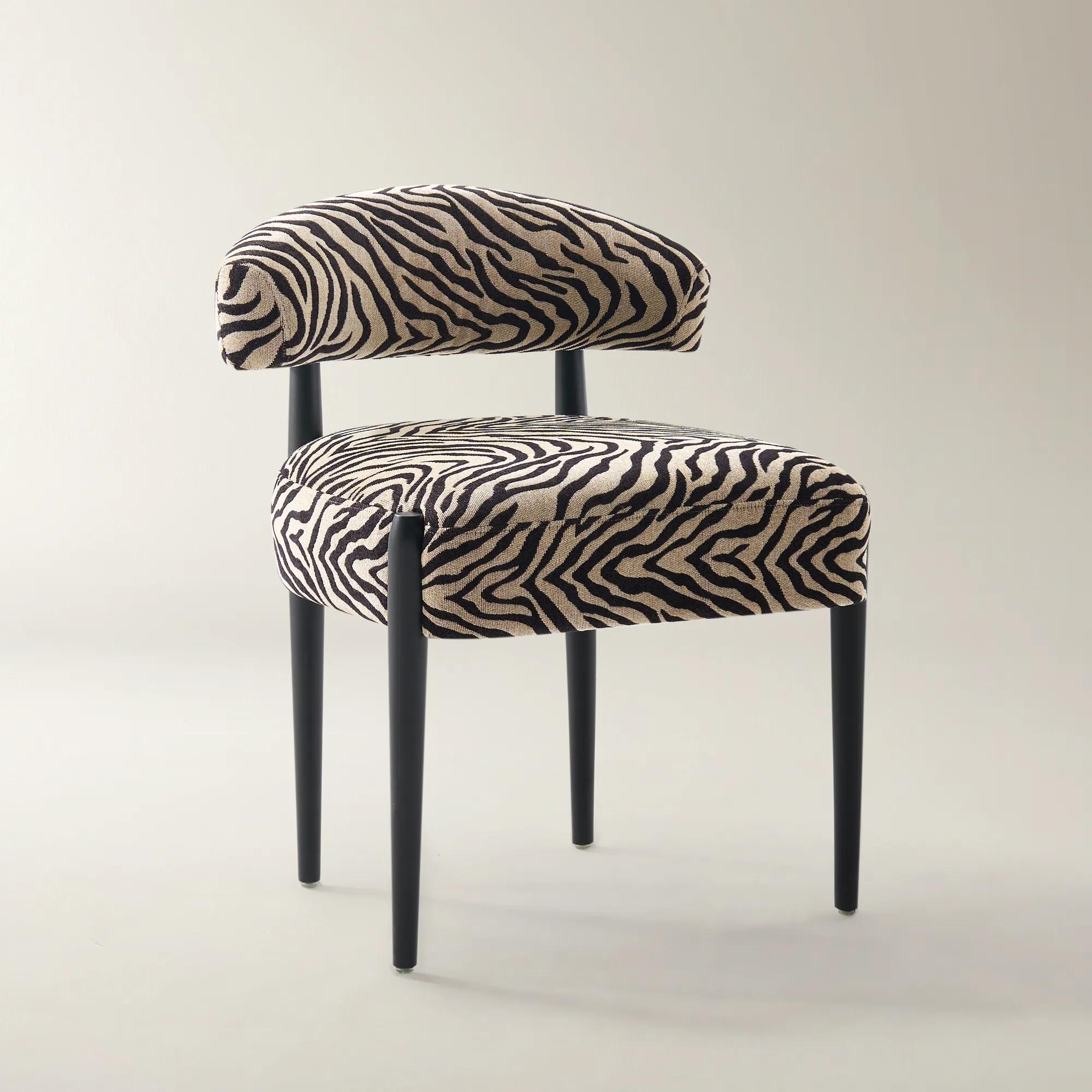 Anna Zebra Chenille Dining Chair Set Of 2$699
A set of zebra-print chenille dining chairs with high-density foam cushions and sturdy rubberwood legs.
Add To Cart -
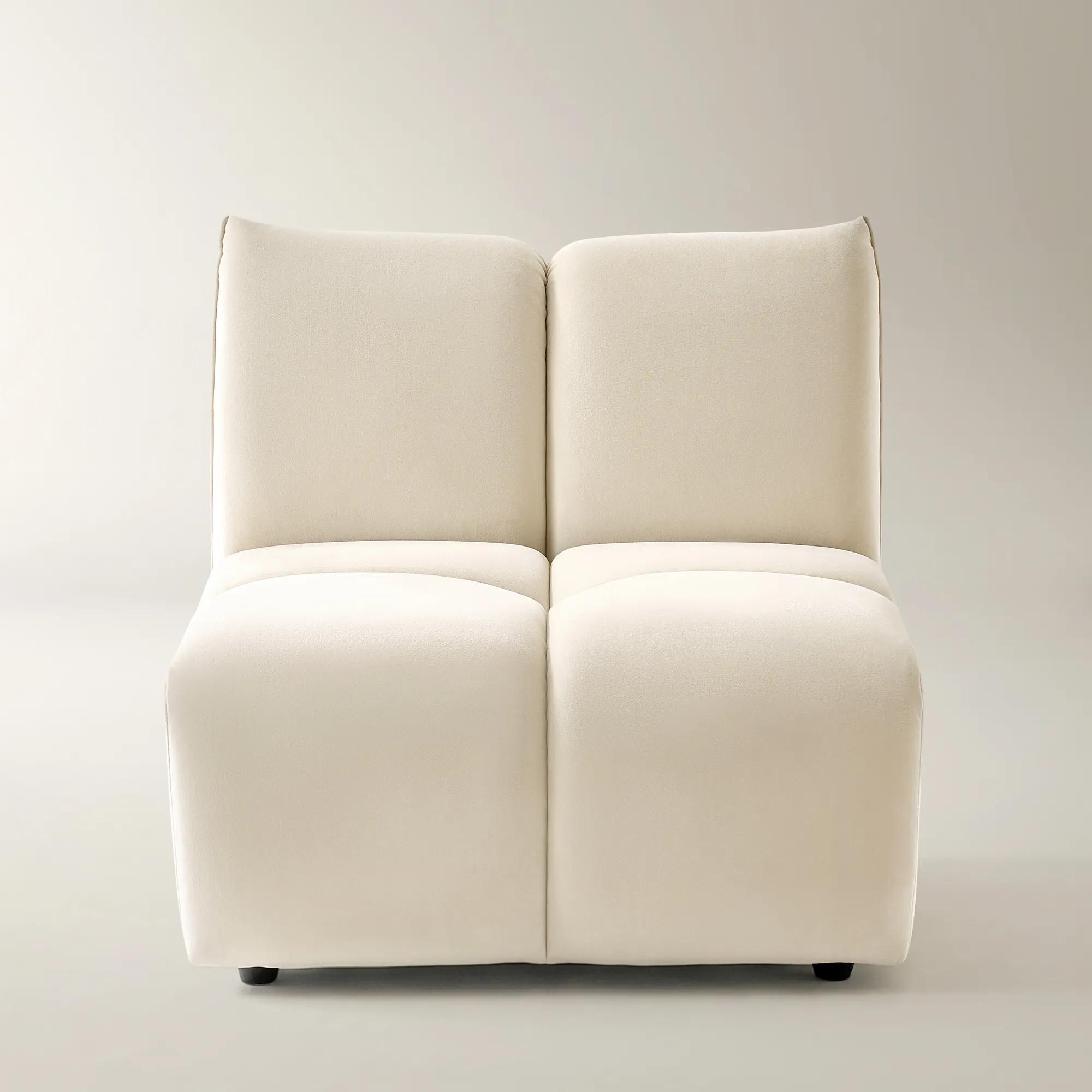
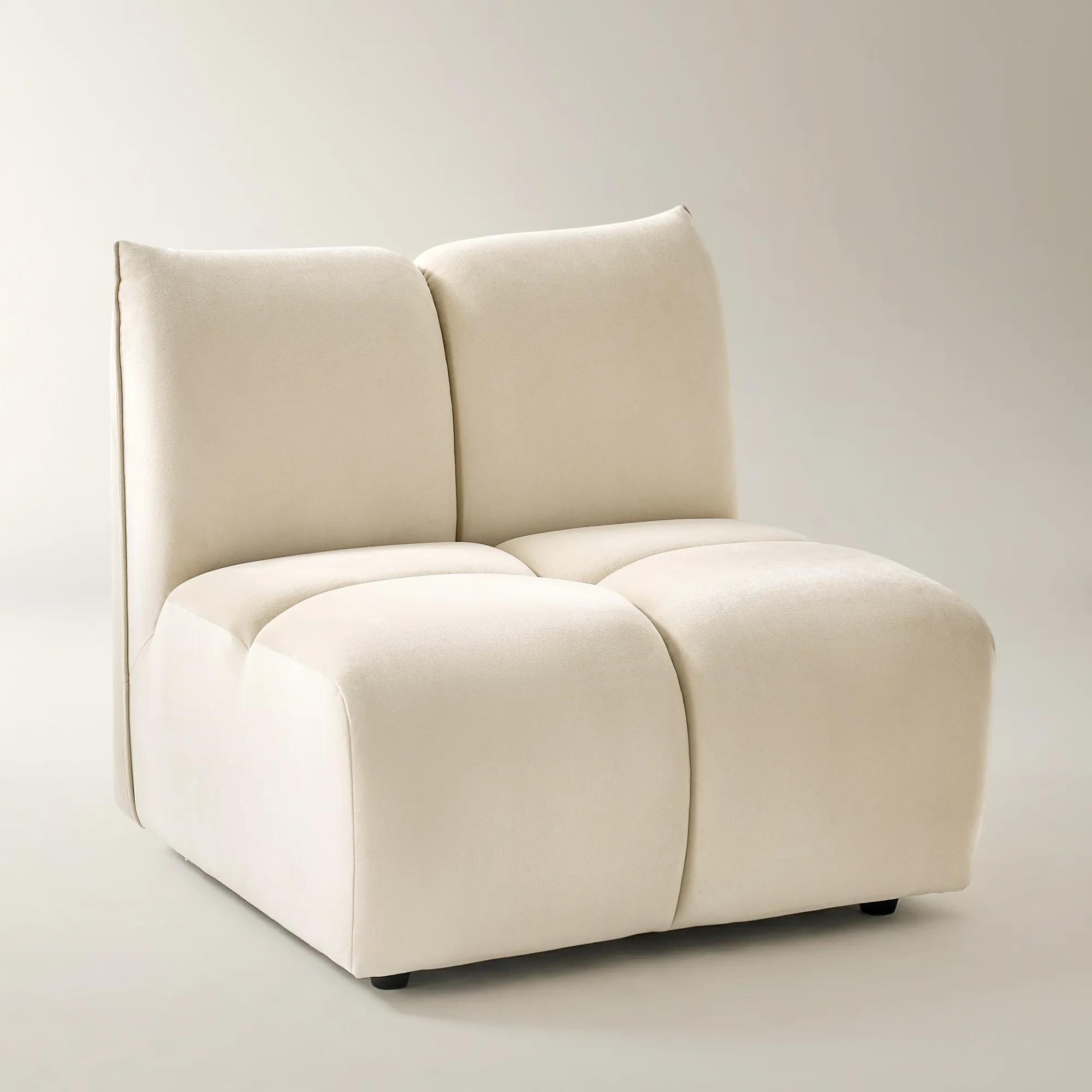 Reina Tufted Oatmeal Velvet Armless Chair$799
A plush oatmeal velvet armless chair featuring channel tufting, deep seating, and an architectural winged profile.
Add To Cart -
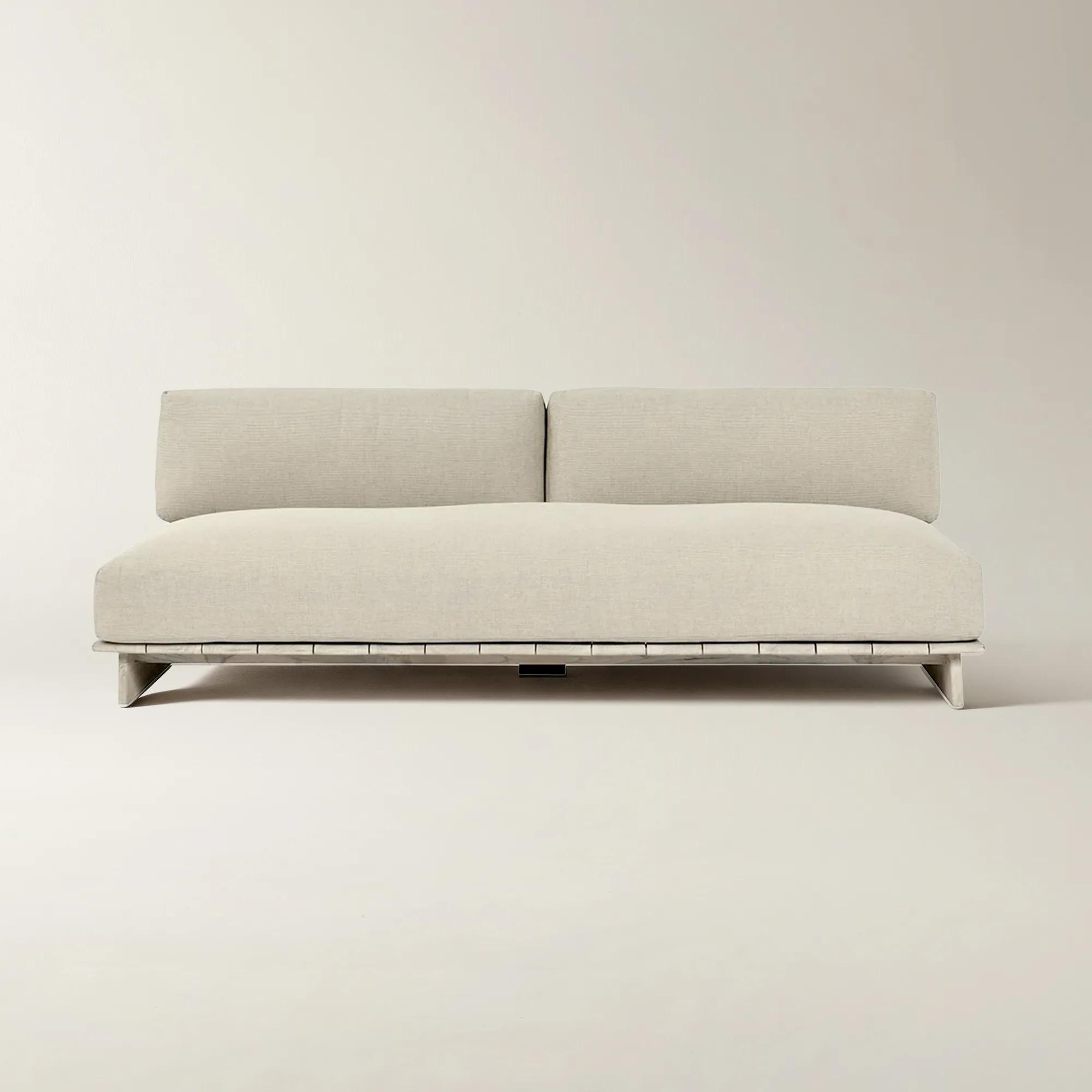
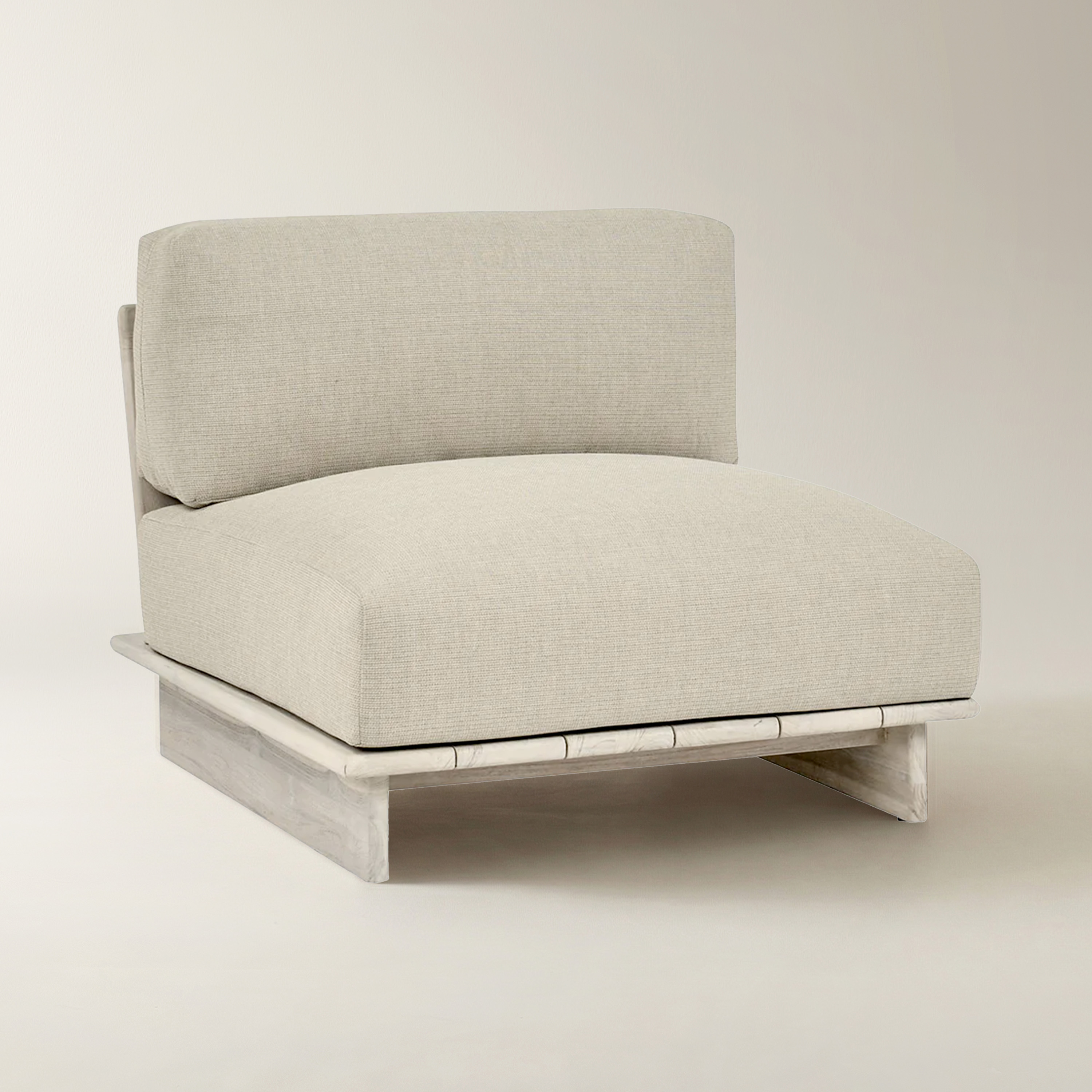 Livia Taupe Outdoor Armless Chair$2599
A taupe outdoor furniture component designed to complement modern exterior living spaces.
Add To Cart -
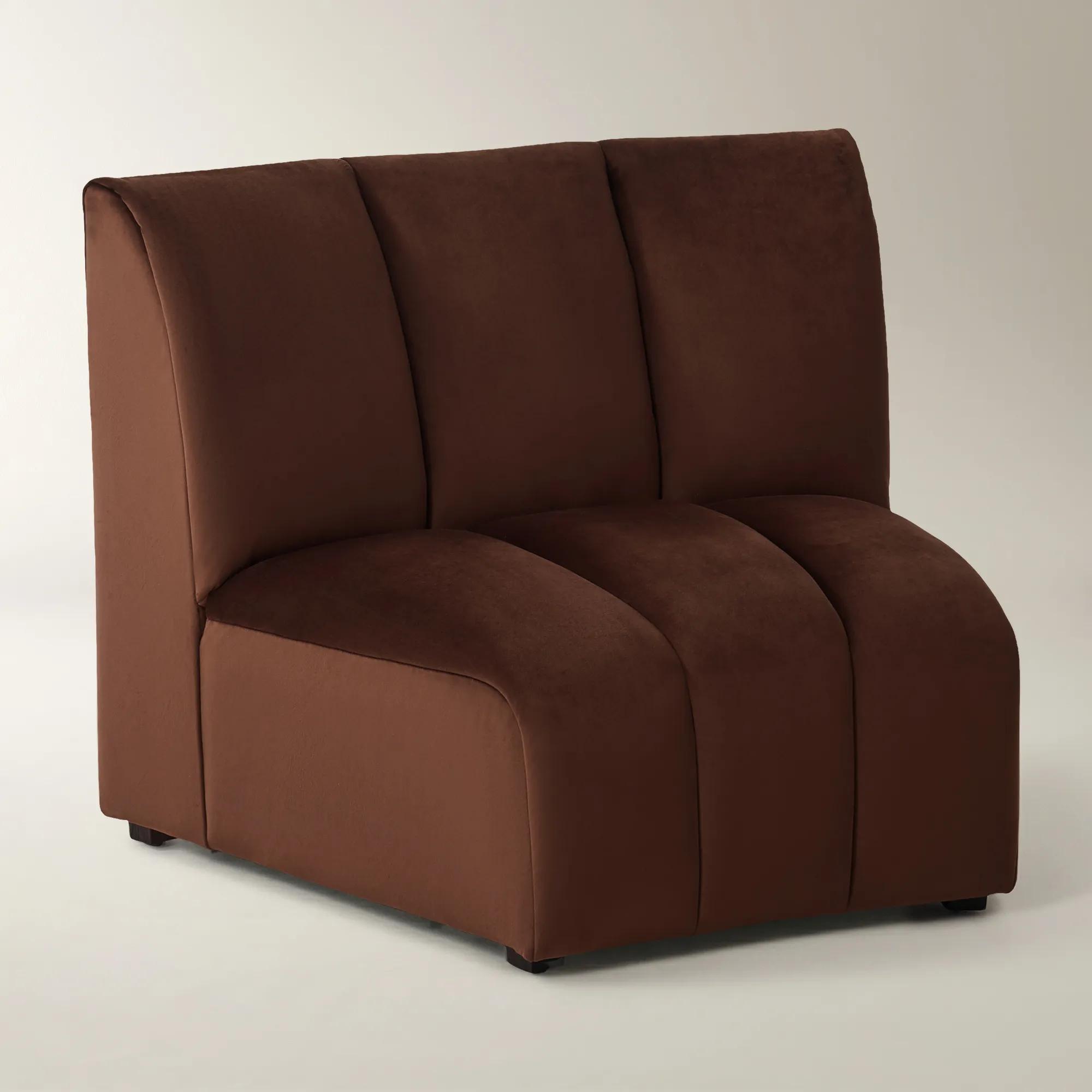
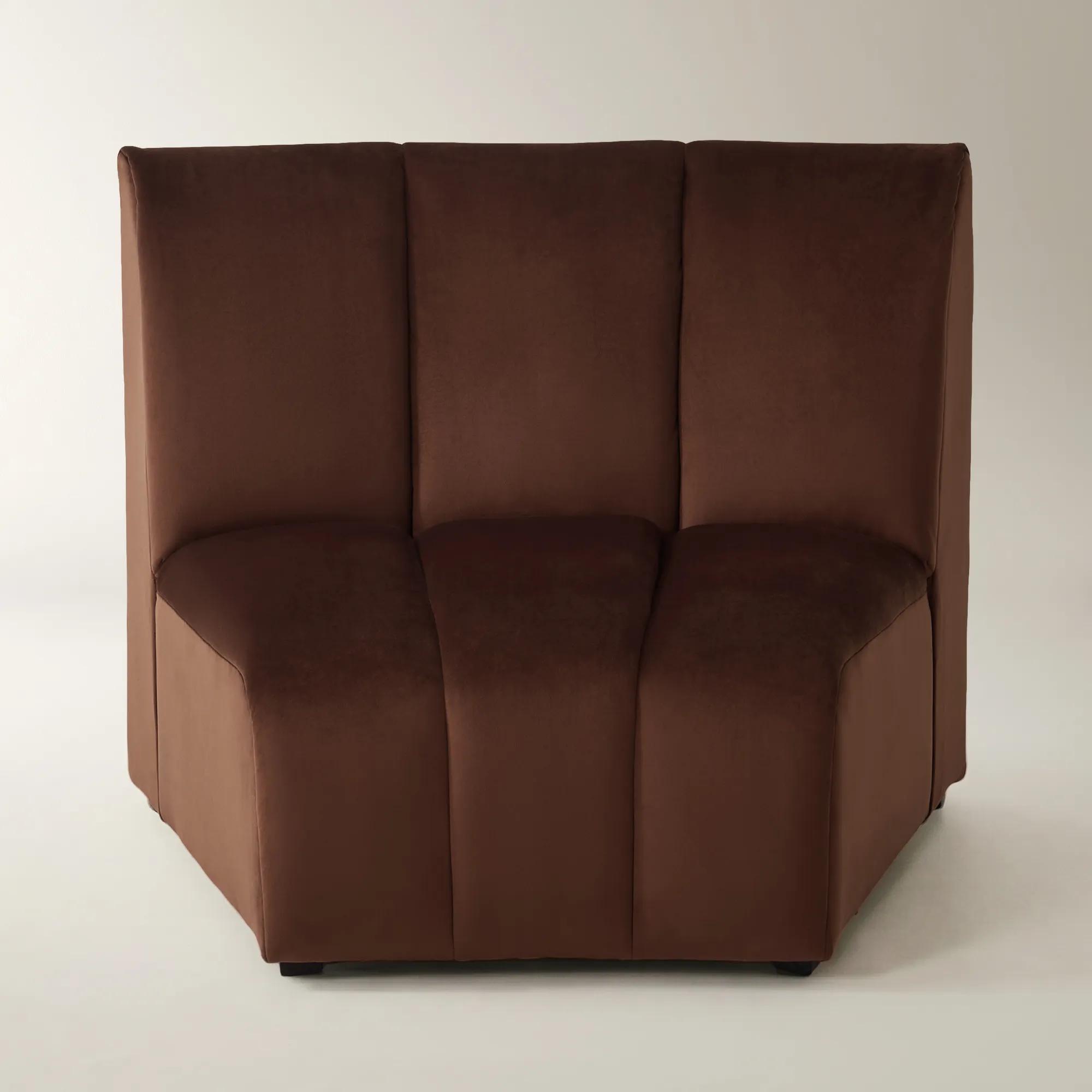 Jayce Channel-Tufted Burnt Umber Velvet Armless Chair$949
A modern armless chair in silver grey velvet with deep channel tufting and plush, high-density foam cushions.
Add To Cart -
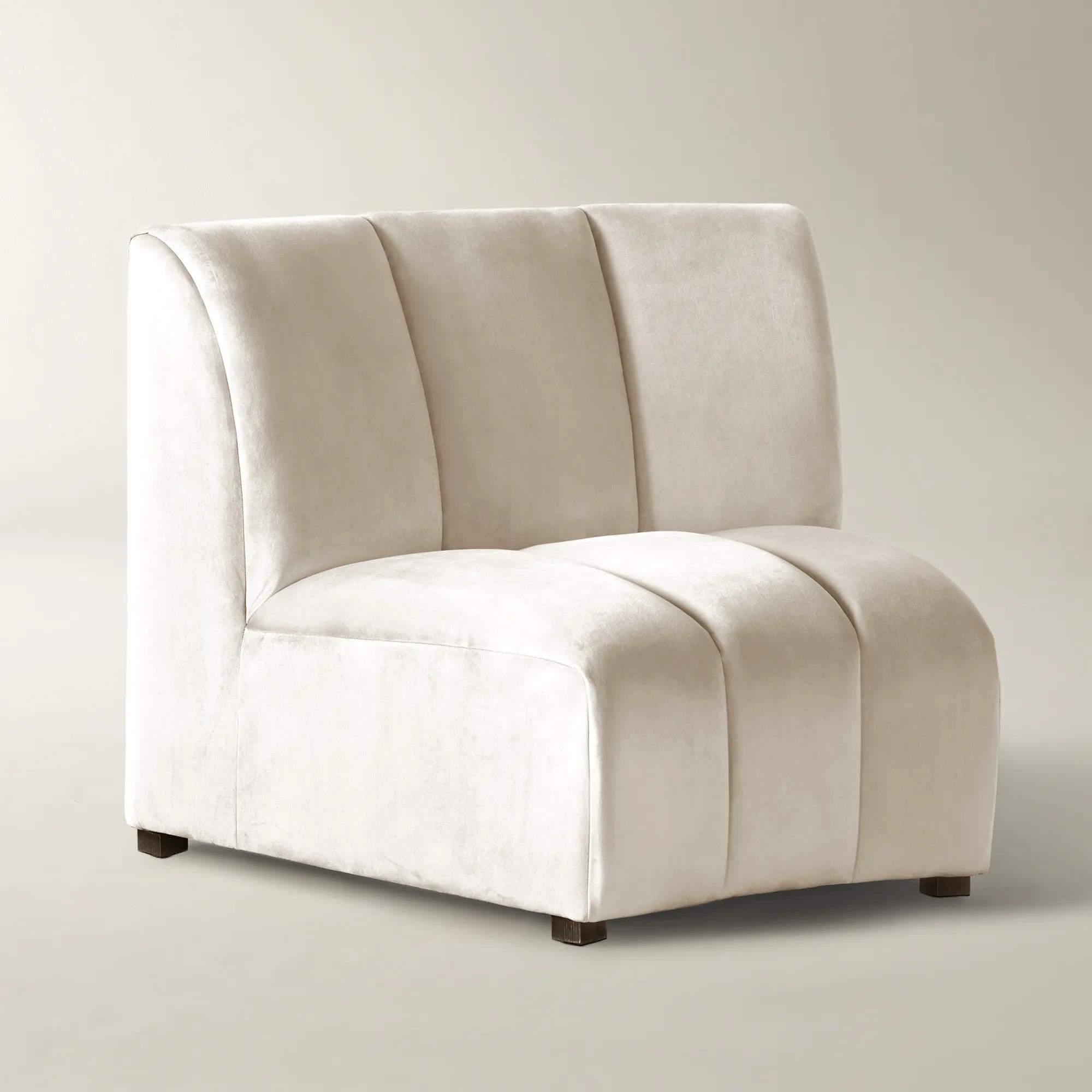 Jayce Channel-Tufted Ivory Velvet Armless Chair$949
A modern armless chair in water-repellent, stain-resistant Velvet Ivory with deep channel tufting and plush padding.
Add To Cart -
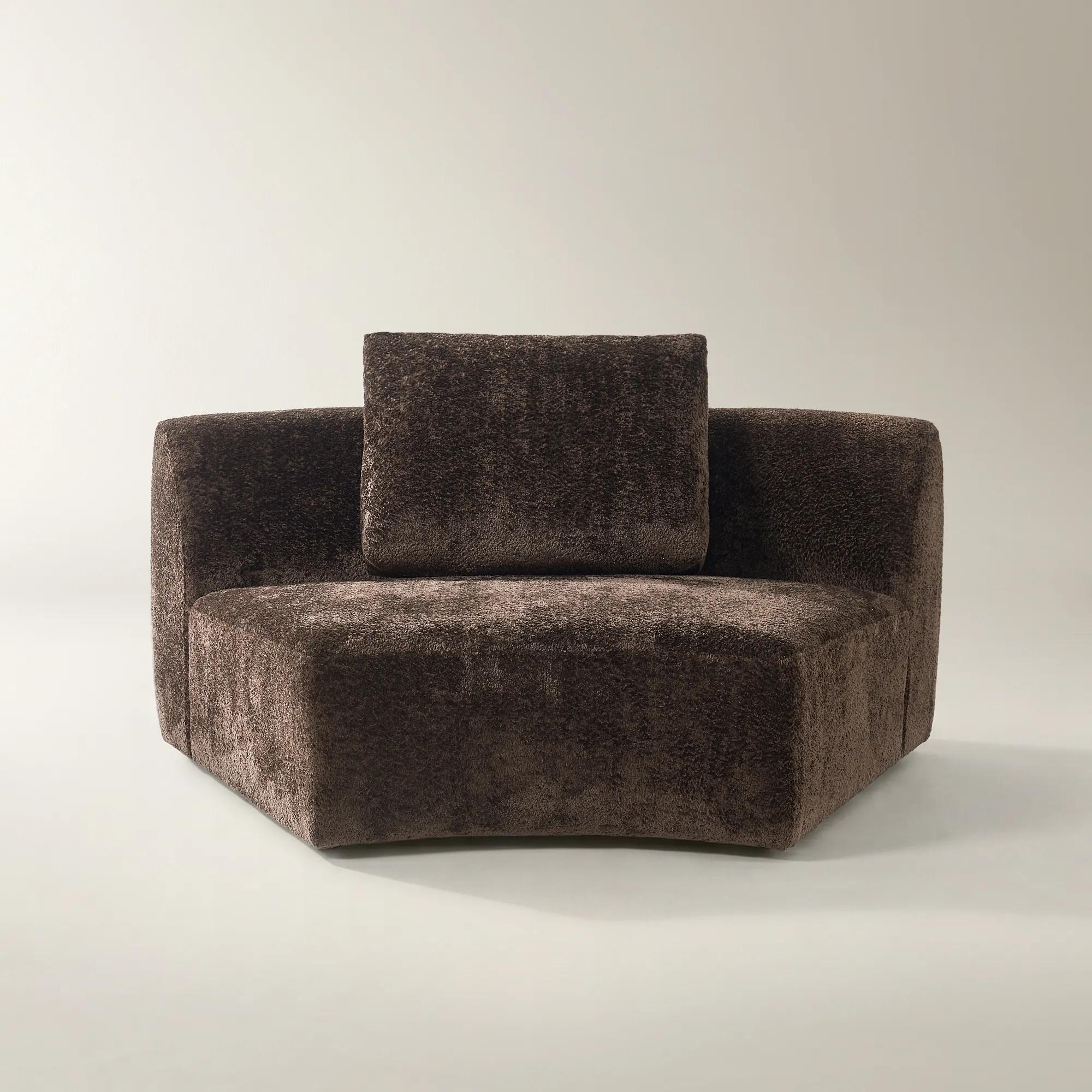
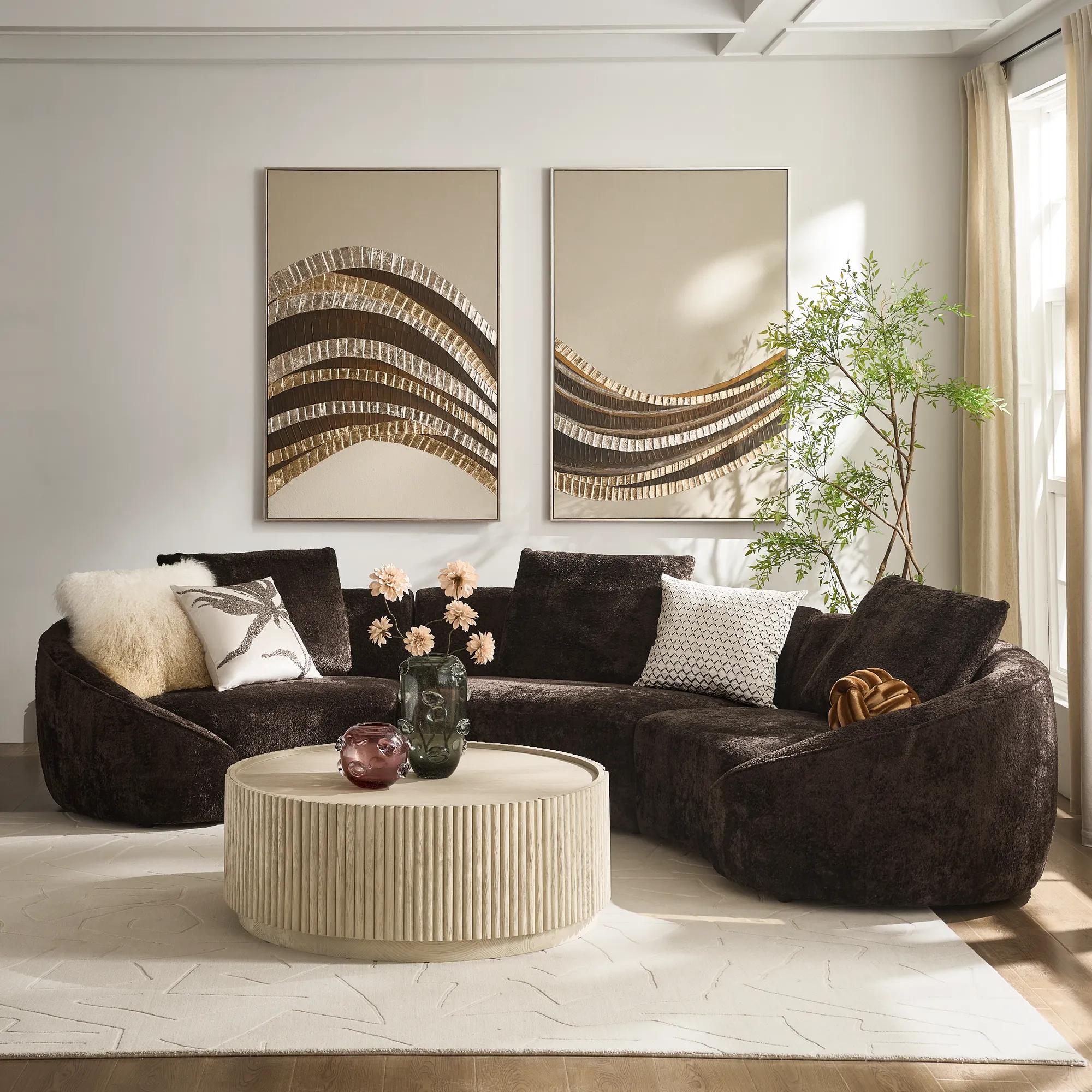 Irene Dark Chocolate Chenille Armless Chair$1199
A sculptural armless chair upholstered in dark chocolate chenille with high-resiliency foam cushions and artisan detailing.
Add To Cart -
 Jocelyn Channel-Tufted Oatmeal Velvet Armless Chair$1399
An armless chair upholstered in oatmeal velvet with deep channel tufting and a flowing, curved silhouette.
Add To Cart -

 Curvia Dusty Blue Velvet Corner Chair$1699
A sculptural corner chair wrapped in plush dusty blue velvet with deep lounge comfort and modular design.
Add To Cart -
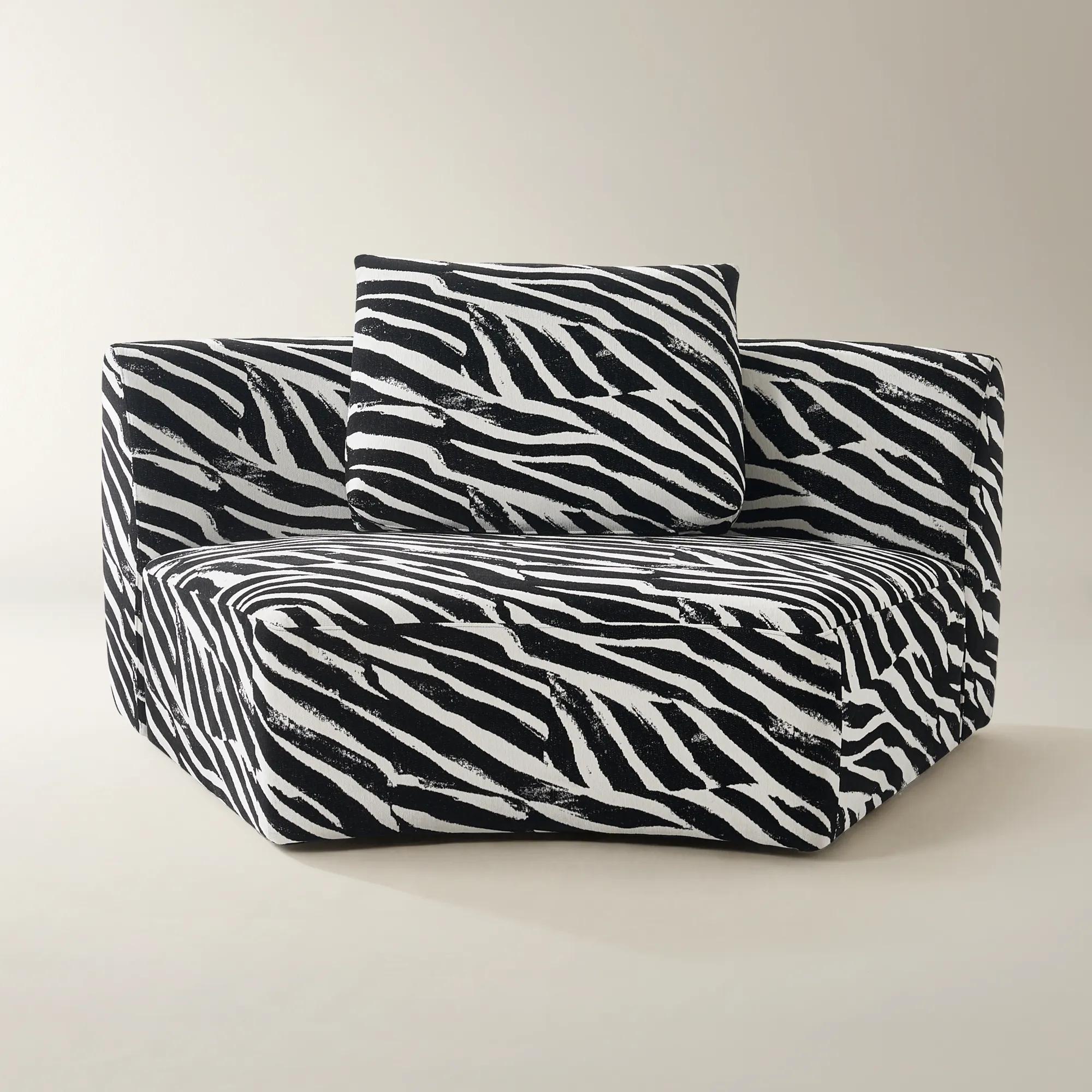
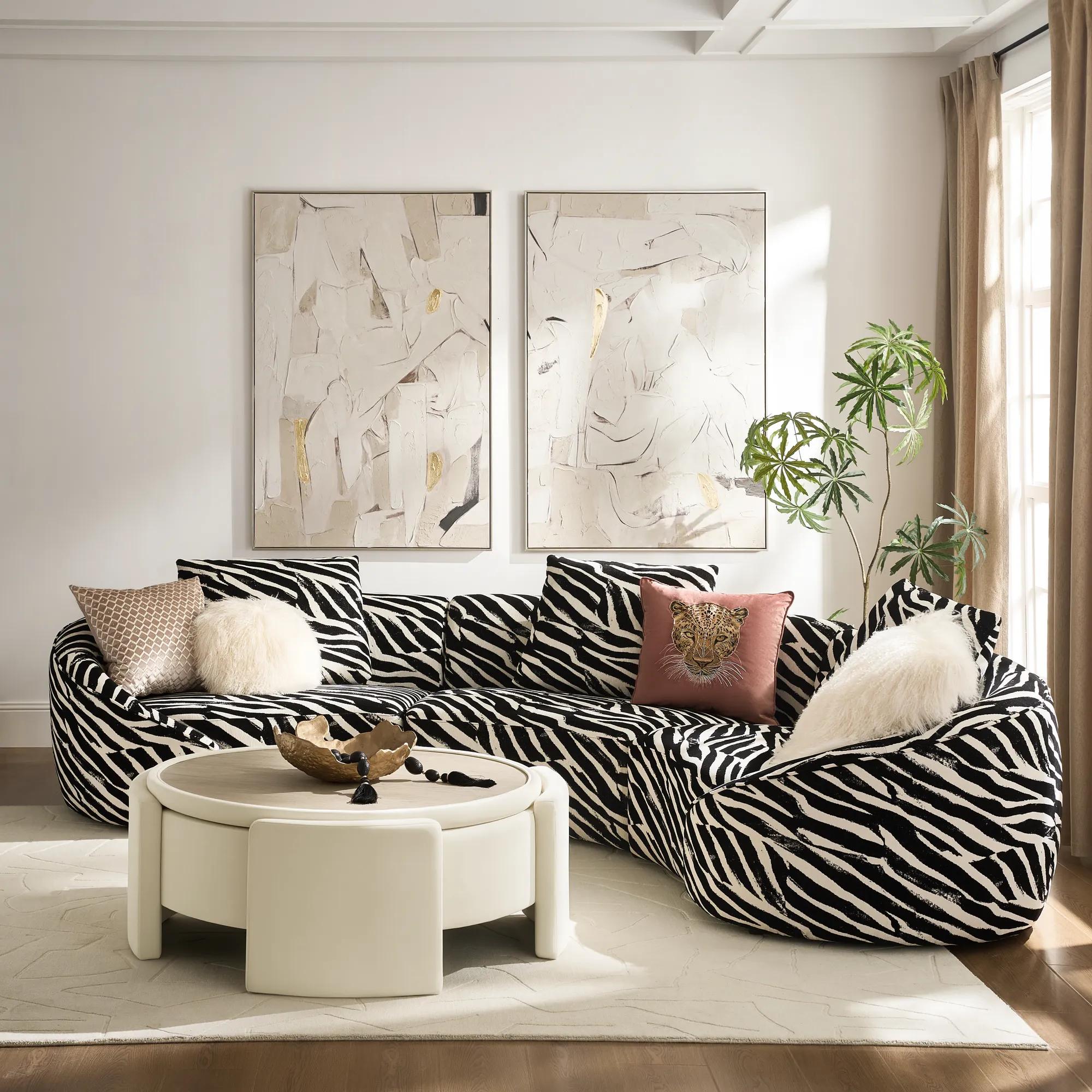 Irene White/Black Performance Chenille Armless Chair$1199
A sculptural armless chair in black and white performance chenille with high-resiliency foam cushions.
Add To Cart -

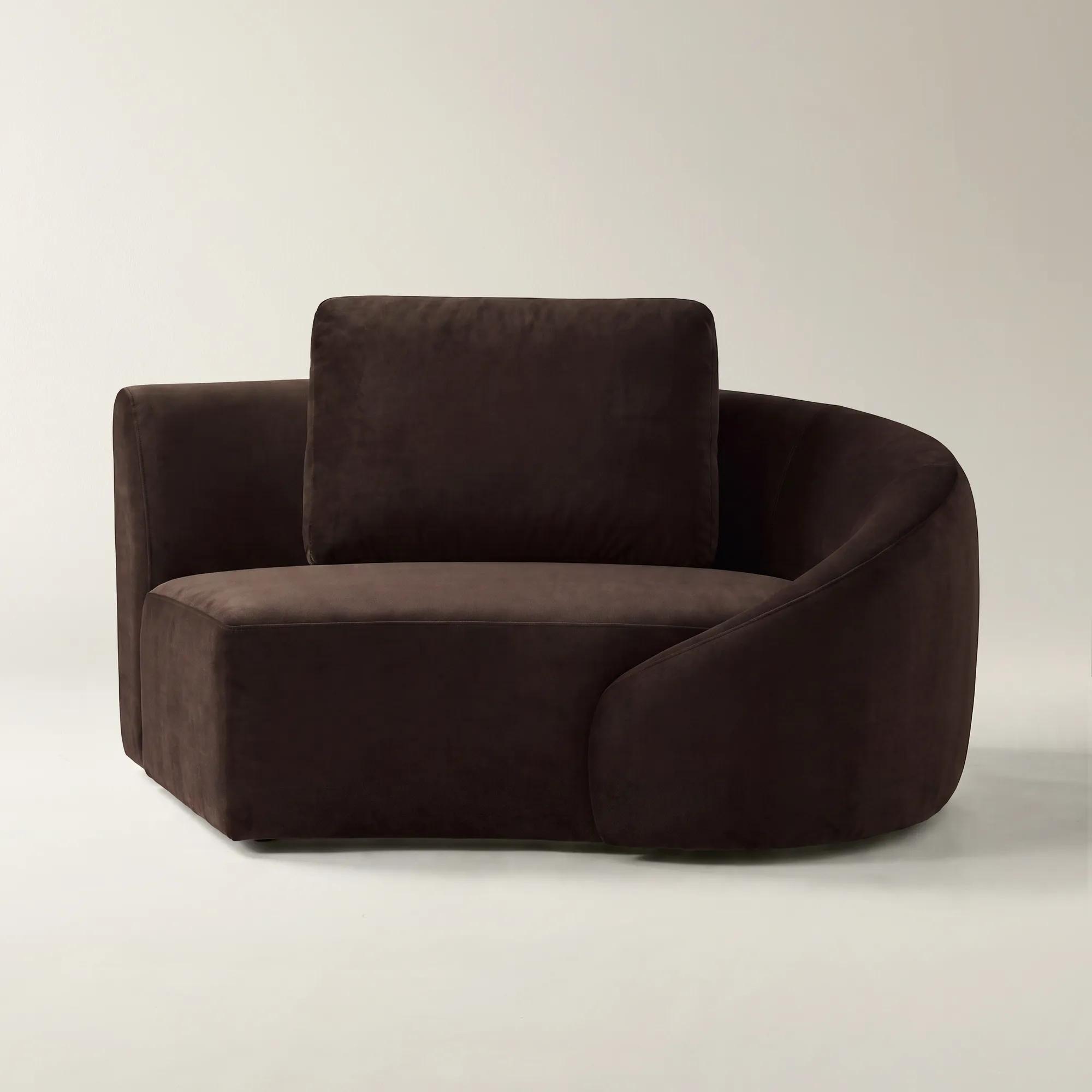
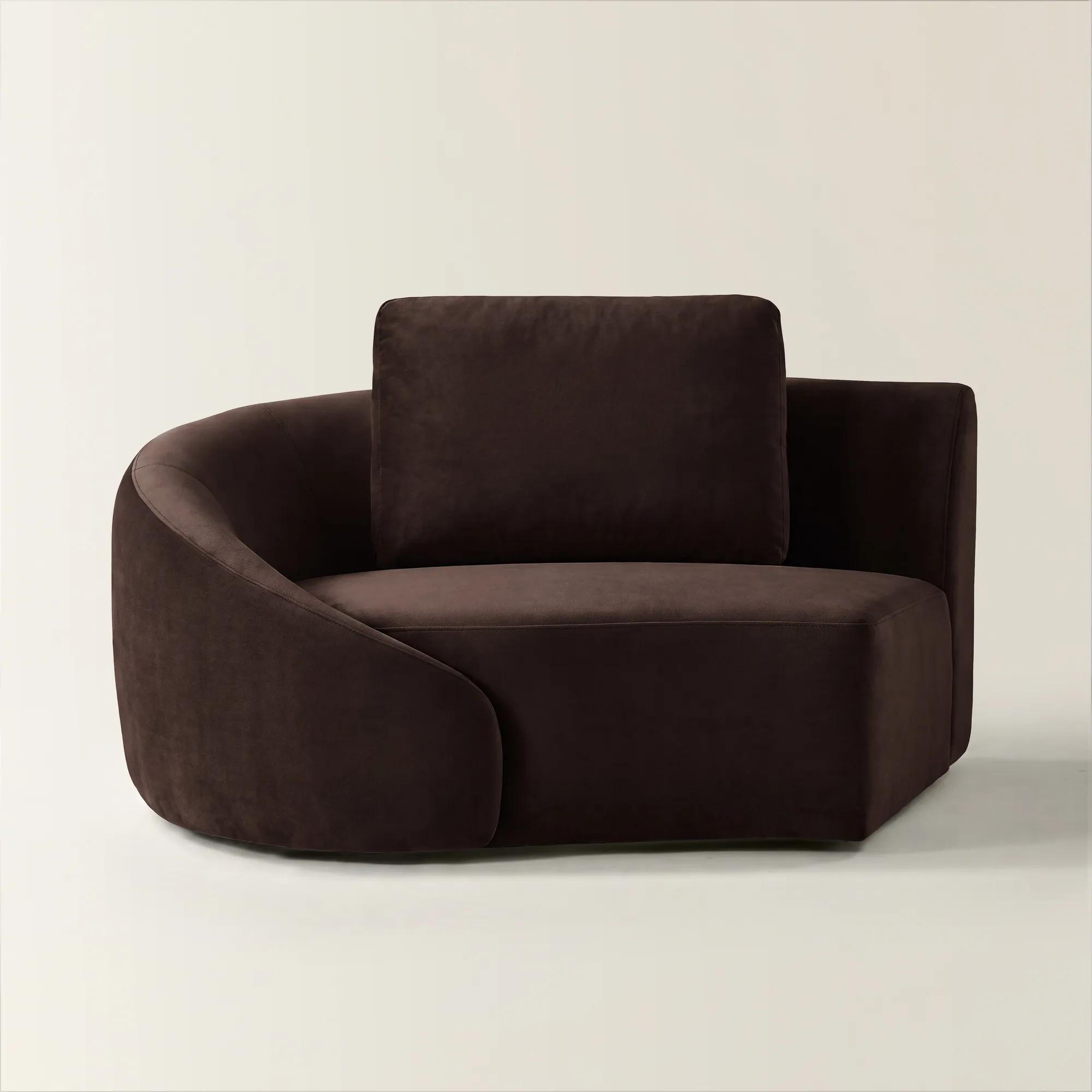
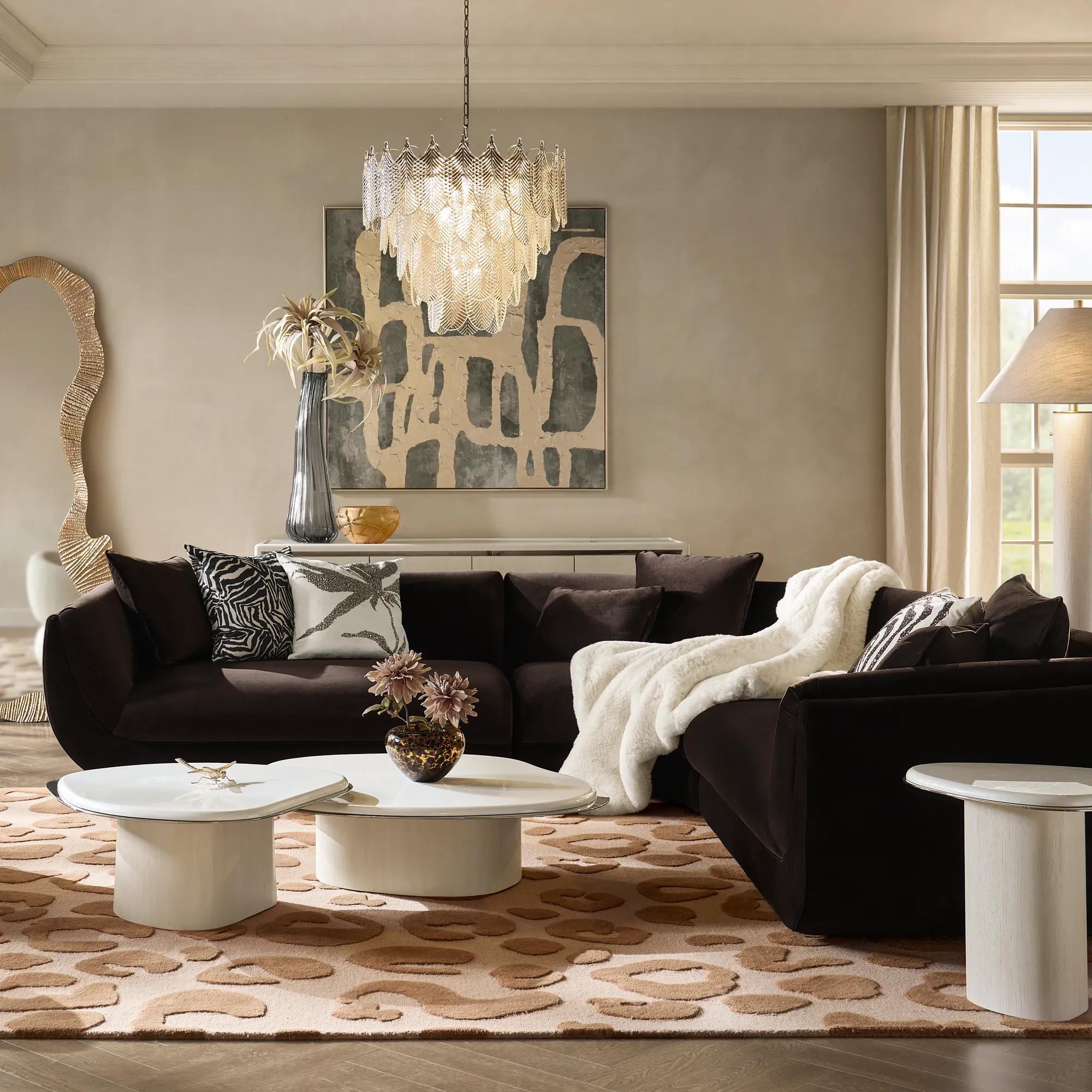 Curvia Dark Chocolate Velvet Corner Chair$1699
A sculptural corner chair in dark chocolate velvet with plush cushioning and a modular, wraparound silhouette.
Add To Cart -
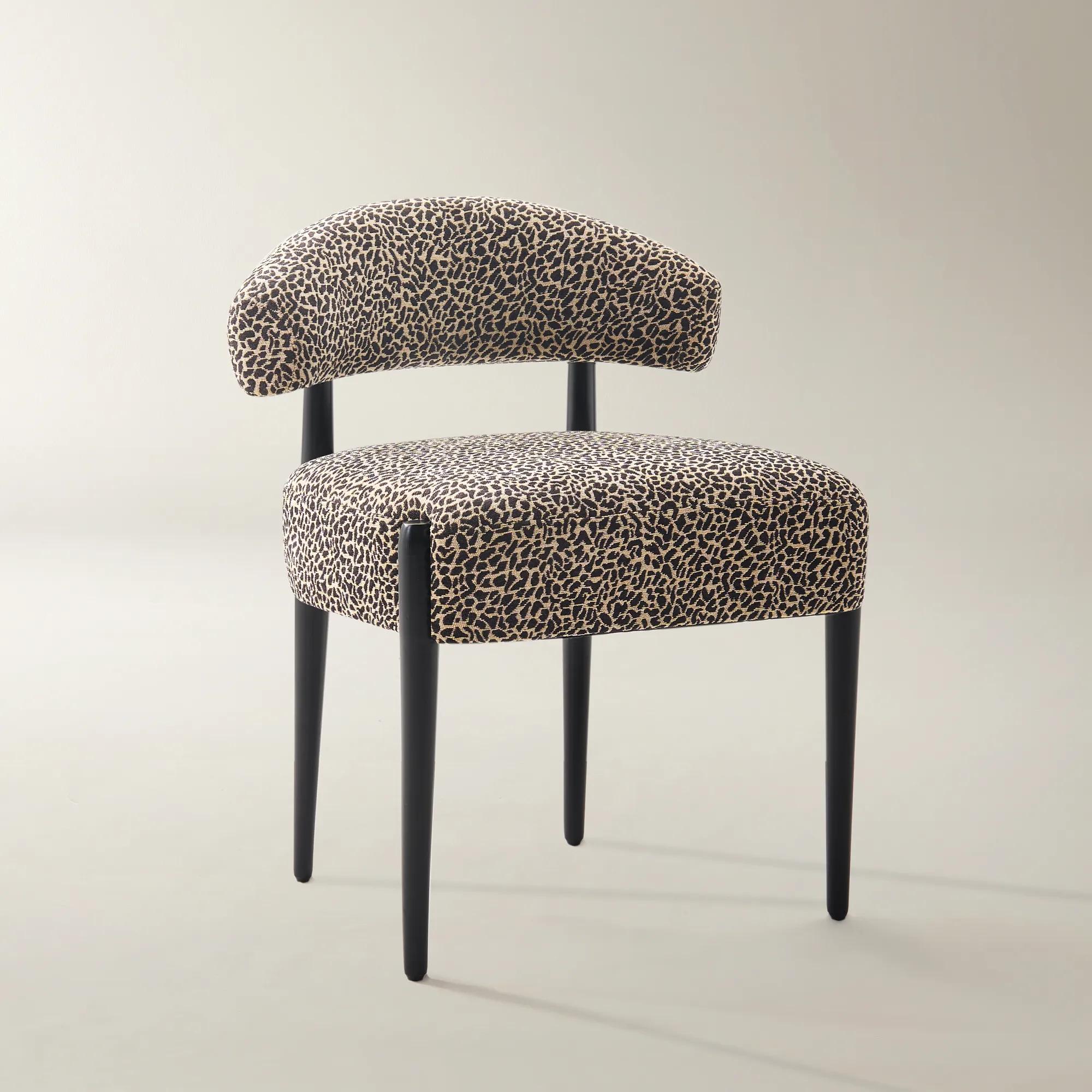
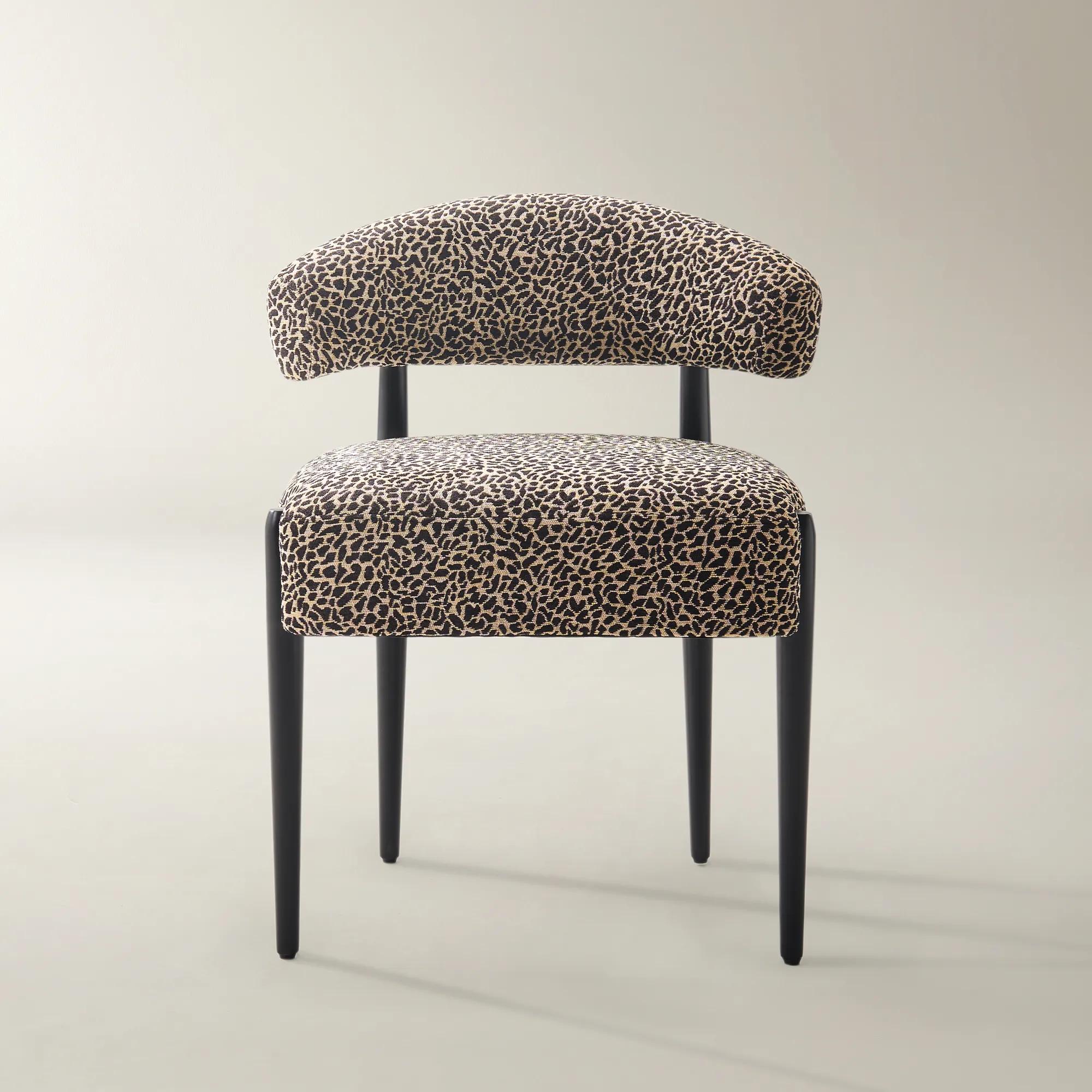 Anna Leopard Chenille Dining Chair Set Of 2$699
A pair of leopard-print chenille chairs with solid rubberwood legs and high-density foam for lasting comfort.
Add To Cart -

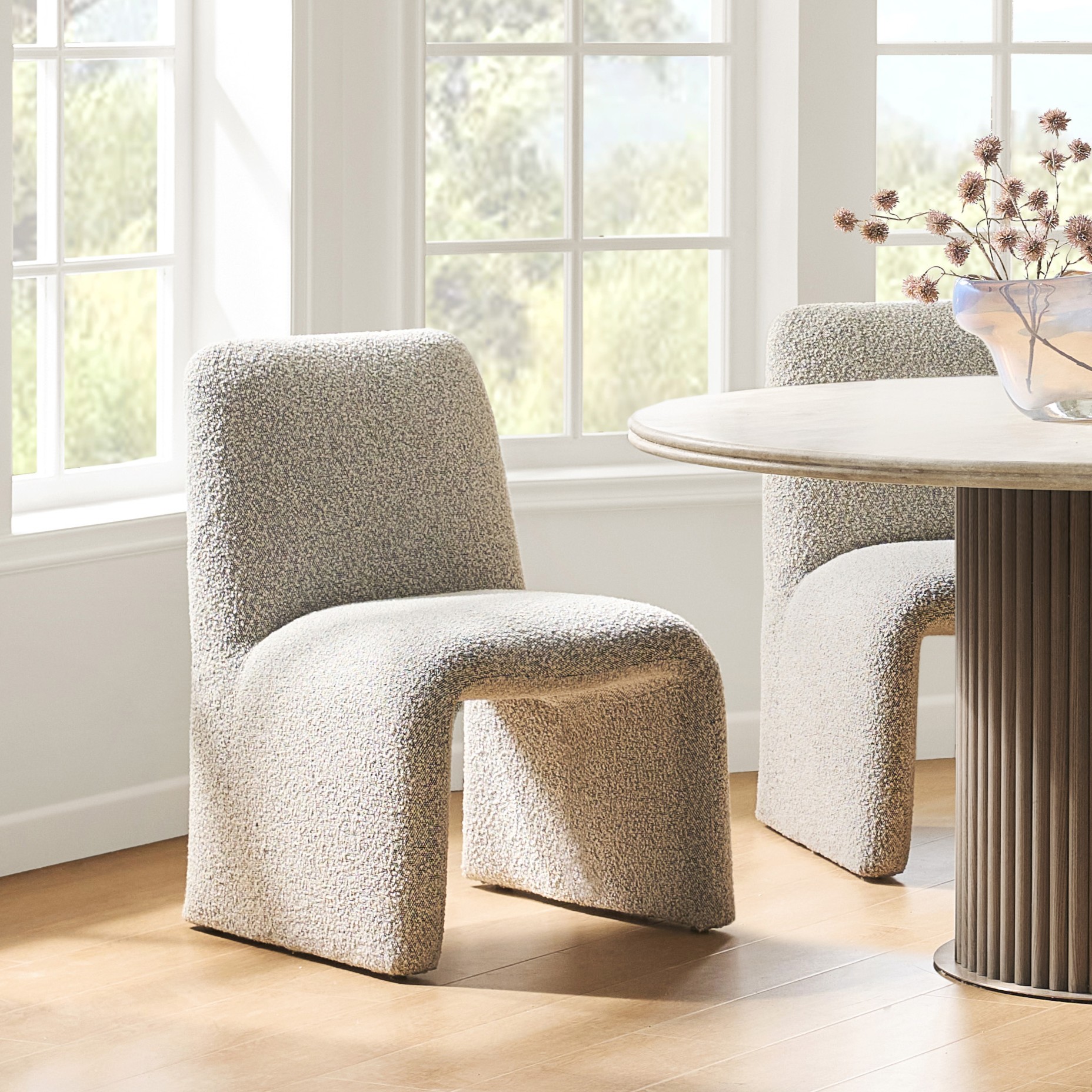 Cayenne Grey Boucle Dining Chair$399
A modern armless chair in grey boucle upholstery with a sleek metal frame and hand-crafted details.
Add To Cart -
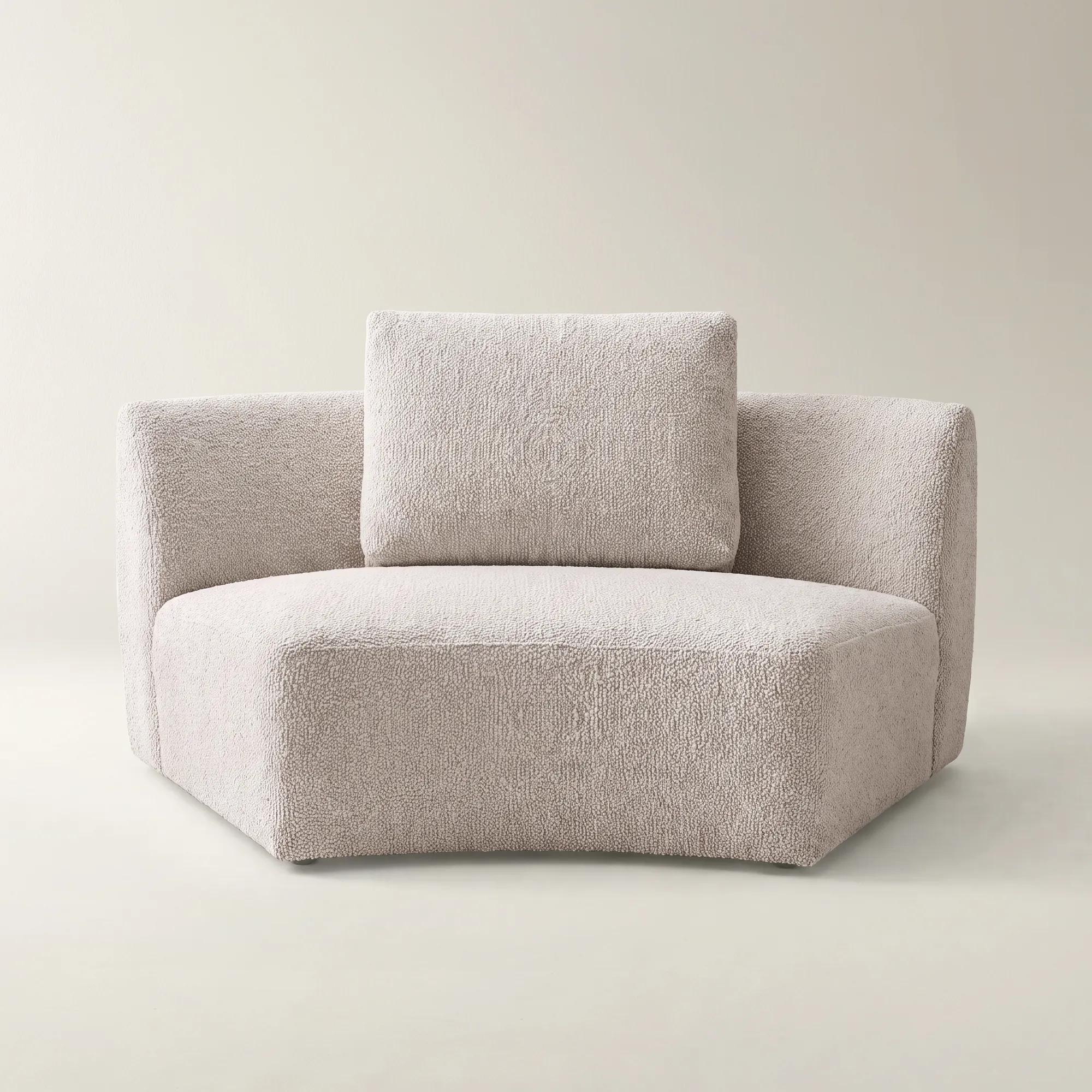
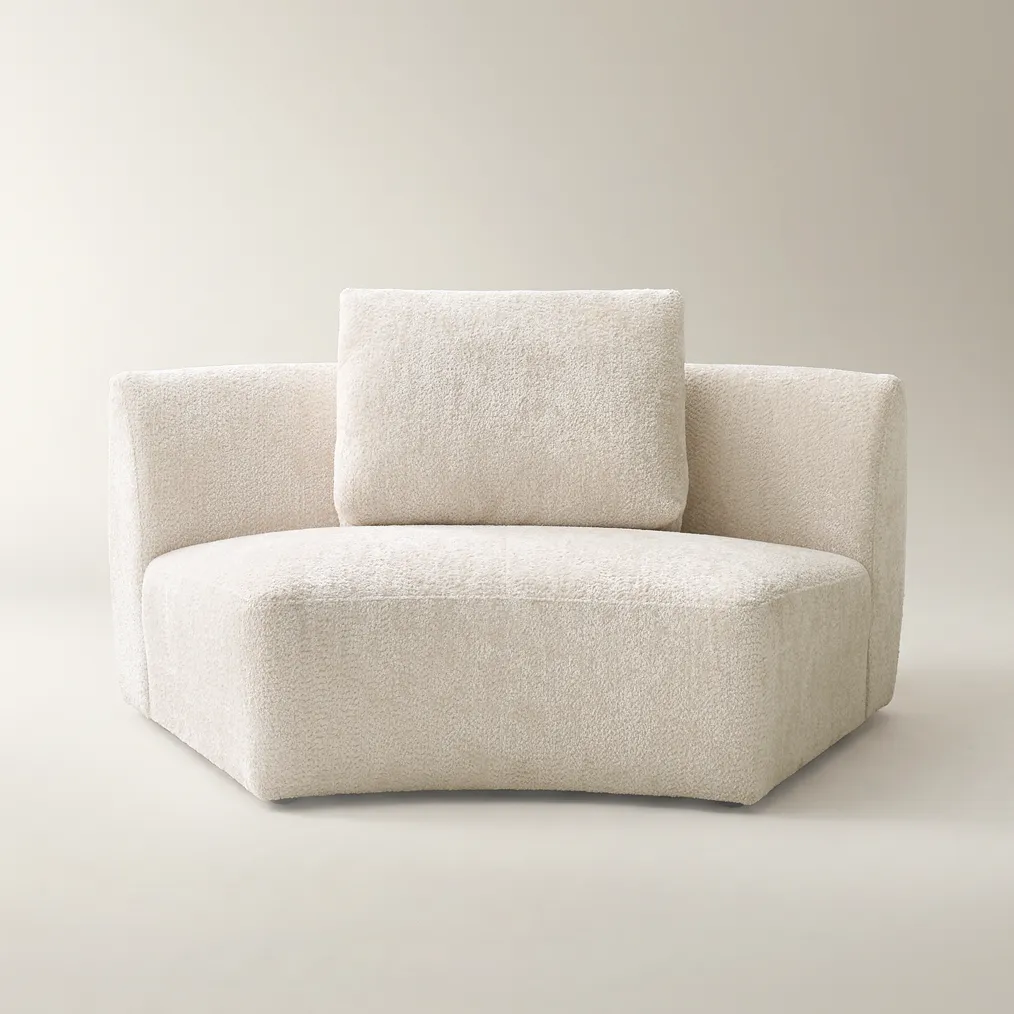 Irene Ivory Performance Boucle Armless Chair$1149
An armless chair featuring ivory performance boucle upholstery, sculptural curves, and high-resiliency foam cushions.
Add To Cart -
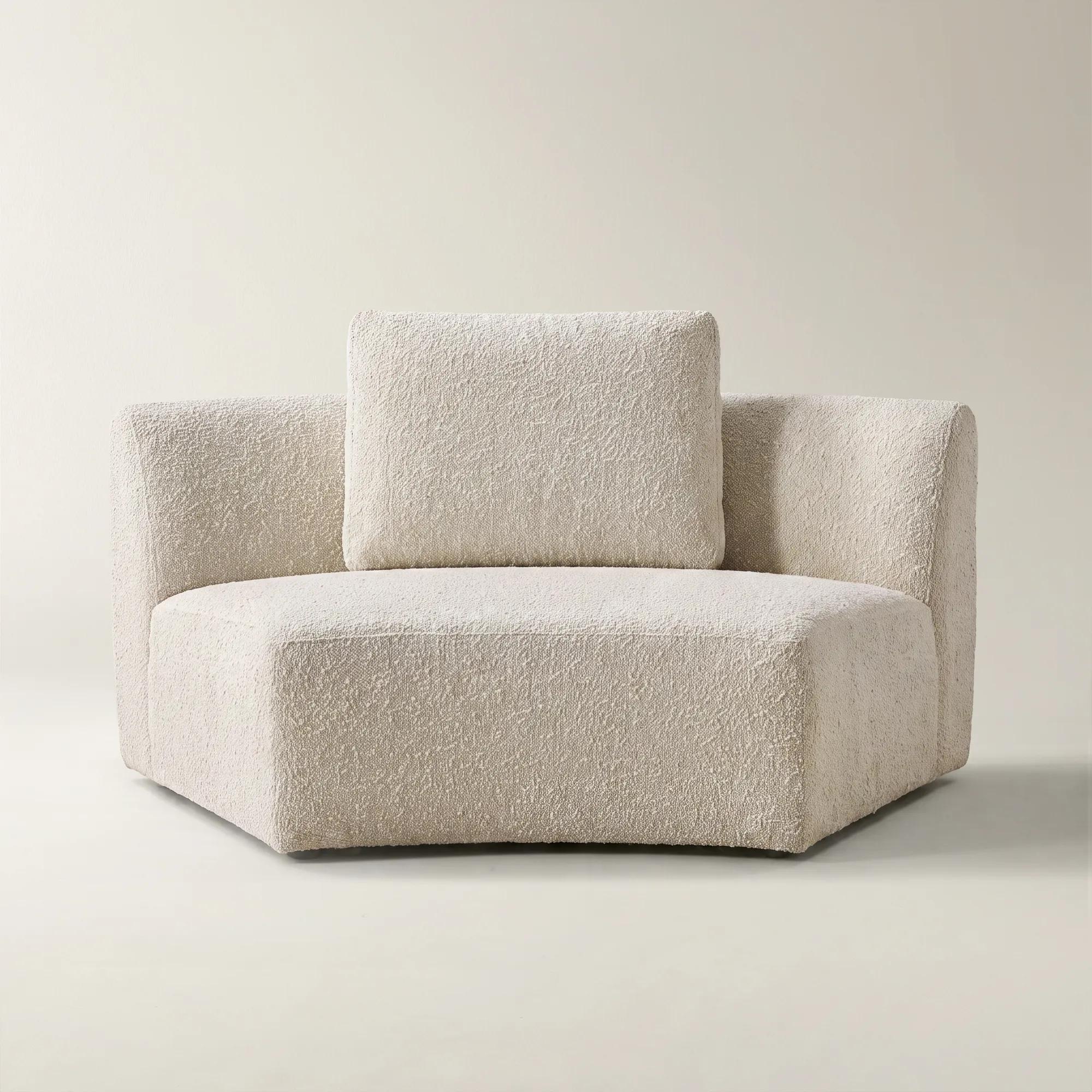 Irene Ivory Performance Boucle Armless Chair$1149
An armless chair in ivory performance boucle with sculptural curves, high-resiliency foam, and artisan detailing.
Add To Cart -
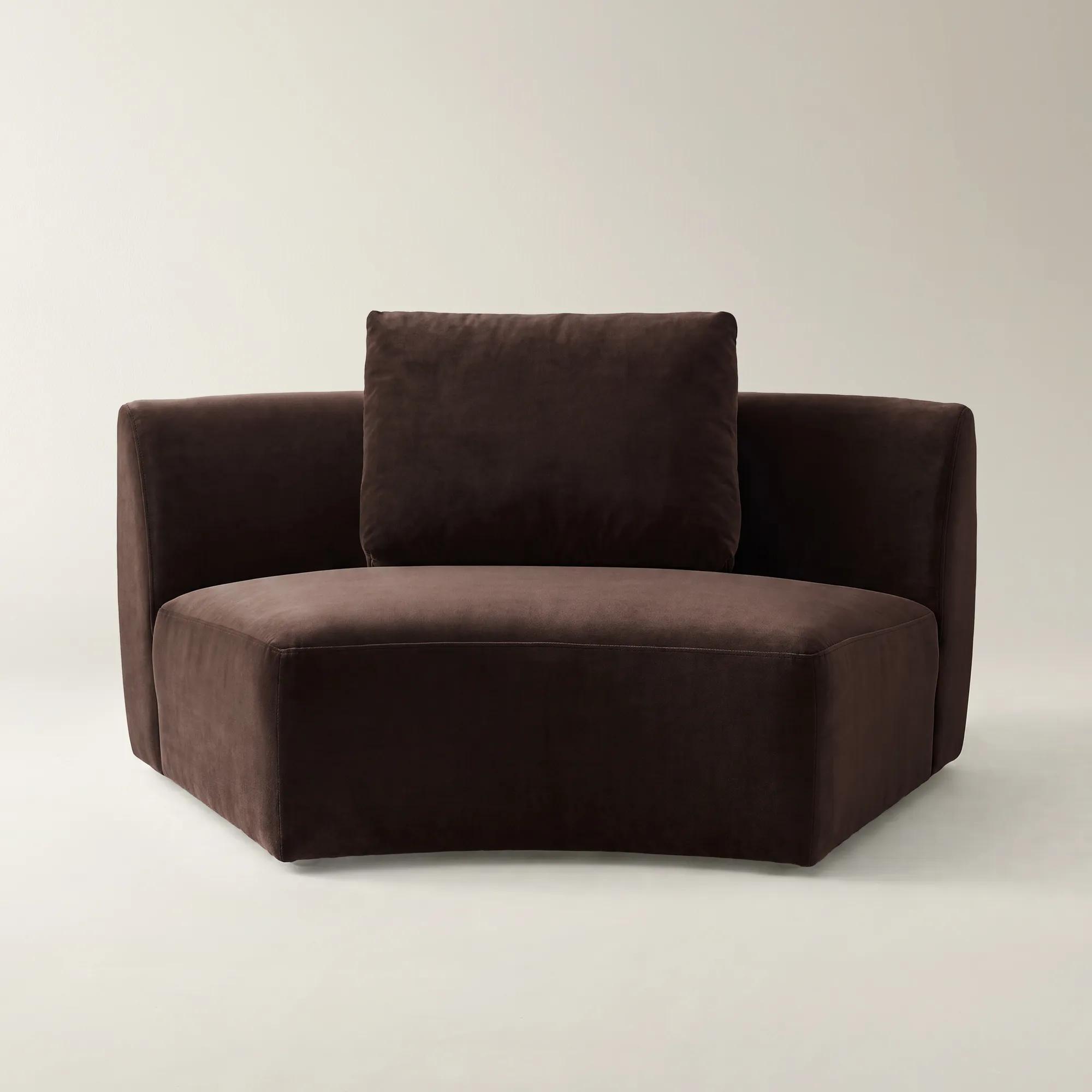 Irene Dark Chocolate Velvet Armless Chair$1049
A sculptural armless chair upholstered in dark chocolate velvet with high-resiliency foam cushions for enduring comfort.
Add To Cart -
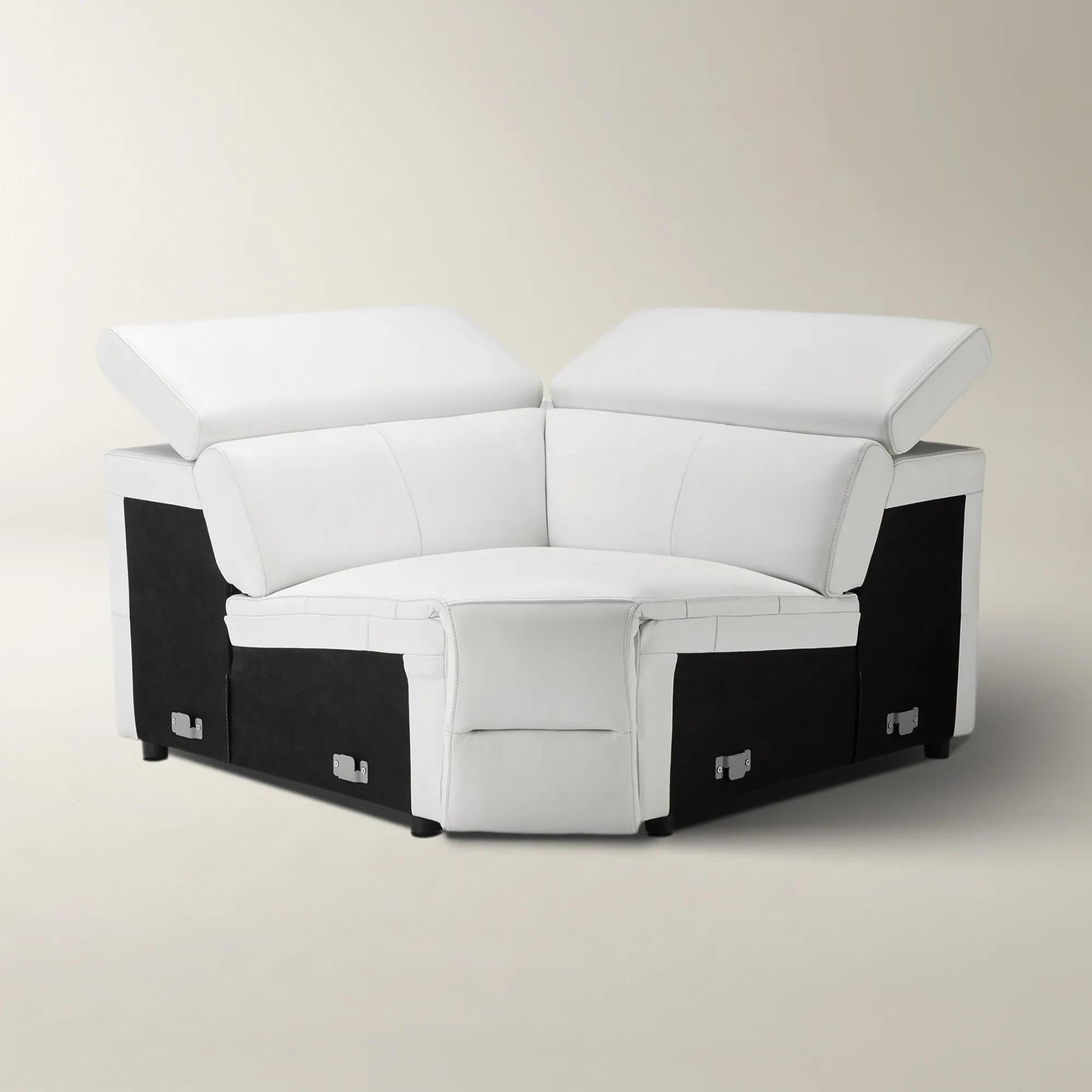
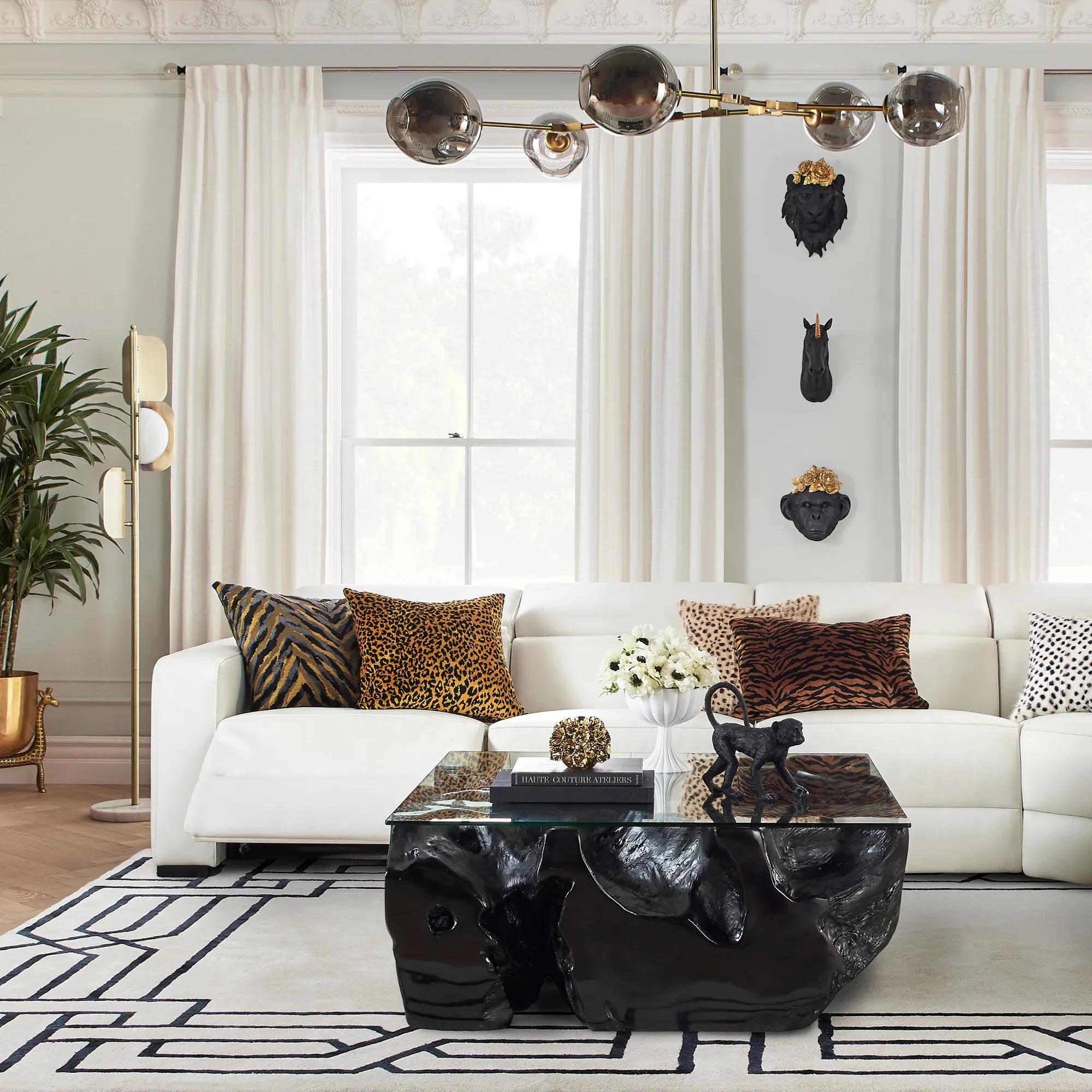 Verona White Leather Corner Chair With Power$1699
A modern sectional upholstered in supple white semi-aniline leather with adjustable headrests and power-reclining seats.
Add To Cart -
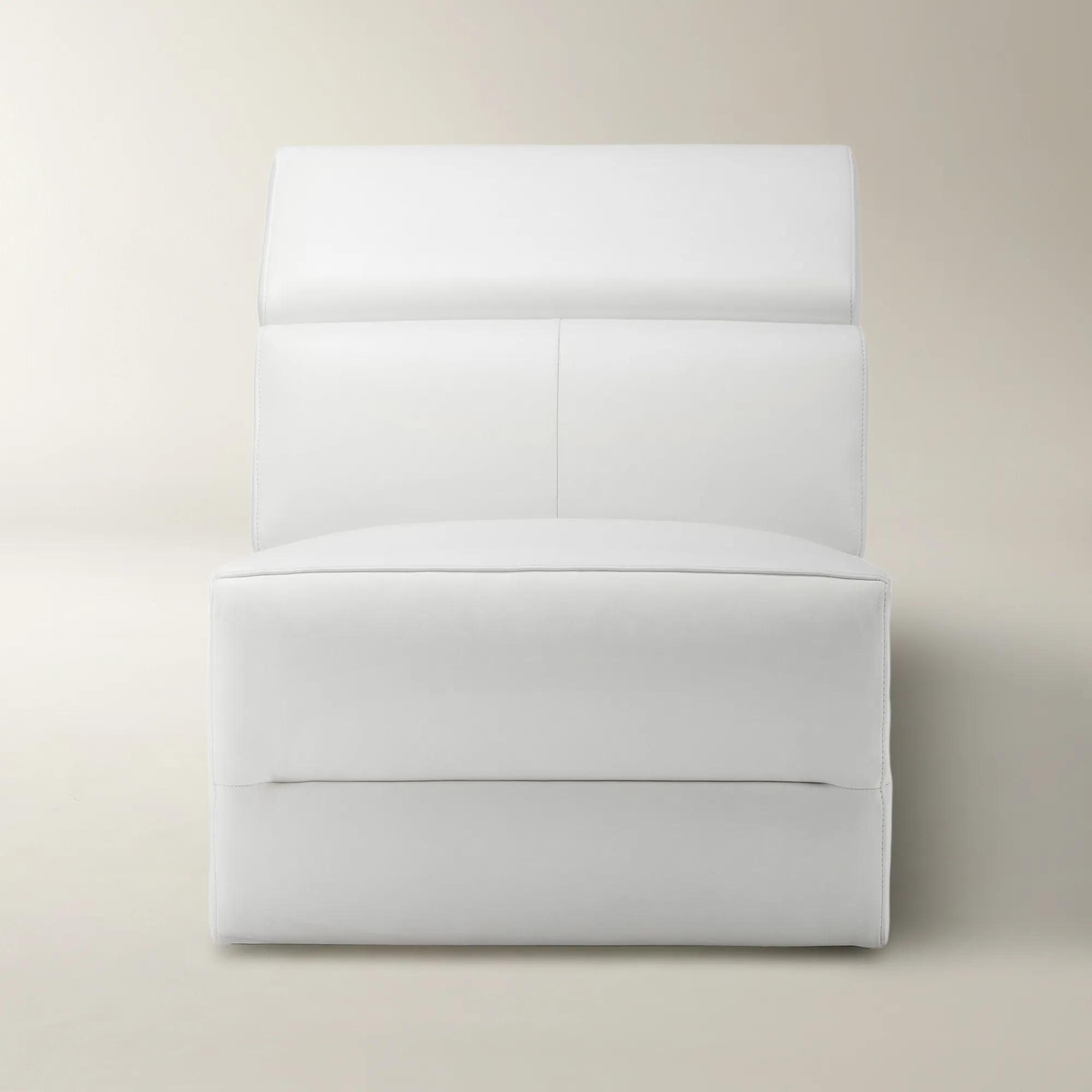 Verona White Leather Armless Chair$1099
A modern sectional upholstered in supple white semi-aniline leather with adjustable headrests and power-reclining options.
Add To Cart -

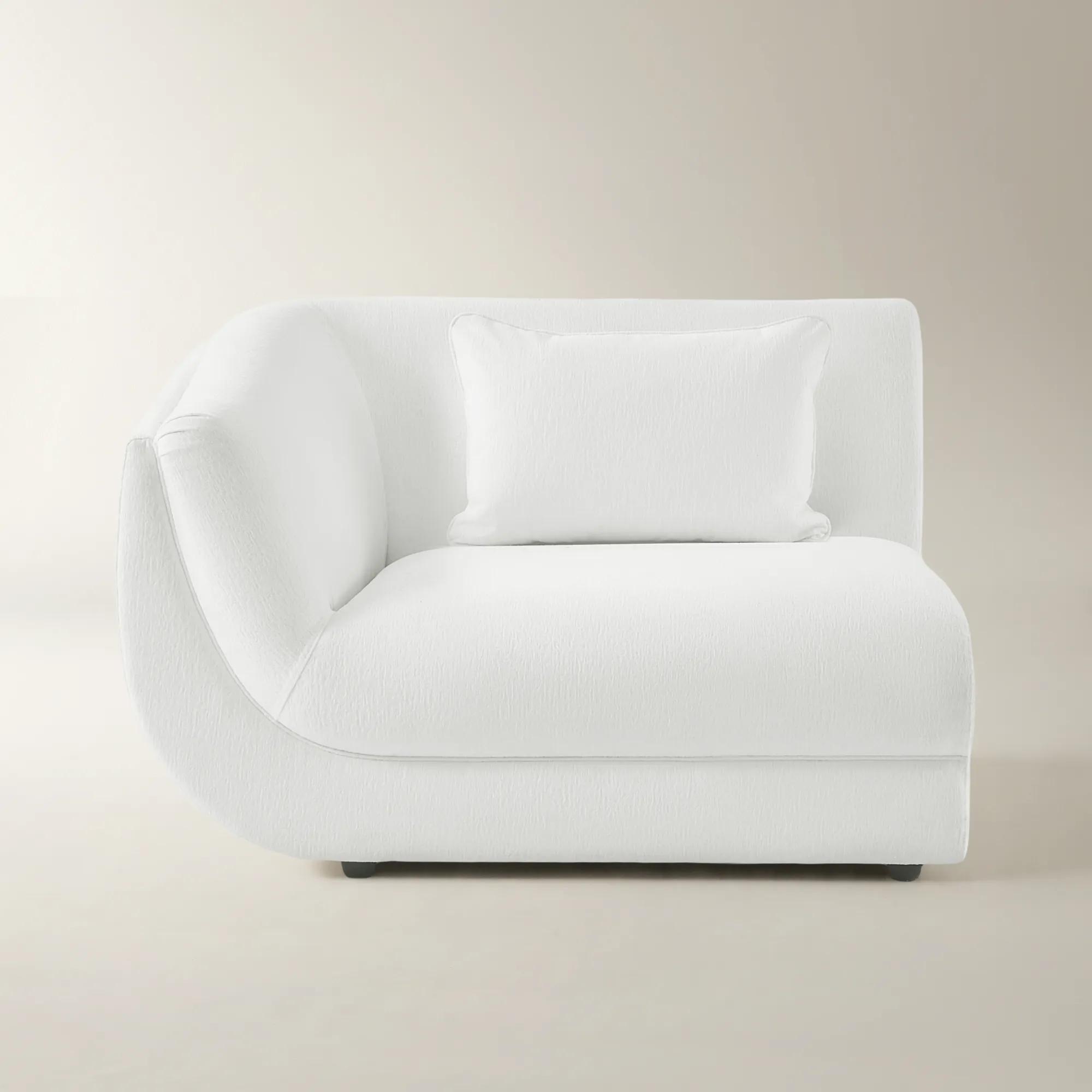
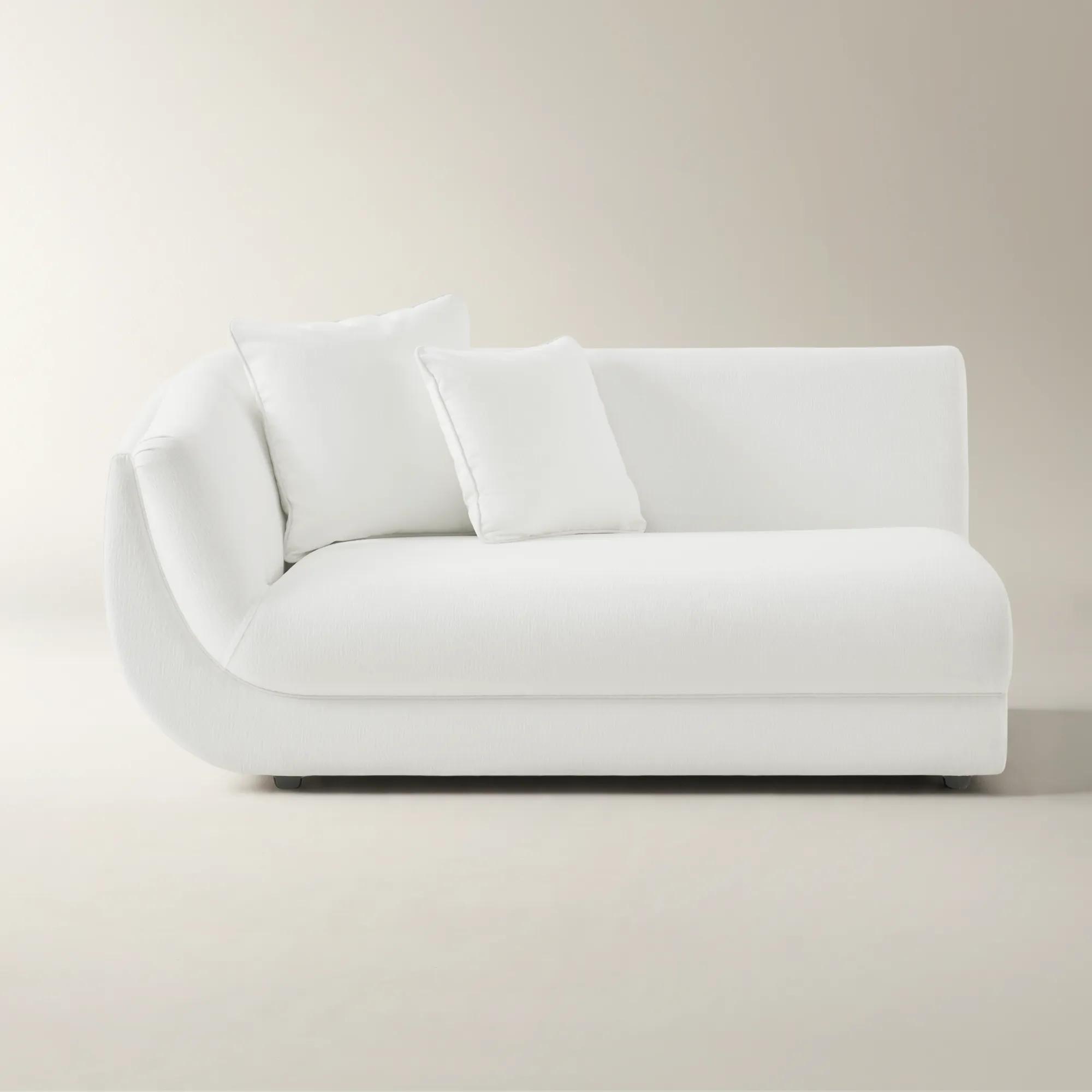
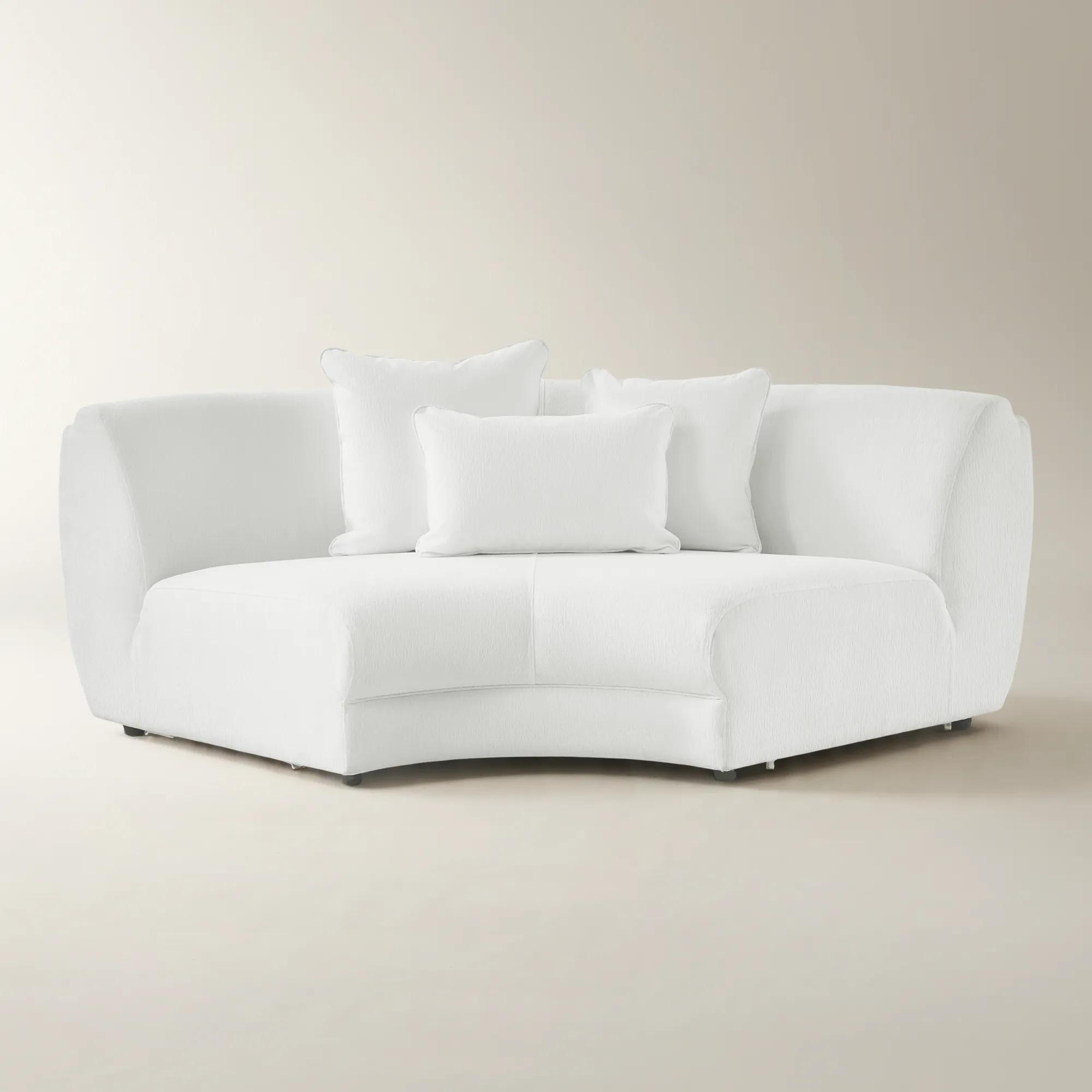
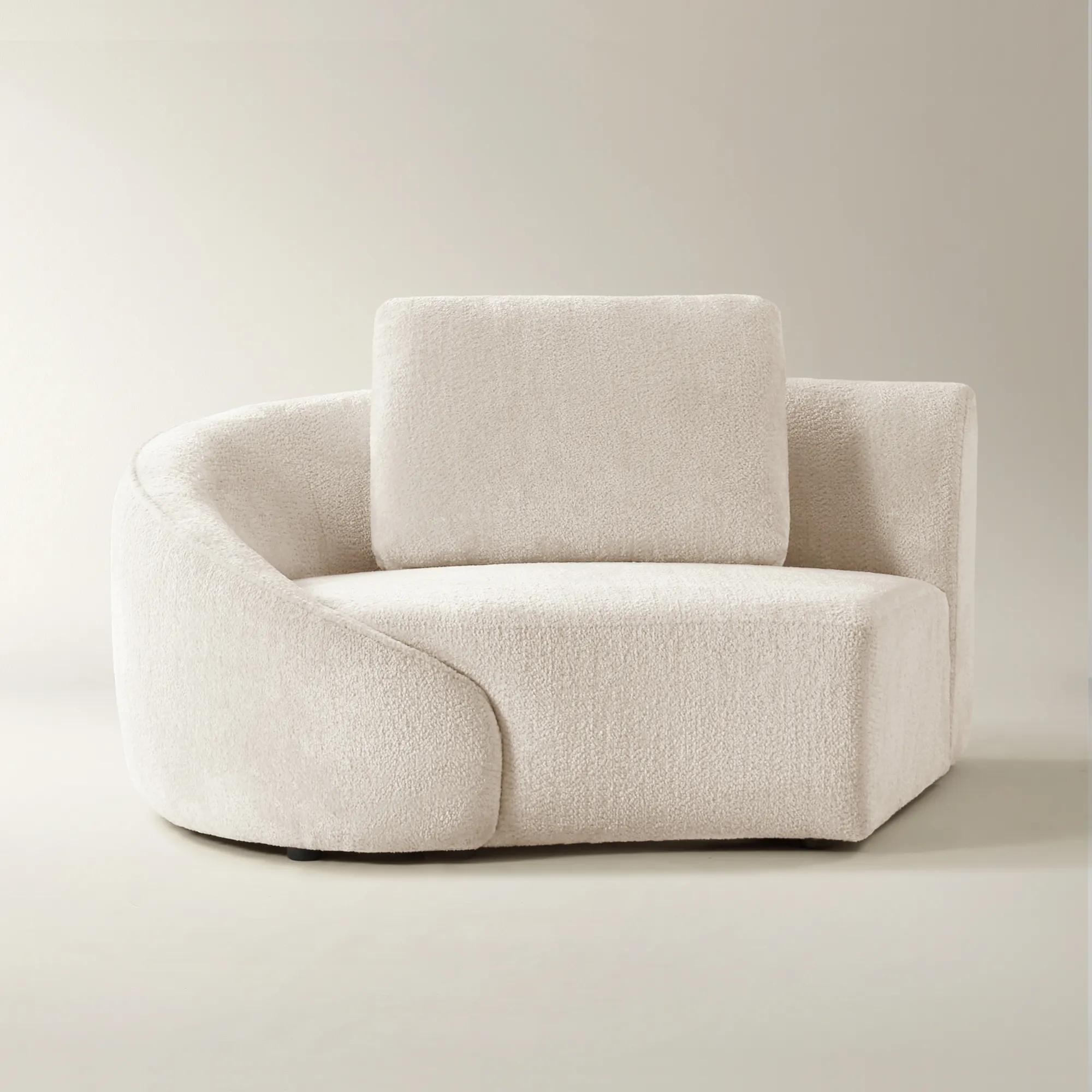 Irene Utopia Sand Chenille Left-Arm Chair$1399
A modern curved sectional upholstered in plush Utopia Sand chenille with high-density foam cushioning for comfort.
Add To Cart -
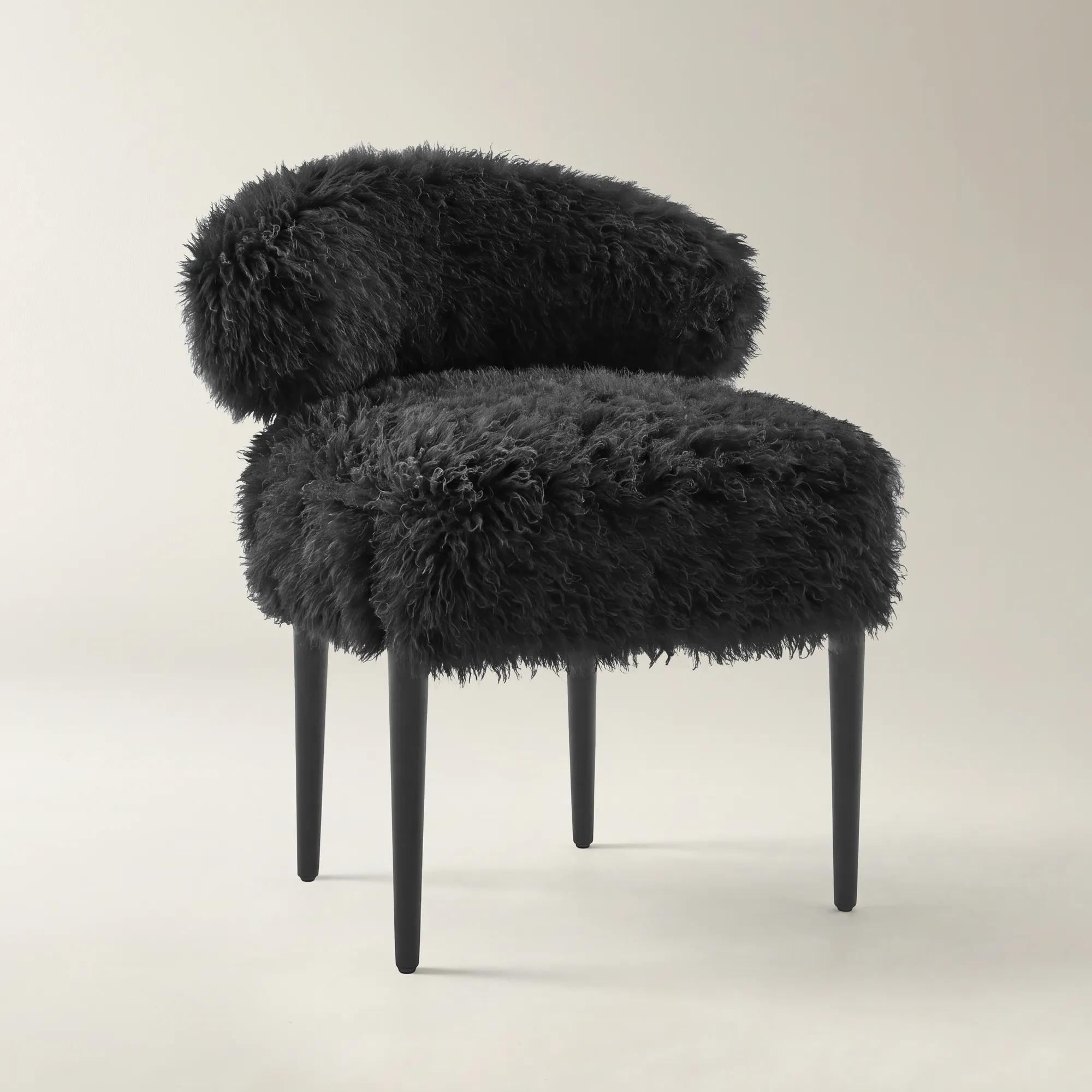 Anna Black Faux Fur Dining Chair Set of 2$699
A black faux fur chair set with arched backs, foam cushioning, and solid wood legs.
Add To Cart -
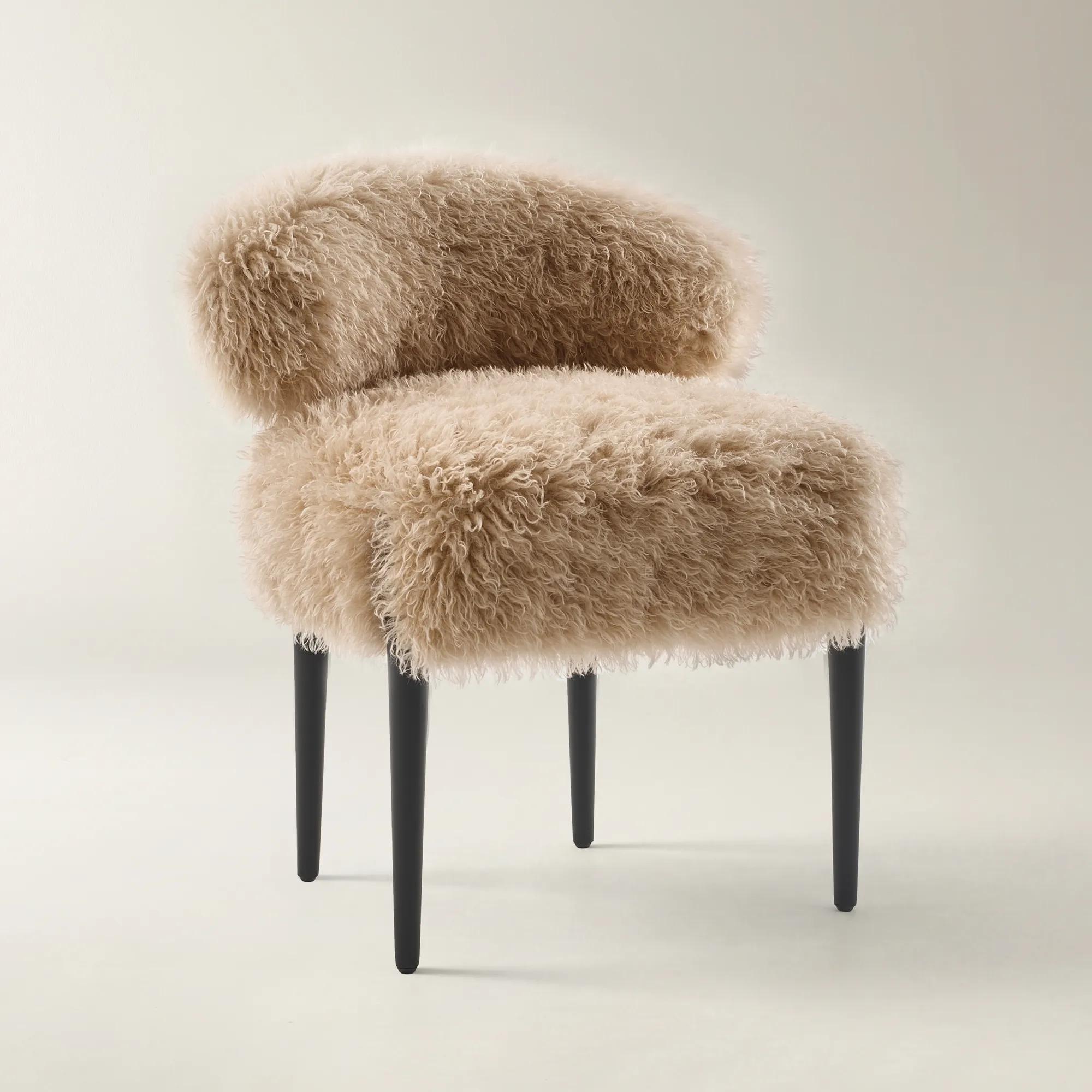 Anna Tan Faux Fur Dining Chair Set of 2$699
A tan faux fur dining chair set with curved backs, cushioned comfort, and solid rubberwood legs.
Add To Cart -
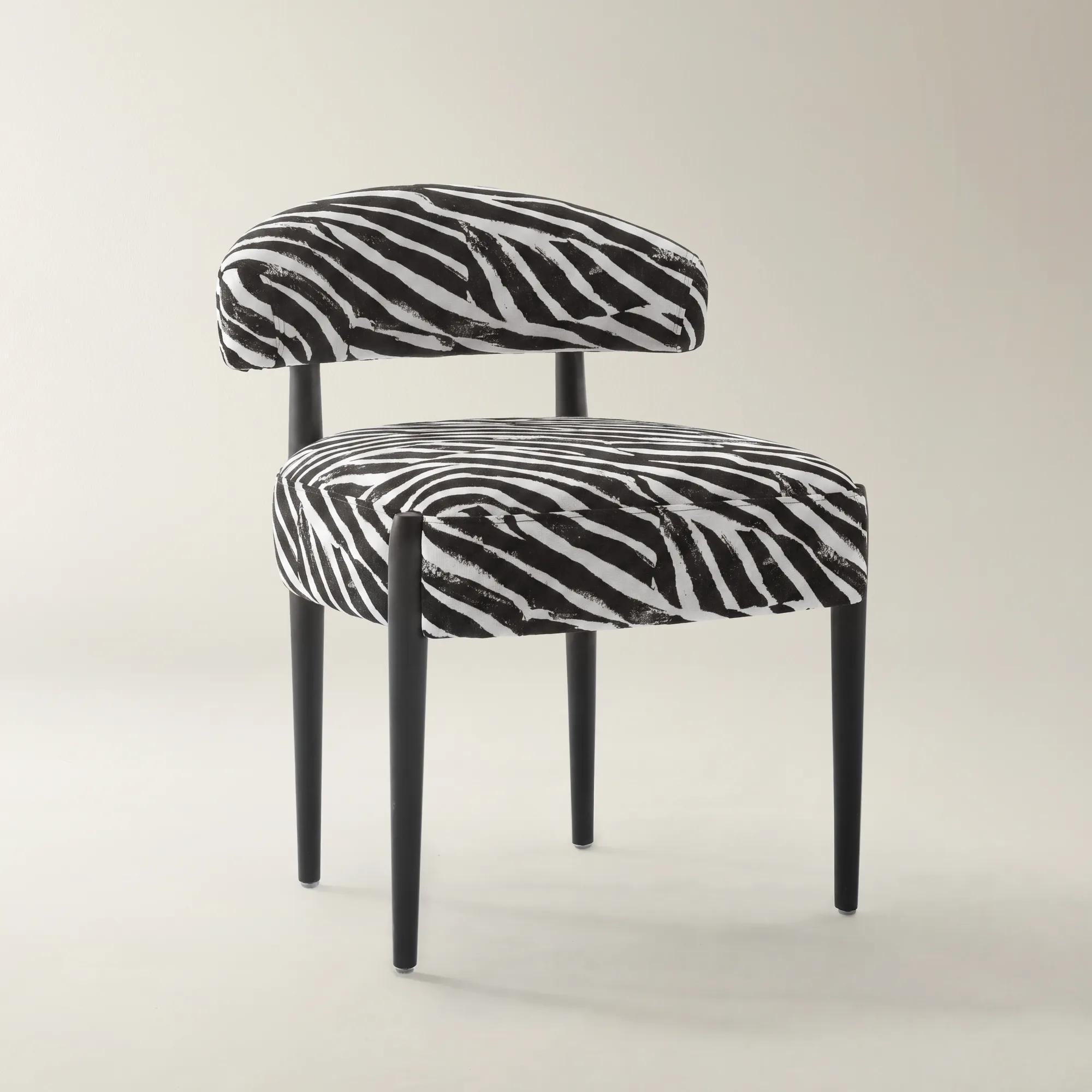 Anna White/Black Performance Chenille Dining Chair Set of 2$599
A black-and-white performance chenille chair set with arched backs, high-density foam, and solid rubberwood legs.
Add To Cart -
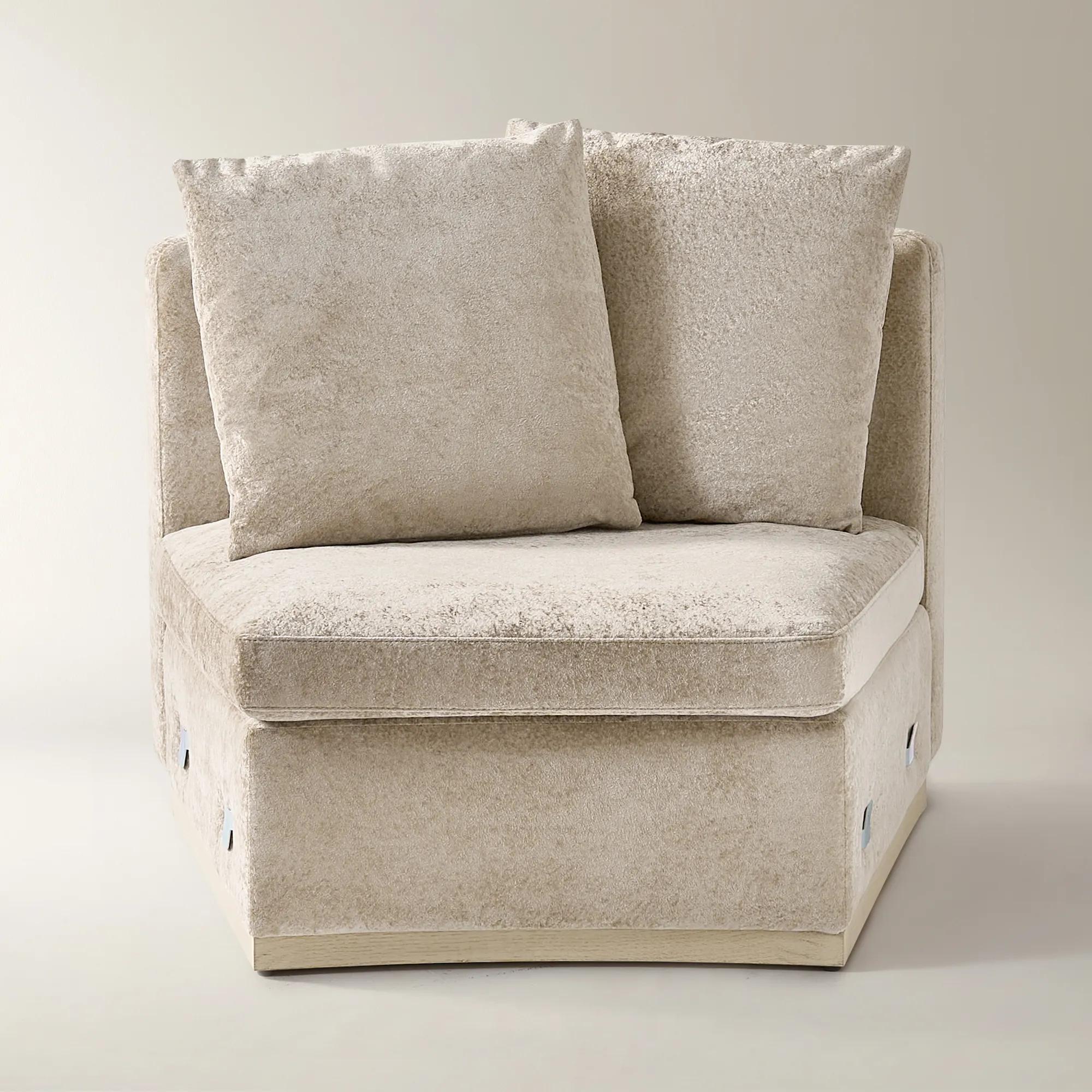 Stria Light Brown Chenille Armless Chair$1099
A light brown chenille sectional with triple-layer cushioning and a kiln-dried oak frame for lasting comfort.
Add To Cart -
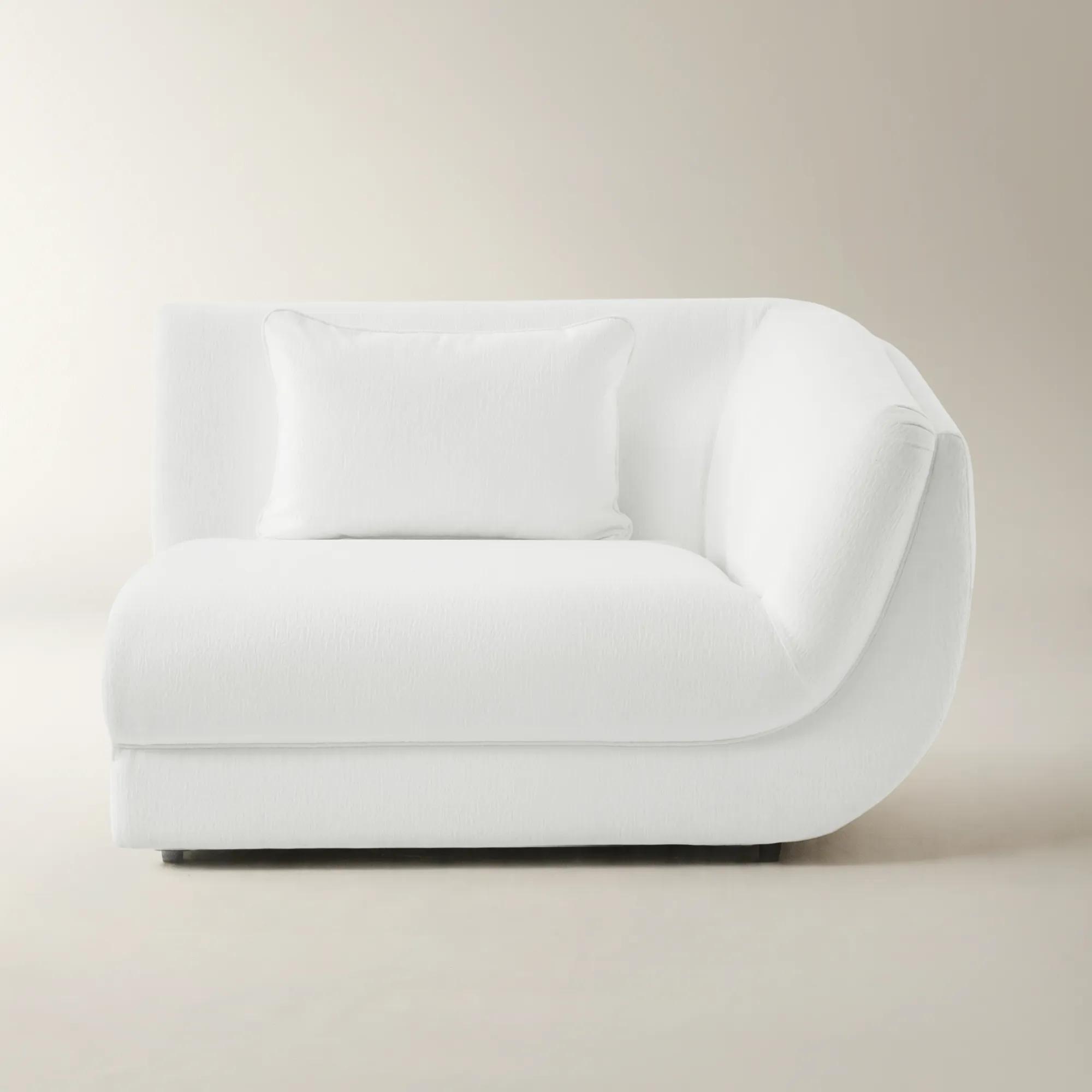
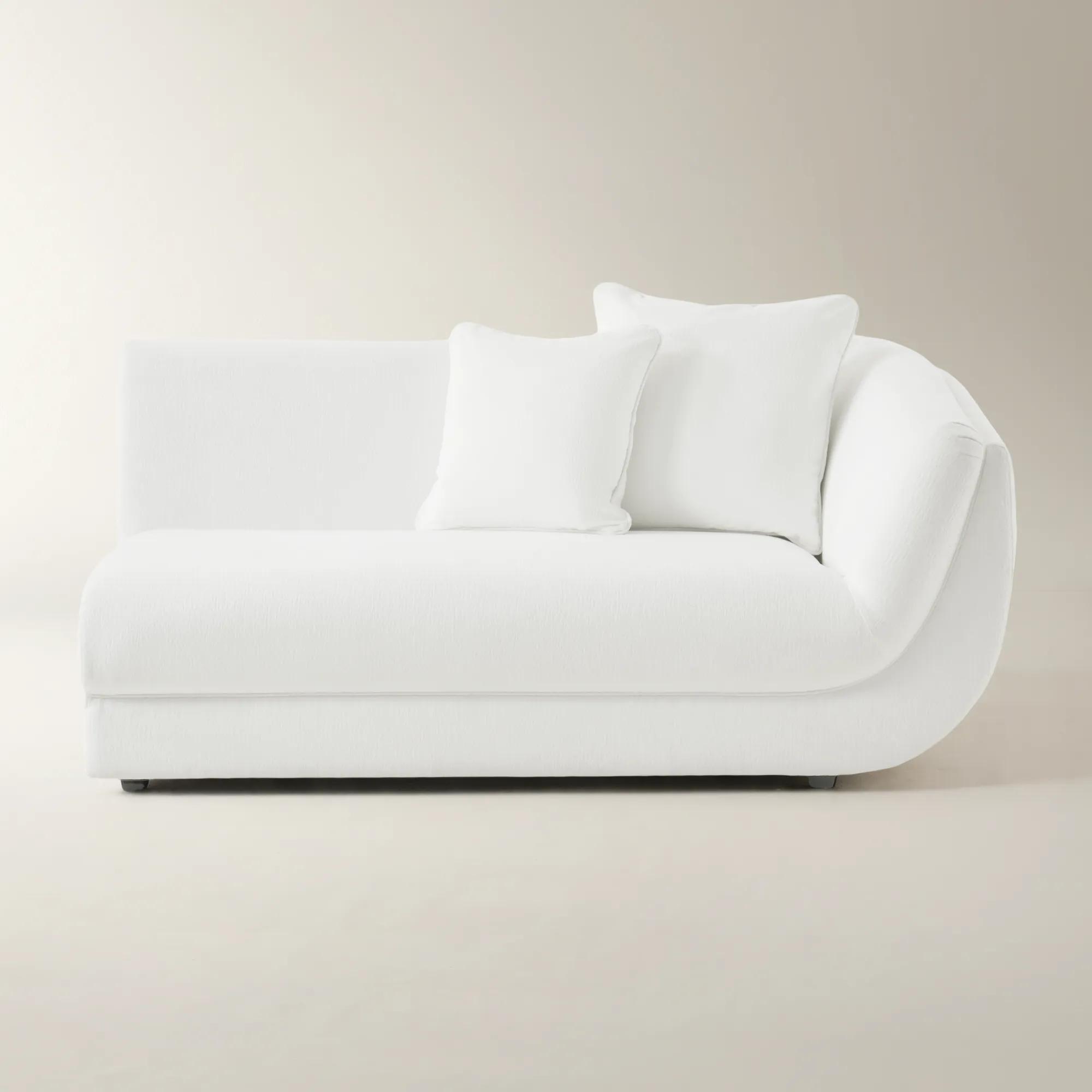
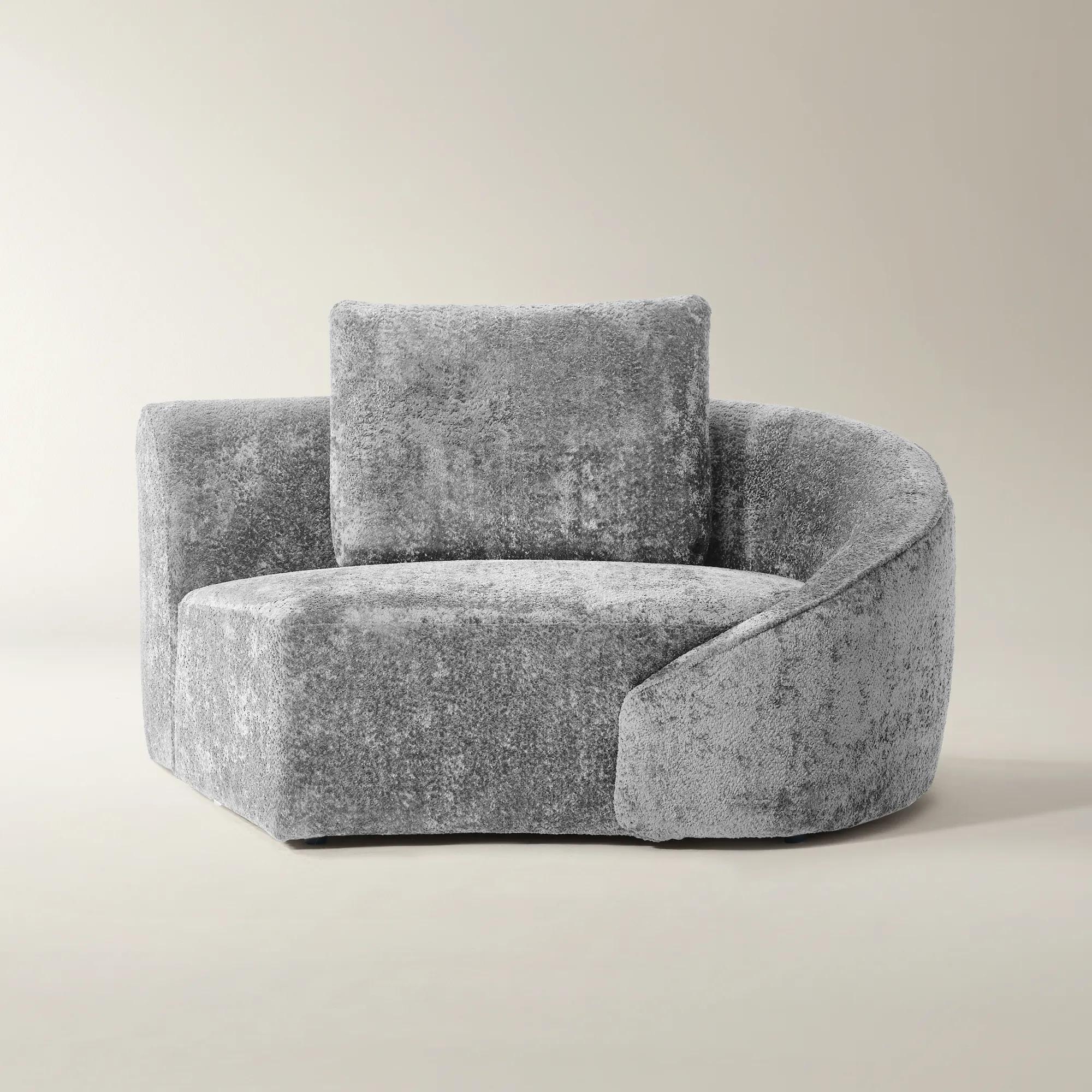 Irene Grey Chenille Right-Arm Chair$1399
A customizable seating collection featuring left arm, right arm, and armless chair components for versatile arrangements.
Add To Cart -
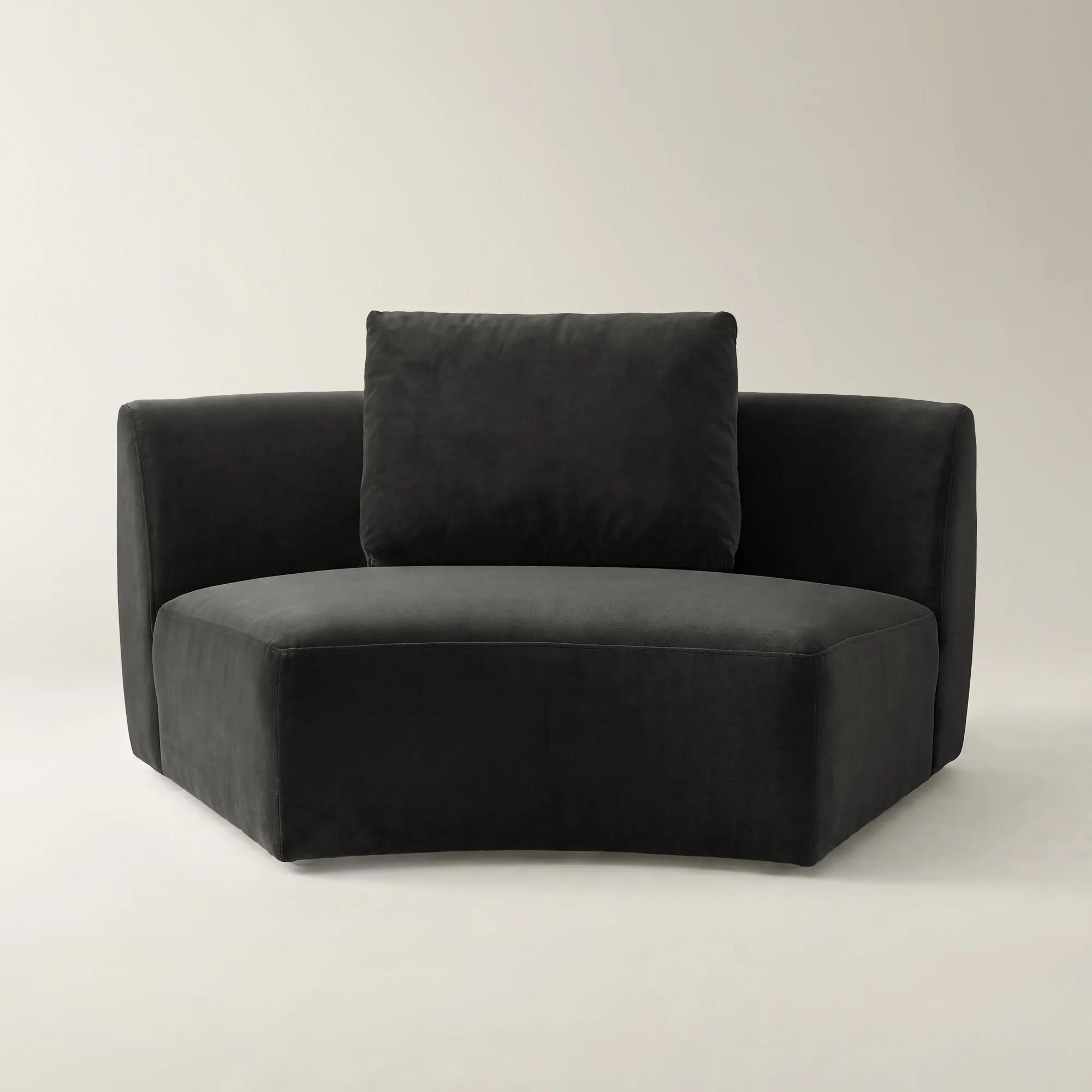 Irene Charcoal Velvet Armless Chair$1049
A sculptural armless chair upholstered in charcoal velvet with high-resiliency foam cushions and artisan detailing.
Add To Cart

Modular Armless Chairs
Explore modular armless chairs to shape a seating arrangement around your room and your sense of style. These open-sided seating pieces create a clean, sculptural rhythm within a modular sectional. As you browse, consider dimensions, seat height, and compatibility with your existing pieces to build a composition that feels as cohesive as it looks.
Modular armless chairs are individual seating units without side arms, designed to stand alone when their construction allows or connect with compatible pieces to create a sofa or sectional. Their appeal is both architectural and personal: an uninterrupted seat line gives upholstery room to make its statement, while the modular format lets a seating arrangement take shape around the way a room is used. A pair can create a composed conversation area opposite a sofa; several compatible units can form an expansive stretch of seating with the presence of a custom arrangement. Combined with matching corner modules, end units, or ottomans, an armless chair can help build an L-shaped sectional, extend an existing configuration, or introduce a lounging area. Those possibilities depend on the system, however. Not every armless chair is modular, and not every modular chair is intended for freestanding use. Finished exterior sides, a stable base, and the manufacturer’s configuration guidance matter when a unit will sit on its own. Connection methods may include clips, brackets, hooks, or other attachment hardware that helps keep neighboring seats aligned; matching appearance alone does not establish compatibility. In a room with dramatic artwork or a sculptural coffee table, the open-sided silhouette gives those focal points breathing room without sacrificing the richness of upholstered seating. Scale determines whether that effect feels graceful or crowded. Overall width and depth establish the chair’s footprint, while seat width, seat height, and usable seat depth reveal more about how it will feel. A generous, low seat invites reclining and relaxed conversation; a shallower seat with a more upright back can better suit guests who prefer support while sitting. Measure the complete arrangement rather than a single module, allowing space for passageways, nearby doors, and access to tables. Delivery deserves the same attention, particularly in apartments with narrow stairwells, elevators, or tight entry turns. The most convincing layout leaves room for movement while giving every seat a clear purpose, whether facing a view, anchoring a gathering space, or completing a richly layered living room.
Upholstery gives modular armless seating much of its character, transforming a simple shape into something sumptuous, tailored, or distinctly sculptural. Velvet brings depth through its shifting pile, catching light differently across the seat and back; a closely woven fabric creates a quieter surface that lets proportion and detailing lead. Bouclé introduces dimensional texture, while leather, where offered, lends a smooth finish with its own care requirements and aging characteristics. Color can sharpen the composition just as decisively. An ivory chair against dark flooring reads as a luminous form, while charcoal or a saturated jewel tone can lend weight to an arrangement surrounded by glass, metal, and expressive art. Fabric selection should also reflect the household behind the room. Frequently used seating benefits from upholstery suited to regular contact, but labels such as “performance” do not mean every stain will lift or every cleaning method is safe. Review the stated fiber content, cleaning instructions, and any documented abrasion or stain-resistance information. In homes with pets, a tighter weave may be less inviting to claws than a loose, looped surface, although no upholstery is immune to damage. Cushion construction is equally important to everyday satisfaction. Foam typically provides structure, fiber can add softness, and feather or down blends may create a more relaxed surface that requires regular fluffing; actual comfort depends on the combination, density, and design rather than the fill name alone. Deep cushioning can look wonderfully indulgent, yet a person who prefers easier standing may be more comfortable with a higher seat and firmer support. Consider the frame, suspension, seams, and base alongside the upholstery, since these elements work together to support repeated use. Where construction details are provided, they offer a clearer picture of durability than appearance alone. Modular armless chairs are especially expressive when their proportions and materials complement the surrounding furniture: a substantial upholstered seat can balance a slender metal table, while a textured fabric adds depth beside polished surfaces without competing with them.
Living with modular furniture also means considering how it will be maintained and rearranged. A chair used for evening reading may experience different wear from a central sectional seat occupied every day, so care should follow both the material and the pattern of use. Vacuum upholstery with an appropriate attachment to remove dust from seams and crevices, and blot spills promptly rather than rubbing them into the fabric. Follow the upholstery cleaning code and manufacturer’s directions before applying any solution; a removable cover is not necessarily machine washable. Velvet may develop shading or pressure marks that reflect the direction of its pile, while leather generally calls for products intended for its particular finish. Direct sunlight can affect color over time, making placement worth considering in a room with expansive windows. Rotate or reverse cushions only when the design permits, and fluff loose-fill cushions as recommended to help maintain their shape. Connection points deserve occasional attention as well: follow instructions for checking hardware, and disconnect modules before moving them when required rather than pulling an entire arrangement by one chair. Protect flooring with suitable pads or glides, particularly when a configuration is adjusted regularly. This flexibility makes modular armless seating appealing to apartment dwellers planning for a future move, homeowners refining a larger living area, and hosts who want generous seating without a visually heavy row of arms. It is also useful for households whose routines vary between quiet lounging and conversation with guests, provided each arrangement remains secure and leaves comfortable access. For seating beyond a coordinated modular system, Armless Chairs For Stylish Seating offers a related perspective on the open-sided silhouette. When choosing a modular chair, distinguish decorative harmony from mechanical compatibility: upholstery color, seat height, module depth, and connector design all matter when pieces are intended to work together. A considered selection brings more than another place to sit. It establishes a rhythm across the room, balancing generous comfort with expressive form and allowing the setting to feel intentional from every angle.
FAQs
A modular armless chair is an arm-free seating component designed to work within a compatible modular furniture collection. Its open silhouette creates a fluid, sculptural look, giving a seating arrangement a sense of continuity while leaving room for expressive styling.
Modular armless chairs can join compatible corner, ottoman, or end components to compose a personalized seating arrangement. Some designs use connectors to hold the composition together, while others sit alongside coordinating pieces. Choose components designed to work together for a cohesive, polished look.
Some modular armless chairs are designed to look complete on their own, while others are intended to remain part of a larger arrangement. When a design supports standalone use, pair it with a sculptural side table and an expressive work of art to create a distinctive seating vignette.
Modular armless chairs lend themselves to modern, contemporary, and glam interiors, with their upholstery and contours setting the mood. A softly curved silhouette brings a sumptuous note, while crisp lines create architectural definition. Layer in luminous accents and bold artwork to give the composition a personal point of view.
Let the open silhouette remain part of the statement. An accent pillow with rich texture or an artful pattern adds depth, while a thoughtfully draped throw introduces softness. Within a modular arrangement, repeat a color or motif across select seats to create a deliberate visual rhythm.