Modern Statement Dining Chairs
Modern Statement Dining Chairs
-
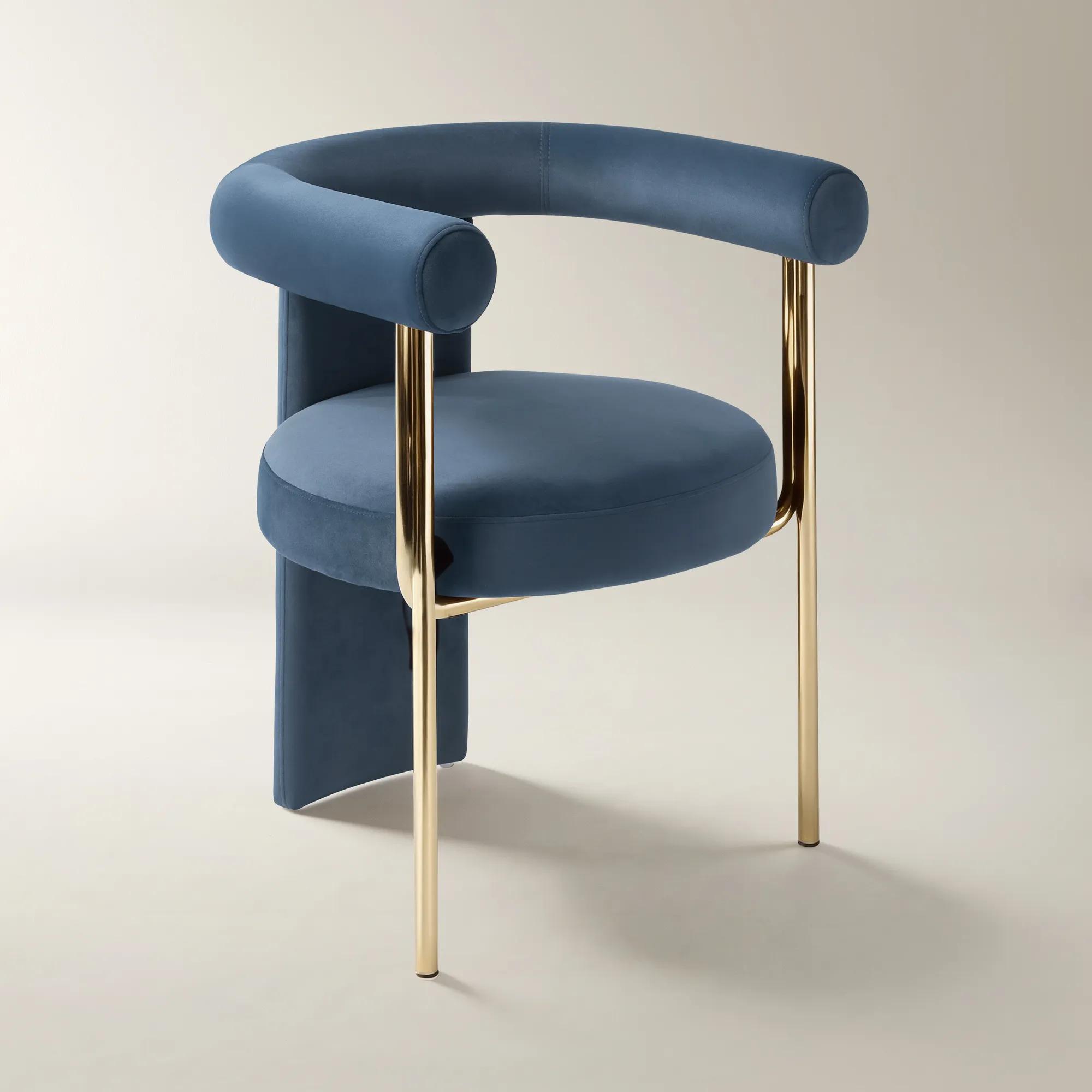 Davina Dusty Blue Velvet Dining Chair Set Of 2$899
A set of two dining chairs featuring dusty blue velvet upholstery and a polished gold metal frame.
Add To Cart -
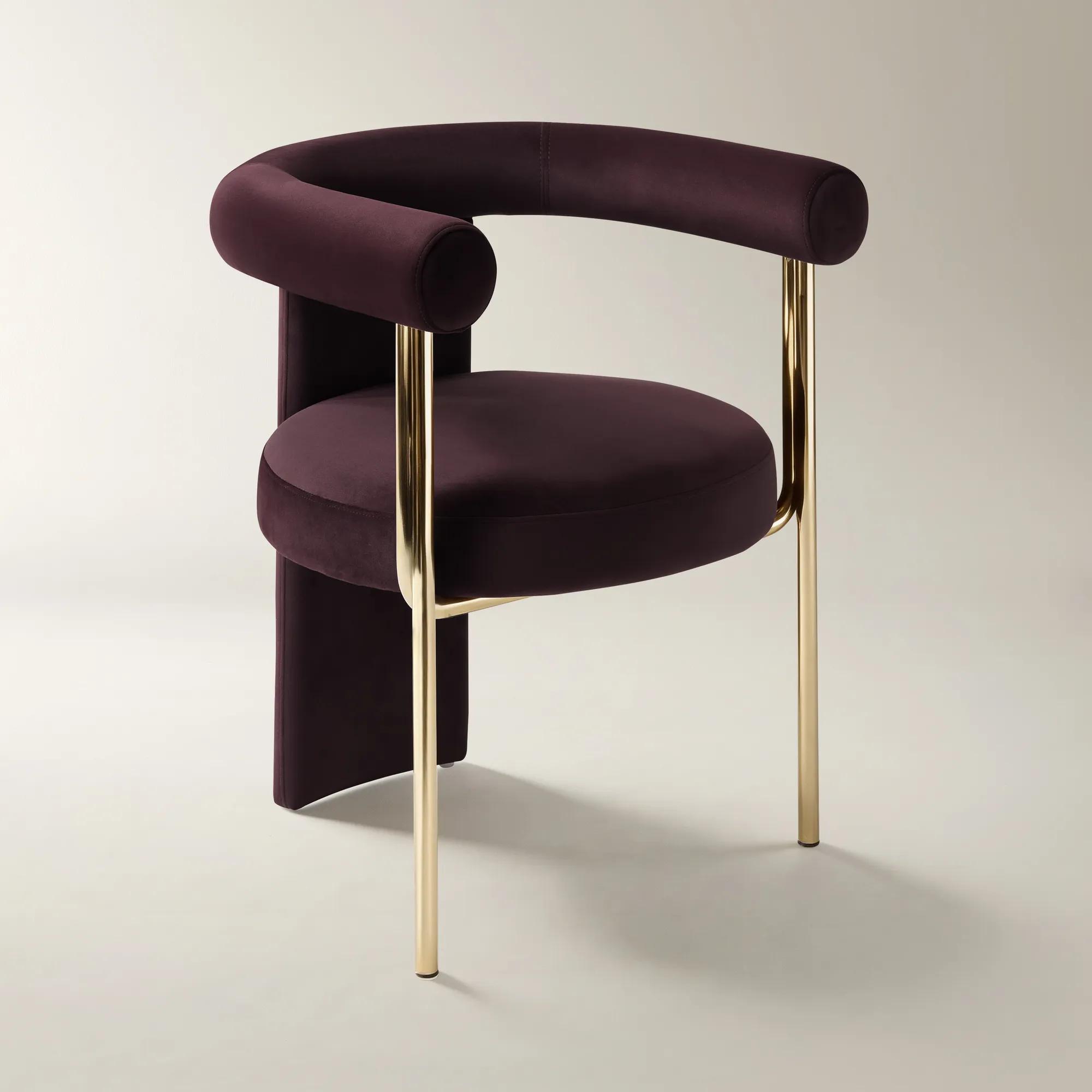 Davina Fig Velvet Dining Chair Set Of 2$899
A set of two dining chairs featuring plush fig velvet upholstery and a sleek gold-finished metal frame.
Add To Cart -
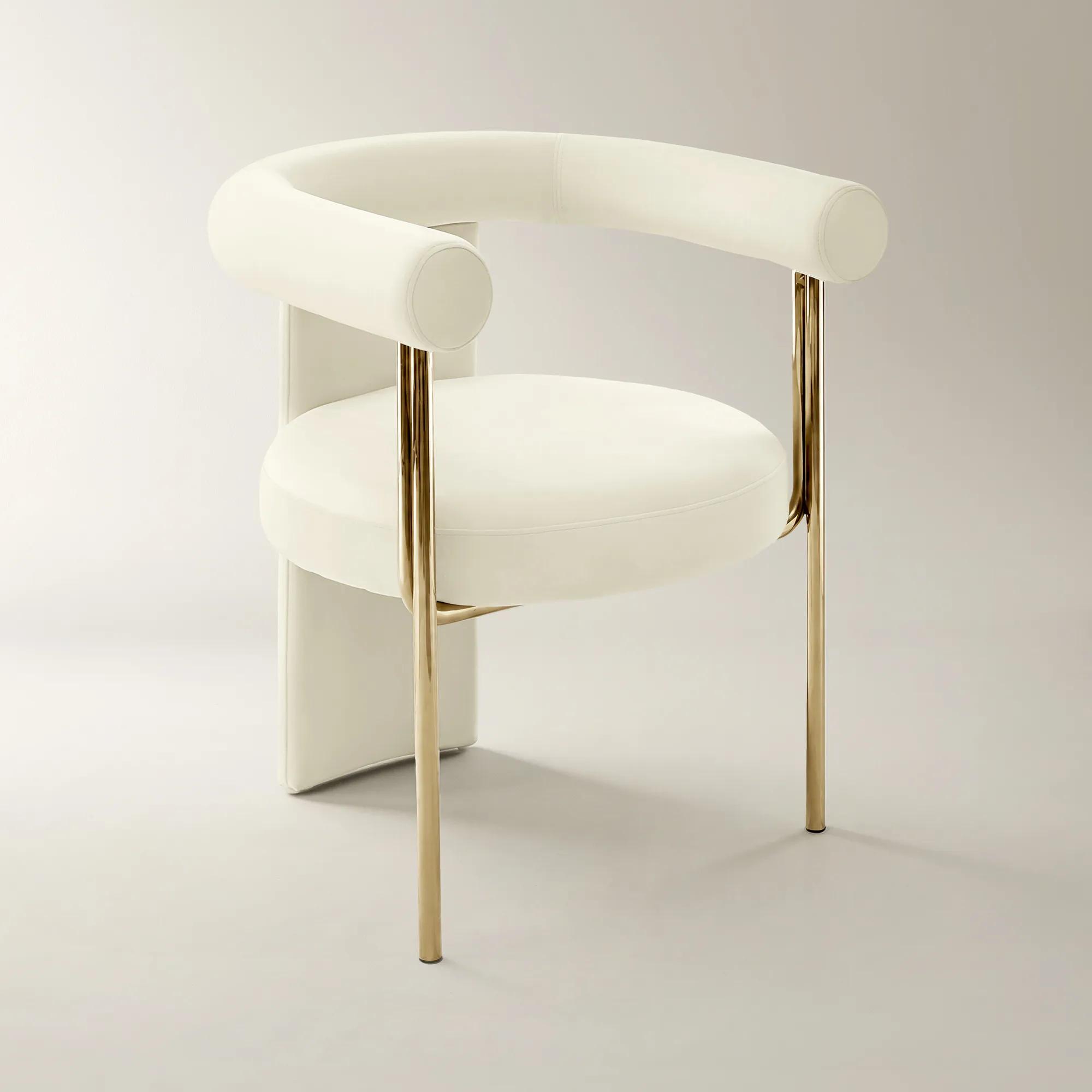 Davina Cloud Velvet Dining Chair Set Of 2$899
A set of two dining chairs featuring plush cloud velvet upholstery and a sculptural gold metal frame.
Add To Cart -
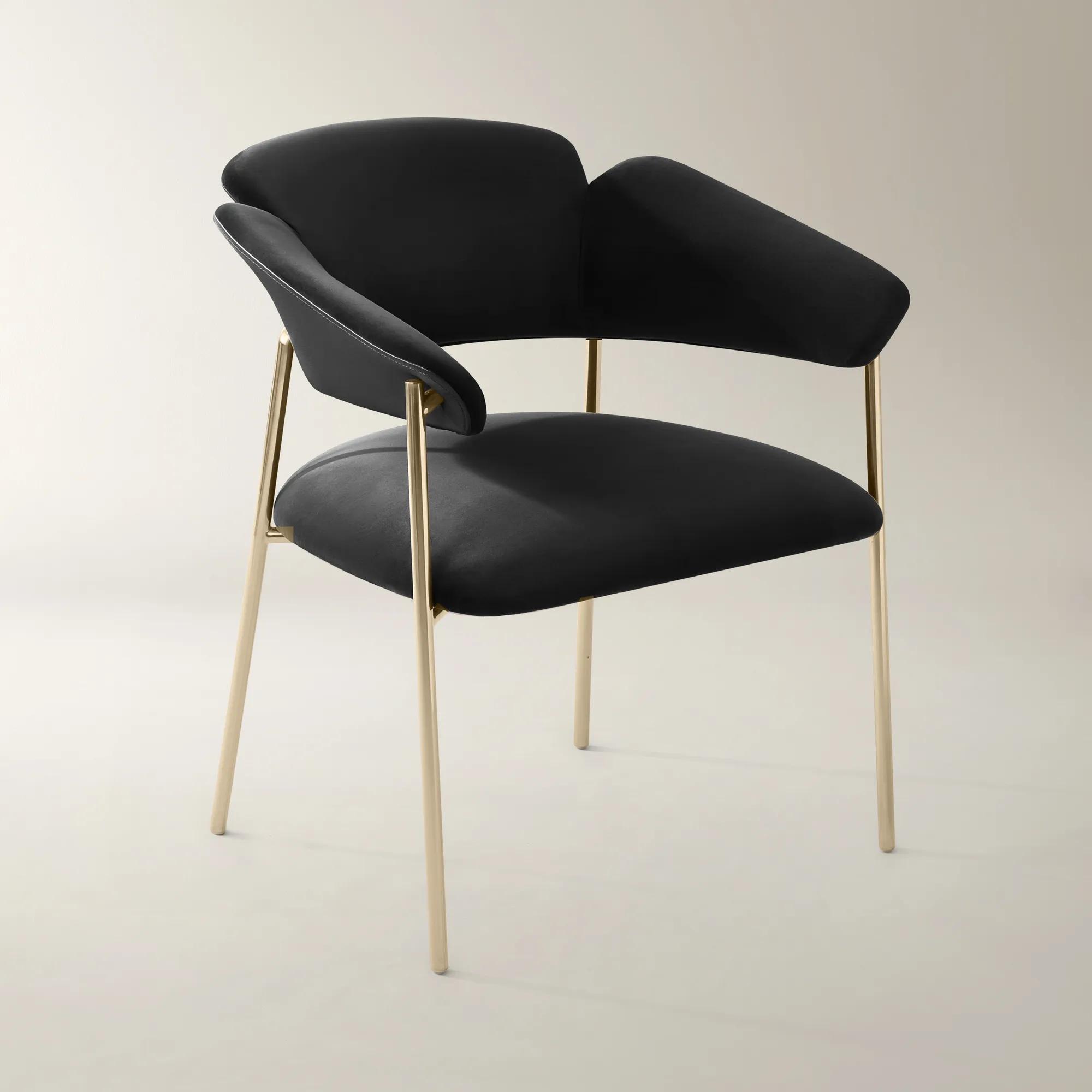 Odette Charcoal Velvet Dining Chair$499
A charcoal velvet chair featuring a wraparound open-back design, tonal faux leather accents, and gold metal legs.
Add To Cart -
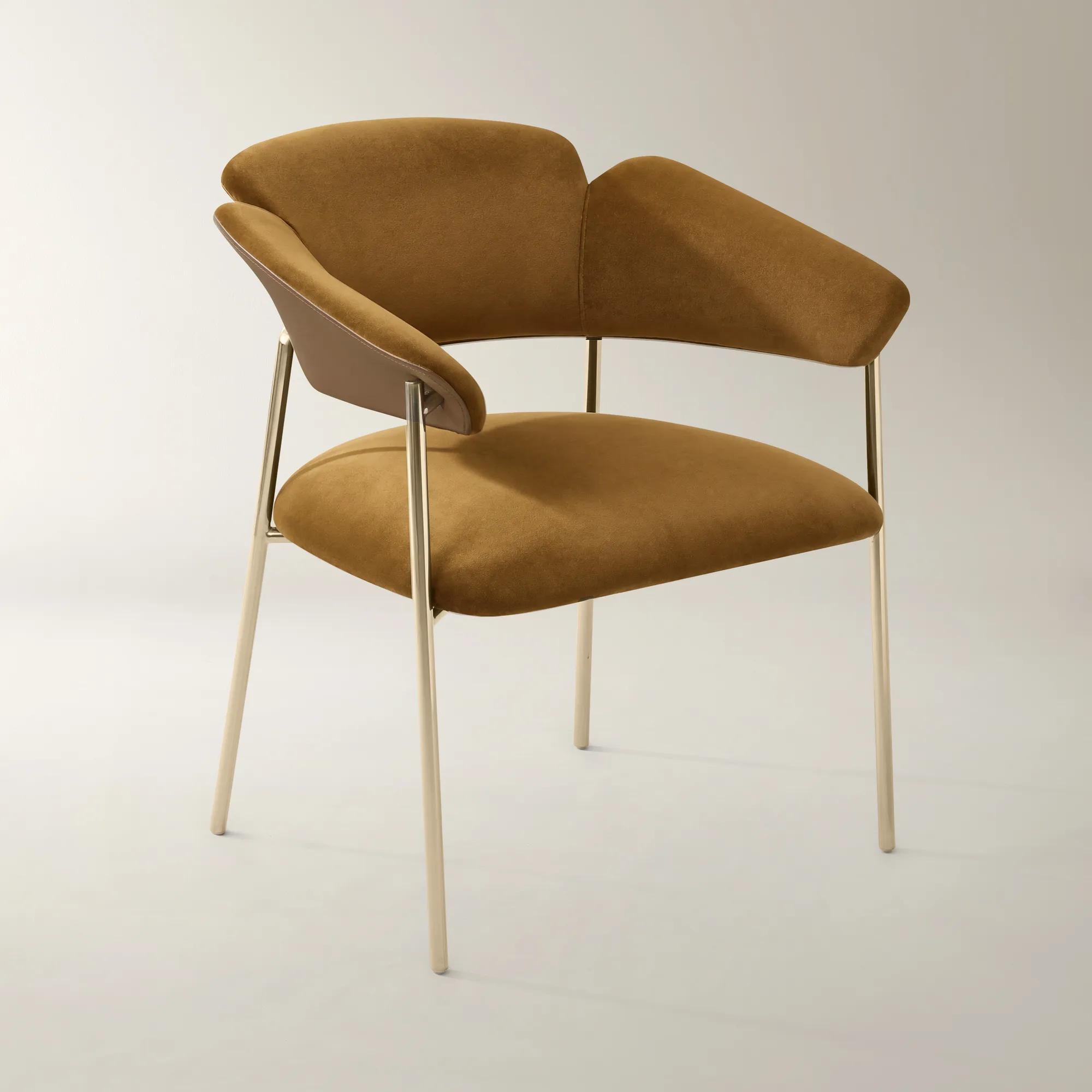 Odette Roasted Pecan Velvet Dining Chair$499
A sculptural dining chair featuring roasted pecan velvet, tonal faux leather accents, and gold stainless steel legs.
Add To Cart -
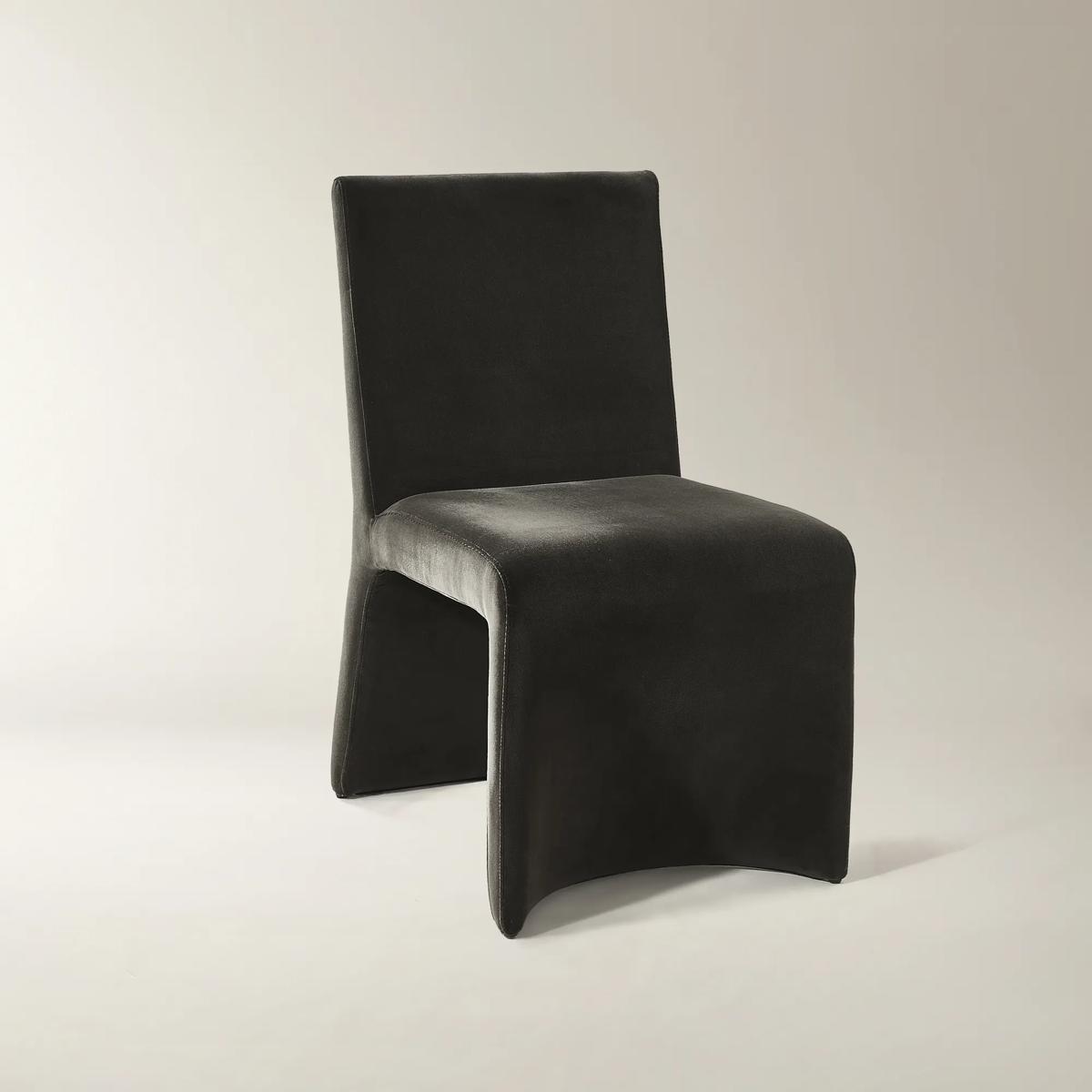
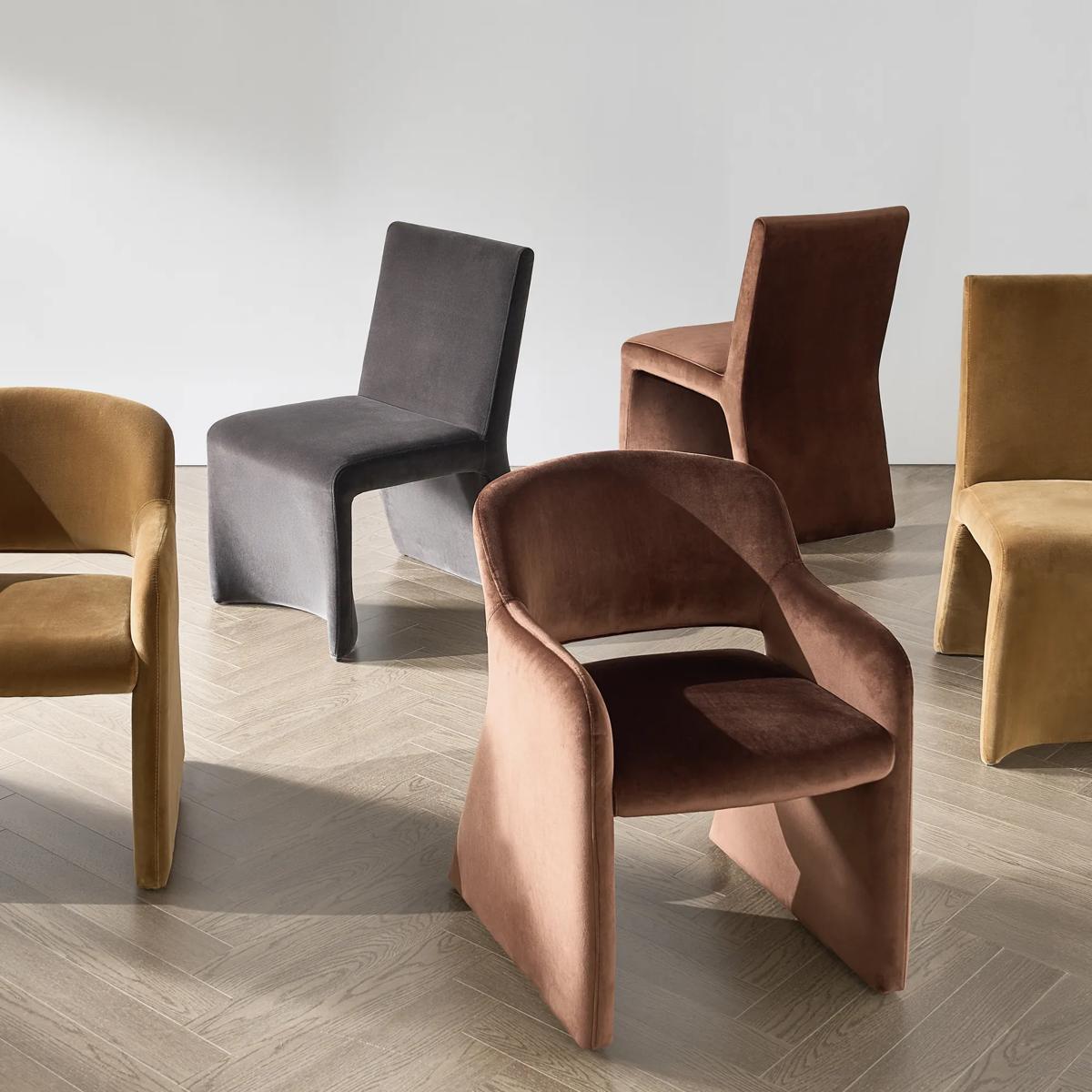 Elara Charcoal Velvet Dining Chair Set Of 2$799
A pair of charcoal velvet dining chairs featuring curved ergonomic silhouettes, plush upholstery, and hand-crafted details.
Add To Cart -
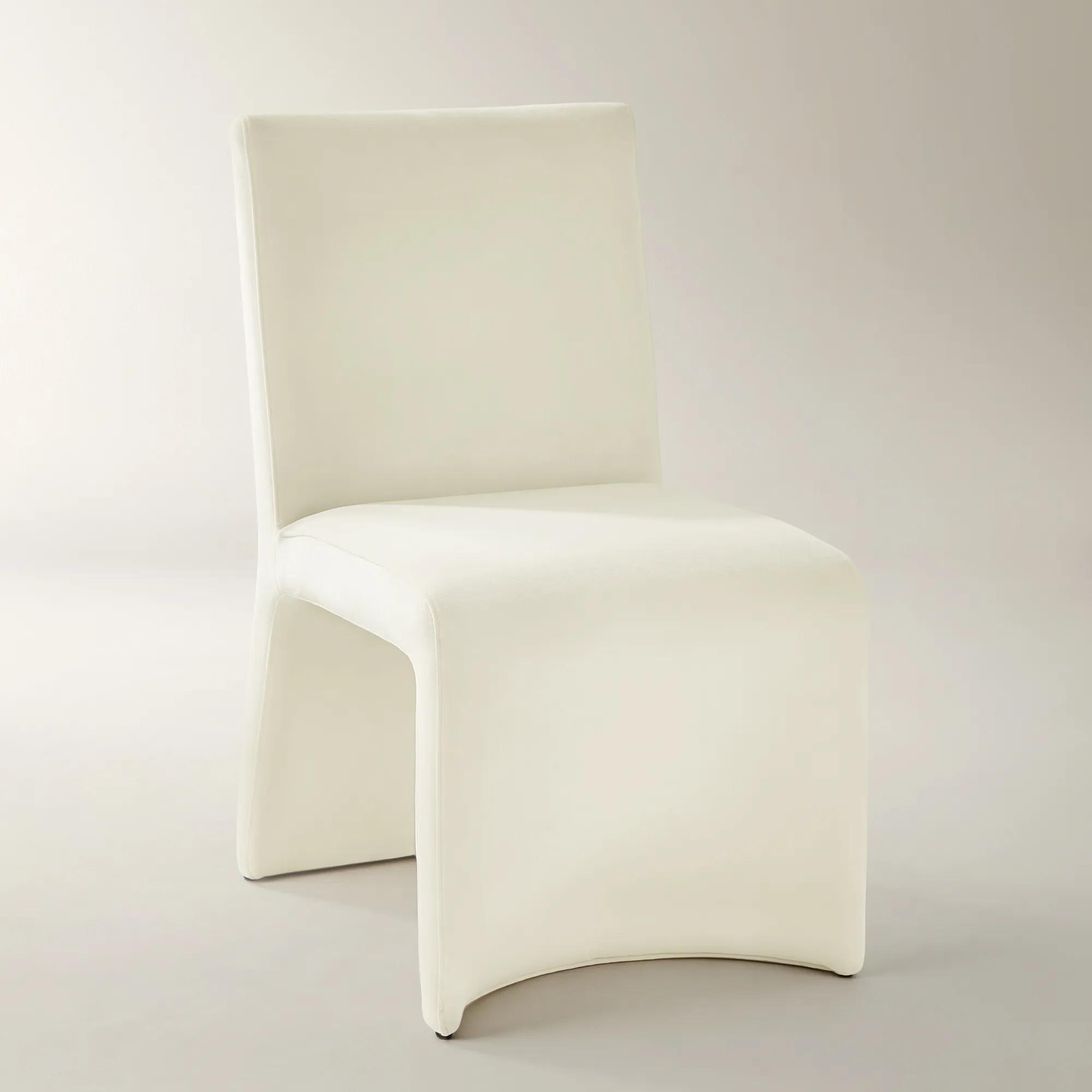 Elara Cloud Velvet Dining Chair Set Of 2$799
A set of two dining chairs featuring plush velvet upholstery, a seamless curved silhouette, and a sturdy steel frame.
Add To Cart -
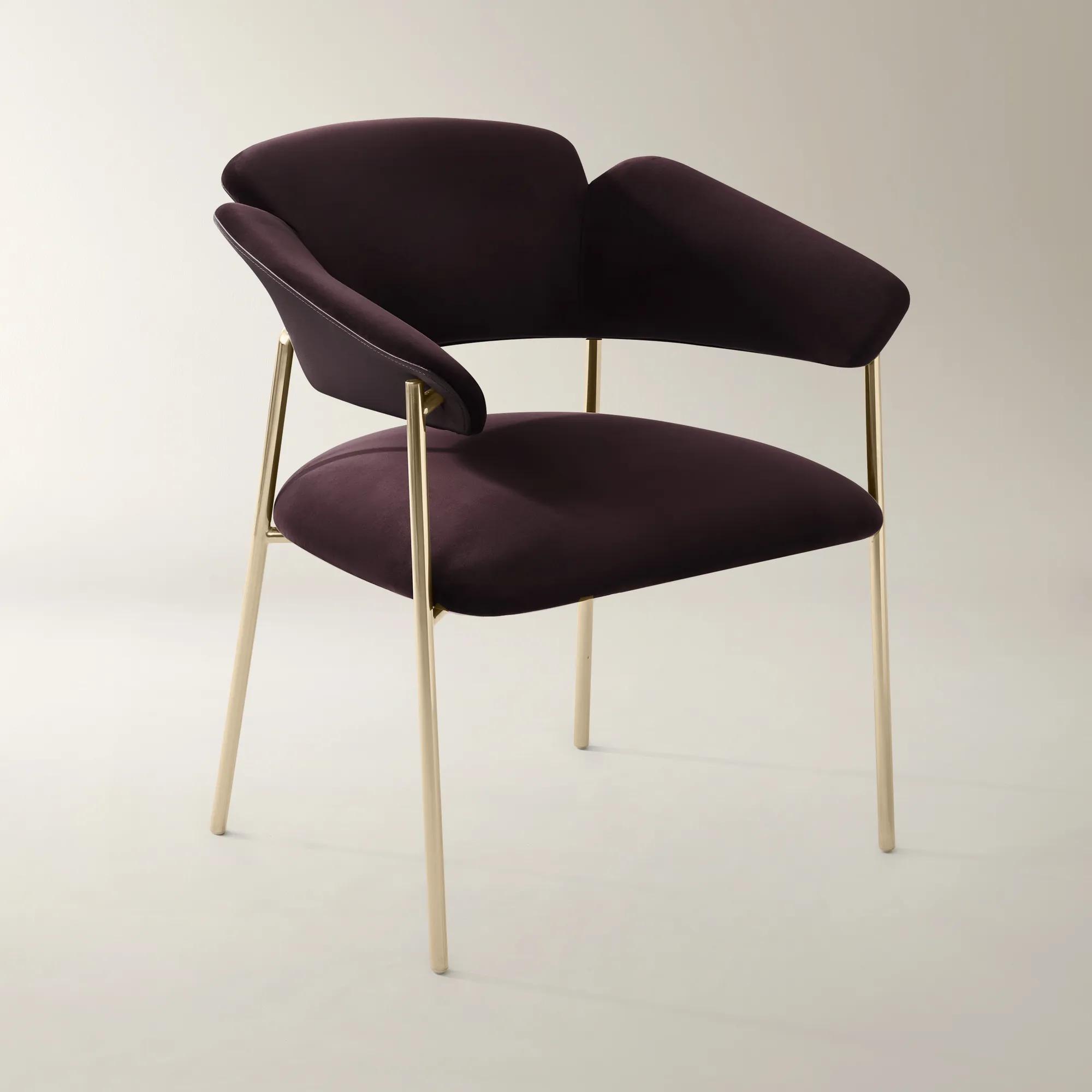 Odette Fig Velvet Dining Chair$499
A sculptural dining chair featuring fig velvet, tonal faux leather accents, and slender gold-finished metal legs.
Add To Cart -
 Elara Burnt Umber Velvet Dining Chair Set Of 2$799
A pair of brown velvet chairs with sinuous curves, ergonomic support, and hand-crafted, sculptural design.
Add To Cart -
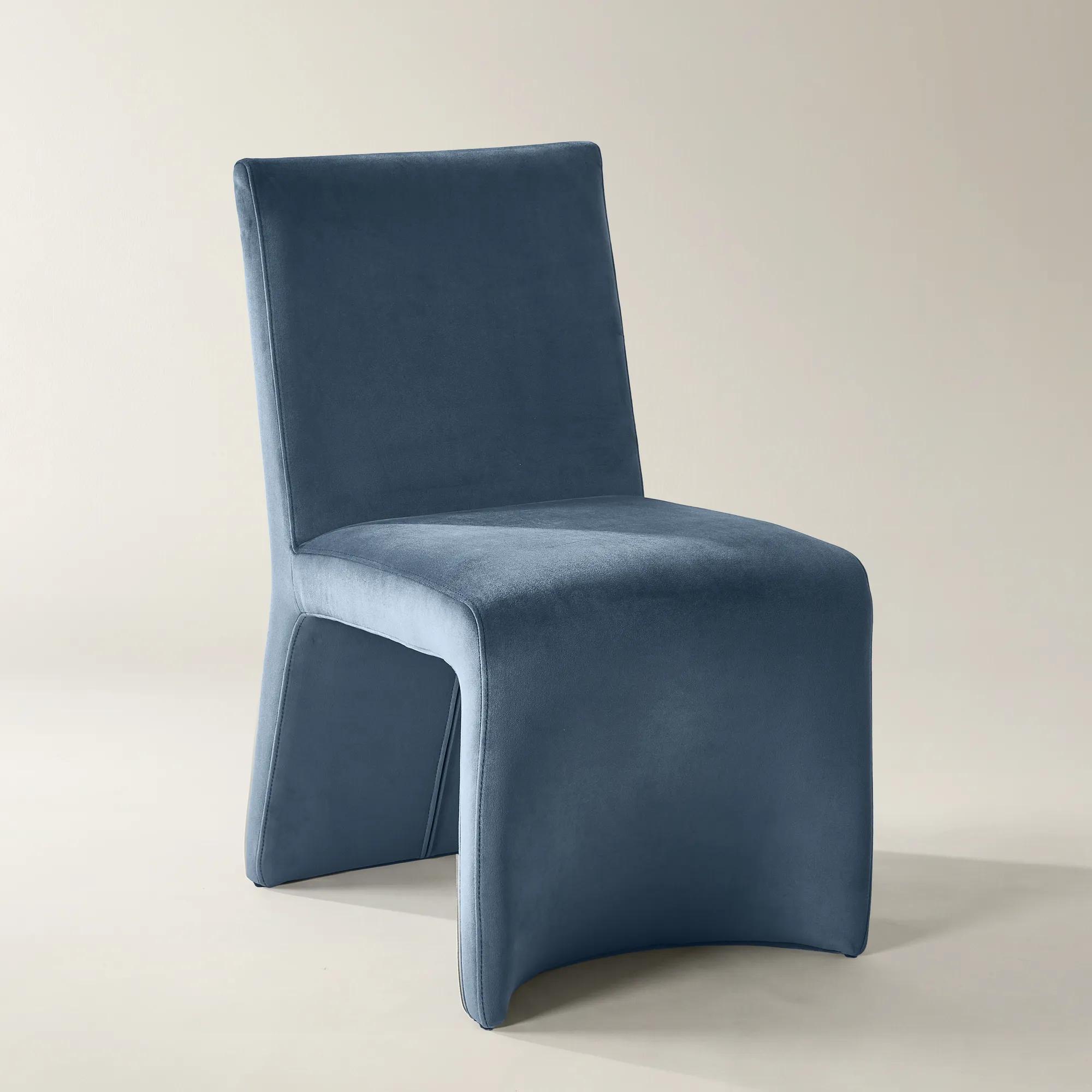 Elara Dusty Blue Velvet Dining Chair Set Of 2$799
A set of two dining chairs featuring plush dusty blue velvet upholstery and a seamless, artful silhouette.
Add To Cart -
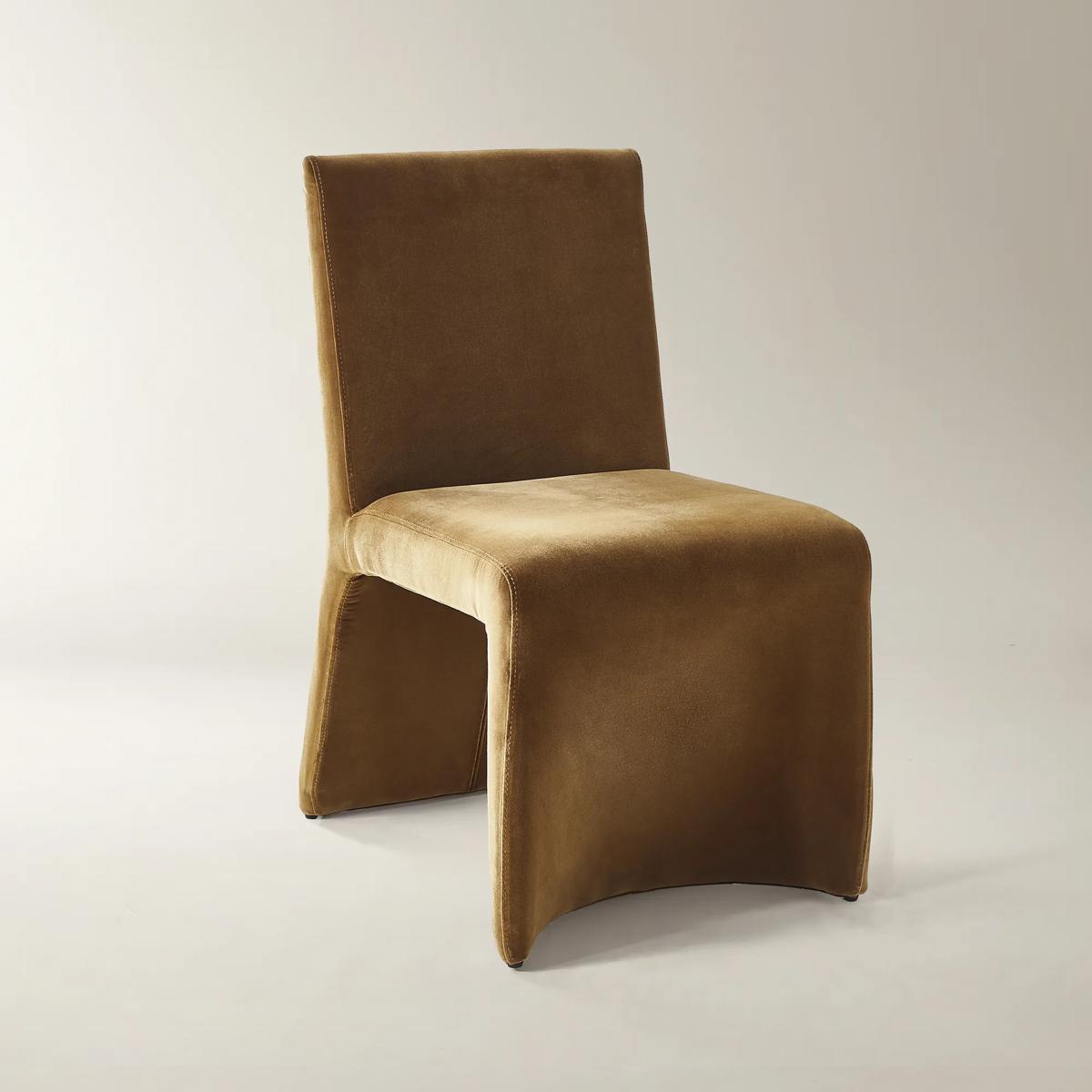 Elara Roasted Pecan Velvet Dining Chair Set Of 2$799
A pair of mustard velvet dining chairs featuring curved ergonomic silhouettes and hand-upholstered, reinforced construction.
Add To Cart -
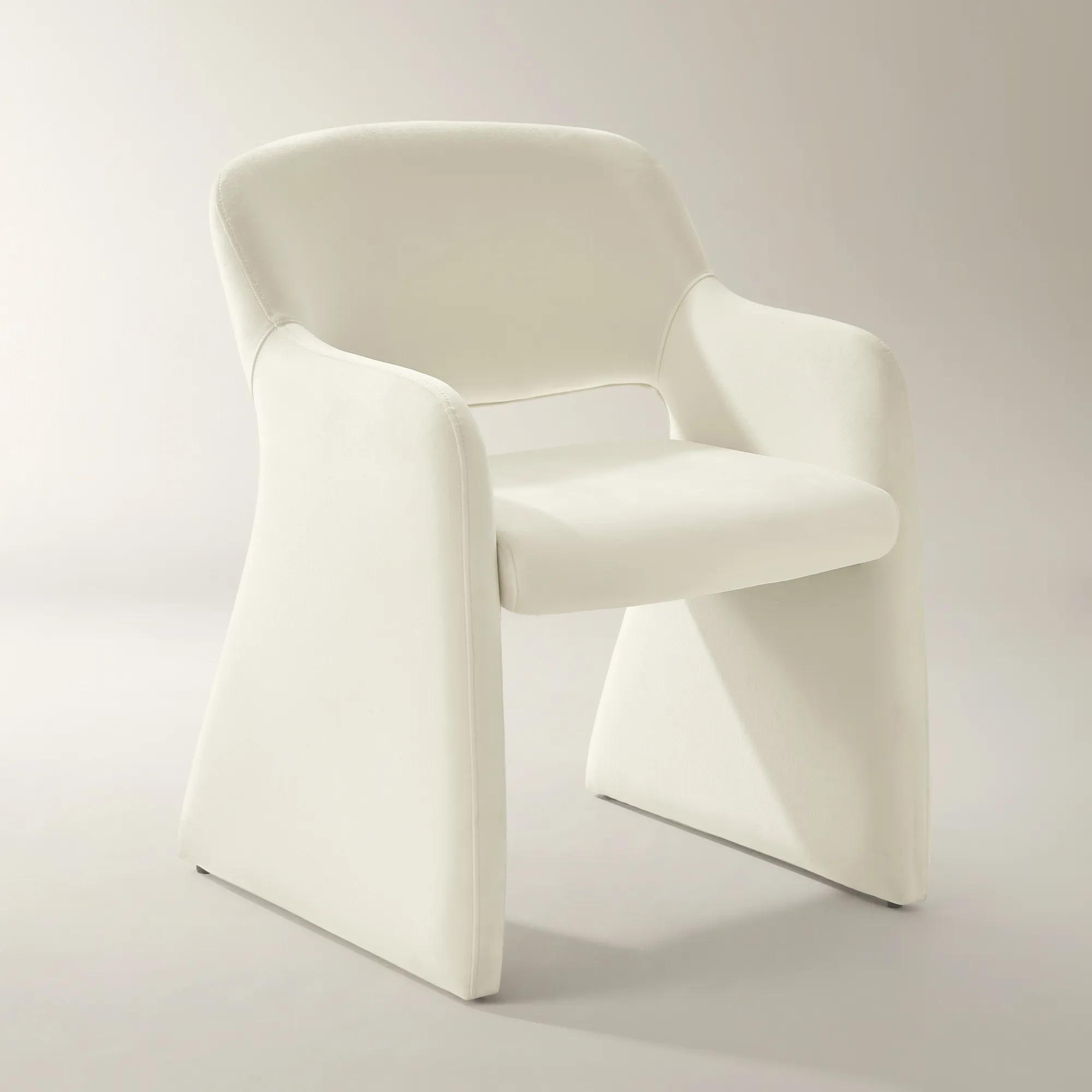 Elara Cloud Velvet Dining Chair$449
A plush velvet dining chair featuring a seamless wraparound silhouette and supportive carbon steel frame.
Add To Cart -
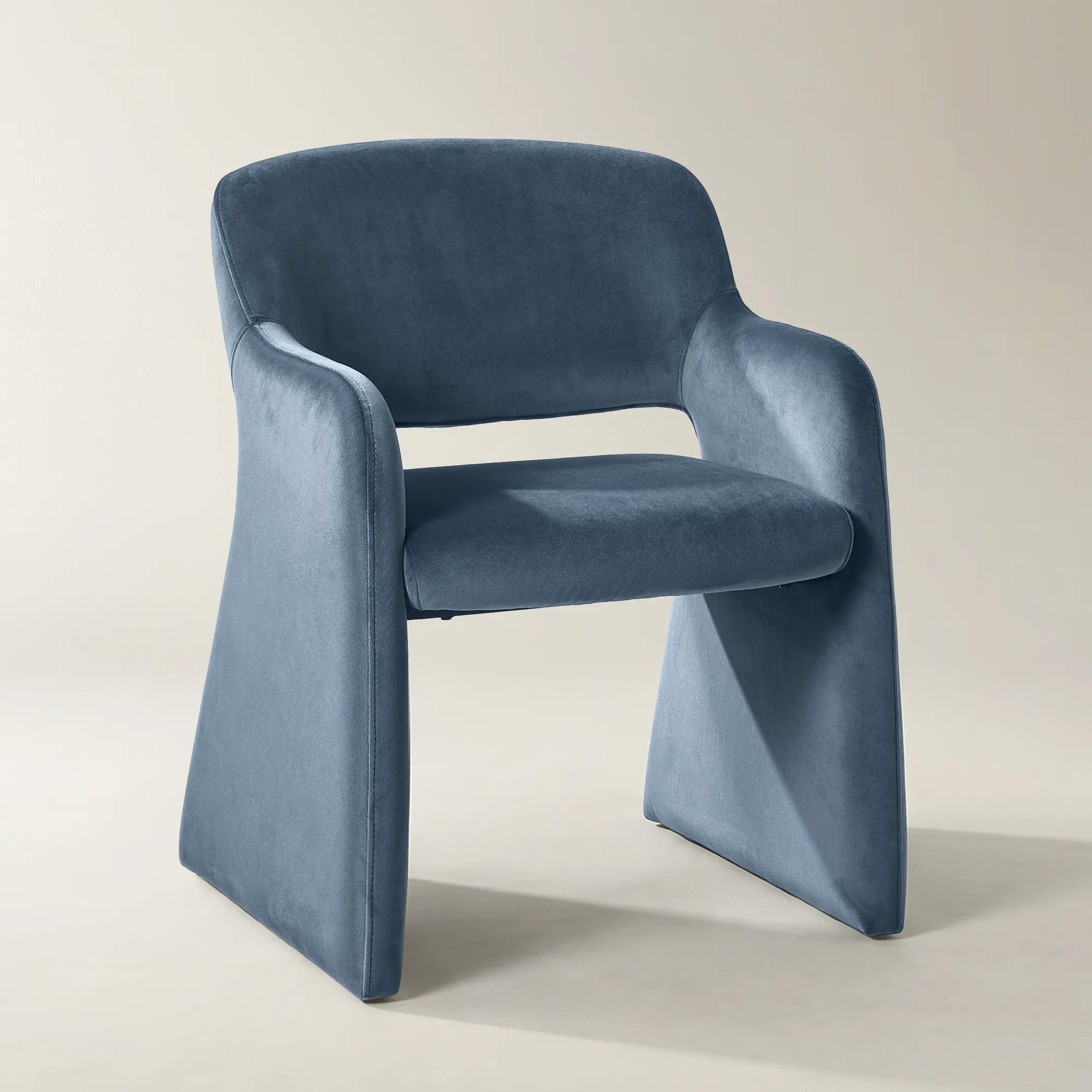 Elara Dusty Blue Velvet Dining Chair$449
A graceful dining chair featuring dusty blue velvet upholstery, integrated arms, and a seamless cantilevered silhouette.
Add To Cart -
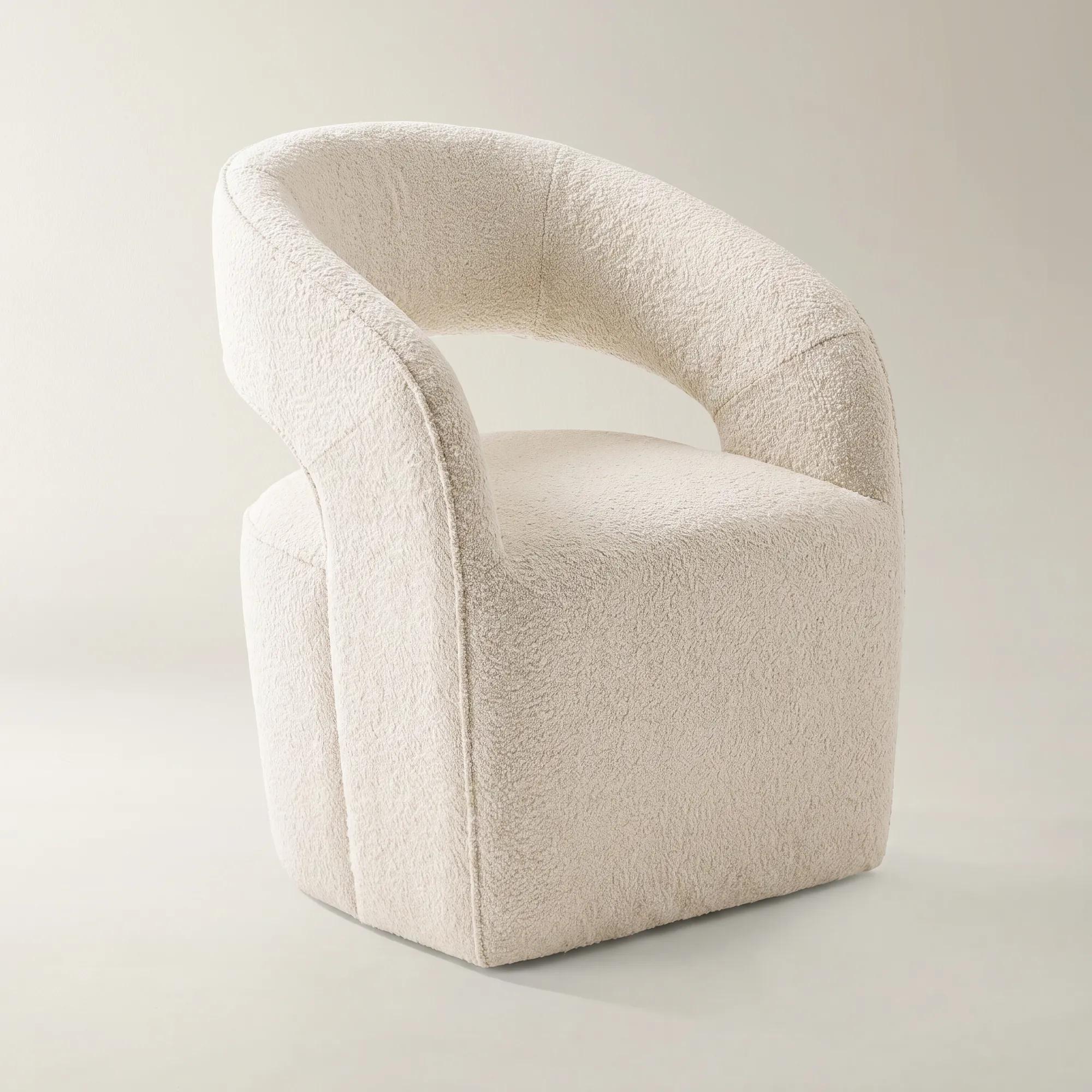
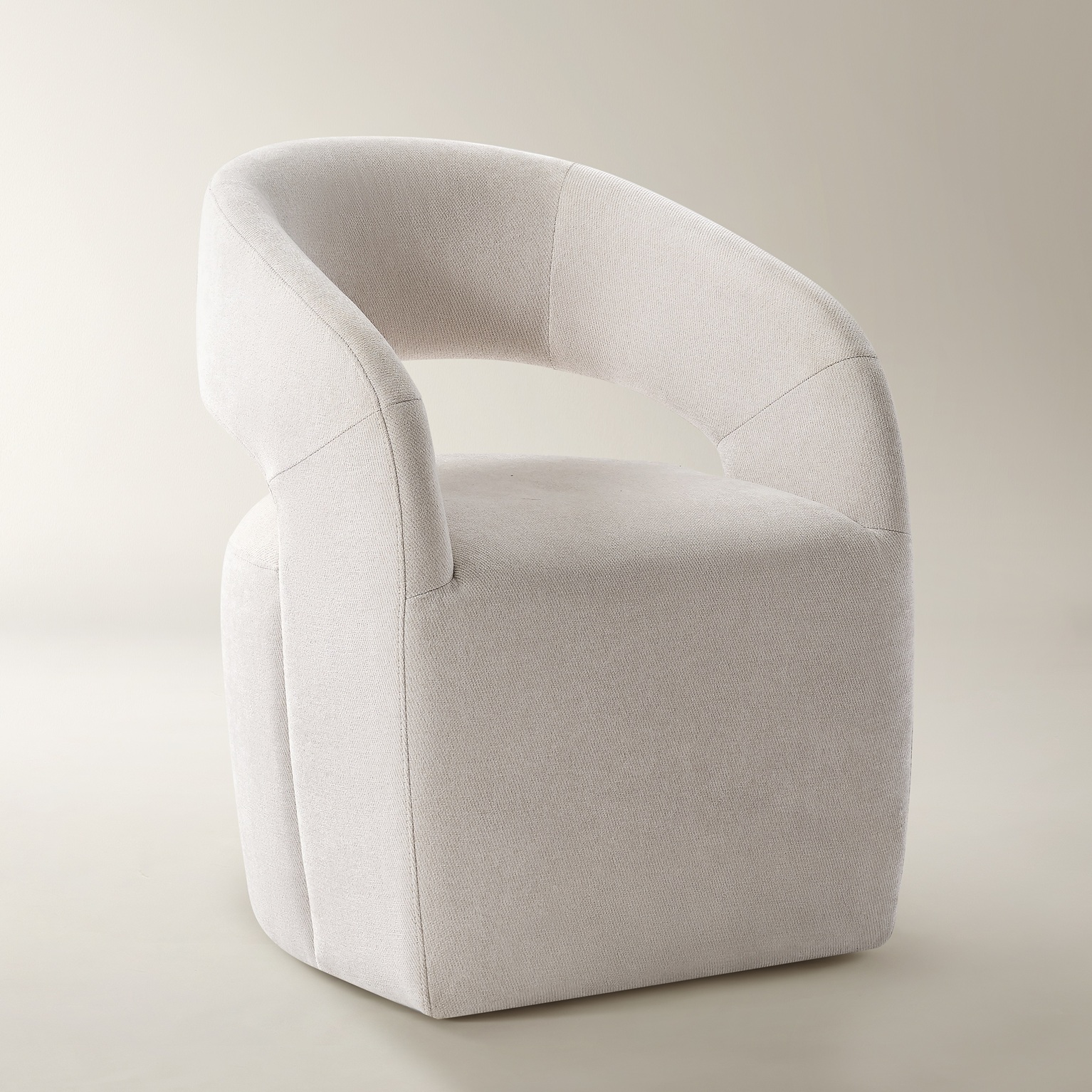 Harrison Utopia Sand Chenille Dining Chair$499
A sculptural dining chair upholstered in sand chenille with a curved back, feather-blend seat, and integrated arms.
Add To Cart -
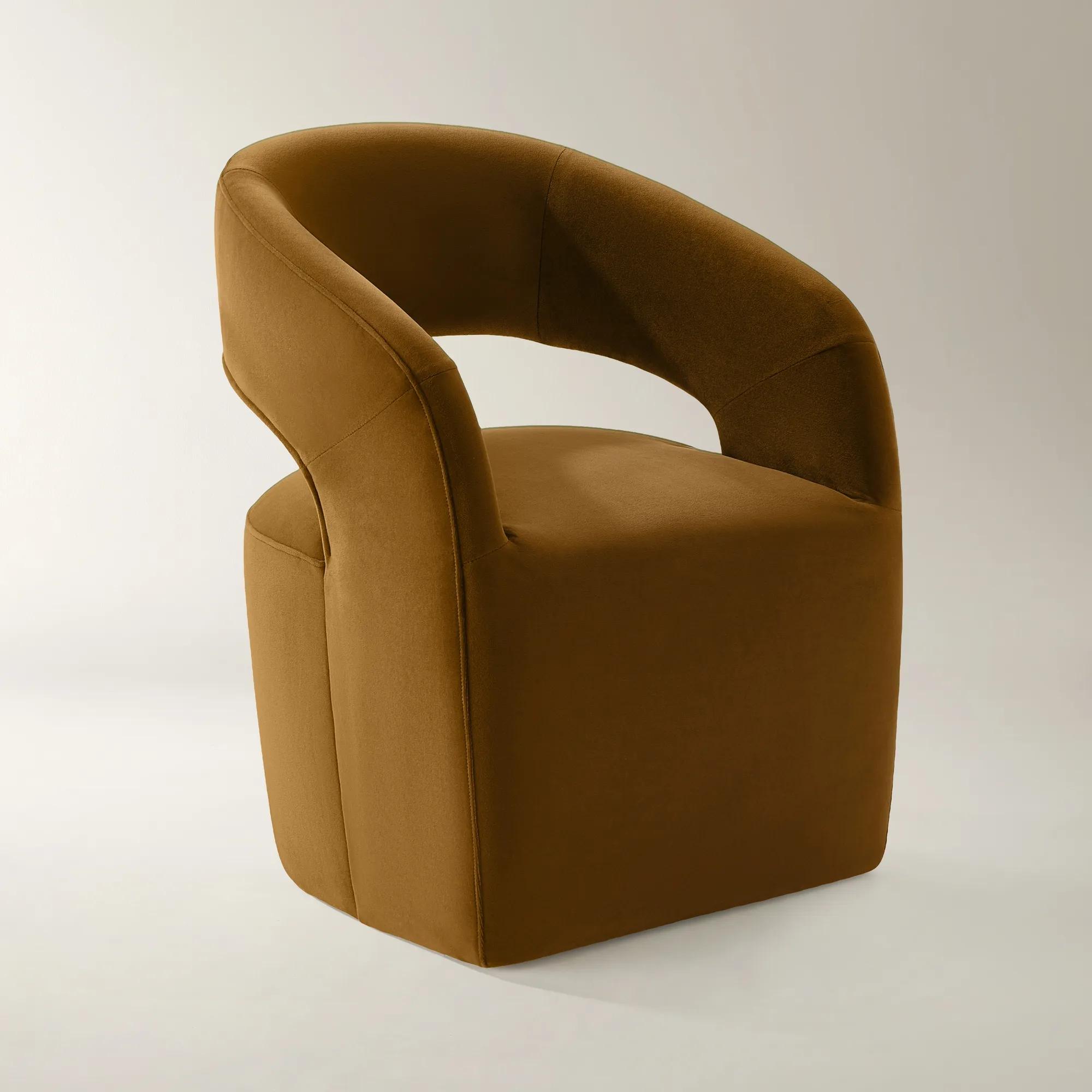 Harrison Roasted Pecan Velvet Dining Chair$499
A sculptural dining chair upholstered in roasted pecan velvet with feather-blend cushioning and integrated arms.
Add To Cart -

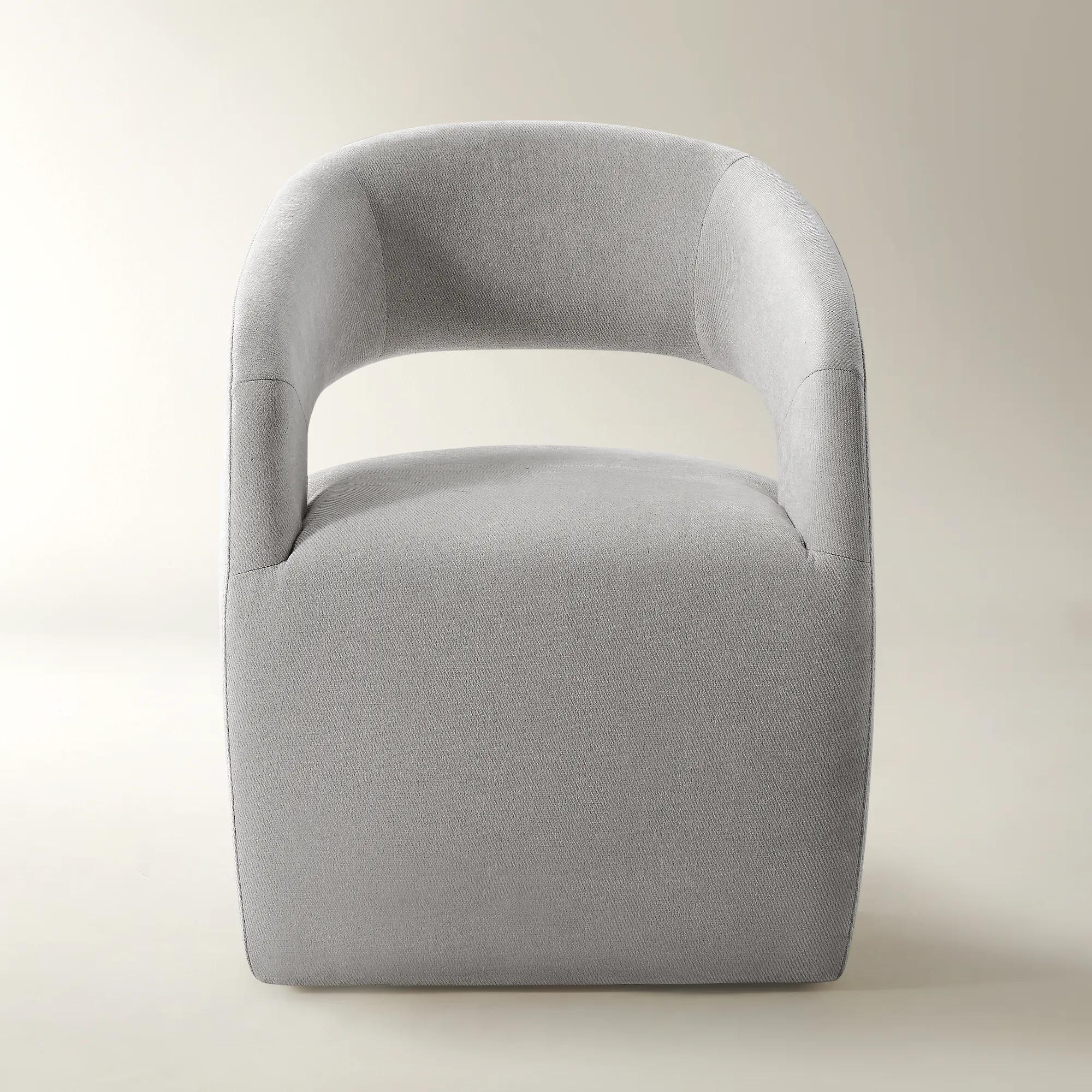 Harrison Flint Chenille Dining Chair$499
A fully upholstered flint chenille dining chair with high-density foam cushioning for superior comfort and style.
Add To Cart -
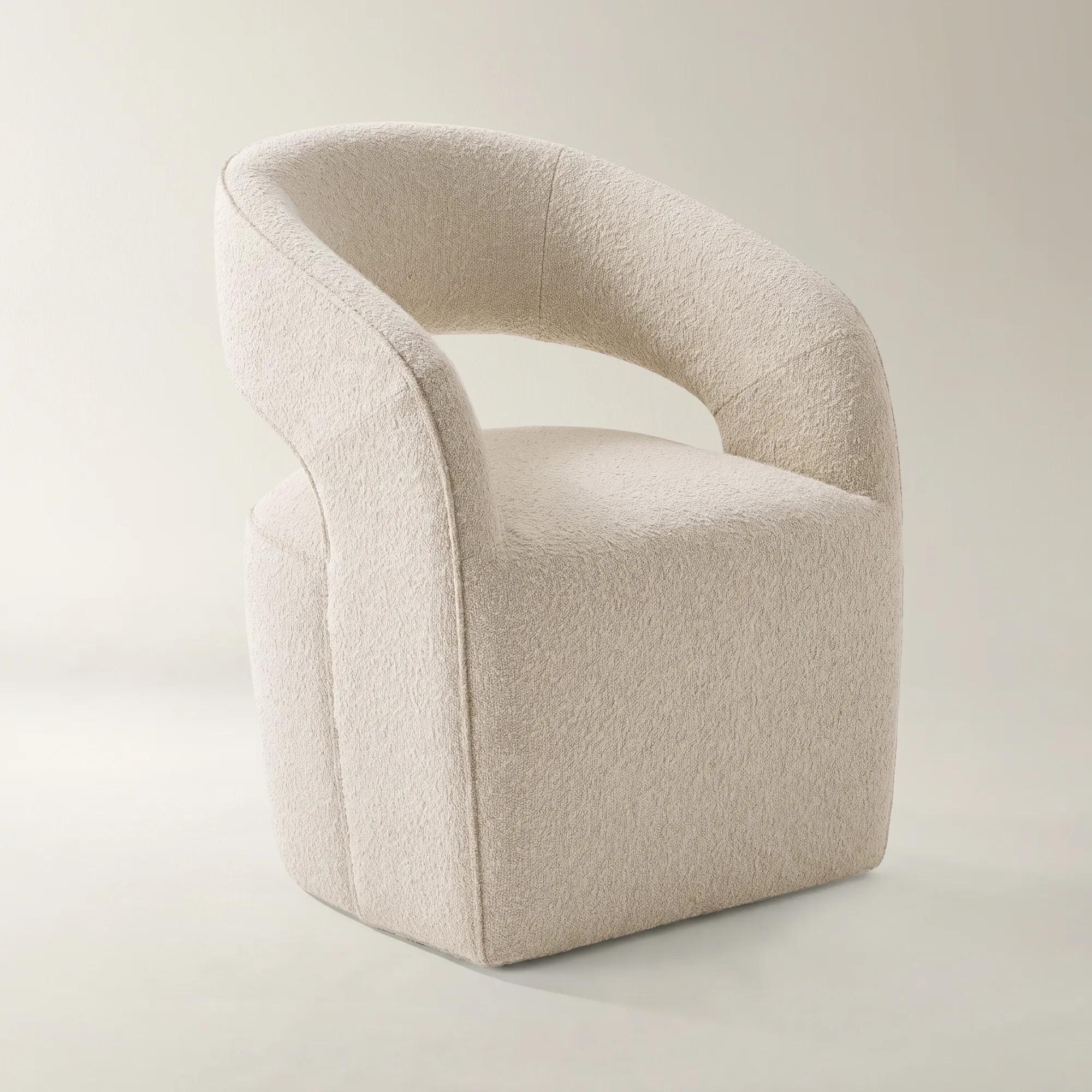 Harrison Ivory Performance Boucle Dining Chair$499
A sculptural dining chair in ivory performance boucle with a curved back, integrated arms, and feather-blend comfort.
Add To Cart -
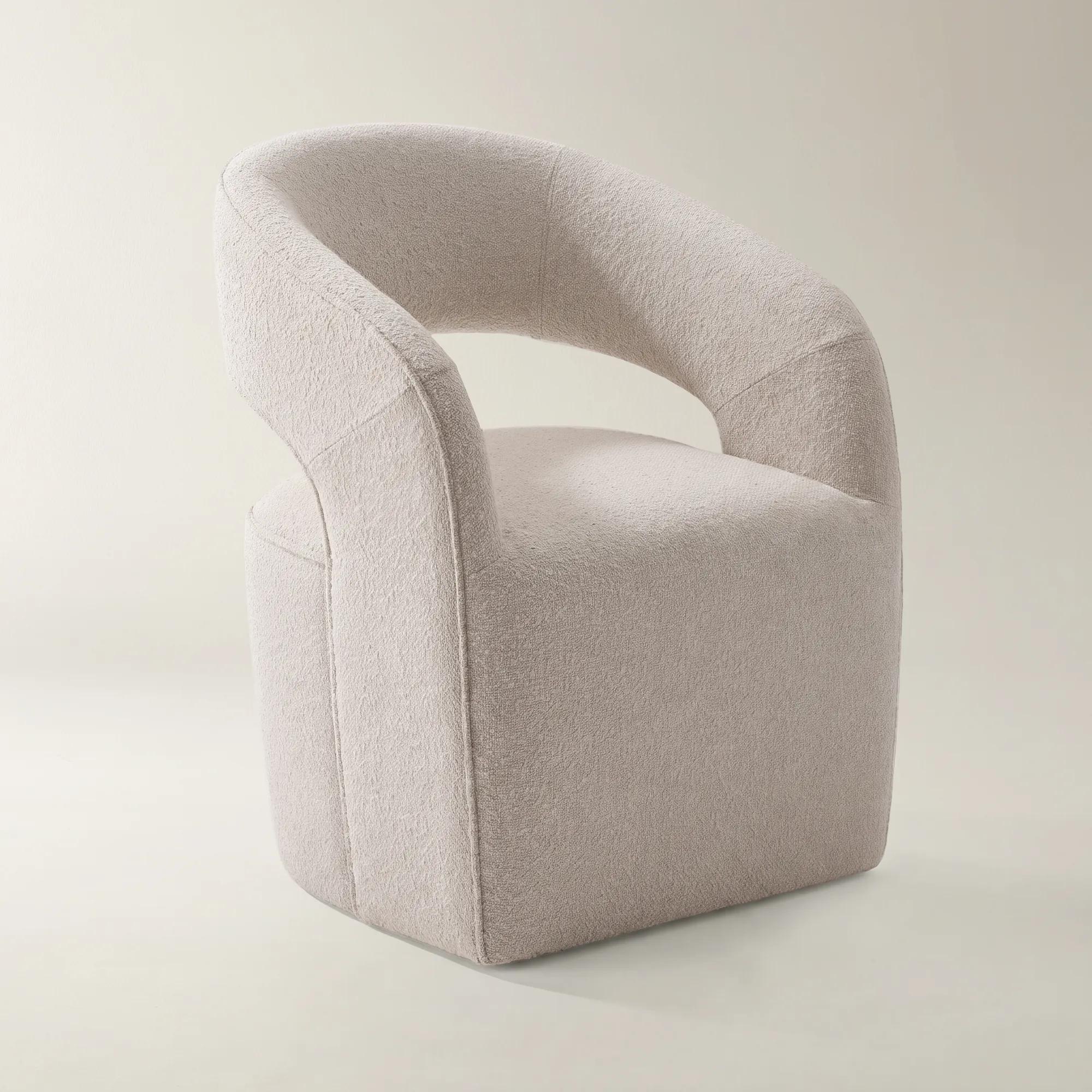 Harrison Ivory Performance Boucle Dining Chair$499
A sculptural dining chair in ivory performance boucle with a curved back, feather-blend seat, and modern elegance.
Add To Cart -
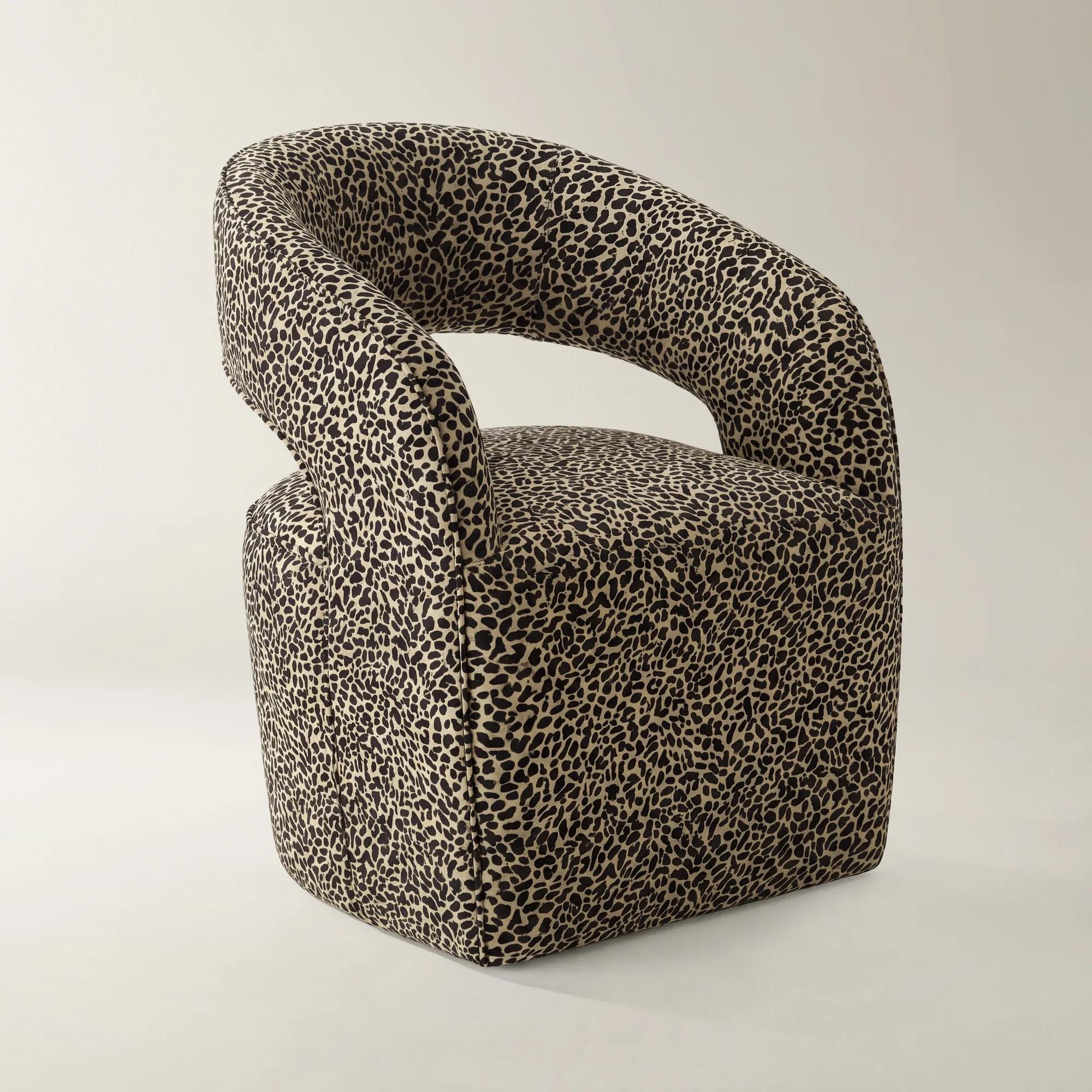 Harrison Leopard Performance Chenille Dining Chair$499
A sculptural dining chair featuring leopard performance chenille upholstery, feather-blend cushioning, and a curved silhouette.
Add To Cart -
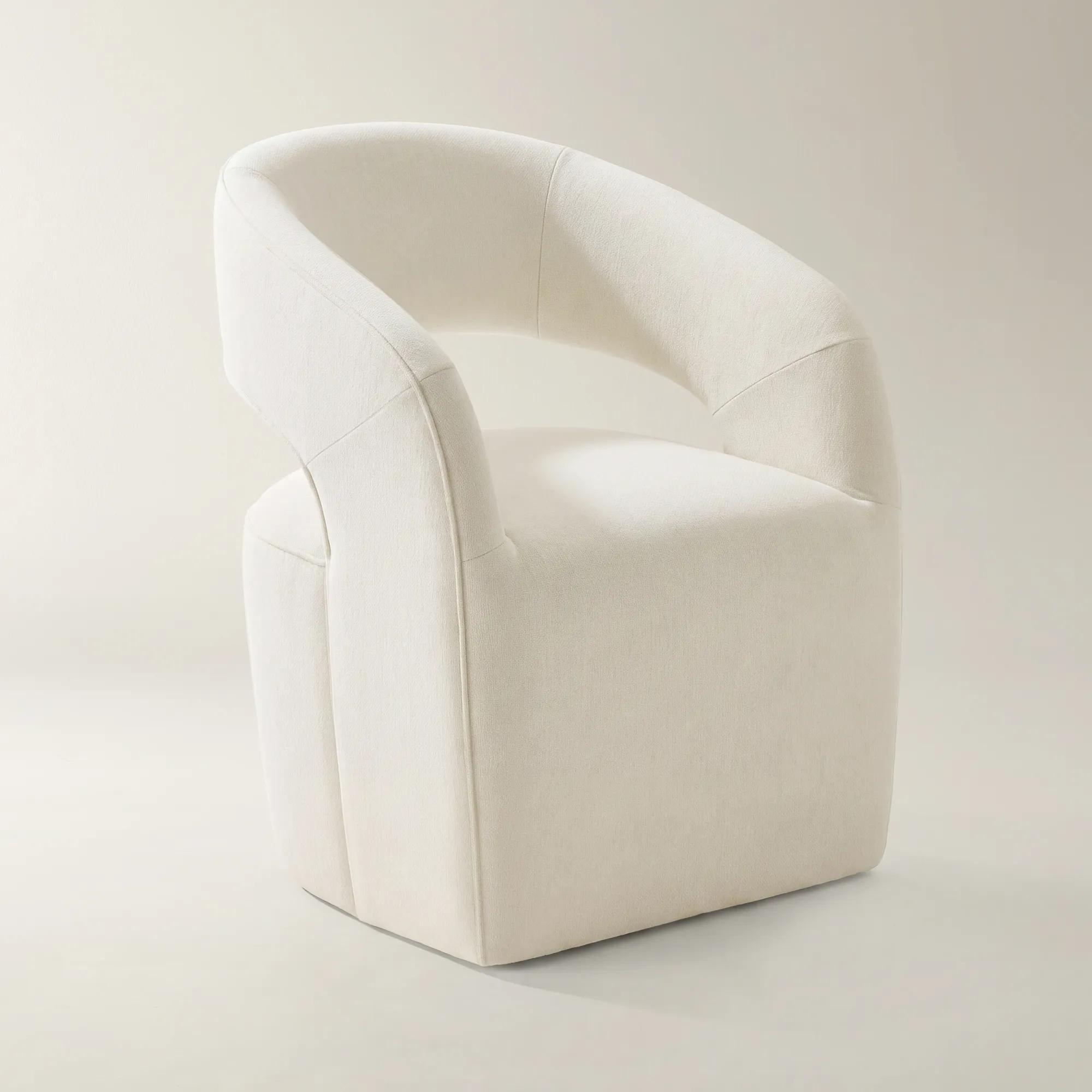 Harrison Ivory Performance Chenille Dining Chair$499
A sculptural ivory chenille chair featuring a continuous curved back, feather-blend comfort, and performance upholstery.
Add To Cart -
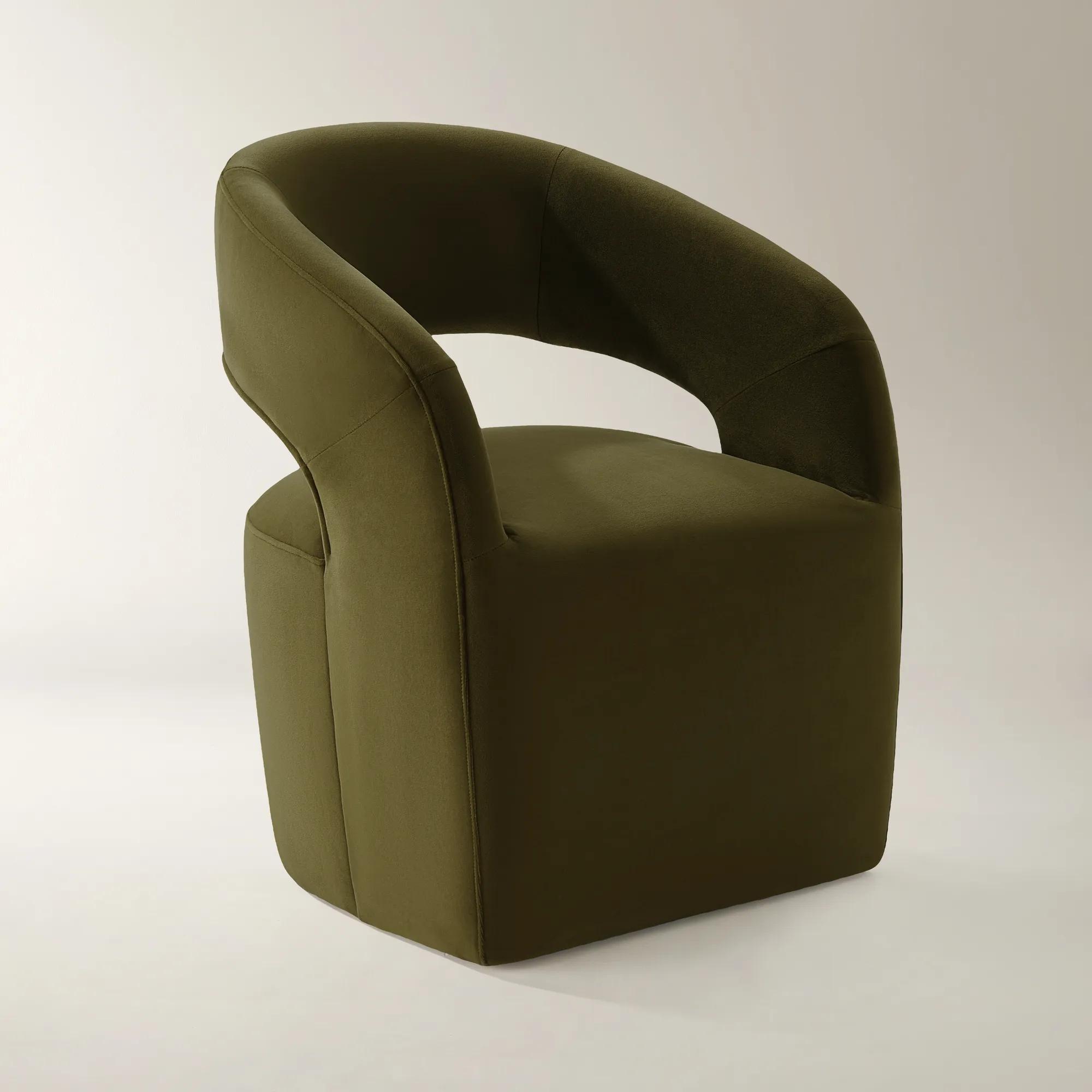 Harrison Deep Olive Velvet Dining Chair$499
A sculptural dining chair in deep olive velvet with a curved back, integrated arms, and plush feather-blend comfort.
Add To Cart -
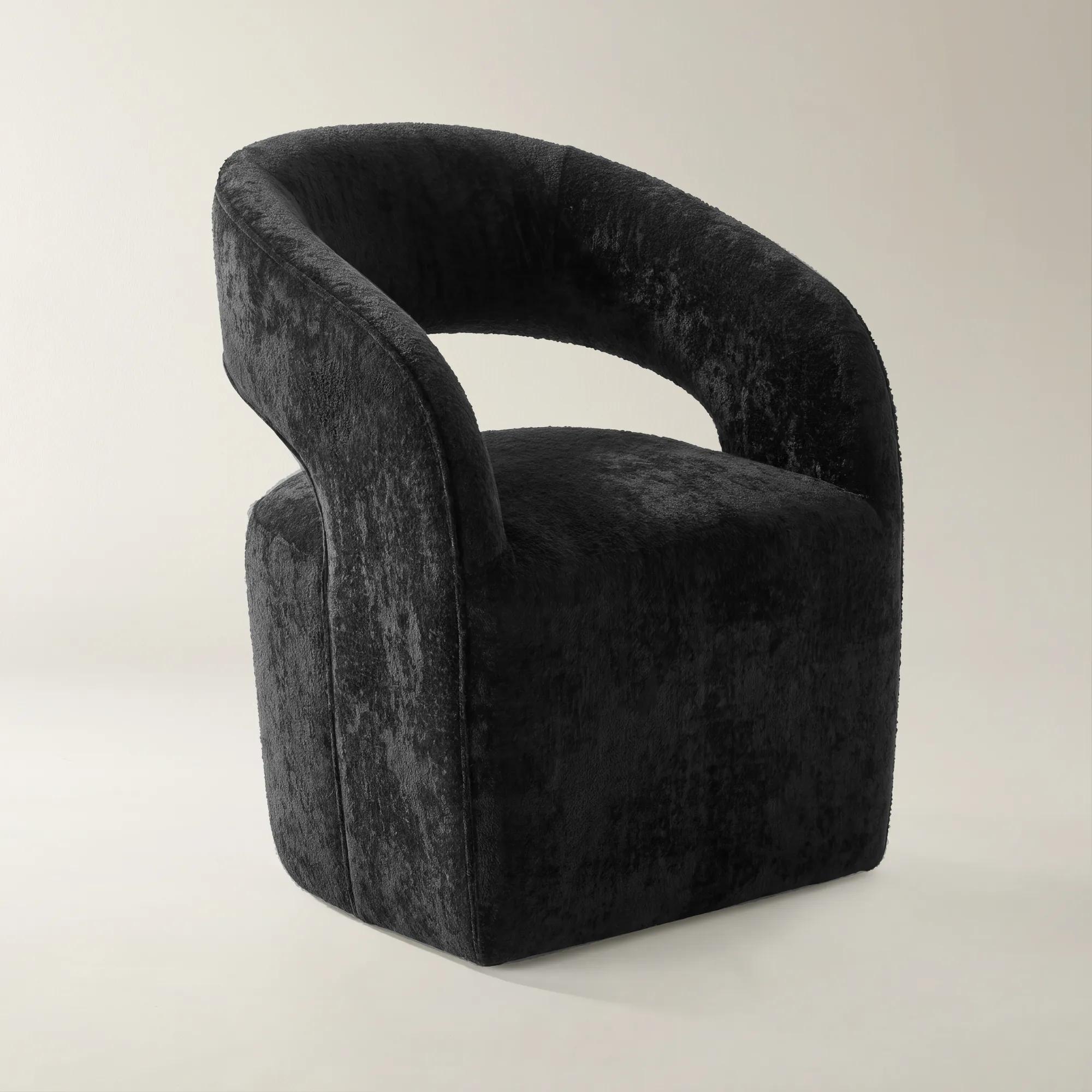 Harrison Black Chenille Dining Chair$499
A sculptural dining chair upholstered in charcoal chenille with a curved back, feather-blend seat, and integrated arms.
Add To Cart -
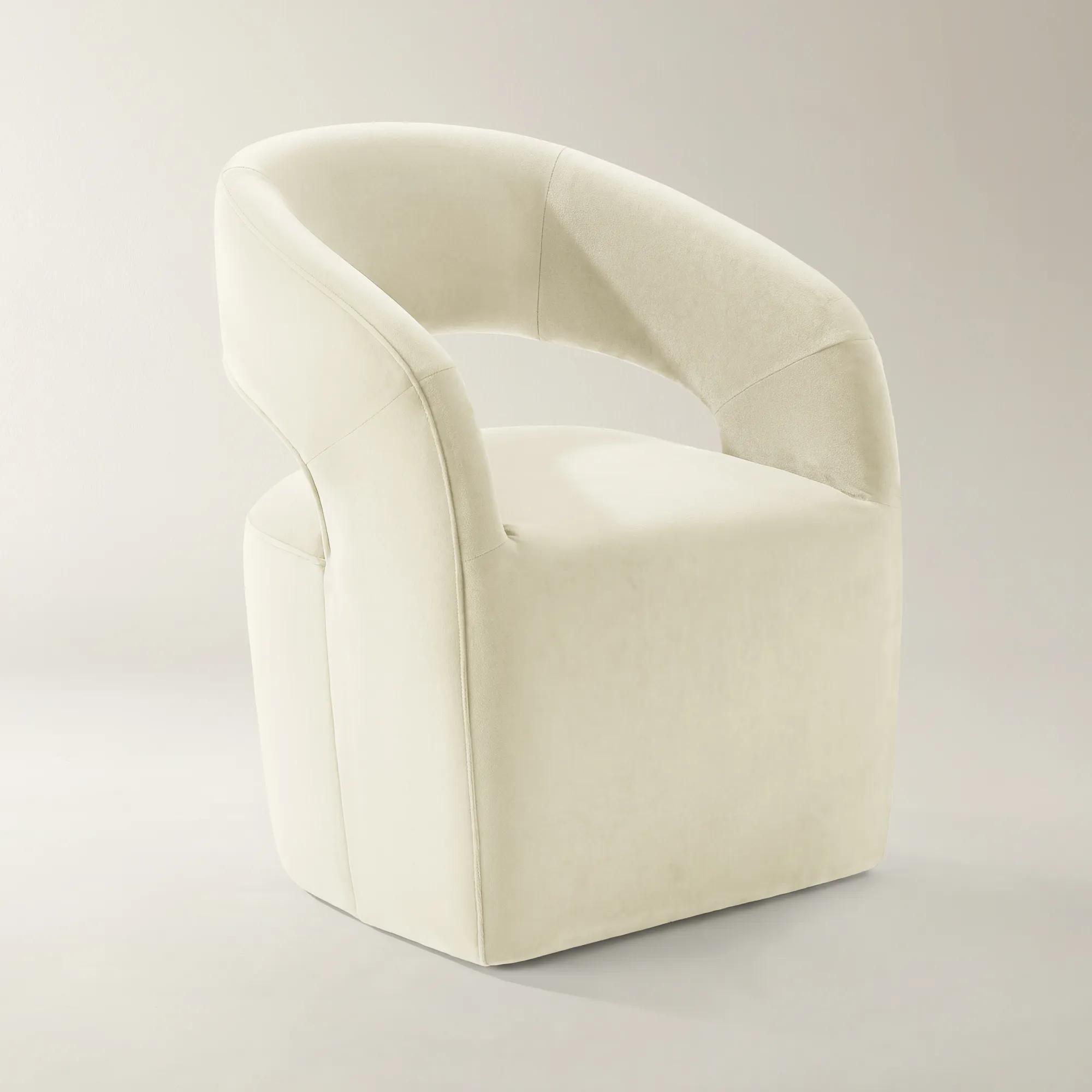 Harrison Cloud Velvet Dining Chair$499
A sculptural dining chair featuring cloud velvet upholstery, feather-blend cushioning, and a continuous curved back.
Add To Cart -
 Harrison Cream Chenille Dining Chair$499
A fully upholstered cream chenille chair with high-density foam cushioning for exceptional comfort and contemporary style.
Add To Cart

Modern Statement Dining Chairs
Modern statement dining chairs are more than mere seating—they are sculptural centerpieces, conversation catalysts, and the bold exclamation point at your table. Each piece in this curated collection invites you to reimagine your dining space as a gallery of contemporary artistry, where luxe materials and daring silhouettes set the scene for unforgettable moments. Whether you crave drama or refined glamour, modern statement dining chairs transform every gathering into a celebration of style, elevating the ordinary into the extraordinary with every exquisite detail.
Modern statement dining chairs bring a distinct point of view to the table, turning a familiar gathering place into a room with presence. Their impact comes from proportion, texture, and silhouette: a curved back that softens an angular tabletop, a slender metal frame that draws a gleaming line across the room, or richly upholstered seating that gives a dining space the intimacy of a private salon. Unlike purely decorative accents, these chairs participate in everyday life, framing conversation over breakfast and supporting guests through an unhurried dinner. That balance of visual expression and genuine comfort is what makes a statement feel considered rather than theatrical for its own sake. Velvet can catch the light in subtle variations, giving even a restrained color depth and movement. A textured woven fabric creates a quieter richness, while smooth leather introduces a tailored finish that develops character according to its construction and care. Wood adds warmth through grain and tone; polished or brushed metal contributes a sharper architectural note. Against a glass table, the chair’s entire outline becomes part of the composition. Beside a substantial wood or stone surface, its proportions help determine whether the room feels grounded, airy, formal, or invitingly layered. A sculptural chair need not compete with every surrounding detail. Repeating a curve from a pendant light or echoing a metallic accent elsewhere in the room creates a connection without requiring an exact match. For a complementary perspective on expressive silhouettes, modern designer dining chairs offer another way to consider the relationship between sculptural form and the dining setting. Color can establish that relationship just as effectively: ivory upholstery lends definition against a dark table, while saturated jewel tones introduce depth against pale walls. The result is most compelling when the chairs have room to be seen, with enough visual breathing space for their shape, finish, and upholstery to register.
Scale determines whether that first impression translates into a pleasurable seat at the table. Start with the table’s height, underside, and base rather than its overall length alone. A generous tabletop may accommodate fewer chairs than expected if its legs interrupt the seating positions, while a pedestal can offer more flexibility around the perimeter. Many dining arrangements work well with approximately 10 to 12 inches between the seat and the underside of the tabletop, but an apron, a thick cushion, or a higher seat can change how comfortably someone fits. Armchairs require a second measurement: the arms should clear the lowest obstruction if the chair is intended to tuck in. Allow space between neighboring seats, too, particularly when upholstery wraps around the sides or the back flares beyond the legs. A chair’s widest point may not be at the seat. Behind each place setting, roughly 36 inches from the table edge to a wall or other obstruction is a useful starting point for pulling out a chair; a regular passageway may need more room. Comfort also depends on the person using the chair. A deep seat can feel luxurious to a taller guest yet leave a shorter diner without back support, while a pronounced curve may cradle one posture more naturally than another. Supportive cushioning, a welcoming back angle, and a seat edge that does not press sharply behind the knees matter during longer meals. In a compact apartment, an open frame or exposed legs can preserve sightlines without sacrificing a distinctive profile. In a dedicated dining room, a fuller upholstered silhouette can give each place setting greater presence. Matching chairs create a composed rhythm, while different head chairs can introduce contrast when seat heights and proportions remain compatible. The practical test is simple: guests should be able to settle in, reach the table, and leave their seats without negotiating the furniture around them.
Materials and construction shape how beautifully dining chairs live beyond the first gathering. A frame should feel stable, with secure joints and no distracting movement under normal use; a striking silhouette still needs a dependable foundation. Upholstery deserves equal attention because dining brings fabric close to food, drinks, and frequent contact. Tightly woven textiles may be a practical choice for regular use, while pale fabrics and plush surfaces call for care habits that suit the household. Performance designations vary, so review the stated properties rather than assuming a fabric is stainproof, waterproof, or suitable for every cleaning method. Velvet benefits from gentle maintenance appropriate to its fiber content, and its pile may show shading or impressions that are part of its appearance rather than damage. Leather and leather-look materials require different treatments, making the manufacturer’s instructions more useful than a universal cleaning remedy. Blot spills promptly instead of rubbing them into the surface, use only approved cleaning products, and test them in an inconspicuous area when directed. Gentle vacuuming with a suitable upholstery attachment can help keep crumbs from collecting along seams, while metal and wood frames generally benefit from careful dusting and finish-appropriate cleaning. Avoid abrasive pads, excess moisture, and unapproved solvents that could alter a sheen or damage a protective coating. Felt glides suited to the flooring help protect the surface beneath the chair, and periodic checks of fasteners can support stability when the construction allows adjustment. Consider intended use as thoughtfully as appearance: chairs for a daily family table face different demands from seating reserved for occasional entertaining, and indoor dining chairs should not be treated as outdoor furniture unless explicitly designed for that purpose. With the right proportions and a realistic approach to care, expressive dining seating earns its place through both beauty and use. A richly textured back, an elegant arm, or a gleaming frame becomes part of the pleasure of gathering, giving the room character even before the table is set.
FAQs
A statement dining chair is distinguished by its bold design, luxurious materials, and eye-catching details. Think sculptural silhouettes, rich upholstery such as velvet or leather, and unique finishes like metallic accents or lacquered wood. These chairs are crafted to stand out, transforming the dining space into a showcase of personal style and sophistication.
To seamlessly introduce statement dining chairs into your dining room, consider pairing them with a neutral or minimalist table to let the chairs shine. Mixing textures and finishes—like pairing a velvet chair with a glass or marble table—can create a layered, curated look. For added drama, use statement chairs at the head of the table or mix and match different styles for a collected, designer-inspired feel.
Absolutely. Modern statement dining chairs are designed with both aesthetics and comfort in mind. Many feature ergonomic shapes, plush cushioning, and supportive backs, ensuring that guests remain comfortable throughout leisurely dinners and extended conversations. The best designs balance visual impact with inviting, lounge-worthy comfort.
Popular materials include sumptuous fabrics like velvet and boucle, supple leathers, and high-gloss lacquered finishes. Metal accents—such as gold, chrome, or brass—add a touch of glamour, while sculpted wood brings warmth and organic beauty. These materials are often combined to create a chair that is both visually striking and enduringly stylish.
Yes, statement dining chairs are as versatile as they are beautiful. They can serve as accent chairs in living rooms, reading nooks, or entryways, adding a pop of personality wherever they are placed. Their distinctive design makes them ideal for creating a cohesive style story throughout your home.