
Modern French Dining Chairs
Modern French Dining Chairs
-
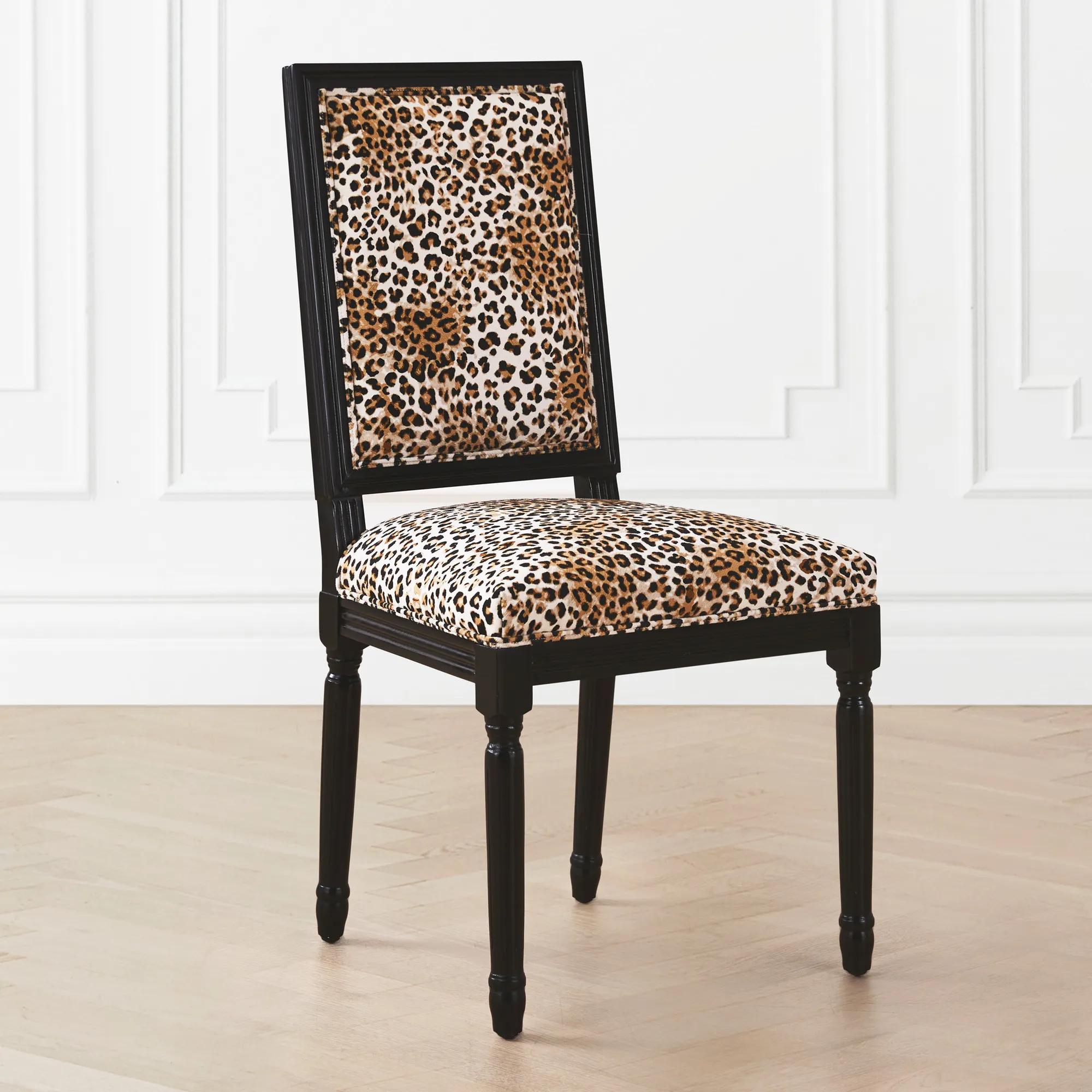
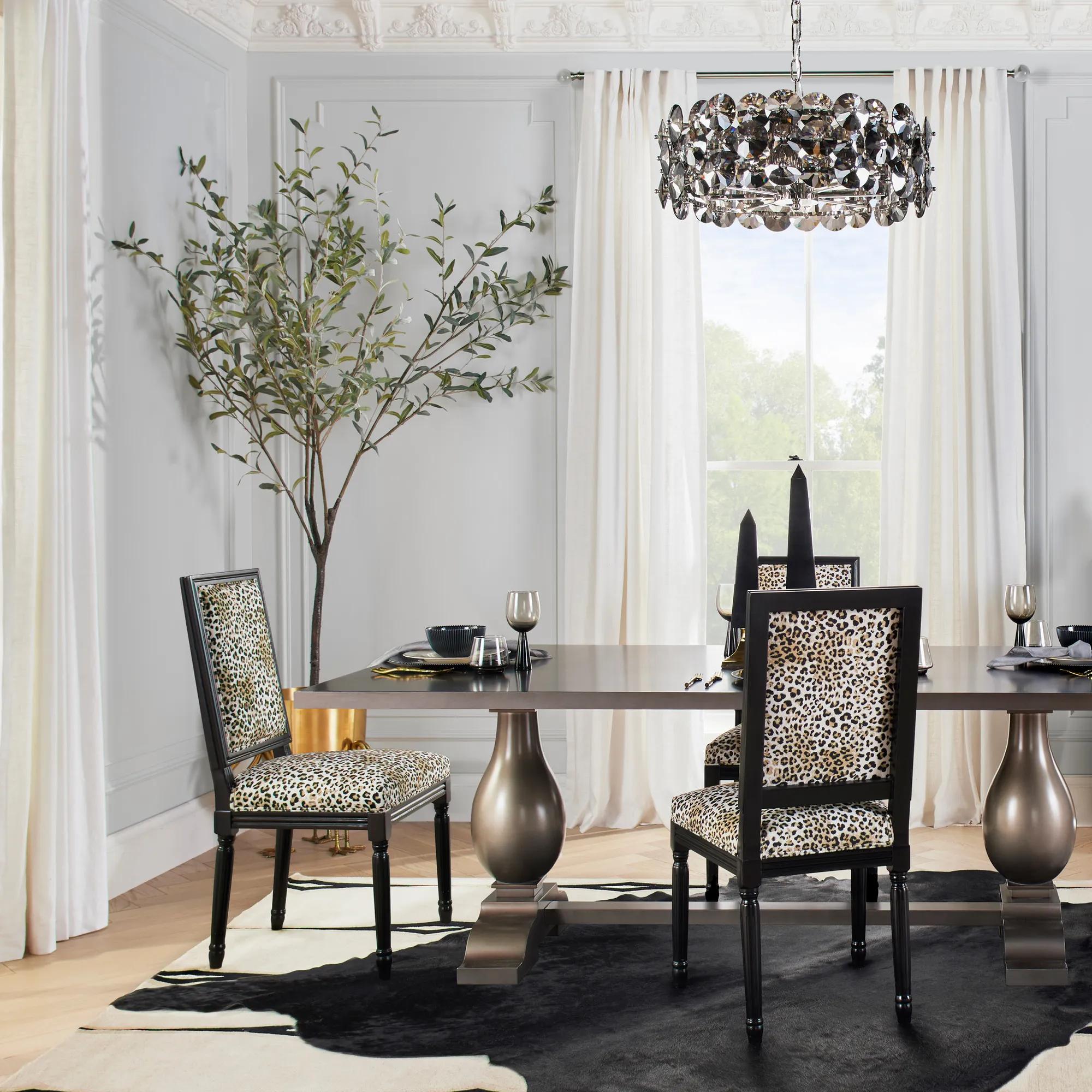 Callan Dining Chair$599
A handcrafted modern chair featuring classic upholstery, squared back, fluted legs, and high-gloss finish.
Add To Cart -
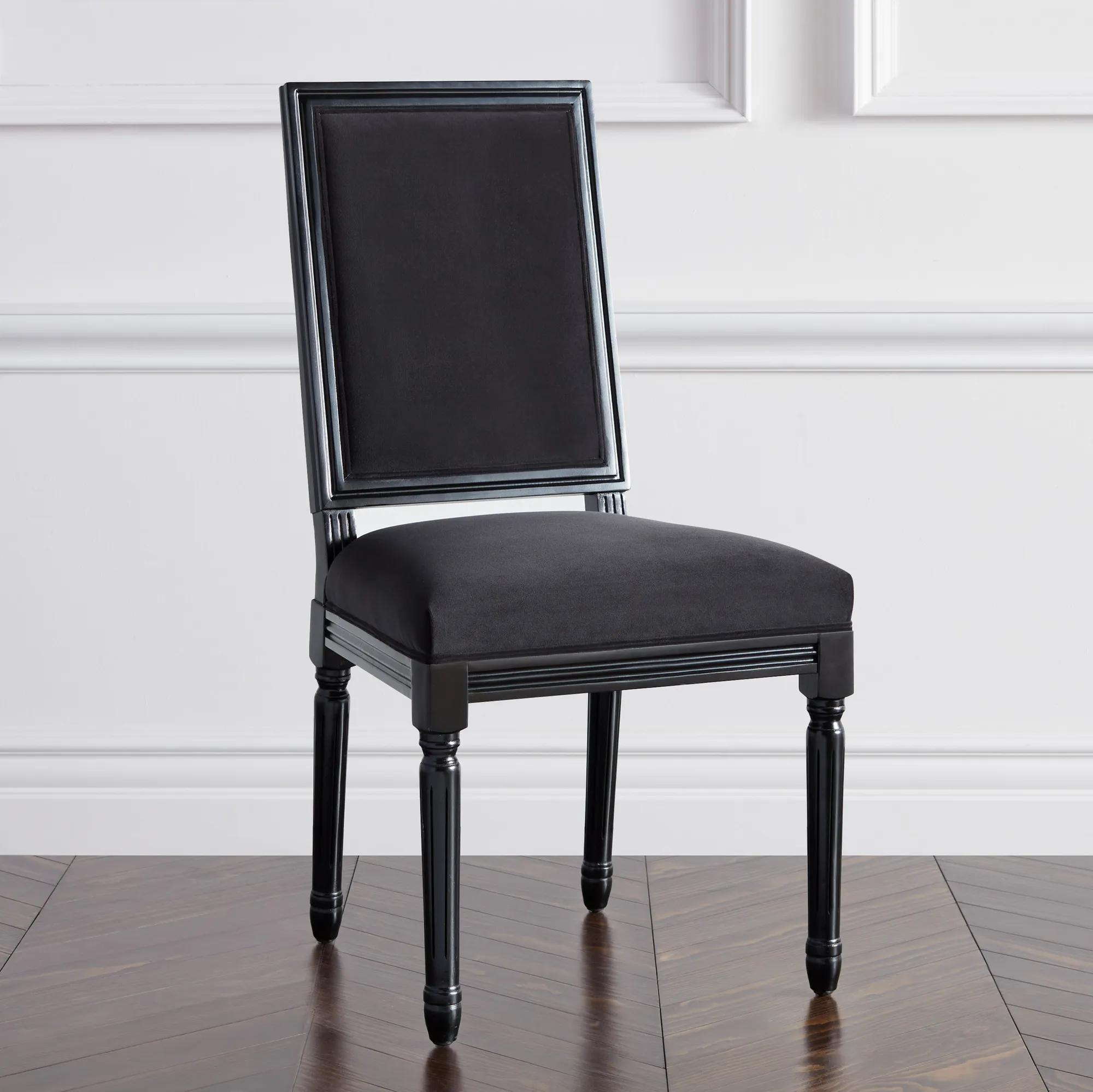
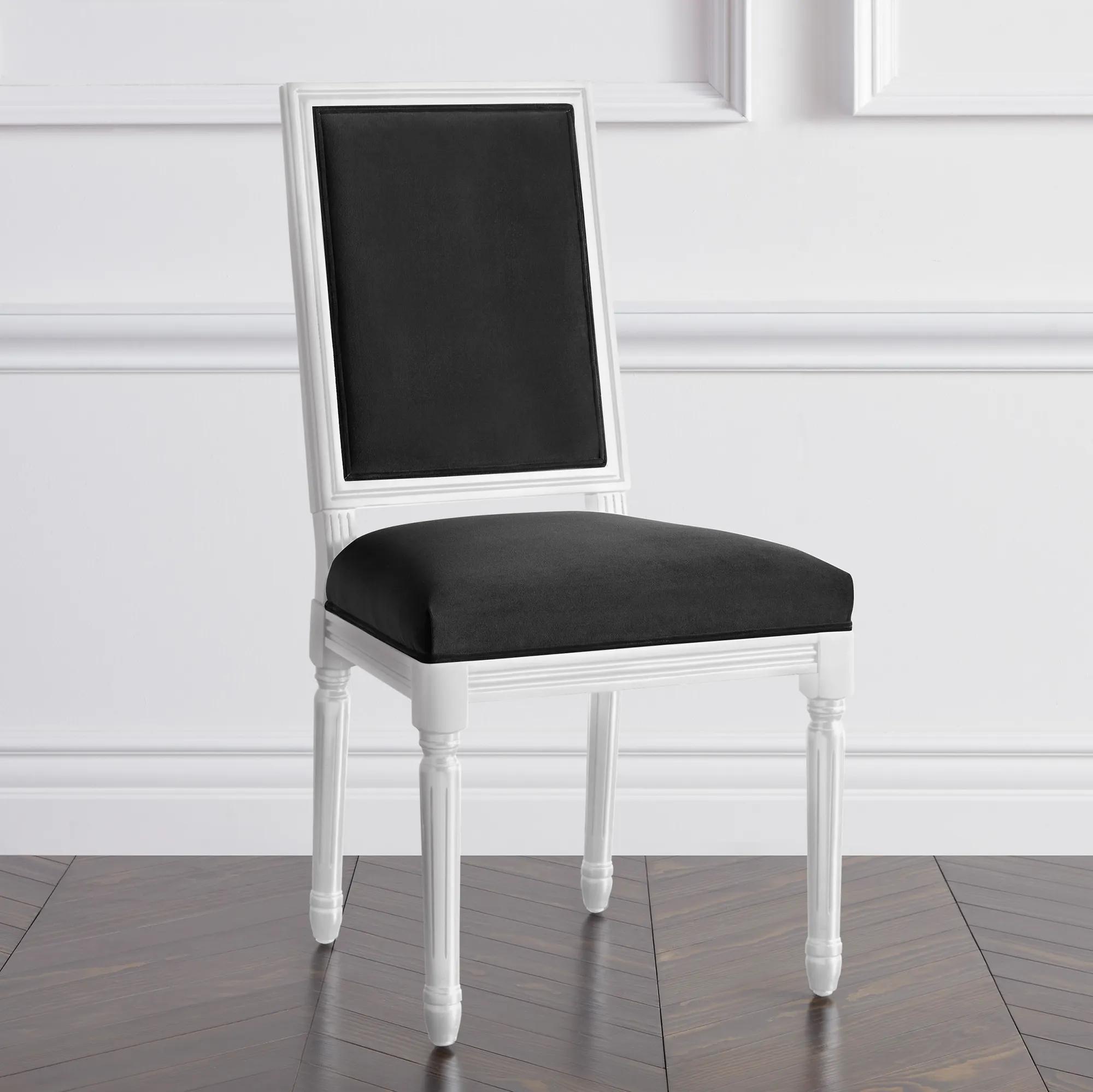
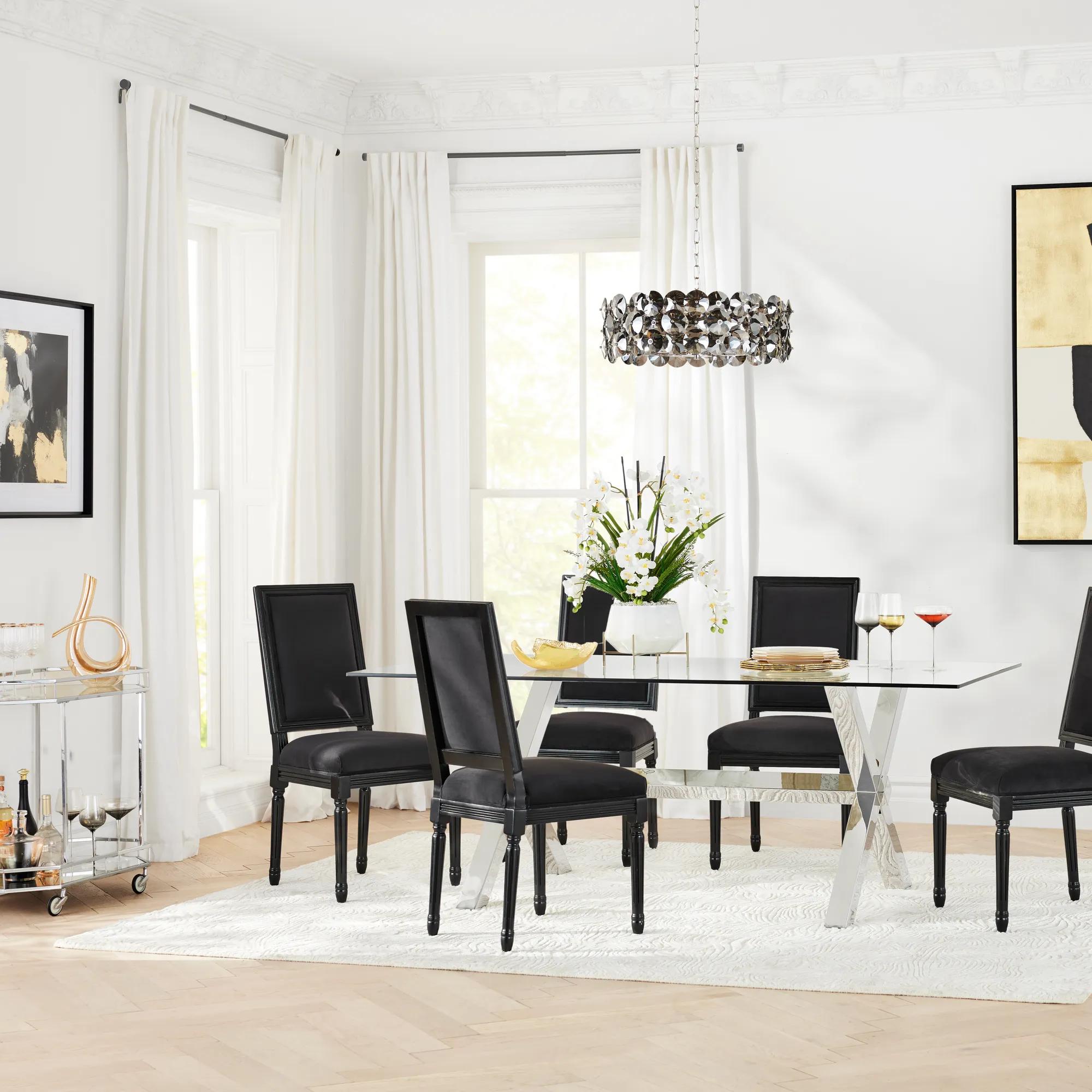 Callan Dining Chair - High Gloss Black$549
A handcrafted dining chair featuring high-gloss black Bella velvet upholstery, fluted legs, and a squared back.
Add To Cart -
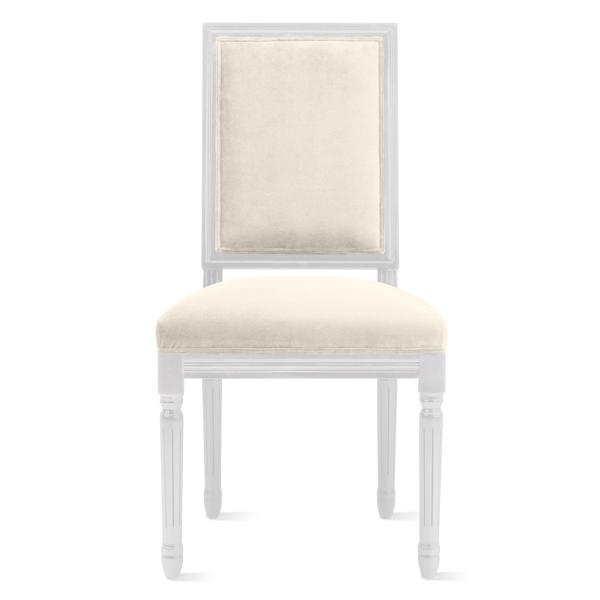 Callan Dining Chair - High Gloss White$599
A handcrafted dining chair featuring a high-gloss white finish, kiln-dried hardwood frame, and plush upholstery.
Add To Cart -
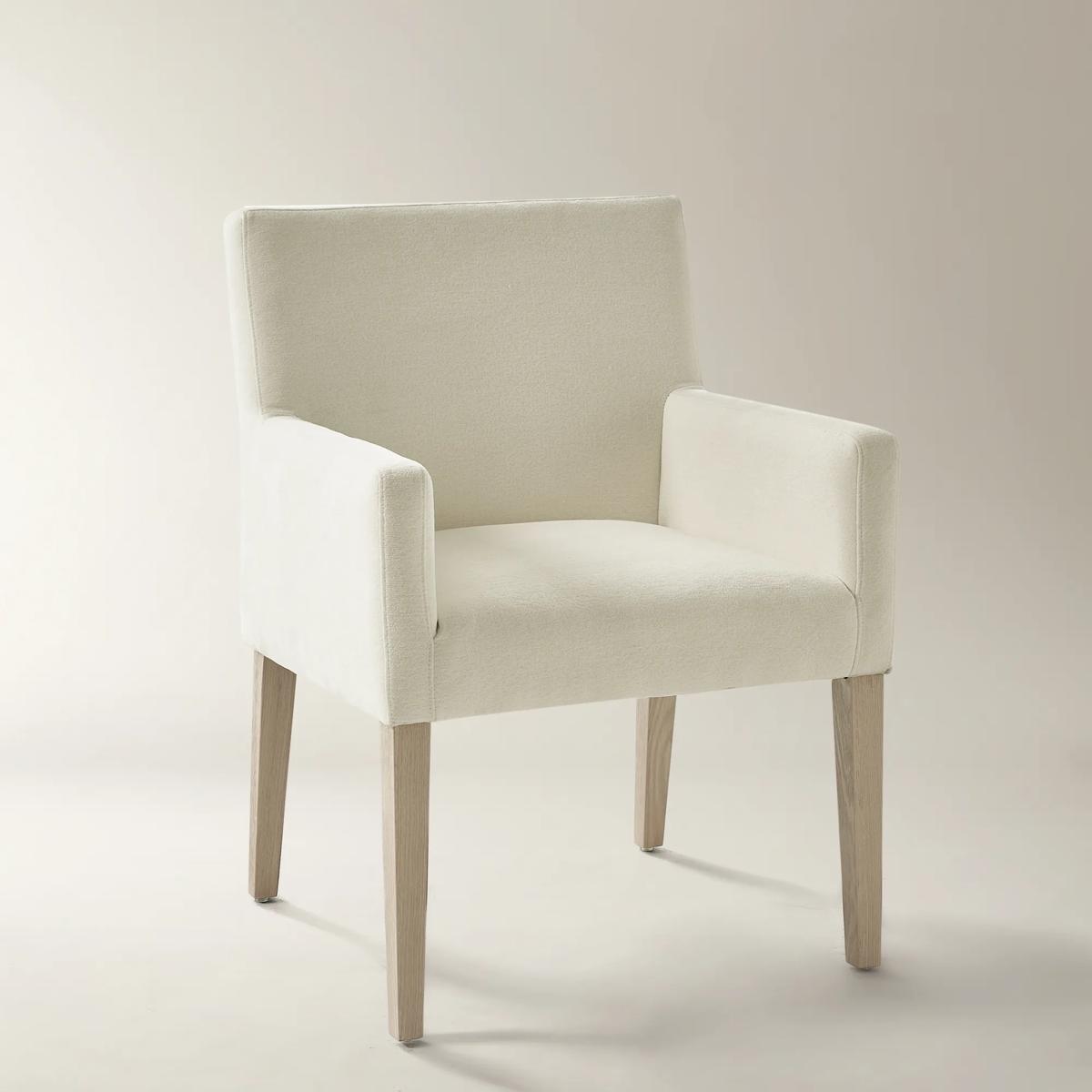
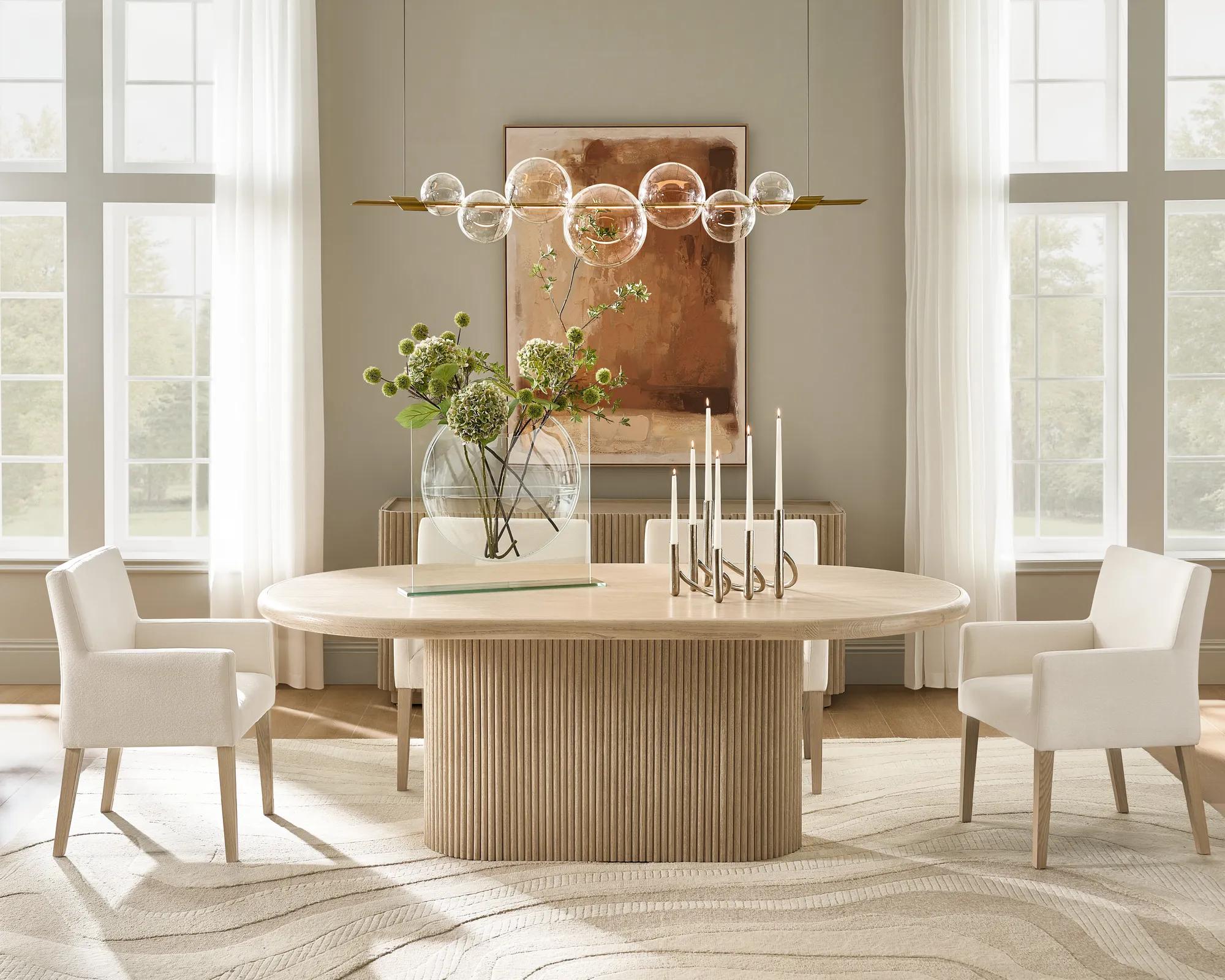 Stria Ivory Chenille Dining Chair Set Of 2$599
A pair of ivory chenille arm chairs with natural oak legs, offering plush comfort and modern elegance.
Add To Cart -
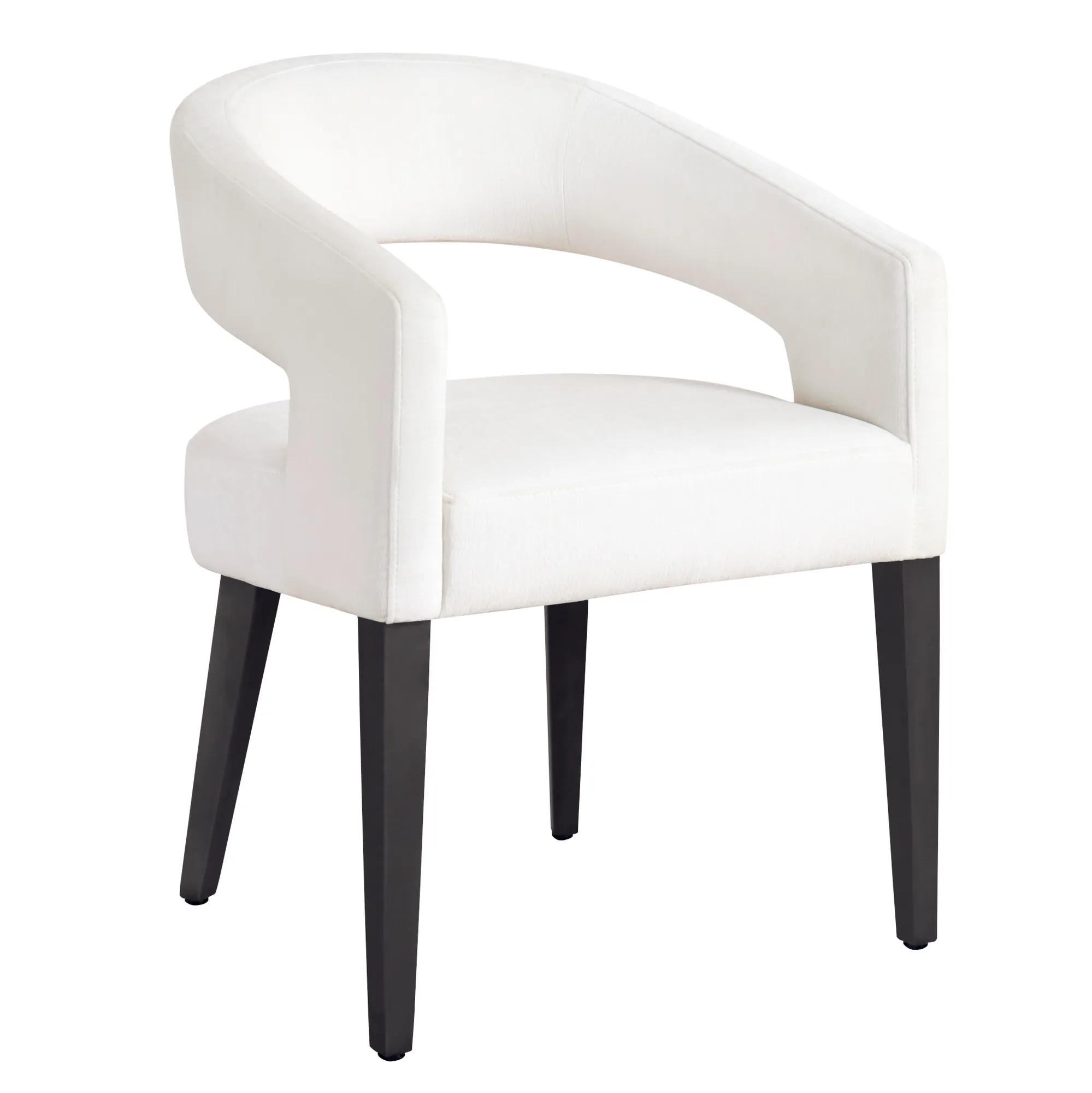
 Philippa Dining Chair - Espresso$599
A modern dining chair featuring a curved silhouette, espresso legs, and neatly tailored chenille upholstery.
Add To Cart -
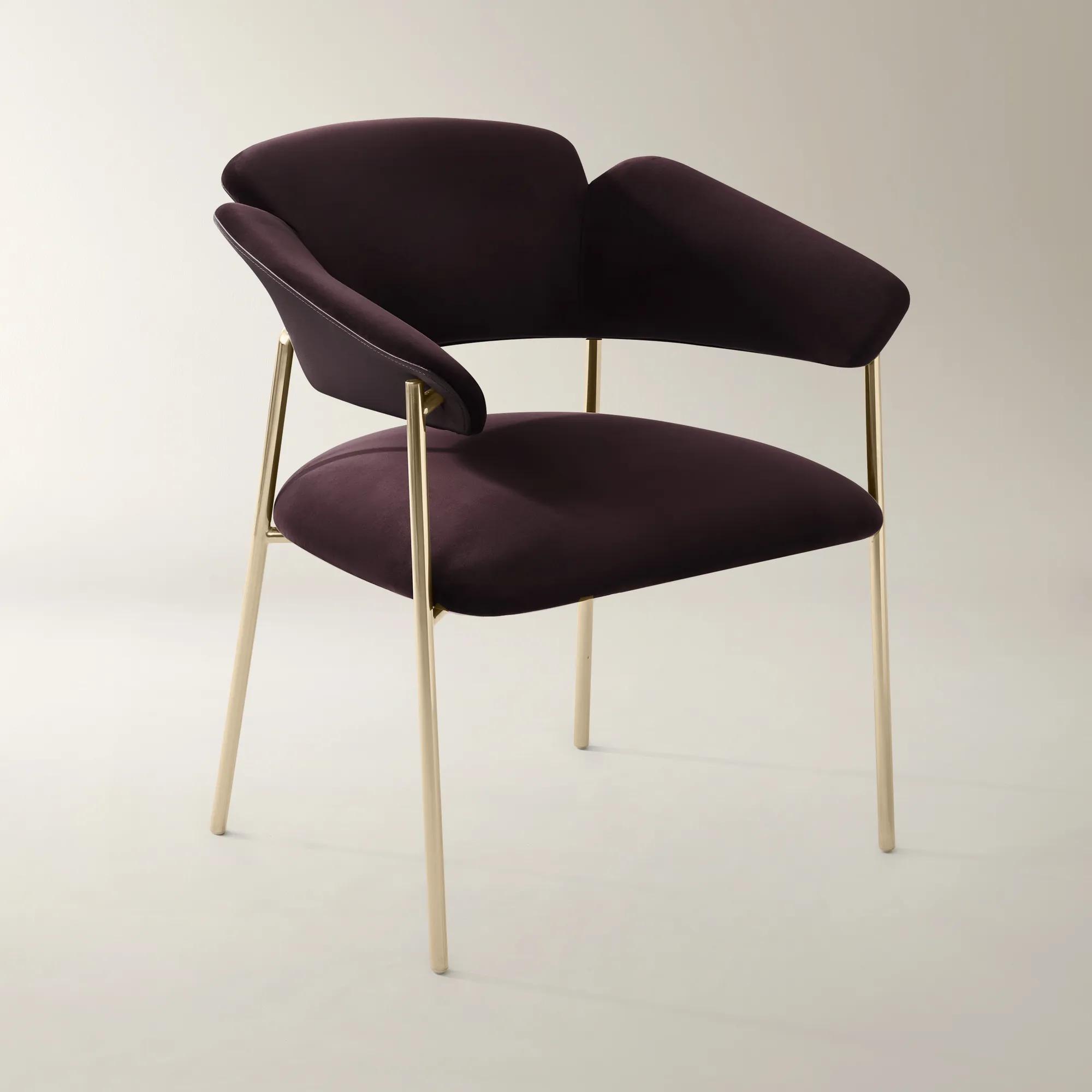 Odette Fig Velvet Dining Chair$499
A sculptural dining chair featuring fig velvet, tonal faux leather accents, and slender gold-finished metal legs.
Add To Cart -
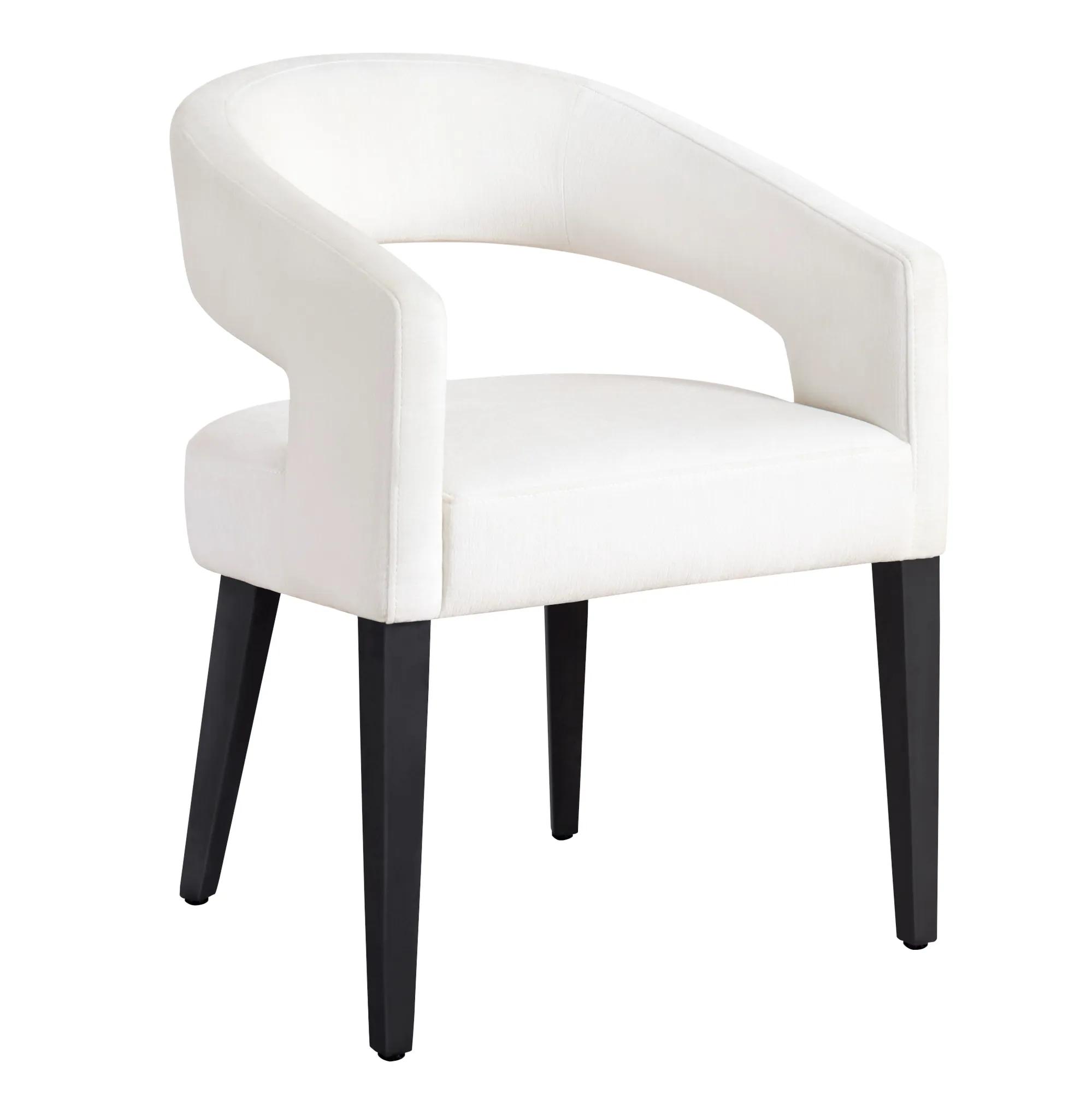
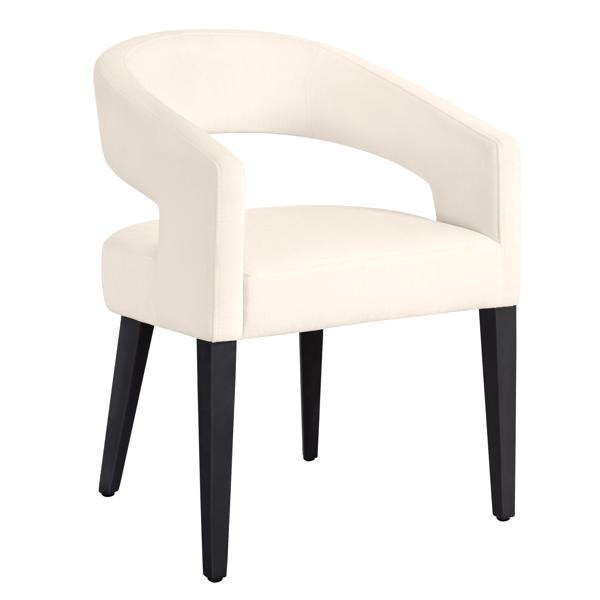 Philippa Dining Chair - Matte Black$649
A modern dining chair featuring a curved silhouette, matte black legs, and neatly tailored upholstery.
Add To Cart -
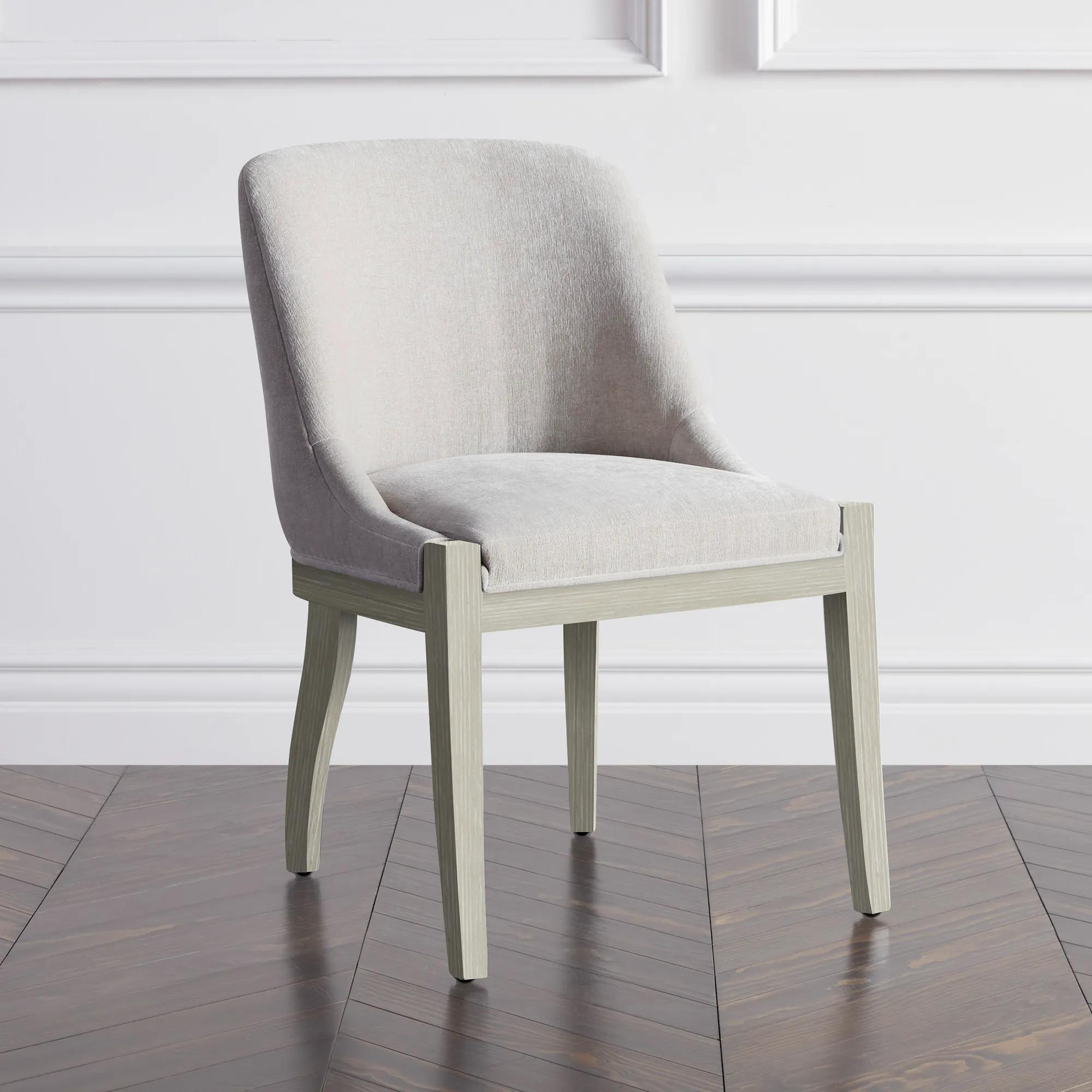 Lily Dining Chair - Natural Grey$799
A modern dining chair featuring natural grey upholstery, kiln-dried hardwood frame, and plush foam cushioning.
Add To Cart -
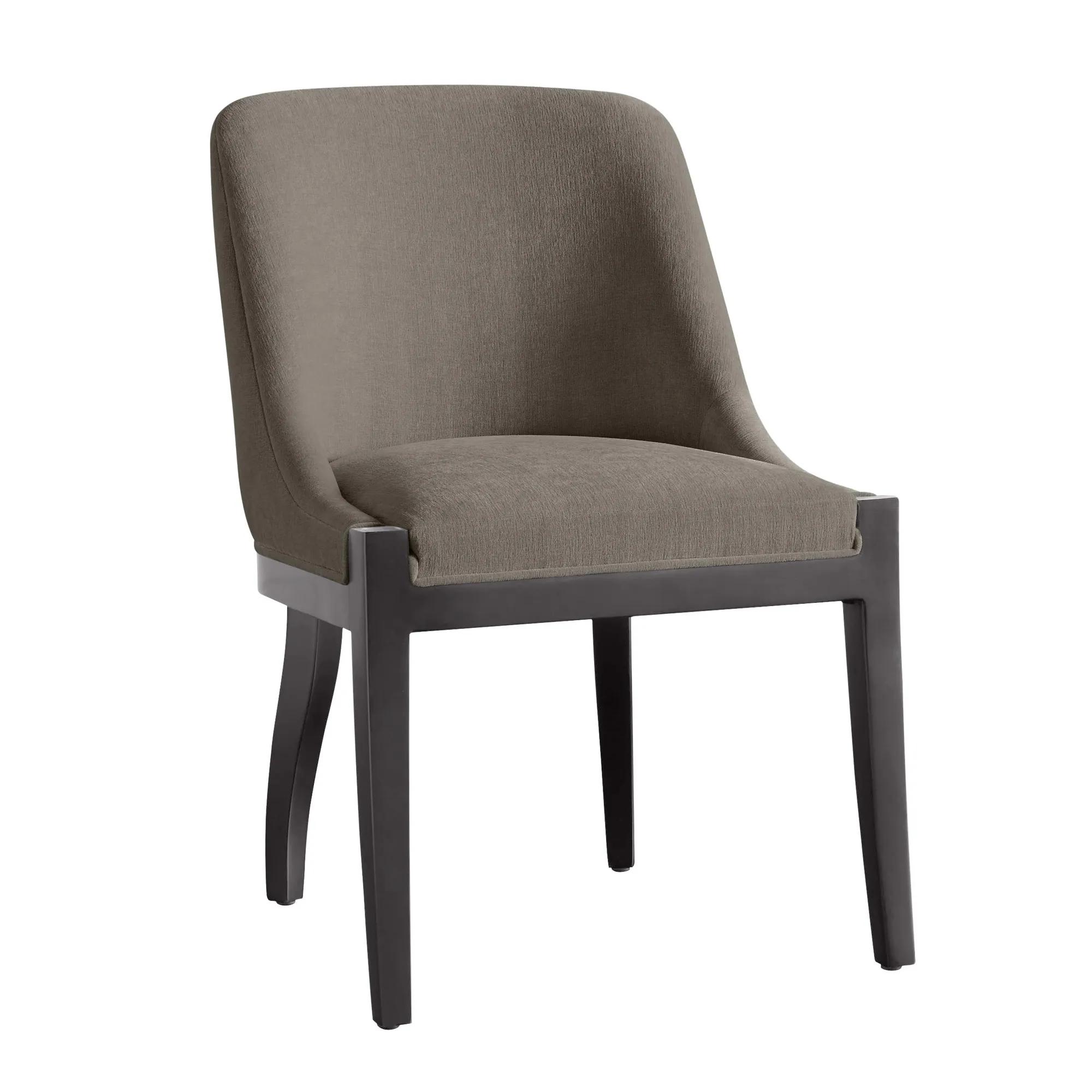
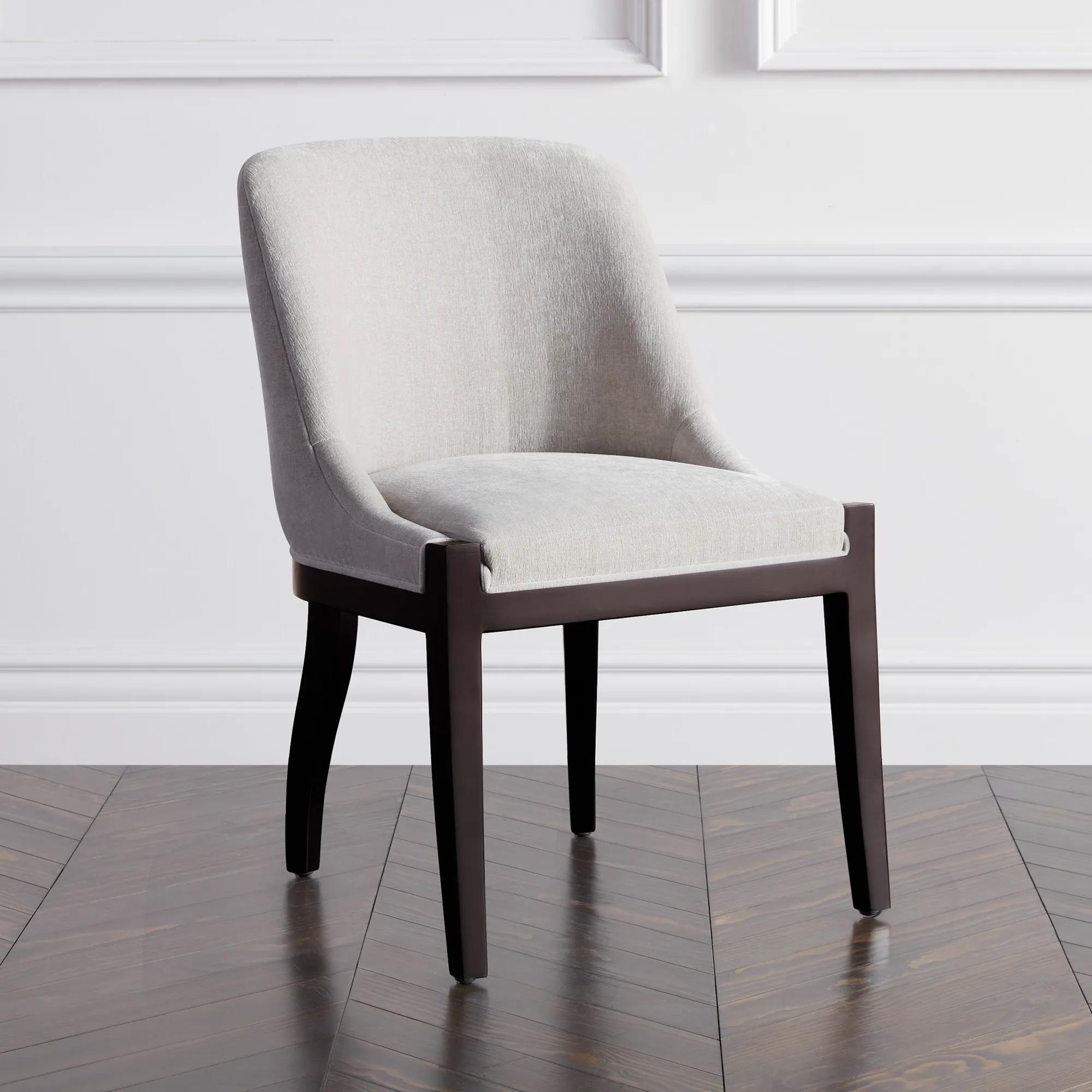 Lily Dining Chair - Espresso$649
A modern dining chair featuring espresso-finished hardwood, curvaceous silhouette, and plush tailored upholstery.
Add To Cart -
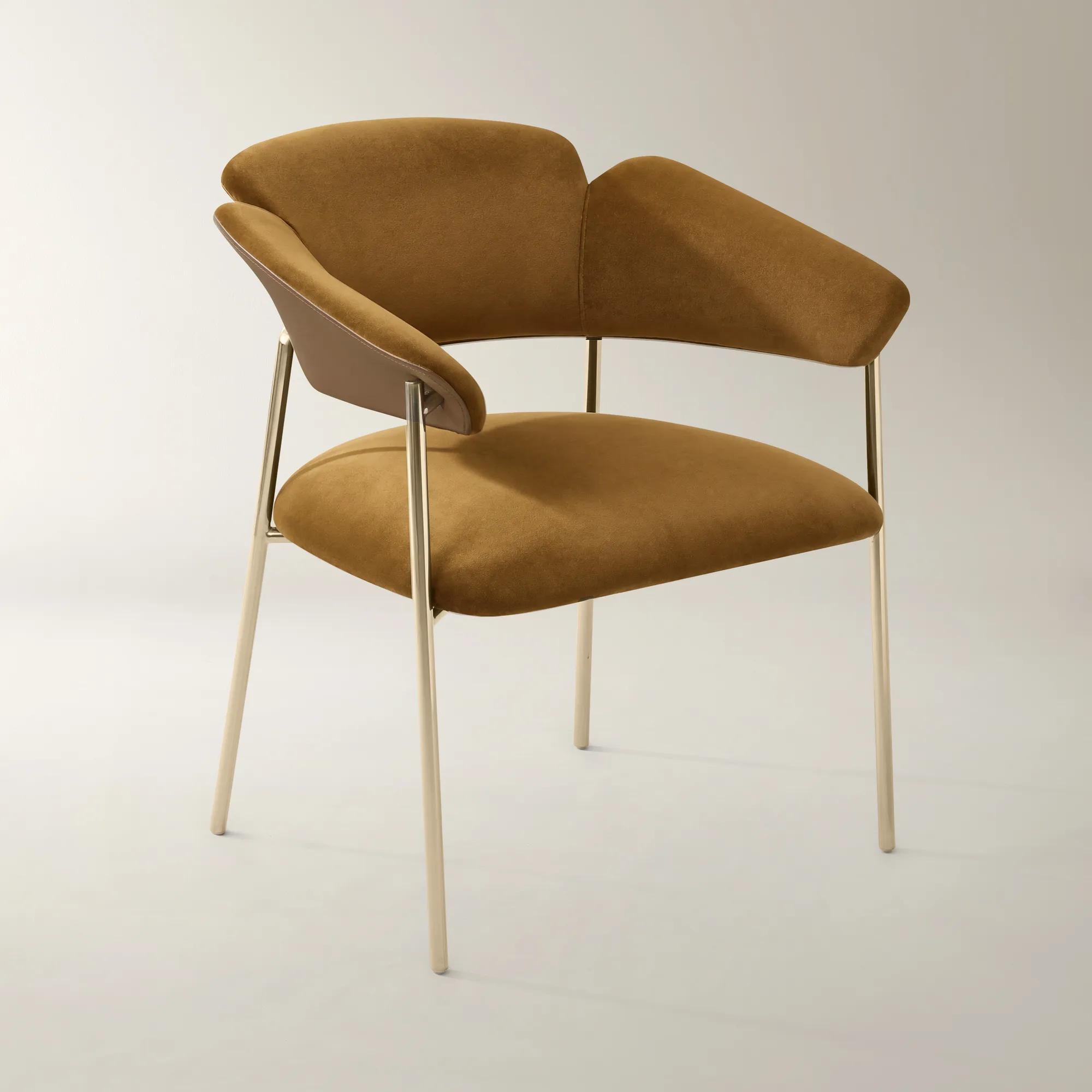 Odette Roasted Pecan Velvet Dining Chair$499
A sculptural dining chair featuring roasted pecan velvet, tonal faux leather accents, and gold stainless steel legs.
Add To Cart -
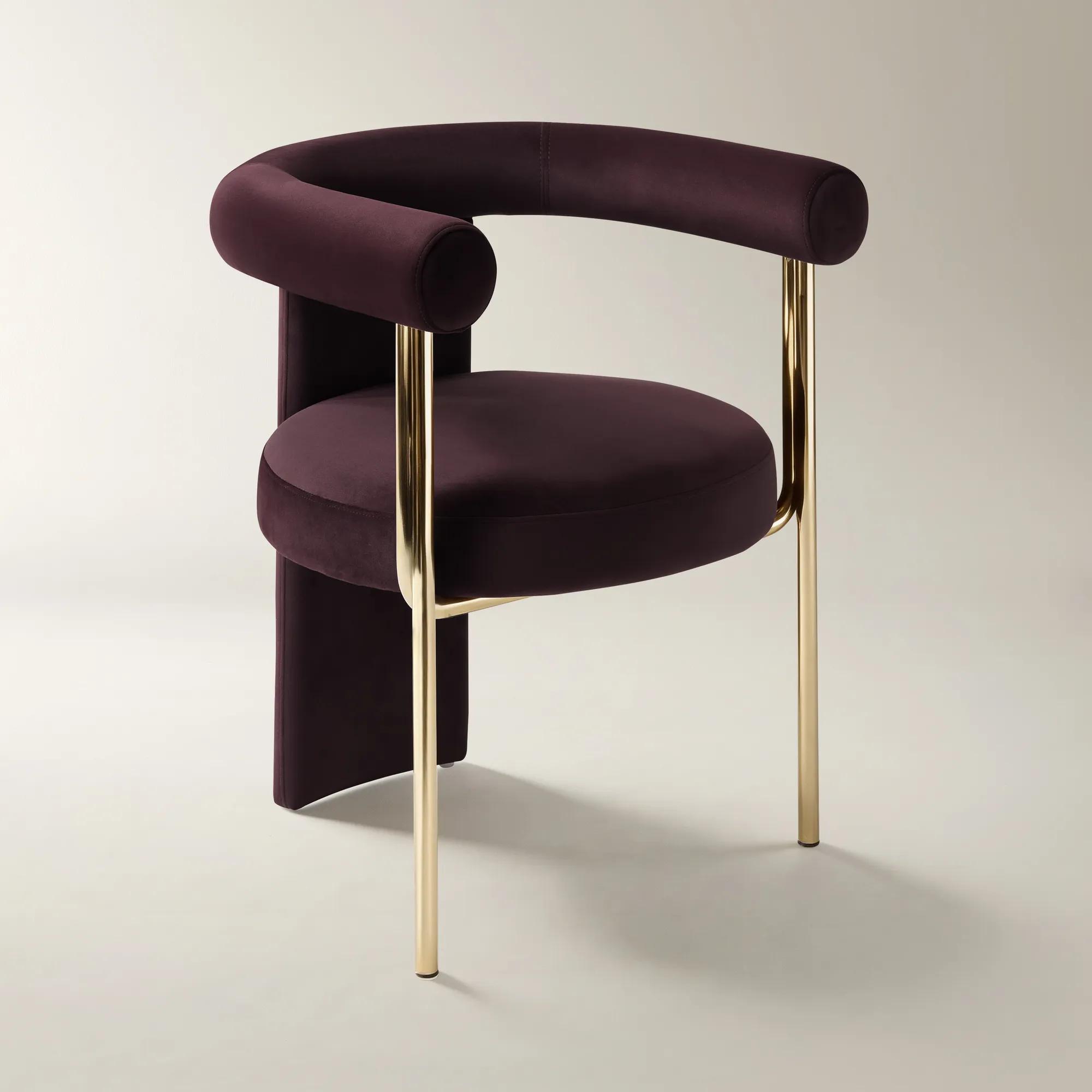 Davina Fig Velvet Dining Chair Set Of 2$899
A set of two dining chairs featuring plush fig velvet upholstery and a sleek gold-finished metal frame.
Add To Cart -
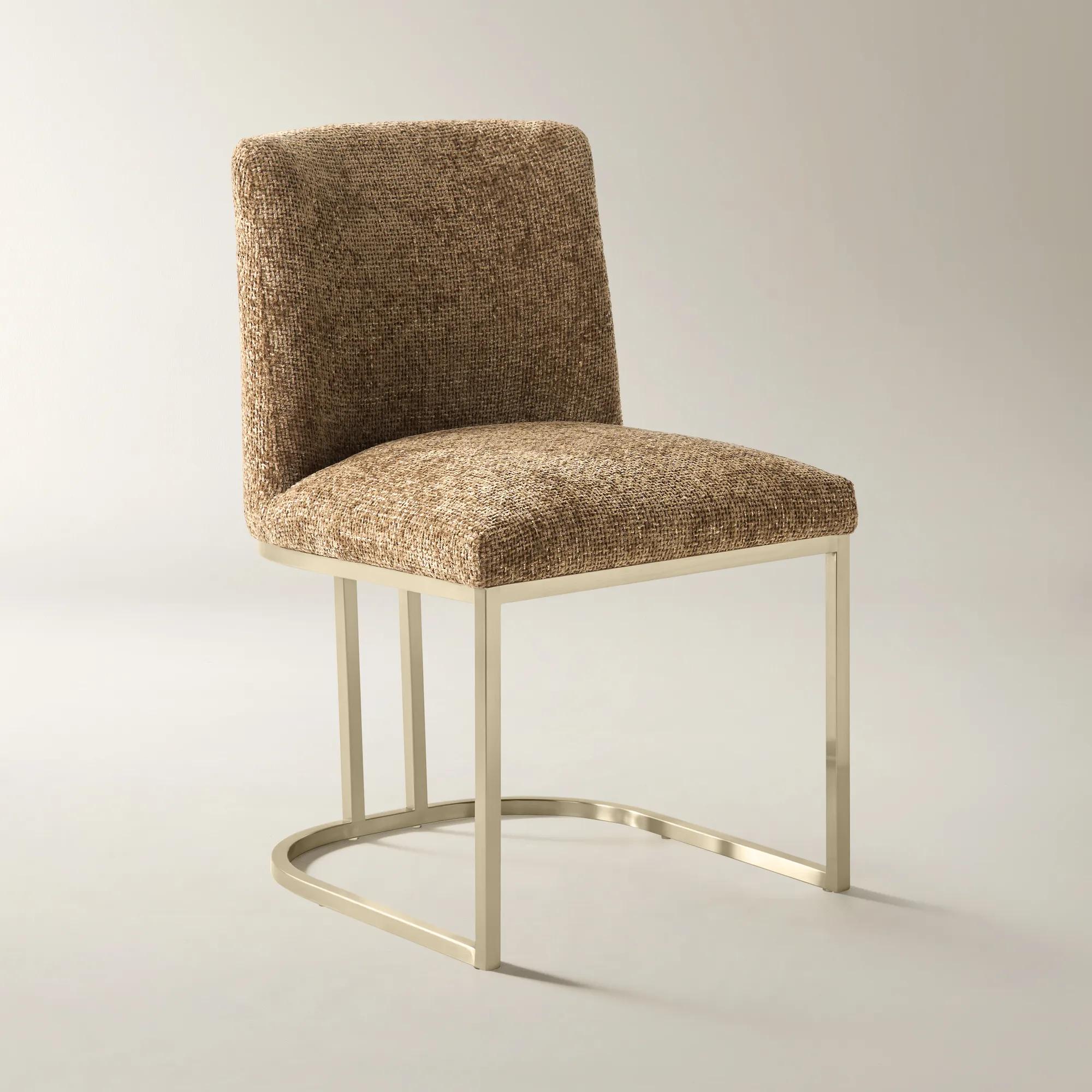 Bergen Bronze Chenille Dining Chair Set Of 2$549
A set of two dining chairs featuring bronze chenille upholstery and a sculptural brushed gold metal base.
Add To Cart -
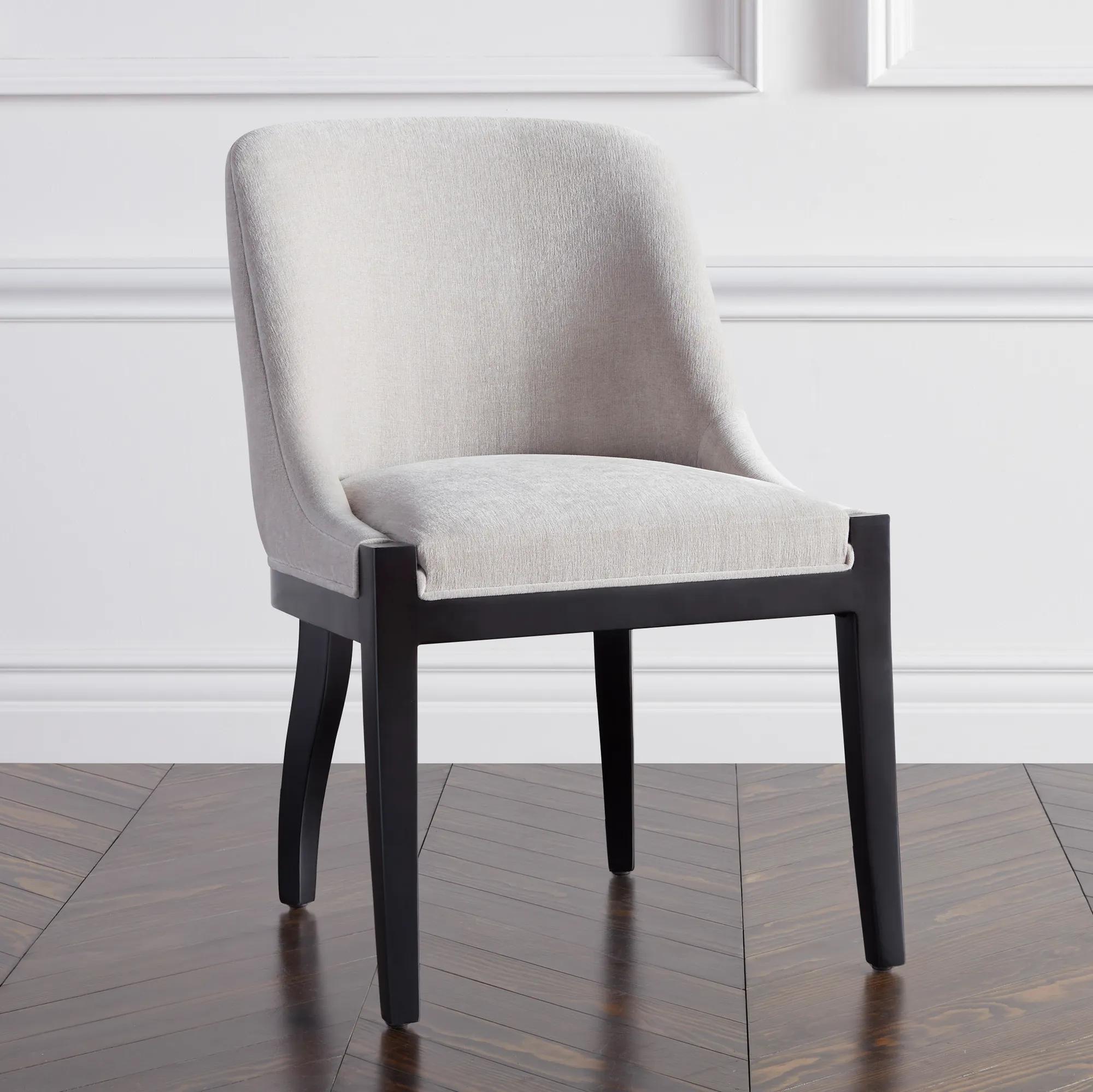 Lily Dining Chair - Matte Black$499
A modern dining chair with a kiln-dried hardwood frame, matte black legs, and plush tailored upholstery.
Add To Cart -
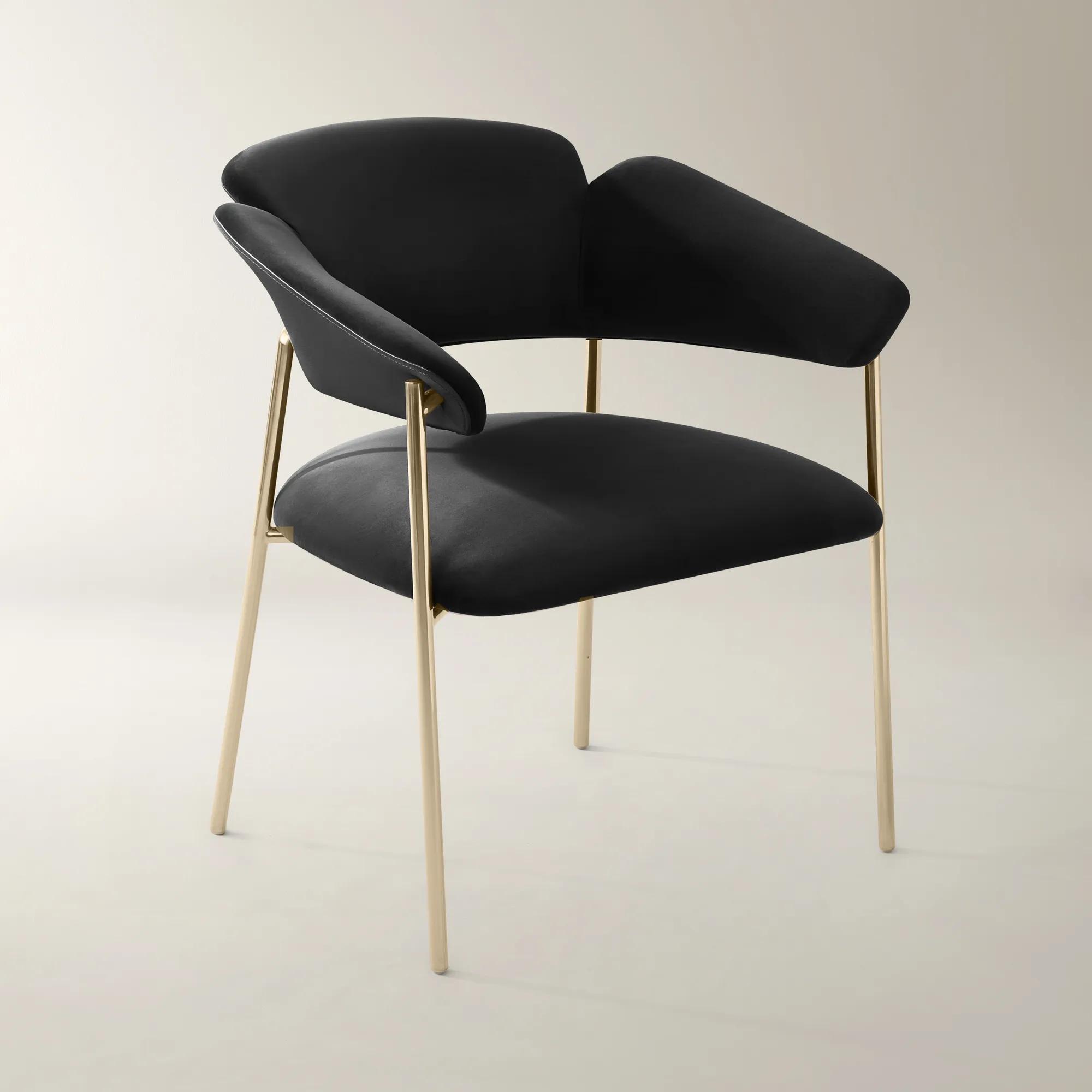 Odette Charcoal Velvet Dining Chair$499
A charcoal velvet chair featuring a wraparound open-back design, tonal faux leather accents, and gold metal legs.
Add To Cart -
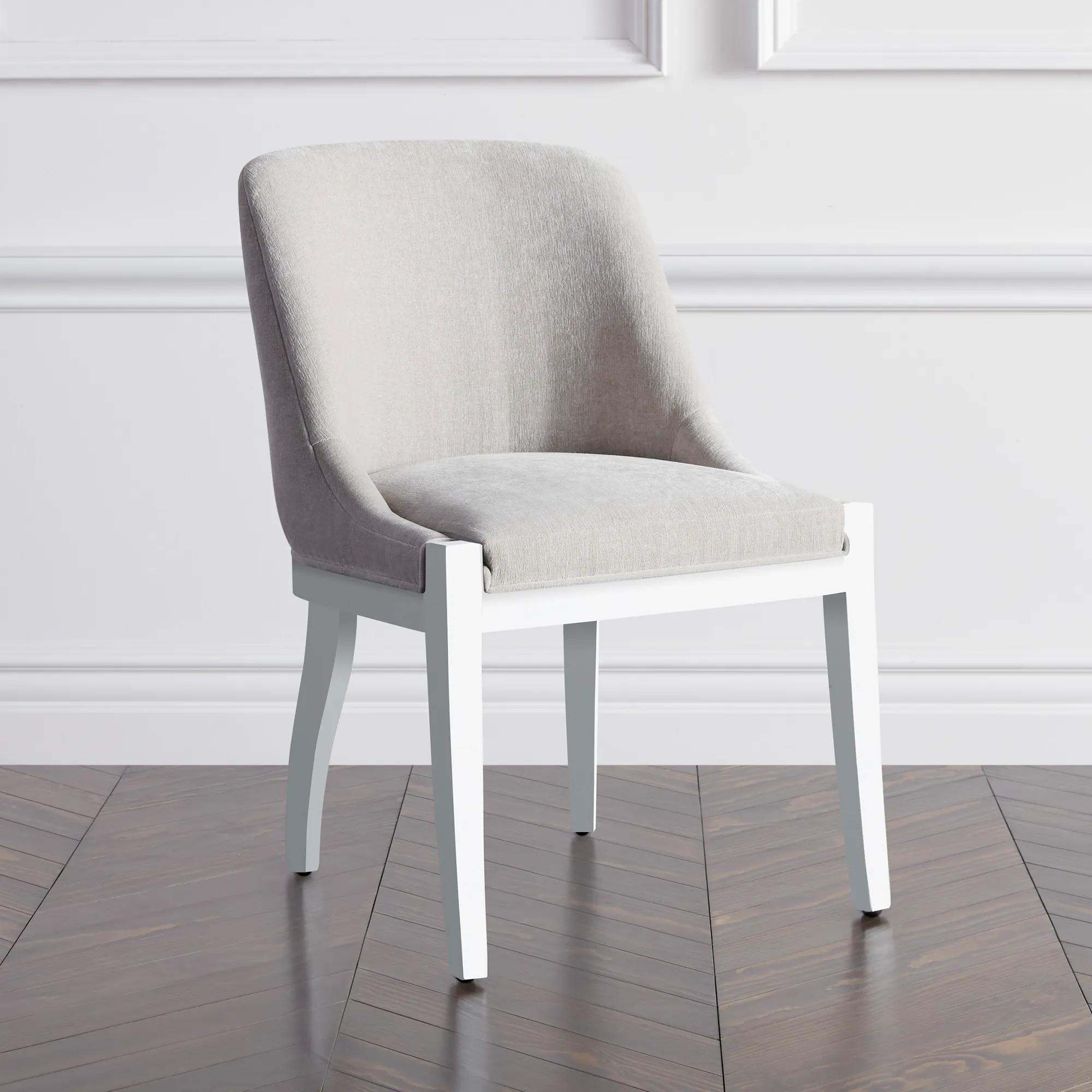
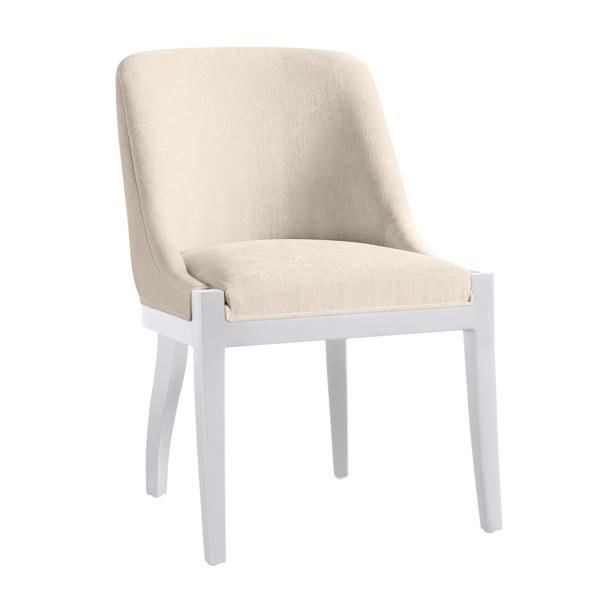 Lily Dining Chair - High Gloss White$699
A modern dining chair with a kiln-dried hardwood frame and high-gloss white legs for lasting elegance.
Add To Cart -
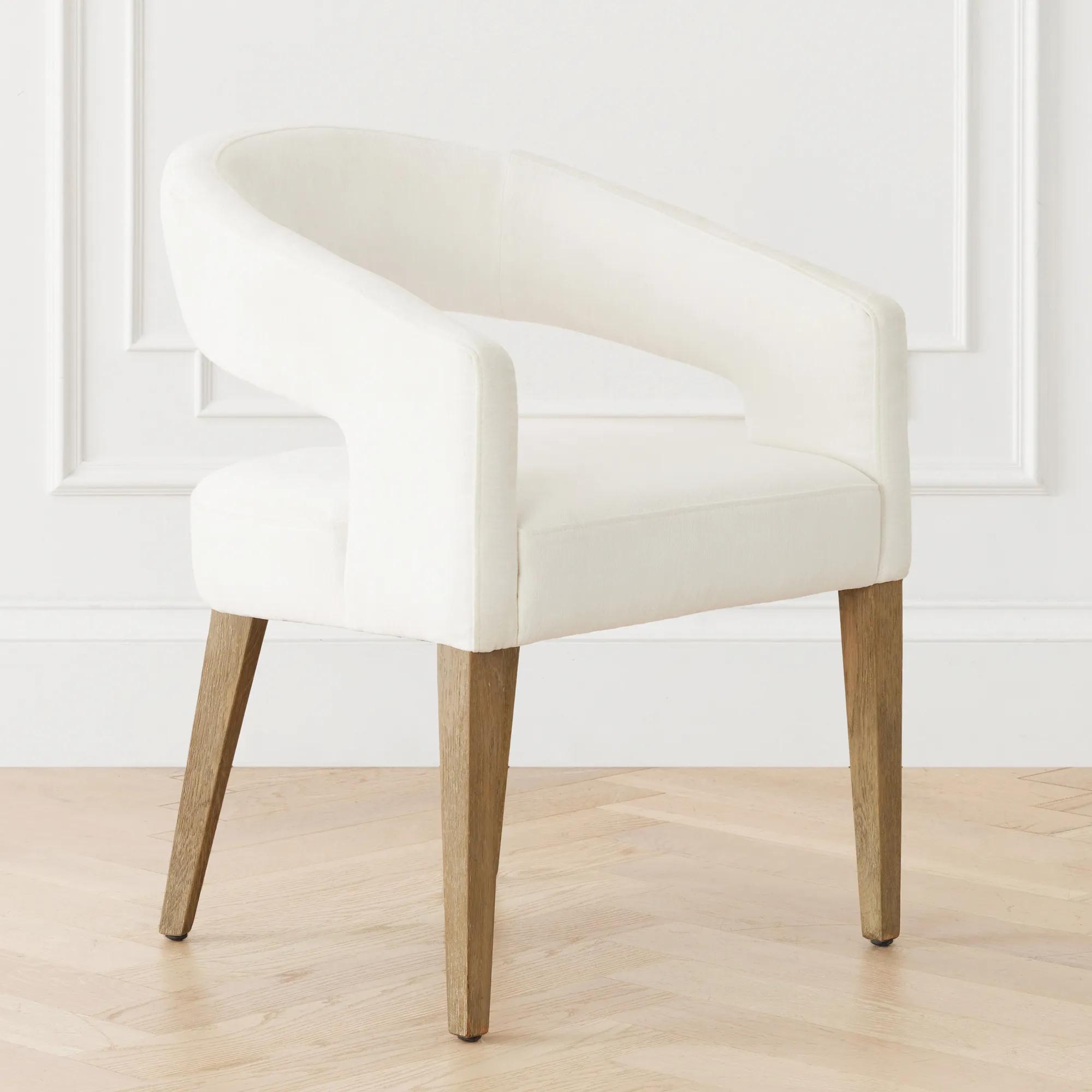 Philippa Dining Chair - Natural Grey$699
A modern dining chair featuring a curved silhouette, natural grey legs, and tailored chenille upholstery.
Add To Cart -
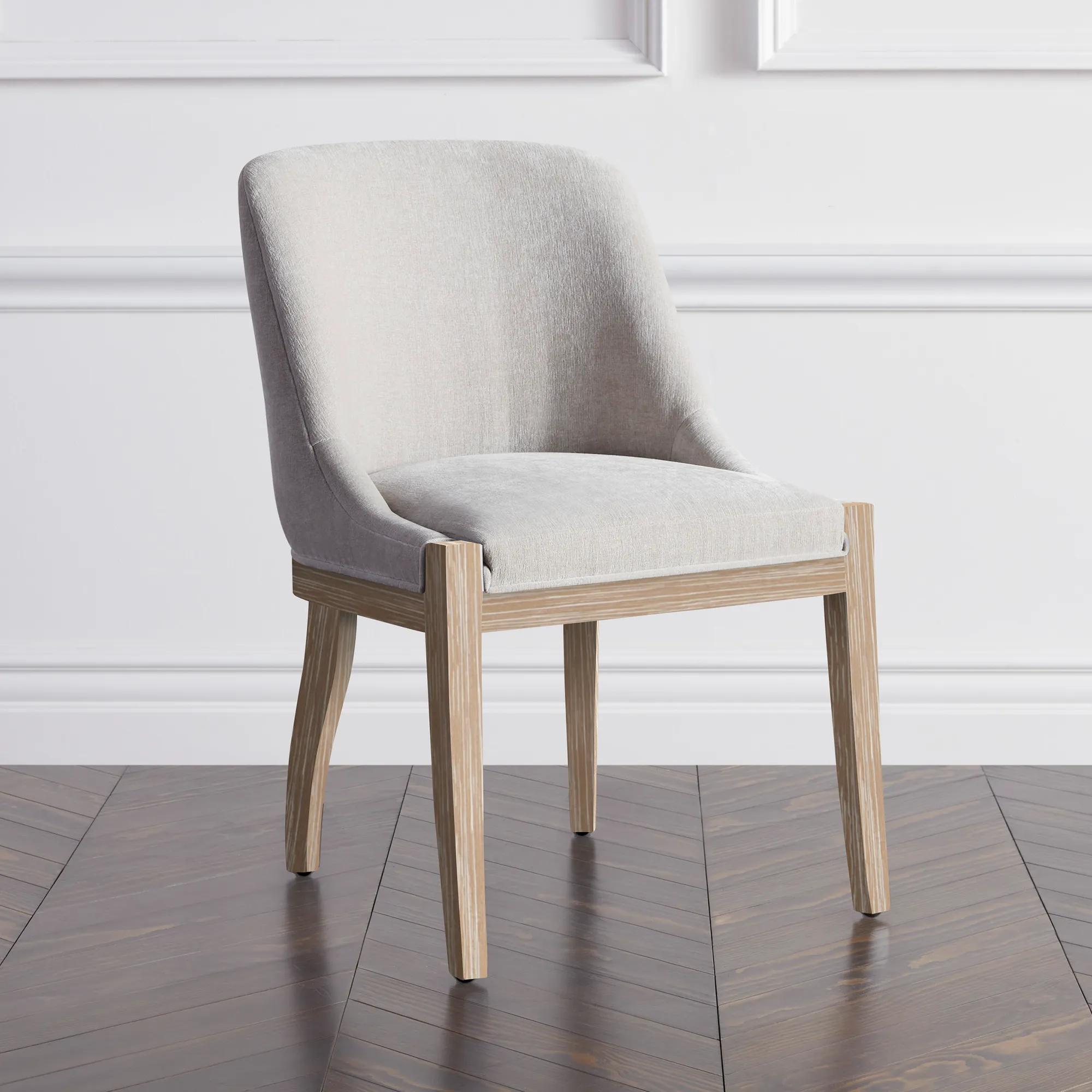
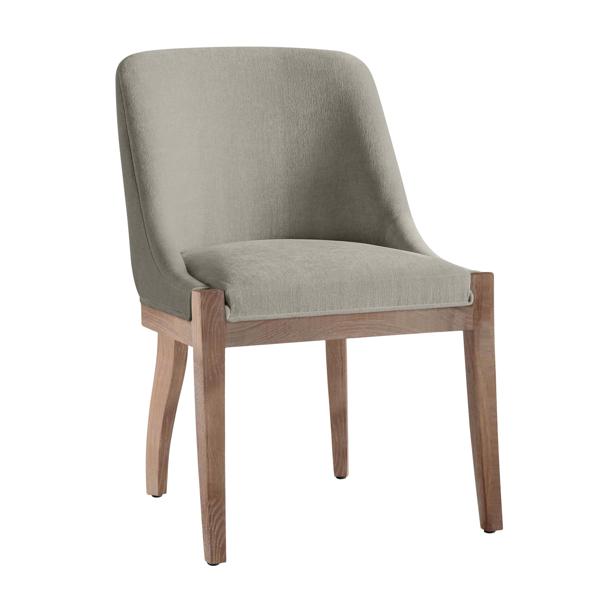 Lily Dining Chair - Wash Oak$749
A modern dining chair featuring a kiln-dried hardwood frame, wash oak legs, and tailored chenille upholstery.
Add To Cart -
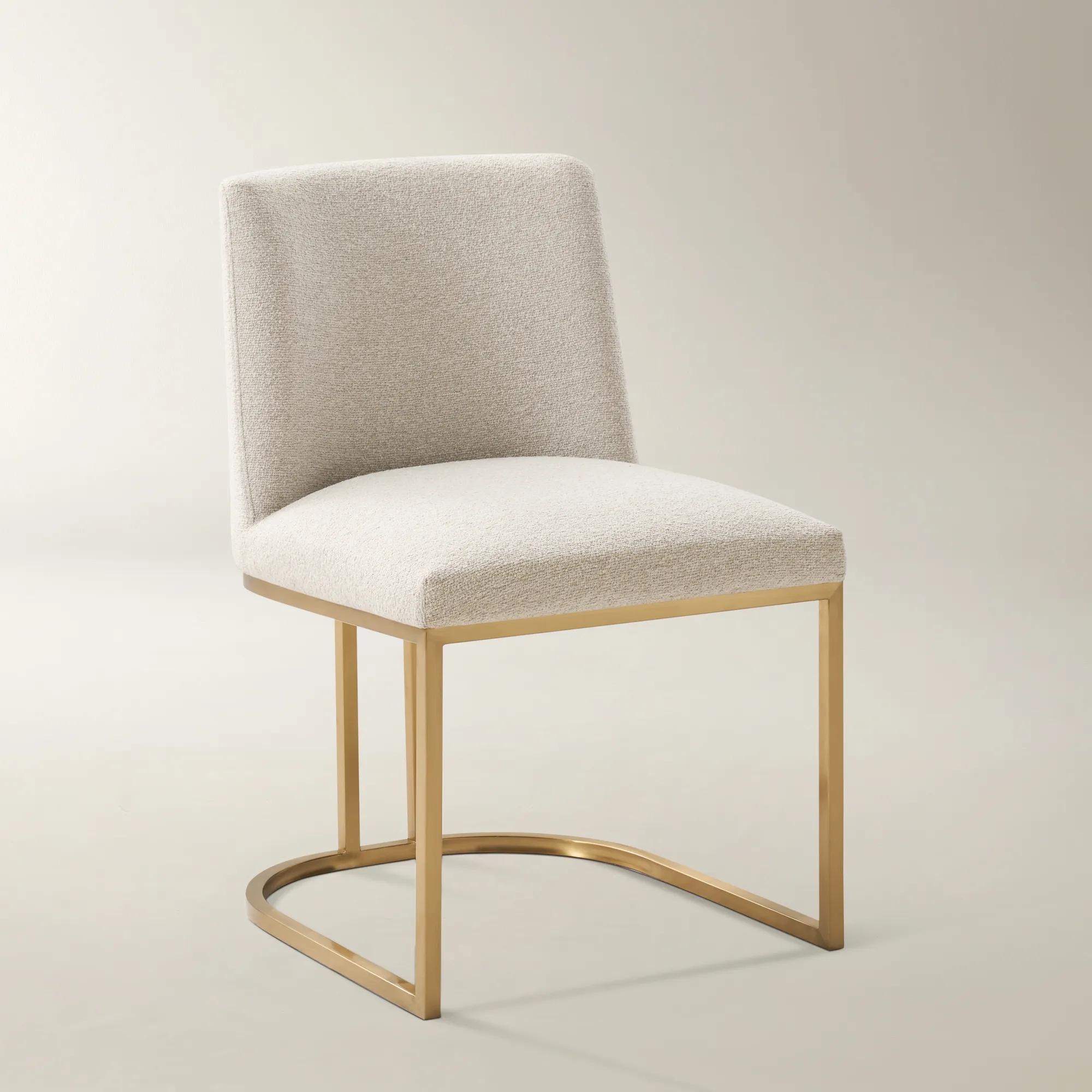 Bergen Ivory Boucle Dining Chair Set Of 2$549
An ivory boucle dining chair set featuring a curved backrest and brushed stainless steel frame for elegance.
Add To Cart -
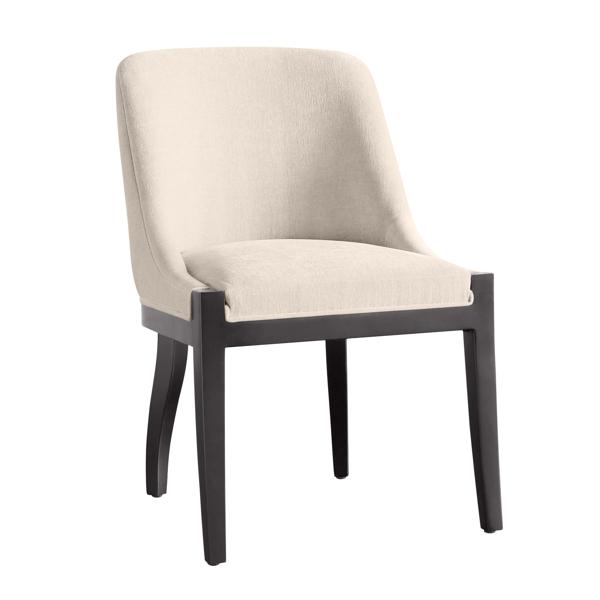 Lily Dining Chair - Espresso$649
A modern dining chair with espresso-finished hardwood frame and plush, tailored upholstery for lasting comfort.
Add To Cart -
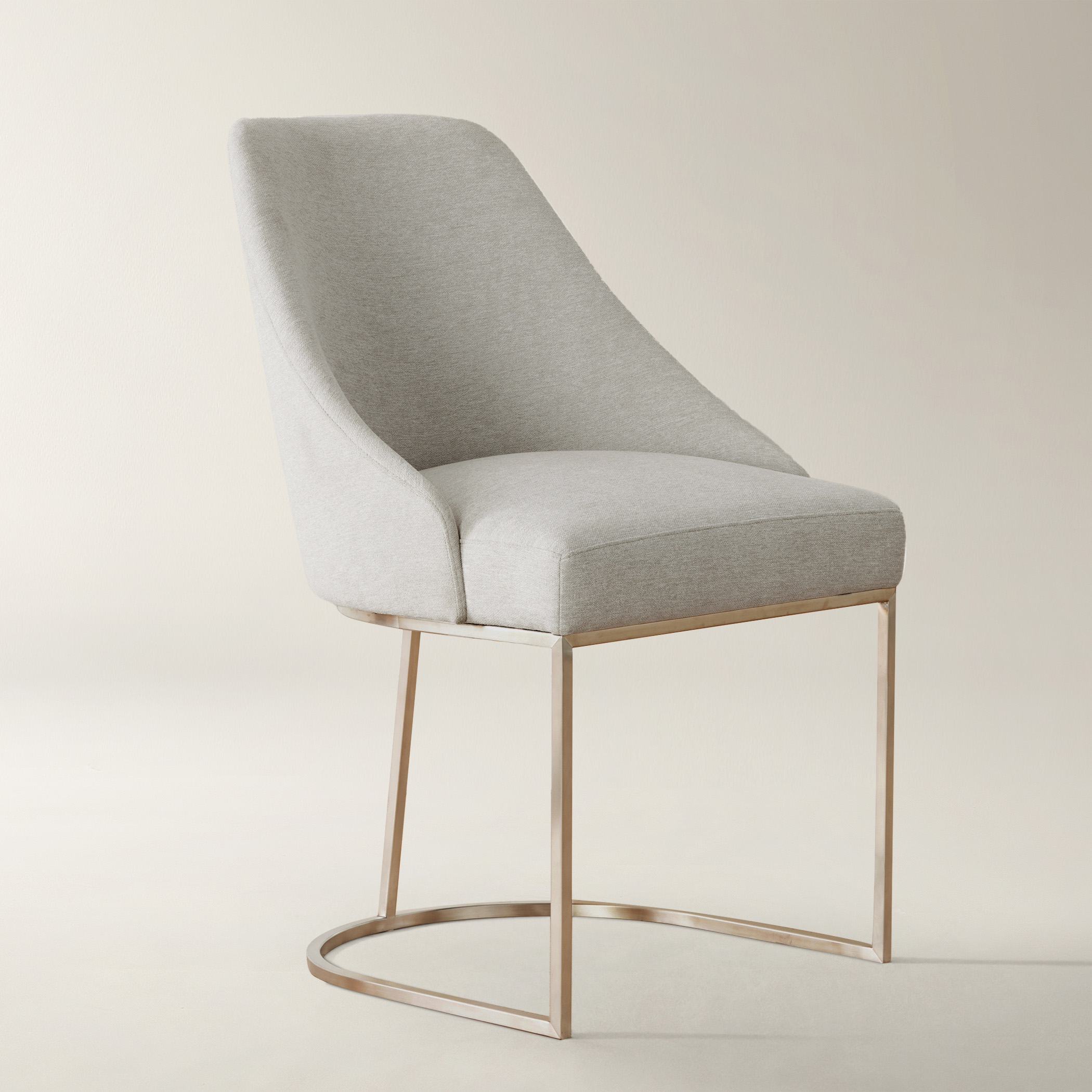
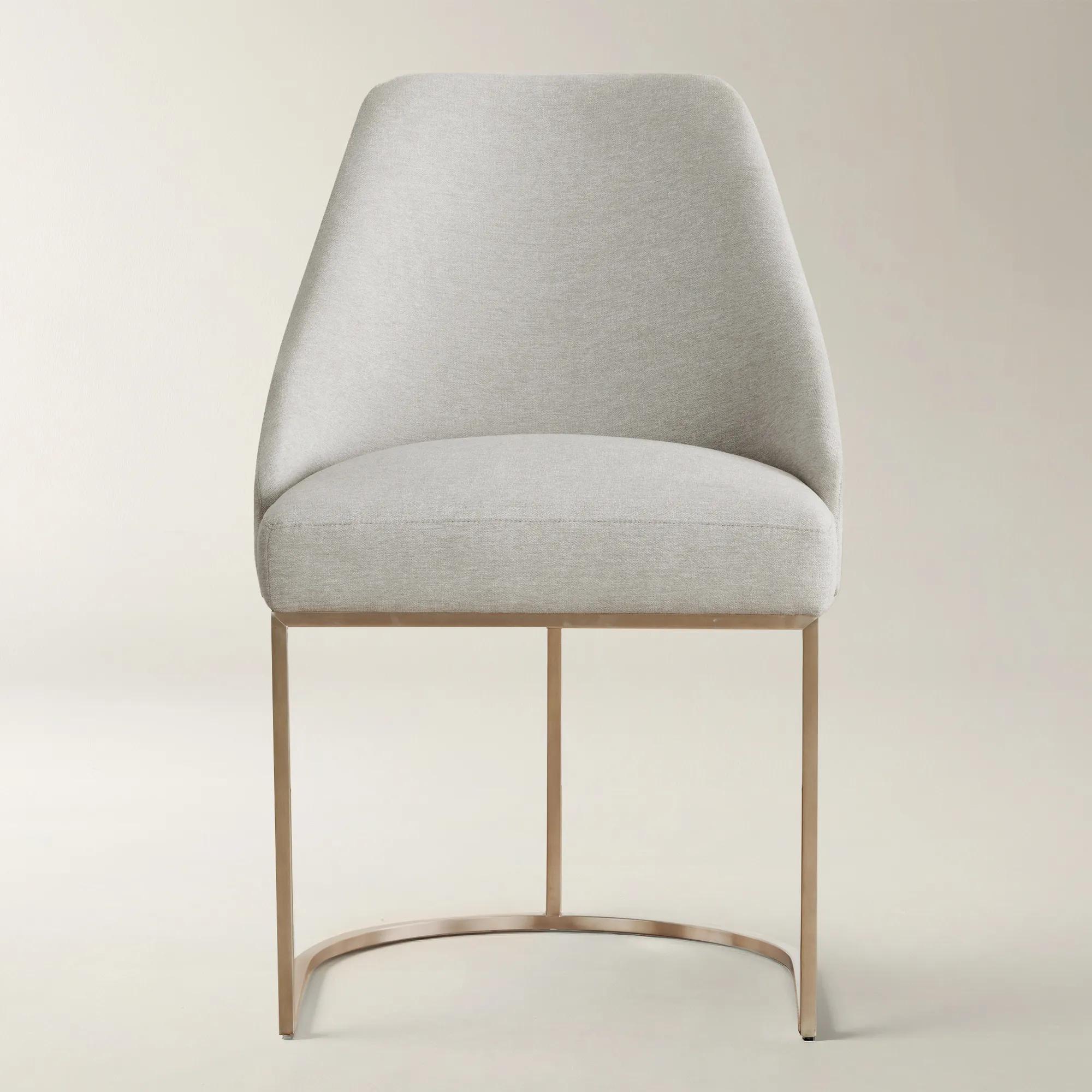 Rowan Ivory Fabric Dining Chair$599
A modern chair featuring brushed stainless steel legs and stain-resistant, water-repellent Roxboro Frost fabric.
Add To Cart -
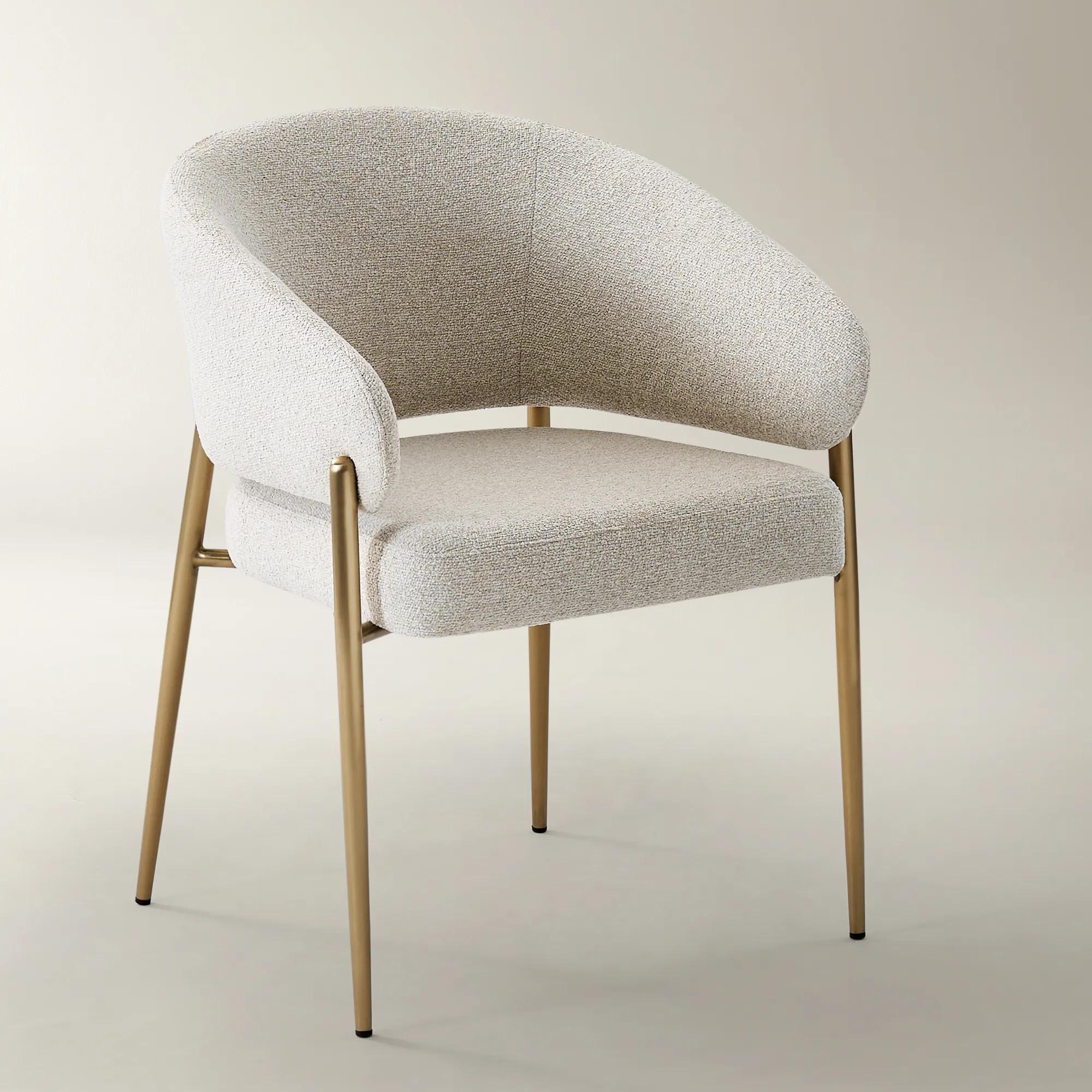
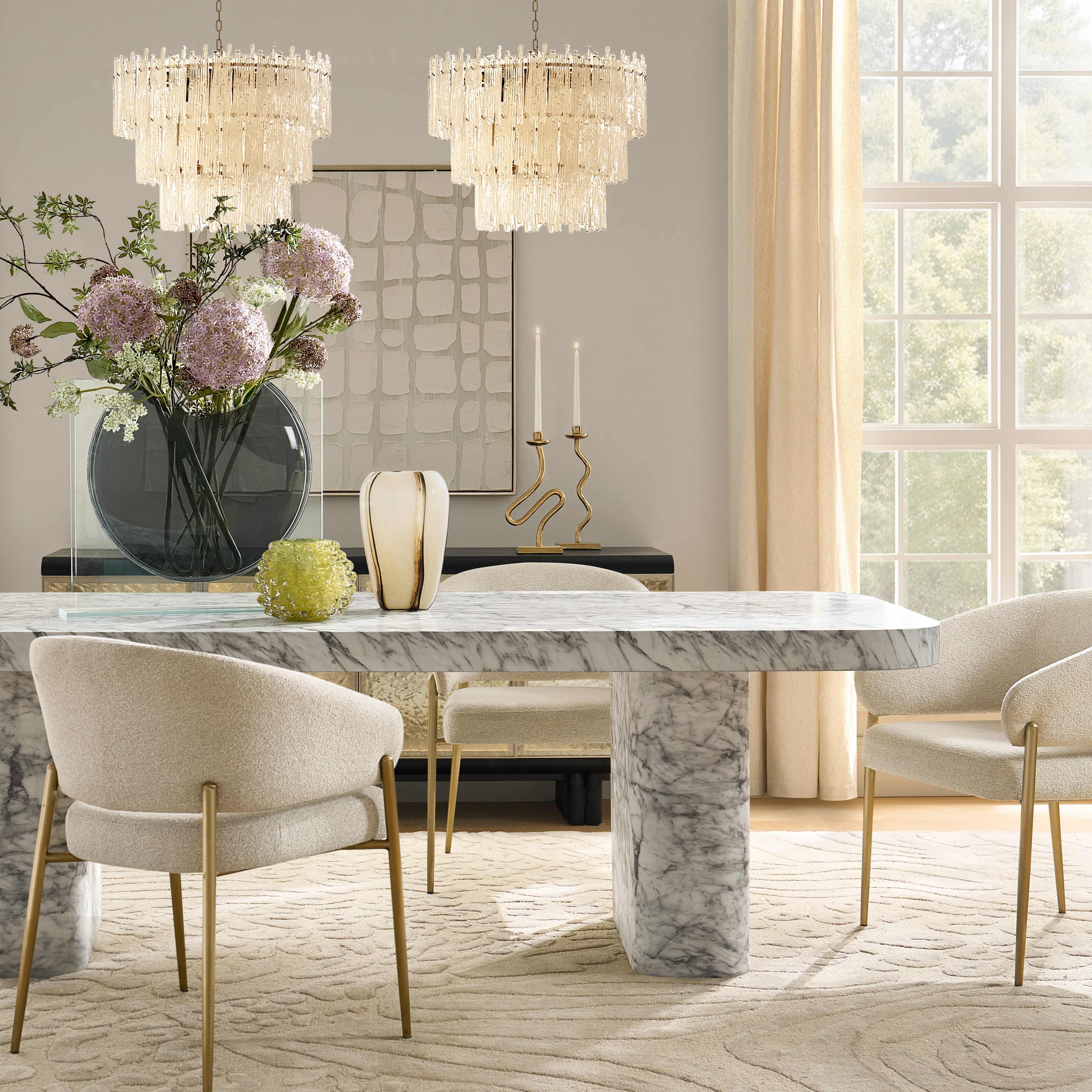 Nara Ivory Boucle Dining Chair Set Of 2$599
An ivory boucle dining chair set with a curved backrest and brushed stainless steel frame for modern elegance.
Add To Cart -
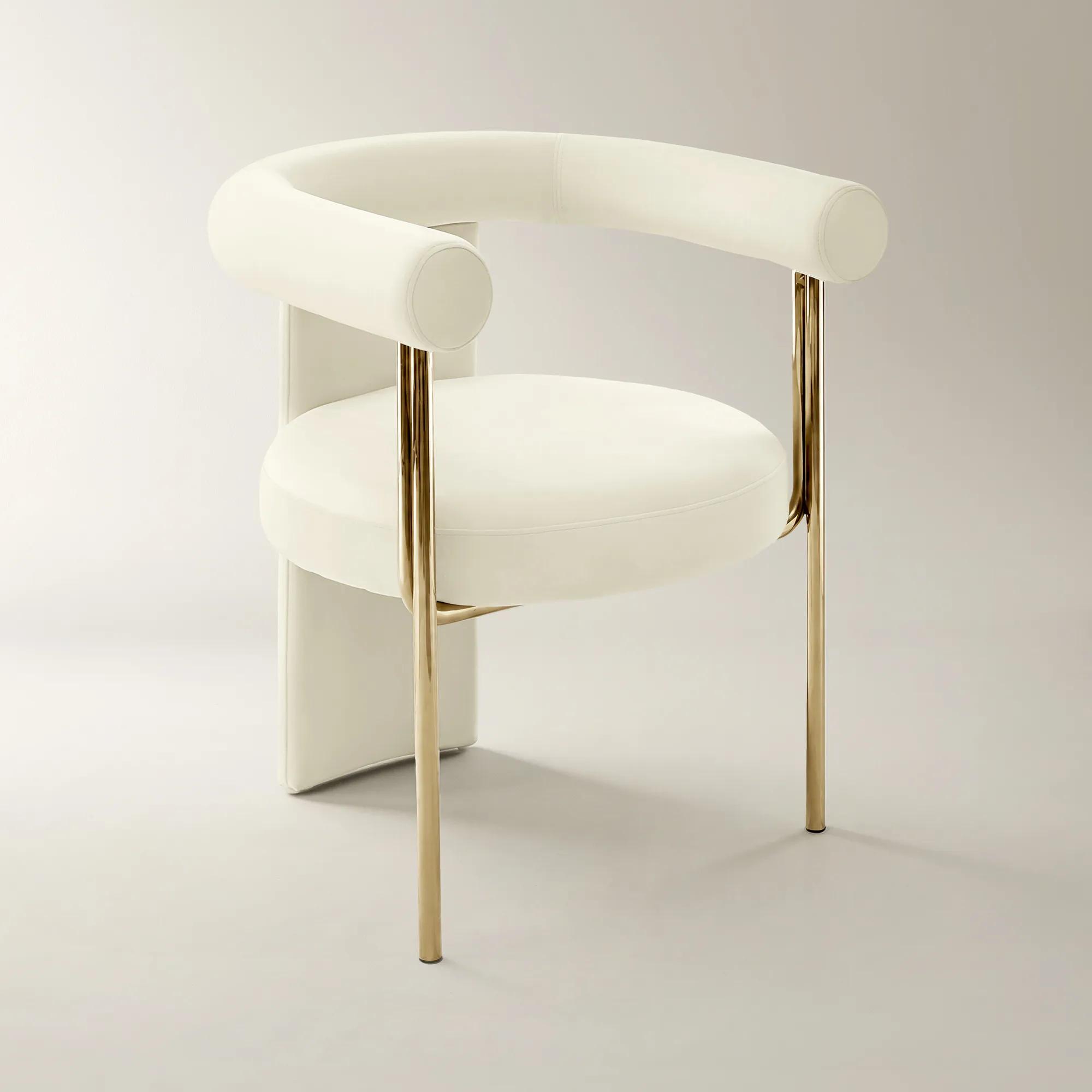 Davina Cloud Velvet Dining Chair Set Of 2$899
A set of two dining chairs featuring plush cloud velvet upholstery and a sculptural gold metal frame.
Add To Cart -
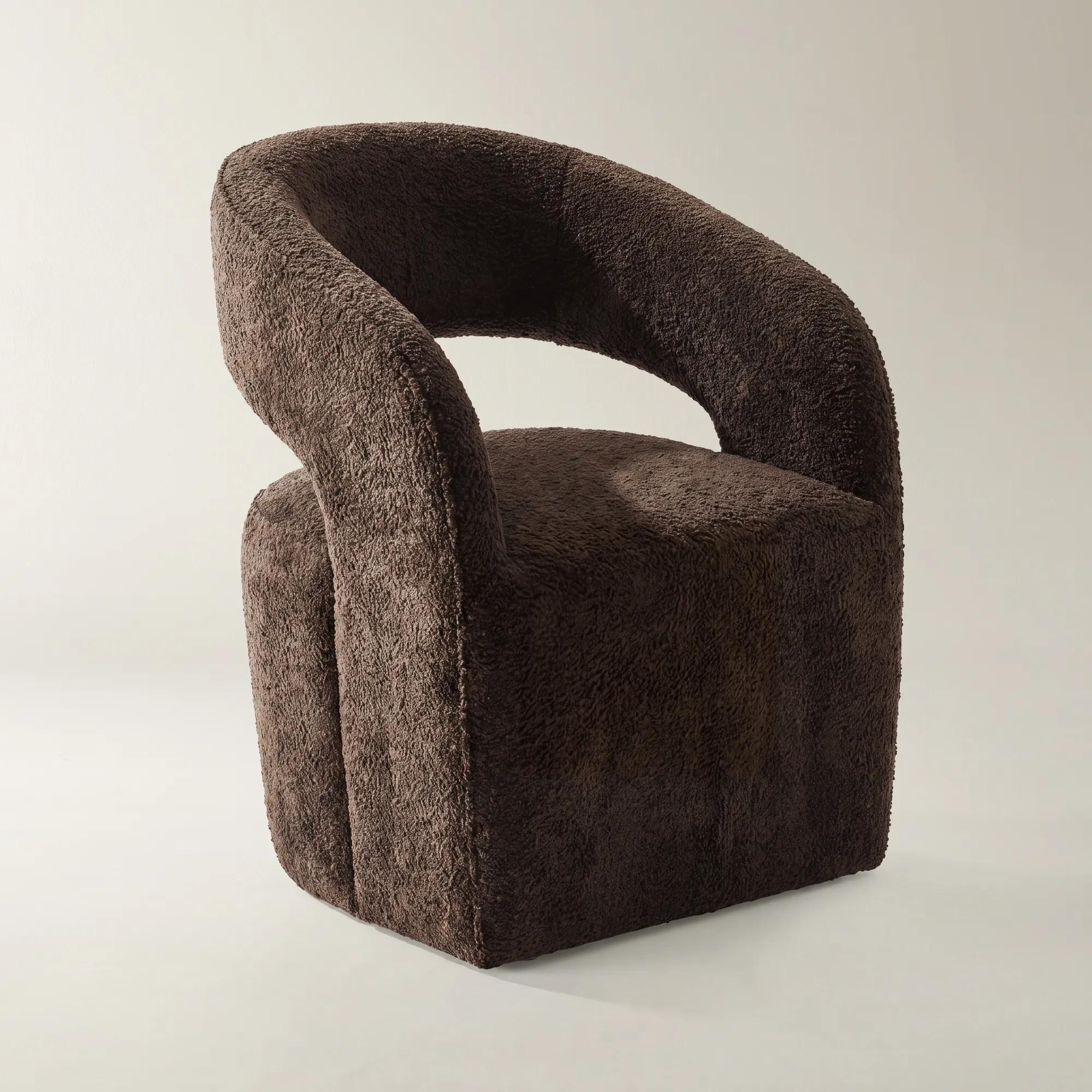
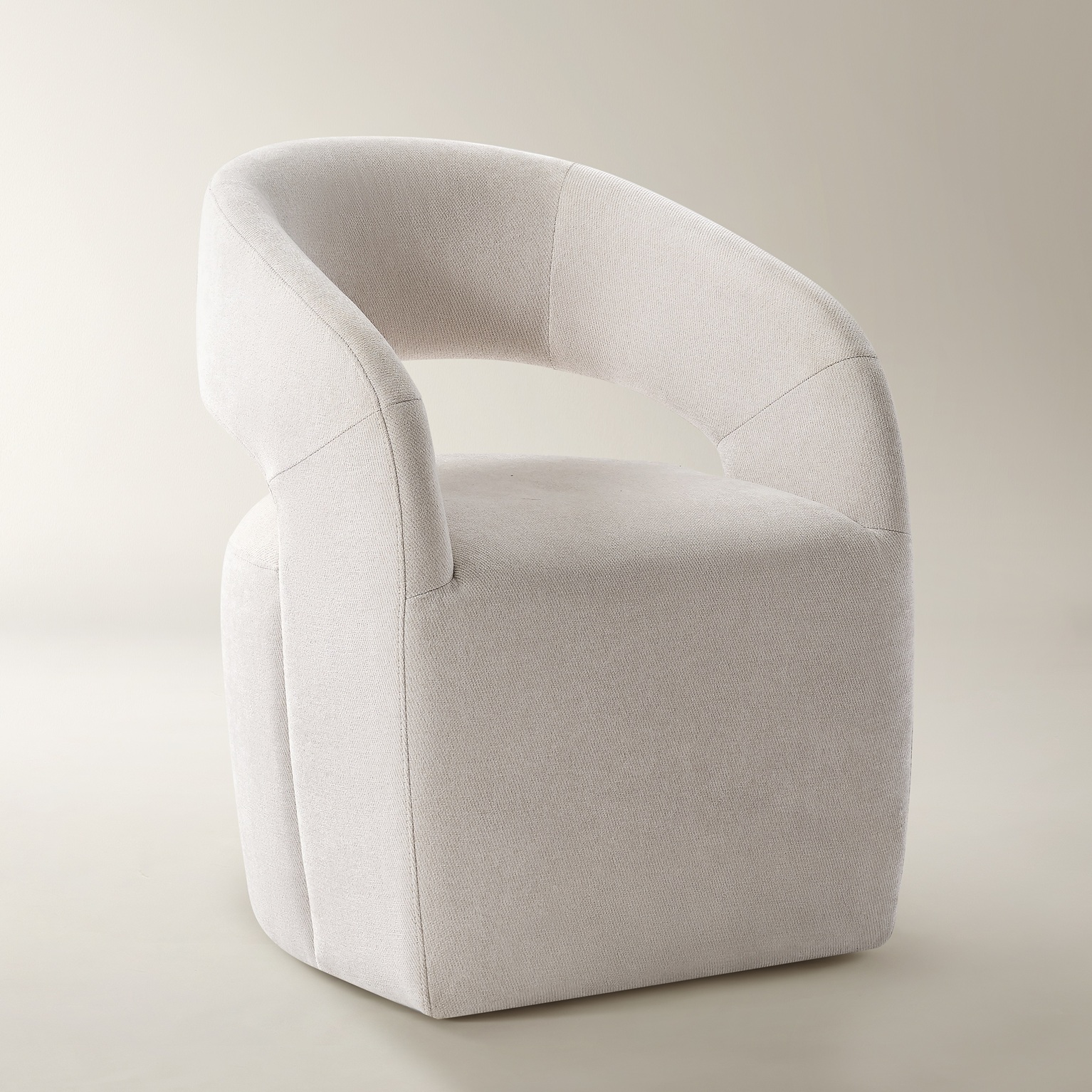 Harrison Dark Chocolate Chenille Dining Chair$499
A sculptural dining chair upholstered in dark chocolate chenille with feather-blend cushioning and curved arms.
Add To Cart -
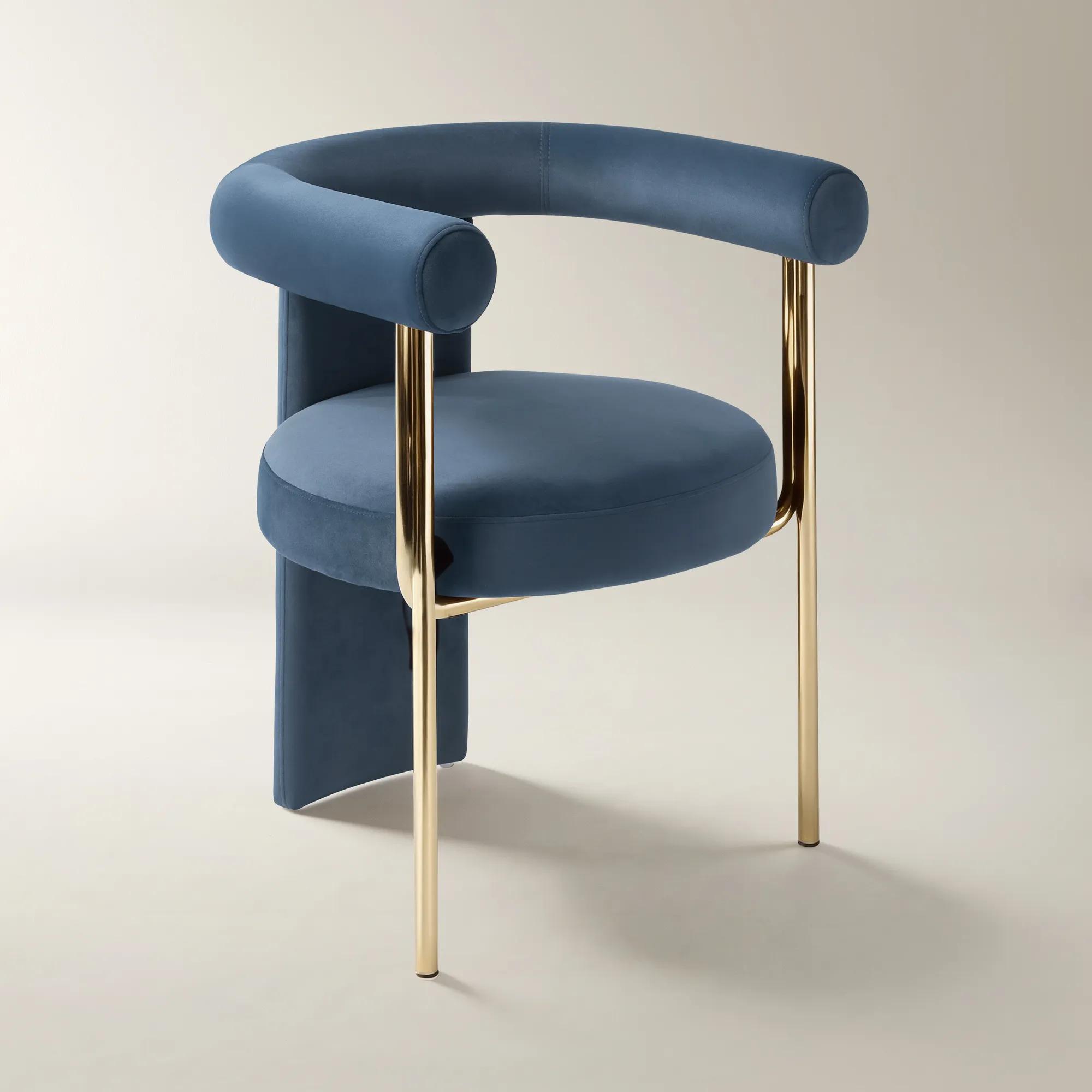 Davina Dusty Blue Velvet Dining Chair Set Of 2$899
A set of two dining chairs featuring dusty blue velvet upholstery and a polished gold metal frame.
Add To Cart

Modern French Dining Chairs
Modern French dining chairs invite a sense of Parisian allure to every gathering, transforming the everyday meal into an occasion worthy of admiration. With silhouettes that flirt between classic elegance and contemporary edge, these seating masterpieces capture the romance of French design—reimagined for today’s bold interiors. Whether gracing a sunlit breakfast nook or anchoring a grand dining tableau, modern French dining chairs embody a spirit of effortless sophistication and artistry. Each piece promises to elevate your space with sculptural lines, sumptuous textures, and that unmistakable je ne sais quoi only true style can deliver.
Modern French dining chairs blend recognizable French silhouettes with cleaner lines, restrained ornament, and contemporary materials. Oval backs, gently curved frames, tapered or fluted legs, and upholstered seats draw on a decorative tradition that values proportion as much as detail. Modern interpretations preserve that elegance while allowing the outline to feel lighter and more sculptural, creating seating that brings character to a dining room without overwhelming the table. A medallion-shaped back can become an architectural accent against a plain wall; a softly rounded seat can temper the crisp edges of a glass or stone tabletop. The effect is polished but inviting, with enough visual drama to make the dining area feel deliberately composed. Within the broader vocabulary of French Style Dining Chairs, these contemporary expressions favor thoughtful contrasts: pale upholstery against dark wood, a luminous metal accent beside a matte finish, or woven cane framed by a precise, streamlined silhouette. French-inspired design is not limited to elaborate carving or distressed finishes. Its presence can be as subtle as a curved back rail, a slender leg, or the graceful way an arm meets the seat. Those details make the style especially compelling in interiors that mix eras. Around a substantial pedestal table, refined chair frames introduce air and rhythm; beside a sleek rectangular table, rounded backs soften the composition. An all-upholstered arrangement feels enveloping and tailored, while exposed wood or cane introduces texture and a more open visual profile. Color establishes another layer of personality. Ivory, taupe, and charcoal allow shape and finish to lead, while saturated upholstery can turn each chair into a richly colored element within the room. Repeating one finish or fabric tone across the arrangement creates cohesion without requiring every furnishing to match, leaving space for expressive lighting, oversized artwork, and table settings with their own distinct point of view.
Materials give modern French dining chairs much of their personality, but they also shape how the seating performs through everyday use. Wood frames offer warmth and definition, with visible grain, painted surfaces, or polished finishes creating markedly different moods. For durability, the quality of the joints and the stability of the assembled frame matter alongside the wood species; a substantial appearance alone does not establish strength. Upholstery brings softness to the silhouette and makes the chair feel more welcoming for meals that linger. Velvet introduces depth as its pile catches the light, woven fabrics create a more tactile surface, and leather offers a tailored appearance with care needs that vary by finish. Fabric composition, abrasion performance, and cleaning requirements deserve attention, particularly in a dining area used for breakfast, homework, and entertaining alike. A performance designation should be evaluated against the stated specifications rather than treated as a promise that a fabric cannot stain. For households with children or frequent guests, upholstery with documented stain resistance and accessible cleaning instructions can make a richly dressed dining space easier to enjoy. Pale fabrics create a luminous effect, though spills and marks may be more noticeable; textured or variegated weaves can make minor signs of use less conspicuous. Cane backs lend transparency and intricate pattern, but the woven panel should not be treated as a handle or subjected to concentrated pressure. Metal details add a gleaming counterpoint and benefit from gentle cleaning that respects their finish. Regular care is usually a matter of consistency rather than elaborate treatment: remove crumbs with an appropriate vacuum attachment, blot spills promptly instead of rubbing, and follow the manufacturer’s instructions before applying any cleaner. Wood finishes generally call for a soft cloth and protection from abrasive products, while velvet may need careful brushing in the direction of the pile if its care instructions permit it. Floor protectors suited to the flooring help reduce scratches and should be checked periodically for trapped grit. These small habits preserve the chair’s decorative presence while supporting its role as furniture meant to be lived with.
Proportion determines whether an elegant dining chair also feels effortless at the table. Seat height, overall width, back height, and arm placement all contribute to that balance, especially when French-inspired curves extend beyond the seat itself. A common starting point is approximately 10 to 12 inches between the seat and tabletop, though a deep table apron can reduce usable legroom and should be measured separately. Upholstered seats may compress during use, and arms need enough clearance to slide beneath the table if a tucked-in arrangement is desired. Allowing roughly 24 inches of table edge per place setting can help establish an initial seating plan, but wider chairs and generous arms often require more room. The goal is an arrangement where guests can settle in, move their elbows, and leave the table without disturbing the entire row. In a compact dining area, armless silhouettes and open backs can preserve a sense of space; in a larger room, taller upholstered backs can give the table the presence its scale demands. A pair of armchairs at the ends introduces a composed, slightly ceremonial rhythm, while matching side chairs maintain continuity along the length. Comfort depends on more than cushioning alone. Seat depth, the angle of the back, and supportive construction influence how a chair feels during a brief morning meal versus an extended dinner. Hosts who enjoy multiple courses may favor a more cushioned seat and a supportive back, while a multipurpose dining space may benefit from chairs that move easily between the table and an adjacent conversation area. Clearance behind the seating matters, too: approximately 36 inches between the table edge and a wall or nearby furnishing is a useful starting point, with more space needed along busy walkways. A rug should extend far enough that chair legs remain supported when pulled out for sitting. With those practical relationships resolved, modern French dining chairs can deliver their full decorative impact: graceful silhouettes framing a bold centerpiece, sumptuous upholstery echoing the artwork, and finely considered details turning an everyday meal into a beautifully composed occasion.
FAQs
Modern French dining chairs are defined by their seamless blend of classic French elegance and contemporary design. Expect sculptural forms, graceful curves inspired by traditional Louis styles, and luxurious materials such as velvet, linen, or rattan. The palette ranges from soft neutrals to rich jewel tones, often highlighted by refined details like cane backs, tufting, or tapered legs, creating a look that is both sophisticated and inviting.
French dining chairs are remarkably versatile, making them a stunning addition to both minimalist and maximalist interiors. Pair black French dining chairs with a sleek glass table for Parisian drama, or soften a modern space with cream or beige upholstered chairs for a touch of French Country charm. Layering textures—like mixing cane with velvet—adds depth and visual intrigue, while the sculptural lines of contemporary French furniture bring a sense of artistry and refinement to any dining area.
Absolutely. The distinctive silhouettes and luxe finishes of French dining chairs allow them to serve as both functional seating and captivating design elements in open-concept homes. Use them to define a dining zone within a larger space, or let an accent chair French in style anchor a reading nook or entryway vignette. Their versatility ensures they complement a variety of settings while adding a curated, cohesive feel.
Contemporary French dining chairs often showcase a harmonious mix of materials: natural or limed woods, glossy lacquered finishes, sculpted metals, and tactile fabrics such as velvet, linen, or leather. Caned and rattan accents are popular for their timeless appeal, while plush upholstery and subtle metallic details evoke a sense of Parisian luxury. Each material is chosen to enhance both comfort and visual impact.
French dining chairs are an inspired gift for those who appreciate artistry and design—ideal for housewarmings, weddings, or milestone celebrations. Their enduring craftsmanship and expressive style offer recipients a daily reminder of elegance and comfort, transforming any dining room into a sophisticated gathering space that reflects personal taste and a love of beautiful living.


