Luxury French Style Chairs
Luxury French Style Chairs
-
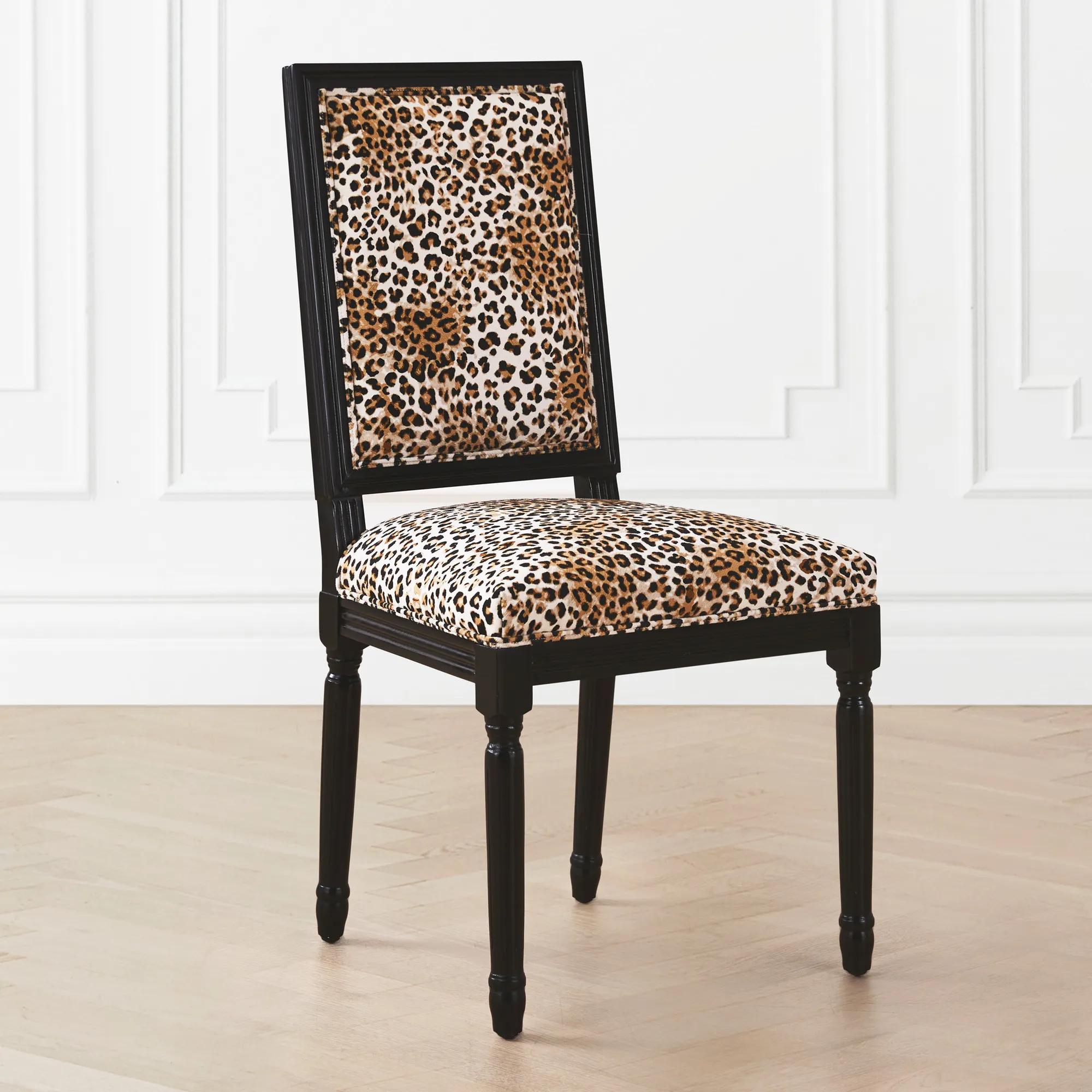
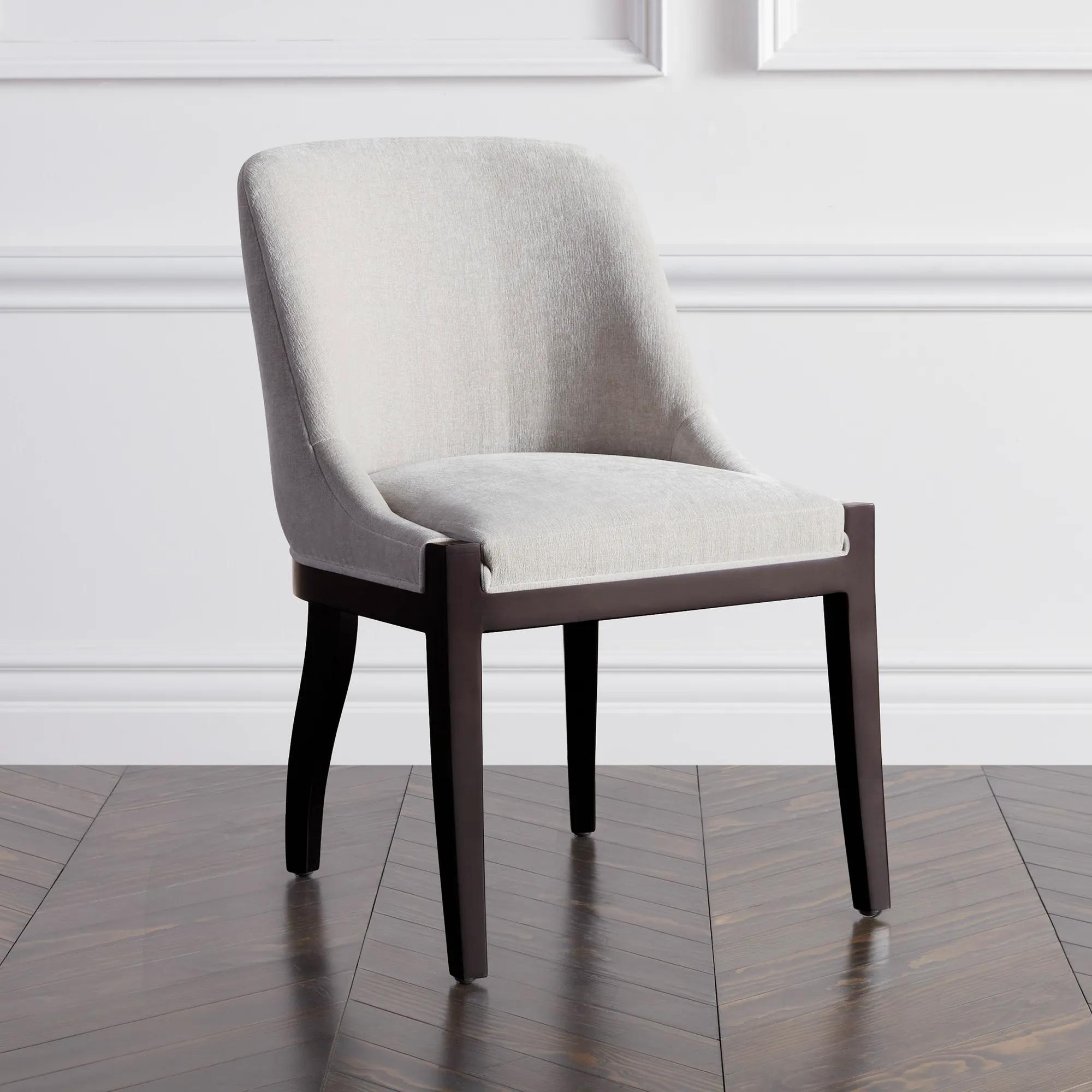
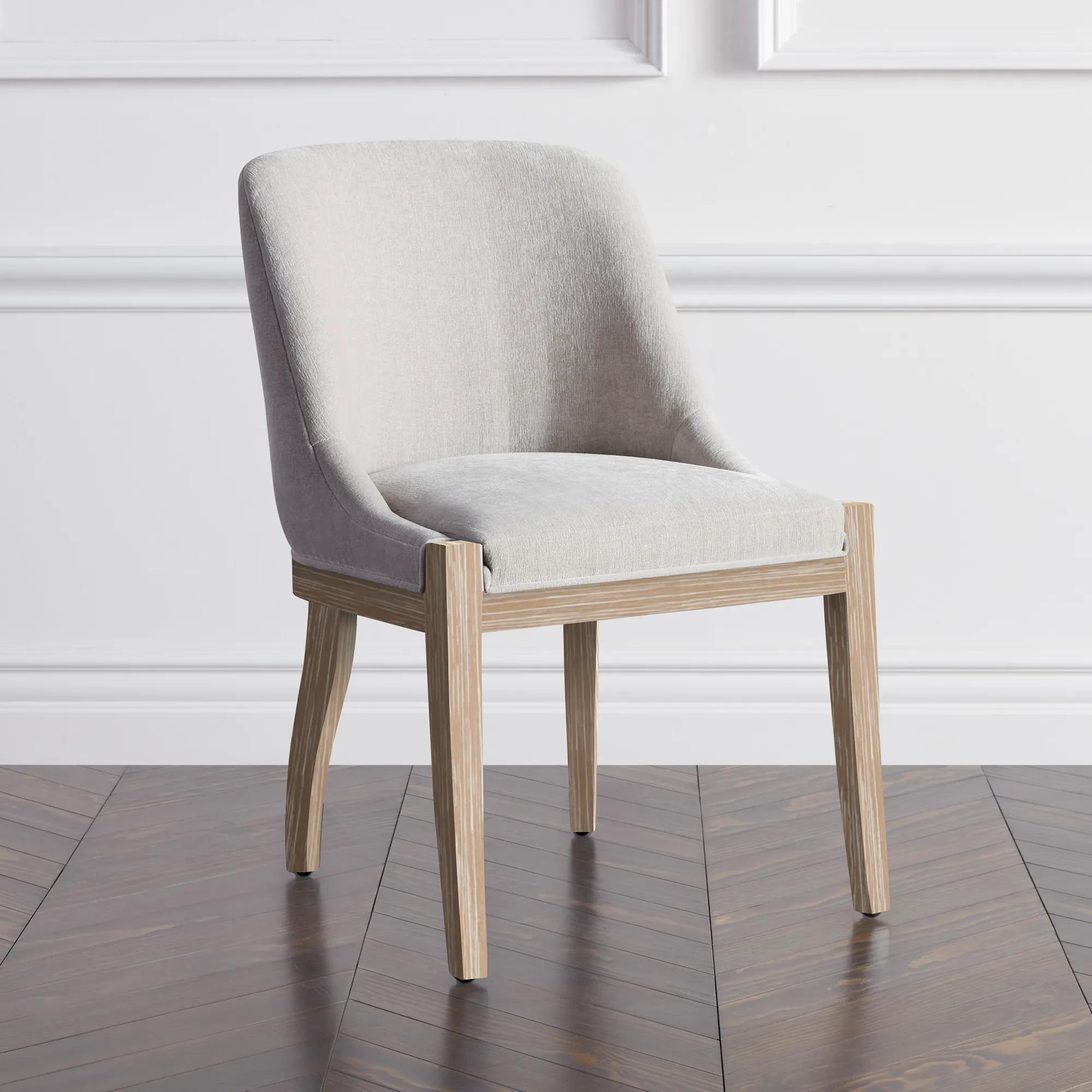
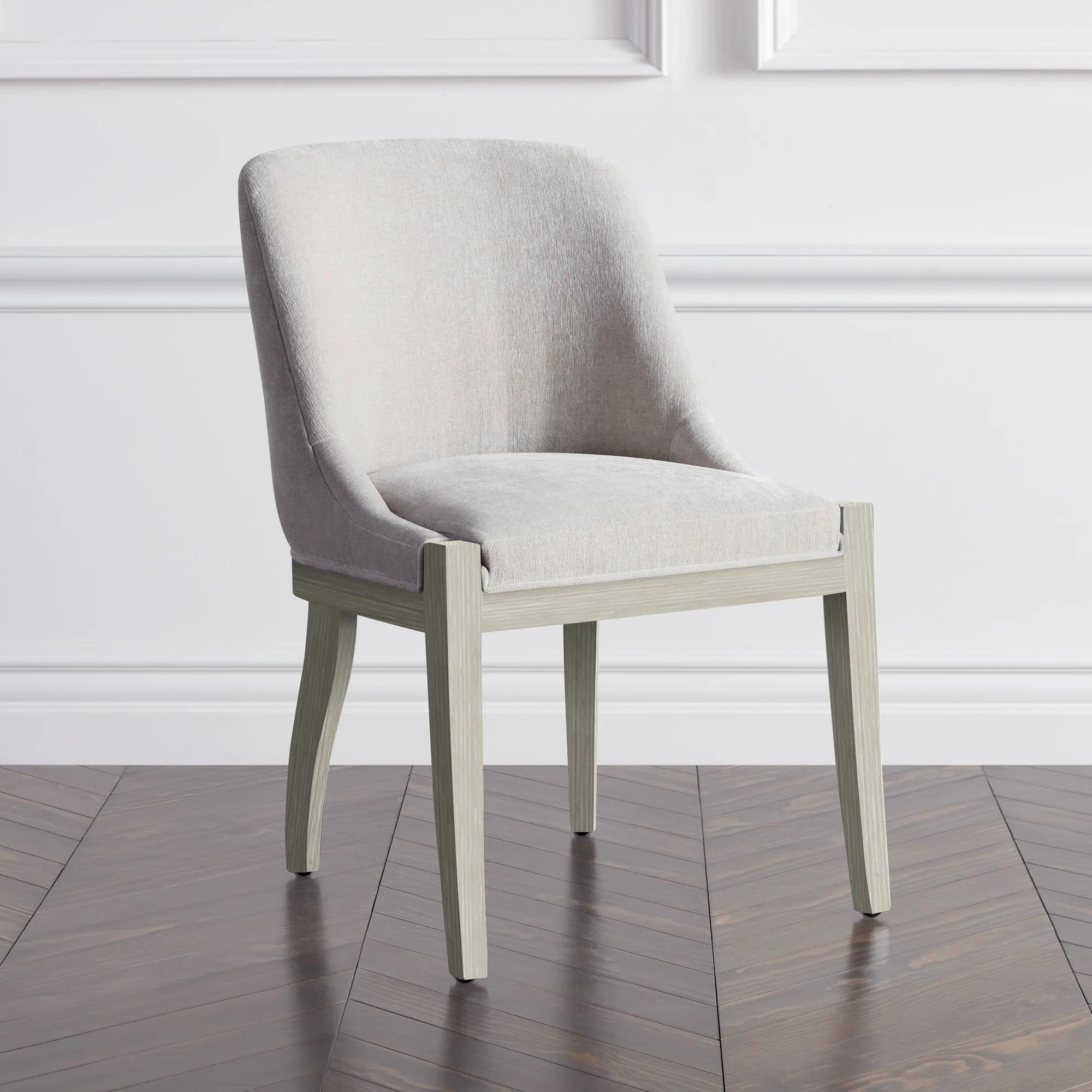
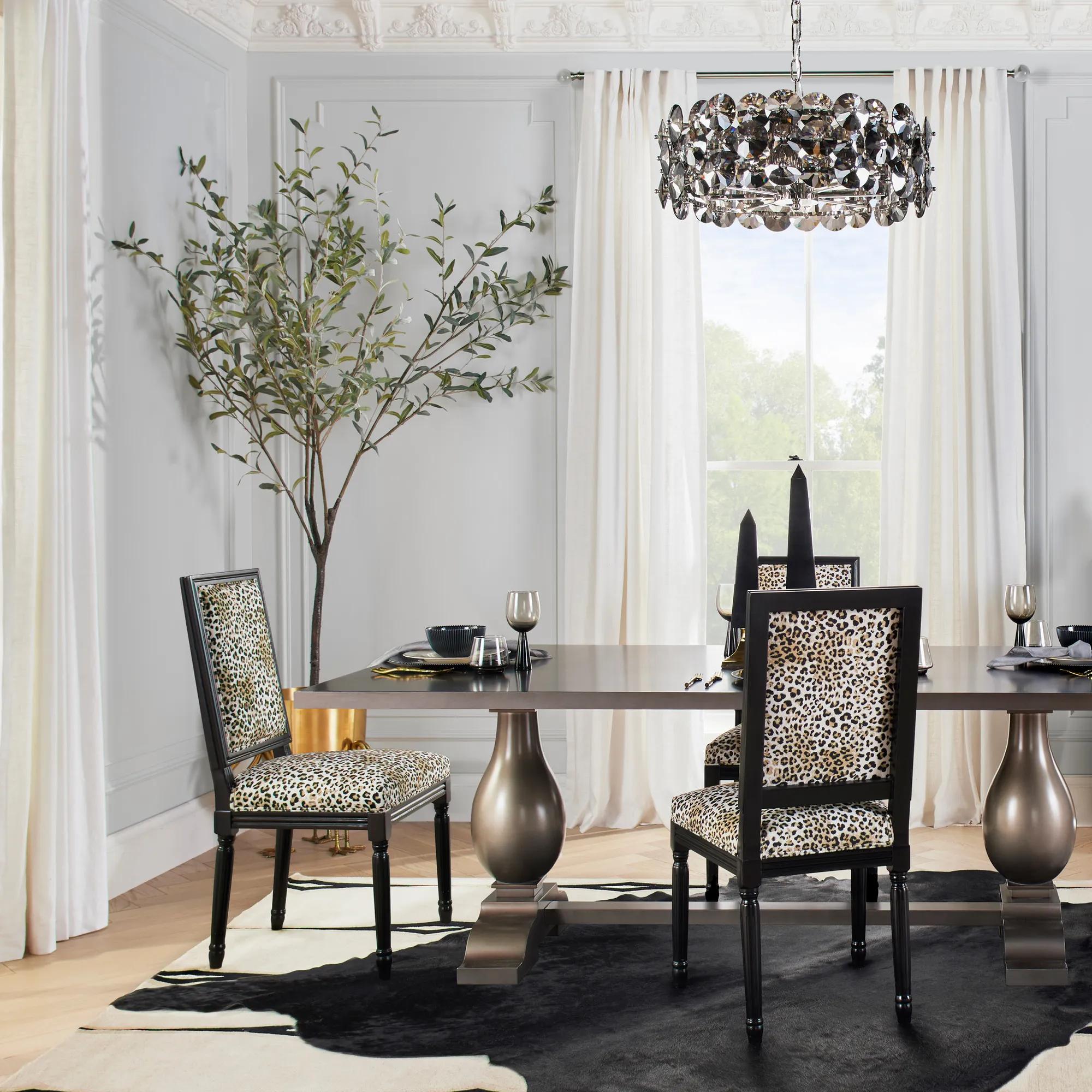 Callan Dining Chair$599
A handcrafted modern chair featuring classic upholstery, squared back, fluted legs, and high-gloss finish.
Add To Cart -
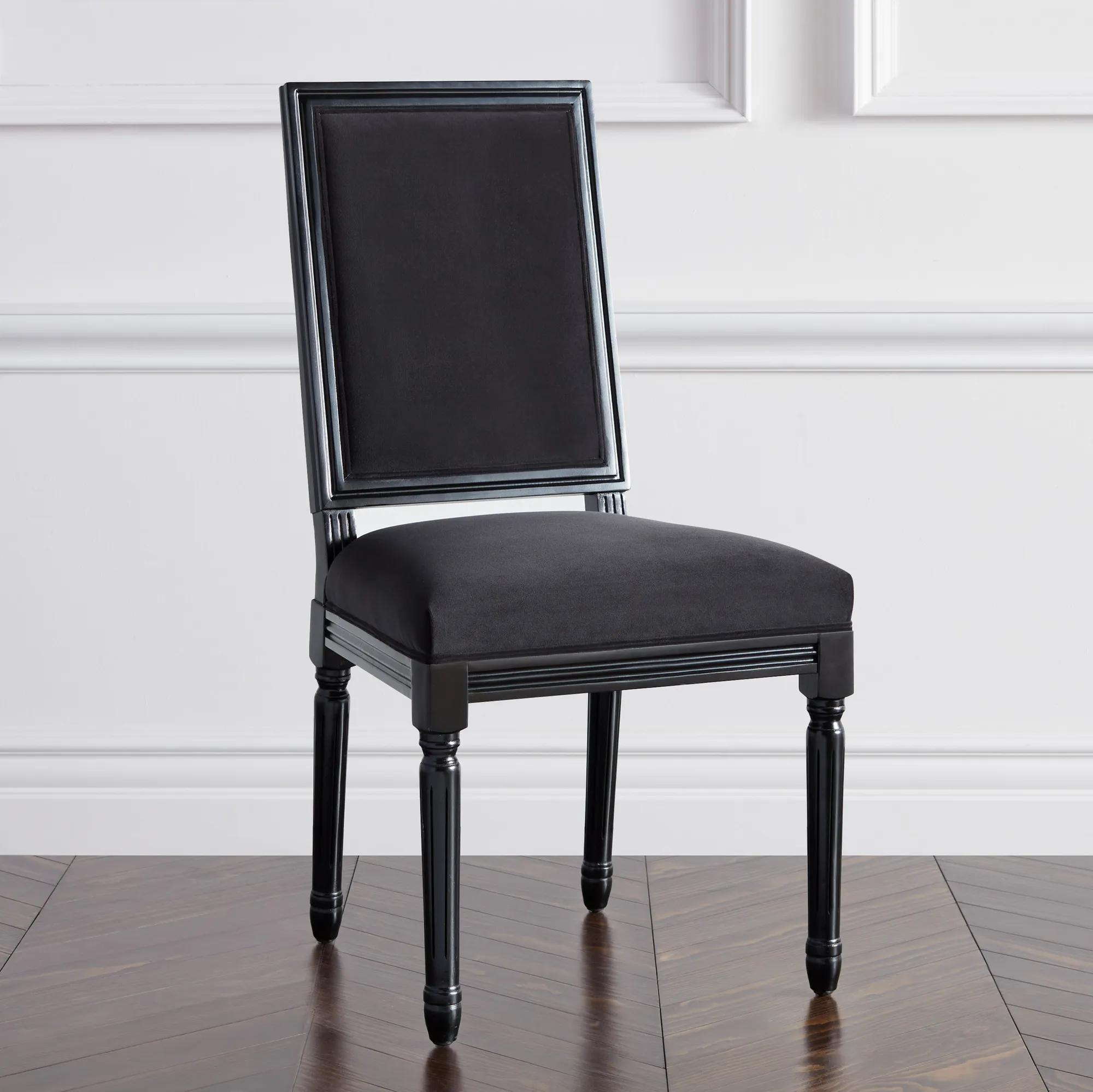
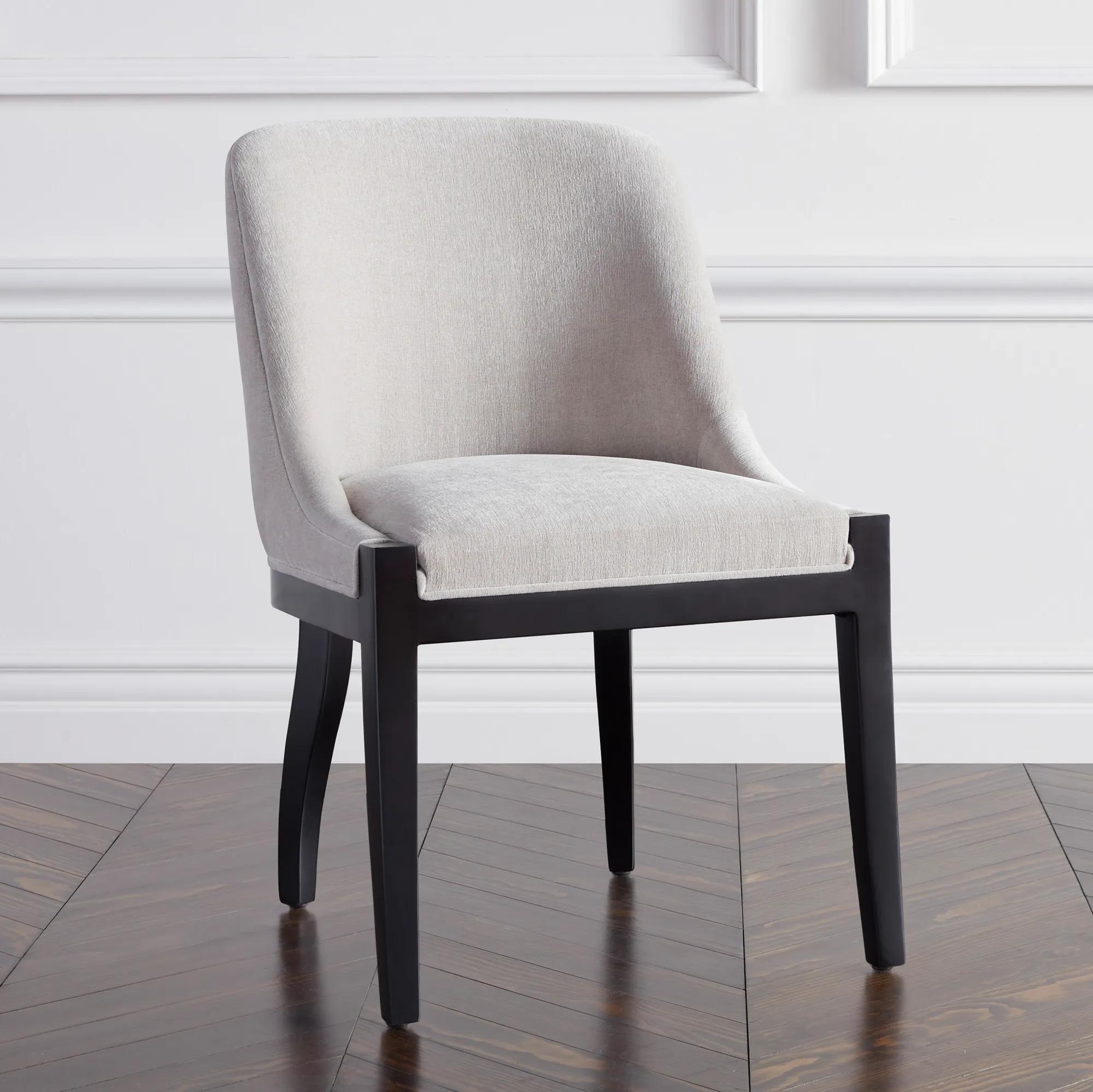
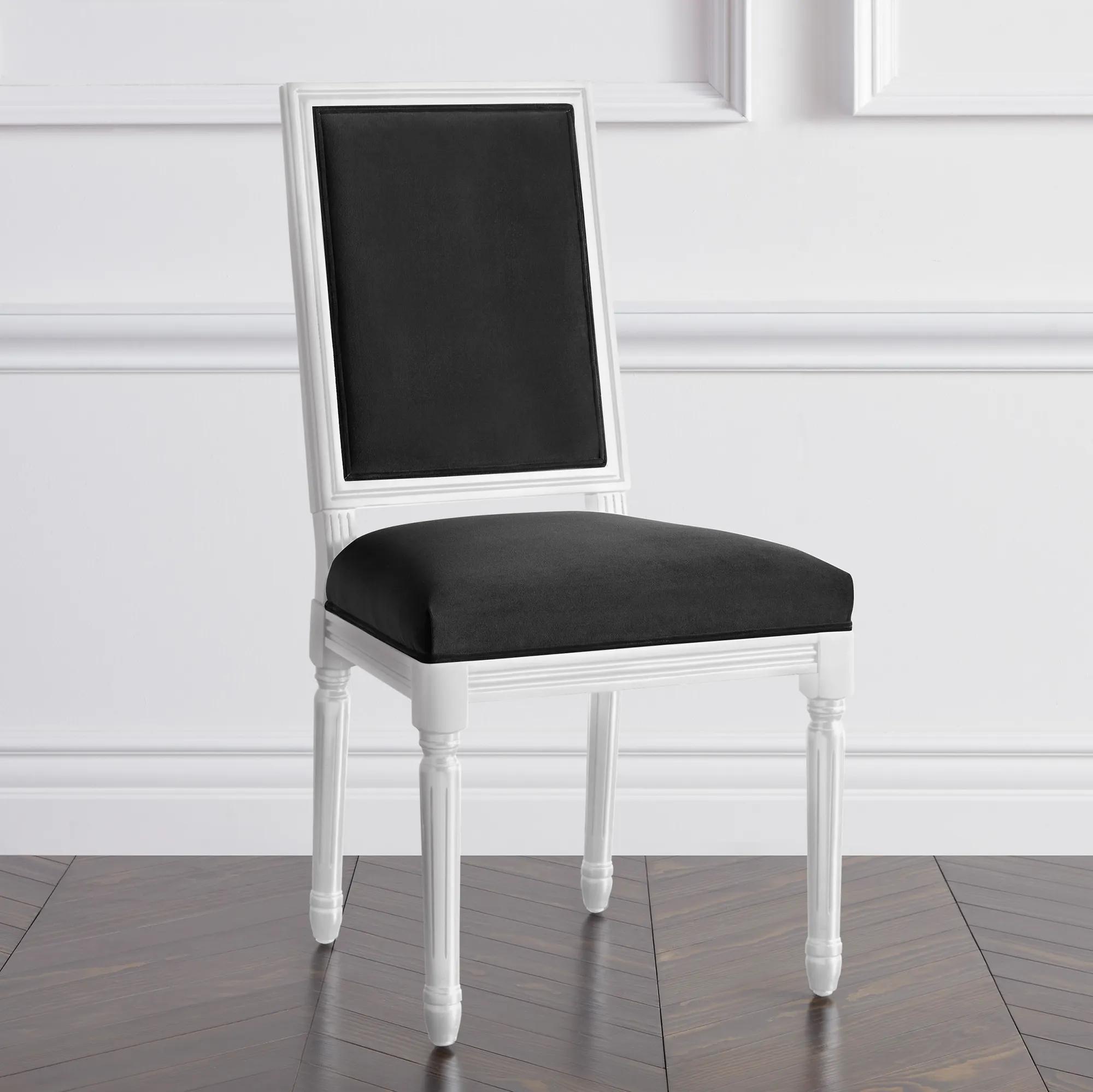
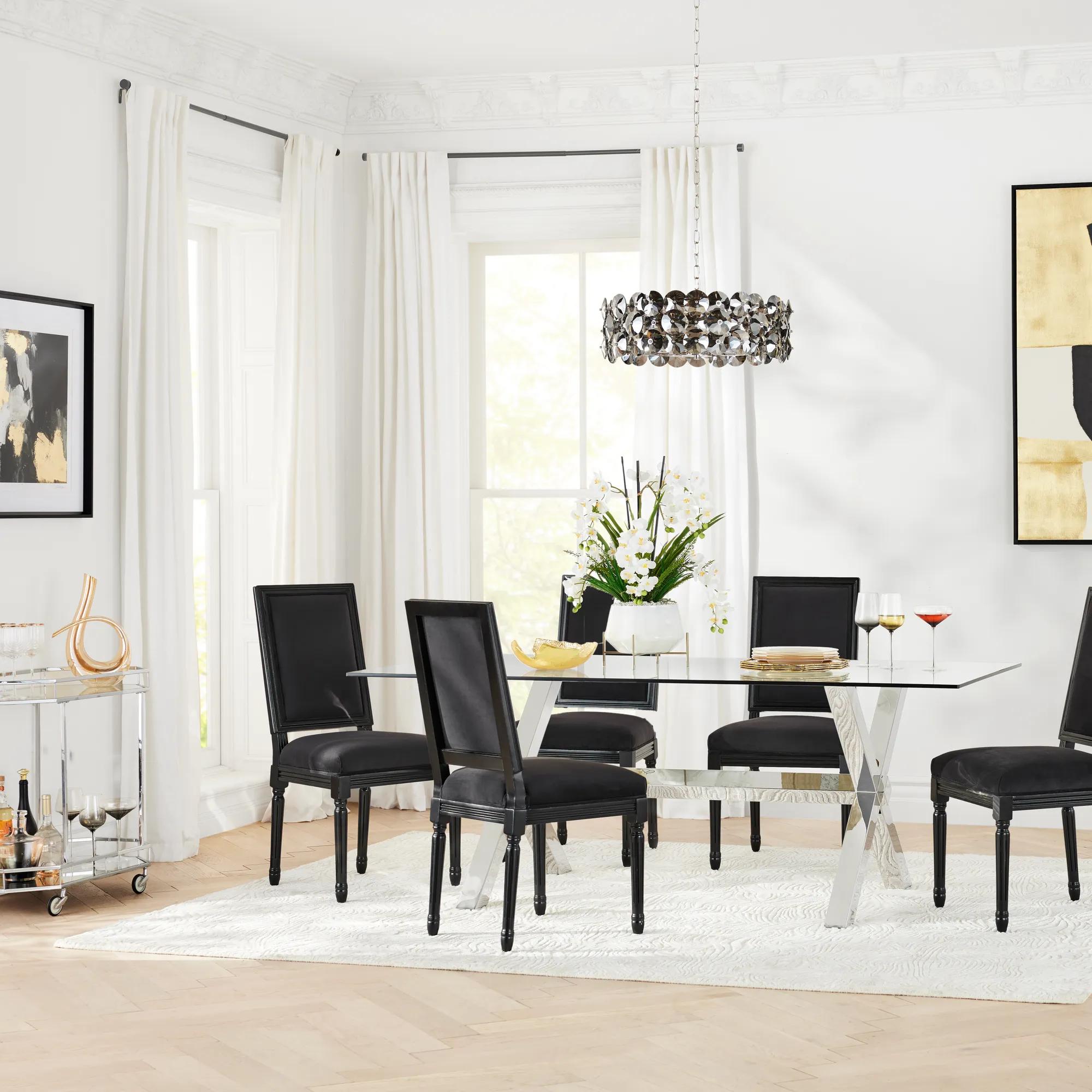 Callan Dining Chair - High Gloss Black$599
A handcrafted dining chair featuring high-gloss black Bella Velvet upholstery, fluted legs, and a squared back.
Add To Cart -
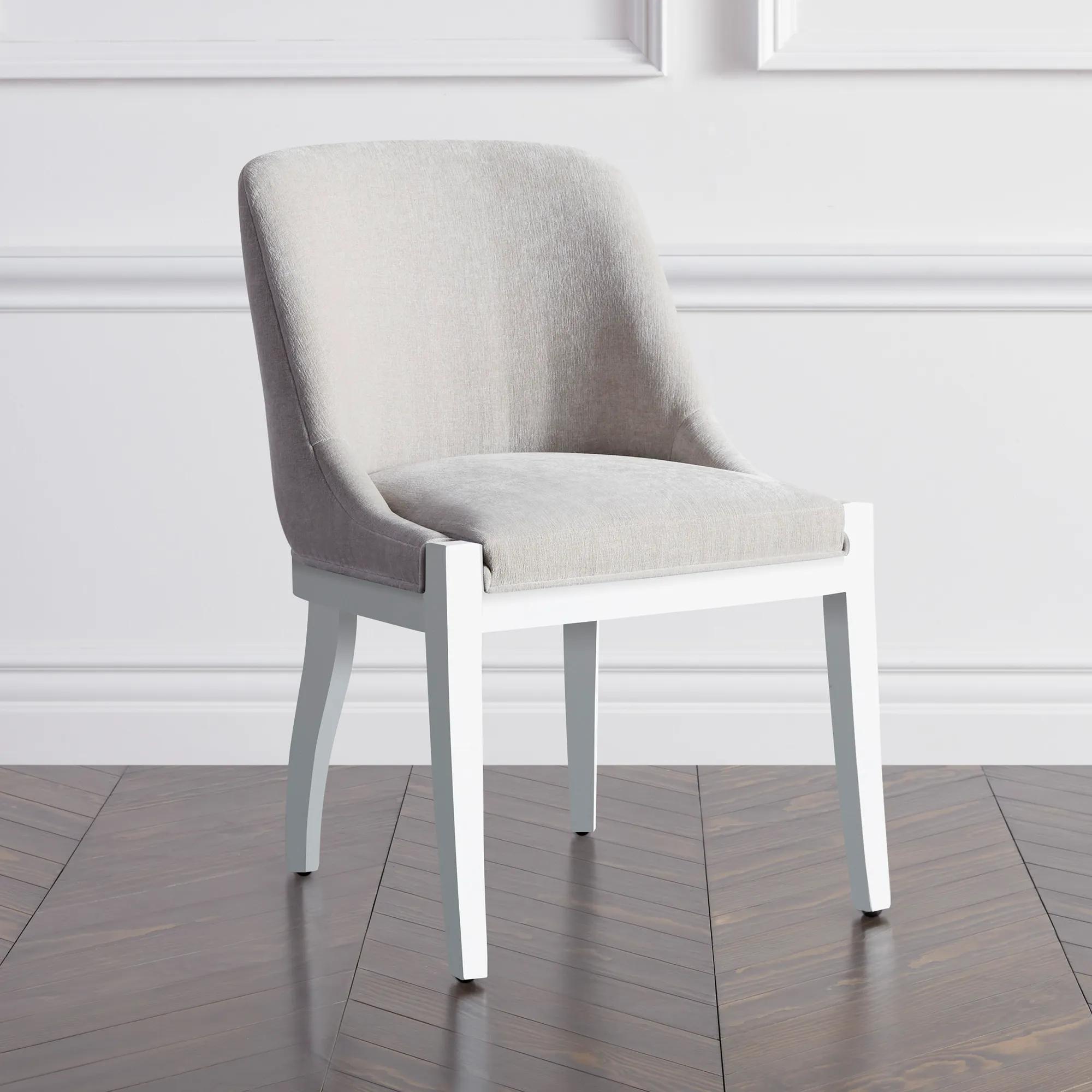
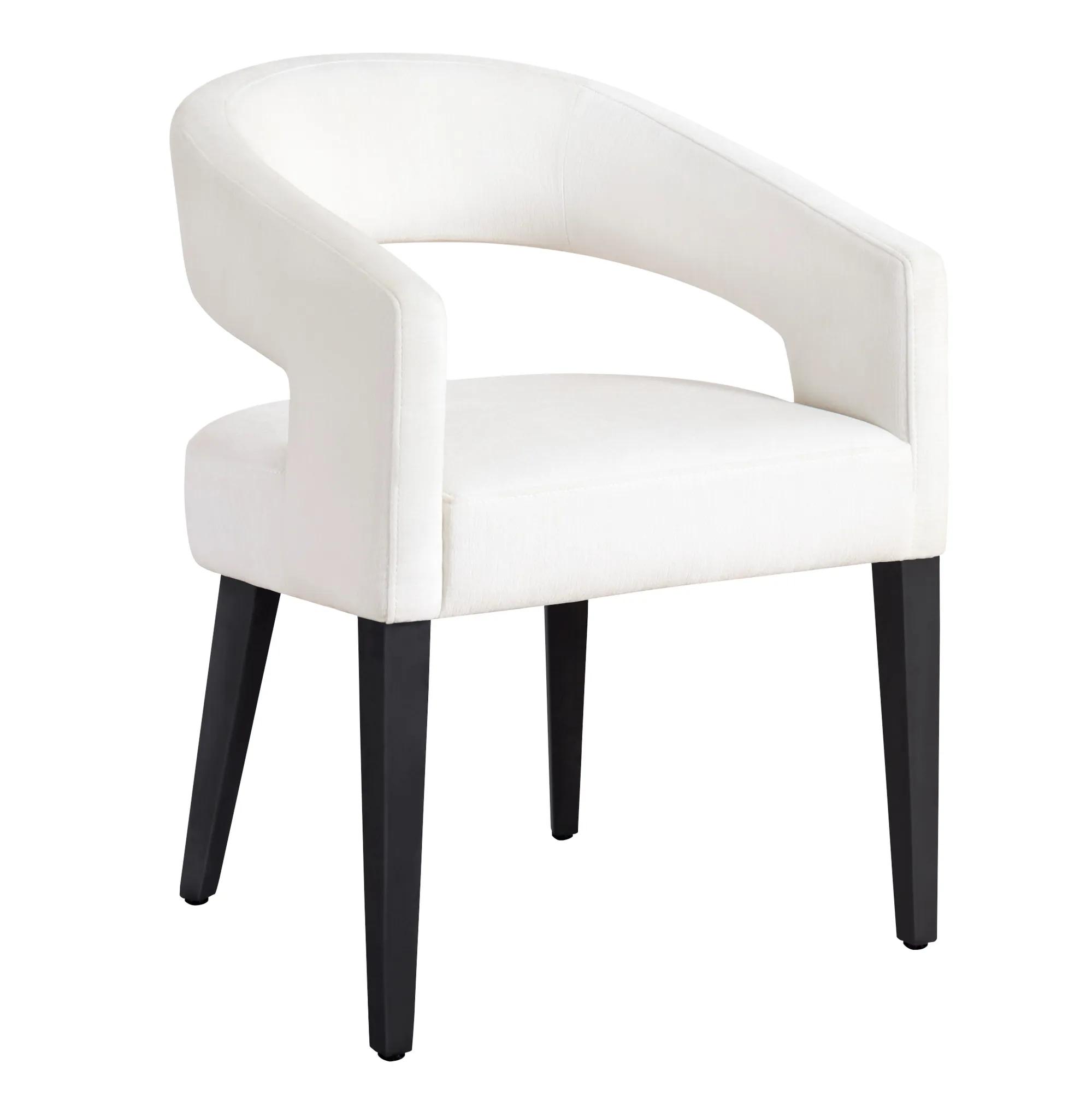
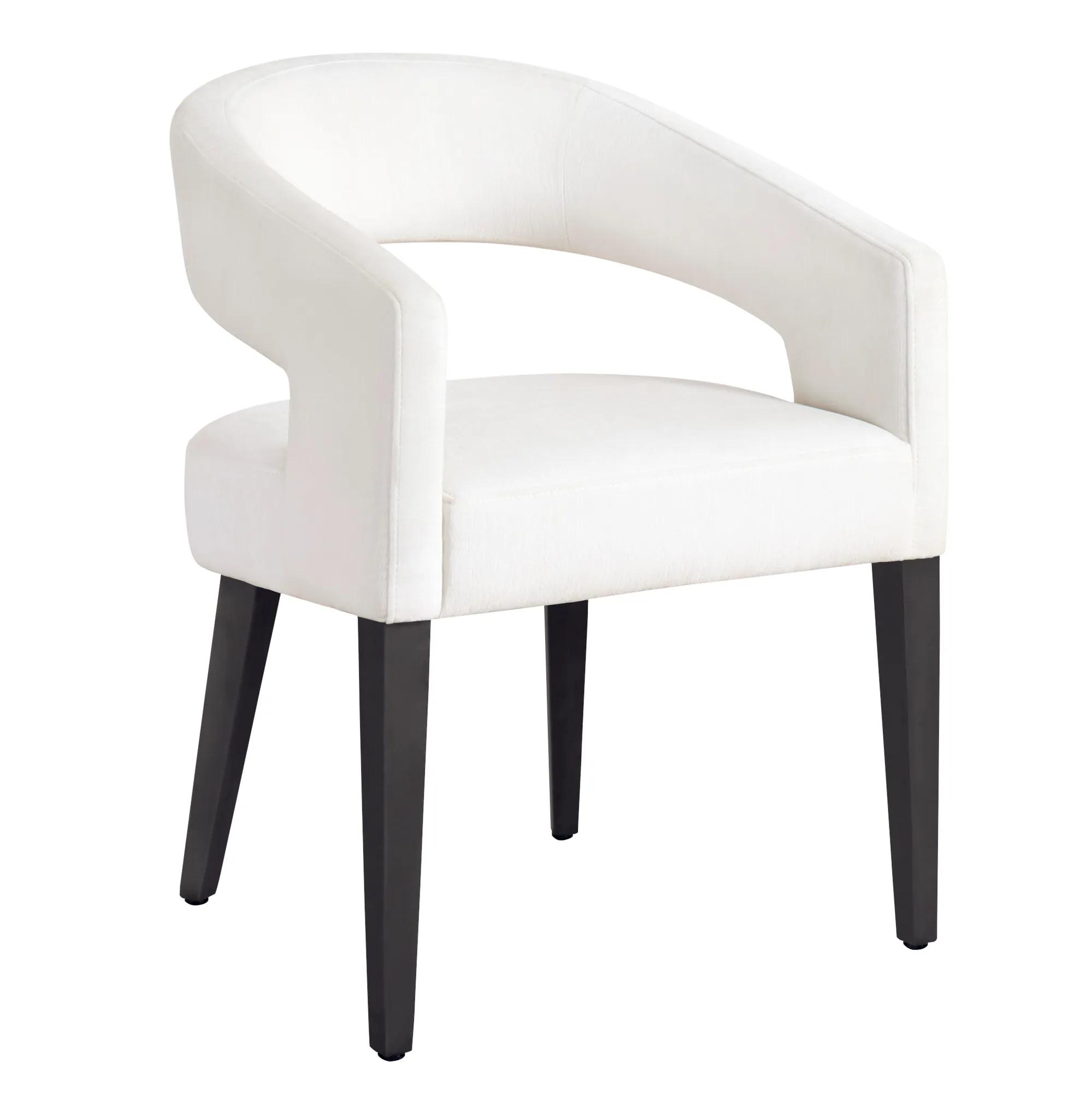
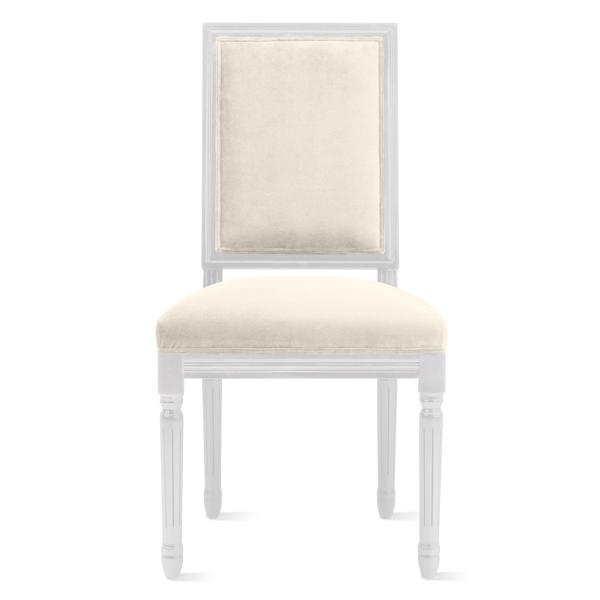 Callan Dining Chair - High Gloss White$599
A handcrafted dining chair featuring a high-gloss white finish, kiln-dried hardwood frame, and plush upholstery.
Add To Cart -
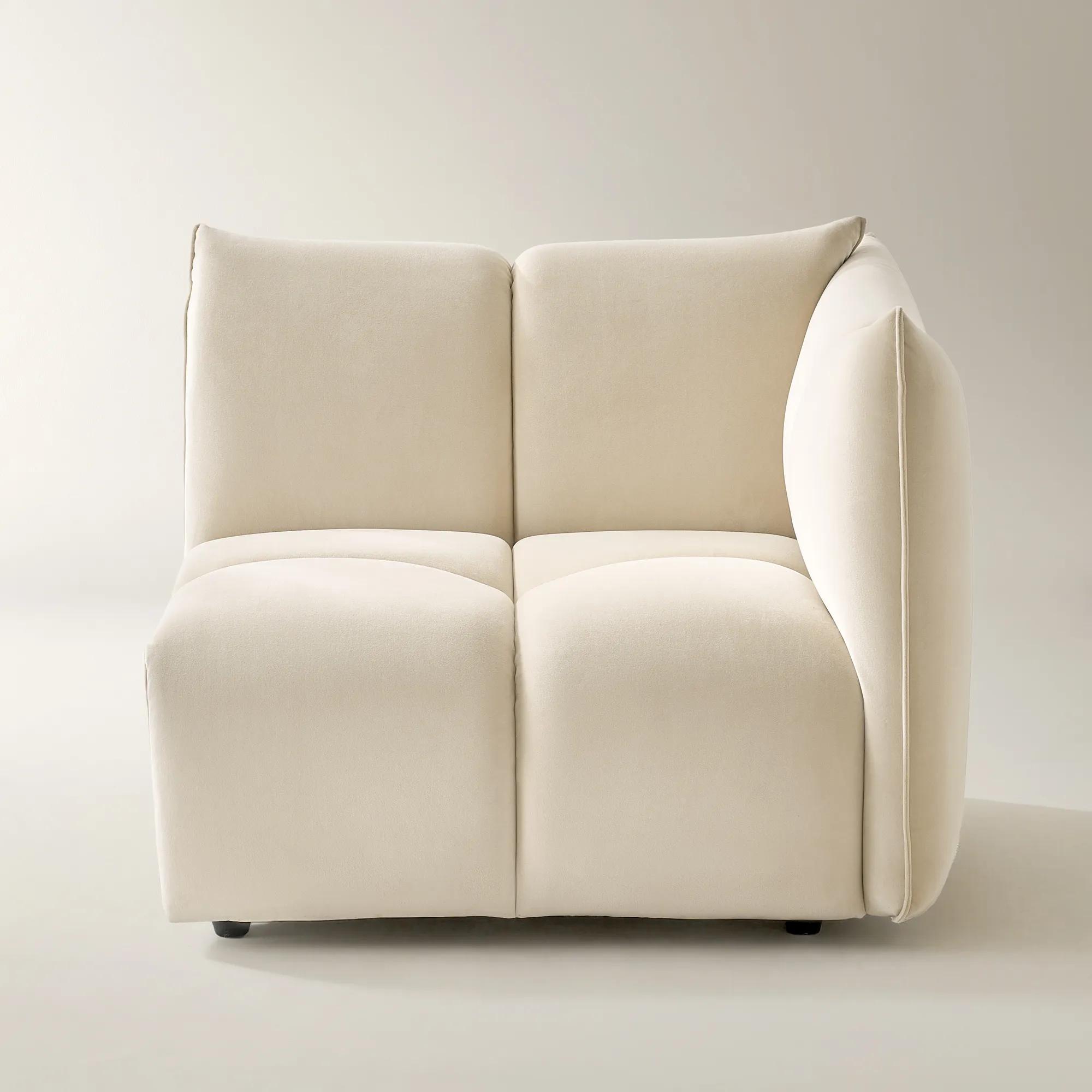
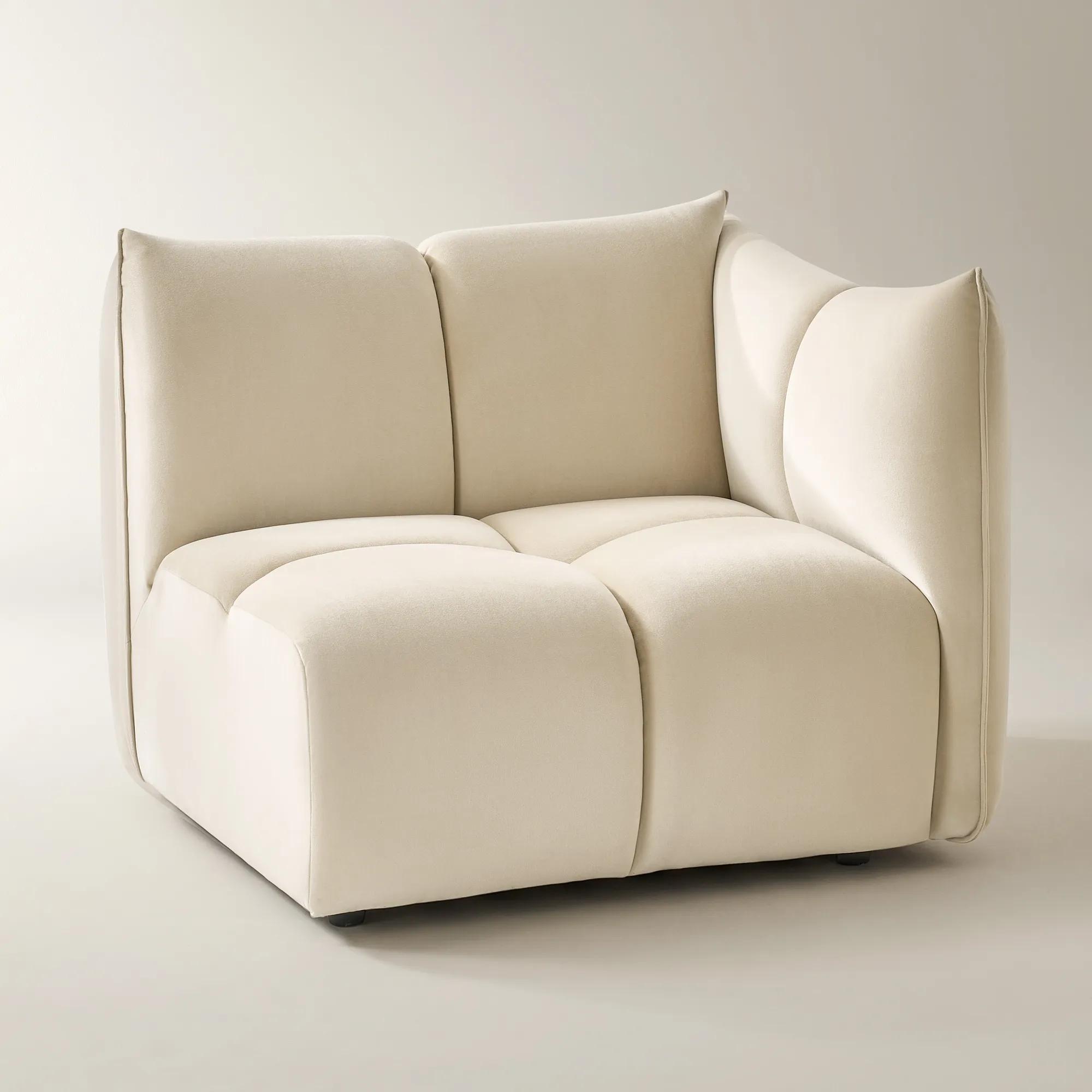 Reina Tufted Oatmeal Velvet Right-Arm Chair$899
A right-arm chair in oatmeal velvet featuring channel tufting, winged sides, and deep, plush seating.
Add To Cart -
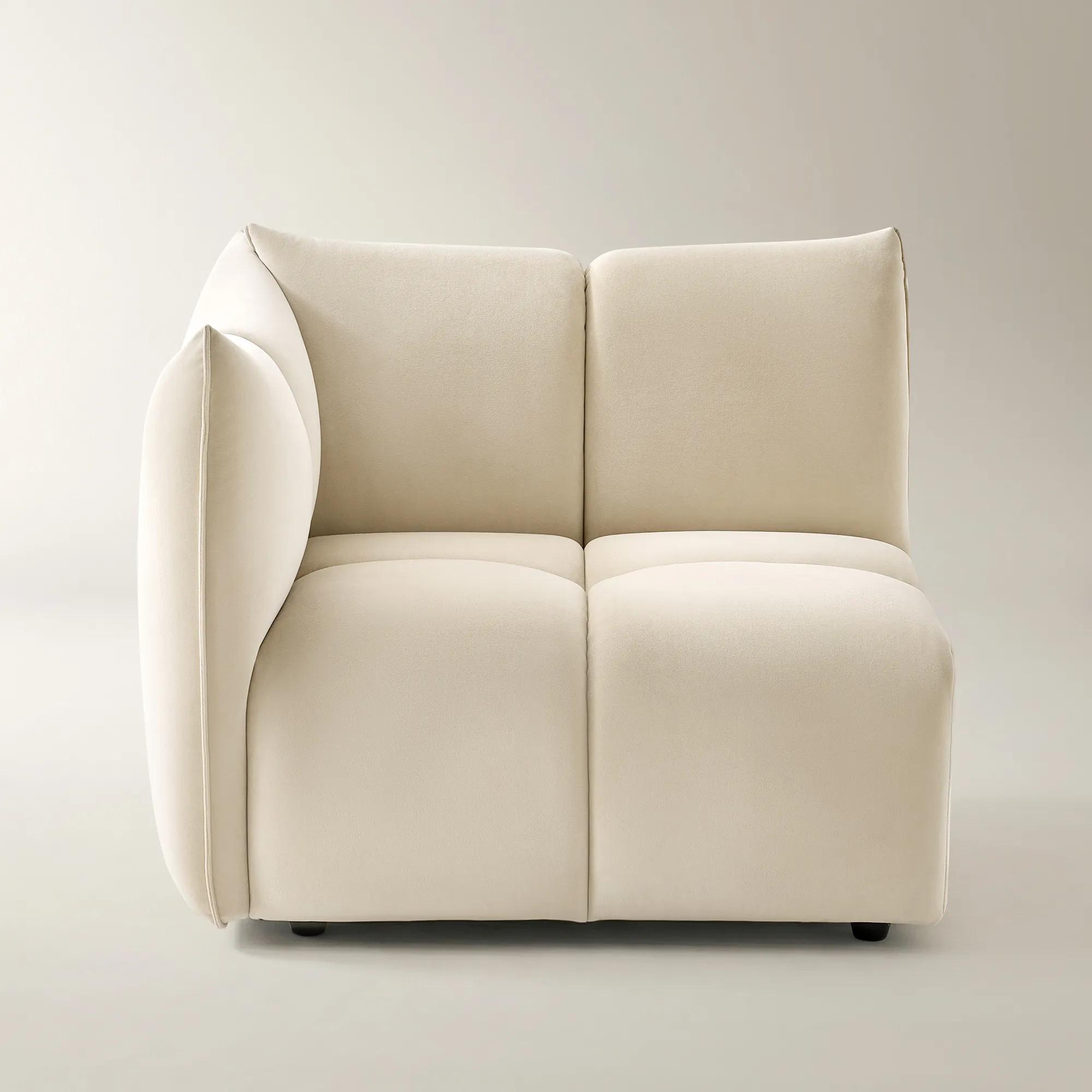 Reina Tufted Oatmeal Velvet Left-Arm Chair$899
A left-arm chair in oatmeal velvet featuring channel tufting, deep seating, and an architectural winged profile.
Add To Cart -
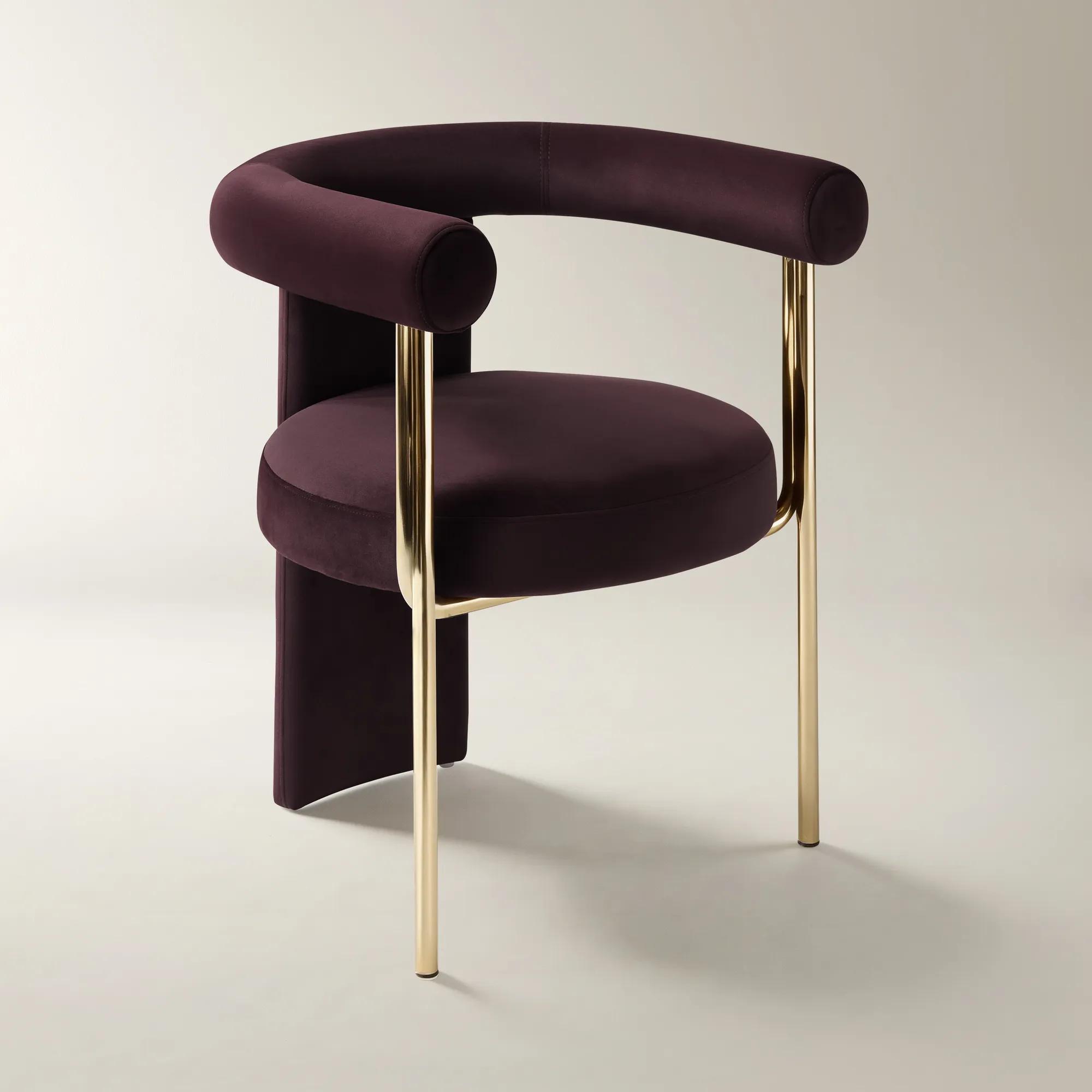 Davina Fig Velvet Dining Chair Set Of 2$899
A set of two dining chairs featuring plush fig velvet upholstery and a sleek gold-finished metal frame.
Add To Cart -
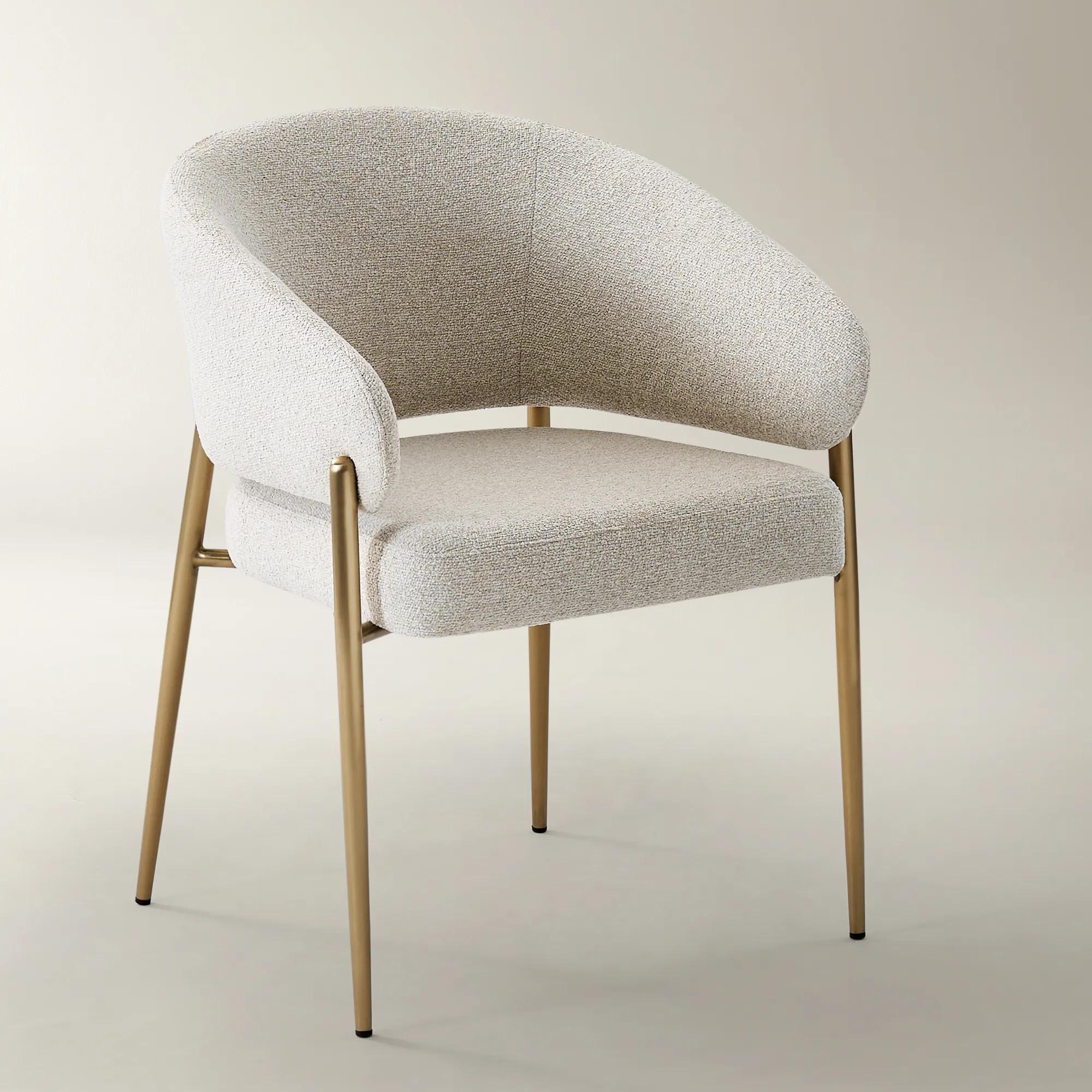
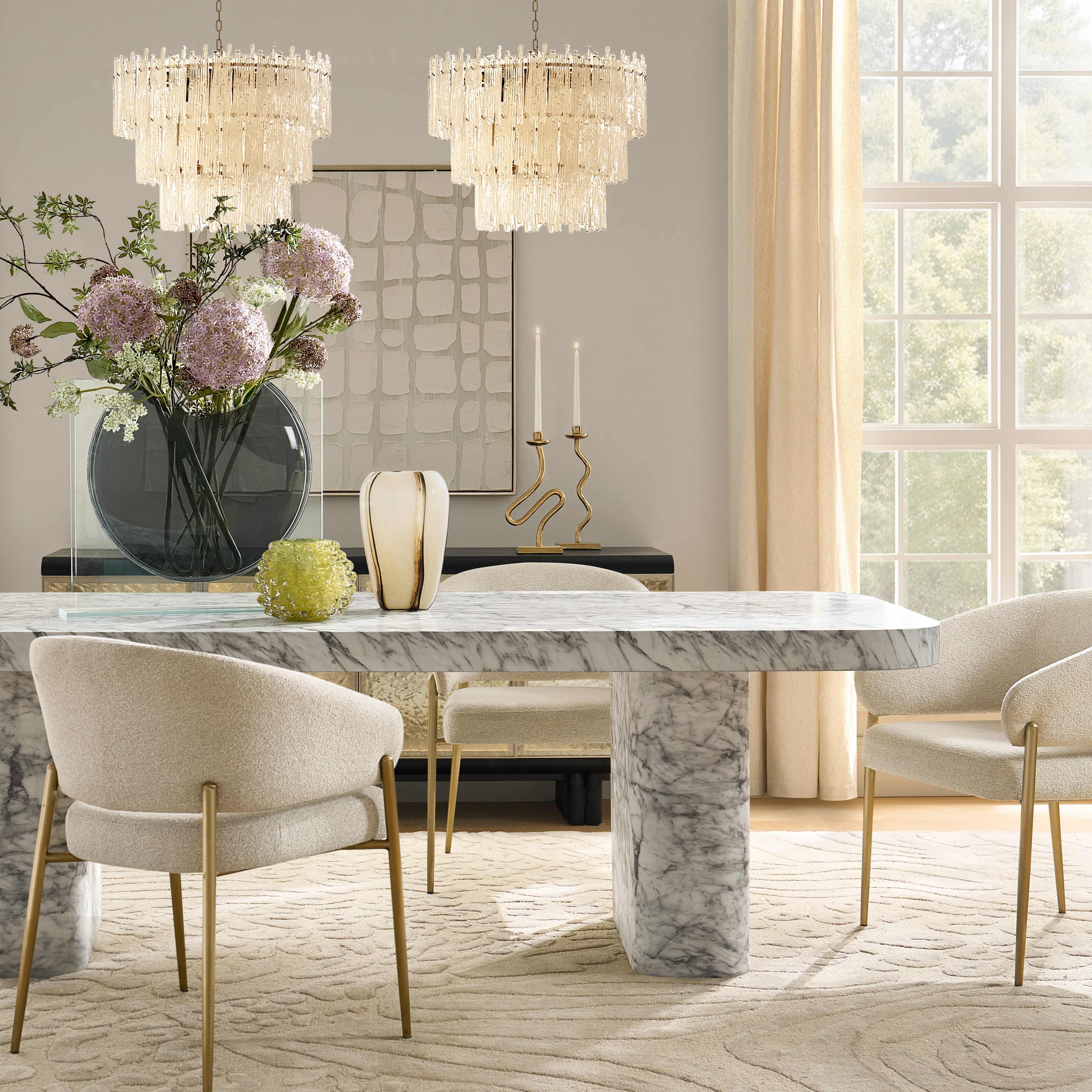 Nara Ivory Boucle Dining Chair Set Of 2$599
An ivory boucle dining chair set with a curved backrest and brushed stainless steel frame for modern elegance.
Add To Cart -
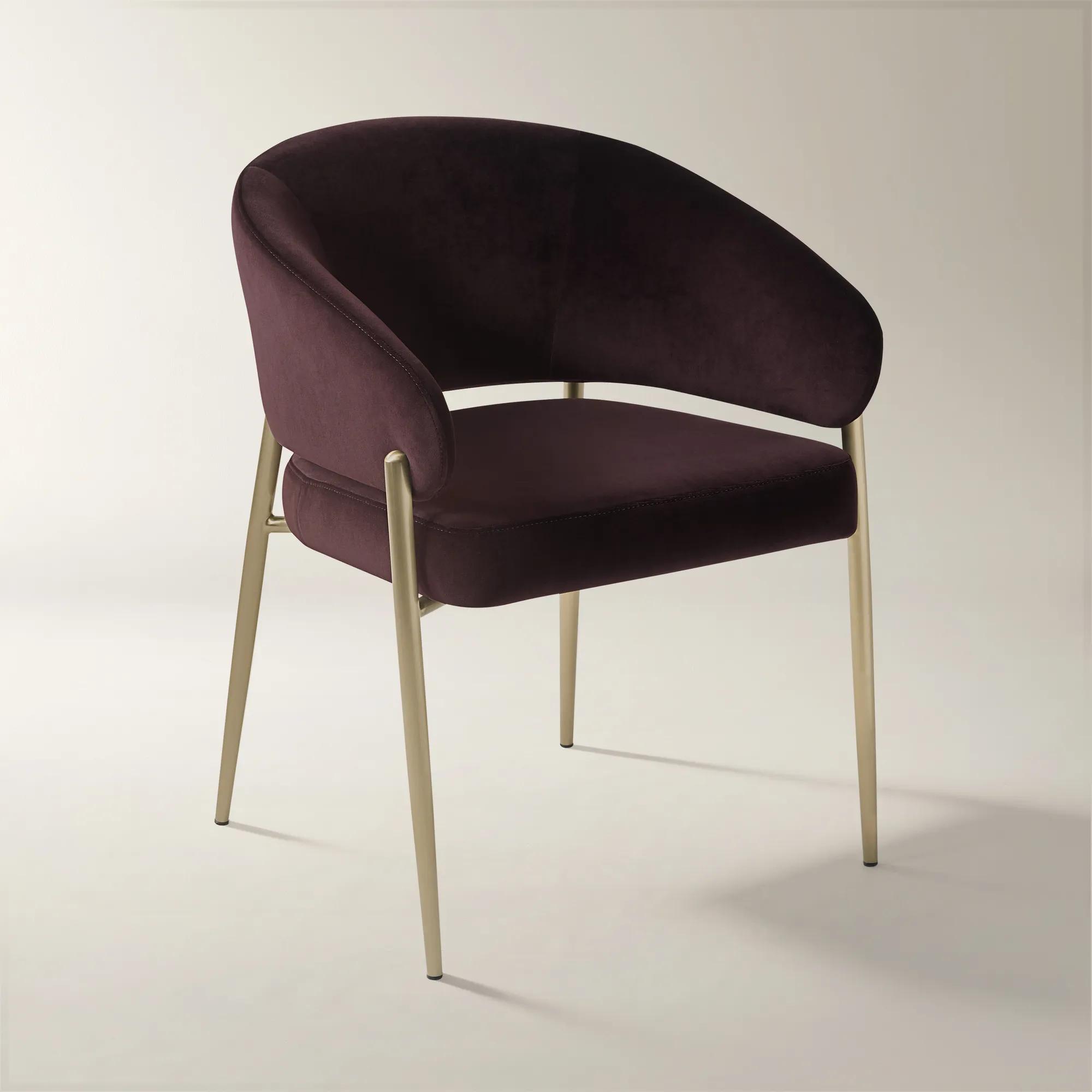 Nara Fig Velvet Dining Chair Set Of 2$599
A set of two dining chairs featuring plush fig velvet upholstery and brushed brass stainless-steel legs.
Add To Cart -
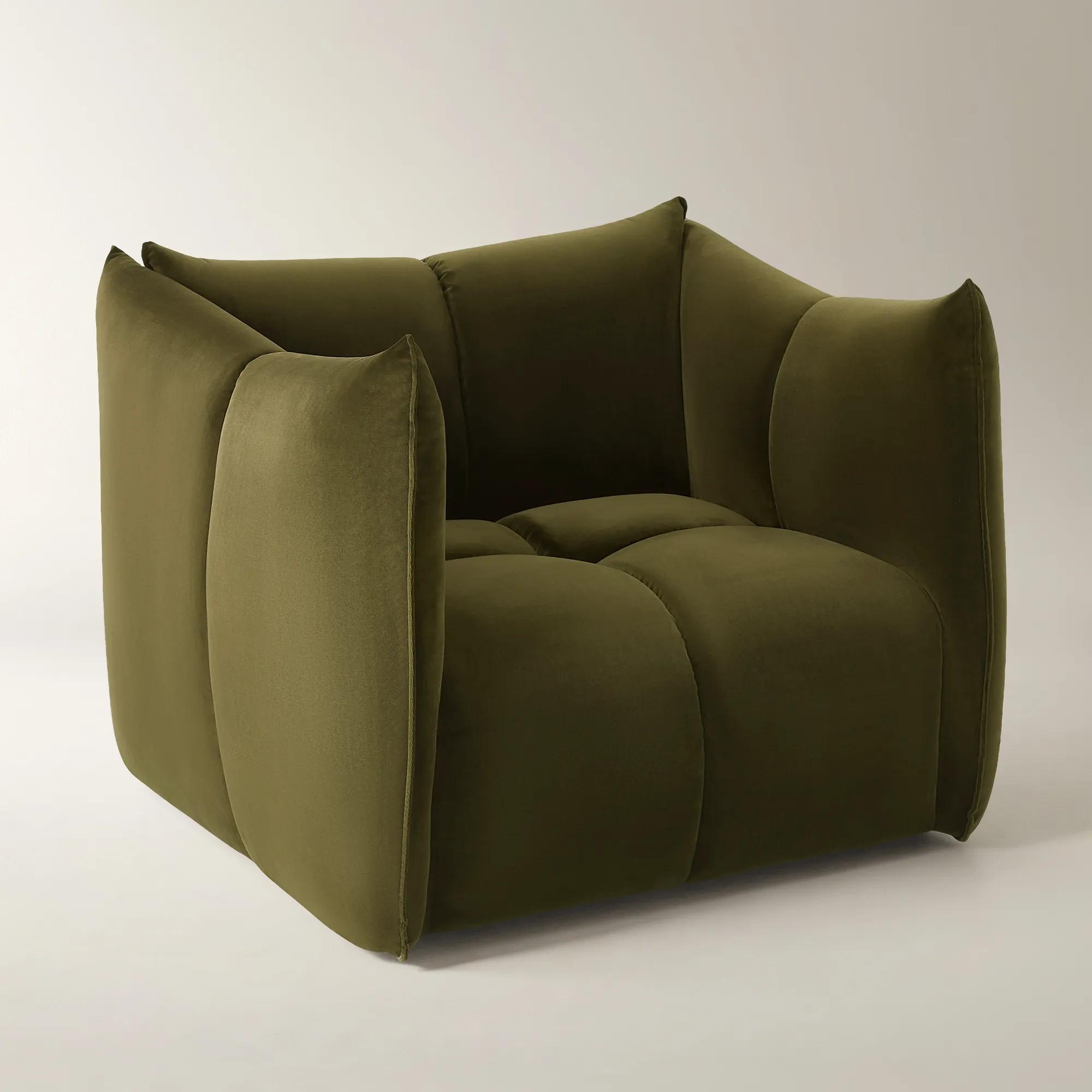 Reina Tufted Deep Olive Velvet Swivel Chair$1099
A green velvet swivel chair with channel tufting, winged architecture, and plush high-density foam comfort.
Add To Cart -
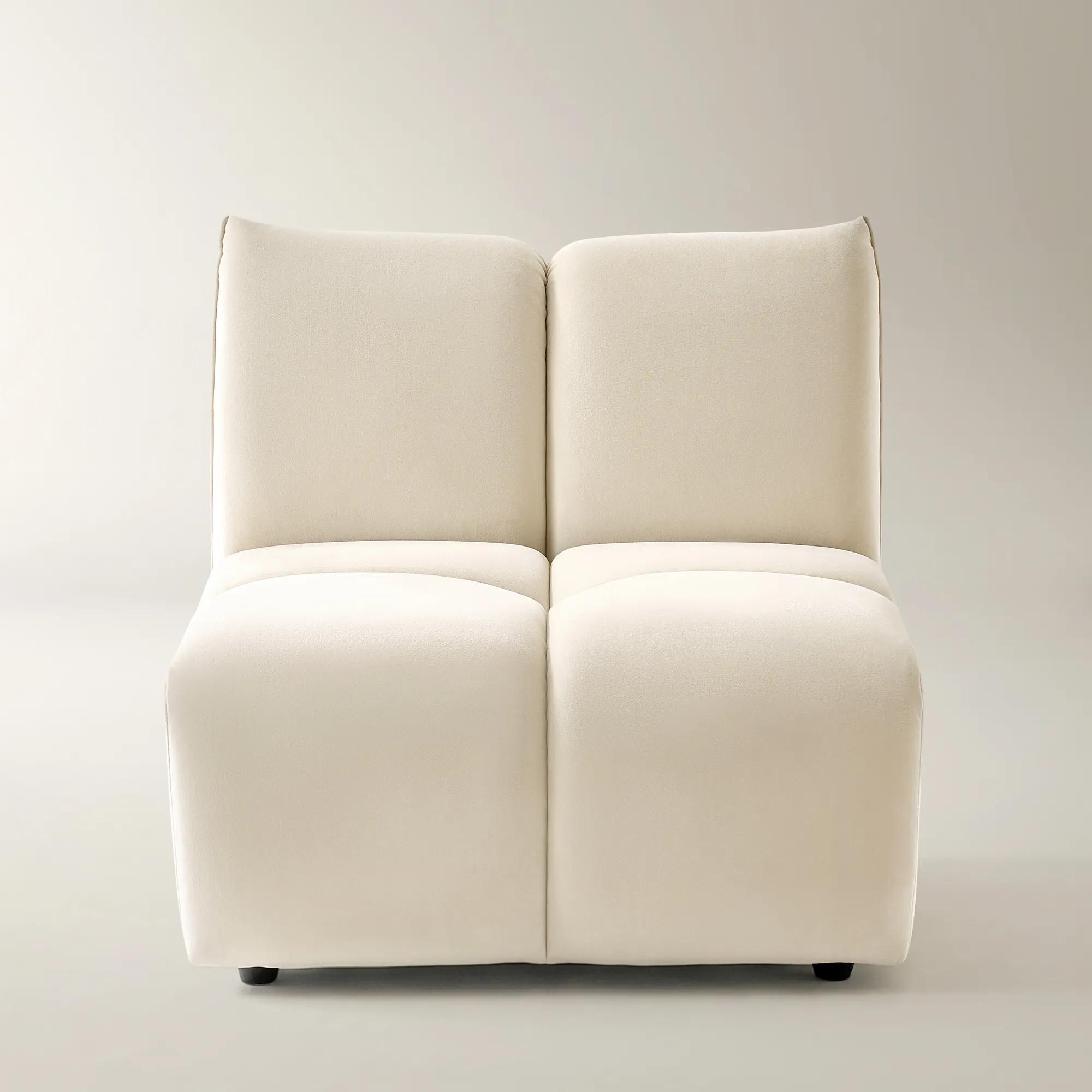
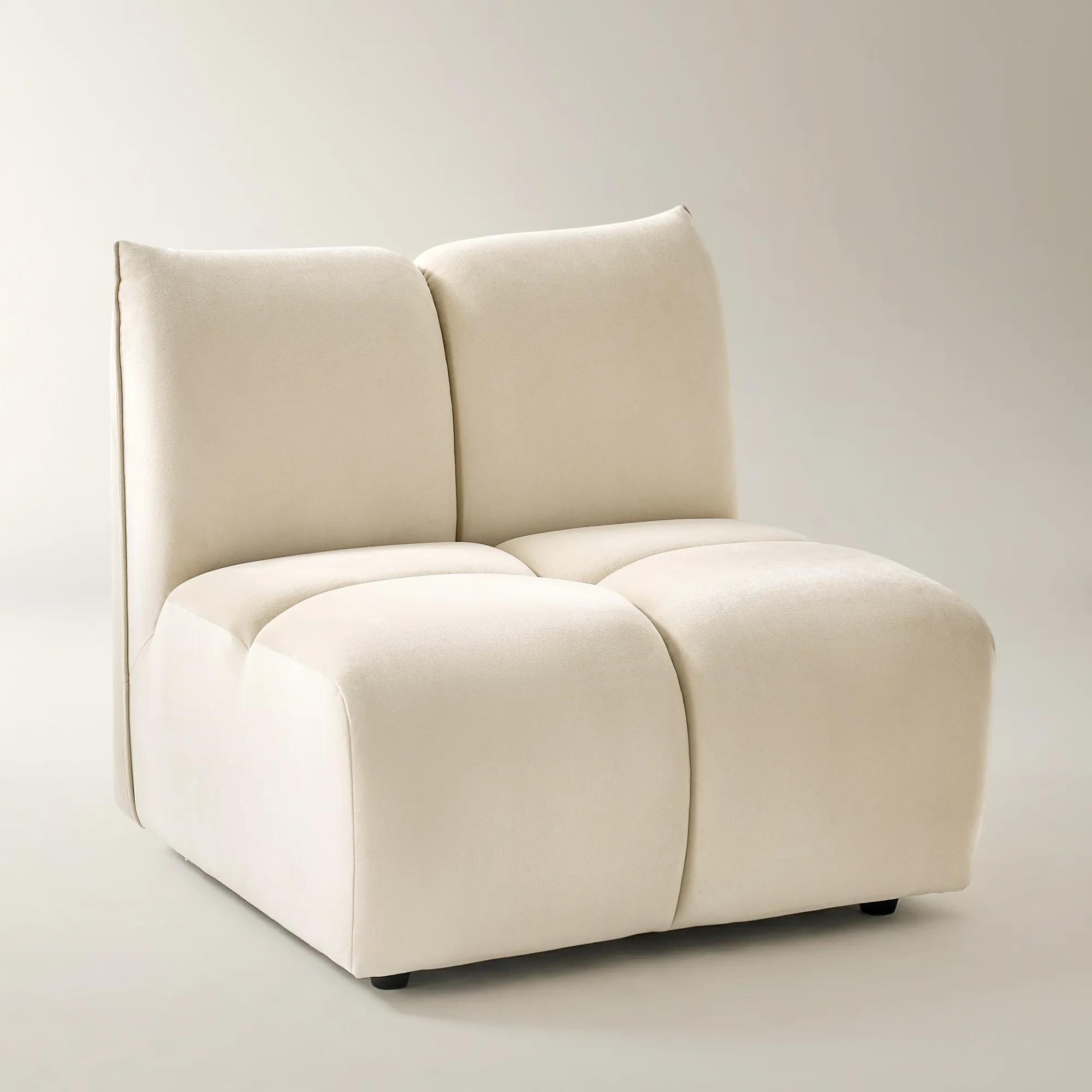 Reina Tufted Oatmeal Velvet Armless Chair$799
A plush oatmeal velvet armless chair featuring channel tufting, deep seating, and an architectural winged profile.
Add To Cart -
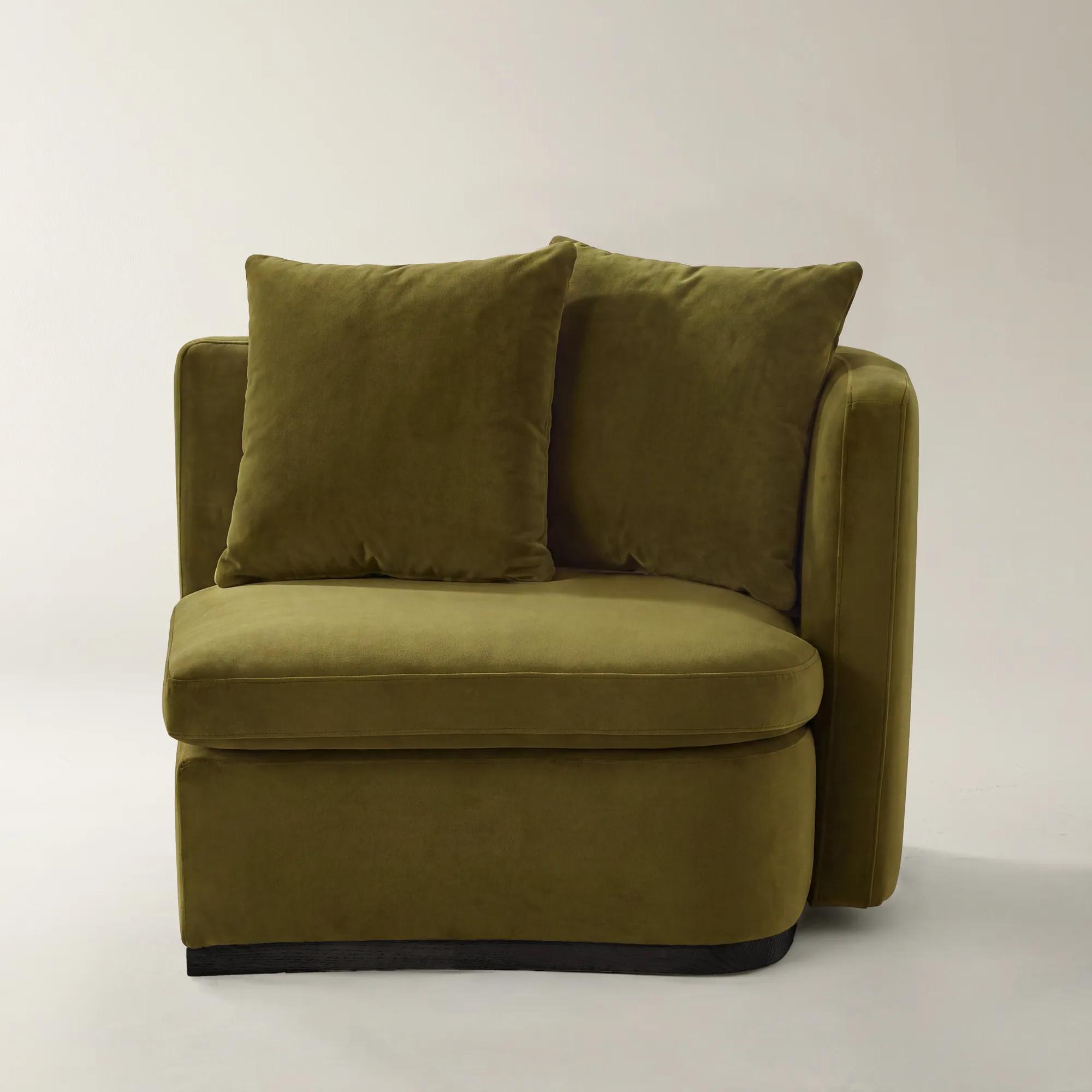 Stria Deep Olive Velvet Right-Arm Chair$1199
A sculptural deep olive velvet chair with curved styling, layered cushioning, and a kiln-dried wood frame.
Add To Cart -
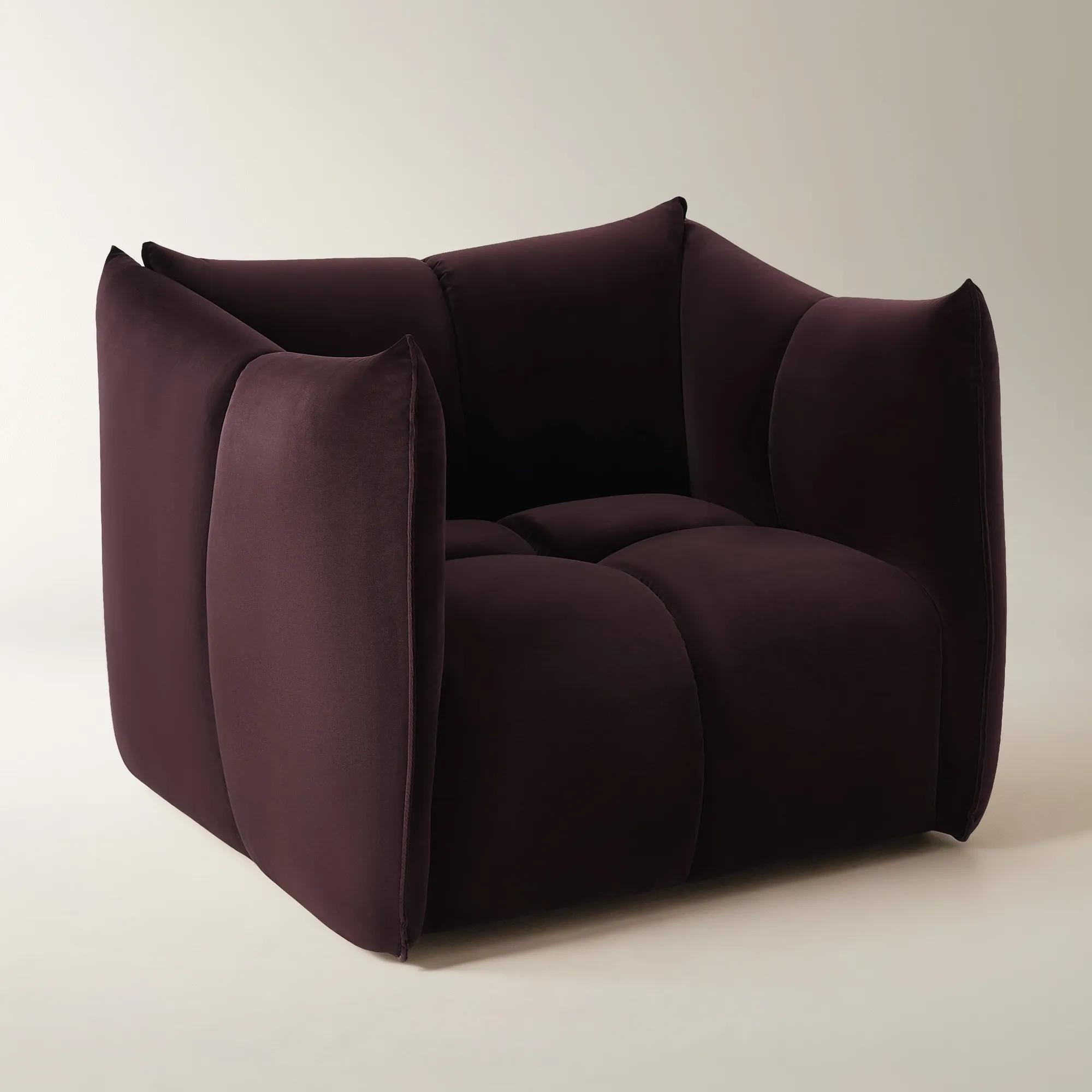 Reina Tufted Fig Velvet Swivel Chair$1099
A fig velvet swivel chair with channel tufting, a sculptural wingback profile, and plush foam cushioning.
Add To Cart -
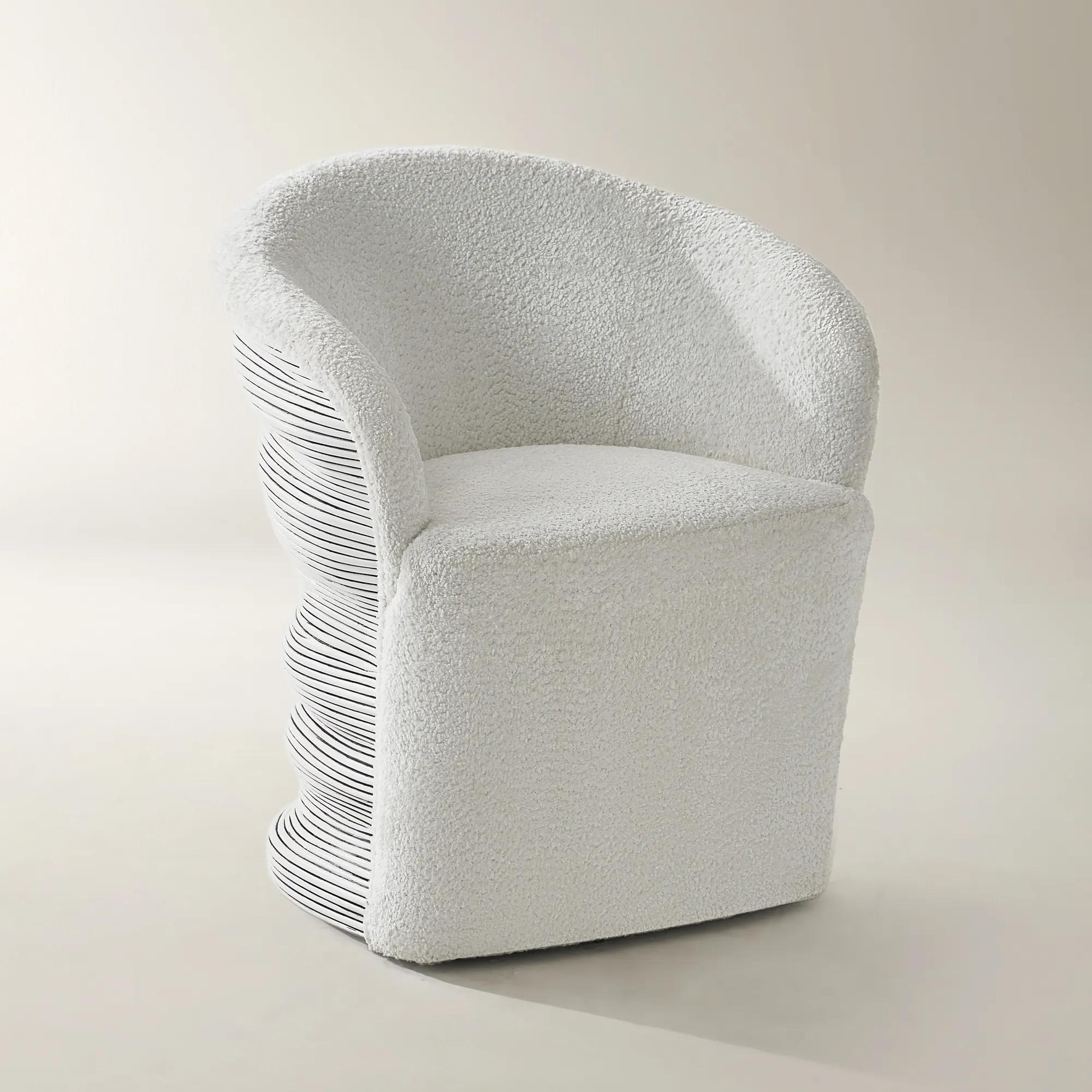
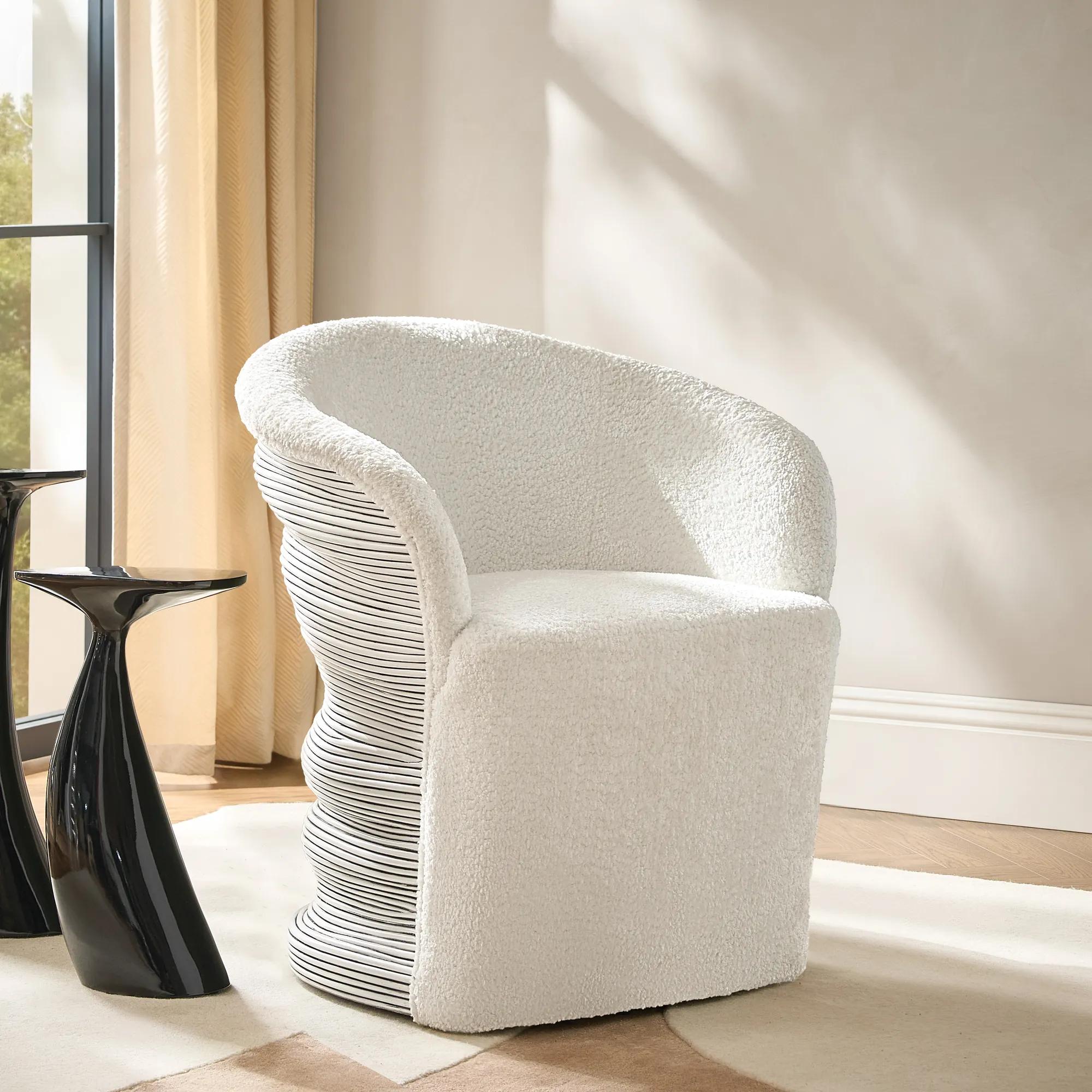 Cairo Rattan Ivory Chenille Dining Chair$999
An artisan-crafted swivel chair featuring handwoven natural rattan and plush ivory chenille upholstery for modern comfort.
Add To Cart -

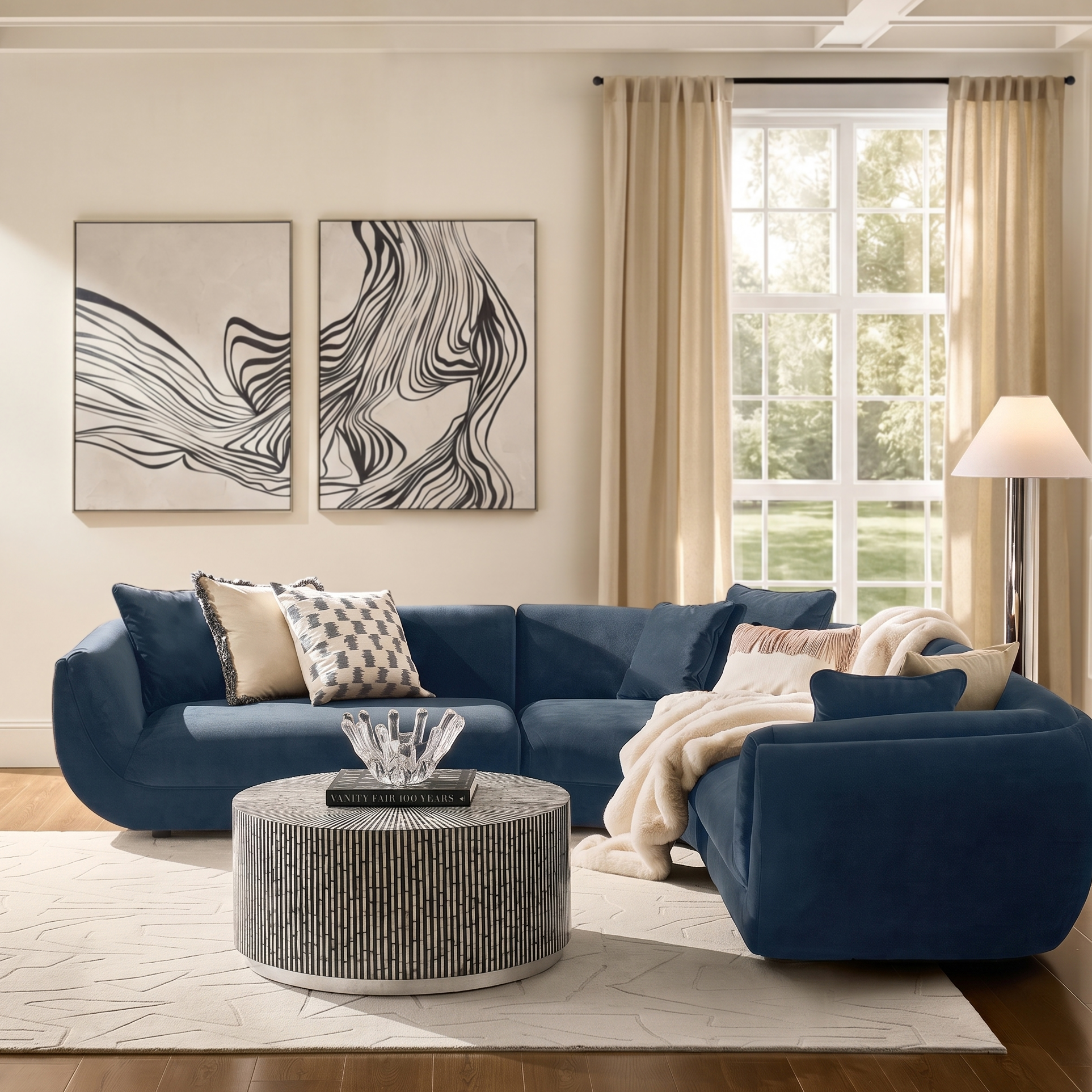 Curvia Dusty Blue Velvet Grand Right-Arm Chair$1499
A sculptural right-arm chair in plush dusty blue velvet with deep lounge comfort and modular versatility.
Add To Cart -
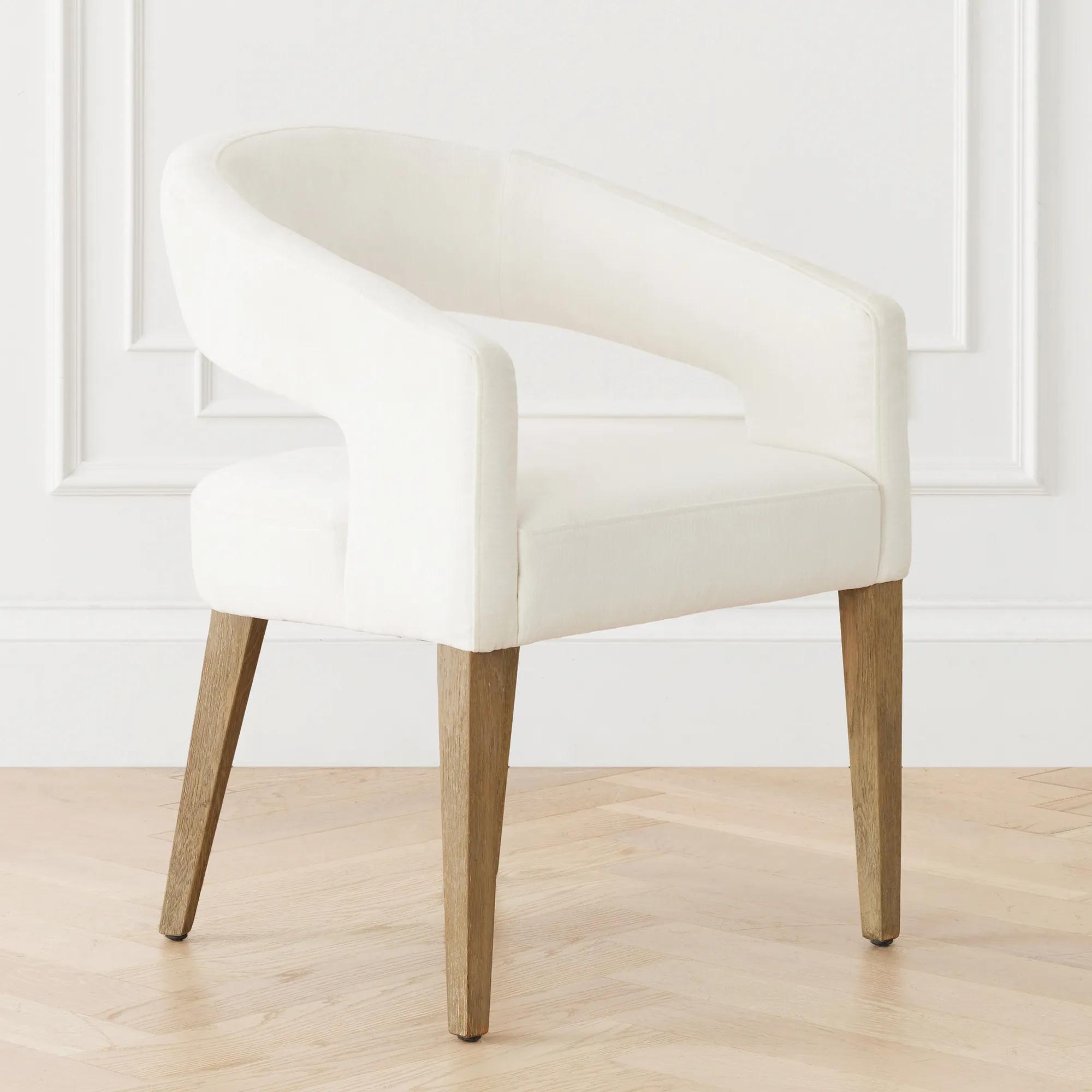
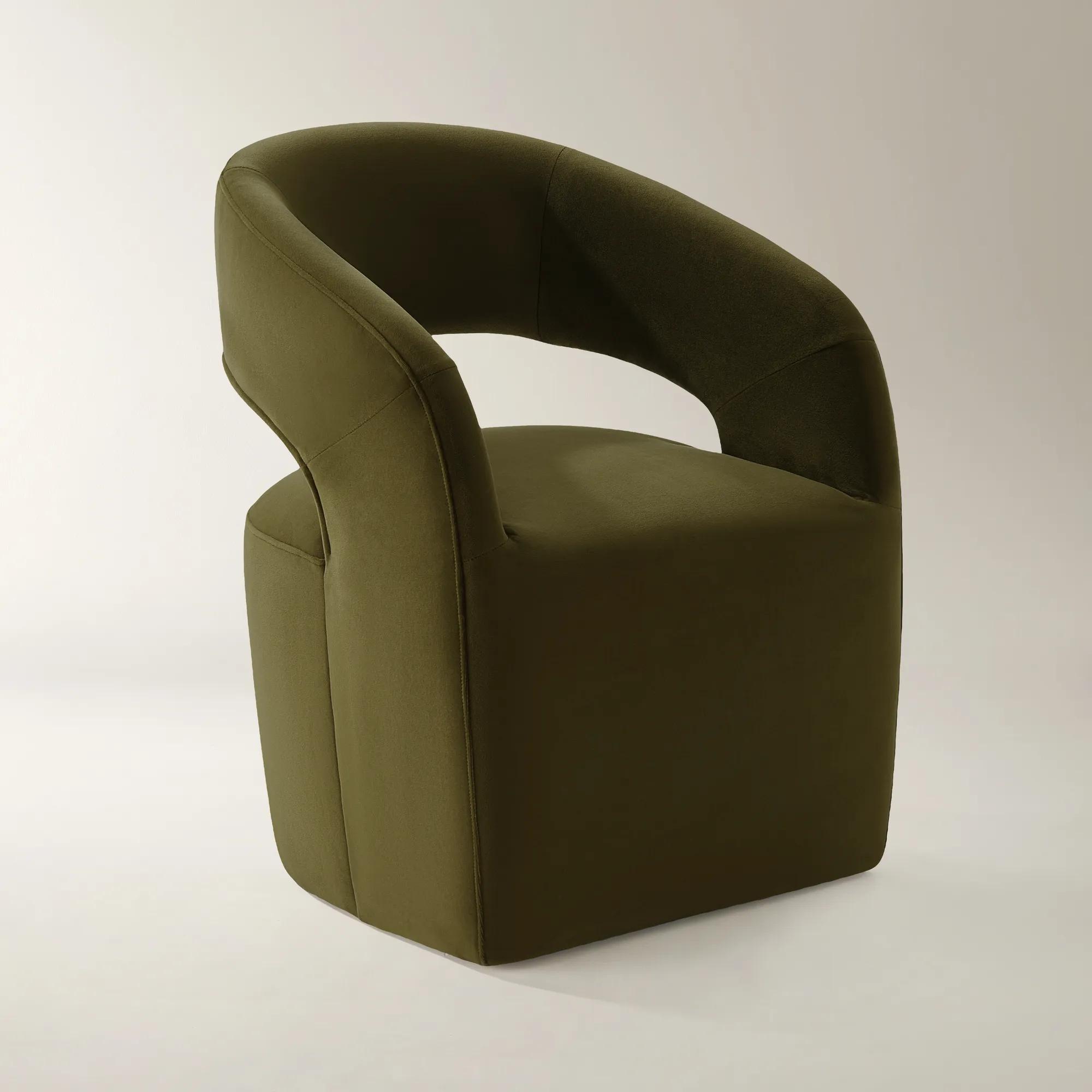 Harrison Deep Olive Velvet Dining Chair$499
A sculptural dining chair in deep olive velvet with a curved back, integrated arms, and plush feather-blend comfort.
Add To Cart -
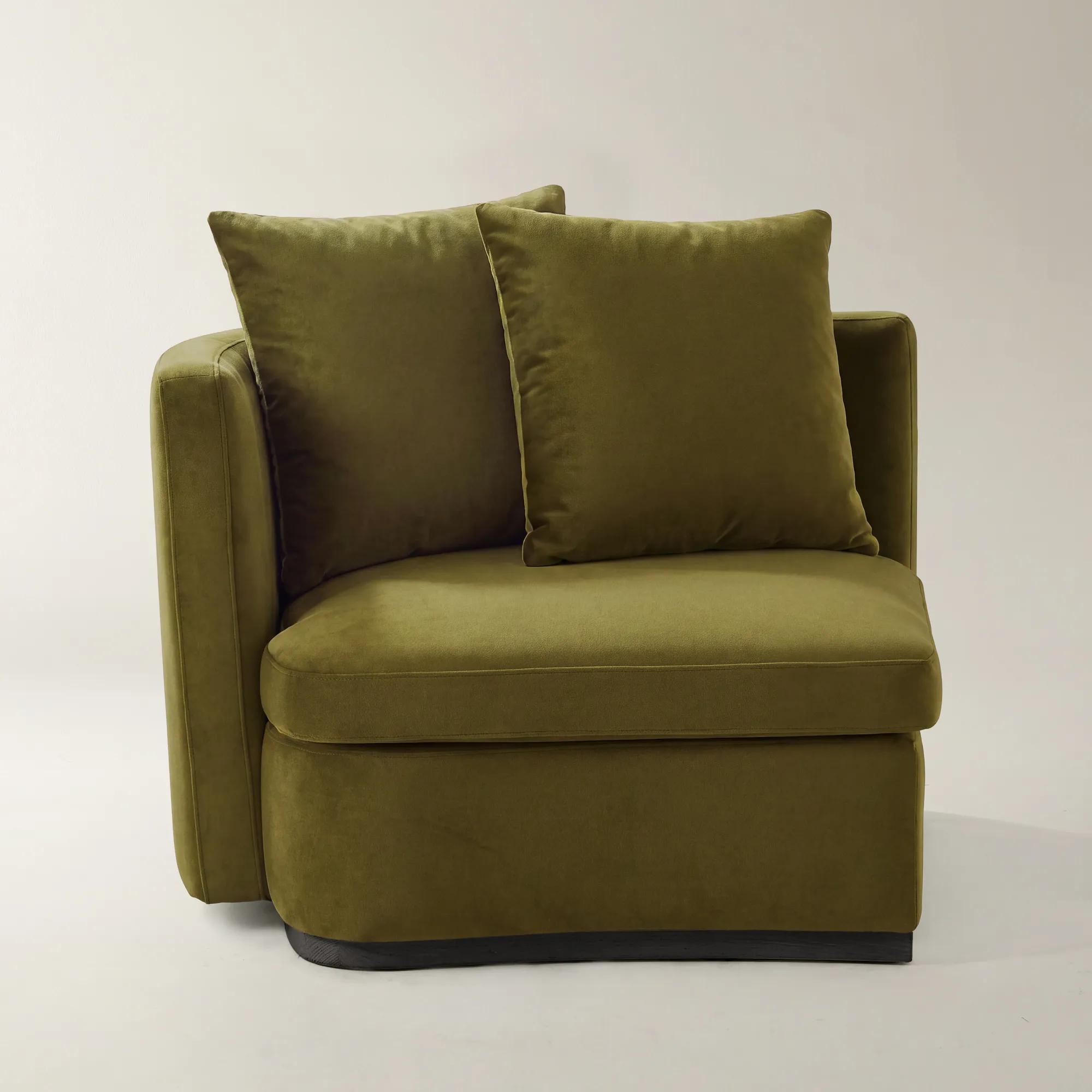 Stria Deep Olive Velvet Left-Arm Chair$1199
A sculptural deep olive velvet chair featuring kiln-dried wood construction and layered down-blend cushioning.
Add To Cart -
 Curvia Dusty Blue Velvet Left-Arm Chair$1399
A sculptural left-arm chair wrapped in plush dusty blue velvet with deep, lounge-worthy comfort and modular design.
Add To Cart -
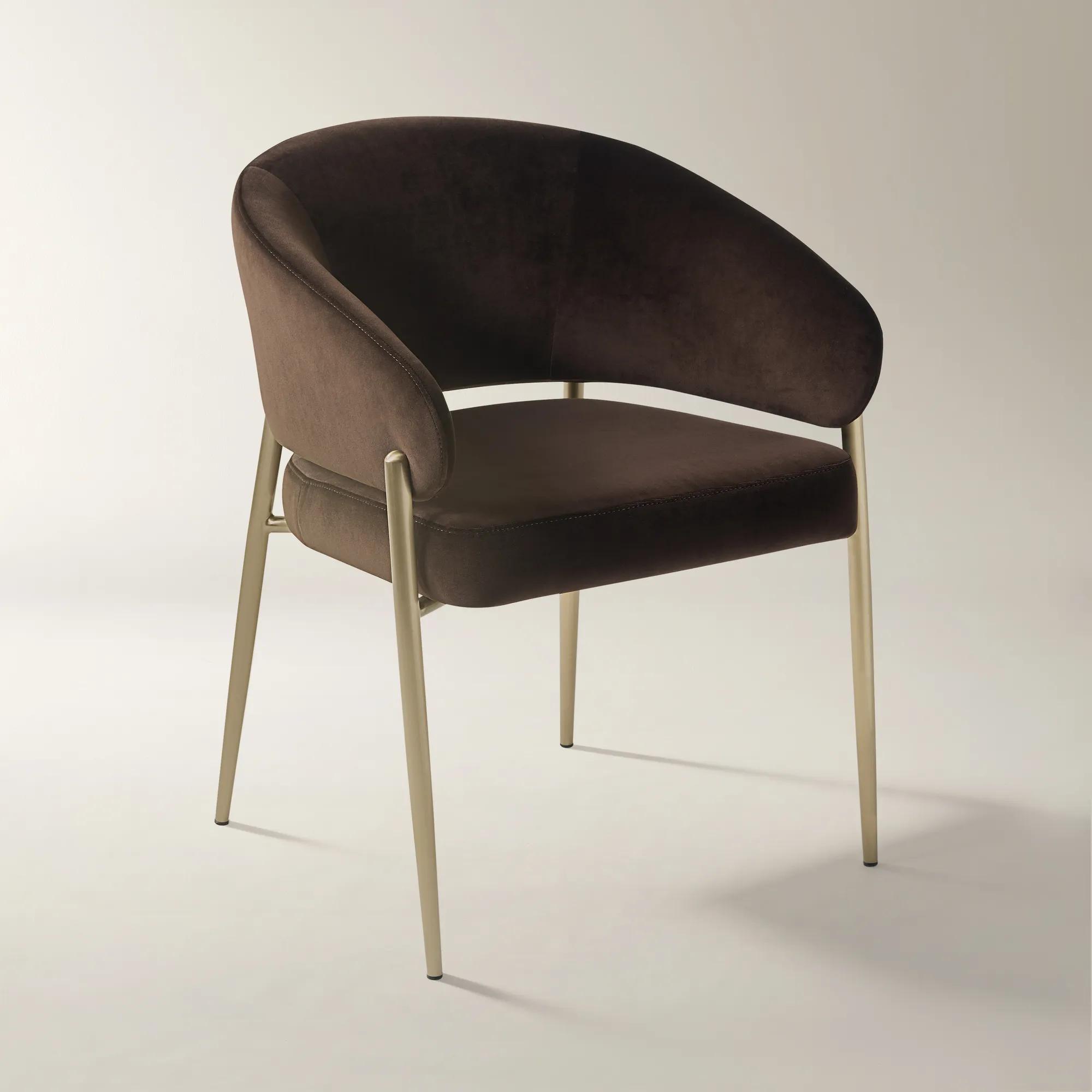 Nara Dark Chocolate Velvet Dining Chair Set Of 2$599
A pair of dark chocolate velvet chairs with curved backs and brushed brass stainless-steel legs for modern elegance.
Add To Cart -
 Curvia Dusty Blue Velvet Right-Arm Chair$1399
A sculptural right-arm chair wrapped in plush dusty blue velvet with deep, lounge-worthy comfort.
Add To Cart -
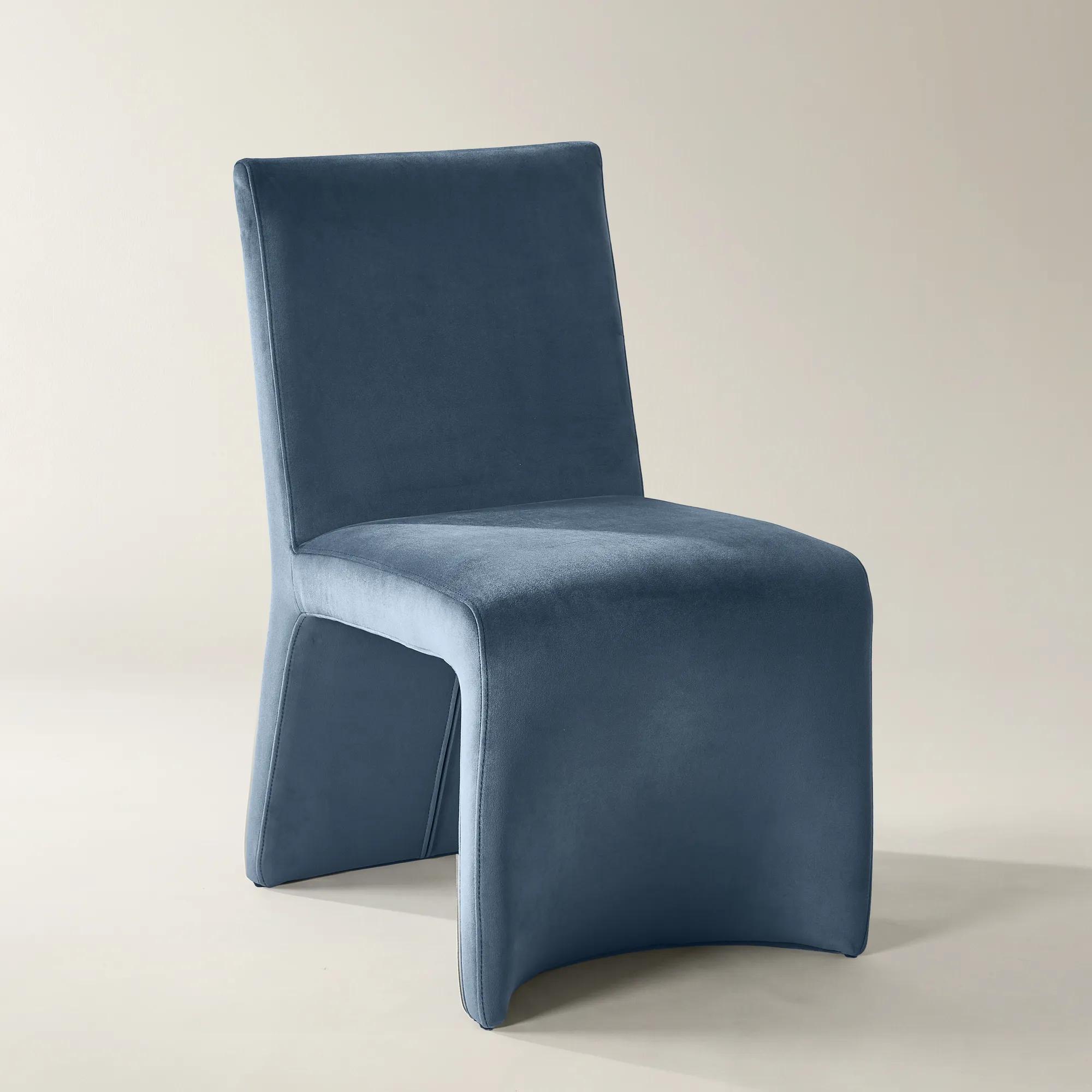 Elara Dusty Blue Velvet Dining Chair Set Of 2$799
A set of two dining chairs featuring plush dusty blue velvet upholstery and a seamless, artful silhouette.
Add To Cart -

 Curvia Dusty Blue Velvet Grand Left-Arm Chair$1499
A sculptural left-arm chair in plush dusty blue velvet with deep cushioning and modular versatility.
Add To Cart -
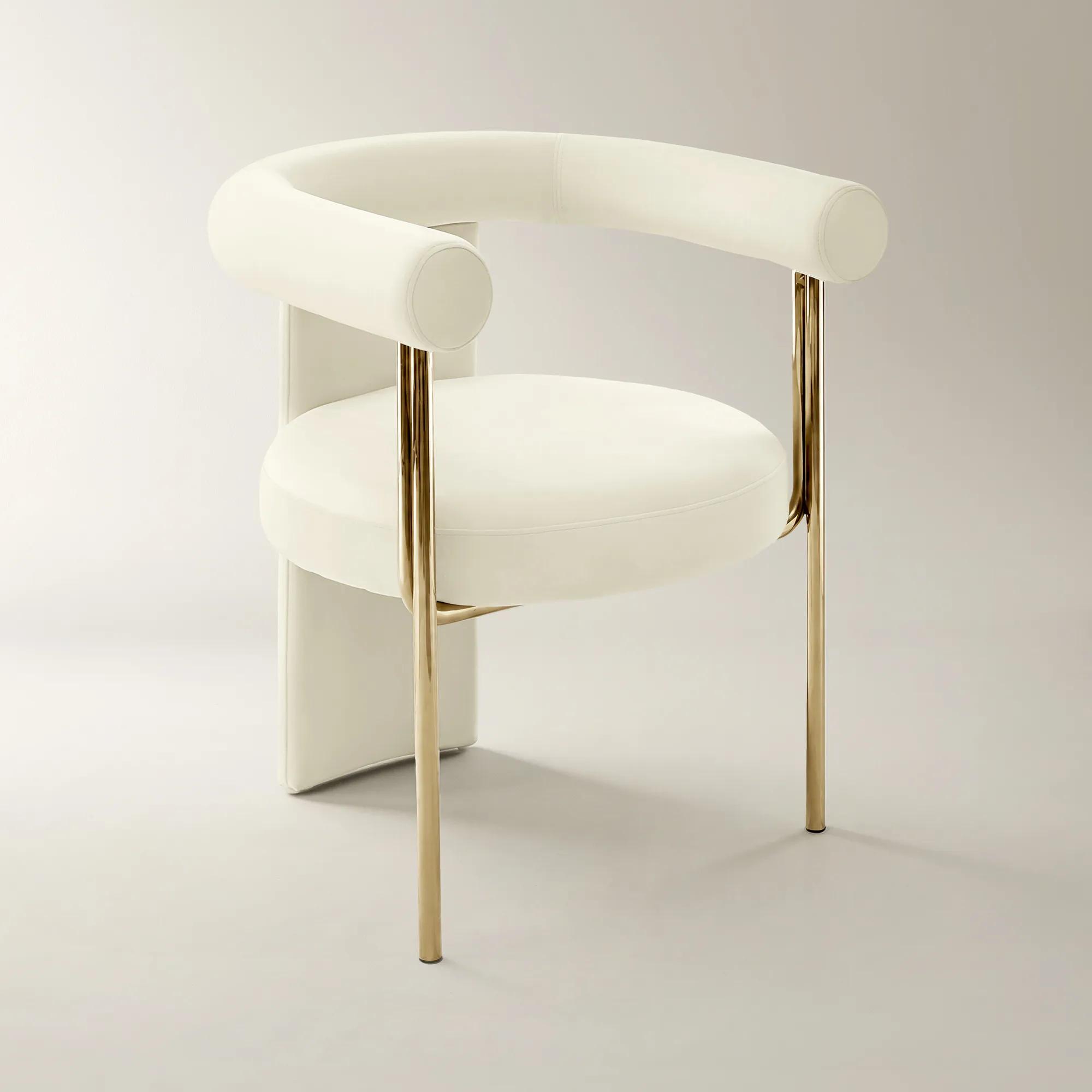 Davina Cloud Velvet Dining Chair Set Of 2$899
A set of two dining chairs featuring plush cloud velvet upholstery and a sculptural gold metal frame.
Add To Cart -
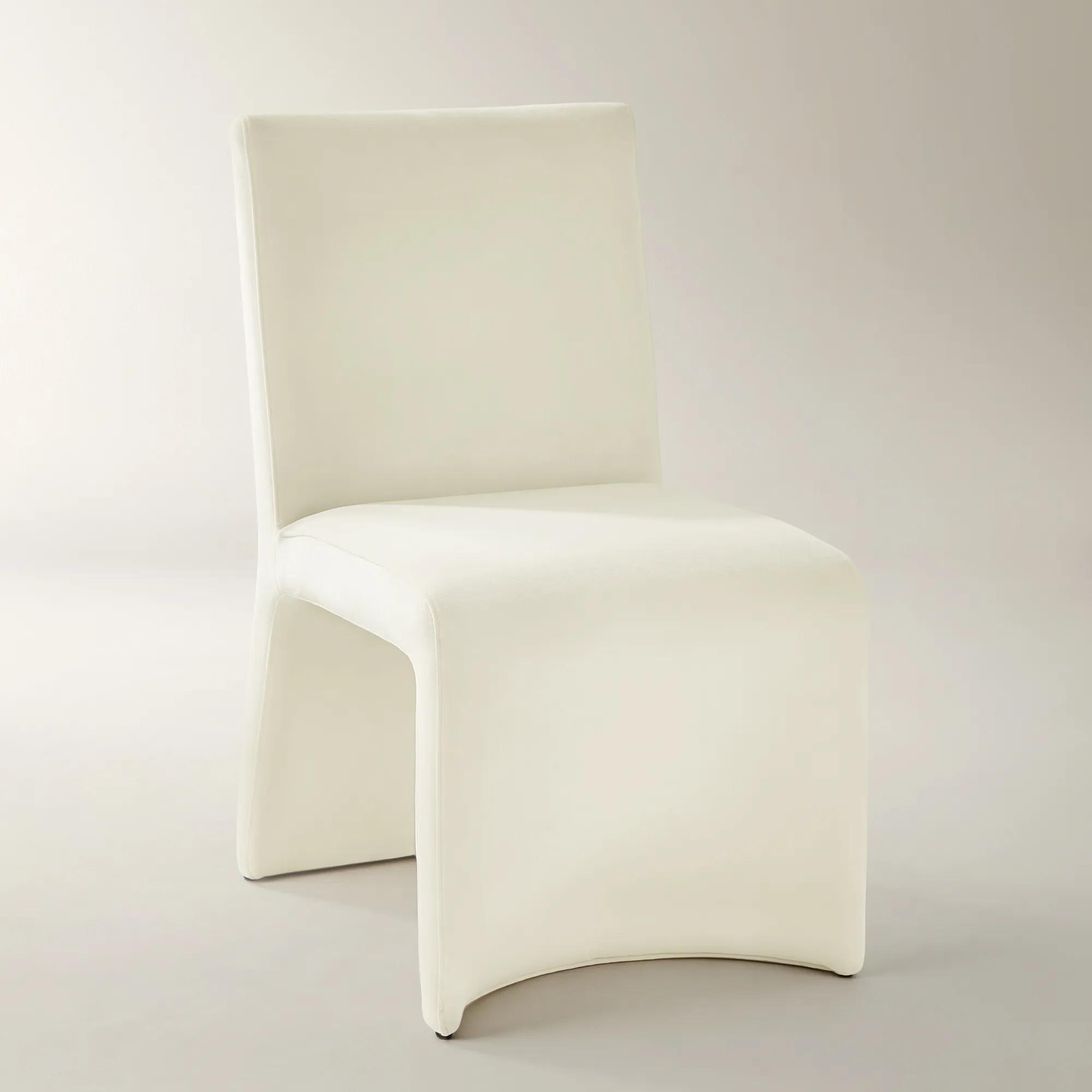 Elara Cloud Velvet Dining Chair Set Of 2$799
A set of two dining chairs featuring plush velvet upholstery, a seamless curved silhouette, and a sturdy steel frame.
Add To Cart -
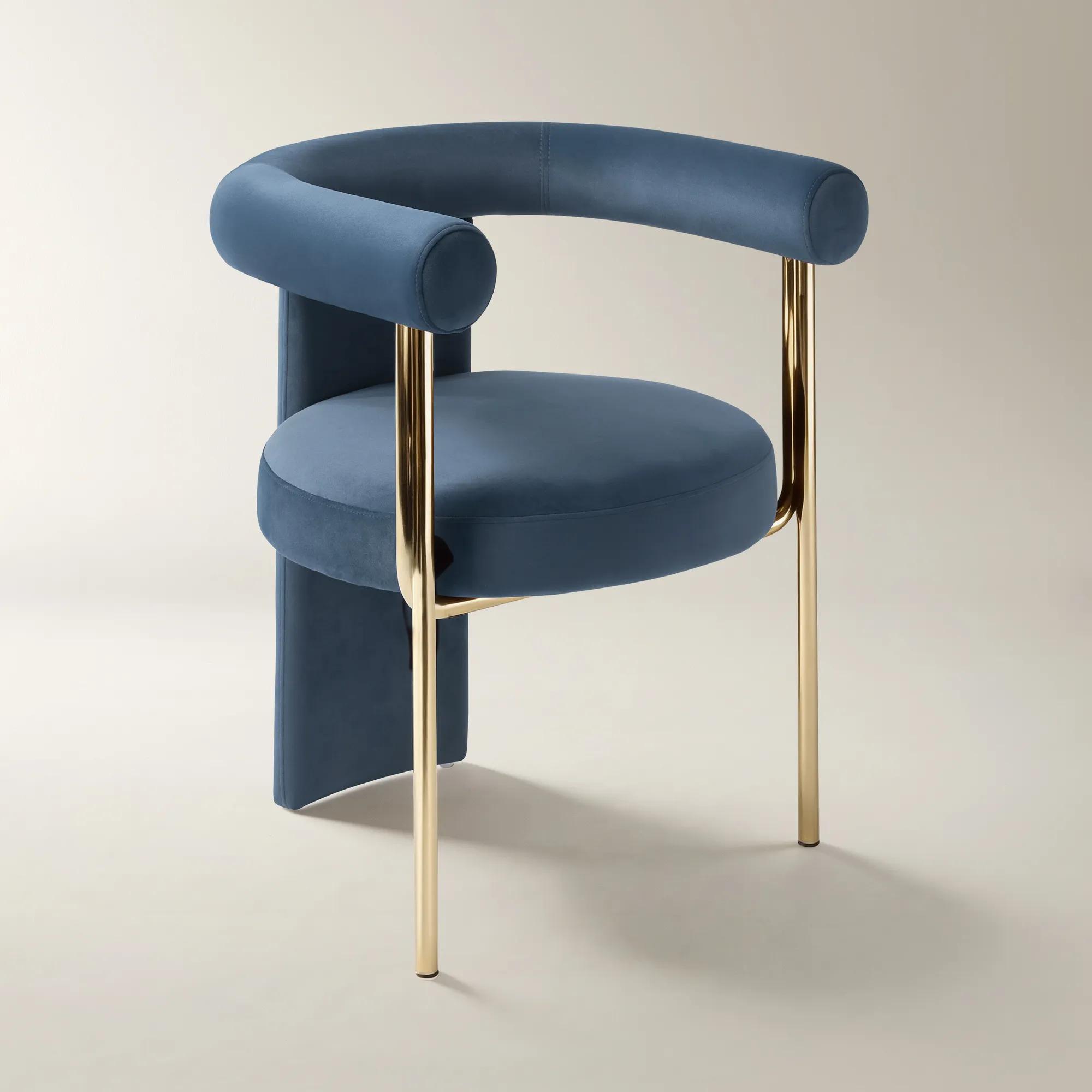 Davina Dusty Blue Velvet Dining Chair Set Of 2$899
A set of two dining chairs featuring dusty blue velvet upholstery and a polished gold metal frame.
Add To Cart

Luxury French Style Chairs
Luxury French style chairs are an invitation to indulge in the art of living beautifully—where every curve, every flourish, and every silhouette transforms a room into a grand salon. These captivating pieces evoke the romance of Parisian interiors, infusing your space with a sense of refined drama and timeless allure. With their sculptural profiles and sumptuous detailing, luxury French style chairs don’t simply offer a seat; they set the stage for moments steeped in elegance and expressive charm. Elevate your home’s narrative with seating that exudes opulence and artistry at every glance.
Luxury French-style chairs draw on a rich furniture tradition, pairing expressive silhouettes with refined upholstery and decorative woodwork. Their defining details often include carved frames, curved or tapered legs, shaped backs, and fabrics such as velvet, linen, and leather. Yet French-inspired seating is not a single look. Louis XV influences favor fluid lines, cabriole legs, and ornament inspired by leaves, flowers, and shells, creating a sense of movement even when a chair stands alone. Louis XVI influences introduce greater symmetry, straighter legs, fluting, and oval or medallion-shaped backs for a more architectural expression. A bergère, traditionally an upholstered armchair with enclosed sides and a loose seat cushion, offers a particularly enveloping silhouette; a fauteuil typically has open sides beneath its arms, giving the frame more visual presence. These distinctions shape the atmosphere of a room as much as its decorative details. A deep, upholstered armchair can establish an intimate reading corner, while a slender, open-arm design brings elegance to a conversation area without appearing overly substantial. Finishes add another layer of character: gilded accents emphasize carved relief, pale painted wood lends softness, and darker stained frames create a striking outline against luminous upholstery. Materials deserve equal attention. Velvet catches light across its pile, giving jewel tones depth and pale neutrals a soft shimmer. Linen and linen blends offer visible texture and a more relaxed counterpoint to ornate carving, while leather can bring richness and a tailored edge. Fabric names alone do not establish quality or suitability; fiber content, weave, backing, and care requirements all influence performance. Likewise, a distressed finish describes a decorative treatment, not necessarily an antique, and French style describes a design influence rather than a guarantee of French manufacture. The most compelling choices balance a distinctive profile with materials and construction appropriate to the way the chair will be used.
Scale determines whether that elegance feels effortless in the home. A chair with sweeping arms and a generous crest rail needs more room than its seat dimensions suggest, so overall width, depth, and height matter alongside the footprint of nearby furniture. In a living room, a pair of French-inspired accent chairs can face a sofa across a cocktail table, their carved backs creating a graceful view from adjoining spaces. Leave enough clearance for someone to walk behind them and sit without navigating around a crowded arrangement. In a bedroom, a single upholstered chair beside a small table creates a composed place to read, dress, or pause, provided its proportions do not interrupt access to a dresser or doorway. Seat depth is especially personal: a deep cushion may suit lounging, while a shallower seat and a more upright back can feel better for conversation or shorter periods of sitting. Arm height also changes the experience, particularly for someone who prefers support when rising. For dining, French-style chairs should relate to the table in both proportion and function. Roughly 10 to 12 inches between the seat and the underside of the tabletop is a useful starting point, but table aprons, cushion compression, and individual comfort can affect the fit. Check whether armchairs tuck beneath the table and whether neighboring seats have enough space between their widest points. Upholstered dining chairs bring softness to long meals, while exposed frames keep the arrangement visually defined. Decorative intensity can be adjusted through contrast rather than repetition. An ornate chair beside a clean-lined console allows its carving to stand out; a restrained oval-back silhouette can introduce French character into a room already rich with pattern and art. For a more streamlined interpretation, modern French style chairs offer a related design direction, where traditional references can sit comfortably alongside contemporary shapes. A shared finish, fabric tone, or curve can connect different silhouettes without making every chair identical.
Lasting appeal depends on what sits beneath the upholstery as well as what catches the eye. For chairs intended for daily use, look for clearly described frame materials, secure joinery, supportive seat construction, and upholstery suited to the demands of the room. Solid wood, plywood, and engineered components can serve different structural purposes, so the complete construction matters more than a single material claim. Cushion firmness is not a reliable measure of durability on its own; foam quality, suspension, and how well the cushion recovers after use are also relevant. A formal occasional chair may prioritize a finely drawn silhouette, while a favorite reading chair needs sustained support and a seat that feels comfortable beyond the first few minutes. Households with children or pets may prefer tightly woven upholstery and fabrics with documented performance characteristics, although no textile is immune to claws, spills, or wear. Decorative nailheads, tufting, and carved crevices also call for a little more attention during routine cleaning. Follow the manufacturer’s care instructions, vacuum upholstery gently with an appropriate attachment, and remove dust from carved frames with a soft cloth or brush that will not scratch the finish. Address spills promptly by blotting rather than rubbing, and use only cleaning methods approved for the particular fabric. Velvet may show changes in shading as its pile moves; these marks are not always stains and should be treated according to the upholstery guidance. Keep finished wood away from prolonged moisture, avoid dragging chairs across flooring, and protect upholstery from extended direct sunlight where possible. If cushions are designed to be turned or rotated, doing so can help distribute use. These practical considerations preserve the details that make French-inspired seating so expressive: the sweep of an arm, the glimmer along a carved edge, the depth of a beautifully chosen fabric. Luxury feels most convincing when the chair is not merely admired from across the room, but comfortably woven into everyday life.
FAQs
A luxury French style chair is distinguished by its ornate, hand-carved detailing, sculptural silhouettes, and rich upholstery such as velvet, linen, or brocade. These chairs often draw inspiration from historic French periods like Louis XV and Louis XVI, featuring elegant curves, gilded accents, and intricate motifs that evoke opulence and timeless artistry.
French chair styles blend beautifully with modern interiors by serving as statement pieces. Try placing a French armchair in a minimalist living room for a dramatic focal point, or pair French style arm chairs with contemporary tables and bold artwork for a curated, eclectic look. Mixing finishes and fabrics creates visual interest and celebrates the versatility of French design.
Absolutely. French style chairs make extraordinary gifts for design enthusiasts, newlyweds, or anyone who appreciates expressive interiors. Their timeless elegance and heirloom quality make them cherished additions to any home, whether given as a pair for a dining room or as a single accent chair for a special occasion.
Popular French armchair styles include the bergère, known for its plush, upholstered seat and enclosed arms; the fauteuil, which features open arms and a more formal silhouette; and the rustic French Provincial chair, celebrated for its simpler lines and country charm. Each style brings its own unique character and sense of history to a space.
To preserve the beauty of luxury French style chairs, regularly dust the carved wood with a soft cloth and vacuum upholstery gently using a brush attachment. For velvet and delicate fabrics, spot clean with appropriate products and avoid direct sunlight to prevent fading. Periodically check joints and embellishments to ensure lasting elegance and structural integrity.