Modern Foam Core Sofas
Modern Foam Core Sofas
-
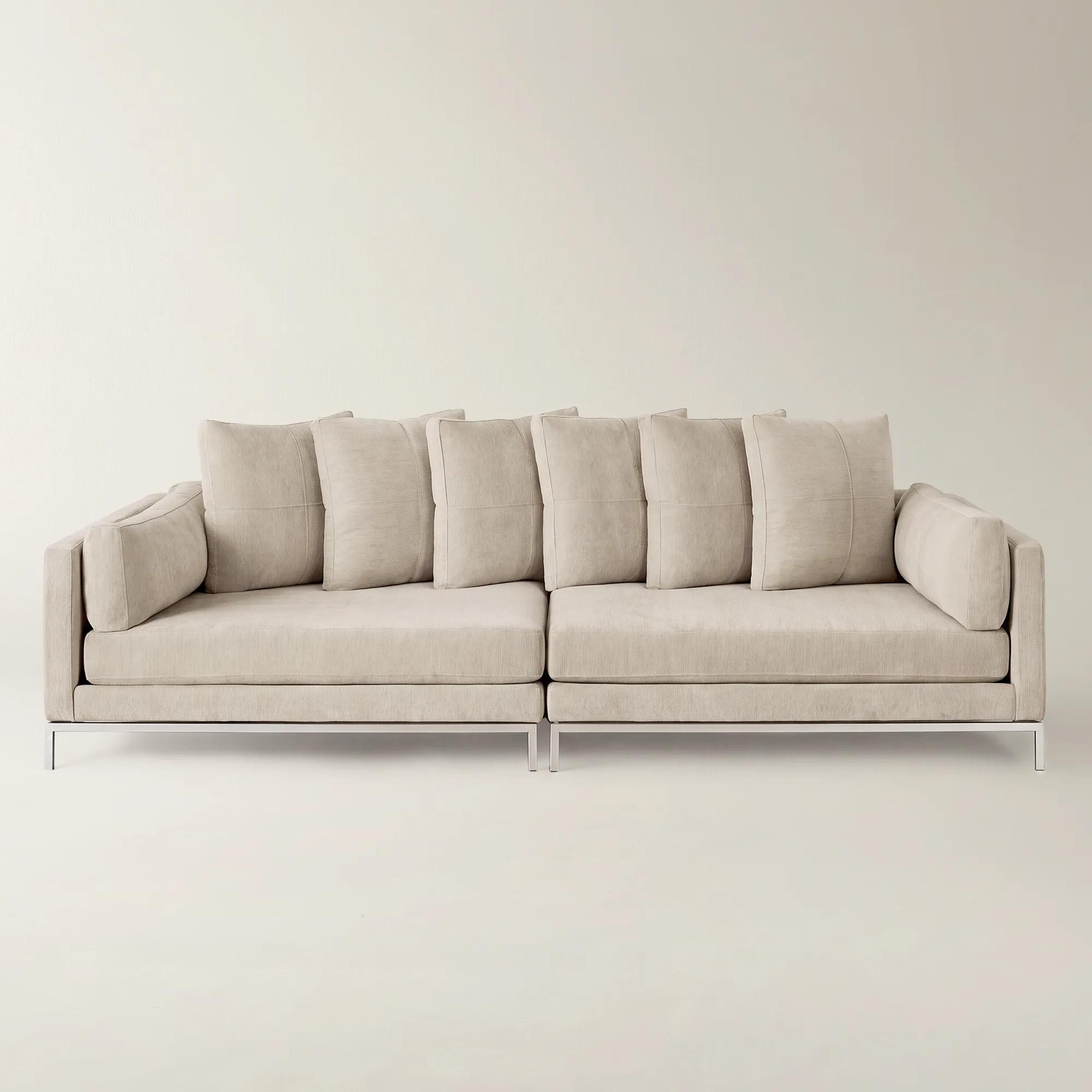
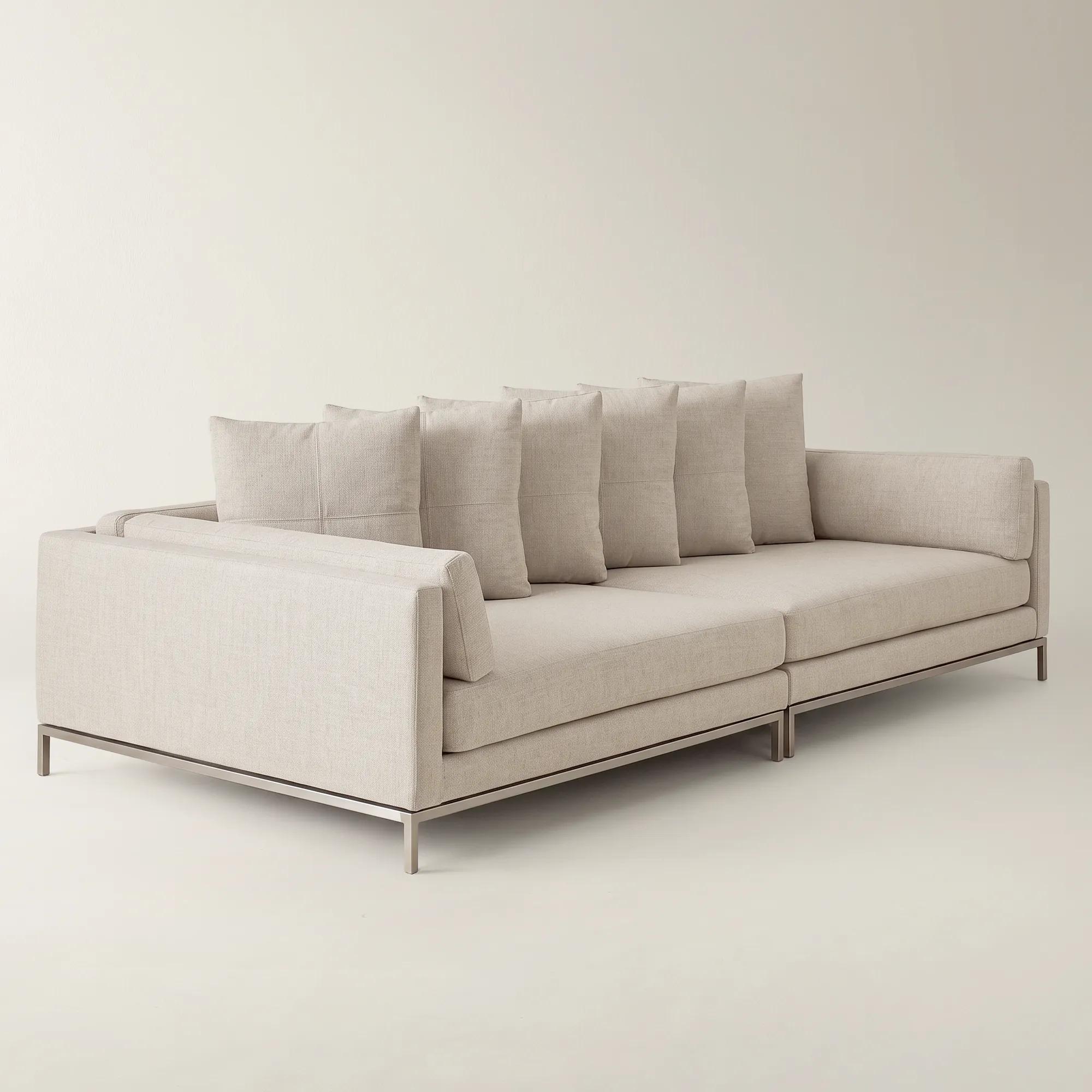 Ventura 2-Piece Square Snow Chenille Sectional Sofa$4299
A modern snow chenille sectional with a floating stainless-steel base, plush feather-filled pillows, and versatile configurations.
Add To Cart -
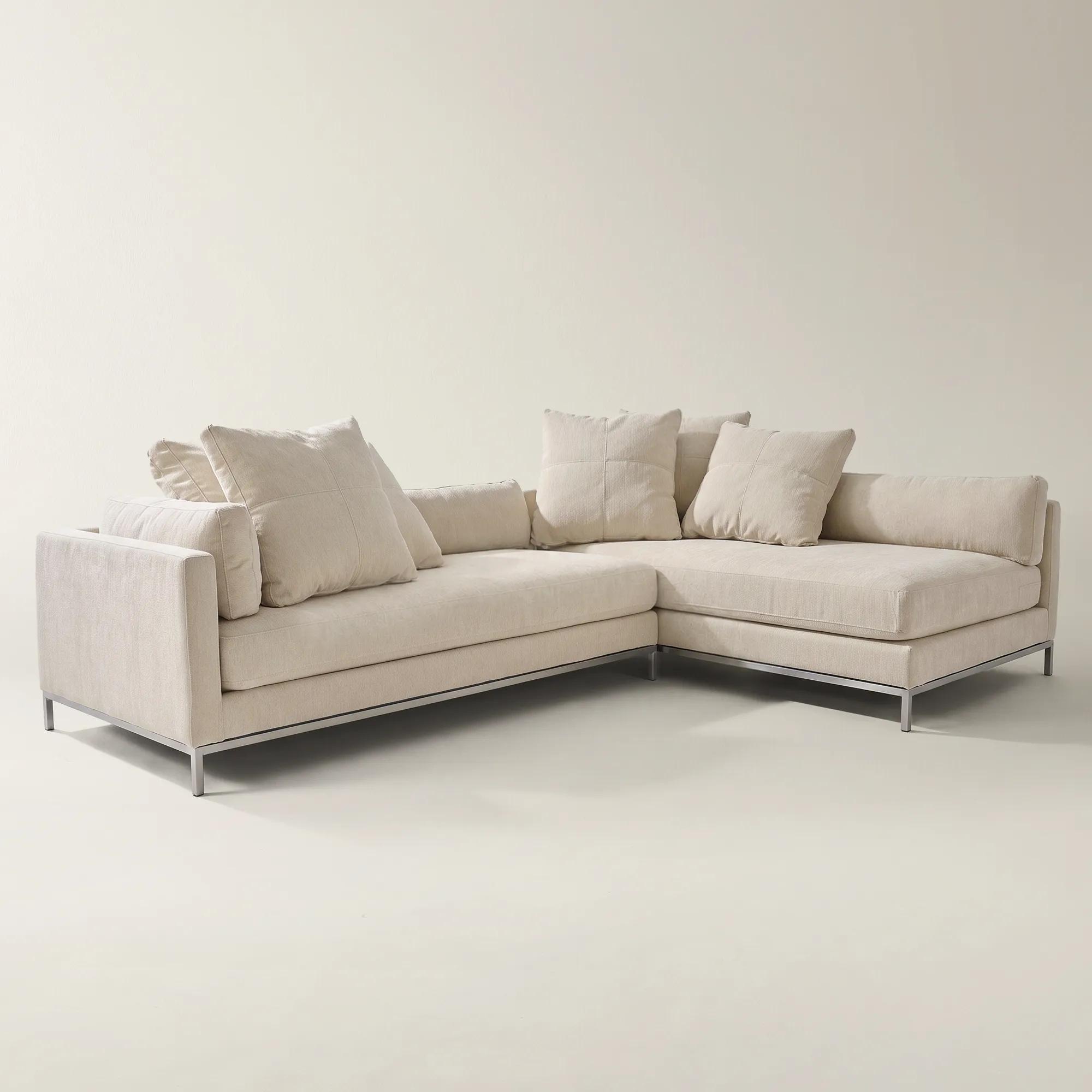
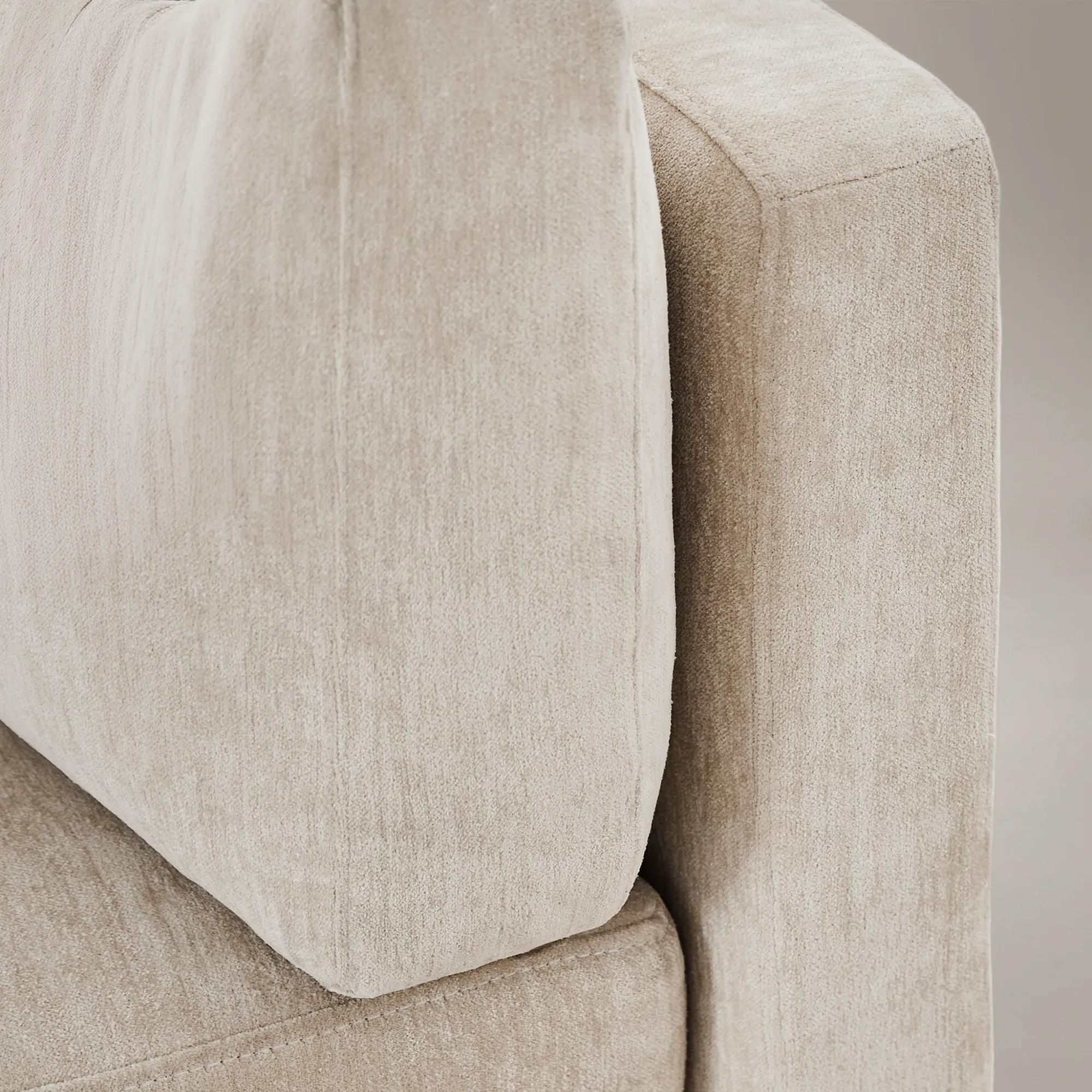 Ventura 2-Piece L-Shaped Snow Chenille Sectional Sofa With Left-Arm Chair$4099
A modern Snow chenille sectional with plush feather-filled pillows, supportive cushioning, and a stainless-steel base.
Add To Cart -
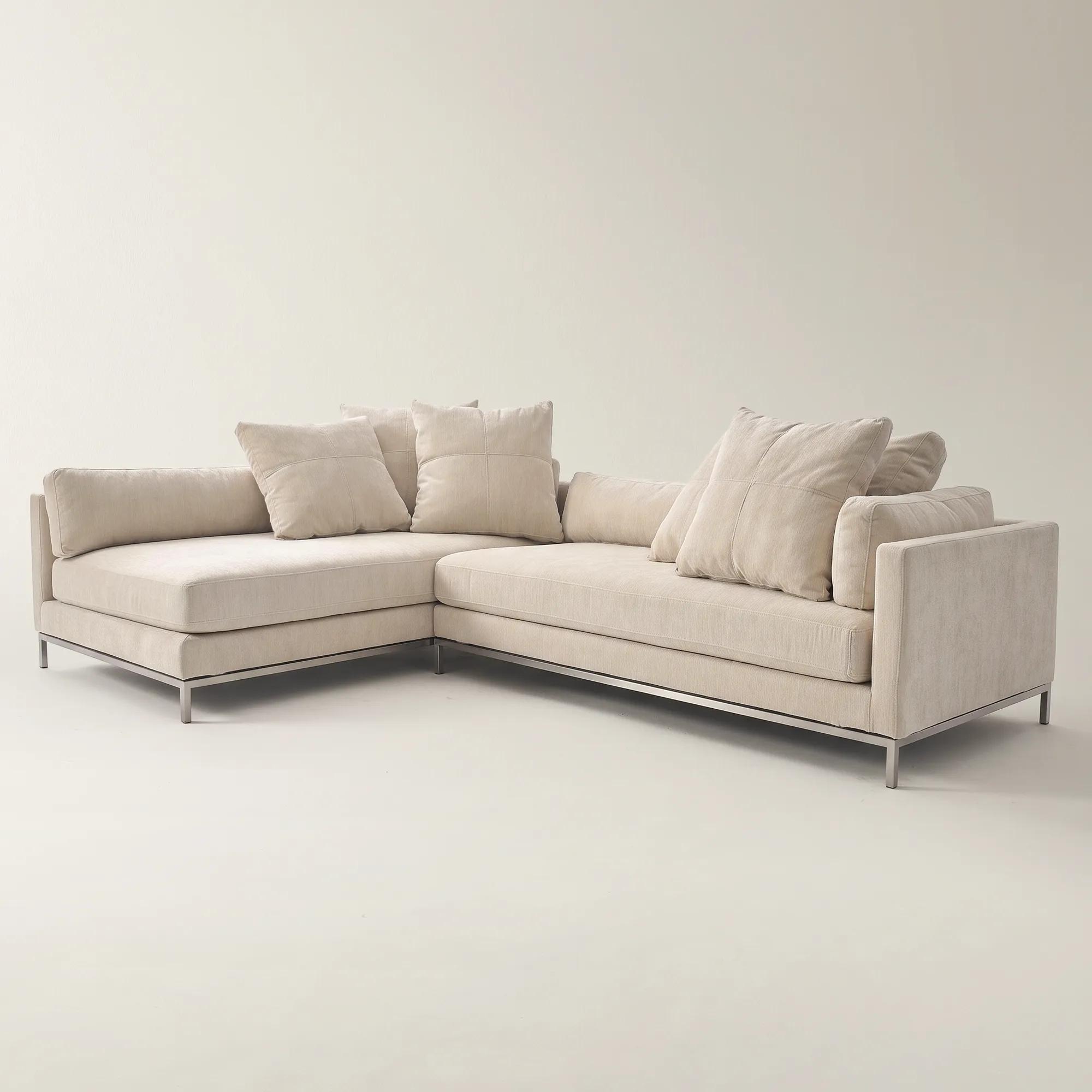 Ventura 2-Piece L-Shaped Snow Chenille Sectional Sofa With Right-Arm Chair$4099
A modern Snow chenille sectional with plush feather-filled cushions, streamlined metal base, and versatile L-shaped comfort.
Add To Cart -
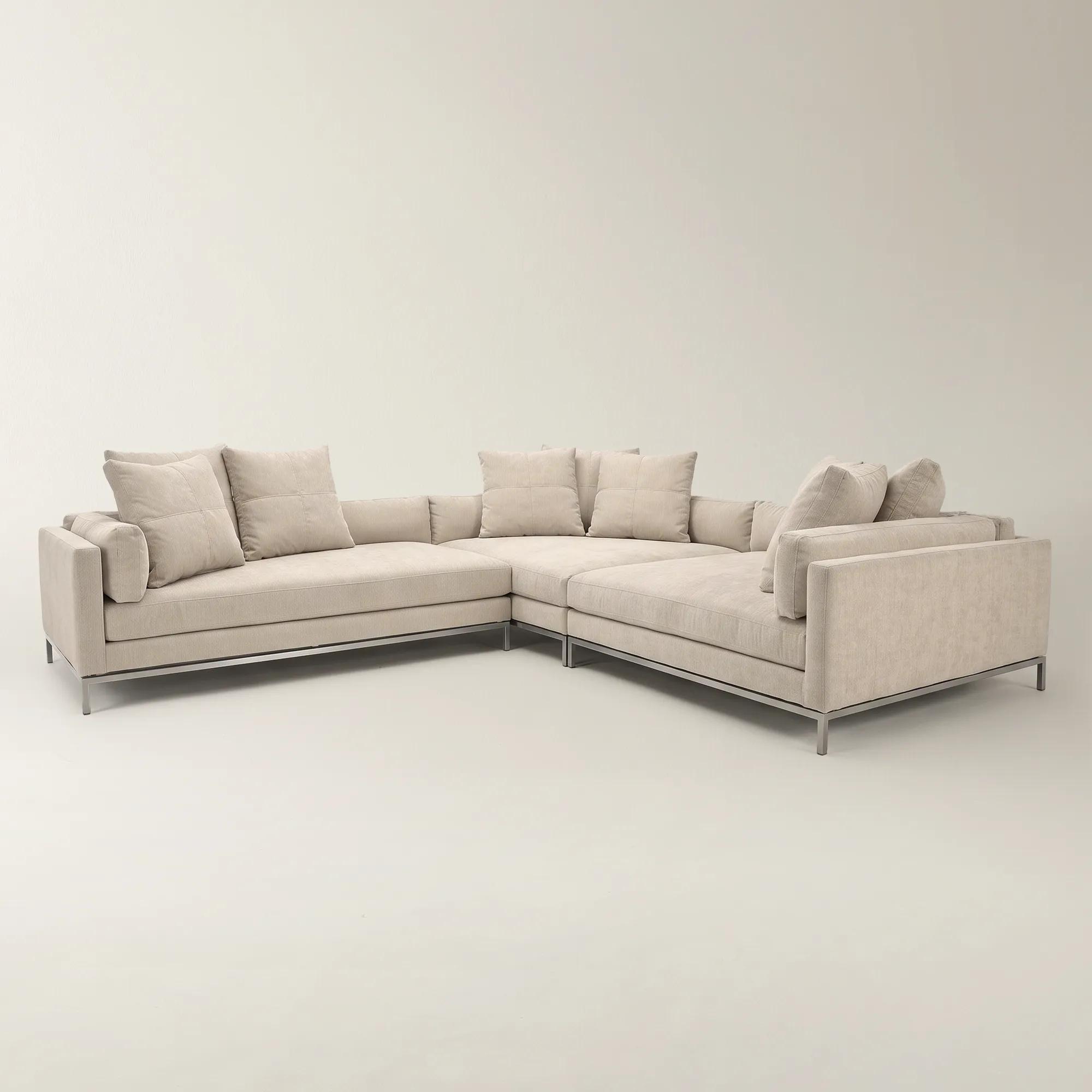 Ventura 3-Piece L-Shaped Snow Chenille Sectional Sofa With Left-Arm Chair$5999
A modern Snow chenille sectional with a stainless-steel base, plush feather pillows, and deep-seated comfort.
Add To Cart -
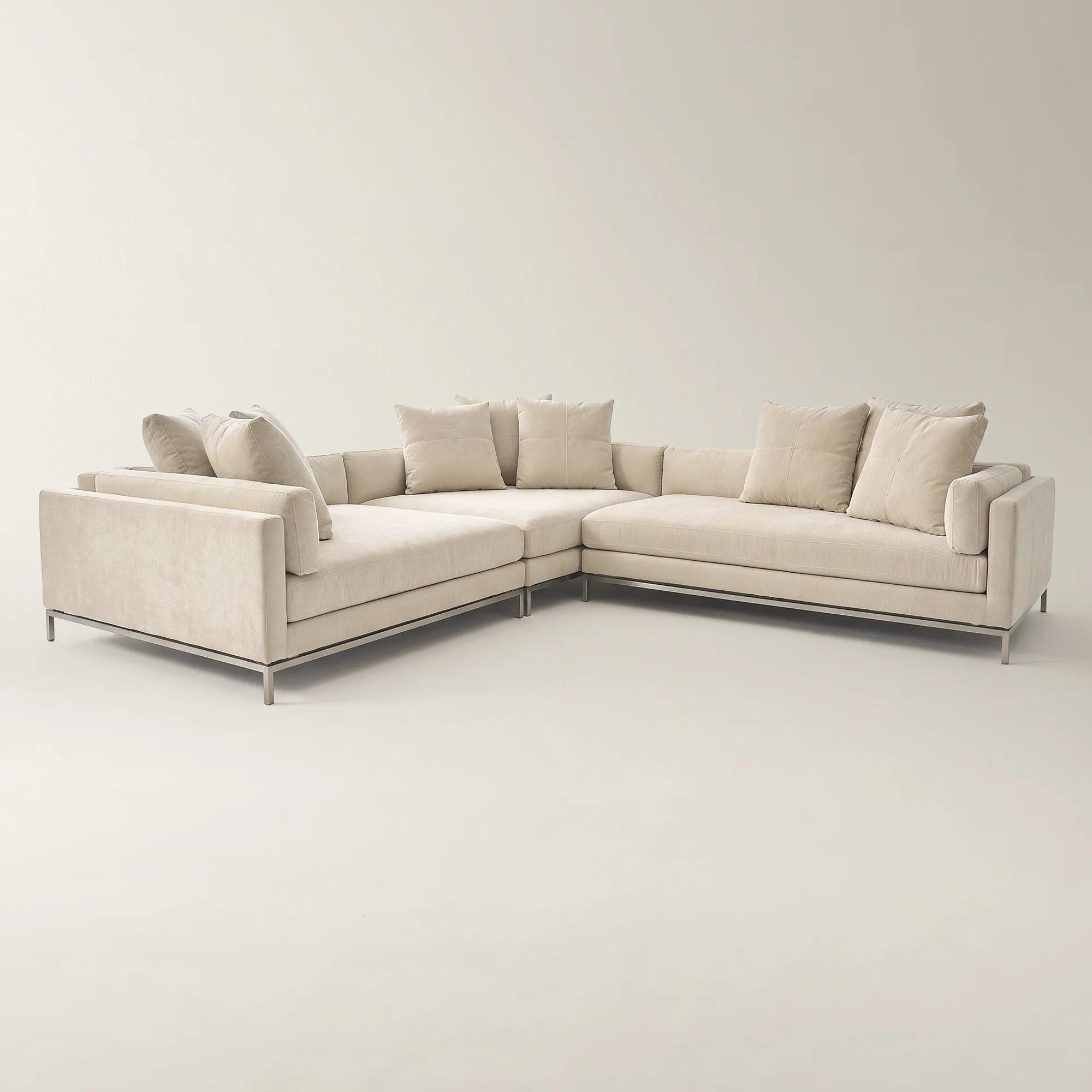 Ventura 3-Piece L-Shaped Snow Chenille Sectional Sofa With Right-Arm Chair$5999
A snow chenille sectional with a streamlined floating silhouette, plush feather-filled cushions, and versatile L-shaped seating.
Add To Cart -
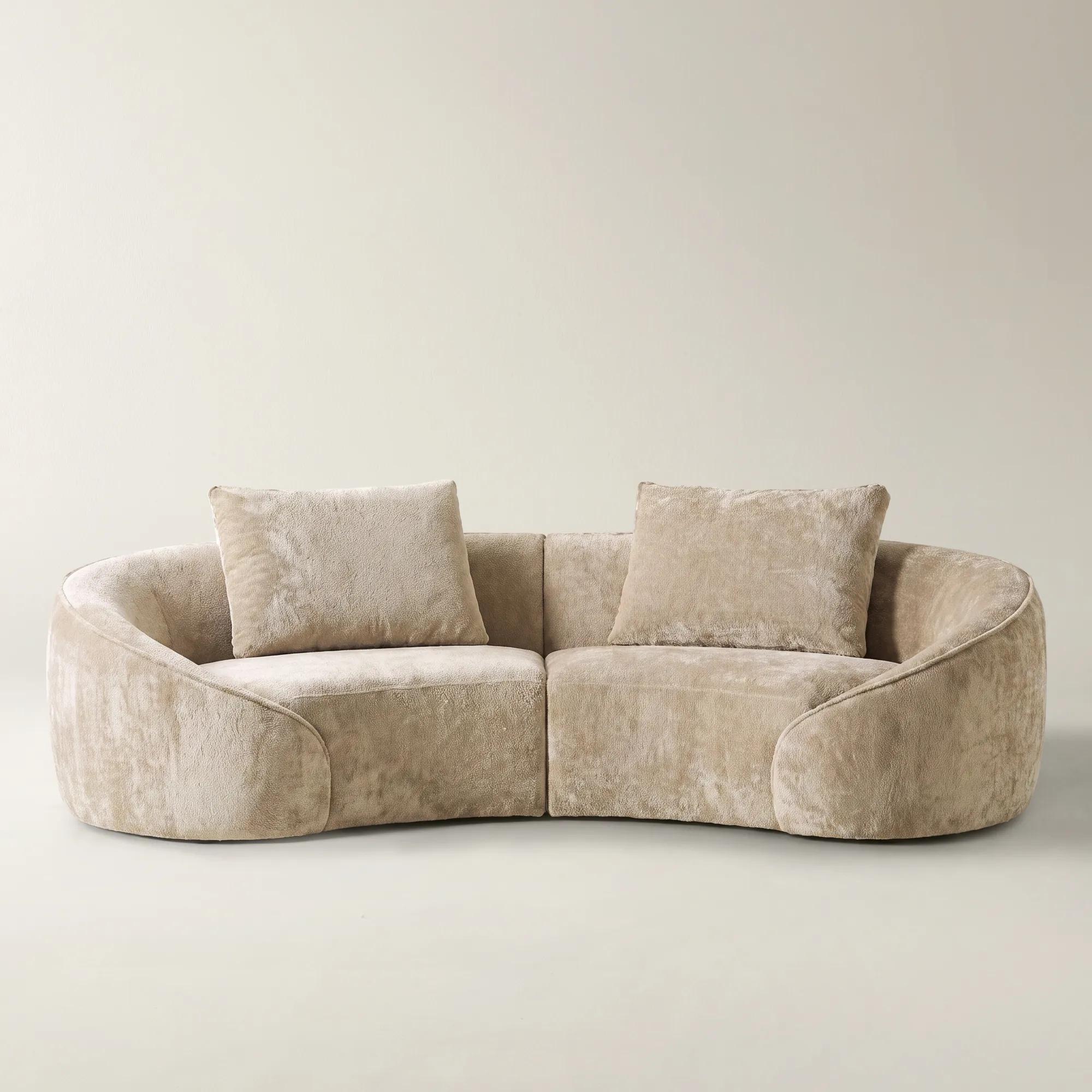
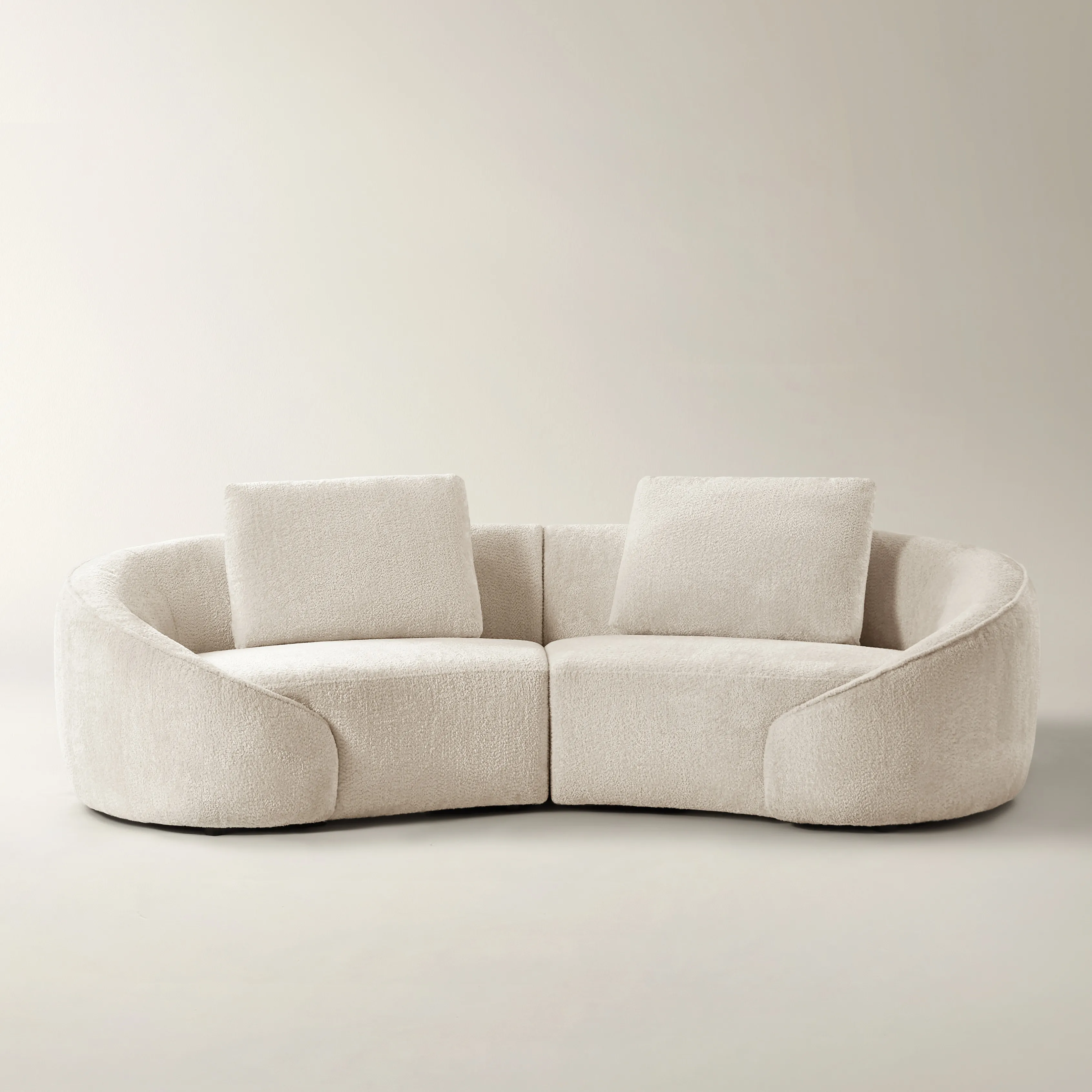 Irene 2-Piece Light Brown Chenille Sectional Sofa$2699
A sculptural light brown chenille sectional featuring high-resiliency foam cushions and artisan hand-finished upholstery.
Add To Cart -
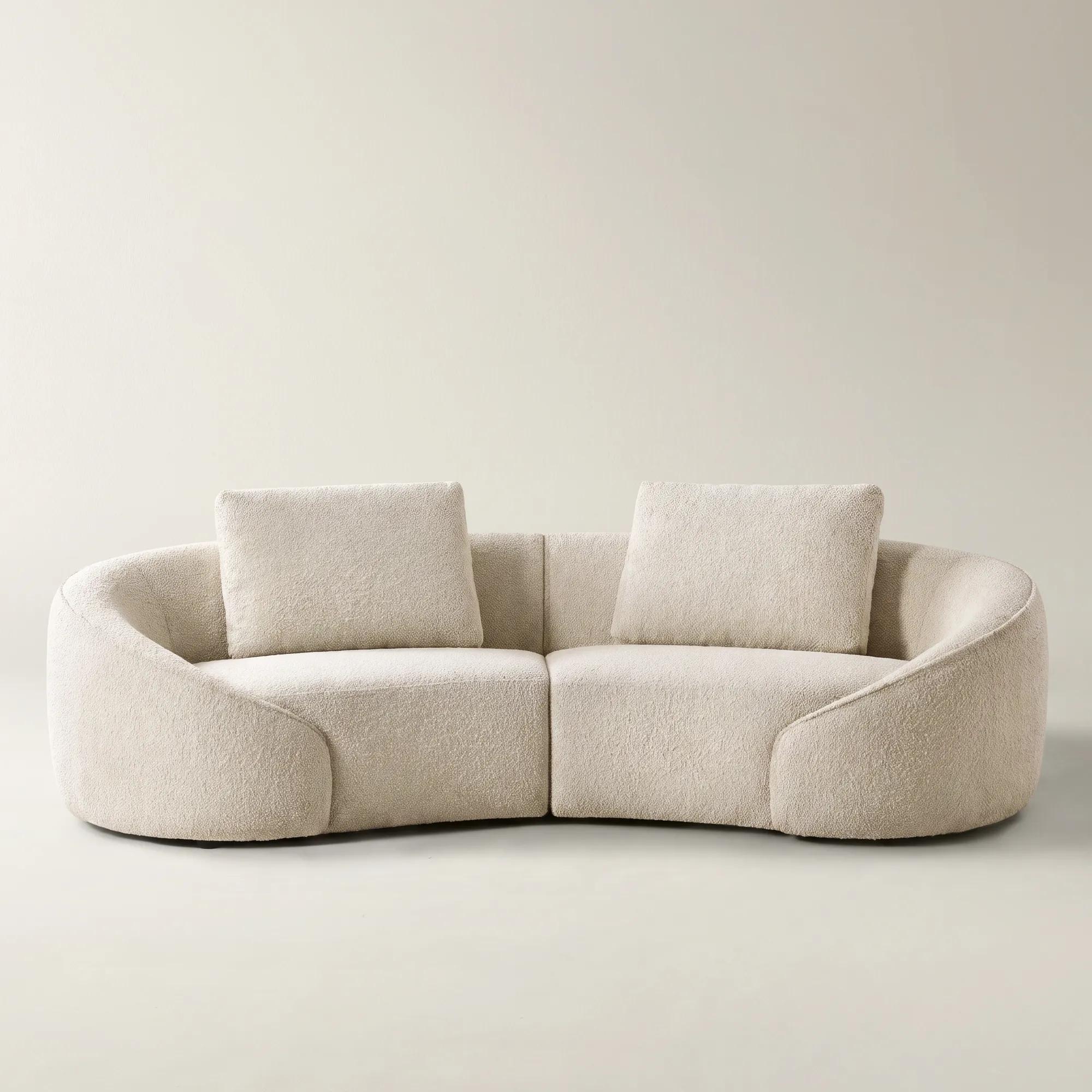
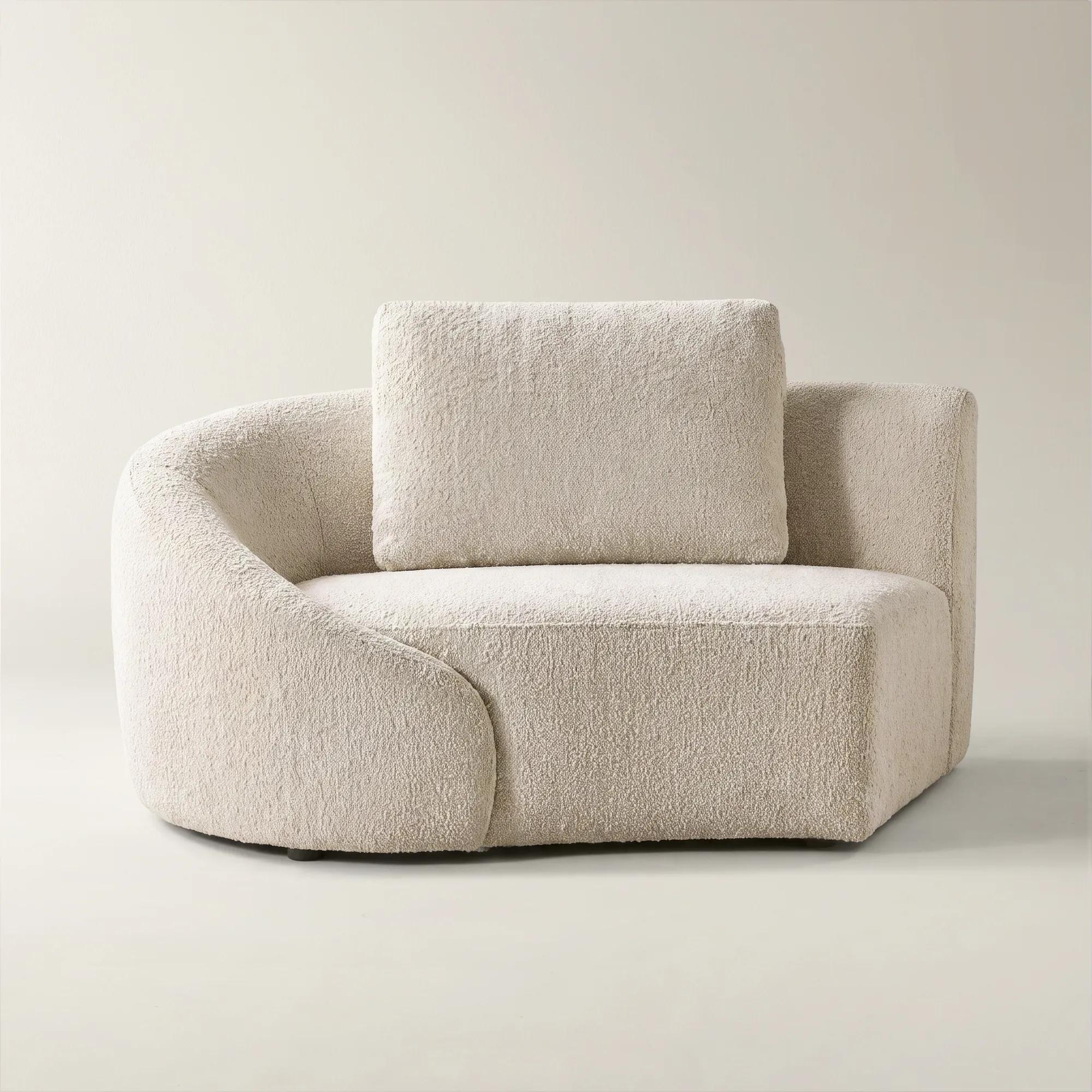
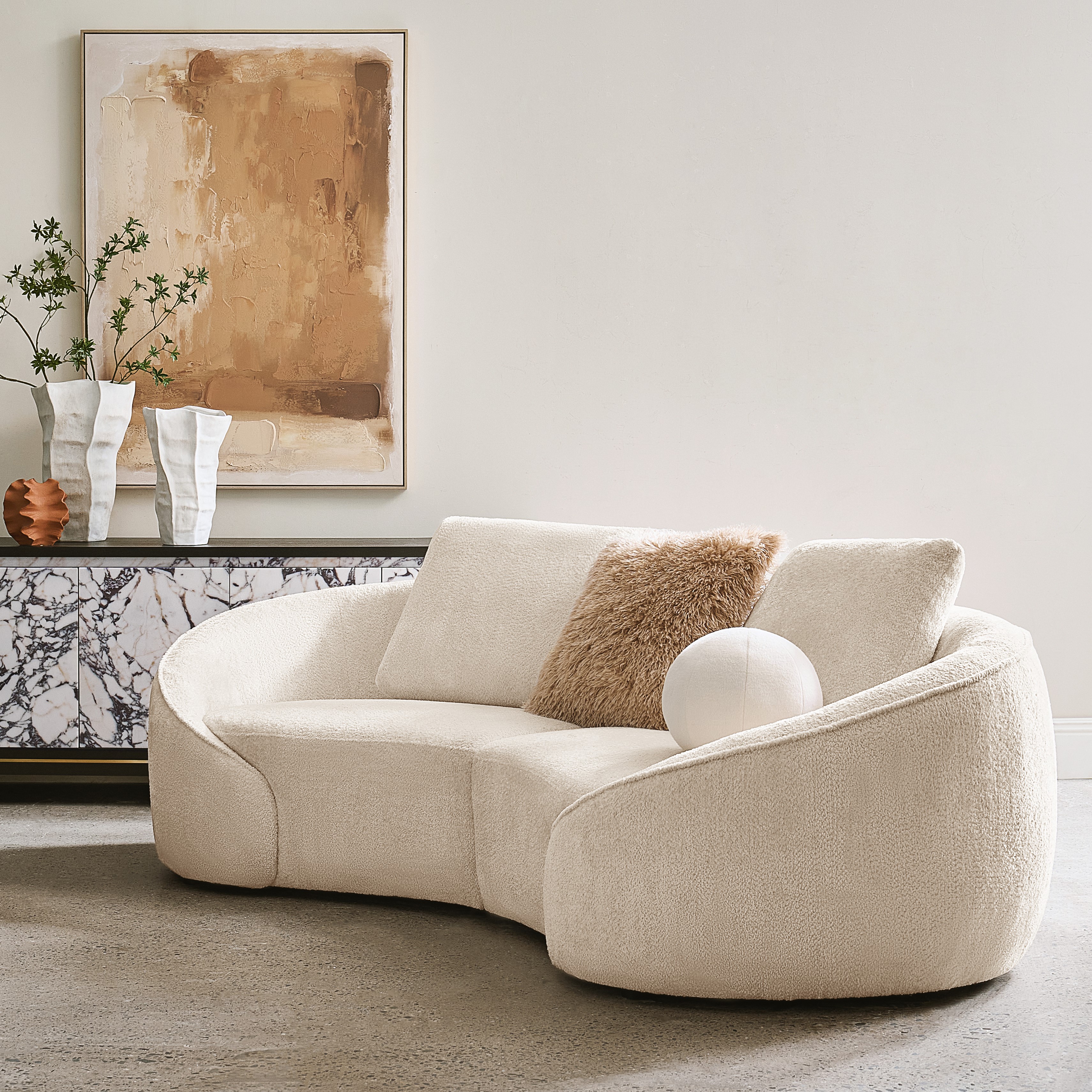 Irene 2-Piece Ivory Performance Boucle Sectional Sofa$2899
An inviting ivory performance boucle sectional featuring sculptural curves, high-resiliency foam, and artisan-tailored upholstery.
Add To Cart -
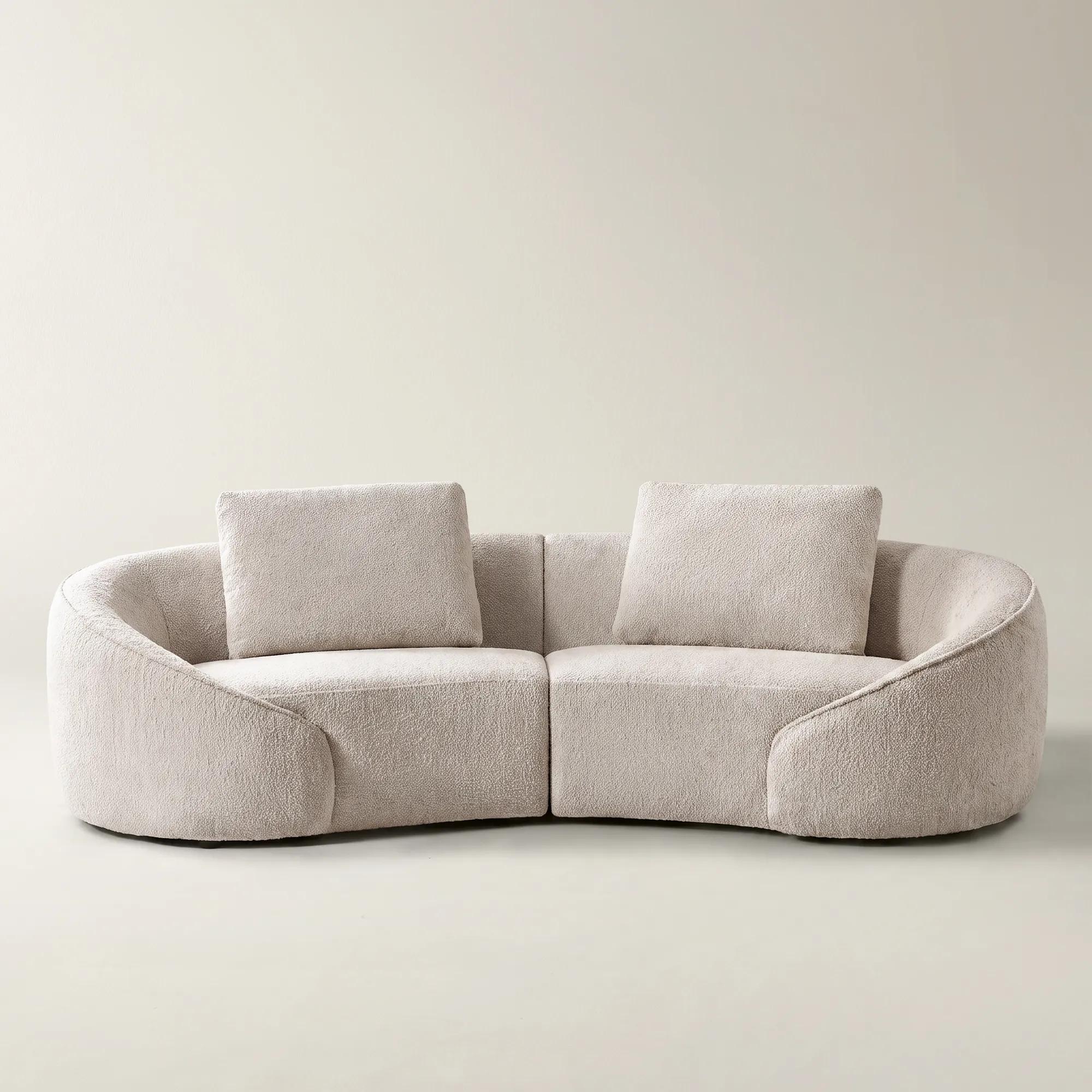
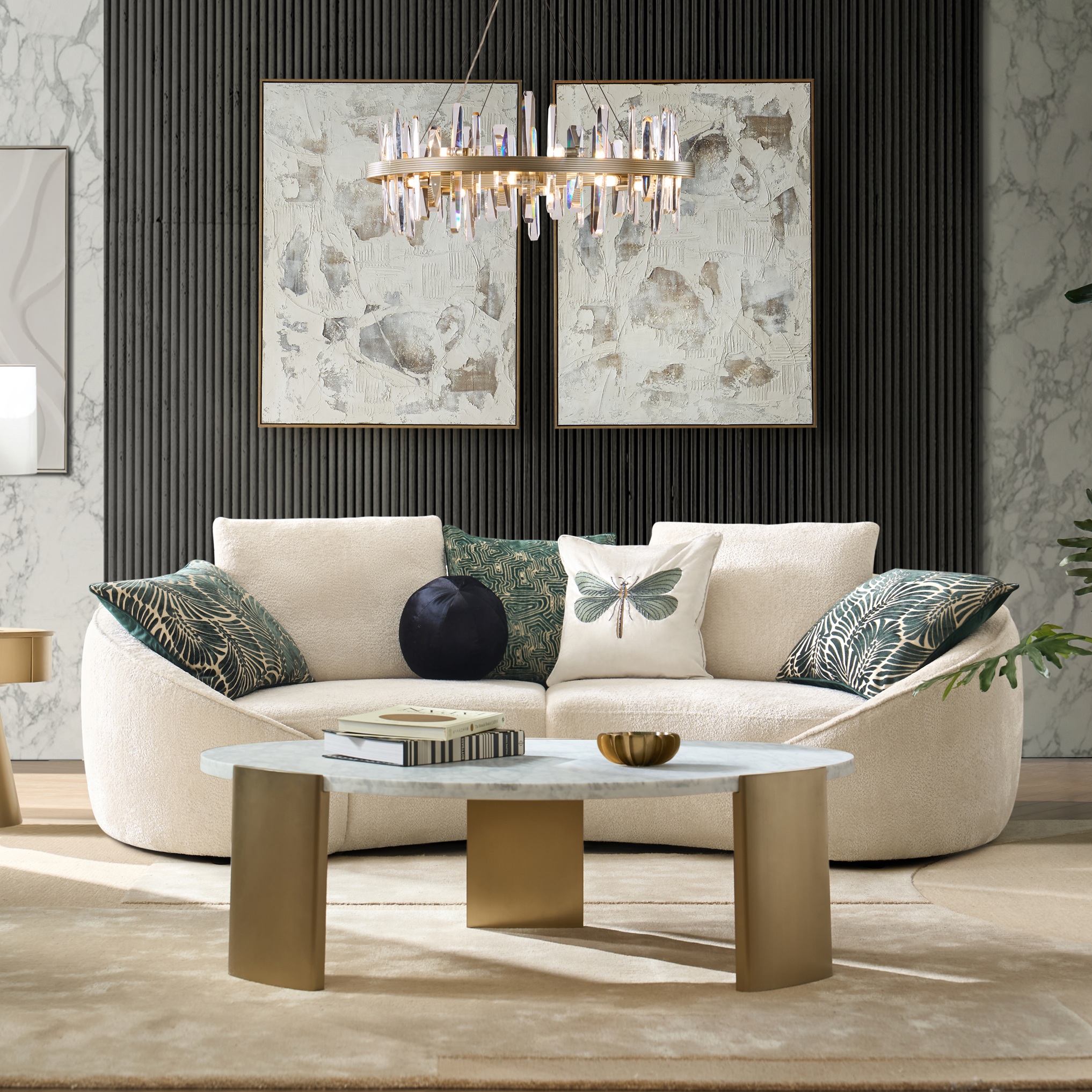 Irene 2-Piece Ivory Performance Boucle Sectional Sofa$2899
An inviting ivory performance boucle sectional featuring sculptural curves, high-resiliency foam, and artisan-tailored upholstery.
Add To Cart -
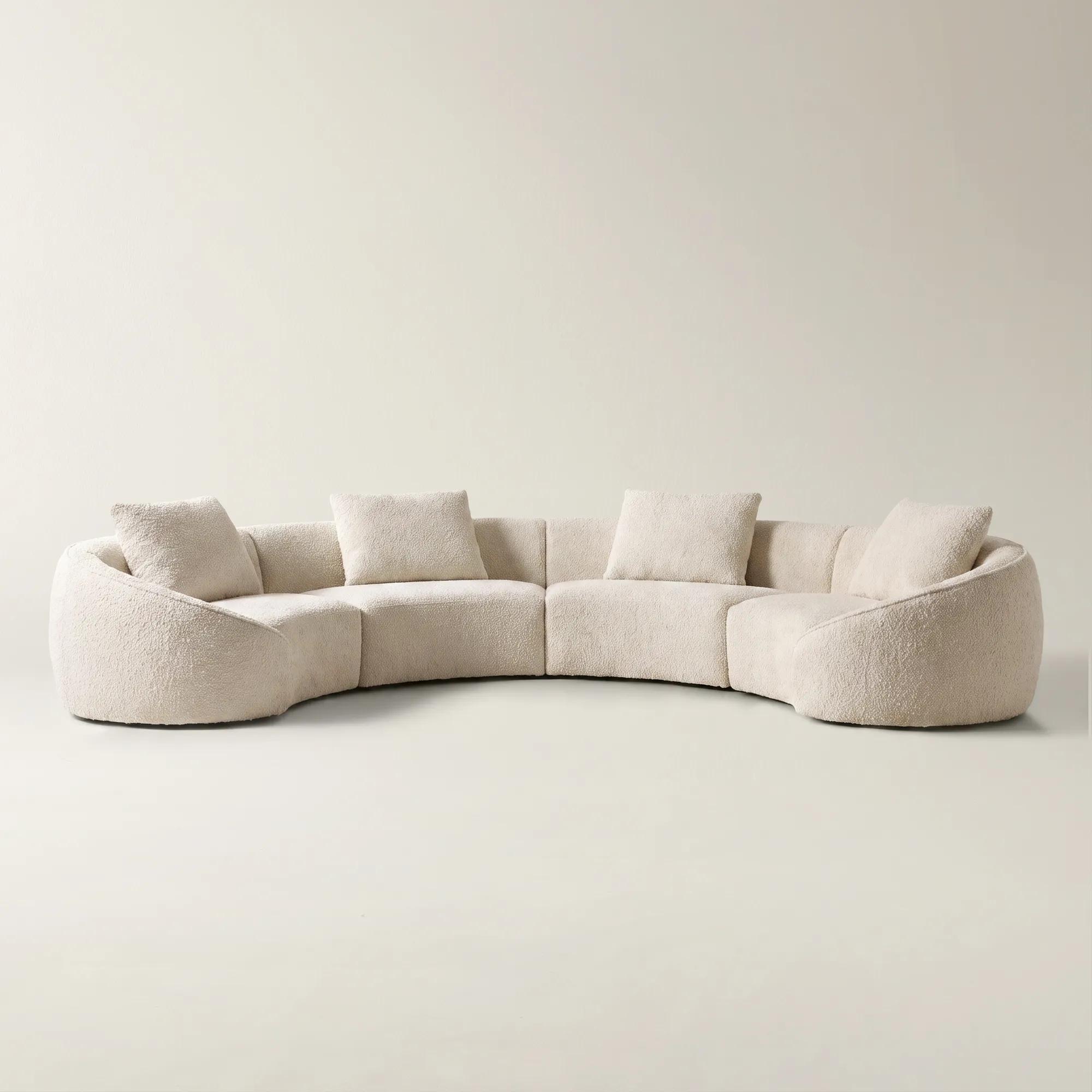
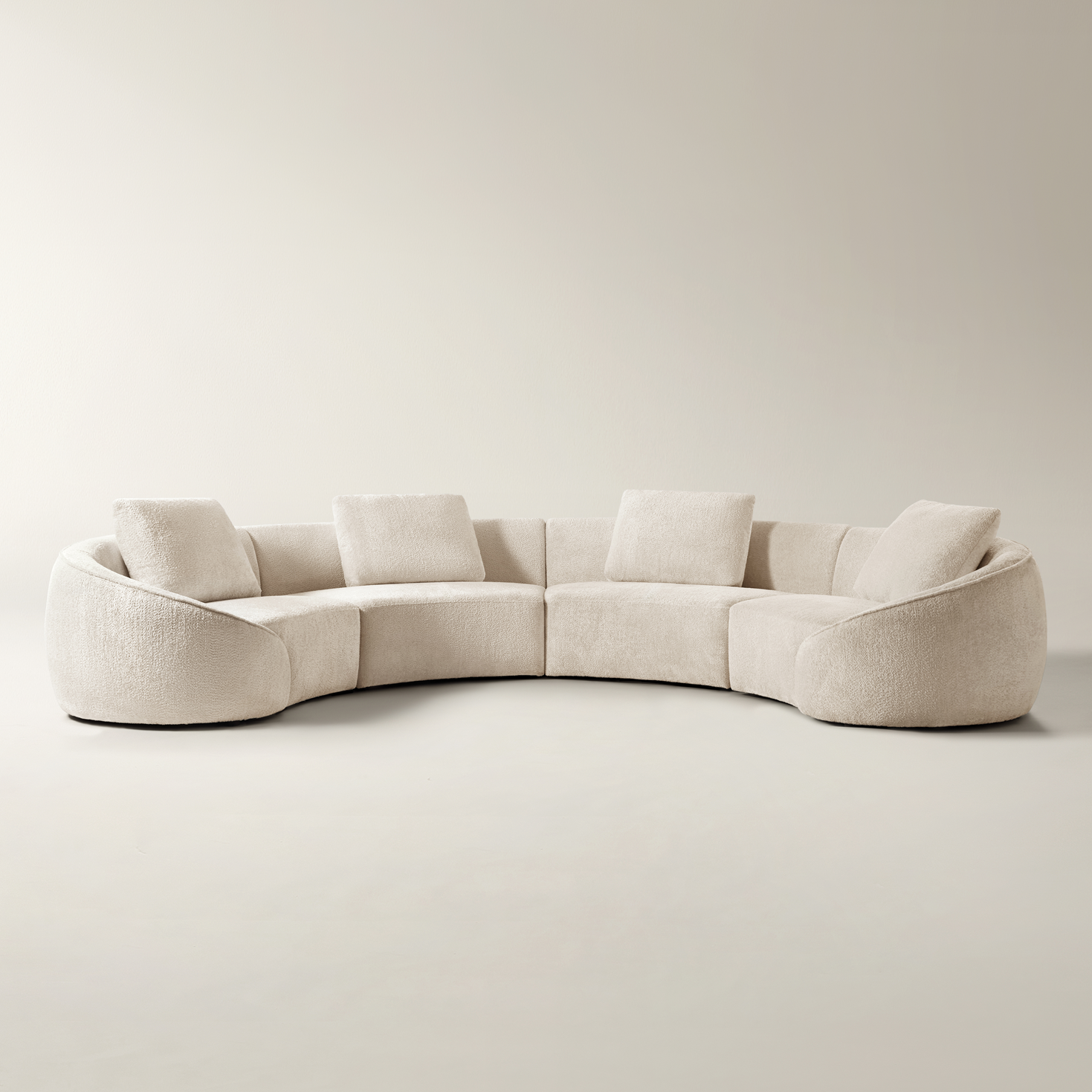 Irene 4-Piece Ivory Performance Boucle Sectional Sofa$5199
A sculptural ivory performance boucle sectional featuring hand-finished upholstery and high-resiliency foam cushions.
Add To Cart -
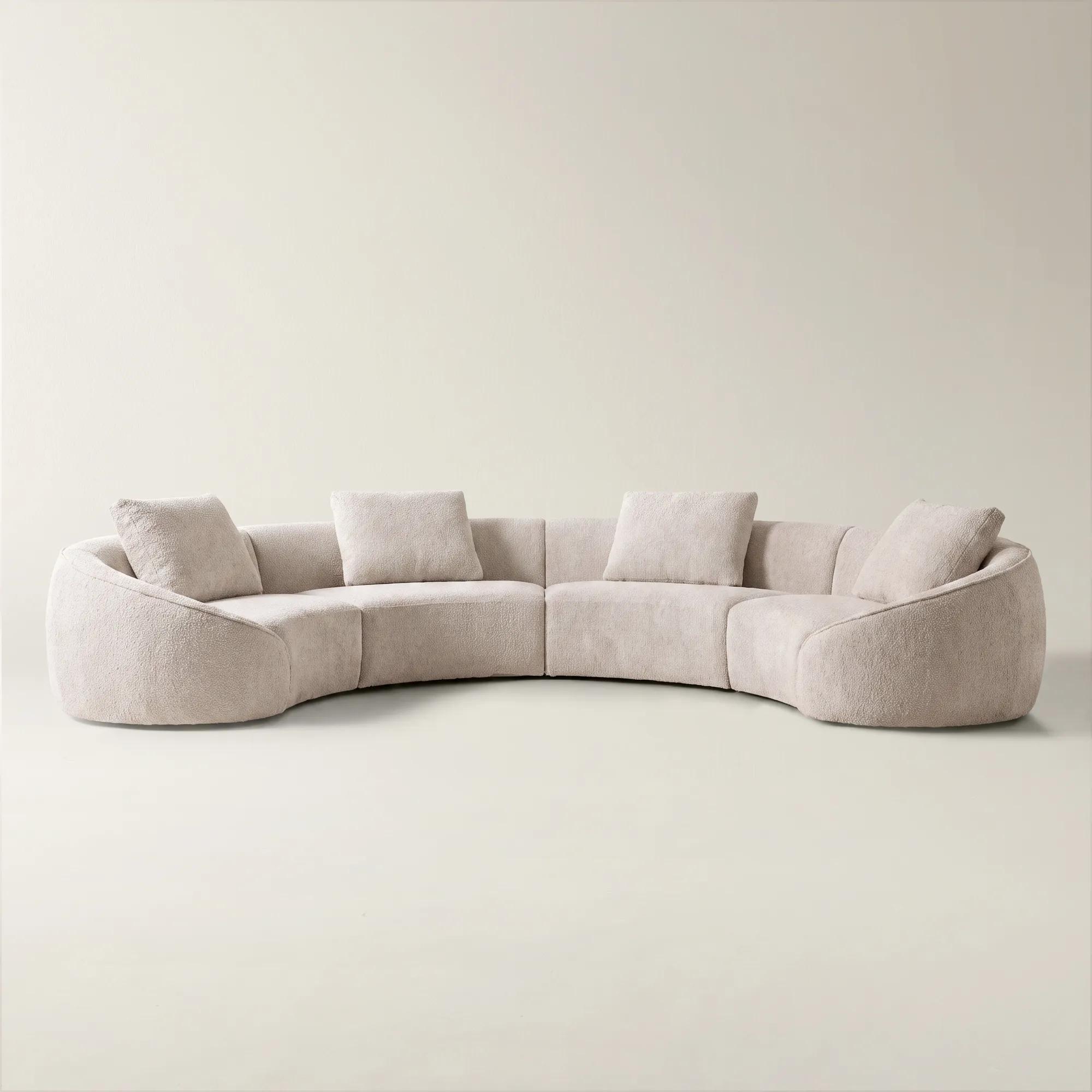 Irene 4-Piece Ivory Performance Boucle Sectional Sofa$5199
An inviting ivory performance boucle sectional featuring sculptural curves, high-resiliency foam, and artisan hand-finished upholstery.
Add To Cart -
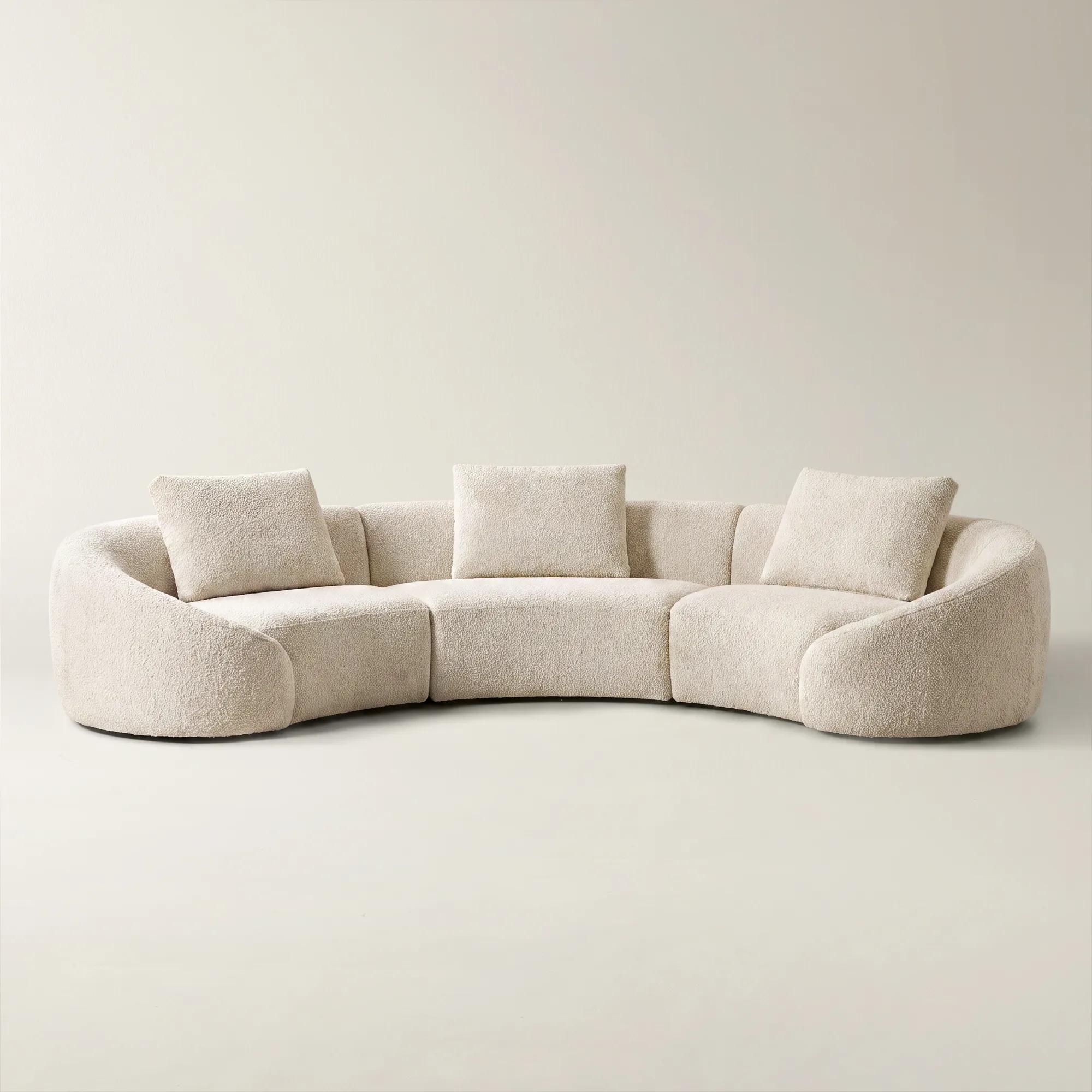
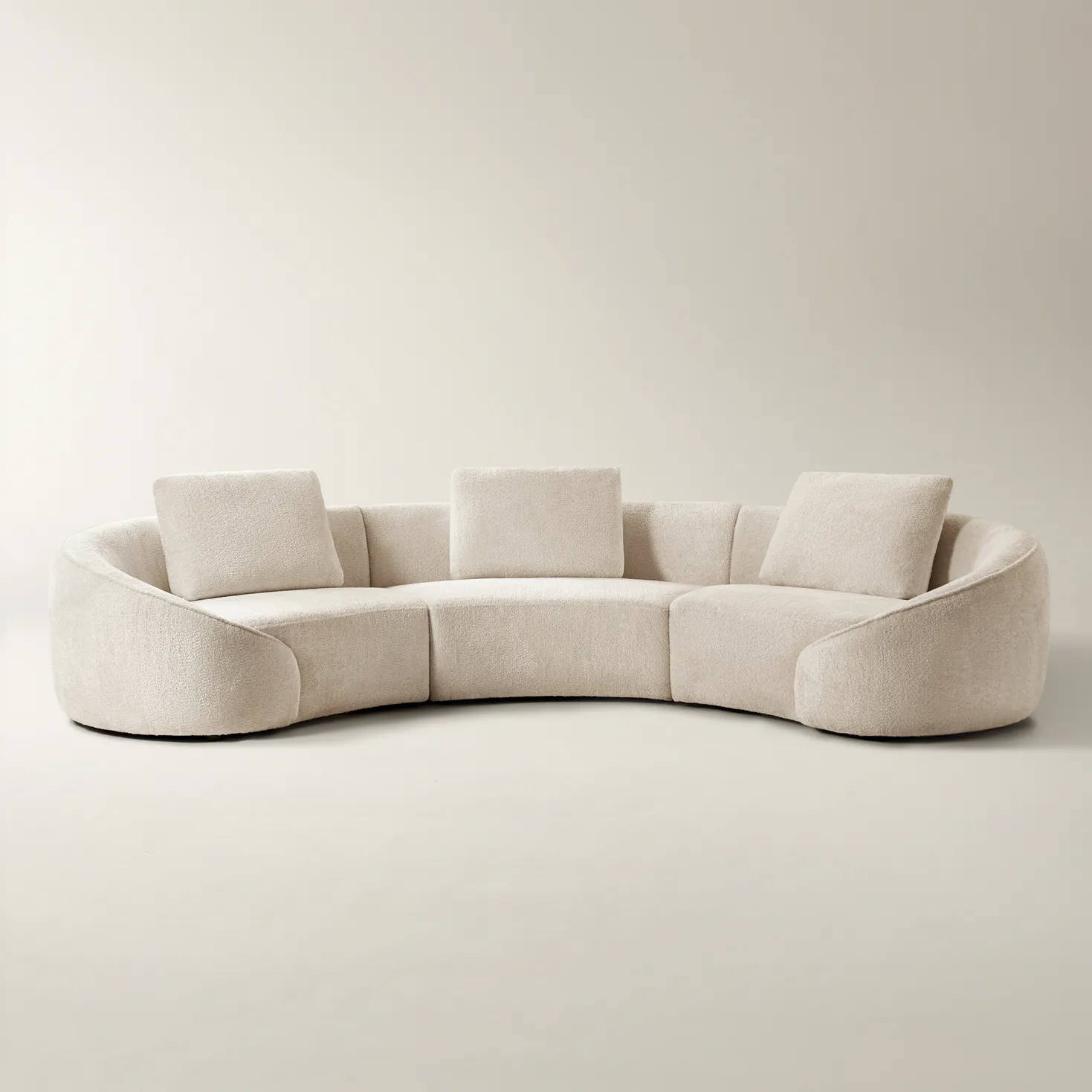 Irene 3-Piece Ivory Performance Boucle Sectional Sofa$4099
An inviting ivory performance boucle sectional featuring sculptural curves, high-resiliency foam, and artisan hand-finished upholstery.
Add To Cart -
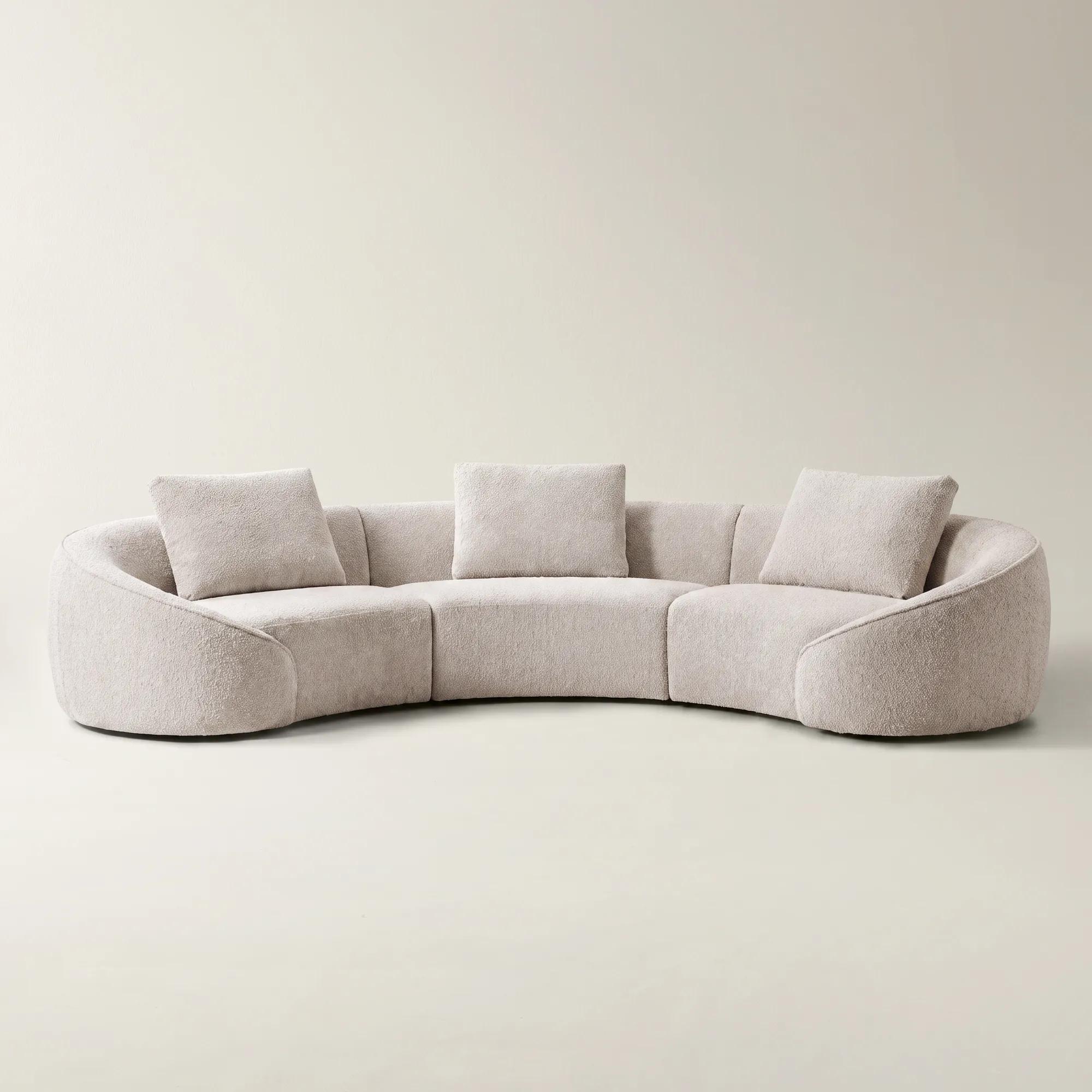 Irene 3-Piece Ivory Performance Boucle Sectional Sofa$4099
A sculptural ivory boucle sectional featuring performance upholstery, high-resiliency foam cushions, and artisan hand-finished details.
Add To Cart -
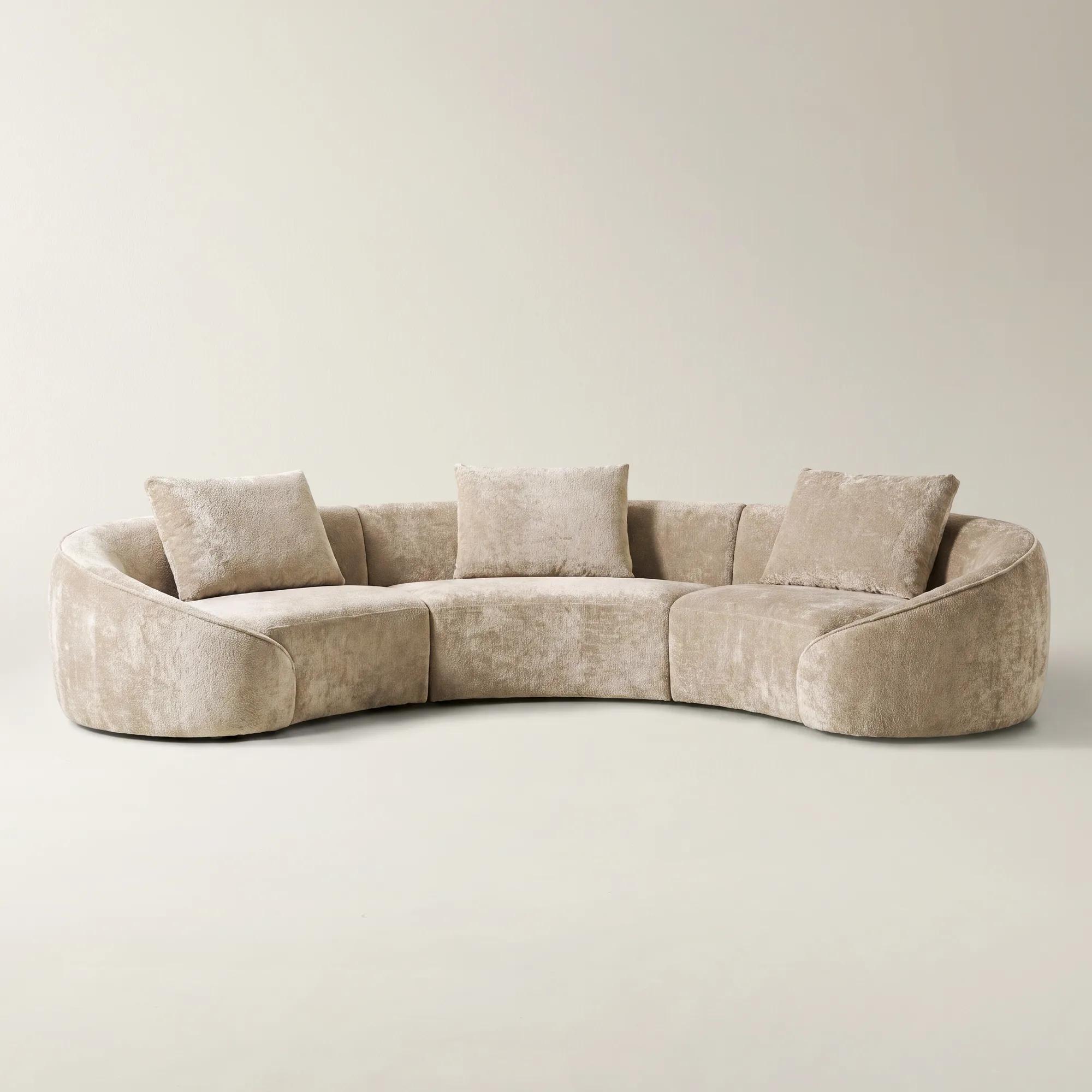 Irene 3-Piece Light Brown Chenille Sectional Sofa$3899
A sculptural light brown chenille sectional featuring high-resiliency foam cushions and artisan hand-finished upholstery.
Add To Cart -
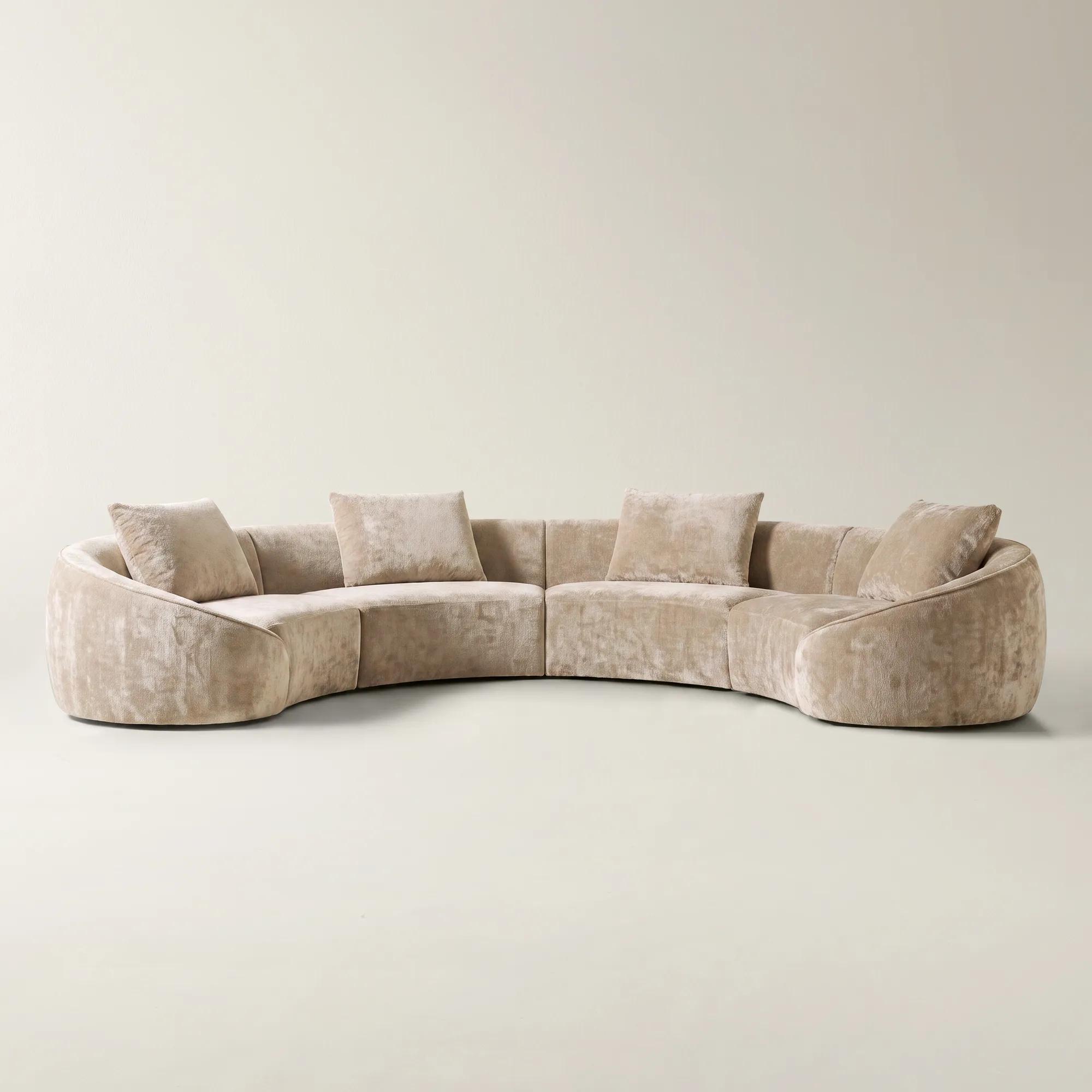 Irene 4-Piece Light Brown Chenille Sectional Sofa$4999
A sculptural light brown chenille sectional with high-resiliency foam cushions and hand-finished artisan detailing.
Add To Cart -
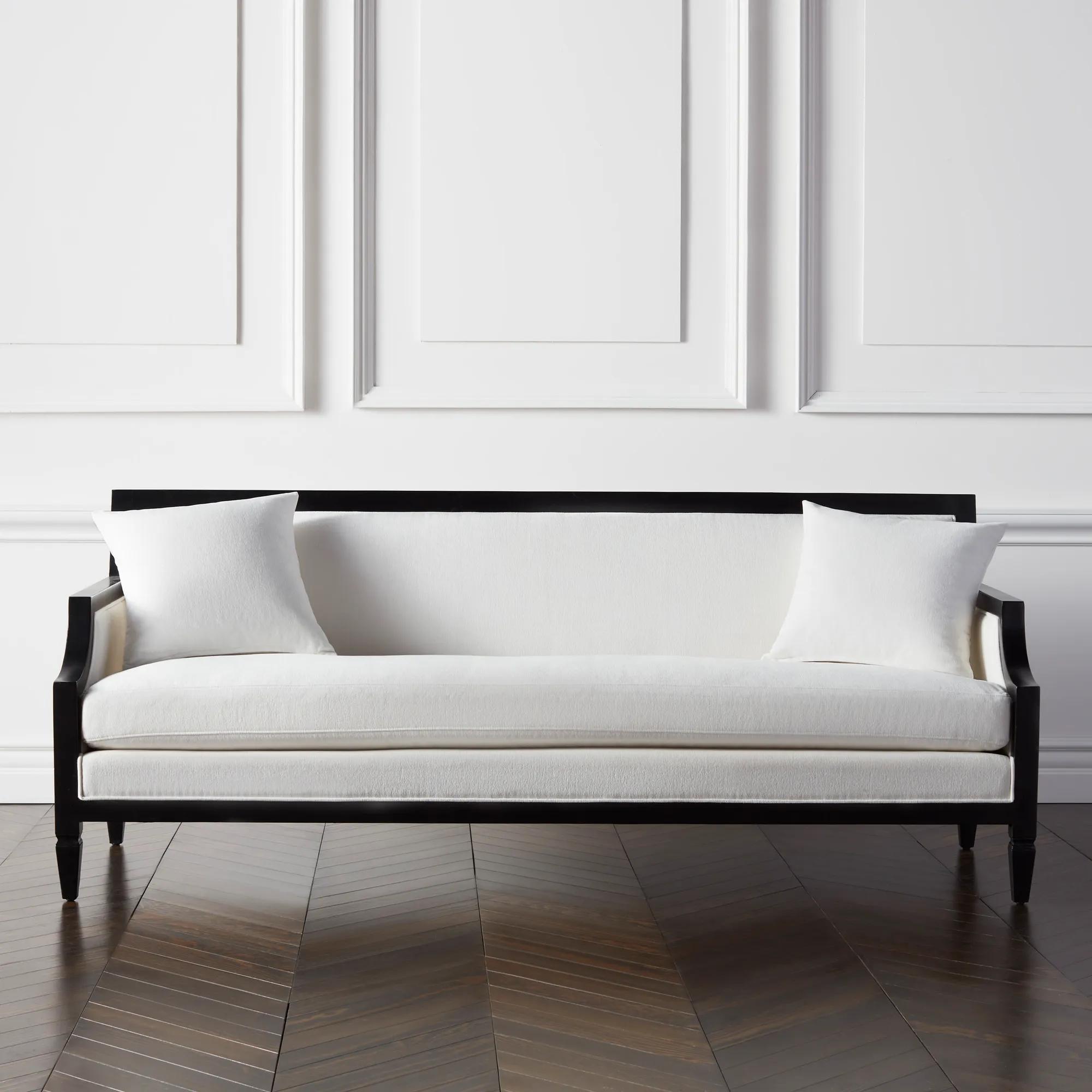
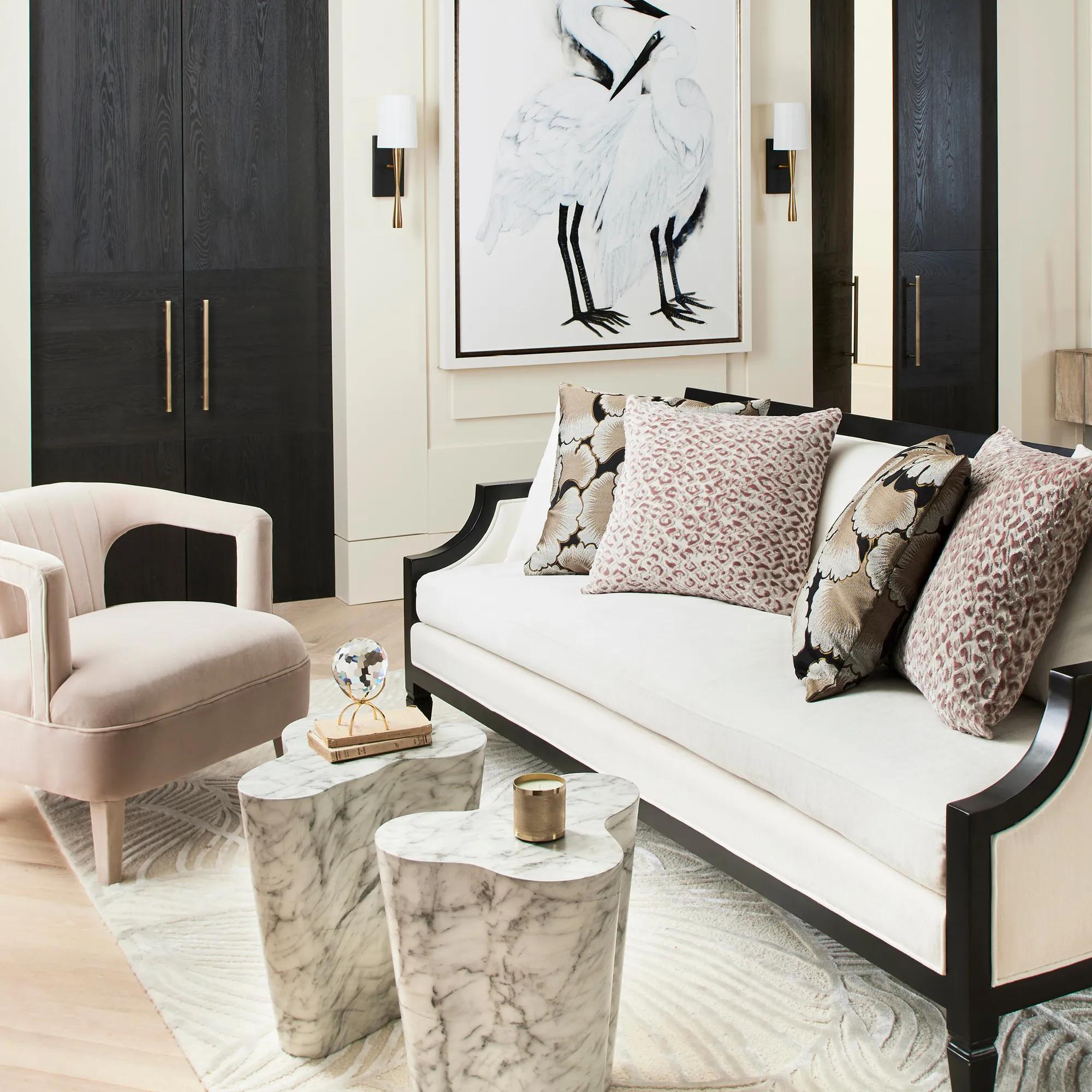 Kayla Sofa$2499
A modern sofa featuring plush Kenley Chenille Snow upholstery, notched arms, and a matte black wood frame.
Add To Cart -
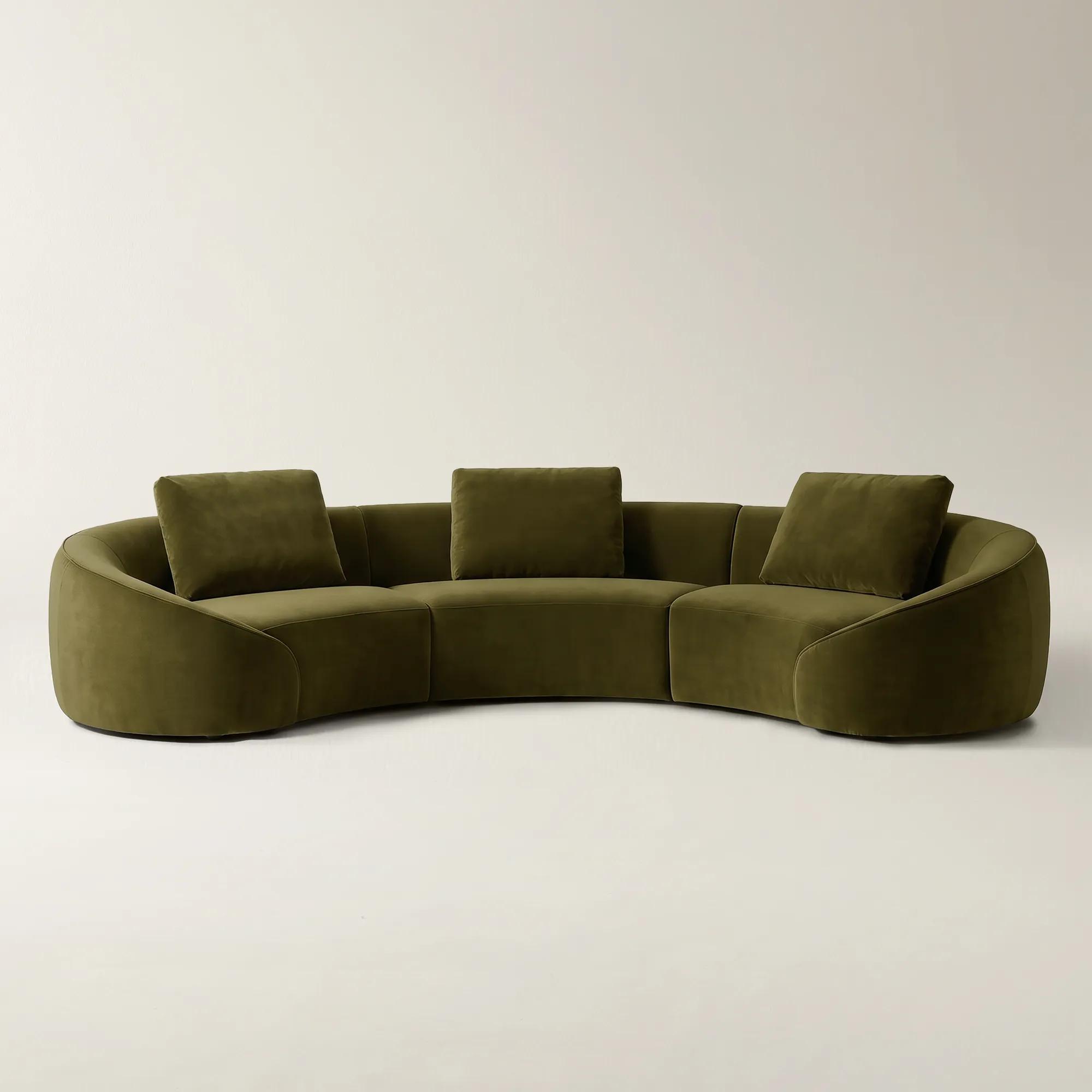 Irene 3-Piece Deep Olive Velvet Sectional Sofa$3899
A sculptural deep olive velvet sectional featuring high-resiliency foam cushions and hand-finished artisan detailing.
Add To Cart -
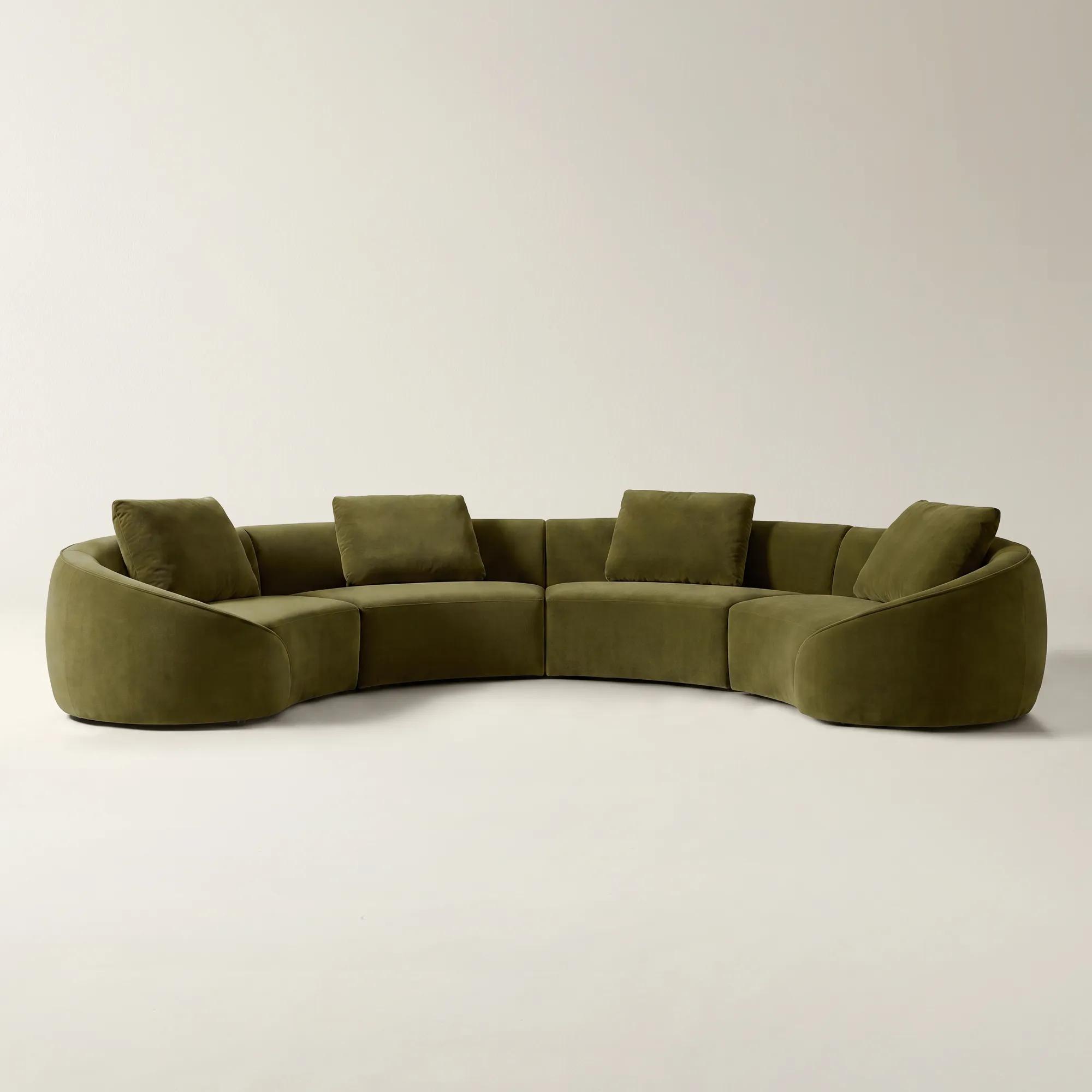 Irene 4-Piece Deep Olive Velvet Sectional Sofa$4999
A sculptural sectional in deep olive velvet with high-resiliency foam cushions and hand-finished upholstery.
Add To Cart -
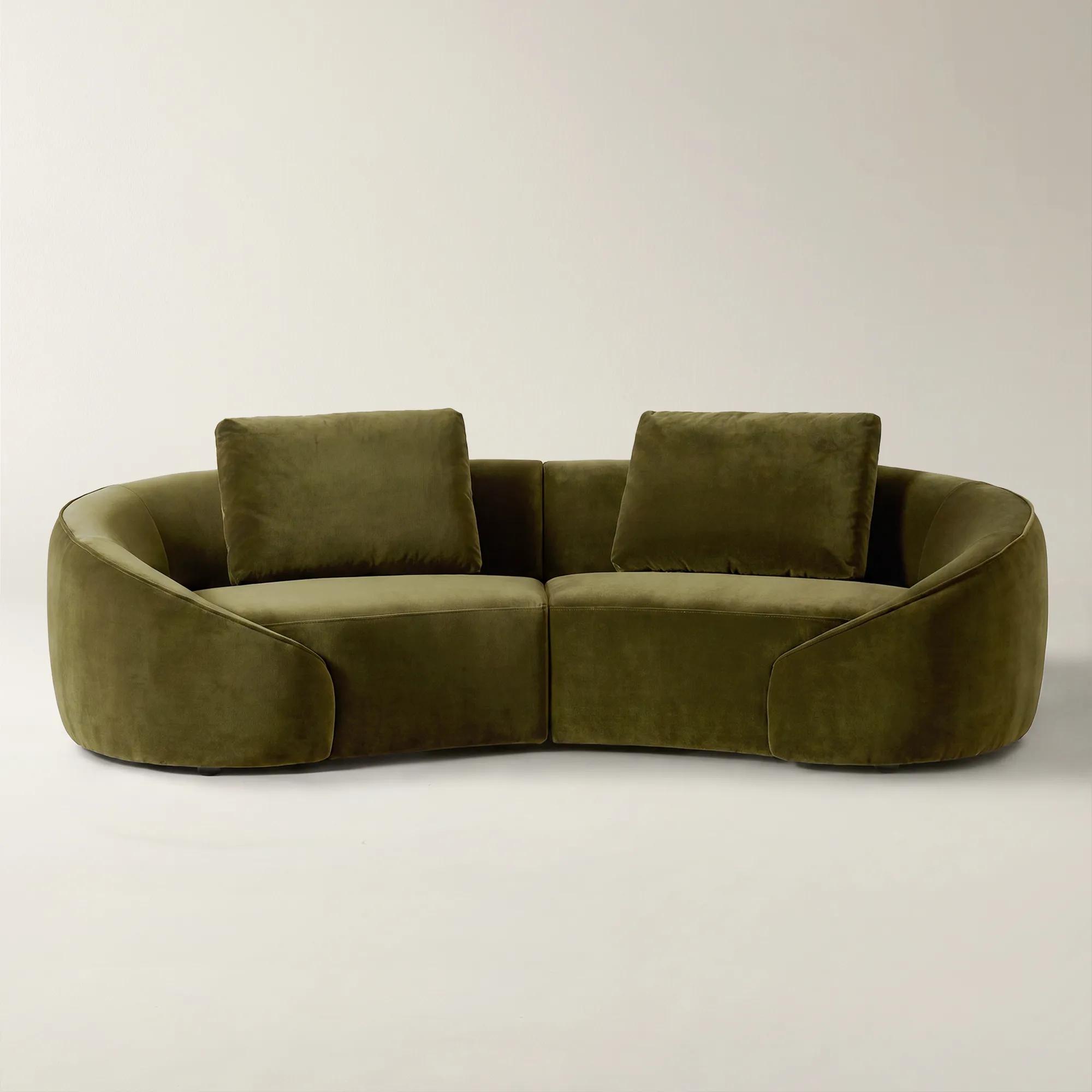 Irene 2-Piece Deep Olive Velvet Sectional Sofa$2699
A sculptural deep olive velvet sectional featuring high-resiliency foam cushions and artisan hand-finished upholstery.
Add To Cart -
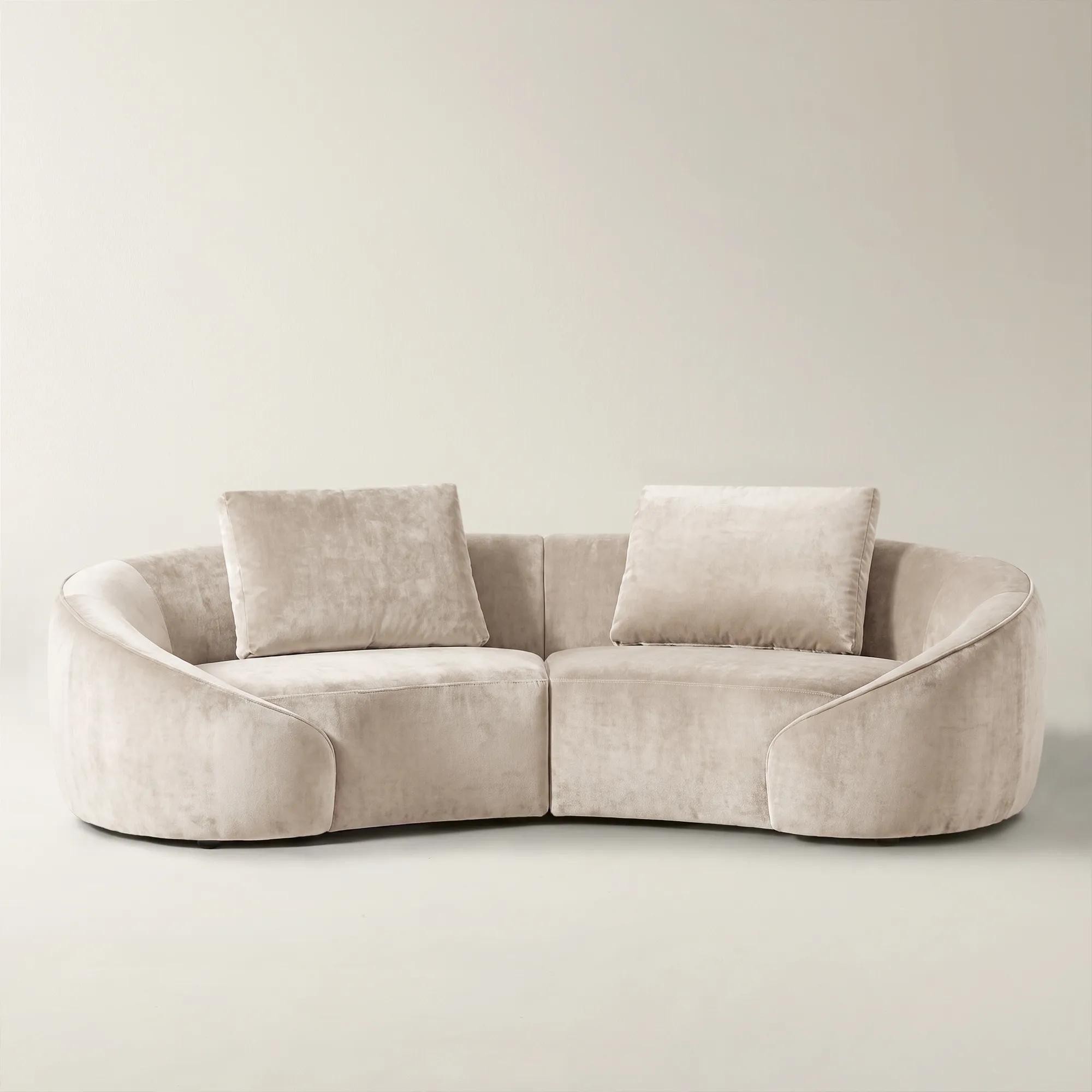 Irene 2-Piece Oatmeal Velvet Sectional Sofa$2699
A sculptural oatmeal velvet sectional featuring hand-finished upholstery, high-resiliency foam cushions, and accent pillows.
Add To Cart -
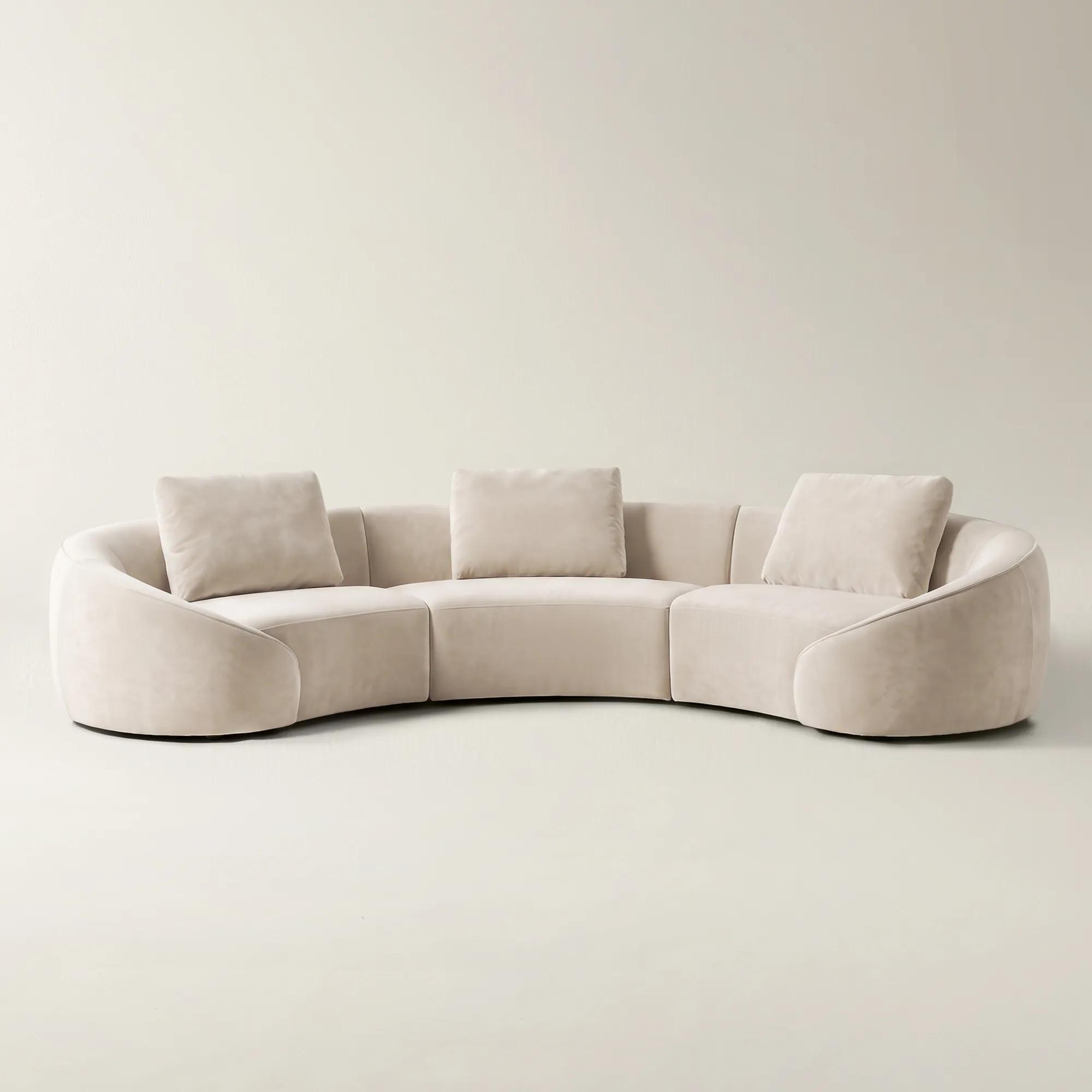 Irene 3-Piece Oatmeal Velvet Sectional Sofa$3899
An inviting oatmeal velvet sectional featuring sculptural curves, high-resiliency foam cushions, and artisan hand-finished upholstery.
Add To Cart -
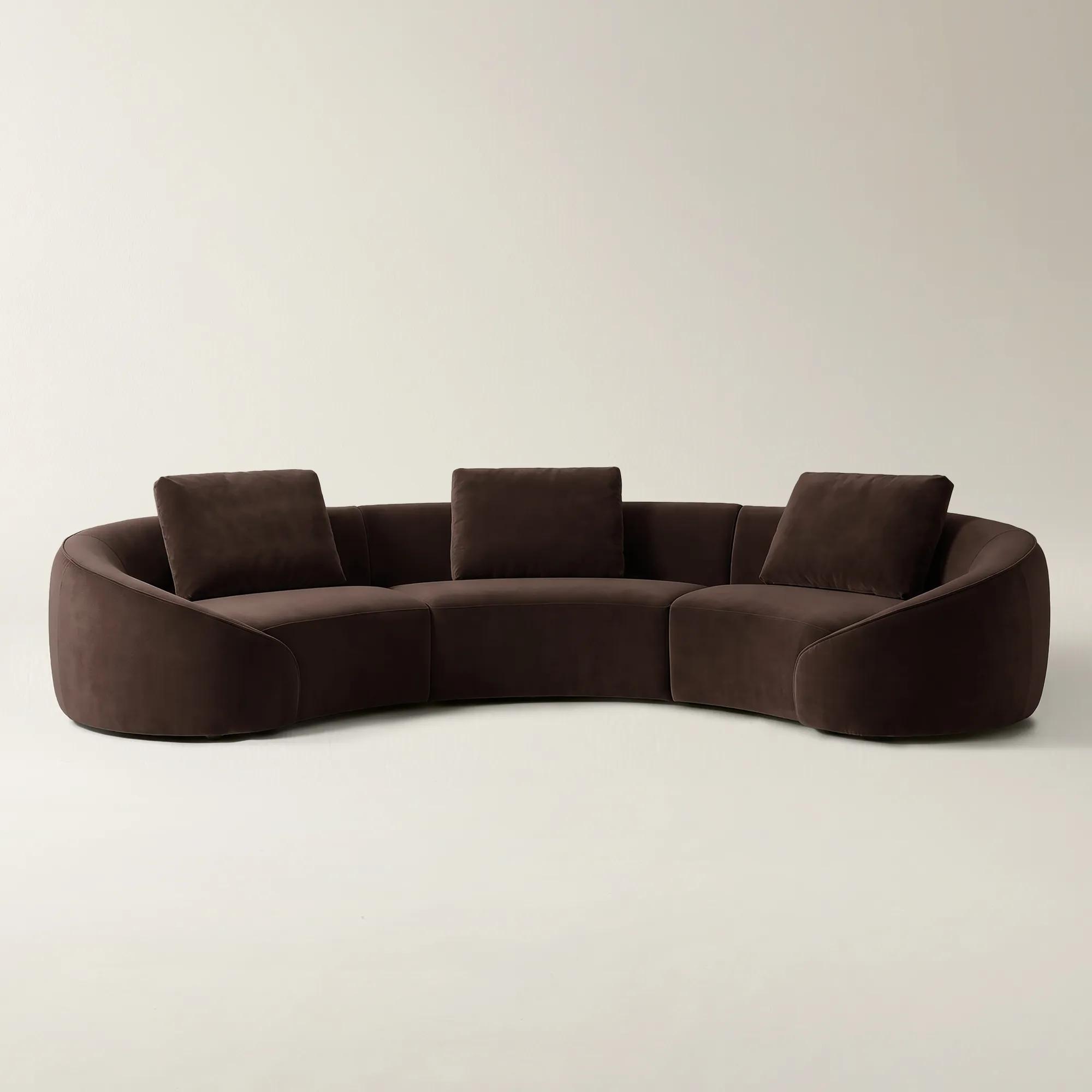 Irene 3-Piece Dark Chocolate Velvet Sectional Sofa$3899
A sculptural, hand-finished sectional in dark chocolate velvet with high-resiliency foam cushions and tailored detailing.
Add To Cart -
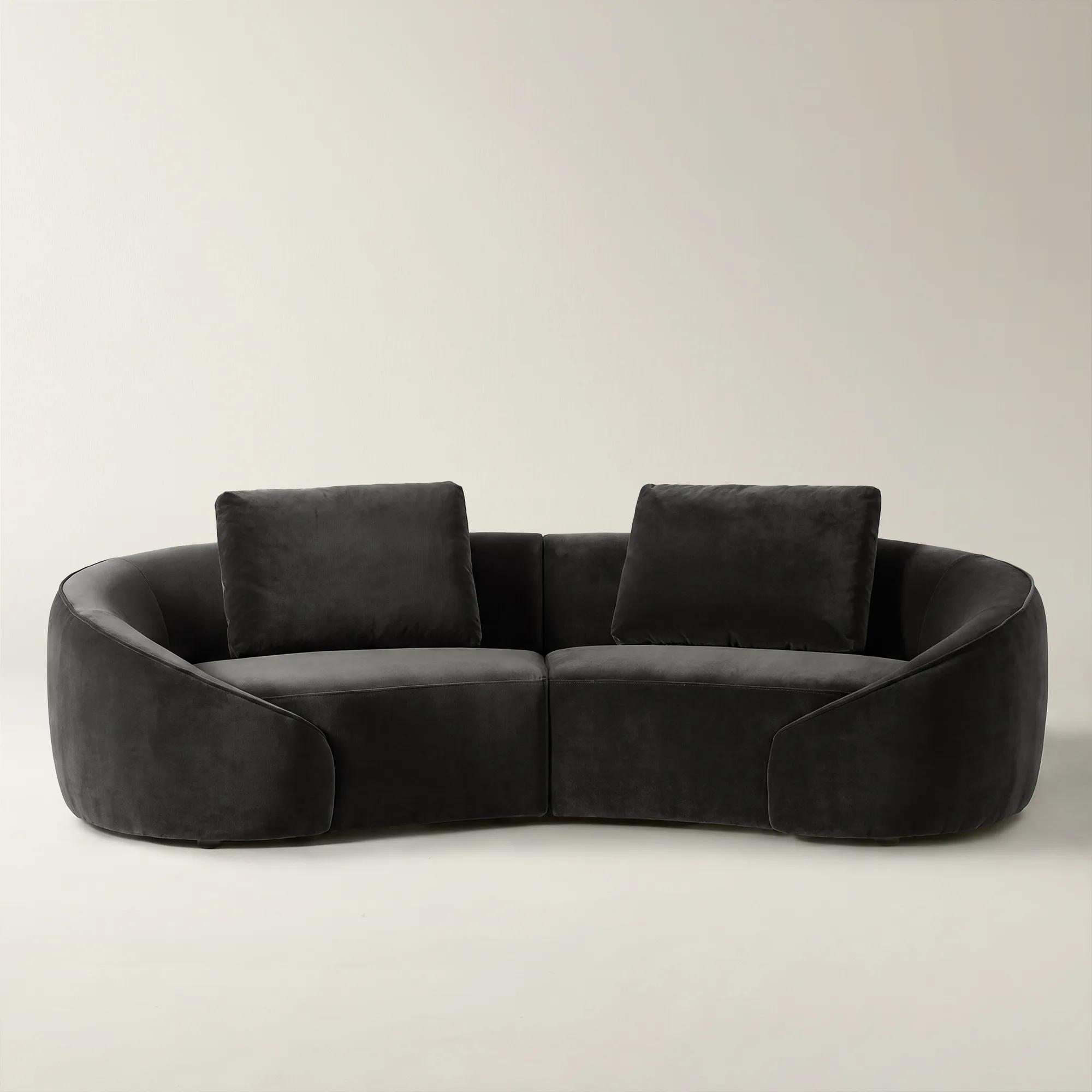 Irene 2-Piece Charcoal Velvet Sectional Sofa$2699
A sculptural charcoal velvet sectional with high-resiliency foam cushions and artisan hand-finished upholstery.
Add To Cart -
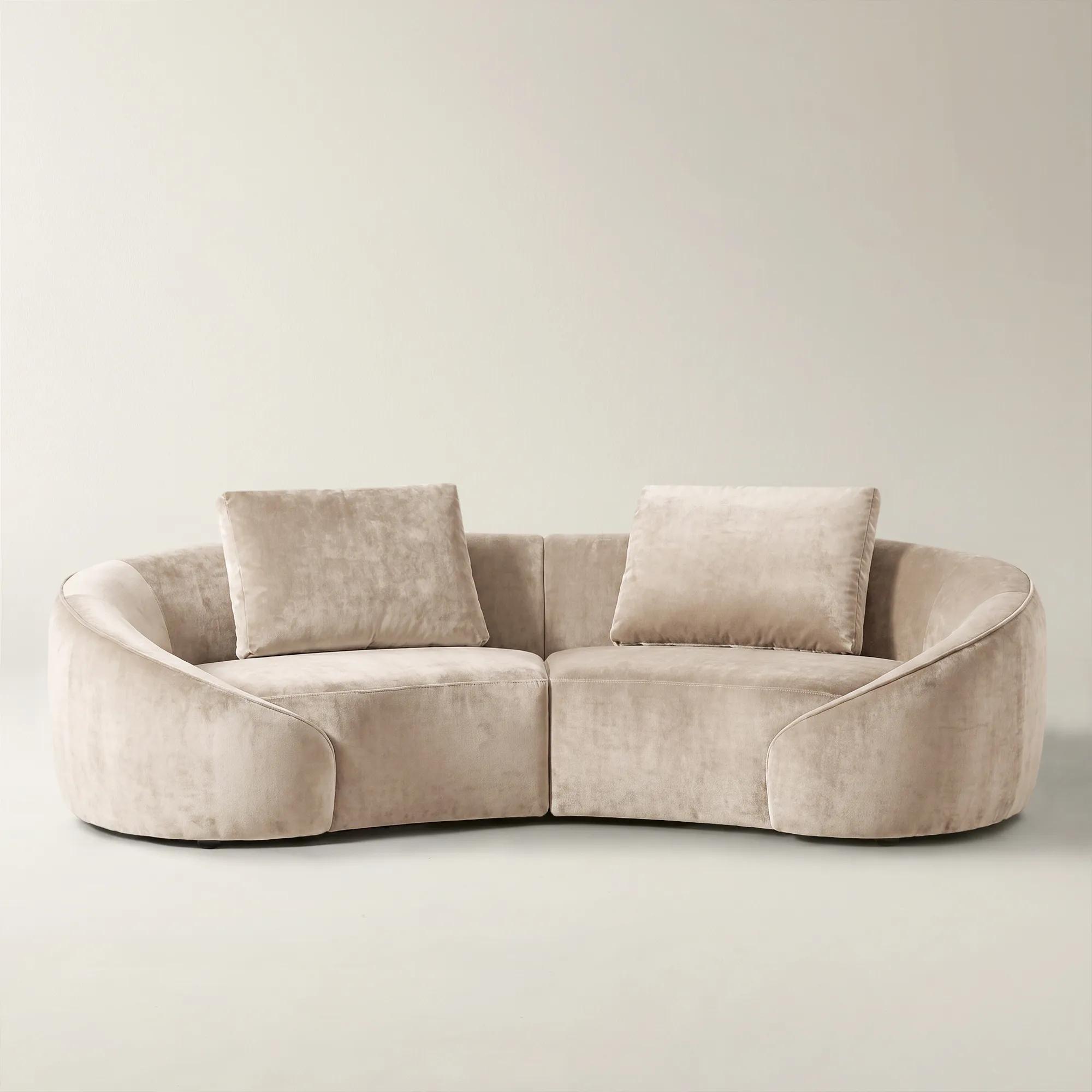 Irene 2-Piece Simply Taupe Velvet Sectional Sofa$2699
A sculptural taupe velvet sectional featuring high-resiliency foam cushions and artisan hand-finished upholstery.
Add To Cart -
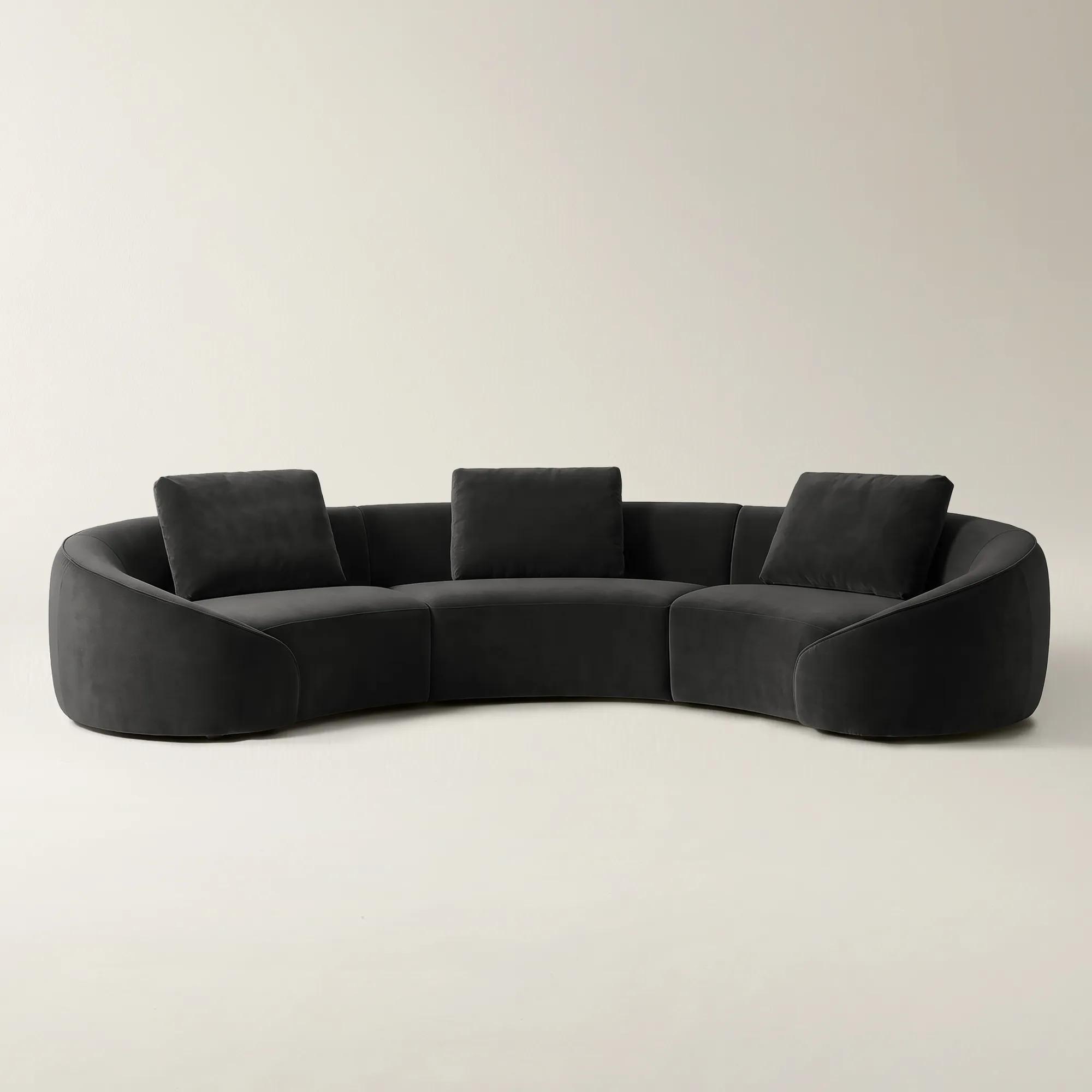 Irene 3-Piece Charcoal Velvet Sectional Sofa$3899
A sculptural charcoal velvet sectional featuring high-resiliency foam cushions and hand-finished artisan upholstery.
Add To Cart

Modern Foam Core Sofas
Modern foam core sofas are the epitome of contemporary elegance—crafted for those who believe seating should be as artful as it is inviting. With sculptural silhouettes and plush, resilient cushioning, these statement pieces transform any living space into a gallery of comfort and style. Each sofa becomes a bold centerpiece, effortlessly elevating your décor with clean lines and a whisper of avant-garde sophistication. For the discerning tastemaker, modern foam core sofas offer more than a place to unwind—they set the stage for unforgettable moments and unapologetic self-expression.
Modern foam core sofas pair sculptural contemporary design with foam-based cushioning, creating seating that feels as considered as it looks. The term can describe a sofa with foam-filled cushions over a wood or metal frame, or a frameless design that uses substantial layers of foam to form its supporting body. That distinction matters: a foam core does not automatically mean a sofa is boneless, spring-free, or delivered compressed. In either construction, the appeal lies in the relationship between shape and sensation—a sweeping arm, a deeply cushioned seat, a tailored back that brings definition to a room. Different foam layers can balance surface softness with underlying support, while fiber or other cushion wraps may soften edges and give the upholstery a fuller appearance. Foam density and firmness describe different qualities; density measures mass per unit of volume, while firmness describes resistance to compression. A dense foam can still feel soft, and a firm initial feel alone does not establish long-term durability. For seating with presence, these structural details are as important as the fabric’s first impression. Velvet lends depth to jewel tones and makes curved forms especially expressive, while chenille introduces a plush, dimensional surface. Bouclé brings a richly textured finish, and tightly woven upholstery can give broad silhouettes a more tailored character. Actual fiber content, weave, and finishing determine how a fabric performs, rather than its appearance alone. The distinction between cushion fill and overall structure also applies to Foam Core Cushion Sofas, where foam cushioning does not necessarily indicate a frameless body. Across these interpretations, modern styling gives comfort an architectural role. Rounded corners can soften a room filled with angular furnishings; long, uninterrupted seat lines can create a composed backdrop for expressive pillows, luminous accents, and oversized art. The result is seating that anchors a space without surrendering its personality.
Proportion determines how beautifully that statement lives in a room. A low-profile foam sofa can emphasize the expanse of a wall or leave artwork visually uninterrupted, while a taller back creates a more defined seating zone in an open layout. Deep seats invite reclining, reading, and stretching out through a film; shallower seats often suit upright conversation and rooms where every inch of circulation matters. Overall depth and usable seat depth are not interchangeable, particularly when thick back cushions occupy part of the sitting surface. Seat height, cushion give, and arm placement also influence everyday ease. A deeply yielding, low seat may feel indulgent for lounging yet require more effort to rise from, making a higher seat or more supportive sit a better match for some households. For an intimate living room, a compact silhouette with substantial cushioning can feel enveloping without dominating the floor plan. In a larger gathering space, an extended sofa or modular arrangement can establish a generous destination for conversation. Modular construction, when offered, allows separate sections to create different layouts, although connection methods and configuration limits vary. The most successful arrangement leaves comfortable paths between seating, tables, and doorways, with enough room to approach the sofa without navigating a narrow gap. Delivery access deserves equal consideration: entry widths, stair turns, elevator dimensions, and the size of each packaged component all affect fit before the sofa reaches its intended place. Some all-foam designs arrive compressed and require time to recover their specified shape; others arrive at full size, and assembly requirements differ. Compressed packaging should not be assumed from the words “foam core.” Within the room, scale can be expressive rather than simply large. A broad, softly curved sofa beside a slender metallic table creates a striking contrast, while a restrained upholstery color allows a dramatic rug or artwork to command attention. Comfort and visual rhythm work together, giving both quiet evenings and lively gatherings a setting with intention.
Lasting appeal depends on the complete construction, from the foam and upholstery to seams, cushion covers, and any underlying frame or suspension. Foam quality, thickness, and the demands placed on a seat influence how well it retains its form; the densest-sounding description is not a substitute for clear material specifications. A sofa used daily for several hours faces different demands than seating reserved for occasional entertaining. Busy family rooms benefit from upholstery chosen for its documented wear characteristics and realistic maintenance needs, while a more formal sitting room may accommodate a fabric selected primarily for its distinctive hand and finish. Performance treatments can offer useful resistance to certain spills or stains, but they do not make upholstery immune to marks, abrasion, or damage. In homes with pets, a tightly woven surface may be less inviting to claws than a pronounced loop or loose weave, though no fabric is universally pet-proof. Care is most effective when it follows the upholstery’s cleaning code and the manufacturer’s instructions. Routine vacuuming with an appropriate upholstery attachment helps lift dust from seams and textured surfaces, while prompt blotting can limit the spread of a spill without driving it deeper into the cushion. Removable covers are not necessarily machine washable, and steam, excess moisture, or an unsuitable cleaner can affect both fabric and foam. Reversible cushions may benefit from regular turning, while fixed or shaped cushions require care suited to their construction. Direct sunlight can alter upholstery color over time, making placement part of preserving a richly saturated finish. For compressed foam seating, the stated expansion period should be allowed before judging its final dimensions or feel. These practical details protect the qualities that make the sofa compelling in the first place: a graceful contour, a welcoming seat, and upholstery that brings texture into focus. Whether furnishing a first carefully composed apartment, a shared lounge, or an expansive living room, modern foam core sofas offer a foundation for personal expression—substantial enough to define the setting, inviting enough to become its most lived-in place.
FAQs
Modern foam core sofas are defined by their innovative construction, featuring a resilient foam core that provides exceptional support and lasting shape. Unlike traditional sofas that may rely on springs or fiberfill, foam filled sofas offer a consistent, luxurious comfort and maintain their sculptural silhouette over time, making them ideal for contemporary interiors that value both style and function.
A core sofa is perfect for anyone who craves a balance of modern design and everyday comfort. Creative professionals, families who entertain often, and style enthusiasts alike will appreciate the sofa’s ability to anchor a room with both elegance and inviting softness. It's also an inspired choice for those looking to make a bold statement in their home décor.
Foam core sofas set the tone for any space by blending sleek, contemporary lines with plush, inviting comfort. Their presence can transform a room into a sanctuary of relaxation or a stage for lively gatherings, depending on how they’re styled. The tactile richness and visual impact of these sofas cores add a layer of drama and artistry to your home.
Absolutely. The durability and resilience of foam core construction make these sofas an excellent choice for families with pets or children. The high-quality materials used in their upholstery are designed to withstand daily use, ensuring that your sofa remains beautiful and comfortable even in the most active households.
Styling a foam core sofa is all about embracing expressive design. Layer it with bold, textured pillows or a luxurious throw to create a look that’s uniquely yours. Pair your core couch with statement lighting, sculptural side tables, or a dramatic rug to enhance the room’s atmosphere and showcase your individual sense of style.