Modern Bedroom Floor Lamps
Modern Bedroom Floor Lamps
-
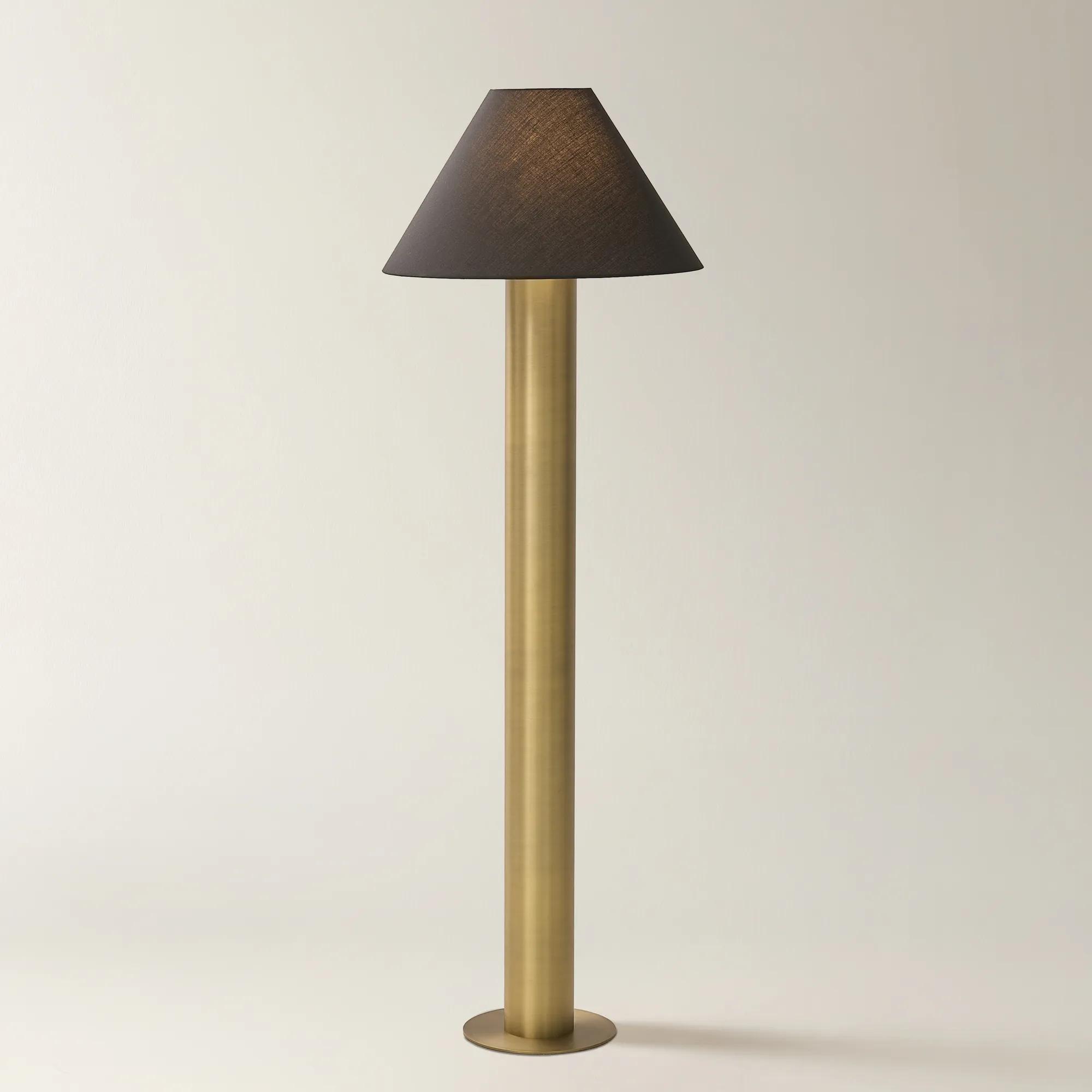
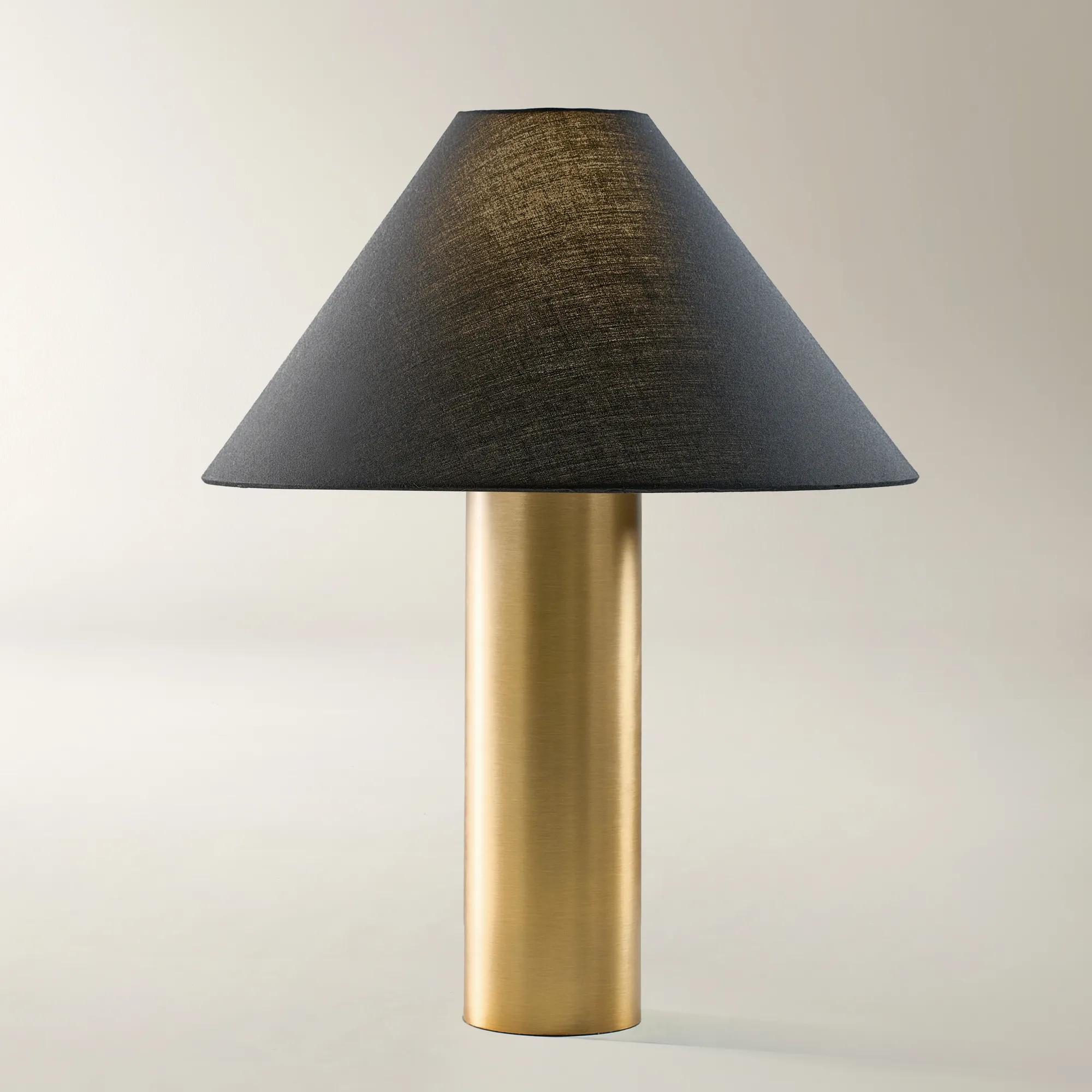
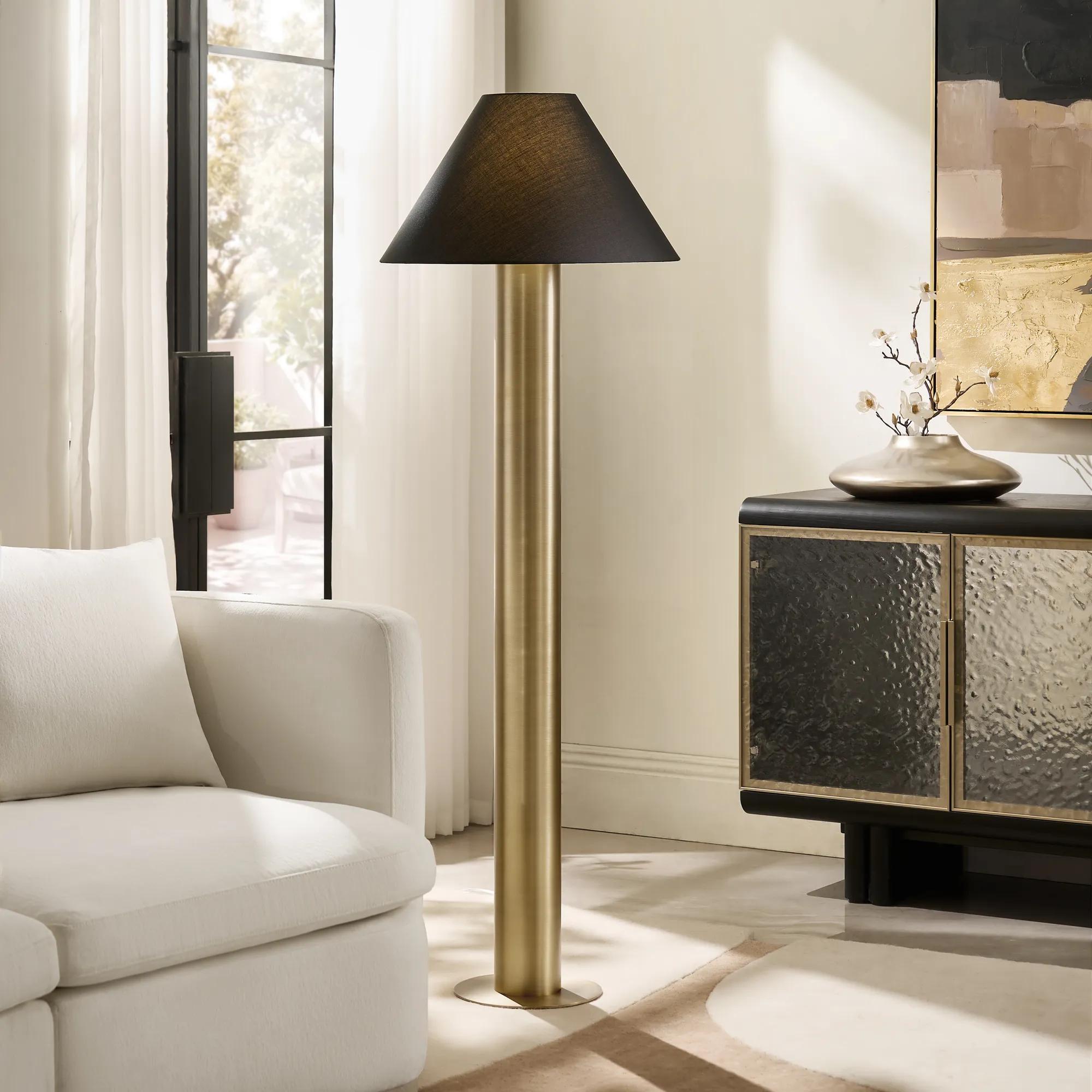 Tova Brushed Brass/Black Floor Lamp 60"$599
A sculptural brushed brass iron frame pairs with a tailored black cotton shade for modern, moody ambiance.
Add To Cart -
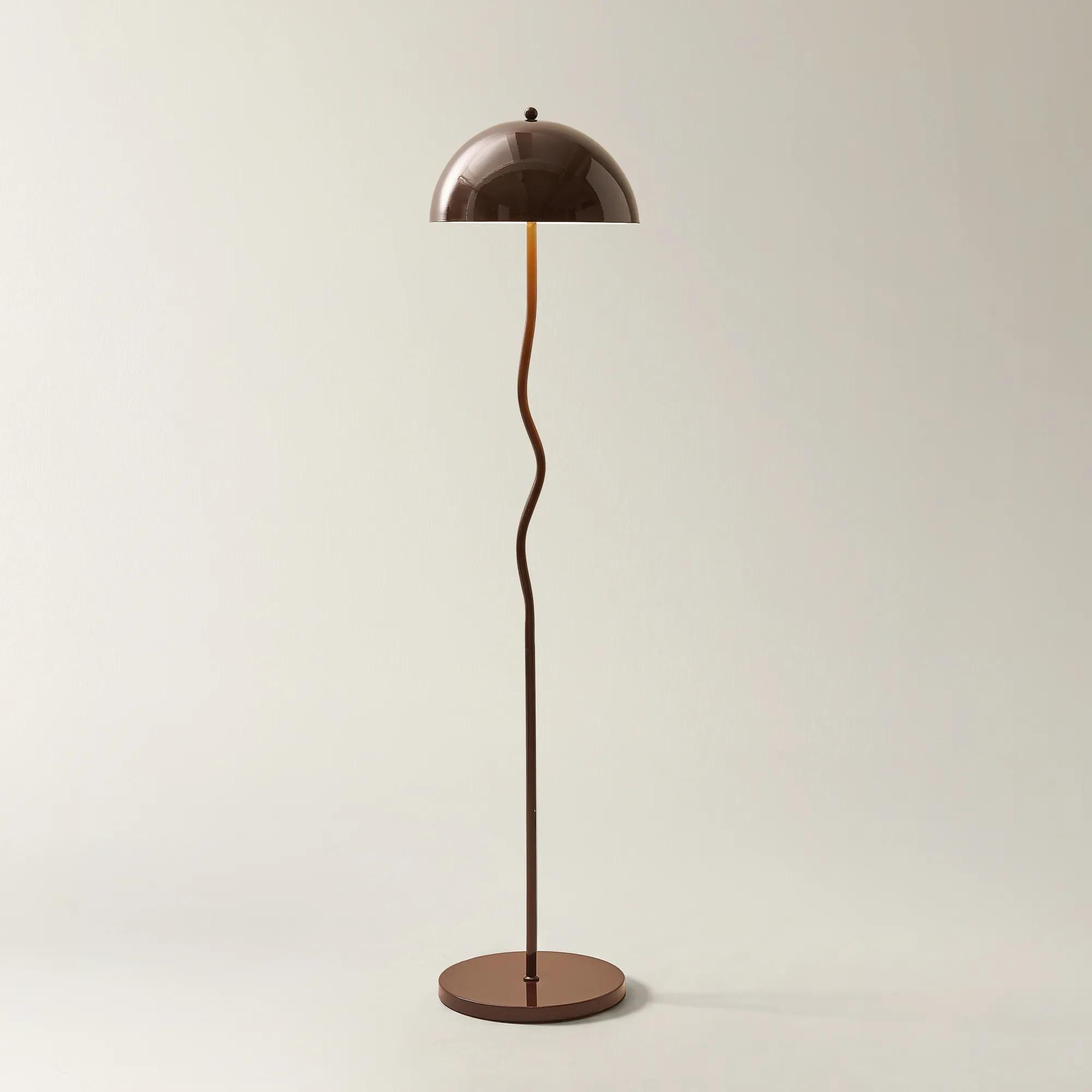
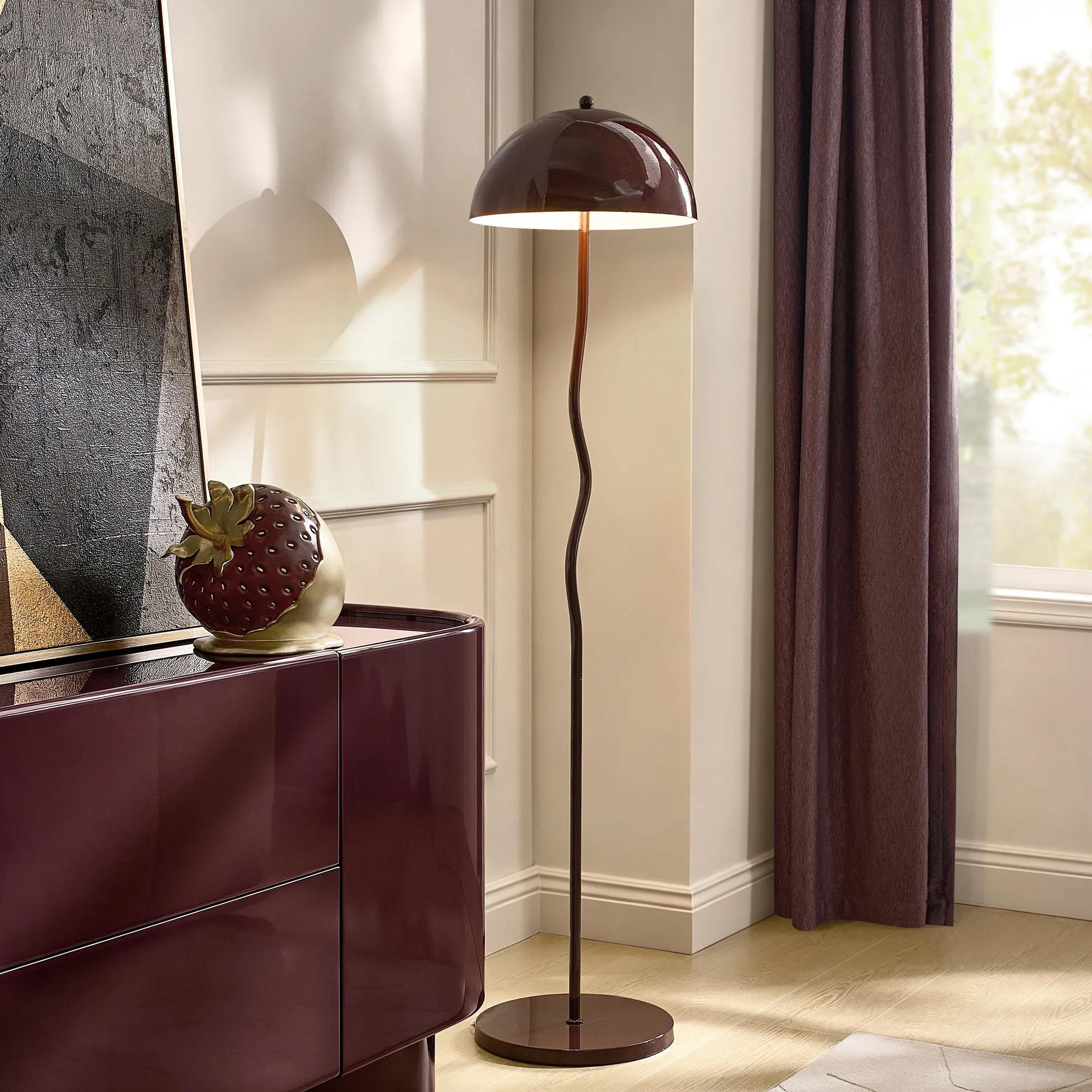 Halsey Fig Wavey Metal Floor Lamp 59"$449
A sculptural metal floor lamp in glossy fig, featuring a fluid silhouette and integrated matching shade.
Add To Cart -
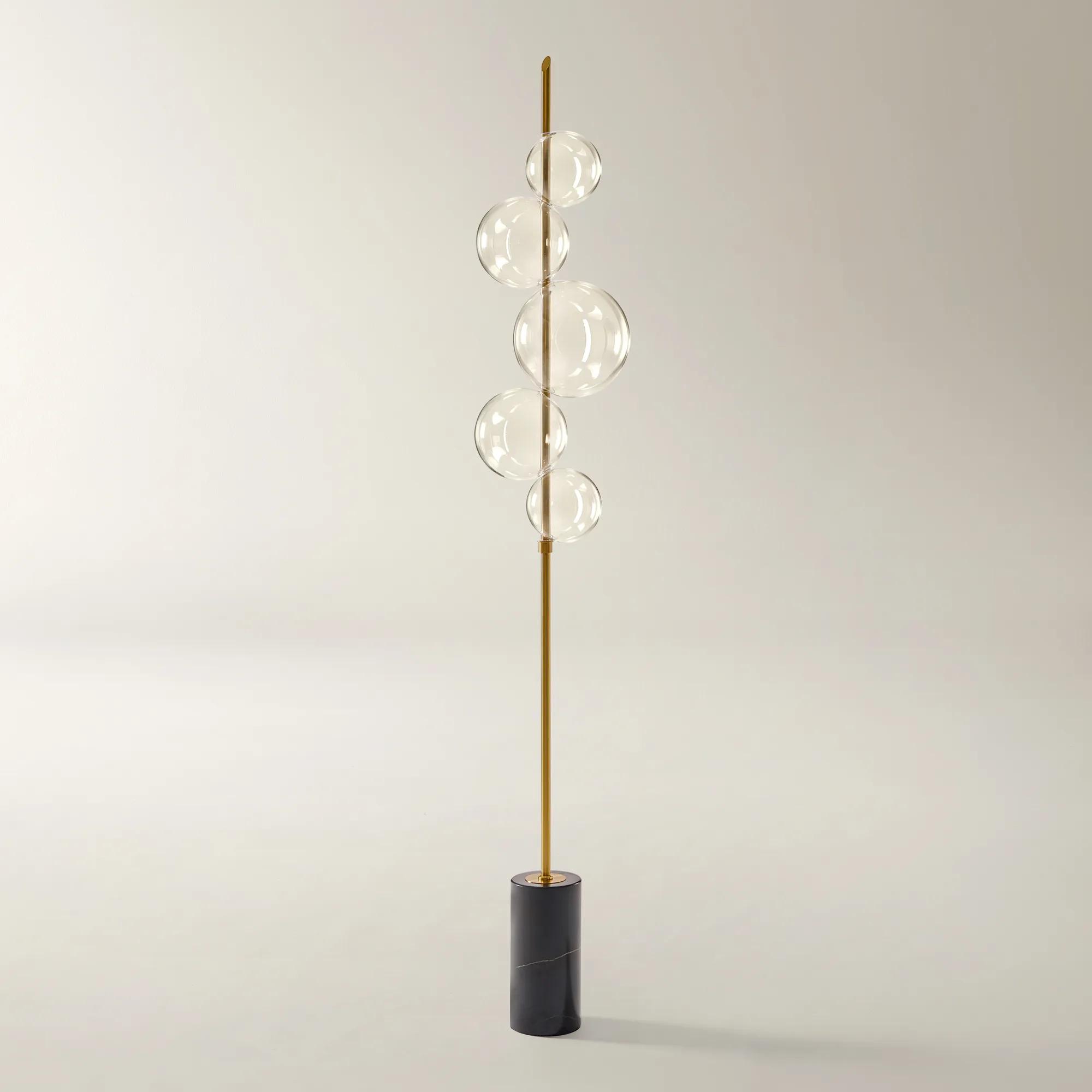 Bolla LED Hand-Blown Glass Bubble And Stone Floor Lamp 63"$449
A sculptural floor lamp featuring clear hand-blown glass bubbles, brass and stone accents, and integrated LED lighting.
Add To Cart -
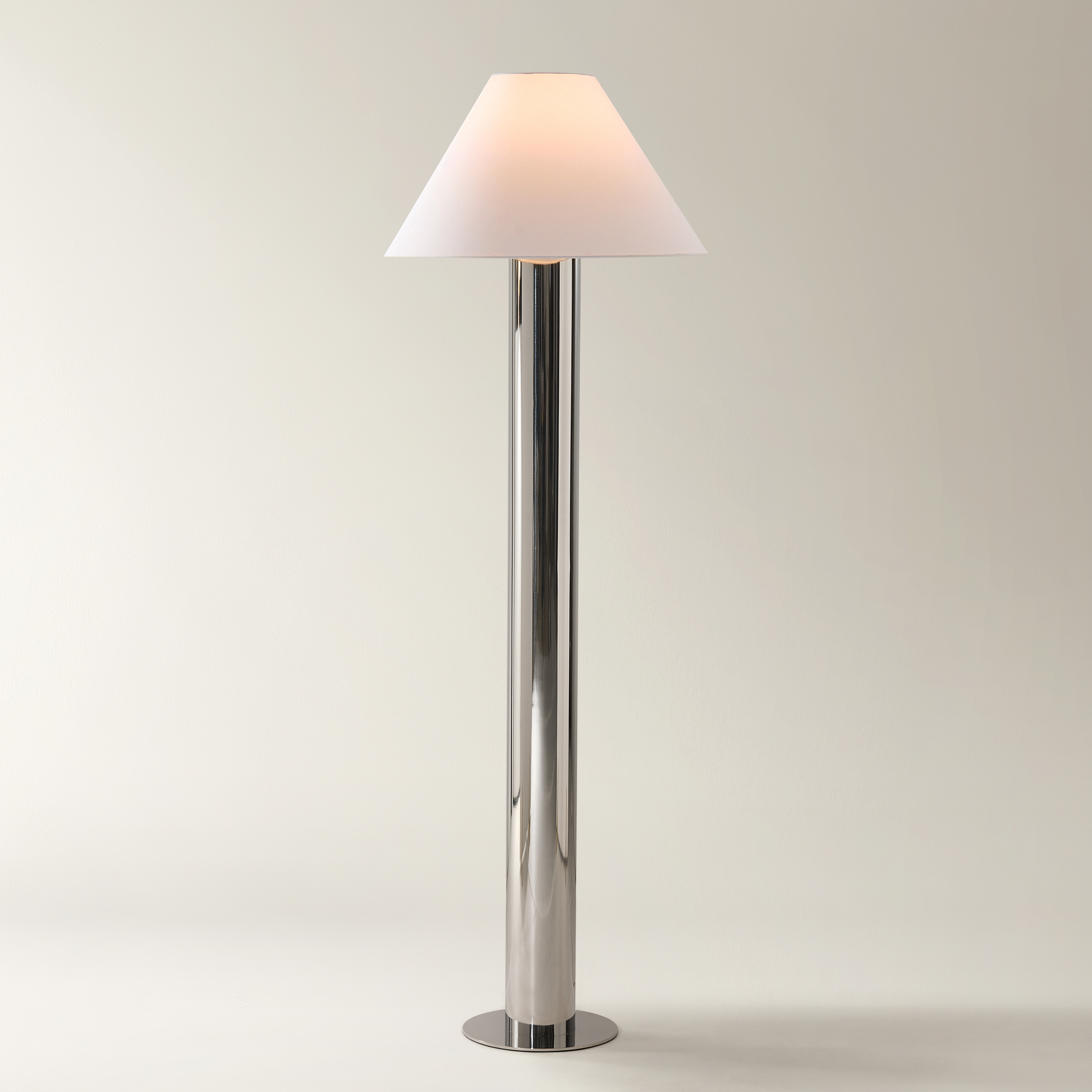 Tova Polished Nickel/White Floor Lamp 60"$599
A modern floor lamp featuring a polished nickel iron base and a tapered white cotton shade.
Add To Cart -
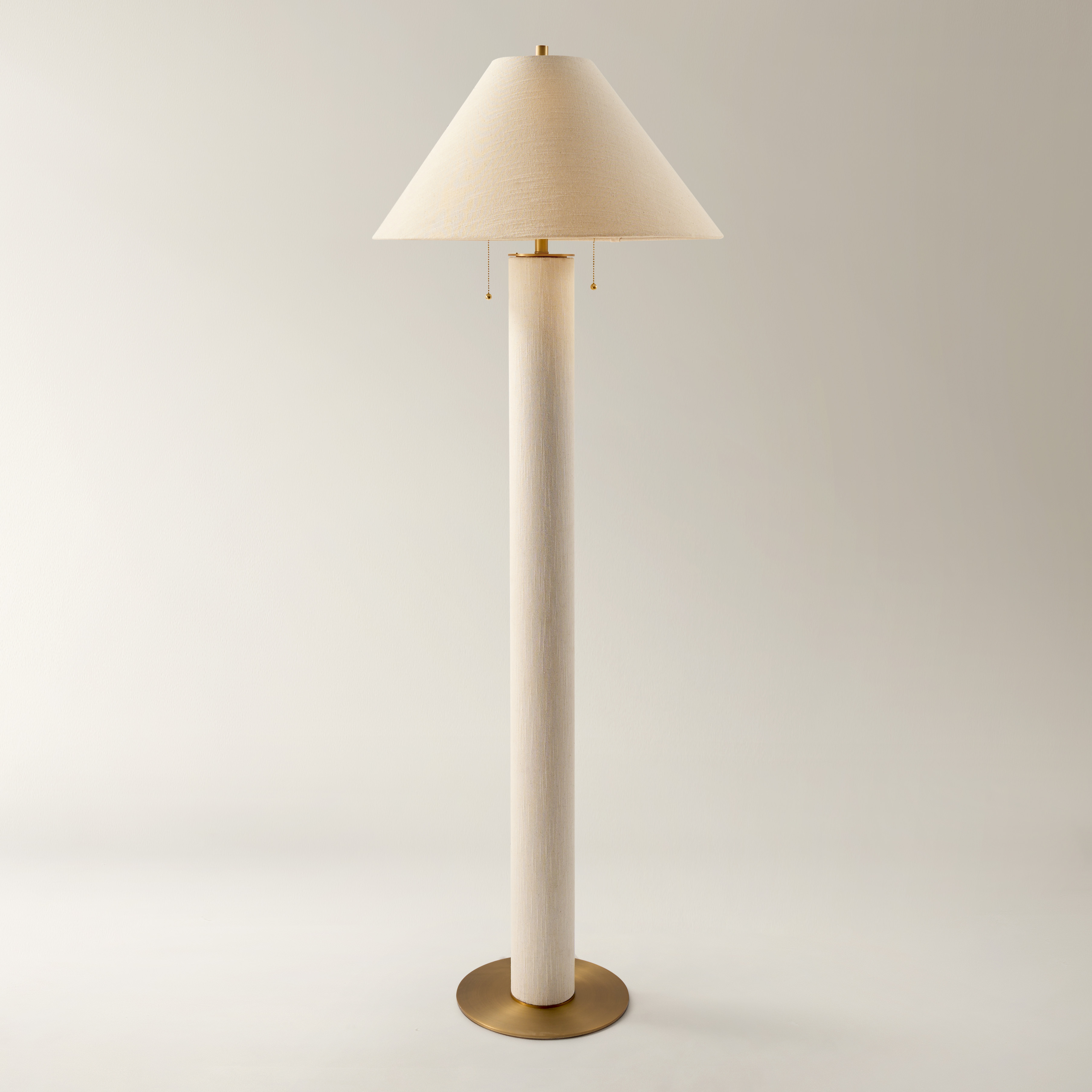
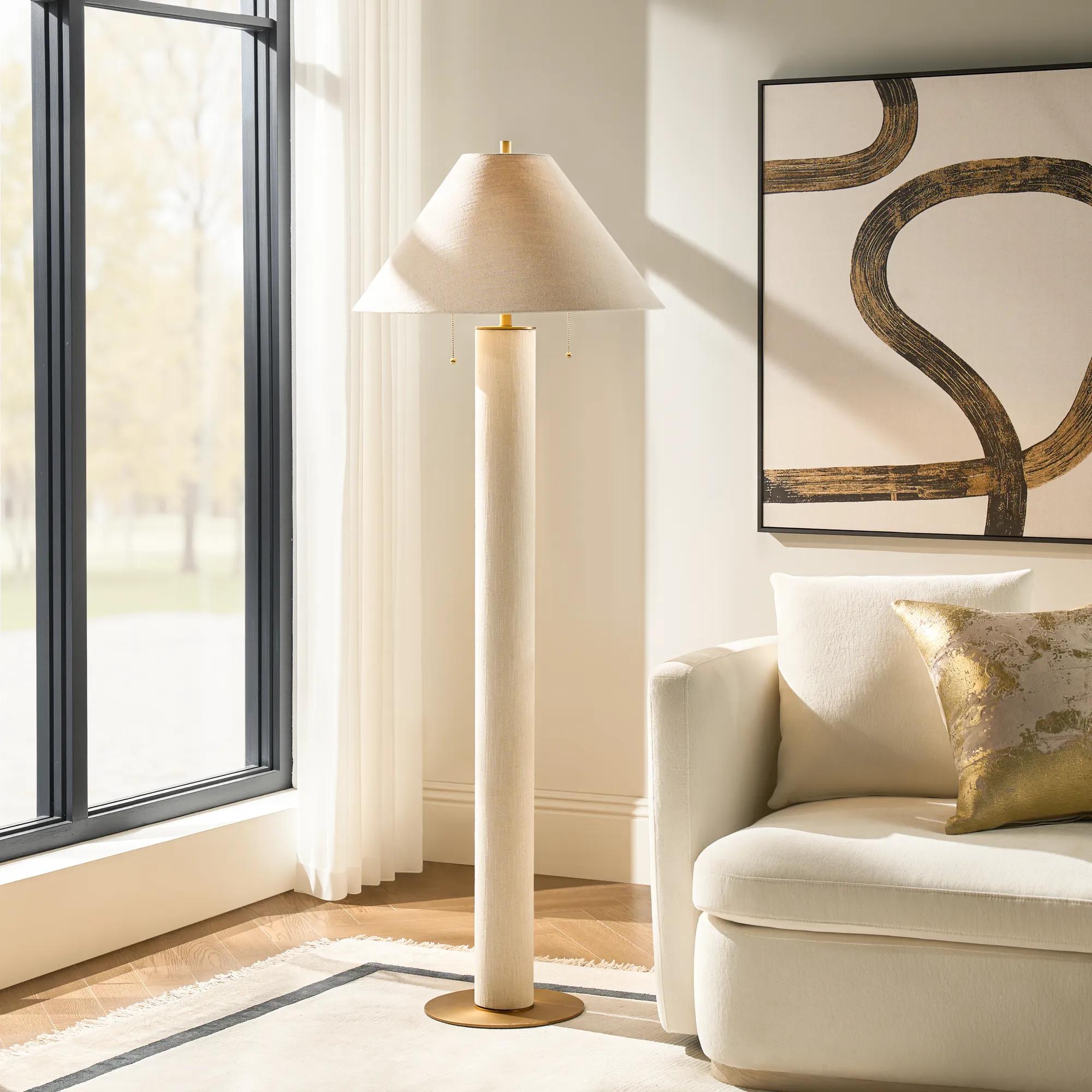 Della Ivory Linen and Brushed Brass Floor Lamp 66"$499
A linen-wrapped ivory floor lamp with brushed brass accents, oatmeal shade, and dual pull-chain lighting.
Add To Cart

Modern Bedroom Floor Lamps
Modern bedroom floor lamps bring vertical drama to a seating nook, a bedside vignette, or an overlooked corner. Explore expressive silhouettes and refined details to find a design that complements your furnishings while making a statement of its own. Consider the lamp’s footprint, shade proportions, and finish to give your bedroom refresh both a considered composition and a luxurious finishing touch.
Modern bedroom floor lamps bring height, atmosphere, and a sculptural presence to the most personal room in the home. Beyond illuminating a corner, they help shape the way a bedroom feels: intimate beside a reading chair, luminous near a dressing area, or quietly dramatic alongside an upholstered bed. Their vertical lines introduce a counterpoint to the broad, horizontal proportions of mattresses, benches, and dressers, giving the room a more composed silhouette. A slender metal stem can lend definition to sumptuous textiles, while a substantial stone base creates a grounded contrast against a plush rug. Polished finishes catch glimmers of surrounding light; brushed and matte surfaces offer a softer expression without losing their visual weight. The shade makes an equally distinct contribution. A generously proportioned fabric shade diffuses illumination into a gentle glow, while translucent glass can create a more radiant accent, depending on its finish and construction. In a bedroom layered with velvet, mirrored surfaces, and richly textured bedding, a streamlined floor lamp provides clarity without diminishing the drama. Against quieter furnishings, a sculptural silhouette can become the defining gesture. Modern design leaves room for both approaches, from precise geometric forms to sweeping curves that feel almost drawn in the air. The strongest connection comes from repeating a thoughtful detail rather than matching every finish: a warm metallic accent that echoes drawer hardware, a pale shade that relates to the drapery, or a dark stem that sharpens the outline of an upholstered headboard. For a primary suite, a guest bedroom, or a private reading retreat, these lamps create an additional layer of light that feels intentional rather than incidental. An unlit lamp should still contribute to the composition, with proportions and materials that hold their own in daylight. Once illuminated, it brings another dimension to the room, revealing texture, softening contrasts, and turning an otherwise overlooked corner into a place with presence.
The right scale allows that presence to feel effortless. A floor lamp beside a low lounge chair has a different relationship to the room than one positioned near a tall headboard, and both the overall height and the reach of the shade deserve attention. For reading, light should fall comfortably across a book without exposing the seated reader to a glaring bulb; the best position depends on the chair height, shade depth, and direction of illumination. Beside the bed, a floor-standing design can preserve precious nightstand space for a water glass, a favorite book, or a small decorative object. An arched silhouette introduces a graceful overhead gesture, though its reach requires room beyond the base itself. A straight, narrow profile may sit more comfortably between a dresser and an armchair, while a broader shade needs enough breathing room to avoid looking compressed against furniture. In compact bedrooms, the space-conscious approach reflected in Modern Floor Lamps for Apartments translates naturally to a restful setting, where clear pathways and carefully chosen proportions matter. Consider the full footprint, including projecting arms and shades, rather than the base diameter alone. A lamp should leave drawers free to open, allow curtains to move without contact, and keep the route between the bed and doorway unobstructed. Cords belong outside walking paths, without being pinched beneath furniture or concealed under rugs. An accessible switch also makes a meaningful difference in daily use, especially when the lamp serves a bedside chair or a bedroom shared by two people with different routines. Separate pools of light can accommodate an evening reader while preserving a gentler atmosphere elsewhere, although shade opacity and placement will influence how far the illumination travels. Where ceiling lighting feels too broad for winding down, a floor lamp offers a more intimate alternative, defining a small, inviting area within the larger room.
Materials and construction shape both the visual character and the lasting appeal of modern bedroom floor lamps. Metal offers crisp lines and a range of expressive surfaces, from softly brushed tones to reflective finishes that add a jewel-like accent. Glass introduces luminosity and visual lightness, while marble and other natural stone bring substantial texture, with variations in veining that give each piece its own character. Those materials also affect handling and maintenance: a stone base may be heavy to reposition, and polished metal or clear glass can reveal fingerprints more readily than a textured surface. A secure base, sound connections, and a stable position are especially important in bedrooms used by children, shared with pets, or arranged around frequently traveled paths. Care should follow the manufacturer’s instructions, with routine dusting and finish-appropriate cleaning helping preserve the intended appearance. Abrasive cleaners can damage delicate surfaces, and fabric shades generally benefit from gentle dust removal rather than wet cleaning unless specifically permitted. Lighting performance deserves the same consideration as the exterior. A shade’s color, density, and lining influence how much light passes through and whether the effect feels softly enveloping or more focused. Warm-white light often complements a relaxed bedroom atmosphere, while sufficient output remains important for reading and other close tasks. Where dimming is desired, the lamp, bulb, and dimmer must be compatible; a dimmable bulb alone does not make every lamp adjustable. Designs with integrated LEDs may have different servicing requirements from those with replaceable bulbs, making the stated specifications worth considering. Always observe the recommended bulb type and wattage, and maintain the clearances specified for bedding, curtains, and other nearby materials. These practical details support a more enduring kind of luxury: lighting that looks considered, feels comfortable, and works beautifully within everyday routines. With the right balance of silhouette, finish, and illumination, a modern bedroom floor lamp becomes a lasting part of the room’s identity, as expressive by day as it is atmospheric after dark.
FAQs
Modern floor lamps often emphasize distinctive geometry, sculptural lines, and deliberate contrasts between materials. A fluid metal form, a tailored shade, or an unexpected combination of textures can feel distinctly modern without sacrificing glamour. Choose a silhouette that complements the room’s architecture and expresses your personal style.
Coordinate rather than duplicate. A shared finish, recurring curve, or related shade color can connect a floor lamp with other bedroom lighting. Mixing silhouettes adds dimension, especially when one fixture takes the leading role and the others provide a more restrained visual complement.
Fabric shades introduce texture and a tailored outline that can echo bedding, drapery, or upholstery. Glass shades emphasize transparency and sculptural form, creating a different relationship with surrounding colors and materials. Consider whether you want the lamp to add tactile richness or a more open, luminous appearance.
An integrated LED floor lamp incorporates its light source into the fixture, while a bulb-based design uses separate bulbs in compatible sockets. Review each lamp’s specifications for its light source, controls, and bulb requirements. LED lighting alone does not establish whether a fixture is dimmable.
A colorful floor lamp can introduce a deliberate accent against neutral bedding and furnishings. Echo its tone in a small decorative detail or a passage of color in artwork for continuity, or let it stand alone as the room’s focal point. Keep surrounding finishes considered so the contrast feels expressive rather than accidental.