
Contemporary Bedroom Lamps
Contemporary Bedroom Lamps
-

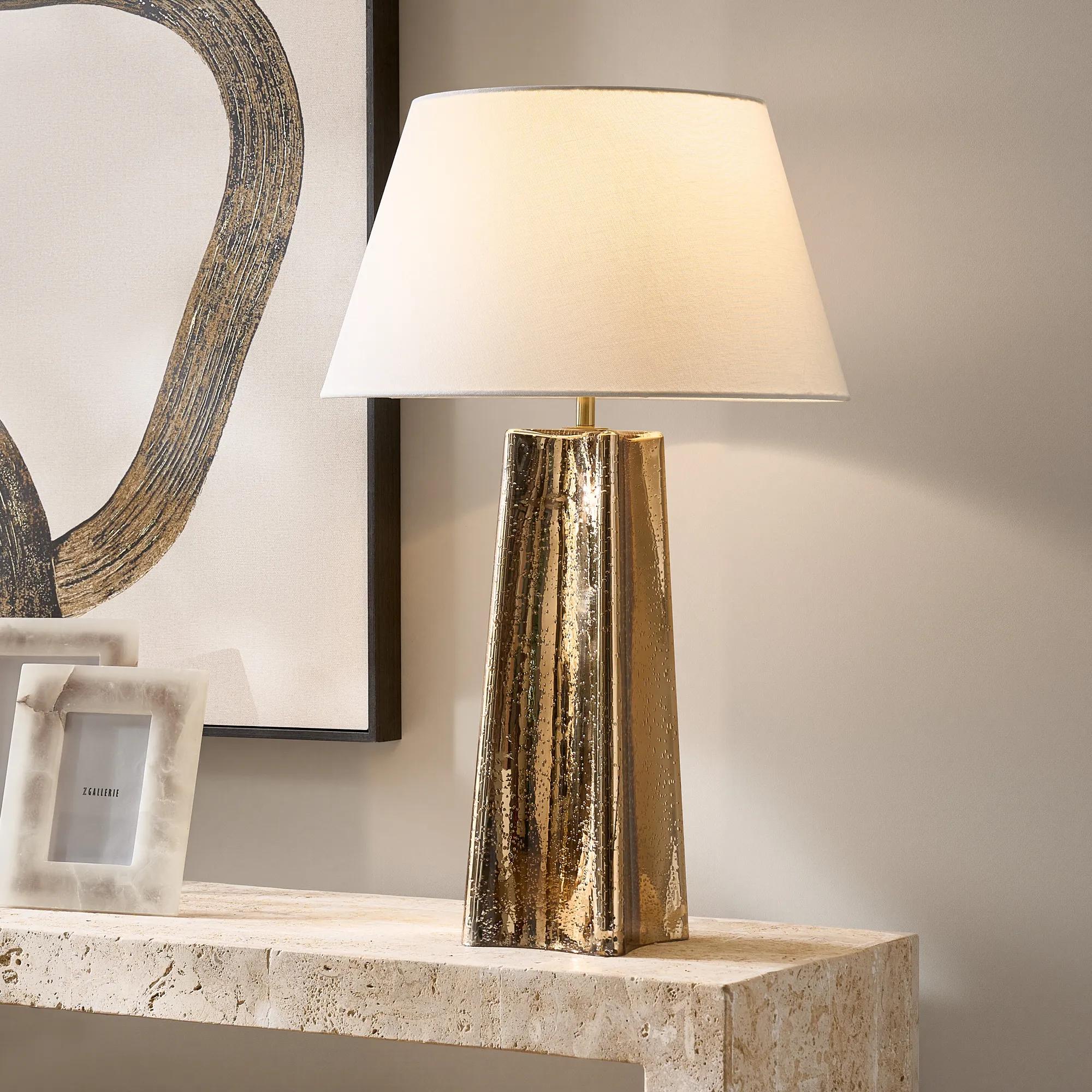 Uma Gold Texture Glass Table Lamp 28.25"$349
A gold textured glass table lamp adding sculptural elegance to contemporary interiors.
Add To Cart -
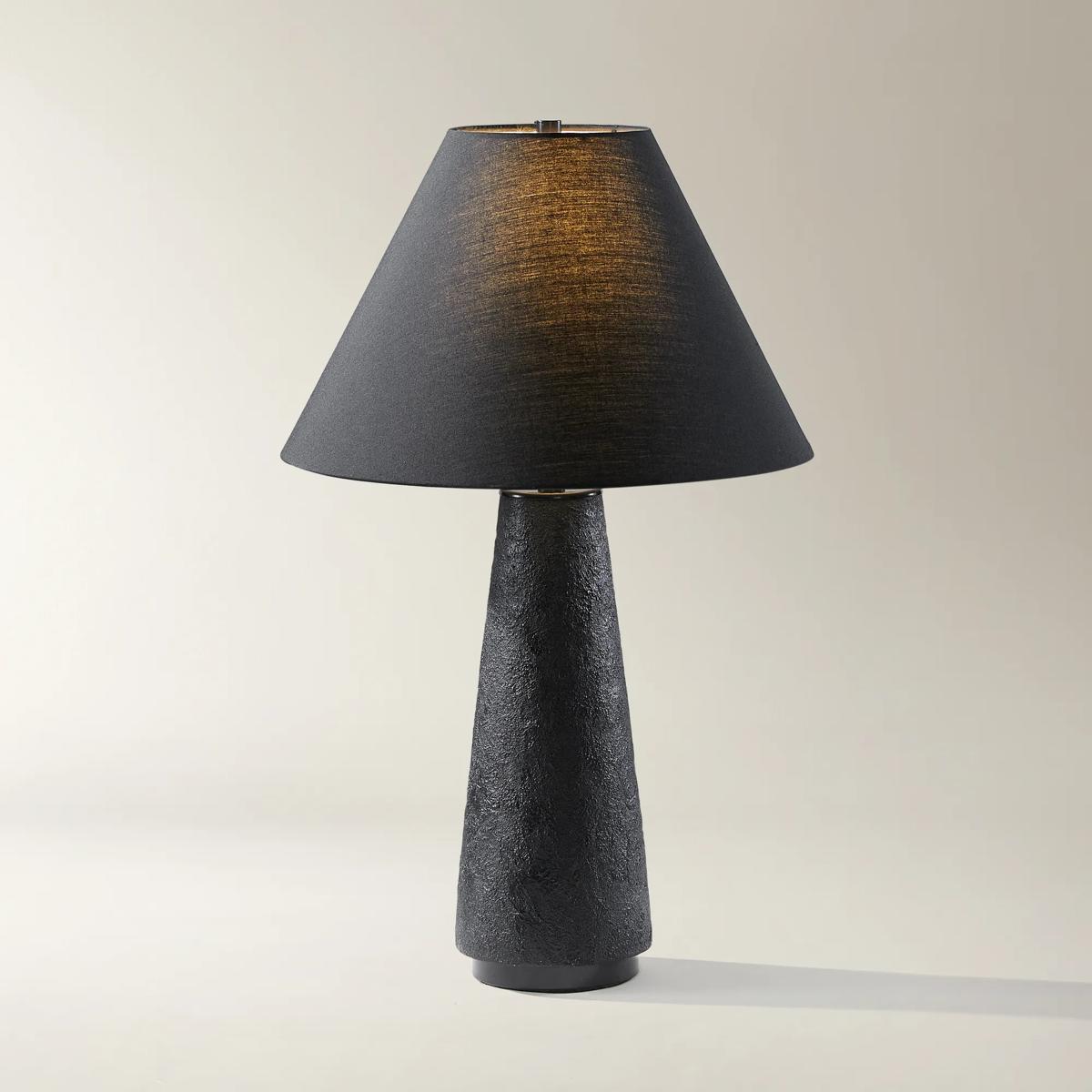 Beton Black Textured Concrete Table Lamp 25"$299
A sculptural table lamp featuring textured black concrete, matte black metal accents, and a black cotton shade.
Add To Cart -
 Rumi Reflective Glass Table Lamp$199
A sleek reflective glass table lamp that adds modern elegance and ambient illumination to contemporary interiors.
Add To Cart -
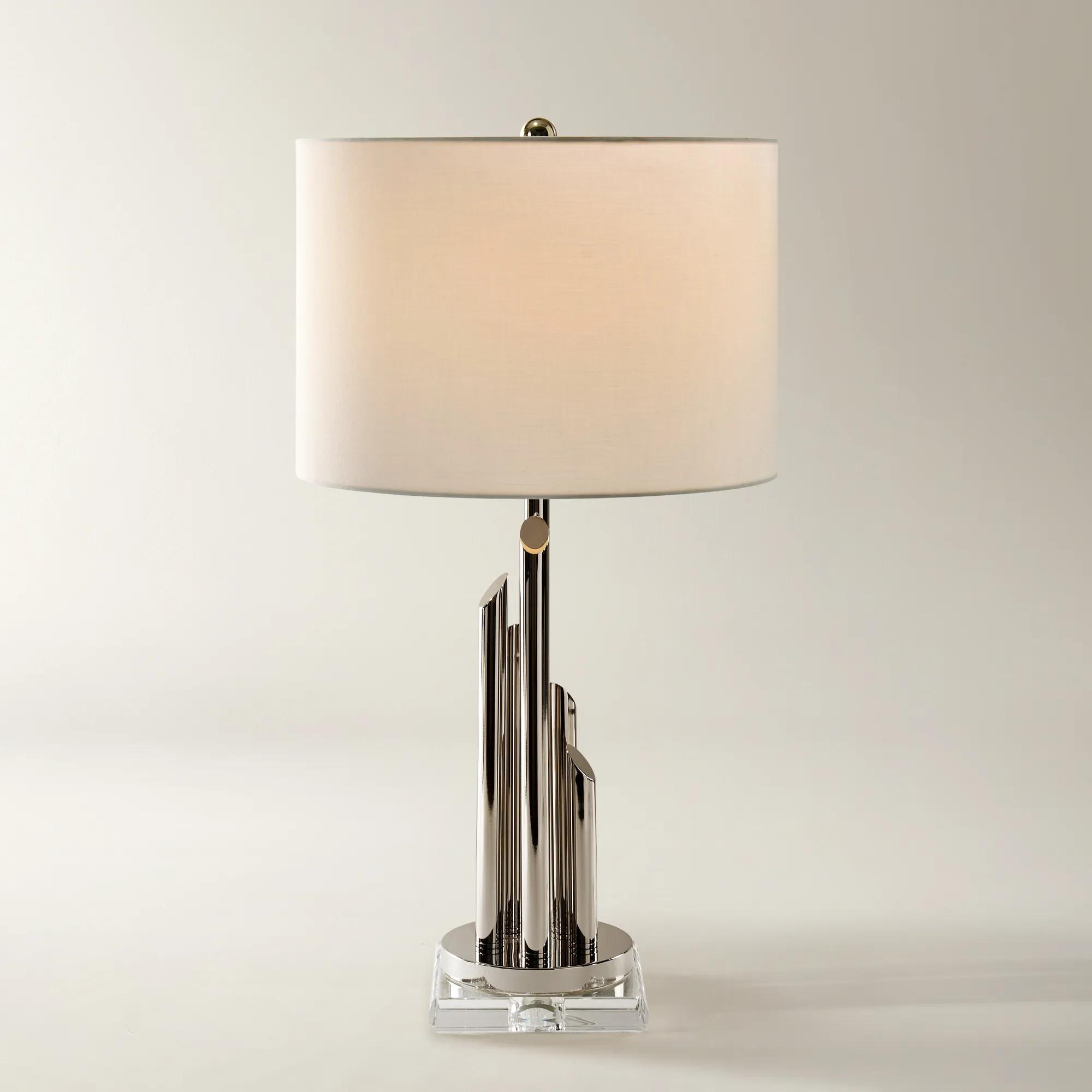
 Jagger Table Lamp$329
A modern table lamp featuring a polished nickel iron frame, clear crystal base, and white cotton drum shade.
Add To Cart -
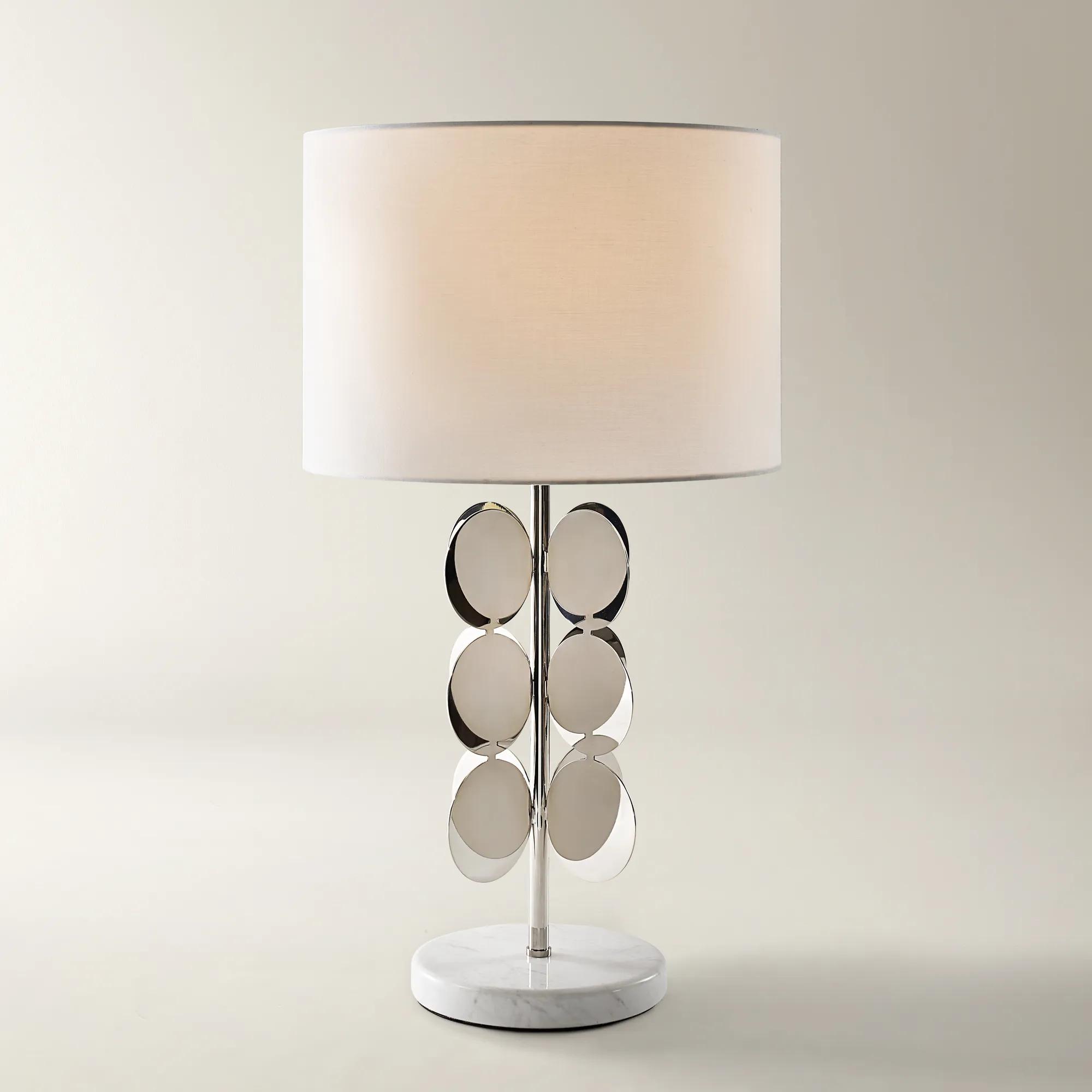 Orion Table Lamp$329
A polished nickel iron lamp with a white marble base and crisp white cotton drum shade.
Add To Cart -
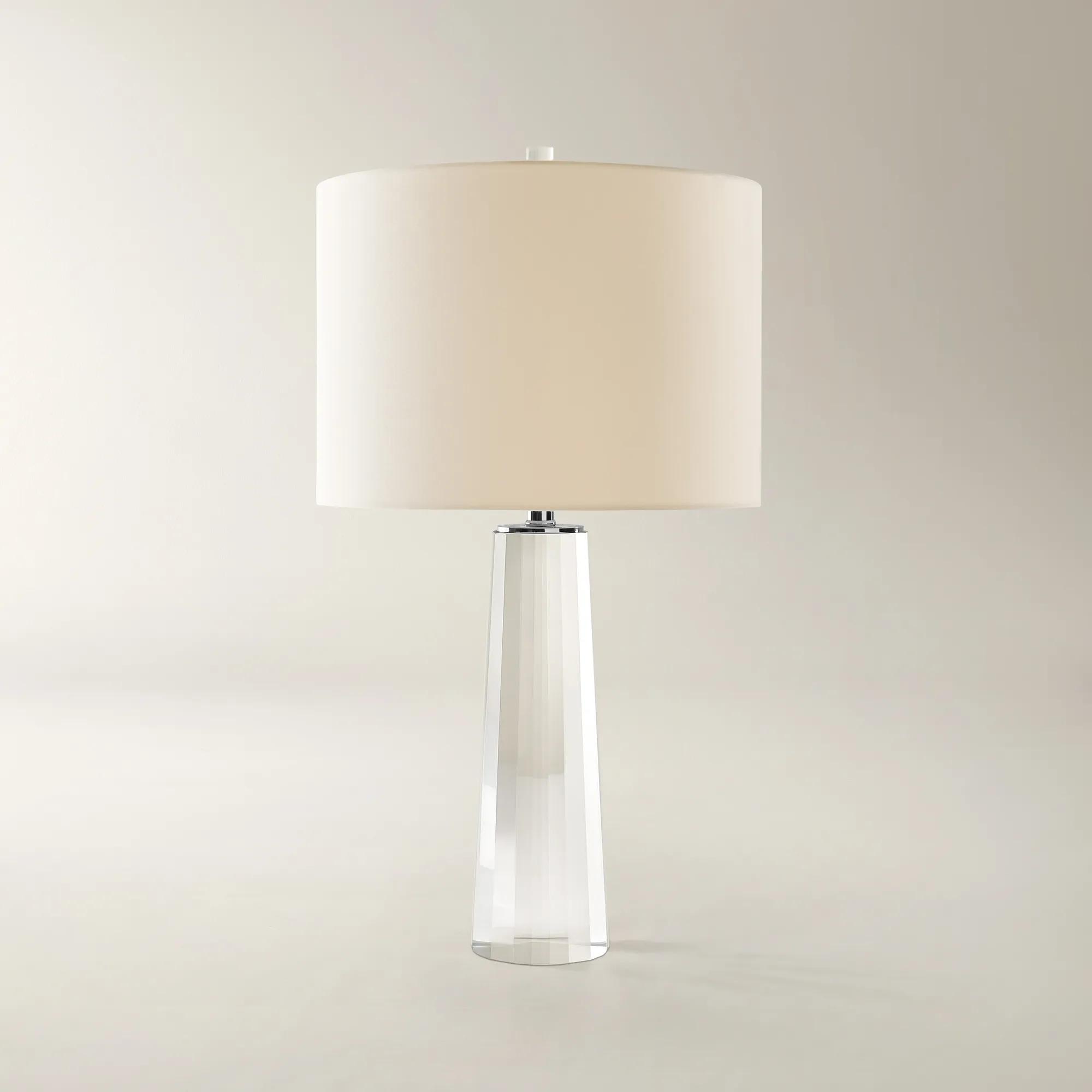
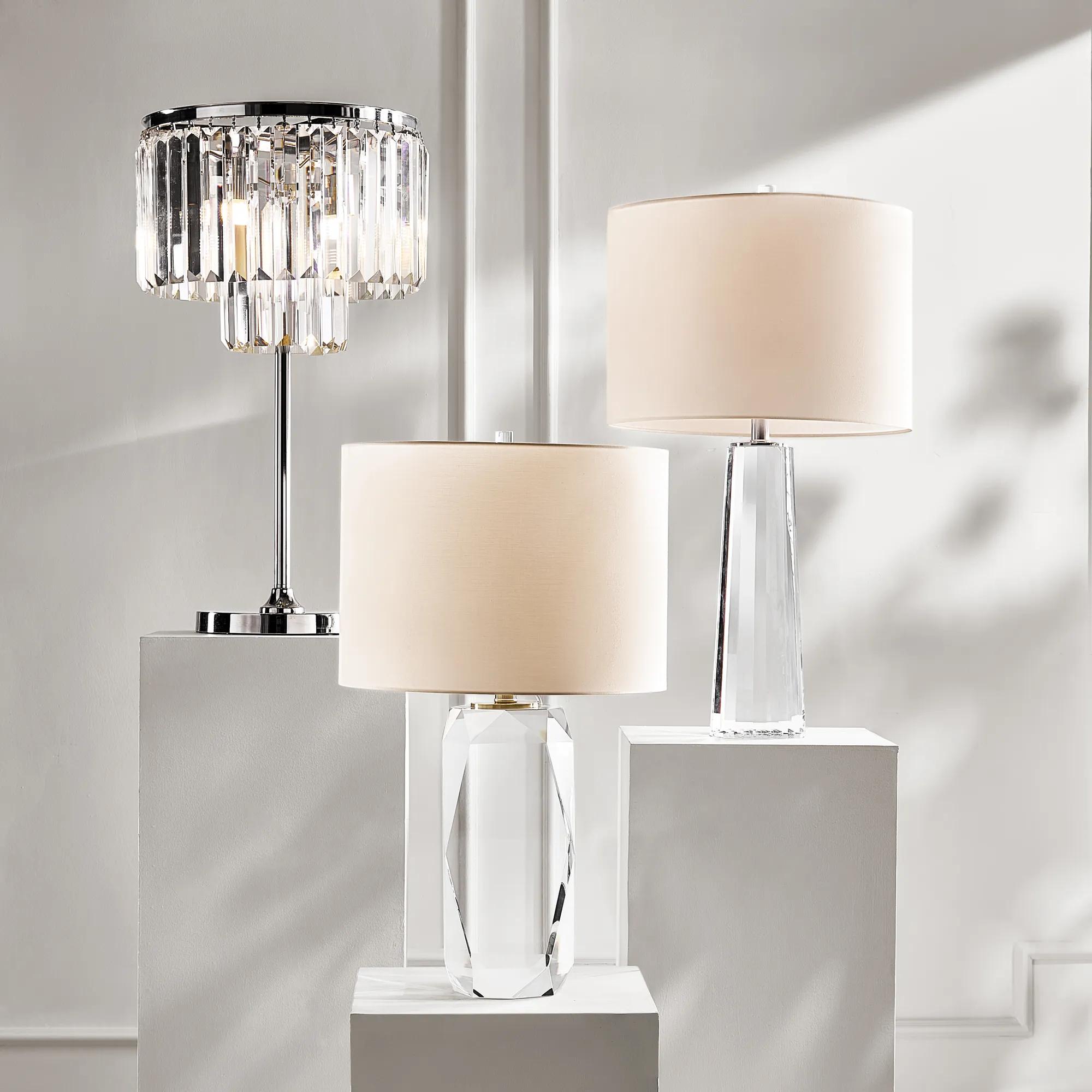 Sasha Faceted Clear K9 Crystal Table Lamp 28"$499
A refined table lamp featuring a clear crystal base, white drum shade, and polished nickel accents.
Add To Cart -
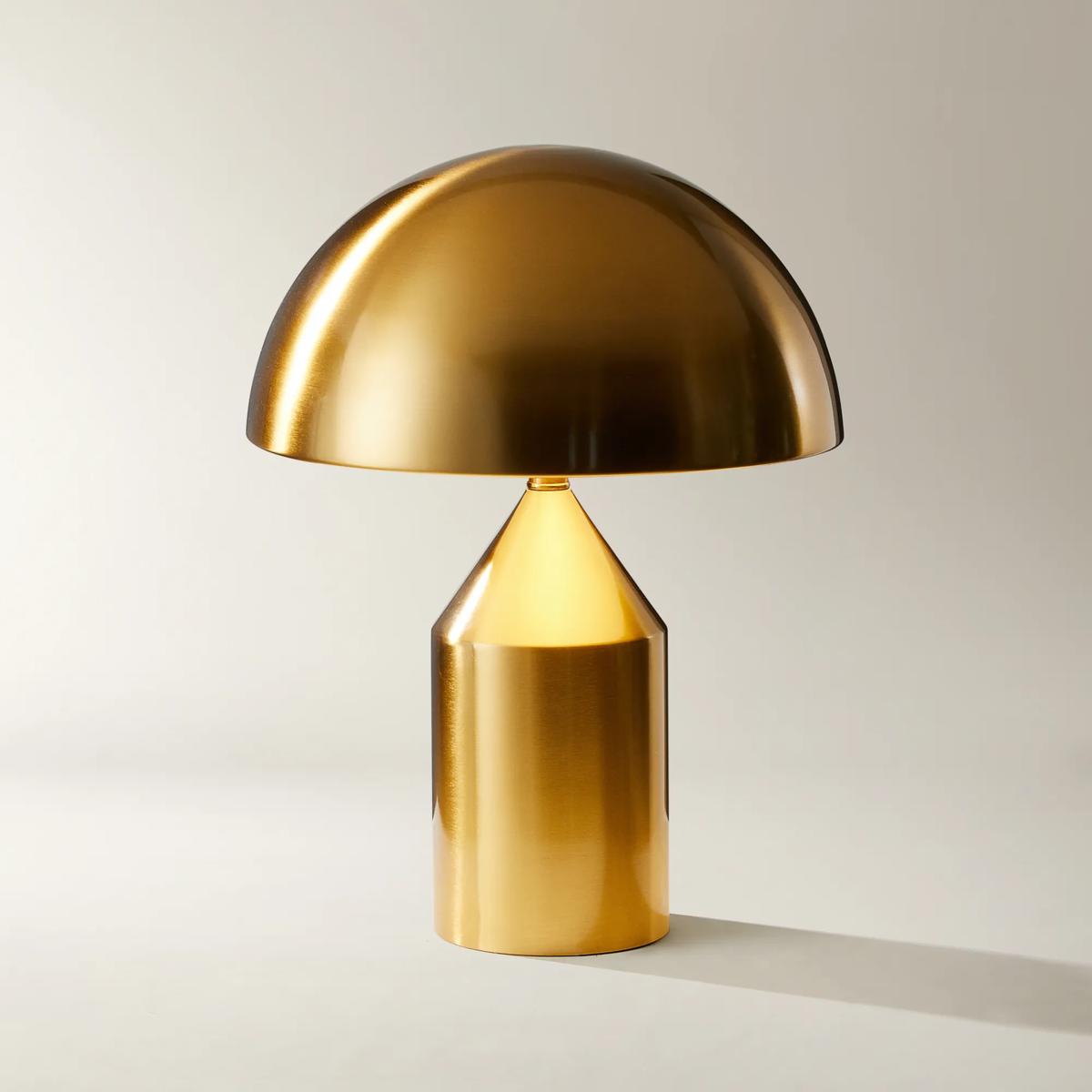 Arlen Gold Metal Table Lamp 19"$249
A modern iron table lamp in brushed gold with a bold dome shade and clean cylindrical base.
Add To Cart -
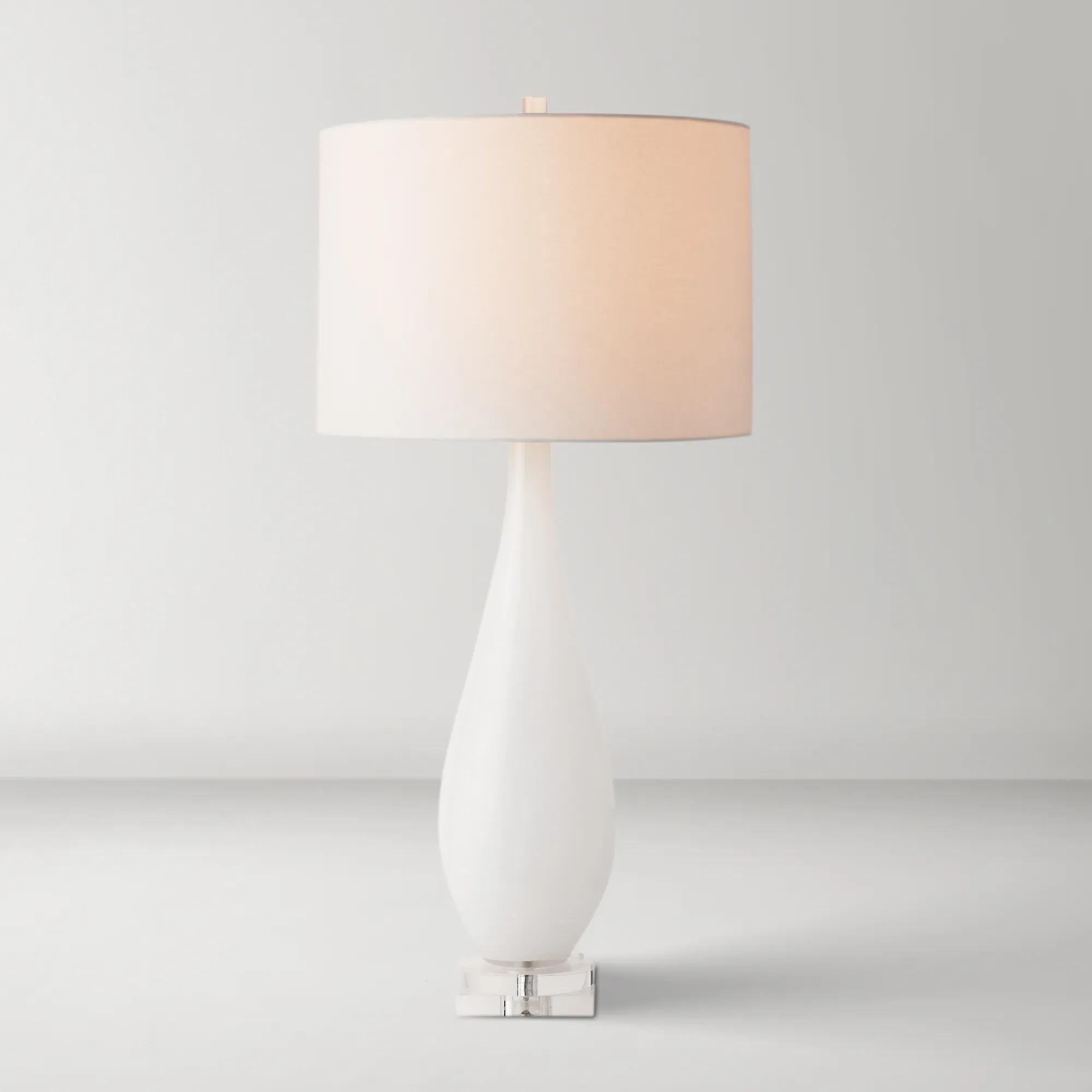
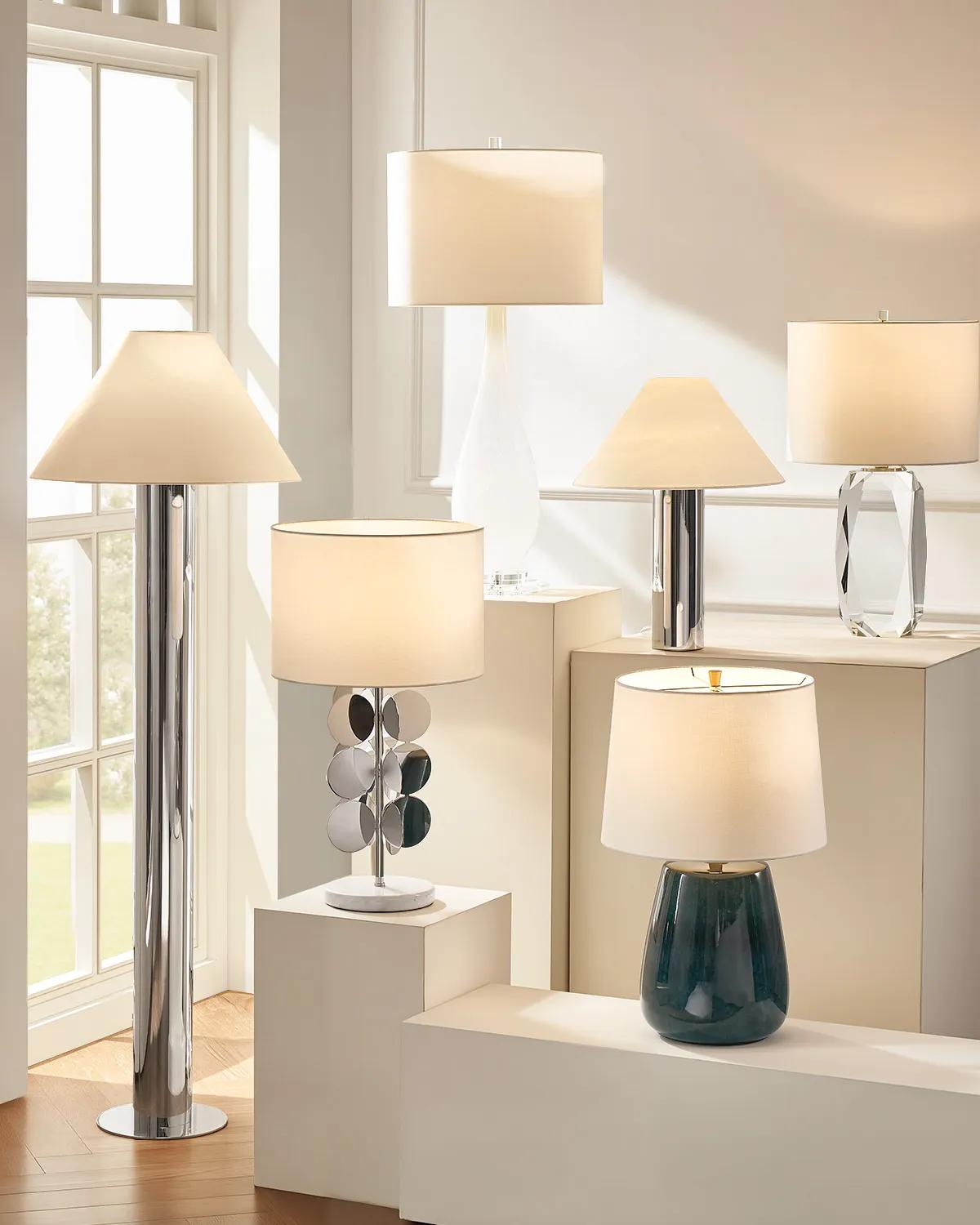 Serena Table Lamp$299
A chic table lamp featuring a handblown glass body, crystal base, and monochromatic white finish.
Add To Cart -
 Edin Mouth Blown Slate Blue Glass Table Lamp 17.5"$99
A sculptural slate blue mouth-blown glass lamp with brushed nickel accents and an ivory linen shade.
Add To Cart -
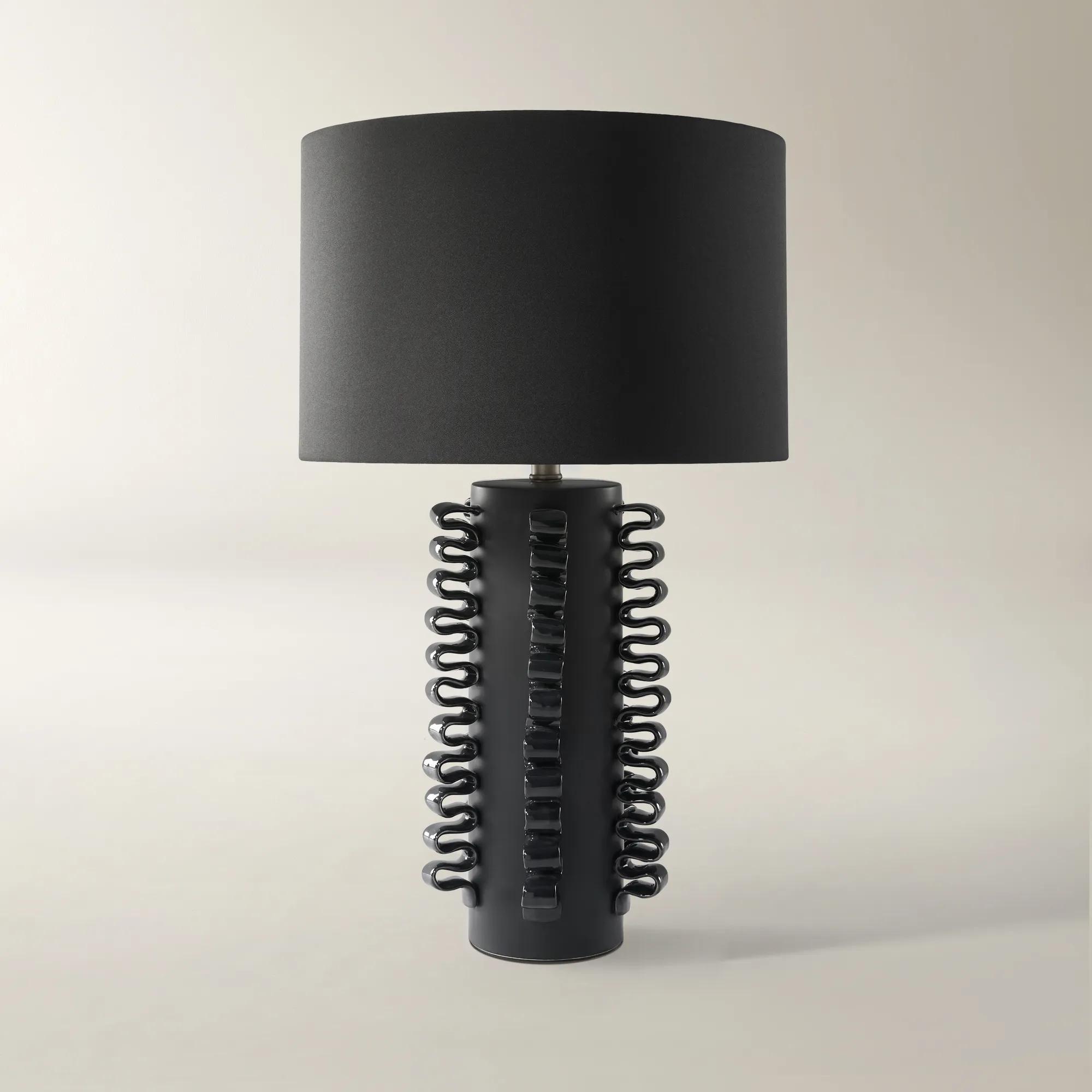
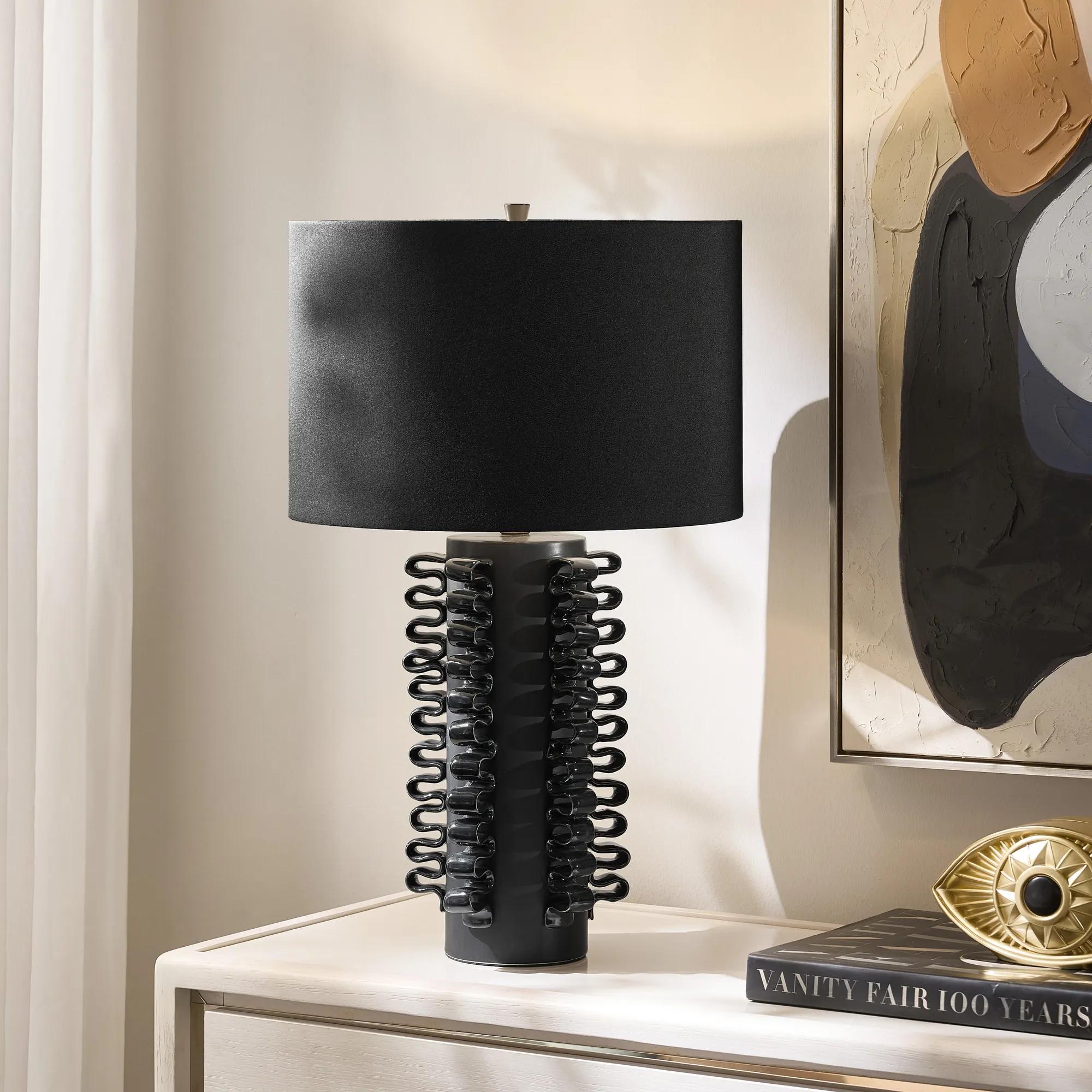 Anello Ruffle Black Ceramic Table Lamp 27"$249
A sculptural matte black ceramic lamp with glazed ribbon accents and a matching black cotton shade.
Add To Cart -
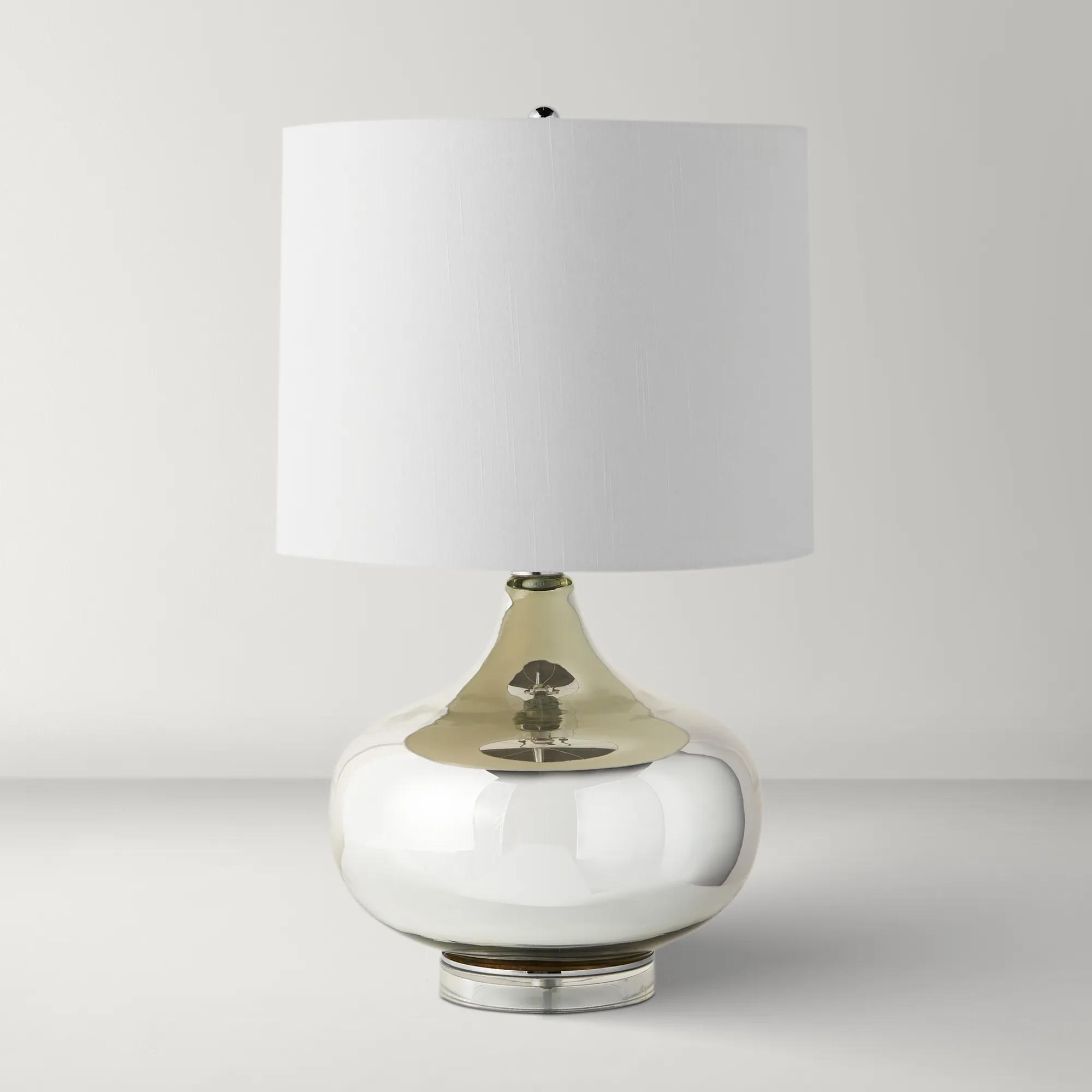 Sabrina Mirrored Silver Glass Table Lamp 27.5"$199
A contemporary lamp featuring a silver mirrored glass base, clear acrylic accents, and a white fabric shade.
Add To Cart -
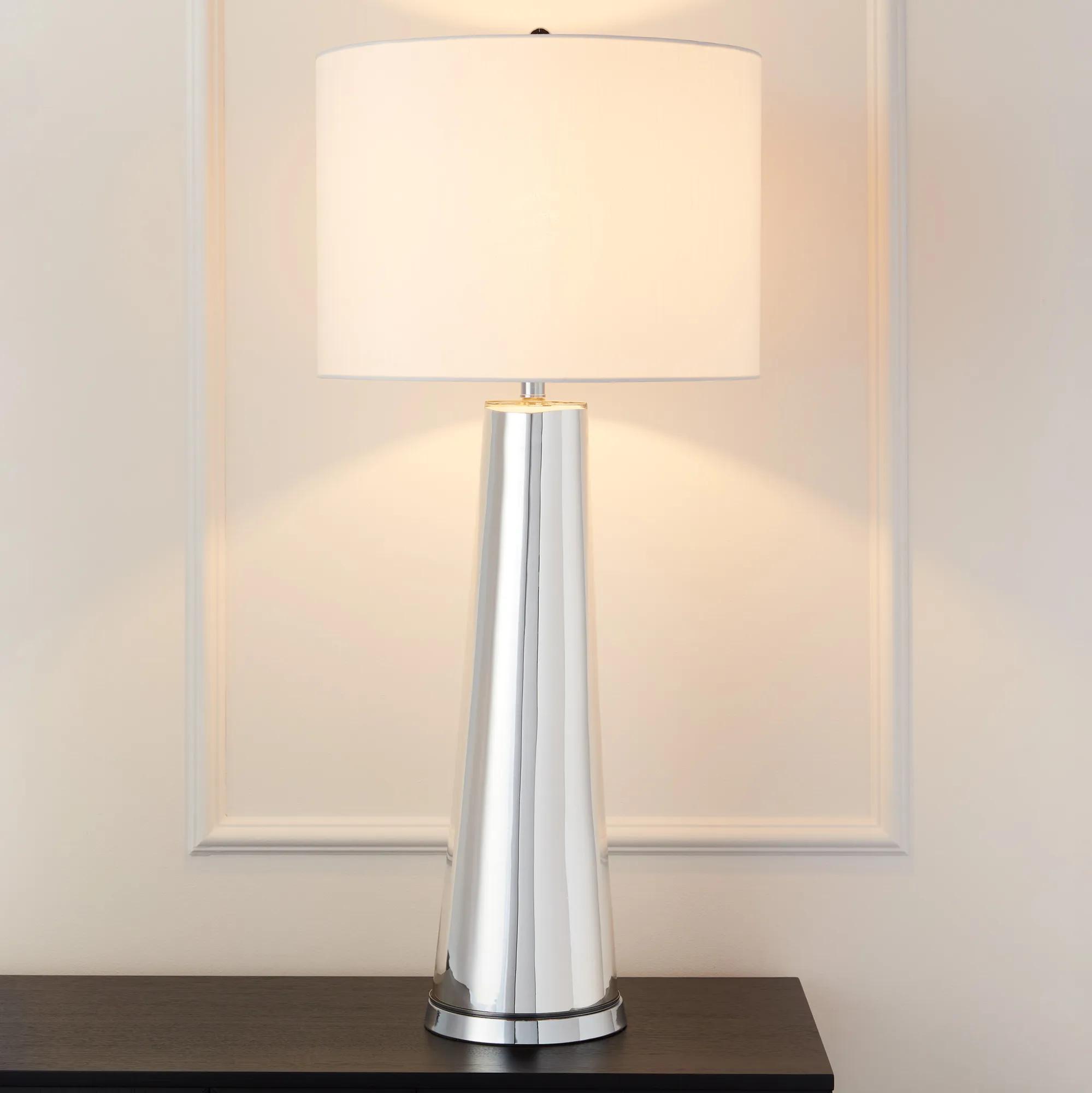 Century Silver Mirrored Glass Table Lamp 40"$299
A modern table lamp featuring a mirrored glass base and white drum shade with brushed chrome accents.
Add To Cart -
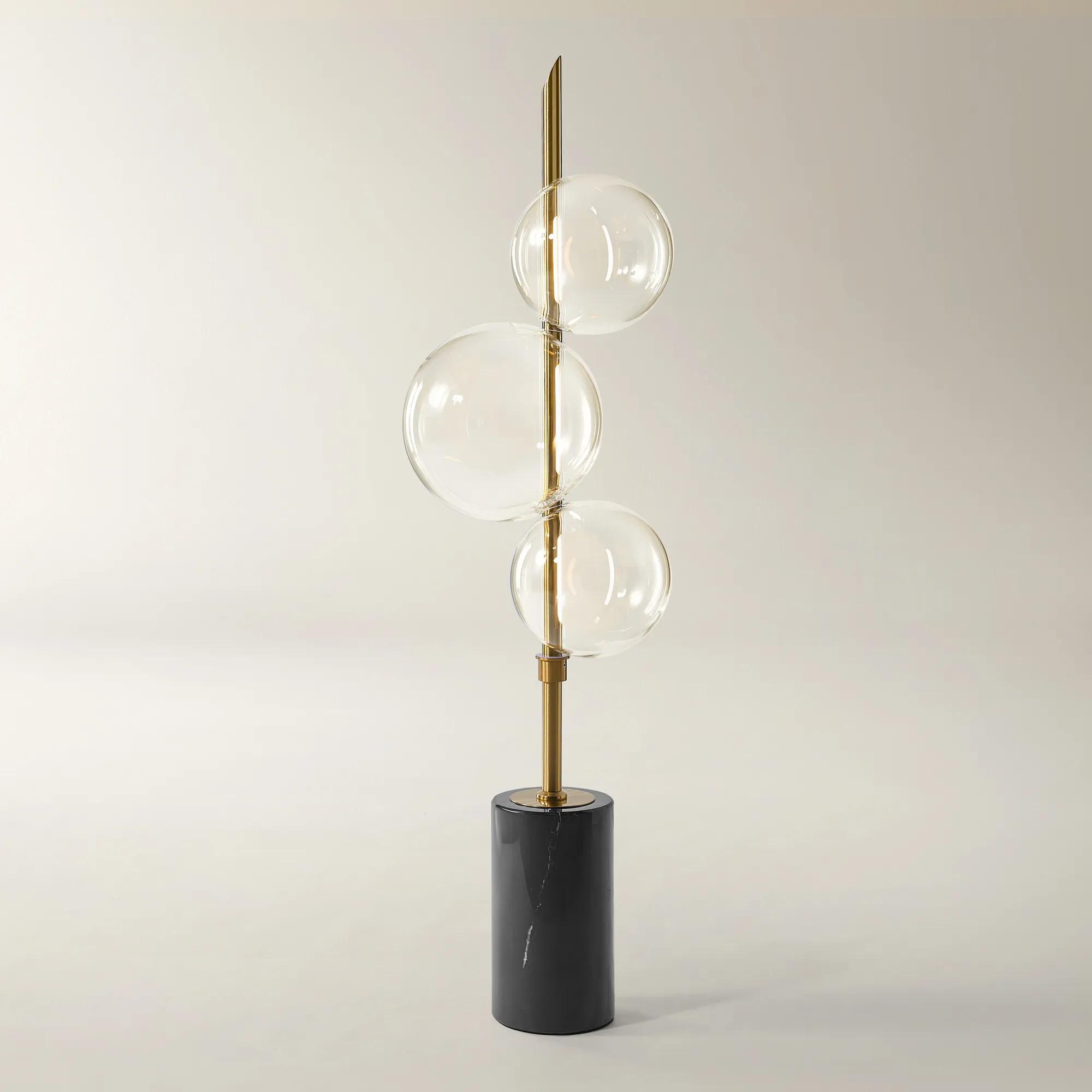
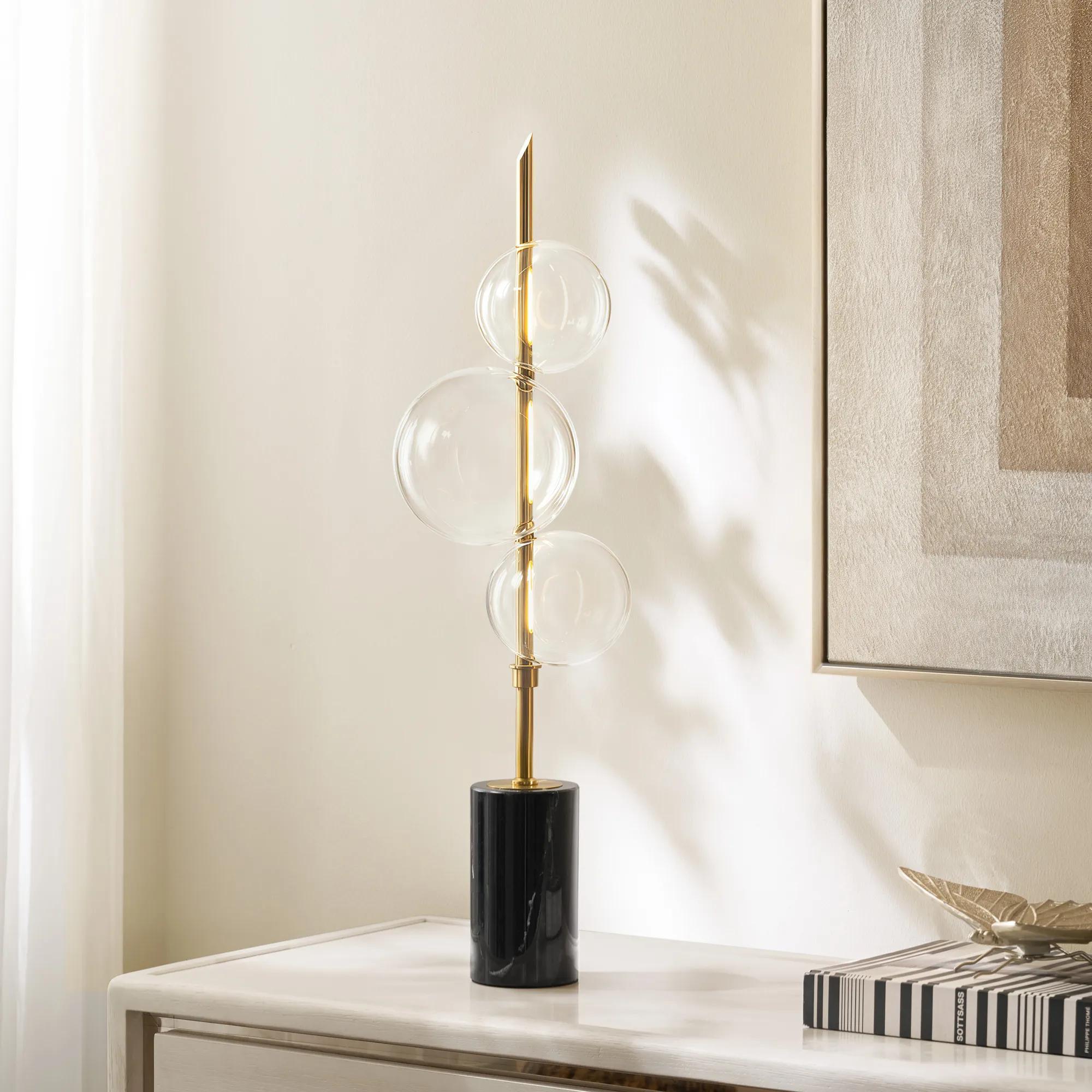 Bolla LED Hand-Blown Glass Bubble And Stone Table Lamp 31.5"$249
A sculptural table lamp featuring clear hand-blown glass bubbles, brass and stone accents, and integrated LED lighting.
Add To Cart -
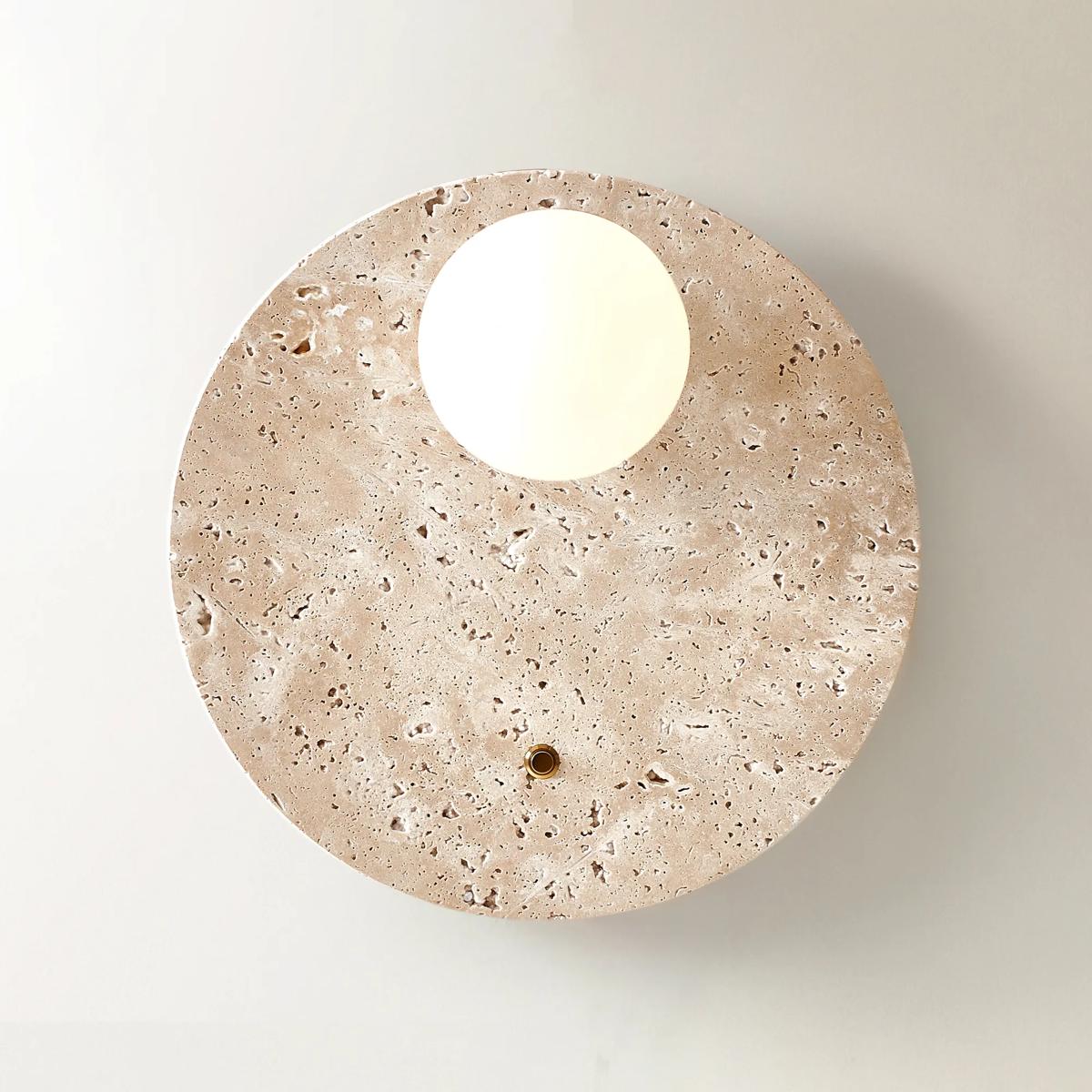
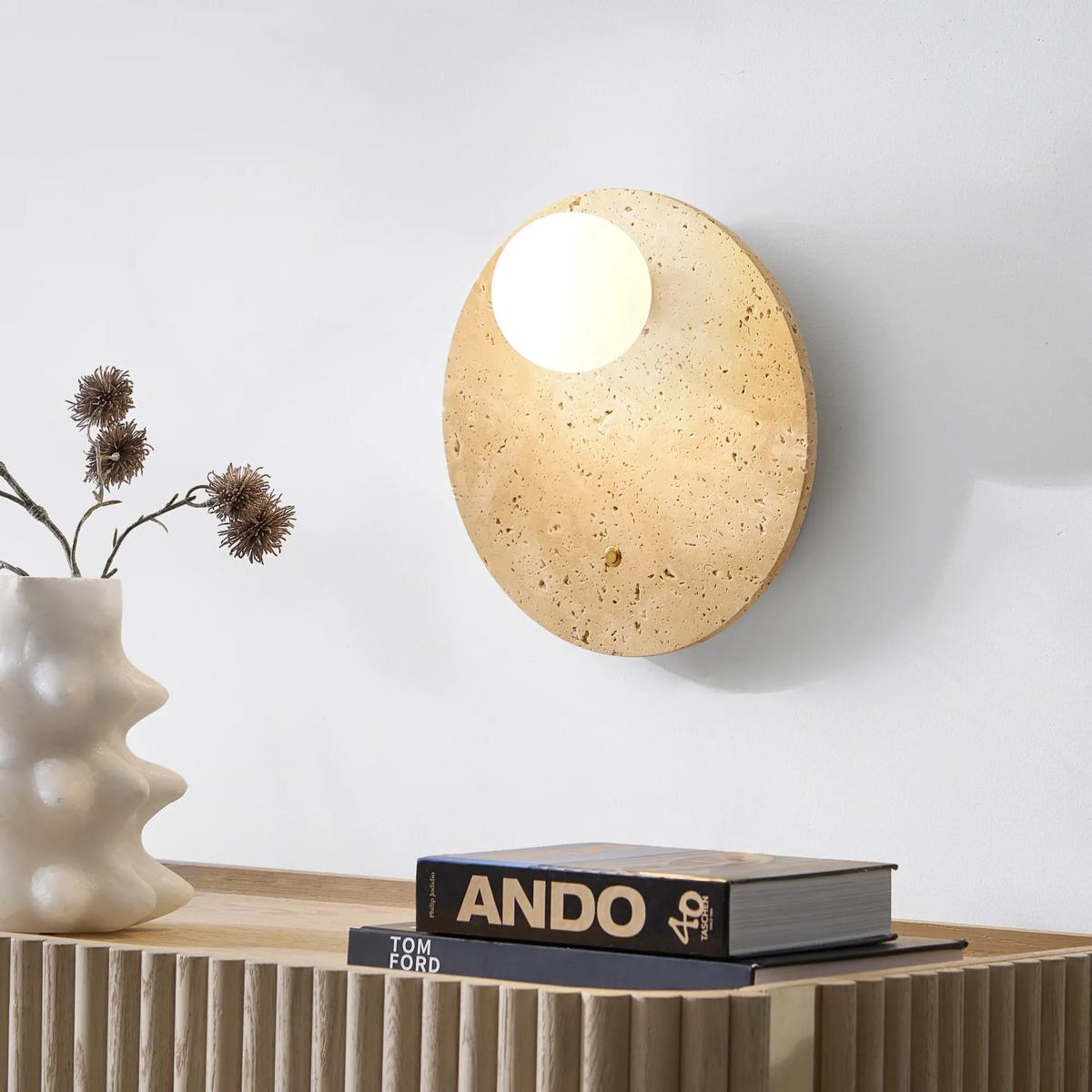 Eden Travertine Sconce 11.75"$149
A sculptural wall sconce crafted from genuine travertine and frosted glass for a softly diffused glow.
Add To Cart -

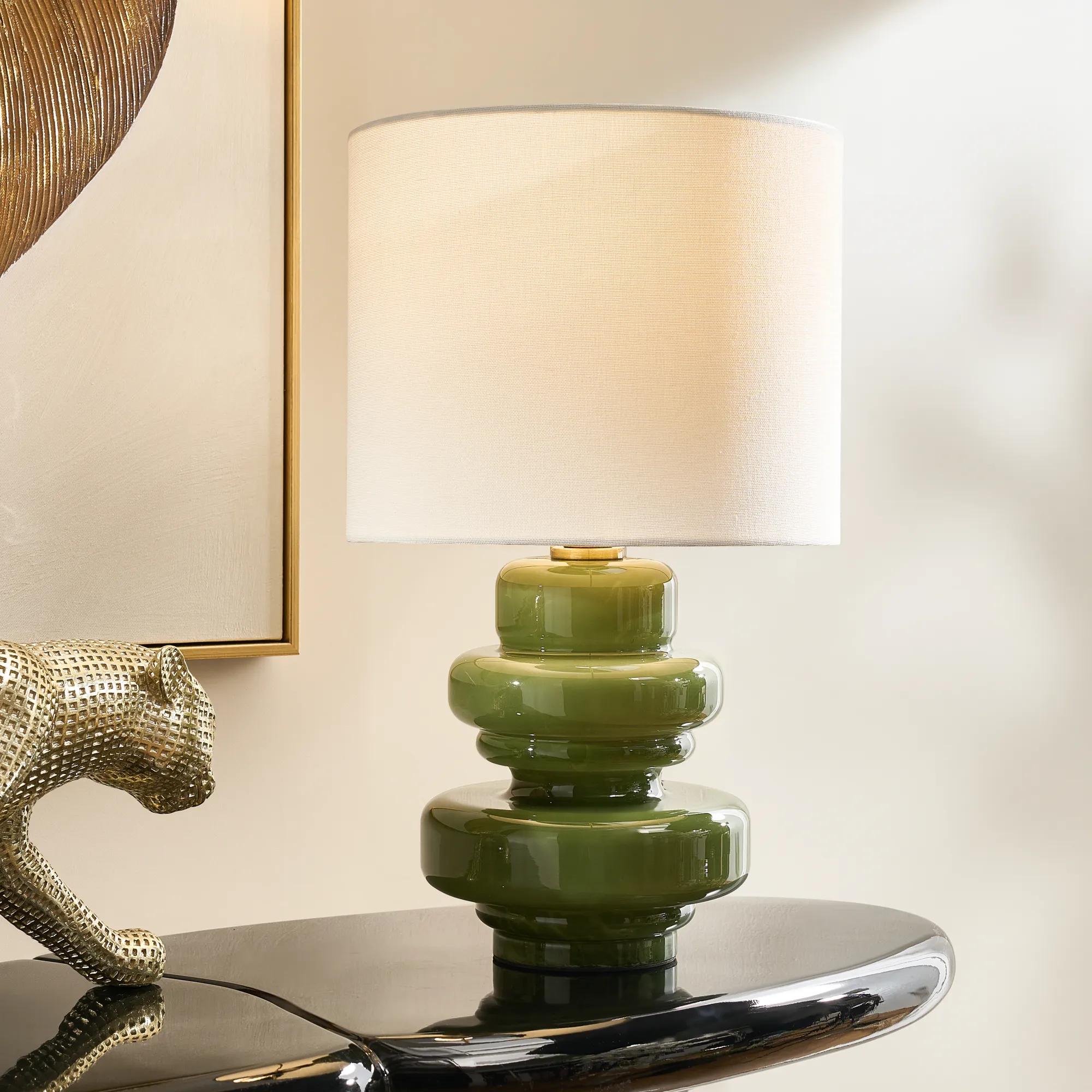 Edin Mouth Blown Pistachio Green Glass Table Lamp 17.5"$99
A sculptural table lamp featuring mouth-blown pistachio green glass and brushed nickel accents with an ivory linen shade.
Add To Cart -
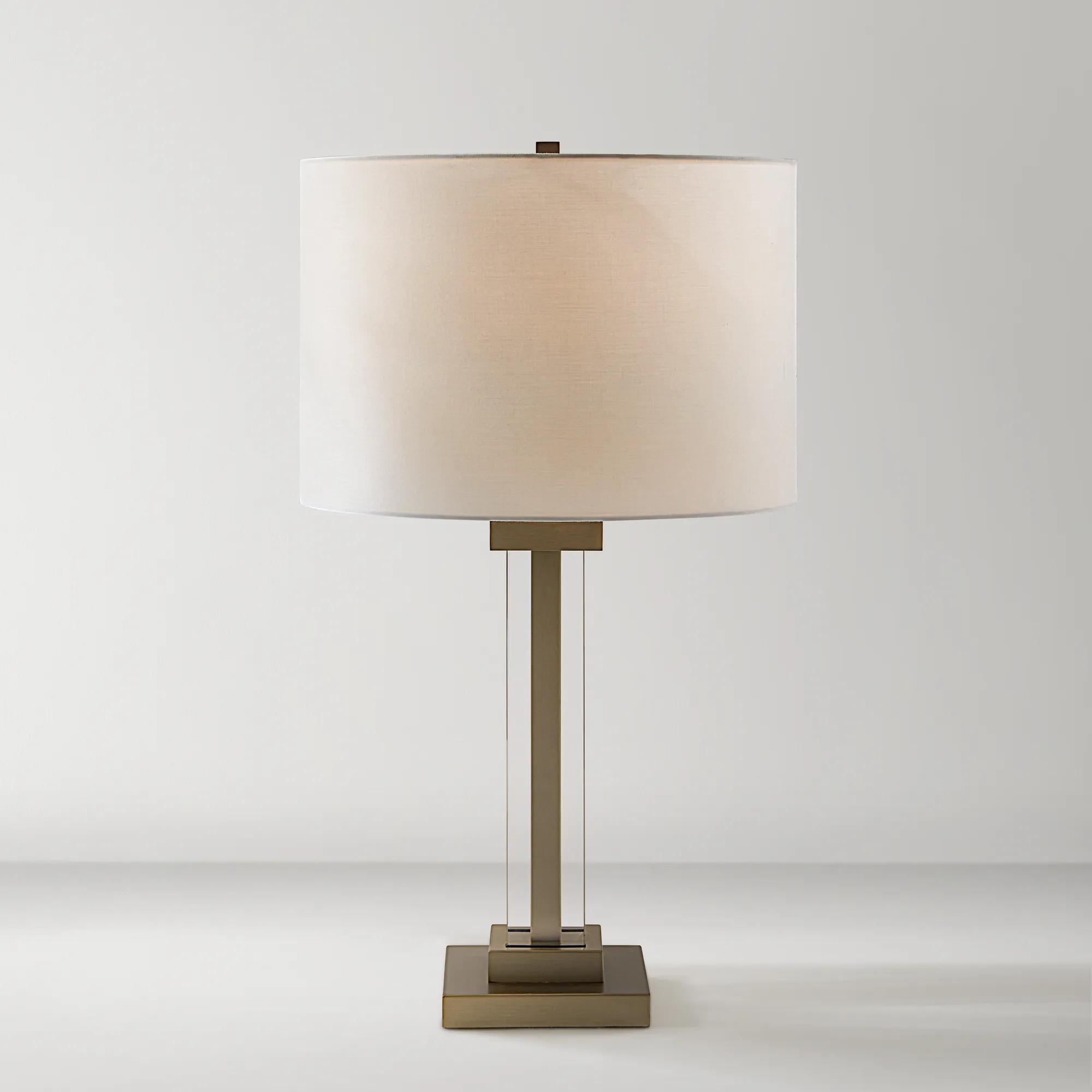
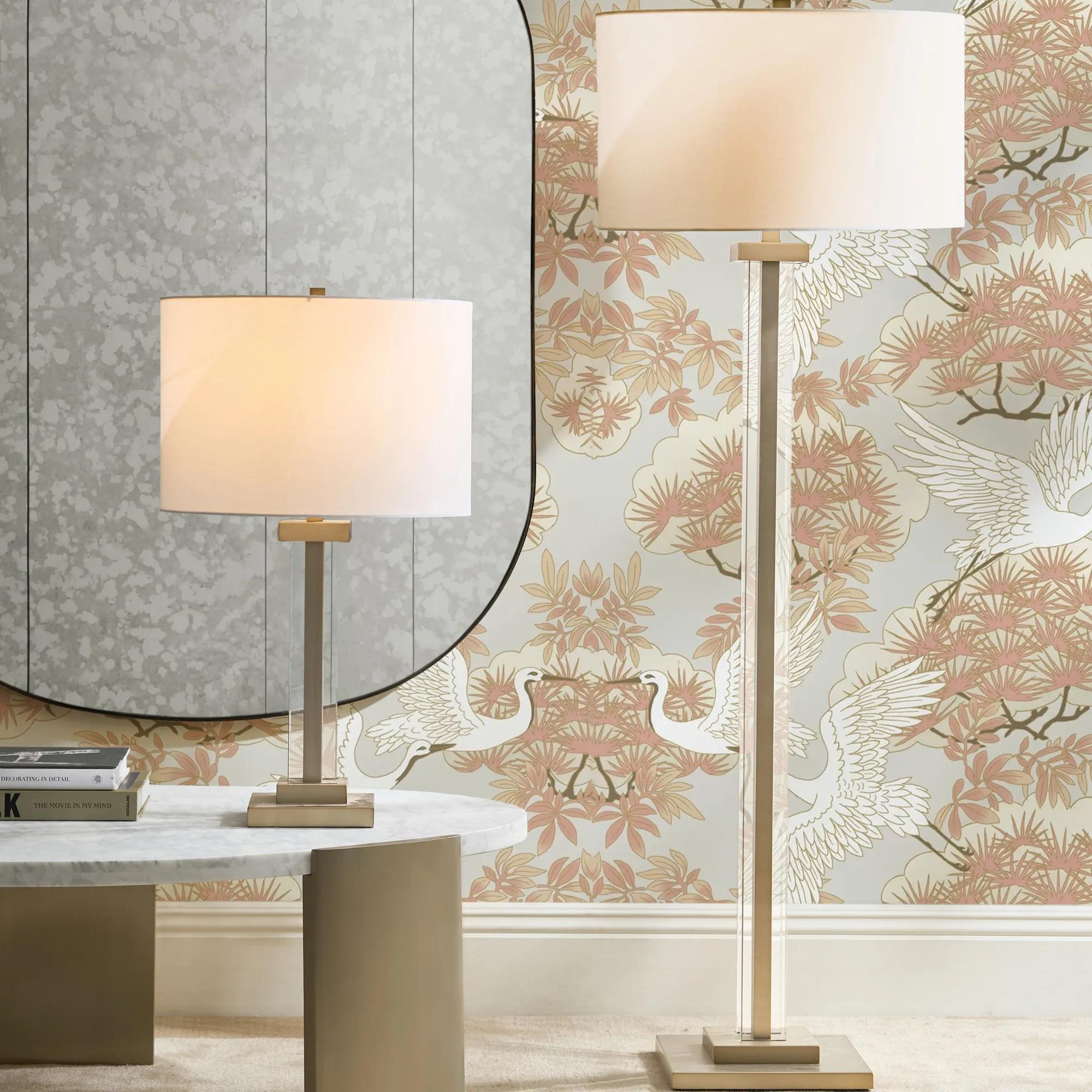 Soren Table Lamp$349
A clear glass and champagne metal lamp with a white cotton drum shade for elegant illumination.
Add To Cart -
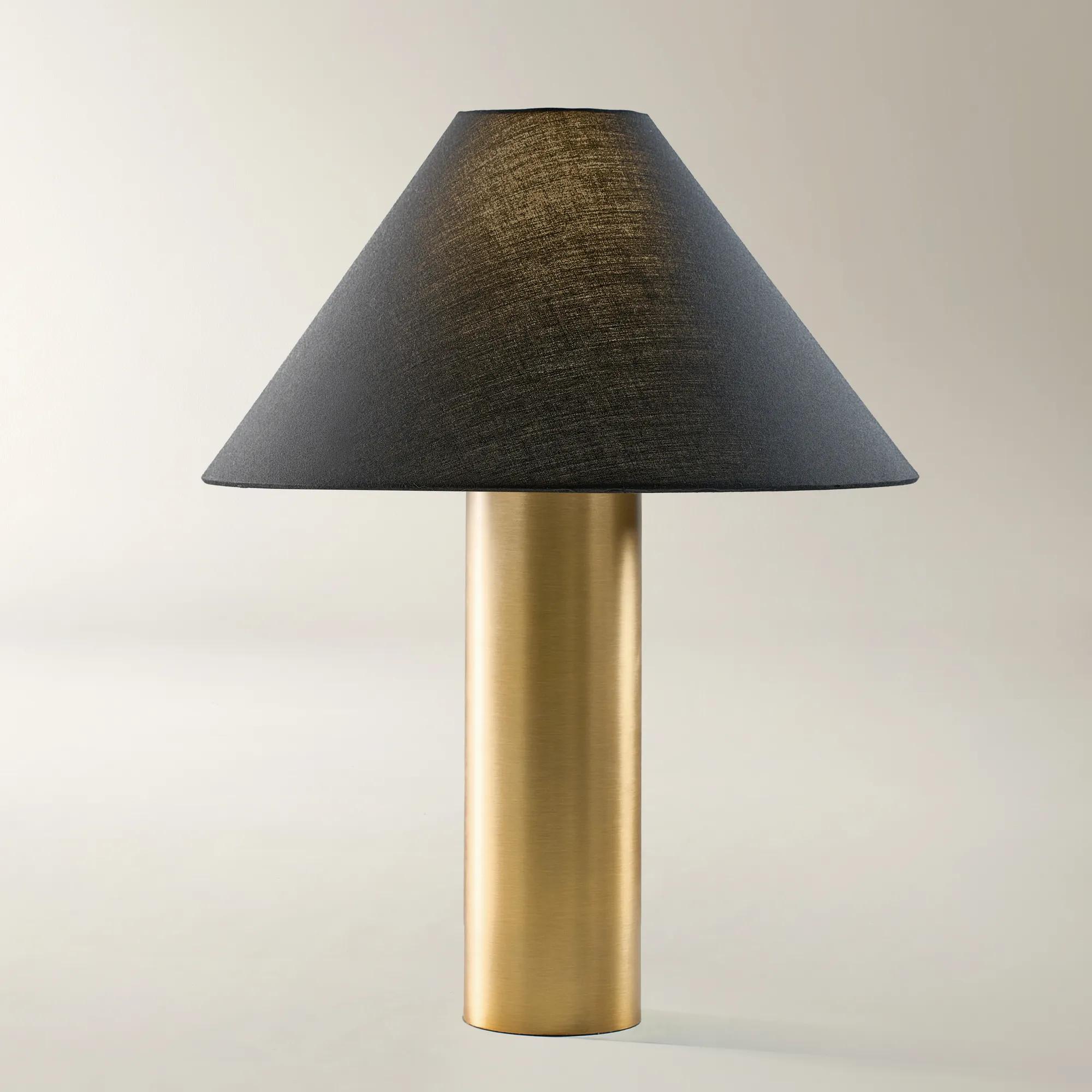 Tova Brushed Brass/Black Table Lamp 20.5"$299
A sculptural brushed brass iron base pairs with a tailored black cotton shade for bold, modern contrast.
Add To Cart -

 Blair Mouth Blown Sea Glass Blue Glass Table Lamp 25"$229
A mouth-blown glass lamp in soft blue sea glass with antique brass accents and an ivory linen shade.
Add To Cart -
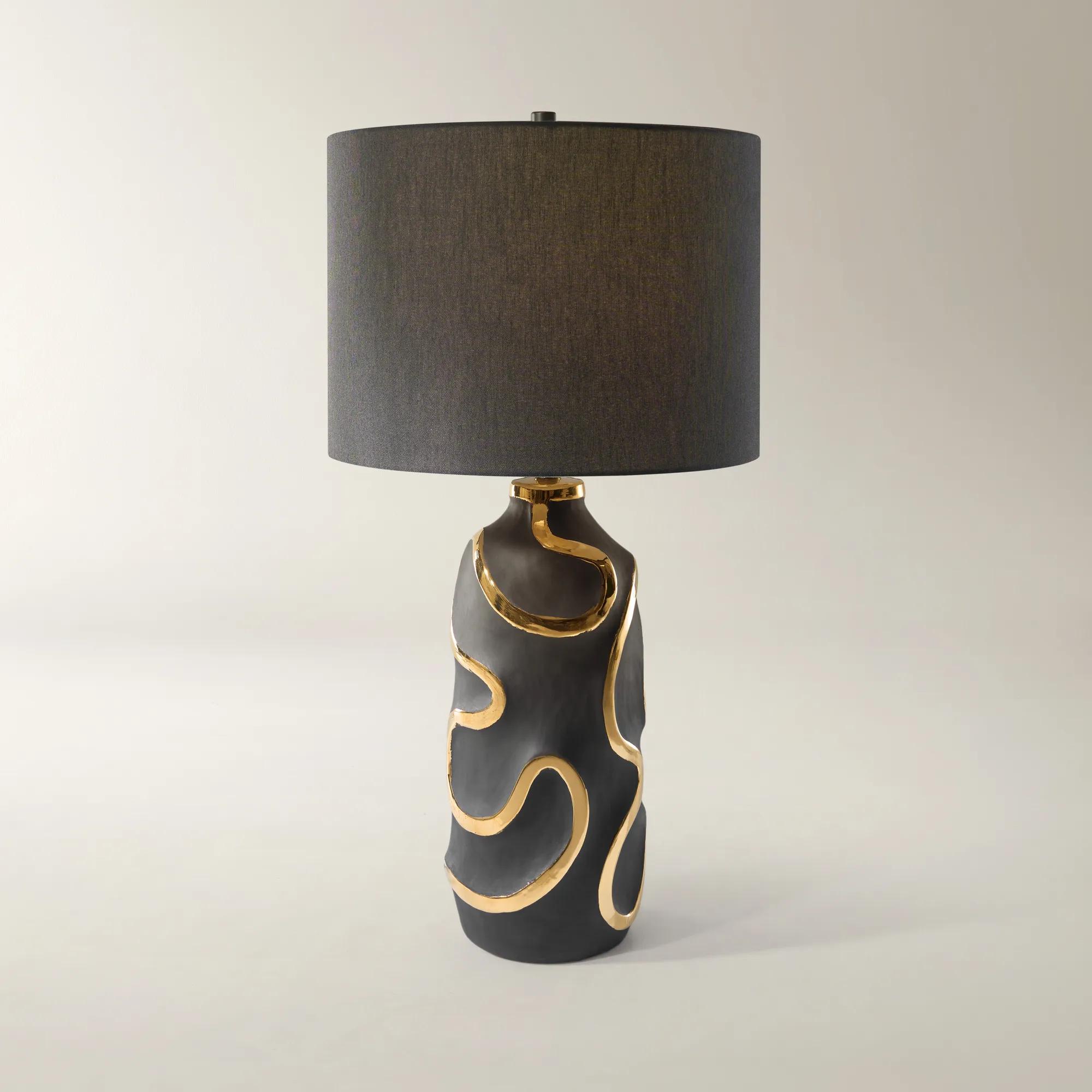 Seraphina Black/Gold Ceramic Table Lamp 32"$249
A matte black ceramic lamp with electroplated gold loops and adjustable three-level lighting.
Add To Cart -
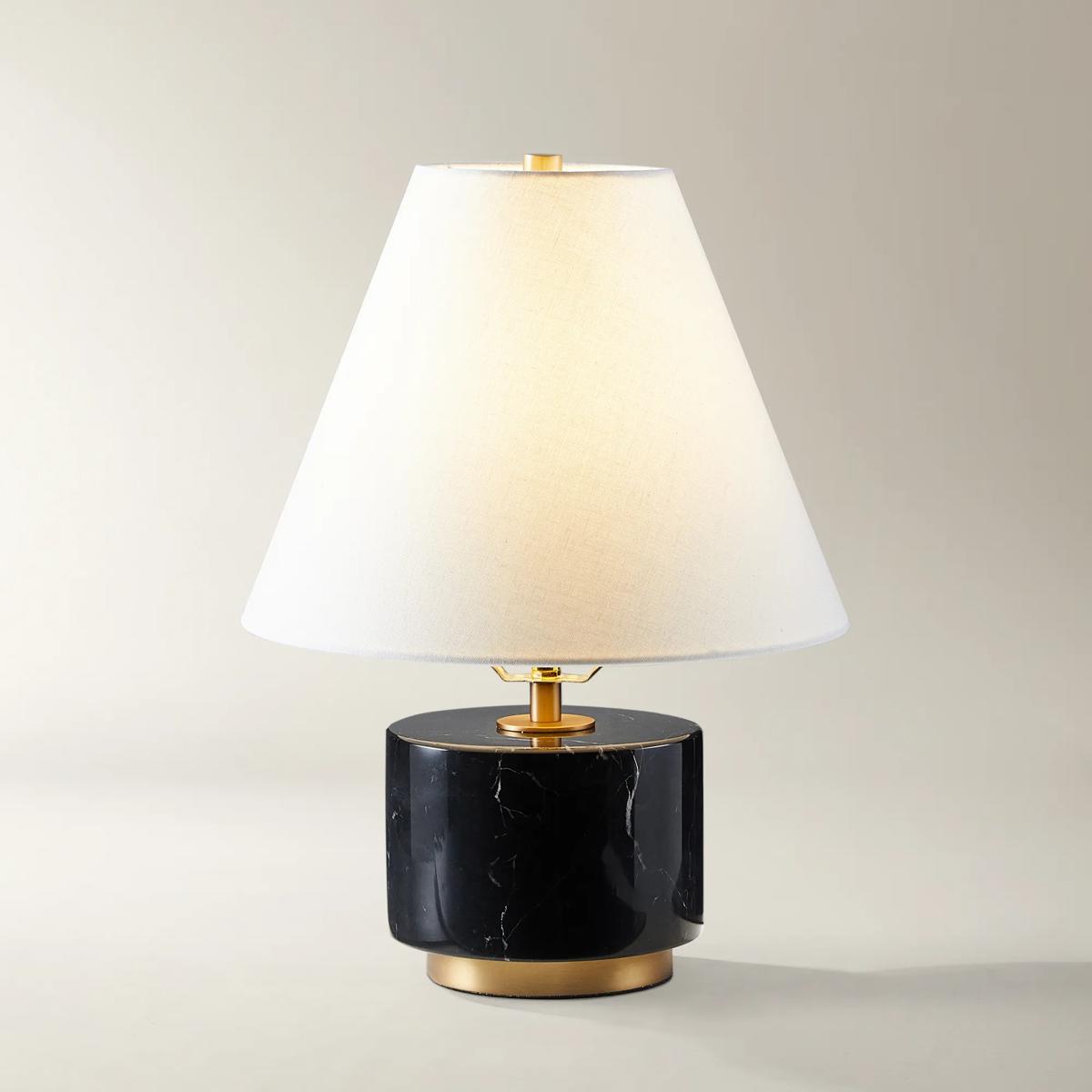
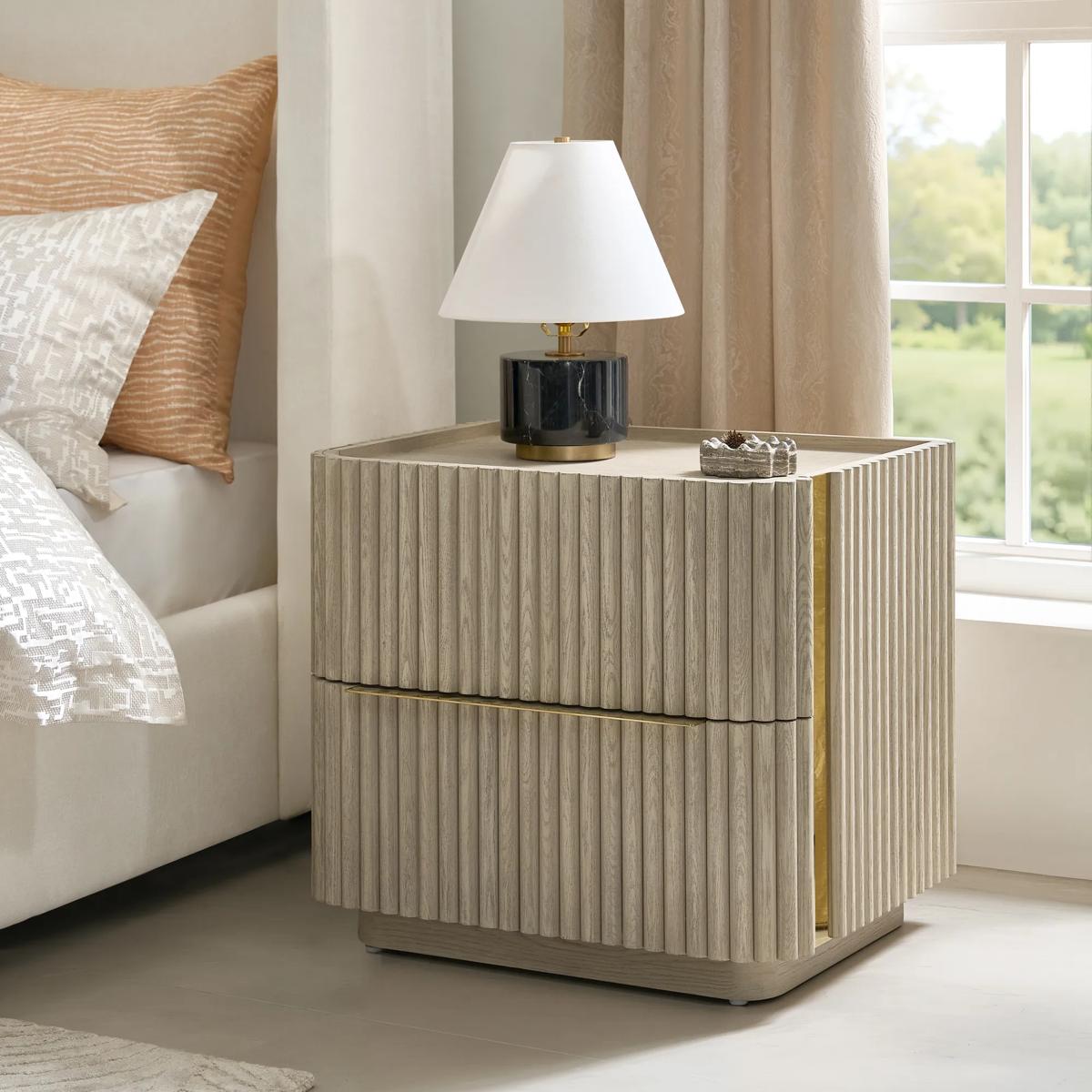 Arden Black Marble Table Lamp 14"$249
A sculptural black marble lamp with brushed brass accents and a warm white linen tapered shade.
Add To Cart -
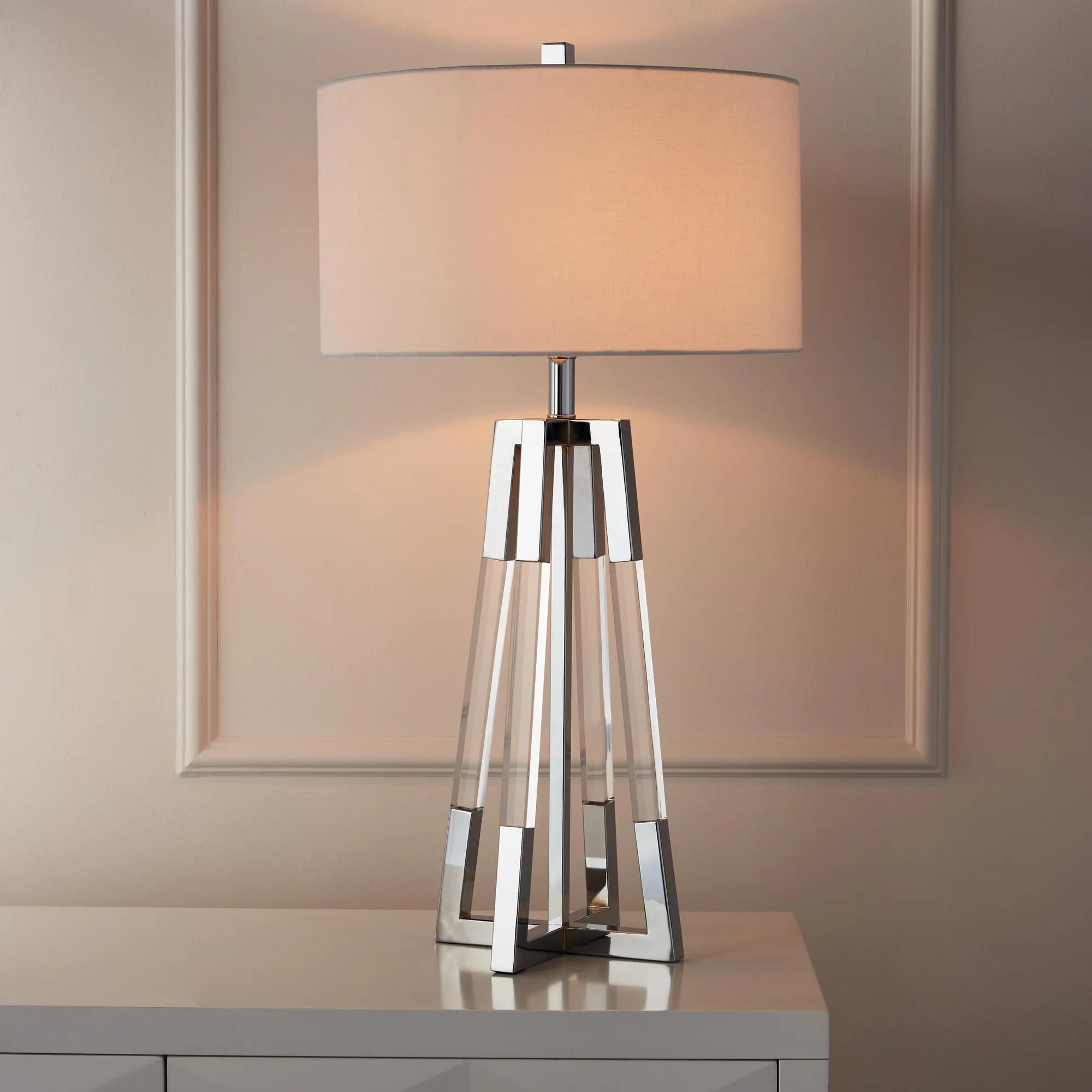 Rollins Table Lamp$439
A sophisticated table lamp featuring clear acrylic and polished nickel accents with a crisp white shade.
Add To Cart -
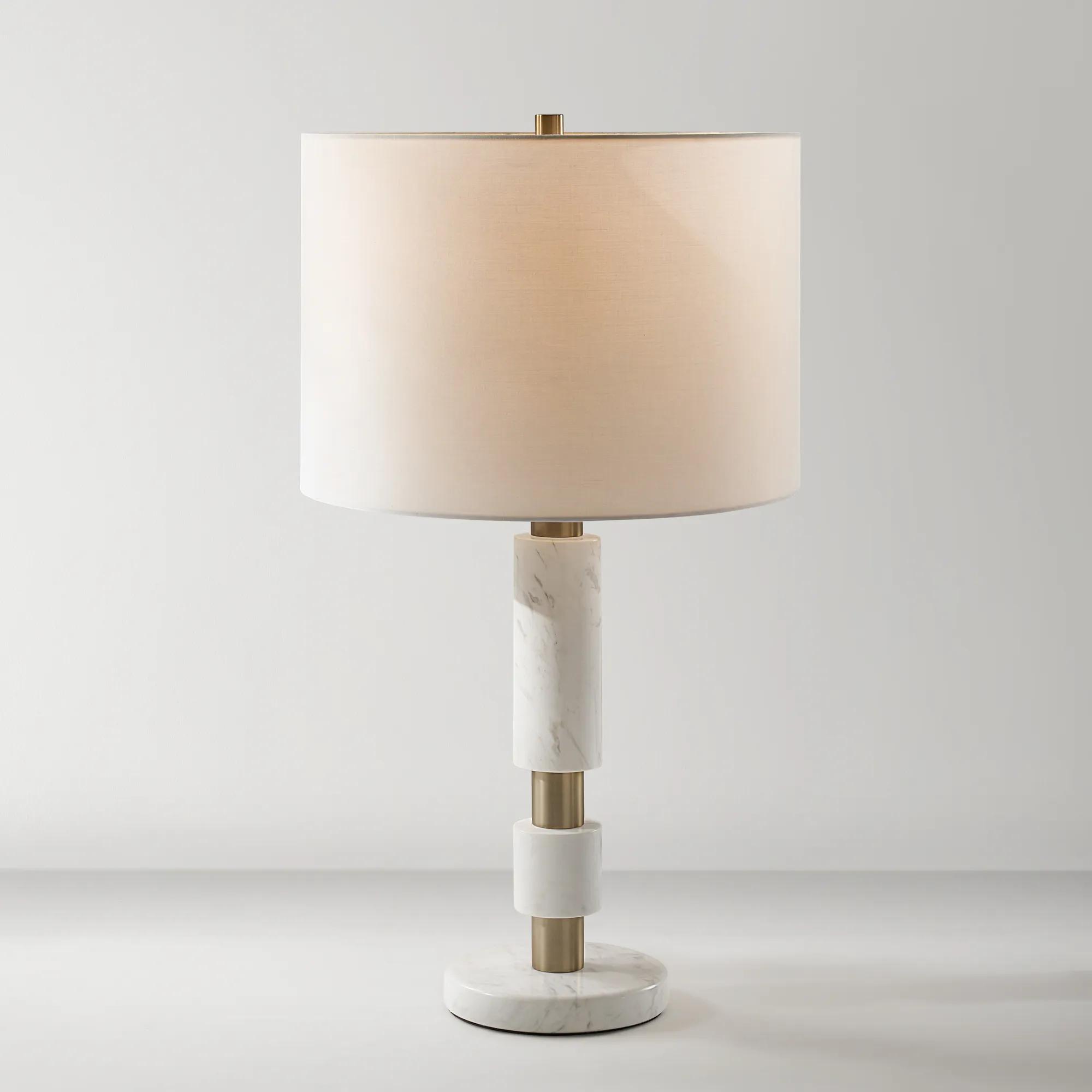 Thea Table Lamp$379
A luxurious table lamp featuring a white marble base, champagne metal accents, and a crisp cotton drum shade.
Add To Cart -
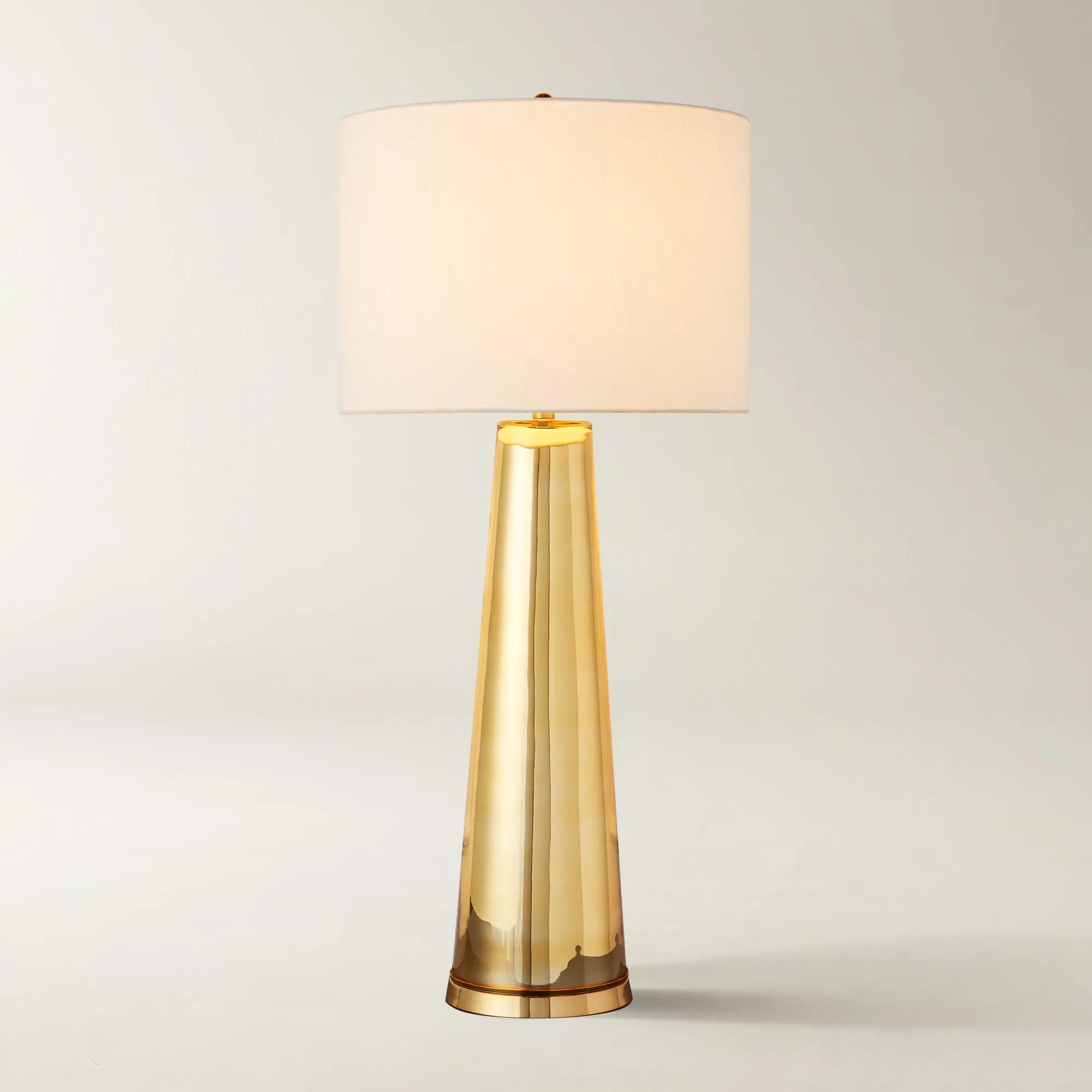
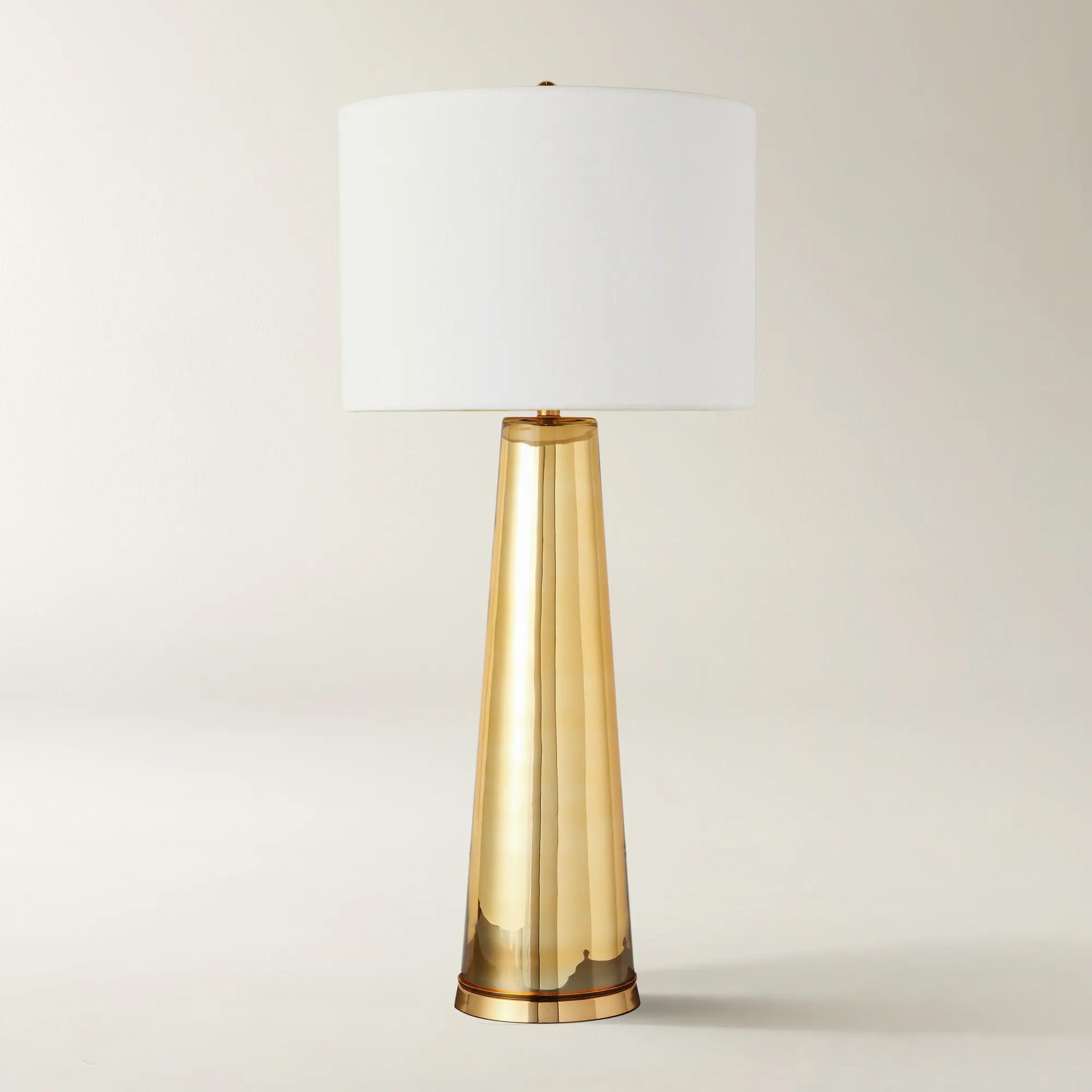 Century Gold Mirrored Glass Table Lamp 40"$299
A modern lamp featuring a mirrored glass base and white drum shade, accented with gold or silver details.
Add To Cart -
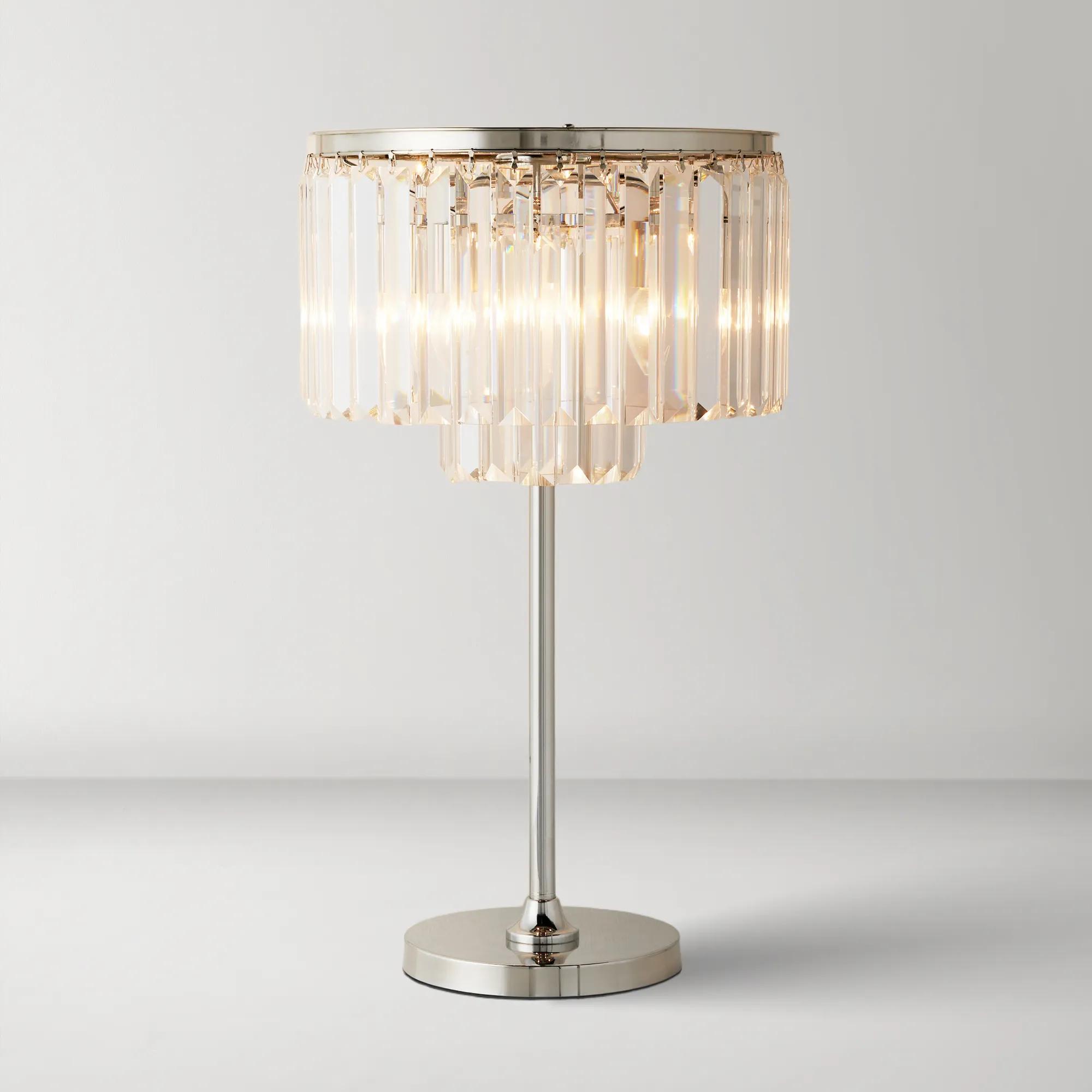
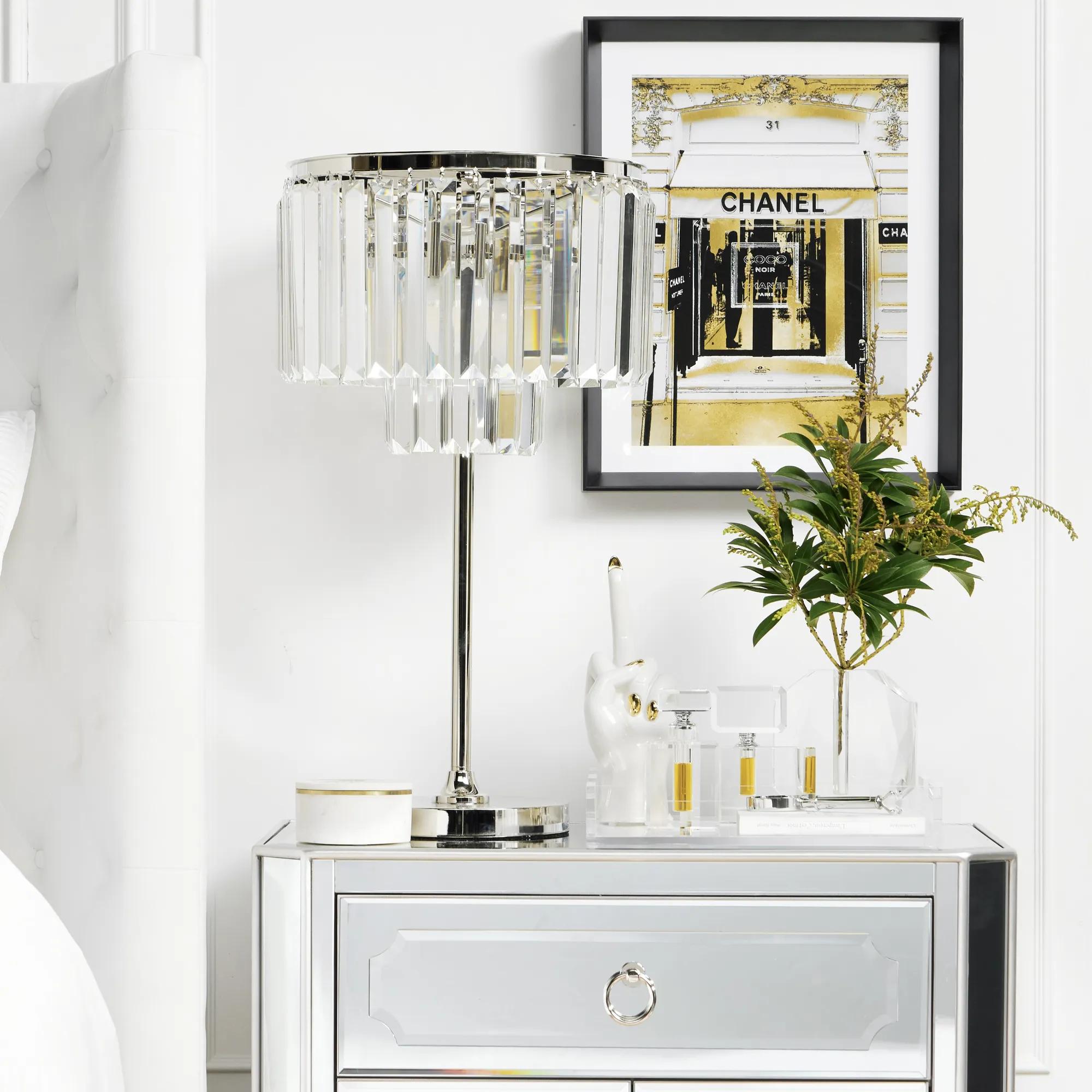 Luxe Table Lamp$499
A sophisticated table lamp featuring faceted ocular glass prisms and a nickel-plated iron frame.
Add To Cart

Contemporary Bedroom Lamps
Contemporary Bedroom Lamps transform the ordinary into the extraordinary, casting every evening in an aura of curated sophistication. Imagine sculptural silhouettes and luminous finishes that don’t just light a room—they create a mood, infusing your sanctuary with drama and allure. Each piece is more than illumination; it’s an artistic statement, designed to reflect your boldest dreams and elevate the nightly ritual into a moment of modern glamour. Let your bedroom shine with unapologetic style—where every lamp is a brushstroke on the canvas of your personal retreat.
Contemporary bedroom lamps bring light into a room with the presence of a decorative object and the intimacy of a bedside companion. Their appeal lies in the balance between expressive form and everyday comfort: a sculptural base holds its own against an upholstered headboard, a luminous finish catches the glow from across the room, and a well-proportioned shade softens the transition from a busy day to a private retreat. Contemporary design is not confined to a single silhouette. Fluid curves, architectural angles, restrained columns, and boldly rounded forms can all feel at home in a bedroom shaped by clean lines and distinctive details. The effect depends on the relationship between the lamp and its surroundings. Beside a low platform bed, a compact lamp can preserve the room’s horizontal flow; next to a tall, tufted headboard, a more substantial silhouette provides visual balance. Nightstand dimensions matter as much as the bed itself. A broad shade needs enough room to sit comfortably without crowding a glass of water, a book, or a small decorative tray, while a narrow base leaves more surface open without sacrificing presence. Height also changes the experience of the light. For someone reading against pillows, a shade positioned to conceal the bulb from the seated line of sight can make the bedside setting more comfortable. Matching lamps establish a composed rhythm on either side of the bed, especially when other elements feature dramatic texture or pattern. Different silhouettes can create an equally polished result when they share a finish, shade color, or comparable visual weight. In a bedroom with only one nightstand, a slender floor lamp can provide a counterpoint without requiring another tabletop. These relationships give contemporary bedroom lighting its versatility, allowing a lamp to feel quietly tailored in one space and strikingly sculptural in another.
Materials give contemporary bedroom lamps much of their character, influencing how they look in daylight as well as after the switch is turned. Clear glass can introduce an airy quality beside substantial furniture, while textured or tinted glass adds depth without relying on elaborate ornament. Ceramic offers a different kind of expression, from smooth, lustrous surfaces to tactile finishes that invite a closer look. Metal brings definition: polished surfaces reflect surrounding colors and light, brushed finishes create a softer sheen, and dark accents draw a crisp outline against pale walls. Stone can lend a lamp a grounded, substantial presence, with natural veining making each surface visually distinct. The actual weight, construction, and finish deserve attention alongside appearance, particularly on a narrow nightstand or in a room where furniture is moved frequently. A broad, stable base helps a lamp sit securely, though the supporting surface must be suited to its weight. Shades are equally influential. Pale fabric shades generally diffuse light gently, while darker or more opaque shades can direct more illumination above and below, creating a more concentrated pool of light. Fabric texture may become especially noticeable when illuminated, adding another layer to the room’s palette. The strongest combinations do not require every finish to match. A warm metallic detail can echo drawer hardware, or a translucent base can offer relief beside richly grained wood. When placed on contemporary bedroom dressers, lamps can anchor a vignette with artwork, a shallow bowl, or a few carefully spaced objects, provided the shade clears nearby frames and leaves drawers unobstructed. A dresser-top lamp also brings light beyond the bedside, giving the bedroom a more dimensional atmosphere. Repeating one material elsewhere in the room creates continuity; allowing another to contrast keeps the composition from feeling overly coordinated. The result is layered rather than uniform, with each surface contributing something distinct.
The most satisfying bedroom lamps support the way the room is actually used, whether that means reading before sleep, dressing for an evening out, or welcoming overnight guests into a thoughtfully finished space. A lamp intended primarily for atmosphere can cast a gentle glow across a wall, while regular reading calls for enough directed illumination to make the page comfortable to see. Bulb choice shapes both effects. Warm-white light often complements the restful character of a bedroom, and consistent color temperature across nearby lamps helps the room feel cohesive. Brightness, bulb shape, and compatibility should follow the fixture’s specifications; dimmable bulbs and controls work together only when the components are compatible. An accessible switch is a small detail with considerable daily value, especially when the lamp sits behind other objects or beside a taller mattress. Cord length and outlet placement also influence positioning, with cords kept clear of walking paths and arranged so they do not pull the lamp toward an edge. Shades and bulbs need appropriate clearance from bedding, curtains, and other textiles, following the manufacturer’s directions. Care is usually straightforward but should reflect the materials involved. A soft, dry cloth can remove dust from many bases, while delicate finishes, porous stone, and textured surfaces may require more specific treatment. Gentle dusting helps preserve fabric shades; abrasive cleaners and excessive moisture can damage finishes or leave marks. Switching off, unplugging, and allowing the bulb to cool makes routine care safer. Considered in this way, a contemporary bedroom lamp is both a design statement and a lasting part of a daily ritual. It can be a meaningful housewarming or wedding gift when the recipient’s taste, room proportions, and lighting needs are known. Whether illuminating a primary bedroom, bringing polish to a guest room, or defining a small bedside corner, the right lamp gives the space a distinctive presence without overwhelming its sense of repose.
FAQs
Contemporary bedroom lamps are characterized by clean lines, bold silhouettes, and a focus on innovative materials. Expect to find a blend of sculptural forms, metallic finishes, and unique textures that add a touch of artistry and sophistication to any bedroom setting.
The right lamp can transform the atmosphere of your bedroom, casting a warm, inviting glow that encourages relaxation and comfort. Layering contemporary lamps with other light sources allows you to create zones of ambiance, from serene and restful to dramatic and inspiring.
Absolutely. A contemporary bedroom table lamp makes a thoughtful and enduring gift, perfect for occasions such as housewarmings, weddings, graduations, or milestone birthdays. Their blend of function and design ensures they’ll be cherished for years to come.
Contemporary lamps often showcase materials like polished metals, smoked or colored glass, marble, and ceramic. These elements are selected for their ability to catch the light and add visual intrigue, making each lamp a statement piece in its own right.
For a cohesive look, echo the lamp’s finishes and colors with other accents in your room, such as mirrors, artwork, or decorative objects. Pairing your lamp with a statement mirror, like those found in our <a href="https://zgallerie.com/o/contemporary-bedroom-mirrors">Contemporary Bedroom Mirrors</a> collection, can amplify both light and style for a truly curated effect.


