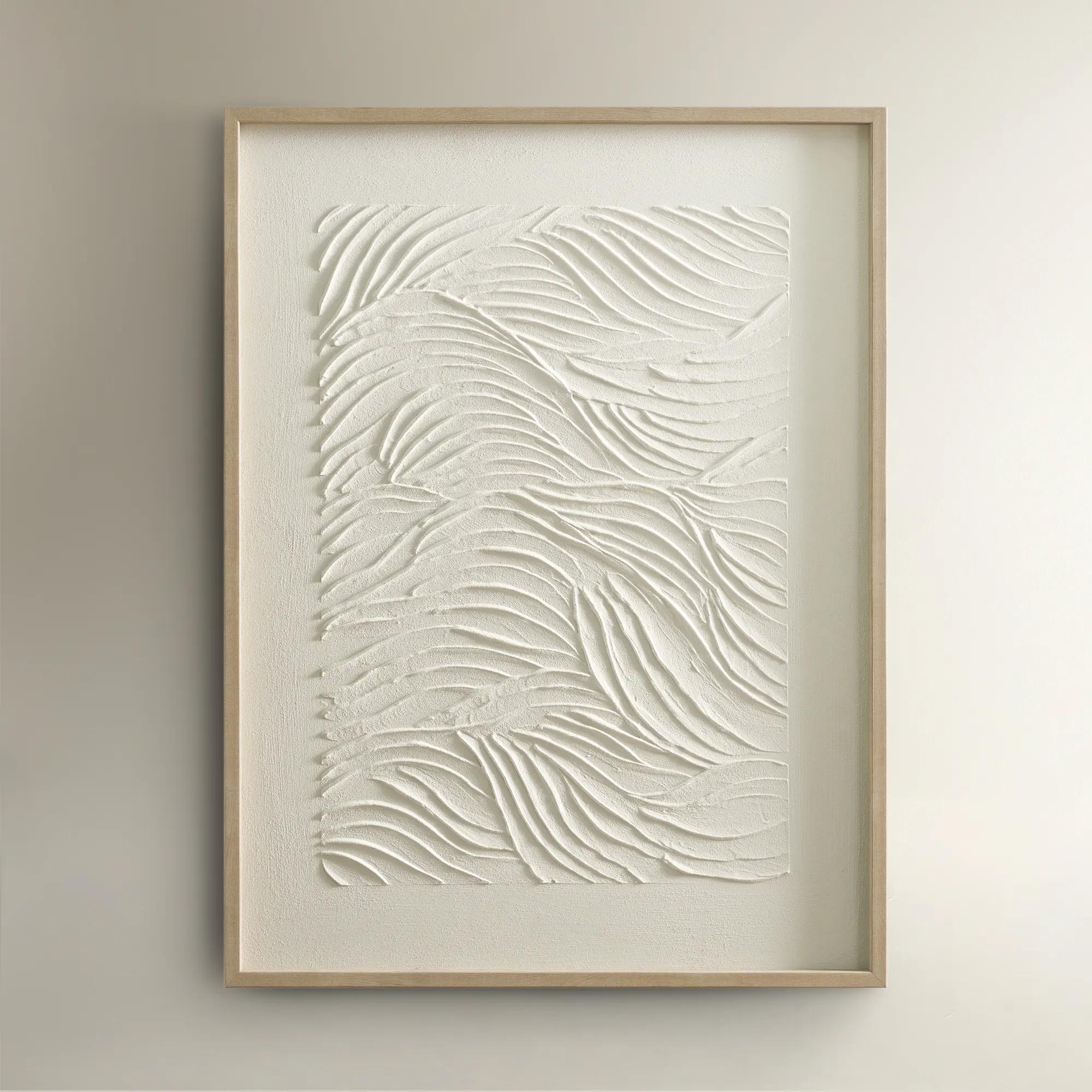
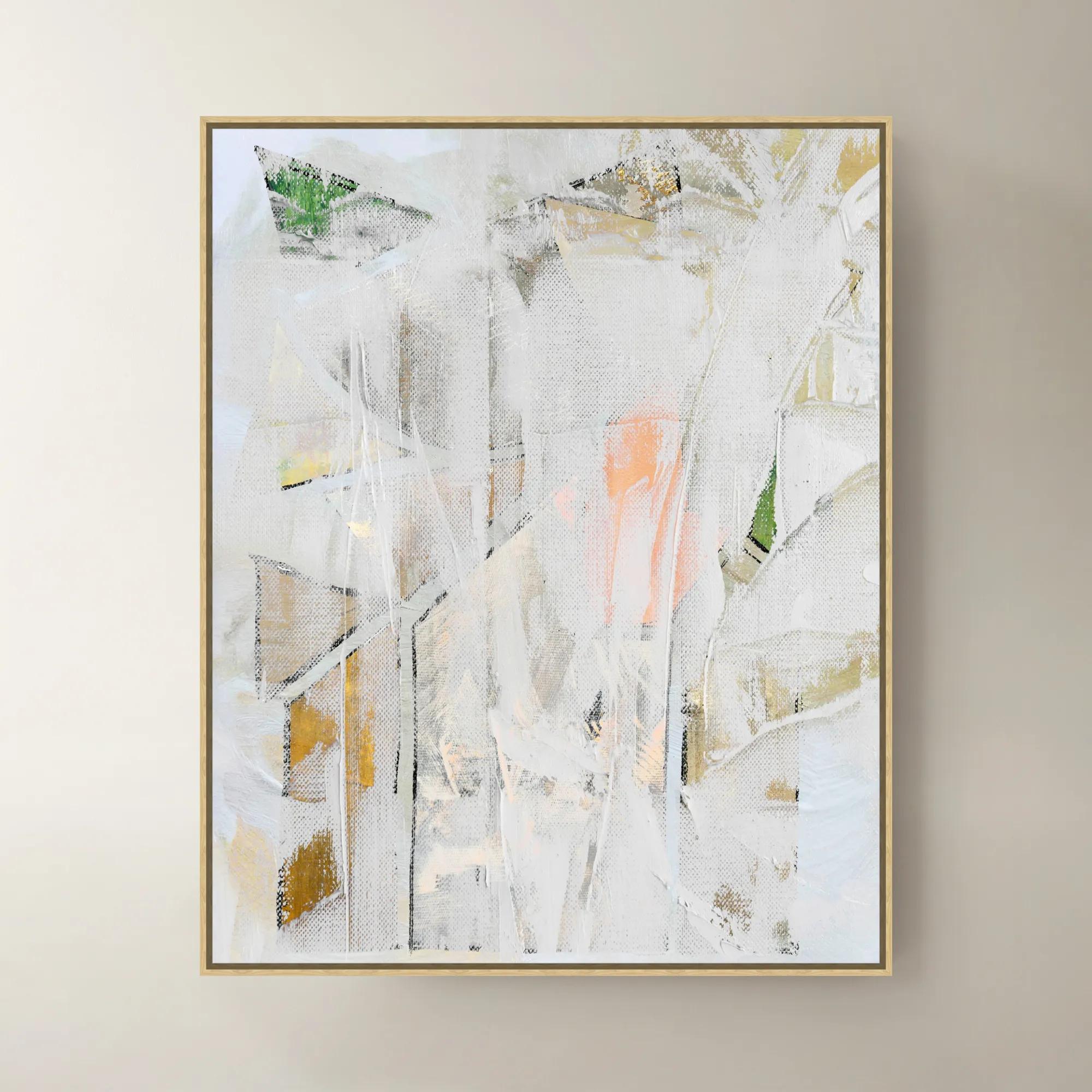
Modern Art Centerpiece Paintings
Modern Art Centerpiece Paintings
-
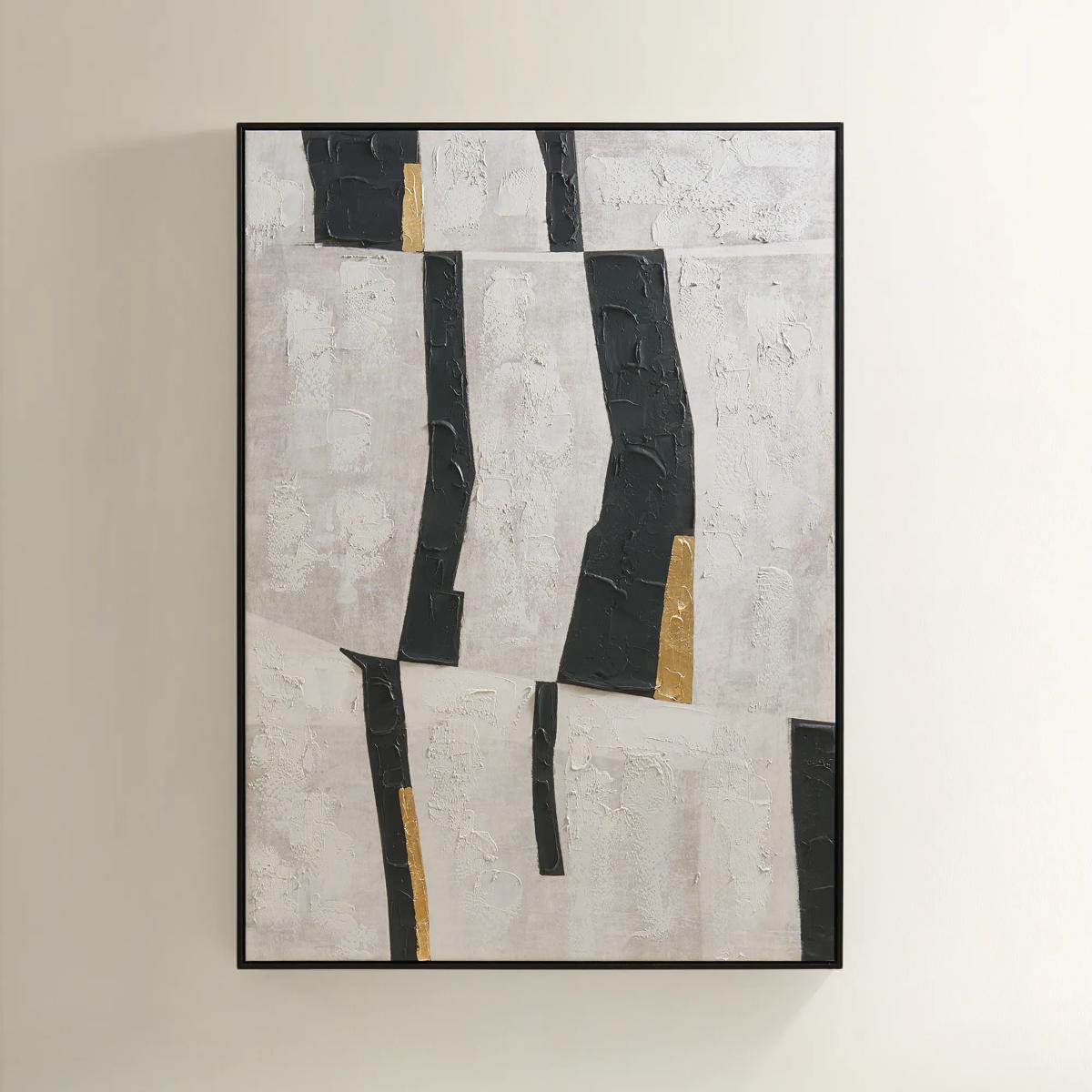
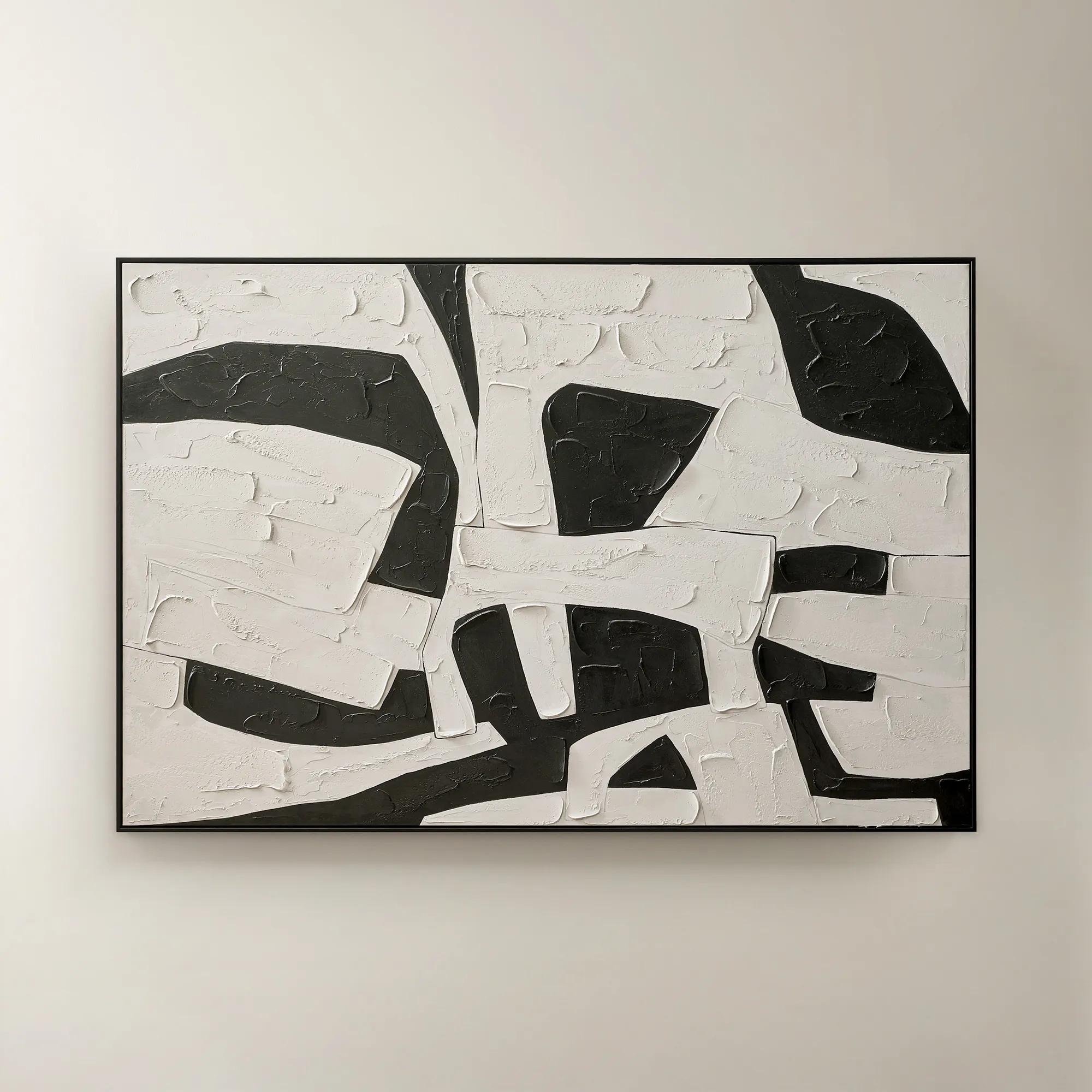 Space Between Shadows Framed Painted Wall Art 72" x 48"$799
A hand-painted abstract canvas featuring bold alabaster and black geometric forms in a sleek black frame.
Add To Cart -
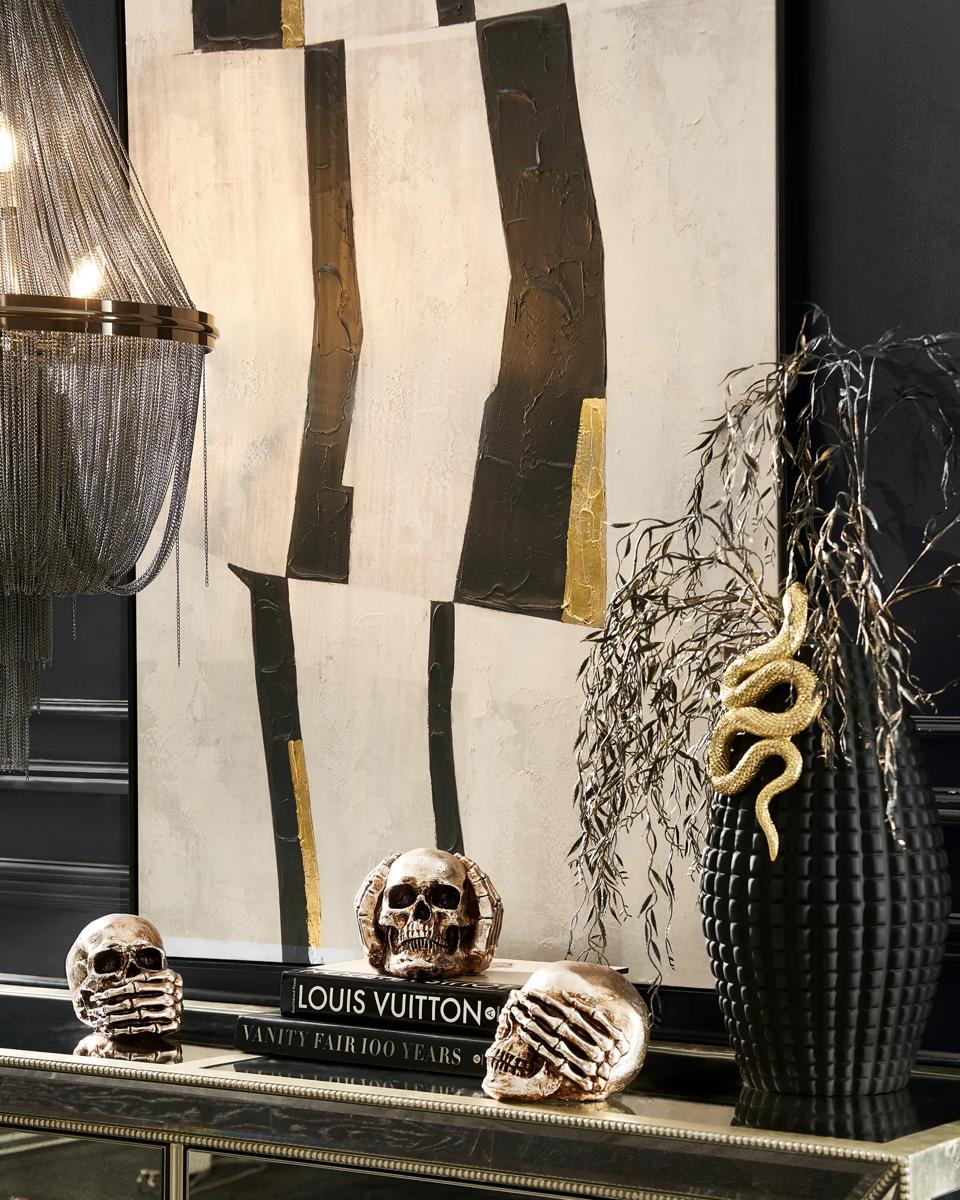 Into the Groove Painting$449
A modern abstract canvas featuring black, gray, and gold leaf accents in a sleek black floater frame.
Add To Cart -
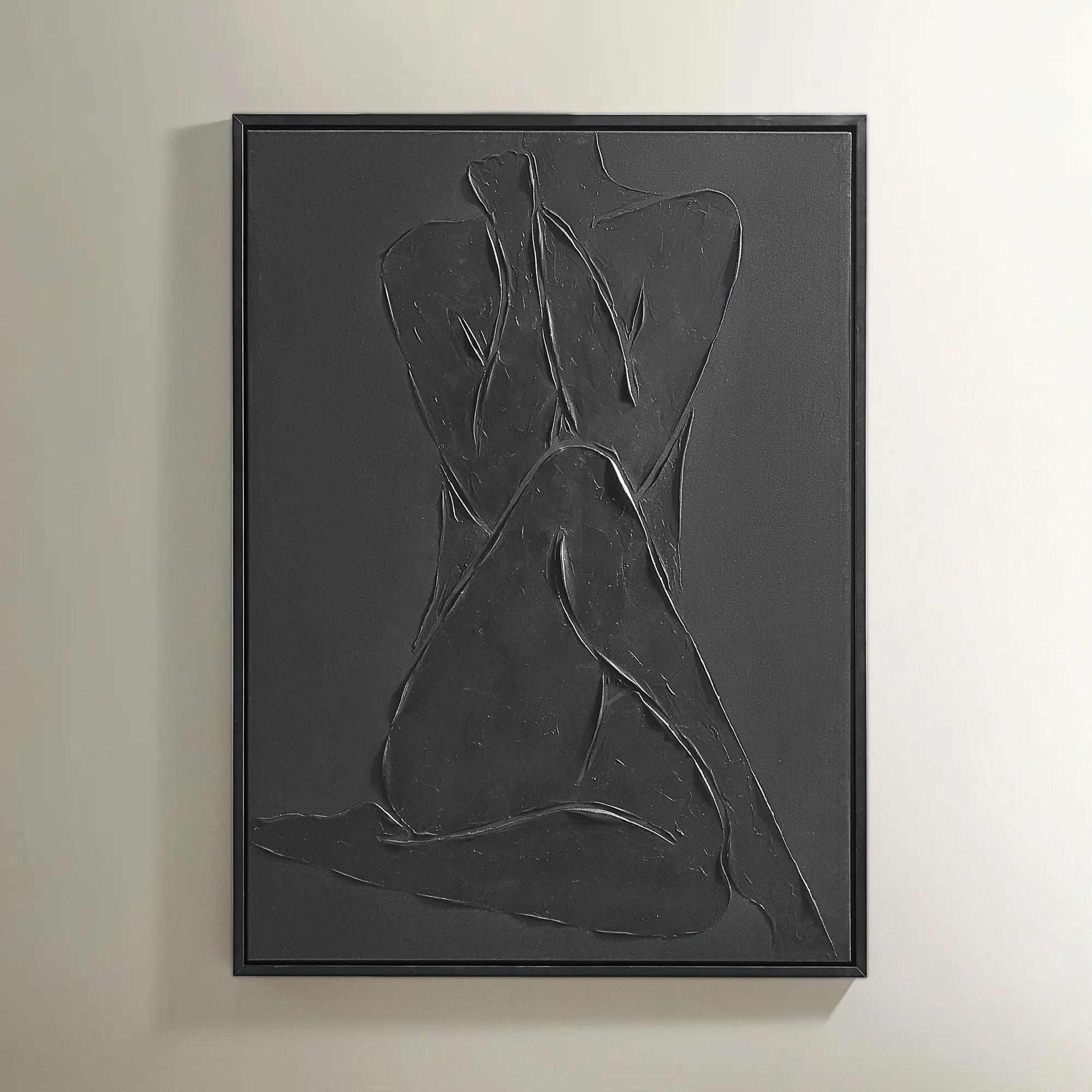 Modern Elegance Nude Black Framed Painted Wall Art 35.5" x 47.25"$599
A hand-embellished canvas artwork featuring textured strokes and vibrant hues in a black and gold Art Deco frame.
Add To Cart -
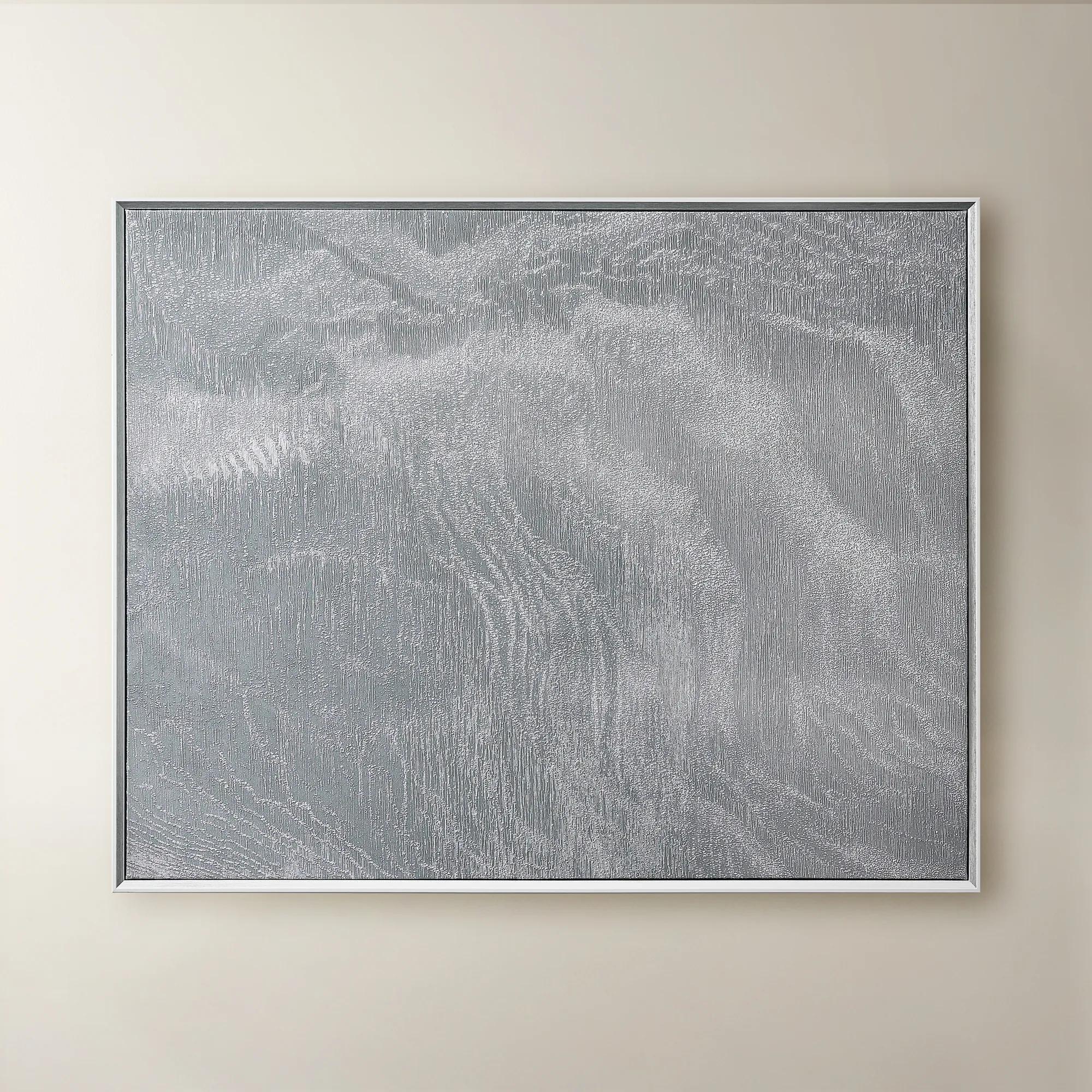 Slow Blue Morning Framed Silver Foil Wall Art 48" x 60"$599
A serene powder blue abstract canvas with silver foil accents, framed in silver and white for modern elegance.
Add To Cart -
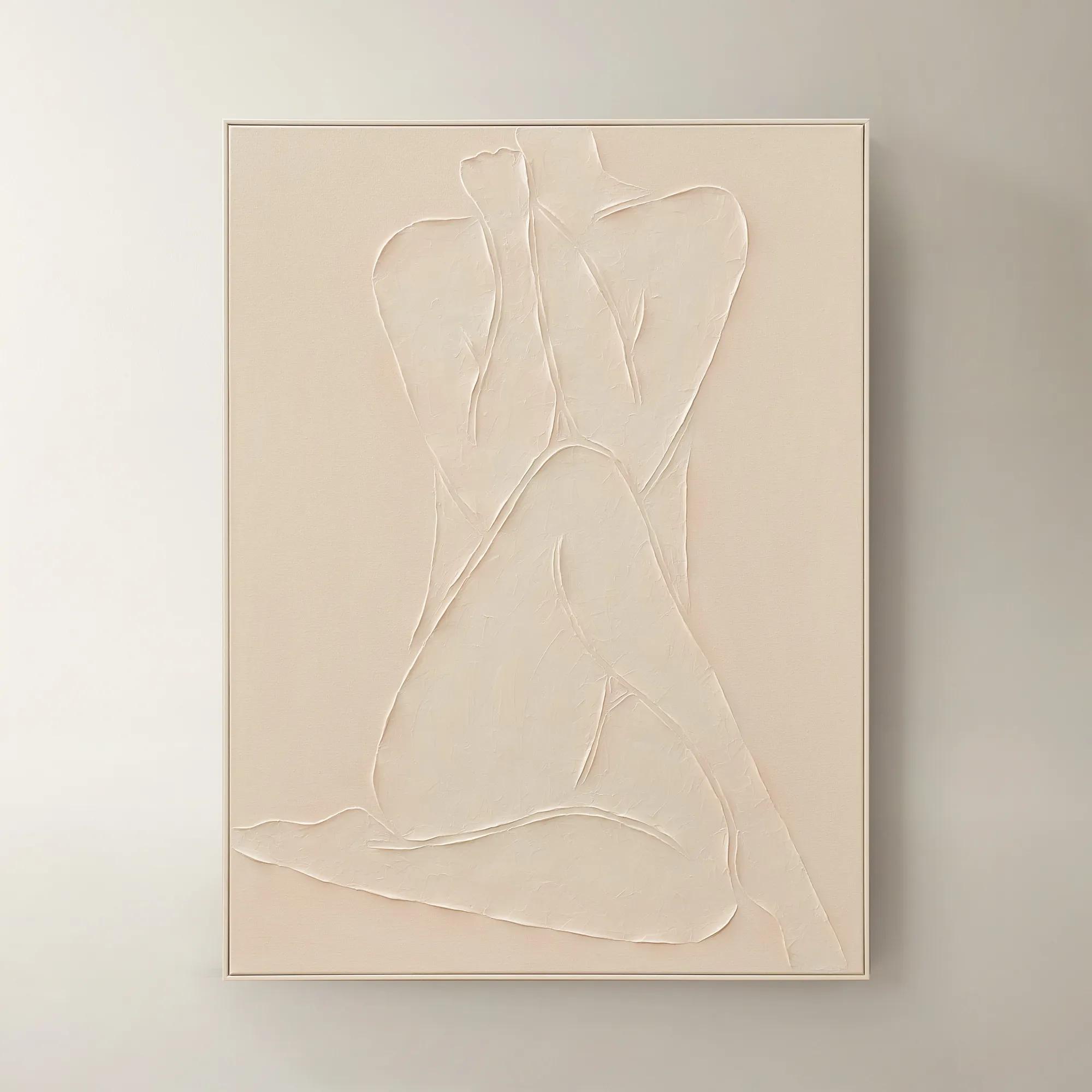
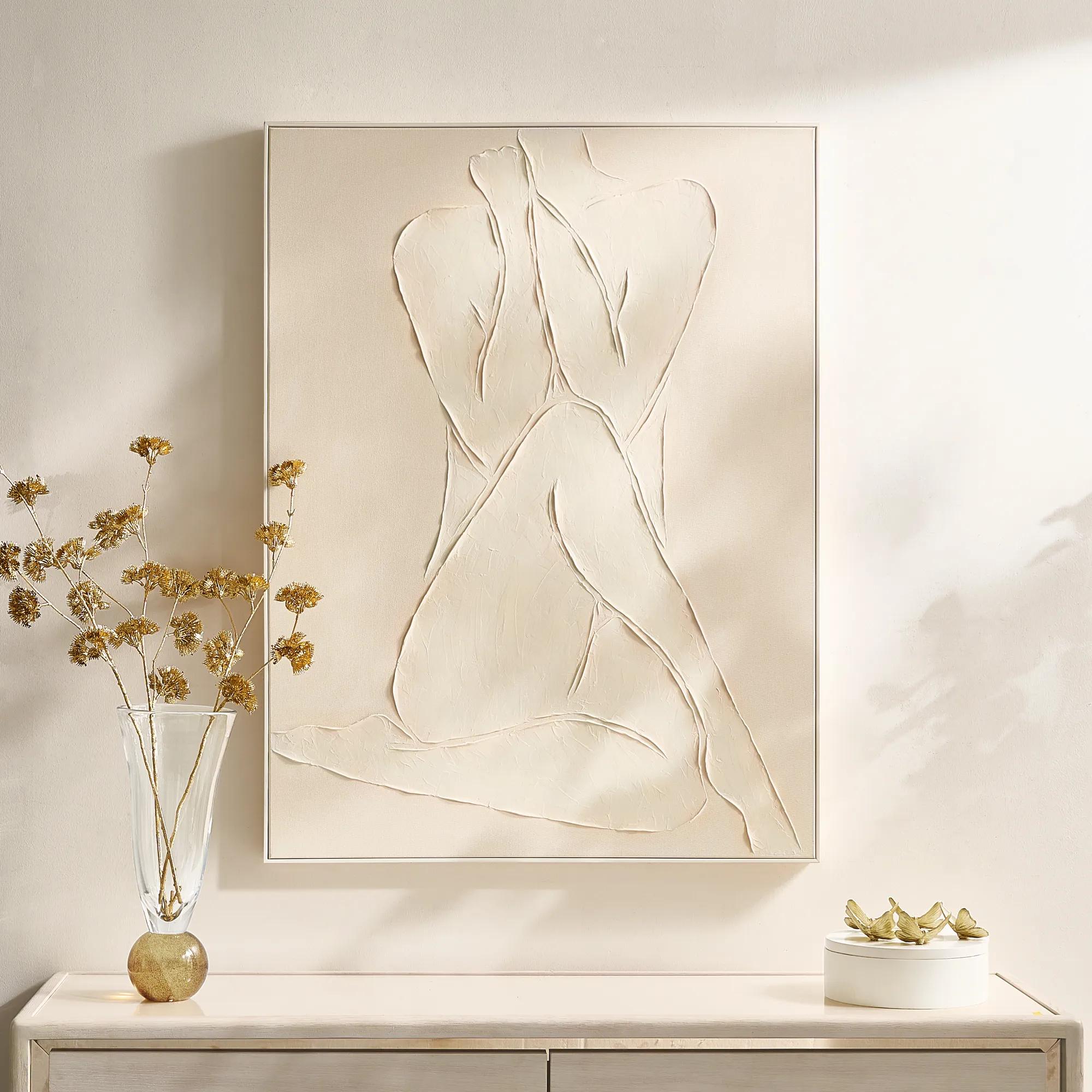 Modern Elegance Nude Ivory Framed Painted Wall Art 35.5" x 47.25"$599
A hand-painted ivory canvas in a white frame brings serene, modern artistry to any space.
Add To Cart -
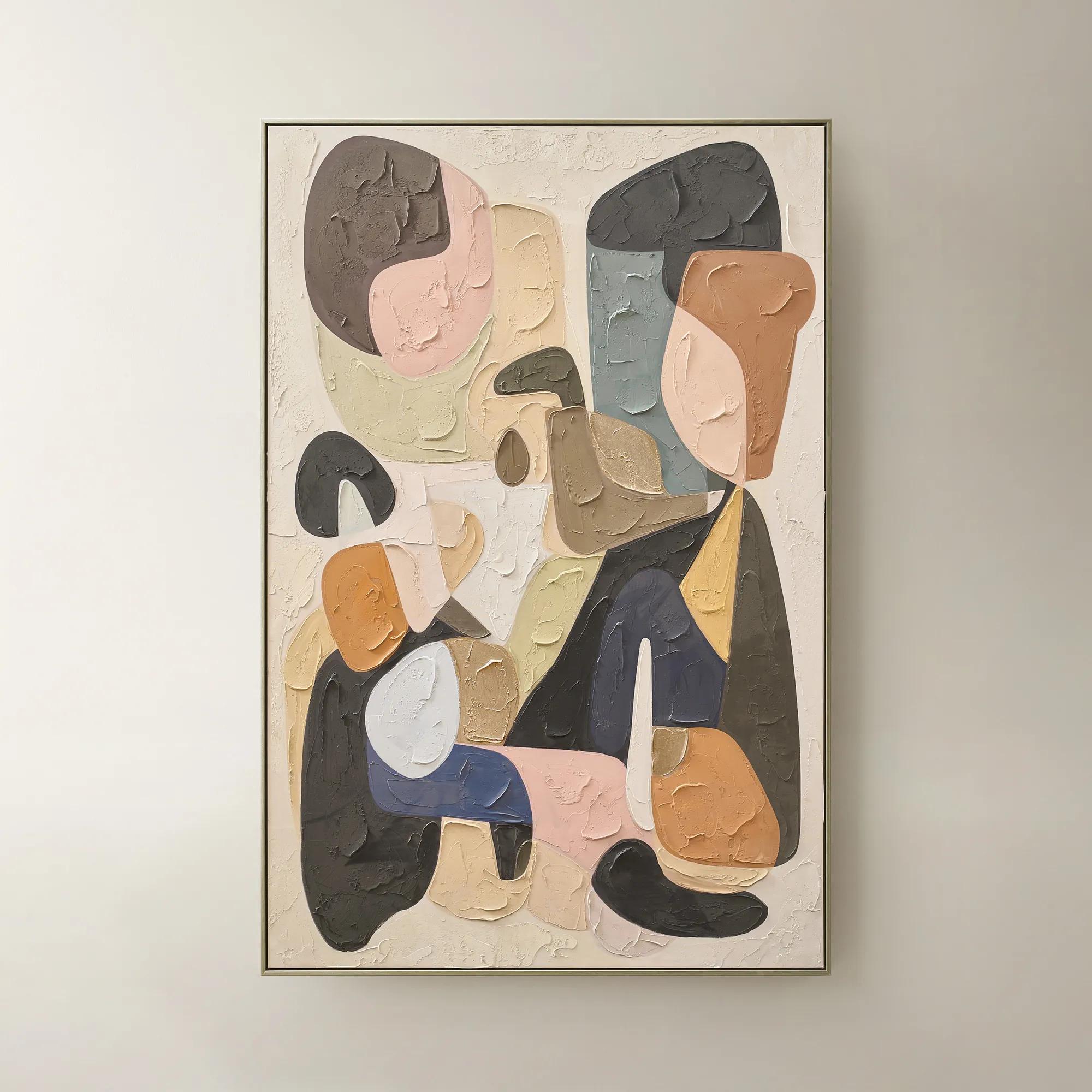 Chromatic Bloom Framed Painted Wall Art 40" x 60"$519
A hand-painted abstract canvas featuring a vibrant multi-color palette and shimmering champagne detailing.
Add To Cart -
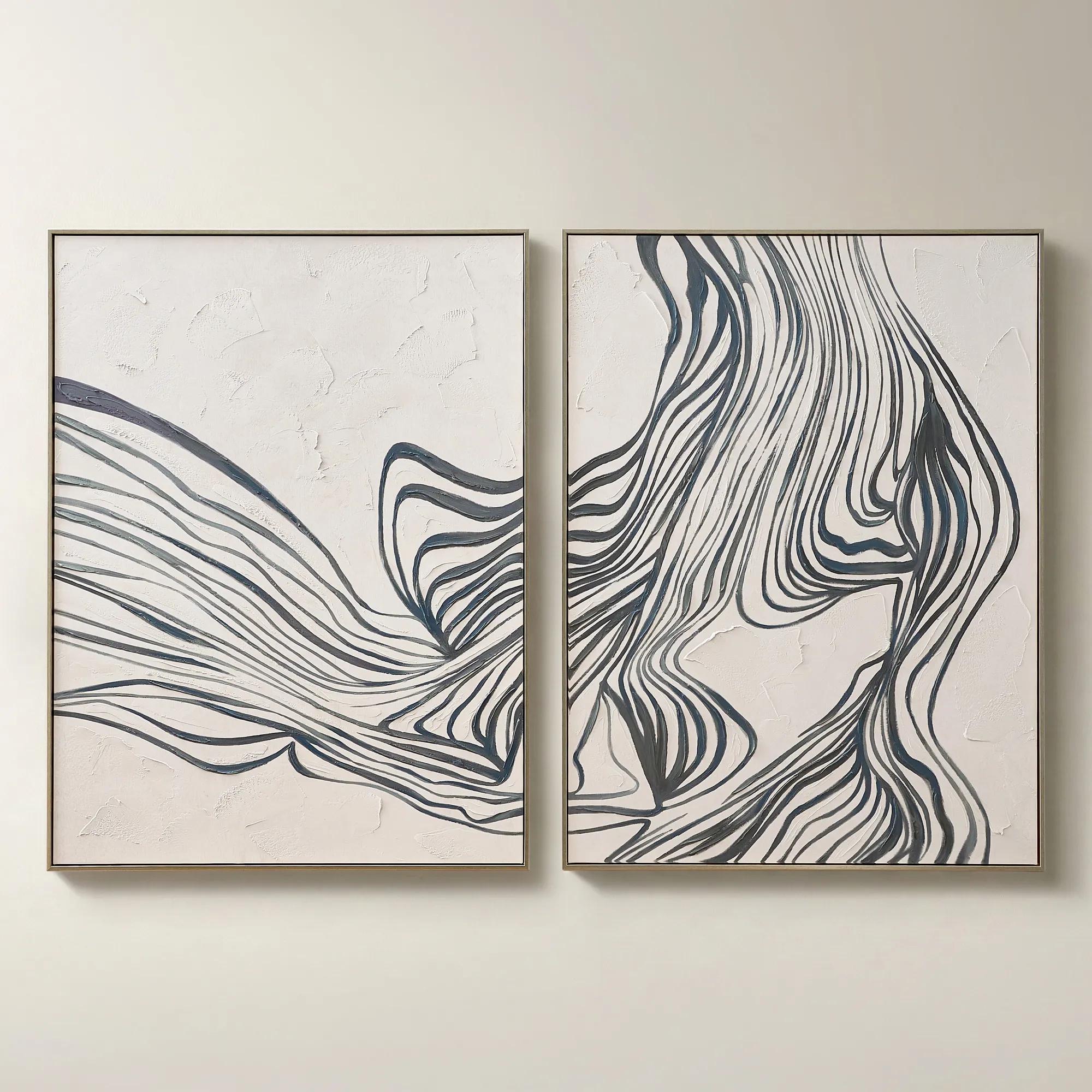
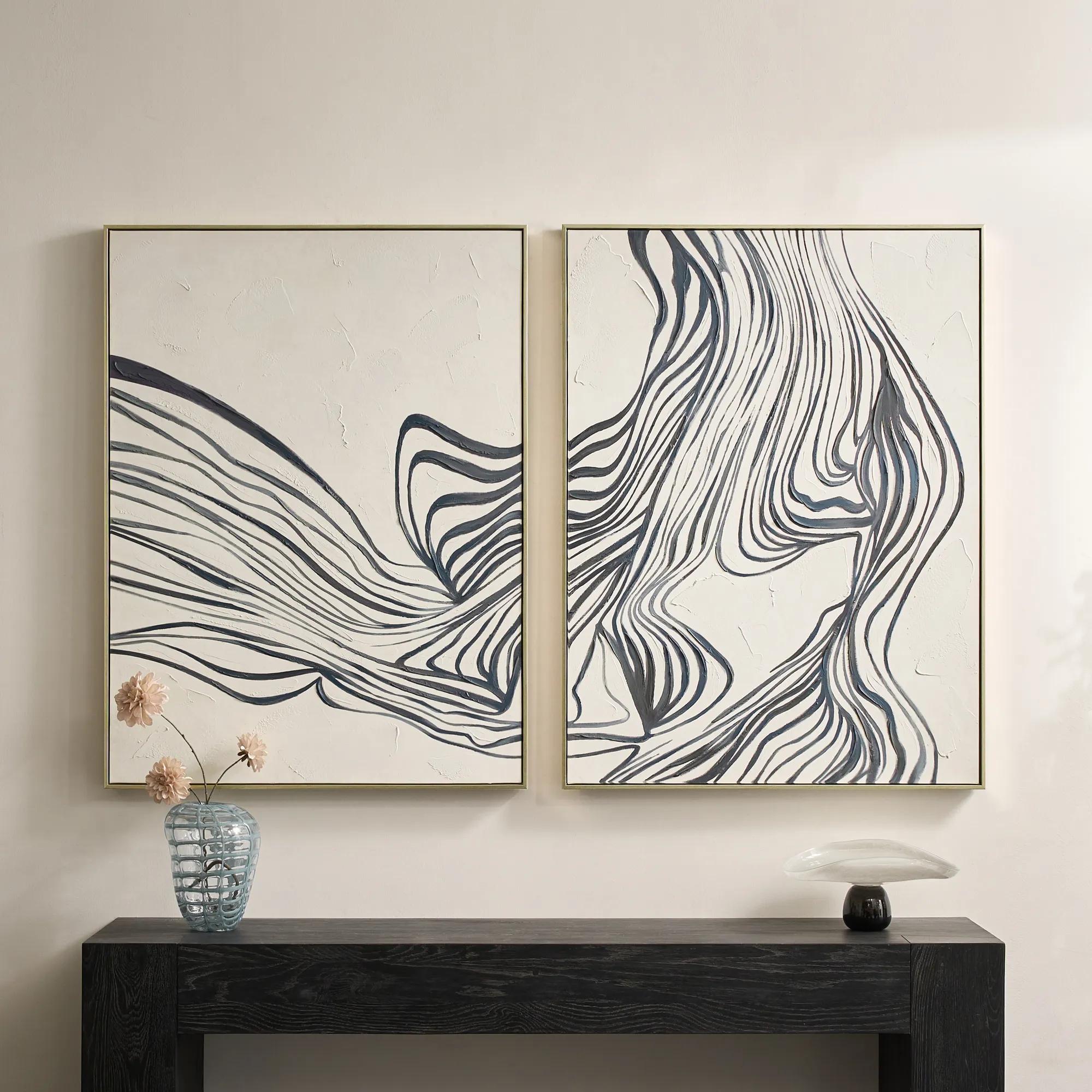 Rhythmic Framed Painted Wall Art 36" x 48" Set of 2$599
A hand-painted diptych featuring bold abstract stripes in dark slate and dusty blue with champagne frames.
Add To Cart -
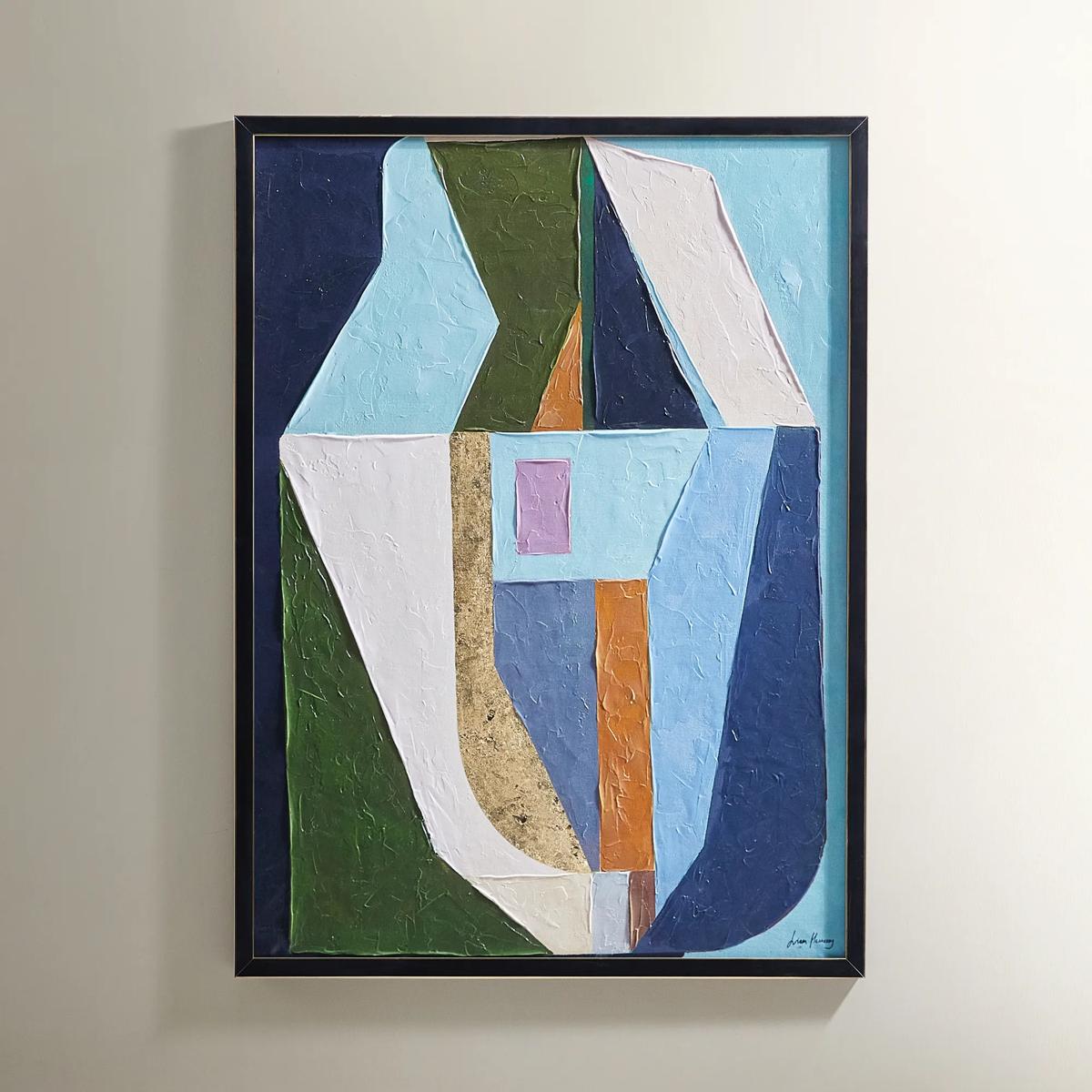 Thought Provoking Painting 2$249
A hand-embellished canvas artwork featuring textured strokes in deep blue, olive green, and gold accents.
Add To Cart -
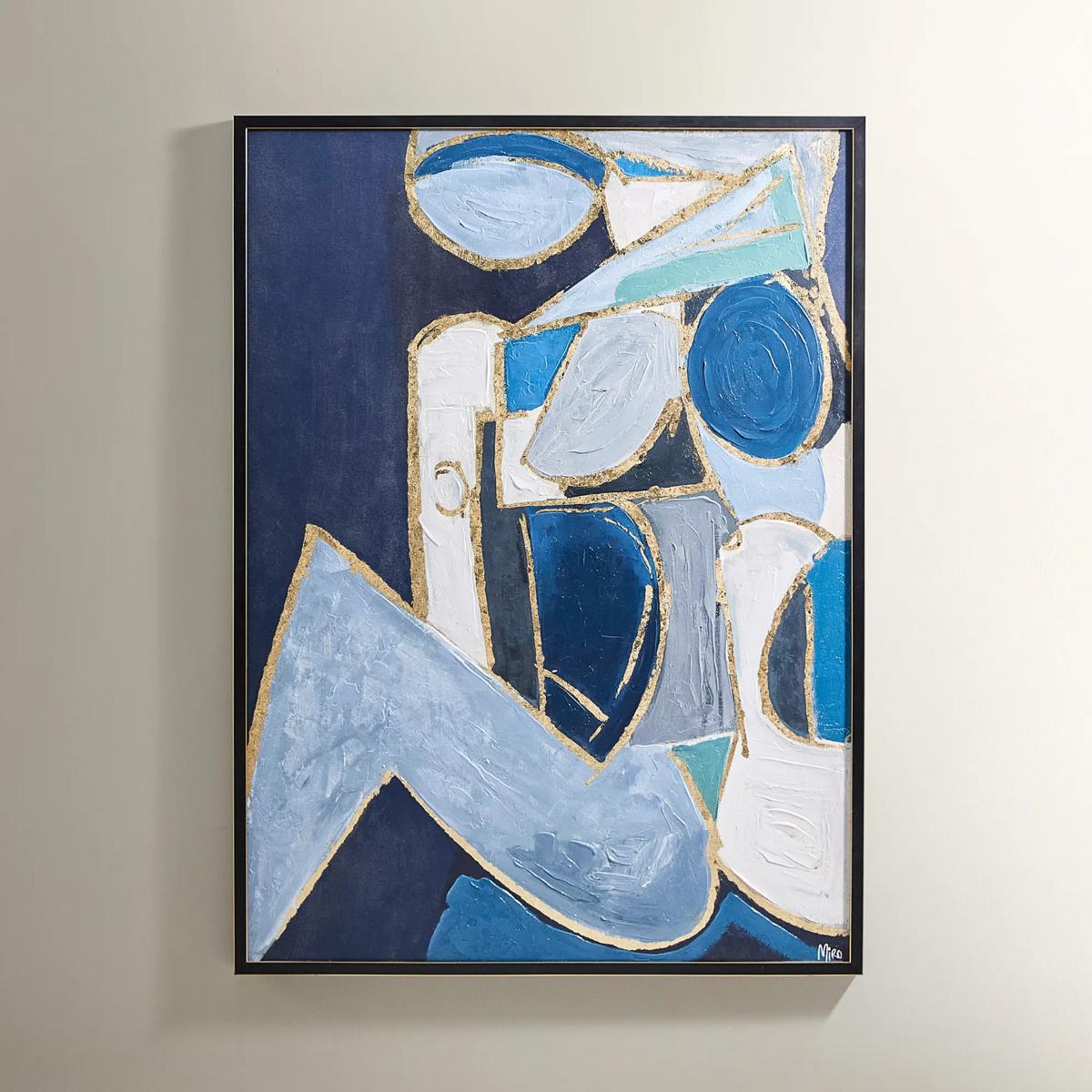
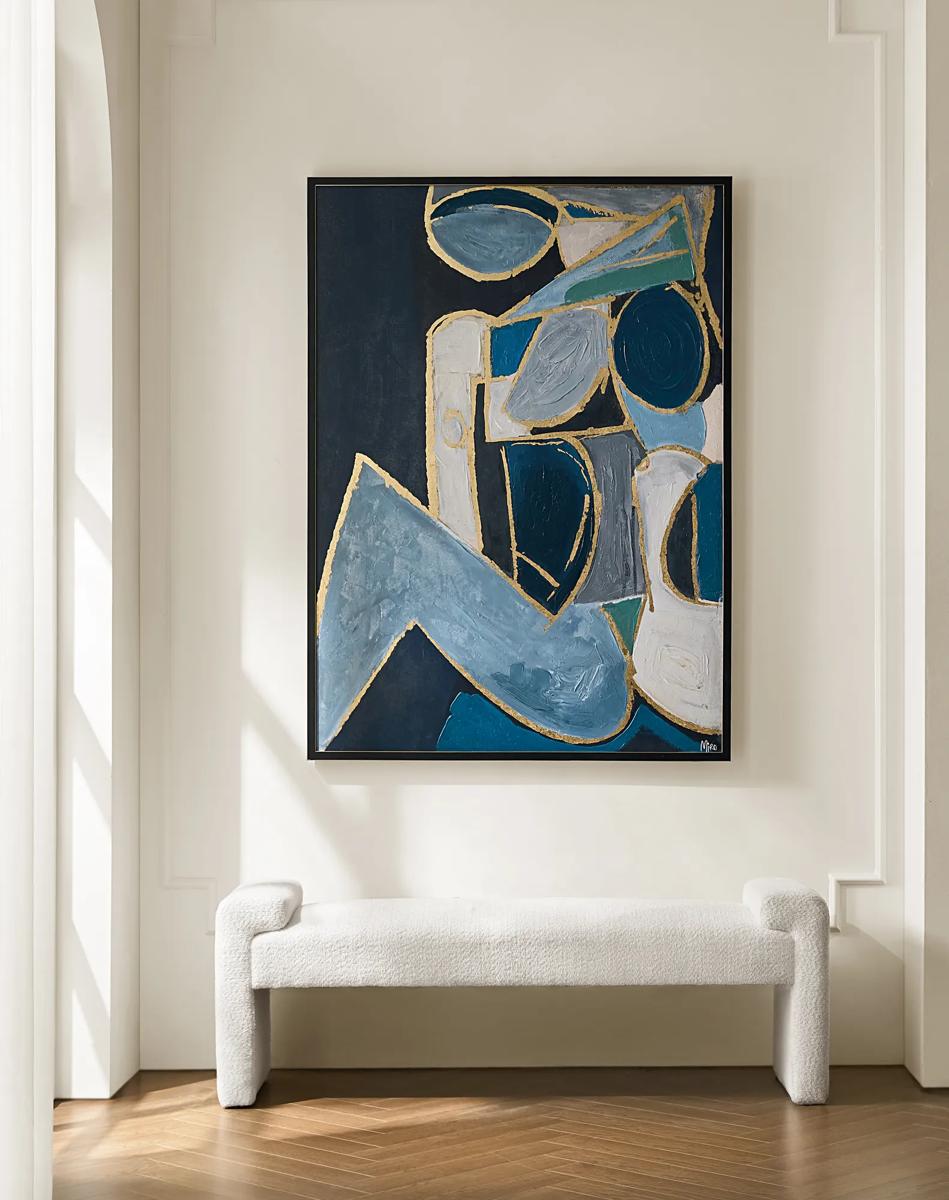 Figure in Cubism Painting$599
A hand-embellished canvas artwork featuring blue, gold, and white hues with elegant silver foil accents.
Add To Cart -
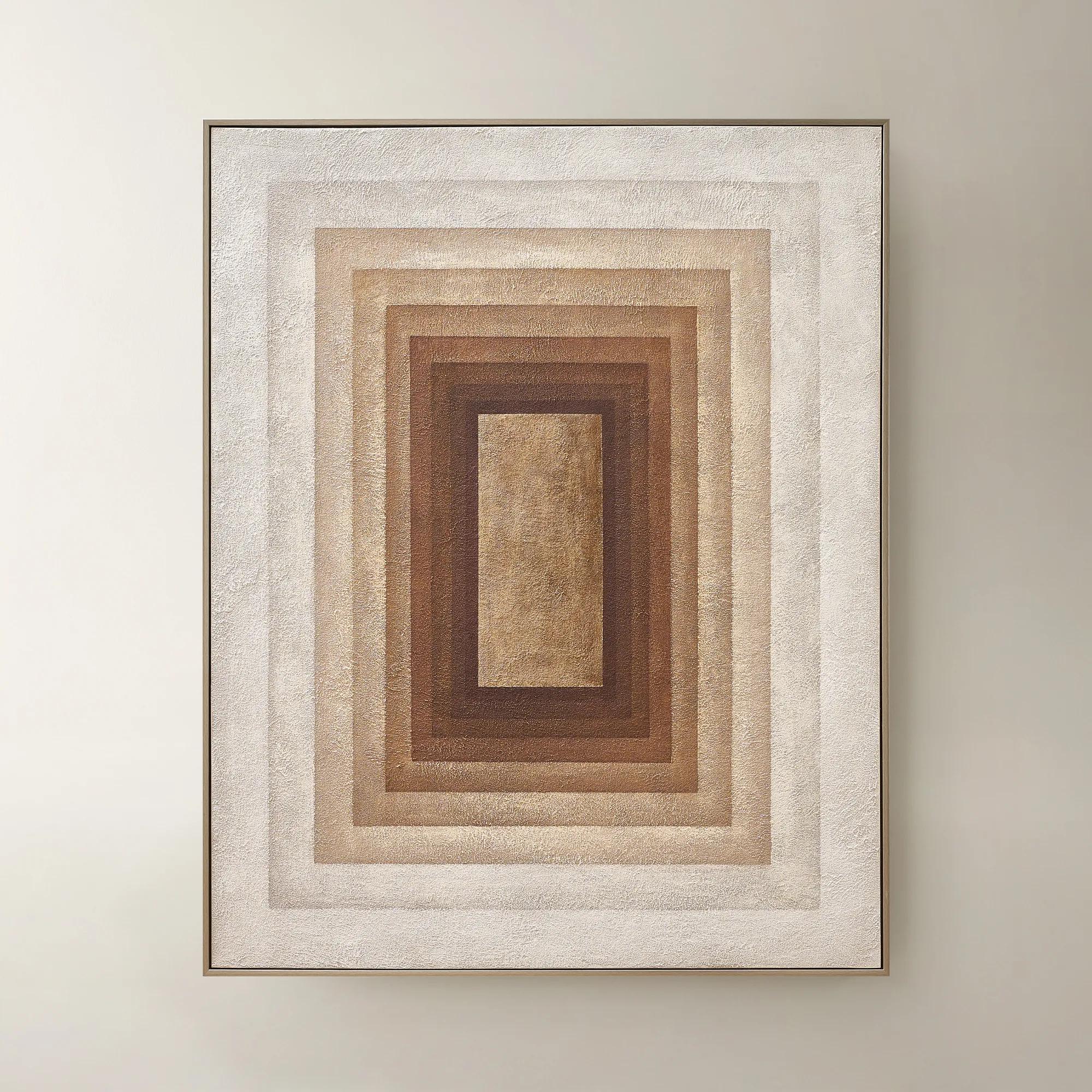 Monochrome Drift Framed Painted Wall Art 60" x 48"$699
A hand-painted abstract canvas with champagne leafing, featuring cocoa and gold tones in modern geometric design.
Add To Cart -
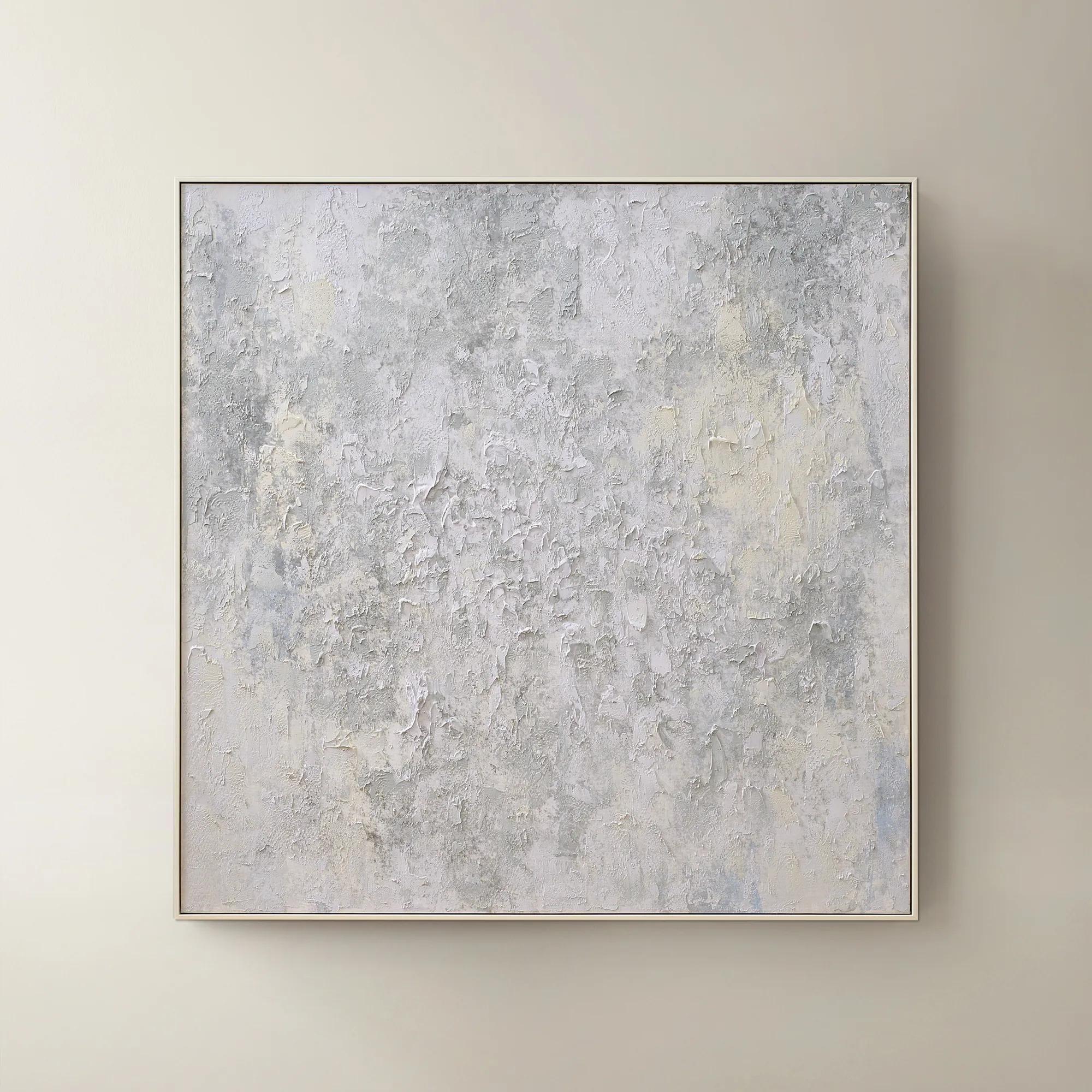 Breathe of Fresh Air Framed Painted Wall Art 50" x 50"$499
A hand-painted abstract canvas in dusty blue hues, elegantly framed in white for a serene, modern accent.
Add To Cart -
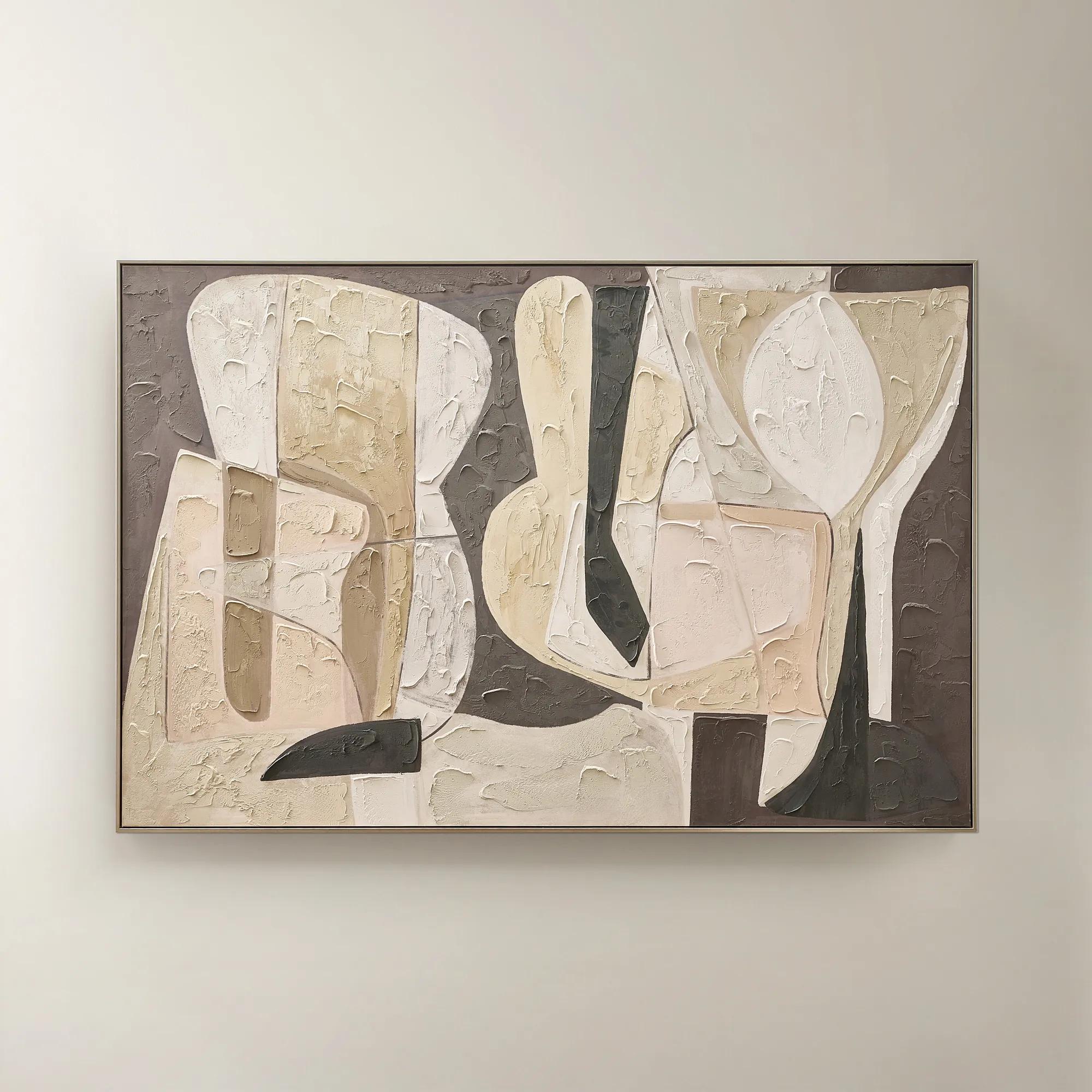 Wishful Thinking Framed Painted Wall Art 72" x 48"$599
A hand-painted abstract canvas featuring bold geometric forms and warm smoked plum, apricot, and tawny hues.
Add To Cart -
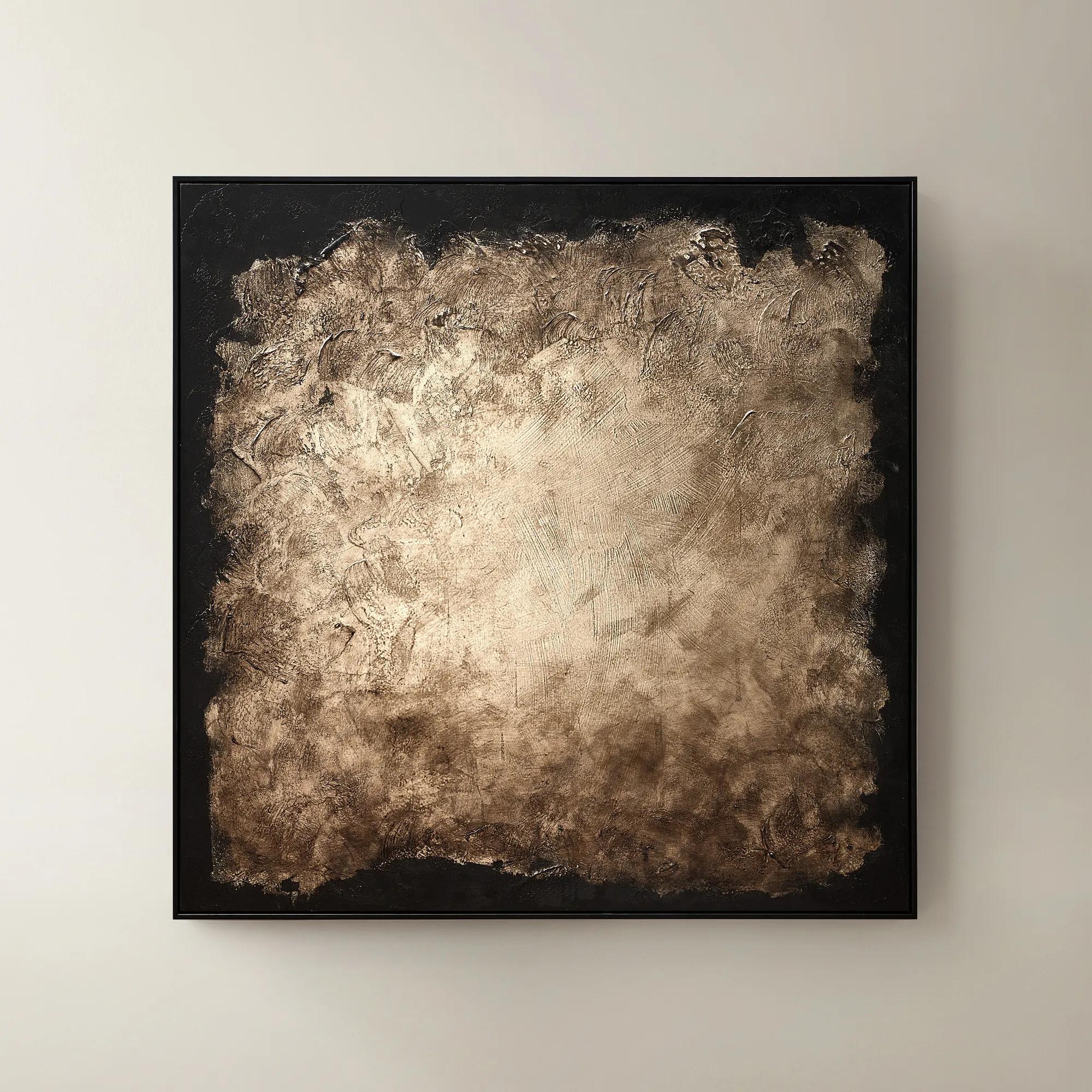 Edge of Knowing Framed Gold Leaf Painted Wall Art 50" x 50"$599
A hand-painted abstract canvas featuring gold leaf accents and a smoked champagne and black palette in a black frame.
Add To Cart -
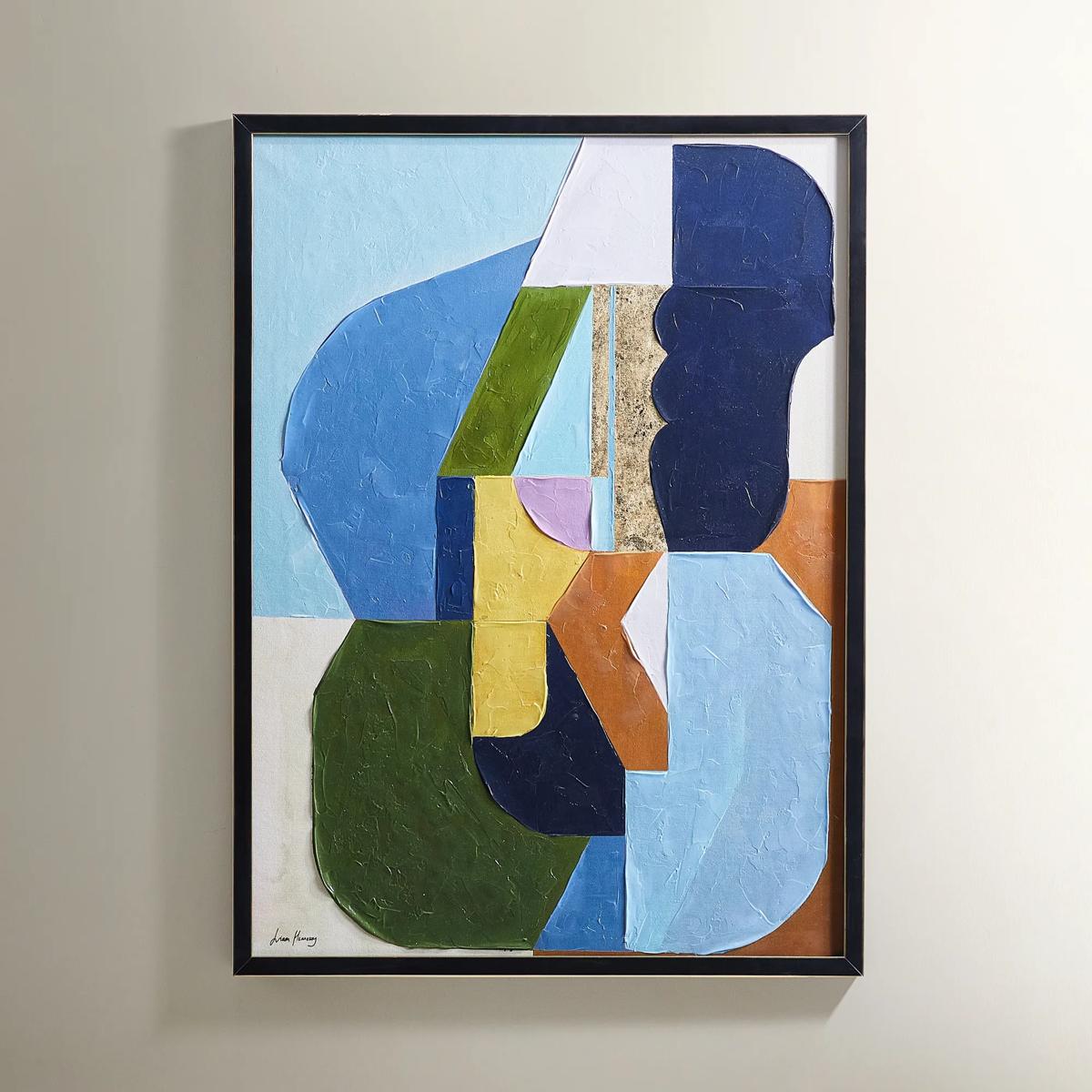
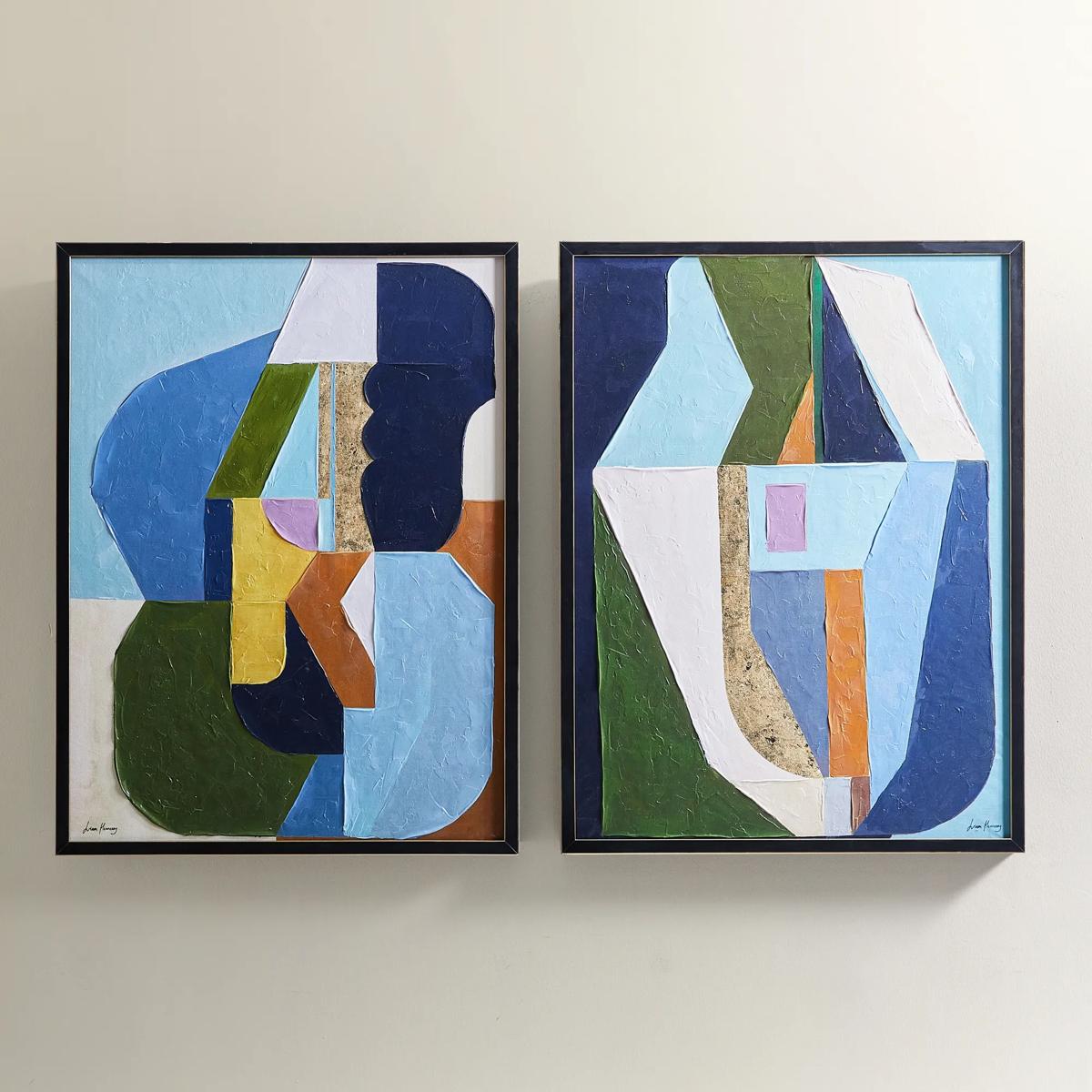 Thought Provoking Painting 1$249
A hand-embellished canvas artwork featuring textured strokes in deep blue, olive green, and gold accents.
Add To Cart -
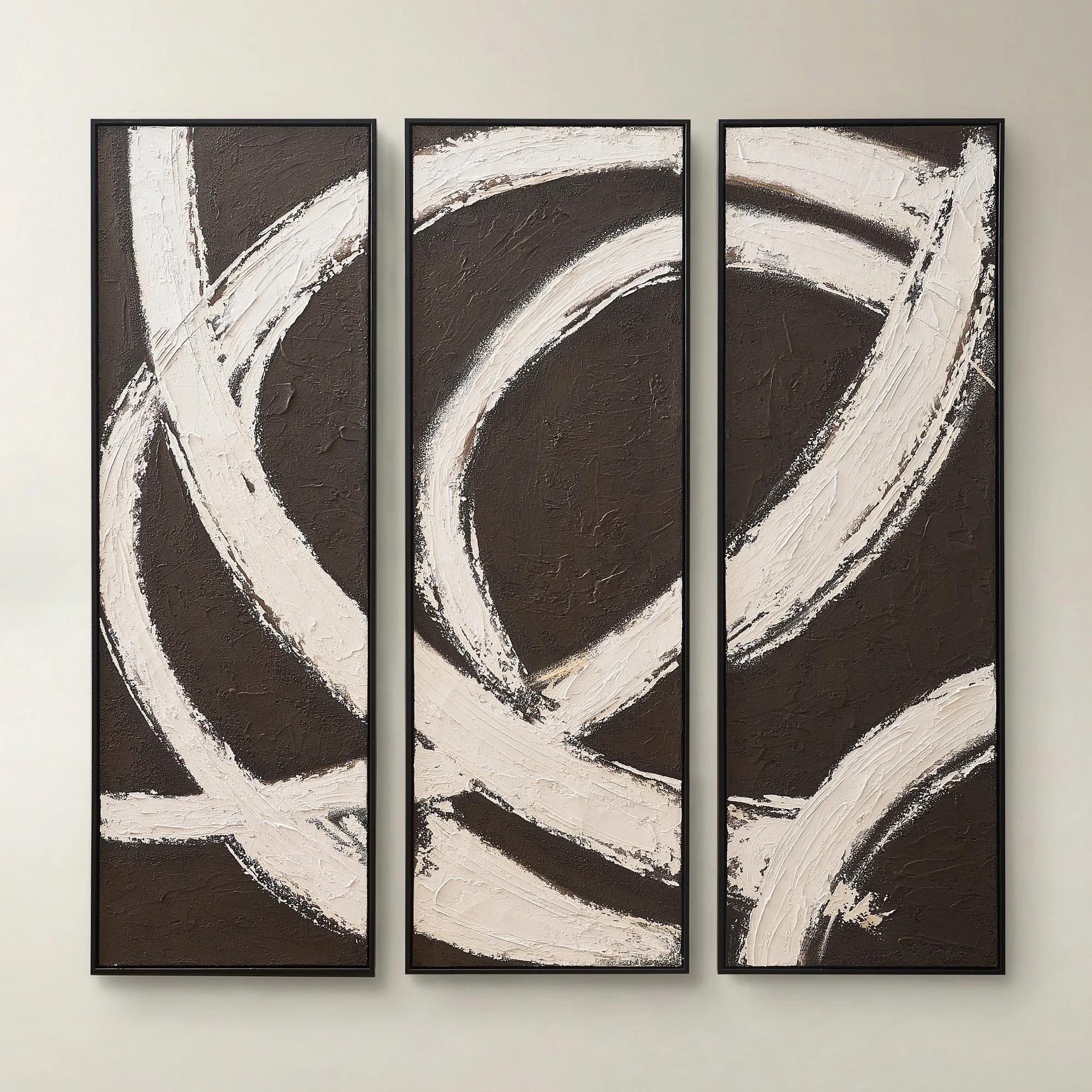
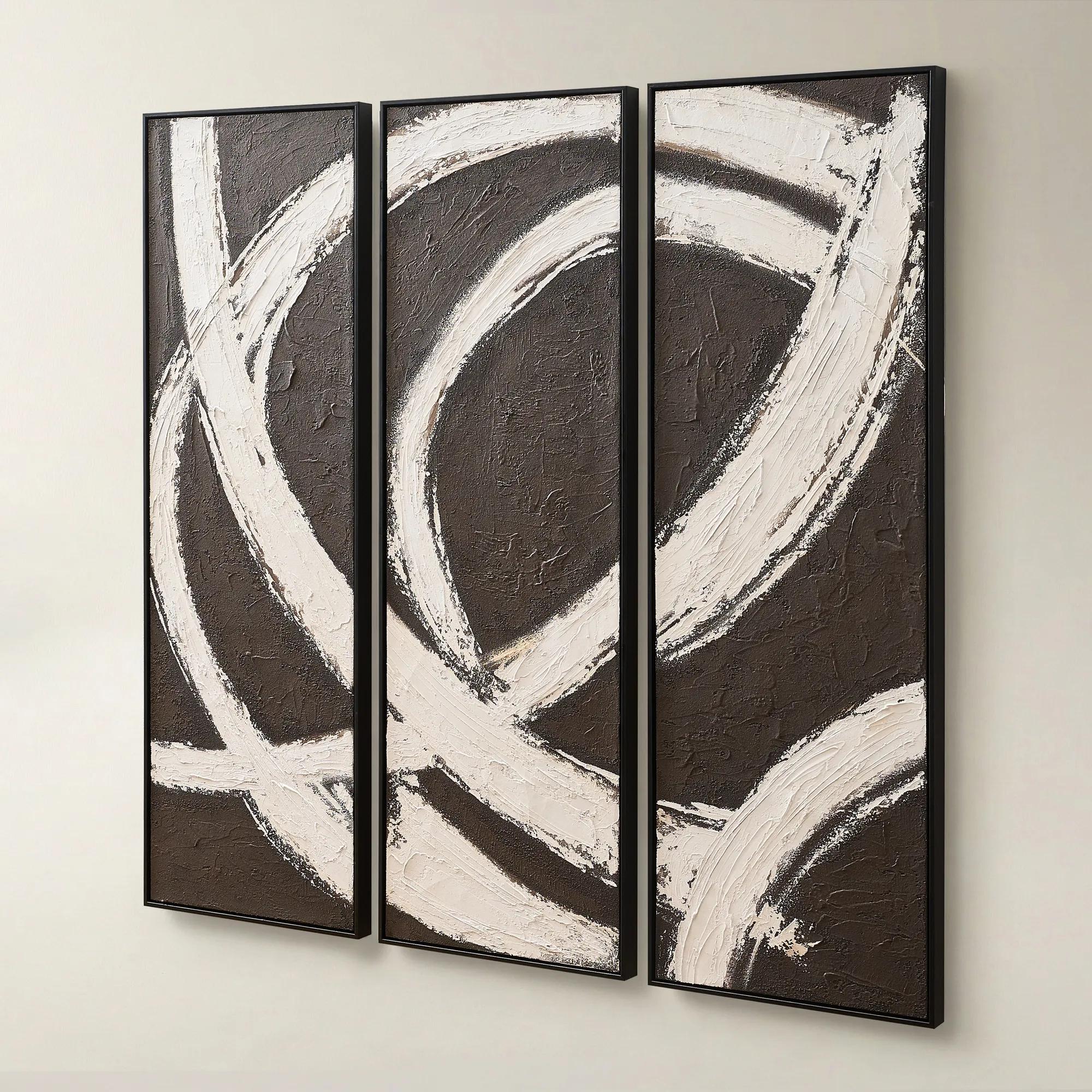 Spun in Coco Framed Painted Wall Art 20" x 60" Set of 3$499
A hand-painted triptych featuring dark chocolate and alabaster tones with rich texture and modern contrast.
Add To Cart -
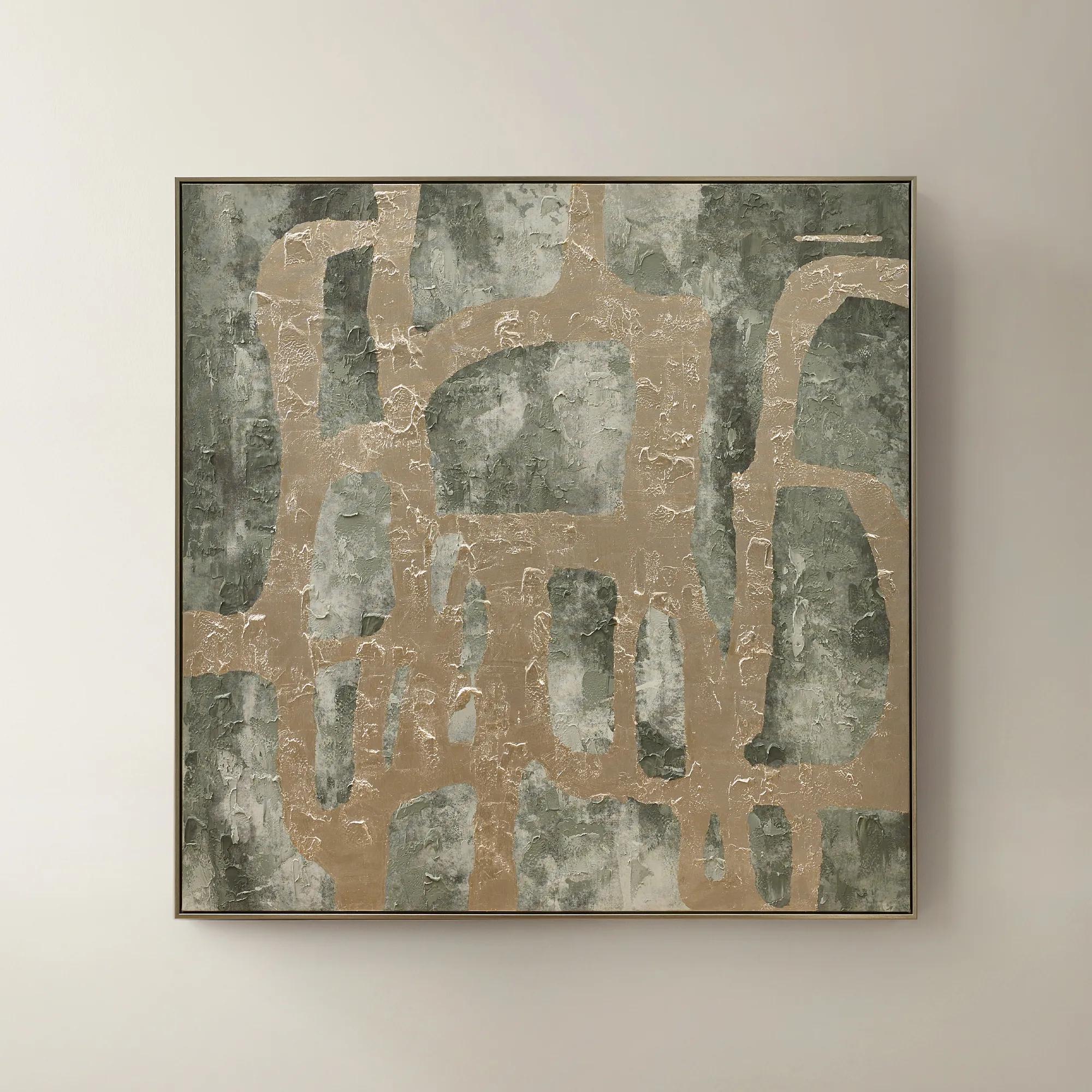 Illusions Framed Painted Wall Art 50" x 50"$599
A hand-painted canvas in sage and champagne tones with textural embellishments for modern, artful depth.
Add To Cart -

 Shift Framed Painted Wall Art 39.4" x 59"$499
A hand-painted canvas featuring bold black and beige contrasts with textured layers in a sleek black frame.
Add To Cart -
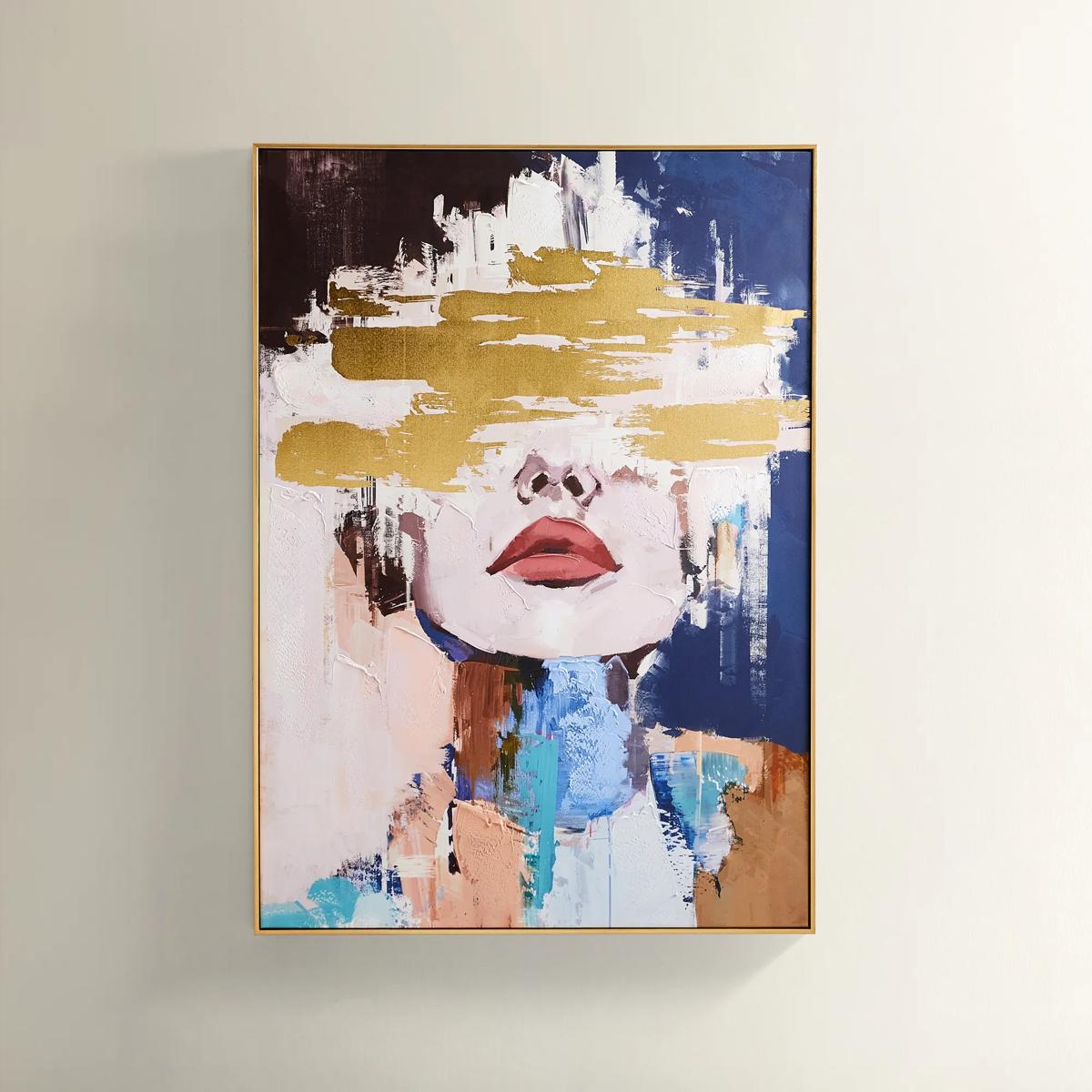
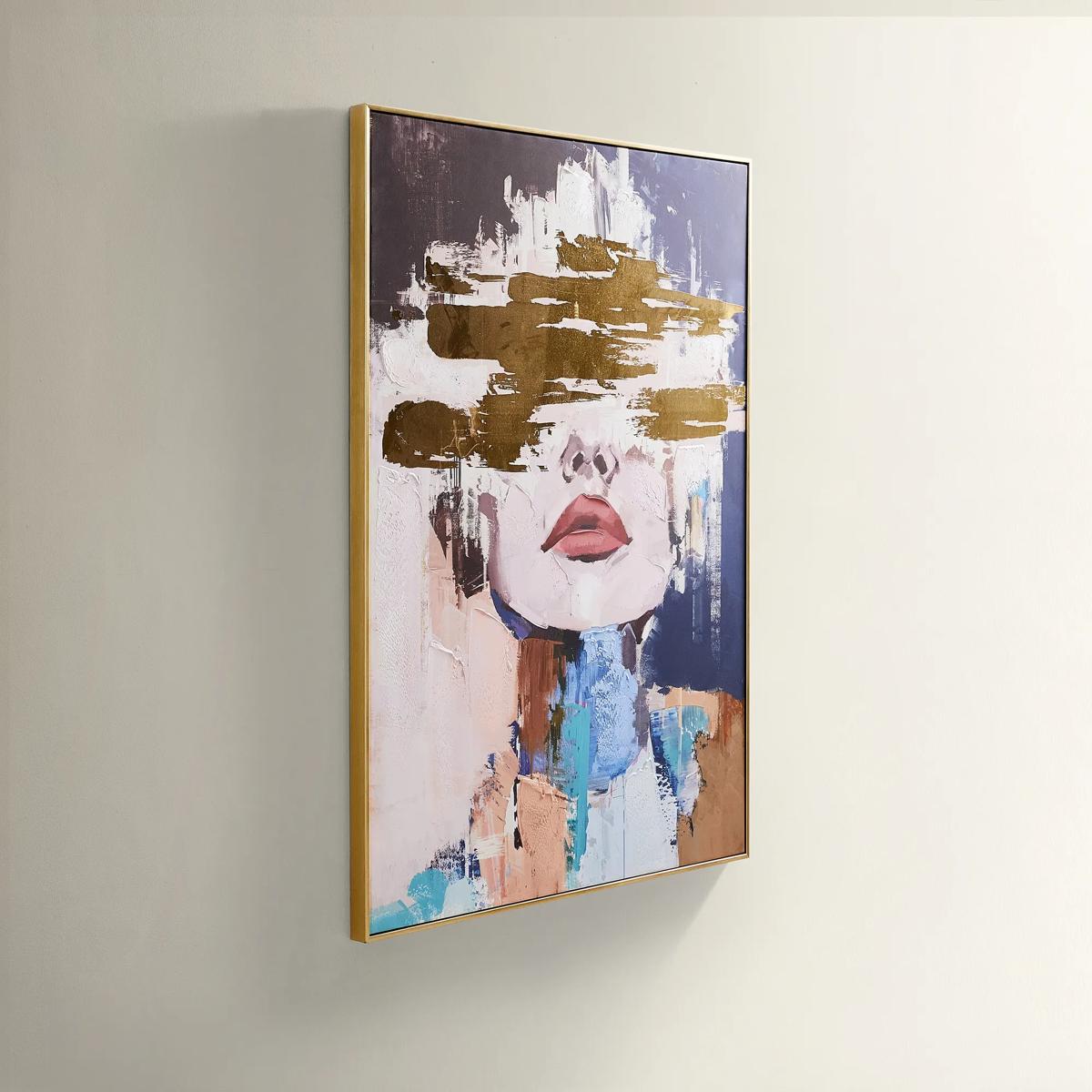 Waiting in Color Gold Foil Painted Wall Art 39.25" x 55"$499
A hand-painted abstract portrait in vivid blue, blush, and gold foil, framed in luxe gold.
Add To Cart -
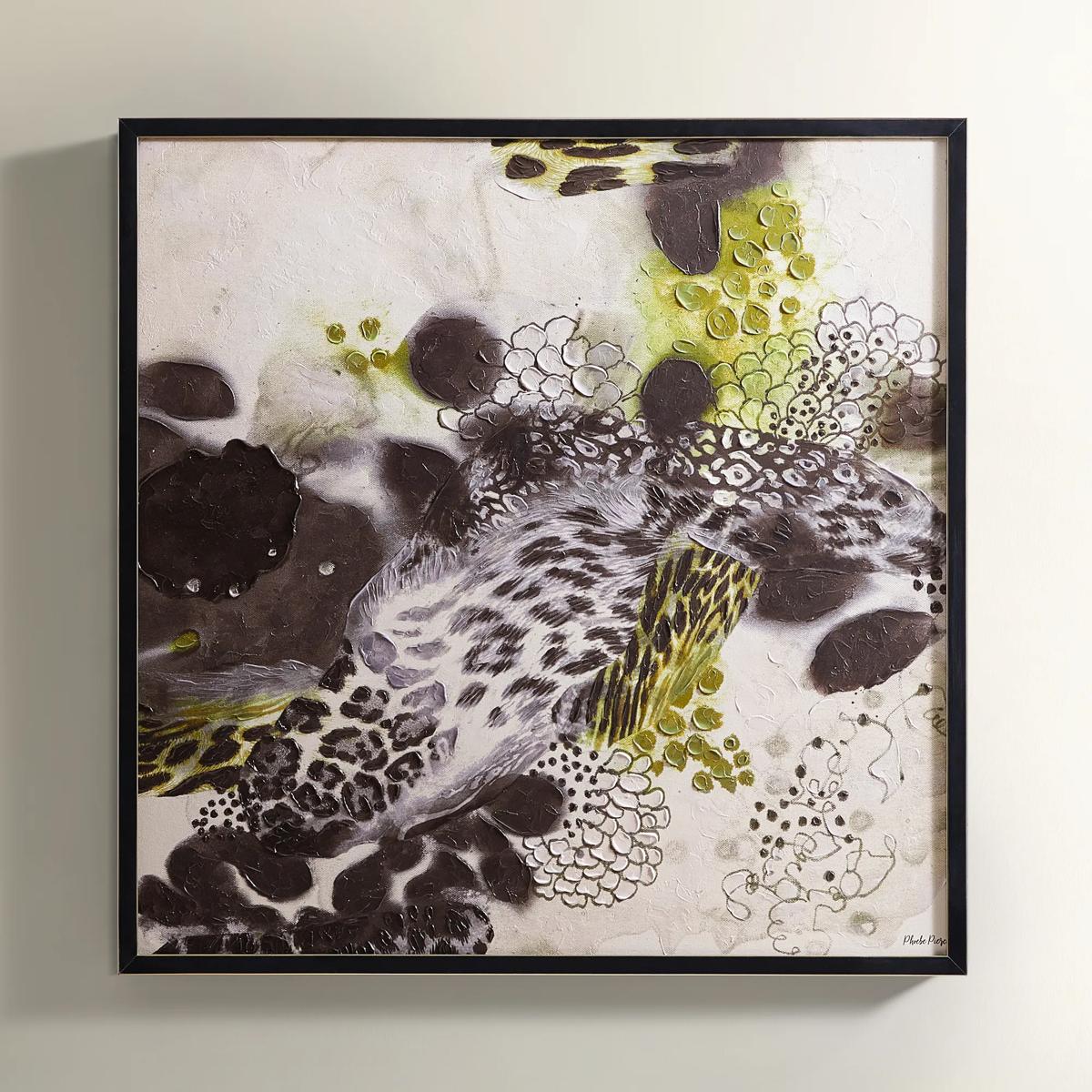
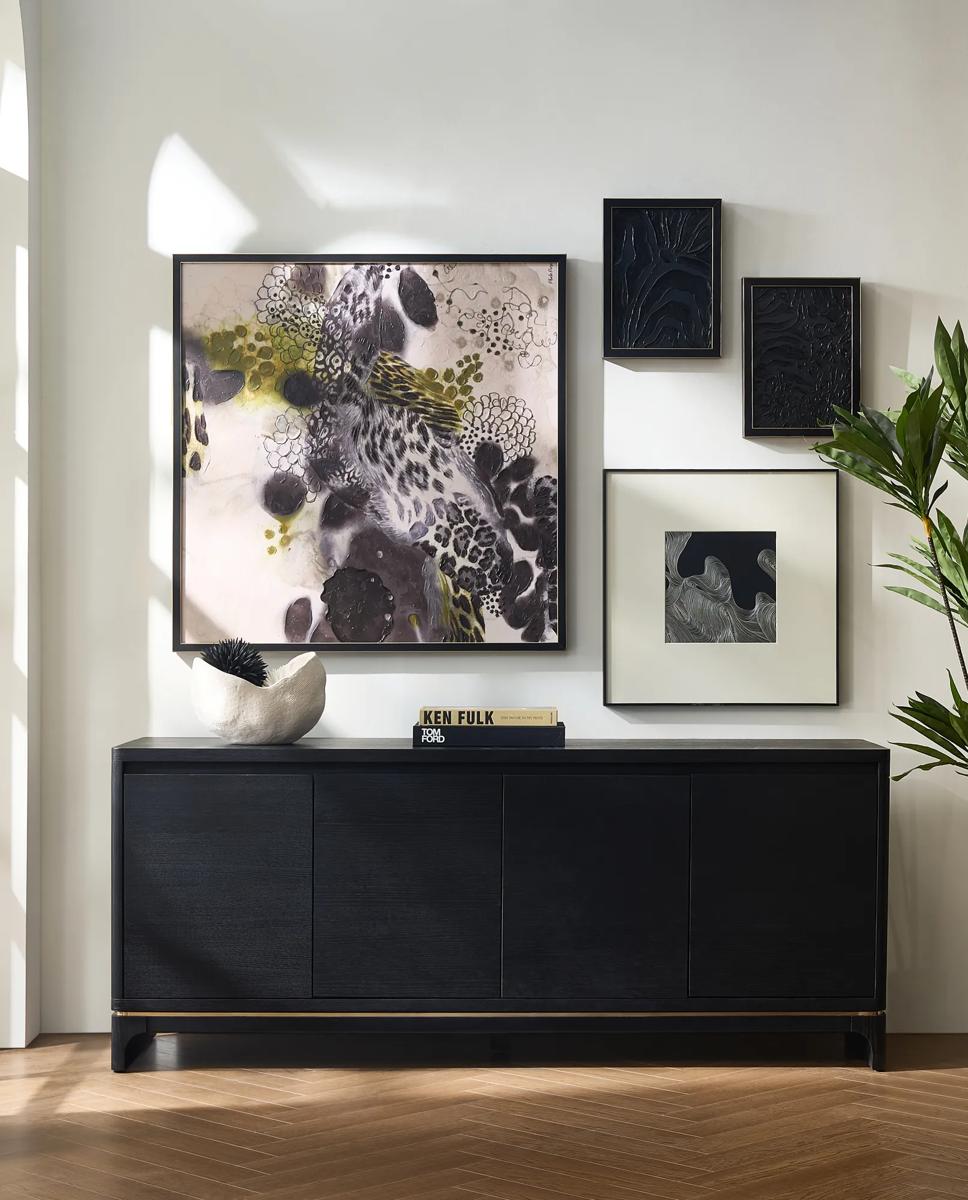 In the Wild$399
A hand-embellished canvas artwork featuring textured strokes in black, chartreuse, and sand, framed in ornate wood.
Add To Cart -
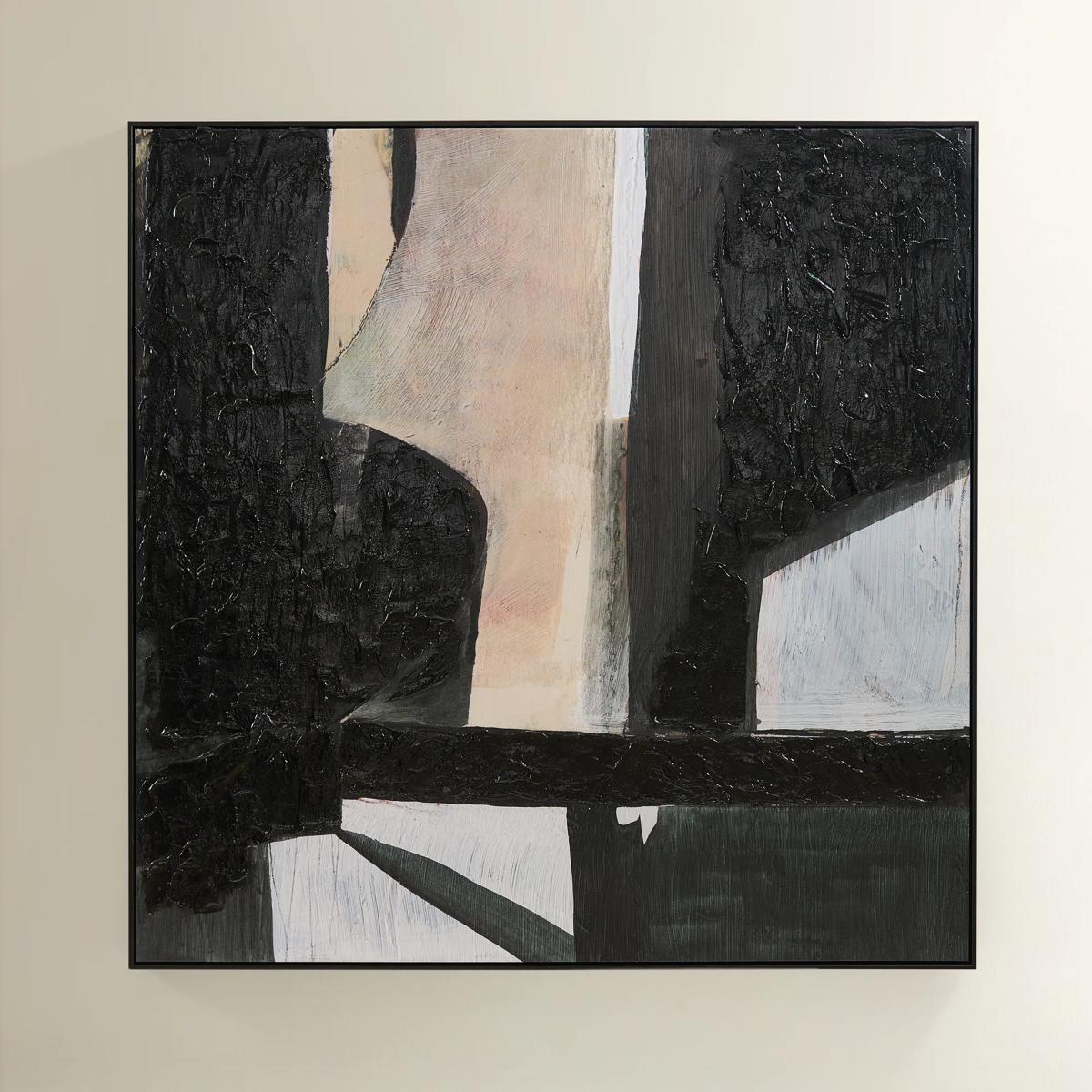 Grounded Painting$699
A hand-painted abstract canvas featuring black, cream, and earth tones in a sleek black floater frame.
Add To Cart -
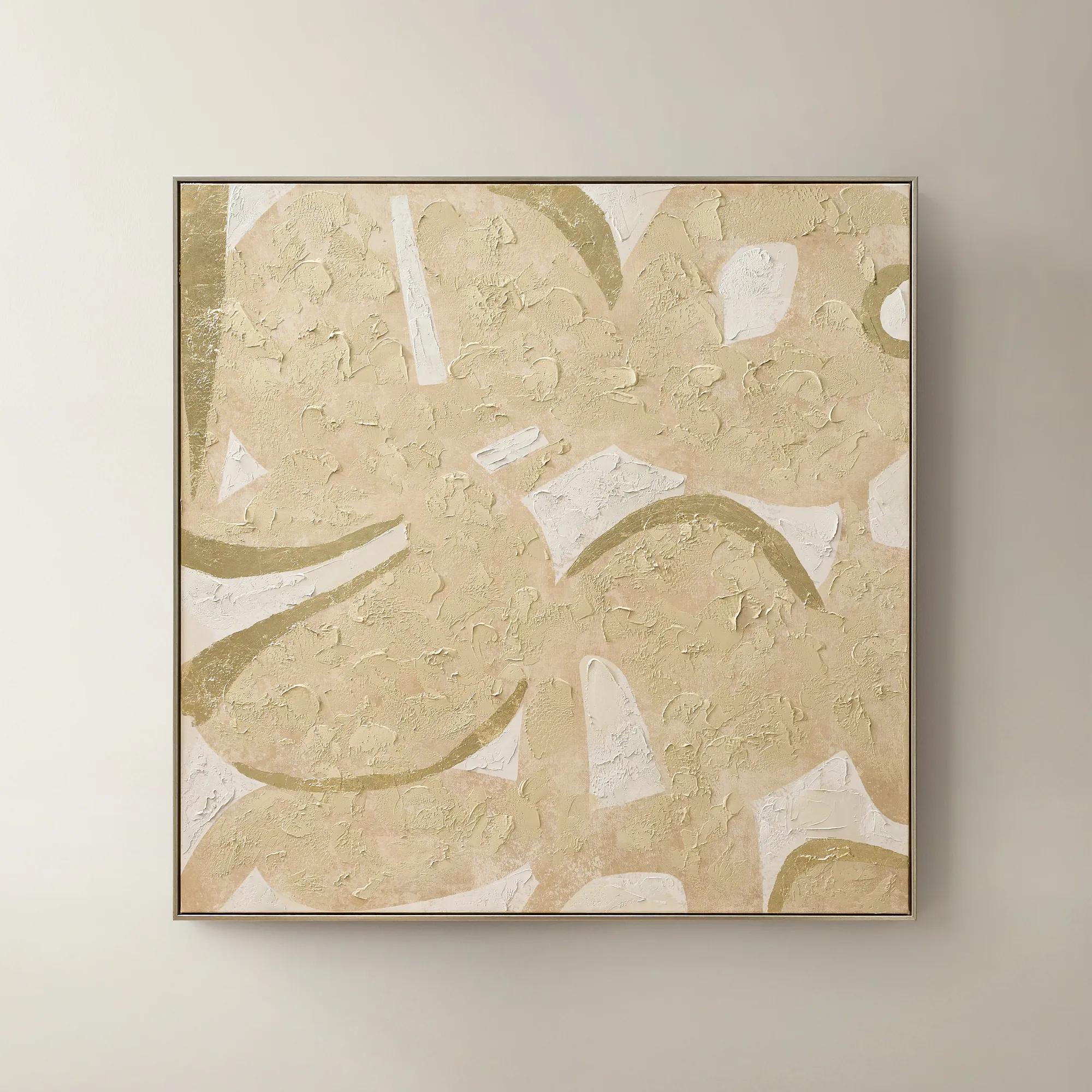
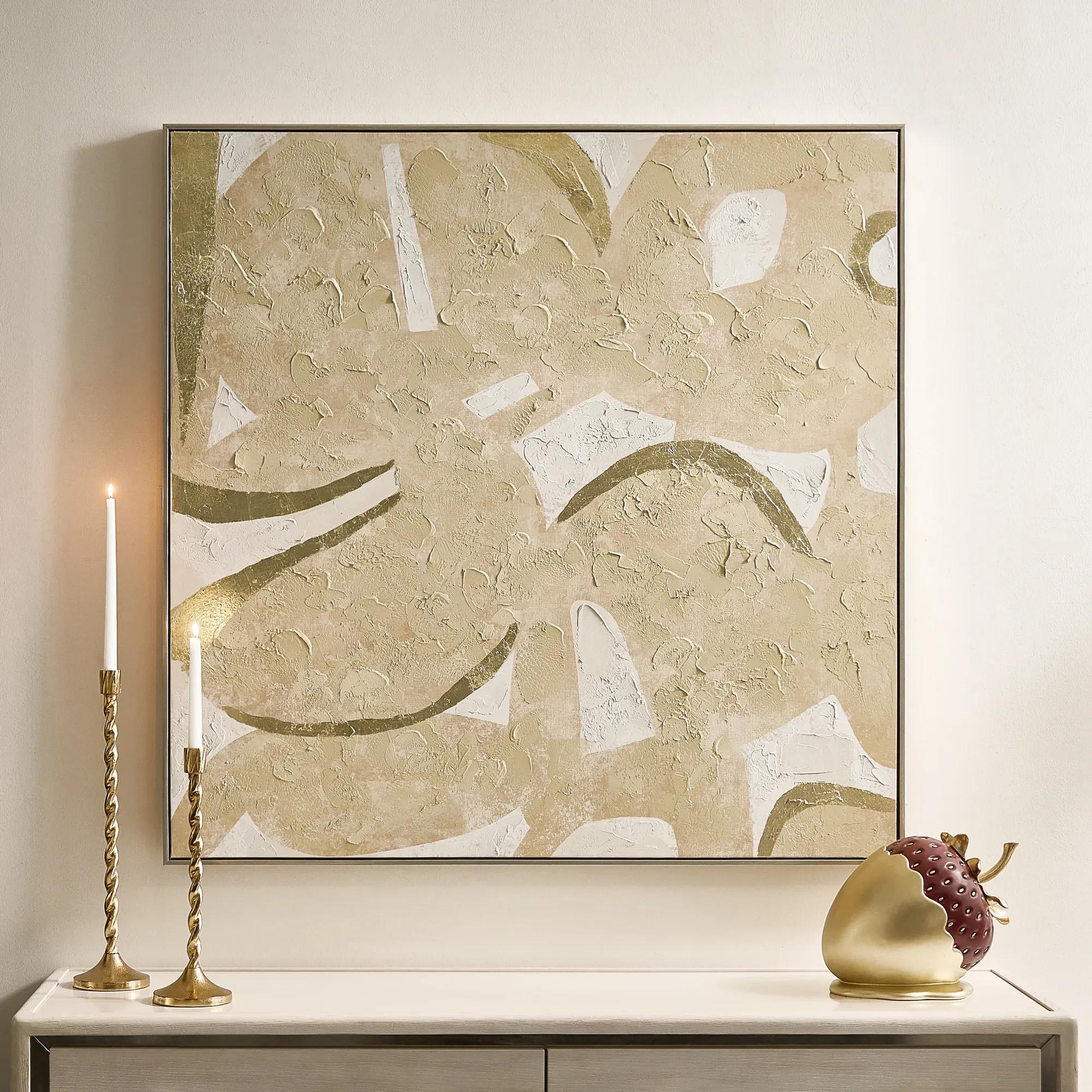 Golden Maize Framed Painted Wall Art 48" x 48"$399
A hand-painted canvas with champagne leafing and butter cream tones adds warmth and modern sophistication.
Add To Cart -
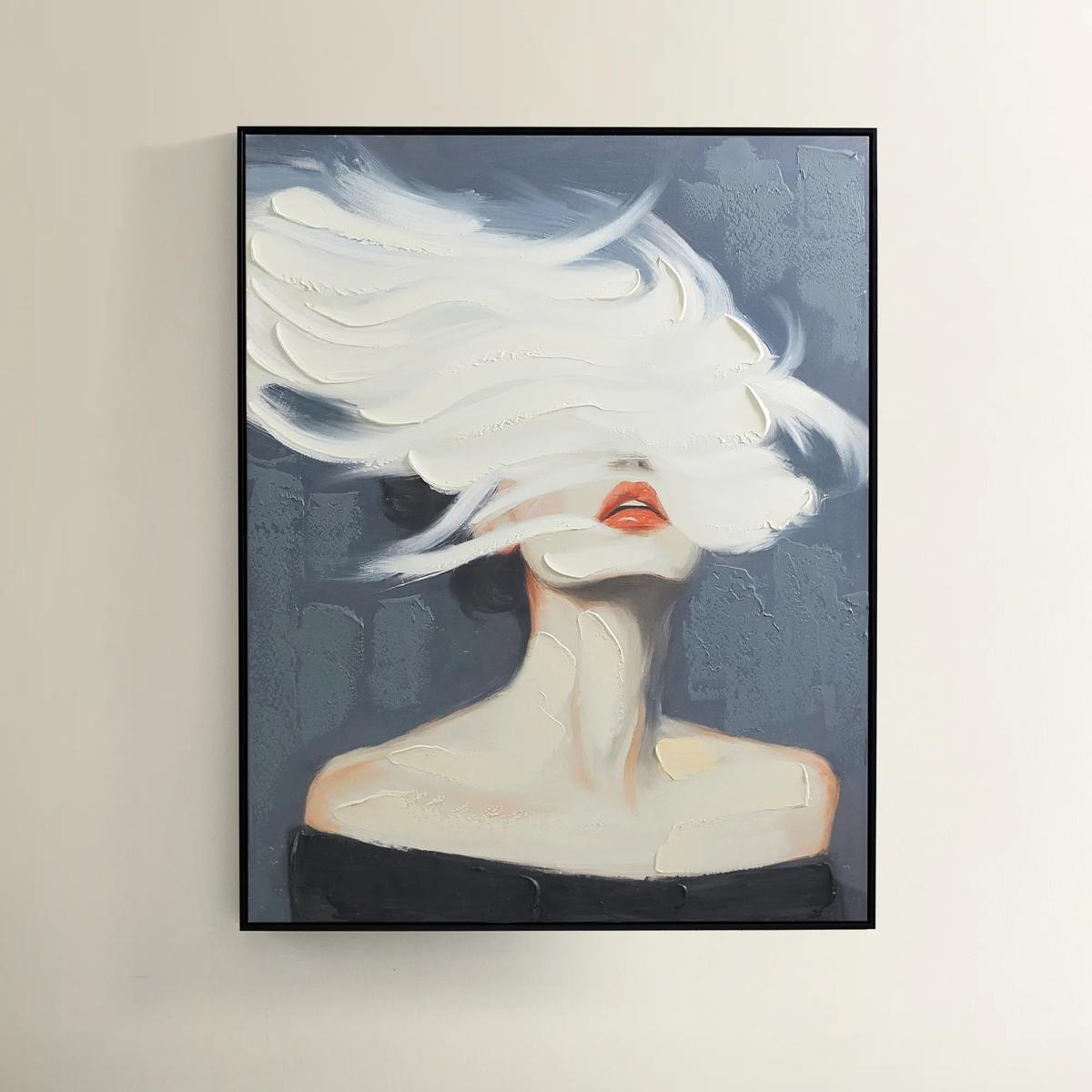
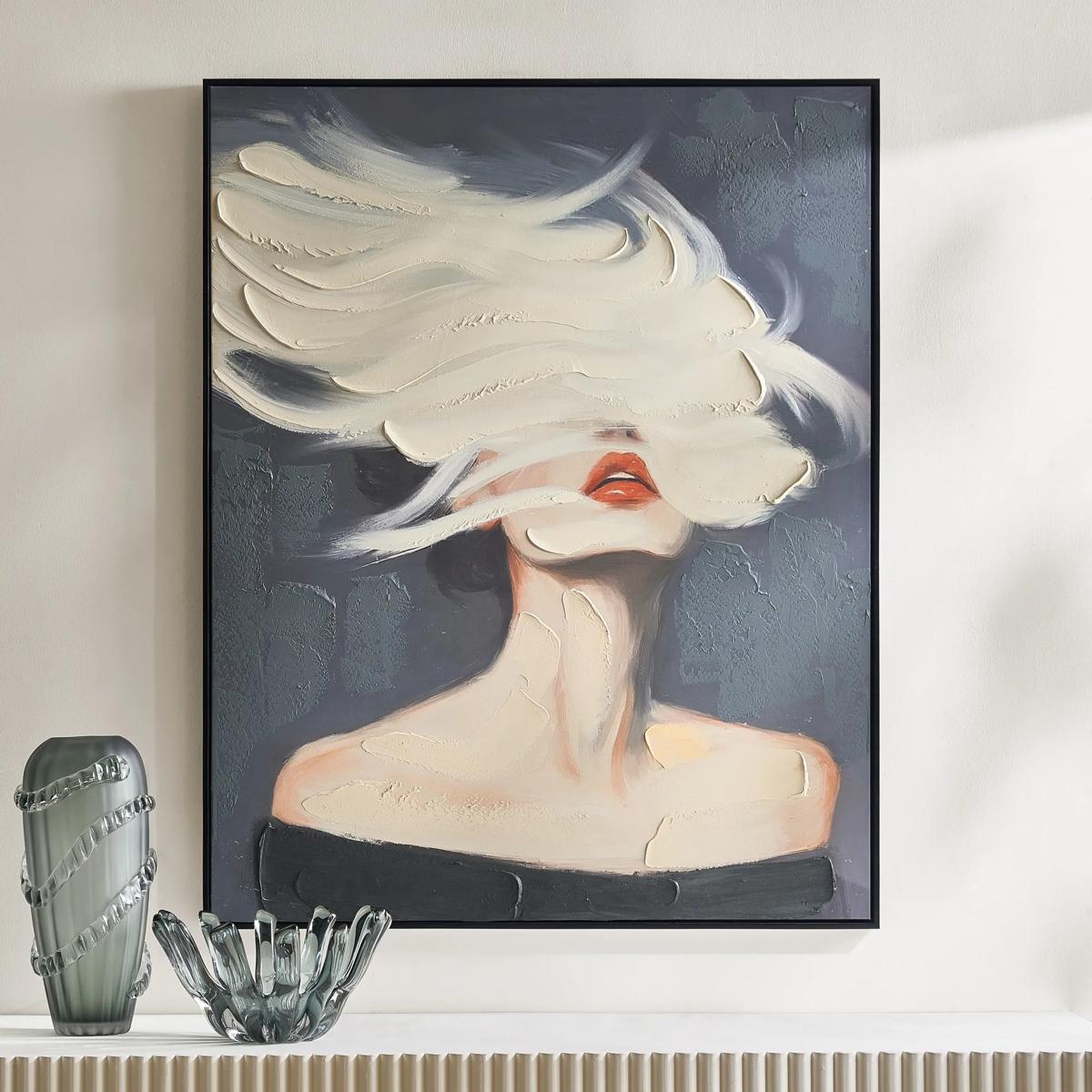 Daydreamer Painting$599
A hand-painted canvas portrait with sculptural white brushstrokes, bold red lips, and a sleek black frame.
Add To Cart -
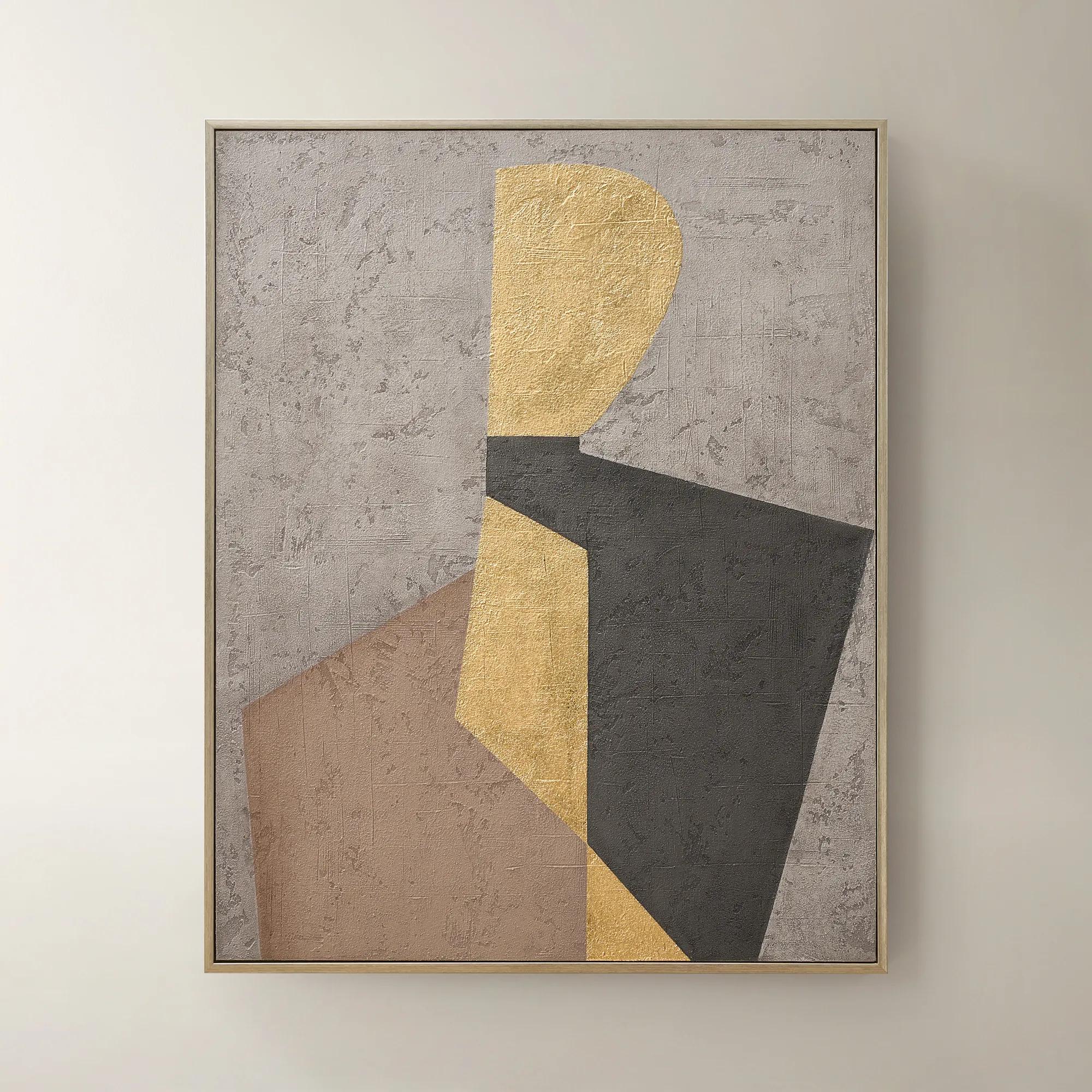 Aura of Gold Framed Painted Wall Art 40" x 50"$399
A hand-painted canvas with champagne leafing and a brushed champagne frame in mocha, grey, black, and gold.
Add To Cart -
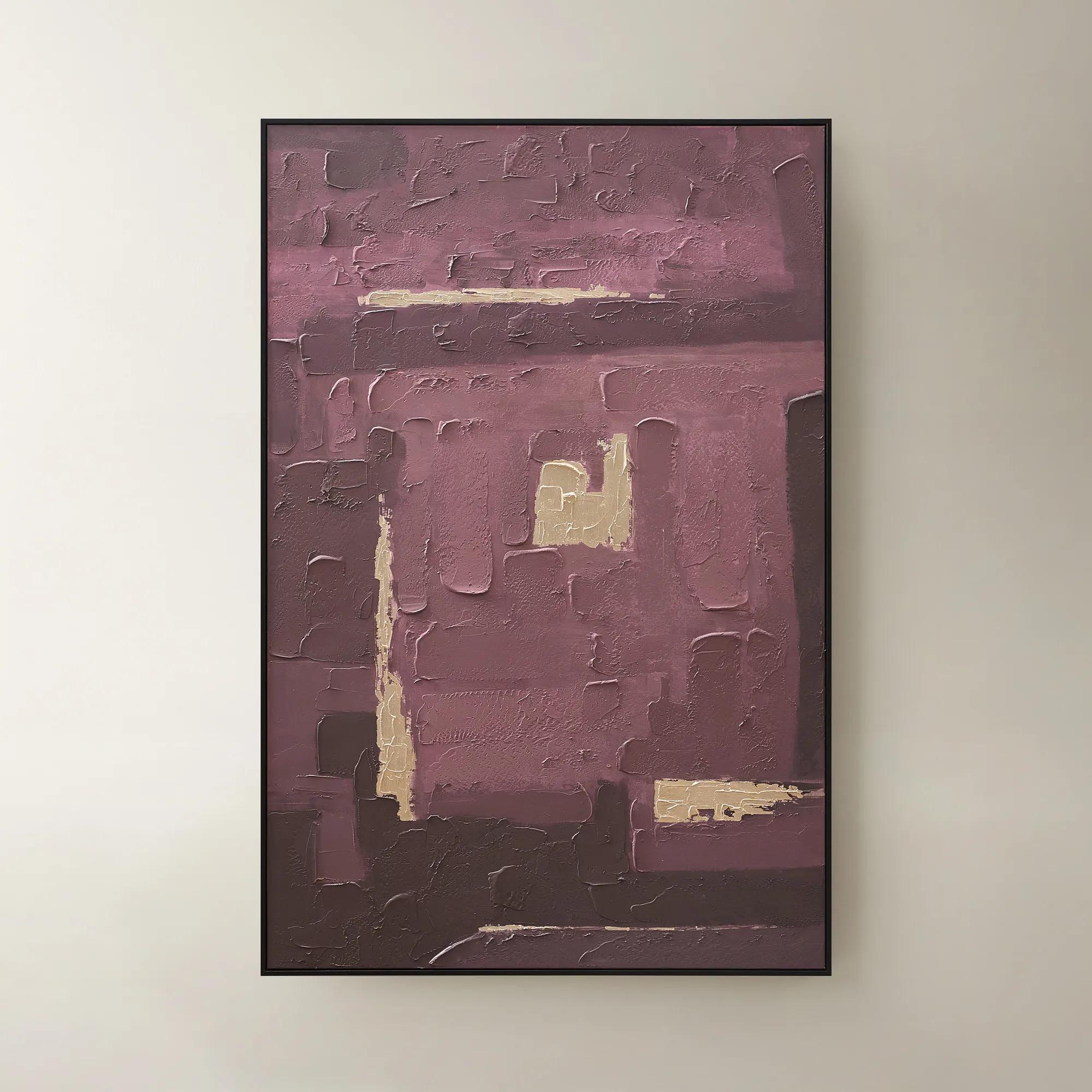
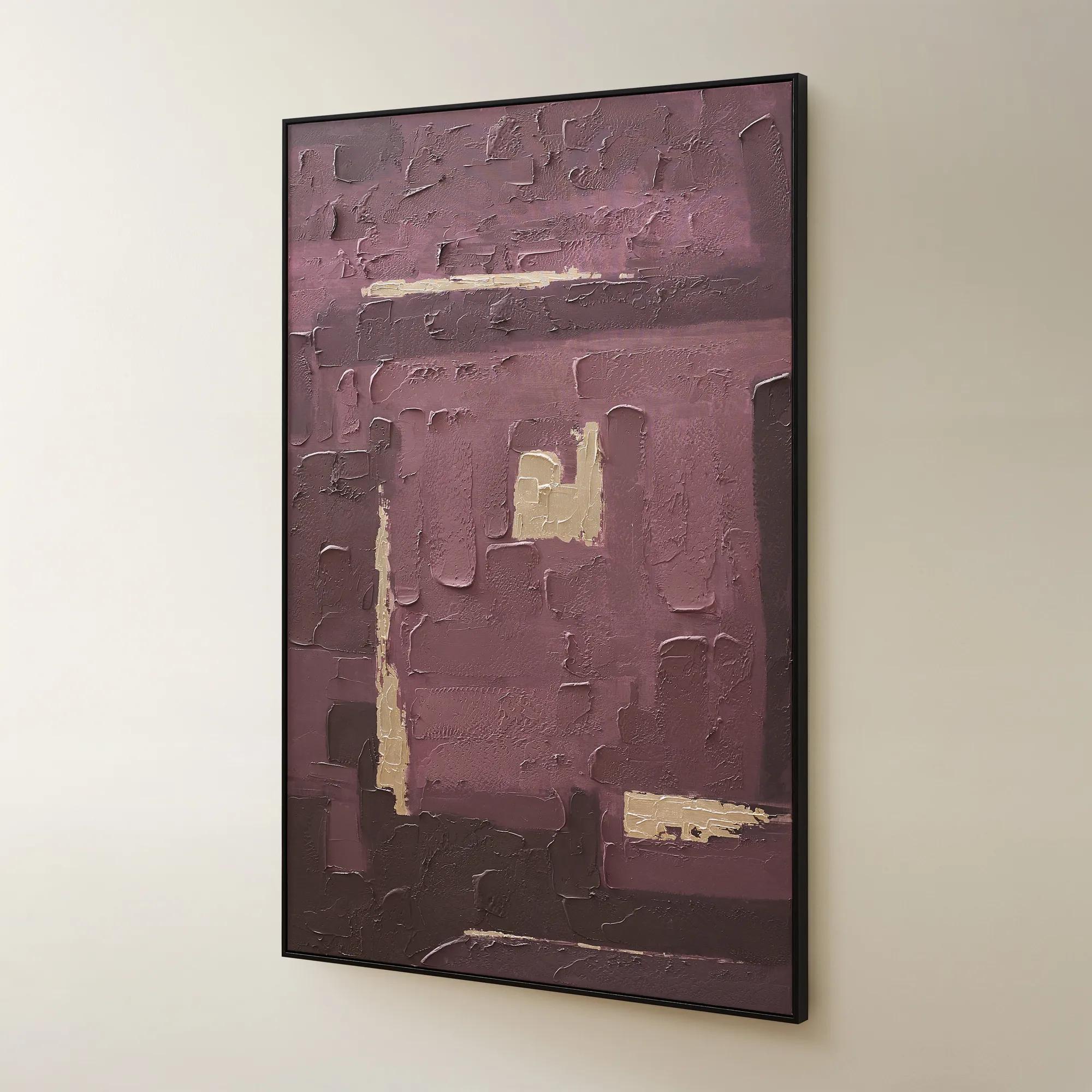 Fallback Framed Painted Wall Art 60" x 40"$499
A hand-painted abstract canvas in rich fig hues with champagne accents, set in a sleek black frame.
Add To Cart

Modern Art Centerpiece Paintings
Modern art centerpiece paintings are more than mere adornments—they are declarations of style, daring focal points that command attention and ignite conversation. Each brushstroke becomes a bold punctuation mark in the narrative of your space, infusing rooms with expressive energy and visual intrigue. Whether you crave sculptural abstraction or a burst of color that electrifies your décor, these curated works transform walls into galleries, elevating every gathering into an unforgettable experience. Embrace the transformative allure of modern art centerpiece paintings and let your home become a canvas for unapologetic self-expression.
Modern art centerpiece paintings give a room its visual point of view: a single commanding composition, or a coordinated arrangement, that draws the eye and shapes the mood of everything around it. Here, “centerpiece” describes artwork that anchors a wall rather than an object placed on a table. Abstract gestures, sculptural-looking forms, expressive color fields, and layered textures all lend themselves to this role, bringing movement and depth to living rooms, dining rooms, bedrooms, and entryways. A sweeping composition in ivory, charcoal, and gold can introduce luminous contrast above a dark sofa, while saturated blue or emerald passages bring intensity to a room furnished in quieter tones. Black-and-white paintings create a different kind of drama, allowing line, proportion, and negative space to take center stage. The most compelling choice is not necessarily the brightest or largest; it is the composition with enough presence to establish a clear focal point. Broad, fluid brushwork can soften the geometry of tailored furniture, while crisp architectural forms give structure to a space layered with plush upholstery and curved silhouettes. A restrained palette can still feel richly expressive when the surface reveals tonal variation, visible marks, or a subtle interplay between matte and reflective details. Modern centerpiece wall art also offers a way to connect furnishings without matching every finish. A trace of warm ocher might echo brass accents, while smoky gray can relate to a stone tabletop or silver-toned lighting. These connections feel especially natural when one color repeats in a few considered details rather than across every accessory. For rooms designed around conversation, art with ambiguous shapes or shifting layers invites a second look without dictating a single interpretation. In a private retreat, a more spacious composition can deliver the same sense of intention with a quieter emotional register. The result is a room with an unmistakable center of attention and room for personal expression.
Scale and format determine how that presence feels in the space. An oversized horizontal painting can hold its own above a substantial sofa or sideboard, while a tall canvas brings distinction to a narrow entry wall or the space beside a staircase. A diptych or triptych creates a broader visual rhythm, with the intervals between panels becoming part of the composition. For artwork above furniture, an overall width around two-thirds to three-quarters of the piece beneath it is a useful starting point, not a fixed rule; nearby windows, ceiling height, and the visual weight of the frame can change the balance. A painting that looks generous on an empty wall may feel undersized once paired with a deep sectional, so both the wall dimensions and the furniture footprint deserve consideration. Painter’s tape outlining the outer dimensions can make that relationship easier to judge before hanging. Above a sofa or console, leaving roughly six to ten inches between the furniture and the bottom of the artwork often creates a connected arrangement, provided the placement allows comfortable clearance. Materials add another layer of character. Stretched canvas brings a fabric surface and dimensional profile, while works on paper often gain definition from matting and protective glazing. Original paintings, hand-painted works, embellished reproductions, and printed canvas are distinct formats, so descriptions should clarify how the image and surface were created. Visible texture alone does not establish that a work is entirely hand-painted. A floating frame leaves a narrow reveal around a canvas, emphasizing its edges; a broader frame gives the image a more architectural boundary. Gold-toned finishes introduce warmth, silver-toned finishes sharpen cooler palettes, and black frames can reinforce strong linework without competing with it. Frame depth matters in hallways and other close passages, where a projecting profile changes both the view and the usable space. With layered compositions such as Modern Abstract Wall Art Pieces, the relationship between color, texture, and framing becomes especially expressive, allowing the artwork to feel integrated with the interior while retaining its own identity.
A centerpiece painting should also suit the way a room is lived in. In a dining room, an expansive abstract composition can create a striking backdrop for gatherings without placing anything between guests across the table. In a home office, a defined palette and deliberate composition give the wall behind a desk a polished presence. Bedrooms often benefit from art that feels absorbing rather than visually restless, although a bold contrast can be equally compelling when the surrounding furnishings remain composed. For an entryway, a painting with strong shapes can register immediately from the doorway and reveal finer details at closer range. Longevity depends on the artwork’s materials, its placement, and appropriate care. Direct sunlight can fade pigments and prints over time, while excessive humidity and abrupt environmental changes may affect paper, canvas, and framing components. A sheltered interior wall away from splashes, cooking residue, and frequently handled surfaces is generally a more suitable setting than a damp bathroom or an exposed kitchen area. Surface care should follow the maker’s instructions, particularly for textured paint, metallic embellishments, and unvarnished finishes. Avoid spraying cleaners onto artwork or applying water to a painted or printed surface; even a seemingly durable canvas can be vulnerable to abrasion or moisture. Glazing may offer additional protection for suitable works, and UV-filtering options can reduce some light exposure without eliminating the need for thoughtful placement. Secure hanging is equally important: the hardware, wall anchors, and attachment points must be appropriate for the artwork’s weight and the wall construction. For a housewarming, wedding, or milestone gift, modern wall art can be deeply personal when the recipient’s preferred colors, wall space, and taste are already familiar. A generously scaled painting is a meaningful choice for someone establishing a new home or reimagining a favorite room. Its lasting appeal comes from more than decoration: it gives everyday surroundings an artistic signature, transforming a familiar wall into the detail that makes the entire room feel intentional.
FAQs
A centerpiece art painting is defined by its ability to command attention and set the tone for an entire room. In modern interiors, these works often feature bold compositions, striking textures, or captivating color palettes that draw the eye and become the focal point of the space. Whether abstract or representational, a true centerpiece painting adds drama, personality, and a sense of curated artistry to your home.
Modern art centerpieces are versatile statements that can transform any room. In living rooms, they anchor seating arrangements and inspire conversation. In dining spaces, they create a gallery-like ambiance that elevates every meal. Entryways benefit from a dramatic first impression, while bedrooms can be softened or invigorated with the right visual energy. The key is to let the art breathe and harmonize with your decor, allowing it to shine as the signature element of the room.
Popular styles for modern art centerpiece paintings include bold abstracts with dynamic brushwork, textured landscapes that evoke nature’s drama, geometric designs with crisp lines, and minimalist pieces that use color and form for maximum impact. Textural elements such as raised surfaces or metallic accents are also trending, as they add dimension and luxury to the artwork.
Absolutely—gifting a modern centerpiece painting is a thoughtful and lasting gesture for new homeowners, newlyweds, or anyone celebrating a special milestone. Art centerpieces serve as daily inspiration, evolving alongside the recipient’s personal style and space. Choose a piece that reflects their aesthetic, or opt for a versatile abstract that complements a range of interiors.
Lighting is essential for showcasing modern art centerpieces. Positioning a painting where it catches natural light can bring out its colors and textures, while accent lighting—such as picture lights or strategically placed sconces—can add drama and highlight details. The interplay of light and shadow transforms the artwork throughout the day, ensuring it remains a dynamic focal point in your home.