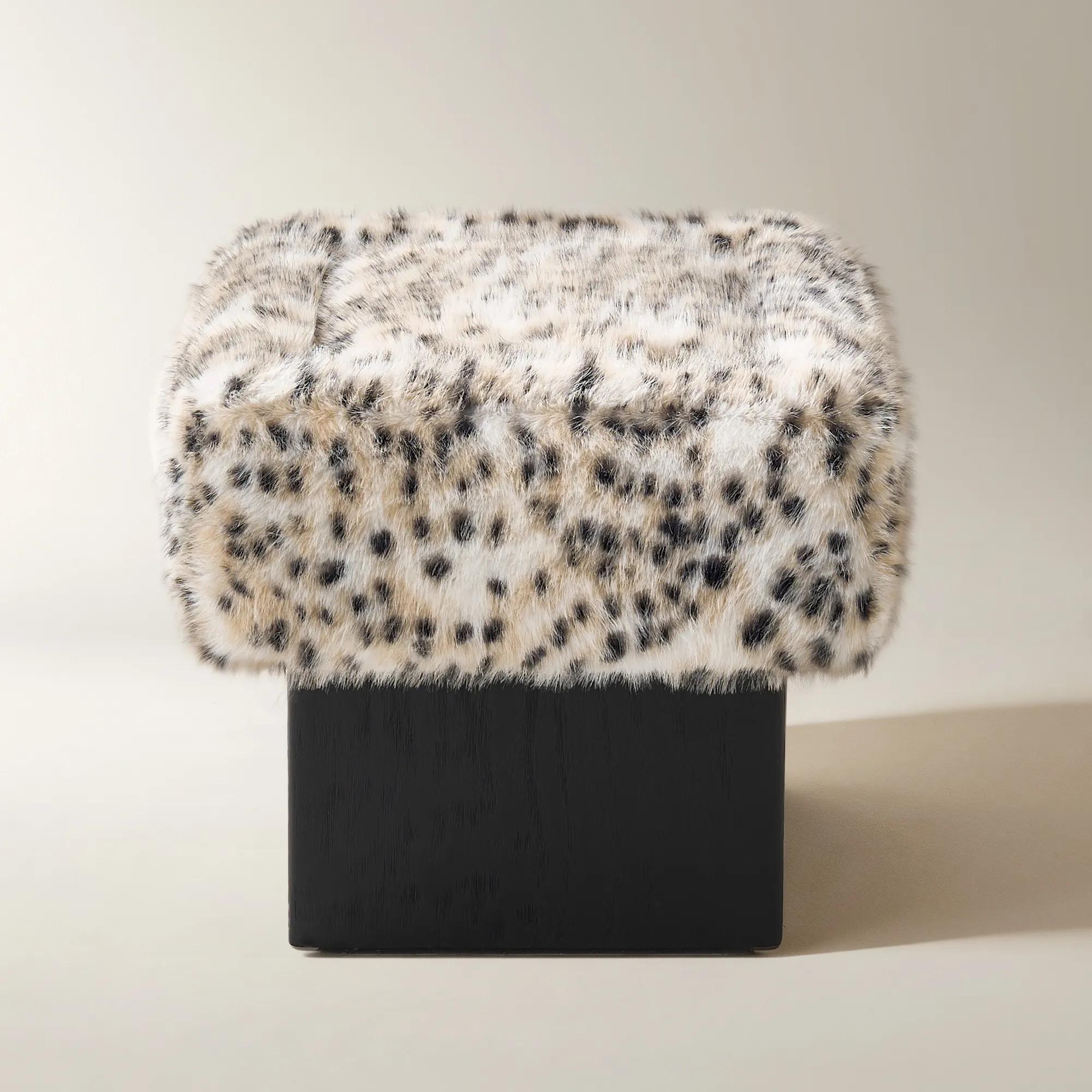
Modern Accent Benches
Modern Accent Benches
-
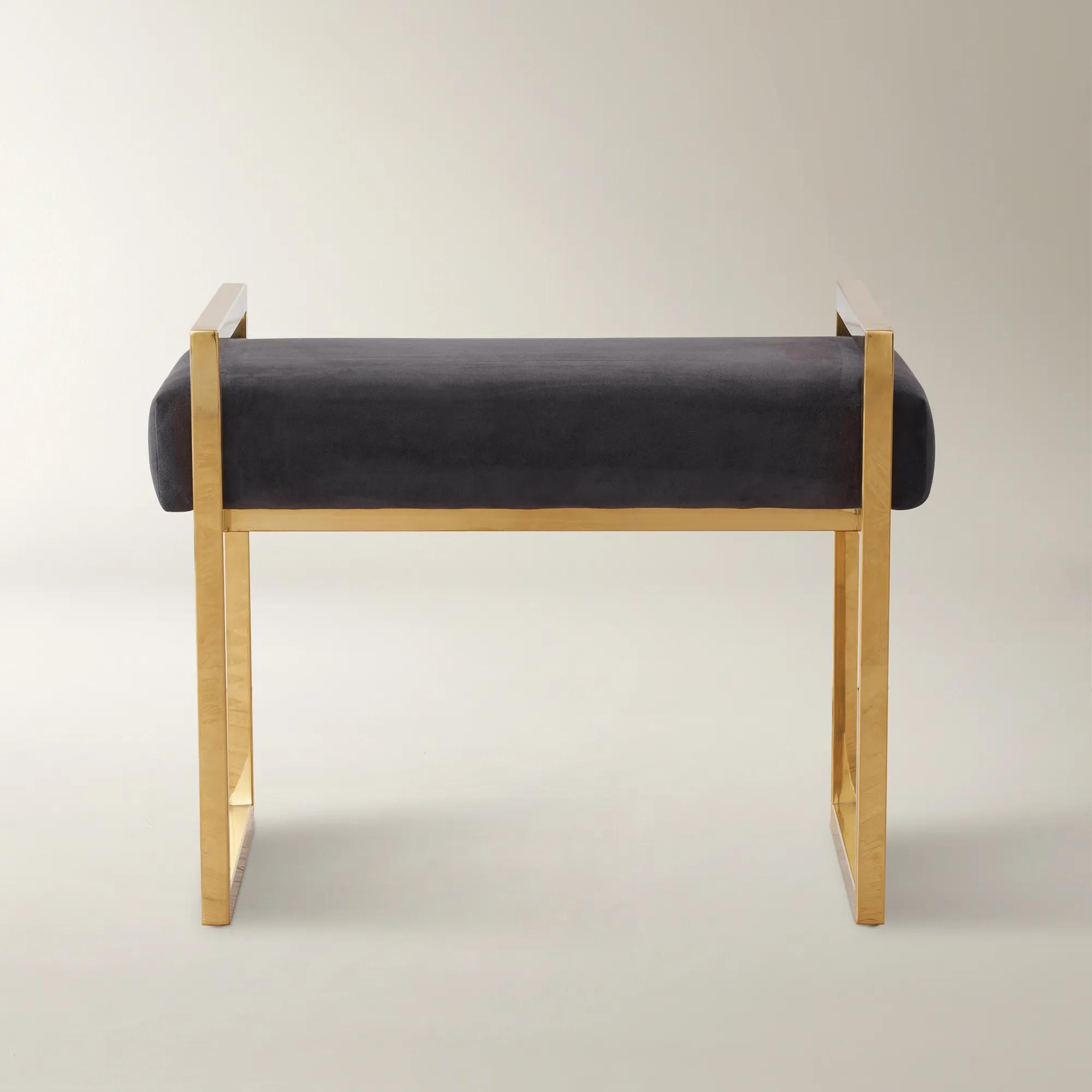
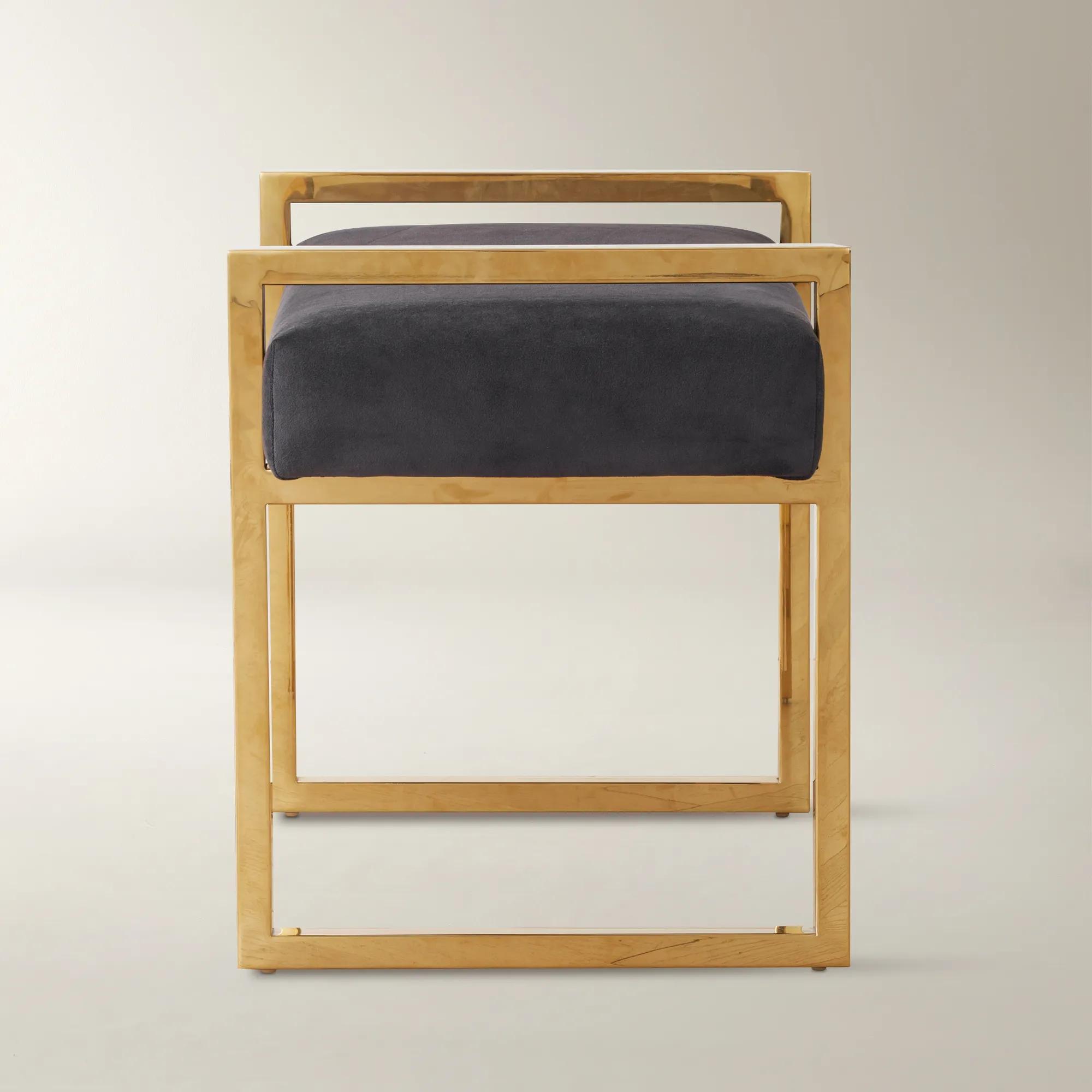 Clara Accent Stool$449
A plush black velvet seat rests on polished gold metal legs for a chic, modern accent piece.
Add To Cart -
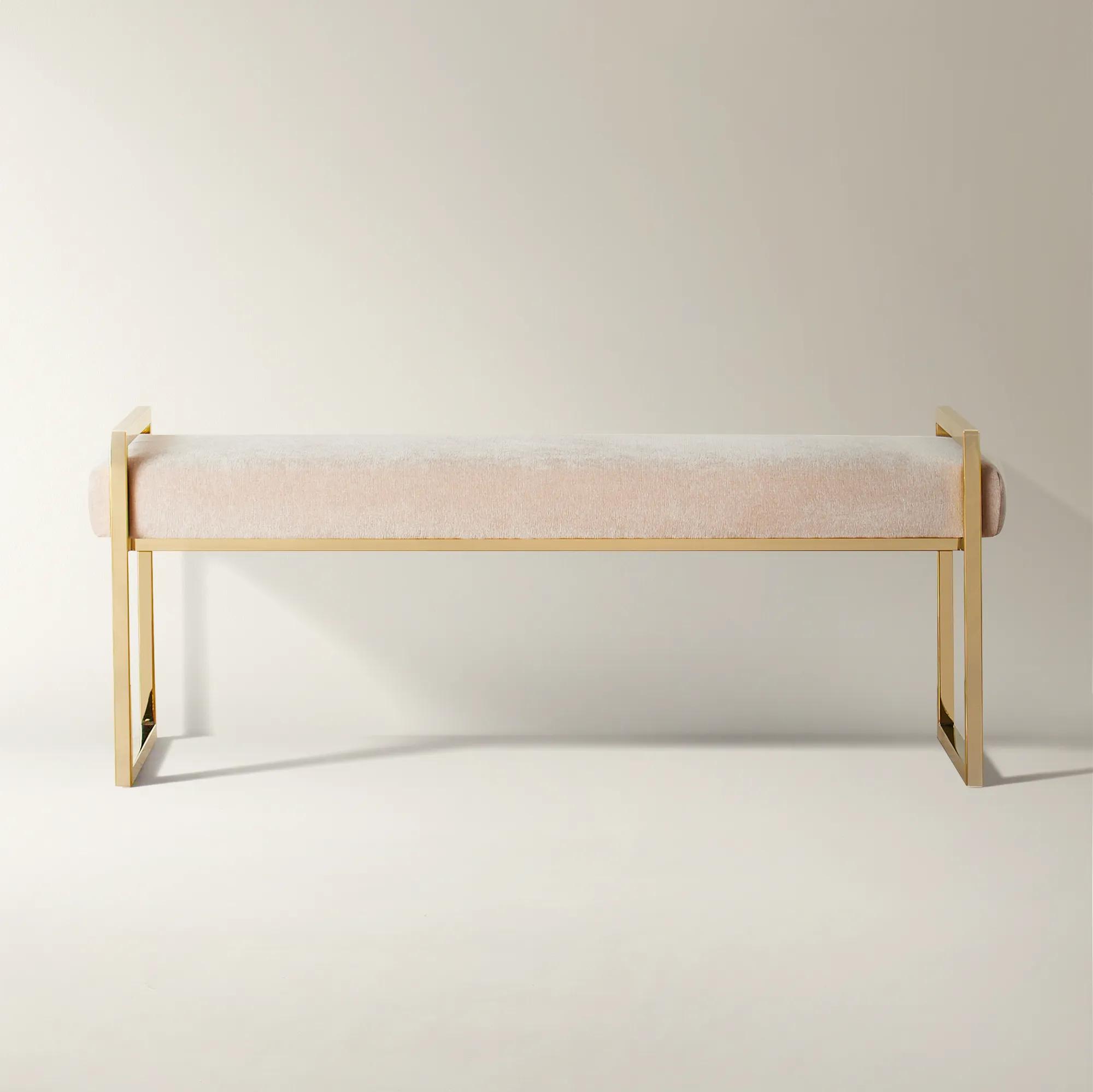 Clara Bench$699
A plush upholstered bench with a high-density foam seat and polished gold metal legs for modern elegance.
Add To Cart -
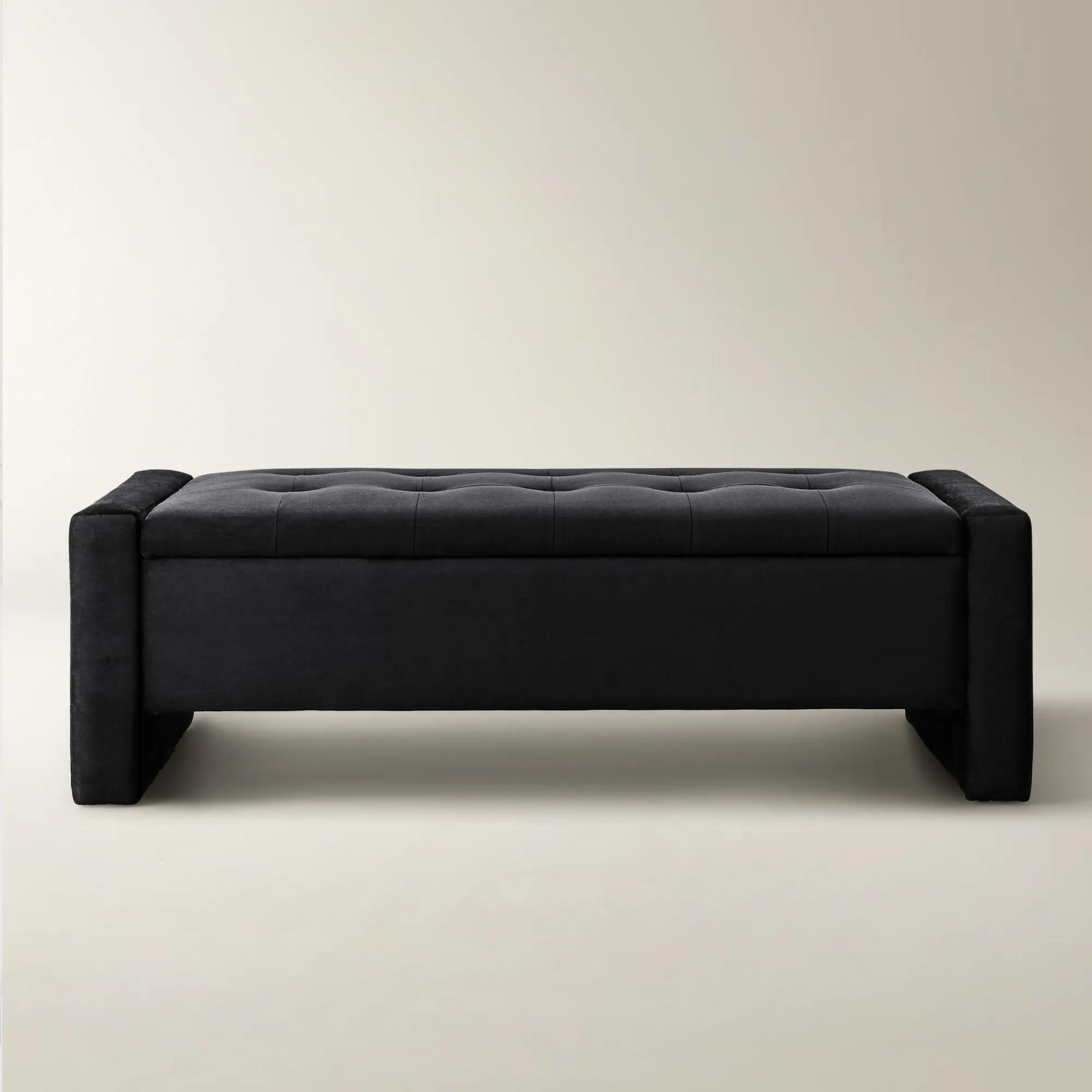
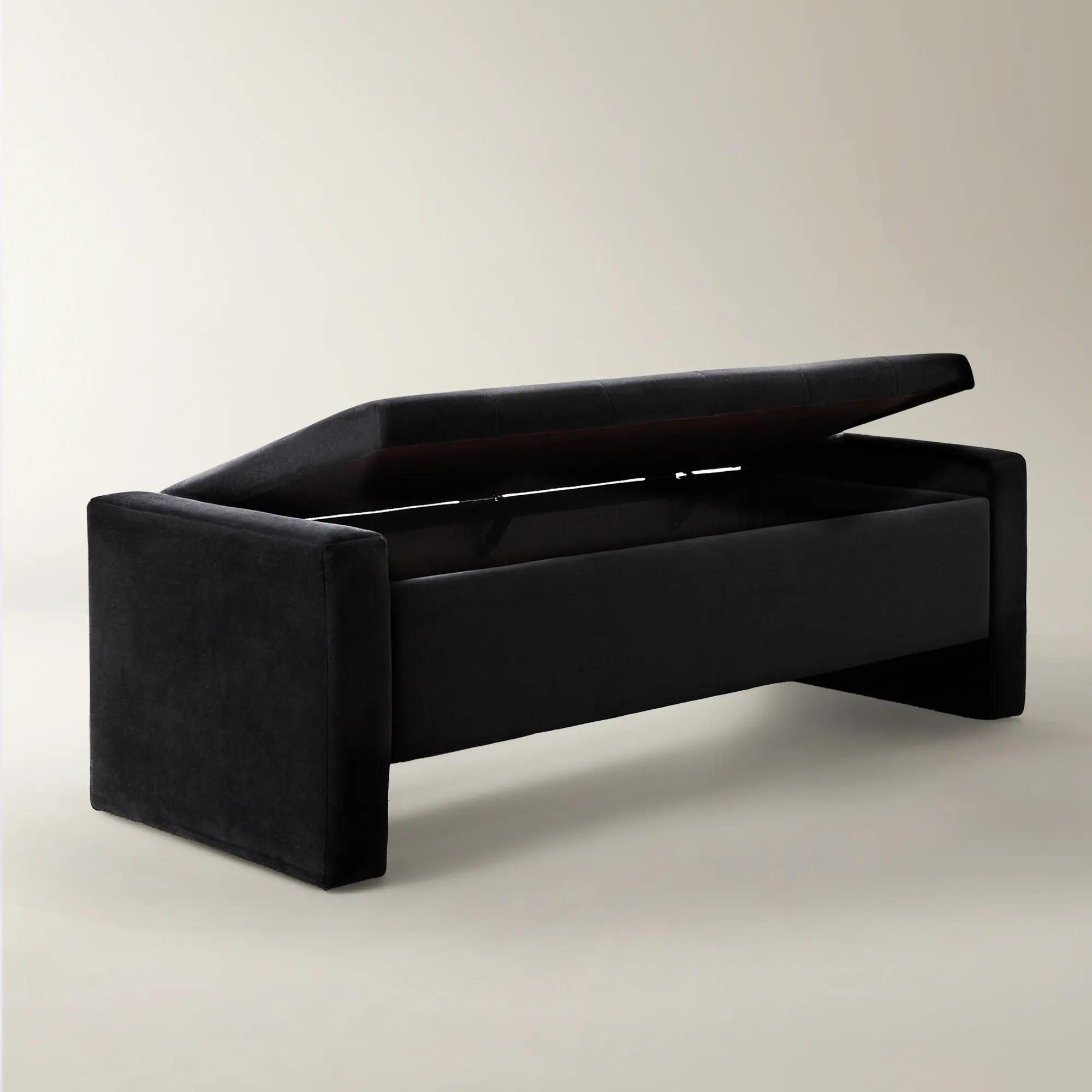 Maeve Storage Bench$899
A modern velvet-upholstered bench with hidden storage, kiln-dried hardwood frame, and soft-closing glides.
Add To Cart -
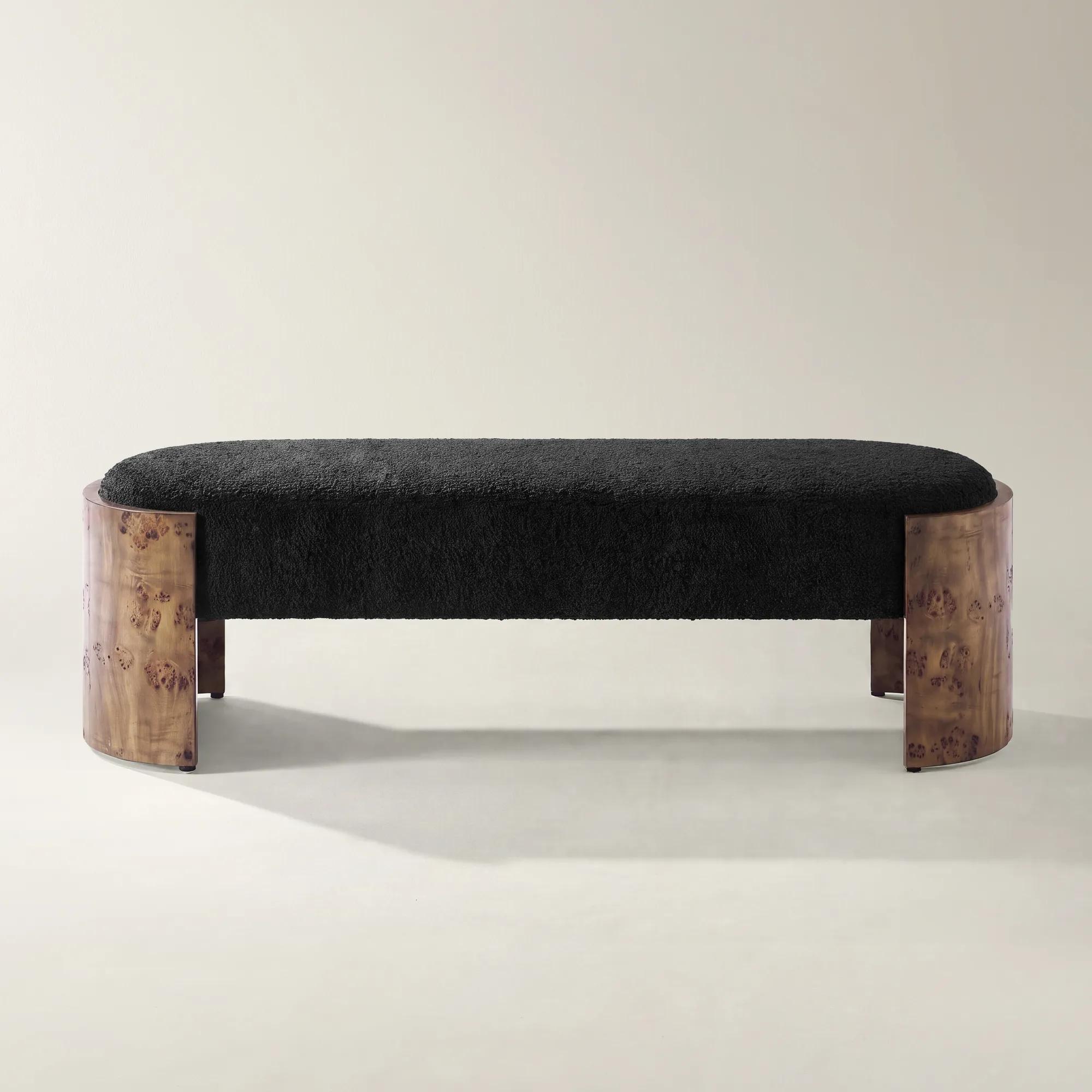 Cora Black Chenille With Ash Wood Bench (60.6")$899
A sculpted charcoal chenille bench featuring curved bookmatched ash burl panels and supportive foam cushioning.
Add To Cart -
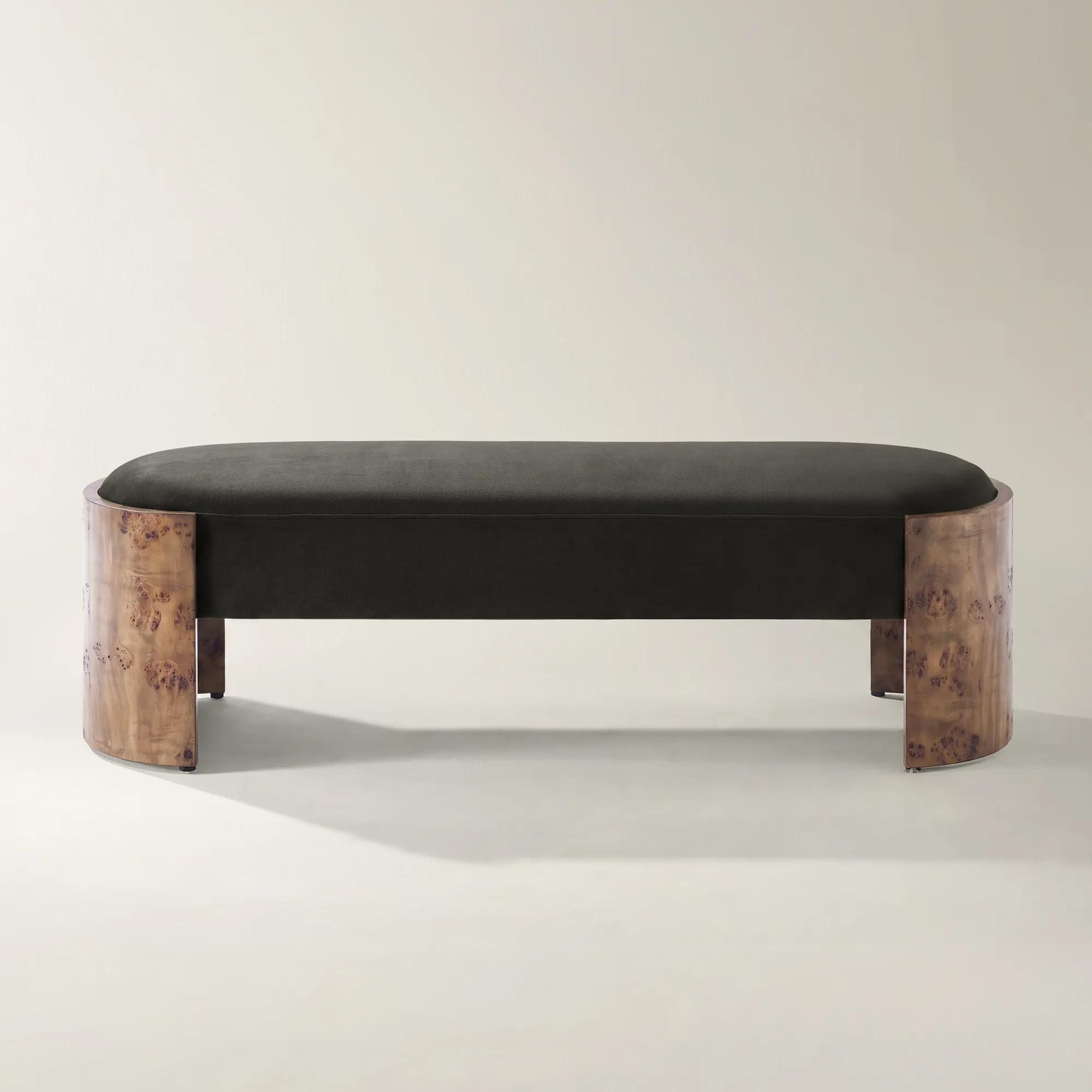
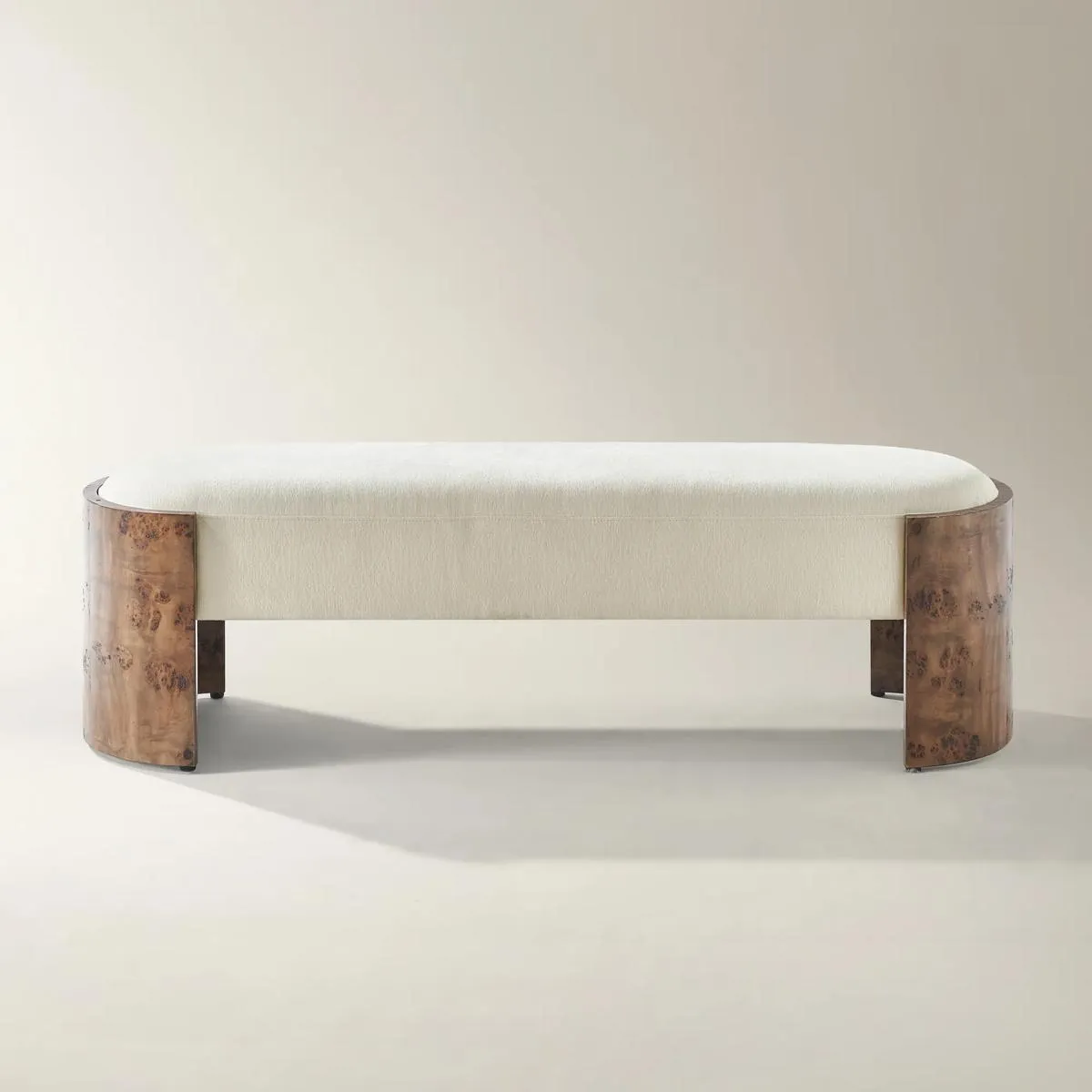 Cora Charcoal Velvet With Ash Wood Bench (60.6")$899
A sculpted charcoal velvet bench with curved bookmatched ash burl panels and supportive foam cushioning.
Add To Cart -
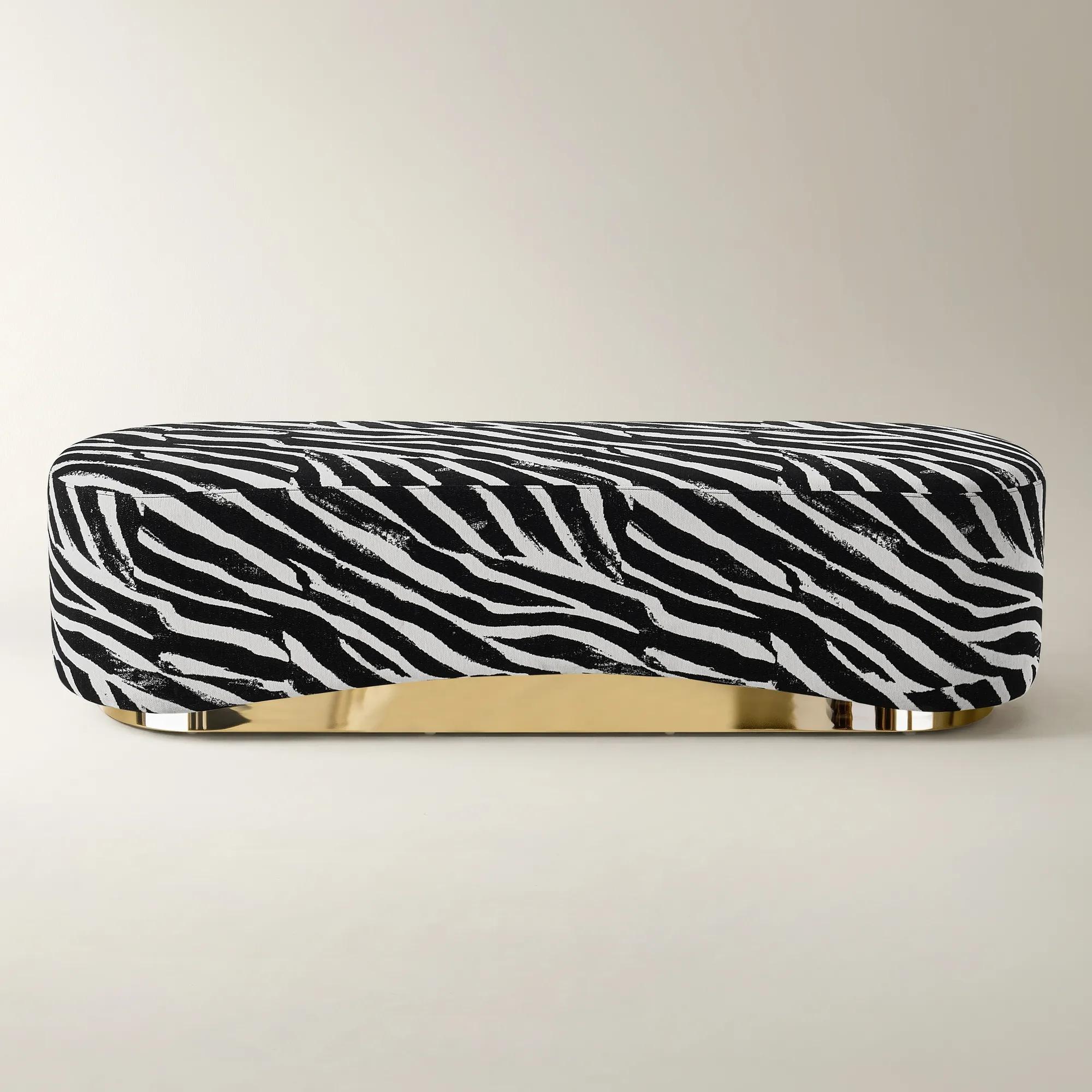
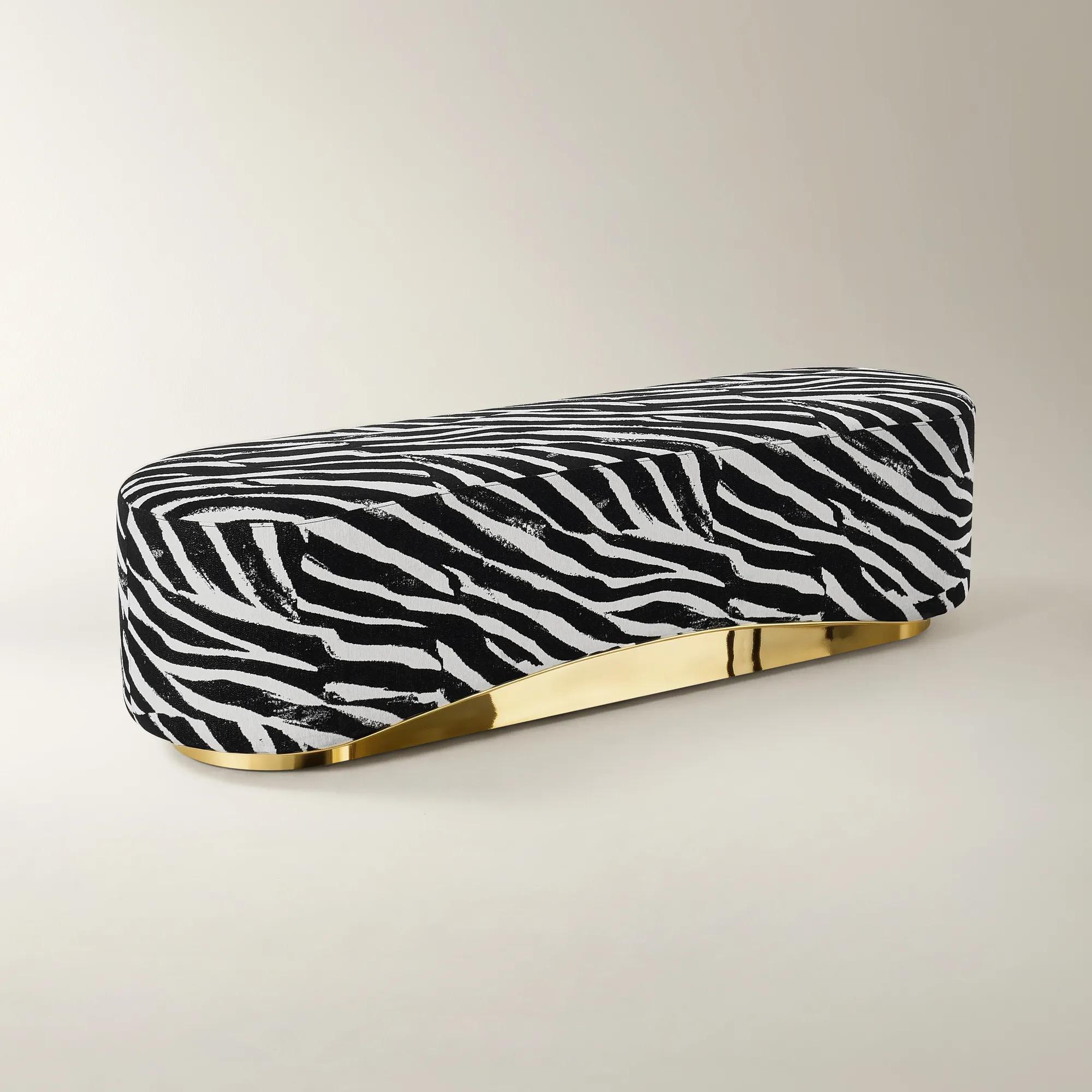 Kendra White/Black Performance Chenille Bench (70.47")$799
An elongated oval bench upholstered in white and black performance chenille with a polished gold stainless steel base.
Add To Cart -
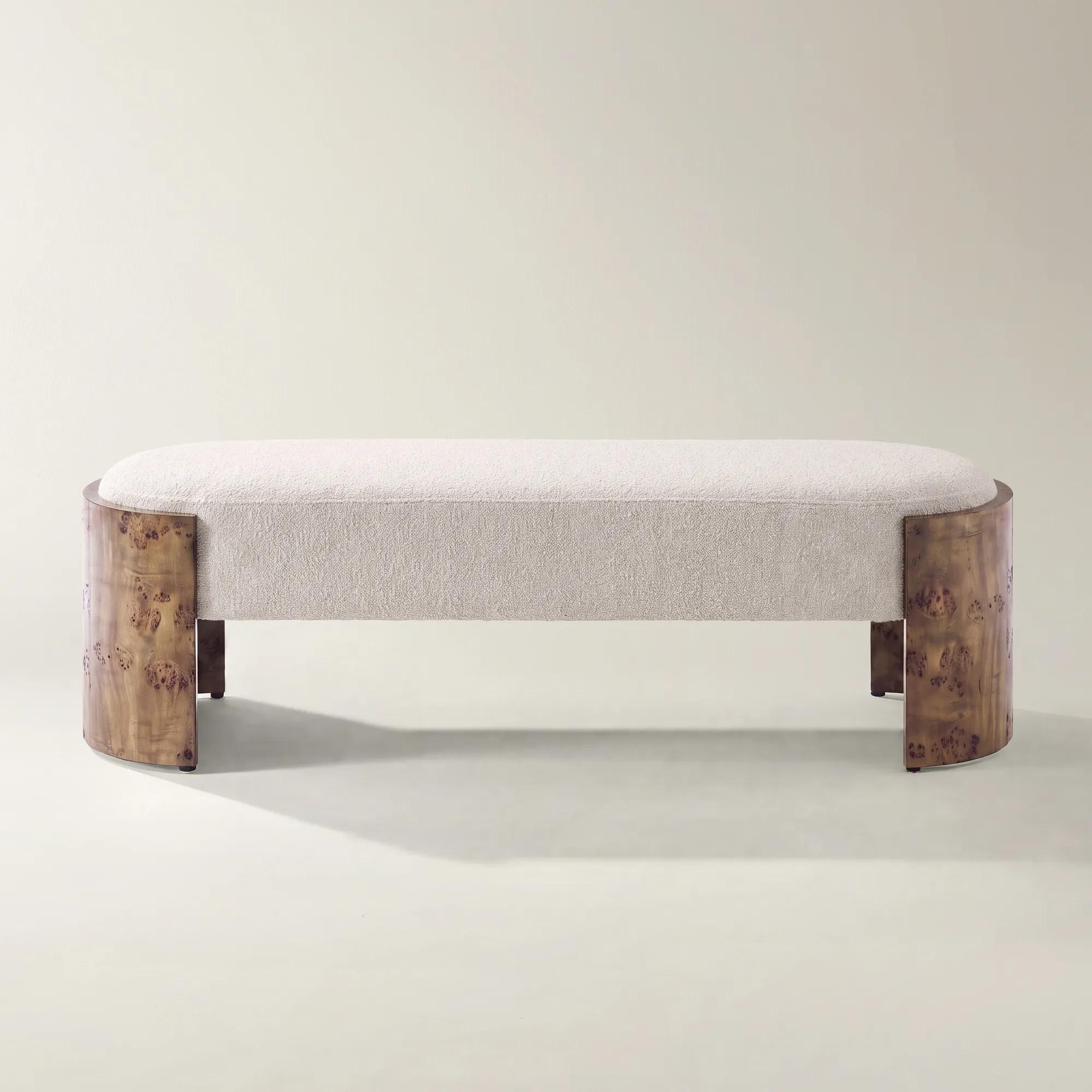 Cora Ivory Performance Boucle With Ash Wood Bench (60.6")$899
A sculpted ivory performance bouclé bench with curved bookmatched ash burl panels and supportive foam cushioning.
Add To Cart -
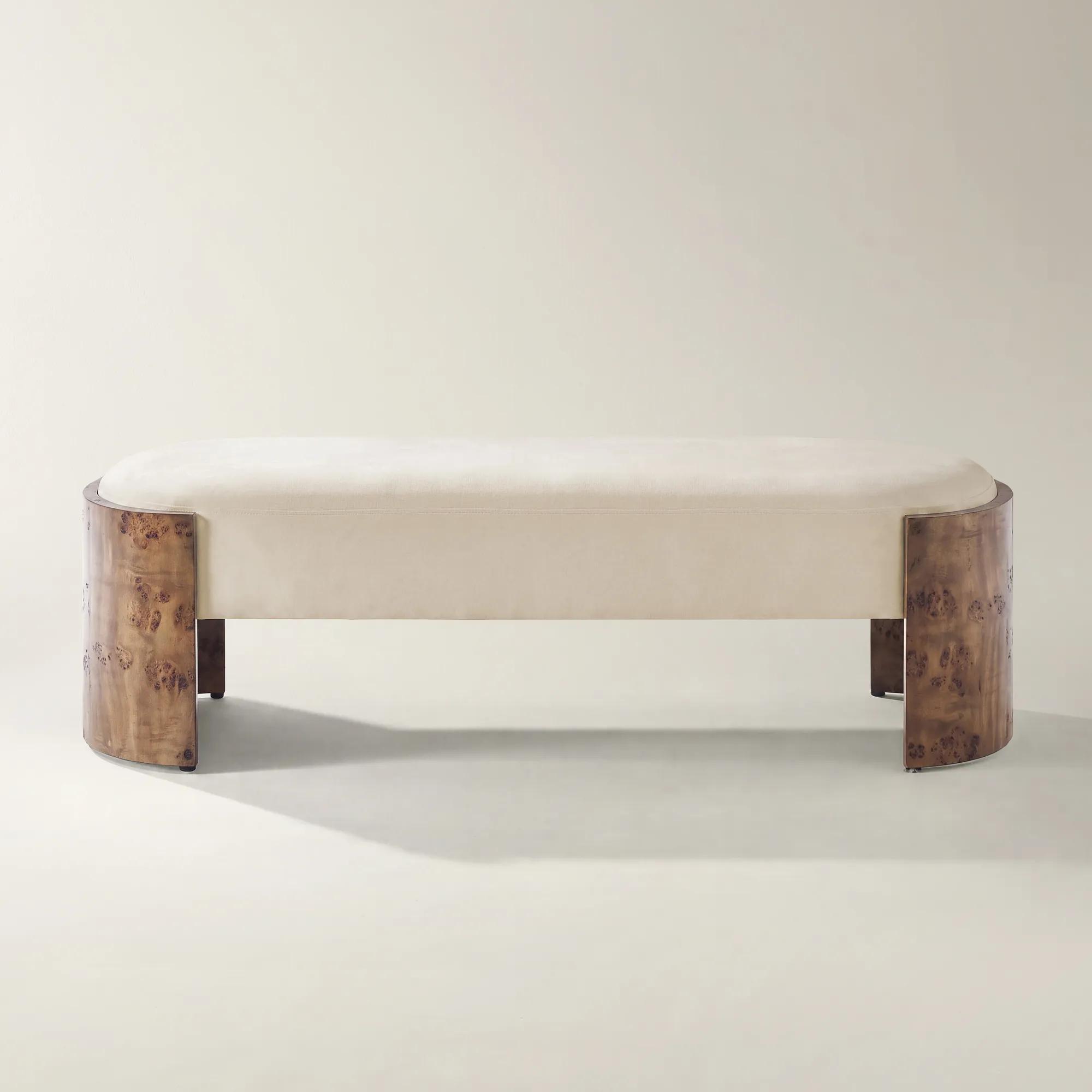 Cora Oatmeal Velvet With Ash Wood Bench (60.6")$899
A sculptural oatmeal velvet bench with curved ash burl wood panels and supportive foam cushioning.
Add To Cart -
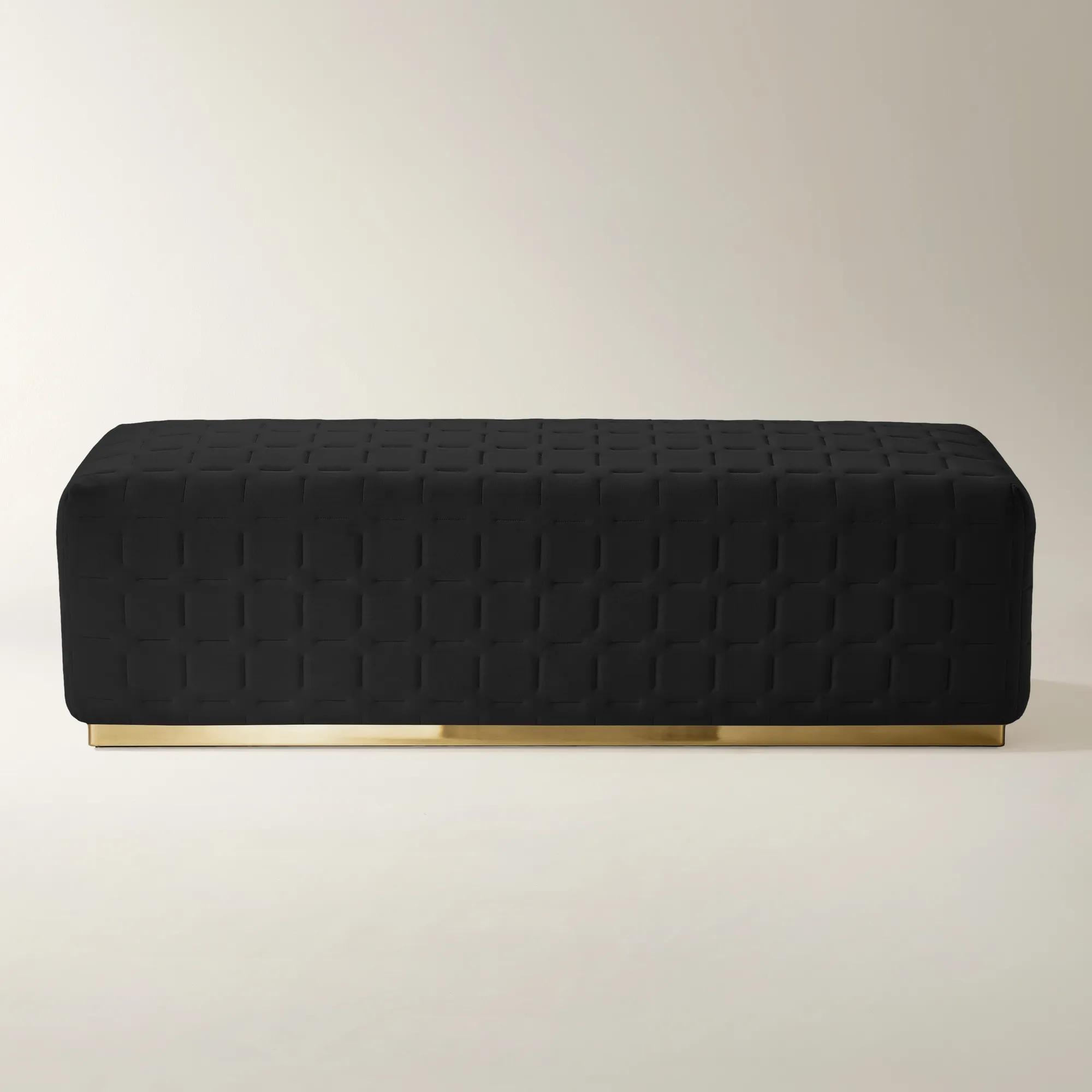 Vanta Quilted Charcoal Velvet Bench (64.6")$899
A charcoal velvet bench featuring checker quilted tufting and a gold stainless steel base for modern elegance.
Add To Cart -
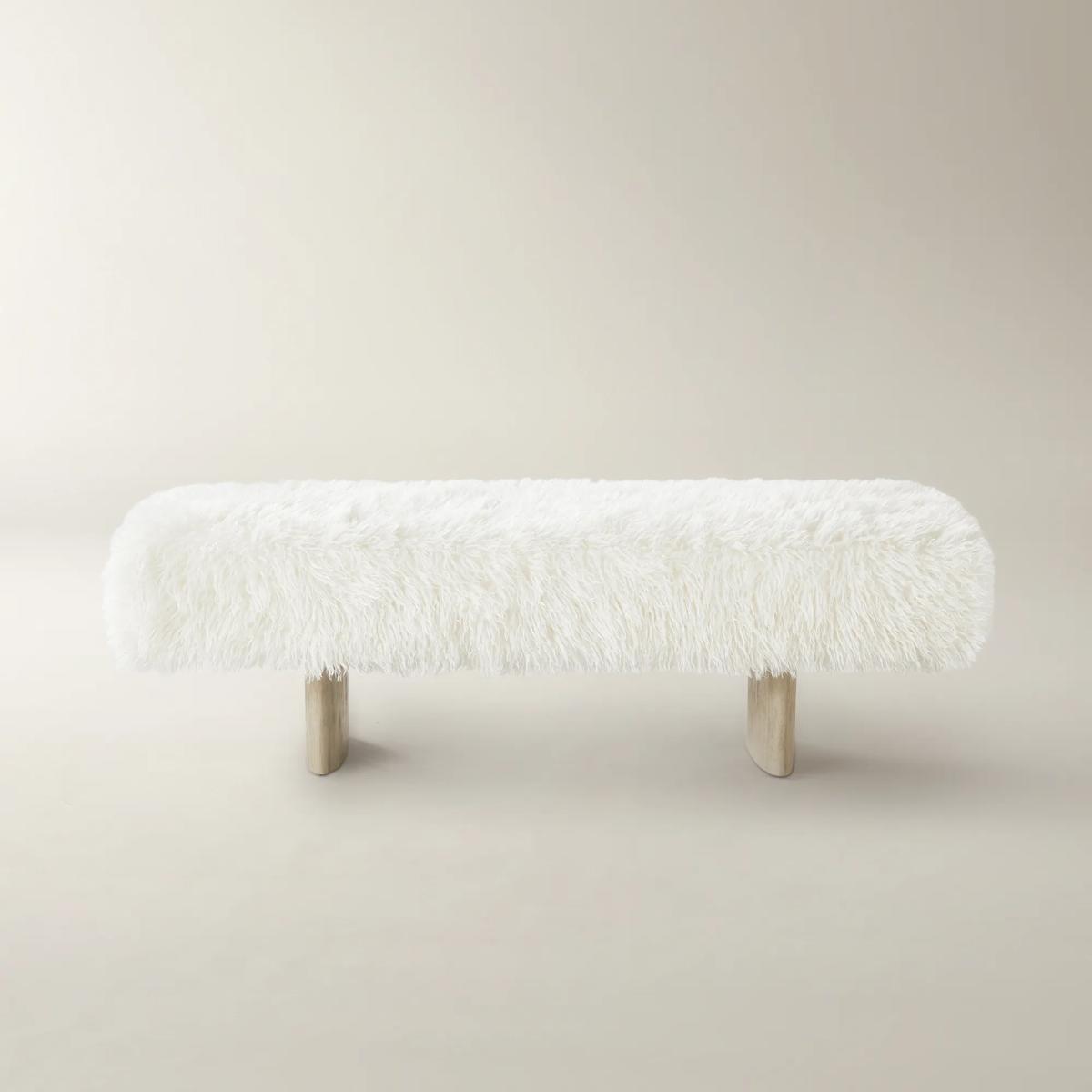 Micah Ivory Mongolian Faux Fur Bench With Rubberwood Legs (62.6")$699
An ivory faux Mongolian fur bench with high-density foam and sculptural solid rubberwood base for modern coziness.
Add To Cart -
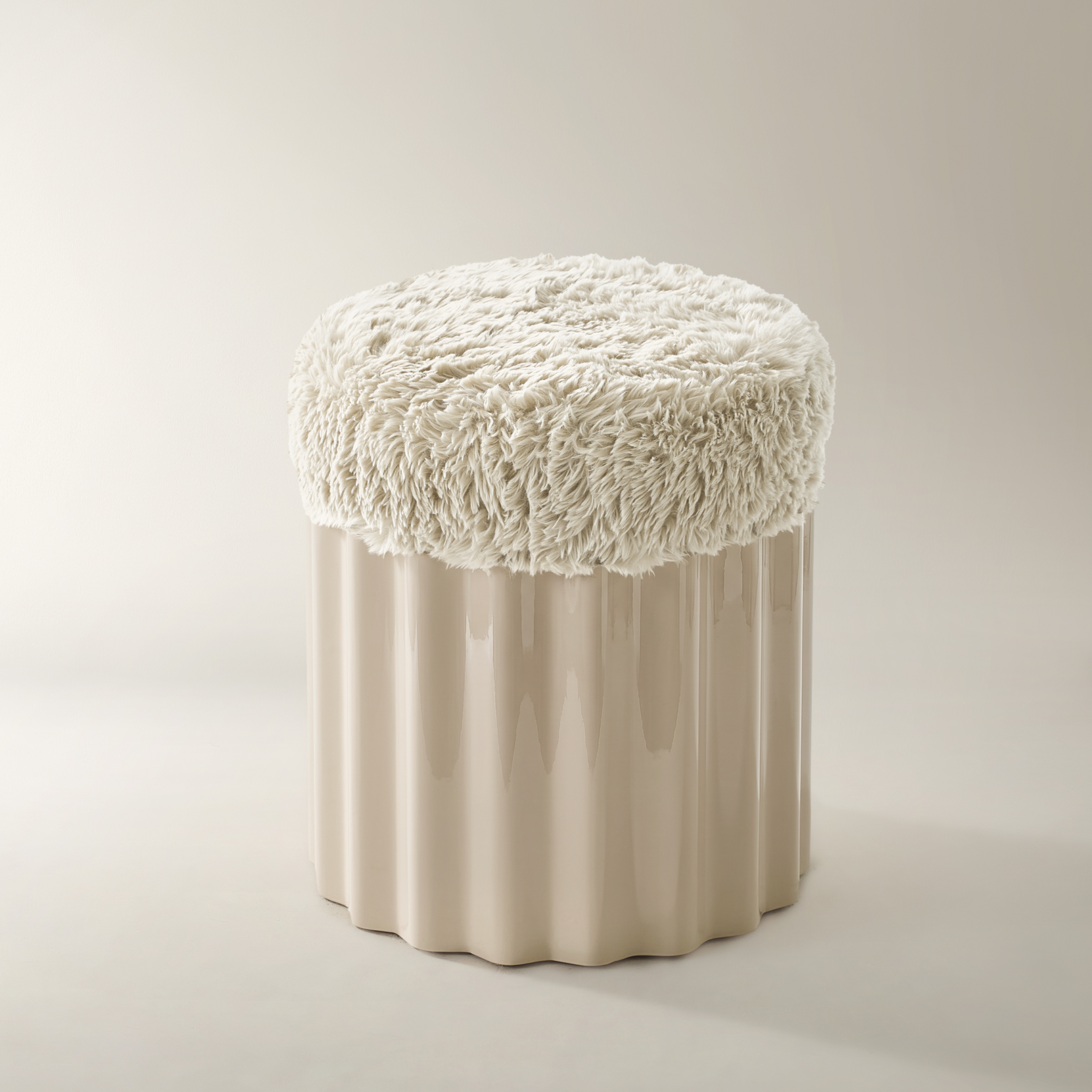
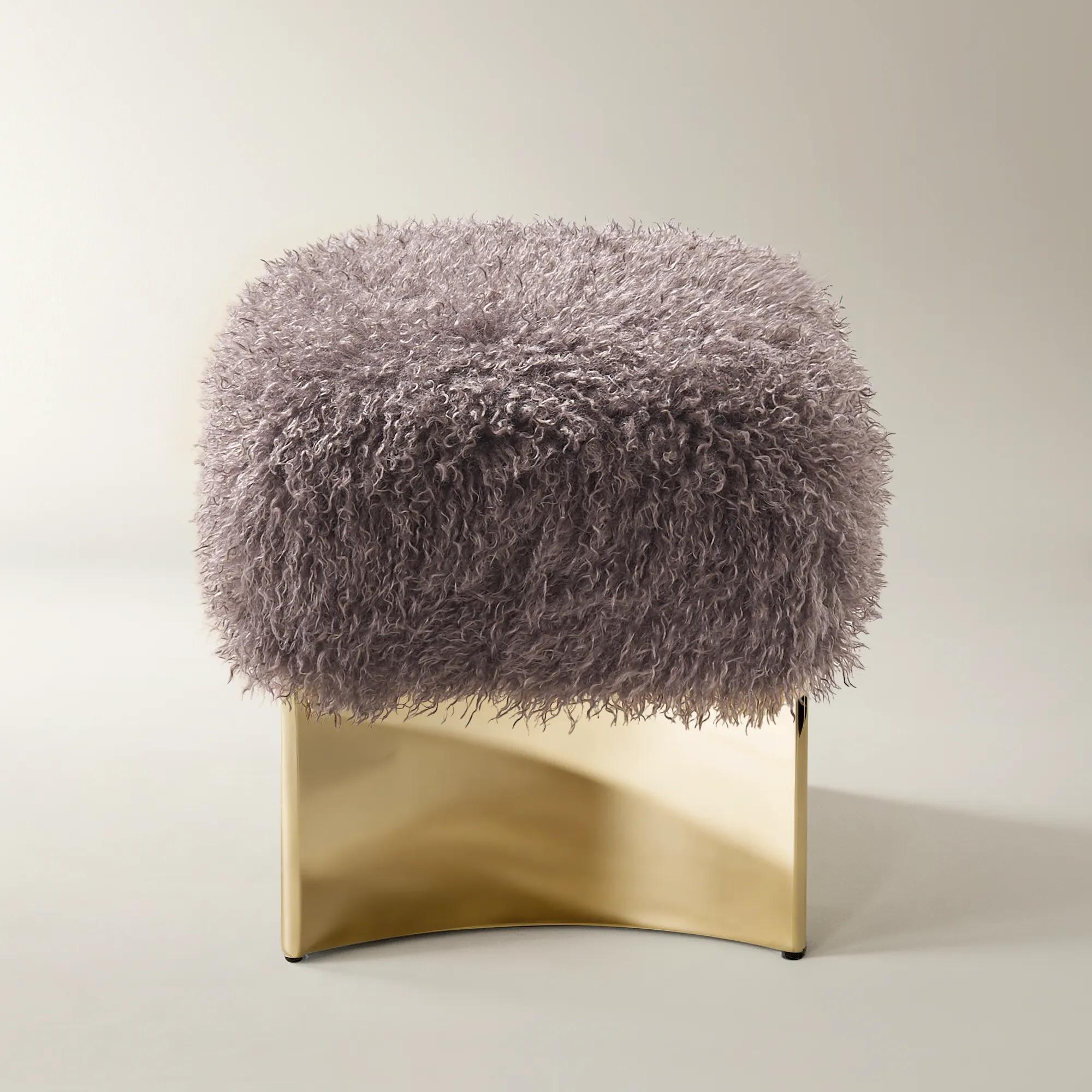
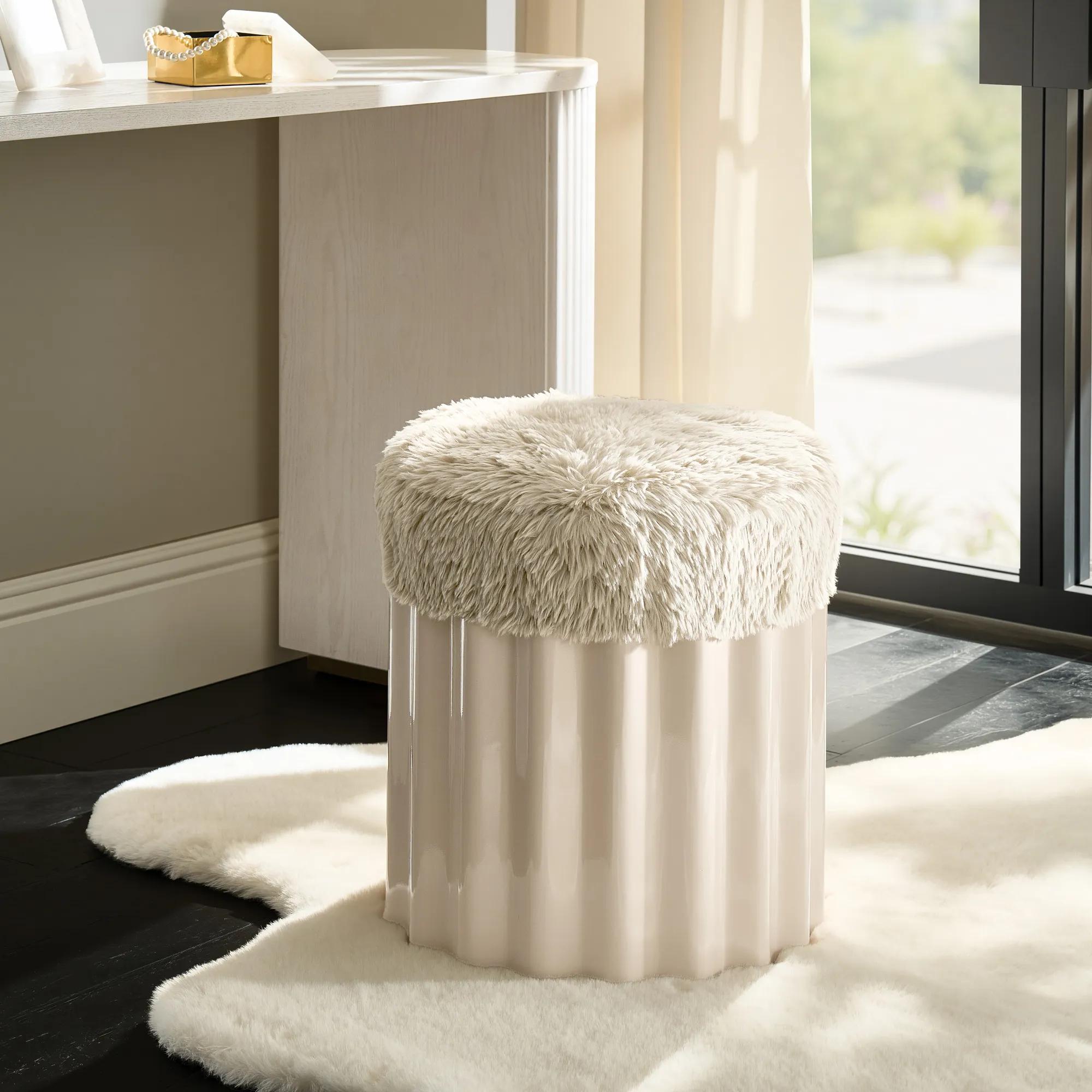 Nia Lacquered Turtle Dove Faux Fur Storage Stool$399
A sculptural fluted stool in warm turtle dove with plush faux fur seat and hidden storage compartment.
Add To Cart -
.jpg?w=1200&h=1200) Micah Tan Mongolian Faux Fur Bench With Rubberwood Legs (62.6")$699
Micah Tan Mongolian Faux Fur Bench With Rubberwood Legs (62.6")$699A light brown faux fur bench with a curved rubberwood base and plush high-density foam cushion.
Add To Cart -
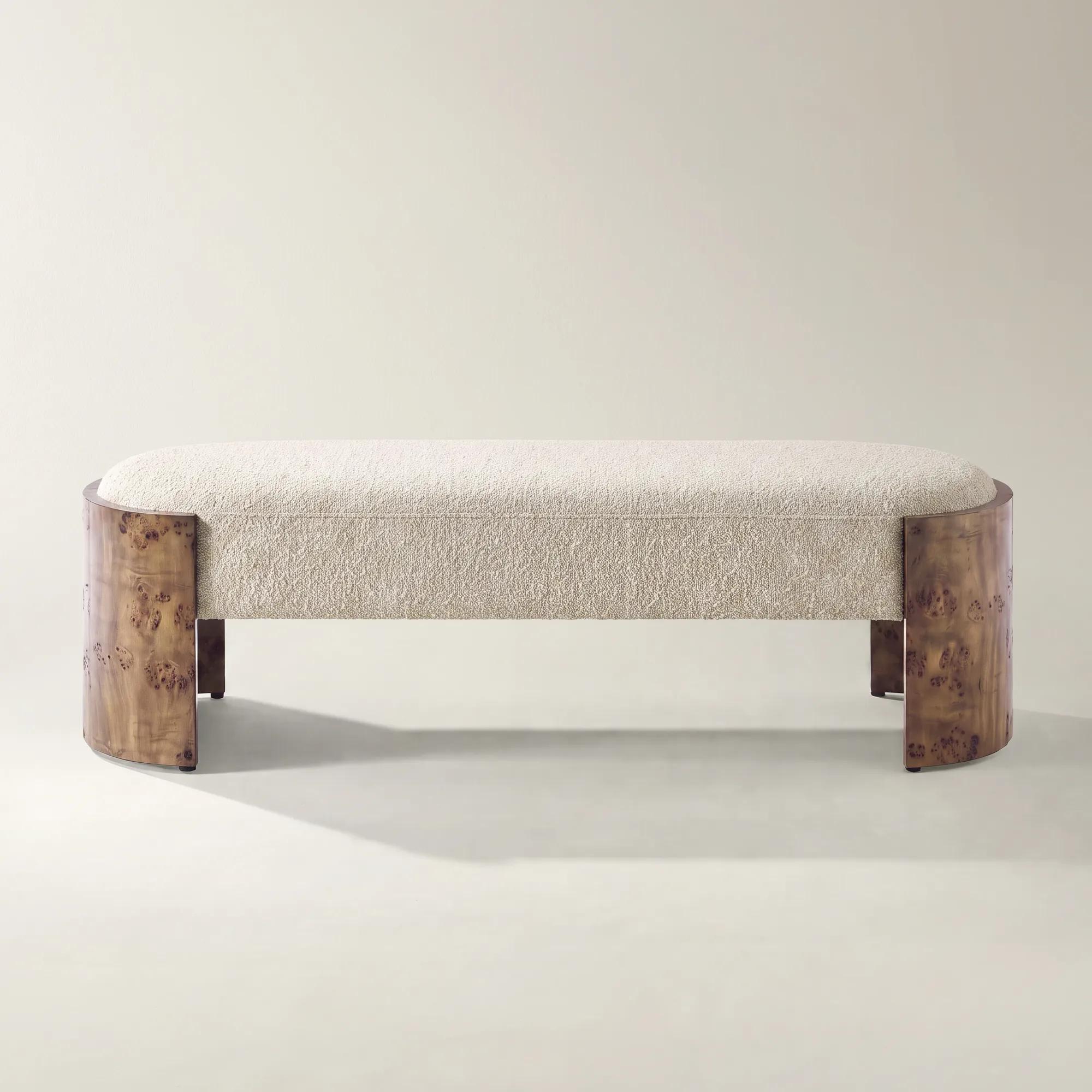 Cora Ivory Performance Boucle With Ash Wood Bench (60.6")$899
An ivory performance boucle bench with curved bookmatched ash burl panels and supportive foam cushioning.
Add To Cart -
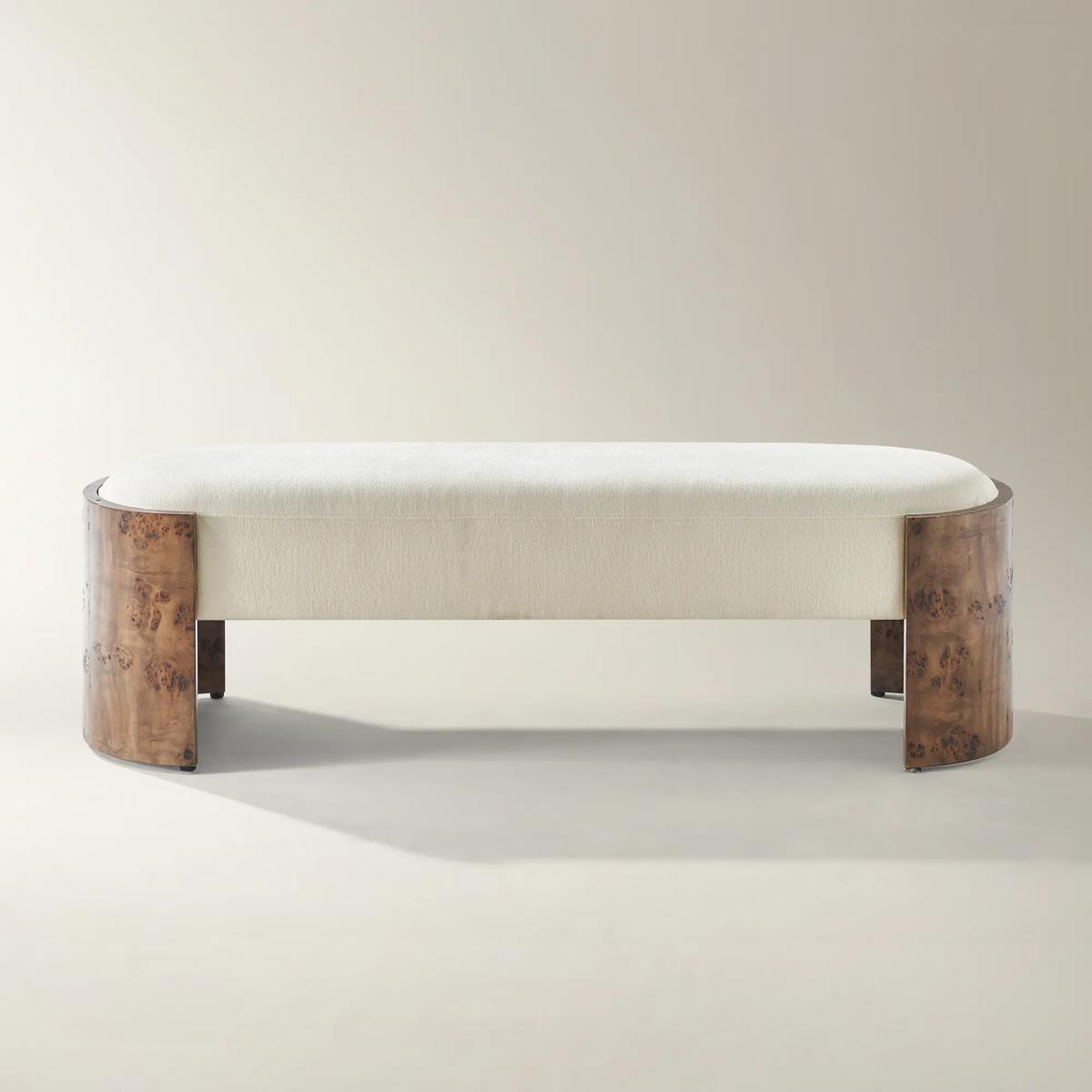 Cora Ivory Chenille With Ash Wood Bench (60.6")$999
An ivory chenille bench with curved ash burl veneer panels, blending plush comfort with striking wood artistry.
Add To Cart -
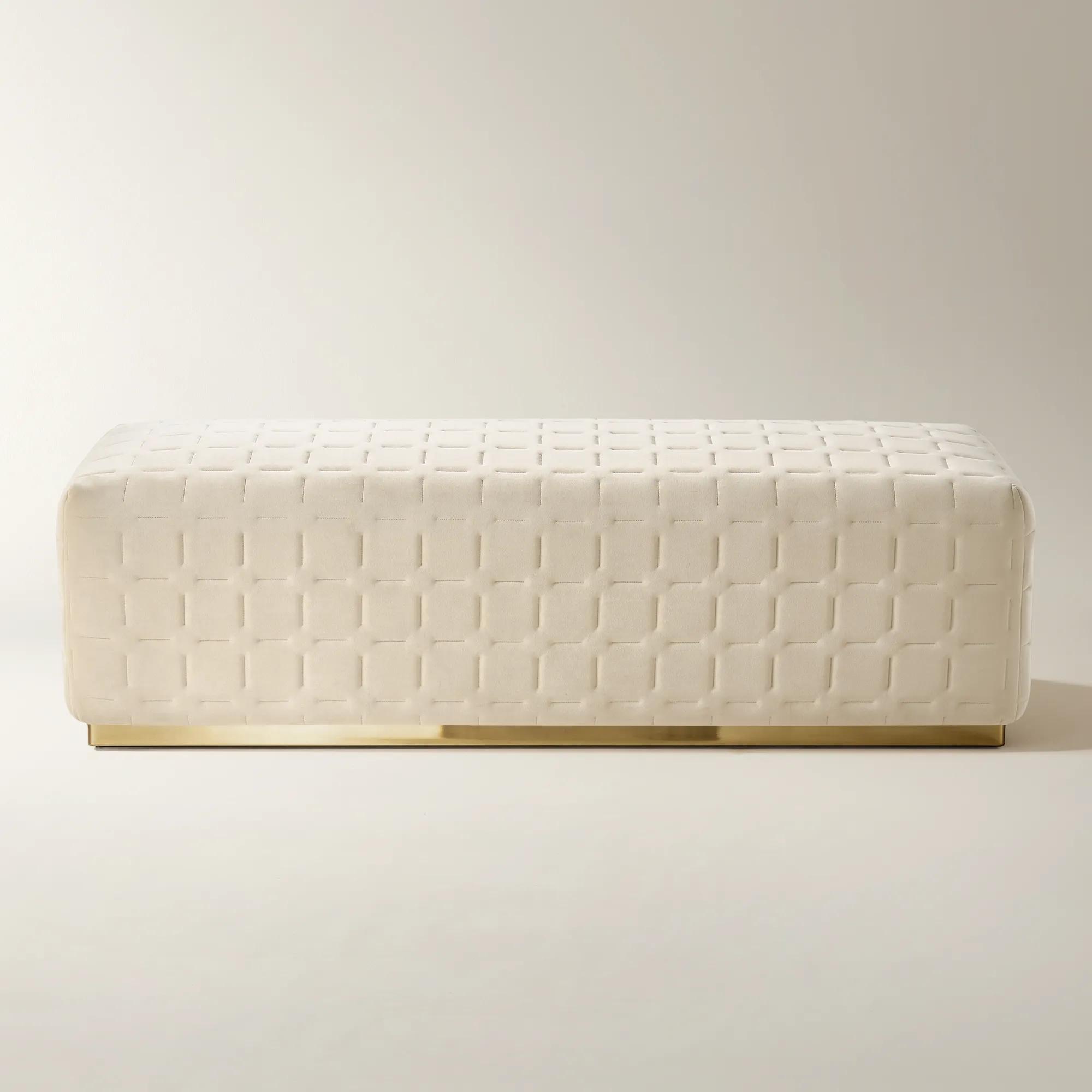
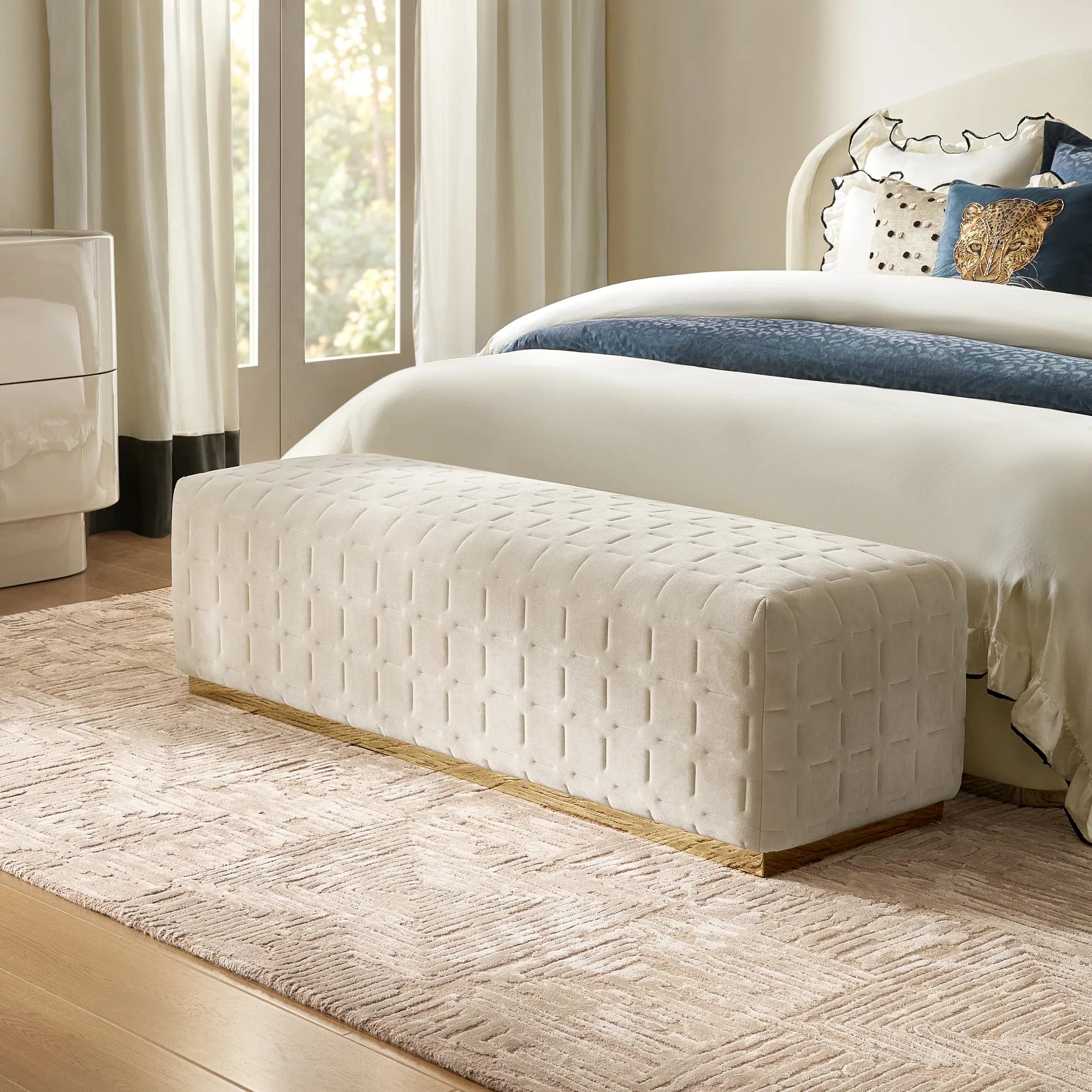 Vanta Quilted Oatmeal Velvet Bench (64.6")$899
A plush oatmeal velvet bench featuring checker quilted tufting and a sleek gold stainless steel base.
Add To Cart -
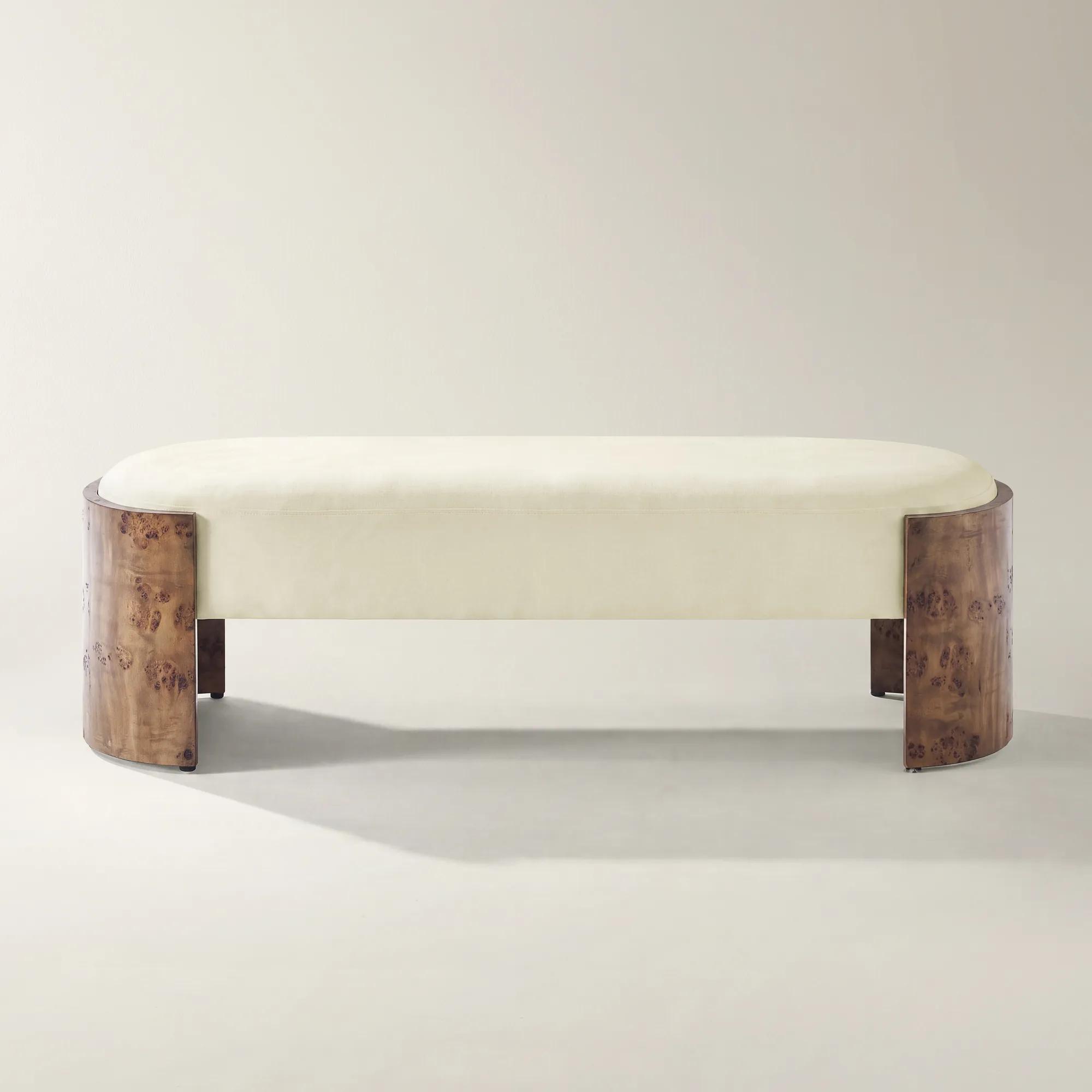 Cora Cloud Velvet With Ash Wood Bench (60.6")$899
A cloud velvet bench with bookmatched ash burl panels and supportive foam cushioning.
Add To Cart -
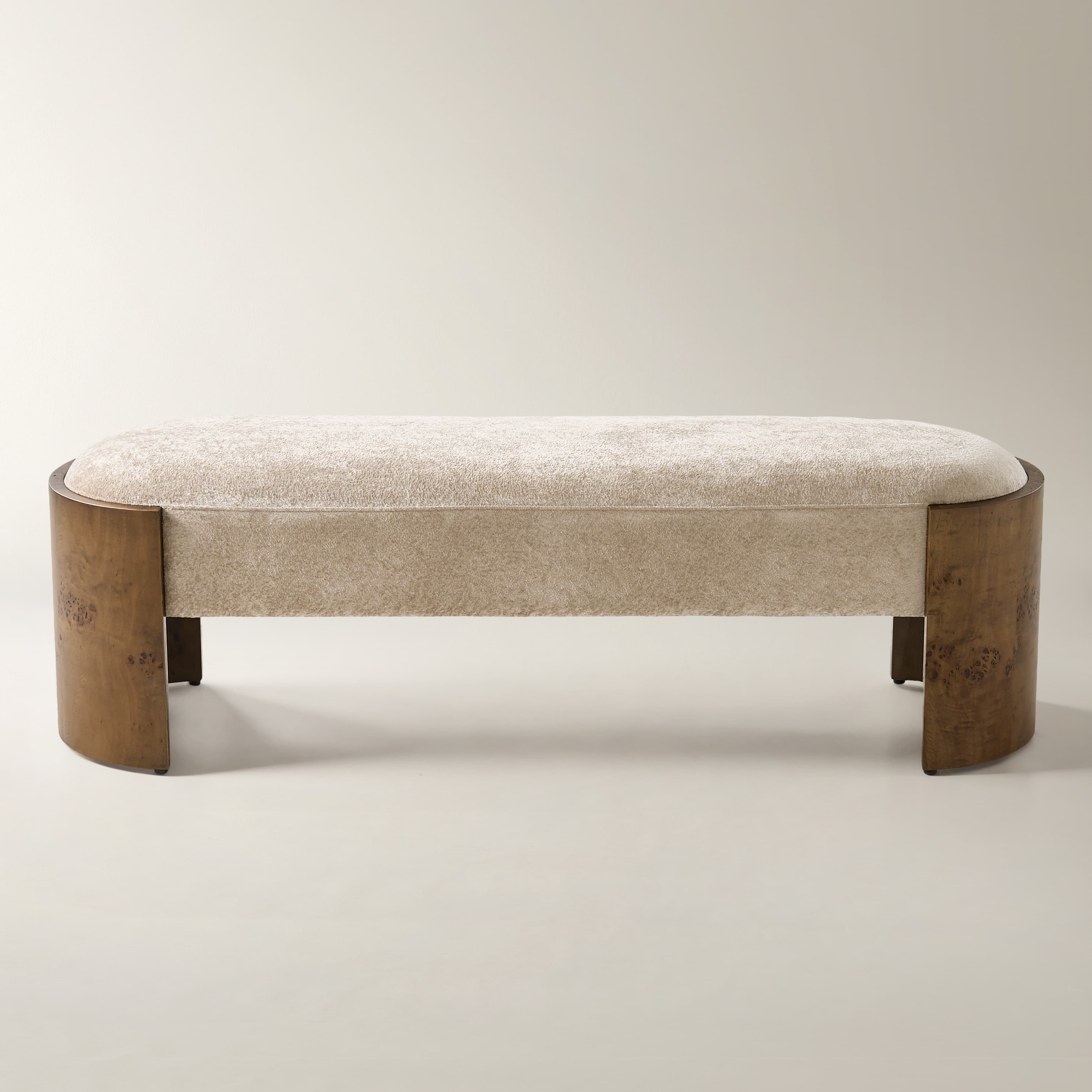 Cora Light Brown Chenille With Ash Wood Bench (60.6")$999
A light brown chenille bench with curved ash burl veneer panels, blending plush comfort and organic artistry.
Add To Cart -
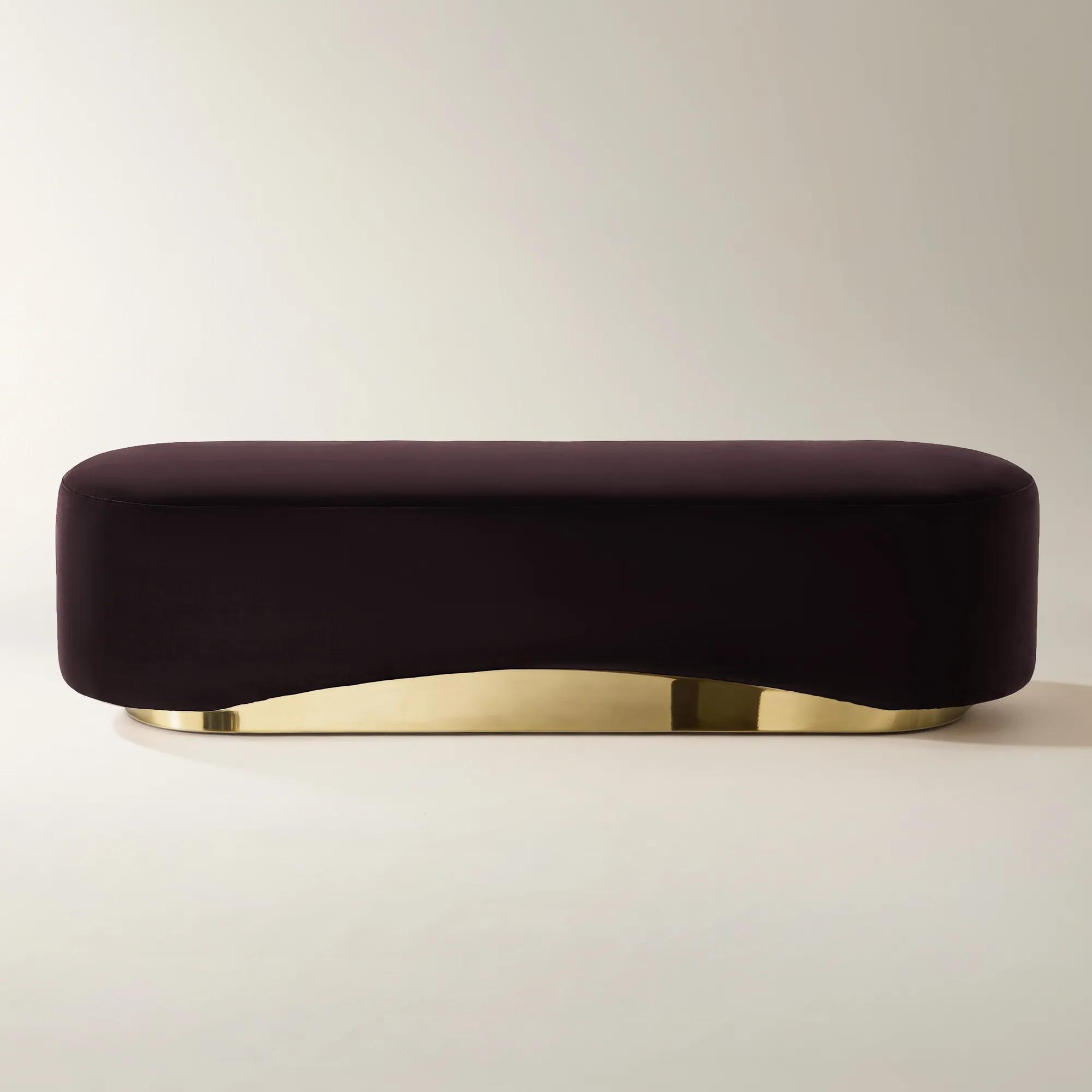 Kendra Fig Velvet Bench (70.47")$799
A plush fig velvet bench with an elongated oval silhouette and a polished gold stainless steel base.
Add To Cart -
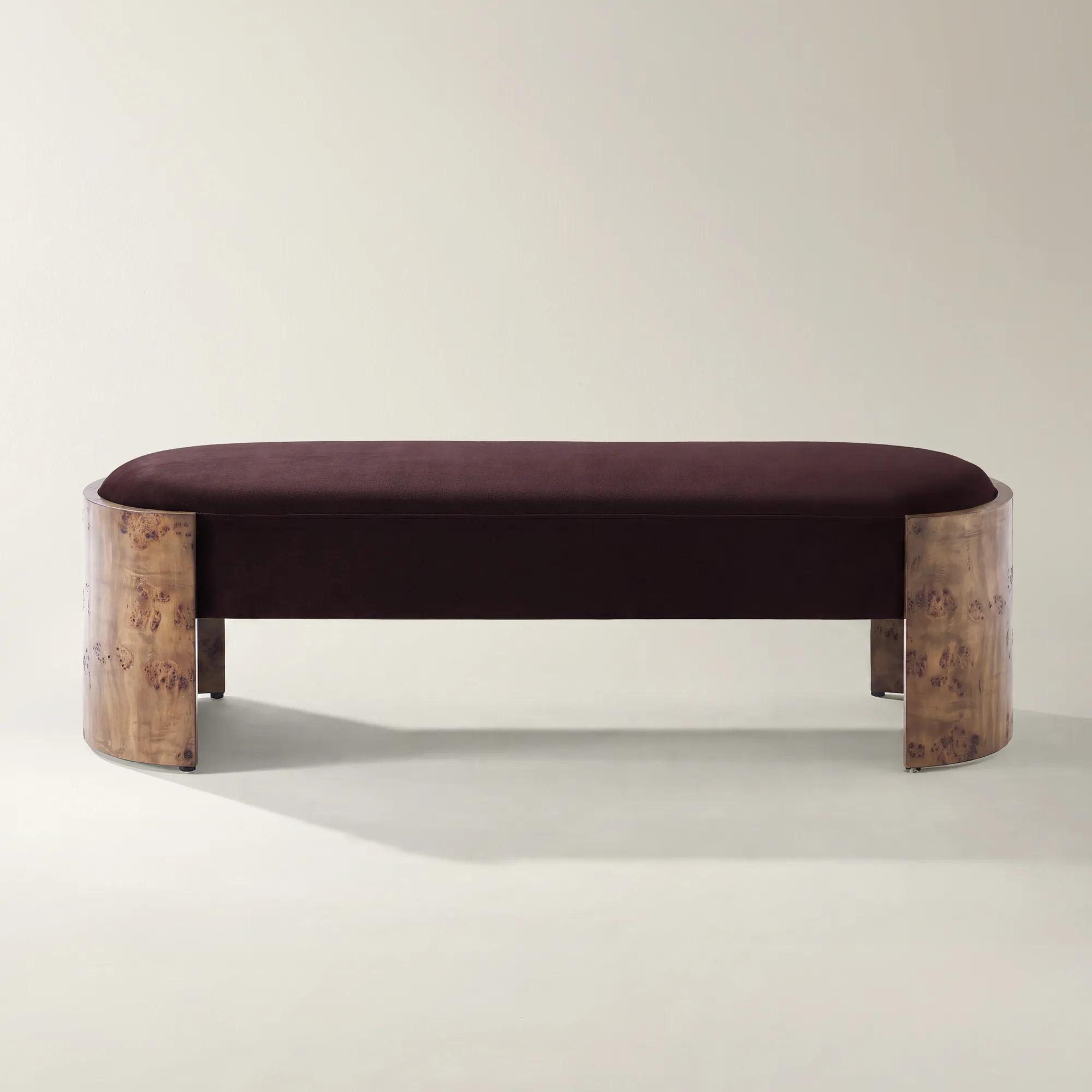 Cora Fig Velvet With Ash Wood Bench (60.6")$899
A sculptural bench with fig velvet upholstery, bookmatched ash burl panels, and supportive high-resiliency foam cushioning.
Add To Cart -
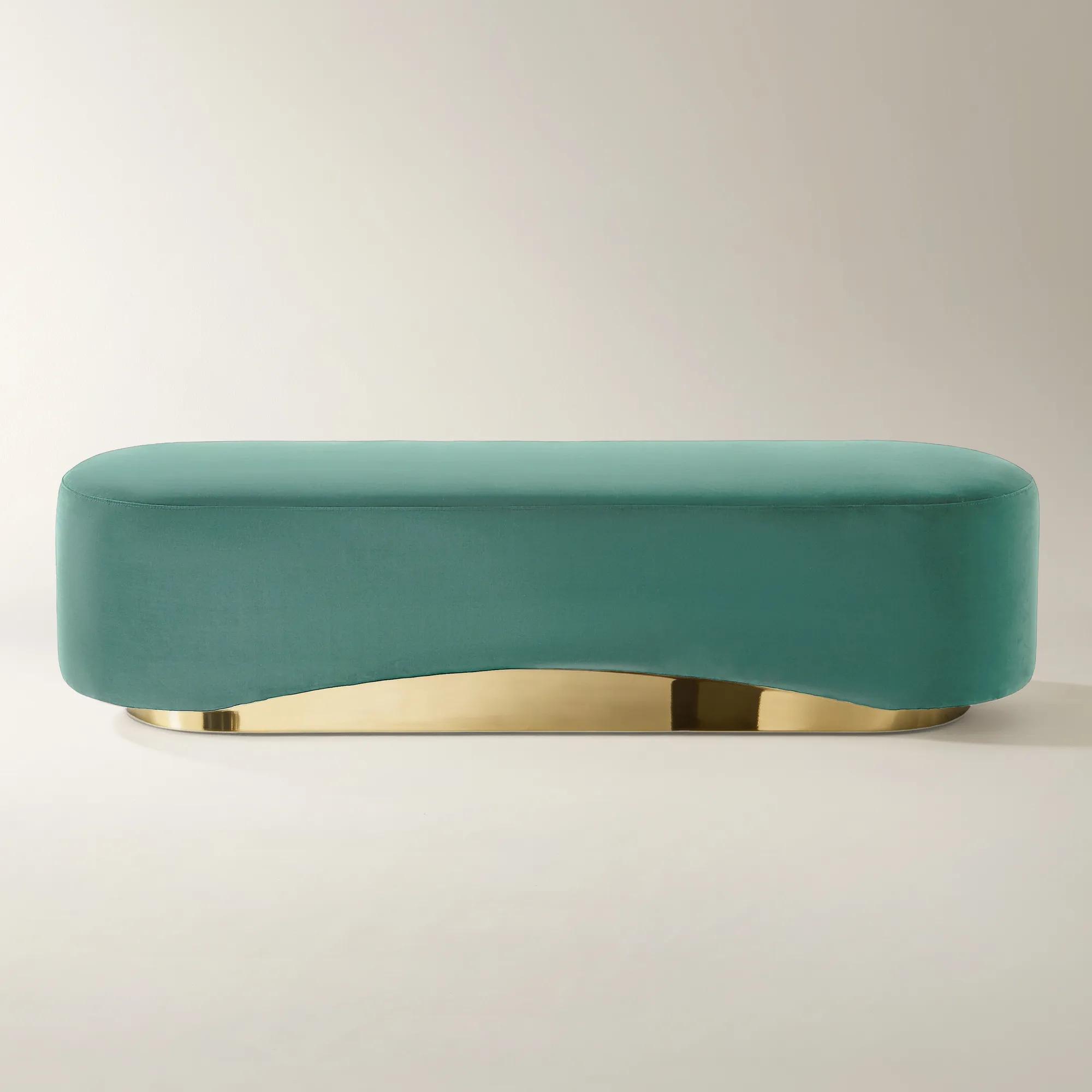 Kendra Ocean Teal Velvet Bench (70.47")$799
An elongated oval bench in ocean teal velvet with a plush seat and polished gold stainless steel base.
Add To Cart -
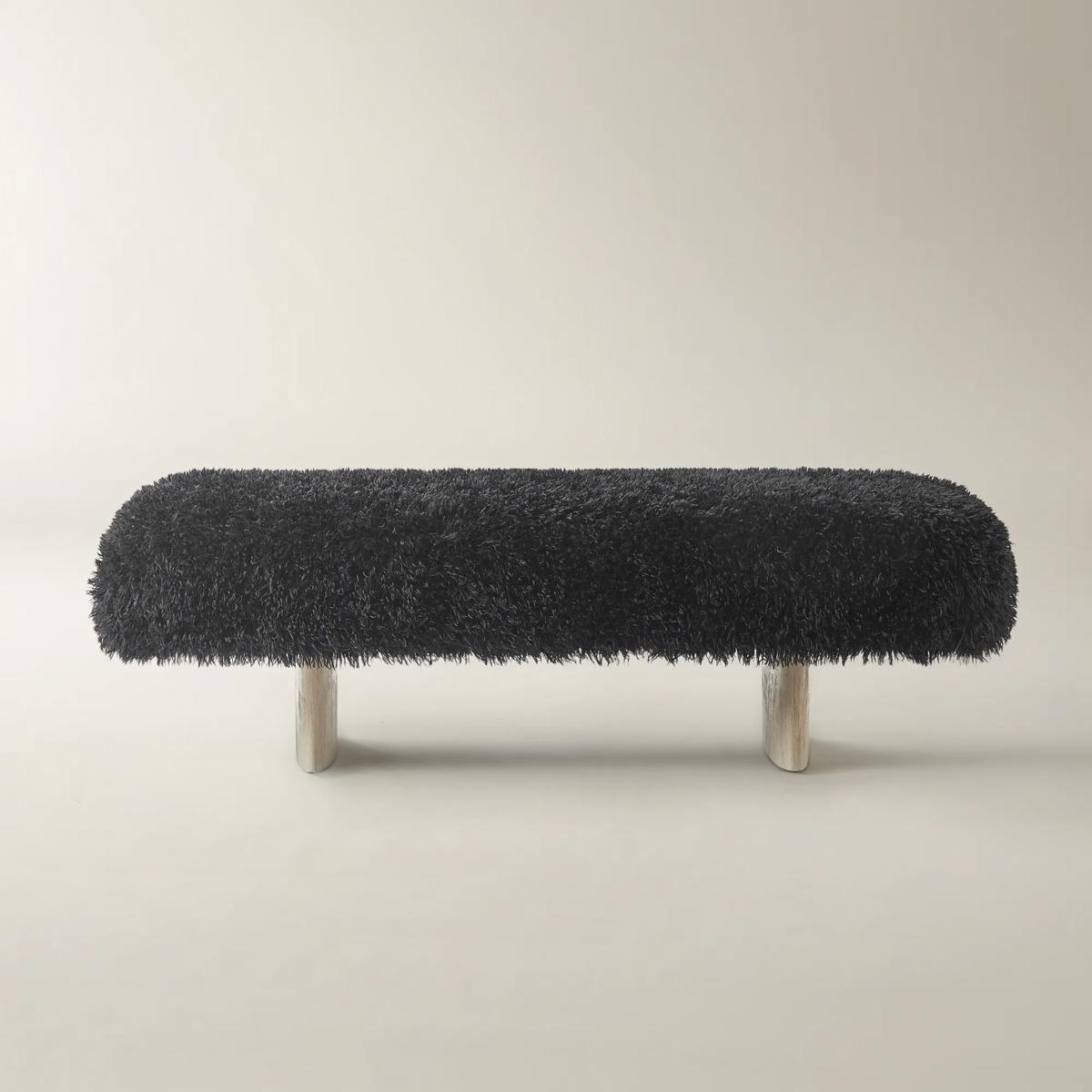 Micah Black Mongolian Fur Bench With Rubberwood Legs (62.6")$699
A striking black faux Mongolian fur bench with solid rubberwood legs for plush comfort and modern edge.
Add To Cart -
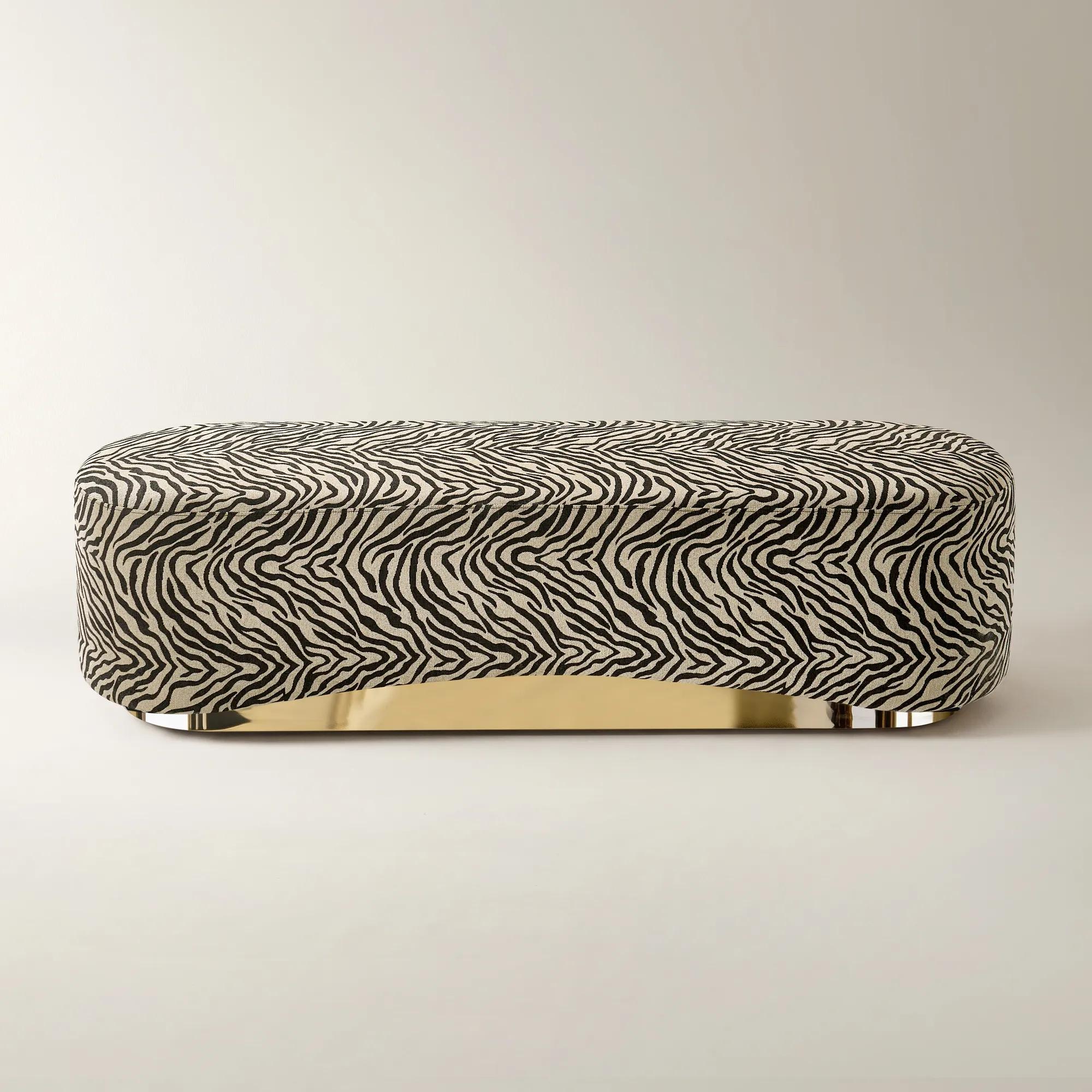
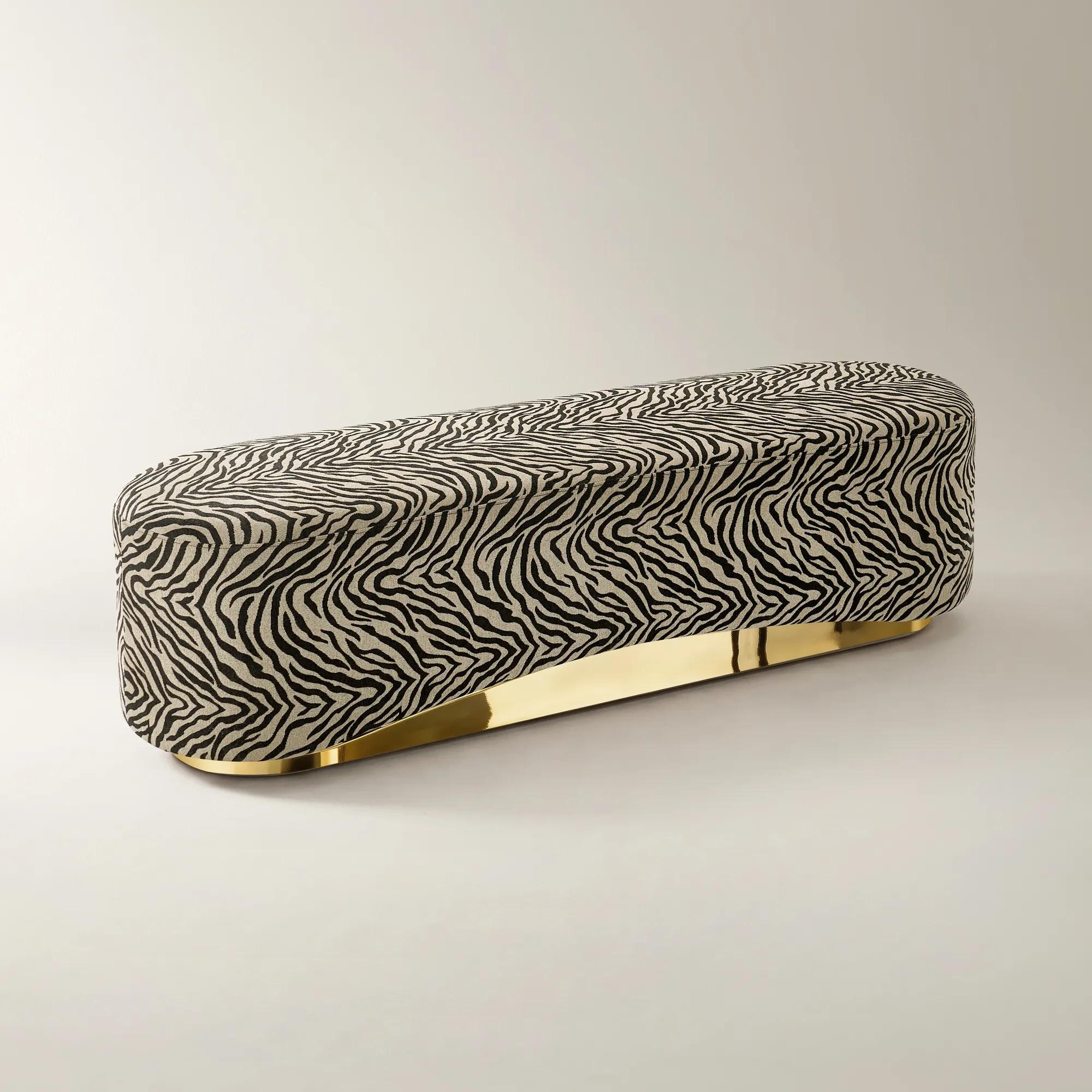 Kendra Zebra Performance Chenille Bench (70.47")$799
An elongated oval bench upholstered in textured zebra-pattern chenille with a polished gold stainless steel base.
Add To Cart -
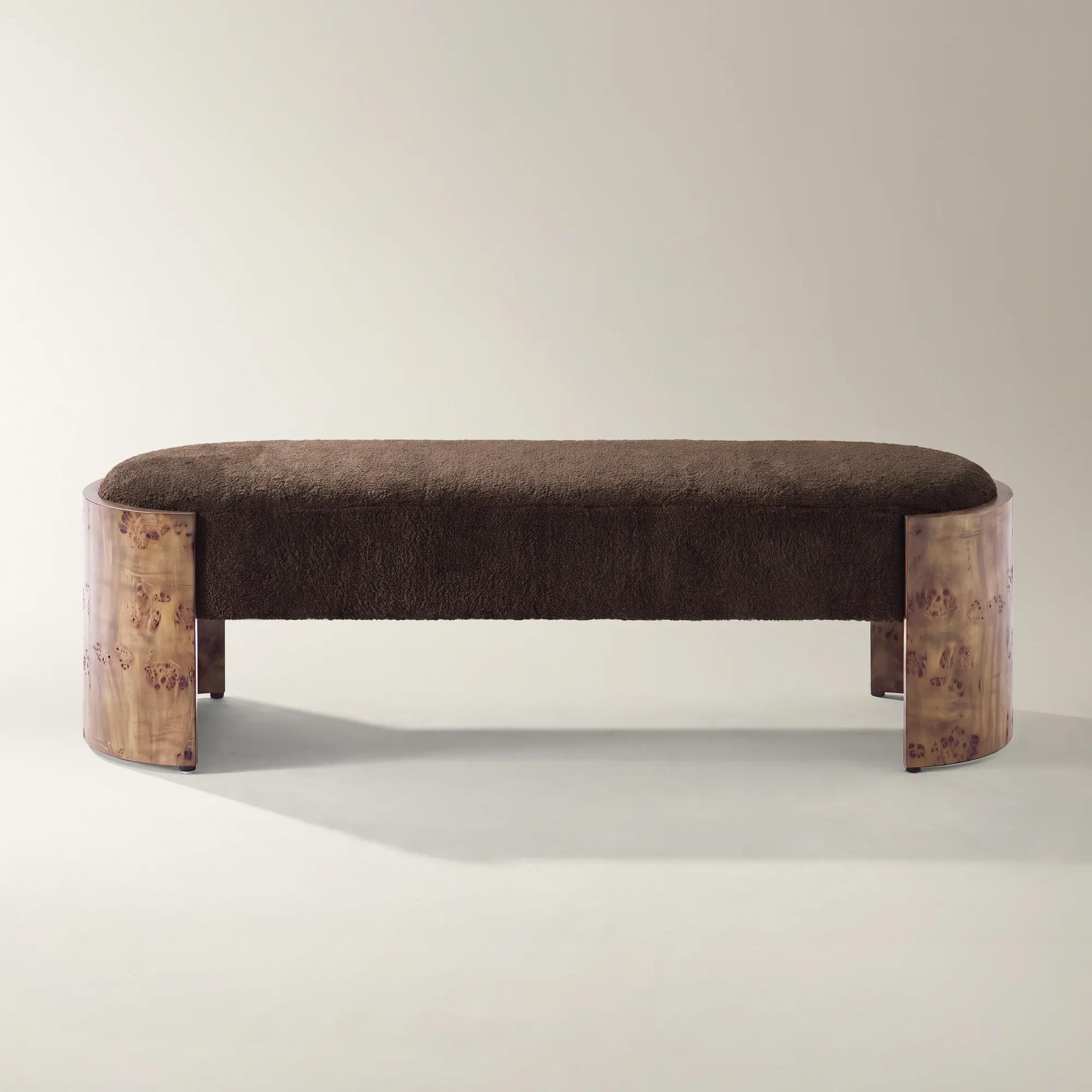 Cora Dark Chocolate Chenille With Ash Wood Bench (60.6")$899
A sculpted dark chocolate chenille bench with curved ash burl end panels and supportive foam cushioning.
Add To Cart -
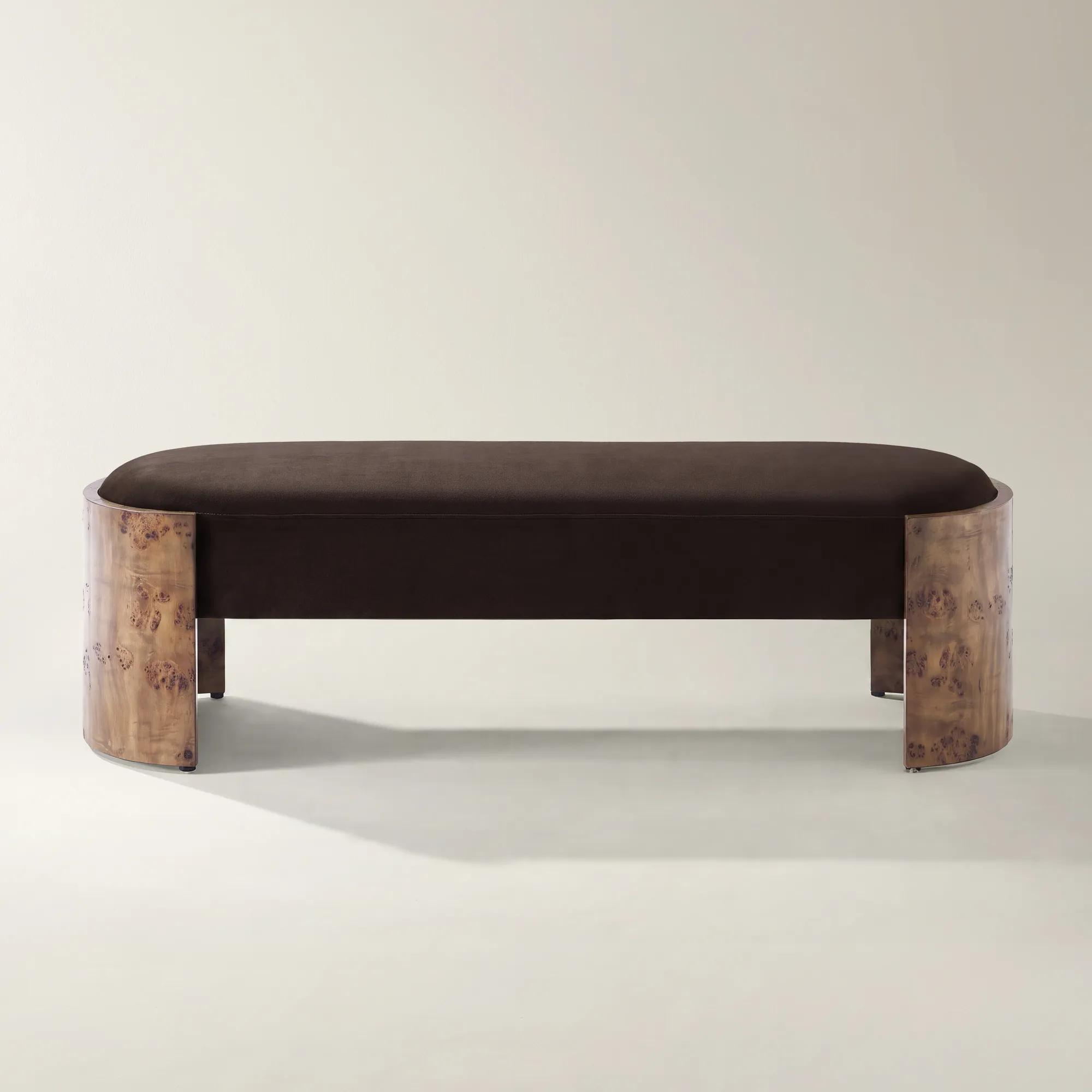 Cora Dark Chocolate Velvet With Ash Wood Bench (60.6")$899
A dark chocolate velvet bench with sculpted bookmatched ash burl end panels and high-resiliency foam cushioning.
Add To Cart

Modern Accent Benches
Modern Accent Benches are the unsung heroes of expressive interiors, transforming empty spaces into curated moments of style and sophistication. Each piece is an invitation to linger—a sculptural flourish at the foot of your bed, a dramatic statement in the entryway, or a glamorous companion beneath a window awash in natural light. With silhouettes that command attention and finishes that radiate luxury, these benches elevate functionality into pure artistry. Discover how Modern Accent Benches can punctuate your home with bold personality and a touch of the unexpected, turning every seat into a scene-stealer.
Modern accent benches bring expressive design and versatile seating to entryways, bedrooms, and living rooms, often delivering a strong visual statement without the height or depth of a sofa. Their defining appeal is the interplay of silhouette, texture, and proportion: a sumptuous upholstered seat floating above slender metal legs, a rounded form wrapped in tactile bouclé, or a tailored leather surface framed by richly grained wood. Backless designs keep sightlines open, while styles with arms or sculptural ends create a more pronounced architectural presence. In an entryway, a bench offers a composed place to sit while fastening shoes, with enough personality to establish the mood of the rooms beyond. At the foot of a bed, it extends the bedroom’s palette and provides a convenient perch for dressing or laying out an outfit. In a living room, a slim bench can sit opposite a sofa or beside a conversation area, adding occasional seating without forming a tall visual barrier. These pieces are especially compelling for interiors that balance bold focal points with thoughtful details. A velvet bench beneath an oversized abstract painting creates a richly layered vignette; a gleaming metal base can echo the finish of a nearby mirror without making the room feel overly coordinated. For another expression of this decorative versatility, Designer Accent Benches offer a related perspective on seating with a distinctive visual presence. The most successful choice feels connected to the room but does not disappear into it. A curved bench can soften an angular bed frame, while a linear silhouette adds definition beside flowing drapery. For someone furnishing a first home, refining a primary suite, or giving a hallway a more intentional finish, an accent bench provides both a useful seat and an opportunity for self-expression. It can also make a considered housewarming gift when the recipient’s room dimensions, preferred materials, and decorating style are known, particularly for a home where a compact piece of furniture can serve more than one purpose.
Materials shape both the atmosphere of a modern bench and the way it performs in everyday use. Velvet introduces depth and a shifting play of light, lending jewel tones a saturated richness and pale neutrals a luminous softness. Its pile may show pressure marks or variations in shading, so a smooth, uniform appearance should not be the only measure of its character. Bouclé offers a more dimensional surface, with curled or looped yarns that give rounded upholstery an almost sculptural quality. In homes with pets, consider that claws may catch on looped textures; a tightly woven upholstery fabric may be more practical, depending on its construction. Polyester describes a fiber rather than a single fabric finish and can appear in velvet, woven upholstery, and textured blends, so durability depends on more than the fiber name alone. Leather creates a tailored impression and may develop a patina with use, although its response to scratches, spills, and sunlight varies by finish. Wood brings warmth and visible grain, while metal bases introduce crisp outlines in polished, brushed, or darker finishes. Neither material guarantees strength by appearance alone: secure joinery, stable legs, appropriate support, and the stated weight capacity deserve attention, especially when the bench will seat more than one person. Cushion density also changes the experience. A firmer seat can feel supportive when putting on shoes, whereas deeper padding may be more inviting for a brief pause in a bedroom or dressing area. Storage benches add a concealed compartment for throws, spare cushions, or other lightweight household essentials, but the interior dimensions matter as much as the exterior silhouette. Lift-top designs need room for the lid to open freely, and hinge construction deserves particular consideration in households with children. A bench intended for occasional indoor seating should not be treated as a step stool, exercise platform, or outdoor furnishing unless it is specifically designed for that use. Thoughtful construction allows the drama of the design to coexist with the demands of a lived-in home.
Fit gives an accent bench its sense of belonging. Measure the full width, depth, and height, including any projecting arms or decorative base, then consider the space people need to move around it. At the foot of a bed, a bench generally looks balanced when it is narrower than the mattress and sits at or slightly below the top of the dressed bed, though unusually high or low bed frames may call for a different proportion. Leave comfortable passage between the bench and surrounding furniture, allowing extra room where drawers or closet doors open. In a narrow foyer, a shallow profile can preserve the walkway; mark its footprint on the floor before choosing to see whether the front door still swings freely and arriving guests can pass without turning sideways. For living room seating, a height reasonably close to nearby chairs helps the arrangement feel cohesive, while a backless form preserves views of a fireplace, artwork, or windows. Benches used at a dining table require closer attention to seat height, table clearance, and support, since a decorative accent bench is not automatically suited to extended dining. Styling can remain deliberate rather than crowded: a single cushion at one end or a folded throw allows the upholstery and frame to retain their impact. During the cooler months, a richly textured throw adds warmth without requiring a new color story. Care should follow the manufacturer’s instructions and any upholstery cleaning code. Gentle vacuuming with an appropriate attachment helps remove dust from seams and textured surfaces; spills are generally best blotted promptly rather than rubbed, with any cleaner tested in an inconspicuous area when permitted. Leather, wood, and metal need finish-appropriate care rather than an all-purpose treatment. Protect delicate surfaces from prolonged direct sunlight and excess moisture, inspect hardware periodically, and use floor protectors suited to the flooring. These small habits help preserve the bench’s finish and stability, leaving its expressive shape, inviting texture, and considered placement to carry the room’s story.
FAQs
Modern accent benches are often crafted from a blend of luxurious and innovative materials such as velvet, linen, or boucle upholstery, paired with polished metals, gleaming acrylics, or richly grained woods. These combinations create striking silhouettes and tactile experiences, offering both visual intrigue and lasting comfort.
An accent bench acts as both a functional seat and a statement piece, instantly elevating the ambiance of any space. Whether anchoring a grand entryway, adding drama to a bedroom, or creating a chic moment in a hallway, the right bench introduces a layer of artistry and sophistication that completes the room's narrative.
Absolutely—an accent bench makes a thoughtful and memorable gift, especially for those who love to entertain or appreciate expressive home design. It's a unique gesture that adds both style and utility, perfect for hosts, new homeowners, or anyone who delights in curating beautiful spaces.
Style your accent bench with a plush faux fur throw, a curated stack of art books, or a decorative tray for cocktails and canapés. Place it beneath a statement mirror or at the foot of a bed to create a layered, editorial look that’s both inviting and visually captivating.
Consider the color palette, textures, and overall mood of your space. Select a bench that echoes or boldly contrasts with your décor—whether through a sumptuous fabric, a sculptural frame, or an unexpected material pairing. The key is to choose a piece that feels intentional and adds a touch of drama or refinement to your room.
.jpg?w=3000&h=3000)