Mdf Frame Wall Mirrors
Mdf Frame Wall Mirrors
-
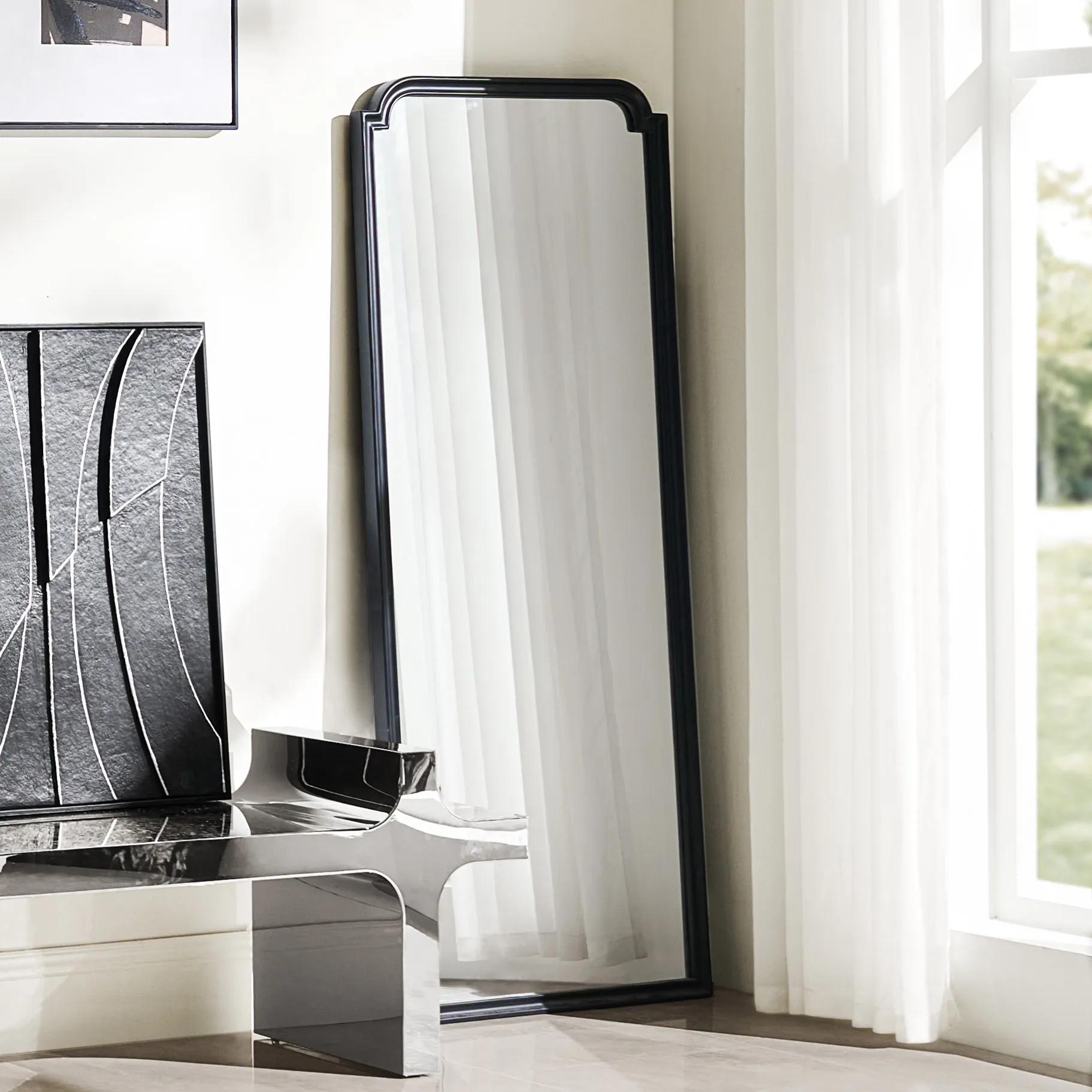
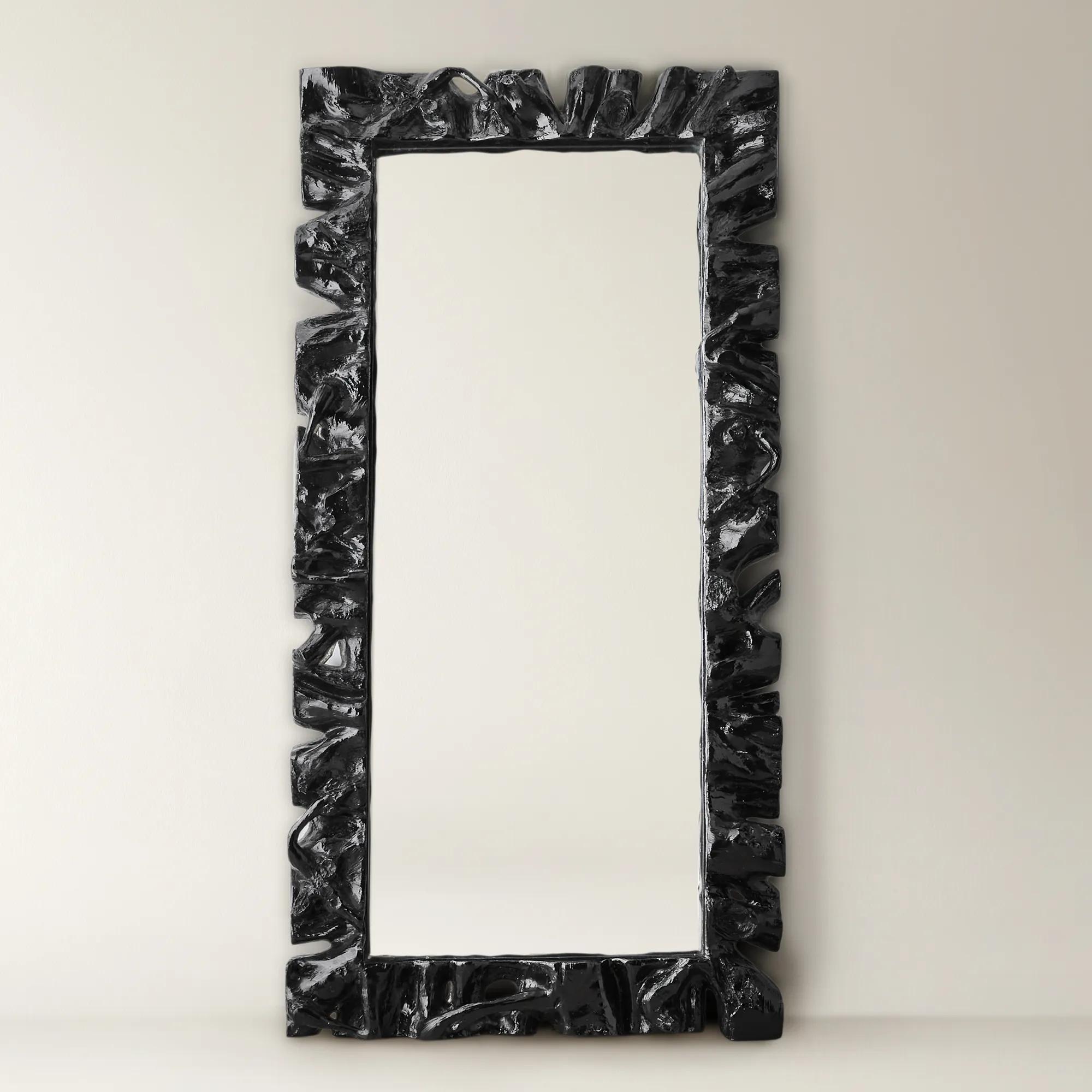
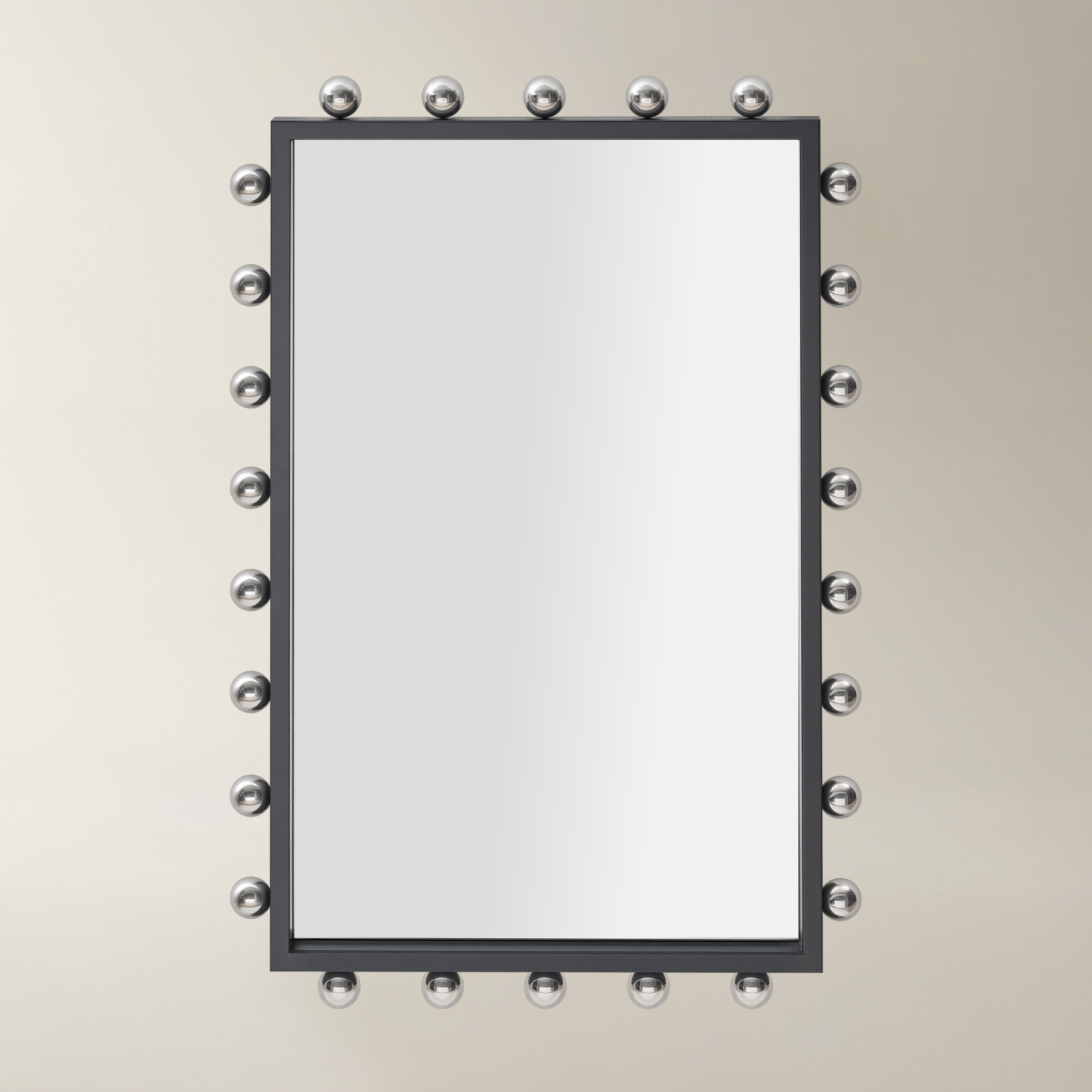
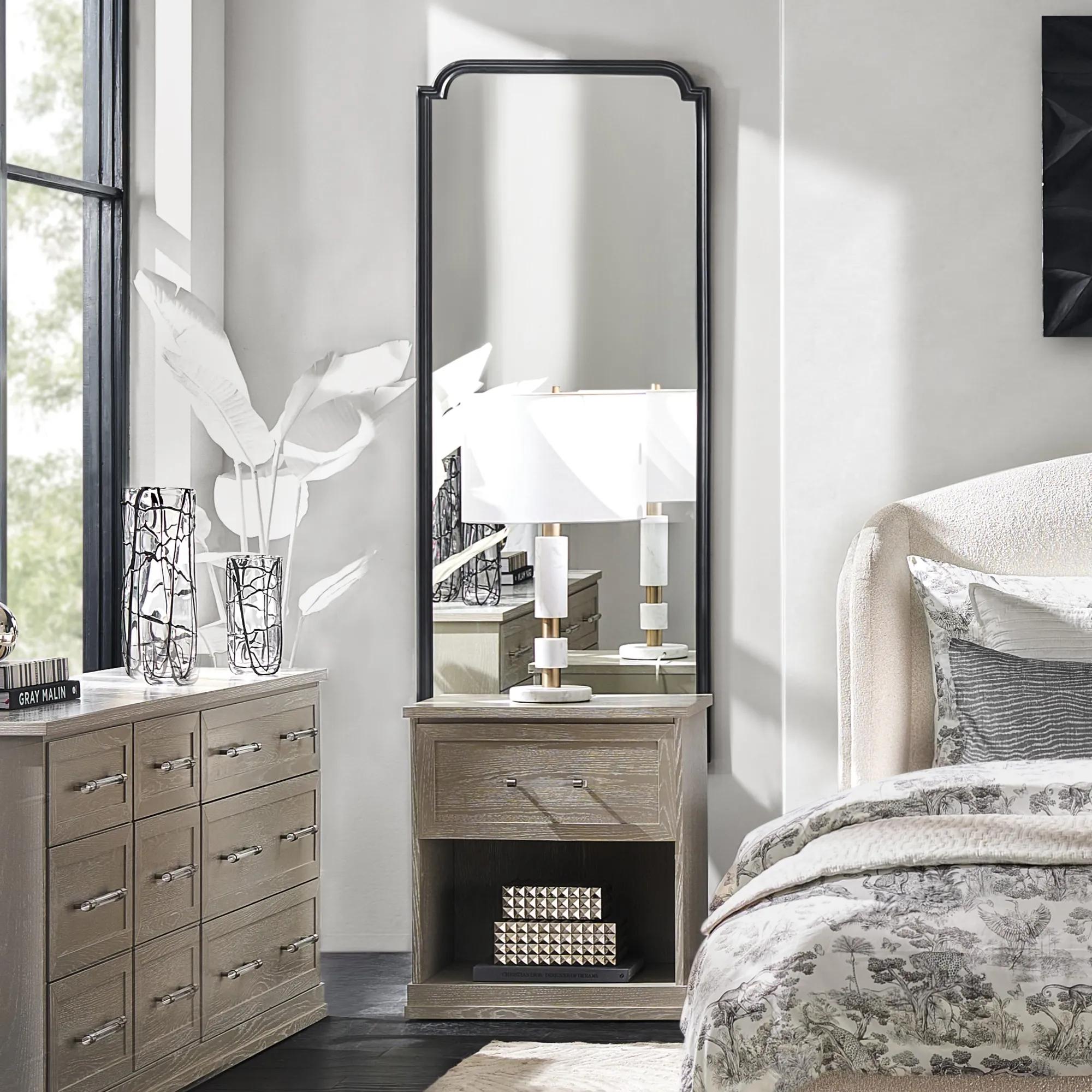 Clyde Floor Mirror$799
A sleek black-framed floor mirror crafted from glass and MDF for a sophisticated, modern touch.
Add To Cart -
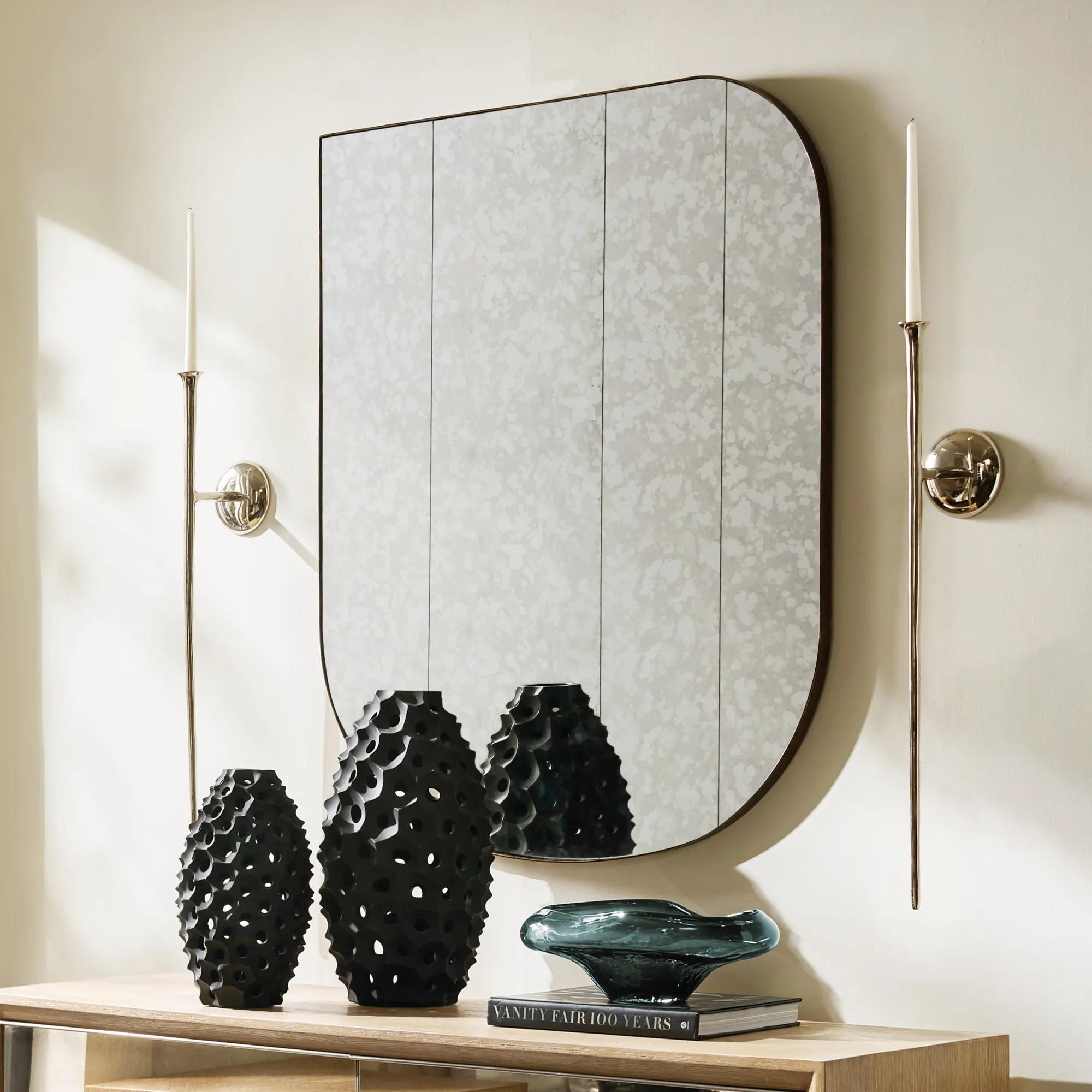
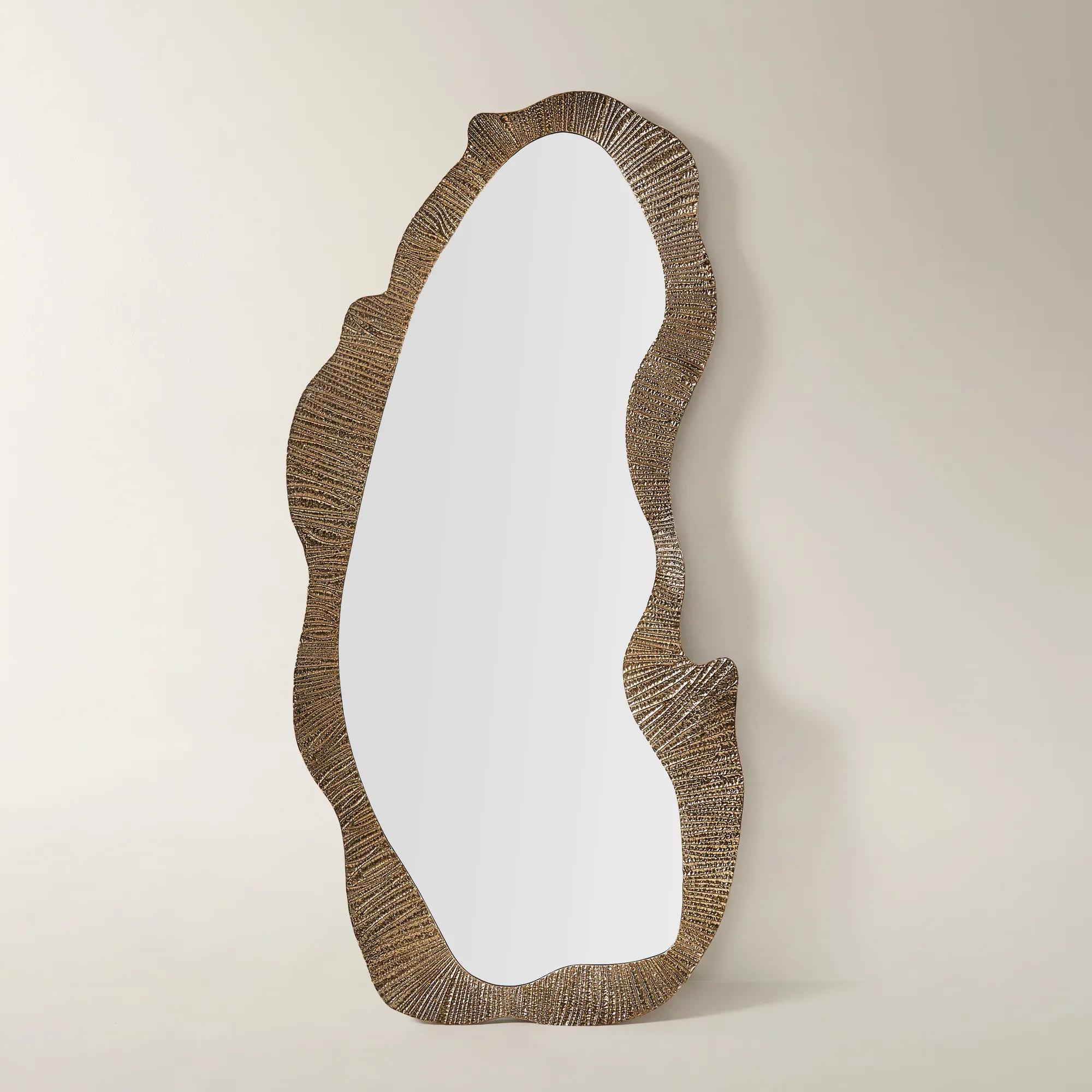
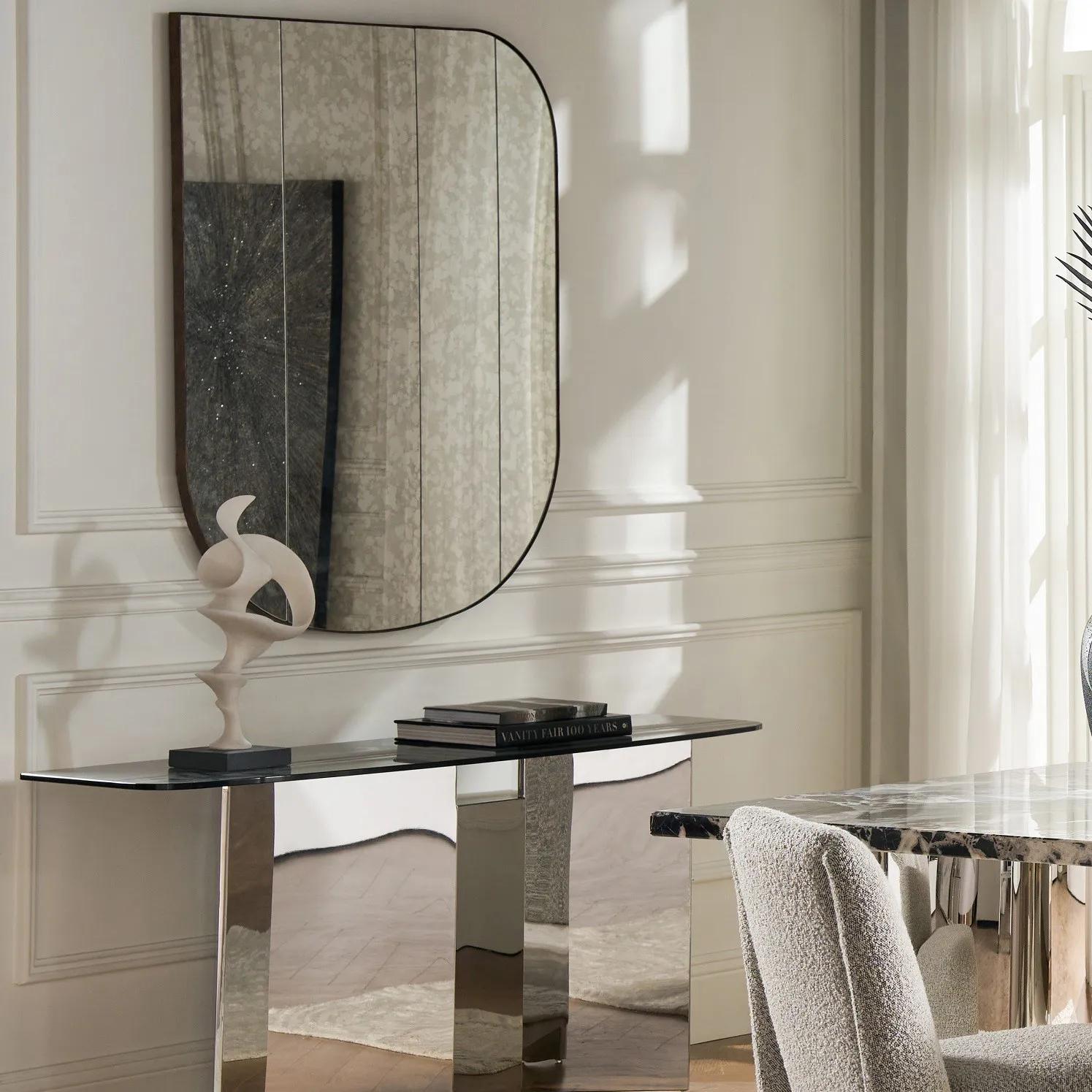 Angolo Wall Mirror$799
An antique-inspired wall mirror featuring a softly irregular shape and shimmering patina on iron and MDF.
Add To Cart -
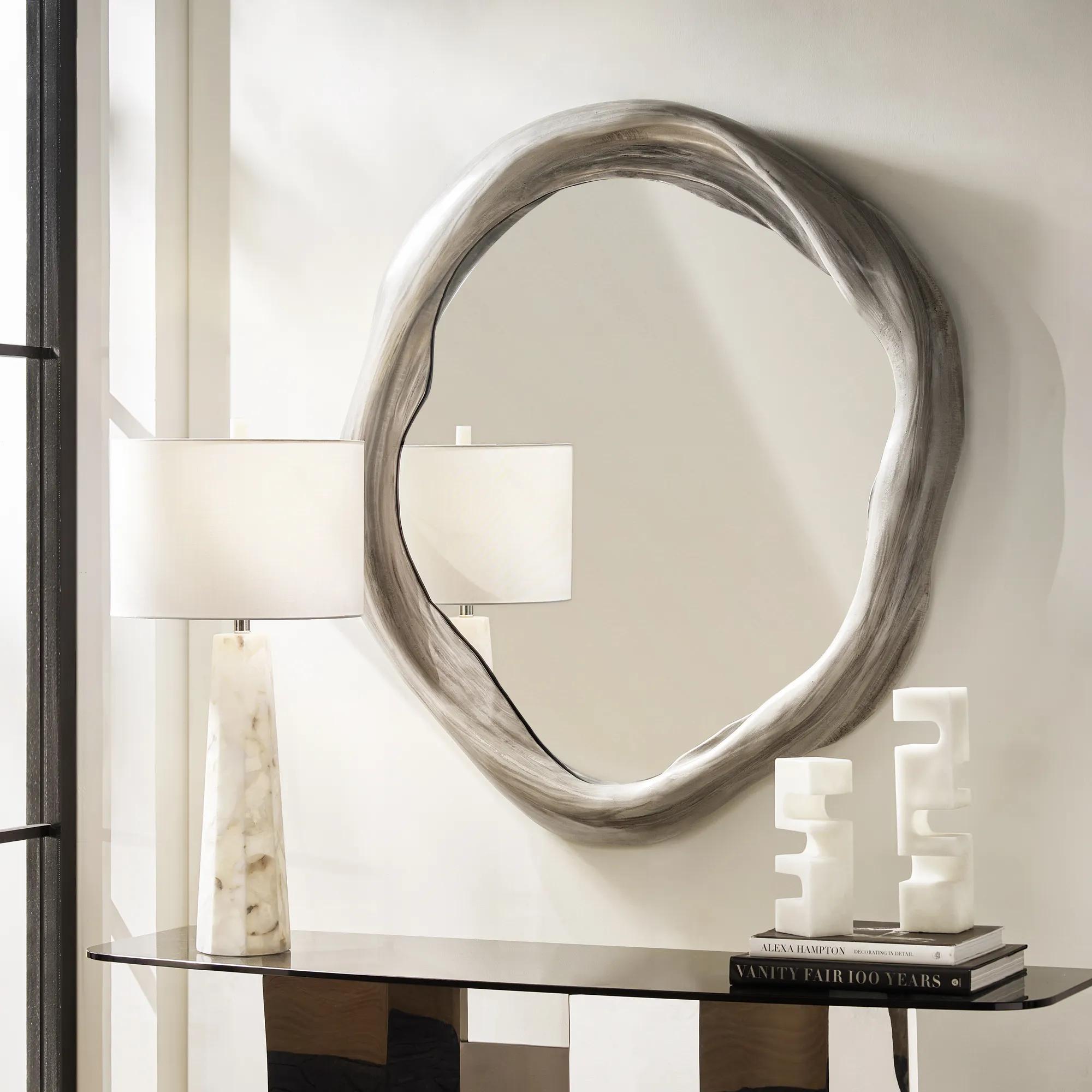
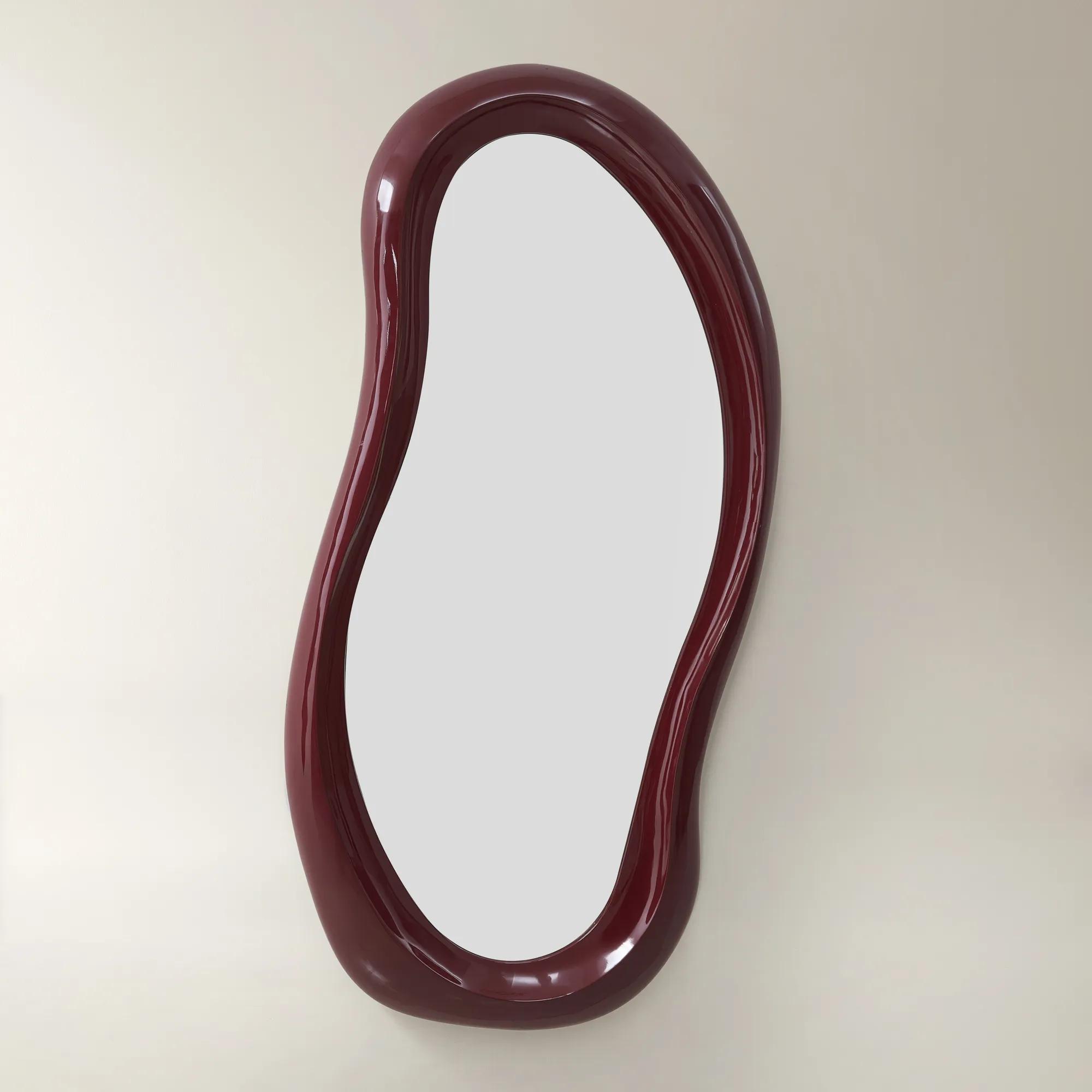
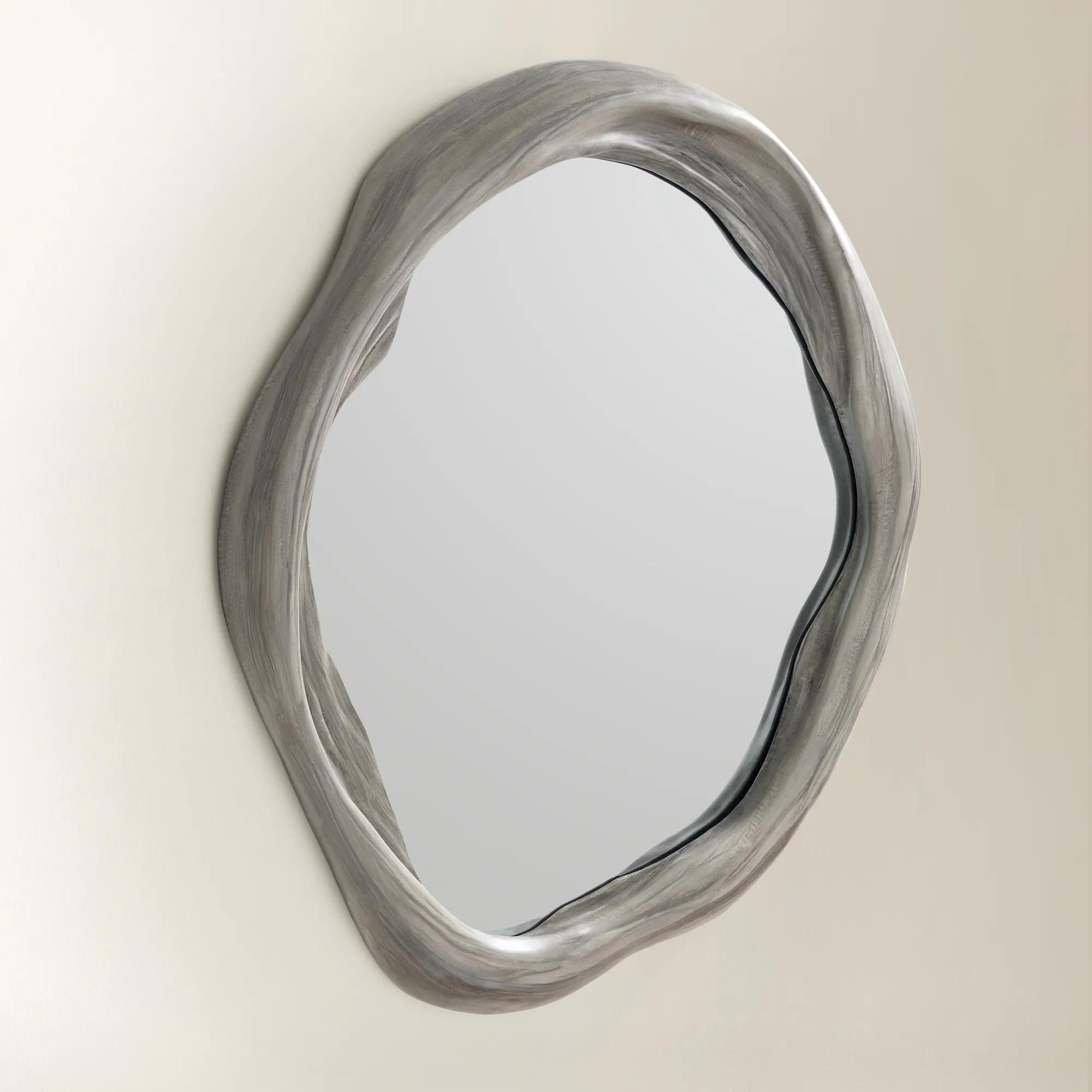 Dunes Wall Mirror$899
An organically shaped wall mirror with an artfully irregular gray frame, perfect for modern or minimalist spaces.
Add To Cart -
.jpeg?w=1200&h=1200) Celine White And Gold Resin Round Wall Mirror 46.5" x 38.5"$699
Celine White And Gold Resin Round Wall Mirror 46.5" x 38.5"$699A curvaceous wall mirror featuring a white and gold frame for a touch of modern glamour.
Add To Cart -
.jpeg?w=1200&h=1200) Oceano White Resin Round Wall Mirror 42.7" x 40.2"$699
Oceano White Resin Round Wall Mirror 42.7" x 40.2"$699A white wall mirror featuring an organic shape and sandy texture for a serene, coastal-inspired accent.
Add To Cart -
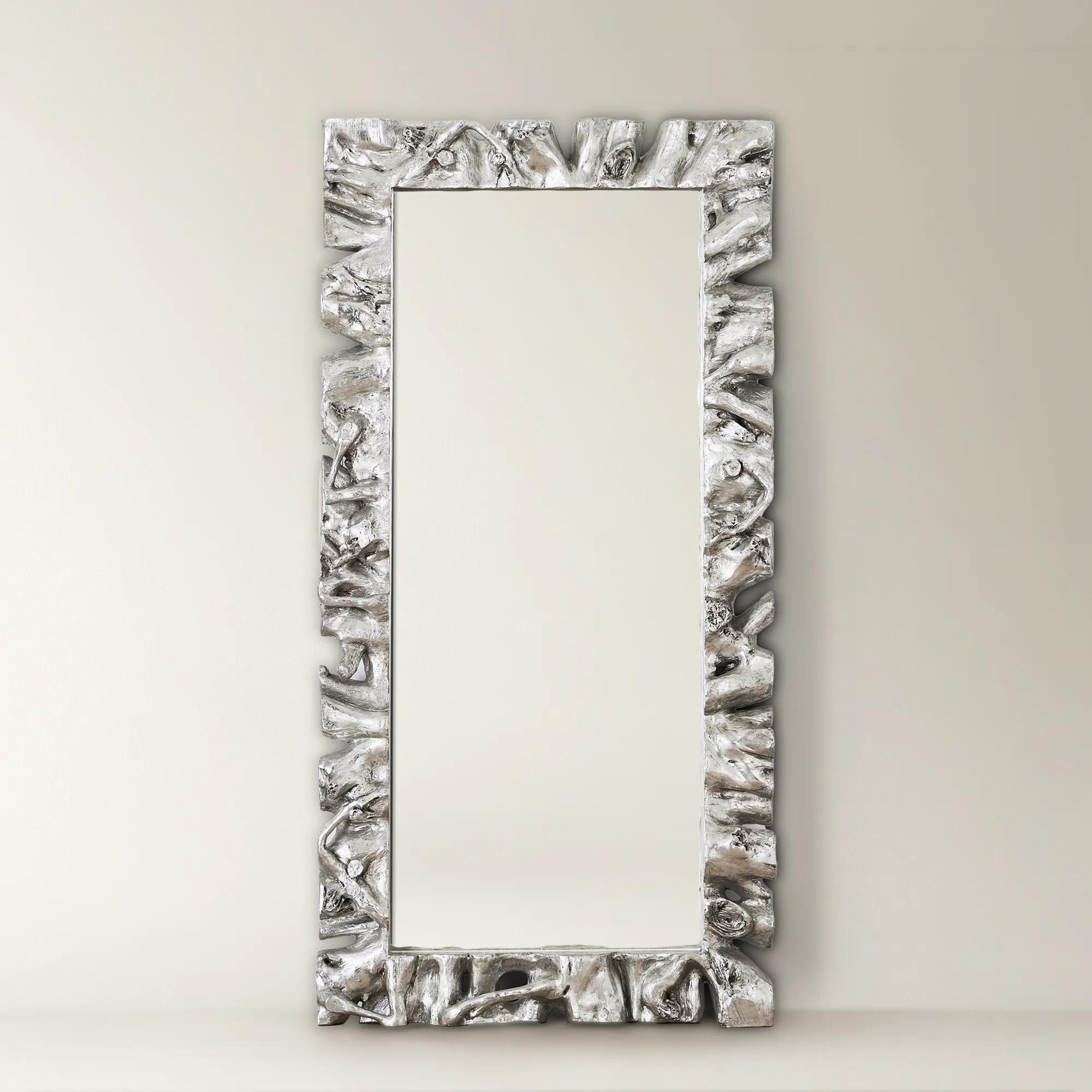
.jpeg?w=1200&h=1200) Forrest Floor Mirror$1499
Forrest Floor Mirror$1499A sculptural floor mirror featuring a hand-finished dark green MDF frame for a bold, organic accent.
Add To Cart -
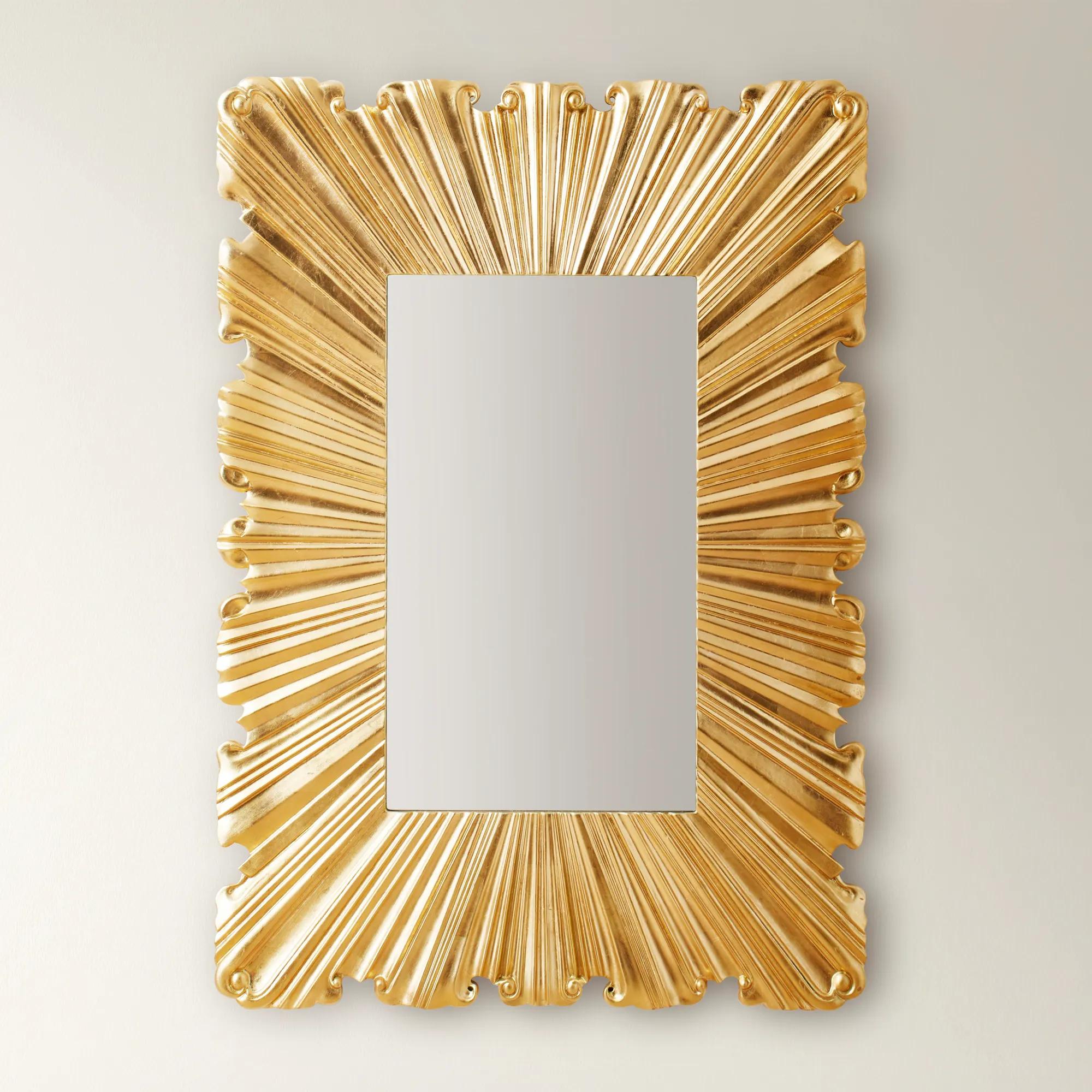 Metropolitan Gold Leaf Resin Rectangular Wall Mirror 27.5" x 39.5"$459
A sculptural wall mirror featuring a gold-finished polyurethane frame for a modern, elegant accent.
Add To Cart -
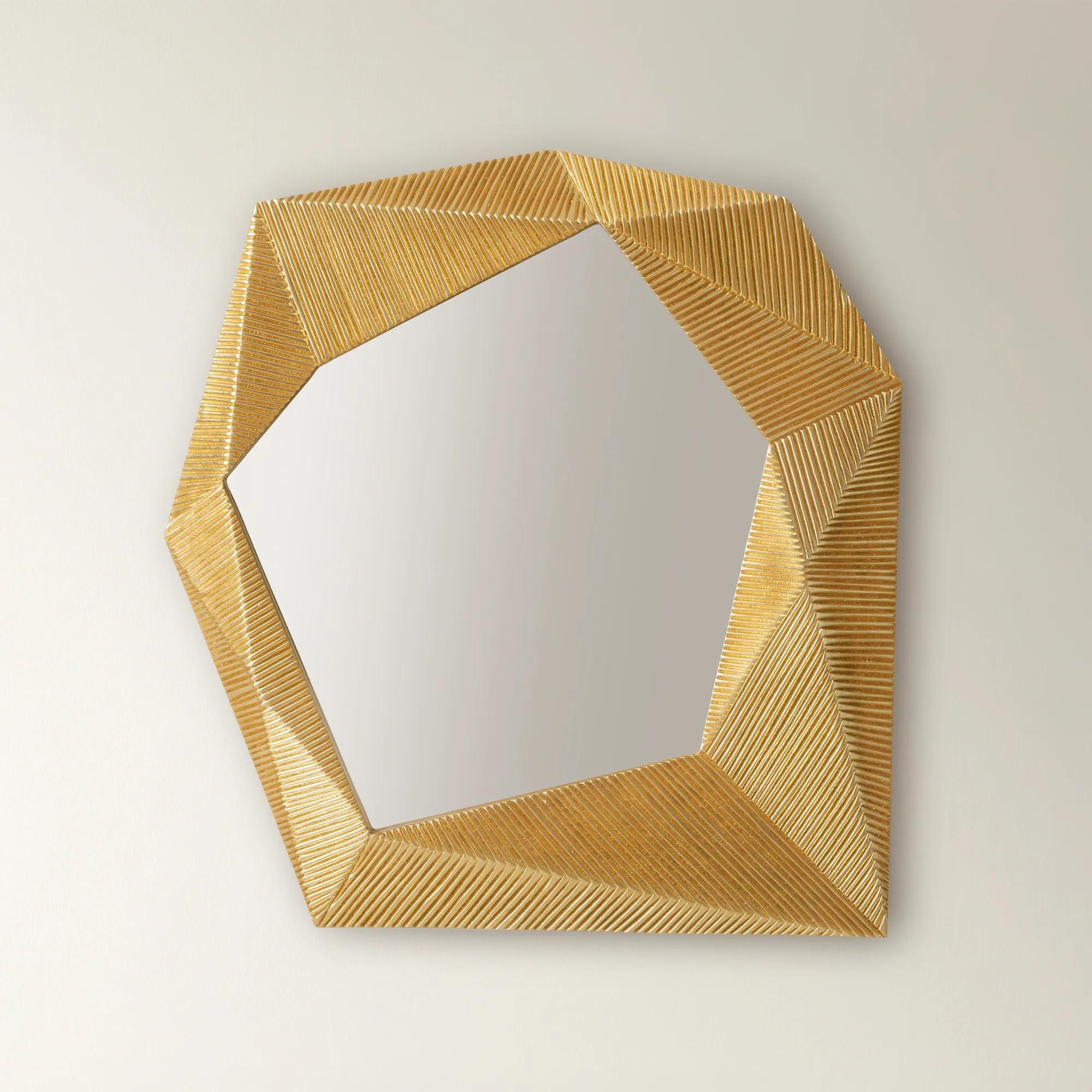
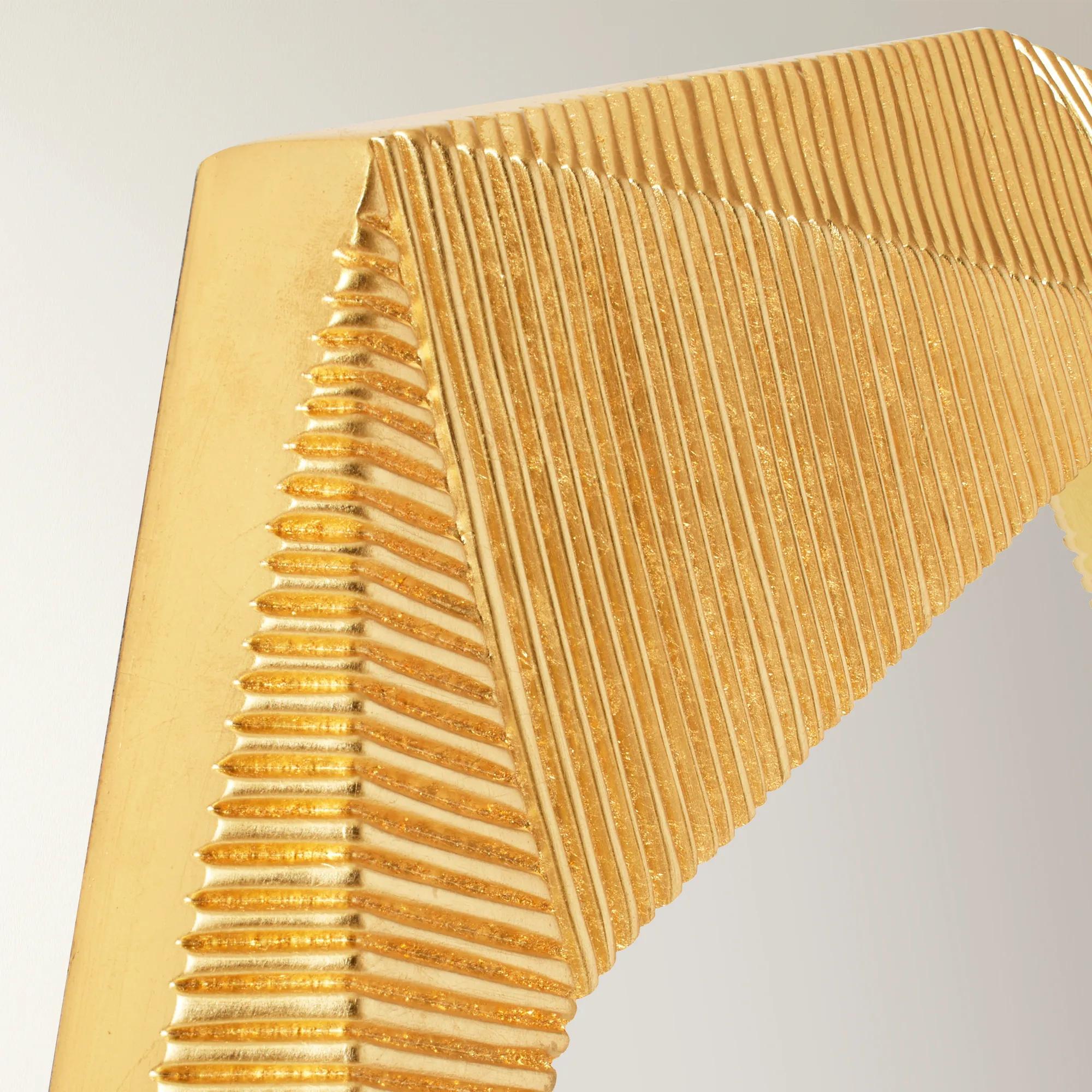 Nikki Chu Gold Steel Faceted Wall Mirror 31.5" x 35.5"$349
A modern mirror featuring a textured, faceted steel frame in a striking metallic gold finish.
Add To Cart -
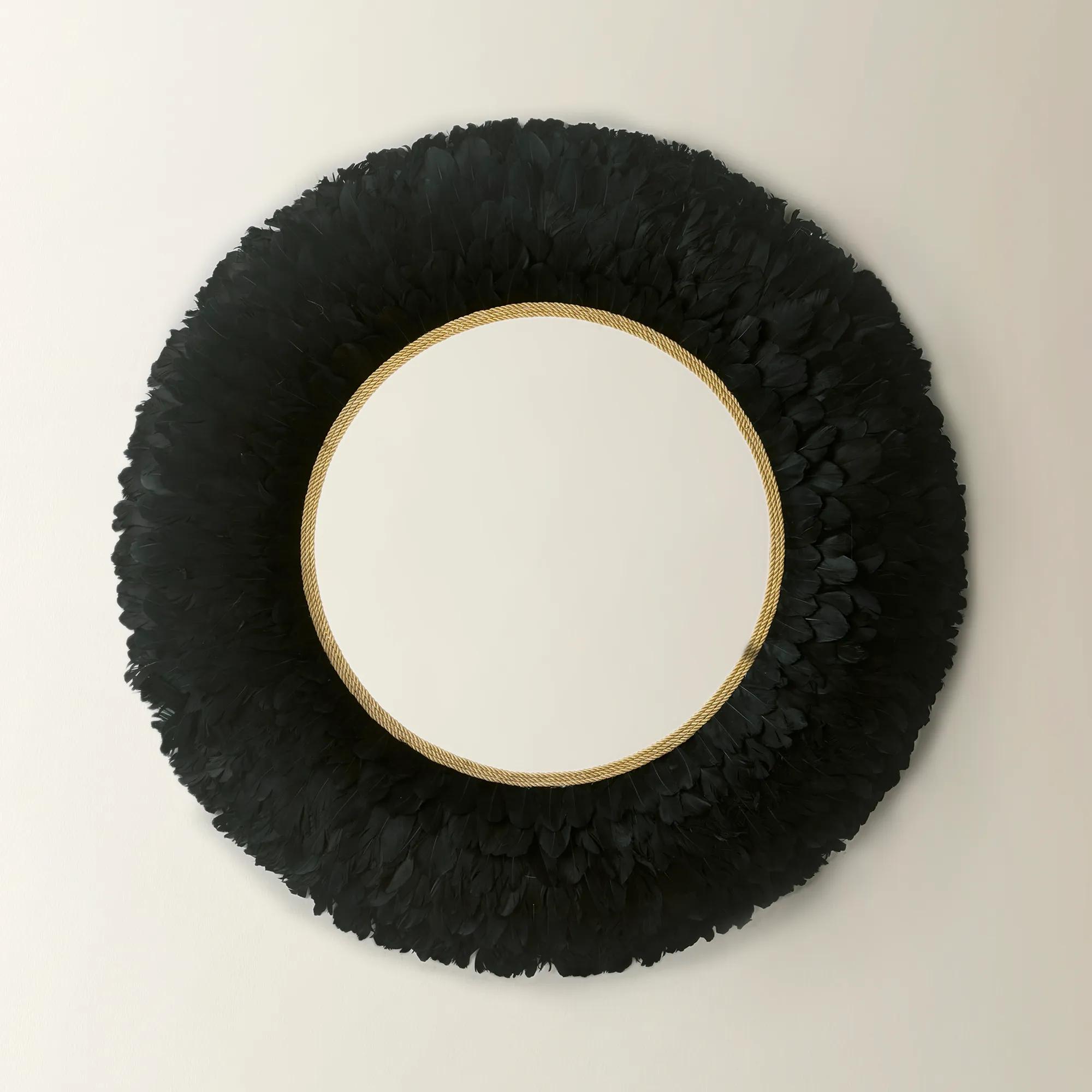
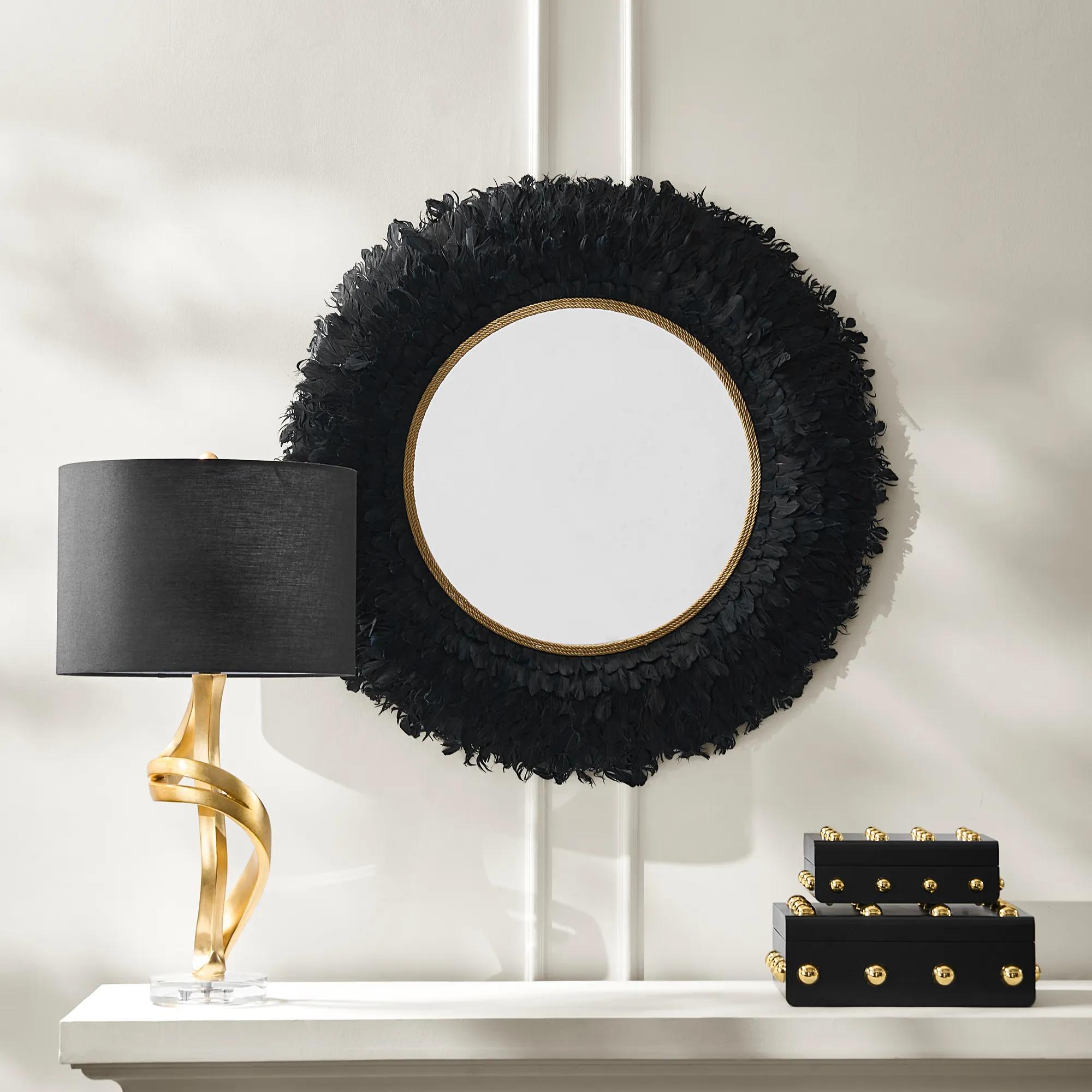 Nikki Chu Midnight Black Feather Round Wall Mirror 35.5"$499
A dramatic black feather-framed mirror accented with a gleaming gold inner border for striking wall texture.
Add To Cart -
.jpeg?w=1200&h=1200)
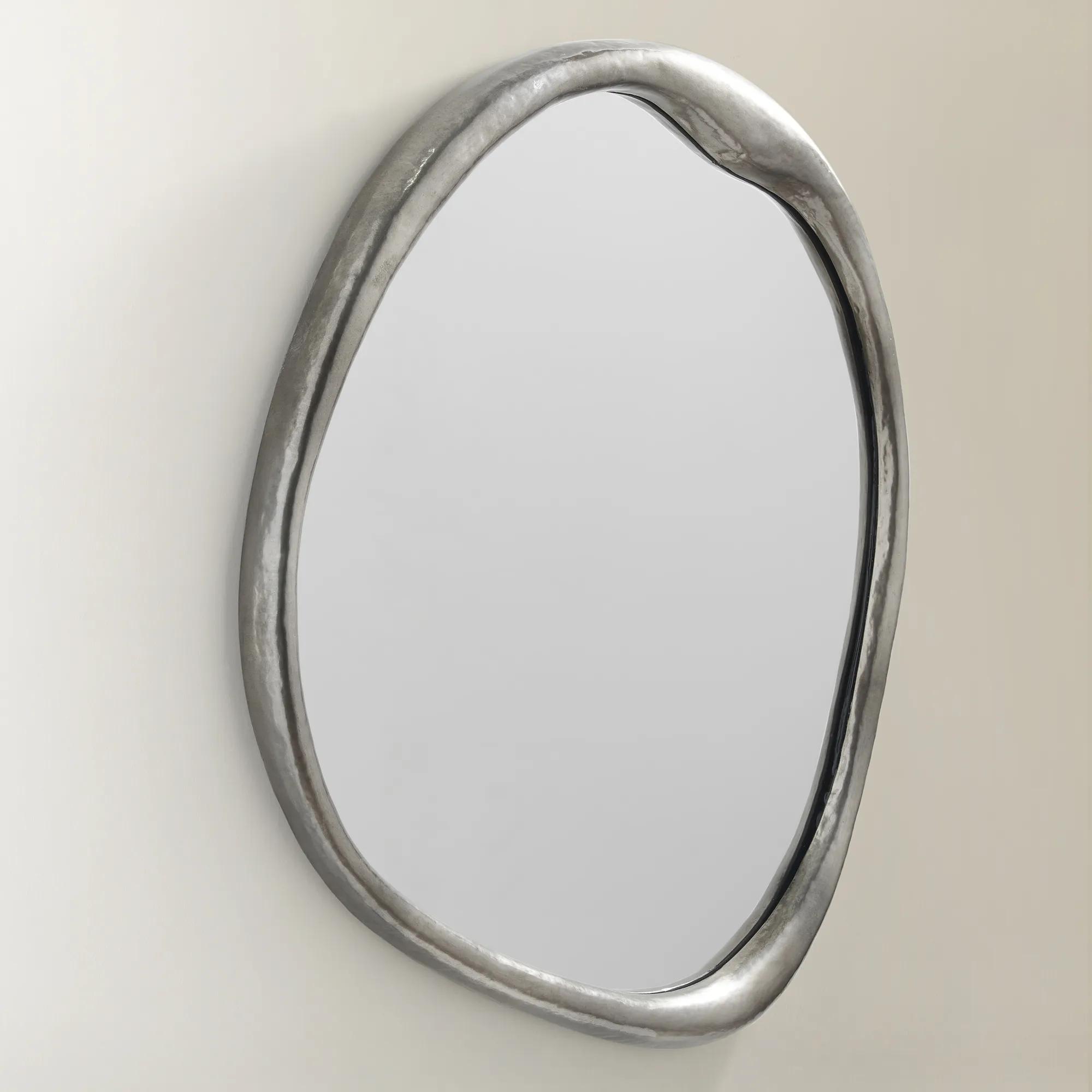 Organa Wall Mirror$599
An irregular silver iron-framed mirror that brings modern organic style and reflective depth to any room.
Add To Cart -
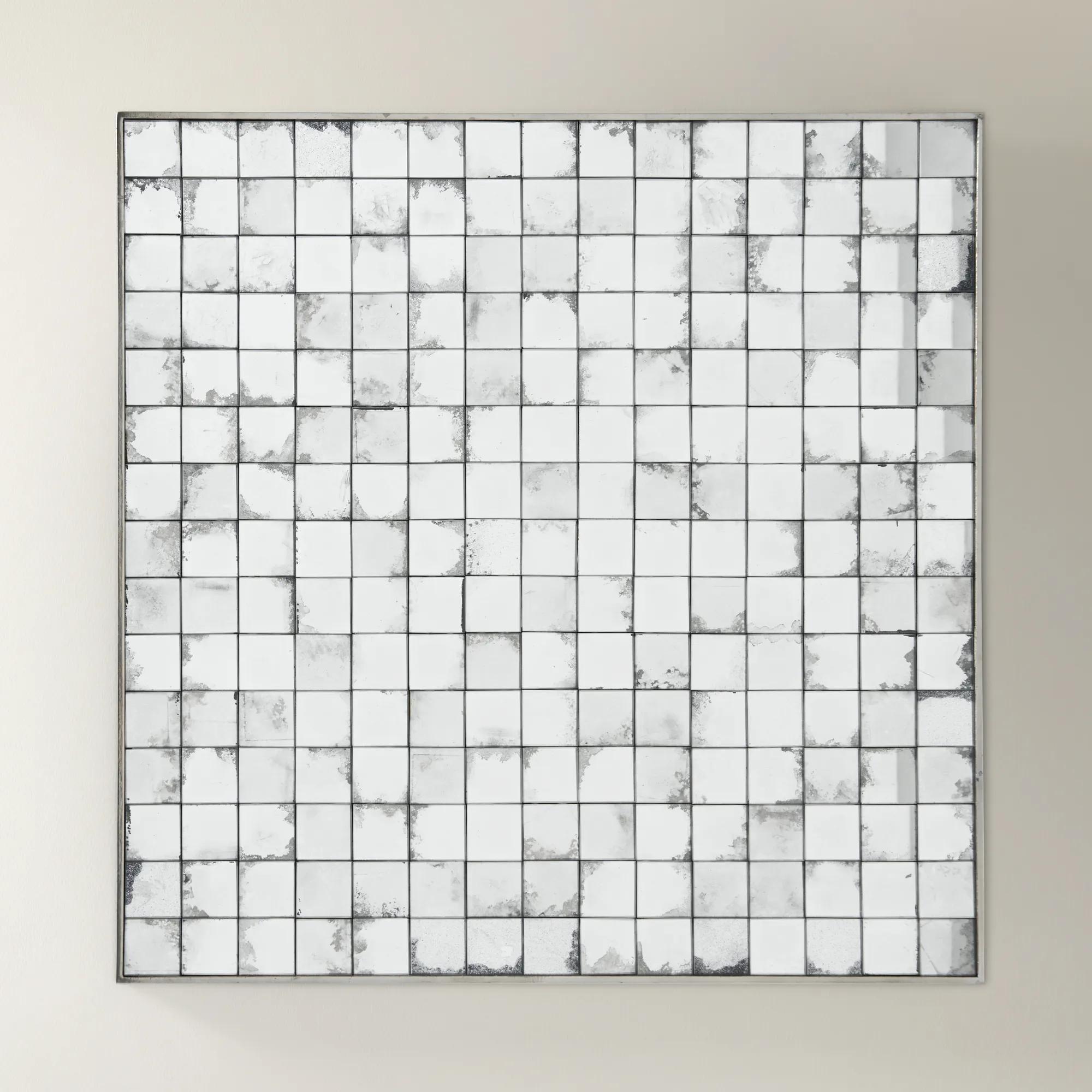
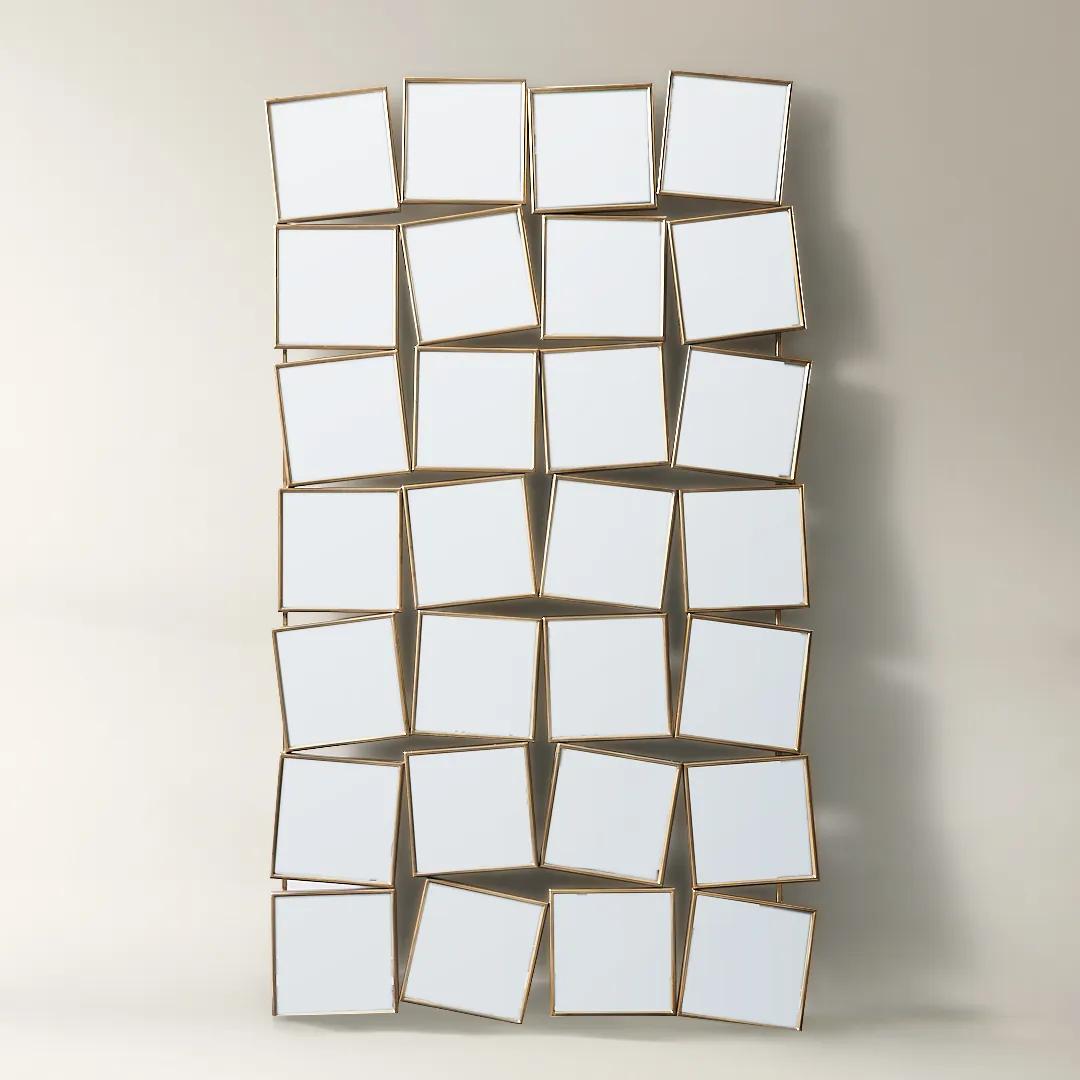
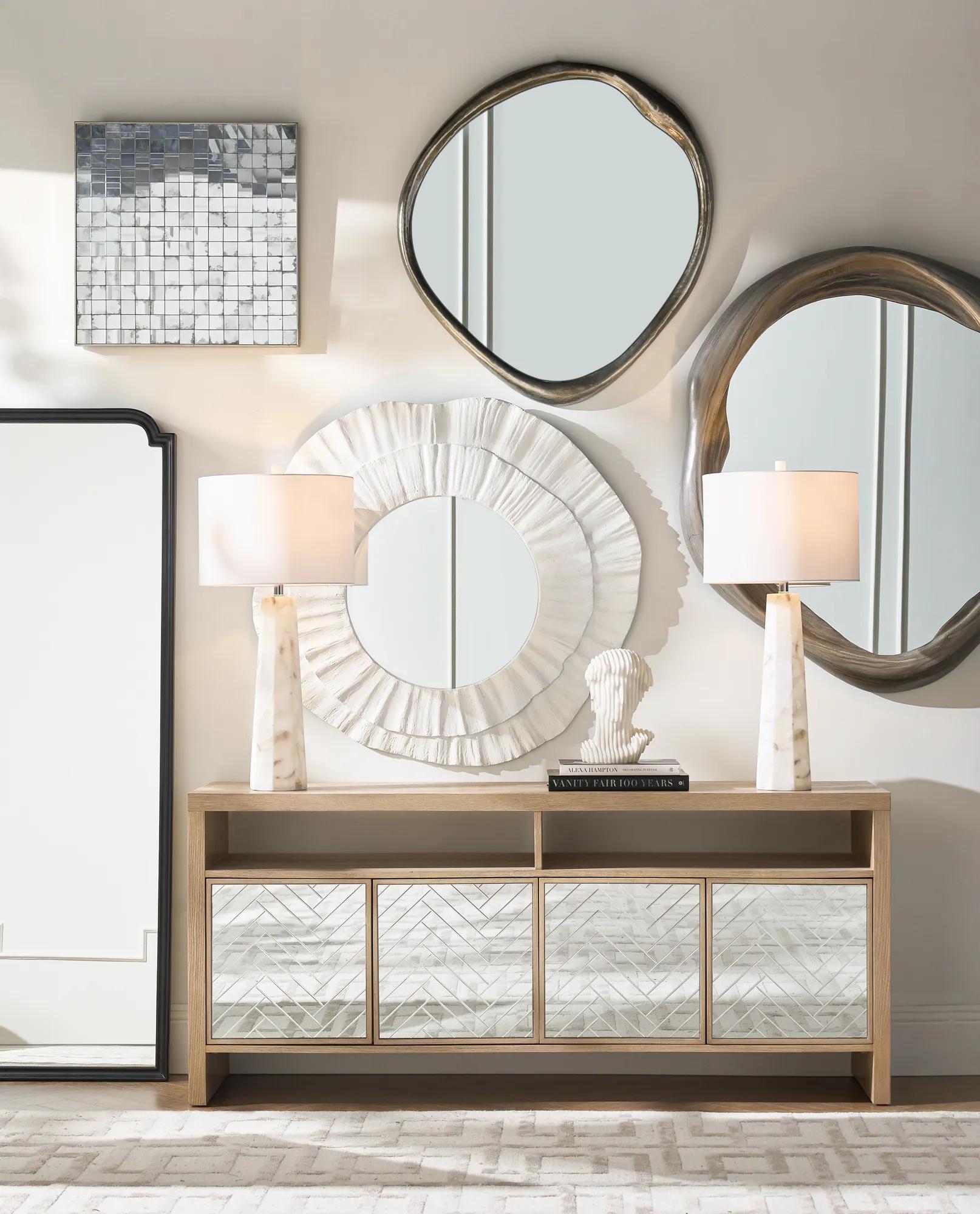 Futuro Wall Mirror$499
An antiqued silver mirror featuring aged glass tiles for a striking blend of vintage and modern style.
Add To Cart -
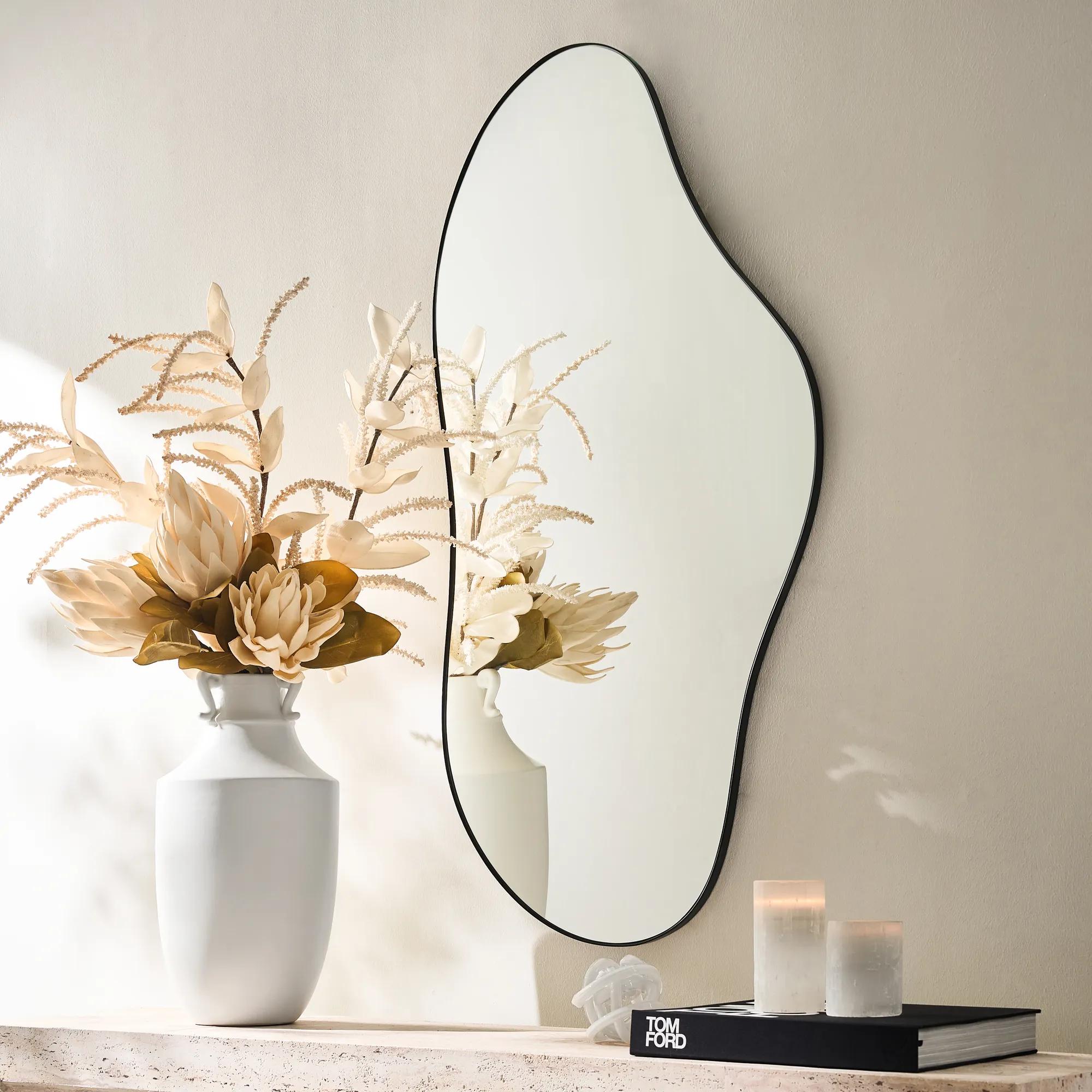
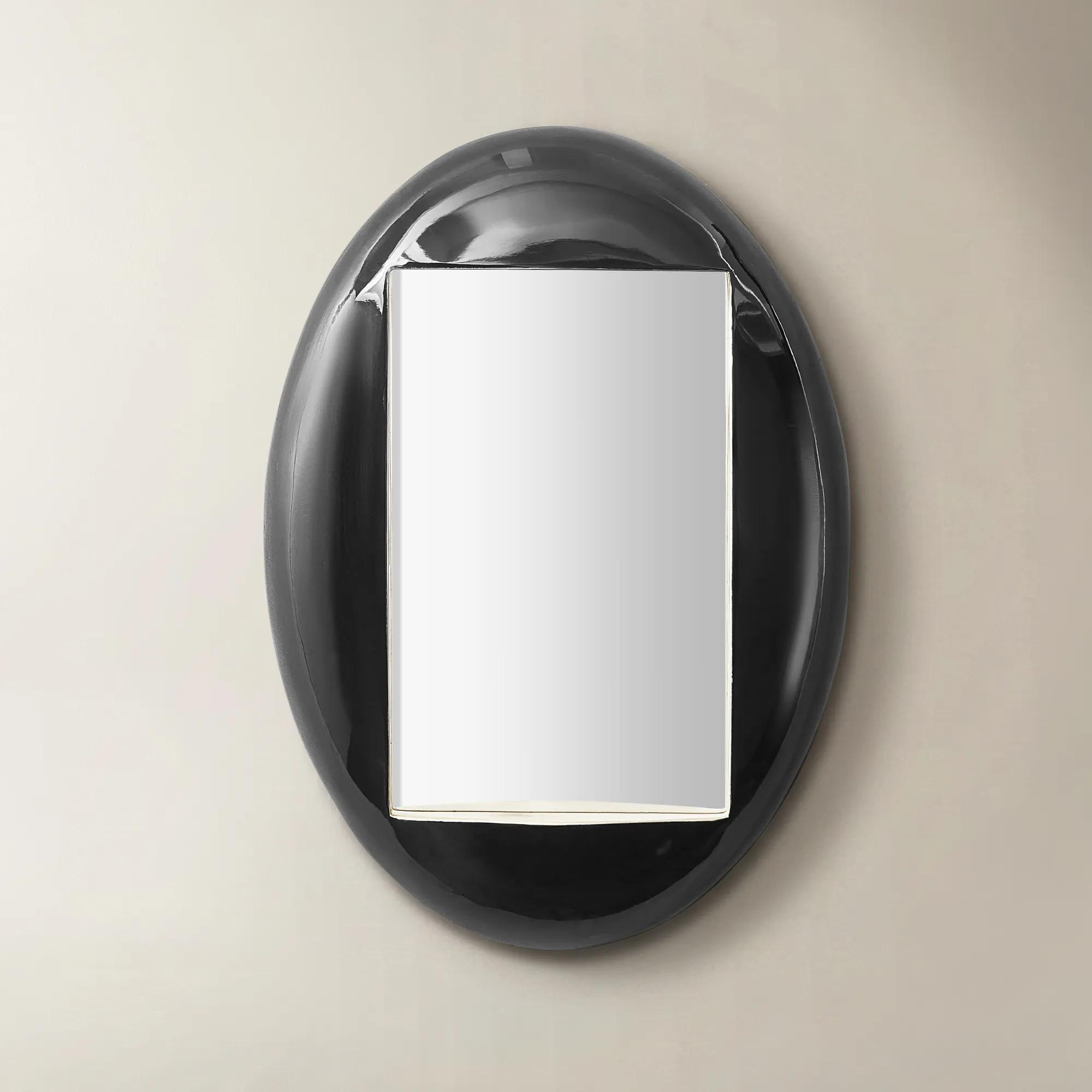
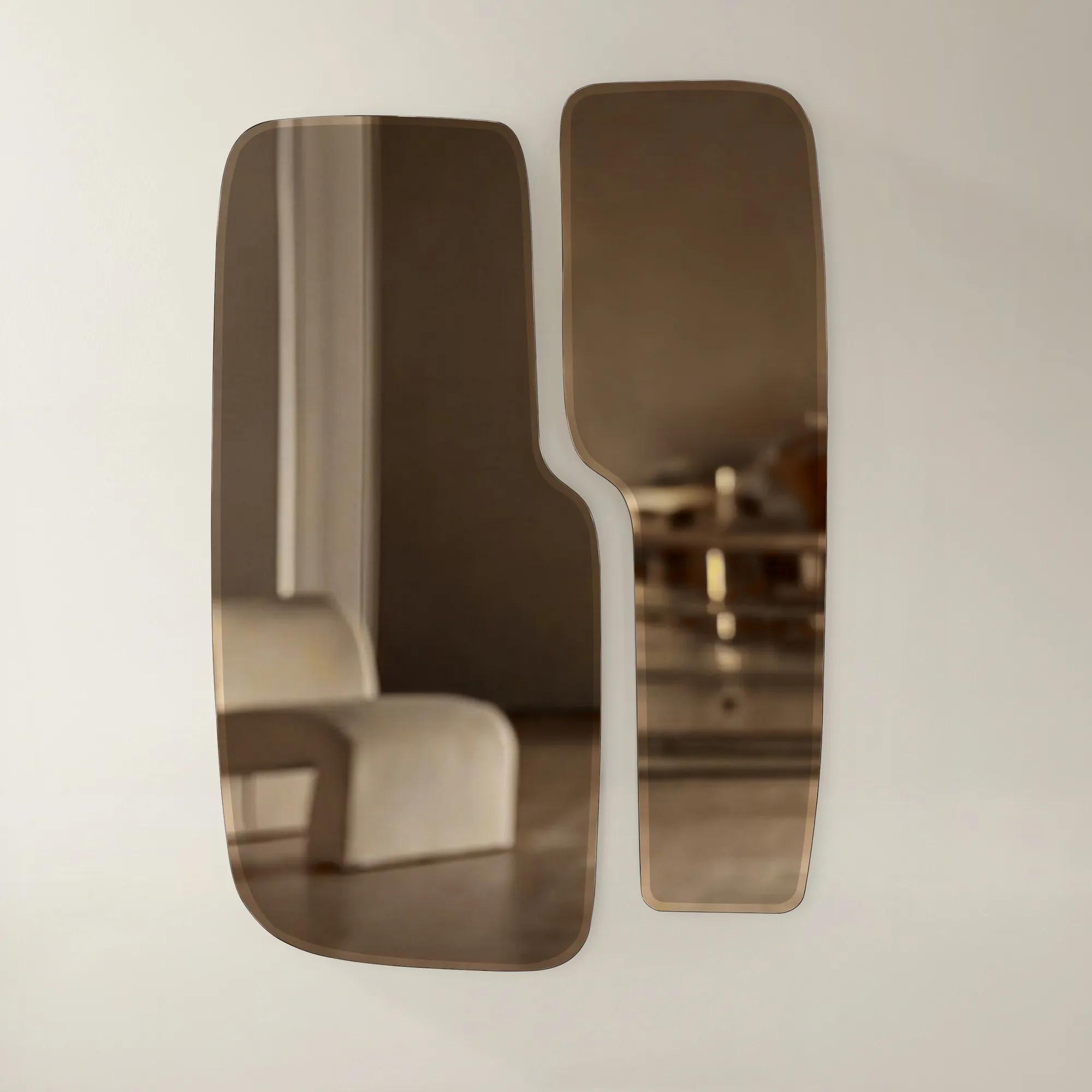
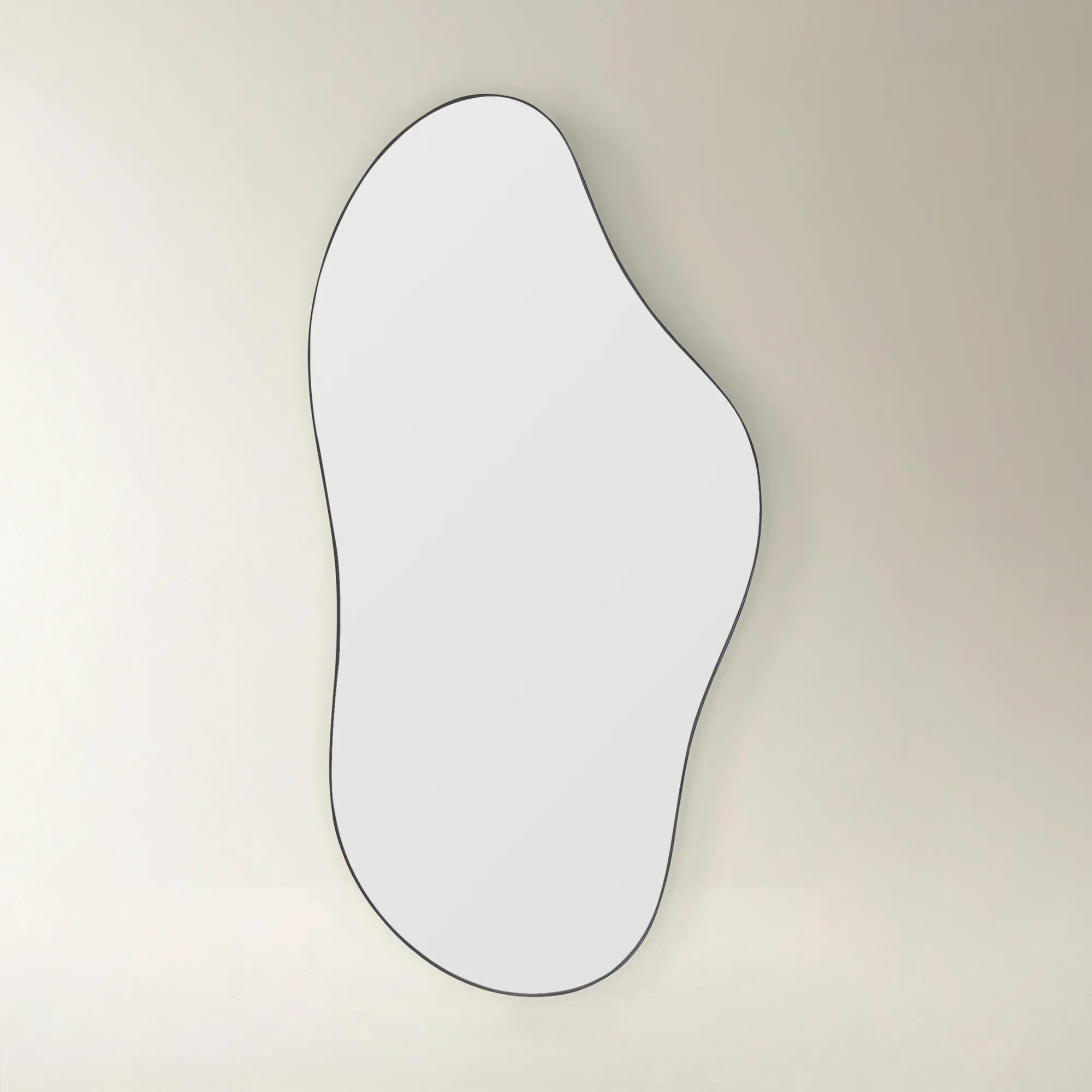 Puddle Wall Mirror$299
A freeform glass mirror with a black frame that adds playful sophistication to modern interiors.
Add To Cart

Mdf Frame Wall Mirrors
MDF Frame Wall Mirrors transform every glance into a moment of artistry, reflecting not just your image but the bold spirit of your space. Each mirror becomes a sculptural accent—where clean lines meet imaginative design, and modern sensibility finds its muse in luminous form. Whether poised above a dramatic console or anchoring an opulent gallery wall, these mirrors invite light, depth, and undeniable glamour into any room. Elevate your interiors with MDF Frame Wall Mirrors that turn reflection into pure expression—because your home deserves to be seen in its most spectacular light.
MDF frame wall mirrors bring a polished architectural presence to a room, surrounding reflected light with a frame that can feel quietly tailored or lavishly expressive. MDF, short for medium-density fiberboard, is an engineered wood material made from wood fibers bonded with resin under heat and pressure. Its smooth, uniform surface lends itself to painted, laminated, and veneered finishes, giving mirror frames a refined foundation without the pronounced grain or knots of solid wood. The finished effect depends on the surface treatment and silhouette: a deep black frame can draw a crisp outline against pale walls, while a metallic finish can introduce a luminous accent among velvet upholstery, sculptural ceramics, and richly layered textiles. A wood-look veneer brings another dimension, pairing the consistency of an engineered core with the visual character of the applied surface. MDF can also be shaped into stepped profiles and decorative contours, creating depth around the glass without relying on elaborate ornament. Broad borders give a mirror the visual weight of framed artwork; slender edges allow more of the reflection to command attention. Rectangular shapes establish order above a console or dresser, circular designs soften a room filled with angular furniture, and arched silhouettes introduce a graceful architectural note. An irregular outline can become an expressive focal point, particularly against a wall with little competing detail. The mirror glass matters as much as its surround: a beveled edge adds a faceted transition that catches light, while a plain edge emphasizes the frame’s form. Although MDF is often chosen for its consistent surface and versatility, it is not inherently lightweight, waterproof, or interchangeable with solid wood. Overall quality rests on the complete construction, including the finish, glass, backing, corner joints, and hanging hardware. For interiors where every surface contributes to the composition, an MDF-framed mirror offers a distinctive balance of decorative structure and everyday purpose, with the frame setting the mood and the reflection adding a second layer to the room.
The most compelling placement gives a wall mirror something beautiful to reflect while respecting the scale of its surroundings. In an entryway, a mirror above a console creates a composed arrival moment: a sculptural lamp, a low bowl, and a branch arrangement gain presence through their reflections, while the glass offers a convenient final glance before leaving. A frame narrower than the furniture beneath it generally keeps the arrangement visually grounded, though the exact relationship depends on the frame’s width and the surrounding wall space. Above a dresser, a generous rectangular mirror can support daily dressing without making the surface feel crowded; beside a wardrobe, a tall wall-mounted design can provide a fuller view when its dimensions and placement suit the user. In a living room, a round mirror above a chest introduces contrast to straight-lined cabinetry, while a more substantial frame can hold its own near a deep sofa or oversized artwork. Dining spaces benefit from a carefully considered reflection of a chandelier or an artful table arrangement, rather than an accidental view into a busy adjacent room. Positioning a mirror near a window can redirect available light and make a space feel more open, but it does not create light on its own, and the angle should avoid uncomfortable glare. Scale is more than the outer measurement: a wide decorative border reduces the reflective area, so two mirrors with the same overall dimensions may serve very different purposes. Allowing visible wall space around the frame helps its shape read clearly, particularly beside patterned wallpaper or a richly textured wallcovering. For a cohesive interior, the frame finish can echo a nearby metal accent or wood tone without duplicating every surface. A gleaming border against matte paint, for example, creates contrast through sheen rather than color. Those drawn to more elaborate molded detail may also consider Mirrors With Resin Frames as another decorative direction, comparing the individual design, finish, and dimensions rather than assuming all frame materials produce the same effect. Whether furnishing a compact apartment or a generously scaled home, the strongest choice feels deliberate in both its proportions and its reflected view.
Long-lasting beauty begins with matching an MDF frame wall mirror to its intended setting. Finished MDF generally performs best in dry interior spaces where the frame is protected from splashes and prolonged moisture exposure. Its uniform composition can provide dimensional consistency under suitable conditions, but water entering unfinished edges, joints, or damaged coatings may cause swelling that cannot simply be wiped away. A decorative finish alone does not establish suitability for a bathroom; that use should depend on the manufacturer’s stated recommendations, particularly near a shower or sink. Bedrooms, living rooms, hallways, and dressing areas often offer more appropriate surroundings for designs intended for dry locations. Installation deserves equal attention because the glass, MDF surround, and backing together can create considerable weight. The mirror’s stated weight, approved hanging orientation, supplied hardware, and wall construction should determine the mounting method. Drywall anchors are not universally suitable, and secure attachment may require studs or a wall-specific fastening system rated for the load. A wall mirror should not be treated as a leaning floor mirror unless its construction and instructions allow that use. For larger or heavier designs, professional installation can help protect both the piece and the surface behind it. Routine care is gentle rather than intensive: a soft, dry cloth lifts dust from the frame, while glass cleaner applied sparingly to a lint-free cloth helps limit liquid collecting along the mirror’s edge. Abrasive pads, harsh solvents, and excess moisture can compromise decorative coatings, so the care instructions for the particular finish remain essential. When moving a mirror, supporting the whole assembly rather than lifting it by a narrow decorative edge helps protect the joints. These practical considerations preserve the details that make the piece expressive in the first place: a smooth lacquer-like sheen, a precisely stepped border, or the subtle contrast between frame and glass. For someone establishing a new home, a thoughtfully chosen wall mirror can also make a meaningful housewarming gift when the recipient’s style, wall dimensions, and mounting needs are known. Its appeal lies in that union of personal expression and daily use—a substantial decorative gesture that becomes part of the rhythm and character of a room.
FAQs
MDF frame wall mirrors are celebrated for their remarkable versatility and smooth, flawless finish. Unlike natural wood, MDF resists warping and cracking, making it ideal for areas with fluctuating humidity, such as bathrooms and entryways. The material’s fine texture allows for intricate detailing and a variety of finishes, from high-gloss lacquers to richly textured veneers, ensuring each mirror becomes a true statement piece in any room.
An MDF wall mirror not only reflects light and opens up a room, but also acts as a canvas for artistic expression. The frame’s design—whether sleek and minimalist or ornate and dramatic—sets the tone, adding dimension and personality to your décor. Placed strategically, these mirrors can amplify natural light during winter’s darker months, create a sense of grandeur in smaller spaces, and serve as a captivating focal point that elevates the entire atmosphere.
Absolutely. MDF’s smooth surface makes it exceptionally well-suited for customization. Whether you wish to paint it in a bold hue, apply a metallic leaf, or experiment with textured finishes, MDF mirror frames provide a perfect foundation for creative DIY projects. This adaptability allows you to tailor the mirror’s look to your evolving style, ensuring it remains a cherished piece for years to come.
MDF mirror frames come in a dazzling array of styles to suit every aesthetic. From sculptural, contemporary silhouettes with clean lines and bold finishes, to vintage-inspired designs featuring ornate carvings and gilded details, there is an option for every taste. Minimalist black frames offer a modern, gallery-worthy look, while asymmetrical or oversized frames can create a sense of drama and artistry in any room.
An MDF frame wall mirror makes a thoughtful and stylish gift for anyone who values expressive, curated interiors. Newlyweds, new homeowners, or design enthusiasts will appreciate its blend of beauty and utility. Its transformative power to brighten spaces, add dimension, and reflect personal style makes it a memorable present for housewarmings, holidays, or milestone celebrations.
.jpeg?w=1080&h=1080)