Luxury Trays Under 100 Dollars
Luxury Trays Under 100 Dollars
-
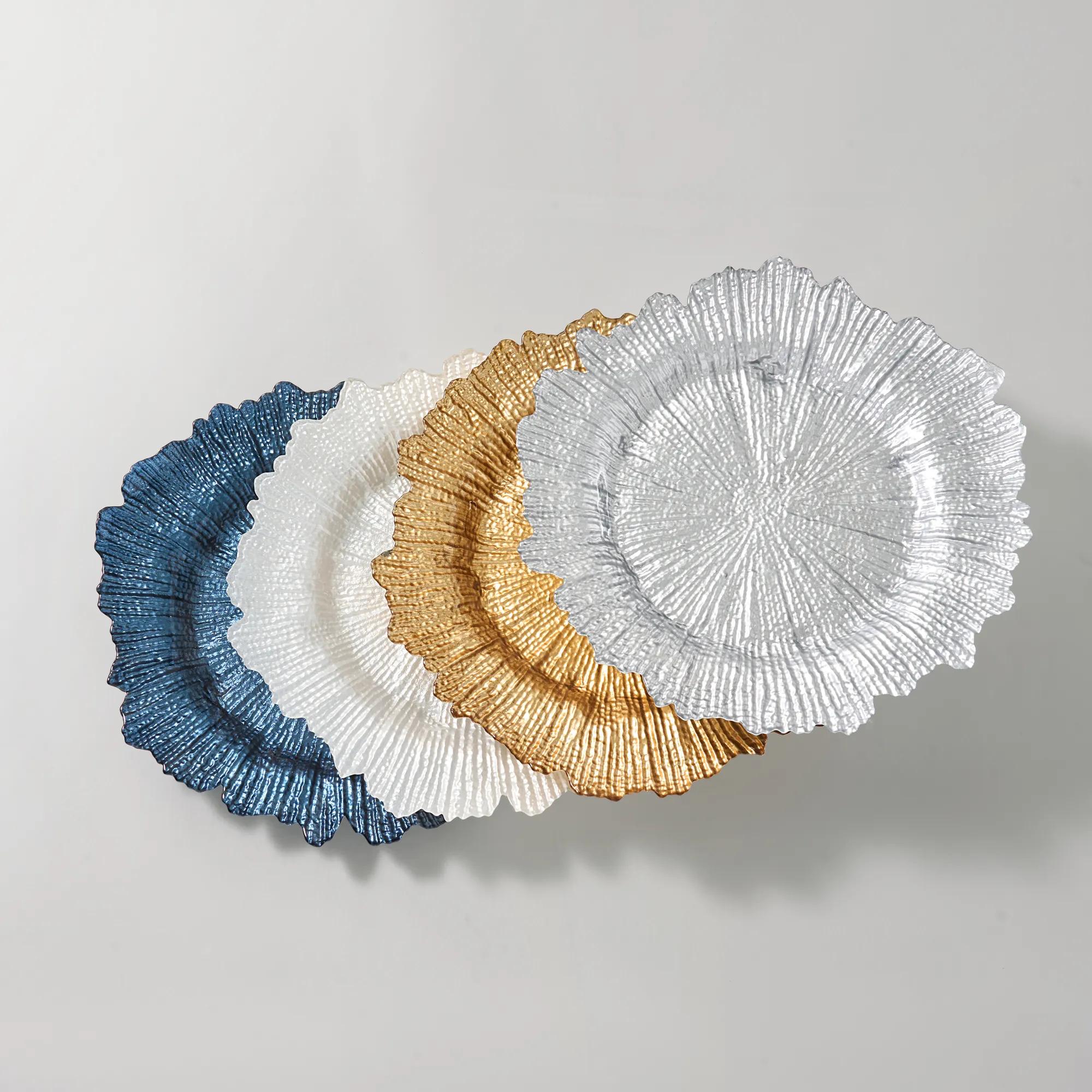
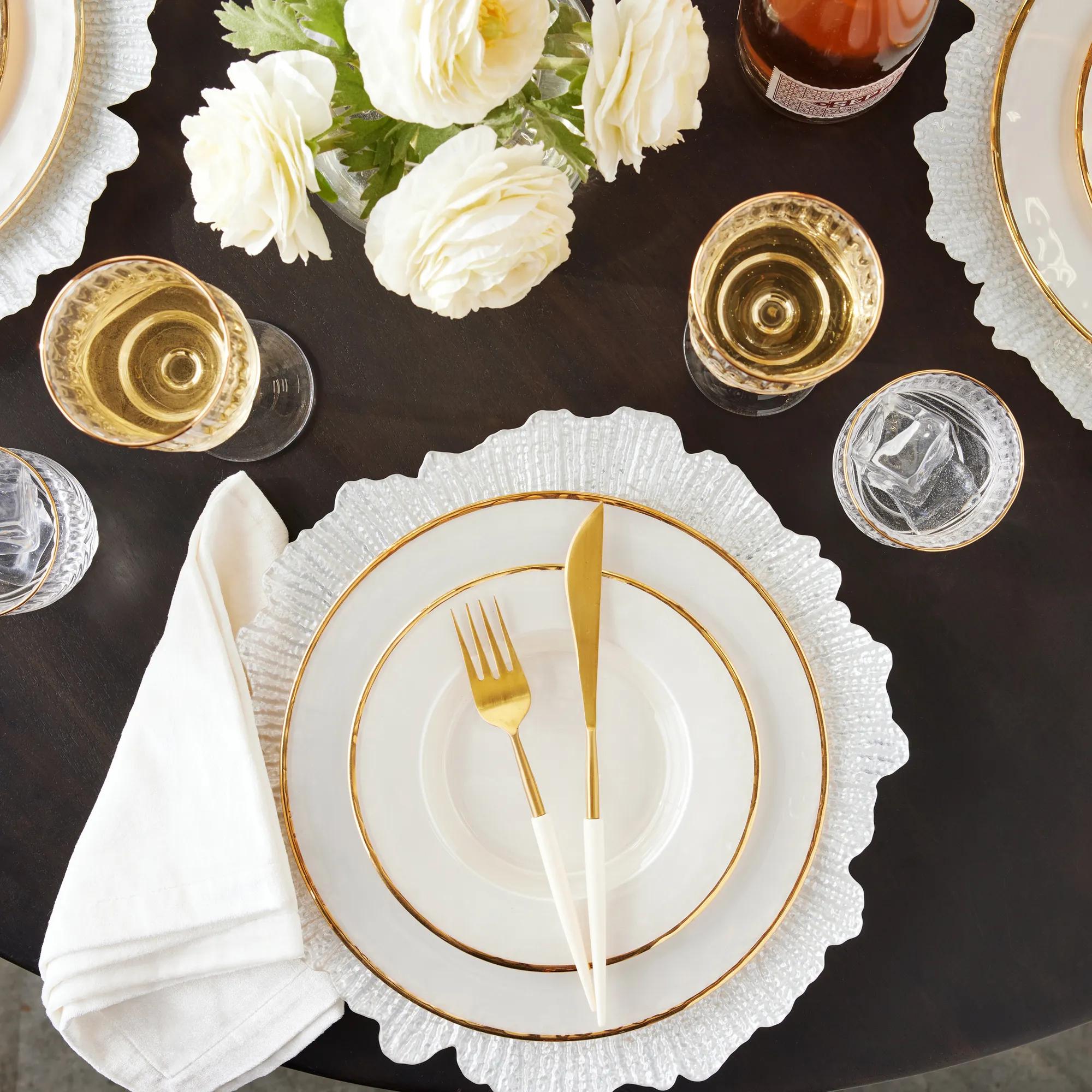 Spruzzo Glass Charger Sets 13"$109
A clear glass charger with an irregular leaf edge and metallic backing for a sparkling table accent.
Add To Cart -
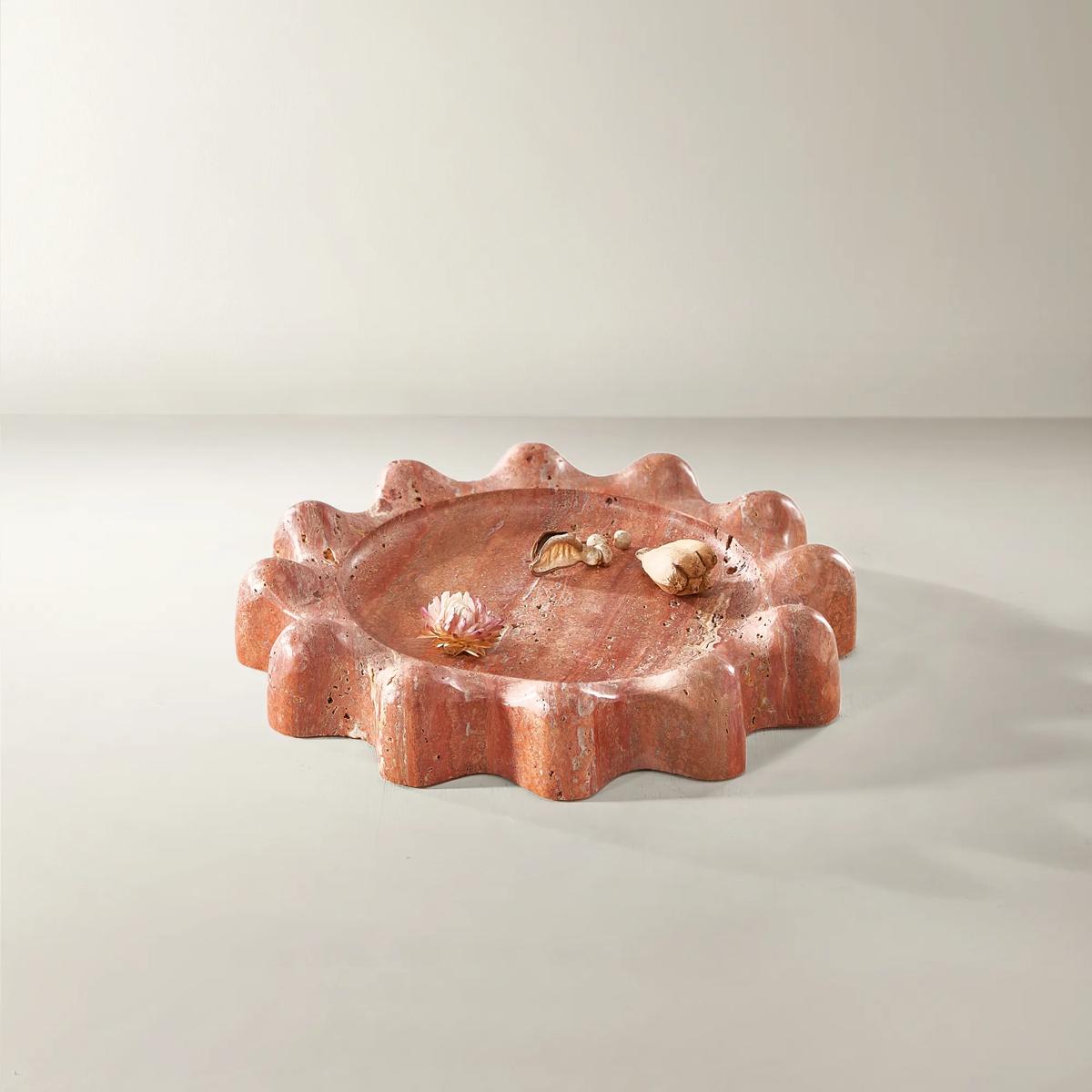
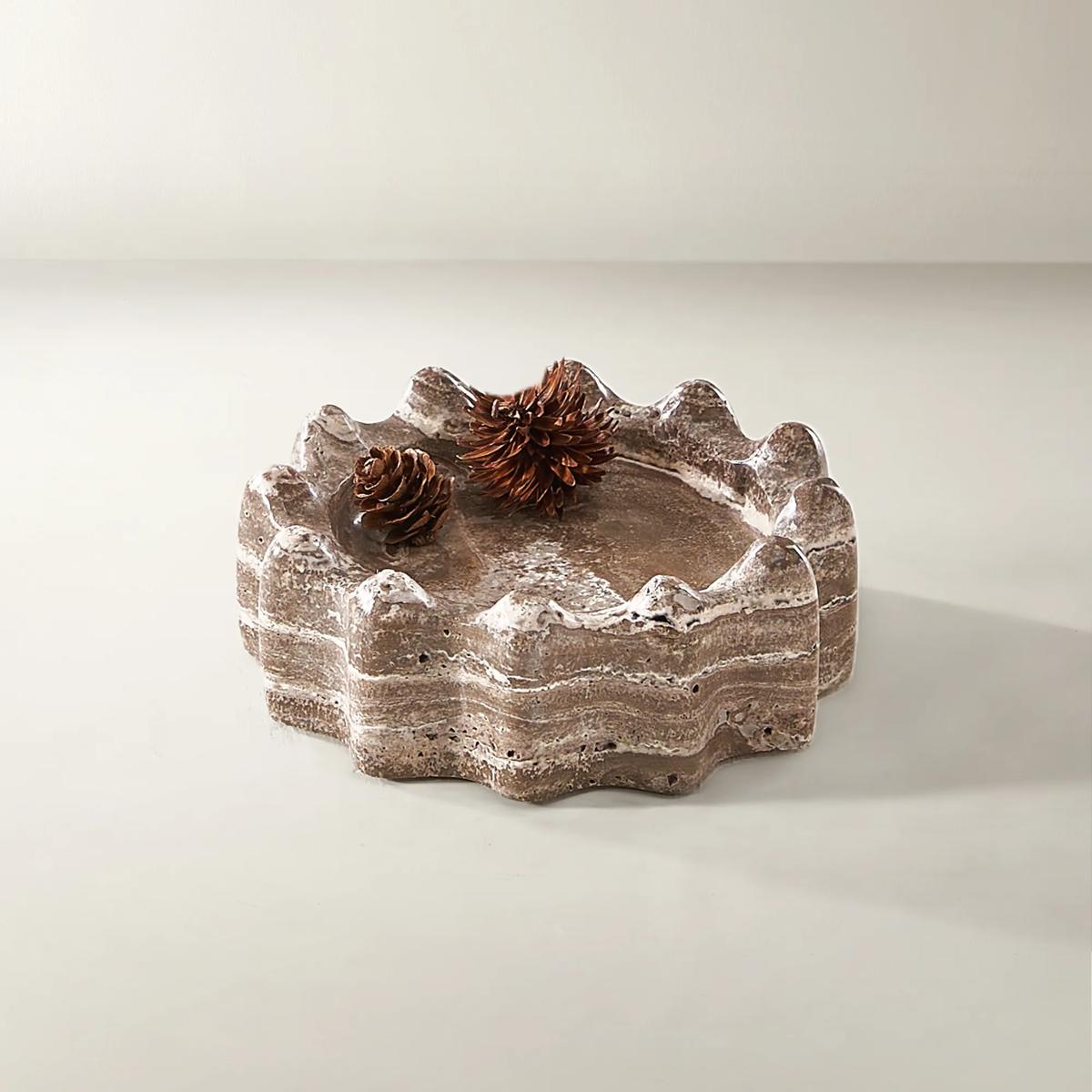 Flora Marble Catchall - Small$89
A hand-carved sand travertine catchall featuring unique veining and undulating, flower-inspired edges.
Add To Cart -
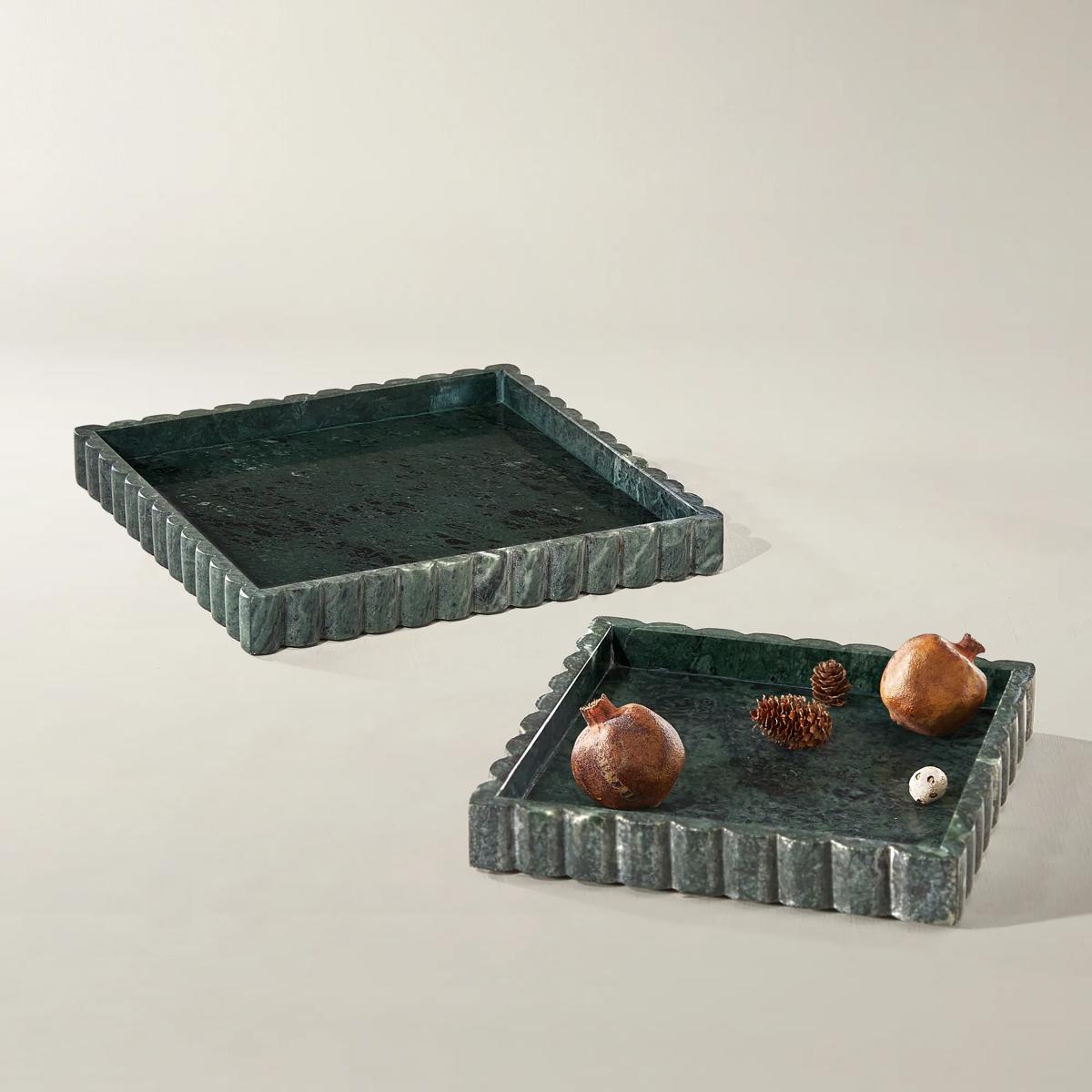
 Scallop Tray - Emerald Marble$59
A handcrafted emerald green marble tray featuring unique veining for elegant decorative display.
Add To Cart -
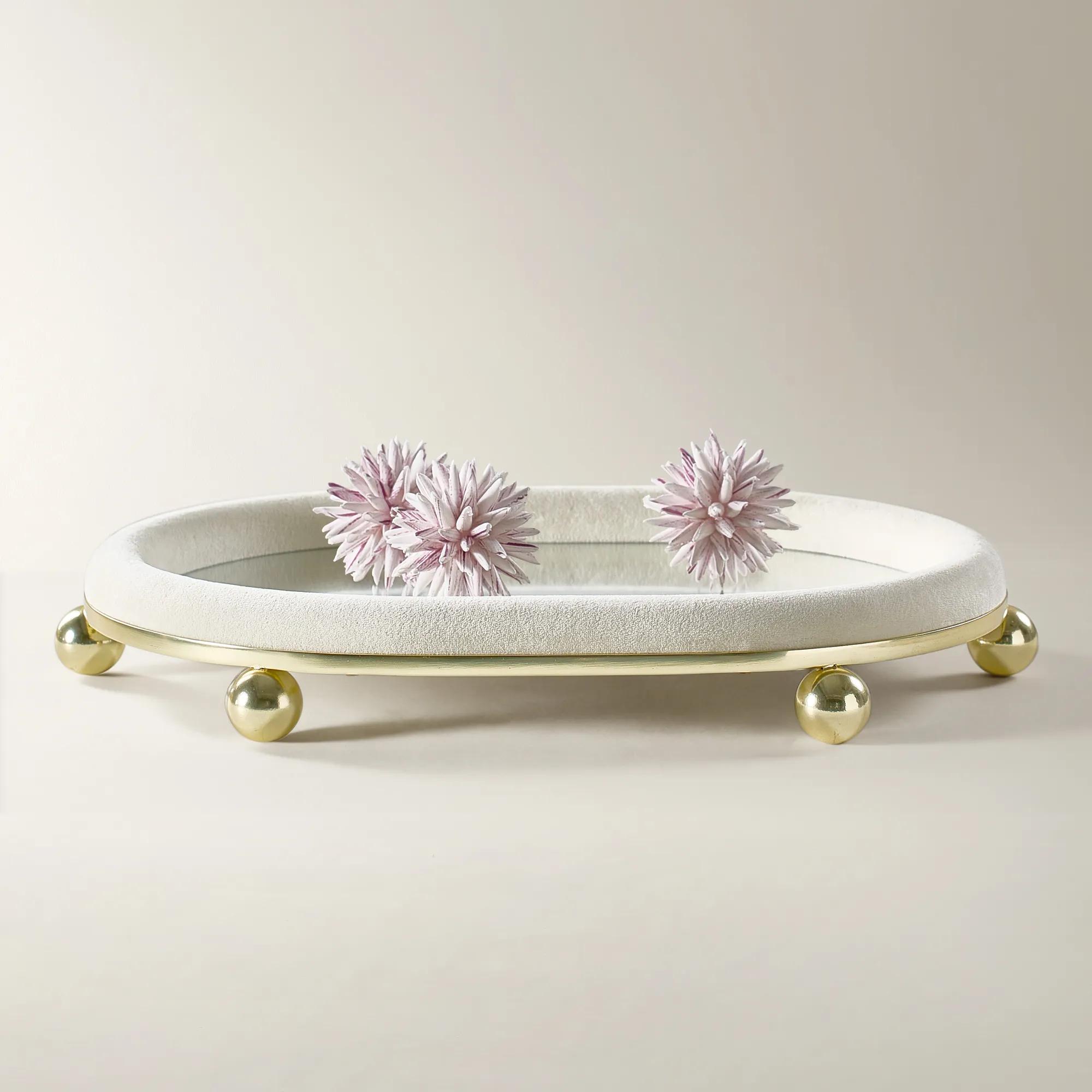
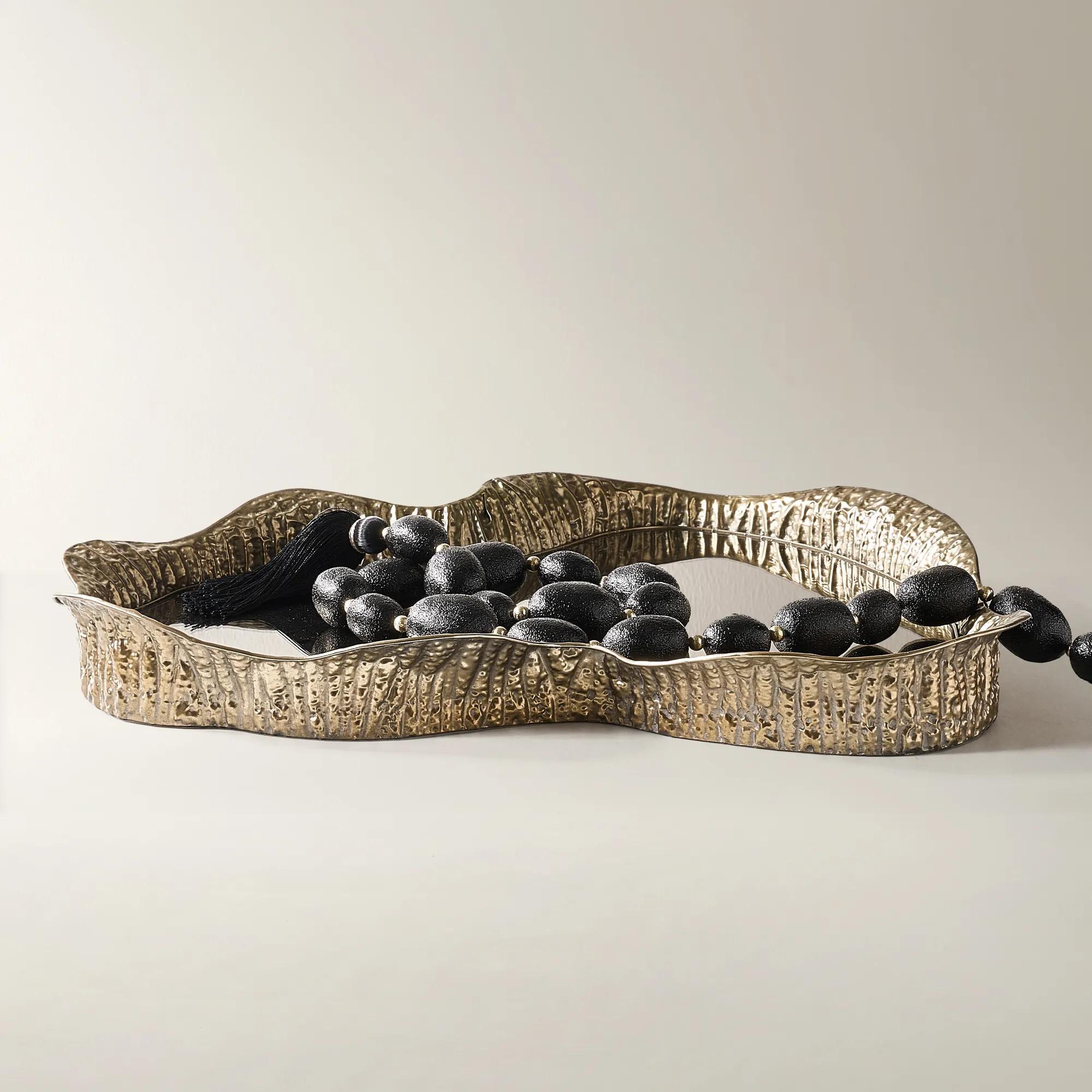
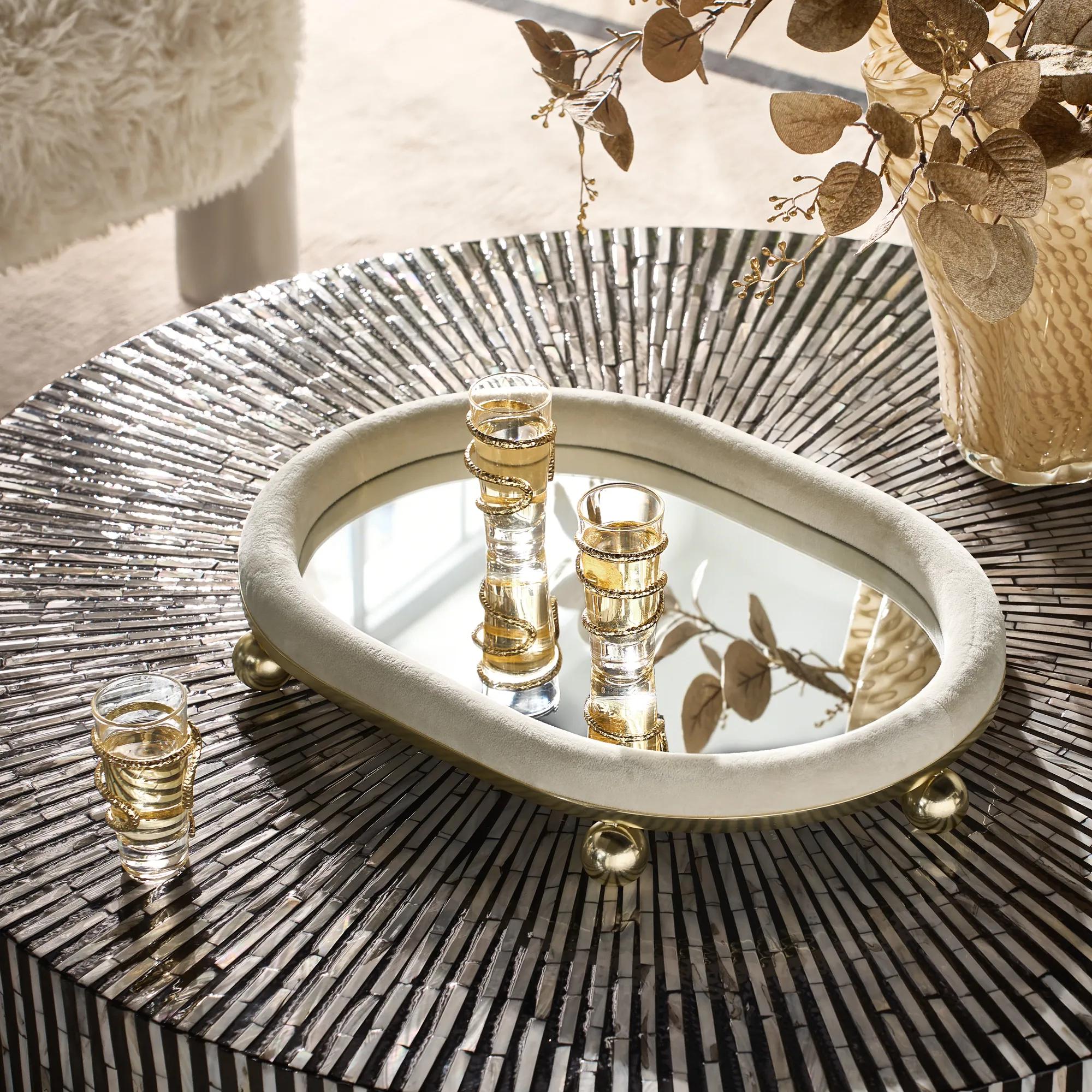 Capri Vanity Ivory Soft Gold Velvet Mirror Tray 17.75" x 2.25"$99
A soft gold iron tray with a mirrored base, velvet accents, and playful bauble details for chic display.
Add To Cart -
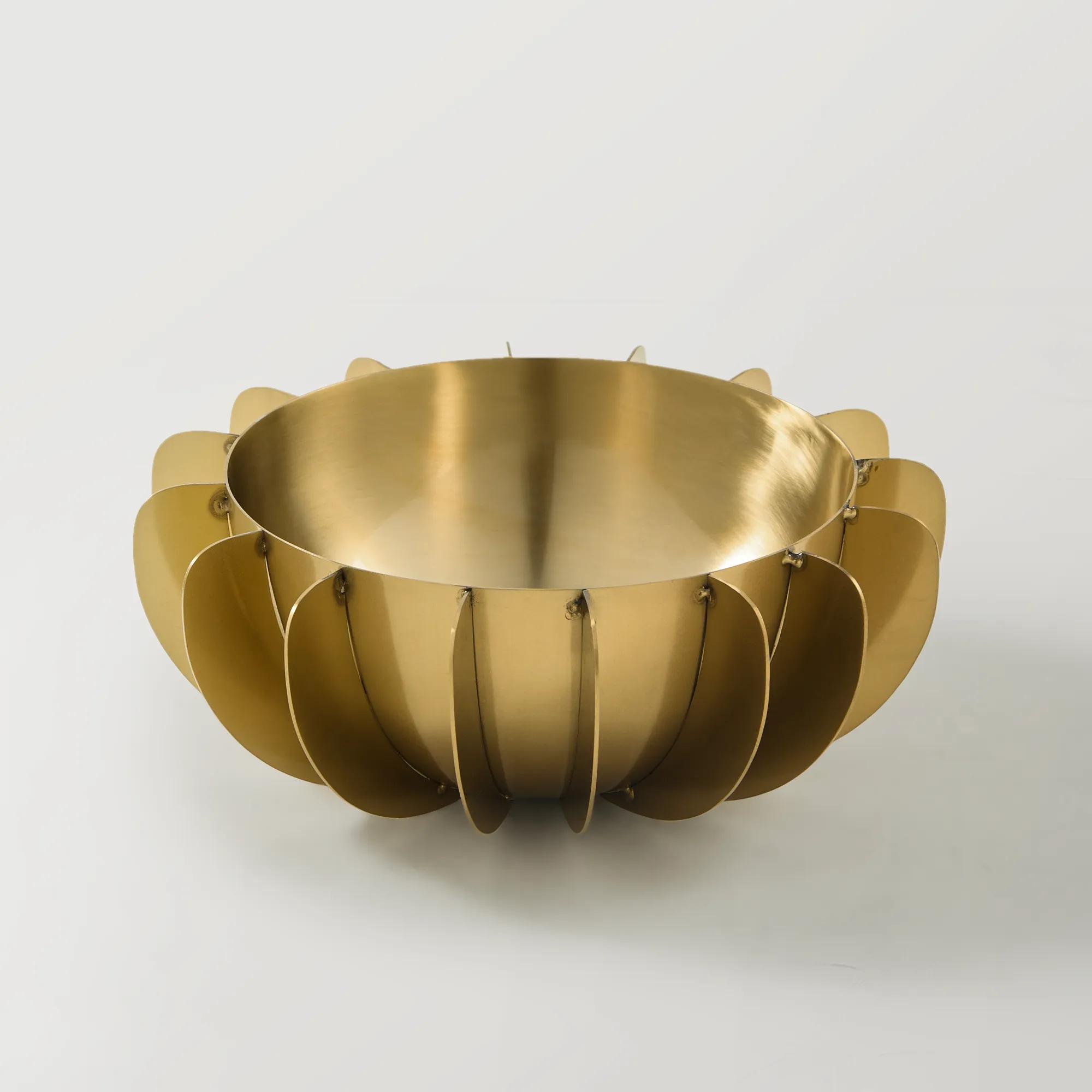
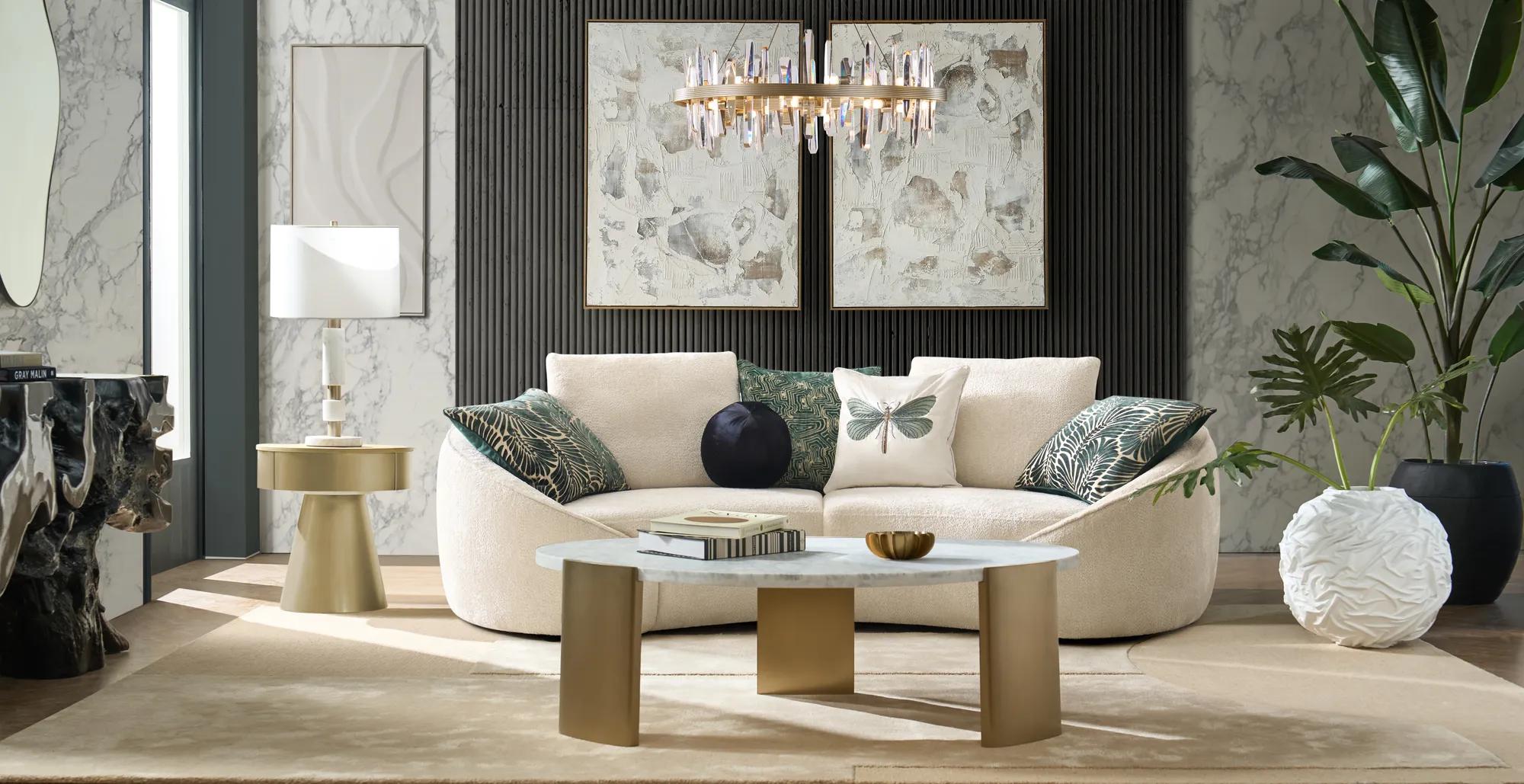 Mezza Collection$59
A gold-plated stainless steel decorative piece that brings timeless glamour and shine to your decor.
Add To Cart

Luxury Trays Under 100 Dollars
Luxury trays under 100 dollars invite you to elevate every surface with a touch of grandeur—no compromise required. These dazzling accents transform the ordinary into the extraordinary, offering a stage for your most cherished treasures, cocktails, or objets d’art. Whether gracing a coffee table or punctuating a vanity, each piece channels sophistication and artistry, proving that opulence is not defined by price but by presence. Discover how a single tray can reimagine your space, adding depth, drama, and an unmistakable sense of occasion to your everyday rituals.
Luxury decorative trays combine expressive materials, considered proportions, and a beautifully finished surface to bring purpose and polish to coffee tables, consoles, vanities, and dining spaces. Lacquered wood, clear acrylic, mirrored glass, and metallic accents each create a distinct mood, from sleek architectural drama to luminous, jewelry-like detail. A tray gives small objects a visual boundary, turning a loose arrangement of candles, books, or decorative accents into a composition that feels intentional. On a generous coffee table, a broad rectangular silhouette can anchor the room’s central vignette without competing with surrounding upholstery. A round tray introduces a softer line against an angular console, while an oval shape lends graceful movement to a dresser or bedside table. Material changes the effect as much as shape. Glossy lacquer brings saturated color and a smooth, reflective finish; transparent acrylic lets the grain of a wood table or the veining of a stone surface remain visible. Mirrored bases reflect nearby objects and light, giving a modest arrangement greater depth. Metal details introduce definition, whether the finish reads warm and golden, cool and silvery, or richly dark. Natural stone offers distinctive veining and substantial weight, although both appearance and handling requirements vary by material. The most compelling pairing often comes from contrast: a gleaming tray against textured upholstery, a sculptural edge above a streamlined cabinet, or a dark finish layered over pale wood. Repeating one finish elsewhere in the room helps the arrangement feel connected without making every accessory match. Luxury comes through in the relationship between the tray, its contents, and its setting, rather than in ornament alone. A beautifully resolved design leaves enough breathing room for each object to register, allowing a single sculptural vase or a small grouping of treasured pieces to command attention. Even when empty, a tray with a distinctive profile can act as an accent in its own right, adding a deliberate line and a touch of theater to the surface beneath it.
Proportion determines how comfortably a decorative tray belongs in a room. Its footprint should leave usable space around the edges of the furniture, especially on a coffee table that also accommodates books, drinks, and everyday conversation. A large tray can organize an expansive surface, while a narrower design suits a dresser, entry console, or compact accent table. Measuring the intended spot helps establish not just the right width and length, but also the clearance needed for handles and raised rims. Interior dimensions matter when the arrangement includes taller bottles, a vase with a broad base, or glassware that needs a stable resting place. An ottoman presents a different consideration: a tray needs a firm, level foundation, and a soft or deeply tufted cushion may not provide reliable support for drinks. On a vanity, a moisture-resistant surface can help accommodate the occasional splash, but standing water, leaking fragrance, and cosmetic spills still deserve prompt attention. Keeping perfume bottles together creates a luminous display while preserving open space for daily routines. In an entryway, a shallow tray establishes a defined place for keys and small personal essentials, with room beside it for a lamp or an expressive decorative object. For a bar cart, a raised edge can help contain accessories, although the tray’s weight, handle construction, and intended use determine whether it is suitable for carrying. Decorative trays and Designer Serving Trays share an emphasis on presentation, but a display piece should not automatically be treated as serveware. Designs intended to transport drinks need secure grips, adequate clearance for fingers, and a manageable weight when filled. Food should rest directly on the surface only when the manufacturer identifies it as food-safe; otherwise, plates, bowls, and suitable liners keep presentation separate from the decorative finish. These distinctions allow a tray to serve its setting beautifully, whether its role is a stationary composition or an elegant supporting piece for entertaining.
Lasting beauty depends on matching the material to the rhythm of the household and caring for the finish accordingly. A tray used daily beside a sofa encounters different demands than one displaying a few cherished objects on a console. Smooth edges, sound joints, securely attached handles, and a stable base are useful signs to examine, particularly when the piece will be moved frequently. Weight is not a complete measure of quality: a lightweight acrylic design may be easier to reposition, while stone or substantial metal can feel reassuringly grounded but become cumbersome when loaded. Mirrored and glass surfaces reward a gentle touch, since chips and sharp impacts can compromise both appearance and safety. Acrylic needs a soft, nonabrasive cloth and a cleaner compatible with its surface; harsh solvents or abrasive pads can cloud or scratch it. Lacquered finishes generally benefit from prompt spill removal and gentle cleaning rather than prolonged moisture or aggressive scrubbing. Metal care depends on the finish, and polishing products intended for bare metal may damage a plated, painted, or protective coating. Stone may require material-specific care, particularly around acidic liquids that can etch certain surfaces. Manufacturer instructions should guide cleaning, sealing, and any limits on heat or water exposure. Protective pads beneath the base can help reduce contact marks on furniture, provided they suit both surfaces and keep the tray level. Candles belong in appropriate holders, and hot dishes need suitable protection rather than direct contact with a decorative base. For gifting, a tray offers a personal gesture without requiring the recipient’s exact room dimensions or furniture preferences. A restrained silhouette with an expressive finish can suit a new home, a wedding celebration, or someone who takes particular pleasure in hosting. Consider how that person lives: a spacious surface for gatherings, a compact accent for a dressing area, or a sculptural piece for a carefully composed living room. Chosen with that setting in mind, a luxury tray becomes more than a place to gather objects; it gives familiar rituals a polished backdrop and makes a small corner of the home feel distinctly considered.
FAQs
Luxury trays in this price range often feature materials such as marble, faux marble, gold-finished or polished metals, croc-embossed faux leather, richly grained woods like acacia, and decorative glass. These materials are chosen for their visual impact and tactile appeal, lending each tray a sense of artistry and sophistication.
A luxury tray can be styled as a centerpiece on a coffee table with a curated arrangement of candles, books, and decorative objects. On a vanity, use one to organize perfumes and jewelry, or place it in an entryway to catch keys and mail. Layering textures and varying heights—such as pairing a metallic tray with glassware or ceramics—creates visual interest and a sense of curated abundance.
Absolutely. A luxury tray makes a thoughtful and versatile gift for weddings, housewarmings, anniversaries, or birthdays. Their blend of utility and style ensures they suit a wide range of tastes, and their decorative appeal makes them memorable keepsakes that can be enjoyed every day.
Beyond serving, luxury trays can be used as elegant organizers on bedside tables, chic platforms for displaying art objects, or even as a sophisticated base for a bar setup. They also work beautifully in bathrooms to corral toiletries or as a backdrop for seasonal décor, allowing for endless opportunities to refresh your space.
Consider the dominant colors, textures, and finishes in your space. For a modern look, opt for trays with sleek lines and metallic or glass finishes. If your style leans classic or organic, choose warm woods or marble with subtle veining. The tray should either harmonize with your existing décor or serve as a striking accent that introduces a touch of drama.