Luxury Furniture For Empty Nesters
Luxury Furniture For Empty Nesters
-
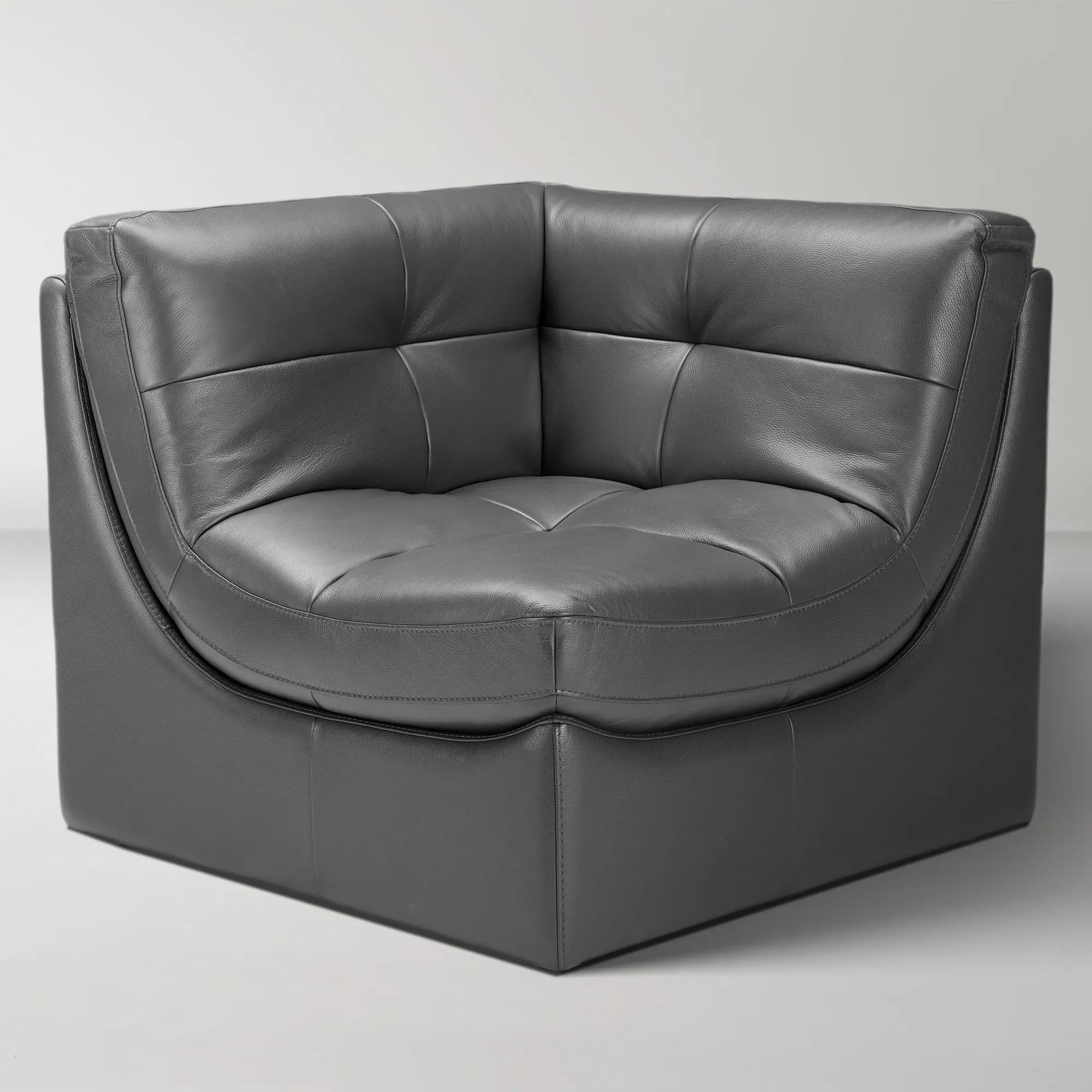
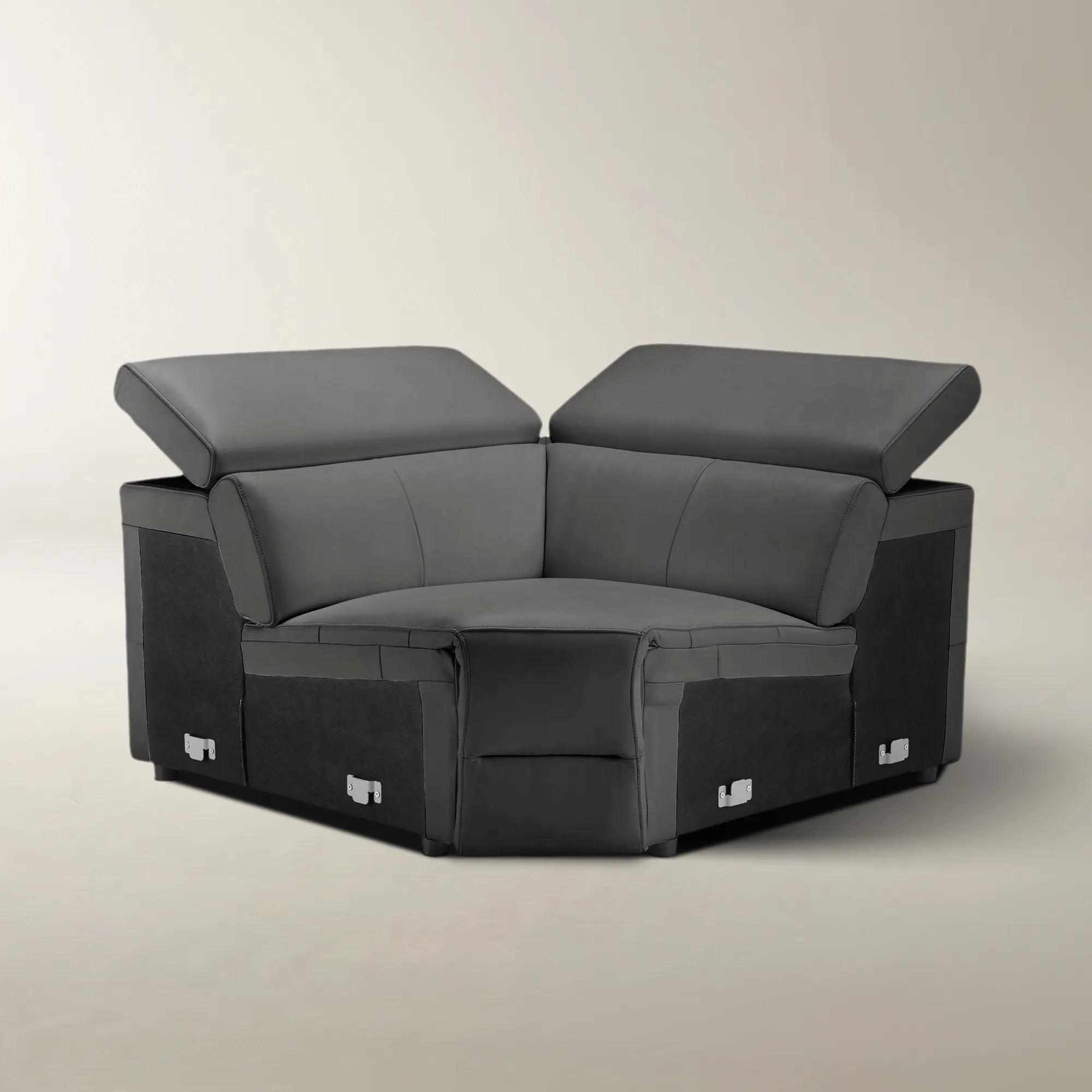
 Convo Charcoal Leather Corner Chair$1399
A modular sectional featuring kiln-dried hardwood frames and charcoal semi-aniline leather upholstery for modern versatility.
Add To Cart -
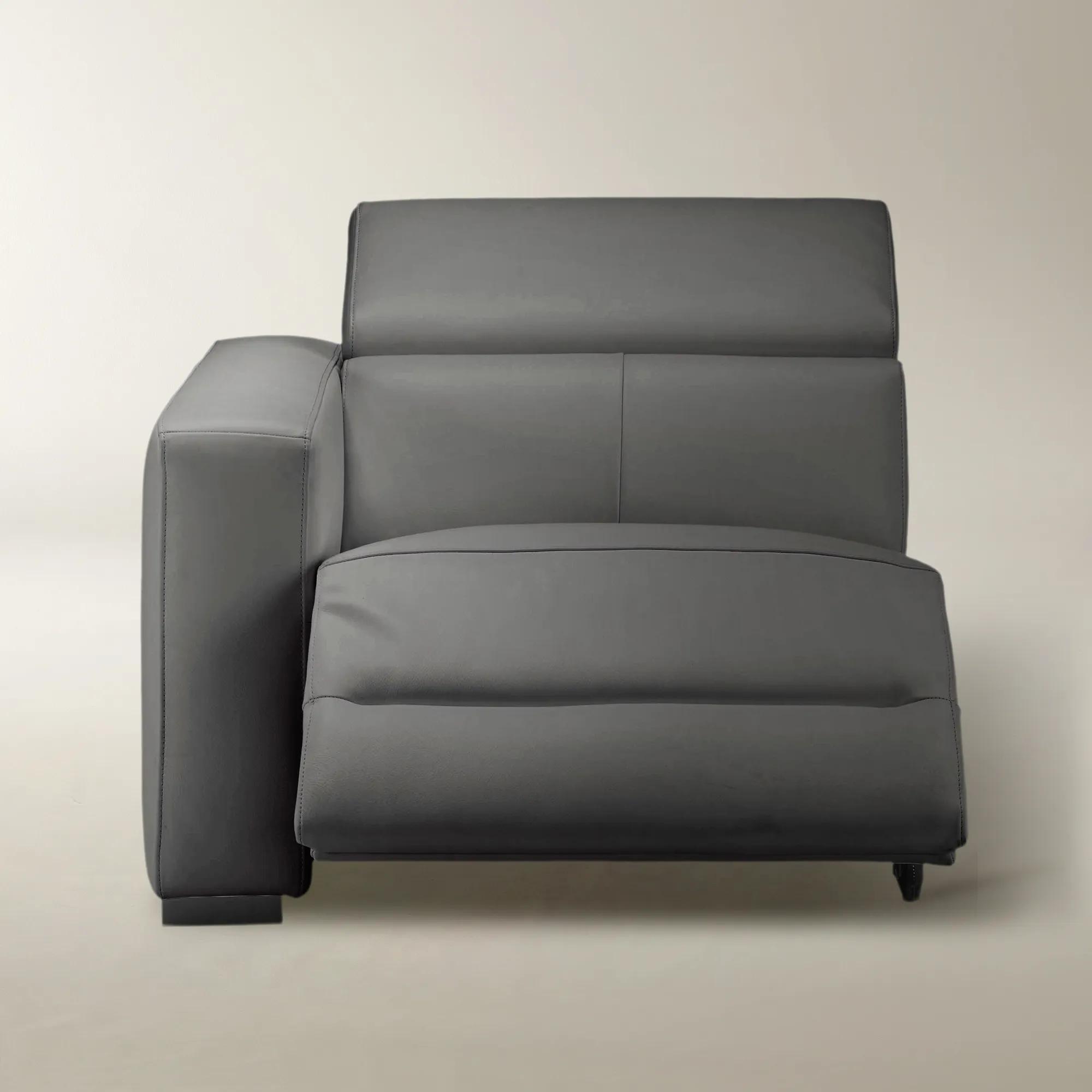
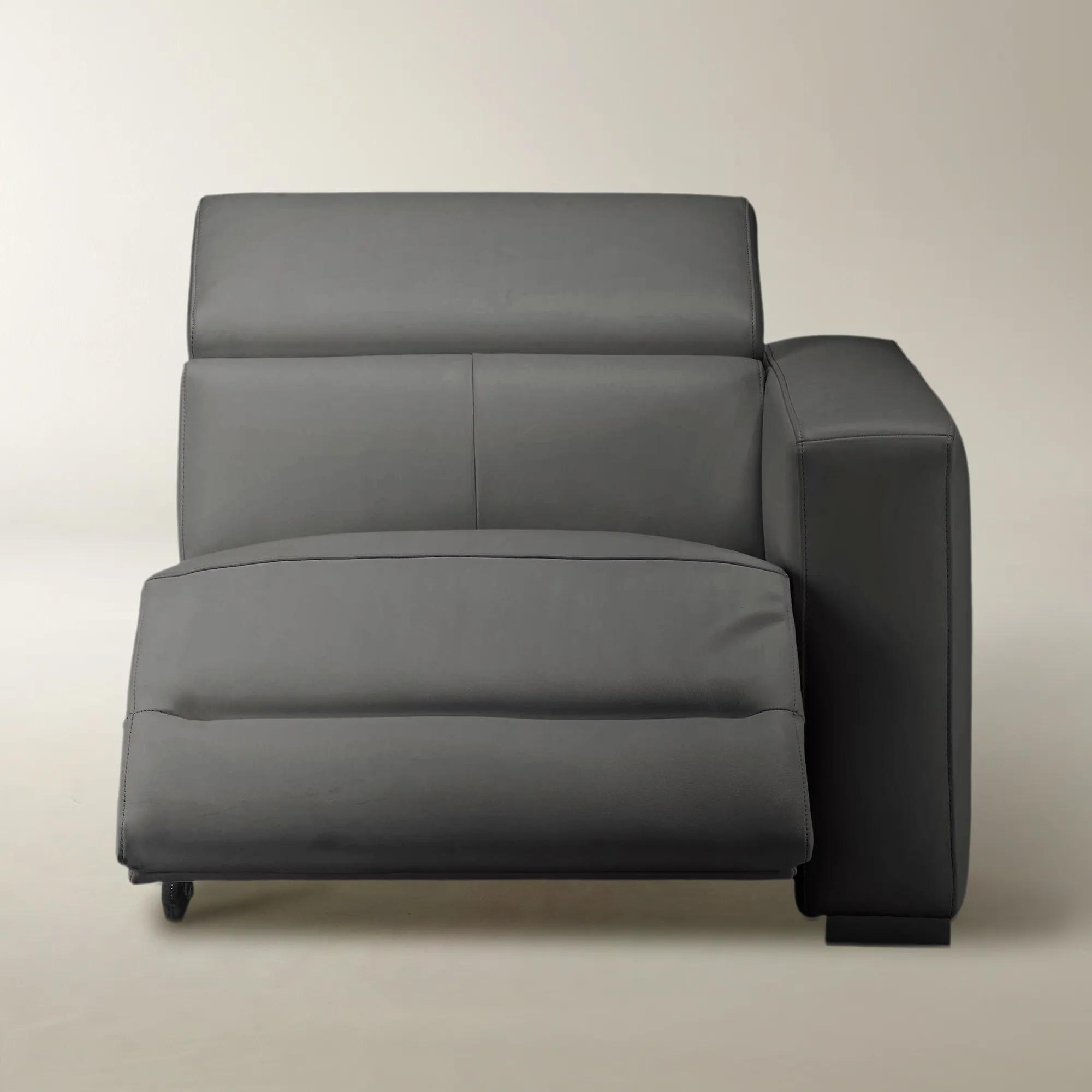
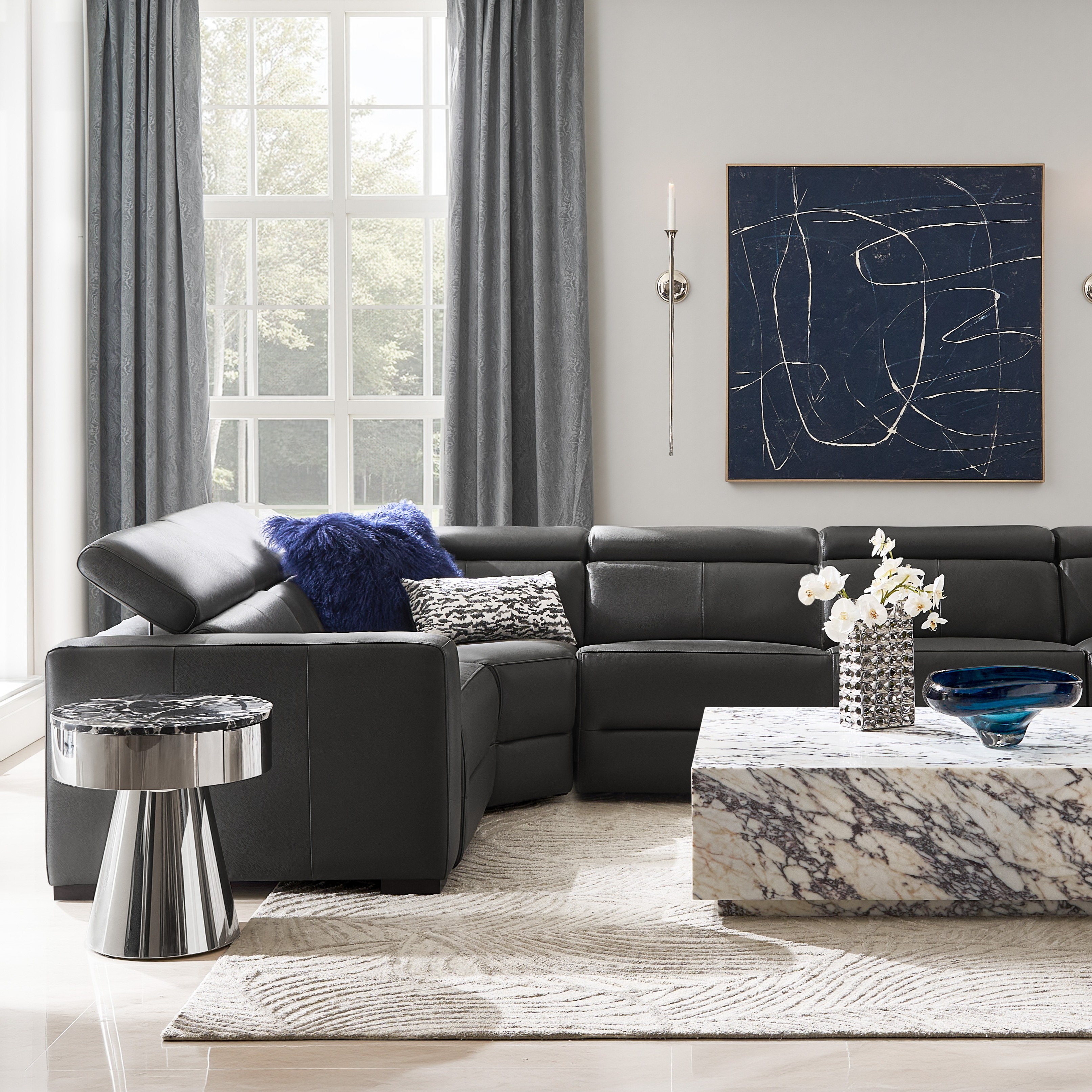 Verona Reclining Charcoal Leather Left Arm Chair With Power$1499
A charcoal semi-aniline leather sectional with adjustable headrests, power-reclining seats, and kiln-dried hardwood frame.
Add To Cart -
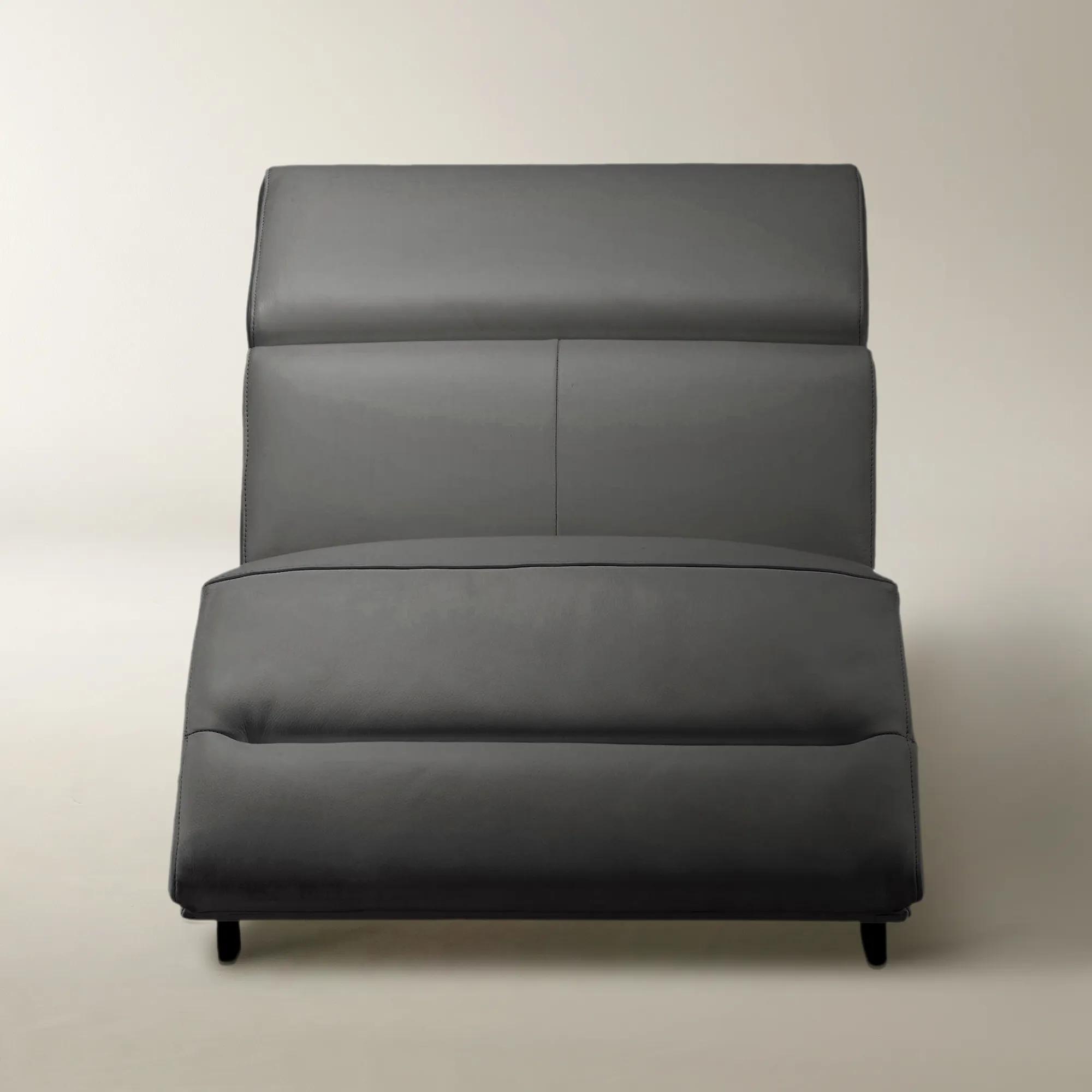
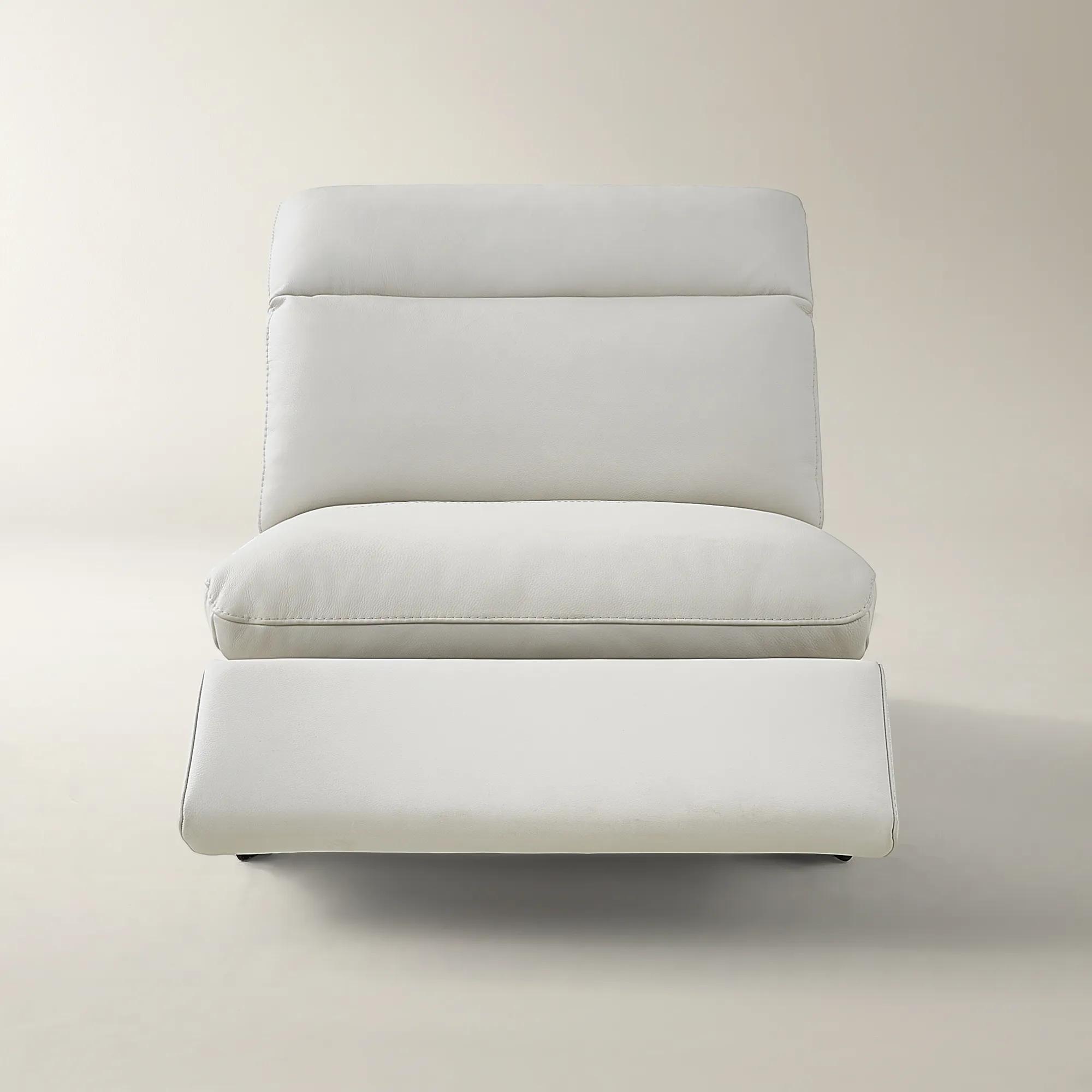
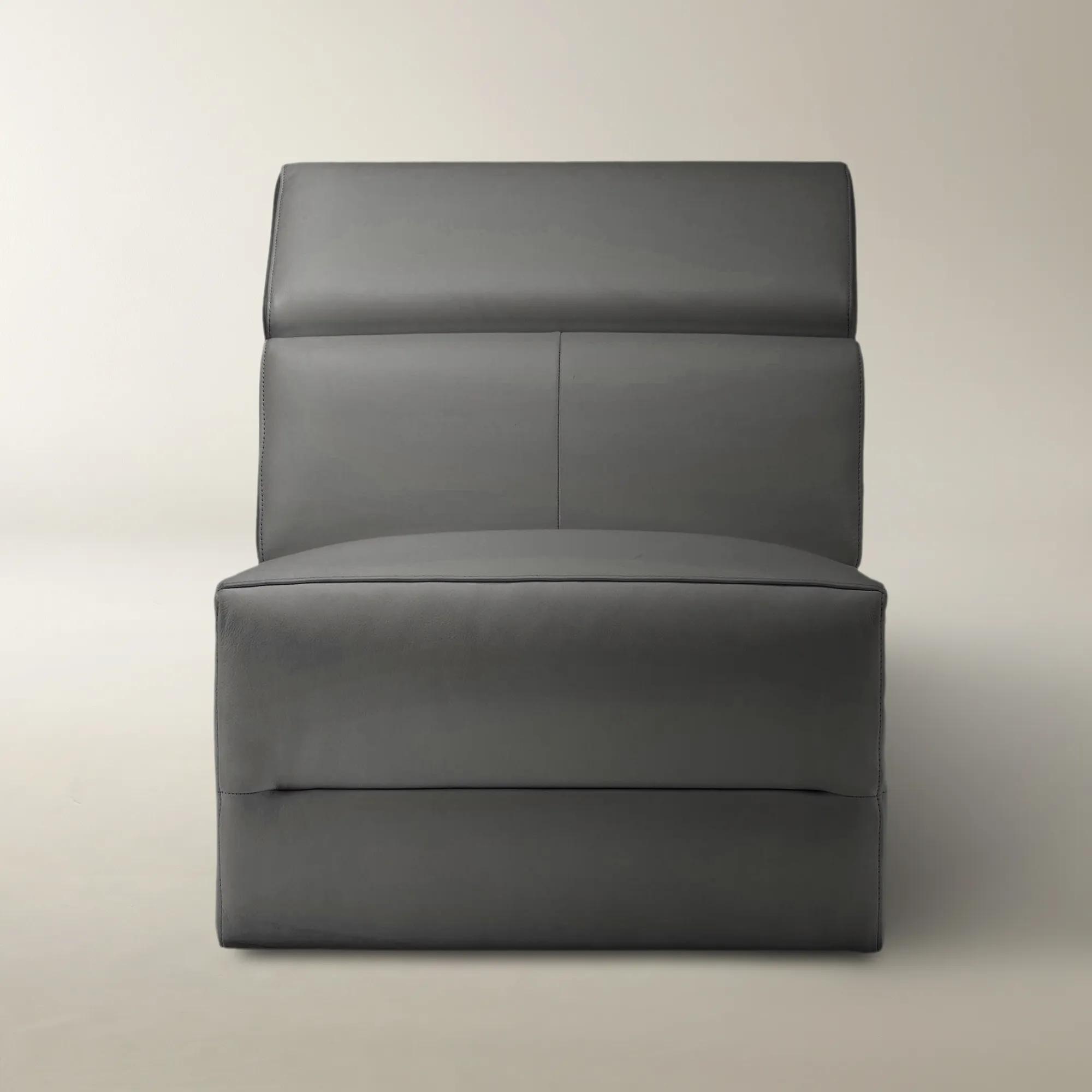 Verona Charcoal Leather Armless Chair$1099
A charcoal semi-aniline leather sectional featuring adjustable headrests and optional power-reclining seats for comfort.
Add To Cart -
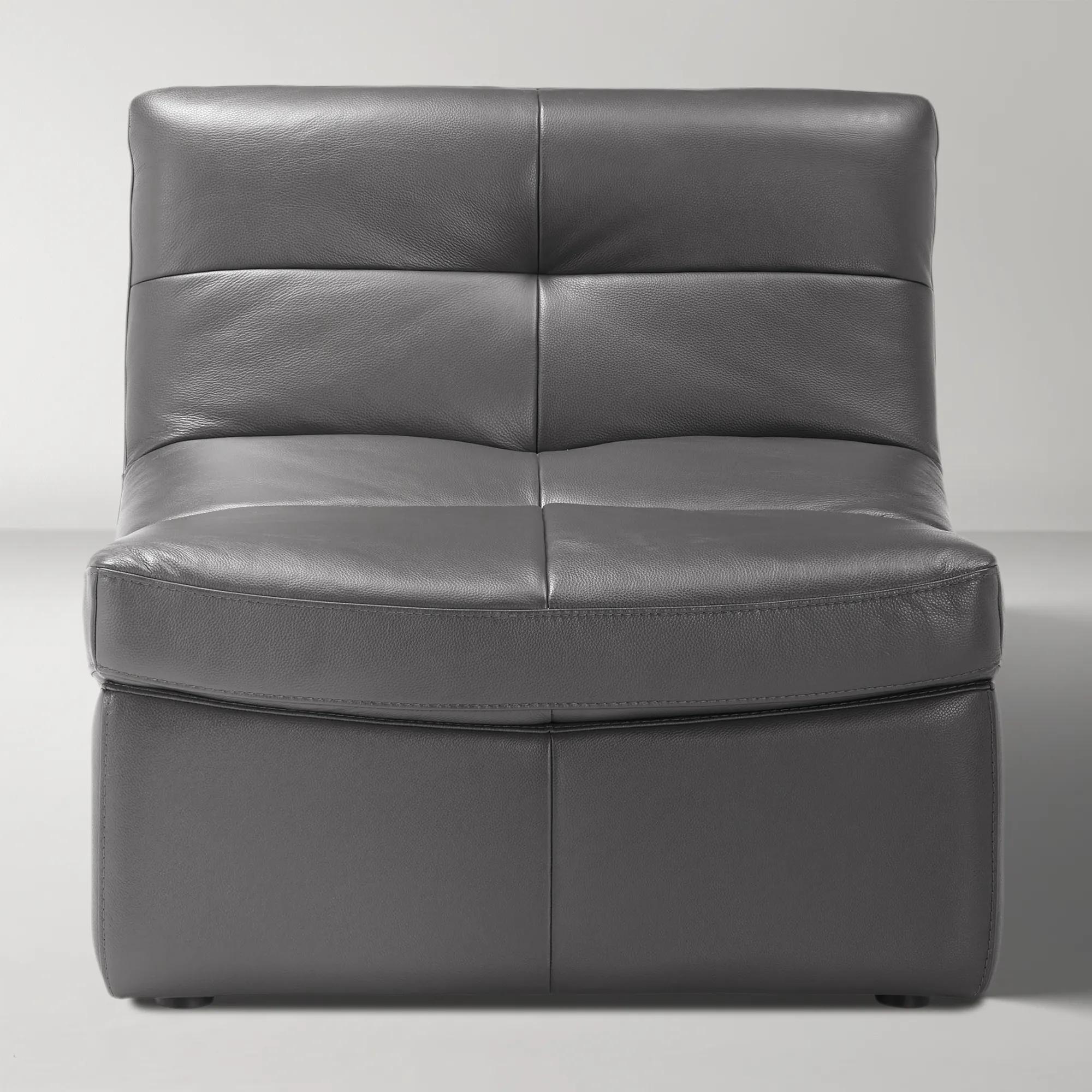
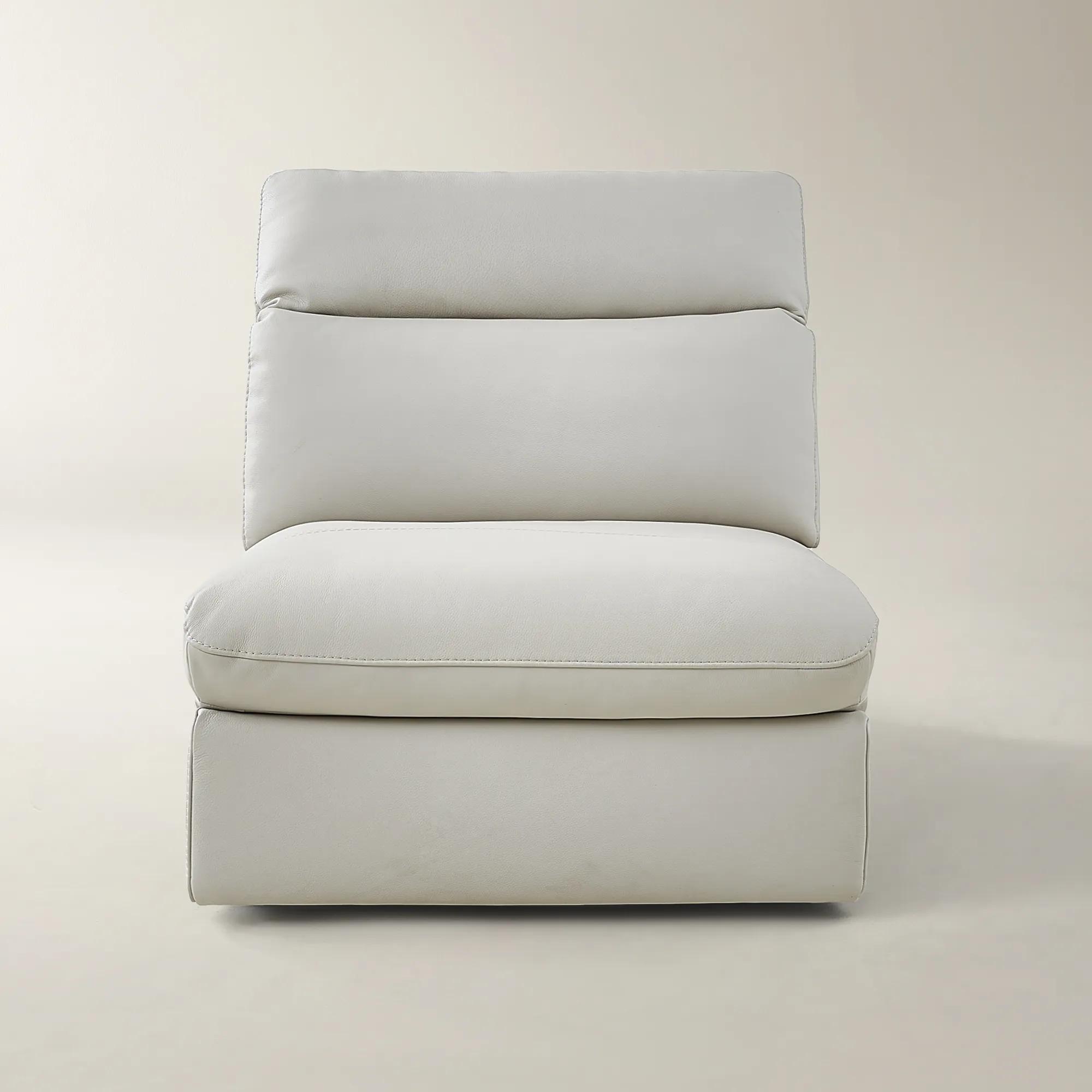
.jpg?w=1200&h=1200) Convo Charcoal Leather Armless Chair$1199
Convo Charcoal Leather Armless Chair$1199A modular sectional with kiln-dried hardwood frame and charcoal semi-aniline leather upholstery for modern versatility.
Add To Cart -
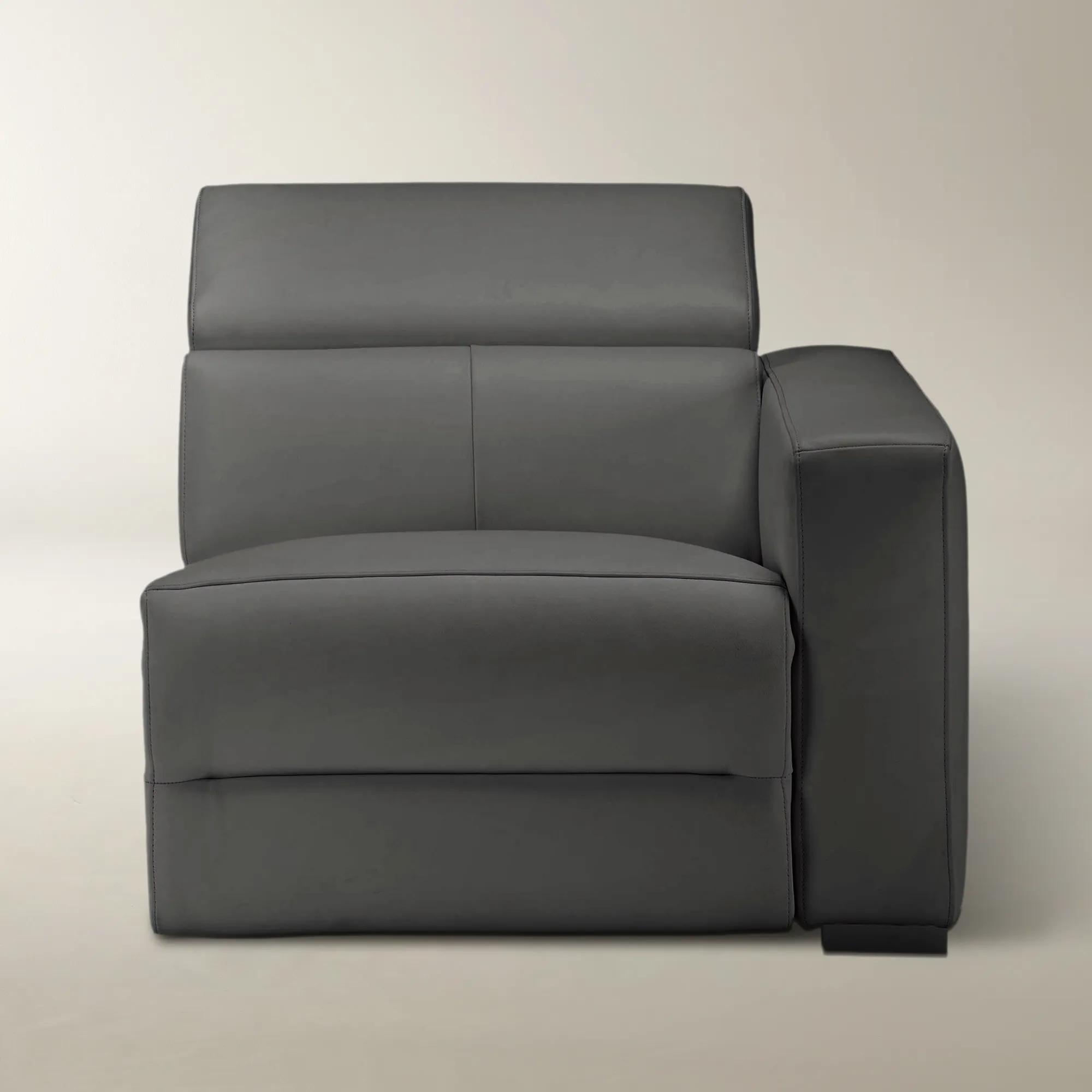
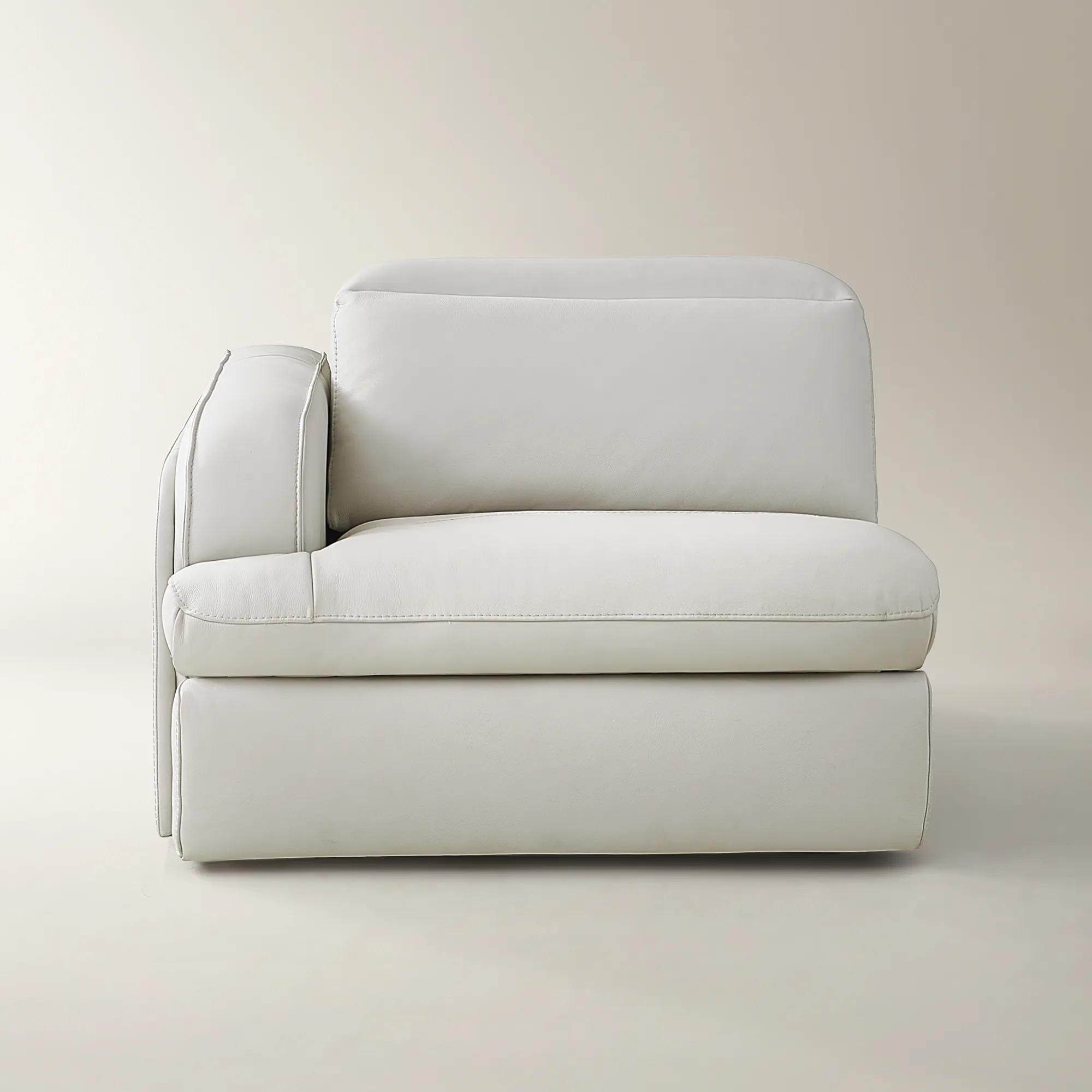
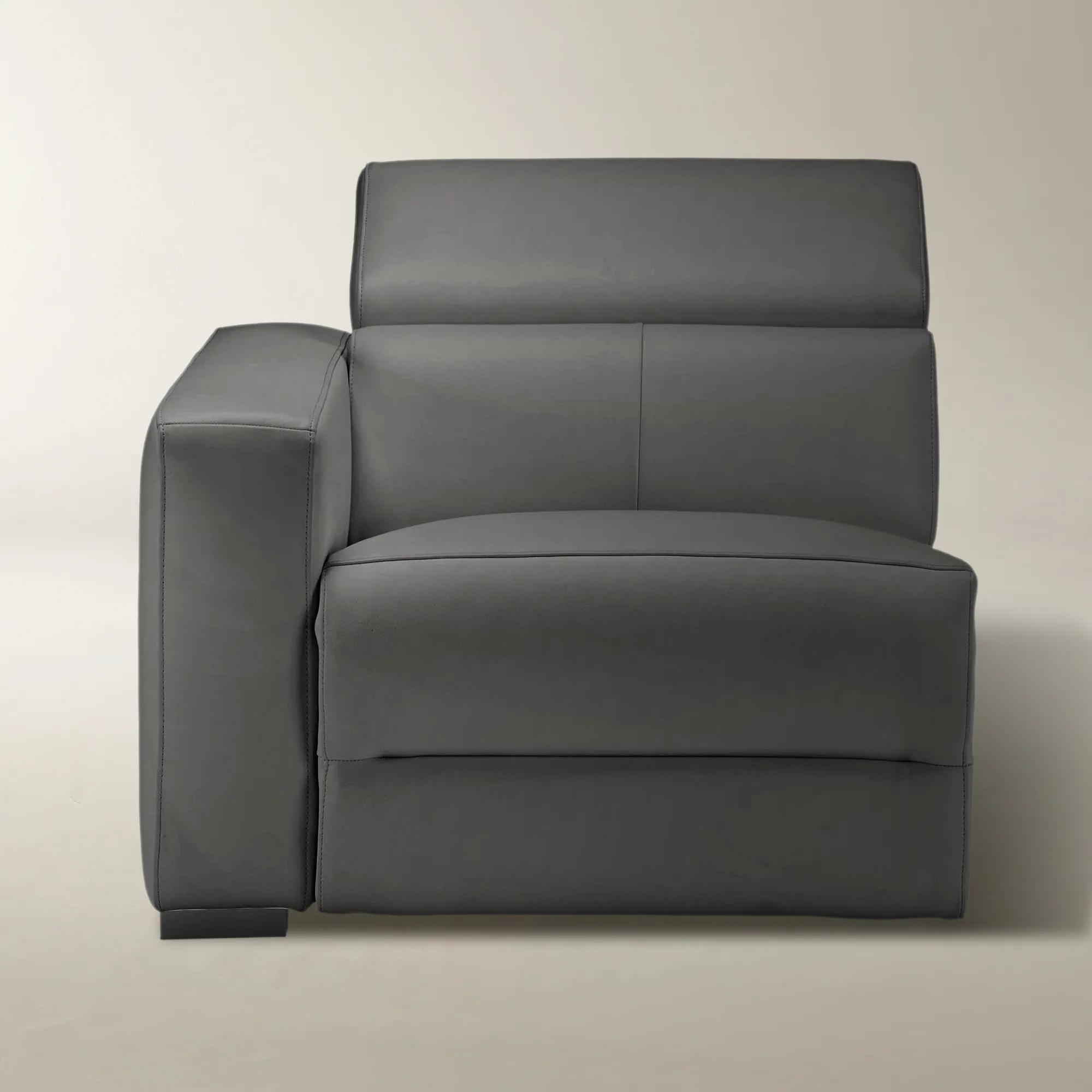 Verona Charcoal Leather Left Arm Chair$1299
A charcoal semi-aniline leather sectional with adjustable headrests, power-reclining seats, and kiln-dried hardwood frame.
Add To Cart -
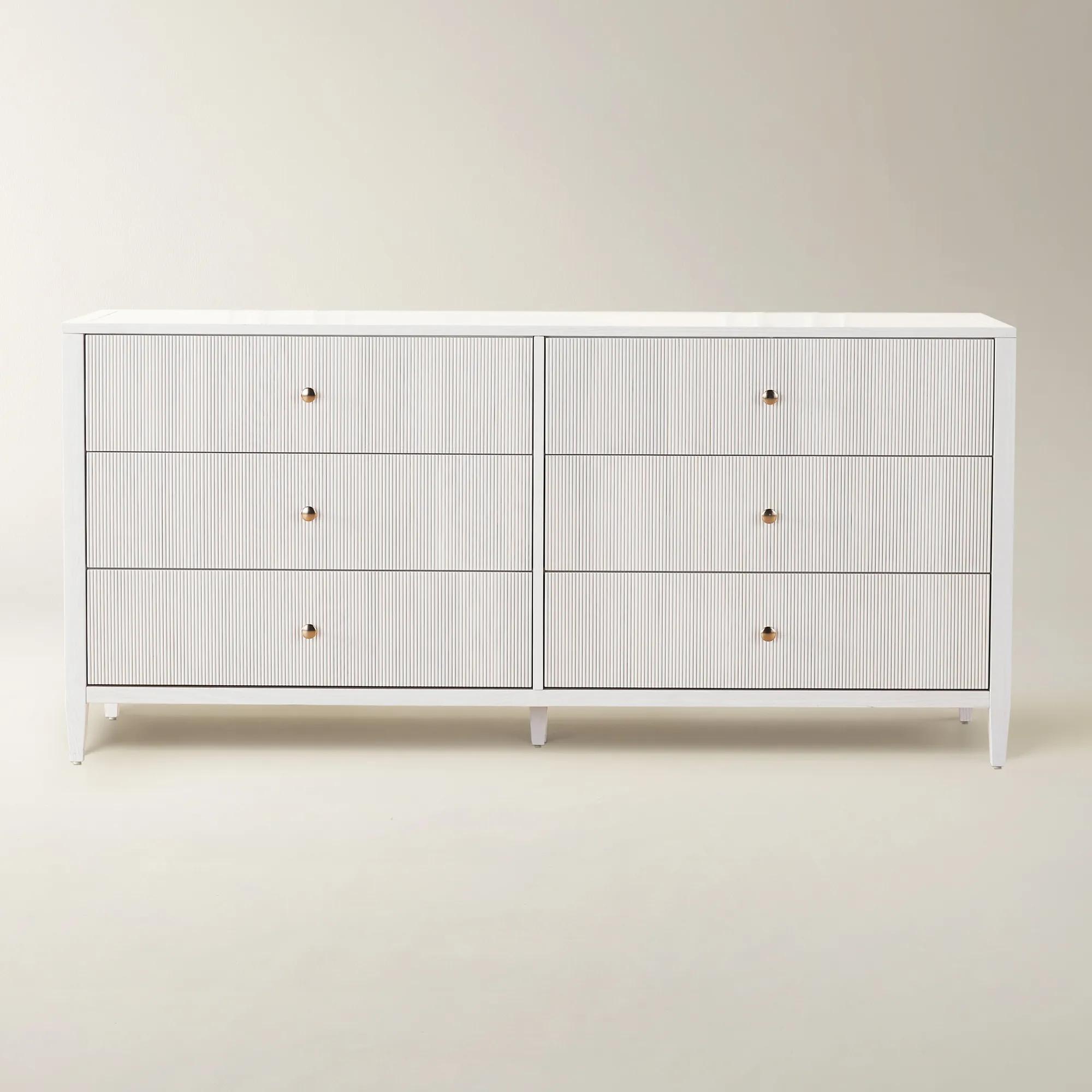
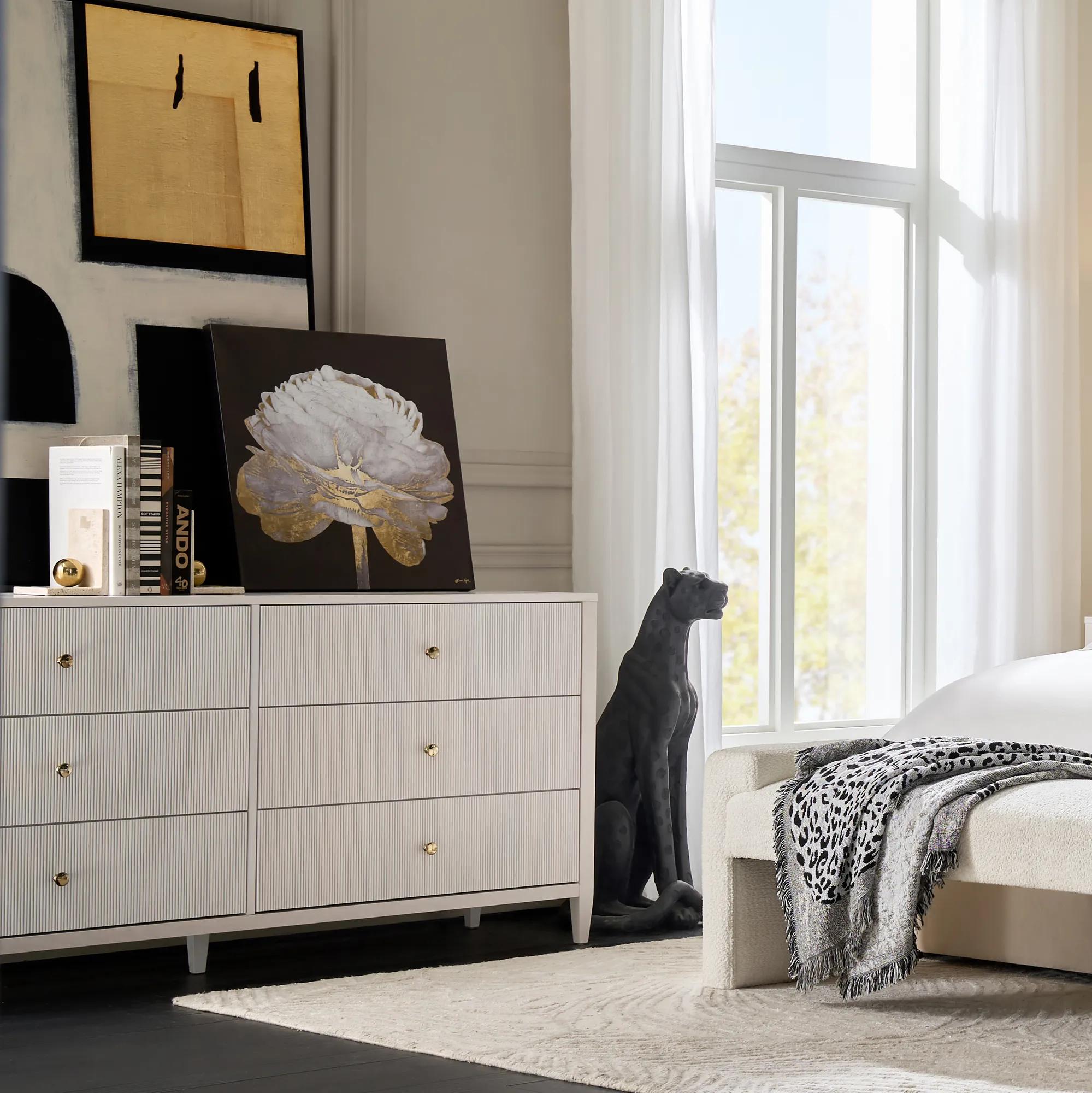 Viola Reeded White Ash Wood 6-Drawer Dresser (70")$1899
A modern dresser in bone white ash wood with reeded fronts and brass hardware for a luxe touch.
Add To Cart -
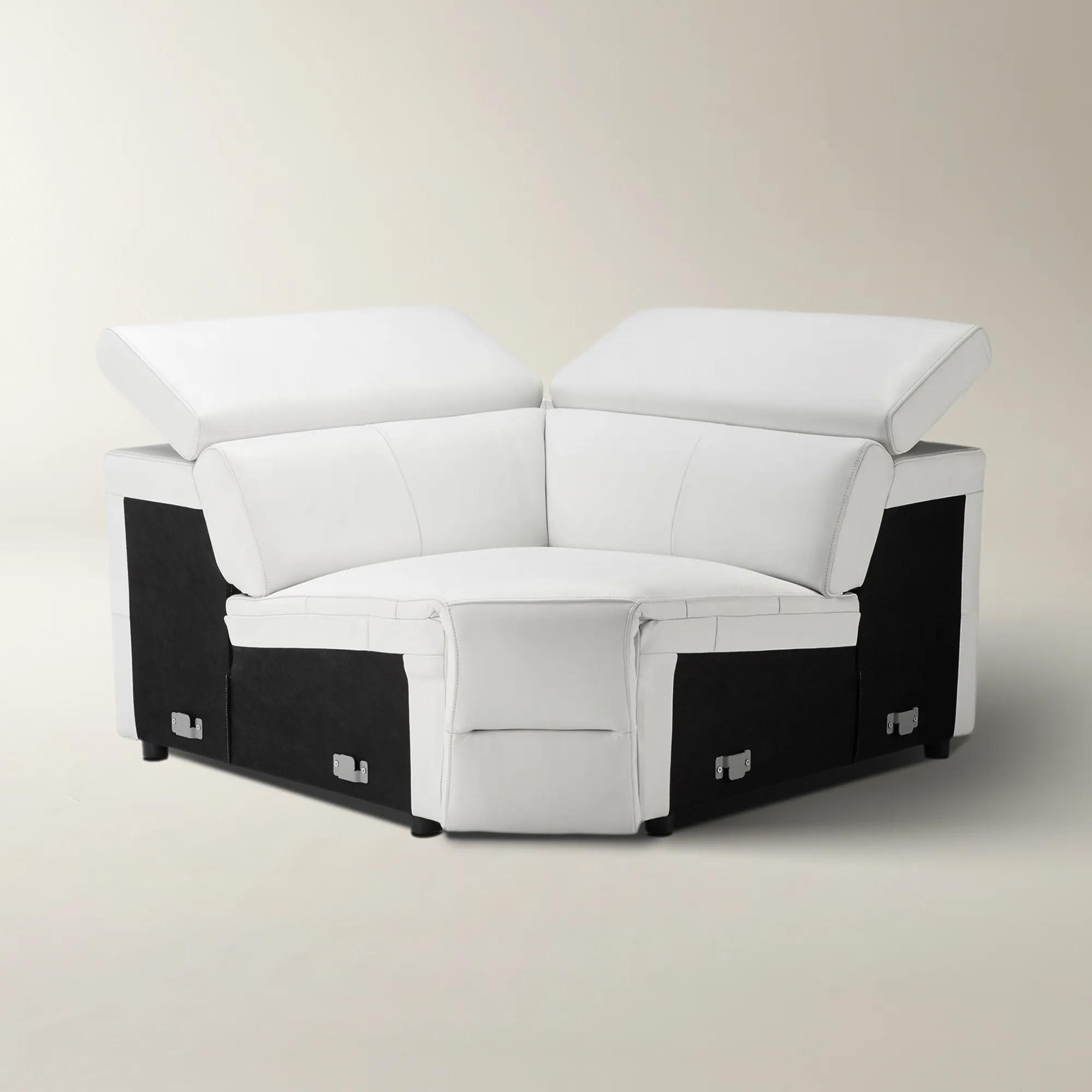
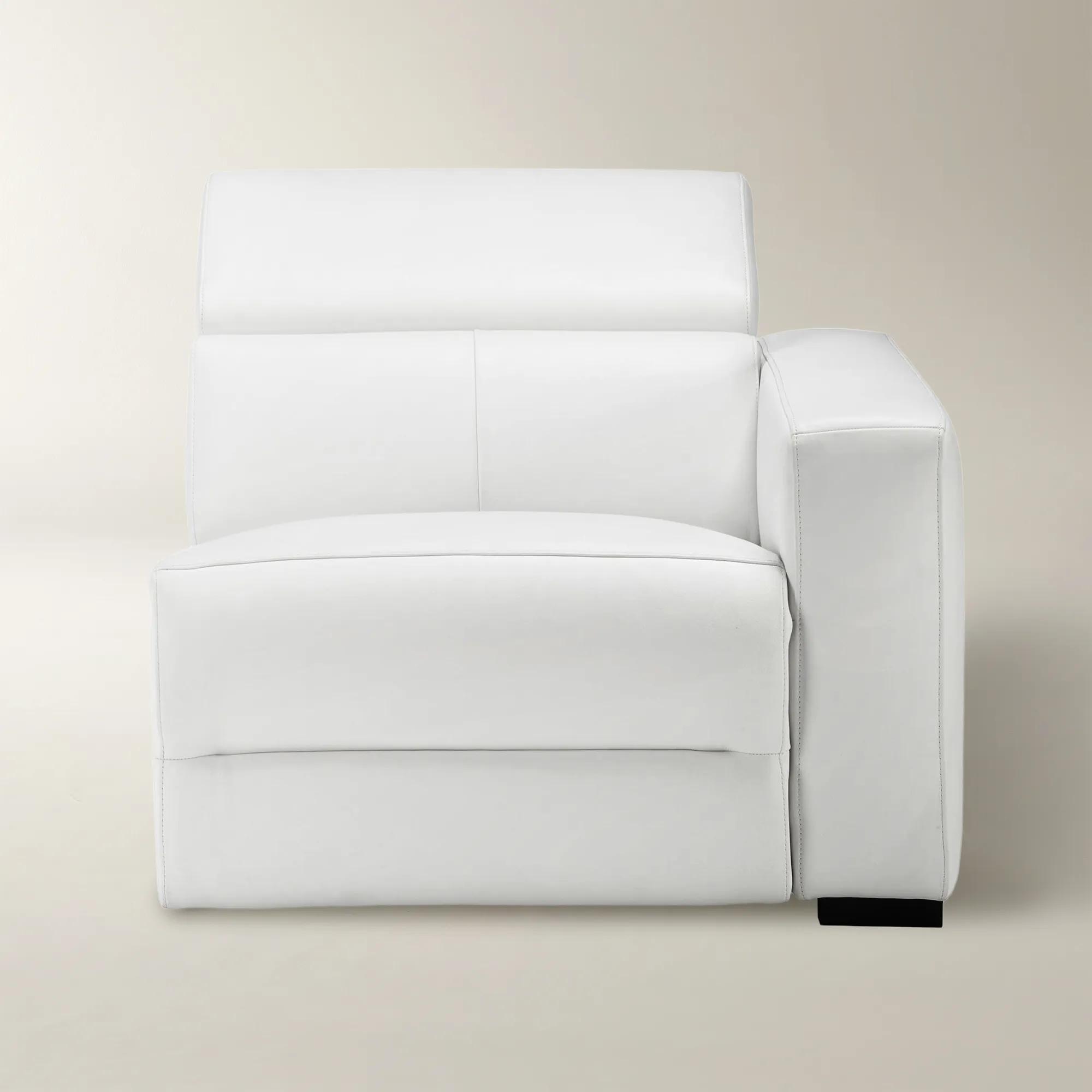
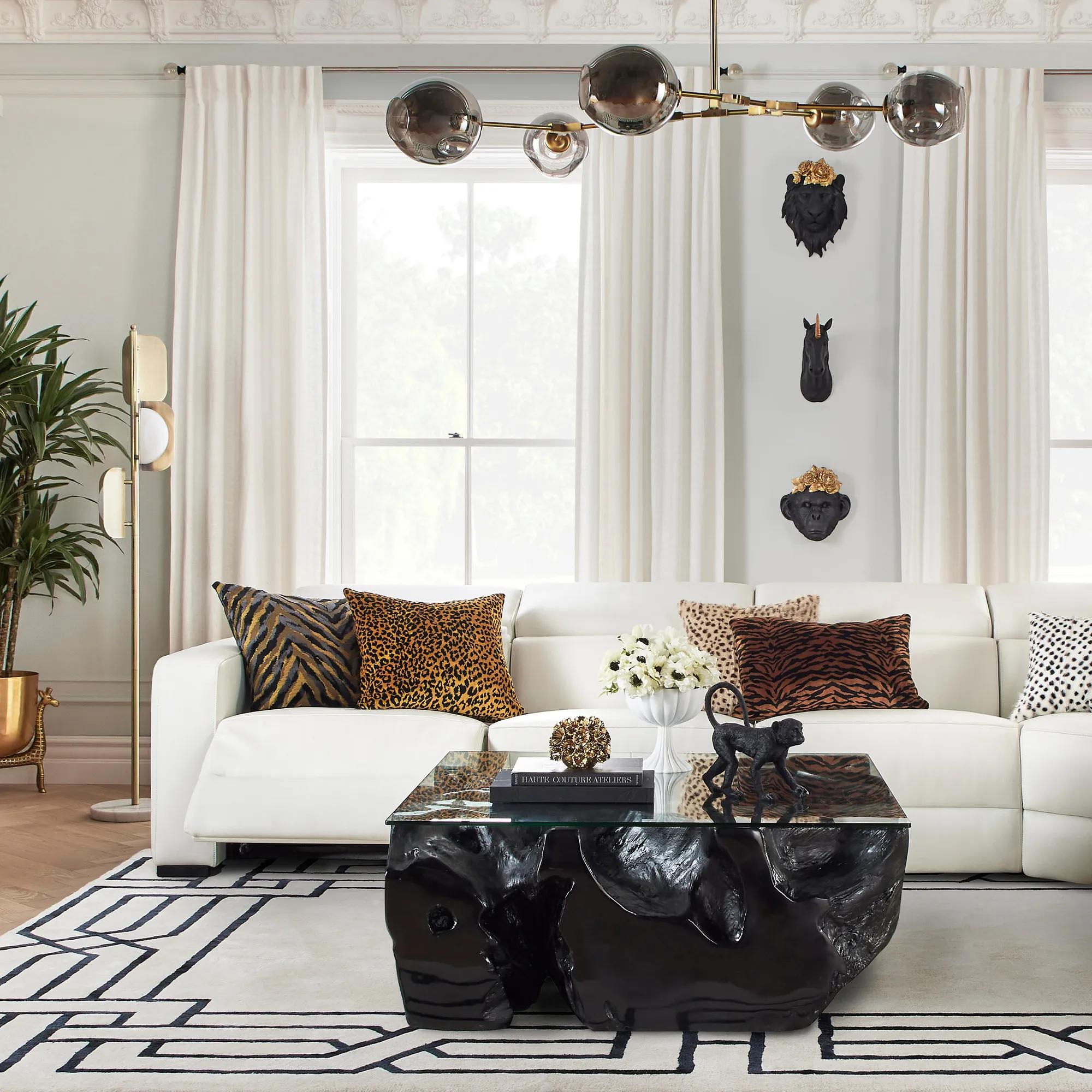 Verona White Leather Corner Chair With Power$1499
A modern sectional upholstered in supple white semi-aniline leather with adjustable headrests and power-reclining seats.
Add To Cart -
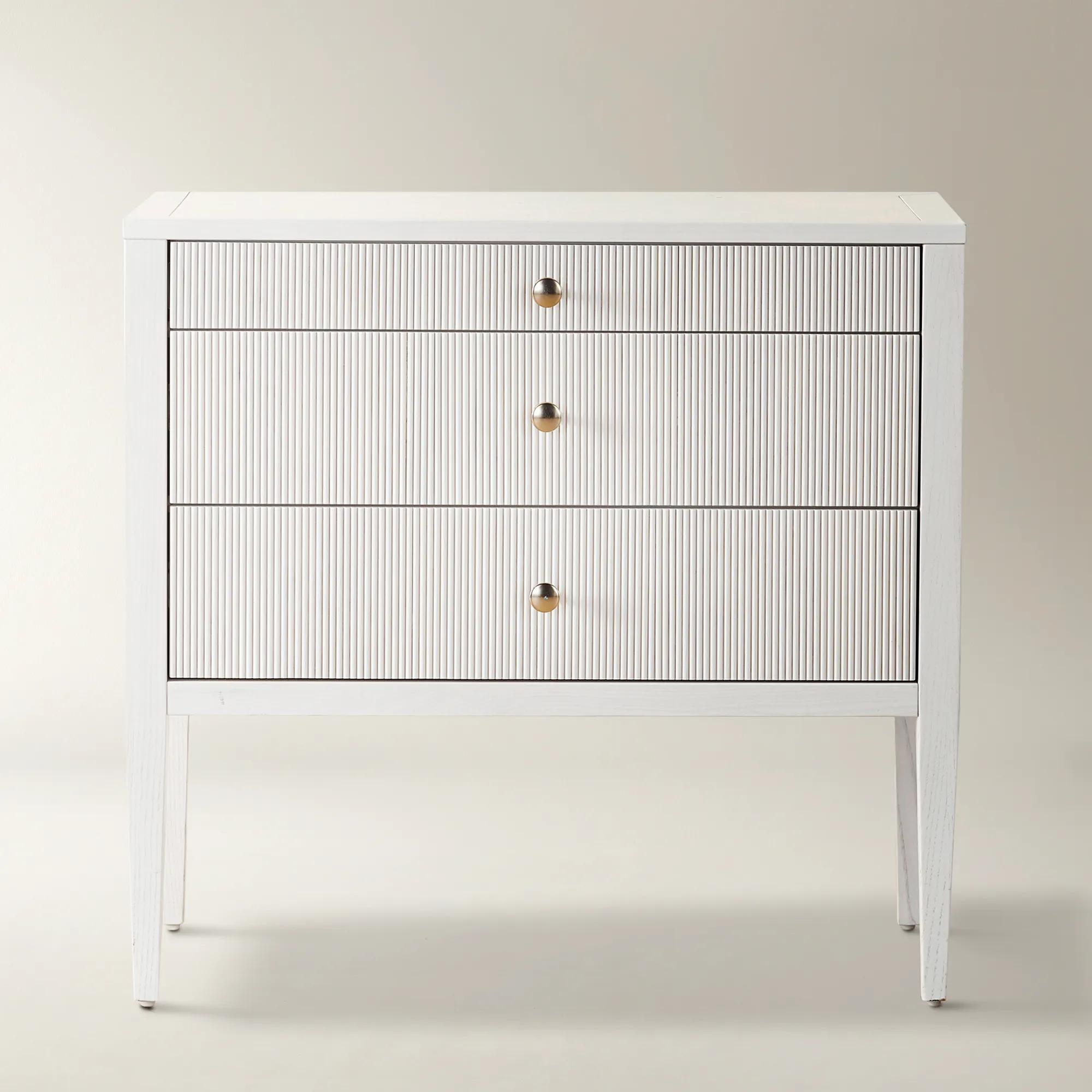 Viola Reeded White Ash Wood 3-Drawer Nightstand (31")$899
A modern nightstand in bone white ash wood with reeded drawers and brass hardware for a luxe touch.
Add To Cart -
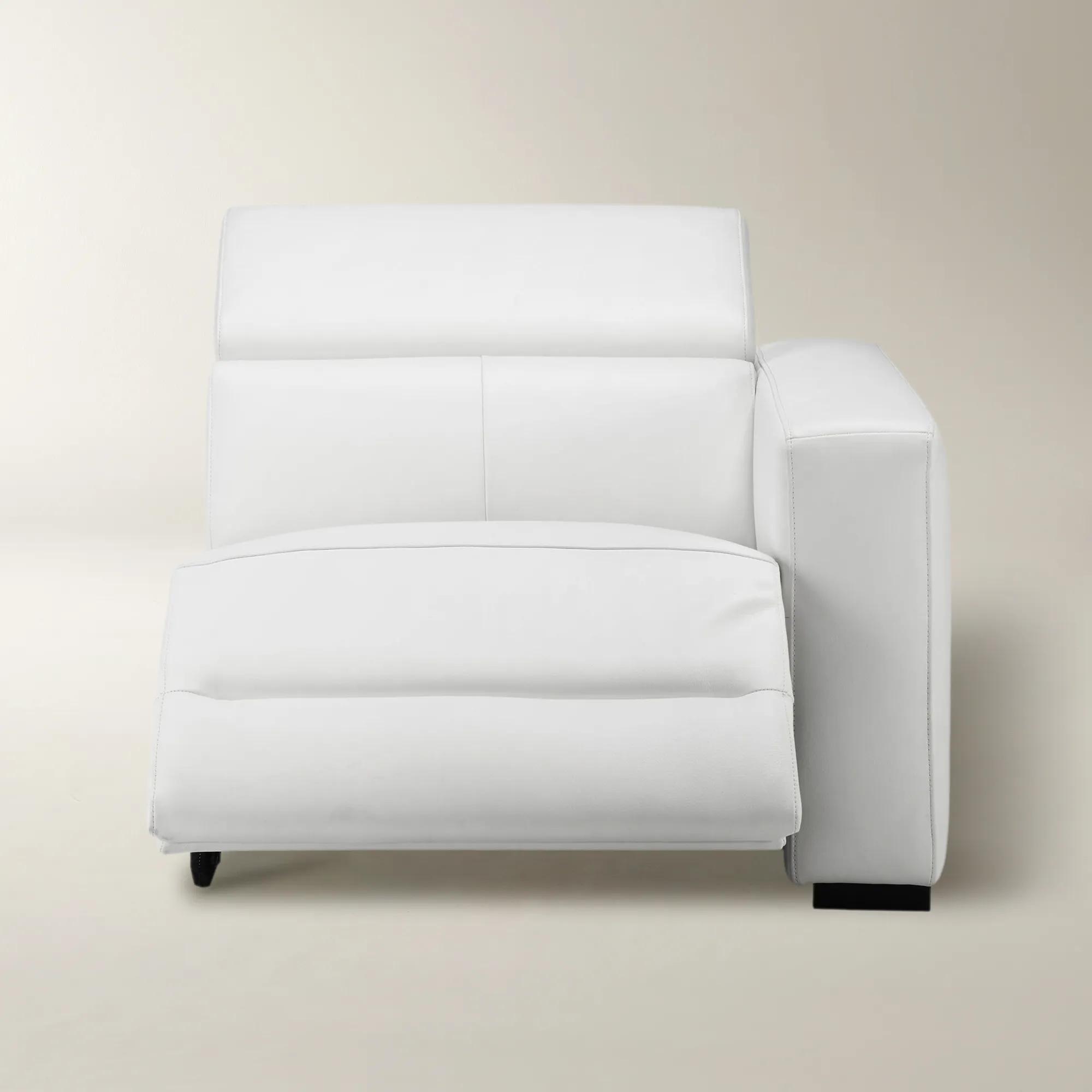 Verona Reclining White Leather Right Arm Chair With Power$1499
A modern white sectional upholstered in supple semi-aniline leather with adjustable headrests and power-reclining options.
Add To Cart -
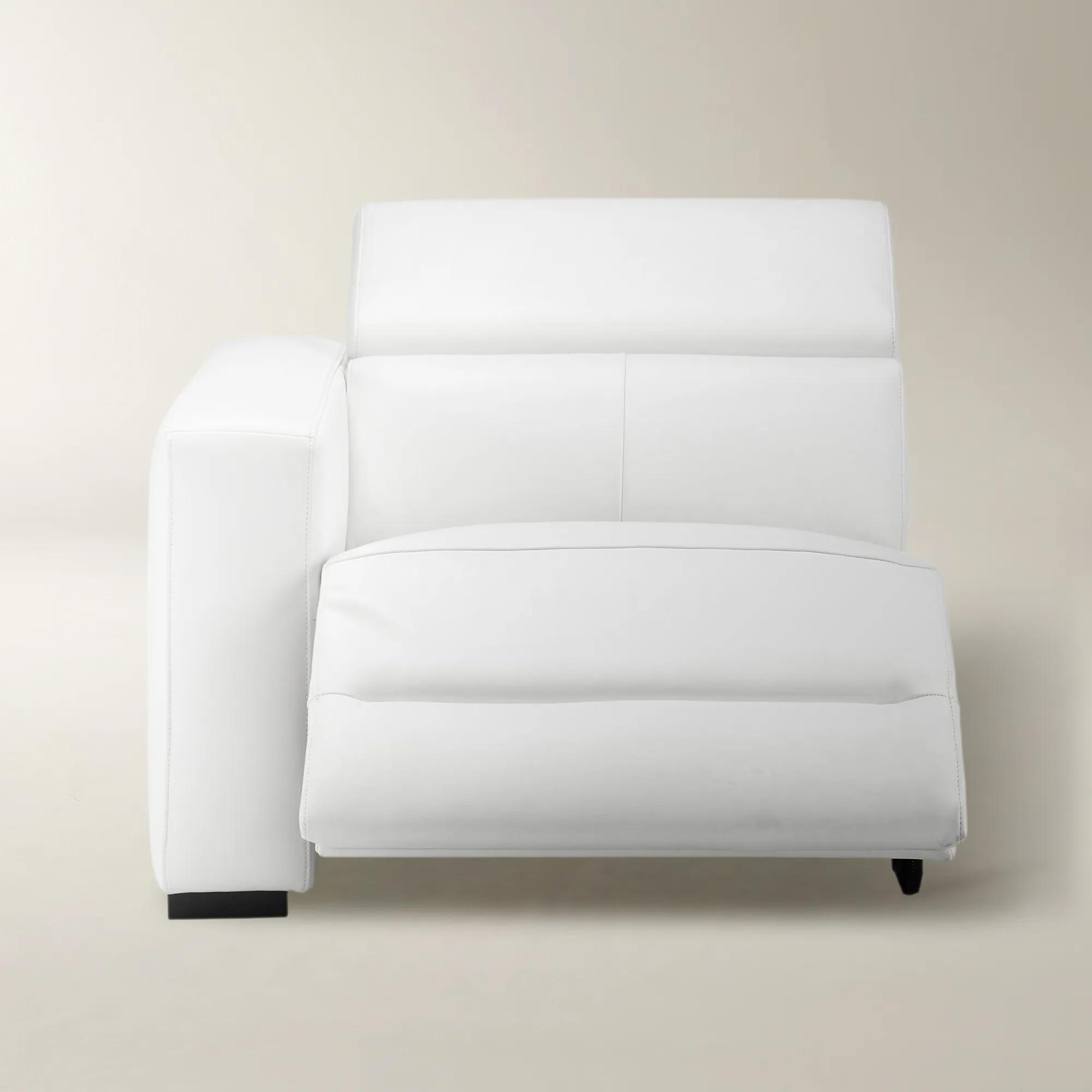 Verona Reclining White Leather Left Arm Chair With Power$1499
A modern white sectional upholstered in supple semi-aniline leather with adjustable headrests and power-reclining seats.
Add To Cart -
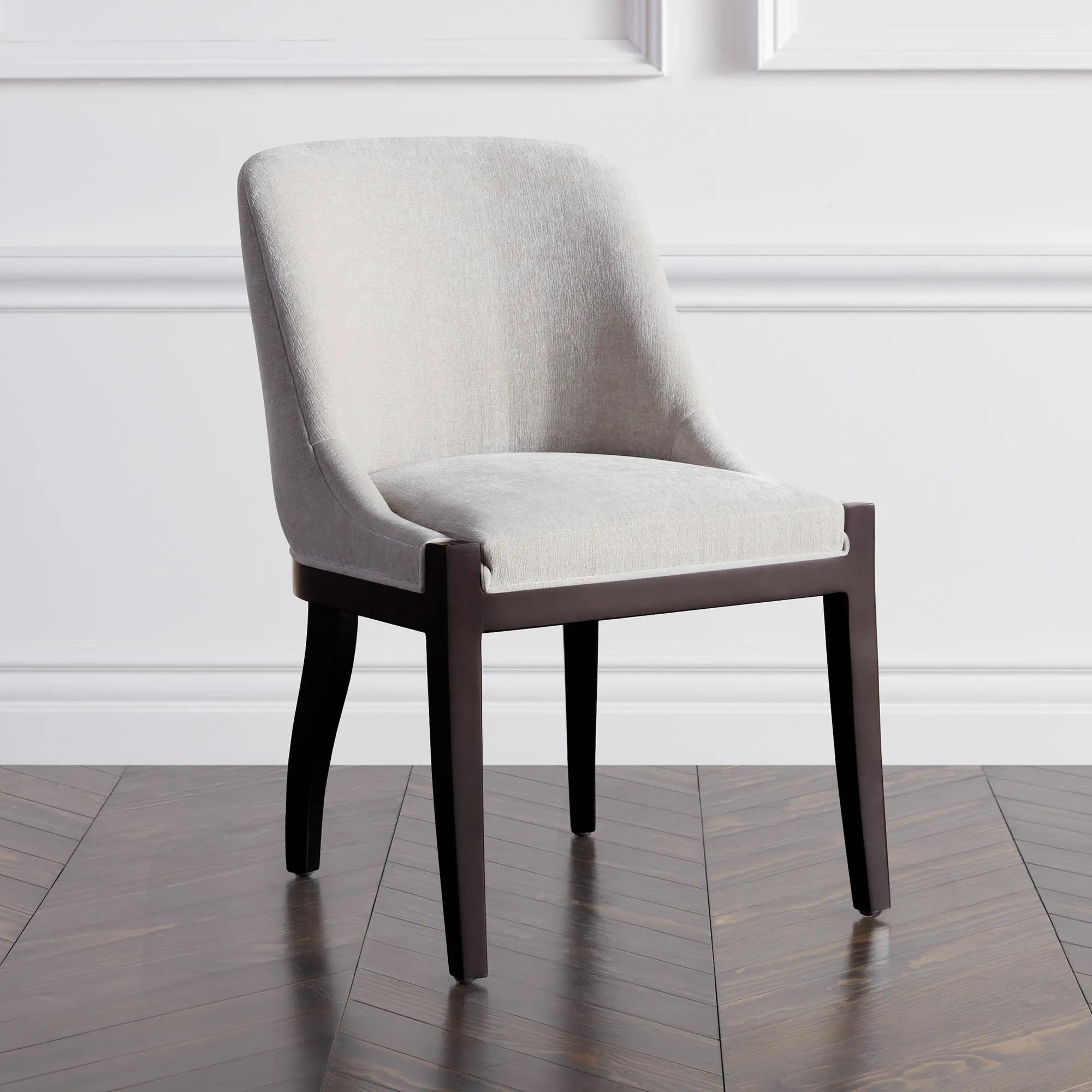
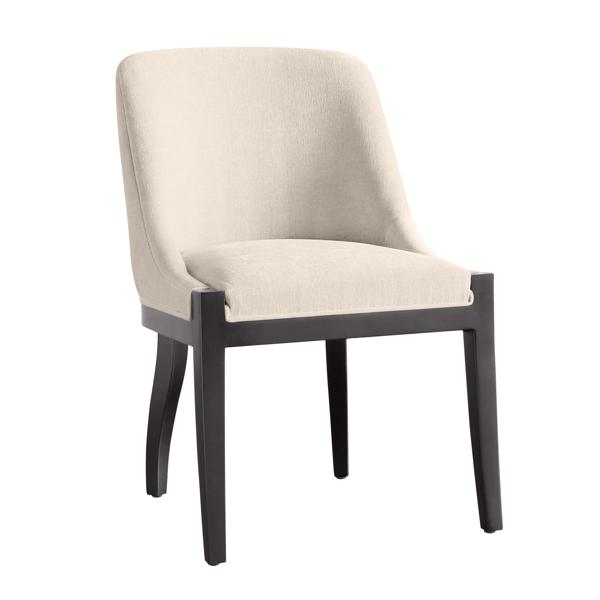 Lily Dining Chair - Espresso$599
A modern dining chair with kiln-dried hardwood frame, espresso legs, and plush, tailored upholstery.
Add To Cart -
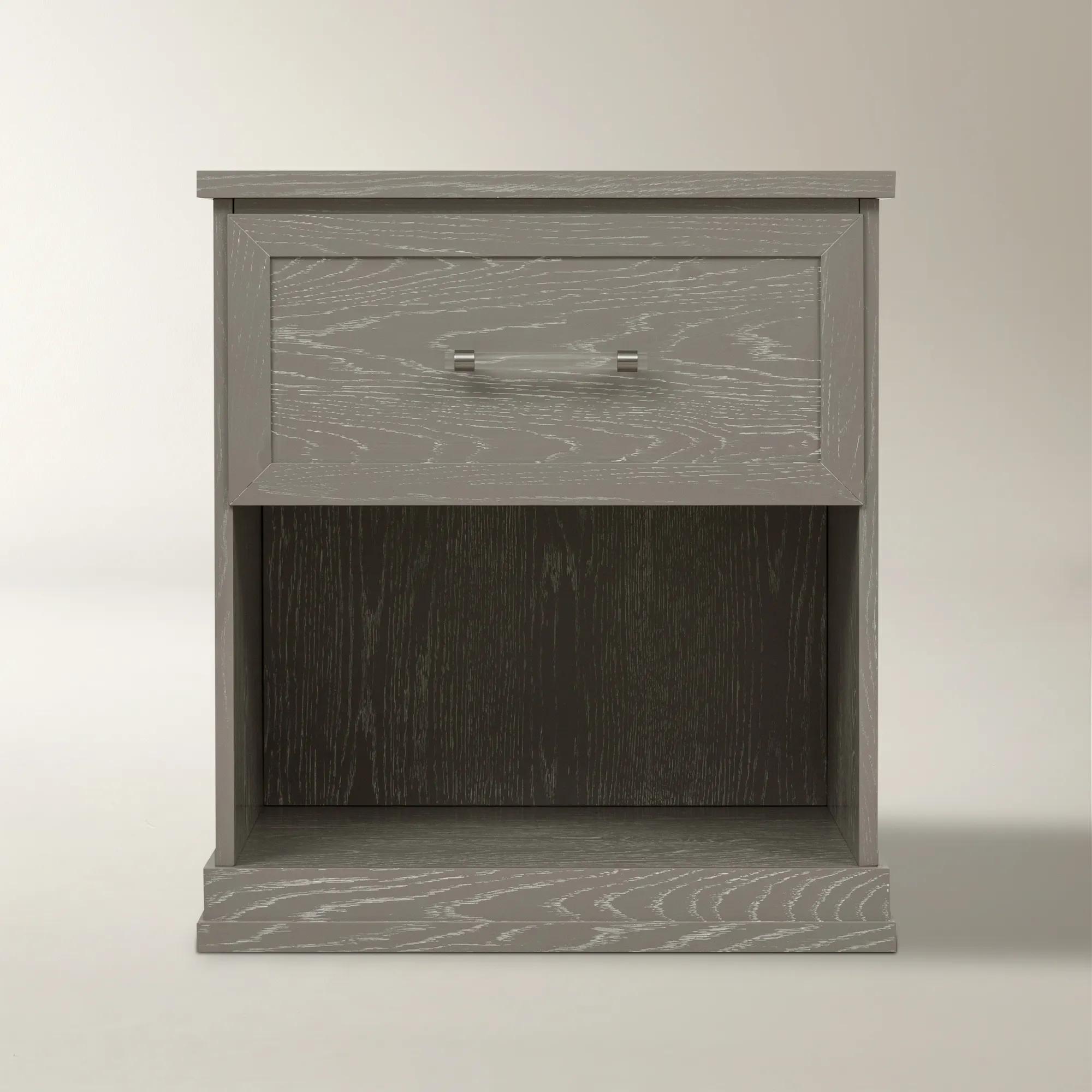
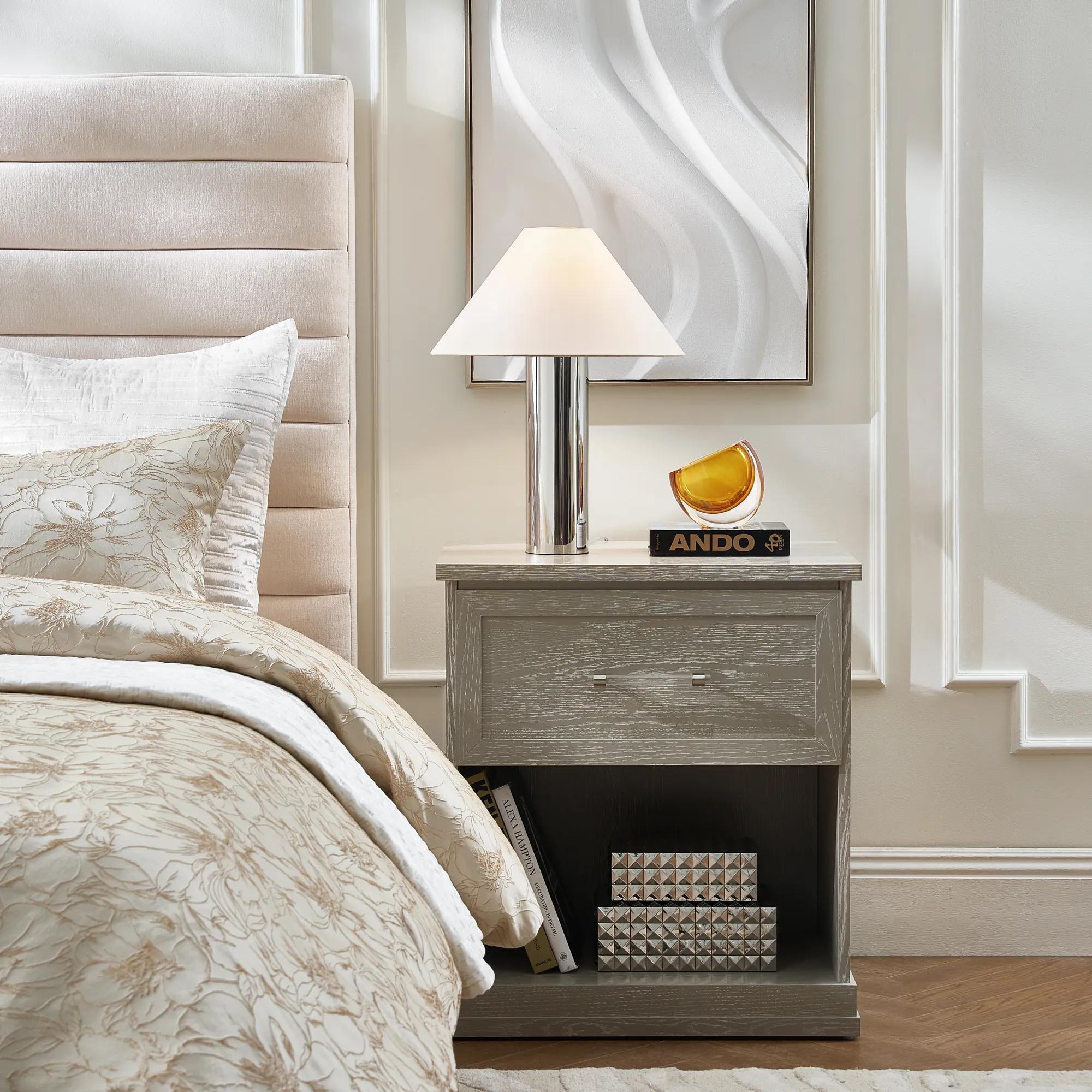 Arwin Grey Oak 1-Drawer Nightstand (26")$699
A contemporary grey hardwood veneer nightstand featuring acrylic and brushed silver handles with soft-closing drawers.
Add To Cart -
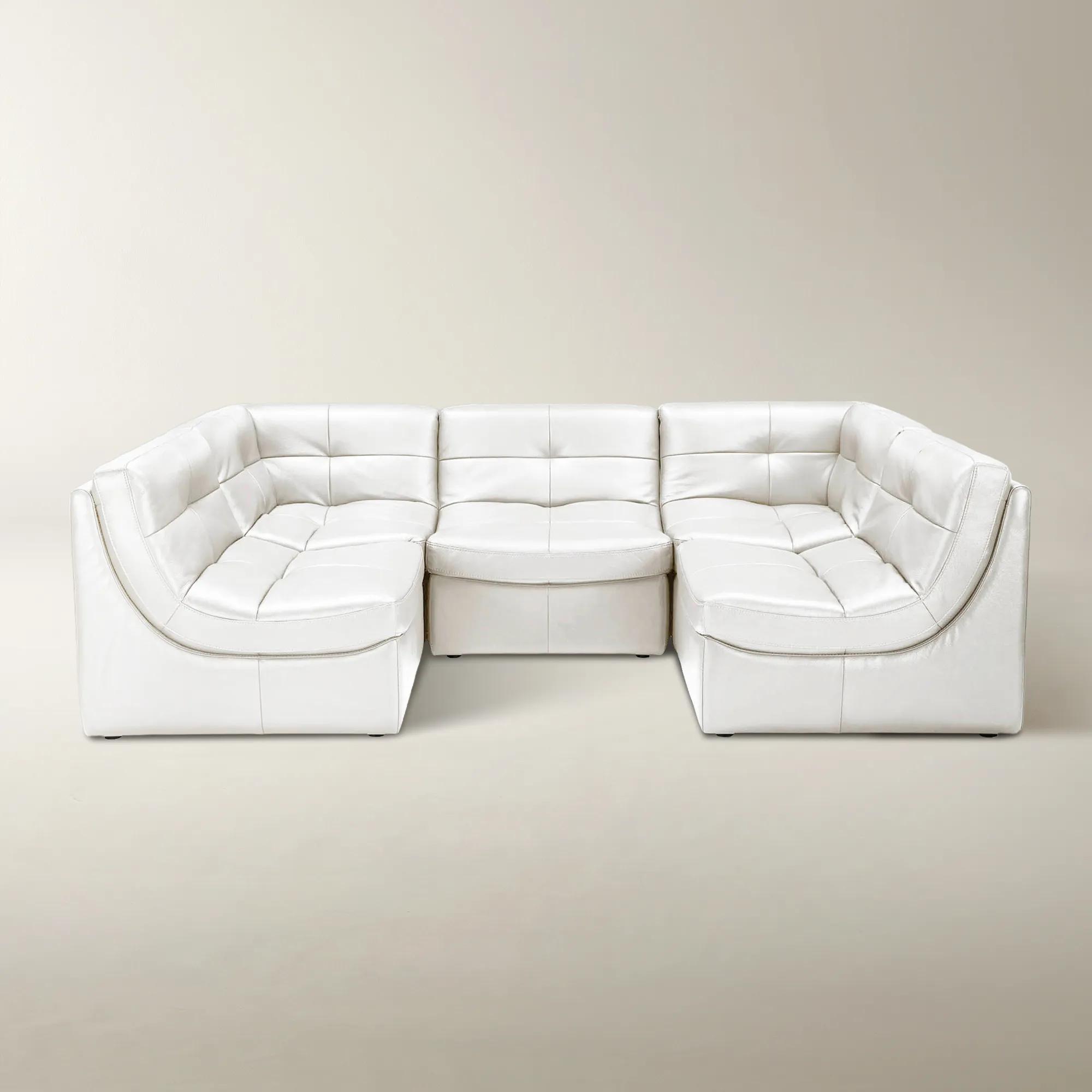 Convo 5-Piece U- Shaped White Leather Sectional Sofa$6399
A modular sectional featuring gently curved seats and charcoal semi-aniline leather upholstery for modern versatility.
Add To Cart -
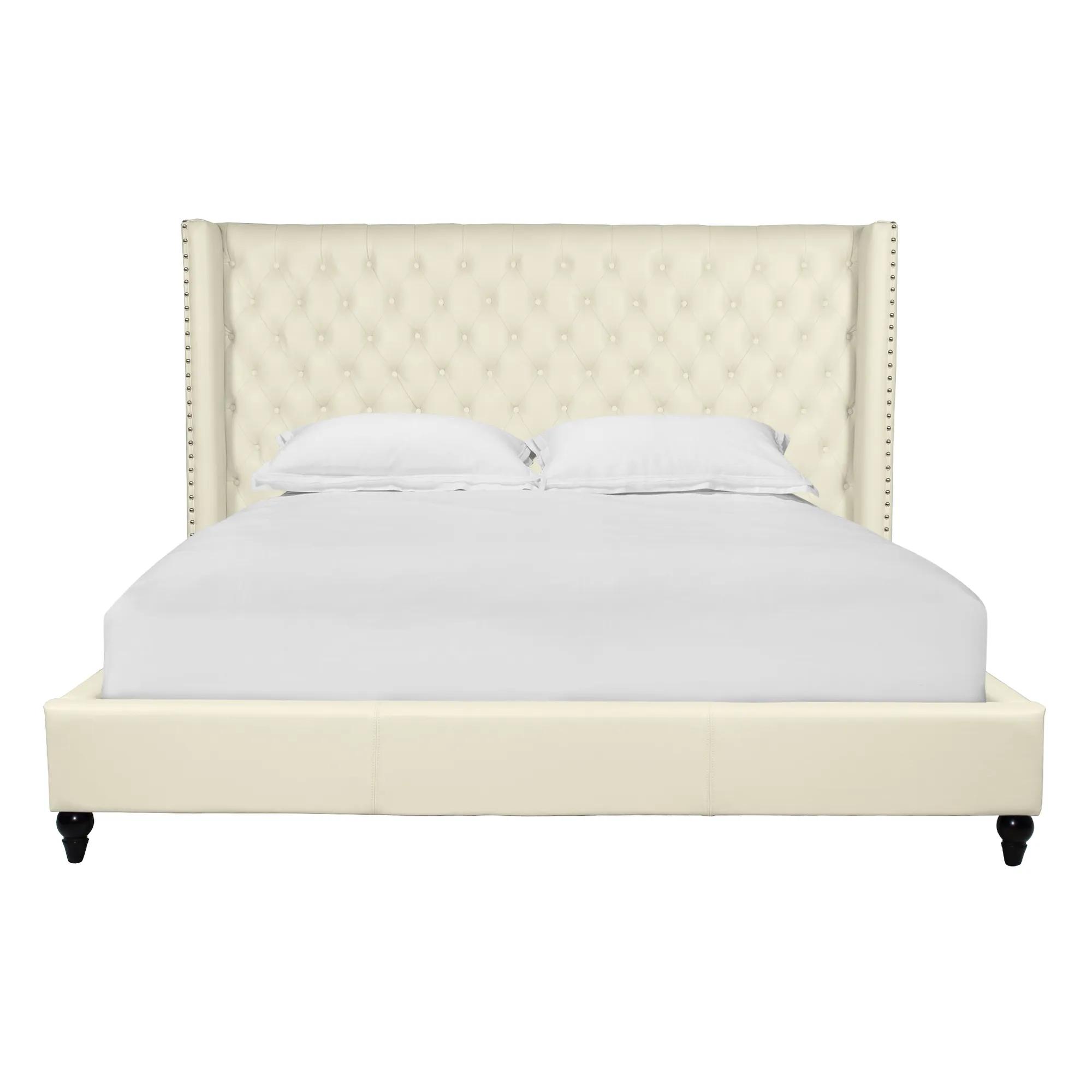
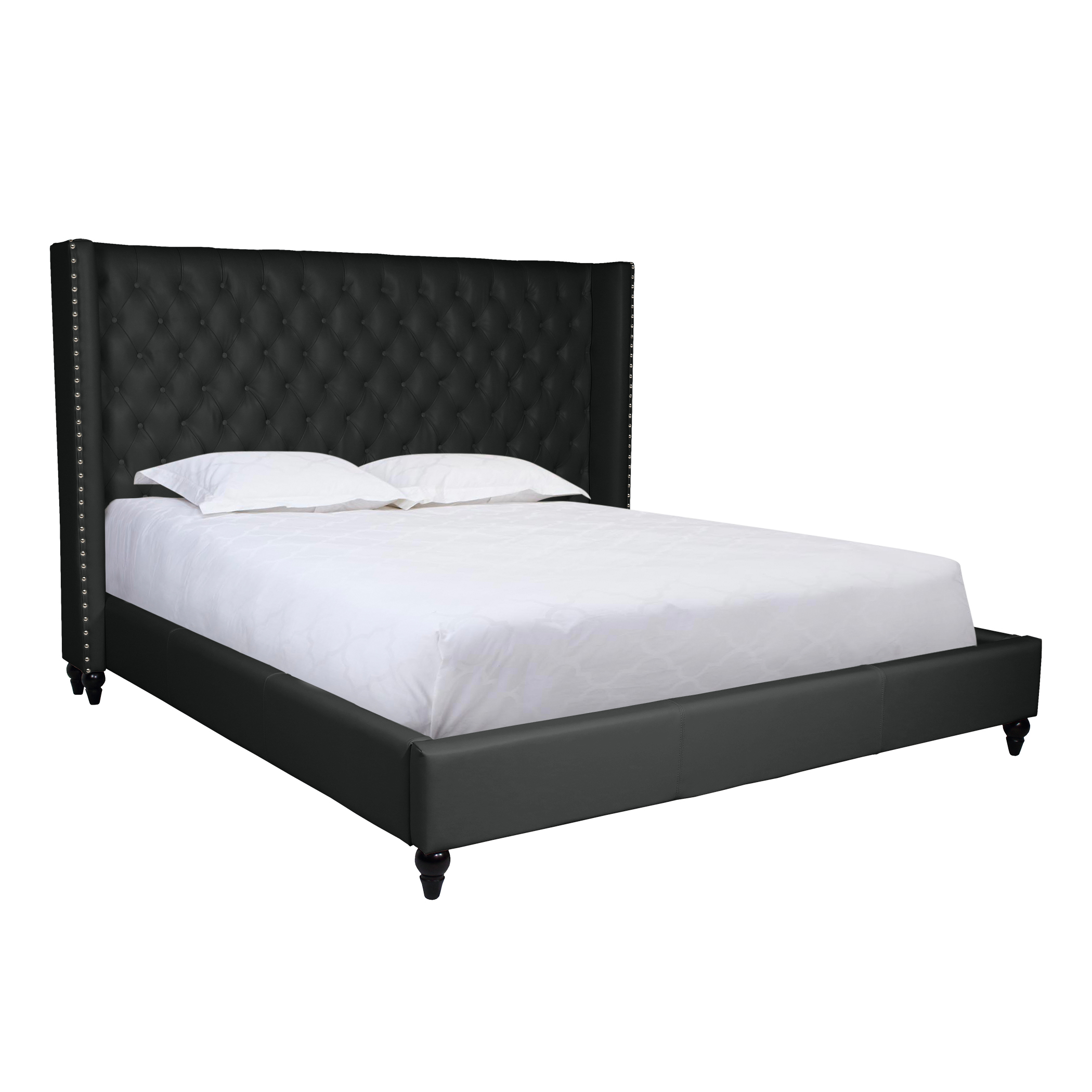 Roberto Leather Bed$3749
A stately bed featuring white top-grain leather, diamond tufting, and bright nickel hand-applied nailheads.
Add To Cart -
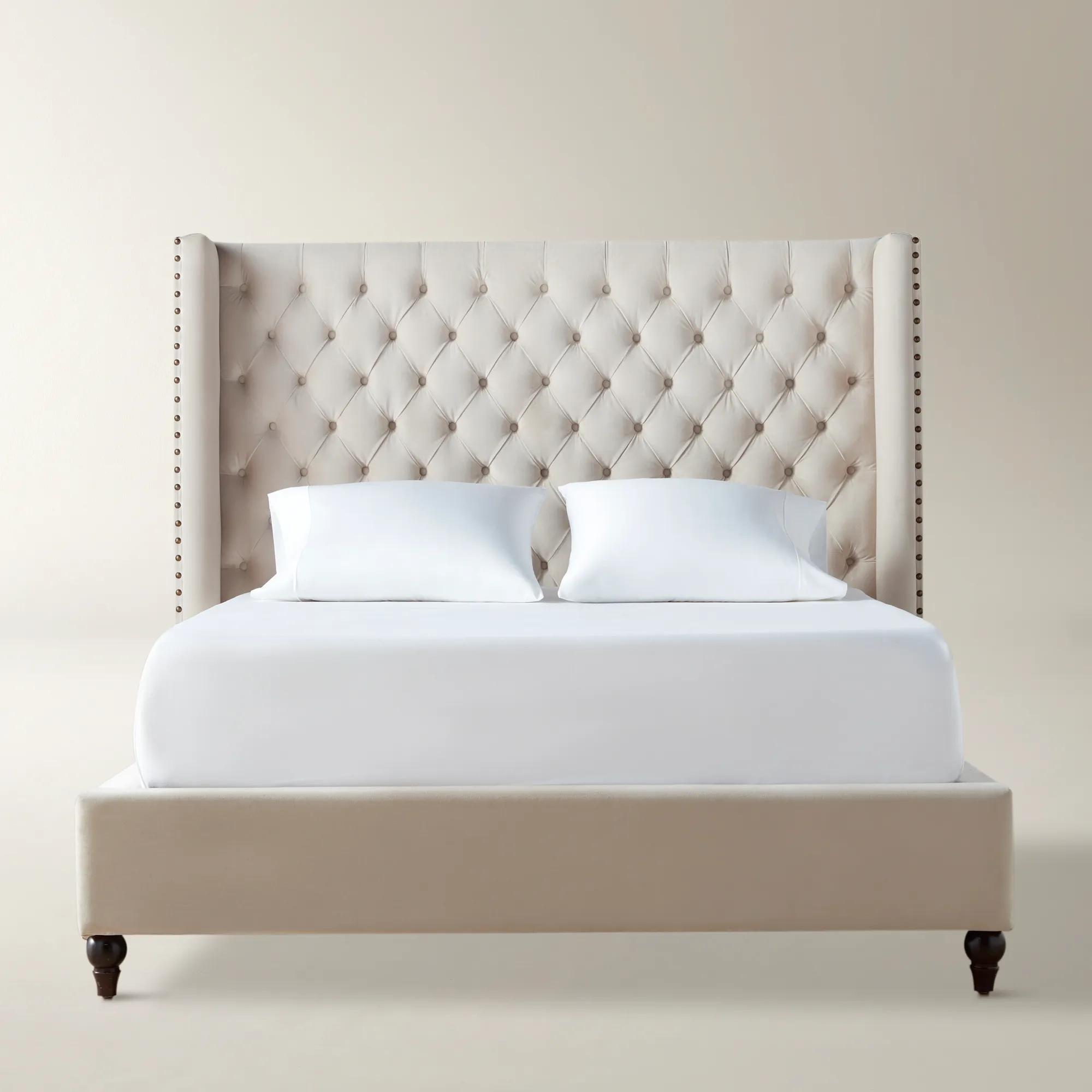
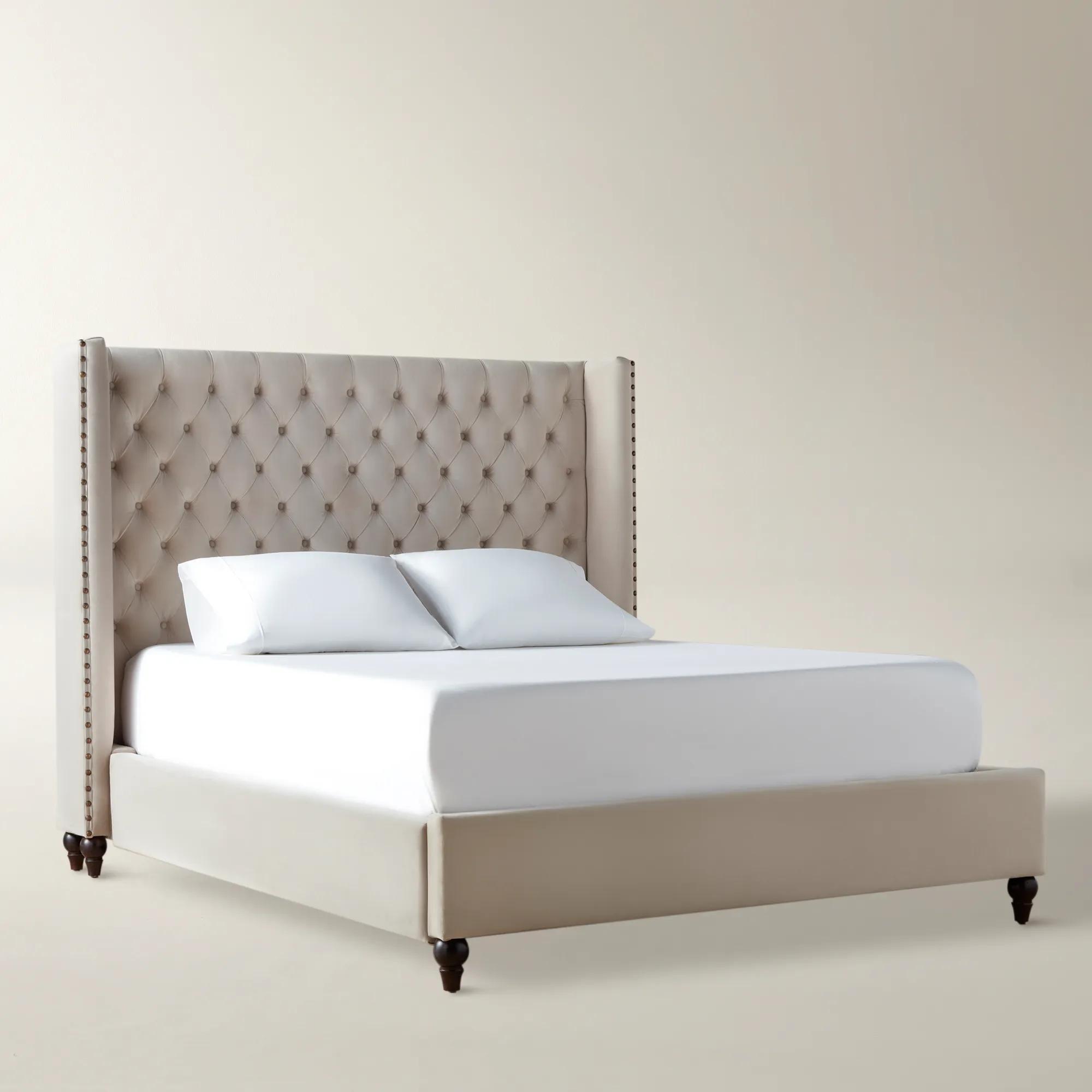 Roberto Bed$1749
A stately bed featuring diamond tufting, hand-applied nailheads, and plush Bella Velvet Pearl upholstery.
Add To Cart -
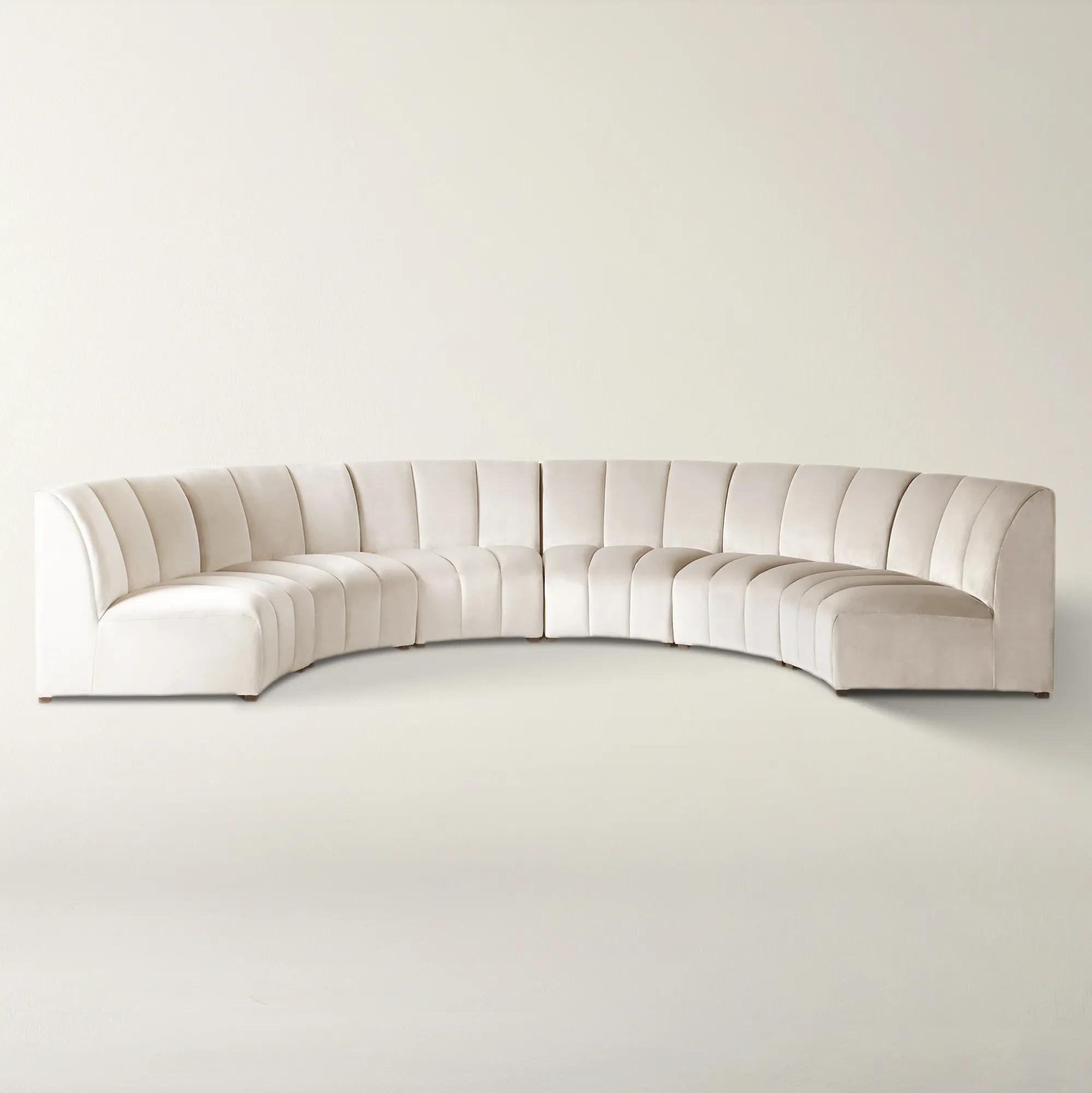 Jayce 6-Piece Channel-Tufted Ivory Velvet Sectional Sofa$5499
A modern curved sectional in stain-resistant Velvet Ivory with deep channel tufting and plush, structured cushions.
Add To Cart -
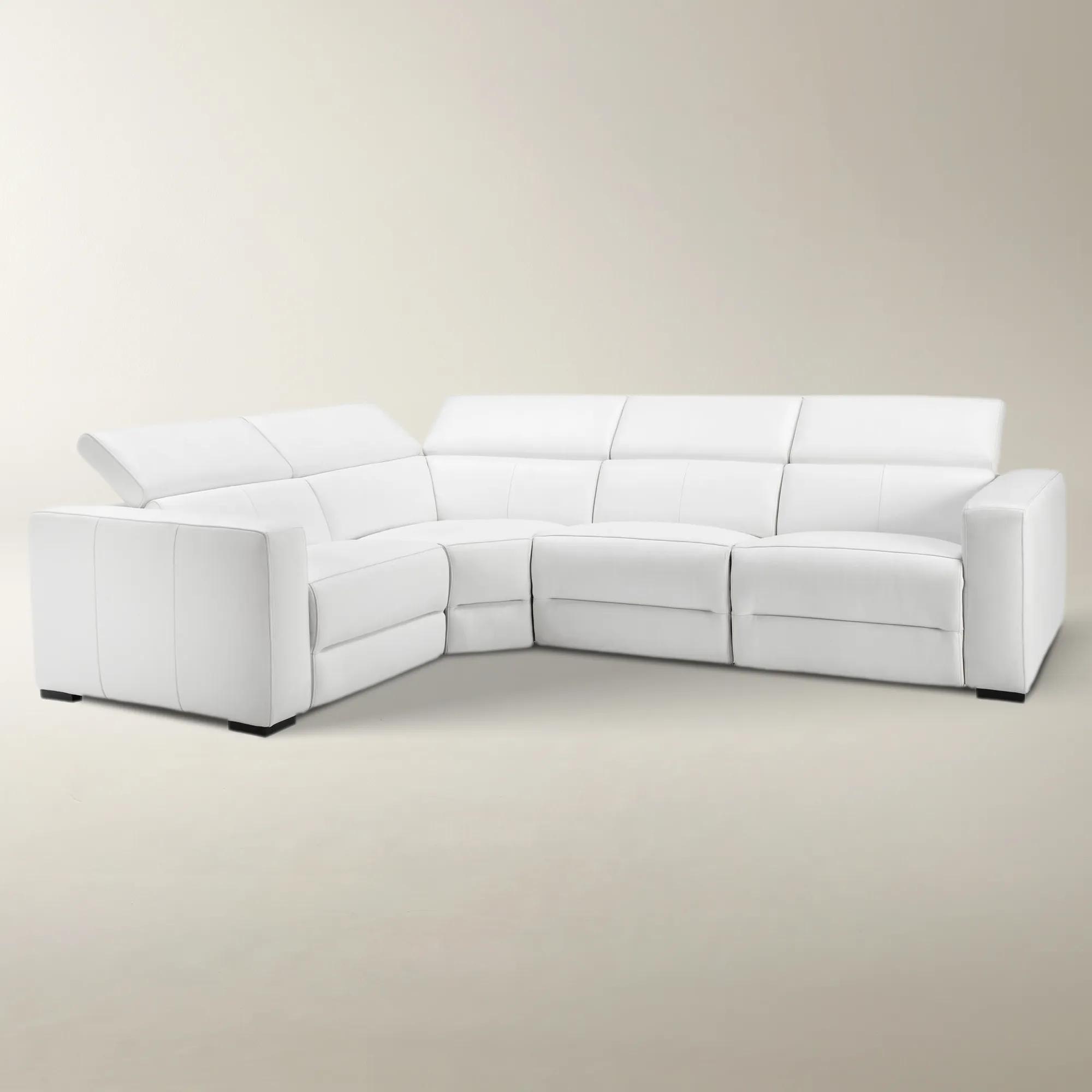 Verona 4-Piece L-Shaped Reclining White Leather Sectional Sofa With Left-Arm$5499
A modern sectional upholstered in supple white semi-aniline leather with adjustable headrests and power-reclining seats.
Add To Cart -
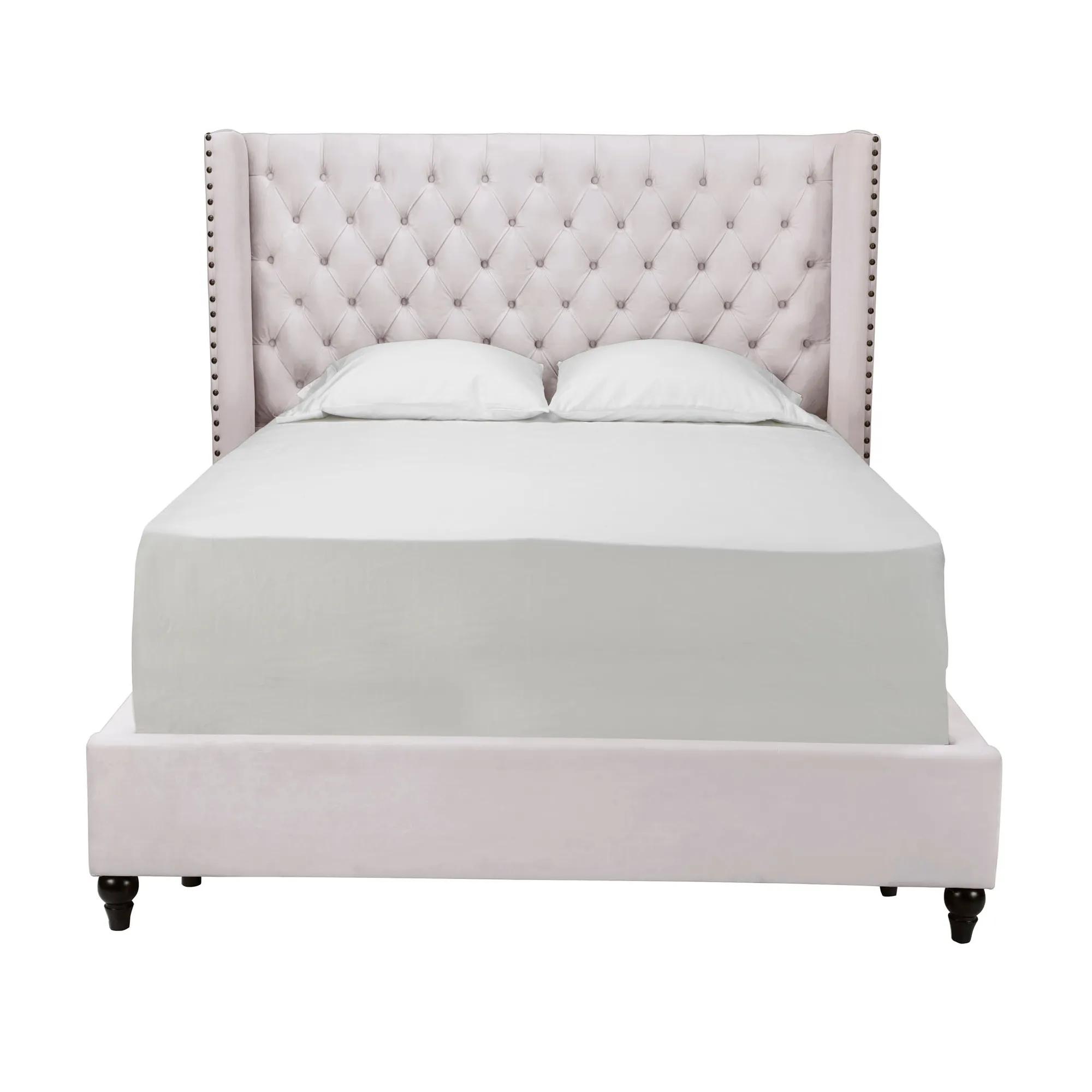
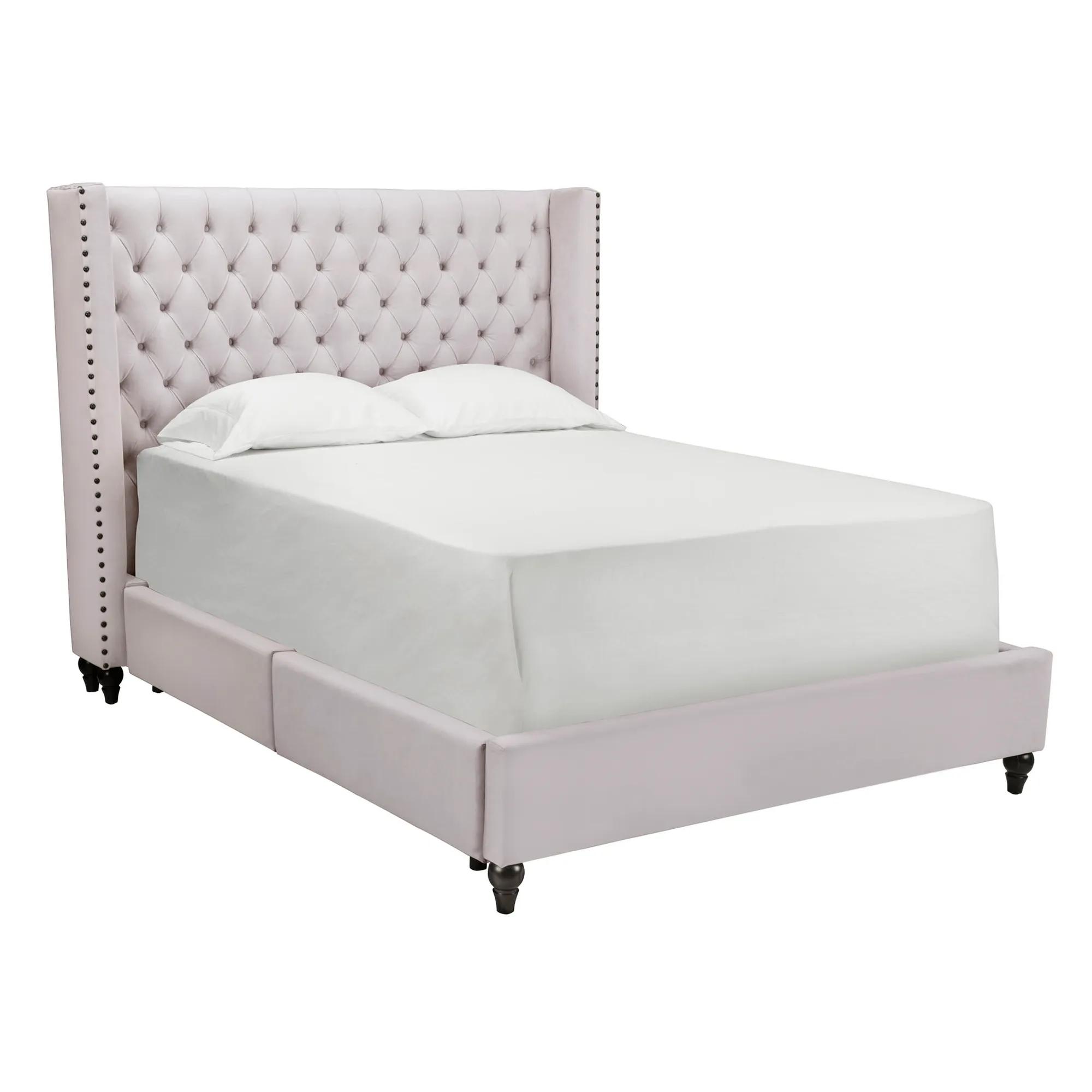 Roberto Storage Bed$3499
A handcrafted velvet-upholstered storage bed featuring diamond tufting, turned legs, and hand-applied antique brass nailheads.
Add To Cart -
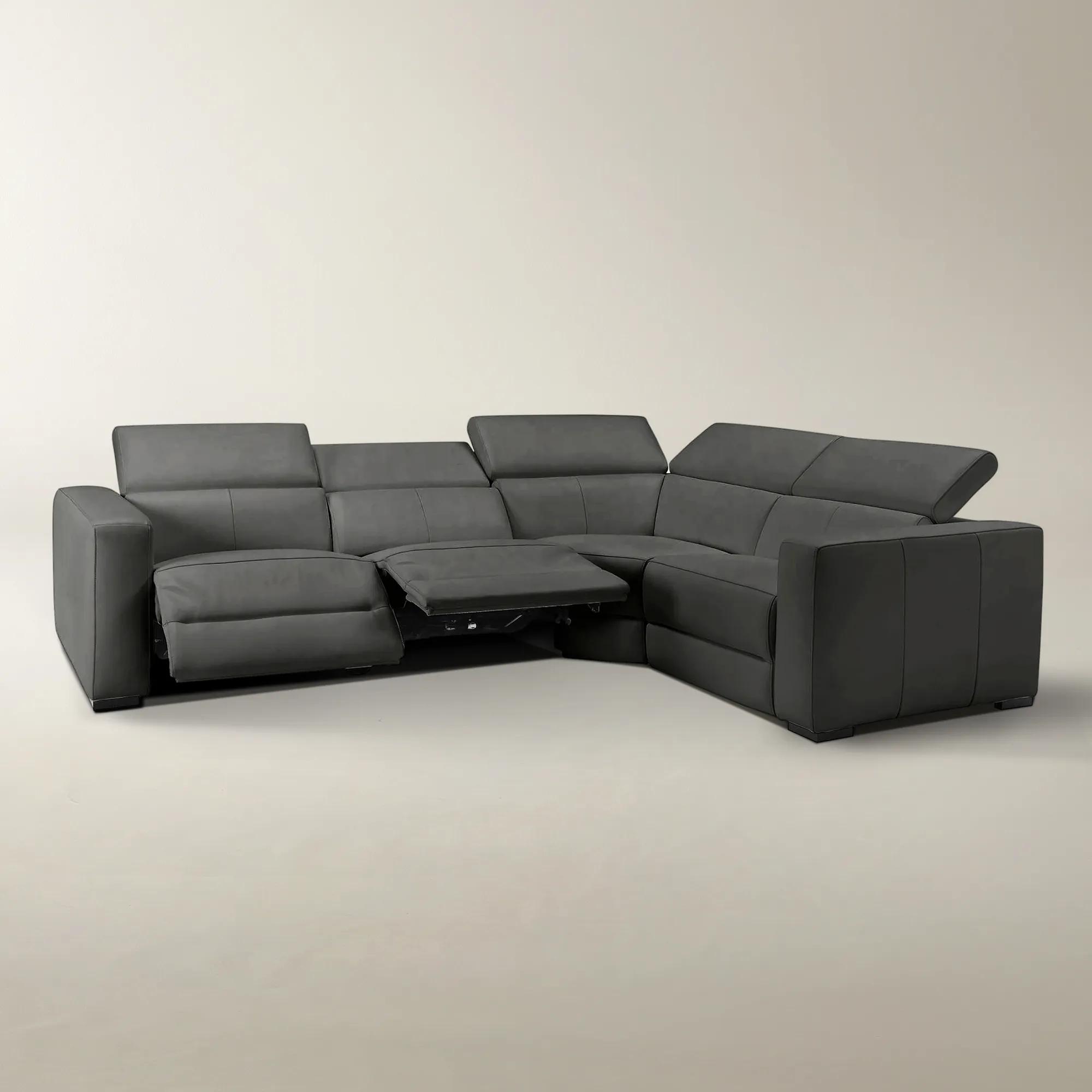
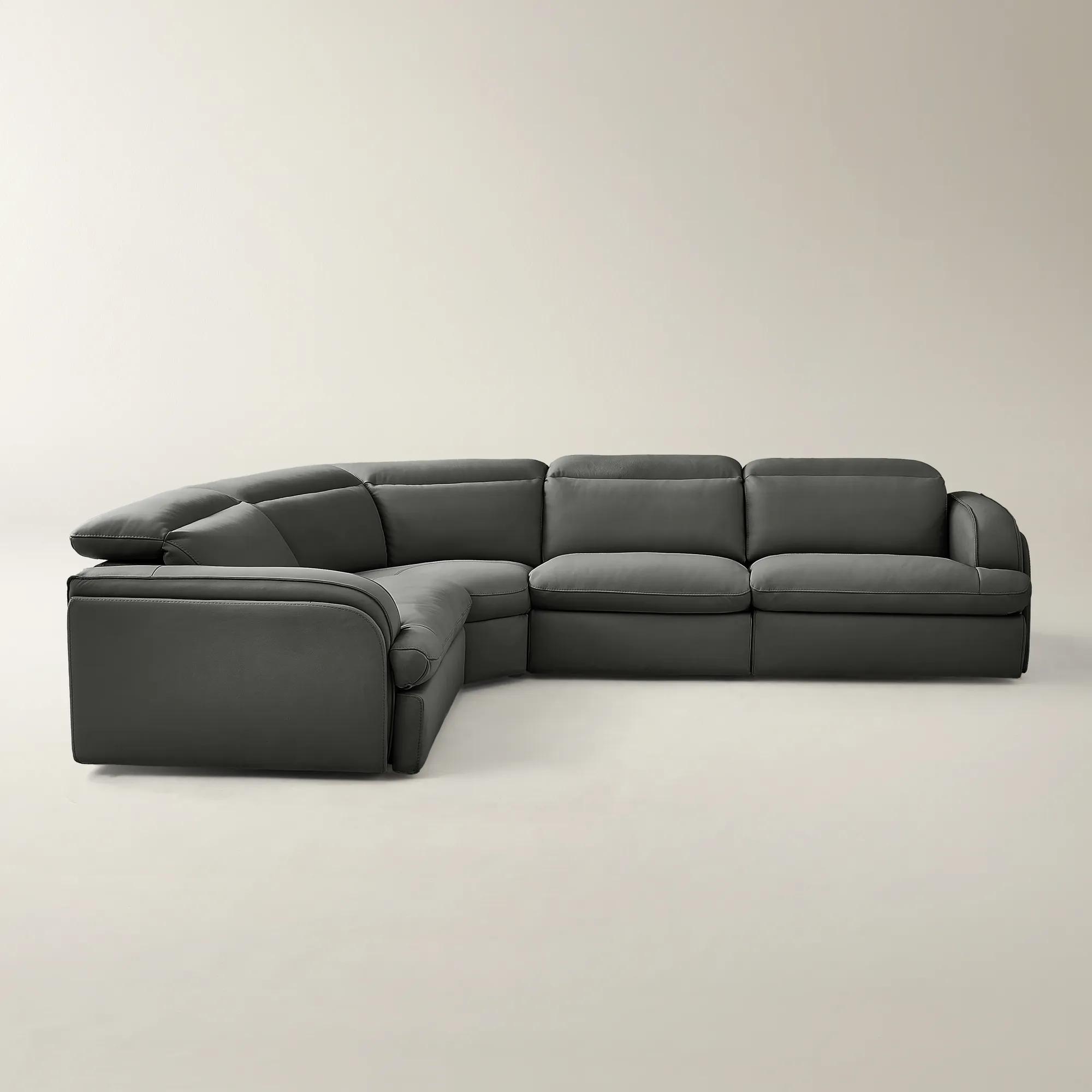
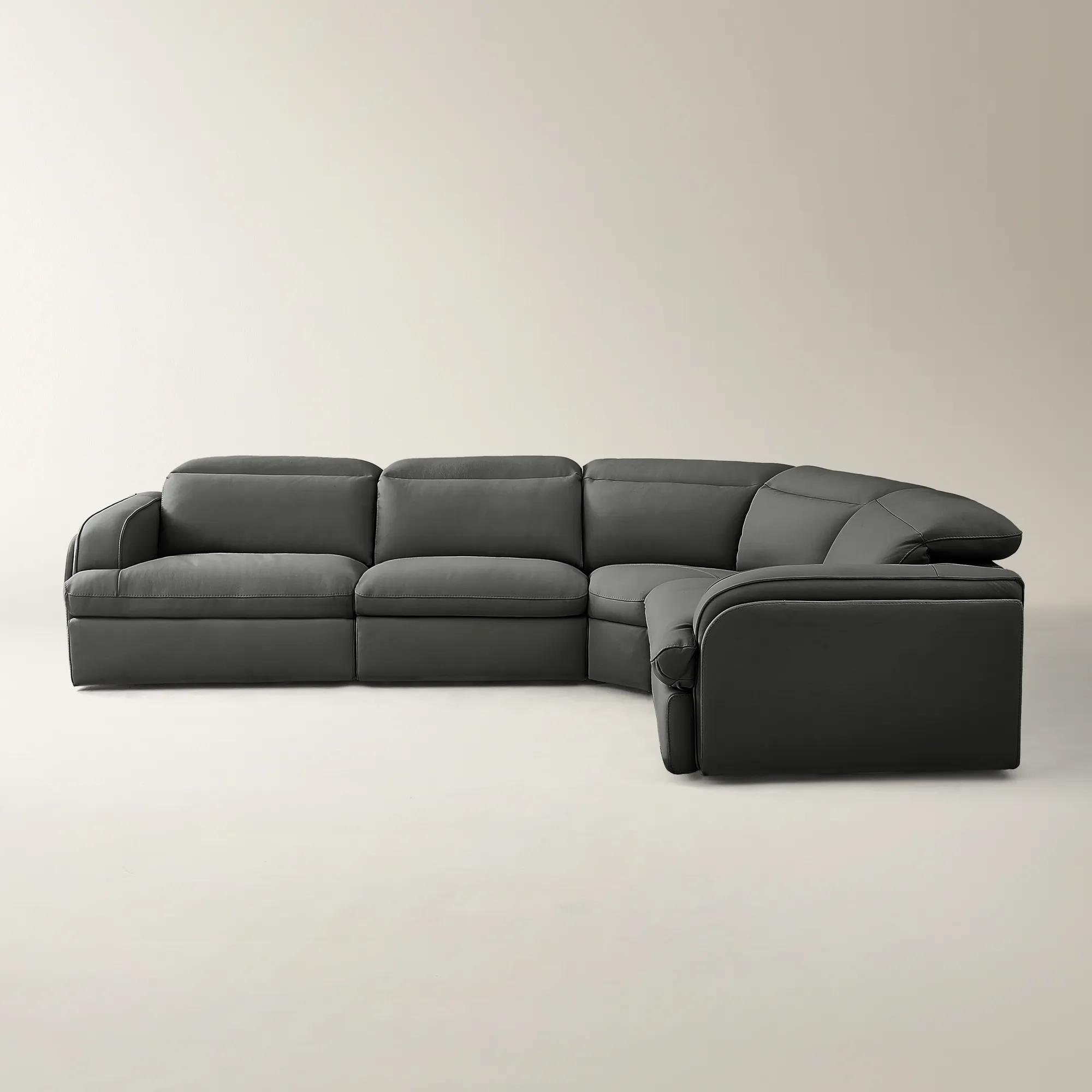
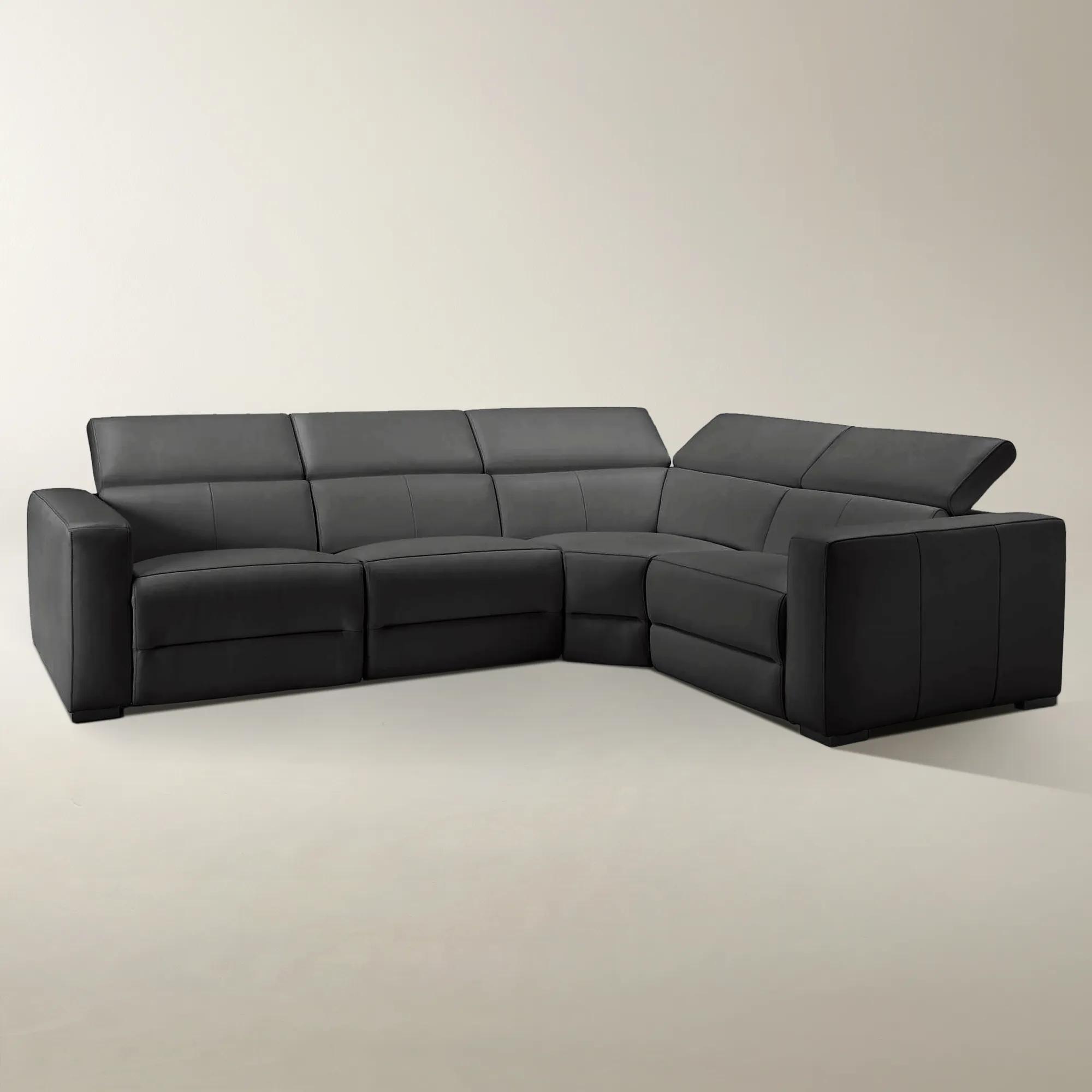 Verona 4-Piece L-Shaped Reclining Charcoal Leather Sectional Sofa With Right-Arm$5499
A charcoal semi-aniline leather sectional featuring adjustable headrests, power-reclining seats, and kiln-dried hardwood frame.
Add To Cart -
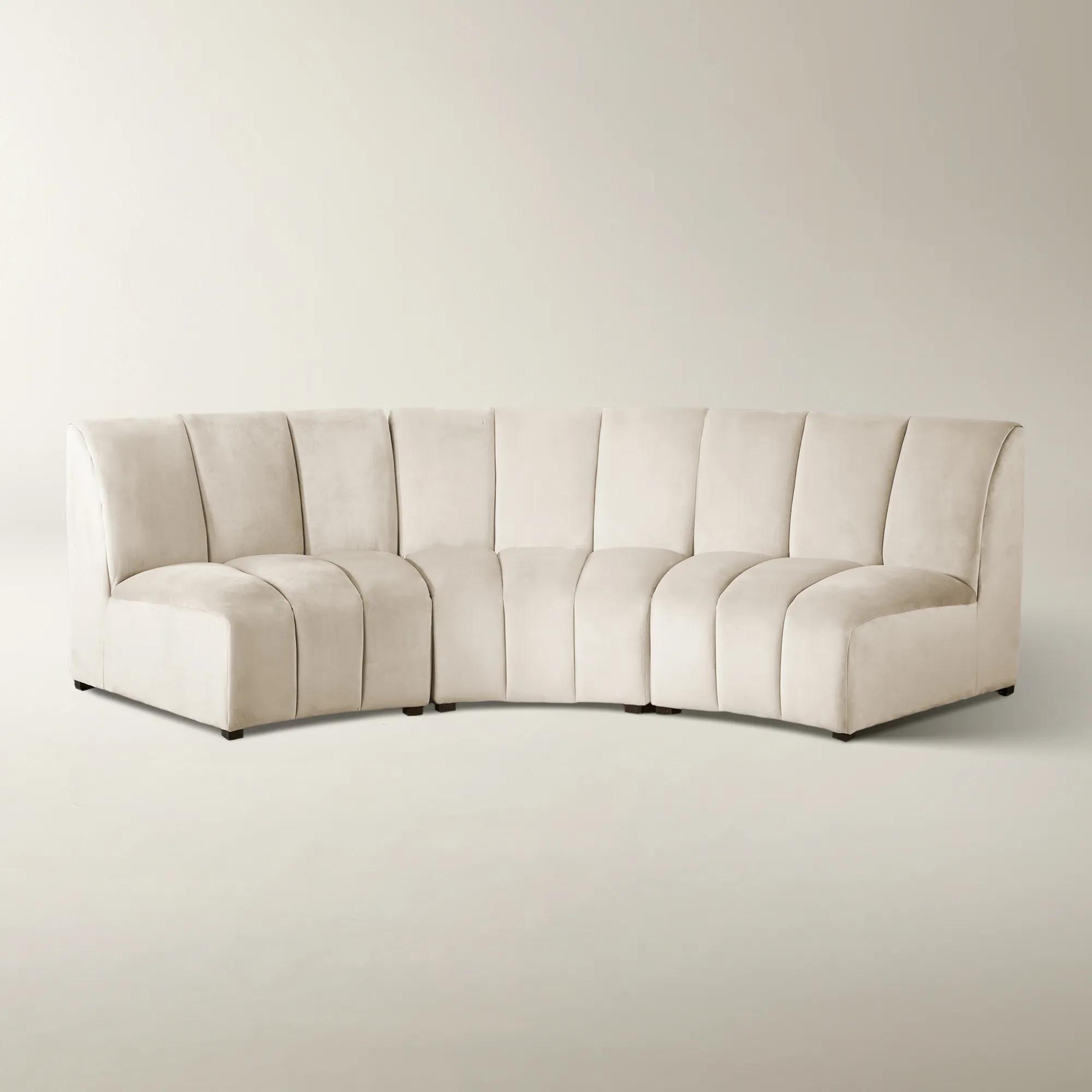
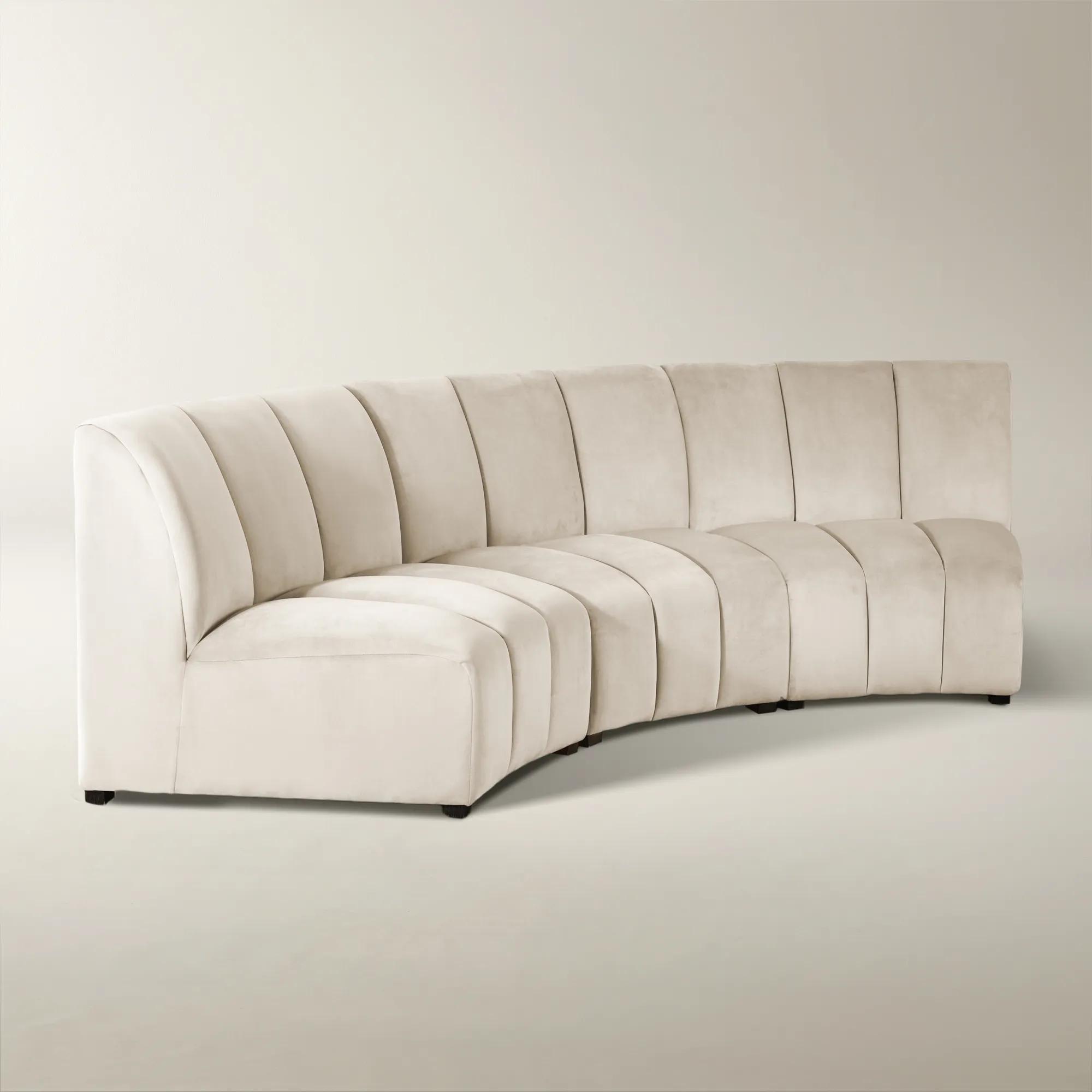 Jayce 3-Piece Channel-Tufted Ivory Velvet Sectional Sofa$2799
A modern curved sectional in stain-resistant Velvet Ivory with deep channel tufting and plush, structured cushions.
Add To Cart -
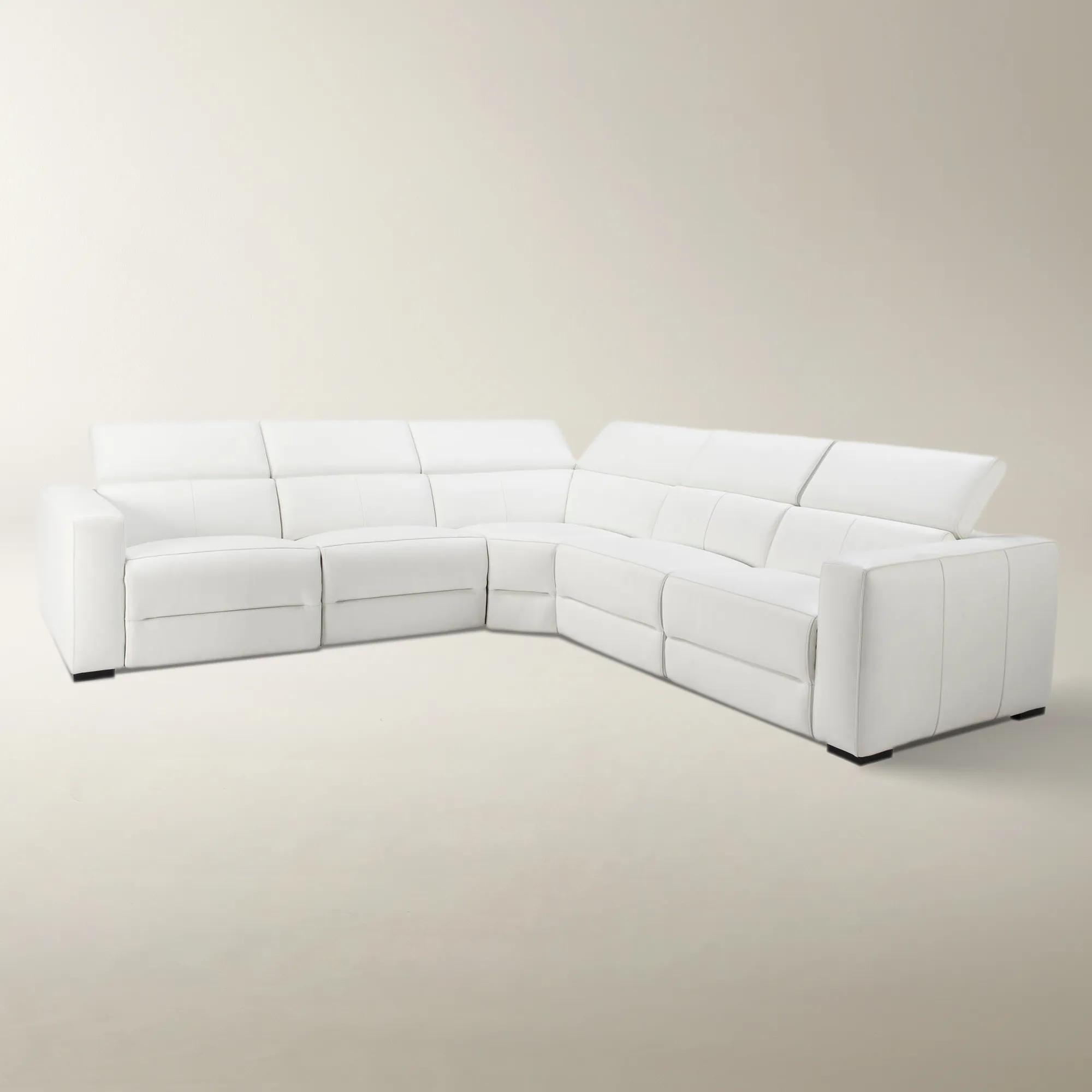
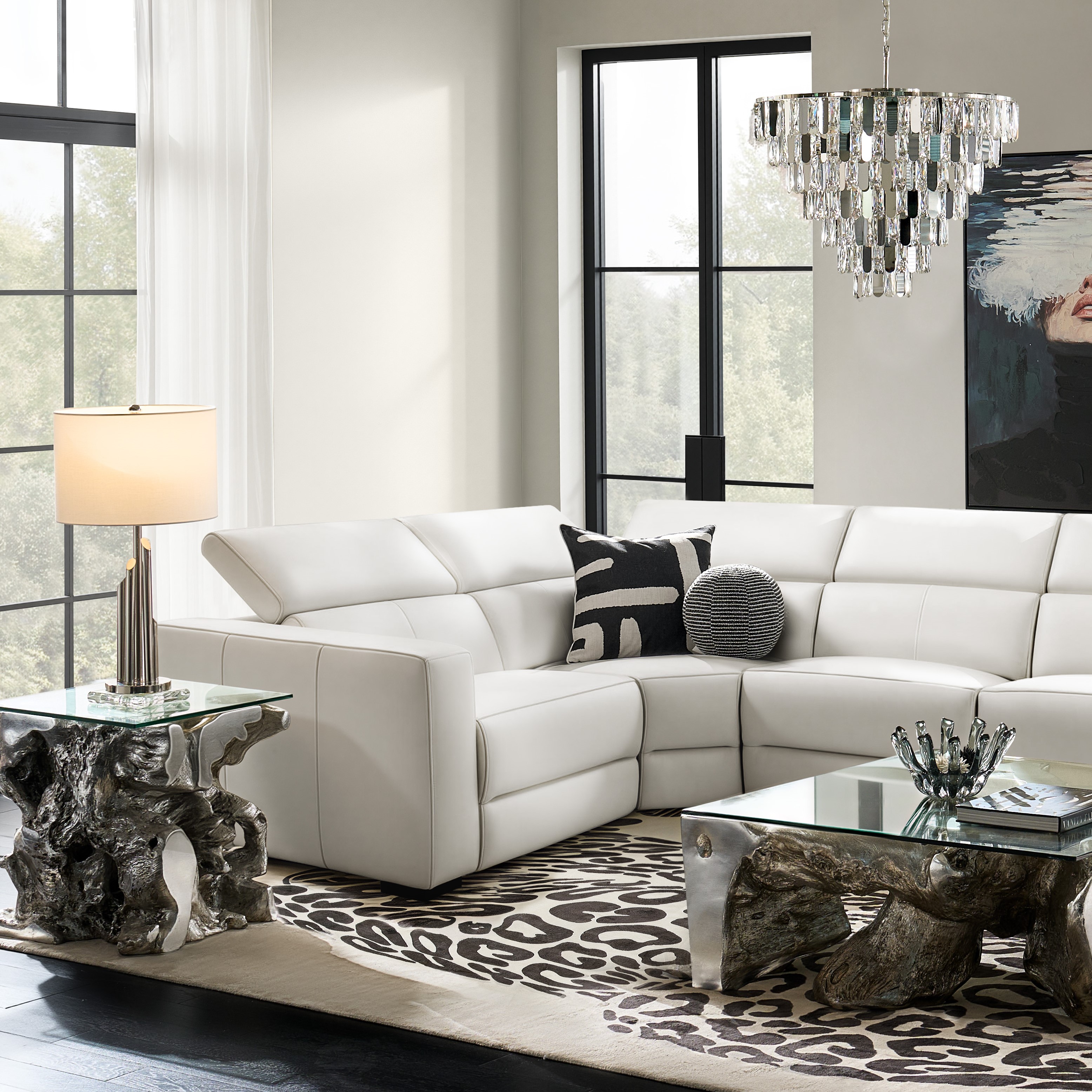 Verona 5-Piece Reclining White Leather Sectional Sofa$6799
A modern sectional upholstered in supple white semi-aniline leather with adjustable headrests and power-reclining seats.
Add To Cart -
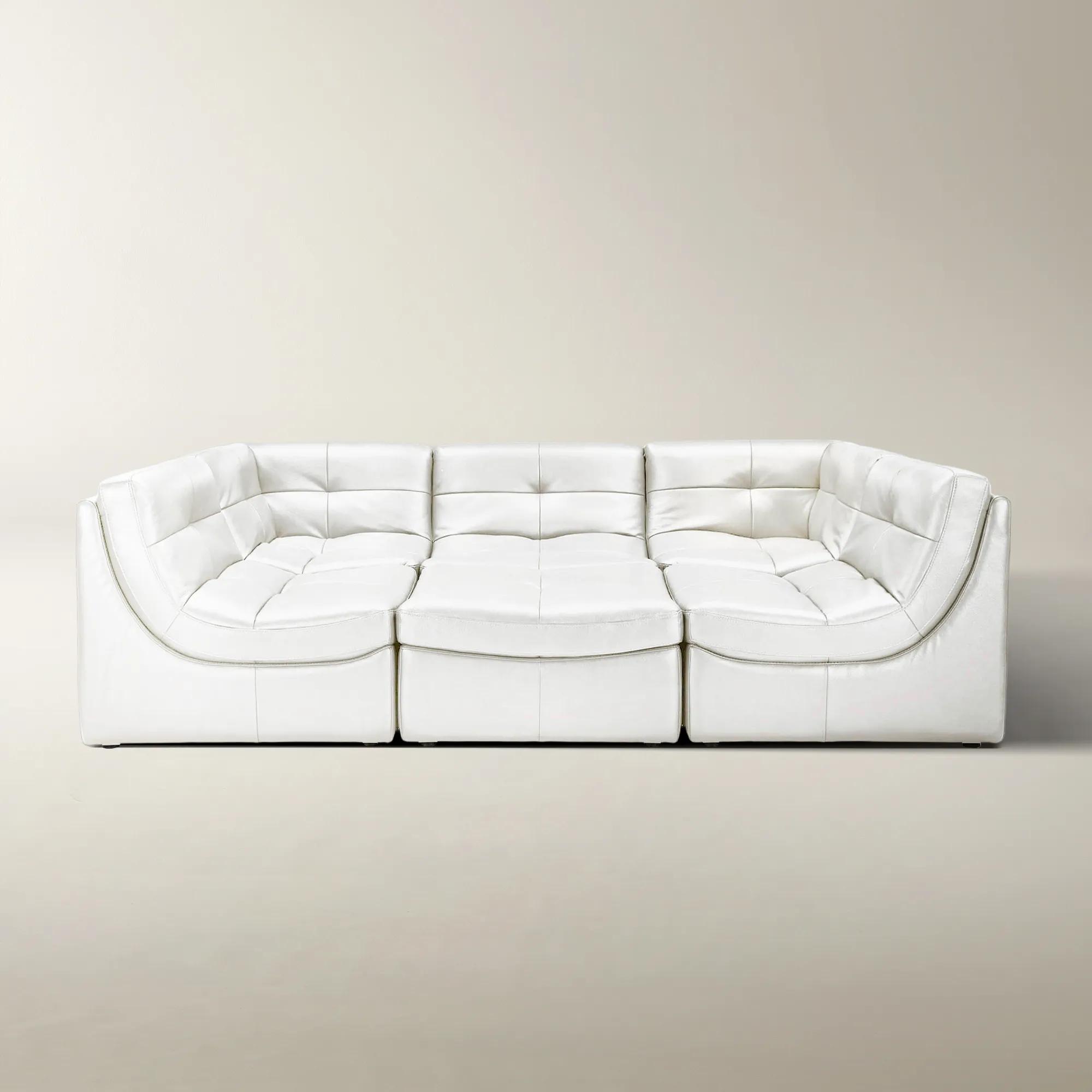 Convo 6-Piece White Leather Sectional Sofa$7249
A modular charcoal leather sectional with kiln-dried hardwood frame and gently curved, blind-tufted seats.
Add To Cart -
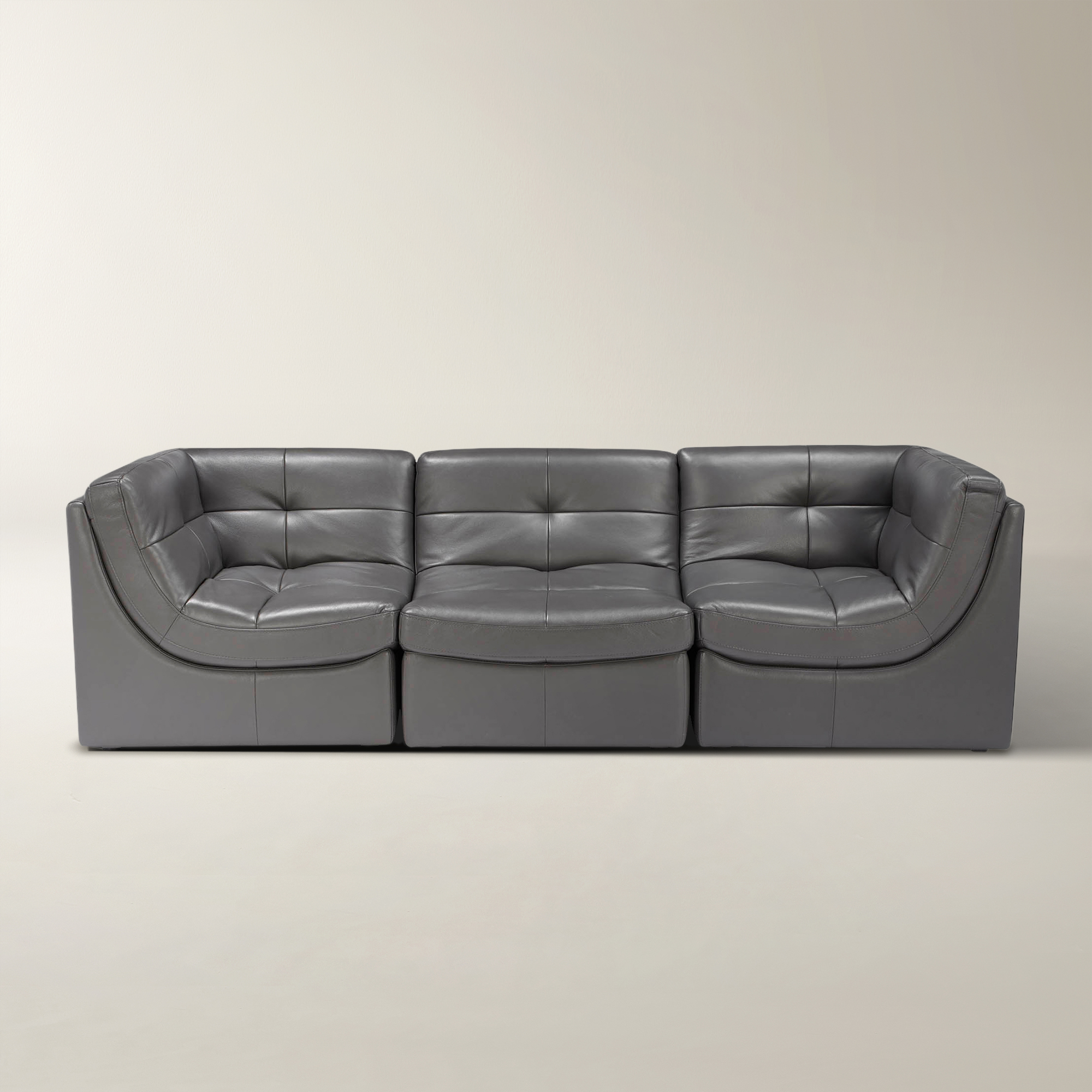 Convo 3-Piece Charcoal Leather Sectional Sofa$3999
A modular charcoal leather sofa with kiln-dried hardwood frame and gently curved, blind-tufted seats.
Add To Cart -
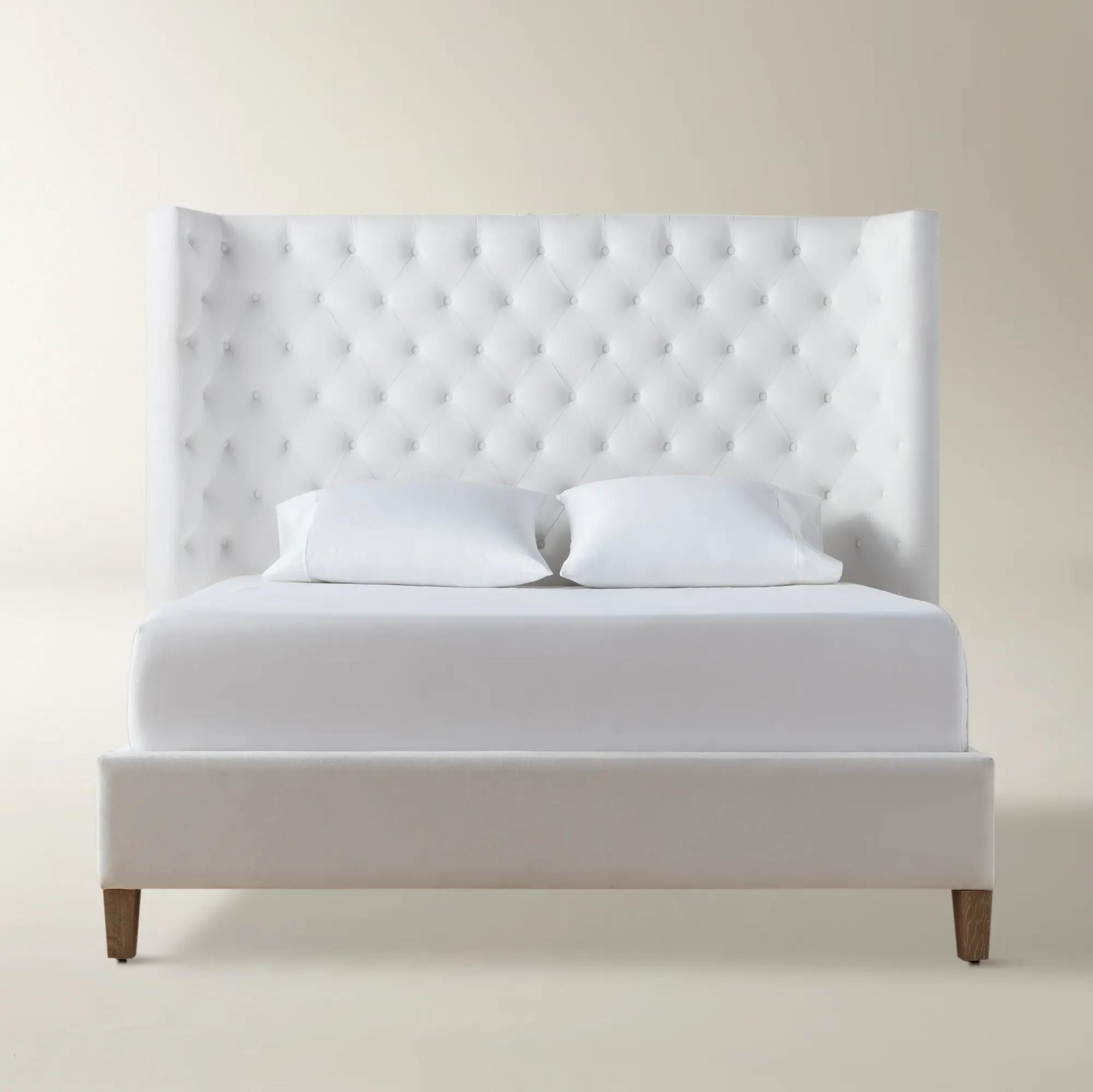 Jen Bed$2399
A glamorous wingback bed with hand-applied diamond button tufting and plush velvet upholstery in white.
Add To Cart

Luxury Furniture For Empty Nesters
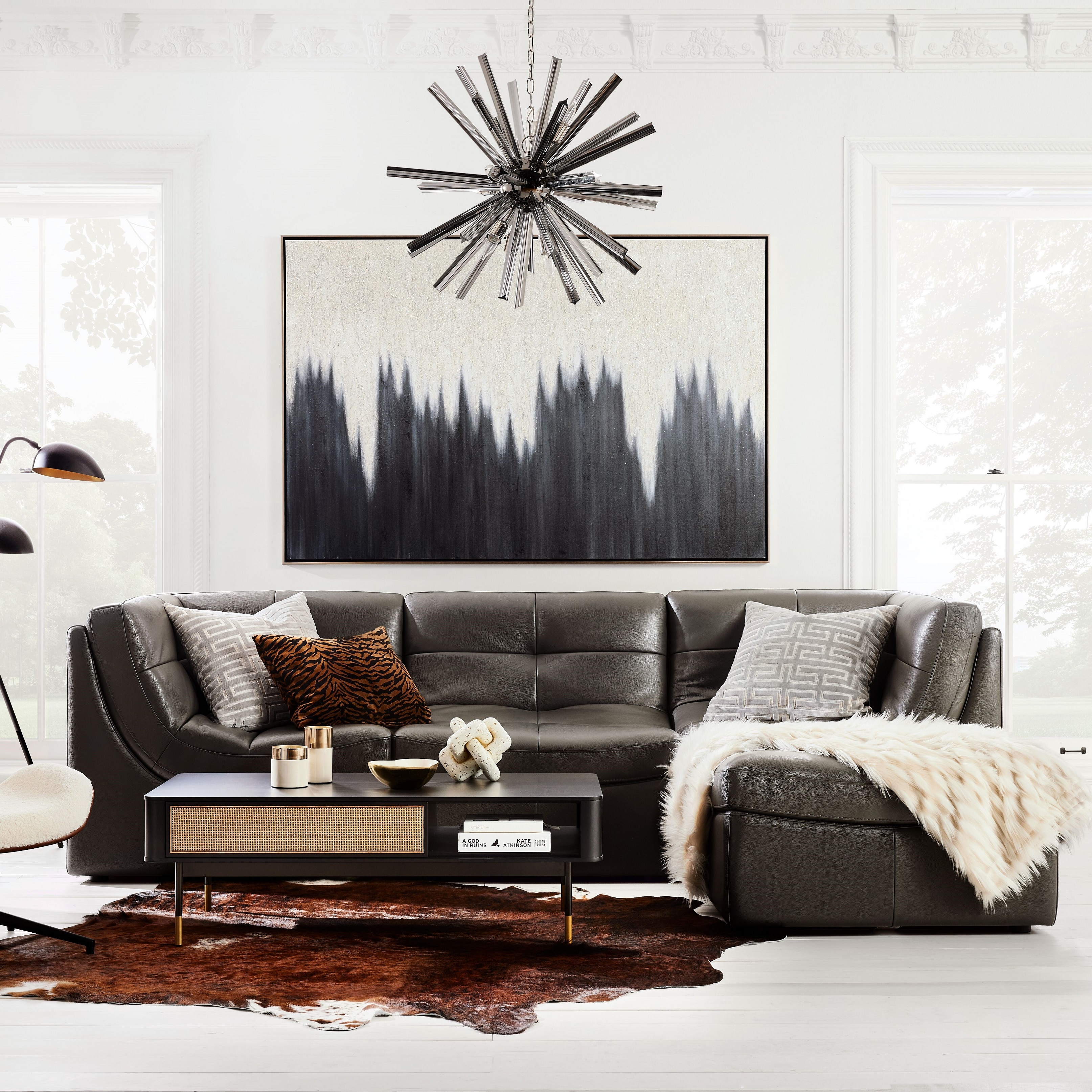
Luxury Furniture for Empty Nesters is an invitation to reimagine your sanctuary—where every piece is chosen not out of necessity, but as a celebration of newfound freedom and personal style. With the nest finally your own, indulge in sculptural silhouettes, plush textures, and artful accents that transform each room into a reflection of your most daring dreams. Here, sophistication meets comfort in spaces designed for lingering conversations, luminous evenings, and the pure pleasure of living beautifully—because your next chapter deserves nothing less than extraordinary.
Luxury furniture for empty nesters brings expressive design, lasting craftsmanship, and deeply considered comfort into a home whose rhythms have changed. With children living independently, familiar rooms can take on a more personal character: a living room arranged for conversation rather than competing activities, a dining space made for lingering dinners, or a former bedroom reimagined as a private reading retreat. The transformation need not erase the home’s history. A treasured painting or collected ceramics can feel newly compelling beside sculptural silhouettes, sumptuous upholstery, and surfaces that catch the light. What distinguishes luxury furniture is more than visual drama; construction, material quality, proportion, and the experience of using each piece matter just as much. Well-supported cushions, carefully finished edges, aligned upholstery seams, and sturdy joinery contribute to furniture that feels as considered as it looks. For seating, velvet introduces depth through its light-responsive pile, while textured woven fabrics bring dimension to a quieter palette. Leather offers a different expression of richness, with variations in grain and finish that influence both its appearance and its care requirements. These materials serve distinct preferences rather than a single definition of sophistication. A jewel-toned seating arrangement can give an intimate room extraordinary presence, while ivory upholstery and warm wood establish a luminous setting for art and conversation. Empty-nest living also takes many forms: some households remain in a spacious family home, others move to a smaller residence, and many continue welcoming adult children, grandchildren, and overnight guests. Luxury in each setting comes from matching the furnishings to real habits, not furnishing for an imagined lifestyle. Comfortable everyday seating, an inviting place to share a meal, and storage that keeps favorite objects beautifully organized can make the home feel more intentional without making it precious. Furniture chosen for this chapter can be elegant enough for an evening gathering and welcoming enough for an unhurried afternoon with a book.
Proportion gives that elegance room to breathe. In a larger living area, generous seating can anchor the architecture, but a more intimate arrangement may better suit two people who regularly relax together. In a smaller home, a carefully scaled silhouette can deliver presence without overwhelming the floor plan; exposed legs, graceful arms, and measured spacing help preserve visual openness. Overall dimensions tell only part of the story. Seat depth, seat height, cushion firmness, and arm placement shape how a piece feels over time, whether the preference is lounging with feet tucked under or sitting more upright with a drink close at hand. Supportive seating that is comfortable to enter and leave can be valuable at any age, and comfort should reflect the individual rather than assumptions about empty nesters. Reclining designs, where considered, also require room to extend without interrupting a walkway. Furniture fit includes the route into the home, from door openings and hallways to stair turns and elevators, as well as the space it occupies once placed. Dining furniture benefits from the same attention to daily use: allow room for chairs to pull back comfortably and for guests to move around the table. An extendable dining surface can accommodate visiting family without requiring an expansive everyday footprint, while upholstered dining seating lends softness to leisurely meals. Bedroom furniture calls for a balance of visual calm and tactile richness, with a comfortable bed height, accessible bedside surfaces, and drawers that can open fully. In a repurposed room, furnishings can support an actual passion rather than simply fill the former layout. A writing surface with sufficient depth, seating suited to reading, and closed storage for supplies can turn an underused space into a polished personal retreat. For a softer interpretation of this new chapter, Cozy Furniture for Empty Nesters explores the appeal of inviting textures and relaxed comfort. Either mood can coexist with bold design when scale, function, and finish work together.
Materials and maintenance determine how gracefully luxury furniture becomes part of everyday life. Solid wood brings natural grain and character, while well-made veneered construction can create striking matched patterns and broad, beautifully finished surfaces; neither label alone establishes quality. Joinery, internal support, finish consistency, and intended use offer a fuller picture of durability. Stone surfaces introduce rich veining and substantial visual weight, but their practical qualities vary. Marble, for example, can etch when exposed to acidic liquids and may stain without appropriate protection, making coasters, prompt spill cleanup, and manufacturer-recommended care important companions to its beauty. Glass offers reflective clarity but shows fingerprints, while polished metal can require gentle cleaning to preserve its finish. Upholstery deserves similarly specific attention. Performance fabrics may offer useful resistance to certain spills or wear, especially in homes with pets or frequent family visits, but performance claims differ and do not mean a material is stainproof. Cleaning codes and care instructions should guide treatment; an approach suitable for one textile may damage another. Velvet may develop pressure marks or changes in pile direction, and leather care depends on whether the finish is protected, aniline, or another treatment. Regular gentle dusting or vacuuming, prompt attention to spills, and protection from prolonged direct sunlight help preserve many furniture materials, with cushion rotation appropriate only where the design allows it. These considerations need not diminish the pleasure of a dramatic room. They make it easier to choose finishes that complement daily routines, whether that means a polished dining setting used several evenings a week or deeply cushioned seating shared with visiting grandchildren. A cohesive interior can develop through repeated undertones, complementary textures, and a few confident contrasts rather than identical finishes throughout. Rich wood beside luminous metal, softly textured upholstery against a sleek surface, or a sculptural form within a restrained palette gives the room depth. The most satisfying luxury furniture for an empty-nest home leaves space for both self-expression and connection: beautiful surroundings that honor personal taste, support familiar rituals, and welcome the people who still make the home feel full.
FAQs
Empty nesters should focus on timeless silhouettes, high-quality materials, and versatile pieces that reflect personal style. Opt for fabrics and finishes that balance durability with elegance, such as performance leather or plush velvets. Prioritize comfort for everyday enjoyment, and select statement pieces that add artistic flair to each room.
Luxury furniture transforms a home by infusing it with a sense of opulence, comfort, and individuality. Deep-seated sofas, sculptural accent chairs, and thoughtfully chosen lighting can create inviting spaces for relaxation and entertaining, while rich textures and curated details evoke a mood of refined hospitality and personal expression.
Yes, versatile seating such as modular sectionals, plush armchairs, and elegant dining tables are ideal for hosting friends and family. Sleeper sofas and daybeds in guest rooms offer flexibility for overnight stays, while cocktail tables and stylish bar carts add a layer of sophistication to gatherings.
Spare bedrooms can be reimagined as serene home offices, creative studios, or intimate dens. Consider transforming the space with a luxurious reading nook, a hobby room with ample storage, or a multifunctional guest suite that welcomes visitors with comfort and style.
Blending existing pieces with new luxury furniture is an artful process. Start by identifying cherished items that hold sentimental value or unique character. Layer in new pieces that complement the existing palette, mix textures and finishes for visual interest, and use statement accents to create a cohesive, personalized look that feels both refreshed and familiar.