Luxury Contemporary Rugs
Luxury Contemporary Rugs
-
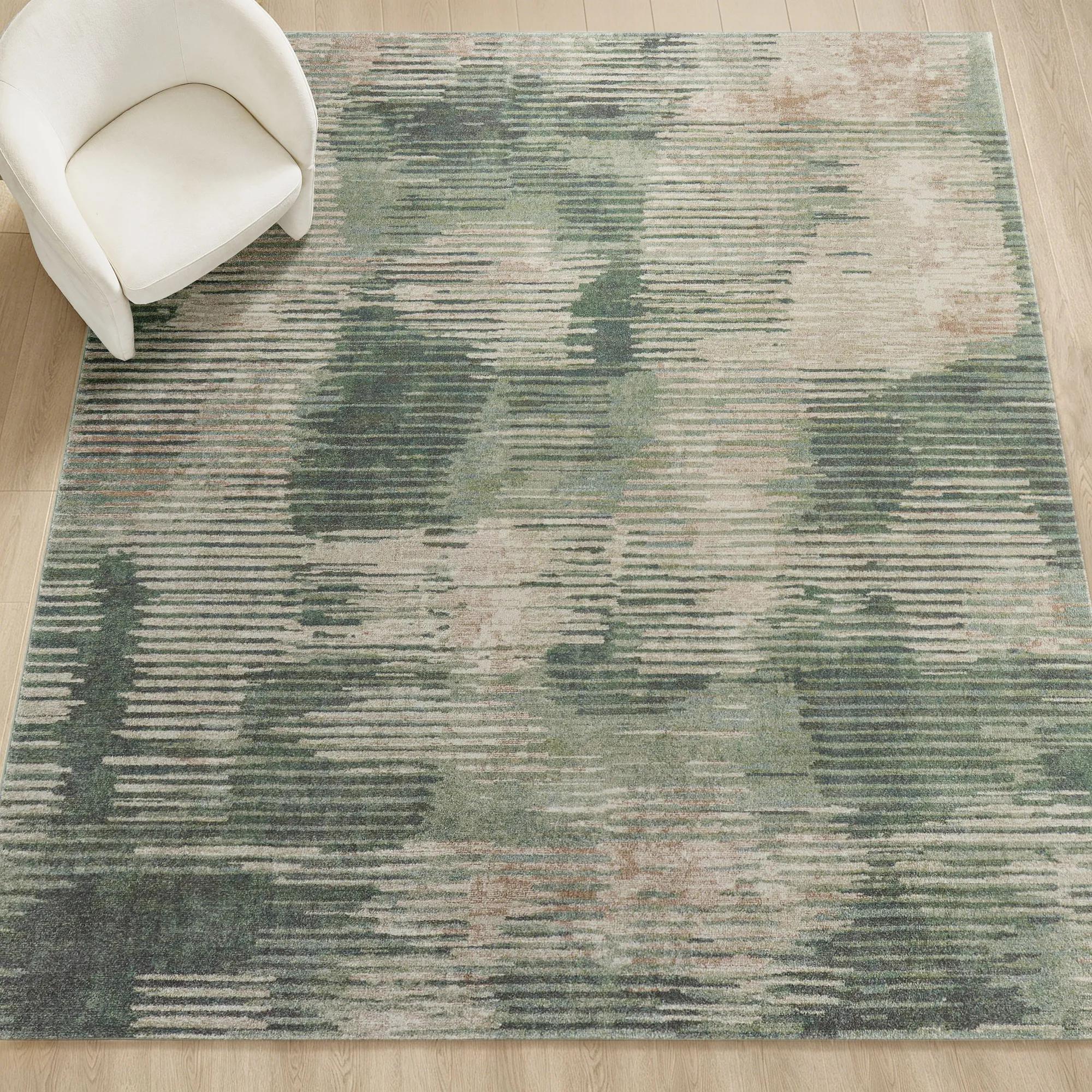
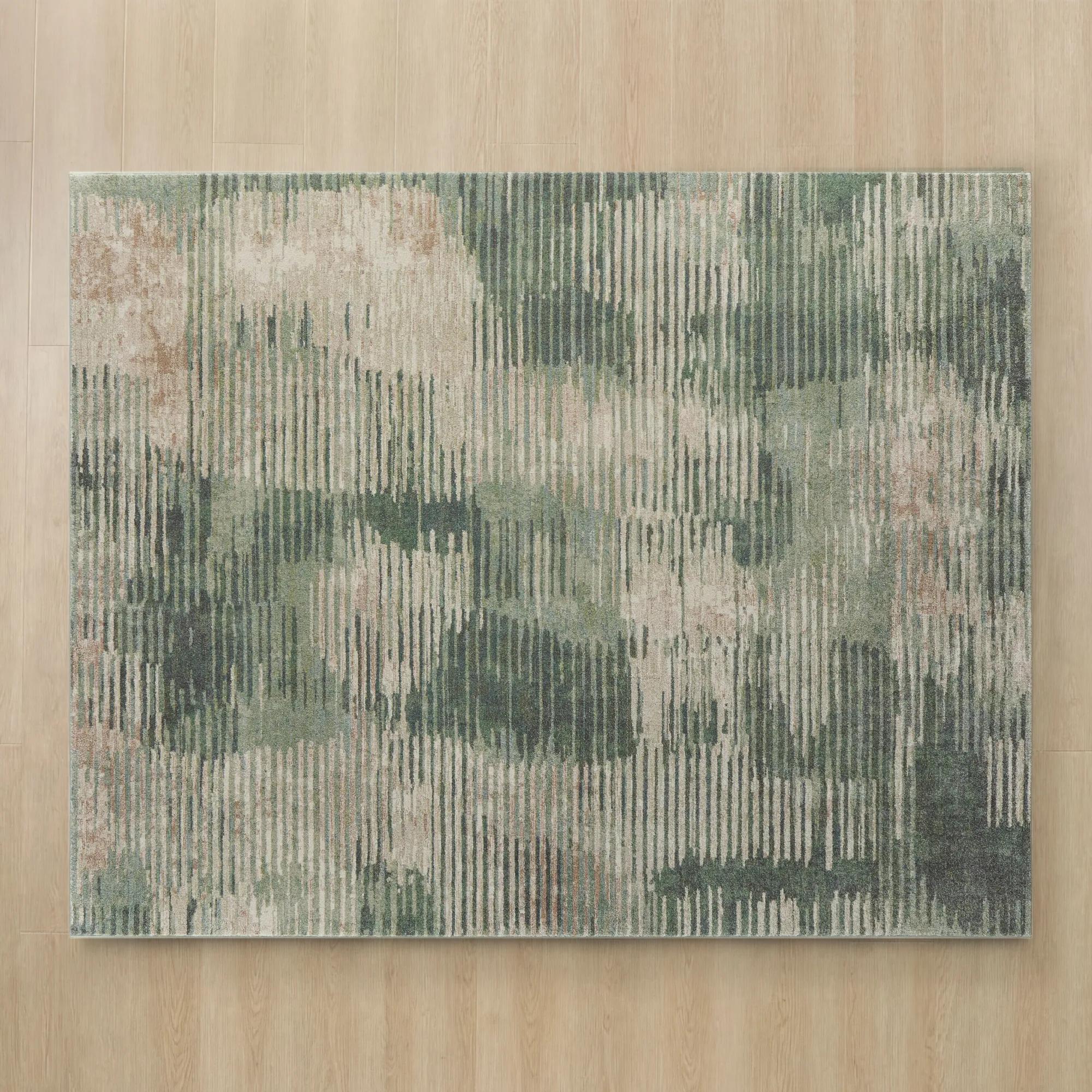 Sylvan Green/Beige Power Loomed Rug$1499
A power-loomed polypropylene rug featuring a smoked olive green and beige organic pattern with a soft pile.
Add To Cart -
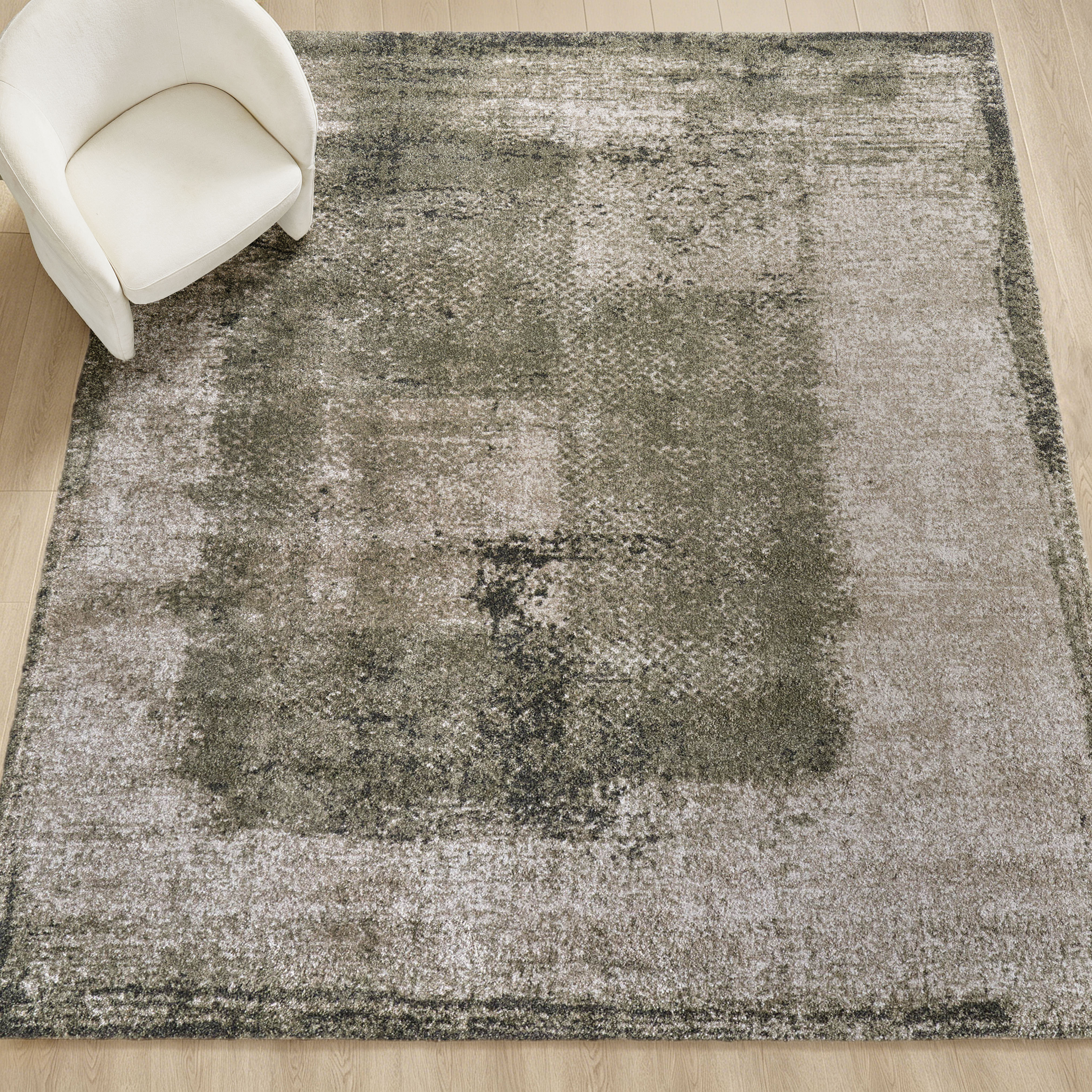
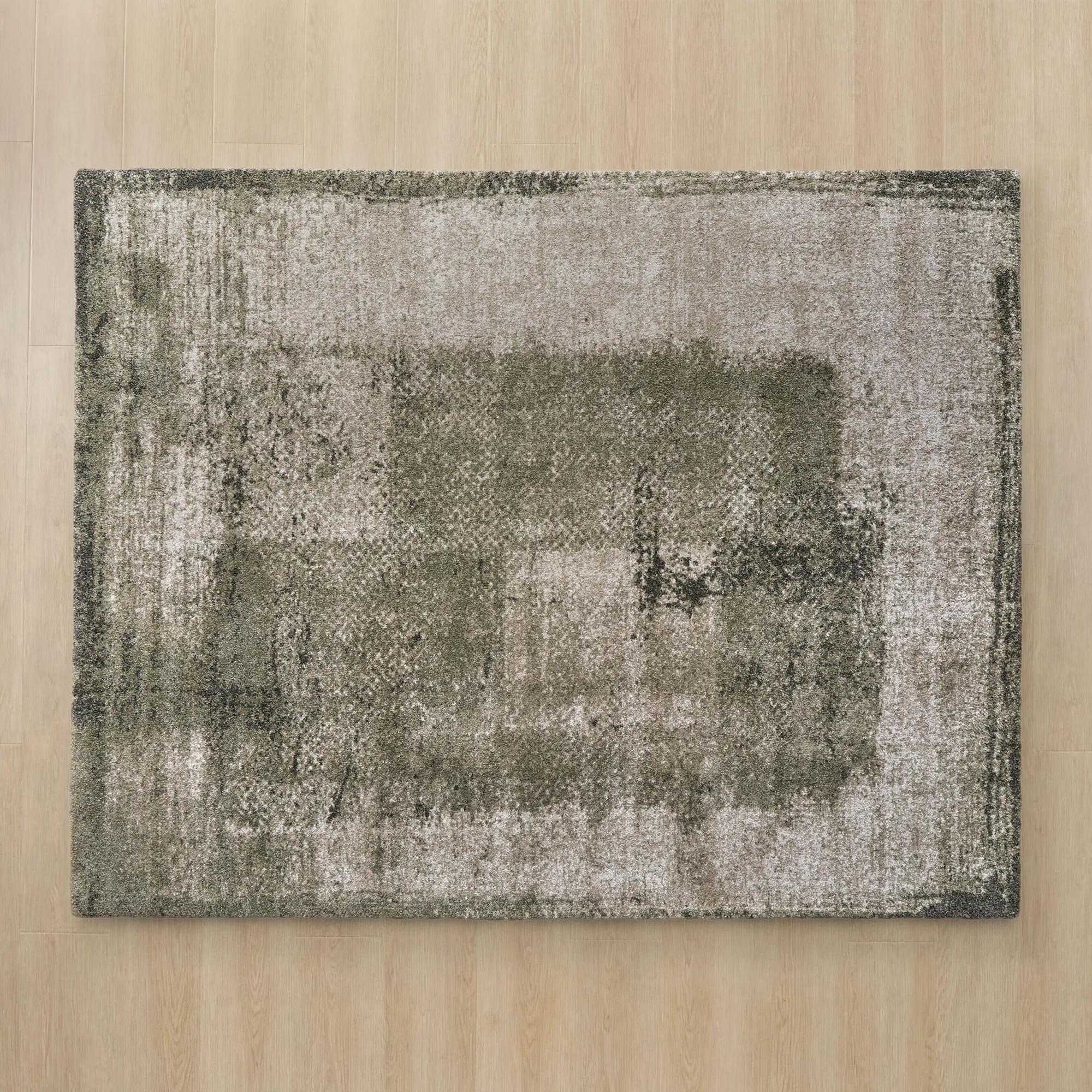 Irving Abstract Moss Green/Beige/Grey Performance Power Loomed Rug$849
An abstract rug in moss green, beige, and grey with plush, durable power-loomed polypropylene and polyester.
Add To Cart -
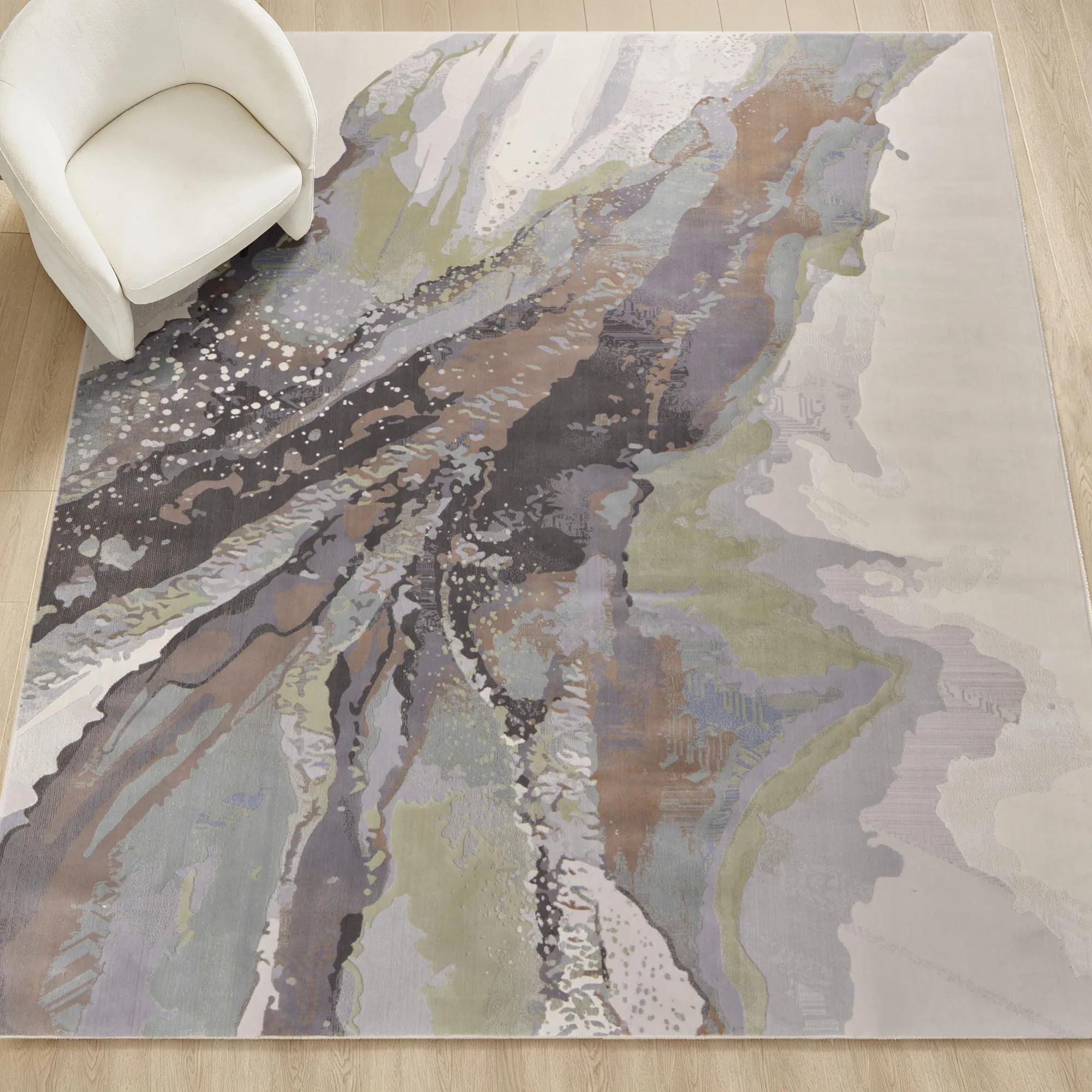
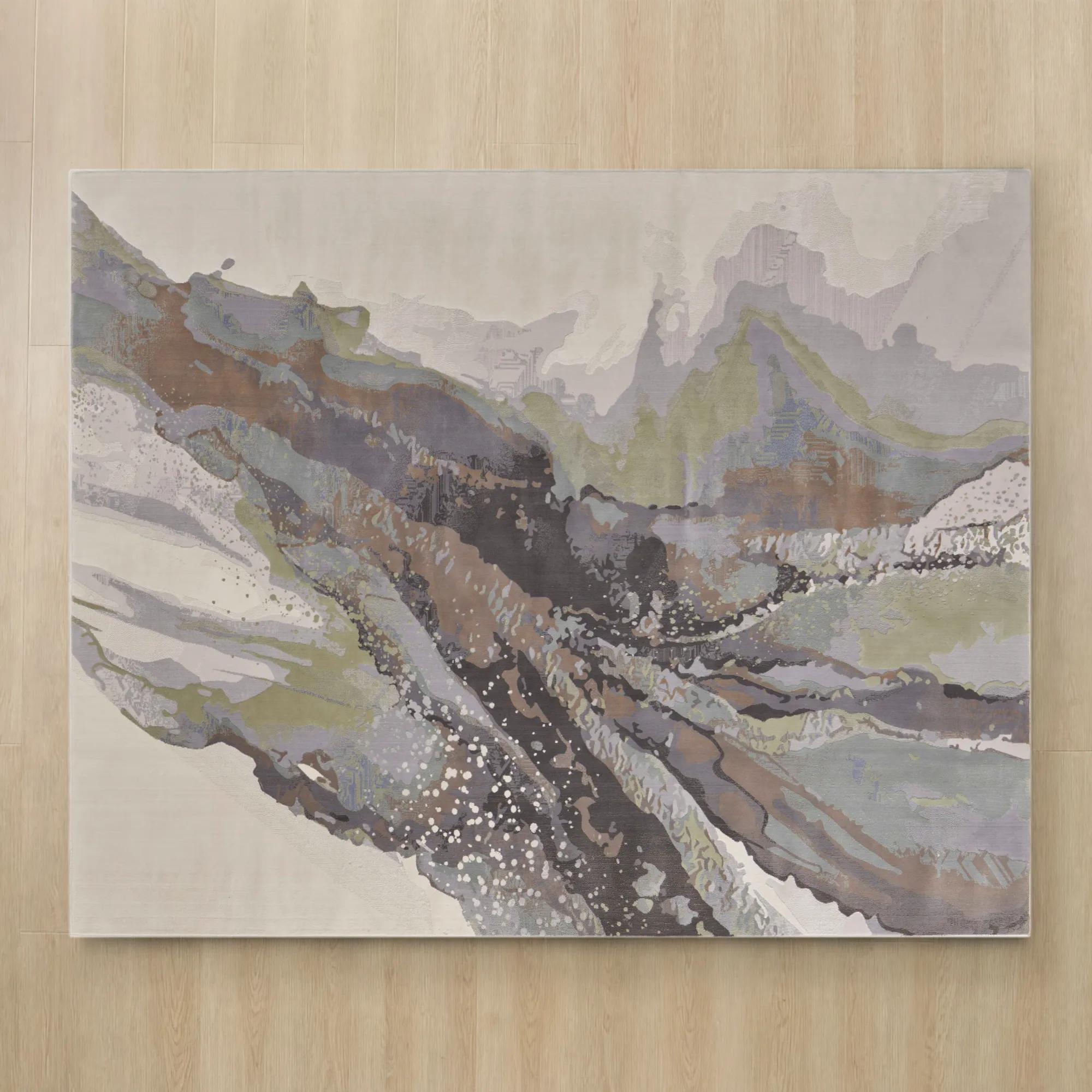 Nerissa Abstract Ivory/Grey/Blue/Green Performance Power Loomed Rug$1549
An abstract rug in ivory, grey, blue, and green with a textured, stain-resistant polypropylene-polyester blend.
Add To Cart -
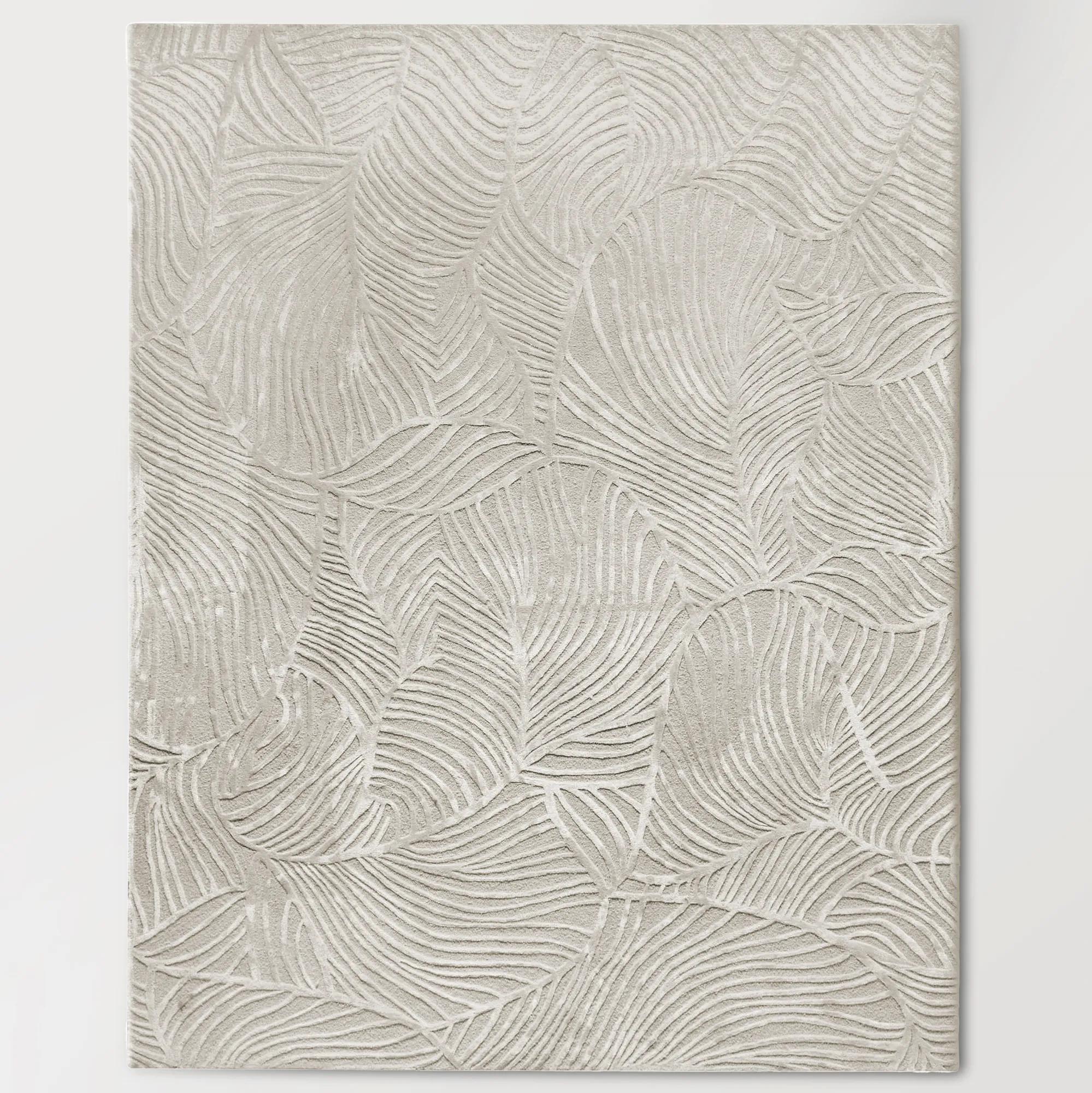 Palm Hand-Tufted Ivory Wool Blend Rug$999
An ivory rug featuring a dynamic palm-leaf design with high-low pile in viscose and wool.
Add To Cart -
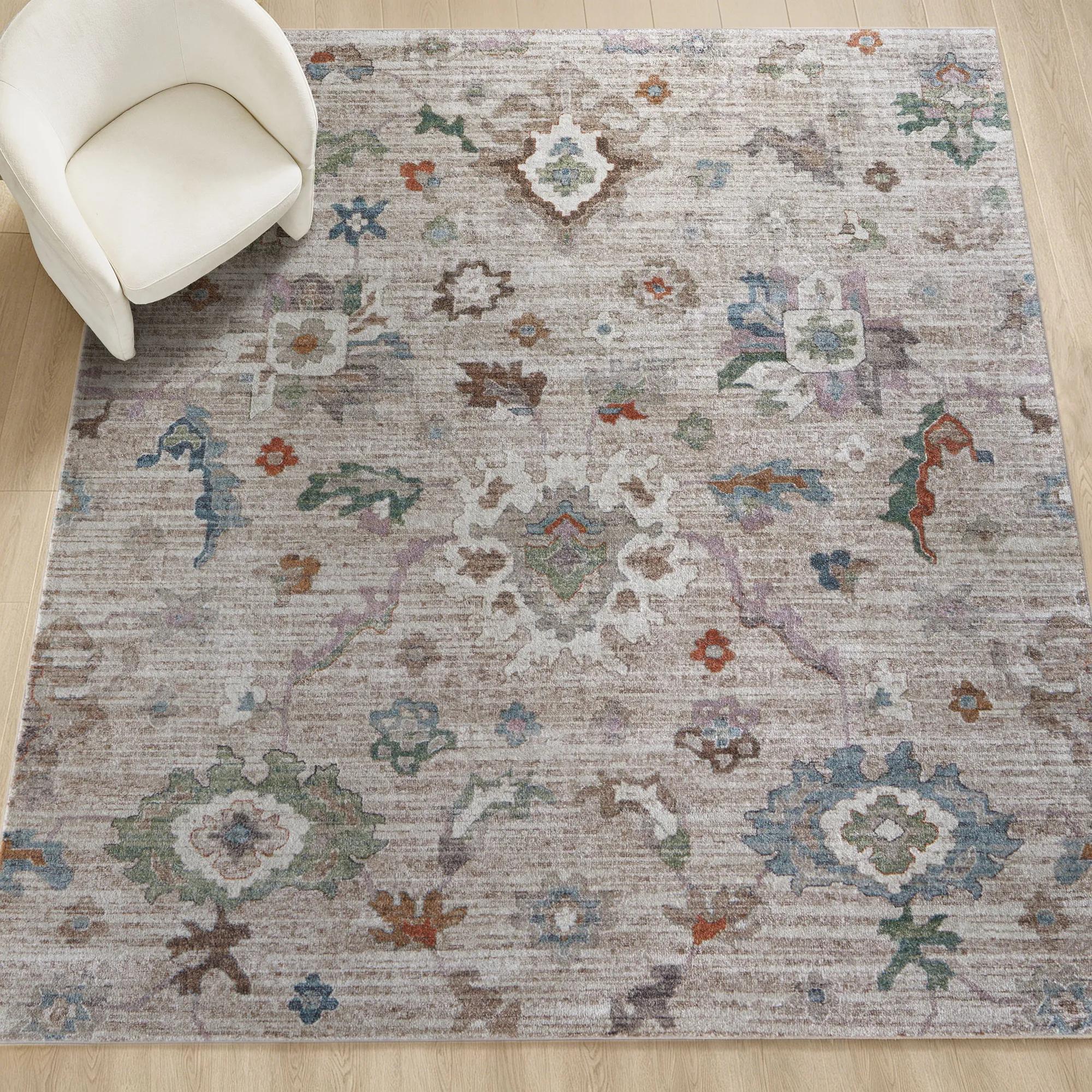
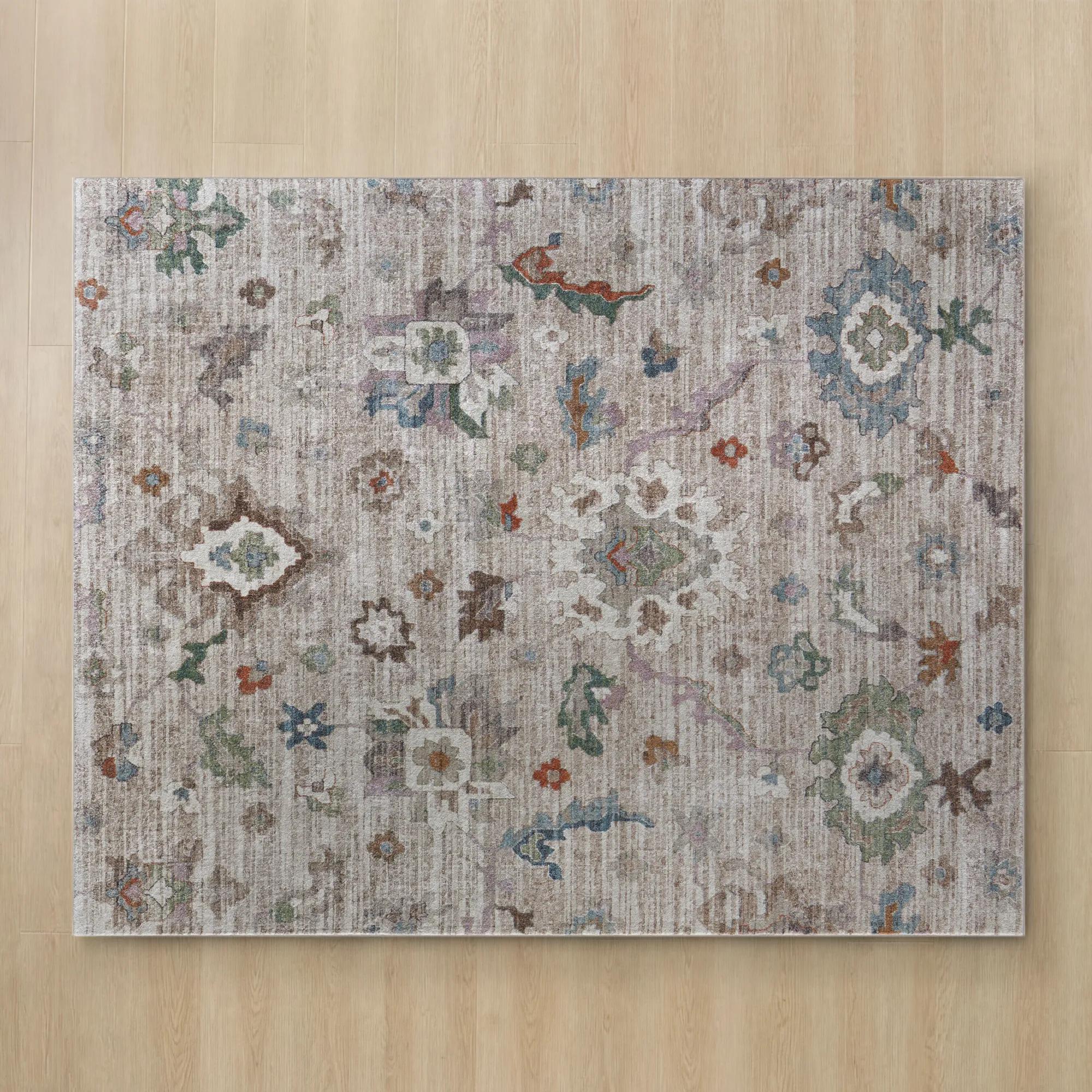 Ariella Floral Taupe/Ivory/Beige/Blue/Green Performance Power Loomed Rug$1499
A Persian-inspired rug in taupe, ivory, beige, blue, and green with a plush, power-loomed polypropylene pile.
Add To Cart -
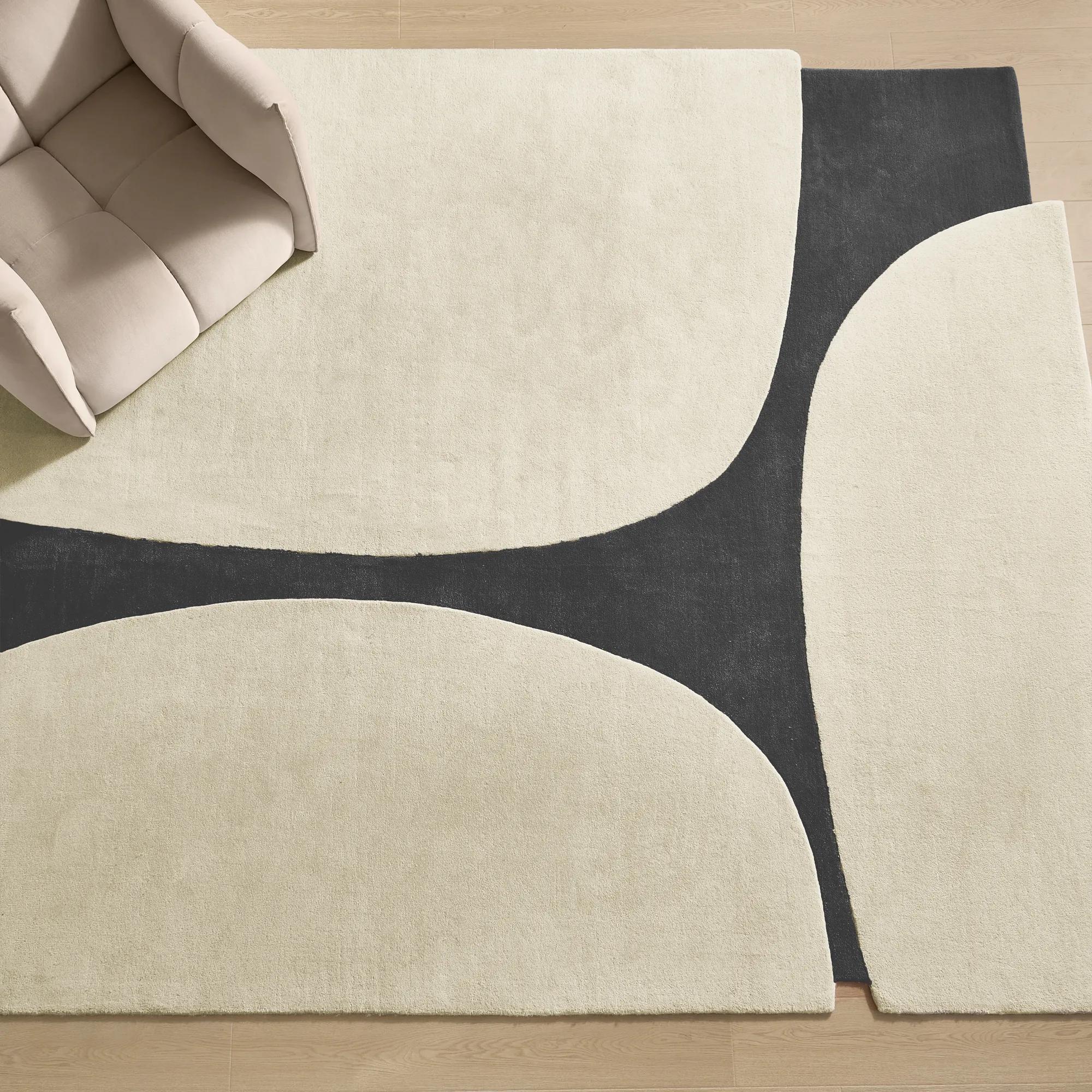 Contour Hand-Tufted Ivory/Charcoal Wool & Viscose Rugs$1499
An artfully shaped hand-tufted rug featuring high-low texture in warm ivory and charcoal wool-viscose blend.
Add To Cart -
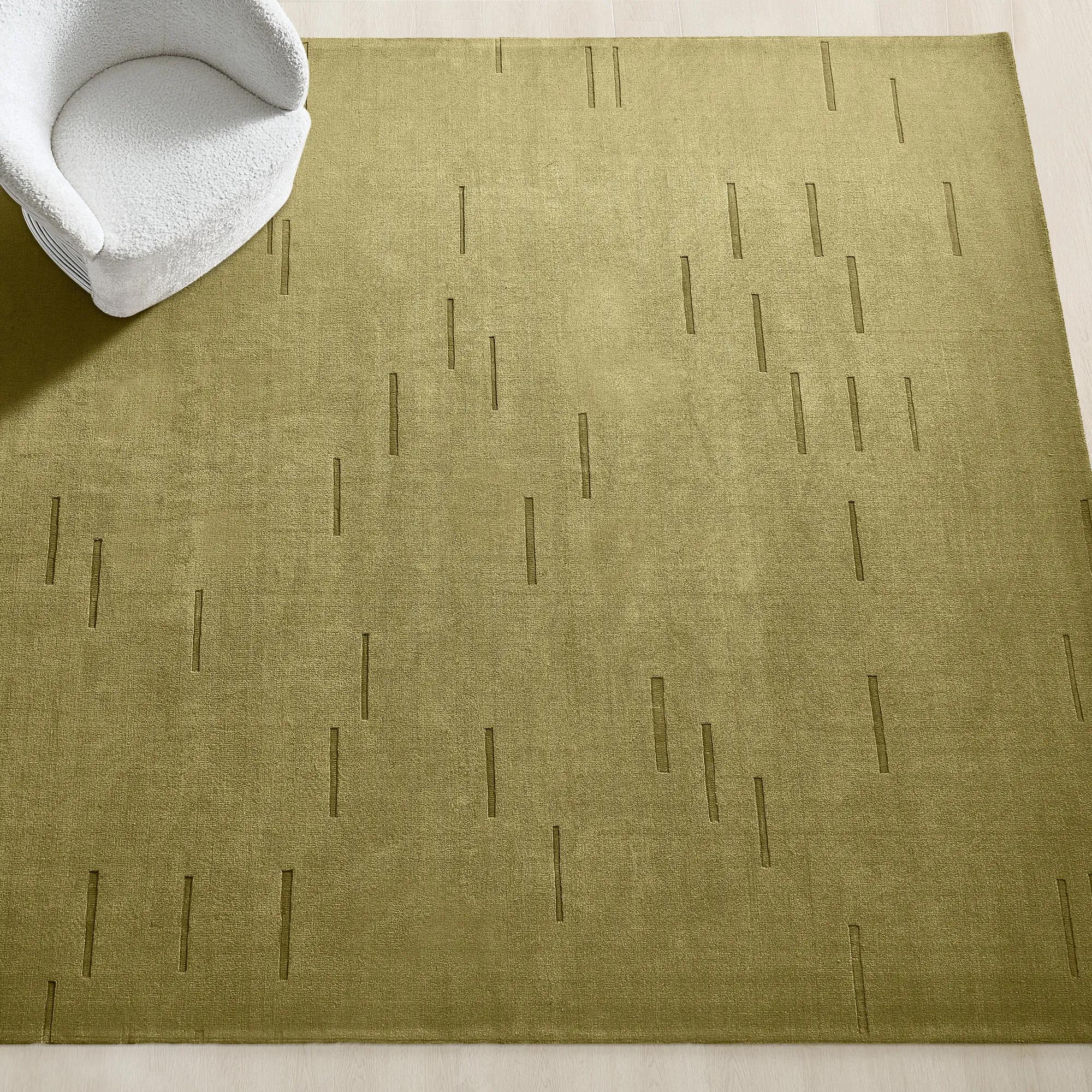
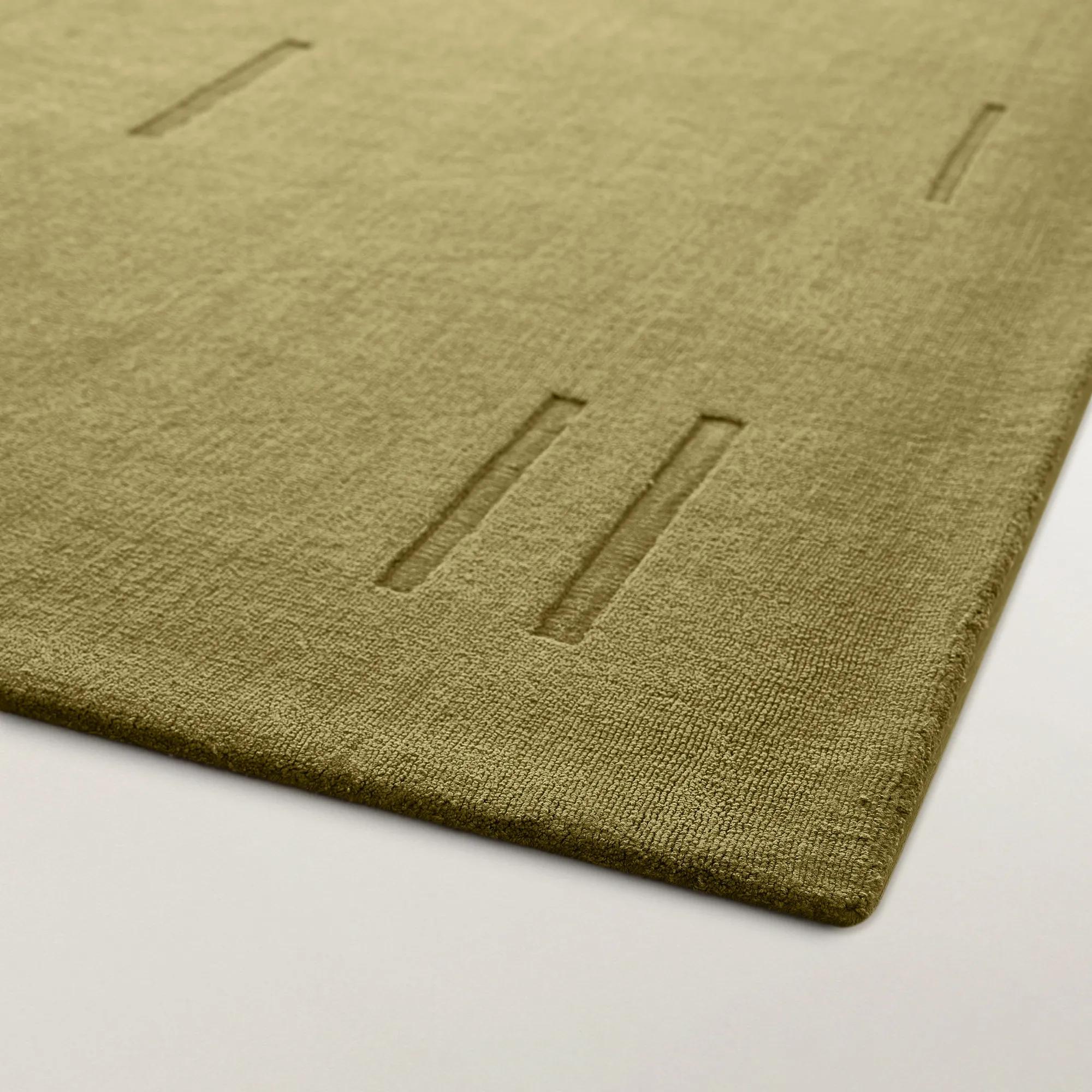 Lamita Muted Olive Green Wool Blend Rug$699
A muted olive green wool-blend rug bringing soft texture and understated sophistication to modern interiors.
Add To Cart -
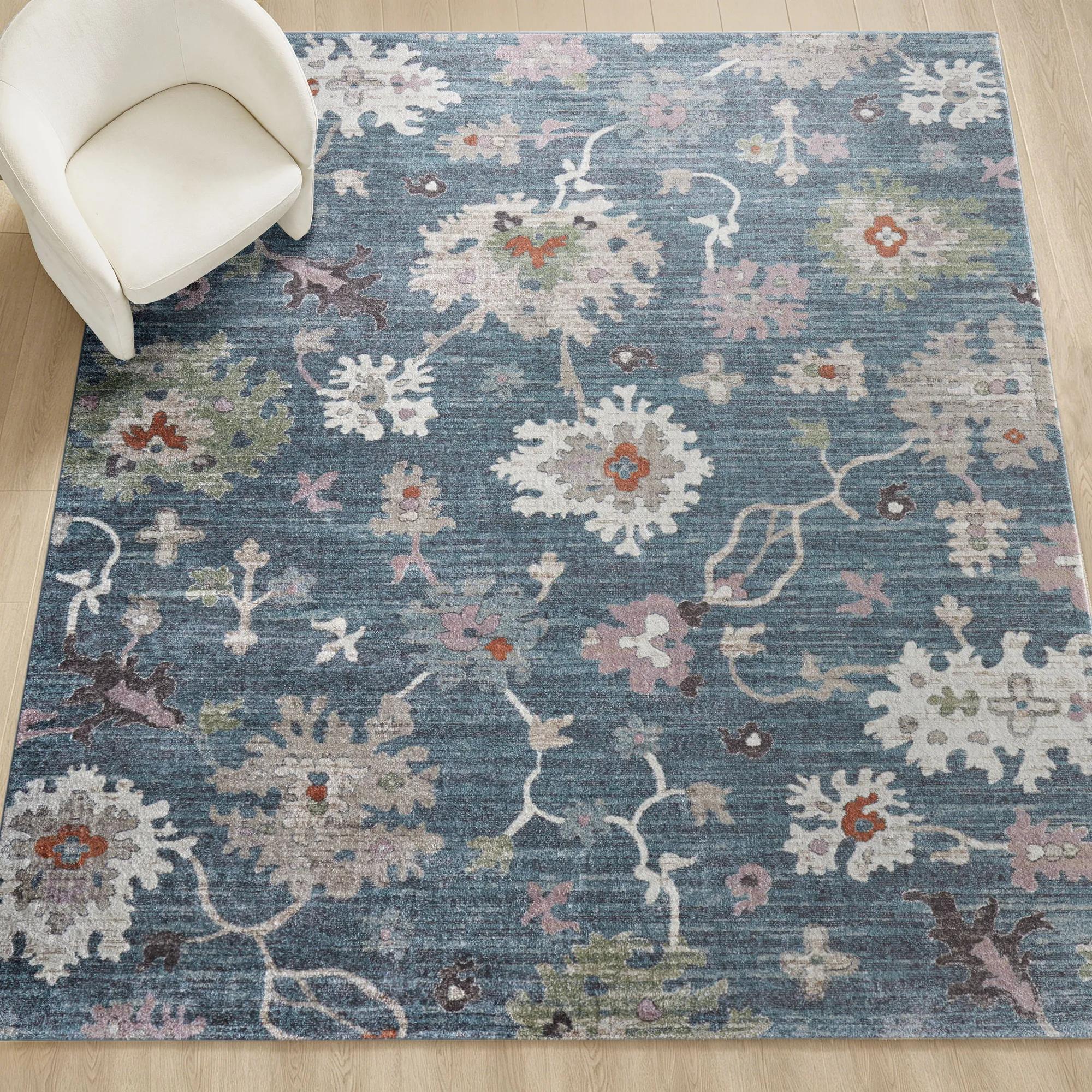
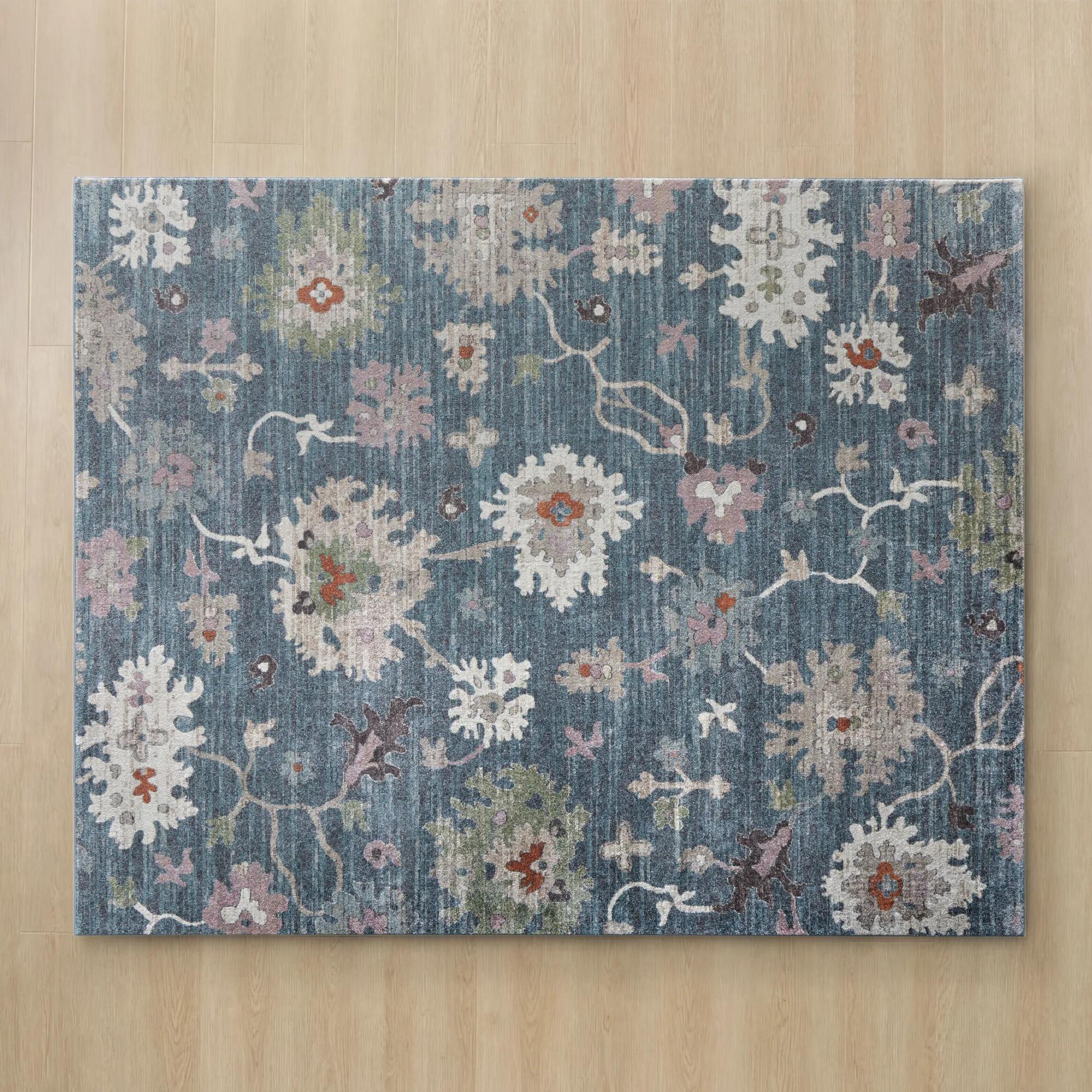 Ariella Floral Blue/Ivory/Beige/Green/Rose Dust Performance Power Loomed Rug$1499
A Persian-inspired rug in blue, ivory, beige, green, and rose dust with plush, stain-resistant polypropylene.
Add To Cart -
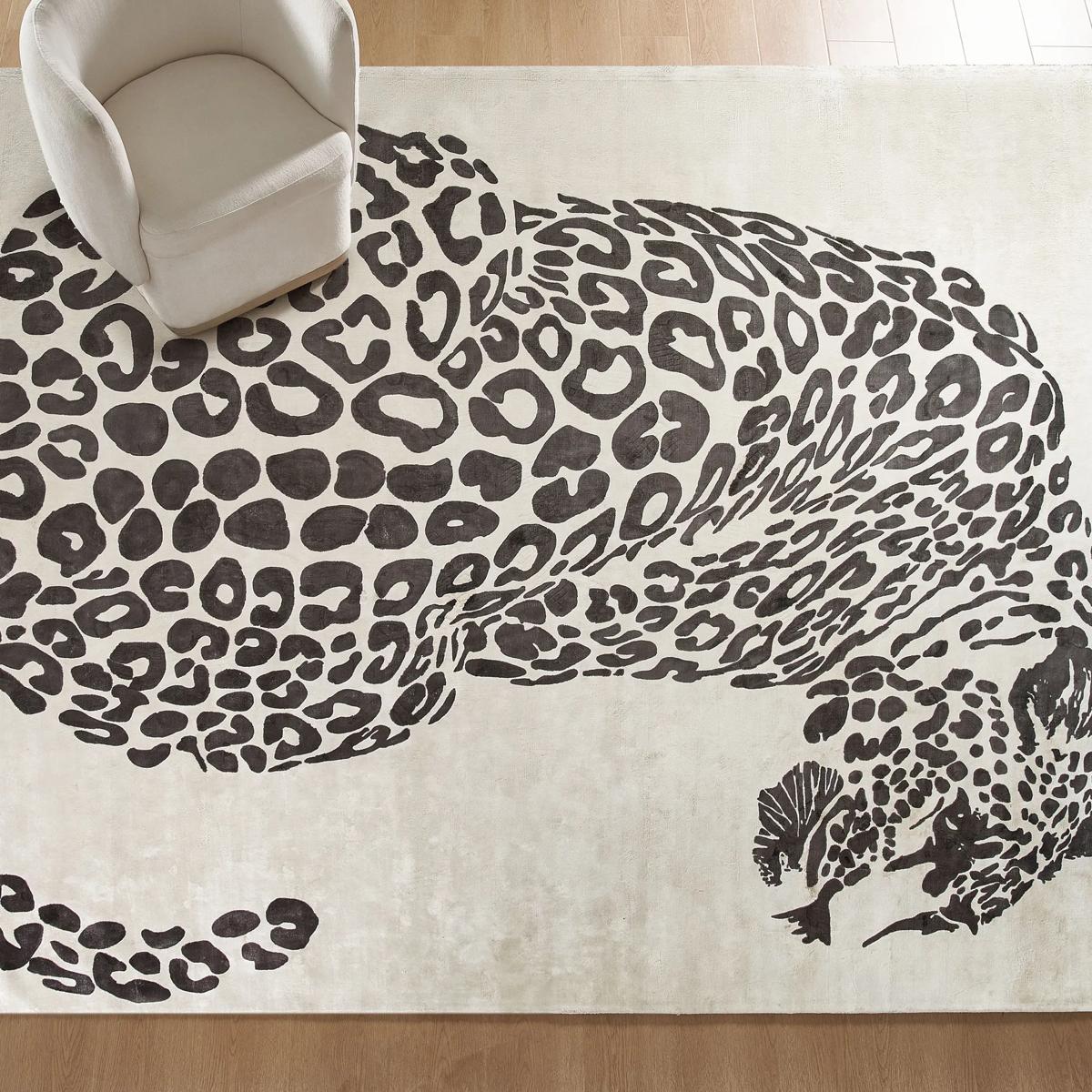
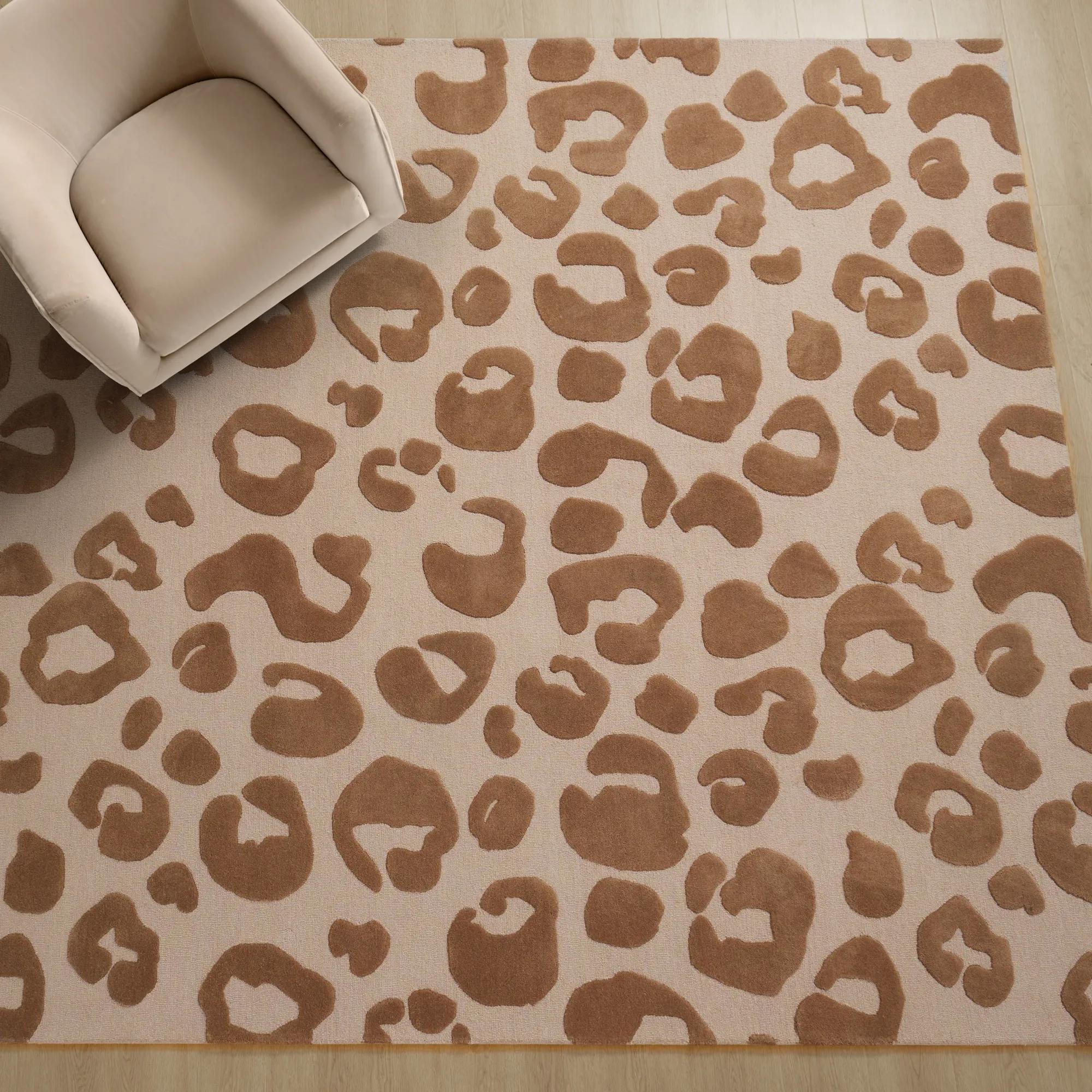 Pounce Hand-Tufted Tawny Brown Leopard Print Wool Rugs$999
A hand-tufted pure wool rug in tawny brown with a bold oversized leopard print and sculptural texture.
Add To Cart -
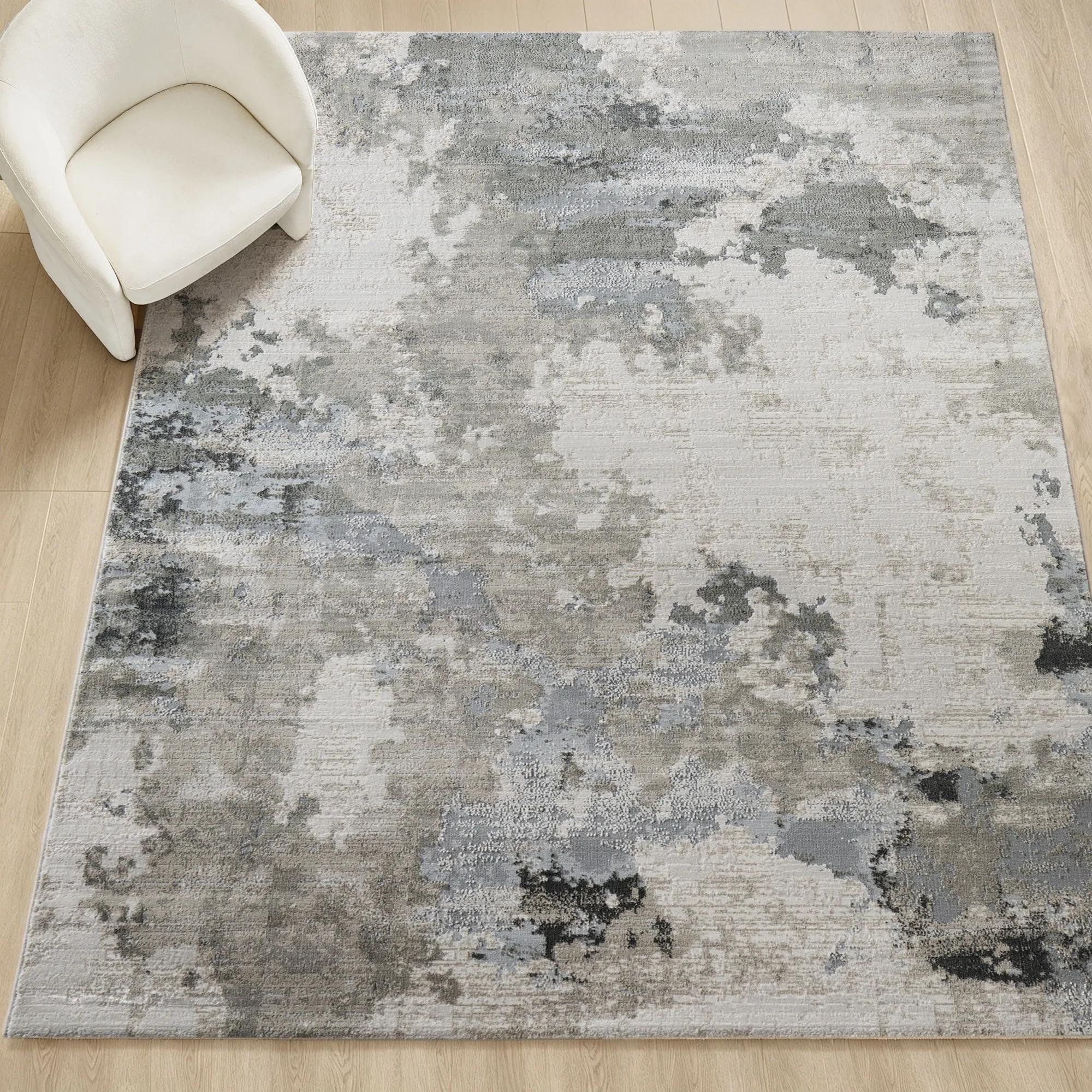 Alarion Abstract Grey/Muted Blue/Ivory Performance Power Loomed Rug$849
A power-loomed rug featuring a distressed abstract pattern in grey, muted blue, and ivory with stain resistance.
Add To Cart -
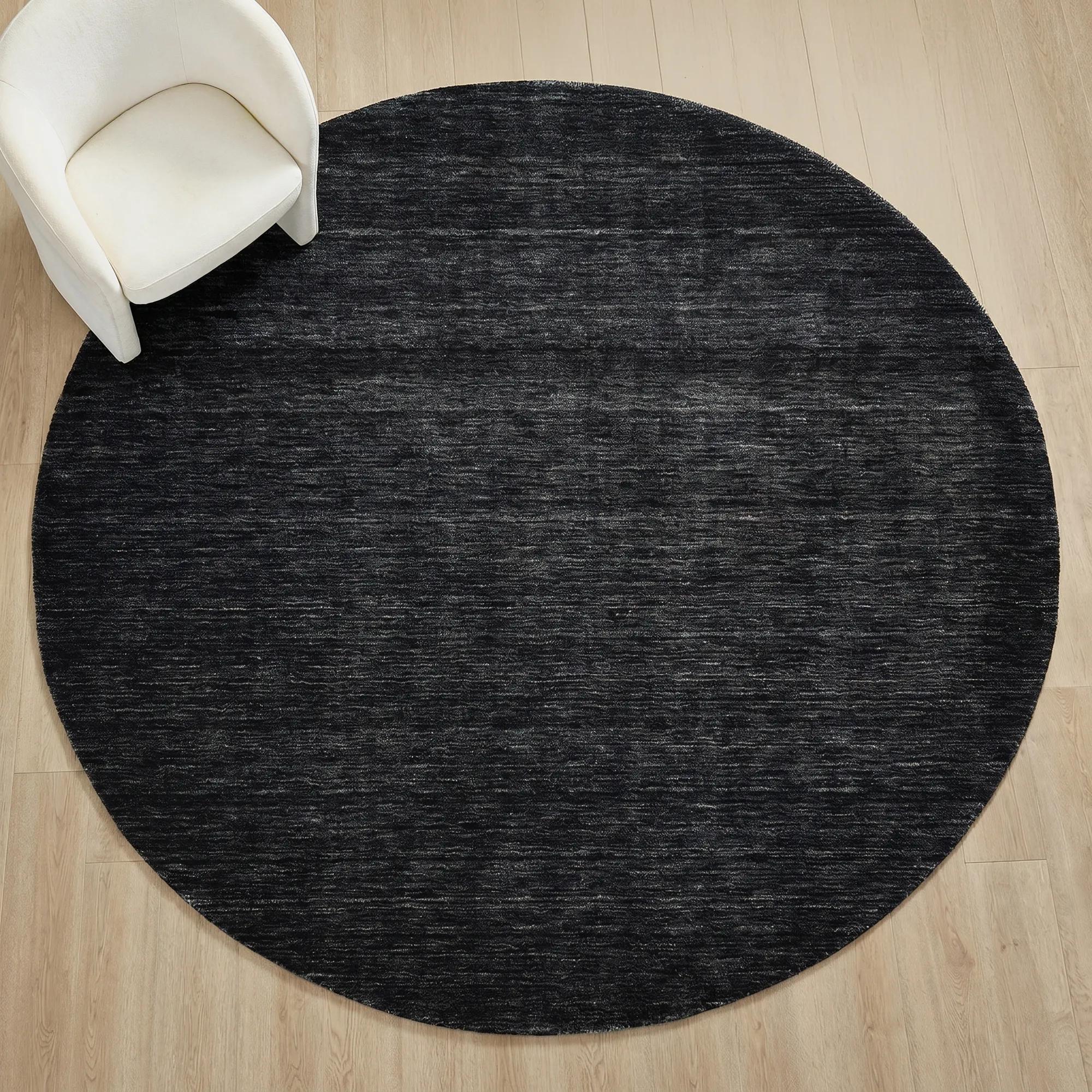 Juni Hand Woven Heathered Black Rug$799
A handwoven round wool rug in heathered black, offering durable texture and moody, contemporary style.
Add To Cart -
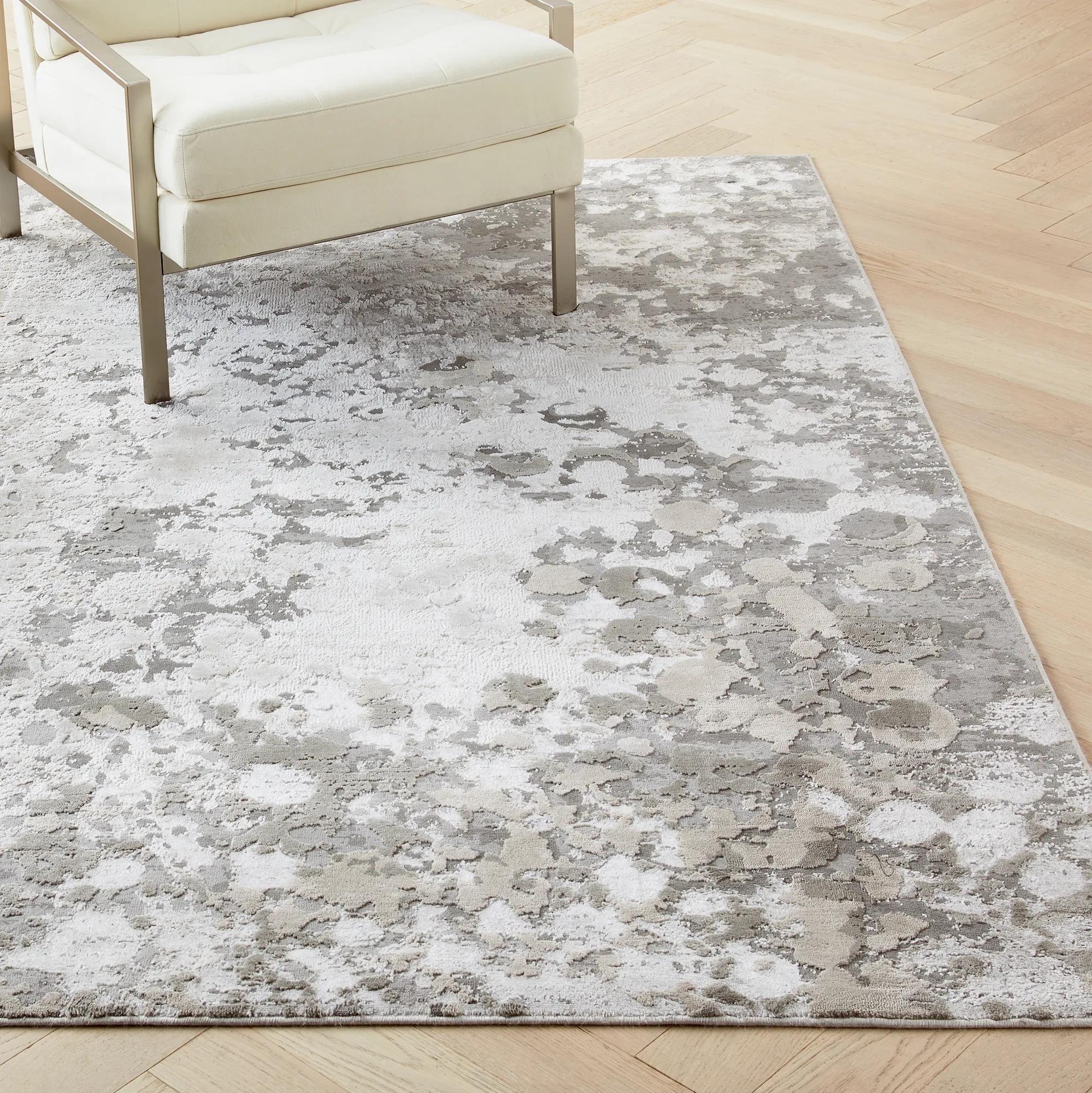 Mercury Power-Loomed Silver/Grey/Beige Rug$449
A neutral floor covering featuring a silver, grey, and beige palette with a soft, textured polyester blend.
Add To Cart -
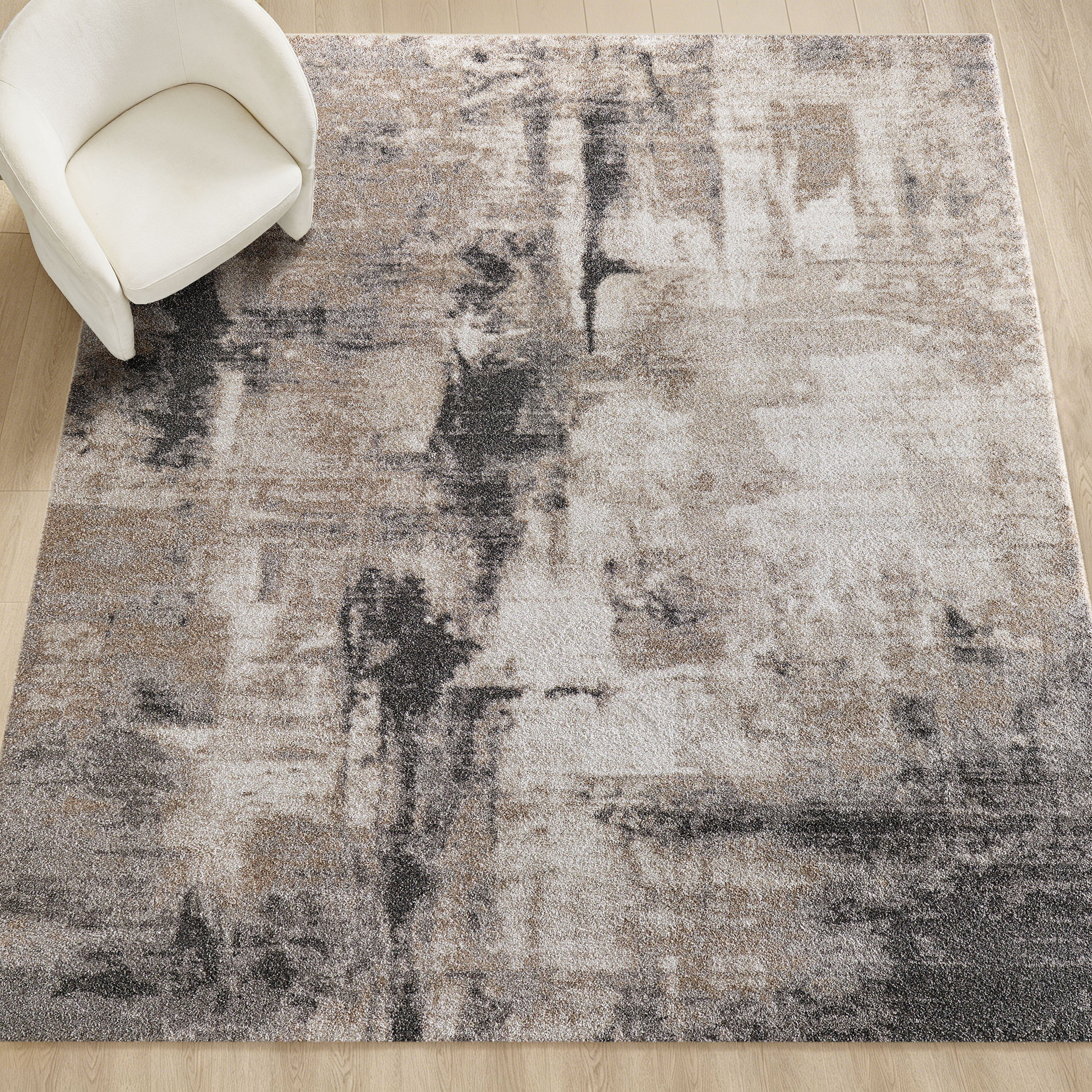
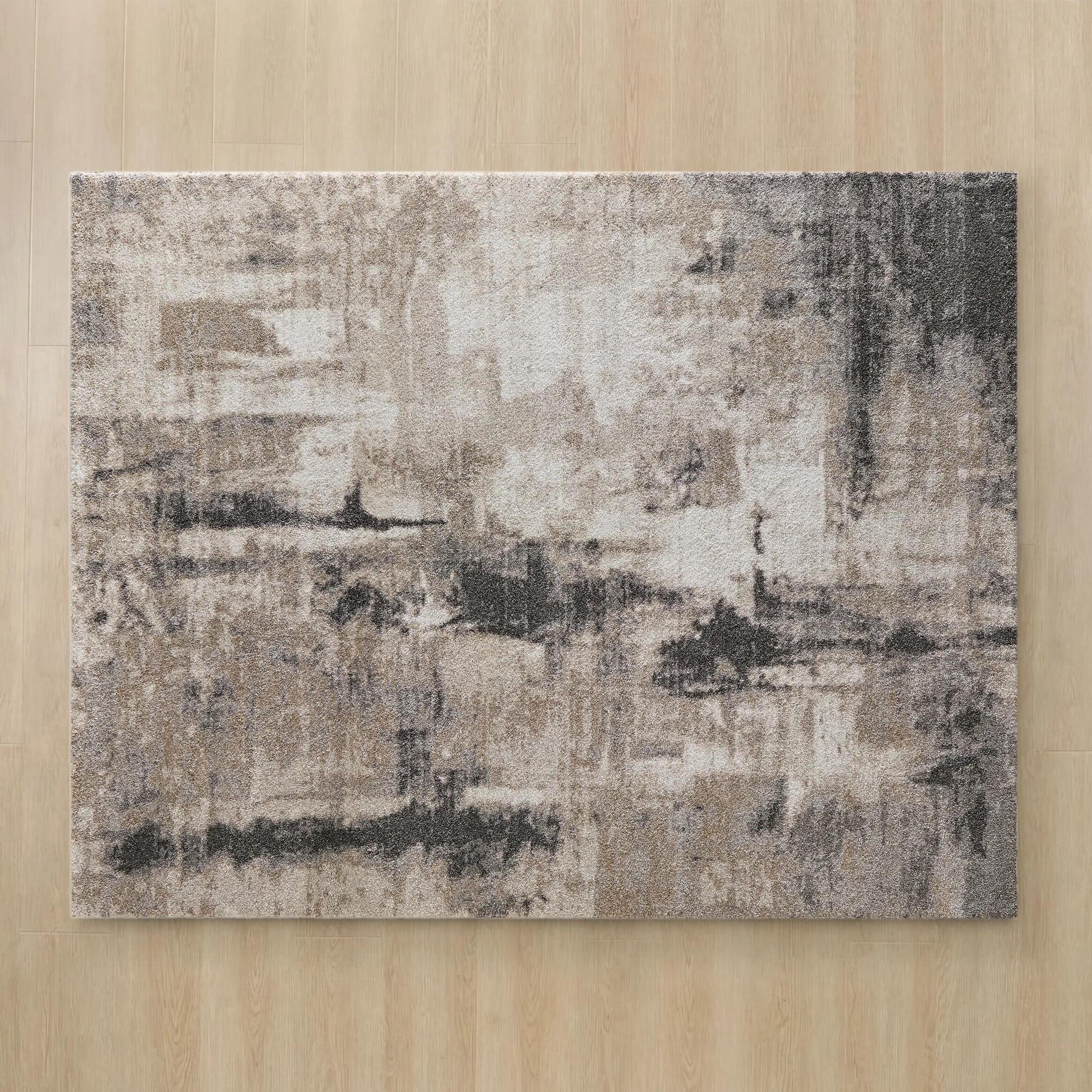 Atlas Abstract Grey/Taupe/Ivory/Charcoal Performance Power Loomed Rug$1349
An abstract rug in grey, taupe, ivory, and charcoal with a plush, stain-resistant polypropylene-polyester blend.
Add To Cart -
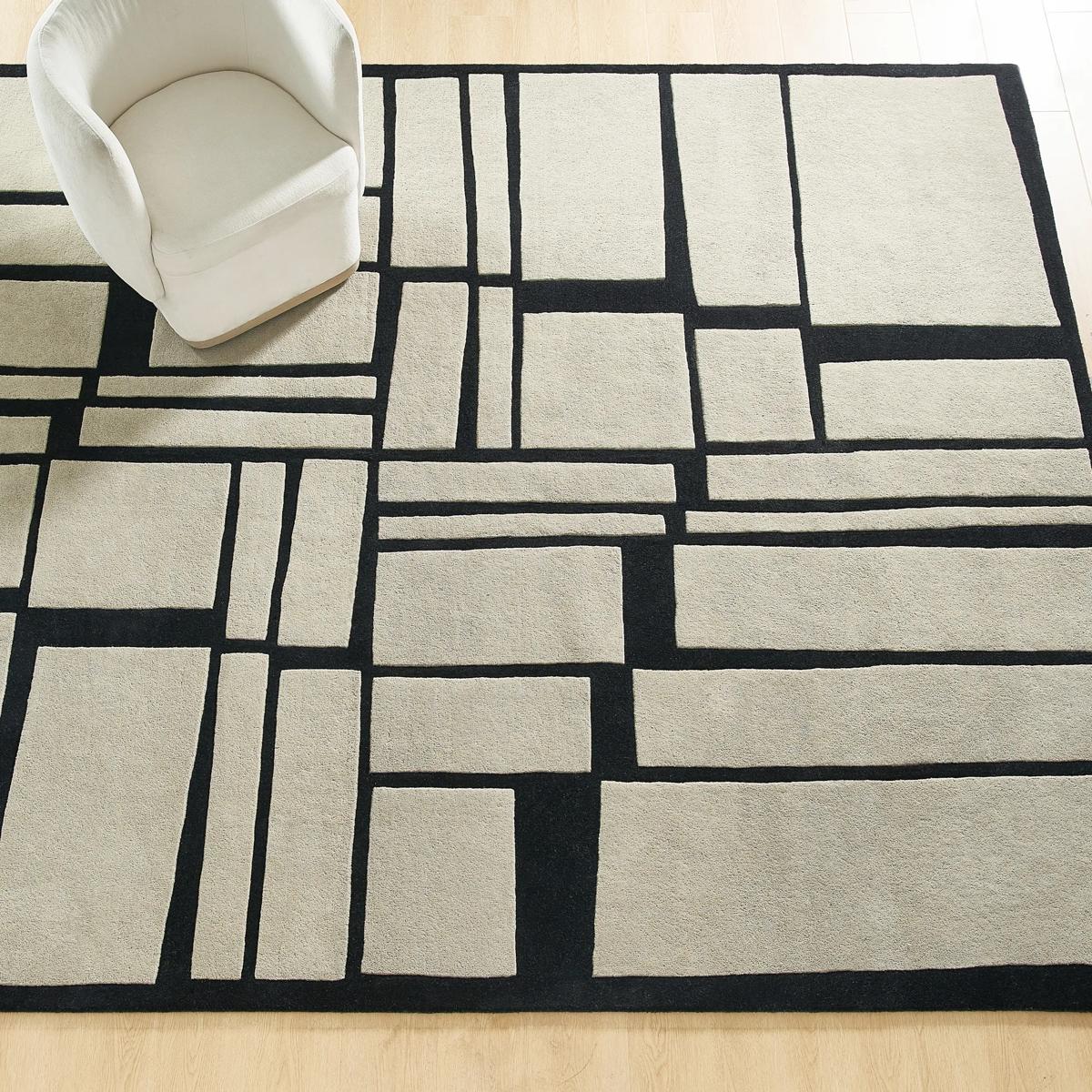 Novak Hand-Tufted Natural/Black Wool Rug$449
A hand-tufted wool rug featuring a bold black and natural grid design for modern visual impact.
Add To Cart -
 Fiona Hand-Tufted Ivory/Beige/Black Border Fringe Rug$1099
A hand-tufted ivory, beige, and black rug featuring a framed border and decorative fringe.
Add To Cart -
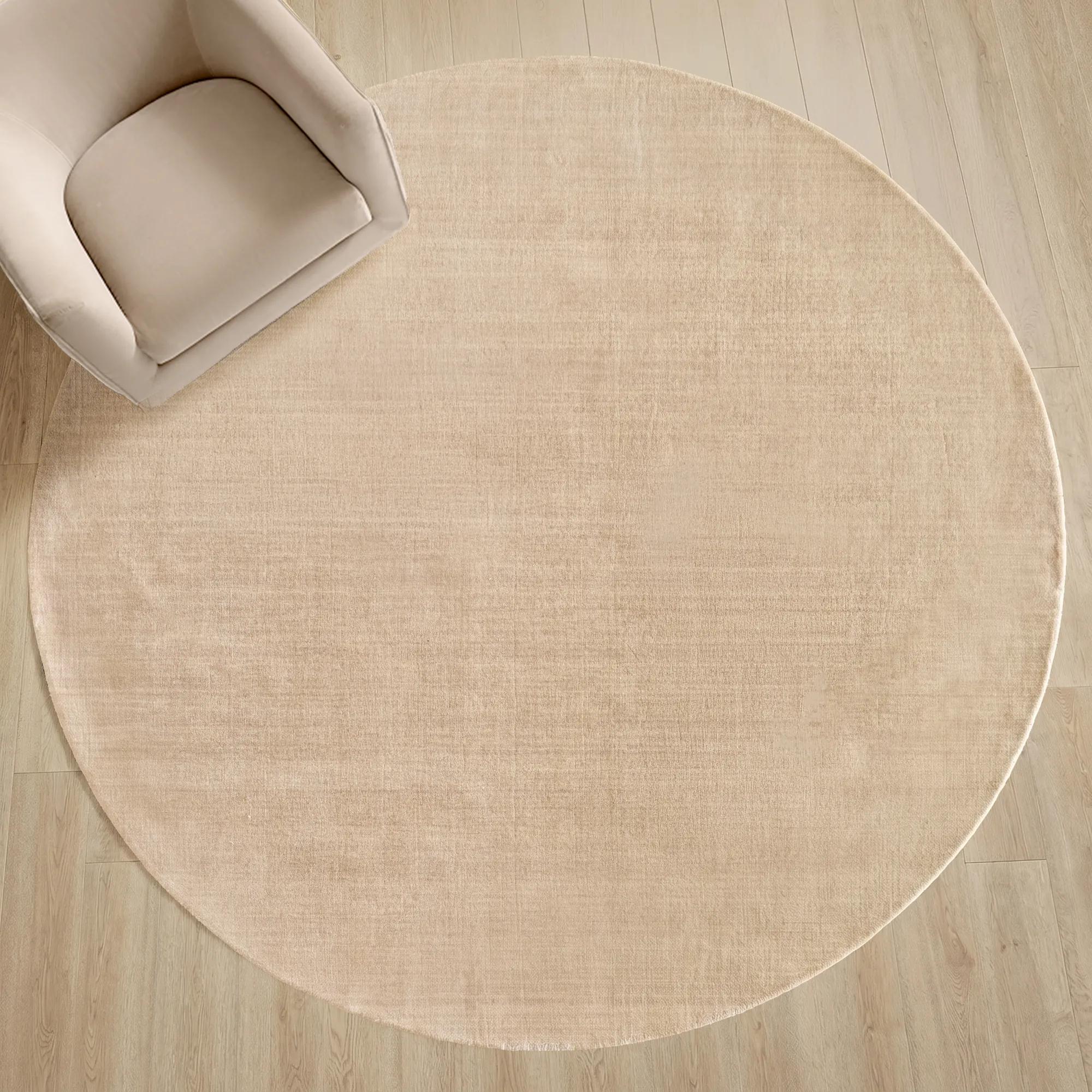 Juni Hand Woven Heathered Warm Beige Round Rug$1399
A handwoven round wool rug in heathered warm beige, offering refined texture and everyday durability.
Add To Cart -
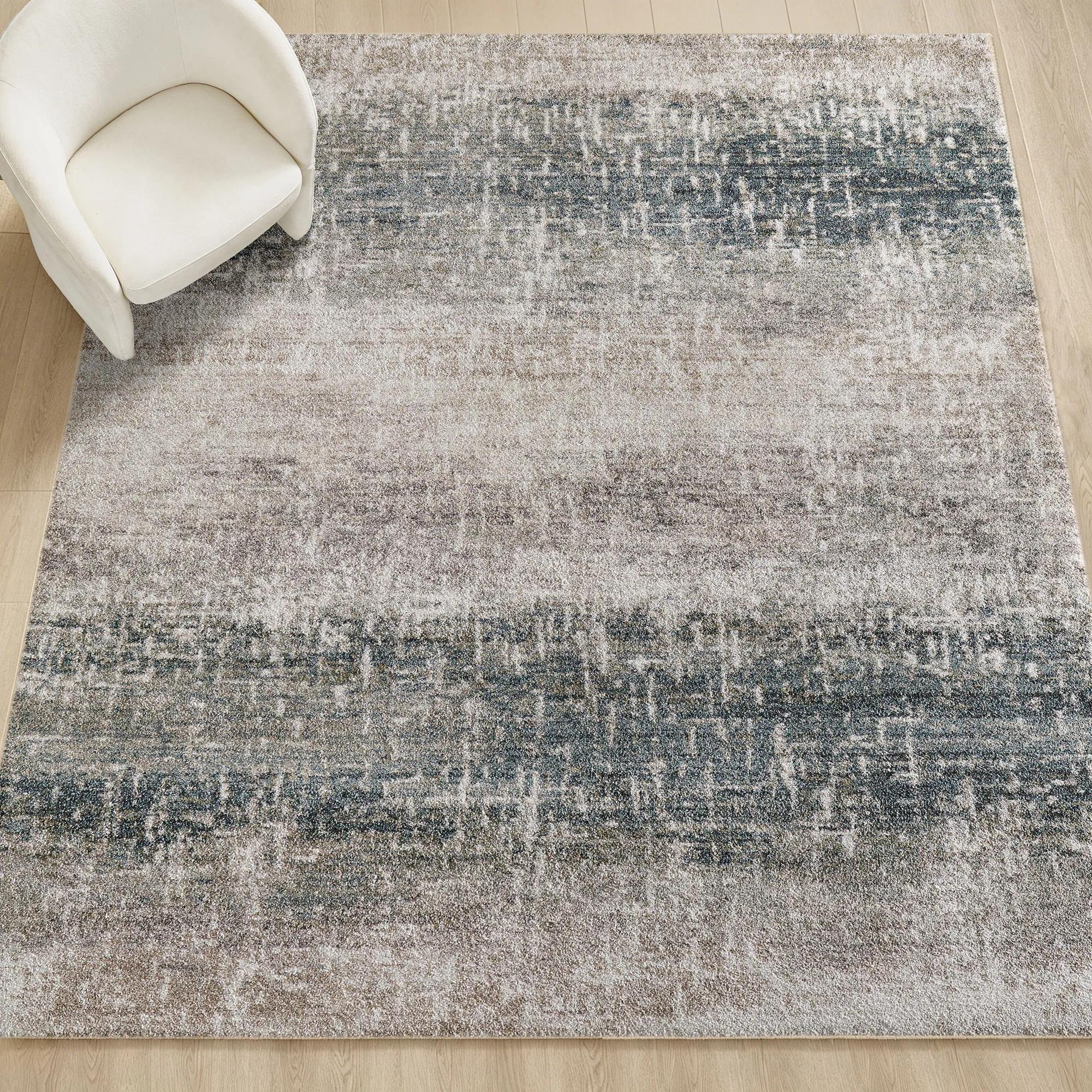
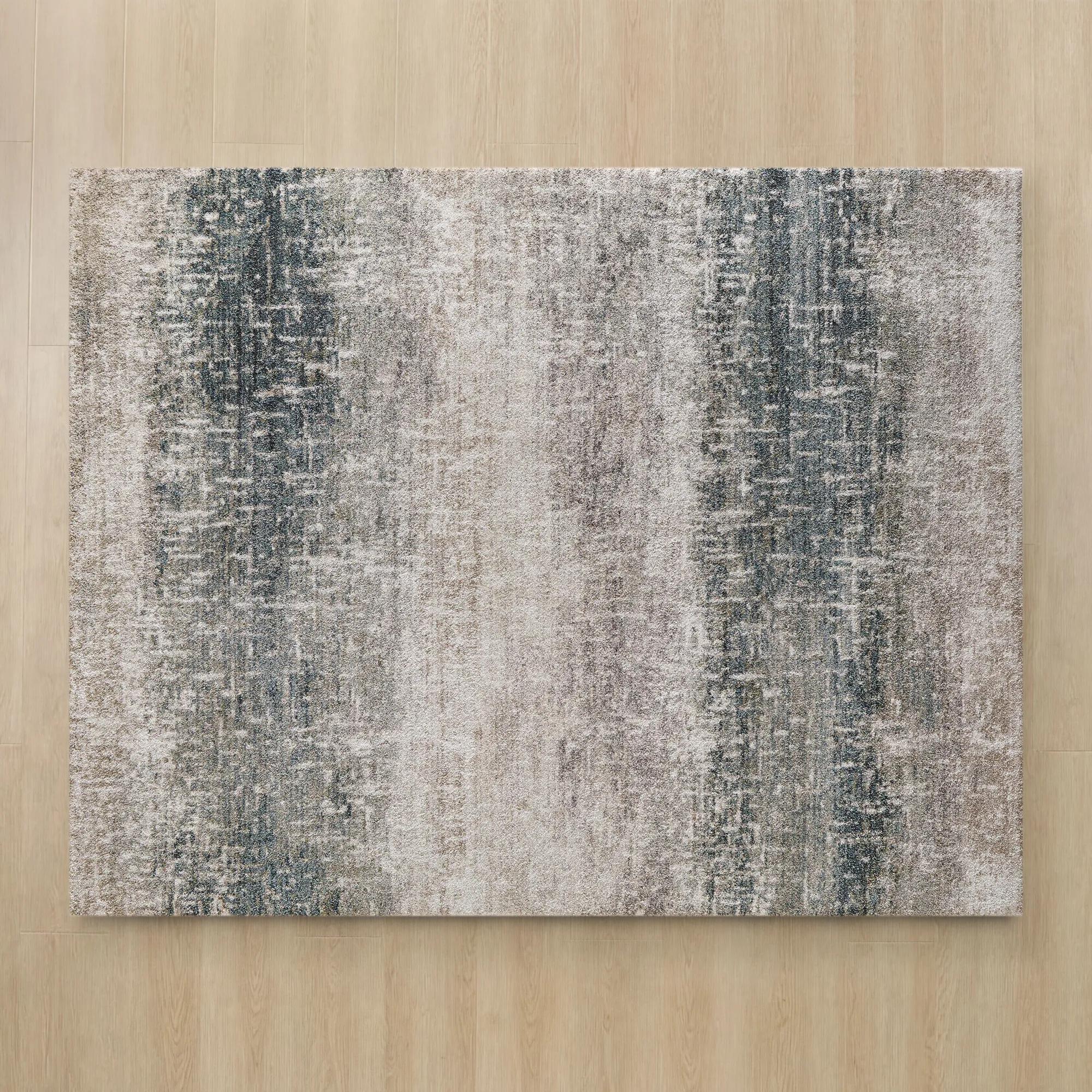 Collier Taupe/Grey/Blue/Green Performance Power Loomed Rug$399
An abstract rug in taupe, grey, blue, and green with a plush, stain-resistant polypropylene-polyester blend.
Add To Cart -
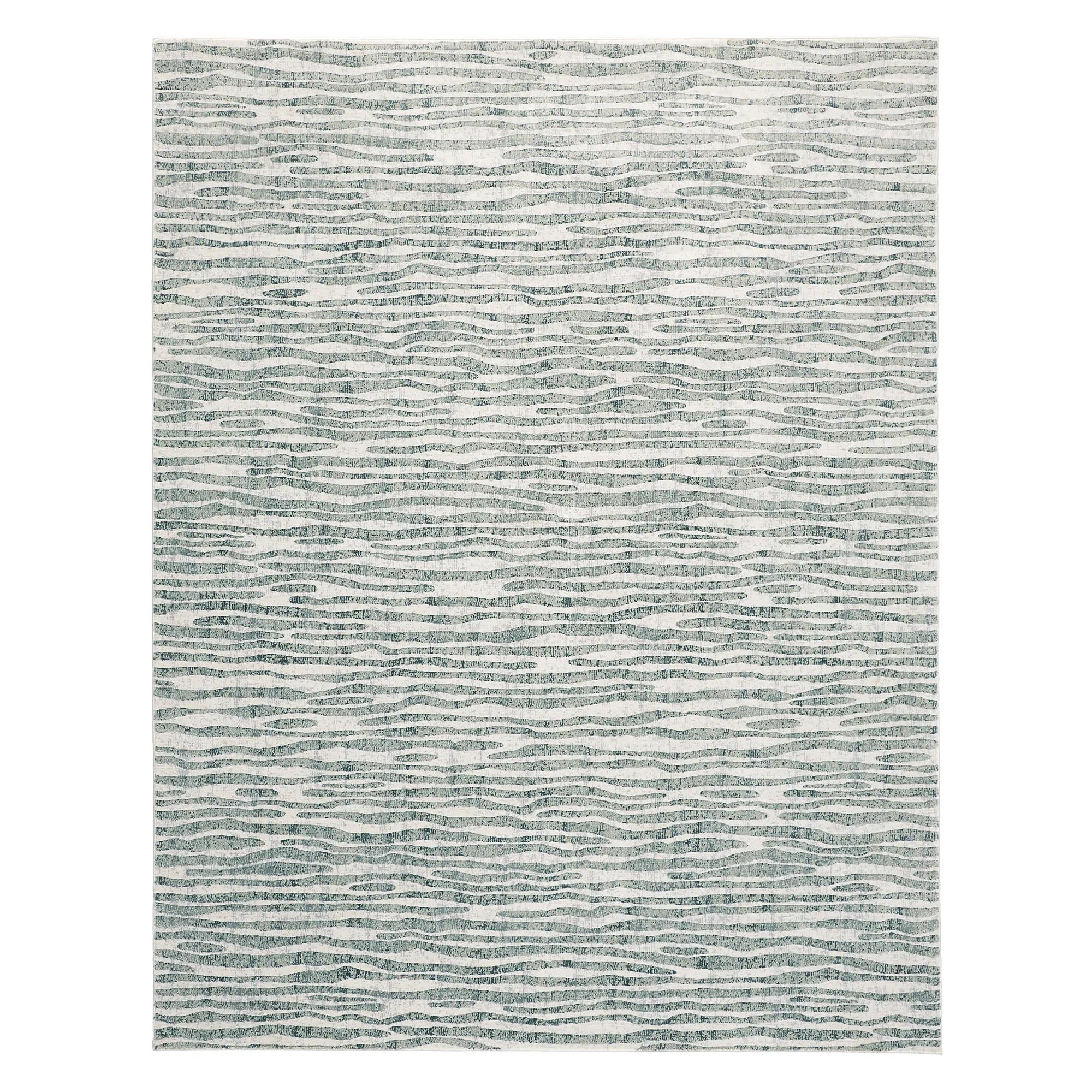 Samantha Power-Loomed Aqua/Grey Rug$719
A machine-woven rug featuring silvery-aqua and green accents on an ivory and grey polypropylene base.
Add To Cart -
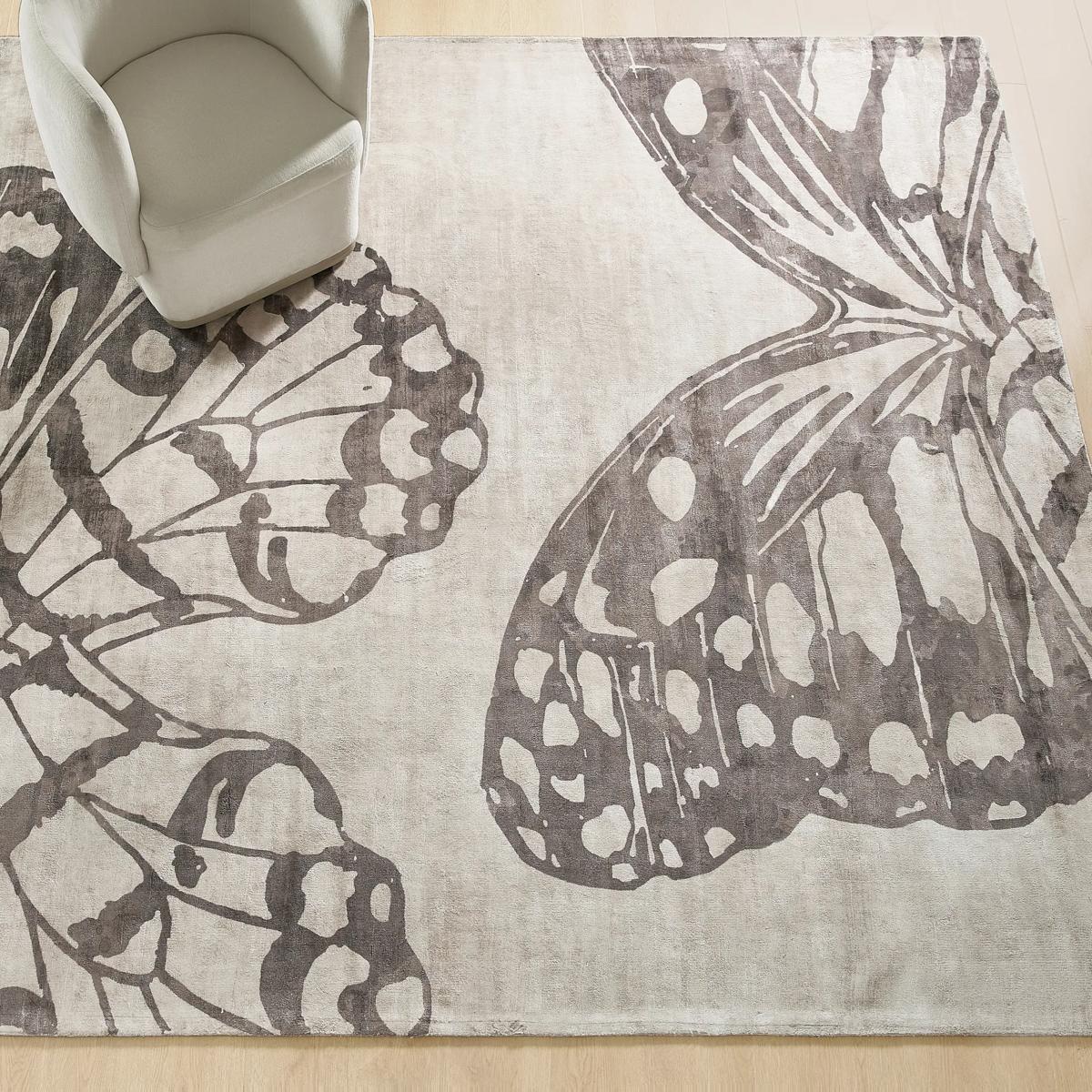
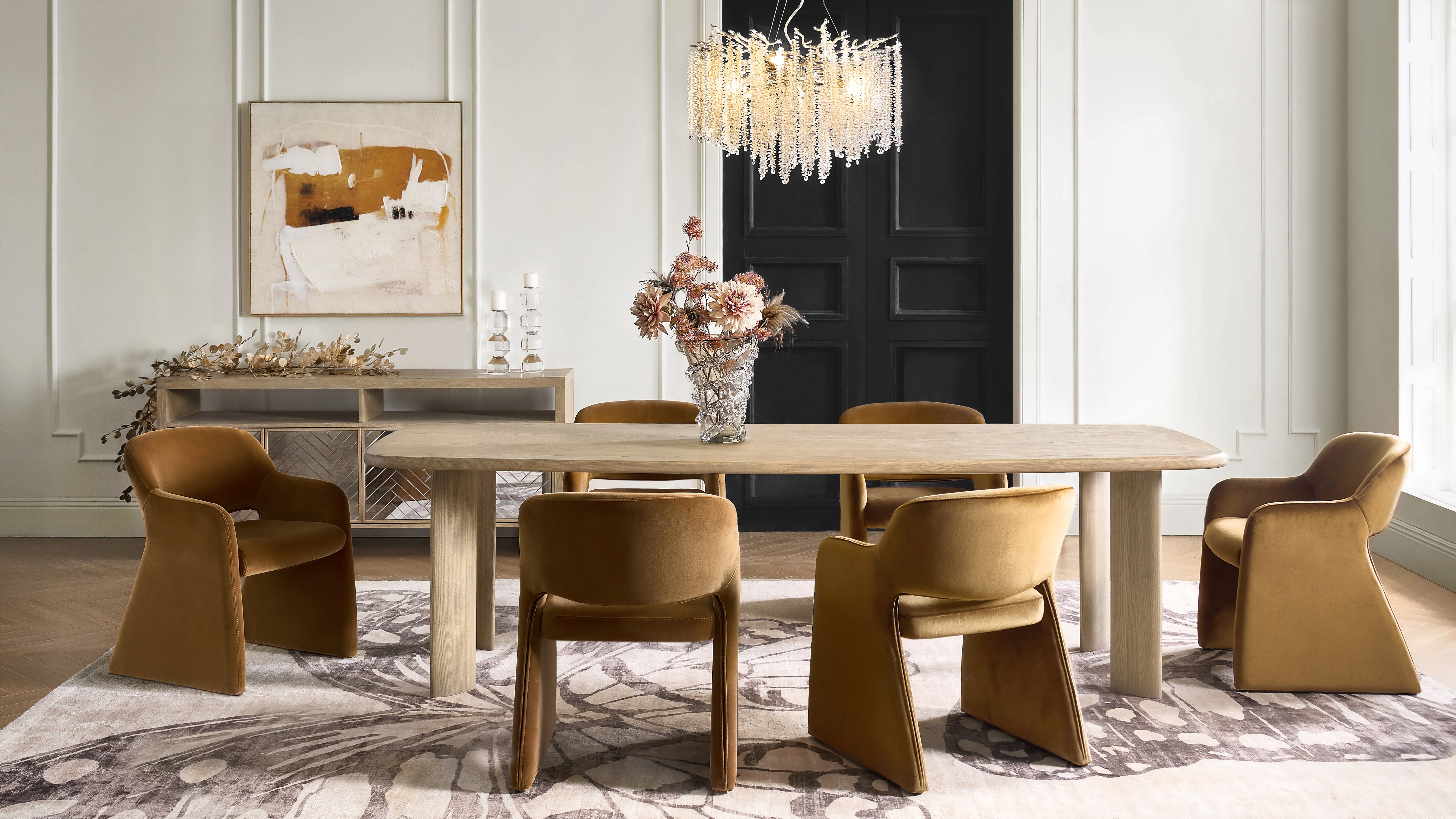 Mariposa Rug - Ivory/Dusty Mauve$999
A hand-loomed viscose rug featuring oversized butterfly motifs in soft ivory and dusty mauve tones.
Add To Cart -
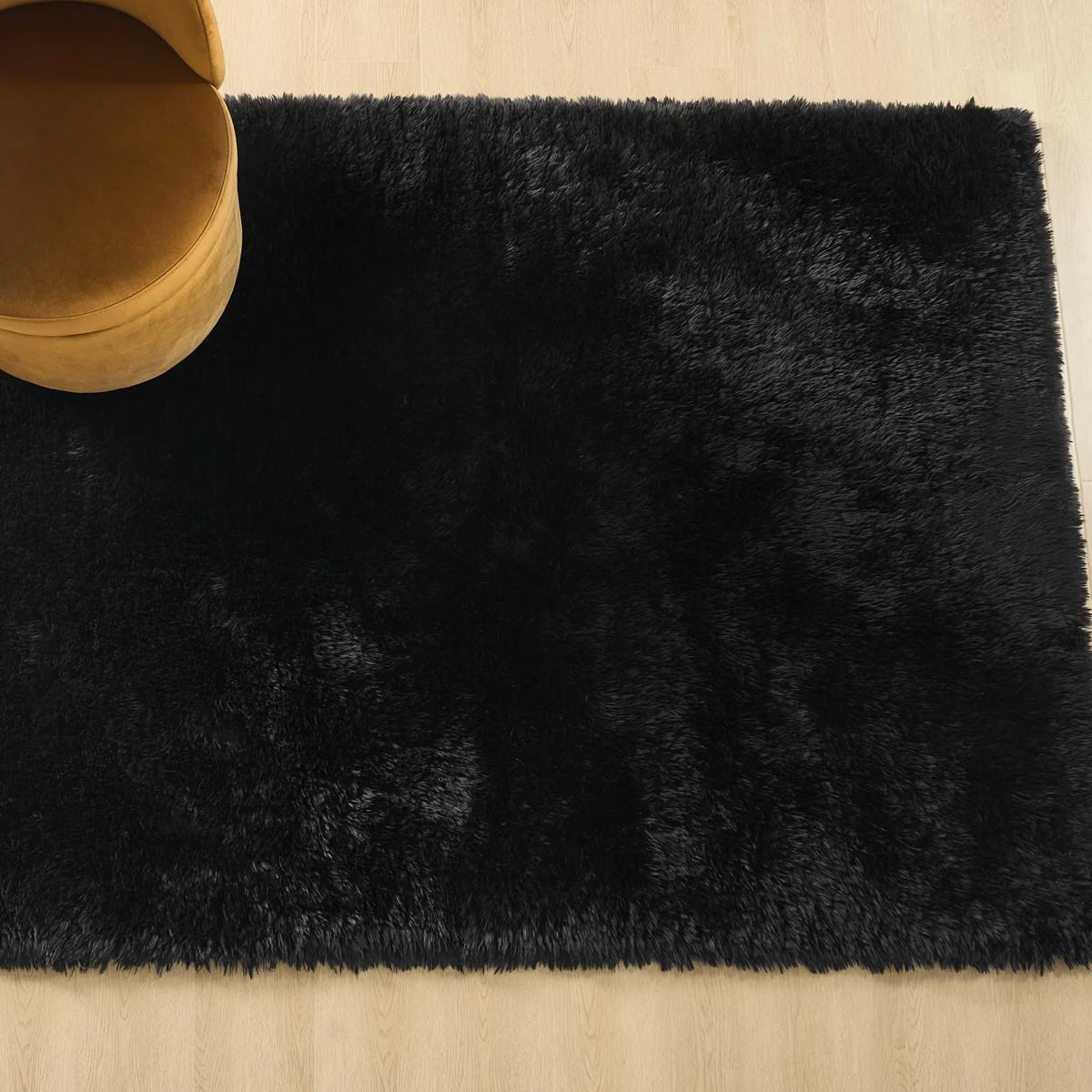
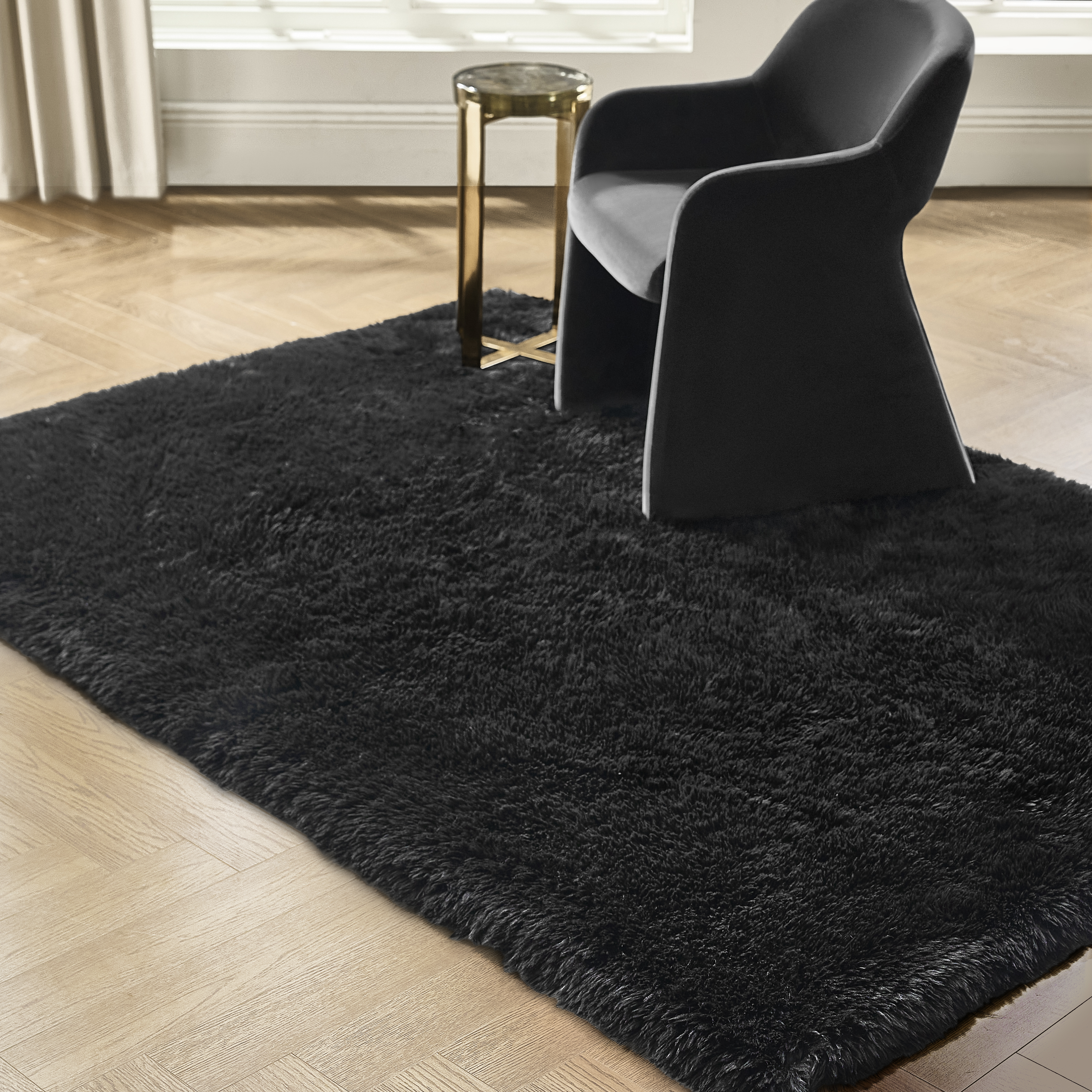 Lustre Shag Rug - Black$299
A plush, ultra-soft high-pile rug in deep black polyester with a non-slip backing for modern elegance.
Add To Cart -
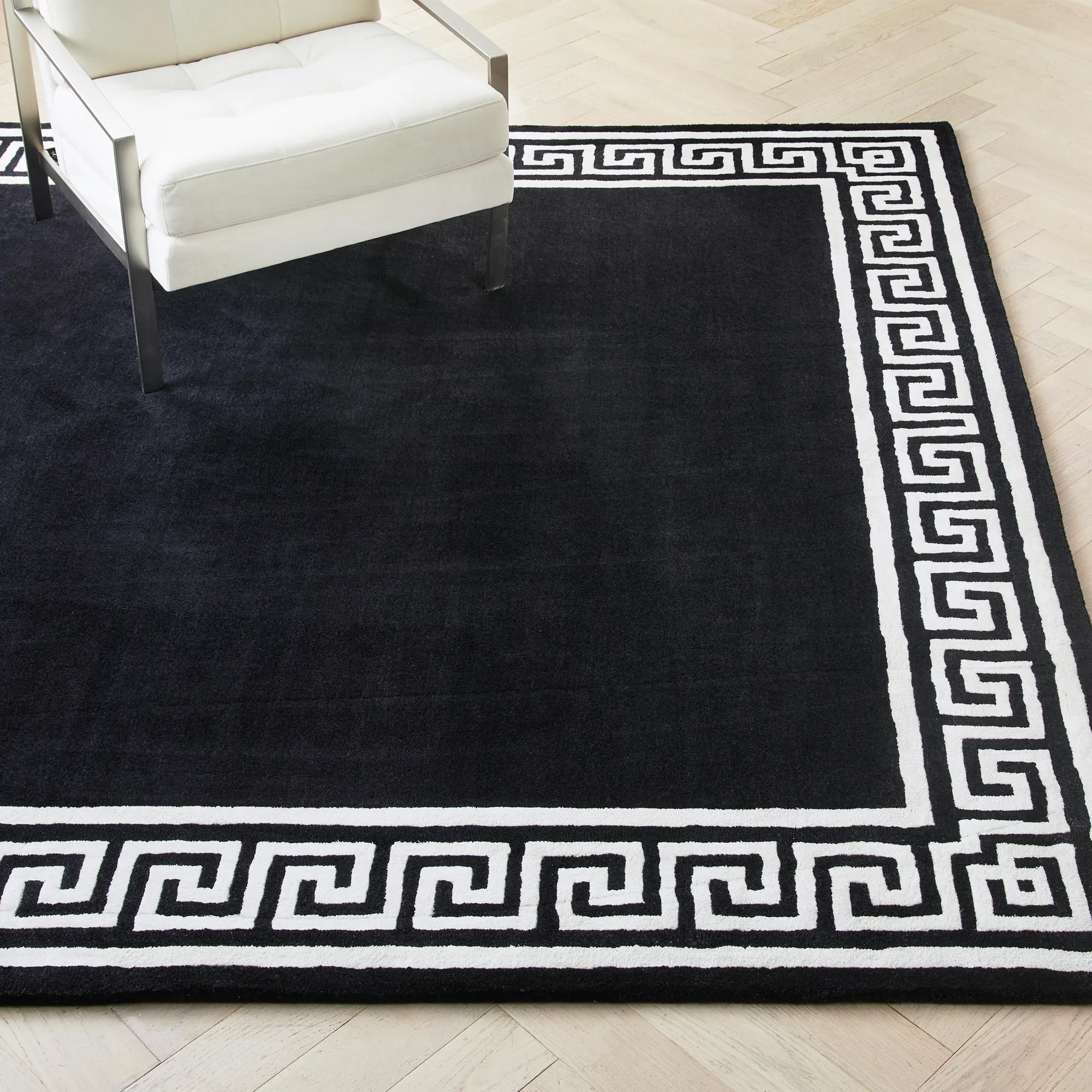
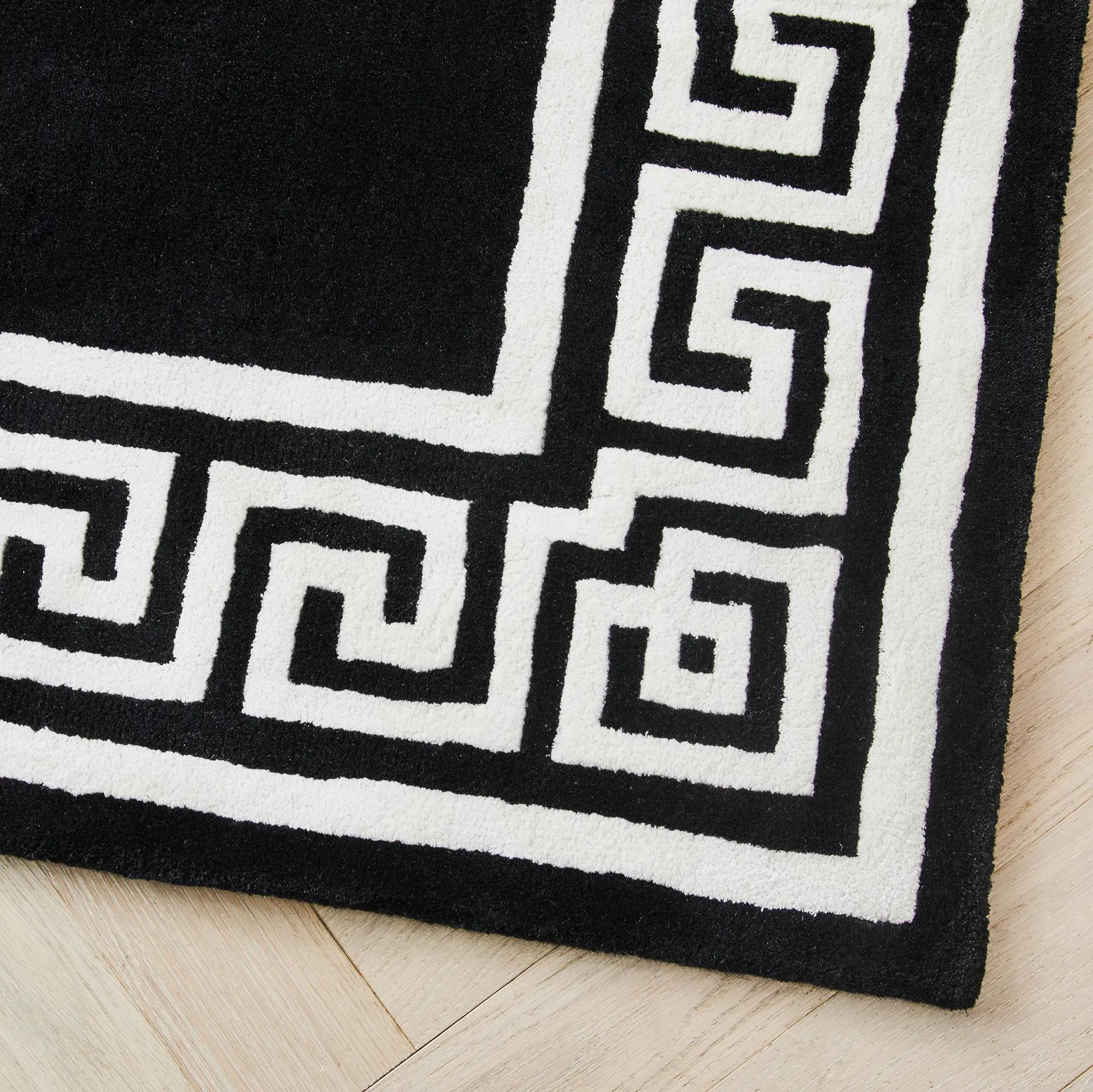 Greek Key Rug - Black/Ivory$1199
A hand-tufted black and ivory rug featuring a classic Greek key pattern in wool and viscose.
Add To Cart -
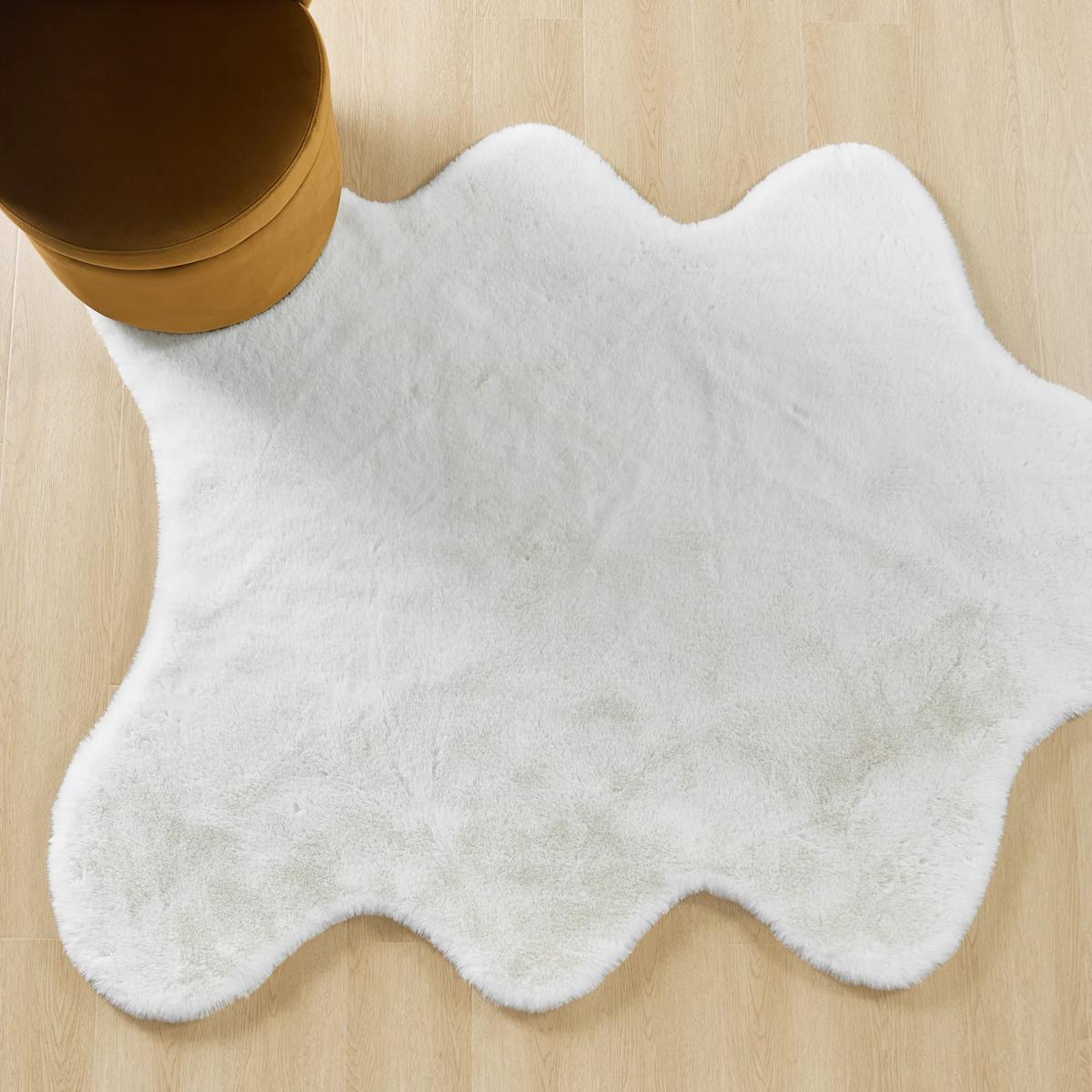
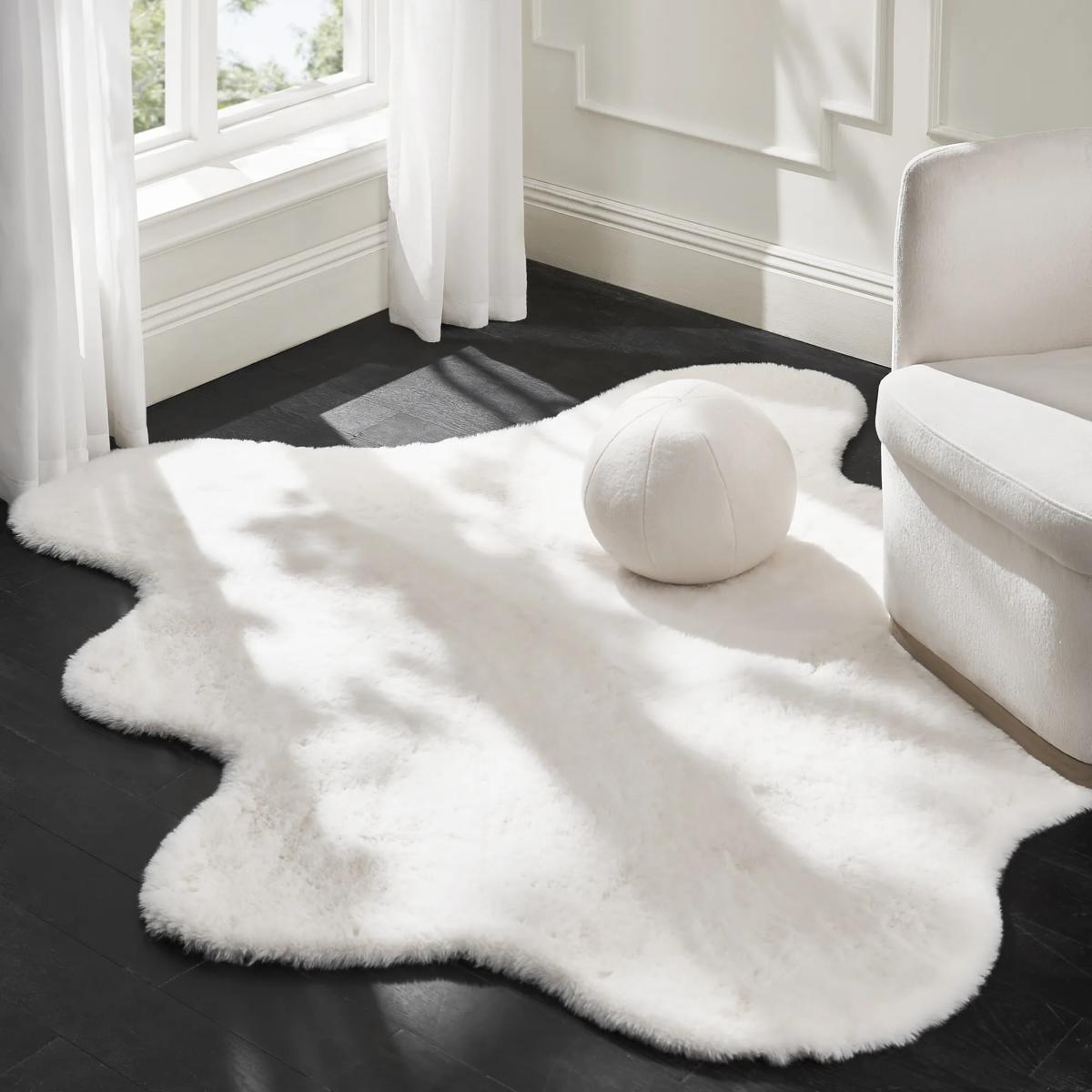 Odin Faux Fur White Shaped Rug 5' x 6'$249
A plush, cloud-shaped white rug with ultra-soft polyester pile and a practical non-slip backing.
Add To Cart -
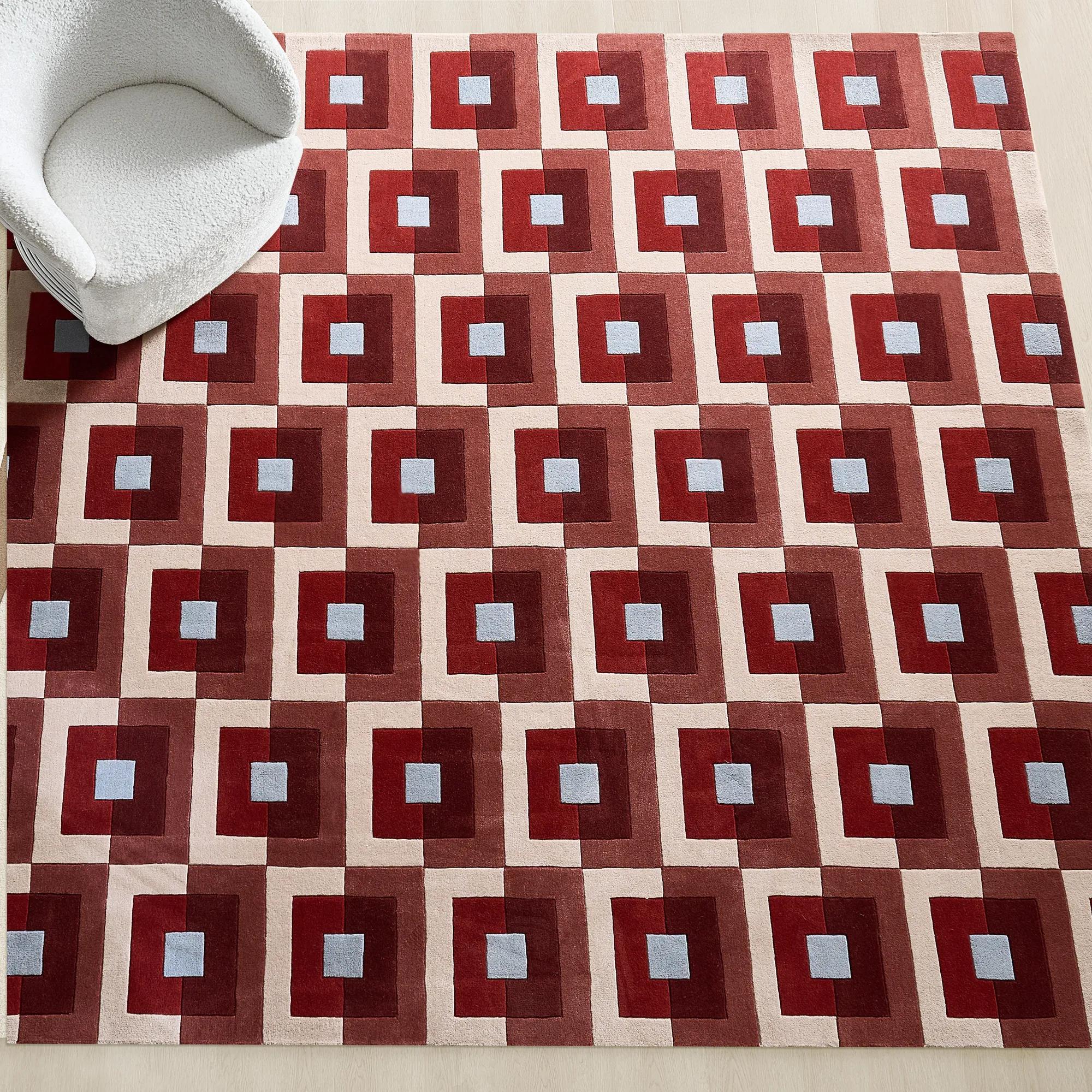
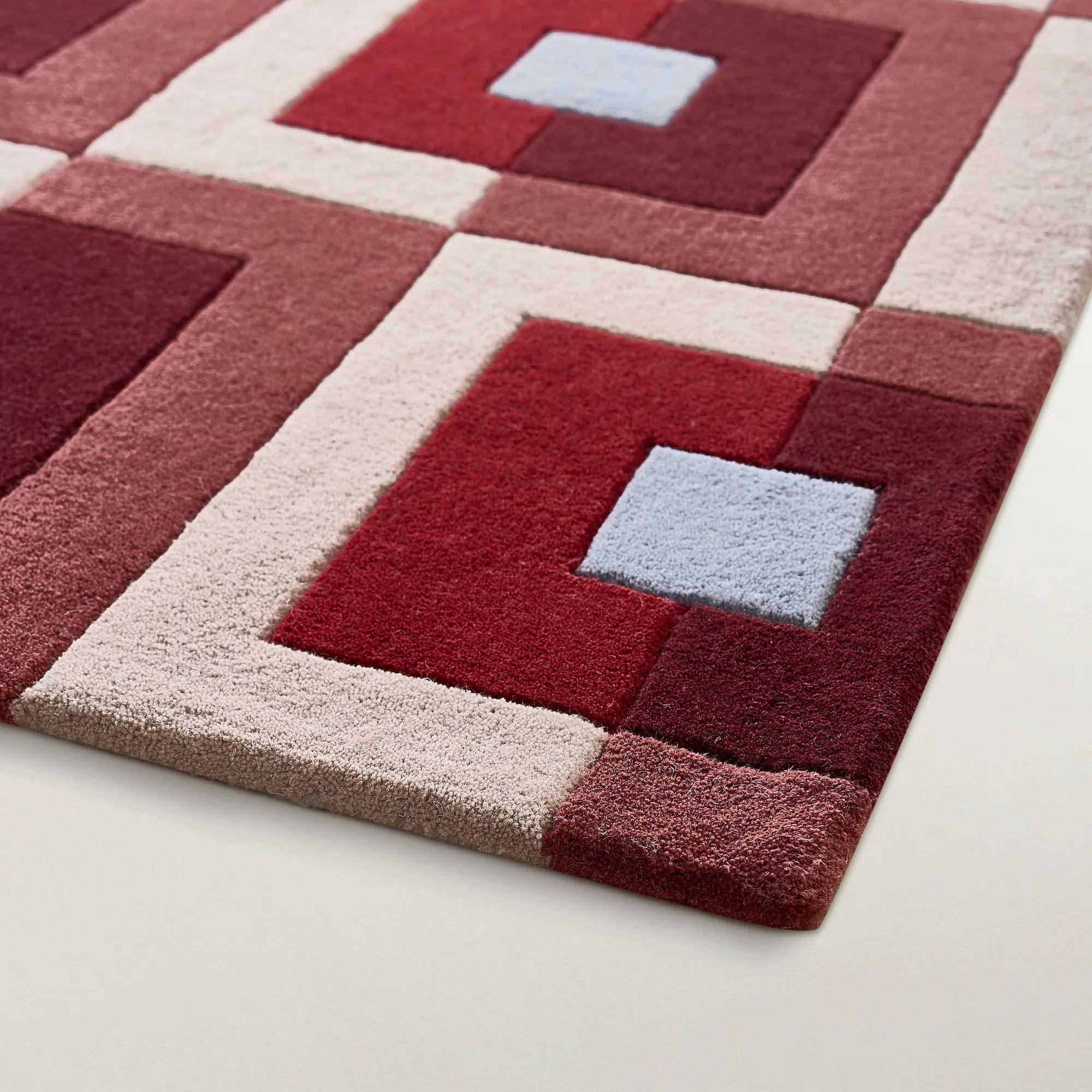 Geo Pop Wool Rug - Oxblood Red/Airy Blue$1599
A geometric wool rug featuring bold oxblood red and airy blue hues for modern interiors.
Add To Cart -
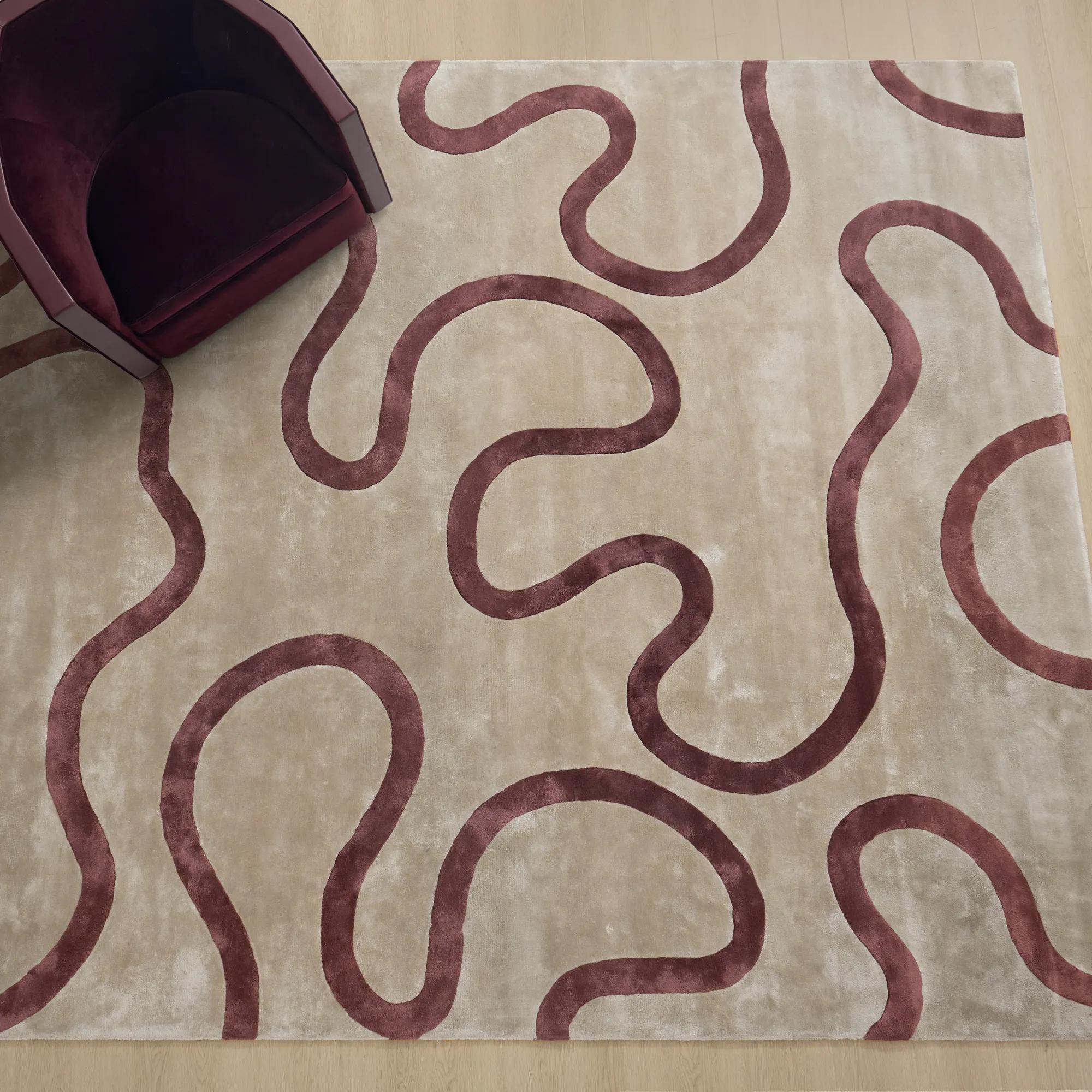 Seraphine Hand-Tufted Fig/Taupe Viscose Loop Rugs$599
A hand-tufted wool rug featuring bold fig and taupe loops for a graphic, Deco-inspired look.
Add To Cart

Luxury Contemporary Rugs
Explore luxury contemporary rugs for an artful foundation that brings your room into focus. Consider how each design will complement your palette, balance statement furniture, or become the focal point itself. Let your furniture layout guide the rug’s size and placement to create a cohesive, thoughtfully composed space.
Luxury contemporary rugs combine expressive modern design with refined materials, dimensional texture, and considered craftsmanship. Premium examples may feature hand-knotted construction, Tibetan wool, silk, or carefully balanced fiber blends, bringing depth and artistry to a room’s largest decorative surface. Contemporary describes the design language rather than a single manufacturing method: abstract compositions, fluid organic forms, architectural geometrics, and unexpected color relationships all belong to this category. Unlike a strictly traditional rug organized around a central medallion or repeating border, a contemporary rug might suggest a sweeping brushstroke, fractured stone, or the quiet movement of water. That visual freedom makes these rugs especially compelling beneath sculptural furniture, beside polished metal accents, or against the clean silhouette of a tailored sofa. Materials shape the effect as much as pattern. Wool offers a substantial hand and natural resilience, with fibers that tend to recover from everyday compression. Silk introduces a finer, light-reflecting surface that can make a pattern appear luminous from one angle and more subdued from another. Wool-and-silk combinations can balance a grounded texture with moments of sheen, while other blends create their own distinctive balance of softness, definition, and maintenance needs. Viscose can also produce a silky appearance, though it requires particular care around moisture and is generally better suited to less demanding spaces. A matte field crossed by gleaming lines has a different presence from an entirely lustrous surface; both can feel luxurious without relying on ornate decoration. Carved details and high-low pile add another dimension, allowing a restrained palette to carry remarkable visual interest. For rooms where surface detail deserves as much attention as color, luxury textured area rugs bring sculptural definition to the floor. The most distinctive compositions reward a closer look while remaining coherent from across the room, giving furniture, artwork, and lighting a richly articulated foundation. Even a nearly monochromatic rug can command attention when subtle tonal shifts and changes in pile reveal the artistry within its surface.
Scale determines how convincingly a contemporary area rug belongs to its setting. In a living room, generous coverage can connect a sofa, accent chairs, and occasional tables into one deliberate arrangement rather than leaving each piece visually isolated. A rug that accommodates at least the front legs of the main seating often establishes that connection; a larger footprint that holds the entire arrangement can feel especially expansive when the room allows it. The right dimensions depend on furniture placement, walking paths, door clearance, and the amount of exposed flooring desired around the perimeter. In an open-plan interior, separate rugs can define a conversation area and a dining space without introducing walls, while related colors maintain a sense of continuity. A dramatic abstract design might anchor the seating zone, with a quieter geometric or tonal pattern nearby. Dining rooms place different demands on fit and surface: the rug should extend far enough beyond the table for chairs to remain on it when pulled out, often approximately 24 to 30 inches on each side, depending on chair size and movement. Lower, denser pile generally allows dining chairs to glide more easily than a deep, plush surface. Bedrooms invite a softer expression, with a generously proportioned rug extending beyond the bed to create a cushioned landing underfoot. In a sitting room or home office, a more compact rug can give a reading chair or desk arrangement its own identity, provided the dimensions support the furniture’s actual use. Pattern placement matters, too. An oversized central motif may disappear beneath a substantial coffee table, while an allover abstract composition remains visible around the furniture. Pale neutrals can emphasize texture and reflect available light; charcoal, ink, and saturated jewel tones introduce depth and a more dramatic visual anchor. A rug with several tonal layers can bridge a pale upholstered sofa and darker case goods, making contrast feel intentional rather than abrupt. Its role is not simply to match the room, but to give the entire arrangement proportion and presence.
Construction and care are central to how a luxury contemporary rug performs over time. Hand-knotted rugs build the design knot by knot on a foundation, allowing for intricate detail and subtle variations that reflect the maker’s work. Hand-tufted rugs use a different process, with yarn inserted into a backing to create expressive patterns and substantial pile; their long-term care also depends on the backing and finishing materials. Machine-woven construction can deliver precise pattern definition and consistent texture. No single construction method determines suitability on its own: fiber quality, pile density, finishing, placement, and daily use all influence performance. A household with children, pets, or frequent entertaining may favor resilient fibers, a manageable pile height, and a layered pattern that makes minor everyday marks less conspicuous. A quieter bedroom or formal sitting area can accommodate more delicate surfaces when their care requirements suit the household. Plush pile creates a sumptuous feel underfoot, while lower-profile rugs are often more practical near moving chairs and frequently used doors. A properly fitted rug pad, selected for compatibility with both the rug and the flooring beneath it, helps reduce movement and adds cushioning; it should sit discreetly inside the rug’s edges. Regular vacuuming according to the care instructions helps remove abrasive grit, although delicate fibers, fringe, and raised textures may require suction-only cleaning or gentler settings. Spills call for prompt blotting rather than rubbing, and silk or viscose rugs may need professional attention because moisture and unsuitable cleaning products can damage their appearance. Periodic rotation can help distribute exposure to foot traffic and direct sunlight more evenly, while furniture coasters may reduce concentrated pressure beneath heavy legs. Some wool rugs shed loose fibers, particularly early in their use; appropriate routine care helps manage this without aggressive brushing. For a thoughtfully furnished home, these details preserve more than appearance. They support the pleasure of a rug that feels inviting, frames the furniture beautifully, and retains the expressive character that made it compelling in the first place.
FAQs
A luxury contemporary rug brings an artful perspective to the floor through expressive pattern, nuanced color, and inviting texture. Designs may range from fluid abstractions to precise geometrics, creating a distinctive foundation for interiors that balance modern restraint with a taste for drama.
Start with the atmosphere you want to create. Ivory, charcoal, and tonal neutrals offer a composed backdrop for sculptural furniture, while saturated hues introduce a more expressive mood. Echo an accent from your artwork or upholstery to give the room a deliberate, beautifully connected palette.
Abstract brushstrokes, architectural lines, and fluid organic motifs all bring compelling character to contemporary interiors. Choose crisp geometry for a tailored mood or painterly movement for a more expressive setting. Let the rug introduce a distinct visual rhythm rather than repeat every pattern already in the room.
Give each statement room to speak. Pair boldly sculptural furniture with a rug featuring subtle tonal variation, or set streamlined silhouettes against an expressive abstract design. Repeat a color or visual motif across the setting to connect the pieces without making the room feel overly matched.
Texture adds dimension beyond color and pattern. A smooth-looking surface creates a polished impression, while a more pronounced surface introduces tactile richness and shadow. In a room with gleaming accents and tailored upholstery, a textured rug offers a sumptuous counterpoint that keeps the composition visually layered.