
Luxe Gold Decorative Bowls
Luxe Gold Decorative Bowls
-

 Collins Hand-Cast Gold Aluminum Decorative Pedestal Bowl 23.5" x 5"$79
A gold nickel-plated aluminum bowl with a rectangular pedestal base for striking decorative display.
Add To Cart -
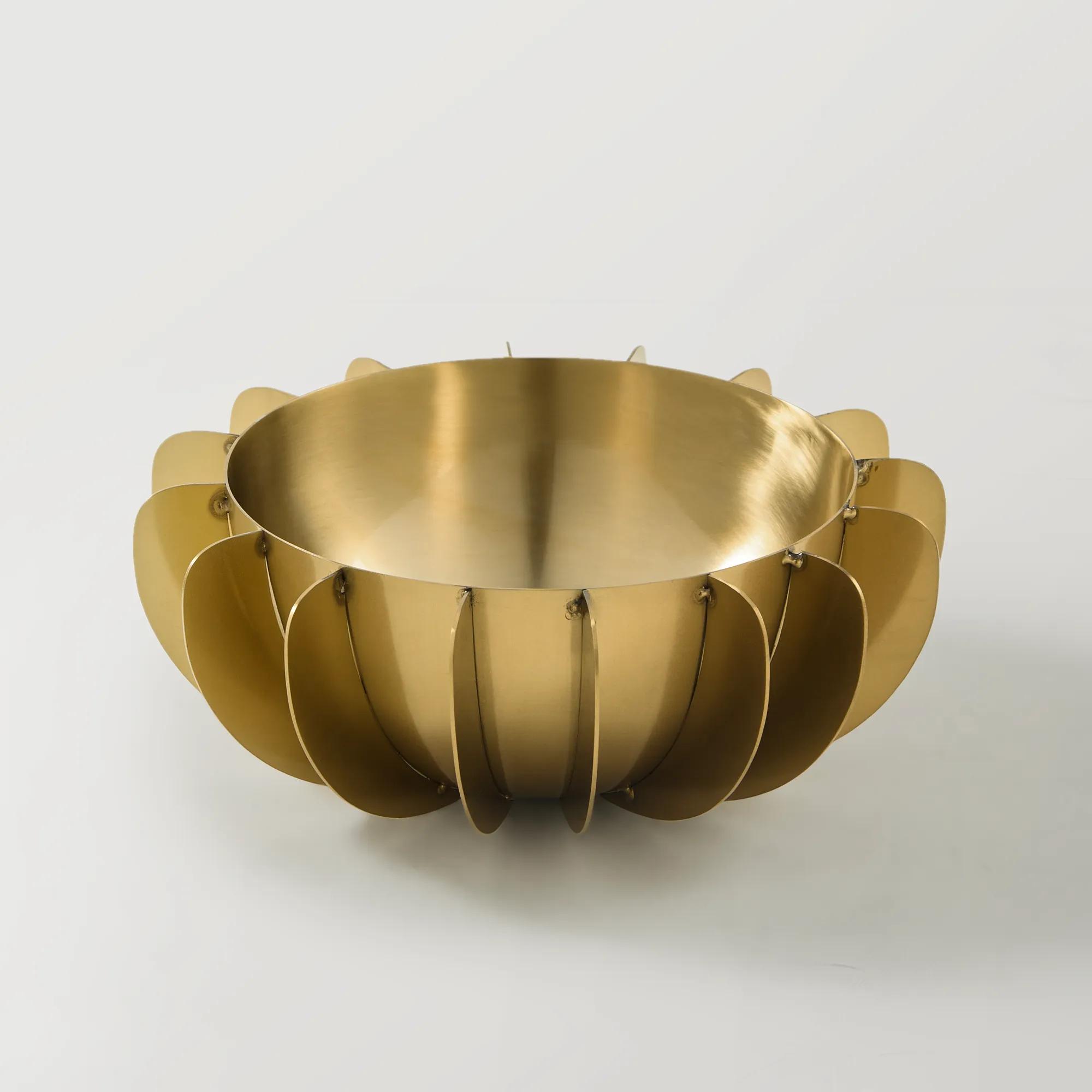
 Mezza Collection$59
A gold-plated stainless steel decorative piece that brings timeless glamour and shine to your decor.
Add To Cart -
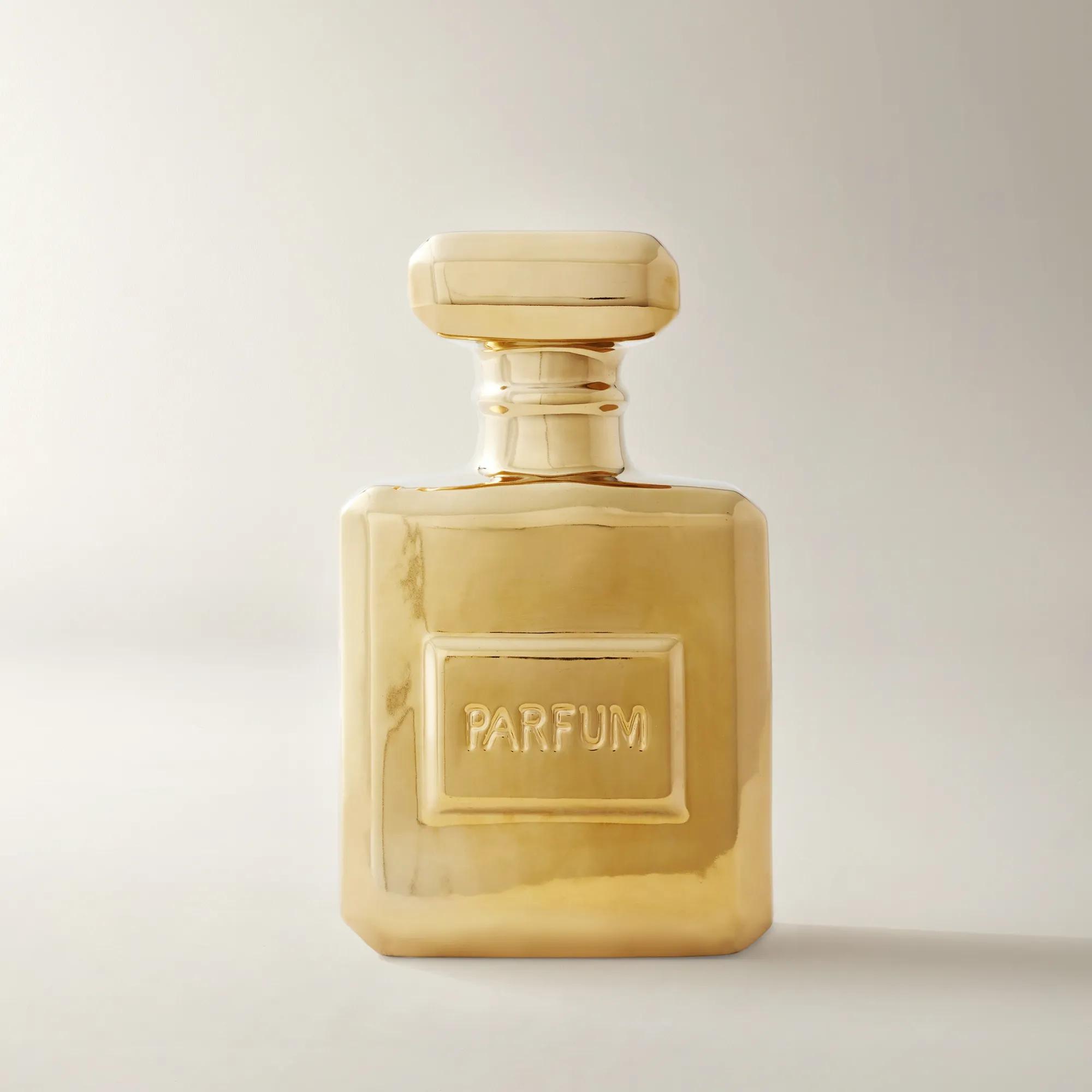 Parfum Bottle Gold Ceramic High Gloss Coin Bank$39
A chic ceramic coin bank in a metallic gold finish, styled like an elegant perfume bottle.
Add To Cart -
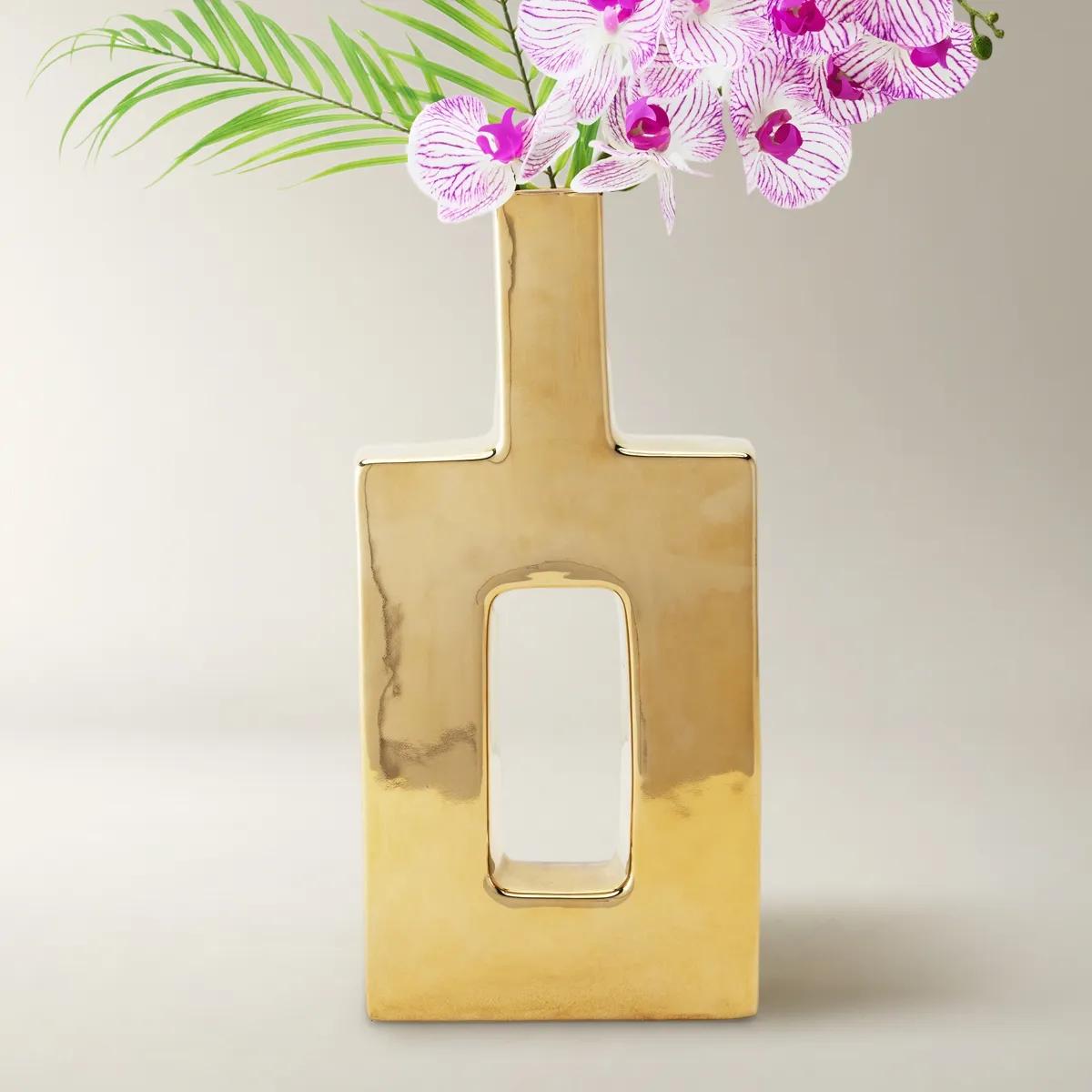 Miami Gold Ceramic High Gloss Vase 18.5"$69
A contemporary gold ceramic vase designed for decorative use or displaying faux foliage.
Add To Cart -
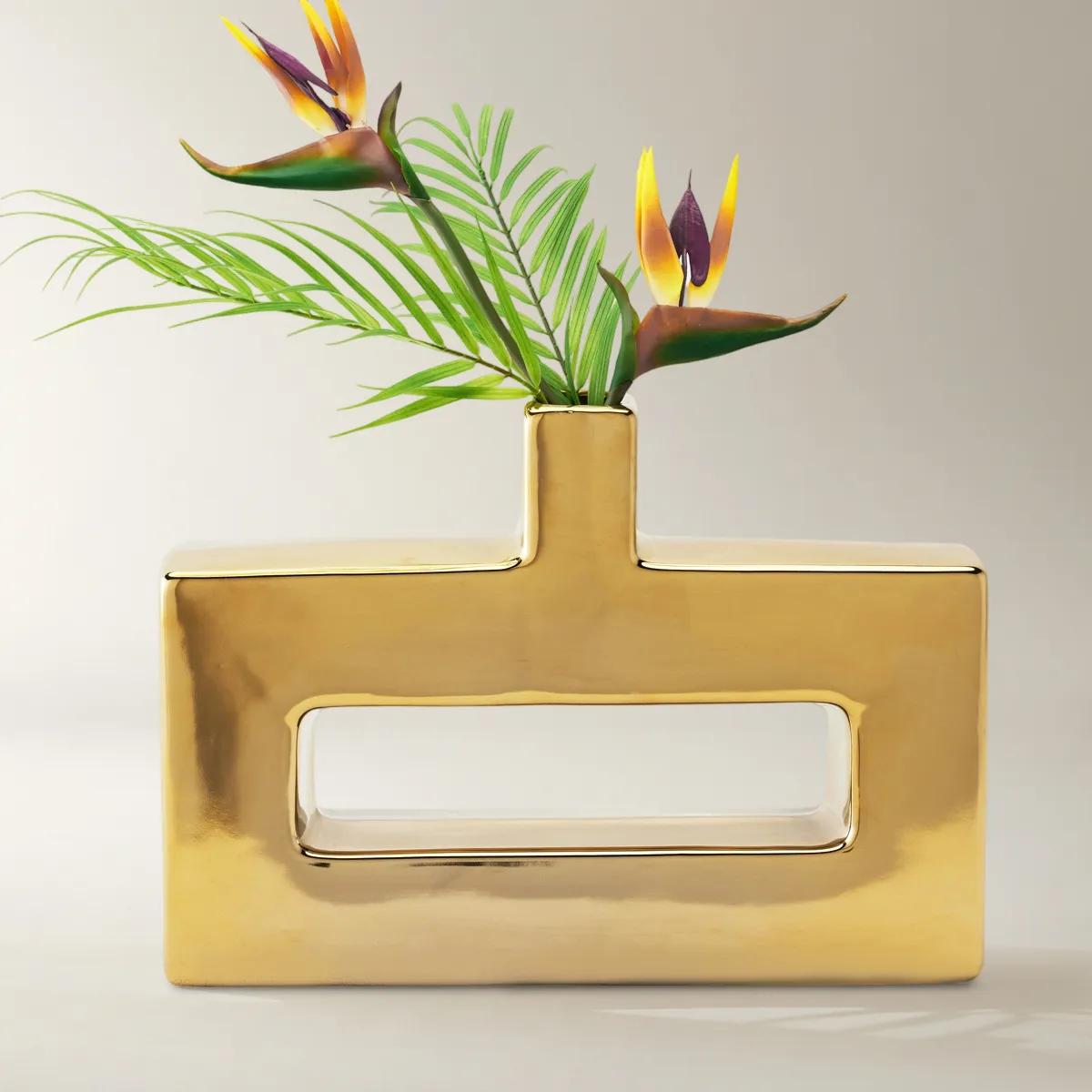 Miami Gold Ceramic High Gloss Vase 11.75"$69
A contemporary gold ceramic vase designed for decorative use as a sculptural accent or with foliage.
Add To Cart

Luxe Gold Decorative Bowls
Luxe gold decorative bowls transform the ordinary into the extraordinary, capturing light and attention with every glimmering curve. Each piece is a radiant celebration of artistry—more than mere vessels, they are sculptural accents that invite opulence into almost any setting. Whether gracing a grand entryway or elevating a dining table, these gilded treasures infuse your home with warmth, brilliance, and an unmistakable sense of drama. Let luxe gold decorative bowls become the shining centerpiece of your curated sanctuary, where every detail tells a story of bold elegance and expressive style.
Luxe gold decorative bowls are ornamental vessels that bring warm metallic color, sculptural shape, and a deliberate focal point to coffee tables, consoles, dining tables, and shelves. Their appeal lies in the interplay of form and light: a polished interior catches the glow of a nearby lamp, a hammered surface scatters small highlights, and a softly brushed finish lends depth without a sharp reflection. Gold is a color and finish description rather than a guarantee of solid gold construction; decorative bowls may be made from aluminum, brass, glass, ceramic, or resin, with painted, plated, glazed, or leafed surfaces creating different effects. That distinction matters both visually and practically. Cast metal can give a bowl substantial presence and crisply defined contours, while glass introduces translucency and ceramic offers an appealing contrast between a luminous glaze and a solid silhouette. Resin can accommodate expressive shapes, including rippled edges and sweeping curves, though weight and durability vary by construction. The most compelling choice reflects the atmosphere of the room as much as its palette. A broad, shallow bowl with an irregular rim feels like a small piece of sculpture against a dark wood tabletop; a rounded vessel with a satin sheen creates a softer counterpoint to angular furniture. Pale upholstery, ivory stone, and warm gold establish a luminous composition, while navy, charcoal, and deep green give the same metallic finish a more dramatic setting. Gold also pairs beautifully with clear glass and black accents, allowing its warmth to stand out without requiring every nearby finish to match. For interiors that favor clean architectural lines, Modern Gold Accent Display Bowls offer a related direction for exploring the relationship between metallic warmth and contemporary form. Whether displayed empty or filled with a considered arrangement, a gold decorative bowl gives the eye somewhere to settle, adding artistry to the surfaces that shape everyday life. An open interior can be as expressive as any filler, particularly when the bowl’s texture or contour deserves an uninterrupted view.
Scale determines whether a gold bowl reads as an intimate accent or a commanding centerpiece. A large decorative bowl needs enough surrounding space for its outline to remain visible, rather than disappearing beneath neighboring accessories. On a dining table, a low, generous shape can anchor the composition while preserving conversation across the table; taller pedestal forms bring more vertical drama but deserve consideration for seated sightlines. An elongated bowl often complements a narrow console, while a round silhouette introduces contrast on a rectangular coffee table. Measurements should account for the widest edge, the height, and the footprint of the base, especially when a sculptural rim extends beyond its support. A paper template cut to the stated dimensions can help establish whether there will still be room for a lamp, a stack of books, or the ordinary movement of hands and glasses. On a coffee table, position the bowl where its rim will not crowd drinks or become an obstacle when someone reaches for the remote. On open shelving, leave space above it so the interior remains visible rather than appearing compressed beneath the next shelf. Intended use is equally important. A small gold catchall can lend ceremony to setting down a watch or a few everyday essentials, but sharp keys and repeated contact may mark delicate metallic finishes. A smooth interior is generally more suitable for frequently handled belongings than a fragile leafed or heavily textured surface. For a centerpiece, decorative spheres, smooth sculptural objects, or dry botanical elements can echo the bowl’s shape without concealing it entirely; rough fillers may scratch, so compatibility with the finish matters. During the cooler months, natural textures beside gleaming gold create a particularly inviting contrast, while an unfilled bowl remains seasonless. Fresh fruit, unwrapped sweets, and other foods belong only in bowls explicitly identified as food-safe. A decorative designation alone does not establish suitability for serving, and a beautiful metallic interior should never be assumed safe for direct food contact. Floral arrangements likewise require confirmed water resistance or an appropriate watertight insert that protects the vessel and the furniture beneath it.
Long-term beauty depends on matching the bowl’s material and finish to the demands of its setting. Metal generally tolerates handling differently from glass or ceramic, but it is not immune to dents, scratches, or changes in appearance. Some brass surfaces develop a patina over time, while lacquered, plated, and painted finishes have their own care requirements; resin also varies in its resistance to heat and impact. A substantial-looking silhouette does not necessarily indicate a heavy or unbreakable piece, making stated dimensions, weight, and construction useful considerations for homes with children, pets, or busy entryways. A stable base is especially valuable on a console near a doorway, where an accidental brush from a coat or bag is more likely. Protective pads suitable for both the bowl and the furniture can help reduce surface wear, provided they do not compromise stability. Routine care should begin with the manufacturer’s instructions. Gentle dusting with a soft, dry cloth is often appropriate, while abrasive sponges, harsh cleaners, and prolonged soaking can damage decorative coatings. Metal polish should not be used simply because a bowl looks metallic: products intended for bare brass or other uncoated metals may harm a plated, lacquered, painted, or leafed finish. If damp cleaning is permitted, drying promptly helps prevent moisture from lingering in crevices or beneath the base. Dishwashers, microwaves, and exposure to heat should be avoided unless the piece is expressly rated for that use. These practical distinctions make it easier to choose a bowl that suits its recipient as well as its surroundings. For a housewarming or wedding gift, a versatile medium-scale silhouette can feel personal without dictating an entire room’s design; for someone who collects expressive objects, an asymmetrical profile or richly worked surface offers more individual character. Consider the recipient’s available display space and preference for reflective or understated finishes rather than assuming that larger is always more luxurious. The lasting appeal of a gold decorative bowl comes from that balance of presence and purpose: an artful shape, a finish that rewards a closer look, and proportions that make it feel composed within the room.
FAQs
A luxe gold decorative bowl is endlessly versatile and can be styled to reflect the mood of each season. In autumn, fill your bowl with richly colored faux fruit, pinecones, or dried florals to echo the golden hues outside. For winter, layer in metallic ornaments or shimmering baubles for a festive touch. Spring calls for fresh blooms or pastel-hued decorative eggs, while summer invites shells, coral, or vibrant citrus for a breezy, sunlit vibe. The reflective gold finish enhances every arrangement, creating a fresh focal point year-round.
Gold decorative bowls shine alongside a variety of textures and finishes. Pair them with marble or glass surfaces for a sophisticated, modern look, or set them against rich woods and velvets for a dramatic, layered effect. Mixing gold with other metallics—like silver or bronze—can add dimension, while natural elements such as stone, rattan, or ceramics introduce warmth and balance. The key is to create contrast and let the gold bowl act as a luminous anchor within your chosen palette.
Absolutely. Luxe gold decorative bowls make exceptional gifts for housewarmings, weddings, anniversaries, or milestone celebrations. Their timeless elegance and versatility mean they suit a range of personal styles, from the maximalist to the minimalist. Gifting a gold bowl is a gesture of artistry and thoughtfulness, offering the recipient a piece that can be cherished and styled in countless ways for years to come.
To create a show-stopping centerpiece, start with a luxe gold decorative bowl as your foundation. Fill it with decorative spheres, fresh flowers, or seasonal accents like gourds or ornaments. Surround the bowl with candles or greenery for added drama, or layer it atop a mirrored tray to amplify its glow. Whether your table is set for a grand dinner or an intimate gathering, a gold bowl draws the eye and sets an opulent, inviting tone.
Luxe gold decorative bowls are remarkably adaptable and can enhance a wide range of interior styles. They bring instant glamour to contemporary and modern spaces, add a touch of opulence to traditional or Art Deco rooms, and serve as bold accents in eclectic or maximalist settings. Even in minimalist environments, a single gold bowl can act as a striking focal point, infusing warmth and sophistication without overwhelming the space.
.jpeg?w=3739&h=3739)
.jpeg?w=3401&h=3401)


