Living Room Ideas For Large Spaces
Living Room Ideas For Large Spaces
-

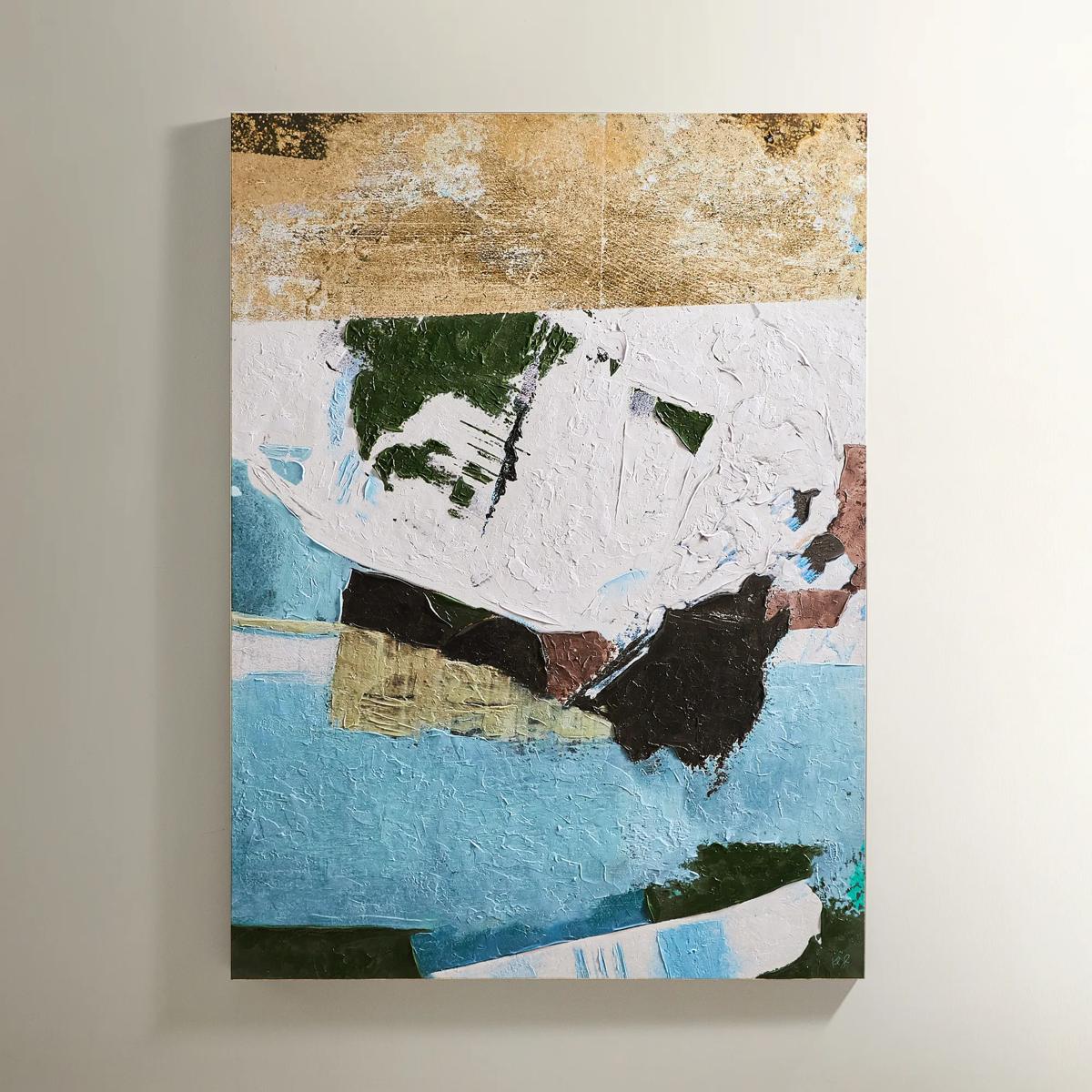
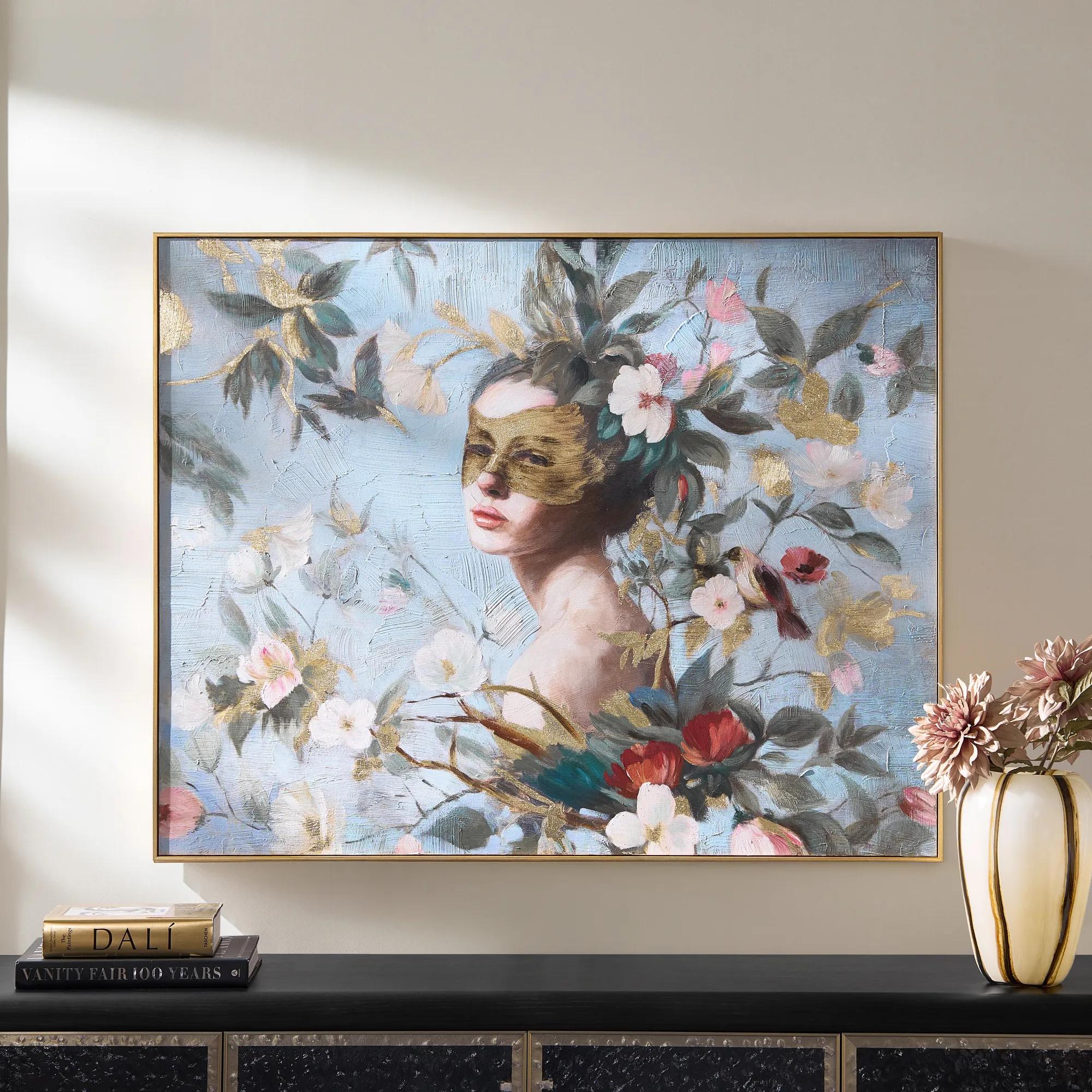 Garden Party Framed Gold Leaf Painted Wall Art 50" x 40"$399
A gold leaf painted canvas artwork in a framed presentation, bringing artistic sophistication to modern interiors.
Add To Cart -
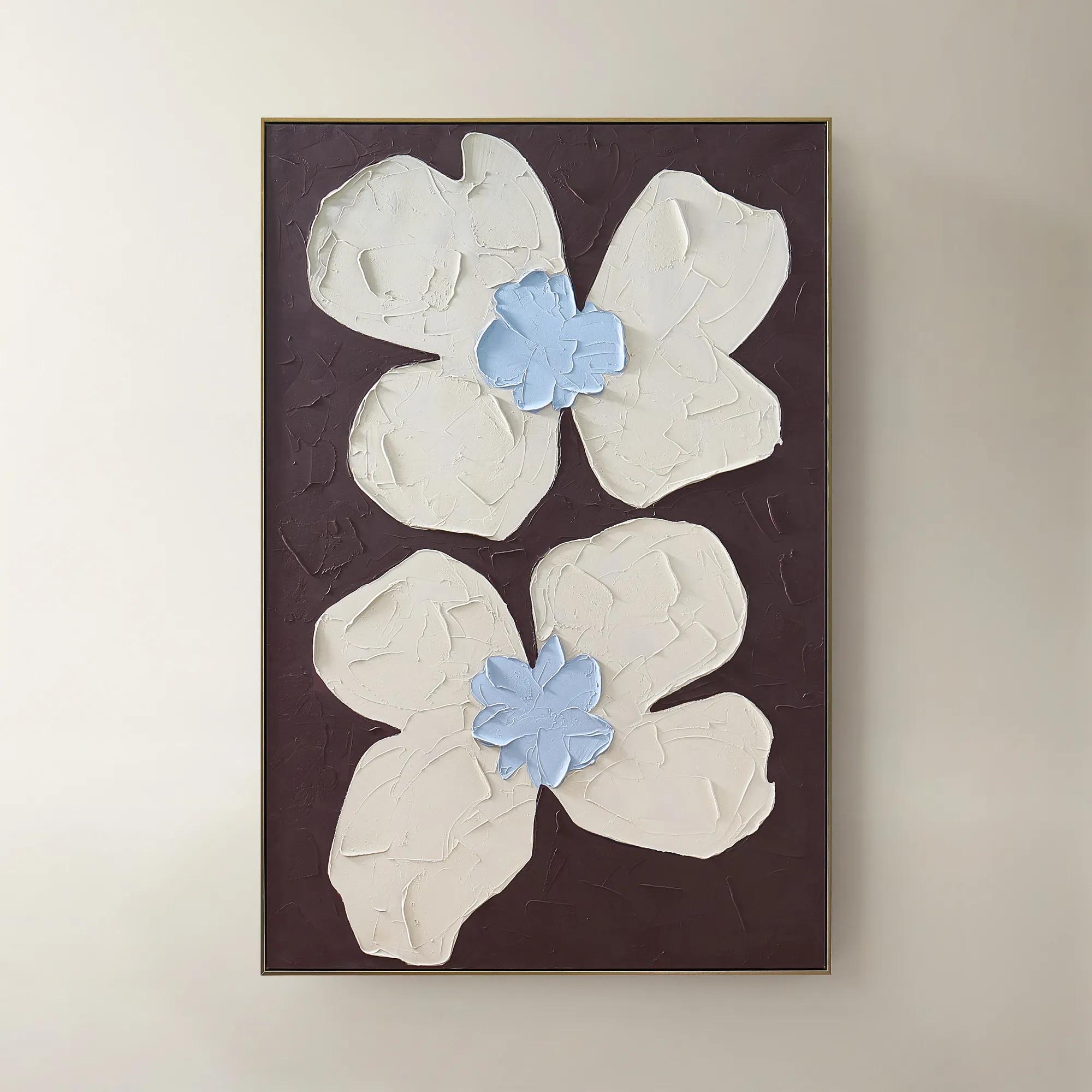
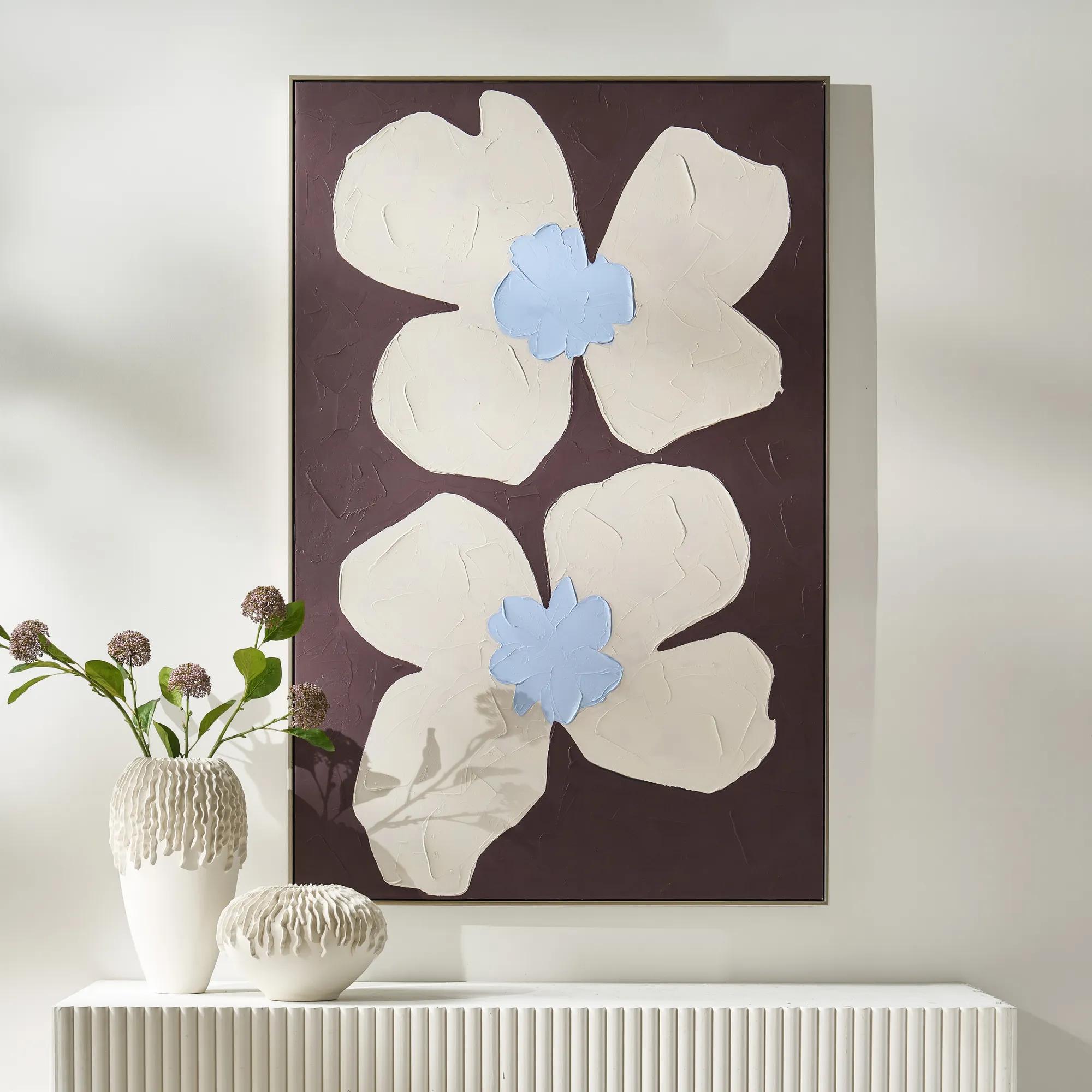 Cosmic Blooms Framed Painted Wall Art 40" x 60"$399
A framed painted canvas artwork featuring a cosmic floral composition in rich blue and purple hues.
Add To Cart -
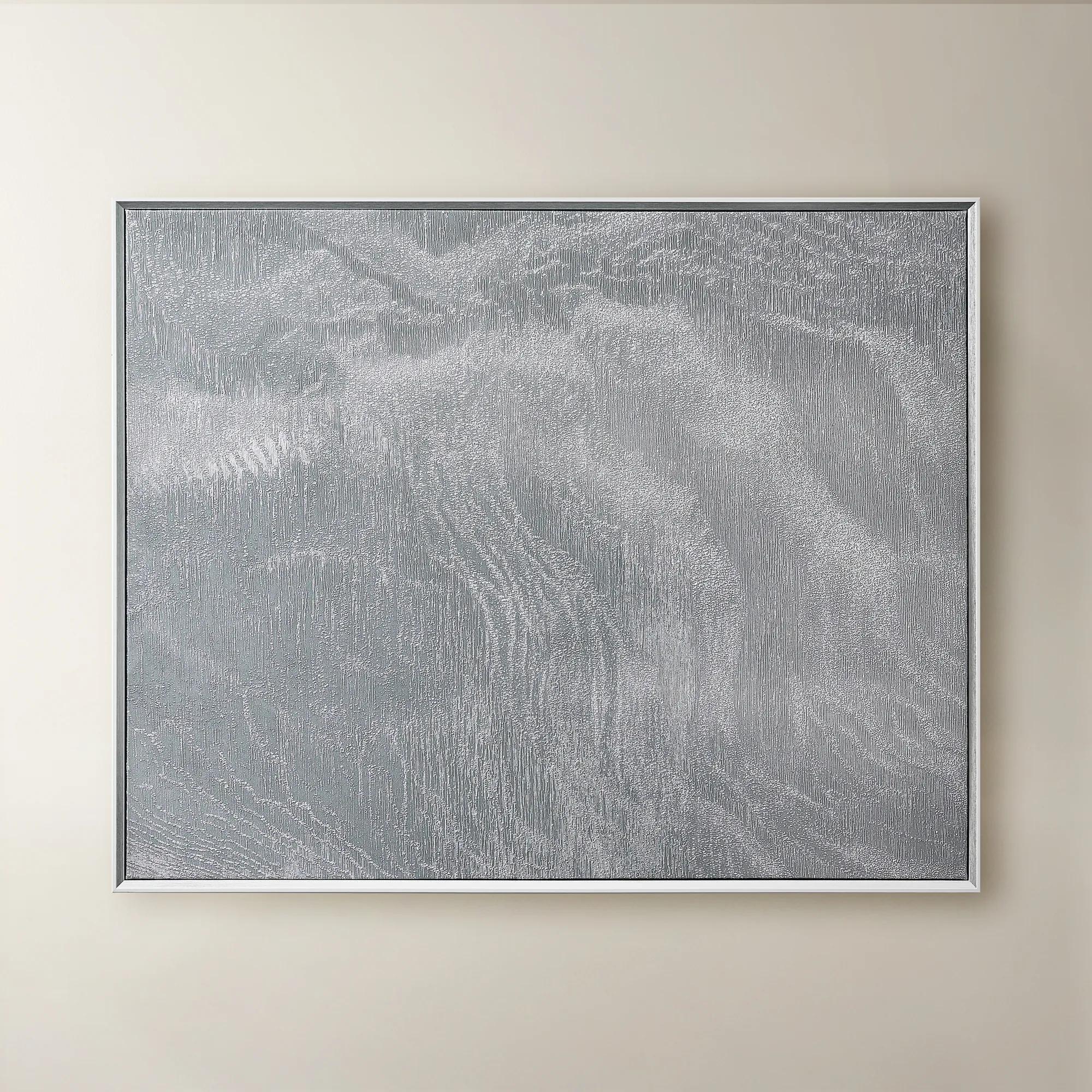 Slow Blue Morning Framed Silver Foil Wall Art 48" x 60"$599
A serene powder blue abstract canvas with silver foil accents, framed in silver and white for modern elegance.
Add To Cart -
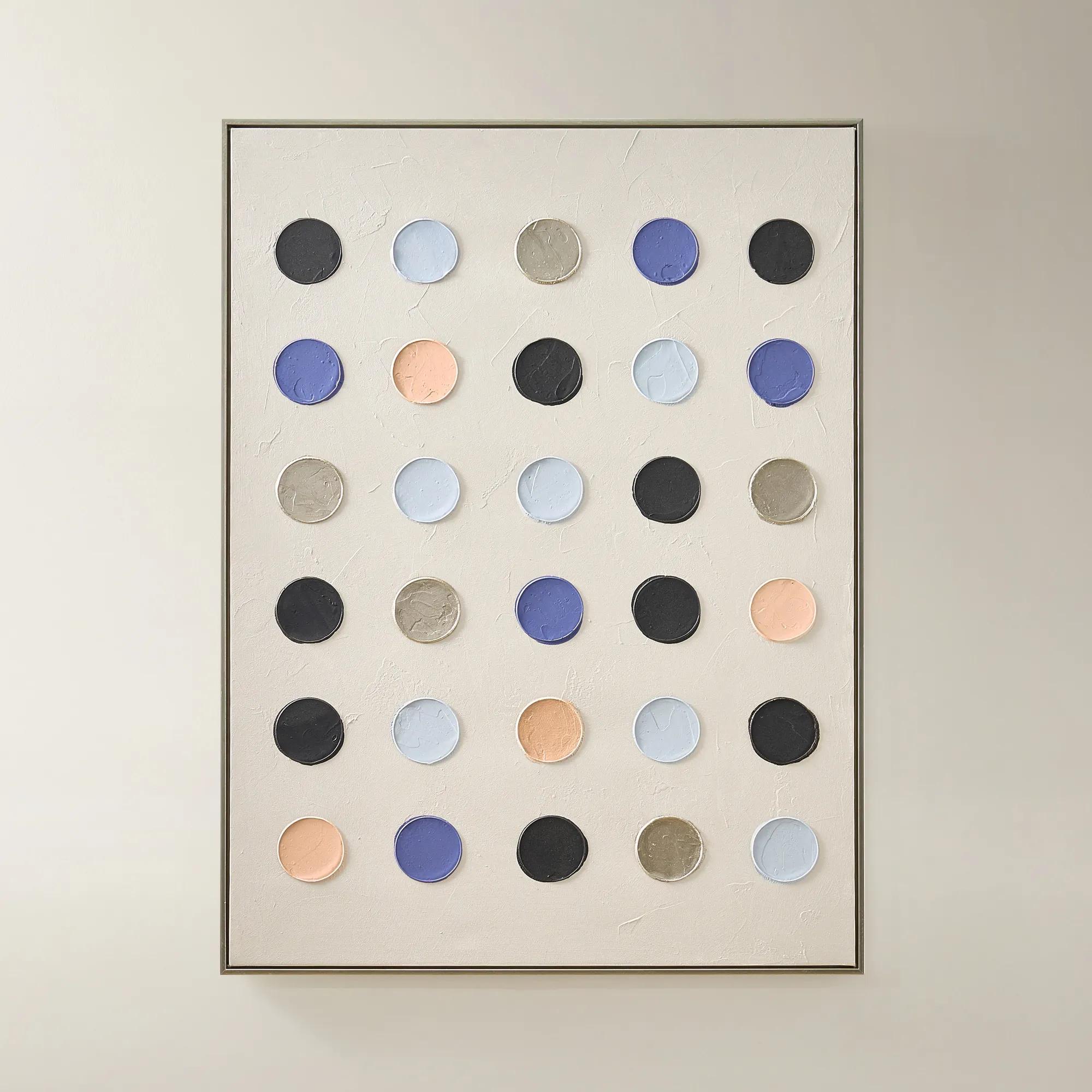
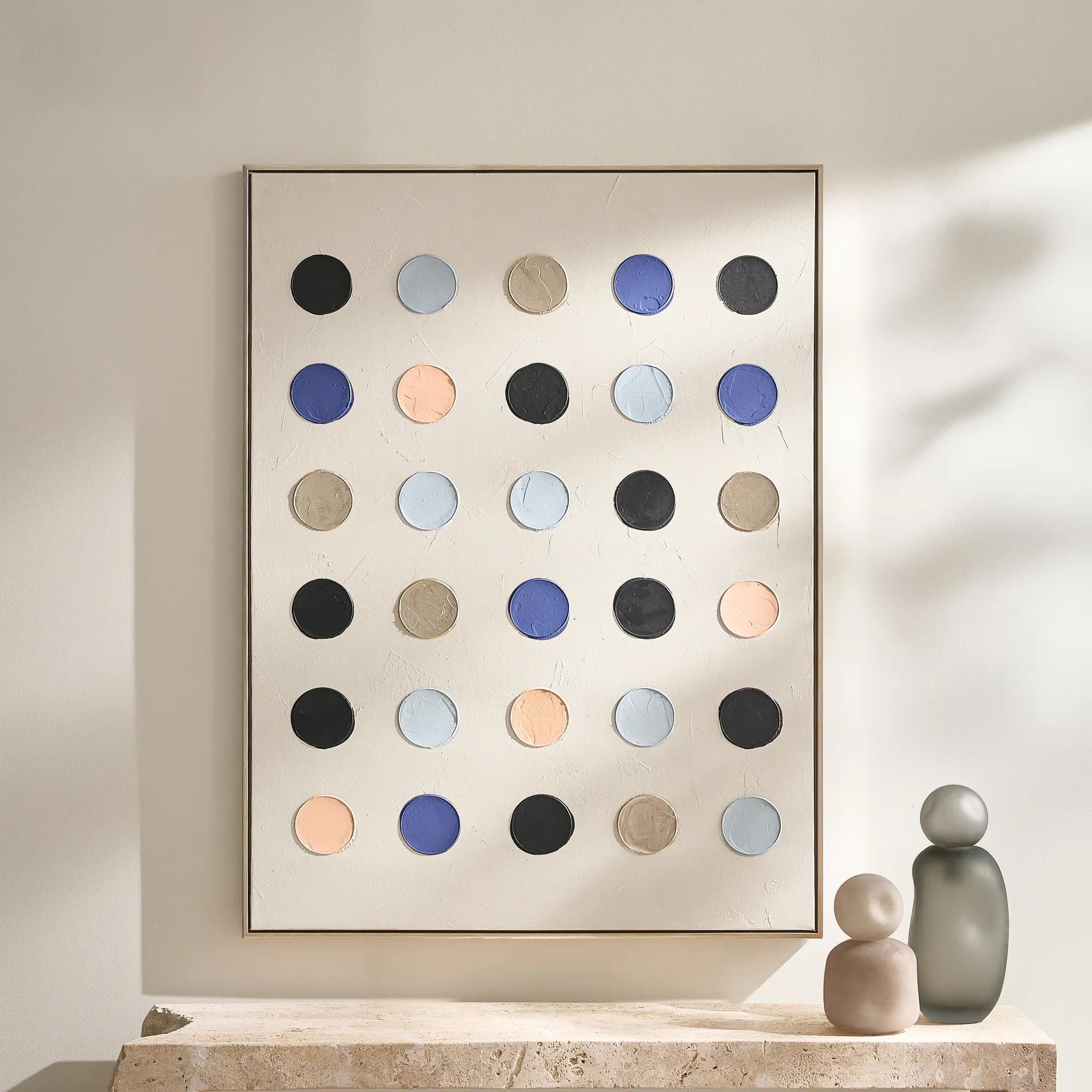 Polka Dot Framed Painted Wall Art 35" x 47"$299
A multicolored polka dot painting on framed canvas, bringing playful modern artistry to your walls.
Add To Cart -
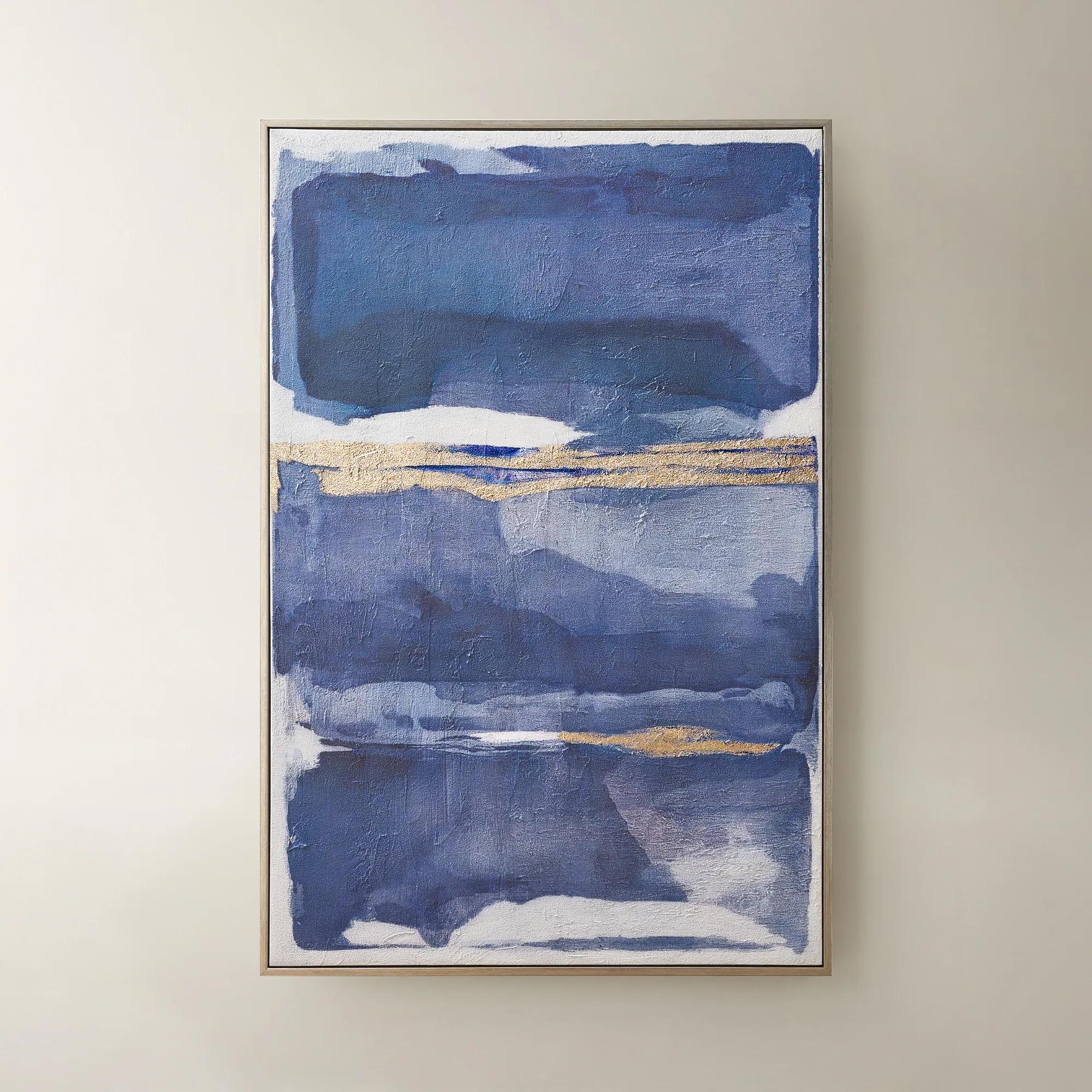
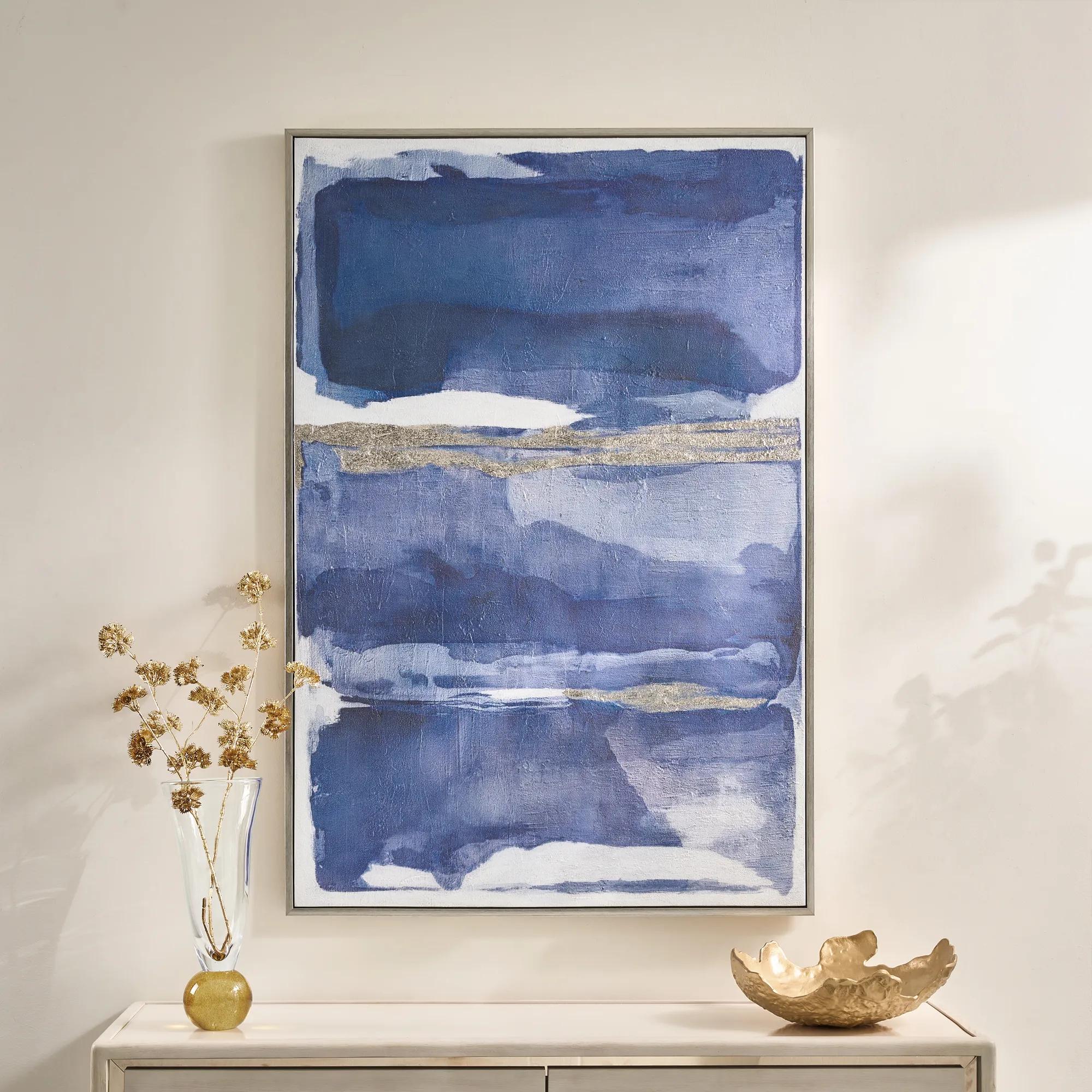 Memories in Blue Framed Painted Wall Art 40" x 60"$499
A hand-painted canvas in deep ink blue with champagne leafing for a sophisticated, gallery-inspired look.
Add To Cart -

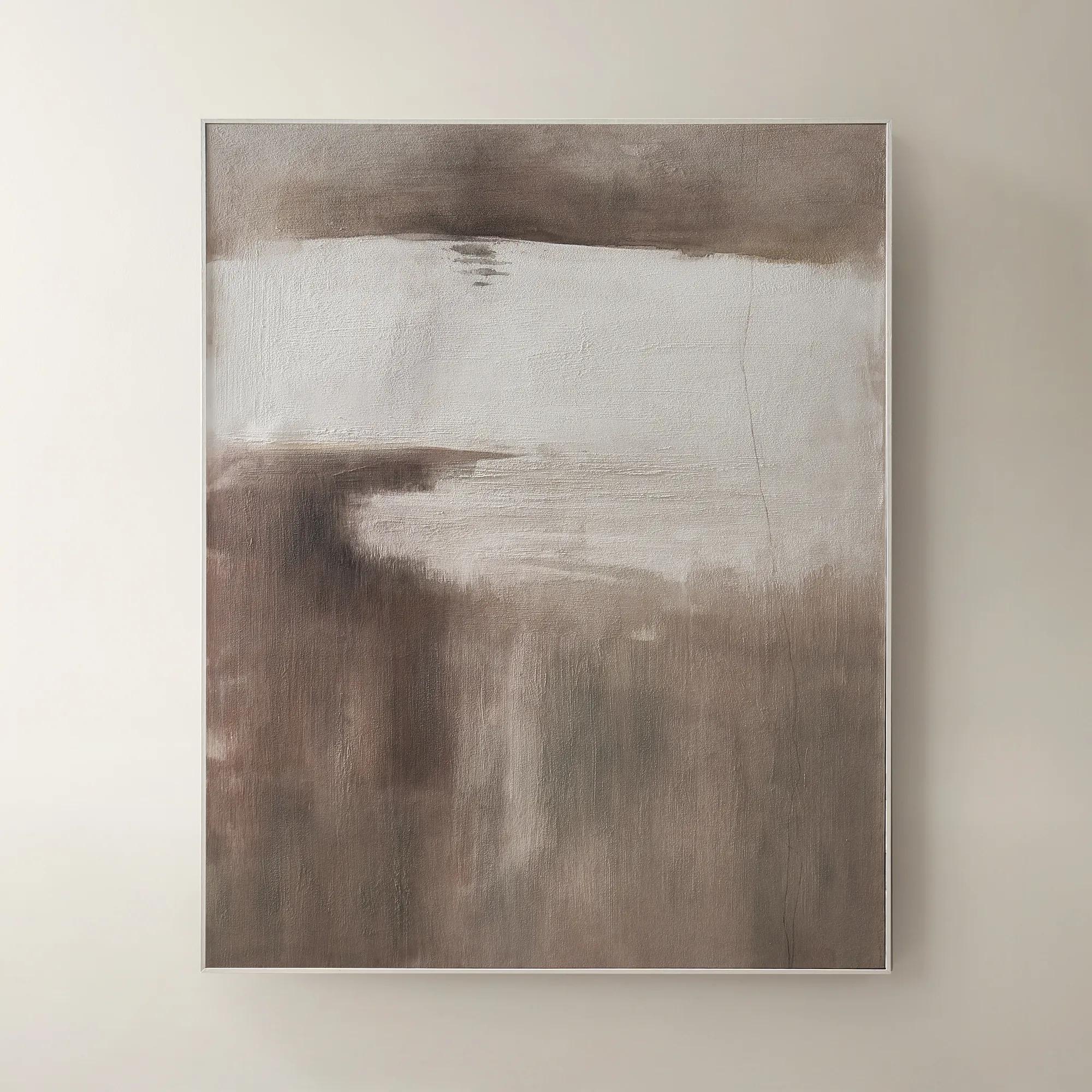
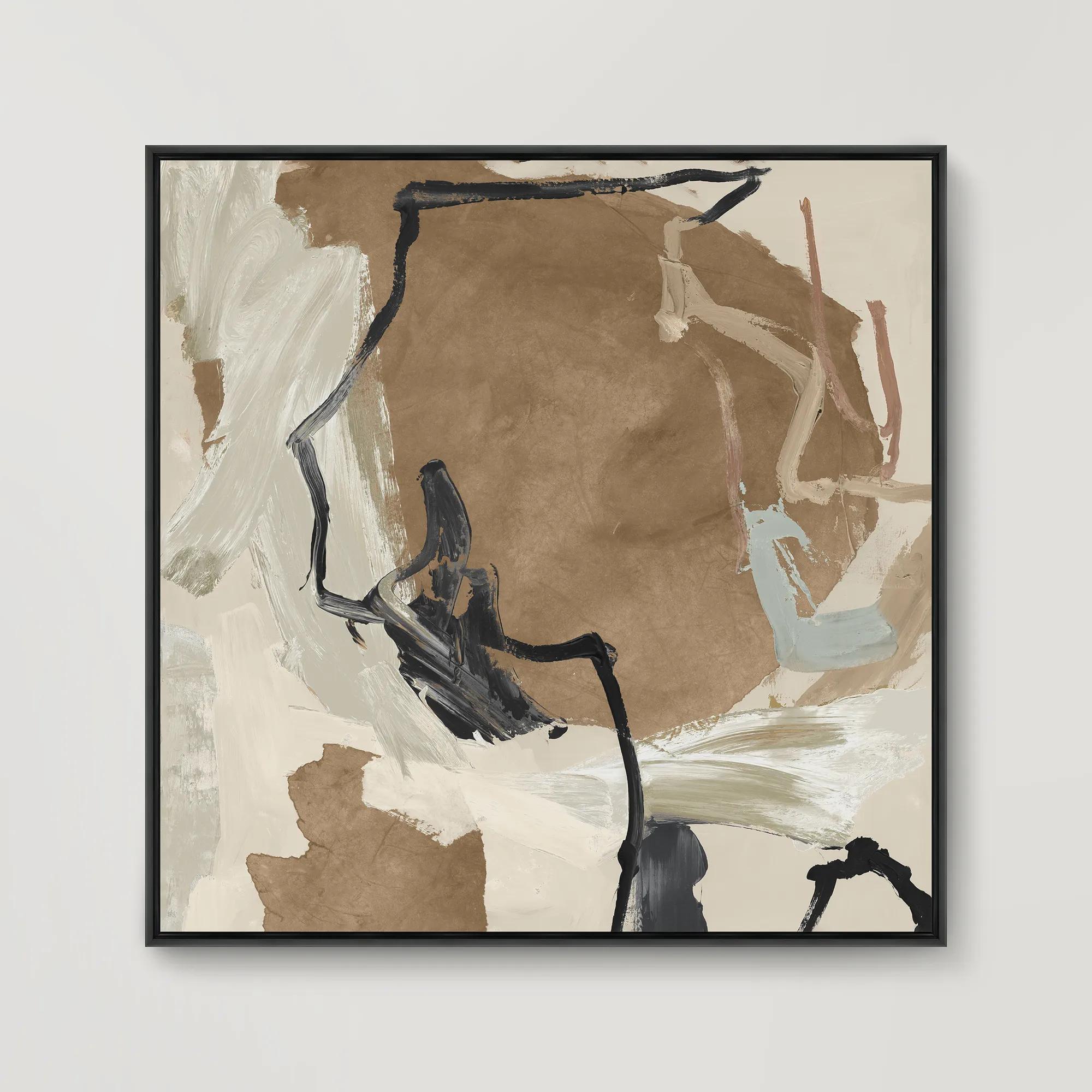
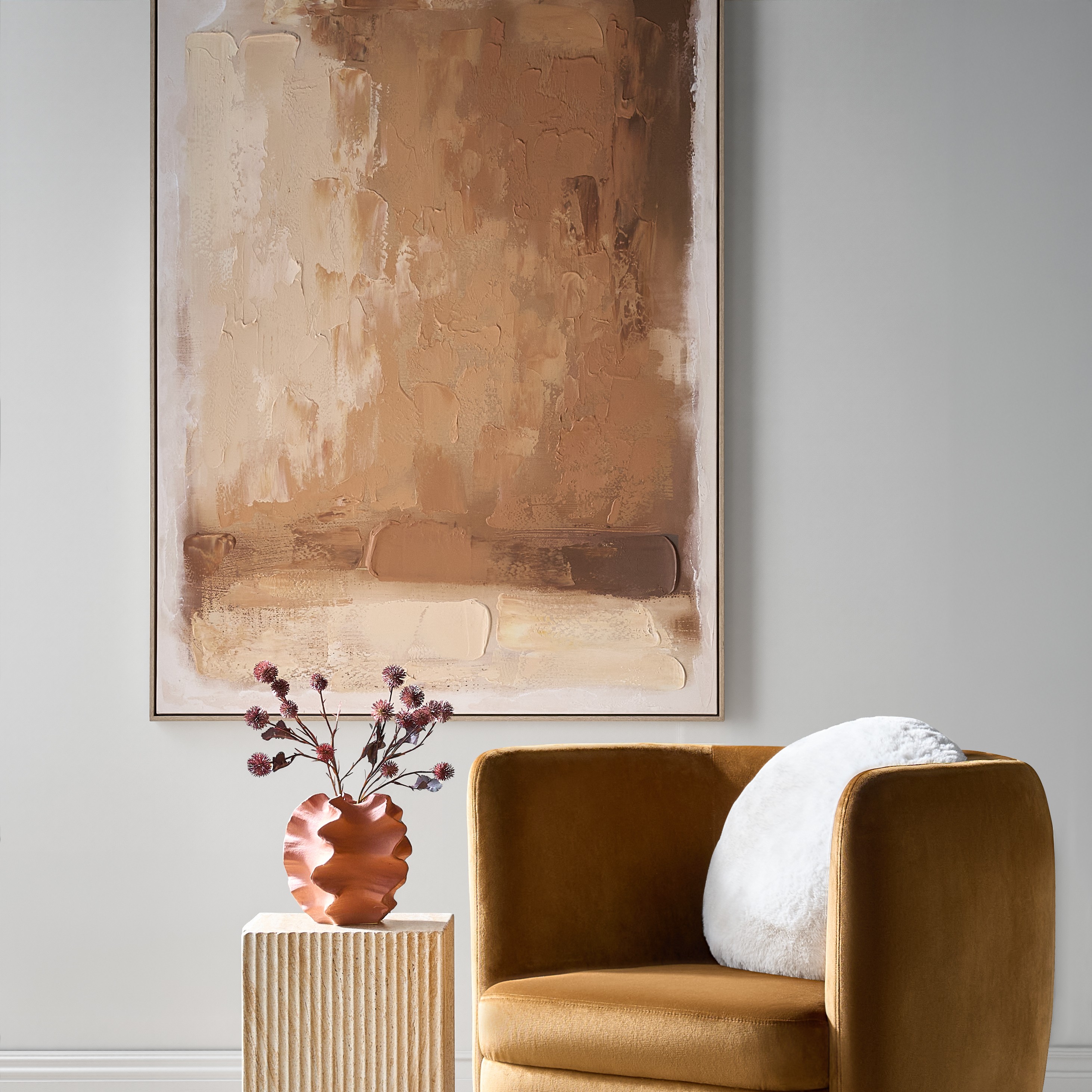 Ember Glow Framed Painted Wall Art 39.25" x 55"$499
A hand-painted abstract canvas blending ochre, terracotta, and golden clay hues in a light natural frame.
Add To Cart -
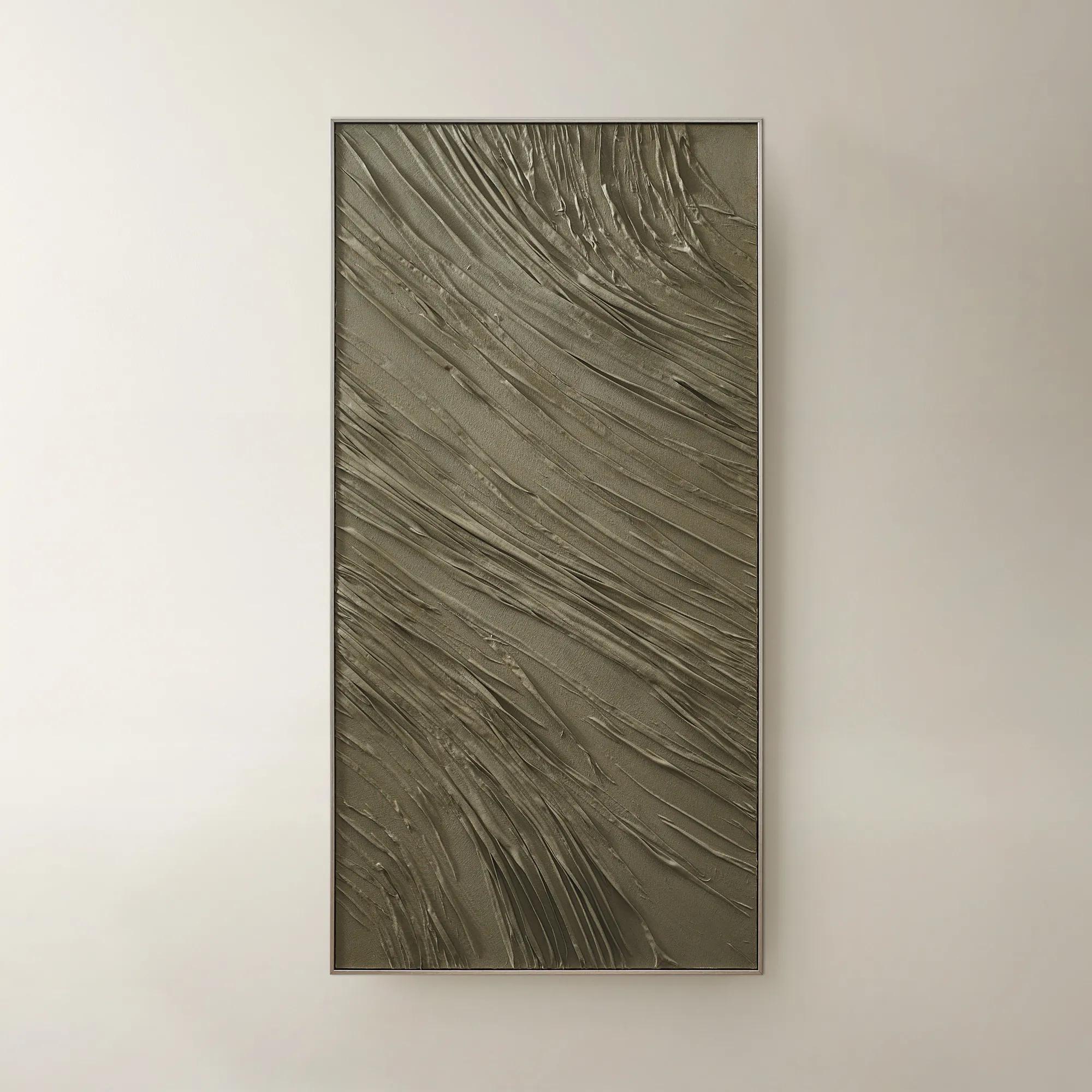
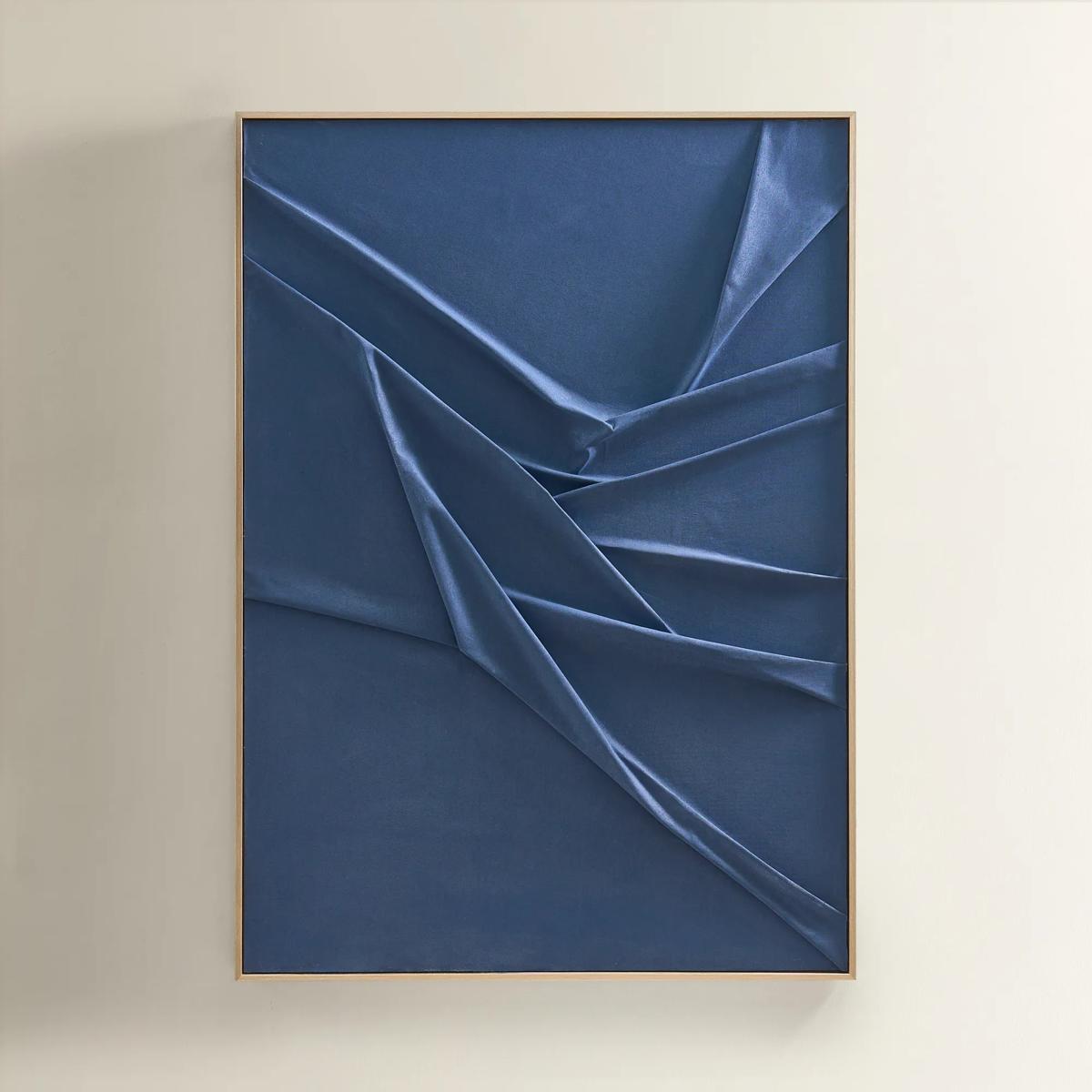
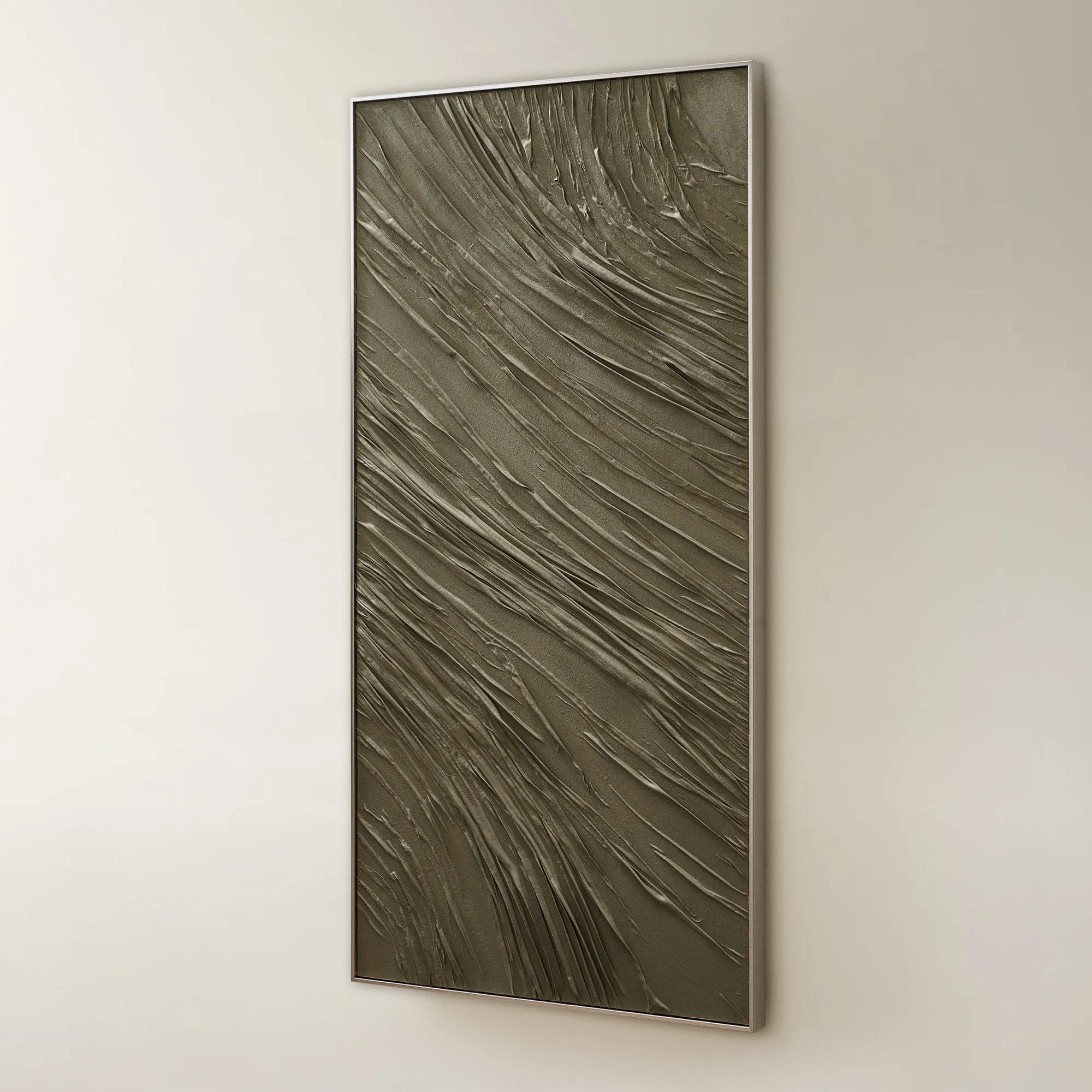 Grove Framed Hand-crafted Folded Fabric Wall Art 60" x 30"$349
A hand-crafted folded canvas in deep olive with a champagne frame for sculptural, modern wall art.
Add To Cart -
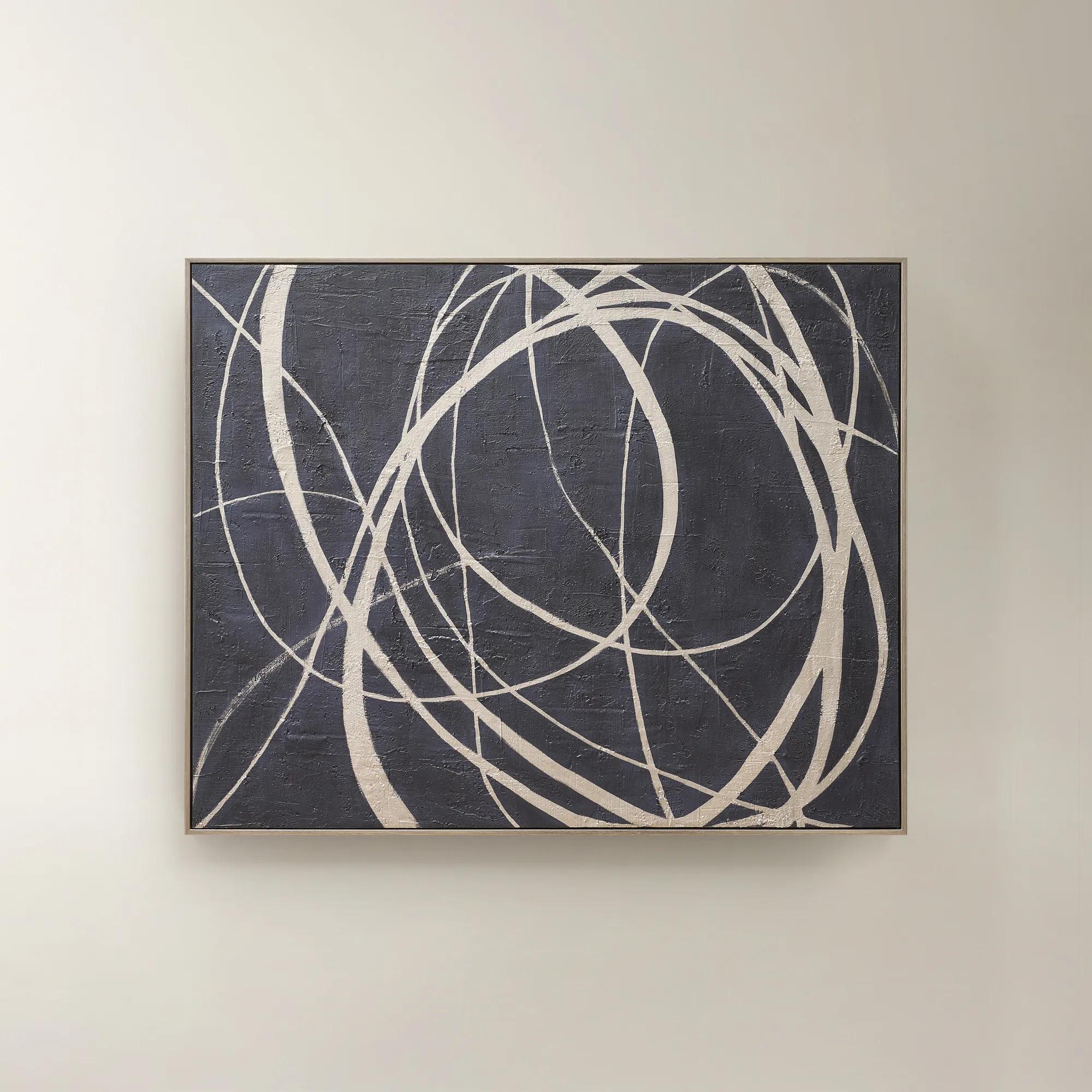 Wandering Framed Painted Wall Art 48" x 60"$699
An expressive hand-painted canvas in deep ink blue with champagne accents for a bold, sophisticated statement.
Add To Cart -
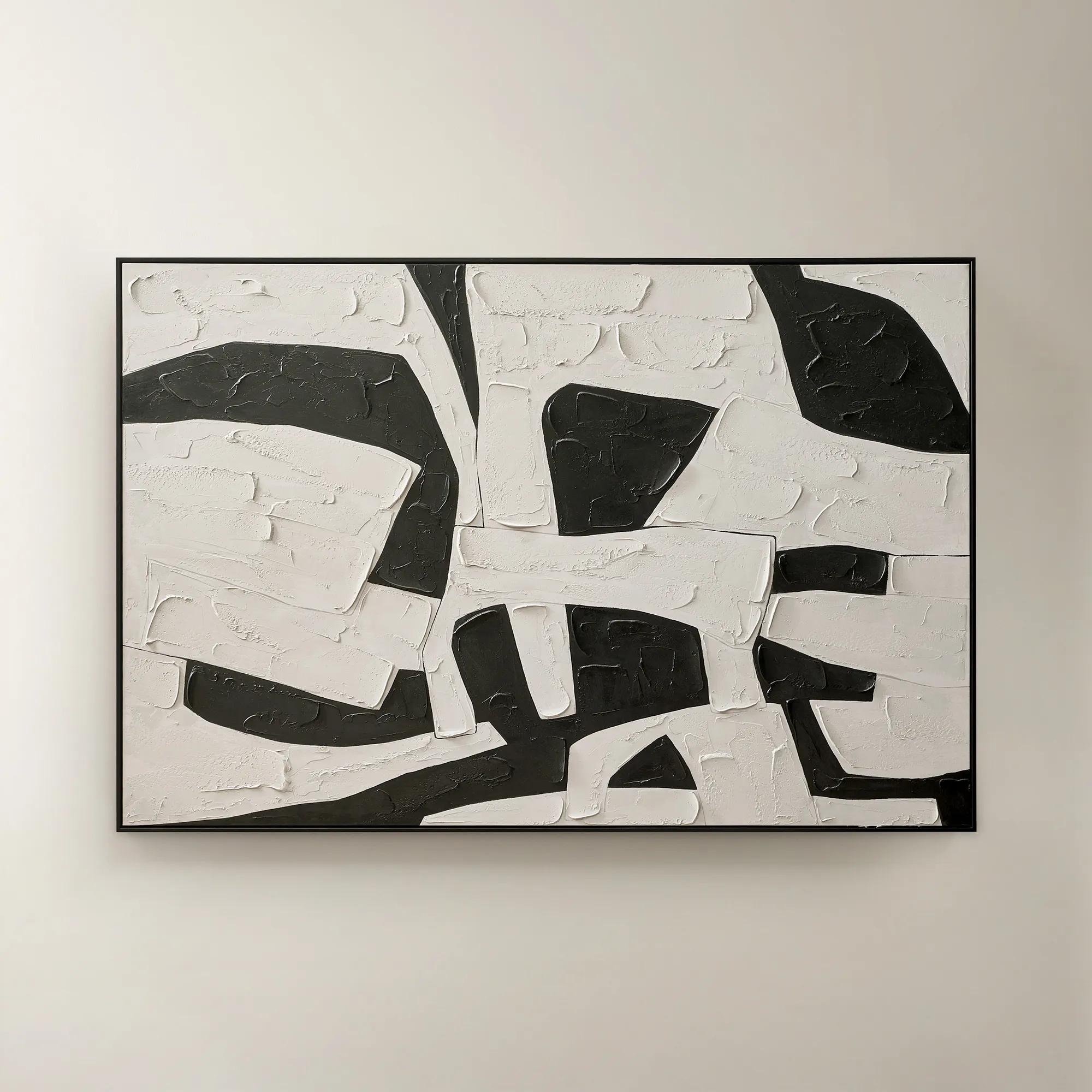 Space Between Shadows Framed Painted Wall Art 72" x 48"$799
A hand-painted abstract canvas featuring bold alabaster and black geometric forms in a sleek black frame.
Add To Cart -
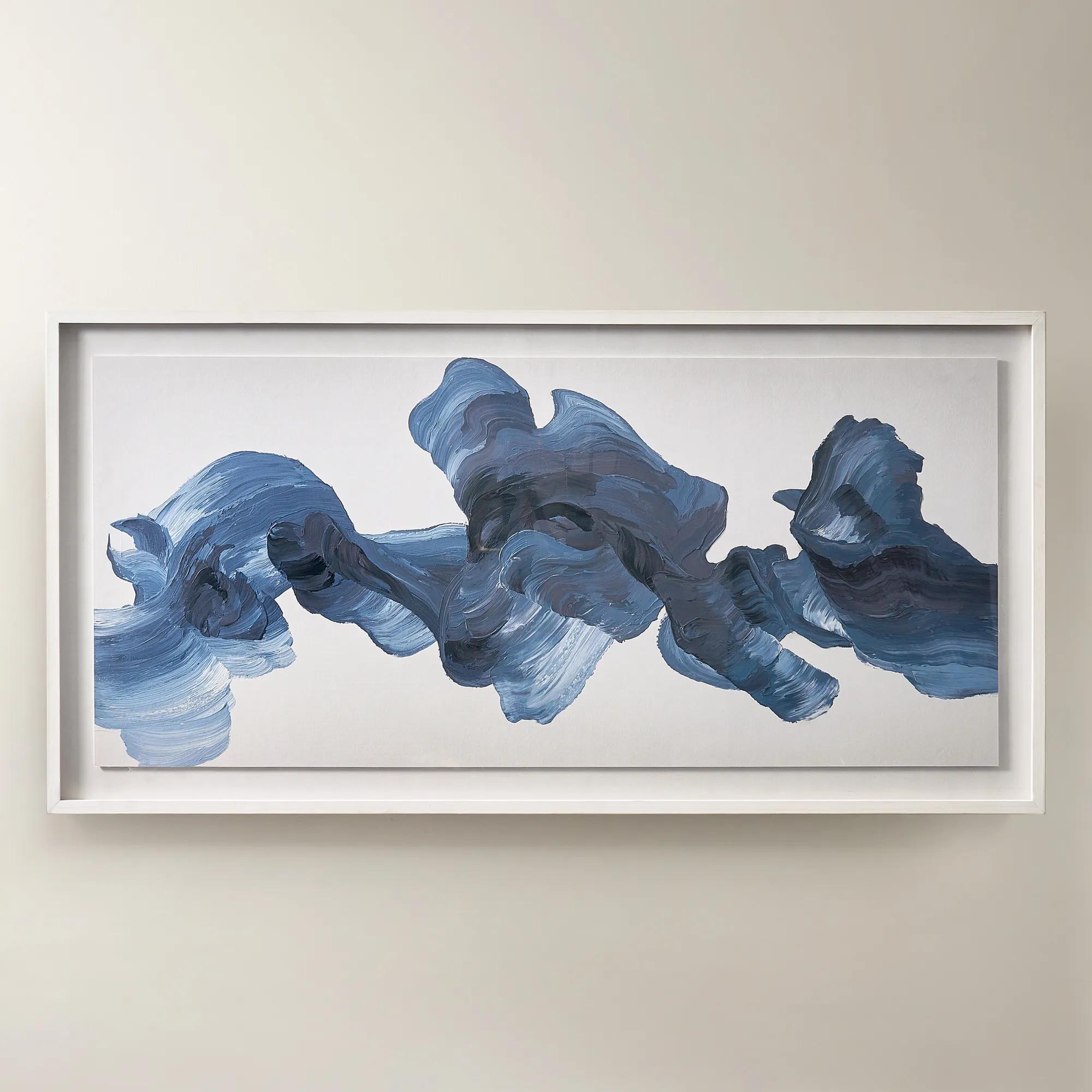
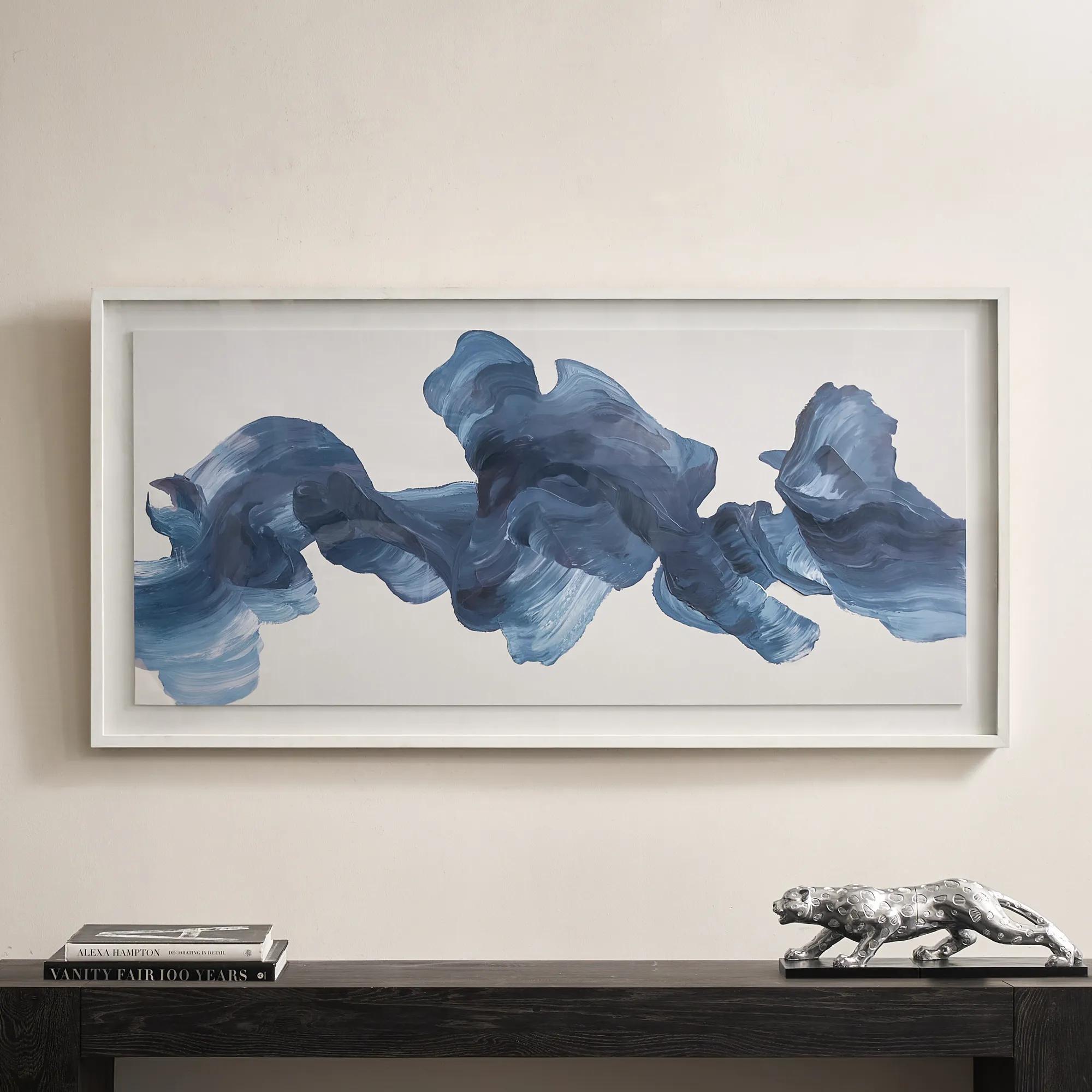 Blue Theory Framed Painted Wall Art in Acrylic 60" x 30"$499
A hand-painted canvas in deep ink blue, framed under acrylic with a whitewashed wood frame.
Add To Cart -
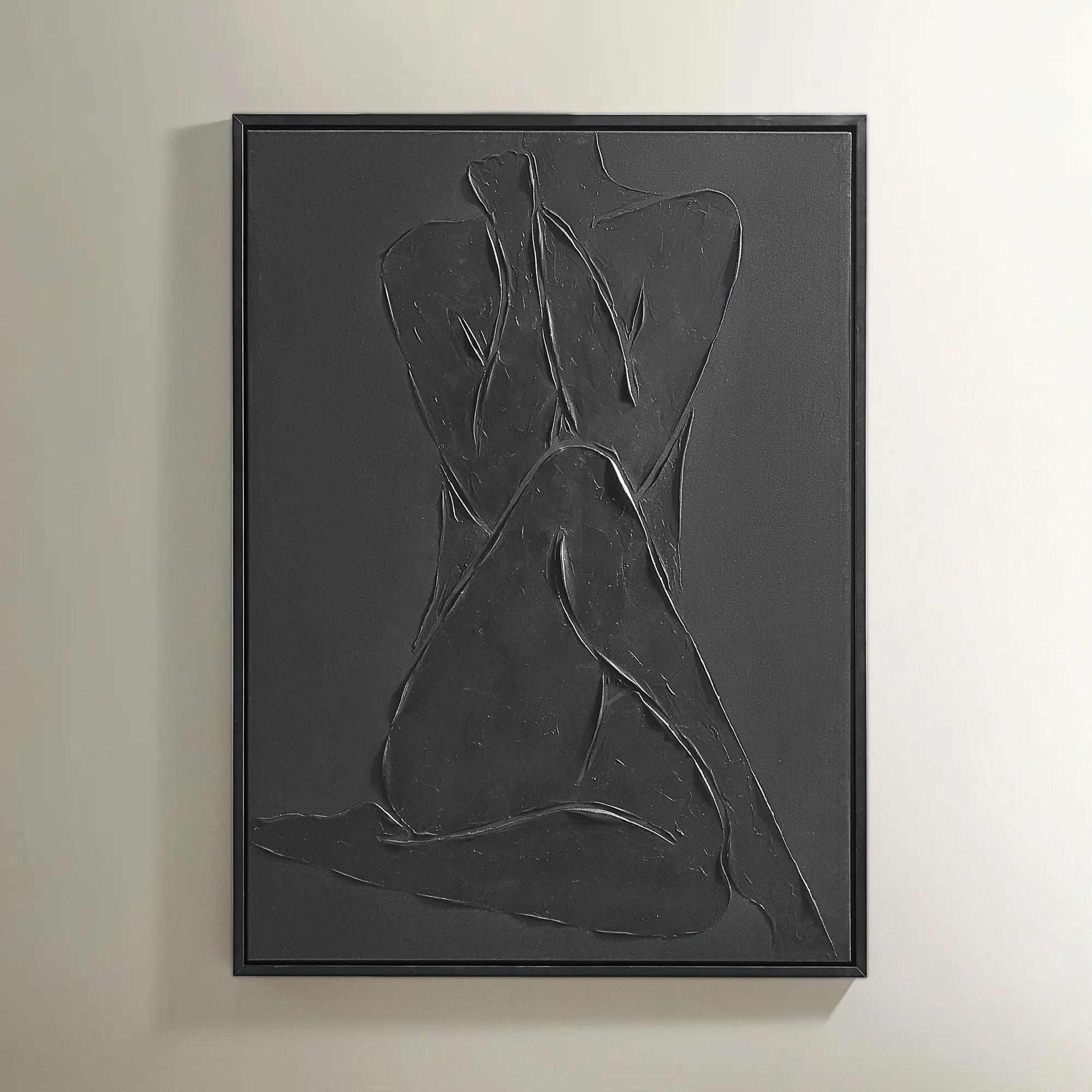 Modern Elegance Nude Black Framed Painted Wall Art 35.5" x 47.25"$599
A hand-embellished canvas artwork featuring textured strokes and vibrant hues in a black and gold Art Deco frame.
Add To Cart -

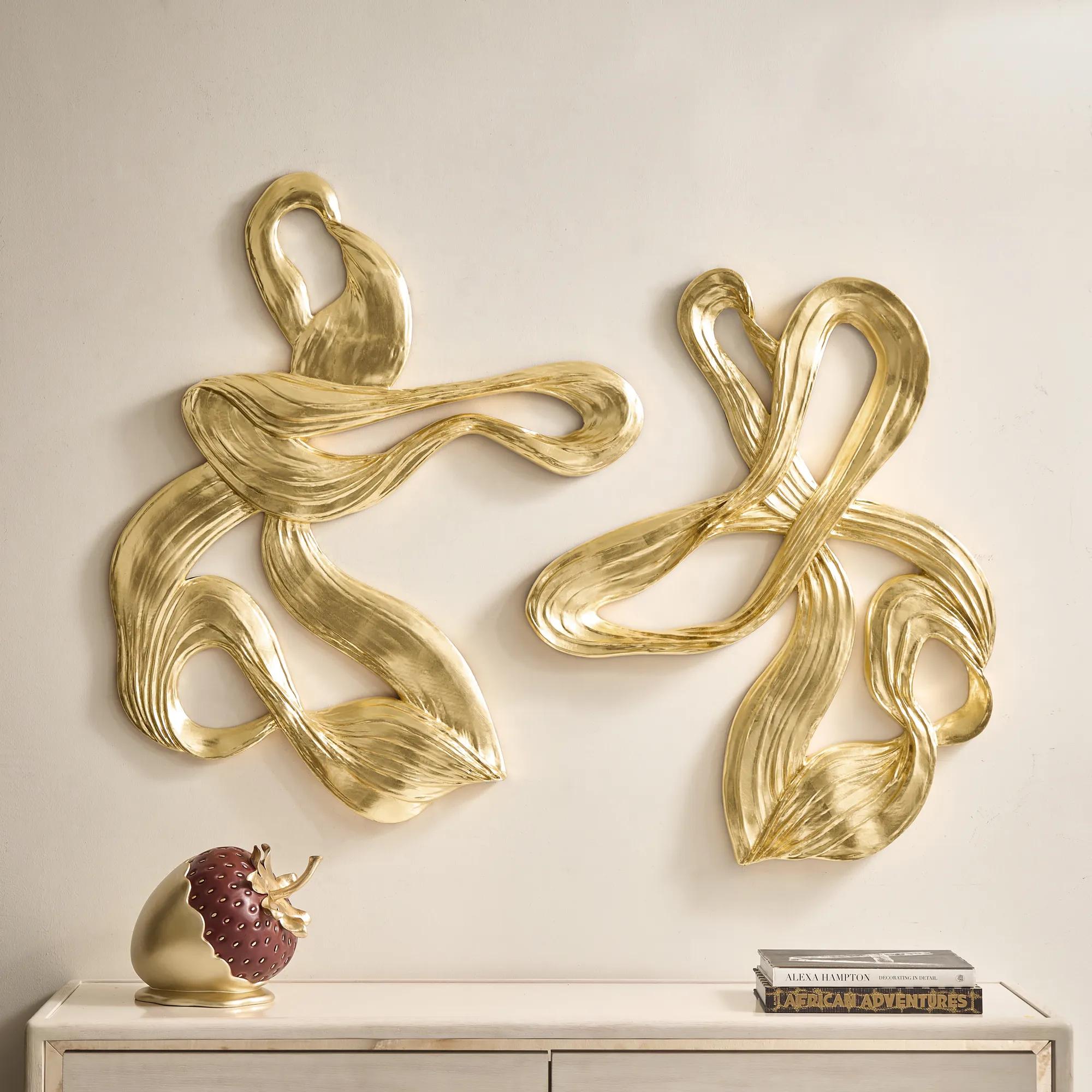 Vela Gold Leaf Sculpted Resin Wall Decor 30.5" x 39.25" Set of 2$699
A set of two resin wall sculptures featuring abstract loop designs and soft gold leafing for modern elegance.
Add To Cart -
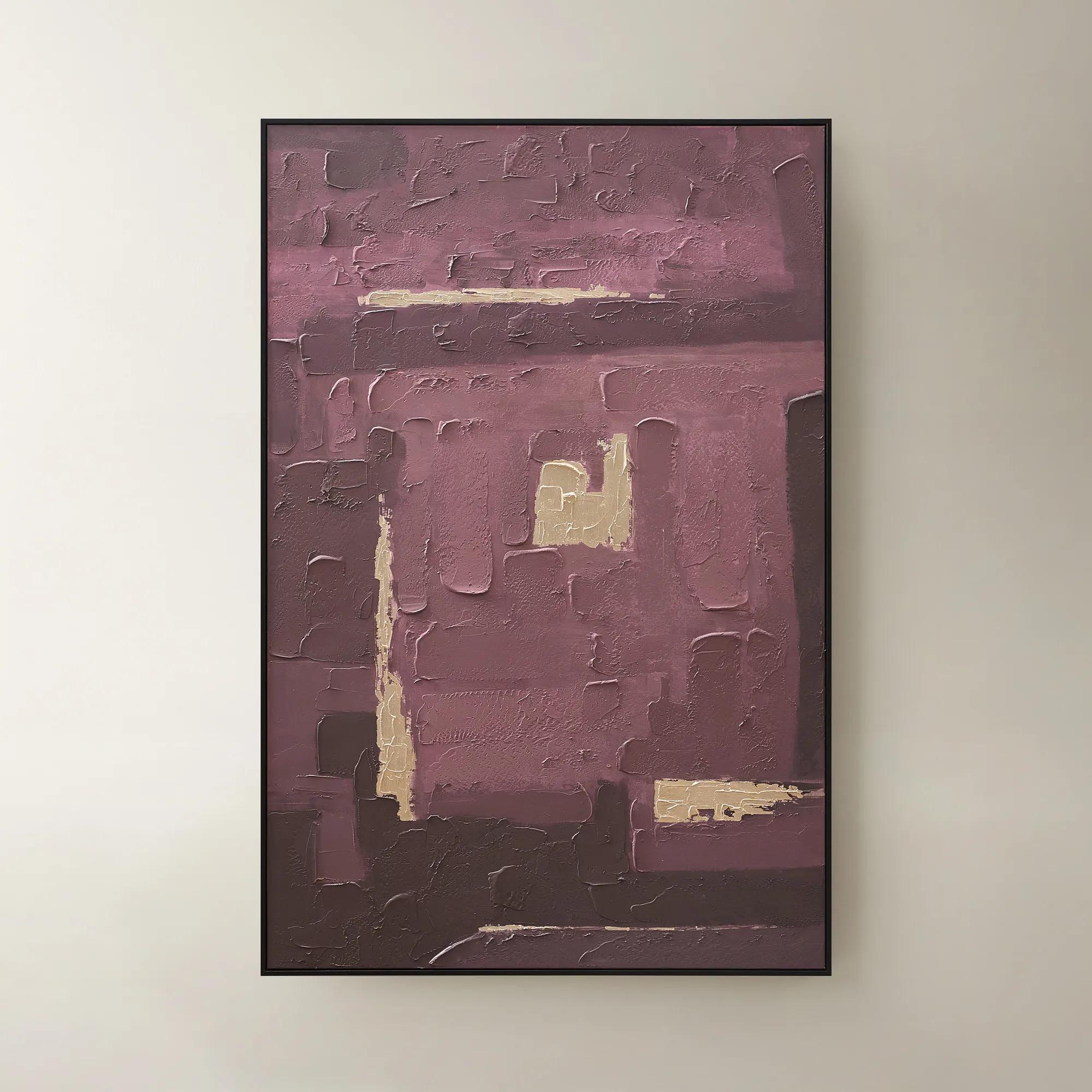
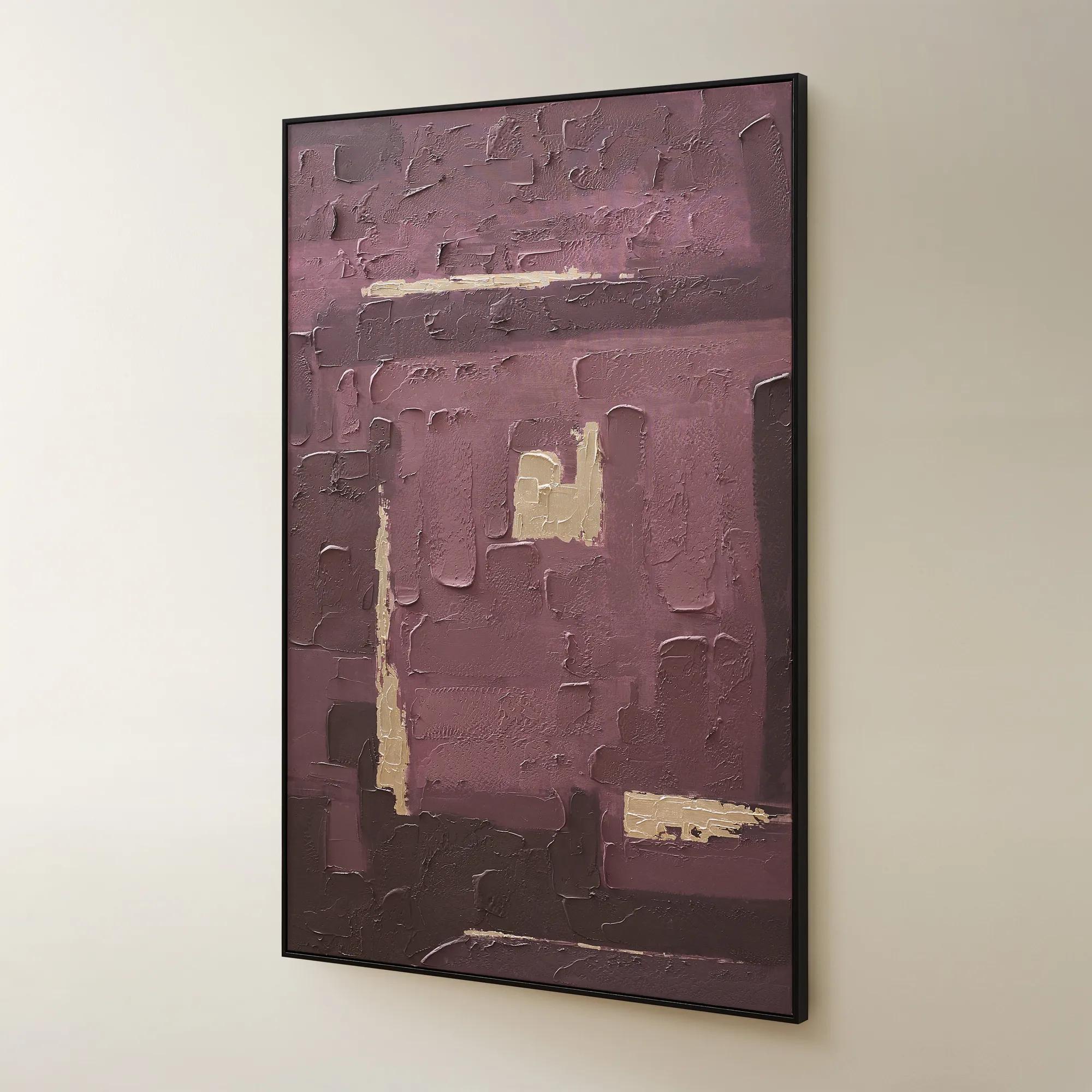 Fallback Framed Painted Wall Art 60" x 40"$499
A hand-painted abstract canvas in rich fig hues with champagne accents, set in a sleek black frame.
Add To Cart -
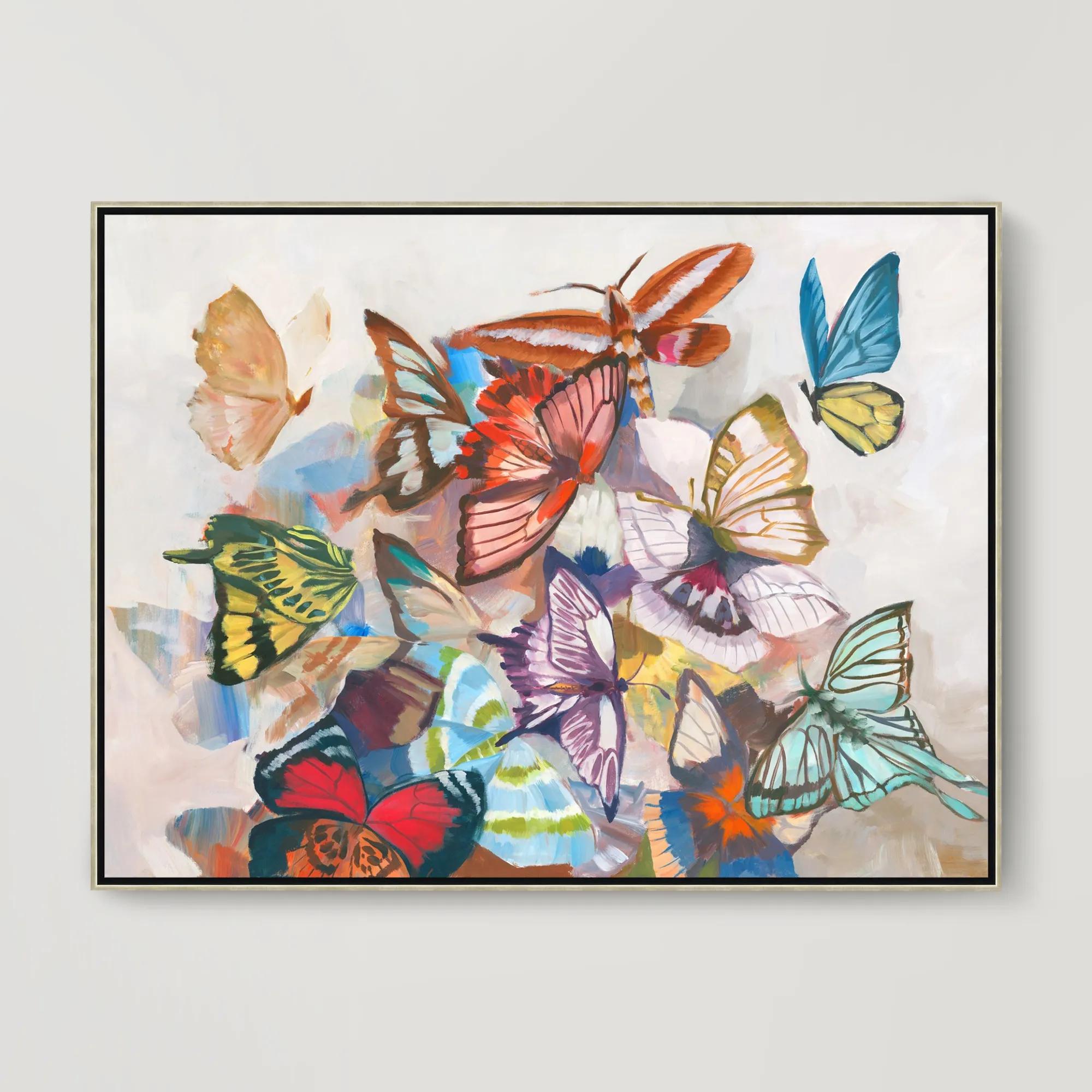
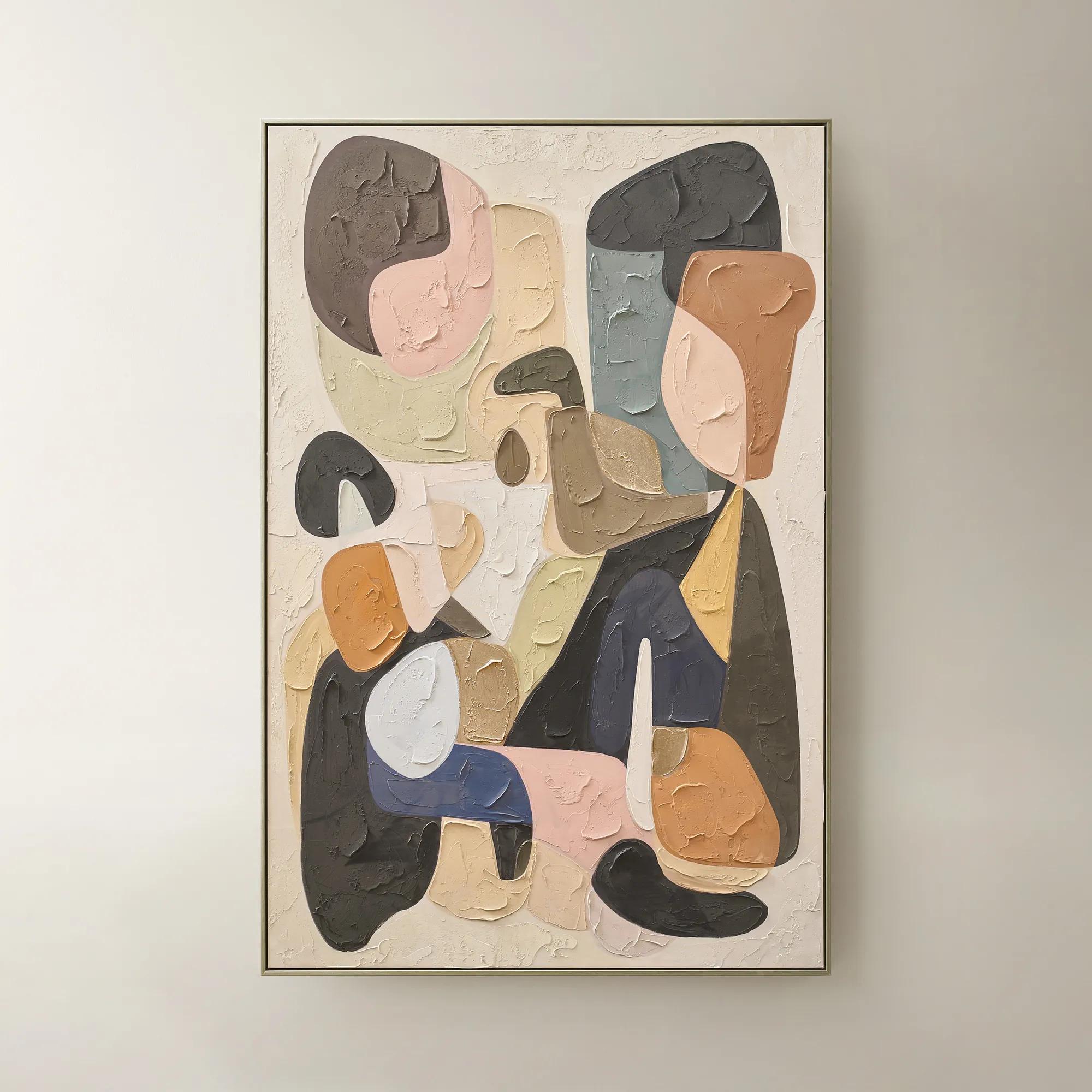 Chromatic Bloom Framed Painted Wall Art 40" x 60"$519
A hand-painted abstract canvas featuring a vibrant multi-color palette and shimmering champagne detailing.
Add To Cart -
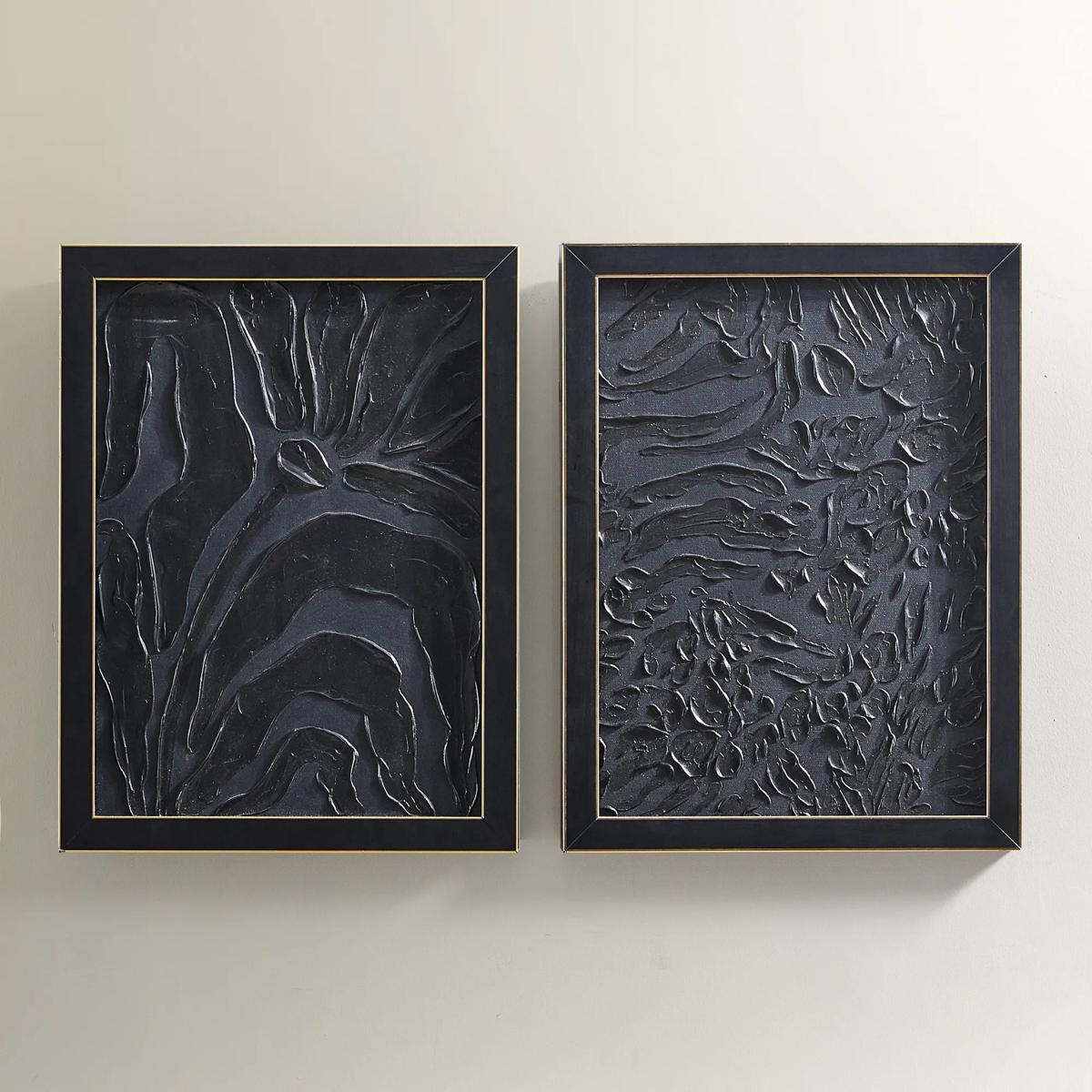
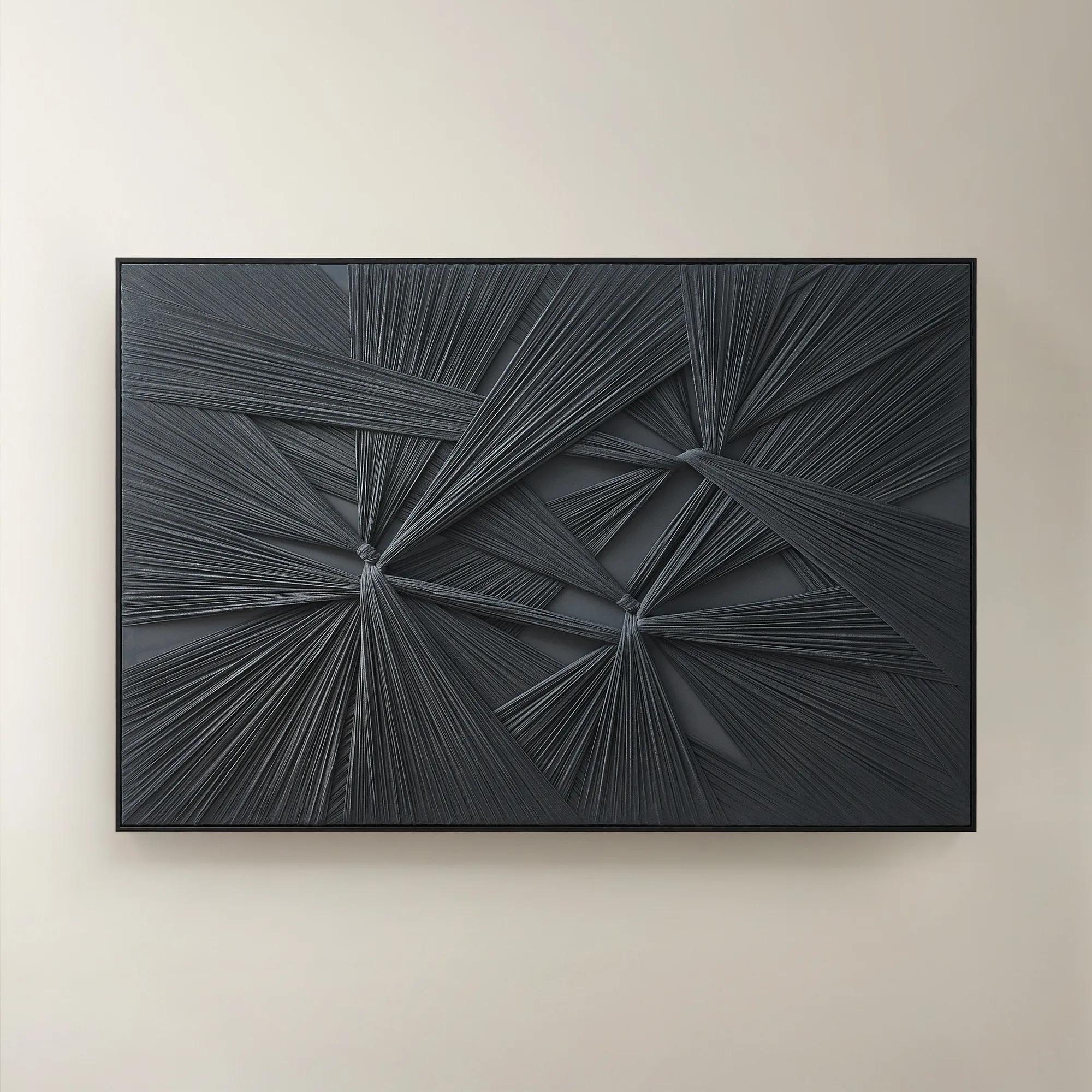 Grace in Dark Slate Hand-crafted Fabric Wall Art 70.75" x 47"$799
A hand-crafted textile wall art piece in dark slate, featuring sculptural texture and versatile display options.
Add To Cart -
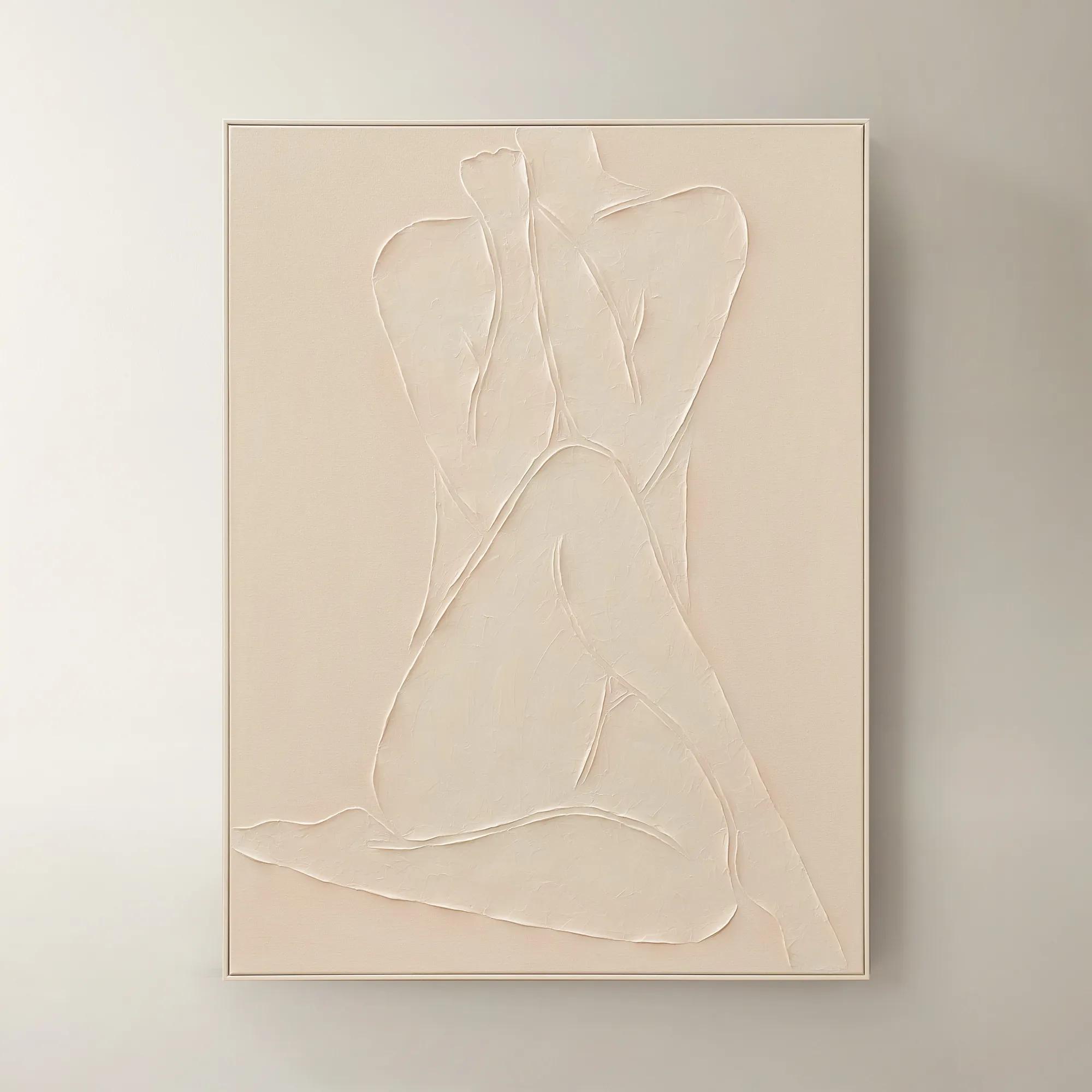
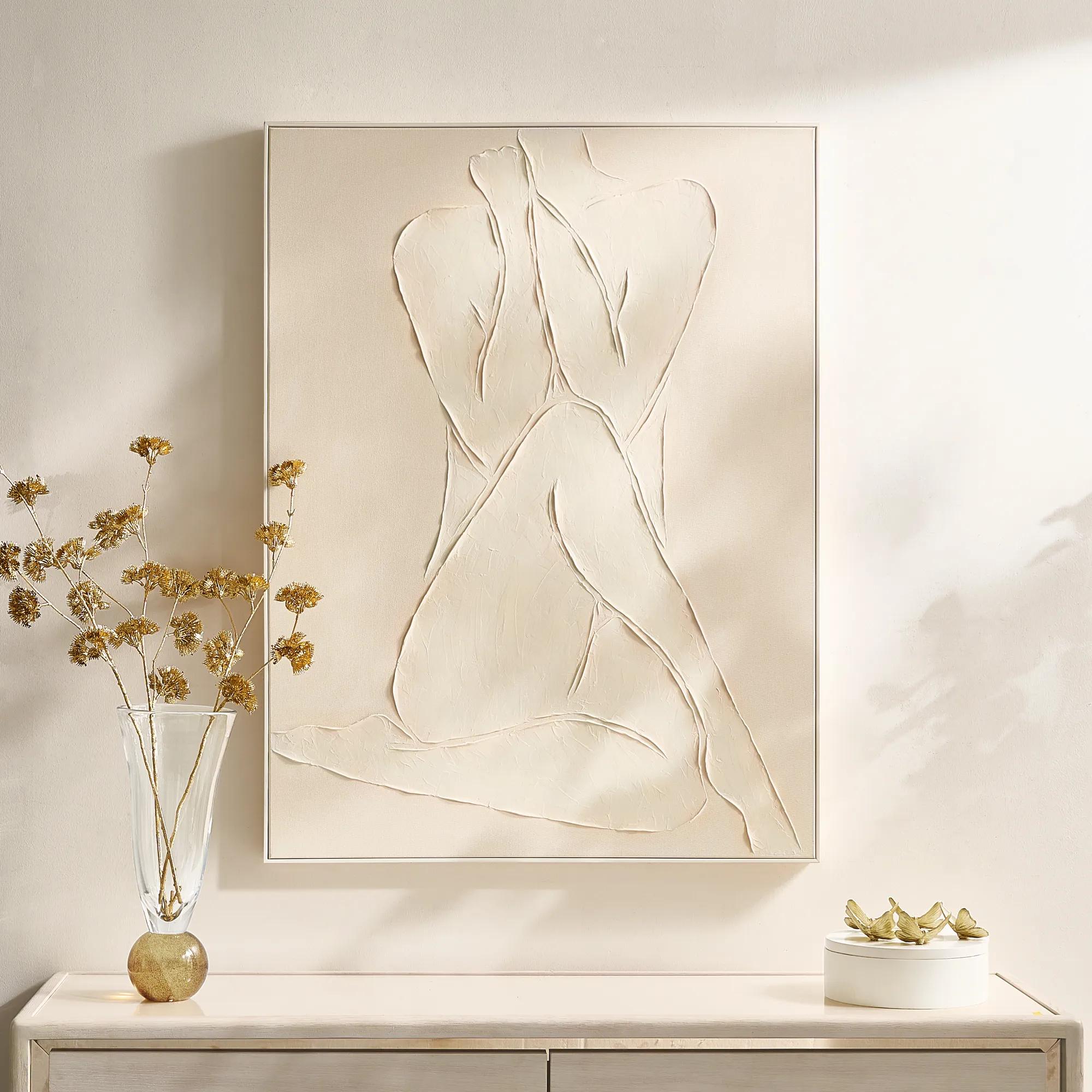 Modern Elegance Nude Ivory Framed Painted Wall Art 35.5" x 47.25"$599
A hand-painted ivory canvas in a white frame brings serene, modern artistry to any space.
Add To Cart -
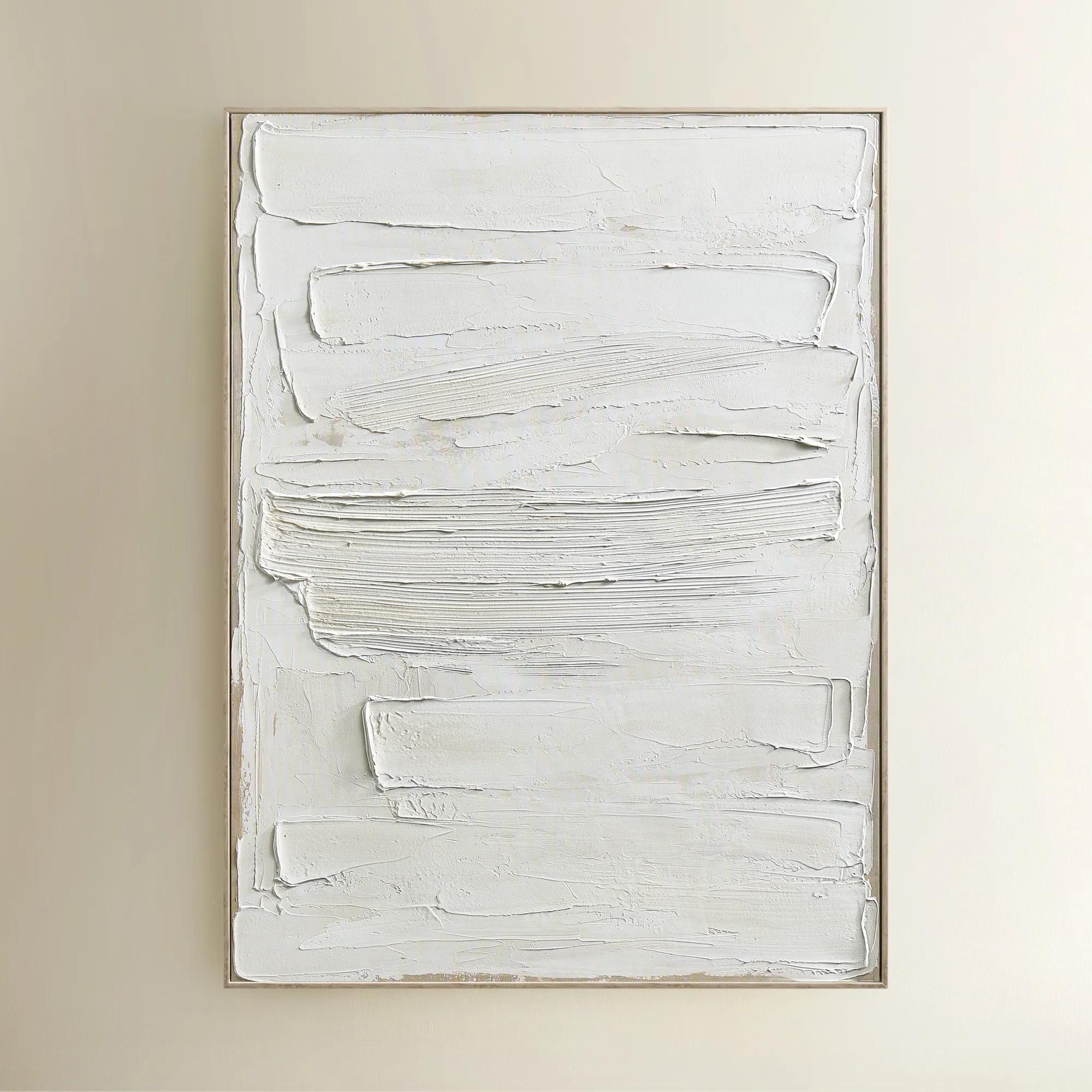
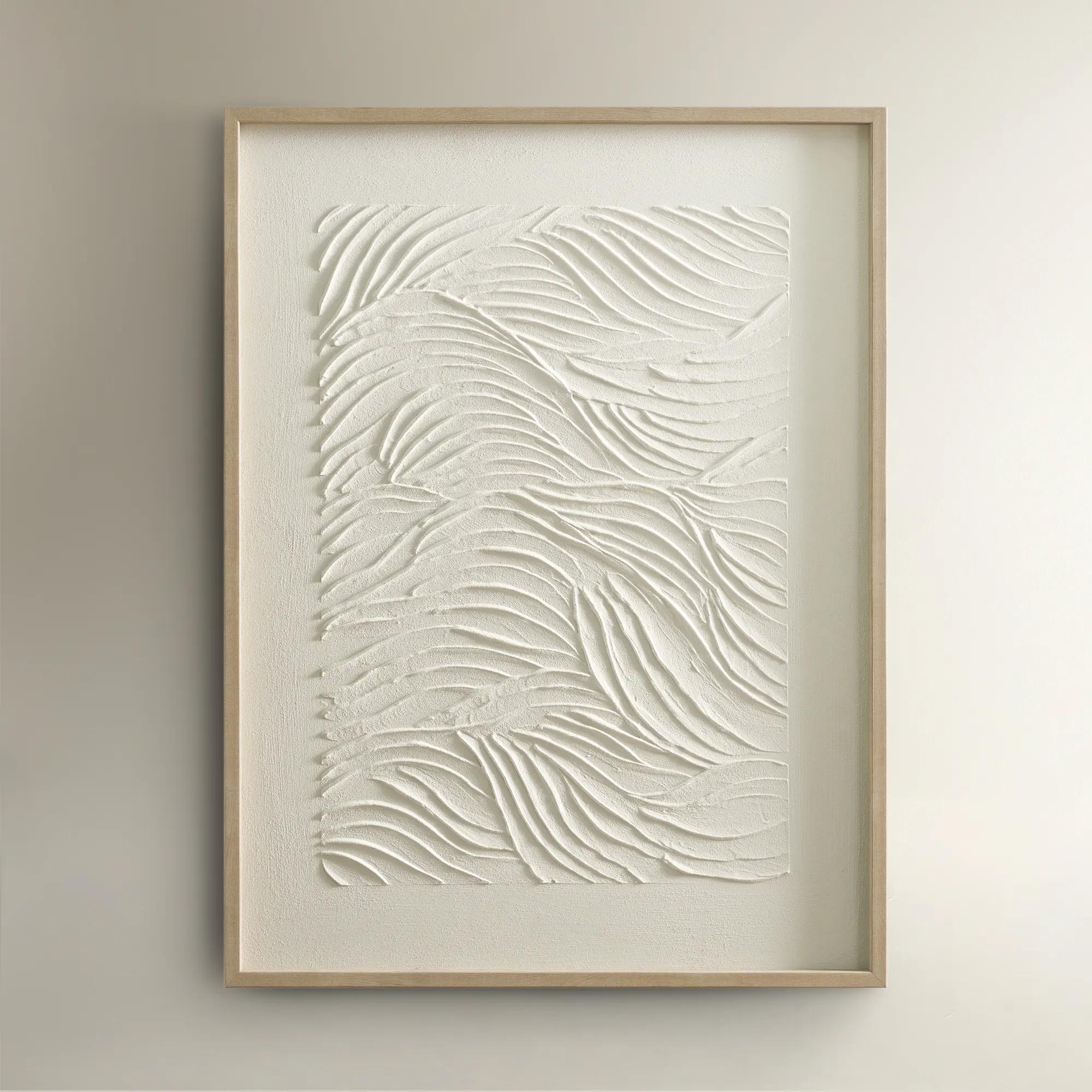
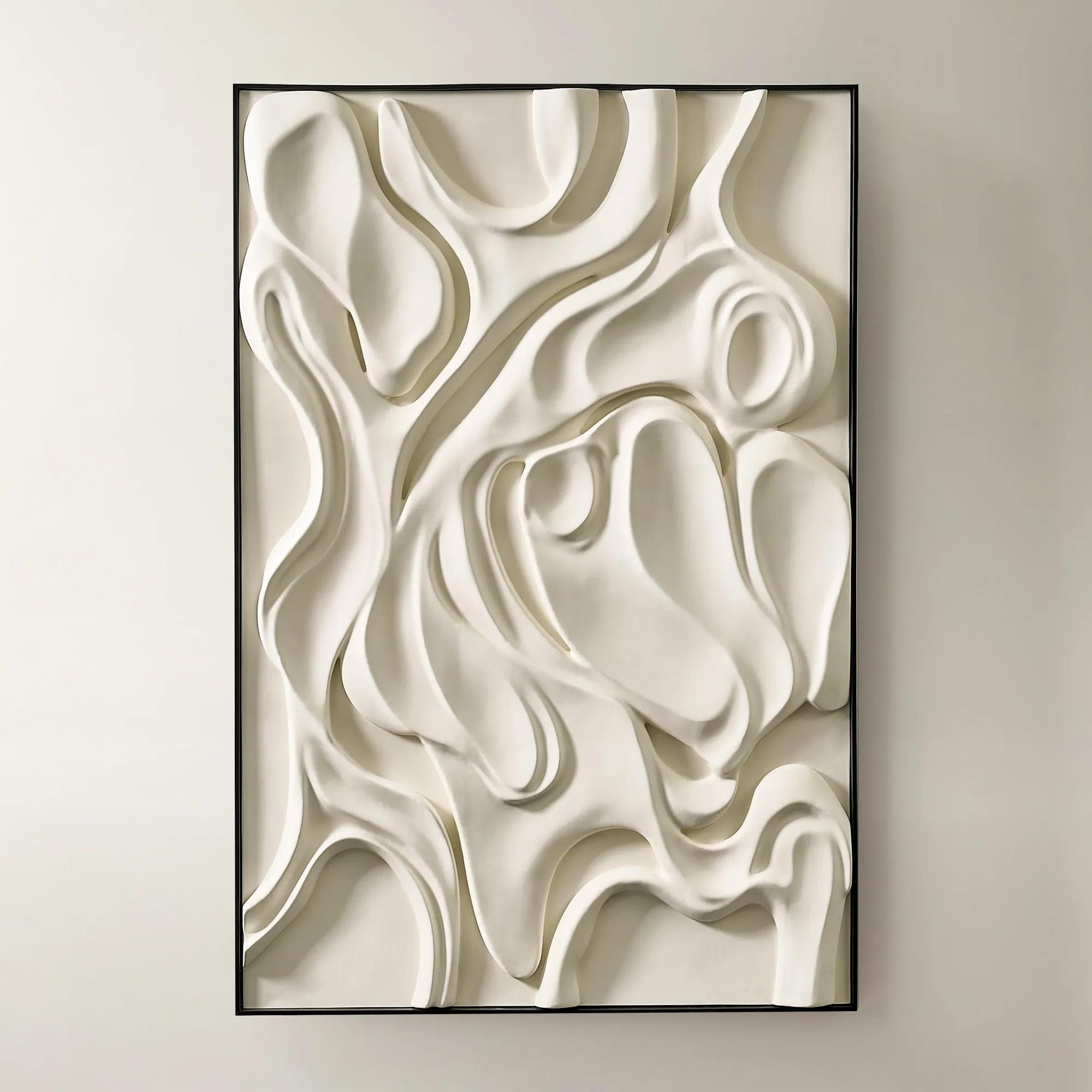 Overflow Alabaster Sculpted Resin Wall Panel 40" x 60"$699
An alabaster fiberglass resin wall panel with sculptural texture and a versatile black frame for modern spaces.
Add To Cart -
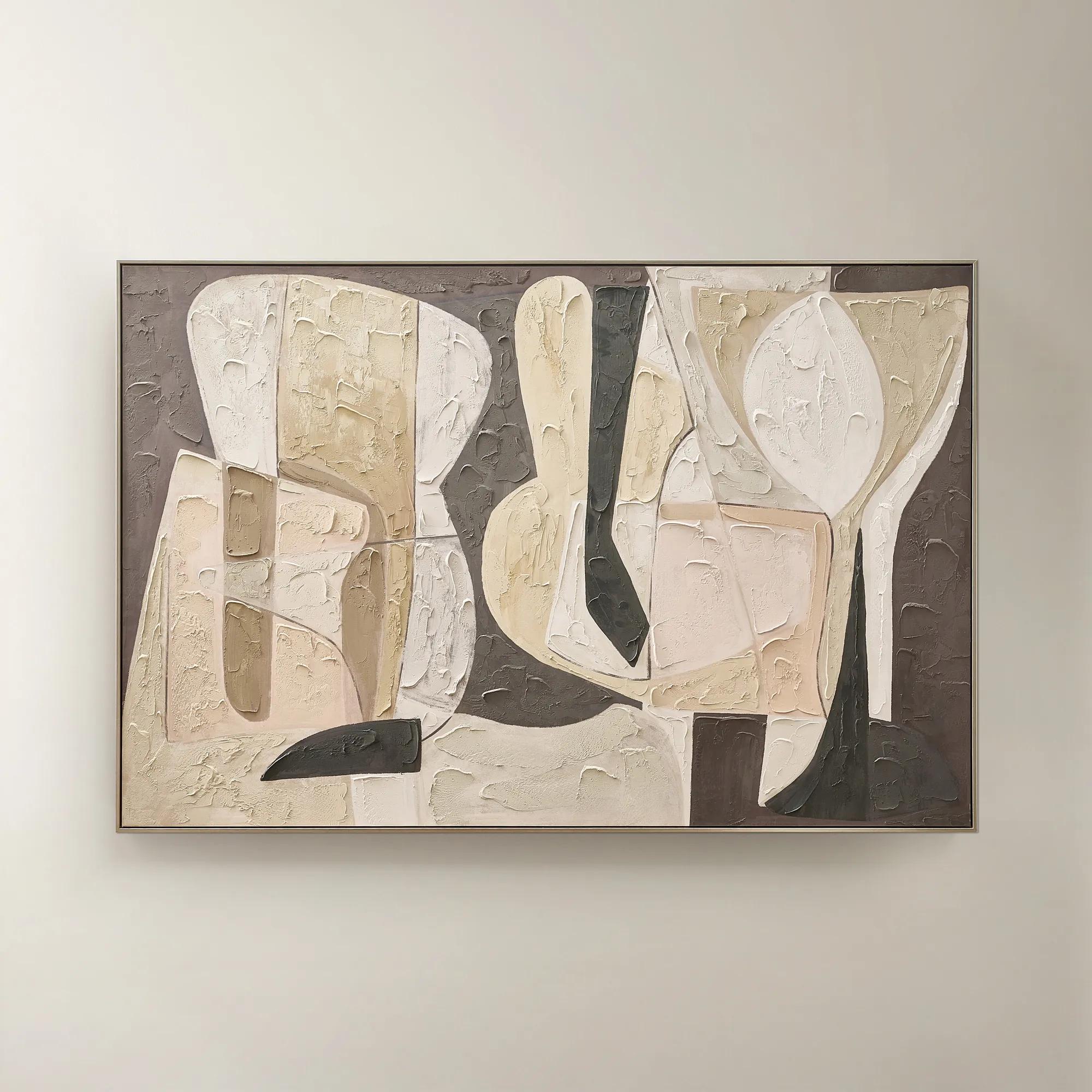 Wishful Thinking Framed Painted Wall Art 72" x 48"$599
A hand-painted abstract canvas featuring bold geometric forms and warm smoked plum, apricot, and tawny hues.
Add To Cart -
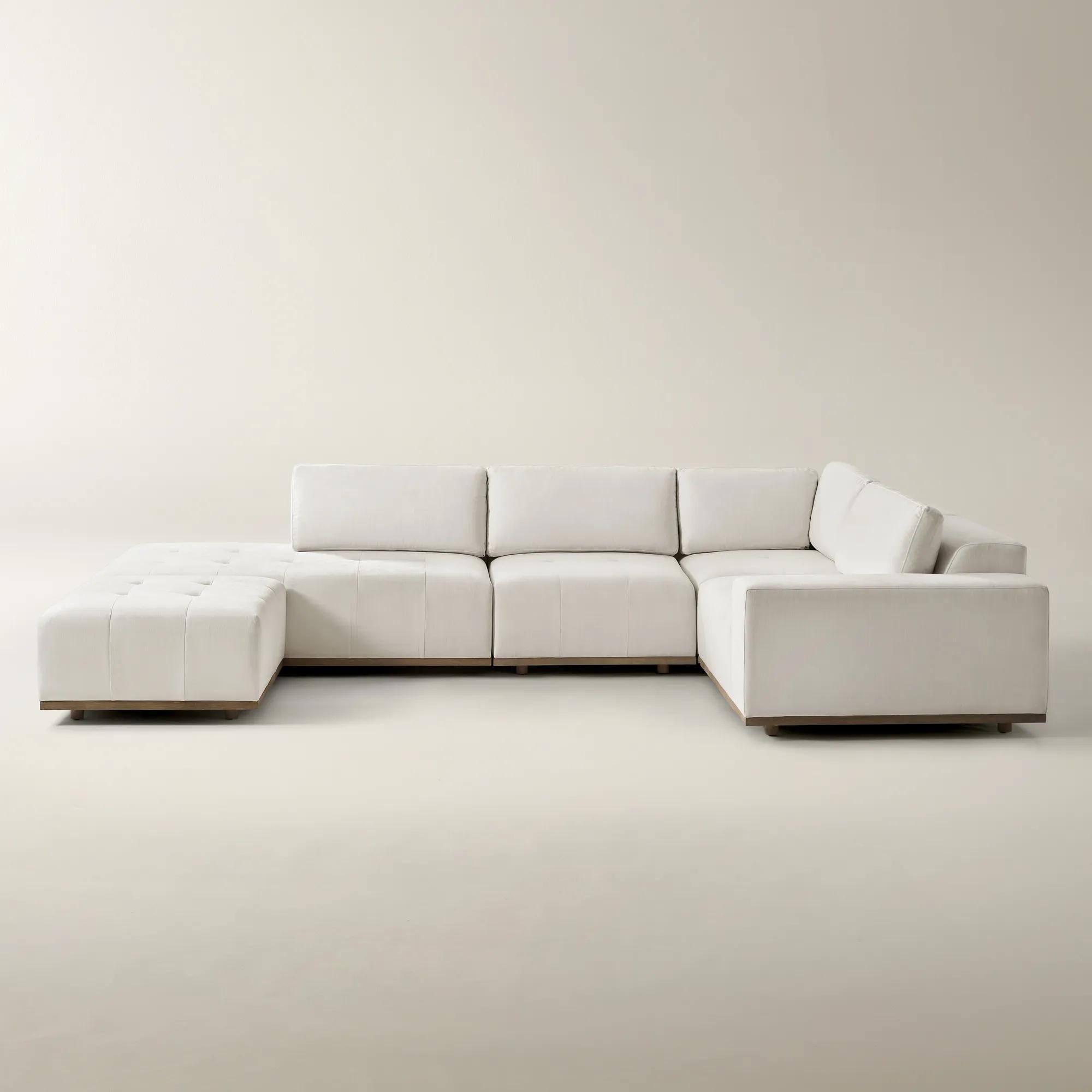
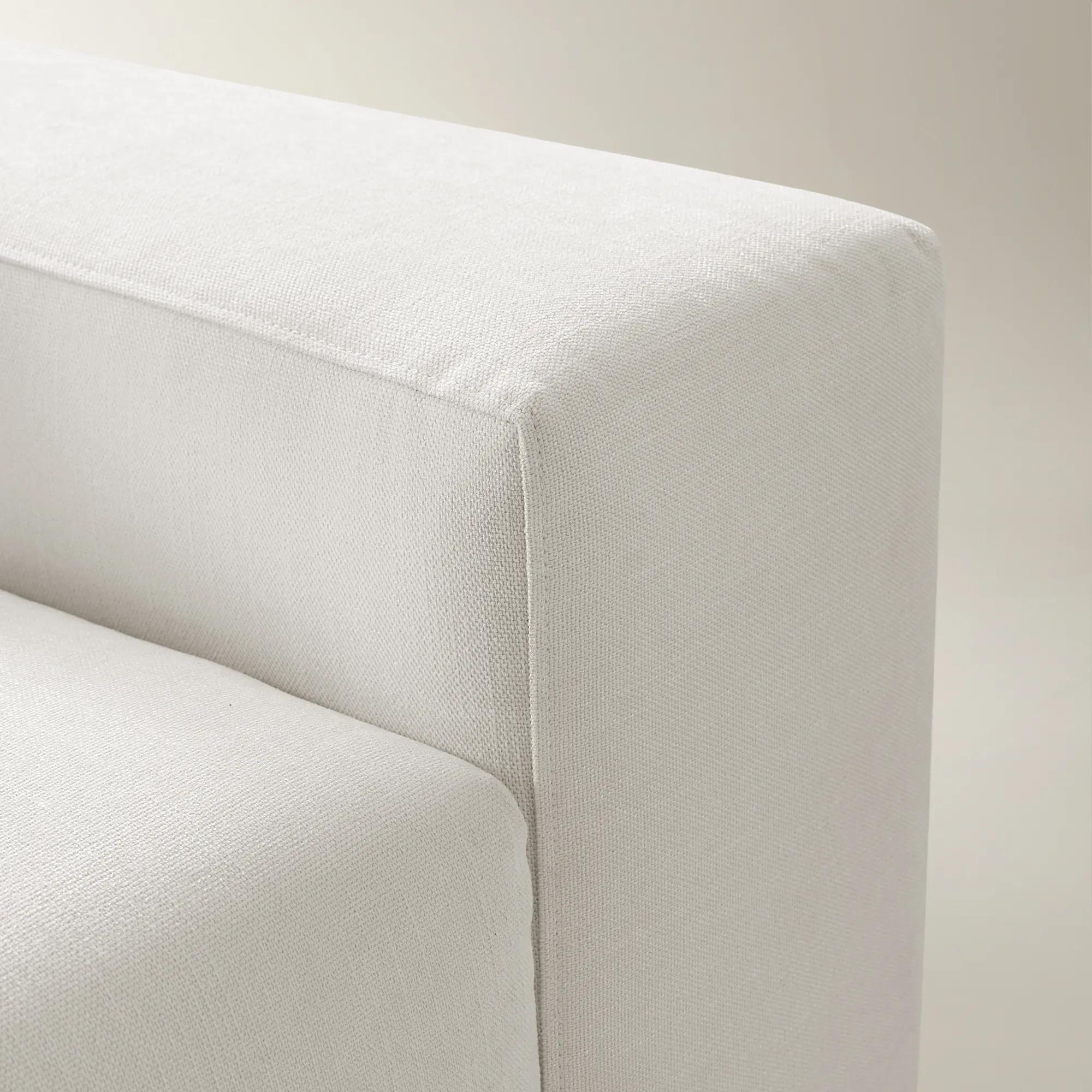 Carlos 5-Piece L-Shaped Oyster Linen Sectional Sofa$6849
A hand-tufted sectional with luxurious linen-blend upholstery and a kiln-dried rubberwood frame for refined comfort.
Add To Cart -
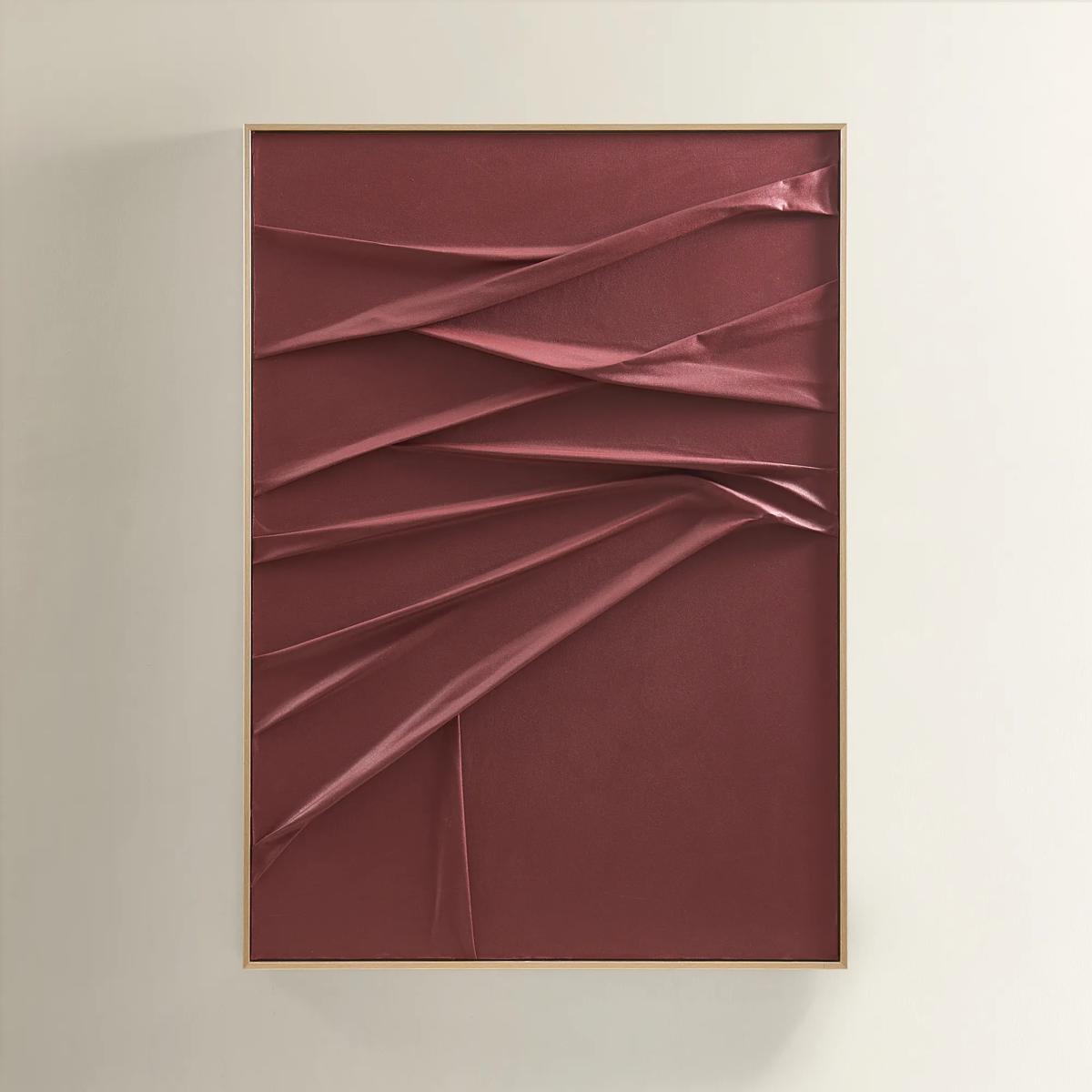
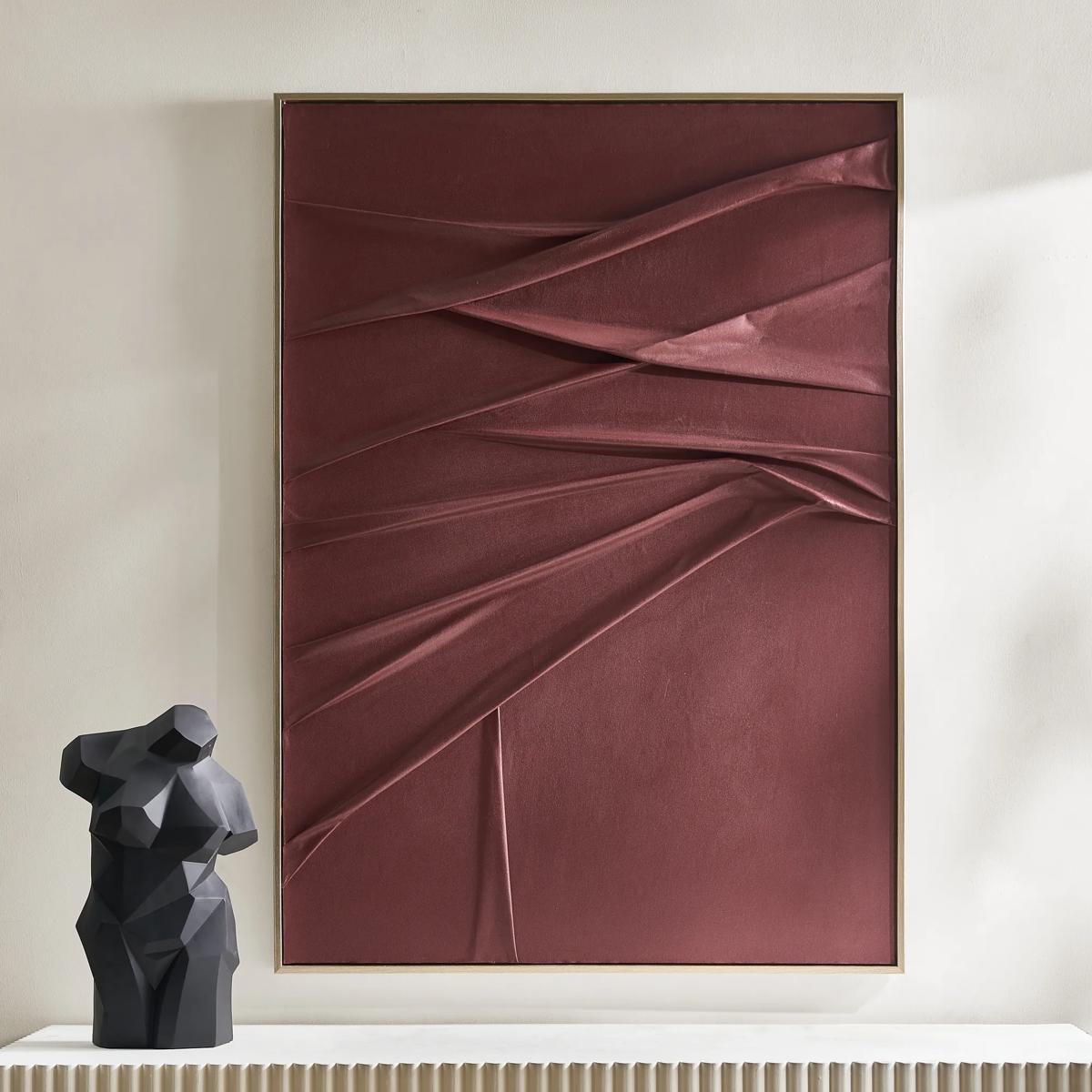 Crimson Painting$599
A handcrafted burgundy canvas artwork with sculptural folds, framed in champagne for a dramatic, textured effect.
Add To Cart -
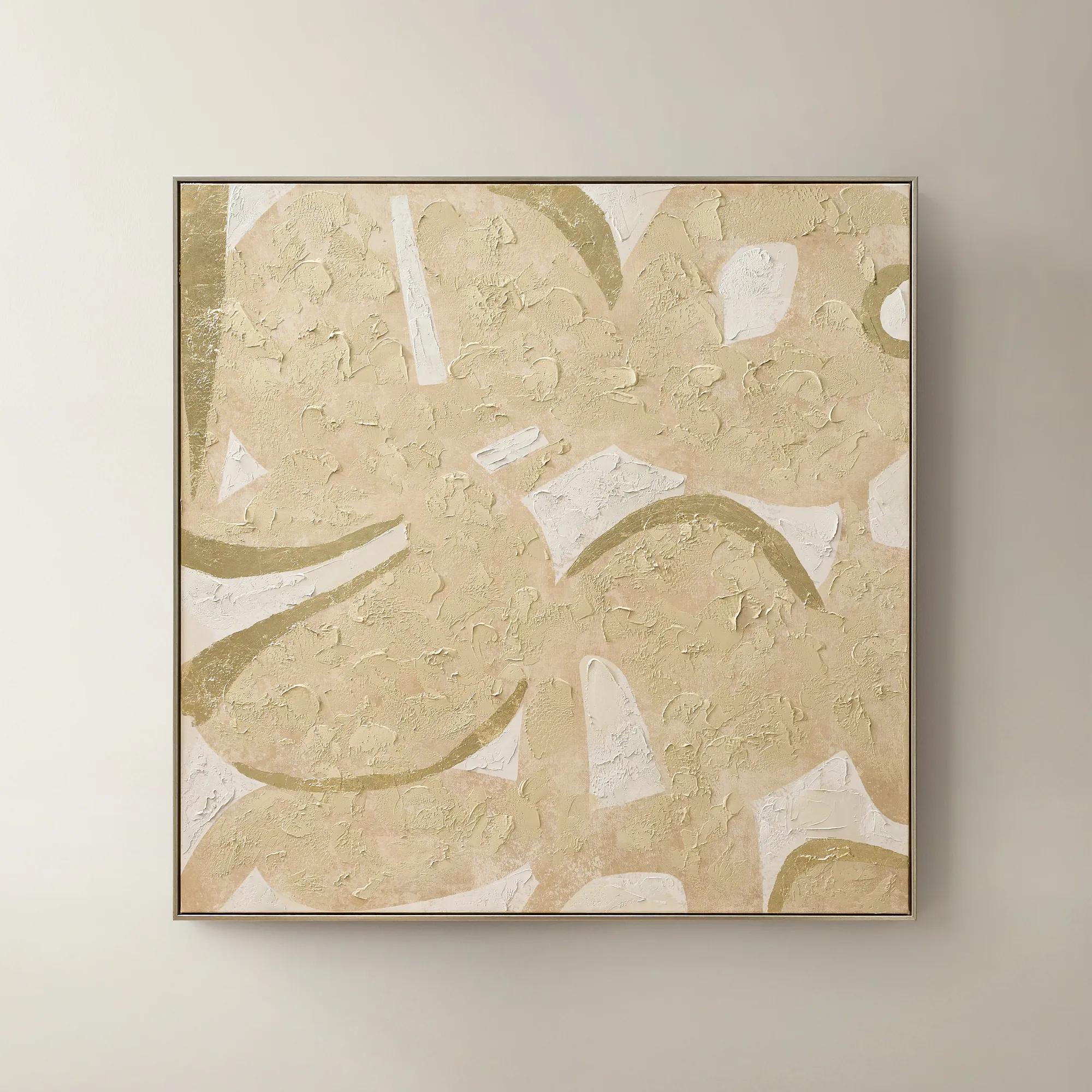
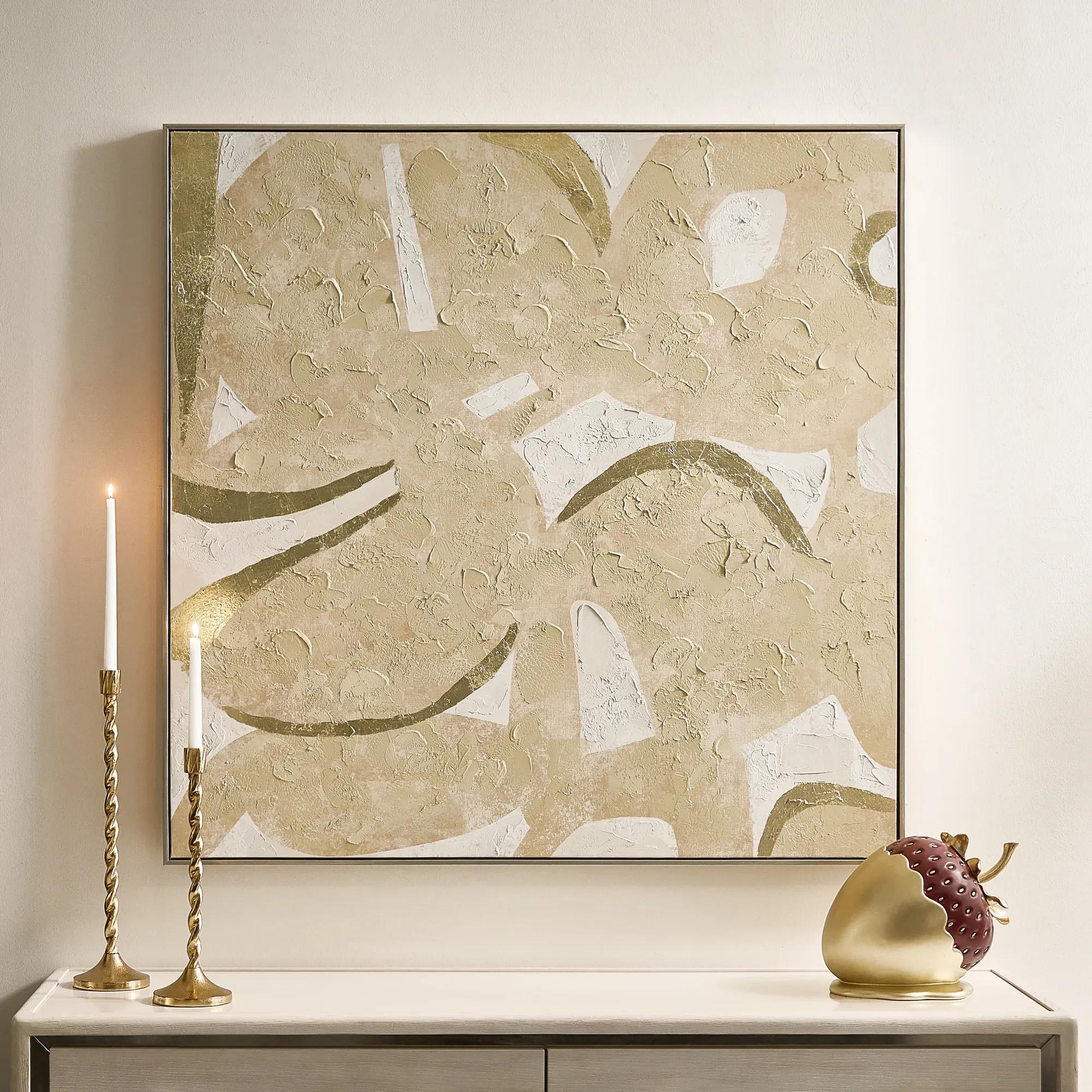 Golden Maize Framed Painted Wall Art 48" x 48"$399
A hand-painted canvas with champagne leafing and butter cream tones adds warmth and modern sophistication.
Add To Cart -
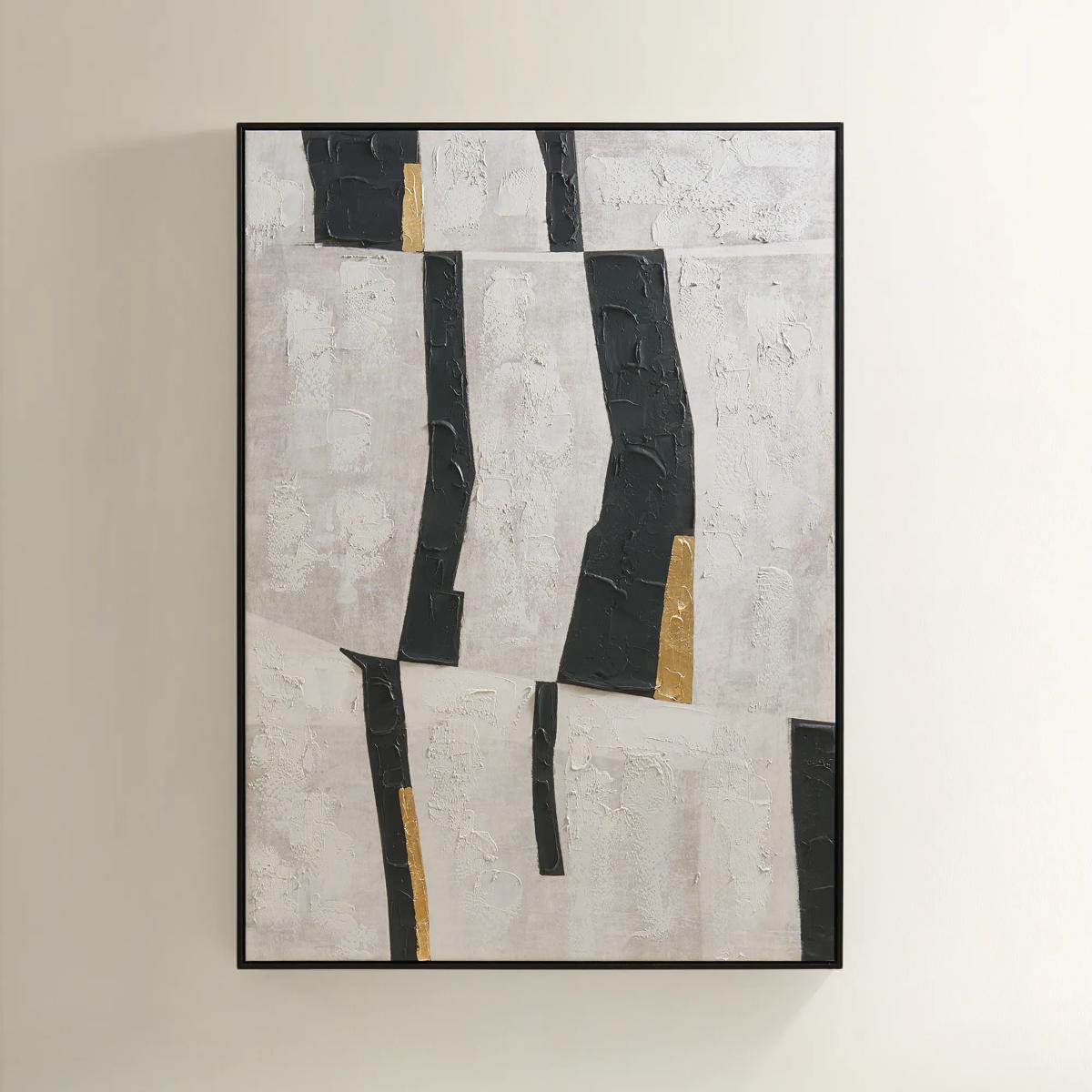
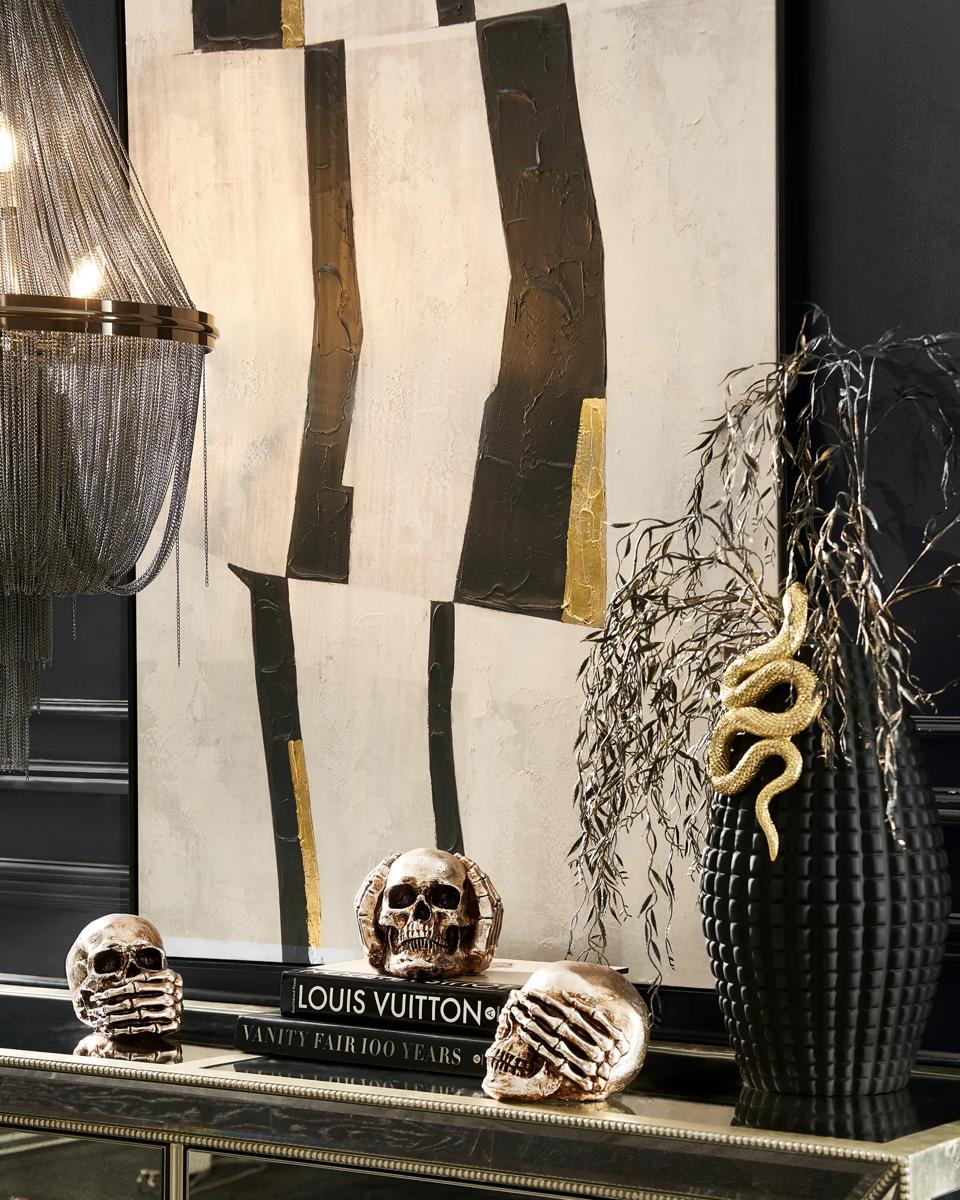 Into the Groove Painting$449
A modern abstract canvas featuring black, gray, and gold leaf accents in a sleek black floater frame.
Add To Cart -
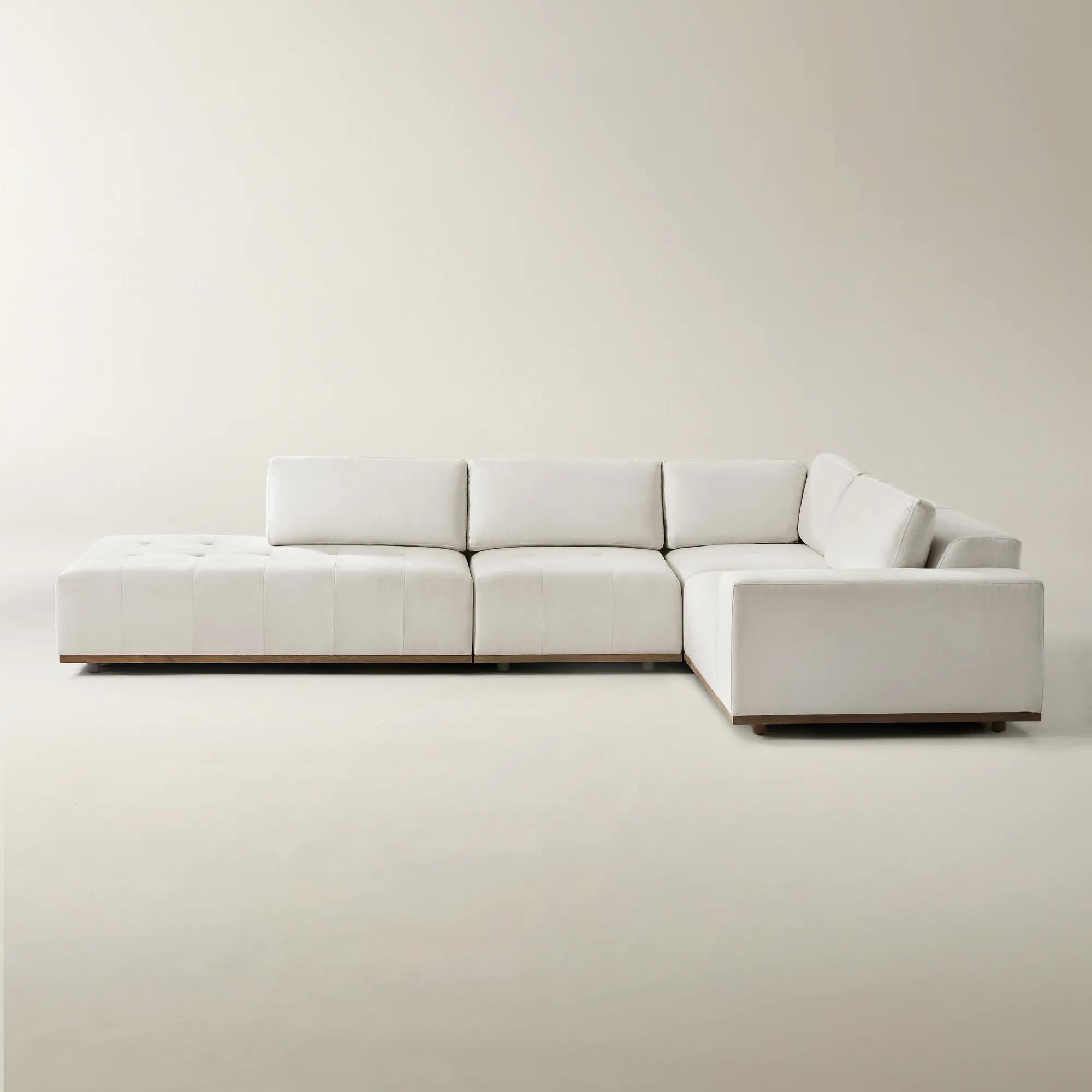 Carlos 4-Piece L-Shaped Oyster Linen Sectional Sofa$5899
A hand-tufted sectional with luxurious linen-blend upholstery, natural grey legs, and plush duck feather cushions.
Add To Cart -
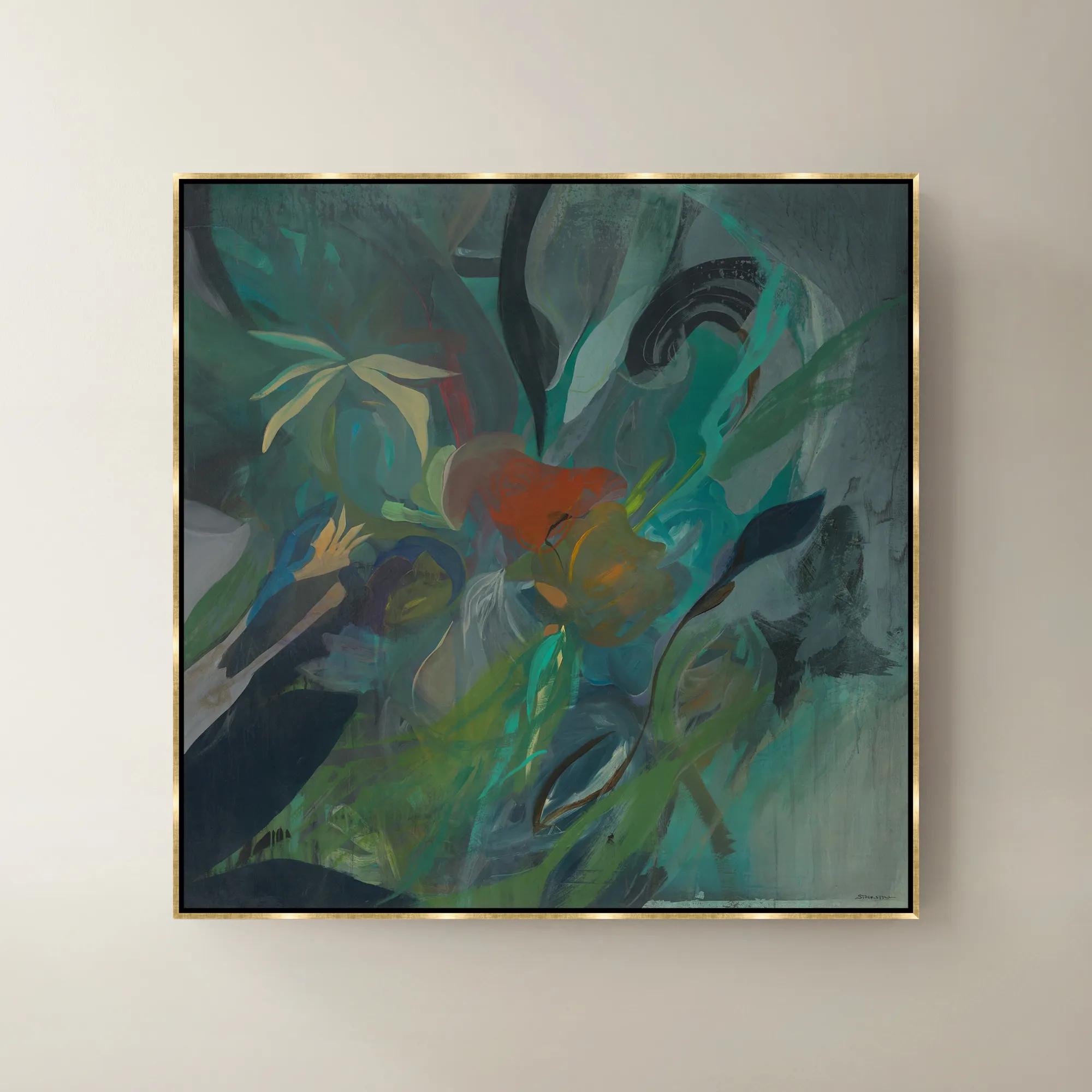
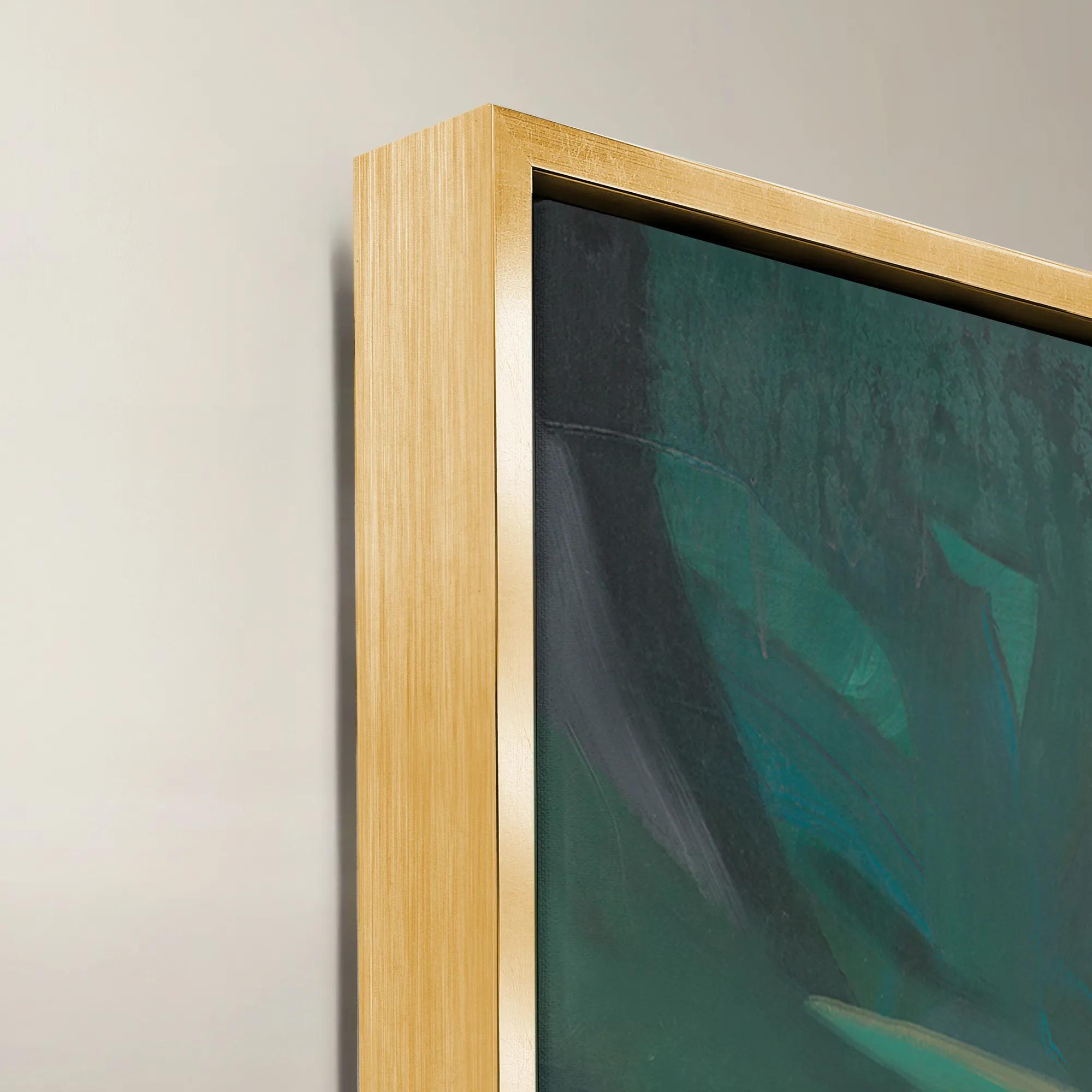 Fresh Places Framed Wall Art 47" x 47"$1199
A vibrant green canvas wall artwork with a sophisticated framed finish, bringing contemporary character to interiors.
Add To Cart

Living Room Ideas For Large Spaces
Living room ideas for large spaces invite you to dream big and decorate boldly—where every square foot becomes a stage for your personal style. Imagine expansive seating arrangements that encourage conversation and connection, sculptural accents that command attention from across the room, and layers of texture and light that transform vast interiors into intimate escapes. With the right vision, even the grandest living rooms become a masterpiece of comfort and artistry, offering endless possibilities to showcase drama, elegance, and expressive design.
The most compelling living room ideas for large spaces balance generous proportions with places that feel personal: a deep sofa arranged for conversation, a pair of sculptural chairs beside a window, or an expansive rug that gives an open seating area a clear sense of belonging. Large-scale living room furniture brings visual weight to rooms with broad floor plans, soaring ceilings, or uninterrupted views, but size alone does not create a successful setting. The relationship between pieces matters just as much. An L-shaped sectional can define the edge of a gathering area without closing it off, while two substantial sofas facing each other establish a more formal rhythm for entertaining. Modular seating offers flexibility when the room serves several purposes, provided the individual sections and their connections suit the intended arrangement. Accent chairs and upholstered ottomans introduce additional seating without requiring every guest to share one continuous sofa. In an open-concept home, furniture can float away from the walls, with a console behind a sofa providing a finished transition toward a dining area or entry. This approach gives the center of the room purpose rather than leaving an empty expanse between perimeter seating. A substantial coffee table, or a coordinated grouping of tables, keeps the composition grounded and refreshments comfortably within reach. Proportion should still leave room for movement: doors need their full swing, reclining seats need operating clearance, and frequently traveled routes should remain unobstructed. Measuring the room, furniture footprints, and delivery access helps distinguish a piece that looks impressive from one that genuinely fits. Deep seats favor lounging, while a more upright seat and supportive arms may better suit conversation or guests who prefer an easier rise. For a room shared by readers, hosts, and movie enthusiasts, separate but visually connected seating areas can feel more inviting than a single oversized arrangement. Repeated upholstery tones, related wood finishes, or a shared metallic accent give those areas a common language without making every piece match.
Materials bring intimacy to a generous room, especially when smooth architectural surfaces need the balance of softness and texture. Velvet upholstery gives broad seating a rich, light-responsive surface; its changing nap can create subtle shading that is part of its character. Textured woven fabrics offer a different expression, adding dimension without relying on a pronounced pattern. Leather introduces depth through grain and finish, although its care needs and tendency to show marks vary by type. In homes where the living room hosts daily meals, pets, or frequent gatherings, upholstery deserves attention beyond color. Fabric composition, cleaning codes, cushion construction, and the availability of removable covers where offered all influence everyday upkeep. Performance upholstery may offer useful stain resistance, but the term does not mean stainproof, and individual care instructions remain essential. Prompt blotting, appropriate cleaning methods, and routine vacuuming with a suitable attachment help preserve upholstered surfaces without unnecessary abrasion. An ample area rug gives a large seating arrangement a defined footprint and a more comfortable surface underfoot. A rug broad enough to accommodate at least the front legs of the principal seating usually creates a more unified composition than one sitting isolated beneath the coffee table. The right dimensions depend on the layout, including nearby doorways and adjacent zones. Dense textures can add softness and help temper reflected sound, while lower-pile constructions may be more practical where chairs move often or foot traffic is concentrated. Wool, synthetic fibers, and blends differ in feel, shedding, stain response, and maintenance requirements, making the material as important as the pattern. A suitable rug pad can add cushioning and reduce movement when compatible with both the rug and flooring. Against these softer layers, wood, glass, stone, and metal give tables and storage pieces distinct personalities. Wood lends warmth, glass preserves open sightlines, and veined stone creates an expressive surface. Coasters, protective pads, and finish-appropriate cleaners help protect those materials; natural stone may also require sealing or particular precautions against acidic spills. The result is richness with a practical foundation, not a room too precious to enjoy.
Height deserves the same consideration as floor space. Oversized wall art, a generously proportioned mirror, or a tall storage silhouette can hold its own against substantial architecture, allowing the upper half of the room to participate in the composition. One commanding artwork can establish a focal point above a sofa, while a carefully spaced collection creates a more layered, personal effect. Artwork should relate to the furniture beneath it rather than simply filling every available inch of wall. Mirrors can reflect daylight and extend a beautiful view, though their placement is most successful when the reflected scene is intentional. Lighting adds another layer of definition. A statement chandelier gives an expansive living room an overhead presence, while floor lamps and table lamps bring illumination closer to the people using it. These lower pools of light distinguish a reading chair from the main conversation area and keep a large room from depending on a single bright ceiling fixture. Shades, bulb output, and compatible dimming controls influence whether the effect feels softly luminous or sharply focused; fixture dimensions and installation requirements should suit the ceiling height and surrounding circulation. Side tables make those intimate moments functional, providing a surface beside a chair rather than asking someone to reach across an oversized seating arrangement. Closed storage keeps throws, games, and media accessories close without making daily life the room’s dominant visual feature. Open shelving offers space for ceramics, books, and sculptural objects, with breathing room around each grouping so the display retains its presence from across the room. For households balancing several ages, routines, and preferred places to sit, Living Room Solutions For Big Families offers a related perspective on furnishings for shared living. Whether the setting is a sprawling family room or a formal space made for lingering conversation, its character comes from the interplay of scale, comfort, and expressive detail. Generous dimensions become an invitation: room for a dramatic silhouette, a tactile finish, and a gathering that never feels crowded.
FAQs
To define zones in a spacious living room, use large area rugs to anchor different groupings of furniture, such as a main seating area, a reading nook, or a game table. Incorporate room dividers, console tables, or even tall shelving to visually separate spaces while maintaining an open, cohesive feel. Thoughtful lighting and strategic placement of accent pieces further enhance each zone’s unique mood and function.
Introduce warmth and intimacy by layering plush textiles, such as velvet pillows and soft throws, and by choosing rich, inviting colors for upholstery and décor. Incorporate multiple sources of lighting—like floor lamps, table lamps, and sconces—to create a golden, enveloping atmosphere. Large-scale art, statement mirrors, and lush greenery also help fill empty walls and corners, making the space feel vibrant and welcoming.
In a large living room, statement pieces should command attention without overwhelming the space. Opt for sculptural coffee tables, dramatic chandeliers, or oversized artwork that reflect your personal style. Balance these bold choices with complementary accents—such as gleaming metallics, textured ceramics, or mirrored surfaces—to create a harmonious, gallery-inspired environment.
Absolutely. A generous floor plan allows you to blend design styles with confidence. Consider pairing modern silhouettes with vintage-inspired accents, or mixing glam finishes with organic textures for a curated, collected look. The key is to maintain a cohesive color palette and to repeat certain materials or motifs throughout the space to unify the overall aesthetic.
For those with expansive living rooms, consider gifting oversized vases, dramatic candleholders, or luxurious throws that make a statement. Large-scale art, sculptural décor, and elegant trays for entertaining also make memorable gifts that elevate the ambiance and encourage self-expression in their home.