Limited Edition Canvas Artworks
Limited Edition Canvas Artworks
-
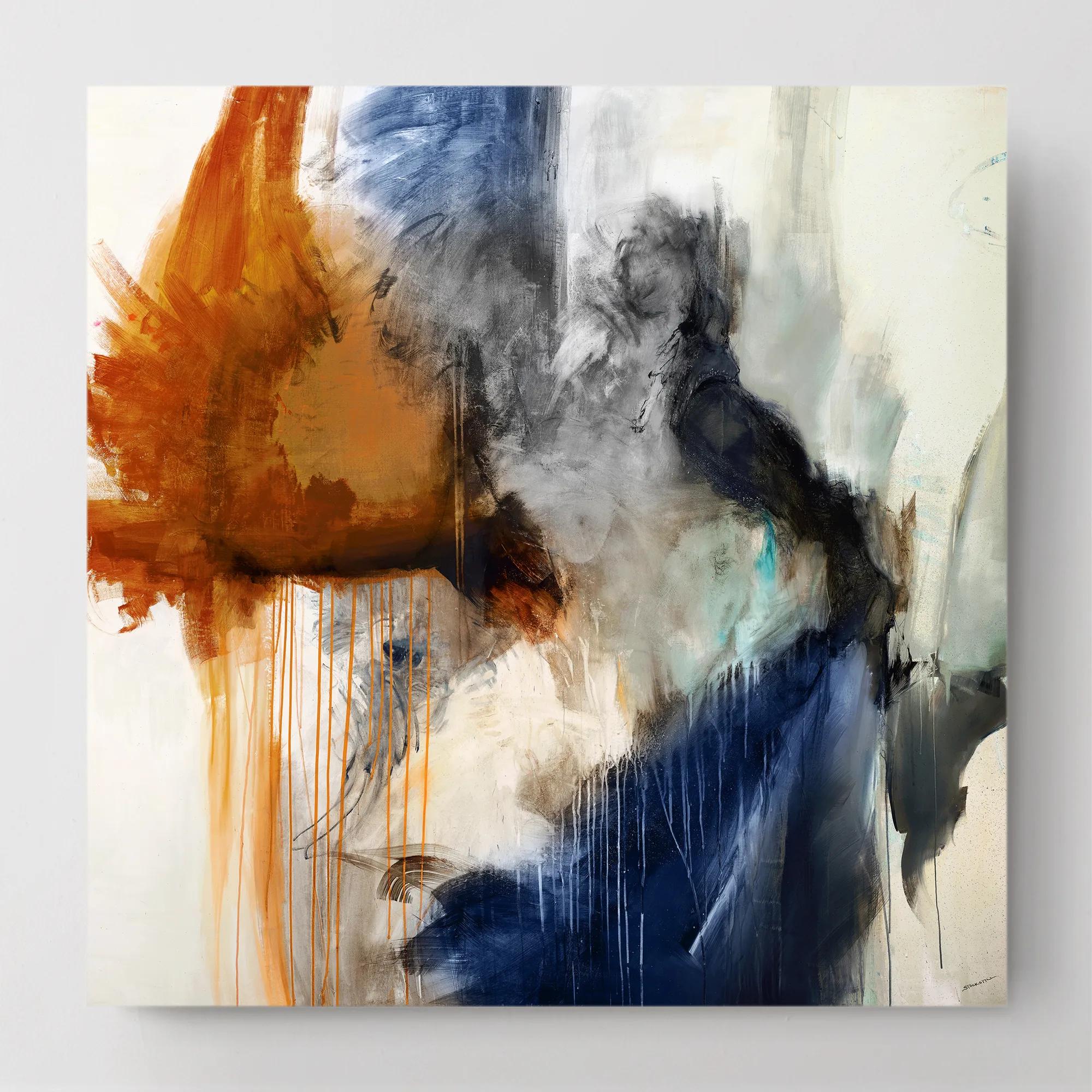
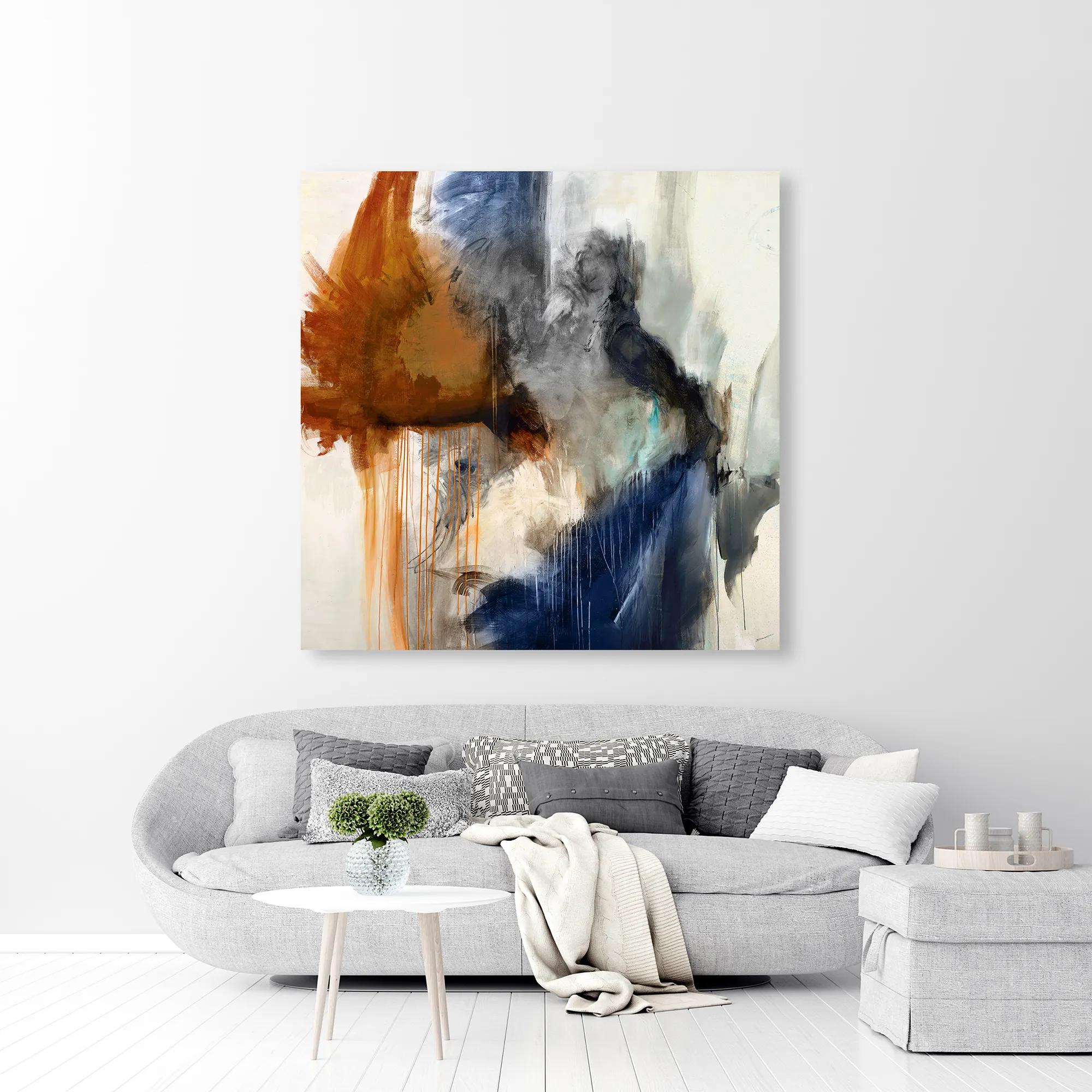 Swoon 6 Wall Art 54" x 54"$899
A gallery-wrapped canvas featuring a hand-applied image brush gel finish for a textured, artistic look.
Add To Cart -
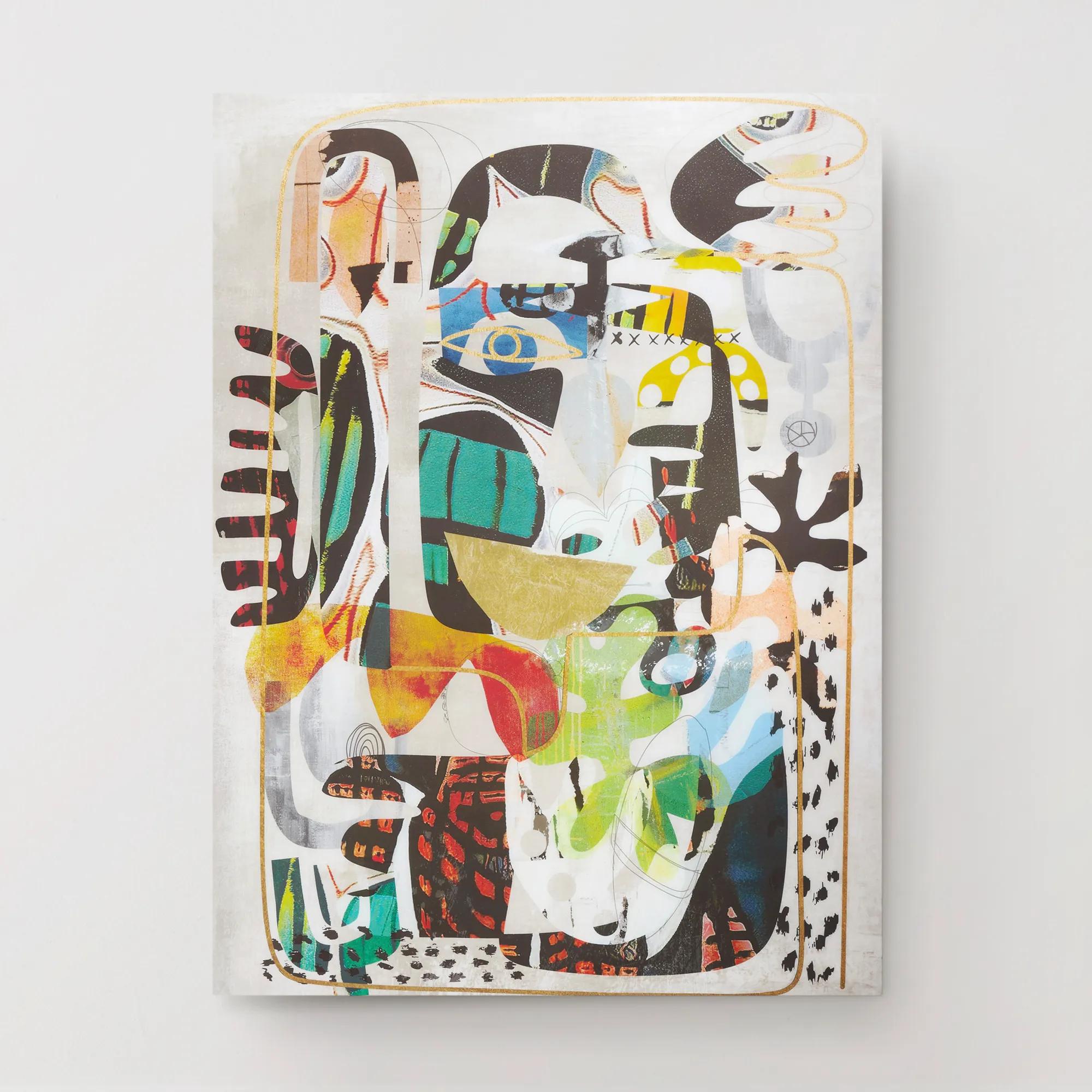
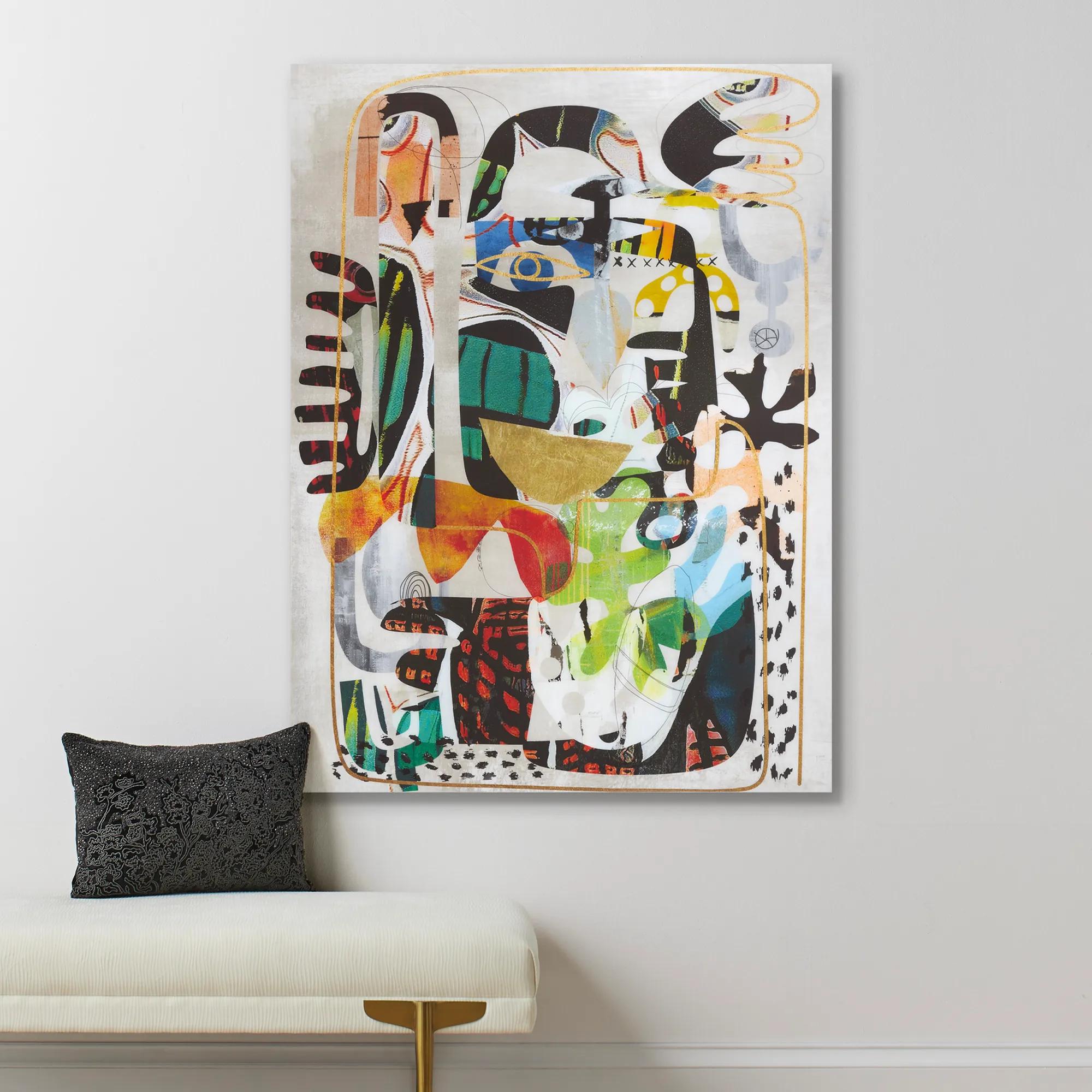 Nikki Chu Masked Wall Art 40" x 54"$899
A vibrant giclee print on canvas featuring a hand-applied glossy finish for a modern statement.
Add To Cart -
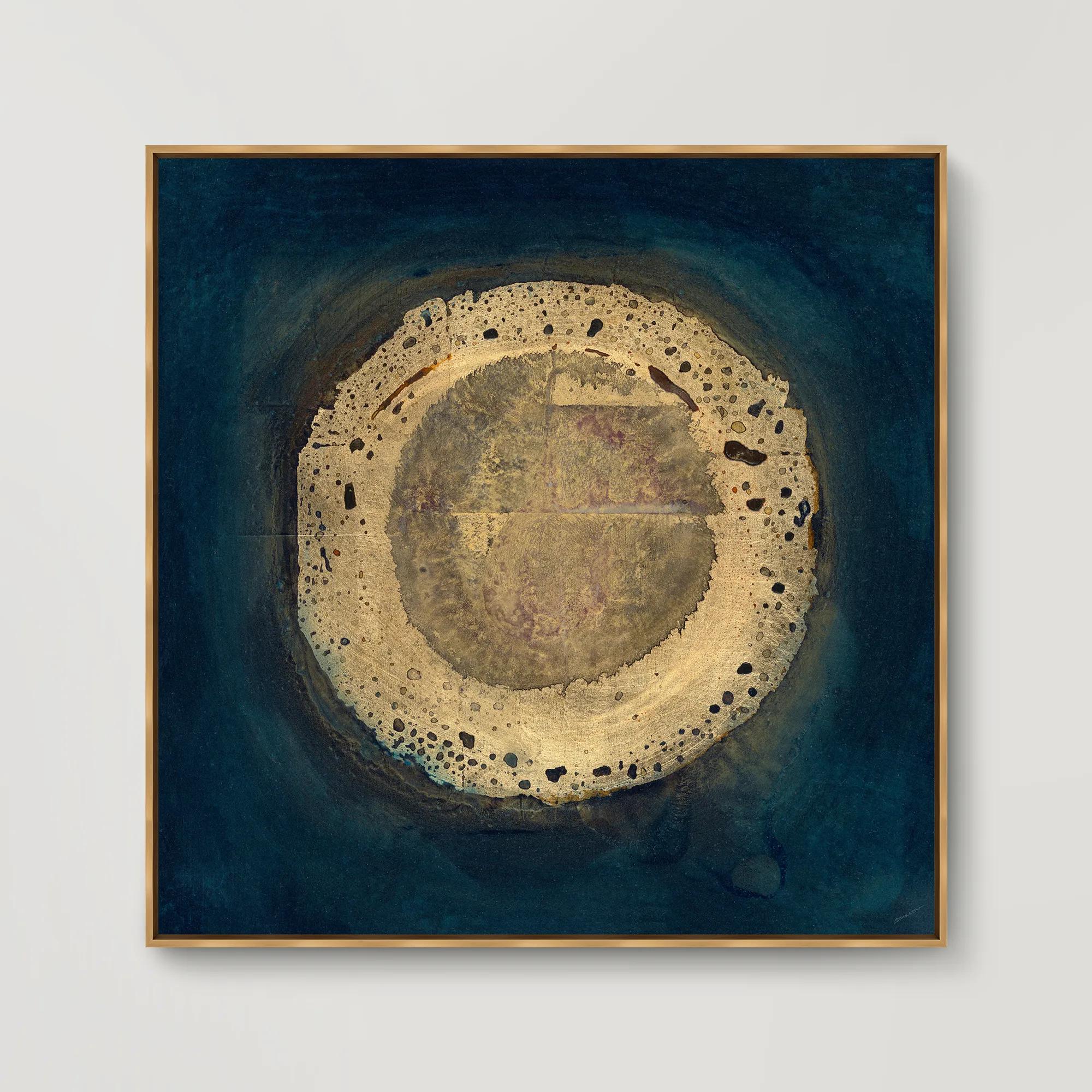
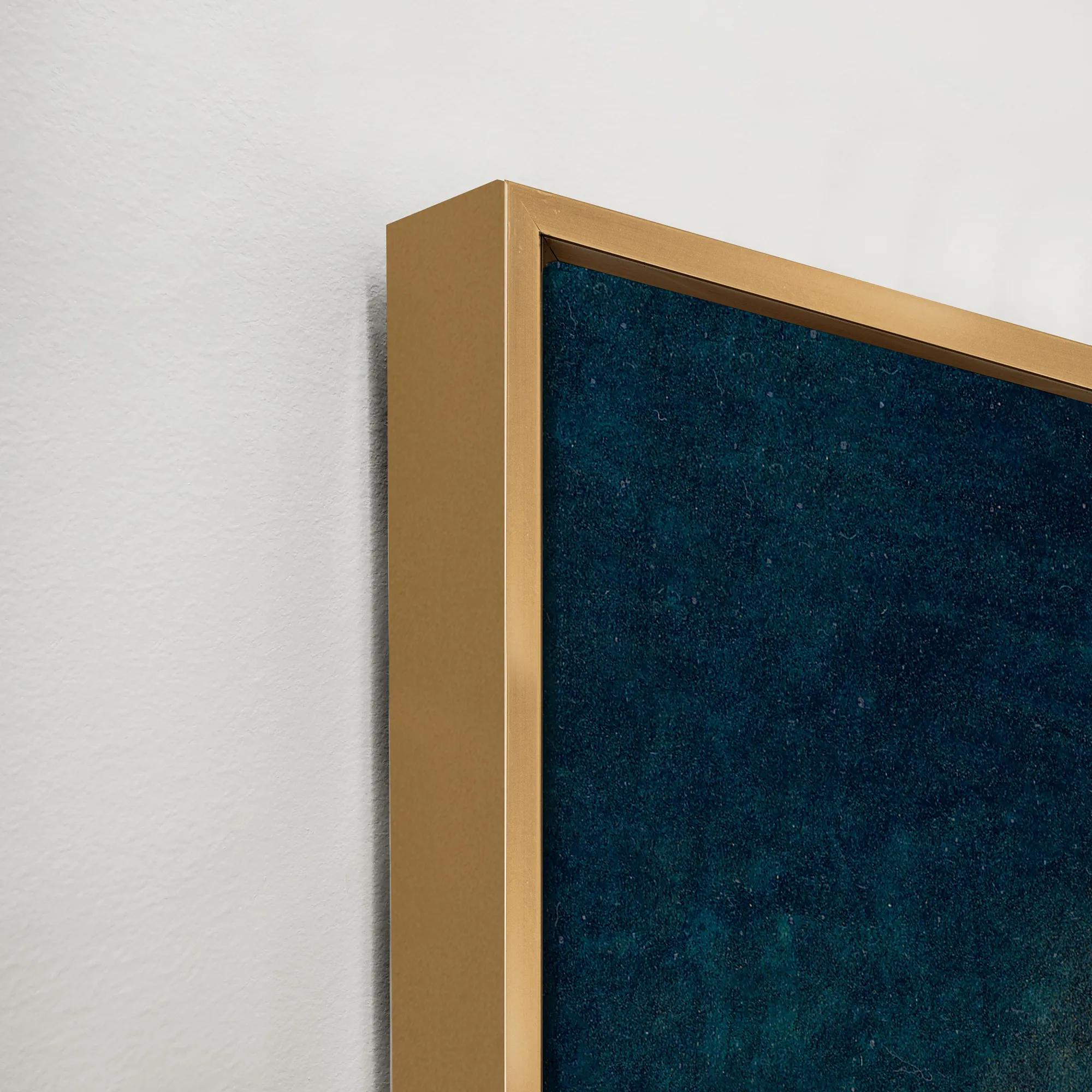 Bramble I Framed Wall Art 41.5" x 41.5"$749
A gallery-wrapped abstract canvas with hand-applied gel finish, set in an elegant gold floater frame.
Add To Cart -
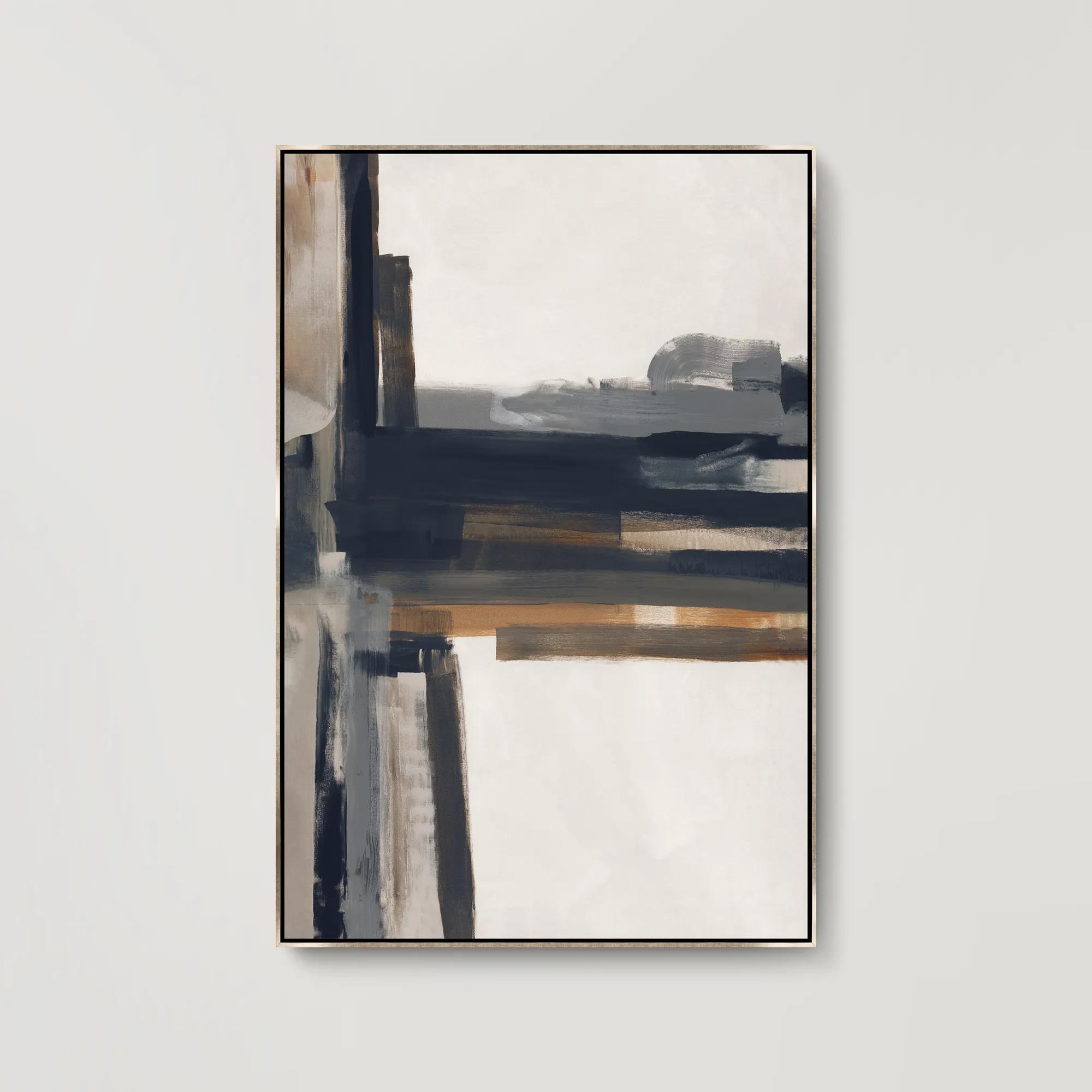
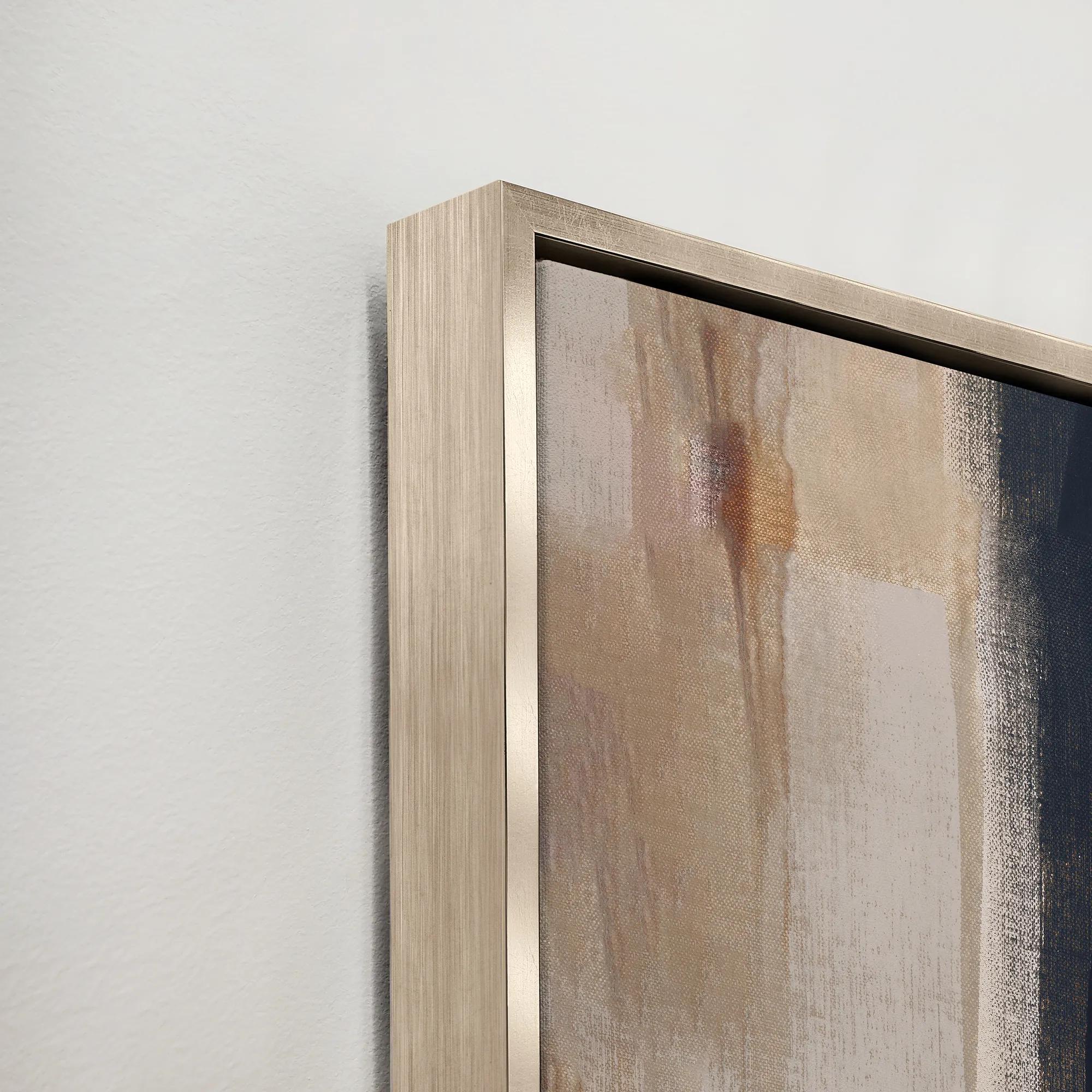 Imposing Construct I Framed Wall Art 41.5" x 61.5"$949
A gallery-wrapped abstract canvas featuring hand-applied brush gel and set in a sleek silver floater frame.
Add To Cart -
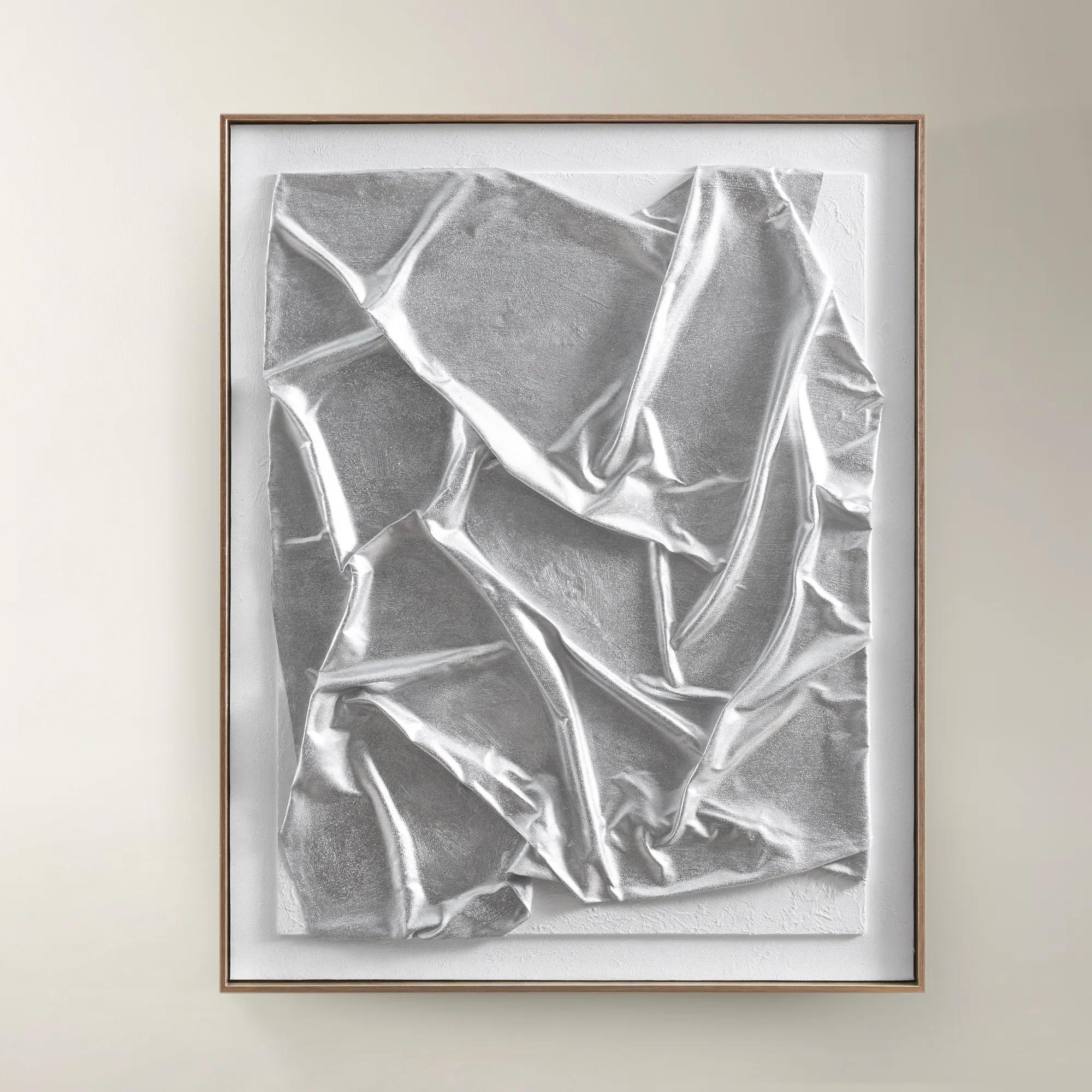 In the Mood Framed Painted Wall Art 31.5" x 39.5"$199
A hand-painted abstract canvas in shimmering silver tones, set in a warm champagne floater frame.
Add To Cart -
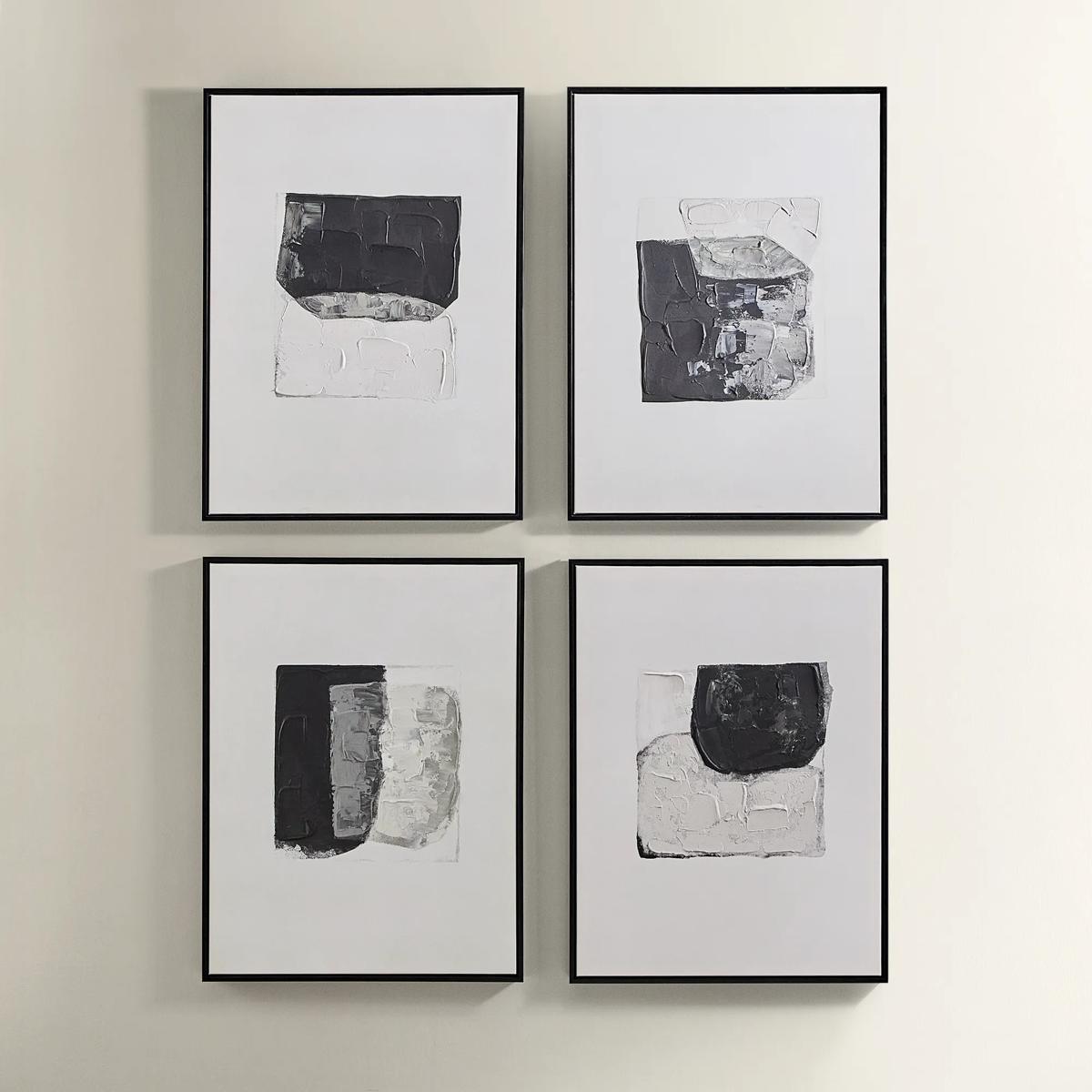
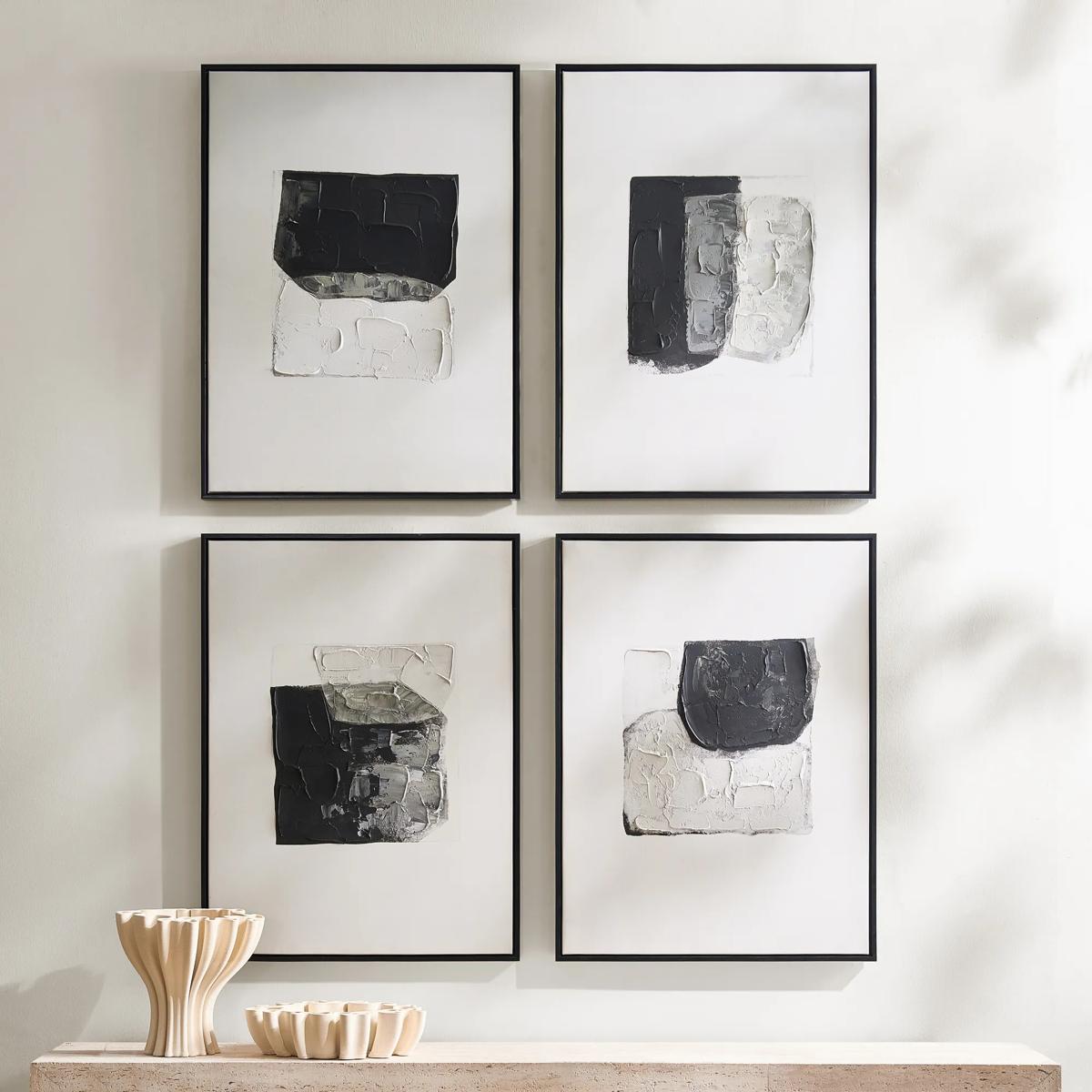 Shadows Framed Painted Wall Art Set of 4$299
A set of four hand-painted abstract canvases featuring black, white, and gold accents in black frames.
Add To Cart -
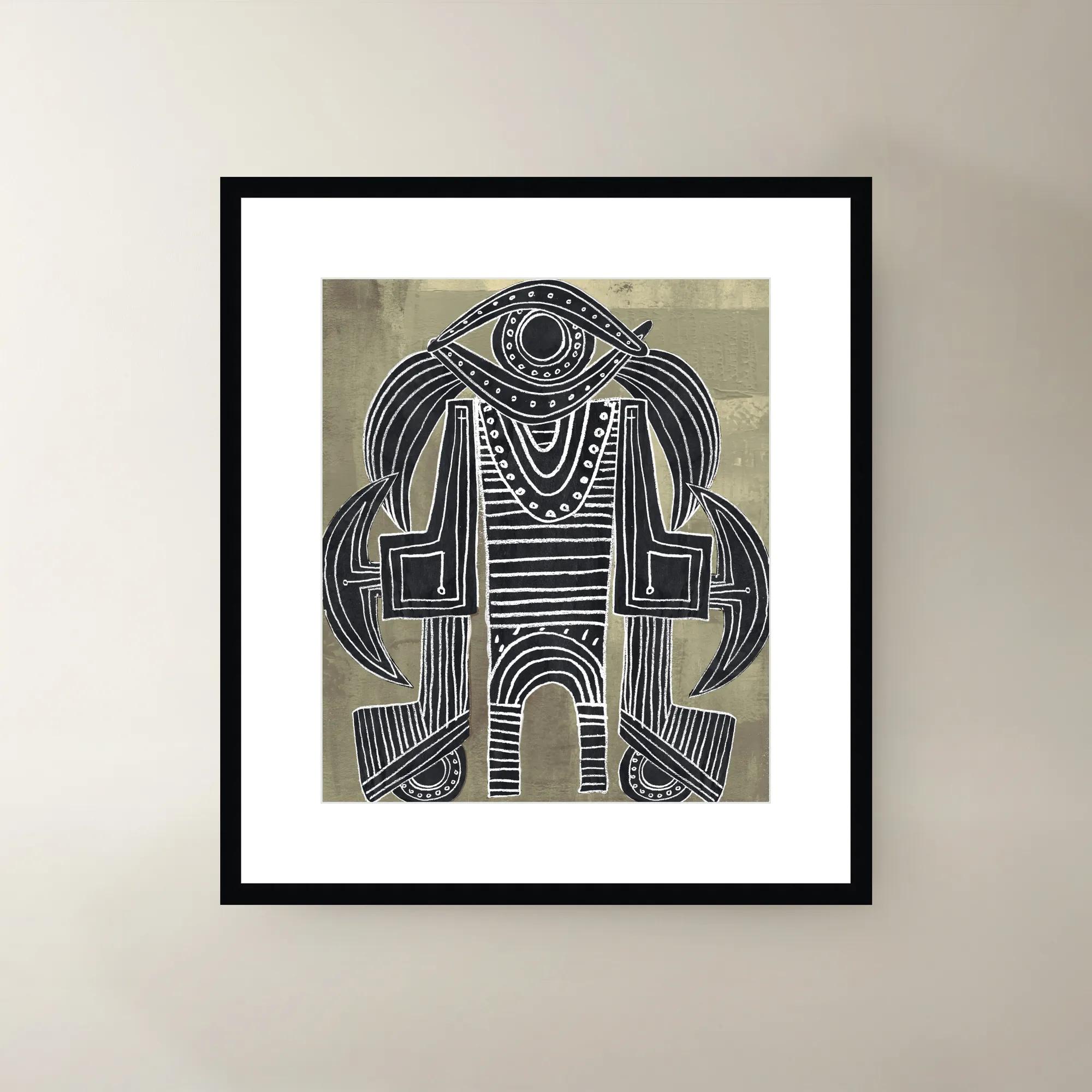
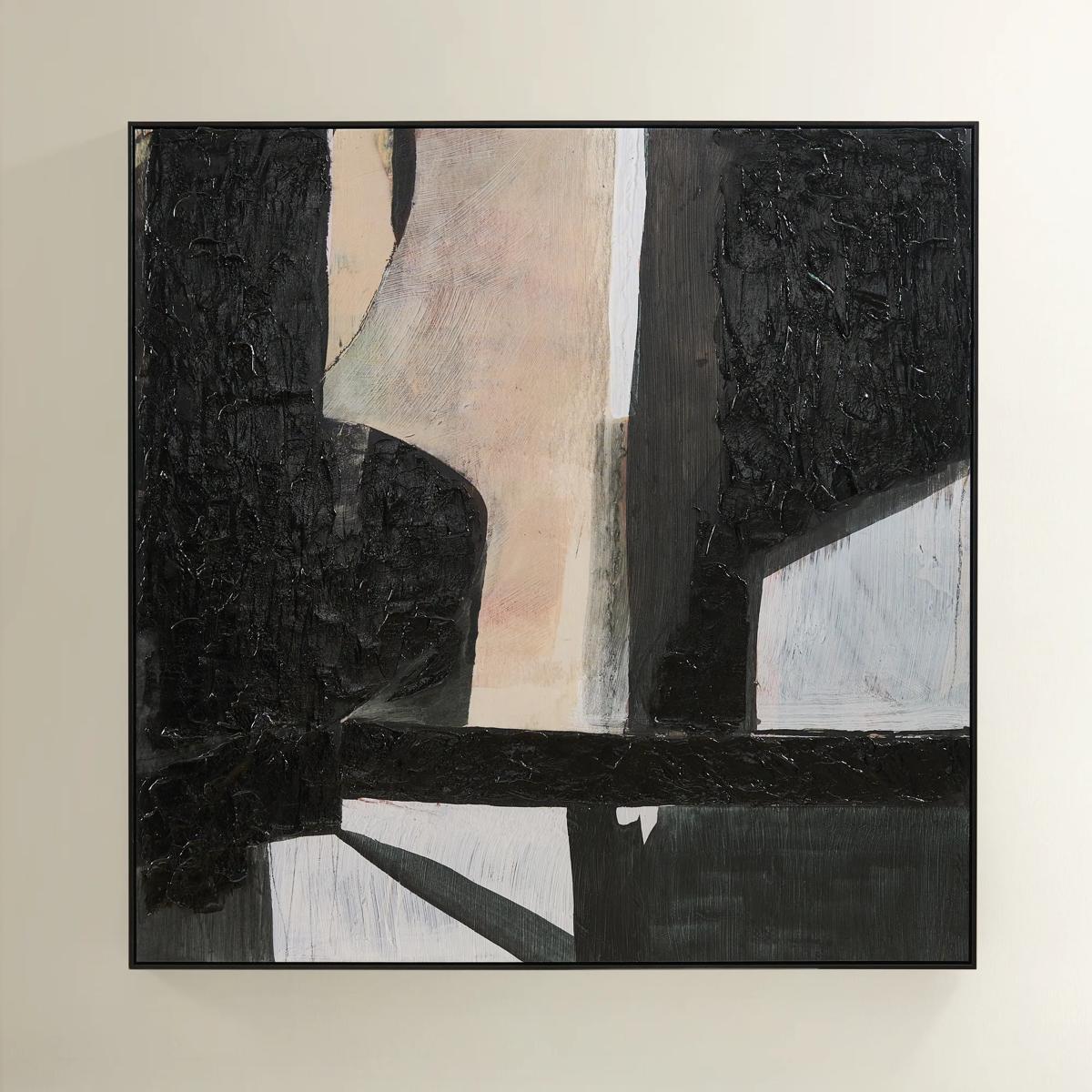 Grounded Painting$699
A hand-painted abstract canvas featuring black, cream, and earth tones in a sleek black floater frame.
Add To Cart -
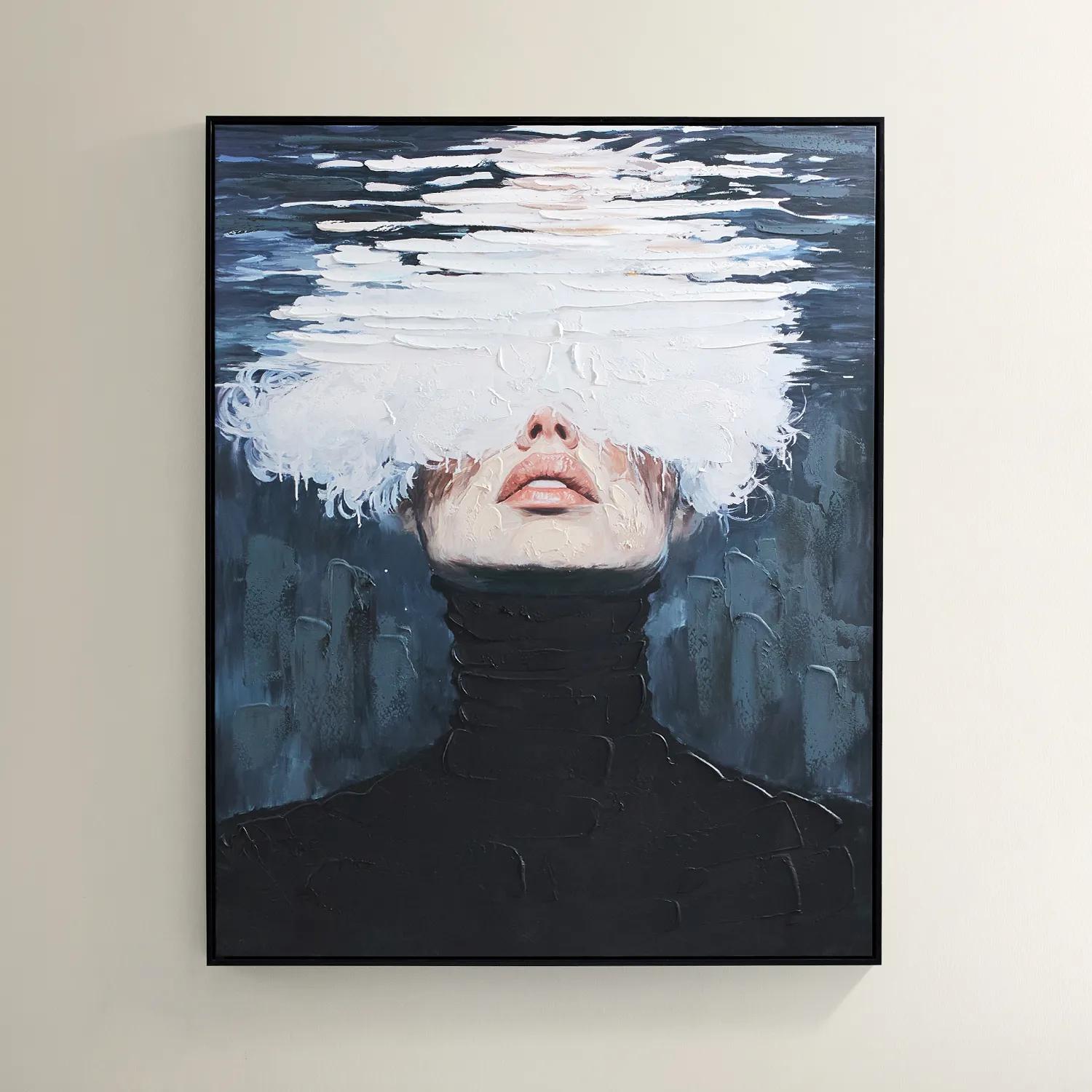
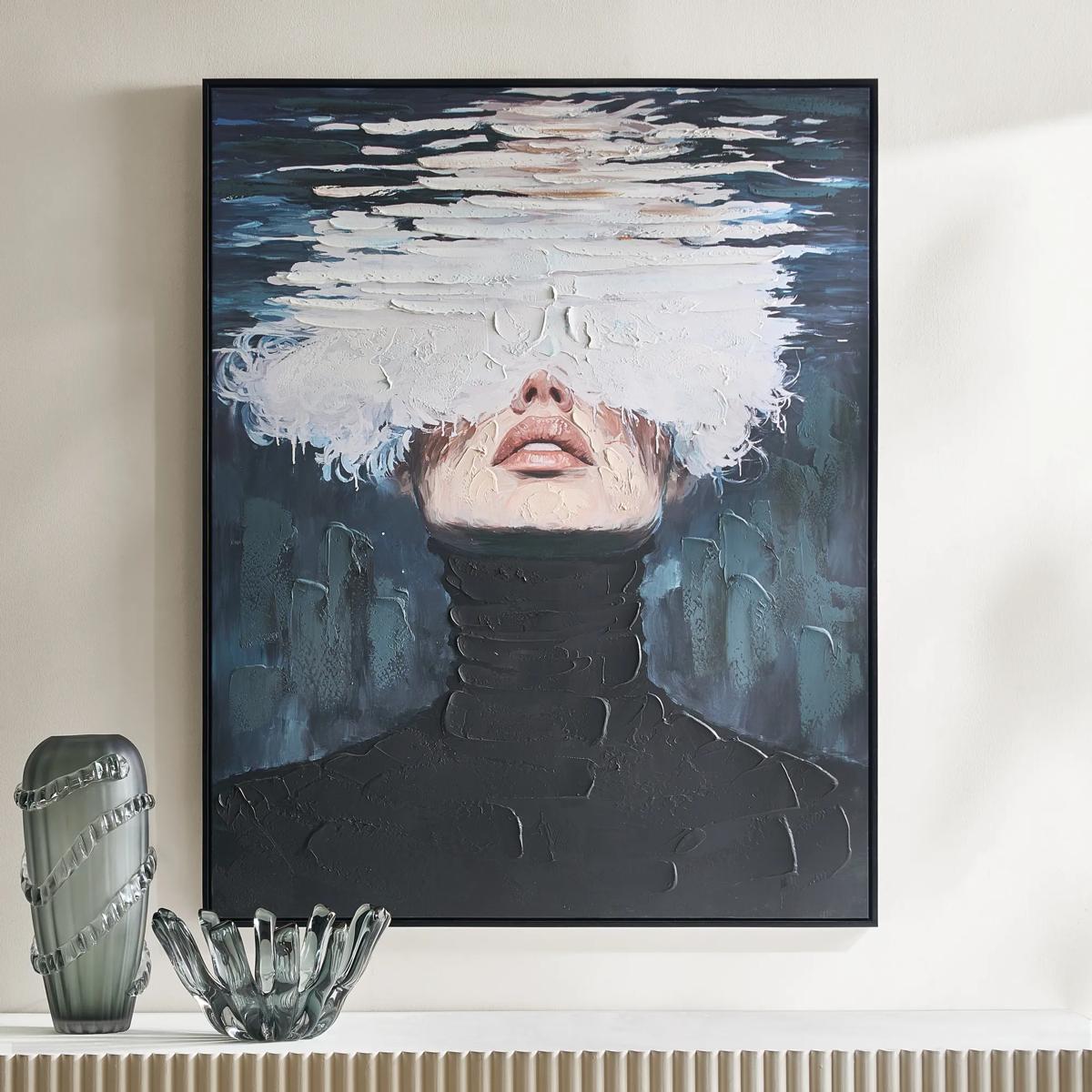 Submerged Framed Painted Wall Art 40" x 50"$599
A hand-painted canvas featuring a surreal portrait in black, blue, and white with a black floater frame.
Add To Cart -
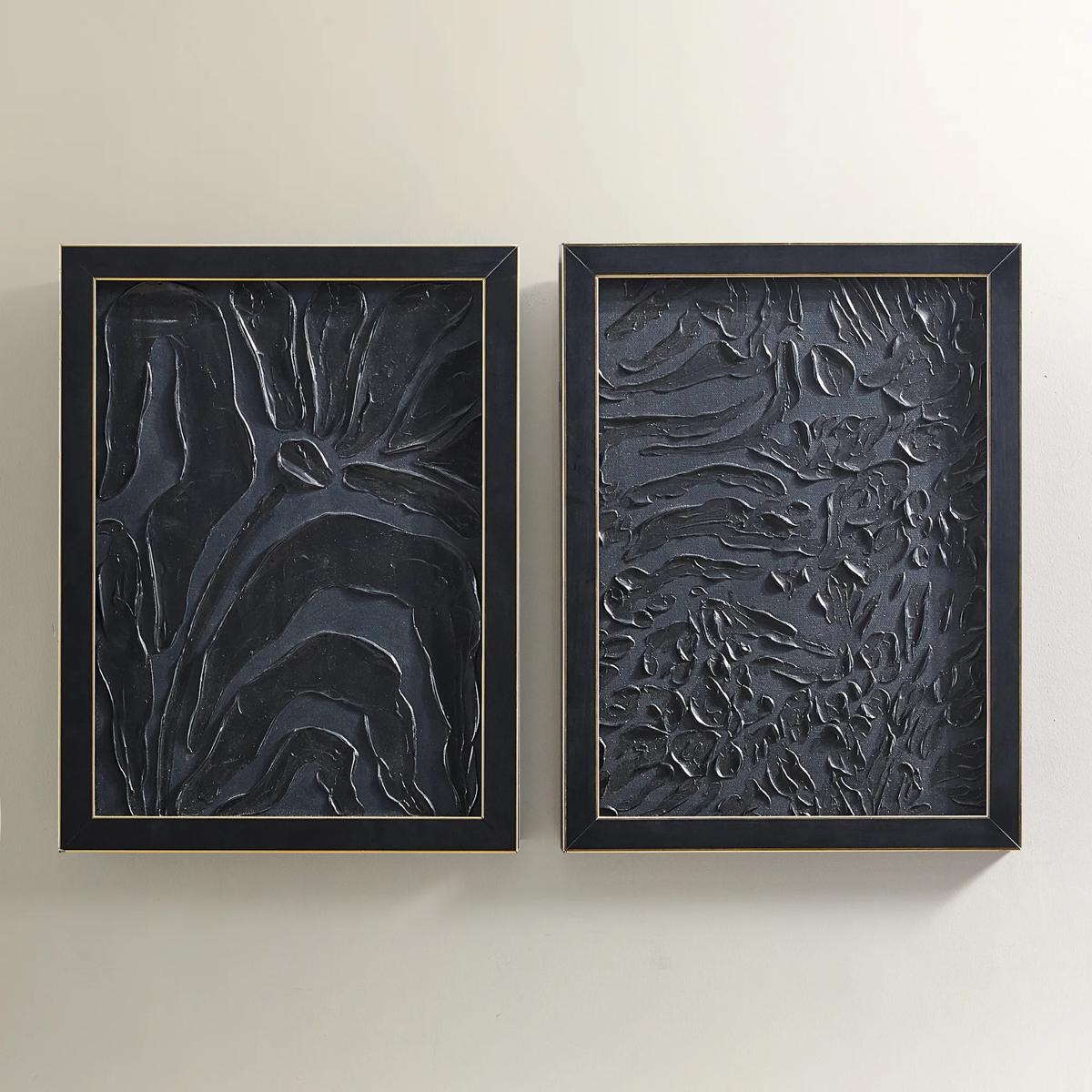
 Midnight Animal Painting - Set of 2$119
A set of hand-embellished canvas artworks in black and gold frames, adding depth and warmth to interiors.
Add To Cart -
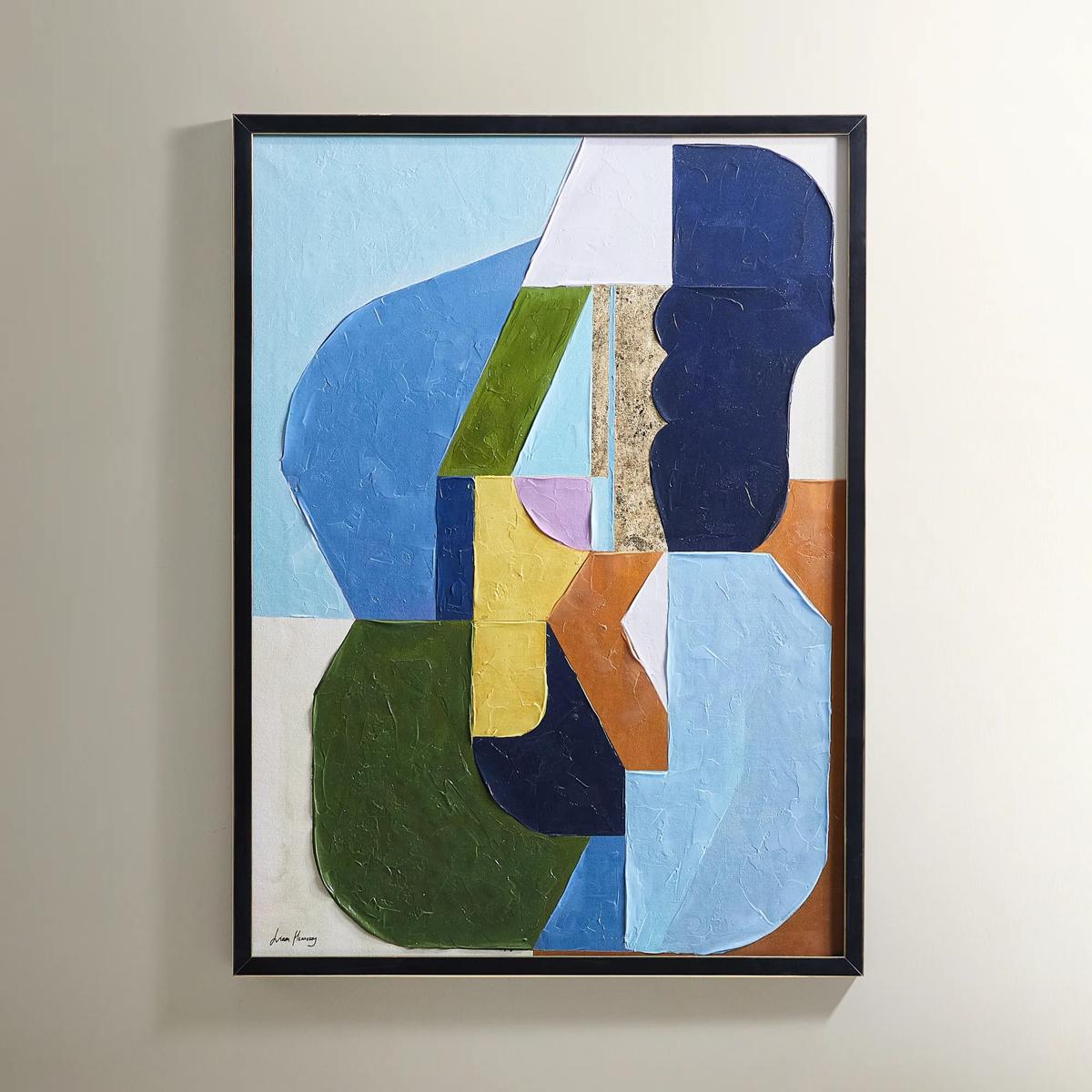
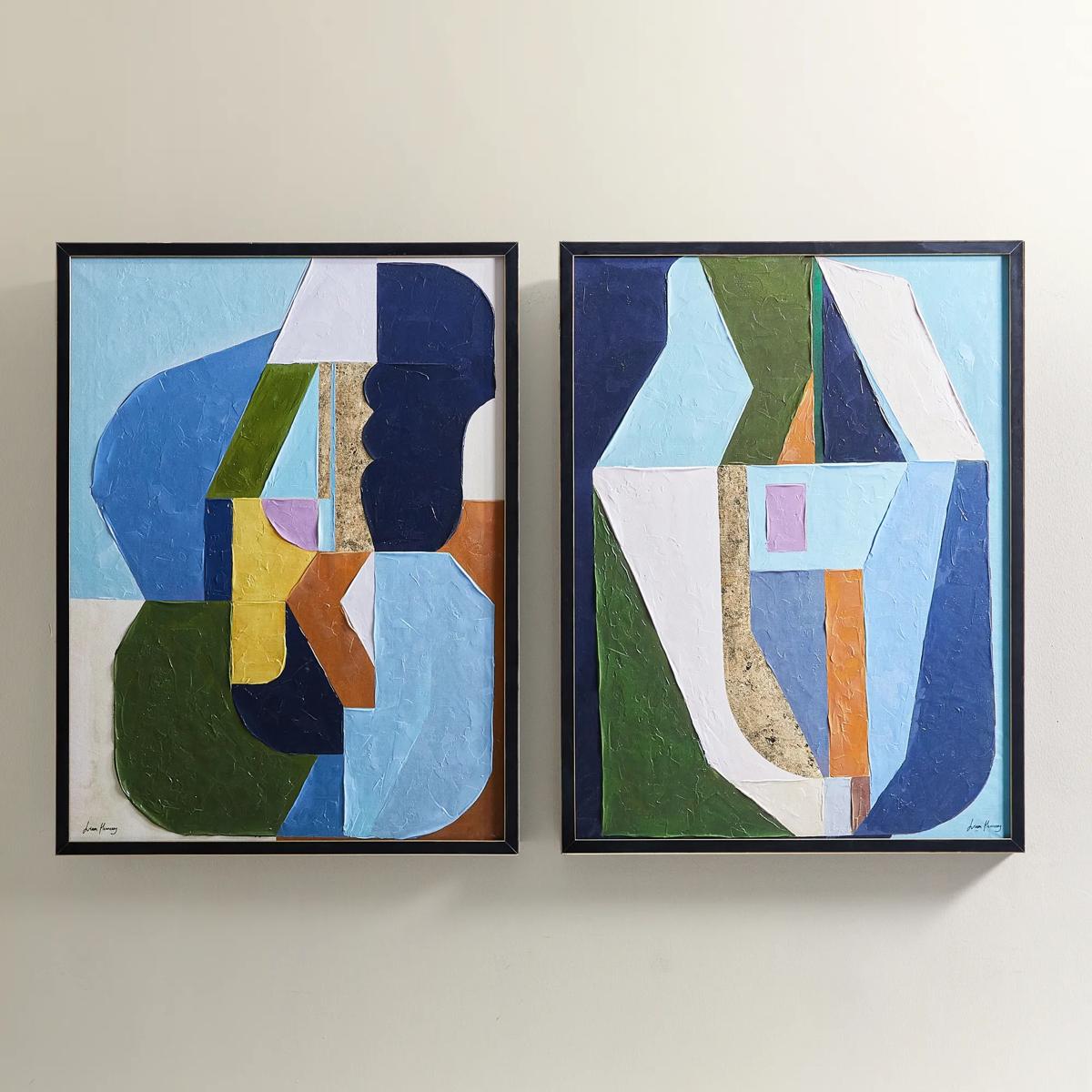 Thought Provoking Painting 1$249
A hand-embellished canvas artwork featuring textured strokes in deep blue, olive green, and gold accents.
Add To Cart -
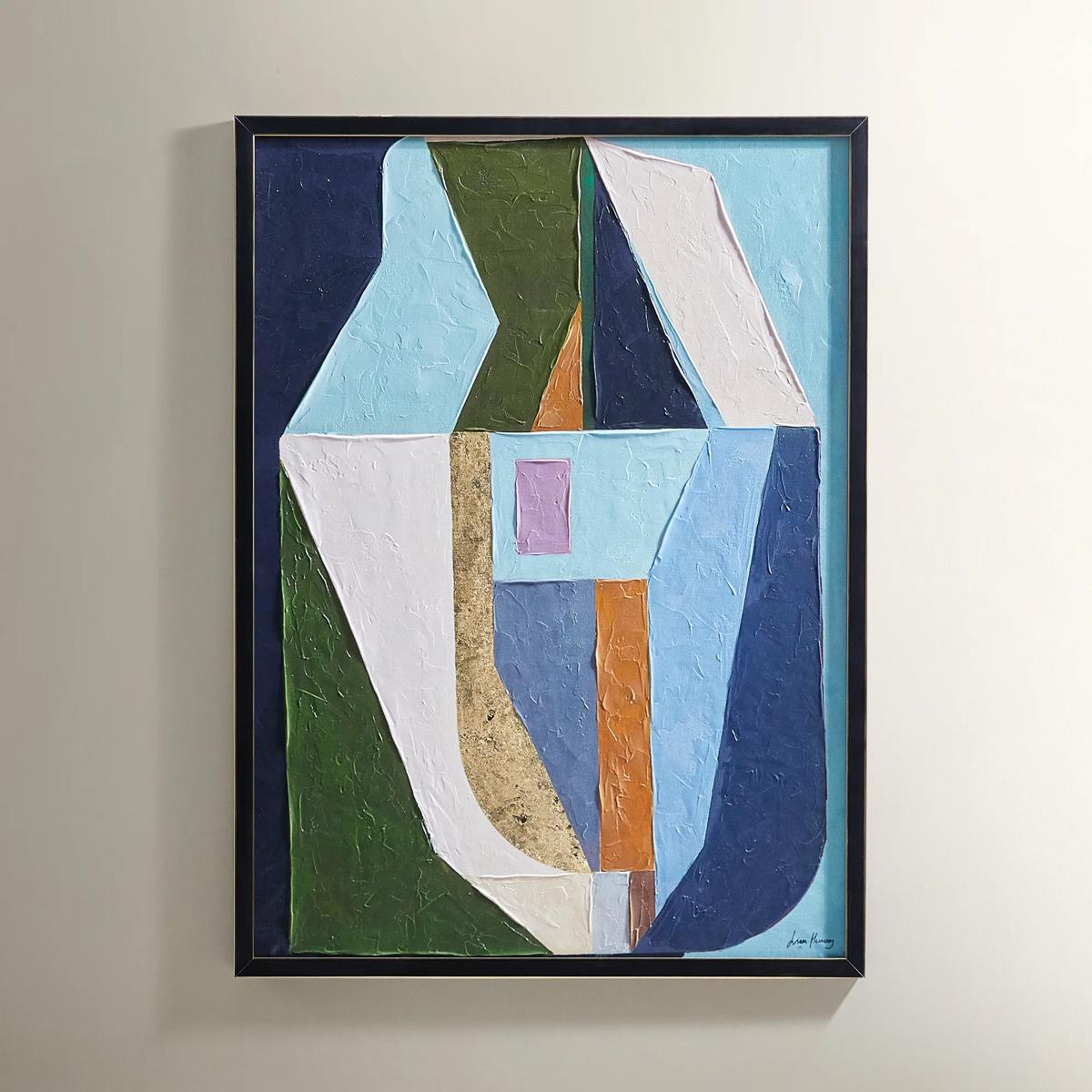 Thought Provoking Painting 2$249
A hand-embellished canvas artwork featuring textured strokes in deep blue, olive green, and gold accents.
Add To Cart -
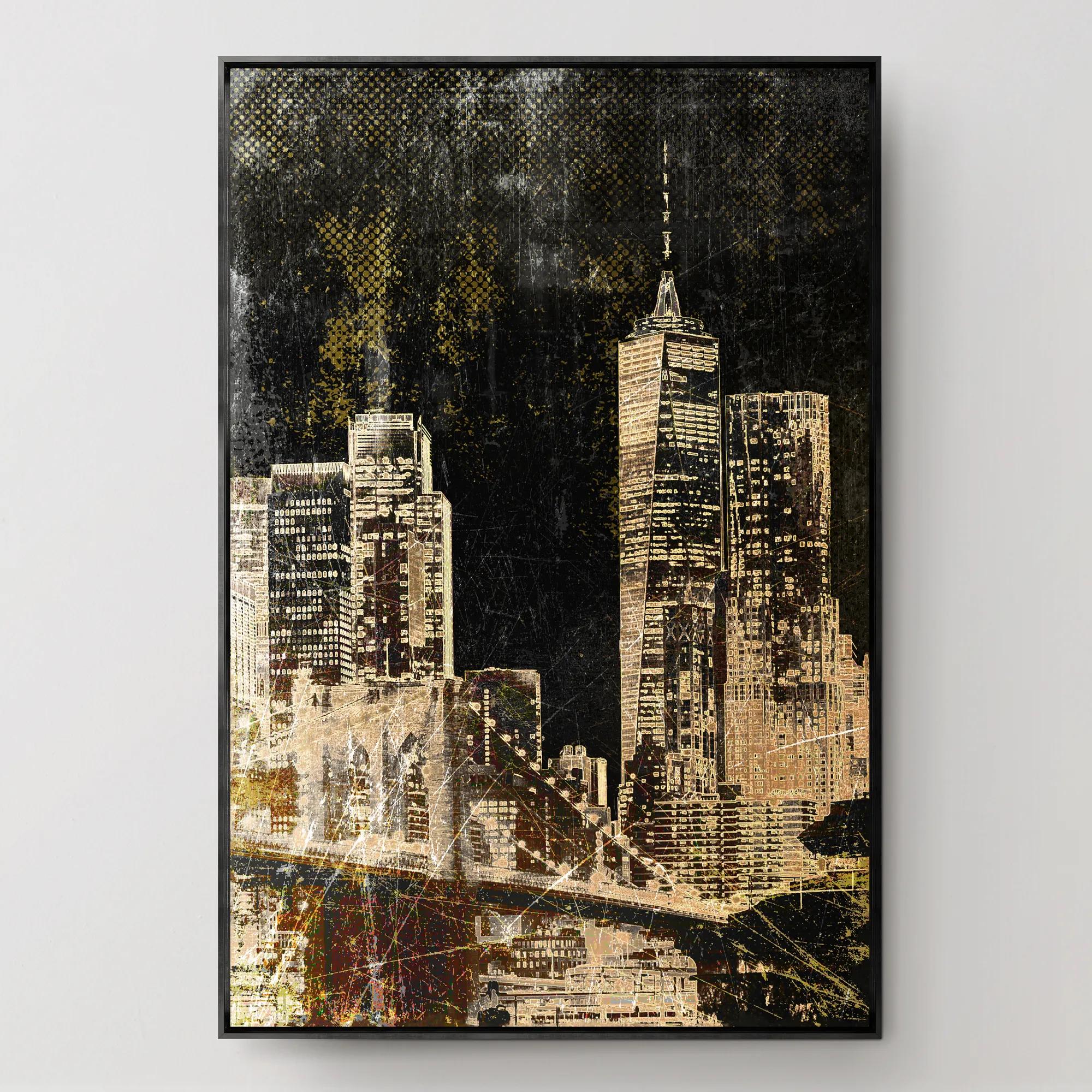
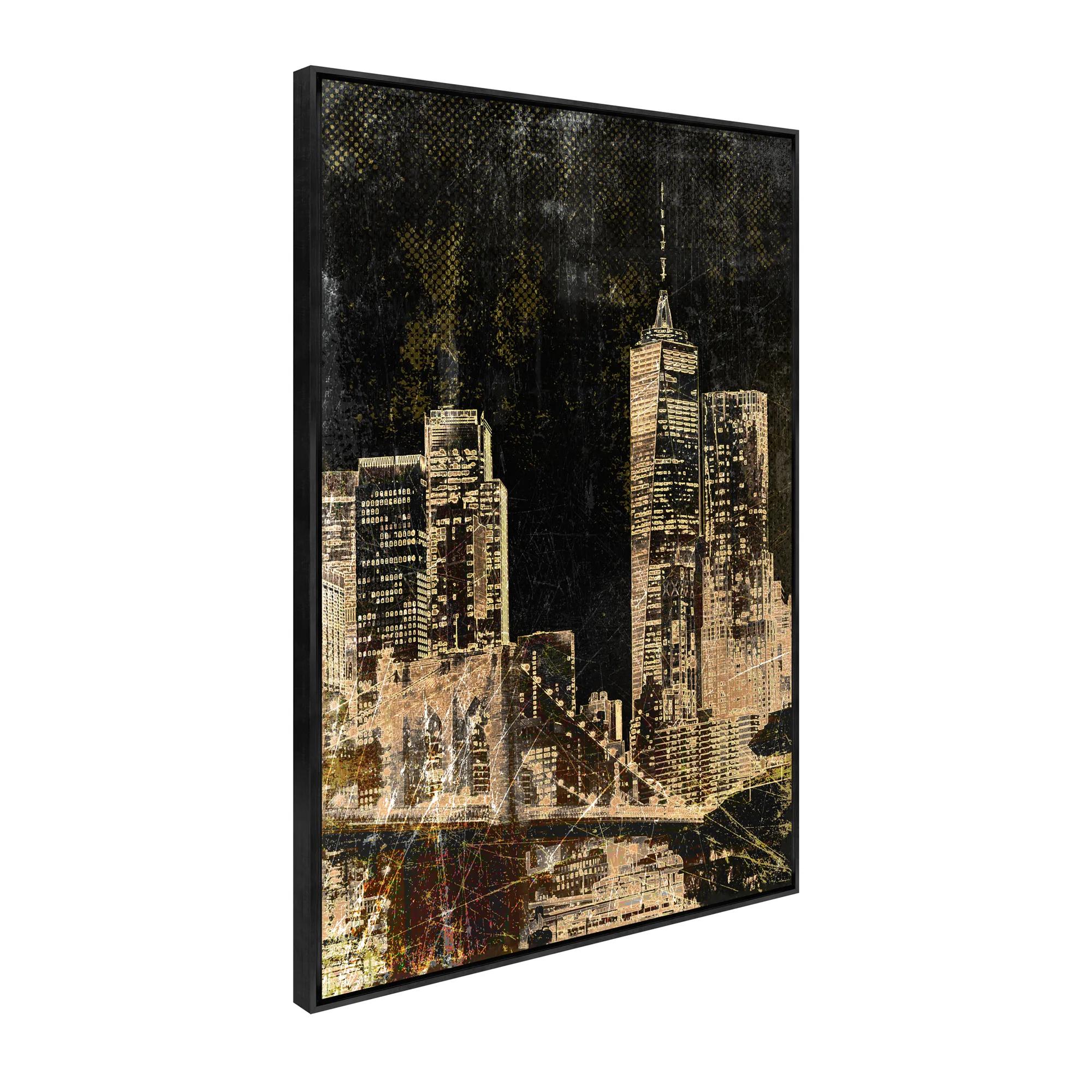 New York Lights Framed Wall Art 30" x 45"$649
A gallery-wrapped canvas artwork featuring a hand-applied gel finish and sleek black floater frame.
Add To Cart -
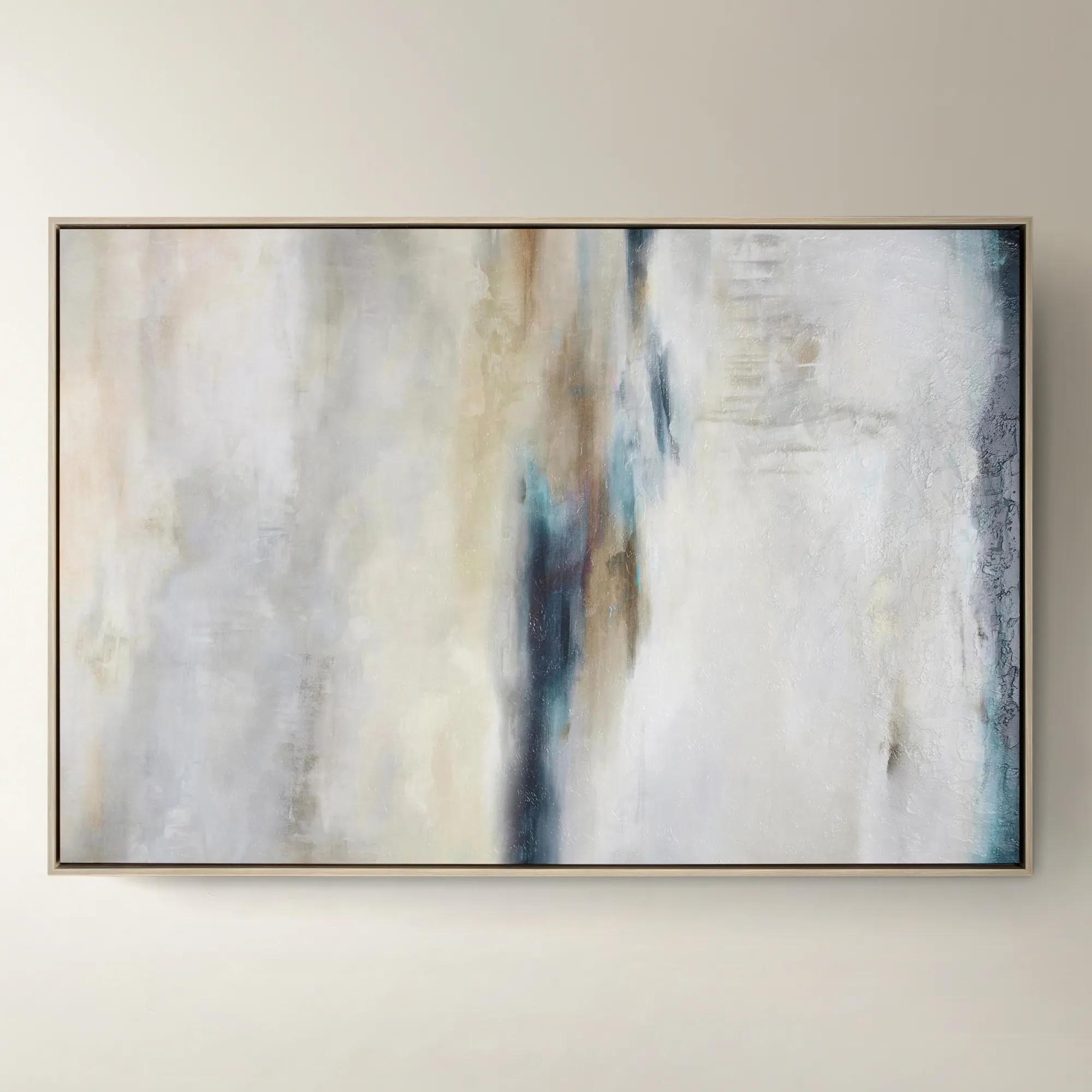
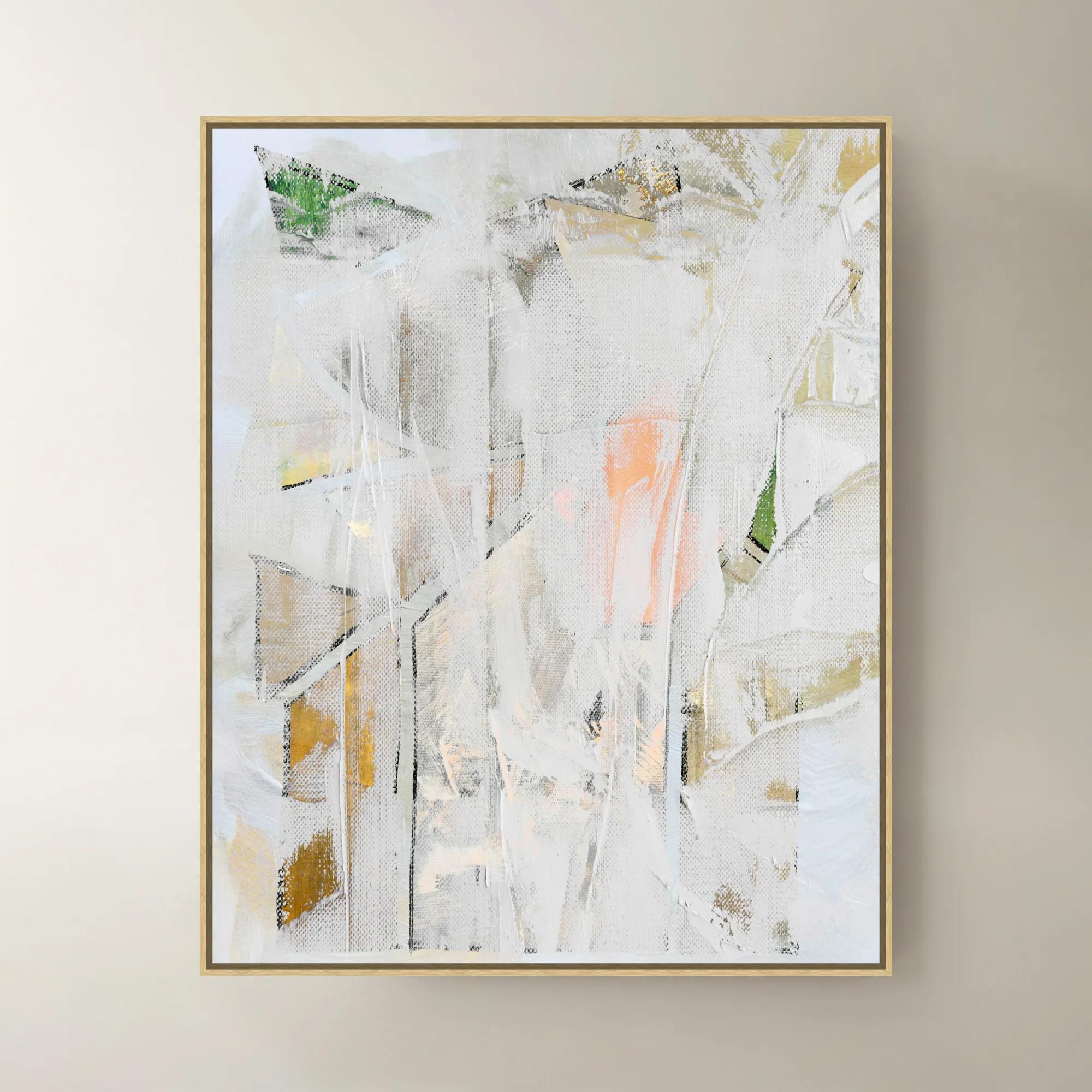
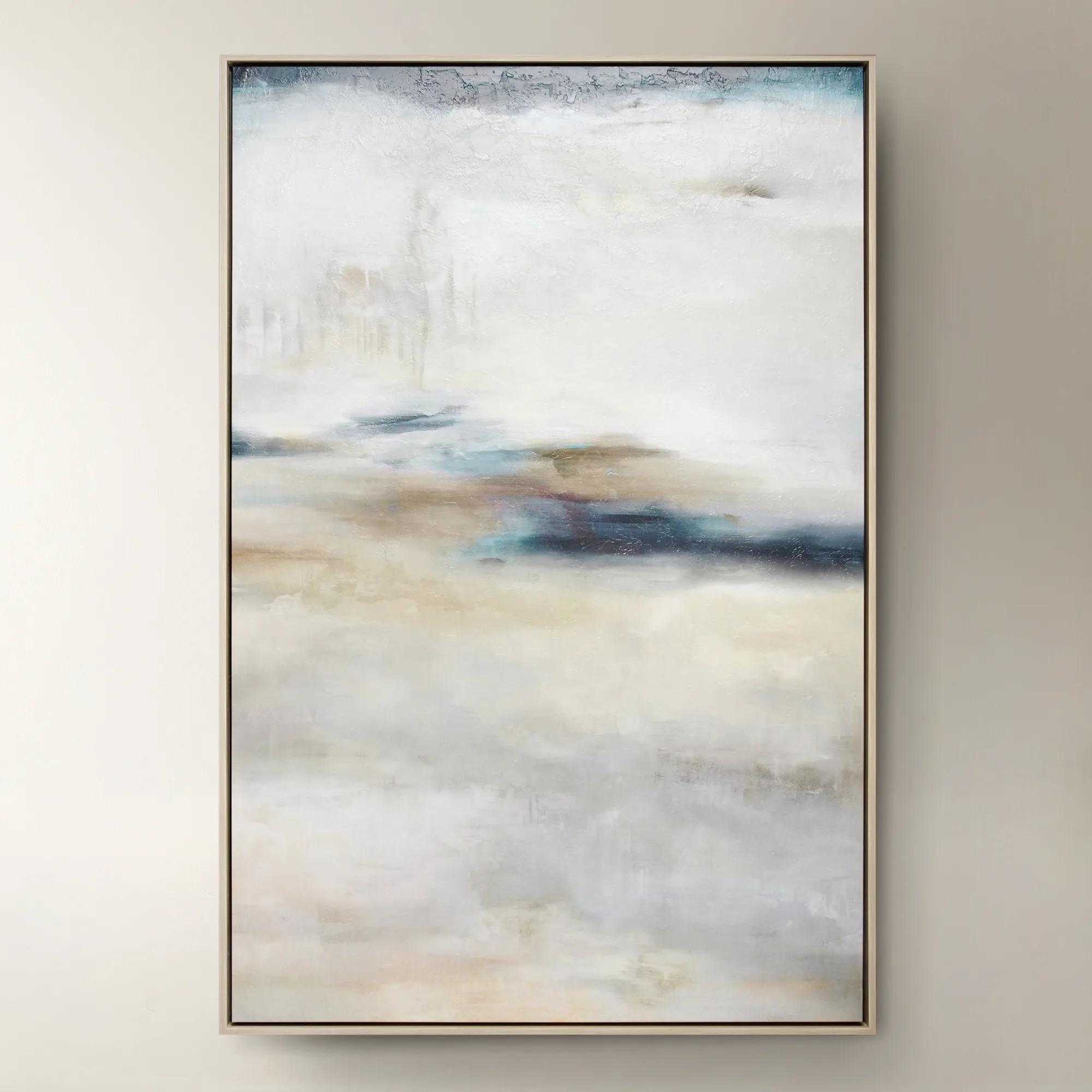 Forward Looking$1299
A softly layered abstract canvas print with a gel finish, set in a natural-hued floater frame.
Add To Cart -
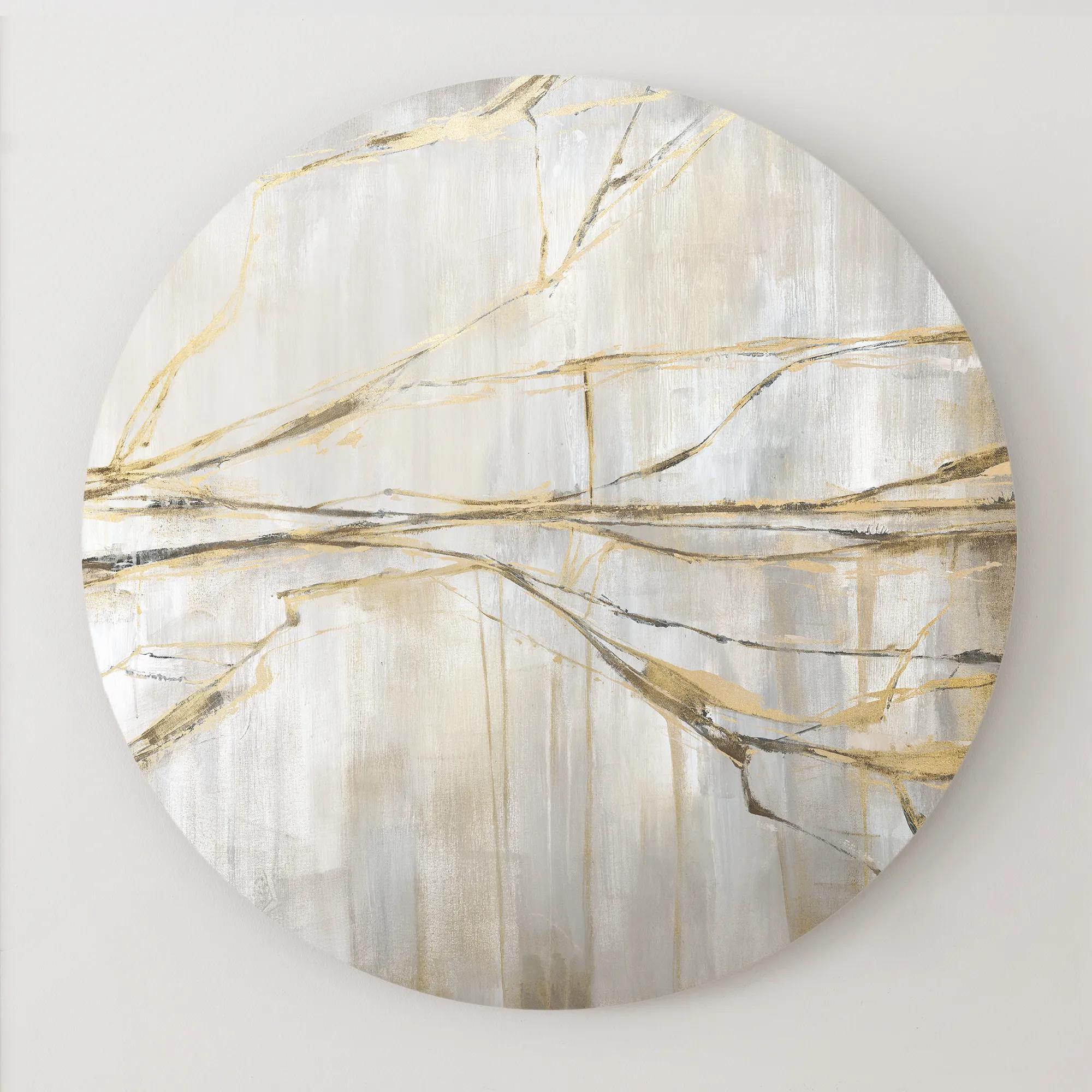
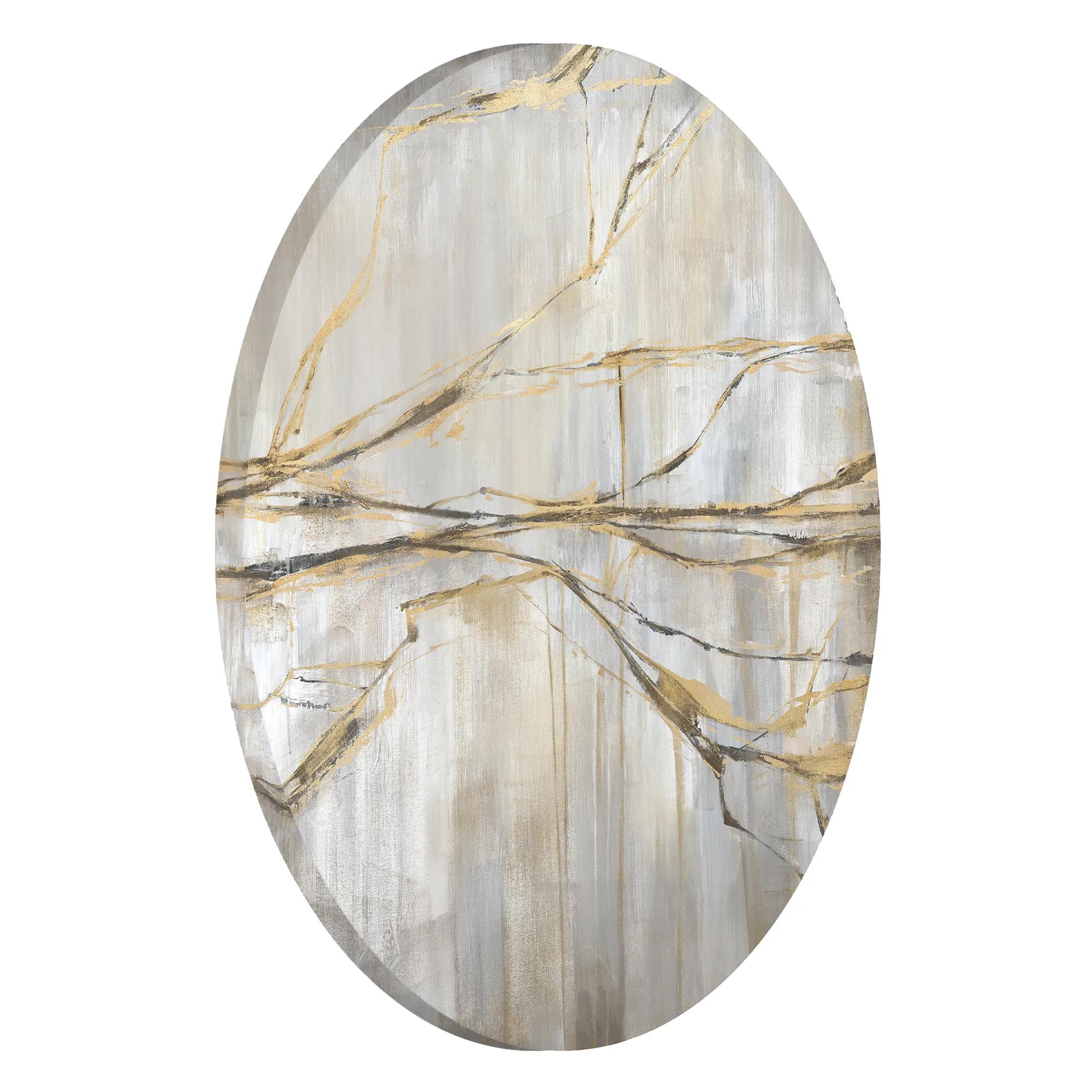 Lightening Crashes Round Wall Art 30"$899
A hand-textured circular linen canvas featuring a gallery-wrapped design for versatile wall display.
Add To Cart -
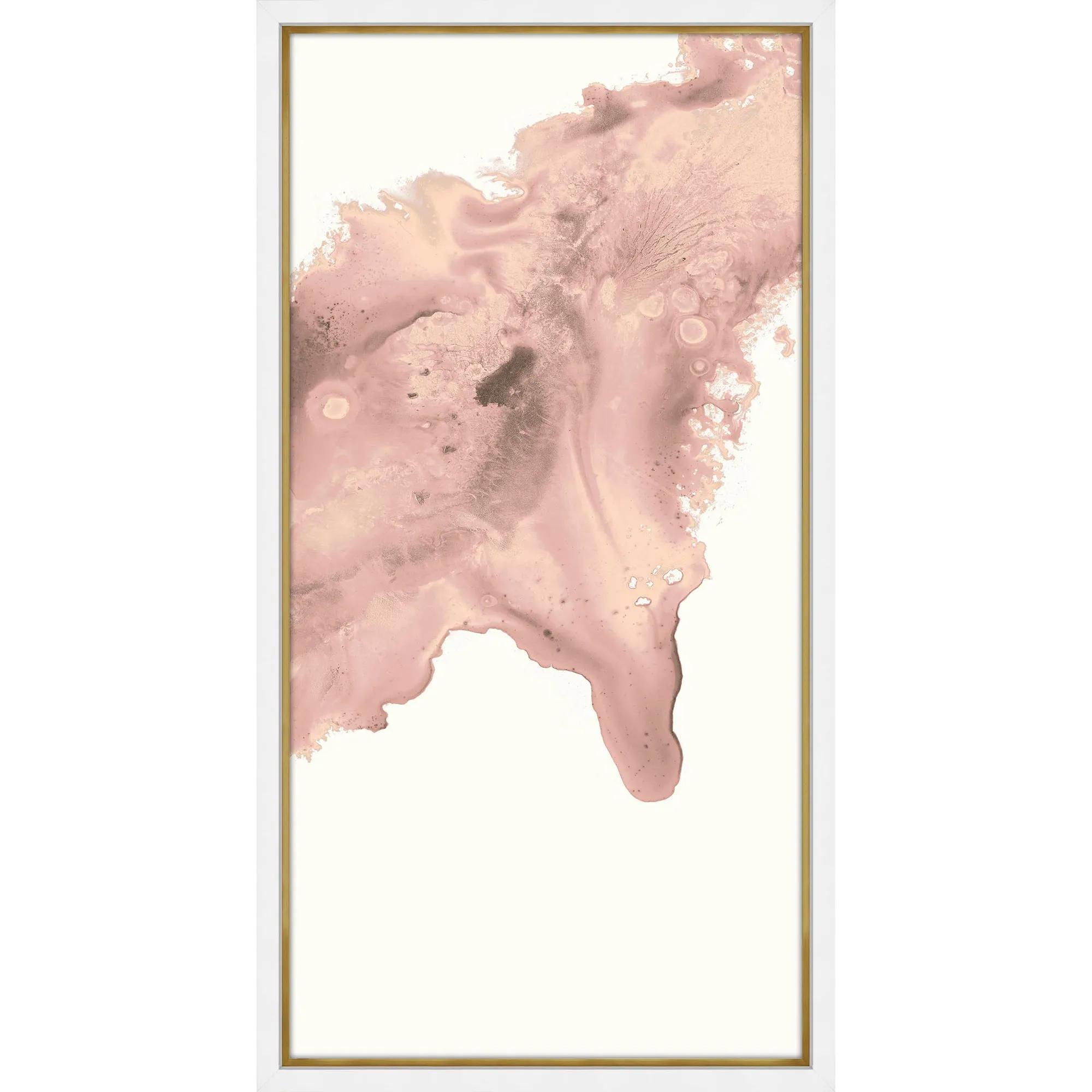
 Blush Conduit 2 Framed Wall Art 24" x 48"$849
A striking abstract print on pearl paper, elegantly framed in gold and matte white for modern appeal.
Add To Cart -
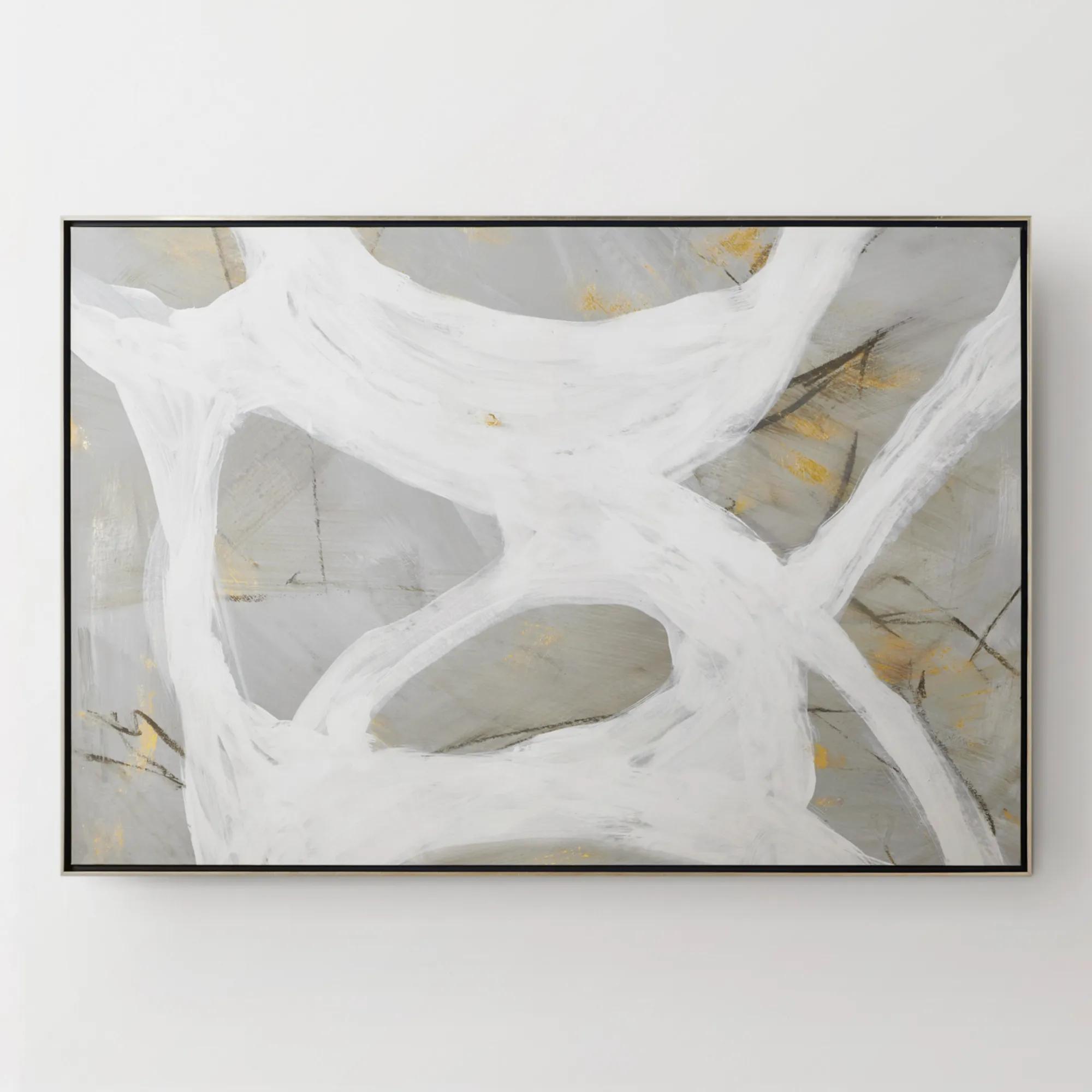
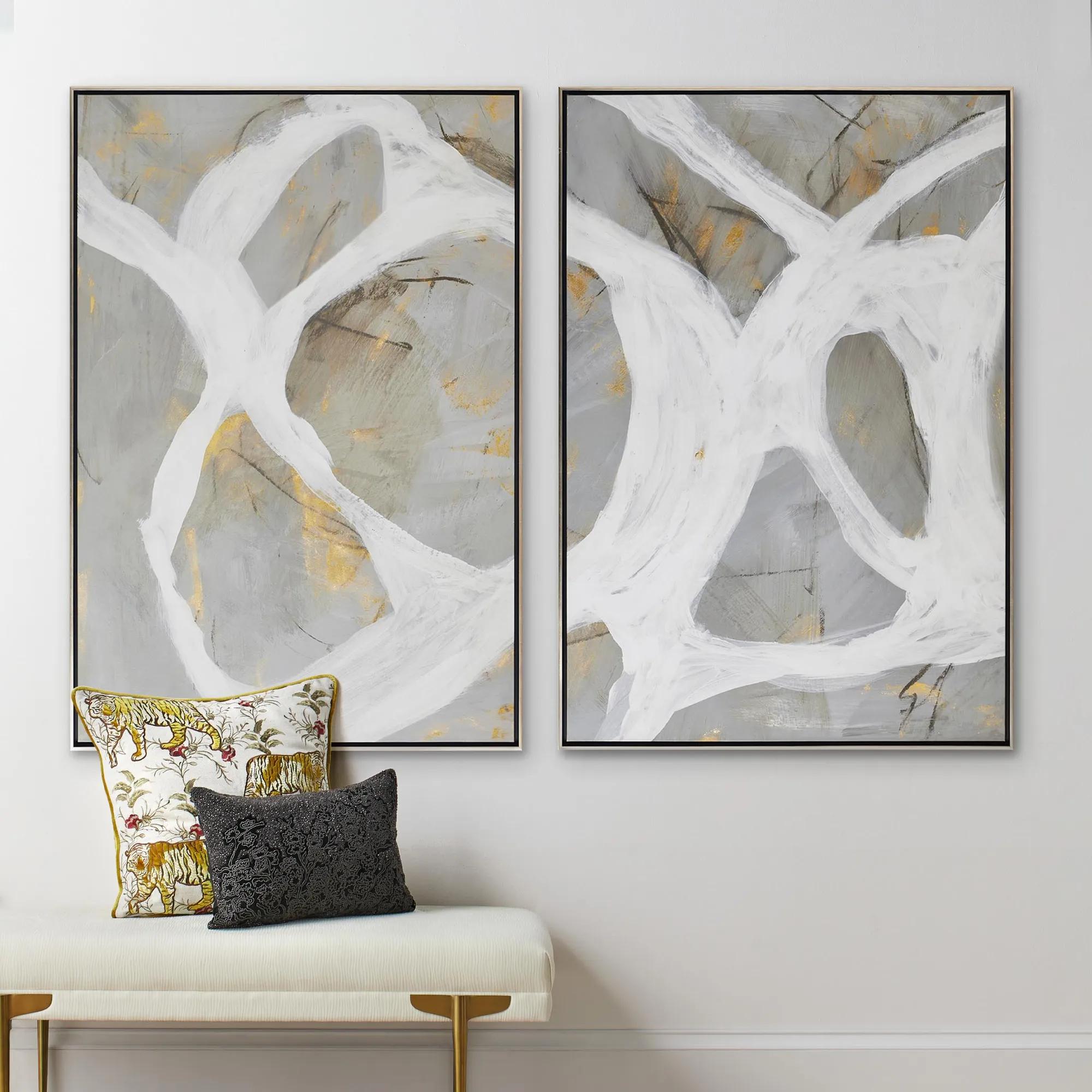 Les Series Framed Painted Wall Art II 61" x 41"$1099
An abstract canvas artwork featuring bold brushstrokes, hand-applied gold accents, and a silver floater frame.
Add To Cart -
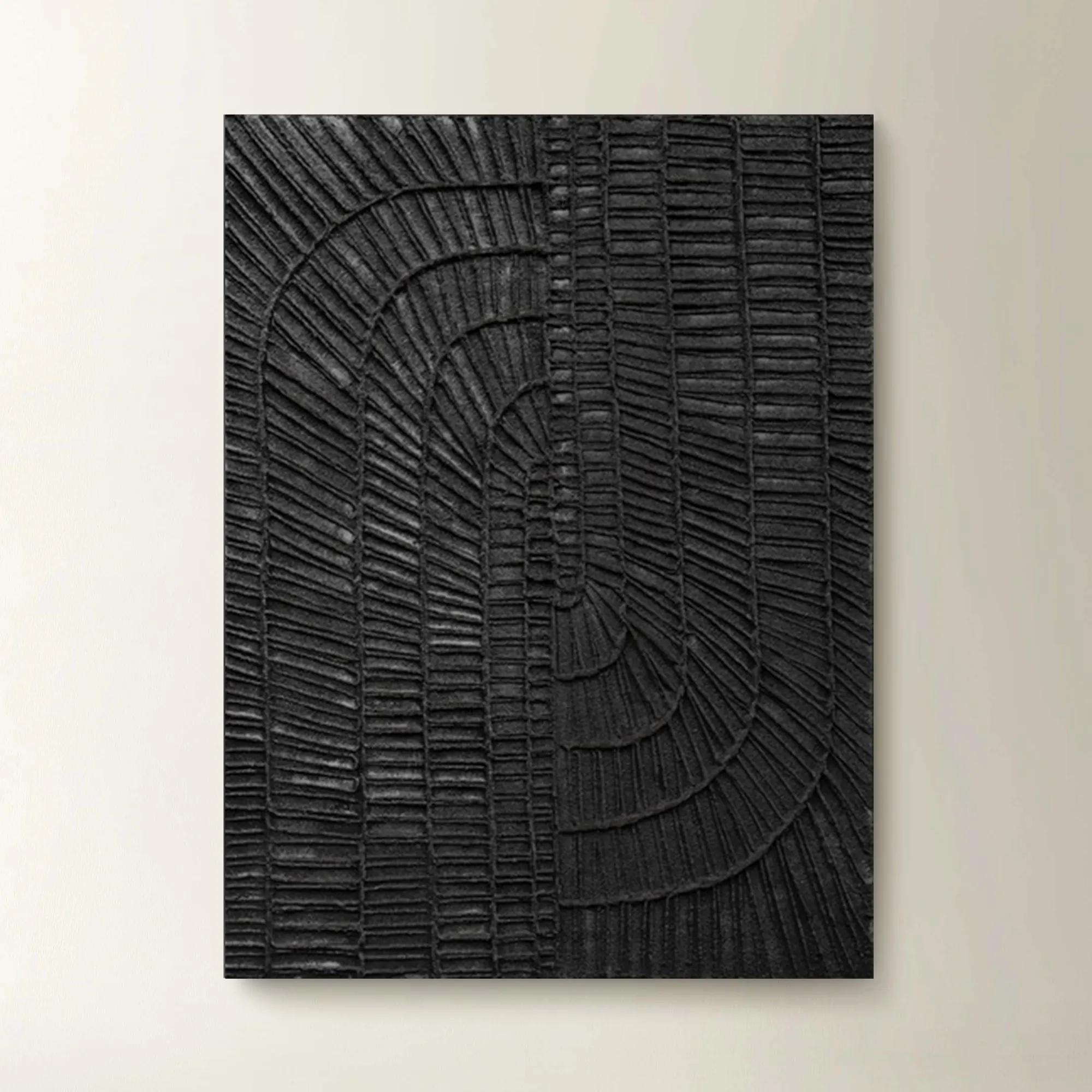 Textured Haze Black II Painted Wall Art 26" x 35"$499
A striking hand-painted black artwork featuring textured details for versatile vertical or horizontal display.
Add To Cart -
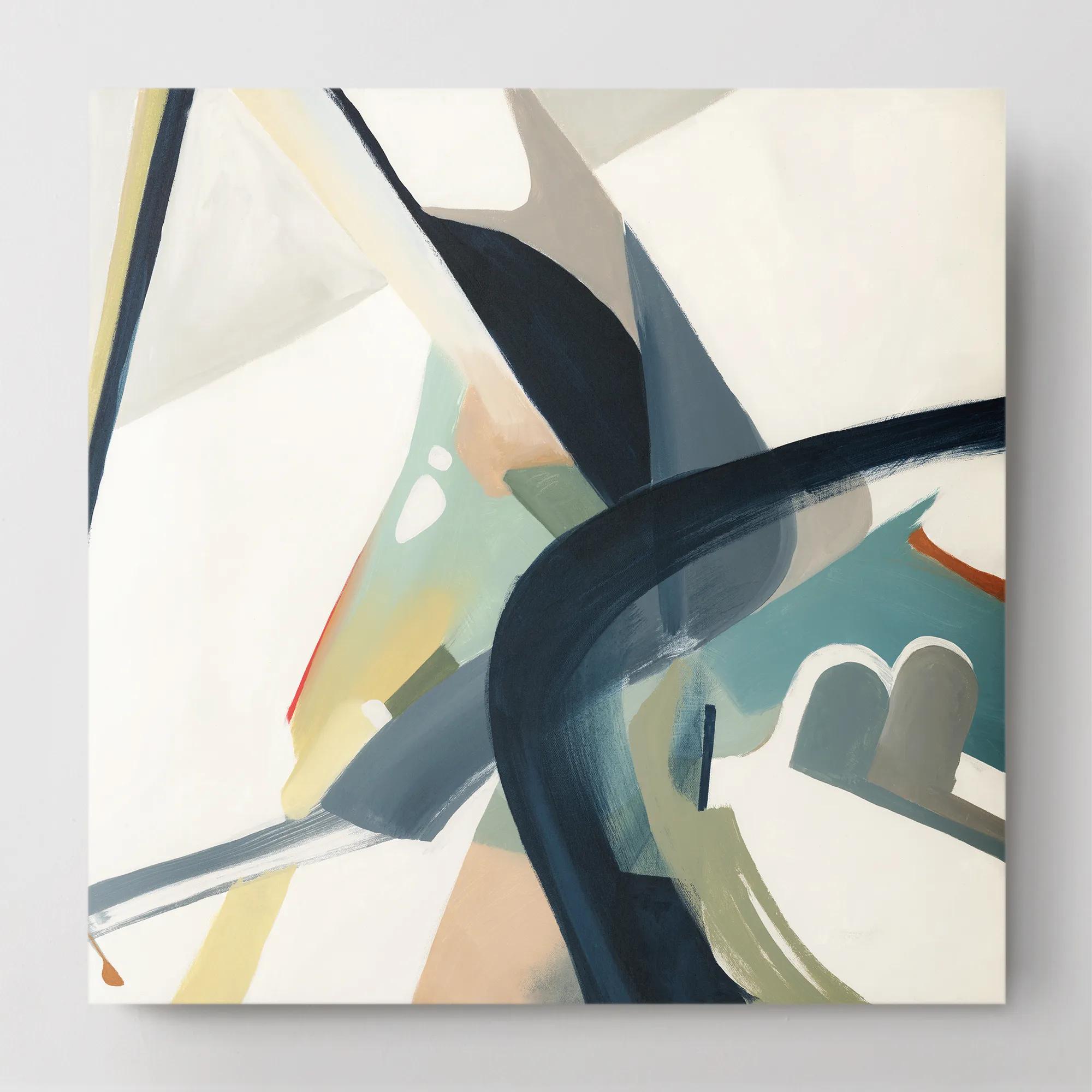 Impermanence 2$499
A gallery-wrapped canvas artwork featuring a hand-applied image brush gel finish for a textured look.
Add To Cart -
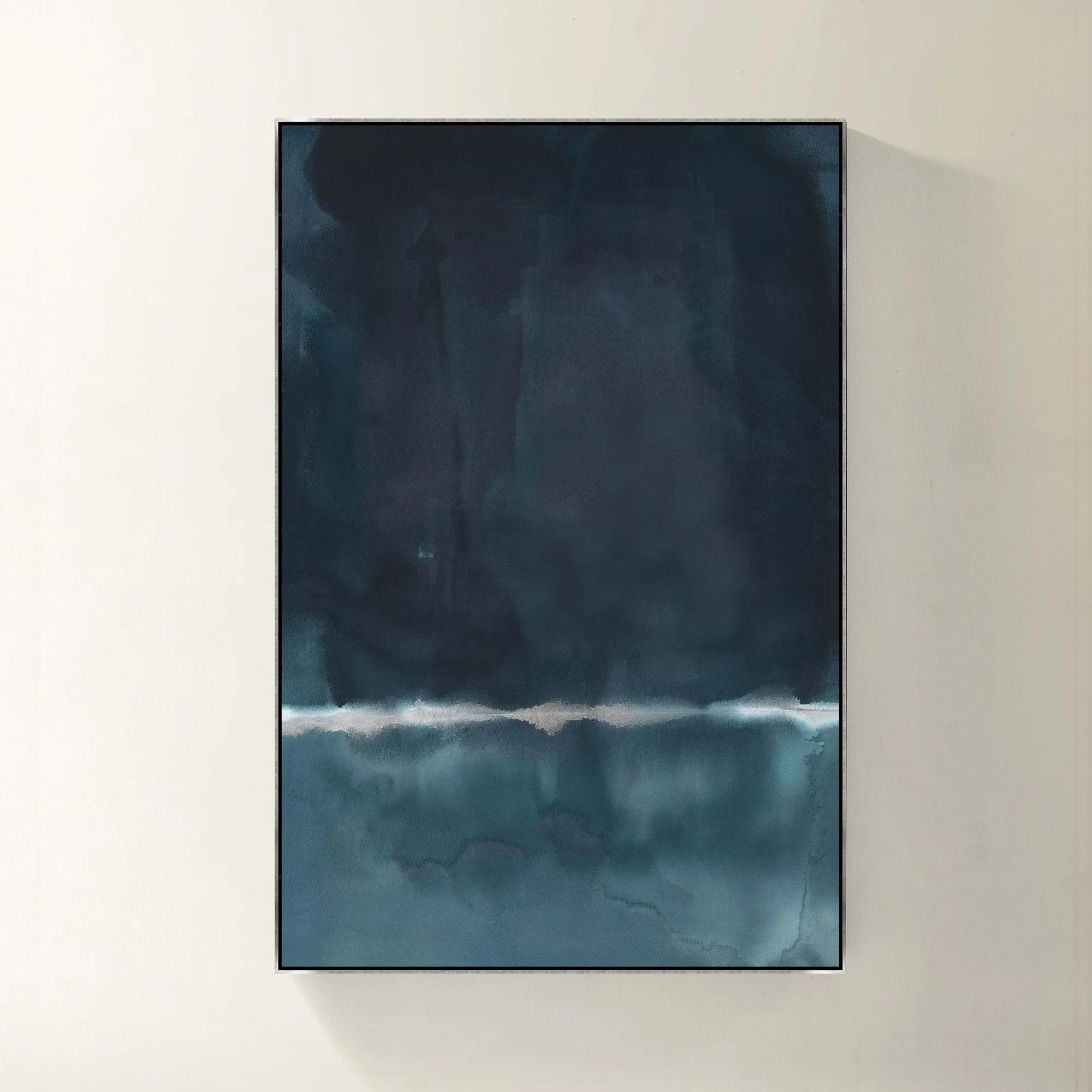 Blue Monday Framed Wall Art 40" x 60"$1119
A gallery-wrapped blue canvas with hand-embellished silver accents in a sleek silver floater frame.
Add To Cart -
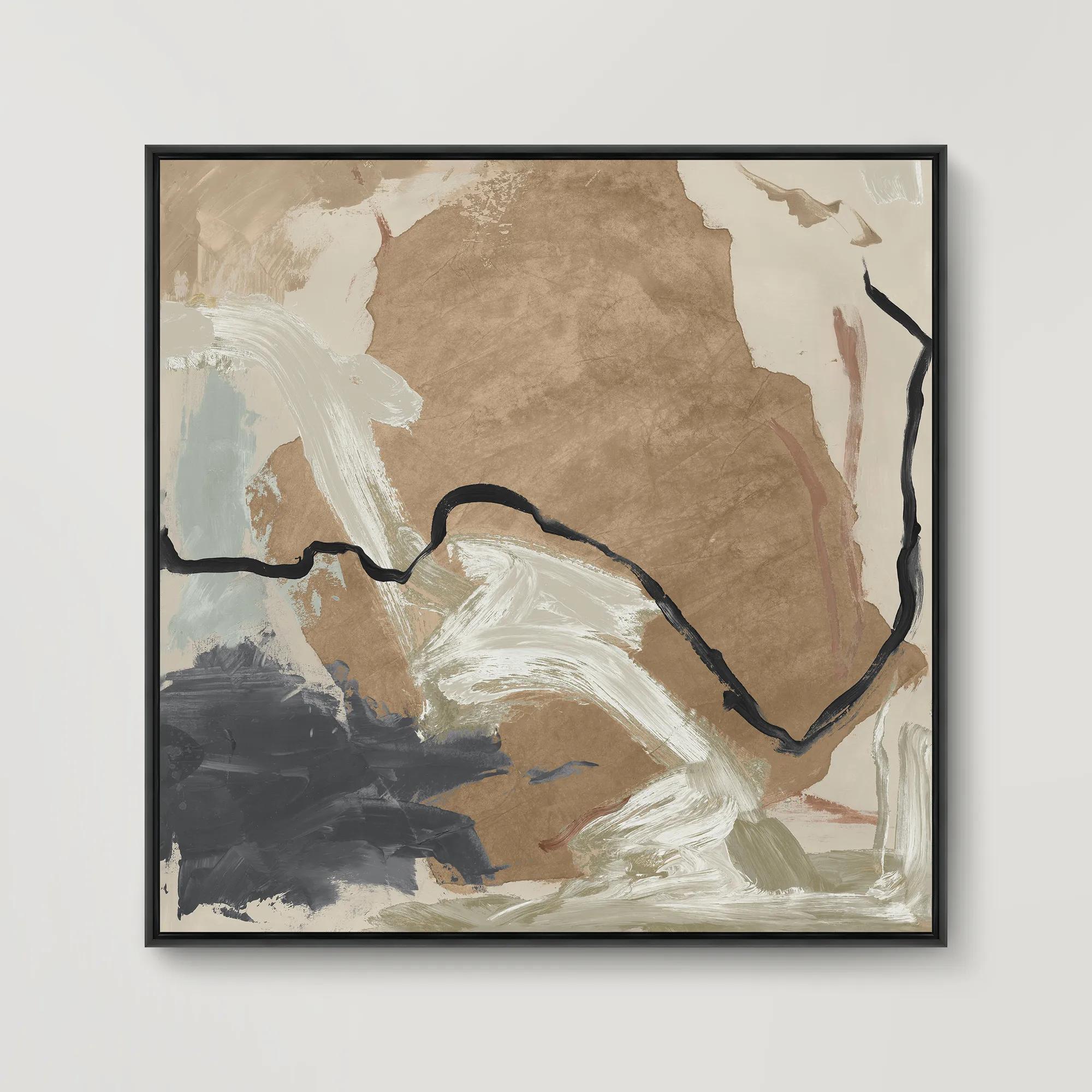 Borderlands III Framed Wall Art 31.5" x 31.5"$499
A gallery-wrapped canvas artwork with hand-applied brush gel finish, set in a sleek gray floater frame.
Add To Cart -
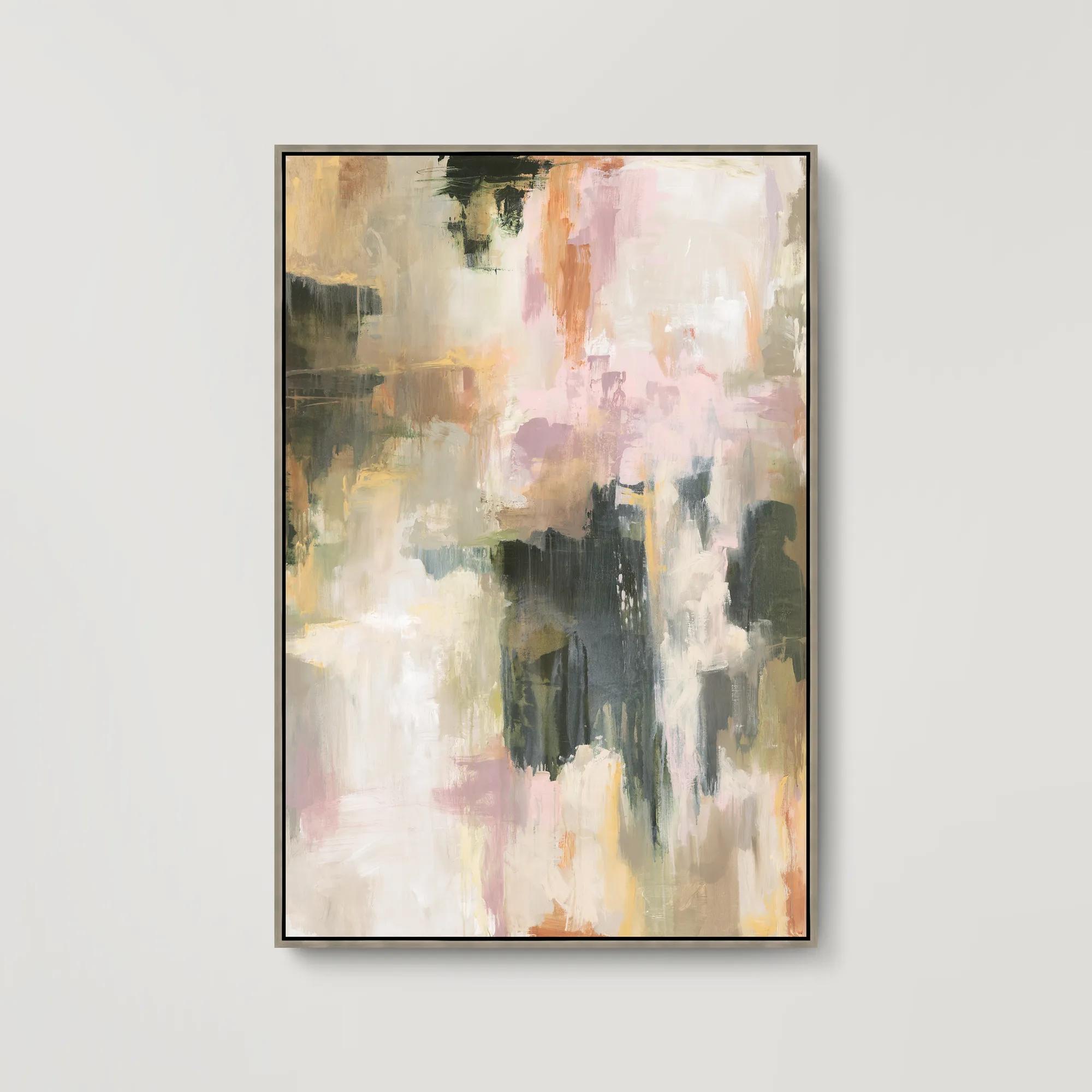
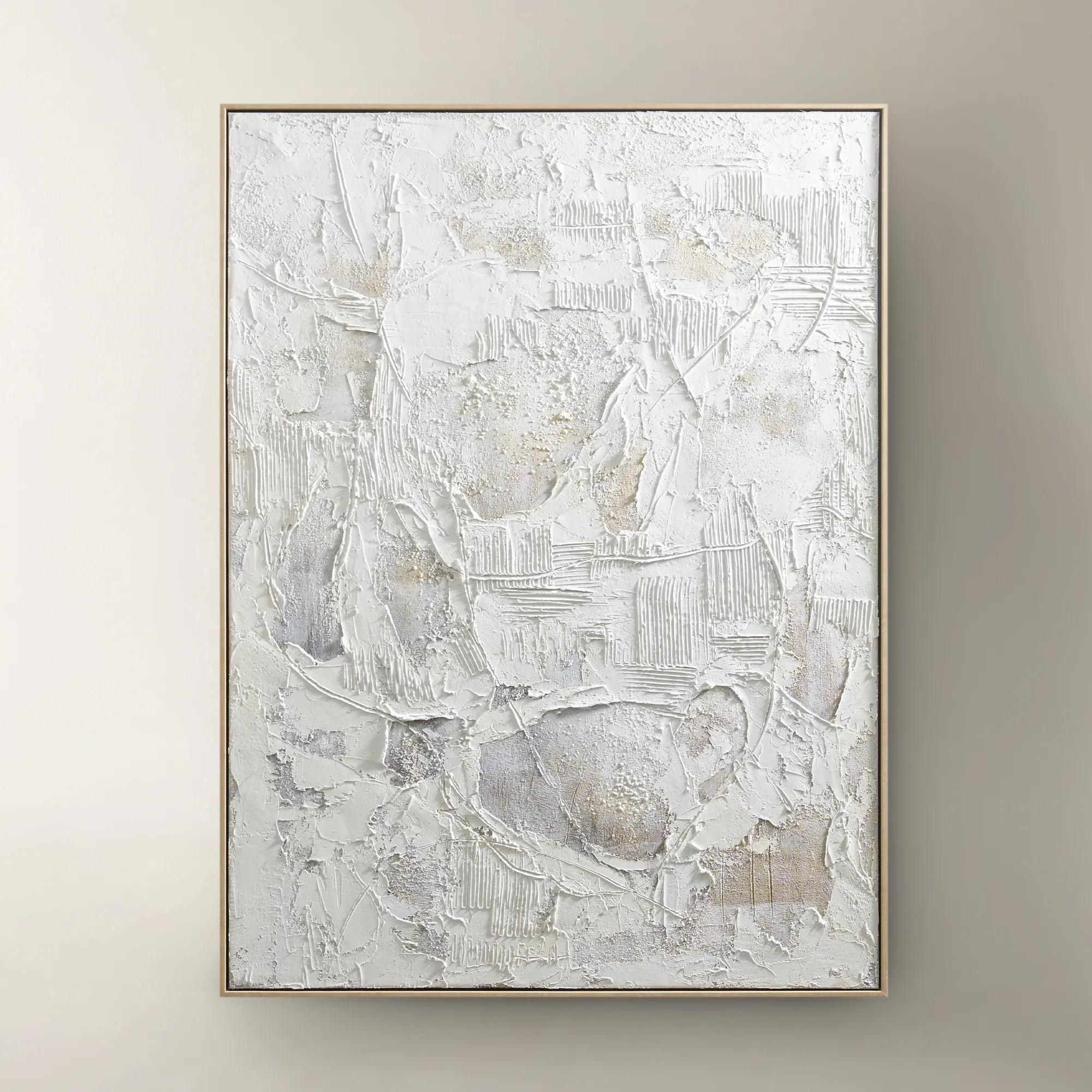
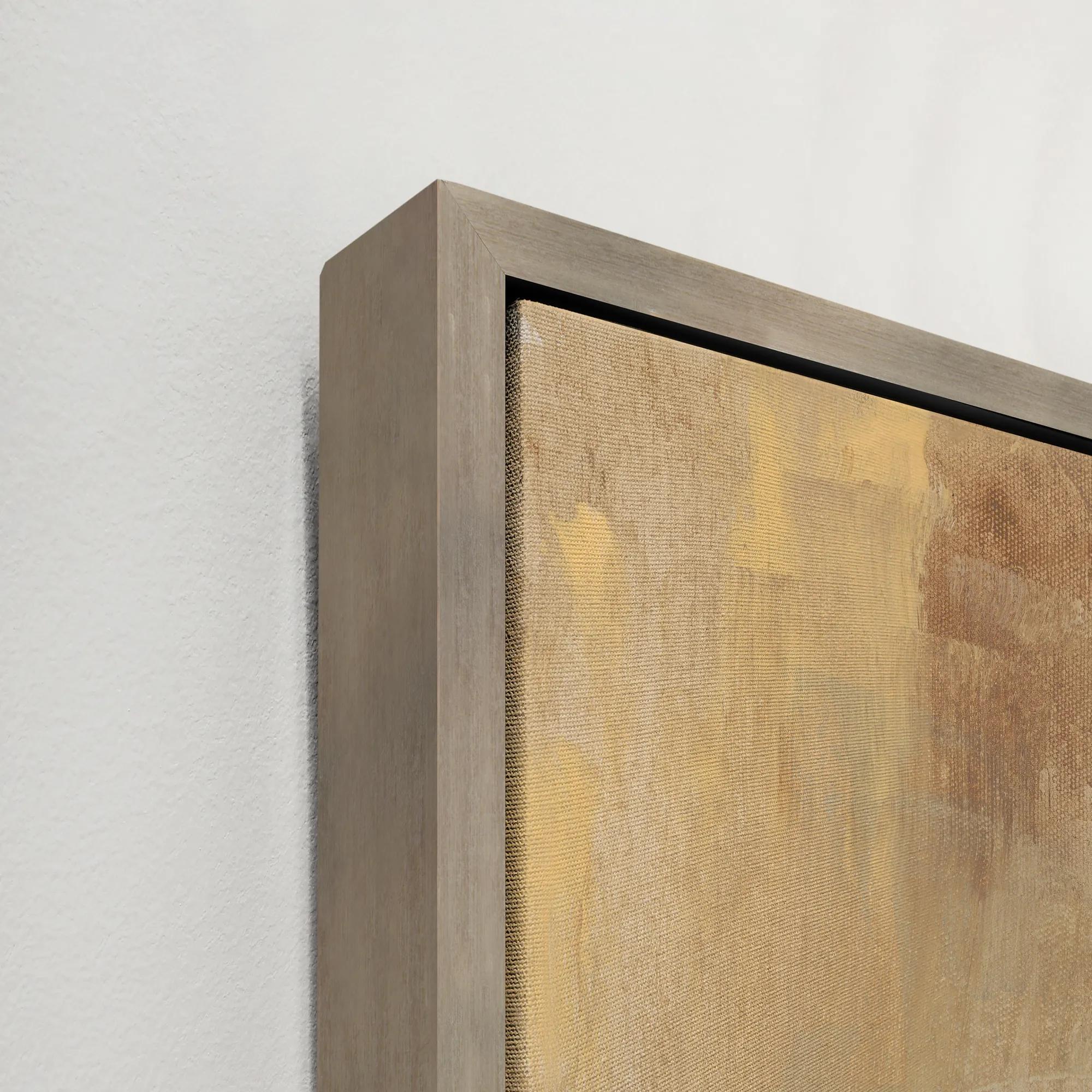 Sculpted Dreamscape Framed Wall Art 41.5" x 61.5"$999
A gallery-wrapped canvas artwork featuring a hand-applied gel finish and a sleek silver floater frame.
Add To Cart -
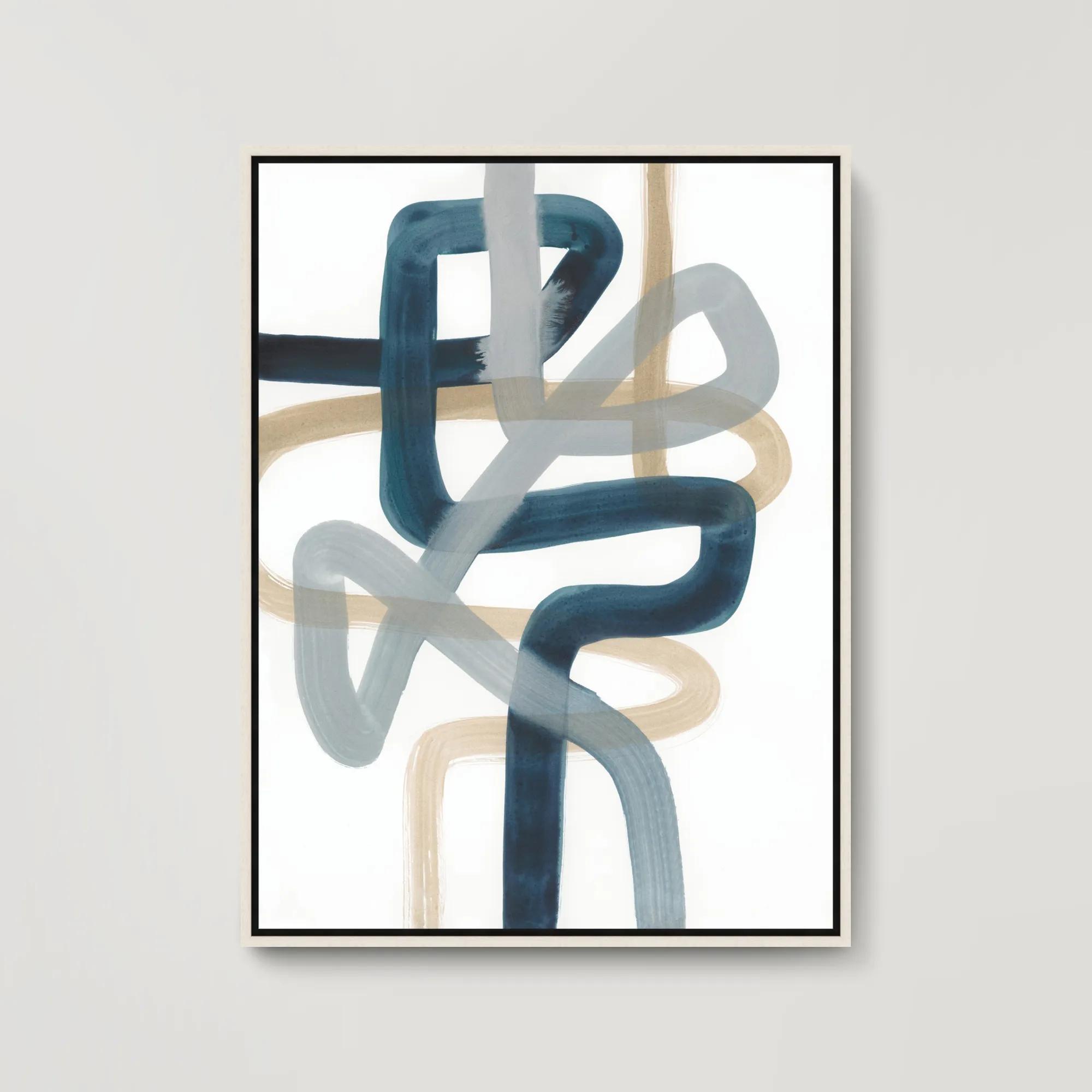
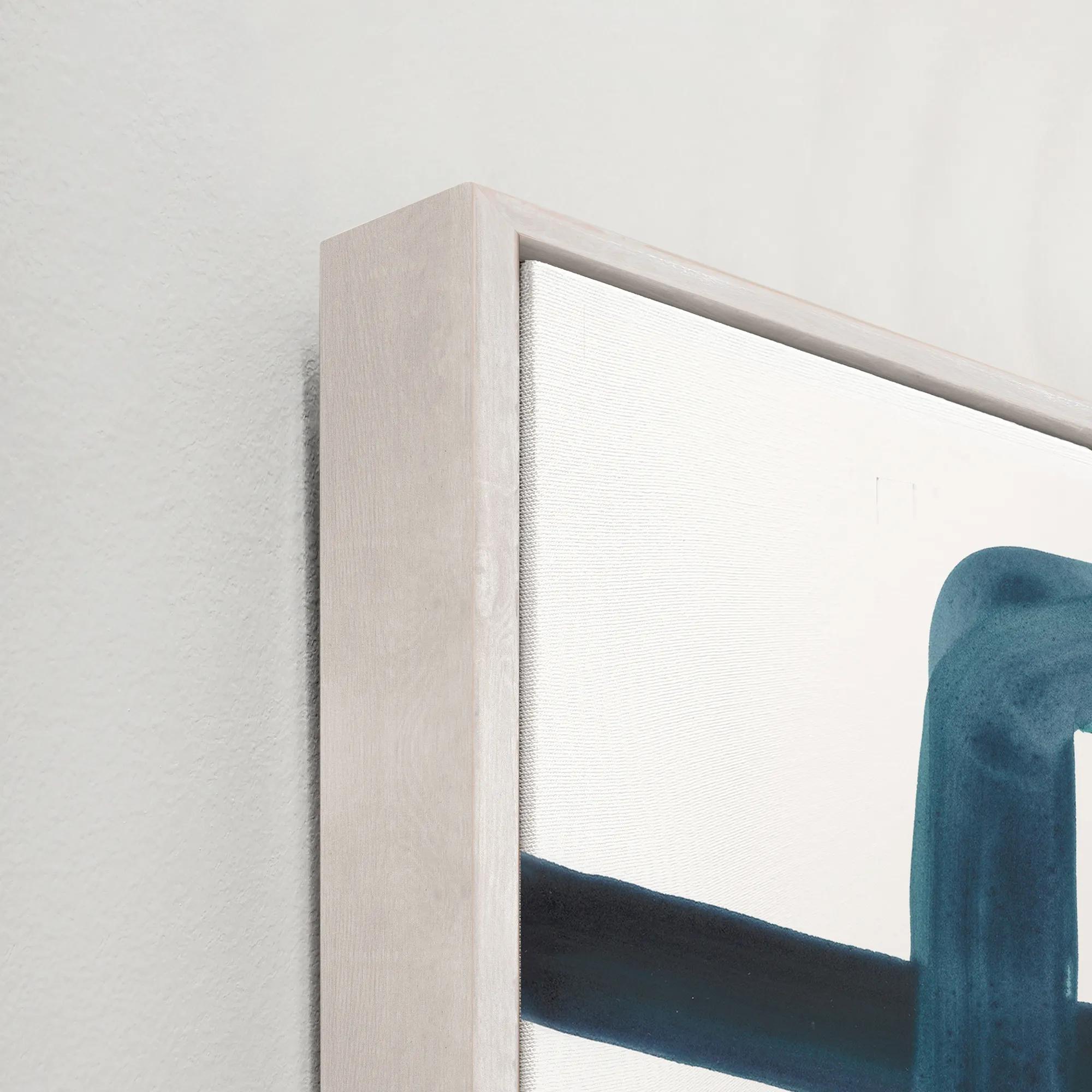 Looped In I Framed Wall Art 31.5" x 41.5"$699
A gallery-wrapped abstract canvas featuring hand-applied brush gel and a sleek white floater frame.
Add To Cart -
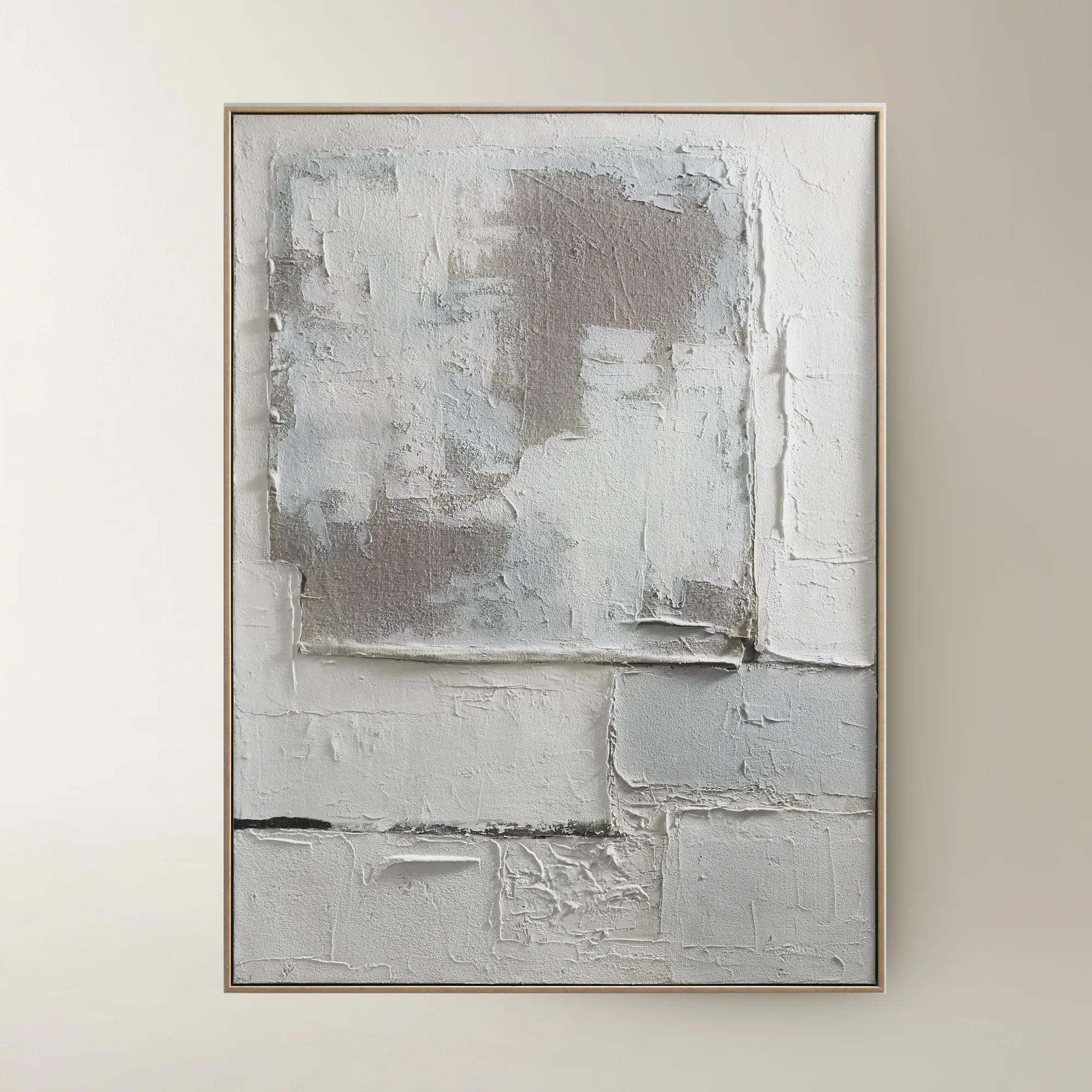
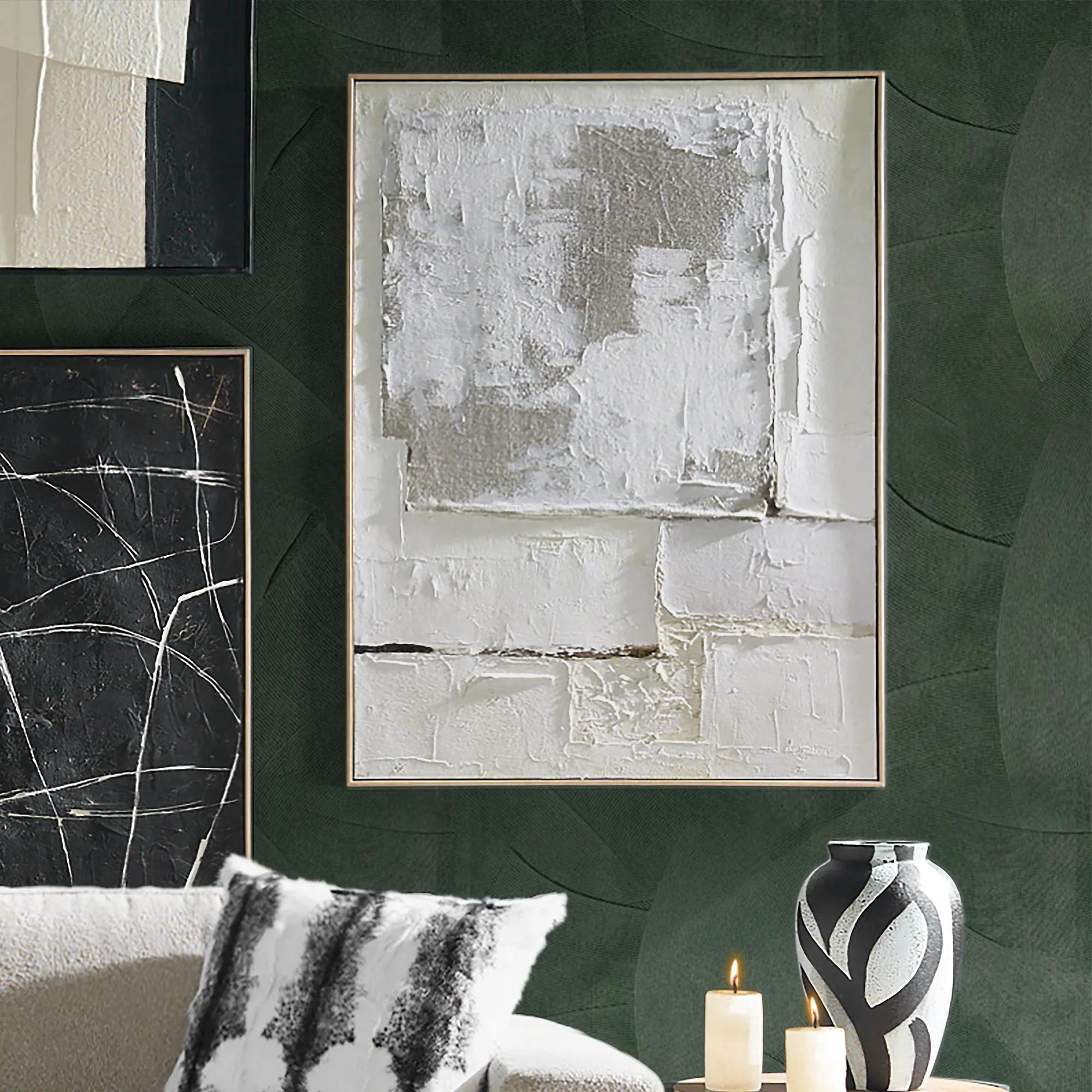 Marrow Painting$399
A hand-painted abstract canvas in subtle beige hues, elegantly framed in a warm beech wood floater.
Add To Cart -
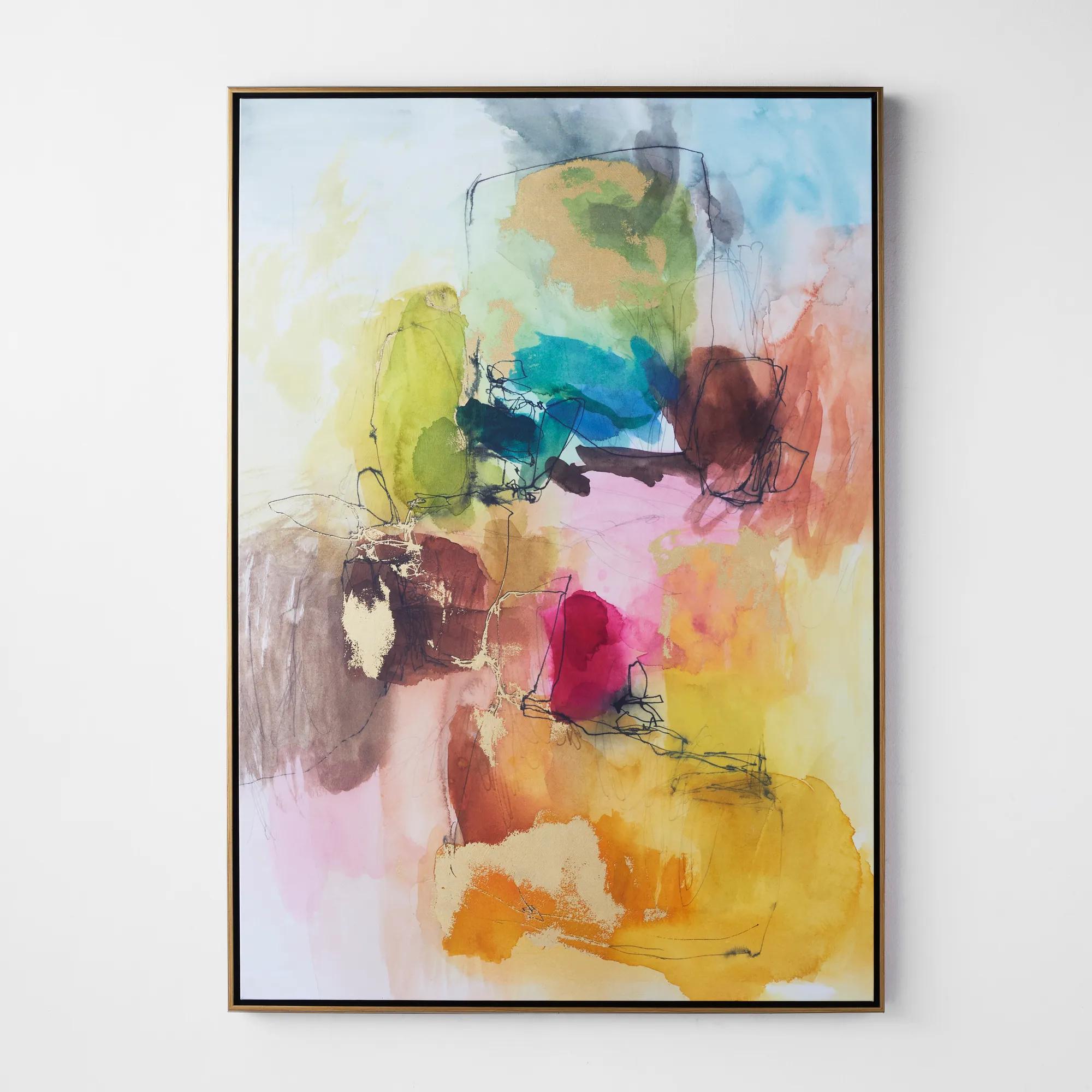 Apricity 3 Framed Wall Art 41" x 58"$899
A vibrant giclee on canvas featuring hand-applied gold gilding and a gold floater frame.
Add To Cart

Limited Edition Canvas Artworks
Limited Edition Canvas Artworks transform walls into captivating galleries, where artistry and exclusivity converge in dramatic fashion. Each piece is an invitation to indulge your senses—a curated expression of bold color, sweeping brushstrokes, and evocative design destined to spark conversation. With every canvas, your space becomes a showcase for individuality and grandeur, celebrating the extraordinary with a statement that’s uniquely yours. Elevate your home’s narrative with Limited Edition Canvas Artworks—where every glance is a moment of discovery, and every room tells its own daring story.
Limited edition canvas artworks bring a distinct sense of intention to an interior: a compelling image, a tactile surface, and the knowledge that the work belongs to a defined edition rather than an unrestricted print run. A limited edition is produced in a stated quantity, often identified by an edition number; a marking such as 18/100 generally indicates the eighteenth numbered impression within an edition of one hundred, not a ranking of quality. Depending on the artist and publisher, a work may also carry a signature, include a certificate of authenticity, or feature hand-applied embellishment. Those details should be documented rather than assumed, since practices differ and separate sizes or formats may have their own edition limits. Artist’s proofs may also exist outside the principal numbered edition. This distinction gives limited edition canvas art its particular appeal for collectors and design enthusiasts who want meaningful context alongside visual impact. Limited does not necessarily mean original or one of a kind: a canvas print can reproduce a painting, photograph, or digitally created composition while retaining its own identity as part of a finite series. Its place in a home, however, is deeply personal. An expansive abstract with sweeping charcoal gestures can introduce a commanding rhythm above a tailored sofa, while a luminous landscape can lend depth to a dining room layered with glass and polished metal. Expressive portraits, architectural studies, and richly colored compositions offer different ways to establish a room’s emotional center. The most resonant choice often draws on something already meaningful to its owner—a remembered horizon, a fascination with movement, or a color that feels impossible to leave behind. Edition documentation adds context to that connection, but the artwork’s daily presence matters just as much. It should reward a passing glance from the hallway and a longer look from a favorite chair, revealing shifts in line, tone, and composition as the room moves from daylight into evening.
Canvas gives an image a physical character that differs from a smooth paper print. Its woven surface can soften reflections and lend subtle dimension to fields of color, allowing an artwork to feel integrated with sumptuous upholstery, sculptural furniture, and layered textiles. Cotton, linen, and blended canvases have different surface characteristics, while the quality of the ground, inks, stretcher bars, and finishing all contribute to the finished work. Giclée printing, commonly associated with fine art reproduction, uses an inkjet process to render nuanced color and fine detail; the term alone does not guarantee a particular canvas, ink formulation, or lifespan. A high-resolution reproduction may capture the appearance of brushwork, but printed brushstrokes do not create the raised texture of actual paint. Hand embellishment, when specified, can add physical texture or other individual touches. These distinctions are worth considering when the desired effect is either crisp and graphic or richly painterly. Presentation adds another layer of expression. Stretched canvas is supported over a framework, and gallery wrapping carries the canvas around the stretcher bars for finished-looking sides. The edges may continue the image, mirror part of it, or use a solid color, so the side treatment influences the view from a doorway as much as the front view does from across a room. A floating frame creates a narrow visual separation around the canvas, lending architectural definition without covering its face. For interiors that call for a generous focal point and a dimensional, wrapped presentation, Large Gallery Wrapped Canvas Artworks offer a related format to explore. Scale should respond to both the wall and the furnishings beneath it: artwork roughly two-thirds to three-quarters the width of a sofa or console is a useful starting proportion, not a rigid rule. On a broad wall, a substantial composition can create a deliberate center of gravity; in a narrower entry, a vertical canvas can emphasize height while leaving room for a lamp or a sculptural vessel. Measuring the full framed dimensions and mapping them with paper helps reveal whether the composition has enough breathing room before installation.
The intended setting shapes how limited edition wall art is experienced and how well it holds up over time. Living rooms, bedrooms, dining spaces, and home offices offer opportunities for expressive display, provided the canvas is kept away from harsh direct sunlight, persistent moisture, and concentrated heat. A serene composition behind a desk can give video calls a considered backdrop without overwhelming the workspace, while a dramatic abstract in an entry establishes the home’s personality from the first step inside. Above a dining room sideboard, color drawn from the artwork can reappear in a glass vessel or upholstered seat, creating continuity without making every detail match. During the cooler months, layered lamplight can bring particular richness to deep pigments and warm neutrals, though lighting should illuminate the artwork without generating excessive heat. Carefully positioned picture lights or adjustable fixtures can help limit distracting glare; their suitability depends on the artwork’s finish and installation. Durability rests on materials, construction, and environment rather than edition size, and a protective coating, if present, does not make canvas waterproof or immune to fading. Routine care is usually restrained: follow the maker’s instructions, dust gently with a clean, soft, dry cloth when permitted, and avoid household cleaners, abrasive tools, or pressure against the image surface. Secure hanging hardware should suit the work’s weight and the wall type, with larger pieces sometimes requiring professional installation. When moving a canvas, support its frame or stretcher rather than pressing on the fabric, and retain any certificate, edition information, and care documentation in a safe place. These practical details protect an artwork selected for lasting enjoyment, whether it marks a new home, an anniversary, or a personal collecting milestone. As a gift, limited edition canvas artwork feels especially thoughtful when its subject, palette, and dimensions reflect the recipient’s taste and living space. Its strongest contribution is not a promise of future value, but a distinctive visual presence: color that enlivens a quiet corner, a composition that anchors a gathering space, and an artistic point of view that makes a room unmistakably personal.
FAQs
Limited edition canvas artworks are produced in a finite quantity, often numbered and sometimes signed by the artist. This exclusivity ensures each piece carries a sense of rarity and collectability, making it a unique addition to your home that stands apart from mass-produced décor.
To create a dramatic effect, position your limited edition canvas art as a focal point—above a mantel, behind a statement sofa, or in a grand entryway. Enhance its presence with complementary lighting, such as a sculptural sconce or chandelier, and pair with luxe textures like velvet or metallic accents for a layered, gallery-inspired look.
Absolutely. Gifting a limited edition canvas artwork is a sophisticated gesture, ideal for commemorating milestones such as anniversaries, housewarmings, or significant achievements. It shows a deep appreciation for artistry and offers the recipient a one-of-a-kind treasure that endures.
Consider the mood and atmosphere you wish to create in your space. Limited edition canvases come in a variety of themes, from bold abstracts to serene landscapes. Choose a piece that resonates emotionally or visually with you, ensuring it complements your existing décor while expressing your unique sense of style.
Highlight the craftsmanship by placing your canvas where natural or accent lighting can reveal details such as hand-applied textures or metallic finishes. Pair with minimalist frames or floating mounts to draw attention to the artwork itself, allowing its artistry and tactile richness to take center stage.