Large Blue Paintings For Dining Rooms
Large Blue Paintings For Dining Rooms
-
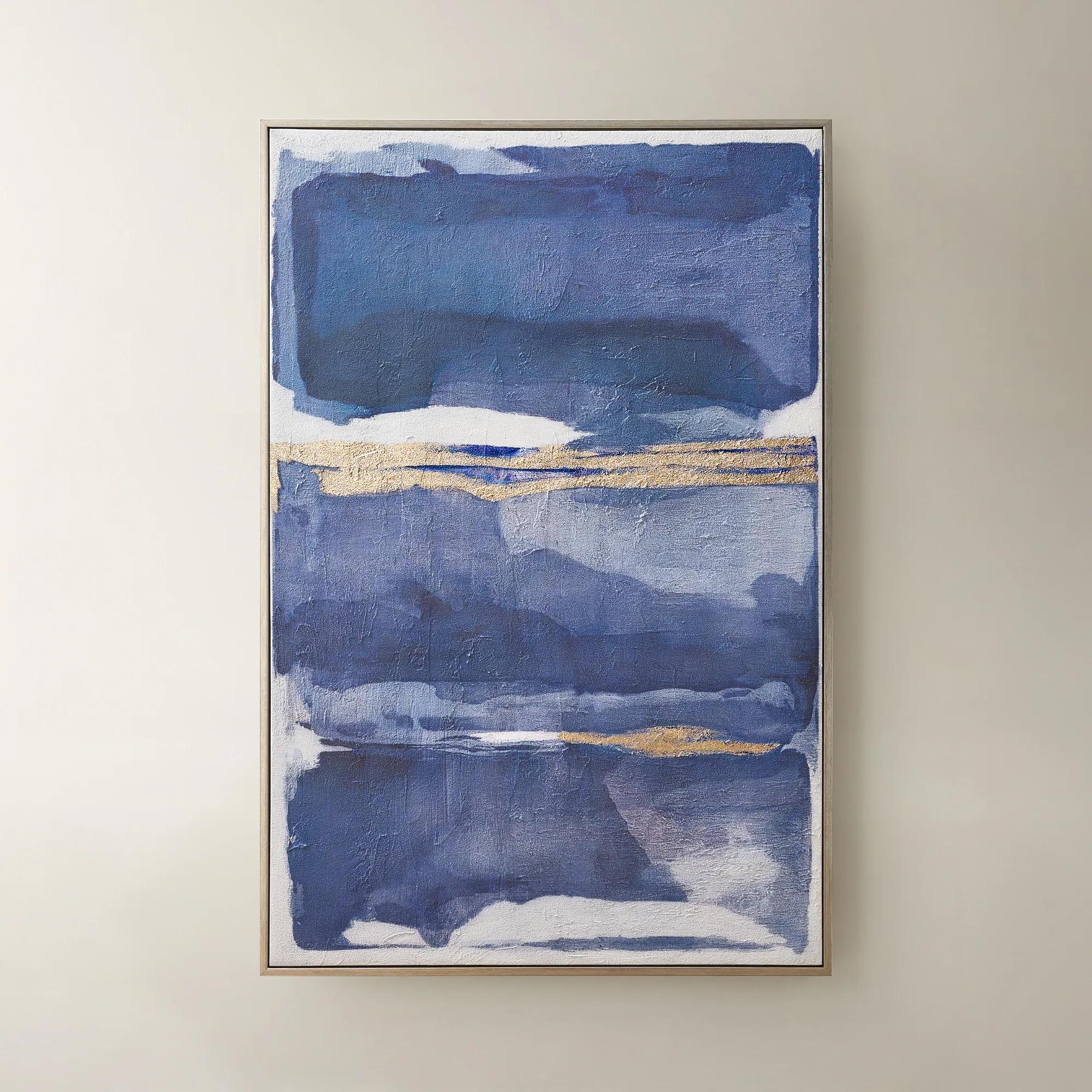
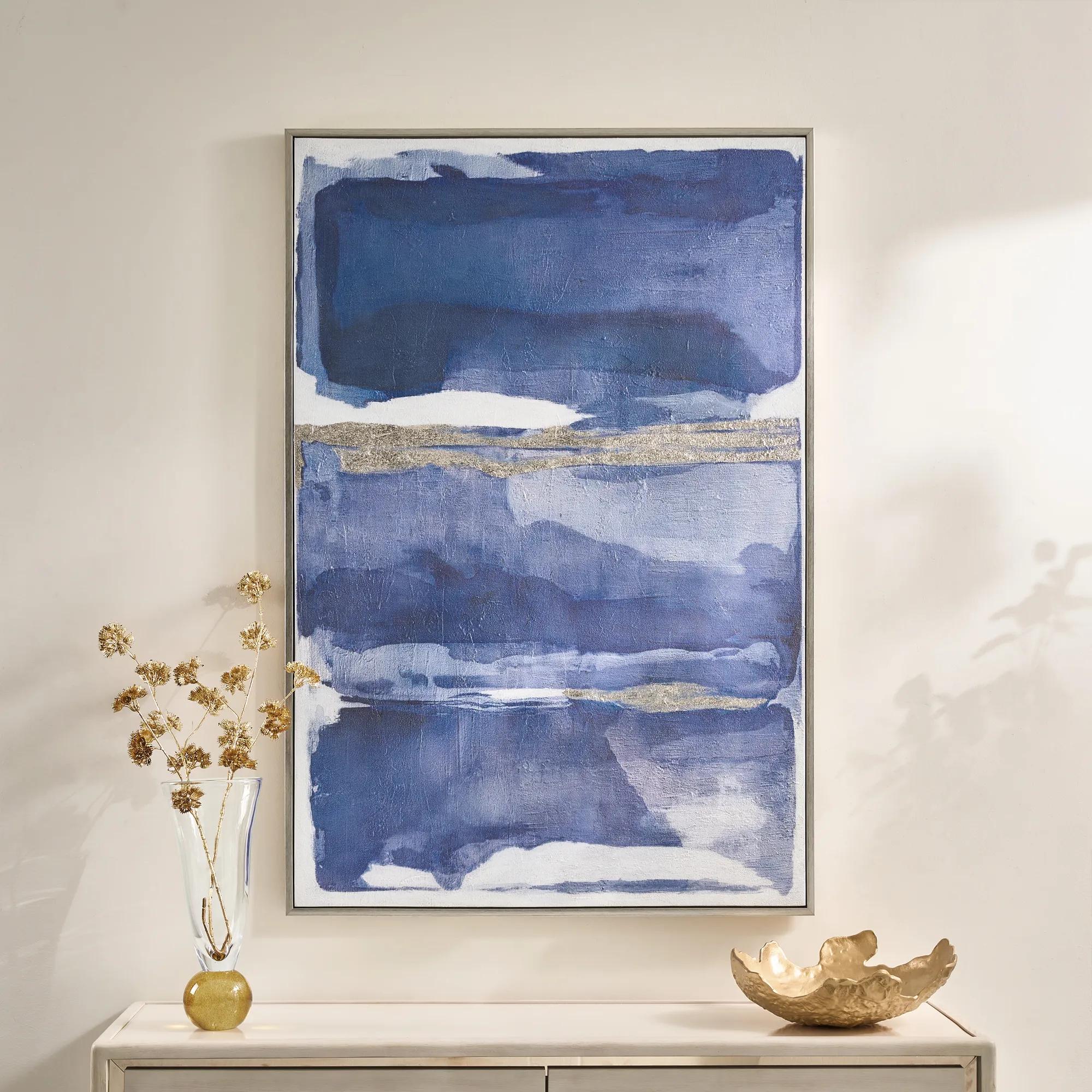
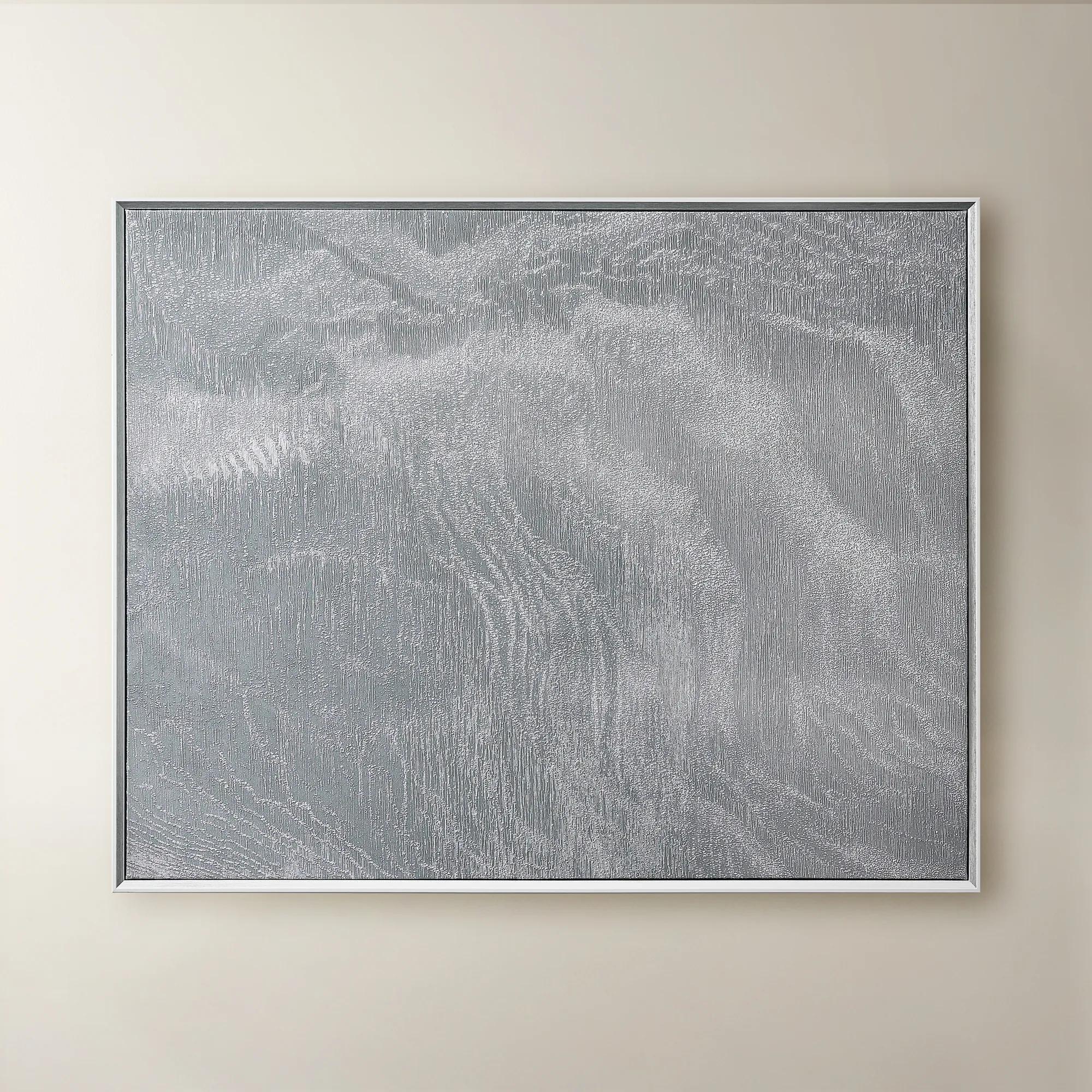 Slow Blue Morning Framed Silver Foil Wall Art 48" x 60"$599
A serene powder blue abstract canvas with silver foil accents, framed in silver and white for modern elegance.
Add To Cart -
 Memories in Blue Framed Painted Wall Art 40" x 60"$499
A hand-painted canvas in deep ink blue with champagne leafing for a sophisticated, gallery-inspired look.
Add To Cart -
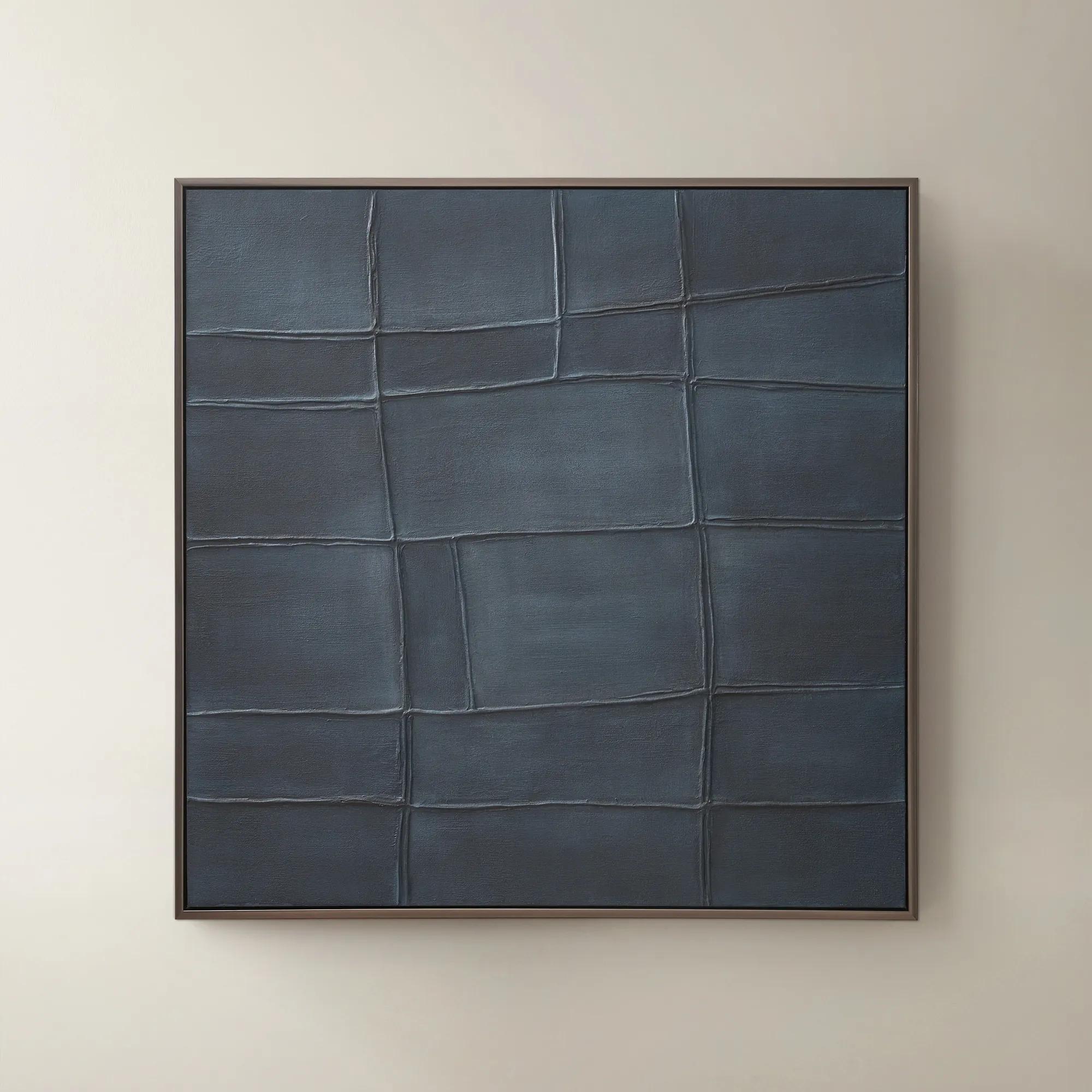
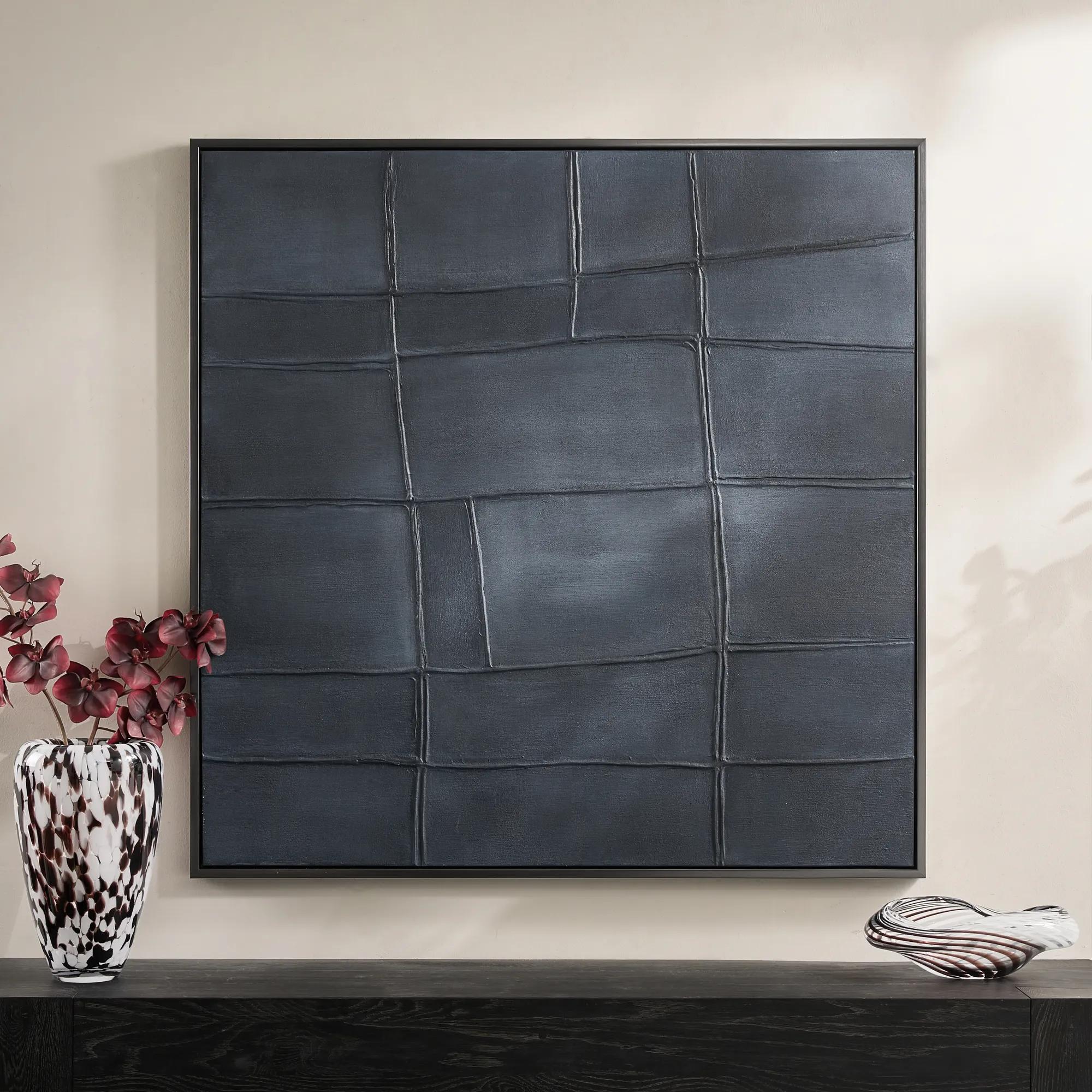 Ink Blue Interval Framed Painted Wall Art 48" x 48"$599
A hand-painted abstract canvas in deep ink blue, finished with a sleek gunmetal frame for modern appeal.
Add To Cart -
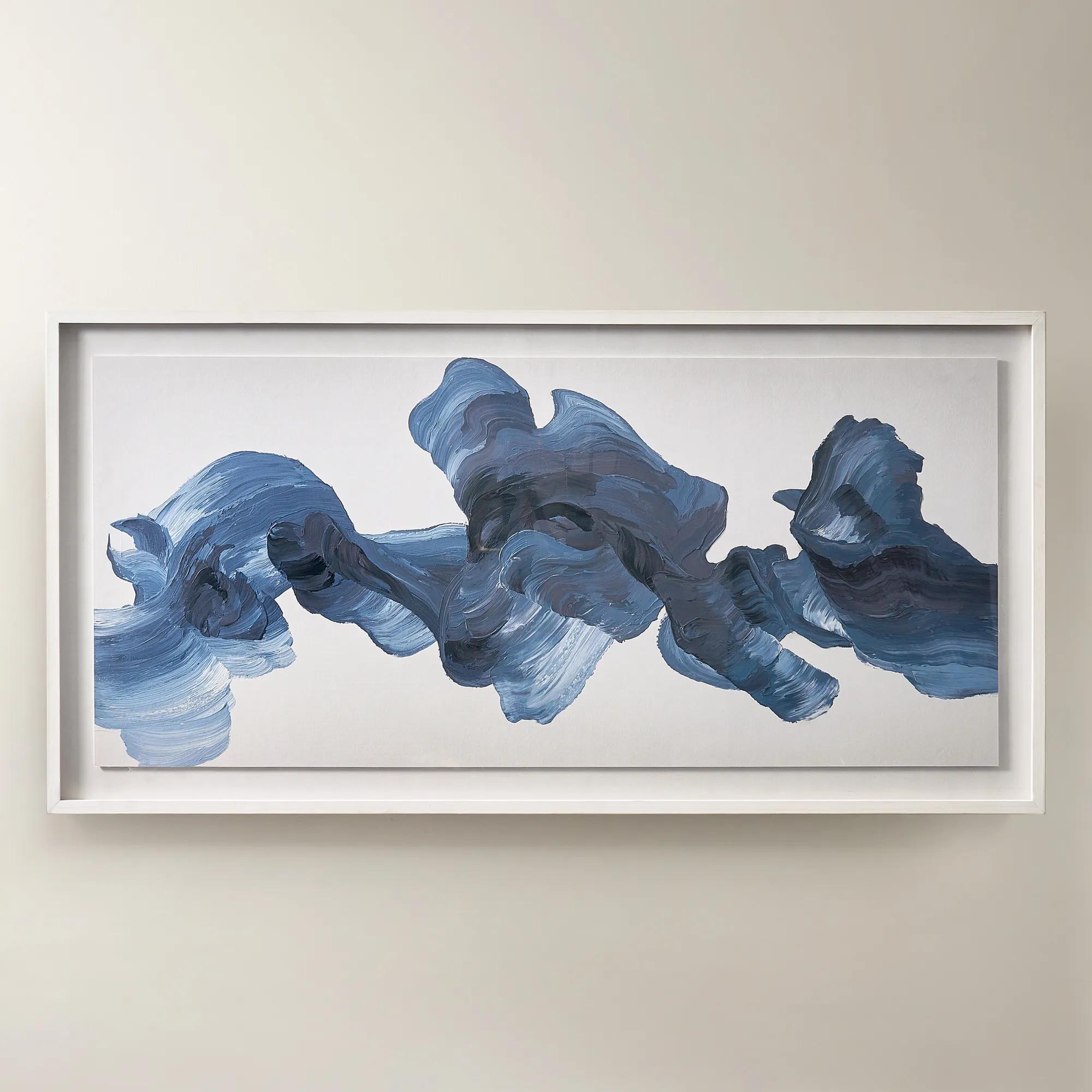
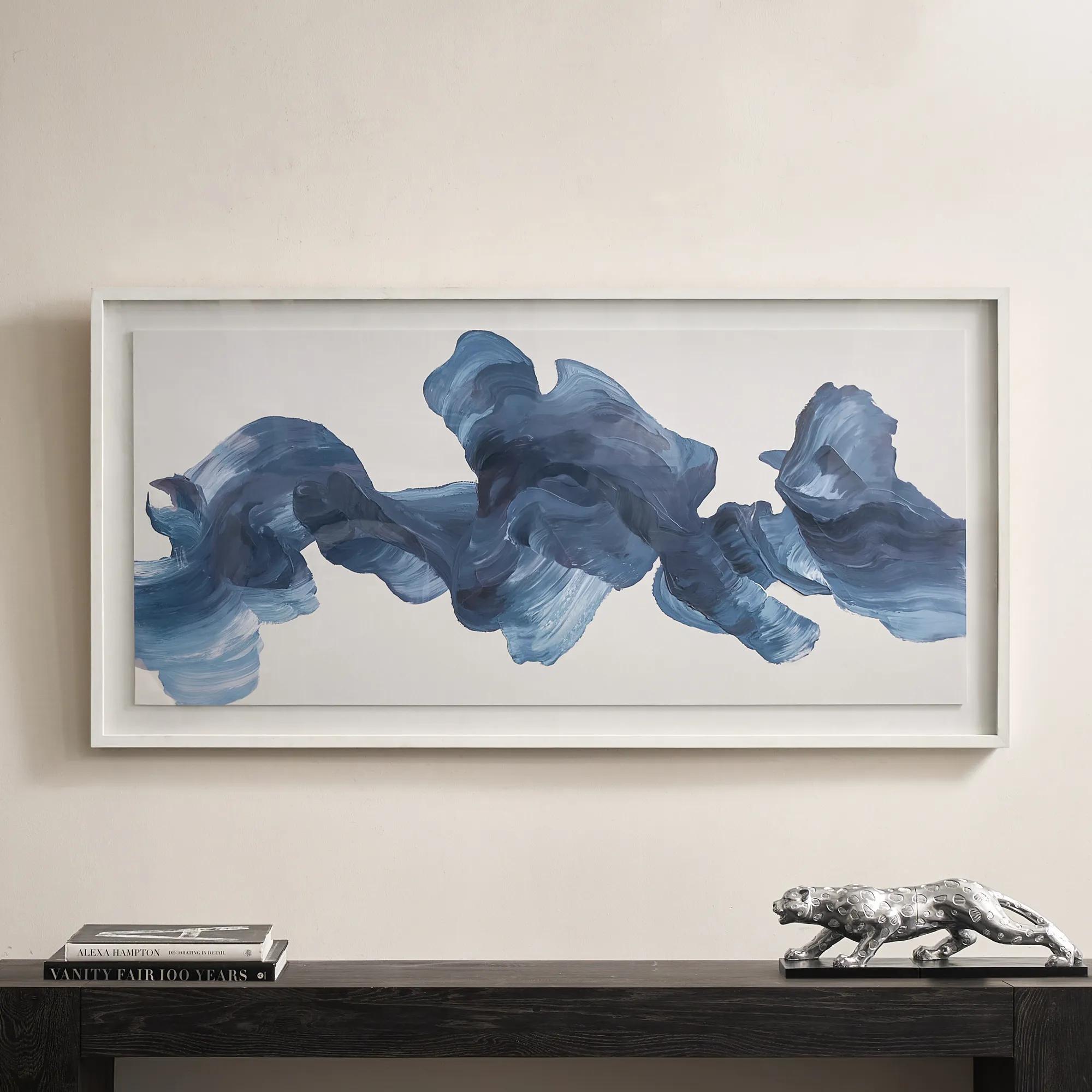 Blue Theory Framed Painted Wall Art in Acrylic 60" x 30"$499
A hand-painted canvas in deep ink blue, framed under acrylic with a whitewashed wood frame.
Add To Cart -
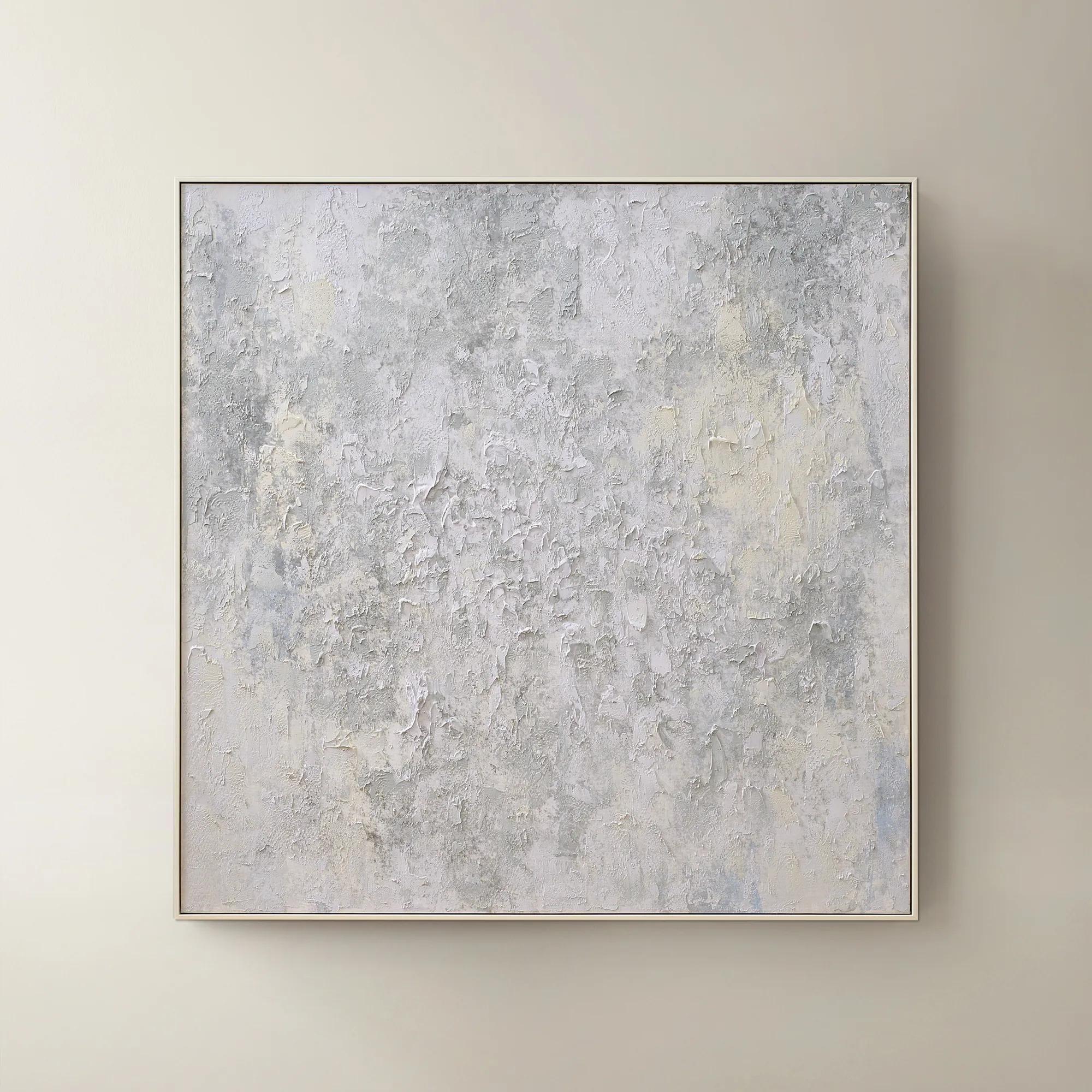 Breathe of Fresh Air Framed Painted Wall Art 50" x 50"$499
A hand-painted abstract canvas in dusty blue hues, elegantly framed in white for a serene, modern accent.
Add To Cart -
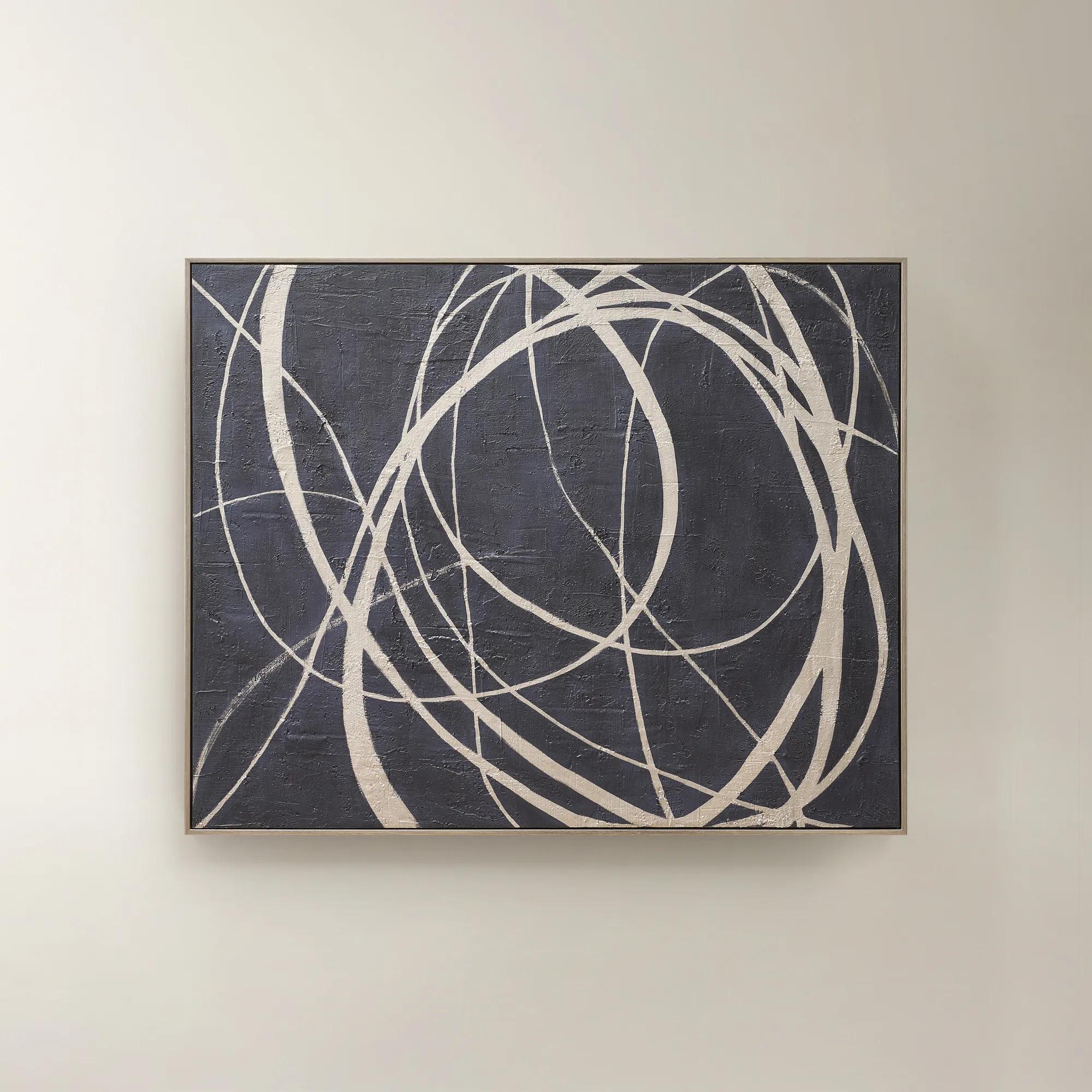 Wandering Framed Painted Wall Art 48" x 60"$699
An expressive hand-painted canvas in deep ink blue with champagne accents for a bold, sophisticated statement.
Add To Cart -

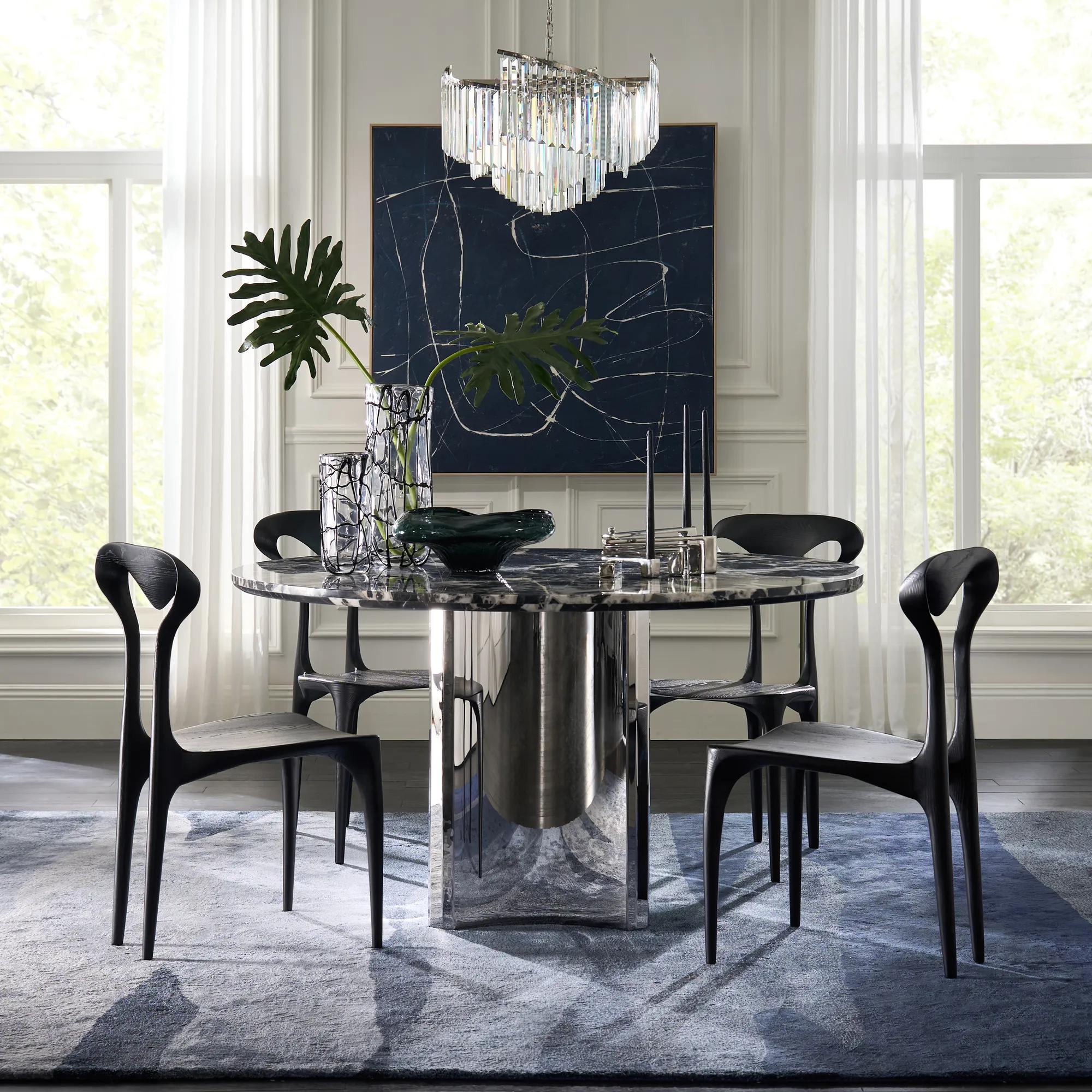 Almost Midnight Painting - Blue$439
A hand-painted canvas featuring bold blue and black tones with delicate white lines in a light wood frame.
Add To Cart -
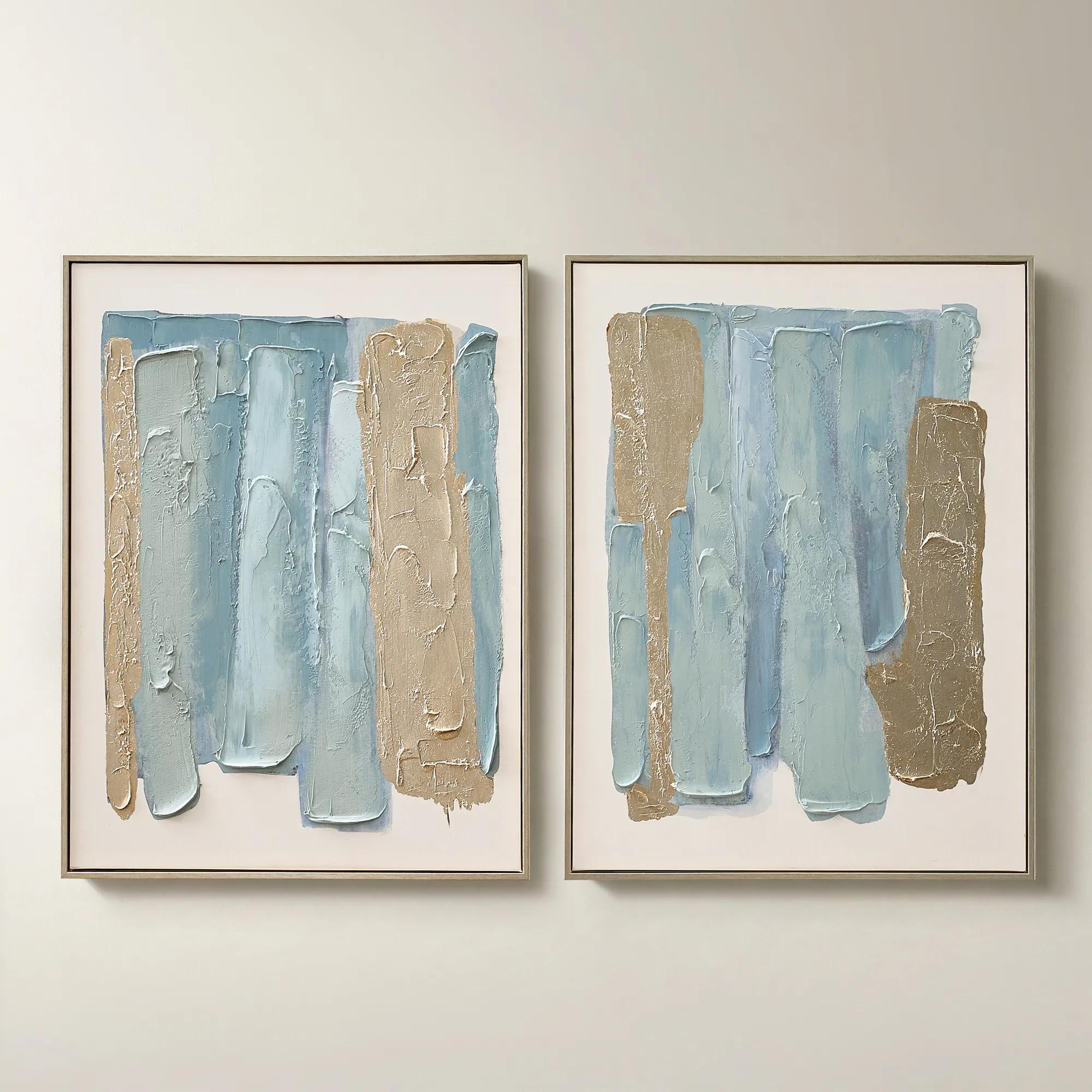
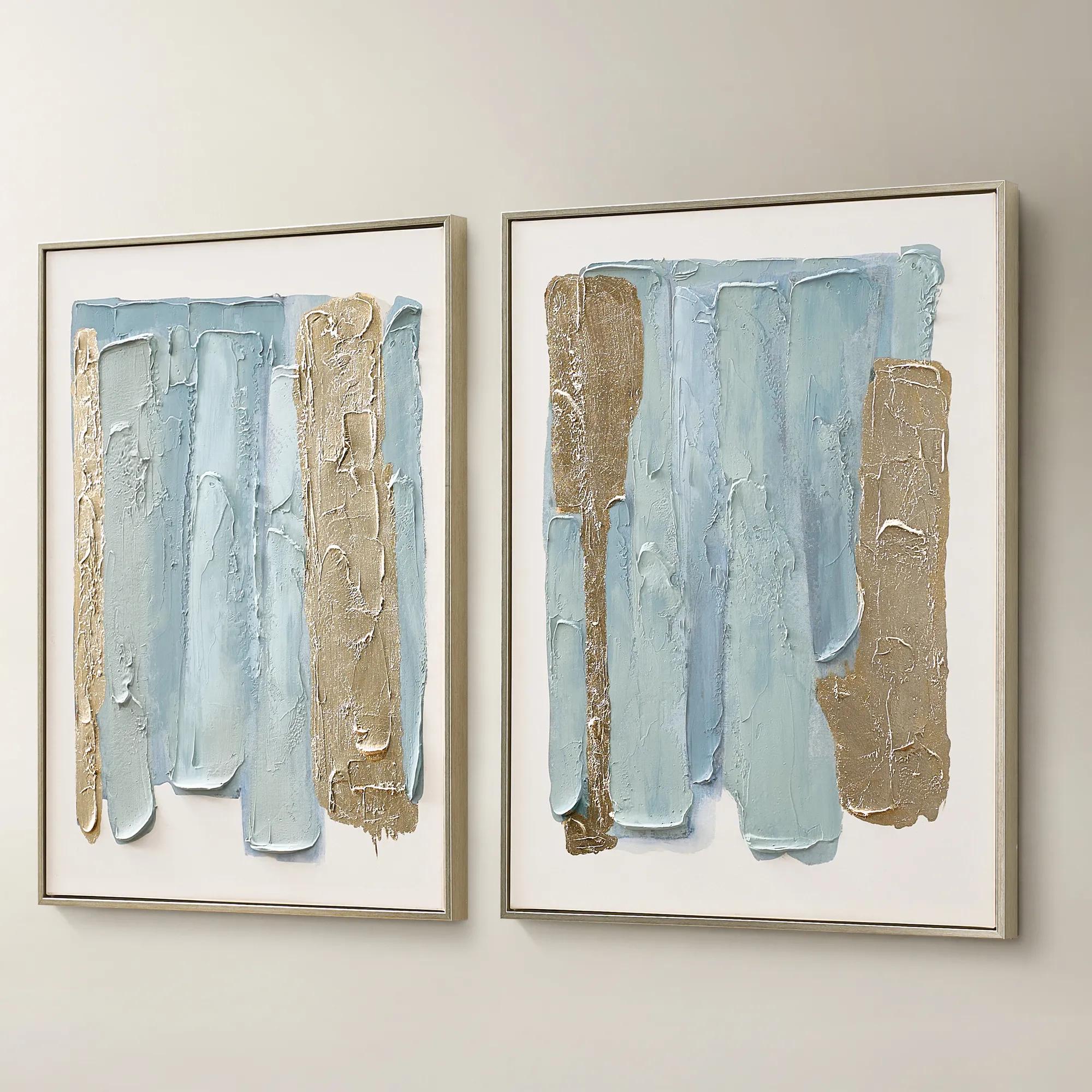 Blue Drift Framed Champagne Painted Wall Art 24" x 32" Set of 2$199
A set of two hand-painted canvases in dusty blue with champagne leafing and modern abstract movement.
Add To Cart -

 Twin Abstract 1 Framed Wall Art 30" x 45"$699
A captivating abstract canvas artwork featuring layered blue and purple tones in a sophisticated framed presentation.
Add To Cart -
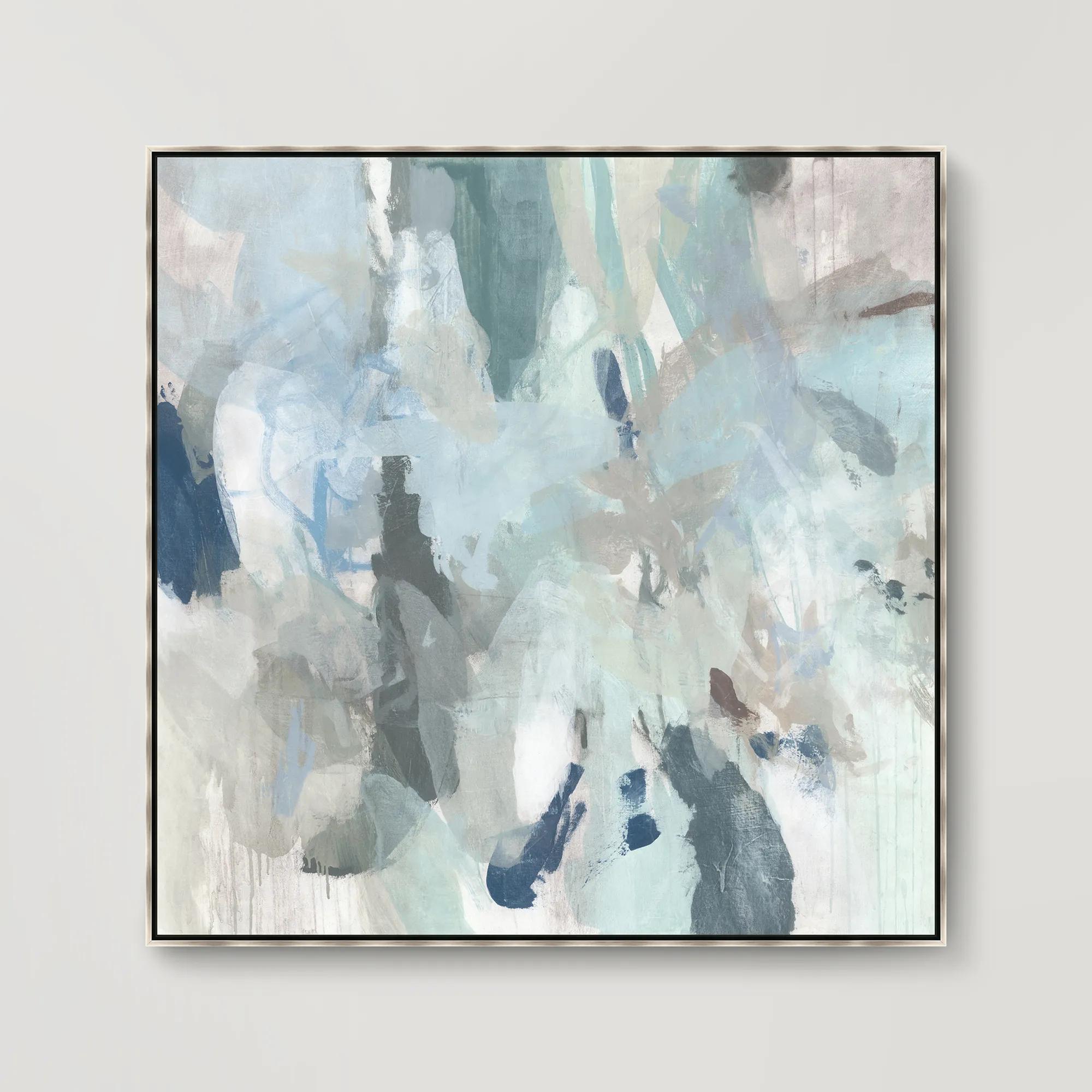
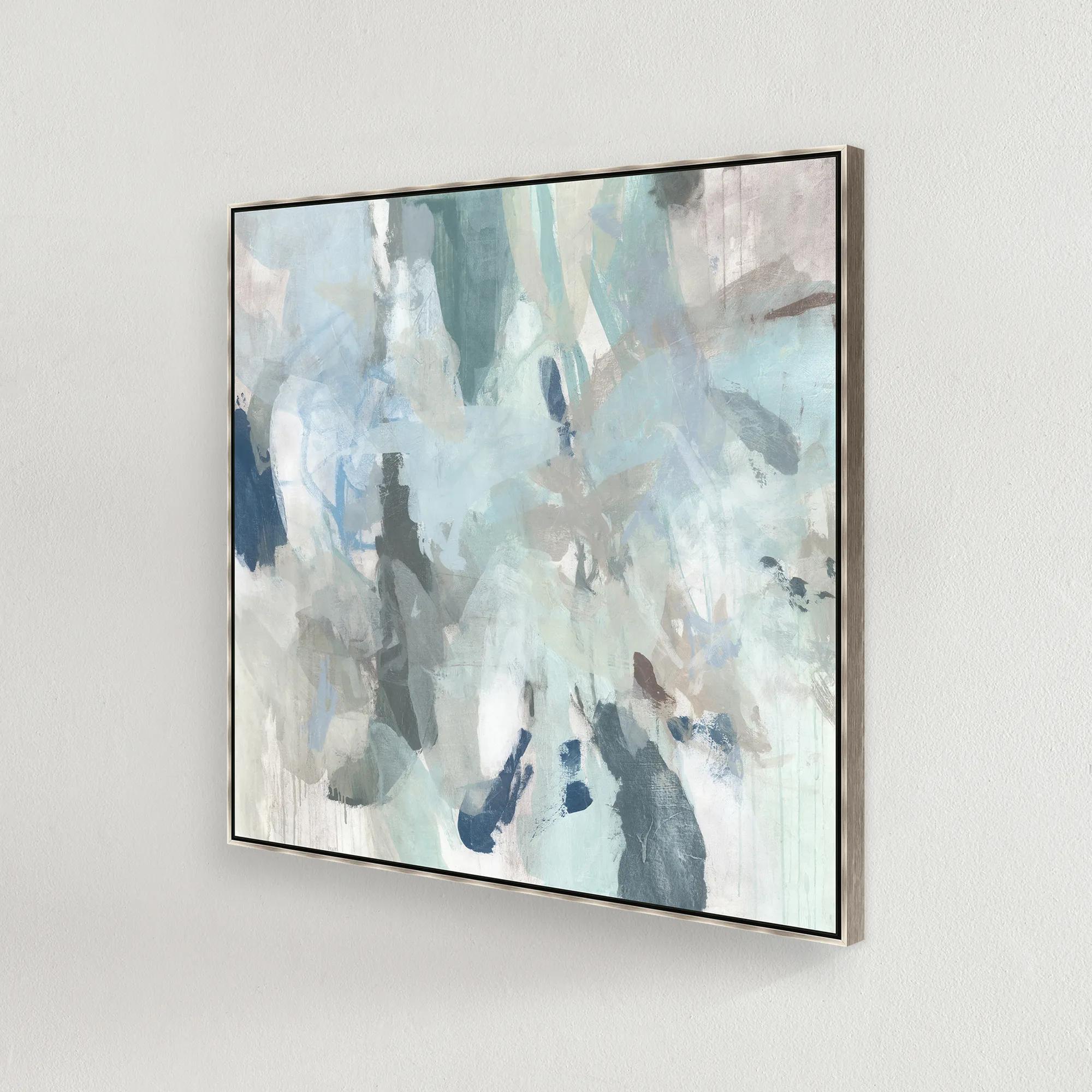 Sage Honey Dew I Framed Wall Art 41.5" x 41.5"$749
A gallery-wrapped abstract canvas featuring hand-applied gel finish in a silver floater frame.
Add To Cart -
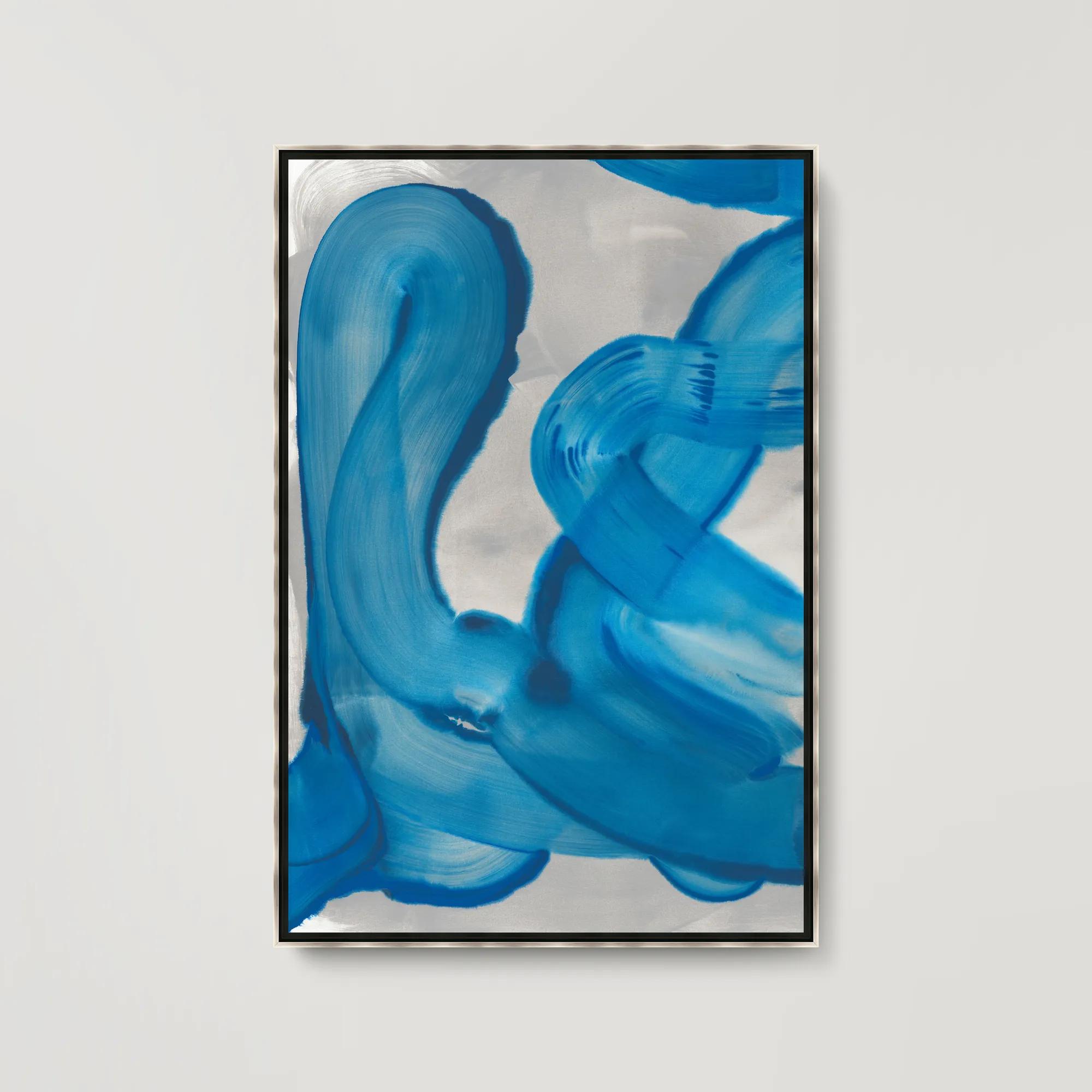 Royal Waves I Framed Wall Art 31.5" x 46.5"$699
A gallery-wrapped abstract canvas featuring hand-applied brush gel and set in a sleek silver floater frame.
Add To Cart -
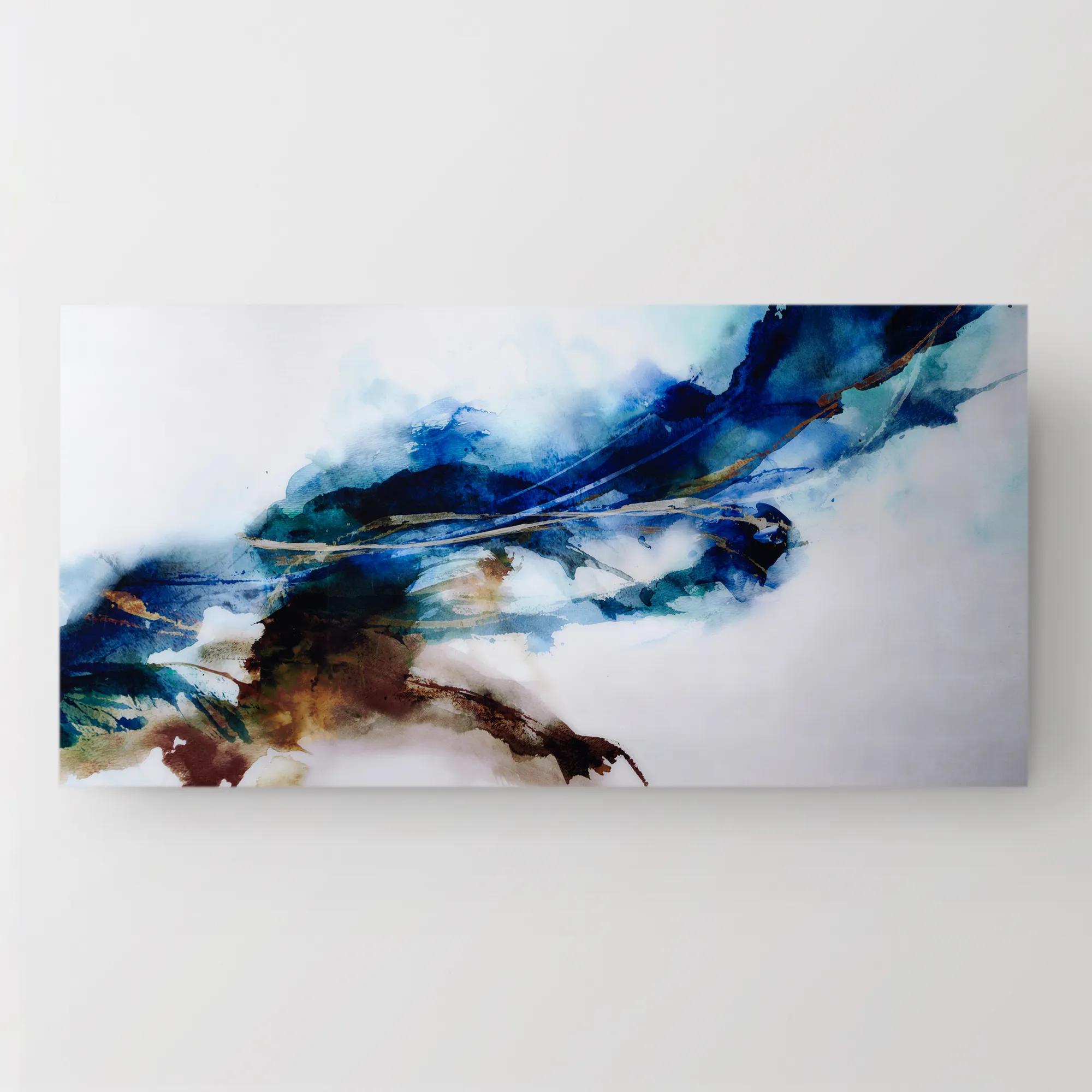 Cerulean Movement Acrylic Art 72" x 36"$1299
A vibrant abstract artwork printed on high-gloss acrylic, infusing your space with dynamic energy and movement.
Add To Cart -
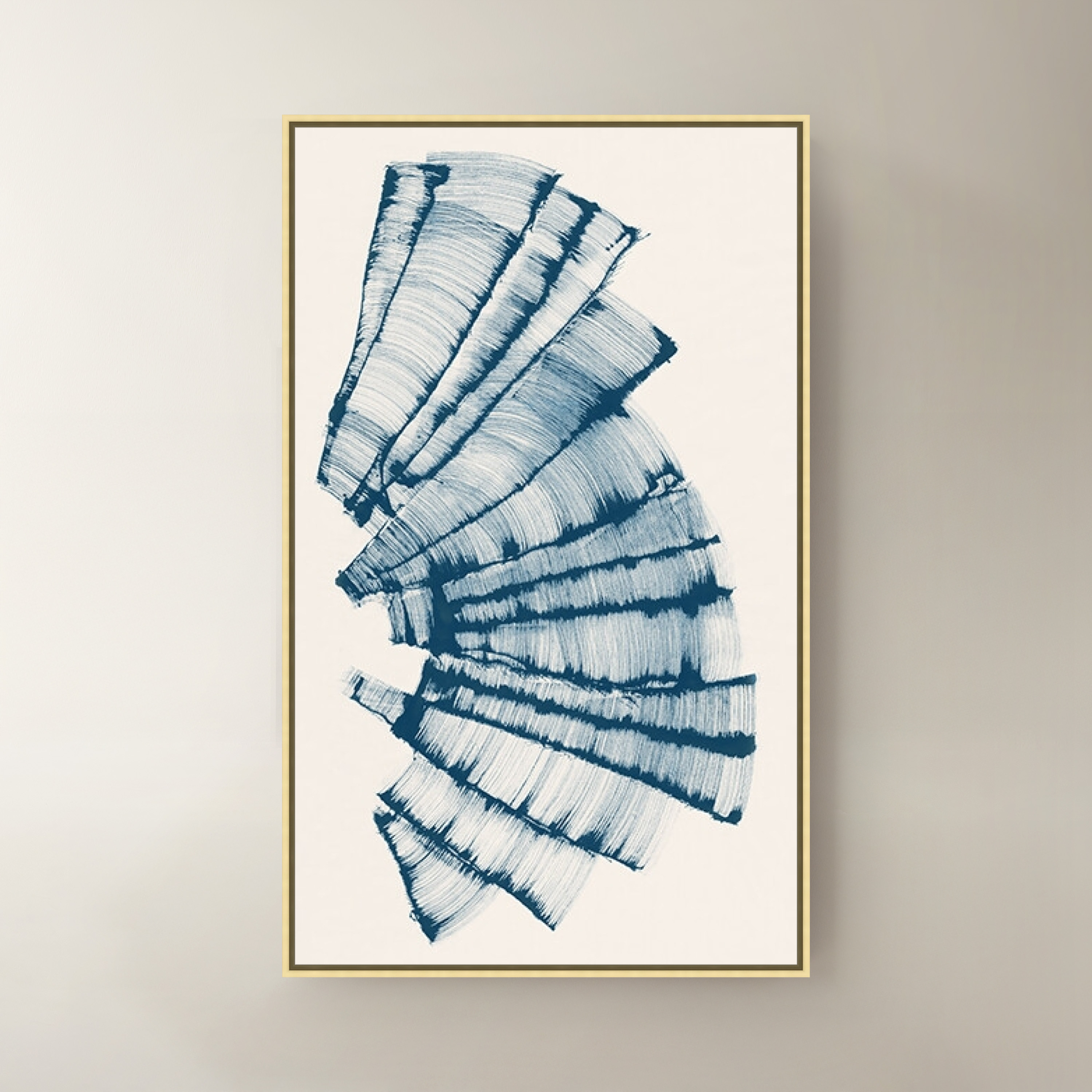
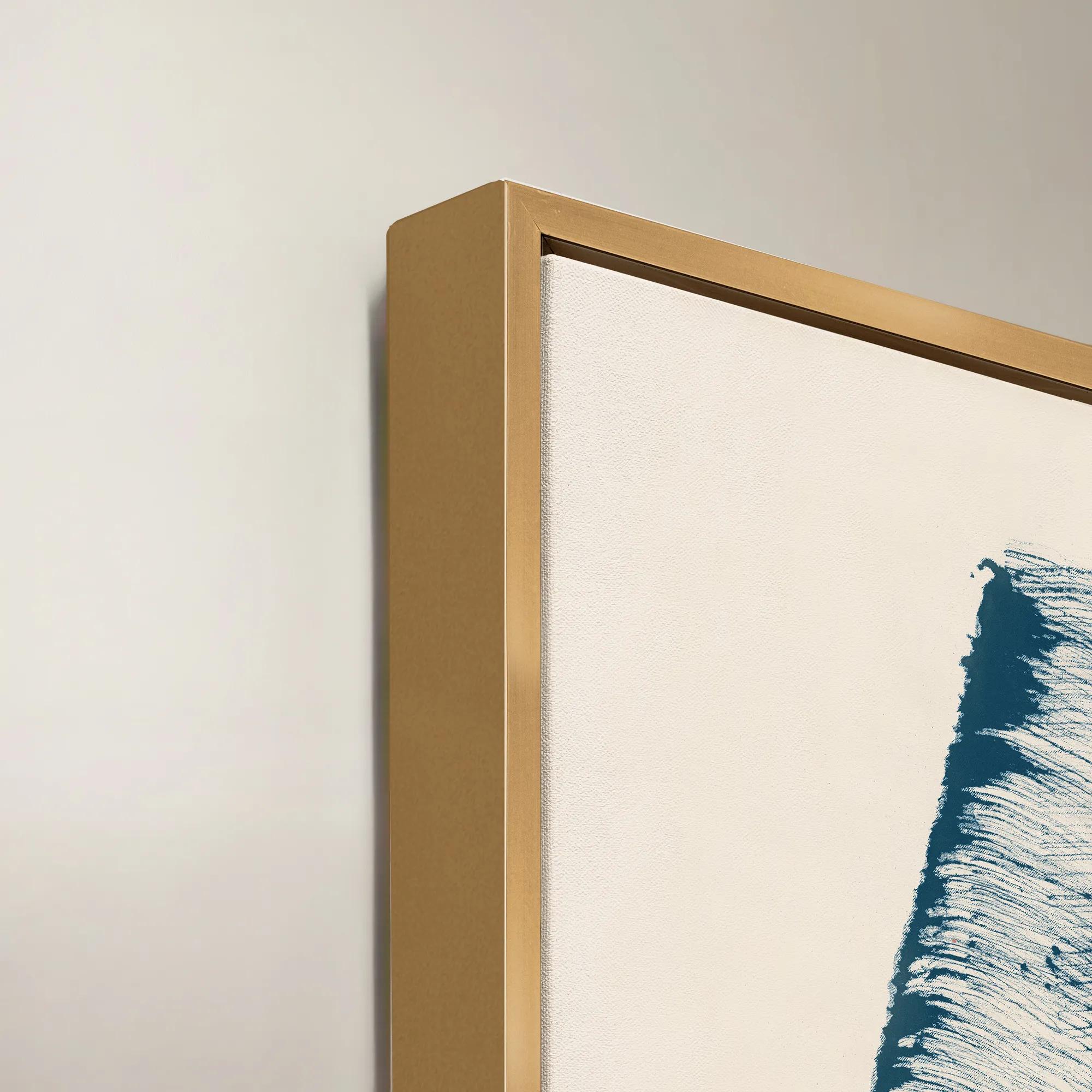 Escape Path IV Framed Wall Art 30" x 50"$799
A blue and purple canvas wall artwork presented in a sophisticated frame for modern interiors.
Add To Cart -
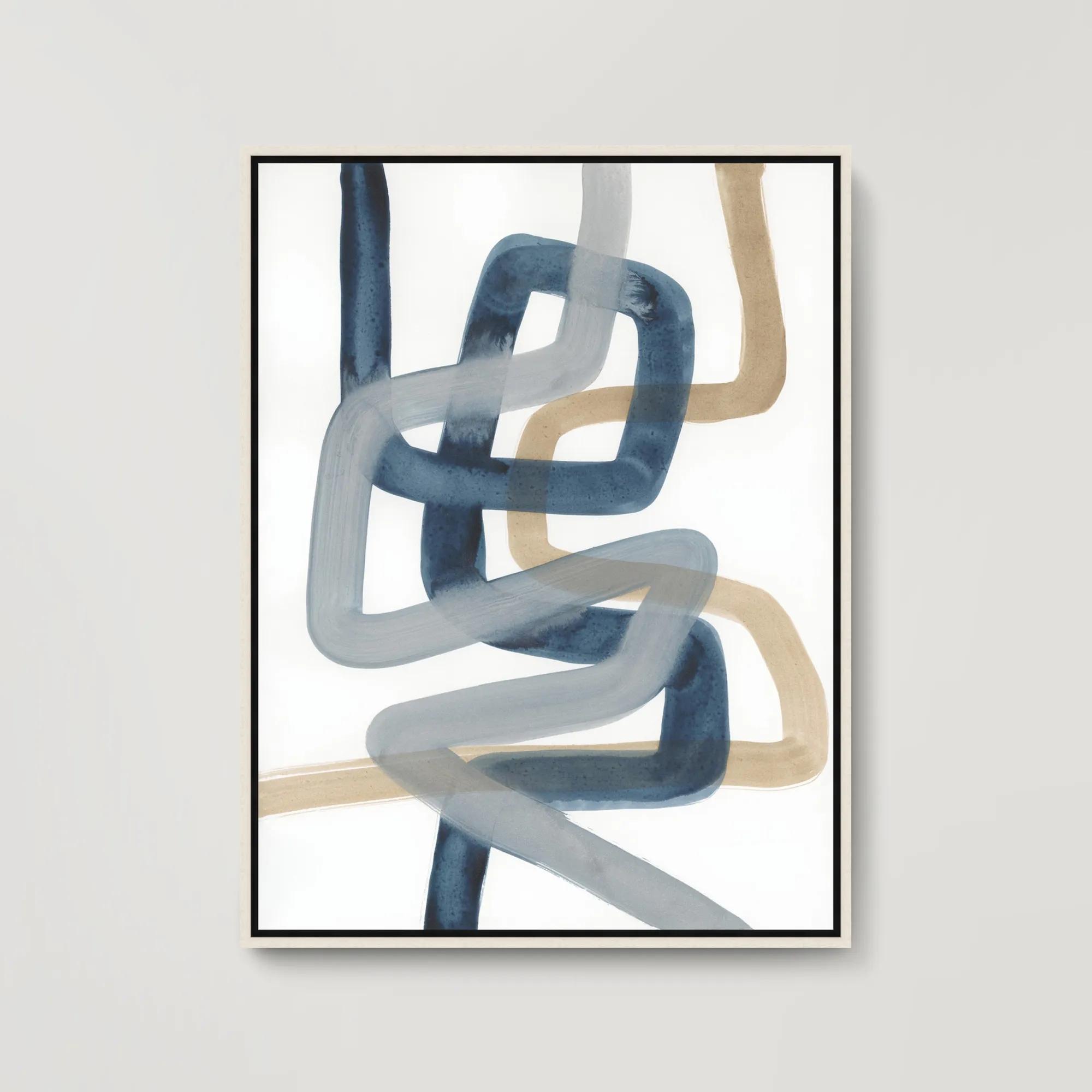 Looped In II Framed Wall Art 31.5" x 41.5"$699
A gallery-wrapped abstract canvas with hand-applied brush gel finish, set in a sleek white floater frame.
Add To Cart -

 Escape Path III Framed Wall Art 30" x 50"$799
A captivating blue and purple canvas artwork adding contemporary movement and layered dimension to your walls.
Add To Cart -
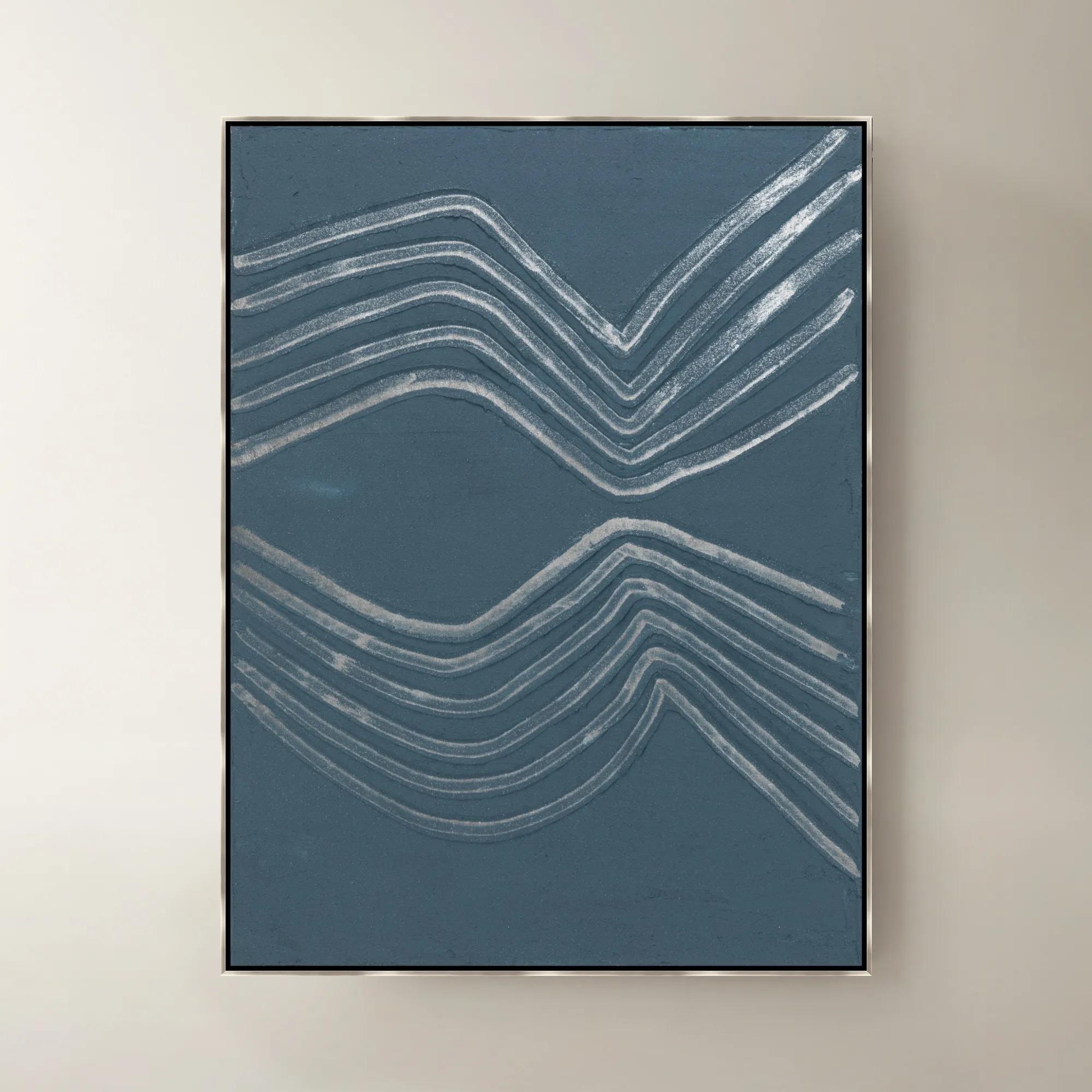
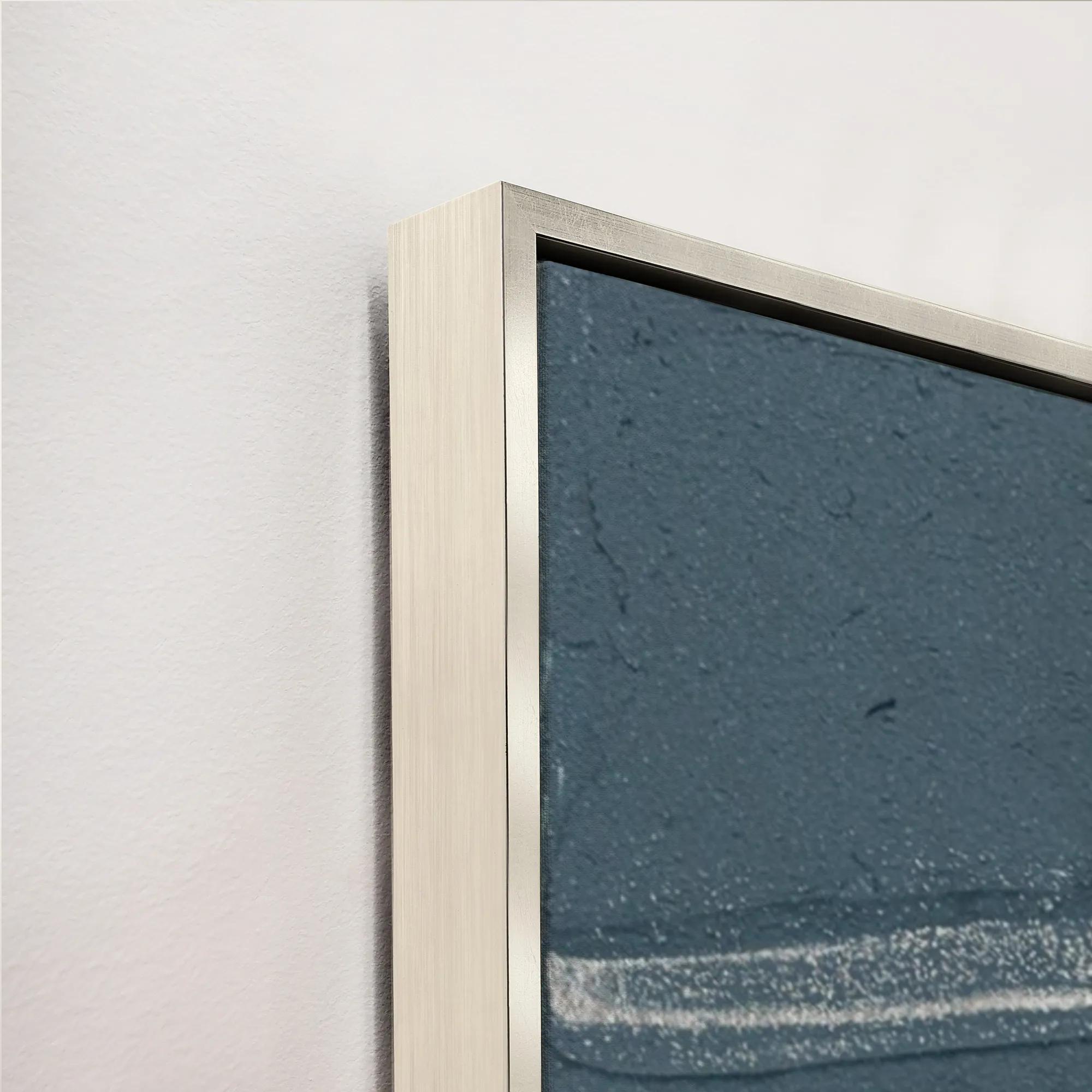 Gilded Waves VI Framed Painted Wall Art 40" x 53"$1399
A framed painted canvas artwork featuring sweeping gilded waves in rich blue and purple tones.
Add To Cart -
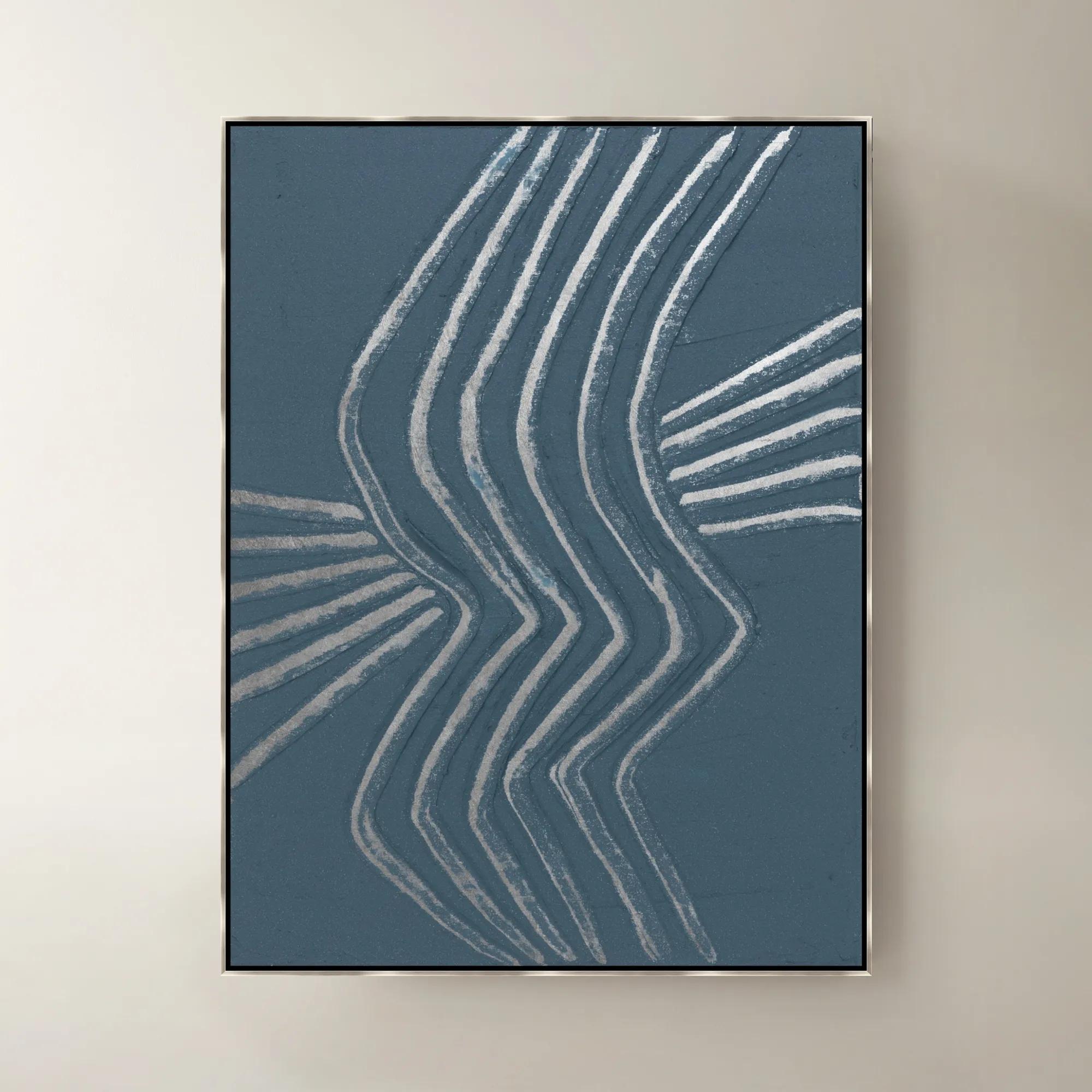
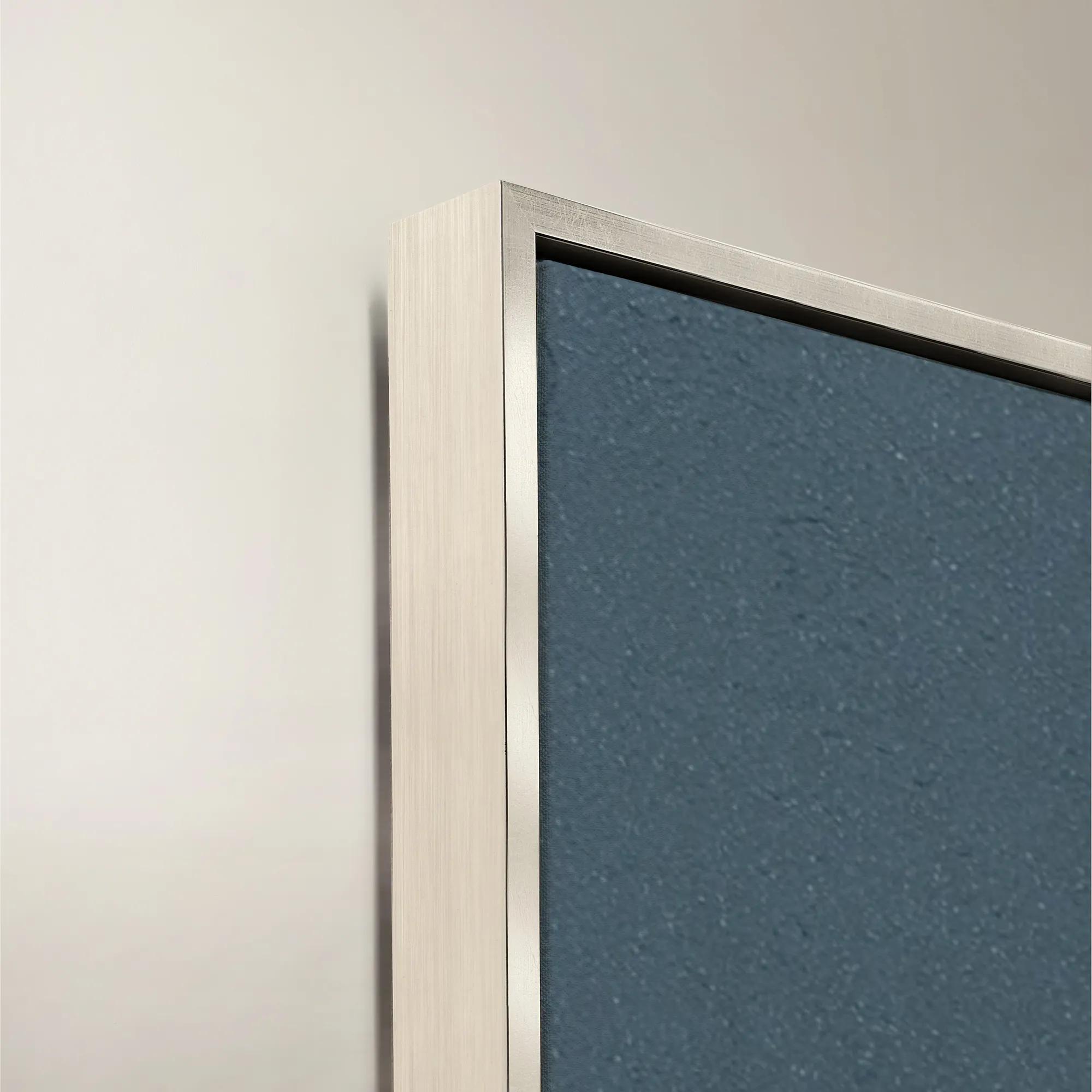 Gilded Waves IV Framed Painted Wall Art 40" x 53"$1399
A framed painted canvas artwork featuring flowing gilded waves in soothing blue and purple tones.
Add To Cart -
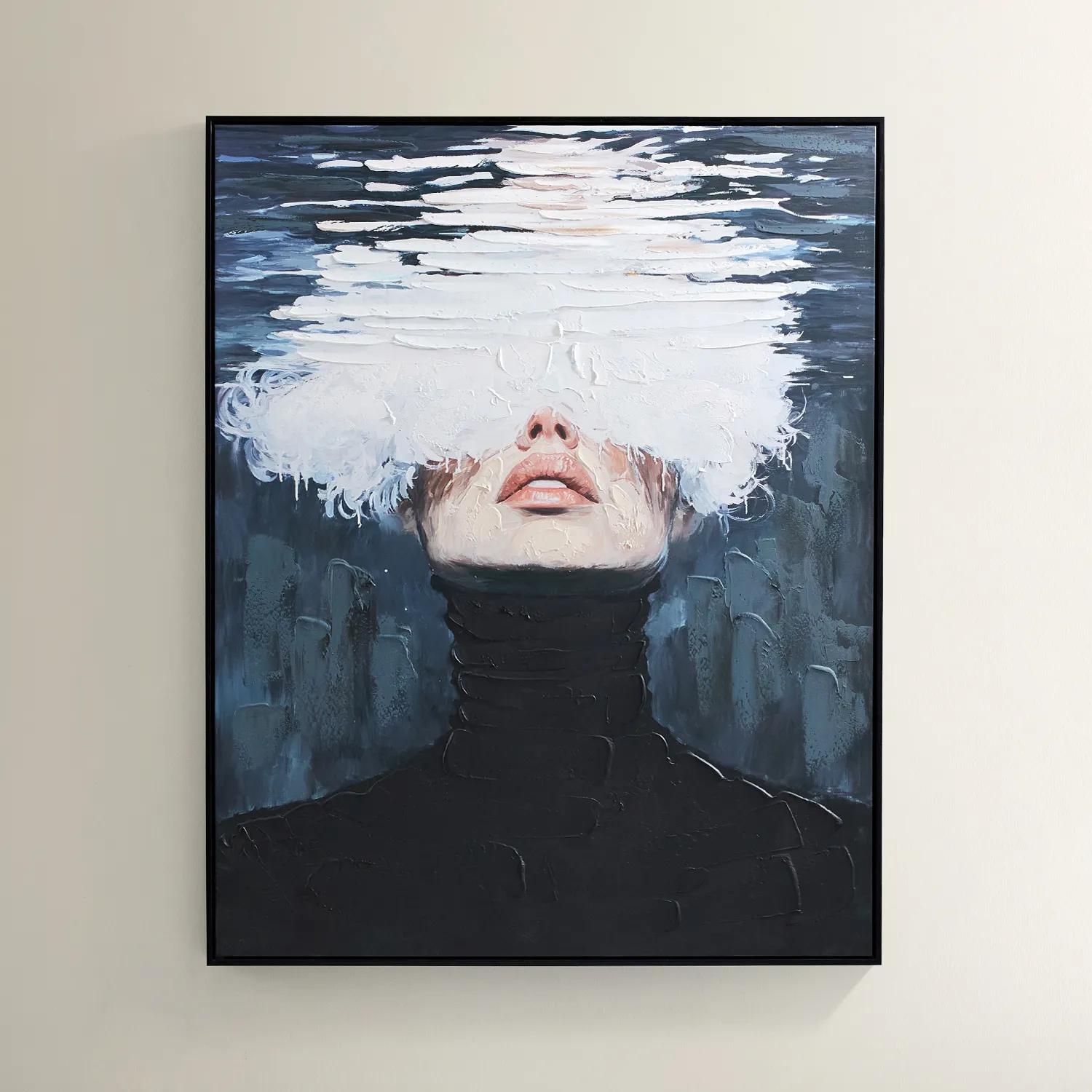
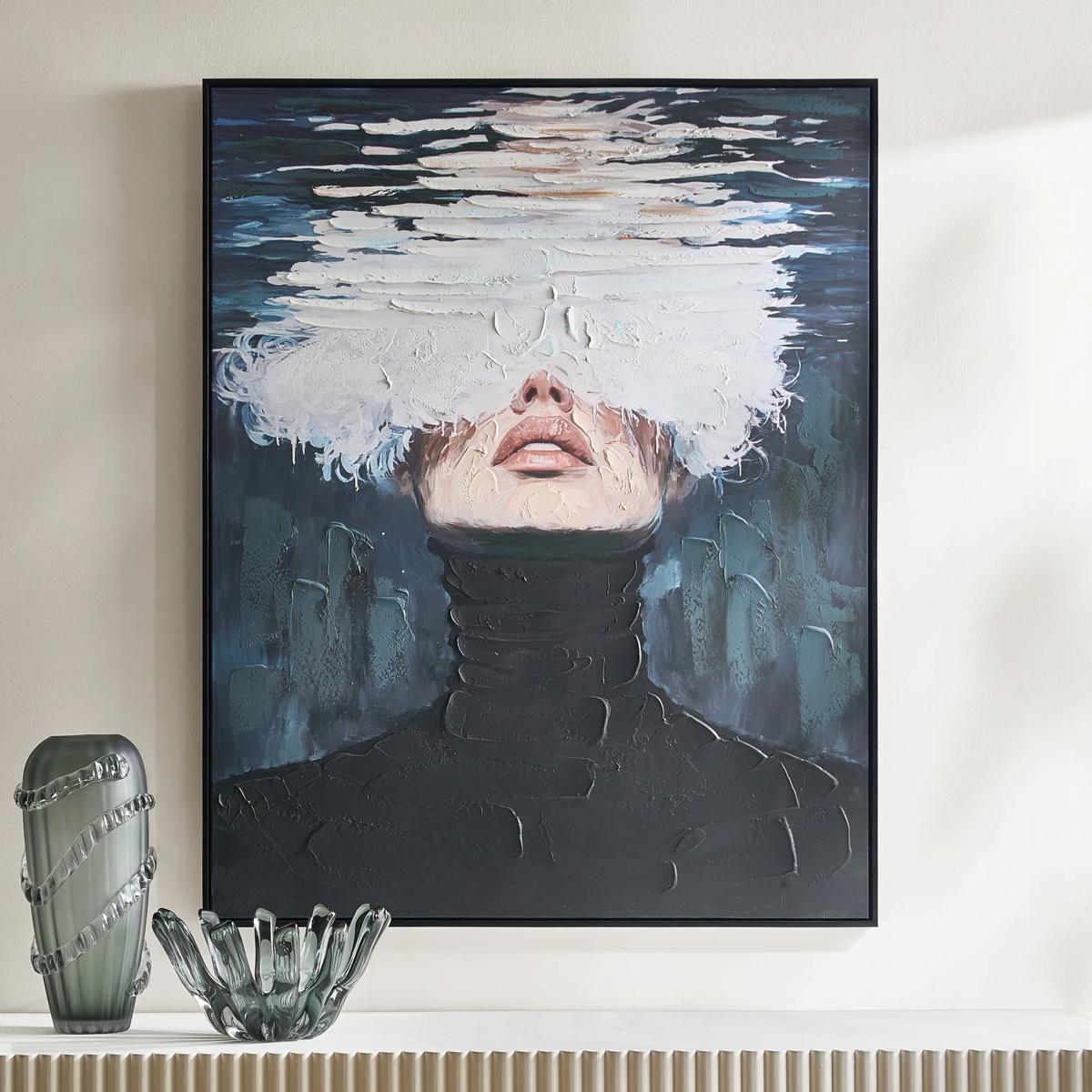 Submerged Framed Painted Wall Art 40" x 50"$599
A hand-painted canvas featuring a surreal portrait in black, blue, and white with a black floater frame.
Add To Cart -
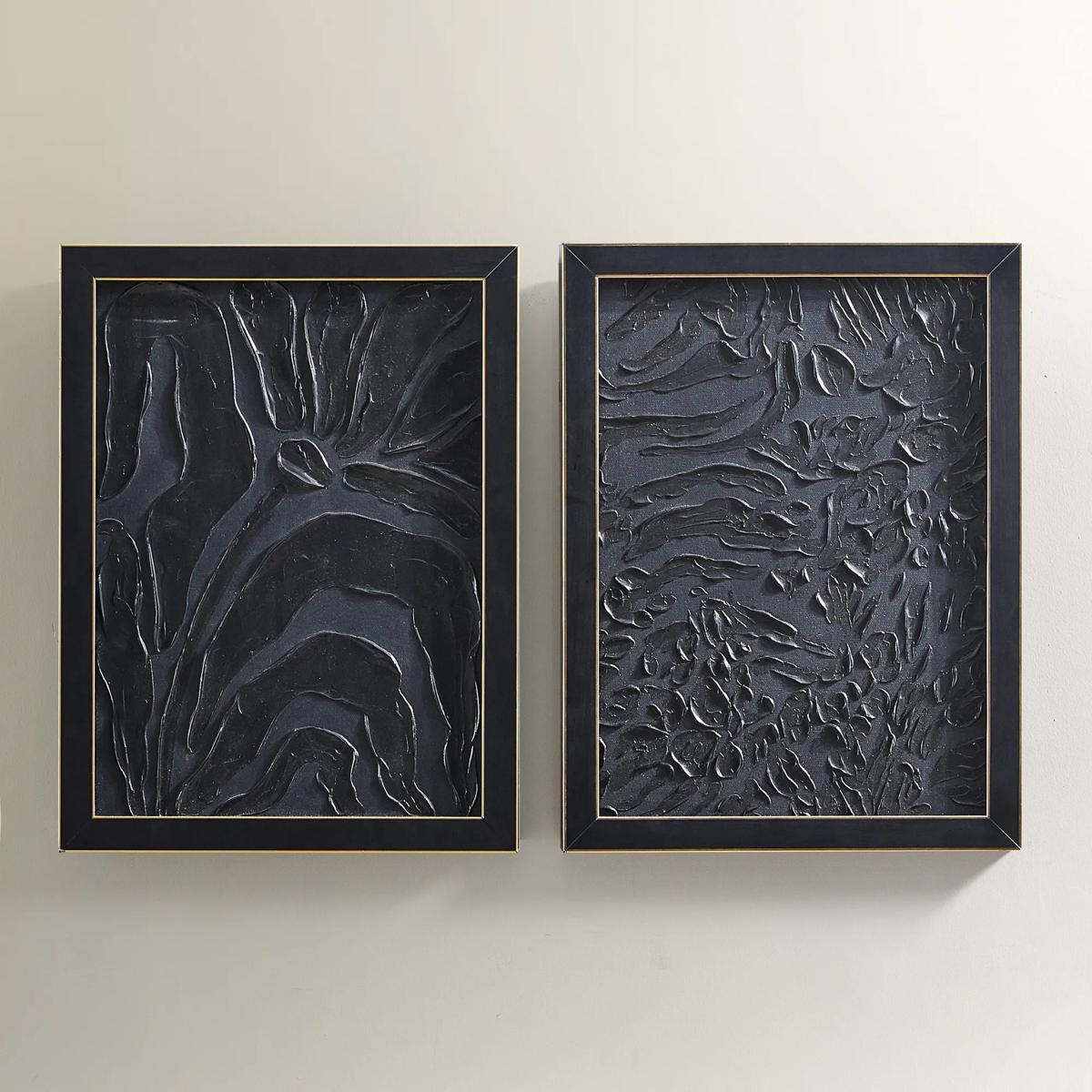
 Relic Framed Painted Triptych Wall Art Set of 3$399
A hand-painted abstract triptych in deep navy and neutral tones, set in sleek black floater frames.
Add To Cart -
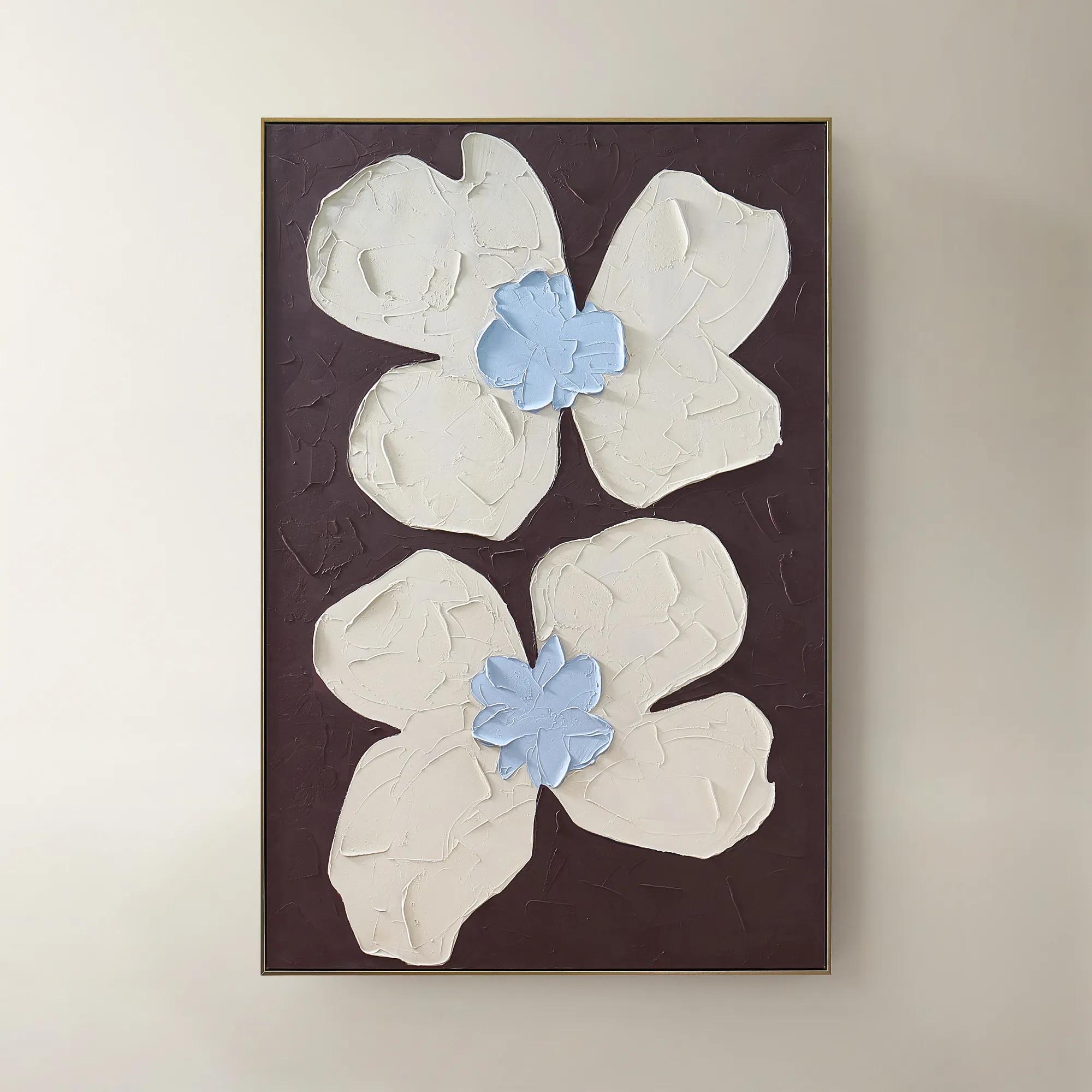
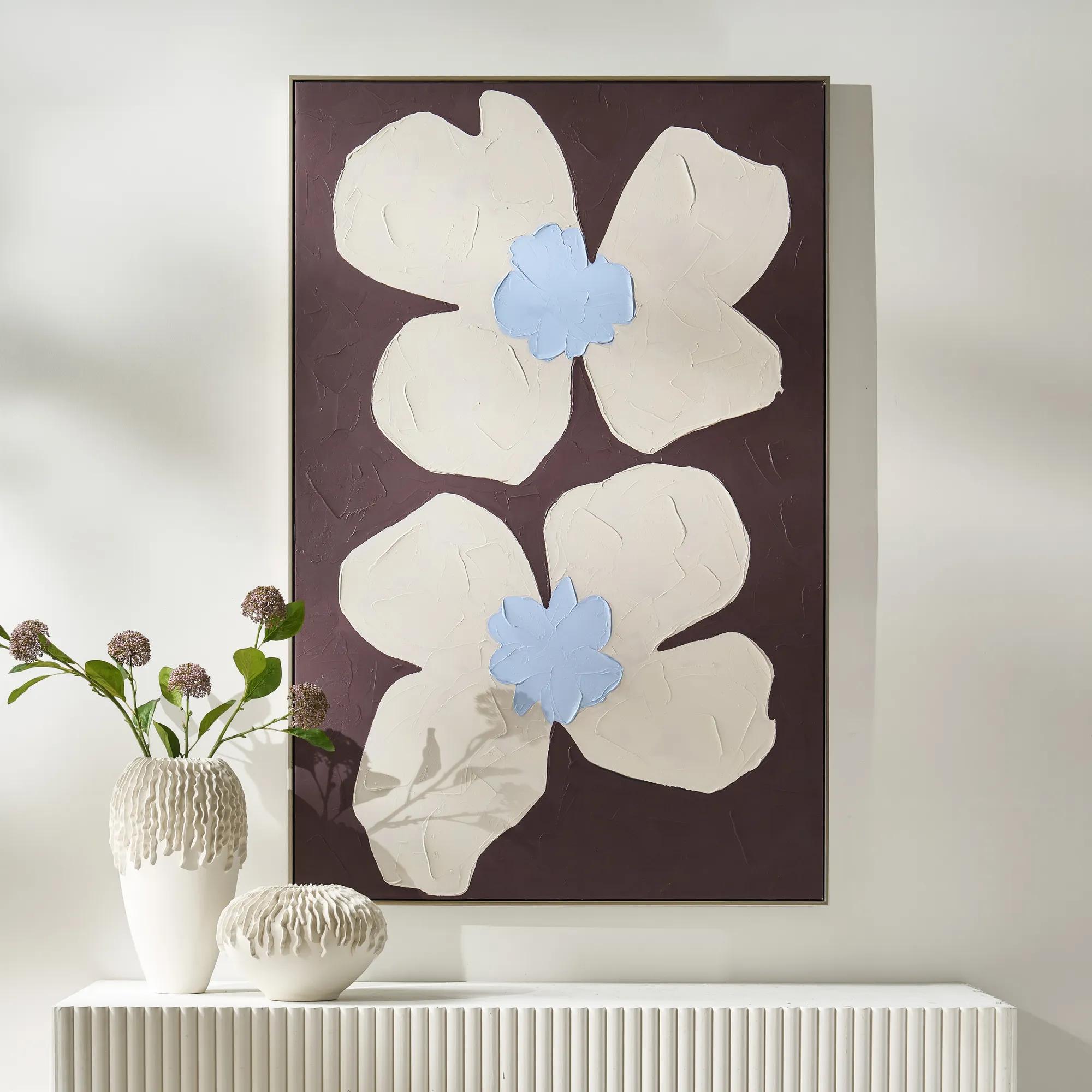 Cosmic Blooms Framed Painted Wall Art 40" x 60"$399
A framed painted canvas artwork featuring a cosmic floral composition in rich blue and purple hues.
Add To Cart -
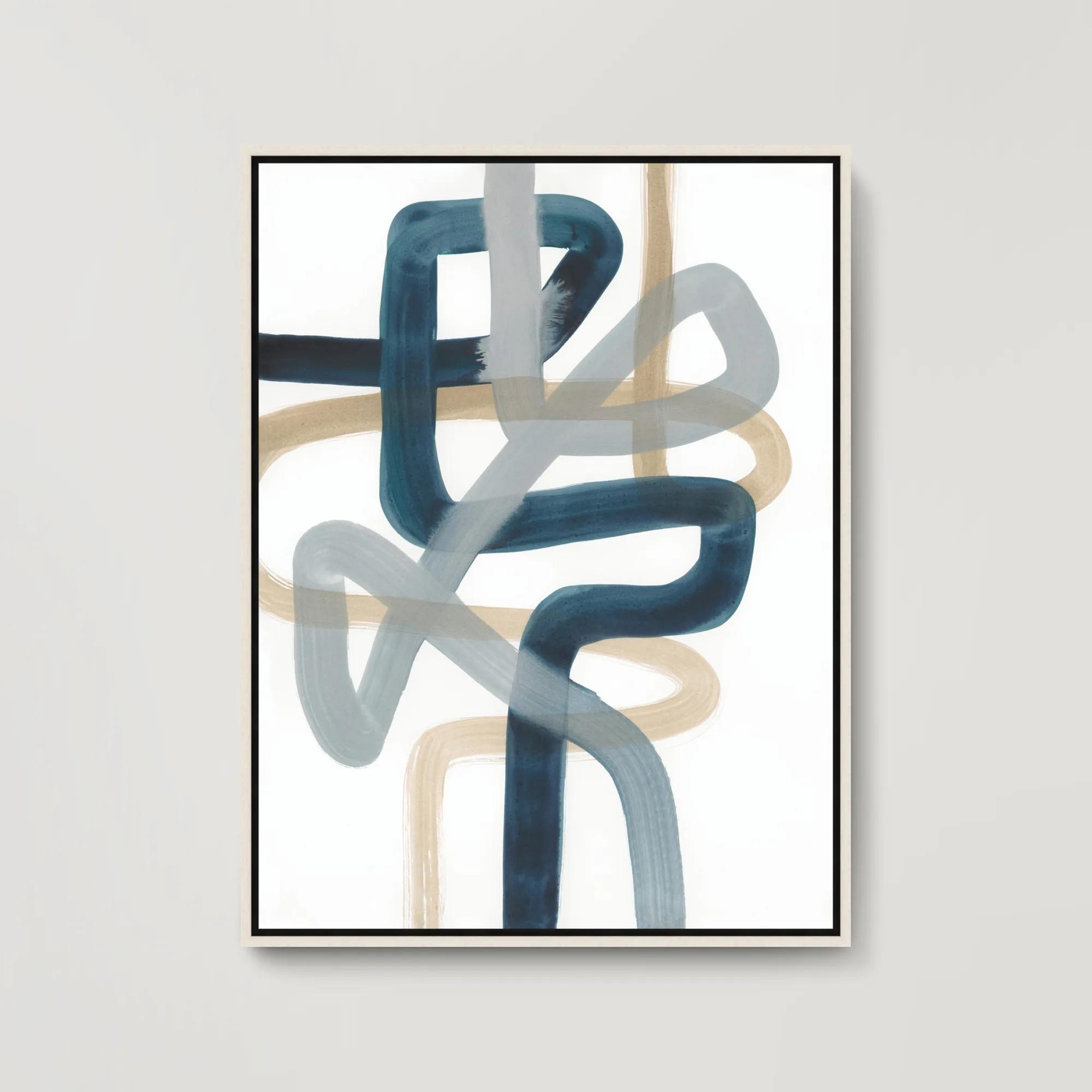
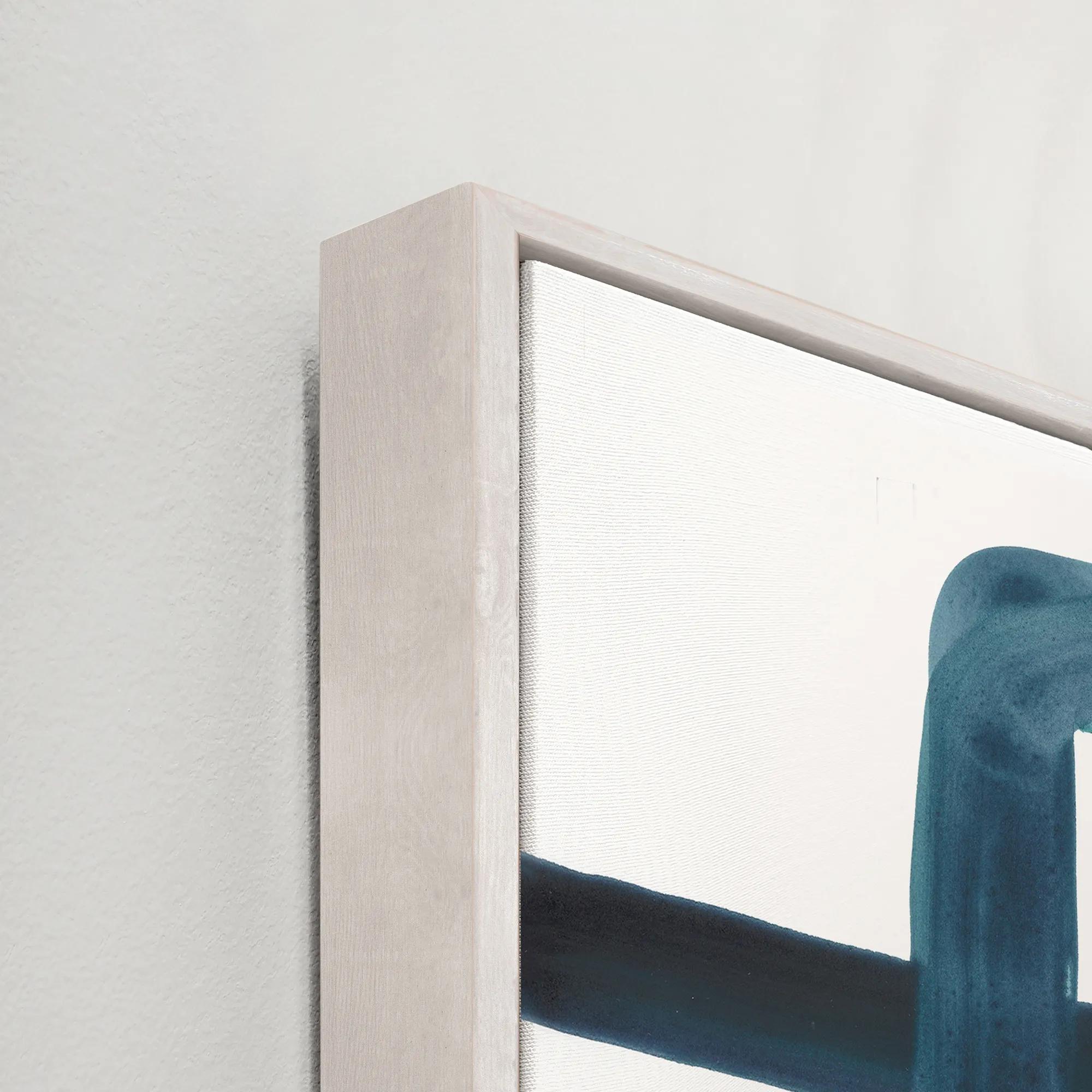 Looped In I Framed Wall Art 31.5" x 41.5"$699
A gallery-wrapped abstract canvas featuring hand-applied brush gel and a sleek white floater frame.
Add To Cart -
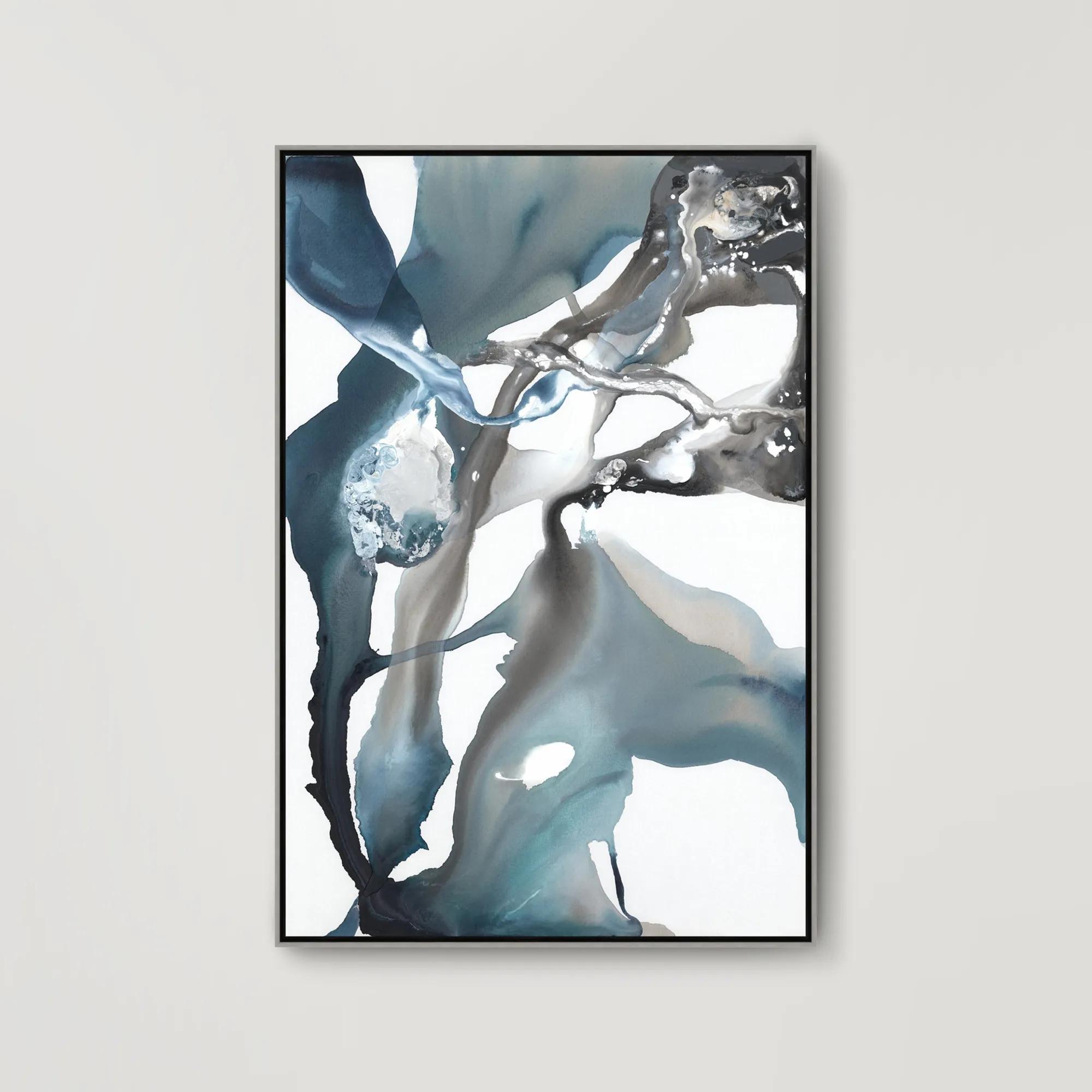
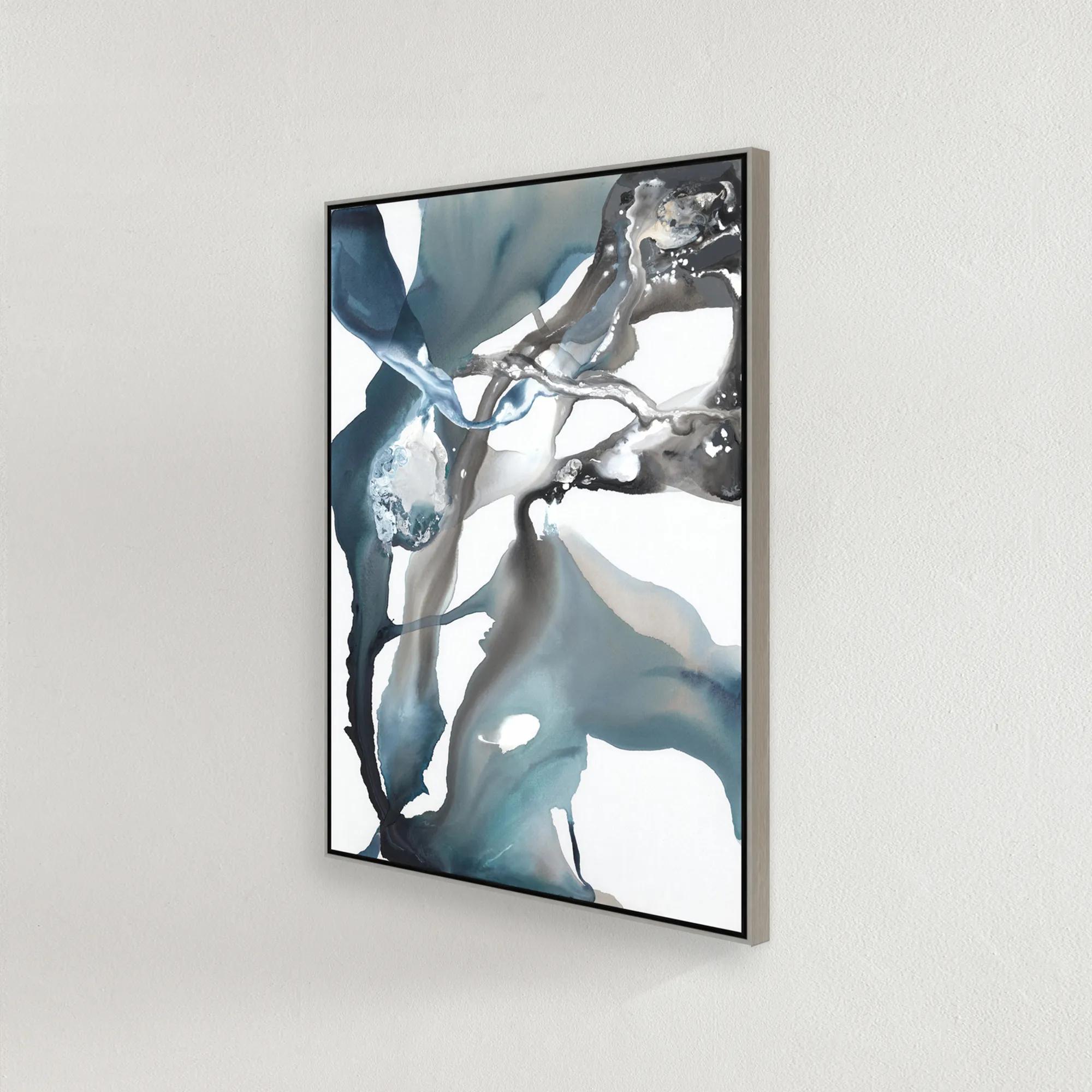 Cool Cascade Framed Wall Art 37.5" x 55.5"$849
A gallery-wrapped canvas artwork featuring expressive colors, hand-applied brush gel, and a gunmetal floater frame.
Add To Cart -
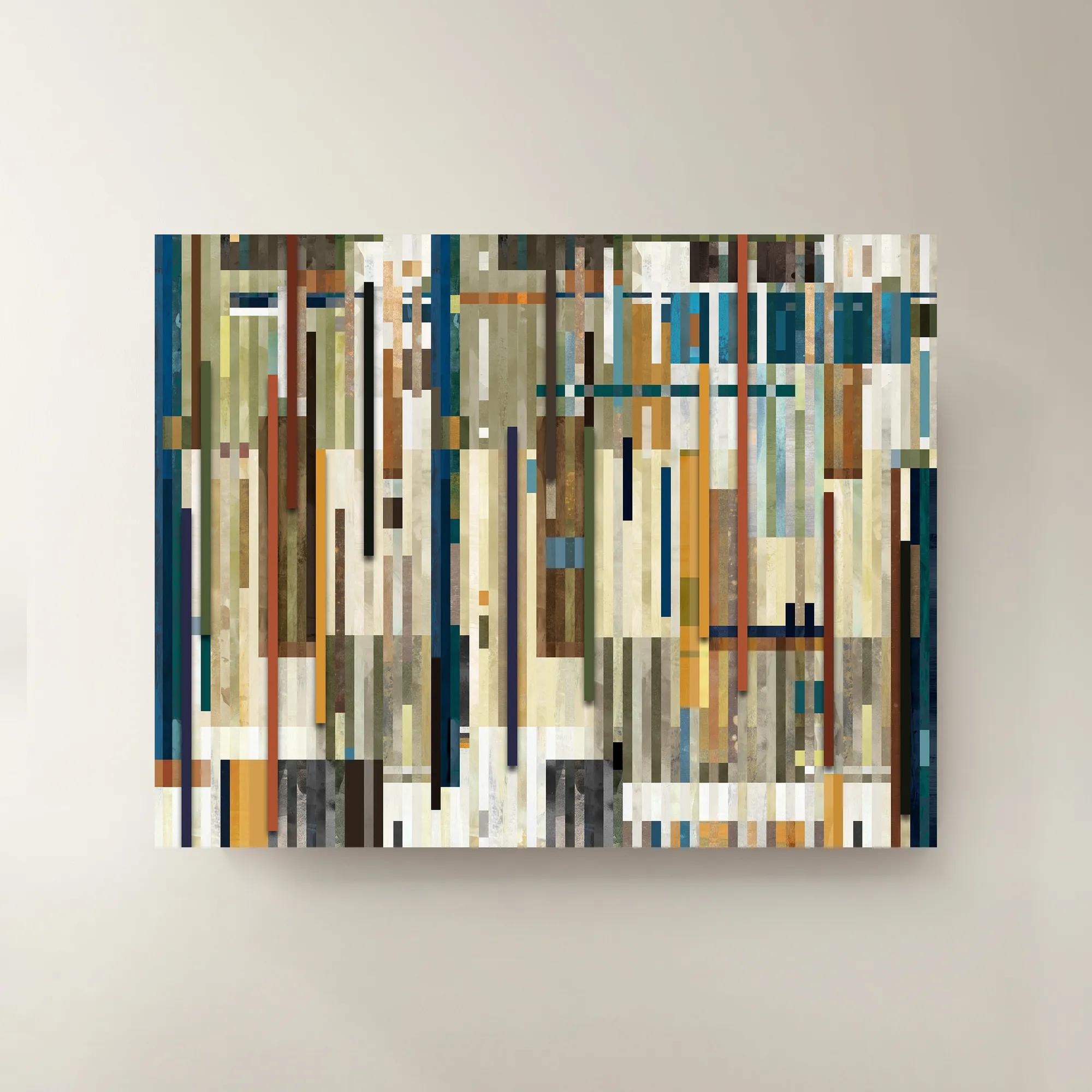
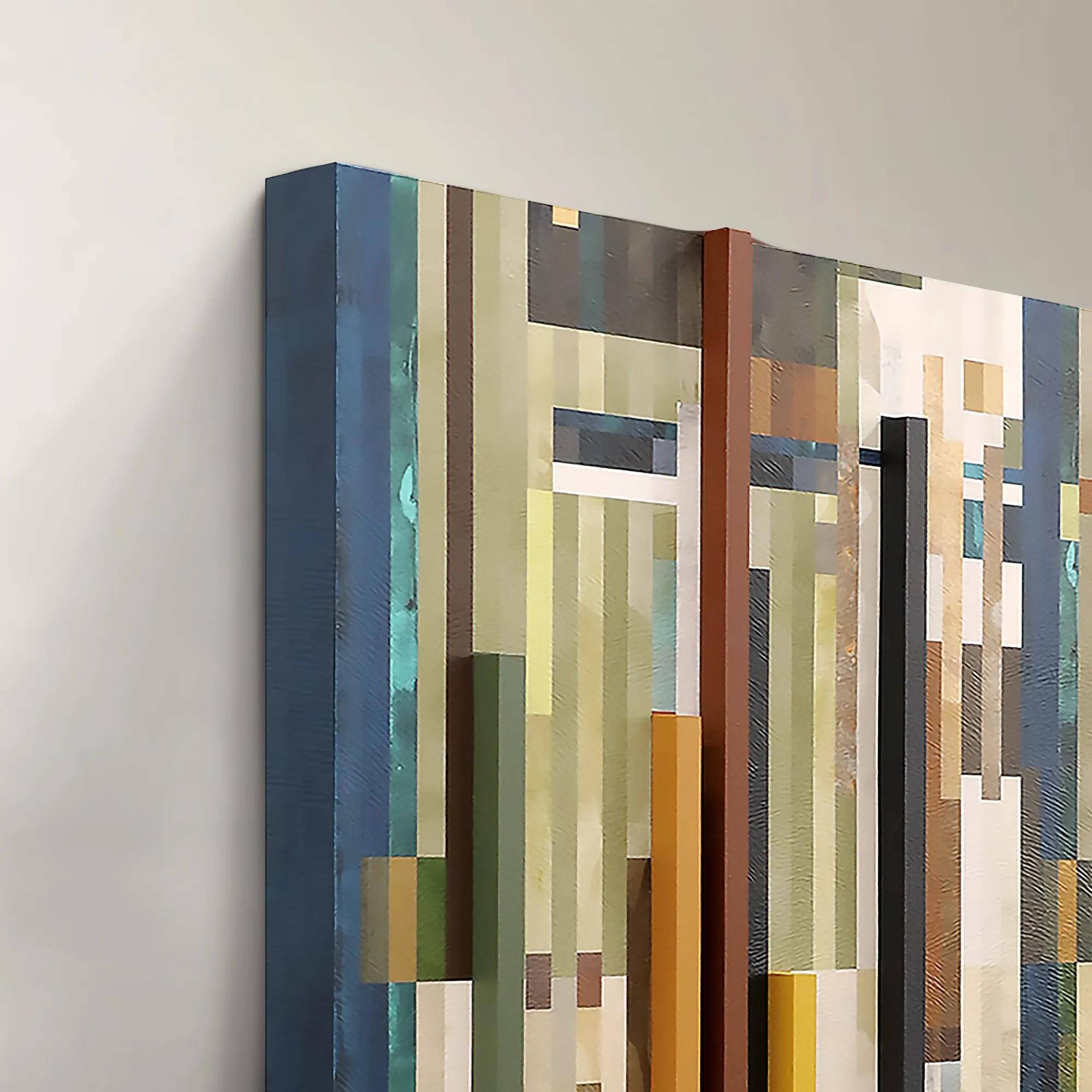 Chromatic Rhythms II Wall Art 60" x 47"$1899
A dynamic blue abstract canvas artwork featuring rhythmic geometric composition.
Add To Cart -
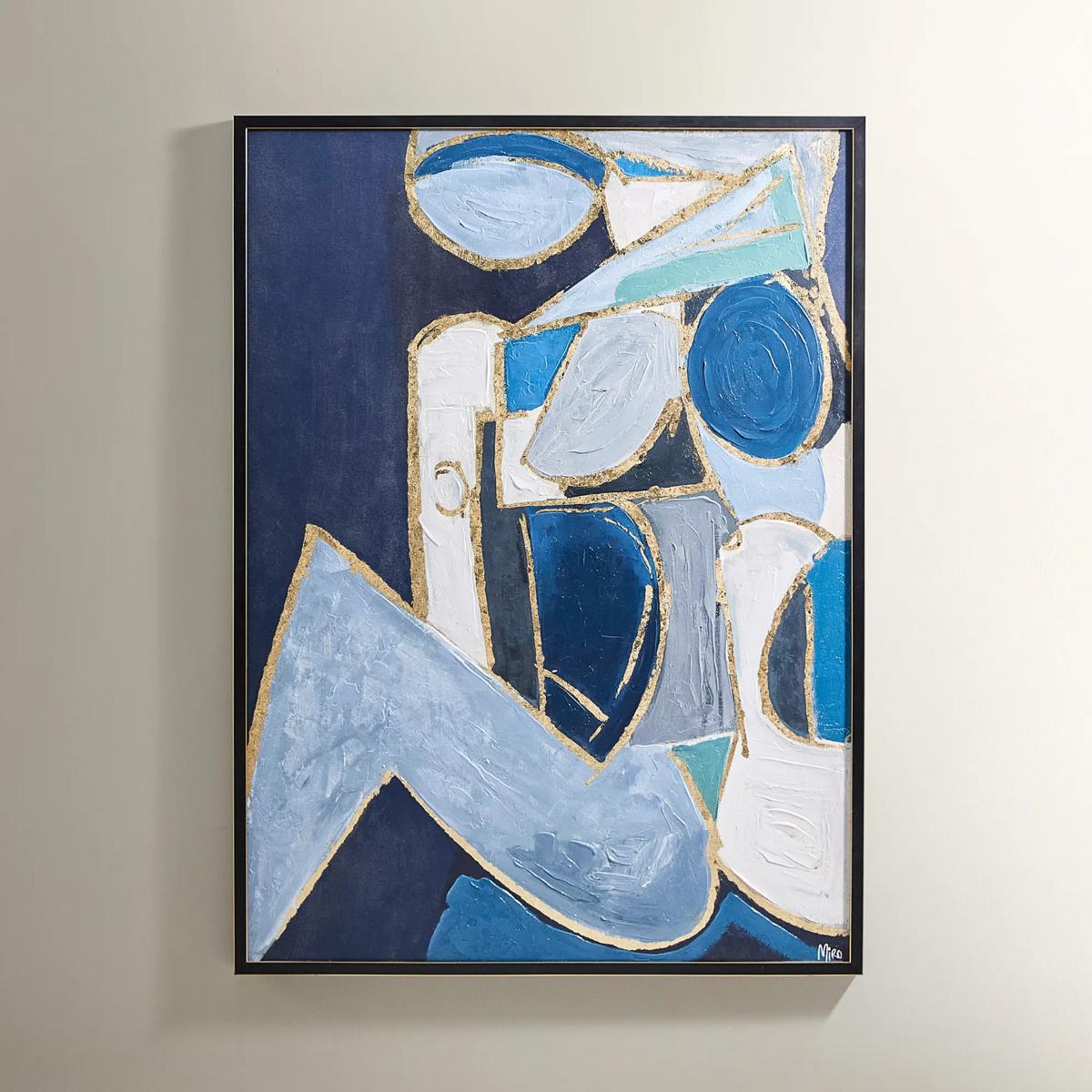
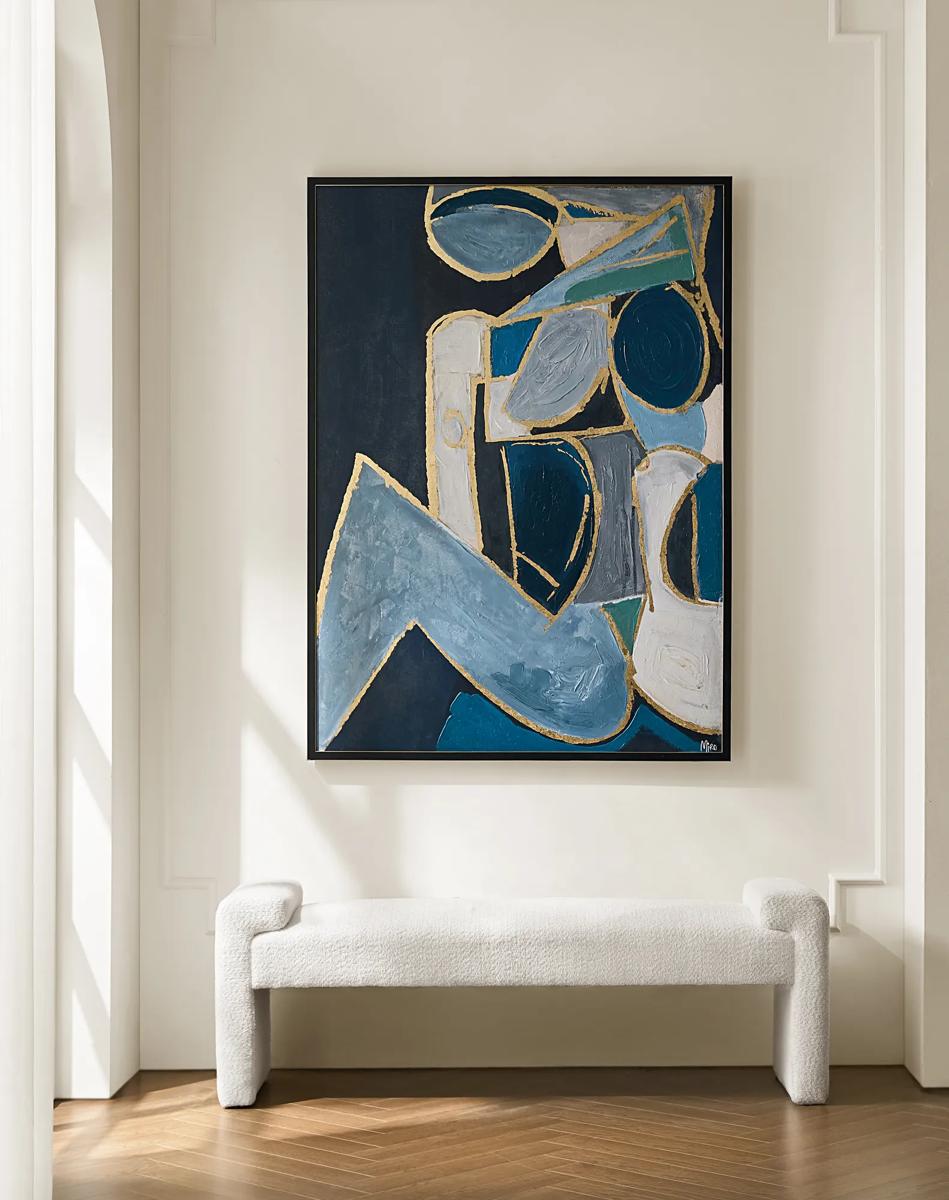 Figure in Cubism Painting$599
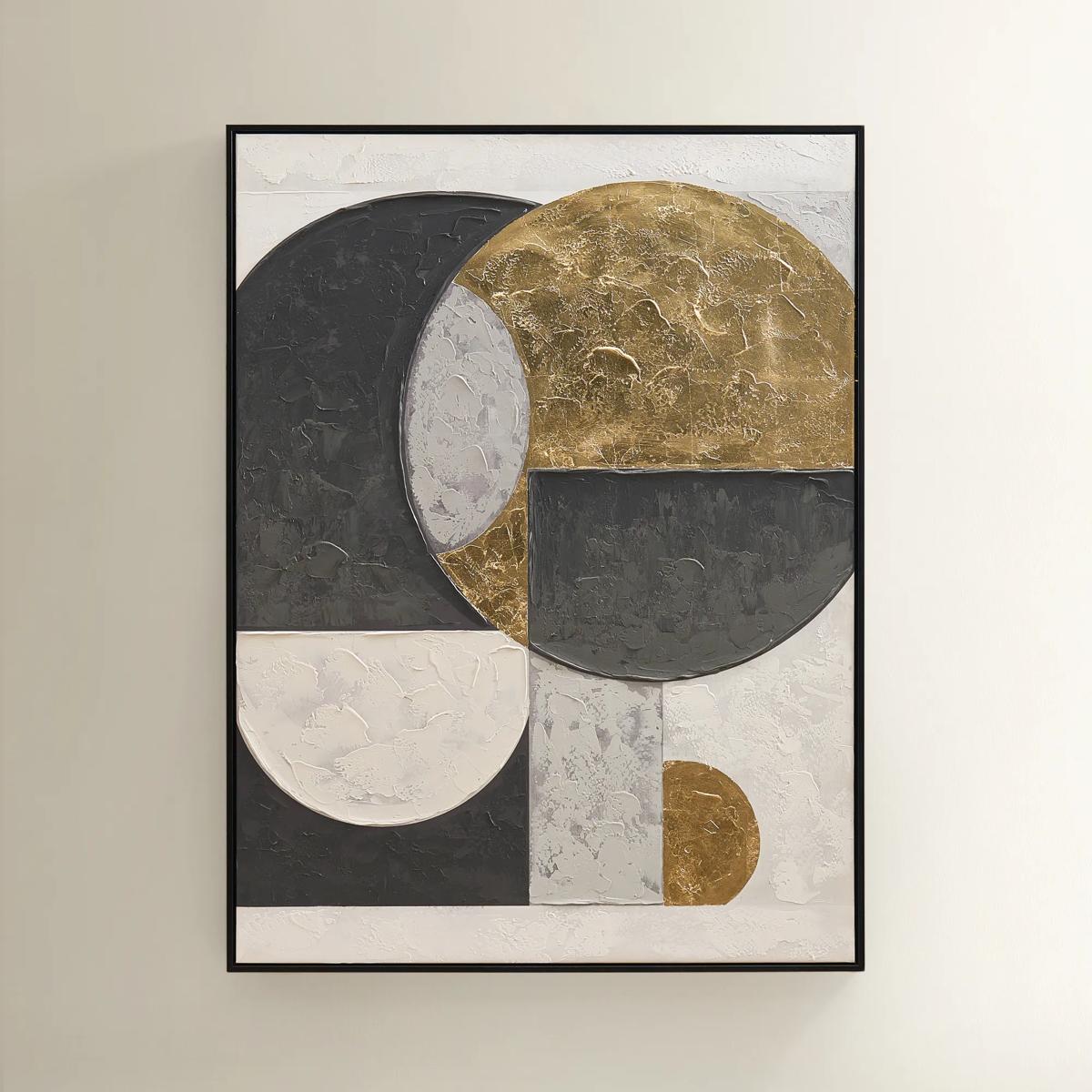
A hand-embellished canvas artwork featuring blue, gold, and white hues with elegant silver foil accents.
Add To Cart

Large Blue Paintings For Dining Rooms
Large blue paintings for dining rooms invite a sense of grandeur and serenity, transforming mealtime into a feast for the senses. Drenched in rich sapphire and indigo hues, these commanding works of art set the stage for unforgettable gatherings—each brushstroke echoing the drama and allure of a well-curated space. Whether you crave a splash of contemporary cool or a whisper of tranquil elegance, large blue paintings become more than décor; they are captivating statements that anchor your dining room in bold sophistication. Let your walls speak volumes and elevate every occasion with art that is as expressive as your taste.
Large blue paintings for dining rooms create a compelling focal point, bringing depth, color, and a sense of occasion to the space where people gather. Blue has an unusually expressive range: pale washes lend visual openness, cobalt delivers a confident flash of pigment, and midnight navy gives a wall the richness of an evening sky. On a generous canvas, these shades become part of the room’s architecture rather than a small decorative accent. A sweeping horizontal composition can echo the length of a dining table, while a substantial square painting gives a sideboard arrangement a strong center of gravity. Abstract brushwork, atmospheric landscapes, and fluid, water-inspired compositions each establish a different mood. Broad strokes and sharp contrasts feel energetic and sculptural; softly layered horizons encourage a more contemplative setting. The distinction matters in a room that may host both lively celebrations and intimate dinners. Against ivory upholstery and warm wood, a deep blue painting introduces contrast without requiring a room full of saturated color. Beside a glass table, polished metal, or a dramatic chandelier, the same palette feels luminous and distinctly modern. Touches of cream, charcoal, or metallic pigment within the artwork can connect those surrounding finishes, though a painting need not match every detail to feel intentional. Often, a single unexpected shade is what gives the entire composition personality. For those drawn to gesture, movement, and color rather than recognizable scenery, blue abstract wall art for dining rooms offers a related expression of this richly layered aesthetic. Large-scale artwork is especially appealing to hosts who want their dining space to feel considered from the first glance, as well as design enthusiasts who prefer one commanding composition over a wall of smaller accents. Its presence carries beyond the table, creating a memorable view through an open doorway or across a connected living area. Even a restrained dining room can gain extraordinary character from a canvas with enough scale and tonal variation to hold attention.
Scale determines whether a large blue painting feels beautifully integrated or visually crowded. Above a buffet or sideboard, artwork spanning roughly two-thirds to three-quarters of the furniture’s width is a useful starting point, not a rigid requirement; the wall’s proportions, nearby windows, and the painting’s visual weight all influence the balance. A dark, densely painted square can feel more substantial than a wider canvas filled with pale, open space. Leaving visible wall around the frame allows the composition to stand apart, while keeping it close enough to the furniture below helps the arrangement read as a single vignette. A gap of about six to ten inches above a sideboard often works well, adjusted for tall serving pieces, lamps, or other objects on the surface. In dining rooms, the seated view deserves as much attention as the standing view. A painting hung high above eye level may lose its connection to the table, particularly beneath a low ceiling. Wide horizontal paintings suit long walls and rectangular dining furniture, while vertical formats can give narrower wall sections a more expansive sense of height. Frame dimensions count toward the overall footprint, and measuring the full framed size helps preserve clearance beside sconces, door casings, and adjacent artwork. Color has its own relationship to fit. An airy composition with misty blue and generous ivory passages can keep a compact dining nook from feeling visually dense, while saturated indigo provides a deliberate anchor in a larger room. A gold-tone frame lends warmth beside brass lighting; silver-tone edges sharpen the effect of chrome or mirrored finishes. Wood frames introduce a softer counterpoint, and floating frames leave a slender reveal around the canvas that emphasizes its dimensional presence. Above a richly grained sideboard, a less intricate painting lets both surfaces register clearly. Against an unadorned wall, pronounced brushwork or layered texture can supply the detail. These relationships make oversized blue artwork feel connected to the room without diminishing its independence as a statement.
Materials and surface treatments give large dining room paintings much of their individual character. Canvas contributes a woven foundation that can remain subtly visible beneath color, while painted panels offer a firmer support and a different sense of precision. Hand-applied paint may introduce raised strokes, irregular edges, and variations that become more apparent as light moves across the surface. Printed canvas reproduces an image rather than constituting an original painting, although some reproductions include added painted embellishment; the product description should clarify the medium and finish. That distinction helps establish expectations for texture, detail, and care. From across the table, the overall composition makes the first impression, but nearer the sideboard, those material qualities become part of the experience. Lighting can reveal them beautifully. Diffused illumination allows subtle blue undertones to emerge, while a thoughtfully positioned picture light can emphasize the artwork without directing glare toward seated guests. Reflective finishes and glazed frames deserve particular attention opposite bright windows or exposed bulbs. For lasting presentation, indoor artwork belongs away from direct sunlight, persistent moisture, and areas where food or drink may splash during serving. A position above a buffet can be striking, provided there is sufficient separation from frequently handled platters and serving vessels. Care should follow the instructions for the particular medium: frames can often be gently dusted with a clean, dry cloth, while textured or unvarnished painted surfaces may require a more cautious approach. Household sprays, abrasive materials, and moisture can damage finishes, so cleaners should never be applied directly to the artwork. Secure installation matters equally, with hardware appropriate to the piece’s weight and the wall’s construction; substantial framed works may warrant professional hanging. For a housewarming or wedding gift, a large blue painting is most personal when the recipient’s taste, wall dimensions, and preferred medium are already understood. Whether chosen for a formal dining room or an open-plan gathering space, its appeal lies in the interplay of generous scale, expressive color, and details that reward a closer look.
FAQs
For formal dining rooms, abstract and modern blue paintings with layers of navy, indigo, and gold create a refined, gallery-inspired atmosphere. Coastal-inspired triptychs or painterly botanicals also add a touch of timeless elegance, especially when paired with luxurious finishes and statement lighting.
To achieve a harmonious look, echo the shades of blue found in your artwork with complementary elements in your dining room—such as upholstered chairs, patterned rugs, or decorative vases. Metallic accents, glassware, and textured textiles in similar tones can further enhance the cohesive, curated feel.
Absolutely. Large blue paintings make memorable gifts for housewarmings, anniversaries, weddings, or milestone celebrations. Their timeless appeal and transformative presence allow the recipient to infuse their dining space with personal style and artistry.
To showcase blue wall art, use layered lighting—such as a statement chandelier, wall sconces, or art-directed spotlights—to bathe the artwork in a warm, inviting glow. Positioning art opposite a window can also enhance its vibrancy with natural light, especially during the winter months.
A single, oversized blue painting above a buffet or dining table immediately draws the eye and sets a sophisticated tone. Alternatively, arranging a set of seven paintings or a multi-panel triptych adds visual intrigue and depth, transforming your dining room into a bold, expressive gallery.