Inverted Pleat Silk Drapes
Inverted Pleat Silk Drapes
-
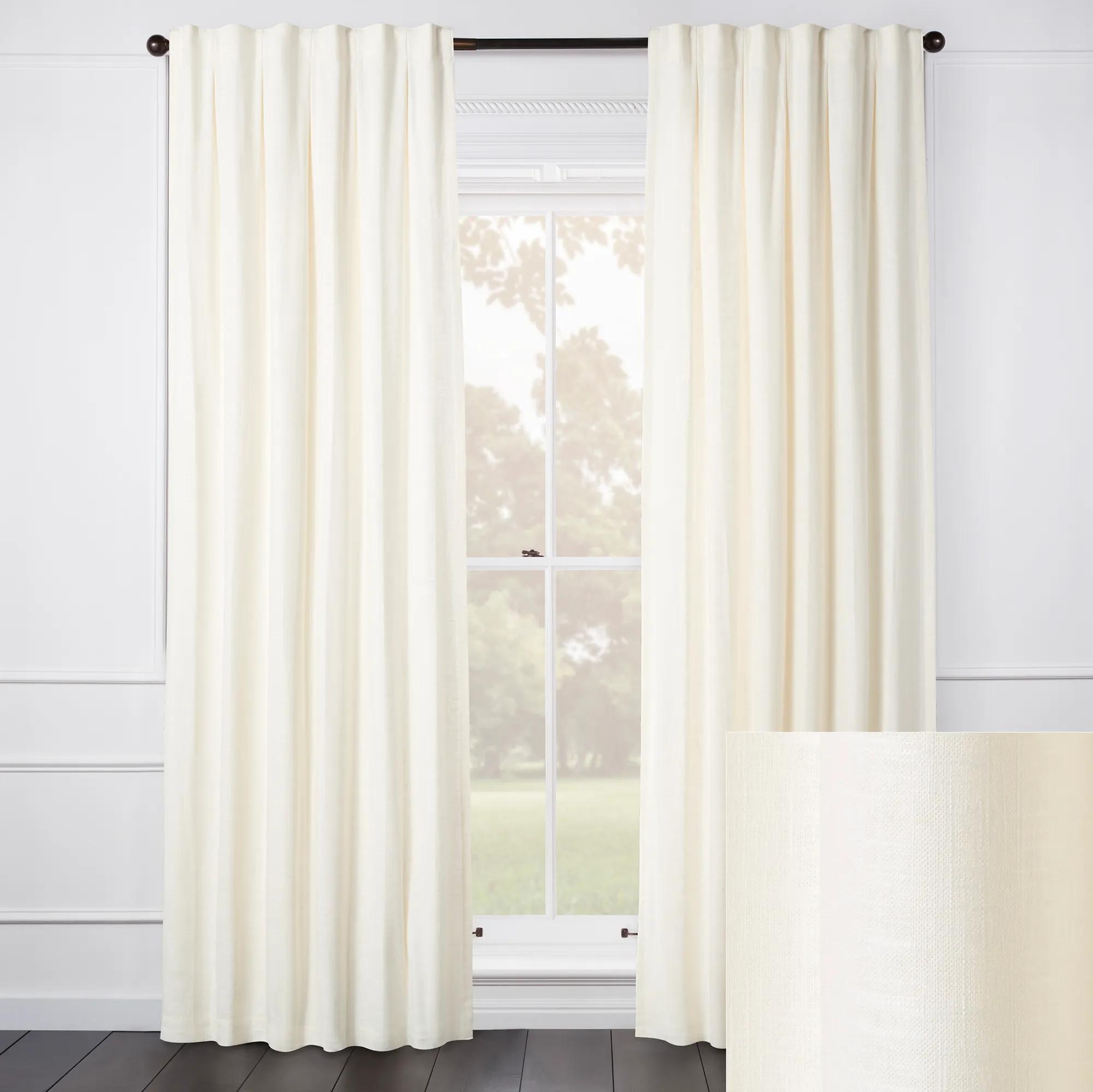
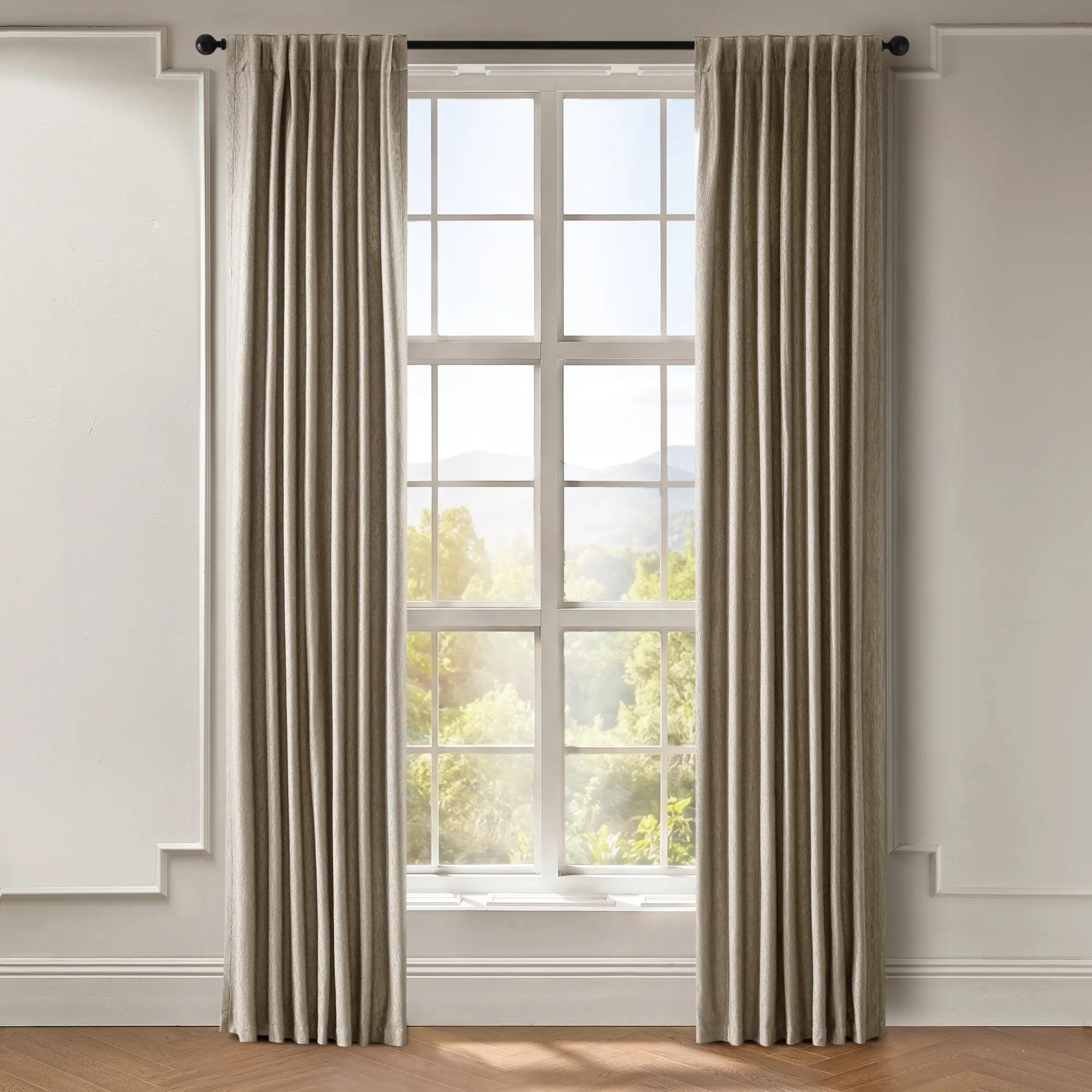
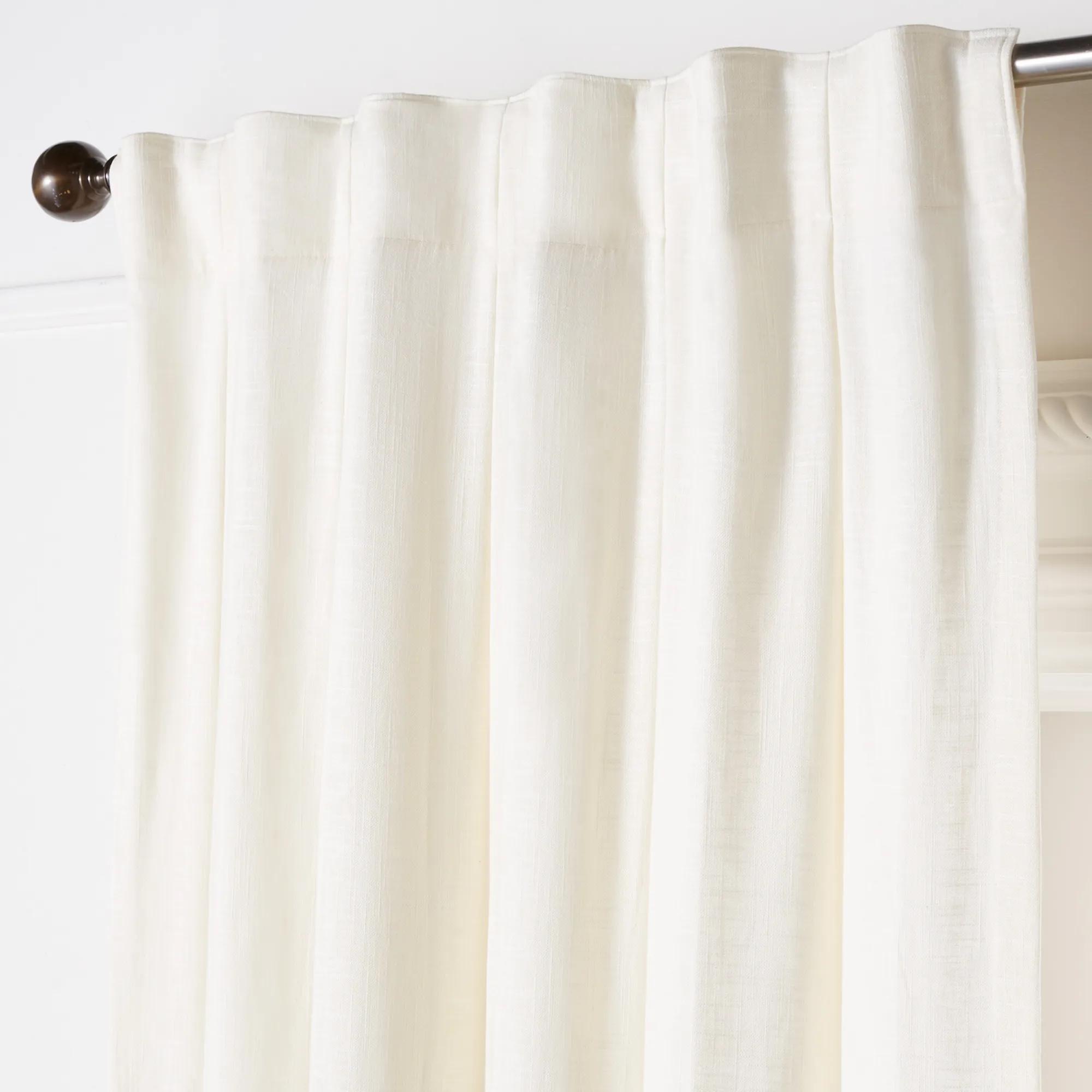 Audrey Linen Ivory Curtain - Custom$269
An ivory linen-blend curtain panel with lining, offering customizable lengths and two elegant header styles.
Add To Cart -
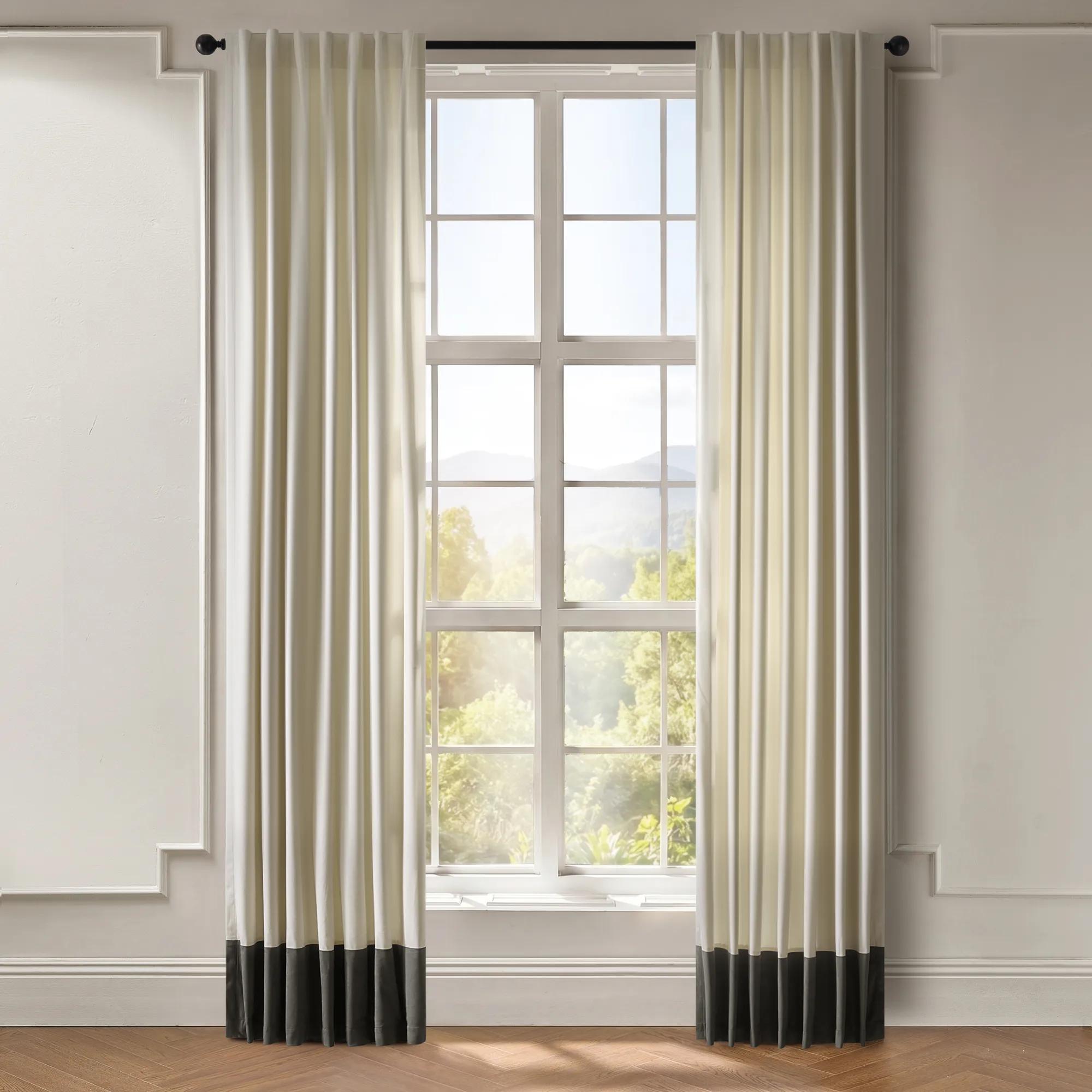
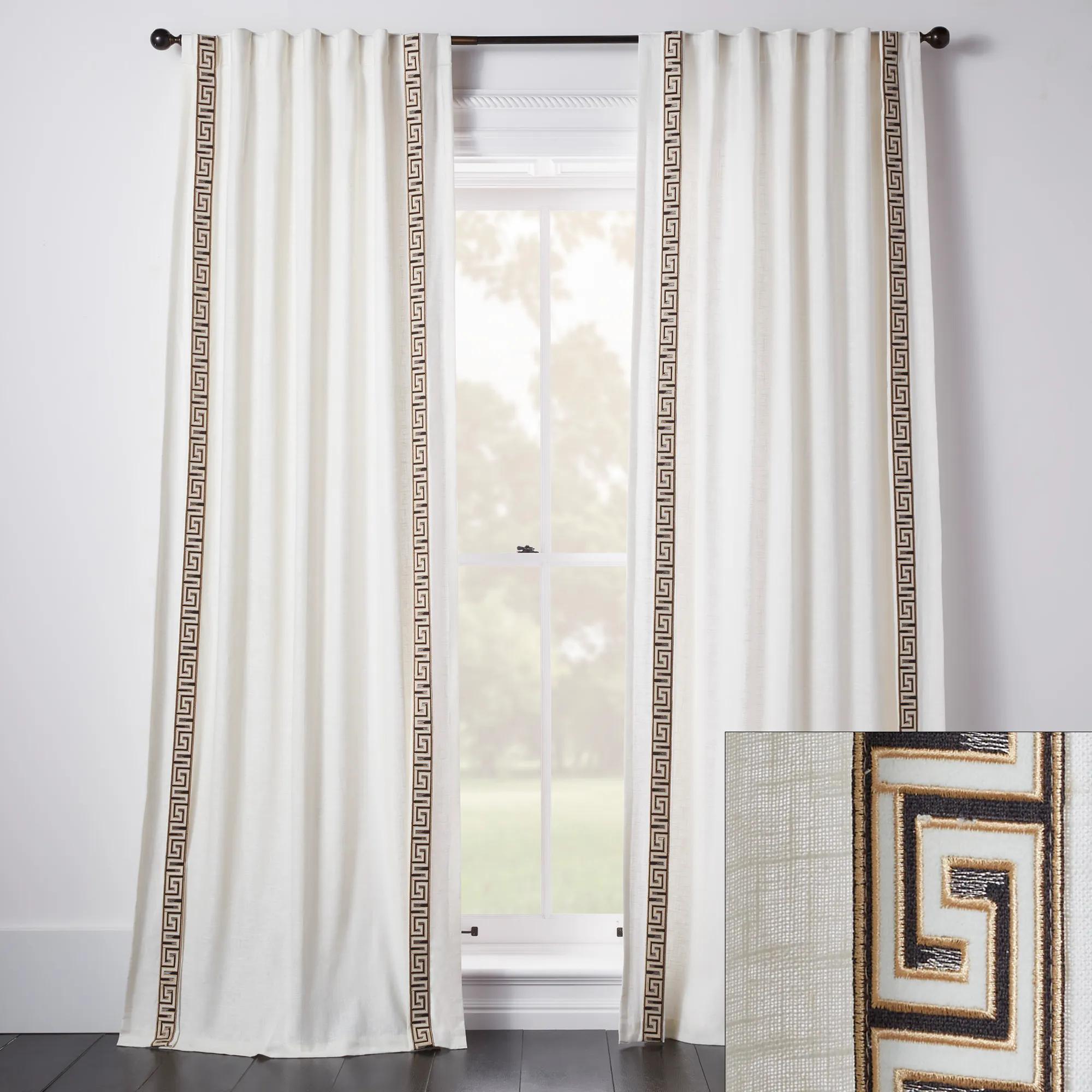 Chole Greek Key Border Velvet Widow Curtain Panels Custom$349
A white linen-blend curtain panel with black and gold velvet Greek key border and customizable options.
Add To Cart -
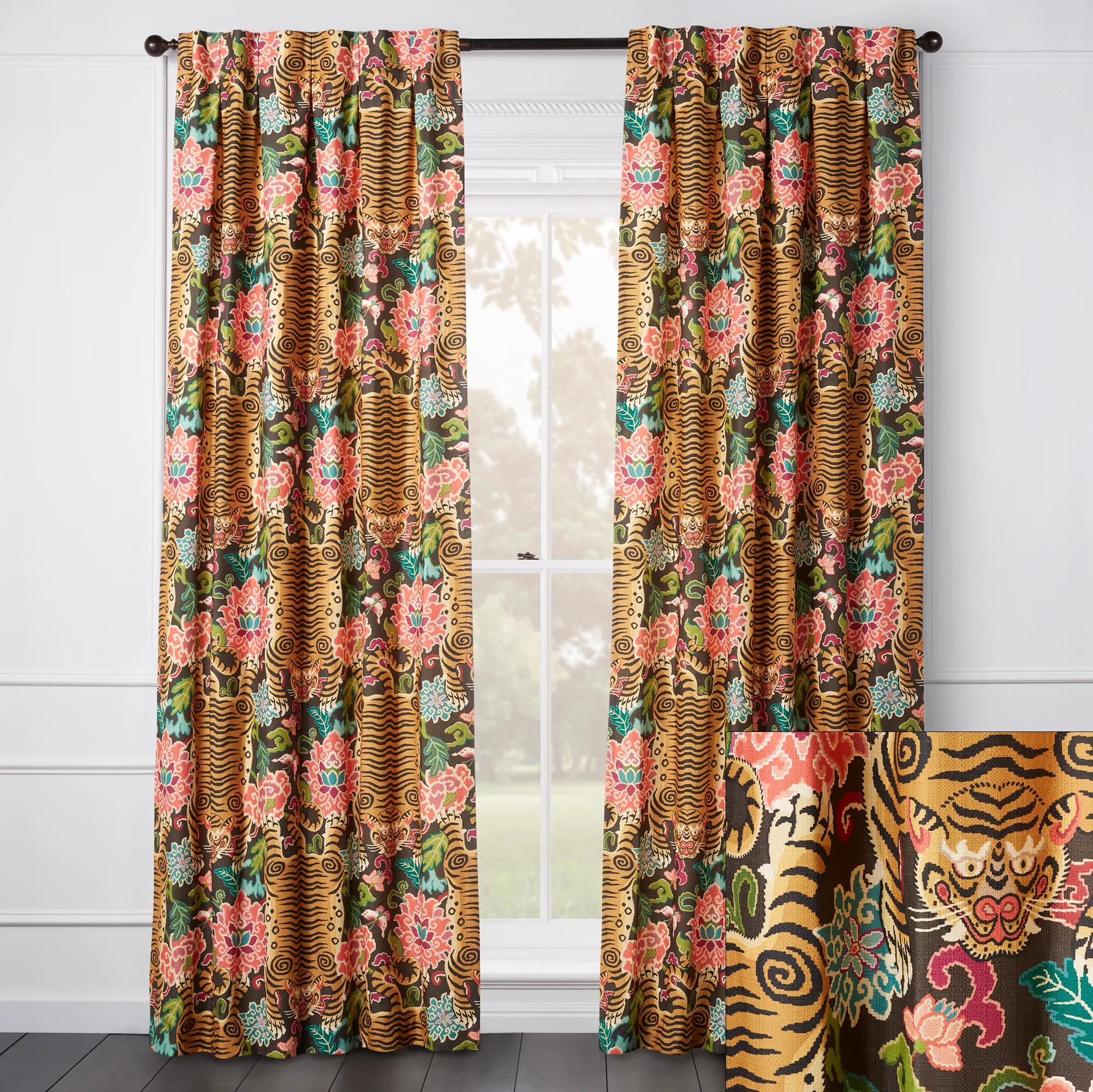
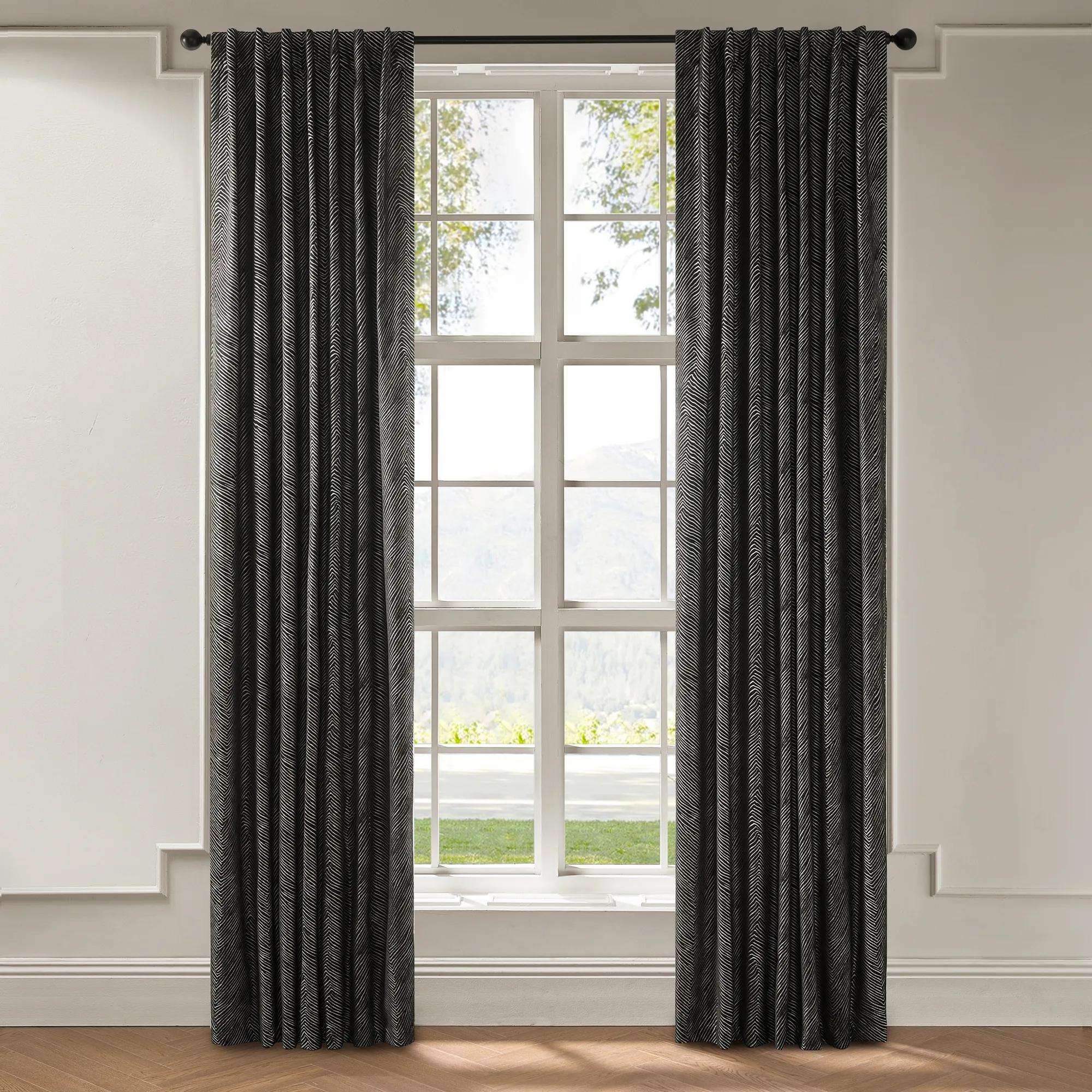
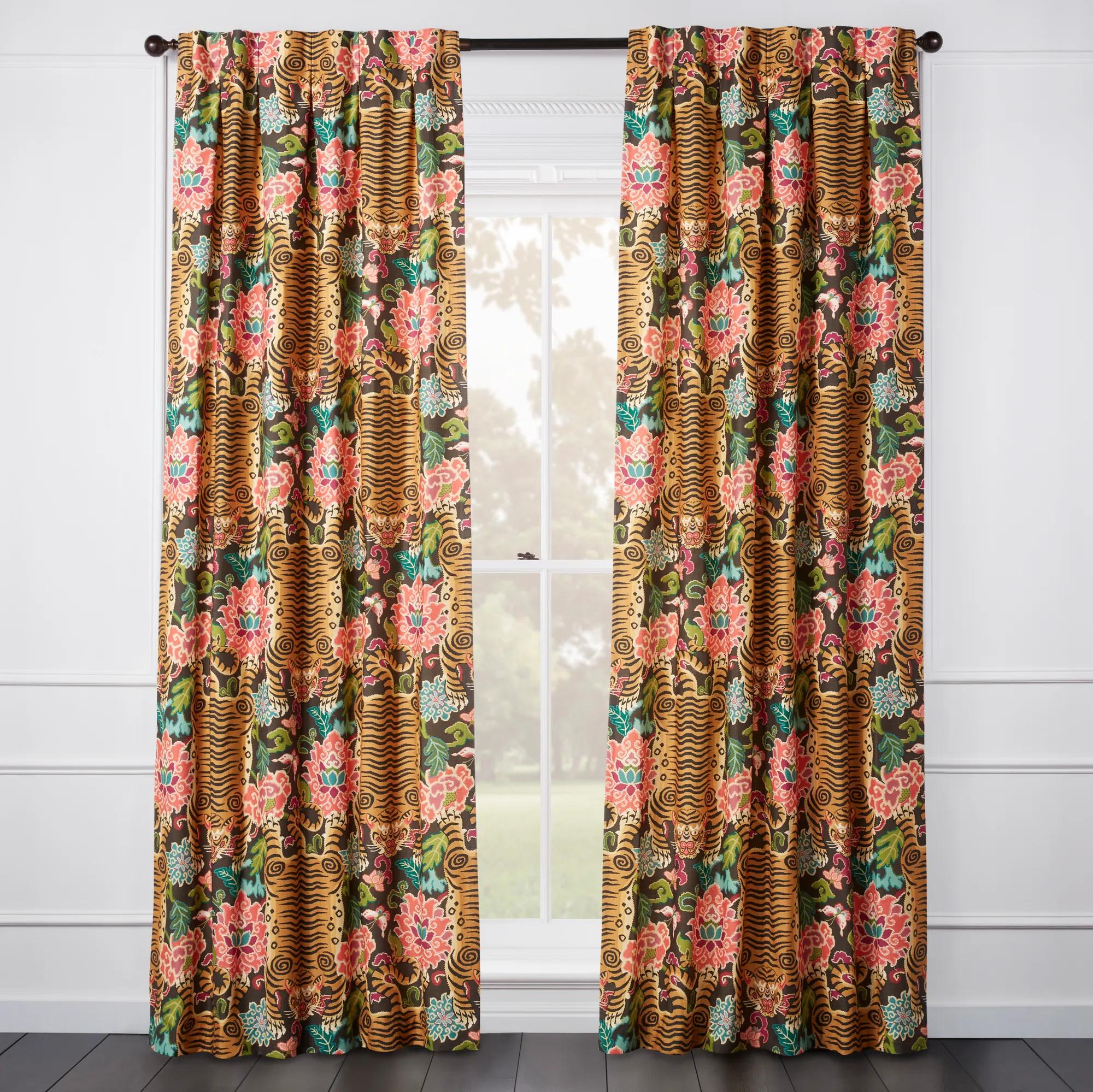 Nimer Gold/Multi Printed Slubbed Cotton Window Curtain Panel$349
A lively gold and multi-colored cotton curtain panel featuring a bold tiger print and customizable options.
Add To Cart -
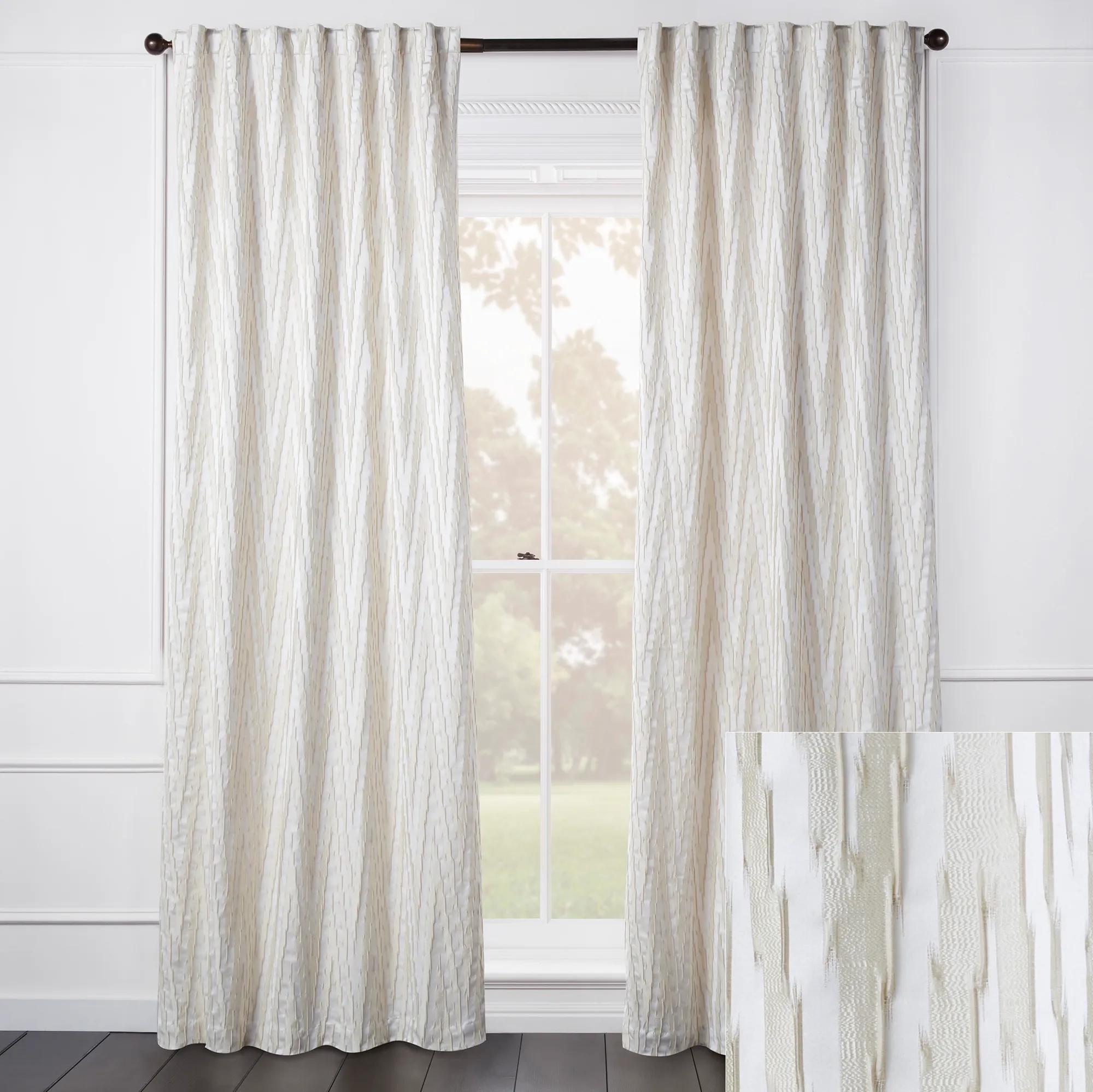
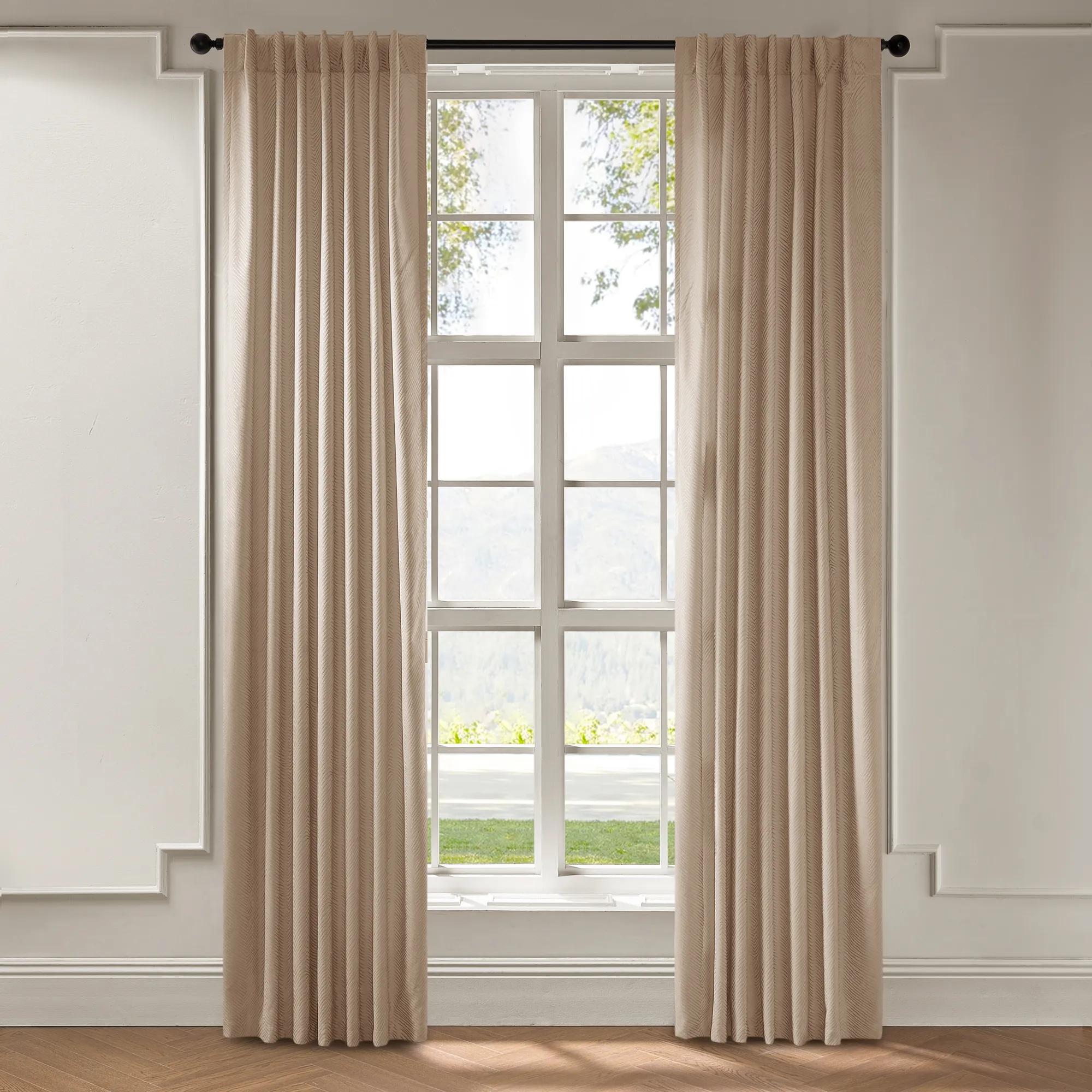
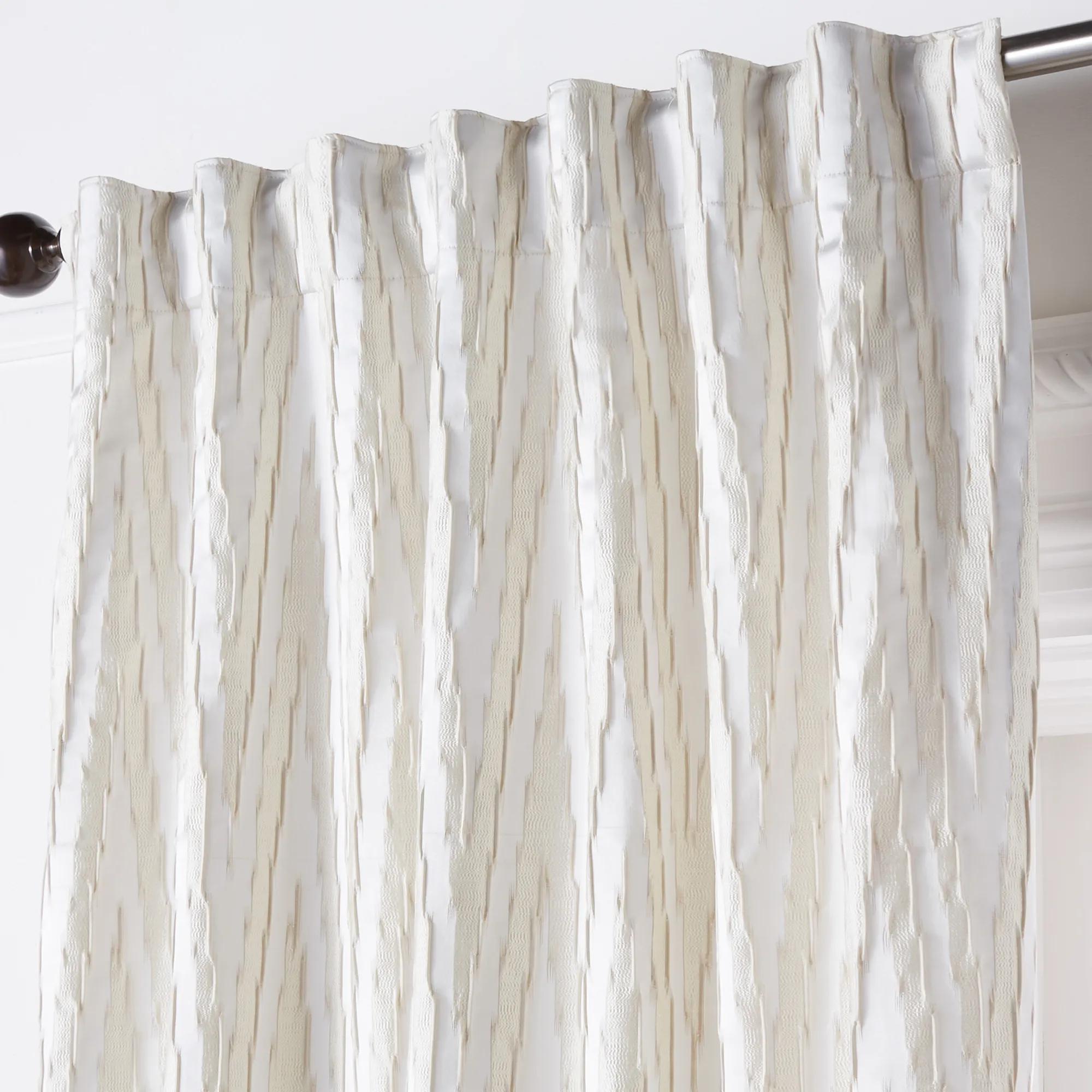 Minka Jacquard Pearl Window Curtain Panel Custom$299
A highly textured chevron curtain panel in pearl, crafted from polyester with customizable hanging options.
Add To Cart

Inverted Pleat Silk Drapes
Inverted pleat silk drapes are the very embodiment of refined drama—elevating windows from mere architectural necessity to showstopping works of art. Each sumptuous fold creates a sculptural cascade, capturing light and movement in a way that feels both contemporary and timeless. With their tailored lines and lustrous sheen, inverted pleat silk drapes invite an air of grandeur into any room, transforming everyday moments into occasions worth savoring. Let your space revel in the allure of couture-inspired design, where every detail is thoughtfully considered and every glance reveals a new layer of opulence.
Inverted pleat silk drapes pair a tailored heading with the expressive texture and luster of silk, bringing architectural definition to a window without sacrificing softness. Their distinctive construction turns the folds inward toward the back of the panel, leaving a flatter, more restrained front than a traditional projecting pinch pleat. Below that composed heading, the fabric opens into generous folds, creating a striking contrast between precision and movement. The effect is especially compelling in rooms where every surface has a point of view: a living room with sculptural seating, a dining room anchored by a dramatic chandelier, or a bedroom layered with sumptuous textiles. Silk catches light unevenly across its folds, revealing subtle variations in depth and sheen rather than a uniform shine. That dimensional quality gives even a single-color panel remarkable presence. Different silk weaves create distinctly different moods. Dupioni silk is known for its crisp body, luminous surface, and characteristic slubs, which introduce fine irregularities into the weave. Matka silk generally has a more textured, less glossy appearance, offering a tactile counterpoint to polished furniture and gleaming metal accents. Descriptions such as “raw silk” can encompass different textures, so fiber content and weave details matter more than the name alone. Genuine silk, silk blends, and silk-look fabrics should not be treated as interchangeable; each can differ in sheen, softness, drape, and care requirements. For an interior with lacquered finishes or mirrored accents, a subtly textured silk can keep the composition richly layered rather than relentlessly reflective. Against matte walls and upholstered furniture, a more lustrous weave creates a luminous focal point. Inverted pleat silk curtain panels appeal to anyone who wants the richness of formal drapery with a heading that feels composed and contemporary. Their drama comes from proportion, fabric, and the fall of the folds—not from an elaborate silhouette.
The most successful inverted pleat silk drapes feel proportionate to both the window and the room surrounding it. Length establishes much of that relationship. Panels that finish just above the floor create an exact, tailored line and are practical where drapes move frequently or sit near a busy walkway. A slight break at the floor introduces softness, while a more generous puddle creates a theatrical finish best suited to decorative panels in lower-traffic spaces. In a dining room where chairs are pulled back often, excess fabric can interfere with the room’s movement; beside a bedroom window away from foot traffic, a small break may feel beautifully deliberate. Width deserves equal attention because a pleated heading already gathers fabric into a defined shape. Finished pleated width is different from the width of the fabric before pleating, and the relevant measurement depends on how the panel is described. Drapes intended to close should accommodate the span of the rod or track, along with any necessary center overlap and side returns, rather than simply matching the glass width. Decorative side panels have a different role: they frame the view and contribute texture without necessarily providing full coverage. Space beside the window also matters, since open panels need somewhere to stack without obscuring more glass than intended. Mounting height can emphasize a room’s vertical proportions, but the final length should be measured from the actual hanging point, accounting for rings, hooks, or other hardware. Compatibility is particularly important with inverted pleats. Some constructions are better suited to stationary use, while others can operate on an appropriate rod or track; the heading alone does not guarantee effortless opening and closing. For unusually wide windows, distinctive ceiling heights, or a precisely tailored treatment, Custom Inverted Pleat Curtains offer a related direction to explore. Whether framing a broad picture window or bringing symmetry to a pair of narrower openings, the goal is a treatment that looks intentional from the heading to the hem, with enough fullness to showcase the silk and enough clearance to function gracefully.
Lining and care are central to the lasting beauty of silk drapery, not merely finishing details. Silk is sensitive to prolonged sunlight, which can fade color and weaken fibers over time. A suitable lining helps shield the face fabric from direct exposure, although it does not make silk immune to sun damage. Standard lining can also lend a more consistent appearance to the back of the treatment and add body to the folds. Interlining, a separate layer positioned between the silk and the lining, can create a fuller, more cushioned silhouette; depending on its material and weight, it may also make the finished panels heavier. That additional weight should be considered when selecting hardware and mounting it securely. Privacy and light control depend on the complete construction, including the lining, coverage, and gaps around the treatment. Silk alone should not be assumed to provide blackout performance. In a bedroom where darkness matters, a blackout lining or a separate light-blocking shade may be appropriate, while a living room may call for softer light filtration and decorative framing. Care requirements vary with the fiber blend, dyes, lining, and heading construction, so the care label should govern cleaning decisions. Many silk drapes require professional dry cleaning; machine washing or untested spot treatments can cause water marks, shrinkage, or changes in texture. Between professional cleanings, careful dust removal using a method permitted by the manufacturer can help preserve the surface without pulling at the weave. Avoid vigorous rubbing, and do not assume that direct heat or steam is safe for every silk panel. Homes with pets or young children may benefit from hems kept clear of the floor and panels positioned away from frequent handling, splashes, and sharp claws. These considerations allow the fabric’s artistry to remain the focus. With thoughtful placement, appropriate lining, and attentive care, inverted pleat silk drapes bring a distinctive balance to an interior: disciplined at the top, fluid through the length, and richly expressive wherever the light meets the cloth.
FAQs
Inverted pleat silk drapes are crafted with pleats sewn to the back of the panel, creating a sleek, unbroken front that exudes modern elegance. Unlike traditional pinch pleat curtains, which feature pleats gathered at the front for a more classic, voluminous look, inverted pleat curtains offer a tailored, architectural silhouette that is both subtle and striking.
Absolutely. The refined structure of inverted pleat silk drapes lends itself beautifully to formal living rooms, dining areas, and bedrooms, while the gentle flow of silk and understated pleating can also soften and elevate more relaxed, contemporary spaces. Their versatility allows them to serve as a statement piece or a harmonious backdrop, depending on your vision.
Silk’s natural luster enhances the way light moves through a room, casting a soft, radiant glow that shifts with the time of day. The flat front of inverted pleat curtains allows the fabric’s sheen to take center stage, while the hidden pleats add subtle dimension, making every fold a canvas for changing light and shadow.
Yes, inverted pleat silk drapes pair beautifully with shades, sheers, or even other drapery panels. Their clean lines and tailored profile make them easy to layer without overwhelming a space, allowing you to play with texture, color, and opacity for a truly custom look.
For a curated, multi-textural effect, consider pairing silk with linen, velvet, or cotton. Silk’s luminous finish contrasts elegantly with the matte texture of linen or the plush depth of velvet, creating a layered window treatment that feels both dynamic and cohesive. Explore options like Inverted Pleat Linen Window Panels to add dimension and variety to your décor.