Custom Inverted Pleat Panels
Custom Inverted Pleat Panels
-
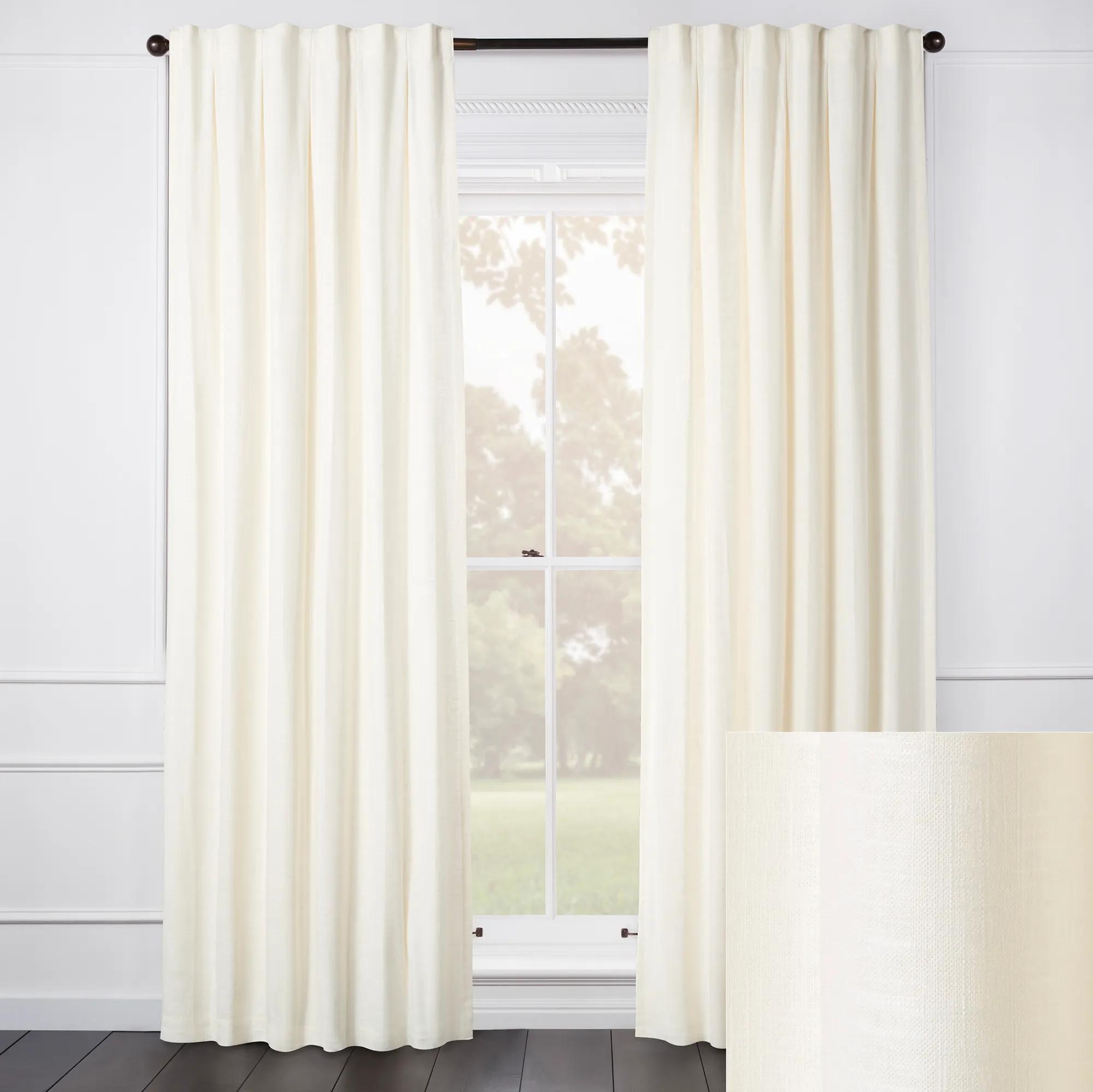
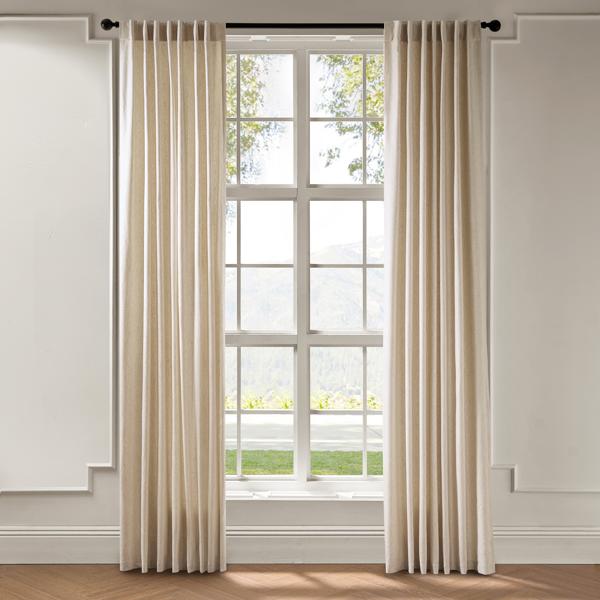
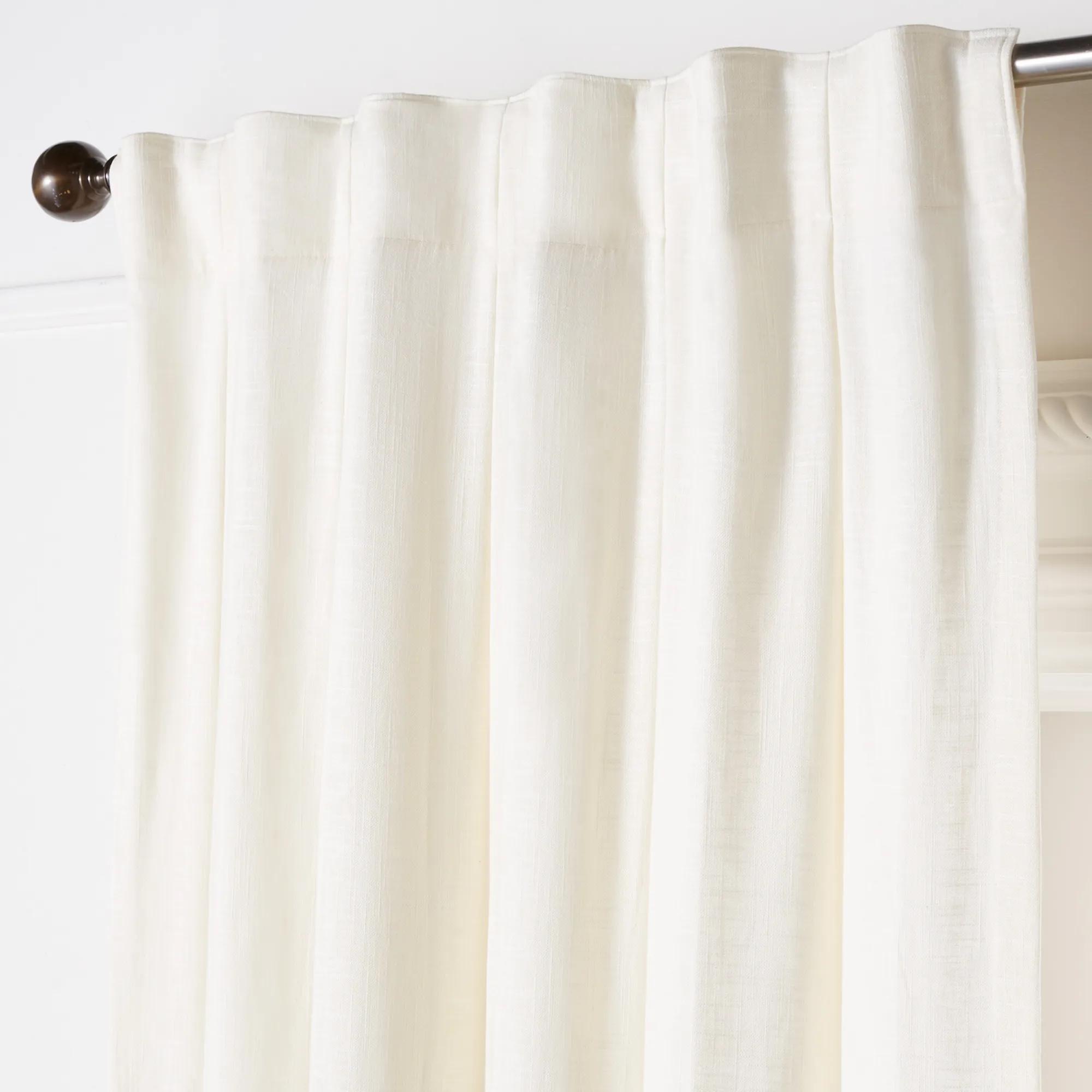 Audrey Linen Ivory Curtain - Custom$269
An ivory linen-blend curtain panel with lining, offering customizable lengths and two elegant header styles.
Add To Cart -
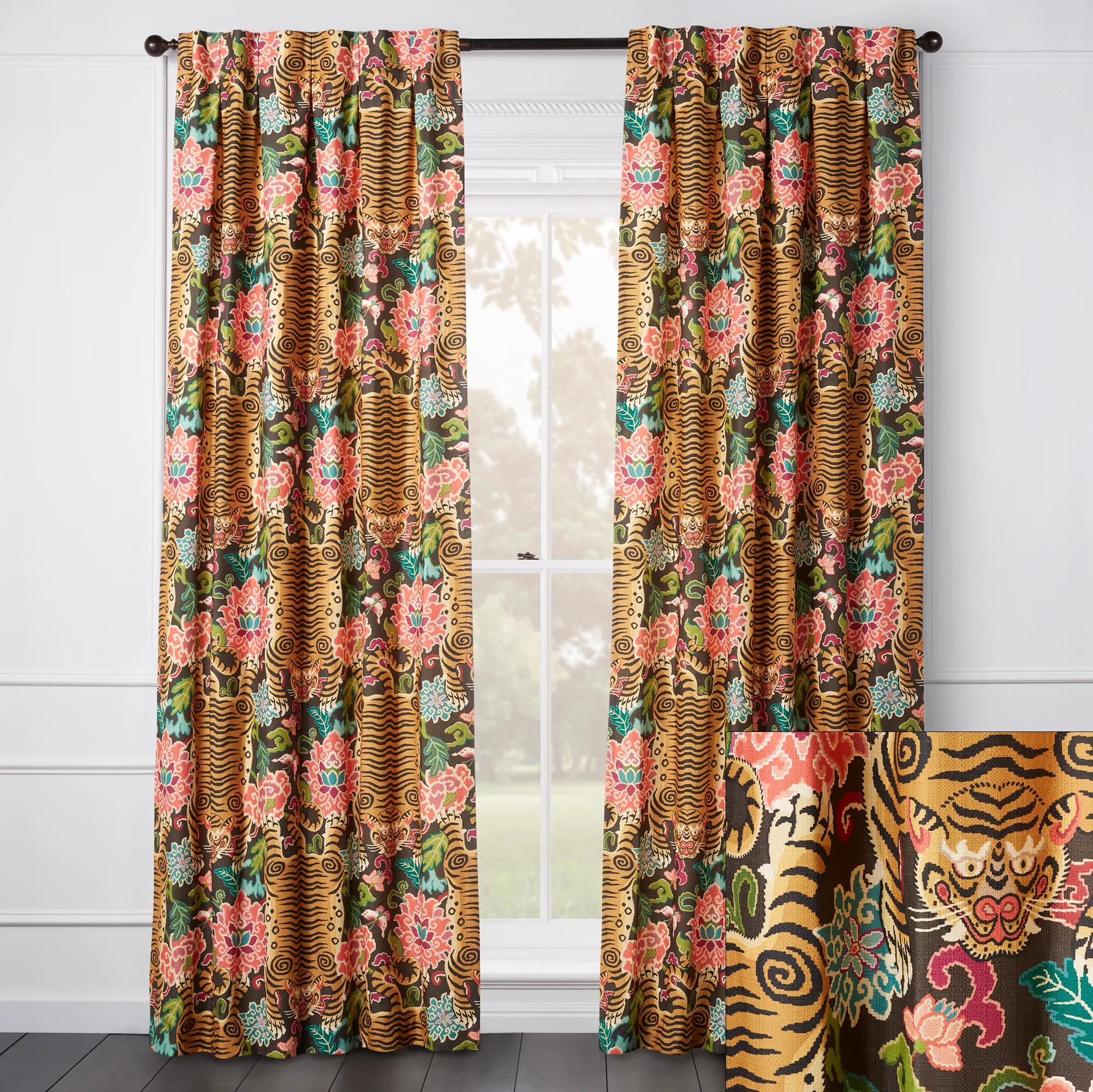
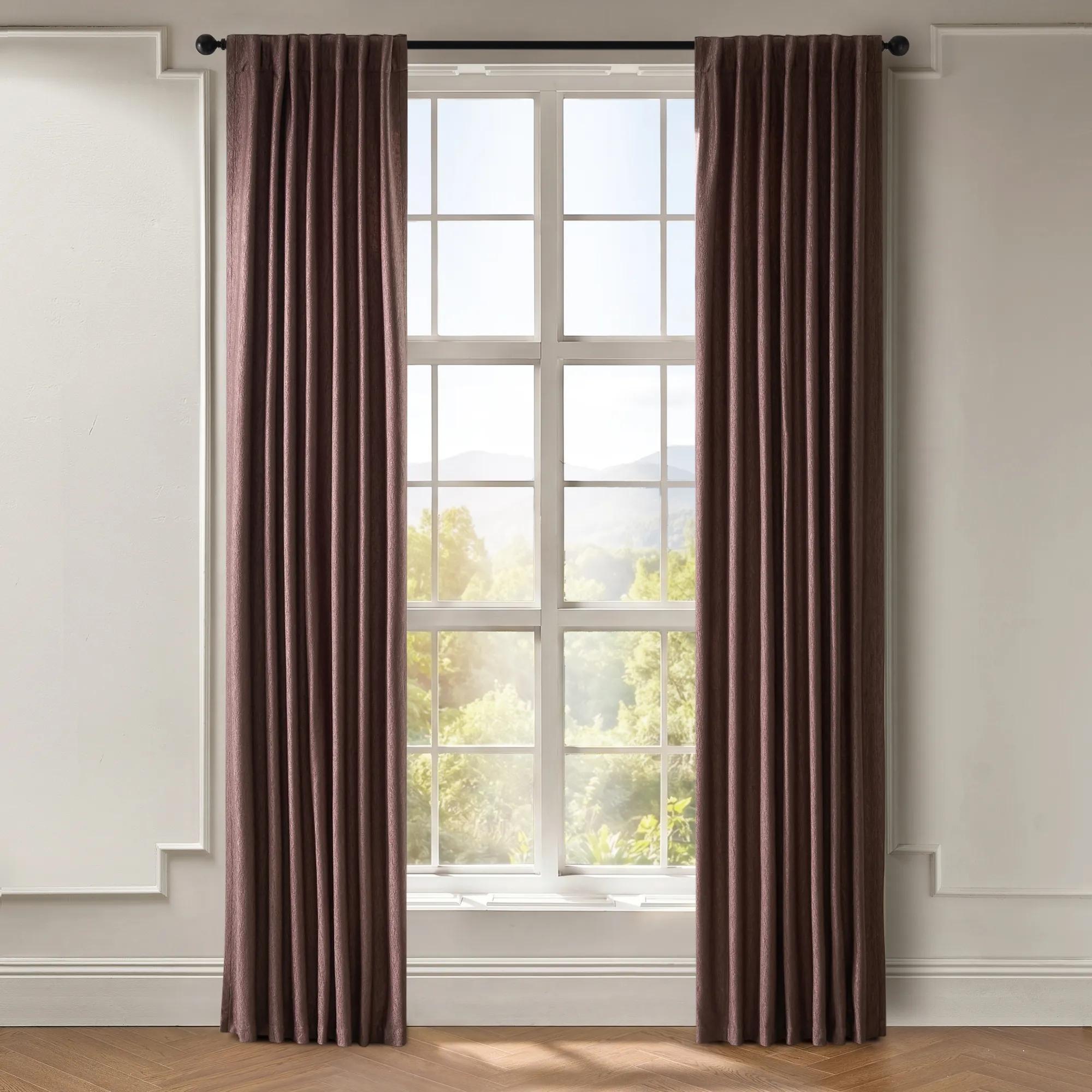
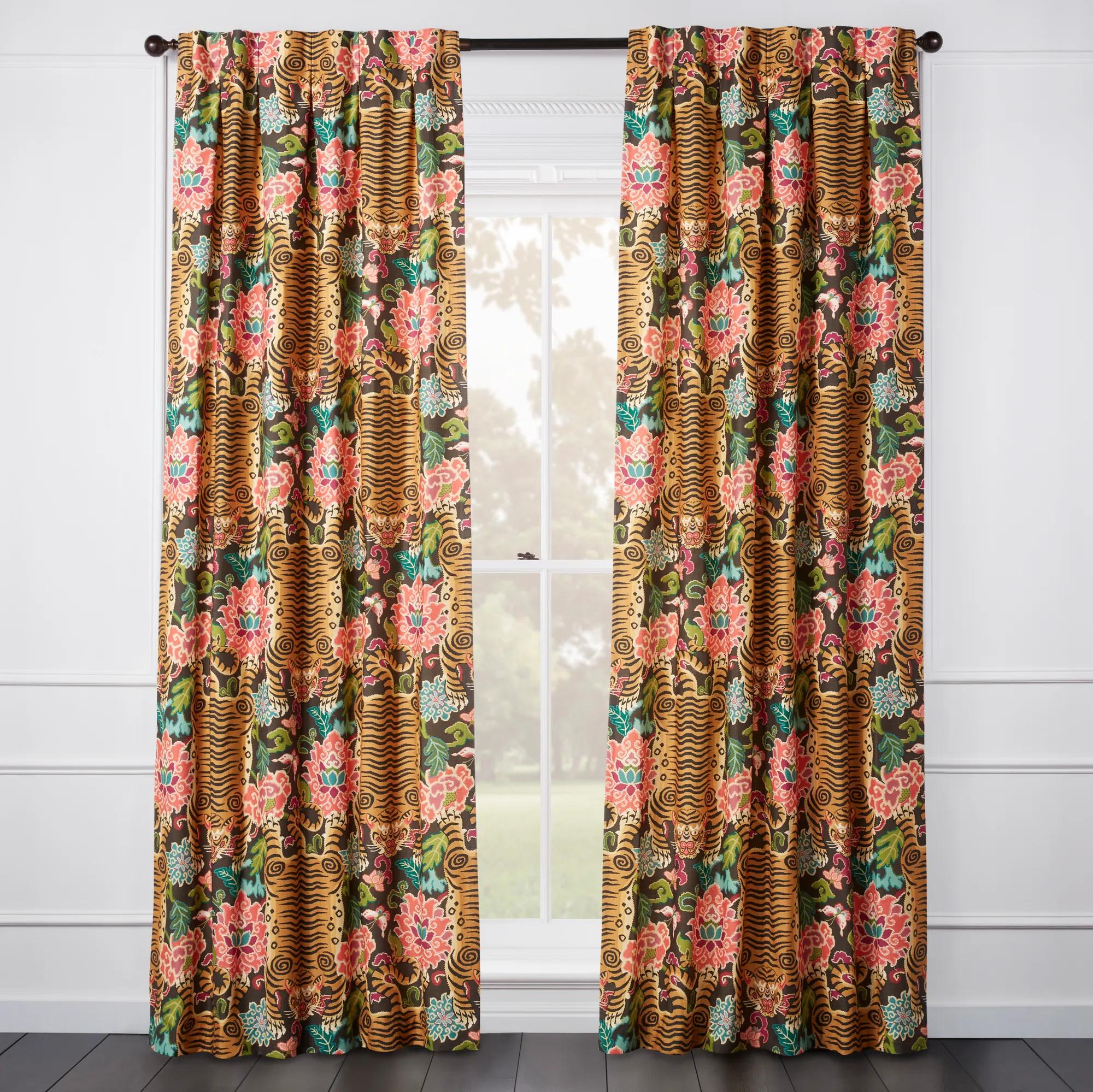 Nimer Gold/Multi Printed Slubbed Cotton Window Curtain Panel$379
A bold gold and multi-colored cotton curtain panel featuring a lively tiger print and customizable options.
Add To Cart -
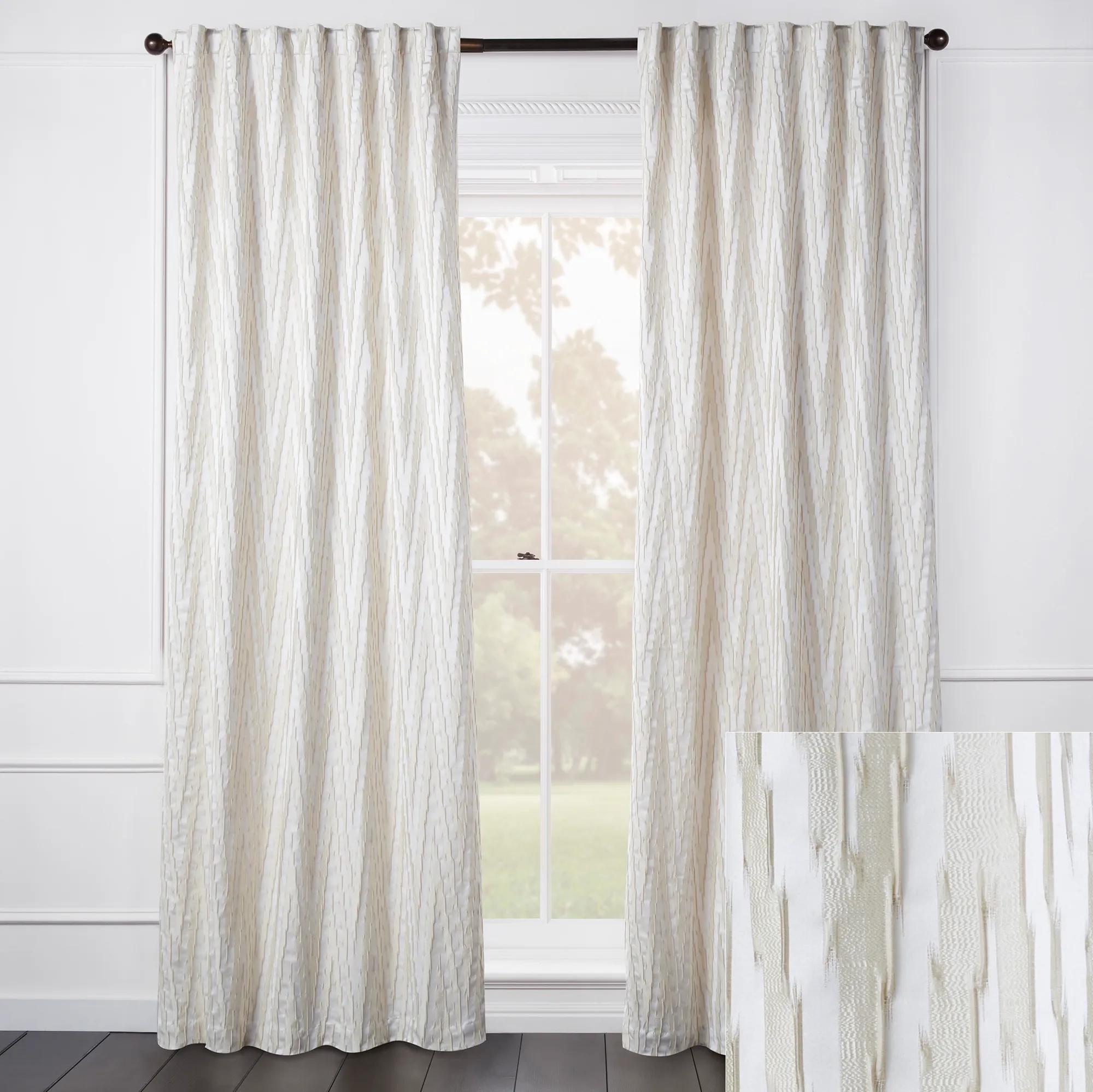
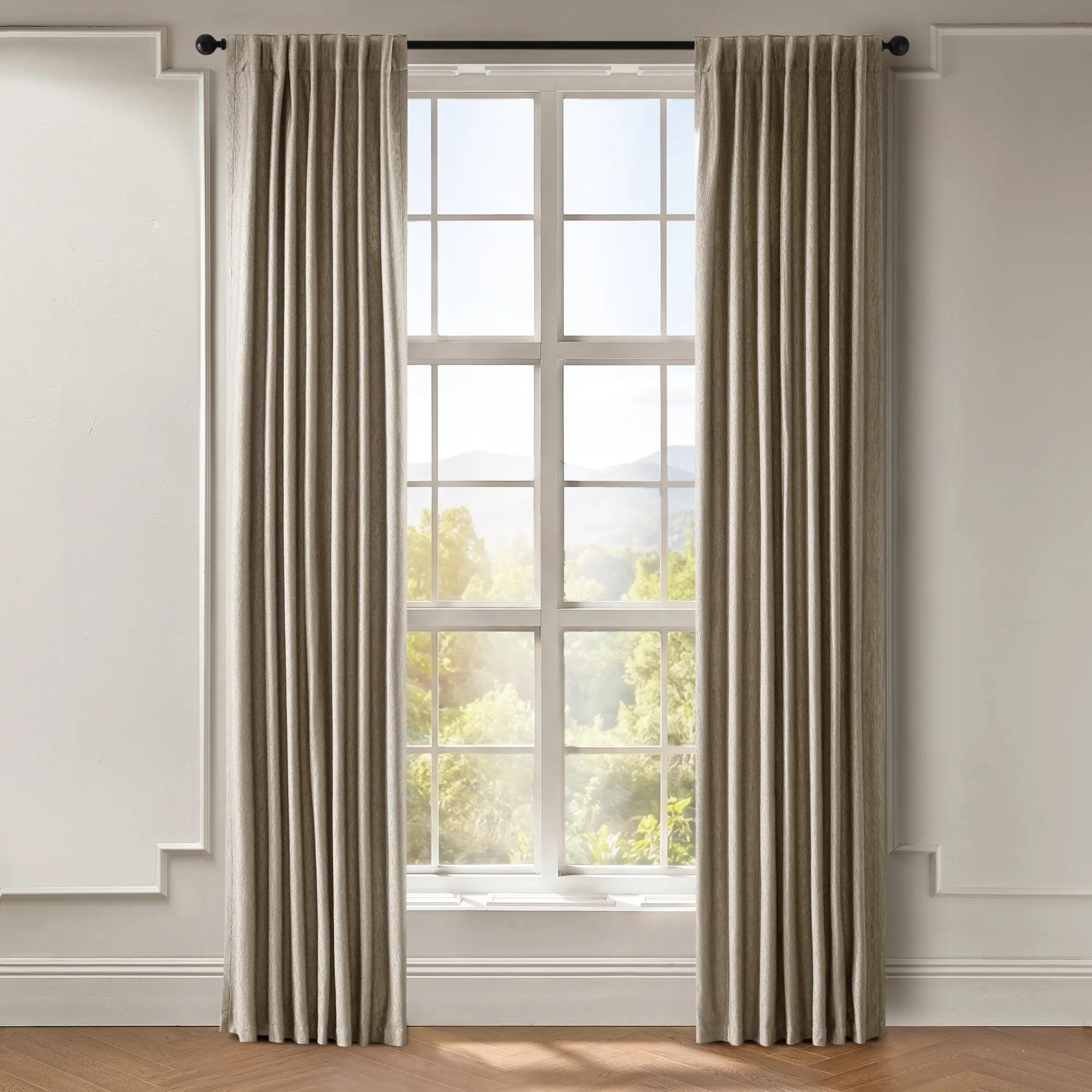
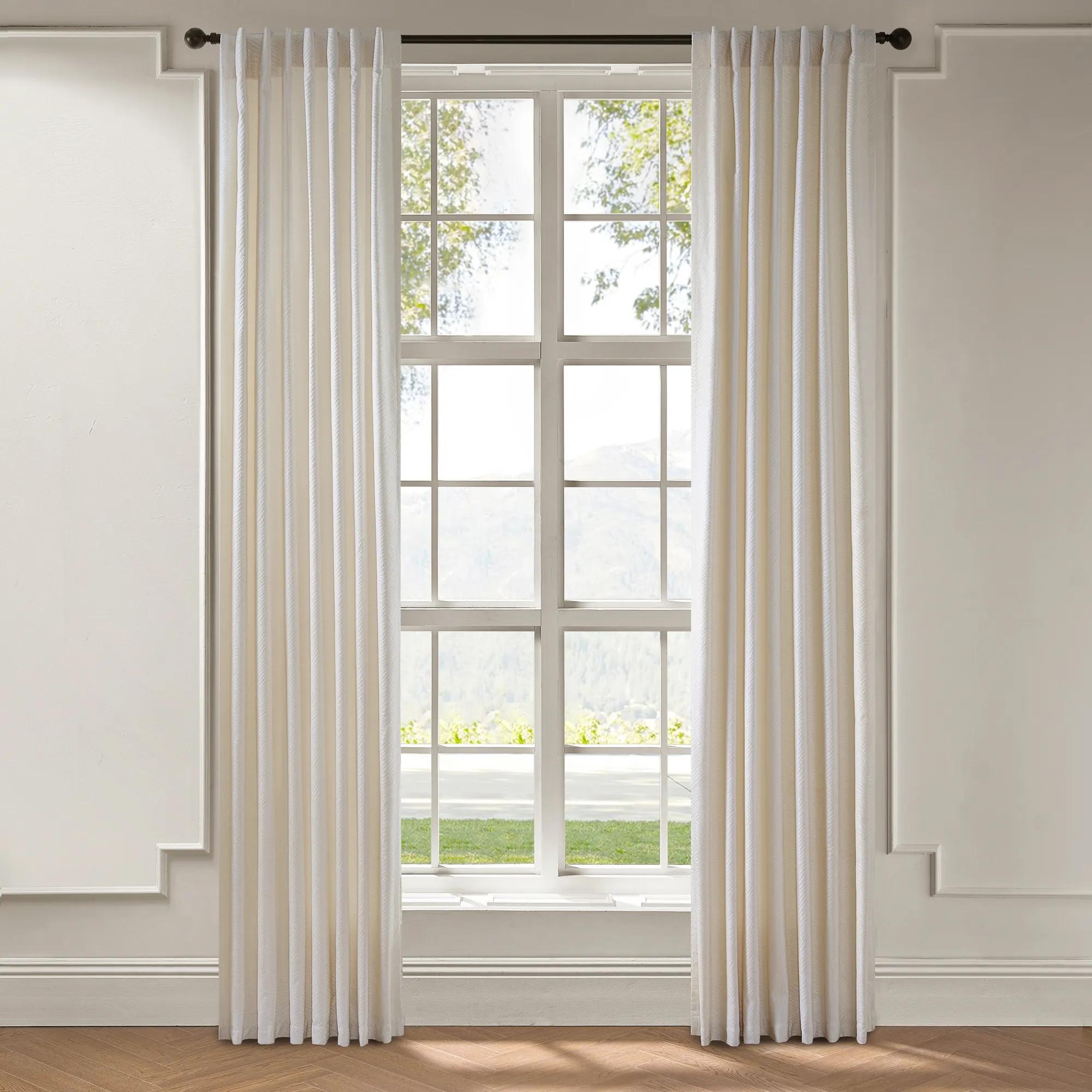
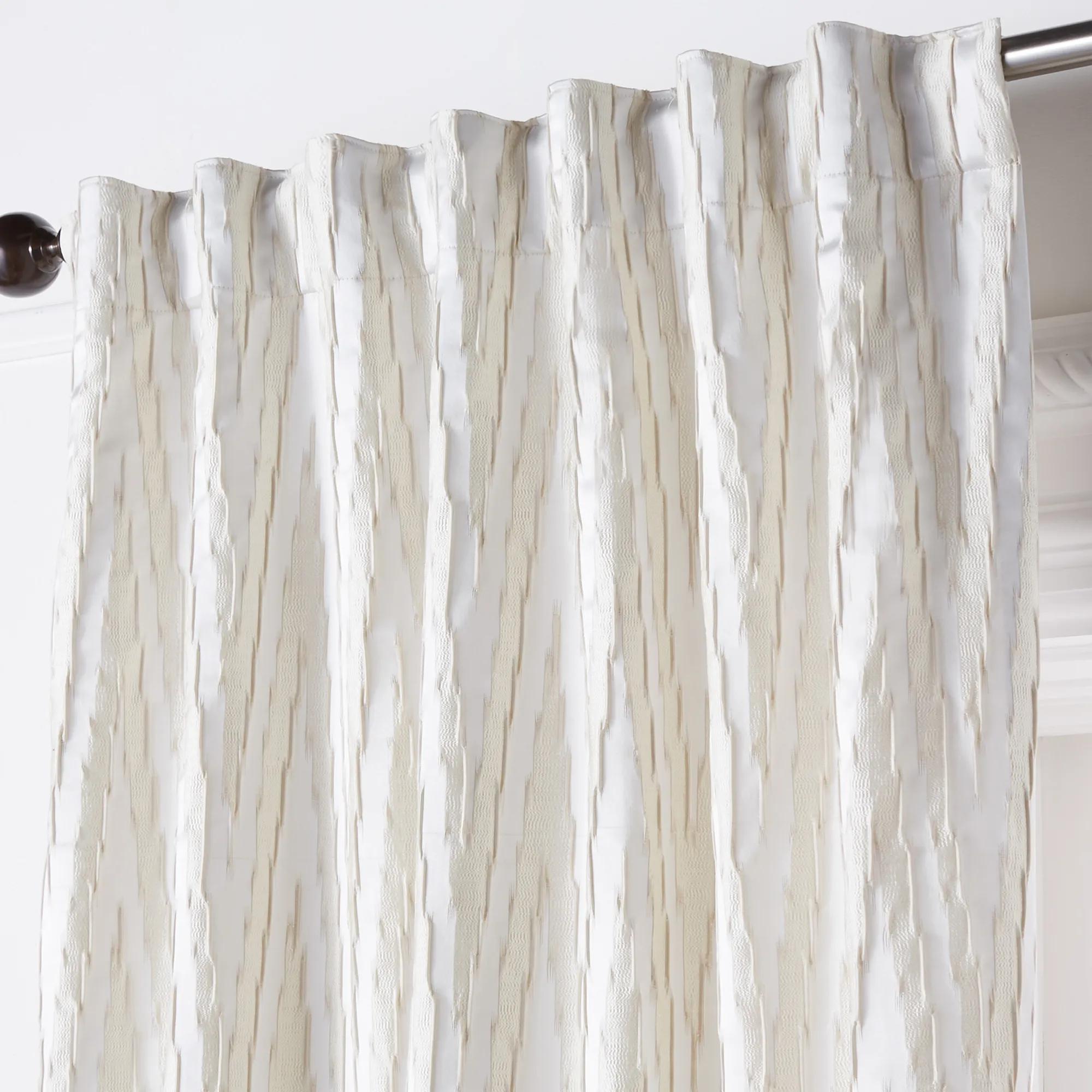 Minka Jacquard Pearl Window Curtain Panel Custom$319
A highly textured chevron curtain panel in pearl, grey, or natural polyester with customizable hanging options.
Add To Cart -
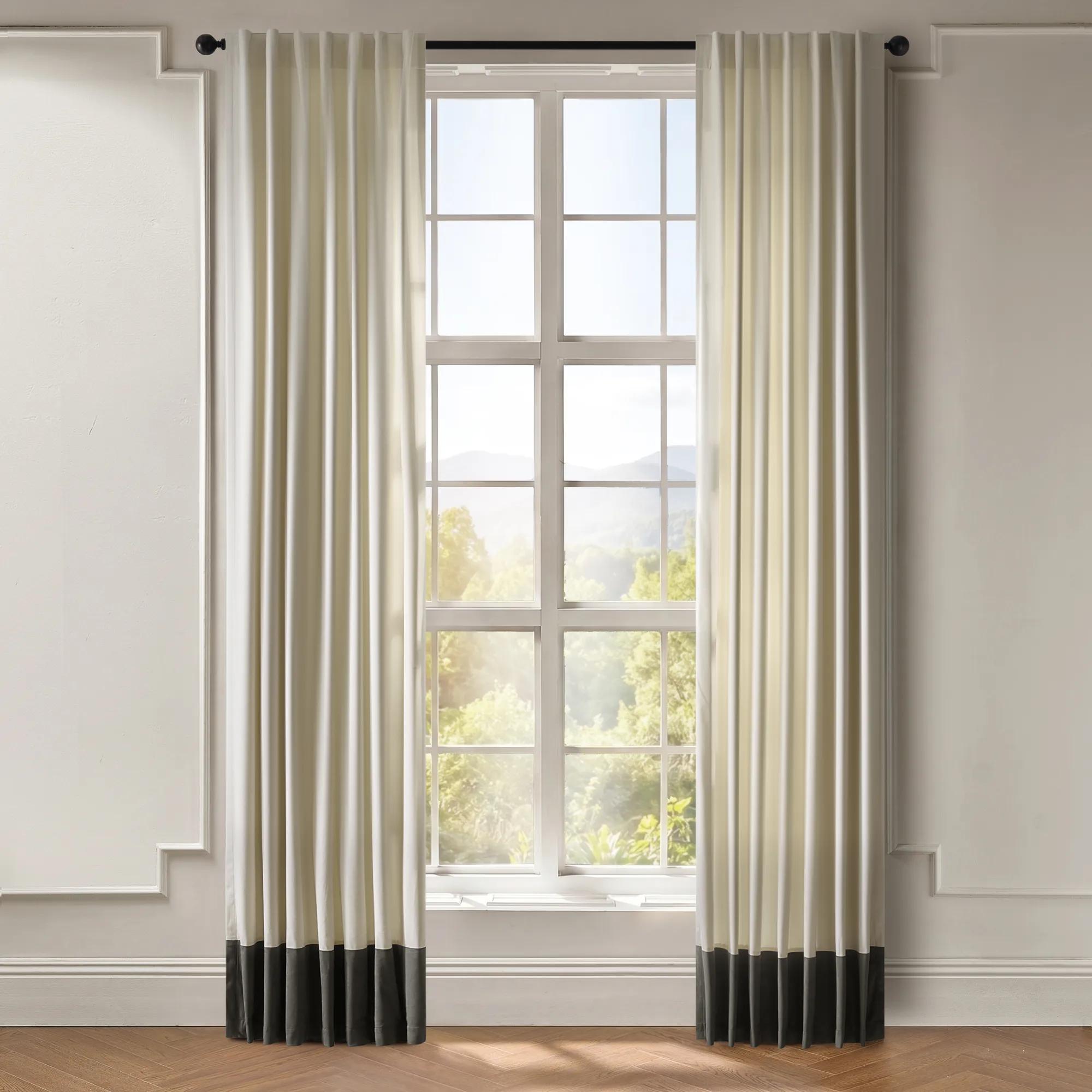
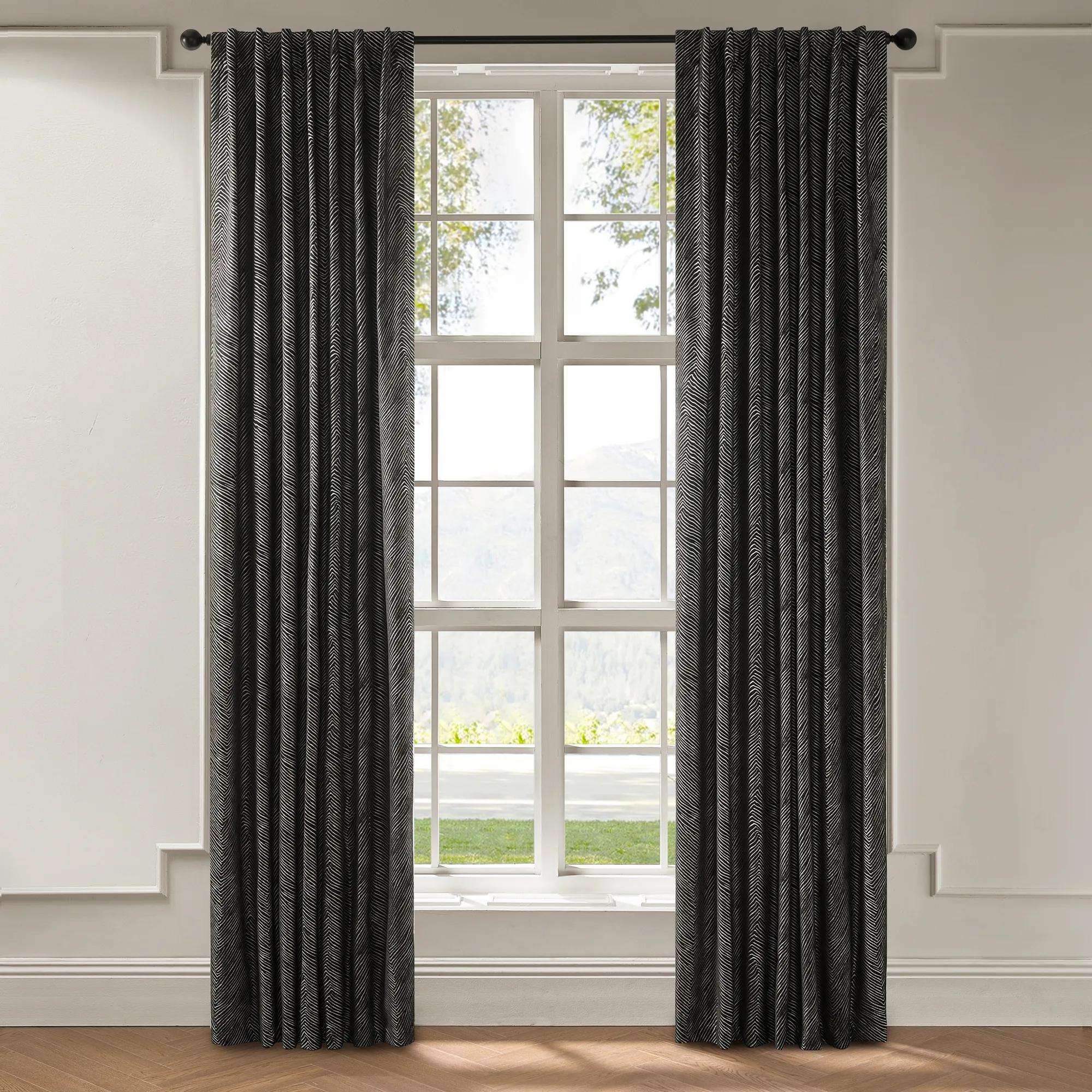
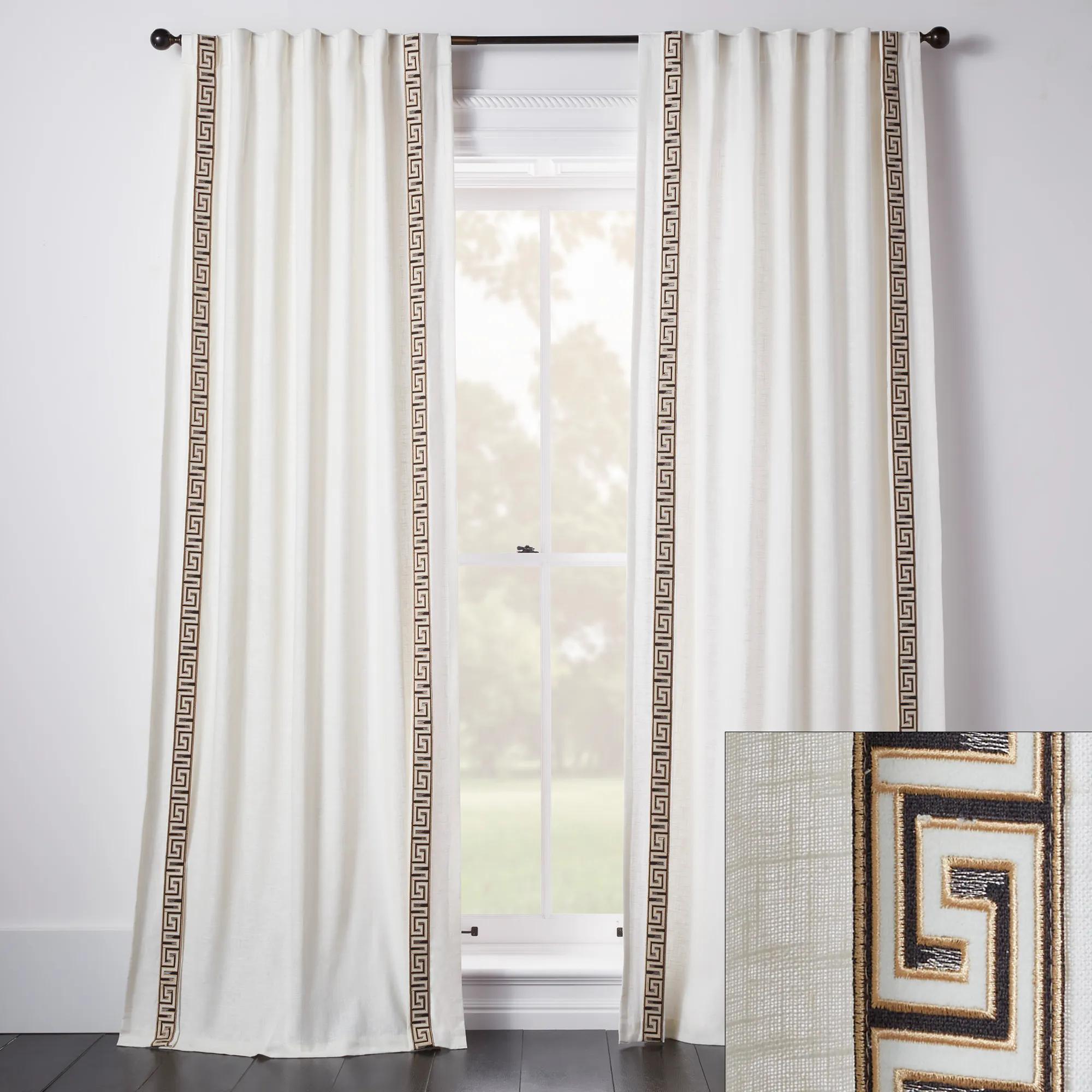 Chole Greek Key Border Velvet Widow Curtain Panels Custom$329
A linen-blend curtain panel with black and gold velvet Greek key border and customizable hanging options.
Add To Cart

Custom Inverted Pleat Panels
Custom inverted pleat panels transform windows into architectural art, infusing every room with sculptural elegance and tailored drama. These sophisticated draperies create a sense of movement and depth, framing your view with crisp lines and fluid folds that evoke gallery-worthy refinement. Whether cascading in luminous silk or grounding a space in rich velvet, custom inverted pleat panels invite you to curate light, mood, and atmosphere—turning each window into a statement of personal style. Discover how these bespoke creations elevate interiors from the ordinary to the extraordinary, capturing the essence of expressive living.
Custom inverted pleat panels are tailored drapery panels with pleats folded toward the back of the heading, creating a smooth, structured face and generous fabric folds below. Unlike pinch pleats, which gather fabric visibly at the front, inverted pleats keep the detailing discreet, allowing the material, color, and proportions to command attention. The effect is architectural without feeling severe: a composed top line gives way to the movement of fabric, framing a window with quiet grandeur. This balance makes inverted pleat curtains especially compelling in interiors where statement furniture, sculptural lighting, or expressive artwork already establishes a strong point of view. In a living room, tall panels can give a broad window the presence of an architectural feature; in a dining room, their measured rhythm creates an elegant backdrop for an upholstered chair or a gleaming table. Bedrooms benefit from the same tailored silhouette, with fabric and lining choices shaping the degree of privacy and light control. Material makes a distinct contribution to the finished look. Linen introduces visible texture and a naturally relaxed fall, while cotton offers an understated surface that lets color and construction take focus. Cotton-linen blends can balance tactile character with a more composed appearance, although drape and wrinkle resistance depend on the fabric’s specific weave and composition. Velvet adds depth and a plush surface, lending the folds a more theatrical presence. Lightweight fabrics feel airy; denser weaves create a fuller, more substantial frame. The appeal of Inverted Pleat Linen Window Panels lies in the contrast between an orderly heading and linen’s expressive texture, a pairing that feels equally at home beside polished metal or richly grained wood. Fabric samples are particularly valuable for custom window treatments because a textile’s undertone, opacity, and surface can look different against a wall than they do on a screen. Viewed upright near the intended window, a sample offers a more revealing sense of how the material responds to light and complements the room’s palette.
The distinction of custom inverted pleat drapery is its relationship to the room’s dimensions. A panel’s finished width, length, and pleat spacing work together to create a treatment that looks intentional rather than merely fitted to an opening. Finished pleated width is not the same as the width of the fabric before it is folded, an important distinction when considering coverage and fullness. Panels intended to close across a window need sufficient finished width for the opening, along with any specified overlap at the center and returns toward the wall. Decorative side panels serve a different purpose, framing the view without necessarily providing complete coverage. Length changes the visual character just as dramatically. A hem that clears the floor slightly supports frequent operation and easier cleaning beneath the fabric; a floor-touching finish creates a precise, dressed appearance. A deliberate puddle brings more drama but requires additional floor space and attention, particularly near pets, walkways, or furniture. Hardware placement also influences the result. A rod mounted above the window can emphasize height, while sufficient extension beyond the frame gives open panels space to stack without obscuring as much glass. Inverted pleats can form orderly folds when drawn aside, but the actual stack width depends on fabric weight, lining, fullness, and construction; substantial velvet will not occupy the same space as a lighter weave. Many inverted pleat panels use drapery pins or hooks with compatible rings or a track, although the attachment method should always match the specified heading and hardware. Support must suit the combined weight of the panels and lining, especially across wide openings. Lining deserves equal consideration. Unlined fabrics preserve more of the textile’s natural translucency, while privacy linings can reduce visibility through the material. Blackout lining substantially limits light passing through the fabric, but light may still enter around the top, sides, or center unless the installation addresses those gaps. For a bedroom overlooking neighboring windows or a media room with a reflective screen, construction and placement matter as much as the lining itself.
Custom inverted pleat panels also create a considered connection between the window and everything around it. A tone close to the wall color can establish a continuous sweep of fabric, allowing the pleats to register through texture and shadow rather than sharp contrast. A deeper or more saturated shade turns the window into a deliberate focal point, especially when that color reappears in an accent chair, an artwork, or a patterned rug. Lustrous fabrics catch light along the folds, while matte weaves lend depth without competing with reflective finishes. These choices are particularly useful in rooms with several windows, where consistent headings and aligned hems create visual order even when the furnishings are expressive. Practical details help preserve that effect. Panels beside an exterior door need enough clearance to avoid repeated contact with handles or foot traffic; treatments near a seating area should draw freely without catching on chair backs. Households with pets or young children may prefer floor-clearing lengths and fabrics whose care requirements suit everyday life. Any operating cords should be secured and kept out of children’s reach. Durability depends on more than fabric weight: weave, fiber content, seam construction, lining, sunlight exposure, and daily handling all influence how a panel wears. Direct sunlight can fade or weaken some textiles over time, and lining may help shield the face fabric without making it impervious to exposure. Care should follow the instructions for the complete panel, not assumptions based on the face fabric alone. A washable fiber does not necessarily mean a lined, pleated treatment can be machine washed, since shrinkage or distortion may affect the heading and hem. Gentle dust removal with an appropriate vacuum attachment can help maintain the surface, while professional cleaning may be recommended for more delicate constructions. Steaming also requires fabric-specific guidance, particularly with velvet, embellished materials, or sensitive finishes. For homeowners furnishing a distinctive living space, design enthusiasts refining a layered interior, or anyone seeking greater privacy with a more polished presentation, custom inverted pleat window panels bring beauty and function into the same frame. Their lasting appeal comes from proportion, texture, and a silhouette that gives the room a finished sense of intention.
FAQs
Inverted pleat panels are defined by their crisp, tailored folds that face inward, creating a sleek, structured look with minimal bulk at the header. This design delivers a modern, architectural silhouette that feels both refined and dramatic, making them ideal for those who appreciate understated glamour and clean lines in their interiors.
Custom inverted pleat panels bring a sense of artistry and intentionality to any space. Their elegant structure frames windows beautifully, softens natural light, and introduces texture and color that can either ground a room or serve as a striking focal point. The result is a layered, inviting ambiance that feels curated and complete.
Absolutely. While inverted pleat panels are often associated with sophisticated, formal settings due to their tailored appearance, they can be customized in a range of fabrics—from sumptuous velvets to breezy linens—to suit both grand entertaining spaces and relaxed, everyday rooms. The versatility of this style makes it a favorite among those who value both elegance and adaptability.
The beauty of custom inverted pleat panels is their adaptability to various fabrics. For a dramatic, opulent effect, velvets and silks add depth and luster. For a lighter, more ethereal feel, linens and cotton blends provide soft diffusion of light. The choice of fabric can transform the mood of a room, offering endless opportunities for creative expression.
Yes, custom inverted pleat panels pair beautifully with other window treatments such as sheers or roman shades. Layering allows for greater control over privacy and light while adding visual interest and dimension to the window. This approach is perfect for those who love to experiment with texture and create a richly detailed, multi-dimensional look.