
Back Tab Chevron Window Panels
Back Tab Chevron Window Panels
-
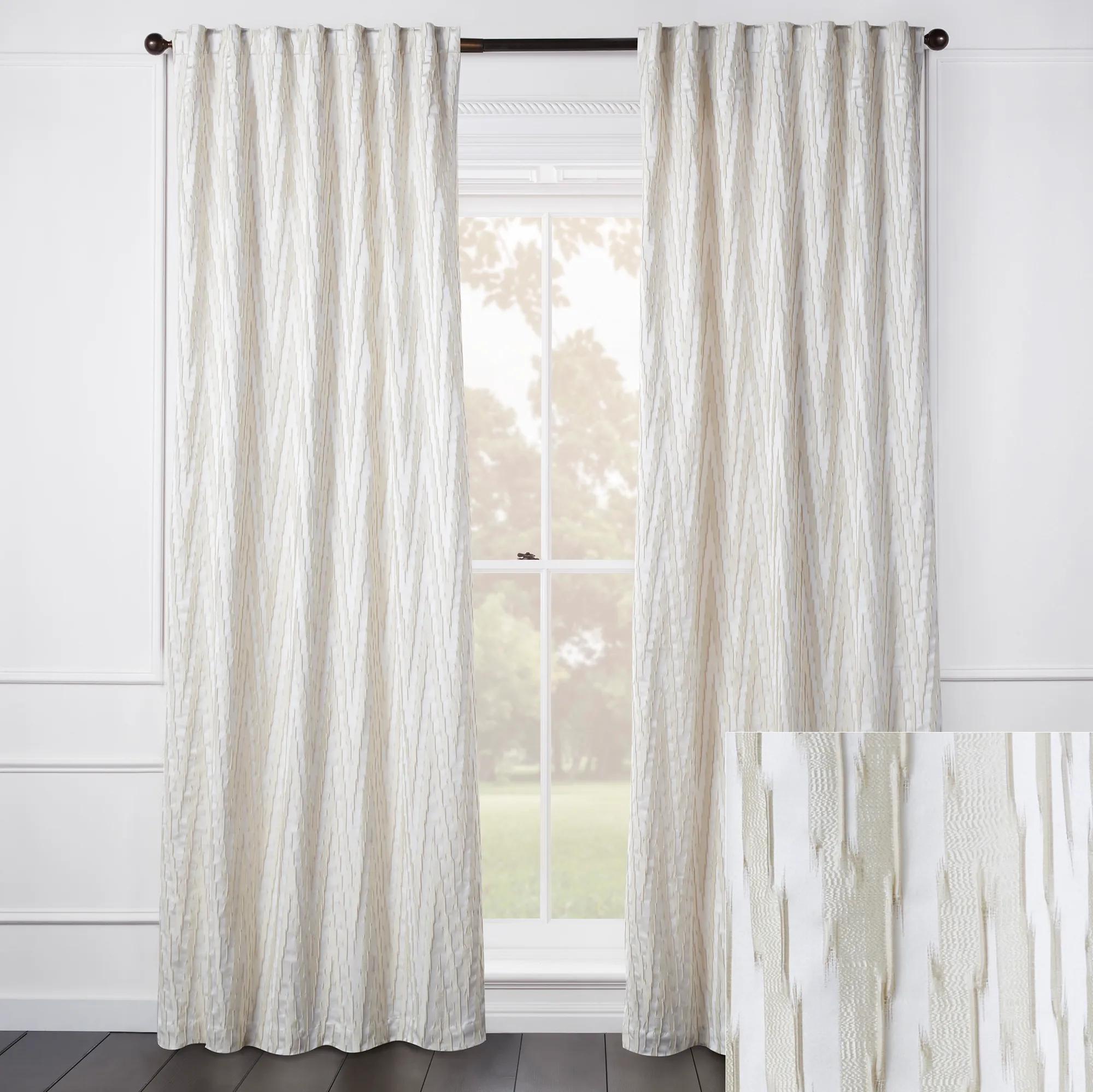
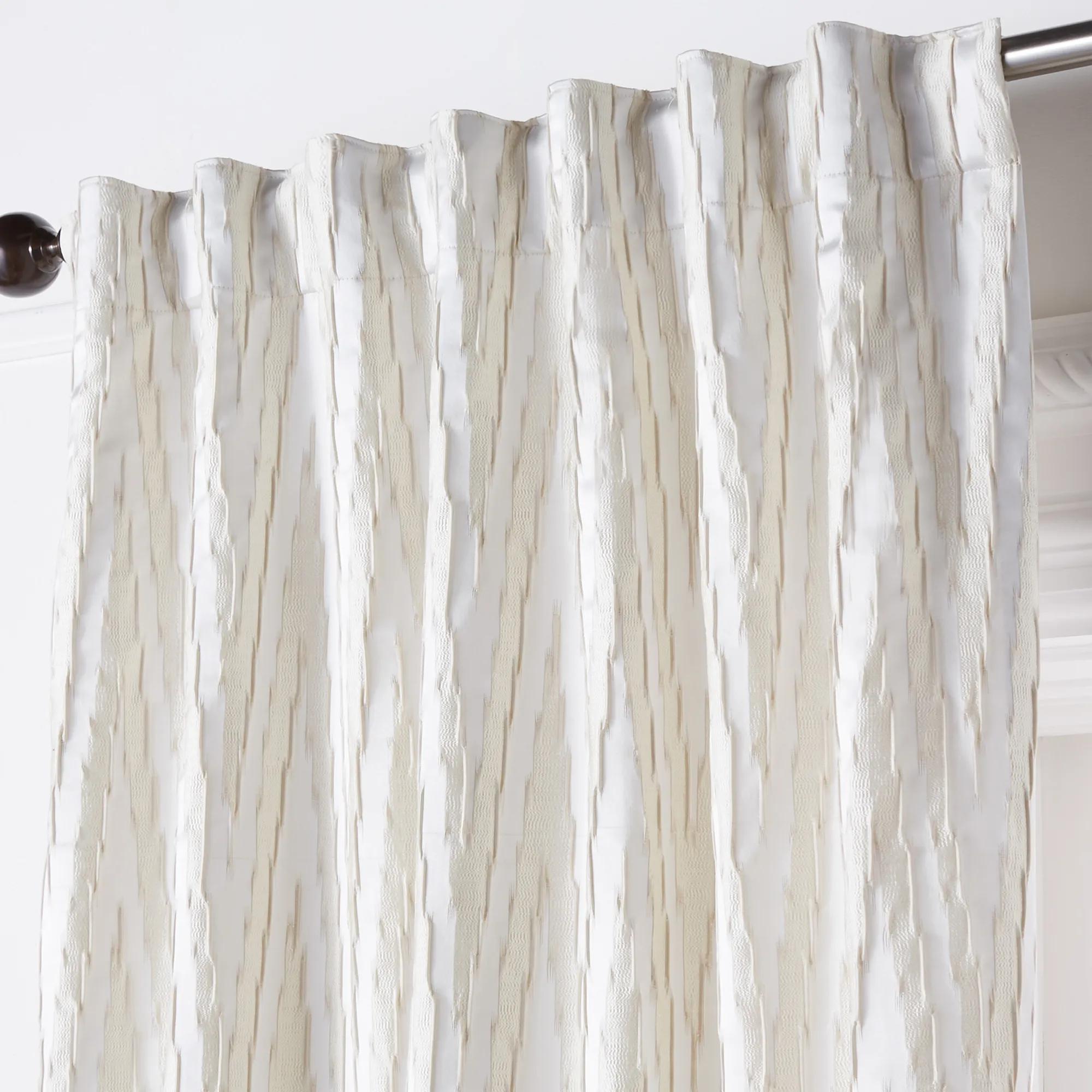 Minka Jacquard Pearl Window Curtain Panel Custom$289
A highly textured chevron curtain panel in pearl, grey, or natural polyester with customizable hanging options.
Add To Cart -
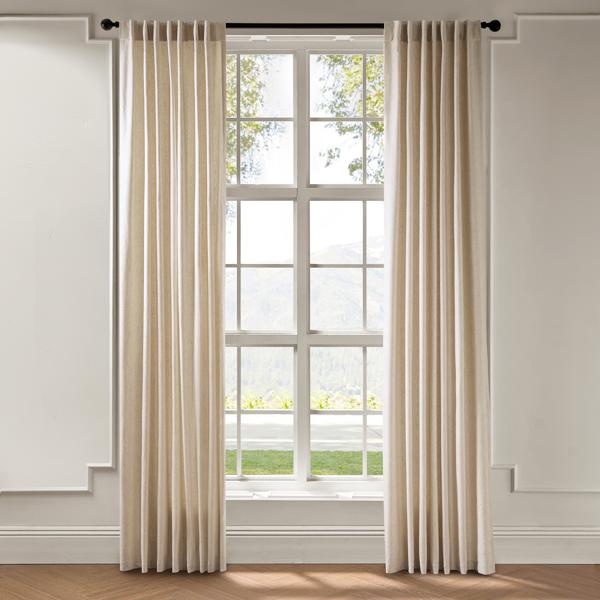
 Anson Ivory Textured Window Curtain Panel$109
An elegant ivory curtain with a crushed, light-reflective texture and versatile dual hanging options.
Add To Cart -
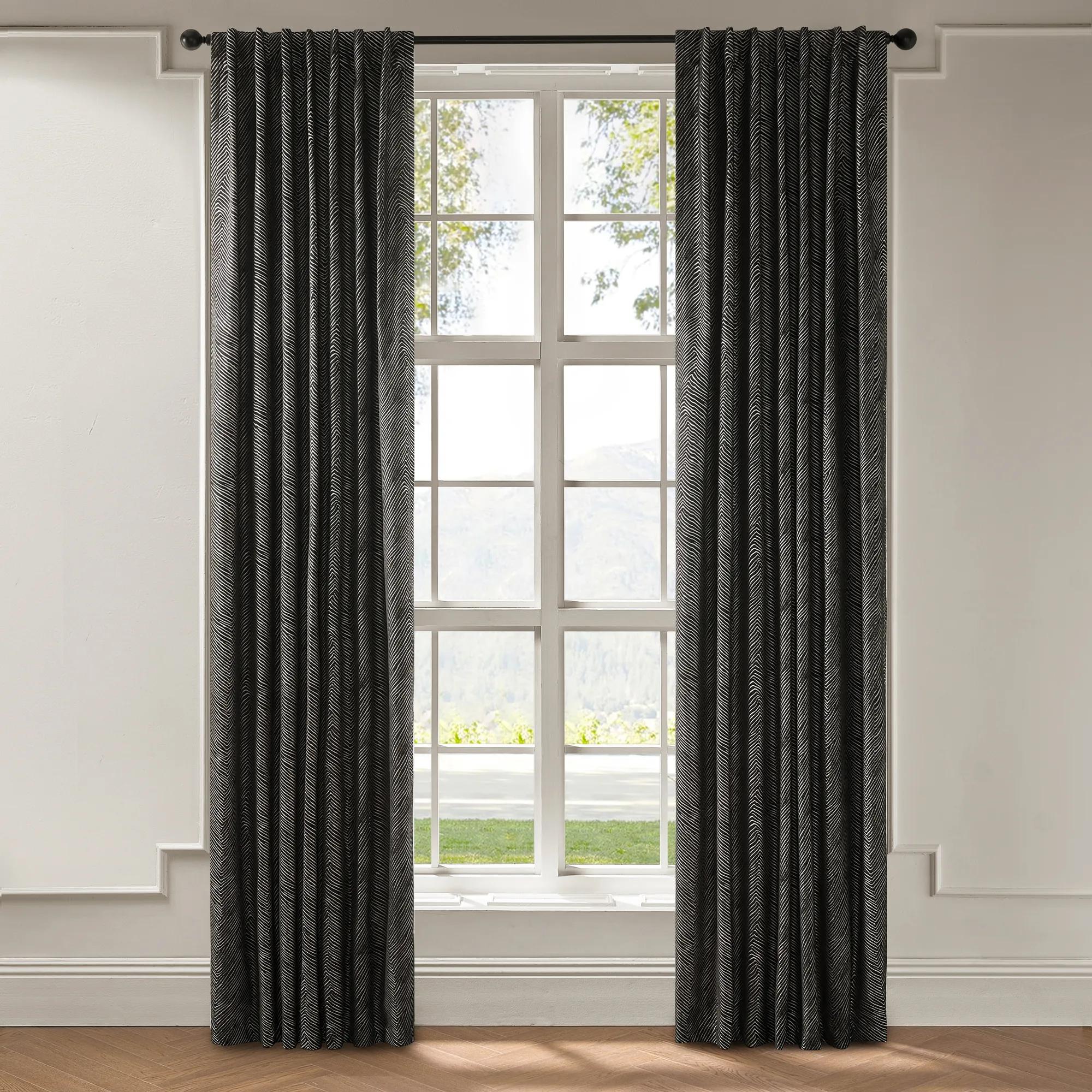
.jpeg?w=1200&h=1200) Kenzo Black Chenille Window Curtain Panel$139
Kenzo Black Chenille Window Curtain Panel$139A black chenille jacquard curtain with a room-darkening finish and versatile dual hanging options.
Add To Cart -
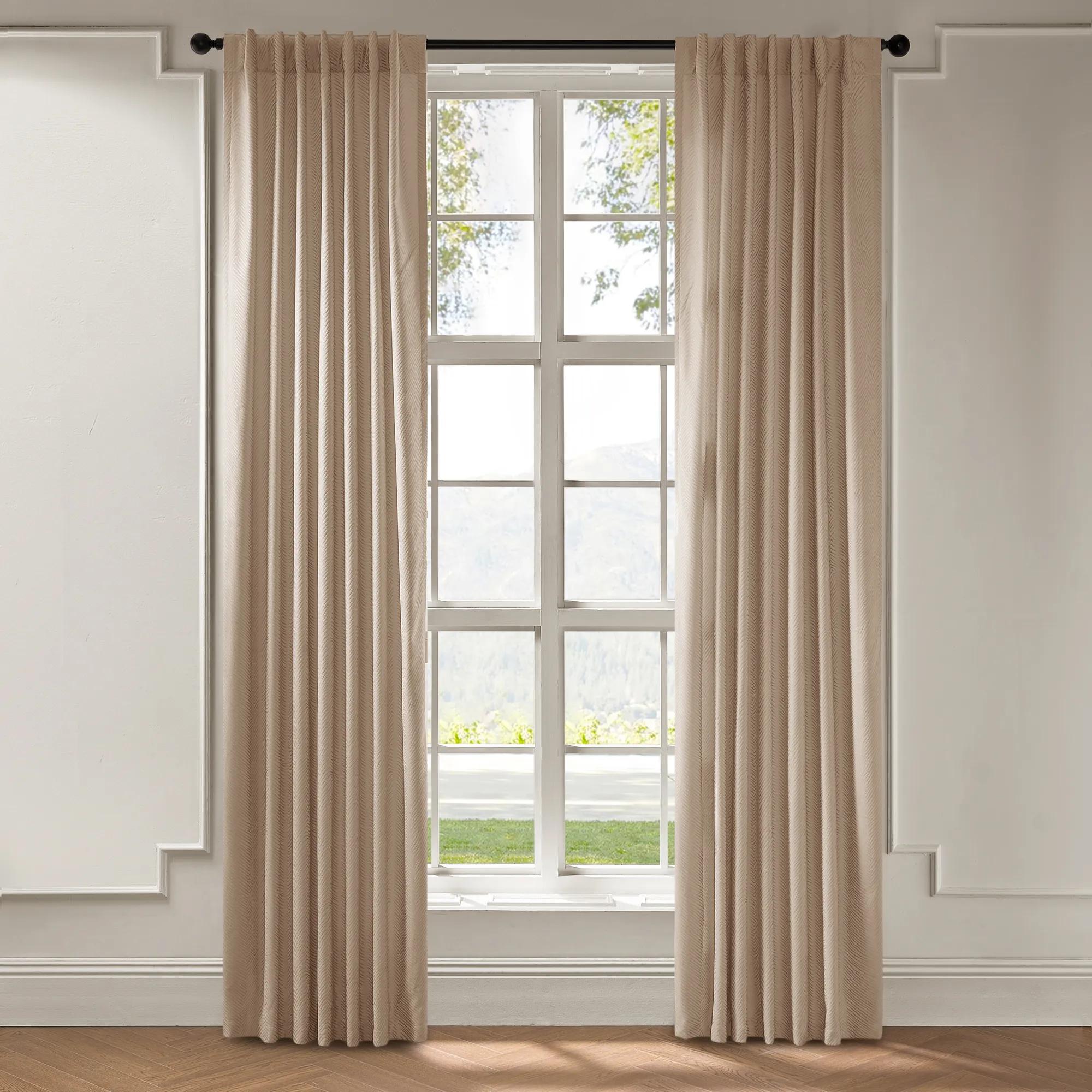 Kenzo Jacquard Beige Chenille Window Curtain Panel$129
A warm beige chenille jacquard curtain with a subtle sheen and versatile rod pocket or back tab hanging.
Add To Cart -
.jpeg?w=1200&h=1200)
 Adair Sand Solid Velvet Window Curtain Panel$69
Adair Sand Solid Velvet Window Curtain Panel$69A sand-colored velvet curtain offering room-darkening privacy and versatile hanging options for refined interiors.
Add To Cart -
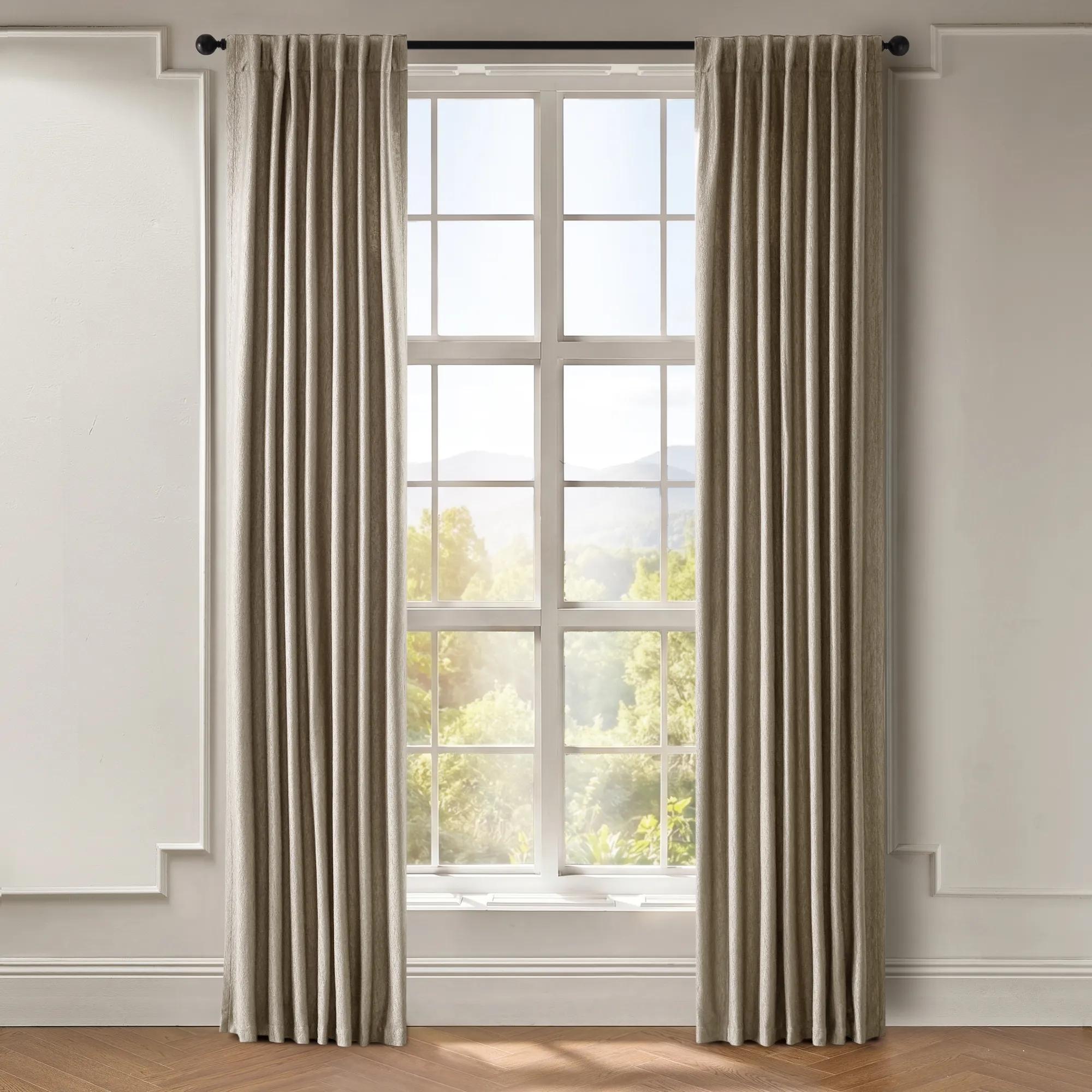
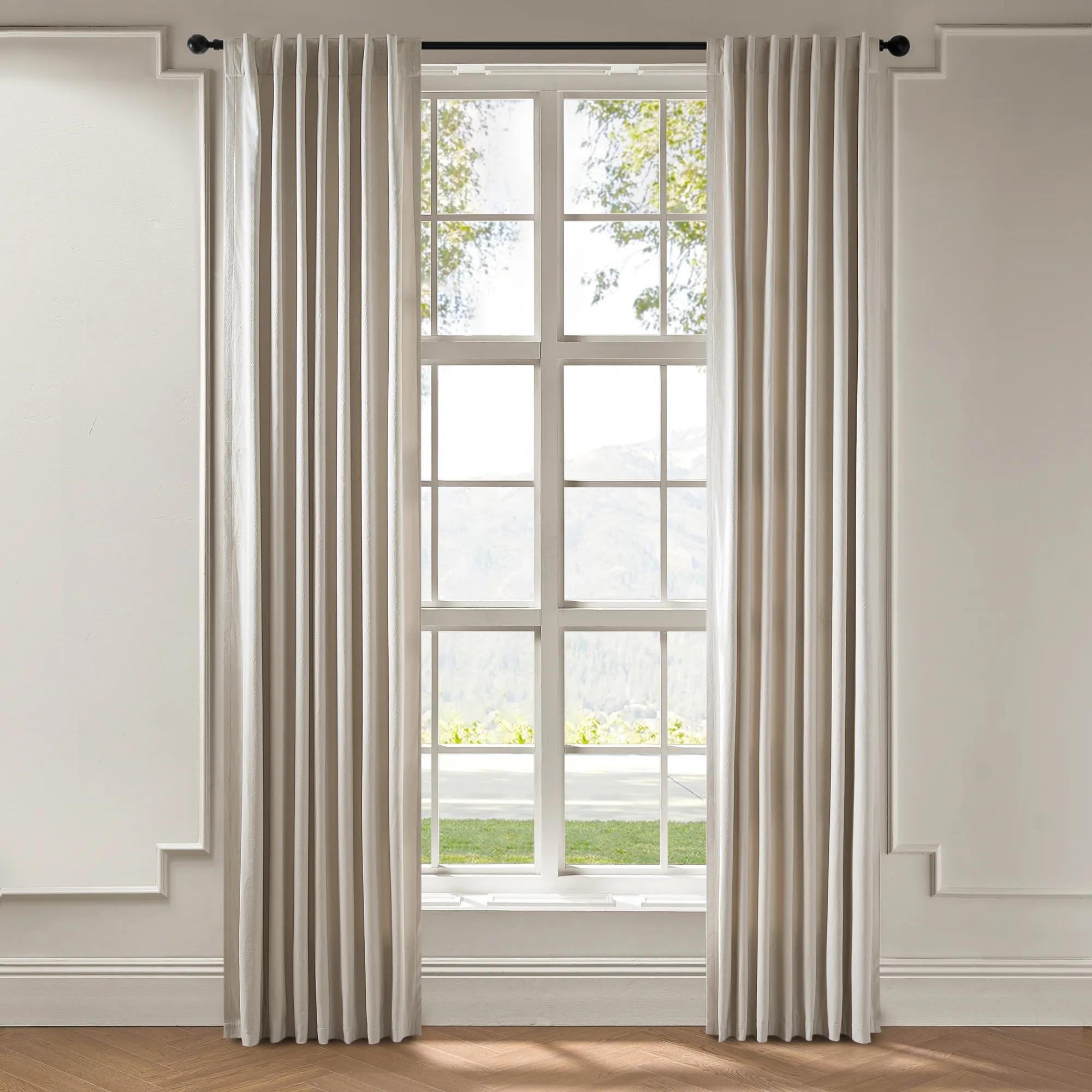
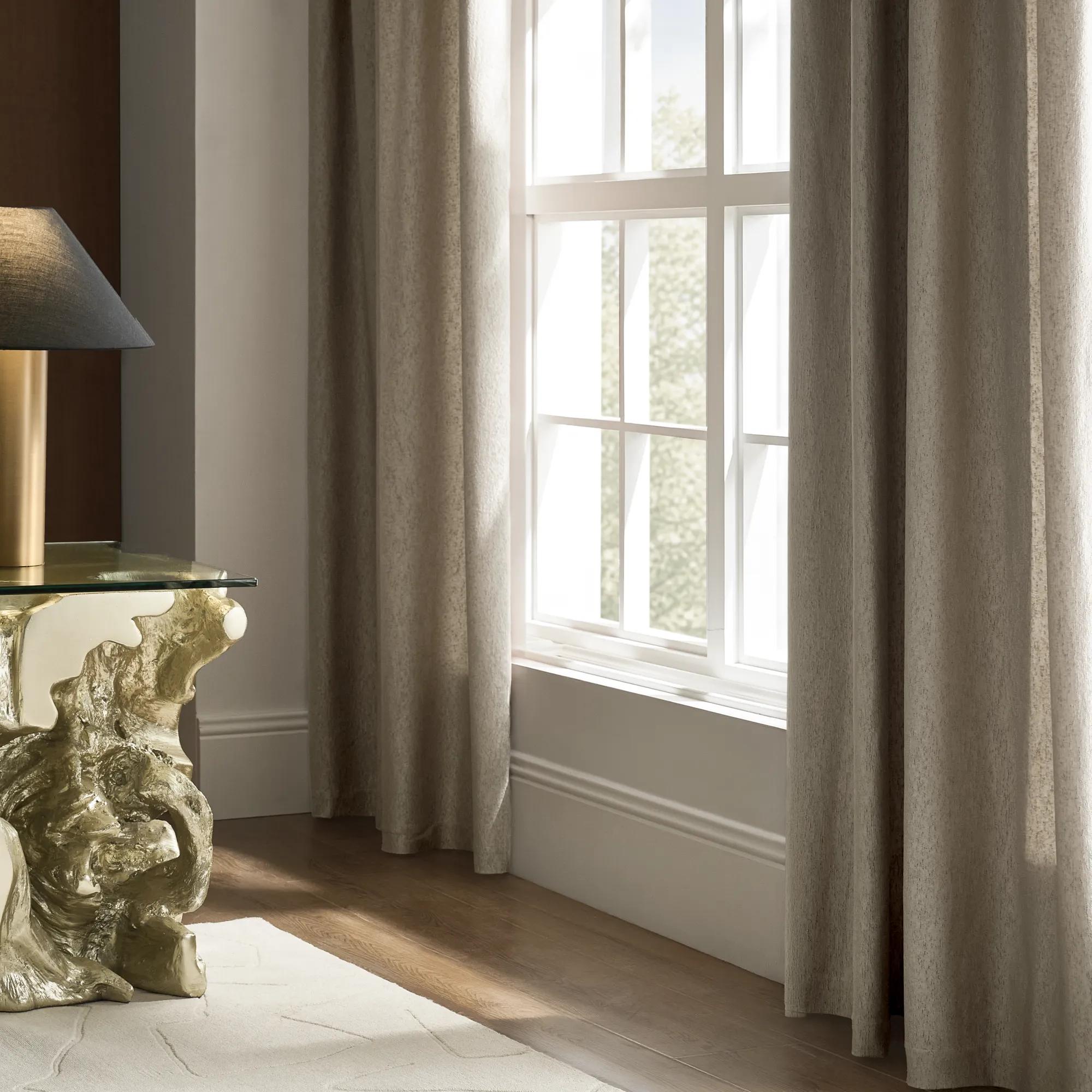 Anson Taupe Textured Window Curtain Panel$99
A taupe polyester curtain panel featuring a crushed sheen texture and versatile room-darkening design.
Add To Cart -
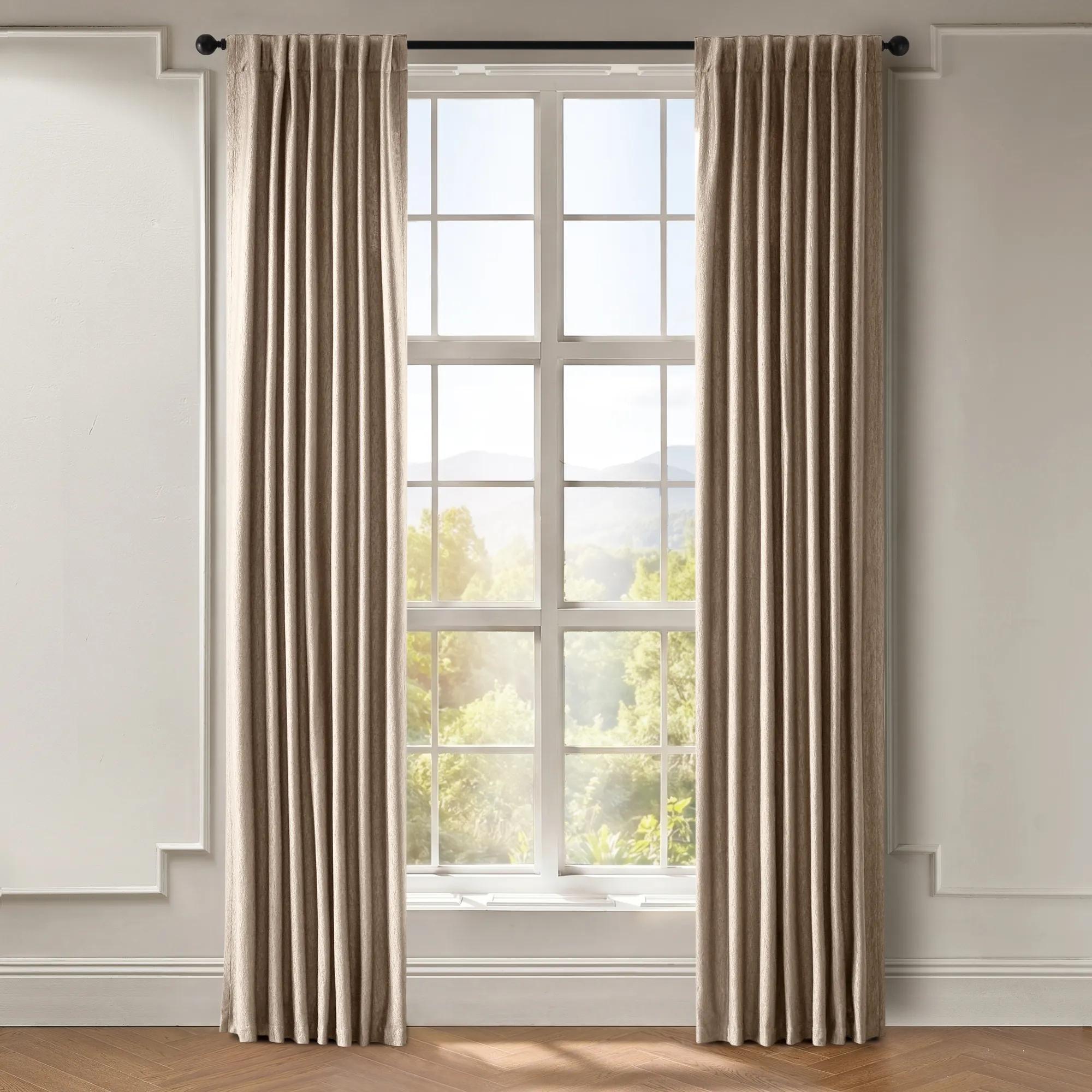 Anson Mocha Rose Textured Window Curtain Panel$89
A light mocha rose curtain panel with crushed sheen texture and room-darkening, dual hanging design.
Add To Cart -
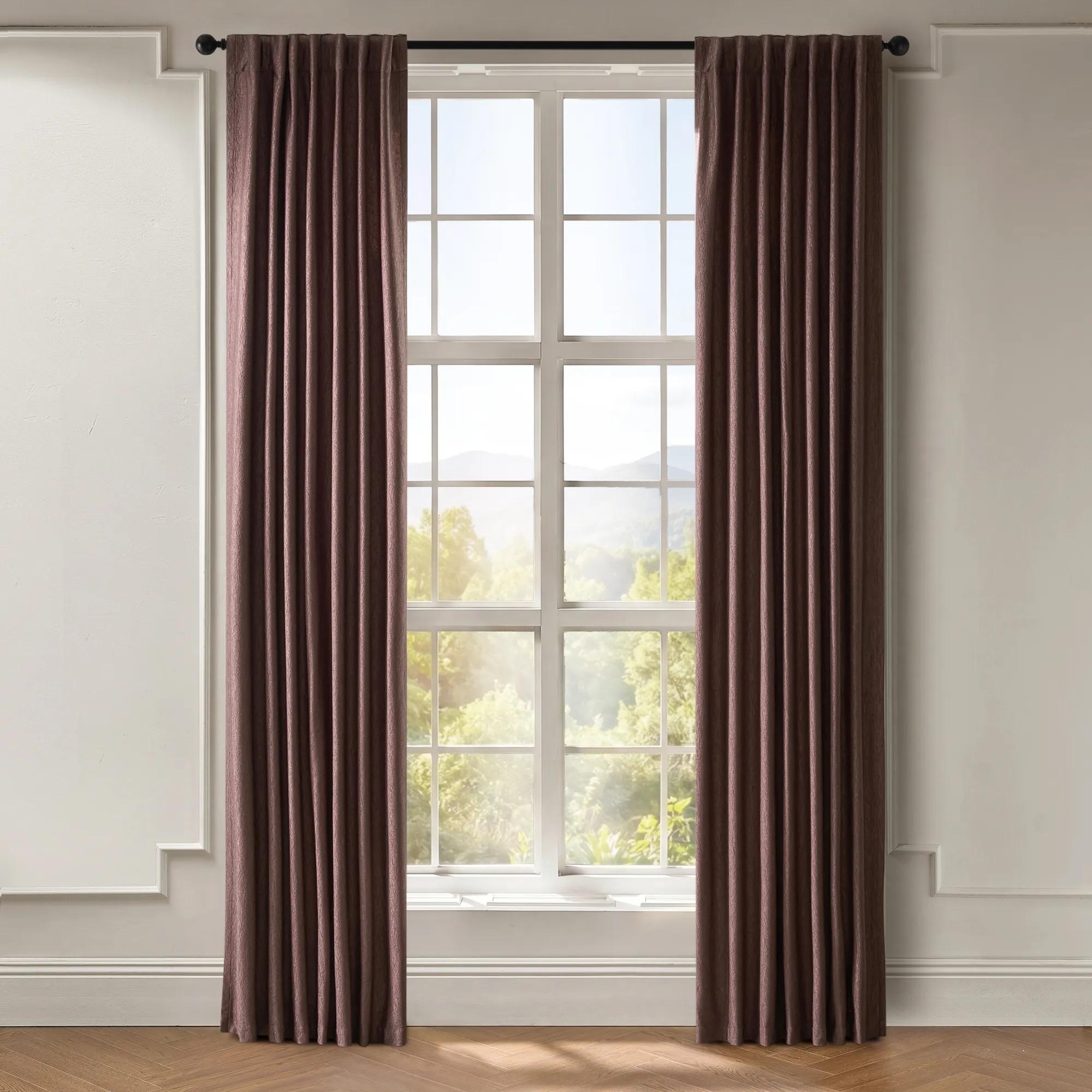
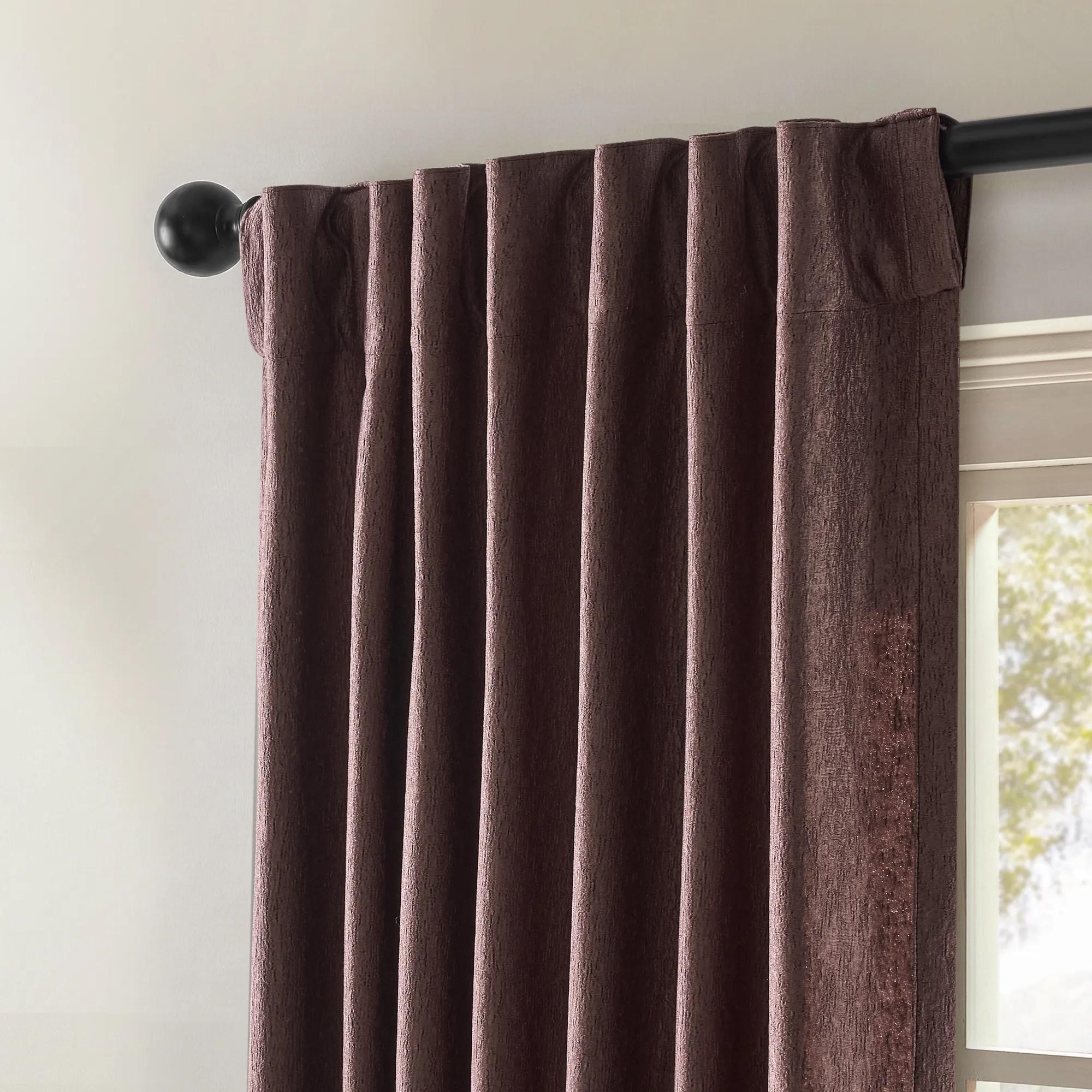 Anson Fig Textured Window Curtain Panel$99
A deep fig curtain panel in crushed, subtly sheened polyester with room-darkening and dual hanging options.
Add To Cart

Back Tab Chevron Window Panels
Back tab chevron window panels are the secret to transforming any room into a luminous work of art. With their striking, zigzag patterns and tailored elegance, these panels invite a sense of movement and modernity—each fold catching the light, each line drawing the eye. Effortlessly chic yet undeniably bold, back tab chevron window panels create an atmosphere where drama meets refinement, framing your view with graphic sophistication. Let your windows become the statement piece they were always meant to be, setting the stage for interiors that are as expressive as they are unforgettable.
Back tab chevron window panels bring two distinctive design elements together: a rhythmic zigzag pattern and a concealed hanging construction that gives fabric a tailored, softly folded appearance. Fabric loops sewn onto the reverse of each panel slide directly over a curtain rod, keeping the attachment points out of sight from the front. The result is a clean upper edge with broad, gentle folds rather than exposed rings or grommets, allowing the chevron motif to take the spotlight. Unlike sewn-in pleats, those folds depend on the spacing of the tabs, the fabric’s body, and how generously the panels fill the rod. Chevron adds movement through repeated angled lines, making these curtains especially expressive against solid upholstery, sculptural furniture, and walls with architectural molding. A large-scale pattern can give a broad window the presence of a textile installation, while a smaller repeat introduces detail that becomes more apparent as someone moves through the room. Tonal chevrons offer a quieter kind of richness, with the design emerging through subtle color or texture differences; sharply contrasting versions create a more graphic frame for the view. In a living room, the pattern can echo the angular silhouette of an accent table without duplicating every line in the space. Beside an upholstered headboard, it offers a crisp counterpoint to sumptuous bedding. In a dining area, long panels lend softness to gleaming surfaces and define the room’s perimeter without adding another piece of furniture. For anyone drawn to the concealed-loop silhouette beyond this particular motif, Back Tab Window Curtain Panels offer a broader expression of the same tailored hanging style. Chevron’s particular appeal lies in its balance of order and energy: the repeat feels intentional, but never static. It suits rooms that need an assured pattern at the window, whether the surrounding palette is restrained or layered with expressive art, lustrous accessories, and richly textured seating.
Material and construction shape how back tab chevron curtains look, feel, and perform once hung. Cotton can give the pattern a matte, tactile character, while polyester often offers crease resistance and helps fabric retain its shape. Cotton-polyester blends balance characteristics of both fibers, although the finished weave, fabric weight, and care requirements matter as much as the fiber names. Linen or linen-blend constructions, where specified, introduce a more relaxed surface with natural-looking variation that softens the precision of the zigzag. A printed chevron places the design on the fabric’s surface; a woven chevron creates the motif through the interlacing of yarns and may offer more dimensional texture. Neither method alone determines opacity or durability. A loosely woven panel may admit considerable light even when its color is deep, while a denser weave or separate lining can create a more substantial visual barrier. Light-filtering panels soften incoming daylight but should not be assumed to provide complete privacy, particularly when a room is illuminated after dark. Room-darkening and blackout descriptions refer to different levels of light control, so the stated construction and performance deserve close attention. Even blackout fabric can allow light around the sides, above the rod, or between panels. For a bedroom facing exterior lighting, lining and generous window coverage may be more important than the pattern’s contrast; for a sitting room where daylight is part of the atmosphere, a lighter construction can preserve an inviting glow. A home office may benefit from softened light at the window, though reducing screen glare also depends on desk placement and the direction of the light. The reverse side merits consideration, too, especially where curtains are visible from outside. A lining can give that outward-facing surface a more uniform appearance and add body to the drape. These distinctions let the chevron remain an artistic choice while the fabric supports the way the room is actually used.
Fit gives the pattern its finished presence. Panel width is a flat measurement, not the width the fabric will cover while maintaining generous folds. As a general starting point, a combined panel width of roughly one and a half to two times the rod width creates fullness, with the appropriate amount varying by fabric weight, tab spacing, and the desired silhouette. Too little fabric can pull the chevron nearly flat when the curtains close; additional width allows the angled lines to disappear into folds and reappear with a more dimensional rhythm. When pairing patterned panels, check any stated pattern-matching details rather than assuming the zigzags will align perfectly across the center opening. Length should account for the actual hanging position and the relationship between the tabs and the panel’s top edge. A hem that just clears the floor presents a crisp finish and avoids dragging where people walk, while a slight break at the floor creates a softer, more decorative effect. Rod diameter must fit comfortably through the tabs, and hardware should support the total fabric weight, including any lining. Back tabs can create more friction against a rod than curtain rings, an important consideration for windows opened and closed frequently. Some panels also incorporate a rod pocket, but that alternative hanging method should be confirmed in the construction details rather than assumed. Lasting elegance also depends on sound seams, securely attached tabs, and care suited to the fabric. Follow the care label for both the face fabric and lining: washable curtains may require gentle laundering and low heat, while other constructions call for professional cleaning. Improper washing or drying can cause shrinkage, distort the pattern, or change how the layers hang together. Between deeper cleanings, gentle dust removal with an appropriate upholstery attachment can help preserve the surface. Steaming or pressing should follow the stated heat limits, with special caution around decorative finishes. For a newly furnished apartment, an established family living room, or a bedroom being given a more expressive identity, thoughtfully fitted chevron panels bring pattern and polish to an architectural feature that deserves both.
FAQs
Back tab chevron window panels stand out for their combination of sculptural pattern and refined tailoring. The chevron motif infuses a room with dynamic energy and visual interest, while the back tab construction allows the fabric to drape in elegant, uninterrupted pleats. This results in a look that is both contemporary and timeless, perfect for those who appreciate artistic expression in every detail.
These panels transform natural light into a dramatic design element, casting subtle patterns and adding depth to your space. The chevron pattern creates a sense of movement, while the lush fabric adds texture and warmth. Together, they create an atmosphere that feels curated and inviting, turning everyday moments into occasions for beauty.
Absolutely. Their tailored construction and bold pattern make them ideal for layering over sheers or pairing with complementary drapes. This approach allows you to play with opacity and texture, adding complexity and dimension to your windows while maintaining a cohesive, luxurious look.
These panels make an inspired gift for anyone who delights in design—new homeowners, newlyweds, or anyone seeking to refresh their space with a touch of modern glamour. Their striking pattern and versatile elegance ensure they’ll be cherished by both seasoned decorators and those just beginning to explore their personal style.
The chevron pattern is remarkably versatile, adapting to both bold, contemporary settings and more classic, understated spaces. In a modern room, it adds a layer of graphic intrigue; in a traditional space, it introduces a hint of playfulness without overwhelming. The key is to coordinate colors and textures, allowing the chevron to either command attention or serve as a sophisticated backdrop.
.jpeg?w=4130&h=4130)
.jpeg?w=3942&h=3942)


