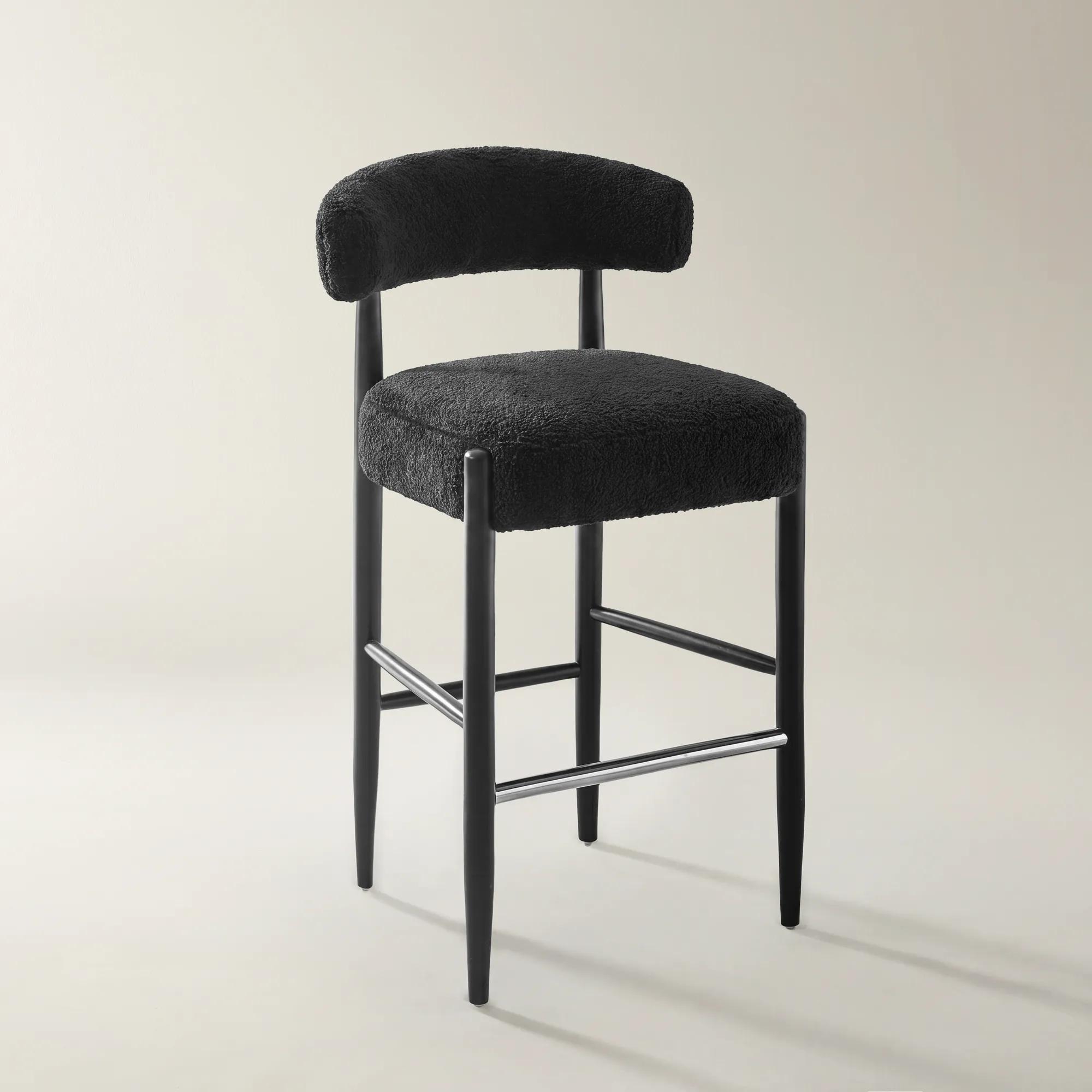
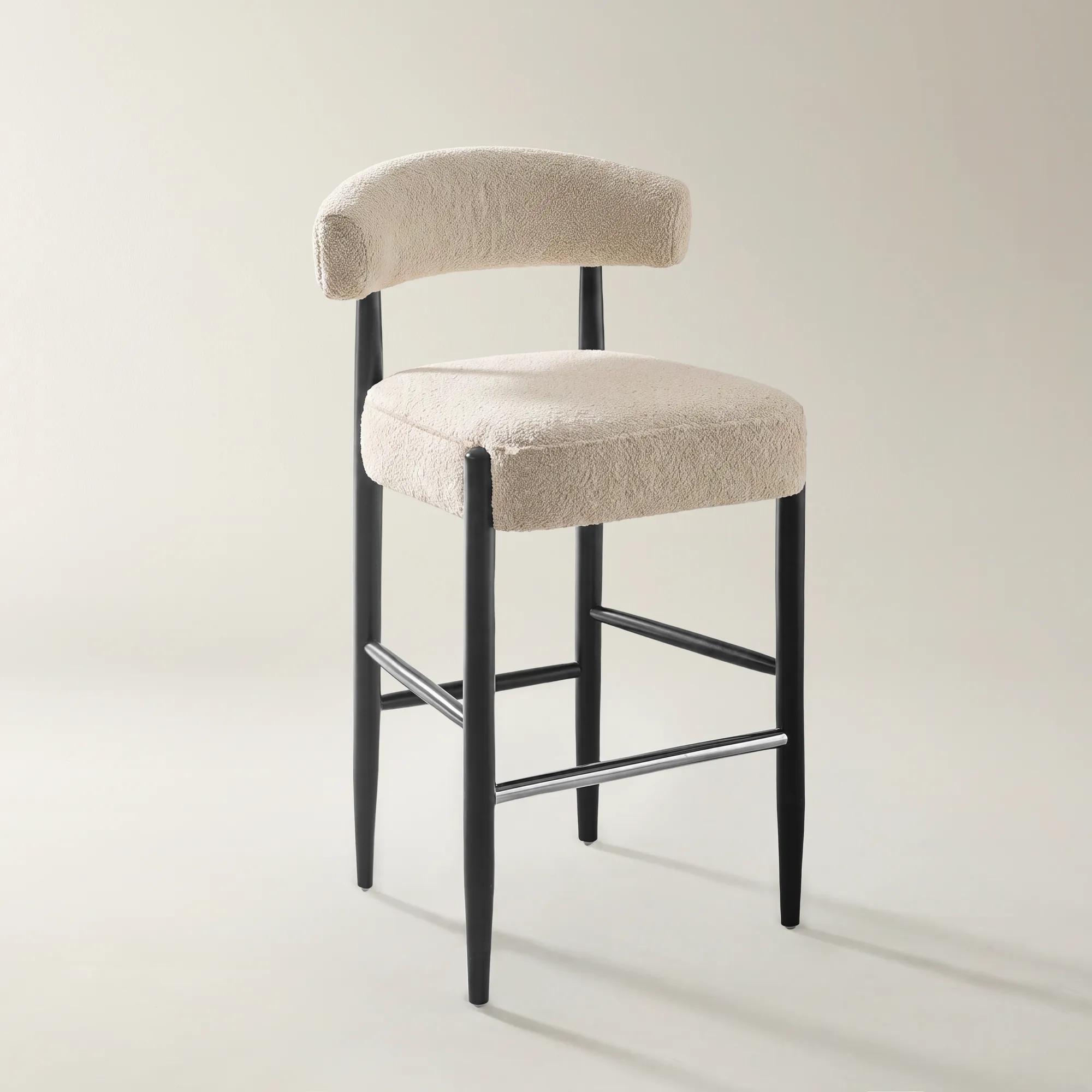
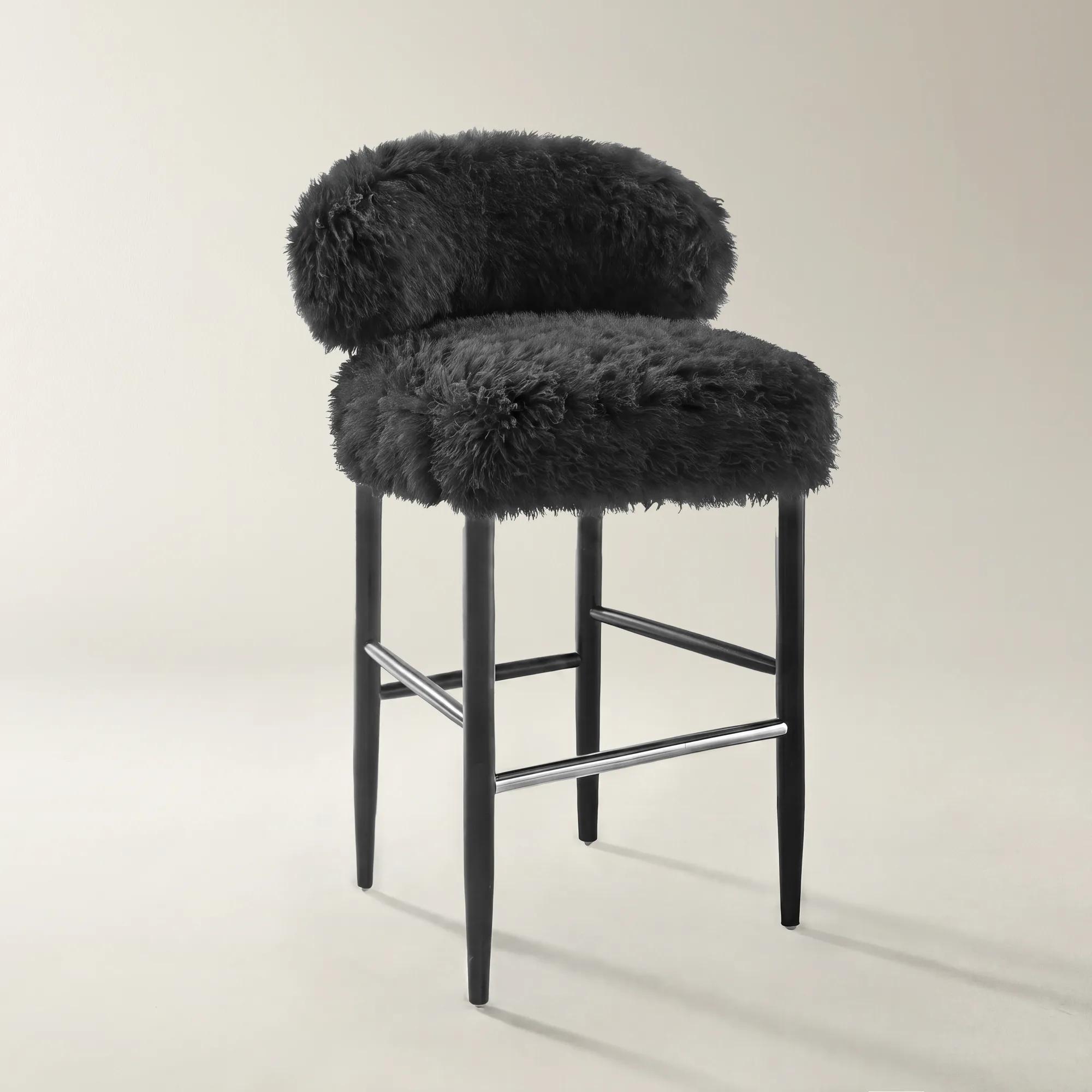
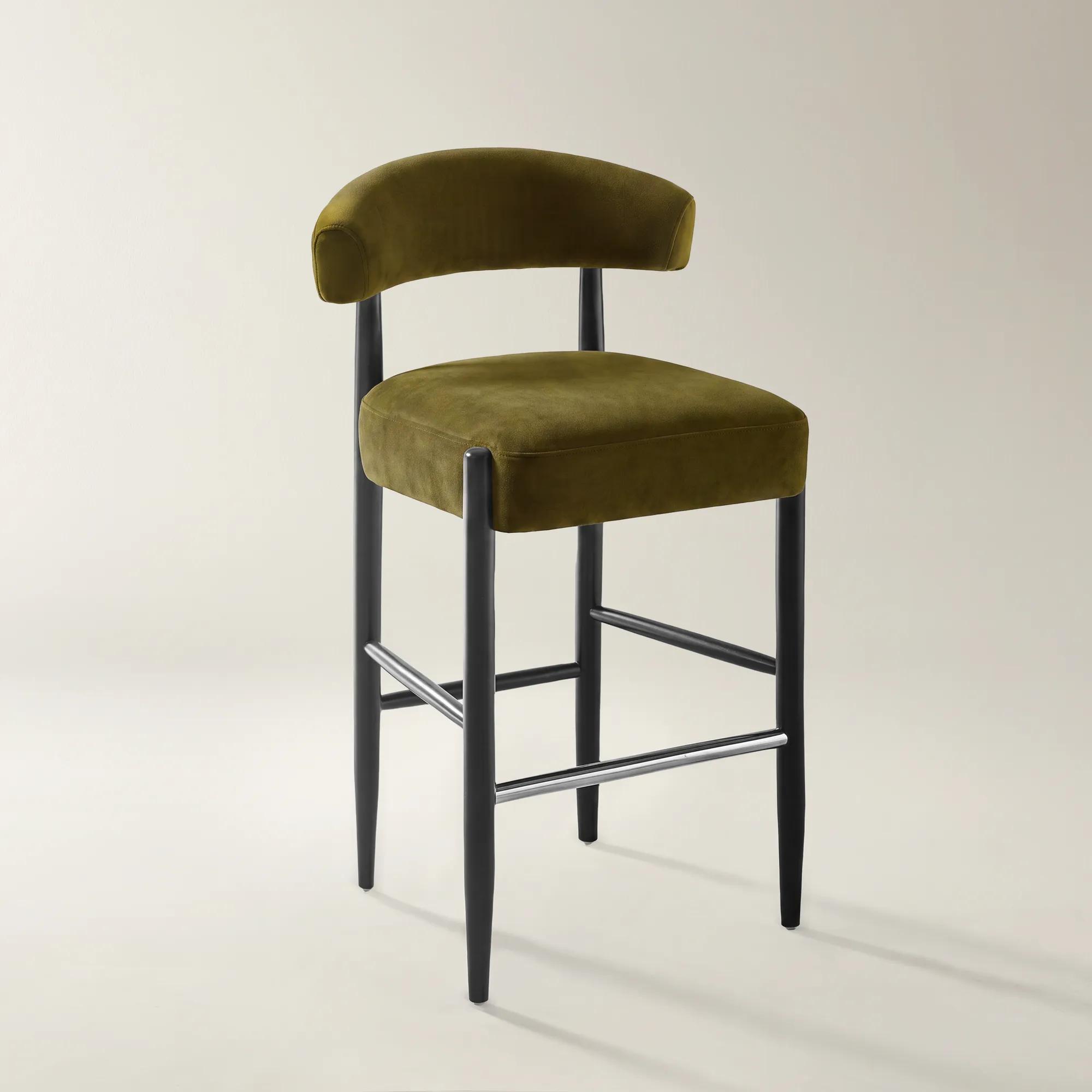
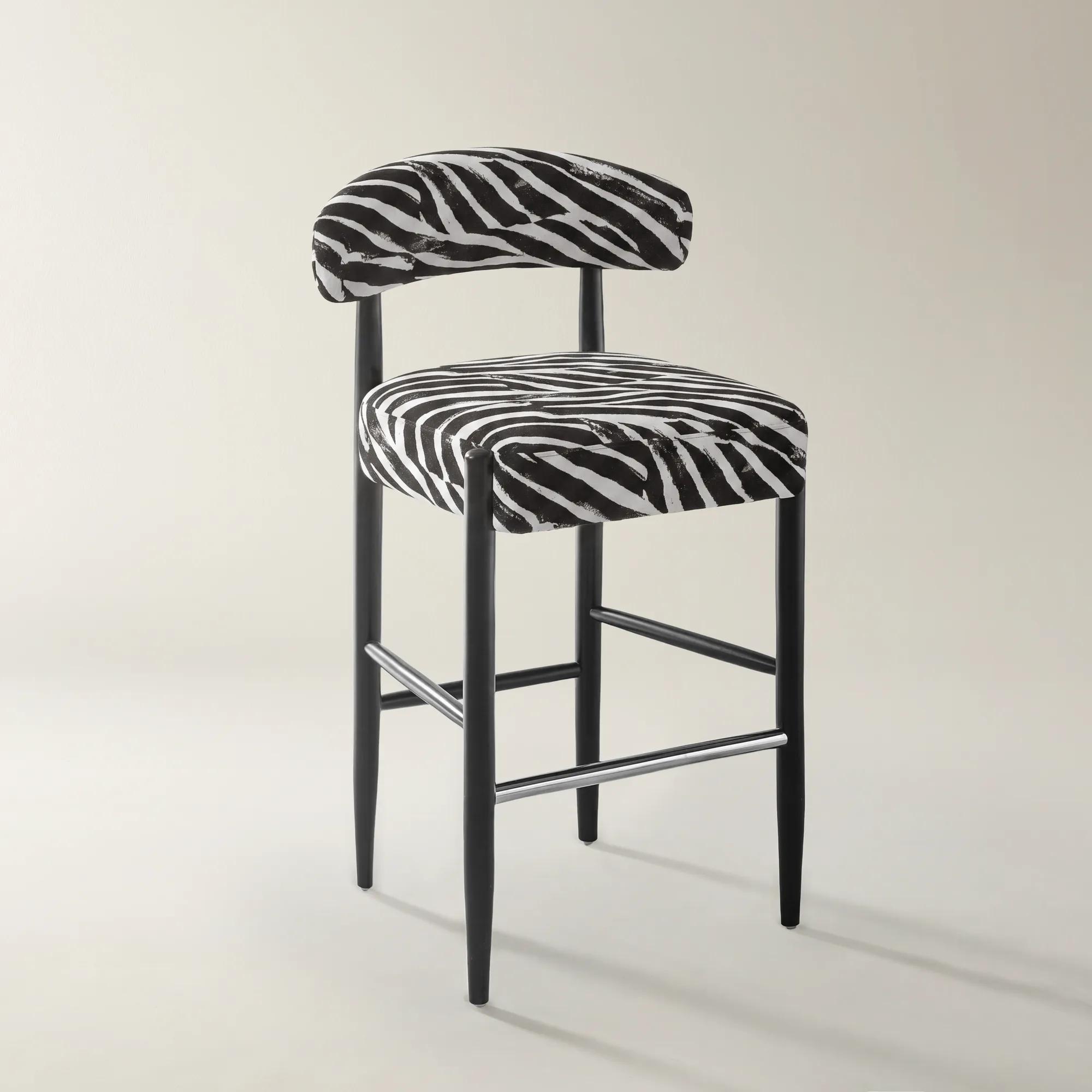
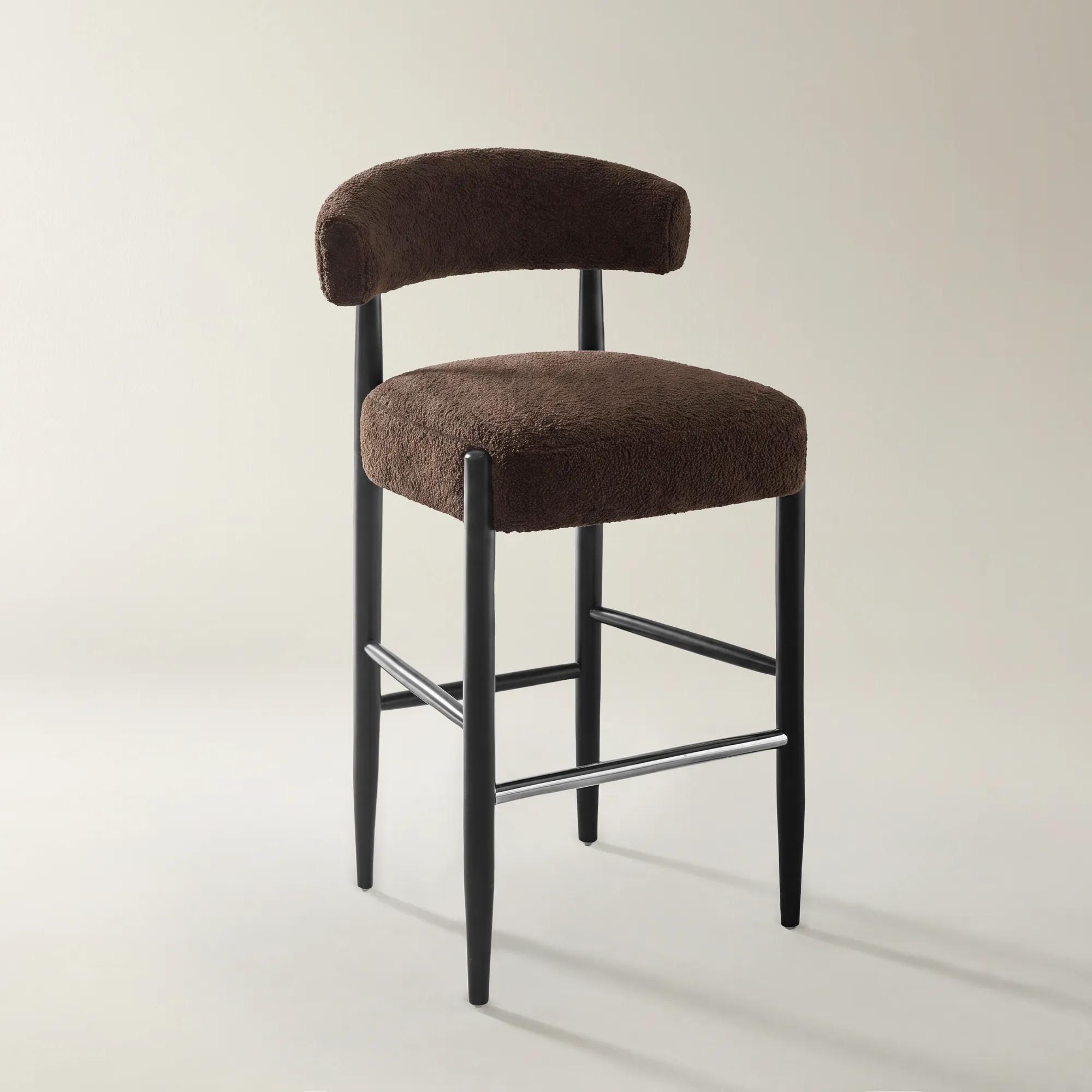
High End Oak Dining Arm Chairs
High End Oak Dining Arm Chairs
-
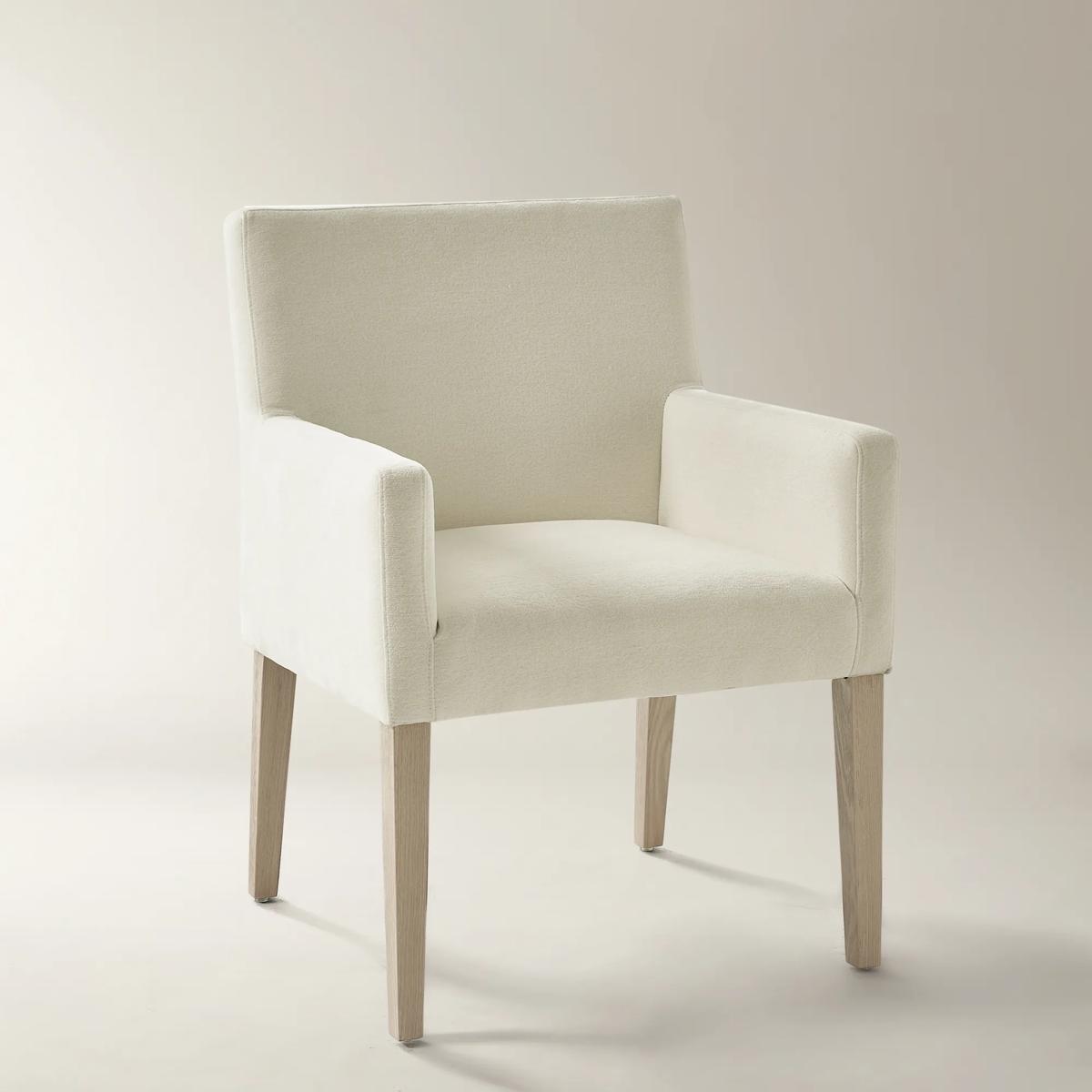
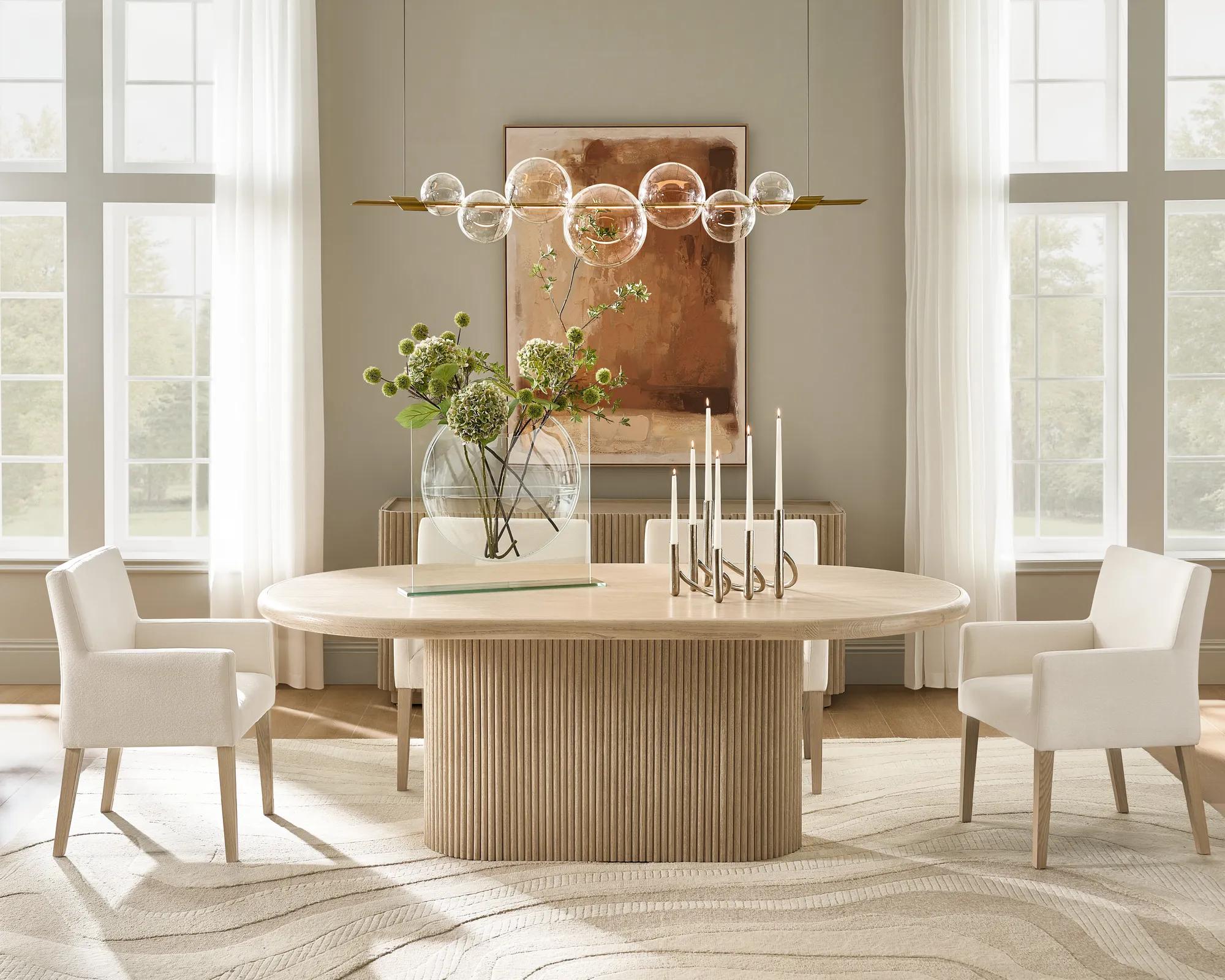 Stria Ivory Chenille Dining Chair Set Of 2$599
A pair of ivory chenille arm chairs with natural oak legs, offering plush comfort and modern elegance.
Add To Cart -
 Stria Roasted Pecan Velvet Swivel Dining Chair With Oak Base$699
A velvet swivel dining chair with a sculpted curved profile and warm solid oak base.
Add To Cart -
 Stria Ivory Chenille Swivel Dining Chair With Oak Base$699
A sculpted ivory chenille dining chair with a solid oak base and smooth 360-degree swivel.
Add To Cart -

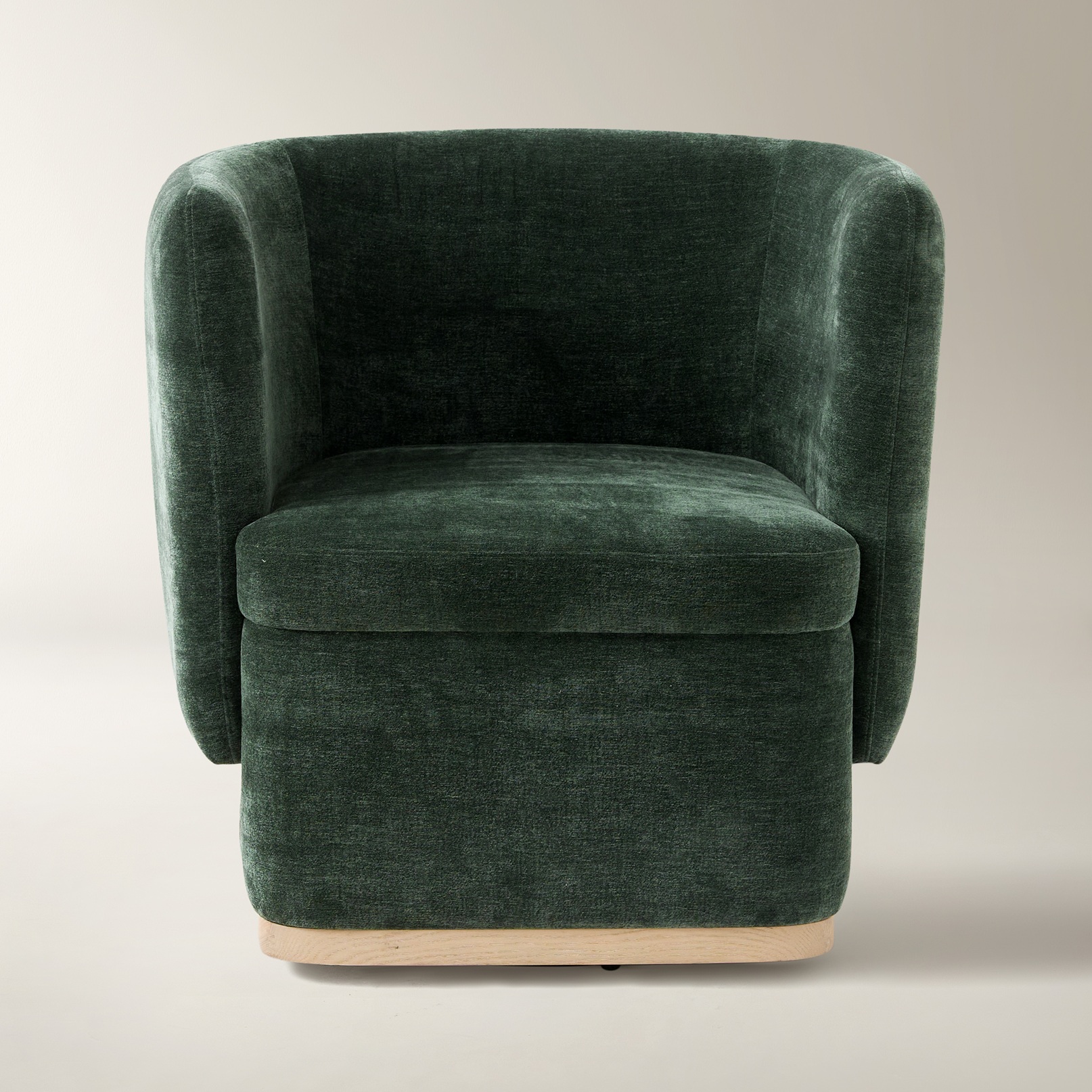 Stria Green Chenille Swivel Dining Chair With Oak Base$699
A green chenille dining chair with a sculpted curved profile, solid oak base, and 360° swivel.
Add To Cart -
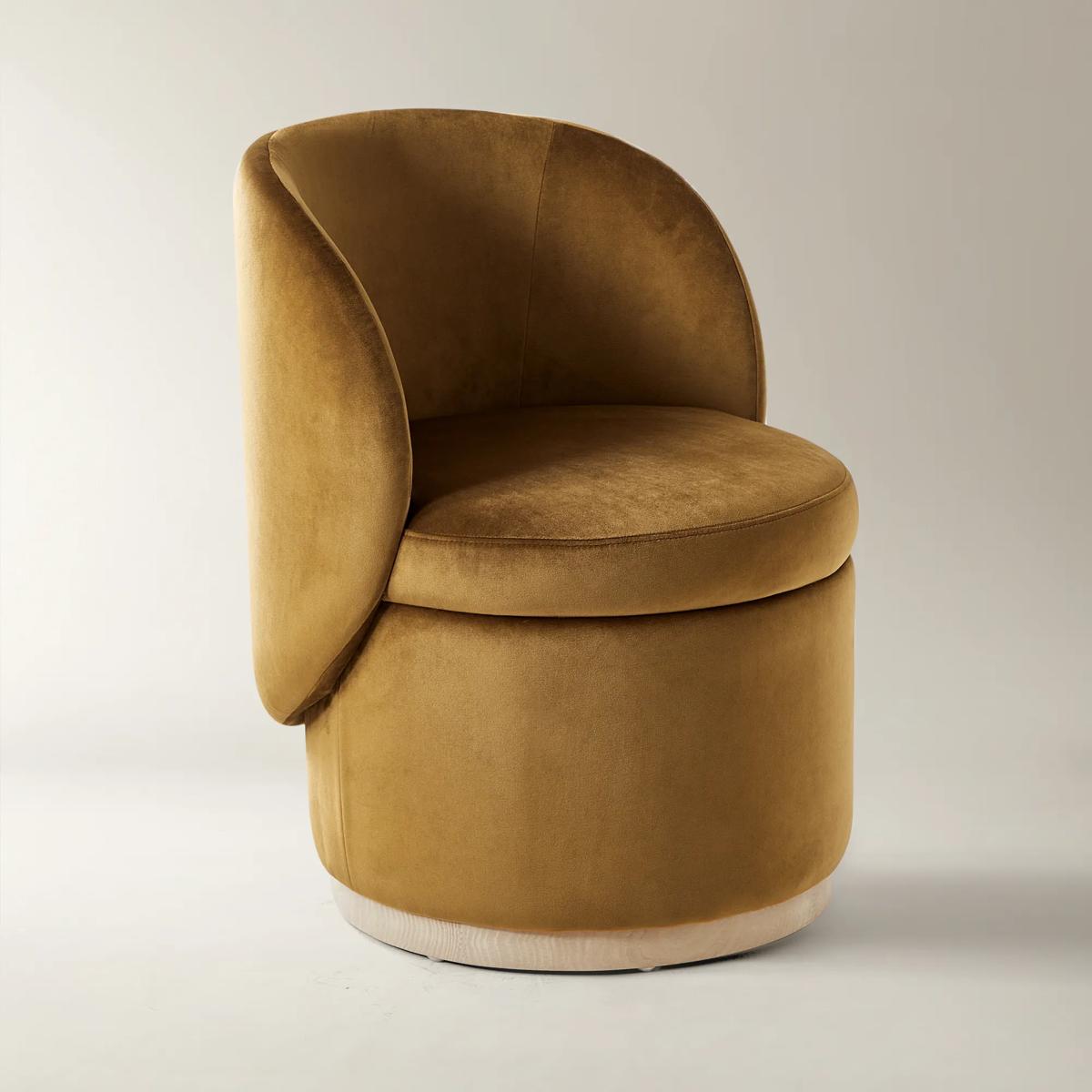
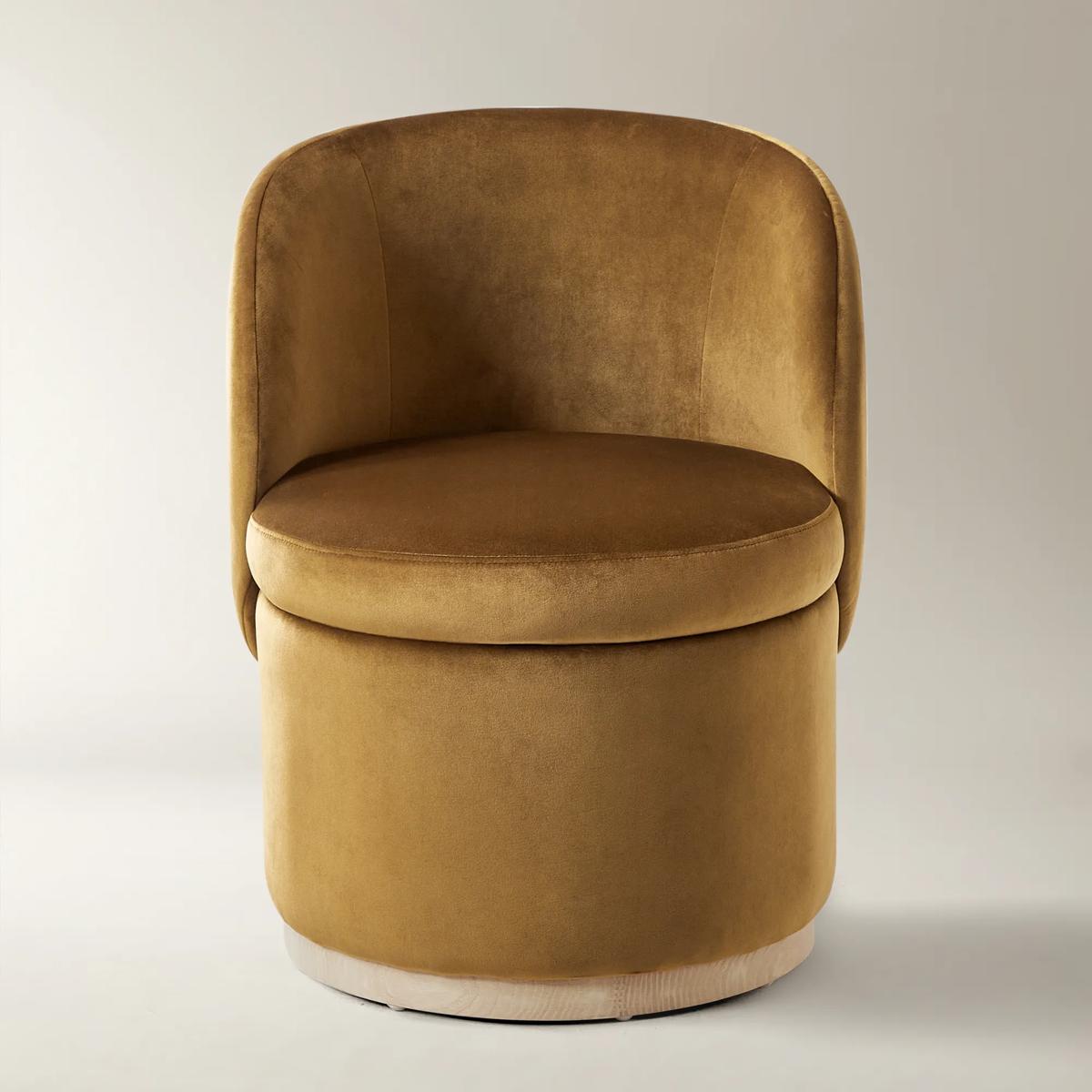 Stria Roasted Pecan Velvet Dining Chair With Oak Base$599
A khaki chenille chair featuring cozy upholstery and a handcrafted solid oak base for organic warmth.
Add To Cart

High End Oak Dining Arm Chairs
High End Oak Dining Arm Chairs transform every meal into an occasion, marrying timeless sophistication with a bold, modern edge. Each chair is a sculptural statement—crafted to command attention and invite conversation, their presence elevates the dining room from the everyday to the extraordinary. Imagine oak’s natural allure brought to life in silhouettes that balance strength with grace, offering both comfort and undeniable glamour. Whether you’re hosting lavish soirées or intimate dinners, these arm chairs set the stage for unforgettable moments, infusing your space with artistry, warmth, and an unmistakable sense of luxury.
High-end oak dining armchairs bring the expressive grain of hardwood into a silhouette designed for lingering conversation. Their defining qualities often include carefully selected oak, well-executed joinery, balanced proportions, and upholstery or carved detailing that gives the chair its individual character. Solid American oak is one material used in luxury seating, valued for its strength and distinctive grain, though construction quality matters as much as the wood species itself. Mortise-and-tenon joints, accurately fitted dowels, and reinforced seat frames are examples of construction details worth considering, particularly where the arms and legs meet the frame. These connections support the everyday movement of sitting, rising, and drawing a chair toward the table. White oak generally offers a more subdued grain and neutral undertones, while red oak often shows a more pronounced grain with warmer, pinkish undertones; the final appearance also depends on the cut of the wood and the finish. Rift-cut oak can create a restrained, linear effect, while other cuts reveal sweeping cathedral patterns that make each frame visually distinct. A pale finish lets that natural drawing take center stage, a deeper stain adds richness, and an ebonized treatment turns the silhouette into a dramatic outline. Solid wood and oak veneer serve different purposes, and veneer over a stable substrate is not inherently a sign of lesser quality. The execution of the edges, joints, finish, and underlying structure determines how convincingly the materials come together. Beyond those details, oak dining armchairs offer a particular presence: more enveloping than an armless chair, yet often lighter in appearance than a fully upholstered dining seat. Open arms expose the frame’s sculptural lines, while upholstered arms introduce a softer, more tailored expression. At the head of a table, either approach can establish a focal point without requiring an entire room to become formal. The effect is confident and inviting, with enough visual substance to anchor a dining setting and enough warmth to make it feel personal.
The most compelling dining arrangement gives comfort the same attention as appearance. An oak armchair should sit comfortably in relation to both the table and the people who gather around it, so overall width, seat depth, seat height, and arm height deserve close consideration. Many dining tables stand approximately 28 to 30 inches high, and many dining seats measure around 18 to 20 inches high, but those ranges are only a starting point. Roughly 10 to 12 inches between the seat and the underside of the tabletop often provides comfortable legroom; a deep apron can reduce that clearance considerably. Arm height needs its own measurement, since a chair may have an appropriate seat height yet still be unable to slide beneath the table. Upholstered seat measurements can also change slightly when the cushion compresses. For an existing table, measuring the actual opening between its legs helps establish whether two generous armchairs will sit beside one another without crowding. Pedestal bases can offer flexibility, although a broad base may still affect foot placement. Around the room, approximately 36 inches from the table edge to a wall is a useful starting point for chair movement, with more space desirable where people regularly walk behind seated guests. These proportions matter in a breakfast area used every morning just as much as in a dining room reserved for elaborate entertaining. Comfort also comes from the relationship between the back, arms, and cushion. A gently shaped back supports a relaxed posture, while smooth arm edges provide a comfortable place to rest forearms through a long meal. Velvet introduces depth and a luminous surface; textured woven upholstery creates a quieter contrast against oak grain; leather can lend a sleek, tailored finish. Performance-labeled fabrics may suit frequently used dining spaces, but stain resistance, cleaning methods, and durability vary by textile. For households with children or frequent guests, the most satisfying choice balances an expressive silhouette with upholstery that suits the realities of daily dining.
Styling high-end oak dining armchairs is an exercise in contrast, proportion, and restraint rather than a requirement to match every surface. A richly grained frame can bring warmth to a glass dining table, soften the cool precision of polished metal, or add definition beside a pale stone top. When pairing oak chairs with an oak table, differences in tone can look intentional when another element connects them, such as a shared undertone, repeated curve, or consistent upholstery color. Coordinating armchairs with Stylish Oak Dining Chairs can create a composed arrangement with distinctive seats at the ends and a lighter rhythm along the sides. For an all-armchair setting, allowing sufficient space between frames preserves the generous feeling that makes the arrangement appealing. Beyond the dining room, a beautifully proportioned oak armchair can serve at a writing desk or beside a console, provided its seat and arms fit the intended surface. That versatility makes thoughtful construction and a lasting finish especially valuable. Oak is a durable hardwood, but its surface still benefits from careful treatment. Dust frames with a soft cloth, follow the finish manufacturer’s cleaning directions, and avoid abrasive cleaners or prolonged moisture. Spills should be blotted promptly, particularly around joints and upholstered edges, rather than left to settle into seams. Direct sunlight can alter wood and fabric color over time, while substantial humidity fluctuations may cause natural wood movement. Felt glides appropriate to the flooring help protect both chair legs and floors; lifting a chair rather than dragging it also reduces unnecessary stress on the frame. Upholstery should be maintained according to its care label, with cleaning products tested discreetly before broader use. With considered placement and consistent care, the beauty of an oak dining armchair remains rooted in details that reward attention: the sweep of an arm, the depth of the grain, and the quiet precision of a well-fitted joint. Together, those qualities give a dining room its sense of occasion without sacrificing the ease of everyday use.
FAQs
High end oak dining arm chairs are celebrated for their exceptional craftsmanship, rich wood grain, and timeless elegance. The use of premium oak ensures each chair is both durable and visually striking, while thoughtful design details—such as sculpted arms and hand-finished surfaces—add an element of artistry that elevates any dining room. These pieces are designed to be both functional and beautiful, offering comfort and sophistication that transform everyday meals into memorable occasions.
To create a dramatic dining room, pair oak dining arm chairs with a statement table—think marble, glass, or high-gloss lacquer. Layer in plush textiles, such as velvet seat cushions or a bold area rug, and finish the look with metallic accents or crystal lighting. The natural warmth and texture of oak provide a stunning contrast to glamorous materials, allowing you to mix and match for a space that feels curated and expressive.
Absolutely. High end oak dining arm chairs offer remarkable versatility, seamlessly fitting into both formal dining rooms and more relaxed, open-plan spaces. Their classic lines and refined finishes make them ideal for elegant dinner parties, while their sturdy construction and comfortable design ensure they’re just as suitable for everyday family meals or casual gatherings with friends.
To preserve the beauty of your oak dining arm chairs, dust them regularly with a soft cloth and avoid harsh chemicals that might damage the finish. For deeper cleaning, use products specifically formulated for wood care. Protect the chairs from prolonged exposure to direct sunlight, which can cause fading, and consider using felt pads to prevent scratches on floors and chair legs. With thoughtful care, oak chairs will develop a rich patina and remain stunning for years to come.
High end oak dining arm chairs make a meaningful gift for anyone who values artistry and craftsmanship in their home. They are especially cherished by newlyweds setting up a first home, families commemorating a milestone, or anyone who loves to entertain in style. Gifting these chairs is a way to offer both beauty and functionality—an enduring symbol of celebration and togetherness.