Handcrafted Modern Queen Beds
Handcrafted Modern Queen Beds
-
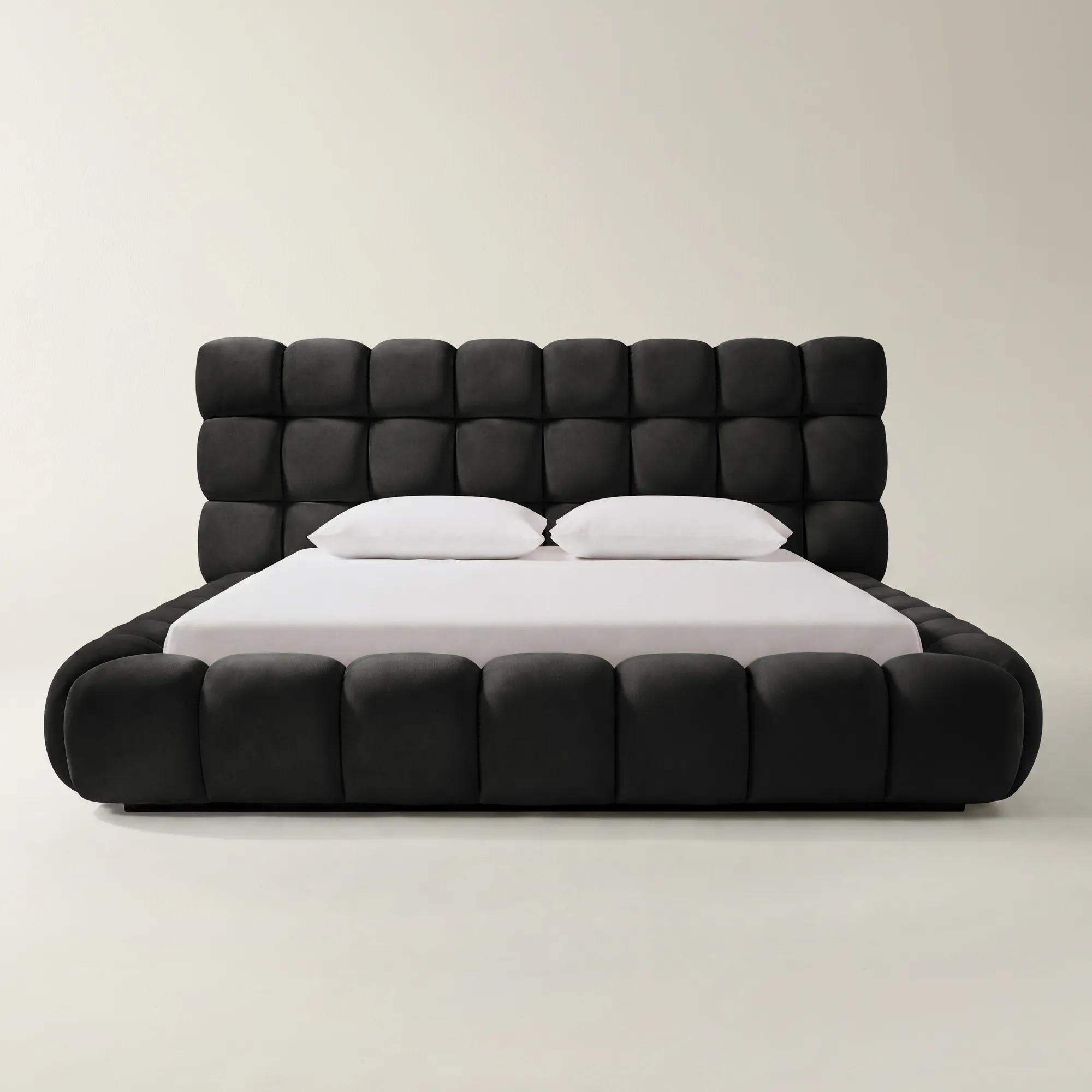
 Paloma Tufted Charcoal Velvet Upholstered Queen Platform Bed$2399
A platform bed with sculpted block silhouette, fully wrapped charcoal velvet upholstery, and plush supportive padding.
Add To Cart -
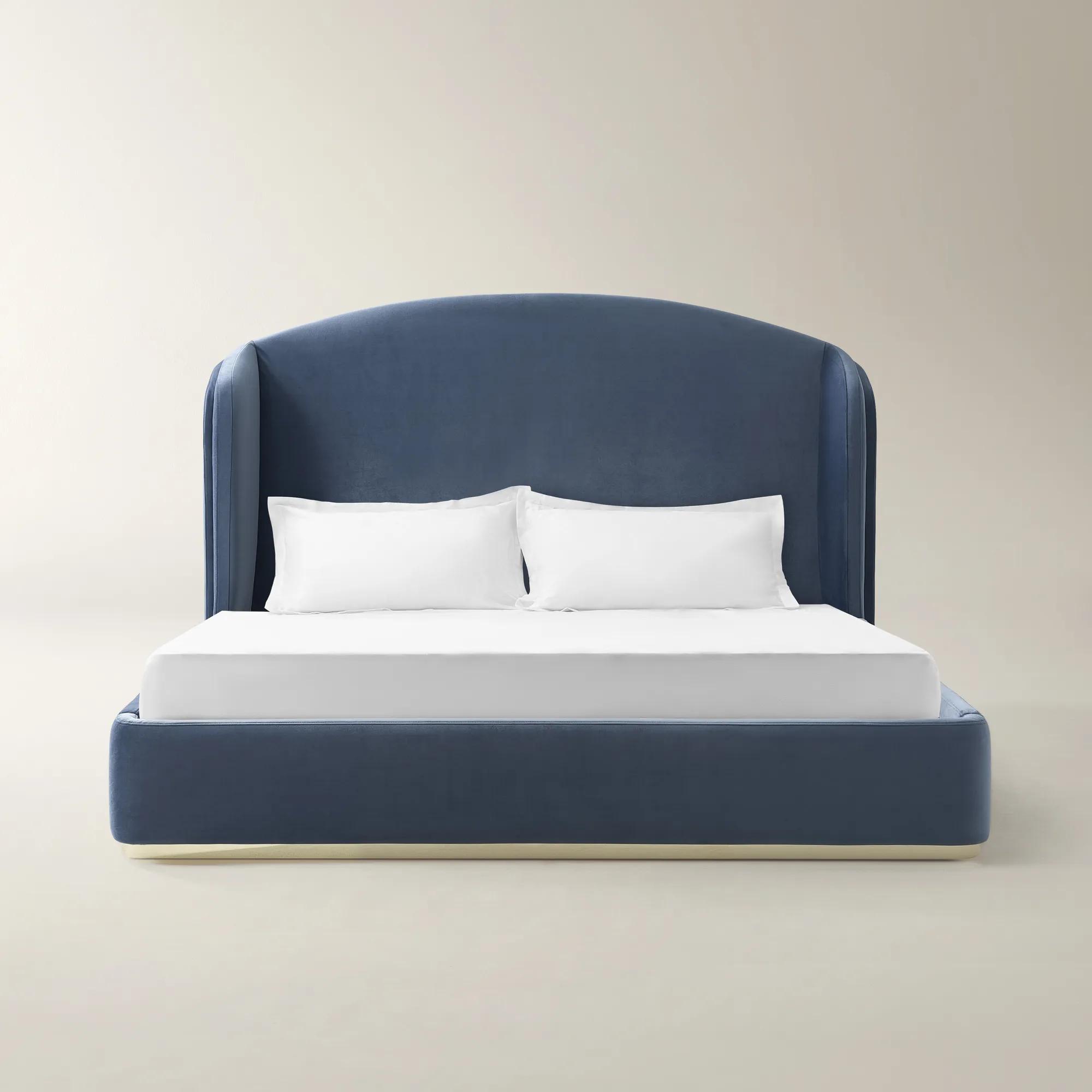
 Glimmer Dusty Blue Velvet Upholstered Queen Platform Bed$2099
A sculpted double-layer headboard and gold-finished base elevate this hand-upholstered dusty blue velvet bed.
Add To Cart -
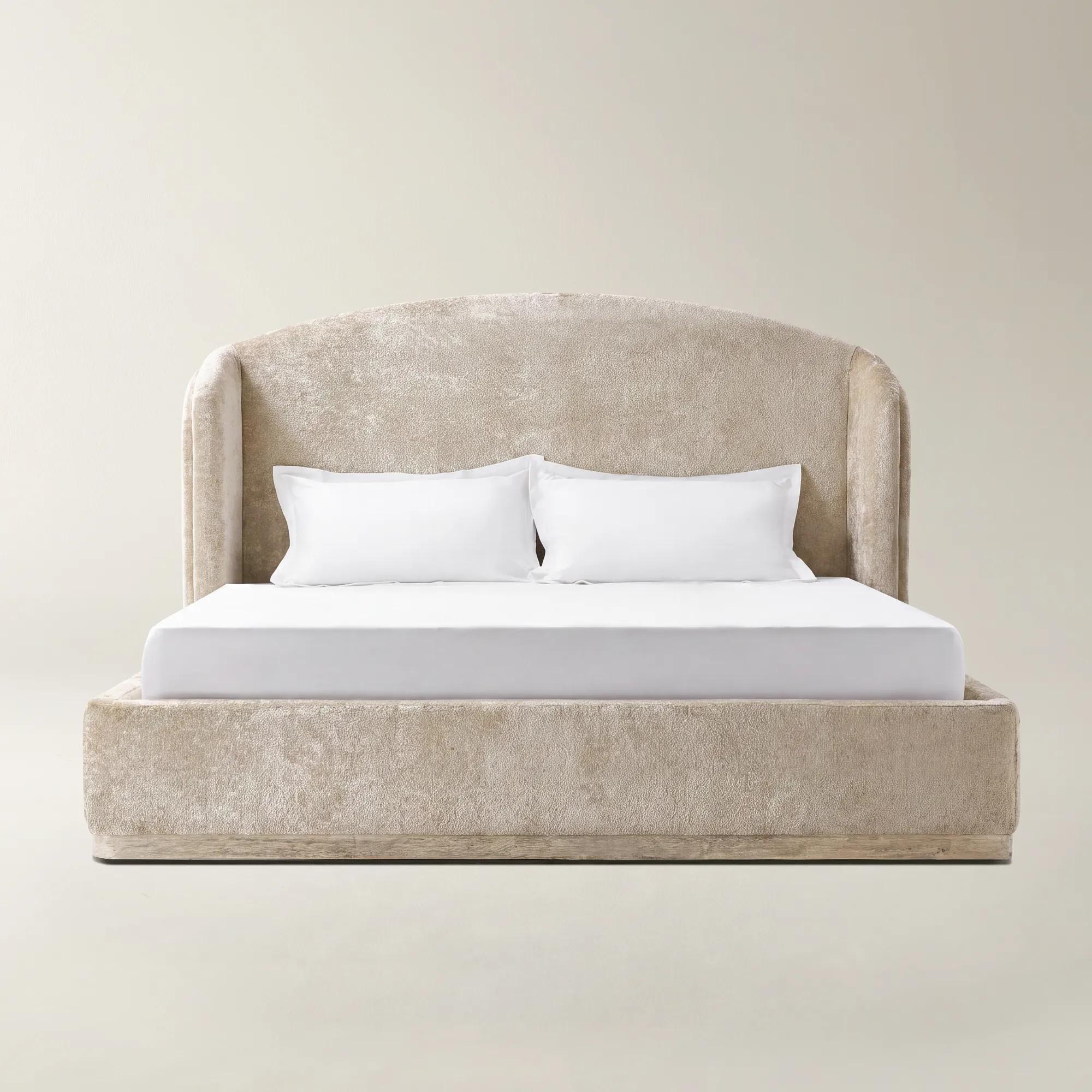
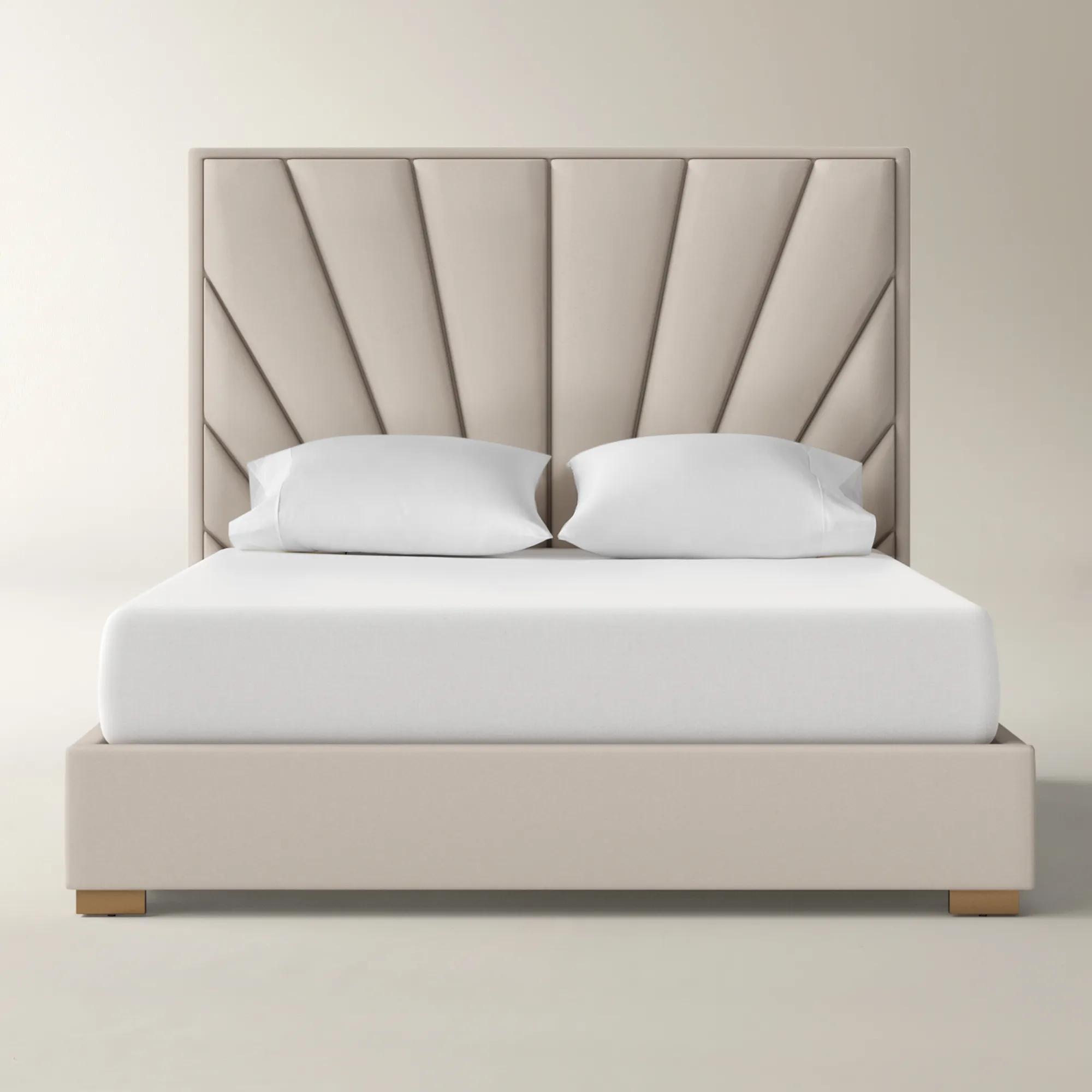 Adriana Platform Bed - 68"H$2649
A hand-crafted platform bed featuring a fan-patterned, upholstered headboard in plush velvet or chenille fabric.
Add To Cart -
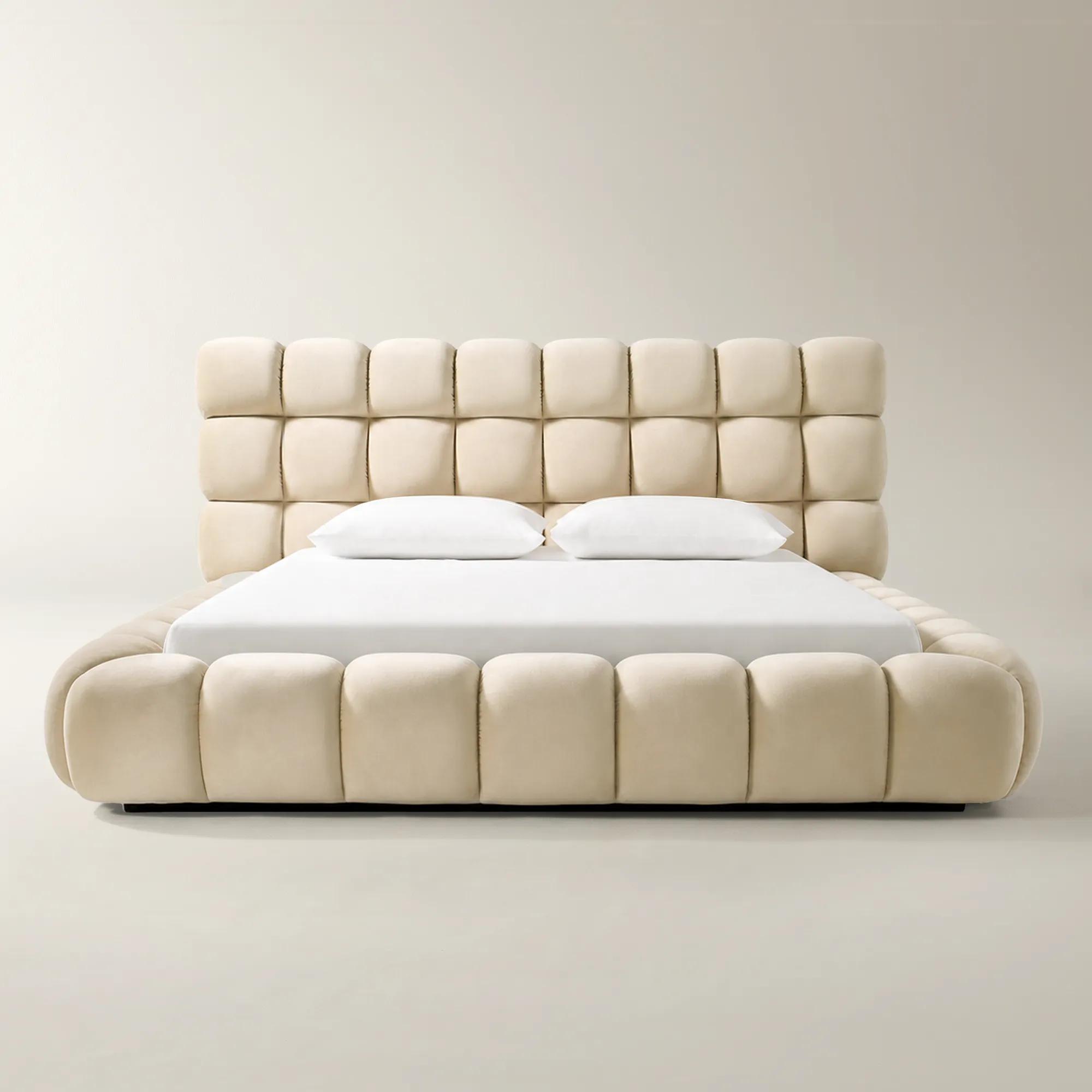
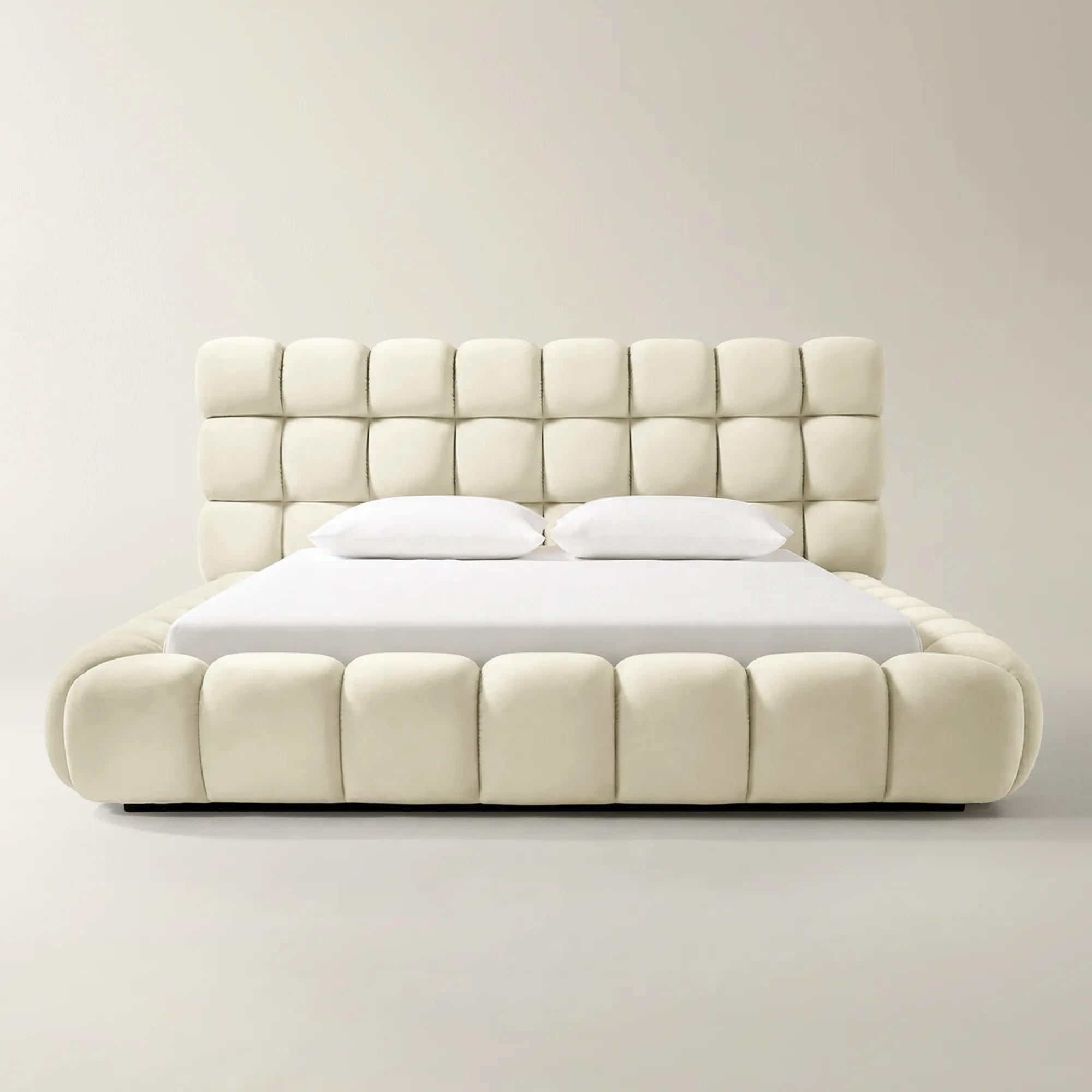 Paloma Tufted Cloud Velvet Upholstered Queen Platform Bed$2399
A white velvet platform bed with sculpted upholstered blocks, plush padding, and a dramatic modern silhouette.
Add To Cart -
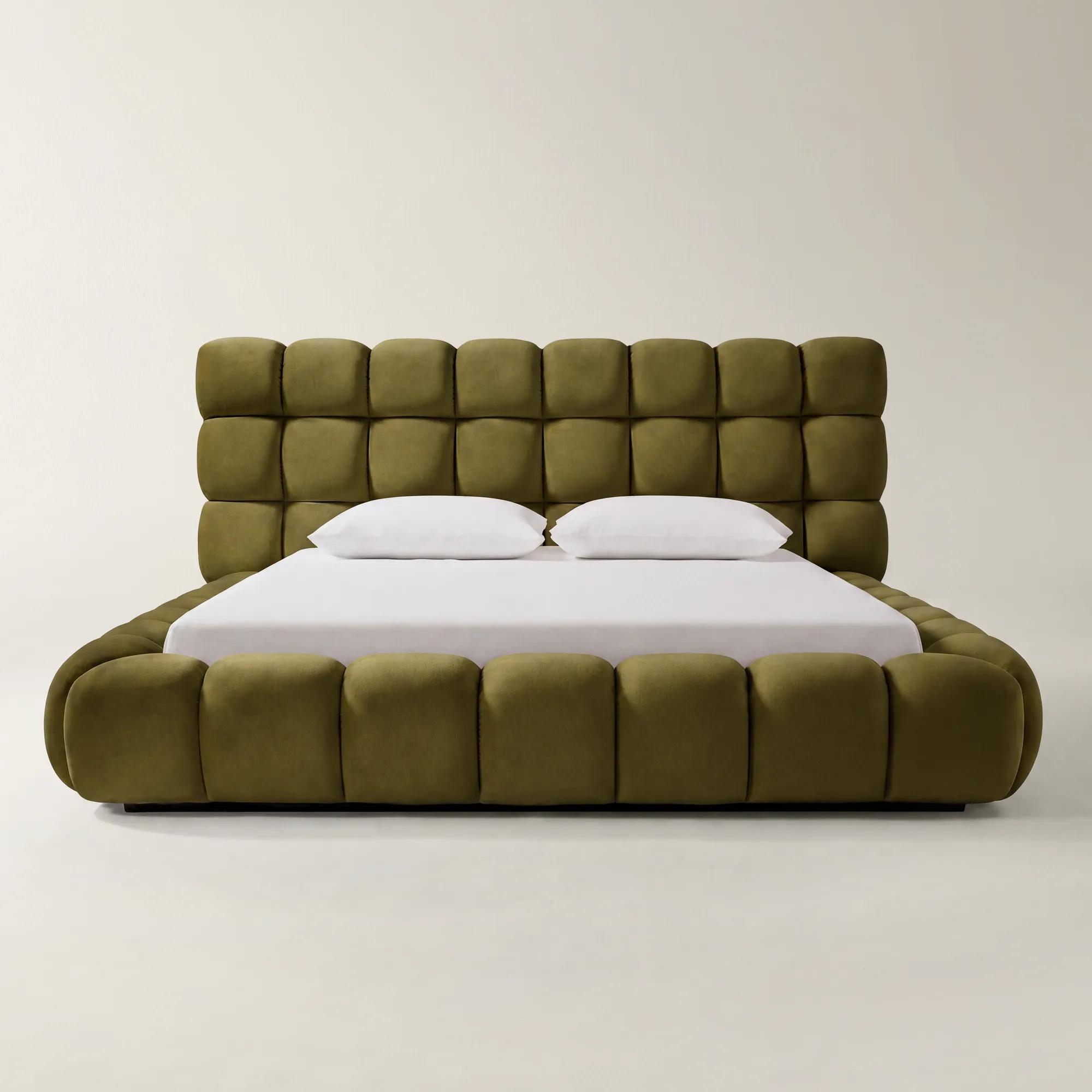 Paloma Tufted Deep Olive Velvet Upholstered Queen Platform Bed$2399
A deep olive velvet platform bed with sculpted upholstered blocks and plush, fully wrapped cushioning.
Add To Cart -
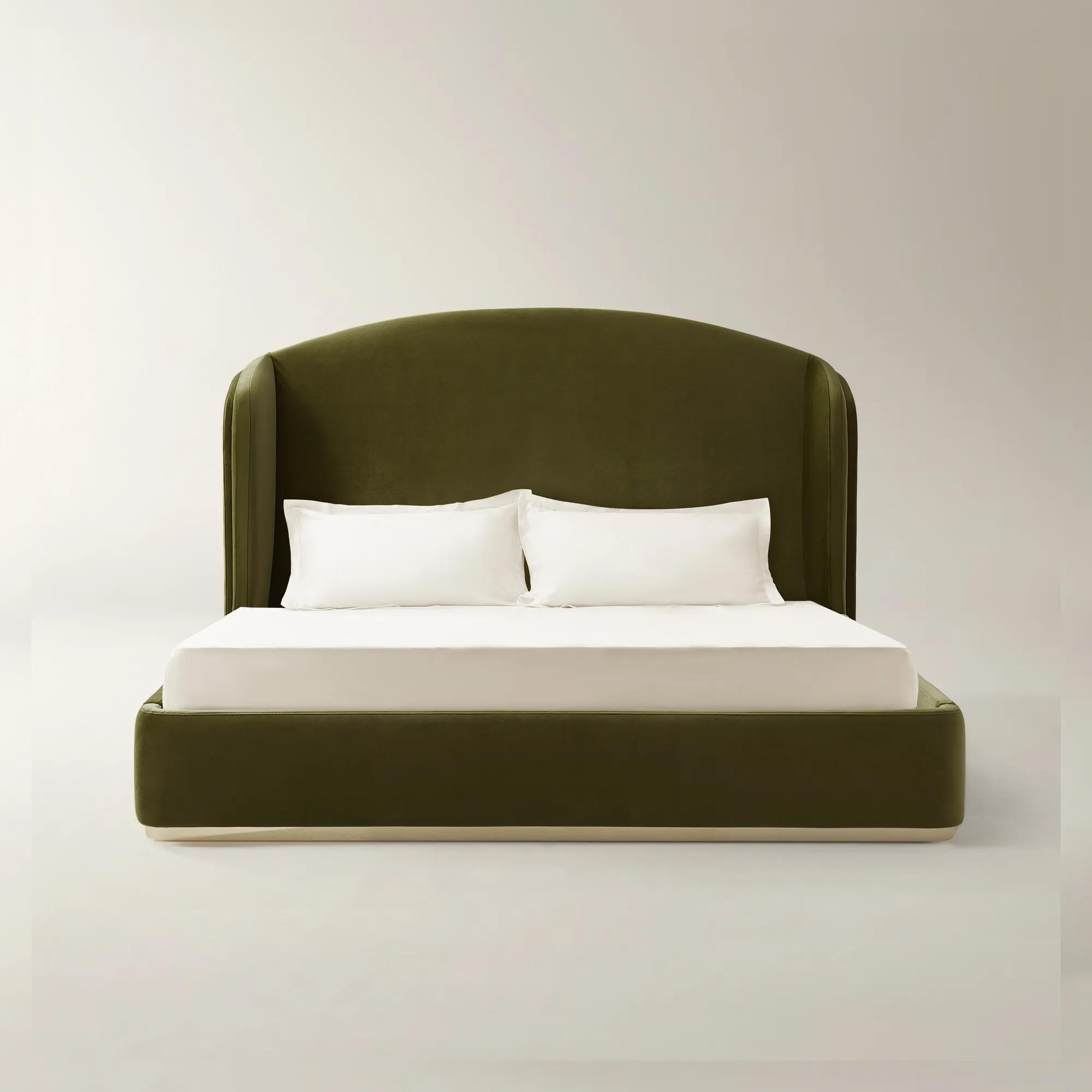
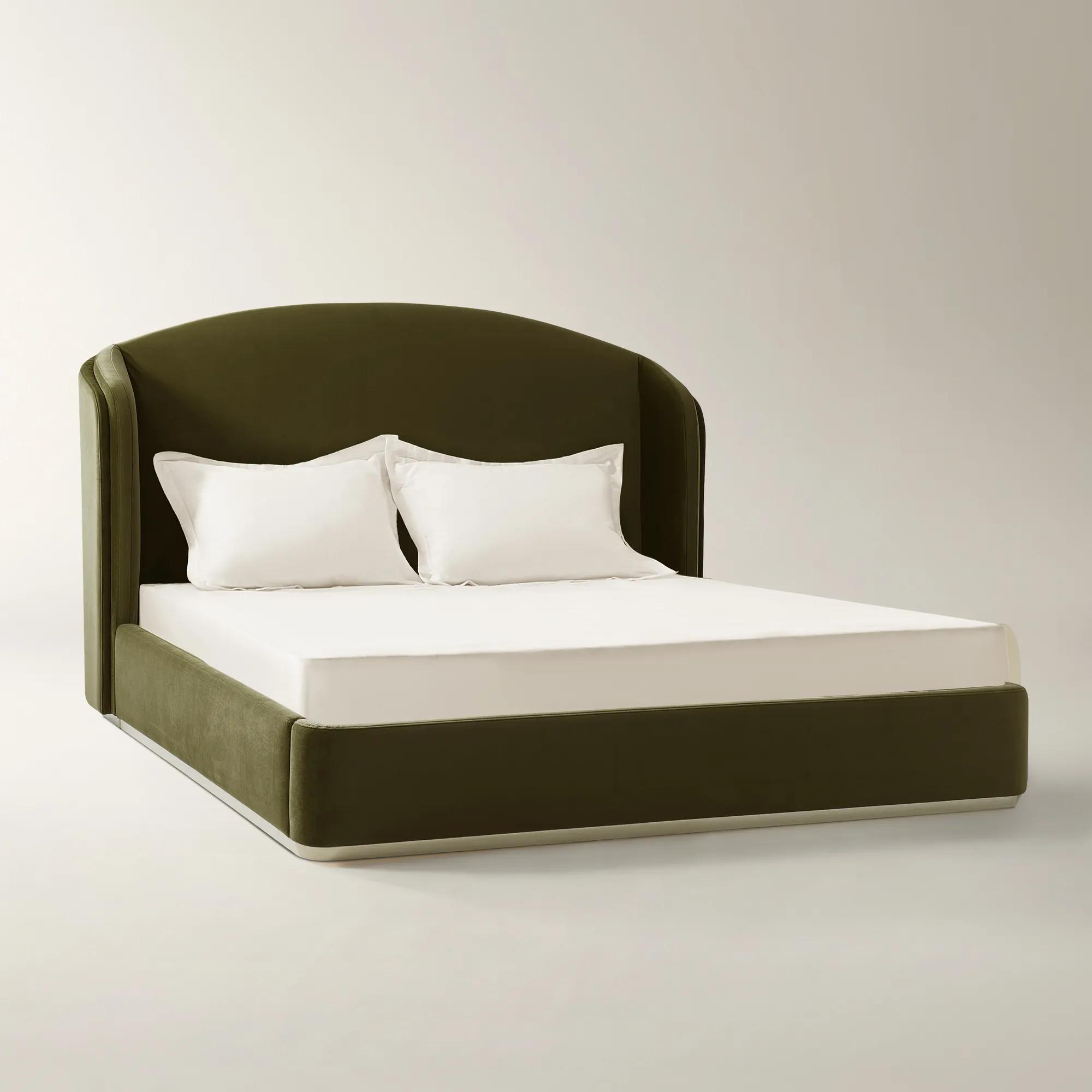 Glimmer Deep Olive Velvet Upholstered Queen Platform Bed$2099
A deep olive velvet platform bed featuring a sculpted headboard and gold-toned metallic base for modern elegance.
Add To Cart -
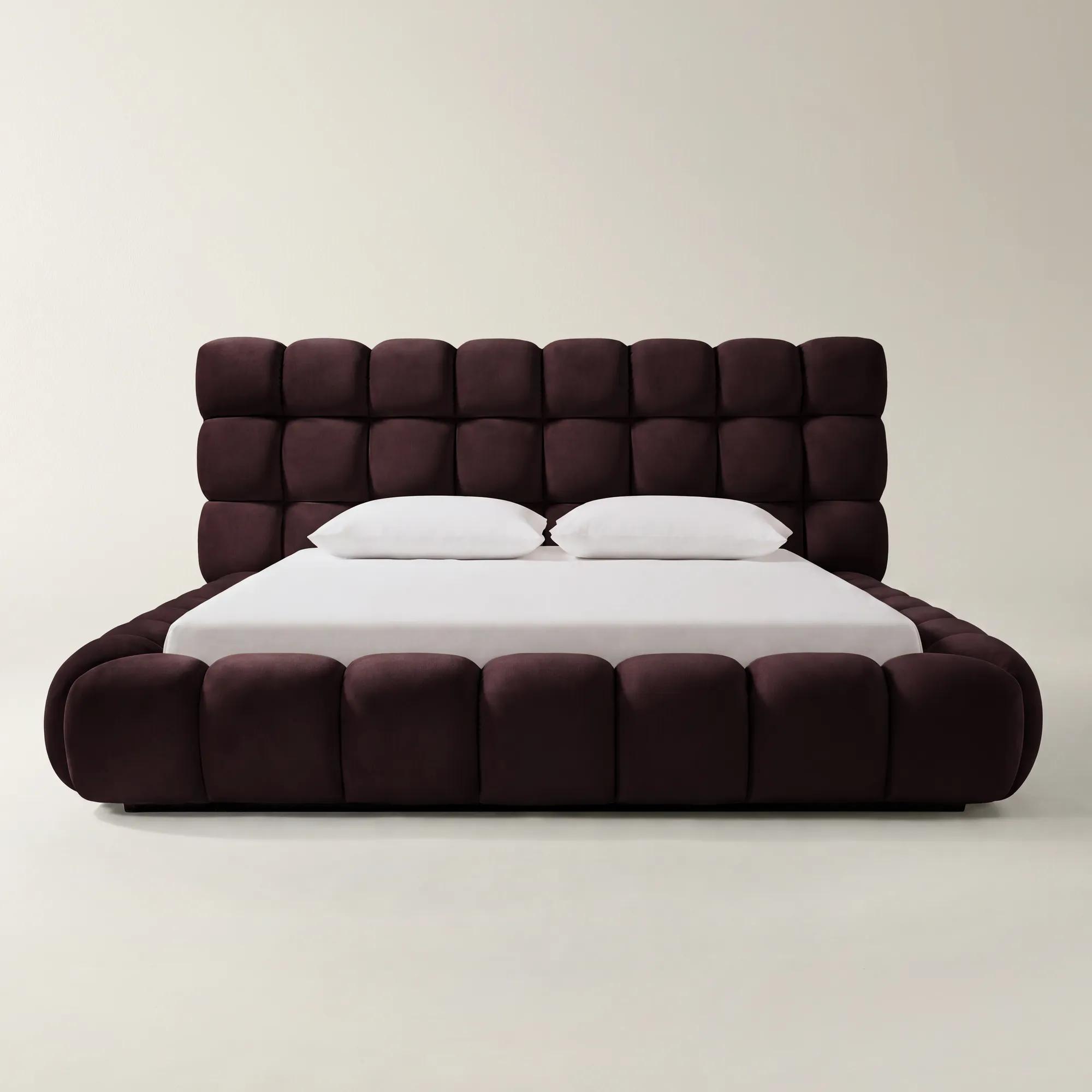 Paloma Tufted Fig Velvet Upholstered Queen Platform Bed$2399
A red velvet platform bed with sculpted block upholstery, plush padding, and a fully wrapped silhouette.
Add To Cart -
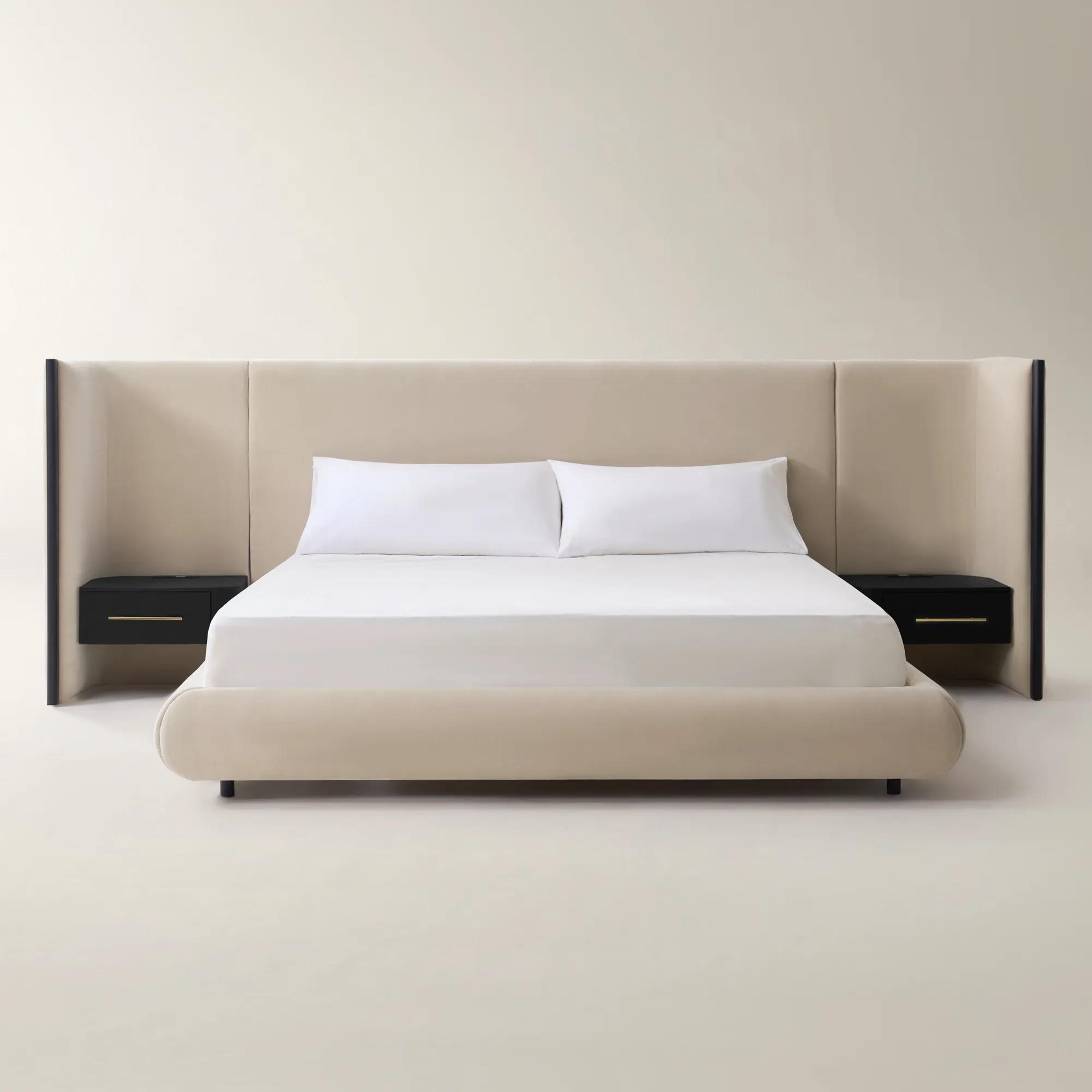 Sierra Oatmeal Velvet Upholstered Queen Bed With Nightstands$2699
A beige velvet upholstered queen bed with an extended headboard, floating nightstands, and built-in power access.
Add To Cart -
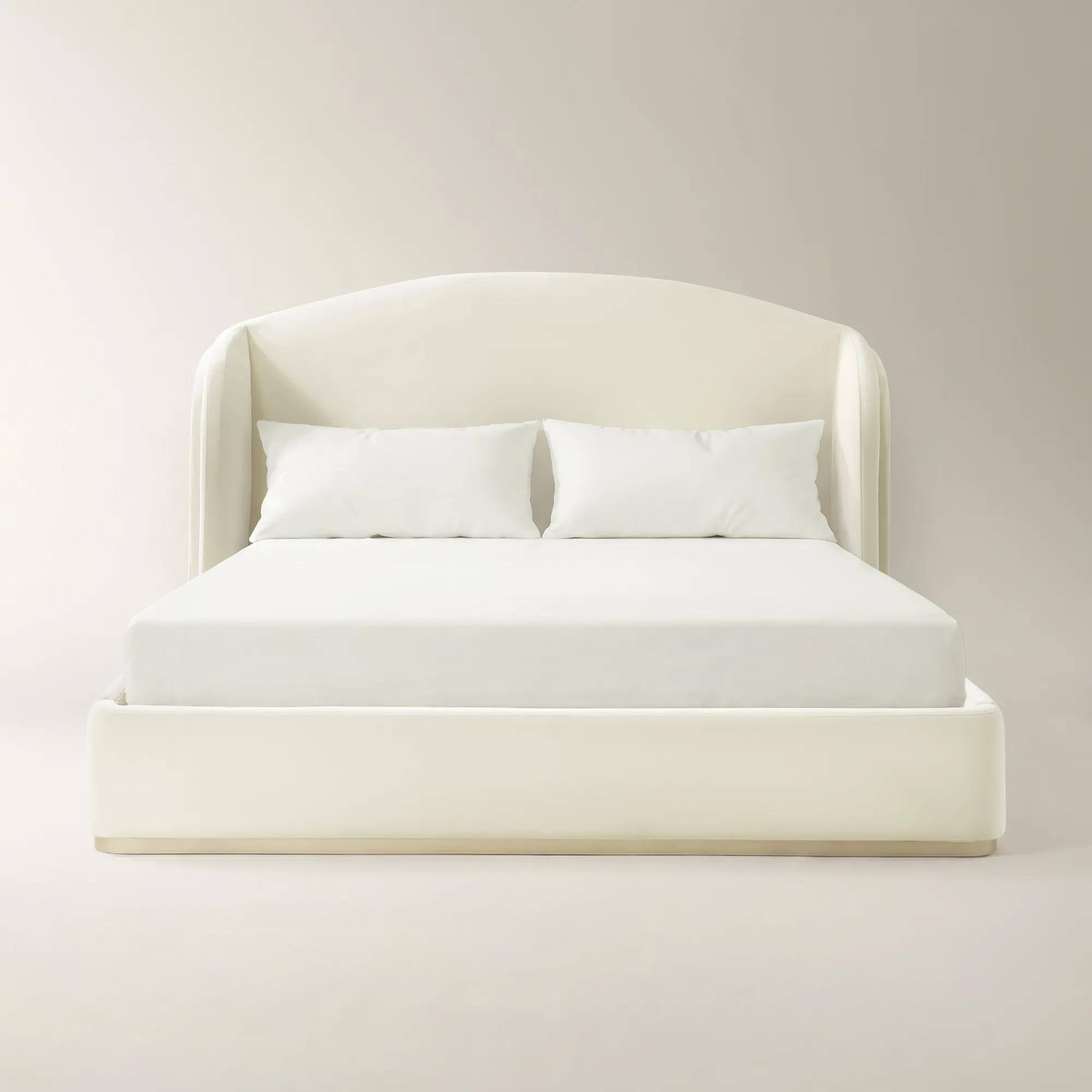 Glimmer Cloud Velvet Upholstered Queen Platform Bed$2099
A sculptural queen platform bed hand-upholstered in soft cloud velvet with a gold-toned metallic base.
Add To Cart -
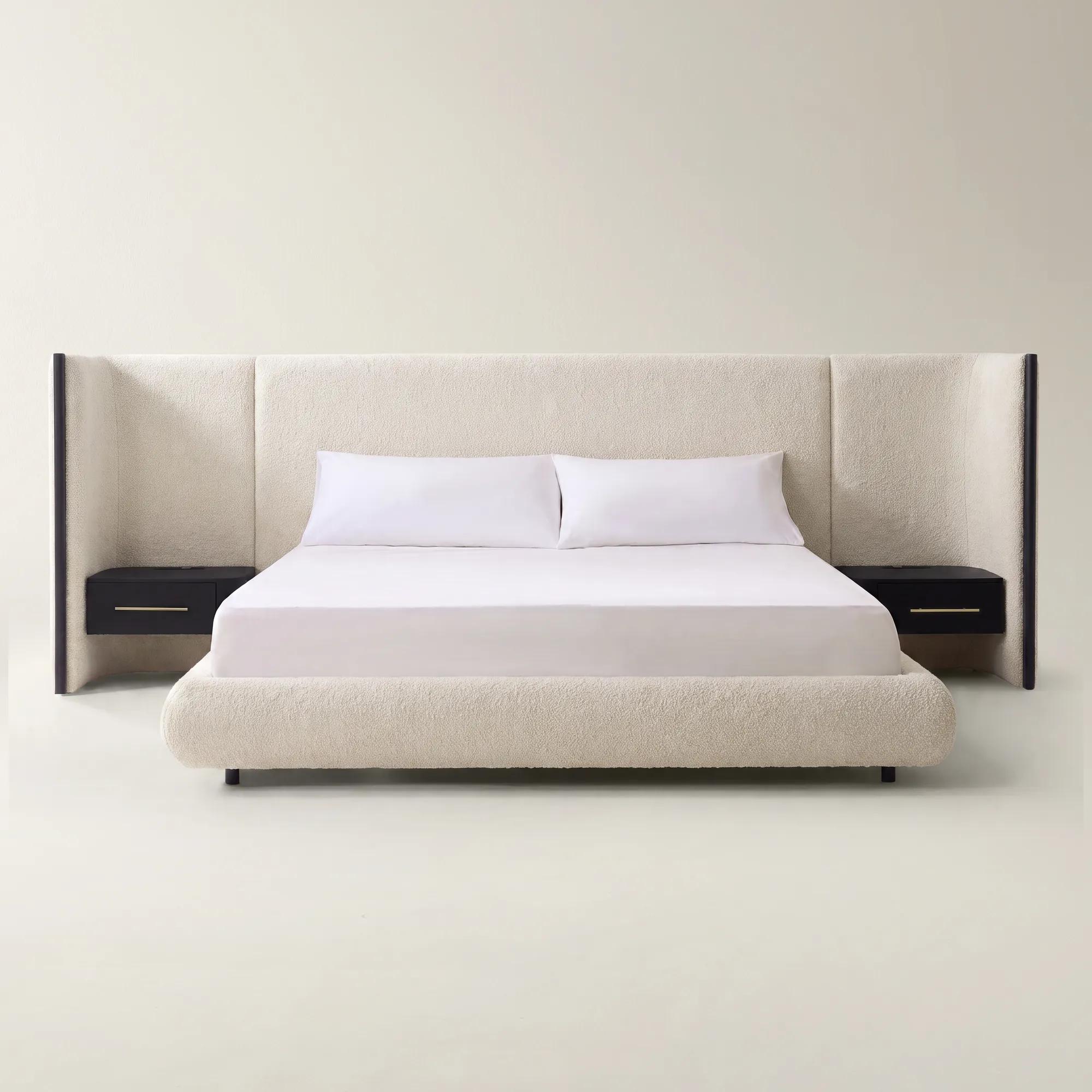 Sierra Utopia Sand Chenille Upholstered Queen Bed With Nightstands$2799
A beige chenille upholstered platform bed with an extended headboard, floating nightstands, and integrated power access.
Add To Cart -
Paloma Tufted Oatmeal Velvet Upholstered Queen Platform Bed$2399
A beige velvet platform bed with oversized sculpted blocks, plush padding, and a fully wrapped modern silhouette.
Add To Cart -
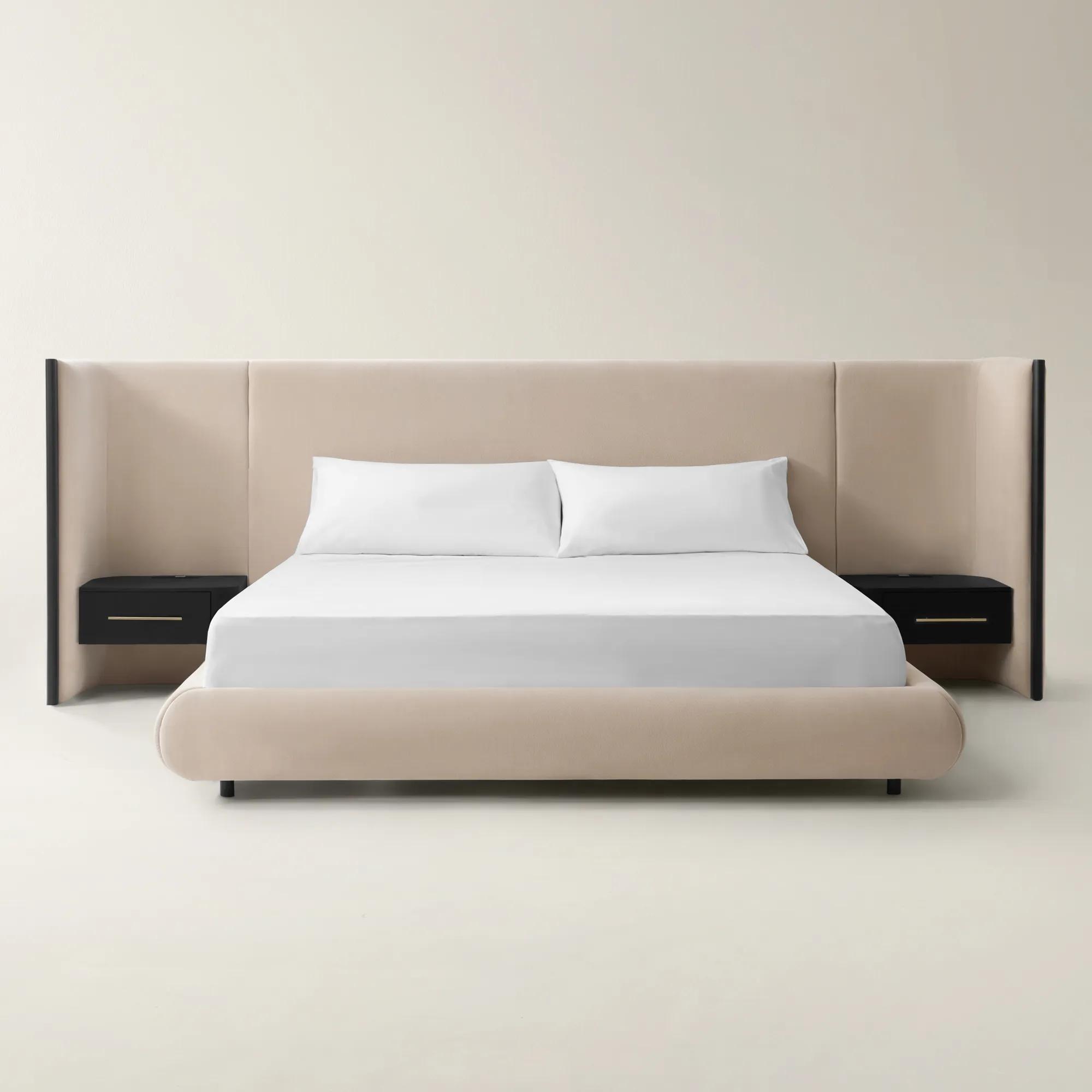
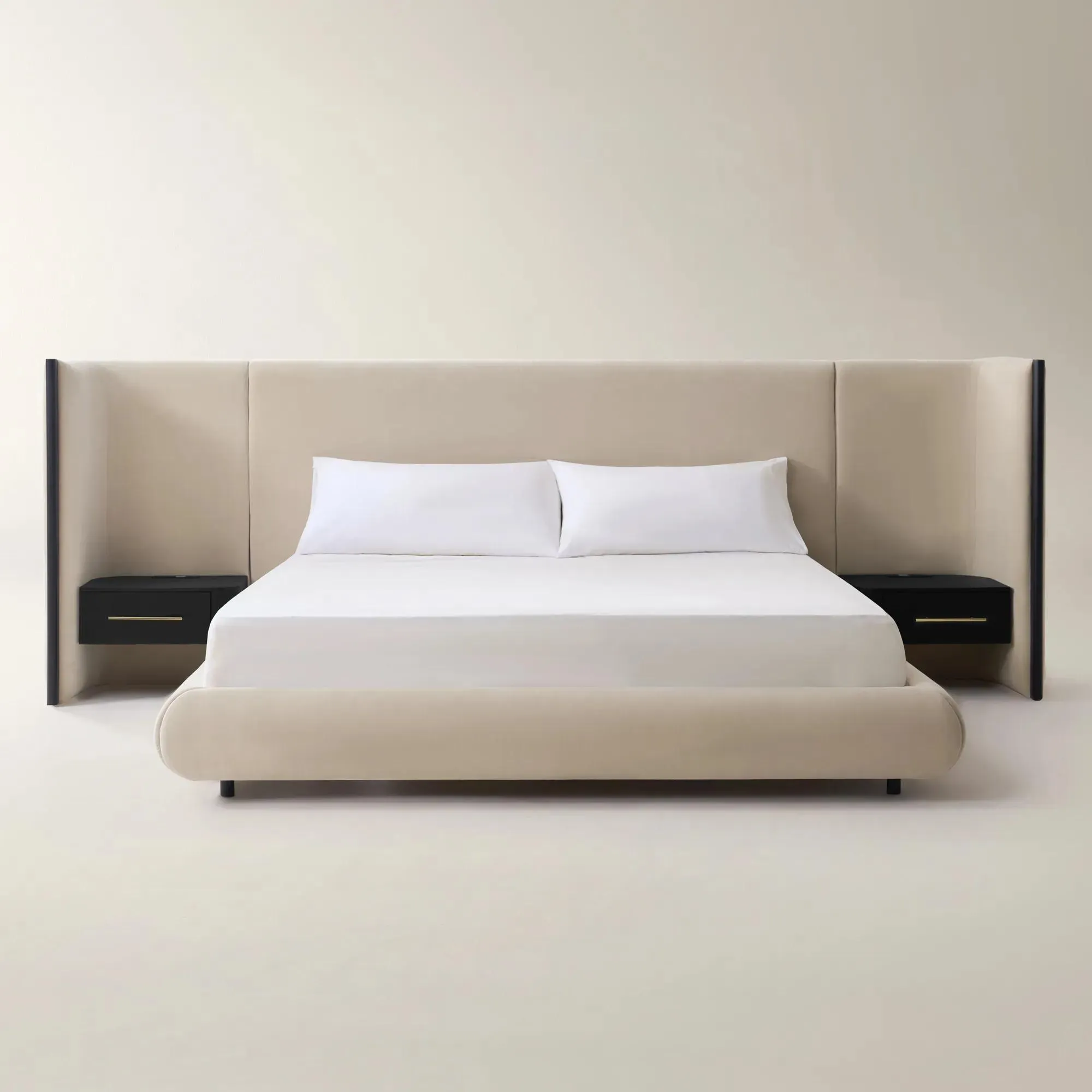 Sierra Simply Taupe Velvet Upholstered Queen Bed With Nightstands$2699
A taupe velvet upholstered platform bed with an extended headboard, floating nightstands, and integrated power access.
Add To Cart -
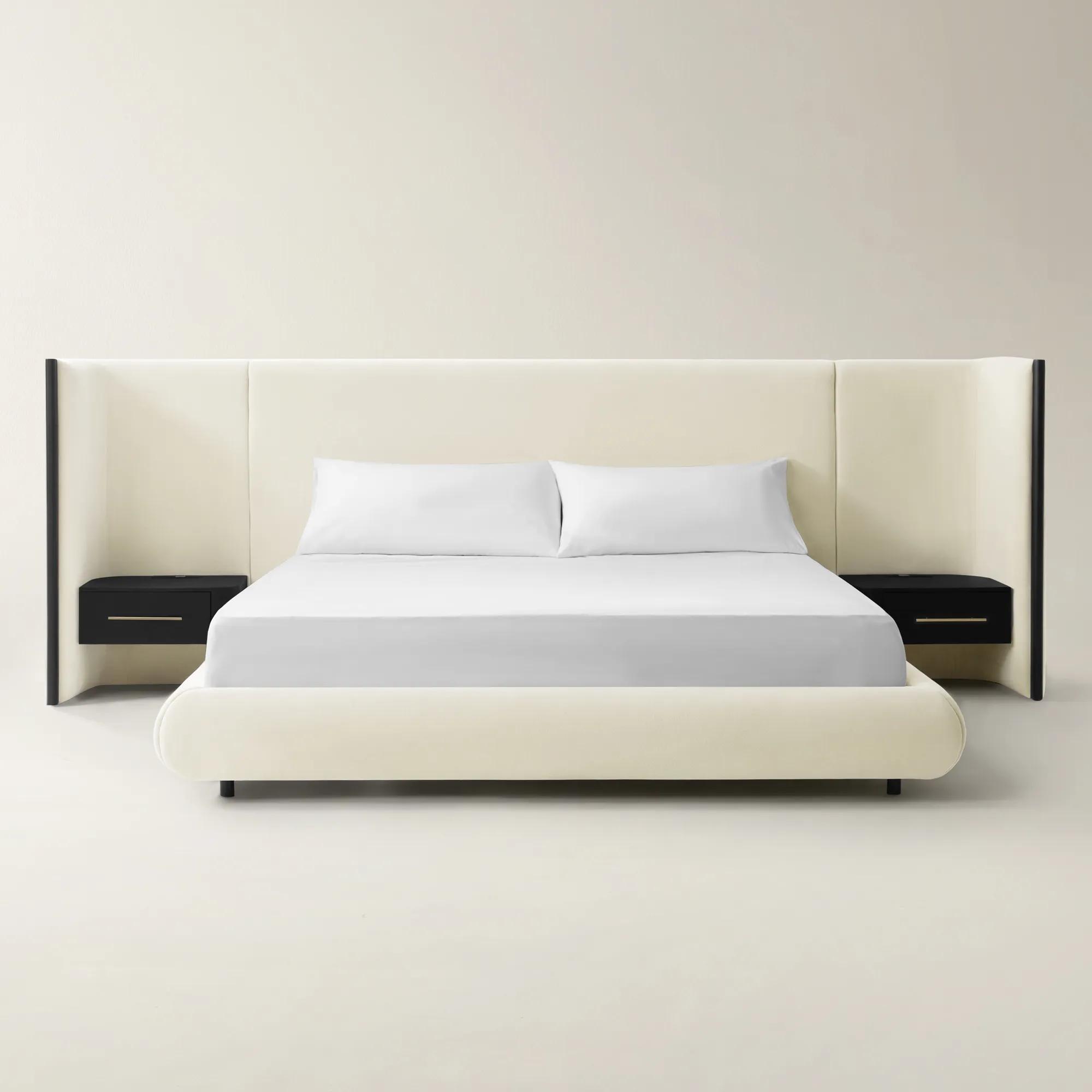 Sierra Cloud Velvet Upholstered Queen Bed With Nightstands$2699
A white velvet platform bed with an extended headboard, floating nightstands, and integrated power access.
Add To Cart -
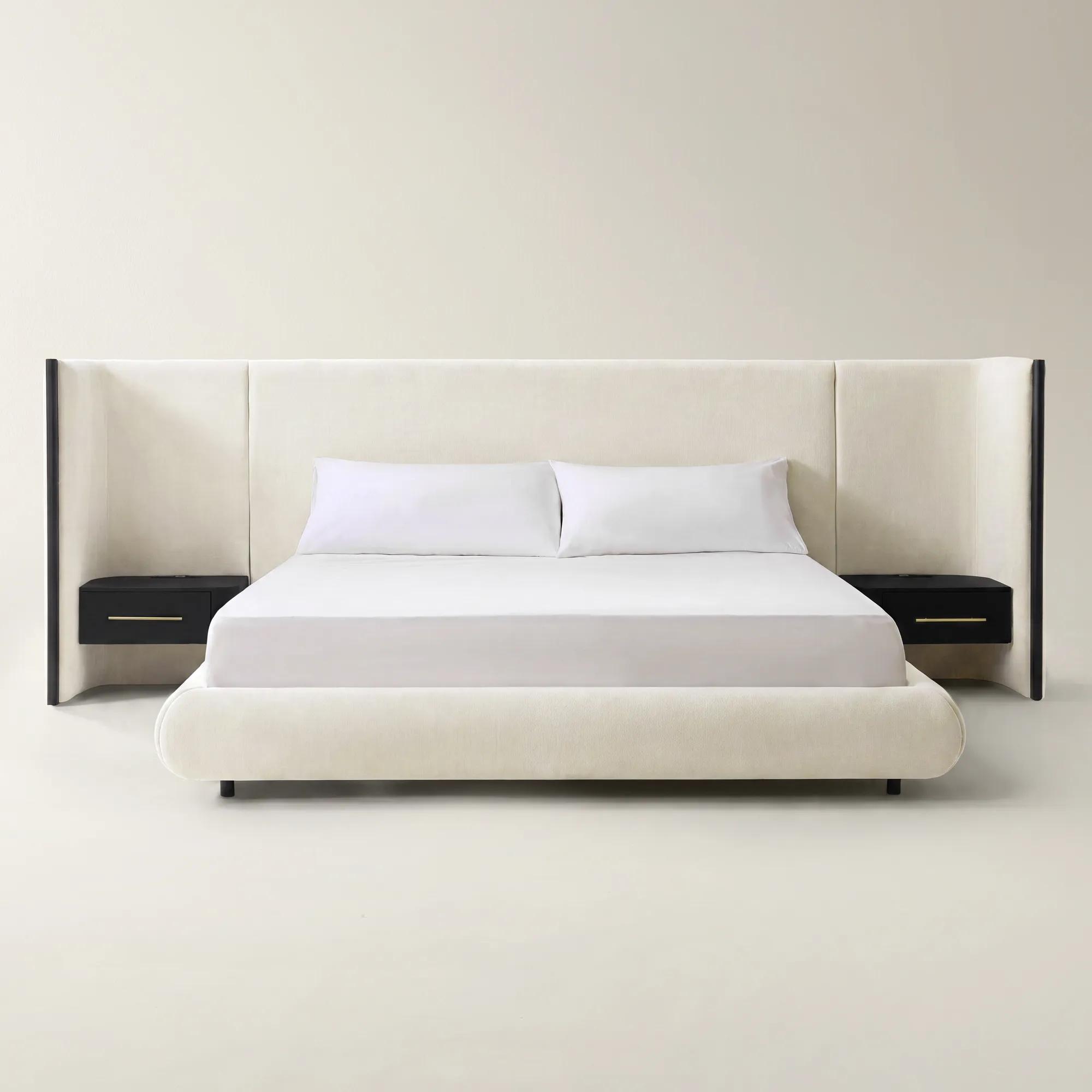 Sierra Ivory Performance Chenille Upholstered Queen Bed With Nightstands$2799
An ivory chenille upholstered bed with an extended headboard, floating nightstands, and integrated power access.
Add To Cart -
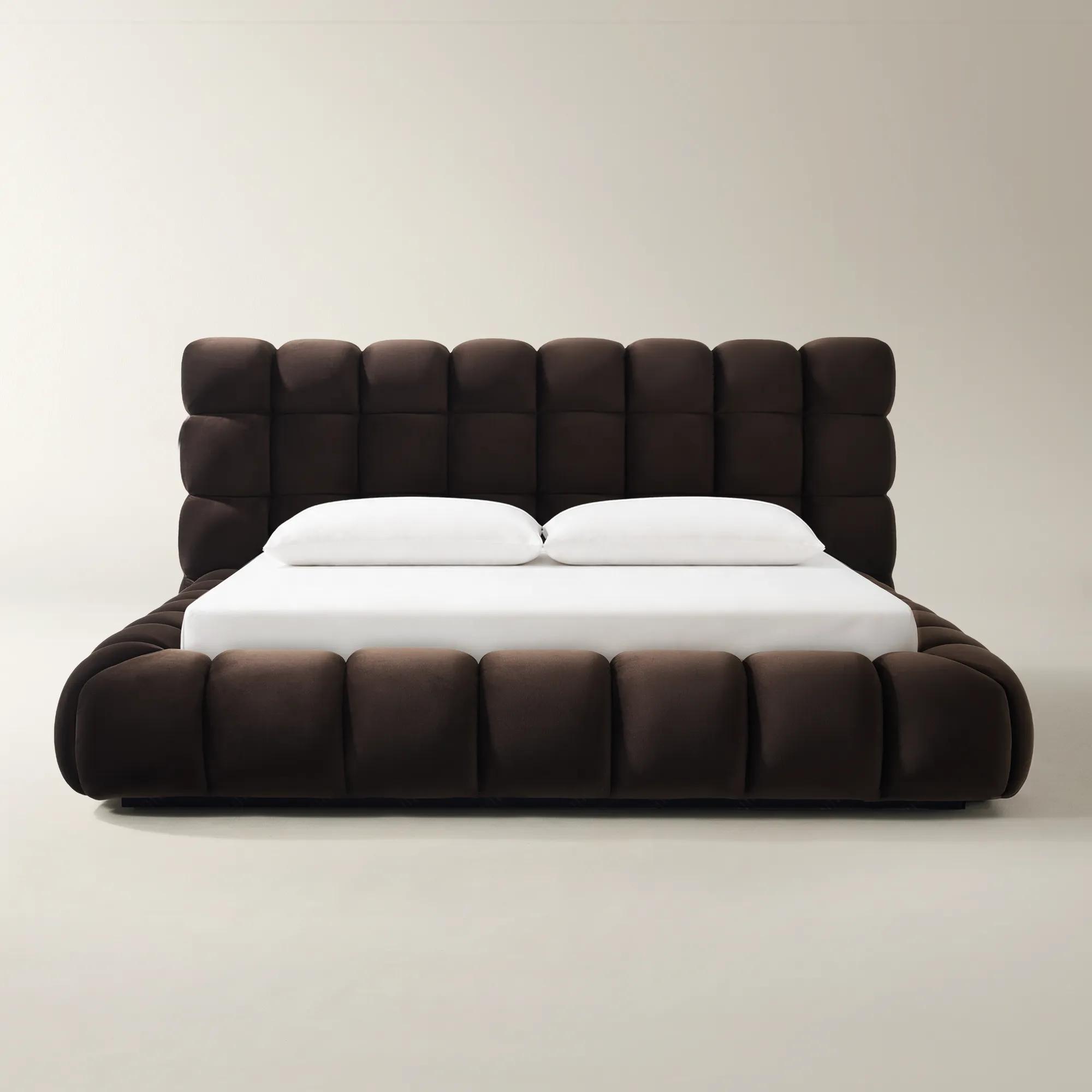 Paloma Tufted Dark Chocolate Velvet Upholstered Queen Platform Bed$2399
A dark chocolate velvet platform bed with sculpted blocks, plush padding, and a fully wrapped design.
Add To Cart -
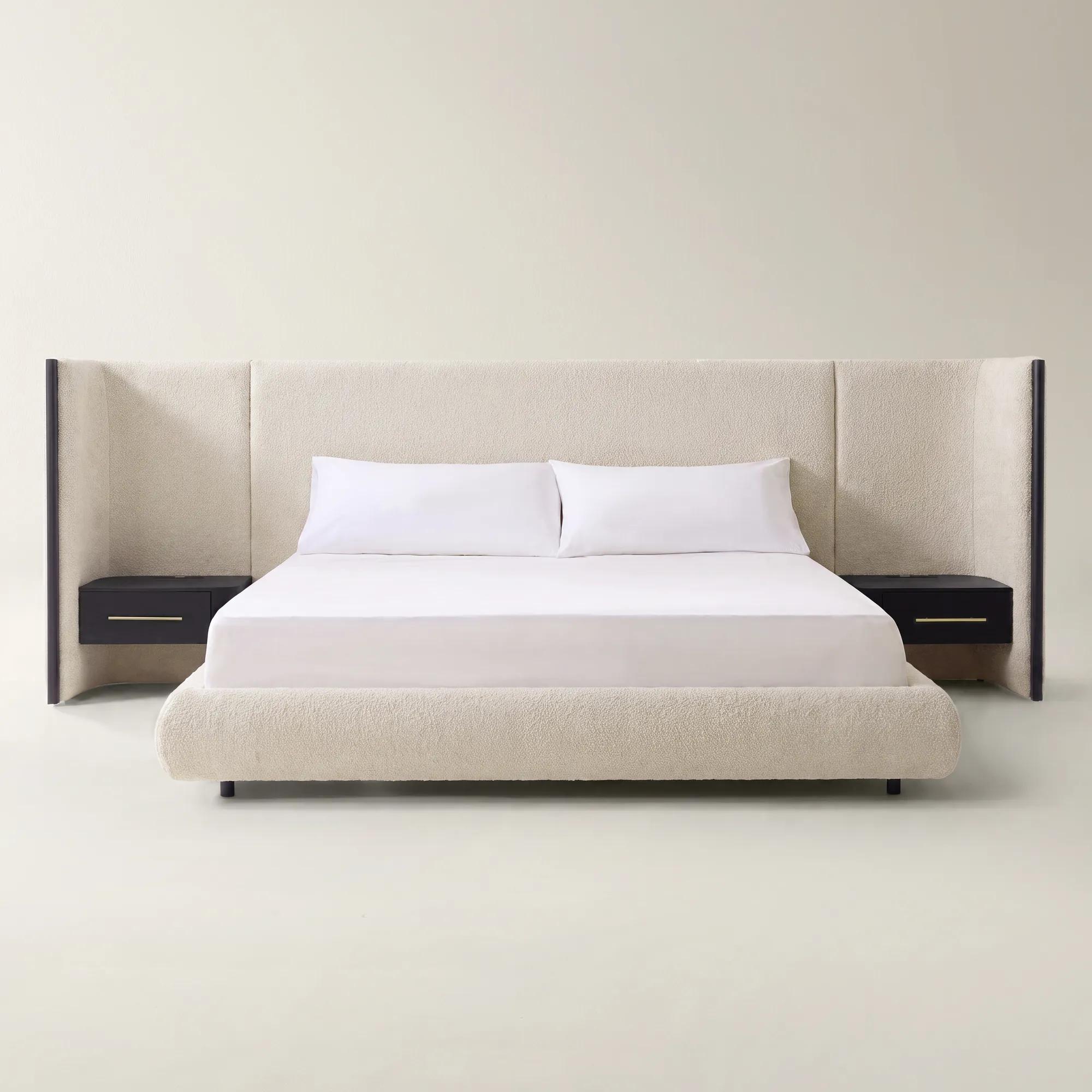
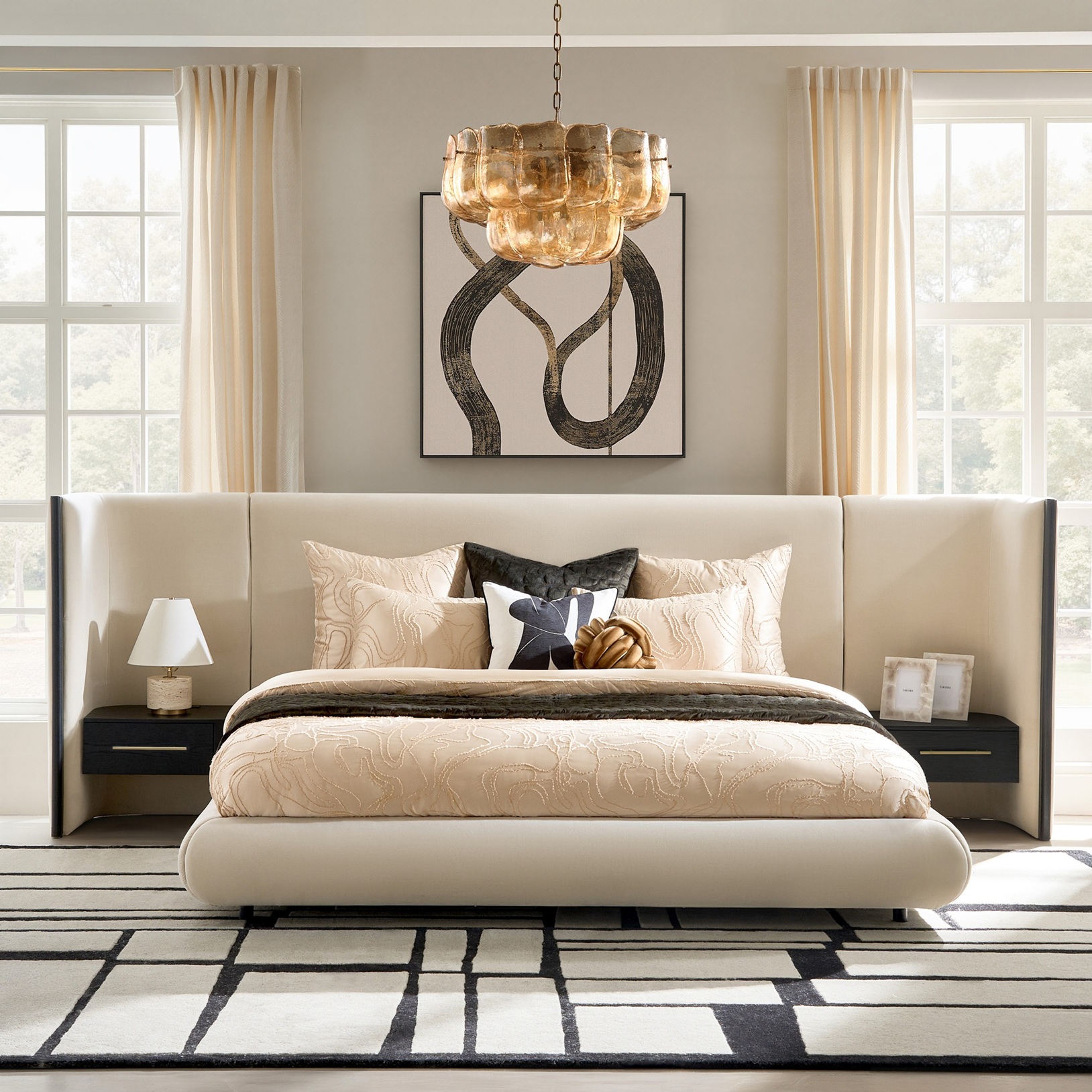 Sierra Ivory Performance Boucle Upholstered Queen Bed With Nightstands$2799
A white boucle upholstered bed with an extended headboard, floating nightstands, and contrasting black trim.
Add To Cart -
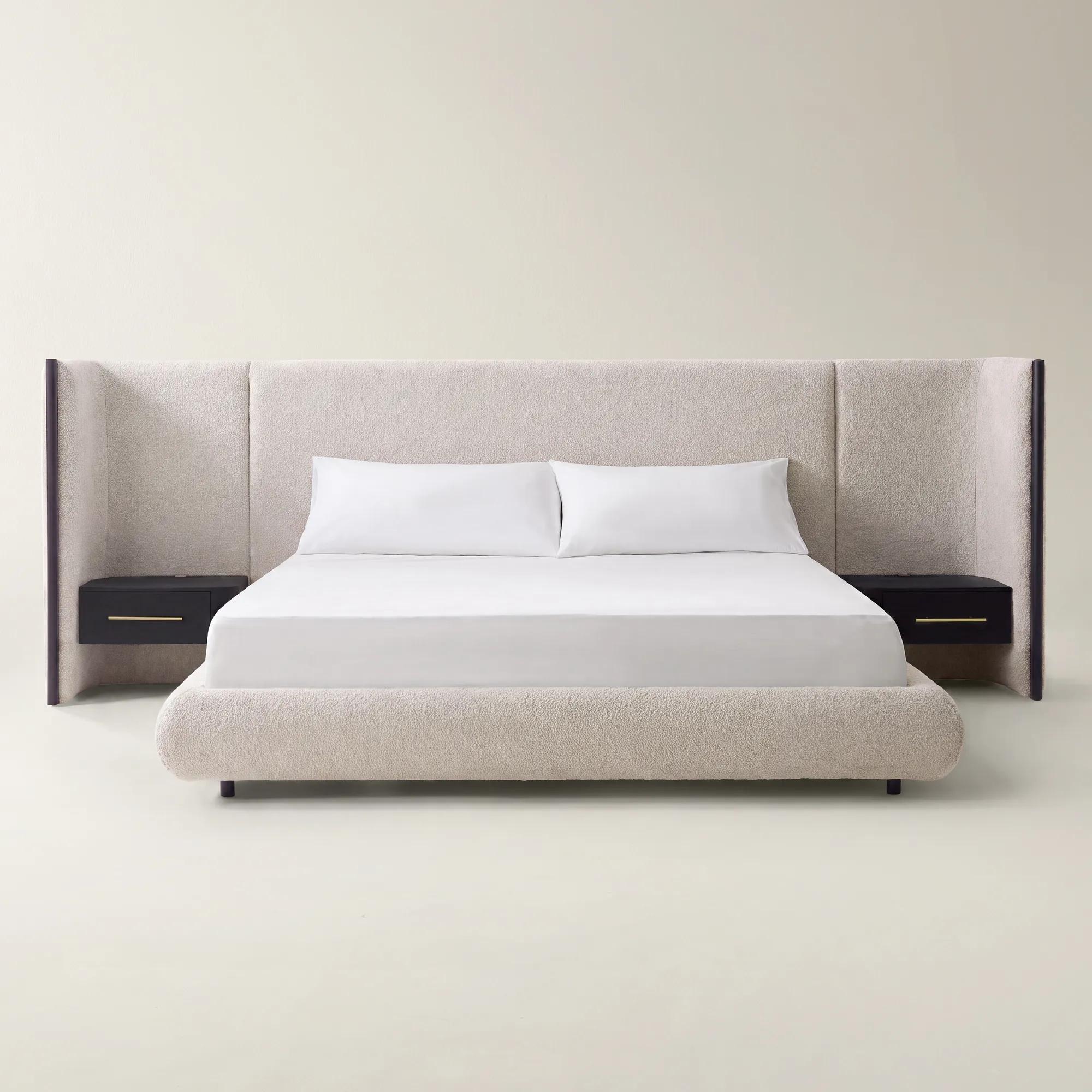 Sierra Ivory Performance Boucle Upholstered Queen Bed With Nightstands$2799
An upholstered bed in ivory performance boucle featuring an extended headboard, floating nightstands, and power access.
Add To Cart -
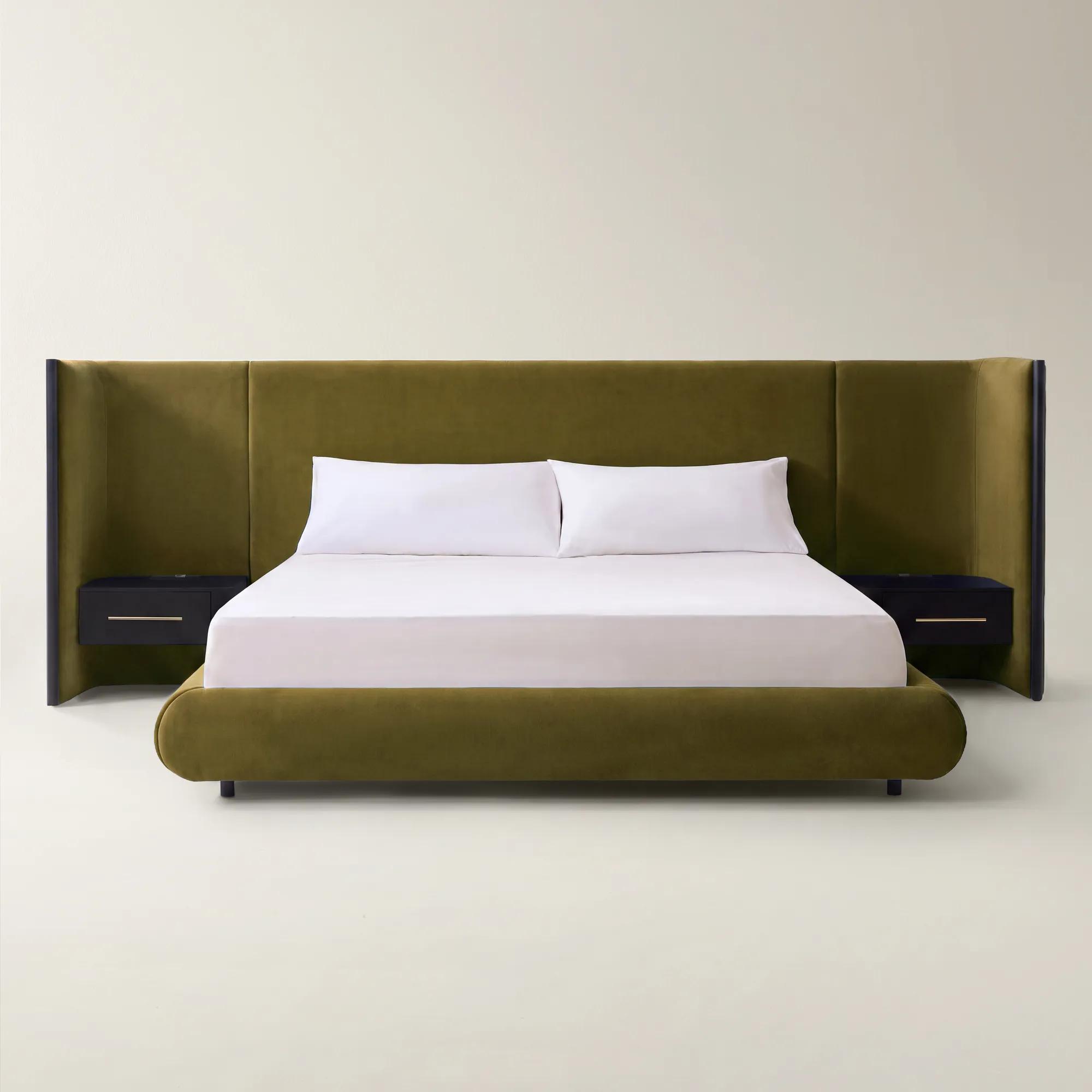 Sierra Deep Olive Velvet Upholstered Queen Bed With Nightstands$2699
A deep olive velvet bed with an extended headboard, floating nightstands, and integrated power outlets.
Add To Cart -
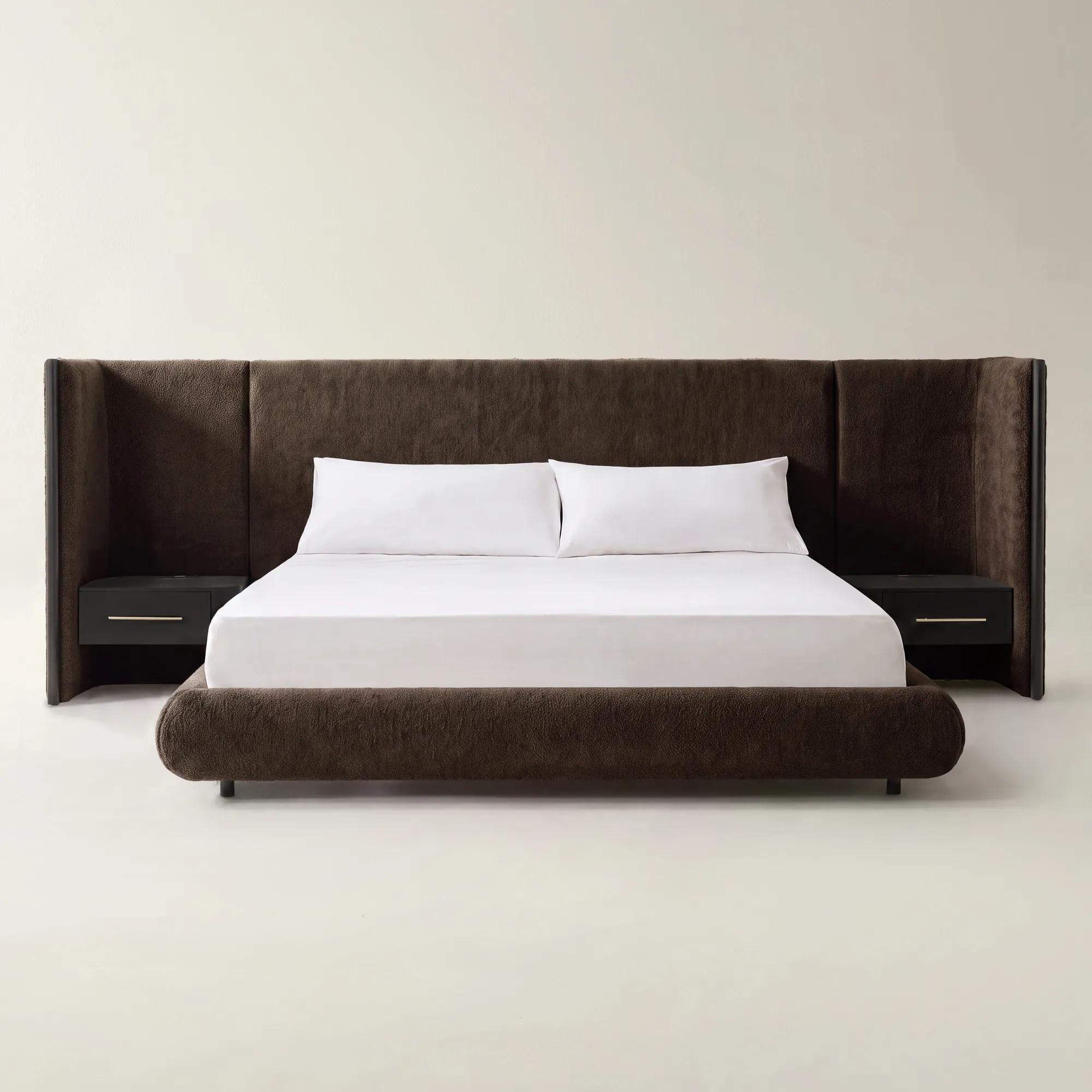 Sierra Dark Chocolate Chenille Upholstered Queen Bed With Nightstands$2799
A dark chocolate chenille upholstered bed with an extended headboard, floating nightstands, and integrated power access.
Add To Cart -
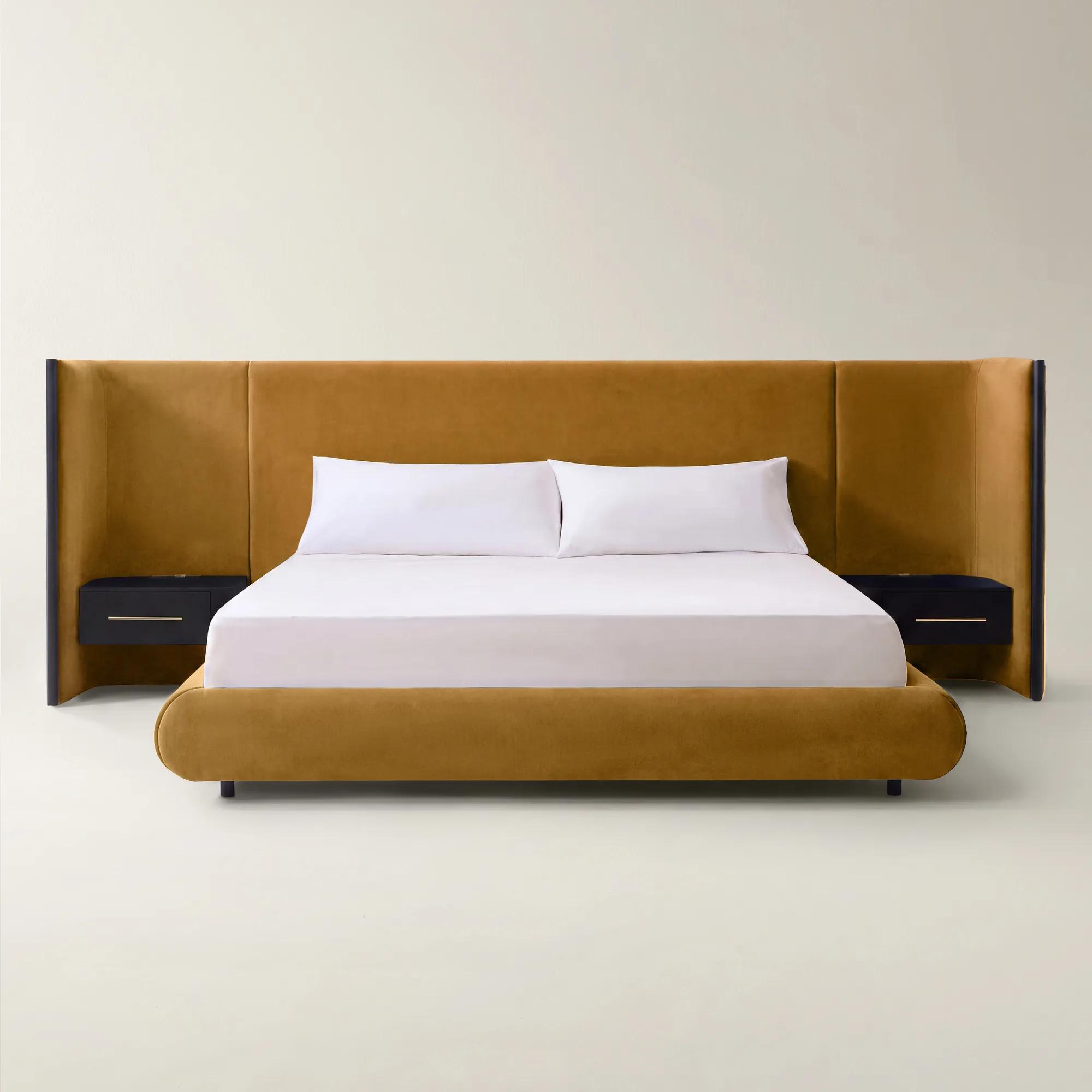 Sierra Roasted Pecan Velvet Upholstered Queen Bed With Nightstands$2699
A brown velvet upholstered platform bed with an extended headboard, floating nightstands, and integrated power access.
Add To Cart -
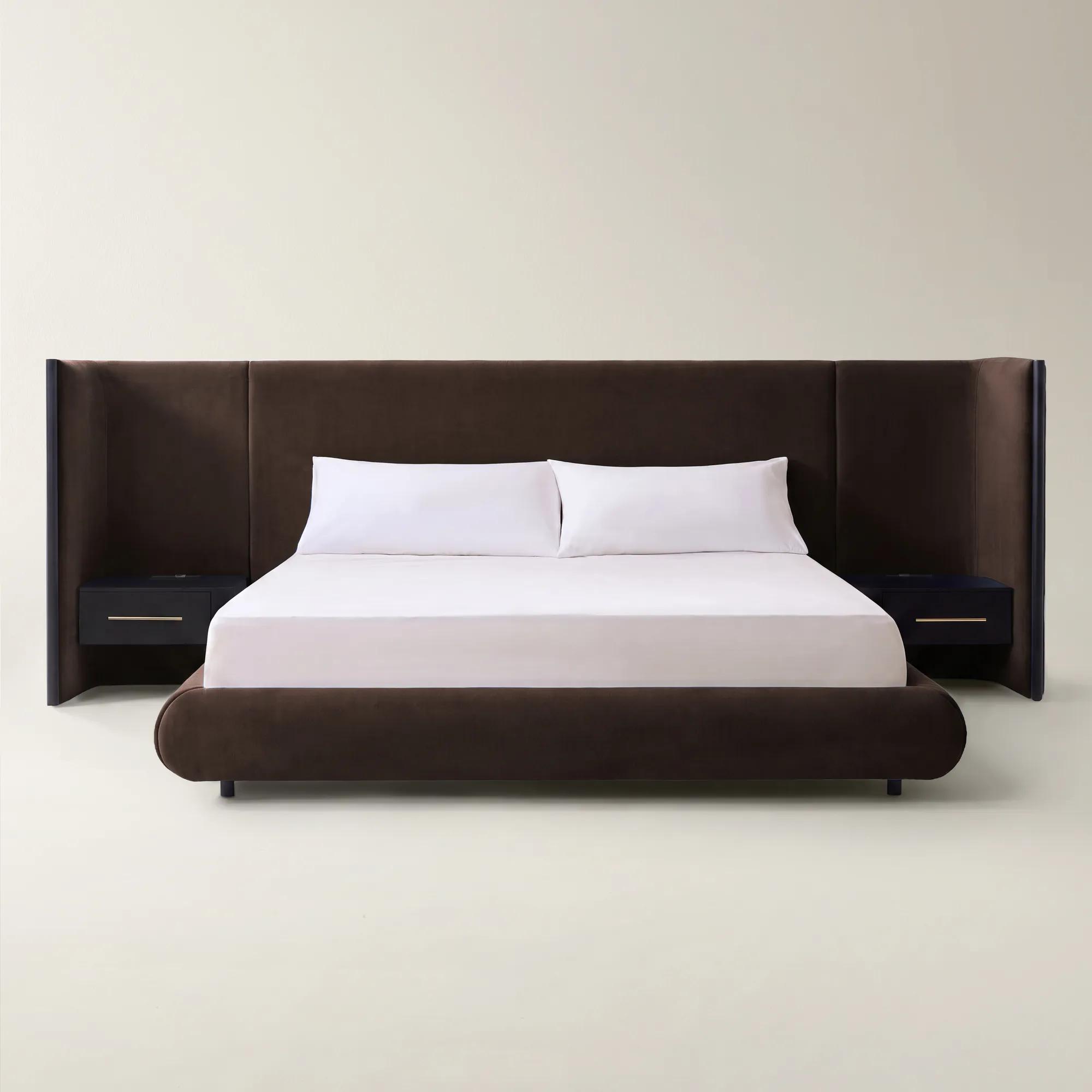 Sierra Dark Chocolate Velvet Upholstered Queen Bed With Nightstands$2699
A dark chocolate velvet bed with an extended headboard, floating nightstands, and integrated power access.
Add To Cart -
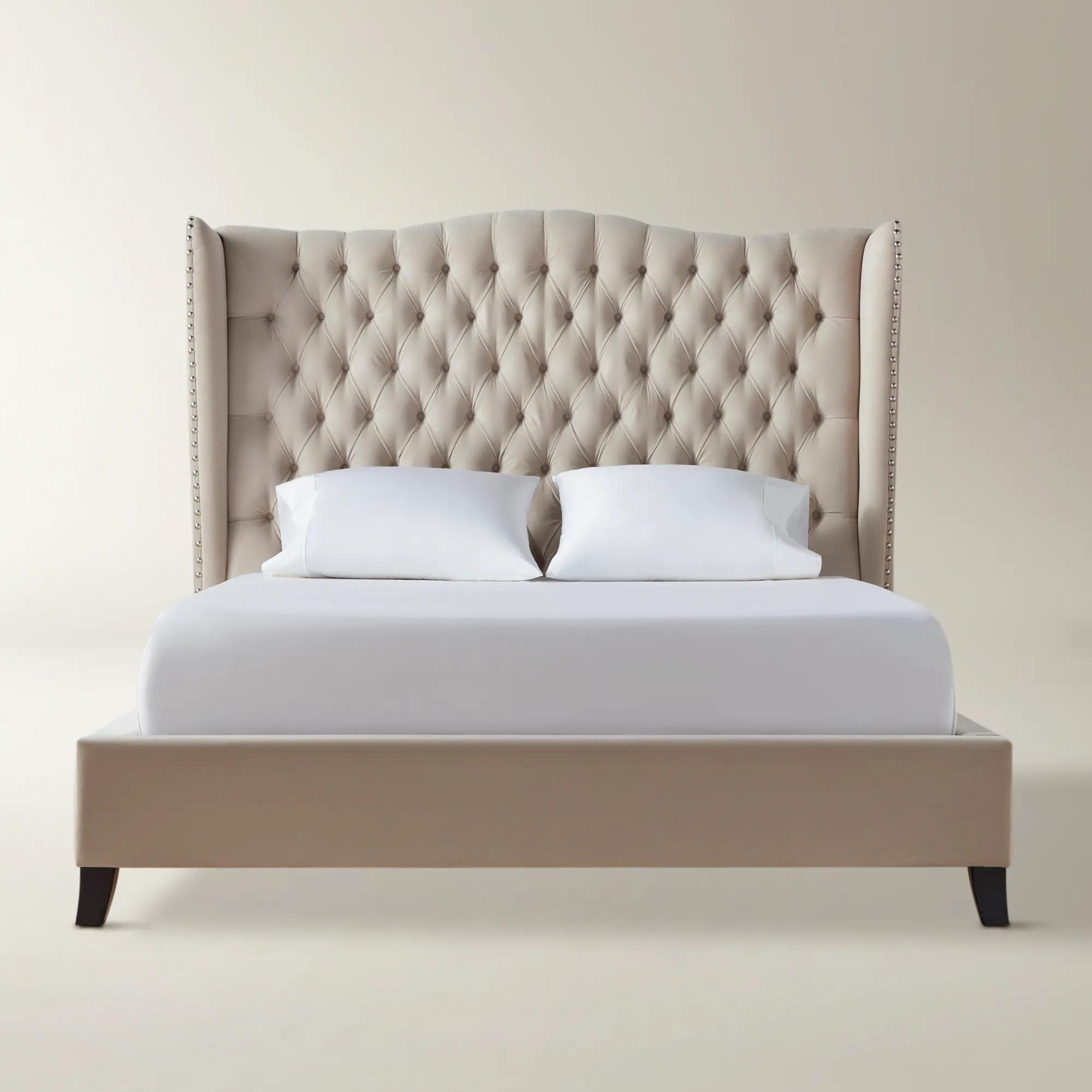
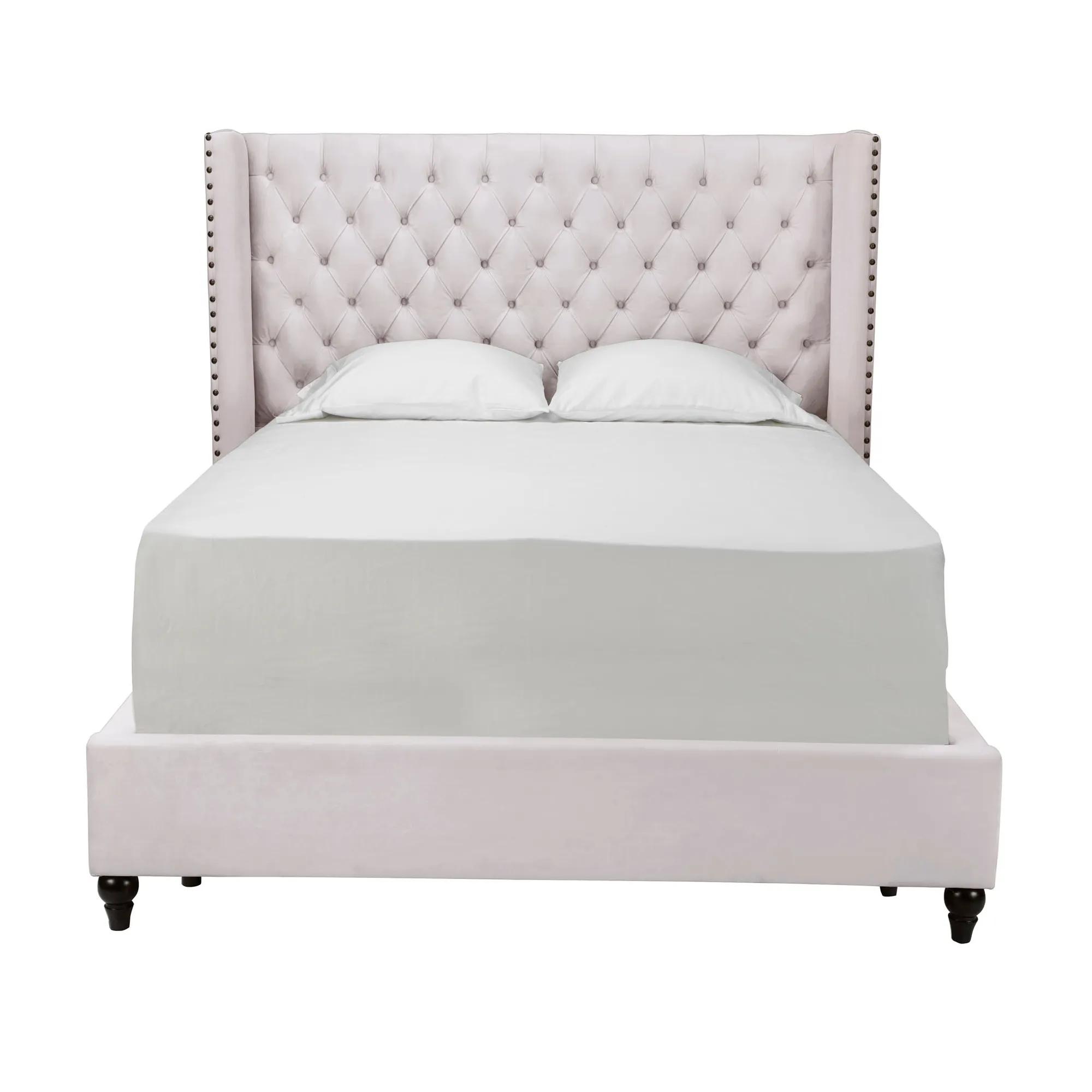
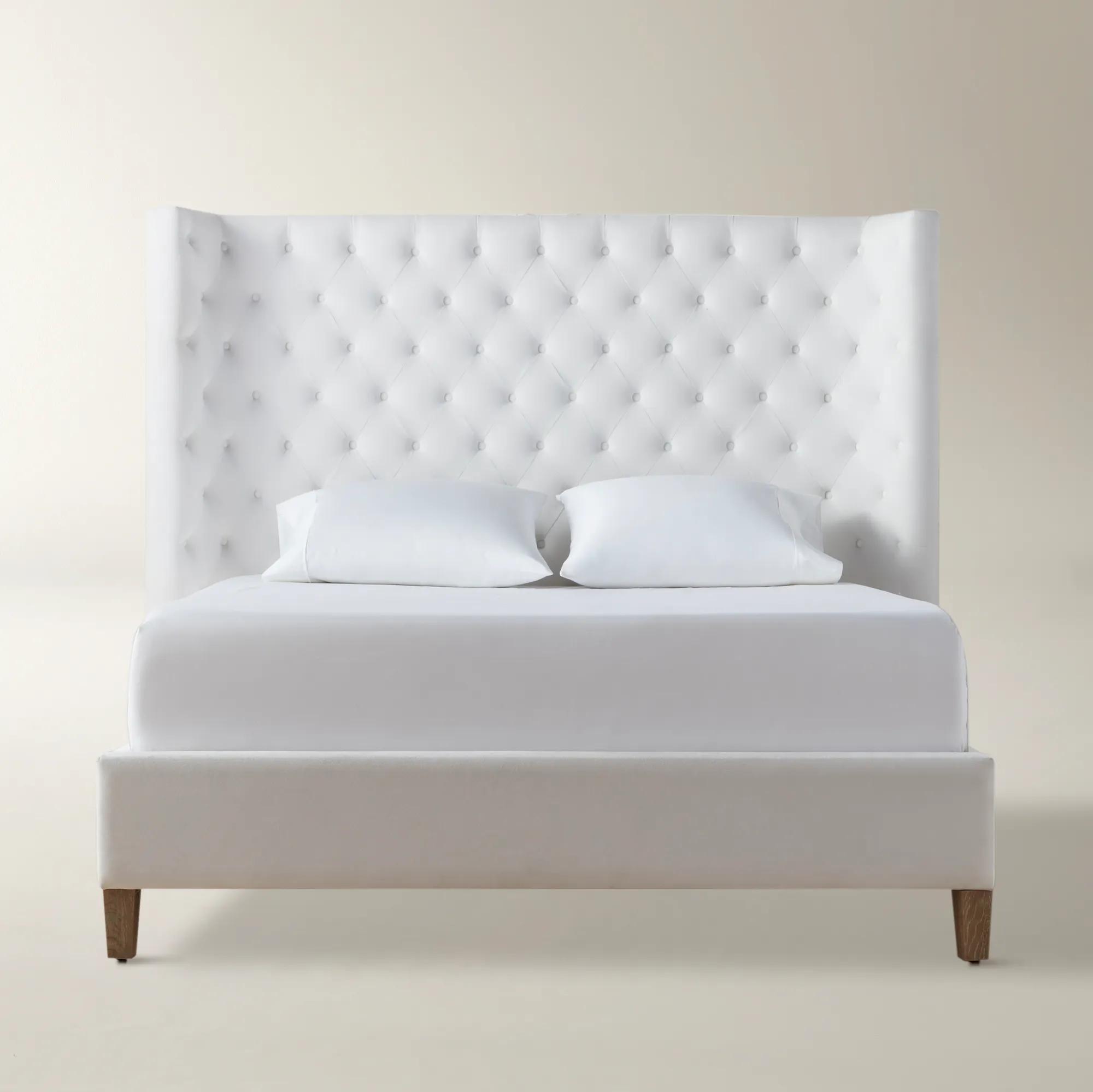 Jen Bed$1899
A glamorous wingback bed with hand-applied diamond button tufting and plush white velvet upholstery.
Add To Cart -
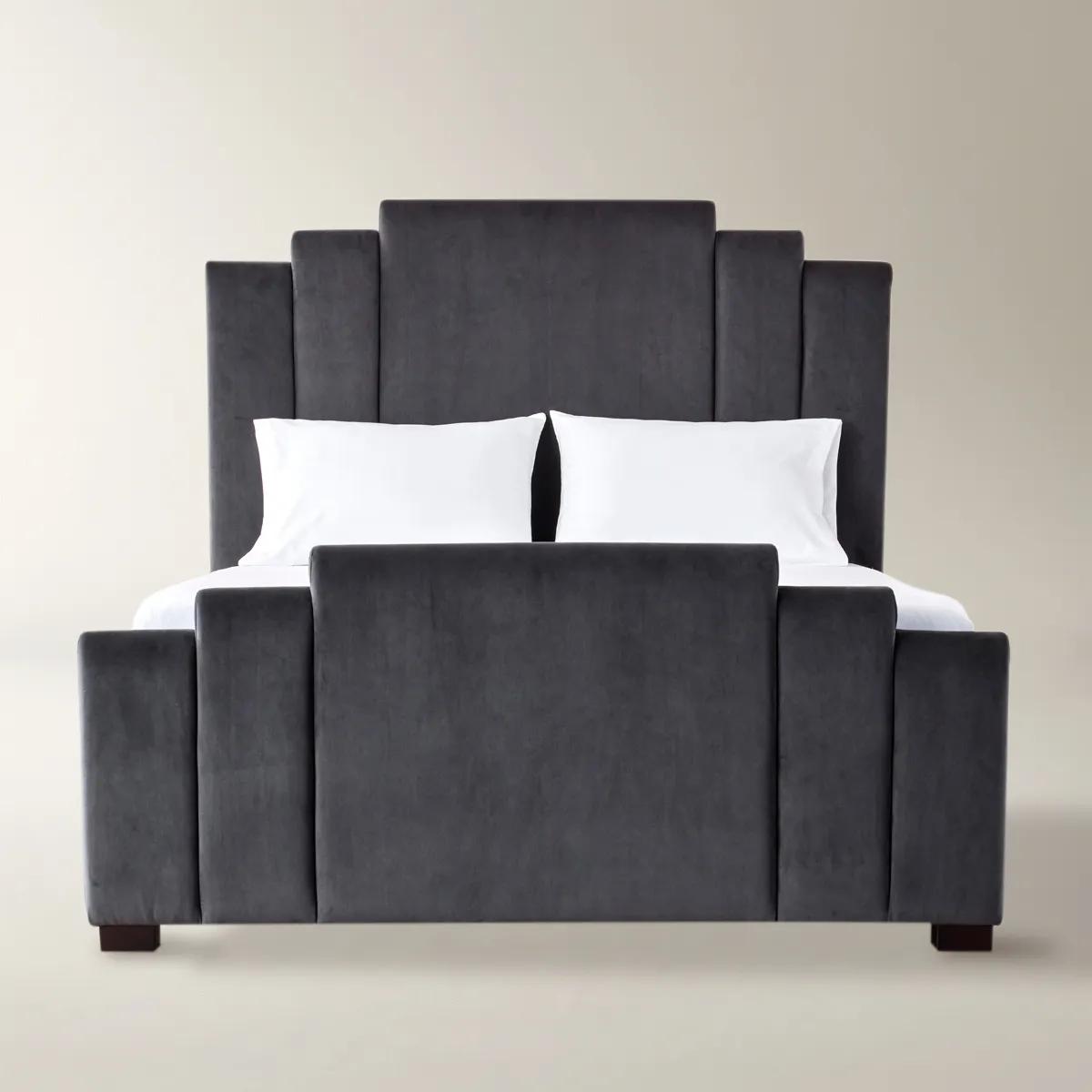 Marlow Bed$2349
A dramatic bed handcrafted from kiln-dried hardwood and plush gunmetal velvet with striking channel detailing.
Add To Cart -
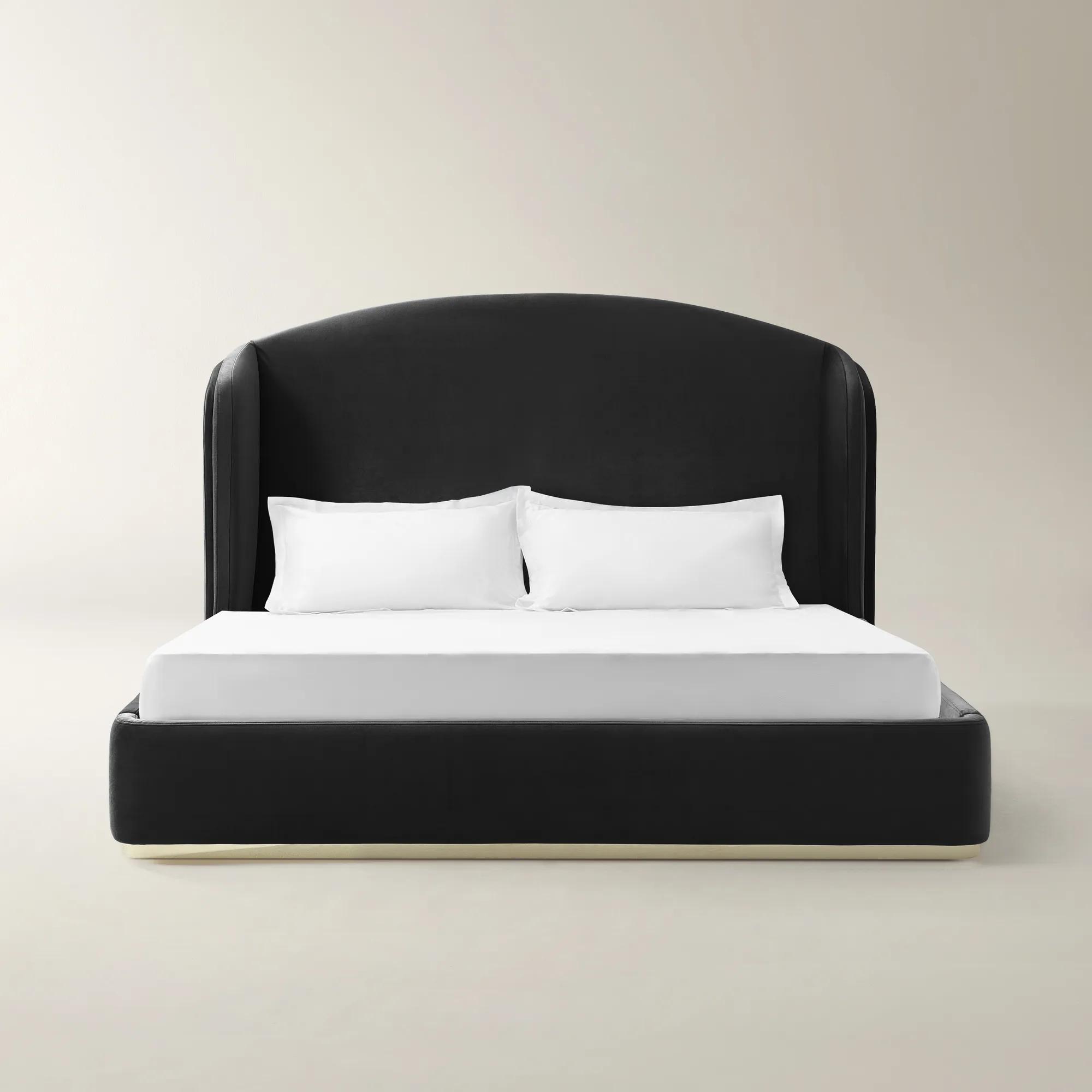
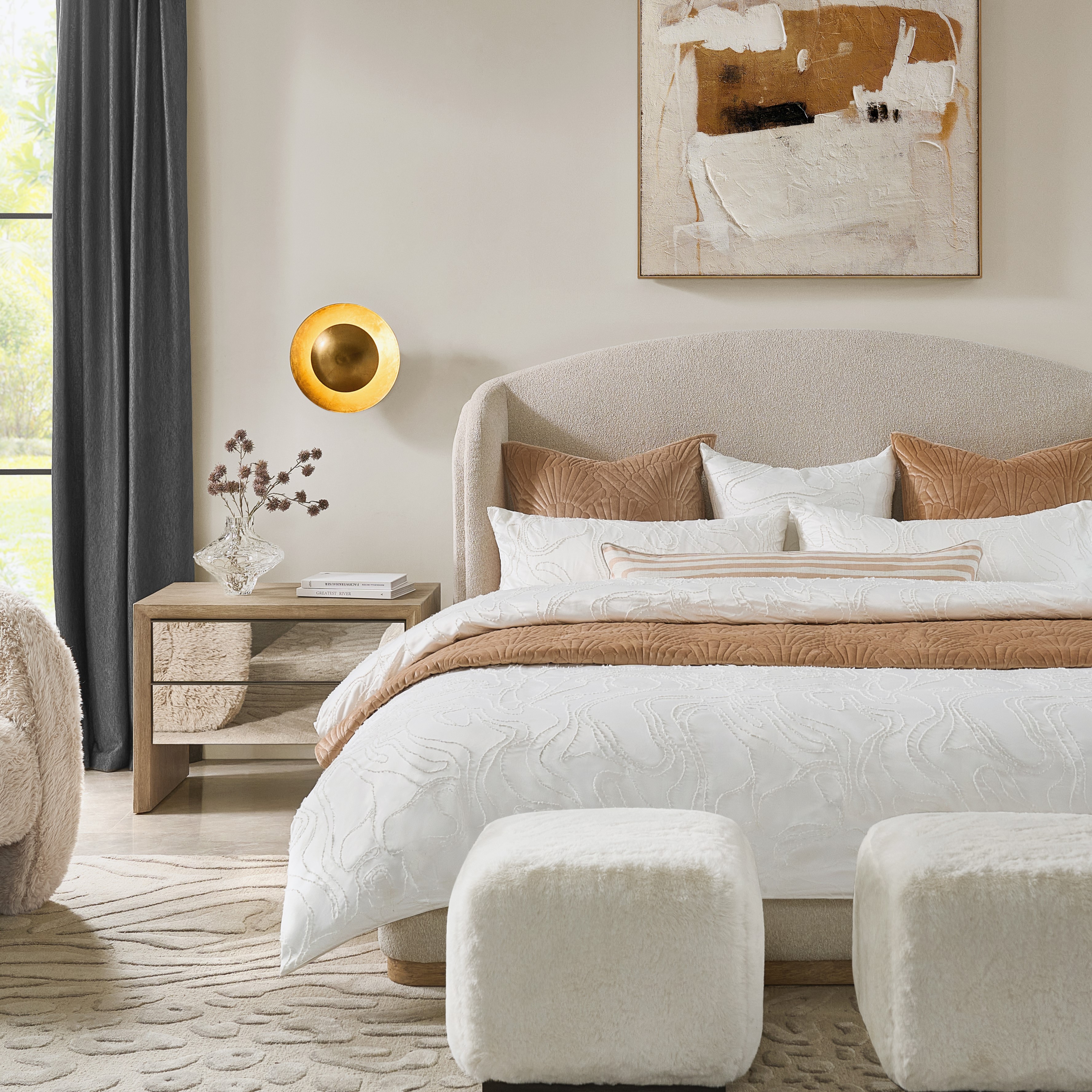 Glimmer Charcoal Velvet Upholstered Queen Platform Bed$2099
A charcoal velvet platform bed with a sculpted double-layer headboard and solid rubberwood base.
Add To Cart

Handcrafted Modern Queen Beds
Handcrafted modern queen beds transform the ordinary bedroom into a gallery of artistry and allure. Each piece is a testament to meticulous craftsmanship, blending sculptural lines with contemporary flair to create a dramatic focal point that commands attention. Designed for those who view their sanctuary as an expression of personal style, these beds invite you to indulge in sumptuous comfort and bold design. Elevate your nightly retreat with a statement that’s equal parts sophistication and soul—where every detail whispers luxury, and restful nights are framed in modern elegance.
Handcrafted modern queen beds bring the character of artisan workmanship to contemporary bedroom design, pairing considered proportions with details shaped, upholstered, or finished by hand. Their appeal lies in the tension between a confident silhouette and the nuances that reward a closer look: the rhythm of upholstered channels, the contour of a padded headboard, or the grain moving across a wood frame. The extent of handwork varies by design, but the distinction is in the treatment of materials and the care given to their meeting points. A tailored seam can sharpen a generous upholstered form; a softly rounded edge can lend warmth to an architectural profile. These are beds intended to anchor a room, giving everything from a restrained bedside arrangement to a richly layered suite a clear visual center. Materials establish much of that presence. Velvet lends depth as its pile catches light from different angles, creating a surface that feels expressive without requiring elaborate ornament. Woven upholstery introduces texture and can soften the appearance of a broad headboard, while wood brings natural variation that makes the frame feel grounded. Metal accents, where incorporated, add definition through a slender reveal, a sculptural leg, or a gleaming edge. Beneath those visible finishes, construction matters just as much as appearance. Frame materials, secure connections, center support, and the mattress-support system all contribute to everyday stability. Solid wood, engineered wood, upholstery fabrics, and metal each have a role, and no single material tells the whole story of durability. A beautifully finished surface deserves an equally thoughtful foundation. For a primary bedroom, the result can feel intimate and distinctly personal; in a guest suite, it can create the welcoming impression of a room composed with intention. Modern design leaves room for drama here, whether expressed through an expansive headboard, sumptuous texture, or the quiet precision of a finely proportioned frame.
Queen sizing offers a versatile starting point for that composition. A standard queen mattress measures 60 inches wide by 80 inches long, accommodating many couples while giving a solo sleeper generous room to stretch out. Those dimensions describe the mattress, not the complete bed: upholstered rails, projecting legs, a substantial footboard, or an extended headboard can increase the overall footprint considerably. That difference becomes especially important in a bedroom with a dresser opposite the bed or a doorway near one corner. A frame that appears compact in a photograph may occupy more floor space once its padding and decorative details are included. Overall width, depth, and height help establish how the bed will sit alongside existing furniture, while roughly 30 inches of circulation space around accessible sides, where the room allows, can make daily movement more comfortable. Drawers and closet doors need their own opening clearance. Height has an equally powerful effect on both use and atmosphere. A lower profile can emphasize the sweep of an upholstered headboard, while a taller sleeping surface may feel more comfortable for someone who prefers less bending when getting into bed. The finished height depends on the frame and the mattress together, including any required foundation. Platform construction does not automatically mean compatibility with every mattress, and slat spacing, support requirements, weight limits, and adjustable-base compatibility should align with the selected sleep system. Delivery access also deserves attention, particularly with a tall headboard, a narrow staircase, or a tight turn outside the bedroom. Explore Modern Custom Queen Beds for a related approach to contemporary bedroom expression. Across these styles, the strongest choice is one whose scale feels deliberate: substantial enough to hold the room, comfortable enough for everyday rituals, and proportioned so neighboring pieces have space to stand on their own.
The most compelling bedroom compositions allow the bed’s craftsmanship to remain visible rather than burying it beneath competing details. A deeply textured upholstered frame can carry crisp bedding with a single lustrous accent, while a wood silhouette may welcome a more generous interplay of fabric, art, and reflective finishes. Leaving a portion of the headboard exposed preserves its shape and gives channeling, seams, or grain room to register. Bedside lighting changes that impression, too: light directed across a surface can reveal texture more clearly than light falling straight onto it. For someone who reads before sleep, a supportive arrangement of pillows can make an upholstered headboard feel especially inviting, although padding is not a substitute for a properly supported sitting position. In a shared bedroom, a queen bed can provide a comfortable center without demanding the footprint of a larger mattress size; in a thoughtfully furnished guest room, it leaves opportunities for luggage space, seating, or a useful bedside surface. Lasting beauty also depends on care suited to the actual materials. Upholstery benefits from regular, gentle vacuuming with an appropriate attachment, particularly along seams where dust can collect. Spills should be blotted promptly rather than rubbed, and cleaning products should follow the fabric’s care instructions; some textiles require professional attention. Velvet may show shading or pressure marks as the pile changes direction, a characteristic best addressed according to its specific care guidance. Wood and metal finishes generally call for soft cloths and finish-appropriate cleaning rather than abrasive products, while prolonged direct sunlight can alter the appearance of some fabrics and surfaces. Periodic checks of accessible frame connections, following the assembly instructions, help maintain stability through regular use. These practical considerations preserve what makes a handcrafted modern queen bed so appealing in the first place: a balance of tactile richness, sculptural presence, and everyday comfort that gives the bedroom an unmistakable point of view.
FAQs
A queen handcrafted bed is distinguished by its meticulous artistry and attention to detail. Skilled artisans shape each piece using time-honored techniques, resulting in unique variations in finish, joinery, and texture. These beds often feature premium materials and thoughtful design elements, creating a one-of-a-kind centerpiece that reflects both craftsmanship and personal style.
A handcrafted bed serves as a visual anchor, setting the tone for the entire room. Whether you prefer bold, sculptural lines or subtle, refined finishes, the artistry and quality of a handcrafted bed elevate the space, adding depth, texture, and a sense of curated luxury. Its presence invites layering with bedding, throws, and accent pieces, allowing you to create a bedroom that feels both expressive and cohesive.
Absolutely. Handcrafted beds are available in a variety of styles, from sleek, contemporary silhouettes to more ornate, classic designs. Their artisanal construction and timeless materials allow them to blend seamlessly with a range of décor themes, making them a versatile choice for those who appreciate both modern flair and traditional elegance.
Queen handcrafted beds are often made from luxurious hardwoods, such as walnut, oak, or maple, and may include upholstered elements in velvet, linen, or leather. Metal accents, hand-applied finishes, and bespoke hardware are also common, each adding to the bed’s unique character and tactile appeal.
To maintain the beauty of your handcrafted bed, regularly dust the surfaces with a soft, dry cloth and avoid harsh chemicals or abrasive cleaners. For upholstered elements, gentle vacuuming and spot-cleaning are recommended. Protect wood finishes from direct sunlight and excessive moisture to ensure the bed’s artisanal character endures for years to come.