Designer Queen Size Beds
Designer Queen Size Beds
-
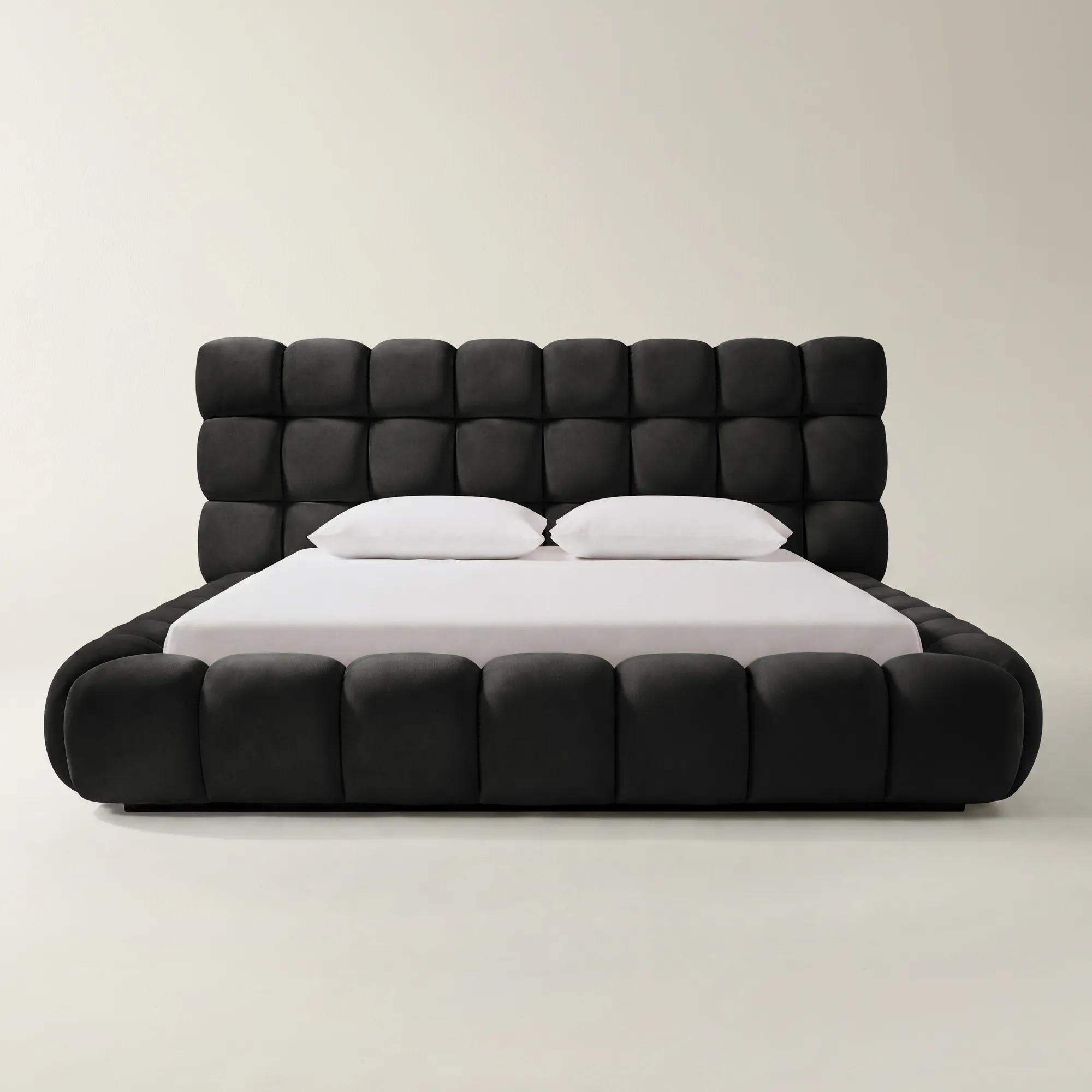
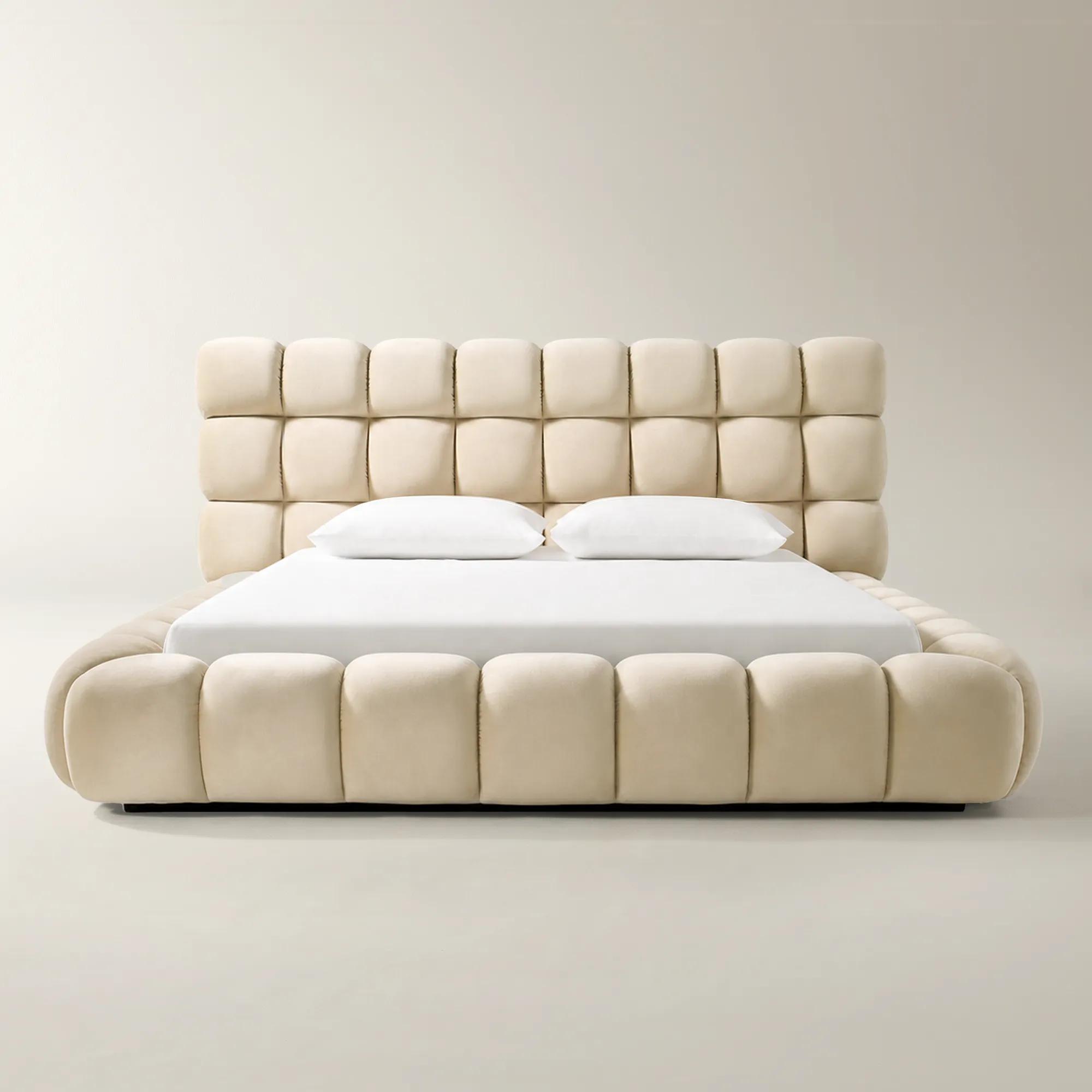 Paloma Tufted Charcoal Velvet Upholstered Queen Platform Bed$2399
A sculptural charcoal velvet platform bed with plush wrapped upholstery, solid wood construction, and supportive slats.
Add To Cart -
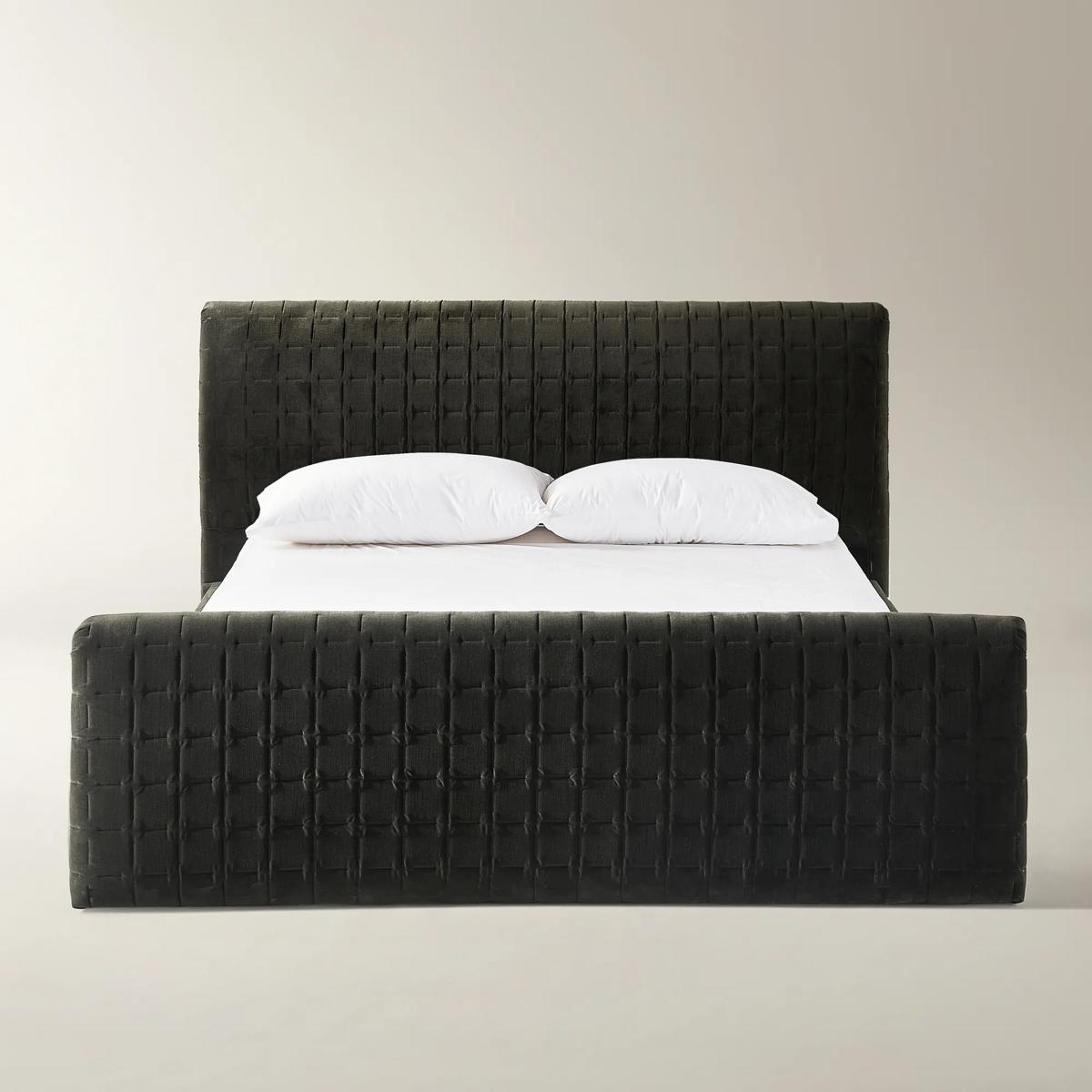 Vanta Charcoal Velvet Upholstered Queen Platform Bed$2299
A sculptural bed featuring charcoal velvet upholstery, three-dimensional checker quilting, and sleek stainless steel inlays.
Add To Cart -
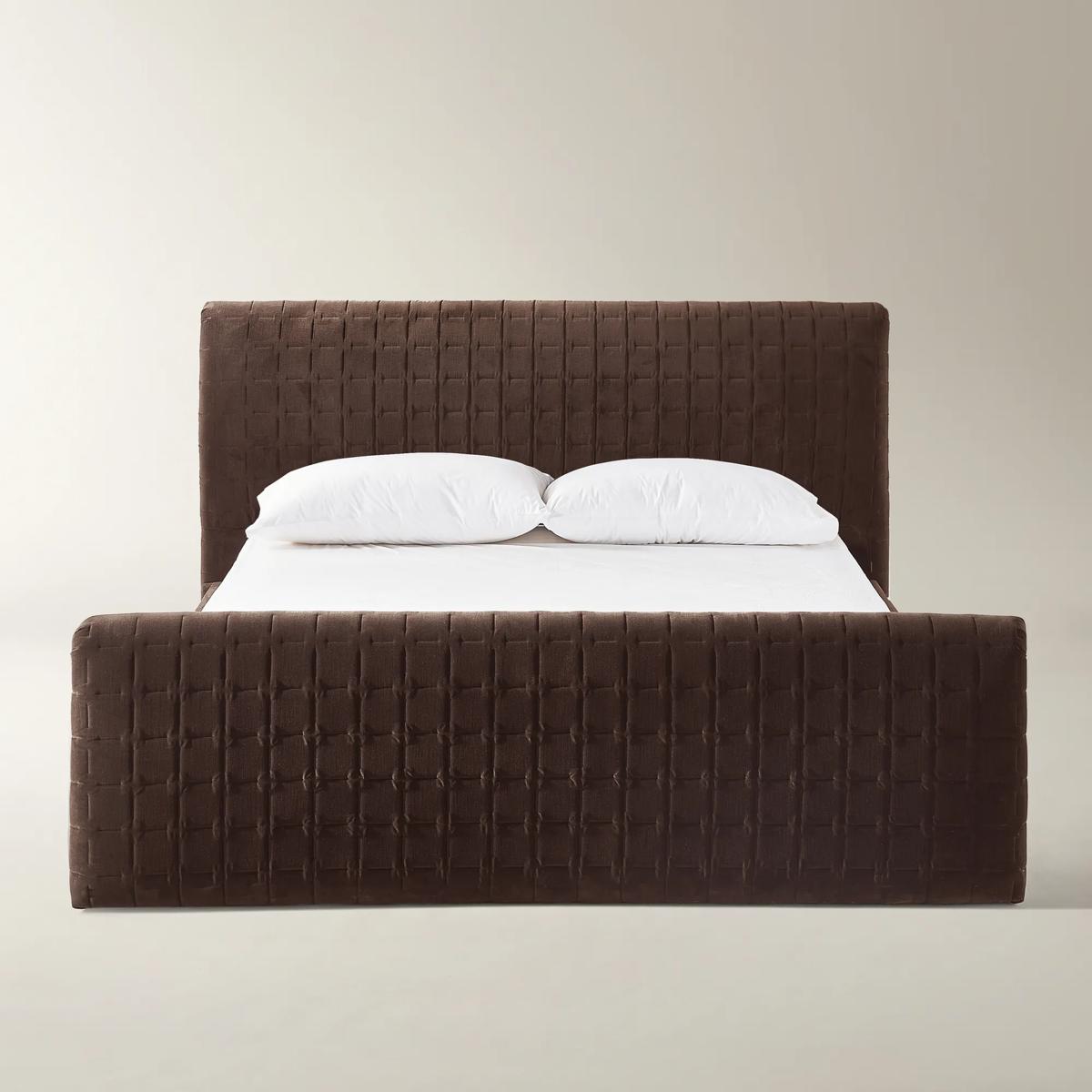
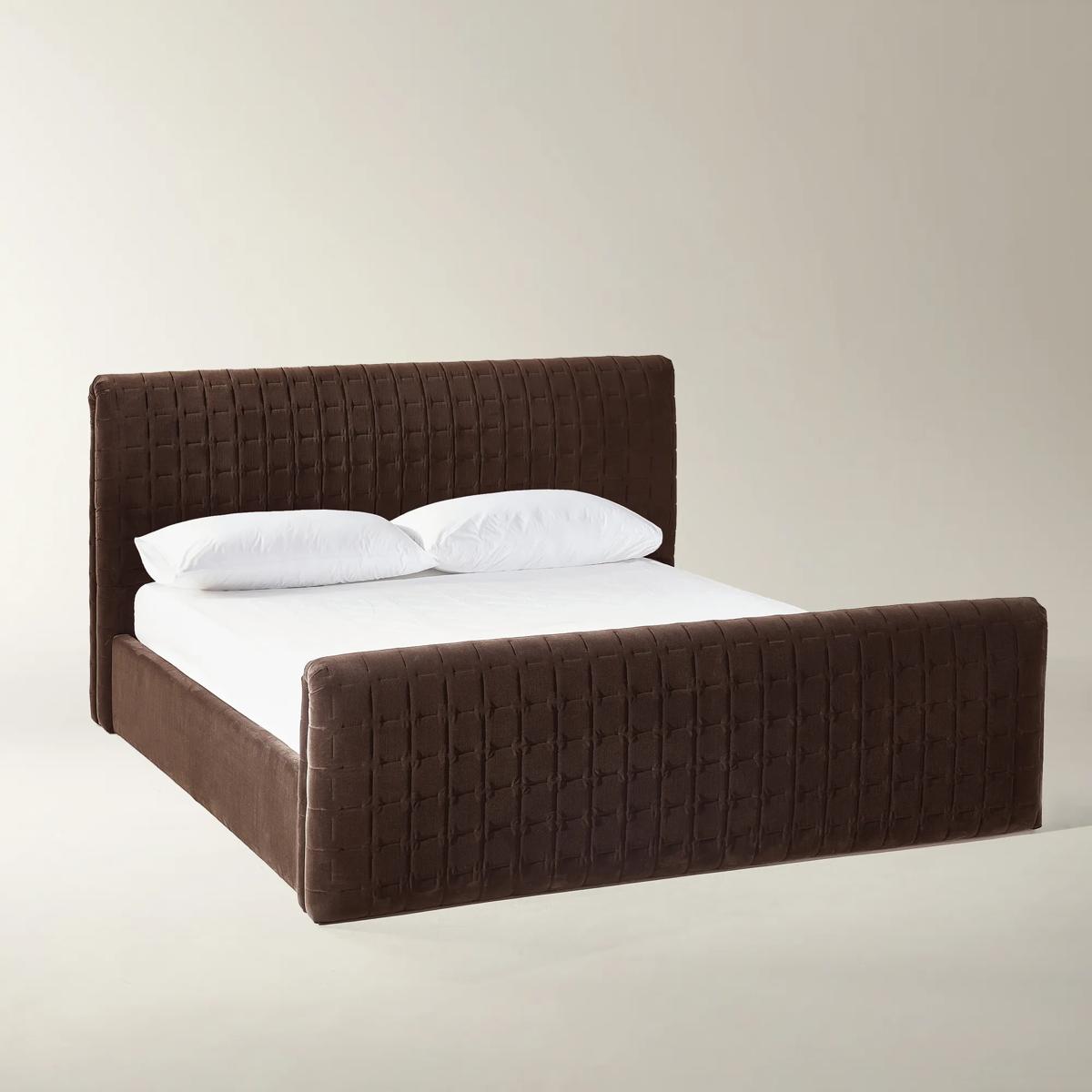 Vanta Burnt Umber Velvet Upholstered Queen Platform Bed$2299
A chocolate velvet bed with hand-tufted checker quilting and brushed stainless steel inlays for modern elegance.
Add To Cart -
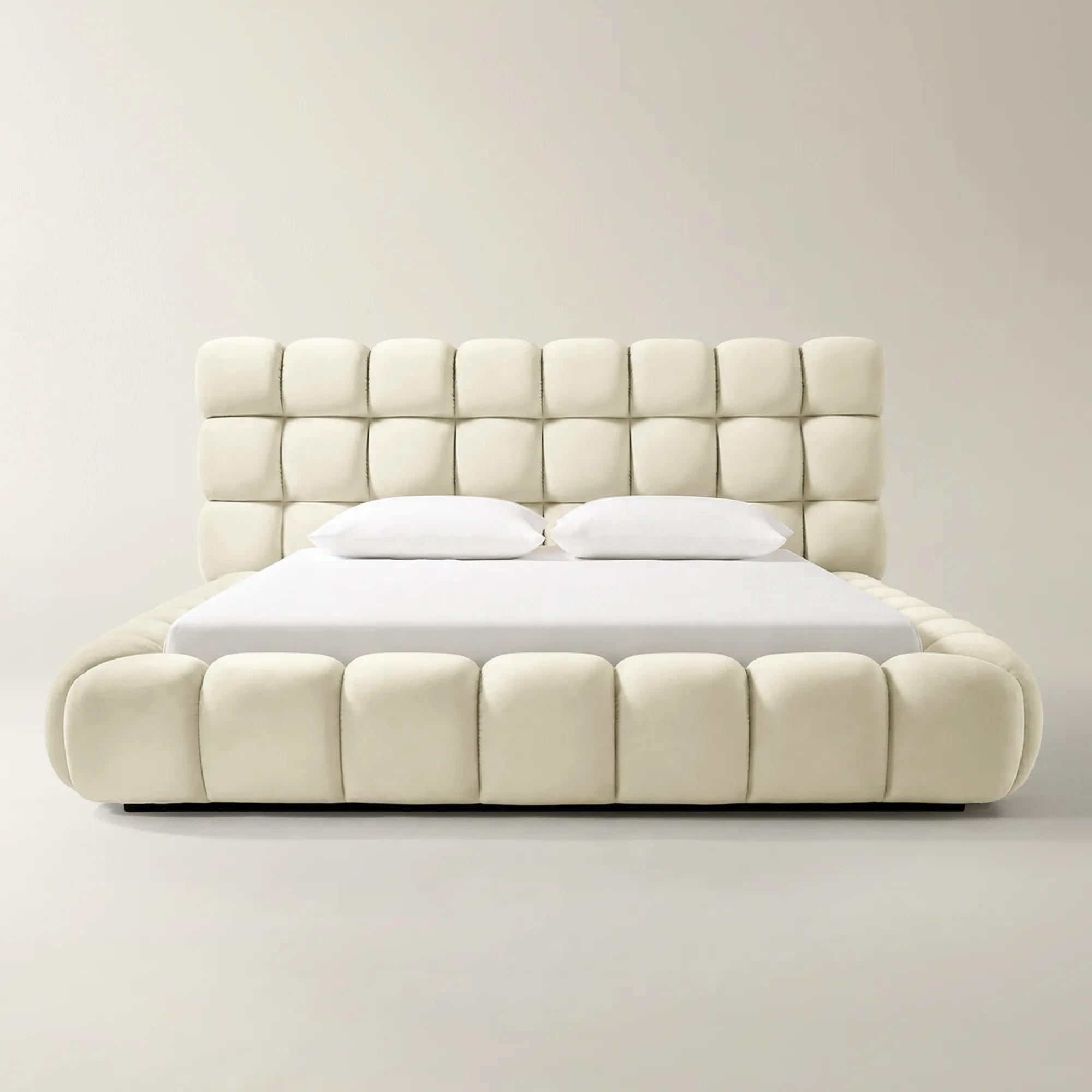 Paloma Tufted Cloud Velvet Upholstered Queen Platform Bed$2399
A sculptural velvet platform bed with plush padding, solid wood construction, and a fully wrapped silhouette.
Add To Cart -
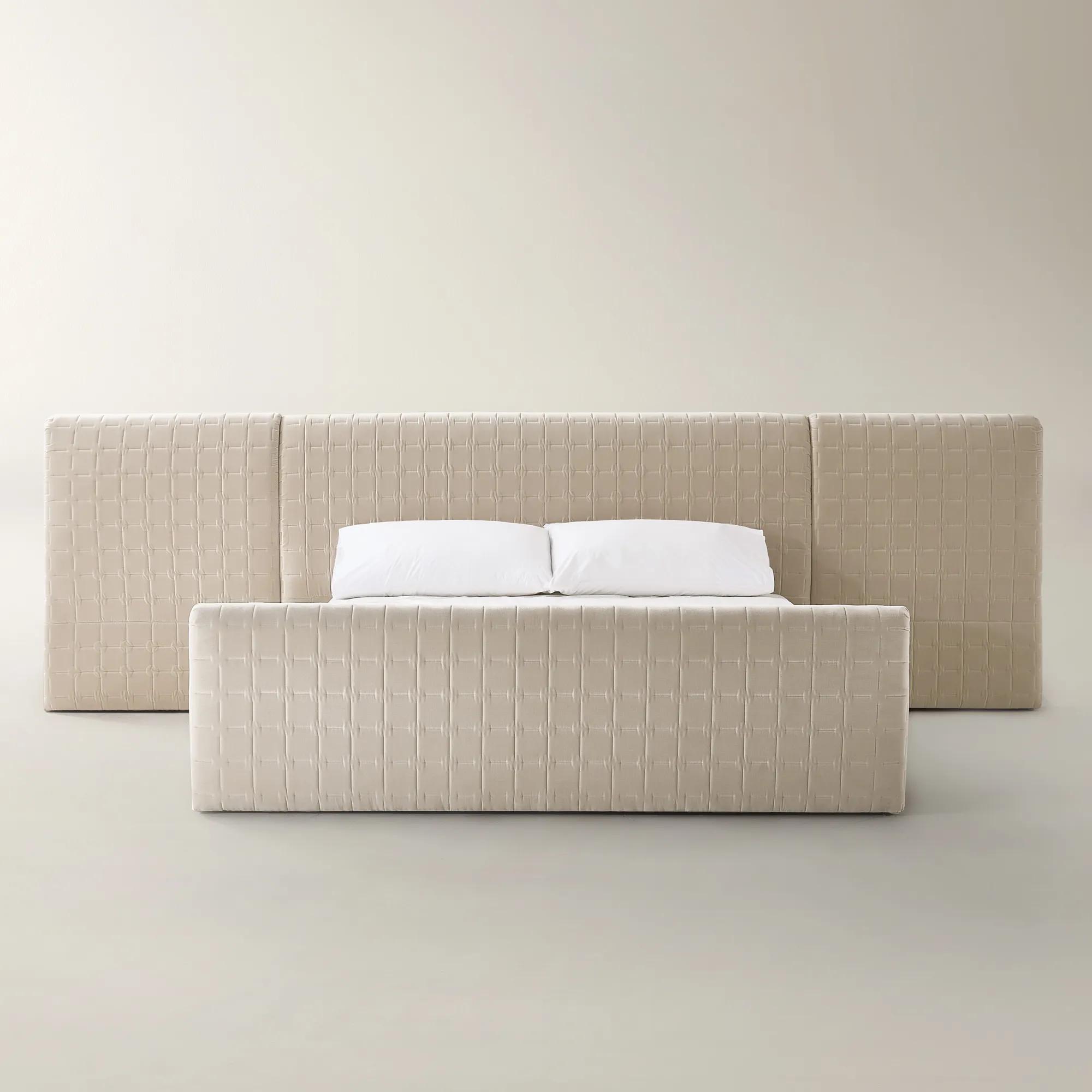
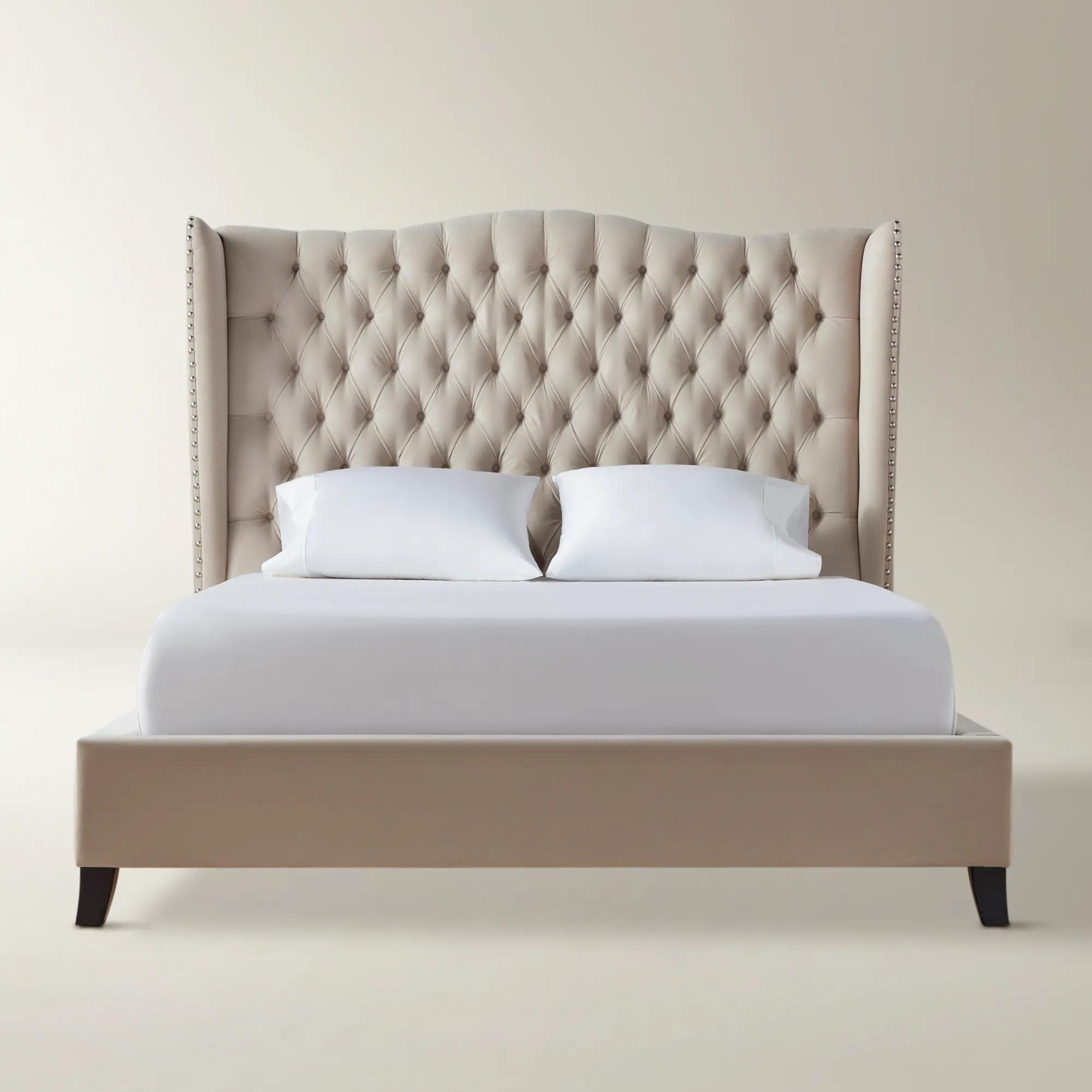
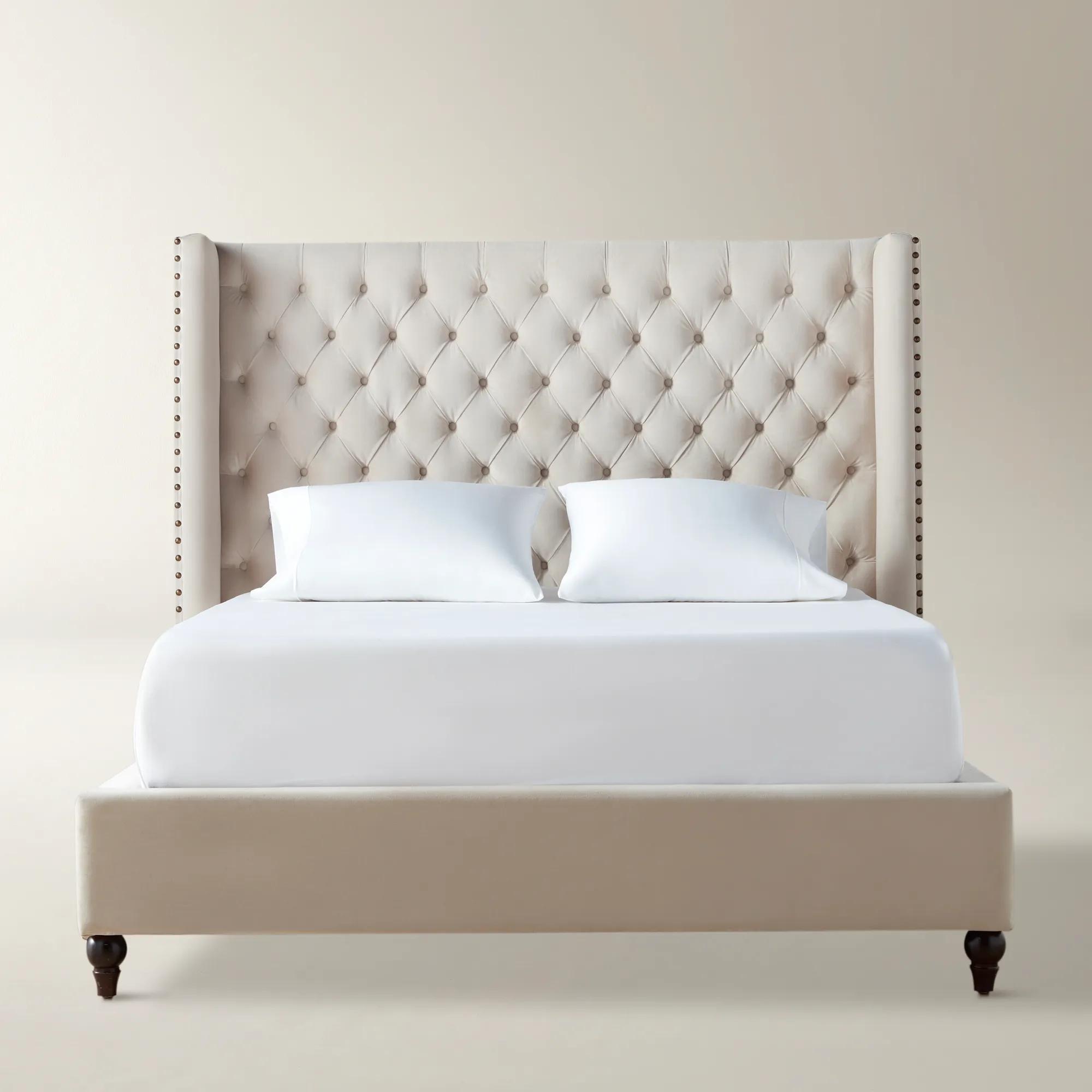
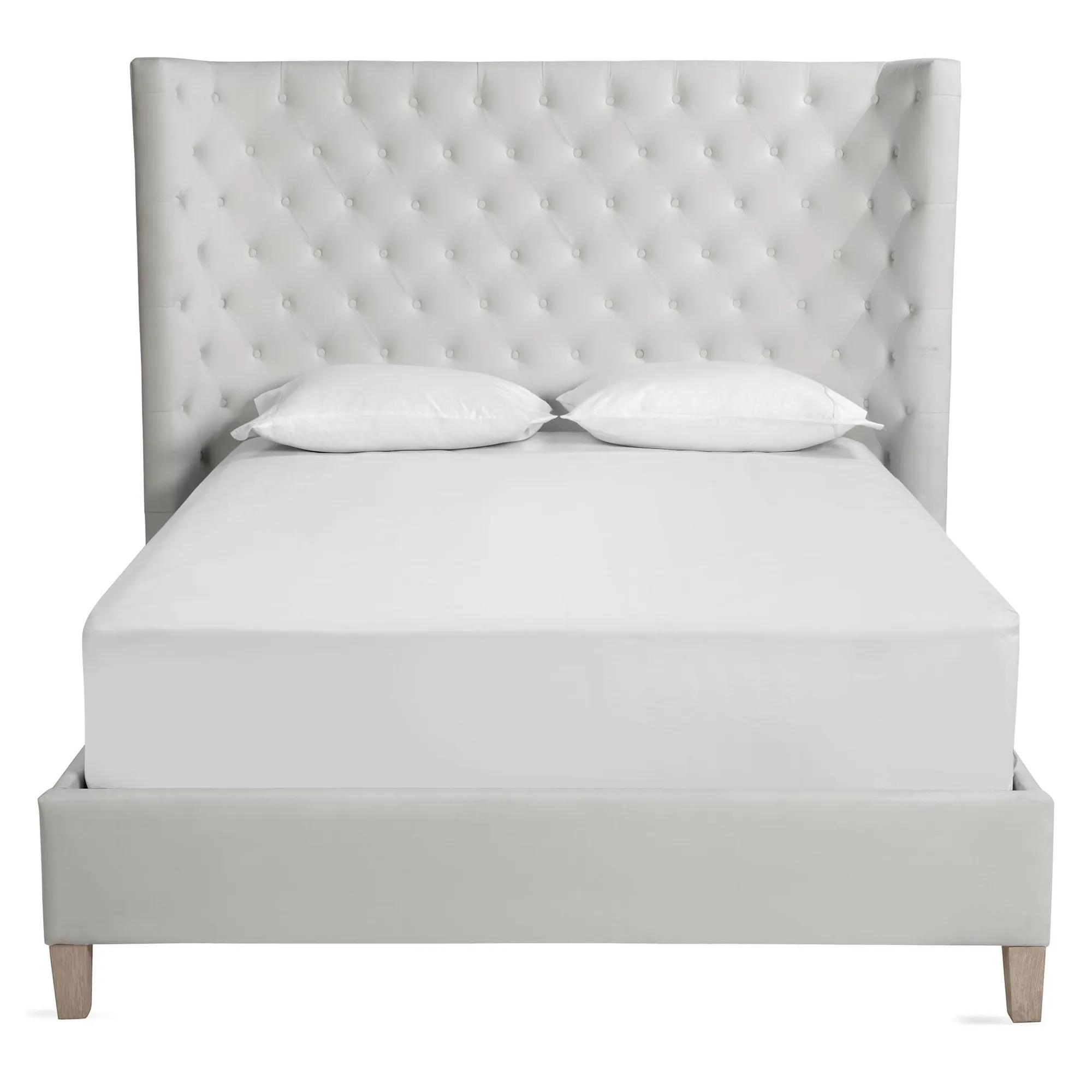
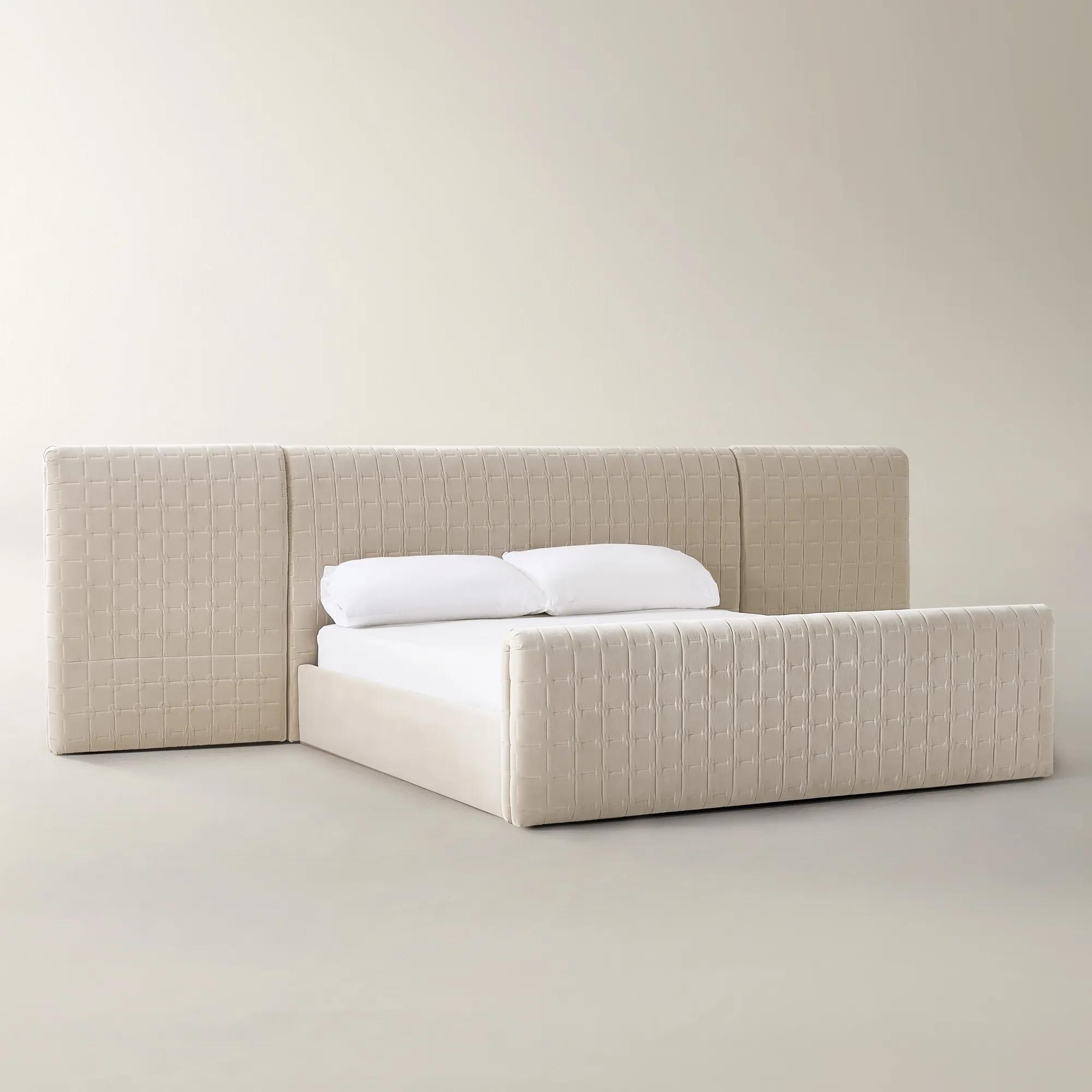 Vanta Oatmeal Velvet Upholstered Queen Extended Bed$2699
An oatmeal velvet platform bed with an extended checker-quilted headboard and elegant gold-toned metal inlays.
Add To Cart -
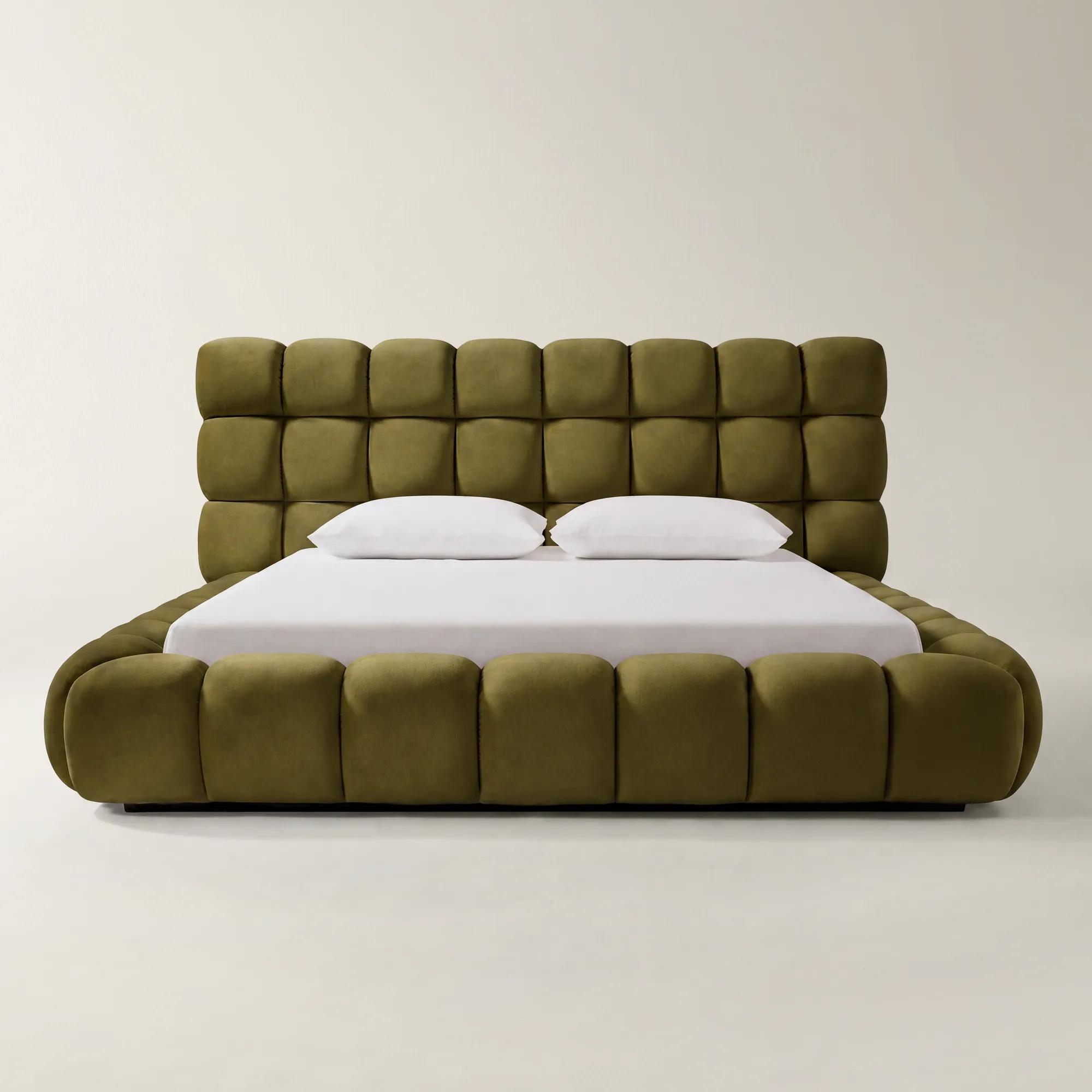 Paloma Tufted Deep Olive Velvet Upholstered Queen Platform Bed$2399
A sculptural deep olive velvet platform bed with wrapped upholstery, plush padding, and durable wood construction.
Add To Cart -
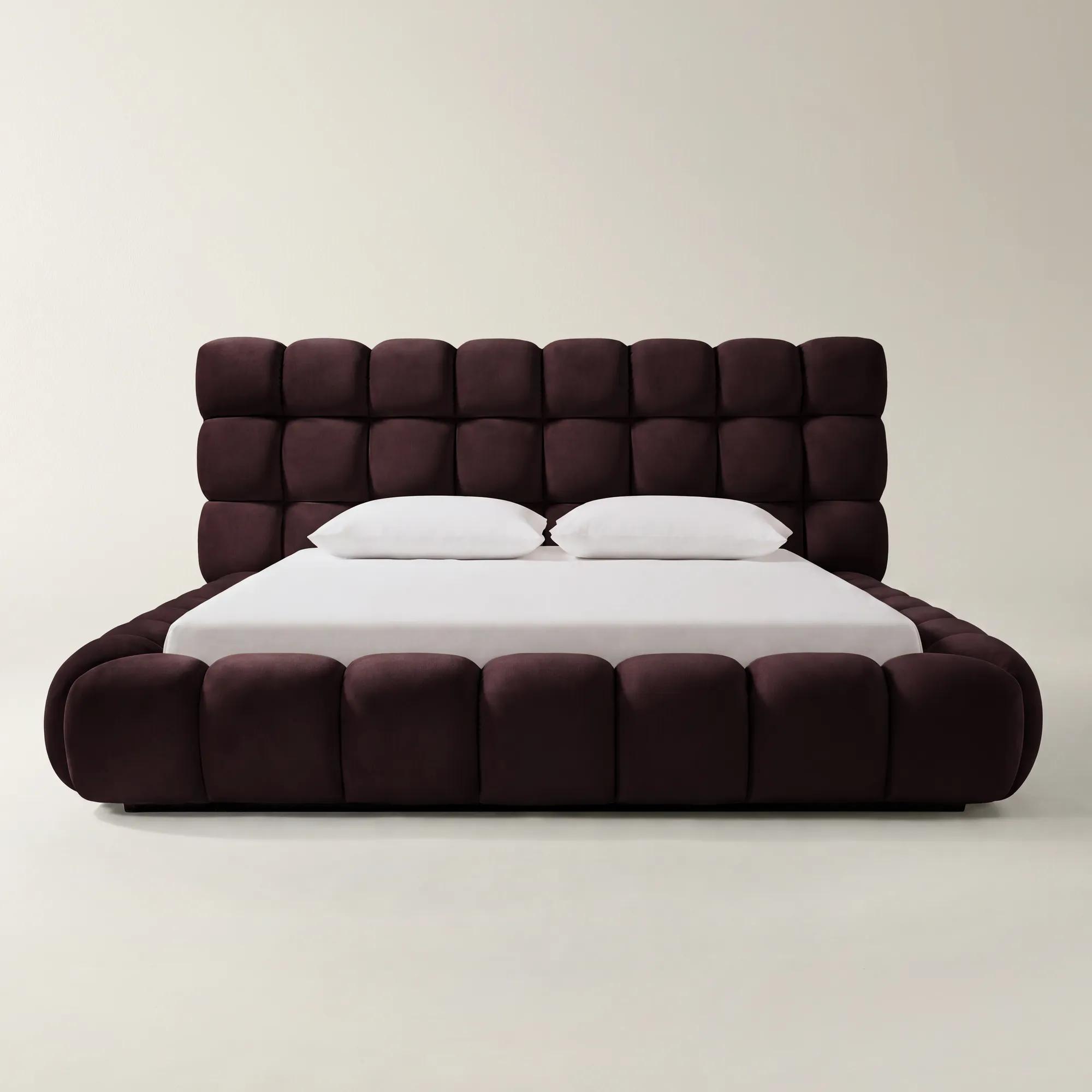 Paloma Tufted Fig Velvet Upholstered Queen Platform Bed$2399
A fig velvet upholstered platform bed featuring plush padding, solid wood construction, and supportive wooden slats.
Add To Cart -
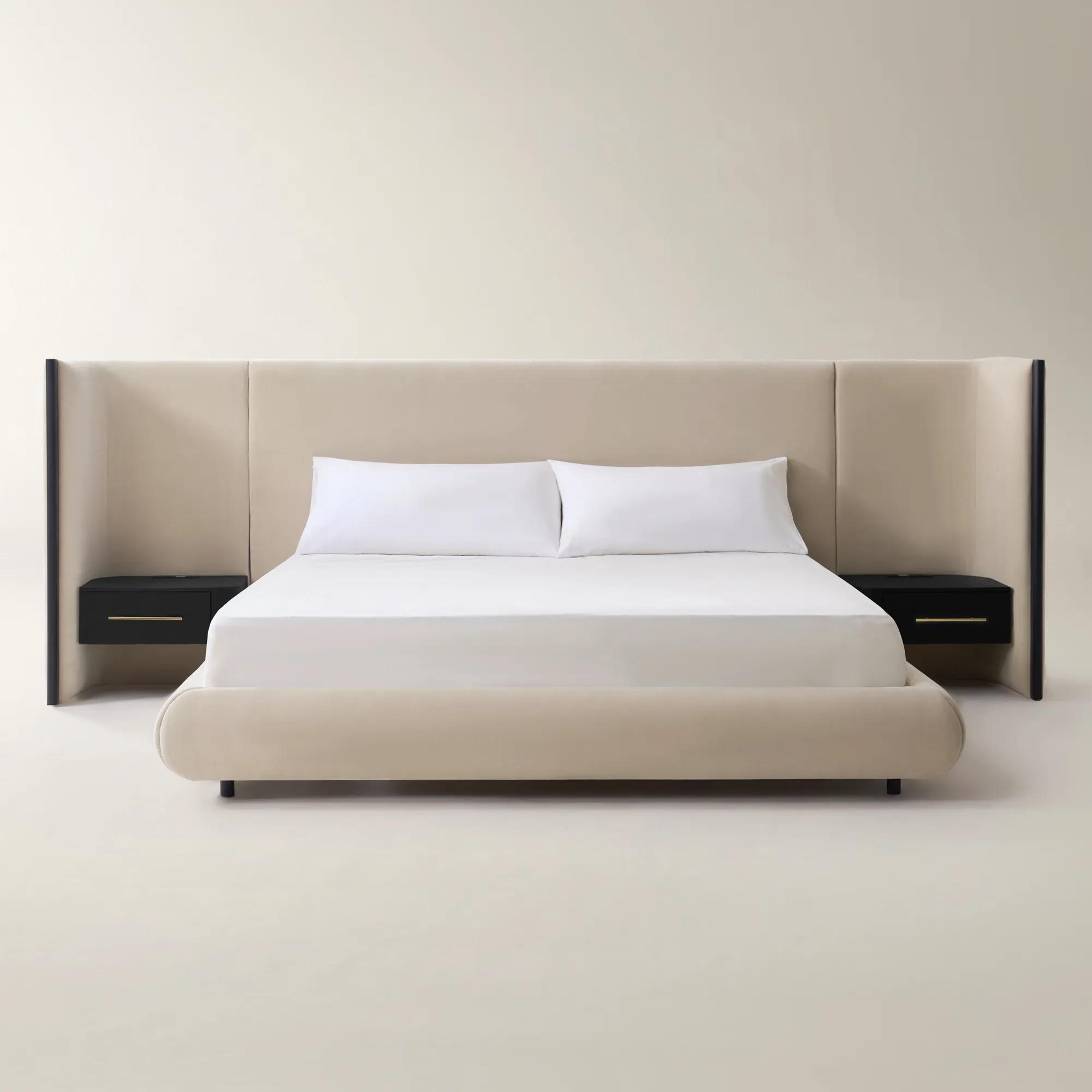 Sierra Oatmeal Velvet Upholstered Queen Bed With Nightstands$2699
A modern oatmeal velvet bed with an extended headboard, floating nightstands, and built-in power access.
Add To Cart -

 Glimmer Ivory Performance Boucle Upholstered Queen Platform Bed$2099
A plush boucle-upholstered bed with a curved, double-layered headboard and sturdy solid rubberwood base.
Add To Cart -
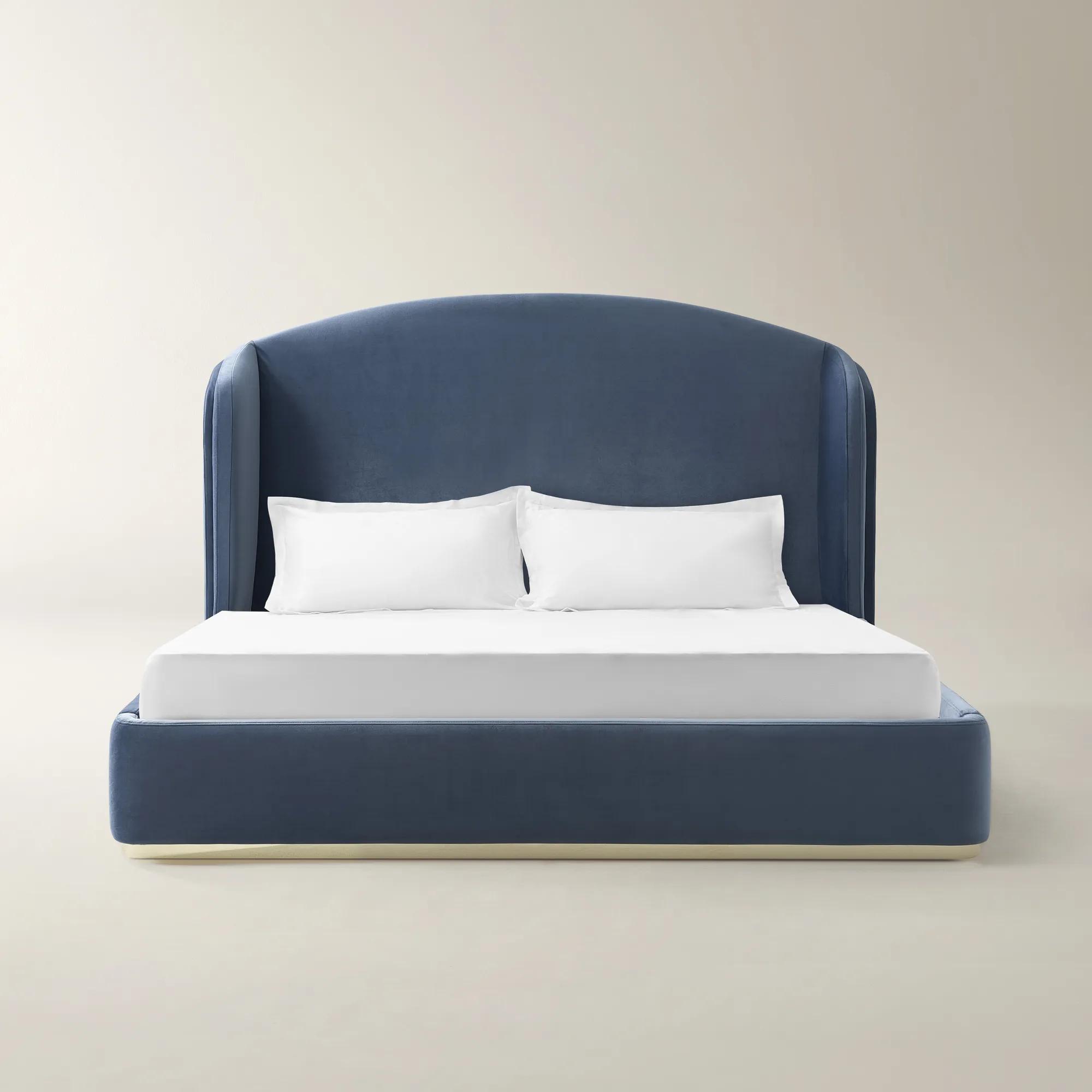
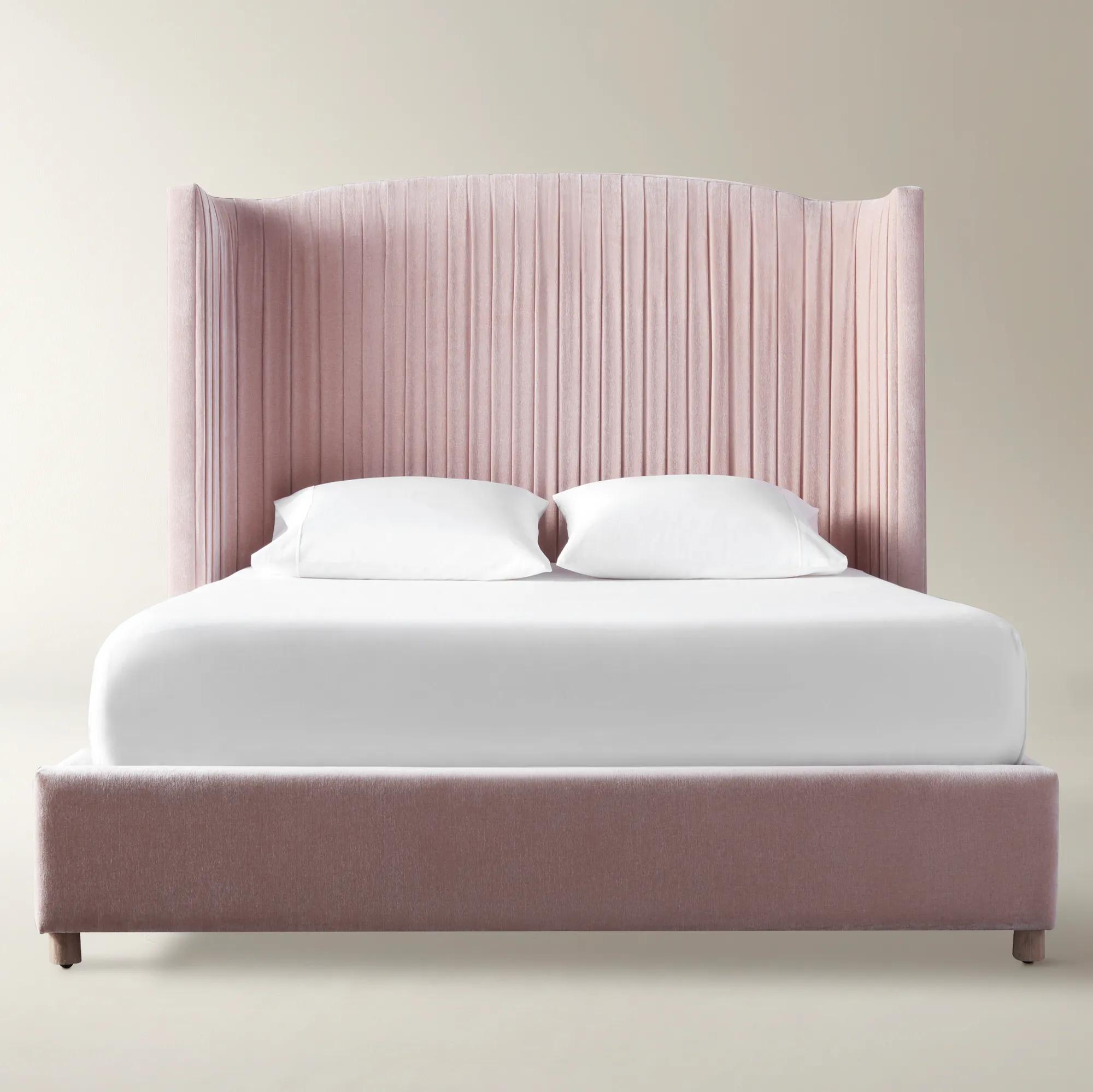
 Glimmer Dusty Blue Velvet Upholstered Queen Platform Bed$2099
A sculpted double-layer headboard and gold-finished base elevate this hand-upholstered dusty blue velvet bed.
Add To Cart -
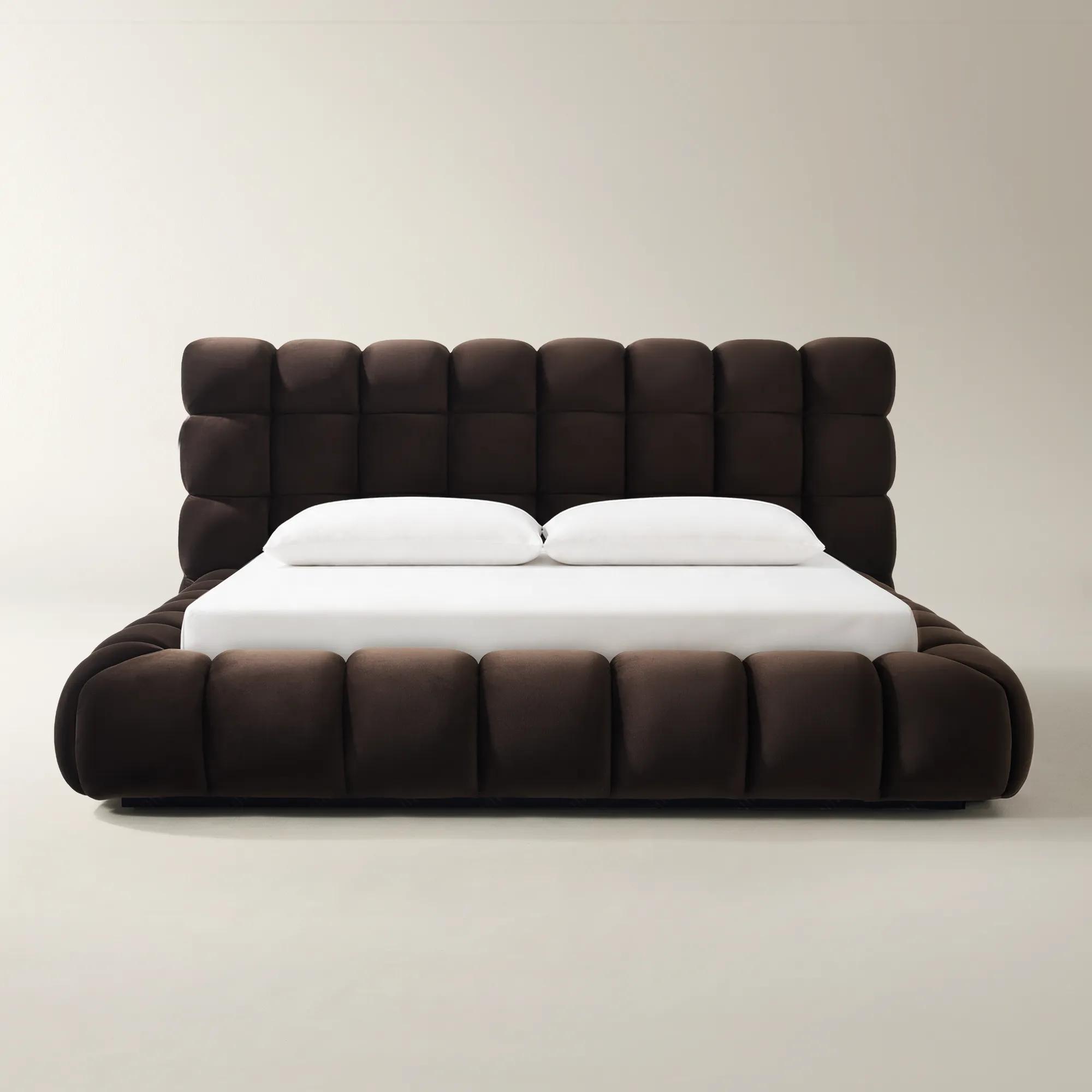 Paloma Tufted Dark Chocolate Velvet Upholstered Queen Platform Bed$2399
A sculptural platform bed upholstered in dark chocolate velvet with plush, oversized tufted blocks for modern elegance.
Add To Cart -
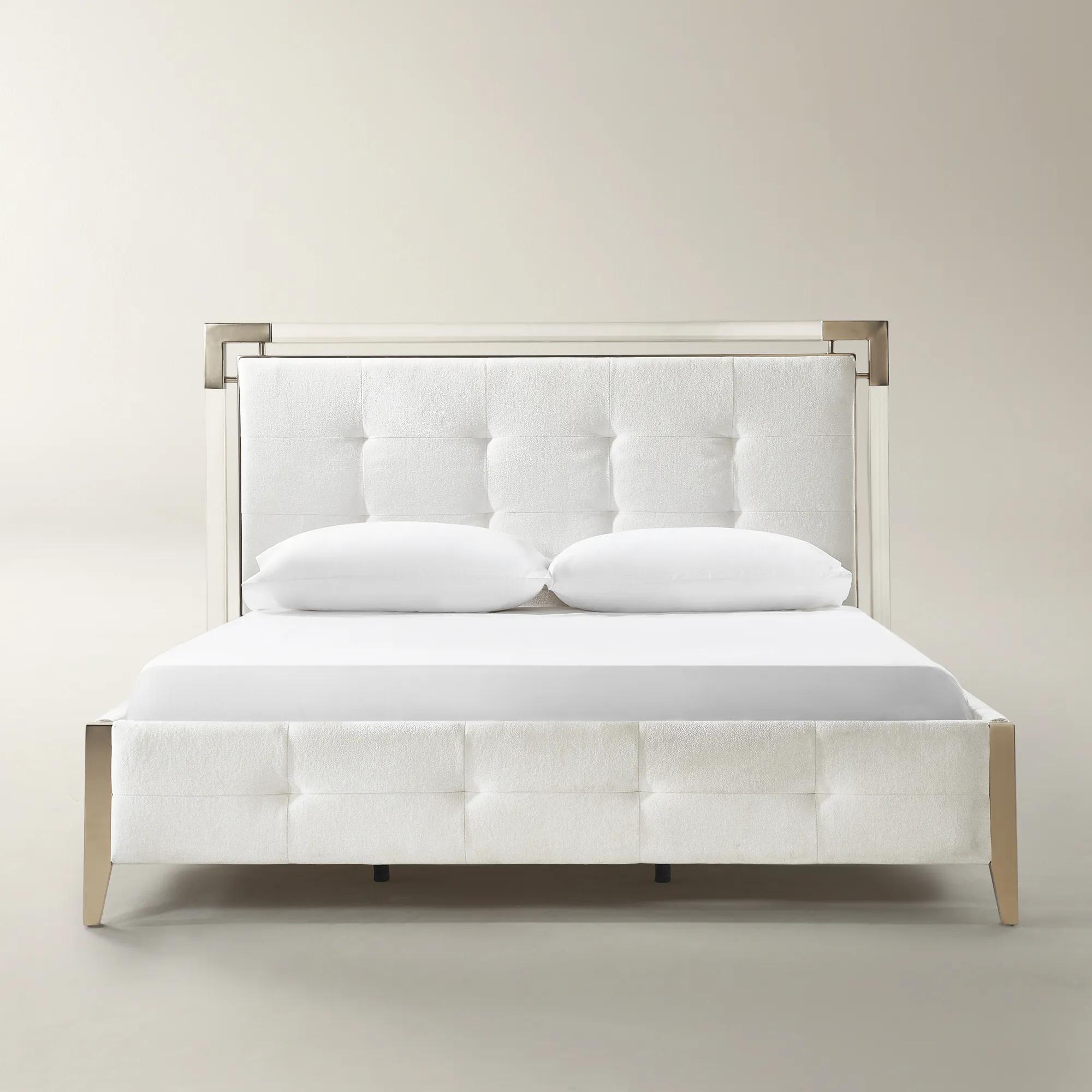
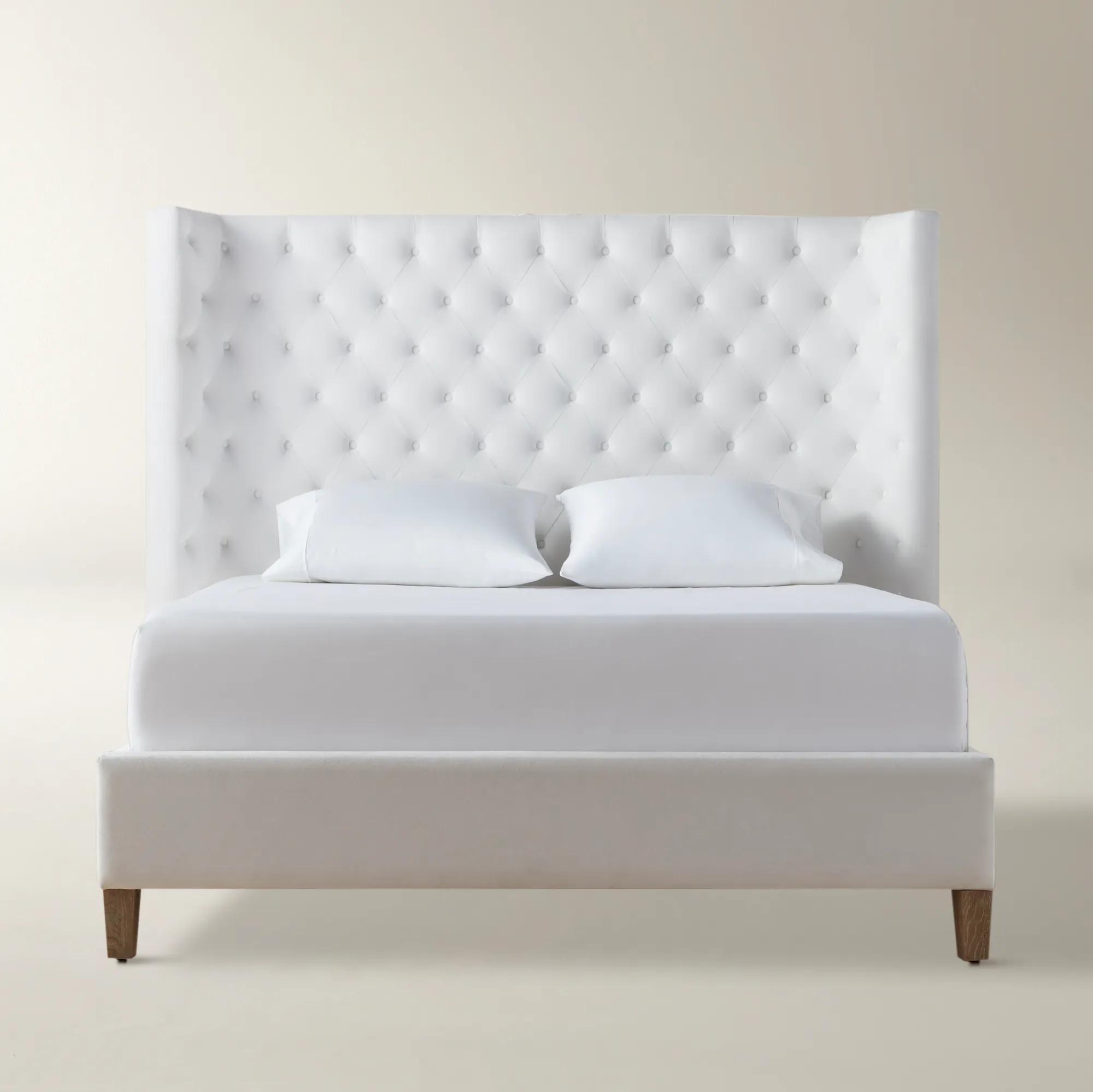
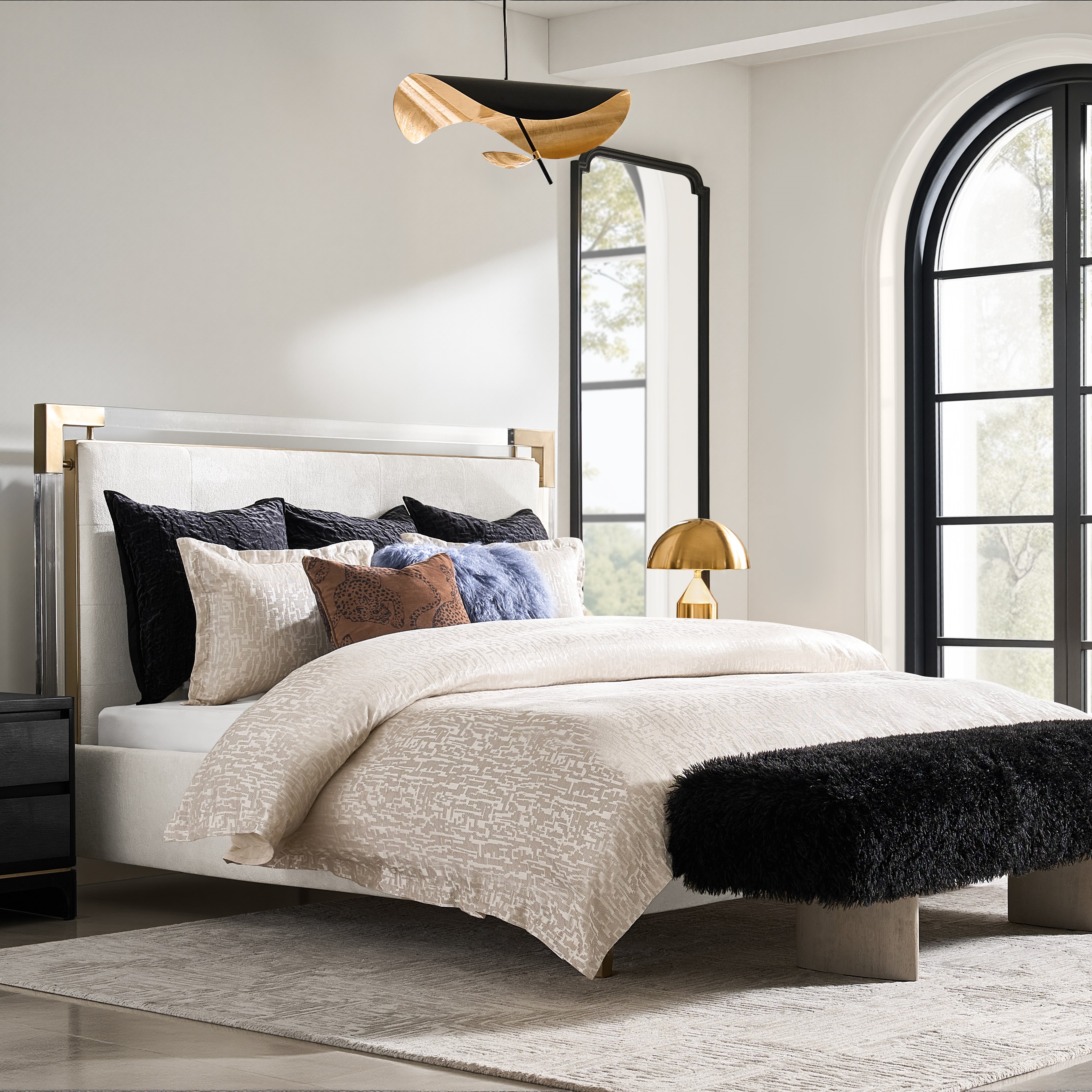 Vitrina Box-Tufted Ivory Velvet Upholstered Queen Platform Bed$2799
An ivory velvet upholstered bed with grid-tufted headboard, acrylic accents, and champagne-finished stainless steel details.
Add To Cart -
Paloma Tufted Oatmeal Velvet Upholstered Queen Platform Bed$2399
A sculptural platform bed upholstered in plush oatmeal velvet with oversized tufted blocks and solid wood frame.
Add To Cart -
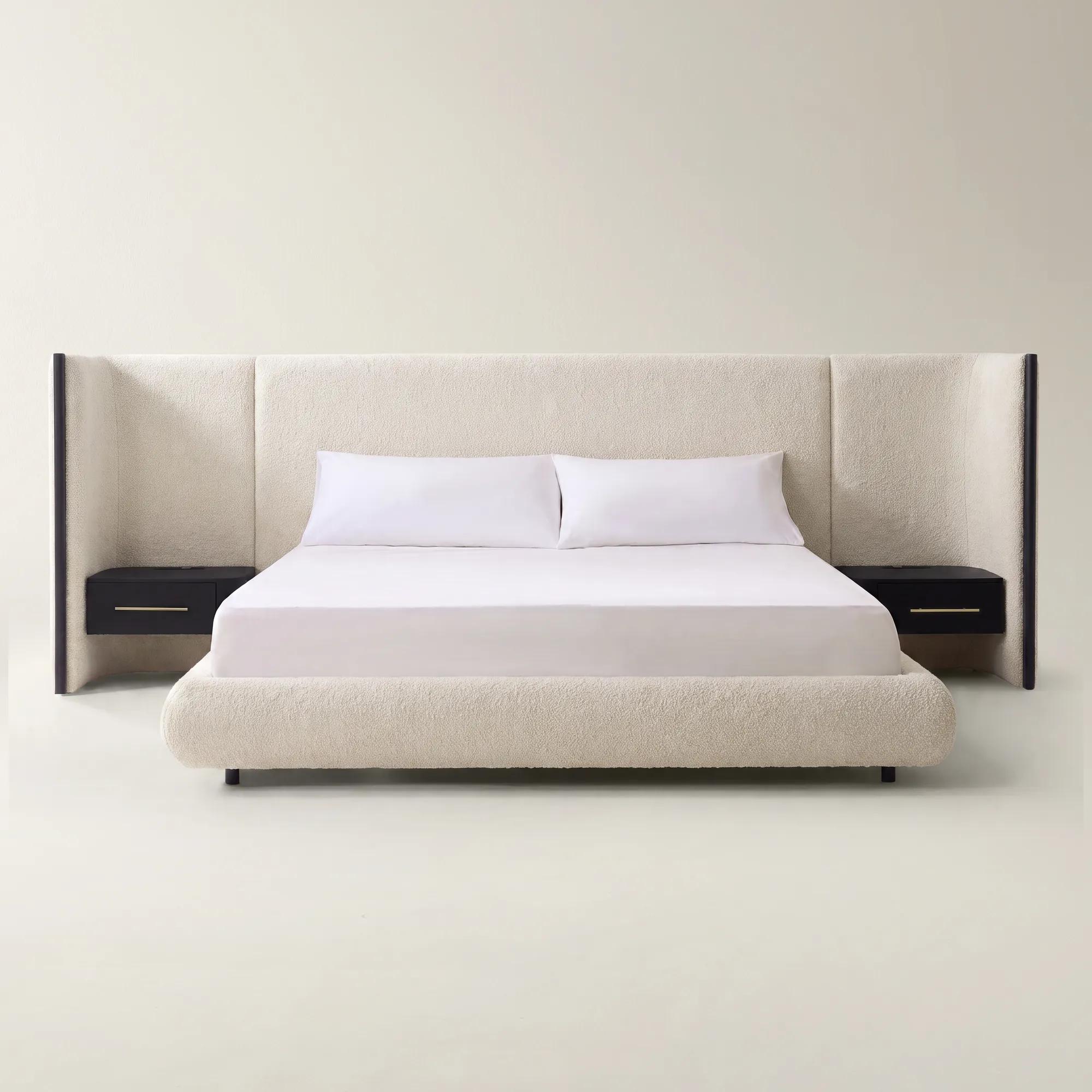 Sierra Utopia Sand Chenille Upholstered Queen Bed With Nightstands$2799
A sand chenille upholstered platform bed featuring an extended headboard, black wood trim, and floating nightstands.
Add To Cart -
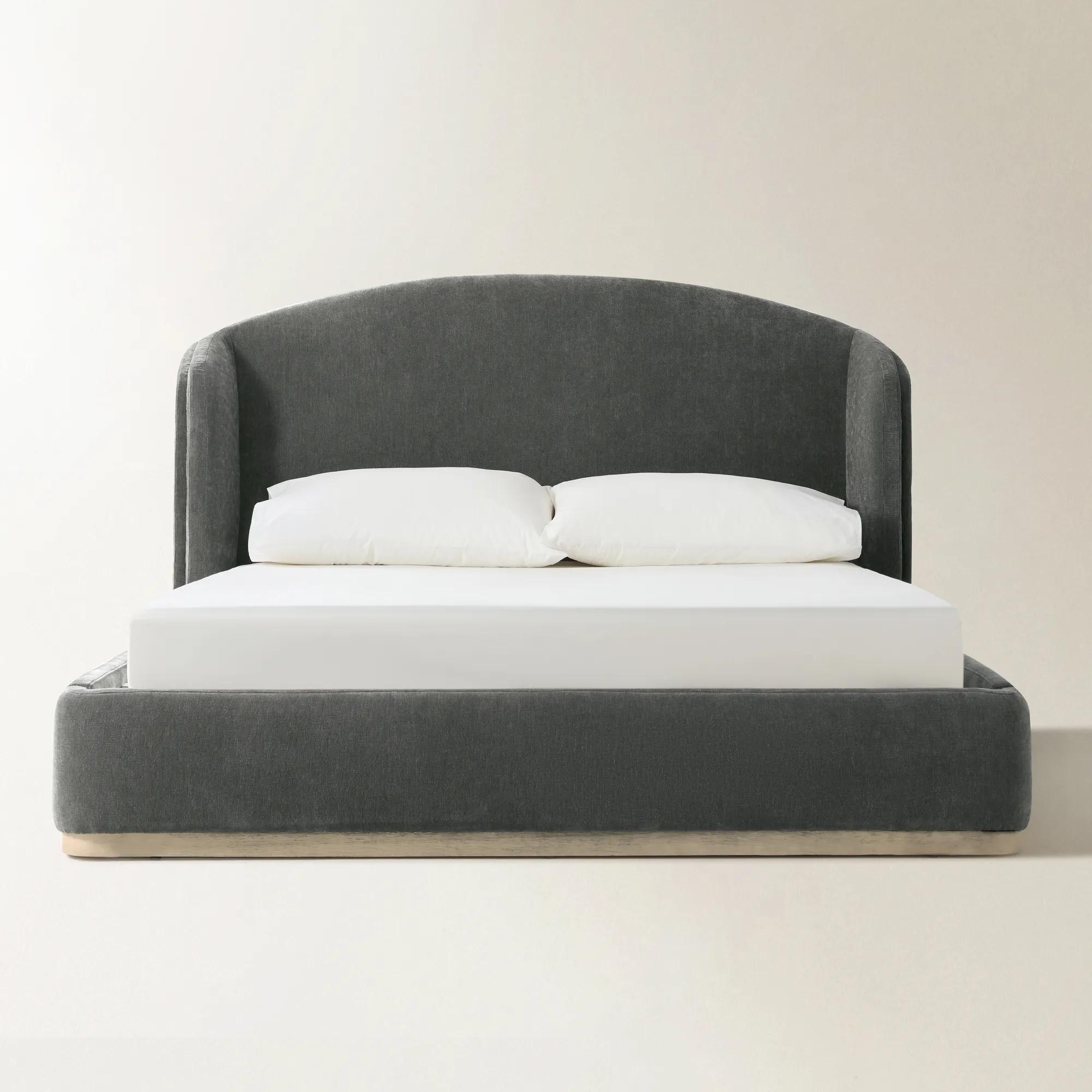 Glimmer Grey Performance Chenille Upholstered Queen Platform Bed$2099
A plush boucle-upholstered bed with a curved, double-layered headboard and sturdy solid rubberwood base.
Add To Cart -
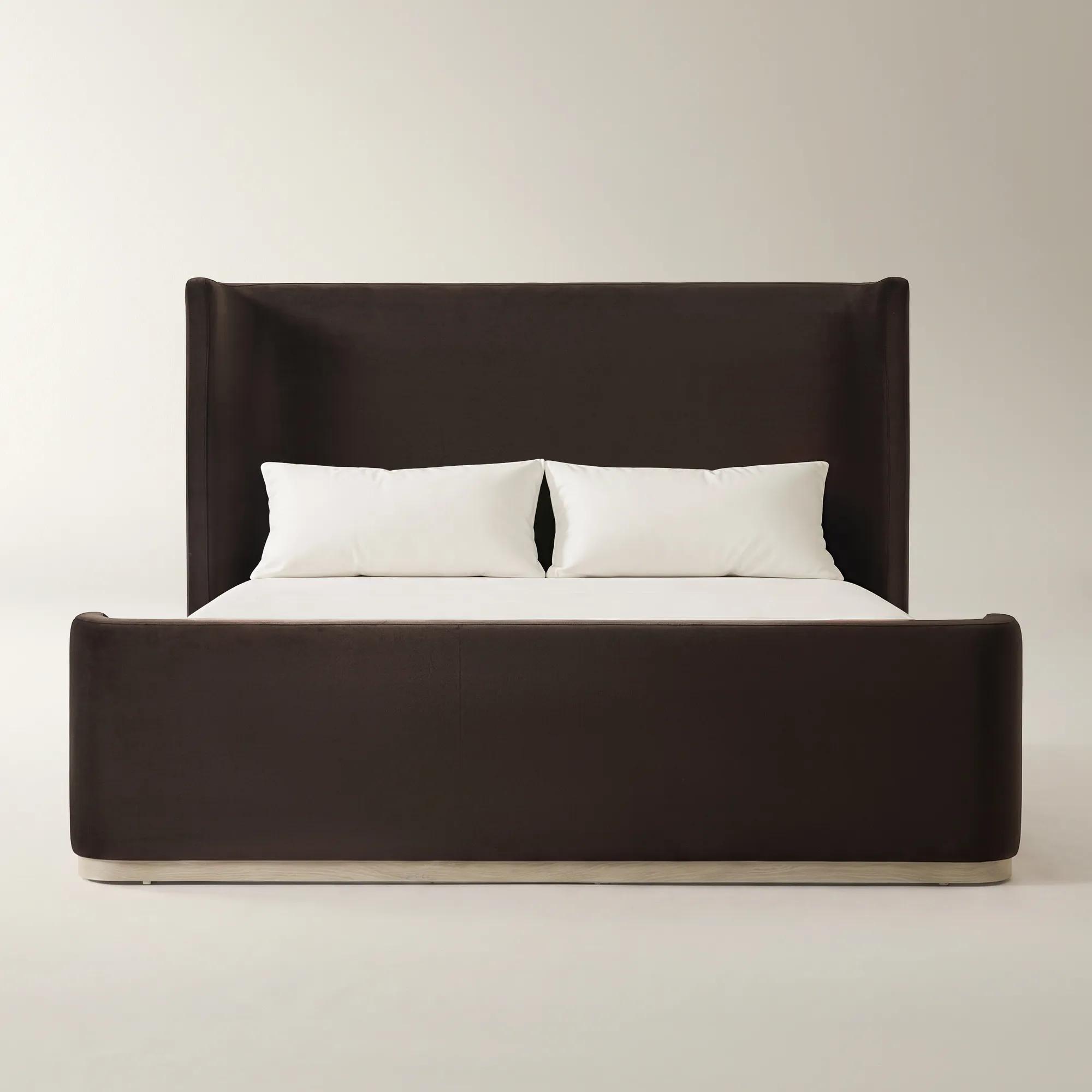 Stria Dark Chocolate Velvet Upholstered Queen Platform Bed$2299
A sculptural wingback platform bed featuring dark chocolate velvet upholstery and a hand-finished solid oak base.
Add To Cart -
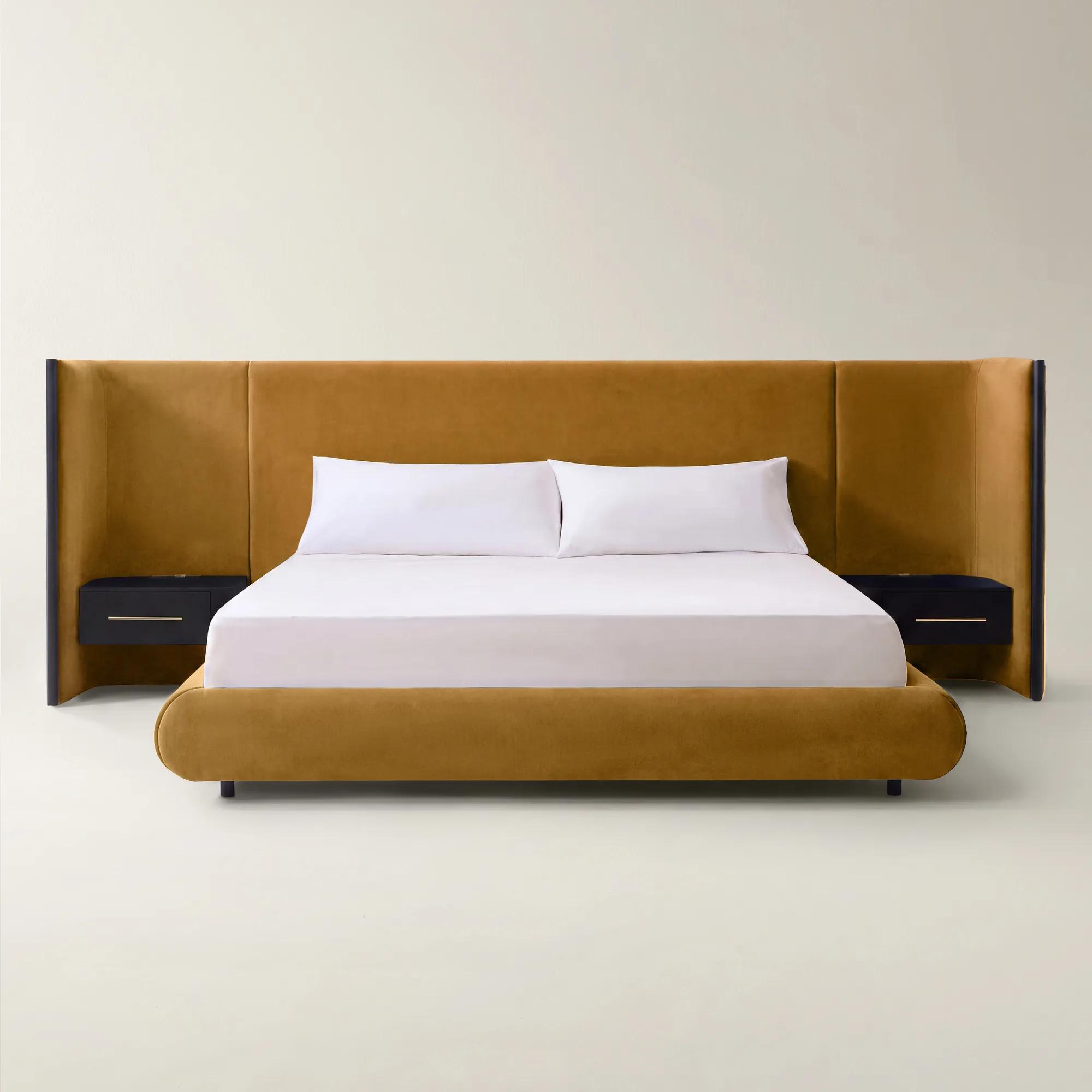 Sierra Roasted Pecan Velvet Upholstered Queen Bed With Nightstands$2699
A roasted pecan velvet platform bed featuring an extended headboard, black wood trim, and floating nightstands.
Add To Cart -
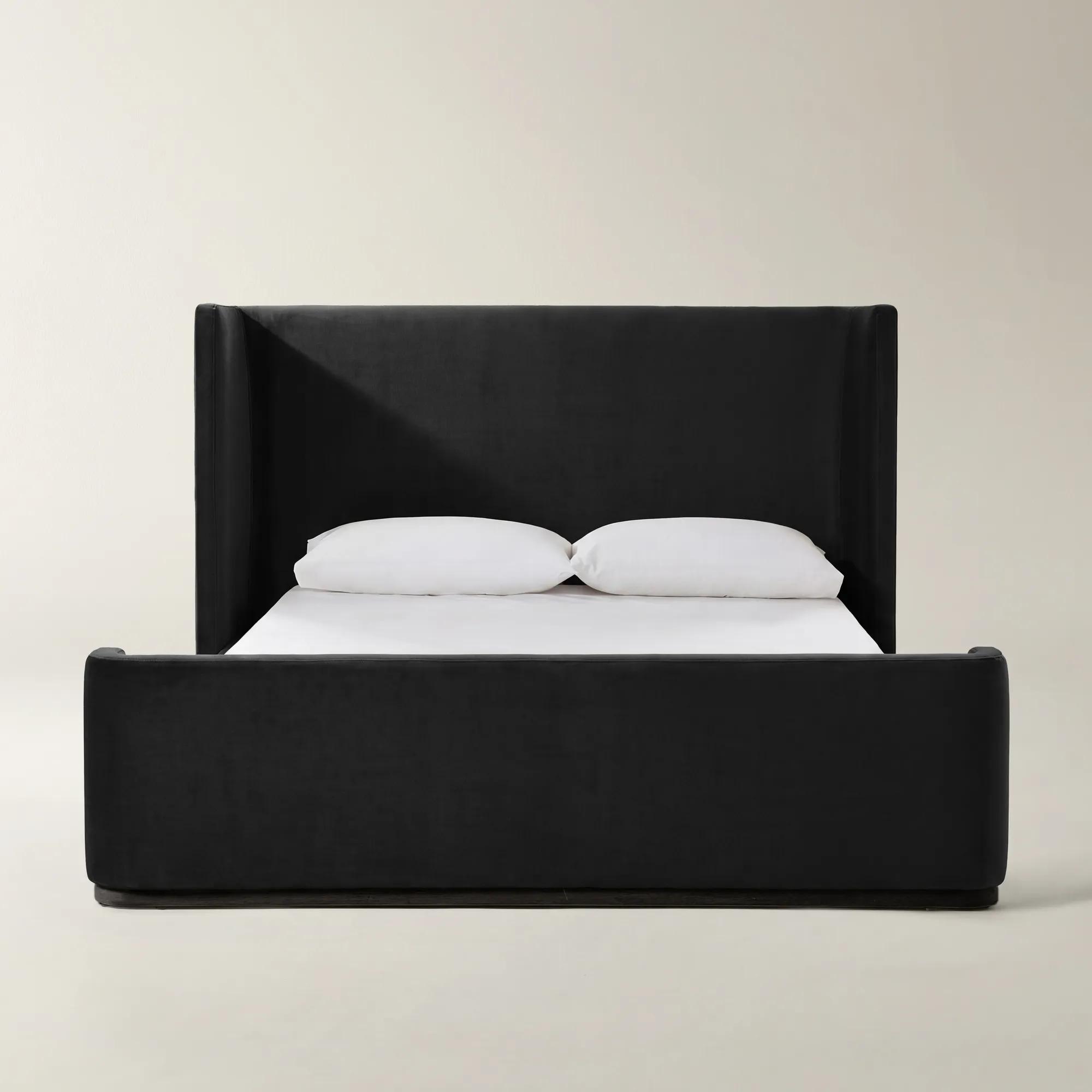
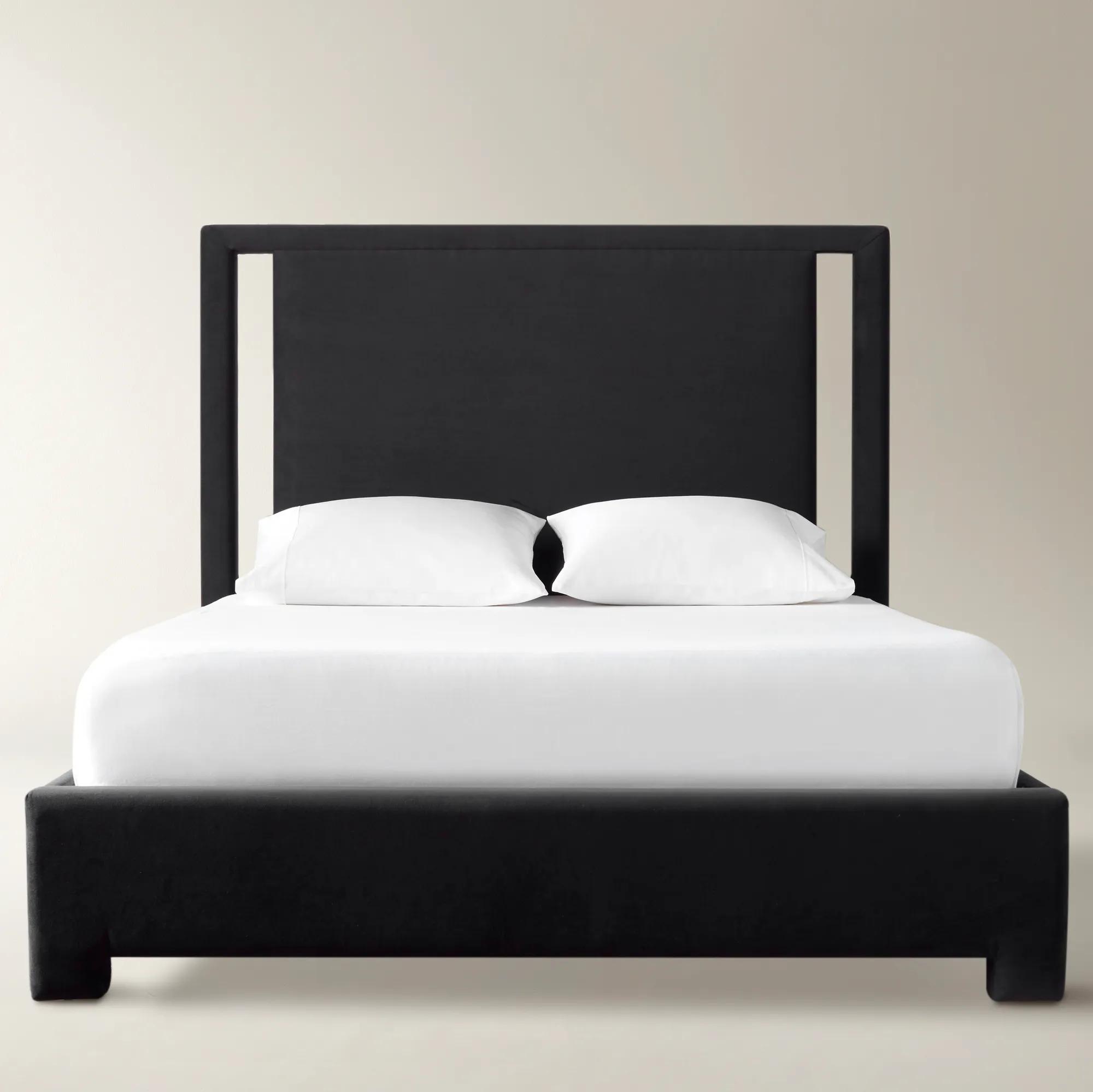
 Stria Charcoal Velvet Upholstered Queen Platform Bed$2299
A charcoal velvet upholstered platform bed with a sculptural wingback headboard and FSC-certified solid oak base.
Add To Cart -
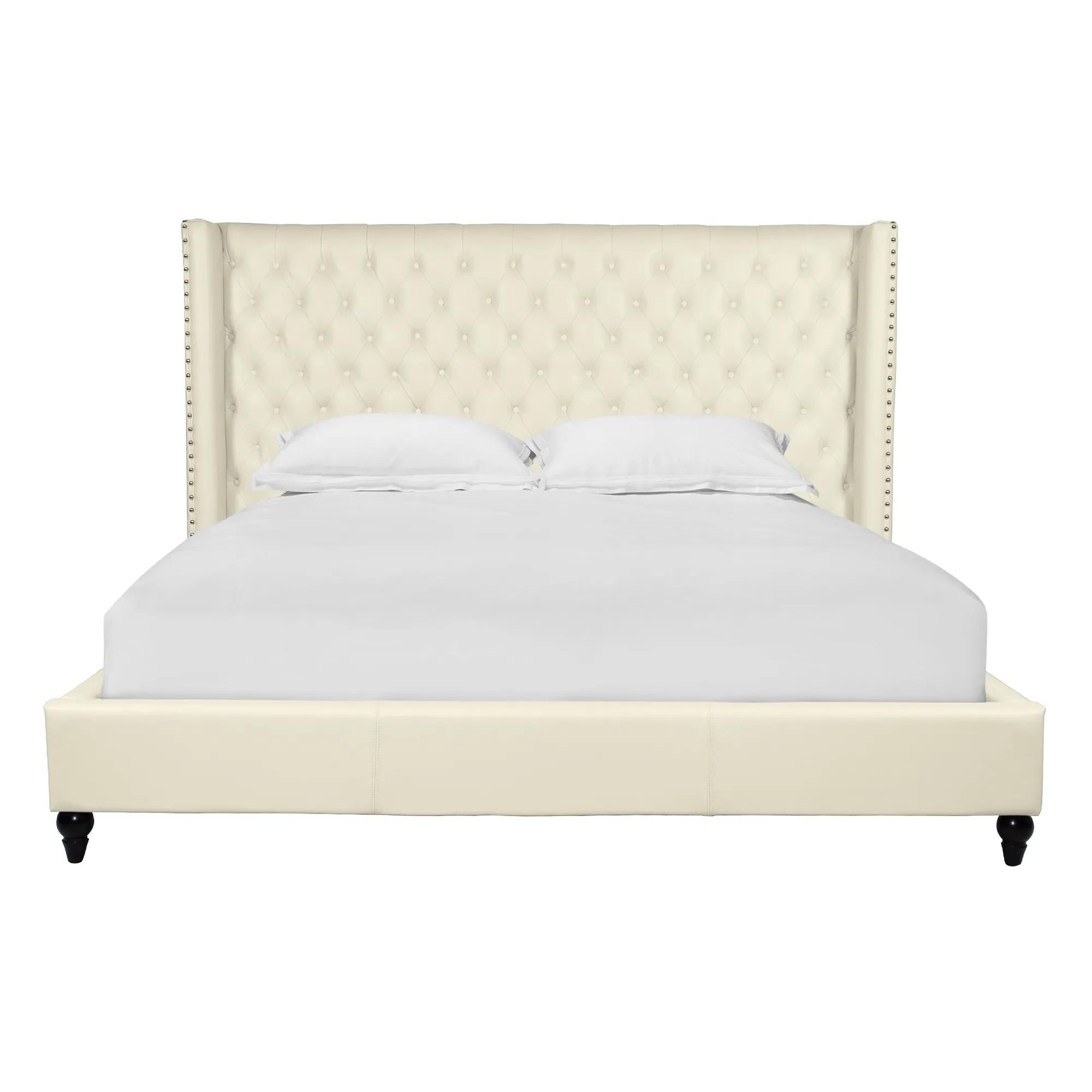
Stria Ivory Performance Chenille Upholstered Queen Platform Bed$2299
An ivory chenille wingback bed with plush upholstery and a hand-finished solid oak base for modern comfort.
Add To Cart -
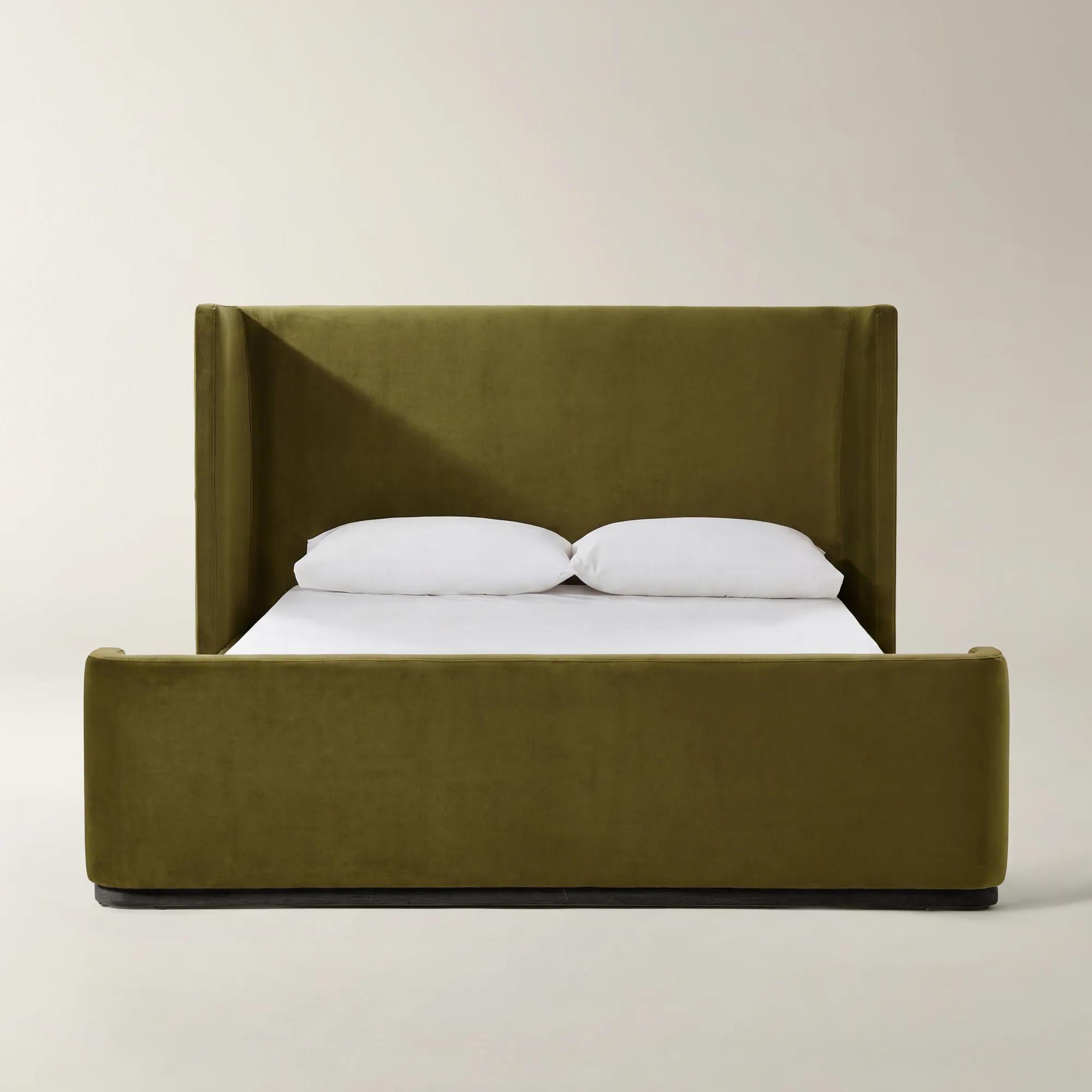 Stria Deep Olive Velvet Upholstered Queen Platform Bed$2299
A deep olive velvet bed with a sculptural wingback headboard, supportive cushioning, and FSC-certified oak base.
Add To Cart -
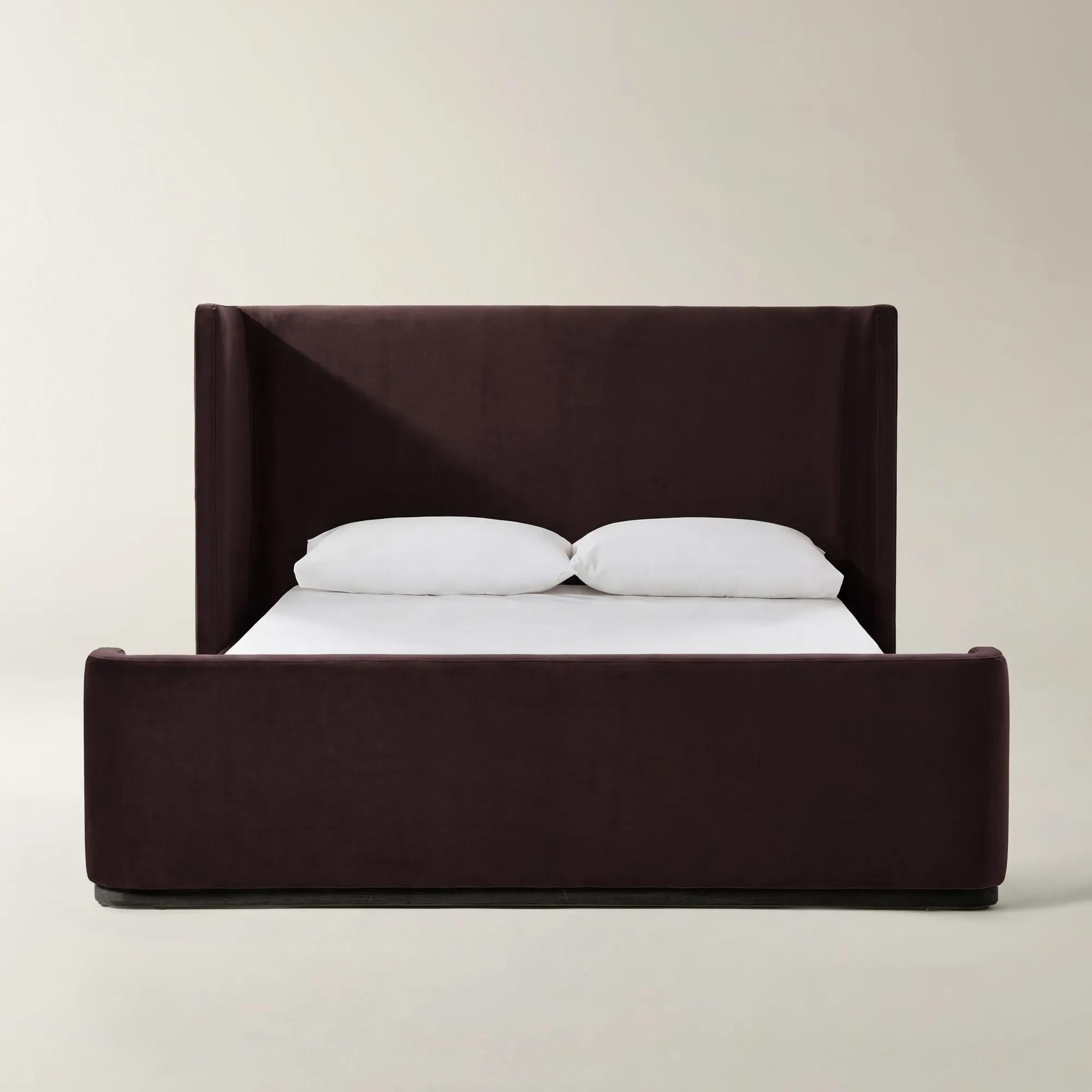 Stria Fig Velvet Upholstered Queen Platform Bed$2299
A sculptural fig velvet wingback platform bed with an FSC-certified oak base and supportive foam-padded construction.
Add To Cart -
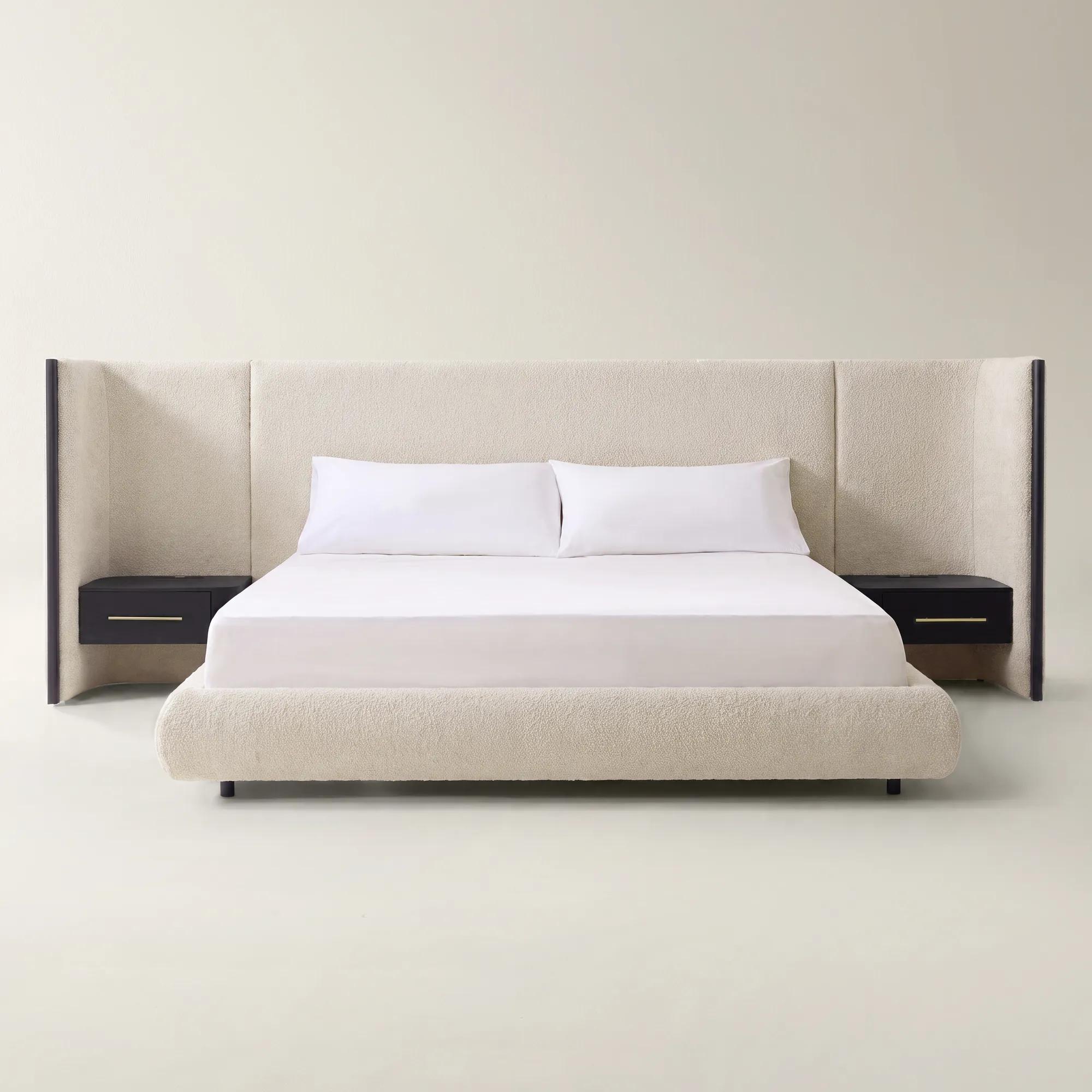
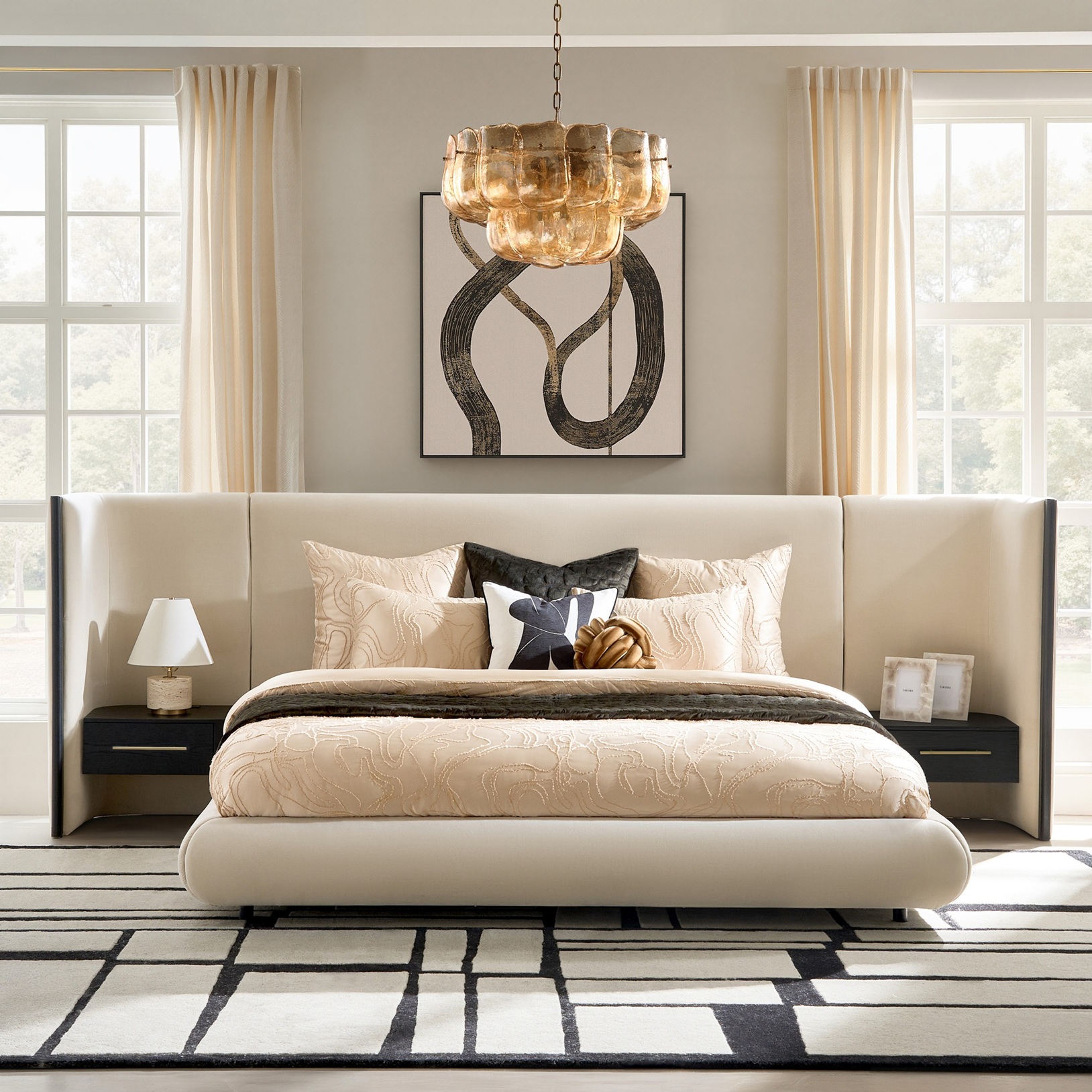 Sierra Ivory Performance Boucle Upholstered Queen Bed With Nightstands$2799
An ivory performance boucle platform bed featuring an extended headboard, floating nightstands, and black wood trim.
Add To Cart -
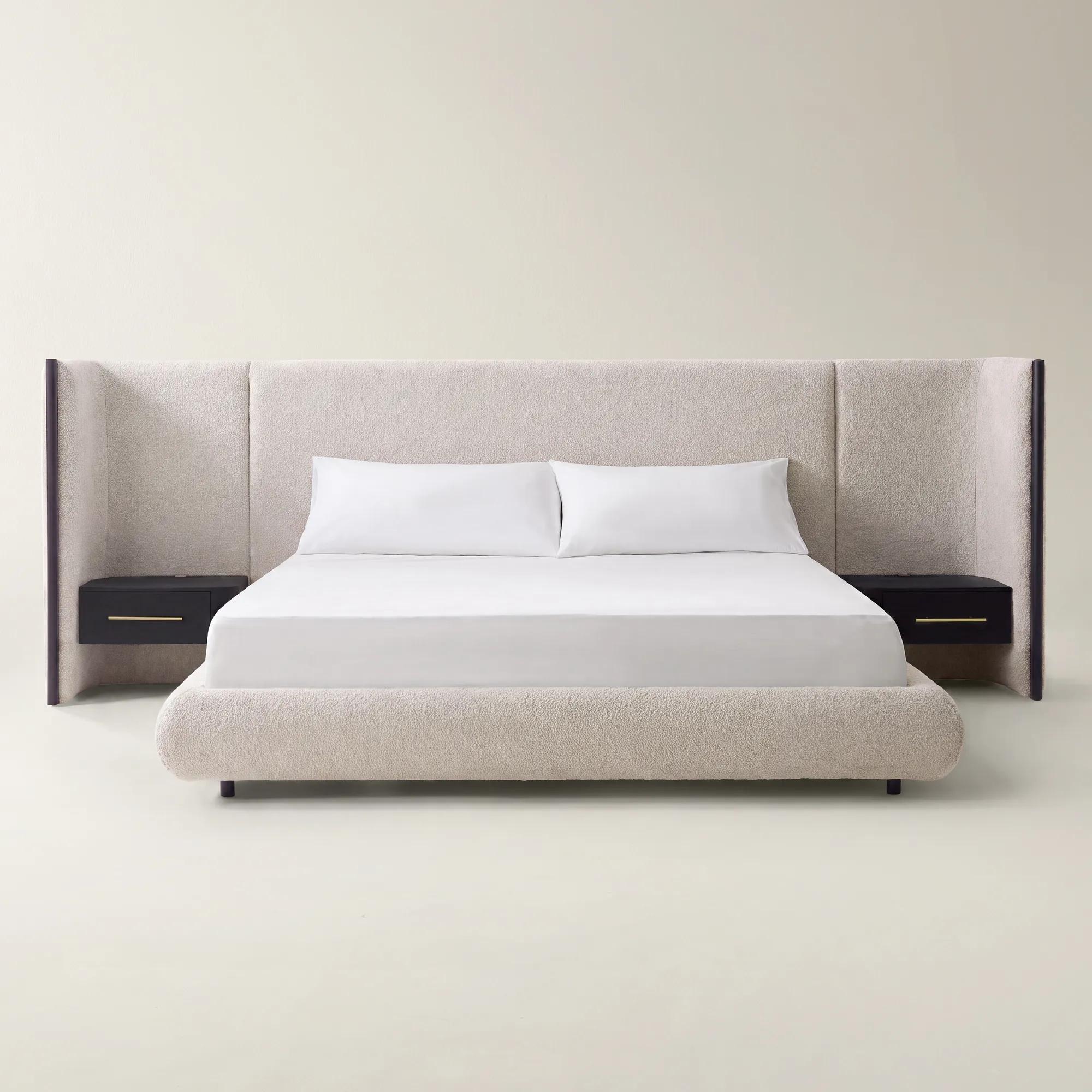 Sierra Ivory Performance Boucle Upholstered Queen Bed With Nightstands$2799
A modern ivory performance boucle platform bed featuring an extended headboard, black wood trim, and floating nightstands.
Add To Cart -
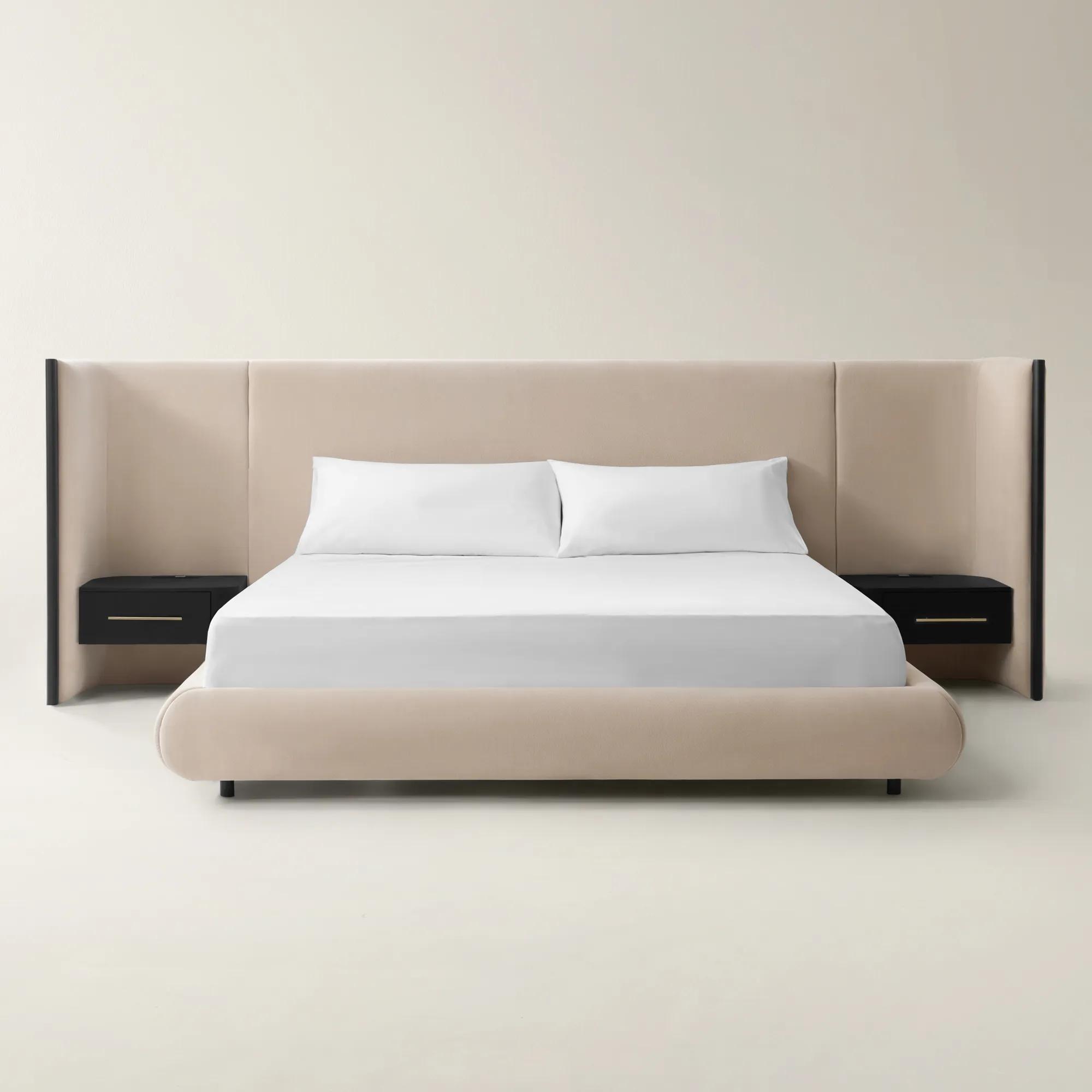
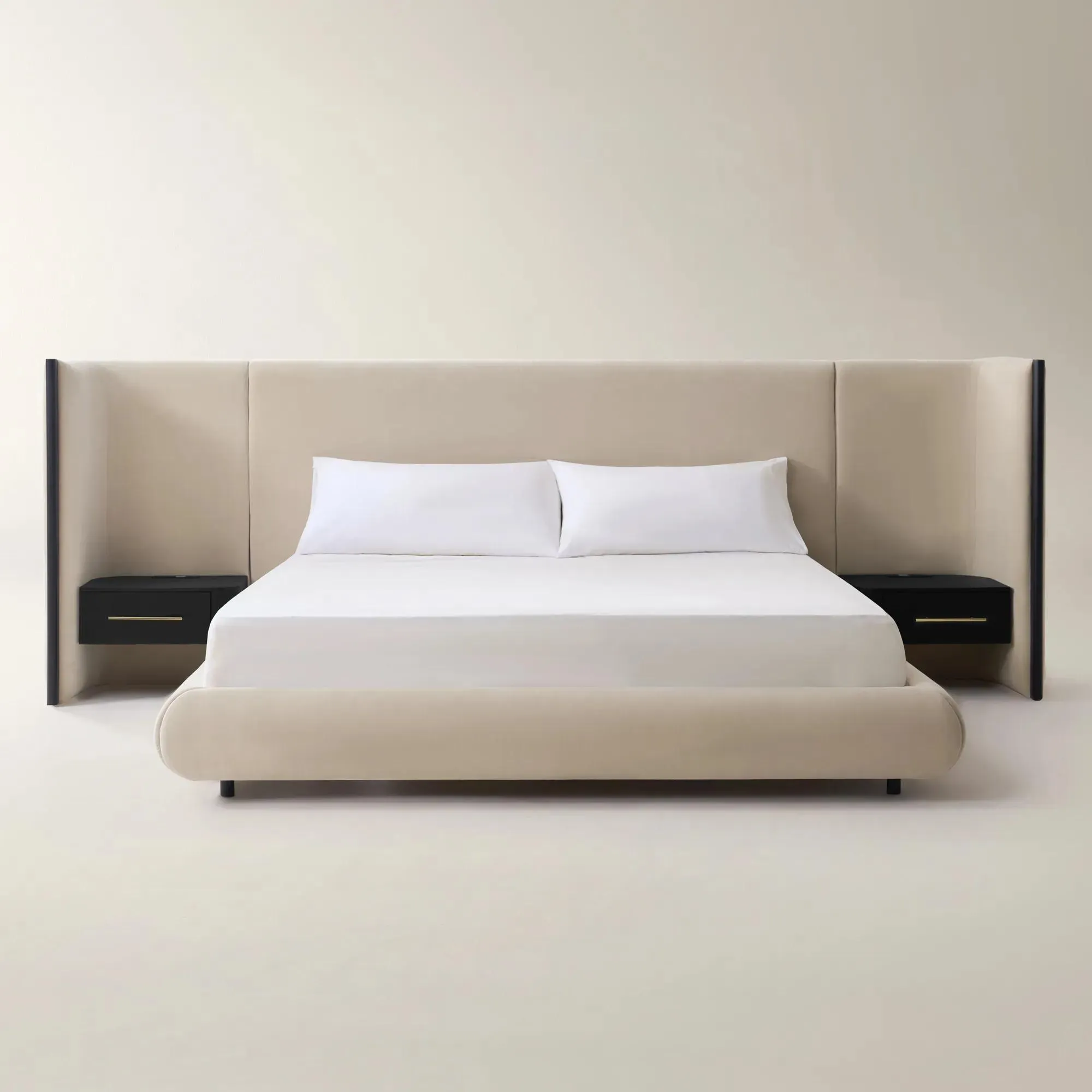 Sierra Simply Taupe Velvet Upholstered Queen Bed With Nightstands$2699
A taupe velvet platform bed featuring an extended headboard, black wood trim, and floating nightstands.
Add To Cart

Designer Queen Size Beds
Designer queen size beds transform the ordinary bedroom into a sanctuary of high style and unapologetic self-expression. Each piece is a bold invitation to dream bigger, where sculptural silhouettes and sumptuous materials set the stage for nightly escapes into luxury. With every curve and detail, these beds become the centerpiece of your personal gallery—commanding attention, radiating confidence, and elevating the art of rest. For those who believe that sleep should be as dazzling as their days, designer queen size beds promise a canvas worthy of your most inspired visions.
Designer queen-size beds bring expressive silhouettes, considered materials, and a distinctive focal point to the bedroom while accommodating a standard queen mattress, typically 60 inches wide by 80 inches long. Their appeal lies in the balance between presence and proportion: generous enough for two sleepers, yet adaptable to many primary bedrooms, guest suites, and thoughtfully arranged apartments. A beautifully composed bed gives the entire room direction, whether its character comes from a sweeping upholstered headboard, precise channel detailing, sculptural curves, or richly finished wood. Tall headboards create an architectural backdrop for layered pillows, while lower profiles leave more visual space for oversized artwork and dramatic lighting. Deep tufting lends upholstery a dimensional, tailored quality; smooth panels offer a quieter surface that lets shape, texture, and color take the lead. Velvet can catch the light with a luminous depth, woven upholstery introduces tactile richness, and wood brings natural variation that contrasts elegantly with polished accents. Metal details, when present, can sharpen the silhouette or add a gleaming punctuation to the design. These material choices influence more than appearance. A padded headboard can make sitting up with a novel more comfortable, while an exposed wood or metal frame offers a defined outline without the fabric-care requirements of upholstery. The distinction between an ordinary bed and a design statement often rests in proportions: the depth of a side rail, the curve of a corner, or the relationship between the headboard and its supporting base. Designer queen beds can anchor a glamorous retreat without overwhelming it, especially when neighboring furniture echoes one finish or repeats a subtle curve rather than competing for attention. For a couple furnishing a primary bedroom, a single sleeper seeking a more generous sleep surface, or a host creating an inviting guest room, the queen format offers an appealing middle ground. It makes space for everyday rest while giving the bedroom a deliberate, personal point of view.
The proportions of queen-size bed frames deserve as much attention as their visual impact, because mattress dimensions do not describe the full footprint of the furniture. Upholstered rails, extended platforms, substantial footboards, and curved headboards can add width or length beyond the mattress itself. In a room with a dresser opposite the bed, that extra depth affects both the walking path and the space needed to open drawers. A comfortable arrangement often leaves about 30 inches of passage beside the bed where the layout allows, with additional clearance for doors and furniture that open into the room. Headboard height also changes the composition: a dramatic vertical silhouette needs an appropriate relationship to windows, wall art, and ceiling height, while a low platform can feel visually expansive in a room with less wall space. Mattress thickness matters, too, since a deep mattress may conceal tufting or alter the apparent height of the headboard. Beneath the upholstery and finish, construction determines how the bed supports regular use. Solid wood, engineered wood, and metal can each play useful structural roles; durability depends on material quality, joinery, hardware, and the support system working together, rather than a single material name. Reinforced connections and an appropriately designed center support help a queen bed remain stable, while slat spacing must suit the mattress manufacturer’s requirements. Platform beds may support a mattress without a box spring, but that compatibility depends on the individual frame and mattress specifications. Other frames require a separate foundation, which changes the finished sleeping height. Weight limits and assembly requirements are equally important details, particularly for a shared bed or a guest room that welcomes different sleepers. A low-profile design can create a sleek, grounded composition, while a higher sleeping surface offers a different experience when getting in and out of bed. For rooms that can accommodate a broader footprint, Designer King Size Beds provide another scale to consider; a standard king mattress measures 76 inches wide by 80 inches long, adding width without adding length.
Materials give designer queen-size beds their character, and thoughtful care helps preserve that character through daily use. Upholstery is especially expressive because its appearance changes with texture, light, and touch. Velvet’s directional pile may show shading where it has been brushed or pressed, creating variations that are part of the fabric’s visual depth rather than necessarily indicating damage. Woven fabrics have their own texture and wear characteristics, and pale colors tend to reveal marks more readily than deeper shades. In a bedroom shared with pets, fabric texture, snag resistance, and ease of maintenance become particularly relevant alongside color and silhouette. Care should follow the manufacturer’s instructions and the upholstery’s cleaning code: some fabrics permit water-based cleaning, others require solvent-based methods, and some are suitable only for vacuuming or professional attention. Gentle vacuuming with an appropriate upholstery attachment helps remove dust from seams and tufting, while prompt blotting can limit the spread of a spill. Scrubbing, excessive moisture, and untested cleaners may affect the fabric or leave visible marks. Finished wood and metal usually benefit from a soft cloth and a cleaner approved for the surface, rather than abrasive products that can dull a lustrous finish. Direct sunlight can fade fabrics and alter wood tones, so the bed’s relationship to a bright window matters over time. Periodic checks of fasteners and supports, performed according to the assembly instructions, help maintain a secure structure. The surrounding layers complete the bed’s expression without needing to disguise it. Crisp bedding can emphasize an elaborate headboard; a textured coverlet can soften a strongly architectural frame. Pillows arranged below distinctive detailing allow the upholstery to remain visible, and a generously scaled rug brings texture beneath the bed while extending beyond its sides. Bedside lighting, balanced nightstands, and a restrained repetition of finishes give even a richly detailed queen bed room to command attention. With proportion, construction, and care considered together, the result is furniture that serves a real daily purpose while making the bedroom feel unmistakably personal.
FAQs
A designer queen size bed stands apart through its elevated artistry, premium materials, and attention to detail. These beds often feature unique silhouettes, statement-making headboards, and luxurious finishes that transform the bedroom into a curated retreat. The craftsmanship and creative vision behind designer beds ensure each piece becomes a focal point, infusing the space with personality and sophistication.
A designer queen bed acts as the centerpiece of the room, setting the tone for the entire design narrative. Whether through dramatic textures, sculptural frames, or reflective finishes, these beds create an immersive environment that feels both inviting and expressive. The right bed can elevate everyday routines, turning the simple act of resting into a moment of indulgence and artistry.
Absolutely. Designer queen beds bring a sense of occasion to any bedroom, making them ideal for both master suites and guest rooms. In a guest space, a thoughtfully chosen designer bed can make visitors feel truly welcomed and pampered, while in a primary bedroom, it becomes a personal sanctuary that reflects your unique style and sensibilities.
Designer queen beds are crafted from a variety of high-quality materials, including solid hardwoods, engineered woods, metals, and sumptuous fabrics such as velvet or linen. Many feature intricate details like fluted woodwork, hand-applied finishes, or plush upholstery, each chosen to enhance both the beauty and durability of the piece.
Yes, designer queen beds are available in a wide array of aesthetics, from bold and contemporary to timeless and classic. Whether your vision leans toward mid-century modern, Hollywood glam, or serene minimalism, there’s a designer bed that can anchor your space and harmonize with your existing décor, allowing you to create a bedroom that feels uniquely yours.