Designer Queen Size Bedding
Designer Queen Size Bedding
-
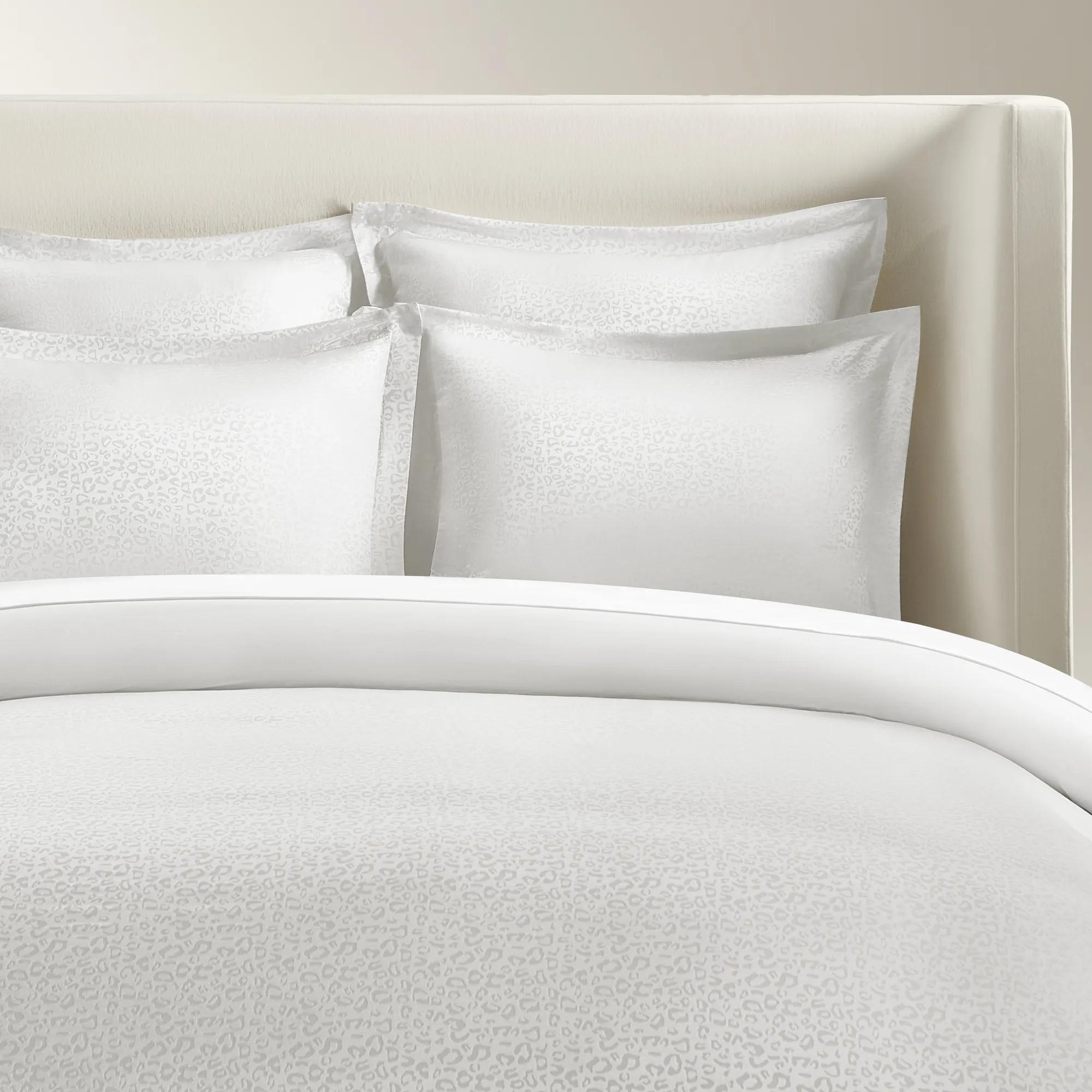
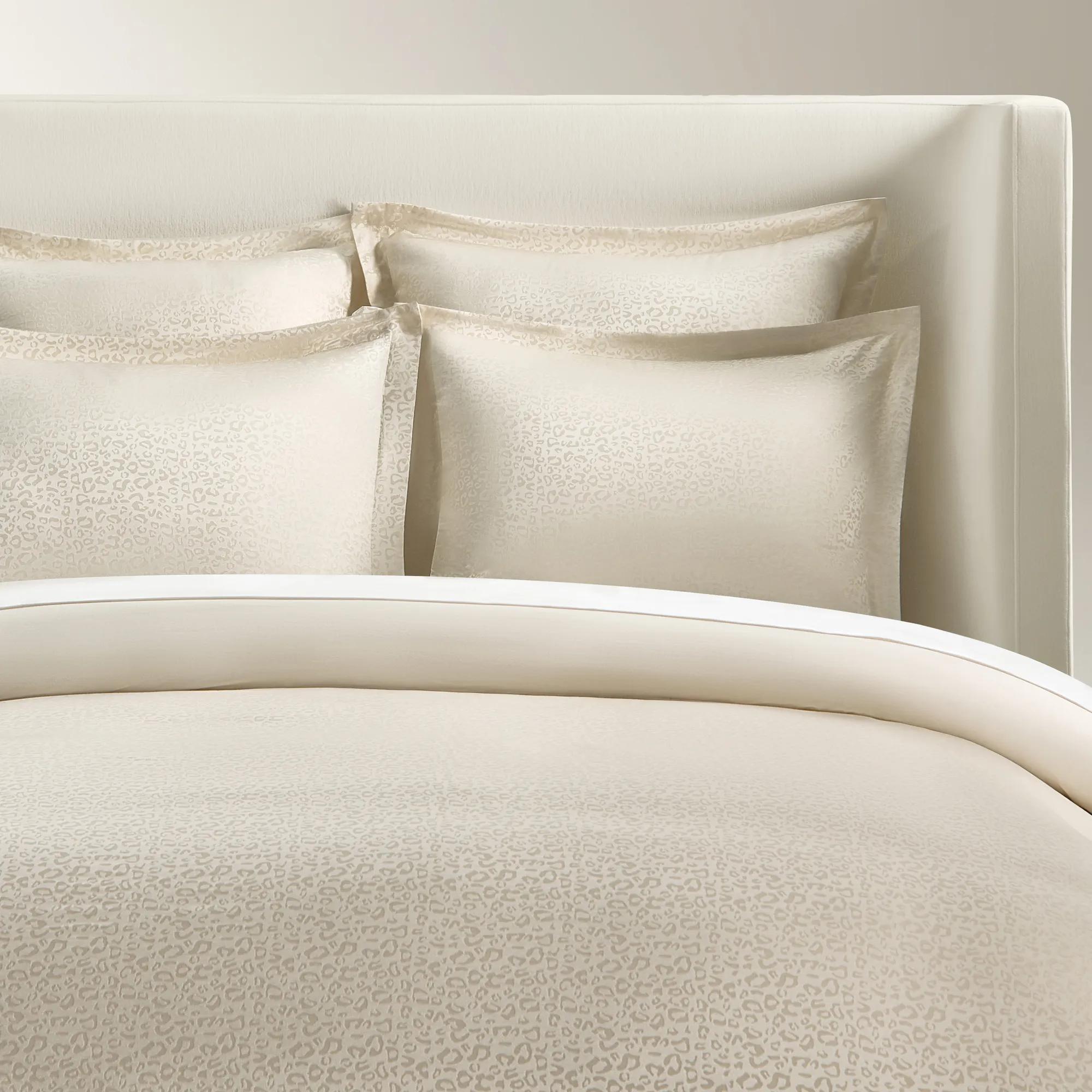
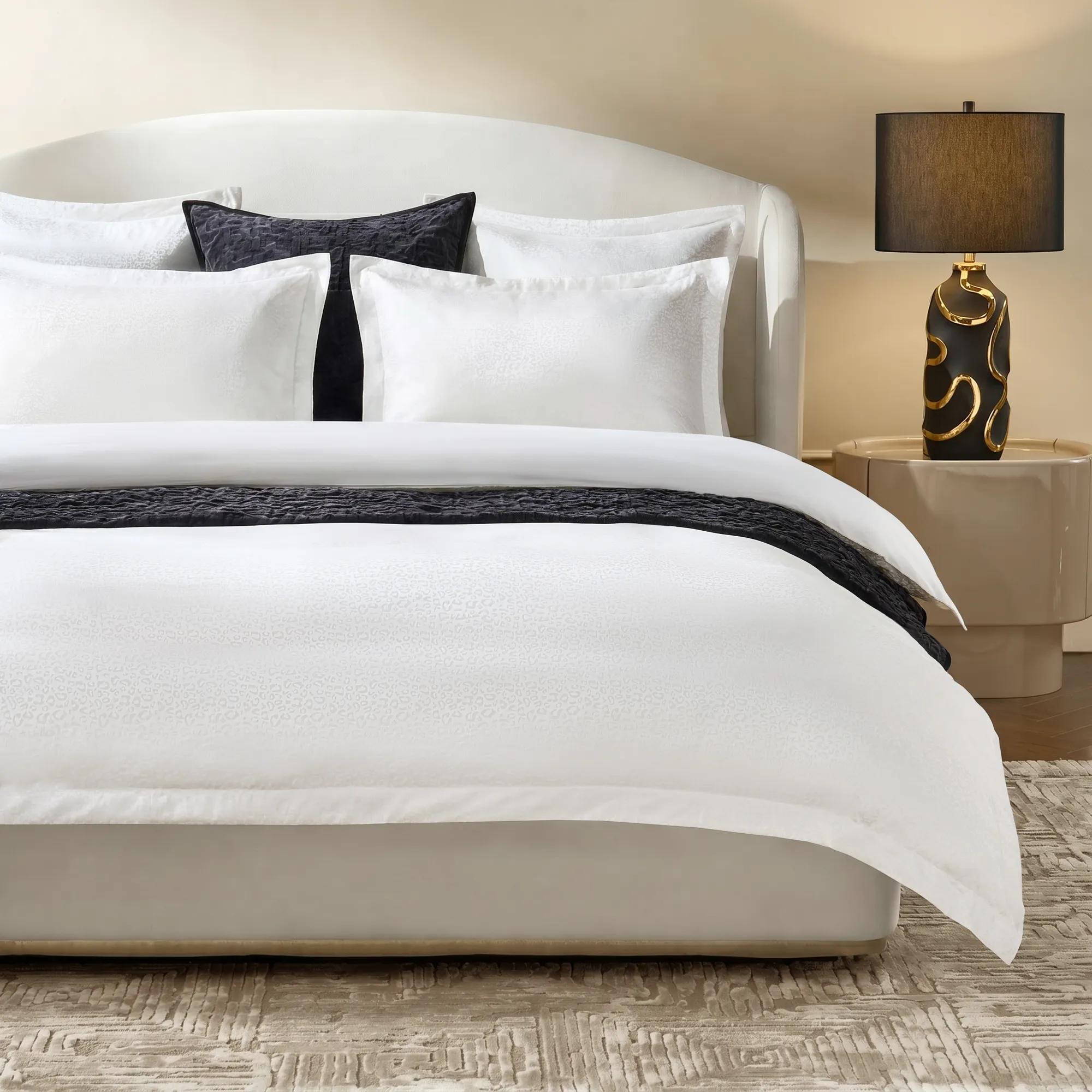 Abi Leopard Cloud White Tencel Bedding Set$249
A cloud white bedding set featuring a tonal leopard print in a smooth Tencel blend with cotton reverse.
Add To Cart -
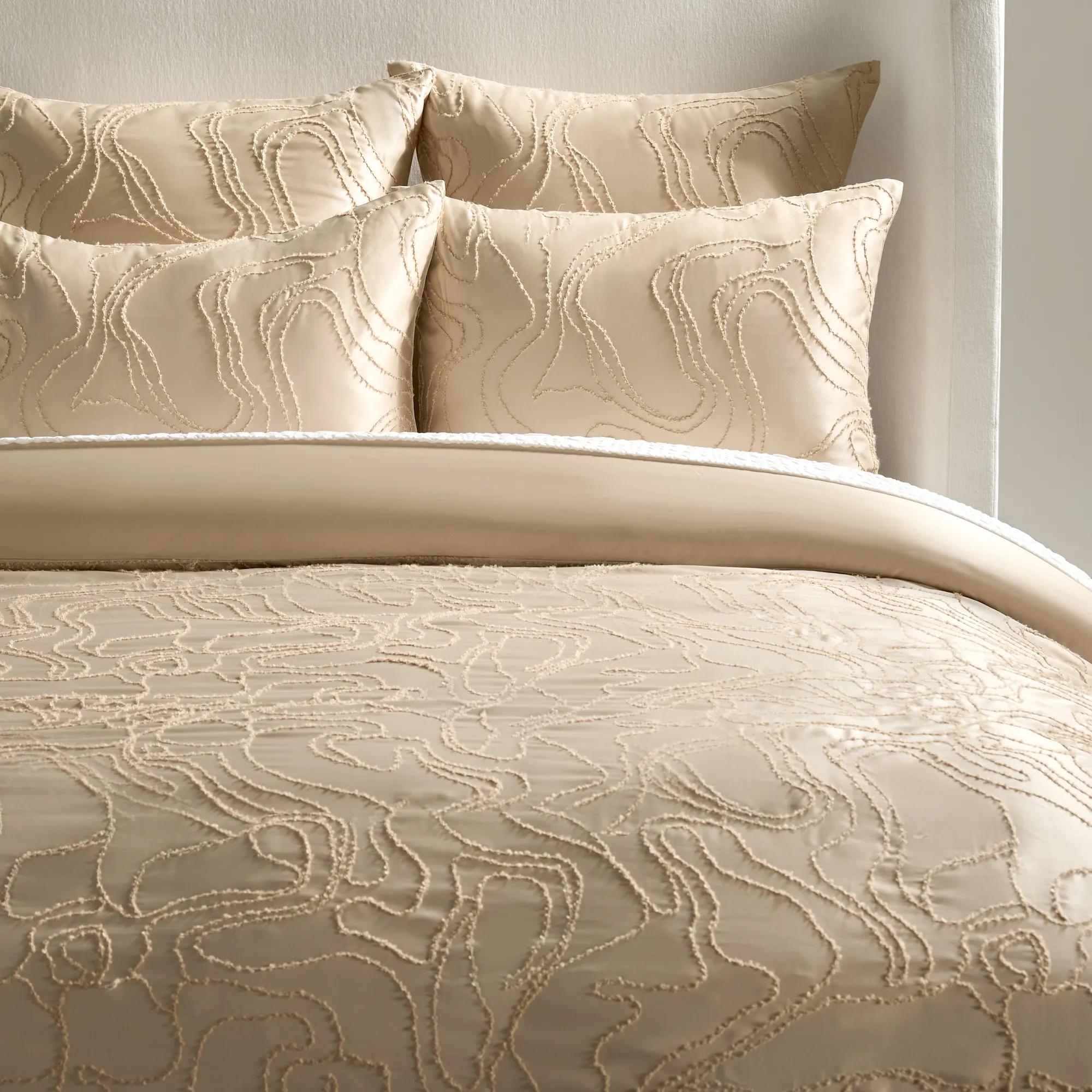 Noa Embroidered Champagne Beige Bedding Set$249
A champagne beige bedding set featuring elegant embroidered detailing for a refined bedroom aesthetic.
Add To Cart -

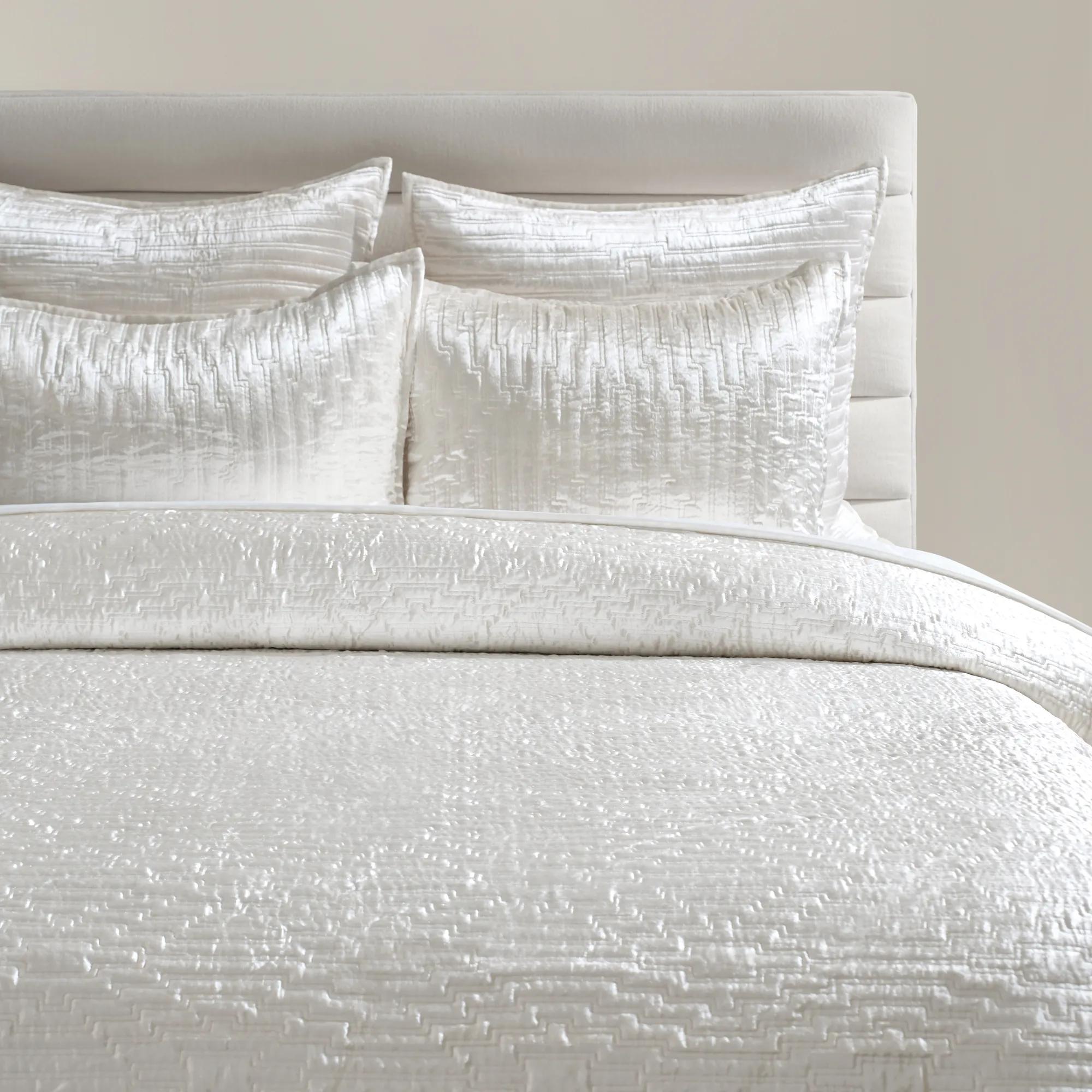
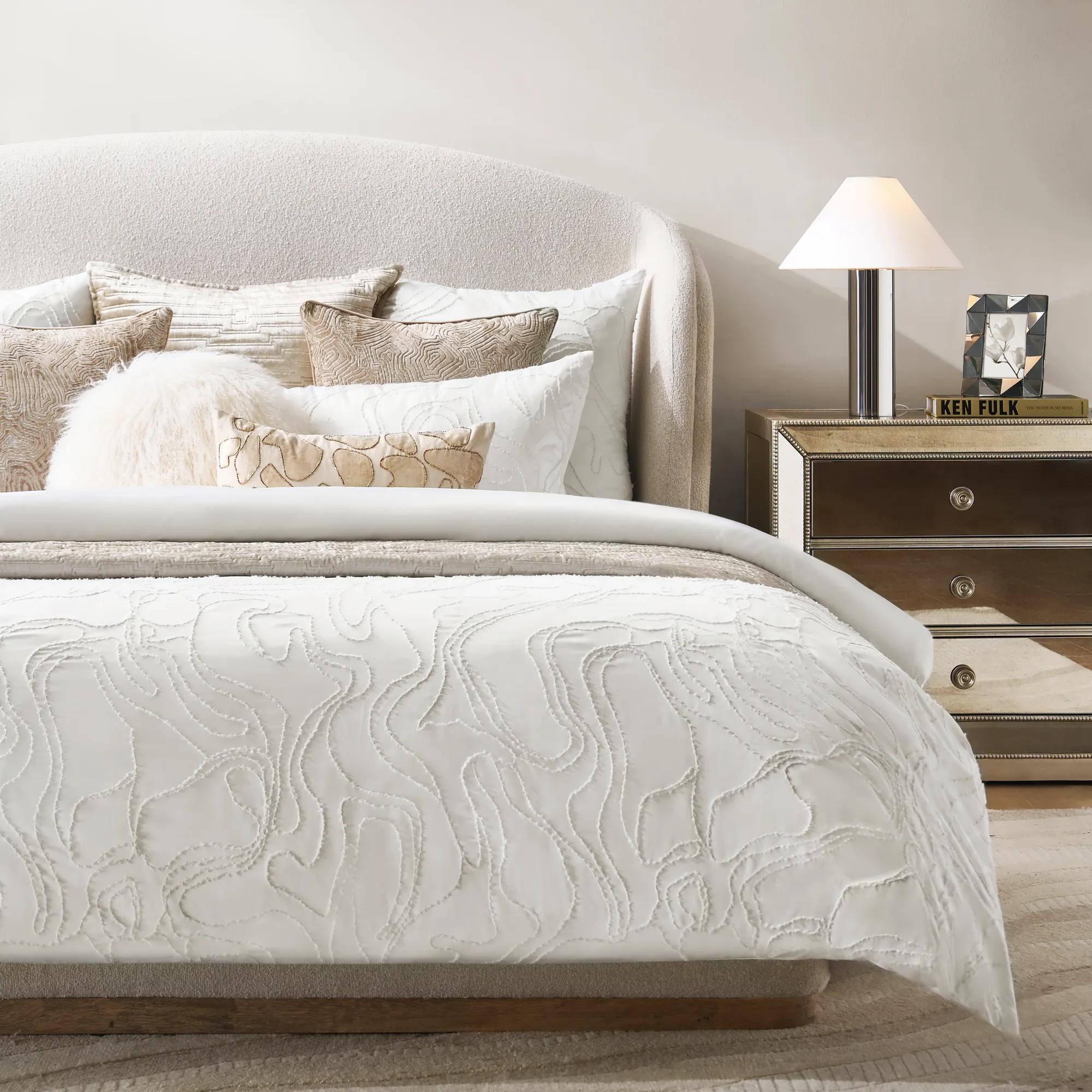 Noa Embroidered Pearl White Bedding Set$229
A luminous pearl satin bedding set featuring an embroidered swirl pattern for a touch of sophisticated elegance.
Add To Cart -
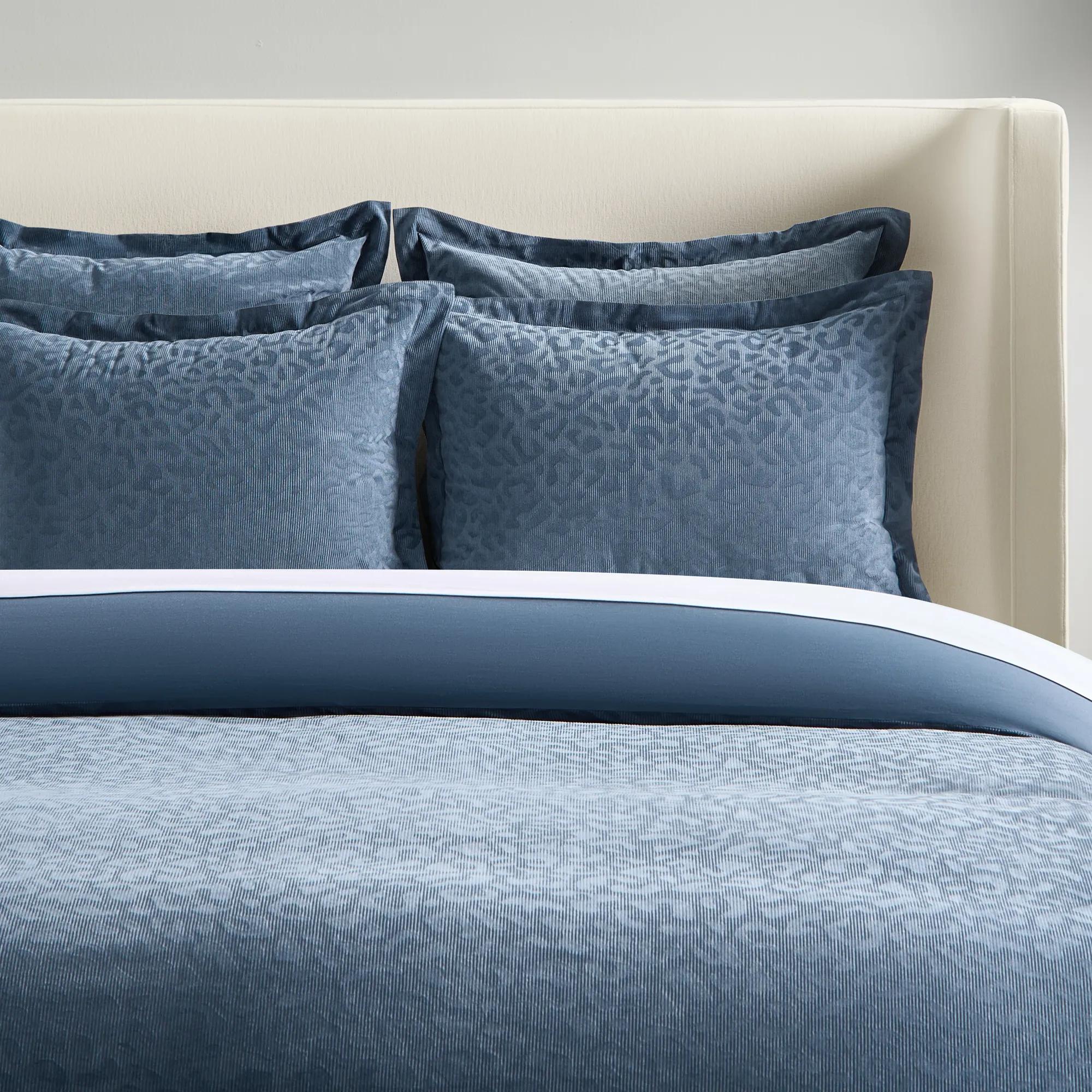
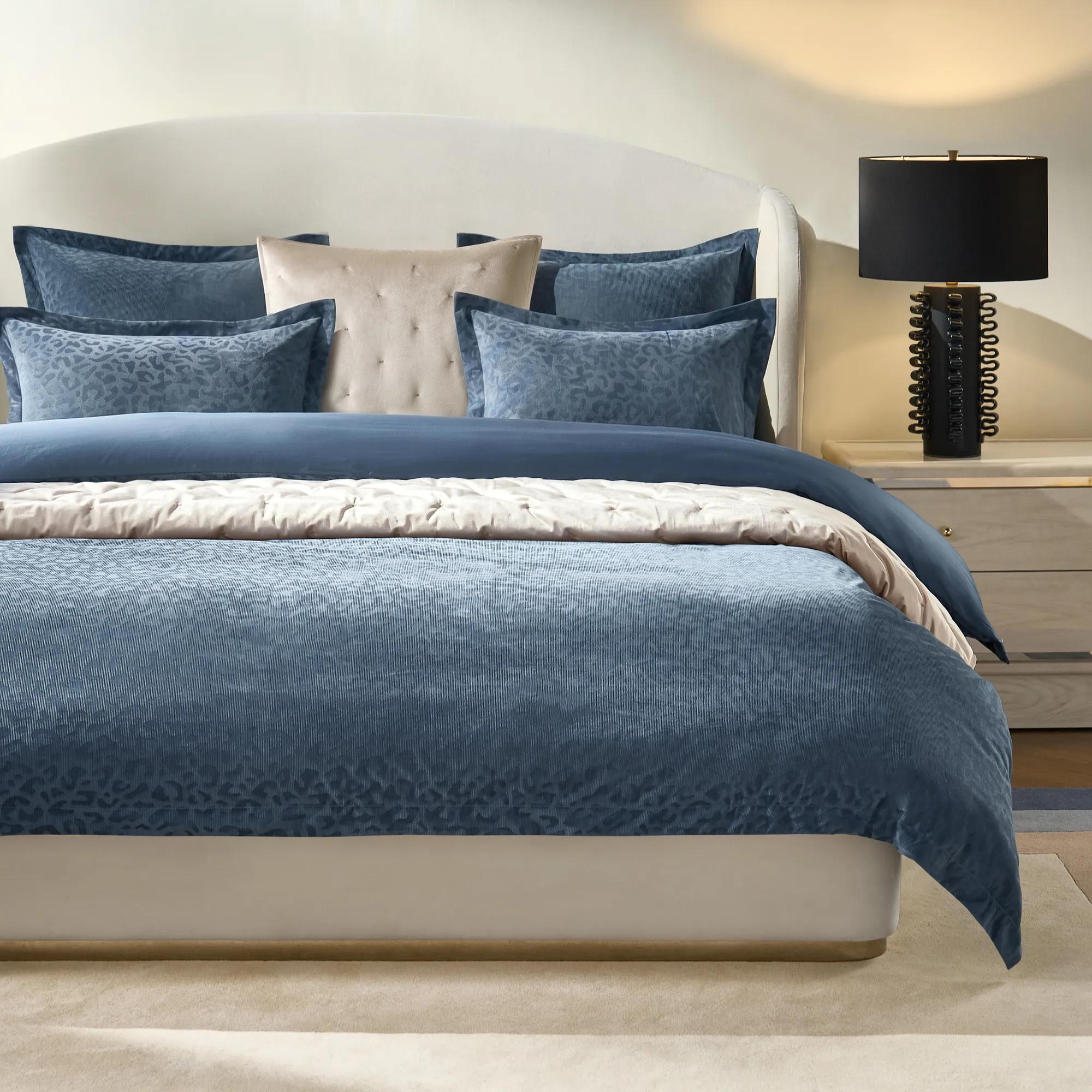 Leopard Dusty Blue Cotton Corduroy Velvet Bedding Set$249
A dusty blue velvet bedding set featuring a tonal leopard print and soft corduroy texture with cotton backing.
Add To Cart -
 Cora Crane Multicolor Satin Bedding Set$179
A smooth satin bedding set featuring a whimsical fig, white, and charcoal crane print with tailored flange edges.
Add To Cart -
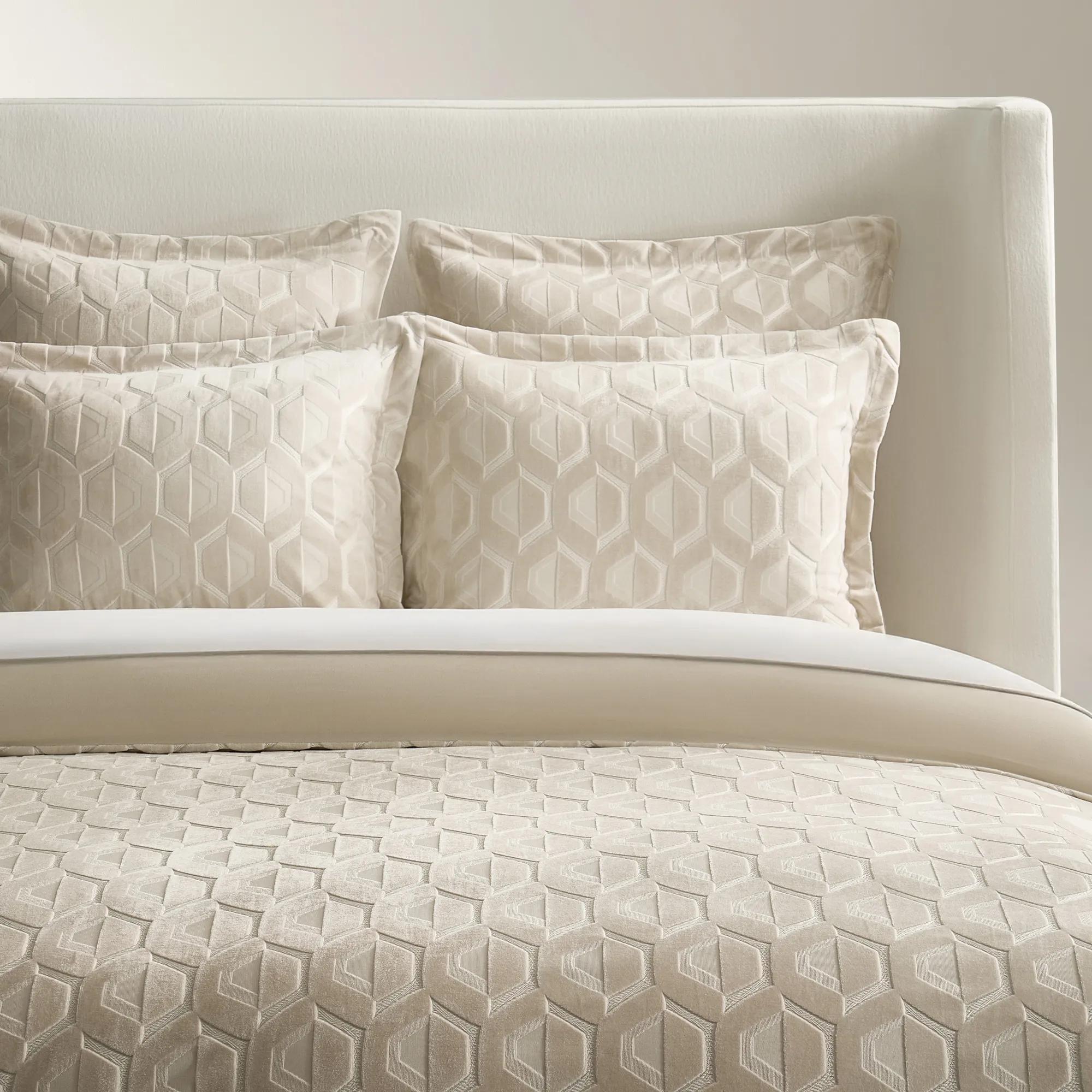 Cielo Alabaster White Geometric Cut Velvet Bedding Set$249
A white cut velvet bedding set with geometric detailing and coordinating duvet and sham covers.
Add To Cart -
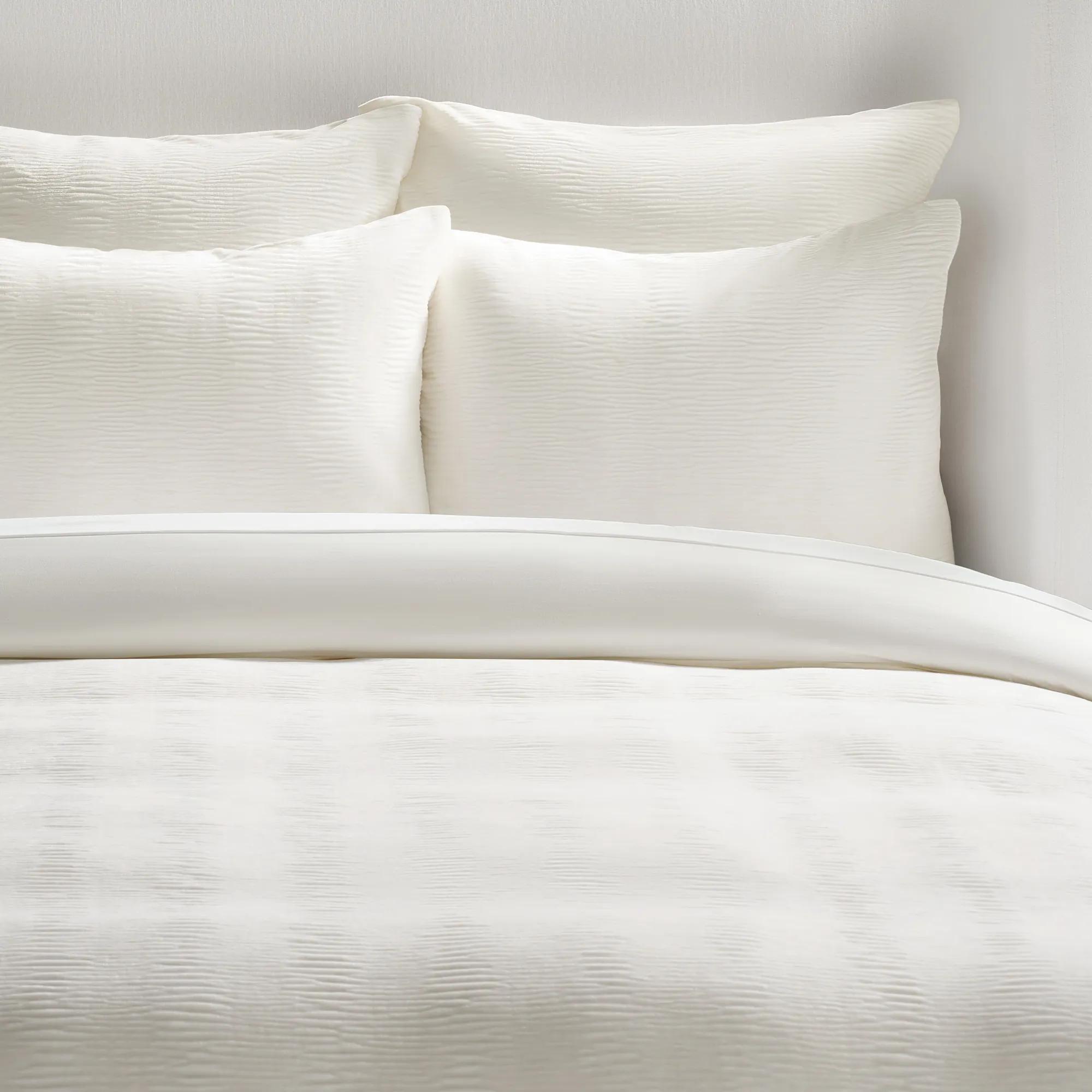 Vera Cloud White Soft Pleated Velvet Bedding Set$249
A cloud-white velvet bedding set featuring soft pleated texture and coordinating duvet and sham covers.
Add To Cart -
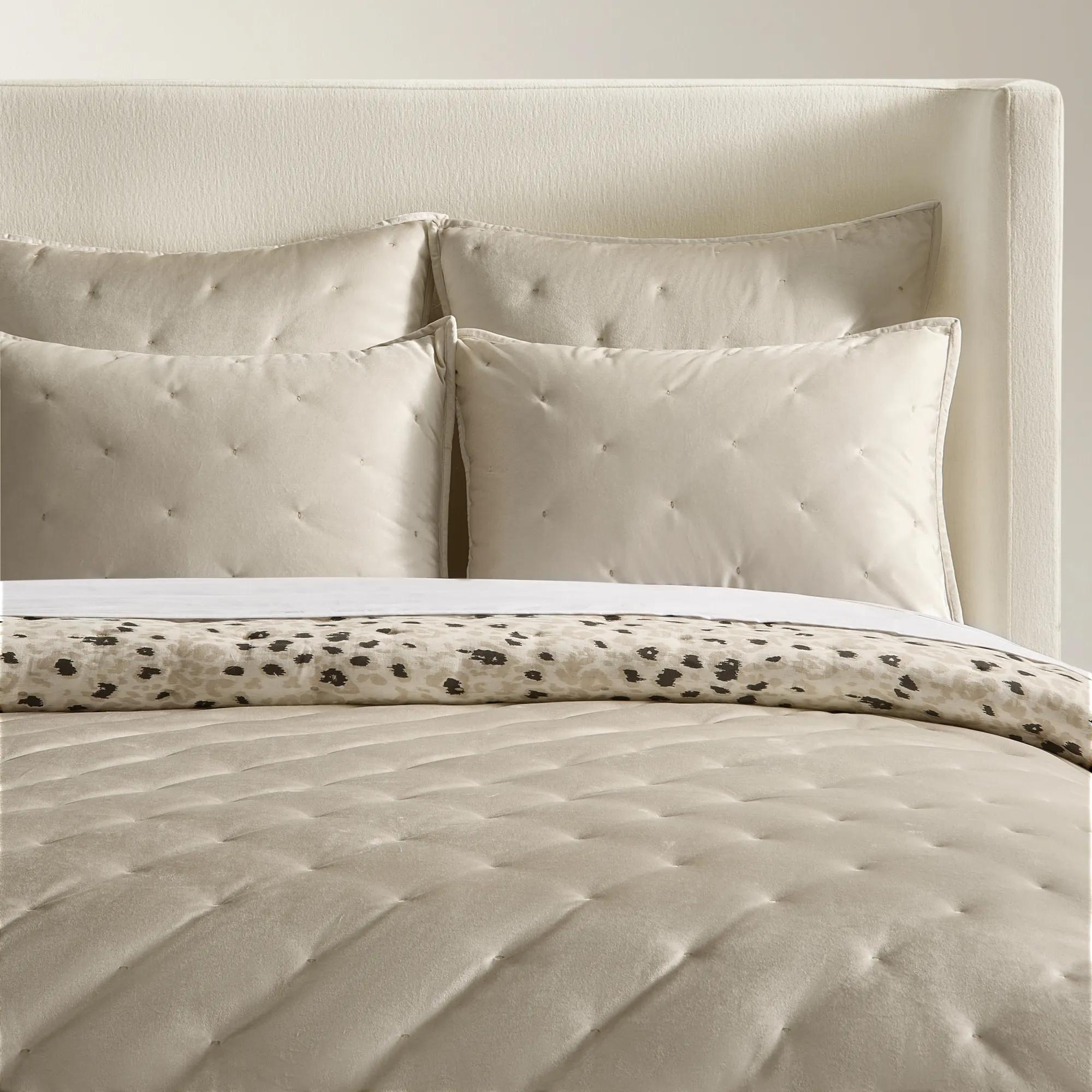 Nemera Alabaster/Leopard Reversible Velvet & Cotton Linen Quilt Set$349
A reversible quilt set featuring plush alabaster velvet on one side and bold leopard print cotton-linen on the other.
Add To Cart -
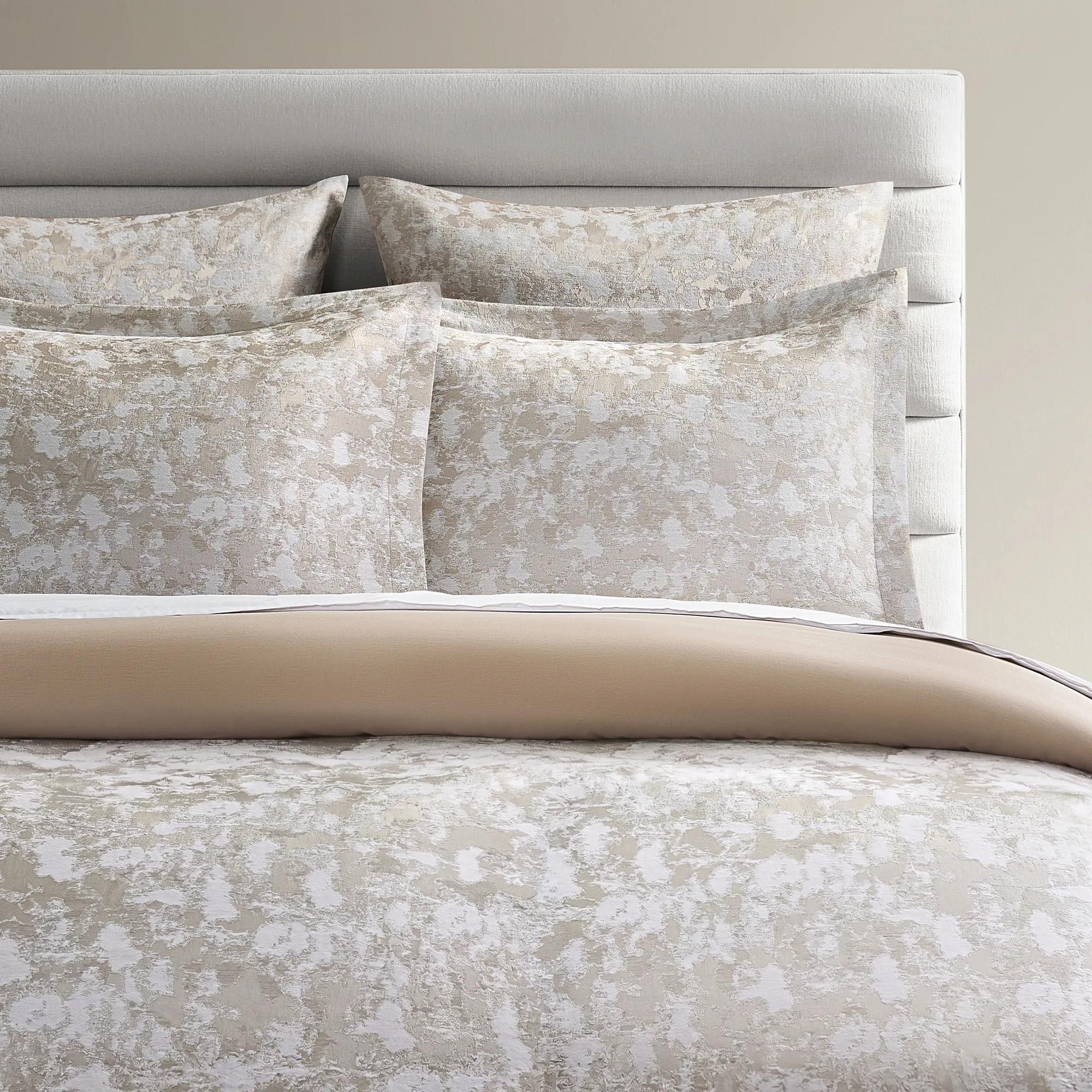 Nimbus Jacquard Metallic Champagne and Silver Bedding Set$229
A cloud-like bedding set in champagne and silver metallic jacquard with a marbled pattern and soft shimmer.
Add To Cart -
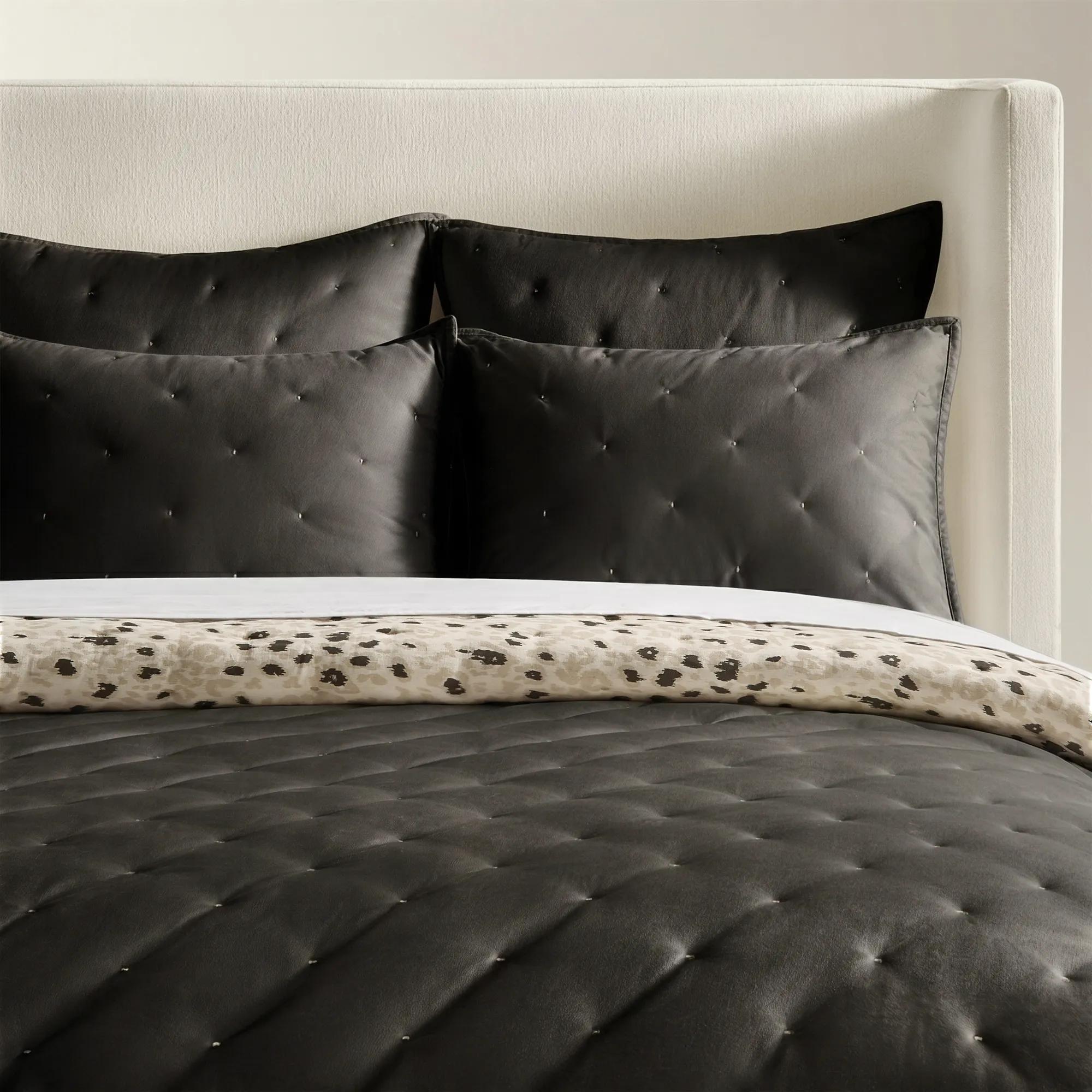
 Nemera Graphite/Leopard Reversible Velvet & Cotton Linen Quilt Set$299
A reversible quilt set featuring plush graphite velvet on one side and bold leopard print cotton-linen on the other.
Add To Cart -
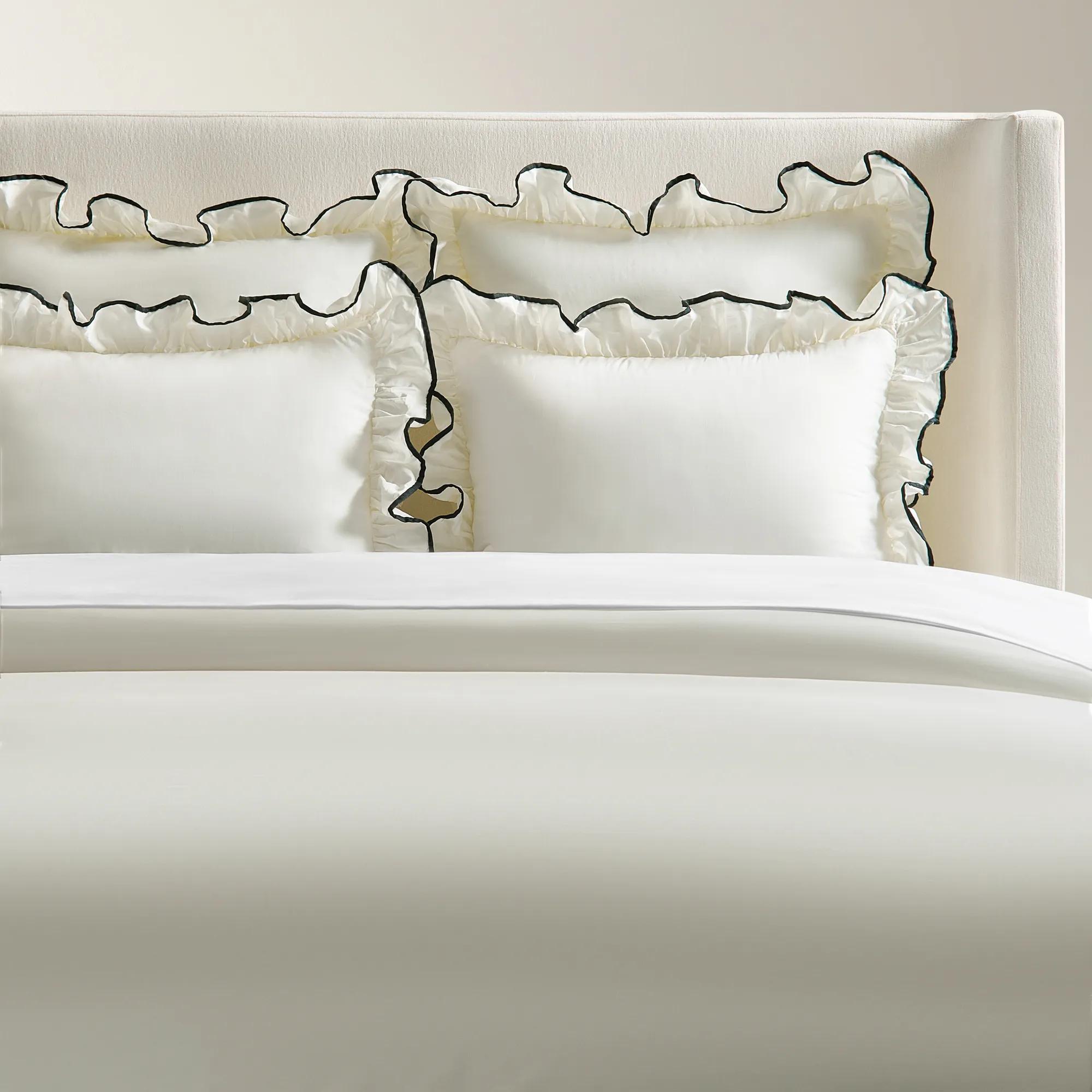
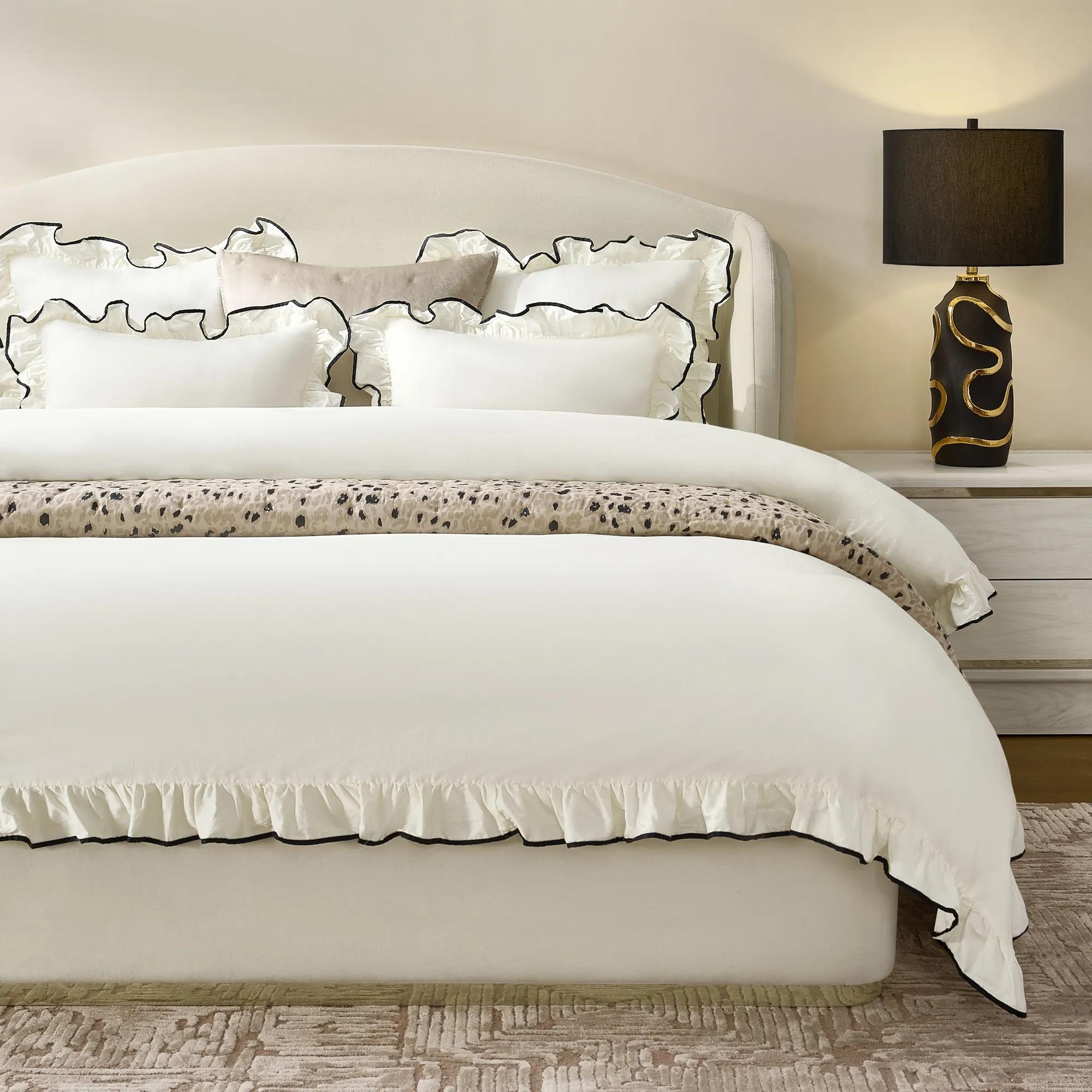 Vittoria Ivory/Black Cotton Percale Ruffle Bedding Set$299
An ivory cotton percale bedding set featuring dramatic black ruffle trim for a crisp, Deco-inspired look.
Add To Cart -
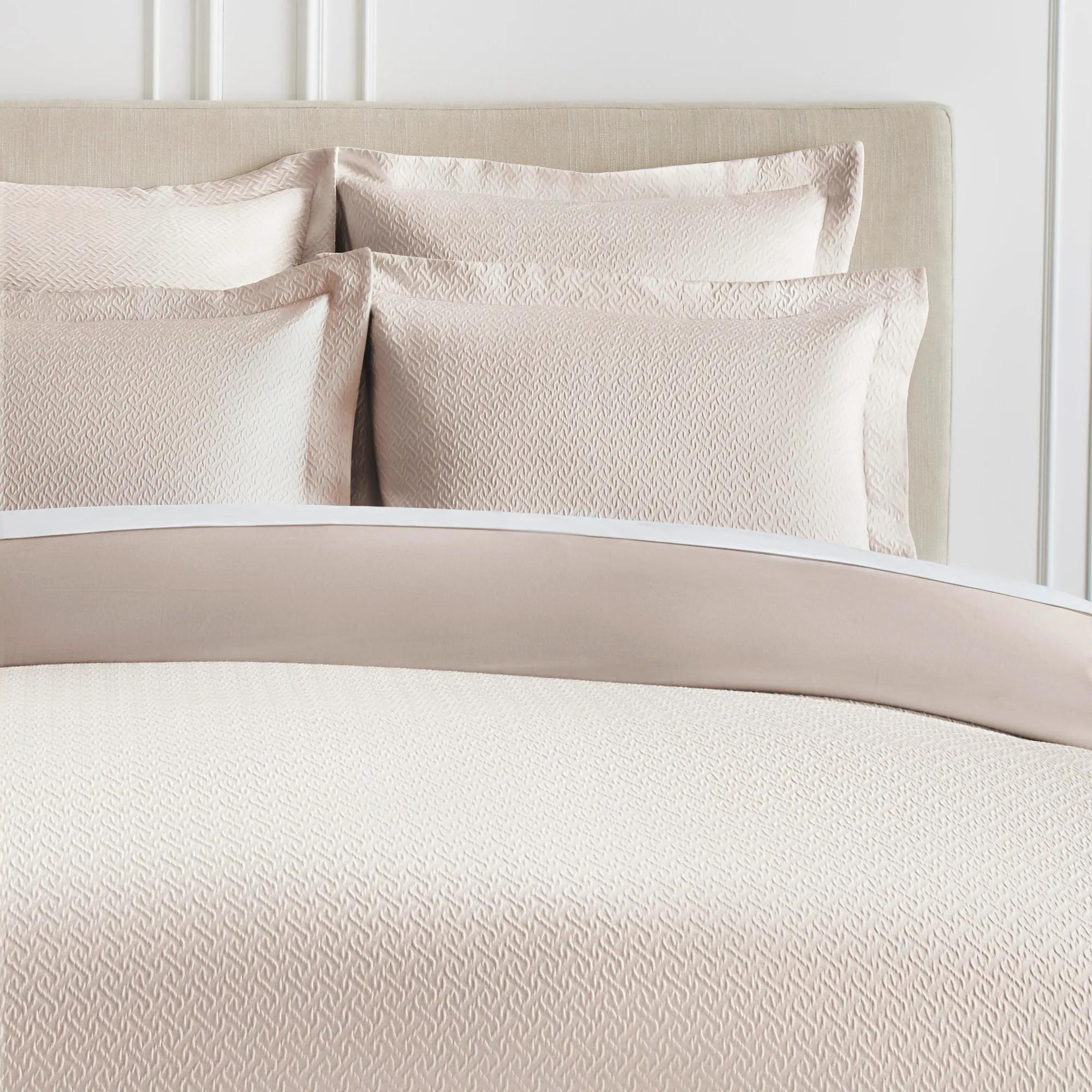
 Marlowe Jacquard Blush Bedding Set$199
A blush jacquard bedding collection offering subtle texture and year-round comfort with a soft cotton blend.
Add To Cart -
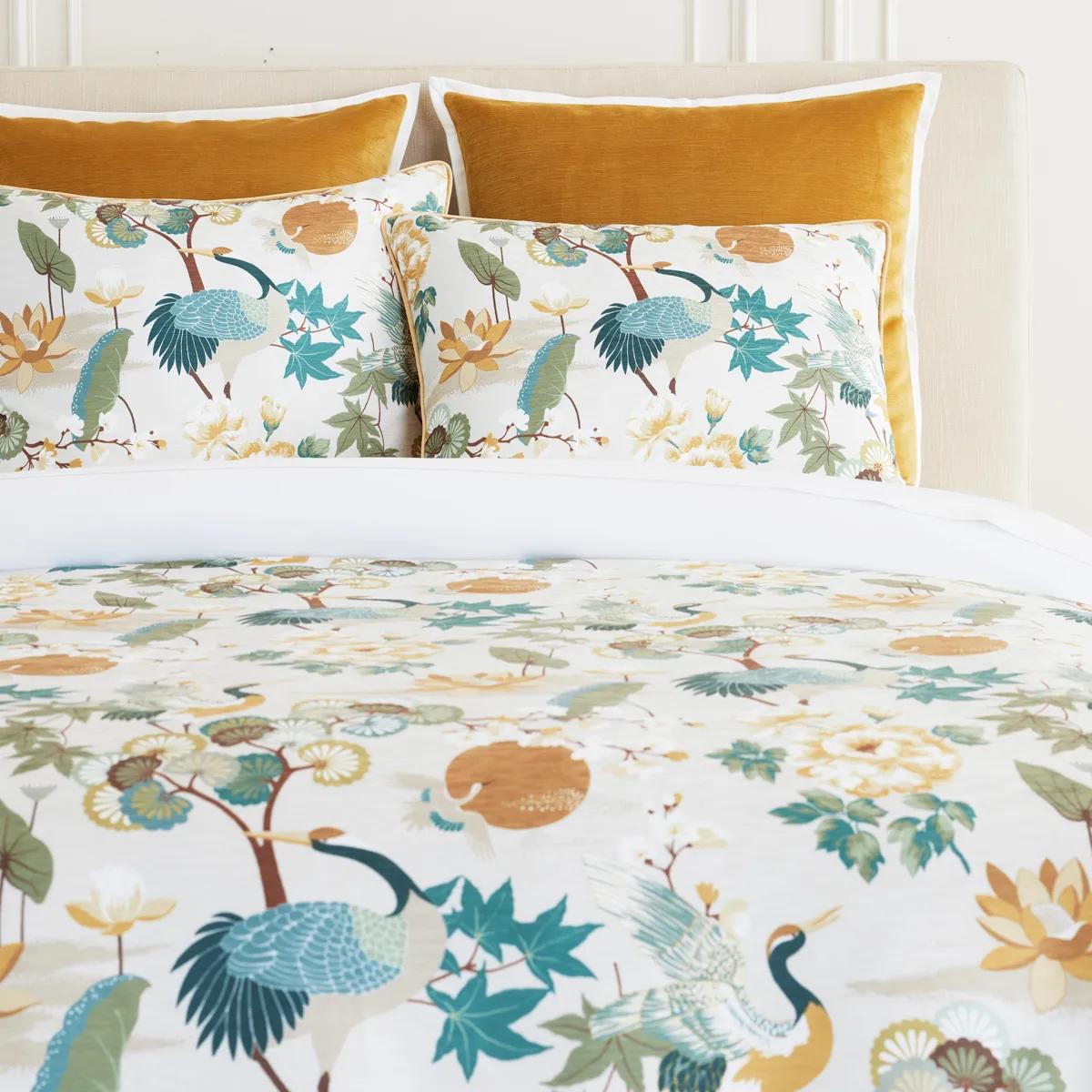
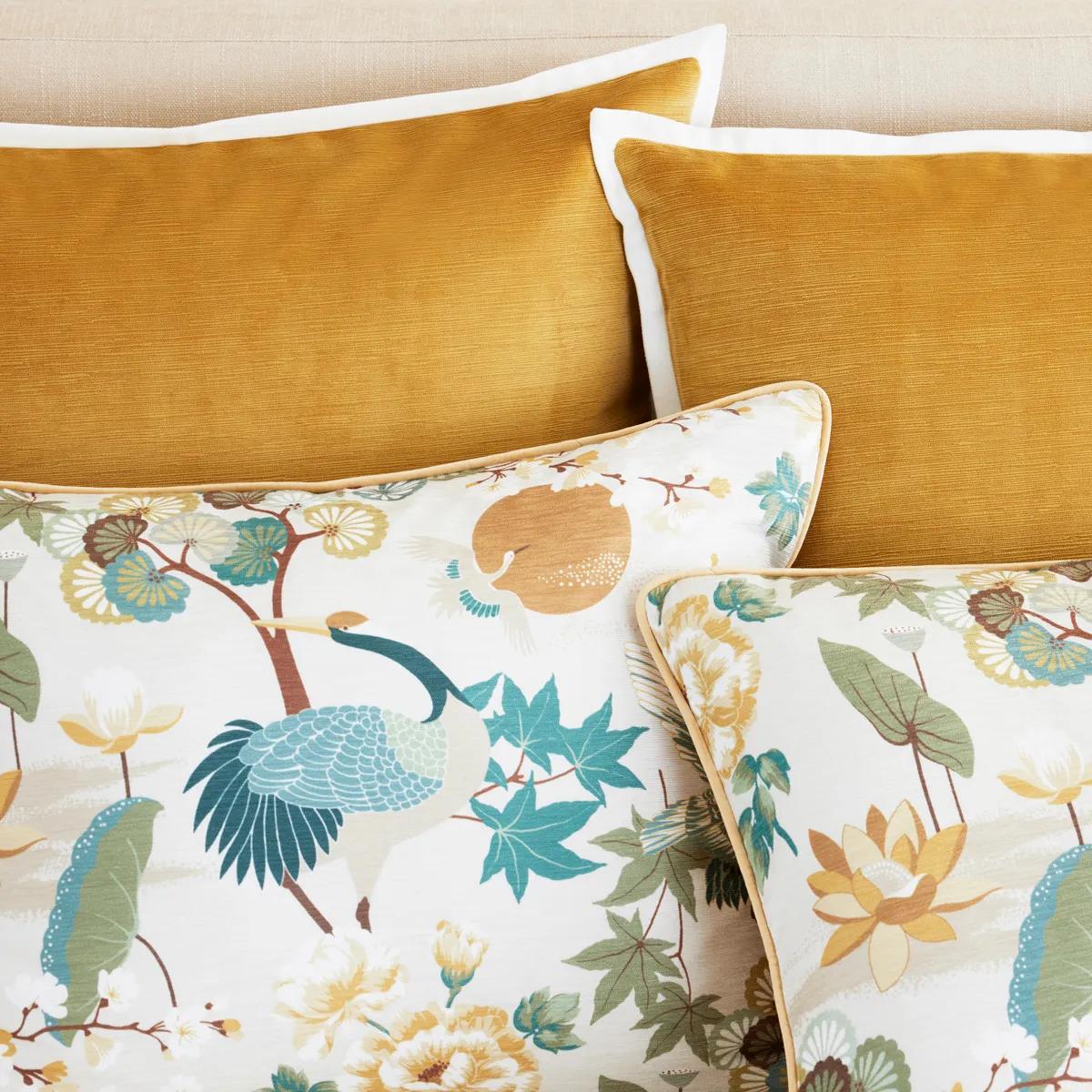 Sandhill Ivory/Multi Color Printed Bedding Set$639
An ivory bedding collection featuring earthy tones, gold velvet accents, and a soft cotton-polyester blend.
Add To Cart -
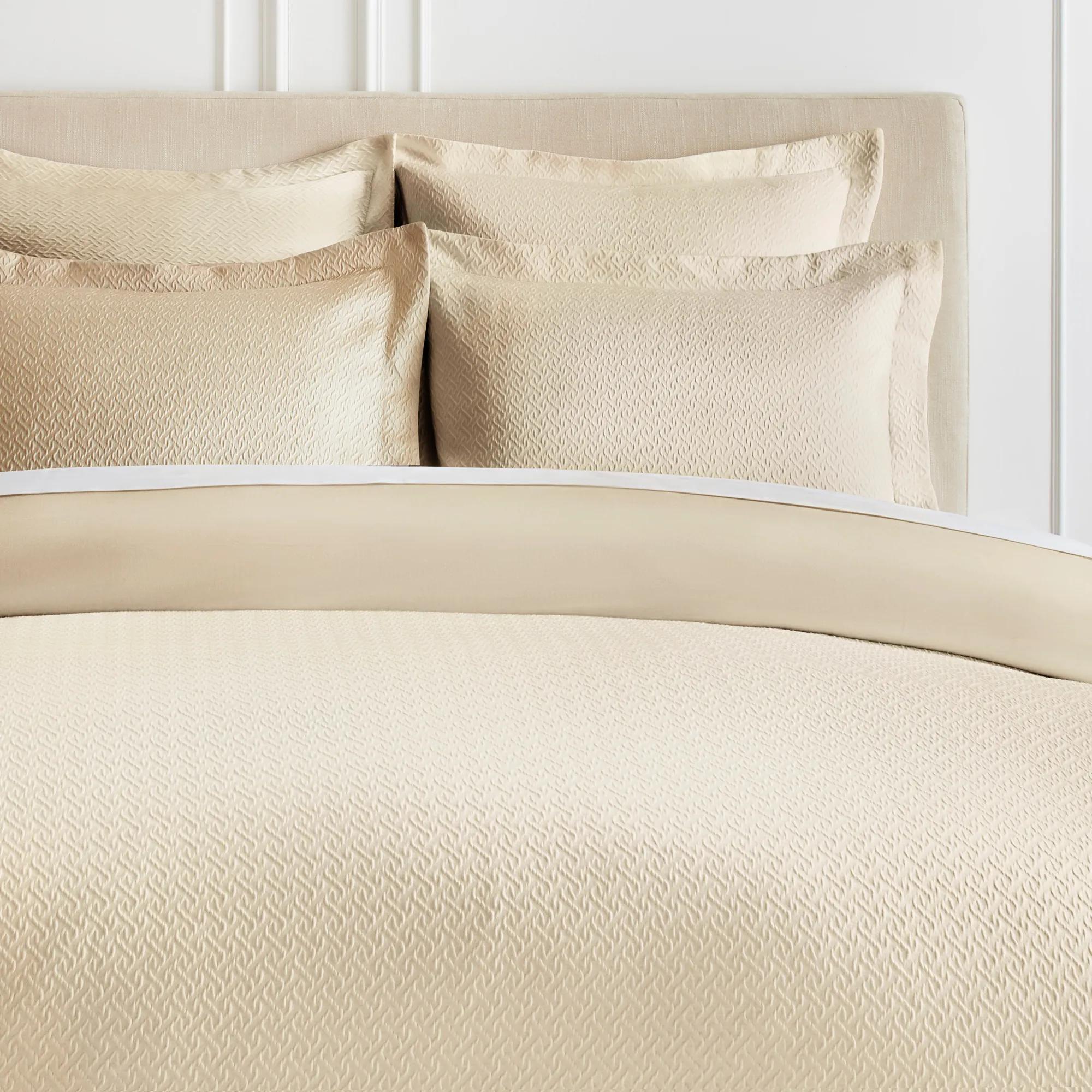
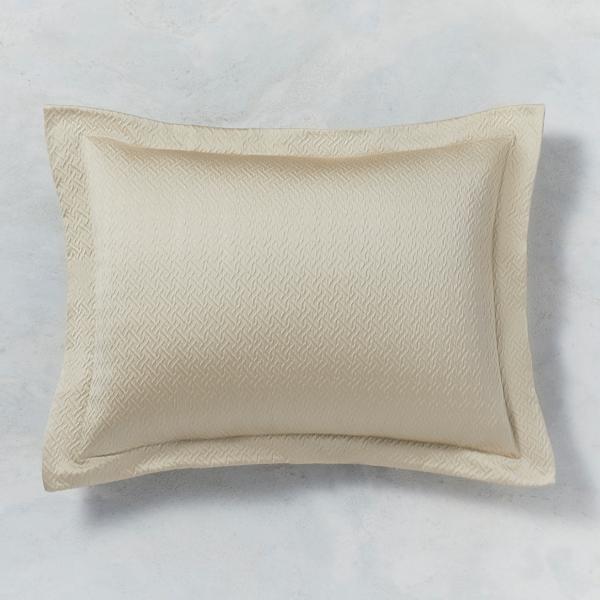 Marlowe Jacquard Gold Bedding Set$169
A jacquard-woven bedding collection in gold, offering subtle texture and year-round comfort.
Add To Cart -
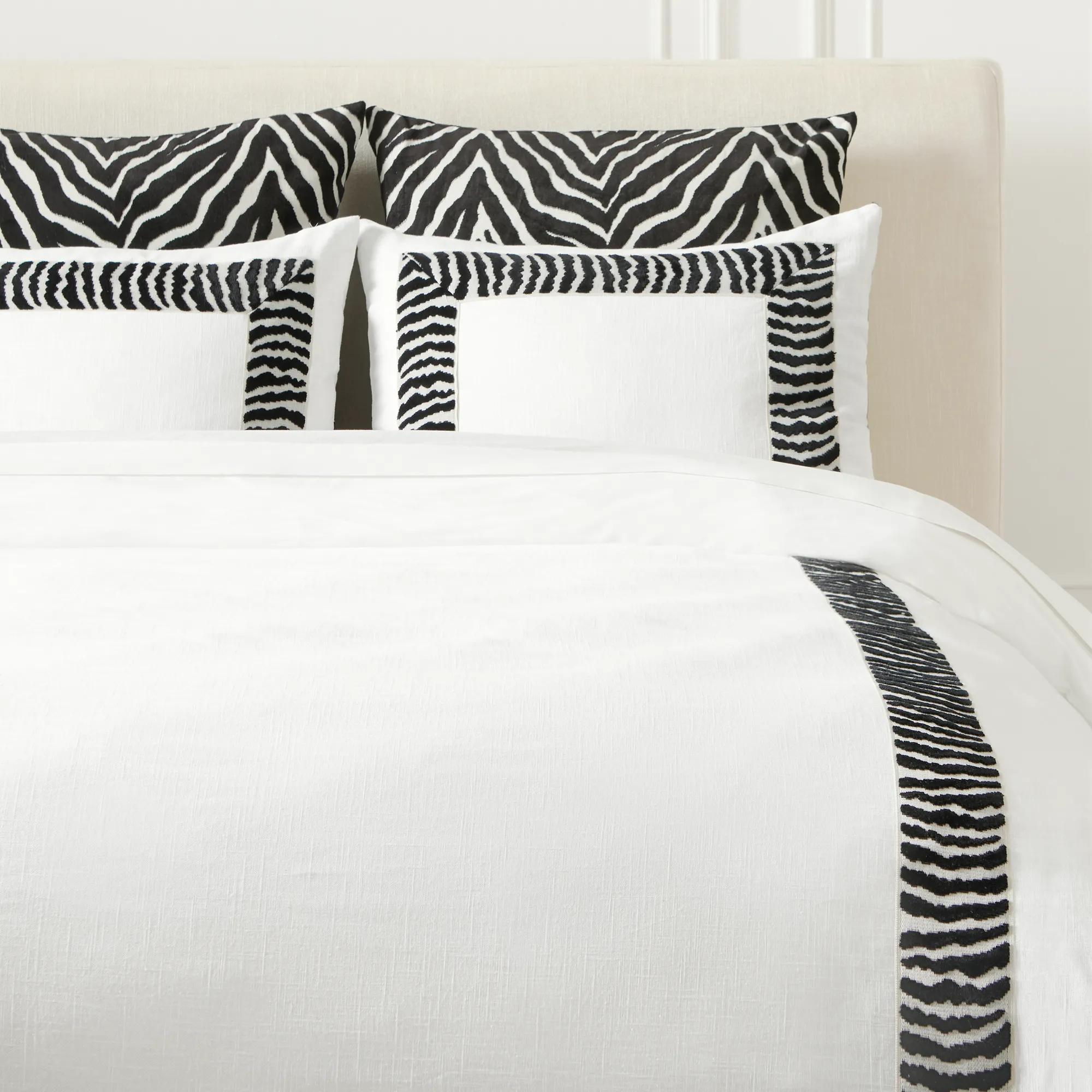
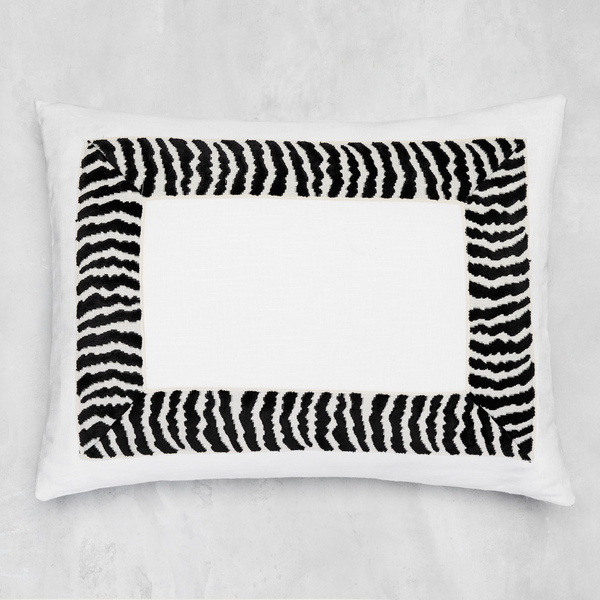 Nikki Chu Hasina Animal Print Black/White Velvet Appliqué Border Bedding Set$319
A striking black animal print bedding set featuring textured slubbed linen and soft cotton blends.
Add To Cart -

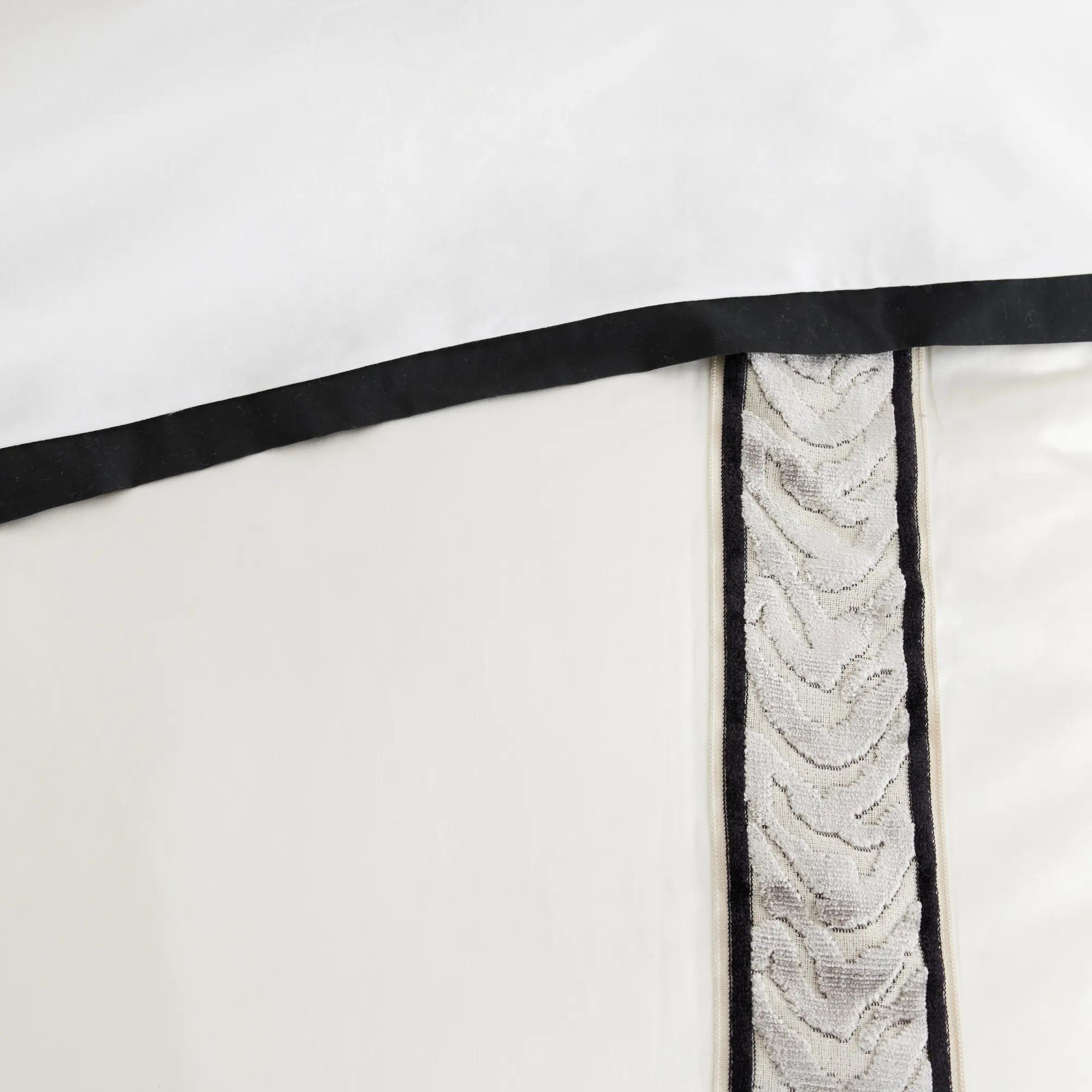 Gianna Grey/Black/White Animal Print Cut Velvet Appliqué Border Bedding Set$799
A luxurious grey and black bedding collection featuring a cut velvet tiger-stripe appliqué border for bold style.
Add To Cart -
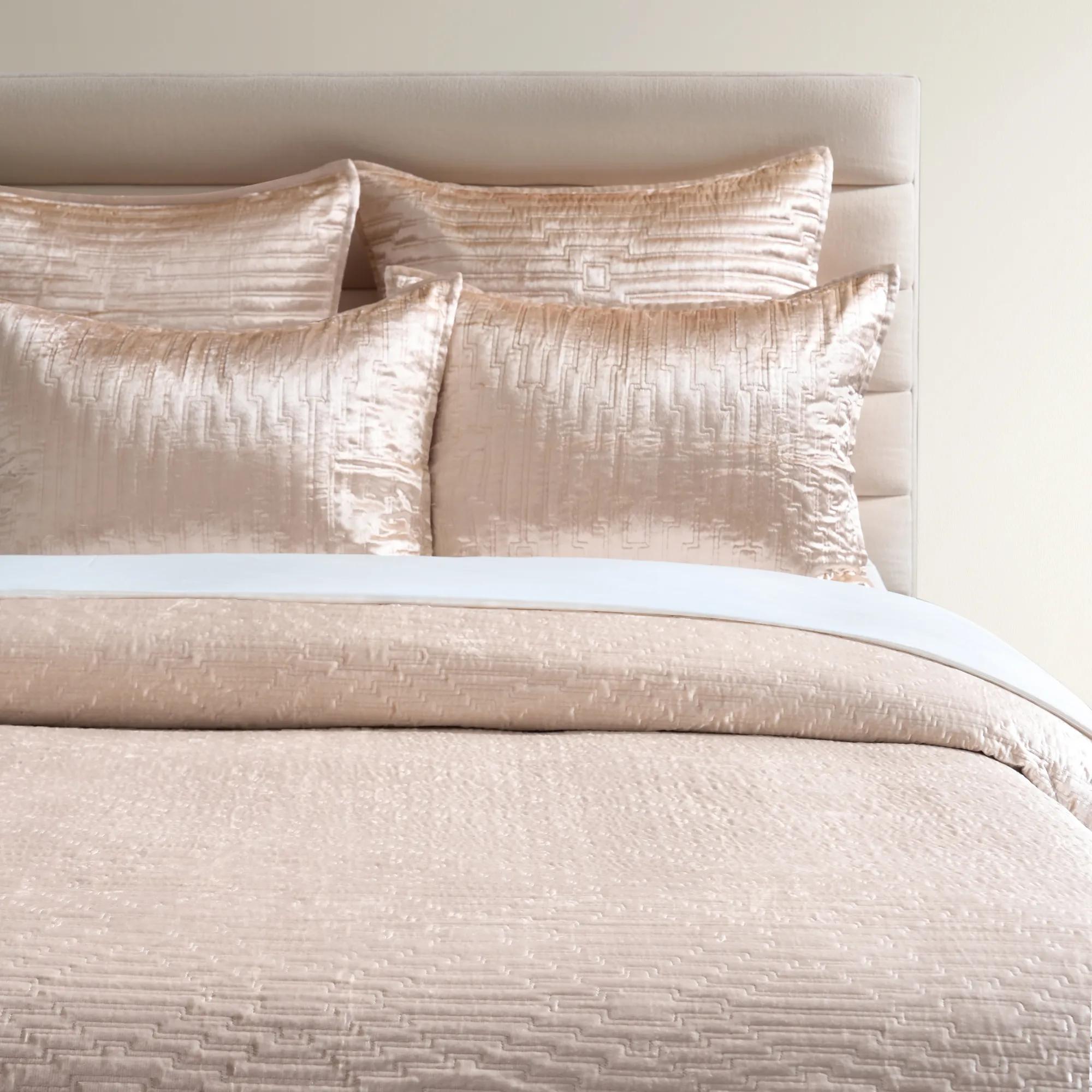
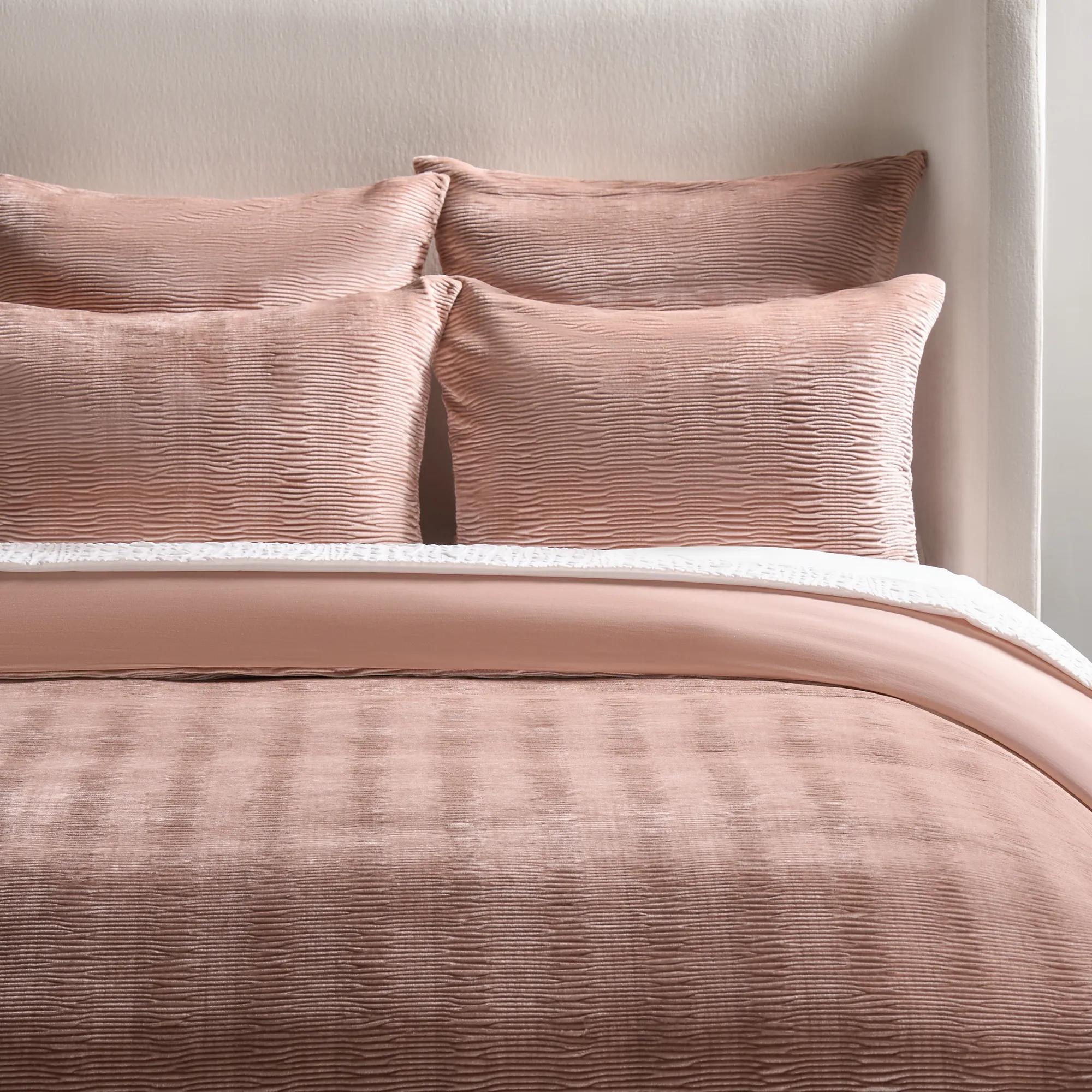
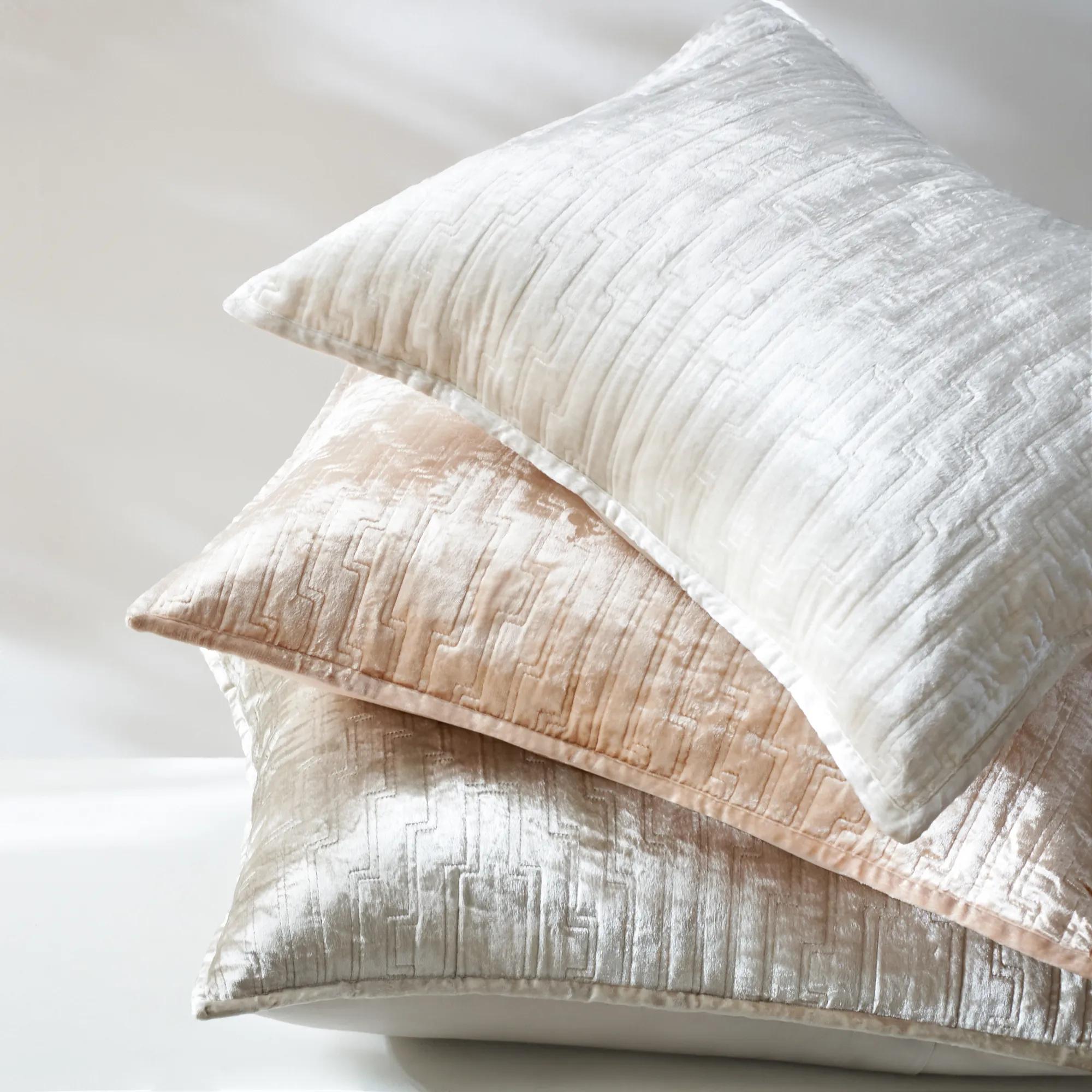 Glam Velvet Bedding - Blush$89
A blush pink quilted velvet bedding set with geometric stitching and piped edges for a luxurious look.
Add To Cart -
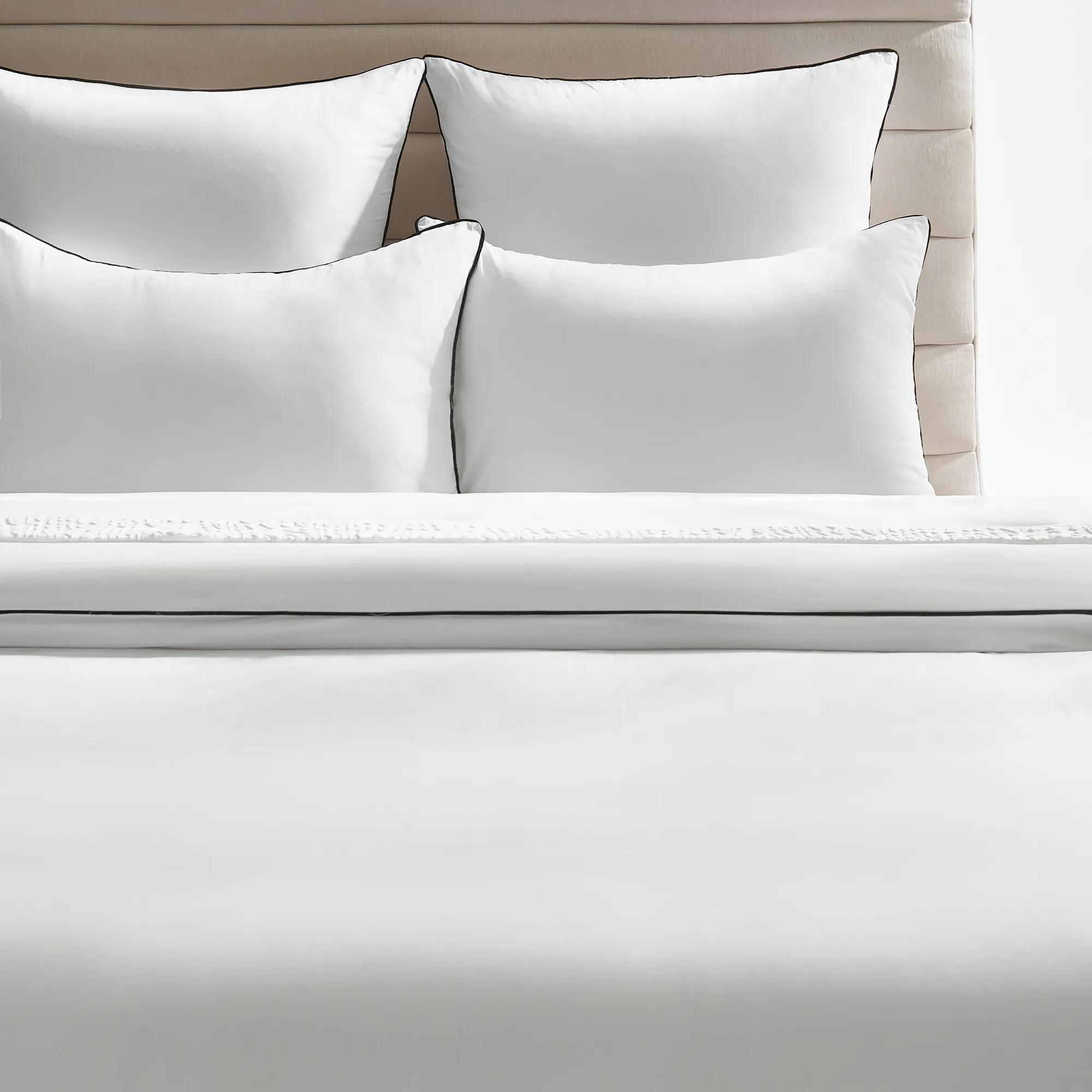 Sarla Contrast Cotton Percale Bedding Set - White/Black$229
A crisp white cotton percale bedding set featuring modern black piping for a refined, graphic contrast.
Add To Cart -
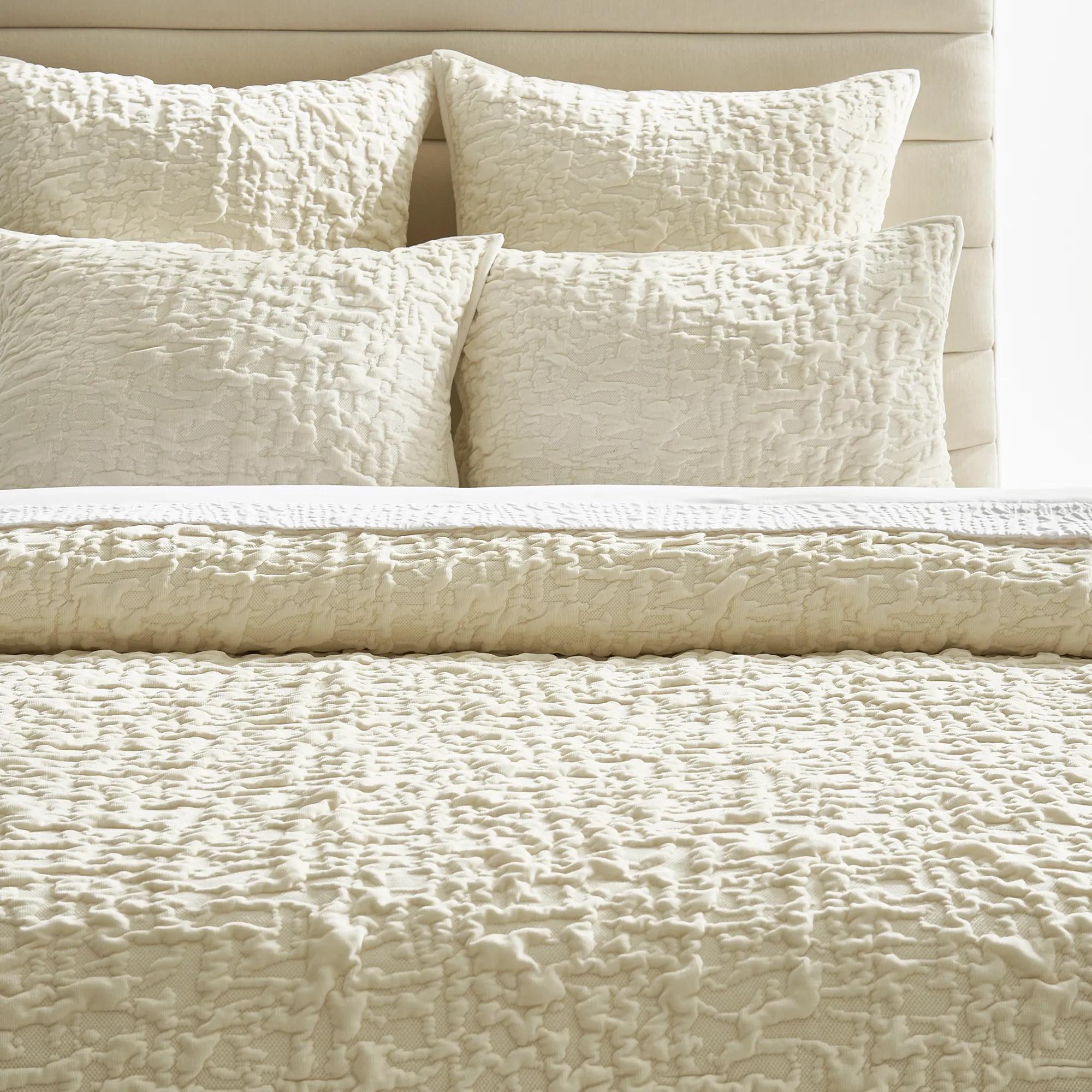
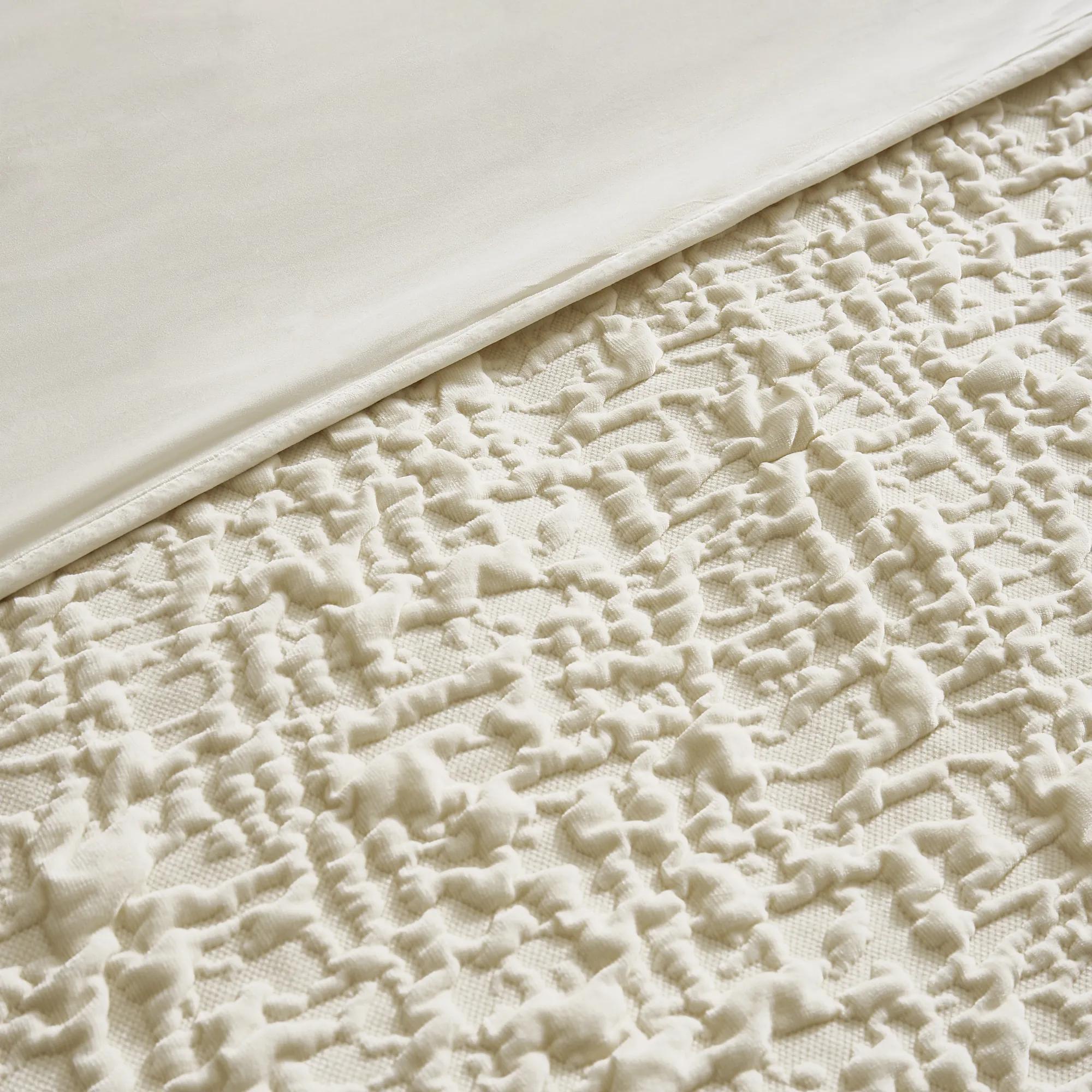 Madera Ivory Textured Velvet Bedding Set$249
A plush ivory velvet coverlet set with crushed embroidered texture and breathable cotton backing for serene style.
Add To Cart -

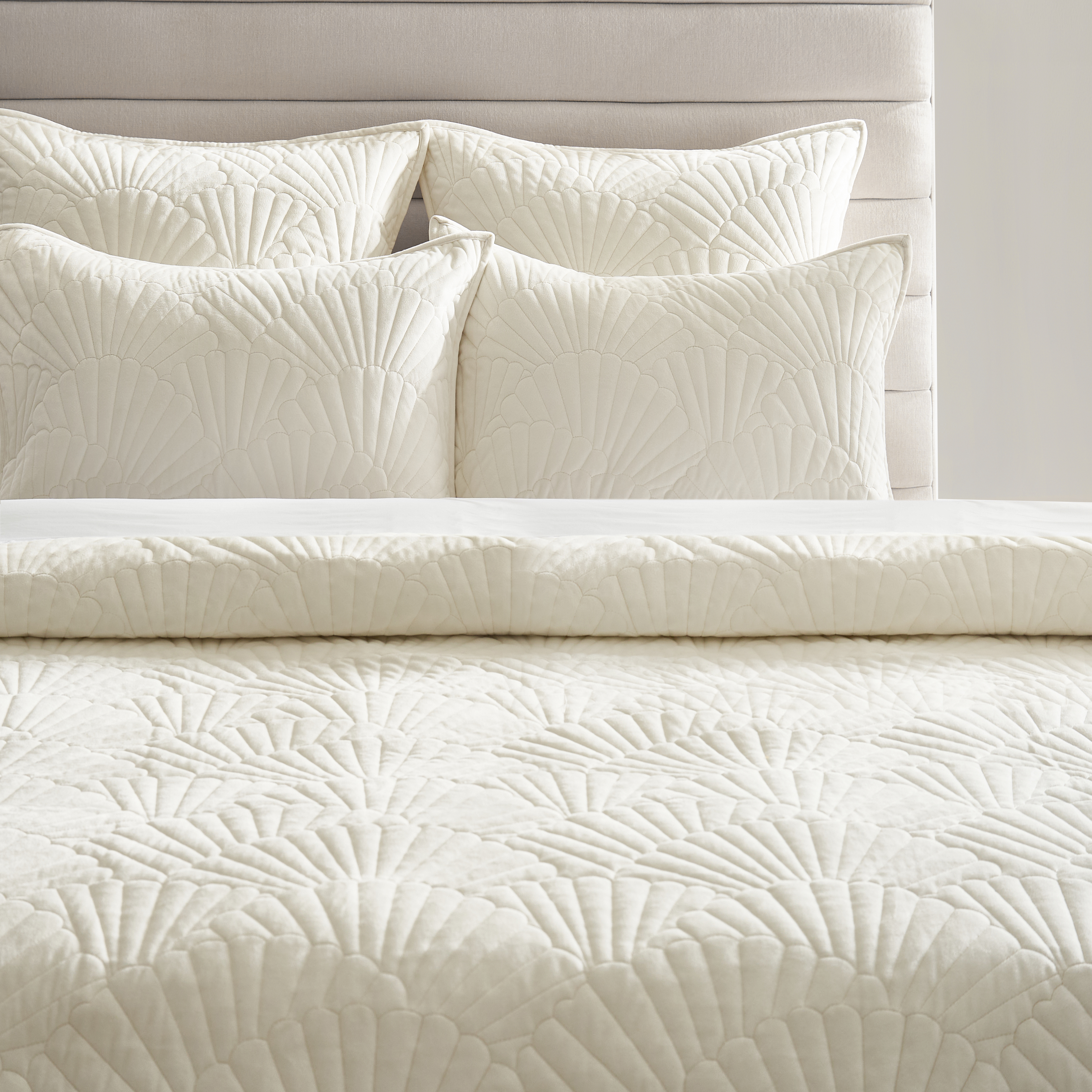
 Fan Velvet Quilt Set - Smoke Grey$69
A luxurious smoke grey velvet quilt set featuring a sculptural fan pattern and polished piped edges.
Add To Cart -
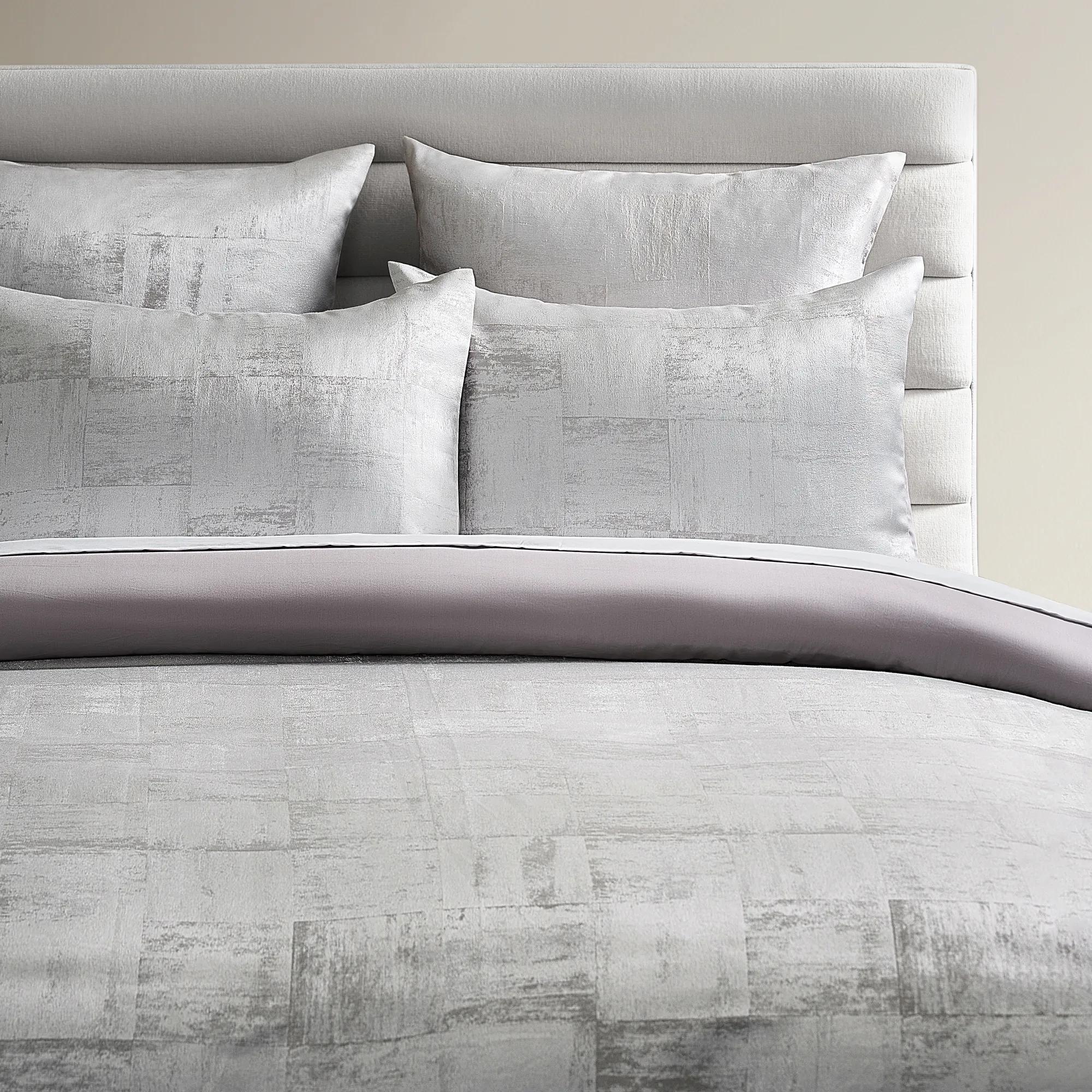 Auden Bedding Set - Platinum$49
A platinum jacquard bedding set featuring a subtle block pattern and refined, modern detailing.
Add To Cart -
 Eve Pistachio Green Textured Velvet Quilt Set$69
A green textured velvet bedding set with coordinating duvet and sham covers for polished comfort.
Add To Cart -
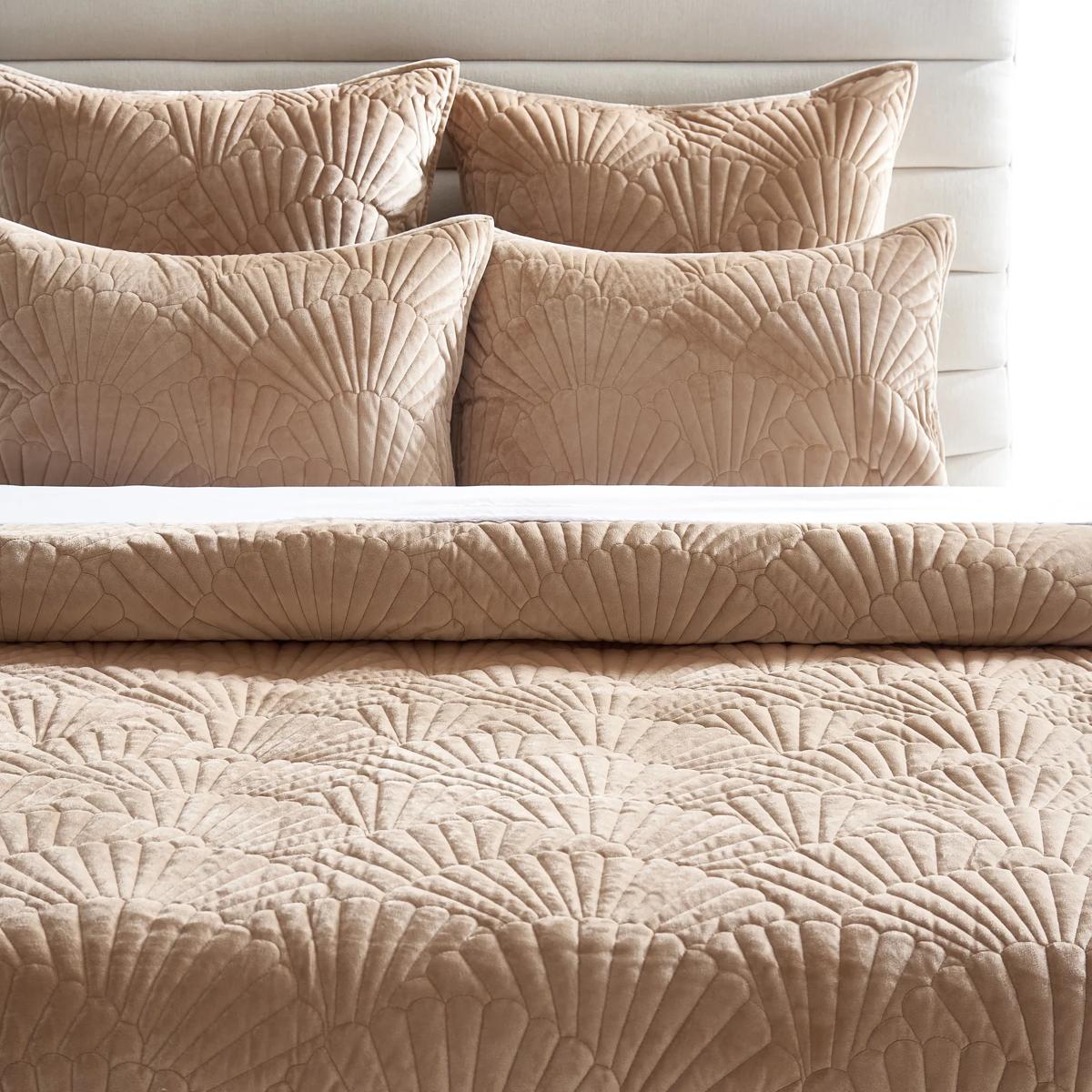 Fan Velvet Quilt Set - Muted Coral$199
A plush muted coral velvet quilt set featuring a sculptural fan motif and piped edges for modern elegance.
Add To Cart -
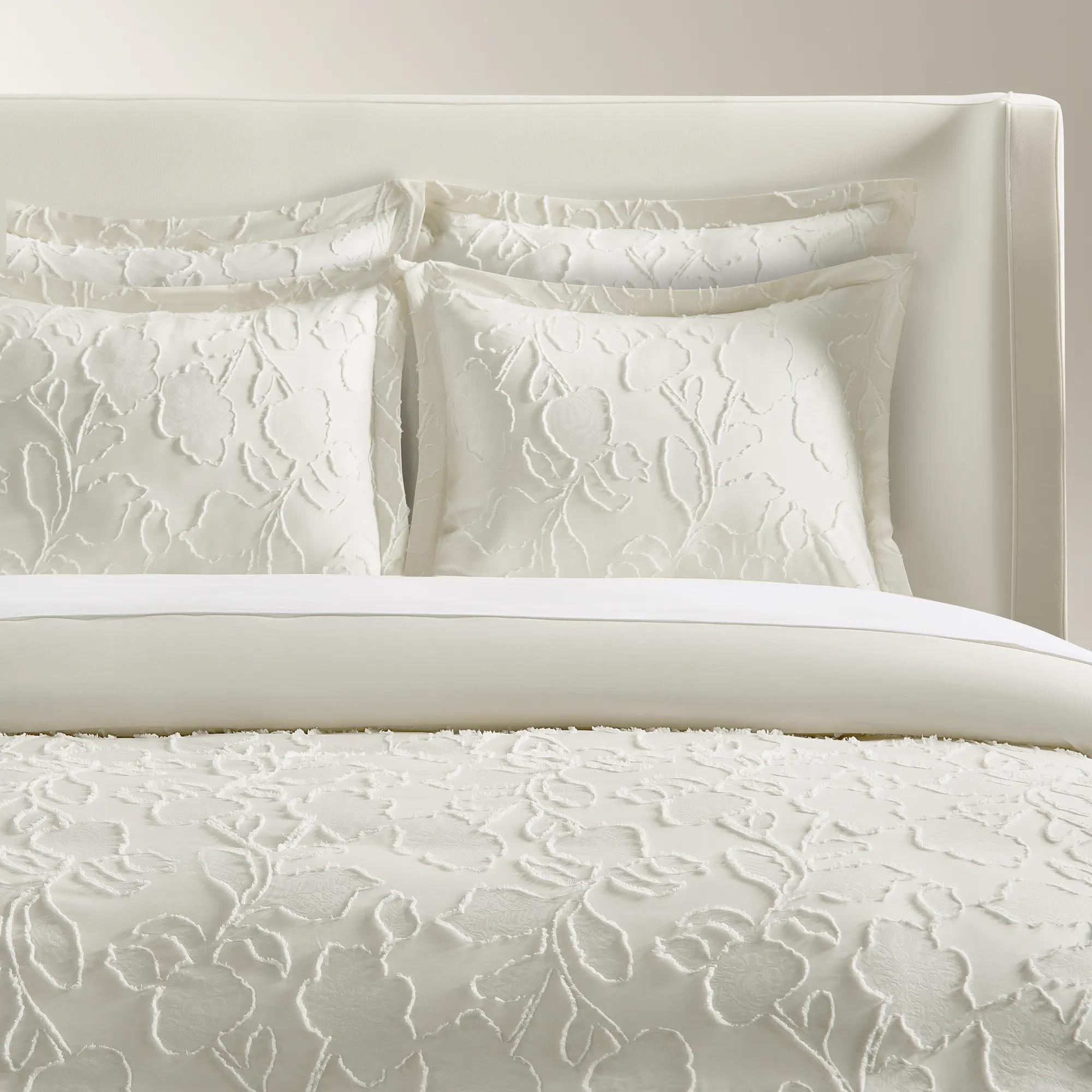
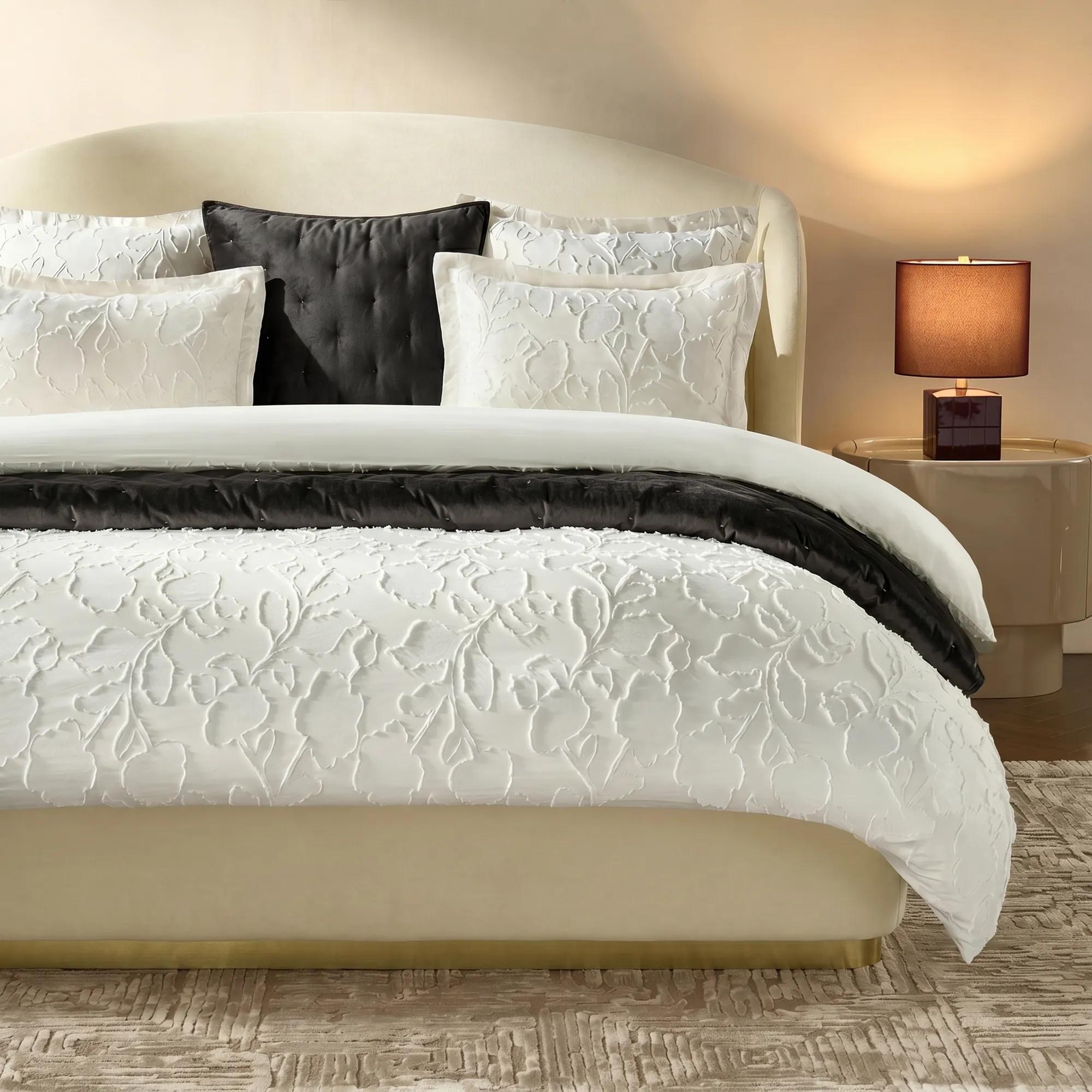 Cosette Ivory Cotton Floral Jacquard Bedding Set$249
A warm ivory bedding set featuring a tonal floral jacquard, eyelash fringe, and soft cotton backing.
Add To Cart

Designer Queen Size Bedding
Find designer queen size bedding that makes your bed the room’s defining statement. Explore the selection with your bedroom’s palette in mind, considering how color, pattern, and texture shape the look. Check each listing for dimensions and included pieces to choose bedding that suits your queen bed and your vision.
Designer queen size bedding brings together the proportions of a queen bed with expressive textiles, considered detailing, and the pleasure of a beautifully dressed room. The category encompasses comforters, duvet covers, quilts, coverlets, sheets, pillowcases, and decorative shams, with individual pieces and coordinated sets offering different ways to compose the finished bed. A comforter has its fill enclosed within the outer fabric, while a duvet cover is a removable shell designed to hold a separate duvet insert. Quilts and coverlets generally create a flatter, more tailored silhouette, whether displayed alone or folded across another layer. Beyond those distinctions, the character of the bedding comes from its fabric, construction, and finish. Cotton percale has a crisp, matte surface that gives even an elaborate arrangement a clean foundation. Cotton sateen feels smoother and carries a subtle sheen, lending depth to pearl, champagne, charcoal, and other nuanced shades. Linen introduces an expressive texture and relaxed drape, while velvet accents create plush dimension against smoother fabrics. Jacquard describes a woven pattern rather than a particular fiber; its raised or intricate motifs can bring architectural interest to an otherwise restrained palette. Fiber content still matters, whether the jacquard is cotton, polyester, or a blend, because it influences feel, laundering, and everyday performance. Thread count alone does not establish quality: yarn quality, weave, finishing, and construction also shape how bedding feels and wears. For someone drawn to sculptural furniture and reflective finishes, a lustrous textile can echo the room’s drama without repeating every decorative detail. For a bedroom anchored by expressive artwork, a quieter bedding palette can give the composition room to breathe. The most compelling designer bedding balances visual presence with tactile appeal, creating a bed that looks intentional from the doorway and feels inviting when the decorative layers are turned back. Embroidery, dimensional stitching, contrast borders, and carefully finished edges offer further distinction, allowing a single detail to carry the design rather than relying on an abundance of pattern.
A standard queen mattress measures 60 inches wide by 80 inches long, but that measurement is only the starting point for choosing bedding with a flattering fit. Mattress depth, a topper, the height of the bed frame, and the desired amount of side coverage all influence the finished proportions. Queen and full/queen comforters or duvet covers can differ in their actual dimensions, so the listed width and length are more useful than the size name alone. On a deep mattress, a narrower top layer may reveal more of the sheets or mattress sides than intended; on a lower-profile bed, generous fabric can create a sweeping, luxurious drape. Fitted sheets need pocket depths suited to the mattress and any topper, with enough room to remain secure without pulling tightly at the corners. Duvet covers and inserts should have compatible dimensions, and interior ties, when included, help keep the insert aligned. Pillow sizing deserves the same attention. Standard pillows are typically 20 by 26 inches, while queen pillows are typically 20 by 30 inches; pillowcase and sham dimensions should be checked rather than assumed from a set’s queen designation. Coordinated bedding sets may include different combinations of pieces, and decorative pillows, sheets, or inserts may be separate. Those practical distinctions support a more polished visual result. Against the upholstered silhouettes of designer fabric queen beds, bedding can introduce either contrast or continuity: a smooth coverlet sharpens the outline of a richly textured headboard, while a dimensional duvet adds softness to a clean-lined frame. A broad border can emphasize the bed’s geometry, and a folded quilt can reveal a second tone without overwhelming the room. Repeating one accent color from artwork or a rug gives the arrangement coherence without making every surface match. Leaving a portion of the headboard visible also allows the furniture and textiles to share attention. Scale makes the difference between abundant and crowded, especially when layering shams and accent pillows on a queen bed, where each element occupies a meaningful part of the composition.
Designer queen bedding should also suit the way the bedroom is used, from an everyday retreat shared by two sleepers to a guest room prepared with particular care. A removable duvet cover offers flexibility when changing the room’s appearance, while a quilt or coverlet creates a composed surface with fewer layers to arrange. For someone who prefers a generously dressed bed, smooth sheets beneath a textured top layer provide contrast without making every piece compete for attention. Durability depends on more than the richness of the initial finish. Secure seams, neatly worked embroidery, stable quilting, and well-attached closures are useful details to consider, particularly for bedding that will be handled and laundered frequently. Raised embellishments and delicate trims may need more careful treatment in homes where pets share the bed or jewelry can catch on the surface. Care requirements vary by fiber, construction, fill, and decorative finish, so the care label should govern washing, drying, and any professional cleaning. Some pieces are machine washable, while others require specialized care; a substantial comforter may also need more washer capacity than household equipment provides. Following detergent and drying recommendations helps protect fabric texture, color, and shape, and bedding should be completely dry before it is folded away. Removable decorative layers make it easier to preserve intricate details while keeping the bed’s everyday foundation practical. For gifting, designer queen size bedding can mark a wedding, a housewarming, or the creation of a thoughtfully furnished guest suite, provided the recipient’s mattress size, preferred textures, palette, and care habits are known. A restrained solid with distinctive stitching may suit someone whose room already features bold pattern, while a dramatic woven motif can become the defining gesture in a quieter space. Whether chosen for daily use or a welcoming guest bedroom, the strongest arrangement feels personal: sumptuous enough to command attention, comfortable enough to live with, and detailed enough to reward a closer look.
FAQs
Designer queen bedding brings an intentional point of view to the bedroom through color, texture, and artful detail. Look for dimensional patterns, expressive borders, or a striking interplay of finishes. A thoughtfully composed bed becomes the room’s focal point, setting the mood for everything around it.
Build your arrangement around a duvet or comforter, then introduce a coverlet, decorative pillows, and a throw for depth. Contrast smooth surfaces with tactile accents, and let one standout detail lead. A restrained palette allows richly layered textures to feel sophisticated rather than crowded.
Ivory and champagne create a luminous foundation, while charcoal and inky blue bring a more dramatic mood. Jewel tones can add an expressive focal point. For a cohesive bedroom, echo an accent from your artwork or upholstery in the bedding, then introduce tonal variation for richness.
Choose a leading pattern, then pair it with a quieter motif that shares at least one color. Geometric designs can create a striking dialogue with flowing, organic forms. Use solid layers between patterns to give each design room to shine and keep the composition visually balanced.
Change the accents that frame your main bedding: decorative pillows, a coverlet, or a throw. Introduce a contrasting texture or draw a new accent color from the room’s existing decor. These focused changes can shift the bed’s mood from softly luminous to boldly theatrical.