Grey Silver Rugs For July Updates
Grey Silver Rugs For July Updates
-
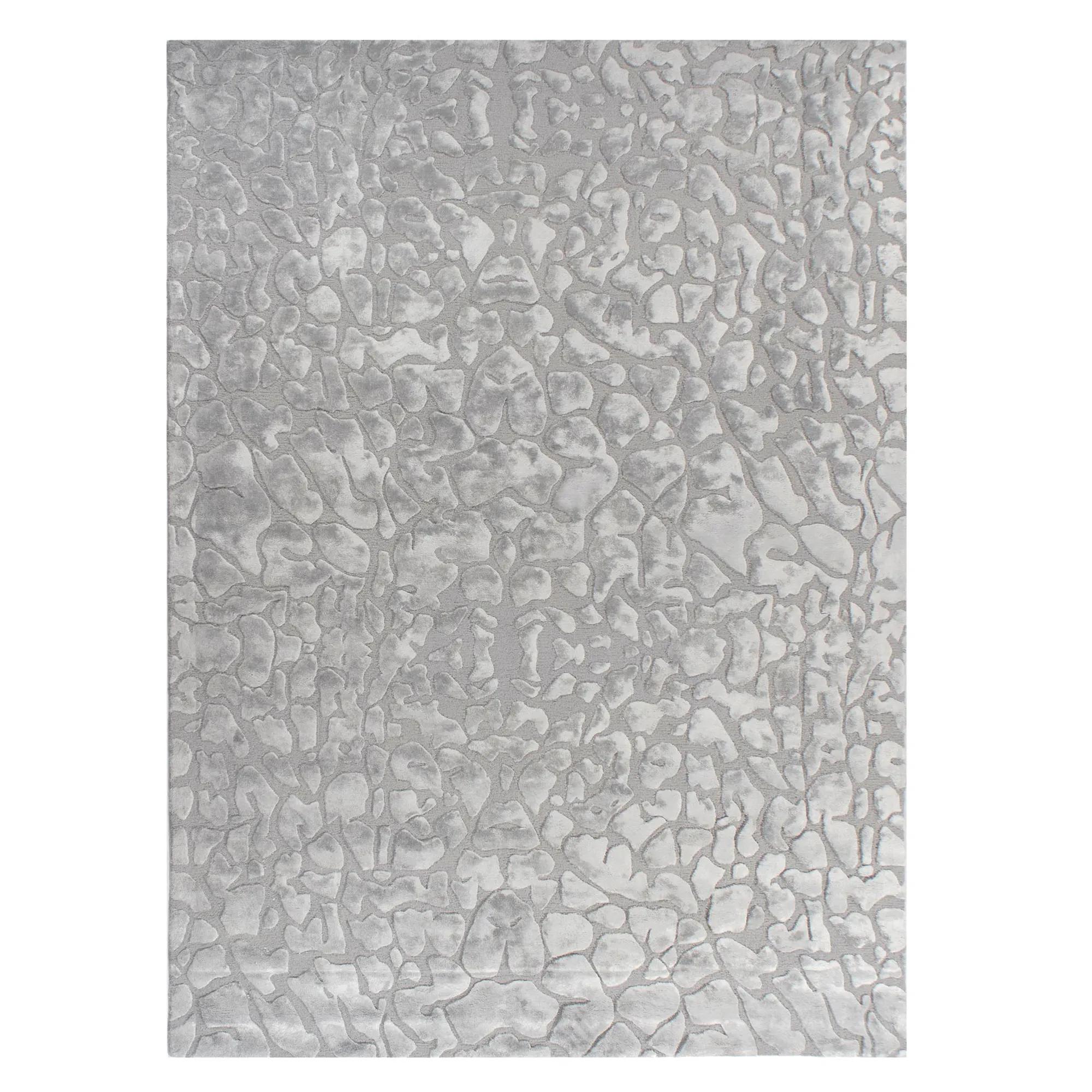
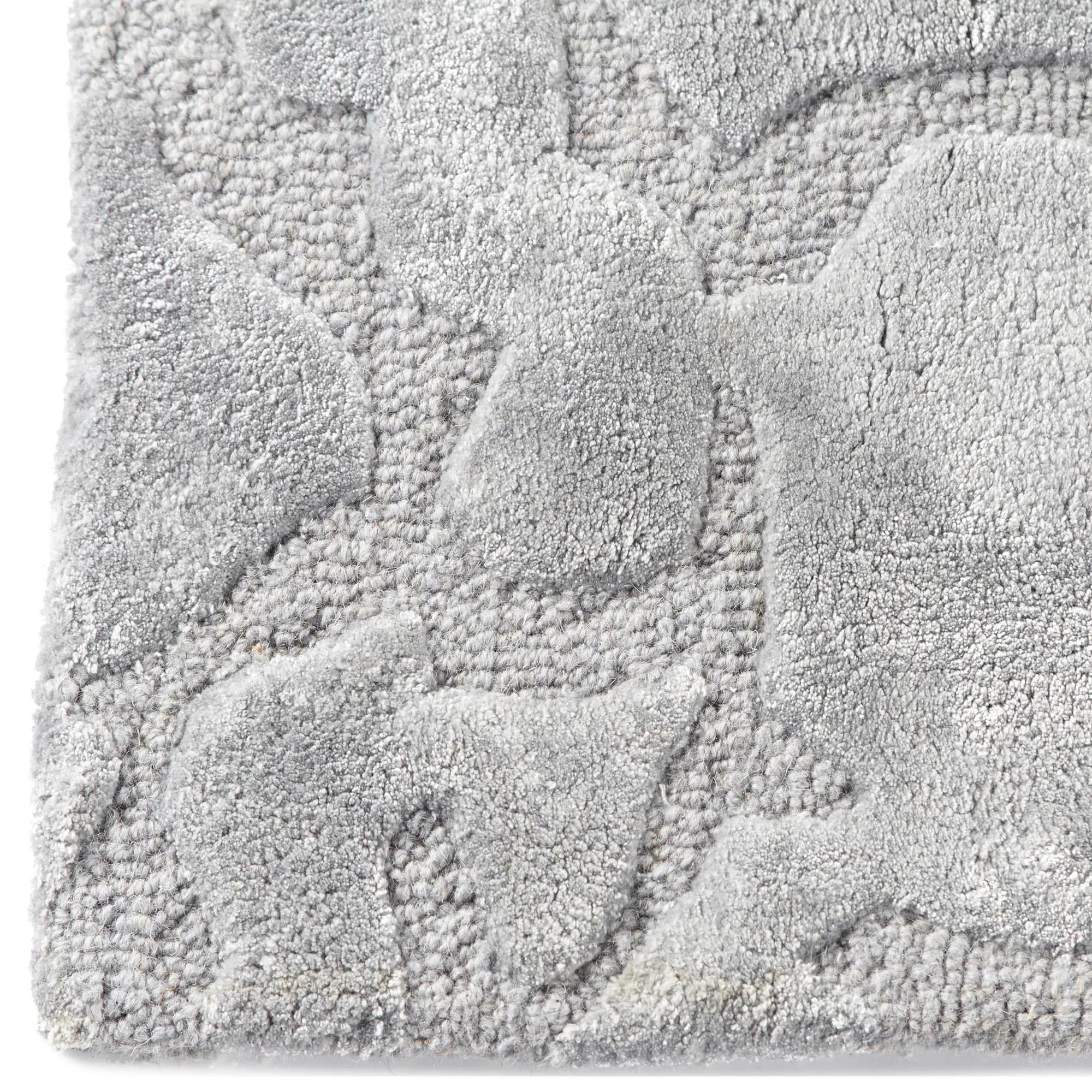 Nola Hand-Tufted Cool Grey Wool Blend Rug$849
A hand-tufted silver rug with contrasting pile heights, crafted from wool and viscose for plush texture.
Add To Cart -
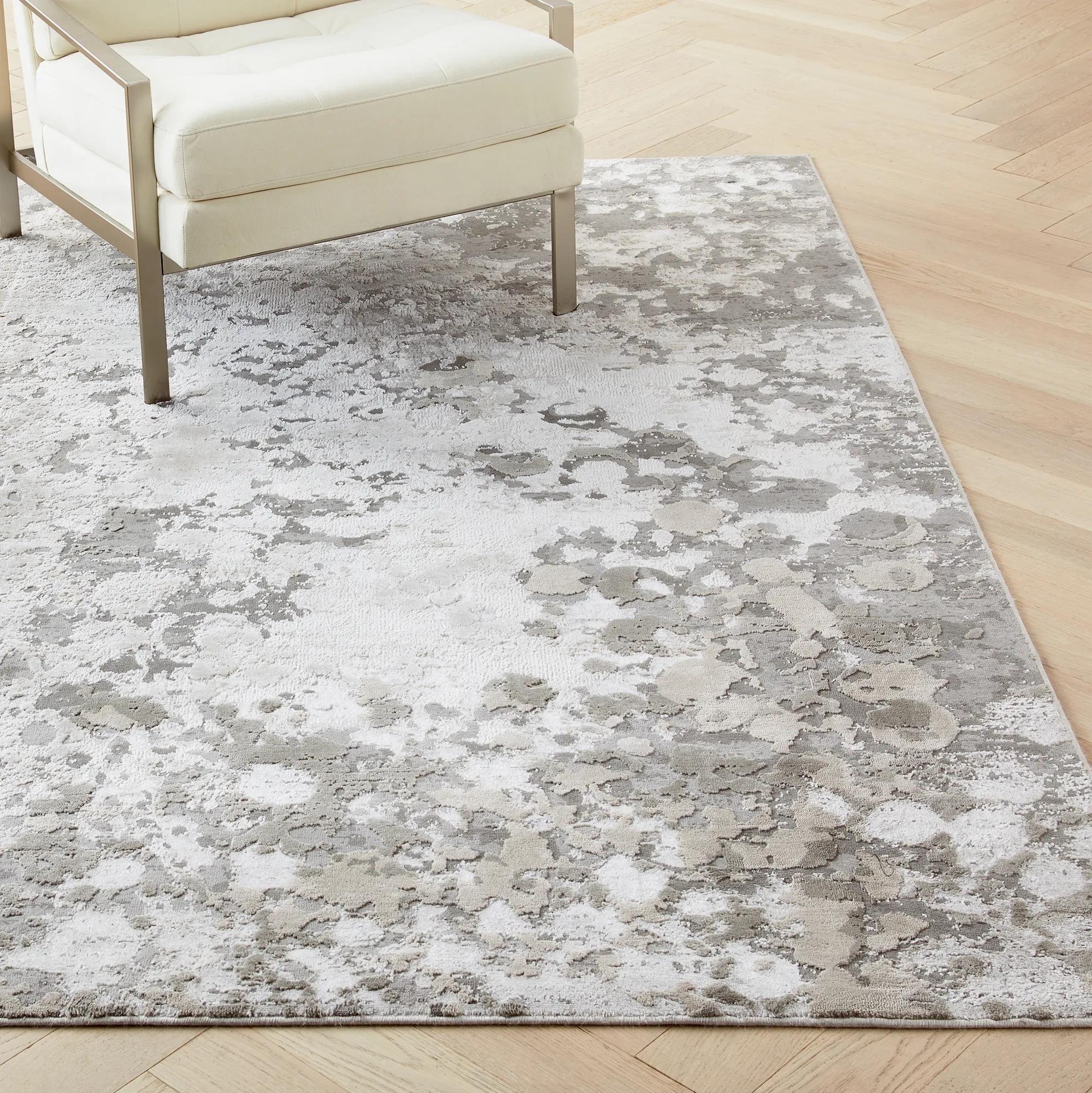 Mercury Power-Loomed Silver/Grey/Beige Rug$1649
A textured rug in silver, grey, and beige crafted from polyester, polypropylene, jute, and cotton.
Add To Cart -
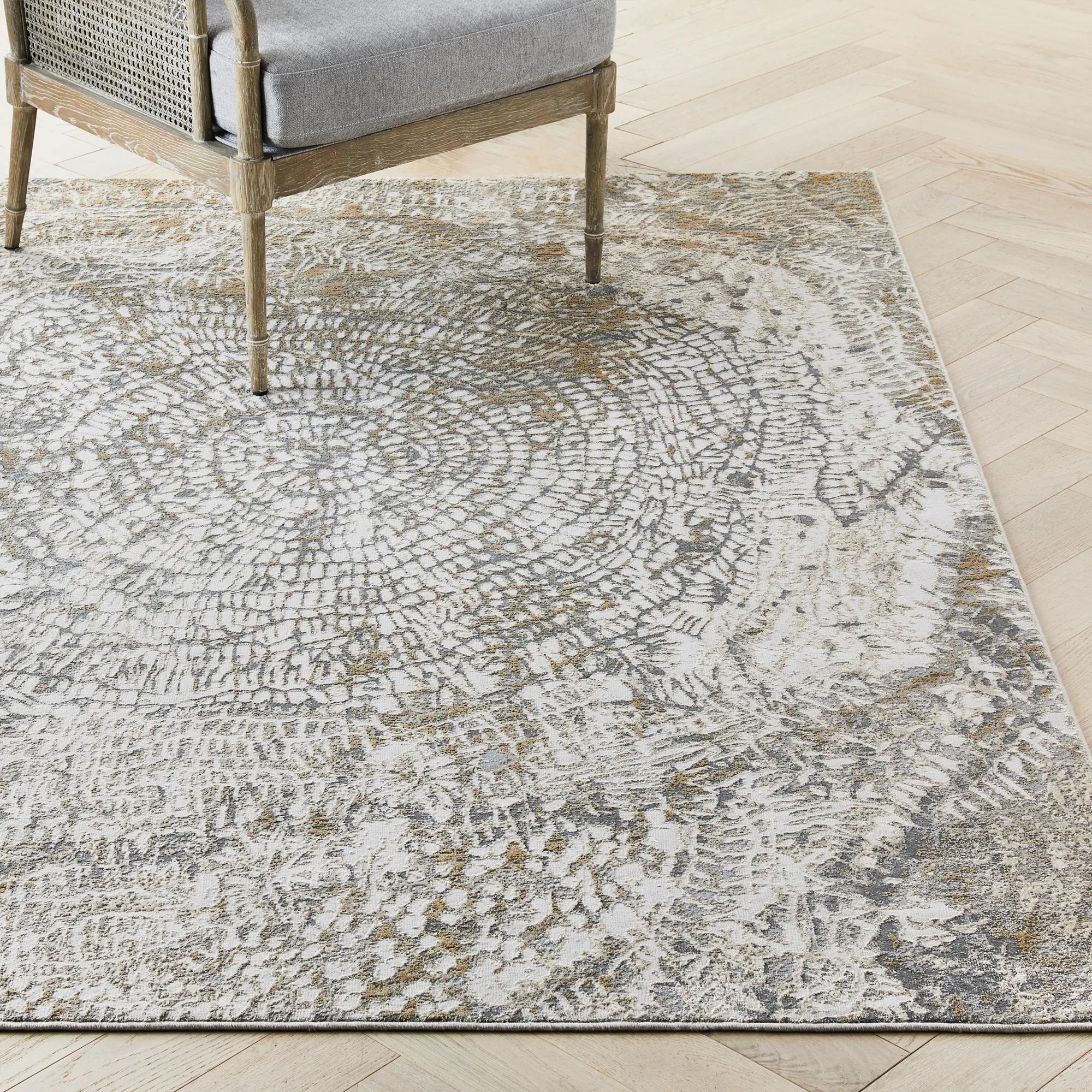 Nautilus Power-Loomed Silver/Grey/Natural Rug$999
A machine-woven ivory rug featuring subtle tonal variations and a durable polypropylene blend construction.
Add To Cart -
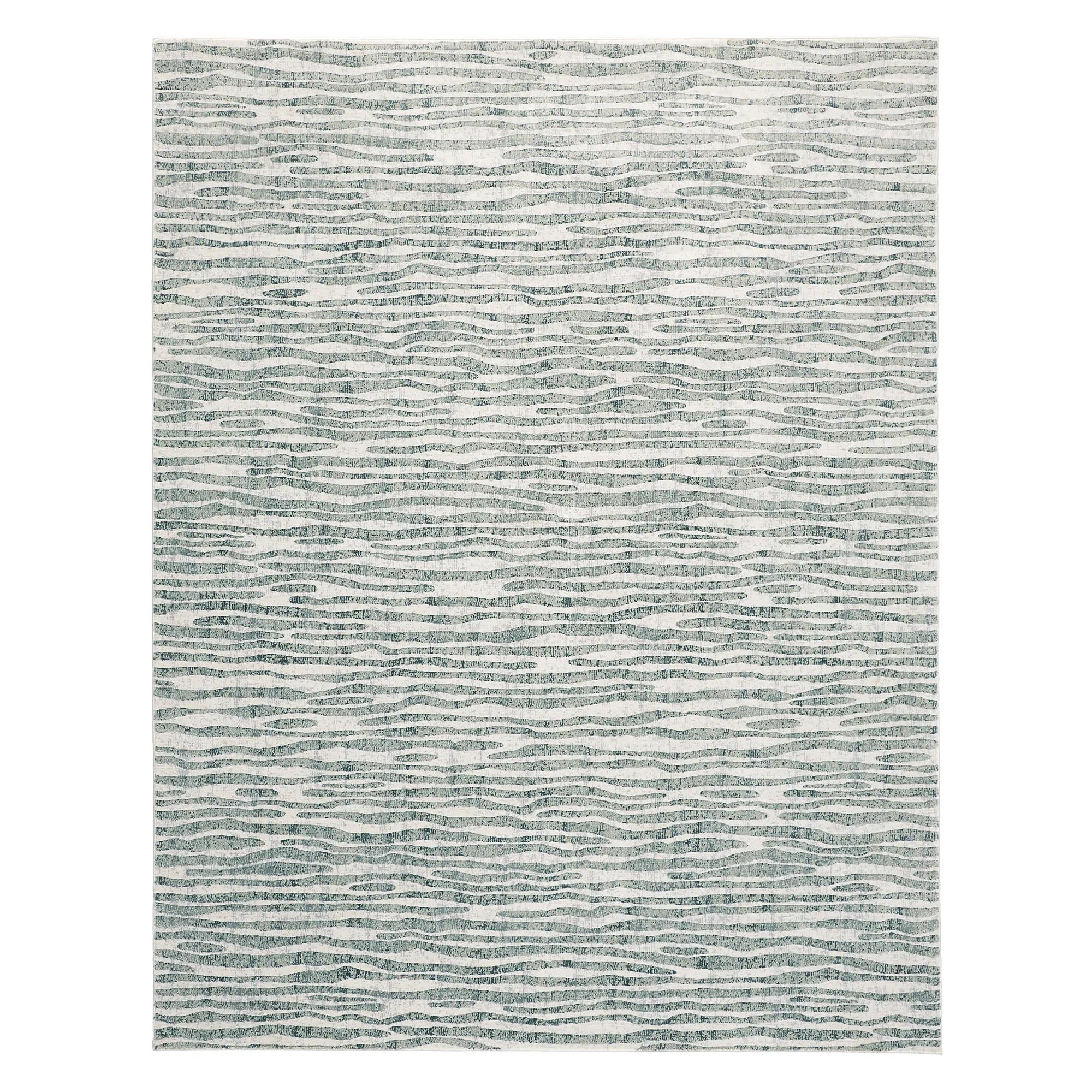 Samantha Power-Loomed Aqua/Grey Rug$719
A machine-woven rug featuring silvery-aqua and green accents on an ivory and grey polypropylene base.
Add To Cart -
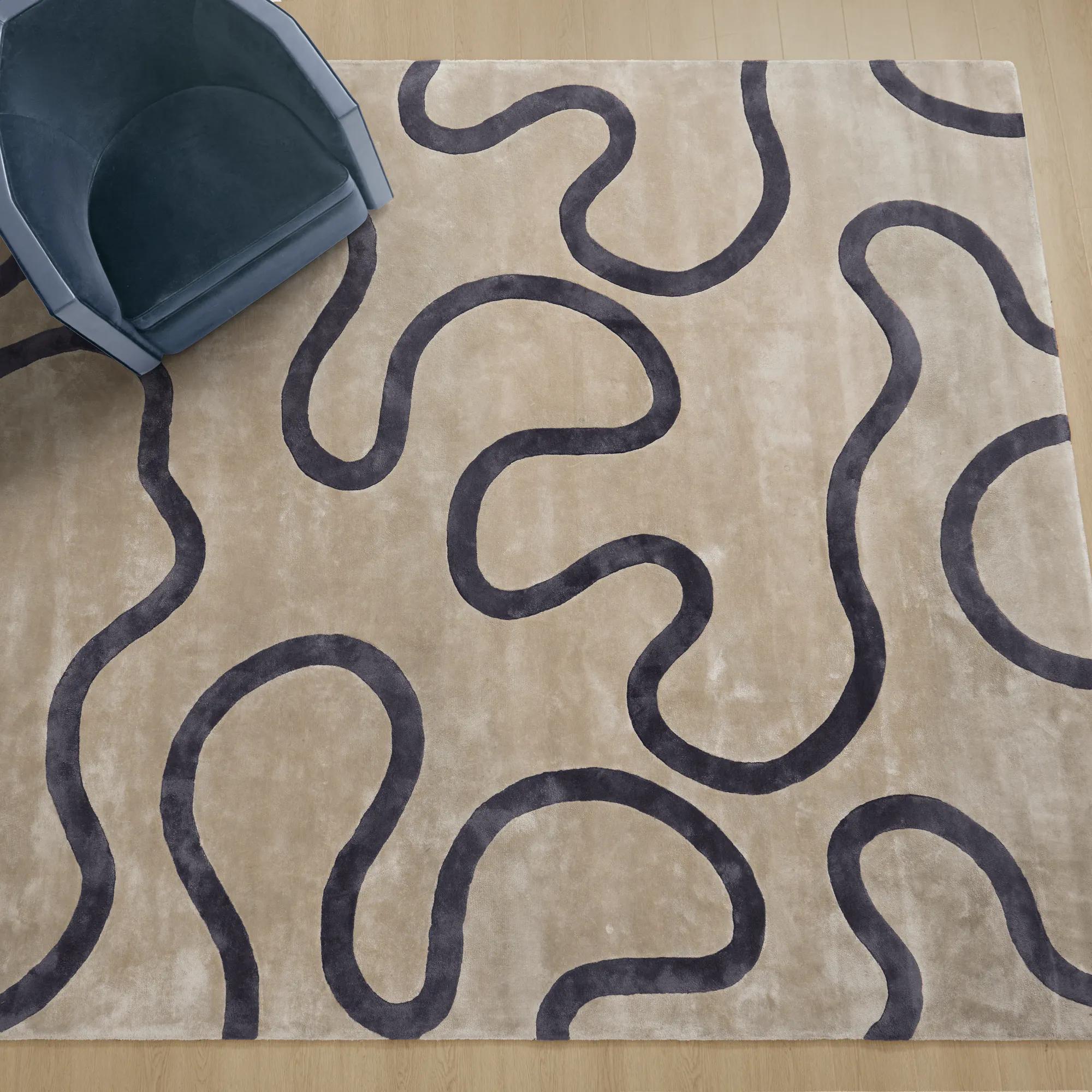 Seraphine Hand-Tufted Smoked Pearl/Taupe Viscose Loop Rug$1199
A hand-tufted viscose rug featuring high-contrast loops in smoked pearl and taupe for textured sophistication.
Add To Cart -
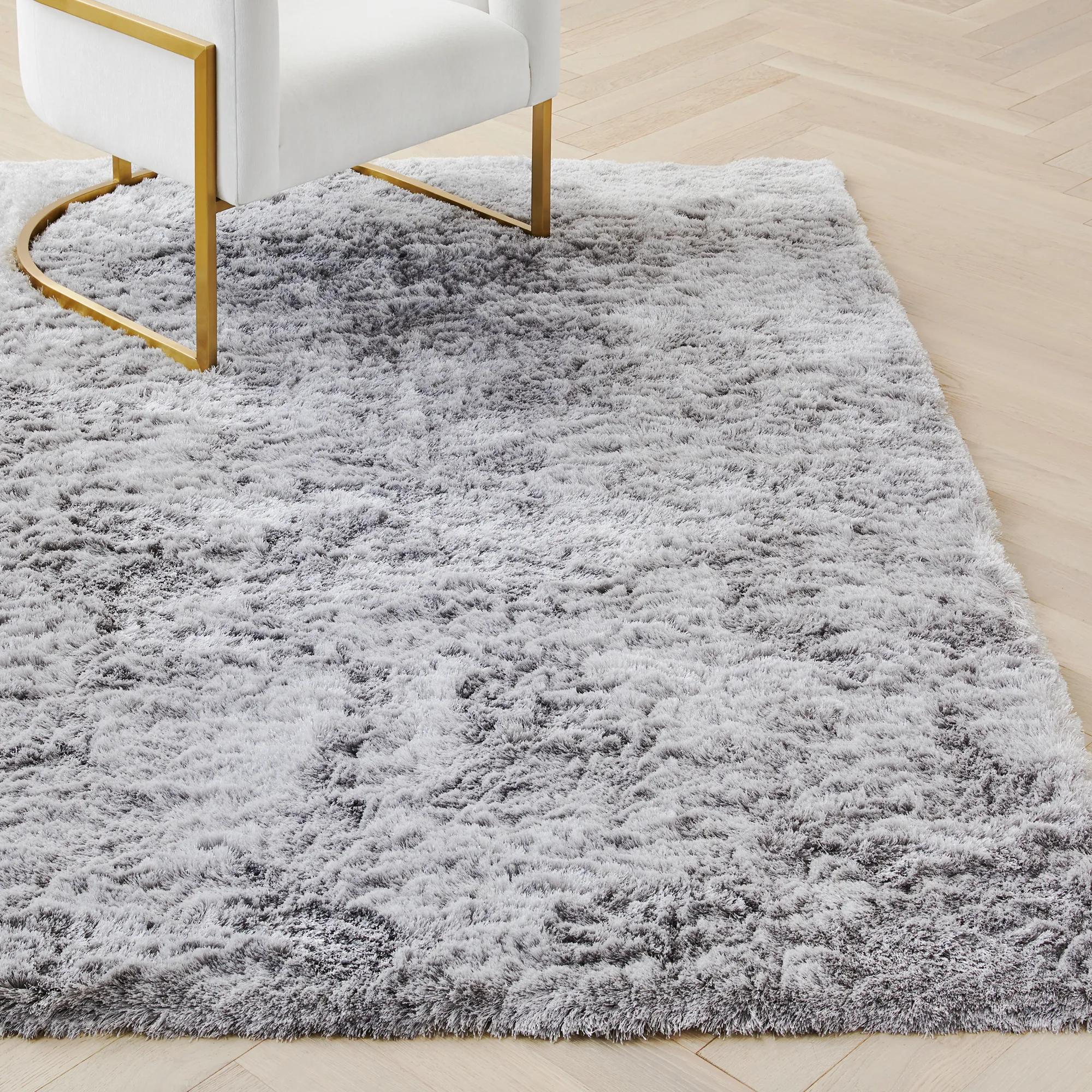 Indochine Shag Platinum Rug$399
A platinum-toned shag rug with a subtle sheen and plush 1.5" polyester pile for luxurious texture.
Add To Cart -
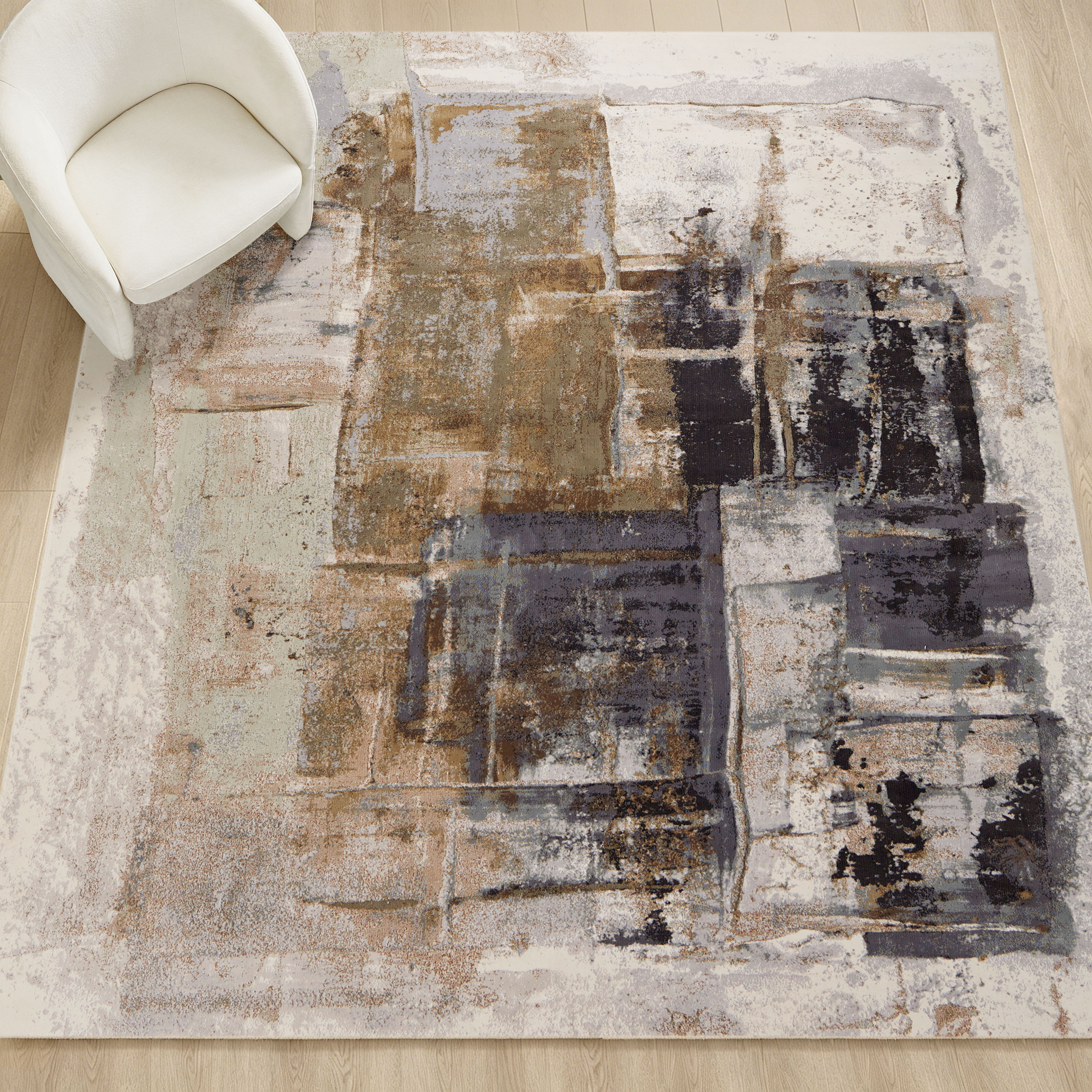
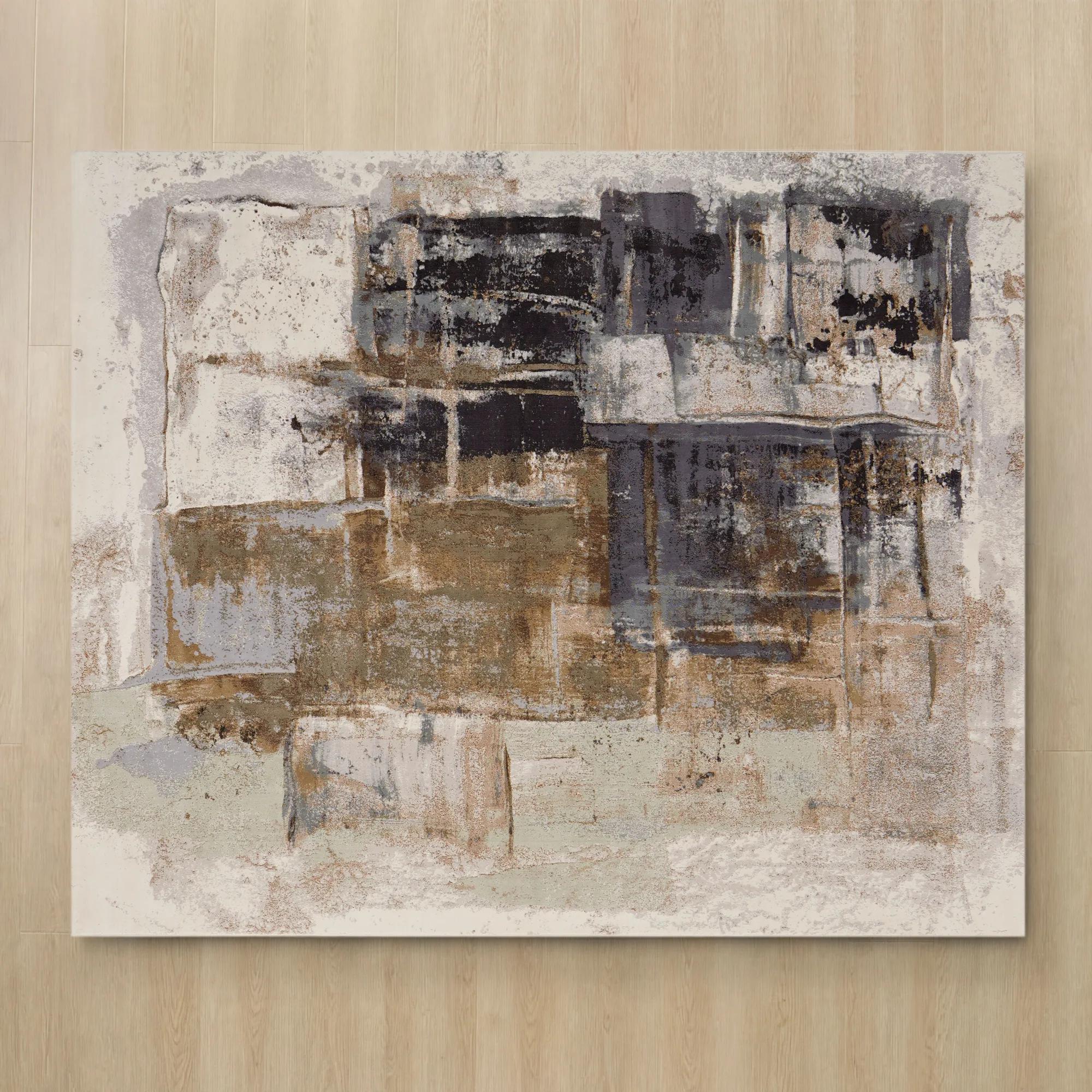 Gaia Abstract Grey/Charcoal/Ivory/Gold/Blue Performance Power Loomed Rug$949
An abstract rug in grey, charcoal, ivory, gold, and blue with a soft, stain-resistant performance blend.
Add To Cart -
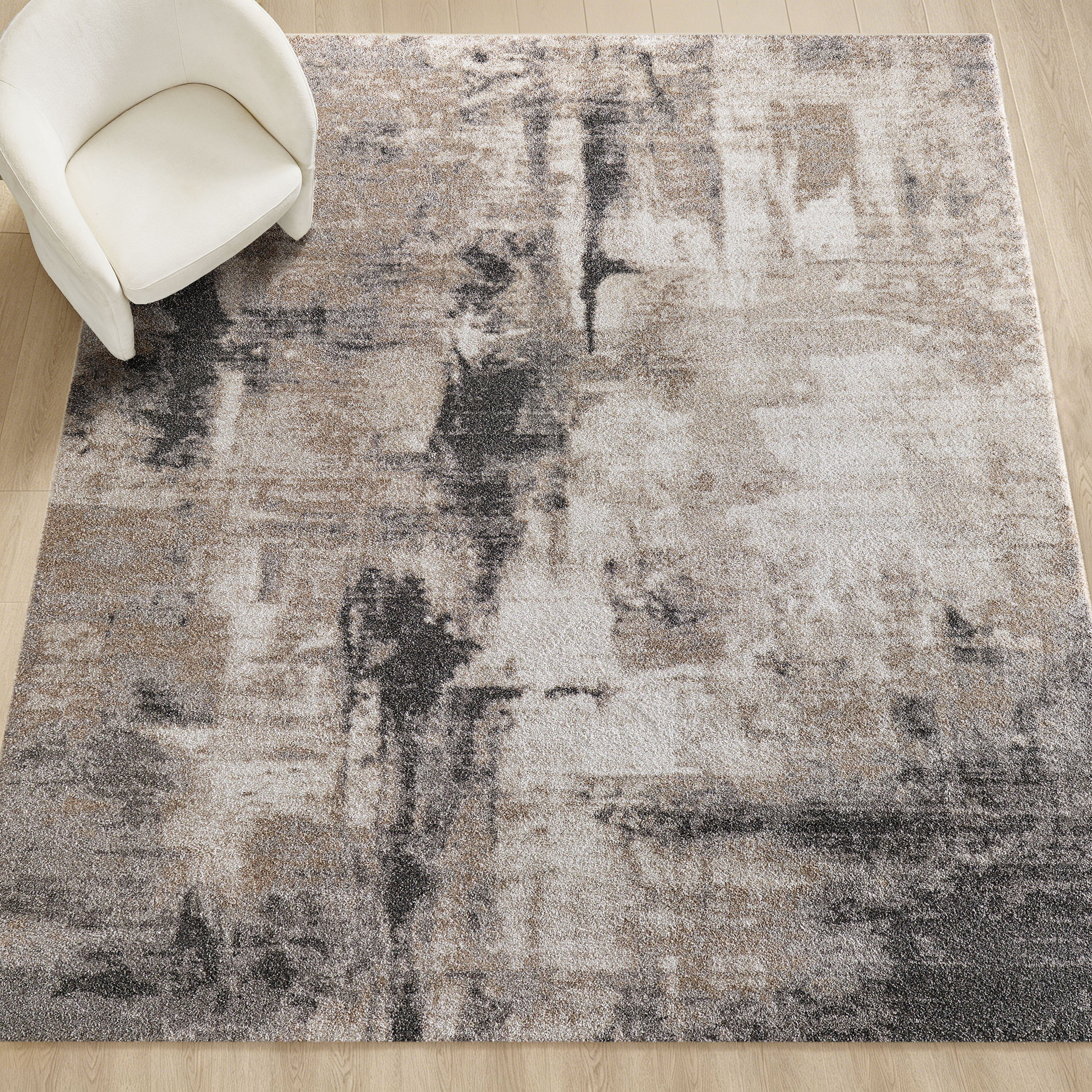
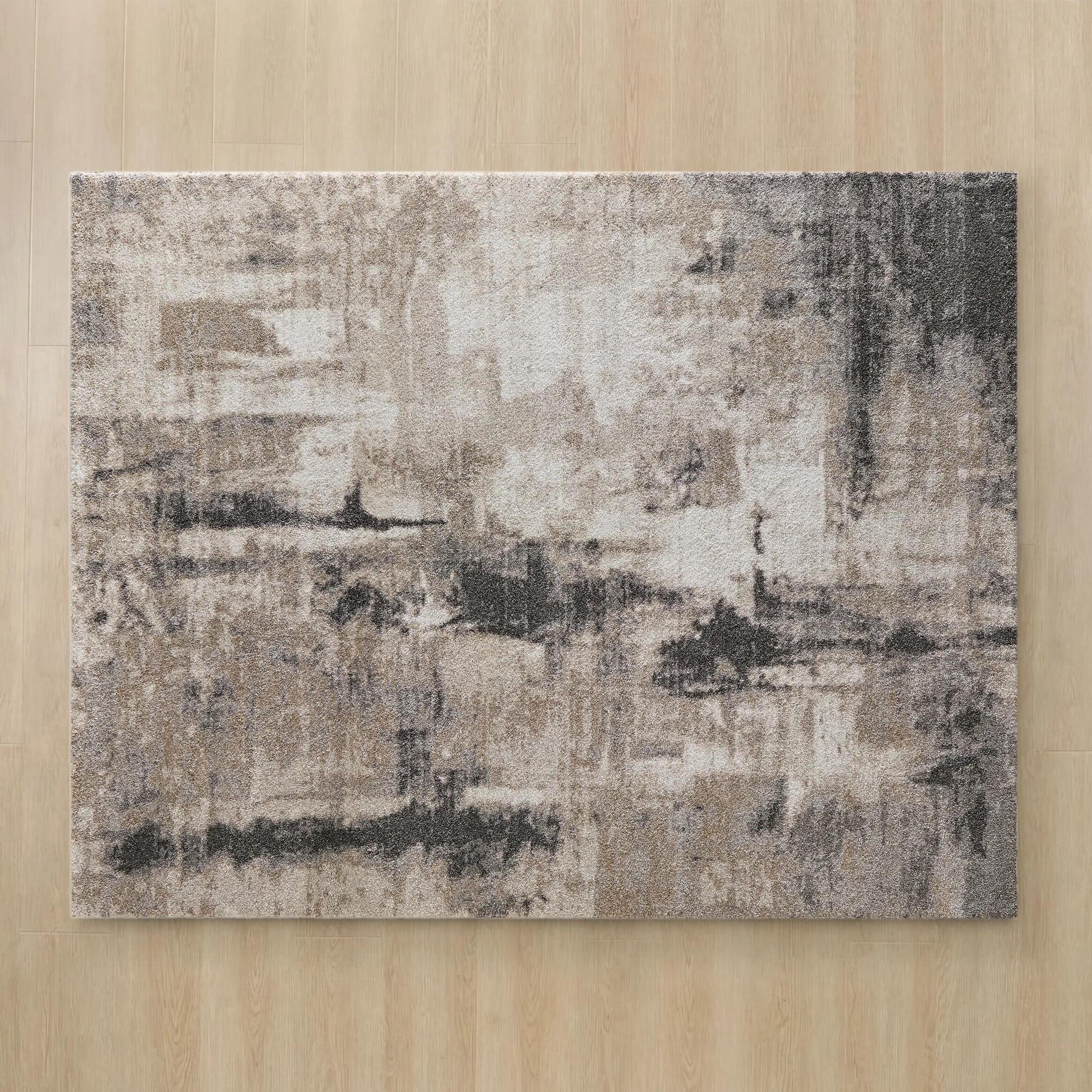 Atlas Abstract Grey/Taupe/Ivory/Charcoal Performance Power Loomed Rug$1349
An abstract rug in grey, taupe, ivory, and charcoal with a plush, stain-resistant polypropylene-polyester blend.
Add To Cart -
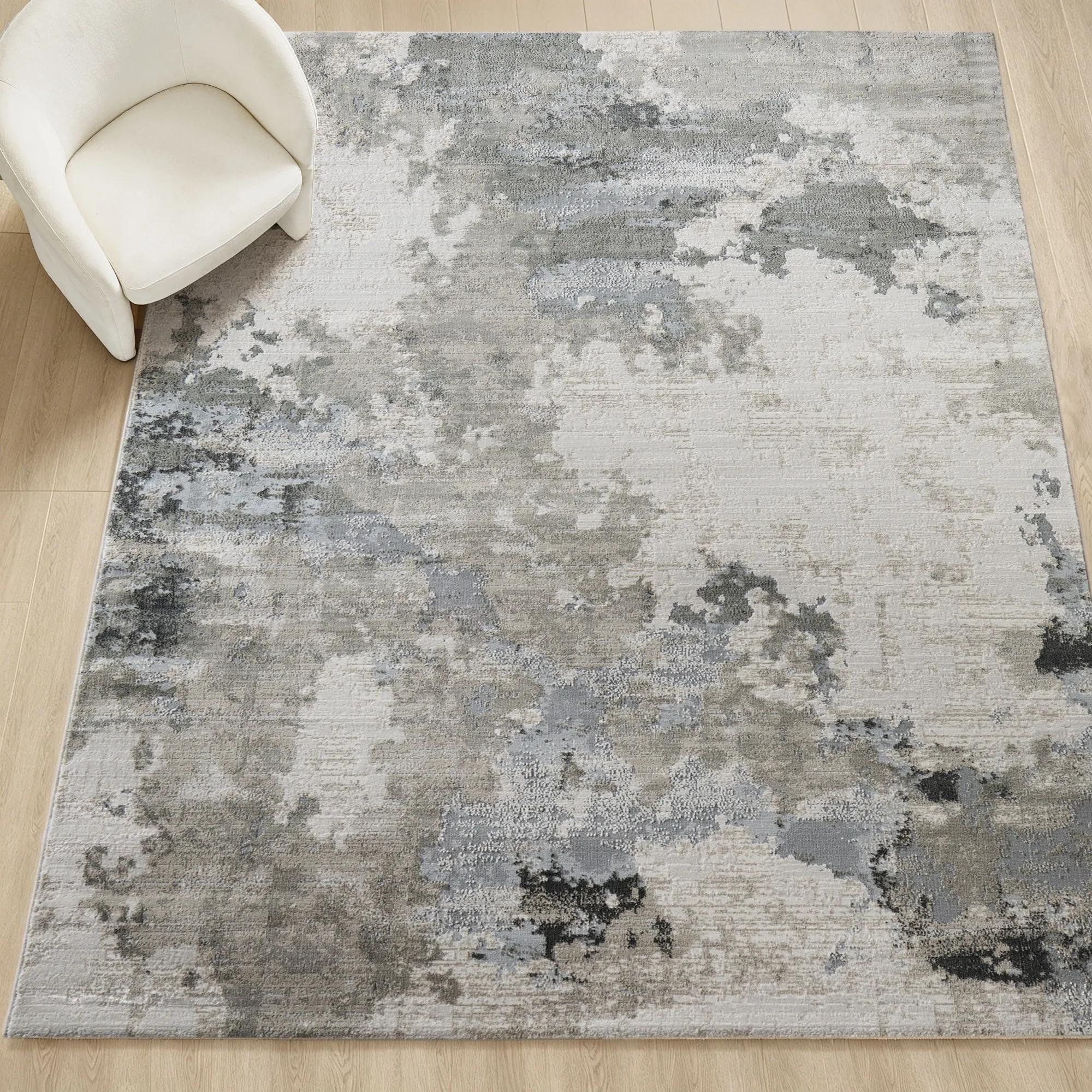 Alarion Abstract Grey/Muted Blue/Ivory Performance Power Loomed Rug$379
A power-loomed rug featuring a grey, muted blue, and ivory abstract pattern with stain-resistant durability.
Add To Cart -
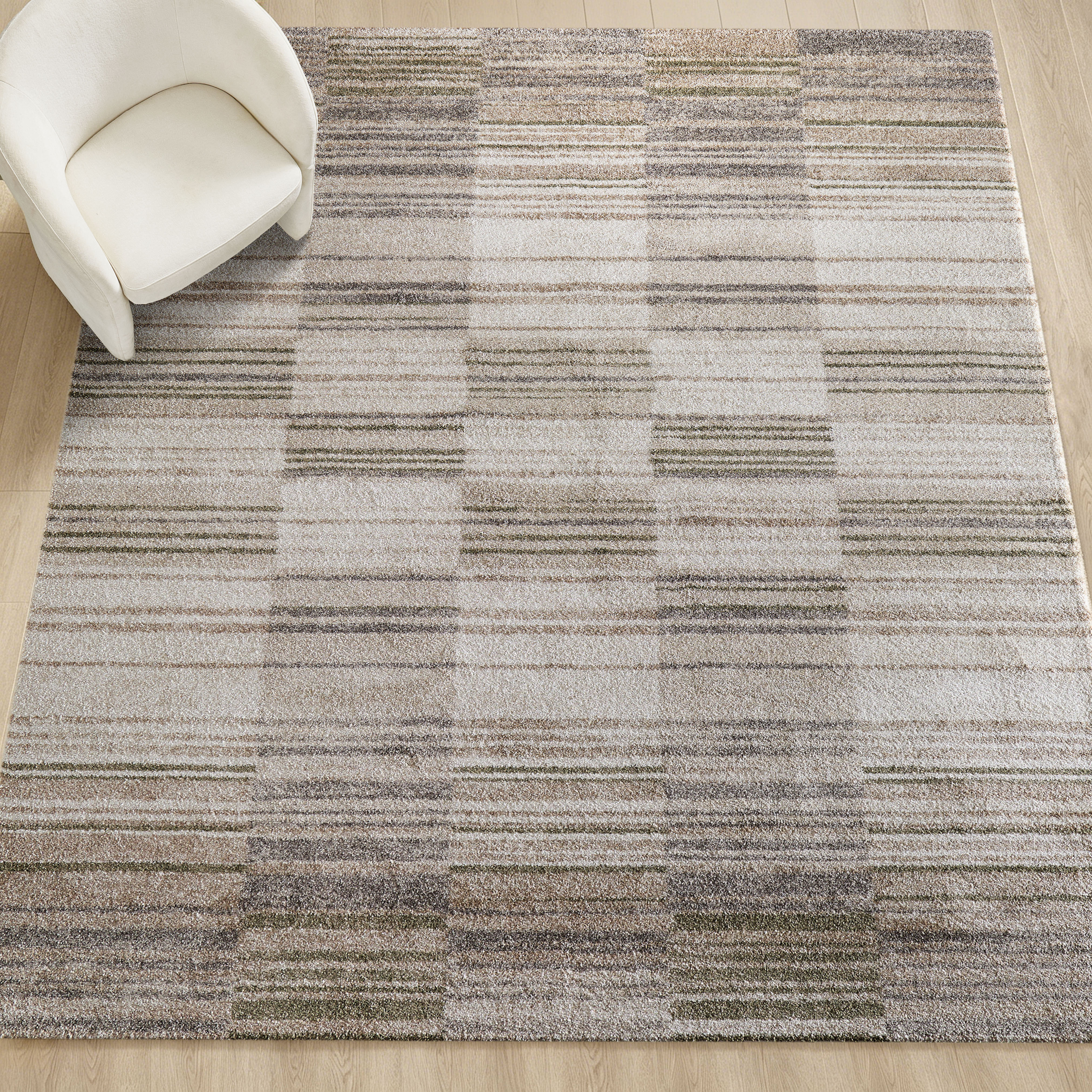
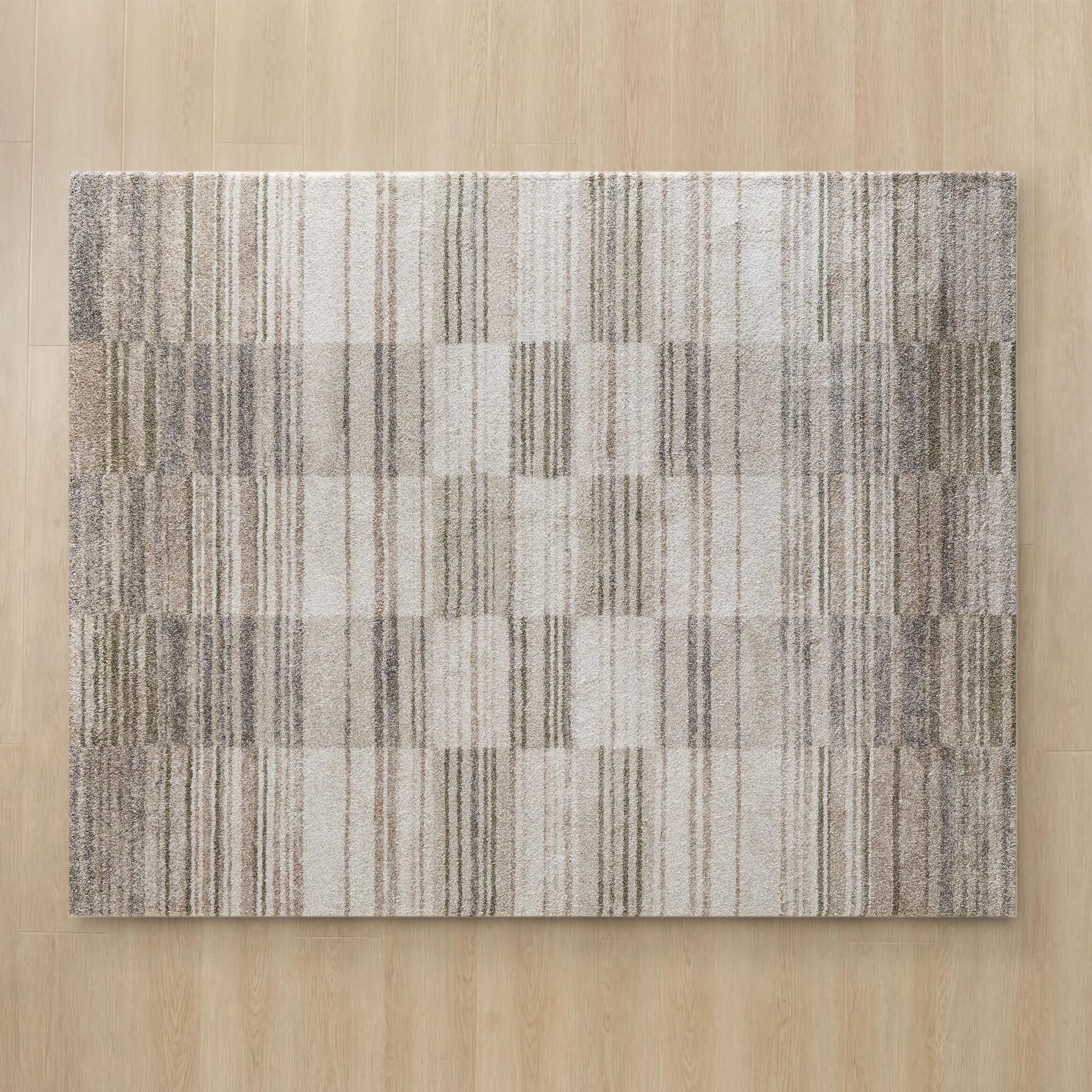 Checka Grey/Tan/Ivory/Soft Green Performance Power Loomed Rug$1649
A plush, power-loomed rug featuring a soft check pattern in grey, tan, ivory, and green.
Add To Cart -
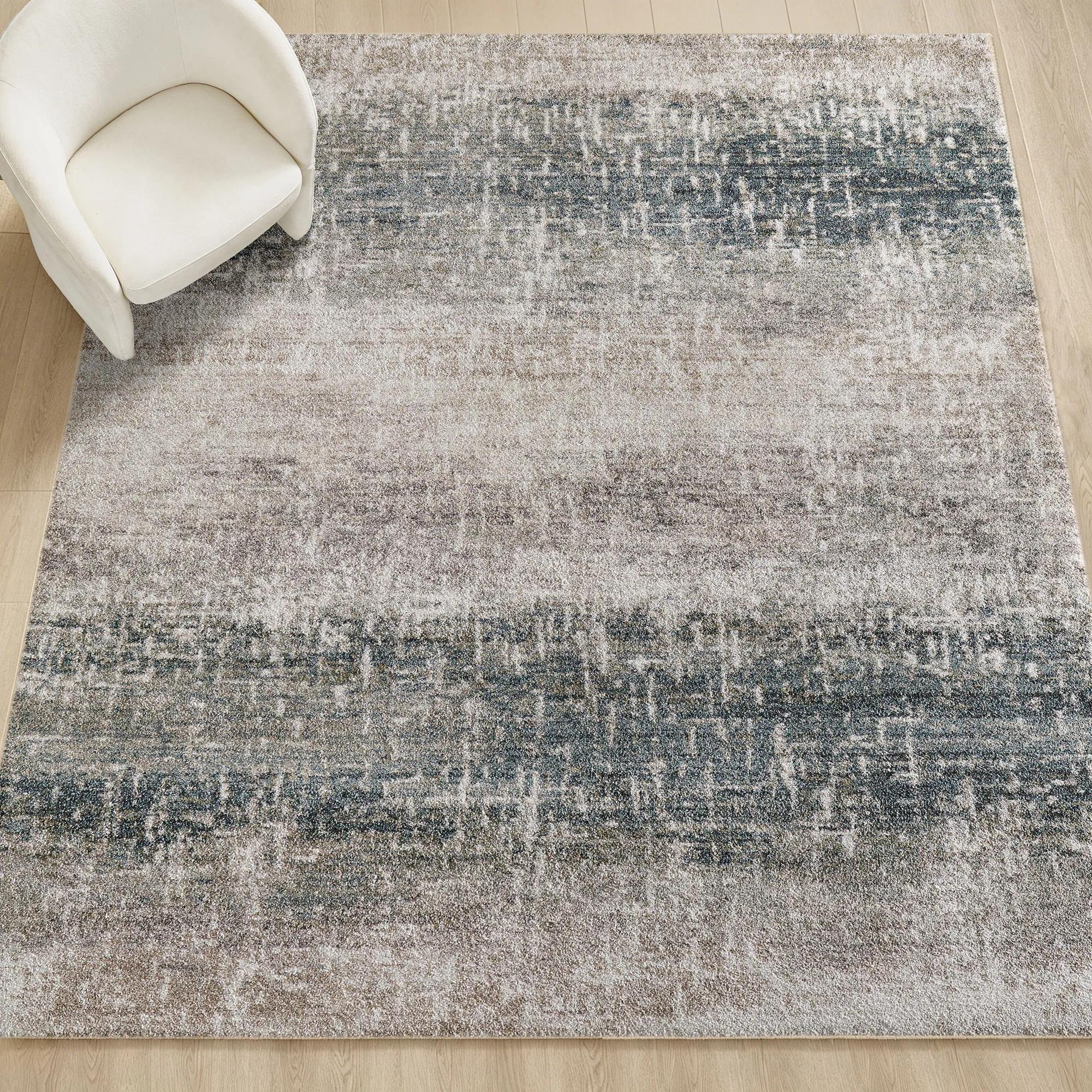
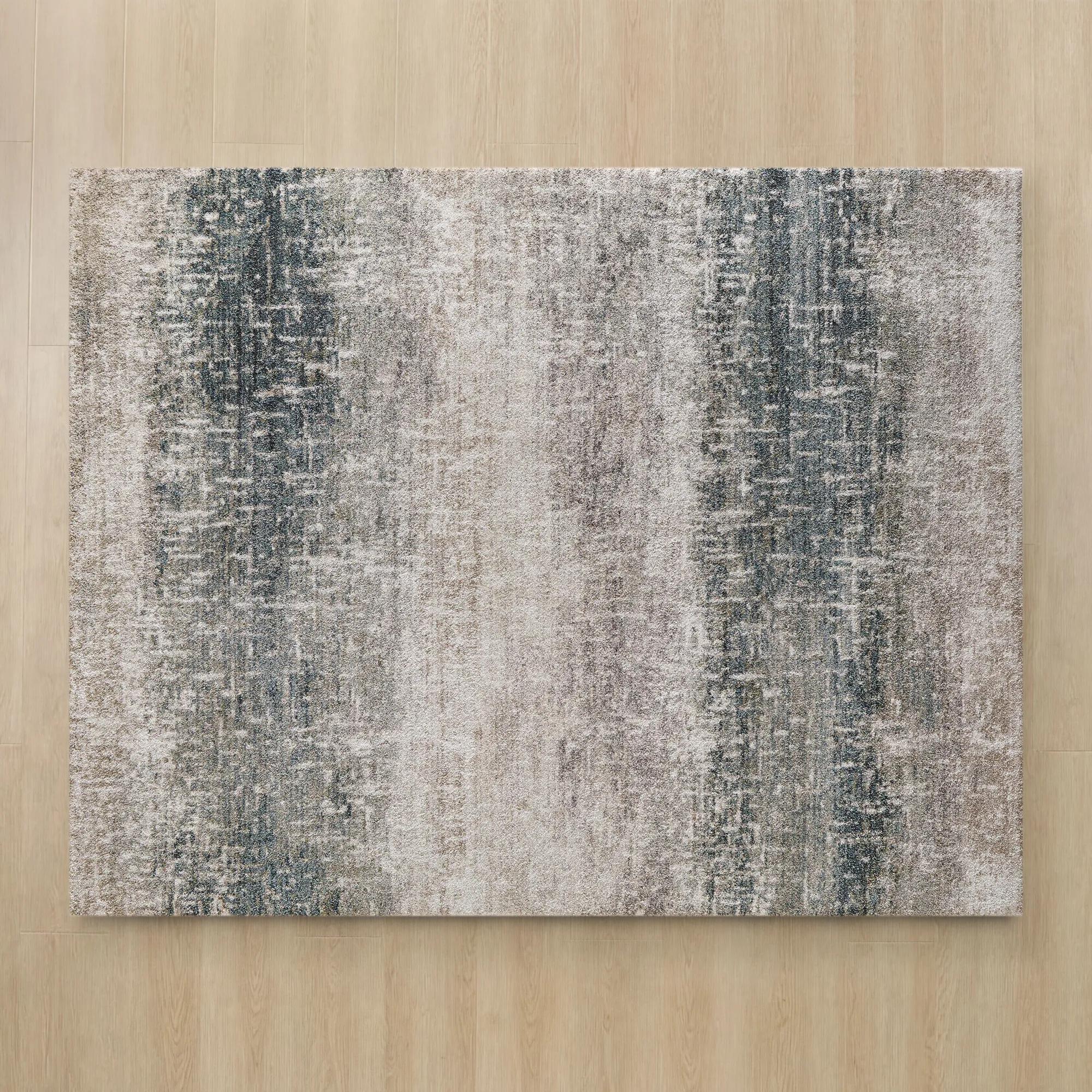 Collier Taupe/Grey/Blue/Green Performance Power Loomed Rug$1349
An abstract rug in taupe, grey, blue, and green with a plush, durable, and easy-care performance blend.
Add To Cart -
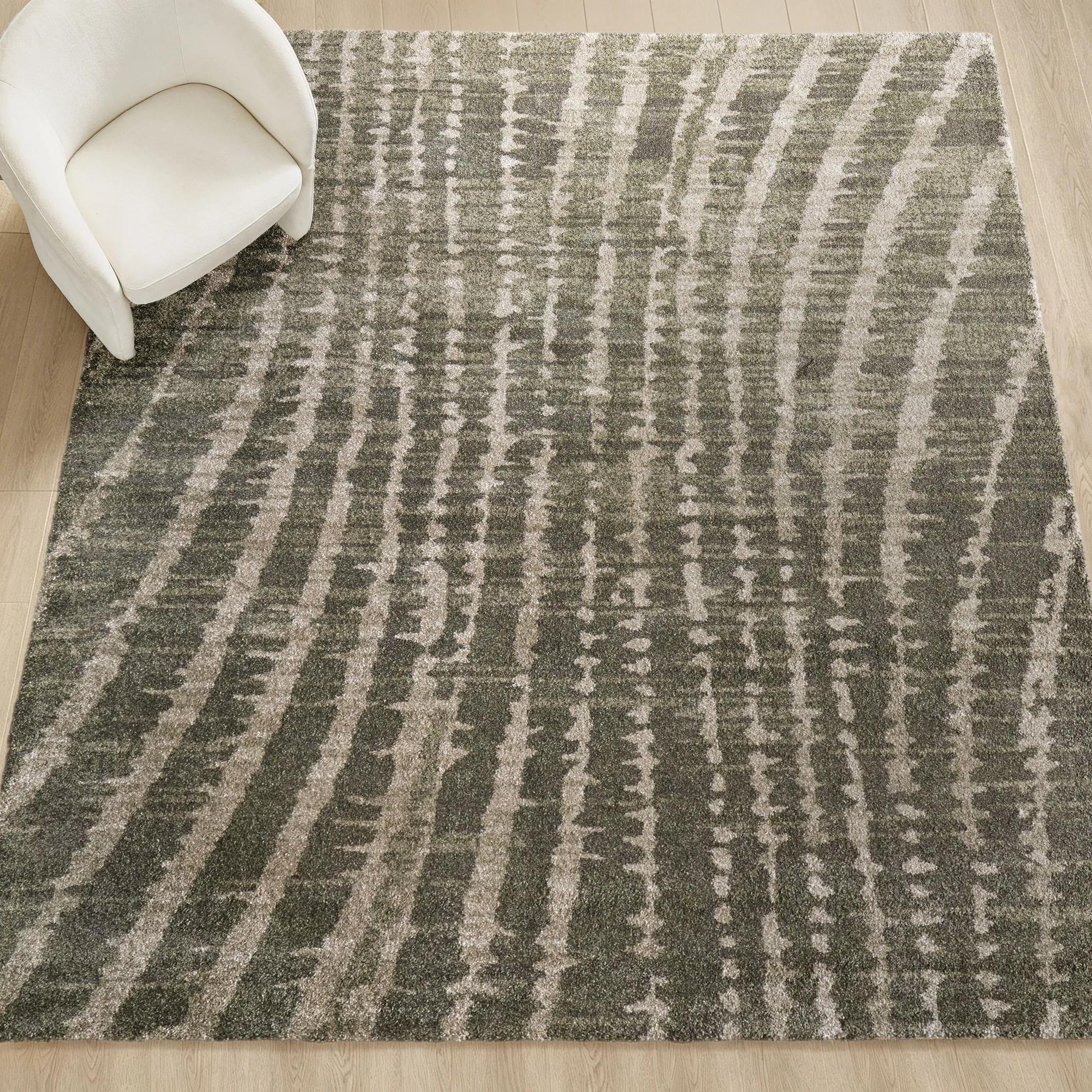
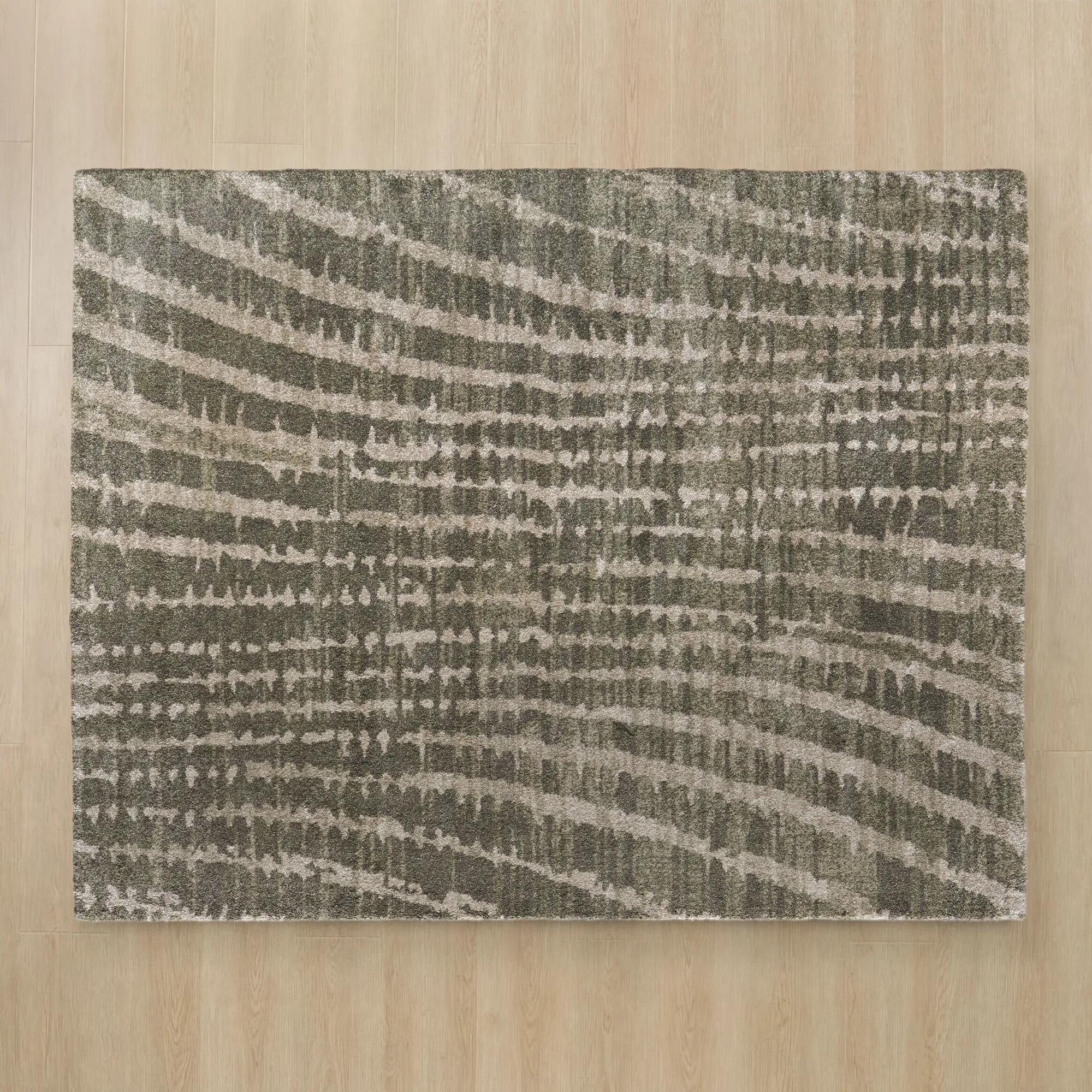 Tempo Green/Grey/Beige Performance Power Loomed Rug$1649
An abstract charcoal grey and beige rug with plush cut pile and durable, stain-resistant polypropylene-polyester construction.
Add To Cart -
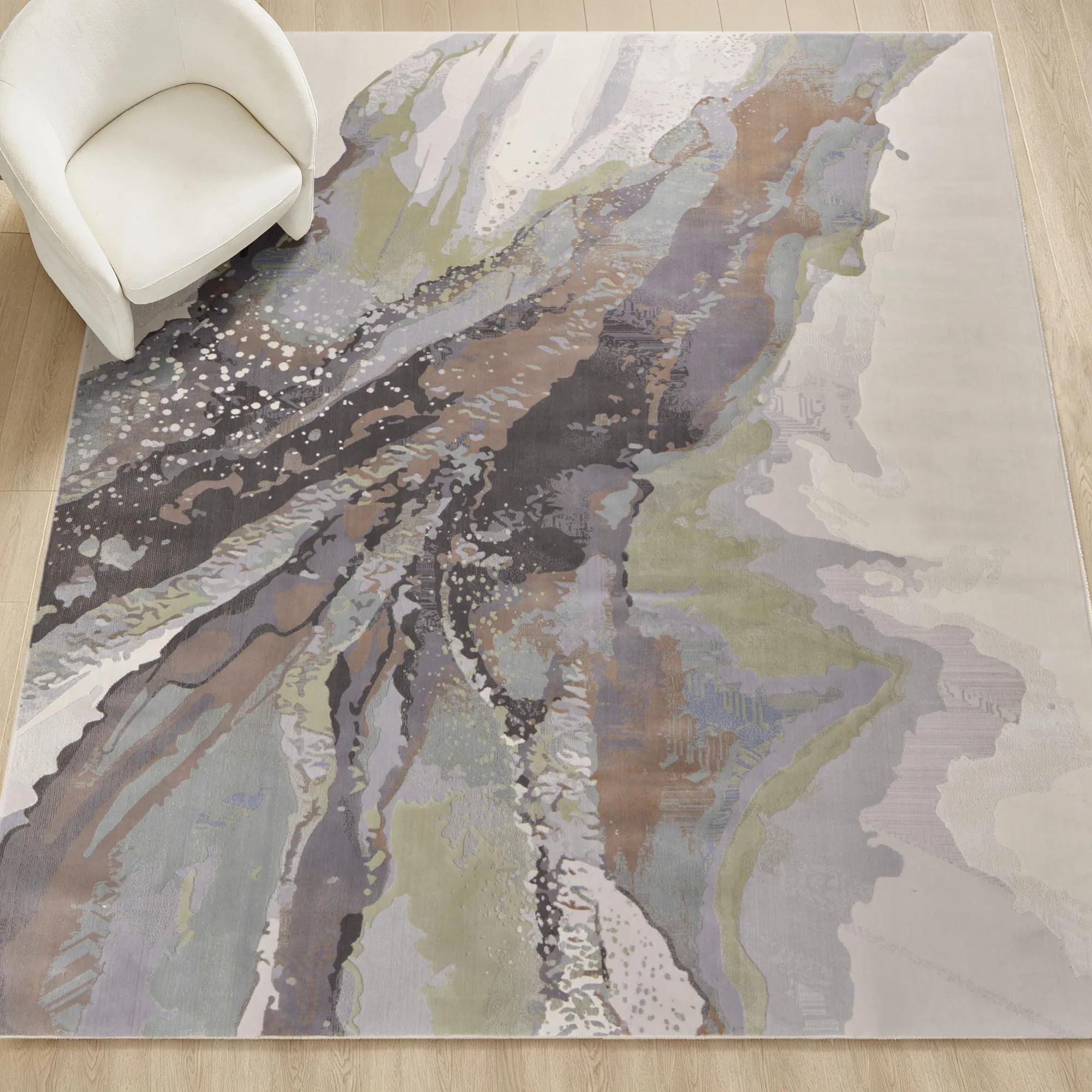
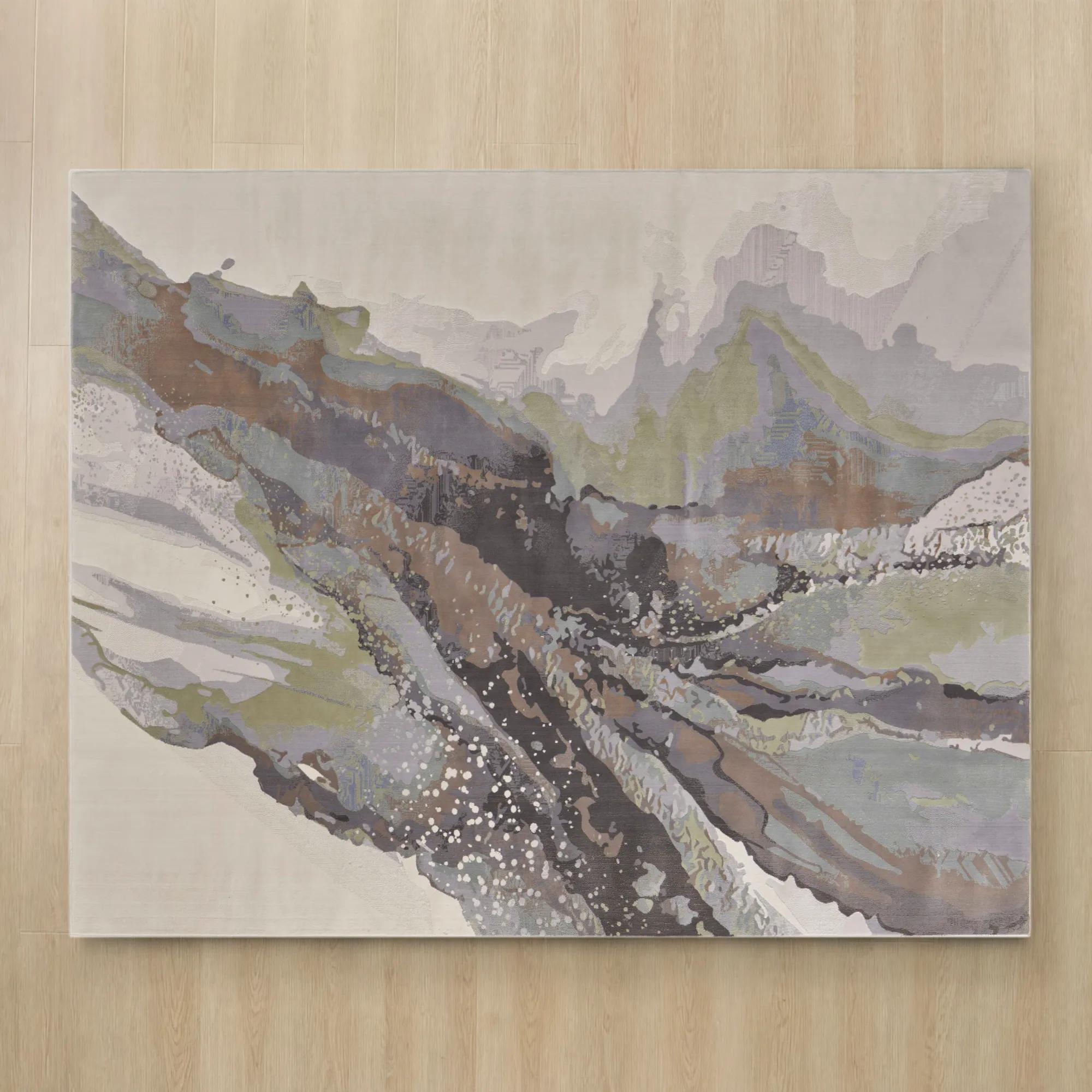 Nerissa Abstract Ivory/Grey/Blue/Green Performance Power Loomed Rug$449
An abstract rug in ivory, grey, blue, and green with a textured, stain-resistant polypropylene-polyester blend.
Add To Cart -
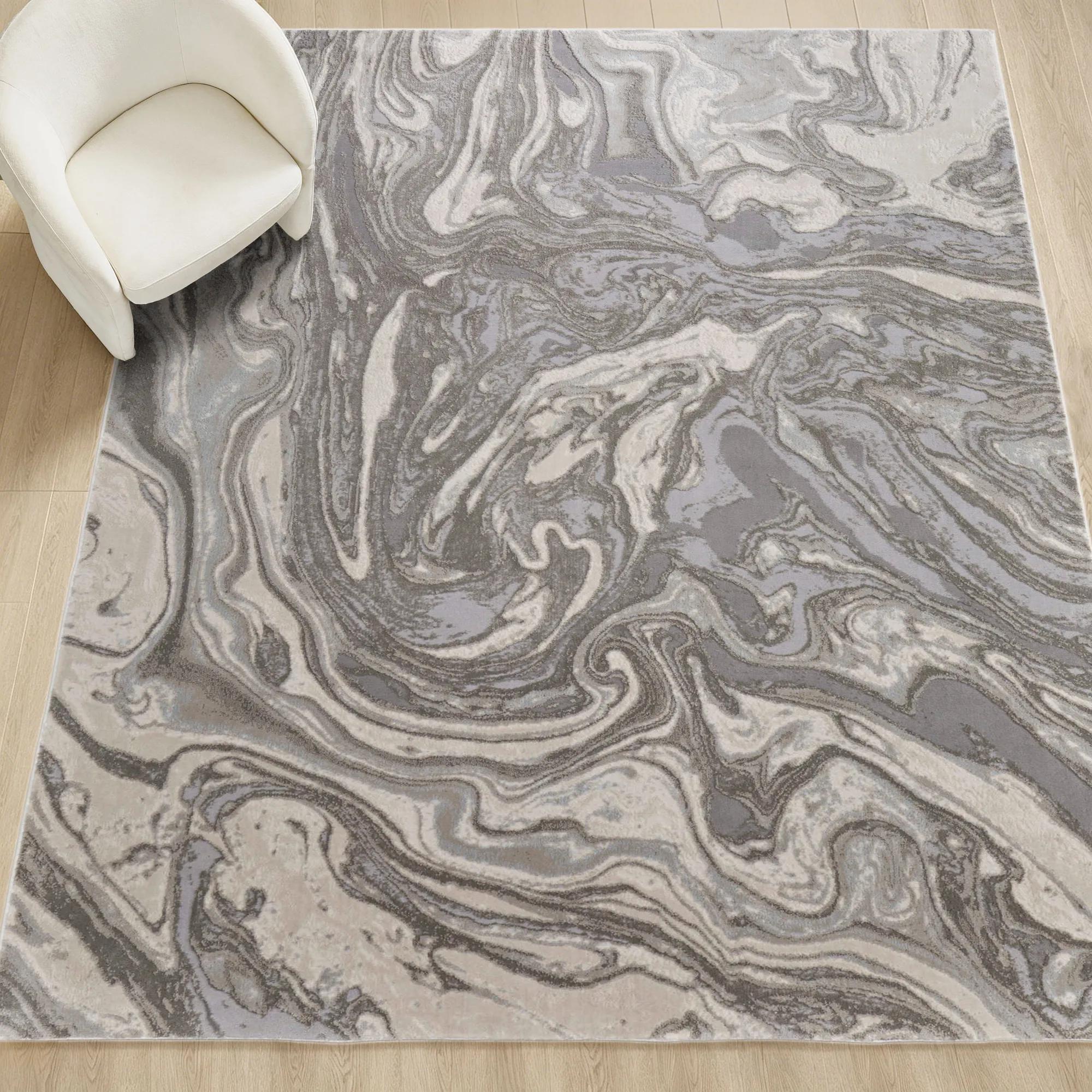
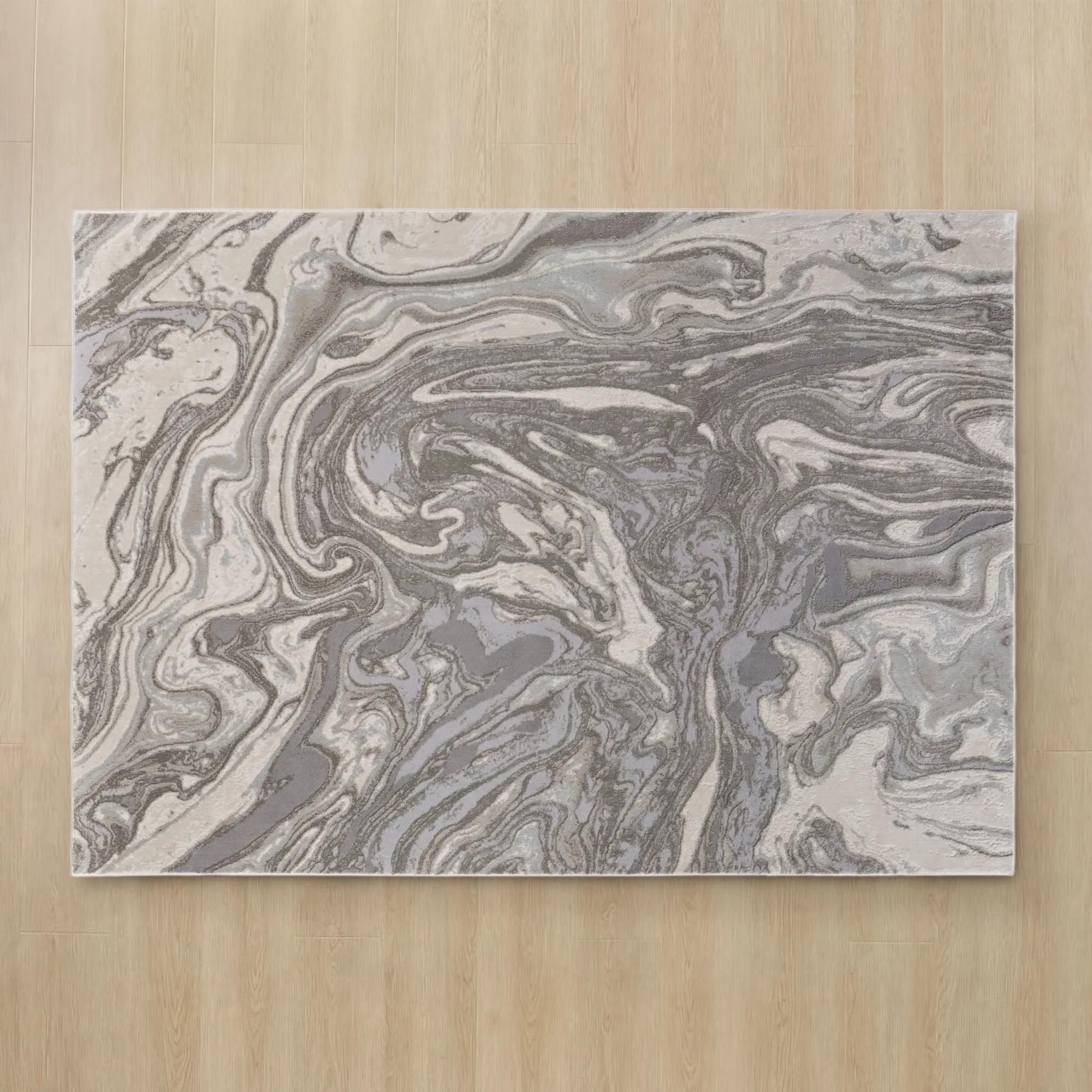 Marbre Marbled Grey/Taupe/Powder Blue Performance Power Loomed Rug$379
A softly marbled rug in grey, taupe, and powder blue with a textured, stain-resistant polypropylene blend.
Add To Cart -
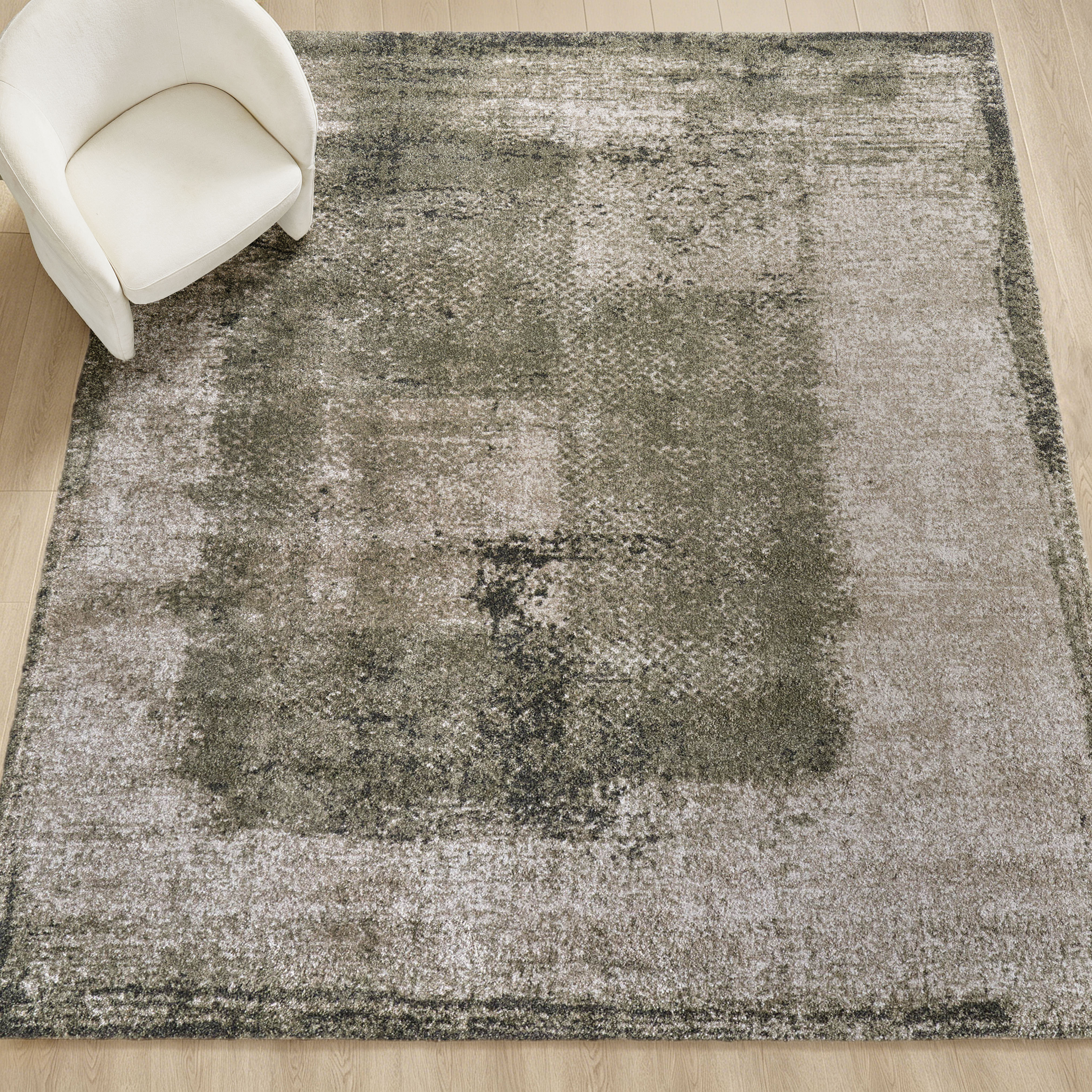
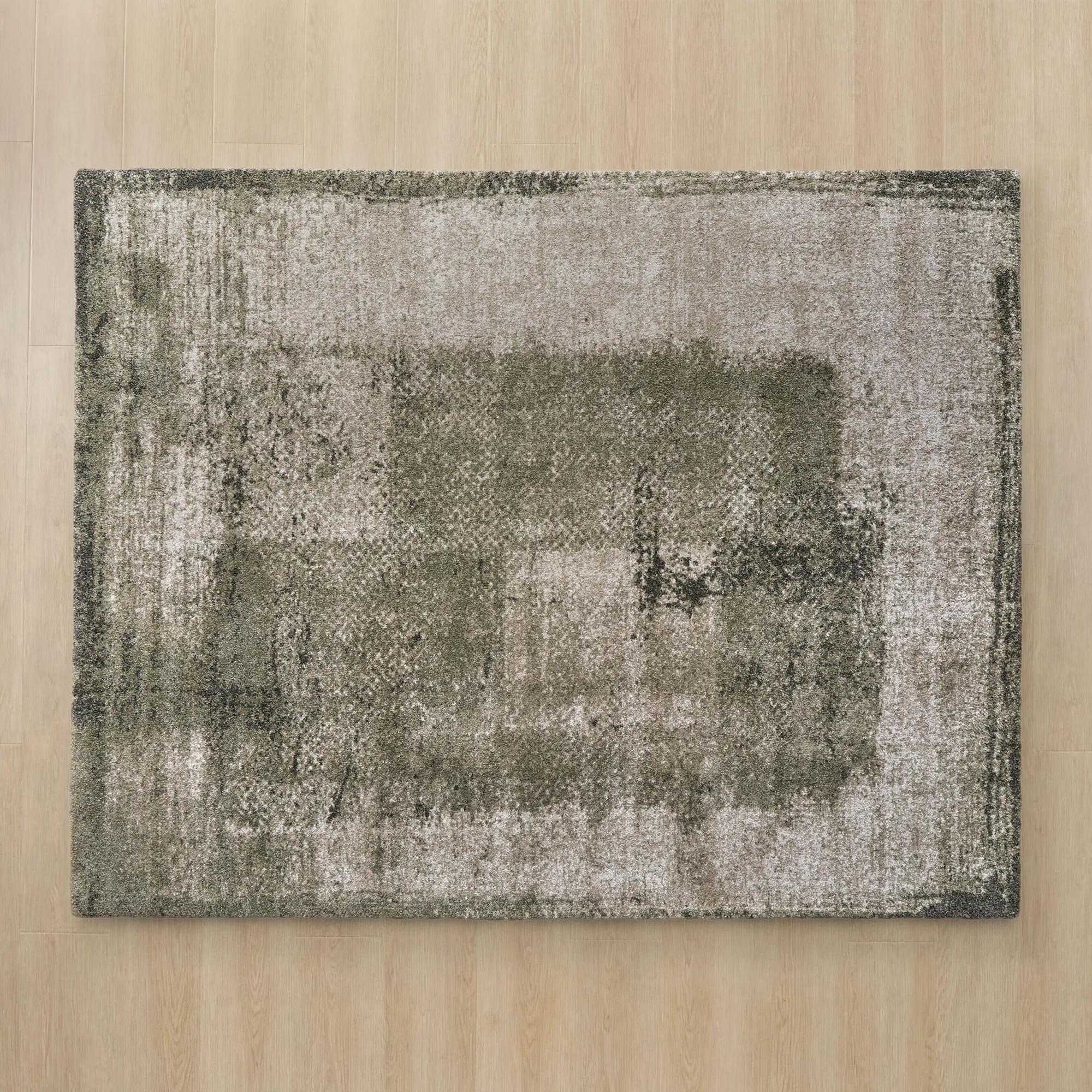 Irving Abstract Moss Green/Beige/Grey Performance Power Loomed Rug$1349
An abstract rug in moss green, beige, and grey with plush, durable polypropylene and polyester construction.
Add To Cart

Grey Silver Rugs For July Updates
Grey silver rugs for July updates invite you to reimagine your space with a touch of cool sophistication and radiant allure. These striking foundations capture the perfect balance between understated elegance and modern drama, transforming every room into a gallery of refined texture and shimmering light. Whether layered beneath bold furnishings or anchoring an artful vignette, grey silver rugs for July updates set the stage for interiors that feel both fresh and timeless—each piece promising a canvas where your summer style can truly shine.
Grey and silver rugs bring depth, luminosity, and a versatile neutral foundation to living rooms, bedrooms, dining spaces, and outdoor settings when the construction is expressly rated for exterior use. For summer-inspired updates, their appeal lies in the way they balance an airy palette with a richly finished room: pale grey softens bold furnishings, smoky tones lend definition, and silvery highlights echo the gleam of glass, polished metal, and mirrored surfaces. Grey describes the color family, while silver often describes a luminous visual effect rather than actual metallic fibers. That distinction matters when imagining a rug in natural light. A matte grey weave creates a grounded, tailored impression; a lustrous surface can appear lighter or darker as the pile changes direction and the viewing angle shifts. Against ivory upholstery, a silver-toned rug adds dimension without a sharp color break. Beneath a black dining table, it creates striking contrast, while warm taupe threads can connect the same palette to walnut furniture and brushed brass accents. Pattern brings another layer of expression. Abstract designs suggest painterly movement, geometric motifs establish rhythm, and softly distressed effects introduce tonal variation that feels less formal than a perfectly uniform field. A larger-scale pattern gives generous seating arrangements a sense of proportion, while finer markings add interest without competing with sculptural furniture or expressive artwork. Explore Grey And Silver Area Rugs for a palette that can support both dramatic interiors and more restrained compositions. These shades suit the apartment dweller refining an open living area, the host giving a dining room greater presence, or anyone bringing continuity to a home with mixed metal finishes. The most compelling effect comes from contrast: a luminous rug beneath a matte upholstered sofa, a textured weave beside sleek lacquer, or charcoal accents that give pale silver room to shine. The result feels composed rather than color-matched, with the rug connecting individual furnishings into a deliberate arrangement.
Material and construction shape how that visual effect feels underfoot and performs in everyday life. Wool rugs offer natural resilience and a substantial hand, making them well suited to living spaces where comfort and enduring texture matter; some shedding can be normal, particularly early in use. Polyester can contribute softness and color clarity, while polypropylene is often chosen for its resistance to moisture absorption and many everyday stains. Neither a synthetic fiber nor a low pile automatically makes a rug suitable for a patio: outdoor use requires an explicit outdoor rating, along with care instructions appropriate to the setting. Outdoor-rated grey and silver rugs can define a covered lounge or dining arrangement with the same visual intention as an indoor room, provided the surface beneath them is suitable and the rug is allowed to dry thoroughly after wet conditions. For interiors, viscose and other regenerated-cellulose fibers can deliver a silk-like sheen that gives silver tones particular richness, but they are sensitive to moisture and may require specialist cleaning. Blends bring different fibers together for a particular balance of texture, appearance, and performance, so the complete fiber content matters more than the surface impression alone. Construction is equally important. Low-pile and flatwoven rugs generally allow dining chairs to move more freely and create a tailored profile in busy rooms. Dense, plush textures add a sumptuous layer beside a bed or beneath a conversation area, although deeper pile can hold more debris and require more attentive maintenance. Hand-tufted, handwoven, and machine-made constructions each have distinct structures; no single method guarantees suitability for every household. Homes with pets, frequent visitors, or children benefit from considering pile density, snag potential, and cleaning requirements alongside color. Tonal patterning can make small traces of daily life less conspicuous, but no pale or silver-toned rug is maintenance-free. A luxurious choice feels beautiful in the room and makes sense for the way that room is actually used.
Scale gives grey and silver area rugs their architectural presence. In a living room, a rug large enough to sit beneath the front legs of the main sofa and neighboring chairs helps unify the seating arrangement instead of leaving separate pieces visually adrift. A border of exposed flooring preserves definition, especially where the rug’s sheen contrasts with dark wood or stone. In a dining room, the rug should extend far enough beyond the tabletop for chairs to remain supported when pulled out; approximately 24 to 30 inches on each side is a common starting point, with the actual chair dimensions determining the final fit. Bedroom rugs often feel most generous when they extend about 18 to 24 inches beyond the sides of the bed, giving the floor a soft, substantial frame. Door swings, floor vents, transitions between rooms, and nearby hearths also influence placement. A runner needs enough clearance for doors to open freely, while a thick pile may be less appropriate where steady footing is especially important. A rug pad selected for the floor finish and rug construction can help reduce movement, add cushioning, and limit friction beneath the rug; some heated floors require specific compatibility checks. Care preserves both the surface and the subtle shifts of tone that make this palette distinctive. Regular vacuuming should follow the maker’s guidance, with special attention to whether a rotating brush is appropriate for delicate fibers, long pile, or fringe. Blot spills promptly rather than rubbing, and use only cleaning methods approved for the material. Machine washing is appropriate only when the rug is explicitly labeled washable. Periodic rotation can help distribute wear and light exposure, while professional cleaning may be the better choice for delicate or heavily soiled constructions. With thoughtful proportions, suitable materials, and consistent care, grey and silver rugs offer more than a decorative finishing touch: they create a richly textured foundation for gathering, retreating, and expressing a distinctive point of view.
FAQs
Grey and silver rugs are remarkably versatile, complementing a wide range of interior styles. They shine in modern and contemporary spaces, where their cool tones and metallic hints add sophistication and depth. These rugs also elevate transitional and classic rooms, providing a serene foundation that allows statement furniture and art to take center stage. For those who favor eclectic or glam aesthetics, silver grey rugs introduce a touch of drama and shimmer, creating a luxurious atmosphere that feels both timeless and on-trend.
A grey silver rug instantly refreshes a room by introducing a sense of lightness and cool elegance—perfect for the summer months. Place one in your living room to anchor bright accent pillows and bold artwork, or use it in a sunroom to amplify natural light and create a breezy, inviting vibe. For outdoor entertaining areas, a weather-resistant silver grey rug brings indoor-level style to patios and decks, seamlessly blending indoor comfort with outdoor living.
Absolutely—many grey and silver area rugs are crafted from durable, stain-resistant materials like polypropylene or polyester, making them ideal for busy households. Their patterns and subtle color variations help disguise everyday spills and footprints, while machine-washable options offer effortless cleaning. This means you can enjoy the sophistication of a grey silver rug without worrying about the demands of family life.
Grey and silver rugs are a designer’s dream for their ability to harmonize with a variety of color palettes. They pair beautifully with bold jewel tones such as emerald, sapphire, or amethyst, as well as warm metallics like gold and brass. For a softer look, combine them with blush, ivory, or pale blue accents. Whether you’re aiming for high-contrast drama or understated elegance, these rugs provide a versatile backdrop for creative expression.
Yes, a grey silver rug can absolutely be the centerpiece of a room. Opt for a rug with a striking geometric or abstract pattern, or one with a high-shine metallic finish, to create visual interest and draw the eye. Even subtle ombre designs or textured weaves can command attention, allowing the rug to set the tone for the entire space and reflect your unique sense of style.