Gold Wall Art For Open Spaces
Gold Wall Art For Open Spaces
-
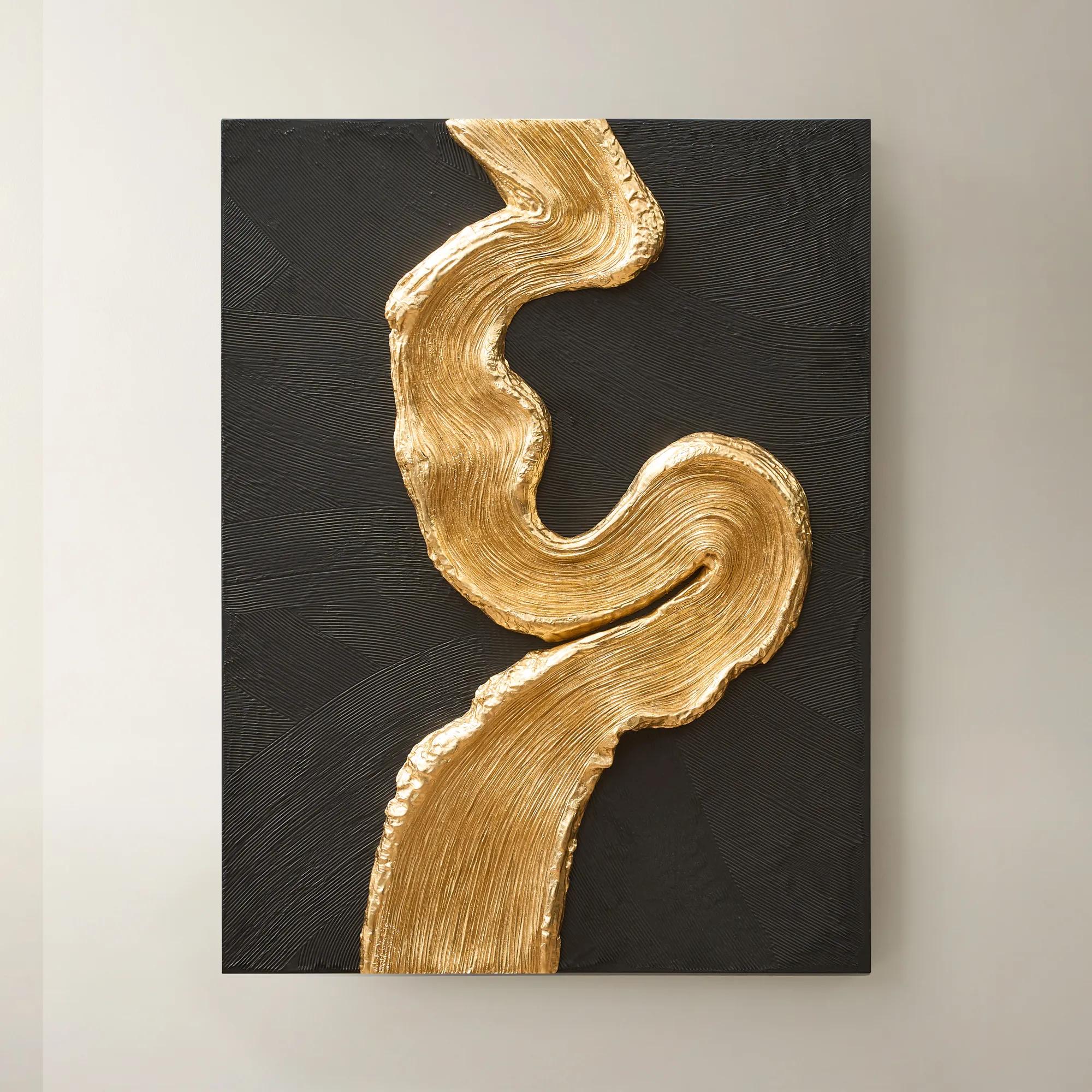
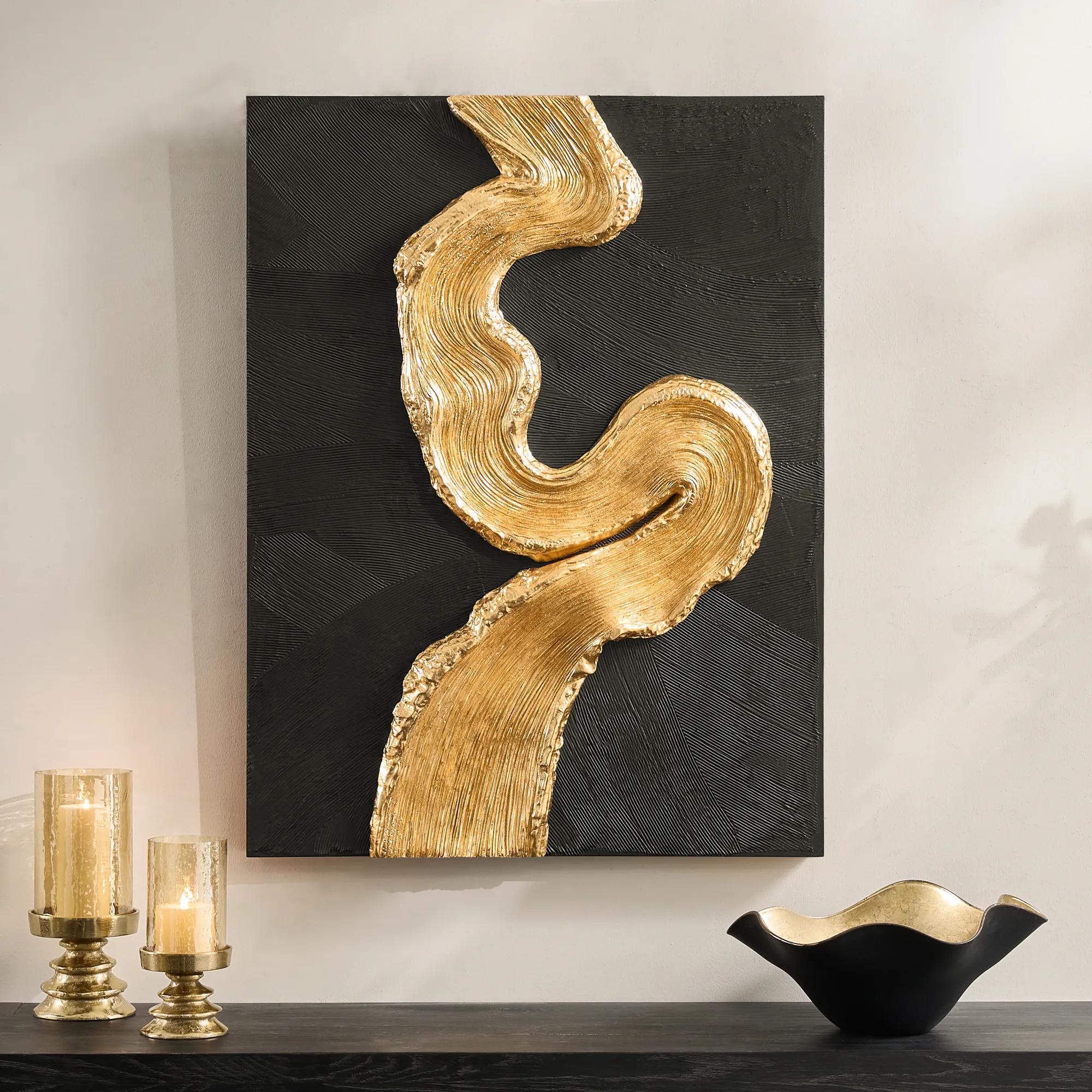 Gold Impasto Sculpted Resin Wall Panel 30" x 40"$499
A sculpted fiberglass resin wall panel featuring gold leaf detail and bold impasto texture on a black backdrop.
Add To Cart -
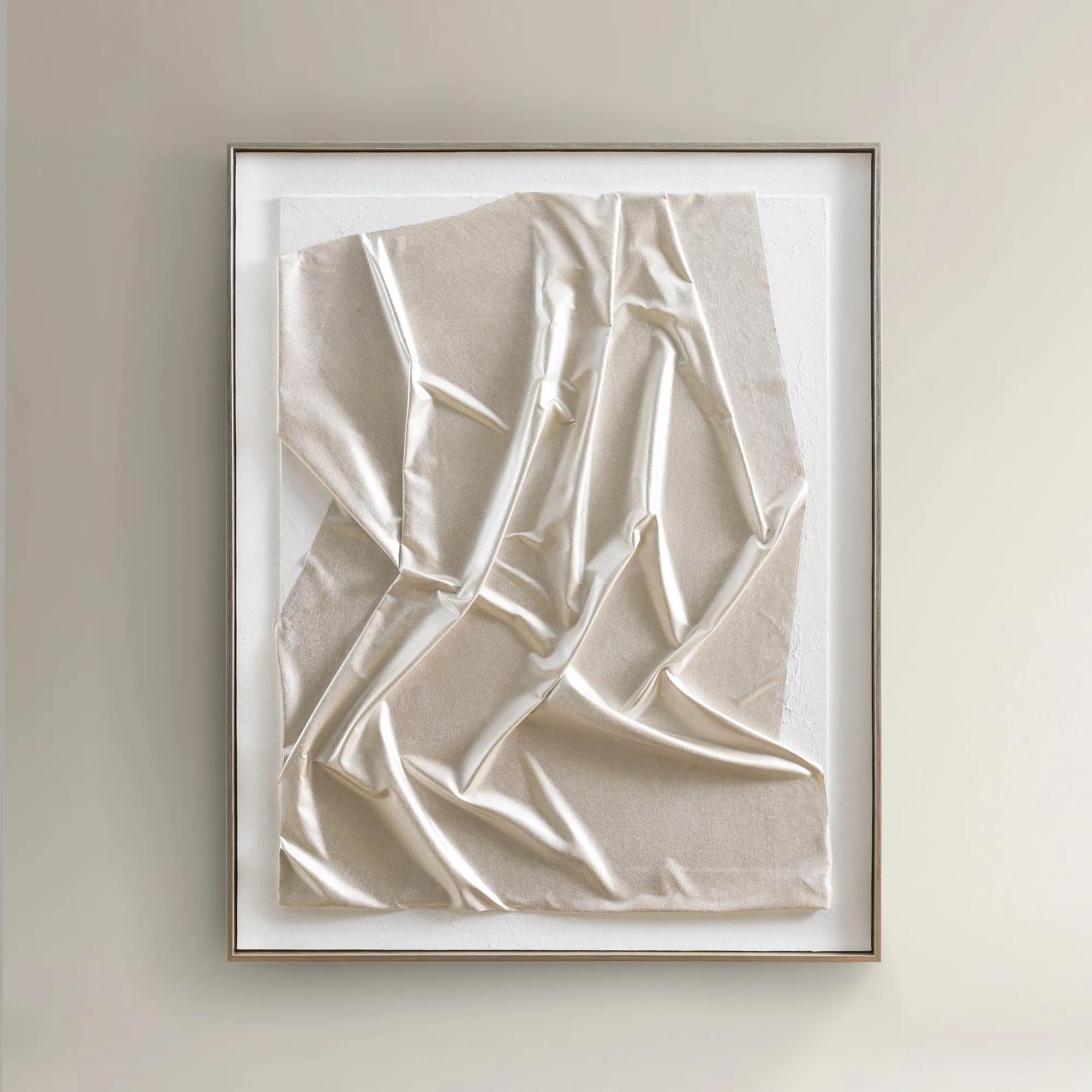
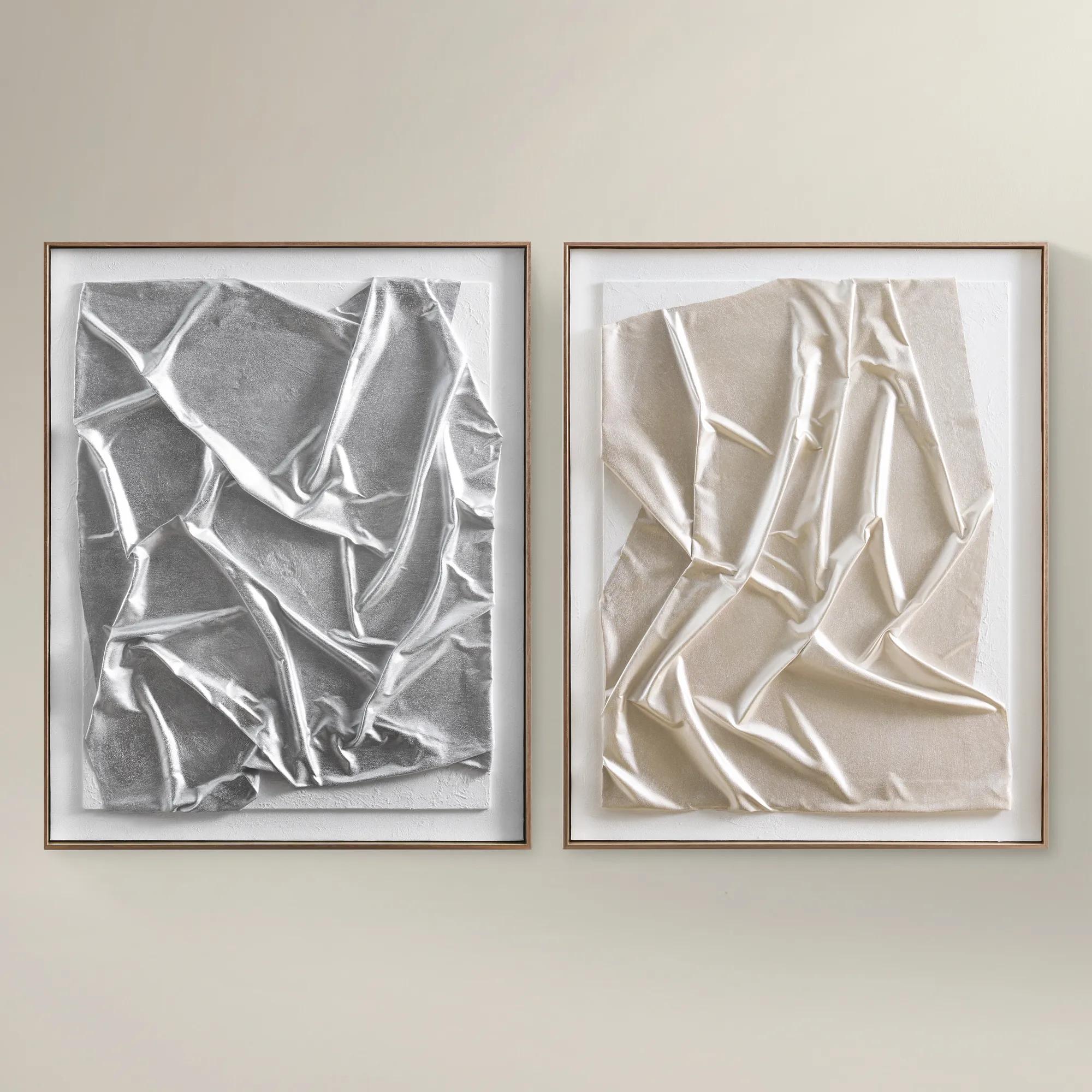 In the Mood Framed Painted Wall Art 31.5" x 39.5"$199
A hand-painted gold canvas artwork featuring textured surfaces and fluid forms in a champagne floater frame.
Add To Cart -
 Gilt Collage Gold Hand Crafted Wood Dimensional Wall Panel 30" x 60"$799
A glamorous gilt-finished collage wall panel bringing sculptural dimension and contemporary elegance to your decor.
Add To Cart -

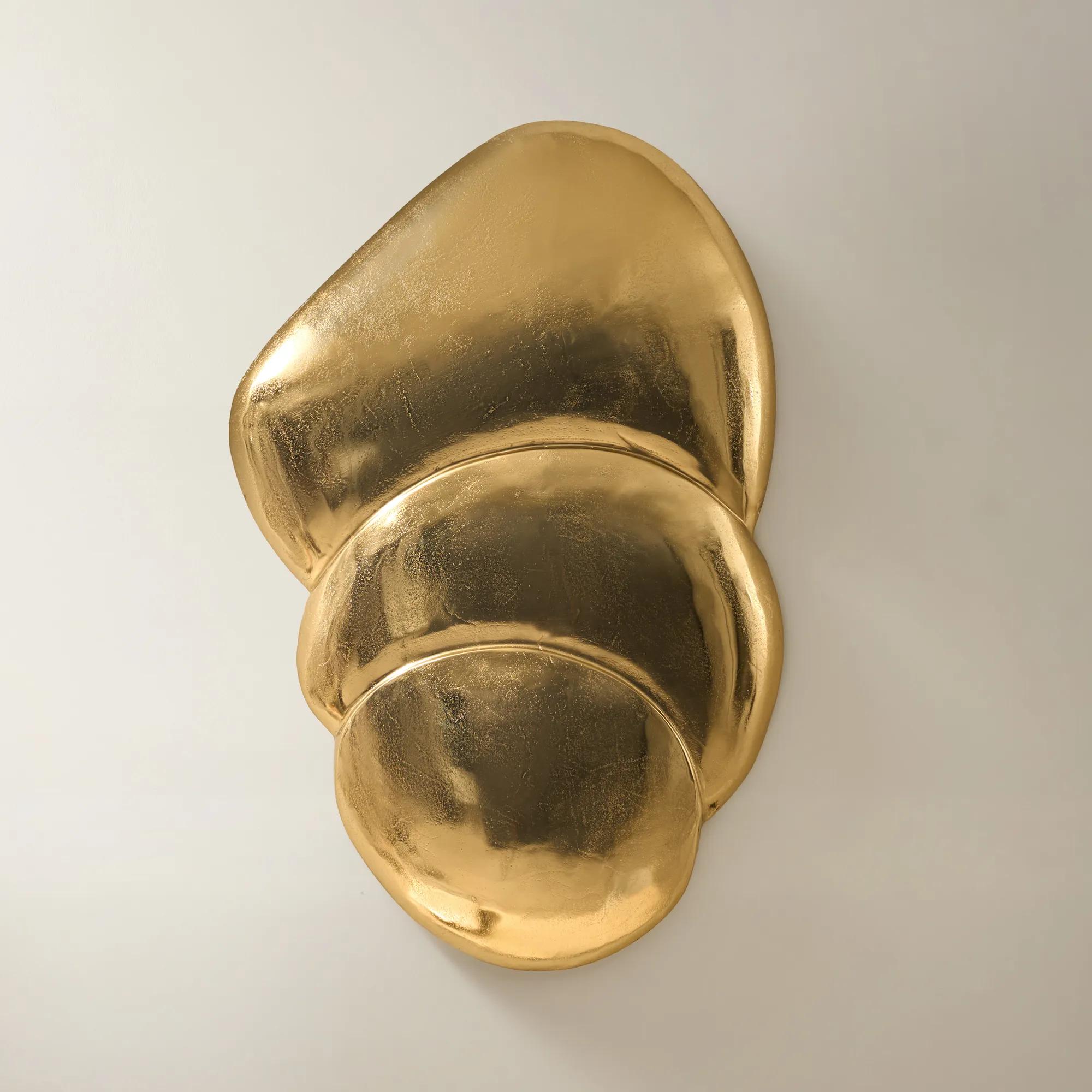
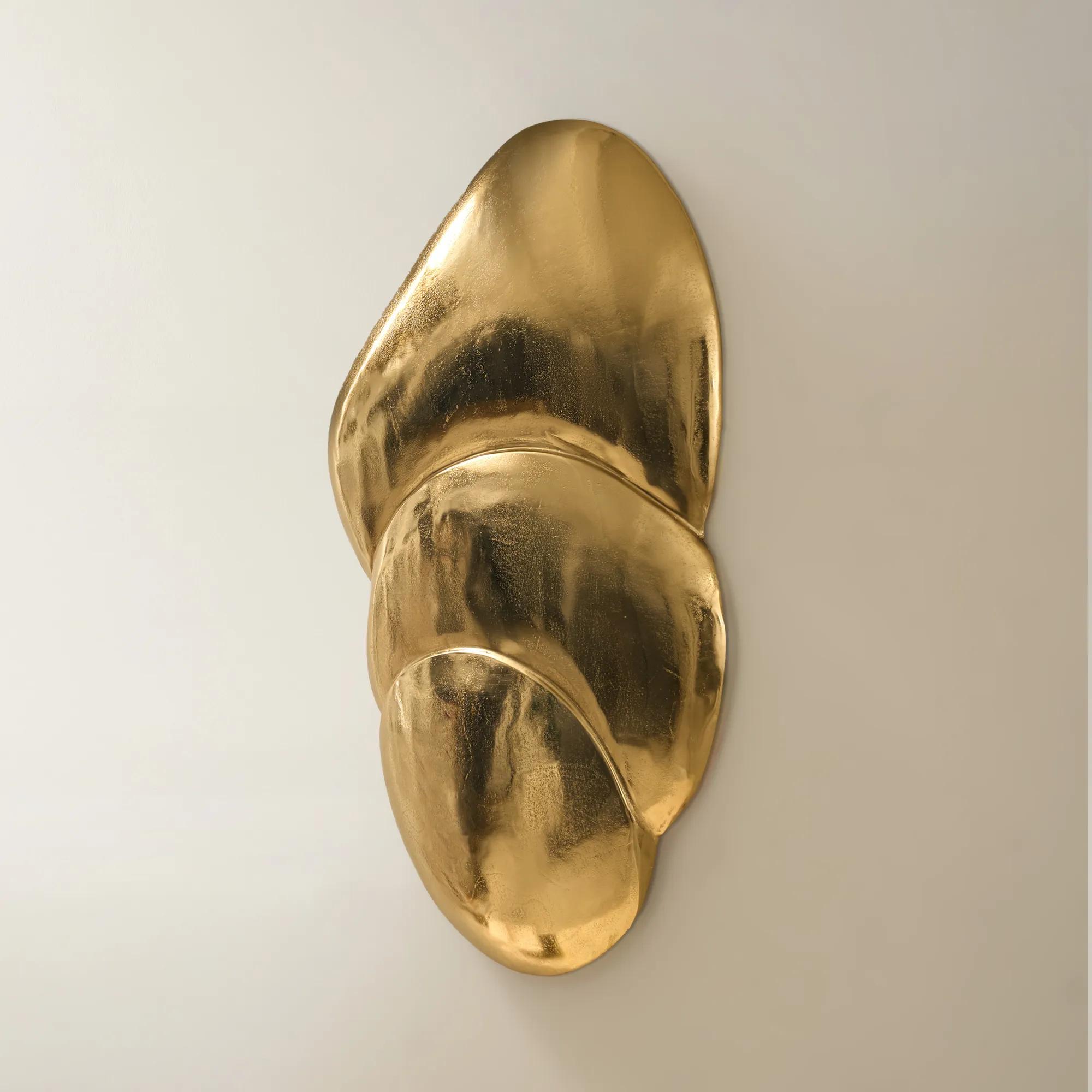 Echo Gold Handcrafted Aluminum Wall Decor 19" x 30"$169
A handcrafted gold aluminum wall sculpture with crisp definition and a polished, gallery-ready framed presentation.
Add To Cart -
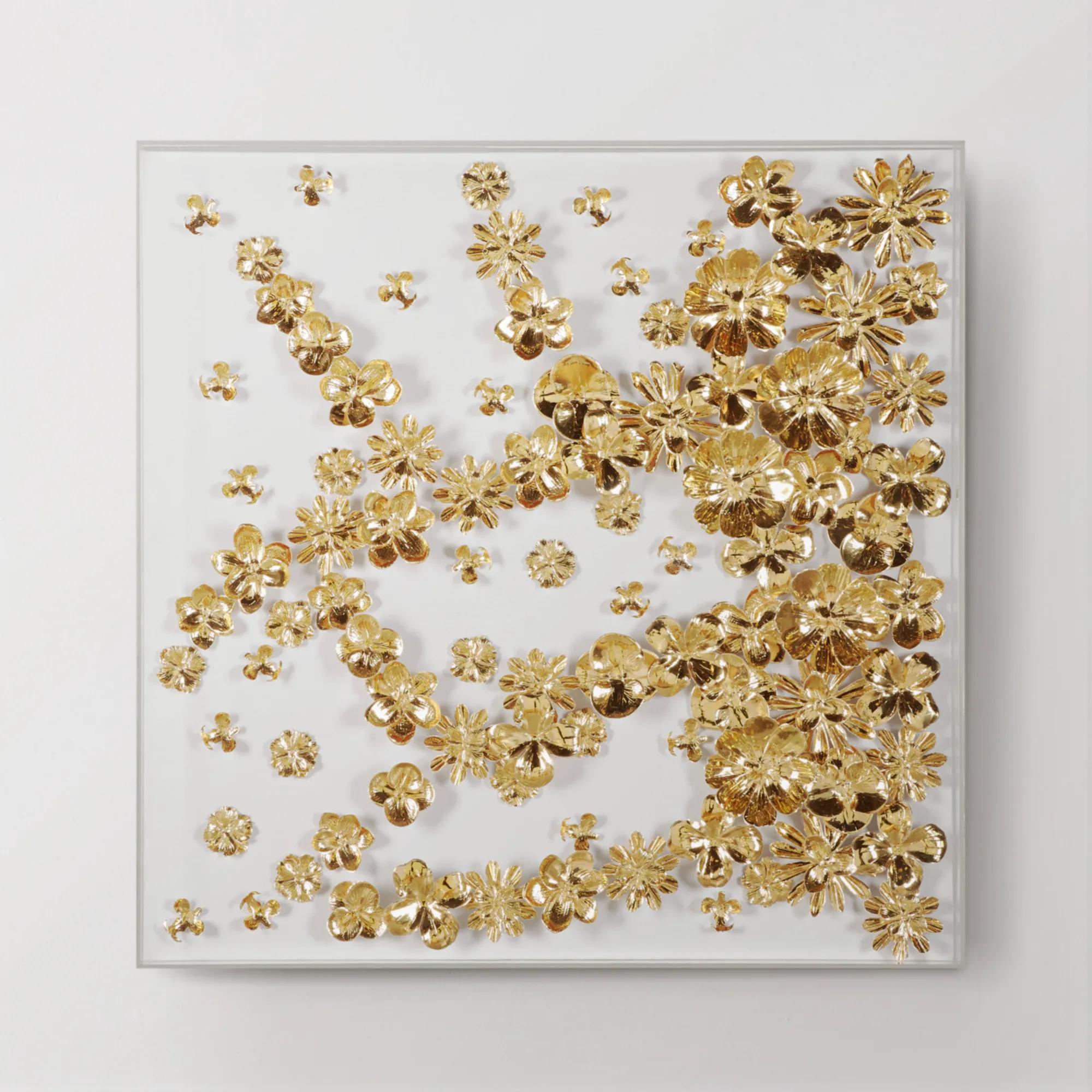
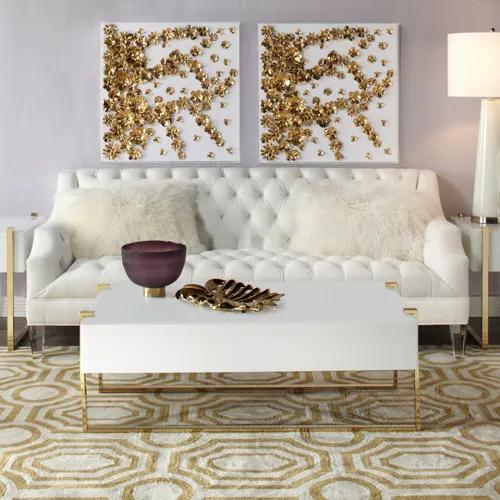 Gold Flora Handmade Foil Wall Decor in Acrylic 31" x 31"$499
A glam botanical wall art featuring handmade gold foil paper flowers on a white linen background.
Add To Cart -

 Sand Storm Framed Gold Foil Wall Art 32" x 47"$329
A refined abstract artwork with gold foil accents, sand and charcoal tones, framed in solid wood.
Add To Cart -
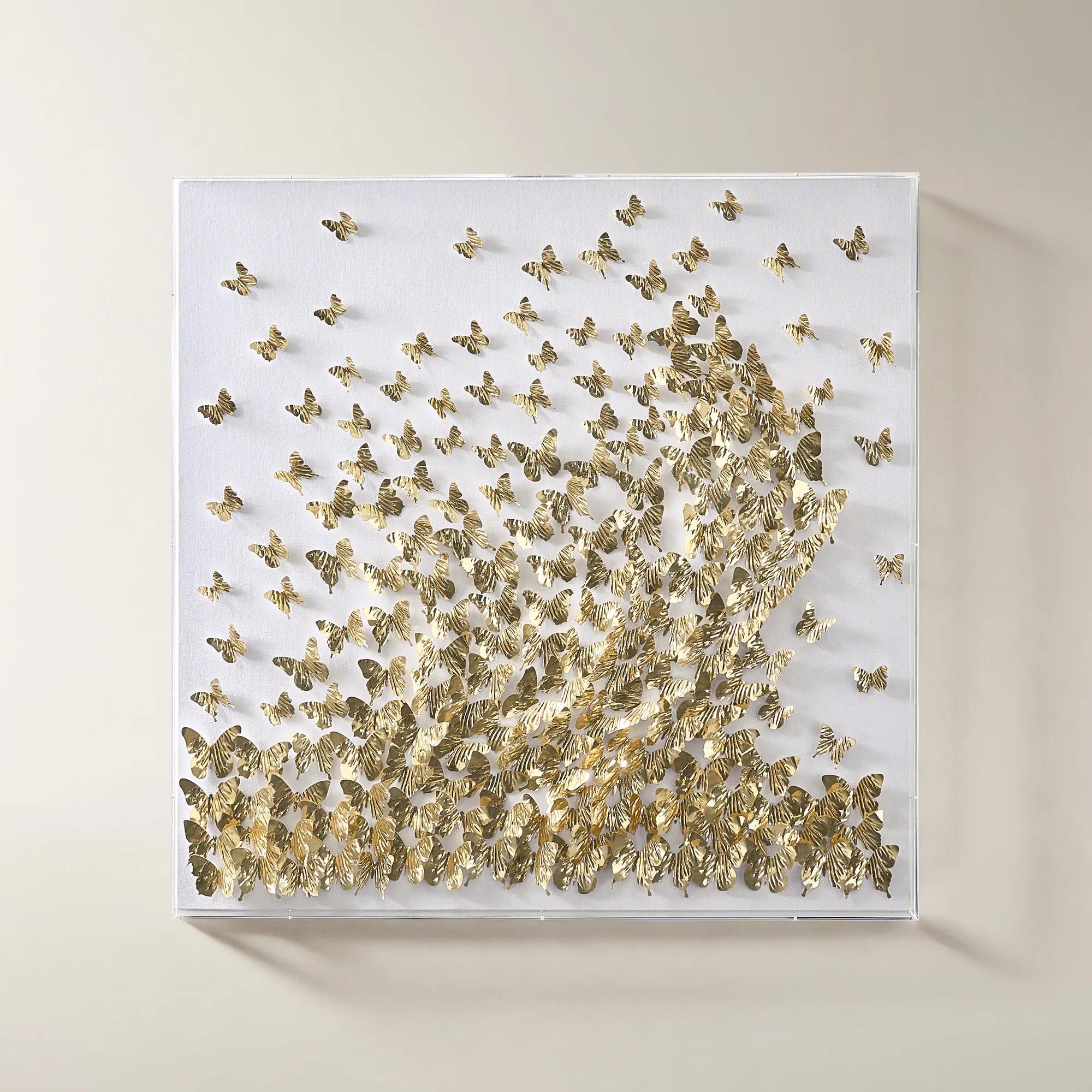
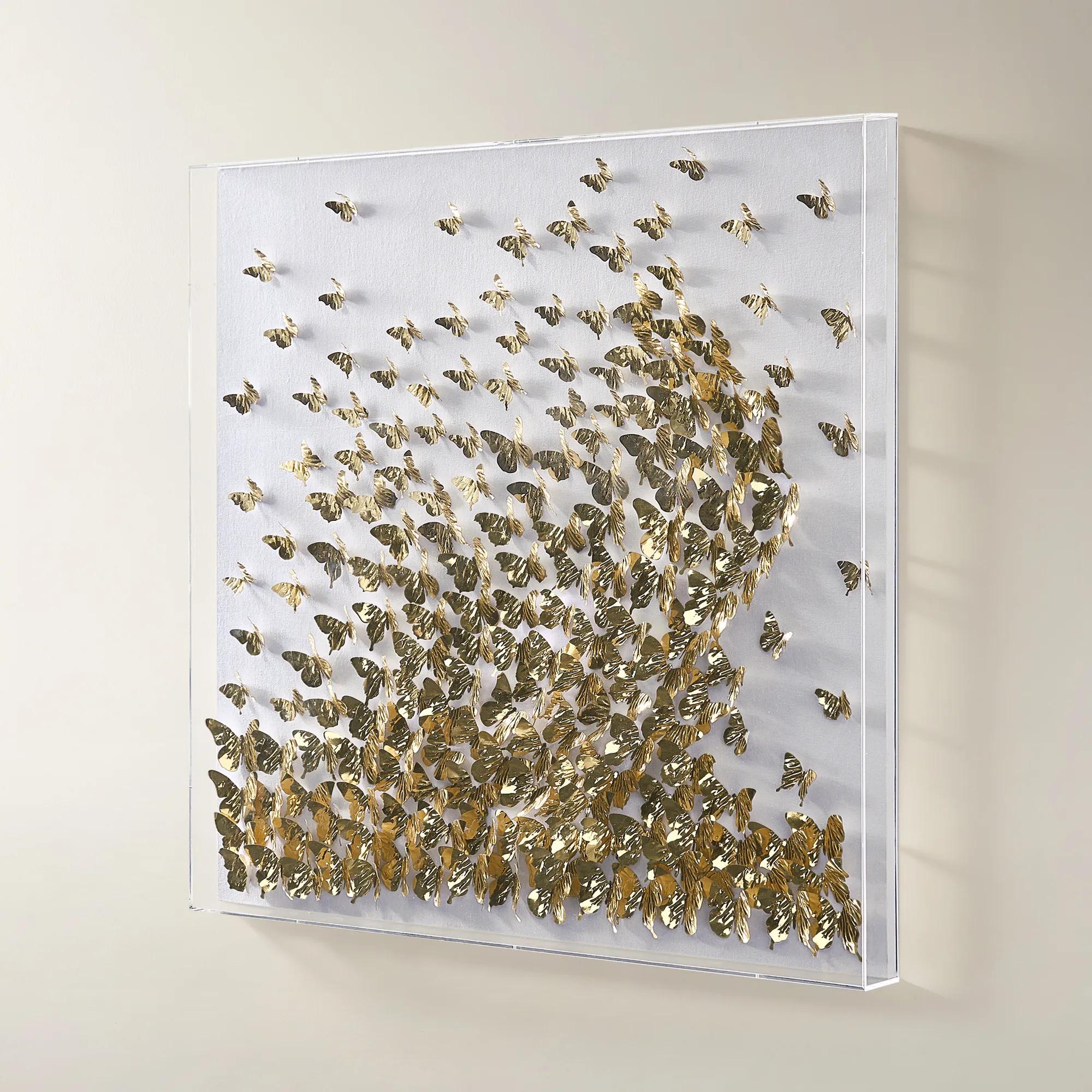 Butterfly Mist Handmade Gold Foil Wall Decor in Acrylic 39.25" x 39.25"$799
A sculptural wall art piece featuring handmade gold foil paper butterflies on linen, encased in a clear acrylic box.
Add To Cart -
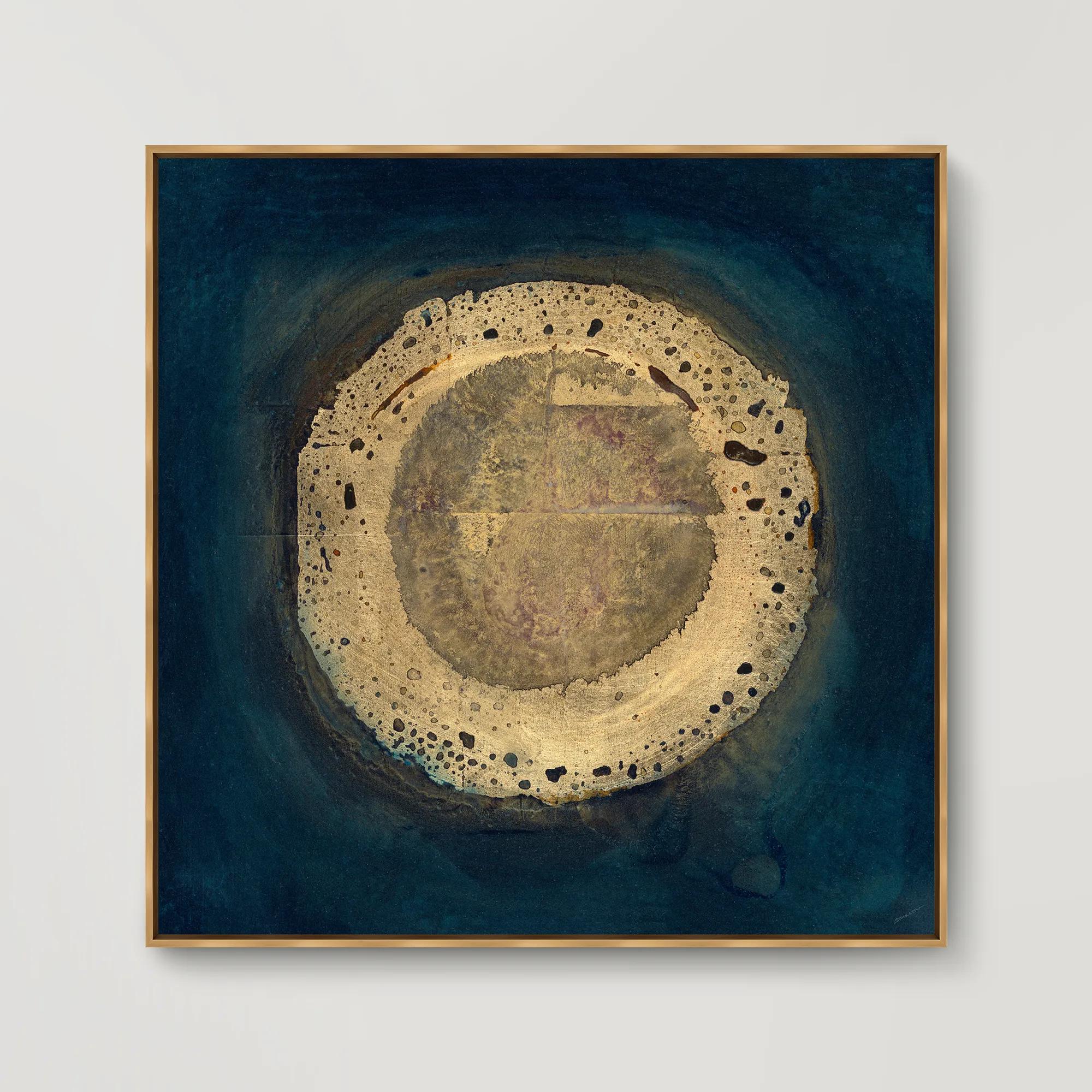
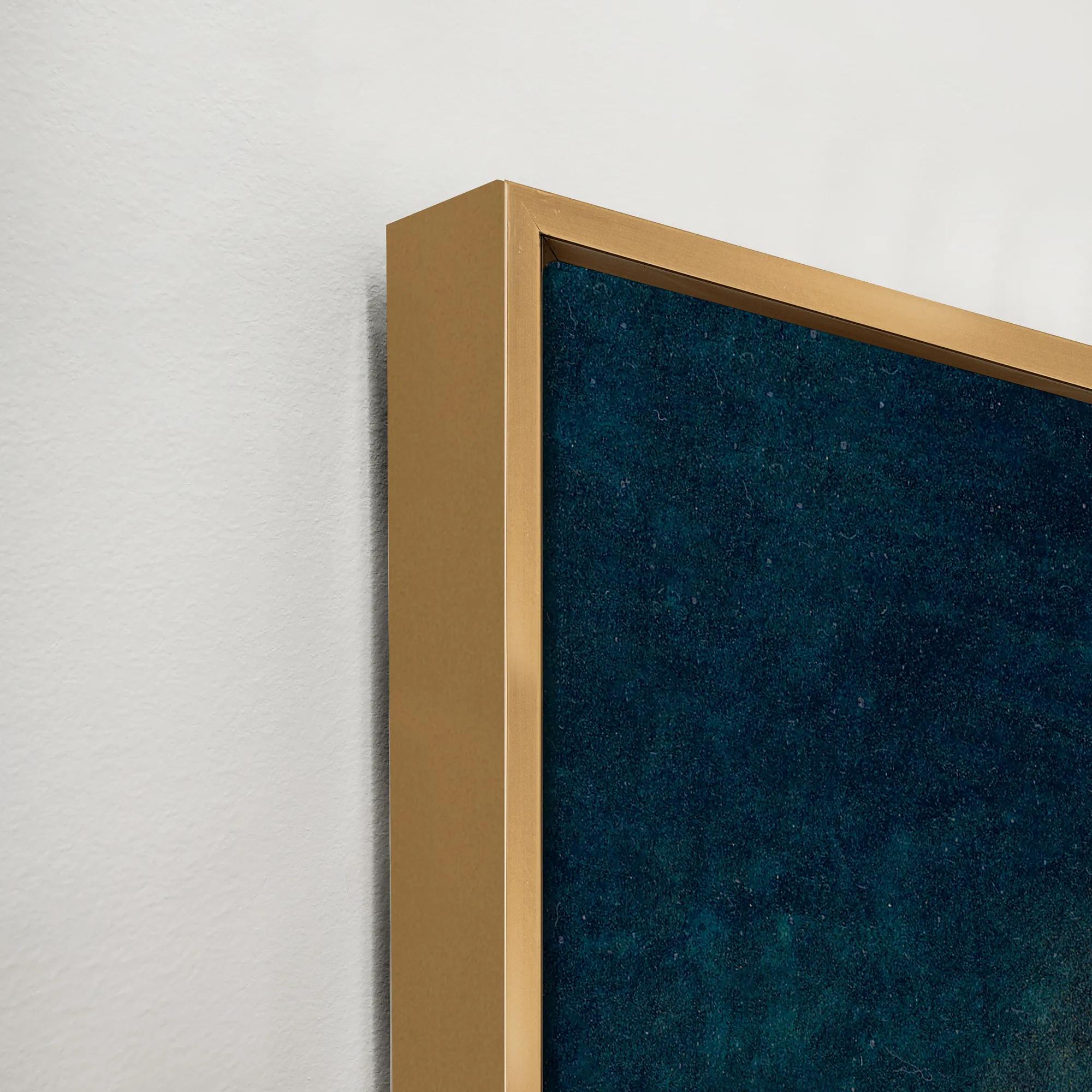 Bramble I Framed Wall Art 41.5" x 41.5"$749
A gallery-wrapped abstract canvas with hand-applied gel finish, set in an elegant gold floater frame.
Add To Cart -
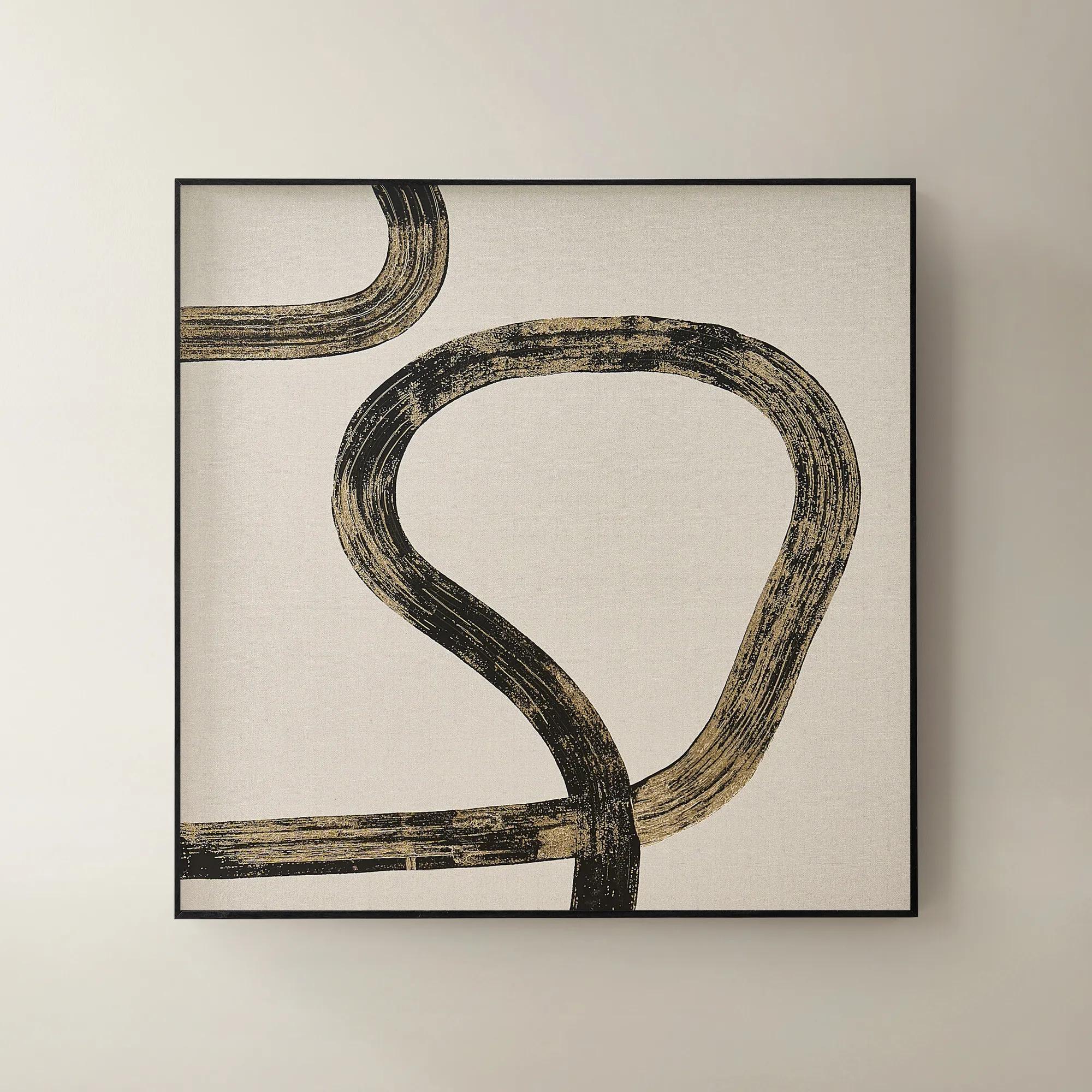
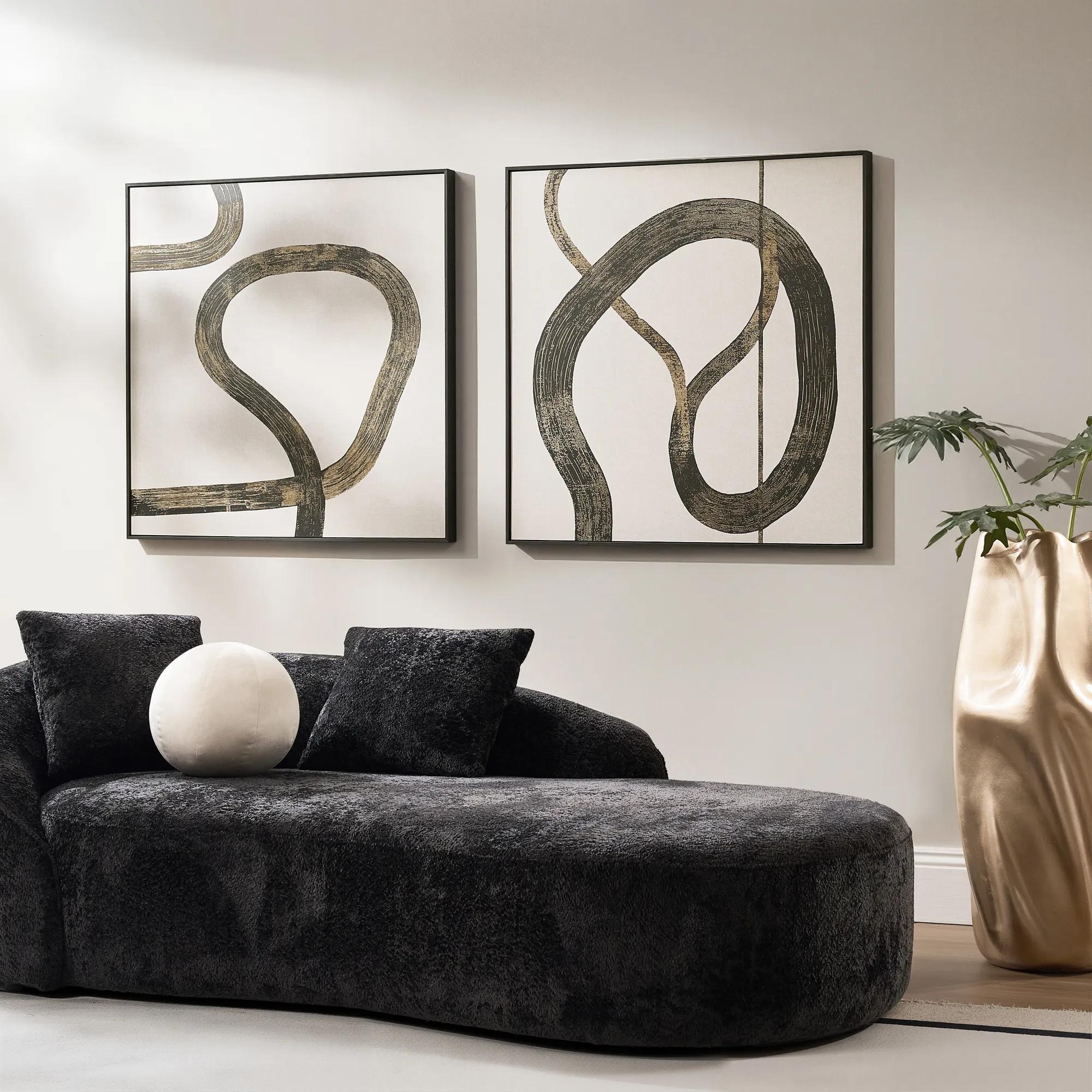 Live Wire Framed Gold Foil Painted Wall Art I 39" x 39"$349
A striking gold foil painting framed to bring modern artistic elegance and luminous texture to any wall.
Add To Cart -

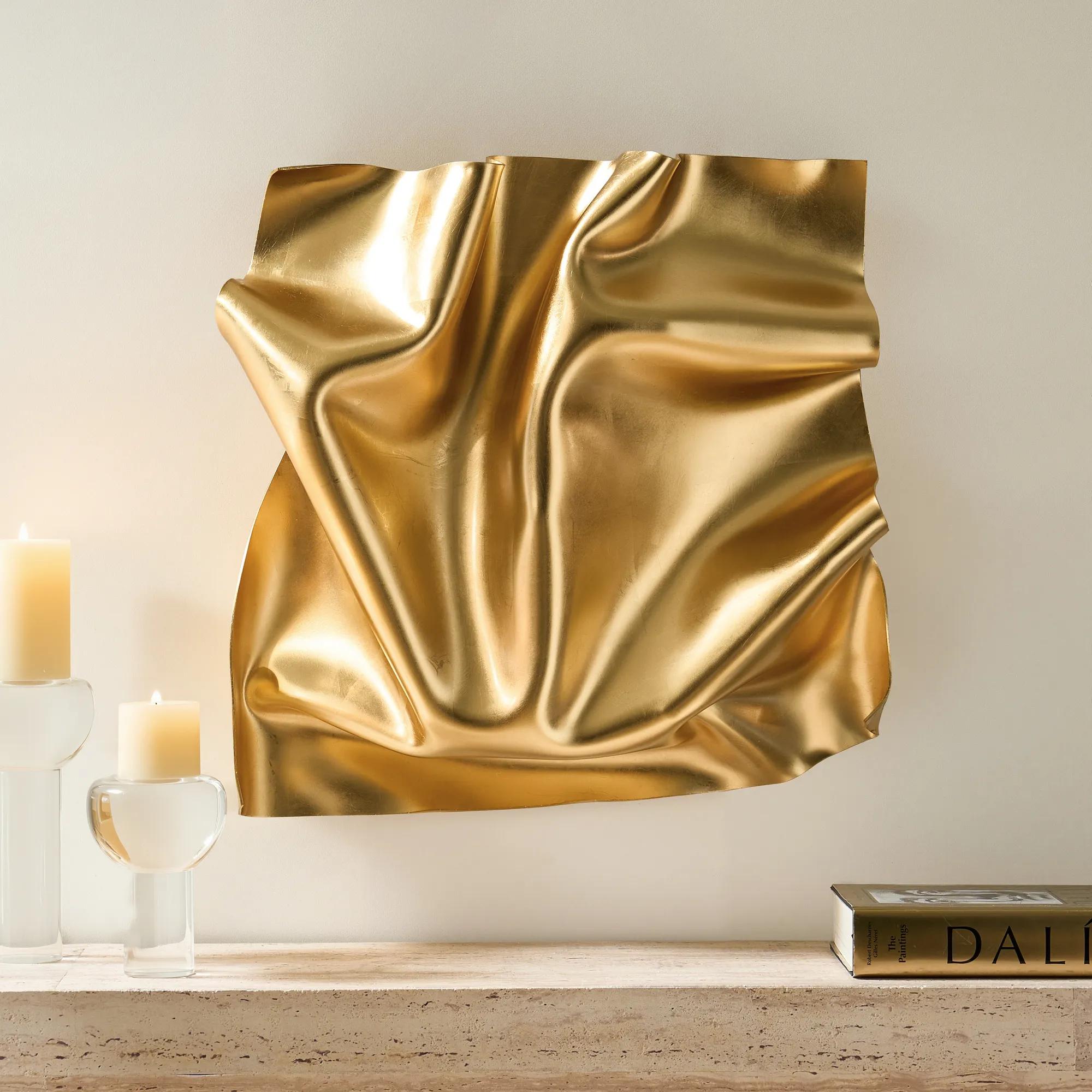 Surface Sculpted Gold Leaf Acrylic Wall Decor 23.6" x 23.6"$199
A dimensional acrylic wall panel features hand-applied gold leafing for a luminous, sculptural gallery effect.
Add To Cart -
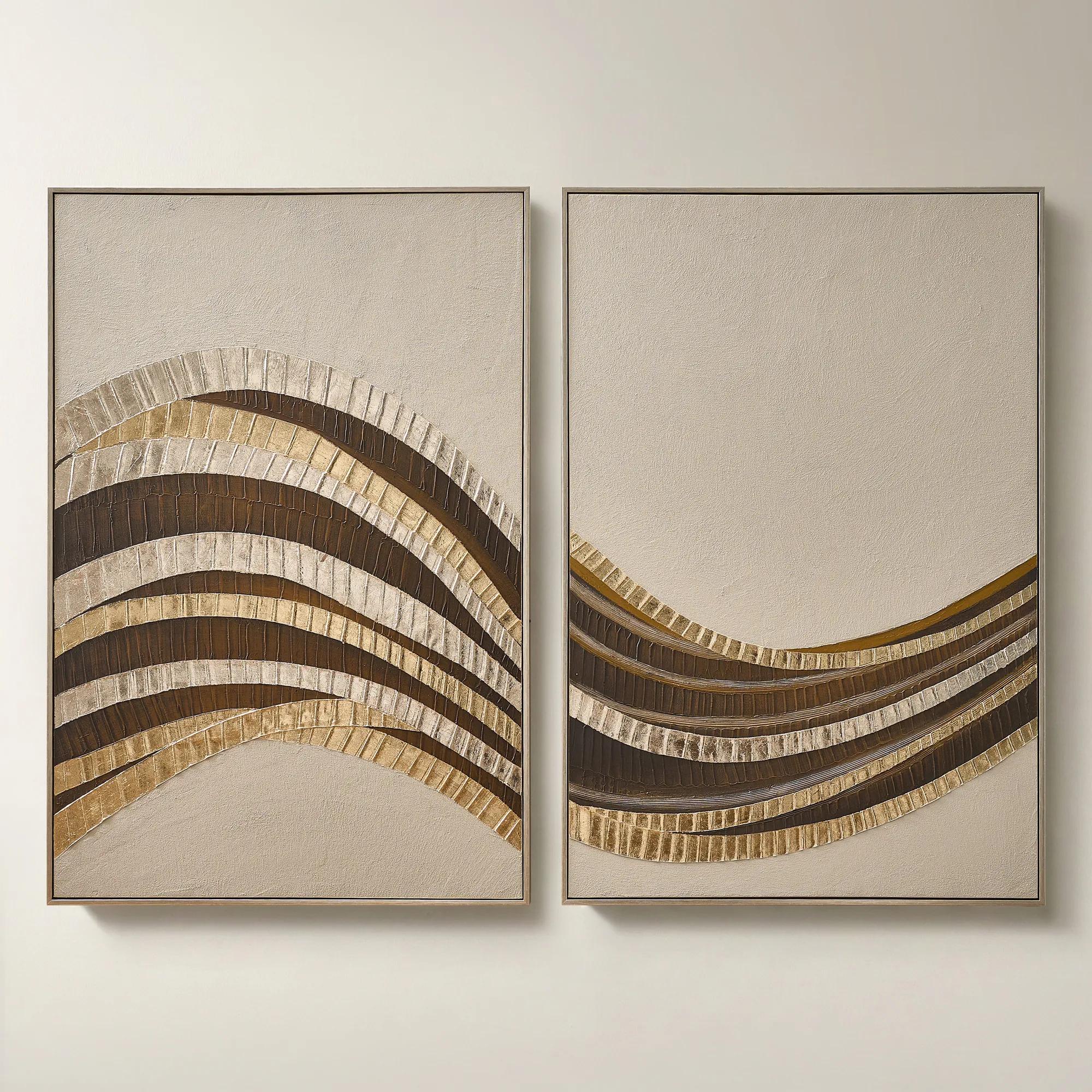 Stillness in Motion Framed Gold Leaf Painted Wall Art 40" x 60" Set of 2$899
A hand-painted abstract diptych with gold leaf accents, textured surface, and brushed champagne frames.
Add To Cart -
 Live Wire Framed Gold Foil Painted Wall Art II 39" x 39"$349
A framed wall artwork featuring gold foil-painted detailing for glamorous modern display.
Add To Cart -
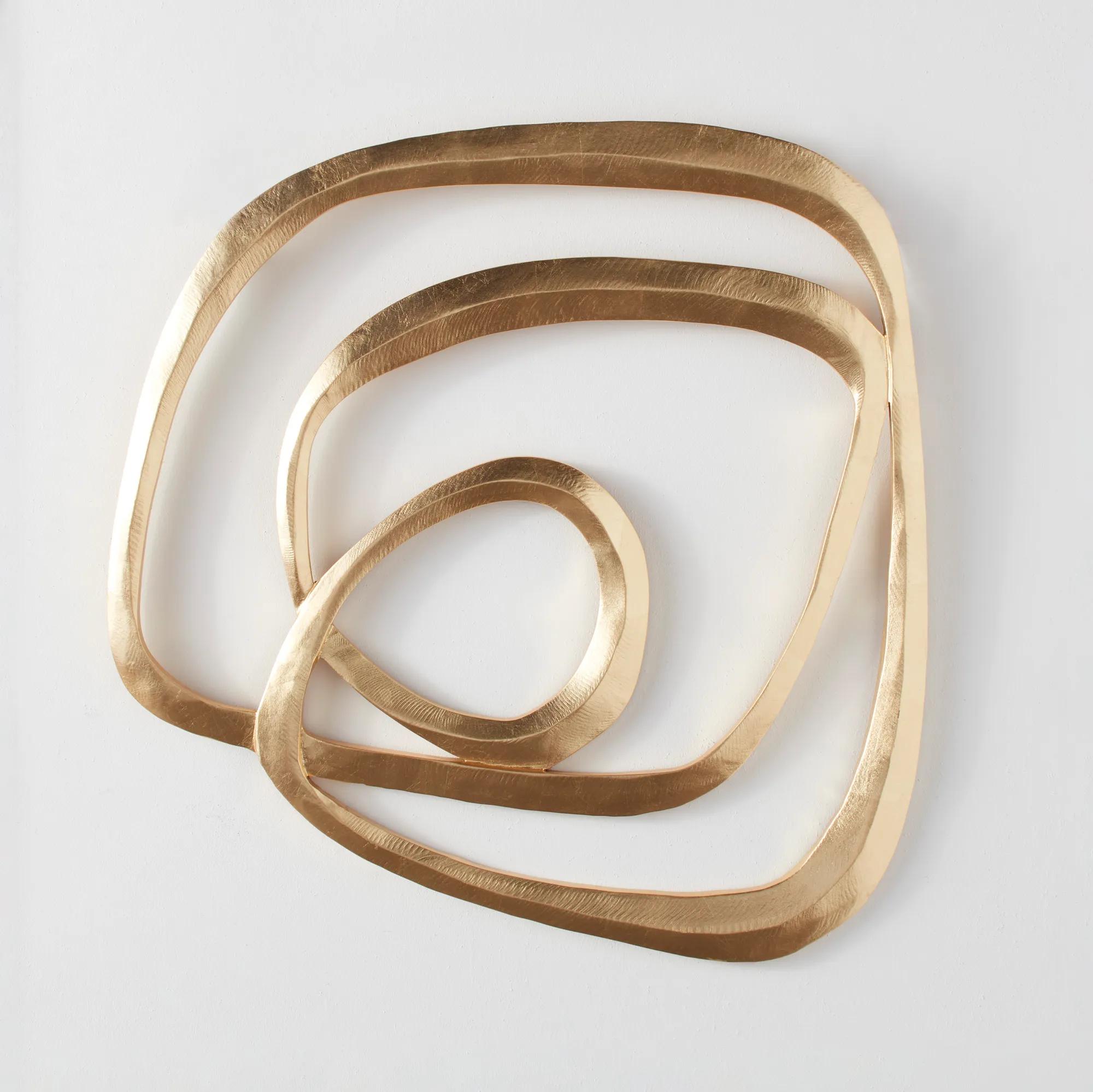 Infinity Gold Leaf Wood Wall Decor II 31.5" x 31.5"$299
A swirling wooden wall sculpture featuring a striking metallic gold finish for a modern statement.
Add To Cart -

 Floral Jungle II Framed Wall Art 30" x 40"$799
A striking gold-framed canvas artwork depicting lush tropical foliage in an expressive botanical composition.
Add To Cart -
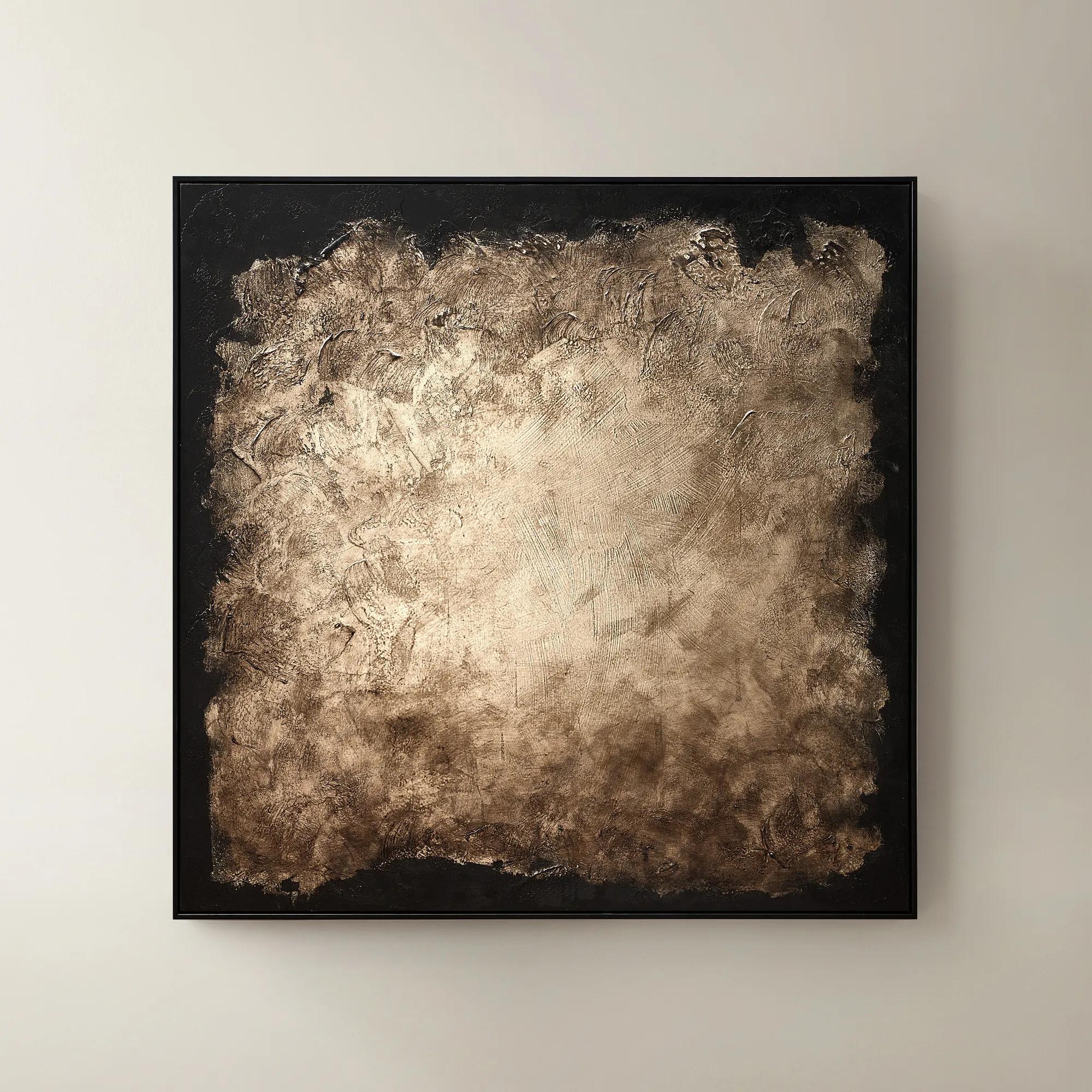 Edge of Knowing Framed Gold Leaf Painted Wall Art 50" x 50"$599
A hand-painted abstract canvas featuring gold leaf accents and a smoked champagne and black palette in a black frame.
Add To Cart -
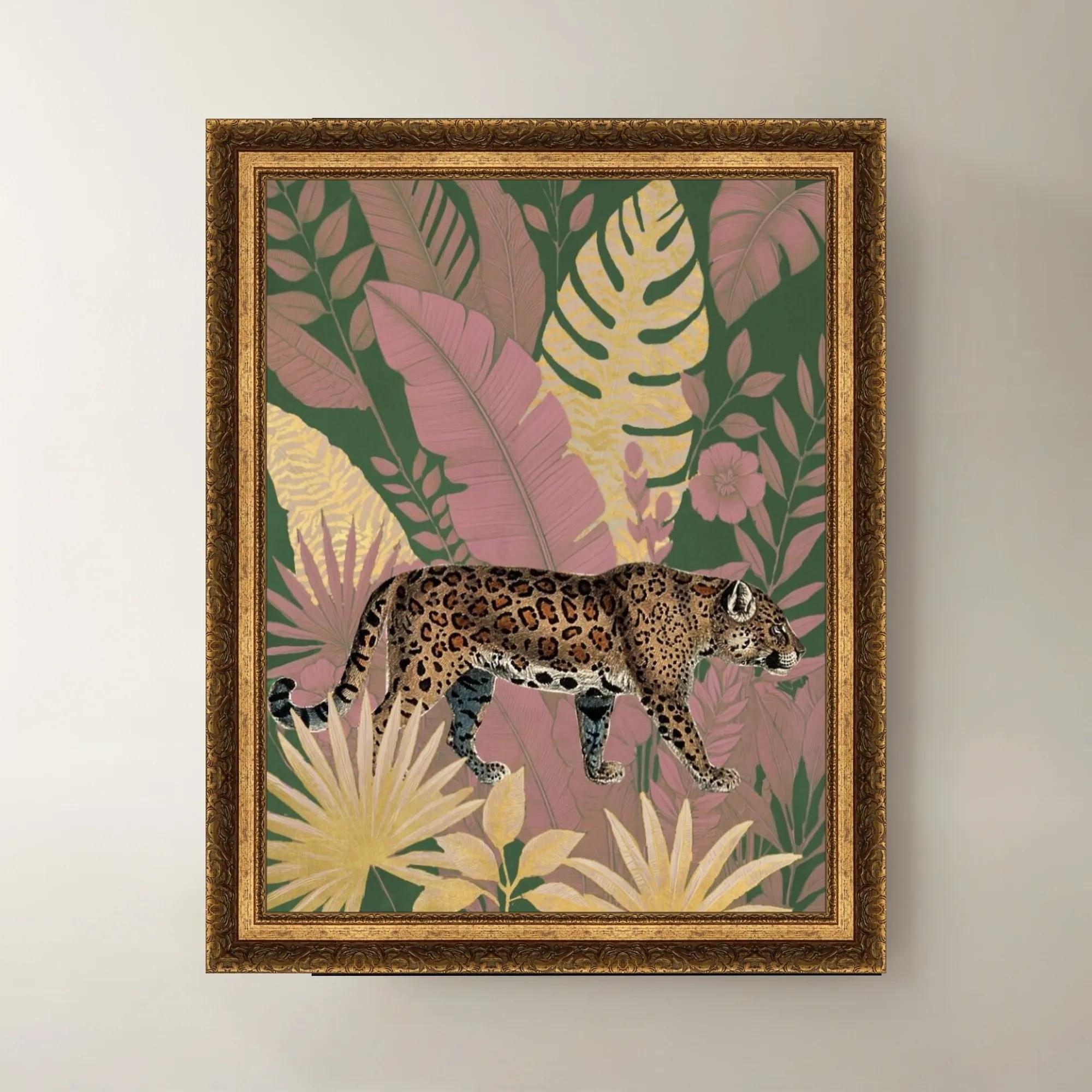
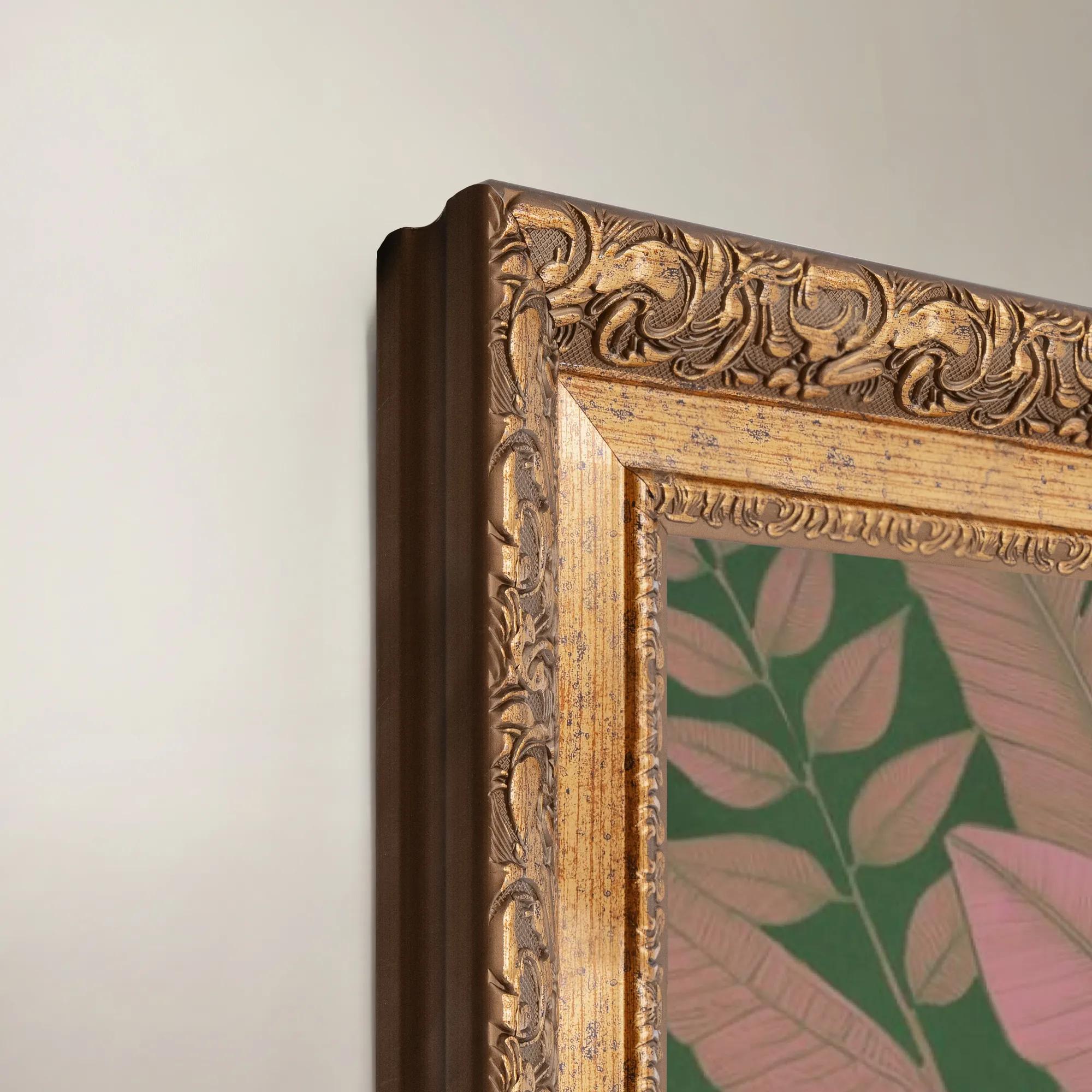 Floral Jungle I Framed Wall Art 30" x 40"$799
A gold-framed linen canvas artwork featuring vibrant pink and gold tones for a striking modern accent.
Add To Cart -
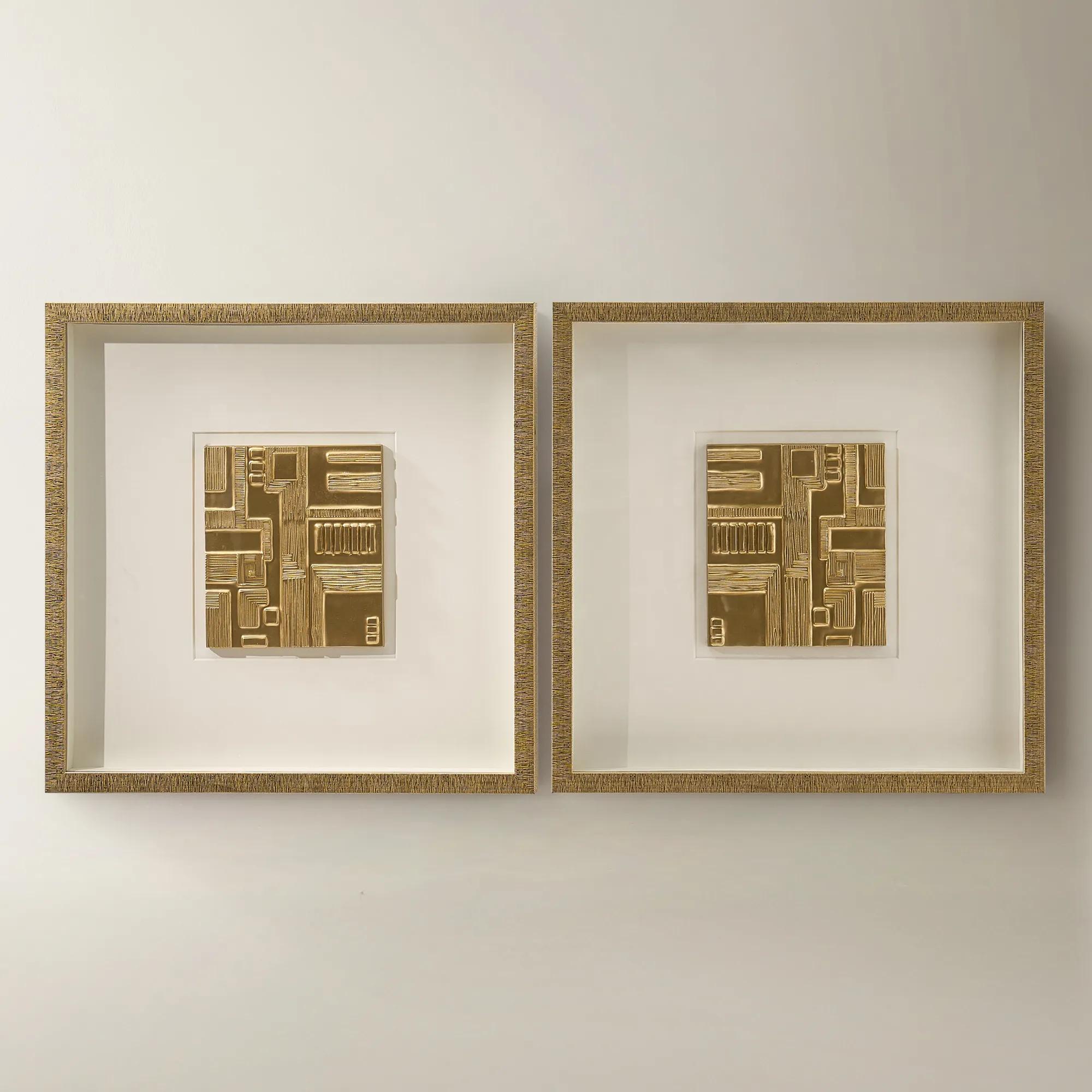
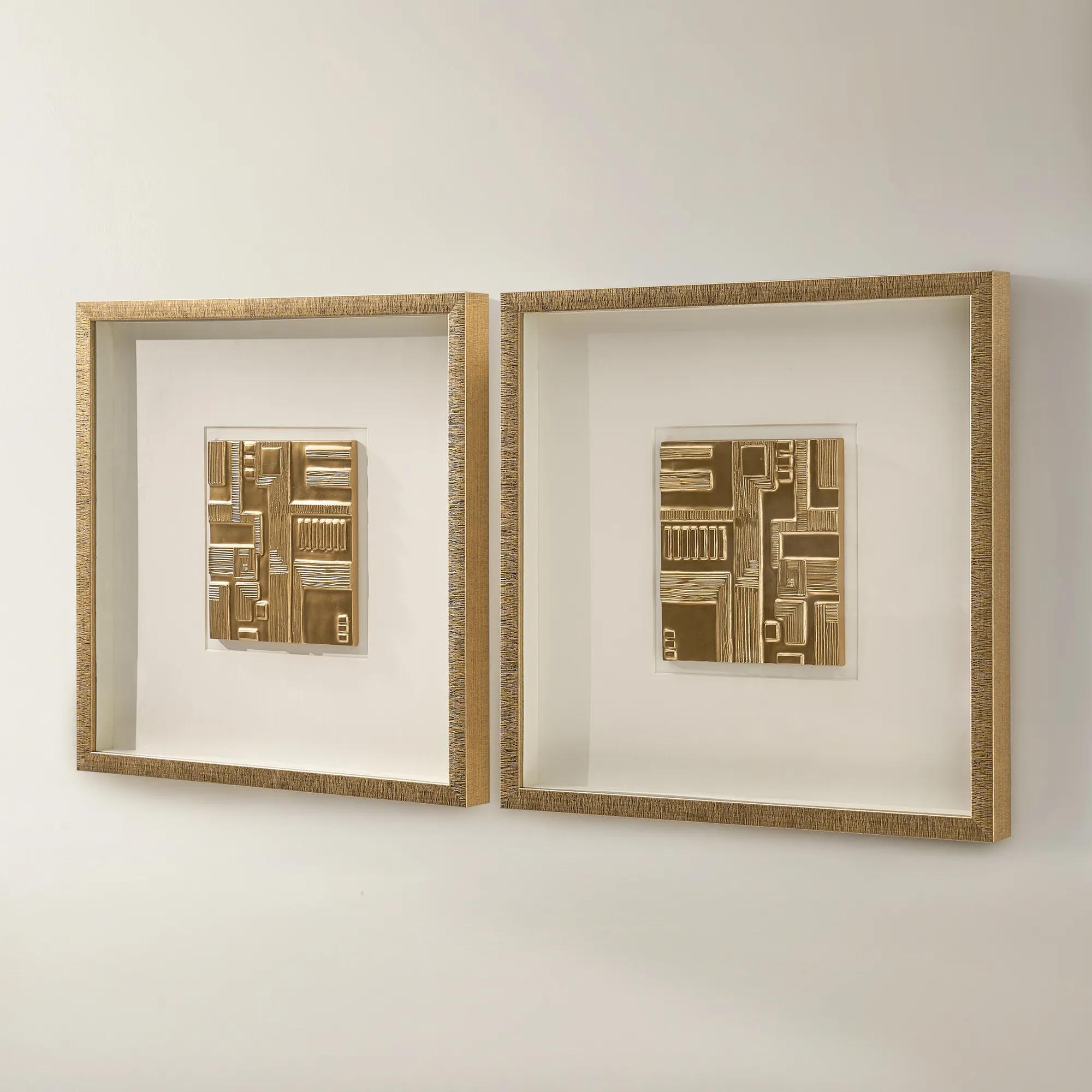 Ritual Framed Woodcarving Wall Decor Set of 2$329
A set of two gold-framed woodcarvings with ivory mats and dimensional relief for gallery-style wall decor.
Add To Cart -
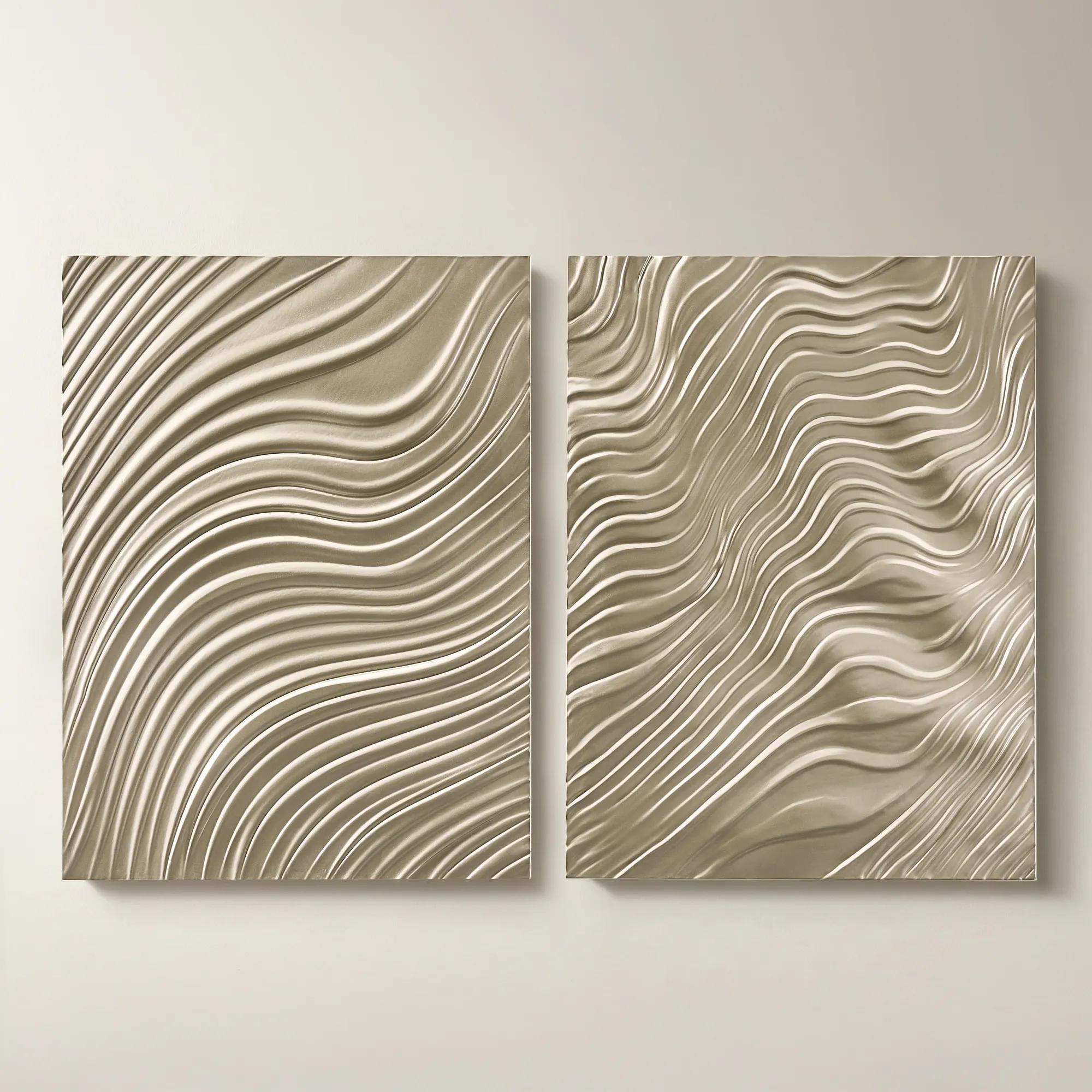
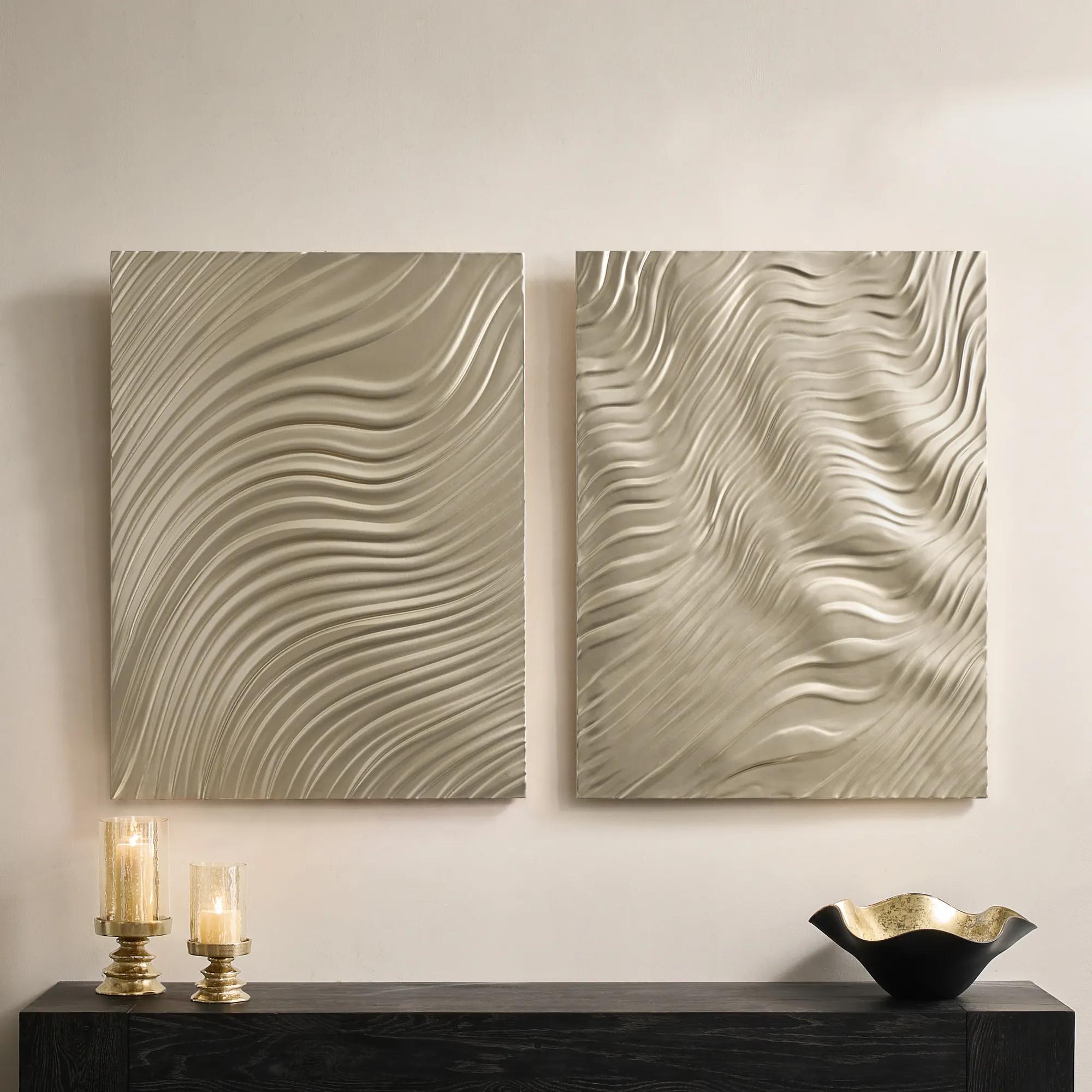 Mirage Champagne Carved Wood Wall Panels 30" x 40" Set of 2$799
A set of two intricately carved wood composite panels in a champagne finish with flowing 3D patterns.
Add To Cart -
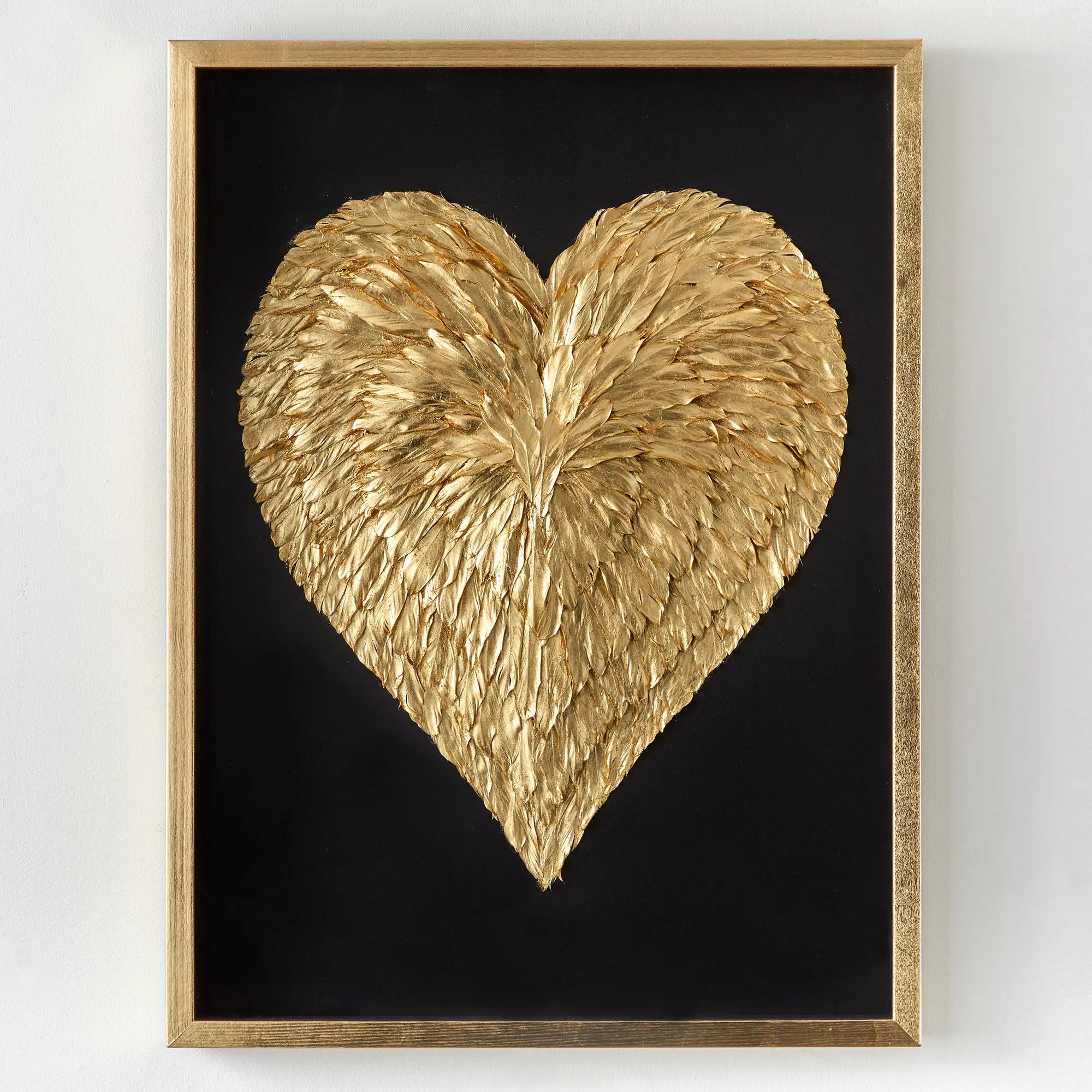
 Gilded Wings Feather Shadowbox 30" x 40"$399
A striking display of hand-painted feathers on black linen, elegantly framed in a gold shadowbox.
Add To Cart -
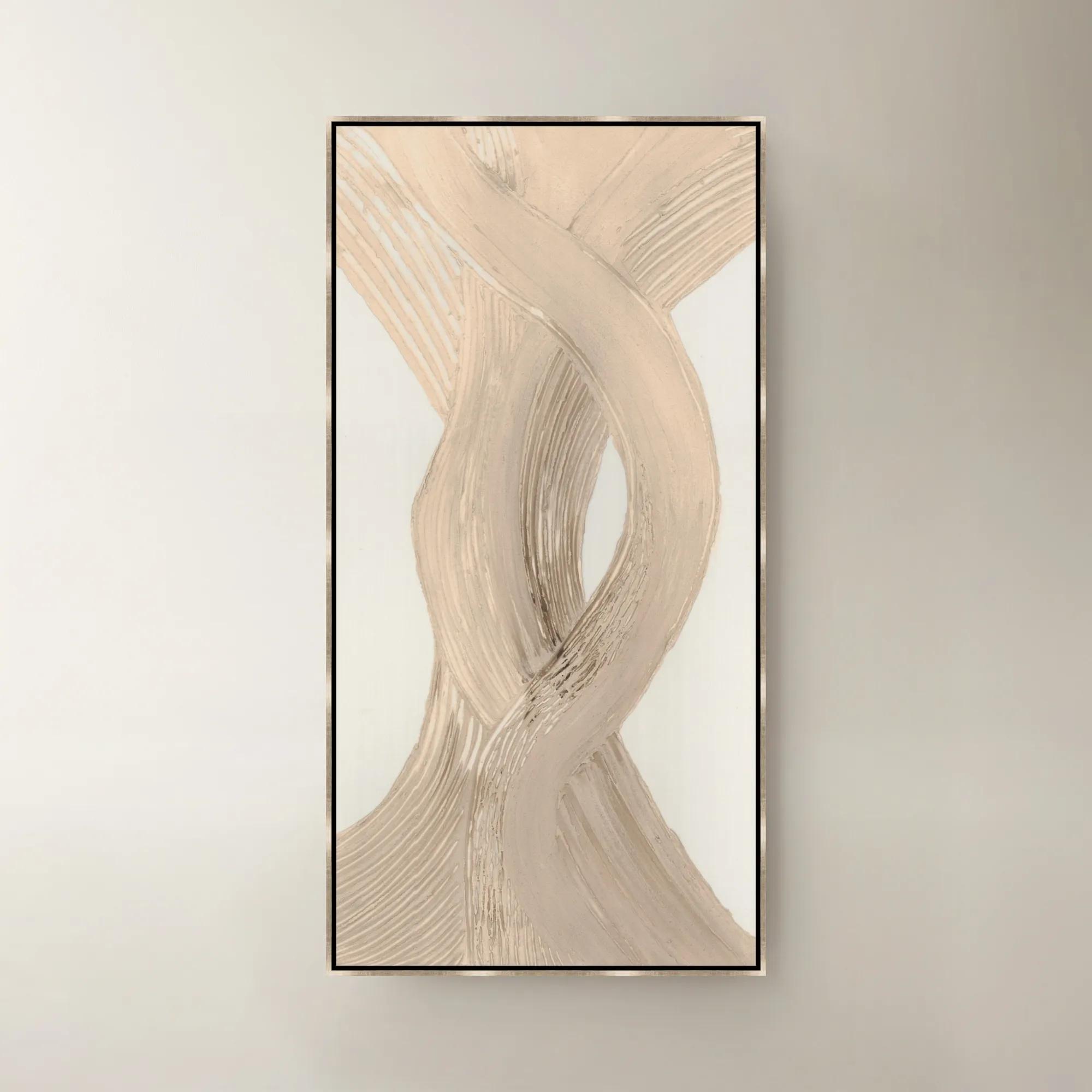
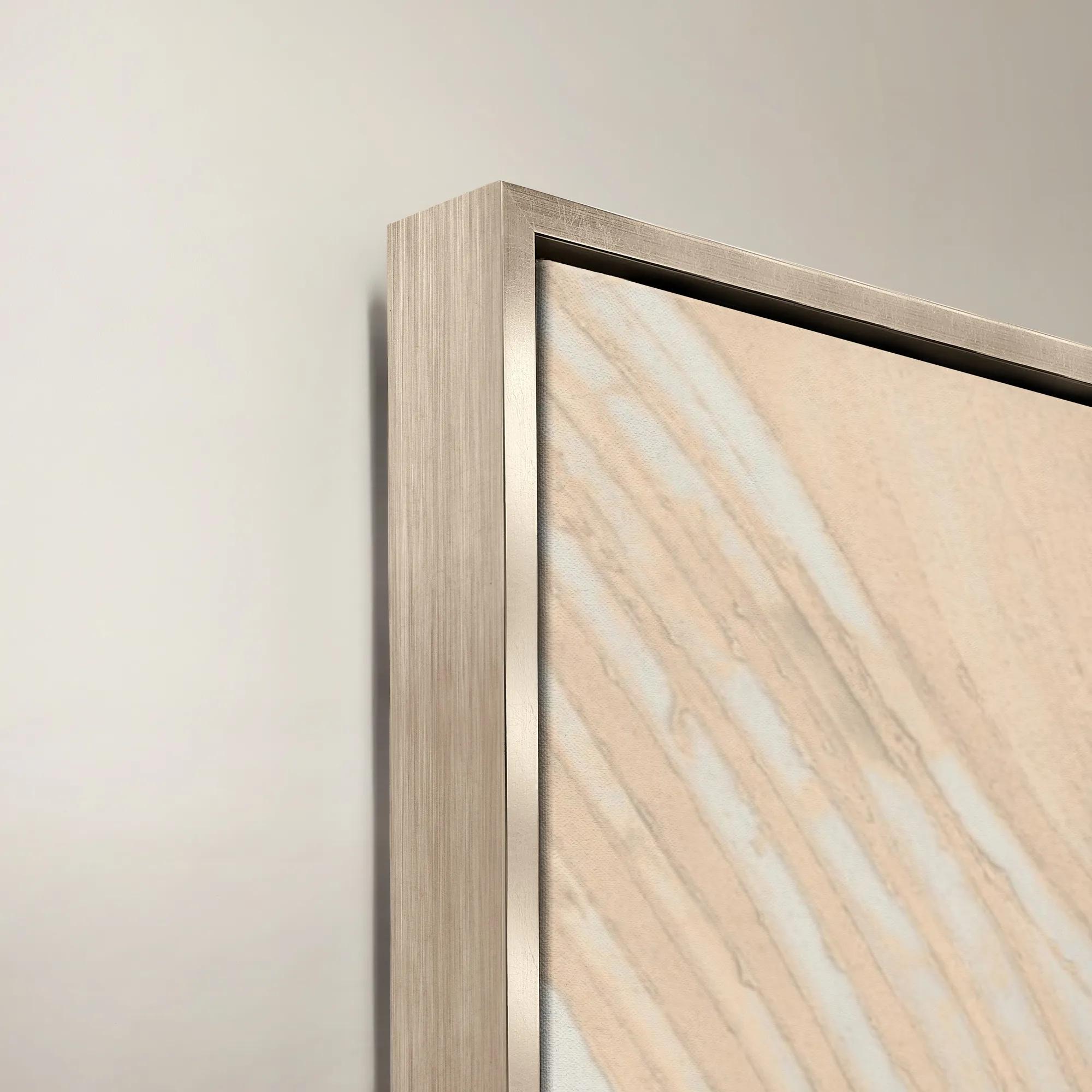 Rosy Sentiments Framed Painted Wall Art 30" x 60"$1199
A romantic painted canvas artwork in rosy hues, presented in an elegant gold frame.
Add To Cart -
 Grand Lips Gold Poly Resin Wall Decor 27.5" x 12.5"$99
A playful resin sculpture in radiant gold, perfect for adding bold artistic flair to any space.
Add To Cart -
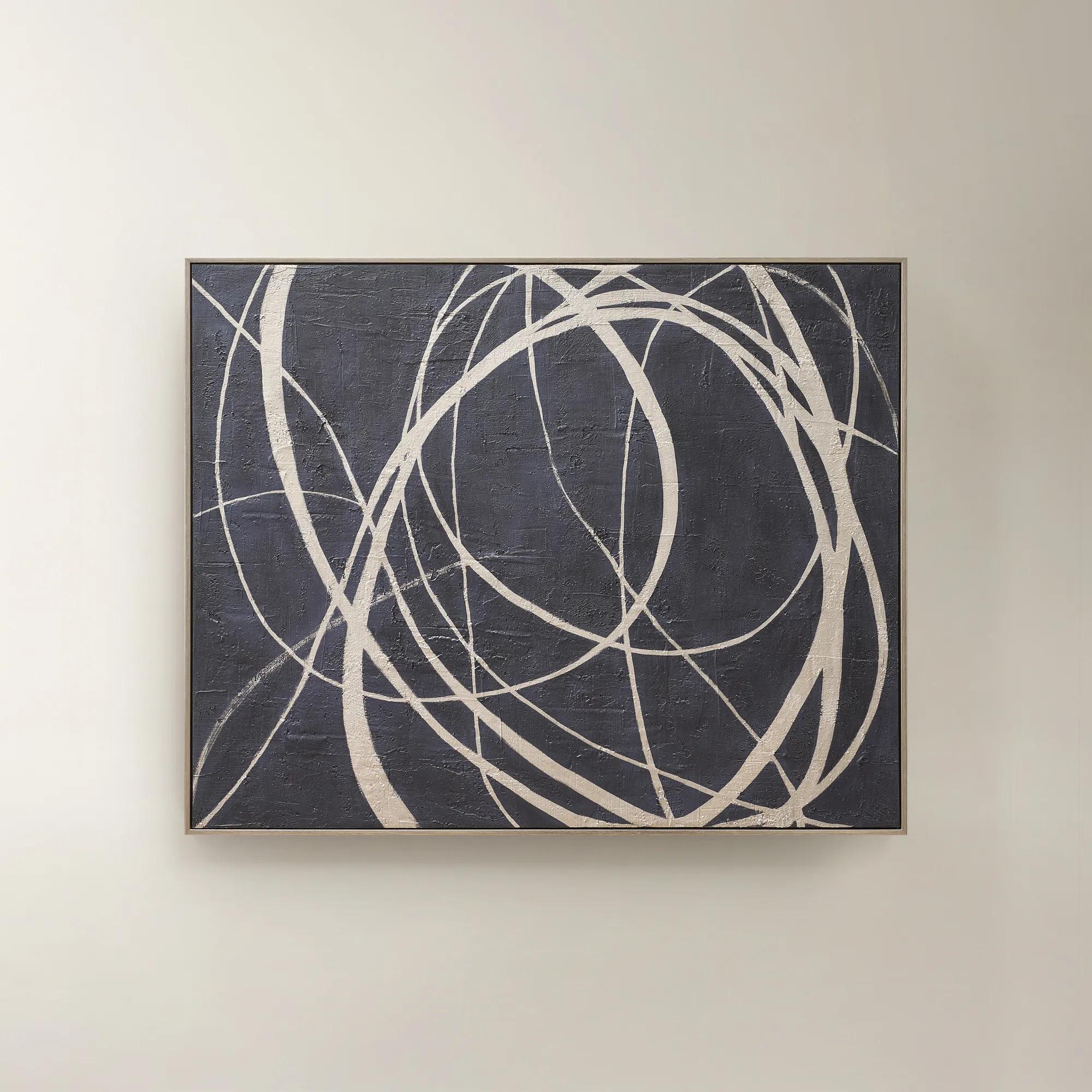 Wandering Framed Painted Wall Art 48" x 60"$699
An expressive hand-painted canvas in deep ink blue with champagne accents for a bold, sophisticated statement.
Add To Cart -
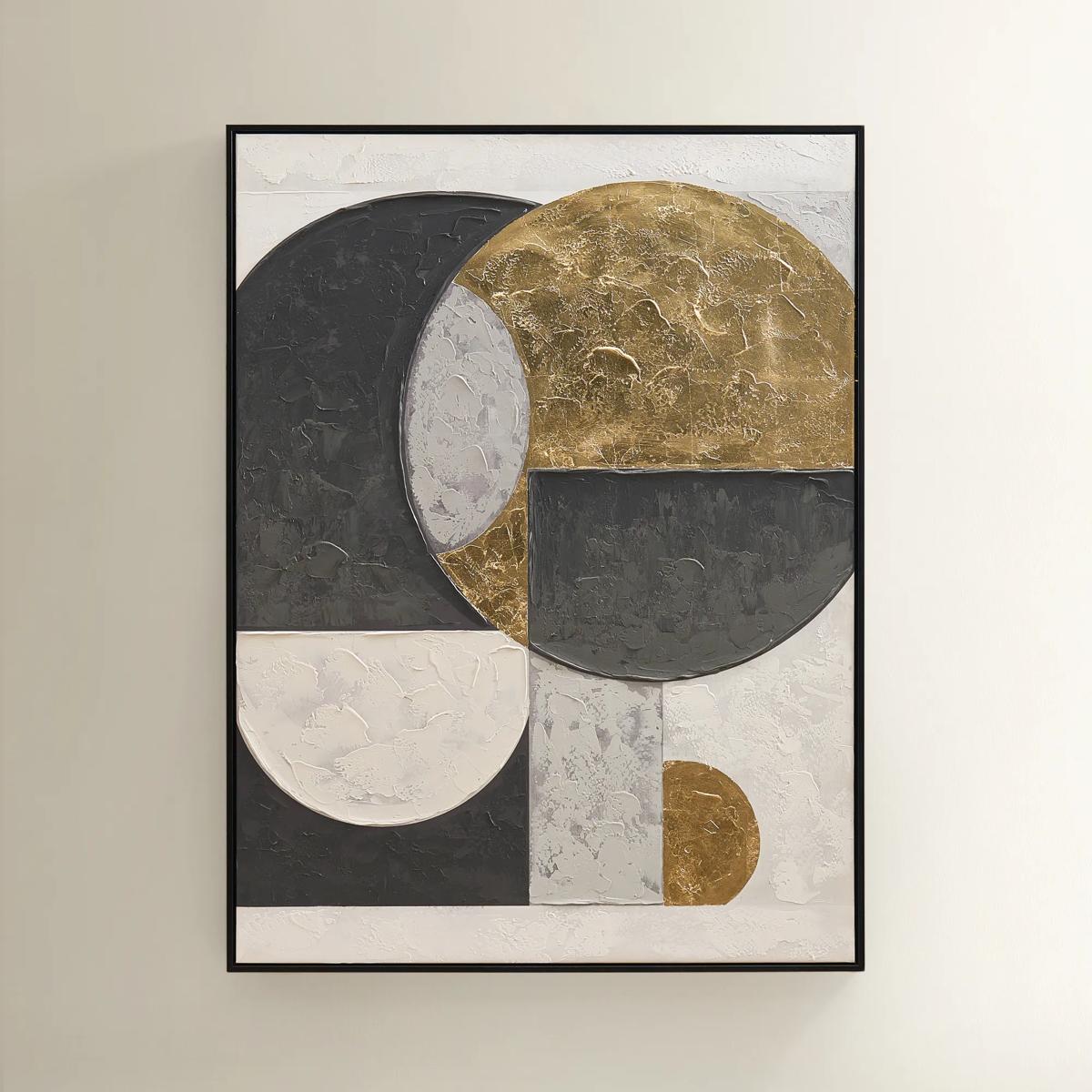
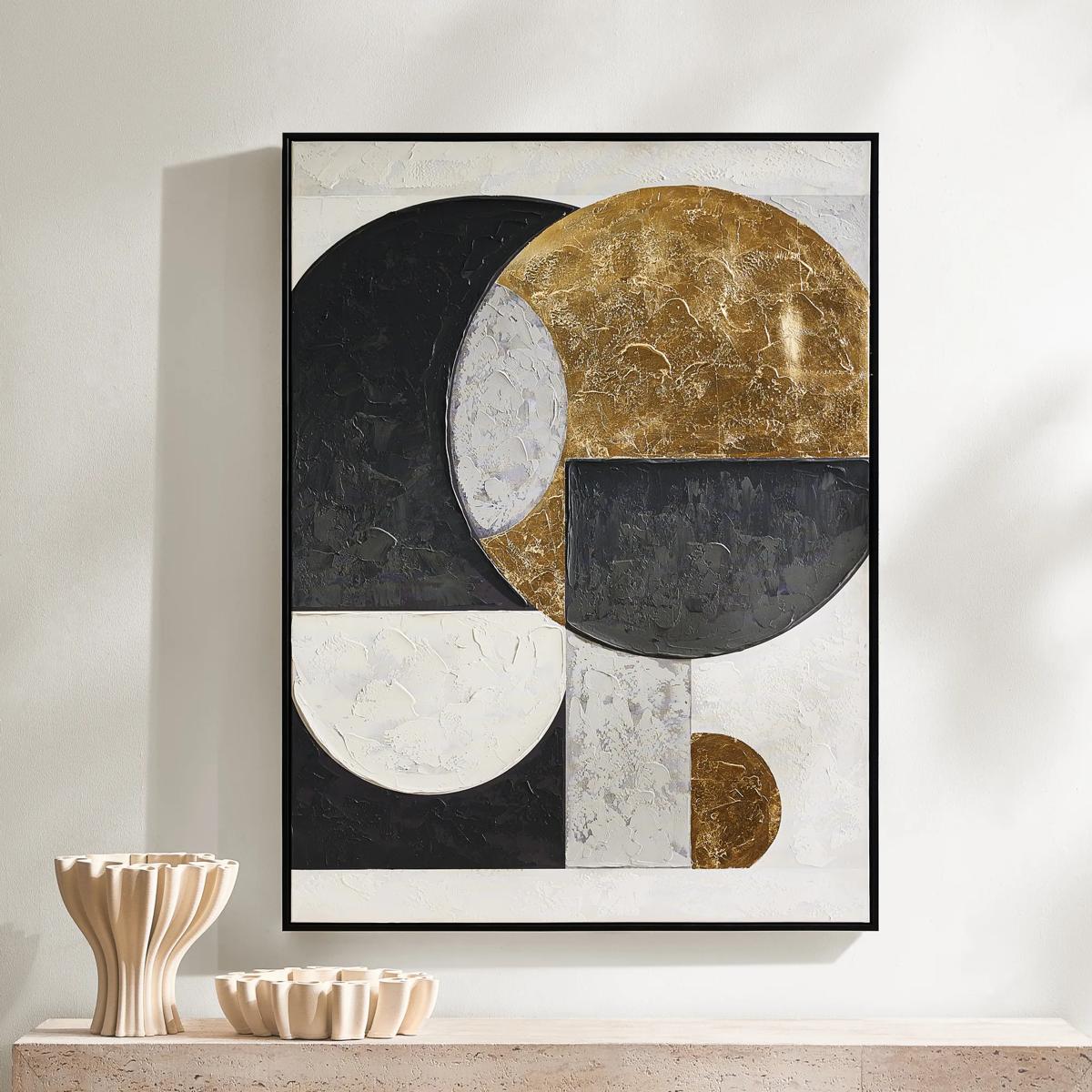 Eclipse Framed Gold Leaf Painted Wall Art 35.25" x 47.25"$449
A hand-painted canvas featuring bold black, grey, and gold geometric shapes with shimmering gold leaf accents.
Add To Cart -
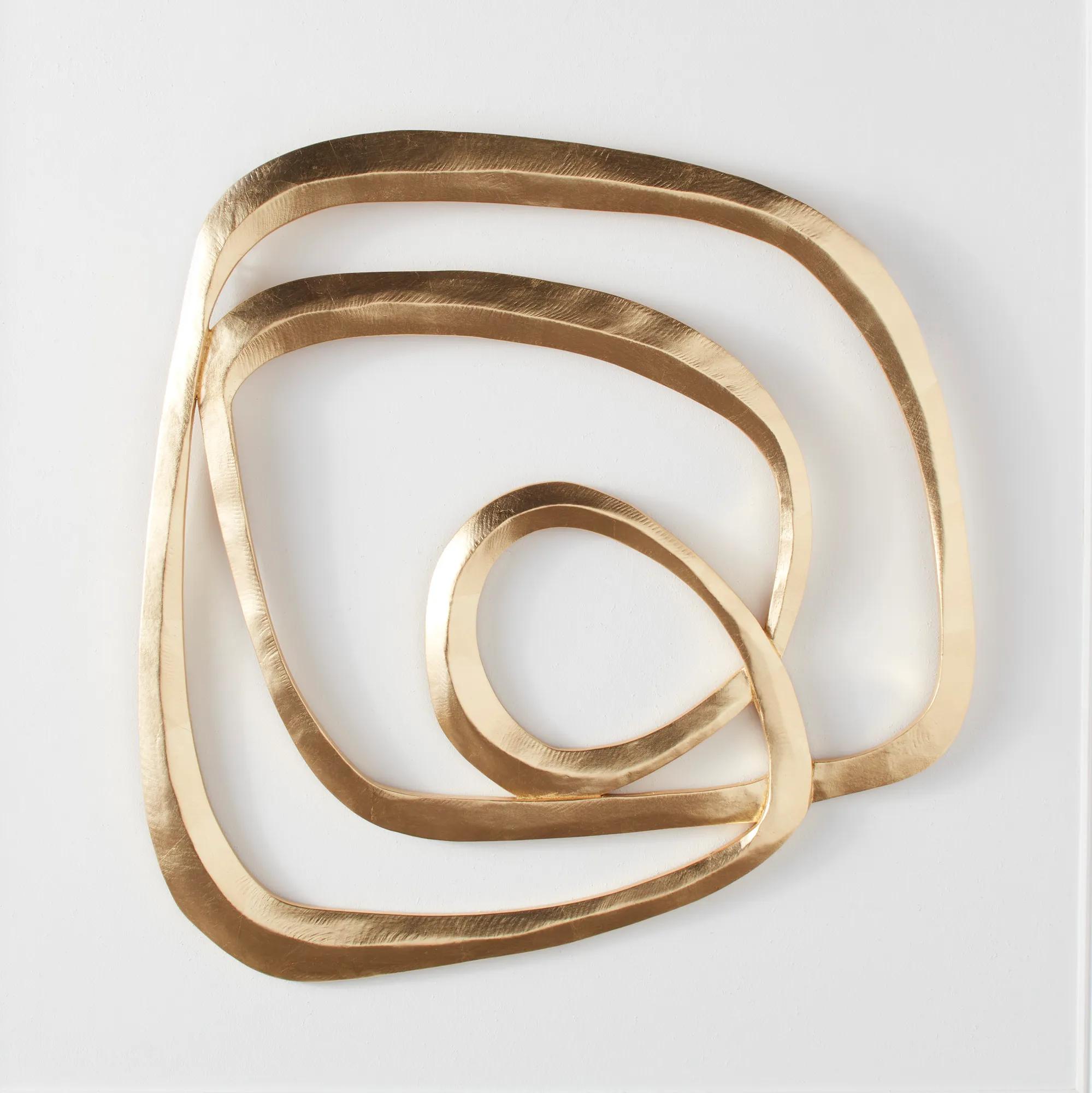 Infinity Gold Leaf Wood Wall Decor I 31.5" x 31.5"$299
A swirling wooden wall sculpture featuring a striking metallic gold finish for a bold decorative statement.
Add To Cart

Gold Wall Art For Open Spaces
Gold wall art for open spaces transforms the ordinary into the extraordinary, casting every wall in a luminous embrace that beckons admiration. Imagine grand scales and gilded finishes reflecting light with a captivating radiance, infusing your interiors with a sense of opulence and boundless possibility. Whether suspended above a sweeping staircase or anchoring a lofty living room, these pieces invite drama and artistry into every corner, turning blank expanses into breathtaking focal points. Let your walls shimmer with personality—because in open spaces, gold is not just an accent; it’s the main event.
Gold wall art for open spaces brings warmth, visual definition, and a light-catching focal point to expansive walls without making an airy room feel crowded. Its appeal lies in the contrast between luminous detail and generous breathing room: a sweep of metallic pigment across an abstract canvas, a dimensional composition that casts delicate shadows, or a finely framed work with a restrained golden accent. In an open floor plan, these details help establish distinct areas while preserving the visual connection between them. An expressive composition above a sofa can anchor the lounge, while a complementary work near the dining area carries the same golden thread across the room. The effect feels considered rather than repetitive when the pieces share a finish, shape, or artistic gesture instead of matching exactly. Gold also has remarkable range. Pale champagne tones sit elegantly beside ivory upholstery and light oak, while deeper antique-inspired finishes bring richness to charcoal, walnut, and saturated jewel tones. Against a dark wall, gold can read as crisp and theatrical; against a pale wall, it becomes softer, revealing the nuances of brushwork, texture, and silhouette. Reflective accents respond to the room’s lighting, appearing more pronounced under a focused fixture and subtler in diffuse daylight. That changing interplay gives a large, uncluttered wall a sense of movement, even when the artwork itself is quiet and spare. For interiors with dramatic architecture, gold offers an expressive counterpoint to concrete, stone, glass, and broad stretches of painted drywall. For rooms layered with velvet, sculptural furniture, or patterned textiles, it can connect those elements through a shared warmth. The most compelling choice is not necessarily the brightest or most ornate. A composition with open areas, a distinctive outline, or a measured touch of metallic detail can command attention while allowing the architecture and furnishings to remain part of the scene. The surrounding wall becomes an intentional part of the composition, giving each luminous mark enough space to register from across the room.
Scale gives gold wall art its presence in an open interior. A broad wall generally calls for a composition with enough width or visual weight to relate to the furniture beneath it, rather than a small work left floating in isolation. Above a sofa or console, artwork spanning roughly two-thirds to three-quarters of the furniture’s width can provide a useful starting point, although surrounding windows, shelving, and architectural details may call for a different balance. A single oversized canvas creates one uninterrupted gesture, while a diptych or coordinated grouping introduces rhythm across a wider expanse. With a grouping, the overall arrangement matters as much as the dimensions of each piece; consistent spacing allows separate works to read as one composition. Tall, narrow artwork can emphasize a vertical stretch beside a doorway, while a horizontal format often feels at home above low-profile seating. Dimensional metal art offers another possibility, allowing glimpses of wall between sculptural forms so that even a substantial arrangement retains an open, floating quality. Viewing distance matters, too. Bold shapes and clear contrasts remain legible from a kitchen island or distant entry, whereas intricate metallic linework rewards a closer look near a seating area. Placement feels most connected when it relates to daily life: the view from the main sofa, the approach from the hallway, or the wall visible beyond the dining table. High ceilings do not automatically require artwork to sit high on the wall; keeping it visually connected to the furnishings below often creates a more welcoming proportion. A few inches of separation from nearby trim, sconces, and furniture also gives frames and sculptural edges room to breathe. In a shared living and dining space, one dominant composition can establish the focal point, with quieter accents supporting it elsewhere. For compositions centered on a seating arrangement, Gold Wall Art For Living Rooms offers a closely related direction, especially where the artwork needs to balance a generous sectional, a pair of accent chairs, or a substantial fireplace surround.
Materials and construction influence how gold wall art looks, wears, and responds to its setting. Metallic pigments, foil accents, leaf applications, and gold-toned metal finishes produce different effects, from a softly scattered shimmer to a more defined, reflective surface. A gold appearance does not necessarily indicate solid gold or genuine gold leaf, making the stated materials and finish important considerations. Canvas introduces a woven texture that can soften an expansive wall, while framed works on paper offer a more tailored outline. Glazing adds another reflective surface, so its relationship to nearby windows and lamps deserves attention; glare can obscure fine details from a favorite seat. Sculptural metal brings depth and shadow, but its projection should suit the location, particularly beside a busy passage or behind dining chairs. Weight, backing, frame construction, and hanging hardware also matter for a lasting installation. Secure mounting requires hardware appropriate to both the artwork and the wall, with heavier or unusually shaped compositions sometimes benefiting from professional installation. Intended use is equally important: artwork made for dry indoor rooms should not be assumed suitable for bathrooms, exposed patios, or other humid settings. Strong direct sunlight can affect pigments, paper, and some finishes over time, while moisture and abrasive cleaners may damage delicate surfaces. Care is usually most successful when it follows the maker’s instructions, using a soft, dry cloth or gentle dusting method where permitted rather than spraying cleaner onto the artwork. Raised metallic details and leafed surfaces deserve especially light handling. These considerations preserve more than a finish; they protect the subtle contrasts that make the composition compelling. For design enthusiasts, new homeowners, or anyone completing a spacious interior, gold wall art can be a meaningful housewarming or milestone gift when wall dimensions and personal taste are understood. Chosen with that attention, it becomes an enduring expression of the room’s personality: luminous, assured, and generous enough to hold its own without claiming every inch of the wall.
FAQs
Gold wall art introduces a sense of warmth, luxury, and radiance to open spaces. Its reflective qualities catch and amplify natural light, creating dynamic visual interest throughout the day. Whether your space is contemporary or classic, gold accents bring a touch of sophistication and drama, making large areas feel curated and inviting.
Gold wall art is remarkably versatile and can complement a variety of design styles. It shines in glamorous, modern, and transitional settings, but also provides striking contrast in minimalist or industrial interiors. Pairing gold with rich textures, deep hues, or crisp neutrals enhances its opulent effect, allowing you to tailor the mood to your personal aesthetic.
Absolutely. Gold wall art makes a stunning and memorable gift for housewarmings, weddings, anniversaries, or milestone celebrations. Its timeless appeal and striking presence ensure it will be cherished and displayed with pride, making it a thoughtful choice for anyone who loves to surround themselves with beauty and artistry.
To create a captivating focal point, place gold wall art on a prominent wall with ample space around it—such as above a fireplace, along a dramatic staircase, or as the centerpiece of an open-plan living area. Opt for bold, sculptural pieces or layered arrangements to draw the eye and anchor the room’s design, allowing the gold finish to reflect light and set the tone for the entire space.
Consider mixing different forms—such as pairing sculptural gold pieces like z gallerie angel wings with abstract canvases or mirrored panels—to add dimension and intrigue. Staggering multiple pieces along a gallery wall, or combining gold art with complementary textures like velvet or marble, can transform an open space into a curated, artful environment that feels both cohesive and dynamic.