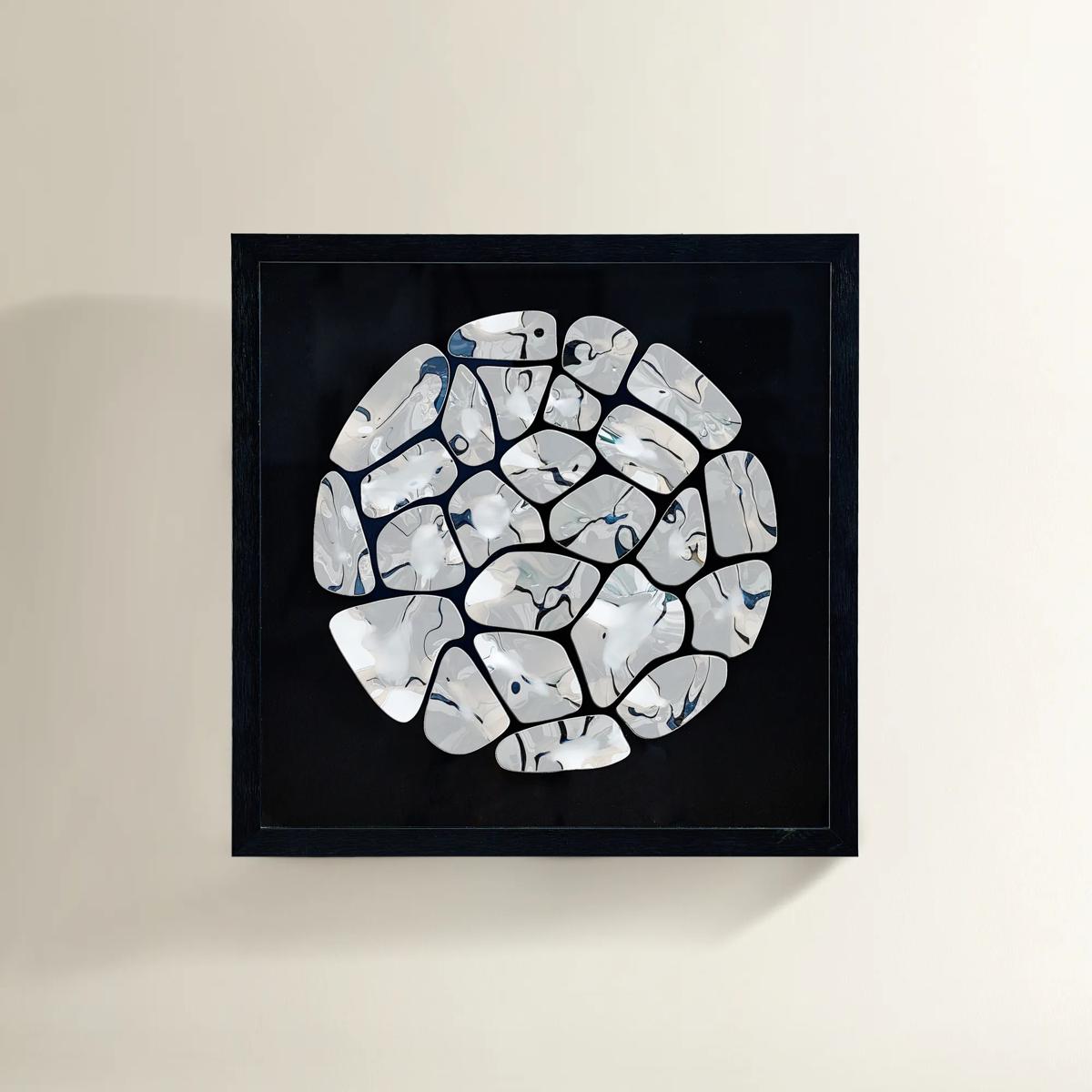
Gold Wall Sculptures For Modern Homes
Gold Wall Sculptures For Modern Homes
-
 Gilded Wings Feather Shadowbox 30" x 40"$399
A striking display of hand-painted feathers on black linen, elegantly framed in a gold shadowbox.
Add To Cart -
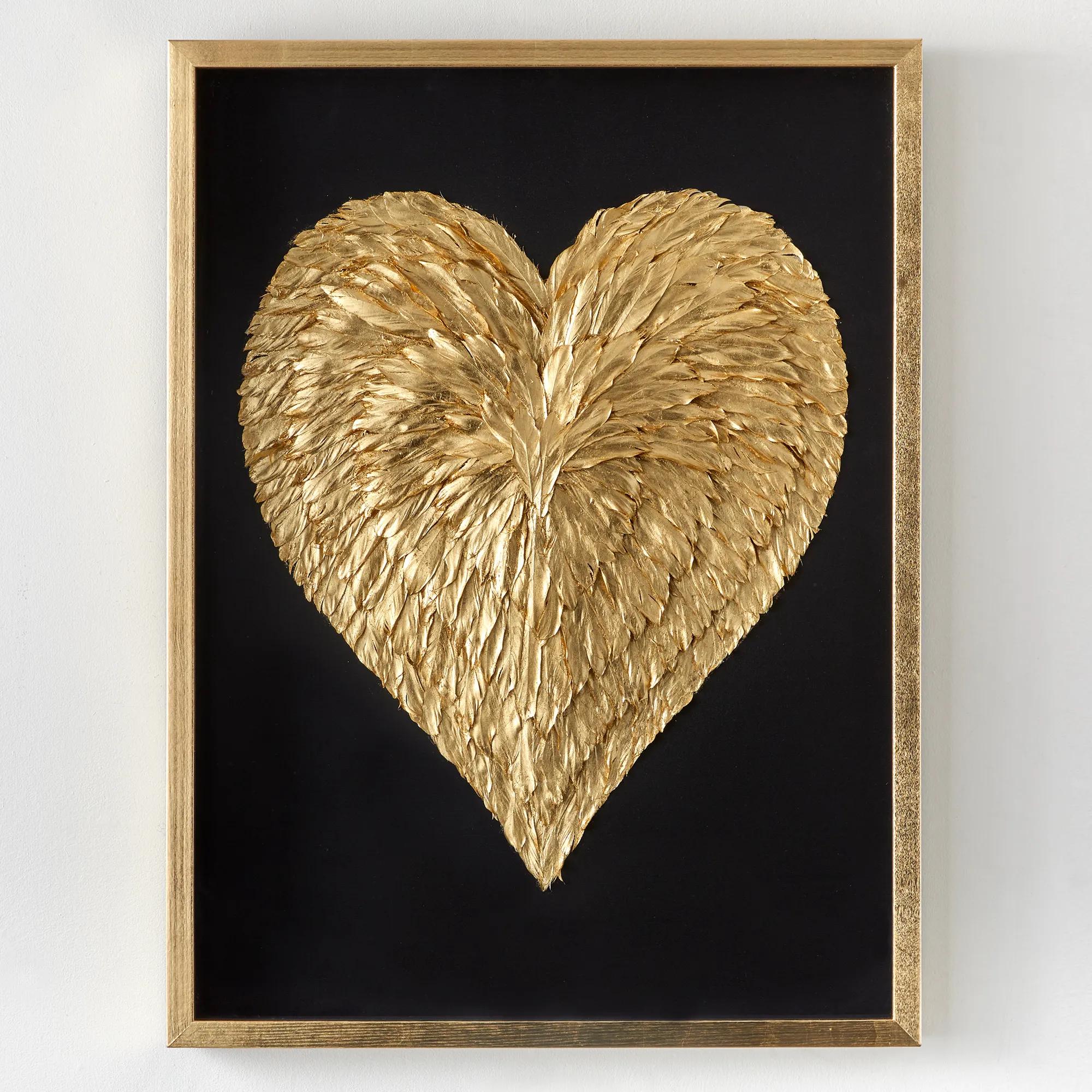 Heart Of Gold Feather Shadowbox 29.5" x 39.5"$449
A hand-painted feather artwork set on black fabric and framed in a gold shadowbox display.
Add To Cart -
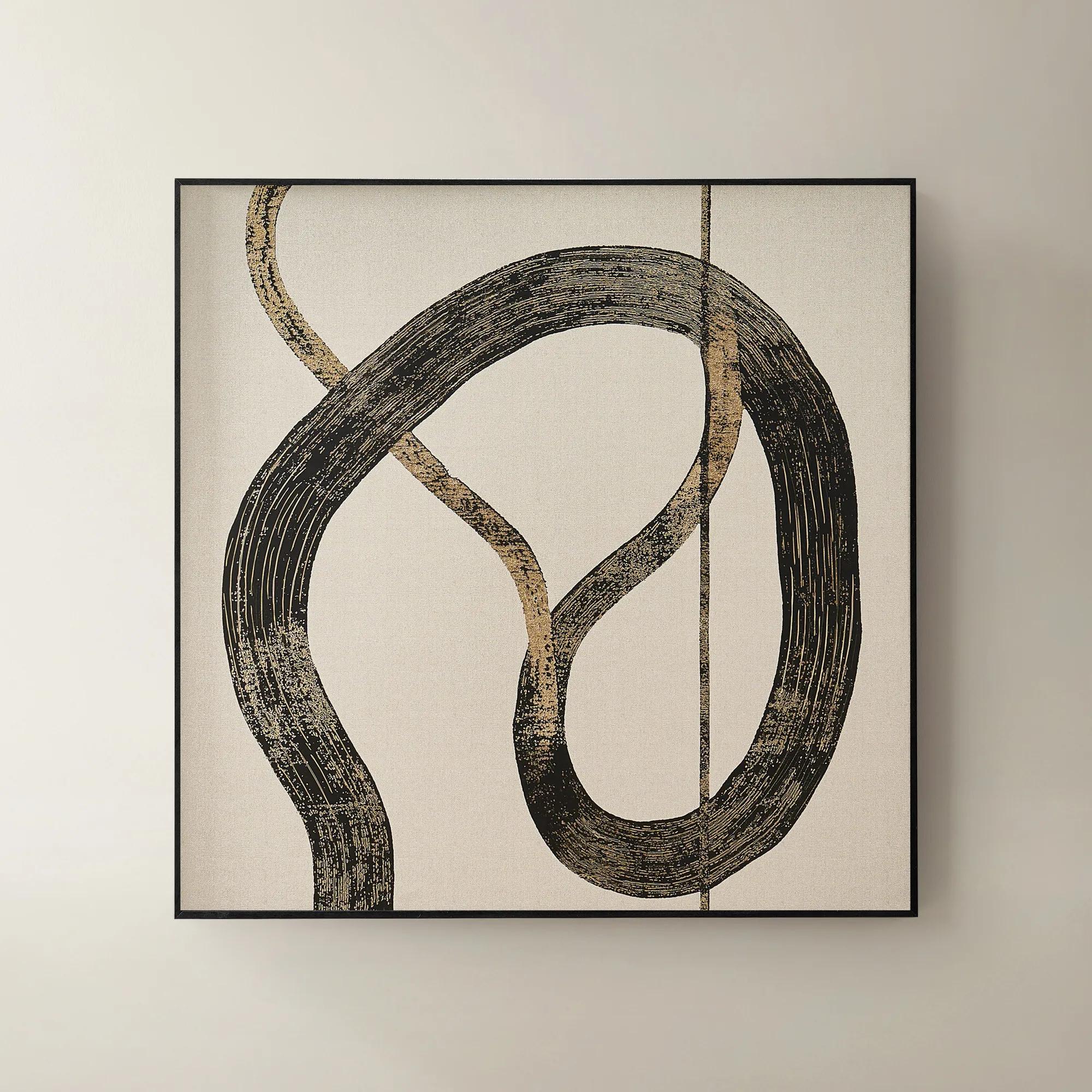
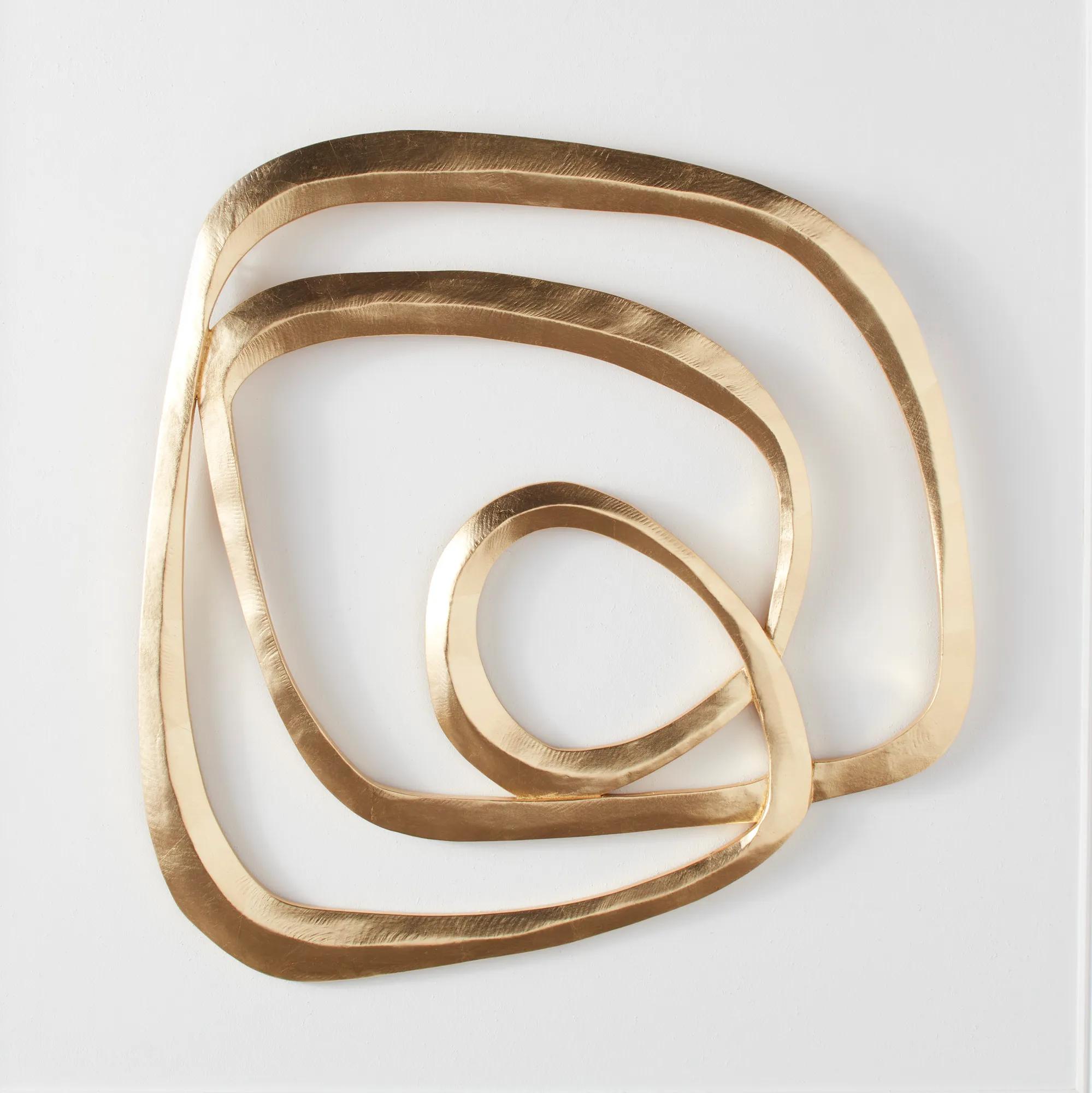 Infinity Gold Leaf Wood Wall Decor I 31.5" x 31.5"$299
A swirling wooden wall sculpture featuring a striking metallic gold finish for a bold decorative statement.
Add To Cart -
 Etched in Gold$229
A hand-carved gold copper artwork set in a sleek black alloy frame for modern contrast.
Add To Cart -
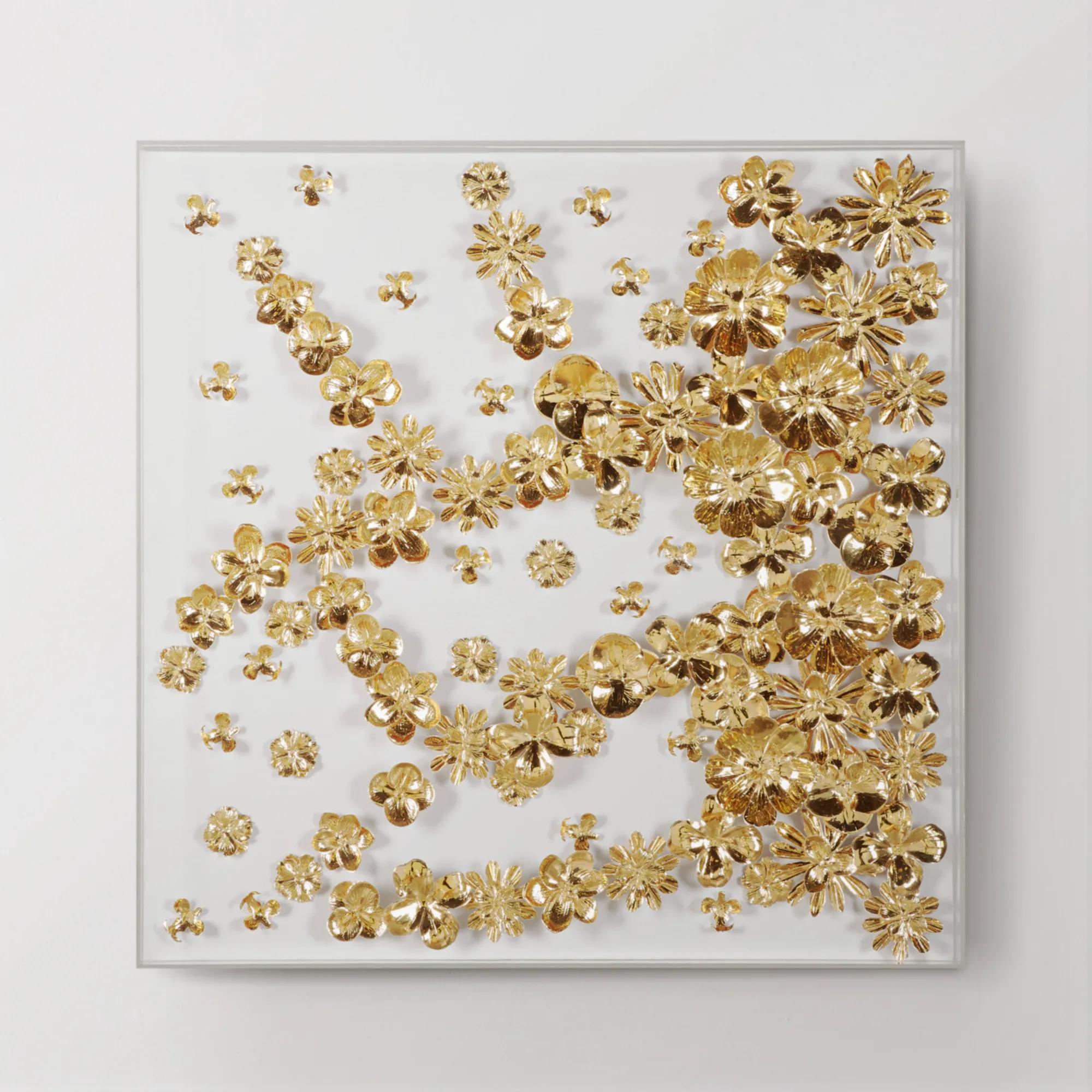
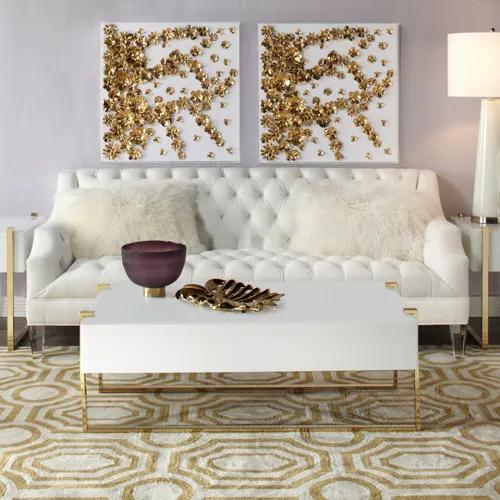 Gold Flora Handmade Foil Wall Decor in Acrylic 31" x 31"$499
A glam botanical wall art featuring handmade gold foil paper flowers on a white linen background.
Add To Cart -
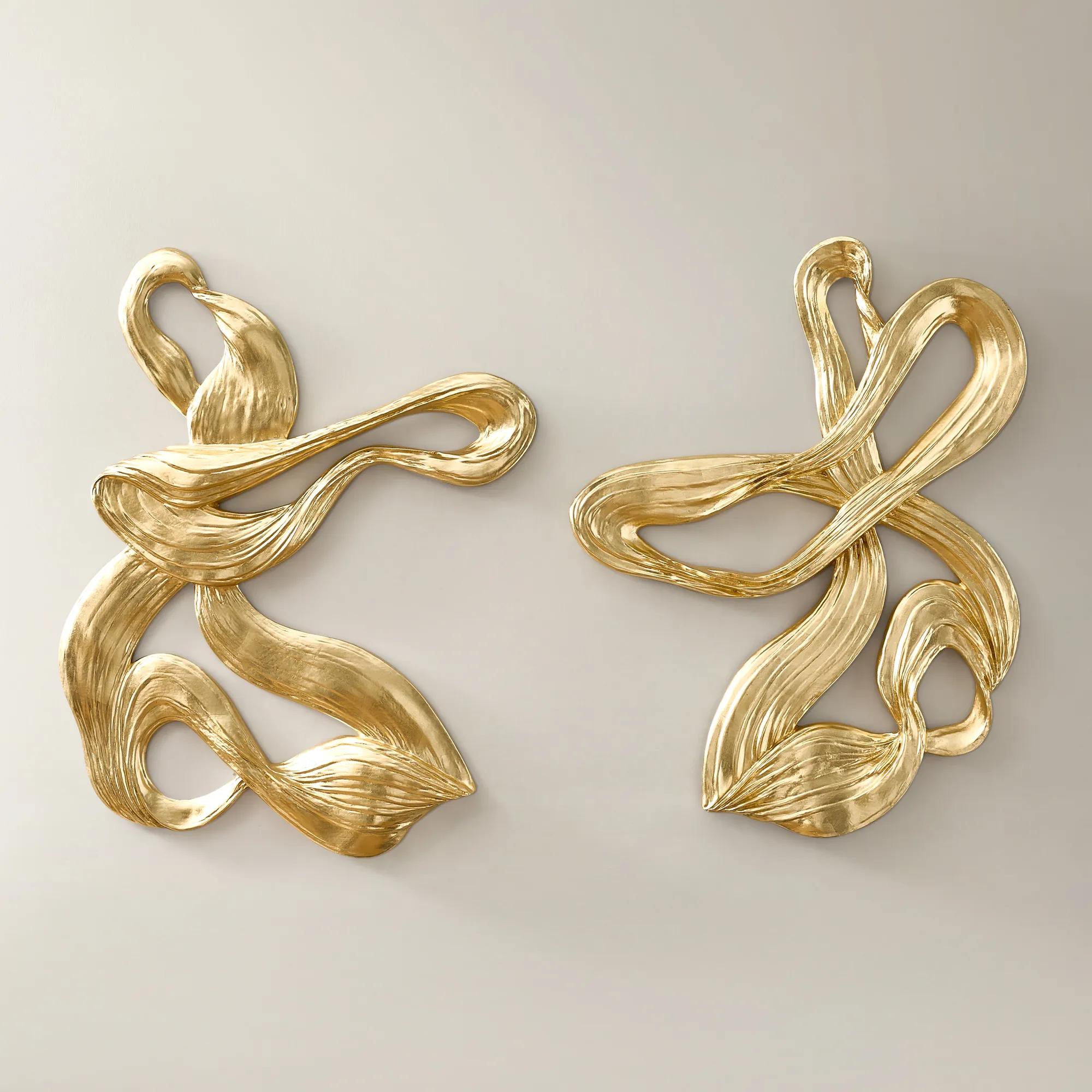
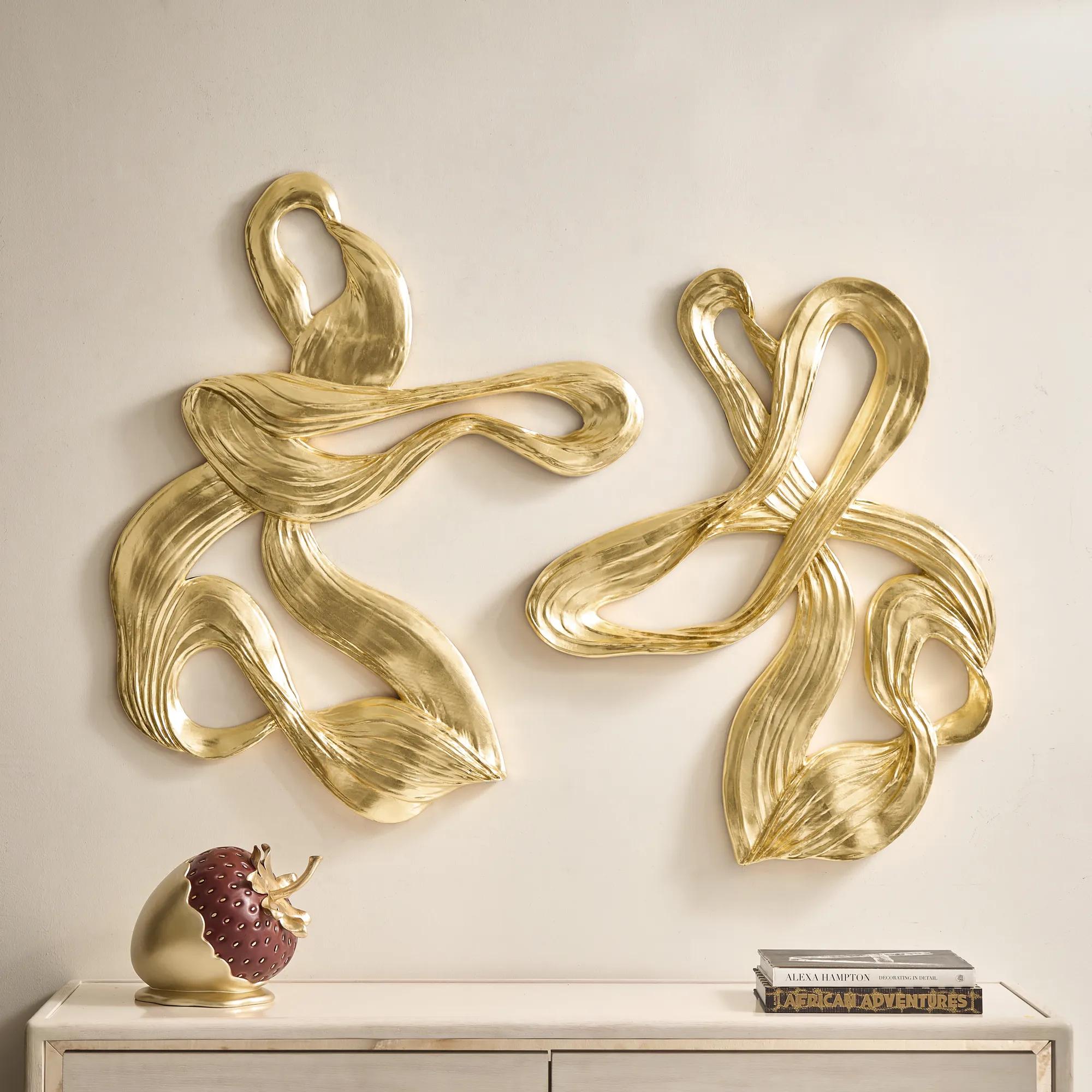 Vela Gold Leaf Sculpted Resin Wall Decor 30.5" x 39.25" Set of 2$699
A set of two resin wall sculptures featuring abstract loop designs and soft gold leafing for modern elegance.
Add To Cart -
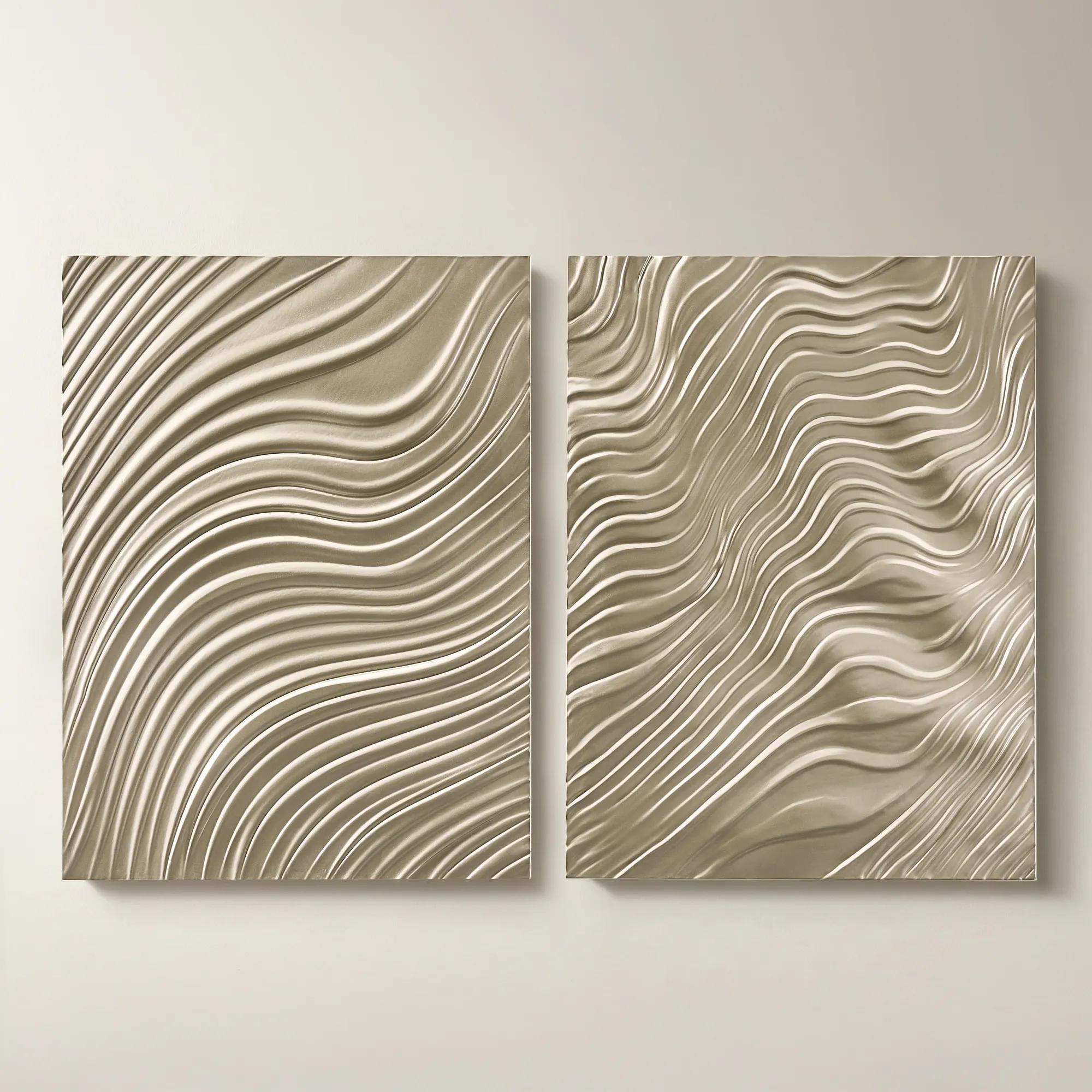
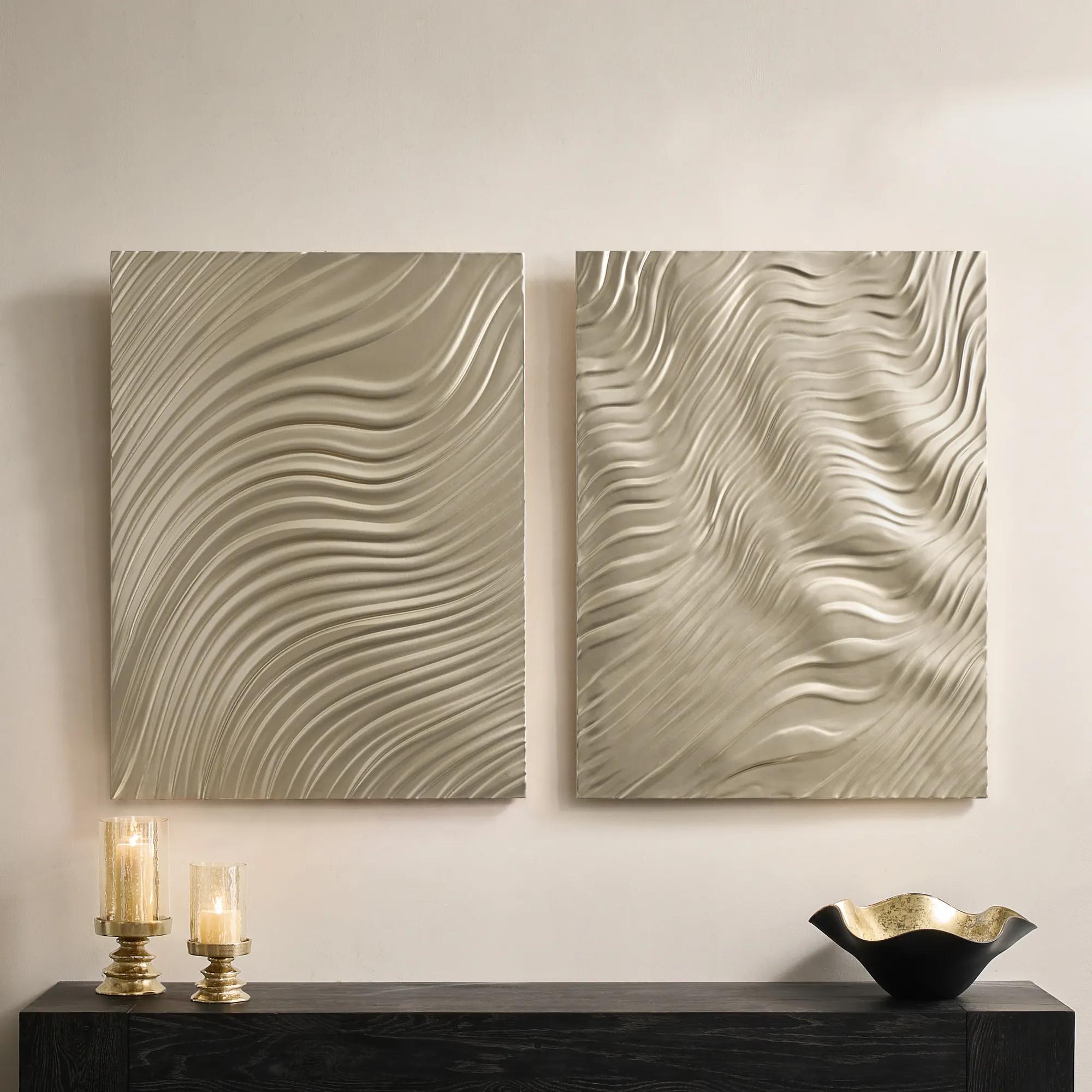 Mirage Champagne Carved Wood Wall Panels 30" x 40" Set of 2$799
A set of two intricately carved wood composite panels in a champagne finish with flowing 3D patterns.
Add To Cart -
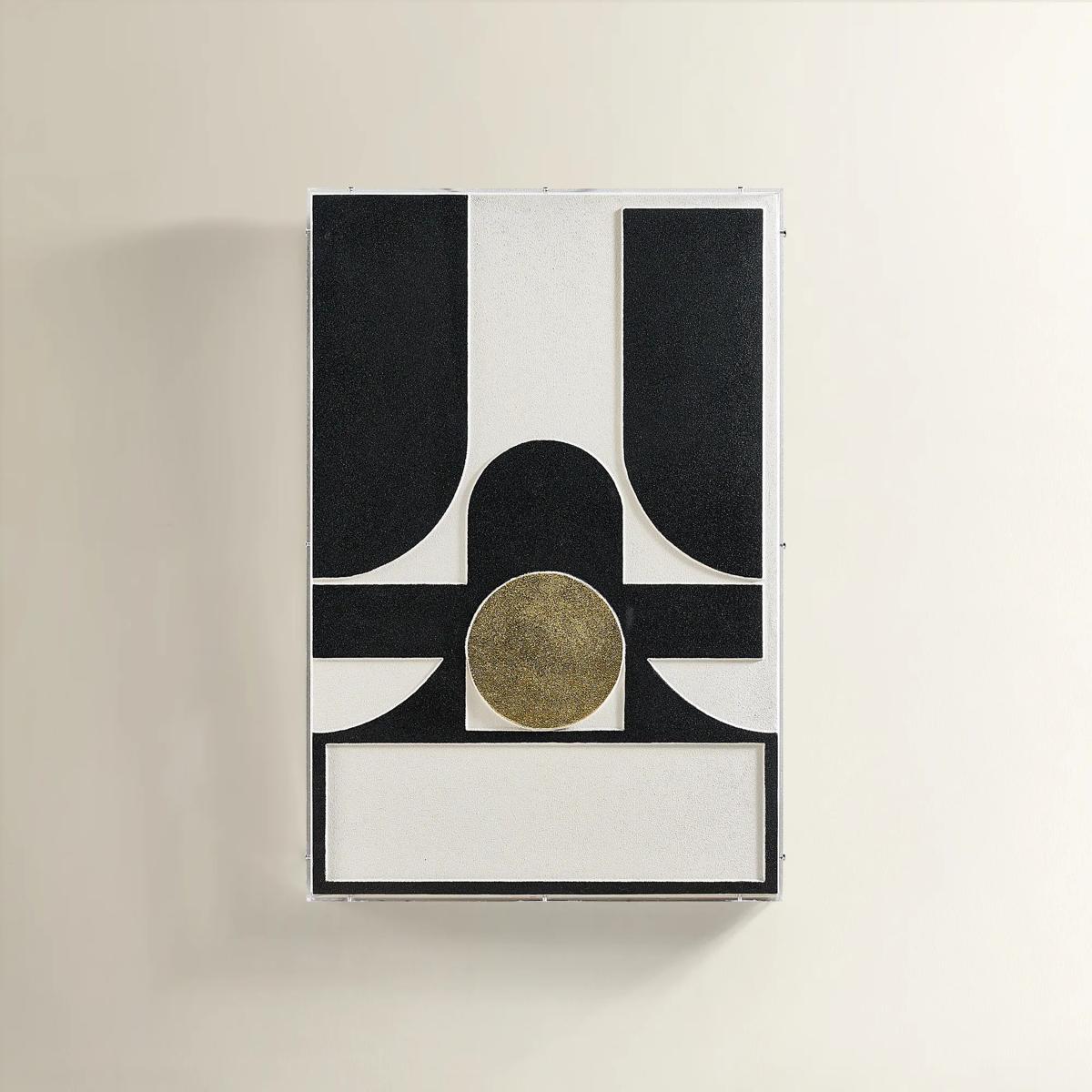
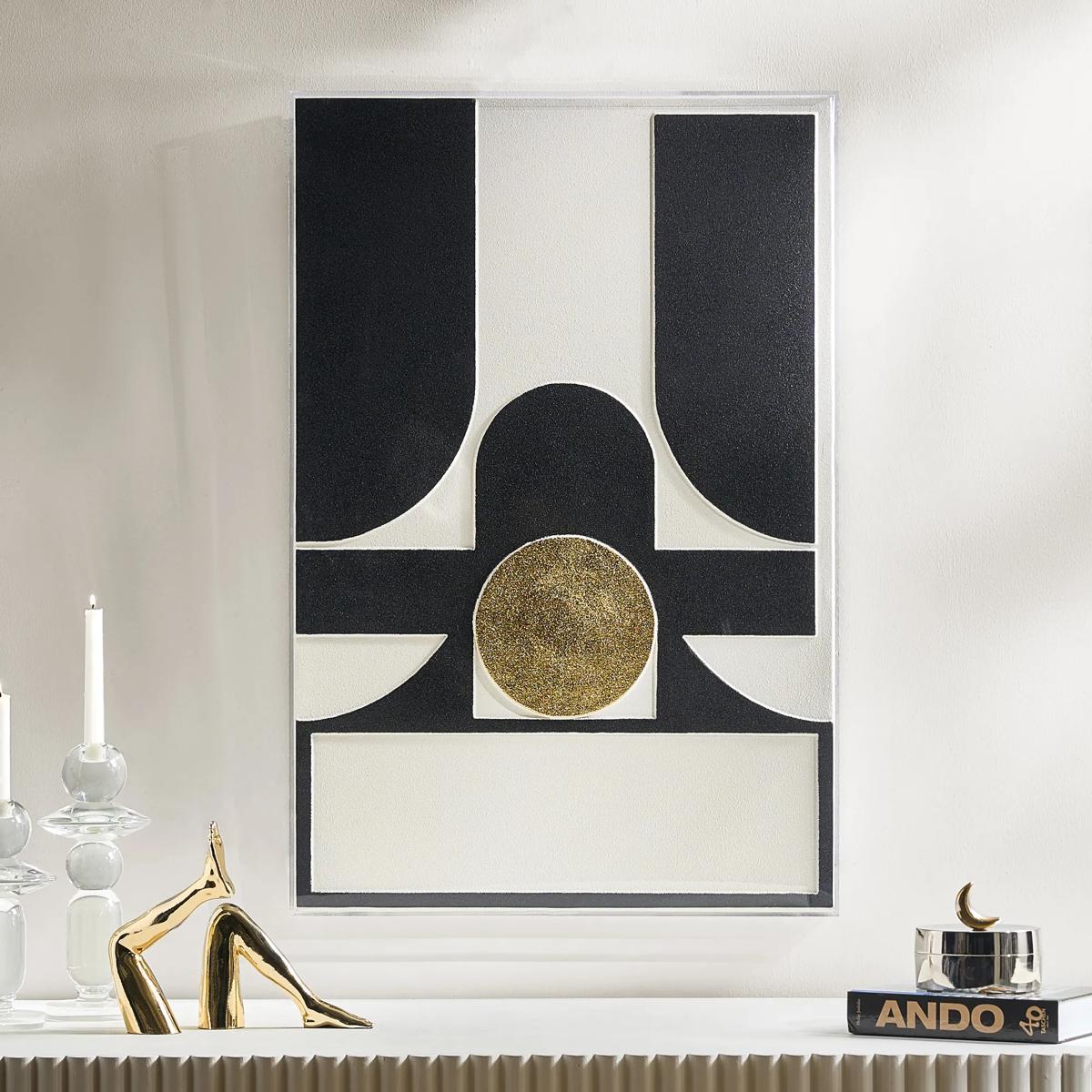 Siren Black And Gold Wall Decor in Acrylic 23.5" x 35.5"$299
A layered composition of black, ivory, and gold geometric forms set in a sleek acrylic shadow box.
Add To Cart -
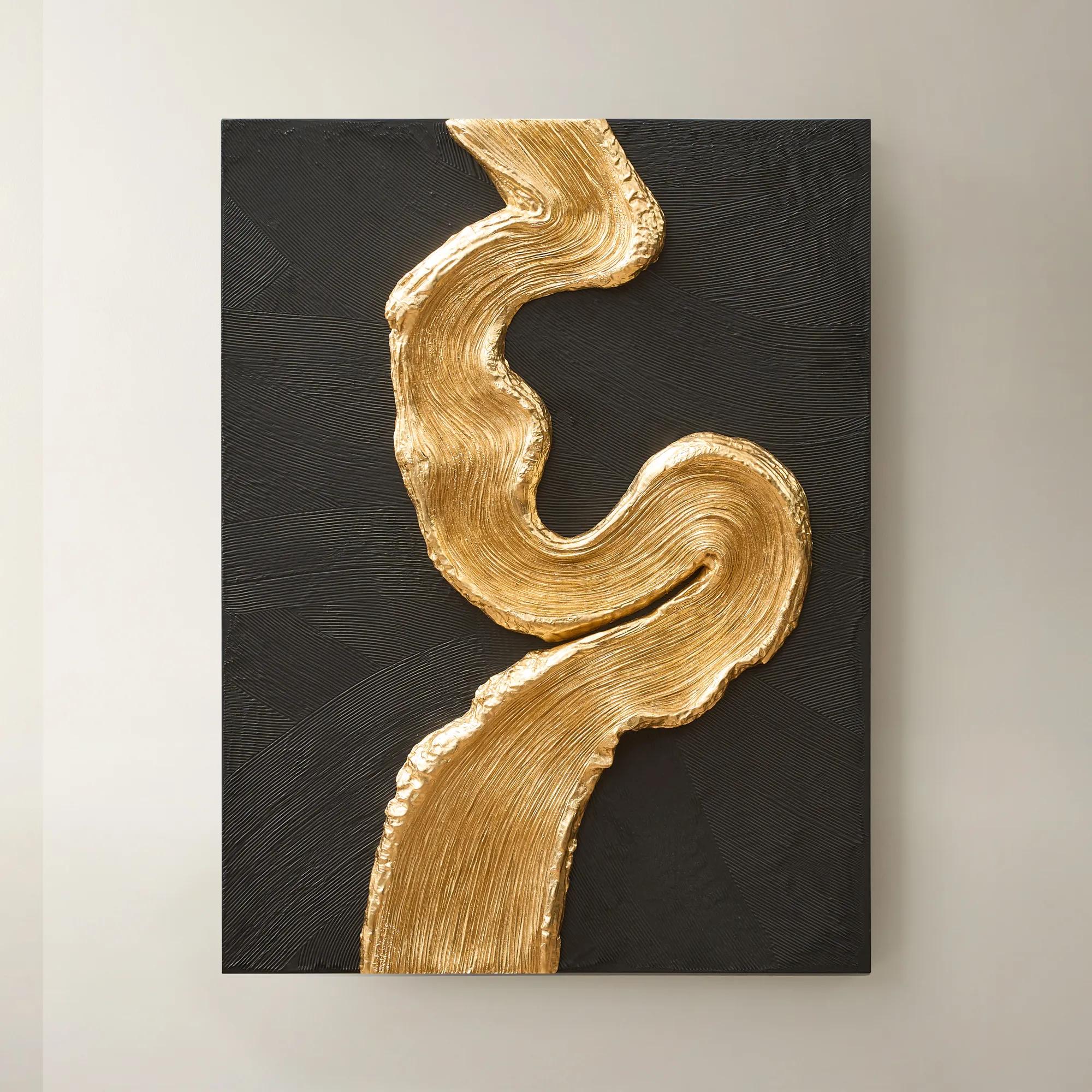
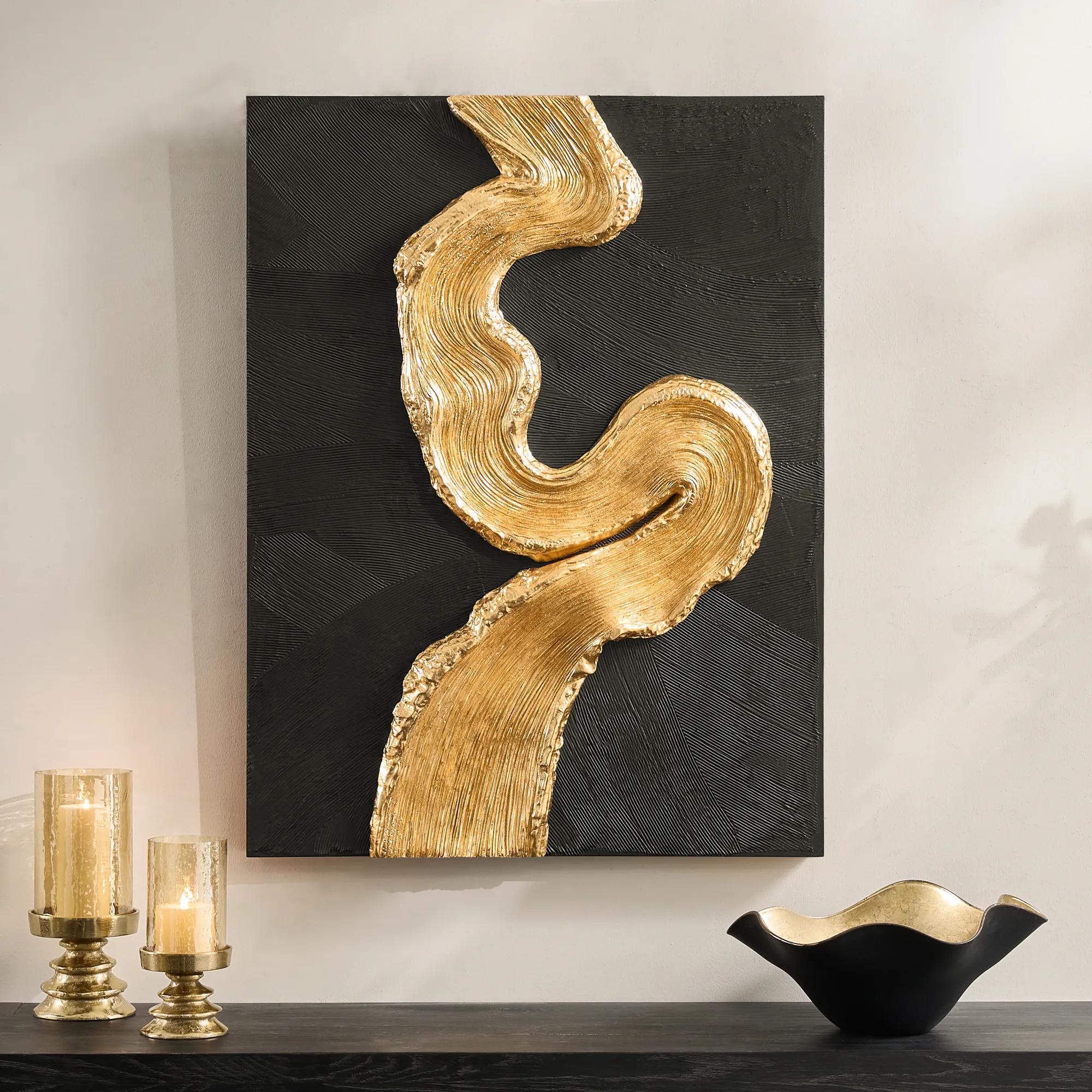 Gold Impasto Sculpted Resin Wall Panel 30" x 40"$499
A sculpted fiberglass resin wall panel featuring gold leaf detail and bold impasto texture on a black backdrop.
Add To Cart -
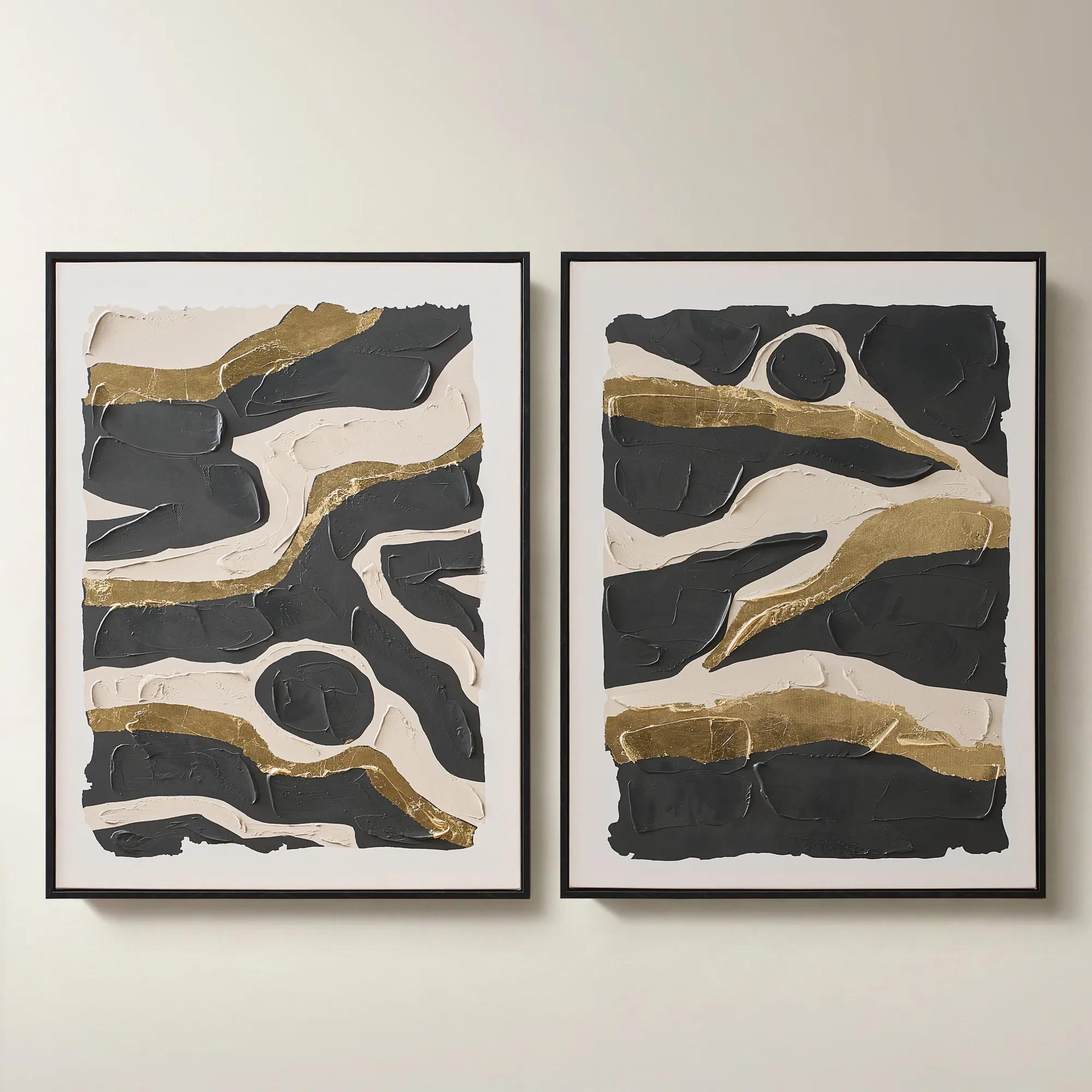
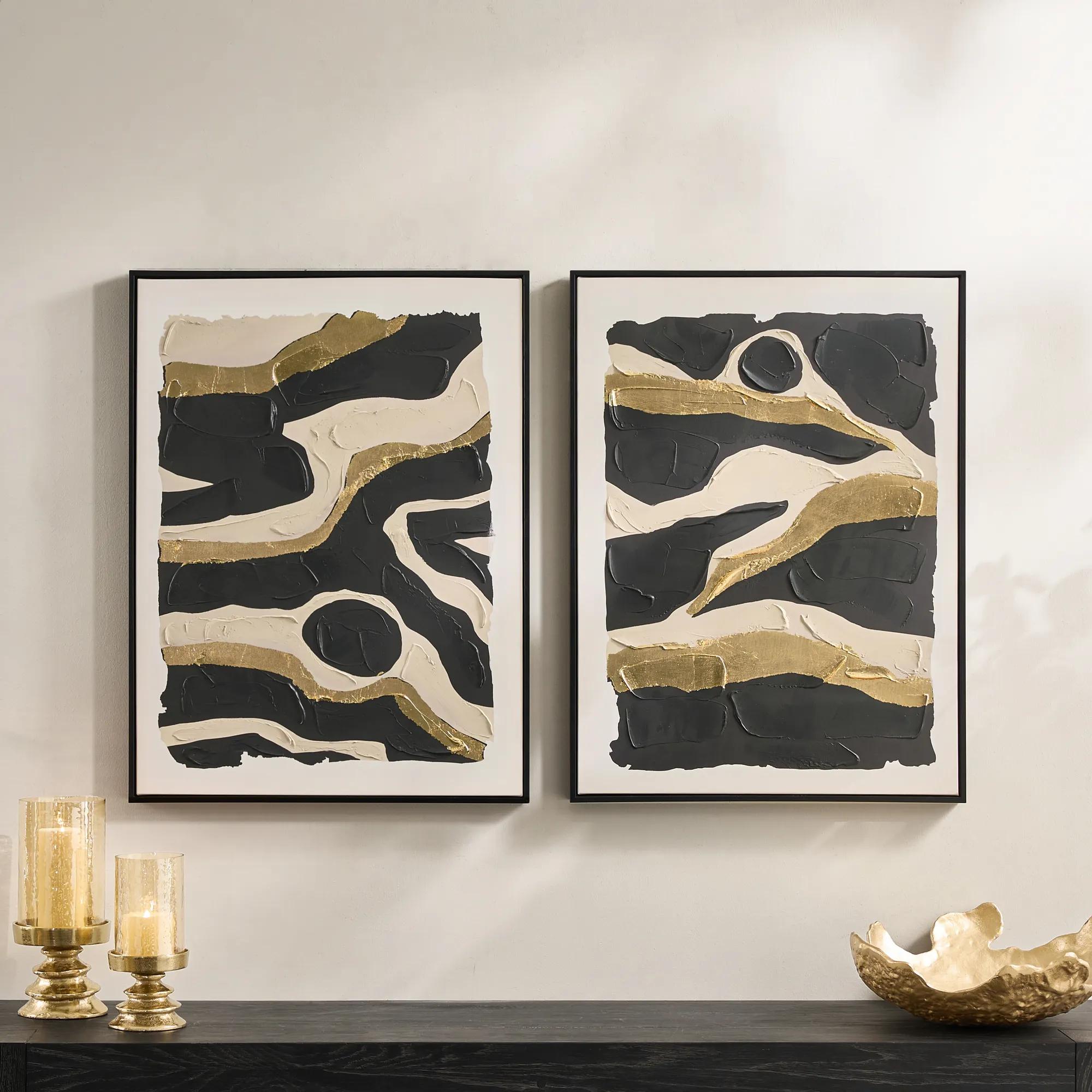 Untamed Framed Gold Leaf Painted Wall Art 24" x 32" Set of 2$199
A hand-painted diptych featuring abstract black and gold canvas art with expressive, gallery-inspired energy.
Add To Cart -
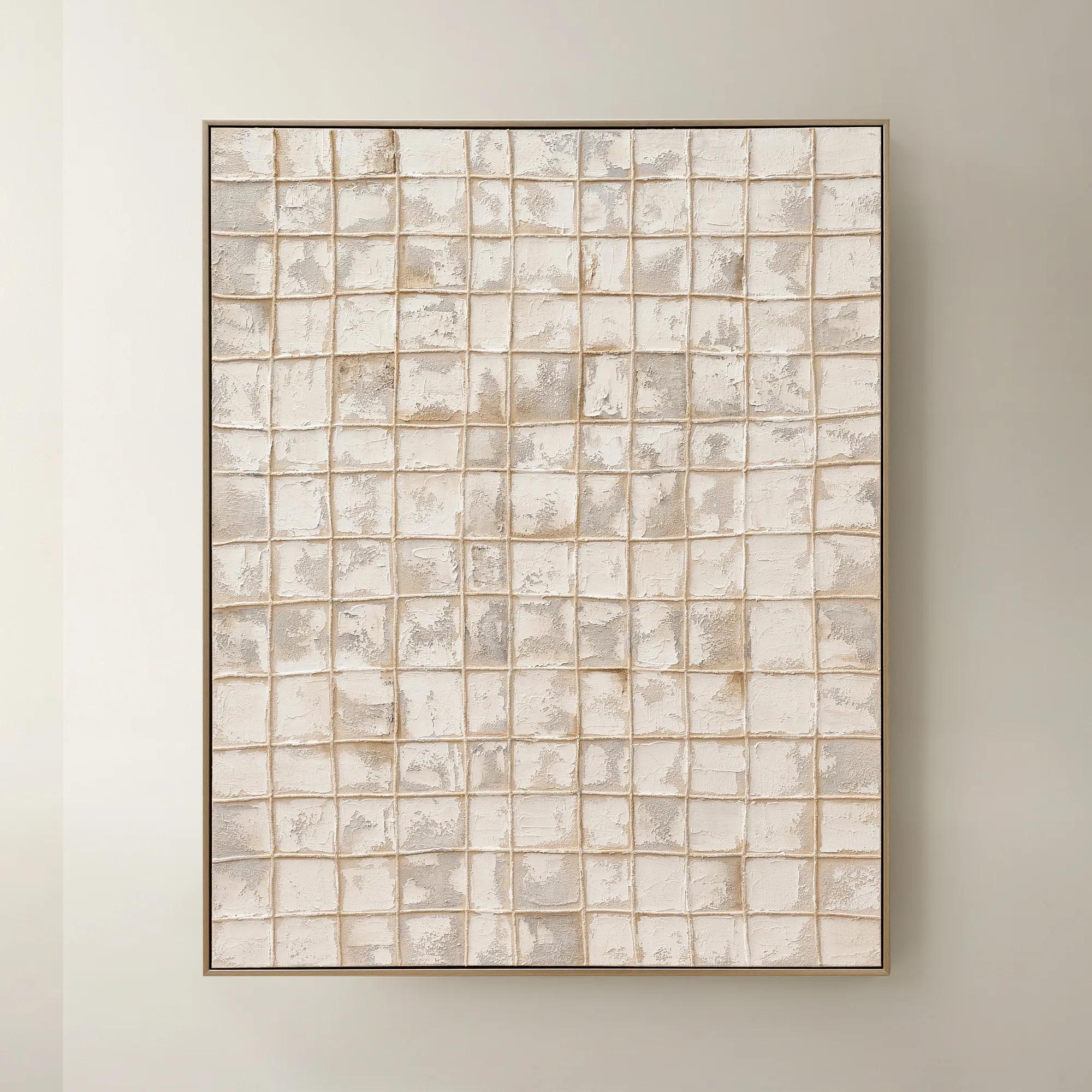
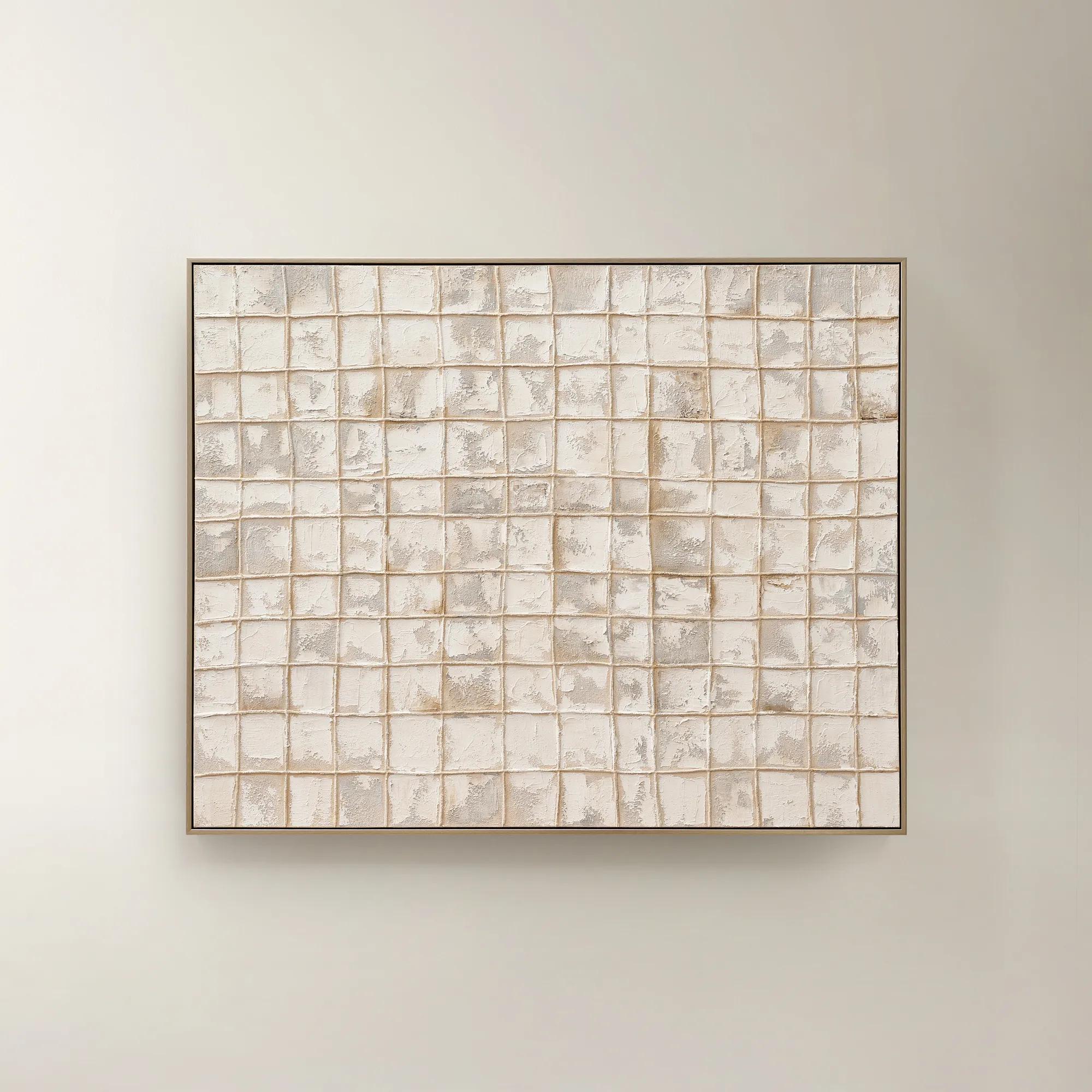 Painted Echos Framed Gold Leaf Wall Art 60" x 48"$699
A hand-painted abstract canvas with gold leaf accents and a champagne frame for modern, versatile display.
Add To Cart -
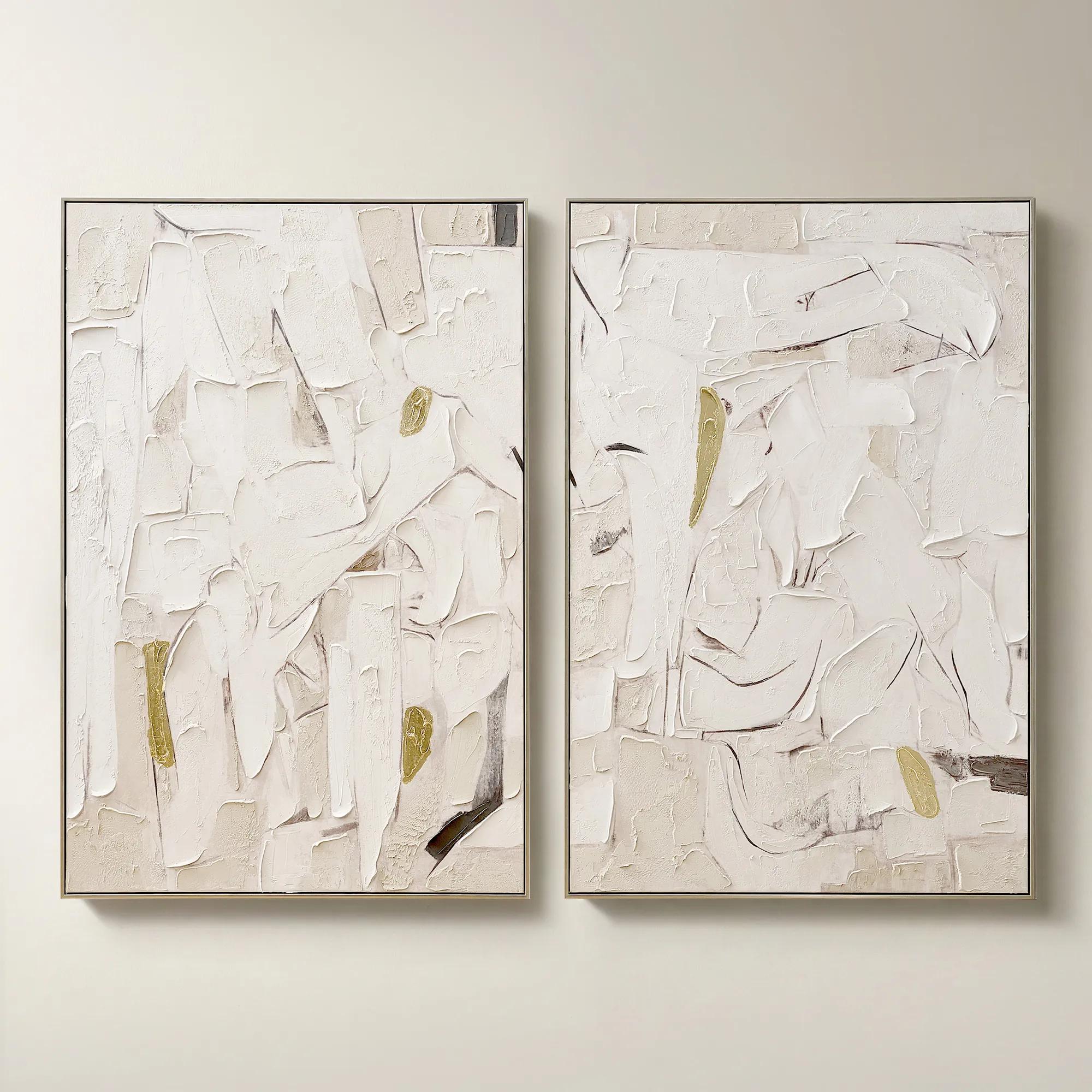 Beneath the Surface Framed Gold Leaf Painted Wall Art 40" x 60" Set of 2$799
A hand-painted abstract diptych featuring gold detailing and layered texture in alabaster and tawny hues.
Add To Cart -
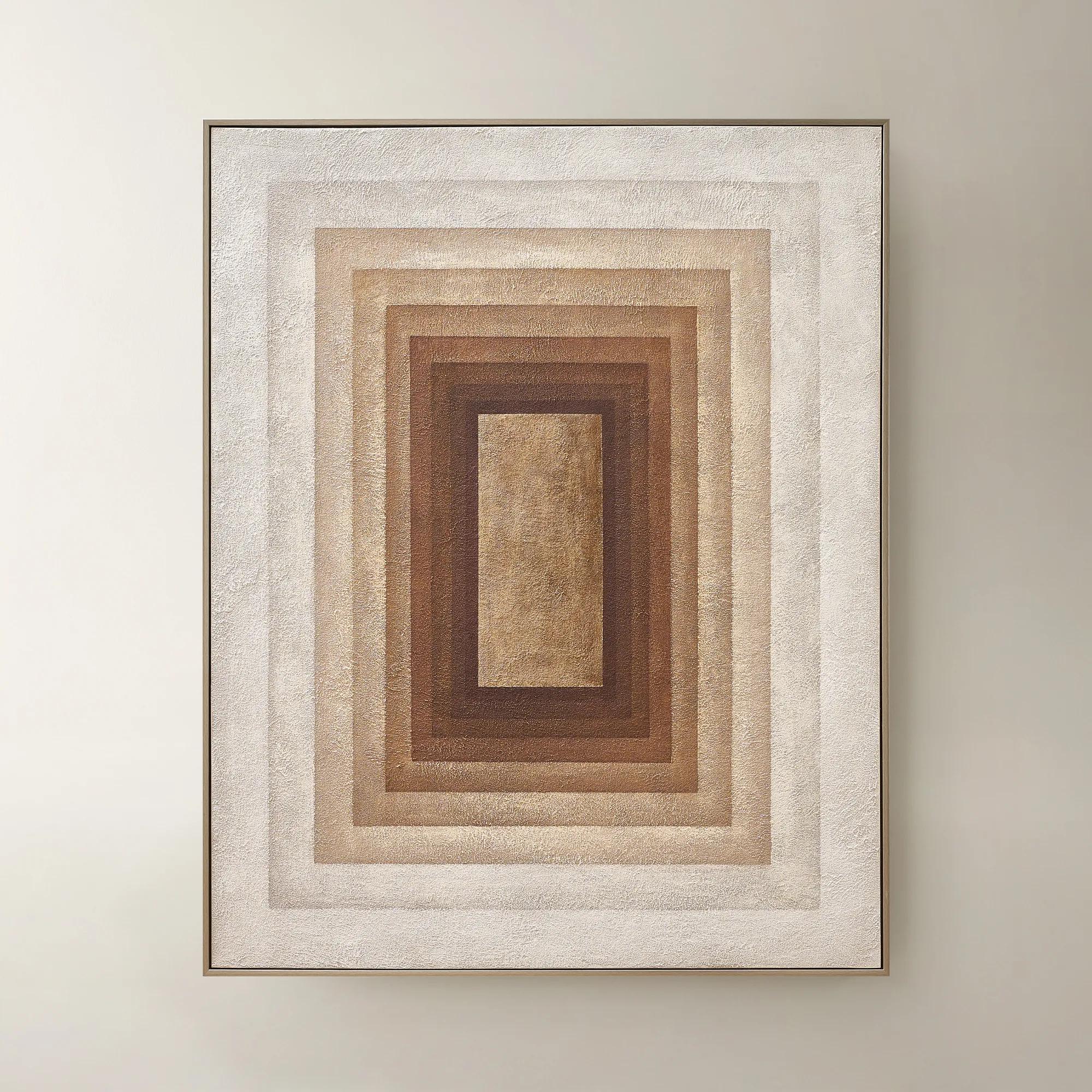 Monochrome Drift Framed Painted Wall Art 60" x 48"$699
A hand-painted abstract canvas with champagne leafing, featuring cocoa and gold tones in modern geometric design.
Add To Cart -

 Oversized Cherries Black And Gold Resin Aluminum Decorative Object 17"$150
A striking gold and black aluminum accent piece that adds glamour and sophistication to any décor.
Add To Cart -
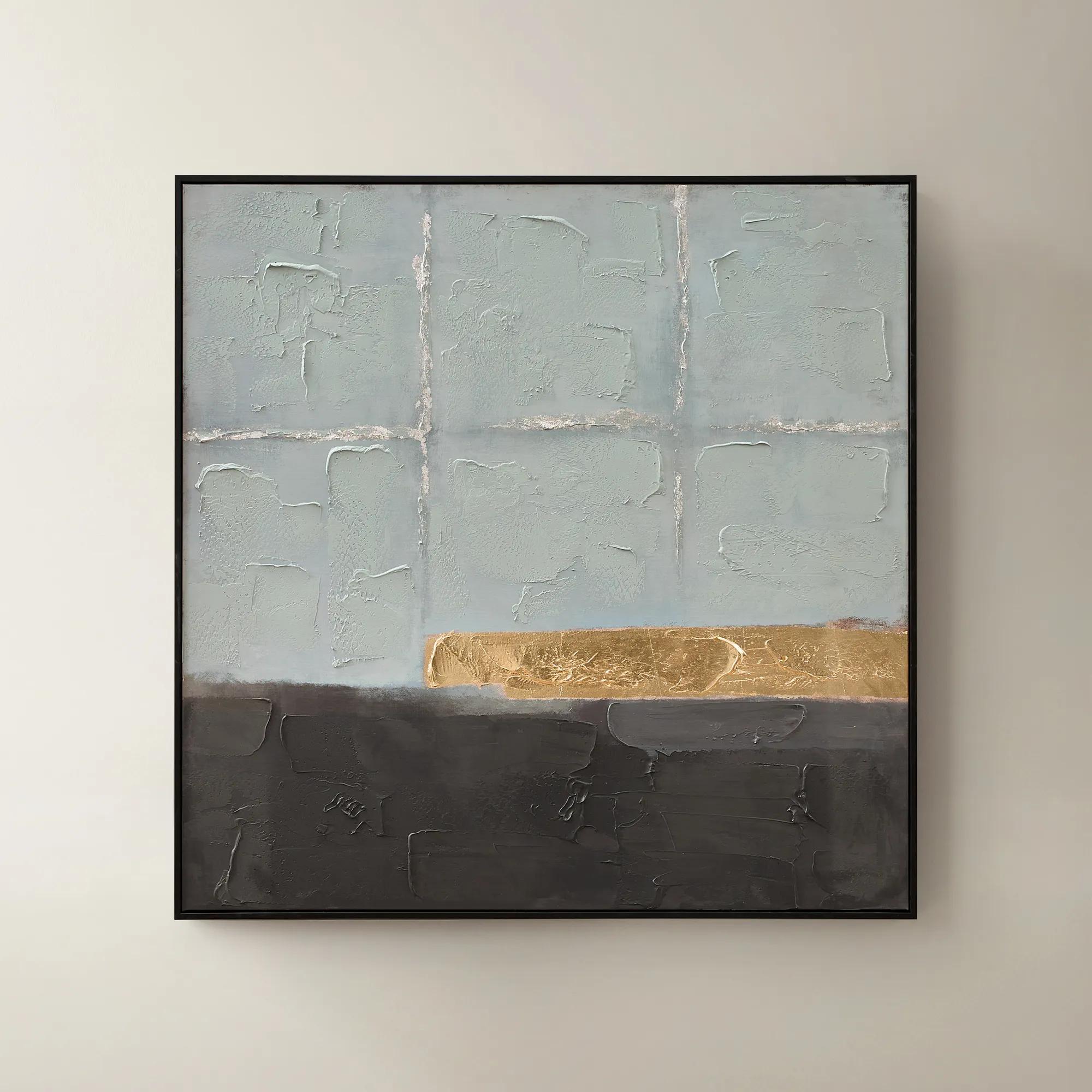
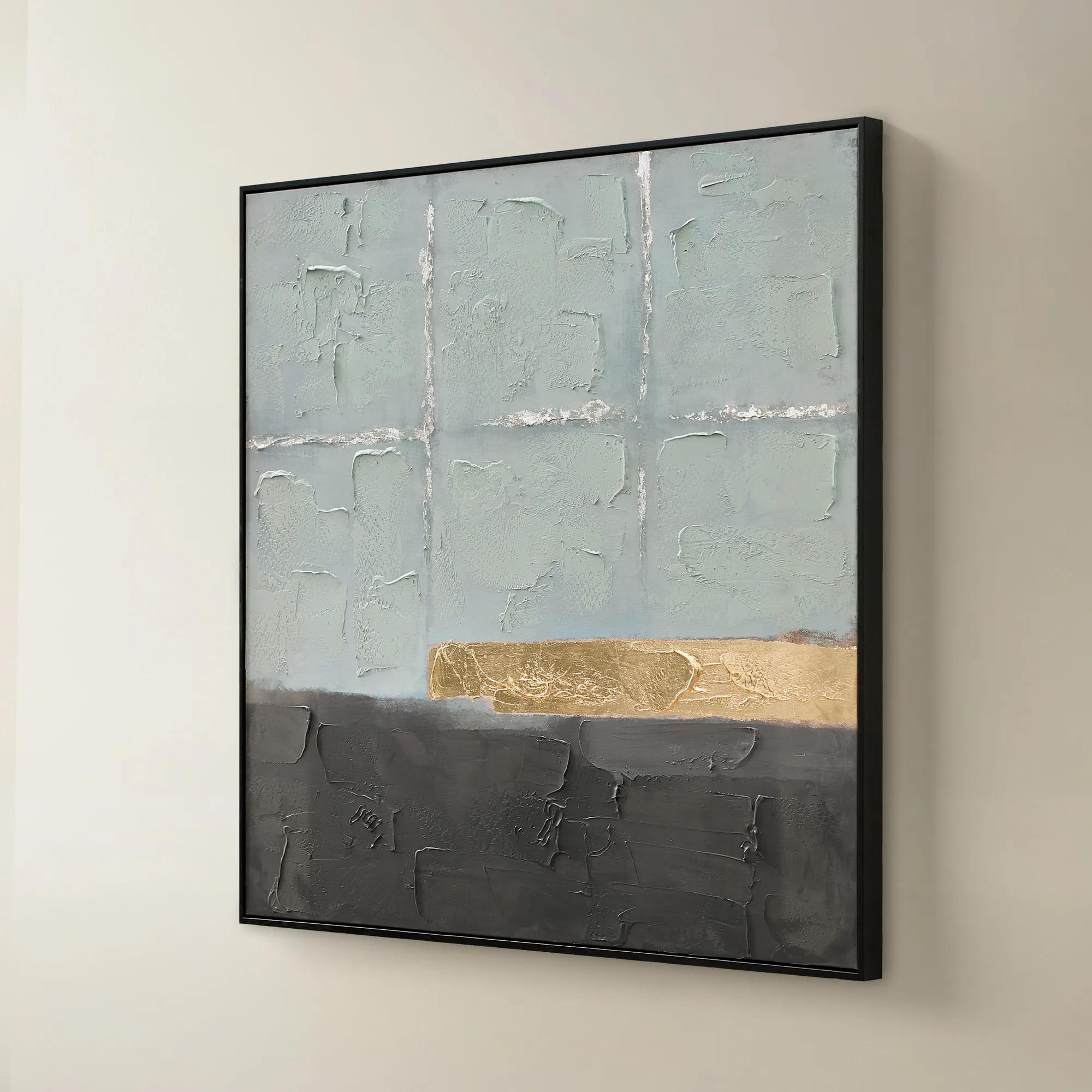 Jules Framed Gold Leaf Painted Wall Art 40" x 40"$299
A hand-painted canvas in mineral blue with gold leaf accents and a sleek black frame for modern appeal.
Add To Cart -
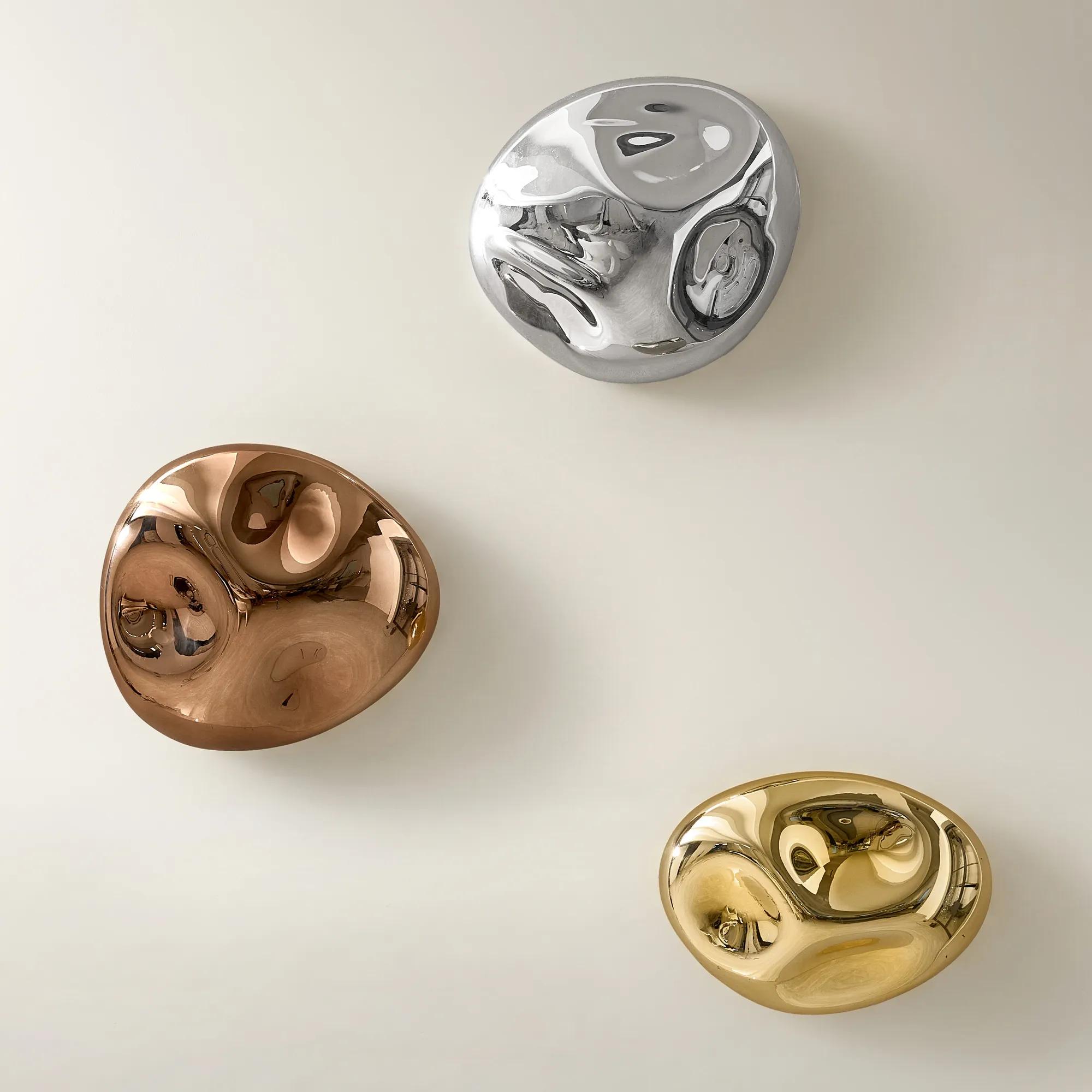
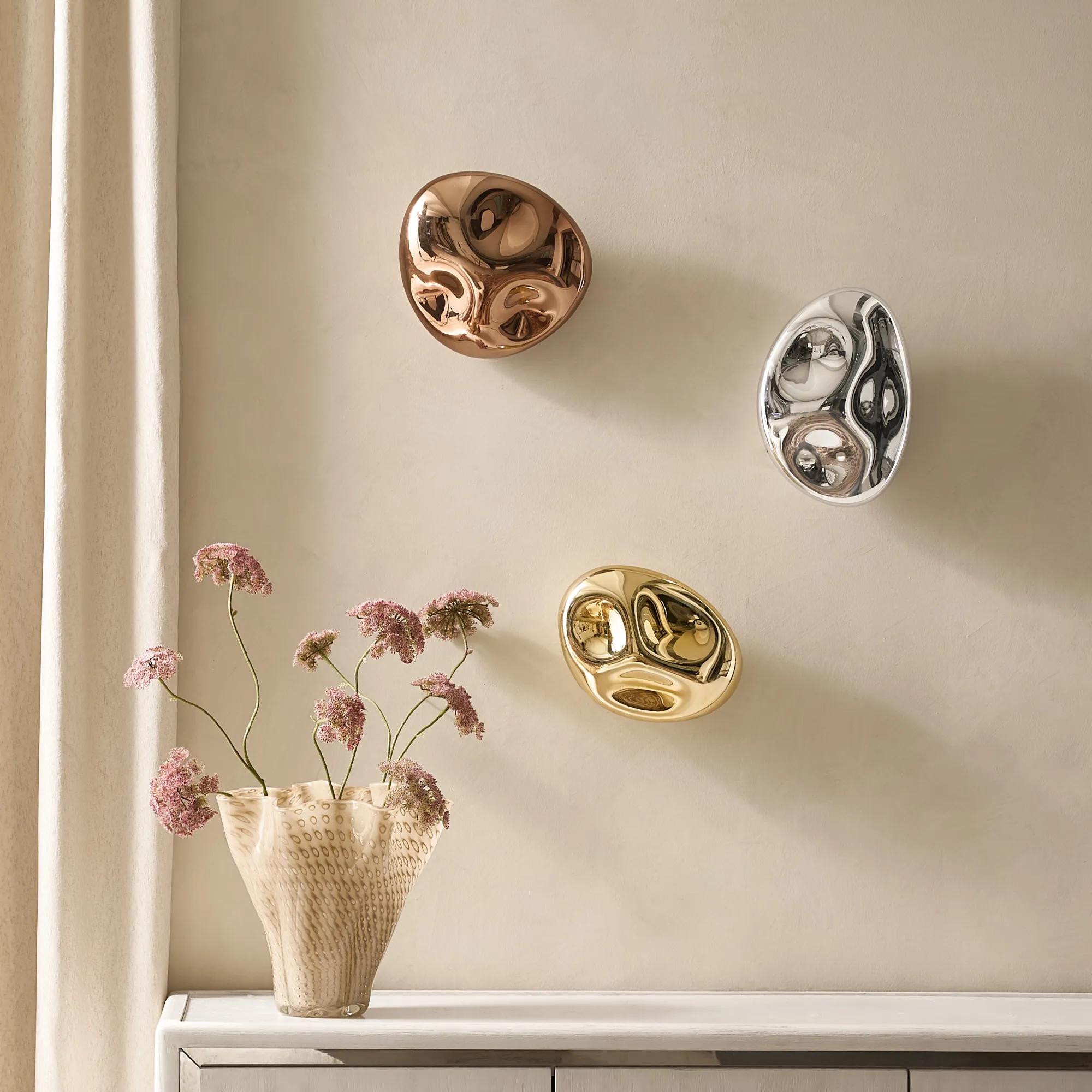 Nebula Electroplated Metallic Glass Wall Decor Set of 3$279
A set of three electroplated glass wall sculptures in polished silver, soft gold, and bronze tones.
Add To Cart -
 Grand Lips Gold Poly Resin Wall Decor 27.5" x 12.5"$99
A playful resin sculpture in radiant gold, perfect for adding bold artistic flair to any space.
Add To Cart -
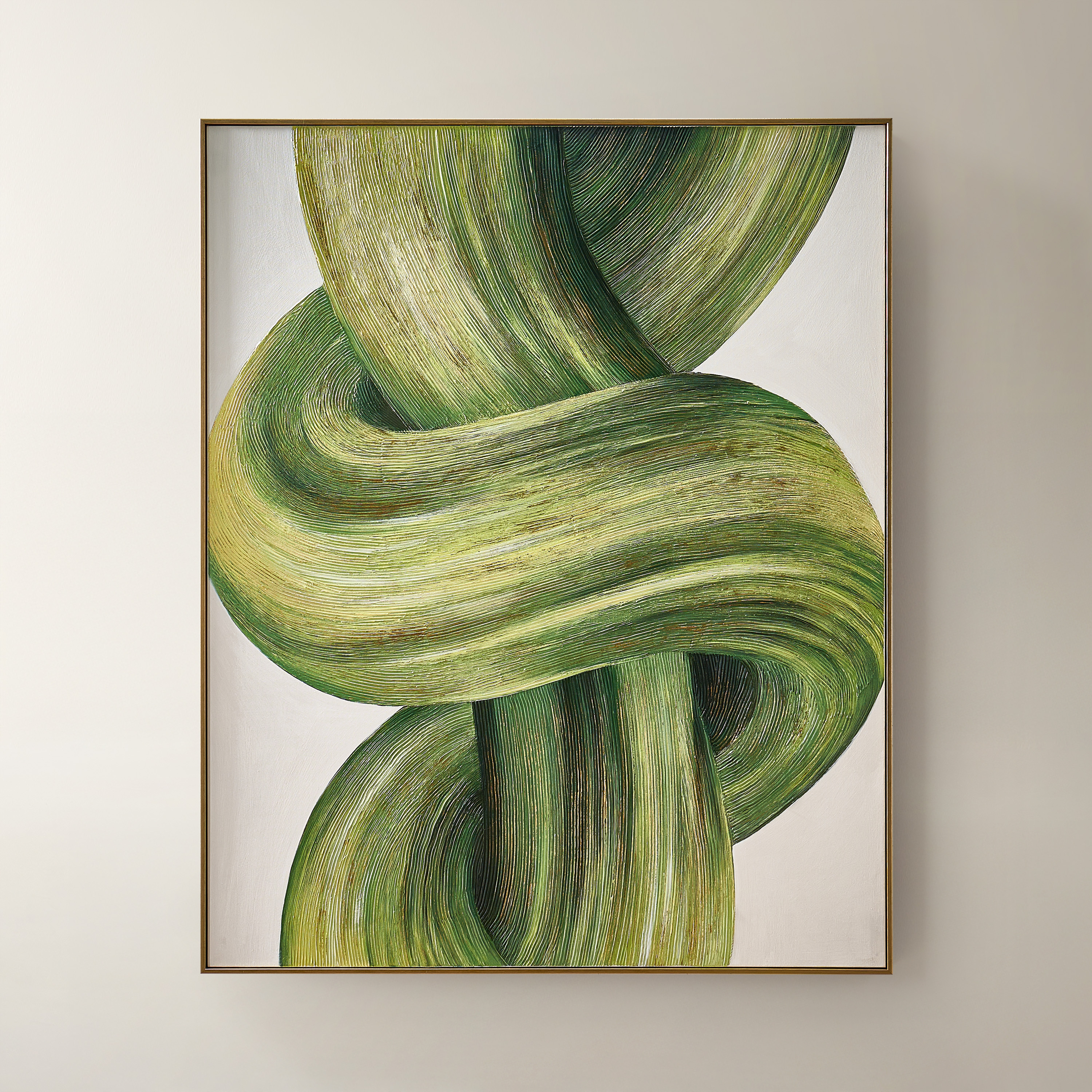
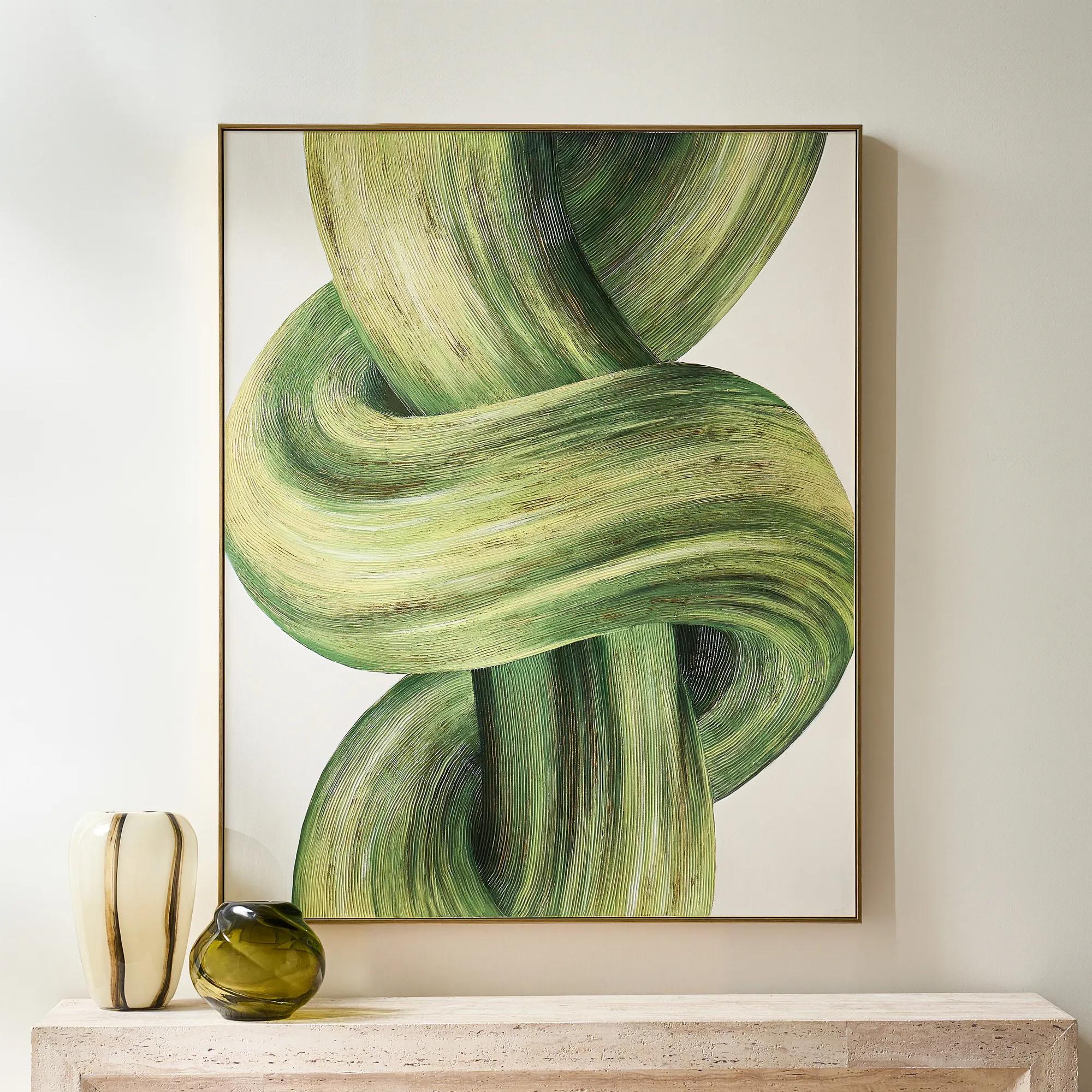 Knotted Framed Gold Leaf Painted Wall Art 40" x 50"$599
A hand-painted green and citron canvas with gold leafing, finished in a sleek PS floater frame.
Add To Cart -

 Zebra Pop Framed Painted Wall Art 36" x 48"$449
A bold black painted canvas artwork in a sleek frame, bringing graphic energy to modern interiors.
Add To Cart -
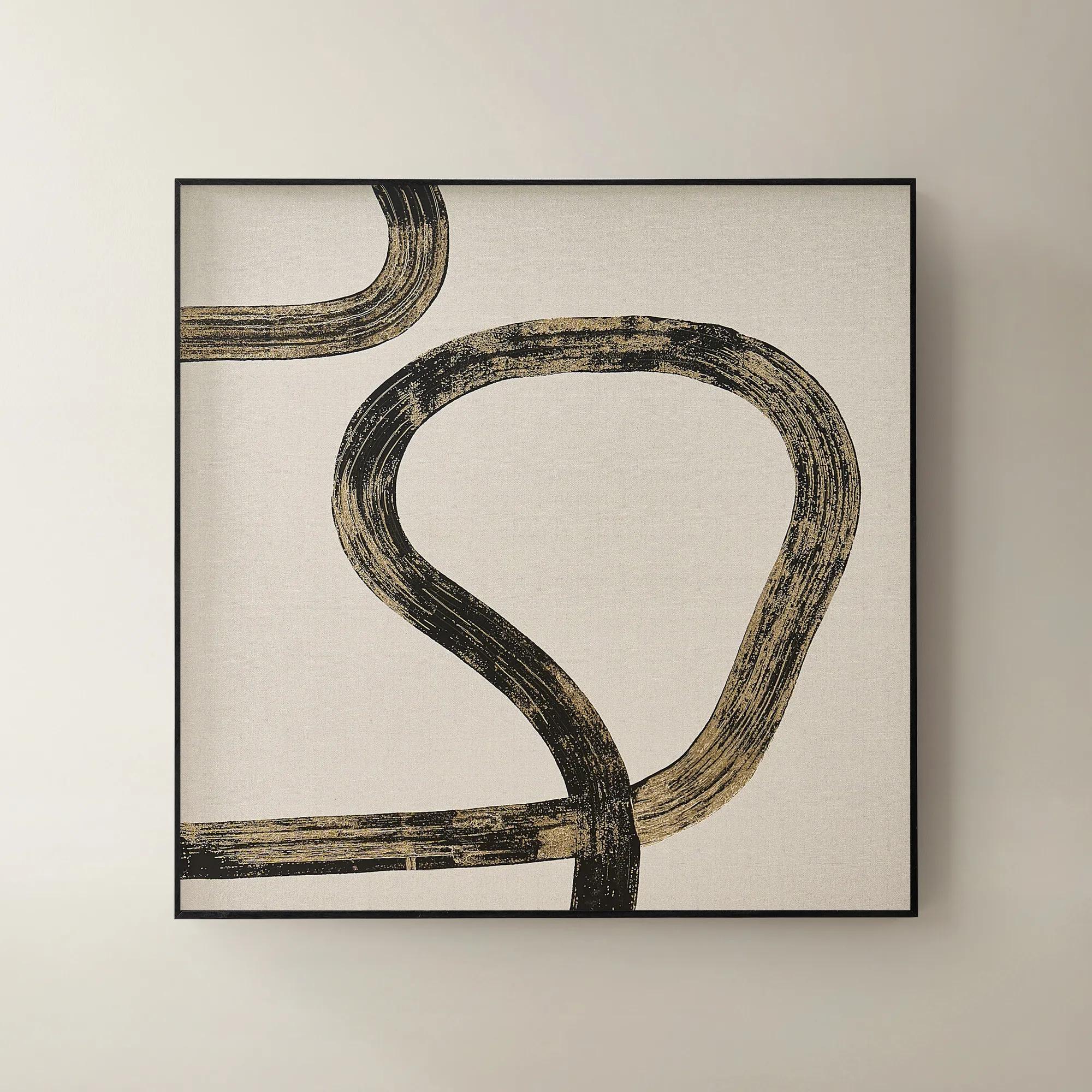
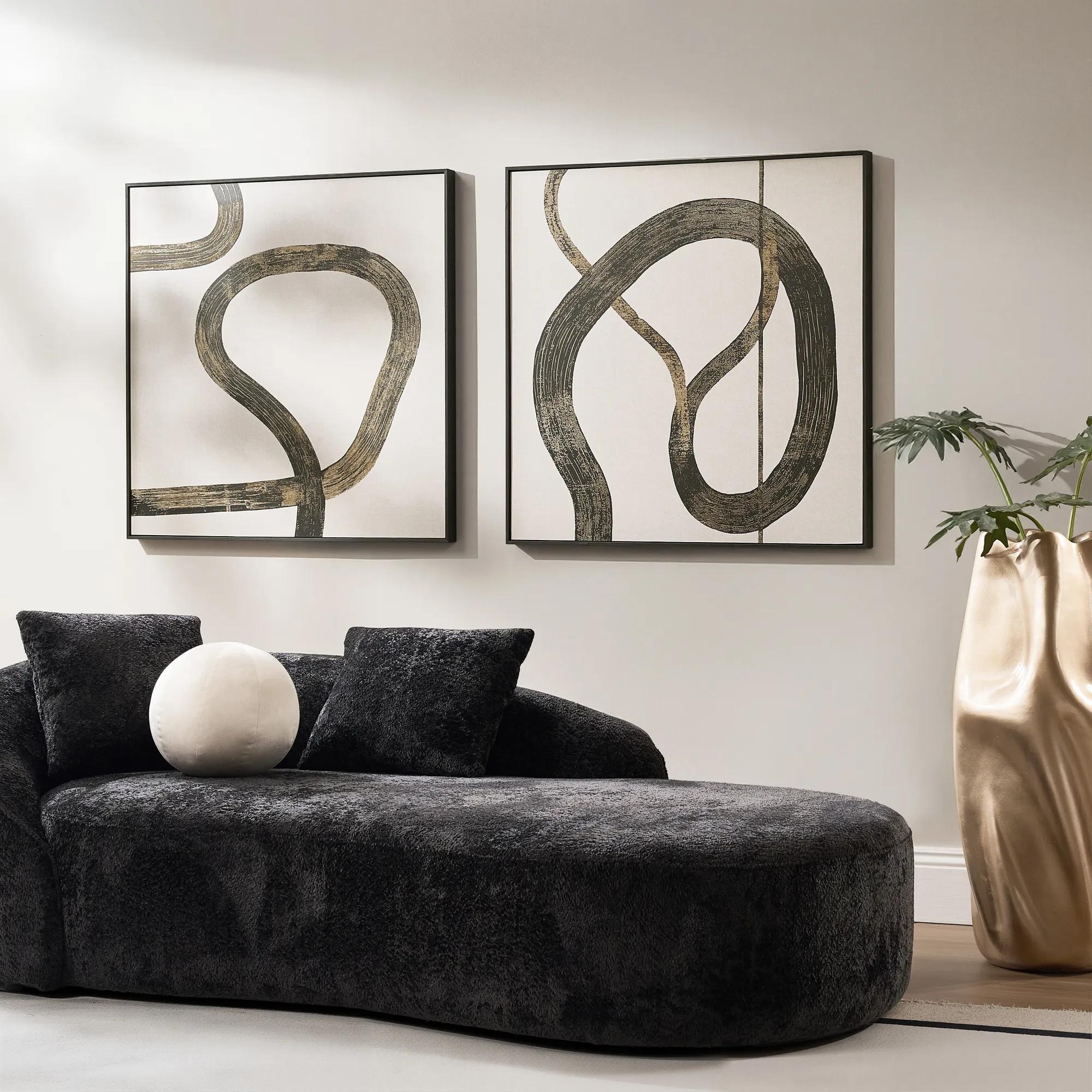 Live Wire Framed Gold Foil Painted Wall Art I 39" x 39"$349
A striking gold foil painting framed to bring modern artistic elegance and luminous texture to any wall.
Add To Cart -
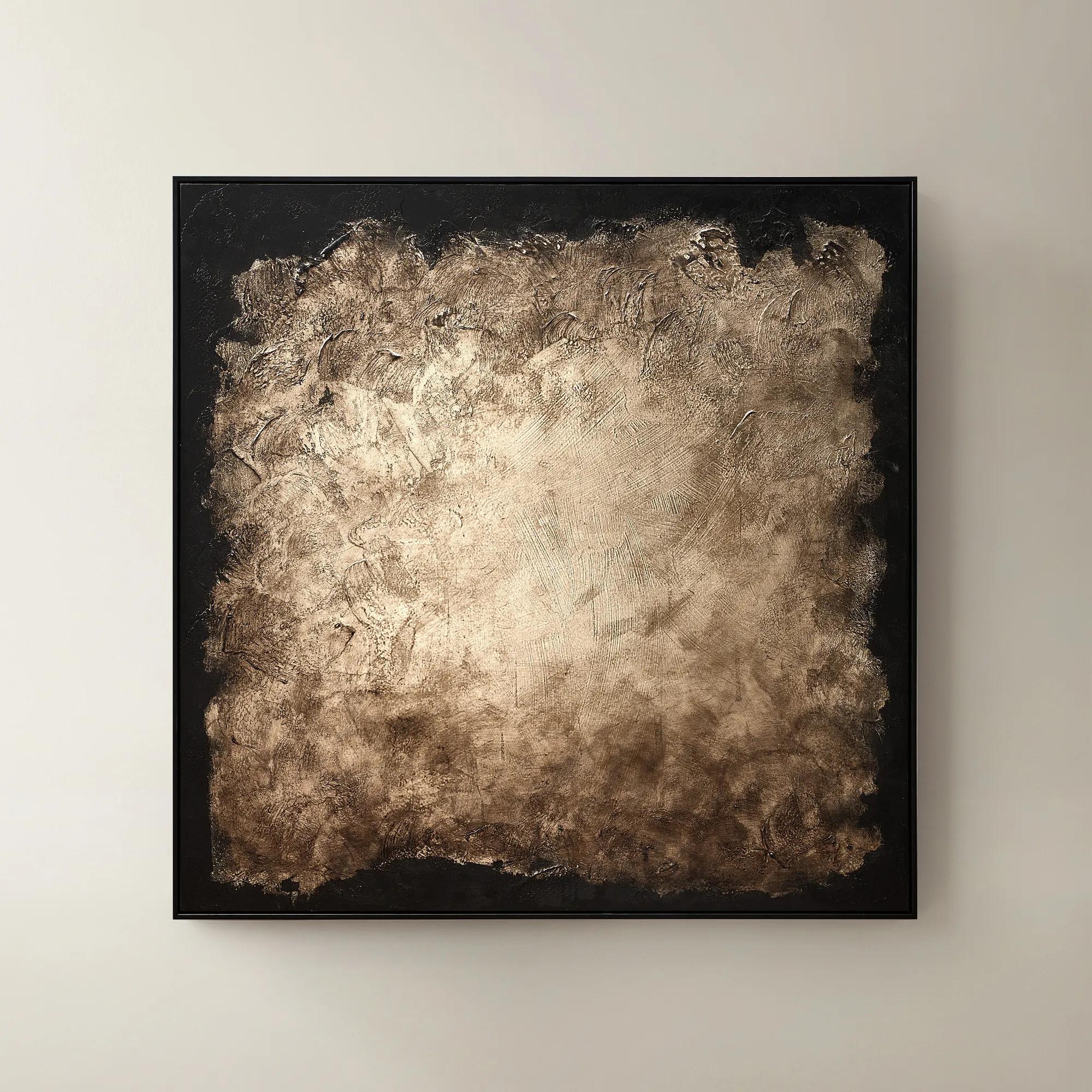 Edge of Knowing Framed Gold Leaf Painted Wall Art 50" x 50"$599
A hand-painted abstract canvas featuring gold leaf accents and a smoked champagne and black palette in a black frame.
Add To Cart -
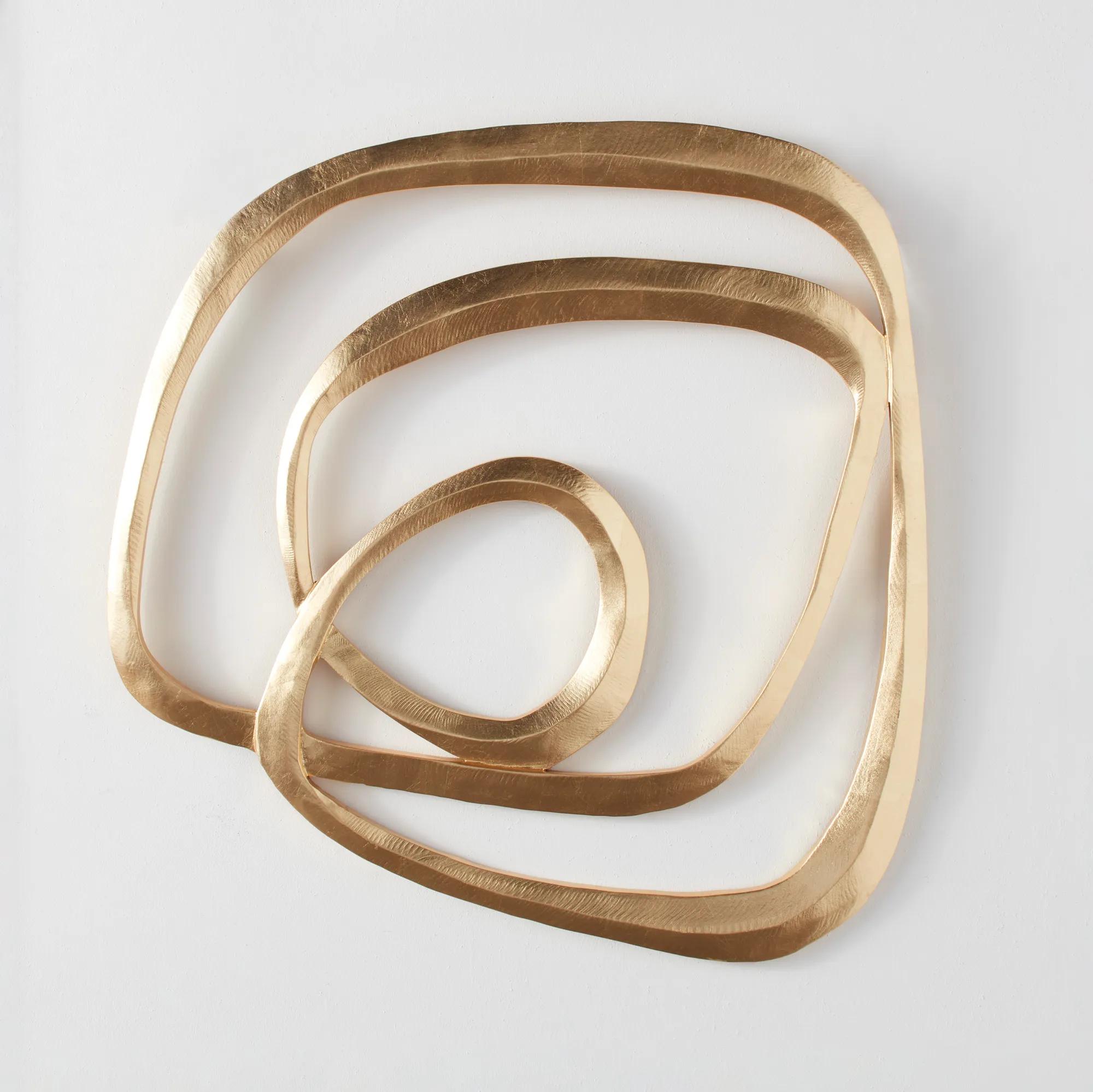 Infinity Gold Leaf Wood Wall Decor II 31.5" x 31.5"$299
A swirling wooden wall sculpture featuring a striking metallic gold finish for a modern statement.
Add To Cart -
 Vince Gold Aluminum Candle Wall Sconce 18.5"$79
A sculptural gold aluminum sconce that cradles a single taper candle for modern, luminous ambiance.
Add To Cart -
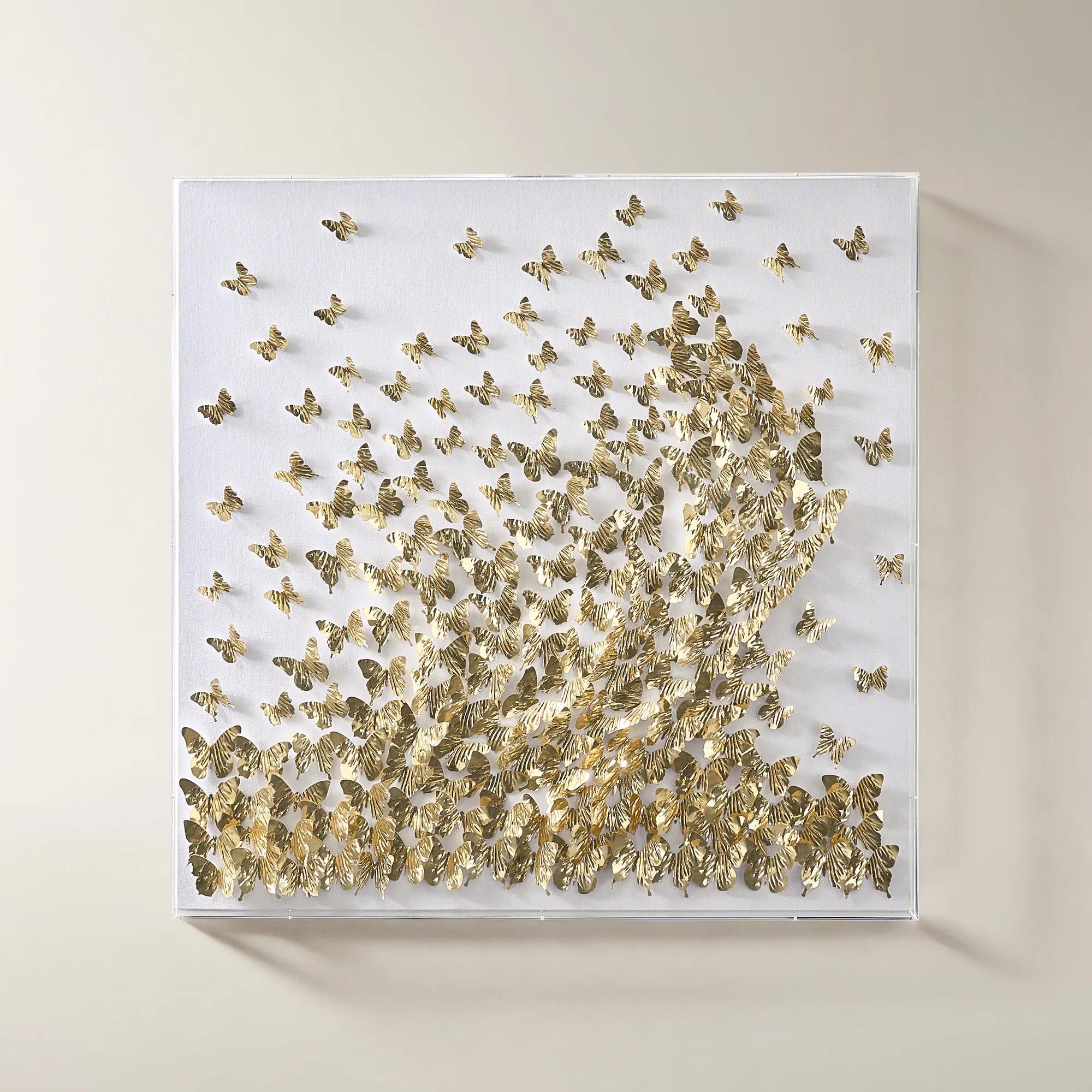
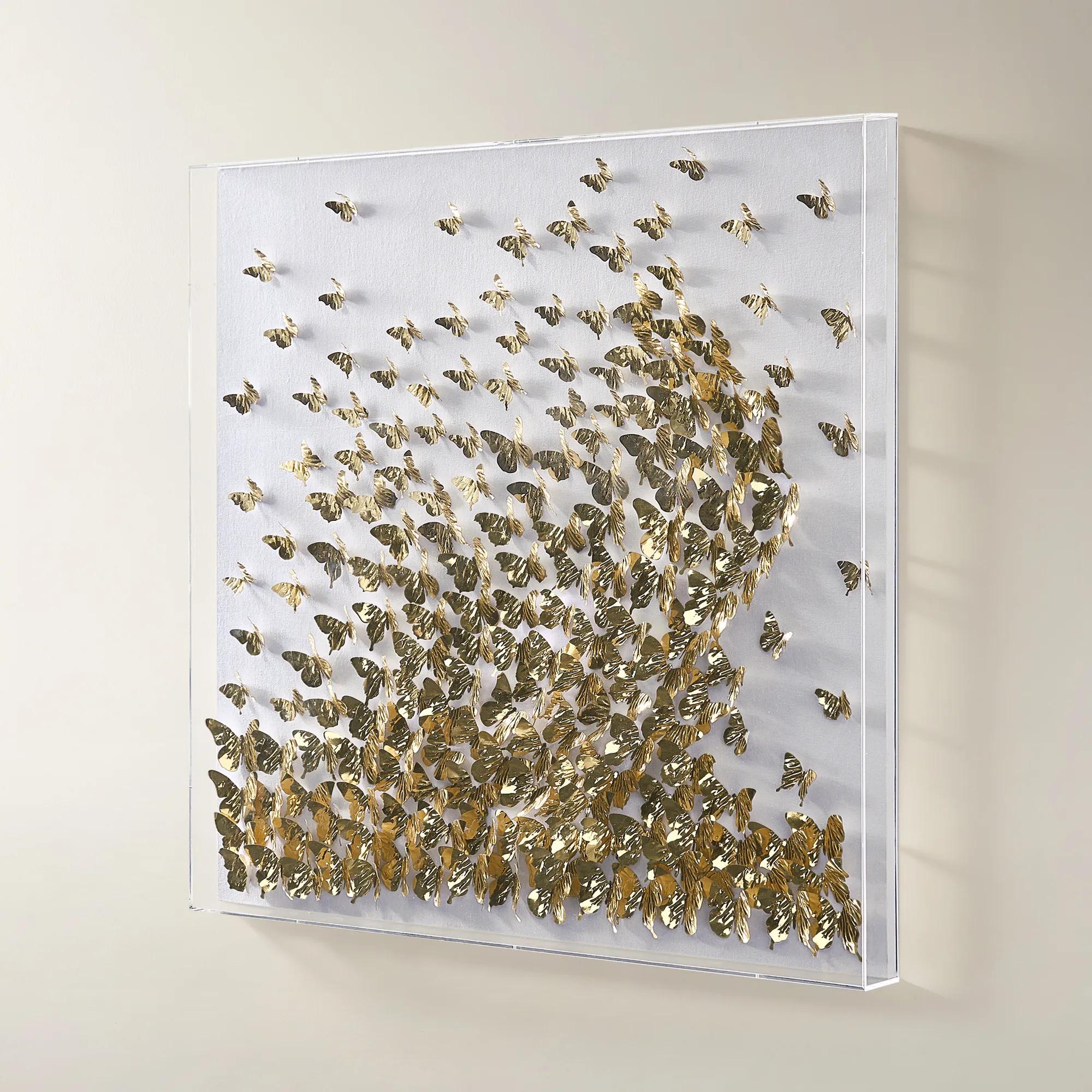 Butterfly Mist Handmade Gold Foil Wall Decor in Acrylic 39.25" x 39.25"$799
A sculptural wall art piece featuring handmade gold foil paper butterflies on linen, encased in a clear acrylic box.
Add To Cart

Gold Wall Sculptures For Modern Homes
Gold Wall Sculptures For Modern Homes ignite a sense of grandeur, transforming blank walls into luminous works of art. Imagine gilded forms catching the light, casting glimmers and shadows that shift with every hour—each piece a radiant punctuation mark in your personal design story. Whether you crave bold geometry or organic curves, these shimmering sculptures infuse contemporary spaces with opulence and intrigue. Let your home become a gallery of golden expression, where every glance reveals a new facet of luxury and imagination.
Gold wall sculptures bring three-dimensional texture, metallic warmth, and architectural interest to modern homes. Unlike flat artwork, sculptural wall decor extends into the room, creating highlights and shadows that shift with the viewing angle and the direction of light. That depth gives a simple wall a more expressive role: an ivory backdrop becomes a setting for sweeping gold curves, while a charcoal accent wall lends bright metal an almost theatrical presence. The appeal lies in the balance between form and finish. Geometric gold wall art introduces precision through intersecting lines, open grids, concentric circles, and angular compositions. Organic silhouettes, including abstract leaves, branching forms, and petal-like layers, soften the straight edges of contemporary furniture without sacrificing sophistication. More dimensional arrangements create a commanding focal point, especially when folded, hammered, or overlapping surfaces catch light at different angles. Openwork designs allow the wall color to become part of the composition, offering visual movement without the density of a solid panel. For interiors with restrained furnishings, a single expansive sculpture can supply the room’s most expressive gesture; in a richly layered space, a more disciplined silhouette gives velvet, patterned textiles, and polished stone a clear visual companion. Gold itself offers considerable nuance. A brushed finish produces a muted luster, a polished surface creates sharper reflections, and an antiqued treatment emphasizes recesses and surface detail. These differences matter as much as the outline of the sculpture, particularly in rooms where reflective finishes already play a prominent role. A softly burnished gold can sit comfortably beside walnut and cream upholstery, while gleaming gold introduces a crisp contrast against matte black furniture. Gold wall sculptures for modern homes are decorative accents rather than functional fixtures, but their visual contribution is substantial: they establish rhythm, define a focal point, and give an otherwise quiet stretch of wall the presence of a considered art installation.
Scale and placement shape how that presence feels. Above a sofa, a horizontal composition can echo the furniture’s proportions and draw separate seating elements into one cohesive arrangement. A sculpture spanning roughly two-thirds to three-quarters of the sofa’s width is a useful starting point, although surrounding artwork, wall dimensions, and the openness of the design can justify a different proportion. A delicate wire composition may need more width to make the same impression as a dense relief. In an entryway, a vertical sculpture above a console can emphasize ceiling height and create a memorable arrival without crowding the tabletop. Over a dining room sideboard, repeated gold forms establish a graceful cadence, particularly when the furniture below has a broad, uninterrupted profile. A bedroom benefits from gentler contours and thoughtful positioning; any sculpture installed above a headboard needs secure mounting, appropriate clearance, and hardware suited to both its weight and the wall construction. Consider depth as carefully as height and width. Projecting edges belong away from narrow passageways, doors, and places where someone might brush against them. Before installation, a paper outline marked with the sculpture’s dimensions helps reveal whether it will feel commanding or cramped. Leave enough space around the silhouette for its shape and shadows to remain legible, and relate its position to the furniture beneath it rather than automatically centering it on the entire wall. Lighting adds another layer of expression. A nearby sconce or adjustable accent light can reveal hammered texture and cast distinct shadows, while diffuse light produces a softer glow. Highly polished surfaces may reflect an exposed bulb or bright window, so check the view from the sofa or dining table before settling on placement. Echoing gold in a small decorative accent can connect the composition to the room without making every finish match. For a complementary perspective on refined metallic decor, gold wall sculptures for elegant spaces offers another expression of the same luminous aesthetic.
Materials and construction deserve equal attention, because a gold appearance does not necessarily indicate solid brass or any particular underlying metal. Sculptural wall decor may be made from iron, steel, aluminum, brass, resin, or mixed materials, with its color supplied by paint, plating, leaf, or another decorative finish. Each combination affects weight, texture, handling, and care. Iron and steel designs can have a substantial presence, while aluminum can offer lighter construction; actual weight still depends on thickness, dimensions, and the complexity of the form. Resin can support intricate molded details, although projecting sections may be vulnerable to impact. Slender metal elements also require careful handling, since delicate branches or wires can bend if lifted incorrectly. Check the stated dimensions, weight, hanging orientation, and mounting requirements before choosing a location. Use the intended hanging points and fasteners appropriate to the wall and load, following the manufacturer’s instructions; larger or unusually shaped sculptures may warrant professional installation. Durability depends on the integrity of the construction, the protective finish, and the conditions where the artwork is displayed. Unless specifically rated otherwise, treat gold wall sculpture as indoor decor and avoid damp locations, direct splashes, and exposure that could compromise its surface. Routine care is generally gentle: remove dust with a soft, dry cloth or a soft brush for intricate recesses, taking care not to catch delicate edges. Follow the material-specific care instructions before applying any cleaner. Metal polish, abrasive pads, and household sprays can damage decorative coatings, even when the surface looks like solid metal. When moving a sculpture, support its main structure rather than lifting it by a narrow flourish. These considerations make the category especially appealing to homeowners refreshing a living room, apartment dwellers seeking an expressive focal point where mounting is permitted, and design enthusiasts who appreciate the interplay of art and architecture. A gold wall sculpture can also be a thoughtful housewarming or wedding gift when the recipient’s taste, wall space, and installation preferences are known. Chosen with those details in mind, it contributes more than shine: it brings sculptural character, deliberate contrast, and a distinctive sense of artistry to the home.
FAQs
Gold wall sculptures are remarkably versatile, complementing a wide array of interior styles. They add a touch of grandeur to contemporary and modern spaces, bring warmth to minimalist rooms, and create a striking contrast in industrial settings. For eclectic or maximalist homes, gold wall art can unify diverse elements, while in traditional interiors, it introduces an unexpected note of glamour.
To create a captivating focal point, place gold sculpture wall art where it naturally draws attention—above a fireplace, behind a sofa, or in a grand entryway. Consider the interplay of light, as gold surfaces beautifully reflect both natural and artificial illumination, enhancing the sense of drama and allure in your chosen space.
Absolutely. Gold wall sculptures make exceptional gifts for weddings, anniversaries, housewarmings, or milestone celebrations. Their luxurious presence and timeless appeal convey thoughtfulness and a wish for abundance, making them a cherished addition to any recipient’s home.
Gold plated wall sculptures often feature a blend of metals such as iron, aluminum, or brass, finished with a lustrous gold plating or leafing. Some designs incorporate mixed media—like glass, acrylic, or mirrored elements—to further enhance texture and visual interest.
To incorporate gold walla into a gallery wall, mix sculptural pieces with framed artwork, mirrors, or photographs for a layered, curated effect. Vary the shapes and sizes, and use the gold elements to anchor or punctuate the arrangement, ensuring balance and visual rhythm throughout your display.