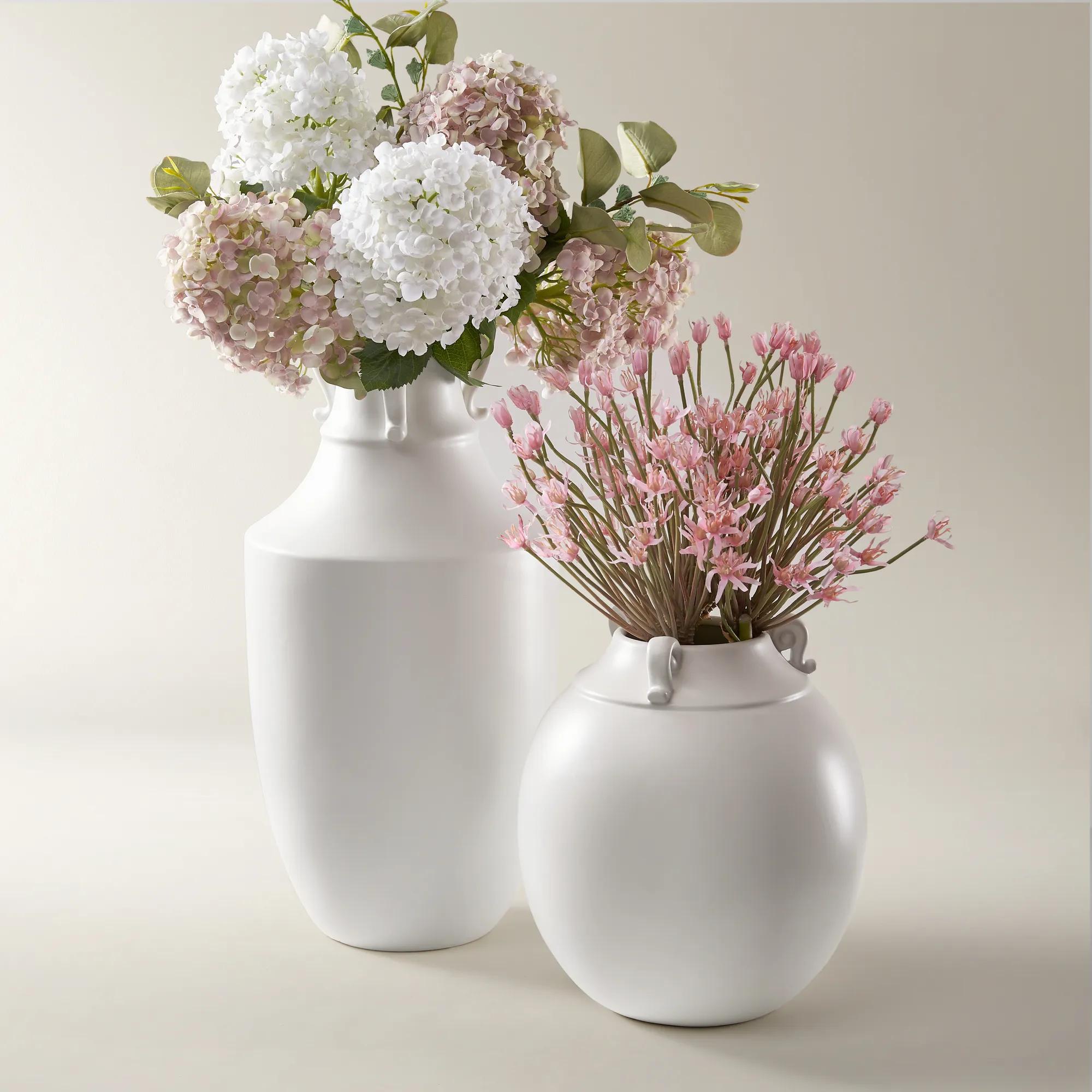
Glass Vases For Seasonal Flowers
Glass Vases For Seasonal Flowers
-
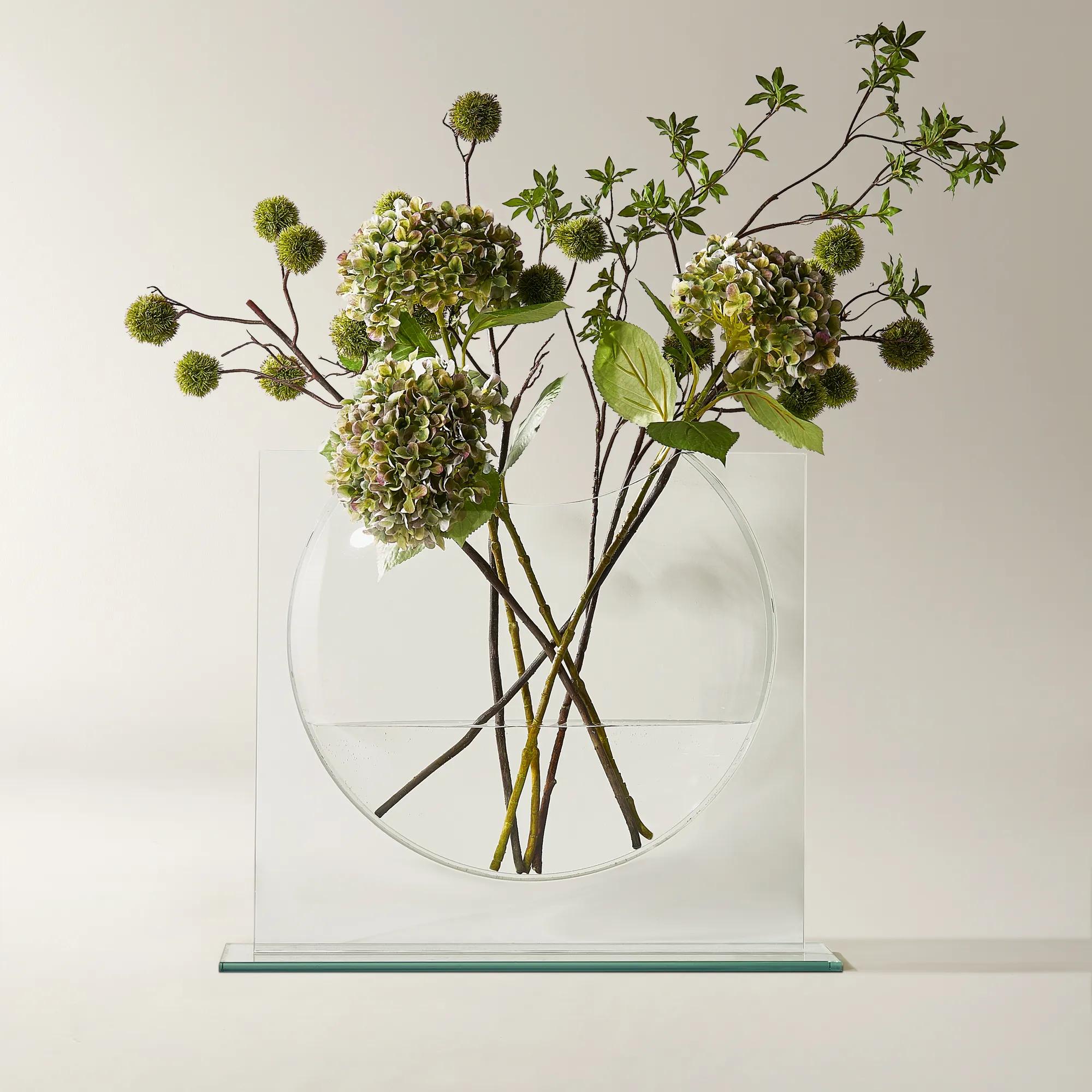
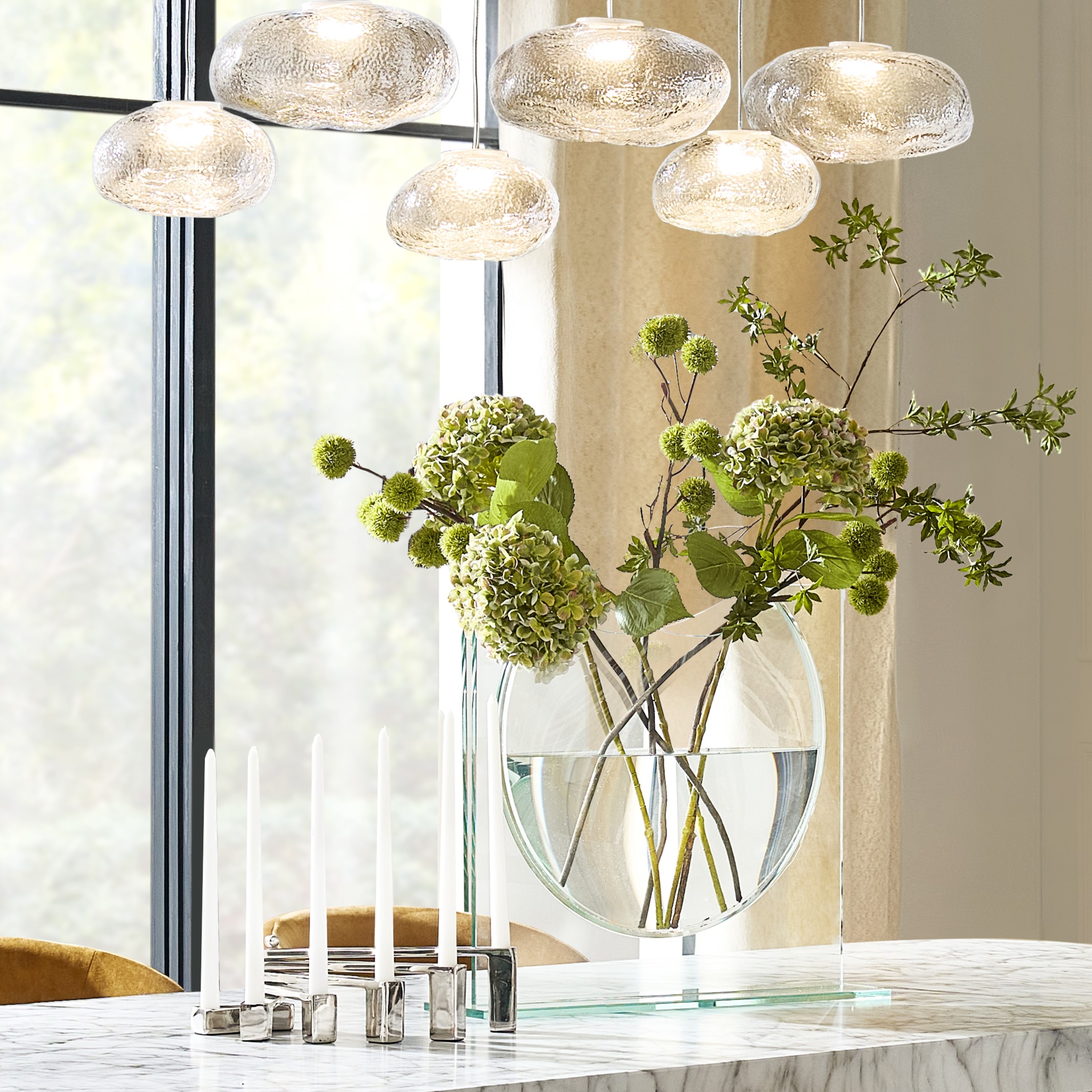 Ellipse Clear Glass Vase 20"$259
A sleek elliptical glass vase offering a modern, functional accent for fresh floral arrangements.
Add To Cart -
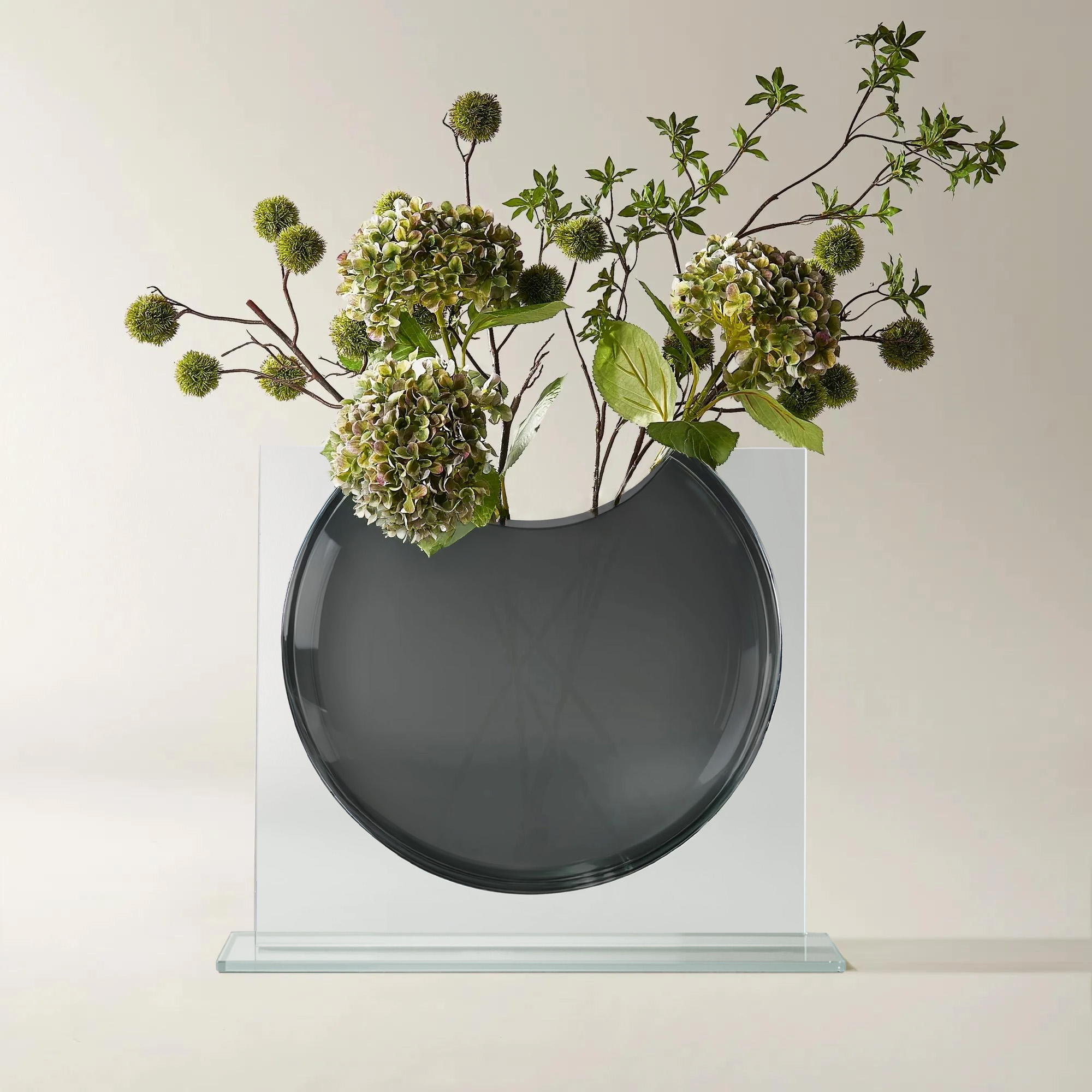
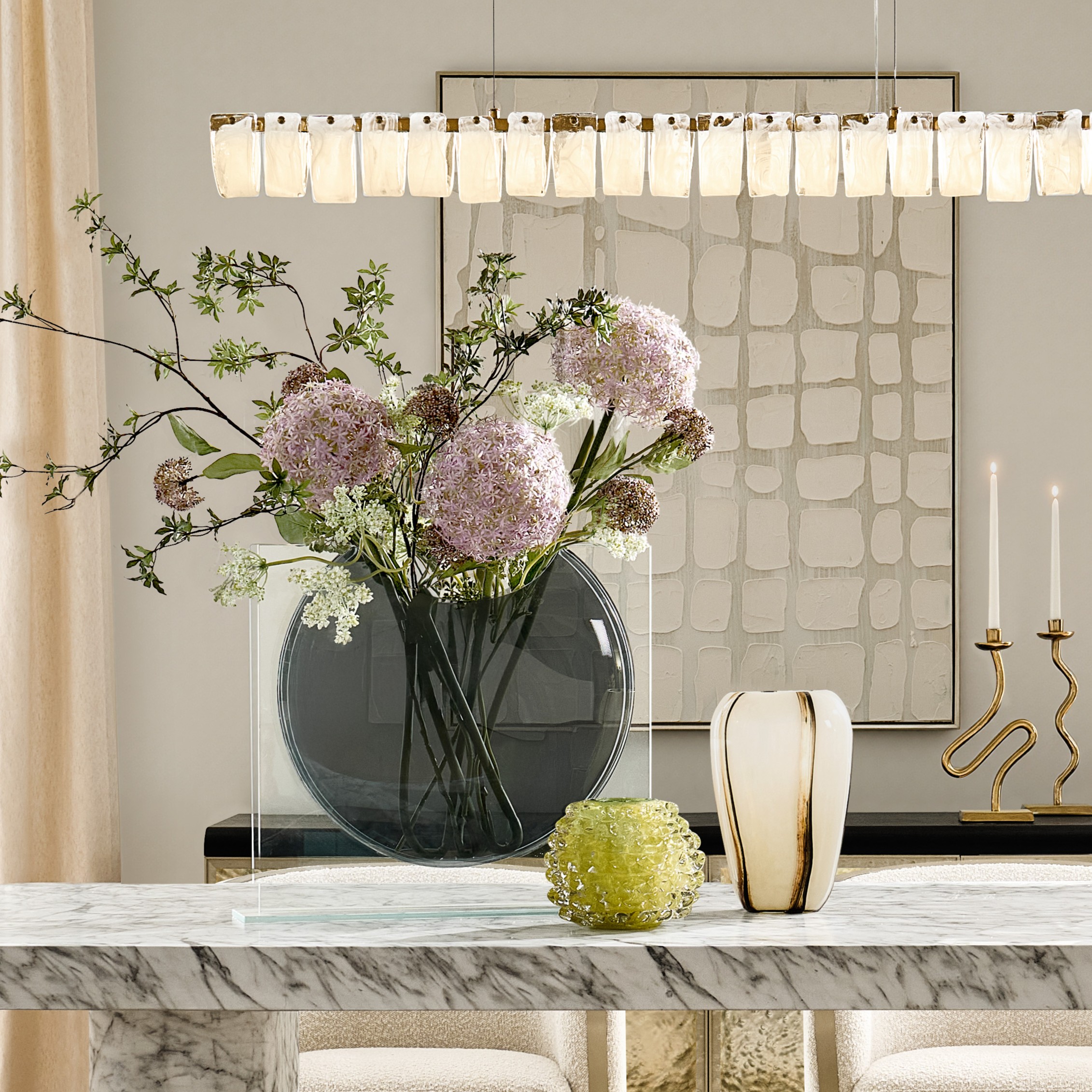 Ellipse Charcoal Glass Vase 20"$299
A sleek elliptical glass vase in clear and charcoal, perfect for displaying fresh flowers in modern spaces.
Add To Cart -
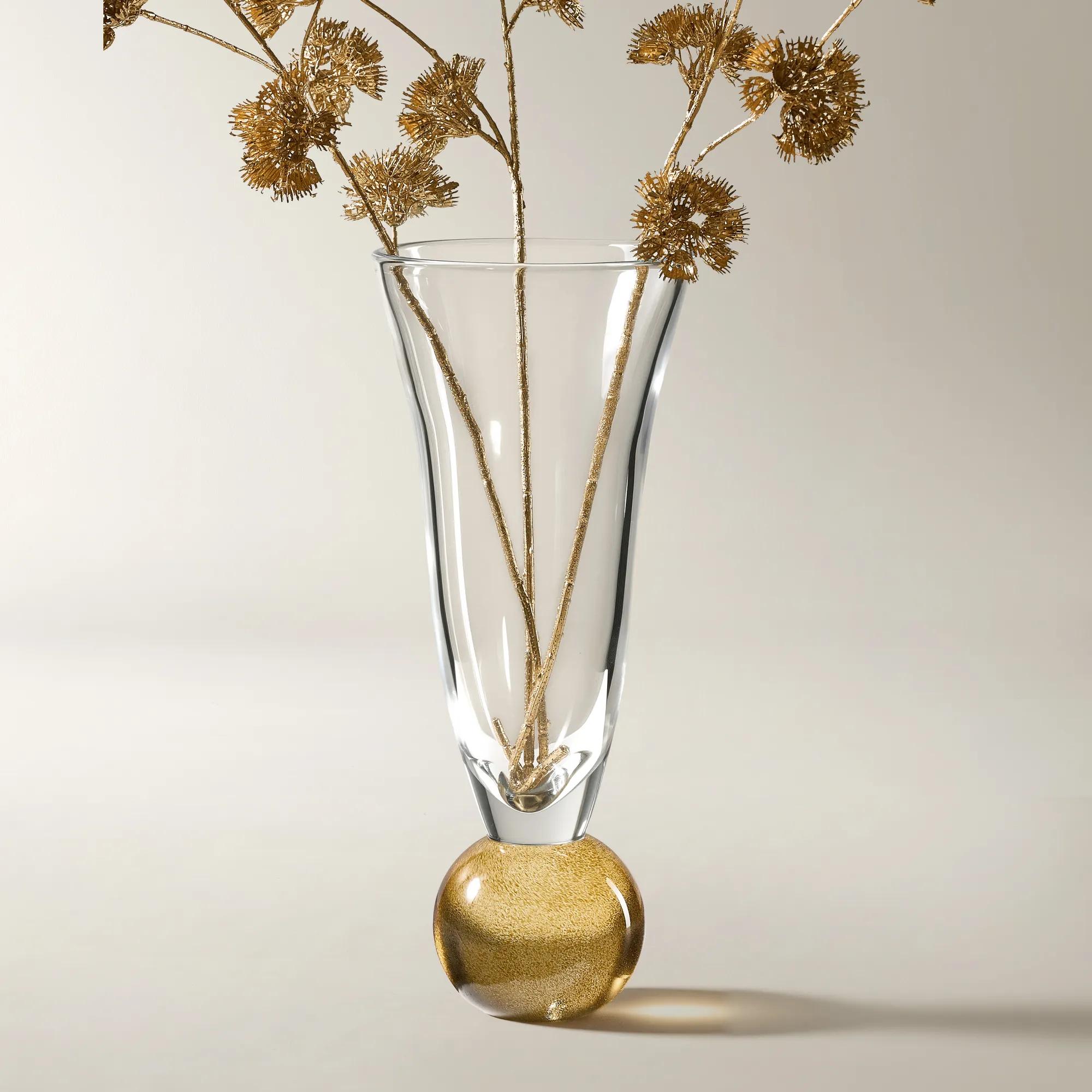 Palazzo Mouth Blown Honey Gold Clear Glass Vase 17.25"$119
A handblown glass vase in luminous honey gold with a sculptural, bauble-inspired silhouette.
Add To Cart -
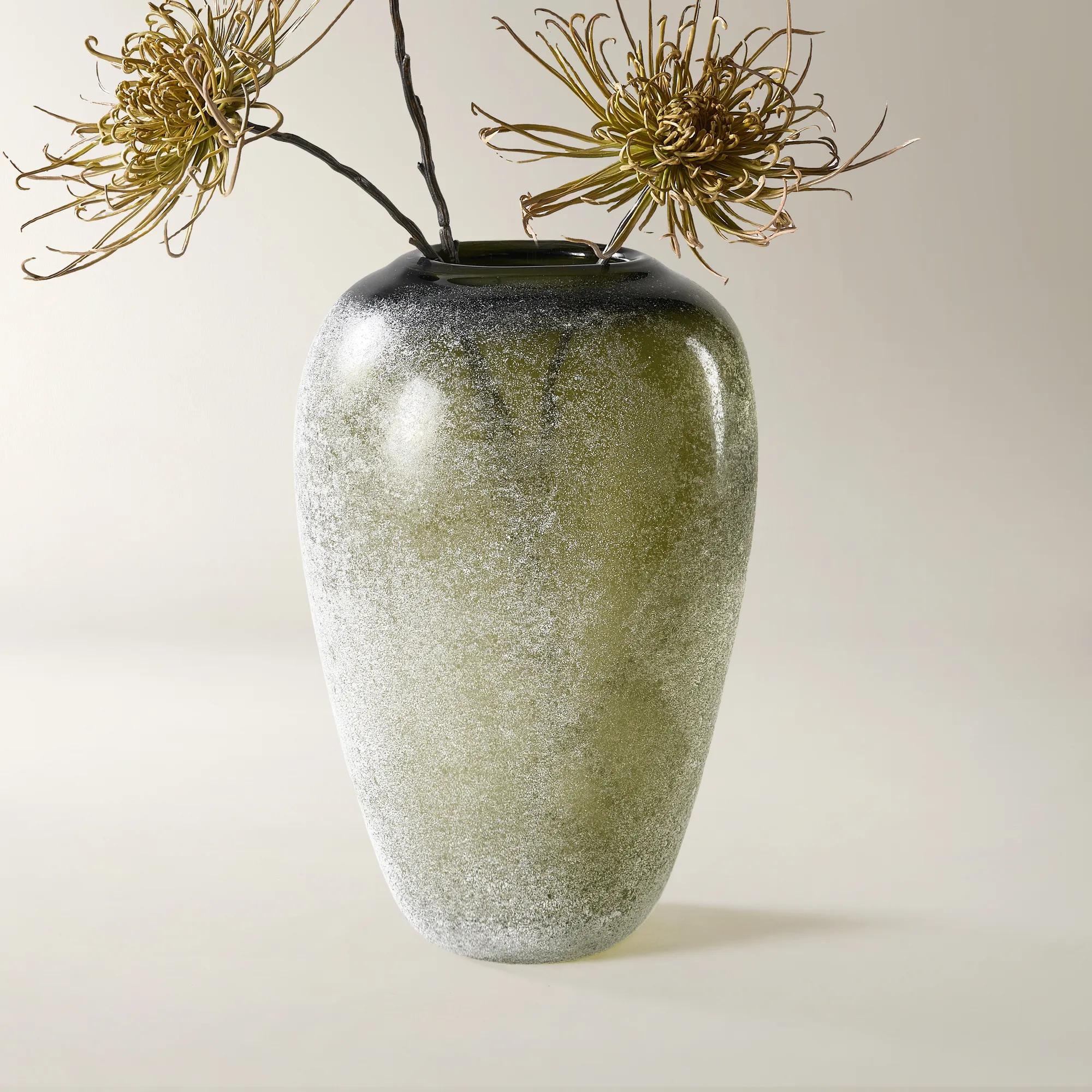 Linden Mouth Blown Pistachio Green Glass Vase 13.75"$129
A handblown glass vase in pistachio green adds a fresh, artful accent to any space.
Add To Cart -
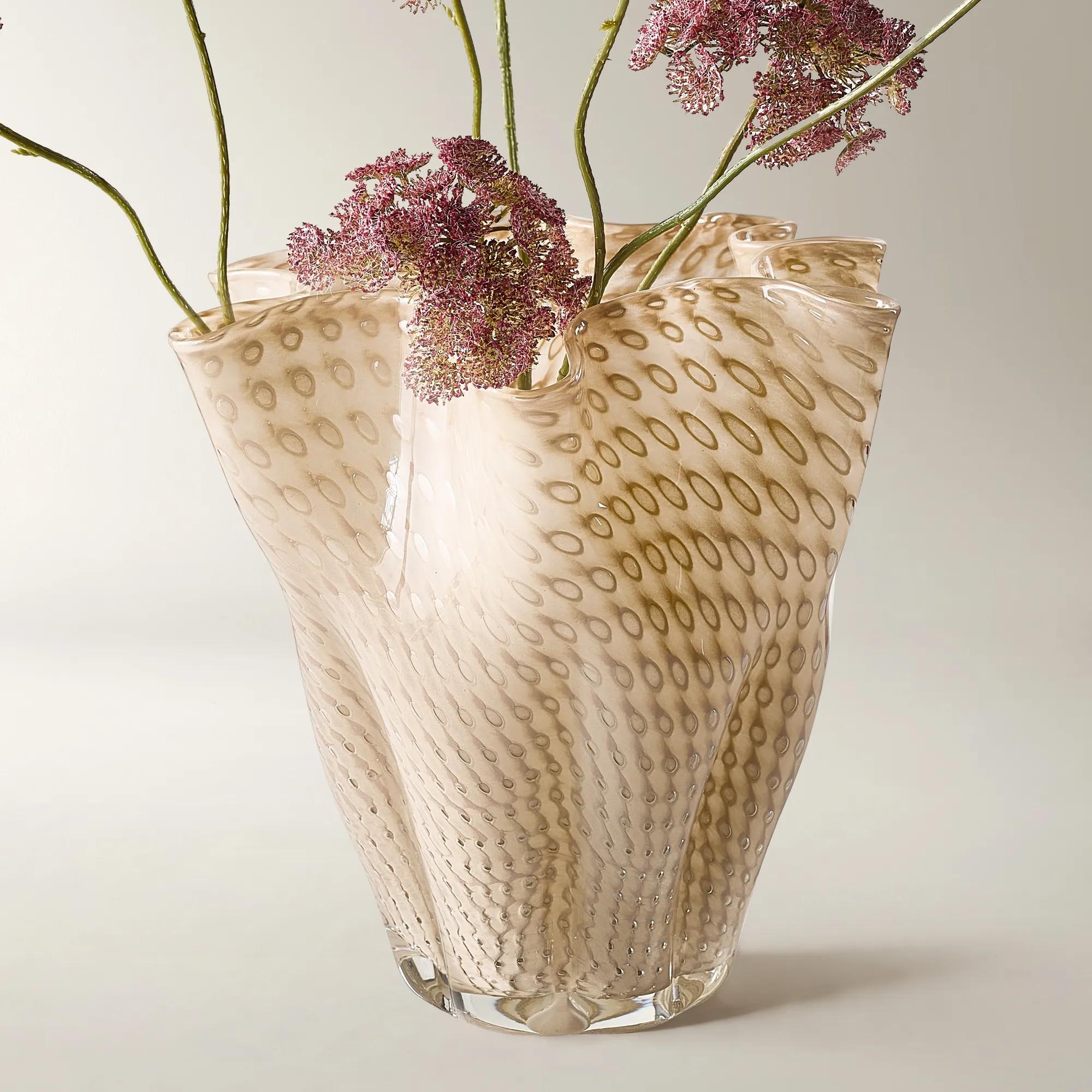 Elle Mouth Blown Tawny Glass Vase 11.25"$129
A handblown glass vase in a warm tawny hue with an organic, sculptural silhouette.
Add To Cart -
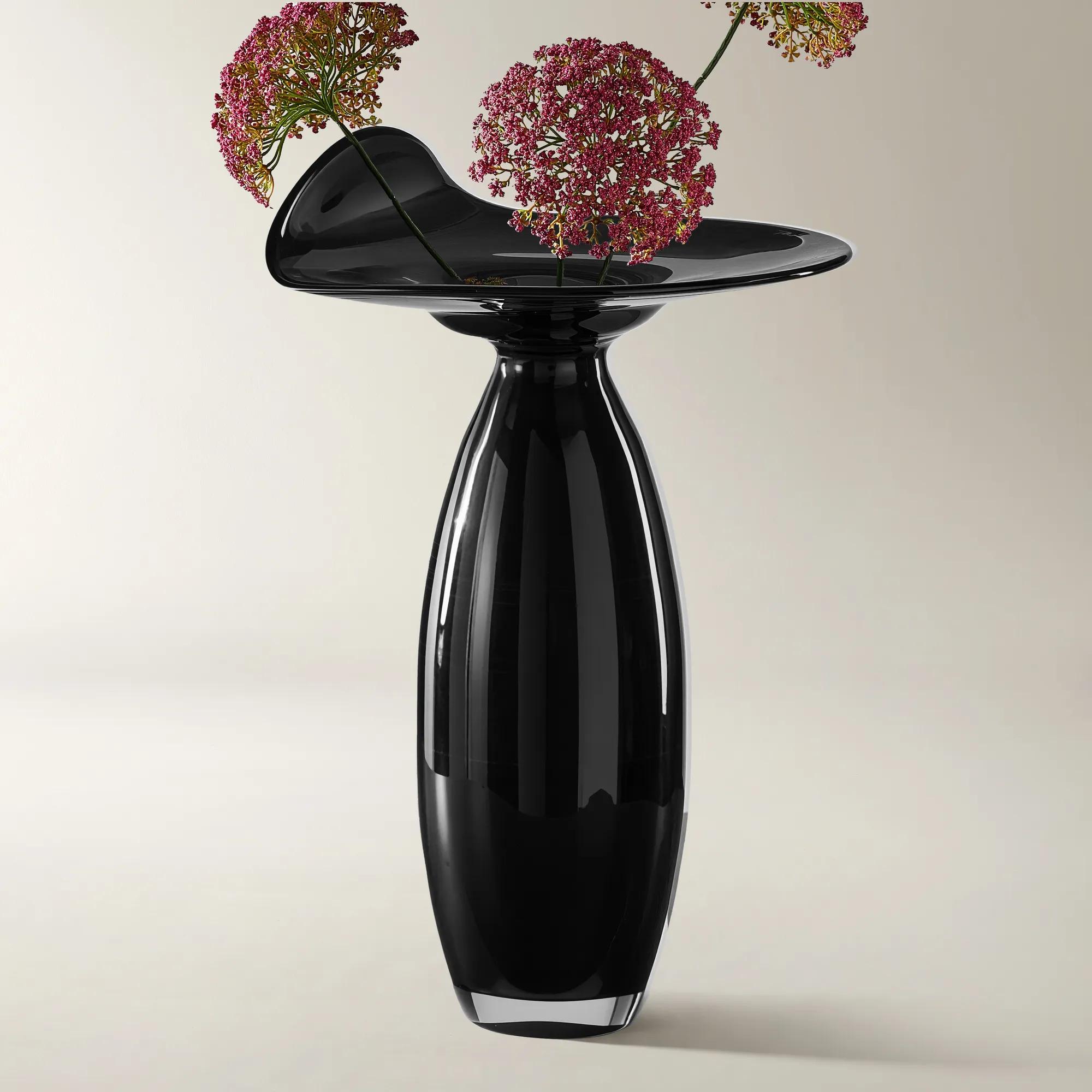 Folia Mouth Blown Glossy Black Glass Vase 22"$199
A handblown glass vase with a glossy black finish and organic sculptural silhouette for modern decor.
Add To Cart -
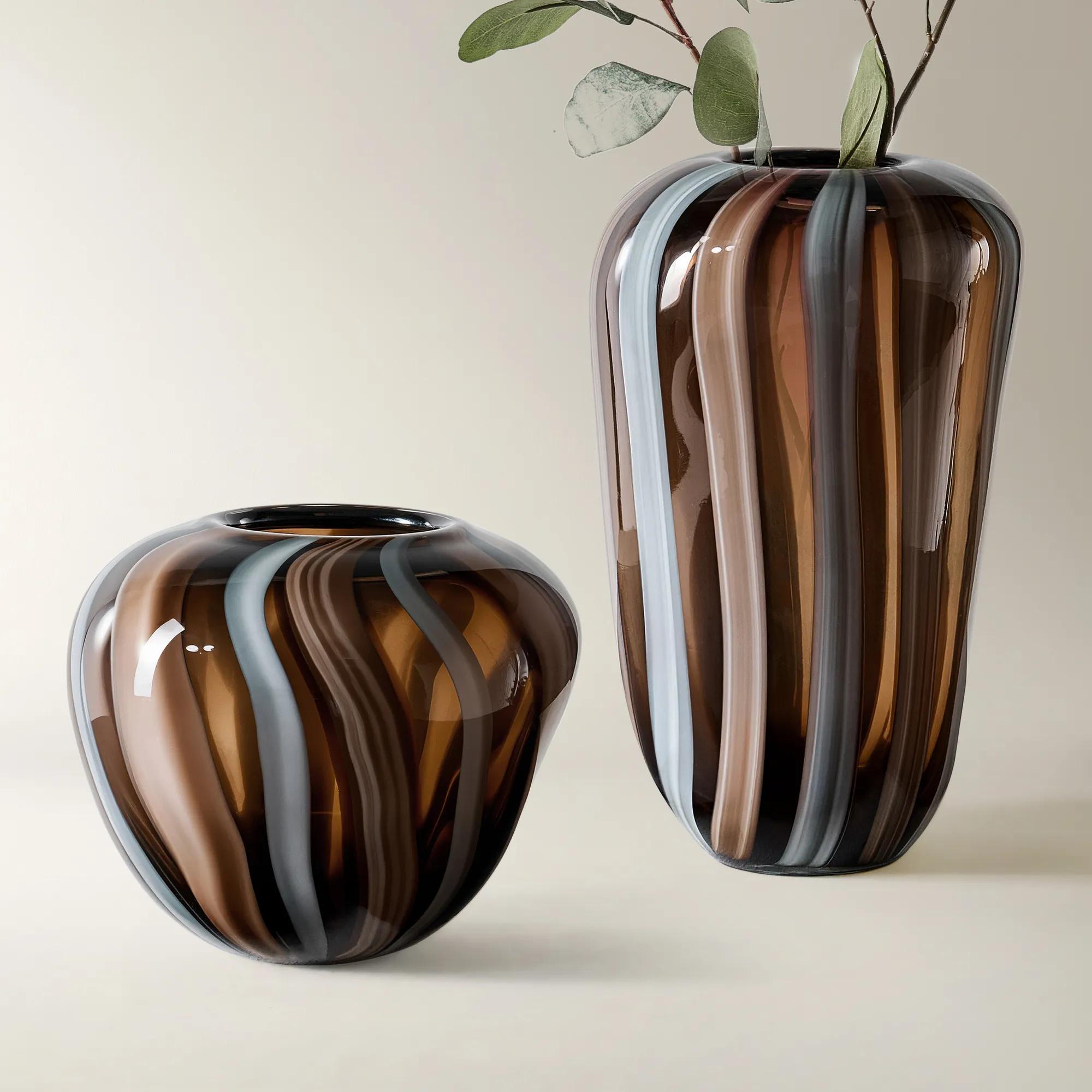
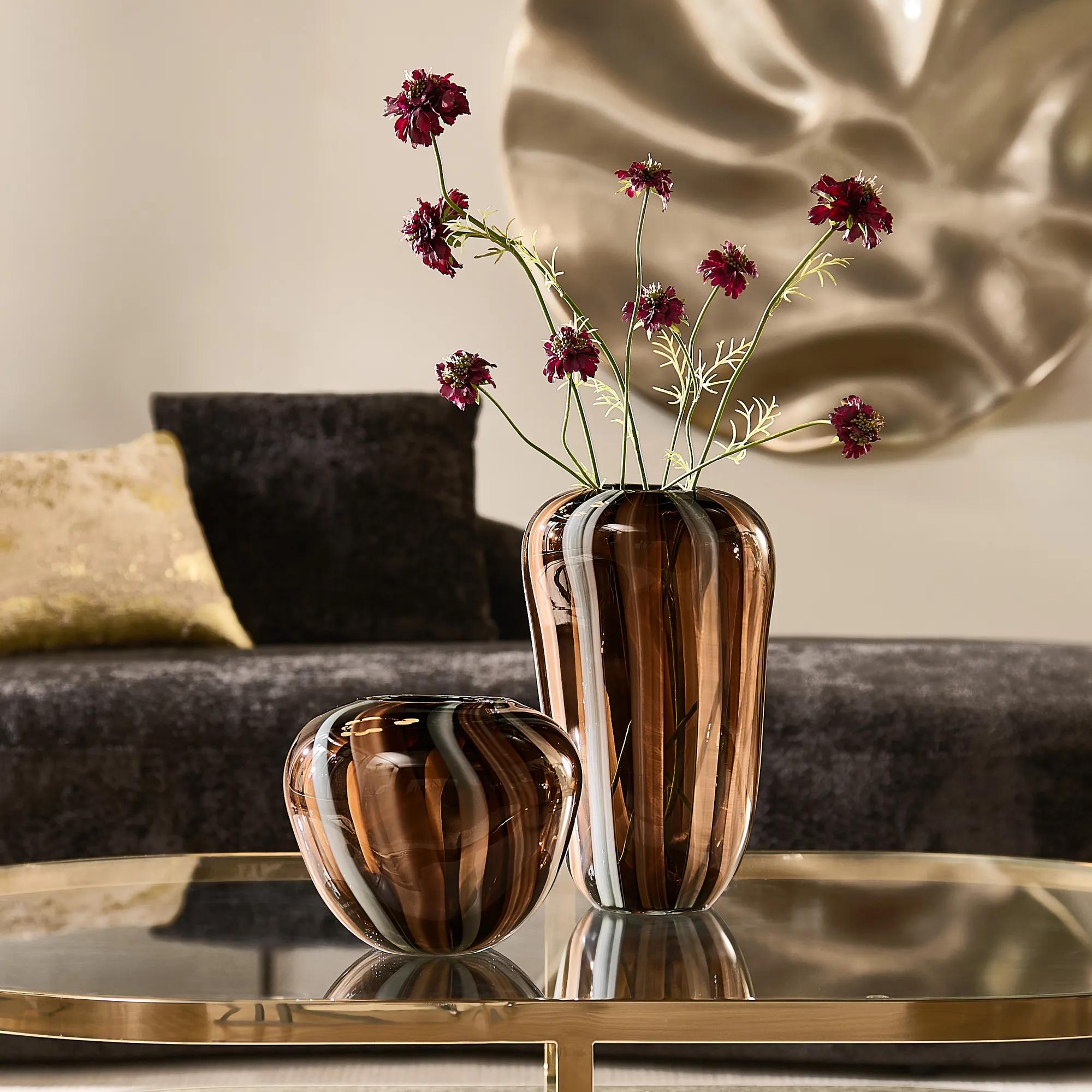 Billow Mouth Blown Brown Striped Glass Vases$89
A sculptural glass vase adding modern elegance to any décor.
Add To Cart -
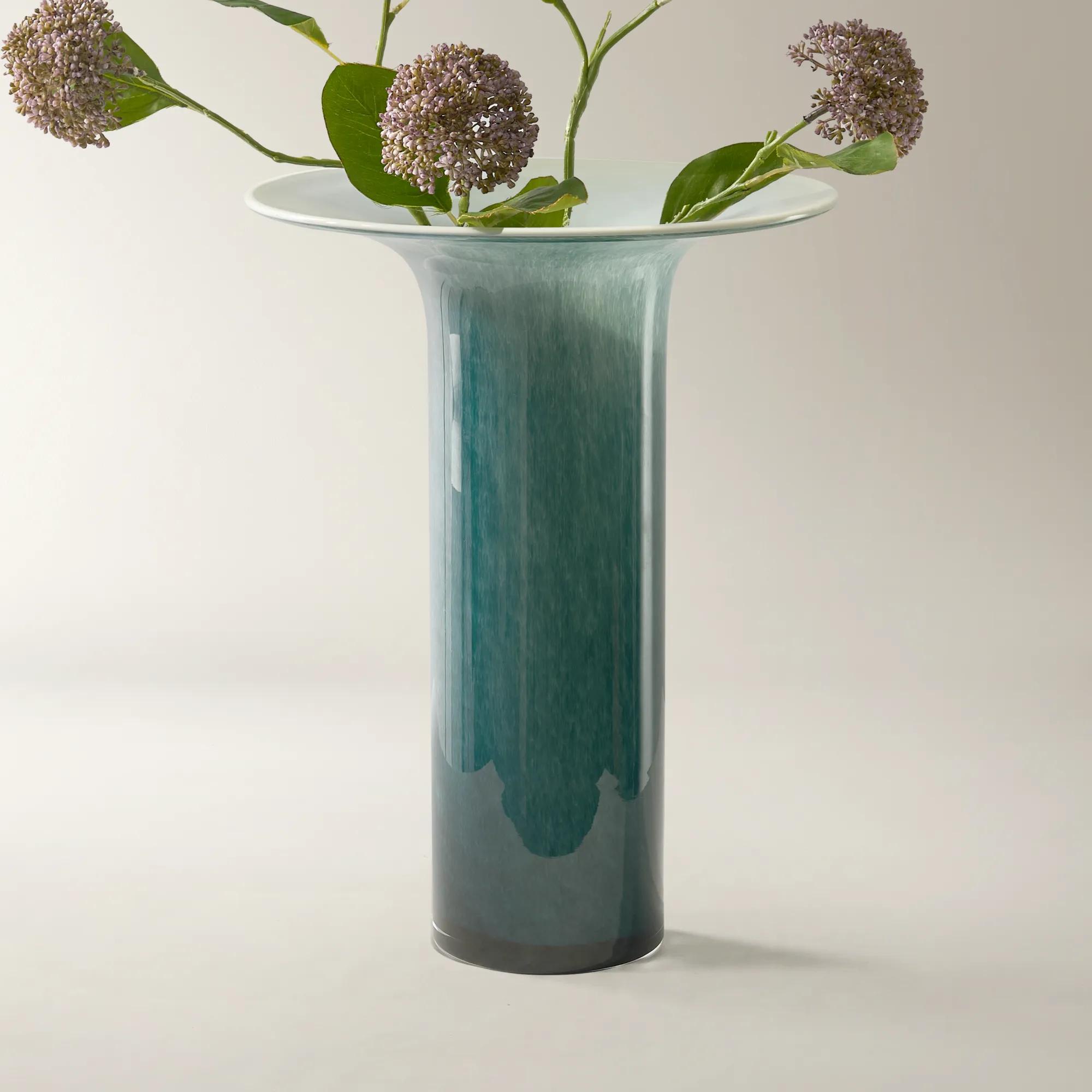 Loft Mouth Blown Deep Teal Glass Vase 15.75"$129
A handblown glass vase in deep teal with a sculptural column silhouette for bold, artful impact.
Add To Cart -
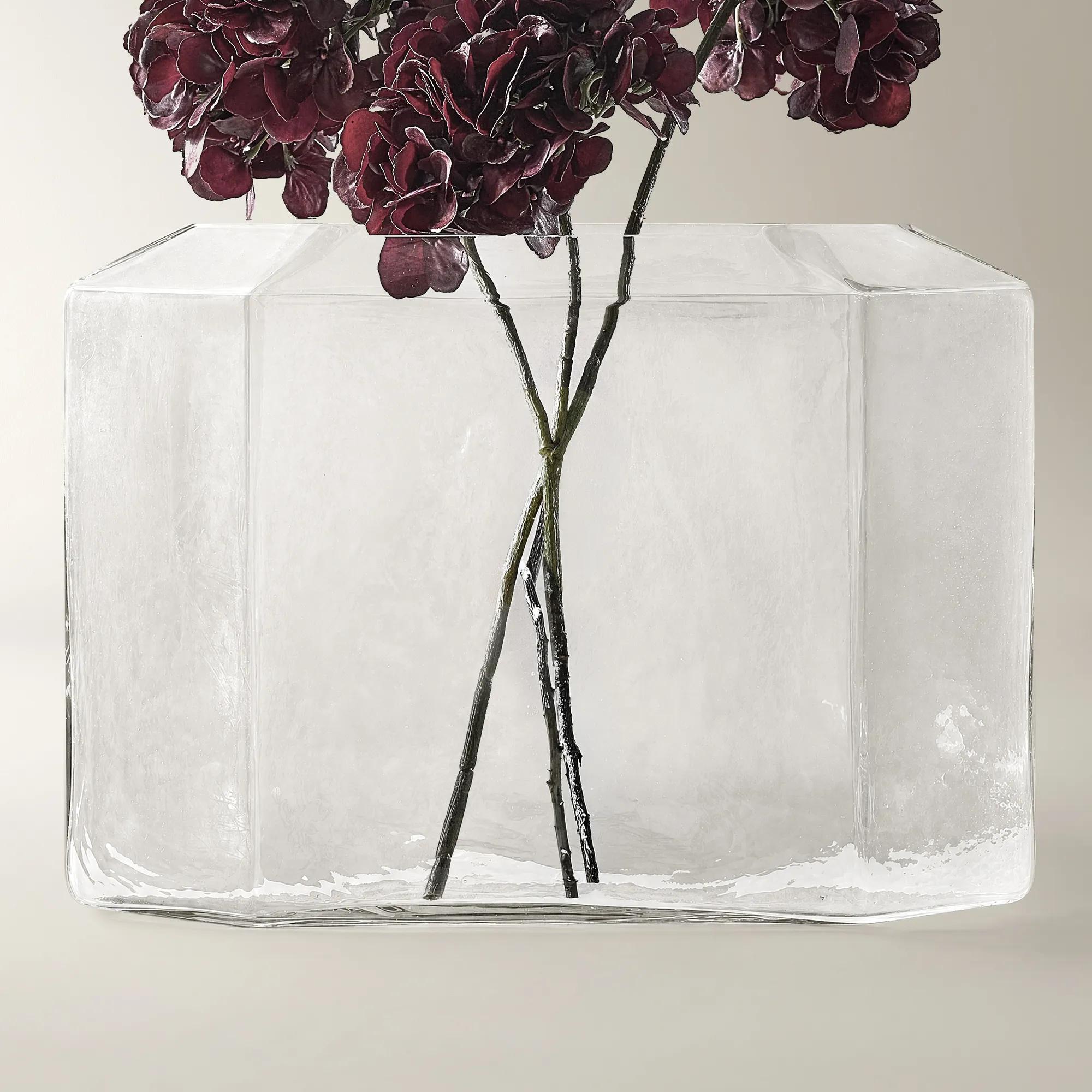 Studio Mouth Blown Clear Glass Vase 13.75"$199
A handblown clear glass vase with faceted detailing that beautifully reflects light for modern elegance.
Add To Cart -
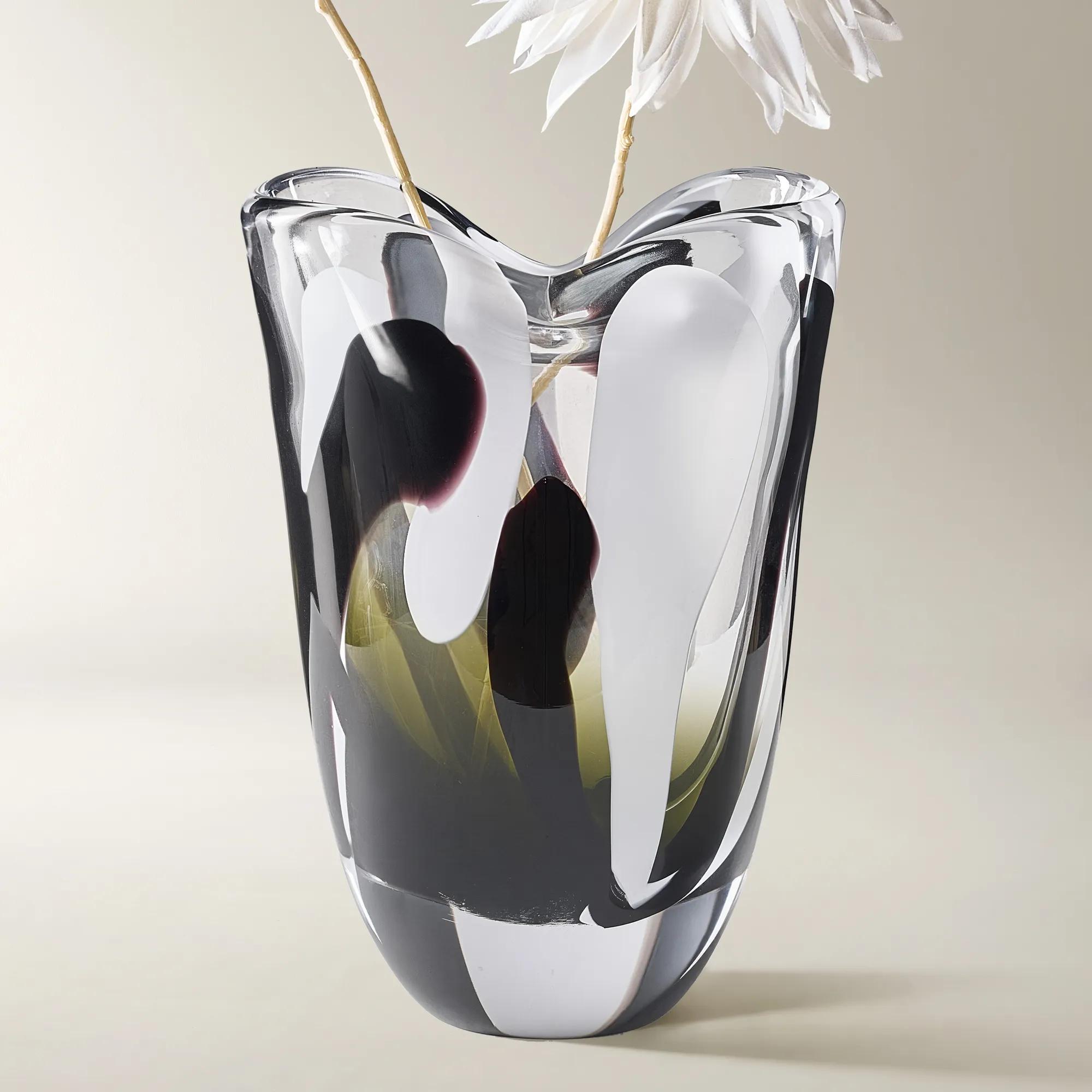 Melrose Mouth Blown Black White Glass Vase 11.25"$109
A handblown glass vase featuring a bold black and white abstract animal pattern for modern appeal.
Add To Cart -
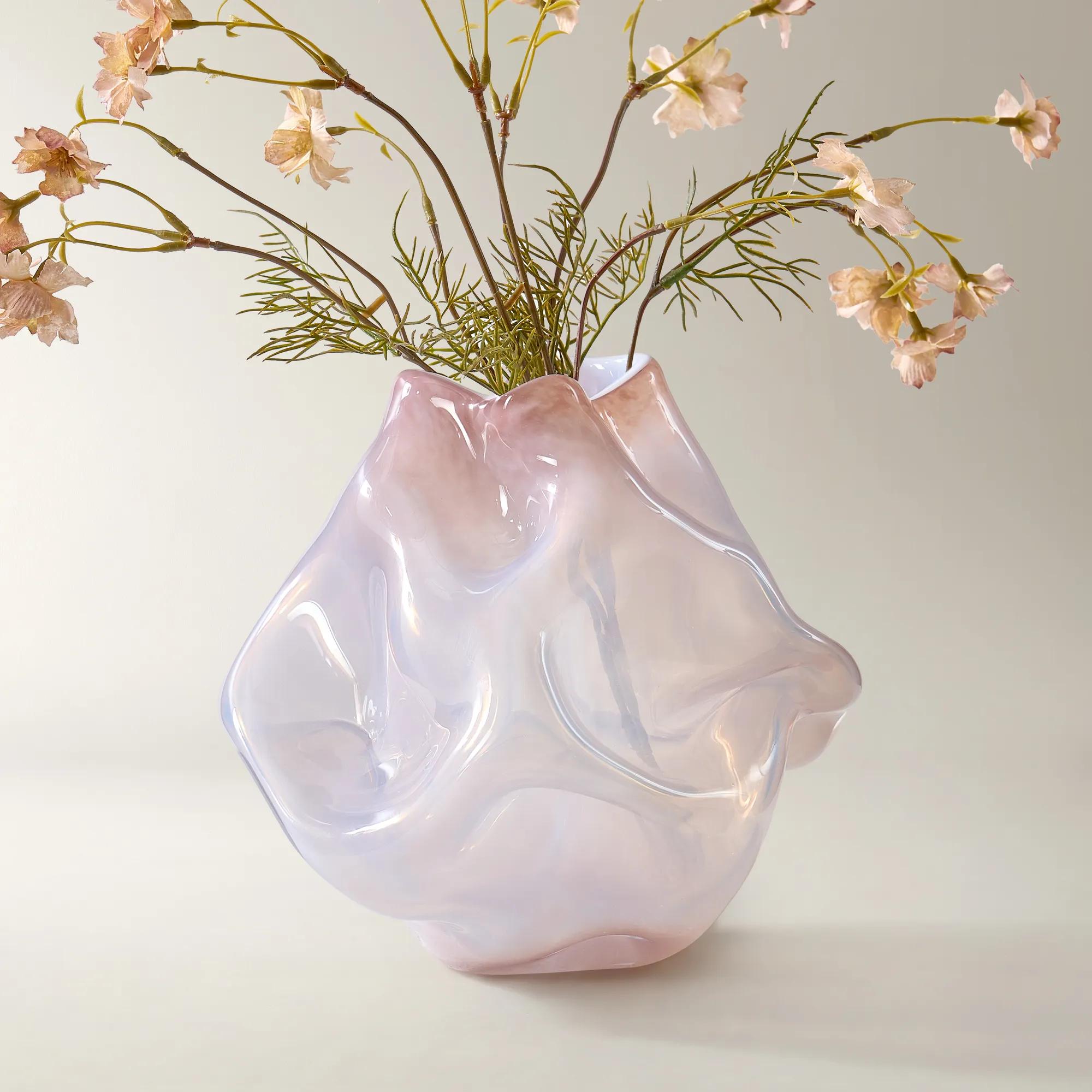 Melt Mocha Rose Handblown Glass Vase 8"$99
A handblown glass vase in a warm mocha rose hue, bringing sculptural elegance to modern spaces.
Add To Cart -
 Ripple Eggshell Blue Handblown Glass Vase 10.25"$89
A handblown eggshell blue glass vase adding sculptural elegance to modern decor.
Add To Cart -
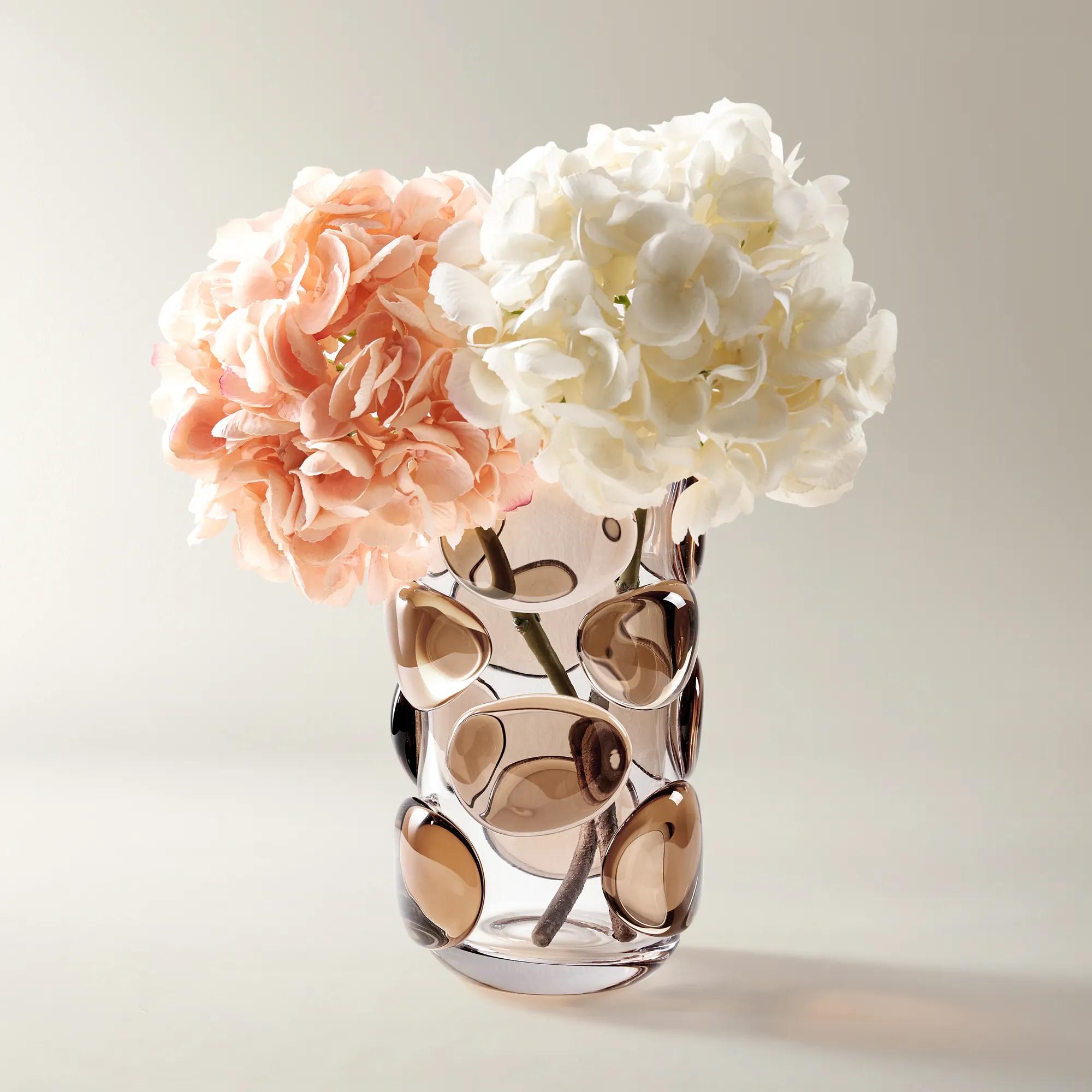
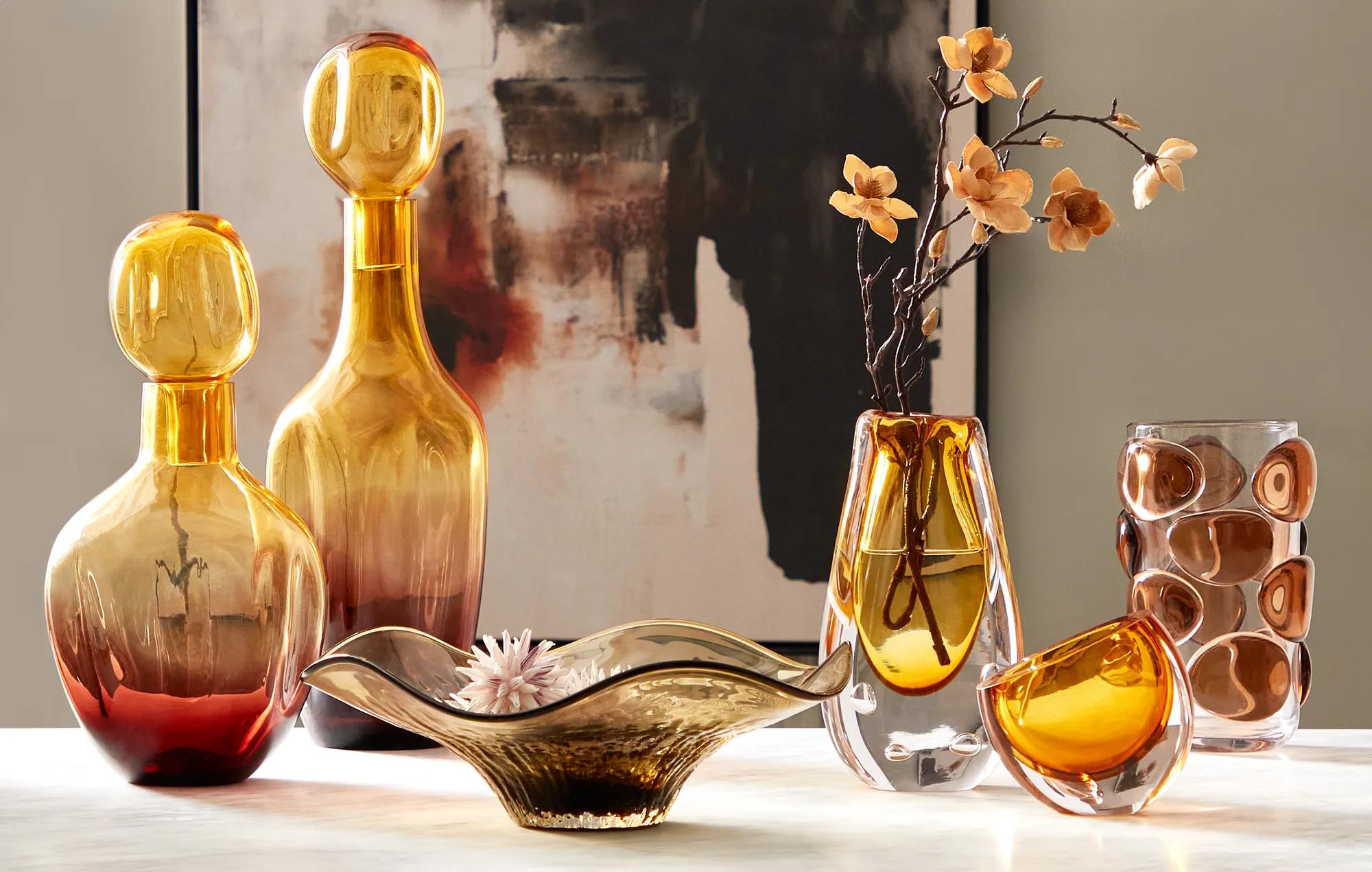 Nova Glass Vase - Small$149
An amber-toned, hand-blown glass vase featuring a sculptural bubble design for striking visual texture.
Add To Cart -
 Speckled Mouth Blown Brown And White Glass Vase 14.75"$129
A handblown glass vase featuring a brown and white speckled pattern for modern, artful appeal.
Add To Cart -
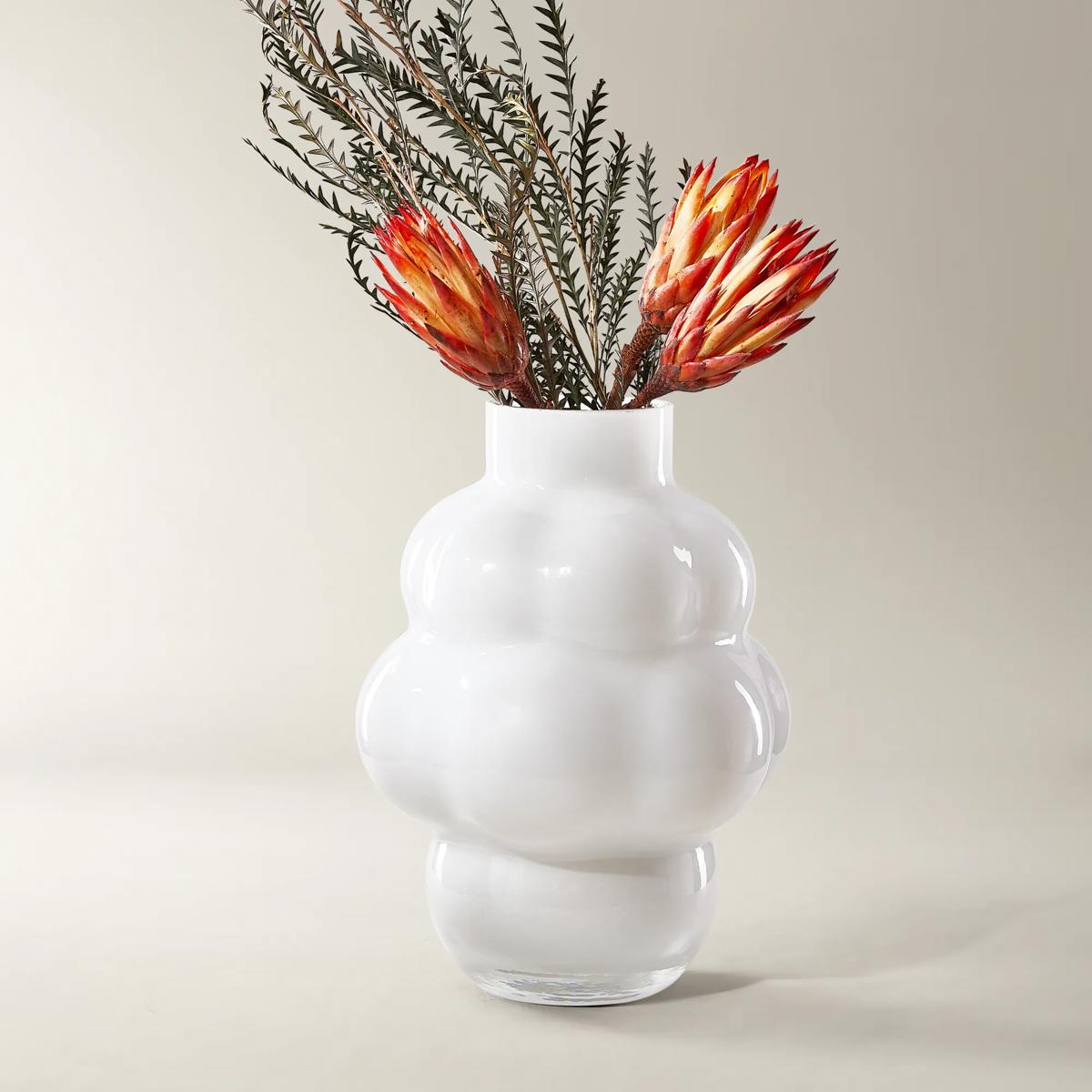 Cloud Glass Vase - White$129
A hand-blown glass vase in glossy opaque white with a sculptural, cloud-inspired silhouette.
Add To Cart -
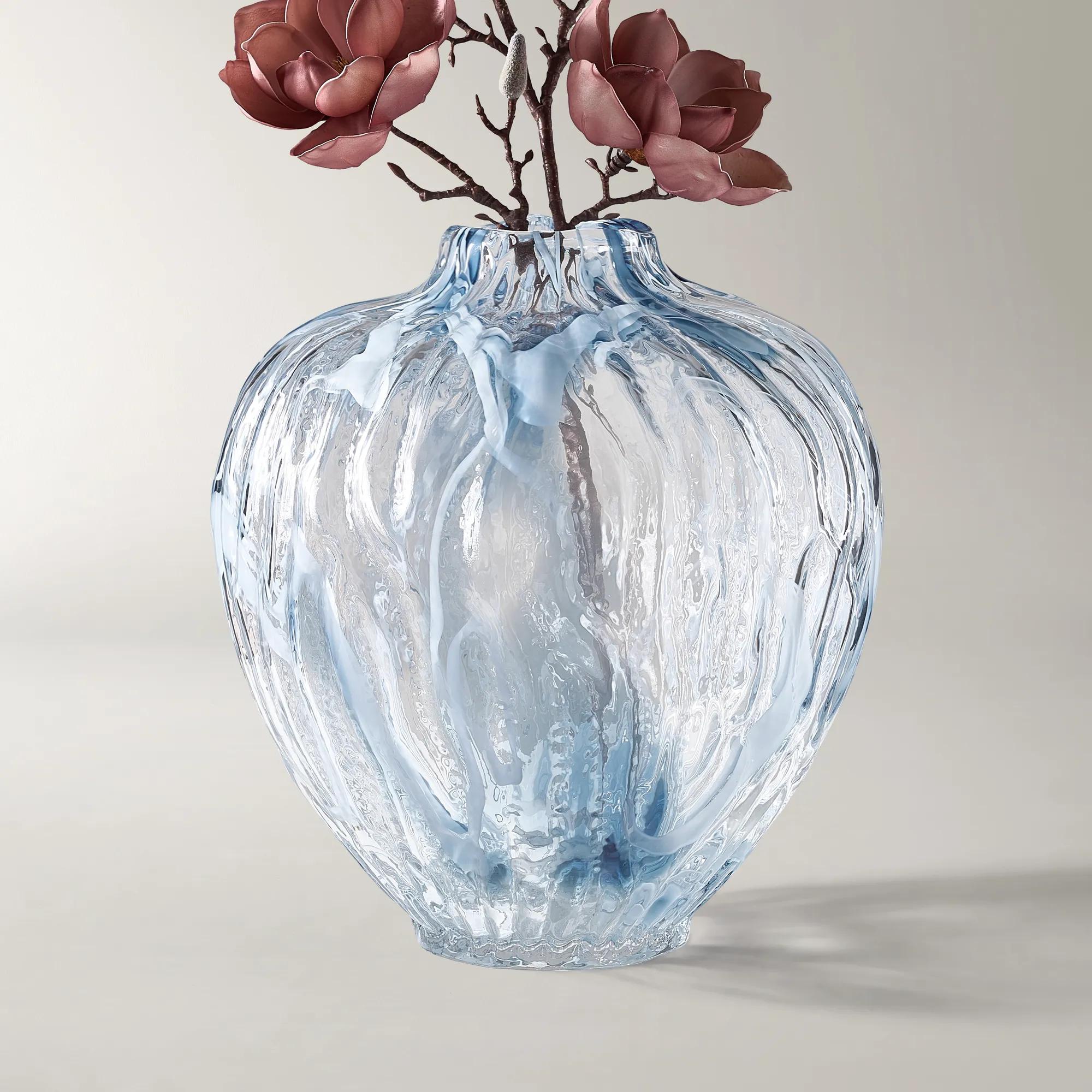 Cruz Mouth Blown Powder Blue Glass Vase 15.75"$169
A handblown glass vase in powder blue with a sculptural, light-catching surface for modern decor.
Add To Cart -
 Bree Brown Black Glass Vase 15.75"$129
A smoky brown-black sodalime glass vase featuring a dramatic tortoise pattern and flared neck.
Add To Cart -
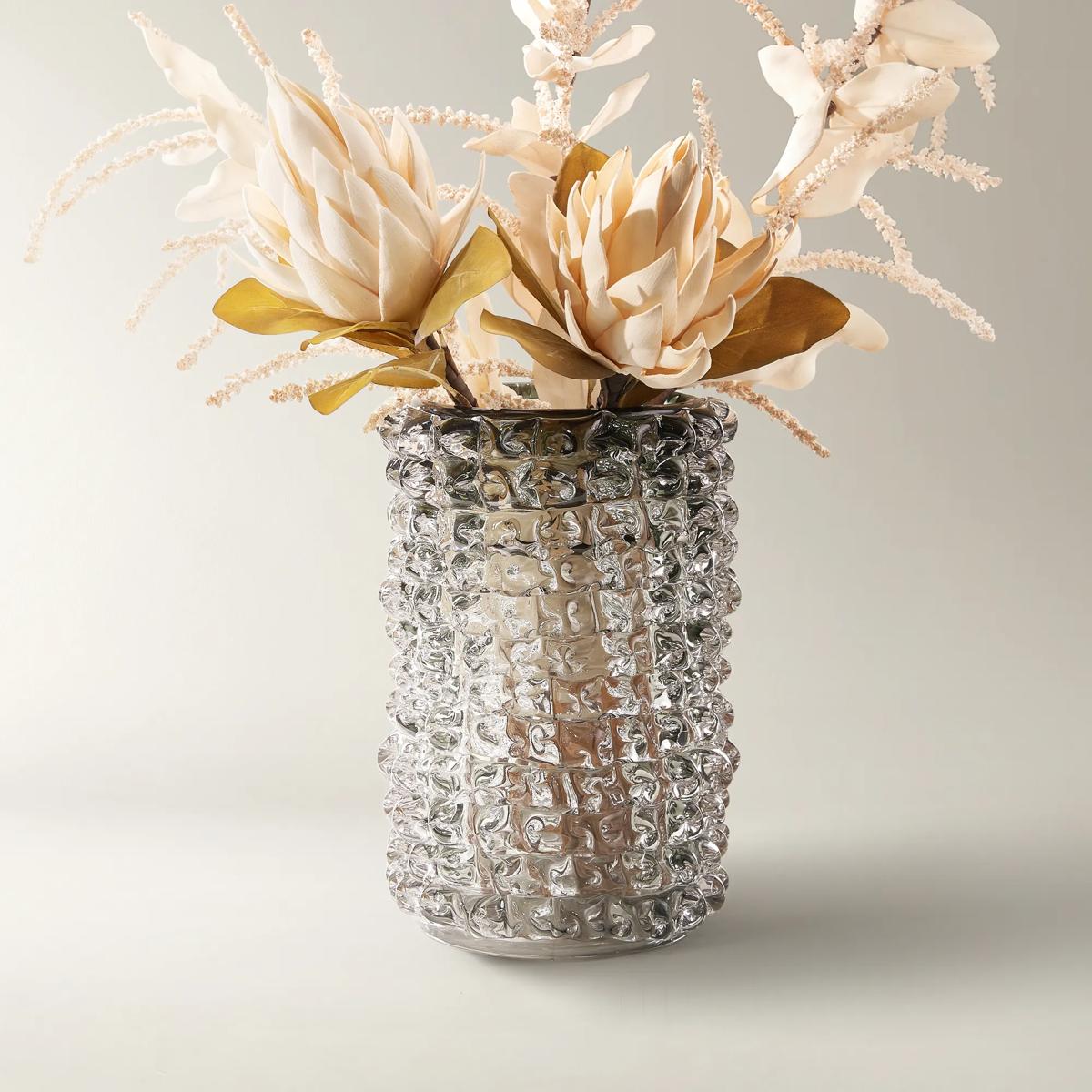
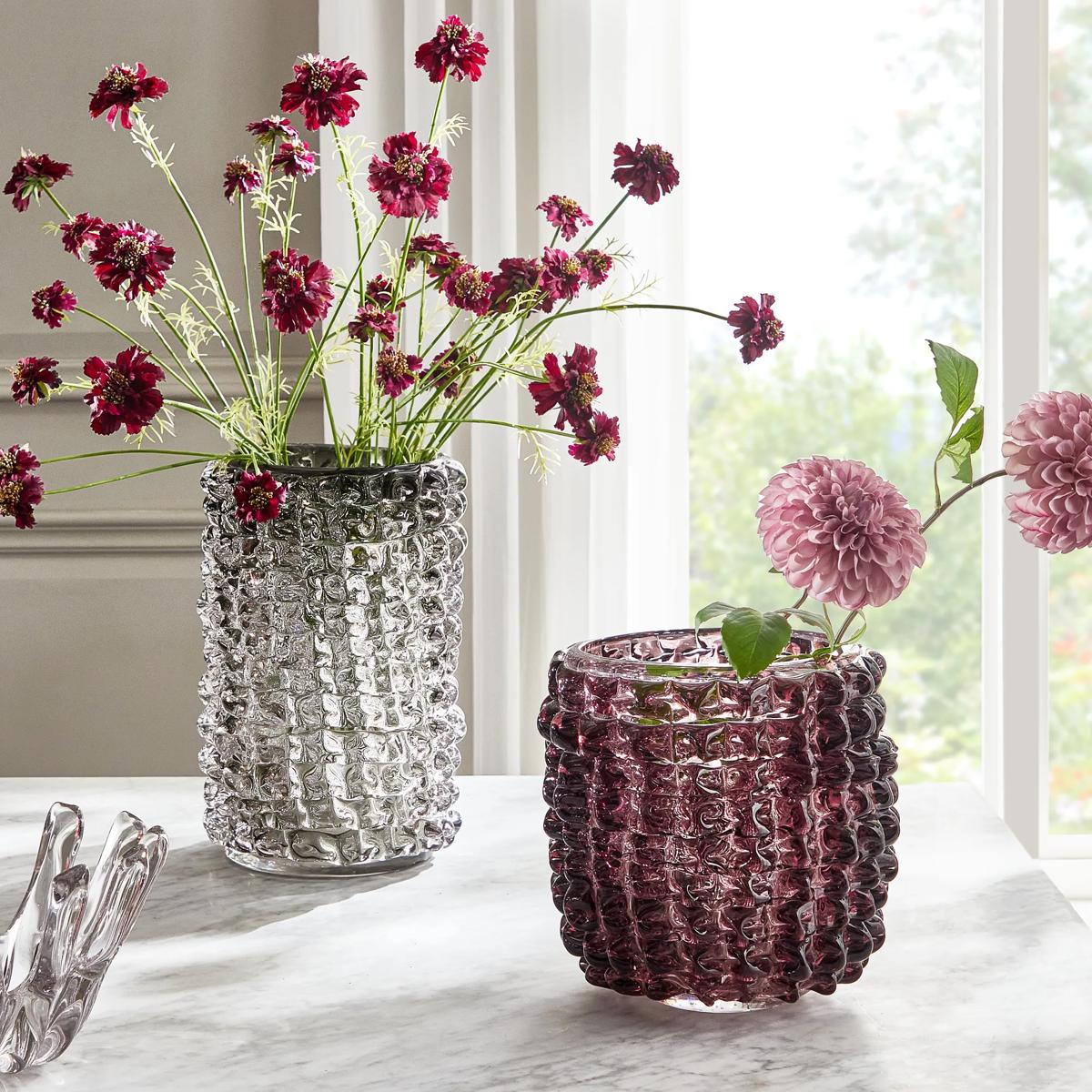 Laurel Glass Vase - Large Graphite$399
A hand-blown glass vase in smoky graphite with a bubbled, light-catching organic texture.
Add To Cart -
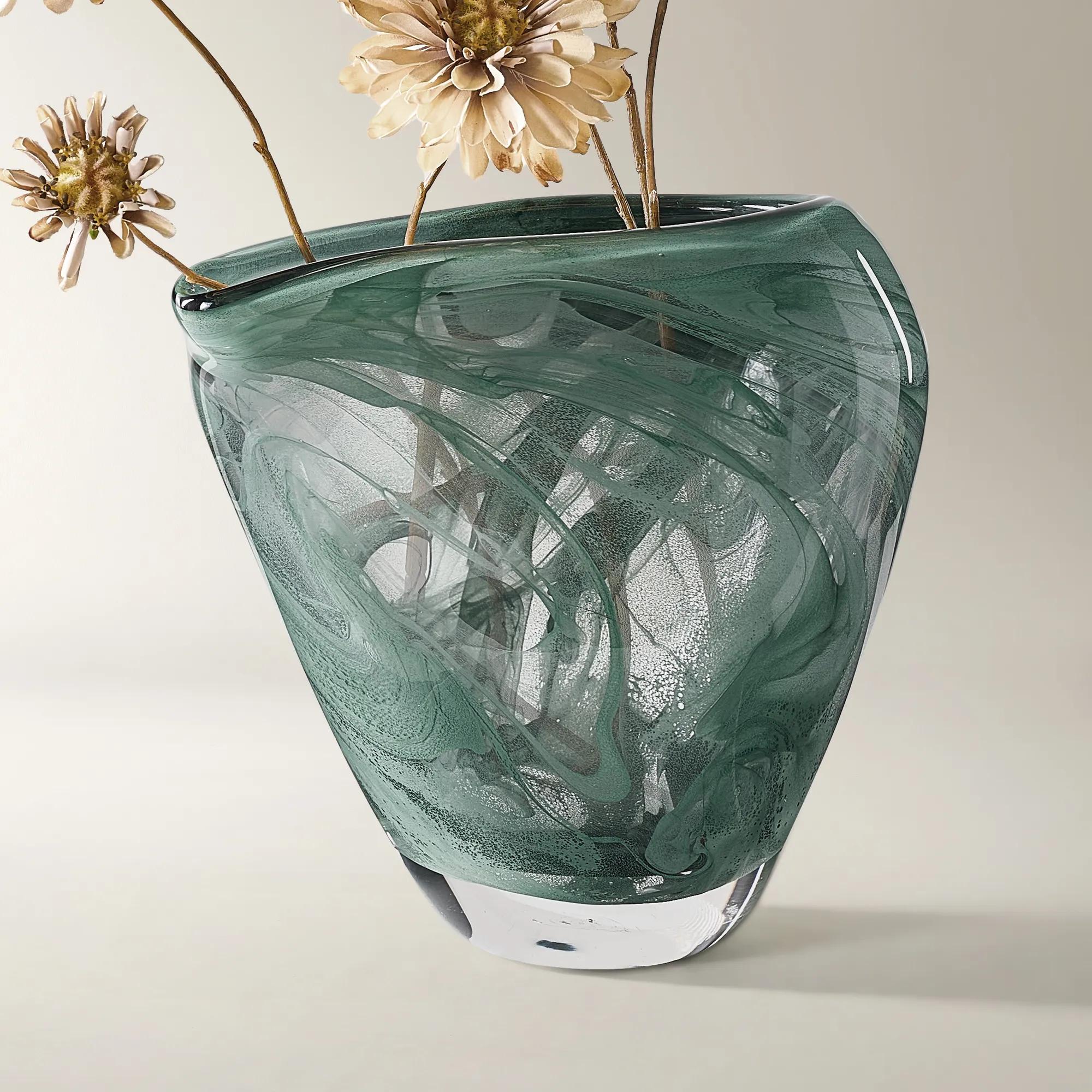 Flow Mouth Blown Sage Green Glass Vase 12.25"$199
A handblown glass vase in calming sage green with an organic, sculptural silhouette for modern decor.
Add To Cart -
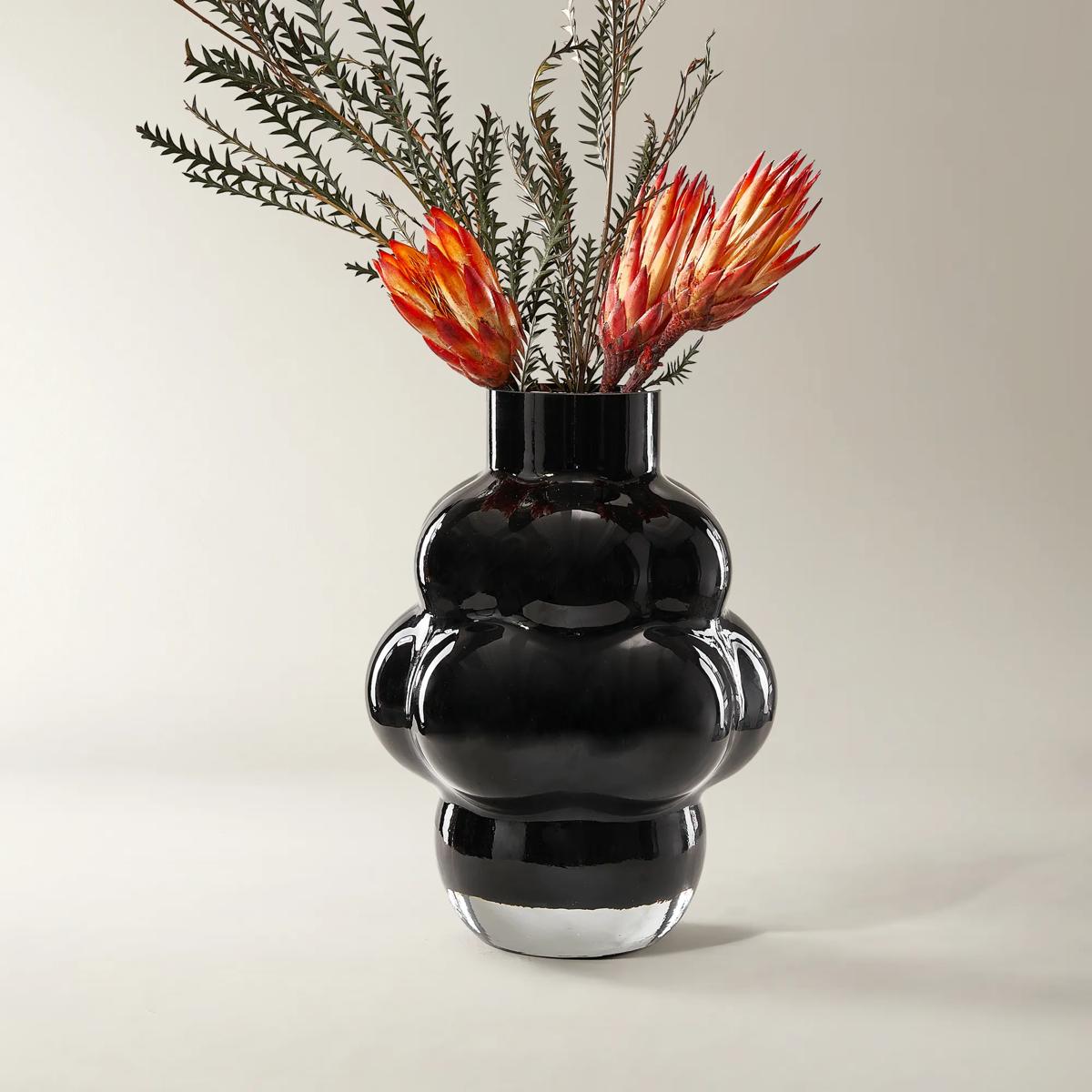 Cloud Glass Vase - Black$129
A hand-blown black glass vase featuring a sculptural silhouette and glossy, dramatic finish.
Add To Cart -
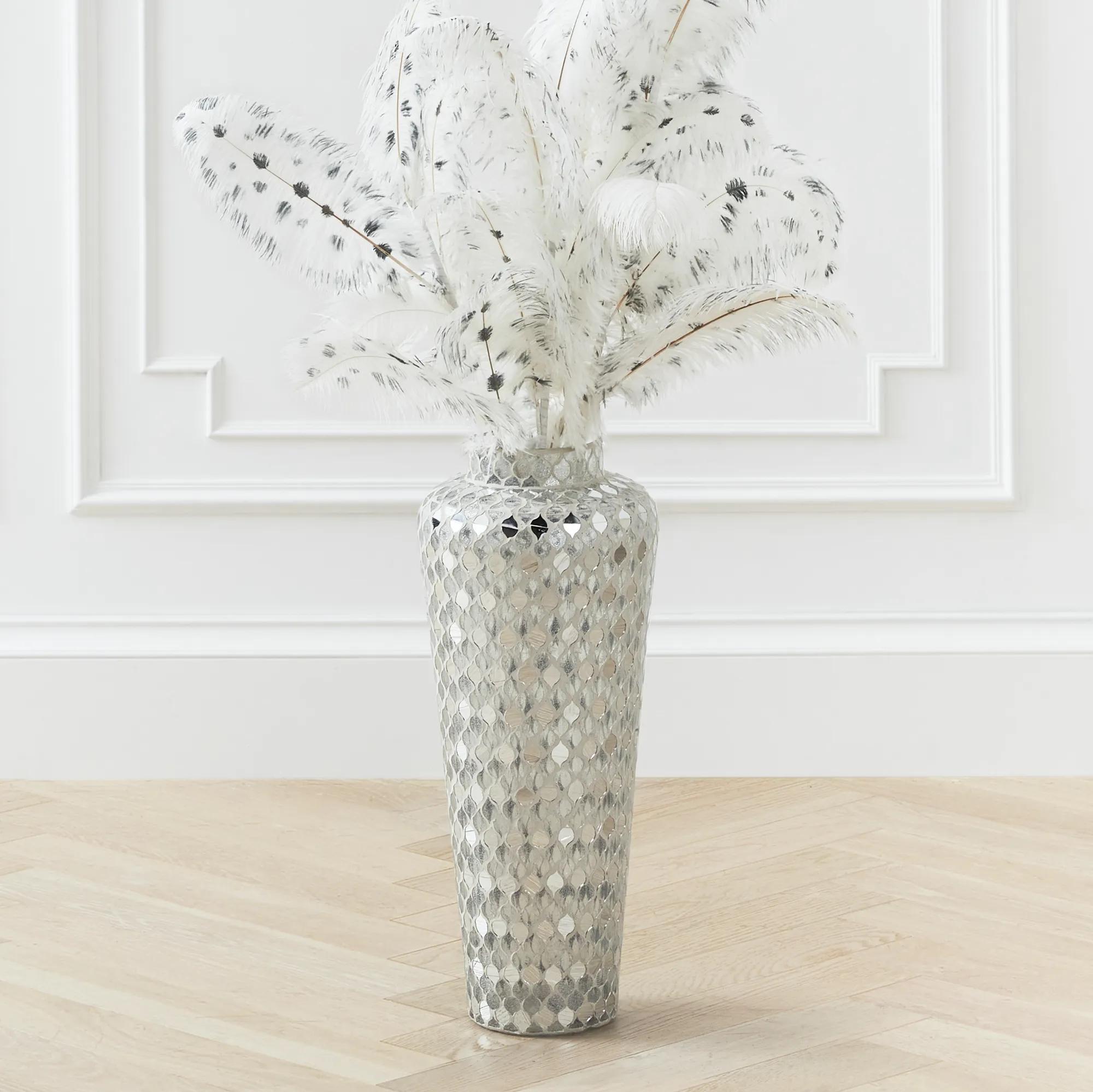 Fez Vase$139
A dazzling glass vase adorned with iridescent mirror and clear tiles for a glamorous decorative accent.
Add To Cart -
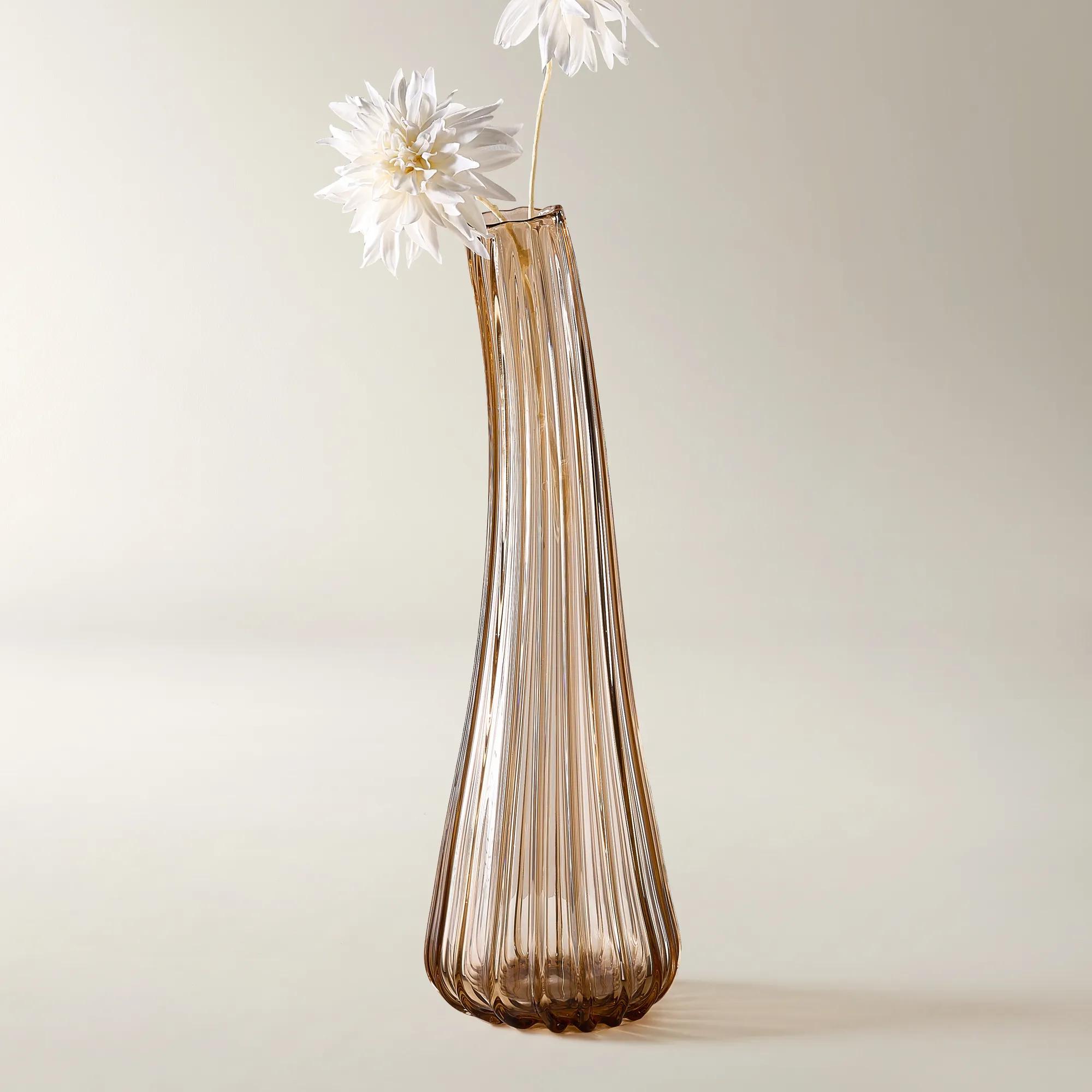
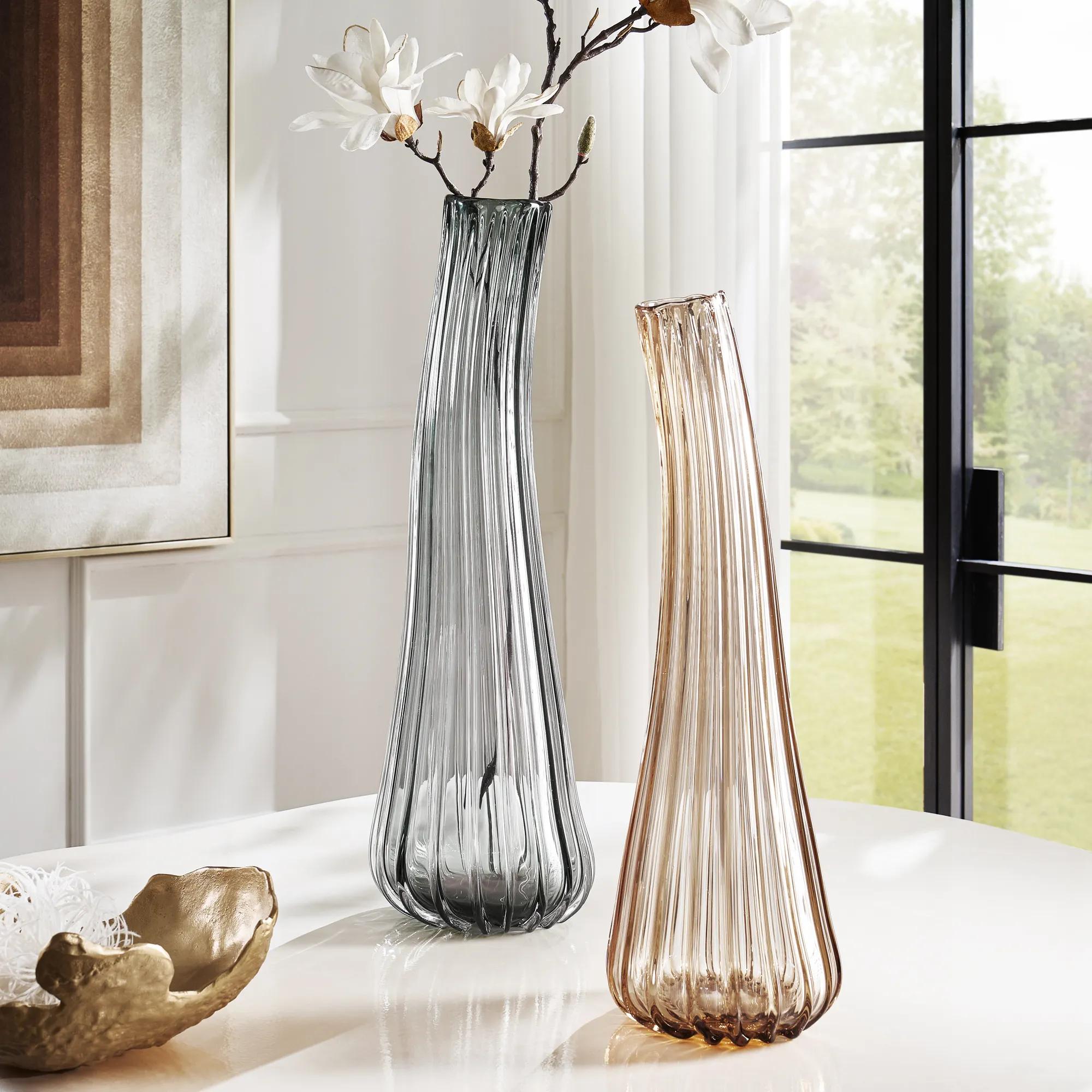 Tango Mouth Blown Soft Amber Vase 24.75"$179
A handblown glass vase in a soft amber finish with a textured, sculptural centerpiece design.
Add To Cart -
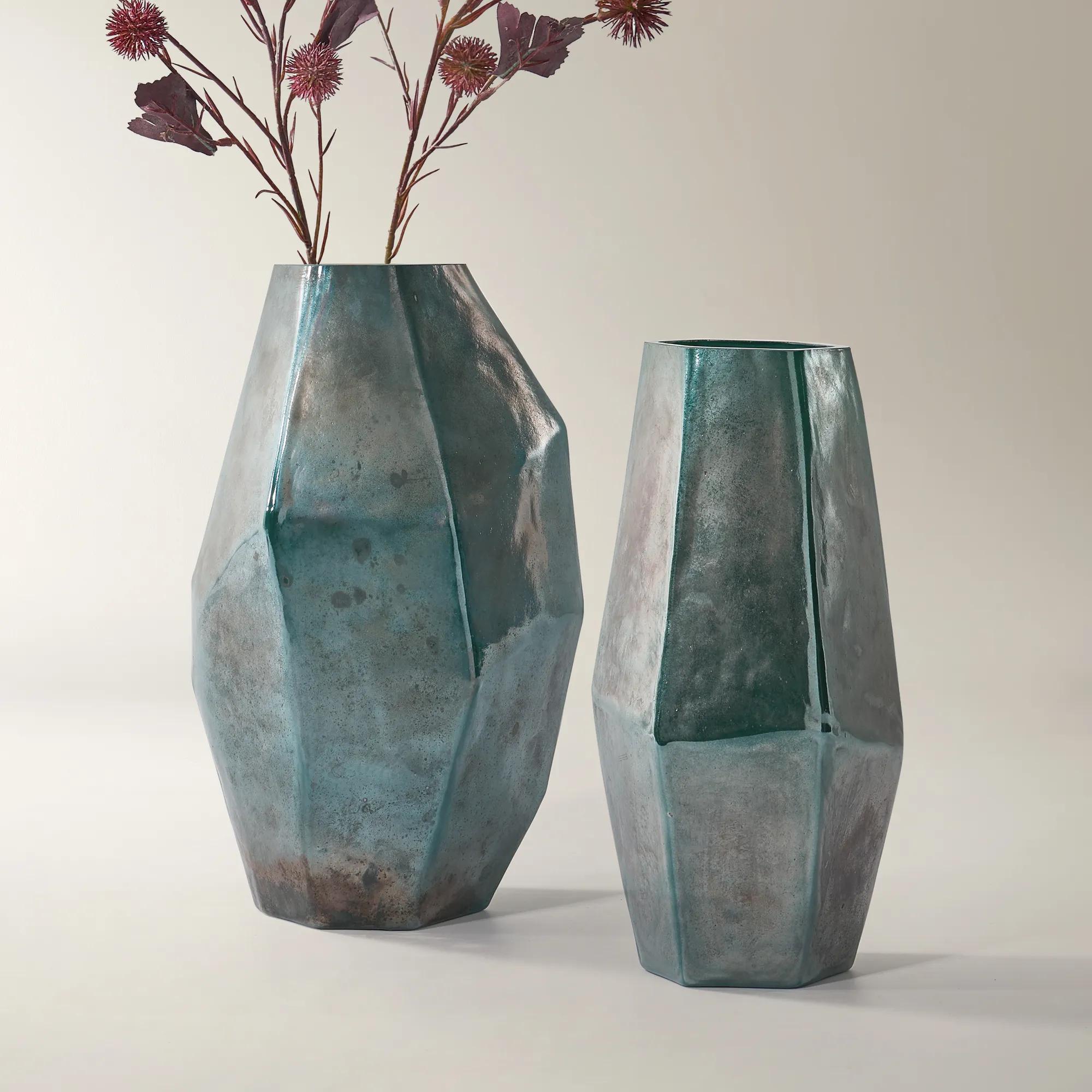
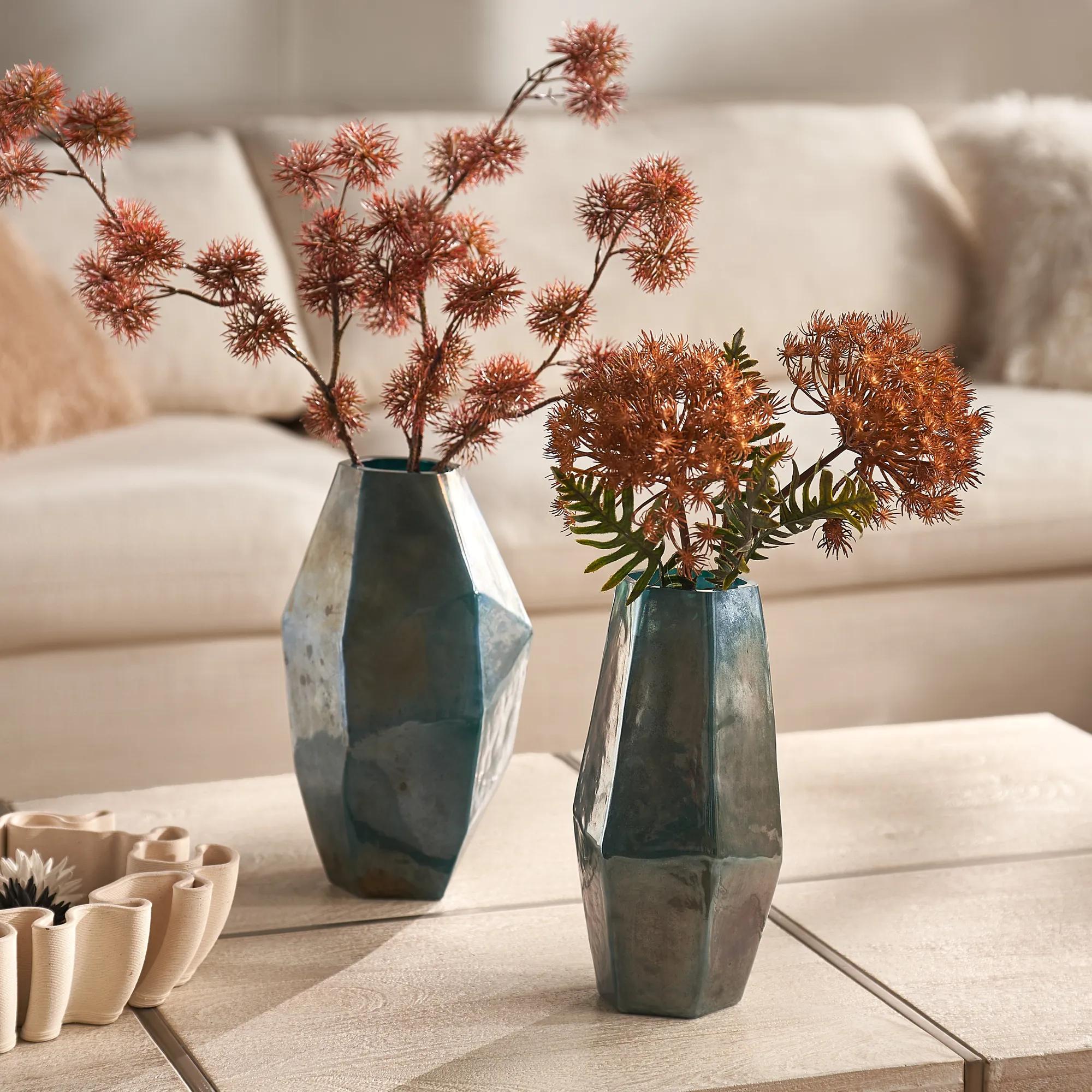 Sienna Vase$79
A hand-blown glass vase in prismatic green with a faceted, geometric silhouette for modern appeal.
Add To Cart -
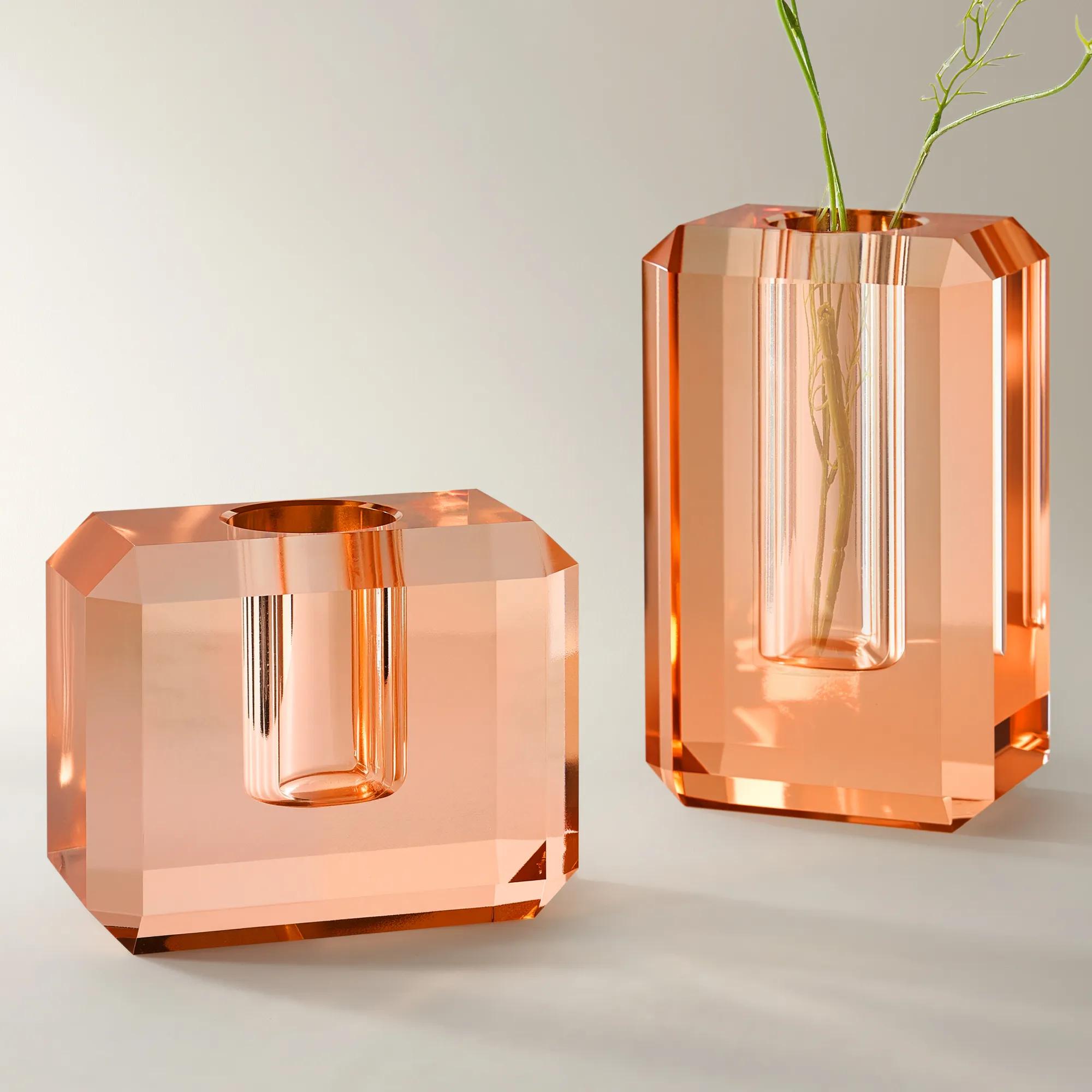
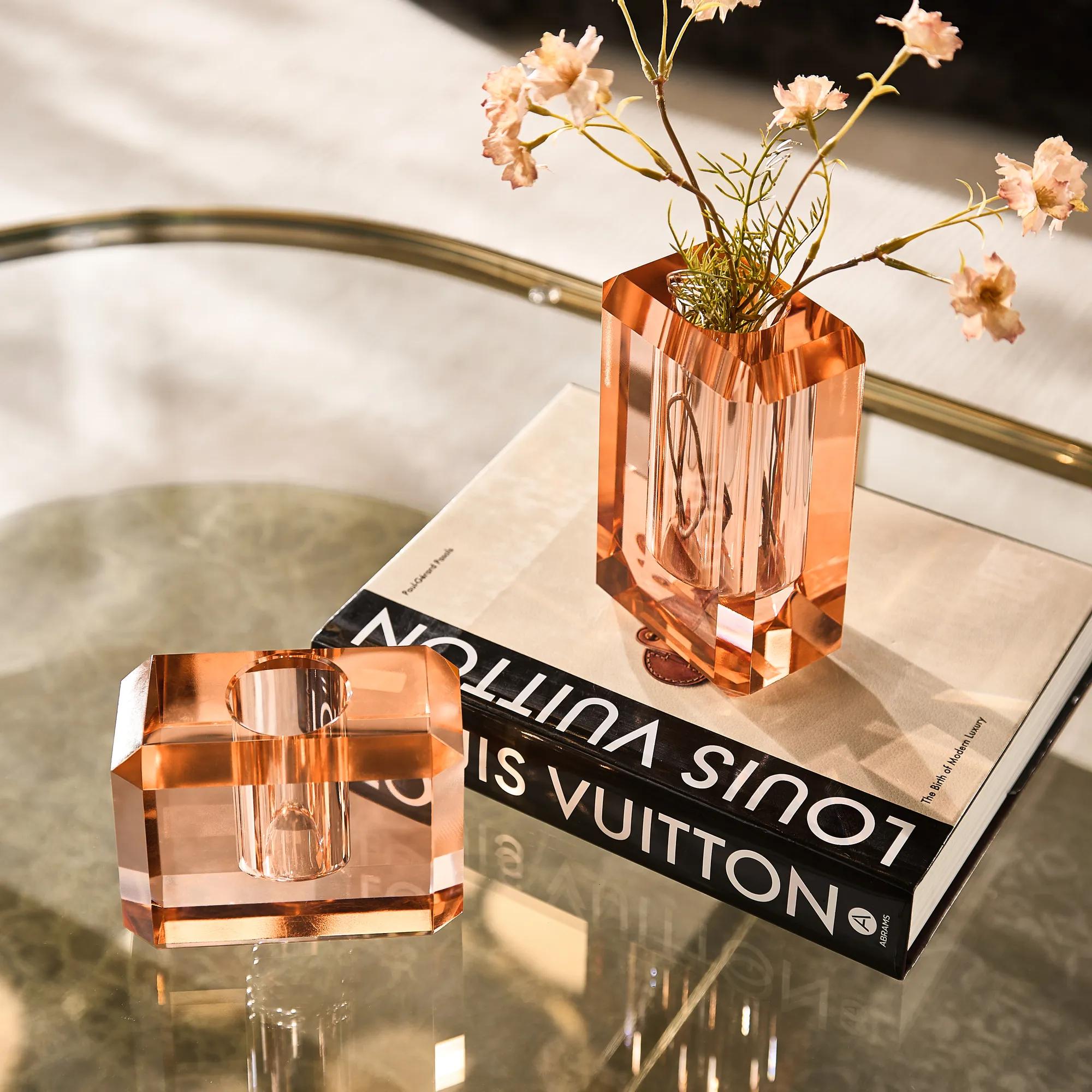 Corina Crystal Glass Bud Vase$89
A delicate crystal glass bud vase adding sparkling elegance to contemporary floral arrangements.
Add To Cart

Glass Vases For Seasonal Flowers
Glass vases for seasonal flowers invite artistry and transformation into every corner of your home. With their luminous clarity and sculptural silhouettes, these vessels become the stage upon which each season’s blooms perform—capturing the fresh exuberance of spring tulips, the lush romance of summer peonies, or the golden drama of autumn branches. Whether poised as a single, striking centerpiece or gathered in a curated ensemble, glass vases for seasonal flowers infuse your space with elegance and ever-changing beauty, turning everyday arrangements into moments of pure enchantment.
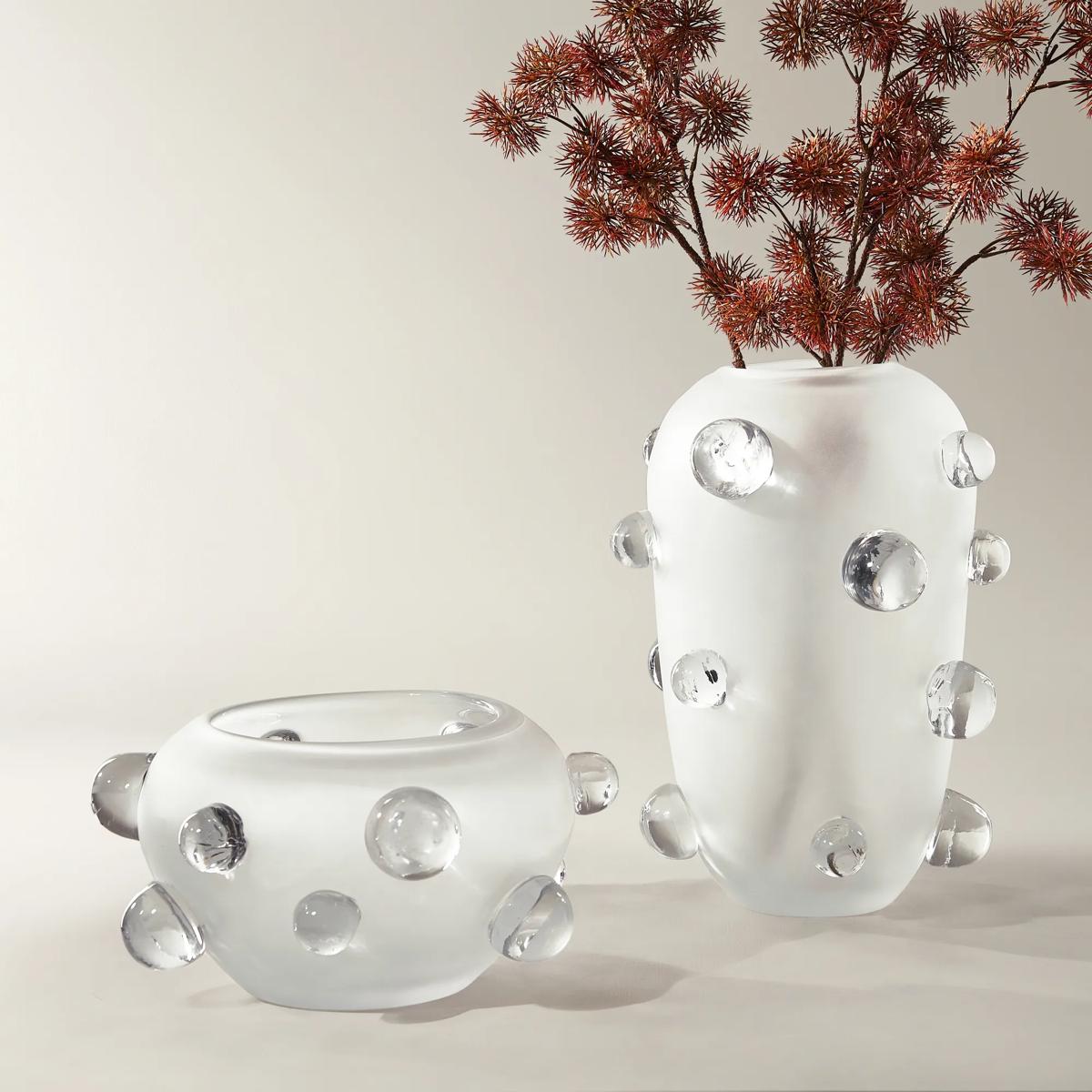
Glass vases for seasonal flowers bring color, light, and sculptural presence to a room while keeping the flowers themselves at the center of the composition. Transparent walls reveal the sweep of a stem, the crossing lines of branches, and the luminous contrast between clear water and richly colored petals. That openness gives even a generous bouquet a sense of air and movement, whether it features autumn dahlias in wine and copper tones or winter arrangements of white amaryllis and deep green foliage. Clear glass offers the most unobstructed view, making it especially versatile for arrangements whose palettes change throughout the year. Tinted glass introduces another layer of color, from smoky neutrals that lend depth to pale flowers to amber tones that echo russet chrysanthemums. Ribbed, fluted, or faceted surfaces catch light differently from smooth glass, adding visual texture without requiring a more elaborate bouquet. The silhouette matters just as much as the finish: cylinder vases give upright stems a defined outline, rounded vessels emphasize the fullness of gathered flowers, and narrow-neck bottle vases lend a few expressive stems a deliberate, sculptural quality. Small glass bud vases make individual blooms feel considered rather than incidental, especially when arranged at varied heights along a mantel or beside a bedside lamp. A larger vessel can anchor an entryway console, giving tall flowers enough visual presence to hold their own against an expansive mirror or dramatic artwork. For a dining table, a low glass vase allows a lush arrangement to spread outward while preserving conversation across the table. The appeal is not limited to formal entertaining. A handful of stems on a kitchen island can introduce the same attention to proportion and color as a more expansive centerpiece. Glass provides the frame, but its transparency lets every arrangement express a distinct mood: restrained and architectural with a single branch, abundant and romantic with layered petals, or strikingly graphic with dark foliage against pale blooms.
The most useful glass flower vase is one whose height, opening, and base suit both the stems and the surface where it will sit. A narrow opening gathers a small bouquet and helps keep slender stems upright; a wide mouth gives fuller arrangements room to open, though sparse stems may fall outward without additional support. Straight-sided cylinders accommodate bouquets with relatively even stem lengths, while a vase with a rounded body and a narrower neck offers space below the waterline and a more gathered shape above it. For many balanced arrangements, the finished composition, measured from the bottom of the vase to the highest flower, looks proportionate at roughly one and a half to two times the vase height. This is a starting point rather than a fixed rule: arching branches may call for more height, while a dining centerpiece often benefits from a lower profile. Tall, top-heavy blooms need a vessel with sufficient weight and a broad, stable base; a slender silhouette alone does not guarantee adequate support. On a shallow mantel or narrow console, the base should sit fully on the surface with room around it, away from an edge or busy walkway. Generous arrangements also need clearance from lampshades, artwork, and cabinet doors. Material and construction deserve equal attention. Glass can offer lasting beauty with thoughtful handling, but it remains vulnerable to chips, scratches, and breakage. A thicker wall may feel substantial without making the vessel impact-resistant, and a decorative finish may require gentler cleaning than plain, uncoated glass. For fresh flowers, choose a vessel intended to hold water rather than assuming every decorative glass container is watertight. Interior space matters, too: tightly packed stems can be difficult to position, and a very narrow neck can make cleaning more demanding. For someone who brings home flowers often, a medium-height vase with an accessible opening can become a dependable foundation, while smaller bud vases offer a graceful way to display the remaining stems when a larger bouquet is refreshed.
Thoughtful care preserves the clarity that makes glass so compelling. Fresh arrangements look their most polished when leaves sit above the waterline and the visible stems are neatly trimmed, with no foliage collecting beneath the surface. Starting with a clean vase, recutting stems with clean tools, and replacing the water regularly help maintain a fresher display; cloudy water is a cue to clean the vessel and refresh the arrangement. Flower food should be used according to its directions, and water levels should be checked frequently, especially with thirsty flowers or a small vessel. Direct sun, heating vents, and fireplaces can shorten the life of cut blooms, so an arrangement often fares better where it receives gentle ambient light without concentrated heat. Between bouquets, wash the vase according to its care instructions. For many plain glass vessels, mild dish soap, lukewarm water, and a soft brush are suitable, followed by thorough rinsing and drying with a lint-free cloth. Avoid abrasive scrubbers, sudden temperature changes, and dishwasher cleaning unless the maker specifically permits it; painted, metallic, or otherwise embellished surfaces may need additional precautions. Store glass vases with enough separation to prevent rims and sides from knocking together, and retire chipped vessels from use with fresh arrangements. With those practical details considered, glass becomes an expressive element in seasonal decorating. A collection of clear vessels can bring cohesion to flowers with different shapes and colors, while a single tinted vase can establish the palette for an entire tabletop. Pairing transparent silhouettes with white vases for seasonal decorating creates contrast between luminous glass and solid white forms, giving a console or centerpiece greater depth. Glass flower vases also make thoughtful housewarming, wedding, or host gifts for people who enjoy arranging flowers and shaping their surroundings. An adaptable size and easy-to-clean opening make that gesture especially useful. Presented with seasonal stems or appreciated as a sculptural object between bouquets, a well-chosen vase brings enduring character to the home without dictating how its owner should decorate.
FAQs
To craft a dramatic centerpiece, cluster glass vases of varying heights and shapes along the center of your table. Fill taller vases with bold, architectural stems like winter branches or lilies, and accentuate with smaller bud vases holding delicate blooms or greenery. Layer in seasonal elements—such as pinecones or faux snow for winter—to create depth and visual intrigue. Let the transparency or color of the glass enhance your chosen palette, and experiment with odd-numbered groupings for a curated, gallery-inspired look.
In winter, clear glass vases beautifully showcase flowers such as white amaryllis, hellebores, paperwhites, and evergreen branches. Their crisp lines and subtle hues are accentuated by the clarity of the glass, allowing the stems and water to become part of the arrangement’s visual poetry. For added texture, consider incorporating silver dollar eucalyptus or frosted berries for a seasonal, sophisticated touch.
Absolutely. Glass vases are remarkably versatile and can be styled with faux flowers, sculptural branches, decorative stones, or even fairy lights to suit the season or occasion. In winter, try filling a vase with shimmering ornaments, pine boughs, or sparkling twigs for a festive accent. Their transparency and shape make them ideal for showcasing layered textures and creative, non-floral displays year-round.
Glass vases make exquisite gifts for a variety of occasions, from housewarmings and weddings to birthdays and holidays. Their timeless elegance and adaptability ensure they complement any decor style, while their potential for customization—through unique arrangements or seasonal styling—adds a personal, thoughtful touch. A z gallerie flower vase, in particular, offers a statement of sophistication and artistry that will be cherished for years.
Colored glass vases add an instant layer of mood and artistry to seasonal arrangements. Cool blues or smoky greys evoke winter’s tranquility, while warm ambers and golds can bring a cozy glow to autumn or holiday bouquets. The color of the glass can either harmonize with your chosen blooms for a monochromatic effect or provide a striking contrast that draws the eye, making each arrangement feel curated and intentional.