White Vases For Seasonal Decorating
White Vases For Seasonal Decorating
-
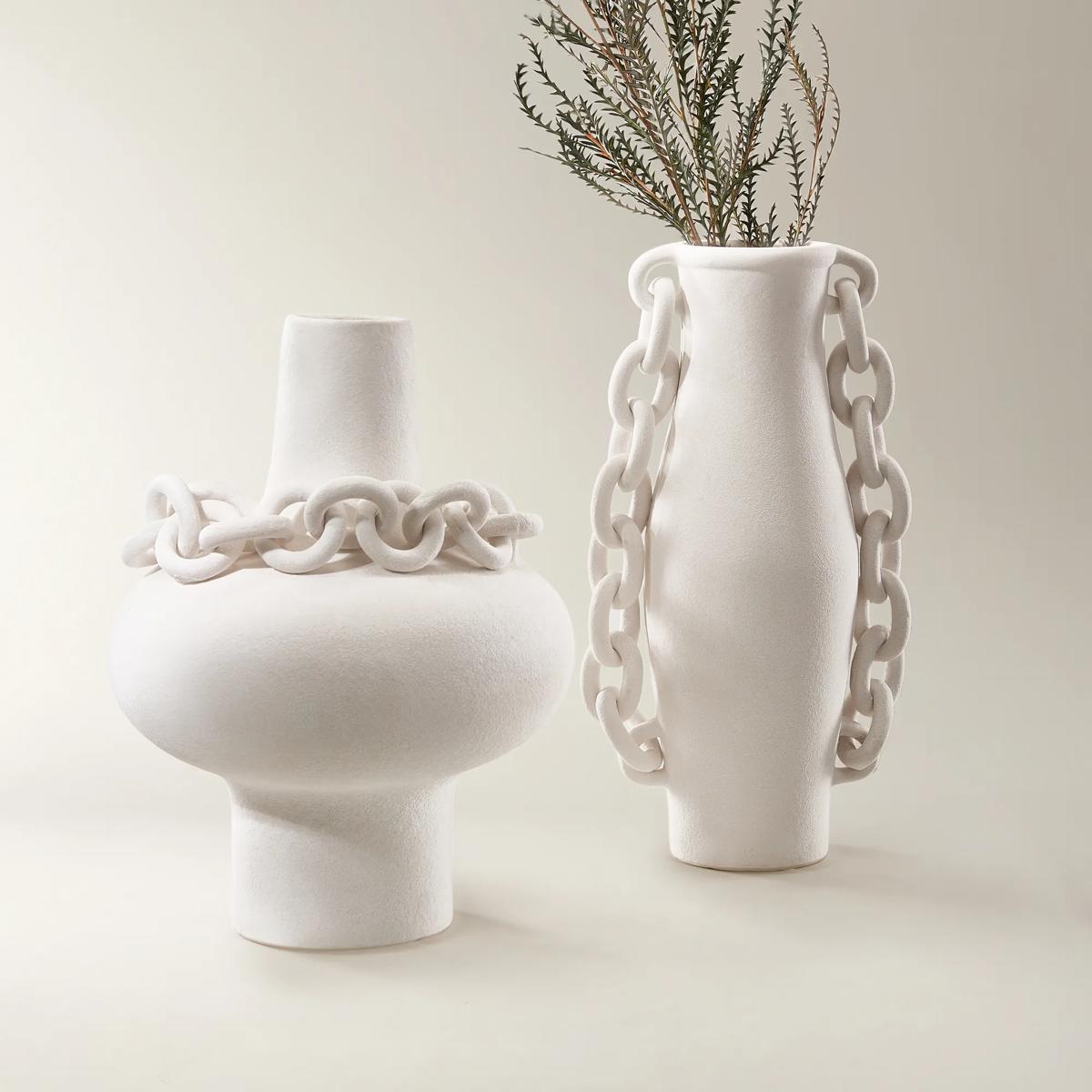
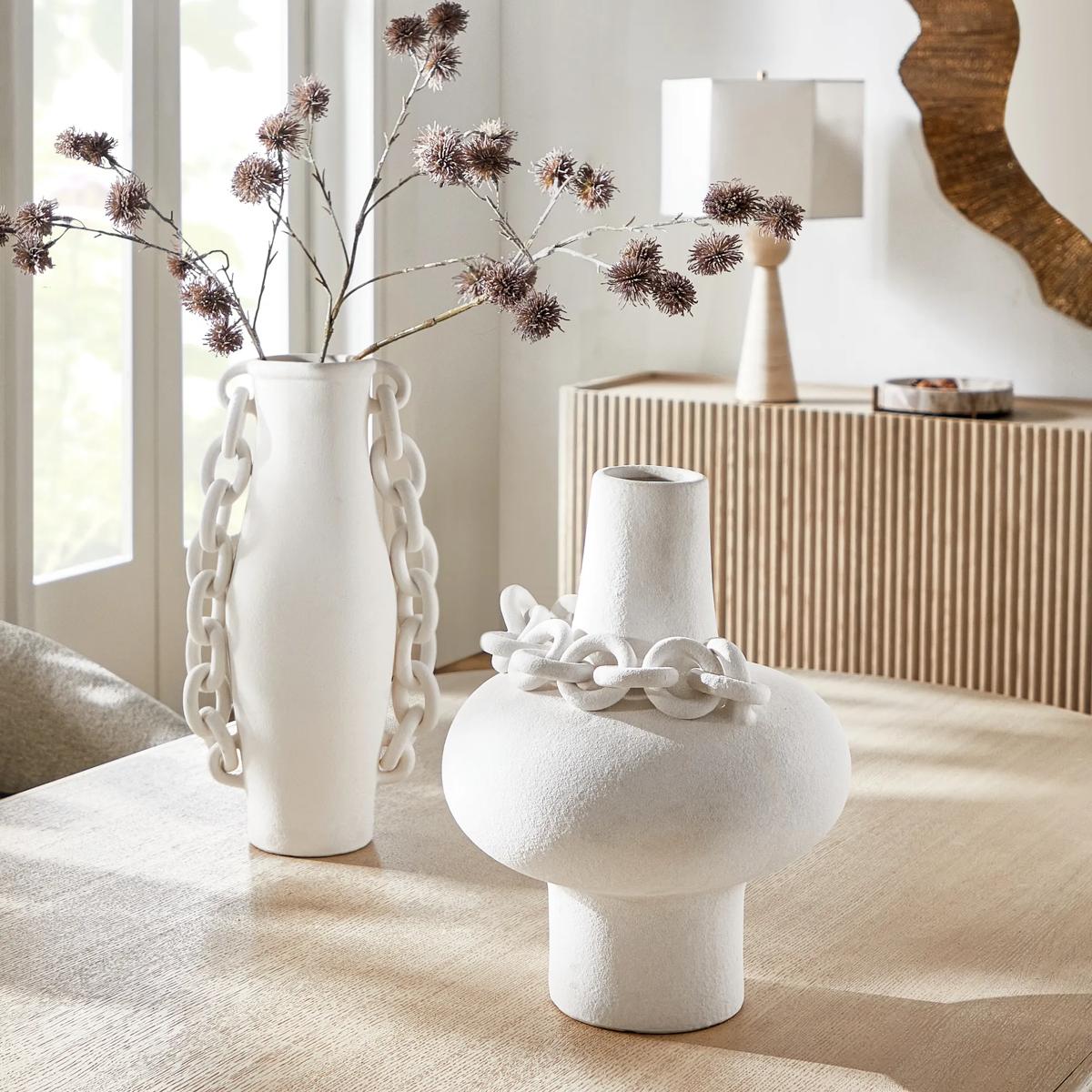 Links Stoneware Vases$139
A sculptural matte white stoneware vase featuring bold chain-link details for modern, artful texture.
Add To Cart -
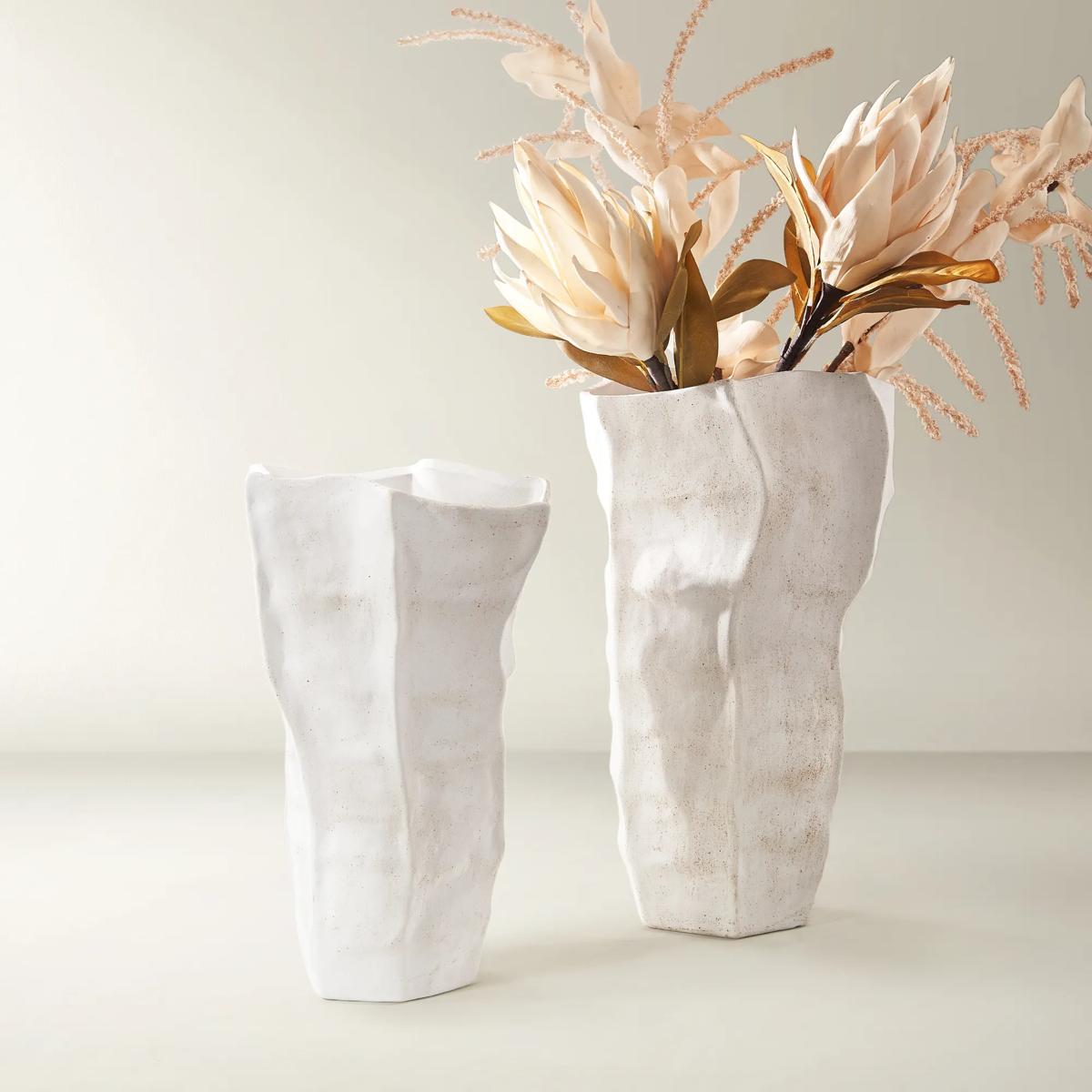 Kira Porcelain Vase$169
A sculptural matte white porcelain vase with a fluid, faceted design for modern, minimalist decor.
Add To Cart -
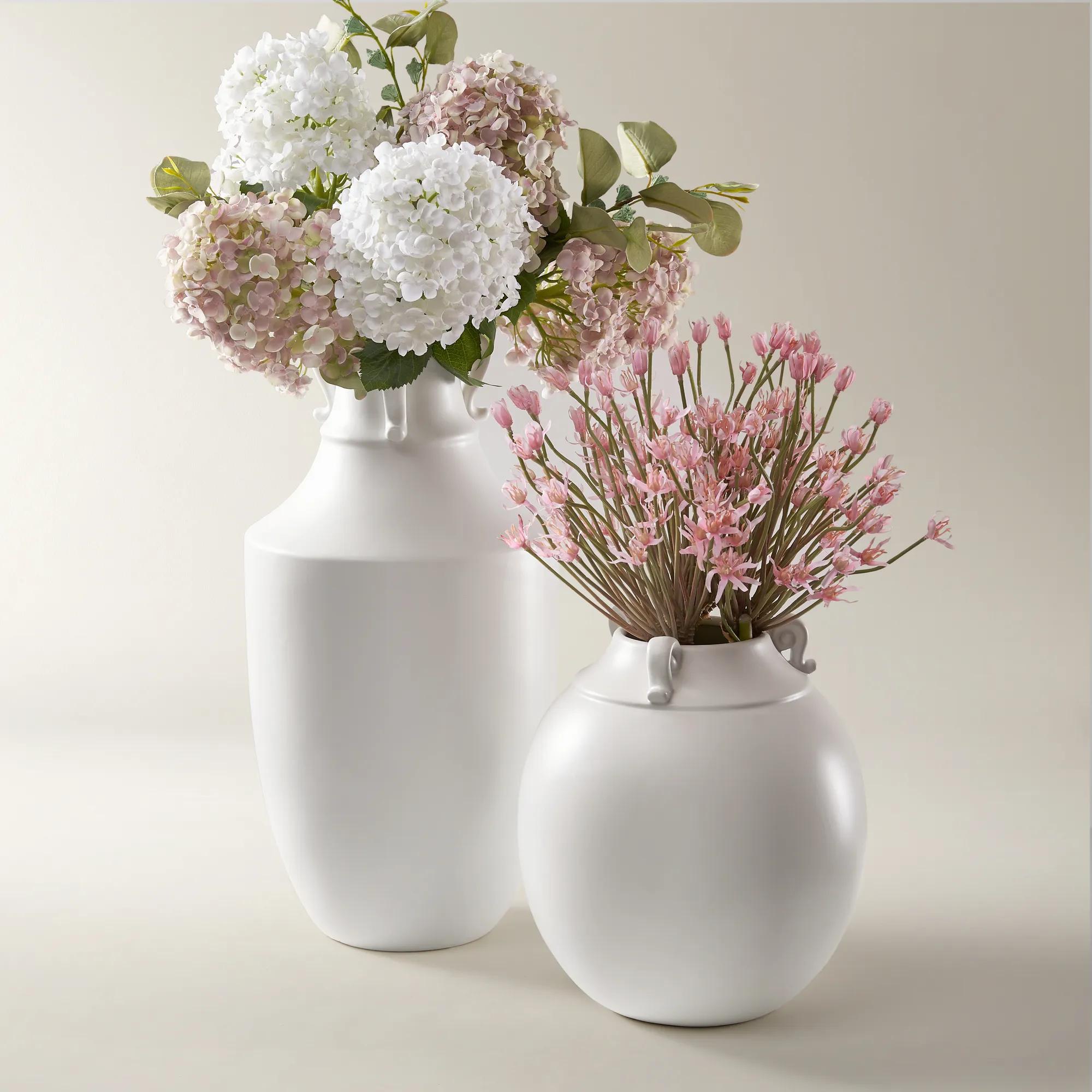 Amora Vase$119
A graceful white ceramic vase featuring smooth curves for a refined, contemporary accent to any space.
Add To Cart -
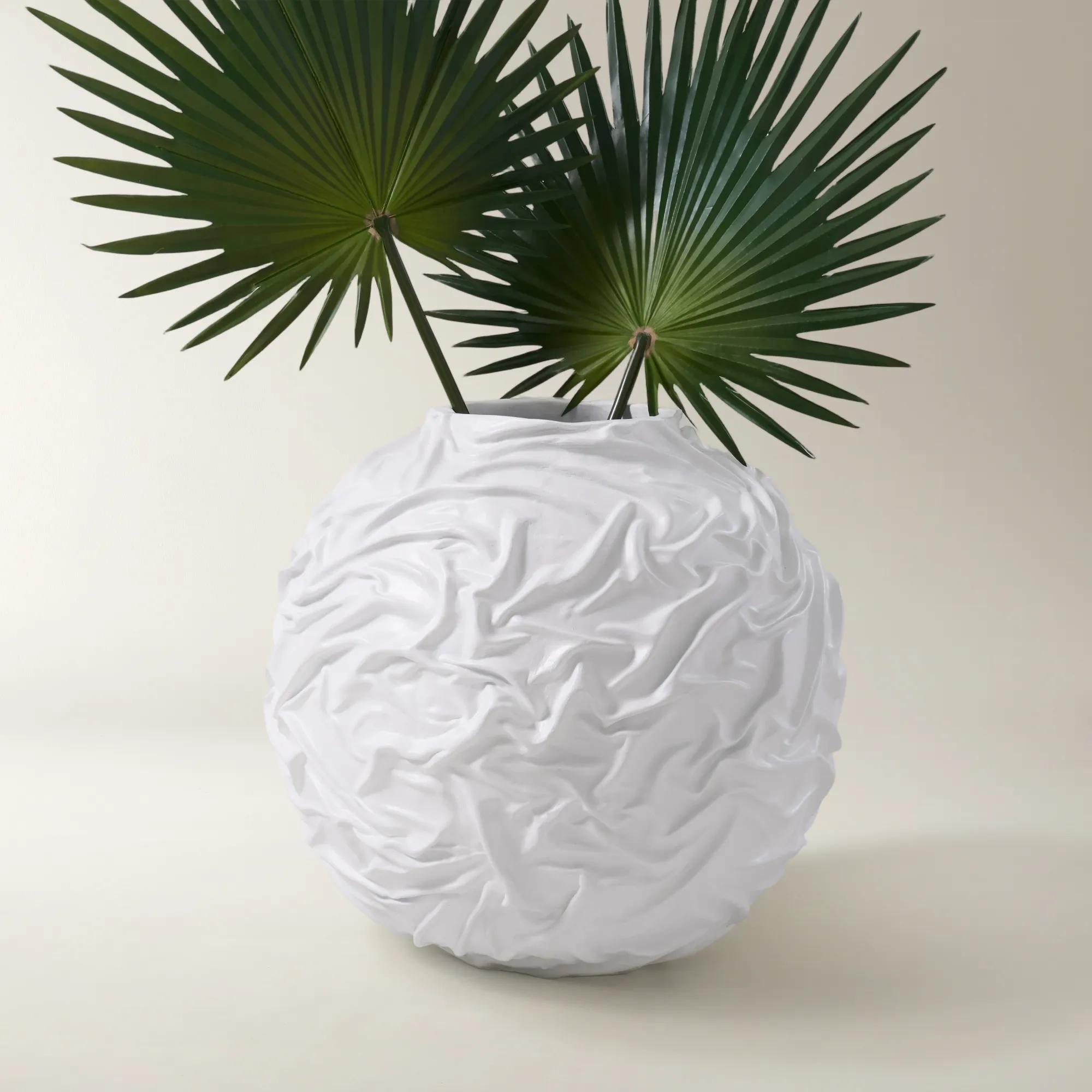 Crumple White Resin Floor Vase 18.3"$259
A sculptural resin vase with a crumpled-paper design and a sleek white finish for modern spaces.
Add To Cart -
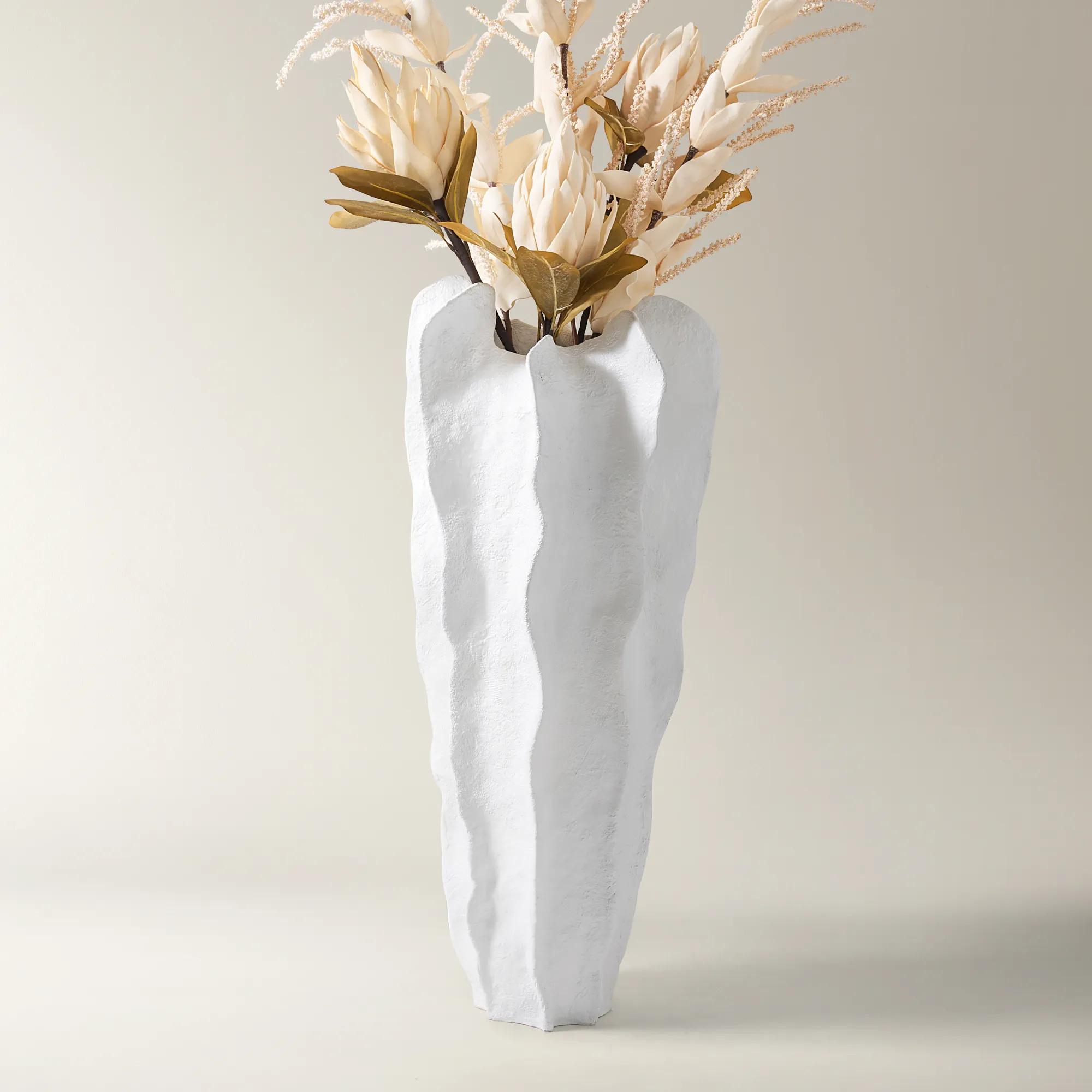 Playa White Resin Floor Vase 15" x 36"$299
A sculptural matte white resin vase featuring organic texture for a bold, dramatic accent.
Add To Cart -
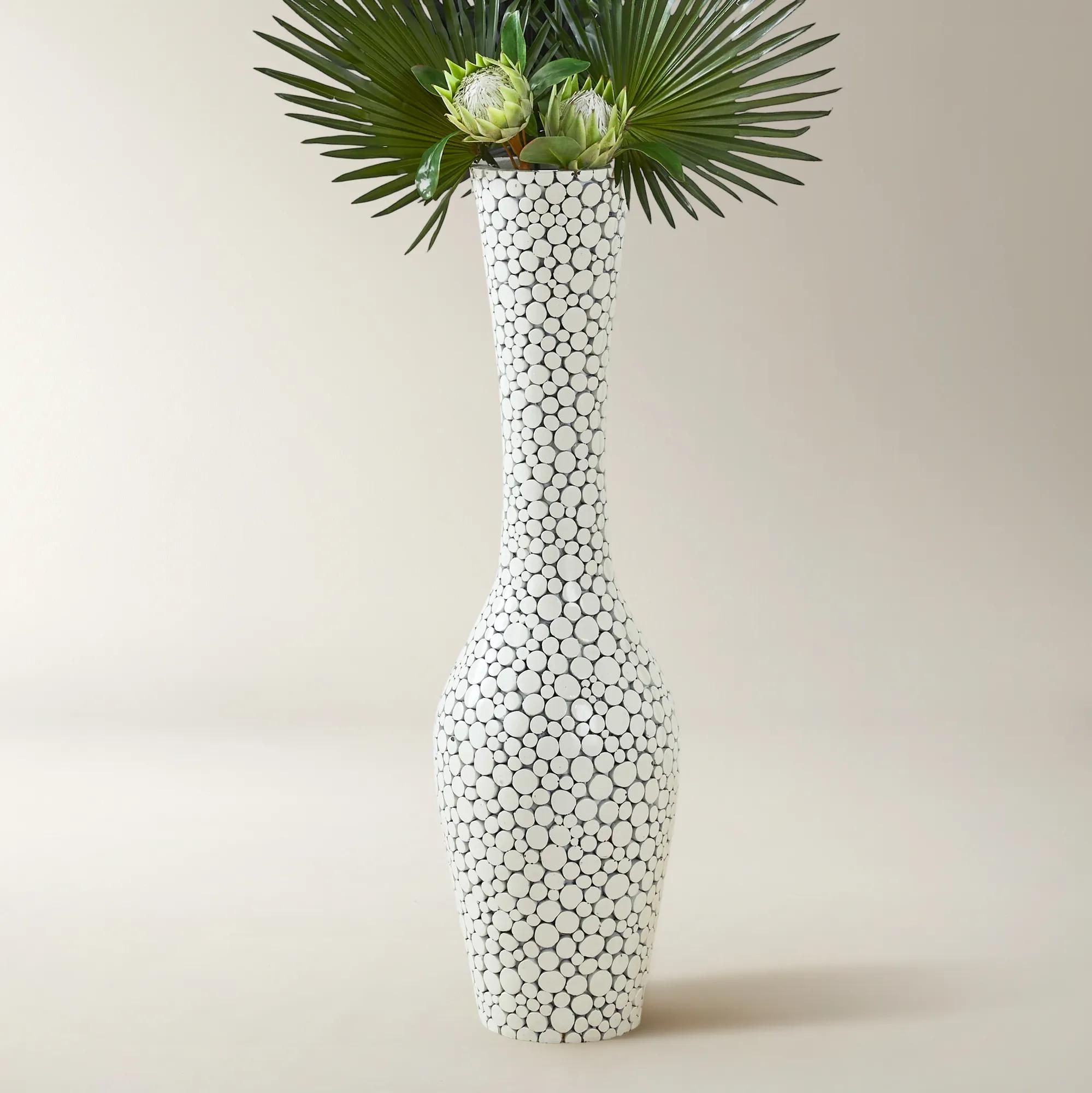 Oslo Floor Vase$299
A contemporary floor vase featuring hand-applied wood accents and a glossy white fiberglass base.
Add To Cart -
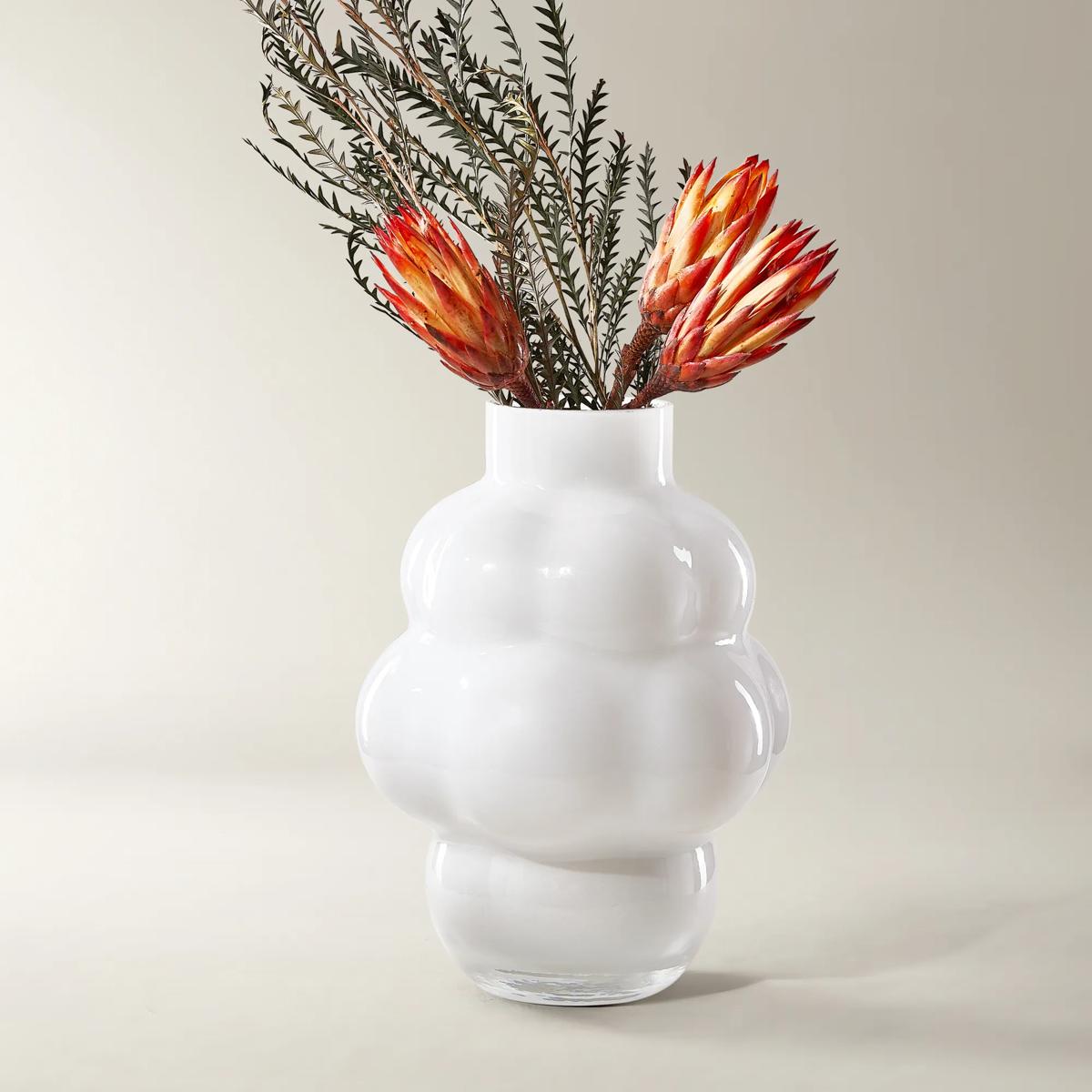 Cloud Glass Vase - White$129
A hand-blown glass vase in glossy opaque white with a sculptural, cloud-inspired silhouette.
Add To Cart -
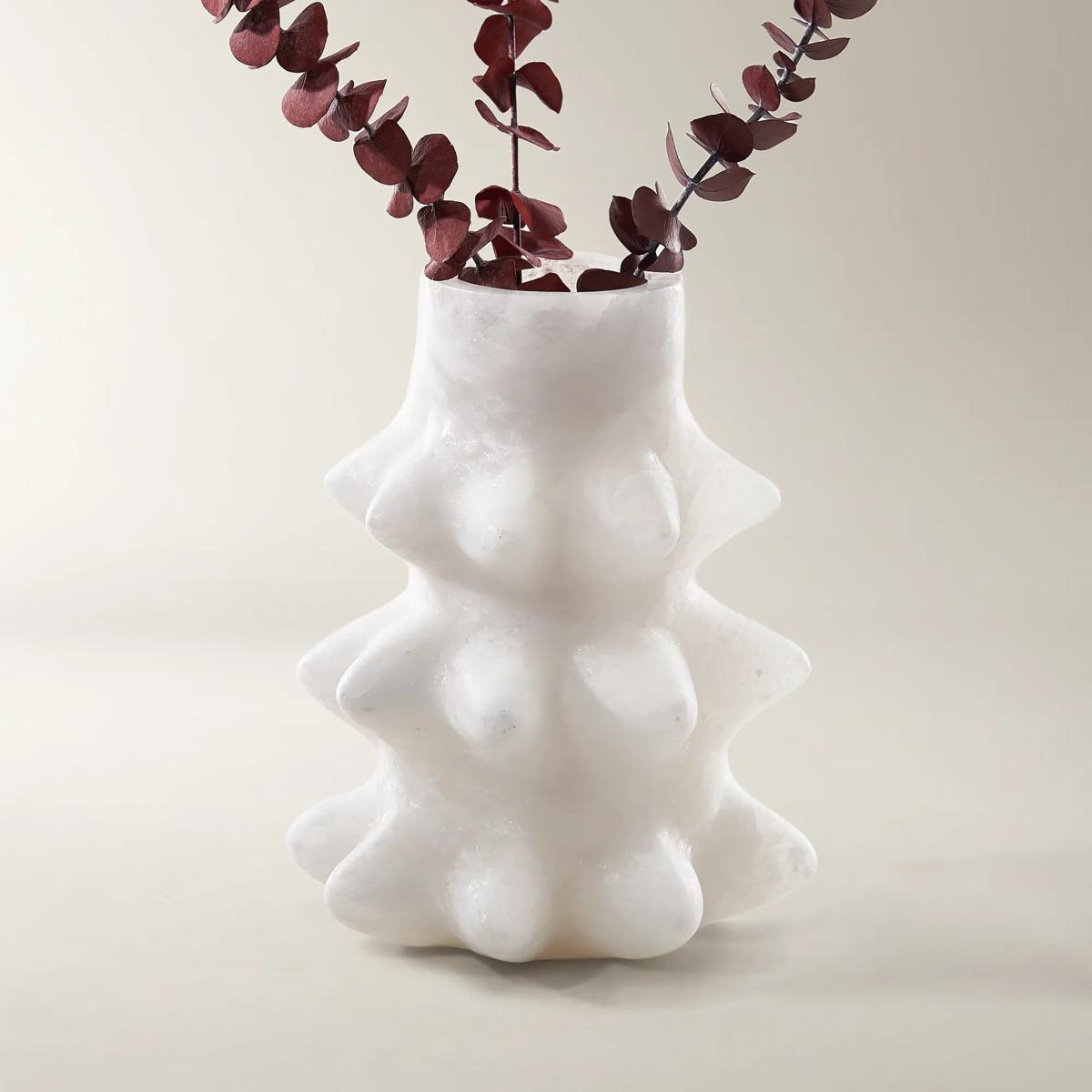
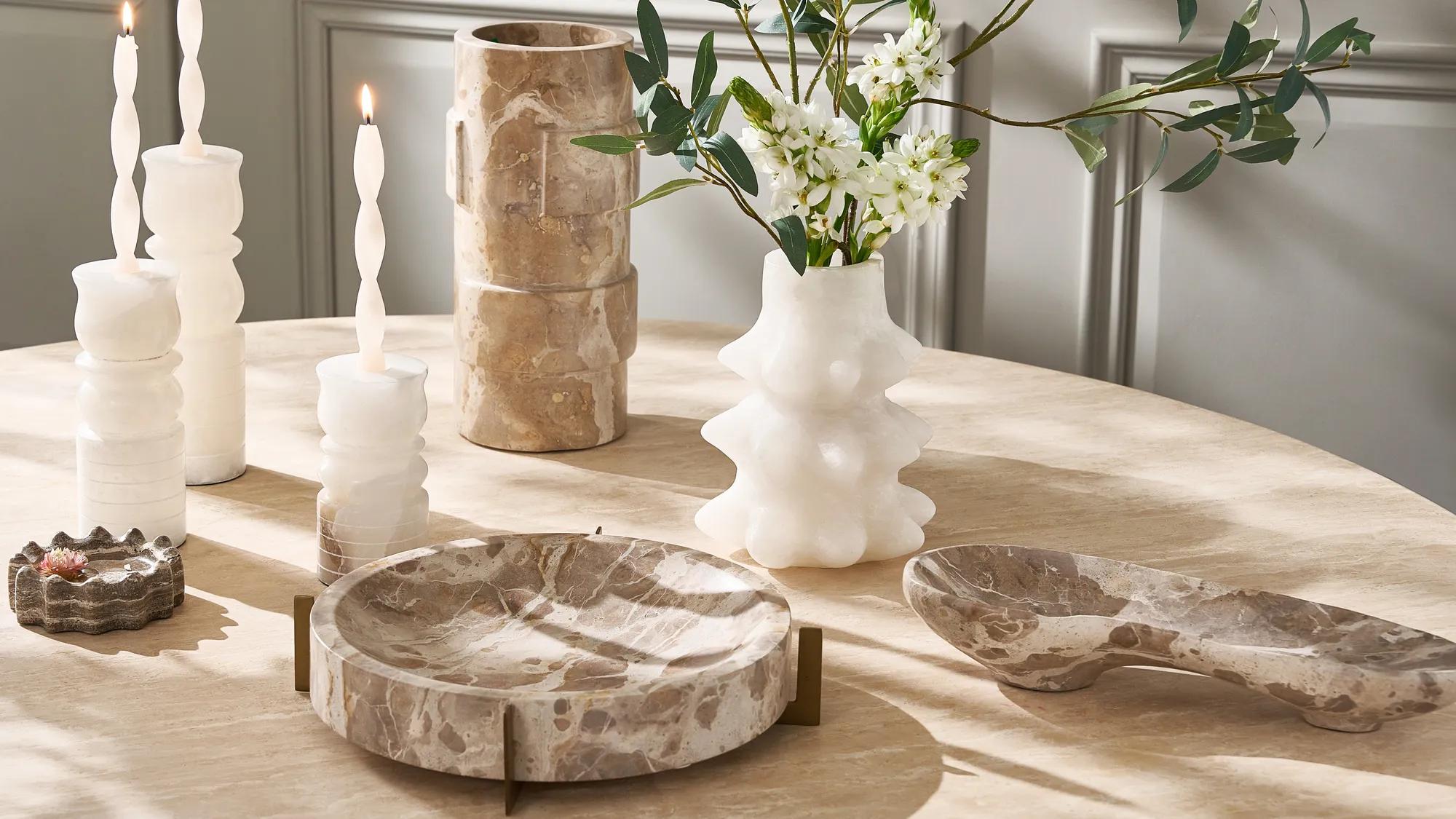 Alabaster Spike Vase$239
A sculptural white alabaster vase with bold spiked contours and naturally radiant veining.
Add To Cart

White Vases For Seasonal Decorating
White vases for seasonal decorating are the ultimate blank canvas—inviting you to reinvent your space with every shift of the seasons. Their luminous silhouettes capture light and elevate florals, branches, or sculptural stems, transforming everyday arrangements into works of art. Whether cradling a cascade of spring blooms or anchoring a winter tableau with frosted foliage, these vases bring a sense of refined drama and endless versatility. Let your creativity flourish and curate moments of beauty that reflect the mood of every season—each display a testament to your unique style and the transformative power of thoughtful design.
White vases for seasonal decorating offer a luminous, neutral foundation for autumn branches, winter greenery, and expressive floral arrangements. Their pale surfaces let the color and character of each stem take focus, while sculptural shapes give a room presence even without a single bloom. Against white, copper-colored leaves look richer, burgundy botanicals feel more sumptuous, and deep evergreen foliage takes on striking definition. That versatility makes a white vase more than a finishing touch: it becomes a recurring element that connects different seasonal displays without making them feel repetitive. On an entry console, a generous vessel with a few sweeping branches creates an arrival moment with height and movement. On a mantel, a composition of rounded and elongated forms brings rhythm to the architecture, especially when each silhouette has enough space to register. White itself has considerable range. Creamy ivory lends softness beside warm wood and antique-inspired brass, while a crisp white finish creates sharper contrast with dark furniture, smoked glass, or saturated upholstery. Finish matters just as much as color. A glossy surface catches lamplight and gives a vignette a polished edge; a matte or lightly textured surface brings quieter depth to an arrangement already rich in foliage. Mixing those finishes can keep an all-white grouping from feeling uniform, particularly when the vessels share a similar undertone. Scale should respond to both the furniture and the surrounding space. A substantial vase can hold its own beneath a large mirror, while a smaller form feels more considered on a narrow shelf or beside a bedside lamp. For a collected look, vary heights rather than lining up several nearly identical silhouettes. A tall profile, a fuller rounded shape, and a lower vessel create a graceful progression. Leave some surface visible around the grouping so the arrangement feels composed rather than crowded, allowing white space, shadows, and sculptural contours to become part of the display.
Material, construction, and intended use determine how well a decorative vase suits a particular arrangement. Ceramic and porcelain can deliver beautifully defined forms, from smooth curves to pronounced ridges, while white or opaque glass offers a different relationship with light. Depending on its construction and finish, glass may appear softly translucent or distinctly opaque. Stoneware often brings visual weight and tactile character, though neither a substantial appearance nor a glazed exterior guarantees that a vessel is watertight. For fresh flowers or cut greenery displayed in water, confirm that the vase is intended to hold water and follow its care instructions. A decorative-only vessel is better suited to dried stems, artificial botanicals, or an empty sculptural presentation; use a separate watertight liner only when its fit and the vessel’s instructions allow it. The opening also shapes the result. A narrow neck helps gather a few stems into an upright composition, while a broad mouth gives fuller bouquets room to spread but may require additional floral support. Tall, heavy branches need a proportionate vessel with a stable base, positioned away from busy walkways, curious pets, and the edge of a table. Measure shelf clearance, console depth, and the height of nearby artwork before choosing a dramatic profile. For dining, consider the finished arrangement rather than the vase alone: stems that obscure faces can make an otherwise beautiful centerpiece feel intrusive. Durability deserves equal attention. Ceramic and glass can chip or break if knocked, and raised details may need especially gentle handling. Dust with a soft cloth, avoid abrasive cleaners, and wash only as directed for the material and finish. Textured exteriors may benefit from a soft brush to lift dust from recessed areas. With fresh arrangements, replace the water regularly and clean the interior between uses according to the care instructions. Dry the base before returning it to furniture, and use a suitable protective layer beneath the vessel on delicate surfaces. Unless specifically rated for outdoor use, keep decorative vases indoors rather than exposing them to moisture or freezing conditions.
Seasonal styling feels most expressive when the vase provides continuity and the arrangement changes the mood. For an autumn dining room, white vessels can frame russet foliage, muted seed heads, or twisting branches without competing with patterned linens and richly colored glassware. A restrained number of stems often reveals more of their character: the bend of a branch, the papery edge of a leaf, or the fine silhouette of dried grasses. On a Thanksgiving table, a low arrangement leaves room for conversation and serving dishes, while a taller companion display on a sideboard carries the same palette beyond the place settings. For winter, white vases pair naturally with evergreen cuttings, bare branches, and white flowers, creating contrast through shape and texture rather than an abundance of color. A glossy vessel beside dark greenery feels crisp and tailored; an ivory ceramic form with loosely arranged branches creates a softer, more atmospheric composition. Keep dried botanicals and foliage well away from candles, fireplaces, and other heat sources, and allow ample clearance around any open flame. For entertaining-focused arrangements, white vases for holiday centerpieces bring the same sculptural clarity to a table designed around gathering. Several modestly scaled vessels spaced along a rectangular table can carry the display from end to end without demanding one oversized bouquet. On a round table, a single balanced arrangement can leave a generous perimeter for dinnerware. Beyond entertaining, these versatile forms suit anyone who enjoys refreshing a room through a few deliberate details rather than replacing an entire decorative scheme. They also make thoughtful housewarming, wedding, or host gifts when the shape and size reflect the recipient’s space. A compact vessel may suit an apartment console, while a more substantial silhouette can complement a spacious entry or living room. For a recipient who favors fresh flowers, verified water-holding capability is particularly useful; for someone drawn to decorative objects, an expressive empty form may be the appeal. Whether styled with seasonal stems or displayed on its own, a well-proportioned white vase gives changing compositions a confident foundation and makes even a small arrangement feel intentional.
FAQs
White vases shine during the winter season by providing a crisp, elegant canvas for seasonal botanicals. For a festive touch, fill them with sprigs of evergreen, frosted pinecones, or red winter berries. Pairing multiple vases of varying heights creates a layered, gallery-inspired look on mantels or dining tables. For added drama, consider incorporating metallic accents, such as silver branches or gold-dipped leaves, to catch the light and amplify the holiday spirit.
Absolutely. The timeless appeal of white vases makes them remarkably versatile, seamlessly blending into both traditional and modern settings. In classic interiors, they evoke a sense of refined elegance, especially when paired with lush florals or seasonal greenery. In contemporary spaces, their clean lines and sculptural forms become statement pieces, standing out against bold colors or minimalist backdrops.
White vases make exquisite gifts for the holiday season, offering both beauty and versatility. Their neutral hue suits any décor style, and they serve as a blank canvas for personal expression. Presenting a loved one or a gracious host with a white vase—perhaps filled with winter blooms or festive greenery—feels both thoughtful and artfully curated.
To establish a cohesive aesthetic, repeat the use of white vases in various rooms, but vary the shapes and scales to suit each space. Anchor a dining table with a dramatic, oversized vase, while placing smaller vessels on side tables, mantels, or bathroom counters. Echoing similar textures or finishes across your vases creates visual harmony, tying your seasonal décor together with sophistication.
During winter, white vases beautifully showcase arrangements of evergreen branches, holly, amaryllis, or white roses for a monochromatic look. For added texture and seasonal flair, incorporate elements like silver brunia, eucalyptus, or frosted pinecones. These natural accents play off the vase’s crisp backdrop, creating a luxurious, inviting display perfect for winter entertaining.