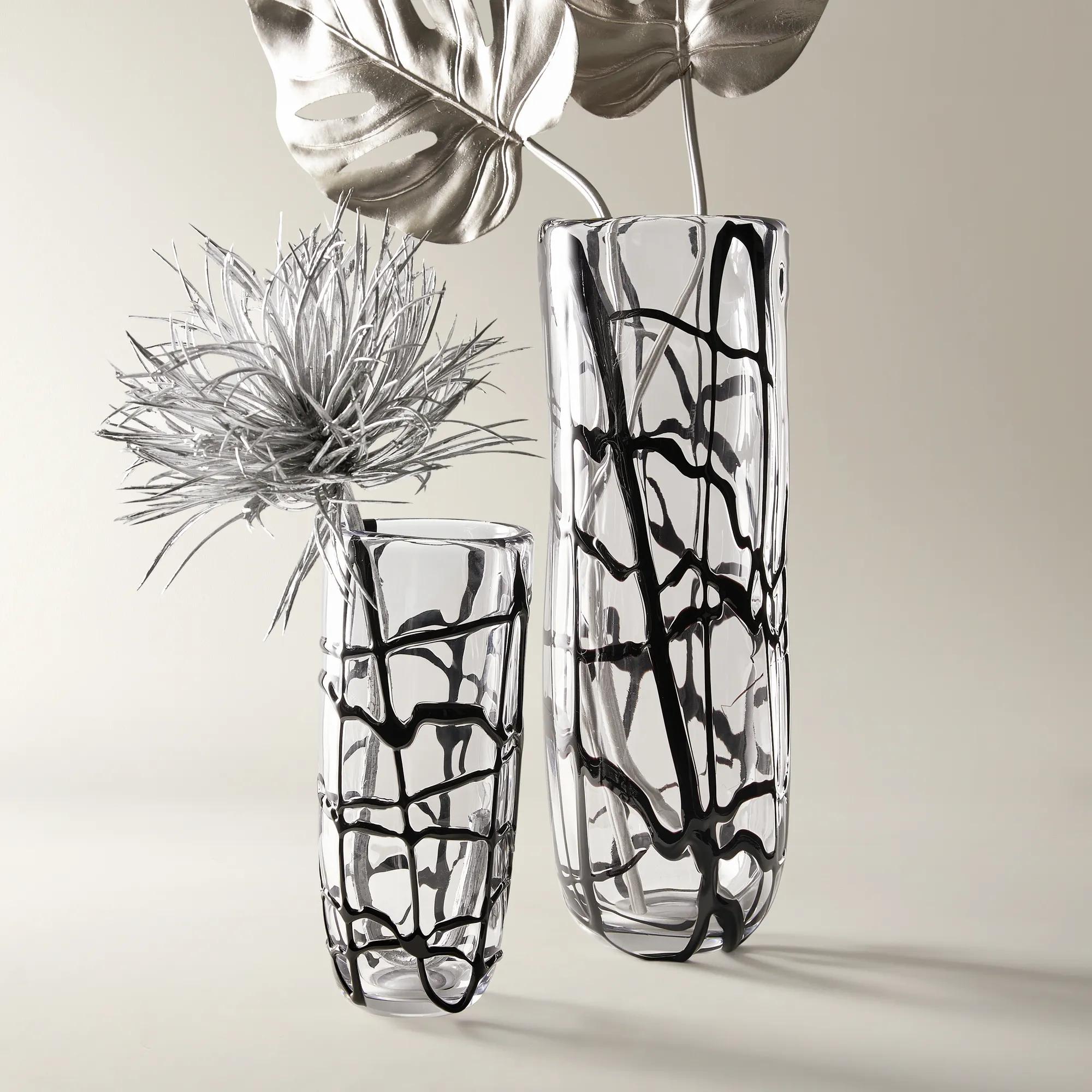
Glass Vases For Seasonal Decorating
Glass Vases For Seasonal Decorating
-
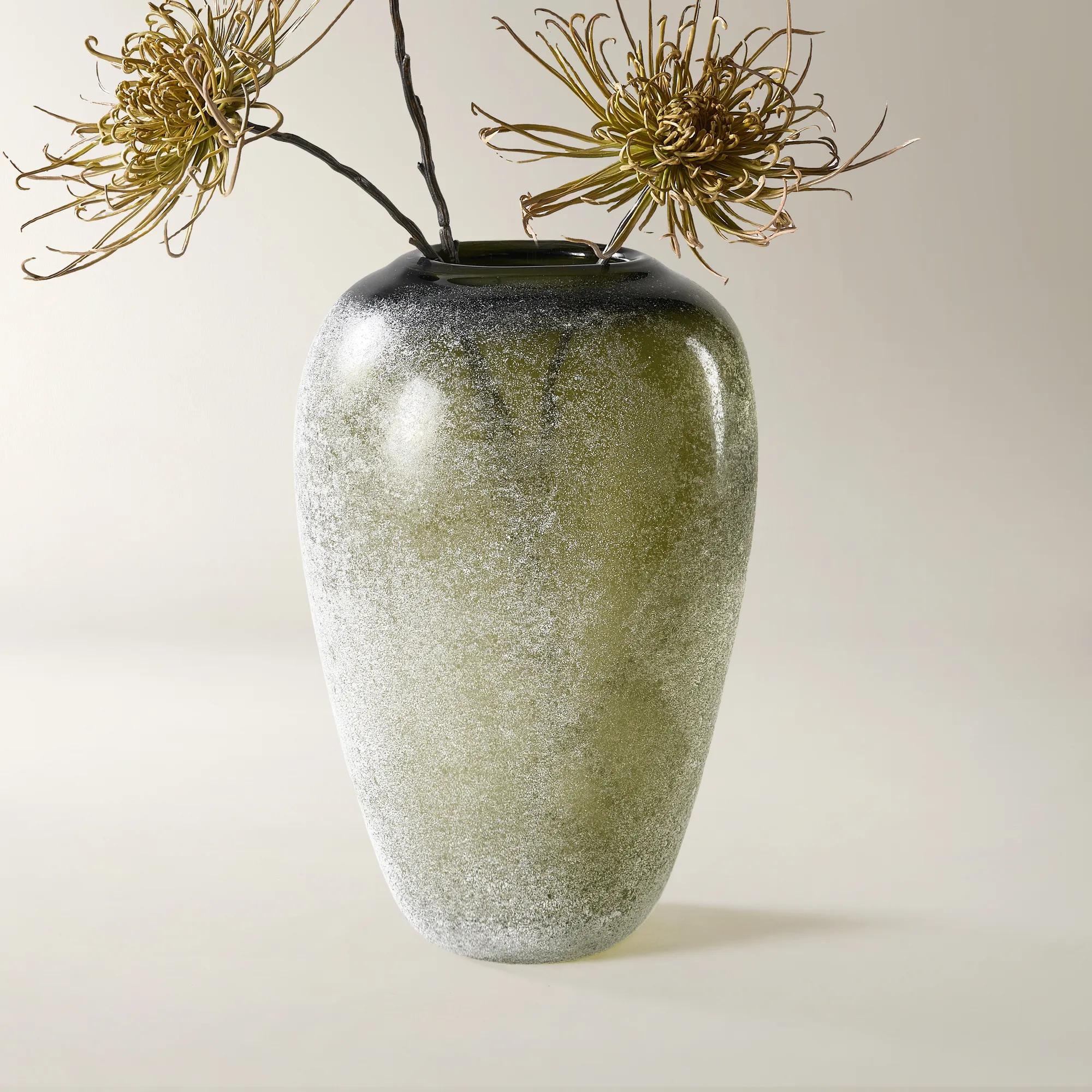 Linden Mouth Blown Pistachio Green Glass Vase 13.75"$129
A handblown glass vase in pistachio green adds a fresh, artful accent to any space.
Add To Cart -
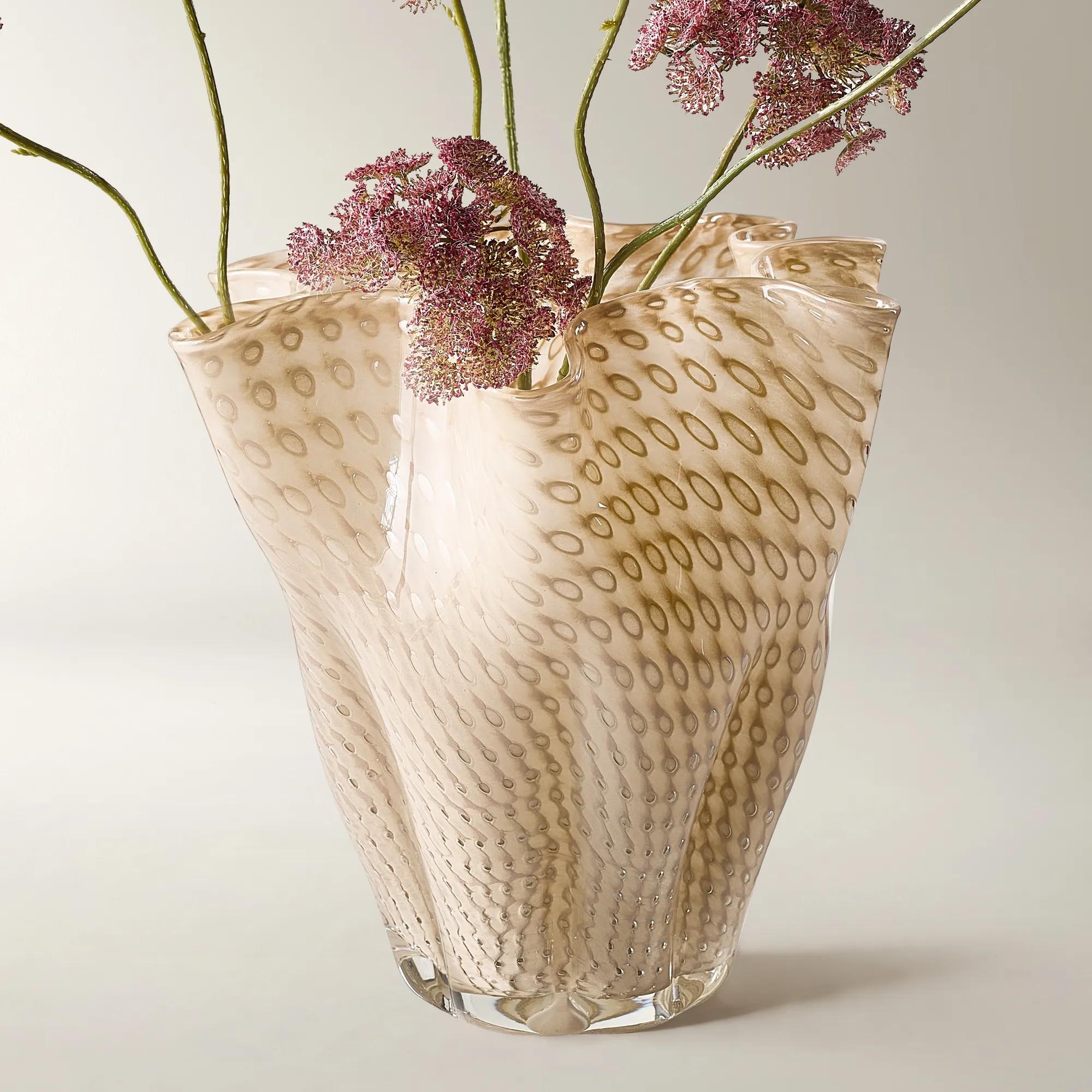 Elle Mouth Blown Tawny Glass Vase 11.25"$129
A handblown glass vase in a warm tawny hue with an organic, sculptural silhouette.
Add To Cart -
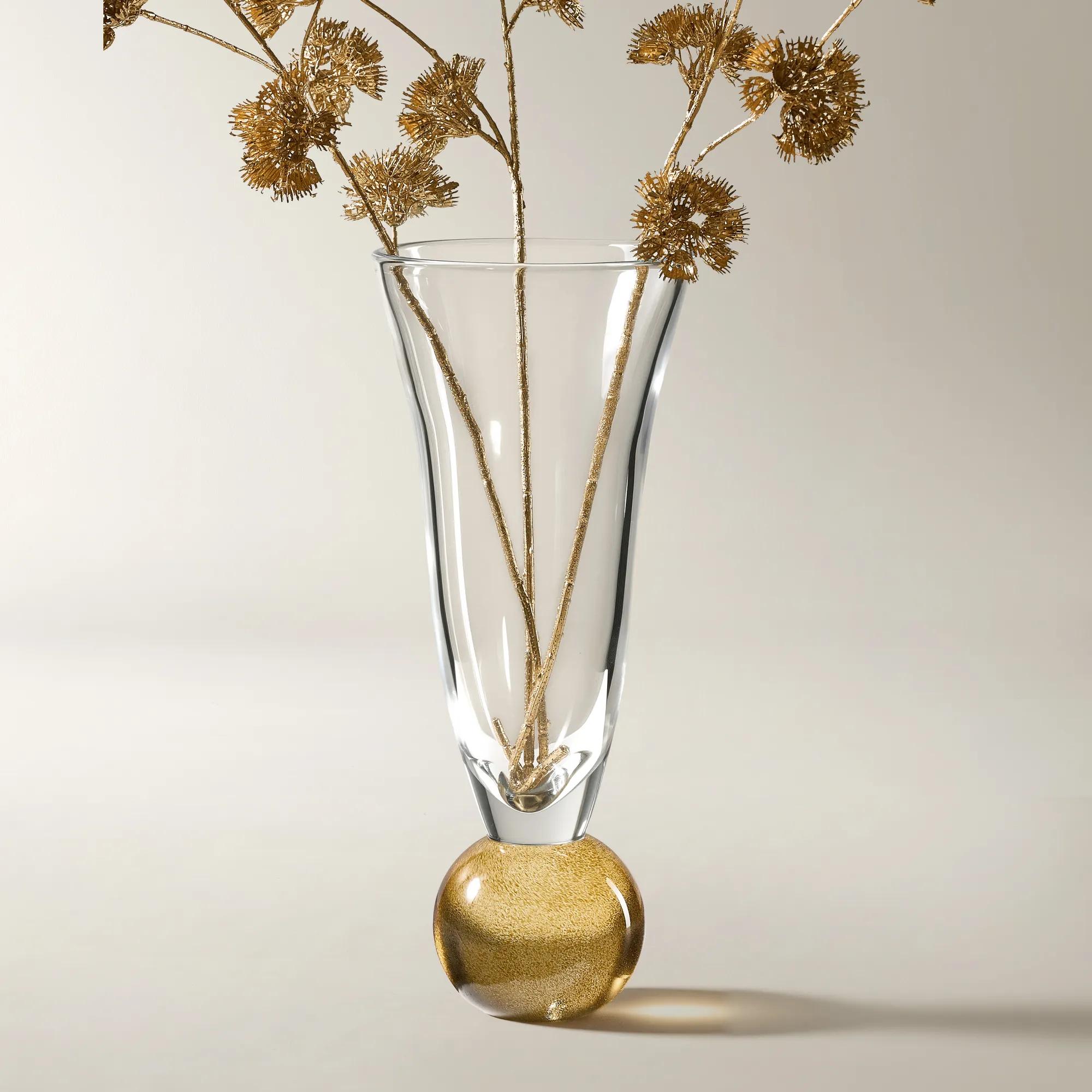 Palazzo Mouth Blown Honey Gold Clear Glass Vase 17.25"$119
A handblown glass vase in luminous honey gold with a sculptural, bauble-inspired silhouette.
Add To Cart -
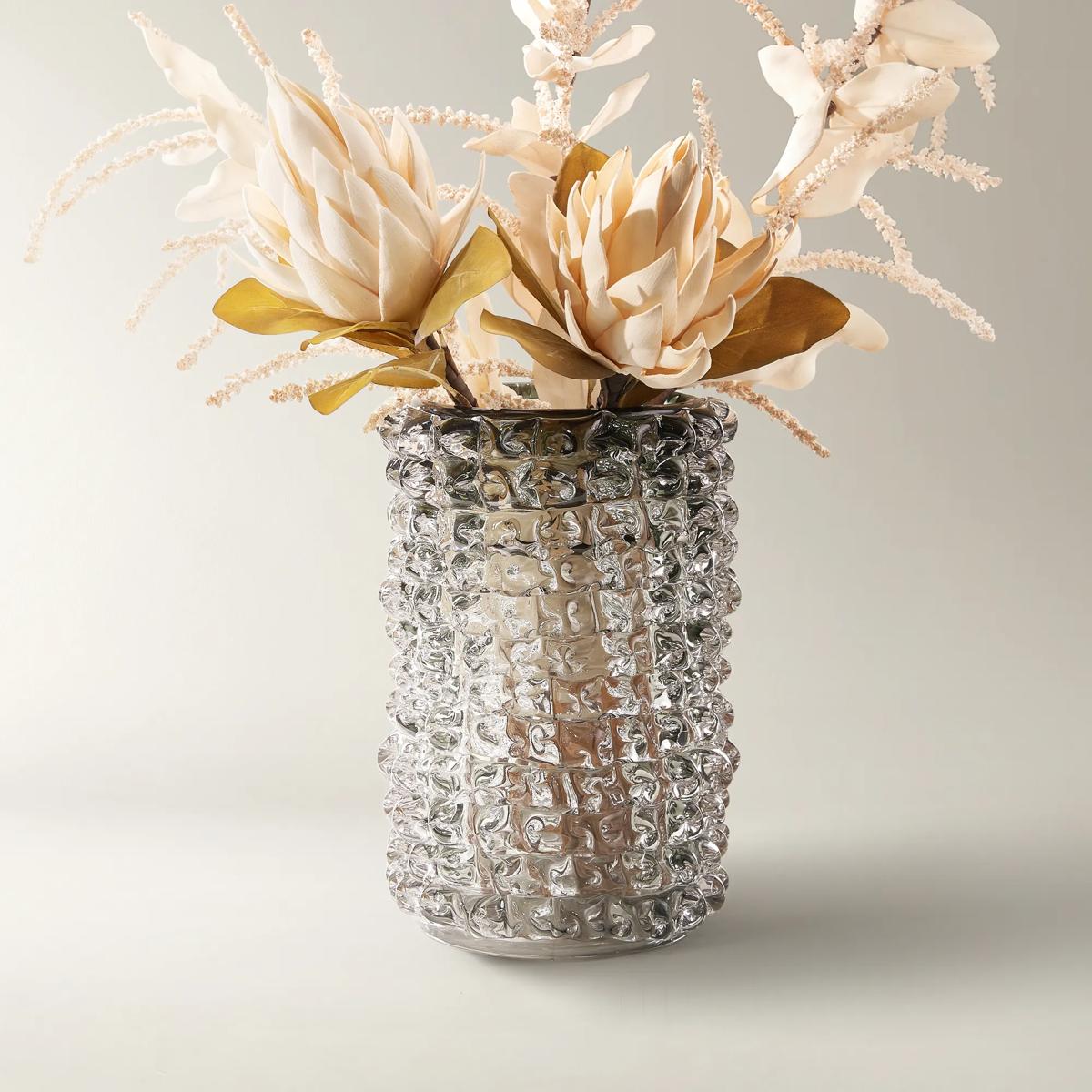
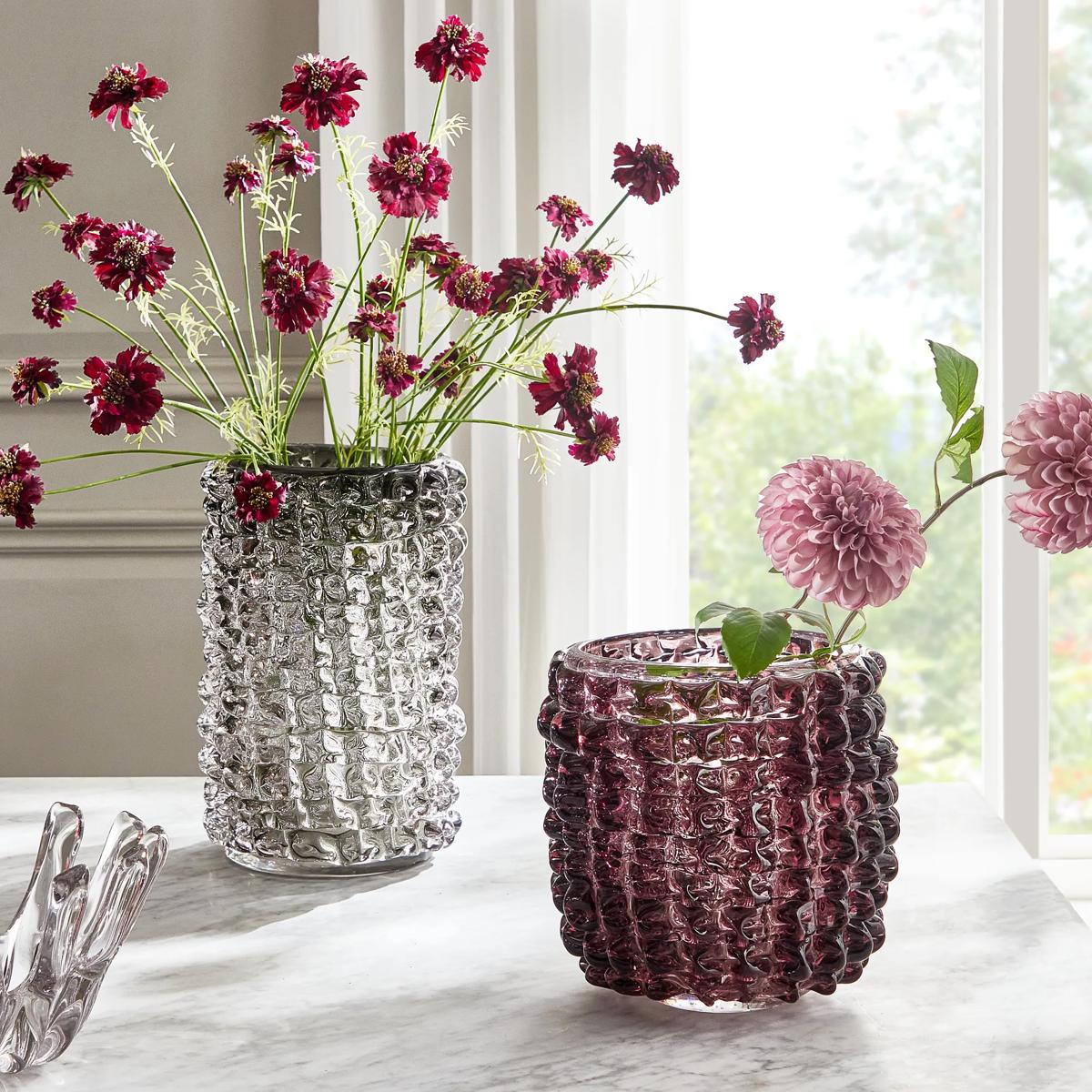 Laurel Glass Vase - Large Graphite$399
A hand-blown glass vase in smoky graphite with a bubbled, light-catching organic texture.
Add To Cart -
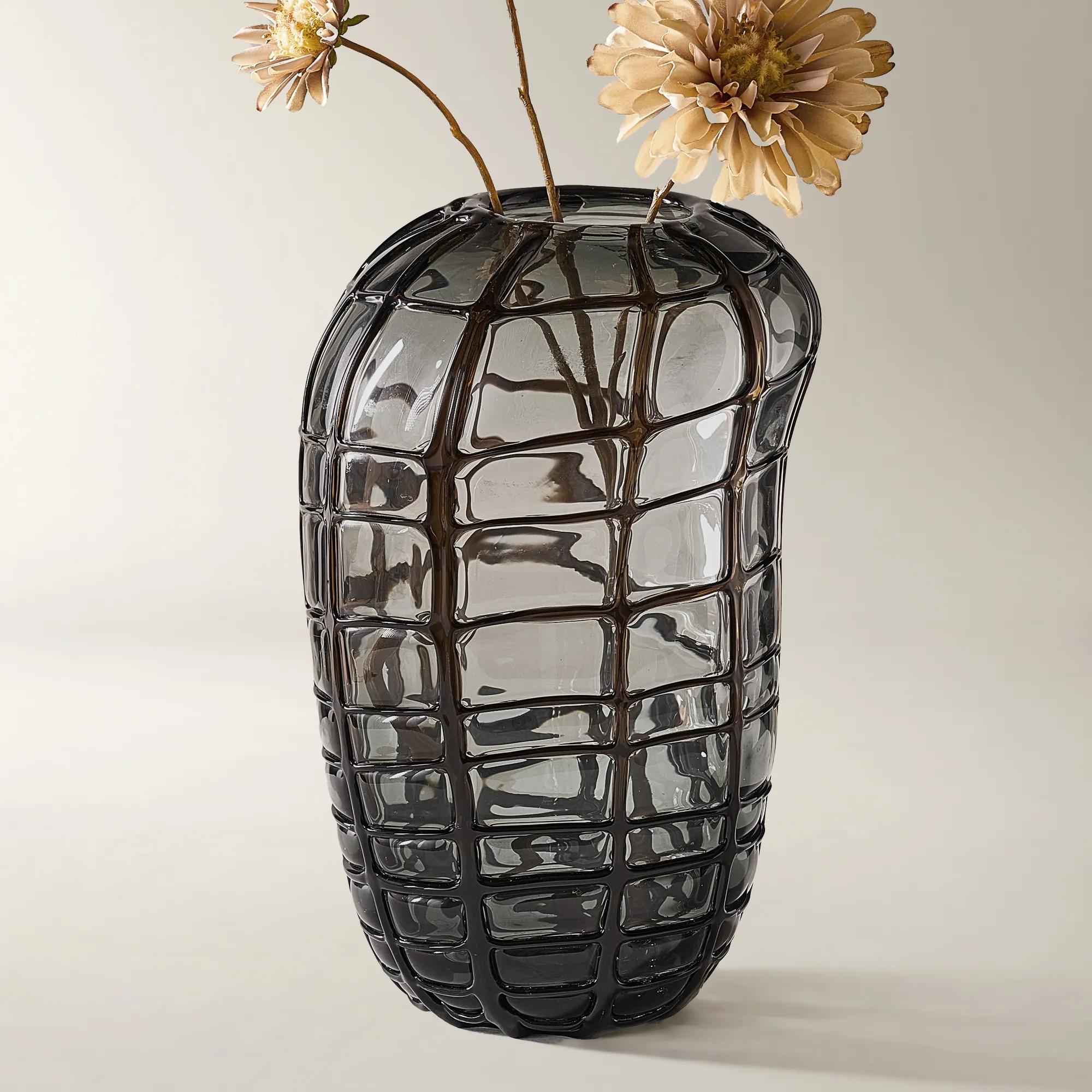 Contra Mouth Blown Black Grid Glass Vase 13"$89
A handblown black glass vase featuring a graphic grid pattern and an organically sculpted silhouette.
Add To Cart -
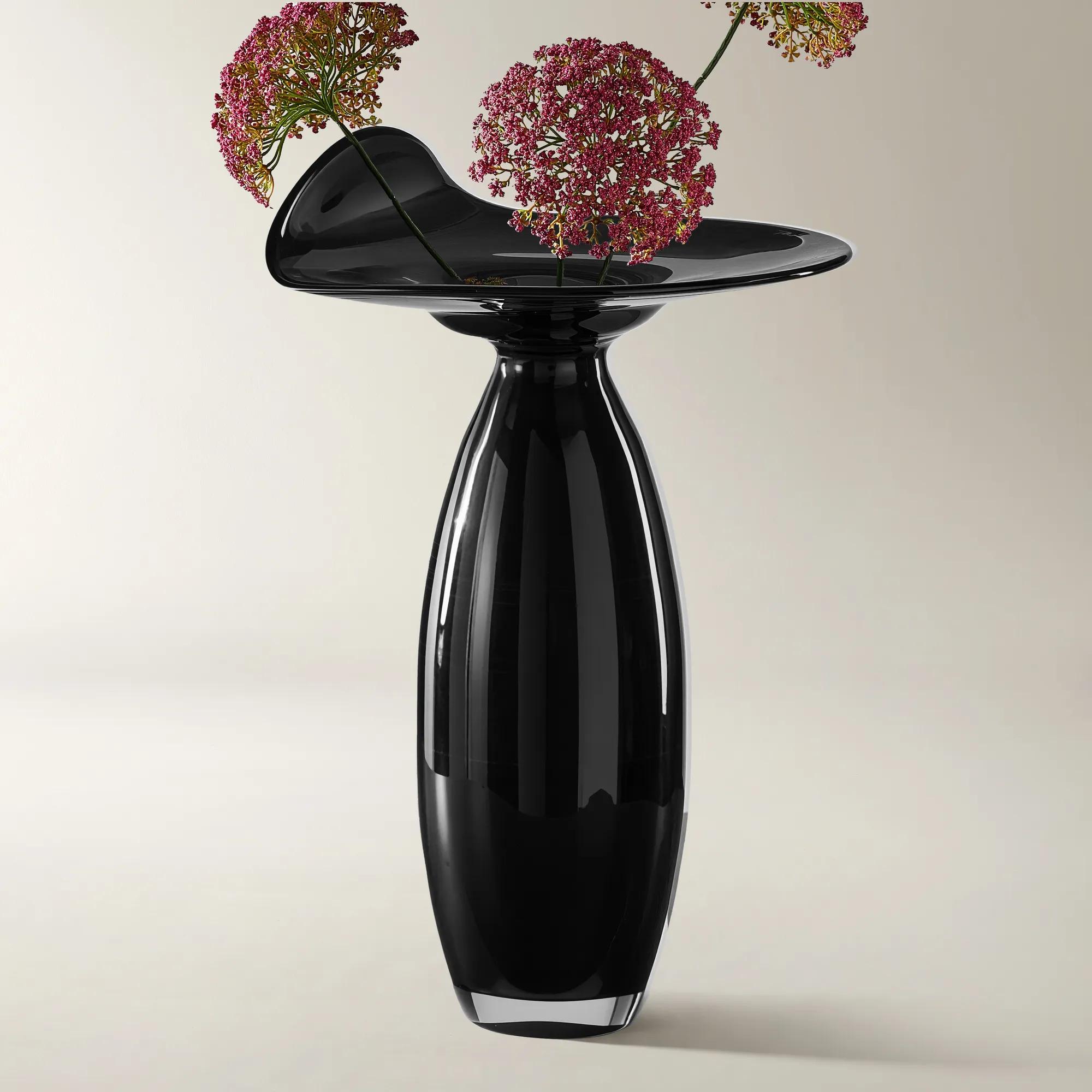 Folia Mouth Blown Glossy Black Glass Vase 22"$199
A handblown glass vase with a glossy black finish and organic sculptural silhouette for modern decor.
Add To Cart -
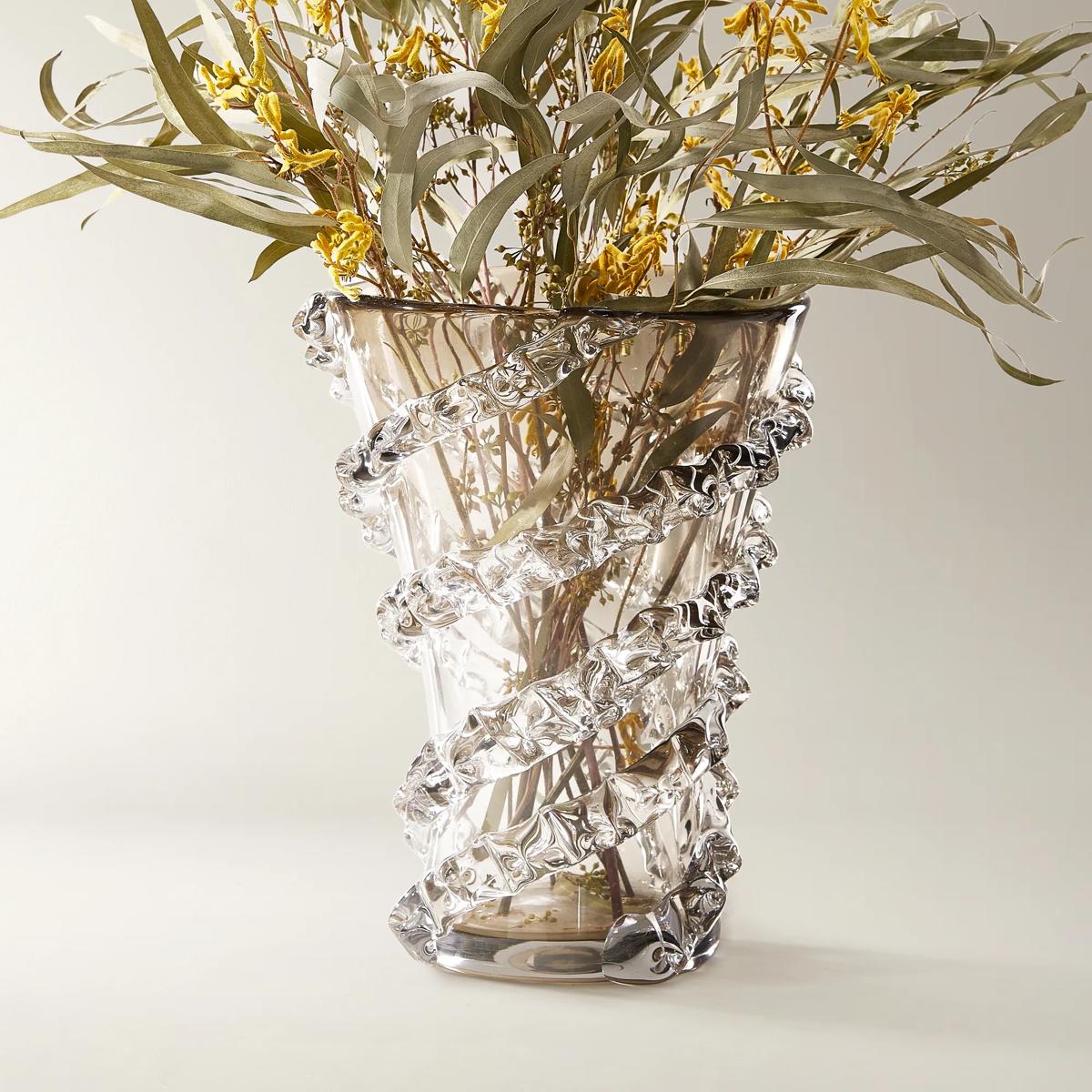
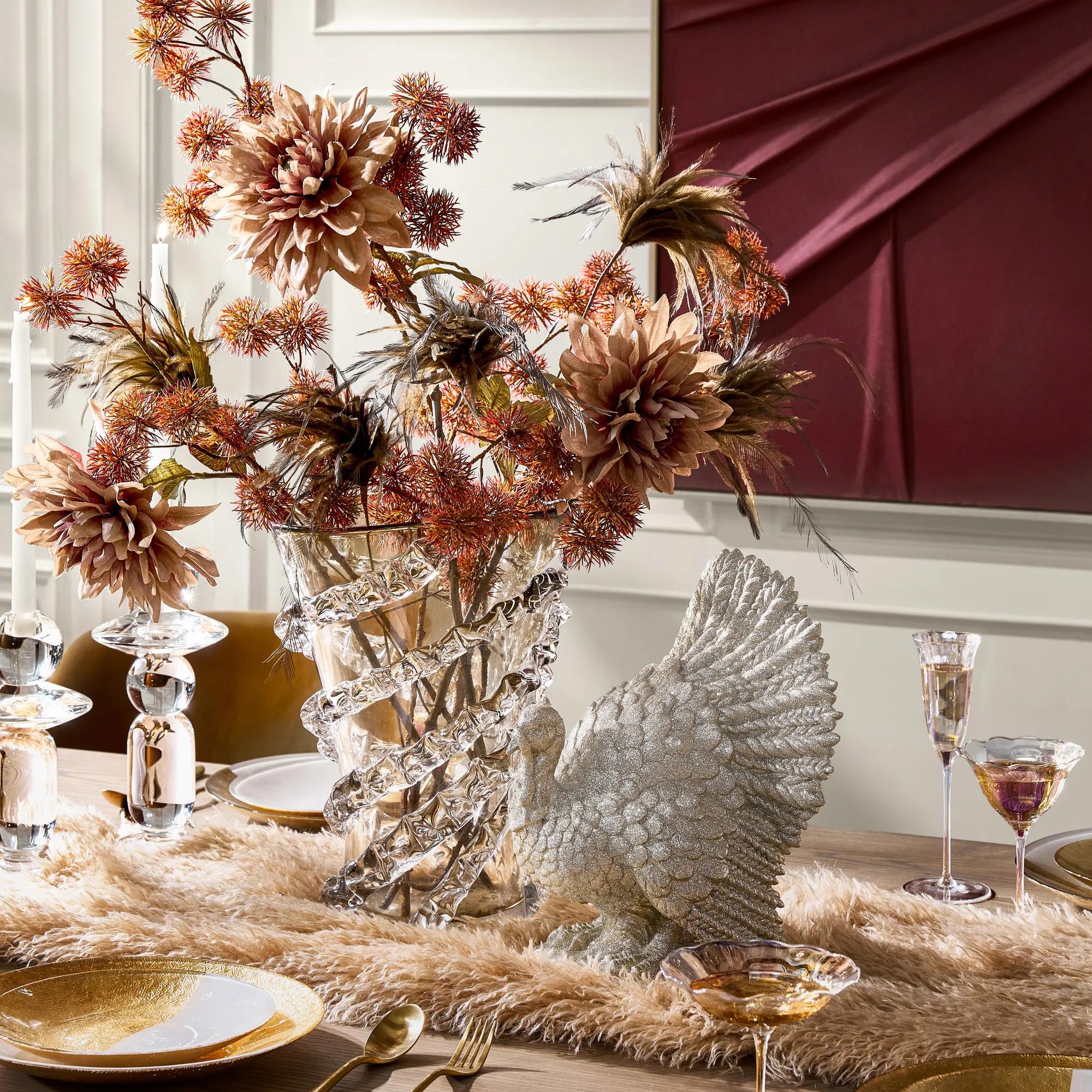 Reyna Glass Vase$299
A hand-blown glass vase featuring a sculptural swirl design and a smoky grey-brown finish.
Add To Cart -
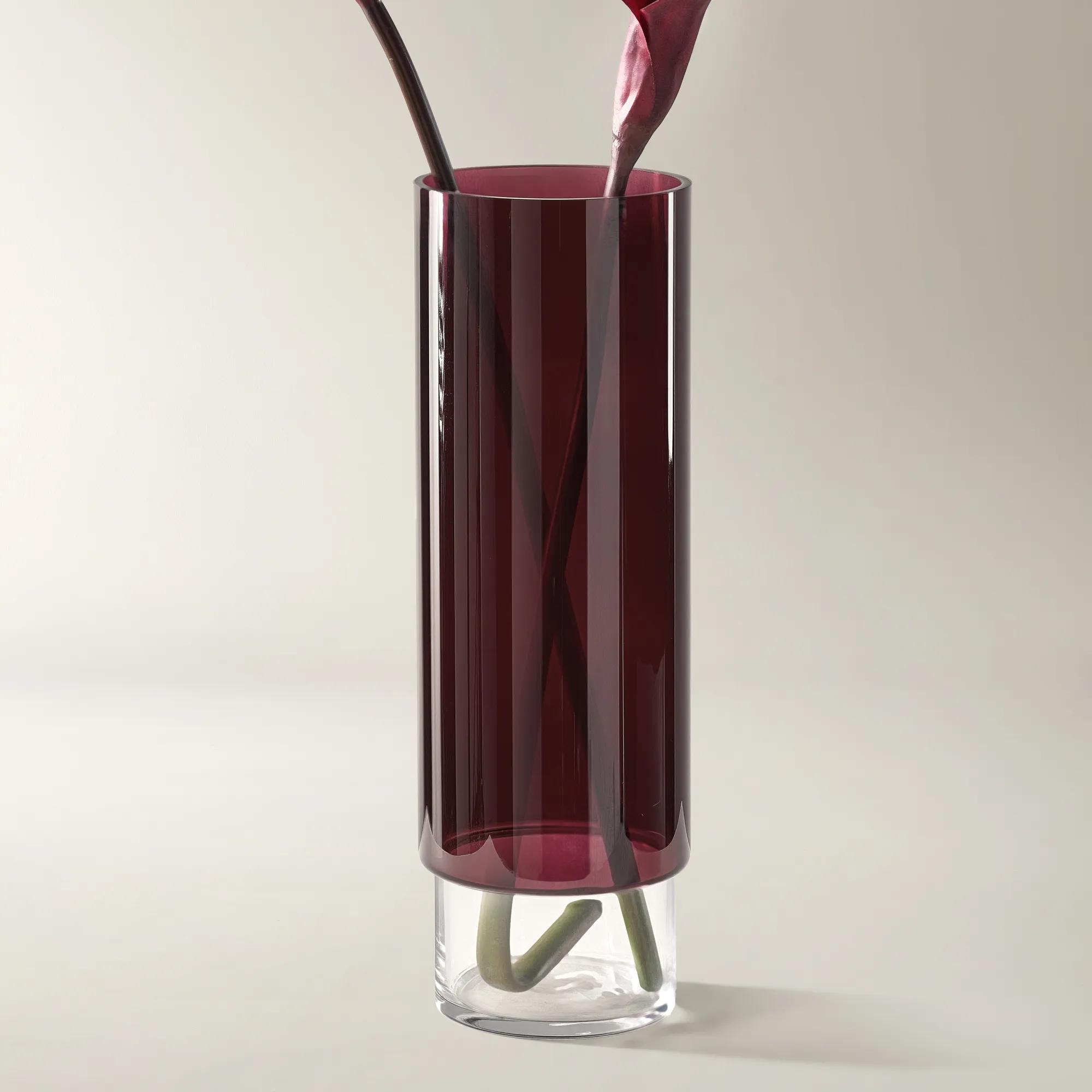 Bennet Mouth Blown Burgundy Glass Vase 19.5"$99
A handblown glass vase in rich burgundy with a sculptural Deco-inspired column silhouette.
Add To Cart -
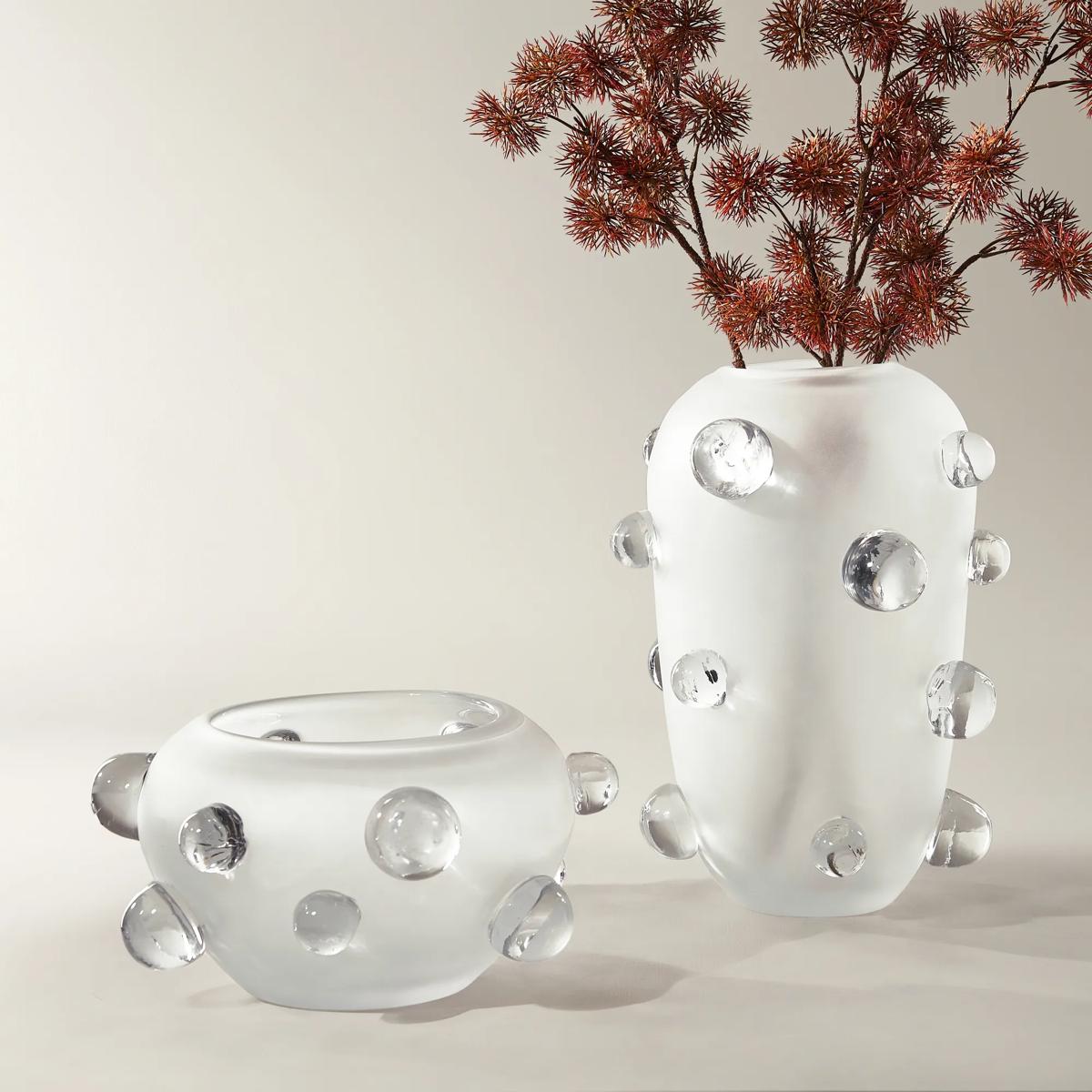
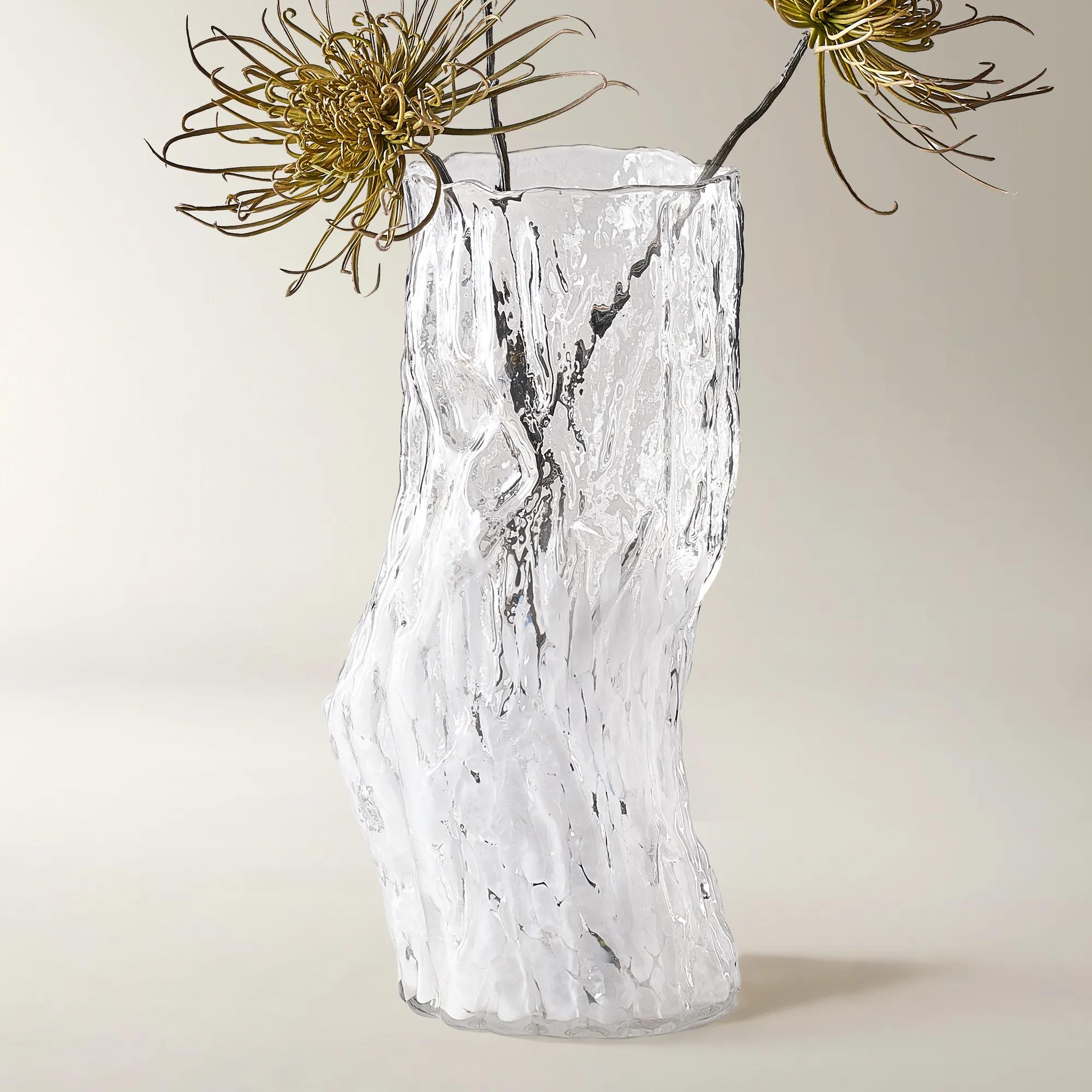 Vanish Mouth Blown Frosted White Glass Vase 18.5"$159
A handblown frosted white glass vase with an ethereal, translucent finish and sculptural silhouette.
Add To Cart -
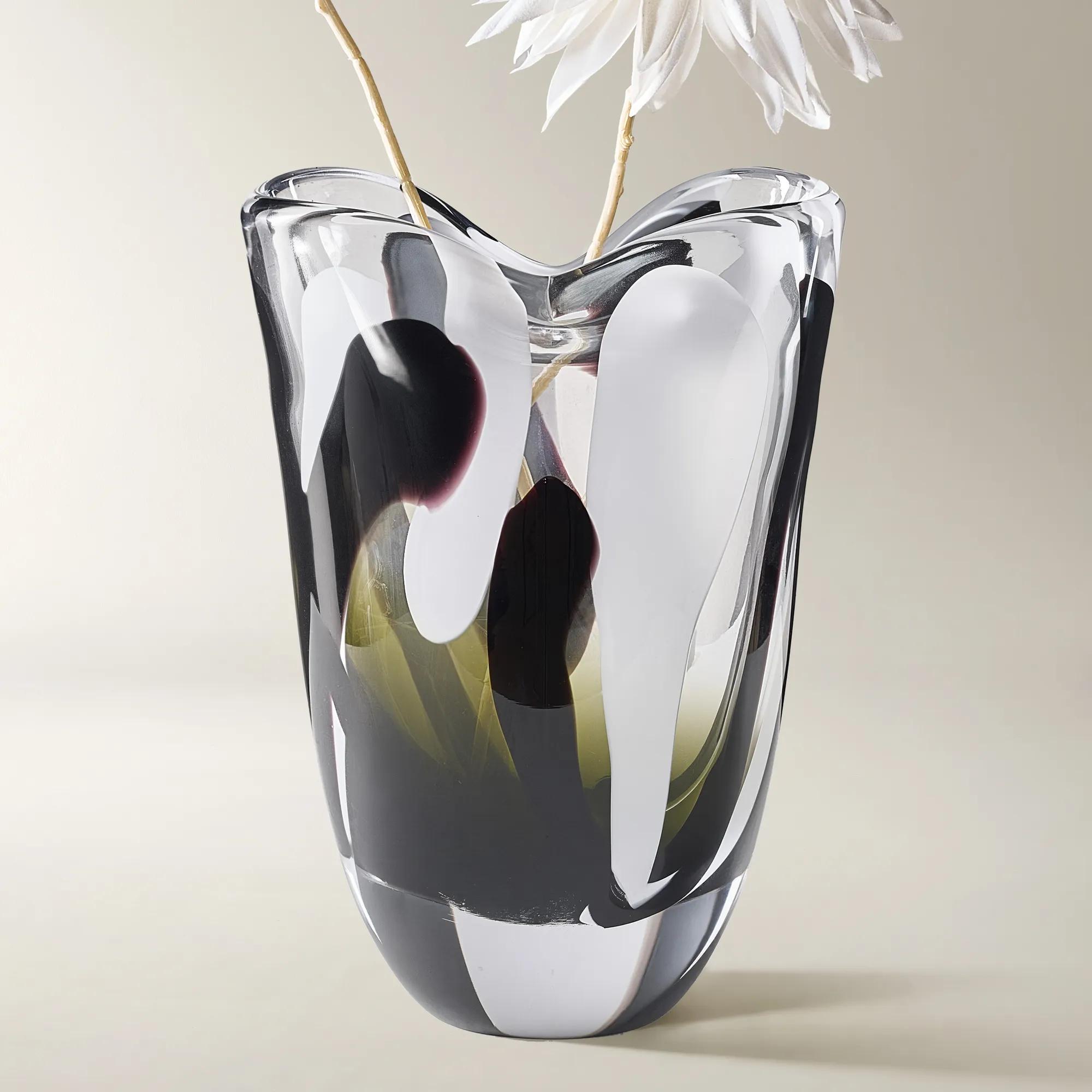 Melrose Mouth Blown Black White Glass Vase 11.25"$109
A handblown glass vase featuring a bold black and white abstract animal pattern for modern appeal.
Add To Cart -
 Speckled Mouth Blown Brown And White Glass Vase 14.75"$129
A handblown glass vase featuring a brown and white speckled pattern for modern, artful appeal.
Add To Cart -
 Desi Mouth Blown Spruce Green Glass Vase 10.25"D x 5.5"H$79
A handblown glass vase in spruce green with a chunky, rounded silhouette for modern organic appeal.
Add To Cart -
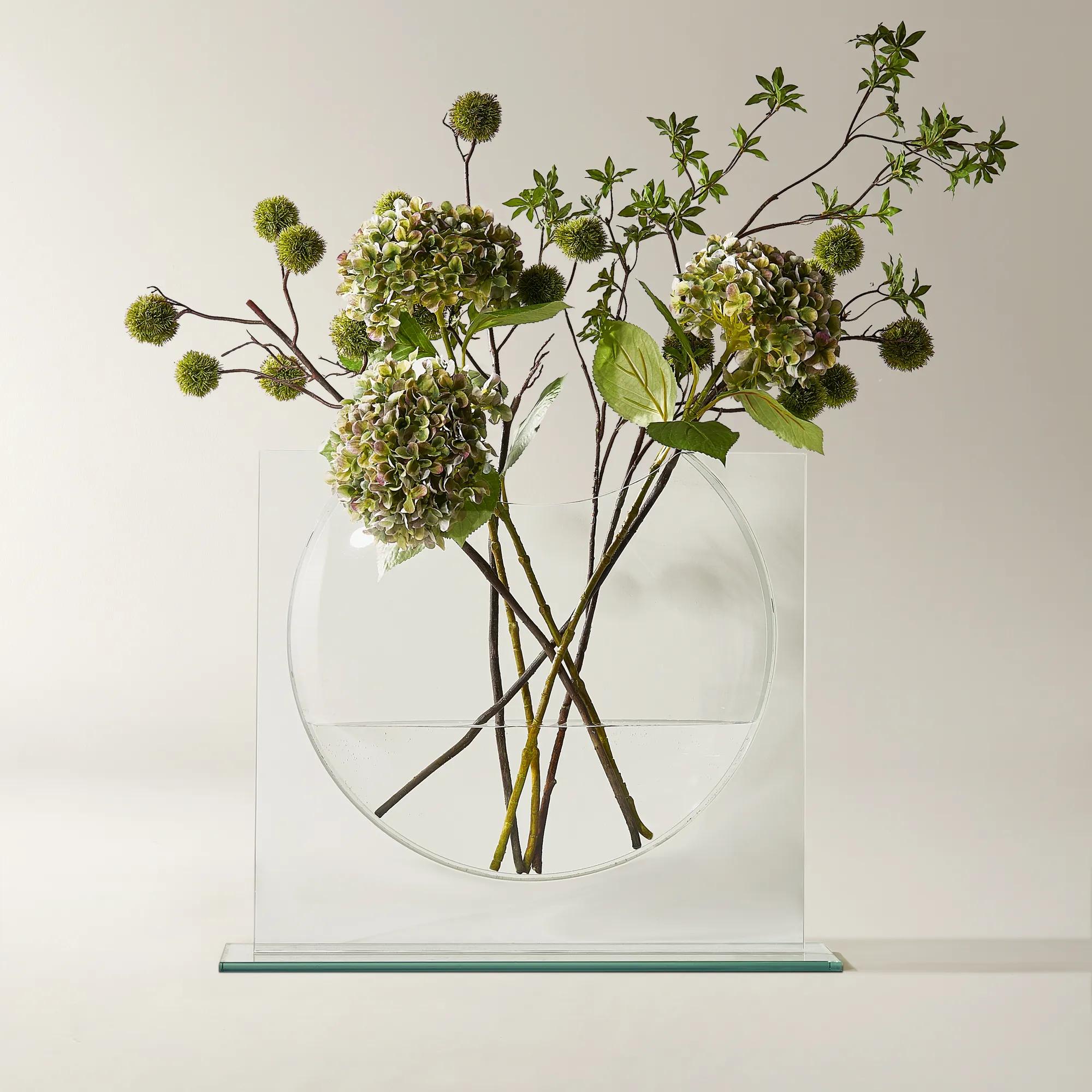
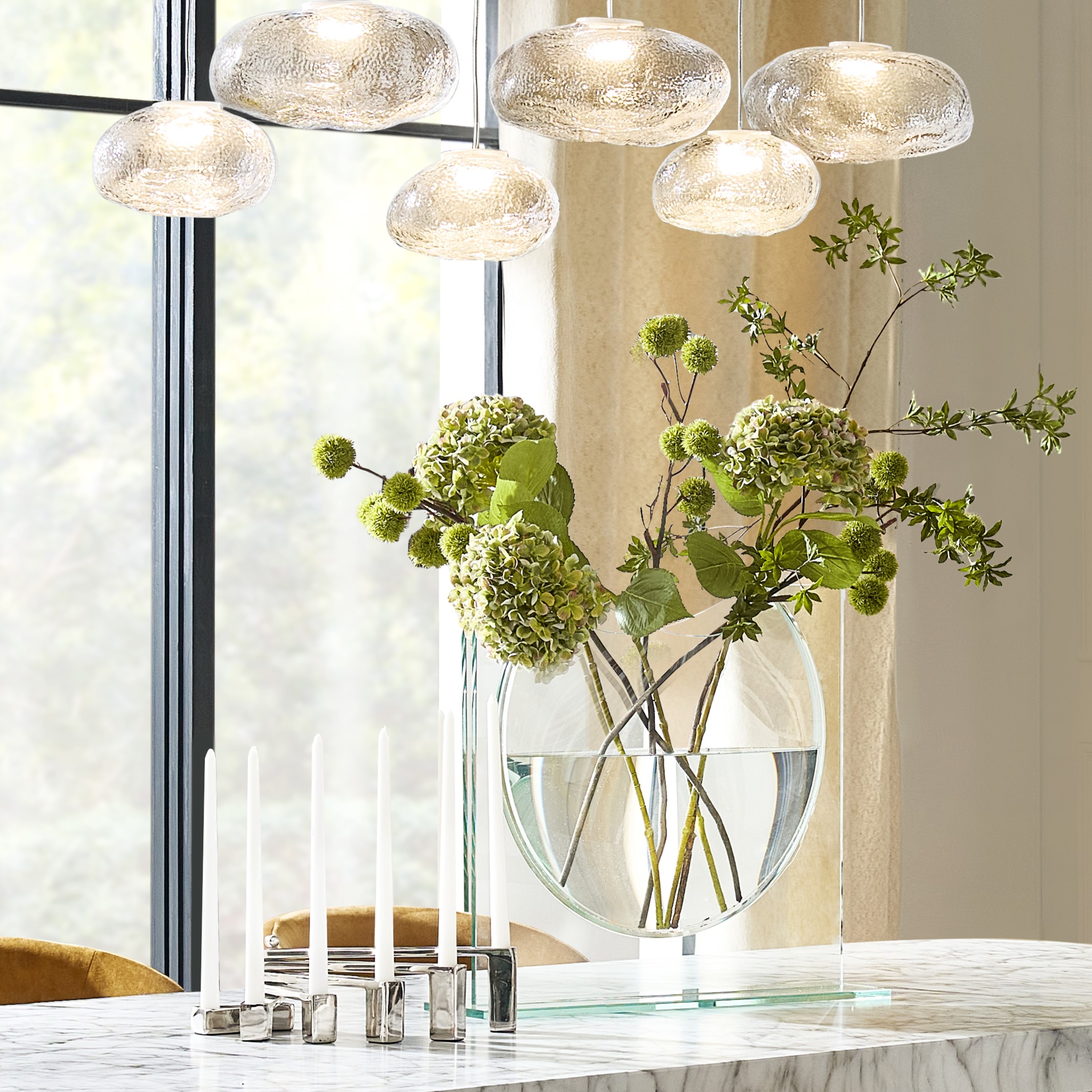 Ellipse Clear Glass Vase 20"$259
A sleek elliptical glass vase offering a modern, functional accent for fresh floral arrangements.
Add To Cart -
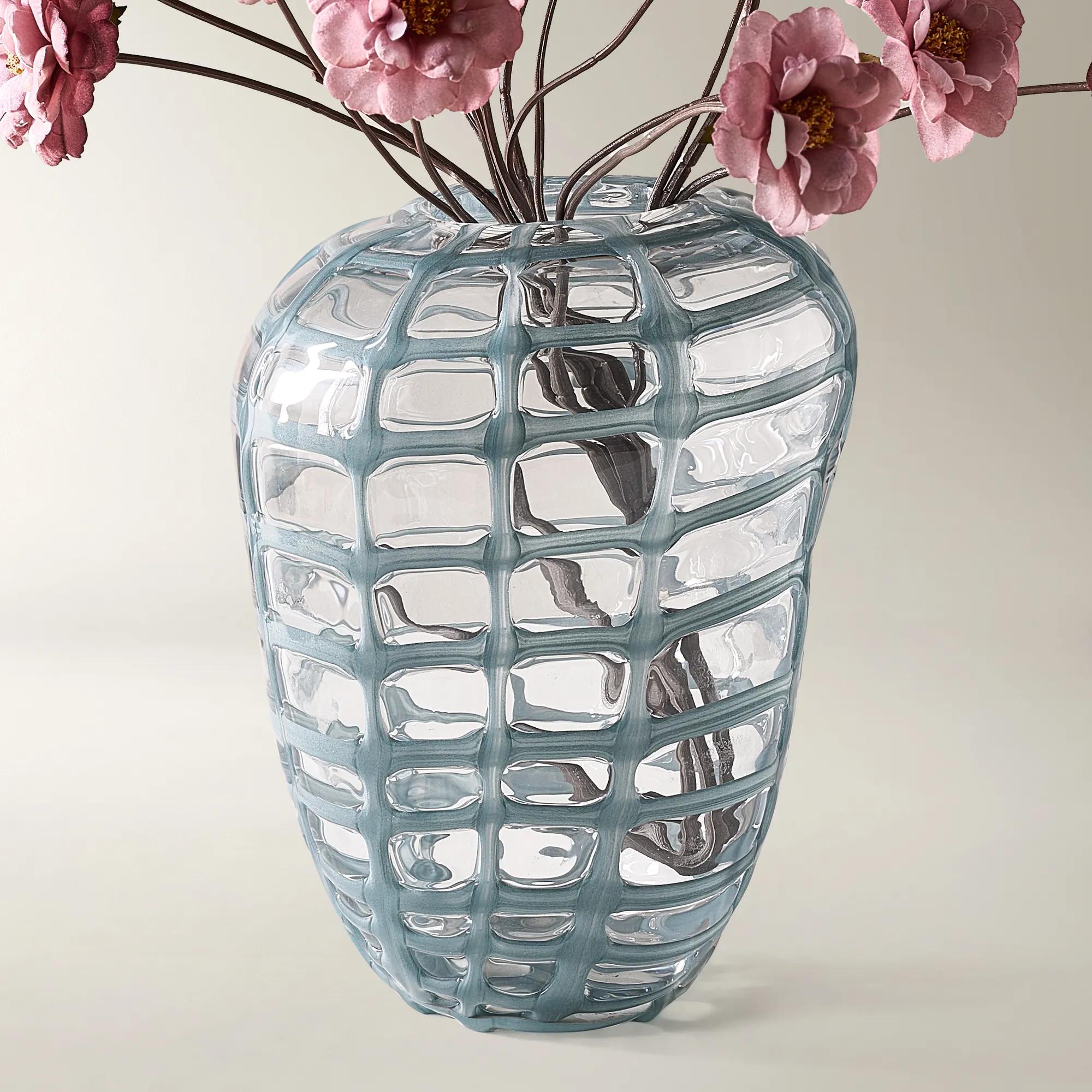 Contra Mouth Blown Dusty Blue Grid Glass Vase 10.25"$79
A handblown dusty blue glass vase featuring a graphic grid pattern and softly organic silhouette.
Add To Cart -
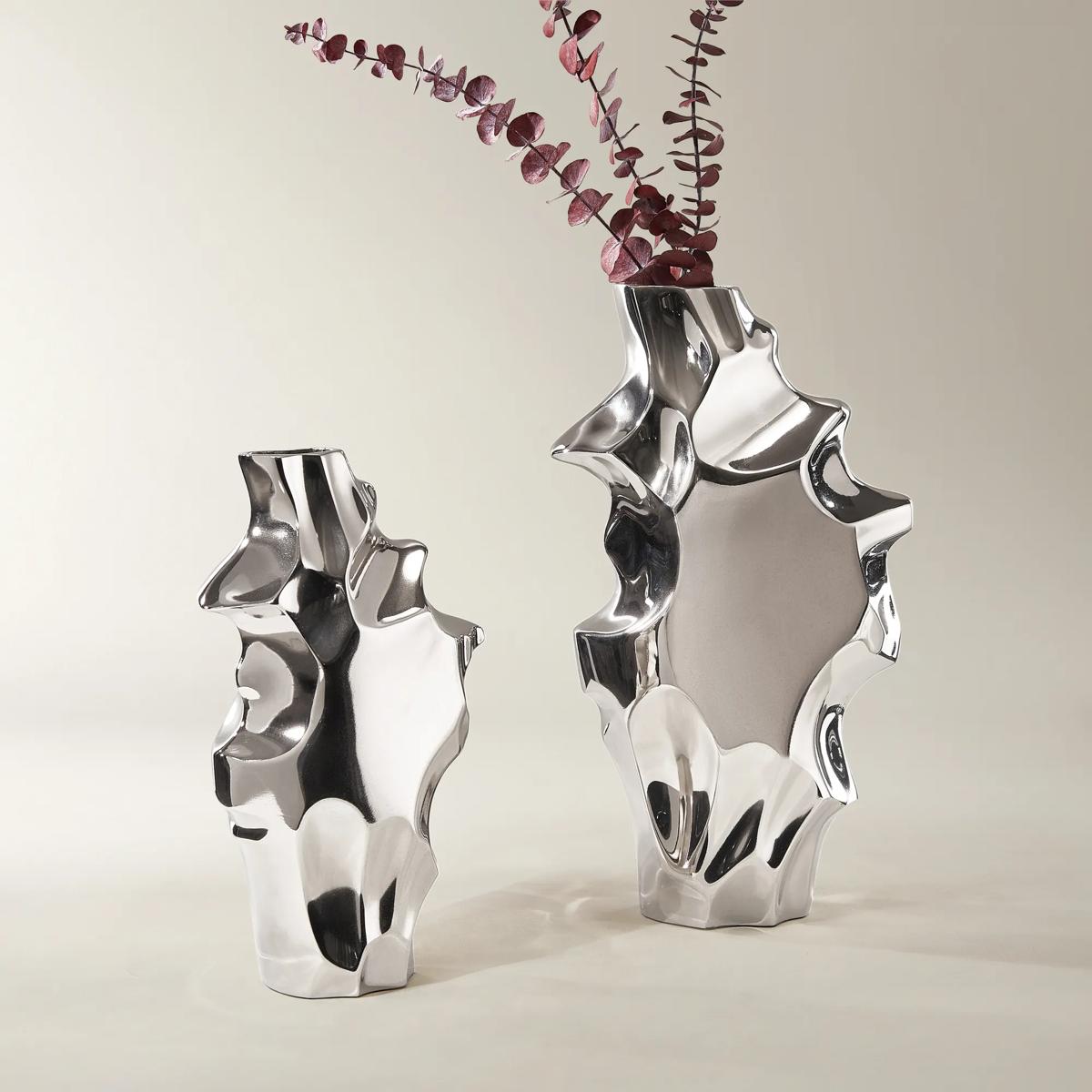
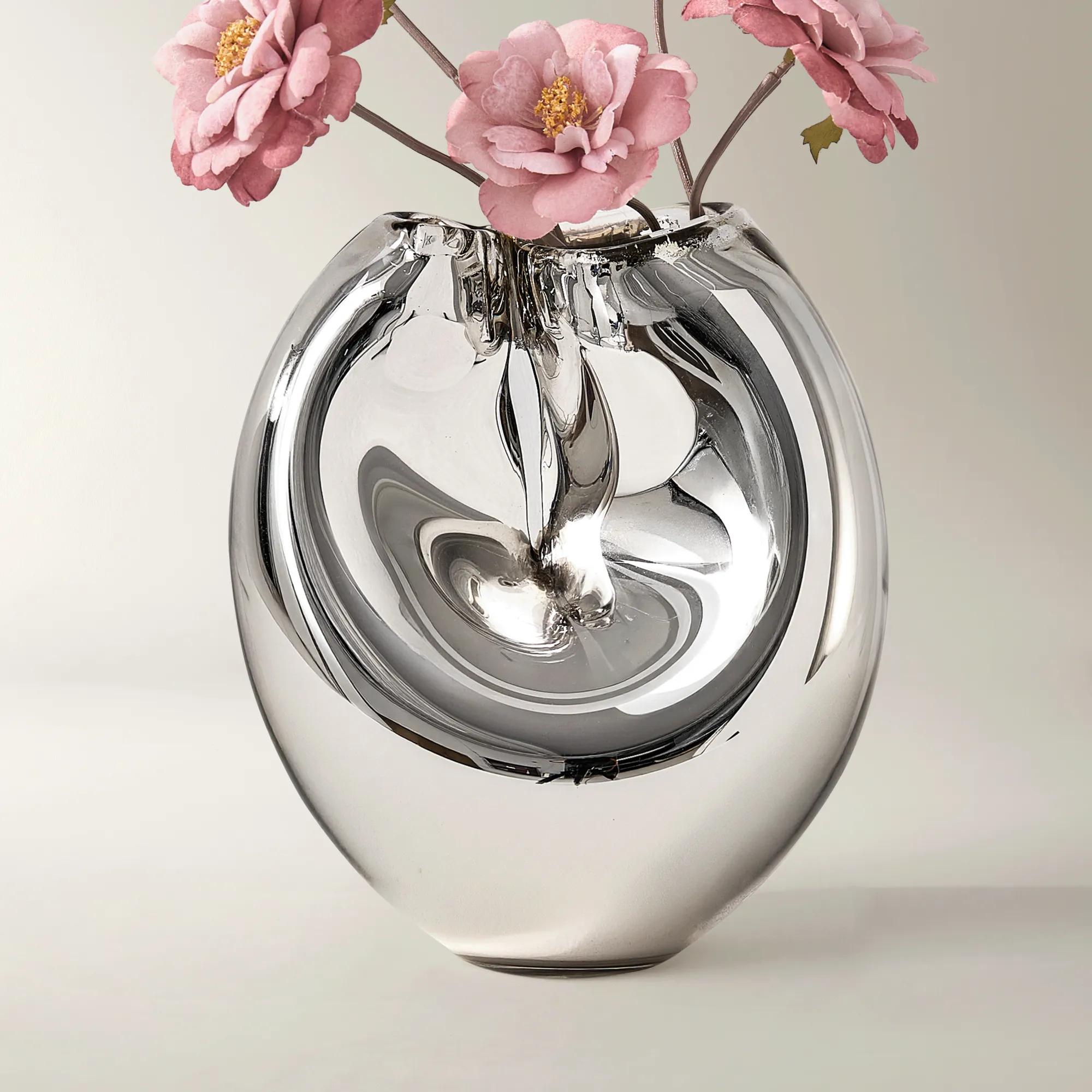 Ono Mouth Blown Mirrored Silver Glass Vase 7.75"$79
A handblown glass vase with a mirrored finish and organic silhouette for modern, artful display.
Add To Cart -
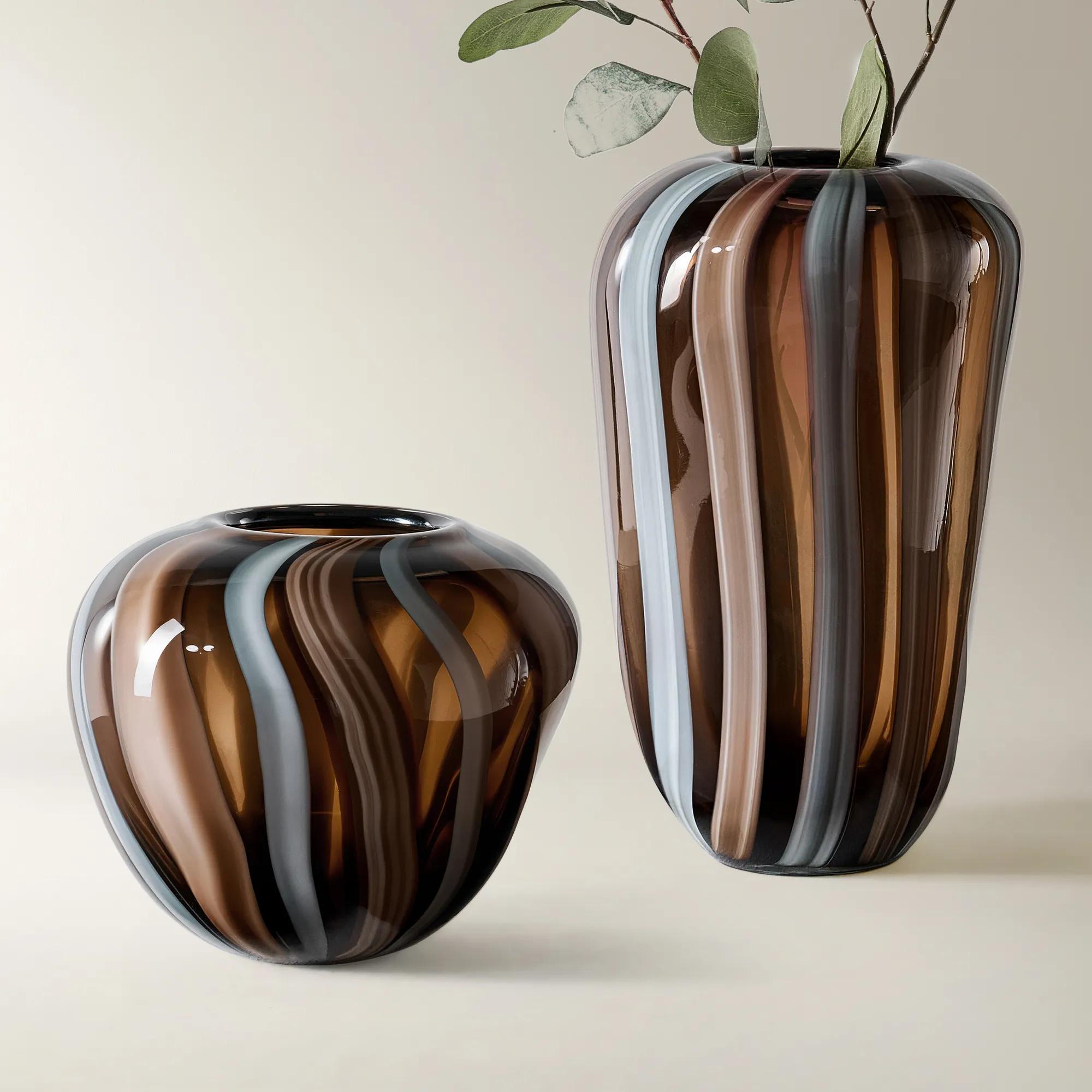
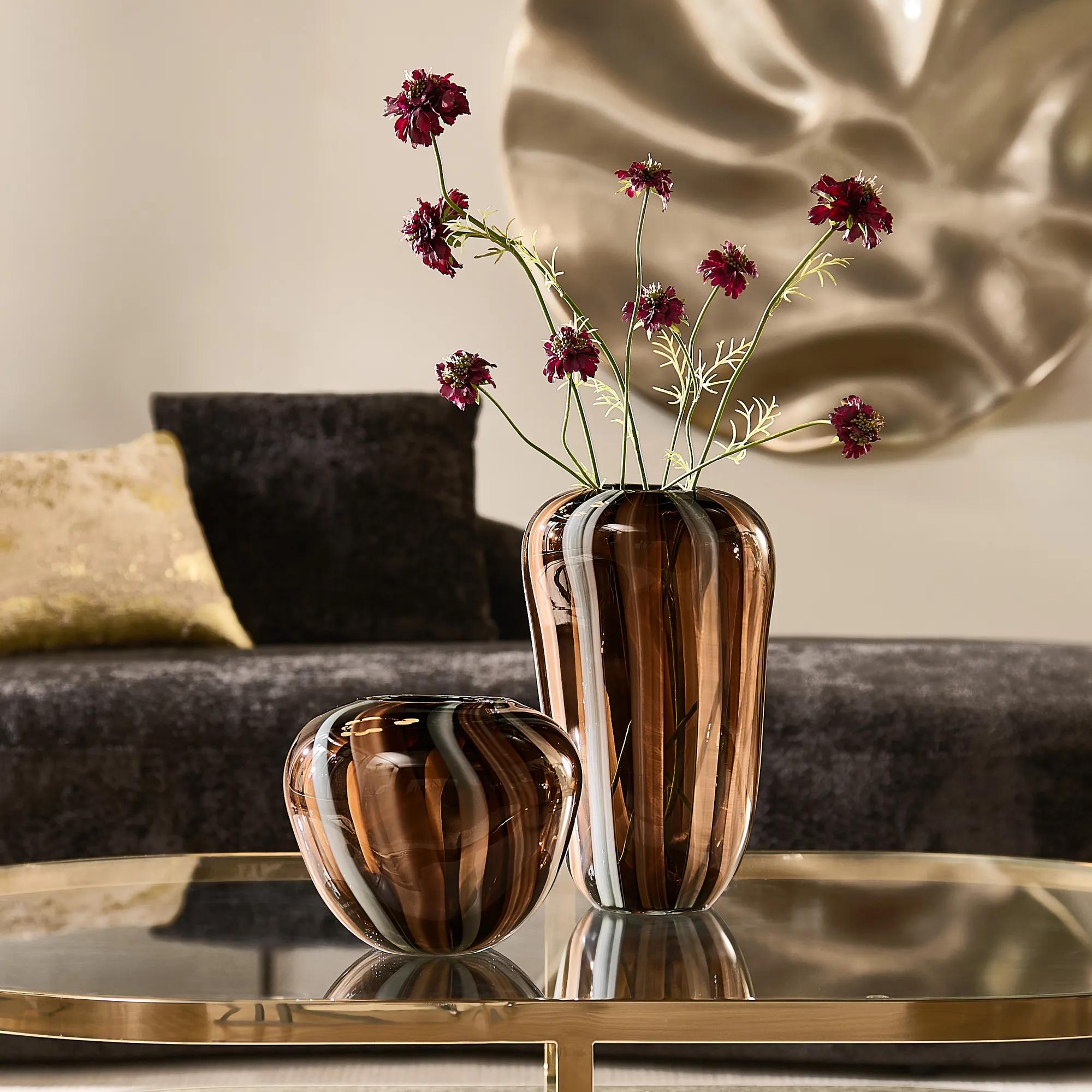 Billow Mouth Blown Brown Striped Glass Vases$89
A sculptural glass vase adding modern elegance to any décor.
Add To Cart -
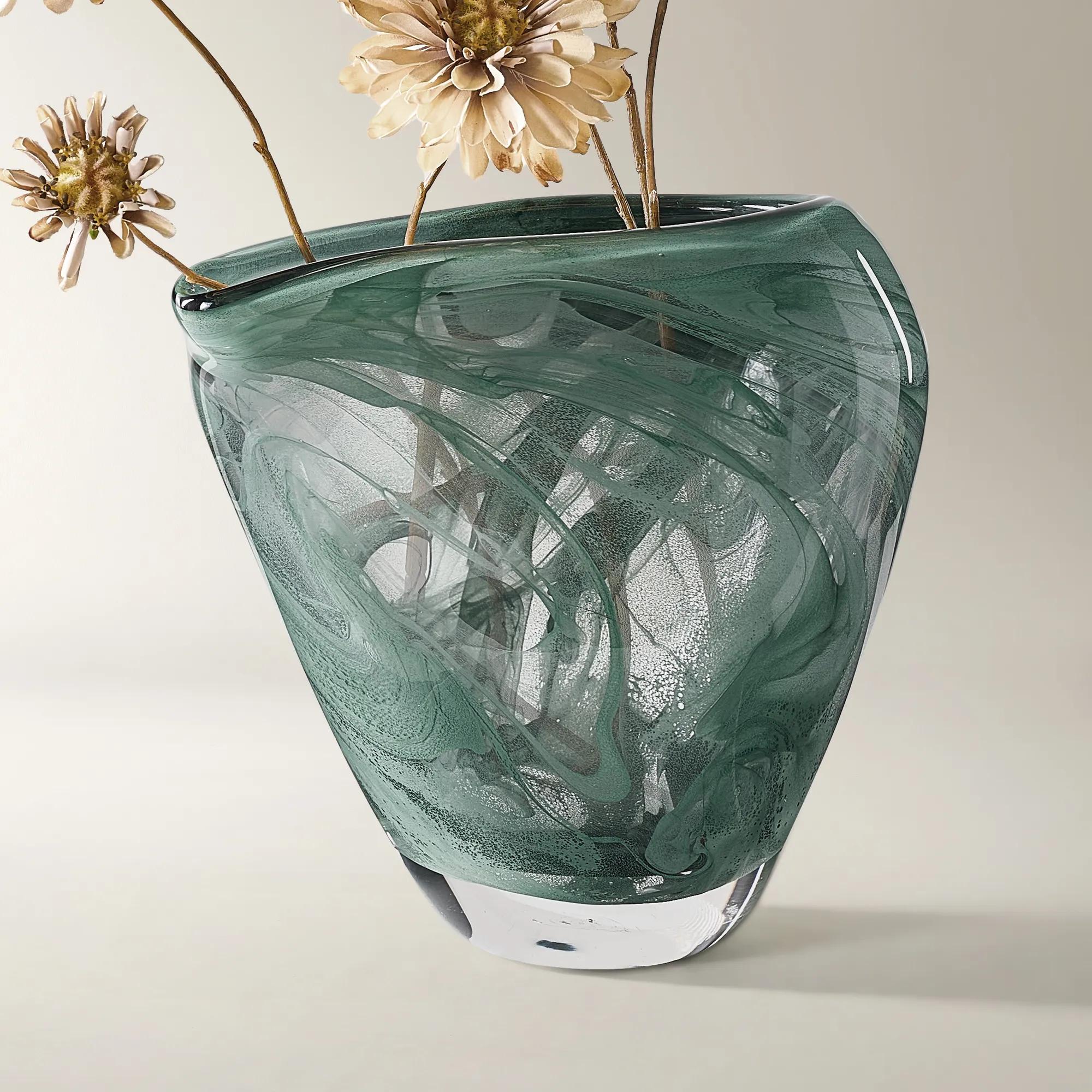 Flow Mouth Blown Sage Green Glass Vase 12.25"$199
A handblown glass vase in calming sage green with an organic, sculptural silhouette for modern decor.
Add To Cart -
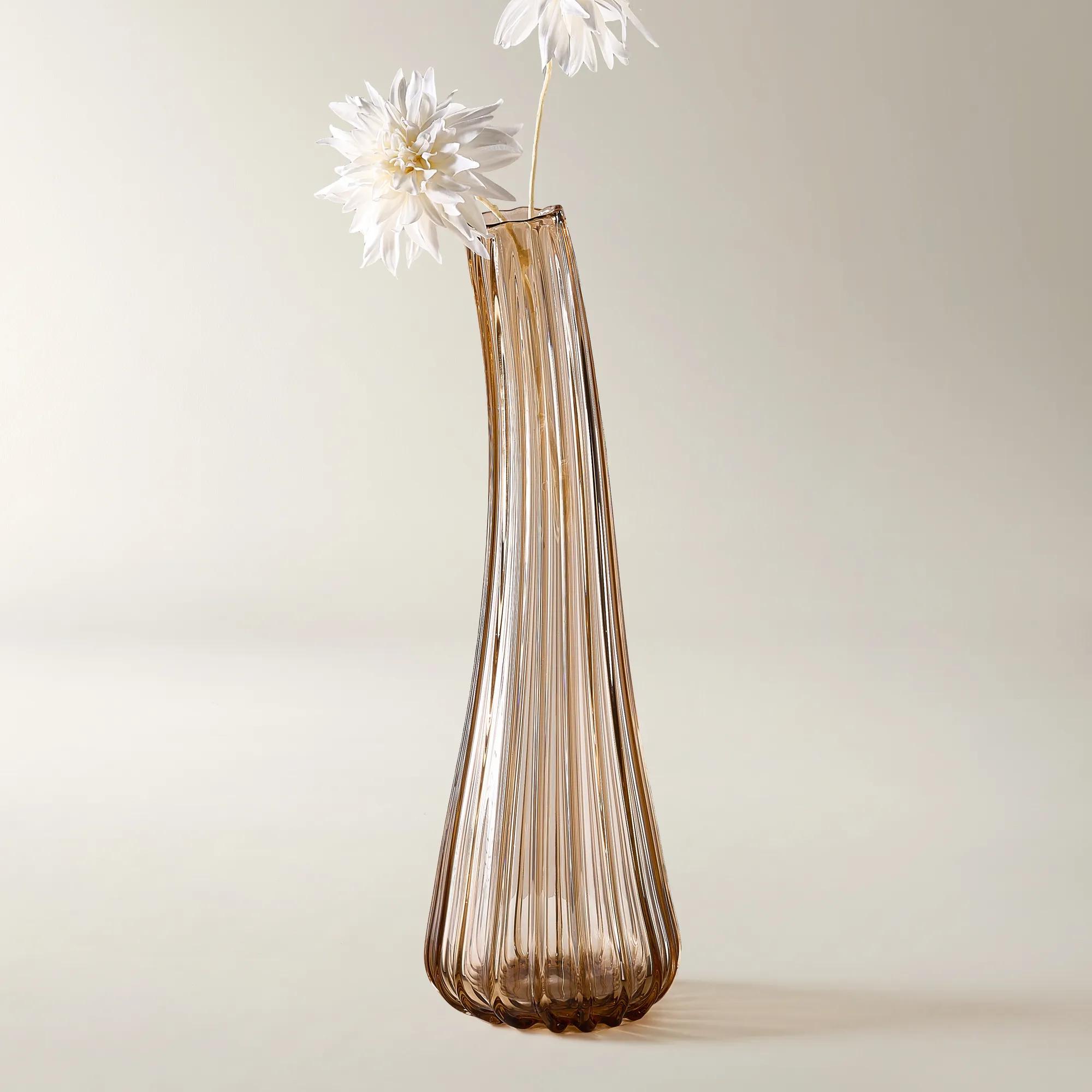
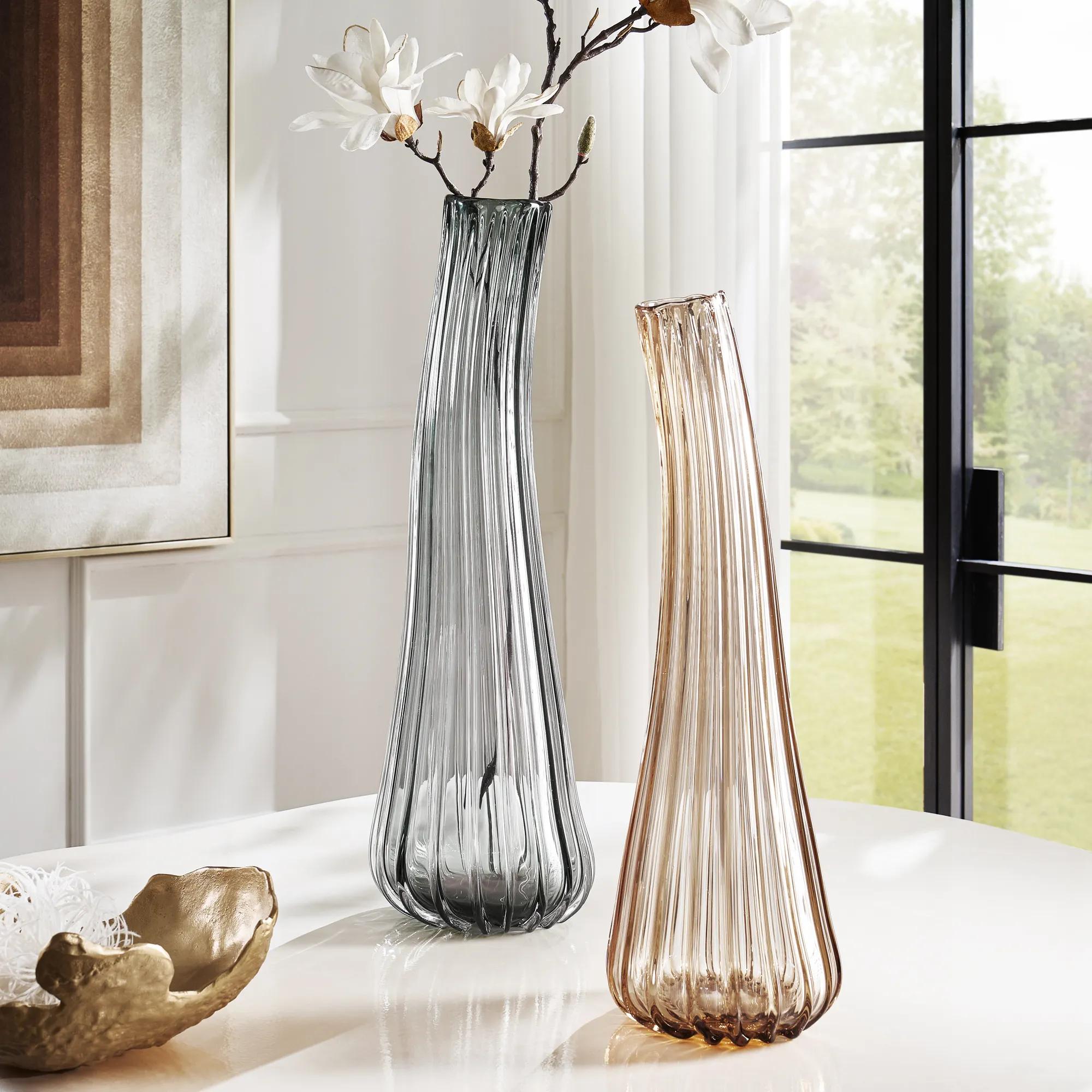 Tango Mouth Blown Soft Amber Vase 24.75"$179
A handblown glass vase in a soft amber finish with a textured, sculptural centerpiece design.
Add To Cart -
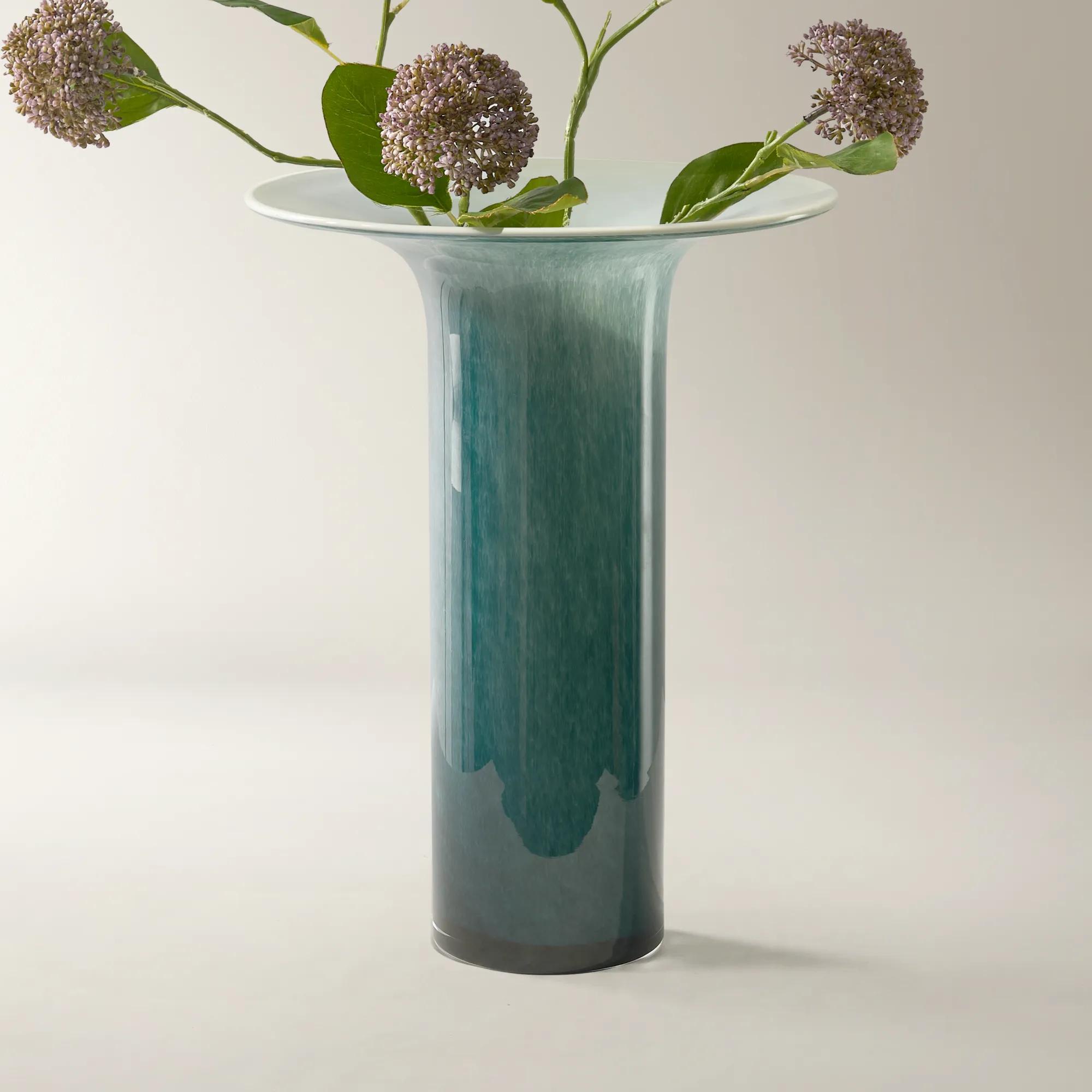 Loft Mouth Blown Deep Teal Glass Vase 15.75"$129
A handblown glass vase in deep teal with a sculptural column silhouette for bold, artful impact.
Add To Cart -
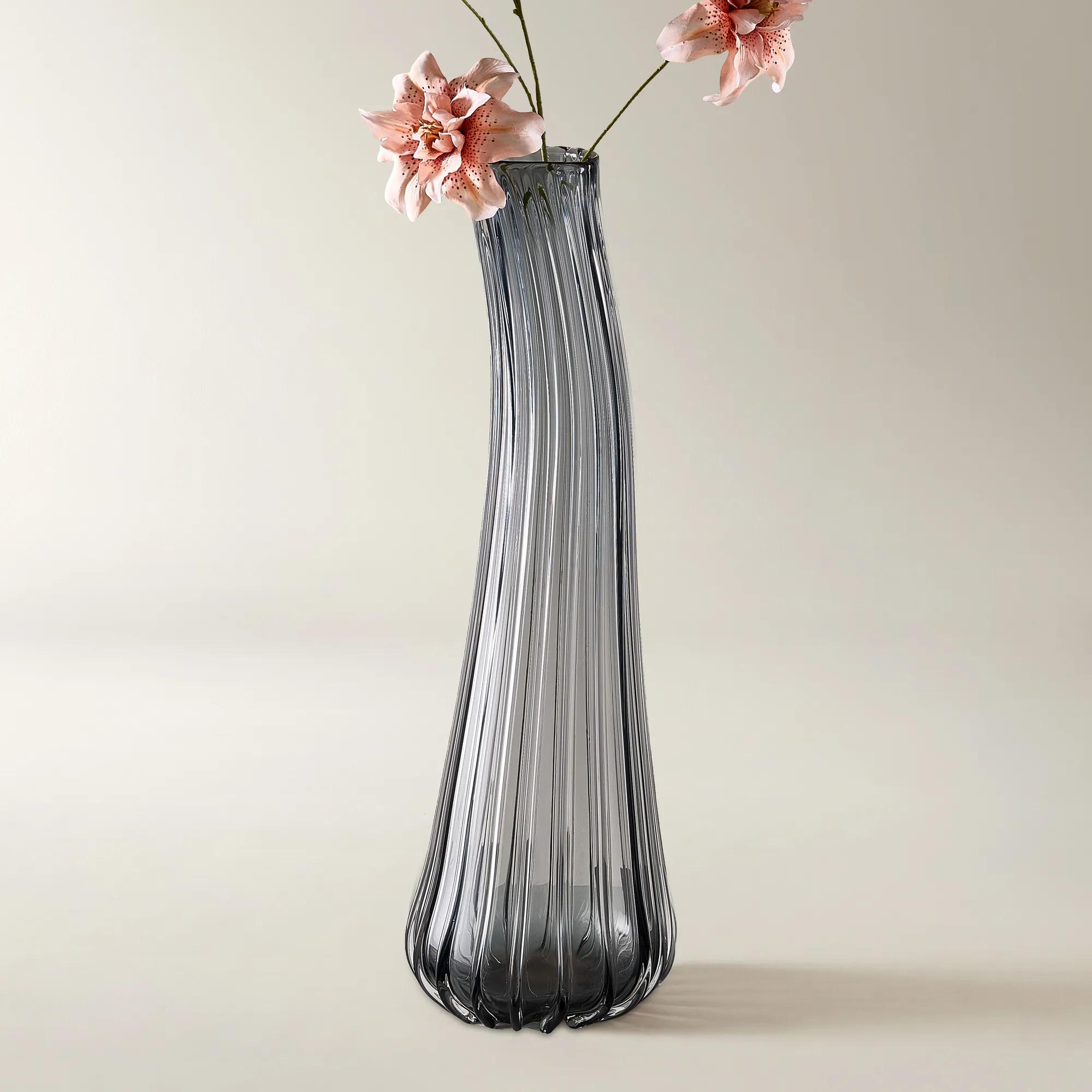 Tango Mouth Blown Smoked Pearl Vase 29"$199
A handblown glass vase in a smoked pearl finish with a textured surface for sculptural elegance.
Add To Cart -
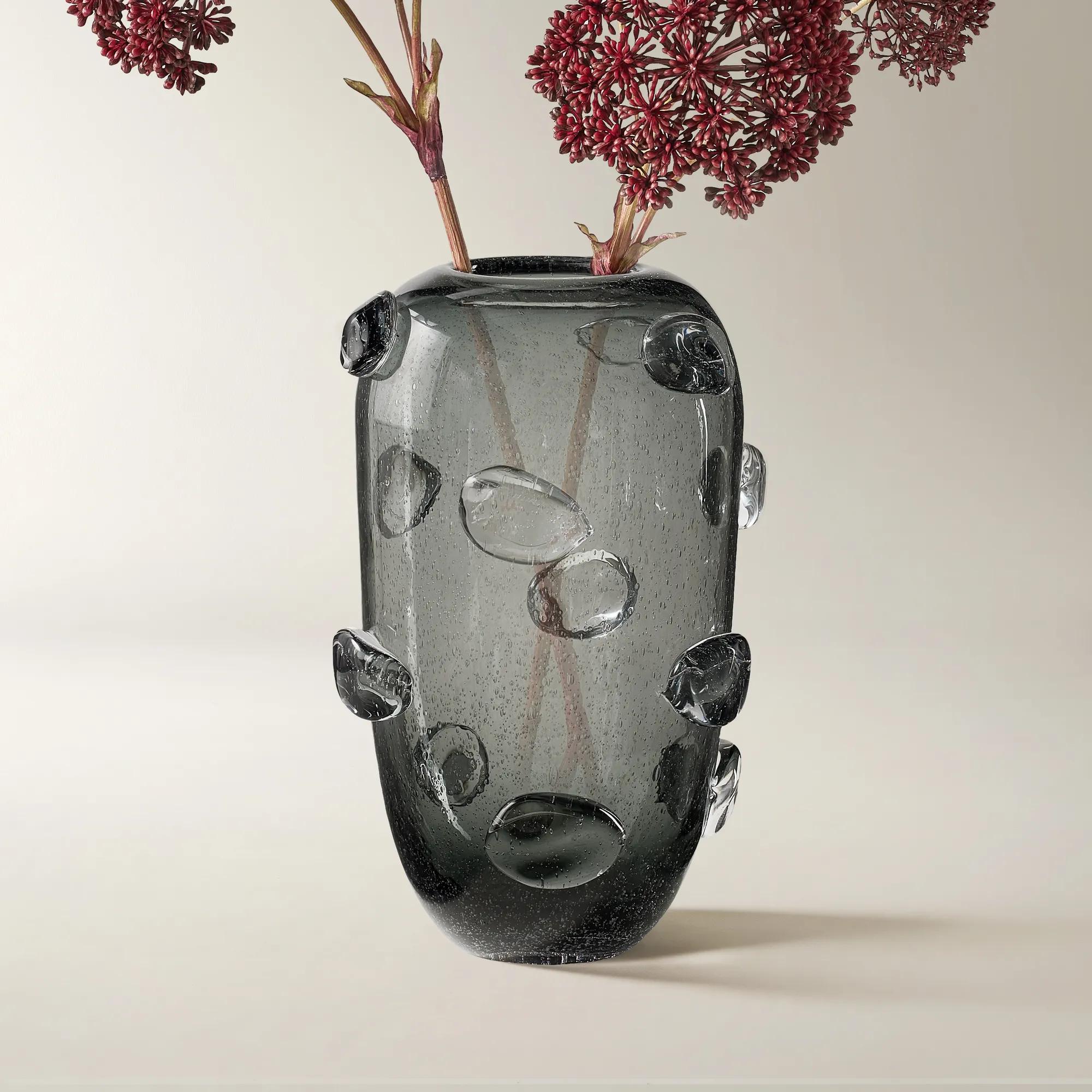 Surel Mouth Blown Graphite Glass Vase 13.5"$149
A handblown glass vase in moody graphite with playful bauble accents for sculptural sophistication.
Add To Cart -
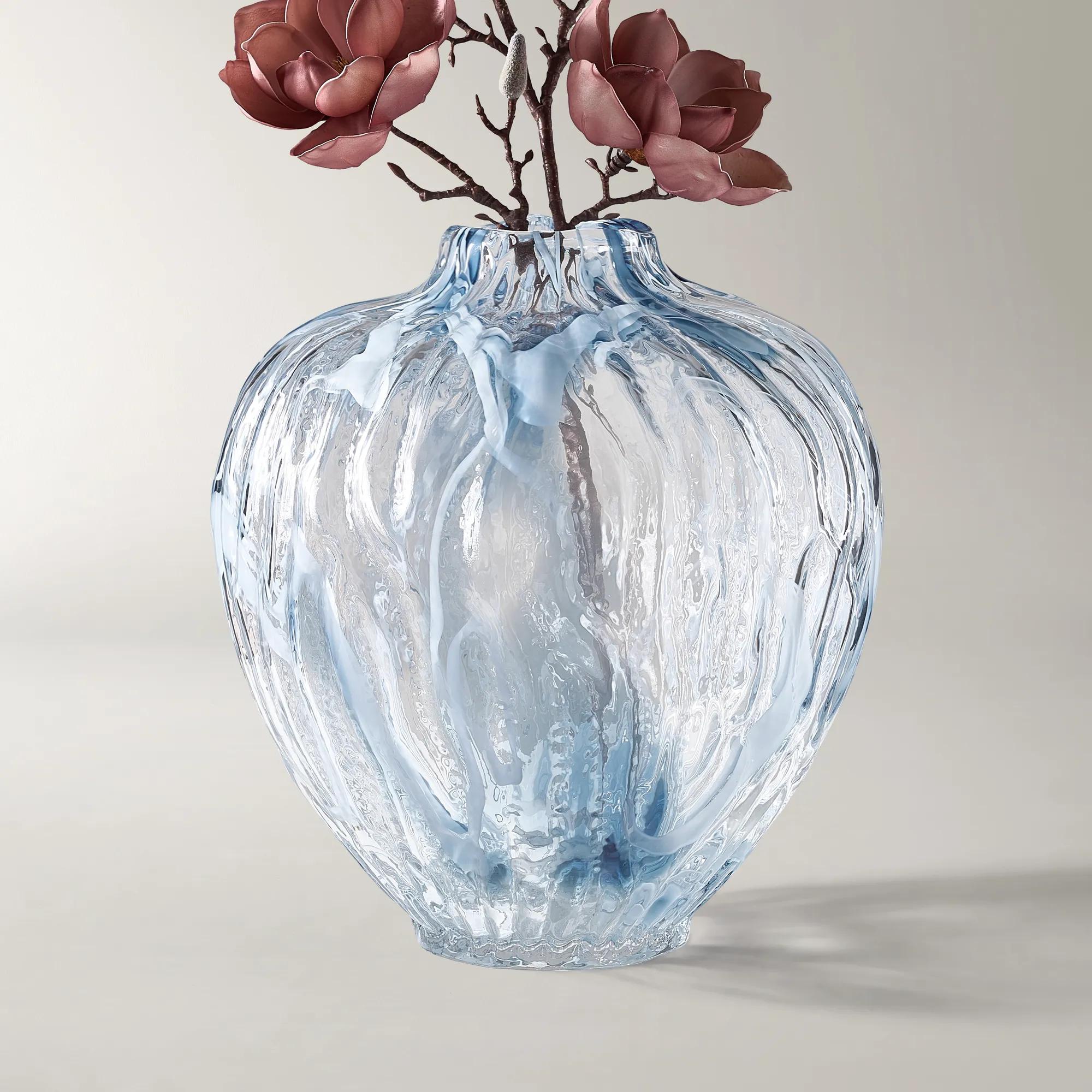 Cruz Mouth Blown Powder Blue Glass Vase 15.75"$169
A handblown glass vase in powder blue with a sculptural, light-catching surface for modern decor.
Add To Cart -
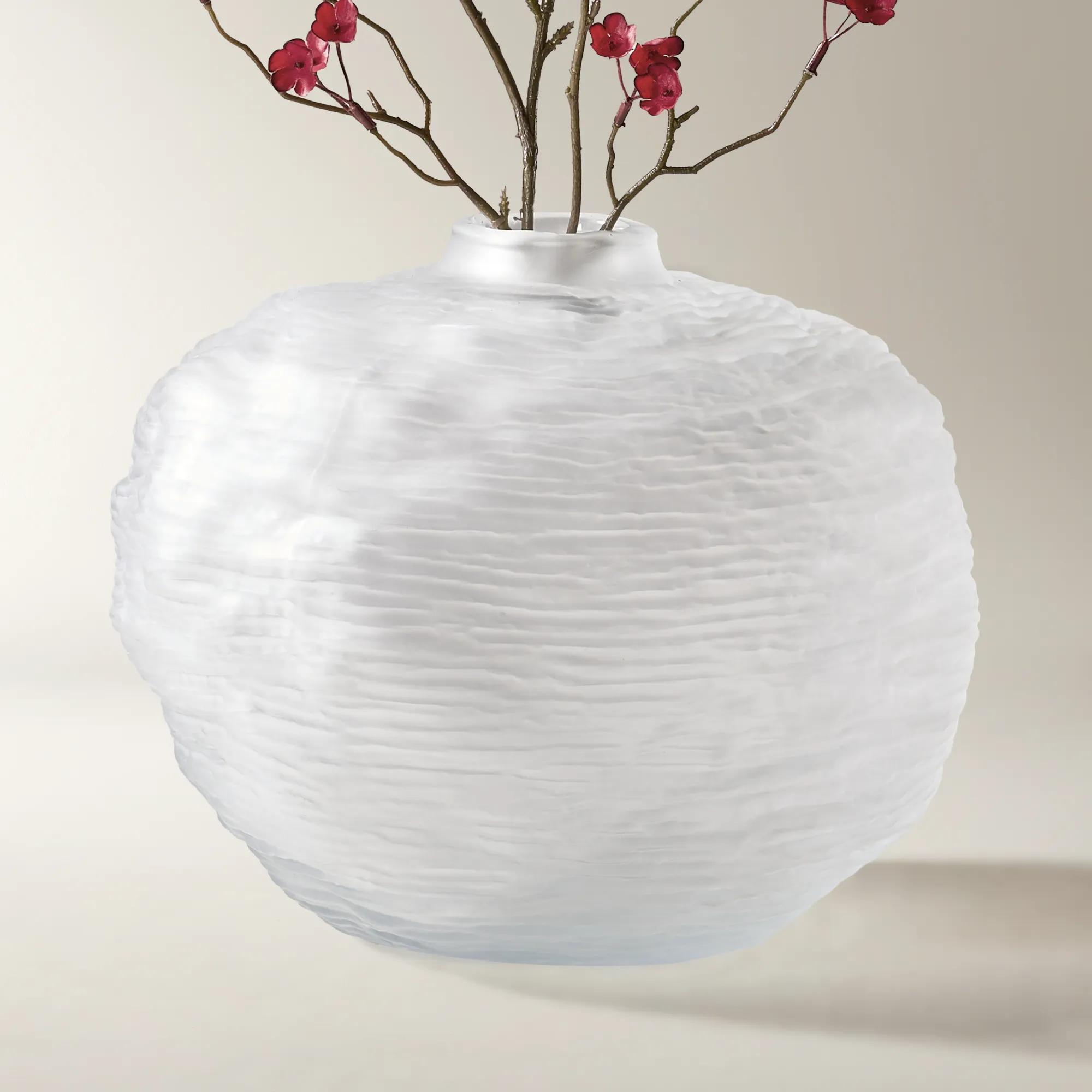 Lucid Mouth Blown Frosted Glass Vase 9.25"$99
A handblown frosted white glass vase with a sculptural, softly textured surface for modern elegance.
Add To Cart -
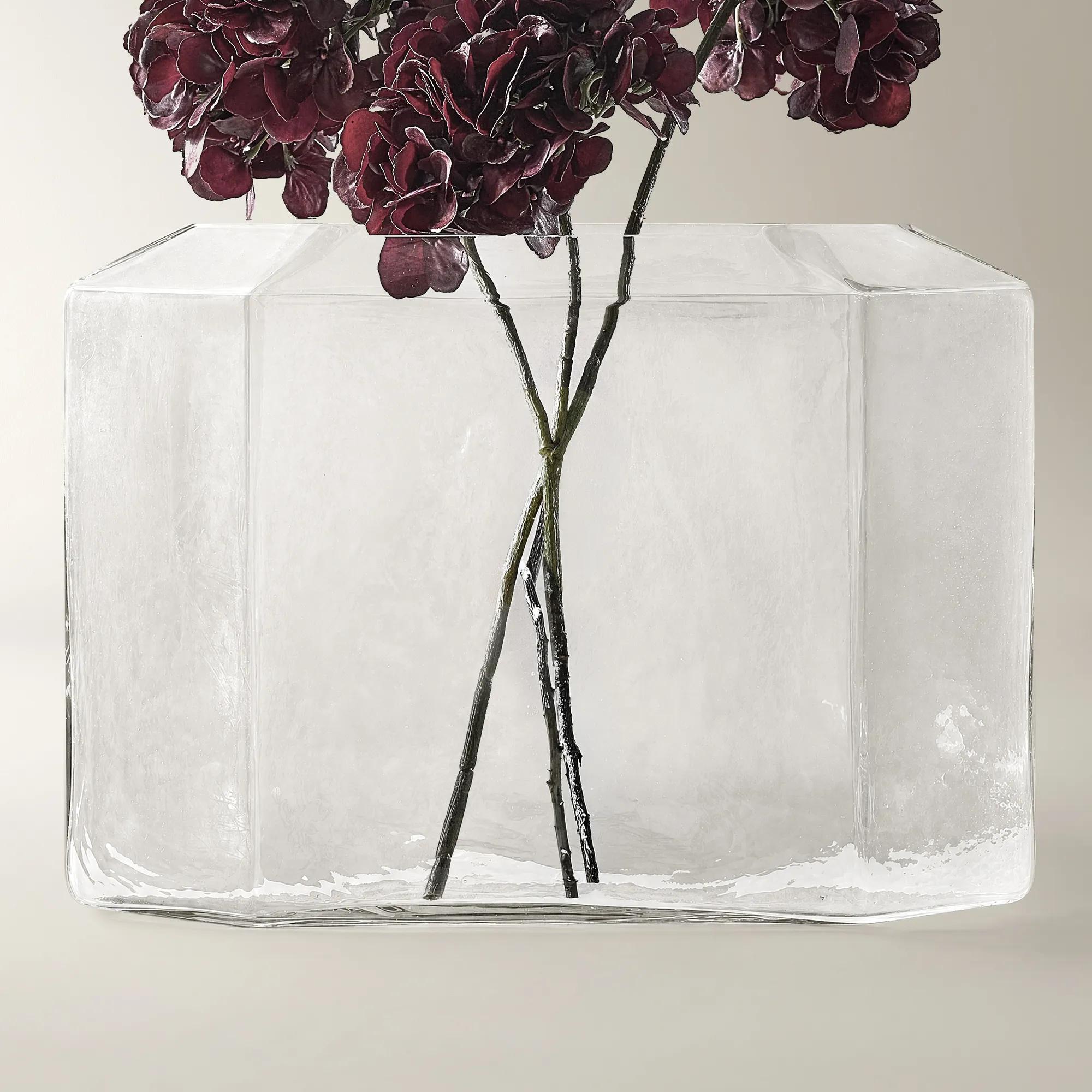 Studio Mouth Blown Clear Glass Vase 13.75"$199
A handblown clear glass vase with faceted detailing that beautifully reflects light for modern elegance.
Add To Cart

Glass Vases For Seasonal Decorating
Glass Vases for Seasonal Decorating invite you to reimagine your home as a living gallery—one where artistry and ambiance shift with the changing light. Each vessel becomes a stage for nature’s most dazzling displays, from spring’s fresh blooms to winter’s sculptural branches. Let your creativity flourish as you layer transparent elegance and shimmering reflections throughout your space, transforming everyday moments into extraordinary scenes. With Glass Vases for Seasonal Decorating, every season is an opportunity to express your unique vision and infuse your interiors with luminous allure.
Glass vases for seasonal decorating bring luminous color, sculptural shape, and a sense of occasion to dining tables, mantels, consoles, and entryways. From slender bud vases to generous rounded vessels, their forms accommodate everything from a single clipped stem to an abundant arrangement of branches and blooms. Clear glass keeps the entire composition visible, making submerged stems and the waterline part of the design, while tinted glass adds depth and can soften the appearance of stems below the opening. Amber and smoke tones lend richness to late-fall arrangements of copper-colored foliage and dried grasses; clear or softly frosted glass gives winter greenery a crisp, luminous setting. For holiday gatherings, deep red flowers or glossy leaves create drama without requiring an elaborate display. The vessel itself contributes as much as its contents: a ribbed surface catches light in narrow ribbons, a faceted profile creates shifting reflections, and a smooth, curved silhouette gives an expressive arrangement room to command attention. Glass may be molded or handblown, with differences in wall thickness, weight, and surface character that influence its appearance and handling. Handblown pieces can have subtle variations or small bubbles that reflect the making process, rather than the uniformity associated with some machine-made glass. Decorative coatings, painted details, and metallic accents add another layer of visual interest, although their care requirements may differ from those of uncoated glass. Whether the look is jewel-toned and theatrical or restrained in color but generous in scale, a glass vase establishes a focal point without visually closing off the space around it. That transparency is especially compelling on a holiday table, where linens, polished flatware, and layered place settings remain visible through the centerpiece. A vessel with a distinctive silhouette can also stand empty between arrangements, holding its place as a decorative object rather than disappearing when the flowers are gone.
The most successful proportions connect the vase to both its arrangement and its setting. A narrow neck helps gather a few stems into a deliberate composition, while a wider mouth gives fuller bouquets room to spread and usually benefits from more stems or suitable floral support. Tall cylindrical shapes emphasize upright branches; rounded vessels create a generous base for flowers that curve outward; small bud vases introduce precise touches of color along a table or across a shallow shelf. For seated entertaining, arrangements that remain below guests’ sight lines preserve conversation and leave room for serving dishes. On a console or entry table, greater height can feel appropriately dramatic, provided the base is stable and the branches do not extend into a walkway. A tall vase is not automatically suitable for heavy limbs: the weight of the glass, the width of its foot, and the balance of the completed arrangement all matter. Clear glass also makes proportion unusually visible, so a modest bundle of stems can look intentional in a slim vessel but sparse inside an oversized opening. Groupings gain depth when heights vary and a shared color or repeated shape connects the pieces. A trio of smoke-toned vessels with different profiles, for example, can frame a mirror without competing with it, while clear glass beside white vases for seasonal decorating creates contrast between transparency and a pale, sculptural presence. Fresh flowers bring movement and fragrance where desired; faux stems and dried botanicals offer lasting shape for displays that receive less frequent attention. Smooth decorative ornaments can introduce holiday color inside a dry vessel, though delicate finishes and thin glass call for gentle placement rather than tightly packed fillers. The arrangement should also suit its surroundings: a sprawling centerpiece may be magnificent on a broad dining table but feel crowded on a narrow mantel. Leaving visible space around the vessel allows its outline, color, and reflections to register.
Glass offers enduring decorative versatility, but its beauty depends on thoughtful handling and care. Thickness can affect weight and sturdiness, yet even substantial glass remains vulnerable to impact, chips, and sudden temperature changes. A broad, level base is particularly important for arrangements with water or top-heavy stems, and a protected position away from table edges, active doorways, and curious pets helps preserve both the vessel and its contents. Not every decorative vase is intended to hold water; watertight construction and suitability for fresh flowers should be confirmed in the individual care information, especially when a vessel has applied finishes or unusual construction. For water-safe glass, clean water and prompt removal of decaying leaves help keep the arrangement attractive and reduce residue. Emptying the vase before deposits harden makes cleaning easier, while a soft cloth and gentle washing, when permitted by the care instructions, help preserve clarity. Abrasive pads can scratch the surface, and metallic decoration or painted finishes may require especially careful cleaning. Dishwasher use, soaking, and cleaning solutions should follow the manufacturer’s directions rather than assumptions based on the material alone. Narrow-necked vessels may need a soft bottle brush that reaches the interior without scraping decorative surfaces; thorough drying before storage helps prevent lingering moisture. When stored between seasonal displays, separate wrapping and an upright position protect delicate rims from contact with neighboring pieces. These practical details make glass vases particularly appealing to people who enjoy refreshing a room through flowers, foliage, and small decorative gestures rather than replacing larger furnishings. They can also make thoughtful housewarming, wedding, or holiday gifts for hosts, flower enthusiasts, and anyone developing a personal collection of decorative objects. A versatile opening, manageable weight, and scale suited to the recipient’s home matter more than sheer size. Presented with an arrangement appropriate to the vessel, a glass vase becomes both an immediate pleasure and a lasting foundation for future displays, ready to frame a lavish holiday bouquet, a sweep of winter branches, or a few stems chosen simply for their extraordinary color.
FAQs
Glass vases are exceptionally versatile for seasonal decorating. In spring, fill them with blossoming branches or fresh tulips to evoke renewal. Summer calls for colorful glass vases filled with vibrant wildflowers or citrus slices for a playful touch. Autumn arrangements might feature golden foliage, dried botanicals, or sculptural twigs, while winter is perfect for evergreen sprigs, pinecones, or shimmering ornaments. Swap contents and placement throughout the year to keep your décor fresh and inspired.
Decorative glass vases shine when used inventively: layer sand, pebbles, or shells for a coastal vibe; display collections of vintage ornaments, feathers, or colorful marbles for artistic flair; or use tall glass vases to showcase dramatic branches or pampas grass. For a festive atmosphere, fill vases with fairy lights, or create a layered look by grouping vases of varying heights and shapes together for visual intrigue.
Absolutely. Glass vases make elegant, enduring gifts for housewarmings, anniversaries, weddings, or holidays. Their timeless appeal suits a wide range of tastes, and they offer the recipient endless opportunities for creative self-expression. Pair a vase with fresh flowers or a handwritten note for an extra thoughtful touch.
Consider the atmosphere you wish to create and the room’s existing design. Tall, slender vases add drama and height to entryways or dining tables, while shorter, rounder vases are ideal for coffee tables, shelves, or bedside tables. For a cohesive look, echo the room’s color palette with clear or colorful glass vases, or introduce a contrasting hue for a bold accent.
Mixing glass vases with ceramics, metals, or mirrored pieces creates depth and visual interest in any display. The interplay of textures—glossy glass, matte ceramic, gleaming metal—brings a curated, gallery-inspired feel to your home. Experiment with different heights and shapes to compose a dynamic, artful vignette that reflects your personal style.